

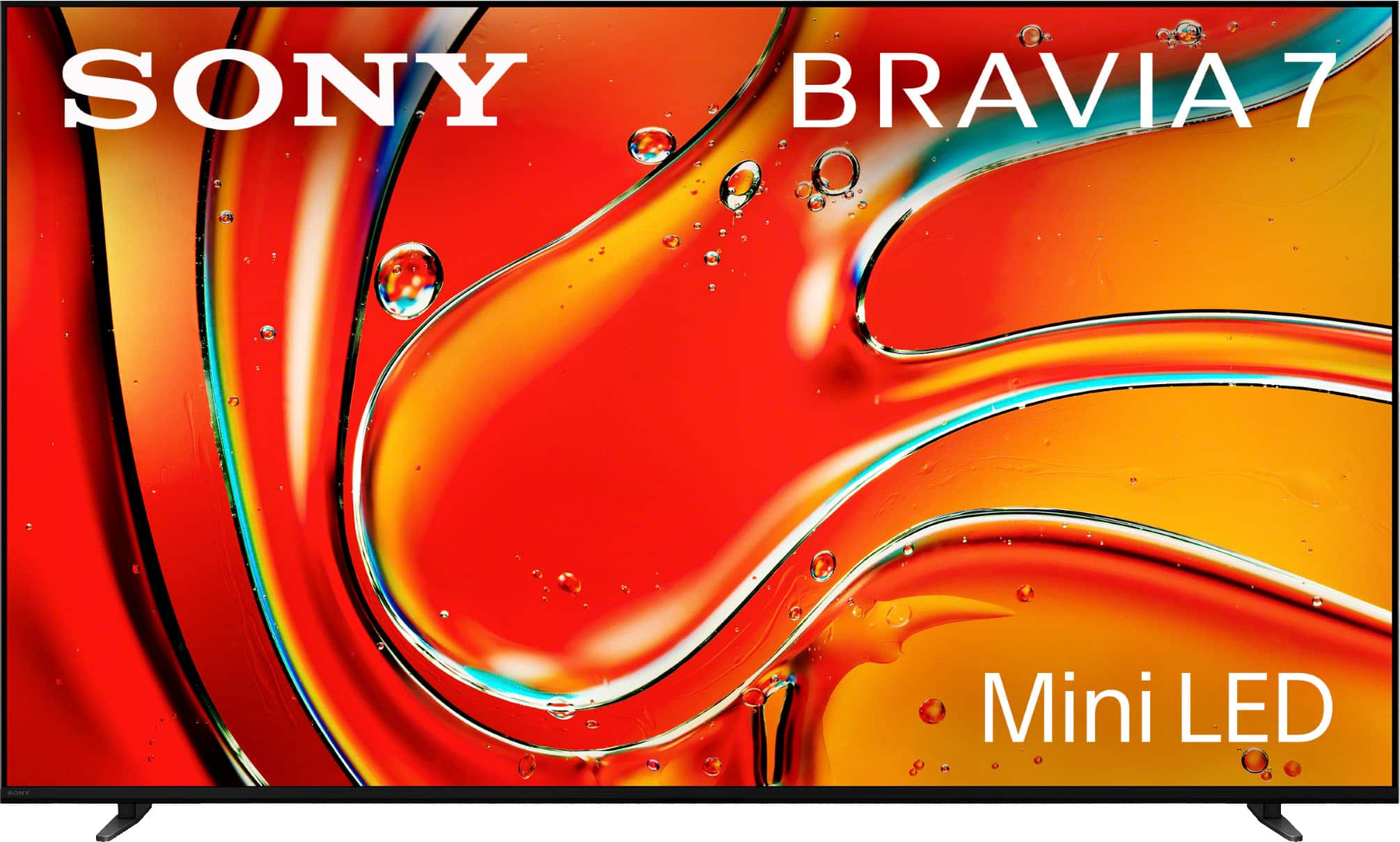
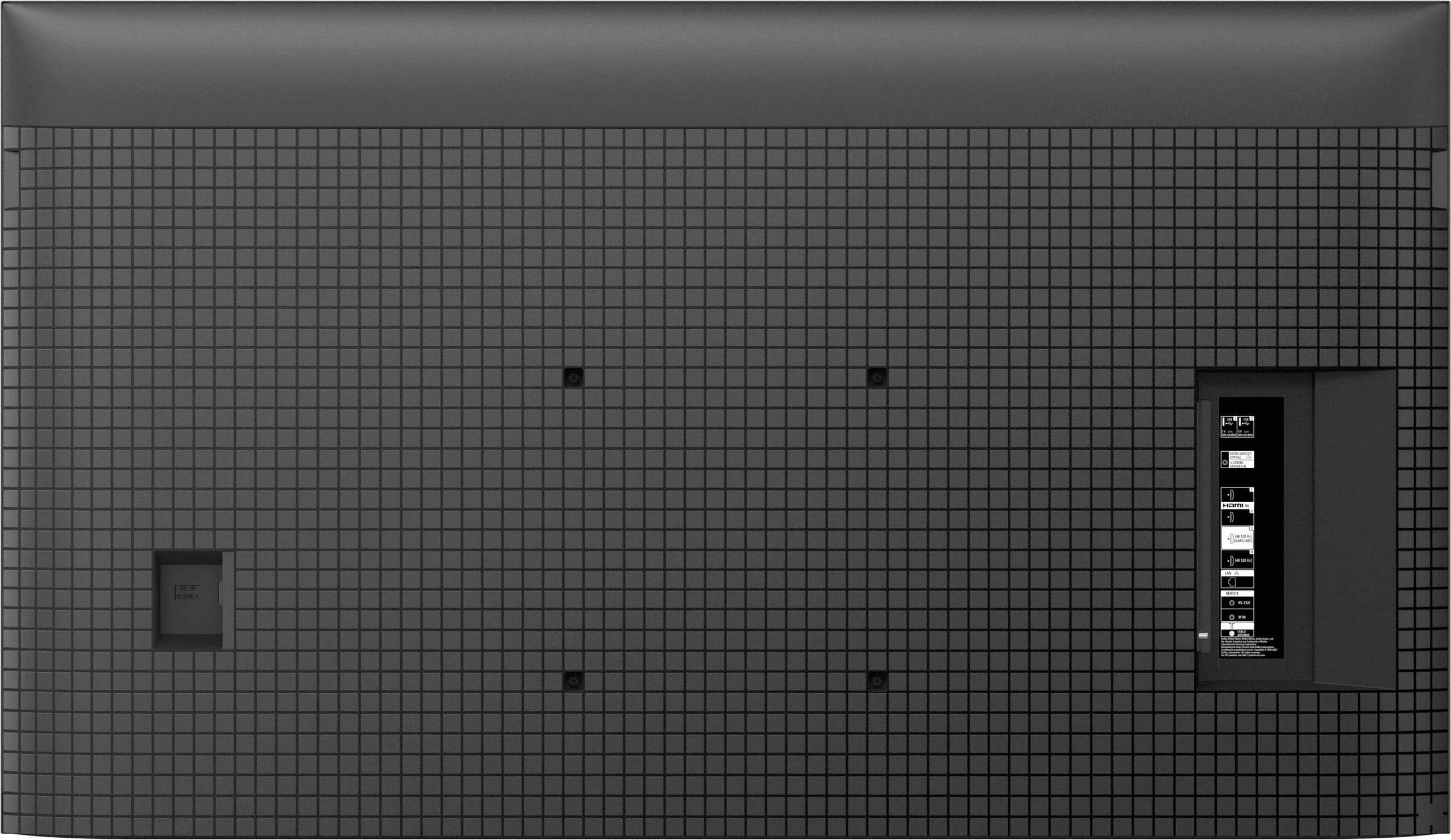
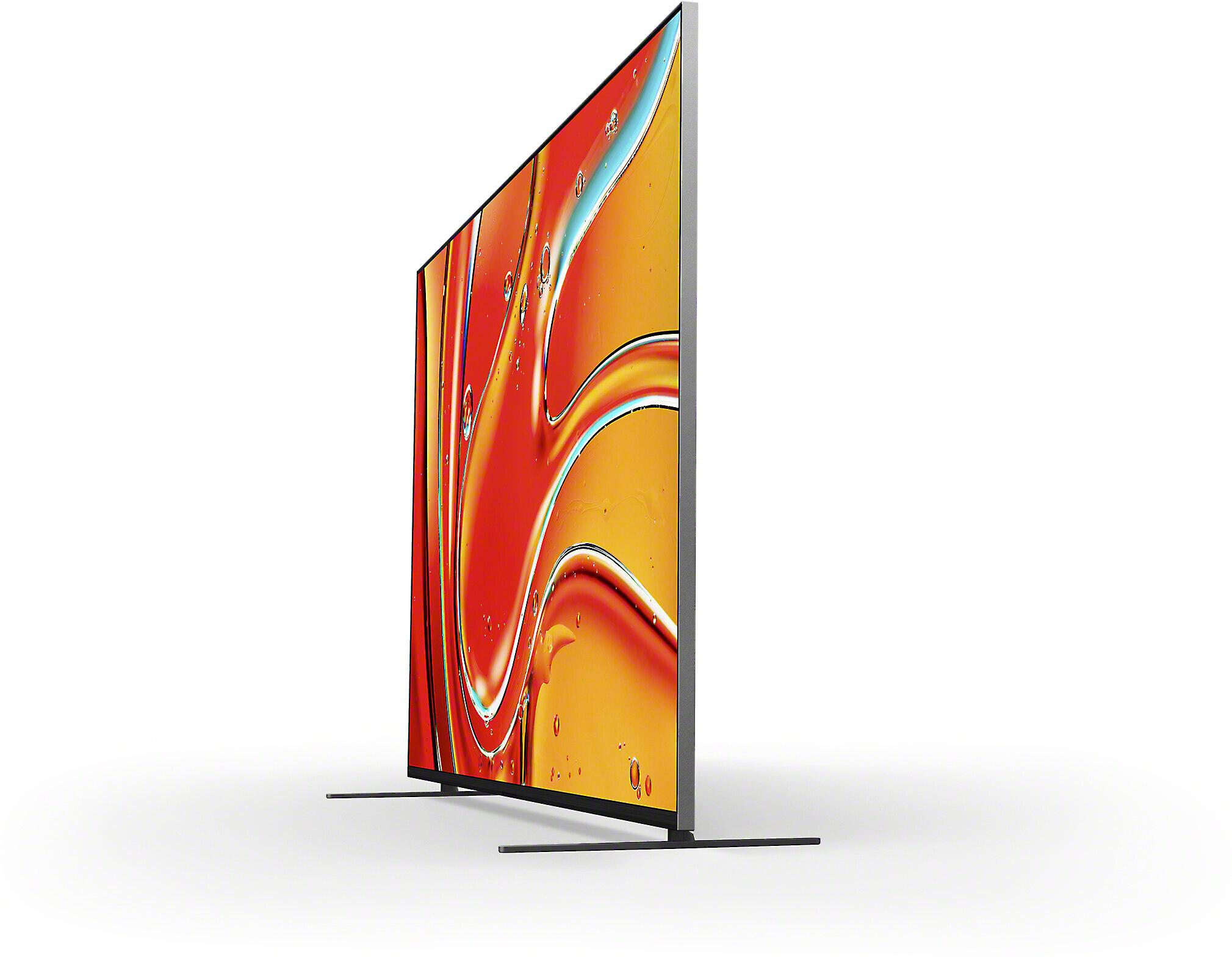
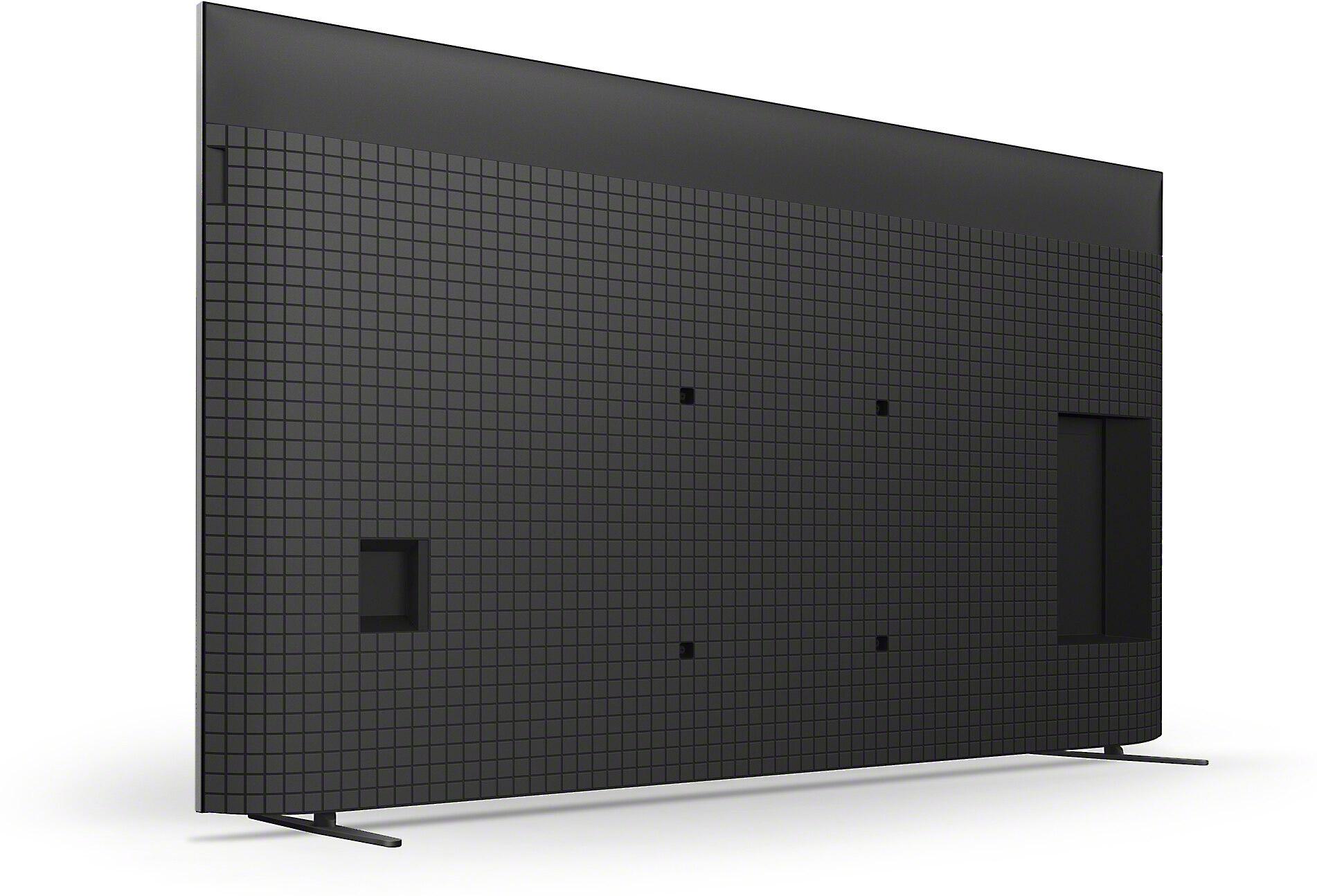
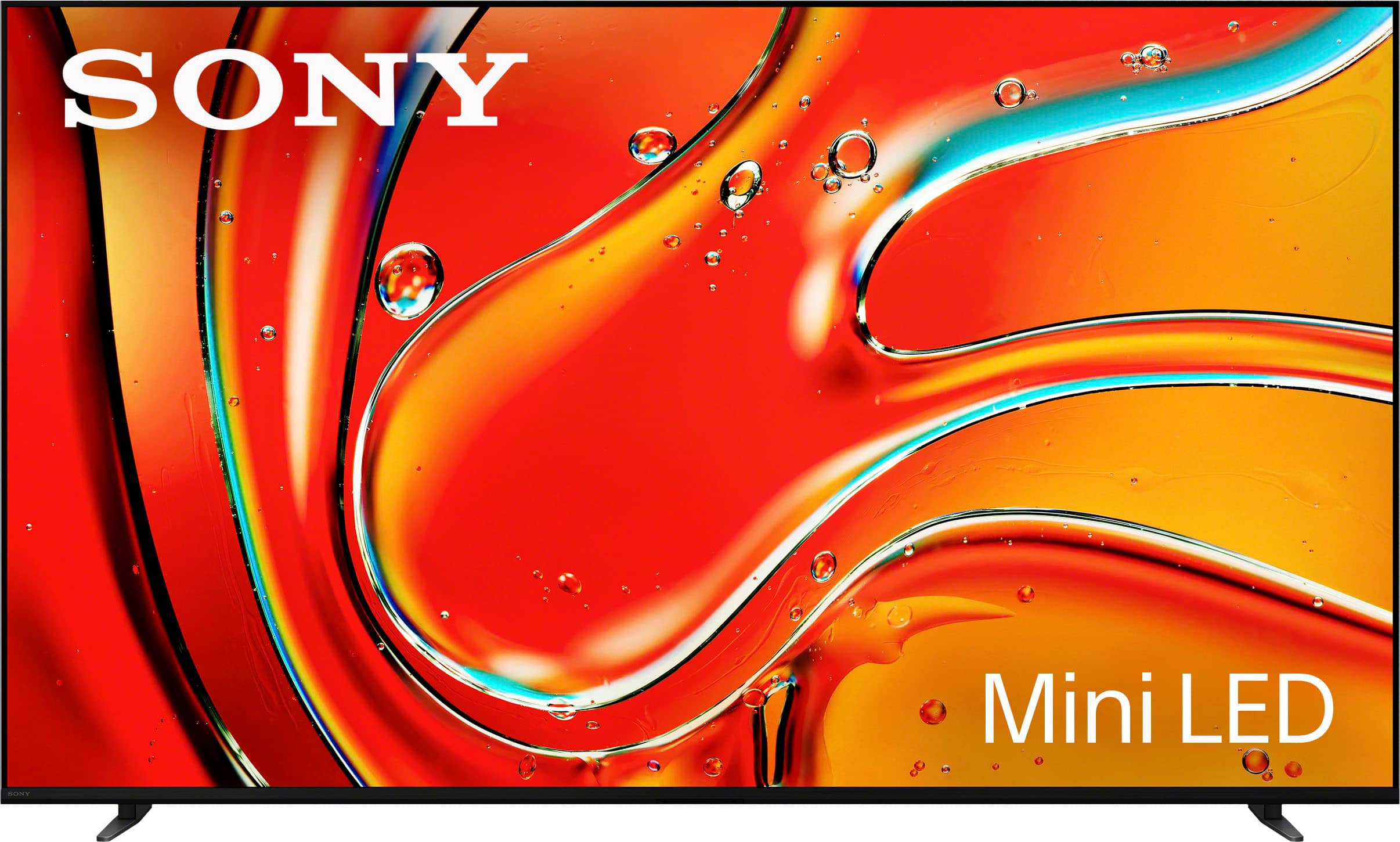
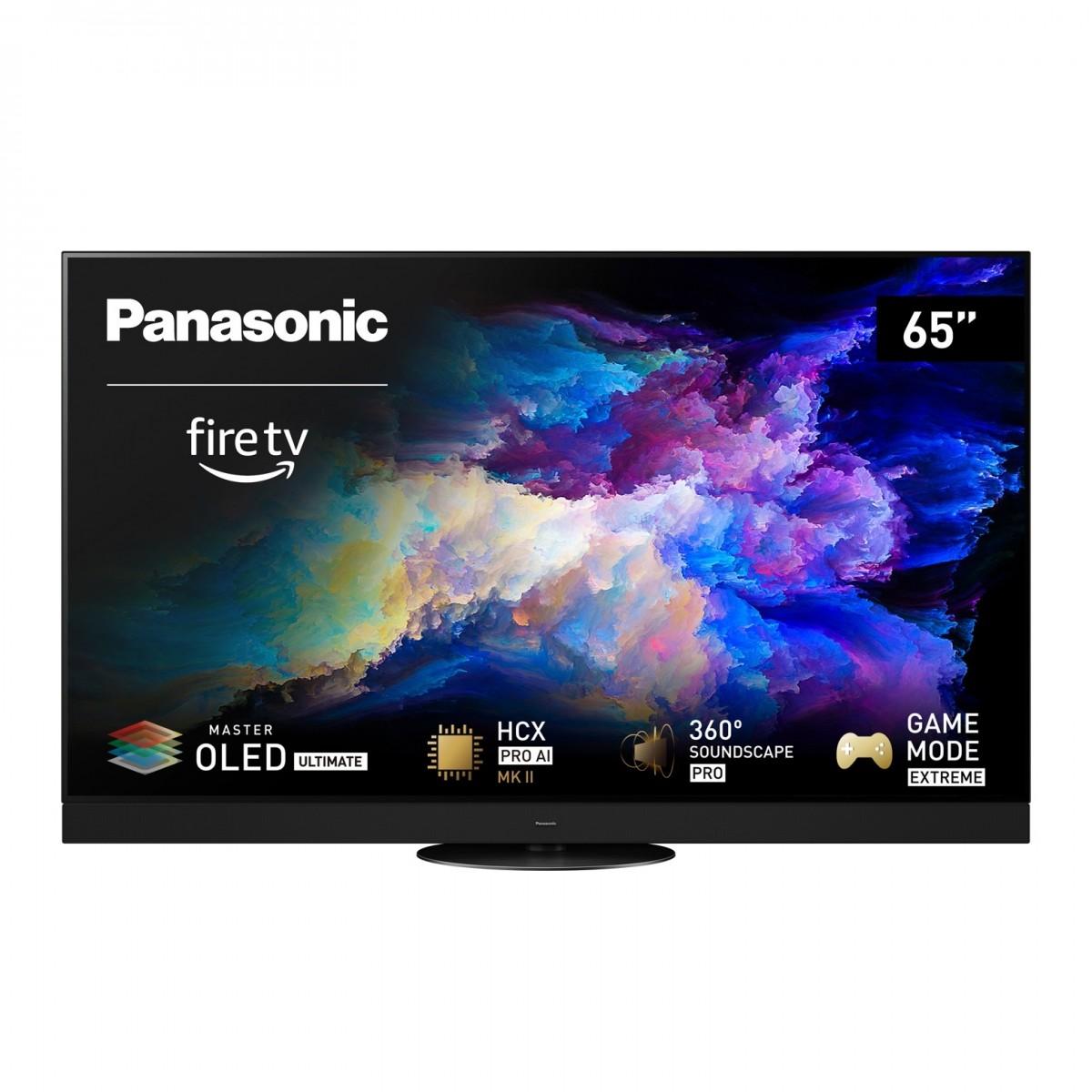
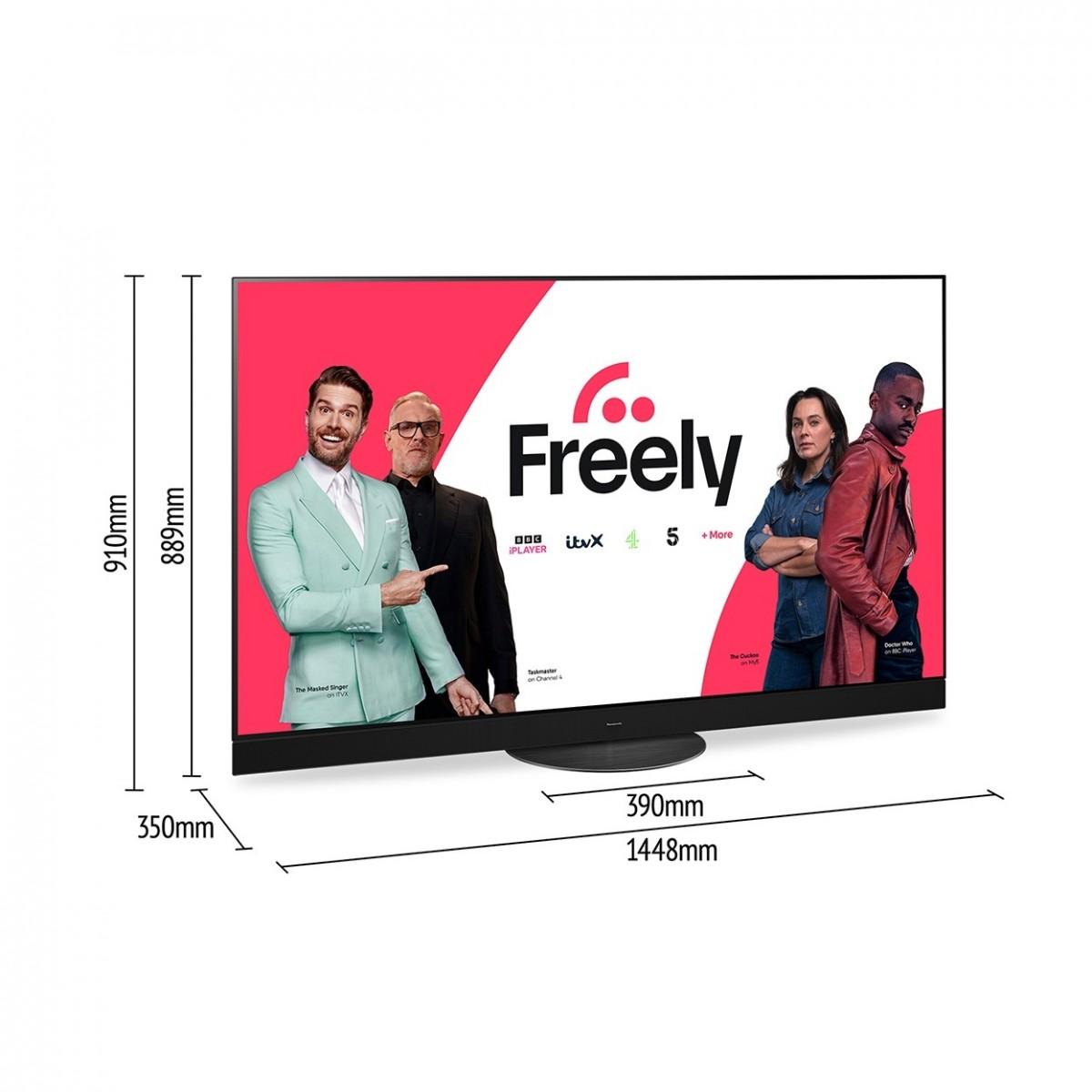
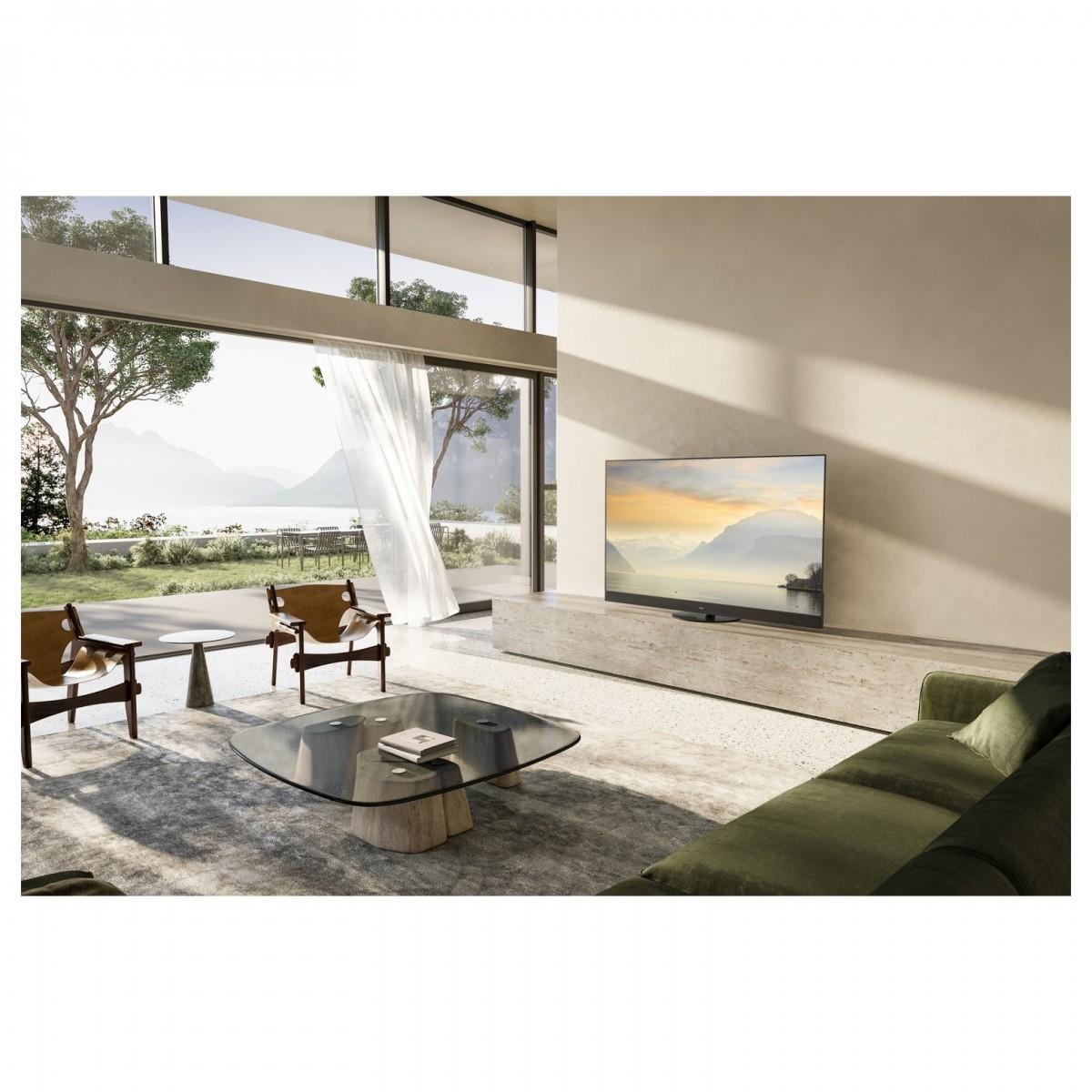
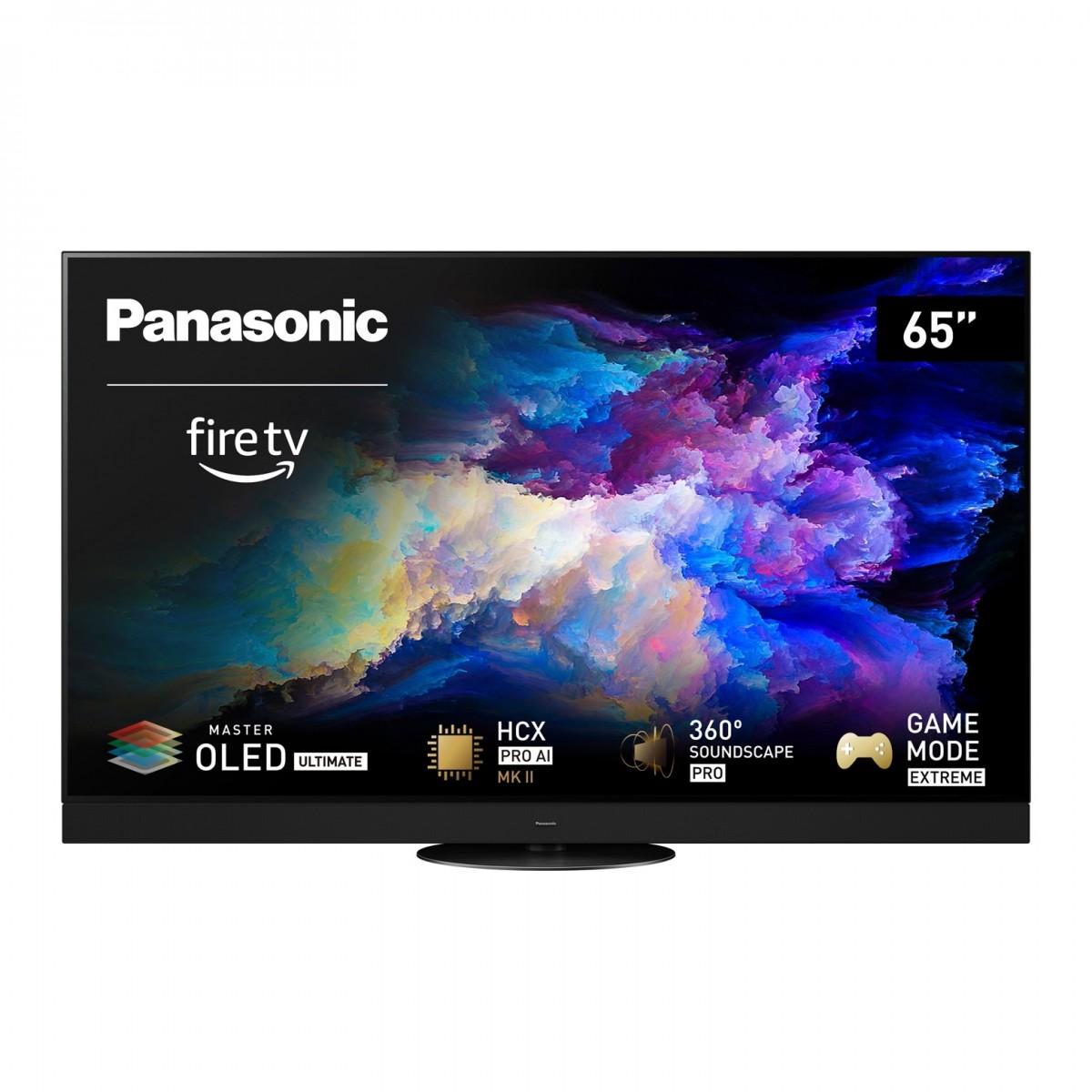
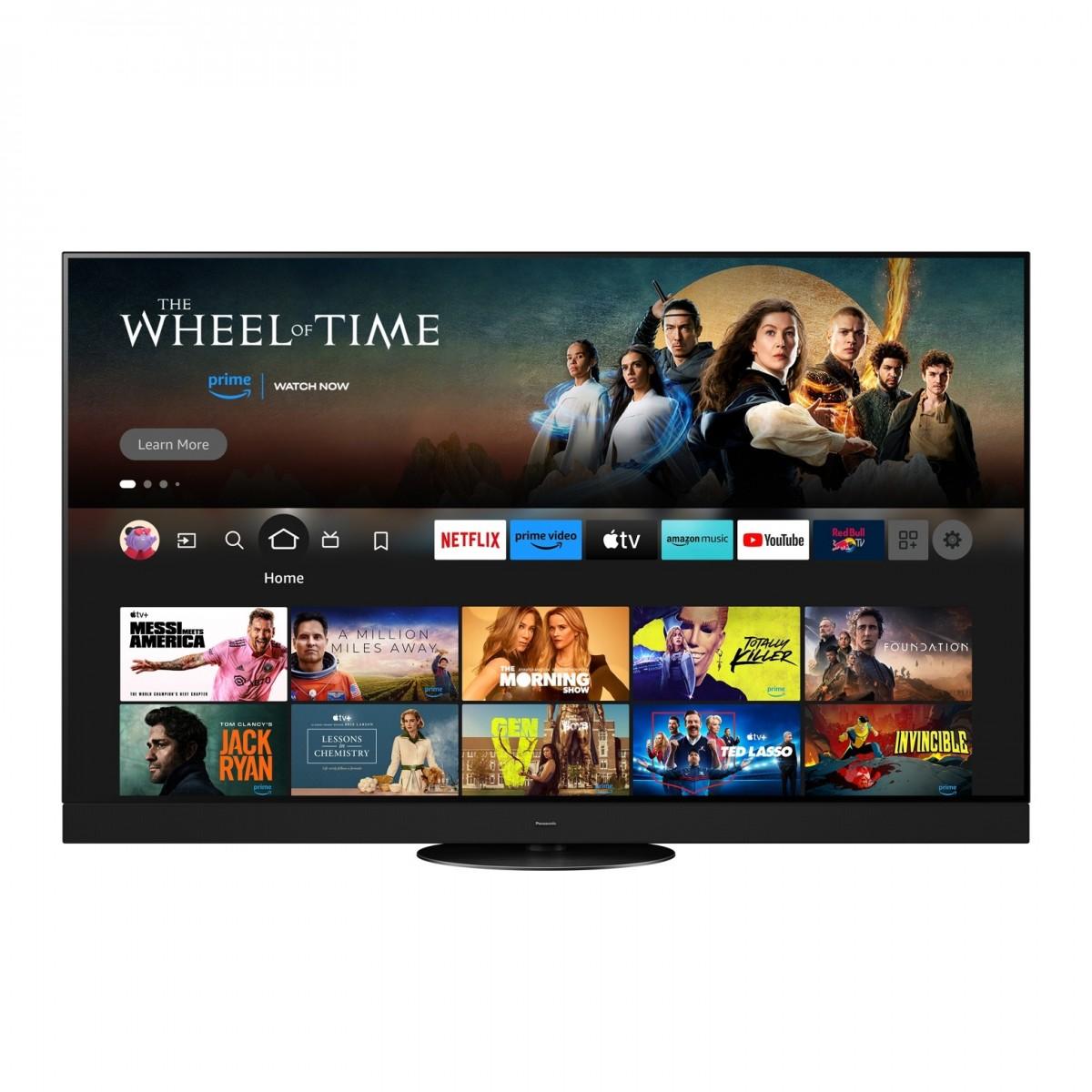
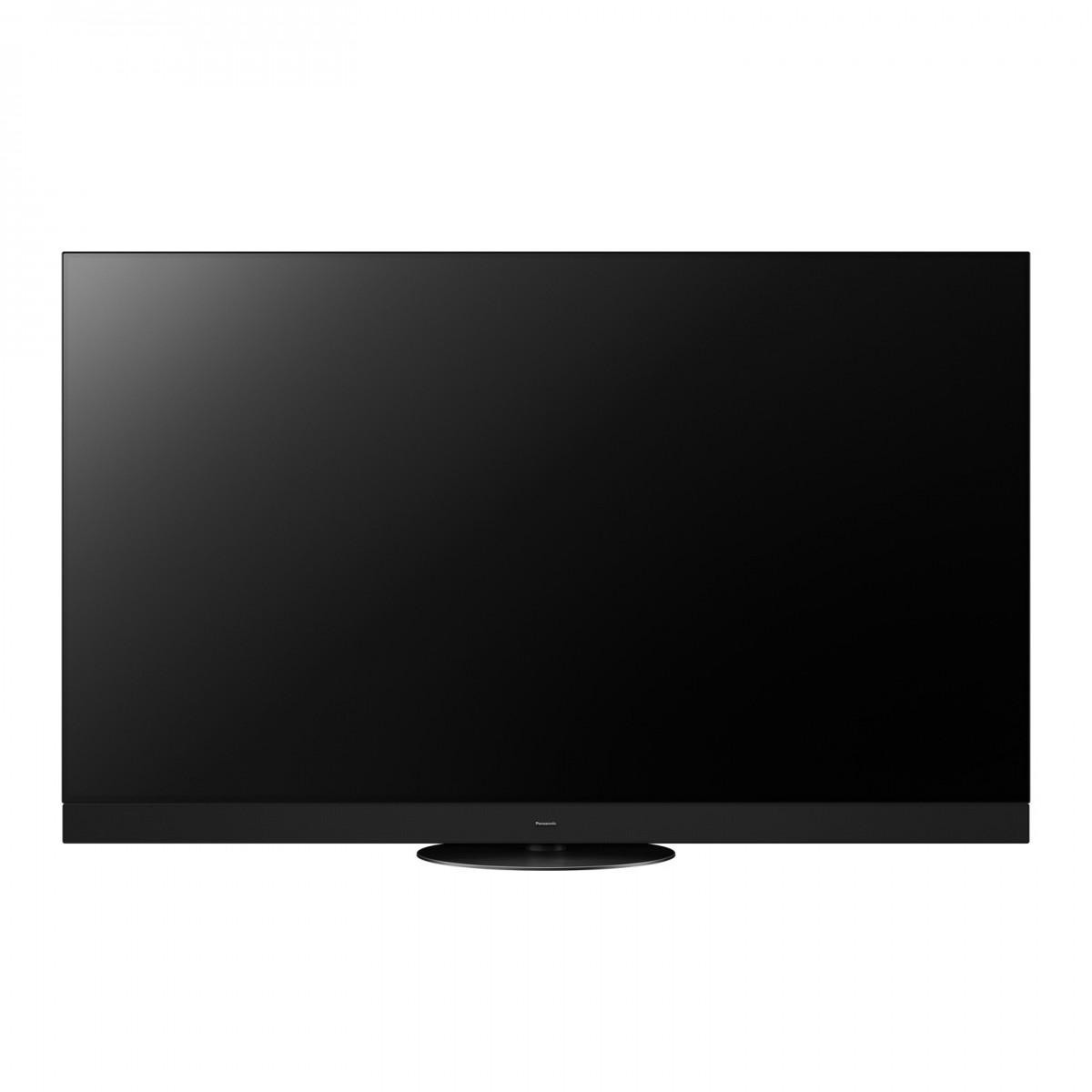
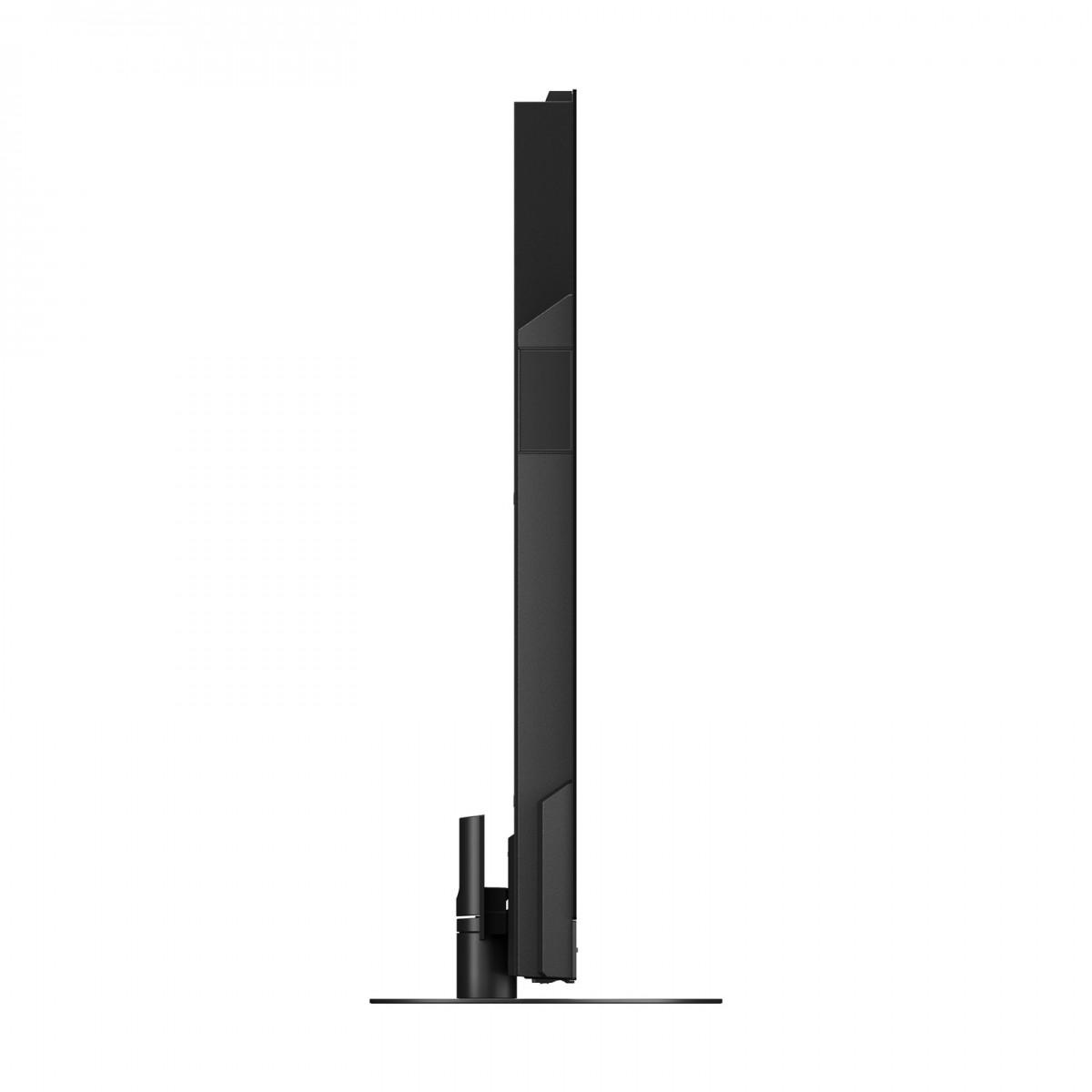
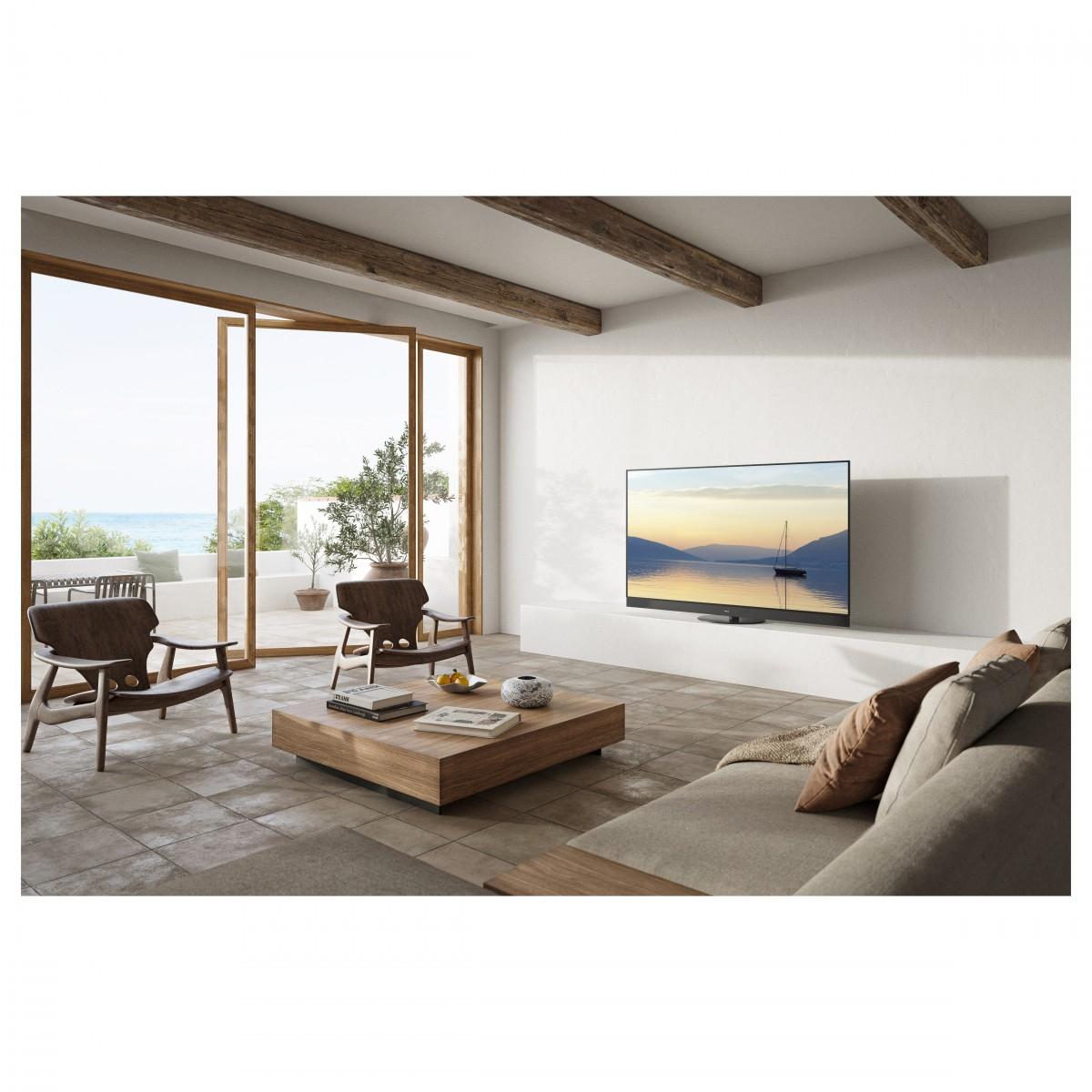
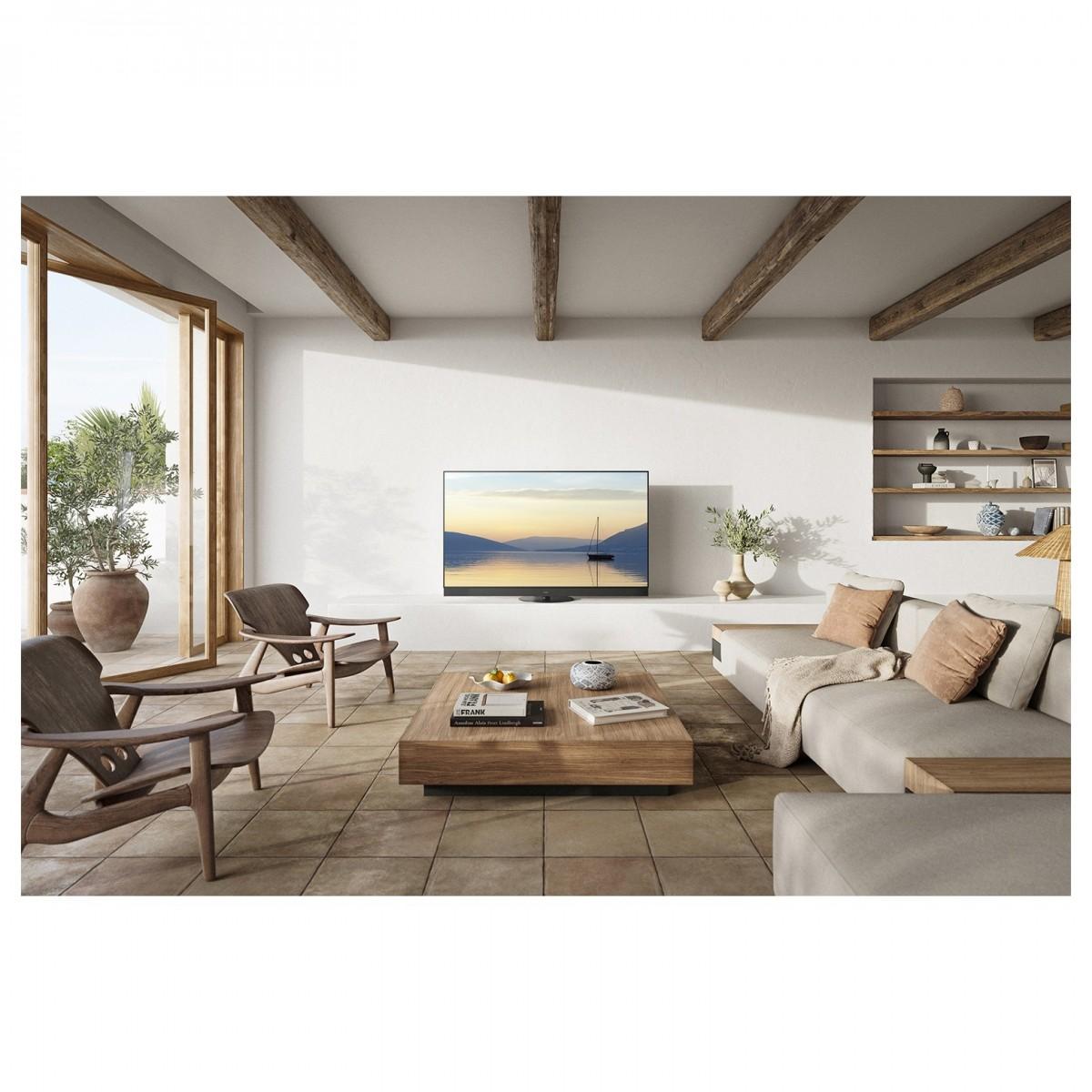
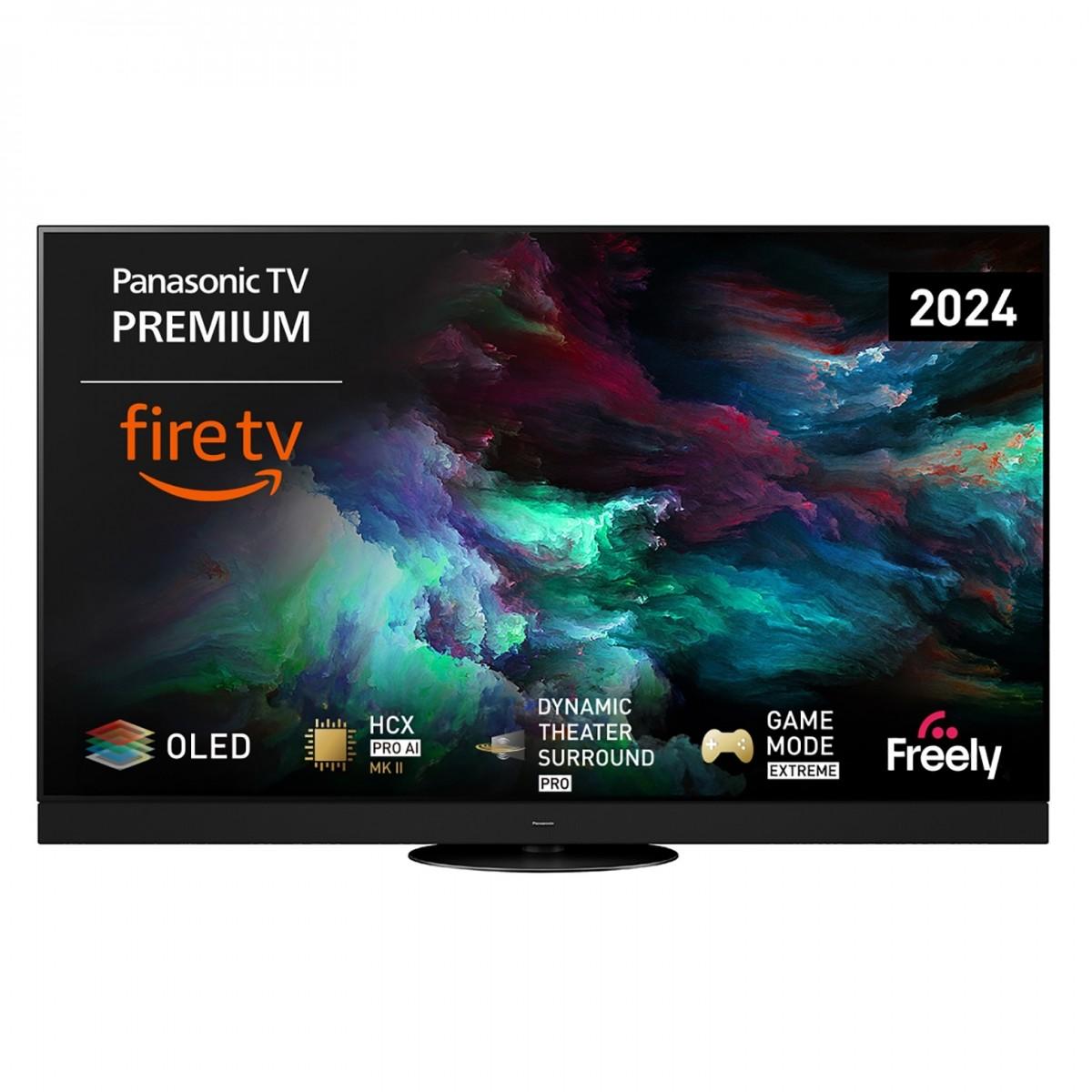
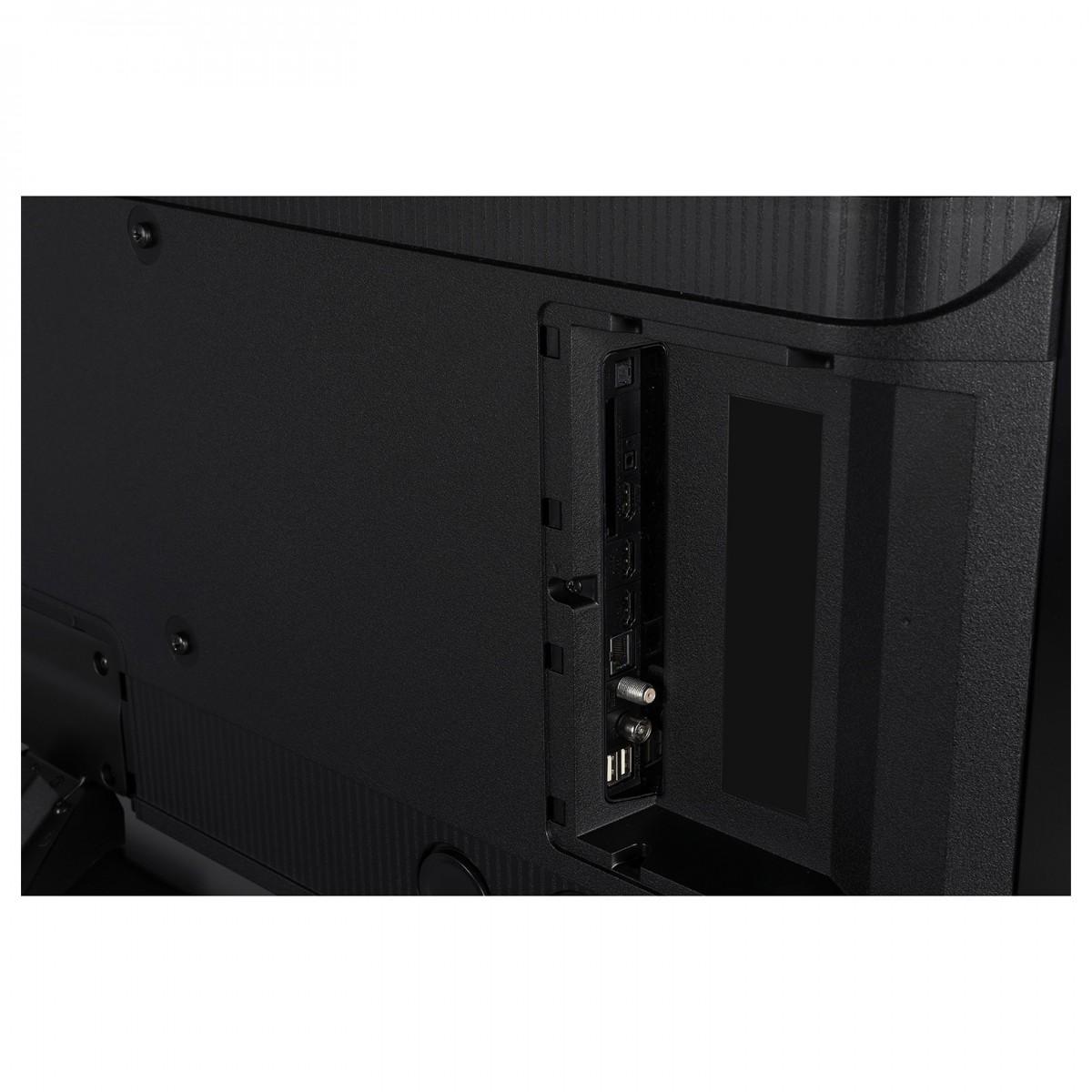
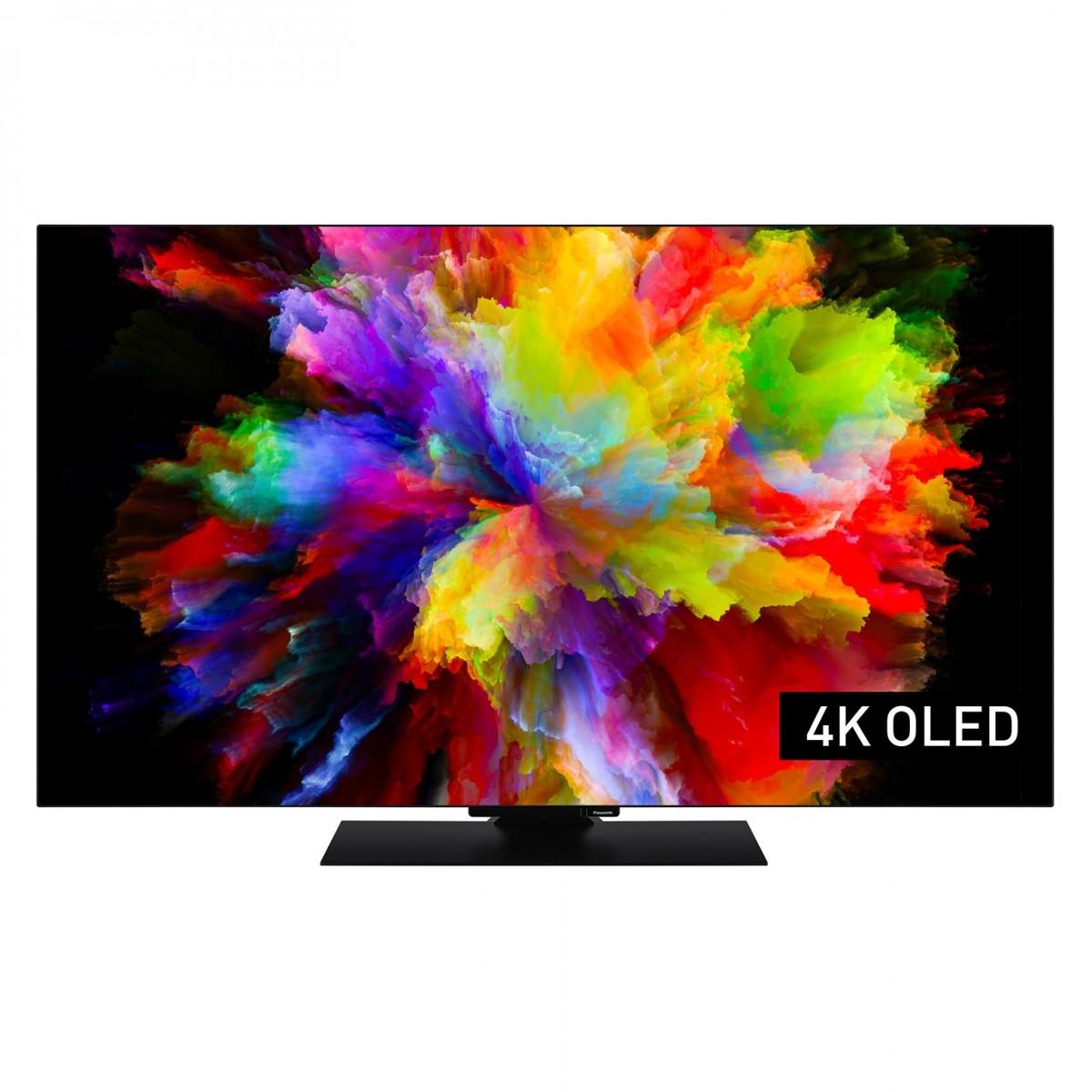
Shopping for a 65-inch TV in 2024 means navigating a landscape of impressive but fundamentally different display technologies. The choice between the Panasonic Z95A OLED and Sony BRAVIA 7 perfectly illustrates this divide—one represents the pinnacle of OLED technology with its perfect blacks and cinema-grade color accuracy, while the other showcases how mini-LED technology can deliver flagship-level performance at a more accessible price point.
Both TVs launched in 2024, arriving at a time when TV manufacturers have largely solved the reliability issues that plagued earlier generations. The Panasonic Z95A benefits from years of OLED refinement, incorporating Panasonic's latest HCX Pro AI Processor MKII and improved panel technology that addresses earlier concerns about brightness limitations. Meanwhile, the Sony BRAVIA 7 represents Sony's aggressive push into the premium mini-LED space, packing their Cognitive Processor XR into a TV that competes directly with models costing significantly more.
The fundamental difference between these televisions lies in how they create light. The Panasonic Z95A uses OLED (Organic Light-Emitting Diode) technology, where each pixel generates its own light and can turn completely off to create true black. Think of it like having 8.3 million tiny light bulbs that can individually dim or brighten. This creates an infinite contrast ratio—the difference between the brightest white and darkest black—which translates to incredibly realistic images with depth that jumps off the screen.
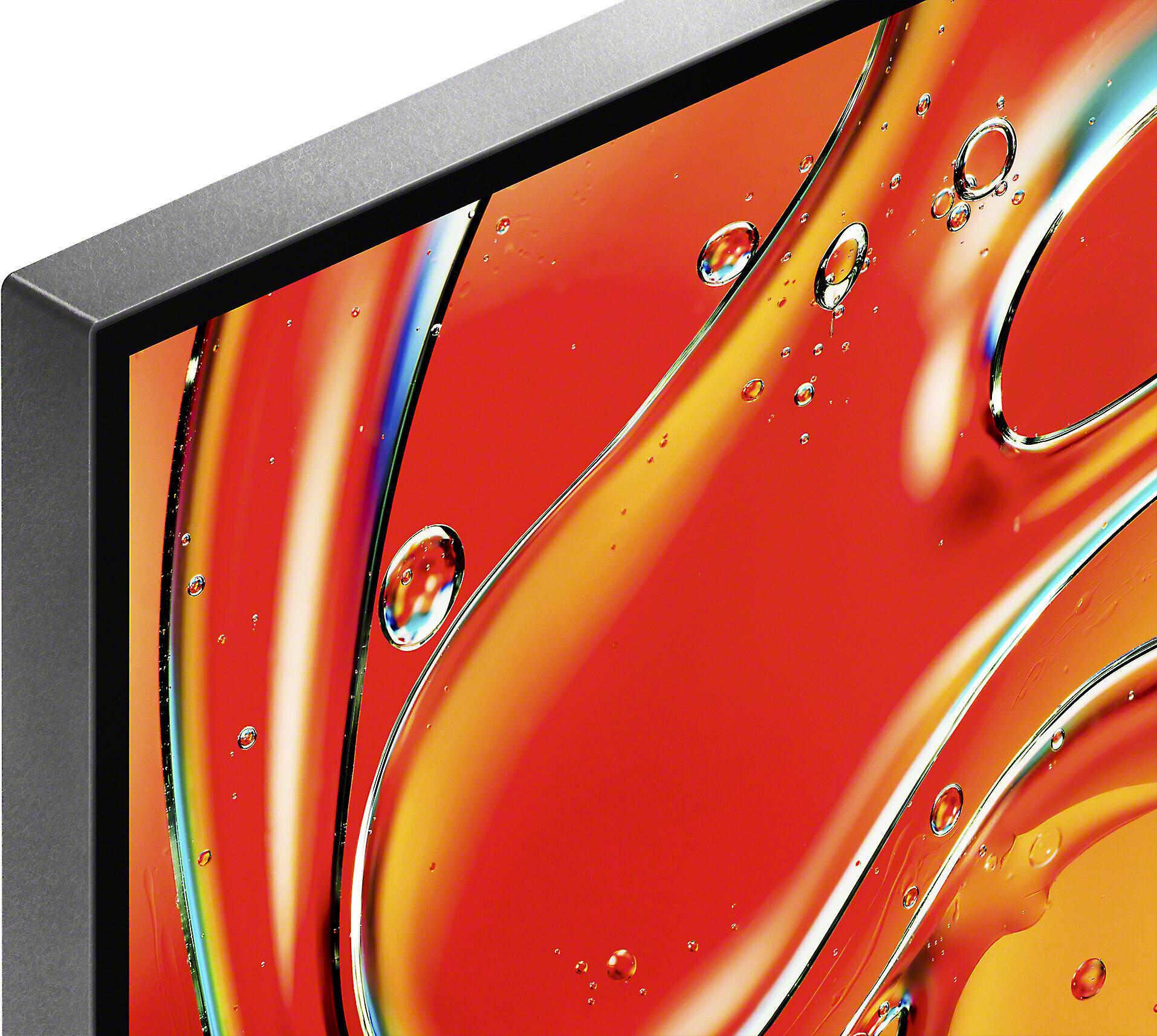
The Sony BRAVIA 7, on the other hand, uses mini-LED technology with Full Array Local Dimming. Instead of self-illuminating pixels, it uses thousands of tiny LED lights behind the screen that shine through LCD panels. These mini-LEDs are grouped into hundreds of zones that can dim or brighten independently, creating deeper blacks and brighter highlights than traditional LED TVs. While it can't achieve true black like OLED, modern mini-LED implementations get remarkably close while offering superior peak brightness.
Contrast and Black Level Performance
The contrast performance between these TVs tells two different stories. The Panasonic Z95A delivers perfect blacks that create an almost three-dimensional viewing experience. When watching a space scene in a movie like "Interstellar," the stars appear to float against a truly black void, creating depth that's immediately noticeable. This infinite contrast ratio makes dark scenes in movies and TV shows appear exactly as filmmakers intended, with shadow details that remain visible without any gray wash.
The Sony BRAVIA 7 handles blacks impressively well for LED technology, thanks to its XR Backlight Master Drive controlling hundreds of local dimming zones. In the same space scene, you'd see deep blacks with bright stars, though a trained eye might notice slight blooming (light leakage) around very bright objects against dark backgrounds. However, this difference becomes less noticeable in most real-world content, and many viewers find the mini-LED's overall presentation equally compelling.
Brightness and HDR Impact
Here's where the Sony BRAVIA 7 pulls ahead. Its mini-LED backlight can push peak brightness levels well above what OLED technology currently achieves. This translates to HDR (High Dynamic Range) content that truly pops, especially in bright viewing environments. HDR is essentially expanded contrast—brighter whites, darker blacks, and more colors in between—and the Sony's brightness advantage makes HDR highlights like sun reflections or explosions more impactful.
The Panasonic Z95A handles HDR beautifully but with a different character. Its HDR presentation feels more natural and film-like, prioritizing gradual tonal transitions and color accuracy over punch. Both TVs support Dolby Vision, HDR10+, and other HDR formats, but they interpret this content differently based on their display capabilities.
Color Accuracy and Processing
Panasonic has built a reputation in professional broadcast equipment, and this expertise shows in the Z95A's color reproduction. The Hexa Chroma Drive technology and HCX Pro AI Processor MKII work together to deliver colors that appear natural rather than oversaturated. Skin tones look realistic, and subtle color gradients in sunset scenes display without banding (visible steps between colors).
The Sony BRAVIA 7 employs XR Triluminos Pro technology, which also delivers excellent color but with a slightly different approach. Sony tends to boost color saturation slightly for more immediate visual impact, which many viewers prefer for sports and action content. Both approaches have merit—Panasonic for accuracy, Sony for engagement.
Gaming has become a crucial consideration for TV buyers, and the Sony BRAVIA 7 clearly targets this market. Its "Perfect for PS5" branding isn't just marketing—it includes Auto HDR Tone Mapping that automatically optimizes PlayStation 5 games, ALLM (Auto Low Latency Mode) that switches to game mode when it detects gaming content, and VRR (Variable Refresh Rate) support that eliminates screen tearing.
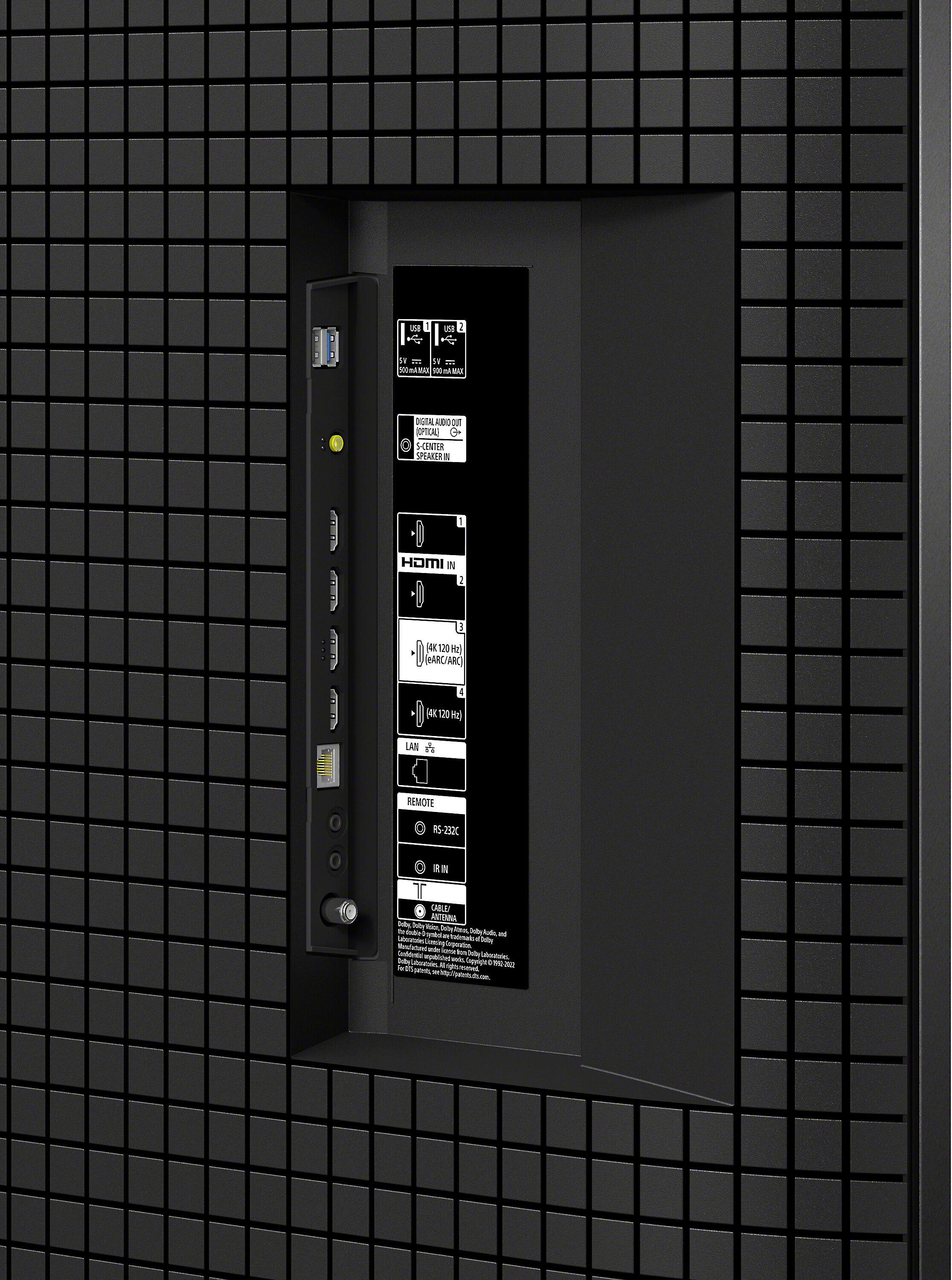
The gaming experience on the Sony includes input lag under 8.5 milliseconds, which feels instantaneous during fast-paced gaming. The 120Hz refresh rate on both HDMI 3 and 4 ports means you can connect multiple gaming devices without sacrificing performance. These features matter for competitive gaming, where every millisecond counts.
The Panasonic Z95A offers competent gaming performance with 120Hz refresh rate and modern gaming features, but it feels more like an afterthought than a primary focus. The gaming mode works well, but lacks the comprehensive optimization found in the Sony. For casual gaming, it's perfectly adequate; for serious gamers, the Sony provides a more refined experience.
The smart TV experience shapes how you interact with your television daily, and these models take different approaches. The Panasonic Z95A runs Fire TV, Amazon's streaming platform that organizes content from various services into a unified interface. It integrates well with Amazon's ecosystem and supports both Alexa and Google Assistant for voice control. The interface feels responsive, though not quite as snappy as some competitors.
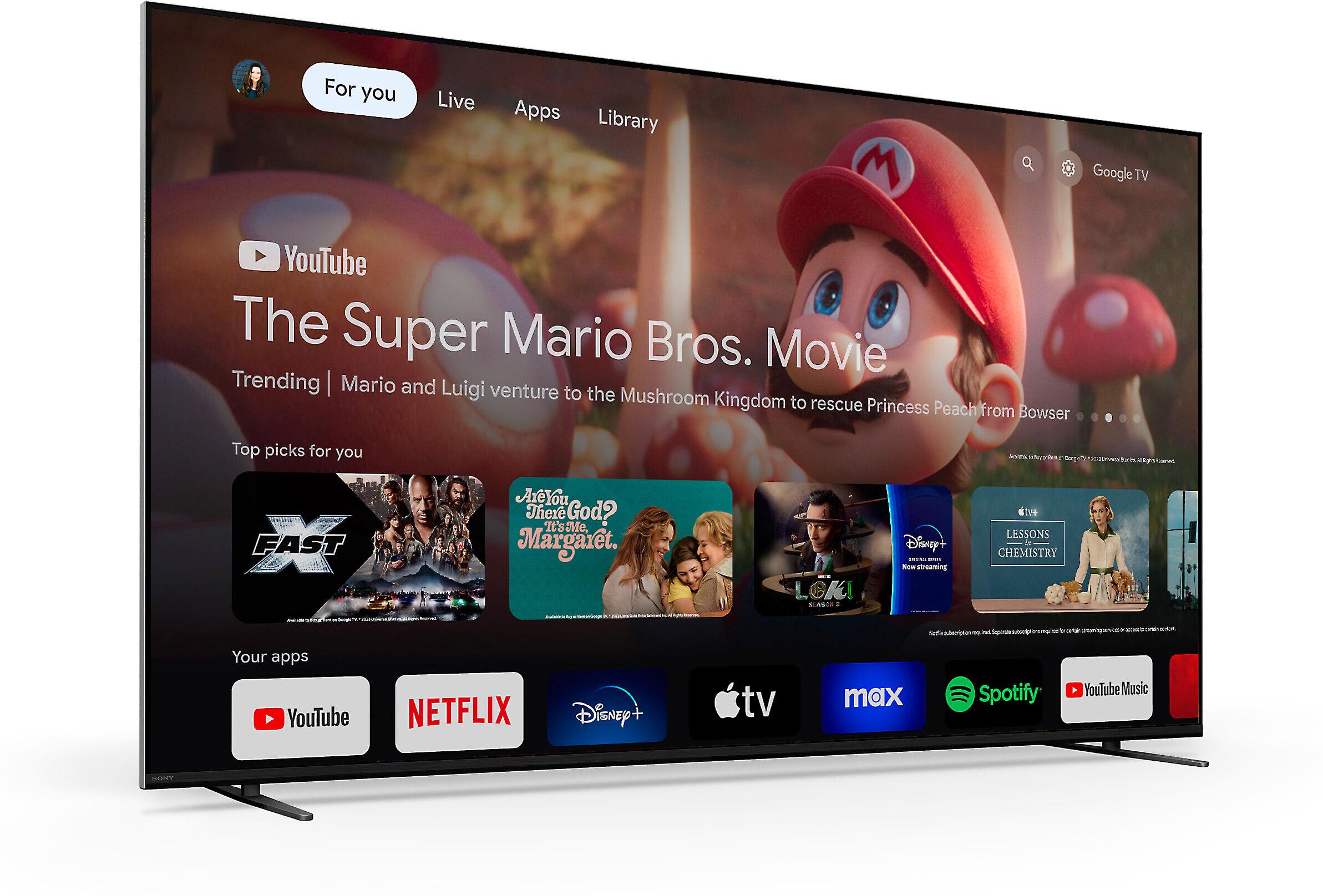
The Sony BRAVIA 7 uses Google TV, which many consider the most intuitive smart TV platform available. It learns viewing habits and suggests content across different streaming services, creating personalized recommendations that actually prove useful. Chromecast built-in makes sharing content from phones seamless, and the Google Assistant integration feels more natural than competing voice control systems.
Both TVs handle streaming apps like Netflix, Disney+, and YouTube without issues, but the Google TV interface on the Sony feels more modern and responsive during daily use.
Built-in TV audio rarely impresses, but both models make genuine efforts. The Sony BRAVIA 7 includes a more powerful 40-watt speaker system with Dolby Atmos support, creating surprisingly engaging audio for TV speakers. The Acoustic Auto Calibration adjusts sound based on room acoustics, and the result is fuller, more balanced audio than typical TV speakers provide.
The Panasonic Z95A offers 20 watts with Dolby Atmos support, which sounds adequate but less impressive than the Sony. However, at this price level, most buyers eventually add a dedicated sound system, making built-in audio quality a secondary consideration.
At the time of writing, the Sony BRAVIA 7 represents exceptional value in the premium TV space. It typically costs significantly less than the Panasonic Z95A while delivering performance that competes with much more expensive models. This price difference isn't small—we're talking about hundreds of dollars that could fund a quality soundbar or streaming device upgrades.
The Panasonic Z95A commands premium pricing for its OLED technology and reference-quality picture processing. For videophiles who prioritize absolute picture quality, this premium makes sense. However, most viewers would find the Sony's performance satisfying while appreciating the cost savings.
In a dedicated home theater environment, the Panasonic Z95A shines brightest. The perfect blacks create an immersive experience in darkened rooms that LCD technology simply cannot match. The accurate color reproduction ensures movies appear as directors intended, making it the choice for serious film enthusiasts.
However, many "home theaters" are actually multi-purpose family rooms with some ambient light. In these environments, the Sony BRAVIA 7's brightness advantage becomes valuable. It maintains picture quality in moderate lighting while offering the flexibility to handle bright room viewing when needed.
OLED burn-in remains a consideration, though modern panels like those in the Panasonic Z95A include numerous protections. For typical viewing habits—varied content without static elements left on-screen for hours—burn-in risks are minimal. However, users who display news channels, gaming HUDs, or PC desktops for extended periods might prefer the burn-in immunity of the Sony BRAVIA 7.
The mini-LED technology in the Sony should theoretically offer longer lifespan, as LED backlights don't degrade like OLED panels. However, both TVs should provide years of reliable service under normal use.
Choose the Panasonic Z95A OLED if you're building a serious home theater setup where picture quality trumps all other considerations. Its perfect blacks and natural color reproduction create a viewing experience that justifies the premium price for movie enthusiasts. It's also the better choice if you primarily watch content in darkened environments where its picture quality advantages shine brightest.
The Sony BRAVIA 7 makes more sense for most buyers. It delivers flagship-level performance at a more accessible price point, handles bright room viewing better, and offers superior gaming features. The combination of excellent picture quality, robust smart features, and strong value proposition makes it the more versatile choice for typical living room setups.
For families who game regularly, watch varied content types, and want excellent performance without premium pricing, the Sony represents the smarter purchase. For dedicated videophiles building a cinema-focused setup where absolute picture quality justifies higher costs, the Panasonic OLED provides an experience worth the investment.
Both represent excellent televisions that showcase how far display technology has advanced. Your choice ultimately depends on whether you prioritize the absolute best picture quality regardless of cost, or prefer exceptional performance with stronger value and versatility.
| Panasonic Z95A 65" OLED | Sony BRAVIA 7 65" 4K UHD Smart Google TV |
|---|---|
| Display Technology - The fundamental difference that shapes your viewing experience | |
| OLED with pixel-level dimming for perfect blacks | Mini-LED with Full Array Local Dimming for bright HDR |
| Peak Brightness - Critical for HDR impact and bright room viewing | |
| ~800-1000 nits (excellent for dark rooms, limited in bright spaces) | ~1500+ nits (superior for daytime viewing and punchy HDR highlights) |
| Contrast Ratio - Determines depth and realism of dark scenes | |
| Infinite contrast ratio with true blacks | Excellent contrast but cannot achieve perfect blacks |
| Color Processing - Affects how natural and accurate colors appear | |
| HCX Pro AI Processor MKII with Hexa Chroma Drive (broadcast-quality accuracy) | Cognitive Processor XR with XR Triluminos Pro (vibrant, engaging colors) |
| Gaming Performance - Important for console gaming and PC use | |
| 120Hz, VRR, ALLM (good but basic gaming features) | 120Hz, VRR, ALLM, "Perfect for PS5" optimization, <8.5ms input lag |
| Smart TV Platform - Your daily interface for streaming and apps | |
| Fire TV with Alexa built-in (comprehensive but less intuitive) | Google TV with Google Assistant (widely considered the best smart TV interface) |
| Audio System - Built-in sound quality before adding external speakers | |
| 20W with Dolby Atmos (adequate but limited power) | 40W two-way system with Dolby Atmos and Acoustic Auto Calibration |
| HDR Format Support - Compatibility with different HDR content types | |
| HDR10, HDR10+, Dolby Vision, HLG with Dolby Vision IQ | HDR10, HLG, Dolby Vision with ambient light optimization |
| Burn-in Risk - Long-term durability consideration for static content | |
| Potential OLED burn-in with static images (rare with normal use) | No burn-in risk with LED technology |
| Ideal Viewing Environment - Where each TV performs best | |
| Dark to moderately lit rooms (maximizes OLED advantages) | Any lighting condition, excels in bright rooms |
| Target User - Who benefits most from each TV's strengths | |
| Movie enthusiasts prioritizing reference-quality picture | Versatile users wanting great performance with gaming and bright room capability |
| Value Proposition - Performance relative to typical pricing | |
| Premium pricing for OLED technology and cinema-grade accuracy | Exceptional value delivering near-flagship performance at mid-tier pricing |
The Panasonic Z95A OLED excels in dark room viewing thanks to its OLED technology that produces perfect blacks. Each pixel can turn completely off, creating infinite contrast that makes movies and shows appear with incredible depth and realism. The Sony BRAVIA 7 performs well in dark rooms but cannot achieve true blacks due to its LED backlight technology.
The Sony BRAVIA 7 is superior for bright room viewing with its mini-LED backlight capable of much higher peak brightness levels. This helps combat glare and maintains picture quality in well-lit environments. The Panasonic Z95A OLED has more moderate brightness levels that may appear washed out in very bright rooms.
The Sony BRAVIA 7 offers superior gaming performance with its "Perfect for PS5" optimization, sub-8.5ms input lag, and comprehensive gaming features including VRR and ALLM. While the Panasonic Z95A OLED supports modern gaming features, it lacks the dedicated gaming optimizations found in the Sony model.
The Panasonic Z95A OLED delivers more accurate, natural colors thanks to its broadcast-quality color processing and Hexa Chroma Drive technology. The Sony BRAVIA 7 produces excellent colors but with a slightly more vibrant, punchy presentation that some viewers prefer for entertainment content.
The Sony BRAVIA 7 provides exceptional value, delivering near-flagship performance at a significantly lower price point than most premium TVs. The Panasonic Z95A OLED commands premium pricing for its OLED technology and reference-quality picture processing, making it better value for serious videophiles who prioritize absolute picture quality.
The Panasonic Z95A OLED is ideal for movie enthusiasts, offering perfect blacks, accurate colors, and natural picture processing that displays films as directors intended. The Sony BRAVIA 7 also delivers excellent movie performance but with a slightly more dynamic, engaging presentation that may appeal to casual viewers.
The Sony BRAVIA 7 features Google TV, widely considered the most intuitive smart TV platform with excellent content recommendations and seamless integration with Google services. The Panasonic Z95A OLED uses Fire TV, which is comprehensive but generally less user-friendly than Google's interface.
The Sony BRAVIA 7 offers superior built-in audio with its 40-watt speaker system, Dolby Atmos support, and Acoustic Auto Calibration. The Panasonic Z95A OLED provides adequate 20-watt audio with Dolby Atmos, but it's less powerful than the Sony's speaker system.
The Sony BRAVIA 7 has no risk of burn-in thanks to its LED technology, potentially offering longer lifespan for users who display static content. The Panasonic Z95A OLED includes modern burn-in protections, making burn-in rare under normal viewing conditions, though it remains a theoretical concern with OLED technology.
The Sony BRAVIA 7 excels at sports with its bright, punchy picture that performs well in typical living room lighting. Its motion processing handles fast action effectively. The Panasonic Z95A OLED also handles sports well but may appear less vibrant in bright viewing environments common during daytime sports watching.
Both the Panasonic Z95A OLED and Sony BRAVIA 7 support major HDR formats including HDR10, Dolby Vision, and HLG. The Panasonic additionally supports HDR10+ and includes Dolby Vision IQ for ambient light optimization, giving it a slight edge in HDR format compatibility.
For dedicated home theaters with controlled lighting, the Panasonic Z95A OLED provides the most cinematic experience with perfect blacks and reference-quality color accuracy. For multi-purpose family rooms that serve as home theaters, the Sony BRAVIA 7 offers more versatility with better bright room performance and gaming capabilities while still delivering excellent movie quality.
We've done our best to create useful and informative comparisons to help you decide what product to buy. Our research uses advanced automated methods to create this comparison and perfection is not possible - please contact us for corrections or questions. These are the sites we've researched in the creation of this article: youtube.com - youtube.com - whathifi.com - tomsguide.com - shop.panasonic.com - store.in.panasonic.com - rtings.com - applianceplus.co.nz - rtings.com - store.in.panasonic.com - samsung.com - bestbuy.com - bestbuy.com - avsforum.com - avsforum.com - crutchfield.com - sony.com - rtings.com - schaeferstv.com - youtube.com - displayspecifications.com

Privacy Policy
Terms and Conditions - Affiliate Policy
Home Security
© Copyright 2008-2026.
11816 Inwood Rd #1211, Dallas, TX 75244