

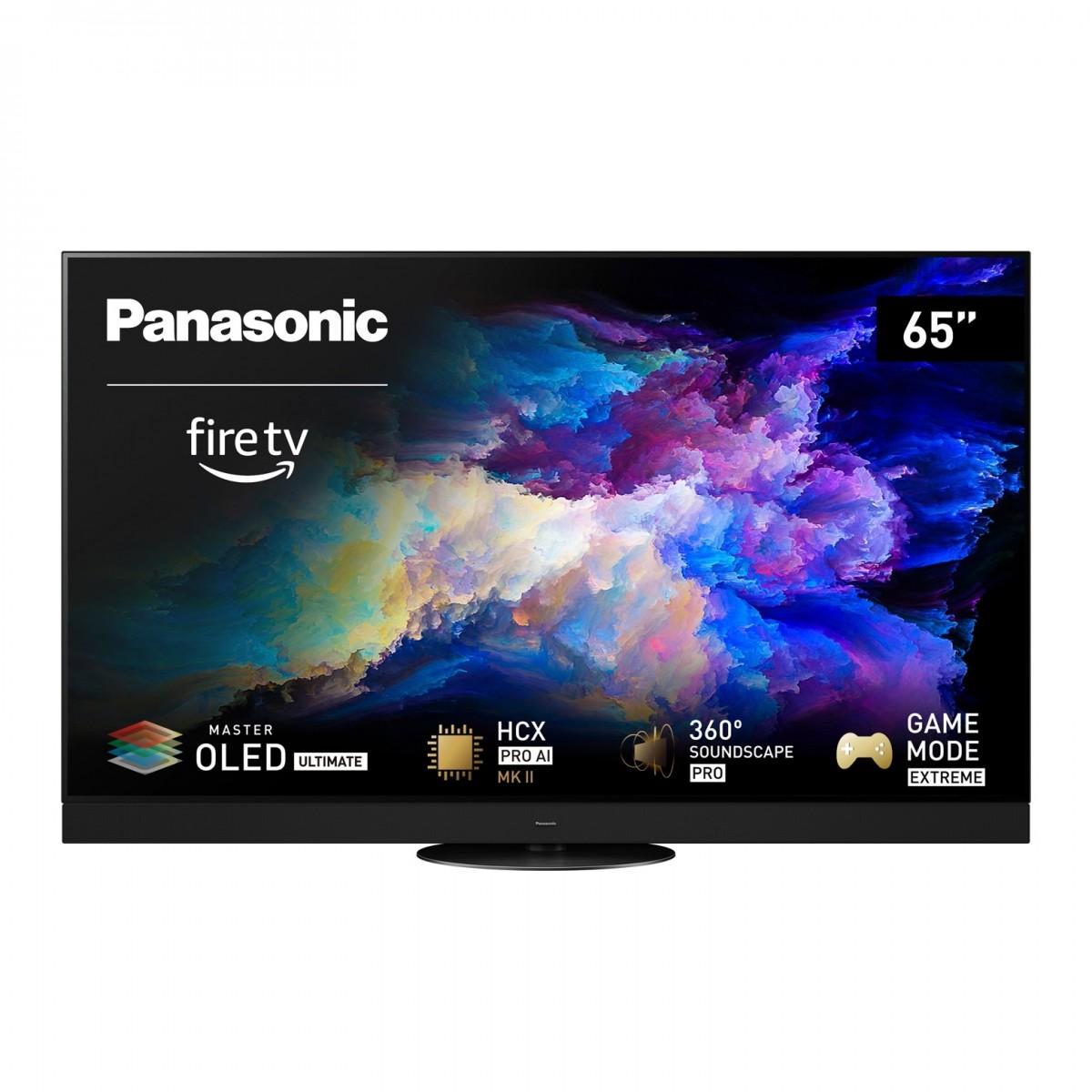
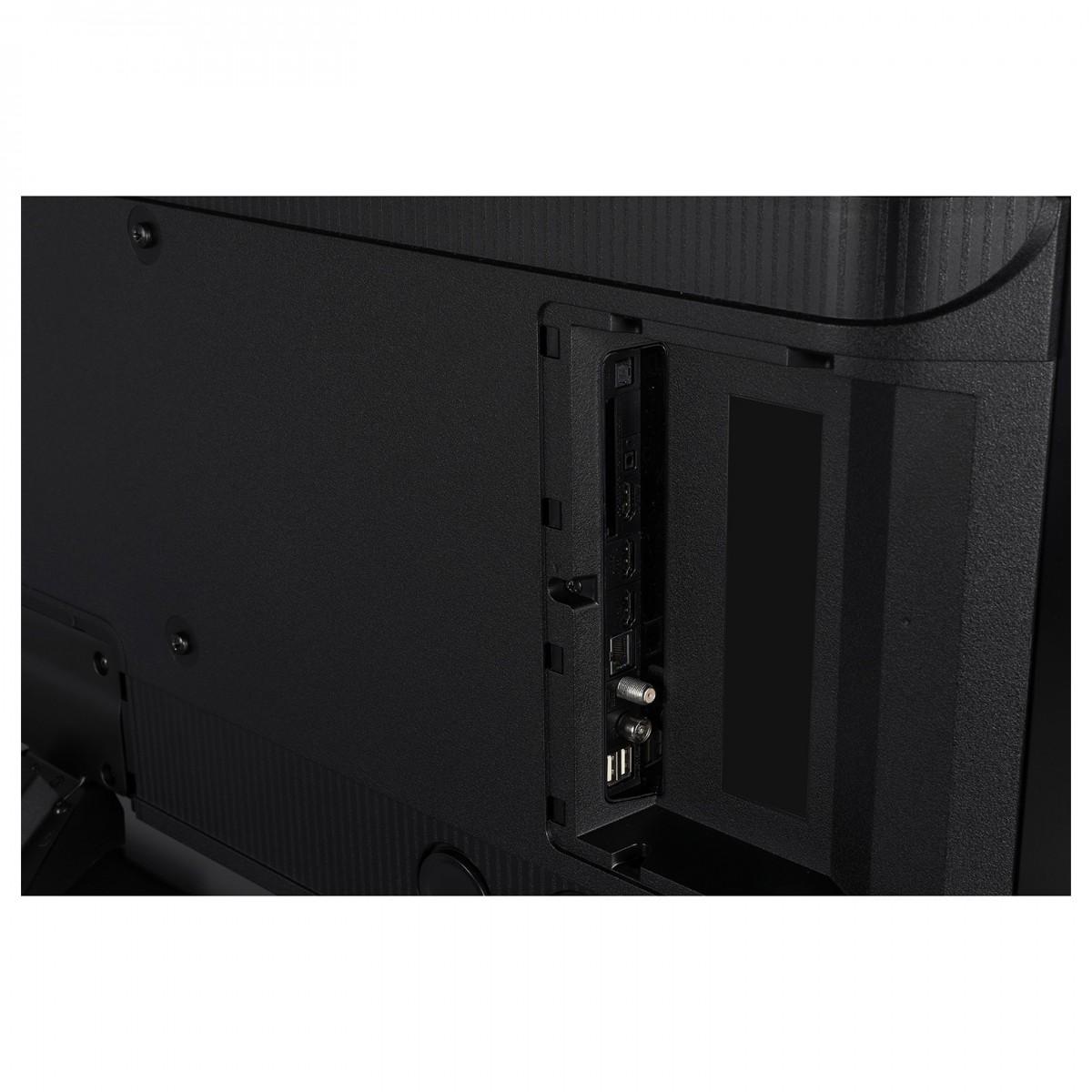
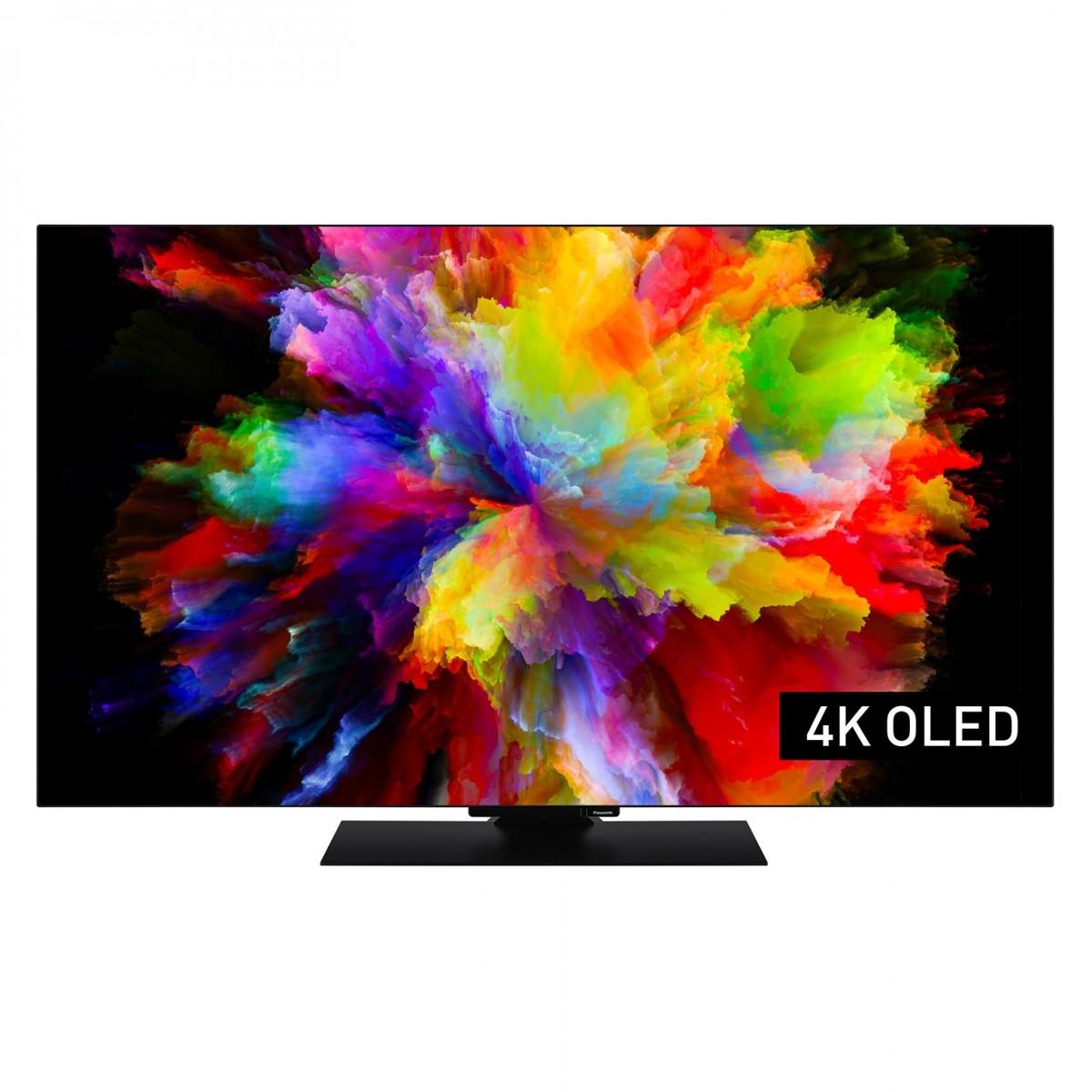
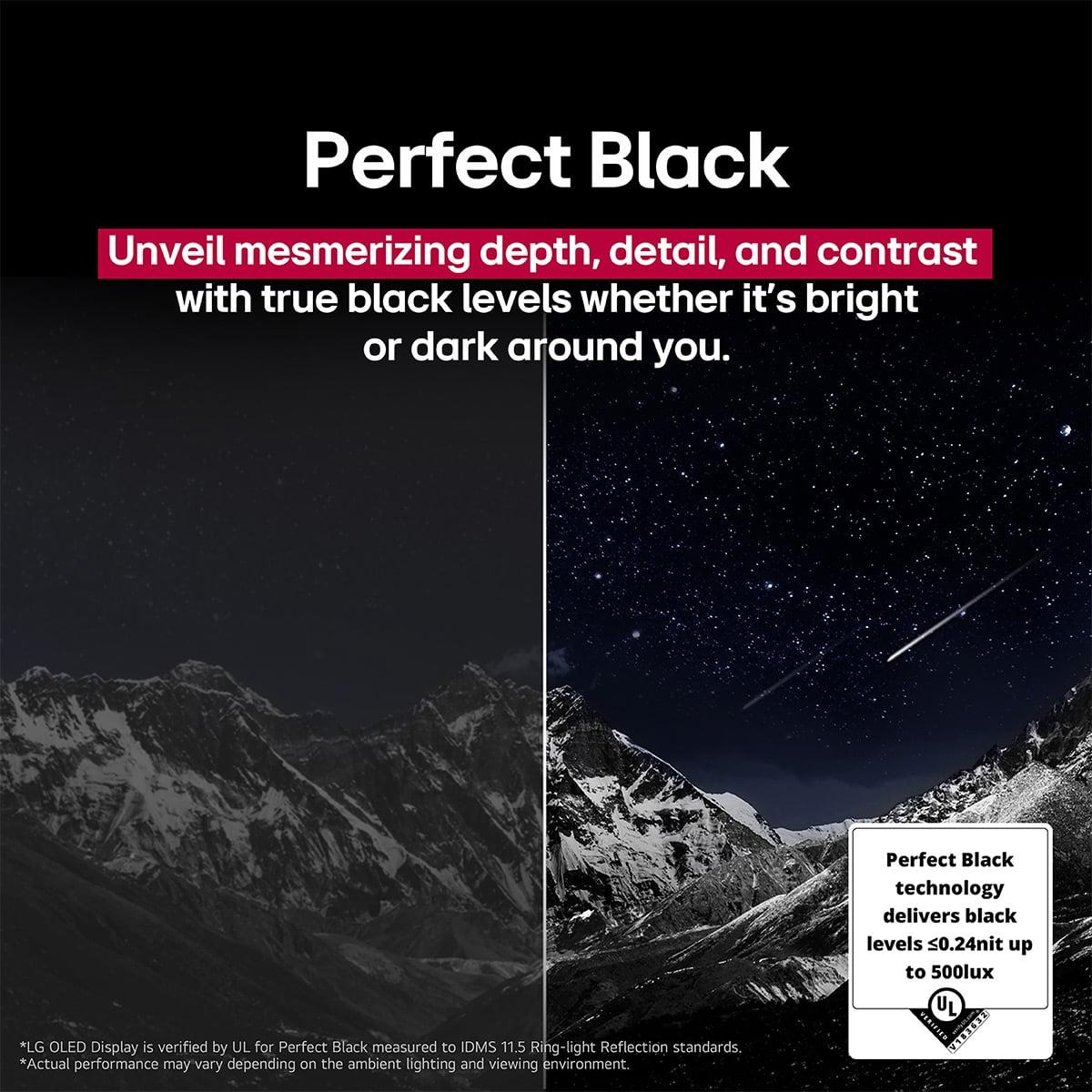
When you're ready to invest in a premium 65-inch OLED TV, you're entering the territory where every detail matters. OLED technology - which stands for Organic Light-Emitting Diode - creates perfect blacks and incredible contrast by lighting up individual pixels. Unlike LCD TVs that need backlights, each pixel on an OLED can turn completely off, creating true black levels that make colors pop and details shine in dark scenes.
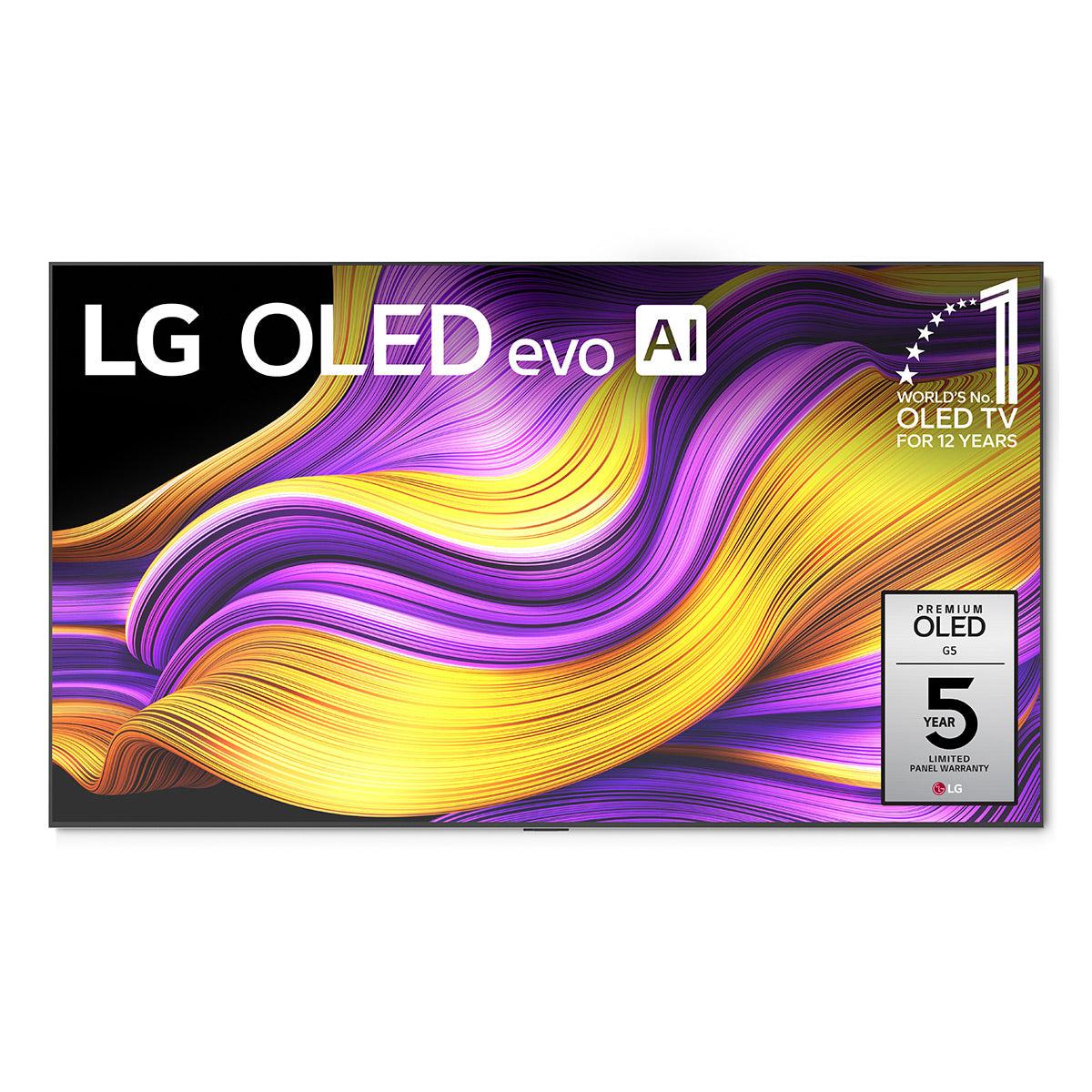
The two standout models competing for your attention are the Panasonic Z95A and the LG OLED evo G5. Both launched in 2024-2025, representing the latest thinking from their respective manufacturers about what premium OLED should deliver. But they take notably different approaches to achieving excellence, and understanding these differences is crucial for making the right choice.
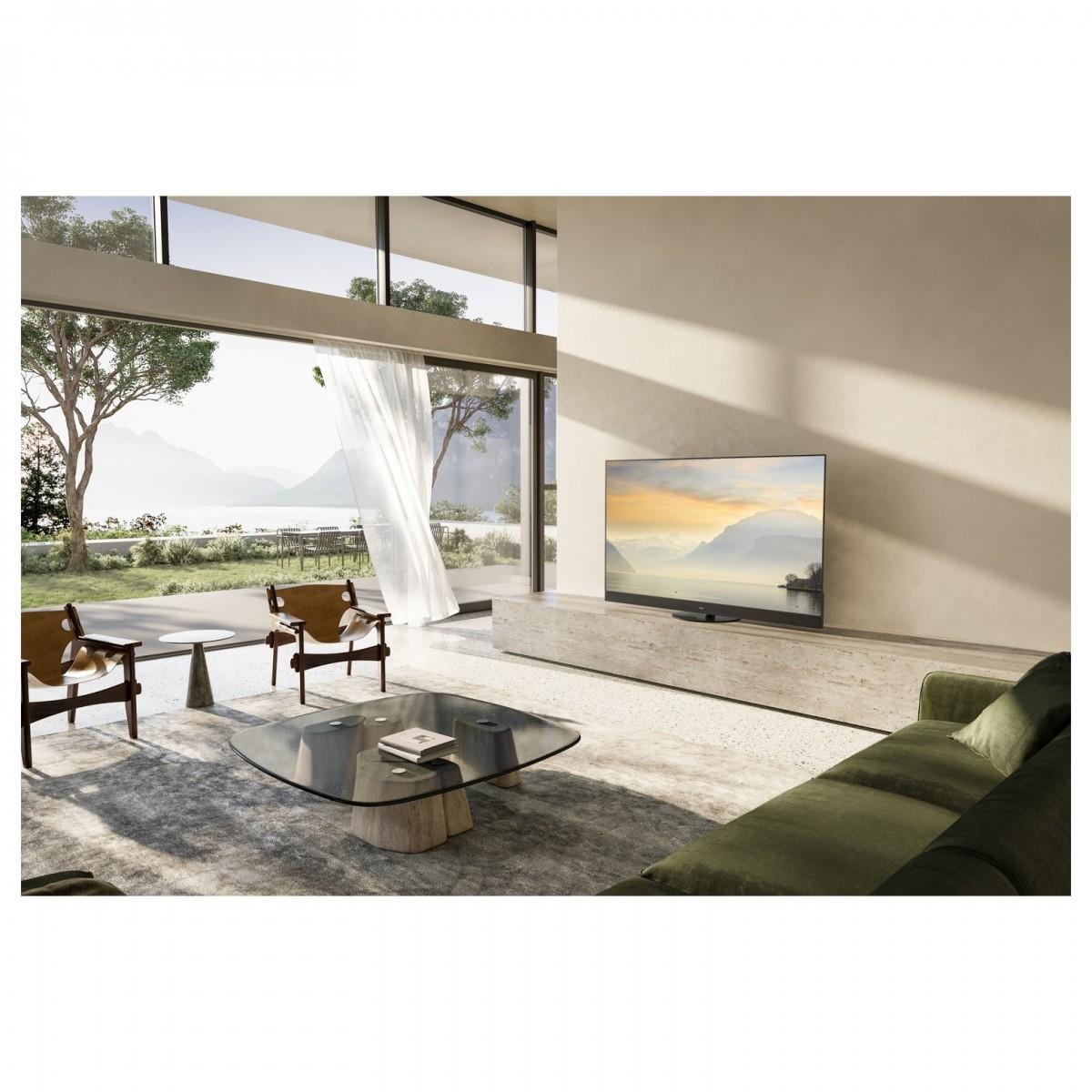
Premium 65-inch OLEDs occupy a sweet spot in home entertainment. They're large enough to create an immersive experience without overwhelming most living rooms, and the technology has matured to address earlier concerns about brightness and longevity. At the time of writing, both models command flagship pricing, with the LG G5 typically positioned slightly more competitively than the Panasonic Z95A.
The key considerations when choosing between premium OLEDs aren't just about picture quality anymore - though that remains paramount. Gaming capabilities, smart TV platforms, audio quality, and long-term software support have become equally important factors. The approach each manufacturer takes toward these elements reveals their philosophy about what modern TV viewing should be.
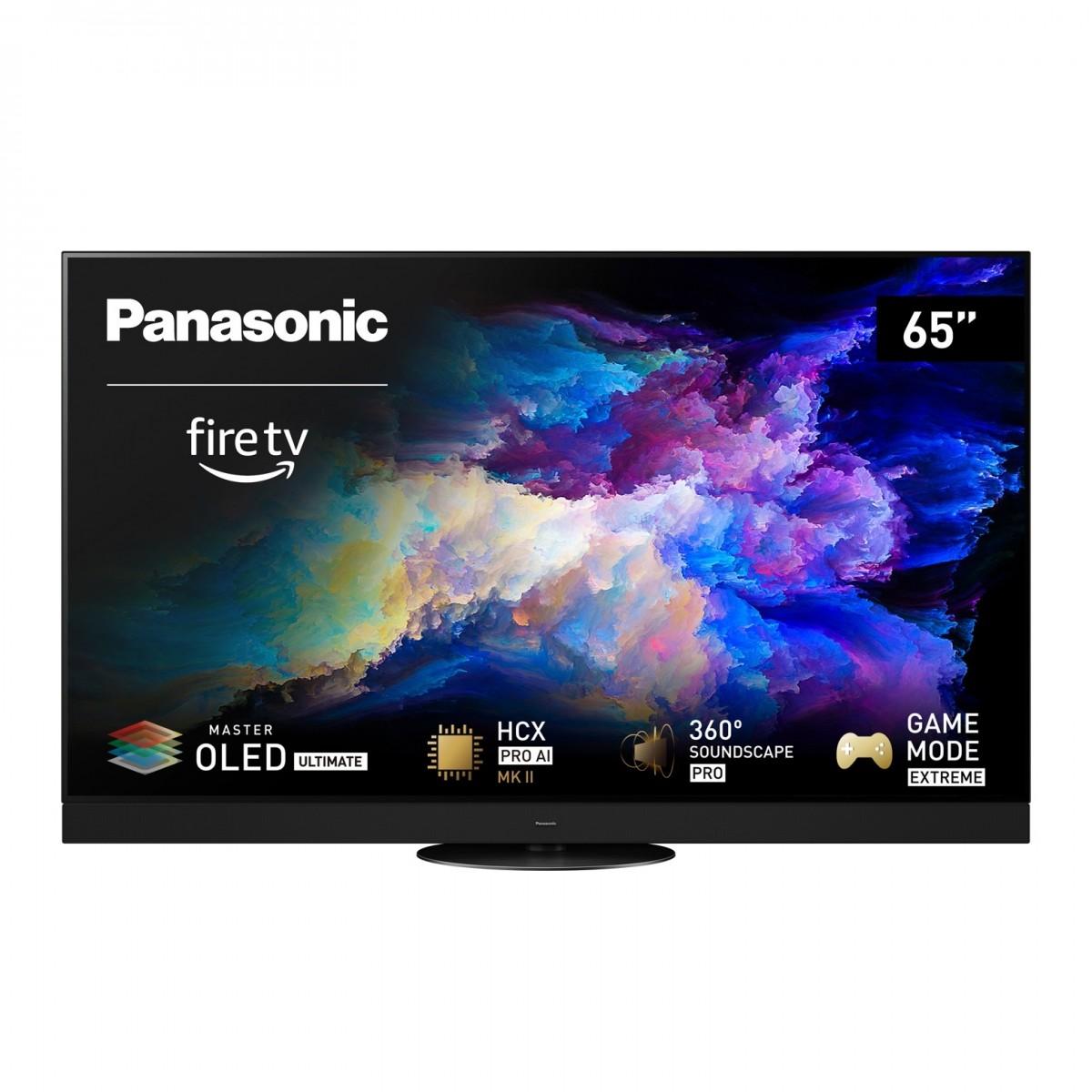
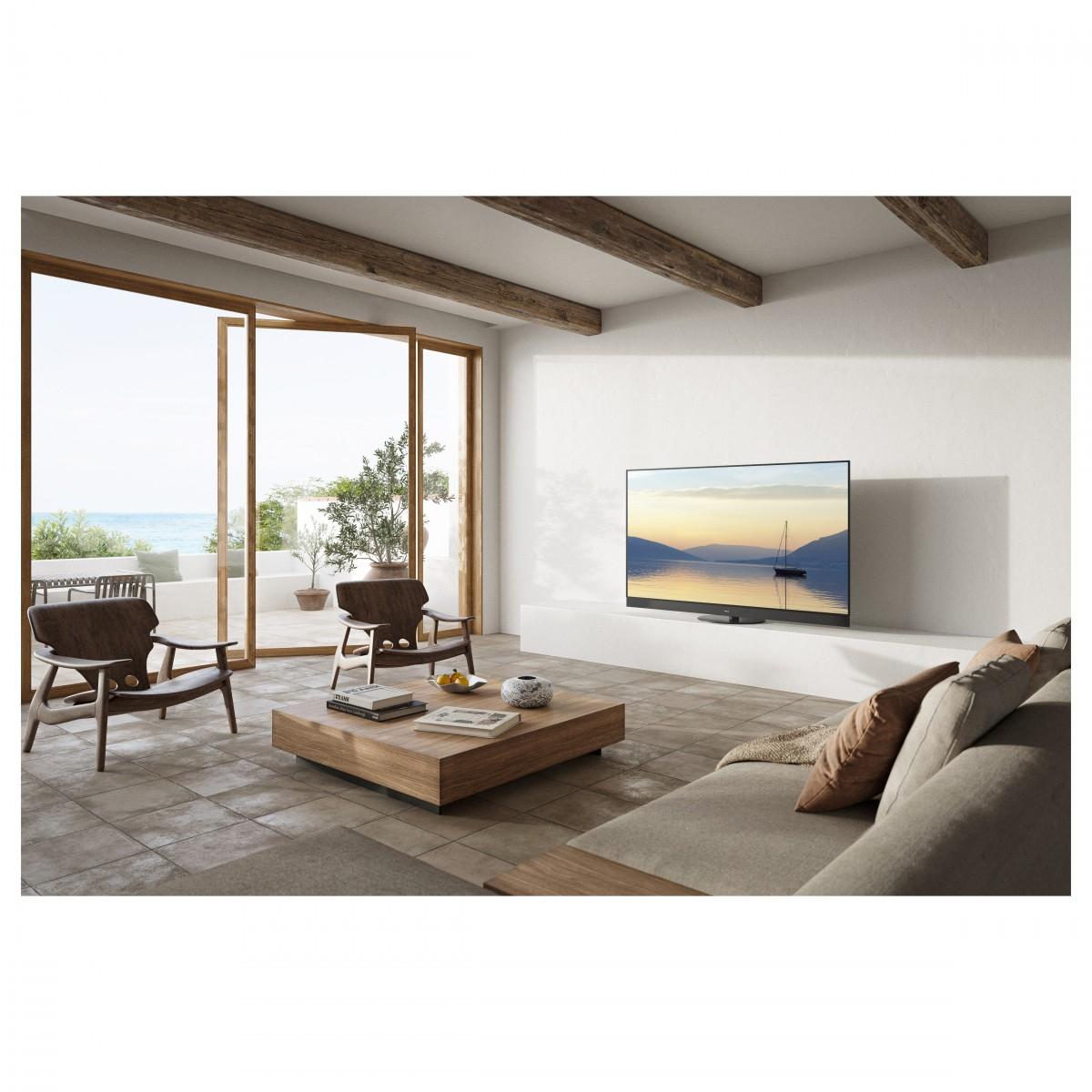
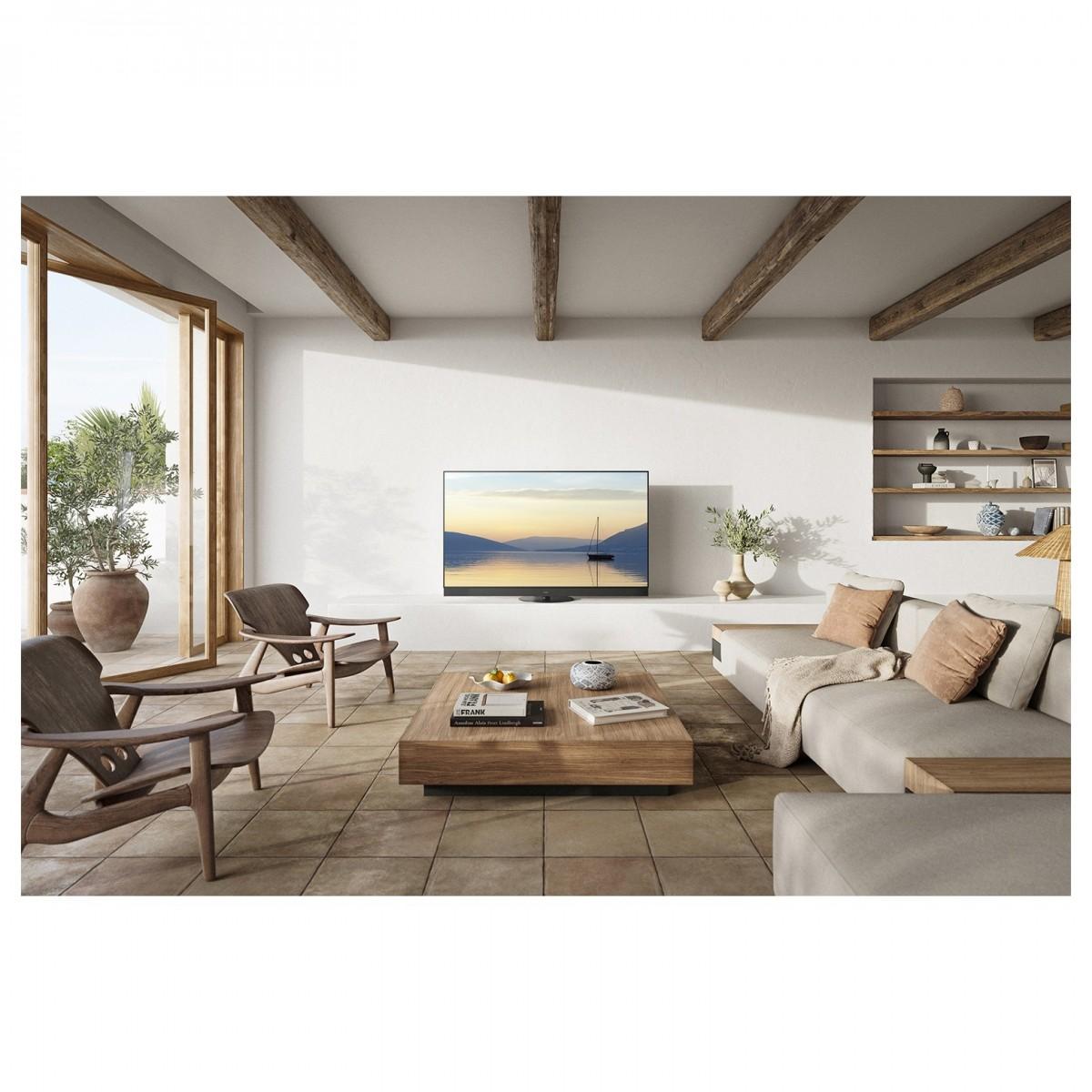
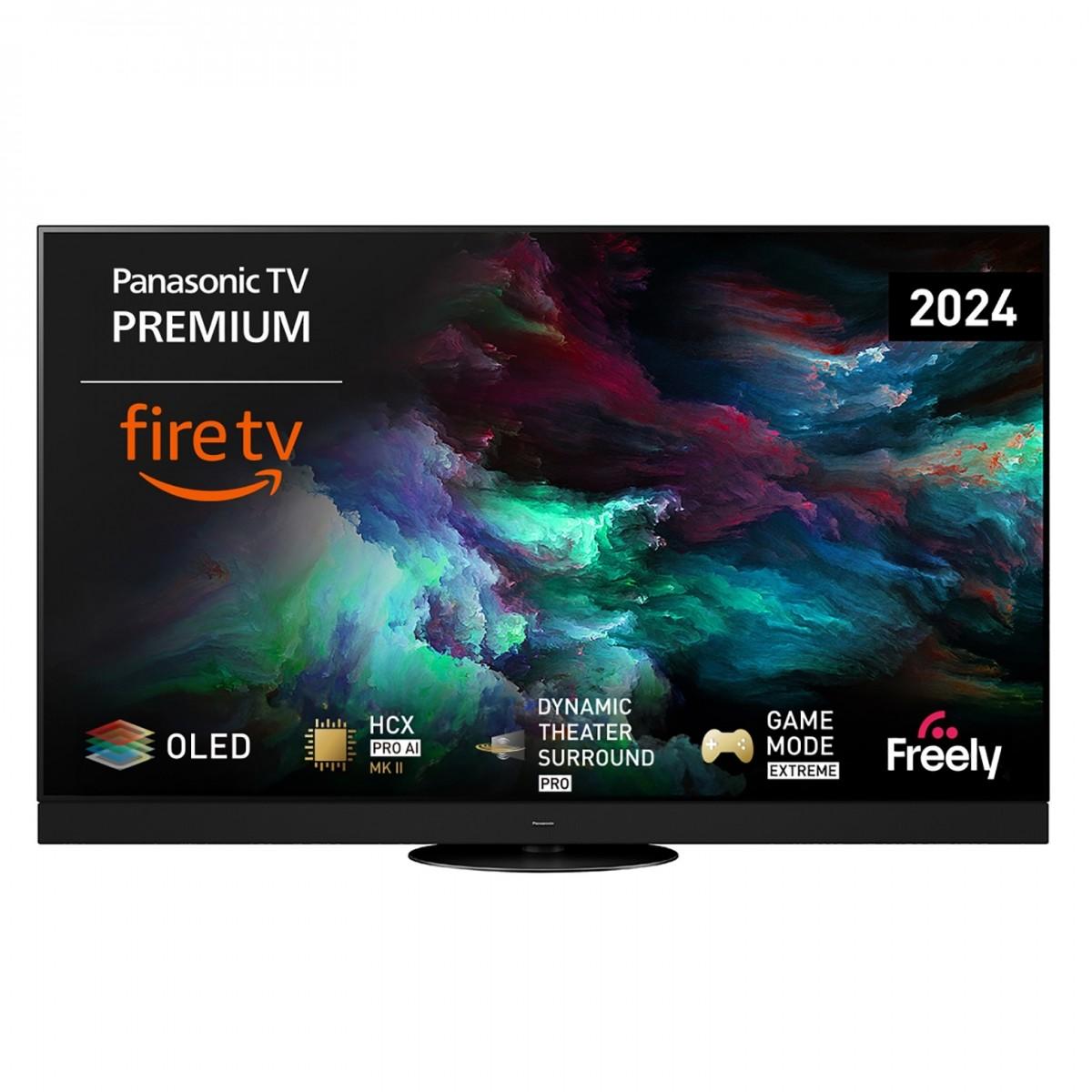
The Panasonic Z95A embodies the traditional approach to premium television: reference-quality picture processing tuned for cinematic accuracy. Panasonic has deep roots in Hollywood, working directly with film studios to ensure their TVs reproduce colors exactly as directors intended. This TV uses the HCX Pro AI Processor MKII, which analyzes incoming content scene by scene and applies optimizations based on extensive collaboration with content creators.
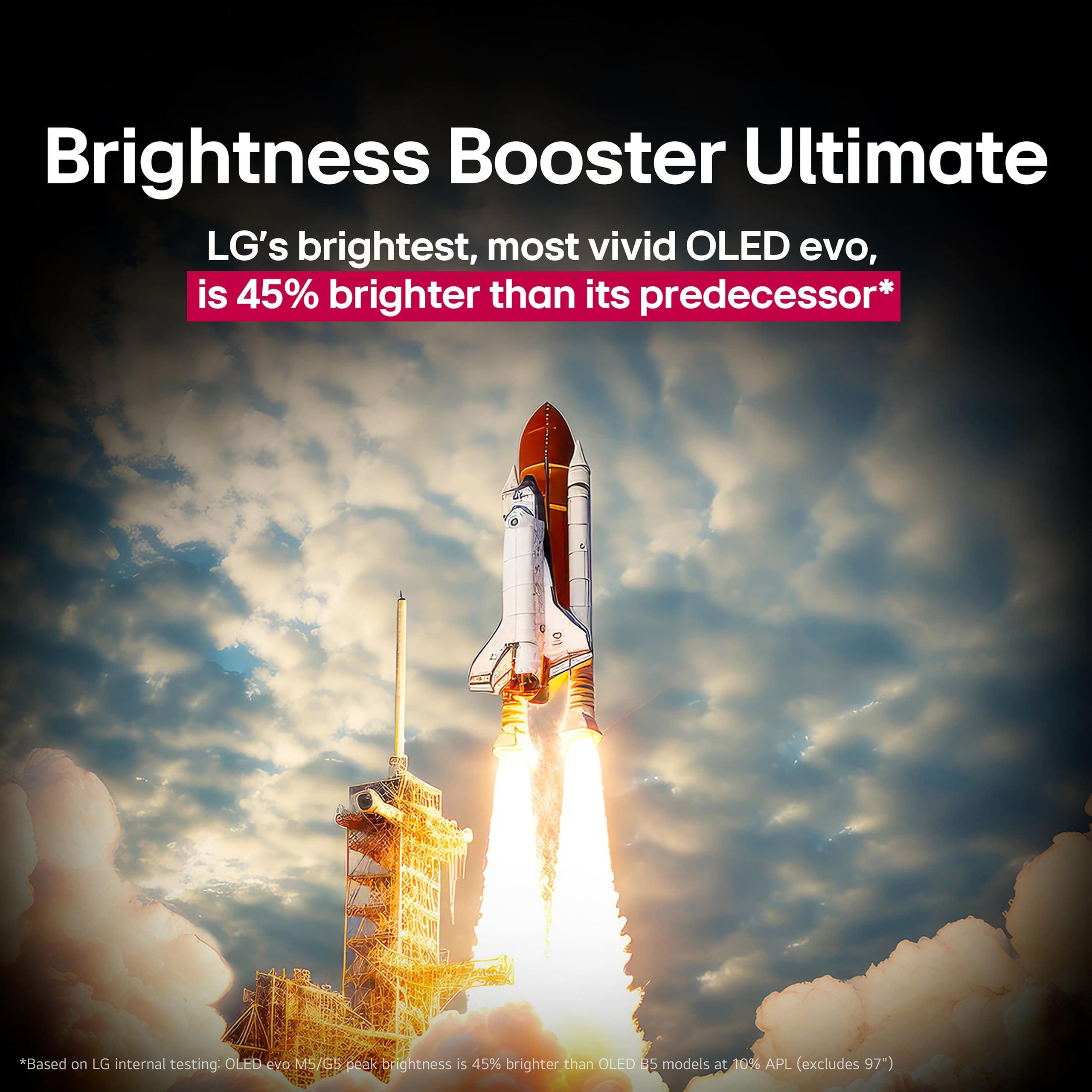
The LG G5, meanwhile, represents the cutting-edge approach. It features LG's newest 4-Stack RGB Tandem OLED panel - a breakthrough technology that layers multiple OLED elements to achieve dramatically higher brightness levels. This isn't just about making things brighter for the sake of it; higher brightness enables better HDR (High Dynamic Range) performance and makes the TV more versatile in different lighting conditions.

Here's where the fundamental difference becomes clear. The LG G5's new panel technology delivers up to 45% more brightness than previous OLED generations, reaching peak brightness levels that were previously impossible for OLED technology. This matters enormously for HDR content - those Netflix shows and Ultra HD Blu-rays that contain brightness information far beyond what older displays could show.
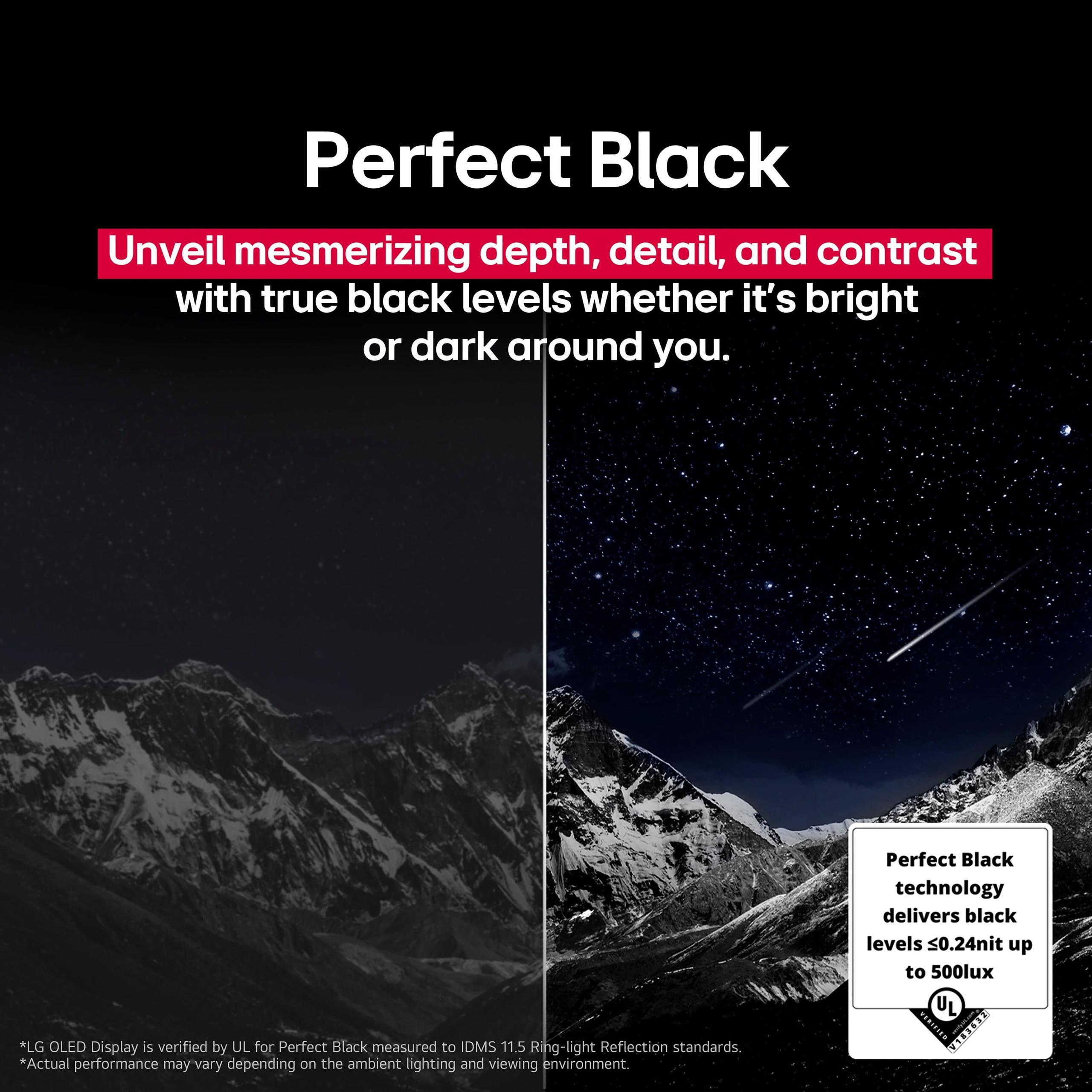
HDR works by expanding both the darkest blacks and brightest whites that a display can produce. While both TVs deliver perfect blacks (a fundamental OLED advantage), the LG G5 can hit much brighter peaks. In practical terms, this means sunlight streaming through a window in a movie scene will actually look like sunlight, while explosions and bright highlights have real impact.
The Panasonic Z95A takes a different approach. Rather than maximizing peak brightness, it focuses on tone mapping - the process of translating HDR content to what the display can actually show. Panasonic's processing is renowned for making HDR look natural and balanced, even if it can't hit the same peak brightness levels. For many viewers, this results in a more pleasant, less fatiguing viewing experience.
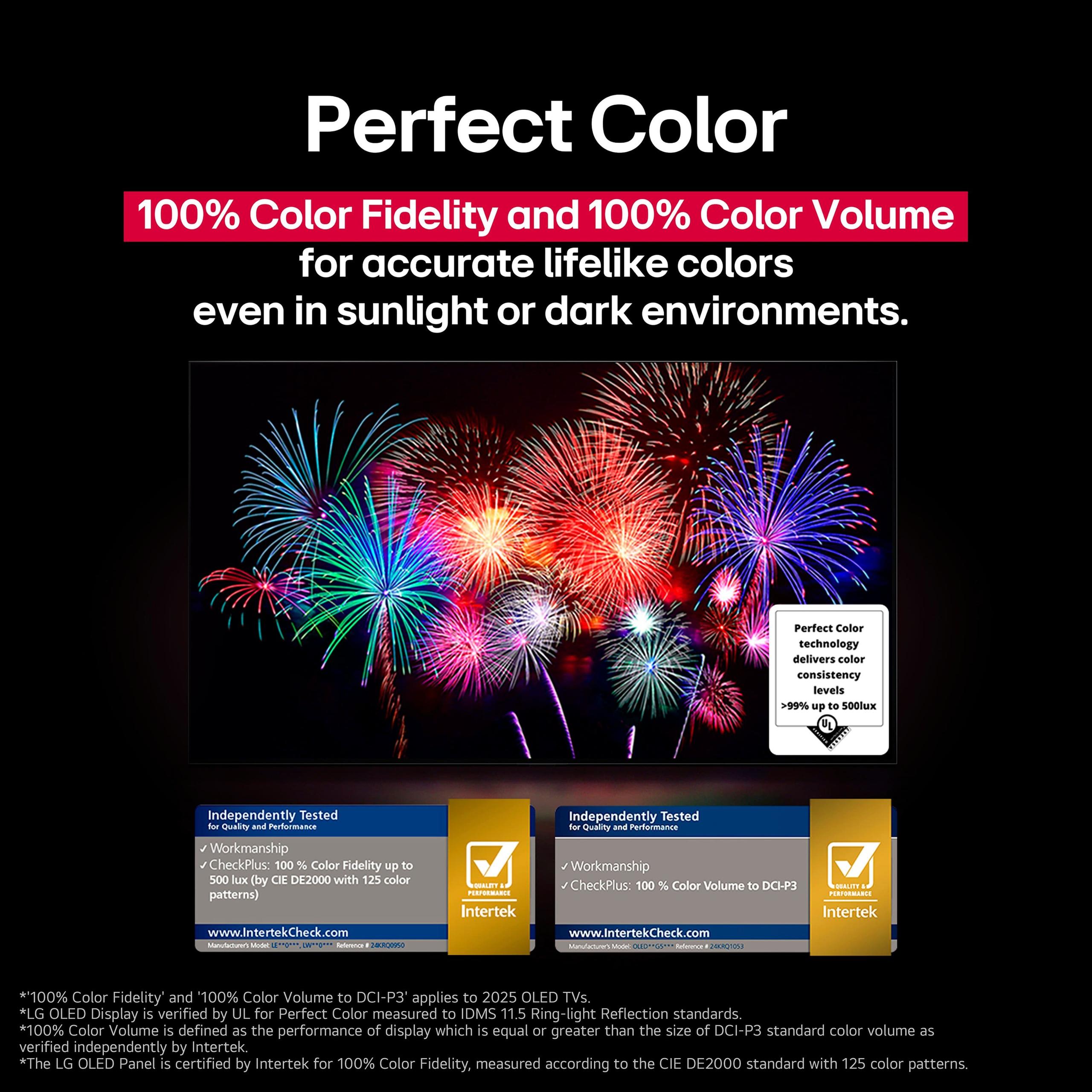
This is where the Panasonic Z95A traditionally excels. The company's color processing has been fine-tuned through partnerships with major film studios, and it shows. Colors look natural and true-to-life, with skin tones that appear exactly as they should. The TV includes multiple HDR formats including Dolby Vision IQ, which adjusts the HDR presentation based on your room's ambient lighting.
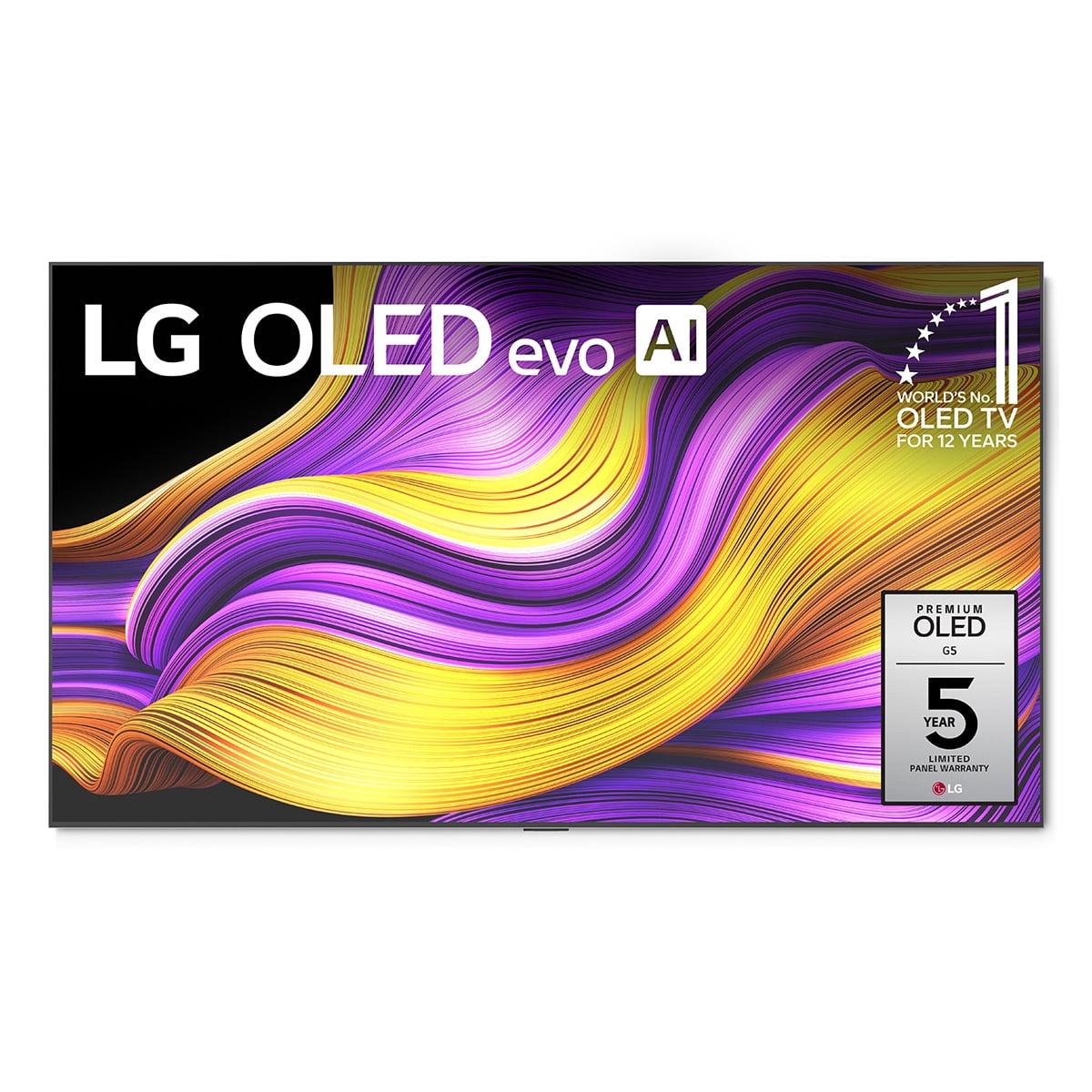
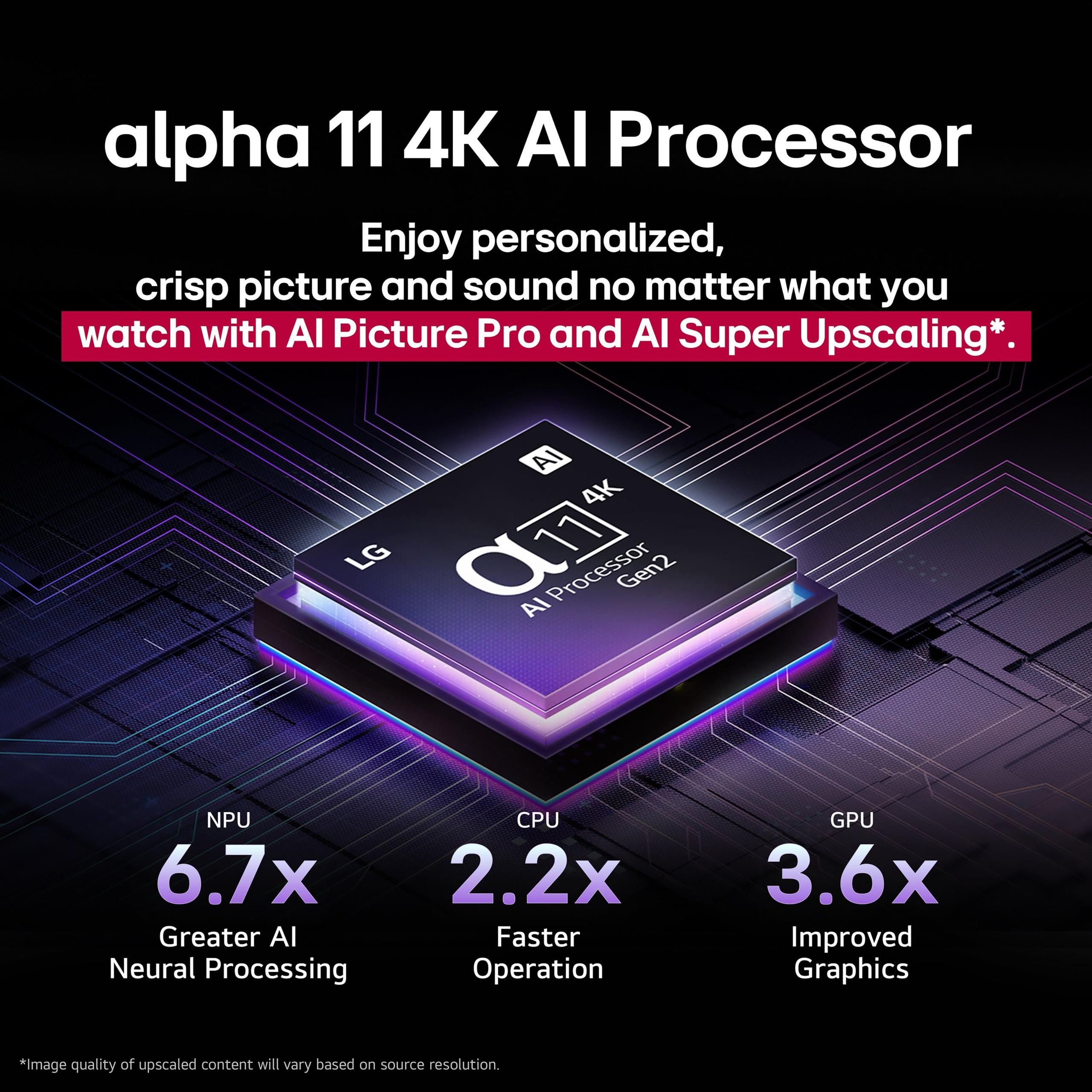
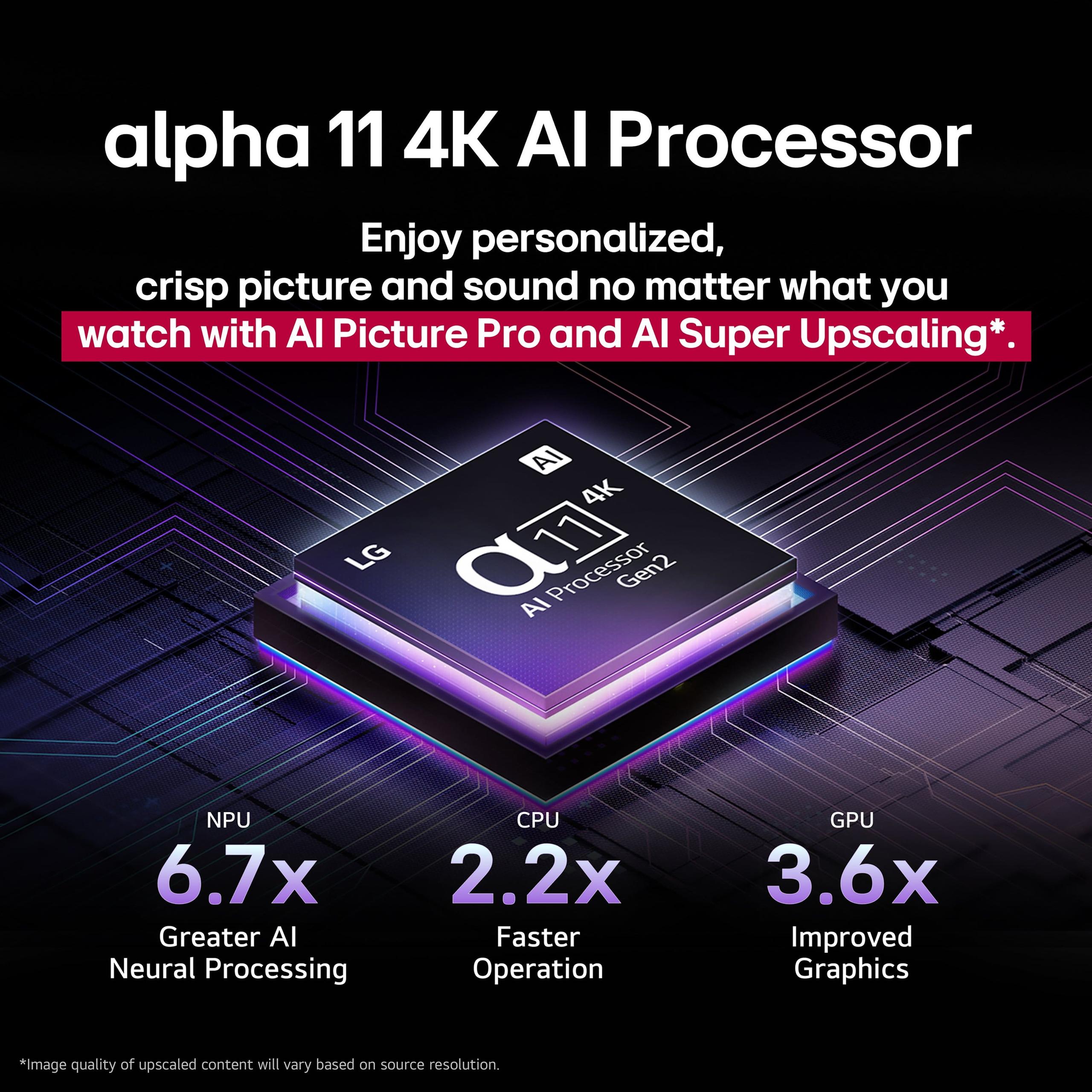
The LG G5 delivers vibrant, punchy colors that many viewers prefer. Its Alpha 11 AI Processor Gen 2 uses artificial intelligence to analyze content and optimize color and contrast in real-time. While perhaps not as reference-accurate as Panasonic's approach, LG's processing creates an engaging, dynamic image that works well for varied content types.
For home theater use, the choice becomes philosophical. Purists who want to see movies exactly as the director intended will gravitate toward the Panasonic Z95A. Those who want their TV to make everything look as spectacular as possible will prefer the LG G5.
Both TVs handle motion excellently, as OLED's instant pixel response eliminates the blur common in LCD displays. However, the LG G5 supports refresh rates up to 165Hz, compared to the Panasonic's 120Hz maximum. For most content, this difference is negligible - movies are 24fps, TV shows typically 30fps or 60fps. But for PC gaming and future high-frame-rate content, that extra headroom could matter.
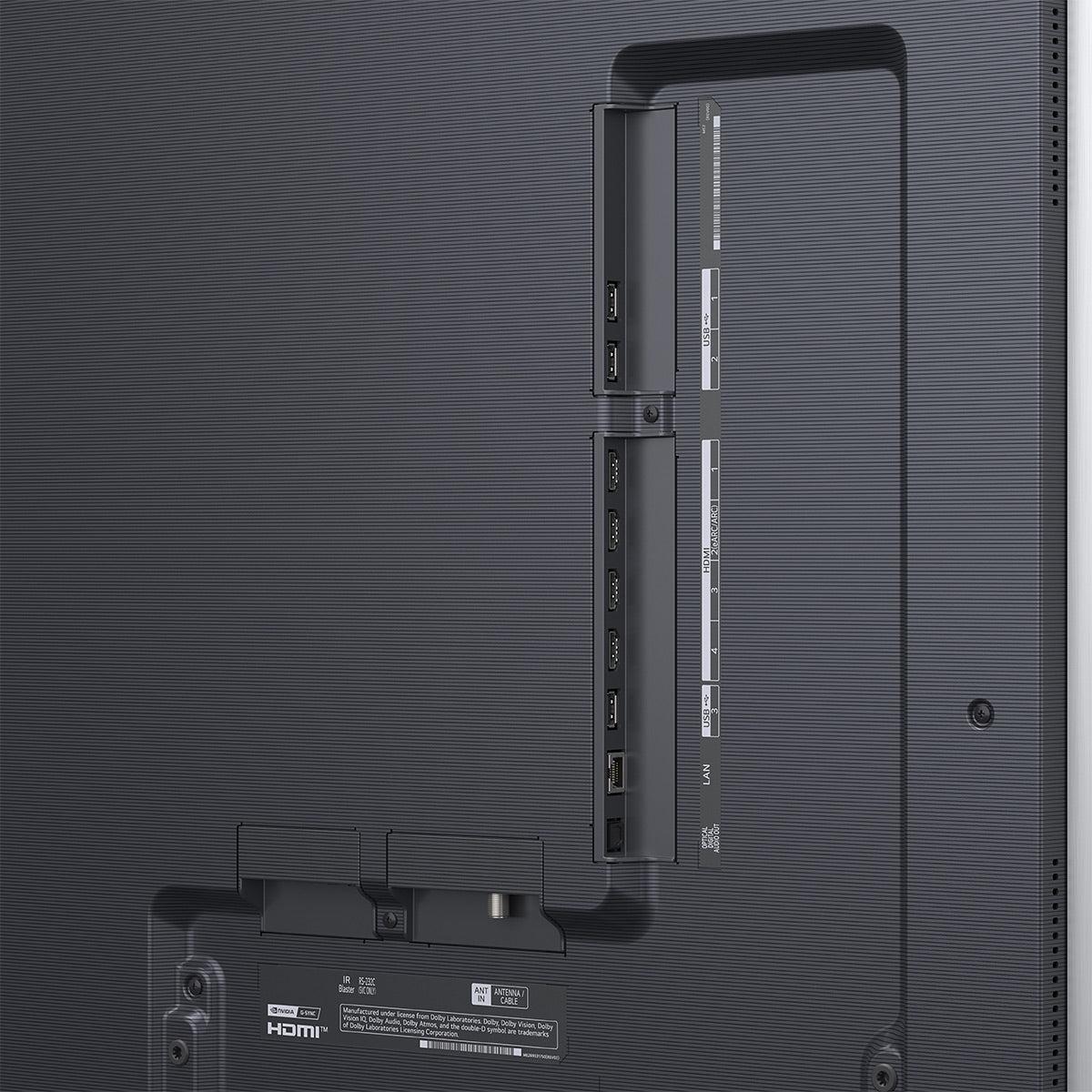
Gaming performance has become a crucial differentiator in premium TVs, and here the LG G5 takes a commanding lead. All four of its HDMI ports support the full HDMI 2.1 specification, enabling 4K gaming at up to 165Hz with Variable Refresh Rate (VRR) support. VRR eliminates screen tearing by synchronizing the TV's refresh rate with your gaming device's output frame rate.

The LG G5 also includes comprehensive gaming features like Game Optimizer mode, which provides a dashboard for adjusting gaming-specific settings, and support for both NVIDIA G-SYNC and AMD FreeSync. For PC gamers with high-end graphics cards, this TV can truly showcase what modern games are capable of.
The Panasonic Z95A isn't ignored gamers entirely. It supports 4K at 120Hz with VRR and includes a Game Mode that reduces input lag - the delay between pressing a button and seeing the action on screen. Input lag on both TVs is impressively low, typically under 20 milliseconds in game mode. However, Panasonic's gaming features feel more basic compared to LG's comprehensive approach.
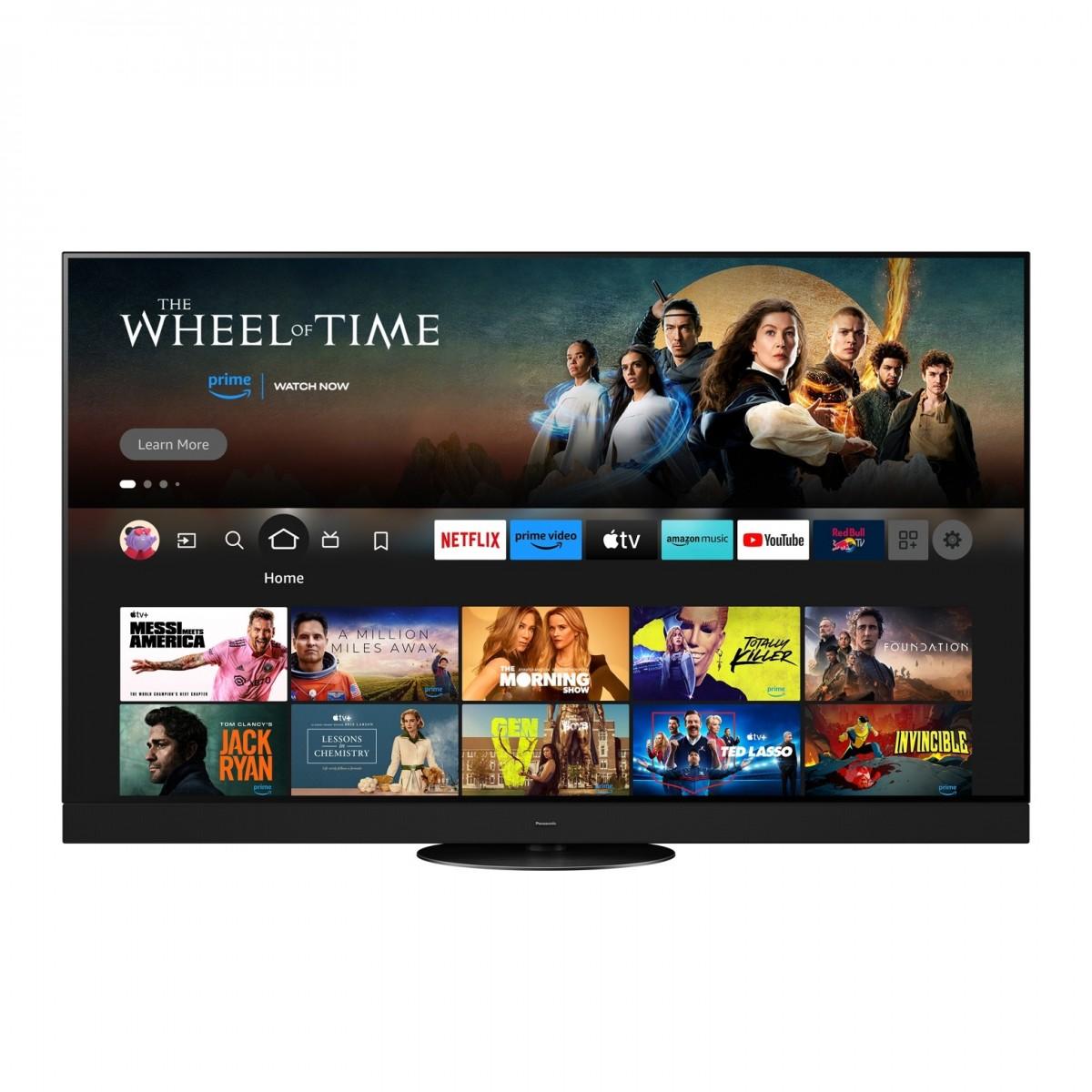
The smart TV experience reveals another philosophical divide. The Panasonic Z95A uses Amazon Fire TV as its smart platform, providing straightforward access to major streaming services with Alexa voice control built-in. It's simple, reliable, and familiar if you're already in Amazon's ecosystem.
The LG G5 runs webOS 25, LG's proprietary smart TV platform. WebOS is sophisticated and feature-rich, with AI-powered recommendations, extensive smart home integration, and LG's commitment to five years of software updates. The Magic Remote includes an AI button for voice control and can function as both a traditional remote and a motion controller for navigating the interface.
For long-term value, LG's approach wins. WebOS receives regular updates with new features, and LG's five-year update commitment means your TV will stay current longer. Fire TV on the Panasonic is reliable but less feature-rich, and Amazon's update timeline is less predictable.
Both TVs support Dolby Atmos, the latest surround sound technology that creates three-dimensional audio by adding height channels to traditional surround sound. However, their approaches differ significantly.
The Panasonic Z95A features front-firing speakers with 20W of total power, optimized for clear dialogue - crucial for movie watching. The sound is clean and well-balanced, though like most flat-panel TVs, bass response is limited.
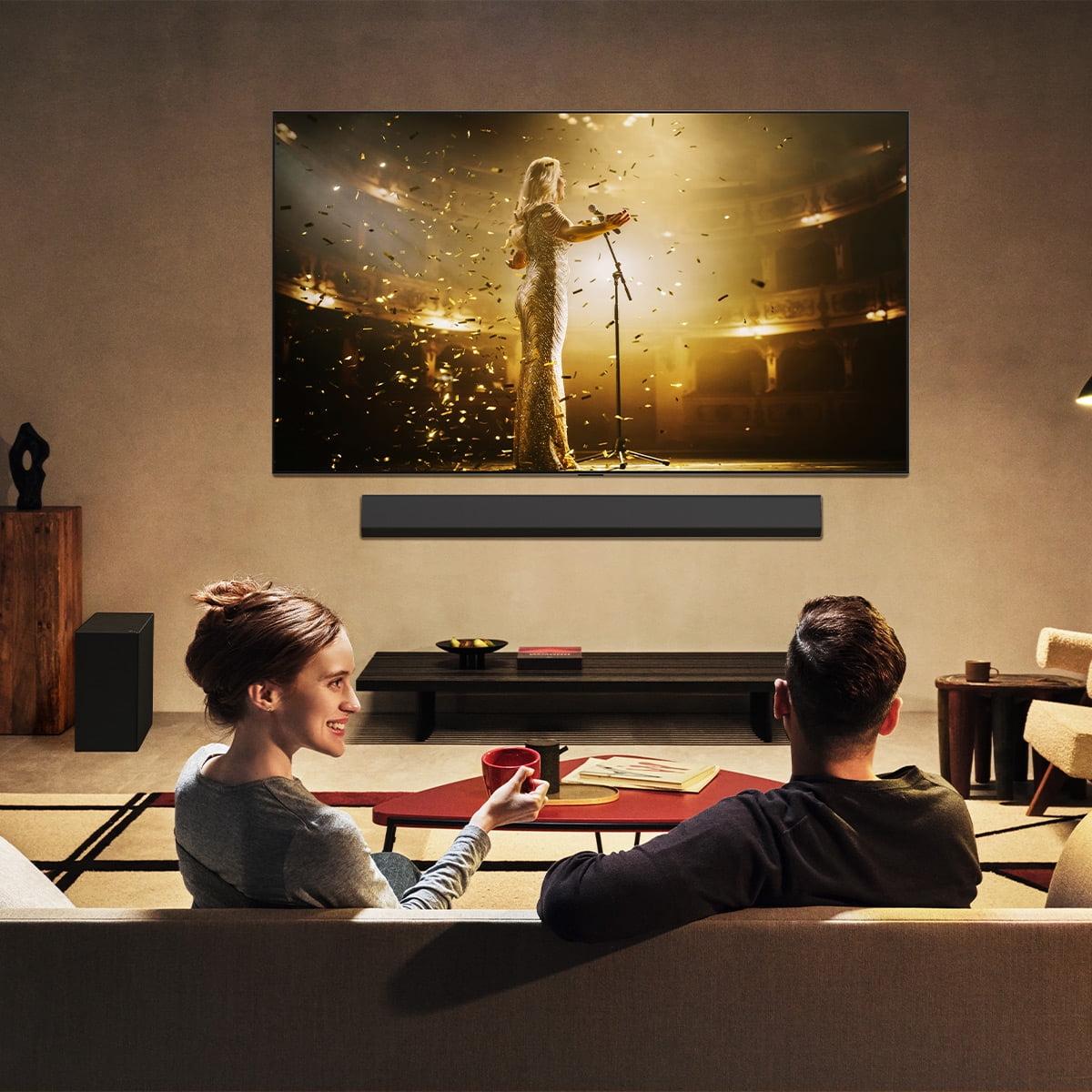
The LG G5 includes WOW Orchestra technology, which allows the TV's speakers to work in harmony with compatible LG soundbars. This creates a more immersive audio experience by using both the TV's speakers and the soundbar simultaneously. For most users planning to add a soundbar eventually, this feature provides genuine value.
Neither TV will satisfy serious audiophiles on its own - the physics of thin displays simply don't allow for deep bass or room-filling sound. However, both provide acceptable audio for casual viewing and excellent dialogue clarity.
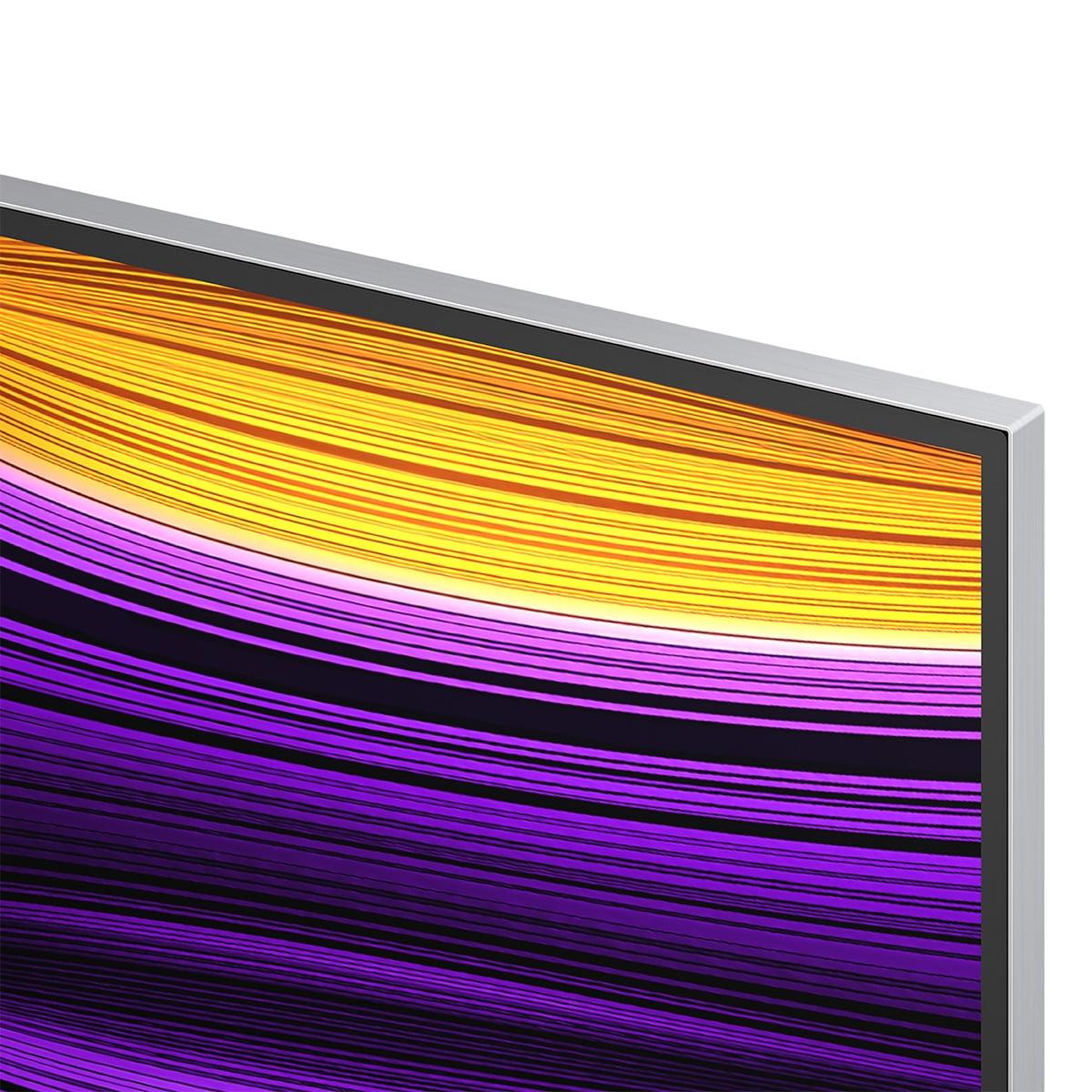
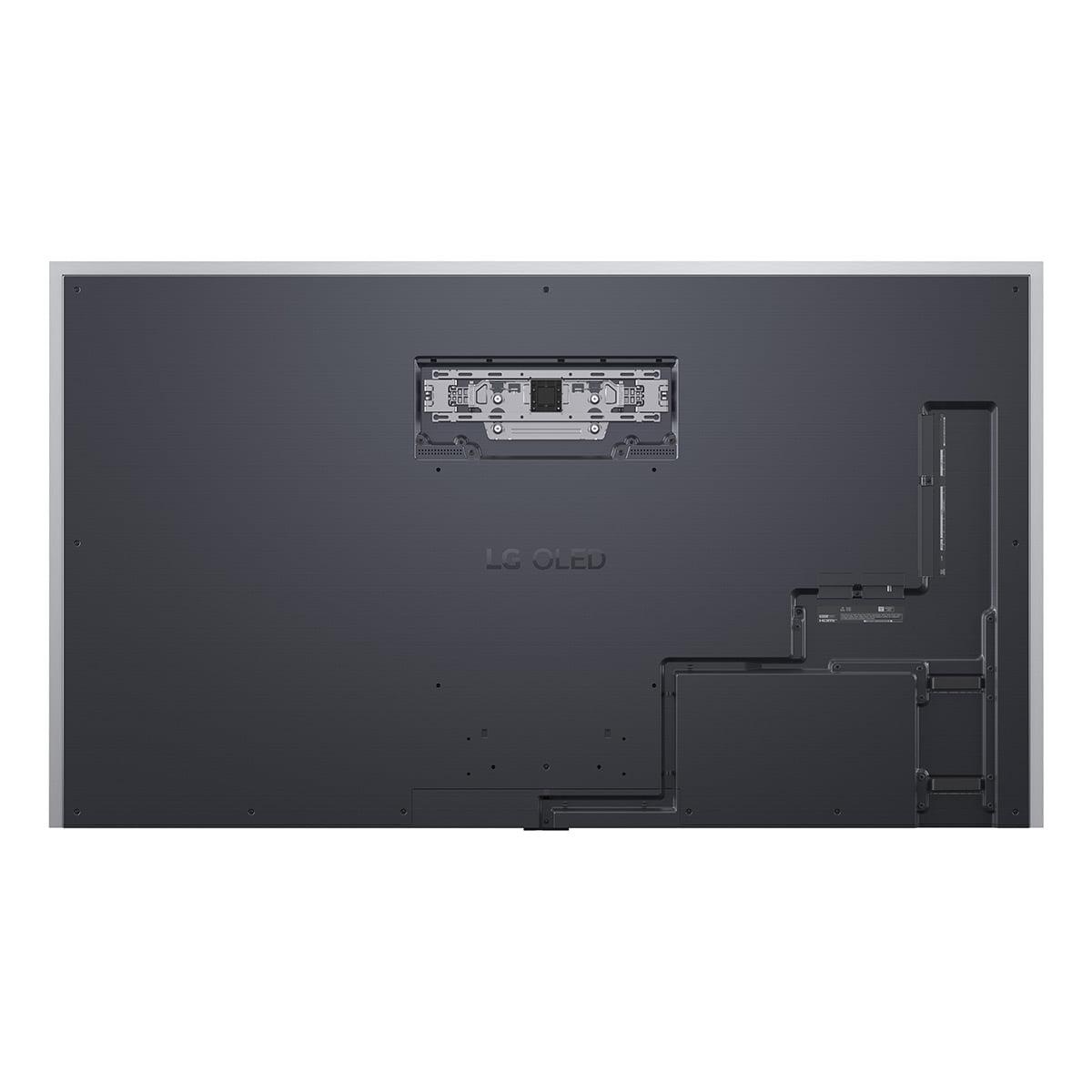
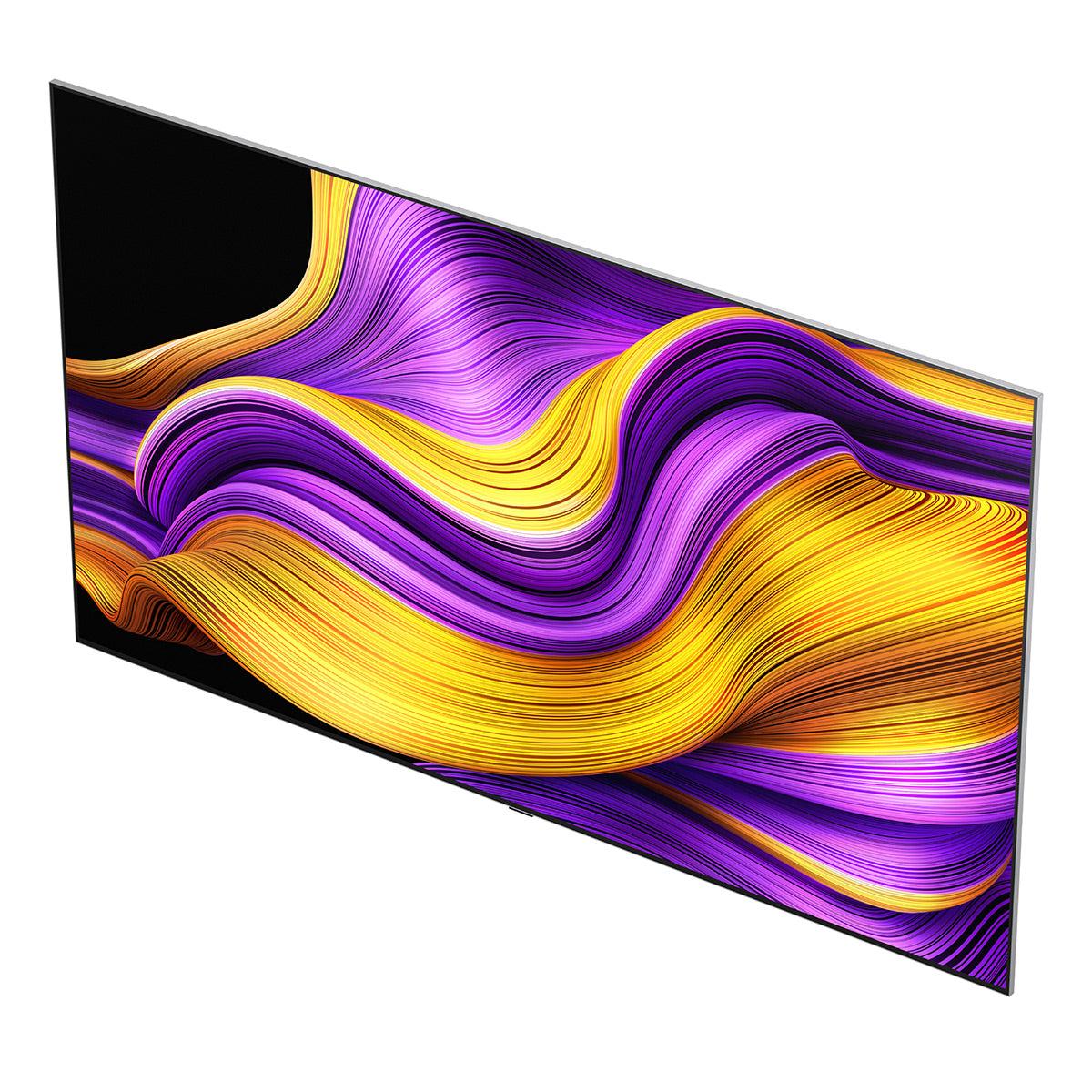
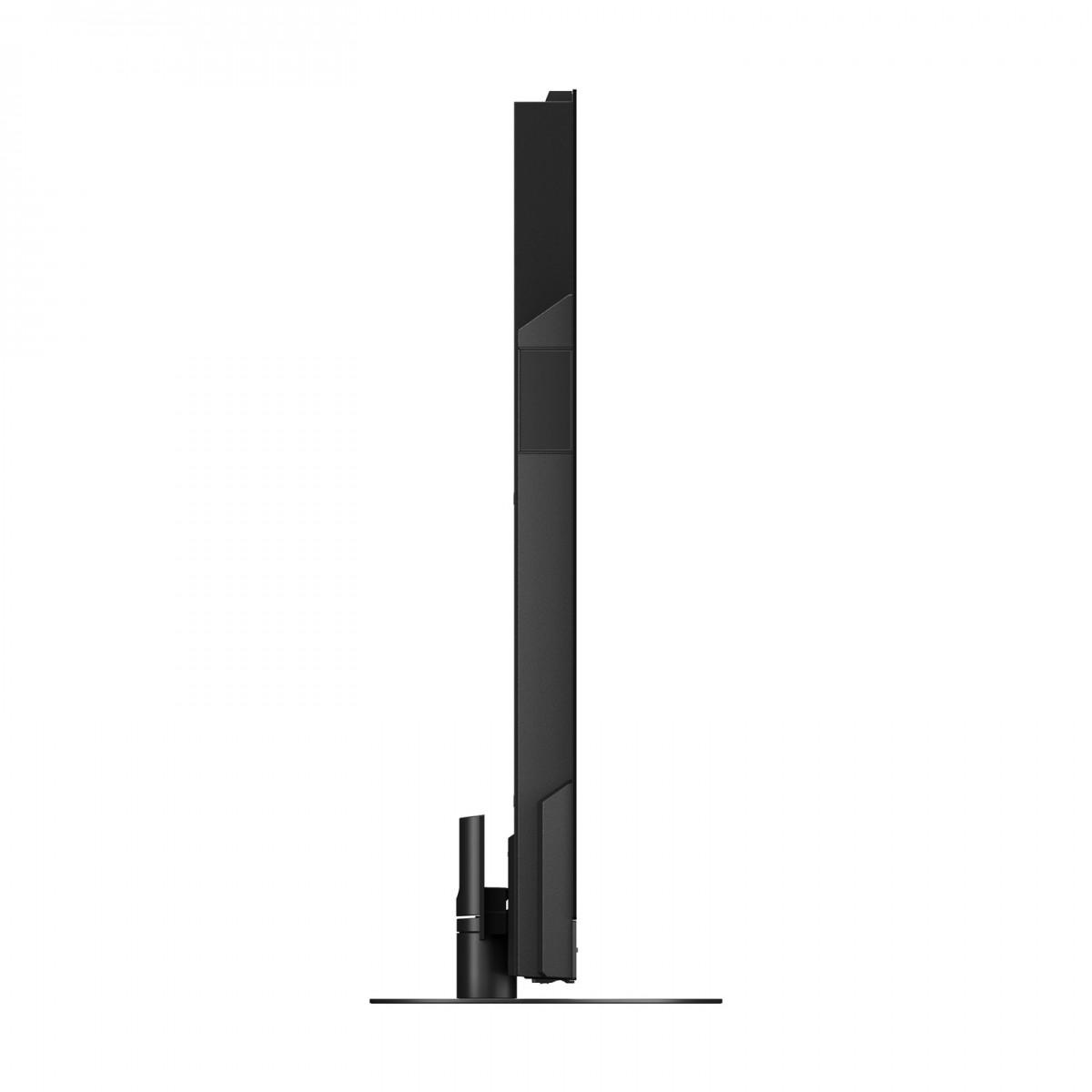
The LG G5 features what LG calls its "Gallery Design" - an ultra-thin profile that mounts flush against the wall with no visible gap. This creates a striking, picture-frame-like appearance that many find appealing. However, LG sells the wall mount separately, and there's no table stand included, which adds to the total cost.
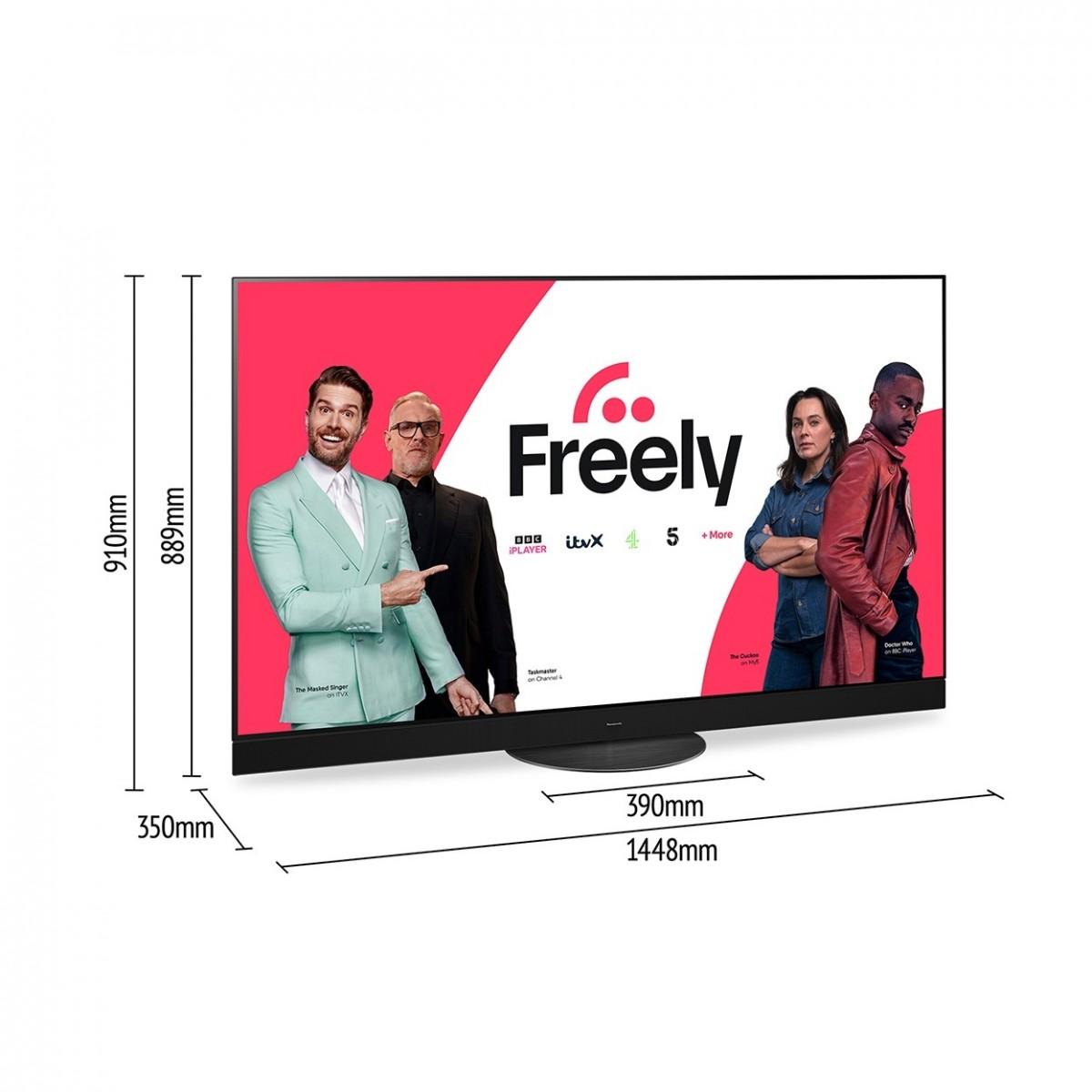
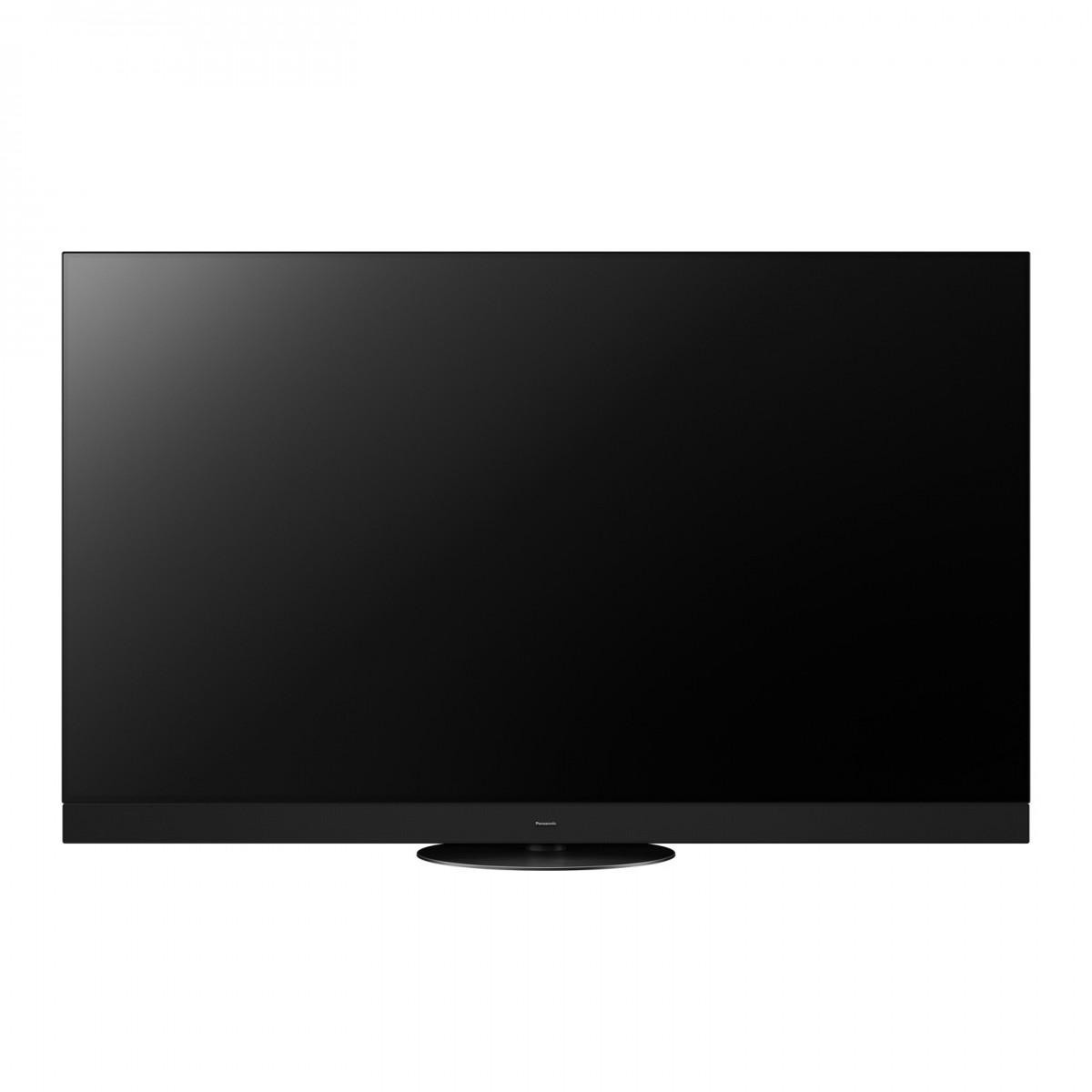
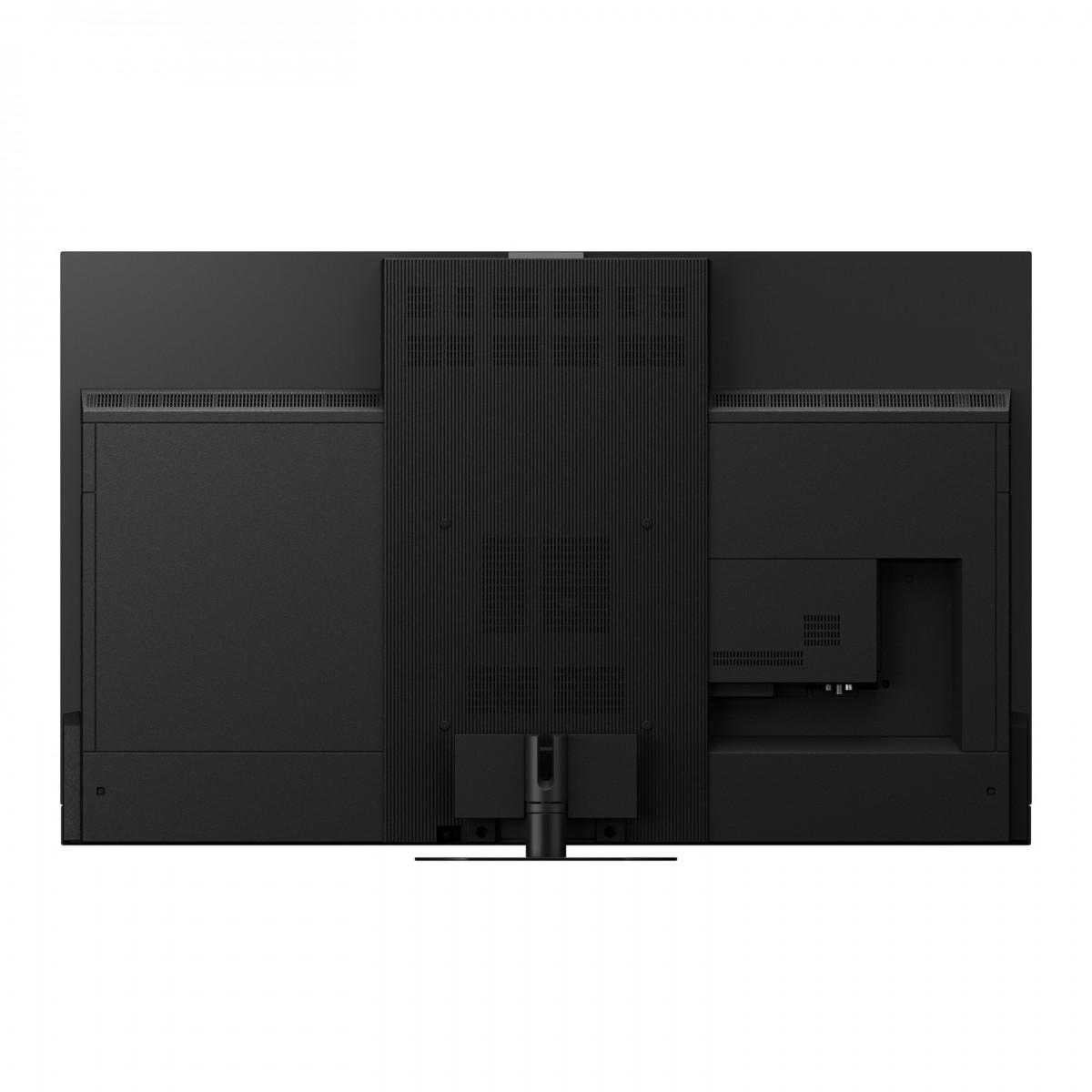
The Panasonic Z95A takes a more traditional approach with a slim but not ultra-thin design and includes a table stand. Build quality on both is excellent, with premium materials and solid construction that justifies their flagship positioning.
When evaluating OLED TVs, certain metrics matter more than others:
Peak Brightness in HDR: Determines how impactful bright scenes appear. The LG G5 excels here with its advanced panel technology.
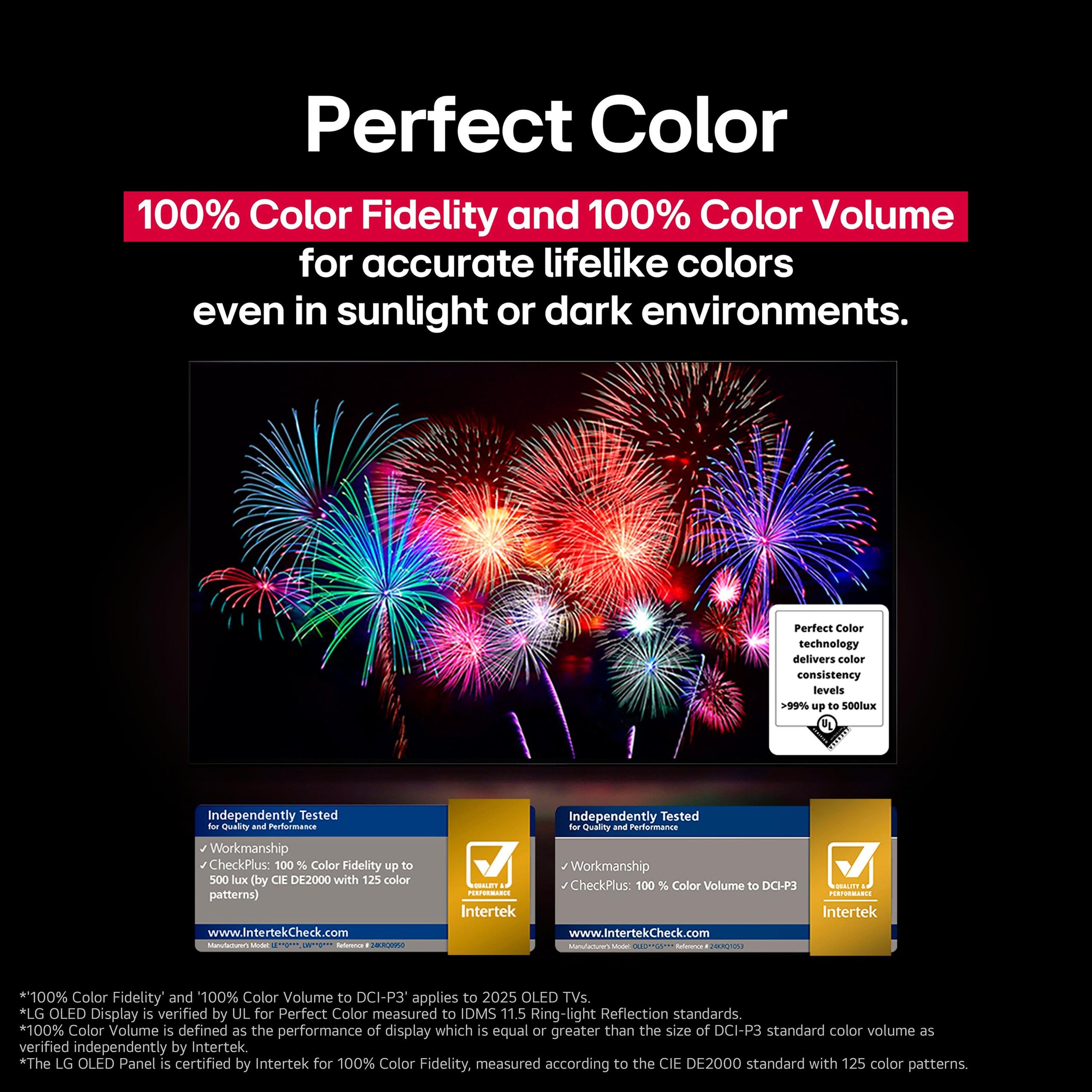
Color Volume: How well a display can maintain color accuracy at different brightness levels. Both TVs perform well, but with different tuning philosophies.
Input Lag: Critical for gaming. Both achieve excellent results under 20ms in game mode.
Motion Resolution: How well the TV handles fast-moving objects. OLED technology gives both excellent performance here.
Viewing Angles: OLED provides perfect viewing angles for both models - colors and contrast don't shift when viewed from the side.
For dedicated home theater use, the choice comes down to your priorities. The Panasonic Z95A is the purist's choice, delivering reference-accurate colors that reproduce content exactly as intended. In a light-controlled environment, its slightly lower peak brightness isn't a disadvantage, and its superior color processing truly shines with high-quality content.
The LG G5 works better in multi-purpose rooms where ambient light is a factor. Its higher brightness maintains image quality even when you can't completely darken the room, and its vibrant color processing makes even average content look engaging.
At the time of writing, the LG G5 typically commands a slight price advantage while offering more advanced panel technology and features. This makes it the better value for most buyers, especially those who game or watch TV in varied lighting conditions.
The Panasonic Z95A justifies its premium through superior color accuracy and processing, but its advantages primarily benefit viewers with high-quality source material and controlled viewing environments. For casual viewing of streaming content, many of its strengths won't be fully utilized.
Choose the LG OLED evo G5 if you:
Choose the Panasonic Z95A if you:
Both TVs represent excellent approaches to premium OLED technology, but they serve different audiences. The LG G5 is the more versatile choice, offering better value, superior brightness for modern viewing environments, and comprehensive gaming features. Its advanced smart TV platform and long-term software support make it the safer long-term investment.
The Panasonic Z95A serves the more specialized audience of movie enthusiasts and color purists. If you primarily watch high-quality content in controlled conditions and prioritize reference-accurate color reproduction, it's worth the premium.
For most buyers, the LG G5's combination of advanced panel technology, comprehensive feature set, and competitive pricing makes it the stronger choice. However, both represent the pinnacle of OLED technology and will deliver exceptional viewing experiences that justify their premium positioning in today's TV market.
| Panasonic Z95A 65" OLED 4K Ultra HD Smart TV | LG OLED evo G5 65" 4K Smart TV 2025 |
|---|---|
| Panel Technology - Determines brightness capability and longevity | |
| Traditional OLED with Hollywood-tuned color processing | 4-Stack RGB Tandem OLED panel with 45% higher brightness |
| Peak Brightness - Critical for HDR impact and bright room viewing | |
| ~1,300 nits peak (excellent for dark rooms, good color accuracy) | ~1,500+ nits peak (better for bright rooms, more HDR punch) |
| Gaming Refresh Rate - Essential for competitive and PC gaming | |
| 4K @ 120Hz maximum on select HDMI ports | 4K @ 165Hz on all four HDMI 2.1 ports |
| Smart TV Platform - Affects long-term usability and app availability | |
| Amazon Fire TV Built-in (simple, reliable streaming) | webOS 25 with 5-year update guarantee (advanced AI features) |
| Color Processing Philosophy - Impacts how content looks out-of-box | |
| HCX Pro AI with Hollywood studio tuning (reference accuracy) | Alpha 11 AI Gen 2 (vibrant, AI-enhanced processing) |
| HDMI 2.1 Ports - Future-proofing for gaming and high-bandwidth content | |
| 2-4 ports depending on region (adequate for most users) | 4 full-bandwidth ports (excellent for multiple gaming devices) |
| HDR Format Support - Determines compatibility with premium content | |
| Dolby Vision, HDR10, HDR10+ Adaptive | Dolby Vision, HDR10 Pro (slightly fewer formats but well-optimized) |
| Audio Configuration - Built-in sound quality before adding soundbar | |
| 20W with Dolby Atmos, front-firing speakers | Enhanced speaker system with WOW Orchestra soundbar integration |
| Voice Control - Hands-free operation convenience | |
| Alexa Built-in with hands-free control | Google Assistant, Alexa, plus AI button on Magic Remote |
| Design Approach - Mounting flexibility and aesthetic impact | |
| Traditional slim profile with included table stand | Ultra-thin Gallery Design, flush wall-mount (stand sold separately) |
| Gaming Features - Competitive gaming optimization | |
| VRR, ALLM, Game Mode with good input lag | Game Optimizer dashboard, G-SYNC, FreeSync, comprehensive VRR |
| Target Audience - Who benefits most from each approach | |
| Movie purists and color accuracy enthusiasts | Gamers, bright room viewers, and tech feature enthusiasts |
The LG OLED evo G5 is significantly better for gaming. It supports 4K at 165Hz refresh rates on all four HDMI 2.1 ports, compared to the Panasonic Z95A's 120Hz maximum. The LG G5 also includes comprehensive gaming features like Game Optimizer dashboard, G-SYNC, and FreeSync support, making it the clear choice for serious gamers.
The LG OLED evo G5 uses a new 4-Stack RGB Tandem OLED panel that's 45% brighter than traditional OLED, making it better for bright rooms. The Panasonic Z95A focuses on reference-accurate color processing tuned with Hollywood studios, delivering more natural, cinematic colors. Choose the LG G5 for brightness, the Panasonic Z95A for color accuracy.
The LG OLED evo G5 has superior smart features with webOS 25, offering advanced AI personalization, extensive app selection, and a 5-year software update guarantee. The Panasonic Z95A uses Amazon Fire TV, which is simpler but has fewer features and apps. For long-term software support, the LG G5 is the better choice.
Both excel in home theaters but serve different preferences. The Panasonic Z95A is ideal for movie purists wanting reference-accurate colors in light-controlled rooms. The LG OLED evo G5 works better in multi-purpose rooms with ambient light due to its higher brightness. Both support Dolby Vision and Atmos for premium home theater experiences.
The LG OLED evo G5 is significantly brighter thanks to its new panel technology, reaching peak brightness levels 45% higher than traditional OLEDs. This makes the LG G5 much better for viewing in bright rooms or during daytime. The Panasonic Z95A performs better in darker, controlled lighting environments.
Both TVs support major HDR formats, but with different approaches. The LG OLED evo G5 delivers more impactful HDR due to its higher peak brightness, making bright scenes more realistic. The Panasonic Z95A focuses on natural HDR tone mapping that's less fatiguing but not as dramatic. The LG G5 has better overall HDR impact.
The LG OLED evo G5 has a slight edge with its WOW Orchestra technology that integrates with LG soundbars for enhanced audio. The Panasonic Z95A offers 20W Dolby Atmos speakers optimized for clear dialogue. Both provide adequate built-in audio, but the LG G5's soundbar integration offers better upgrade potential.
Yes, the design philosophies differ significantly. The LG OLED evo G5 features an ultra-thin Gallery Design that mounts flush to walls but requires separate purchase of stands. The Panasonic Z95A has a more traditional slim profile with an included table stand, offering more flexibility out of the box.
The LG OLED evo G5 typically offers better value with its advanced panel technology, superior gaming features, comprehensive smart platform, and long-term software support. While both are premium-priced, the LG G5 provides more future-proofing and versatility for most users compared to the Panasonic Z95A.
The Panasonic Z95A uses the HCX Pro AI Processor MKII, optimized for cinematic color accuracy and natural image processing. The LG OLED evo G5 features the Alpha 11 AI Processor Gen 2, focusing on AI-enhanced upscaling and dynamic optimization. The LG's processor is more advanced for varied content types.
The LG OLED evo G5 is better for streaming with its advanced webOS platform offering more apps, better interface, and AI-powered recommendations. The Panasonic Z95A uses Fire TV which is reliable for major services like Netflix but has a more limited app ecosystem. The LG G5 provides a more comprehensive streaming experience.
For movie enthusiasts prioritizing color accuracy, the Panasonic Z95A is ideal with its Hollywood-tuned processing that shows films as directors intended. For viewers wanting maximum impact and brightness, the LG OLED evo G5 delivers more dramatic visuals. In dedicated home theaters, the Panasonic Z95A excels, while the LG G5 works better in mixed-use rooms.
We've done our best to create useful and informative comparisons to help you decide what product to buy. Our research uses advanced automated methods to create this comparison and perfection is not possible - please contact us for corrections or questions. These are the sites we've researched in the creation of this article: youtube.com - youtube.com - whathifi.com - tomsguide.com - shop.panasonic.com - store.in.panasonic.com - rtings.com - applianceplus.co.nz - rtings.com - store.in.panasonic.com - samsung.com - bestbuy.com - techradar.com - rtings.com - youtube.com - youtube.com - rtings.com - bestbuy.com - youtube.com - valueelectronics.com - lg.com - audio-videoplus.com - lg.com - lg.com - lg.com

Privacy Policy
Terms and Conditions - Affiliate Policy
Home Security
© Copyright 2008-2026.
11816 Inwood Rd #1211, Dallas, TX 75244