



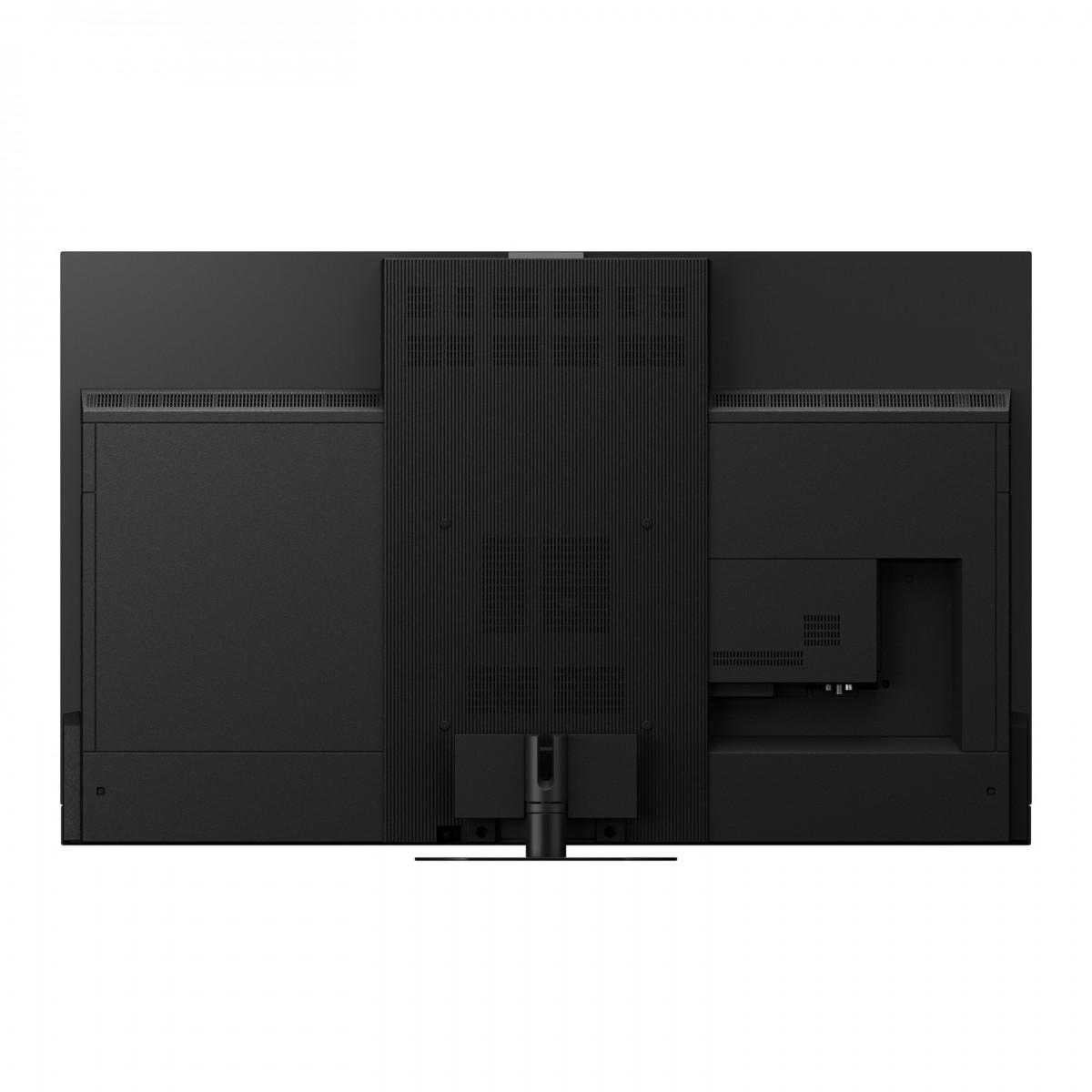
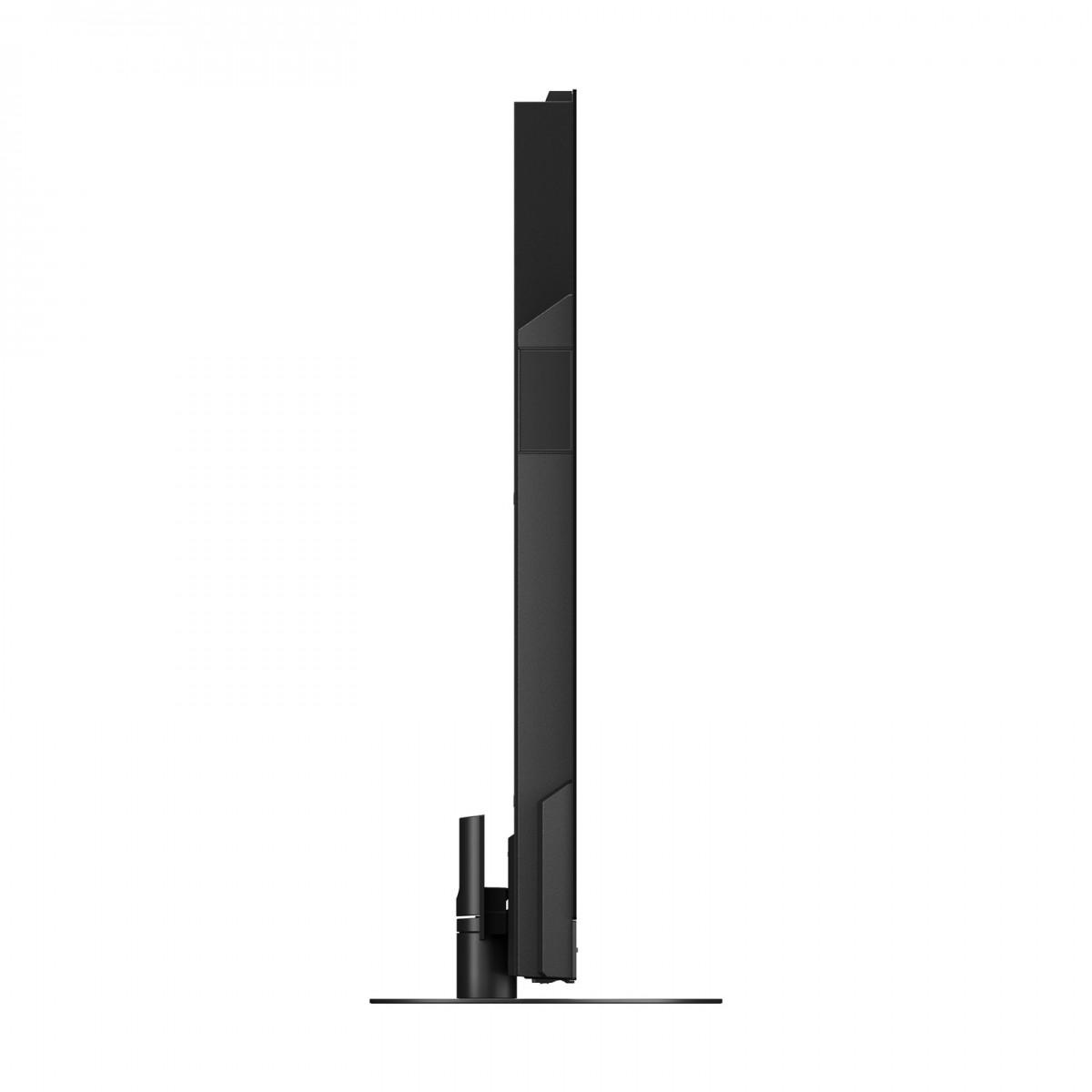
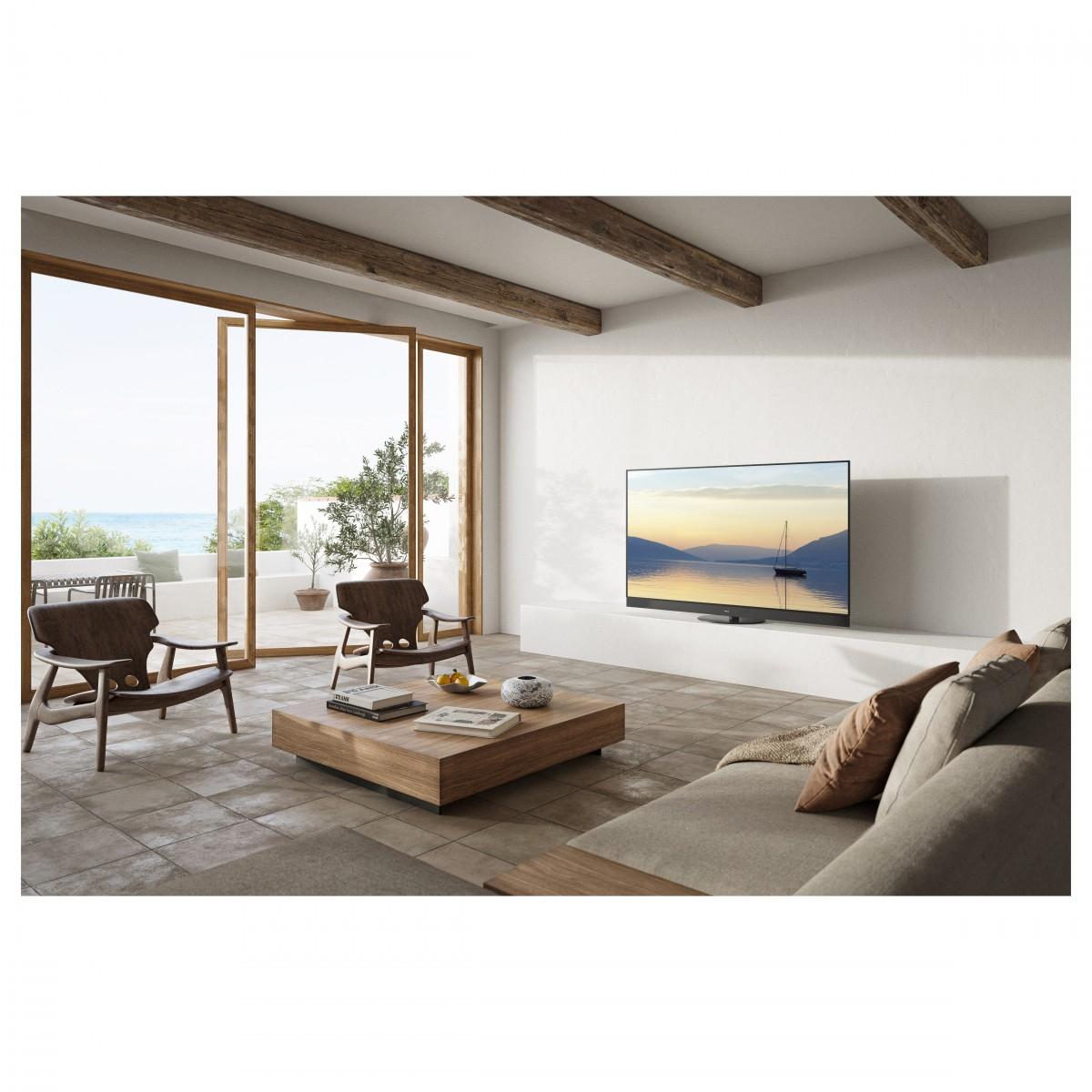
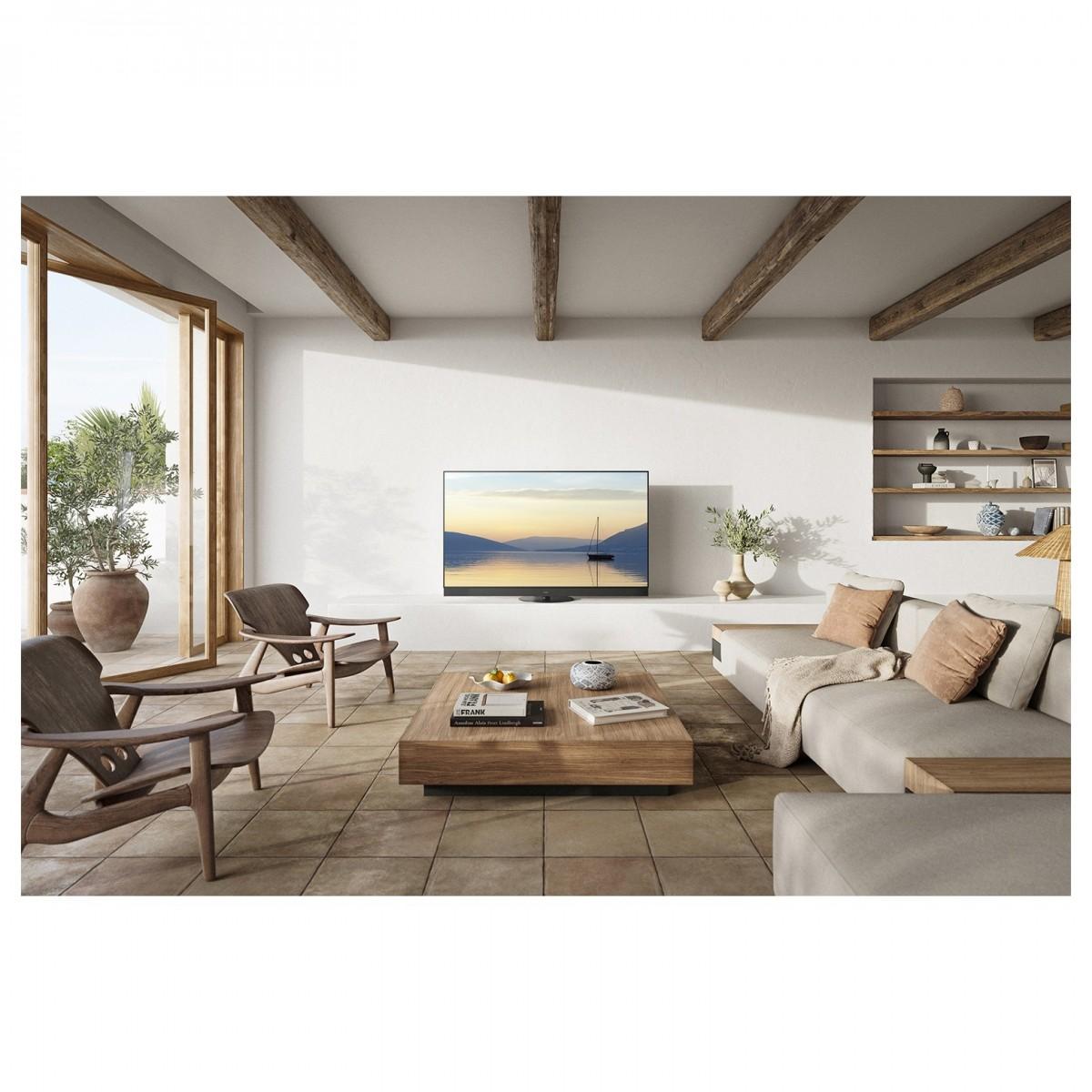
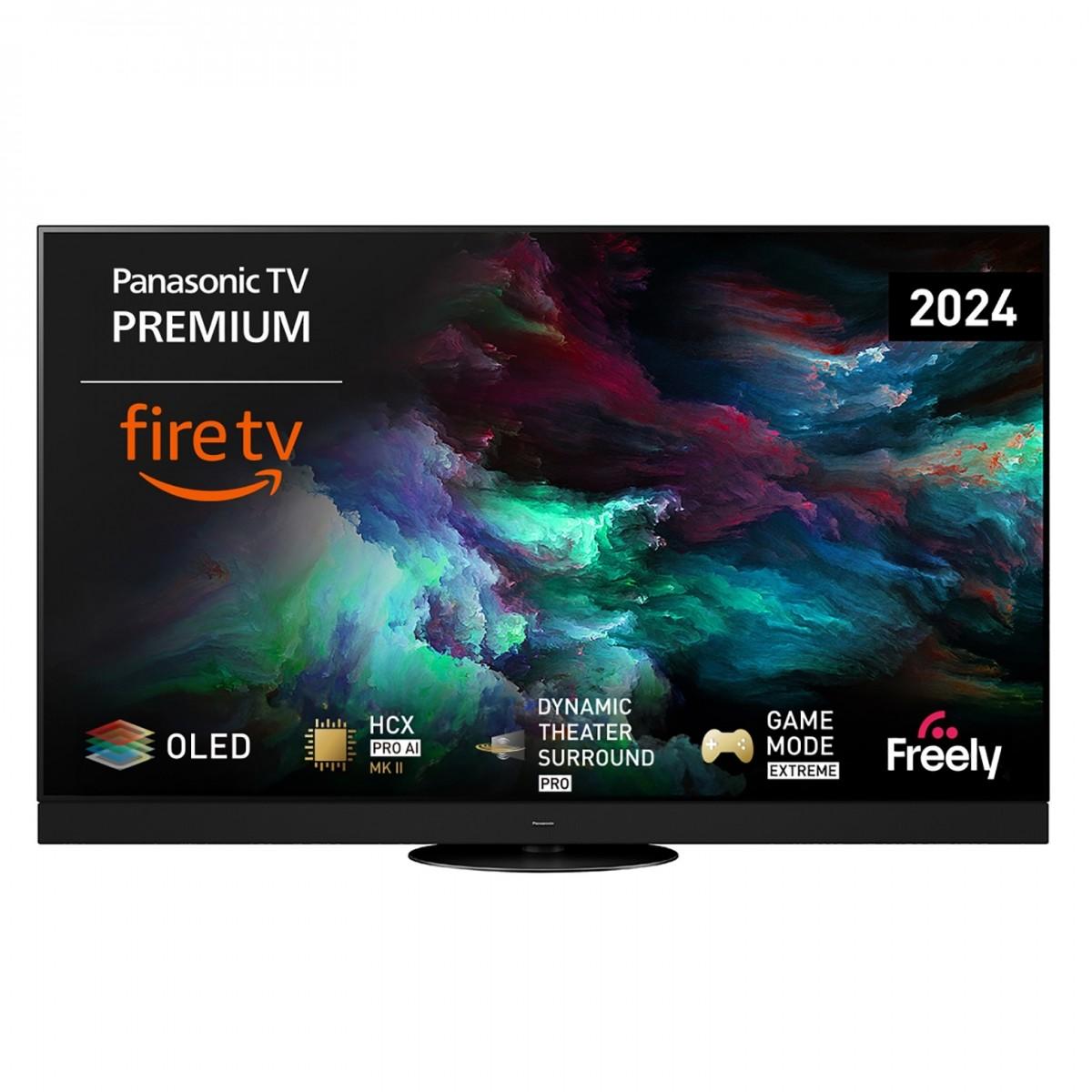
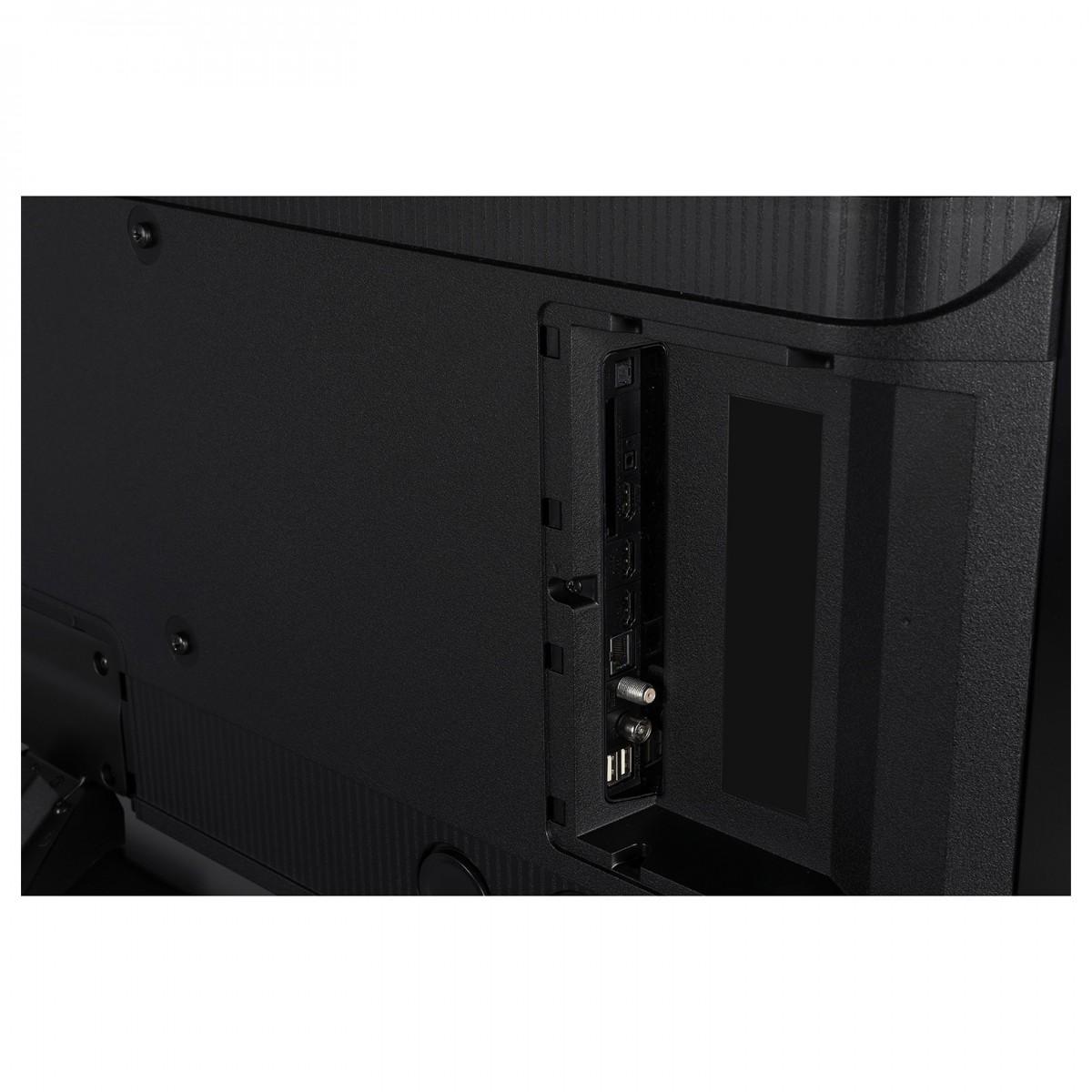
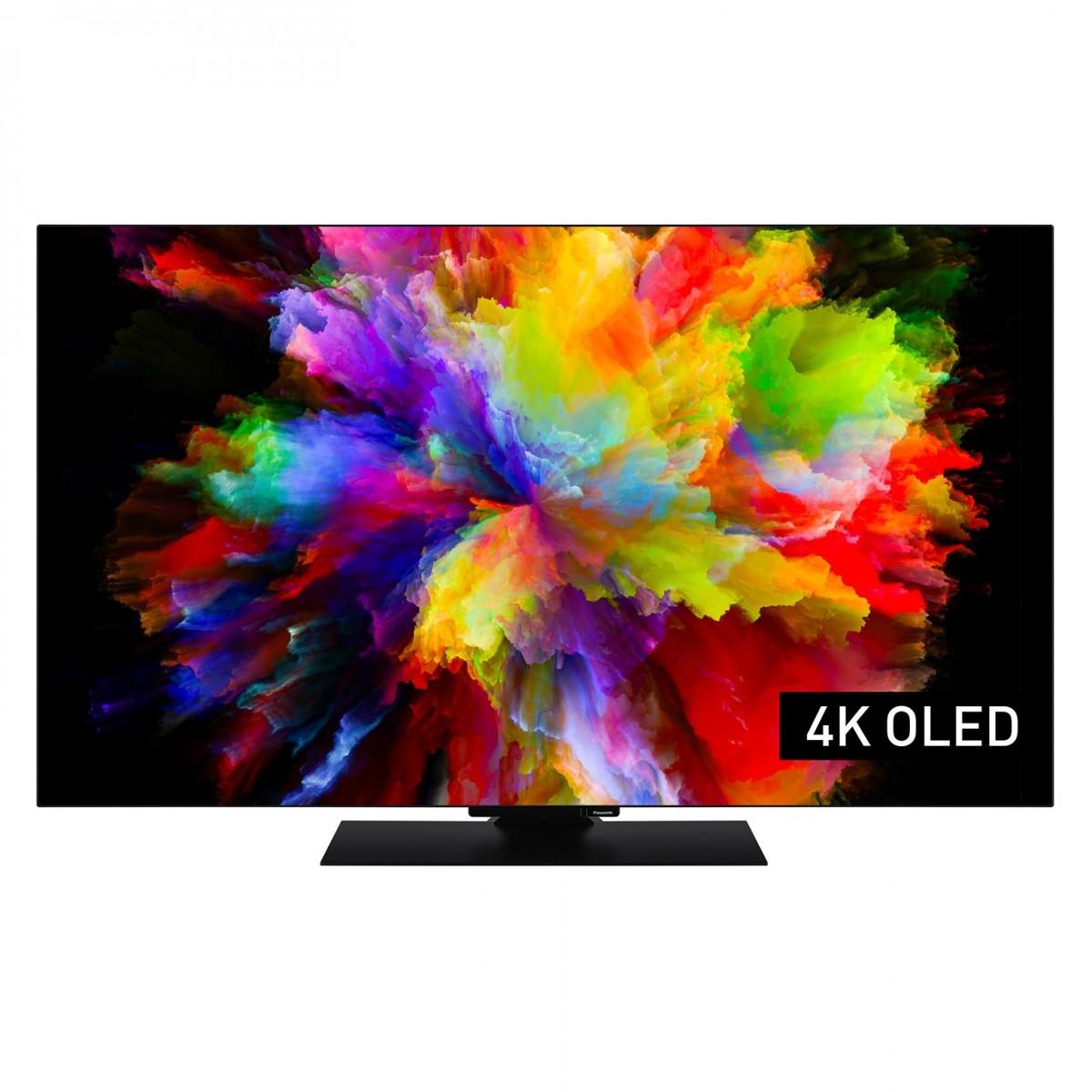
When you're shopping for a premium 65-inch TV, you're entering the sweet spot of home entertainment technology. At this size, you get that cinematic experience without overwhelming most living rooms, and manufacturers pack their best features into these flagship models. But choosing between two fundamentally different display technologies—like the Panasonic Z95A OLED and Samsung QN90F Neo QLED—can feel overwhelming when both promise exceptional picture quality.
The truth is, these TVs represent two distinct philosophies in display technology, each with compelling advantages depending on your viewing habits and room setup. After researching extensive professional reviews and user feedback, it's clear that your choice between these technologies will largely depend on your specific viewing environment and priorities rather than one being objectively "better" than the other.
The premium TV market has evolved dramatically over the past few years. Both the Panasonic Z95A and Samsung QN90F were released in 2024-2025, representing the latest refinements in their respective technologies. What makes this comparison particularly interesting is that we're looking at mature implementations of both OLED and advanced LED backlighting, rather than early versions with obvious compromises.
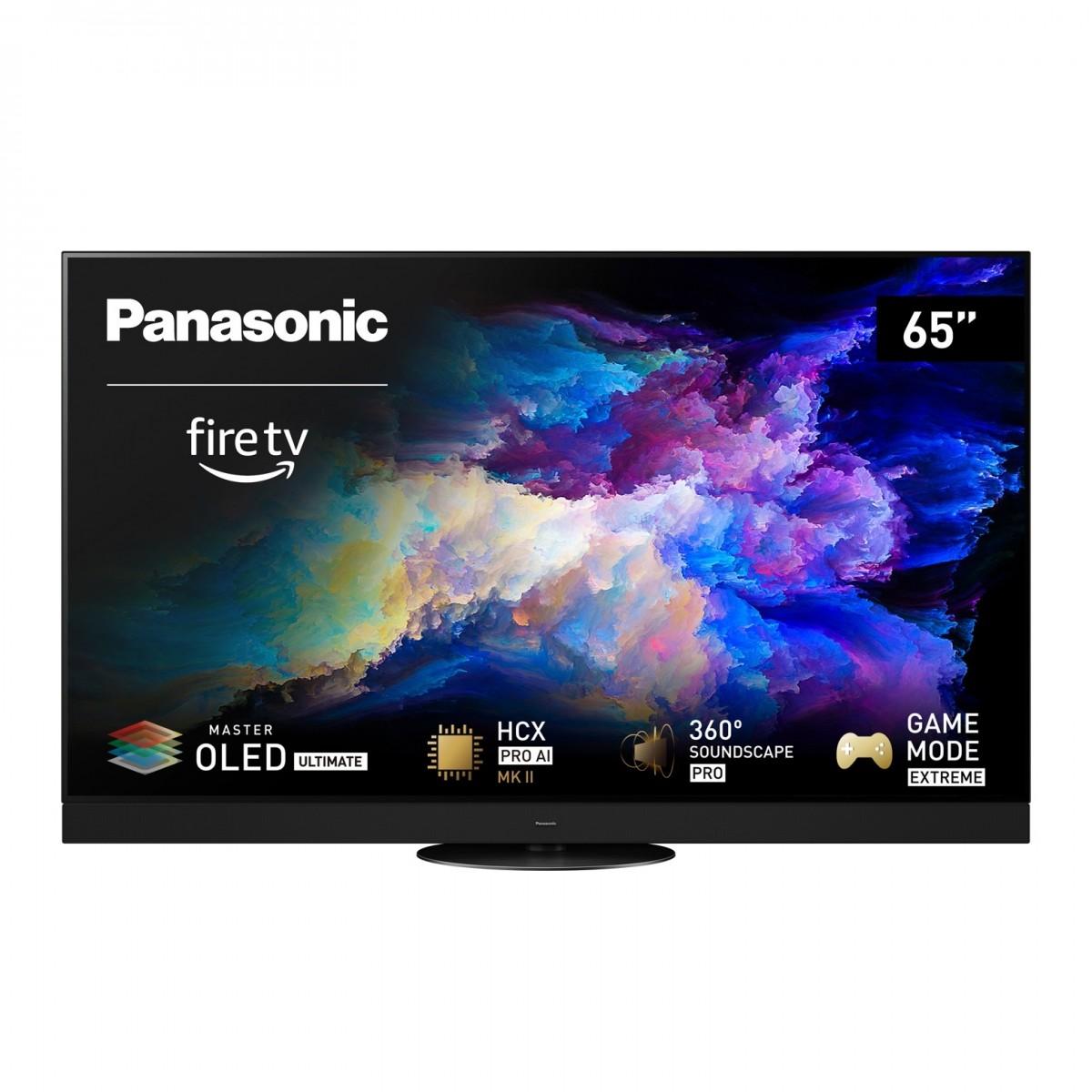
OLED technology, which stands for Organic Light-Emitting Diode, works by having each individual pixel generate its own light. Think of it like millions of tiny light bulbs that can turn completely on, completely off, or anywhere in between. This creates what's called "perfect blacks" because when a pixel needs to display black, it simply turns off—no light bleeding through from behind like traditional TVs.
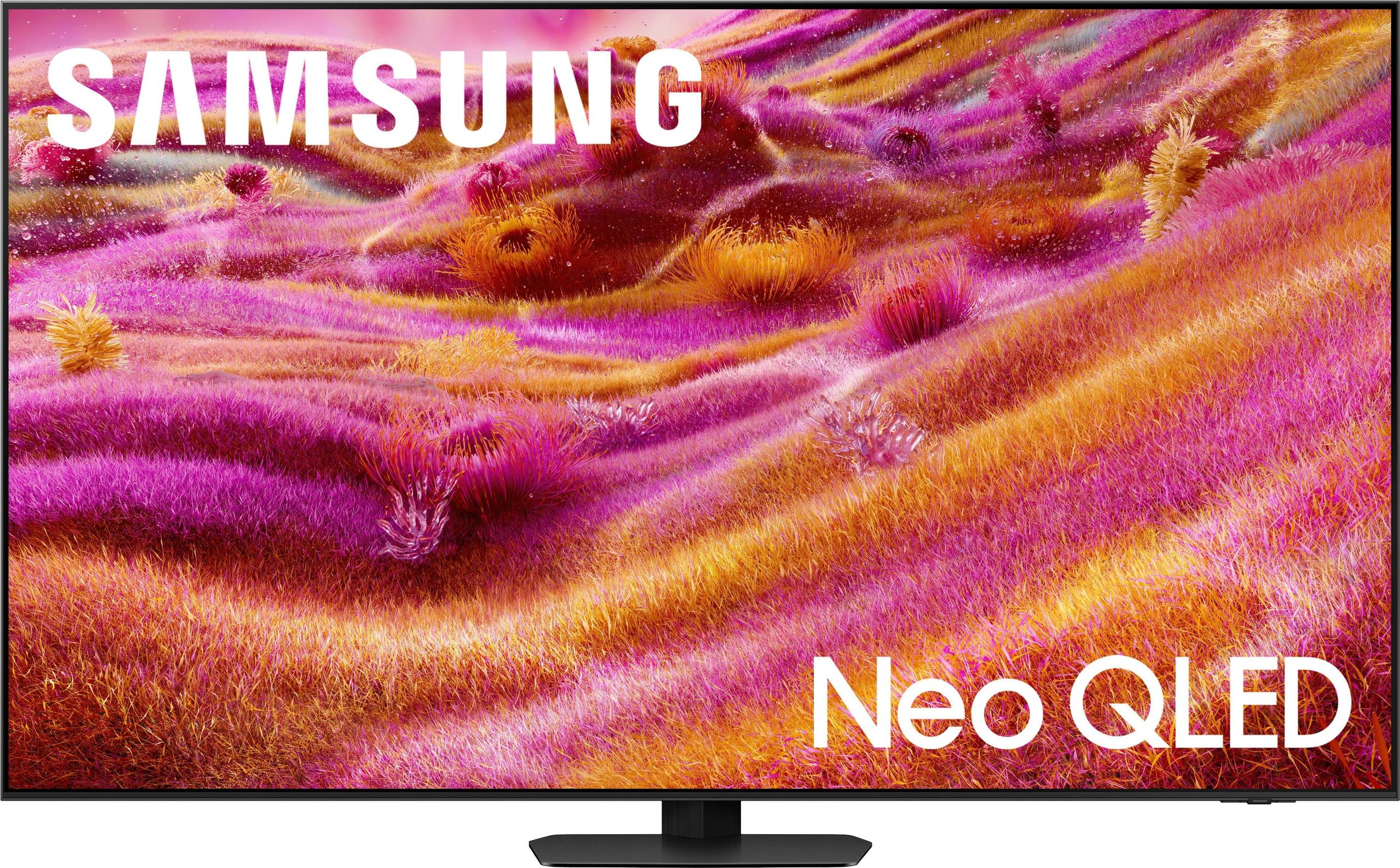
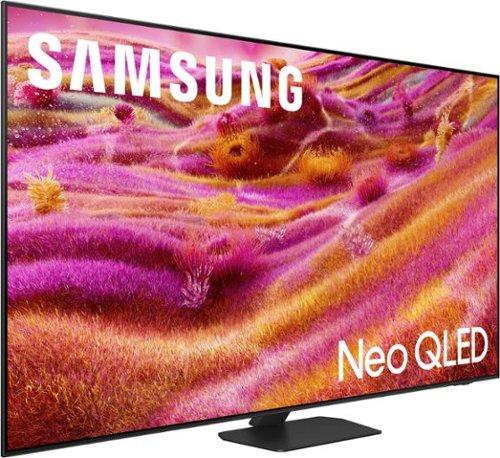
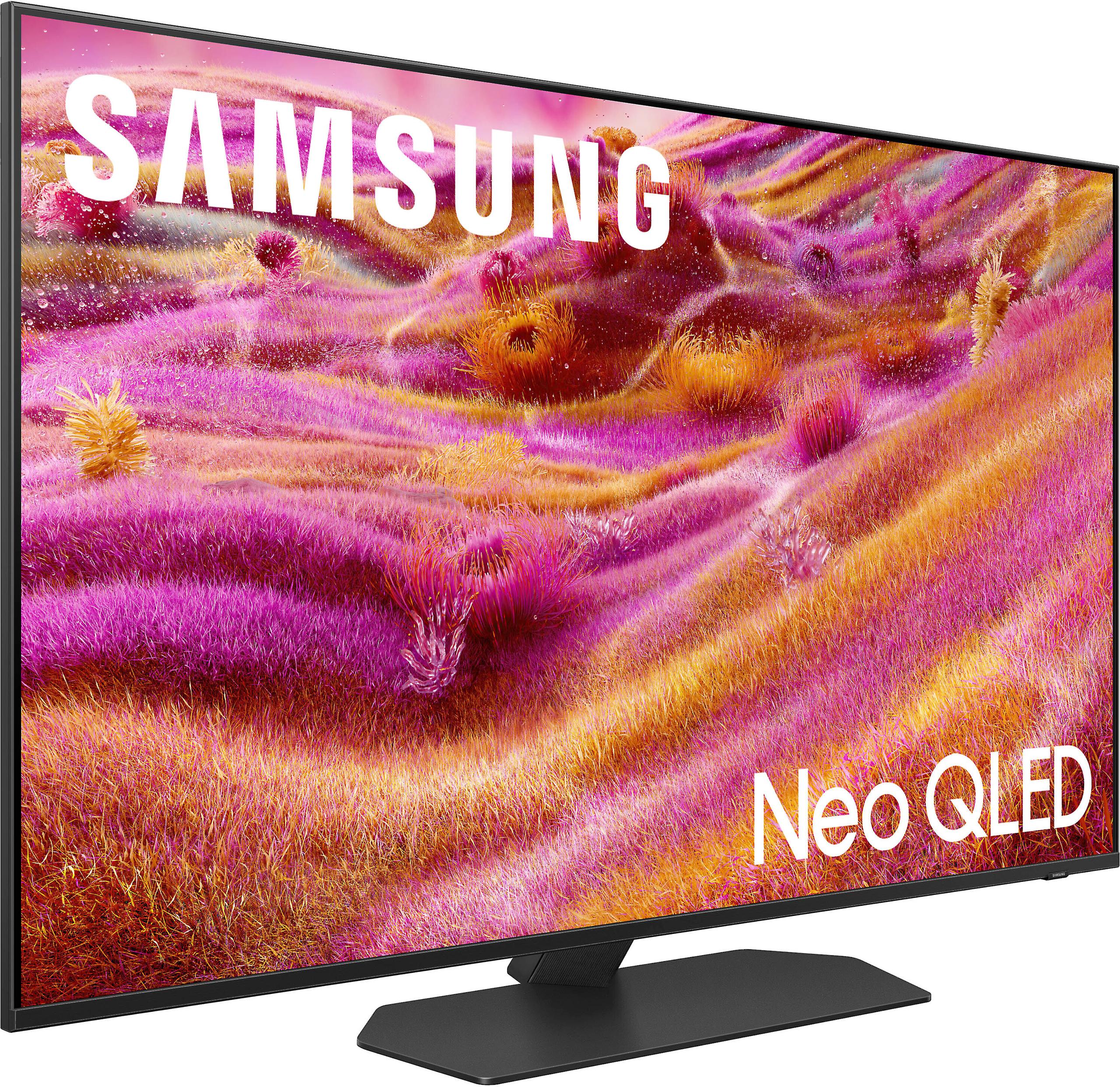
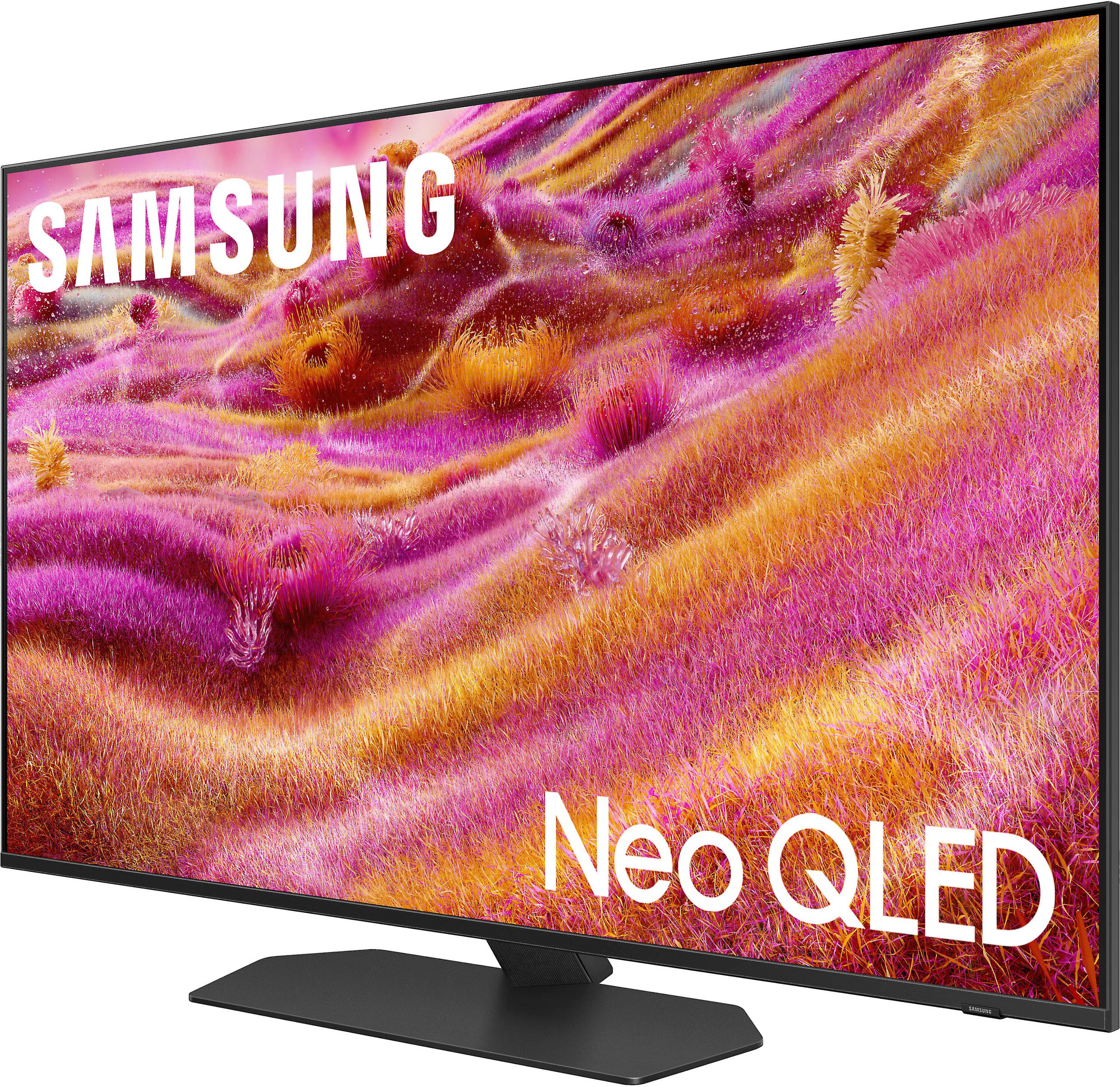
Neo QLED, Samsung's premium LED technology, takes a different approach. It uses thousands of tiny LED lights (called Mini LEDs) behind the screen, combined with quantum dots—microscopic particles that enhance color accuracy. The "Neo" part refers to Samsung's latest generation of this technology, which includes more precise control over these backlighting zones and improved processors to manage them.
Here's where these technologies show their most significant differences, and it directly impacts your viewing experience depending on your room setup.
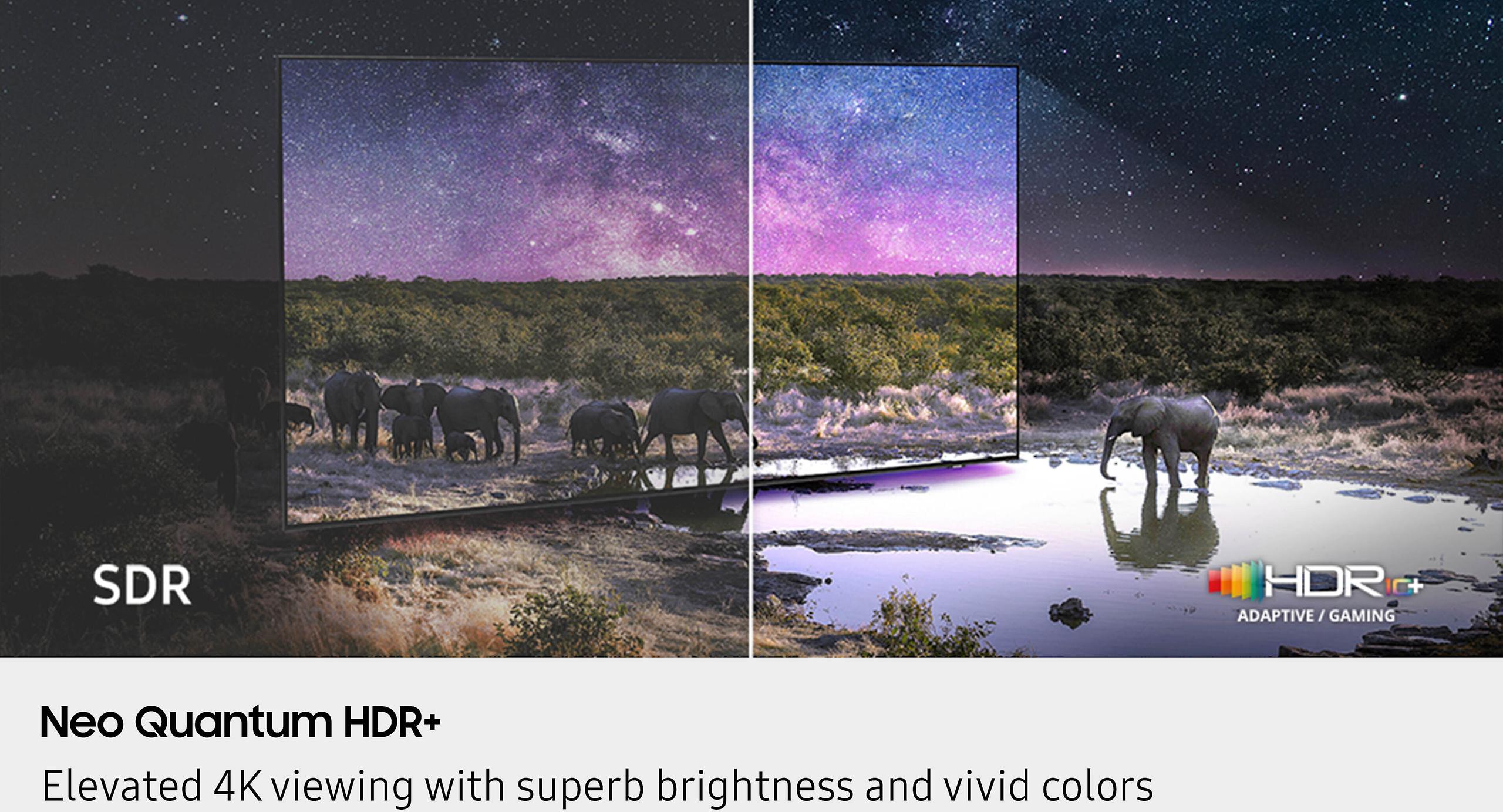
The Samsung QN90F can reach peak brightness levels exceeding 1,900 nits in small highlight areas—that's nearly twice what most premium TVs could achieve just a few years ago. For context, a typical sunny day outdoors measures around 100,000 nits, while indoor lighting usually sits between 10-100 nits. This massive brightness capability means HDR content (High Dynamic Range, which expands the range of colors and brightness levels) really pops with dramatic highlights that can be genuinely eye-catching.
But here's the trade-off: while the Samsung can get incredibly bright, it can't achieve true black because there's always some LED backlighting happening behind the screen. Even with Samsung's sophisticated local dimming (where different zones of LEDs can dim or brighten independently), you'll get some light bleeding into areas that should be completely dark.
The Panasonic Z95A, on the other hand, achieves what engineers call "infinite contrast ratio." Since each pixel can turn completely off, you get perfect blacks right next to bright elements with no light bleeding whatsoever. However, its peak brightness tops out around 800-1,000 nits—still plenty bright for most content, but not as dramatically bright as the Samsung.
This difference becomes crucial depending on your viewing environment. In a bright living room with lots of windows, the Samsung's higher brightness helps maintain picture visibility even when sunlight is streaming in. The Panasonic might look washed out in these conditions, despite its superior contrast performance.
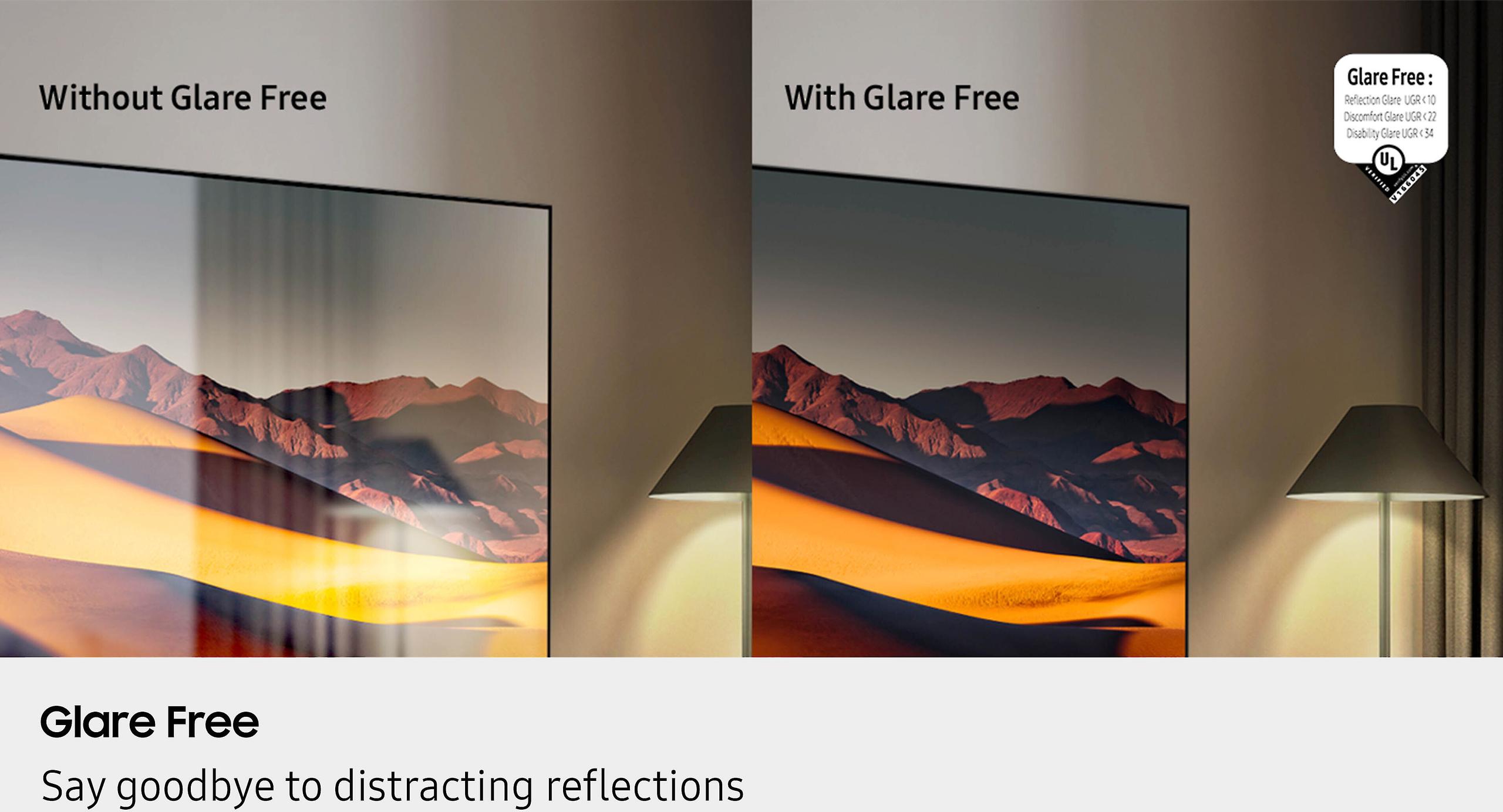
After analyzing user reviews and professional testing, room lighting emerges as perhaps the most important factor in choosing between these TVs. The Samsung QN90F includes what Samsung calls "Glare-Free" technology—essentially an advanced matte coating that diffuses reflections rather than creating bright, distracting mirrors of your room's lighting.
This anti-glare technology represents a significant advancement from earlier LED TVs. Previous generations often looked washed out or reflective in bright rooms, but the Samsung's coating virtually eliminates reflections while maintaining color accuracy. Users consistently report being able to watch television "on a sunny day without having to close the shades," which wasn't practical with many earlier premium TVs.
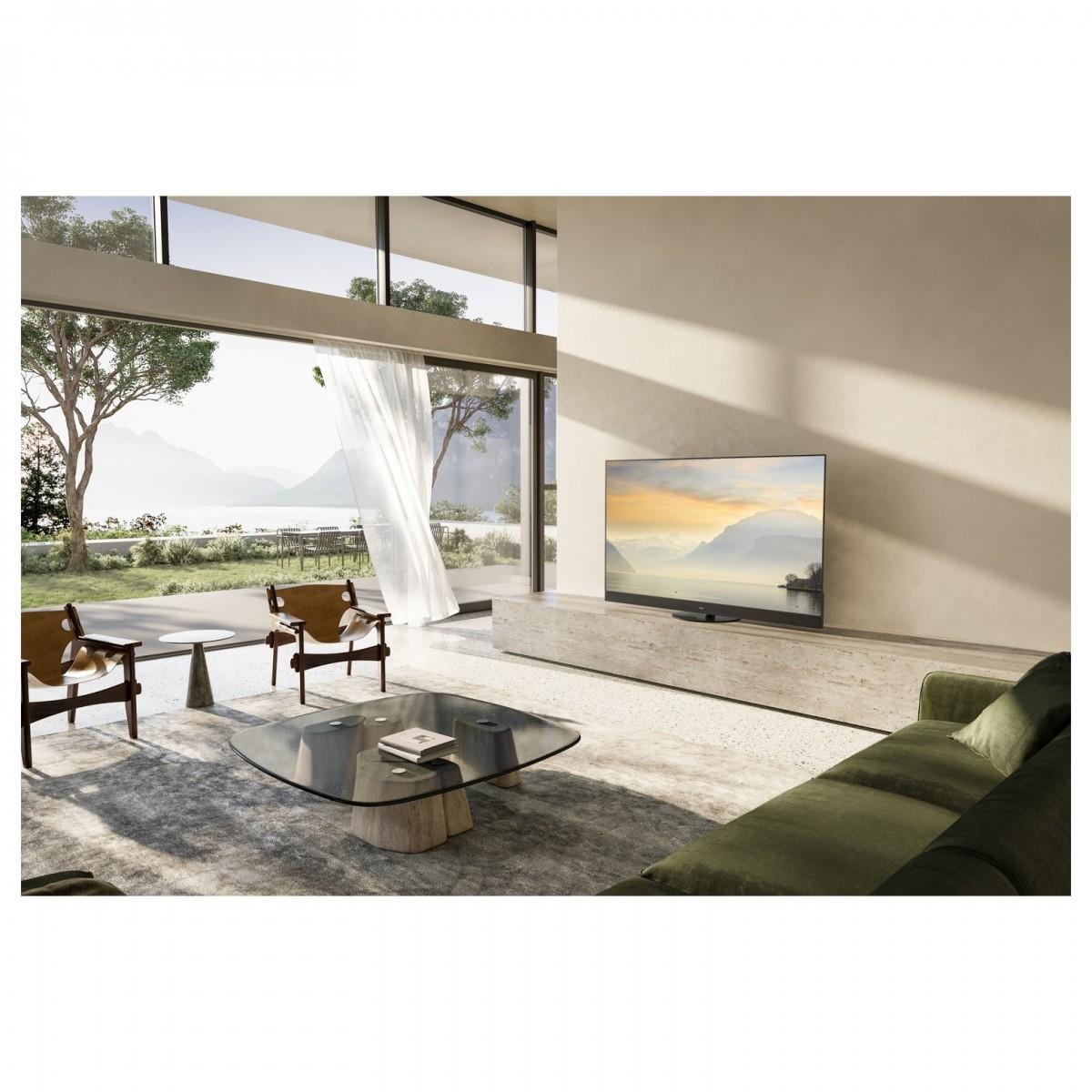
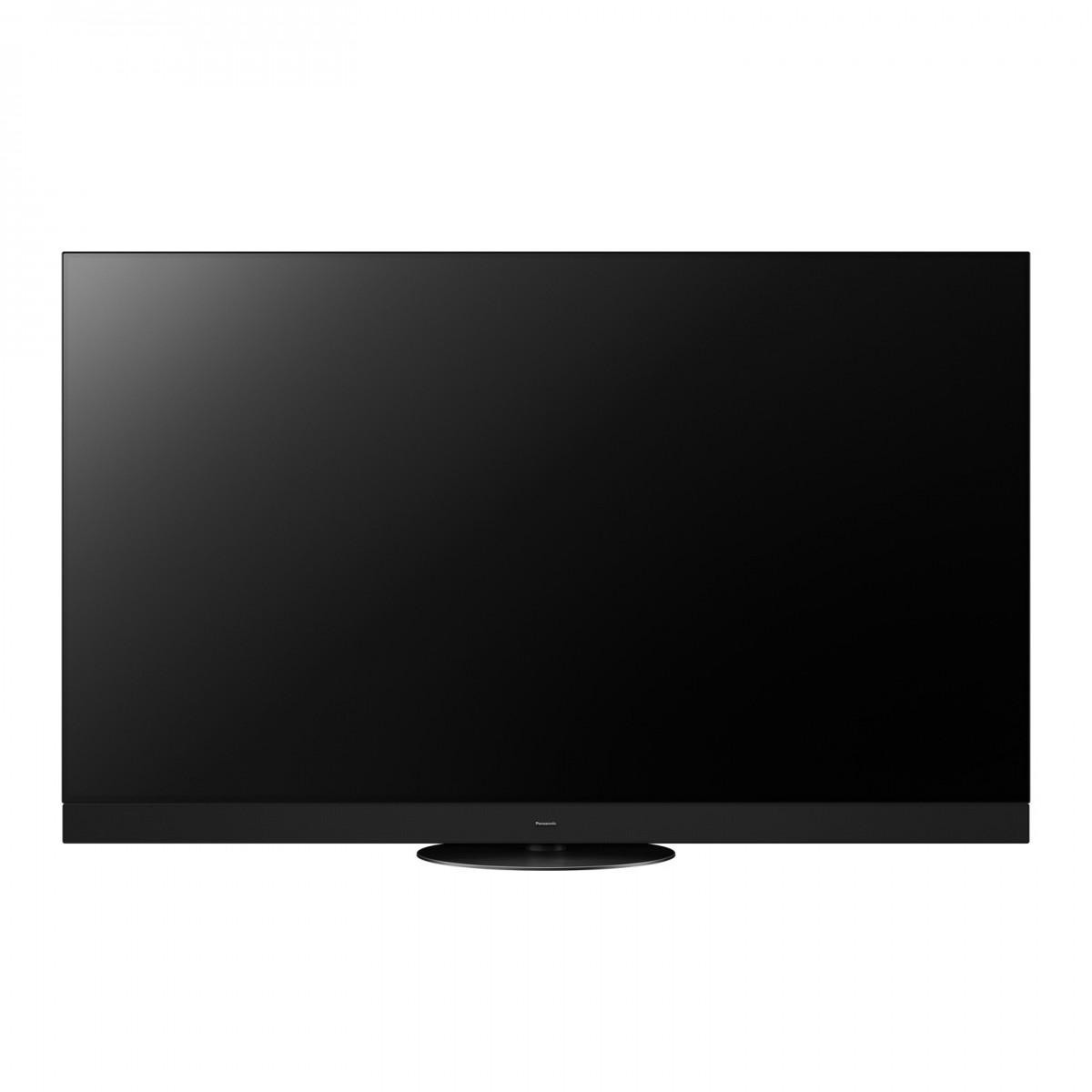
The Panasonic Z95A uses a more traditional glossy screen design. In dark rooms, this actually enhances the viewing experience because there are no reflections to wash out the perfect blacks. But in bright rooms, you'll see reflections of windows, lamps, and people moving around—typical OLED behavior that can be distracting during daytime viewing.
For dedicated home theater setups with controlled lighting, the Panasonic's approach works beautifully. The glossy screen doesn't interfere with the superior contrast performance, and you get that premium cinema-like experience. But for family living rooms where the TV stays on during various lighting conditions throughout the day, the Samsung's anti-glare technology provides more consistent usability.
Both TVs feature sophisticated processors that represent significant upgrades from previous generations, but they take different approaches to enhancing picture quality.
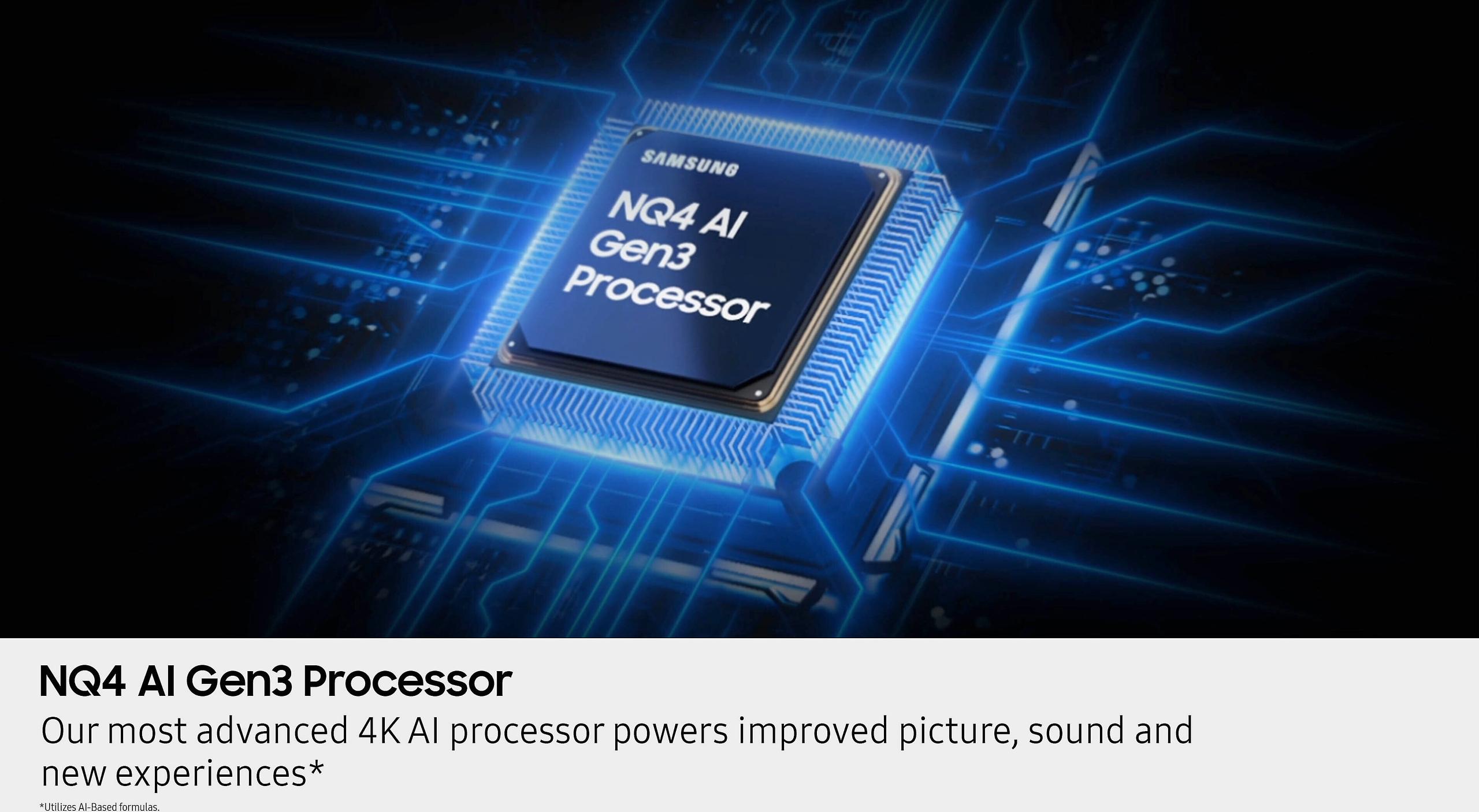
The Samsung QN90F uses what Samsung calls the NQ4 AI Gen3 Processor, powered by 128 neural networks. This isn't just marketing speak—it's a genuine artificial intelligence system that analyzes incoming content in real-time and makes adjustments. The processor examines factors like content type (sports, movies, games), room lighting conditions, and even the specific characteristics of each scene to optimize picture settings automatically.
For example, when watching a dark movie scene, the AI might boost shadow detail while maintaining deep blacks. During a bright sports broadcast, it might enhance motion clarity and boost vibrant colors. This happens continuously without any input from you, and the consensus from user reviews suggests it works quite well in practice.
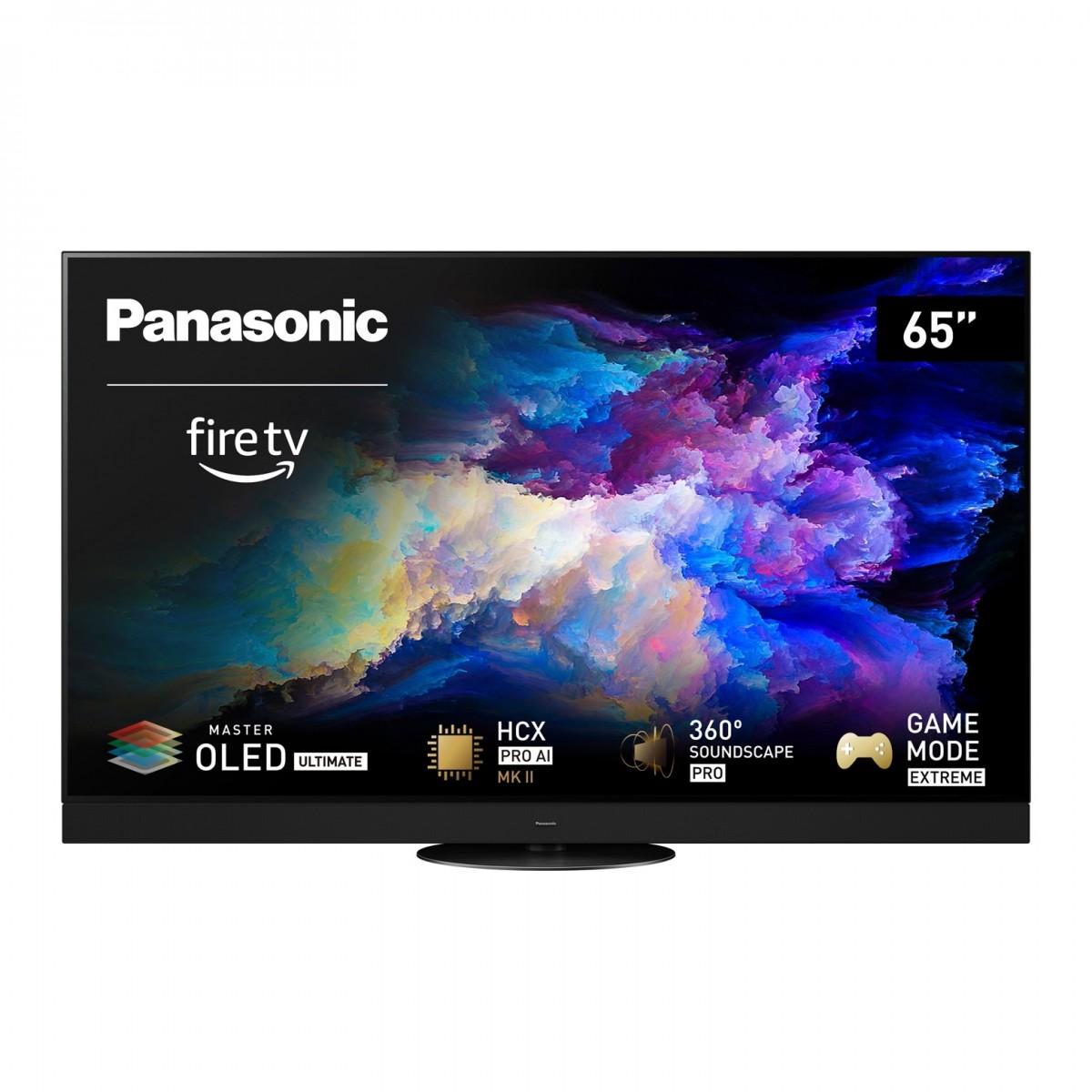
The Panasonic Z95A features the HCX Pro AI Processor MKII, which takes a more focused approach. Rather than trying to optimize for every possible scenario, Panasonic's processor concentrates on color accuracy and natural image reproduction. The "Auto AI" feature automatically detects content types like sports, movies, or live music and applies appropriate settings, but it's less aggressive about making changes than Samsung's system.
This difference in philosophy shows up in day-to-day use. The Samsung tends to produce more "wow factor" images with enhanced colors and contrast, while the Panasonic aims for more natural, film-like reproduction that many movie enthusiasts prefer.
HDR support reveals another important difference between these TVs that could influence your decision based on your content sources.
The Panasonic Z95A supports essentially every HDR format you'll encounter: HDR10, HDR10+, Dolby Vision, Dolby Vision IQ, and HLG (Hybrid Log-Gamma). Dolby Vision IQ is particularly clever—it uses the TV's built-in light sensor to automatically adjust HDR processing based on your room's lighting conditions, so dark scenes don't become impossible to see in bright rooms, while bright scenes don't become overwhelming in dark rooms.
The Samsung QN90F supports HDR10+, HDR10, and HLG, but notably excludes Dolby Vision—Samsung's long-standing position in a format war with Dolby. While this might seem like a significant limitation, the reality is that most streaming services and Ultra HD Blu-rays work perfectly fine with Samsung's supported formats. Netflix, Amazon Prime Video, and Disney+ all provide excellent HDR content in formats the Samsung can handle.
However, if you're a serious movie collector with a large 4K Blu-ray library, many discs use Dolby Vision exclusively for their premium HDR experience. The Panasonic would give you access to this enhanced version, while the Samsung would fall back to standard HDR10.
Gaming performance has become increasingly important as current-generation consoles push 4K gaming at high refresh rates. Both TVs handle gaming well, but with different strengths.
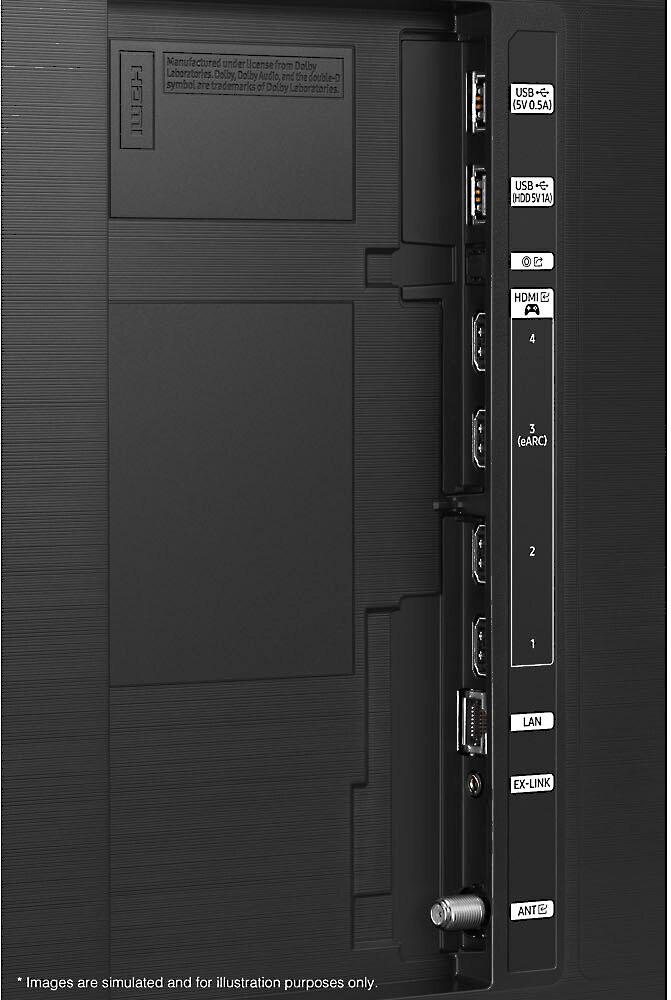
The Samsung QN90F supports gaming at up to 165Hz refresh rate, which exceeds what current consoles can output but provides headroom for high-end PC gaming. All four HDMI ports support the full bandwidth needed for 4K/120fps gaming from PlayStation 5 or Xbox Series X. Samsung's Game Mode reduces input lag (the delay between your controller input and seeing the result on screen) to imperceptible levels for competitive gaming.
However, professional reviews note that Samsung's local dimming becomes less effective in Game Mode. The zones that control LED brightness respond more slowly to prevent distracting brightness changes during fast gameplay, which means you lose some of the contrast performance that makes the TV shine with movies and TV shows.
The Panasonic Z95A offers 144Hz gaming support with excellent input lag performance. While not quite as high as Samsung's refresh rate, it's more than adequate for current consoles and most PC gaming. The advantage here is that OLED's instant pixel response means you don't lose picture quality when switching to Game Mode—the perfect blacks and infinite contrast remain intact during gaming.
For competitive esports where every millisecond matters, the Samsung's higher refresh rate capability gives it a slight edge. For single-player games where visual fidelity is more important than ultimate responsiveness, the Panasonic's consistent picture quality makes it more appealing.
Both TVs include respectable built-in audio systems, though they take different approaches to sound reproduction.
The Samsung QN90F features a 60-watt, 4.2.2 channel system with Object Tracking Sound+. This technology attempts to make audio follow objects as they move across the screen—when a car drives from left to right, the engine sound moves with it. The system includes upward-firing speakers for height effects and Samsung's Adaptive Sound Pro, which uses AI to analyze and optimize audio for different content types.
The Panasonic Z95A includes a 20-watt system focused on clarity and Dolby Atmos support. While less powerful than Samsung's setup, it's tuned specifically for dialogue clarity and natural sound reproduction, matching Panasonic's philosophy of accuracy over enhancement.
In practice, both systems perform well for casual viewing, but neither replaces a dedicated soundbar or surround sound system for serious home theater use. The Samsung's more powerful system provides better performance for action movies and sports, while the Panasonic excels at dialogue-heavy content like dramas and news.
The smart TV experience differs significantly between these models, affecting your daily interaction with the TV.
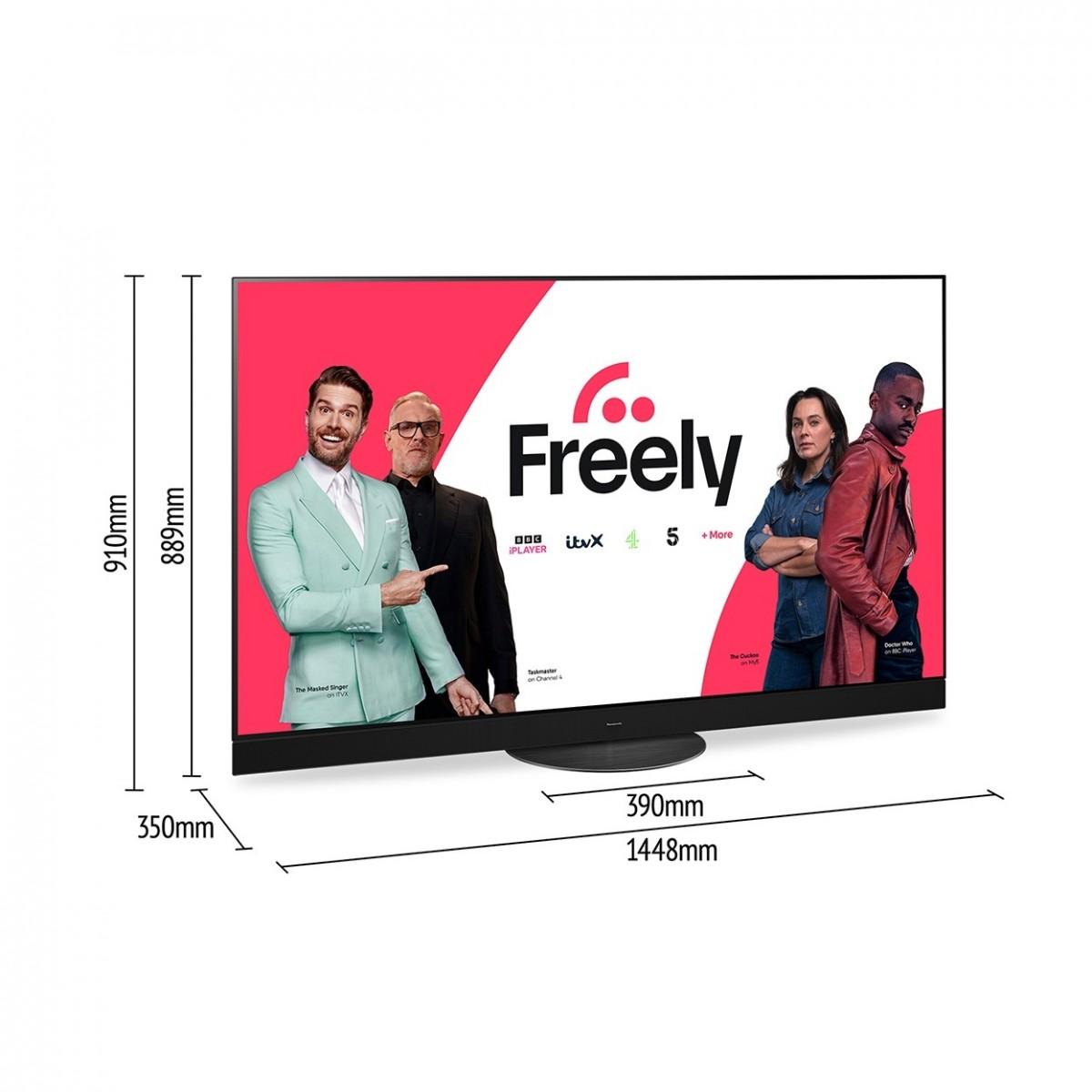
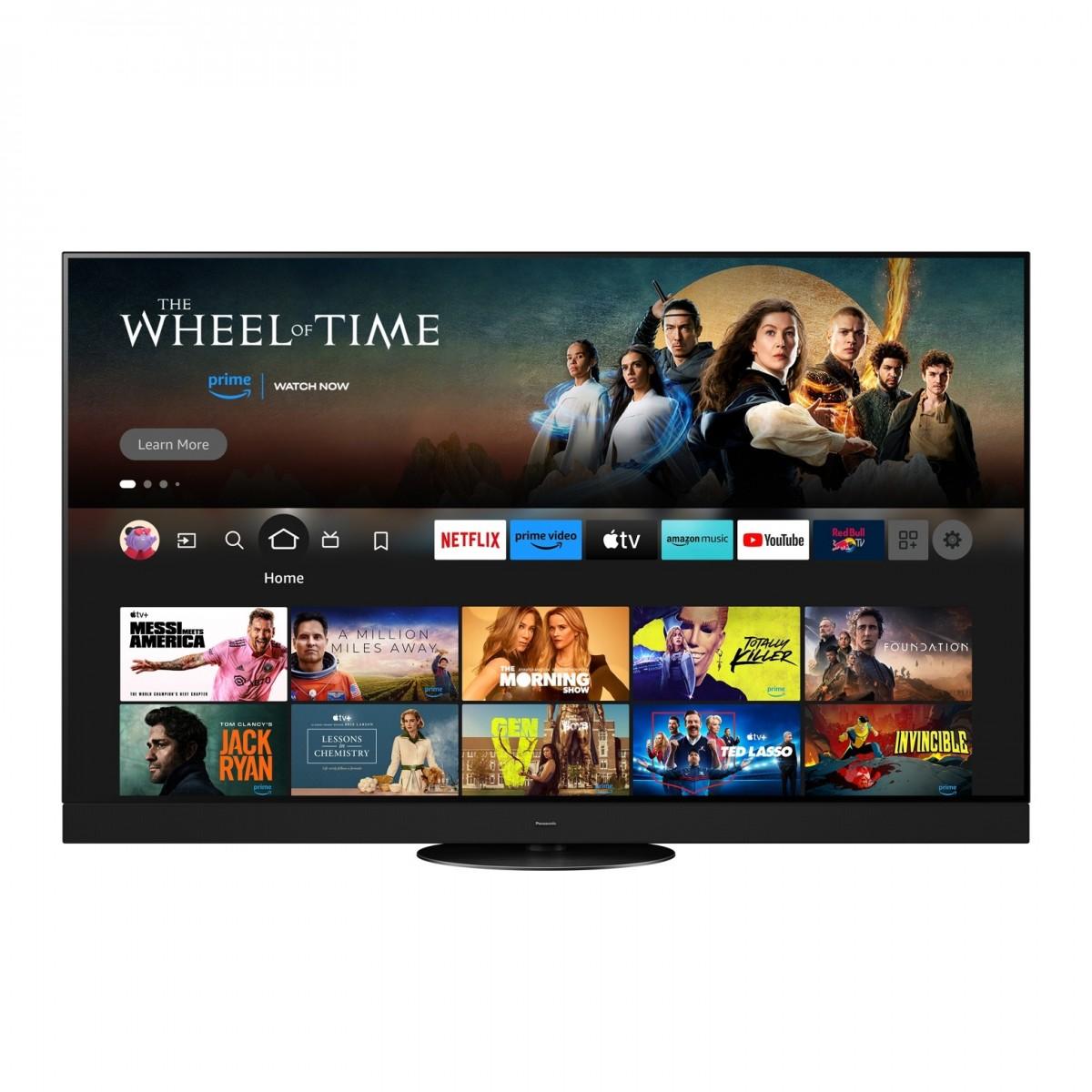
The Panasonic Z95A uses Amazon's Fire TV platform with Alexa built-in. This provides access to virtually every streaming service, voice control, and integration with Amazon's ecosystem. The interface focuses on content discovery, prominently featuring shows and movies from your subscribed services. If you're already invested in Amazon's ecosystem with Echo devices, this integration feels seamless.
The Samsung QN90F runs Samsung's Tizen operating system enhanced with Vision AI capabilities. This includes features like universal gesture control (you can wave at the TV to control certain functions), generative art wallpapers when the TV isn't in use, and integration with Samsung's SmartThings platform for smart home control. The system also provides access to over 2,700 free channels through Samsung TV Plus.
Both platforms receive regular updates and support major streaming services equally well. Your preference might come down to ecosystem integration—Amazon users might prefer the Panasonic's Fire TV, while Samsung smartphone users might appreciate the deeper integration with their devices.
At the time of writing, the Samsung QN90F commands a premium of several hundred dollars over the Panasonic Z95A. This price difference reflects Samsung's advanced anti-glare technology, higher brightness capability, and more sophisticated AI processing, but it also raises the question of whether these features justify the additional cost for your specific situation.
The value calculation becomes clearer when you consider your viewing habits and room setup. If you primarily watch TV during daytime hours in a bright room, the Samsung's anti-glare coating and higher brightness provide tangible benefits that improve your daily experience. The premium feels justified because you're paying for technology that directly addresses a common problem.
However, if you mainly watch movies in the evening with controlled lighting, the Panasonic's superior contrast performance provides a more noticeable improvement to your viewing experience. The money saved could go toward a high-quality soundbar, which would provide a more significant overall upgrade to your home theater than the Samsung's additional brightness capability.
Long-term durability considerations also factor into the value equation. LED-based displays like the Samsung typically maintain their performance characteristics over many years without concern about image retention or burn-in. OLED displays, while dramatically improved from early generations, still require some awareness of static content that could potentially cause permanent image retention with extreme usage patterns.
After extensive research into professional reviews and user feedback, clear patterns emerge about who should choose each TV.
Choose the Panasonic Z95A OLED if you prioritize picture quality above all else, especially contrast and black level performance. This TV excels in dark or dim viewing environments where its perfect blacks create a genuinely cinematic experience. Movie enthusiasts who value natural color reproduction and comprehensive HDR format support will appreciate Panasonic's approach. The lower price point makes it attractive for those wanting premium OLED technology without paying for features they might not need.
Choose the Samsung QN90F Neo QLED if your TV will primarily live in a bright room or if you need maximum flexibility across different viewing conditions. The anti-glare technology and high brightness output provide consistently good performance regardless of room lighting. Gamers who want the highest refresh rates and most advanced gaming features will prefer Samsung's implementation. Those interested in cutting-edge AI features and smart home integration will also find more to appreciate in Samsung's platform.
The reality is that both TVs represent excellent implementations of their respective technologies. Your room setup and viewing habits matter more than abstract technical superiority. Neither choice will leave you disappointed, but understanding these key differences ensures you get the TV that best matches your specific situation and preferences.
In my experience researching display technology, the most satisfied users are those who honestly assess their viewing environment and choose accordingly, rather than chasing specifications that don't align with their actual usage patterns. Both the Panasonic Z95A and Samsung QN90F deliver premium experiences—just optimized for different scenarios.
| Panasonic Z95A 65" OLED | Samsung QN90F Neo QLED |
|---|---|
| Display Technology - Fundamental difference affecting contrast and brightness | |
| Self-emissive OLED pixels with perfect blacks | Mini LED backlight with Quantum Matrix Pro technology |
| Peak Brightness - Critical for HDR impact and bright room viewing | |
| 800-1,000 nits (excellent for dark rooms) | 1,900+ nits (superior for bright rooms and dramatic HDR) |
| Black Level Performance - Affects contrast and dark scene detail | |
| Perfect blacks (infinite contrast ratio) | Very good blacks but some light bleeding in dark scenes |
| Anti-Glare Technology - Essential for daytime and bright room viewing | |
| Traditional glossy screen (reflections visible in bright rooms) | Advanced Glare-Free matte coating (virtually eliminates reflections) |
| HDR Format Support - Determines compatibility with premium content | |
| All formats: HDR10, HDR10+, Dolby Vision, Dolby Vision IQ, HLG | HDR10, HDR10+, HLG (no Dolby Vision support) |
| Gaming Performance - Refresh rate and input lag for console/PC gaming | |
| 144Hz refresh rate, low input lag, consistent picture quality in Game Mode | 165Hz refresh rate, four HDMI 2.1 ports, reduced contrast in Game Mode |
| Audio System - Built-in speaker quality and features | |
| 20W Dolby Atmos system focused on dialogue clarity | 60W 4.2.2 channel system with Object Tracking Sound+ |
| Smart Platform - Interface, apps, and ecosystem integration | |
| Amazon Fire TV with Alexa Built-in | Samsung Tizen with Vision AI features and SmartThings integration |
| Processor - AI enhancement and picture optimization capabilities | |
| HCX Pro AI Processor MKII with Auto AI content detection | NQ4 AI Gen3 with 128 neural networks for real-time optimization |
| Ideal Viewing Environment - Room conditions where each TV excels | |
| Dark to moderately lit rooms, dedicated home theaters | Bright living rooms, mixed lighting conditions throughout the day |
| Best For - Target user and primary use cases | |
| Movie enthusiasts prioritizing contrast and cinematic experience | Bright room viewers, gamers, and users wanting maximum versatility |
The Samsung QN90F Neo QLED is significantly better for bright rooms due to its anti-glare coating and higher peak brightness of 1,900+ nits. The Panasonic Z95A OLED uses a glossy screen that shows reflections in bright lighting conditions, making it better suited for darker viewing environments.
The Panasonic Z95A OLED uses self-emissive pixels that can turn completely off for perfect blacks and infinite contrast. The Samsung QN90F Neo QLED uses thousands of Mini LED backlights behind the screen for higher brightness but cannot achieve true blacks due to light bleeding from the backlight system.
The Panasonic Z95A OLED has superior contrast with perfect blacks since each pixel can turn completely off. The Samsung QN90F offers very good blacks with advanced local dimming, but cannot match OLED's infinite contrast ratio due to its LED backlighting system.
Only the Panasonic Z95A OLED supports Dolby Vision and Dolby Vision IQ along with other HDR formats. The Samsung QN90F Neo QLED supports HDR10+ and HDR10 but does not include Dolby Vision support, which is Samsung's standard approach across their TV lineup.
The Samsung QN90F Neo QLED offers higher gaming performance with 165Hz refresh rate and four HDMI 2.1 ports, though picture quality decreases in Game Mode. The Panasonic Z95A OLED provides 144Hz gaming with consistent picture quality in Game Mode, making it better for visual fidelity during gaming.
The Panasonic Z95A uses Amazon Fire TV with Alexa built-in for voice control and extensive app selection. The Samsung QN90F runs Samsung's Tizen platform with Vision AI features, SmartThings integration, and access to over 2,700 free channels through Samsung TV Plus.
The Samsung QN90F Neo QLED reaches much higher peak brightness levels of 1,900+ nits, creating more dramatic HDR highlights. The Panasonic Z95A OLED tops out around 800-1,000 nits, which is still adequate for HDR but less impactful for bright highlights.
The Panasonic Z95A OLED has potential for image retention with static content over extended periods, though modern OLEDs have greatly reduced this risk. The Samsung QN90F Neo QLED uses LED technology with no burn-in concerns, making it worry-free for any type of content usage.
The Panasonic Z95A OLED is better for dedicated home theaters with controlled lighting due to its perfect blacks and superior contrast that create a more cinematic experience. The glossy screen works well in dark environments without distracting reflections.
The Samsung QN90F has a more powerful 60W 4.2.2 channel system with Object Tracking Sound+ technology. The Panasonic Z95A features a 20W Dolby Atmos system focused on dialogue clarity. Both are decent for casual viewing but benefit from external sound systems for serious home theater use.
The Panasonic Z95A OLED typically costs less while delivering superior contrast and comprehensive HDR format support, making it excellent value for movie enthusiasts. The Samsung QN90F costs more but provides anti-glare technology and higher brightness that justify the premium for bright room viewing.
Choose the Panasonic Z95A OLED for dark room movie watching and superior picture quality at a lower price point. Choose the Samsung QN90F Neo QLED for bright living rooms, gaming, and when you need maximum versatility across different lighting conditions throughout the day.
We've done our best to create useful and informative comparisons to help you decide what product to buy. Our research uses advanced automated methods to create this comparison and perfection is not possible - please contact us for corrections or questions. These are the sites we've researched in the creation of this article: youtube.com - youtube.com - whathifi.com - tomsguide.com - shop.panasonic.com - store.in.panasonic.com - rtings.com - applianceplus.co.nz - rtings.com - store.in.panasonic.com - samsung.com - rtings.com - images.samsung.com - youtube.com - listenup.com - youtube.com - cullenshomecenter.com - rtings.com - shopjetson.com - youtube.com - samsung.com - samsung.com - videoandaudiocenter.com - rtings.com - bestbuy.com - youtube.com - news.samsung.com - news.samsung.com - news.samsung.com - bestbuy.com - news.samsung.com - youtube.com - news.samsung.com - youtube.com - smarthomesounds.co.uk

Privacy Policy
Terms and Conditions - Affiliate Policy
Home Security
© Copyright 2008-2026.
11816 Inwood Rd #1211, Dallas, TX 75244