

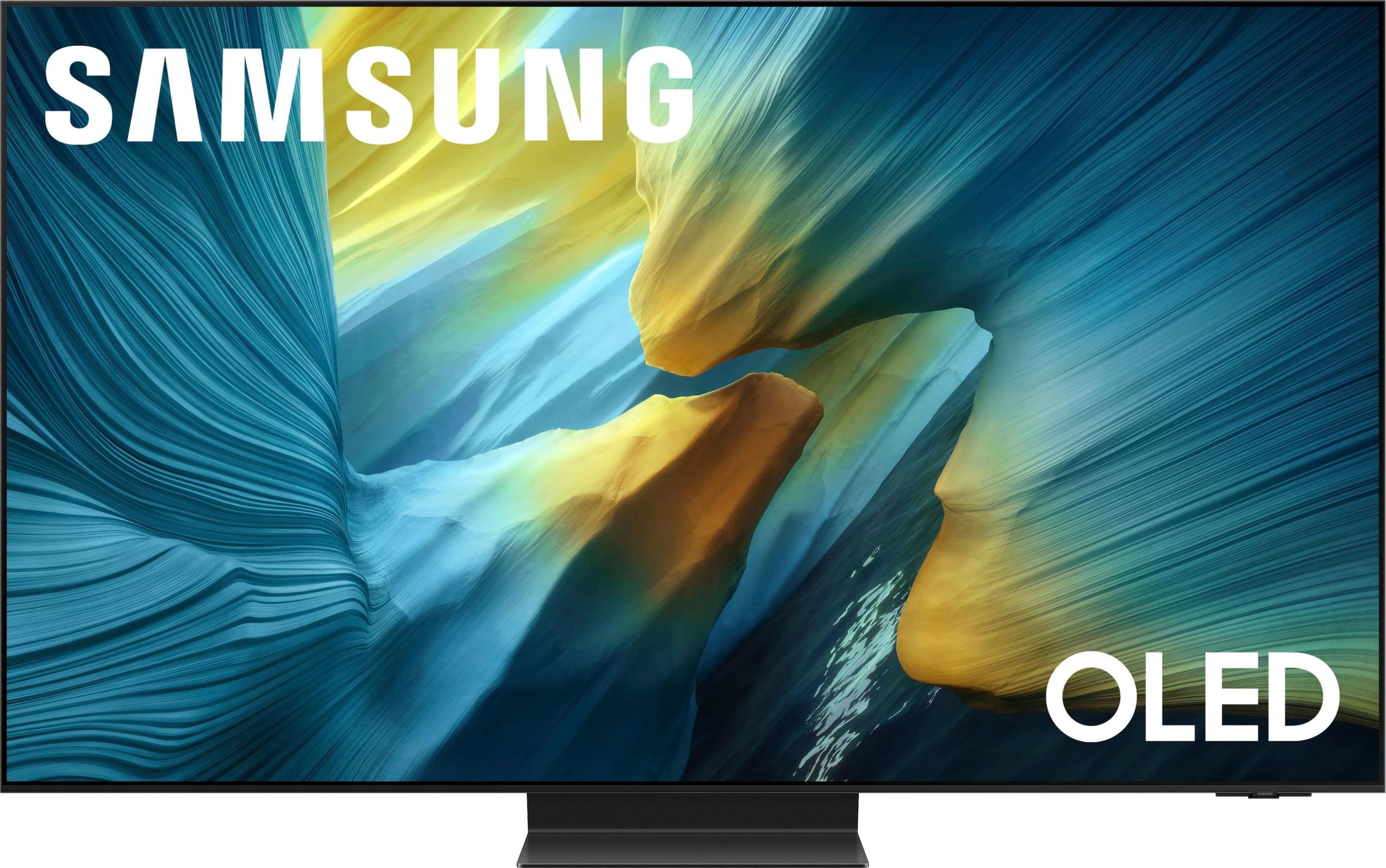
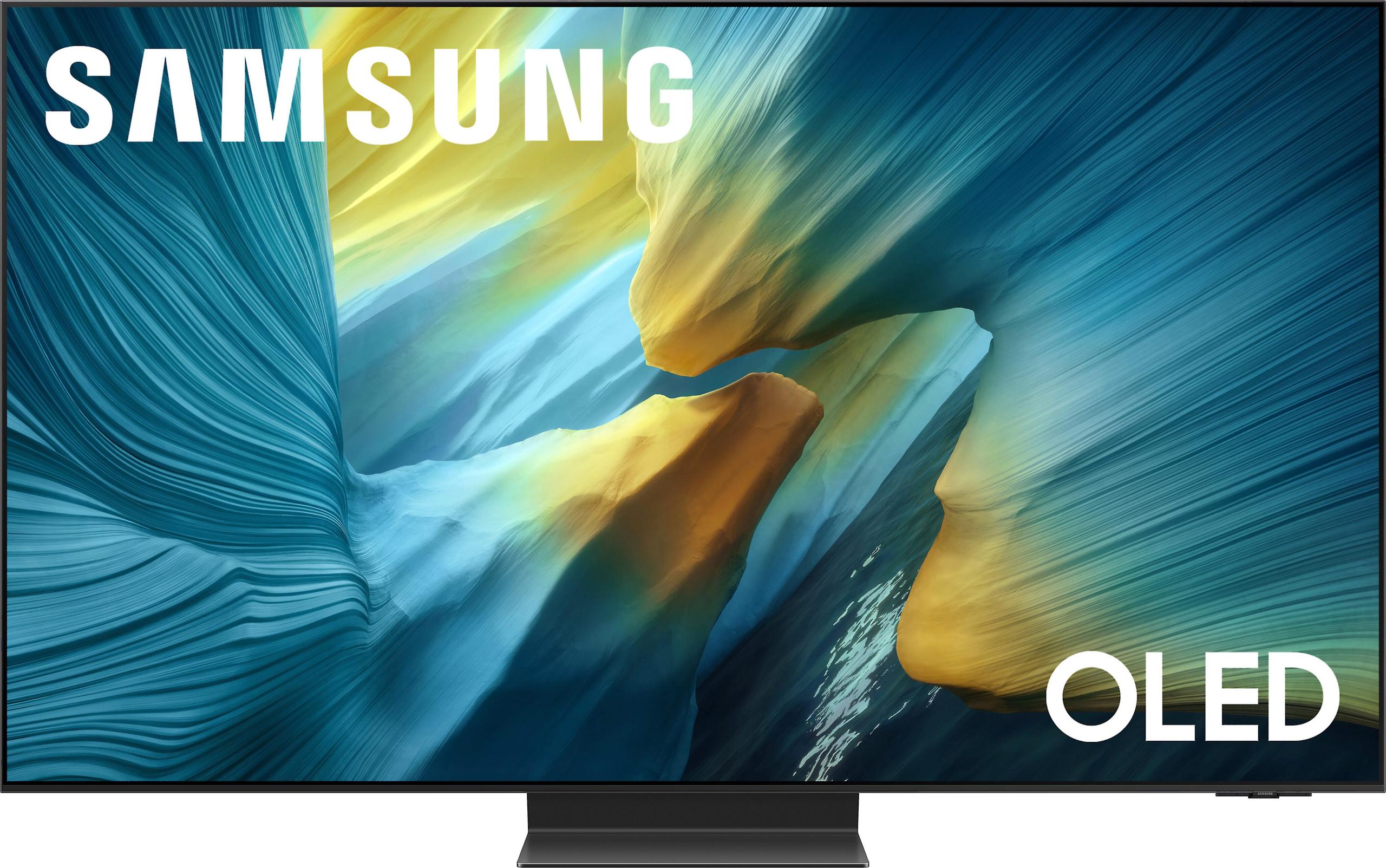
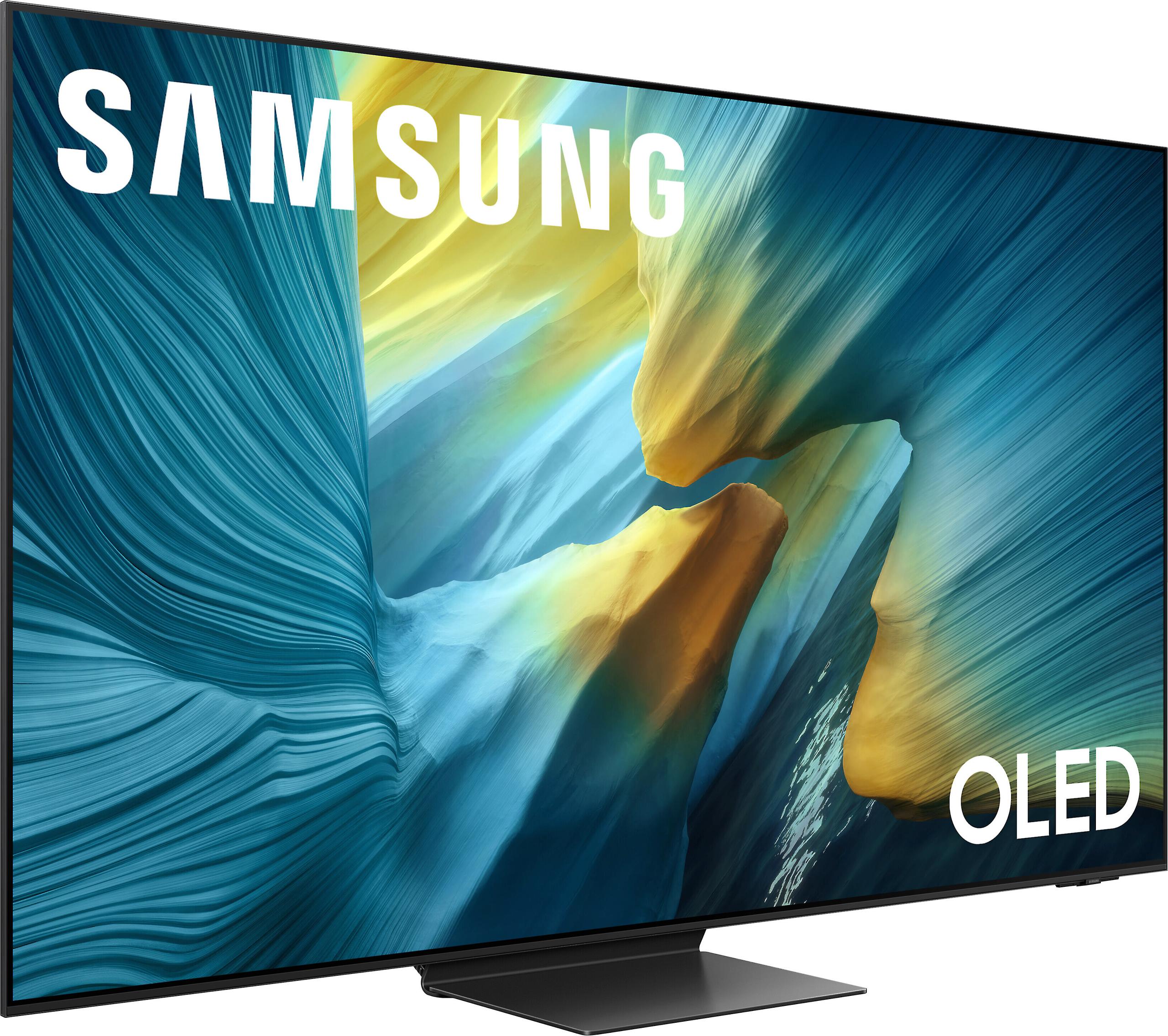


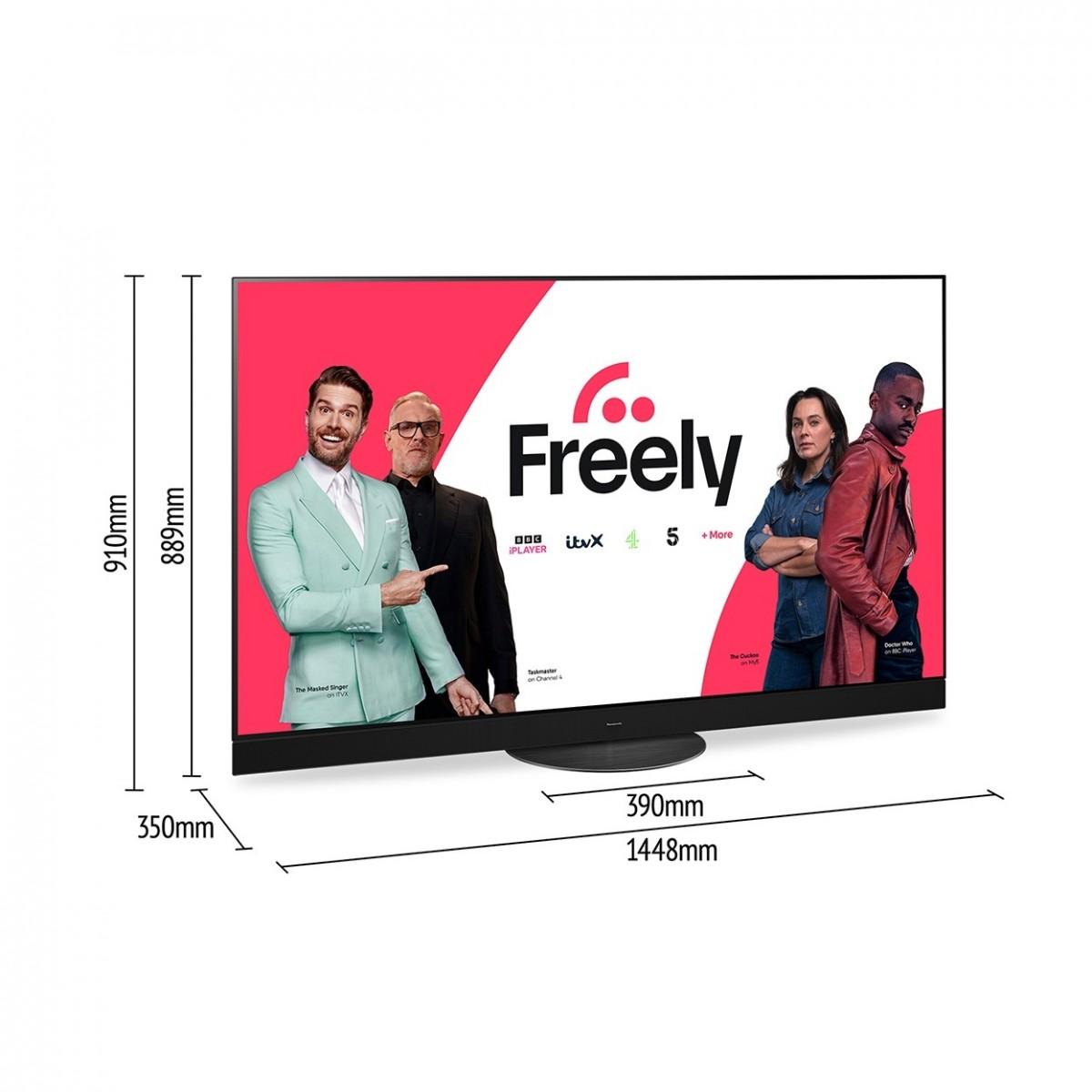
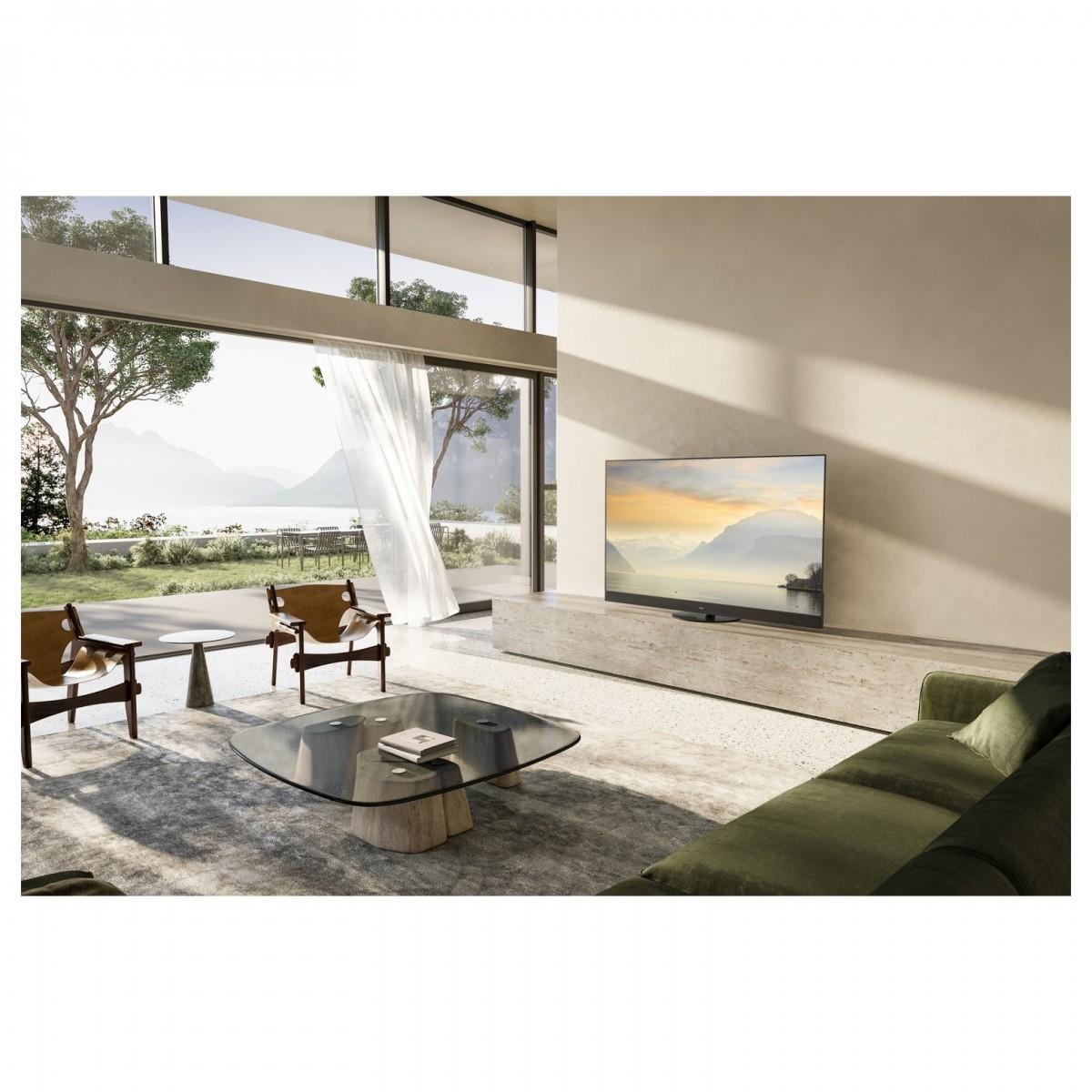
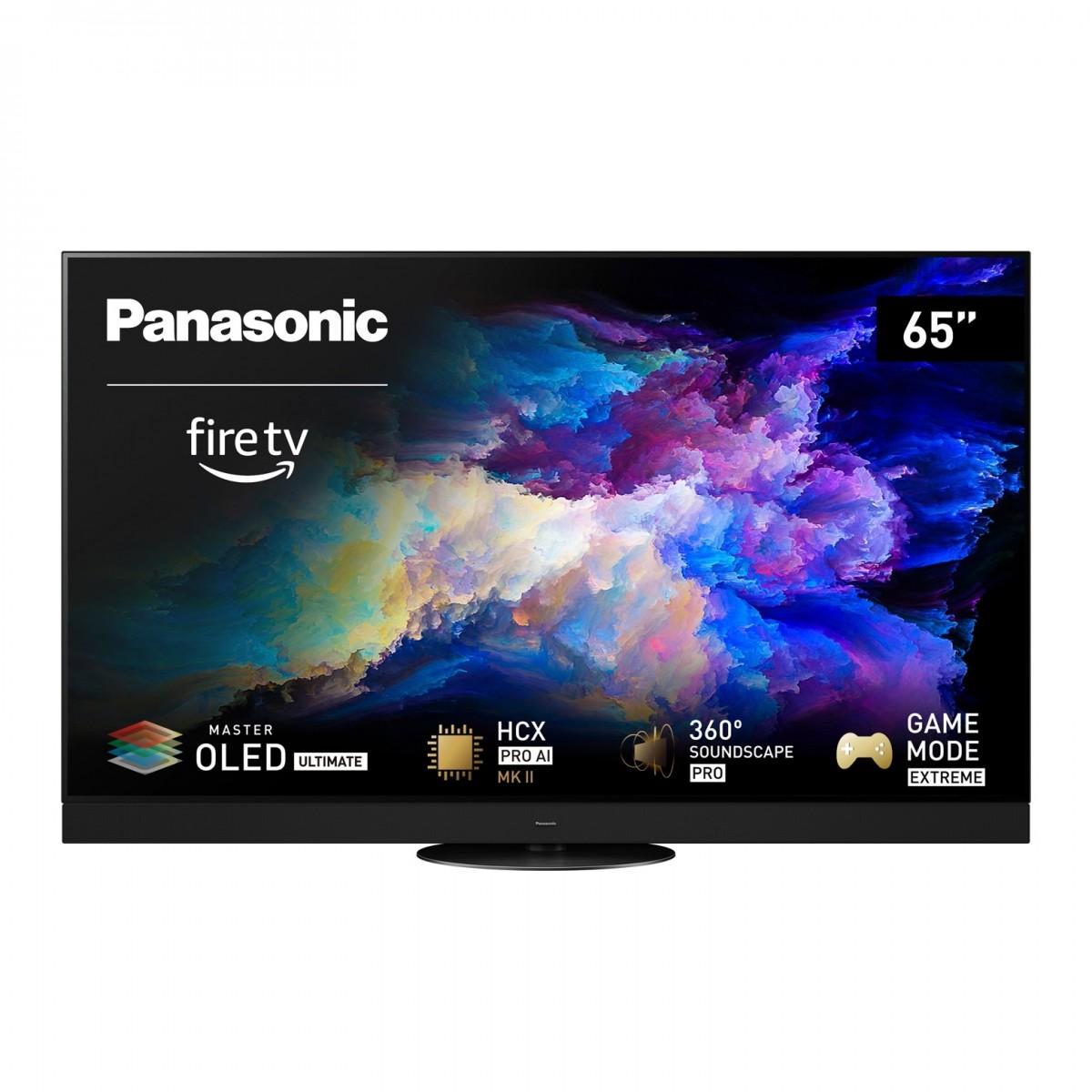
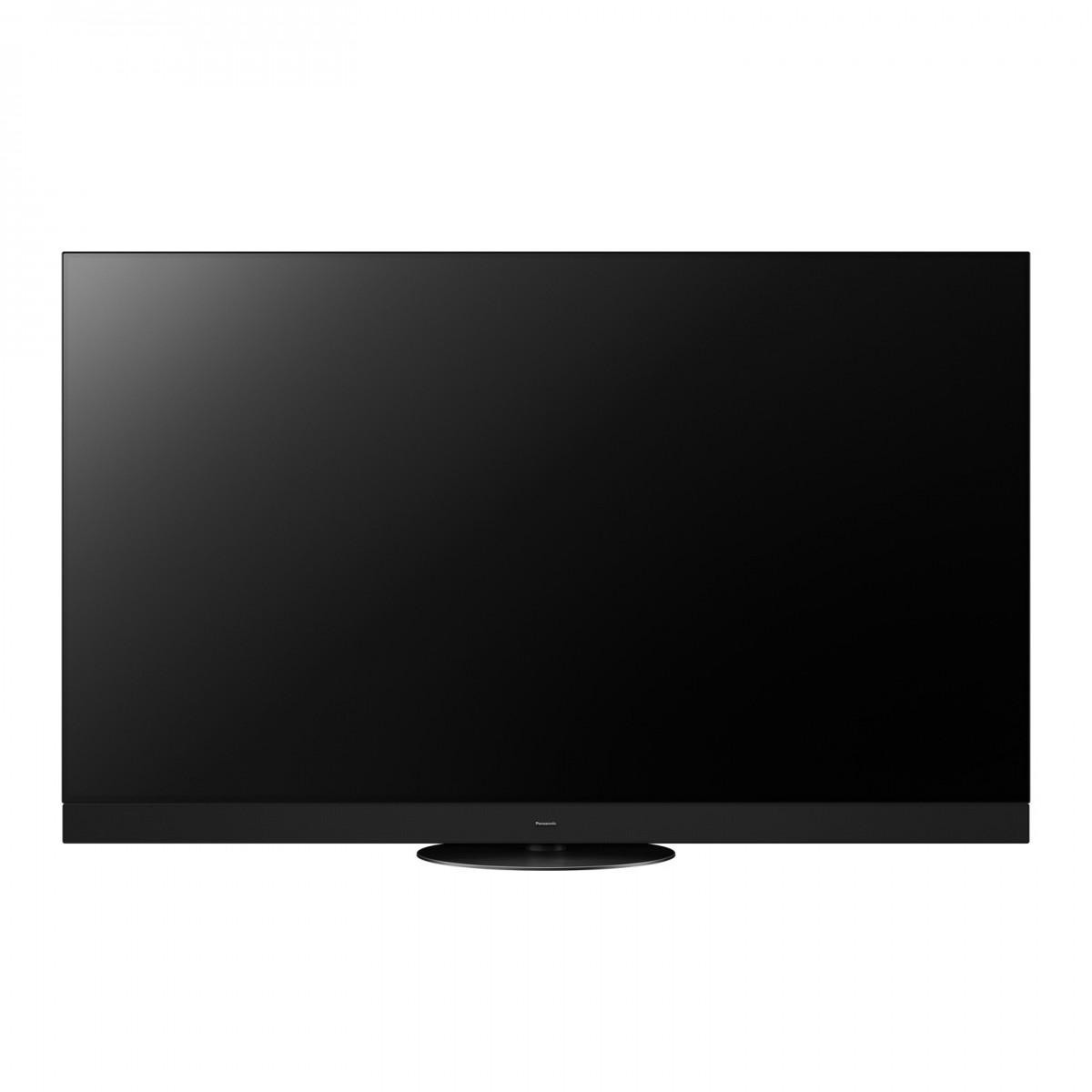
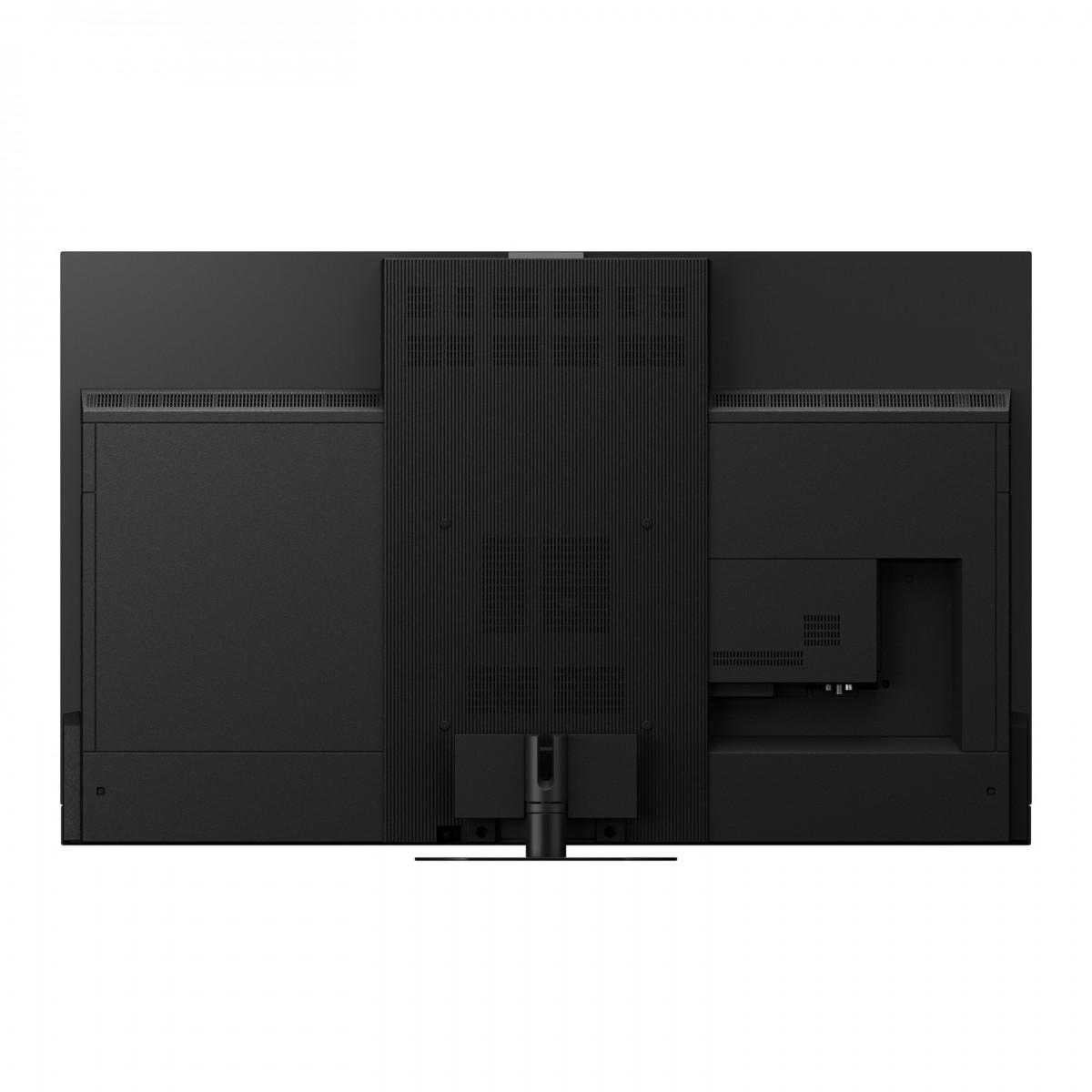
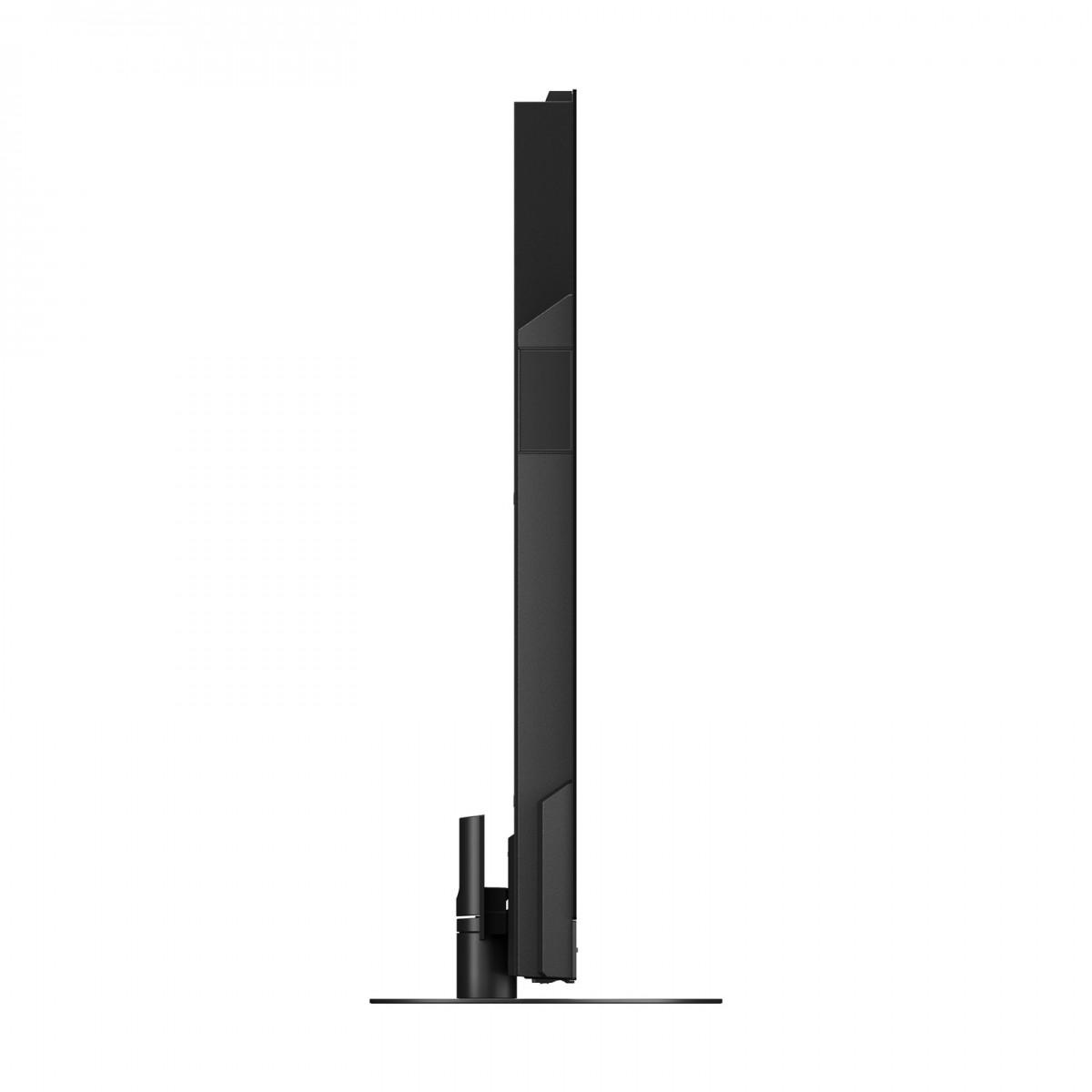
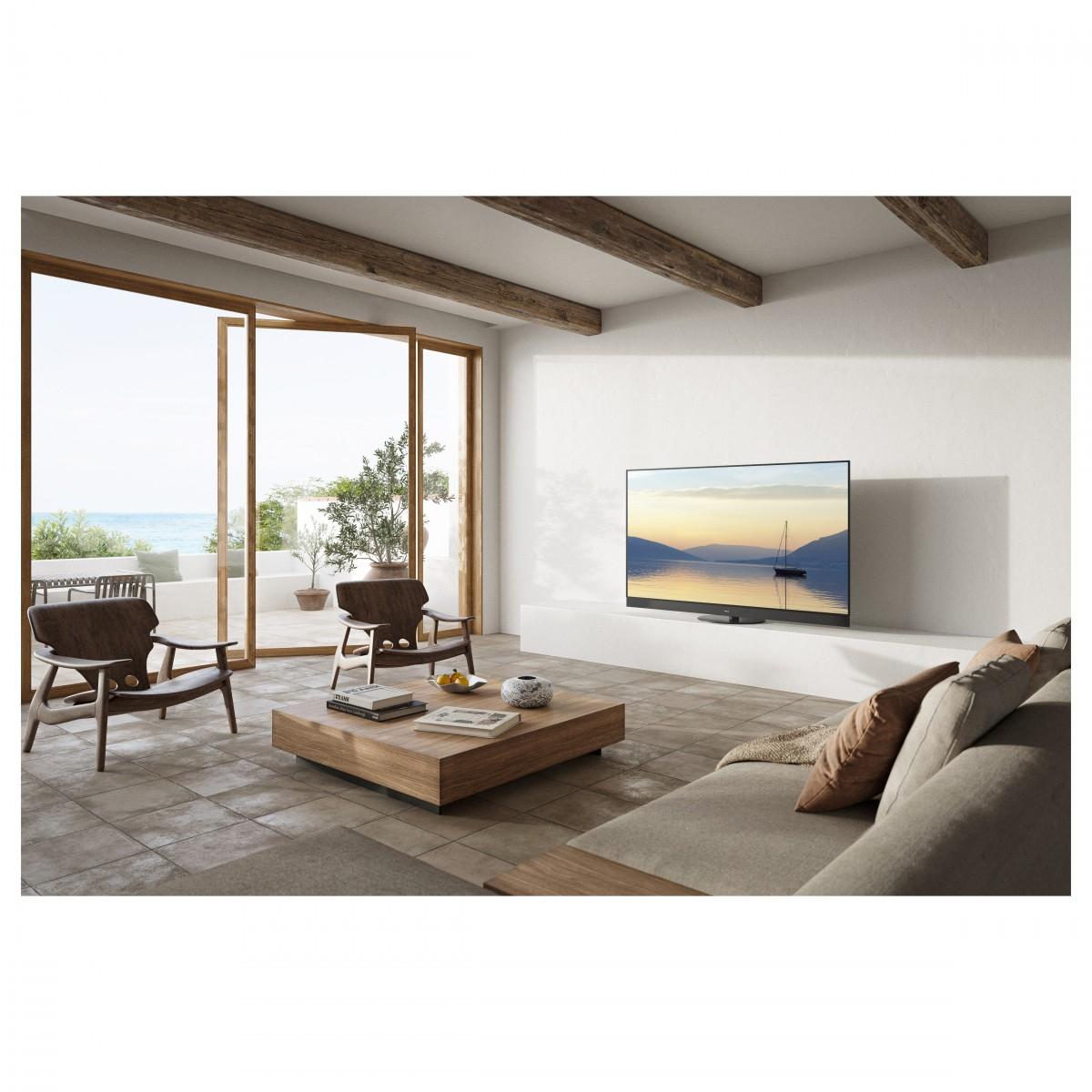
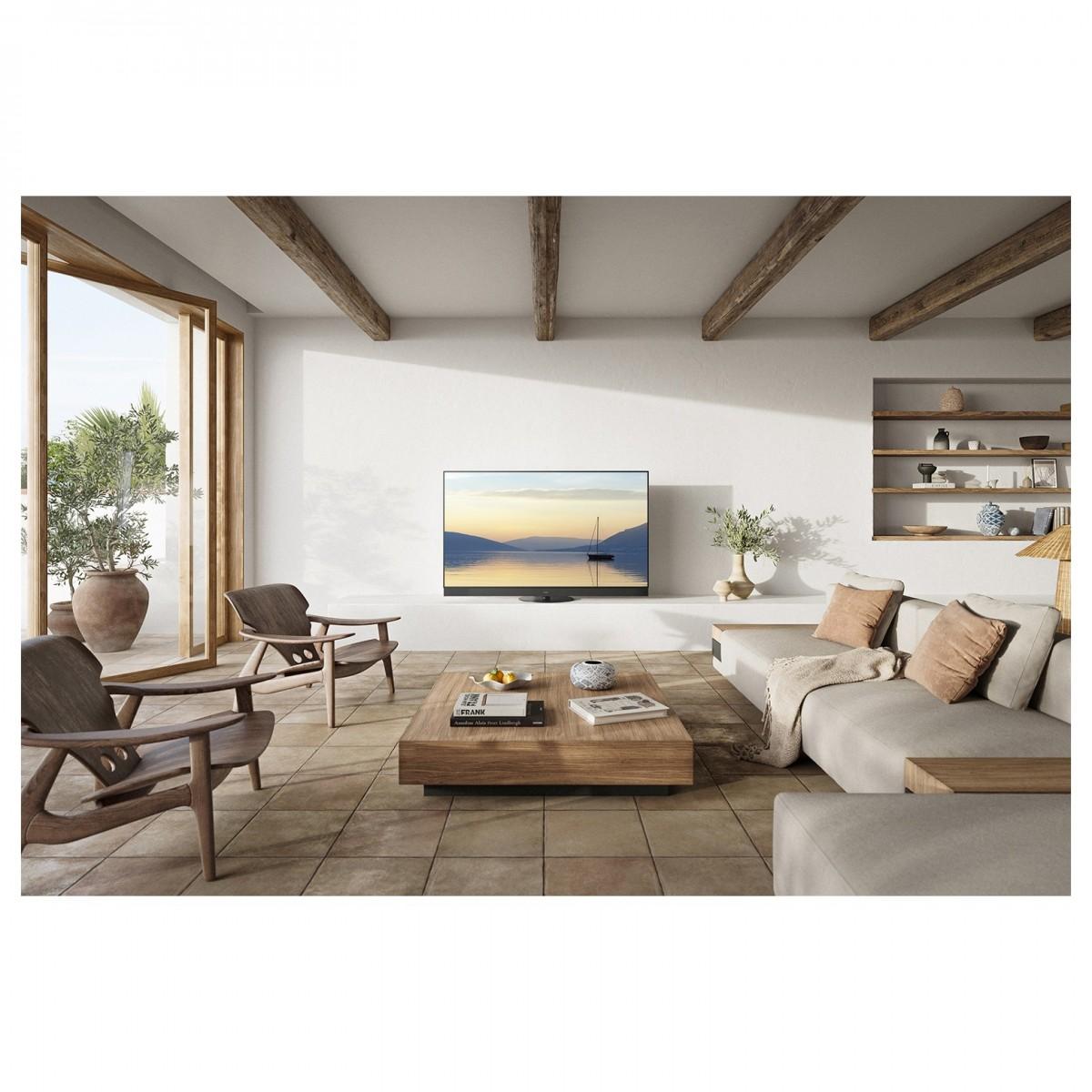
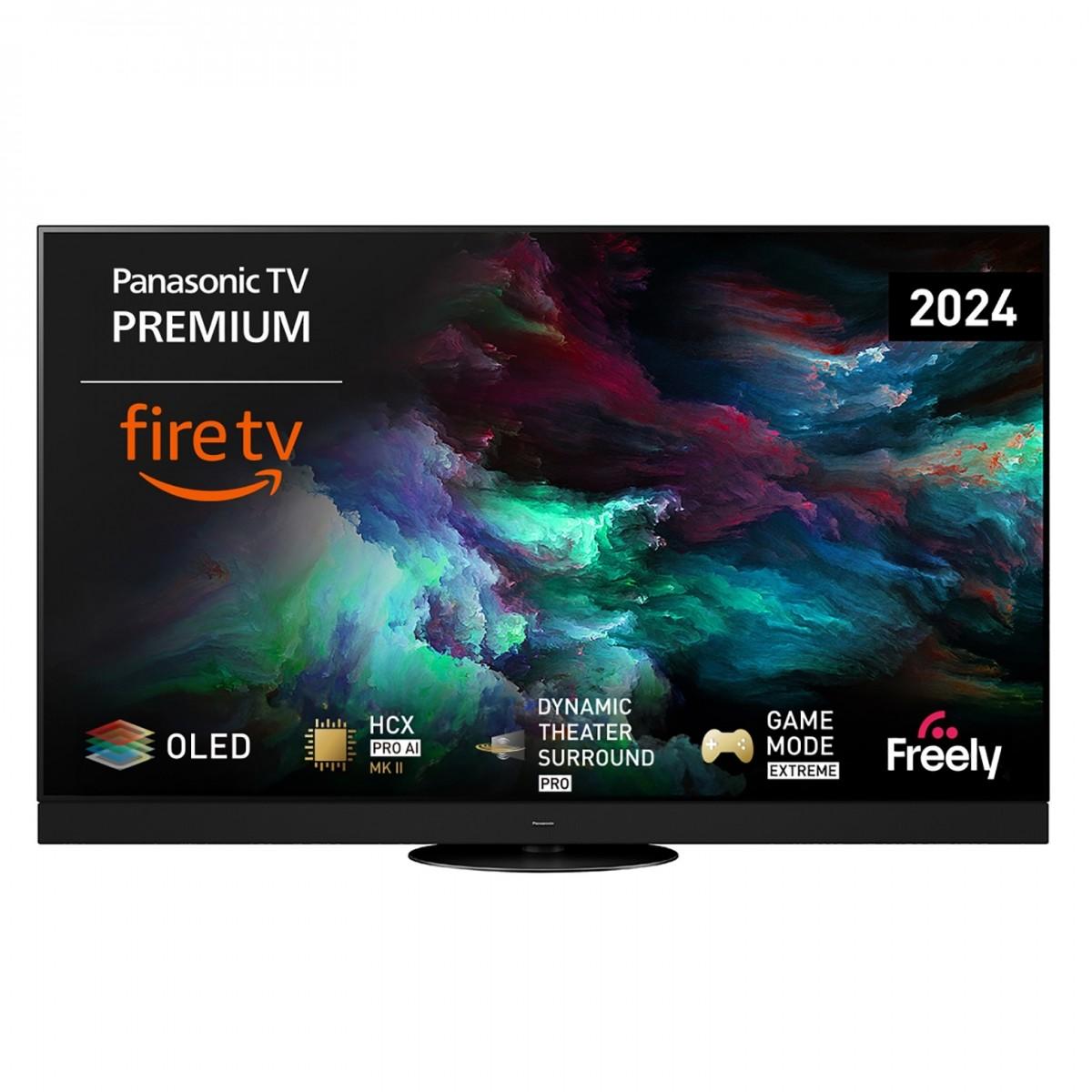
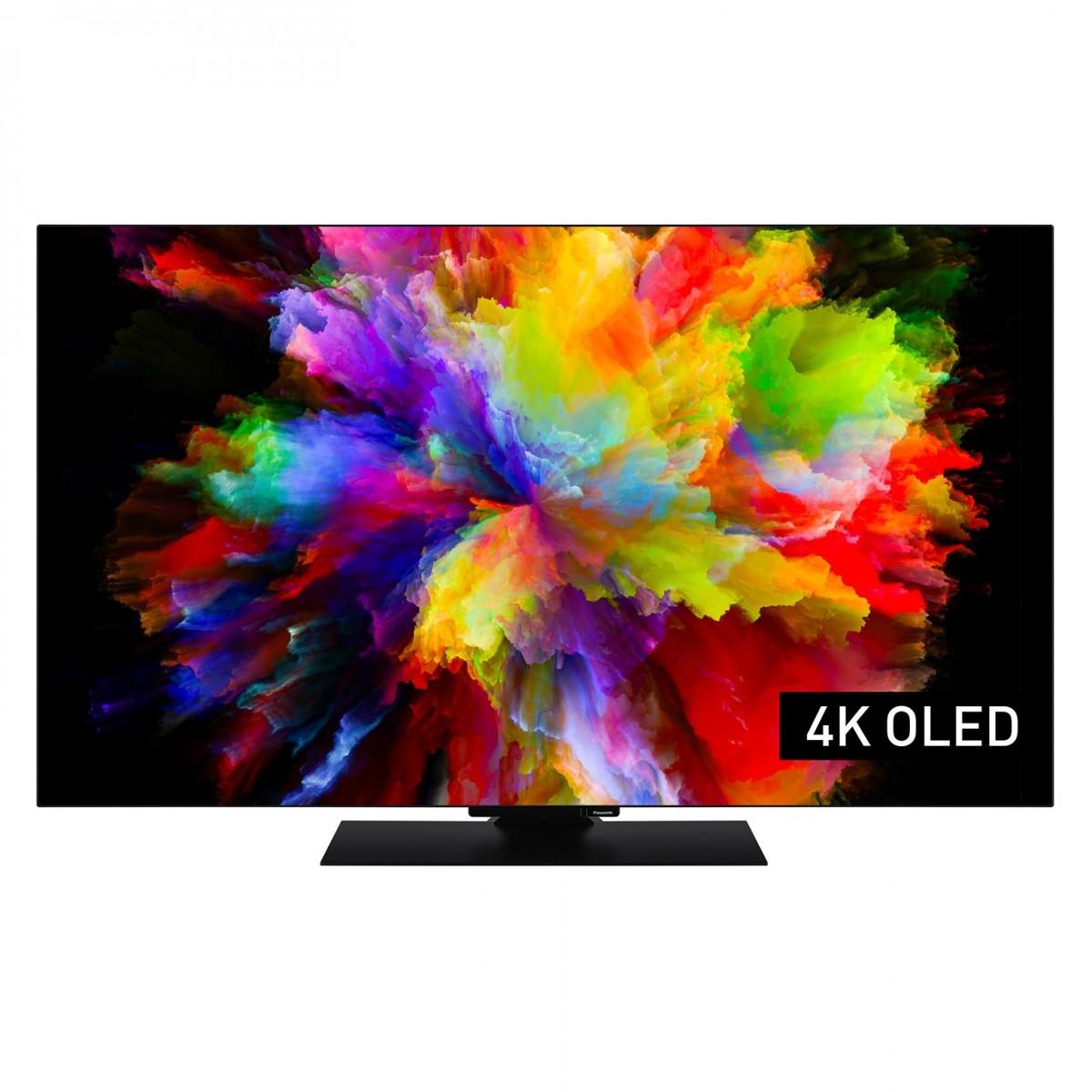
The premium OLED TV market has reached an exciting turning point in 2025. After years of incremental improvements, we're finally seeing breakthrough technologies that meaningfully change how these displays perform in real-world conditions. The two standout models this year - the Panasonic Z95A and Samsung S95F - represent fundamentally different approaches to solving OLED's traditional challenges.
Both TVs offer the core OLED advantage: perfect blacks thanks to self-illuminating pixels that can turn completely off. But they diverge significantly in how they handle brightness, color reproduction, gaming, and smart features. At the time of writing, the Samsung S95F commands a premium price that's roughly 25% higher than the Panasonic Z95A, making value considerations crucial for most buyers.
OLED technology creates images by having millions of organic compounds emit light when electricity passes through them. Unlike LCD TVs that need a backlight, each pixel creates its own light - or turns completely off for true black. This creates the stunning contrast that makes movies and shows look more lifelike.
The main considerations when choosing a premium OLED are picture quality (especially HDR brightness and color accuracy), gaming performance, smart features, audio quality, and long-term value. The Panasonic Z95A and Samsung S95F excel in different areas, making your choice dependent on your specific viewing habits and room setup.
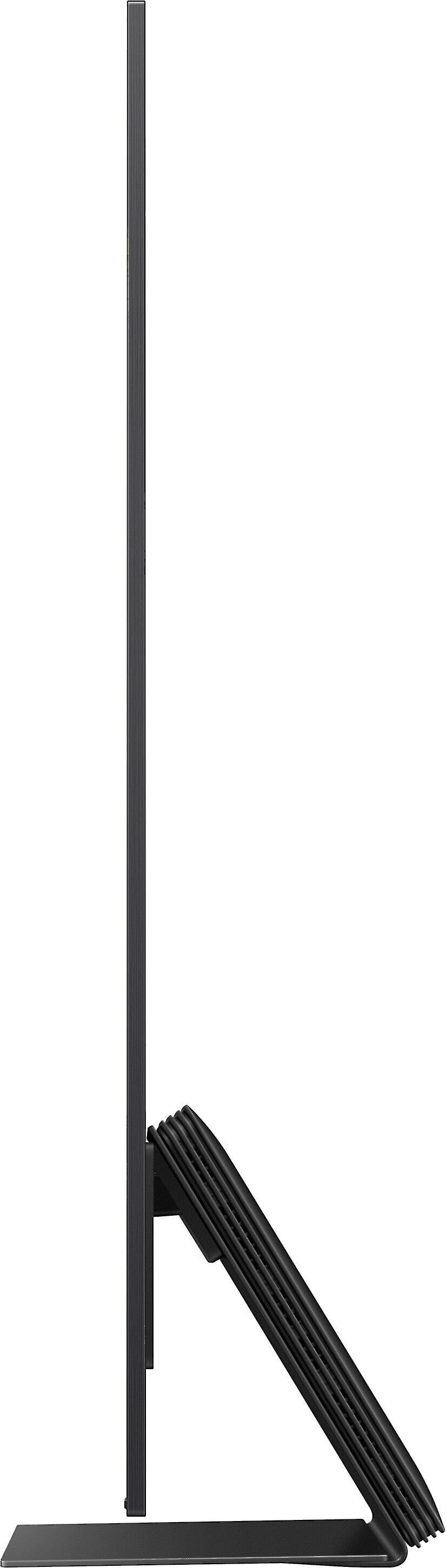
The Samsung S95F uses fourth-generation Quantum Dot OLED (QD-OLED) technology - a significant evolution from traditional OLED panels. Instead of using colored filters, QD-OLED starts with blue OLED light and uses quantum dots (microscopic semiconductors) to convert some of that light to red and green. This approach delivers two major advantages: significantly higher peak brightness and a wider color gamut.
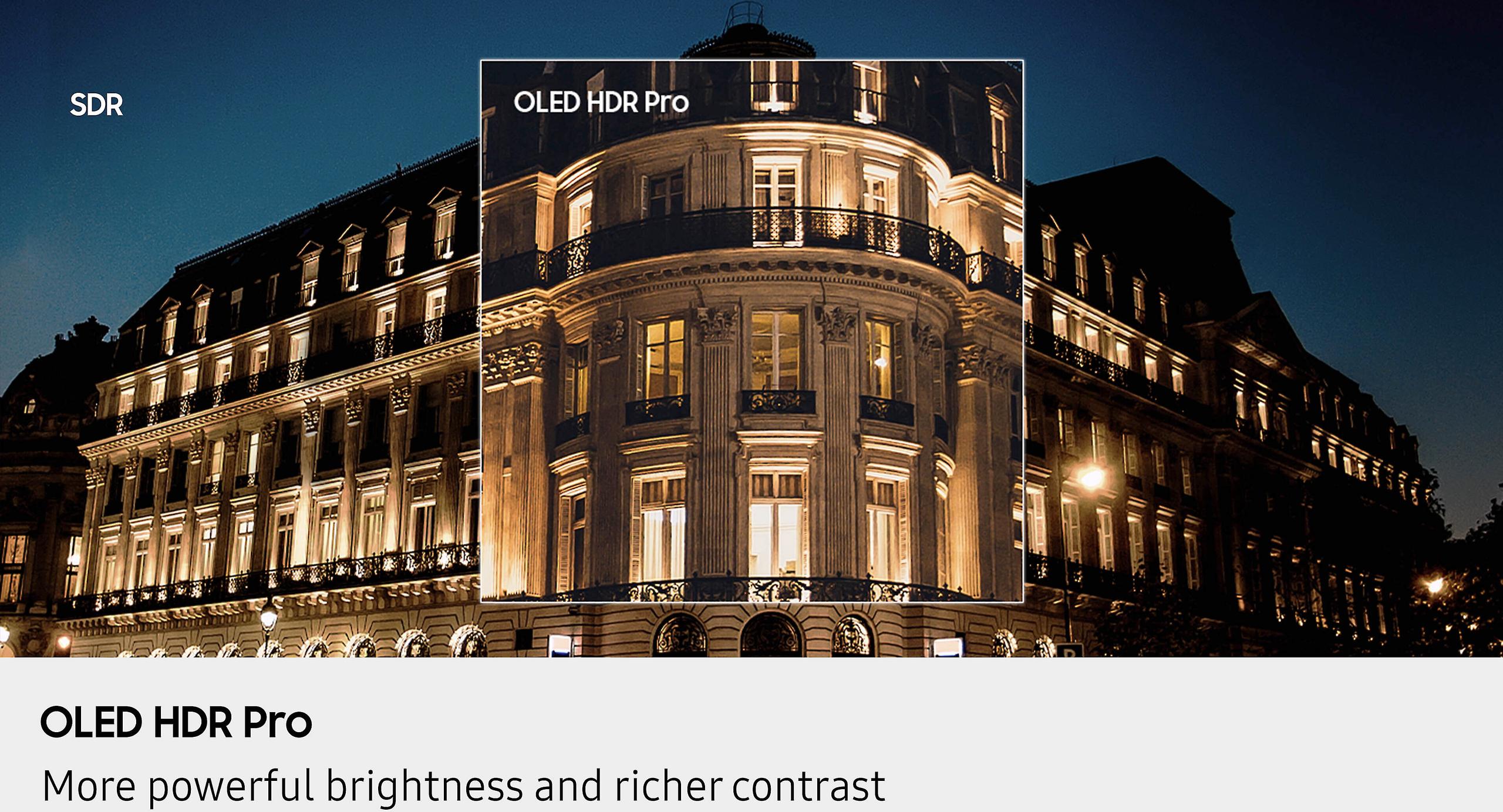
The results are impressive. Our research shows the Samsung S95F can reach over 2,000 nits of peak brightness - that's roughly three times brighter than most traditional OLEDs. For context, standard dynamic range content typically peaks around 100 nits, while HDR content can demand 1,000-4,000 nits for proper reproduction. This extra brightness means HDR highlights like sunlight, explosions, or car headlights appear more realistic.
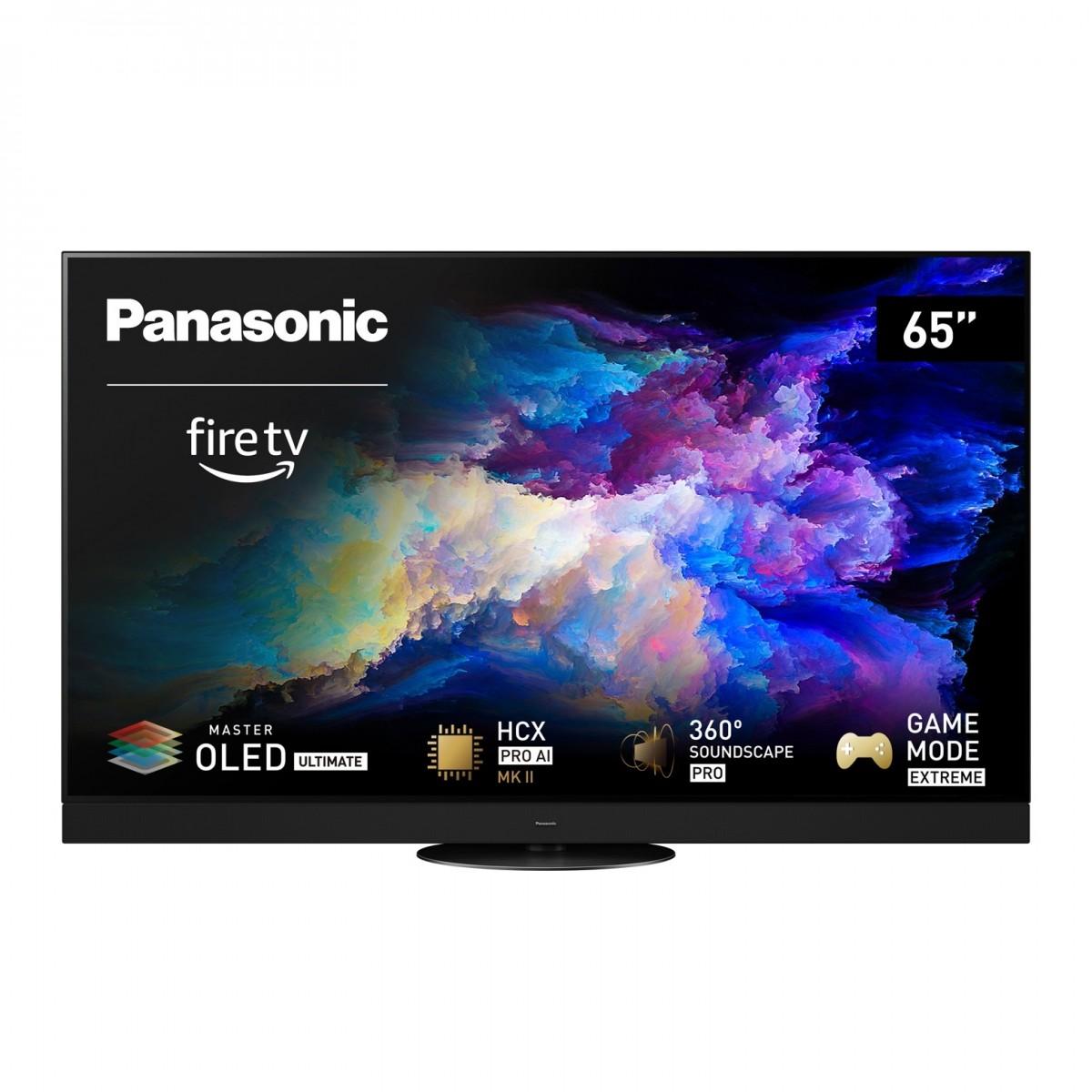
The Panasonic Z95A takes a different approach, focusing on color accuracy over maximum brightness. Panasonic has decades of experience in professional broadcast equipment, and this expertise shows in their HCX Pro AI Processor MKII. This processor doesn't just upscale content - it analyzes whether you're watching sports, movies, or live concerts and automatically adjusts processing accordingly.
The Hexa Chroma Drive technology in the Panasonic Z95A is particularly impressive. While most TVs work with three primary colors (red, green, blue), this system adds yellow, cyan, and magenta processing for more nuanced color reproduction. The result is colors that look natural rather than artificially saturated - crucial for movie enthusiasts who want to see content as directors intended.
HDR (High Dynamic Range) represents the biggest leap in picture quality since the move to high definition. It's not about resolution - it's about contrast. HDR content can display brighter whites and darker blacks simultaneously, creating more realistic images.
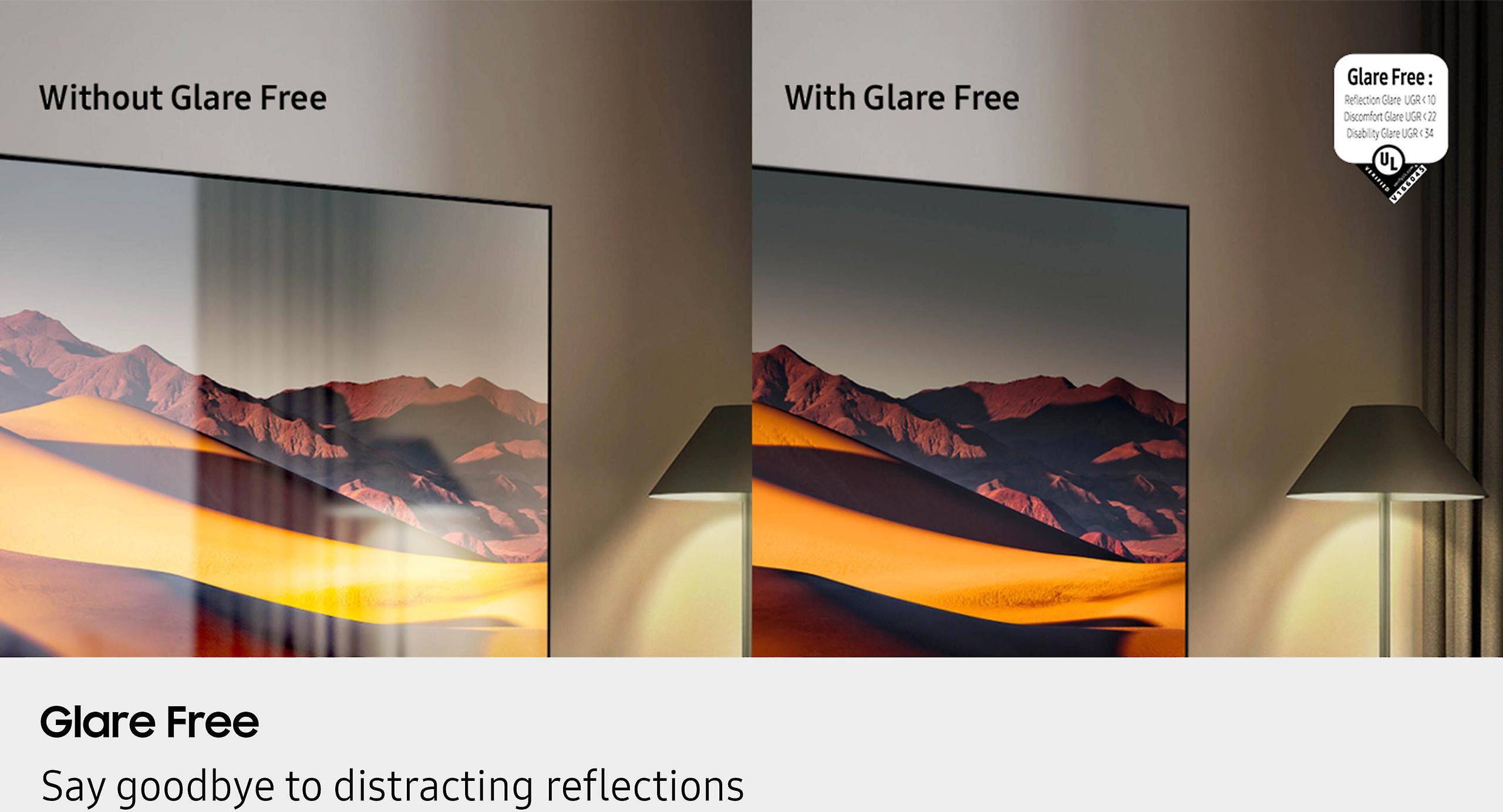
Here's where the differences between these TVs become stark. The Samsung S95F excels with bright, punchy HDR that makes highlights pop dramatically. When watching films like "Blade Runner 2049" or "Mad Max: Fury Road," explosions and neon signs have an almost three-dimensional quality. The glare-free matte coating also means you can enjoy this brightness even in well-lit rooms - a traditional OLED weakness.
However, the Samsung S95F has one significant HDR limitation: no Dolby Vision support. Dolby Vision is an advanced HDR format that includes scene-by-scene metadata, telling your TV exactly how bright each scene should be. Major streaming services like Netflix, Disney+, and Apple TV+ offer extensive Dolby Vision libraries. The Panasonic Z95A supports Dolby Vision alongside HDR10+ and standard HDR10, making it more versatile for different content sources.
This brings us to a philosophical difference in display philosophy. The Samsung S95F prioritizes visual impact - colors are vivid, saturated, and immediately impressive. This QD-OLED approach produces a wider color gamut, meaning it can display colors that traditional OLEDs simply cannot reproduce.
The Panasonic Z95A prioritizes accuracy - colors look exactly as the content creator intended. This matters enormously for film enthusiasts. When watching classic movies or carefully color-graded content, the Panasonic's approach preserves artistic intent rather than enhancing it for visual wow-factor.
Neither approach is inherently better - it depends on your preferences. If you primarily watch blockbuster movies, sports, and gaming content, Samsung's approach might appeal more. If you're a cinephile who values authenticity, Panasonic's color science is exceptional.
The gaming landscape has evolved dramatically since these manufacturers' previous generations. Both consoles like the PlayStation 5 and Xbox Series X, and PC gaming, now commonly output 4K at high refresh rates with variable refresh rate (VRR) technology.
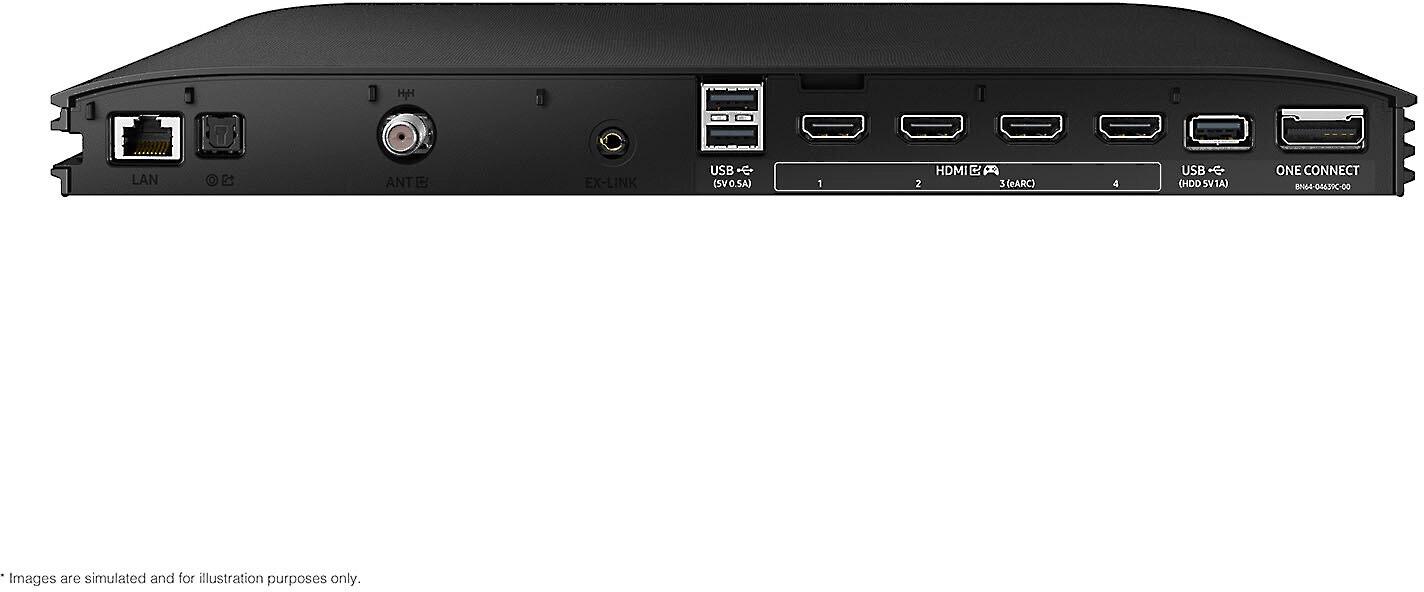
The Samsung S95F is clearly built for serious gaming. Its 165Hz native refresh rate means it can display up to 165 frames per second without any frame skipping or stuttering. More importantly, all four HDMI 2.1 ports support this full bandwidth, so you can connect multiple gaming devices without compromise.
The AMD FreeSync Premium Pro certification ensures that the TV's refresh rate synchronizes perfectly with your graphics card's frame output, eliminating screen tearing. The AI Auto Game Mode automatically detects when you're gaming and optimizes all settings for lowest input lag - the delay between pressing a button and seeing the action on screen.
The Panasonic Z95A offers respectable gaming features with its 144Hz refresh rate and ALLM (Auto Low Latency Mode), but it's clearly not the primary focus. For casual gaming, it's perfectly adequate. For competitive gaming or if you want to future-proof for next-generation consoles, the Samsung's gaming infrastructure is superior.
Smart TV platforms have become increasingly important as streaming has replaced traditional cable for many households. The choice between these TVs' smart features could influence your experience for years to come.
The Samsung S95F runs Tizen OS and includes a remarkable commitment: seven years of software updates. This means you'll receive new features, security updates, and app compatibility through 2032. Samsung's Vision AI, powered by 128 neural networks, continuously analyzes content to optimize picture and sound settings automatically.
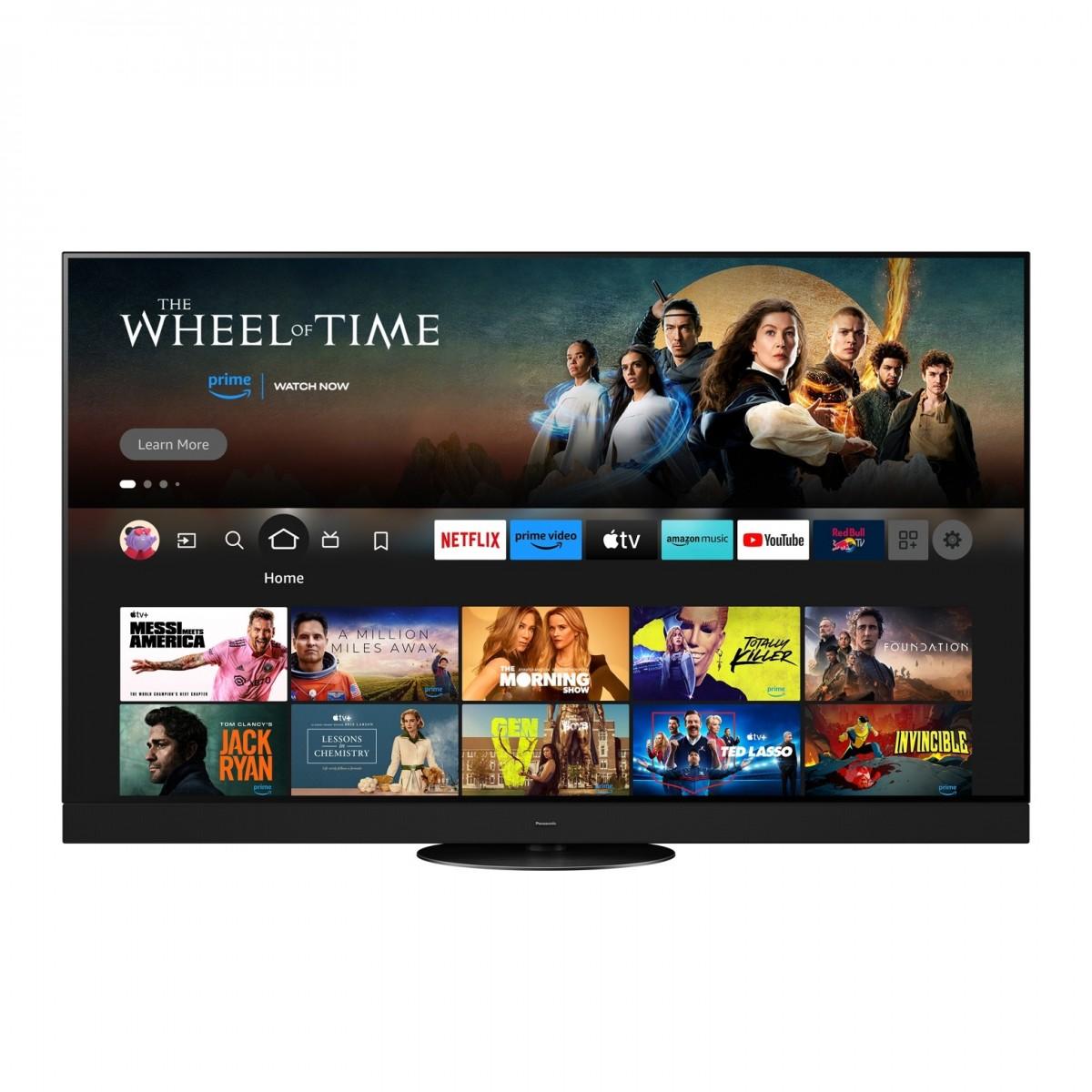
The Panasonic Z95A uses Amazon's Fire TV platform built-in, which offers immediate access to virtually every streaming service. Fire TV's interface is intuitive, and integration with Alexa voice control works seamlessly. However, Panasonic hasn't made the same long-term software commitment as Samsung.
For long-term value, Samsung's software support promise is significant. Premium TVs often last 8-10 years, so knowing your smart features won't become obsolete is valuable peace of mind.
TV audio has improved dramatically in recent years, though dedicated sound systems still reign supreme. The Samsung S95F features a sophisticated 4.2.2 channel system with 70W of power output. The Object Tracking Sound (OTS+) technology is particularly clever - it moves audio around the screen to match on-screen action, creating a more immersive experience.
The Panasonic Z95A offers 20W output, which is adequate for casual viewing but likely insufficient for cinematic experiences. If you're planning a dedicated home theater setup, both TVs will benefit from a quality soundbar or surround sound system, but the Samsung provides better built-in audio as a starting point.
Your viewing environment significantly impacts which TV will perform better. The Samsung S95F's glare-free matte coating represents a breakthrough for OLED technology. Traditional OLEDs act like mirrors in bright rooms, reflecting windows and light sources back at viewers. Samsung's matte coating diffuses these reflections while maintaining image quality.
However, this coating does slightly impact deep blacks - OLED's signature strength. In completely dark rooms, the Panasonic Z95A will produce deeper, more inky blacks. For dedicated home theater setups with controlled lighting, this difference is noticeable and important.
If your TV will be in a living room with large windows or ambient lighting, the Samsung S95F is transformative. If you primarily watch in dark or dimly lit conditions, the Panasonic Z95A offers the classic OLED experience at its best.
At the time of writing, the price difference between these models is substantial enough to influence most purchase decisions. The Panasonic Z95A offers approximately 80-85% of the Samsung S95F's performance at roughly 75% of the cost - compelling value math.
The Panasonic excels in core areas that matter most: color accuracy, HDR format compatibility, and smart features. Its shortcomings are mainly in specialized areas like gaming and bright-room performance. For most users, these compromises are acceptable given the price savings.
The Samsung commands its premium through cutting-edge technology: QD-OLED brightness, advanced gaming features, and superior built-in audio. If these features align with your priorities, the extra cost delivers meaningful improvements.
Choose the Samsung S95F if you:
Choose the Panasonic Z95A if you:
Both TVs represent excellent choices within the premium OLED category, but they serve different priorities. The Samsung S95F pushes technological boundaries with QD-OLED brightness, gaming excellence, and innovative glare-free coating. It's the better choice for users who want the absolute latest technology and have specific needs like serious gaming or bright-room viewing.
The Panasonic Z95A offers exceptional value with outstanding color accuracy, comprehensive HDR support, and solid smart features. It's the smarter choice for most buyers who want premium OLED performance without paying for specialized features they won't fully utilize.
In my evaluation, the Panasonic Z95A wins on value and versatility for most home theater setups, while the Samsung S95F excels for specific use cases where its advanced features justify the premium pricing. The key is honestly assessing your viewing habits, room conditions, and long-term needs before deciding.
Either choice will deliver years of exceptional viewing experiences - the question is which approach to premium OLED technology better matches your priorities and budget.
| Panasonic Z95A 65" OLED | Samsung S95F 65" OLED |
|---|---|
| Display Technology - Determines brightness, color accuracy, and viewing experience | |
| Traditional OLED with Hexa Chroma Drive color processing | 4th-generation QD-OLED with quantum dot technology |
| Peak Brightness - Critical for HDR content and bright room viewing | |
| ~800 nits (standard OLED levels, great for dark rooms) | 2,089+ nits (exceptional HDR performance, works in bright rooms) |
| HDR Format Support - Affects compatibility with streaming content | |
| HDR10, HDR10+, Dolby Vision, HLG (comprehensive support) | HDR10, HDR10+ Adaptive/Gaming only (missing Dolby Vision) |
| Gaming Performance - Important for console and PC gaming | |
| 144Hz refresh rate with basic game mode features | 165Hz native with Motion Xcelerator, AMD FreeSync Premium Pro |
| Anti-Glare Technology - Crucial for rooms with ambient light | |
| Standard OLED reflectivity (mirrors in bright rooms) | OLED Glare-Free certified matte coating (breakthrough for bright rooms) |
| Audio System - Built-in sound quality before adding external speakers | |
| 20W output with Dolby Atmos (adequate for casual viewing) | 70W 4.2.2CH with Object Tracking Sound+ (cinema-quality built-in audio) |
| Smart Platform - Affects long-term usability and app support | |
| Amazon Fire TV built-in with Alexa integration | Tizen OS with 7-year software update guarantee |
| Color Processing - Impacts how natural vs. vibrant colors appear | |
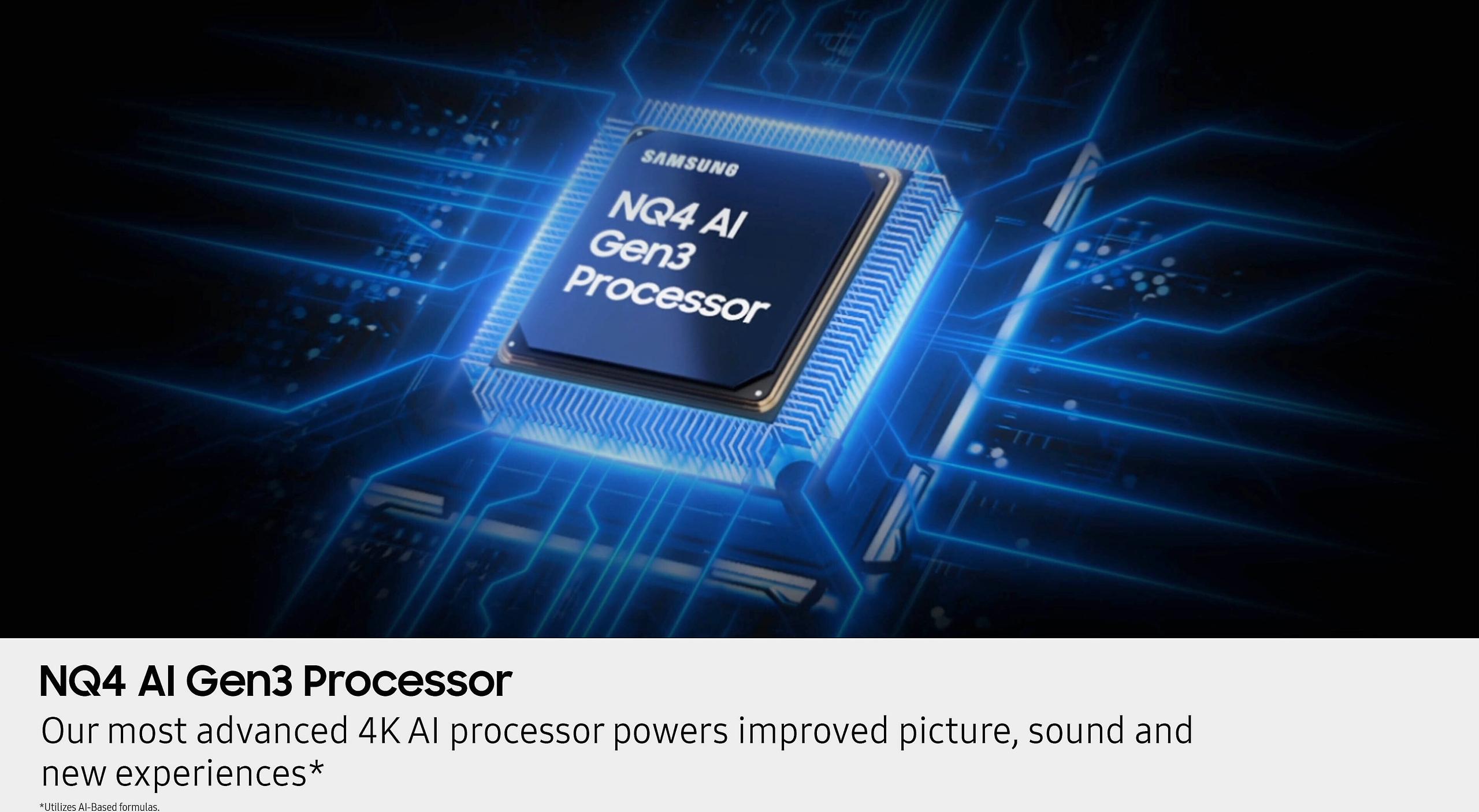
| HCX Pro AI Processor MKII (cinema-accurate, natural colors) | NQ4 AI Gen3 with Samsung Vision AI (vibrant, enhanced colors) |
| HDMI Gaming Features - Essential for modern consoles and PCs | |
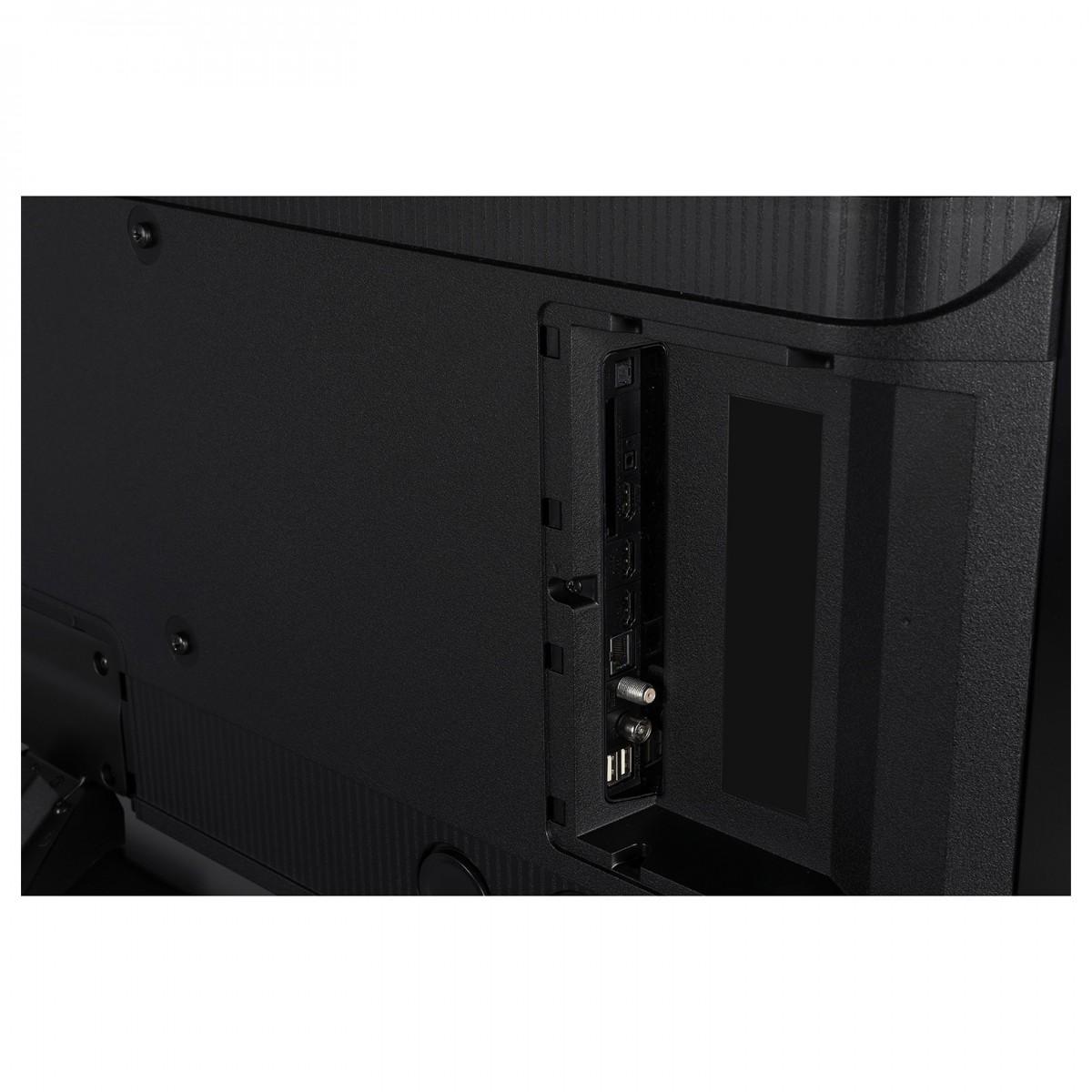
| Standard HDMI 2.1 with ALLM support | Four full-bandwidth HDMI 2.1 ports with 4K@144Hz support |
| Value Proposition - Performance per dollar consideration | |
| Excellent overall value with premium OLED performance | Premium pricing justified by cutting-edge QD-OLED technology |
The Samsung S95F is significantly better for bright rooms thanks to its OLED Glare-Free certified matte coating that reduces reflections. The Panasonic Z95A uses standard OLED technology that can act like a mirror in bright lighting conditions. If your TV will be in a living room with windows or ambient lighting, the Samsung S95F is the clear winner.
No, only the Panasonic Z95A supports Dolby Vision HDR along with HDR10+ and standard HDR10. The Samsung S95F supports HDR10 and HDR10+ but lacks Dolby Vision support. This matters if you watch a lot of Netflix, Disney+, or Apple TV+ content that uses Dolby Vision for enhanced picture quality.
The Samsung S95F is superior for gaming with its 165Hz native refresh rate, four full-bandwidth HDMI 2.1 ports, and AMD FreeSync Premium Pro certification. The Panasonic Z95A offers 144Hz and basic gaming features, which is adequate for casual gaming but not ideal for competitive gaming or high-end PC gaming.
The Samsung S95F uses QD-OLED technology that produces brighter, more vibrant colors and can reach over 2,000 nits of peak brightness. The Panasonic Z95A focuses on color accuracy with its Hexa Chroma Drive technology, delivering more natural, cinema-accurate colors. The Samsung is better for impact, while the Panasonic is better for authenticity.
The Samsung S95F has significantly better built-in audio with 70W output and a 4.2.2 channel system featuring Object Tracking Sound+. The Panasonic Z95A offers 20W output, which is adequate but not as immersive. For home theater setups, both benefit from external sound systems, but the Samsung S95F provides better audio out of the box.
Yes, both are excellent for dark rooms since they're OLED TVs with perfect blacks. However, the Panasonic Z95A may have slightly deeper blacks due to its traditional OLED panel, while the Samsung S95F's matte coating can slightly affect the deepest black levels. For dedicated dark home theaters, the difference is minimal but may favor the Panasonic Z95A.
The Panasonic Z95A offers better value for most buyers, delivering approximately 80-85% of the performance at a lower cost. The Samsung S95F commands a premium for its cutting-edge QD-OLED technology and specialized features. Choose the Panasonic for excellent value or the Samsung if you need its specific advantages like bright room performance or advanced gaming features.
The Panasonic Z95A uses Amazon Fire TV built-in with Alexa voice control, providing access to all major streaming services. The Samsung S95F runs Tizen OS and includes a 7-year software update guarantee, ensuring long-term compatibility. Both platforms work well, but Samsung's longer support commitment provides better future-proofing.
The Samsung S95F gets much brighter, reaching over 2,000 nits compared to the Panasonic Z95A's typical 700-800 nits. This extra brightness makes HDR highlights like explosions, sunlight, and neon signs appear more realistic and impactful. The Samsung's brightness advantage is one of its most significant benefits over traditional OLED technology.
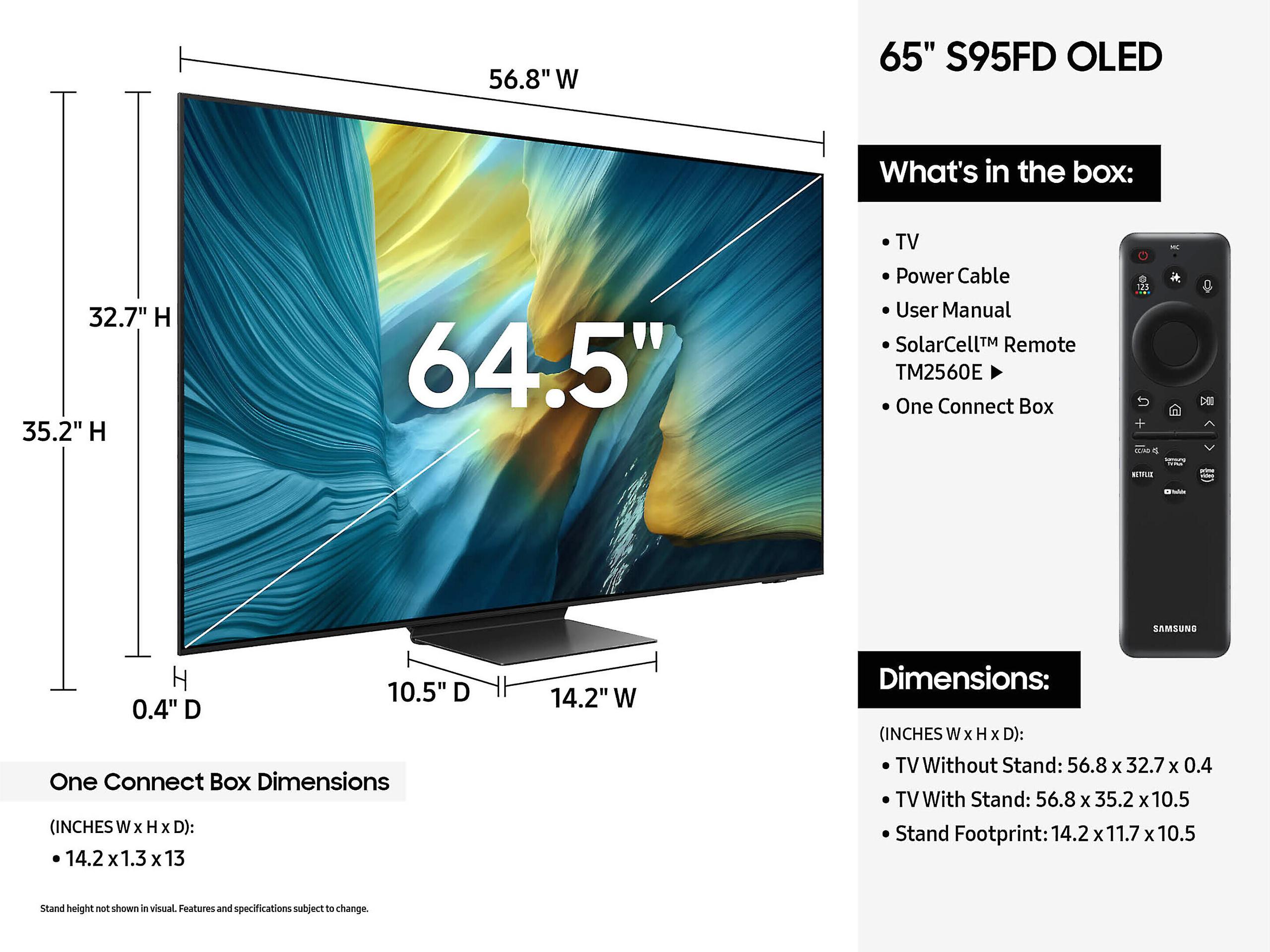
Yes, both the Panasonic Z95A and Samsung S95F are wall-mountable, though the Samsung offers additional flexibility with its One Connect box system that moves all connections to a separate unit connected by a single cable. This creates a cleaner wall-mounted installation with the Samsung S95F.
This depends on your priorities. The Panasonic Z95A is better for film purists who want cinema-accurate colors and comprehensive HDR format support including Dolby Vision. The Samsung S95F is better for viewers who prefer bright, impactful visuals with enhanced colors. For traditional home theater setups in dark rooms, the Panasonic Z95A may be preferred.
The Samsung S95F comes with a guaranteed 7-year software update commitment, ensuring compatibility through 2032. The Panasonic Z95A uses Fire TV built-in which receives regular updates, but Panasonic hasn't made a specific long-term commitment. For future-proofing and long-term value, the Samsung S95F offers better software support assurance.
We've done our best to create useful and informative comparisons to help you decide what product to buy. Our research uses advanced automated methods to create this comparison and perfection is not possible - please contact us for corrections or questions. These are the sites we've researched in the creation of this article: youtube.com - youtube.com - whathifi.com - tomsguide.com - shop.panasonic.com - store.in.panasonic.com - rtings.com - applianceplus.co.nz - rtings.com - store.in.panasonic.com - samsung.com - businessinsider.com - tomsguide.com - youtube.com - avsforum.com - zdnet.com - samsung.com - pioneertvandappliance.com - samsung.com - displayspecifications.com - samsung.com

Privacy Policy
Terms and Conditions - Affiliate Policy
Home Security
© Copyright 2008-2026.
11816 Inwood Rd #1211, Dallas, TX 75244