

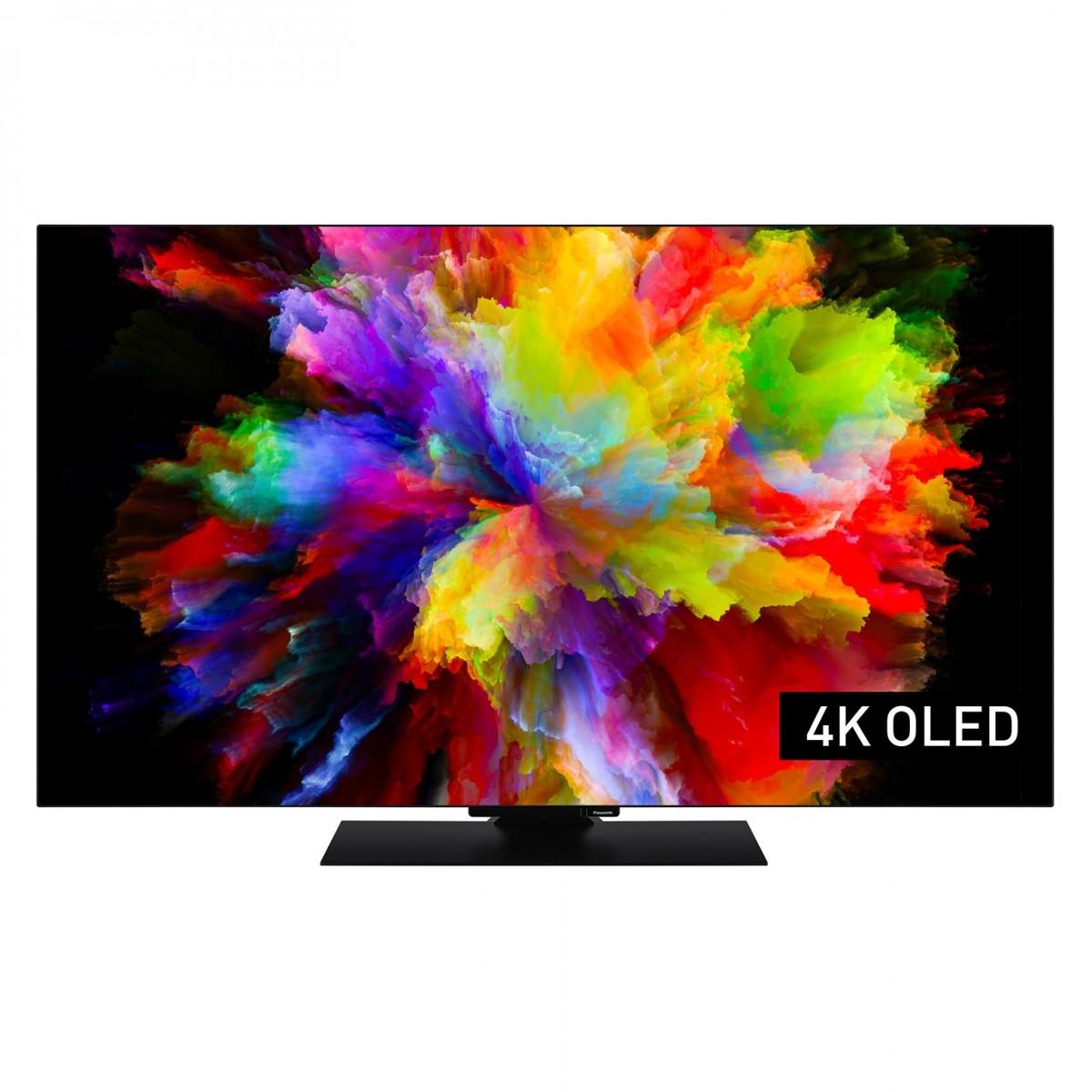

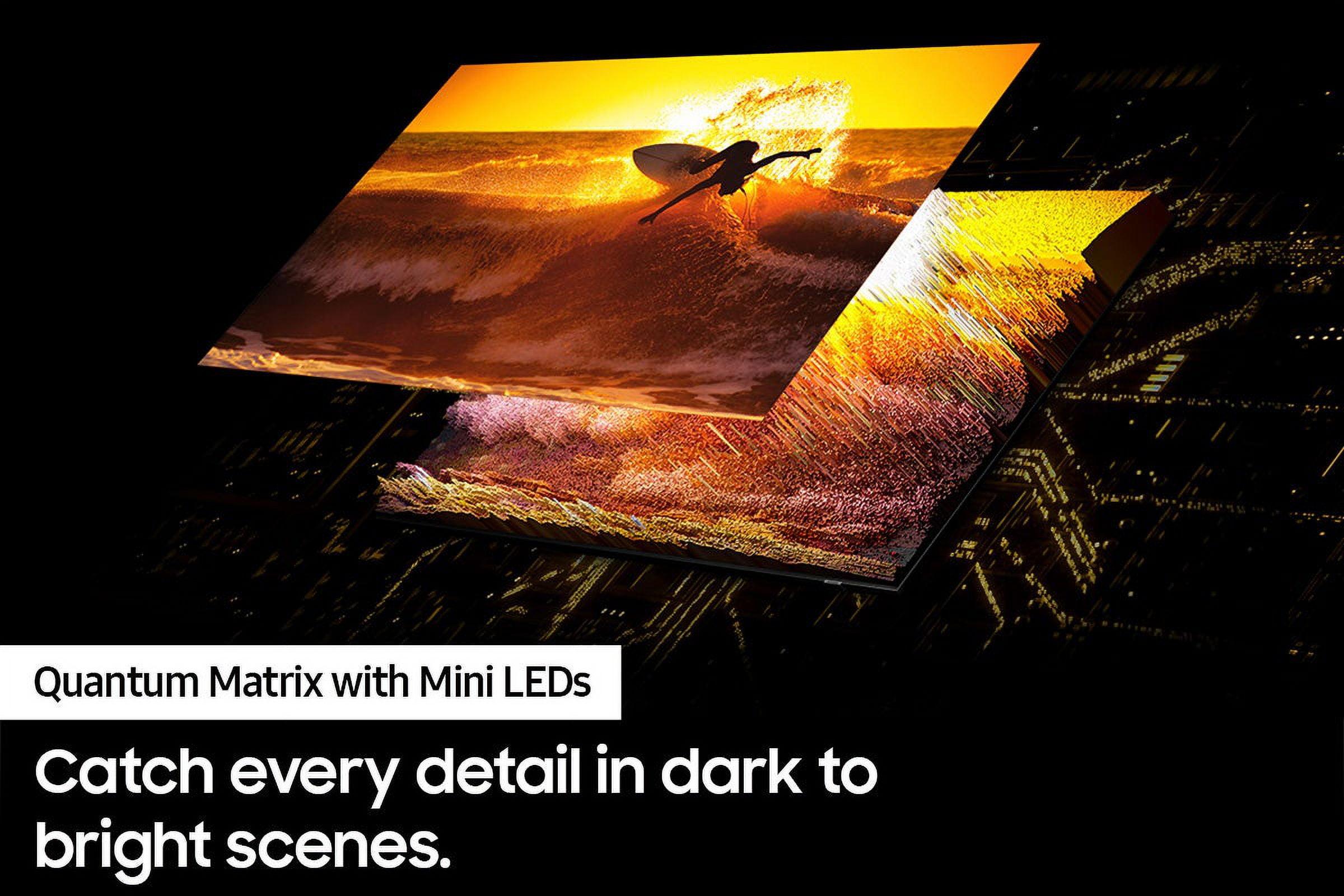

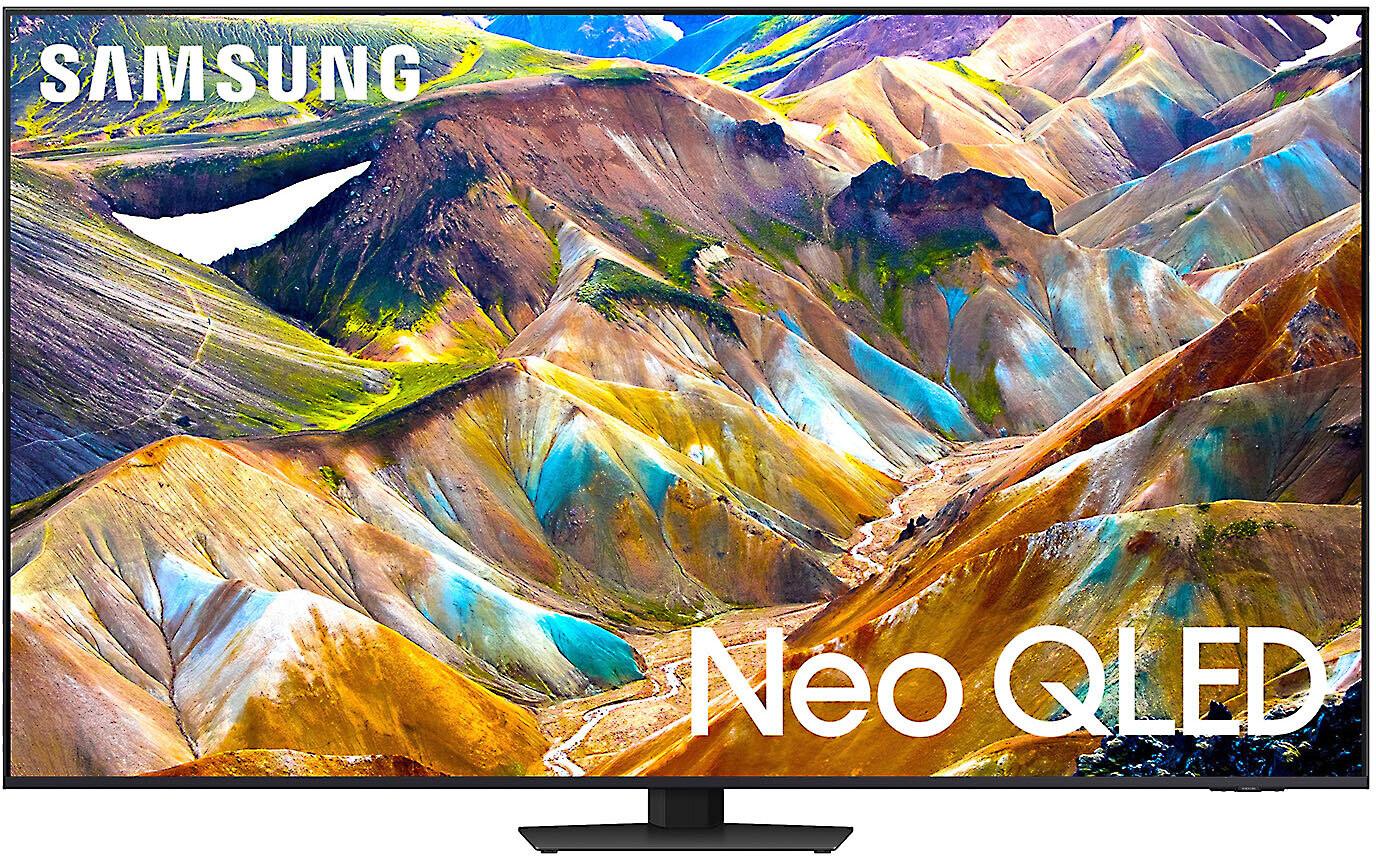
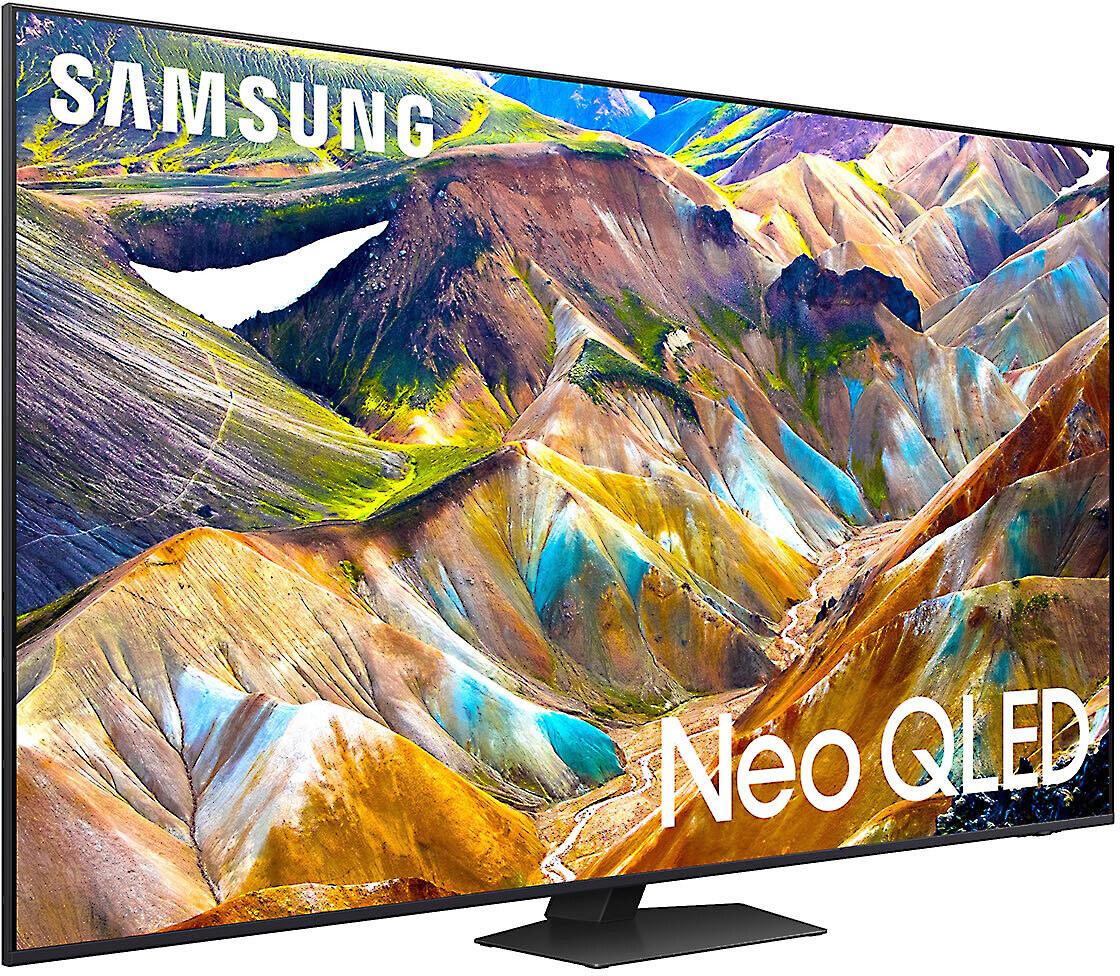
OLED televisions have become the gold standard for home entertainment, and for good reason. Unlike traditional LED TVs that use backlighting, OLED panels create light at each individual pixel - meaning they can turn completely off to create perfect blacks and infinite contrast ratios. This technology delivers the kind of picture quality that makes you forget you're watching a screen.
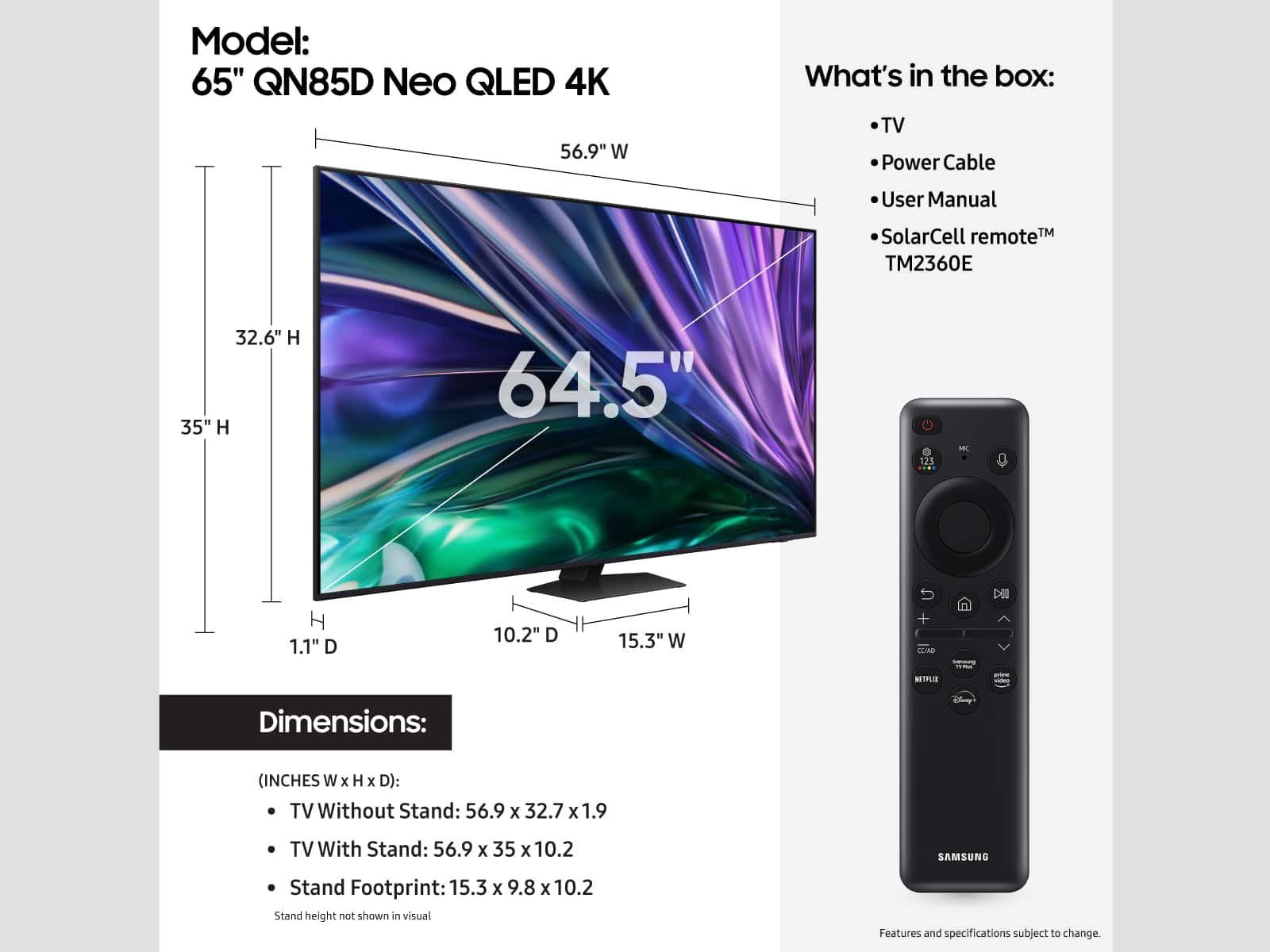
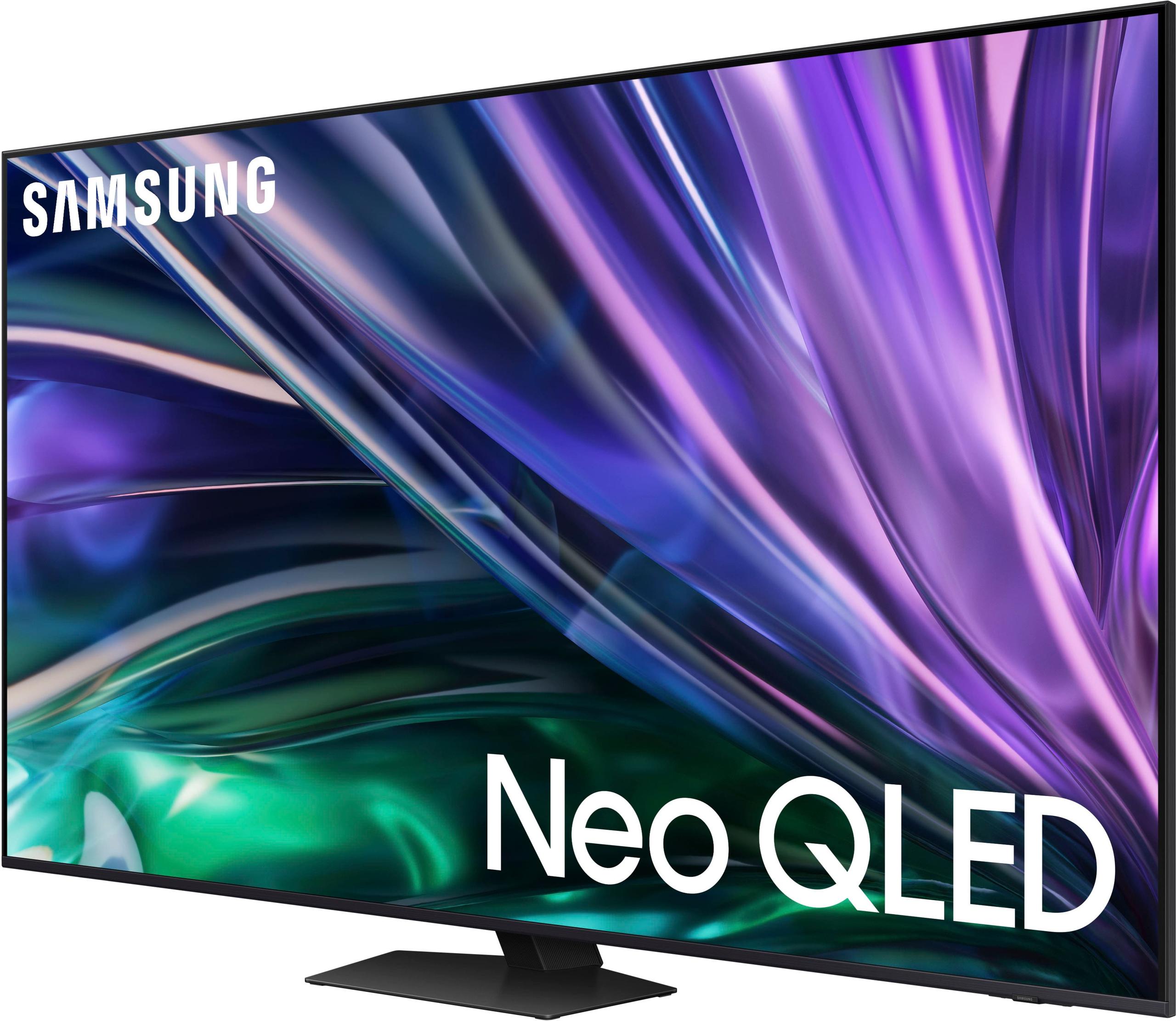
When you're ready to invest in premium OLED technology, two standout options demand serious consideration: the Panasonic Z95A and the Samsung S90D. Both represent their manufacturers' commitment to cutting-edge display technology, but they take notably different approaches to achieving excellence.
Before diving into specifics, it's worth understanding what separates premium OLED TVs from the pack. The technology itself - Organic Light Emitting Diodes - allows each pixel to produce its own light and color. This means when a scene calls for deep space or a dark room, those pixels simply turn off completely, creating true blacks that LCD TVs with backlighting simply cannot match.
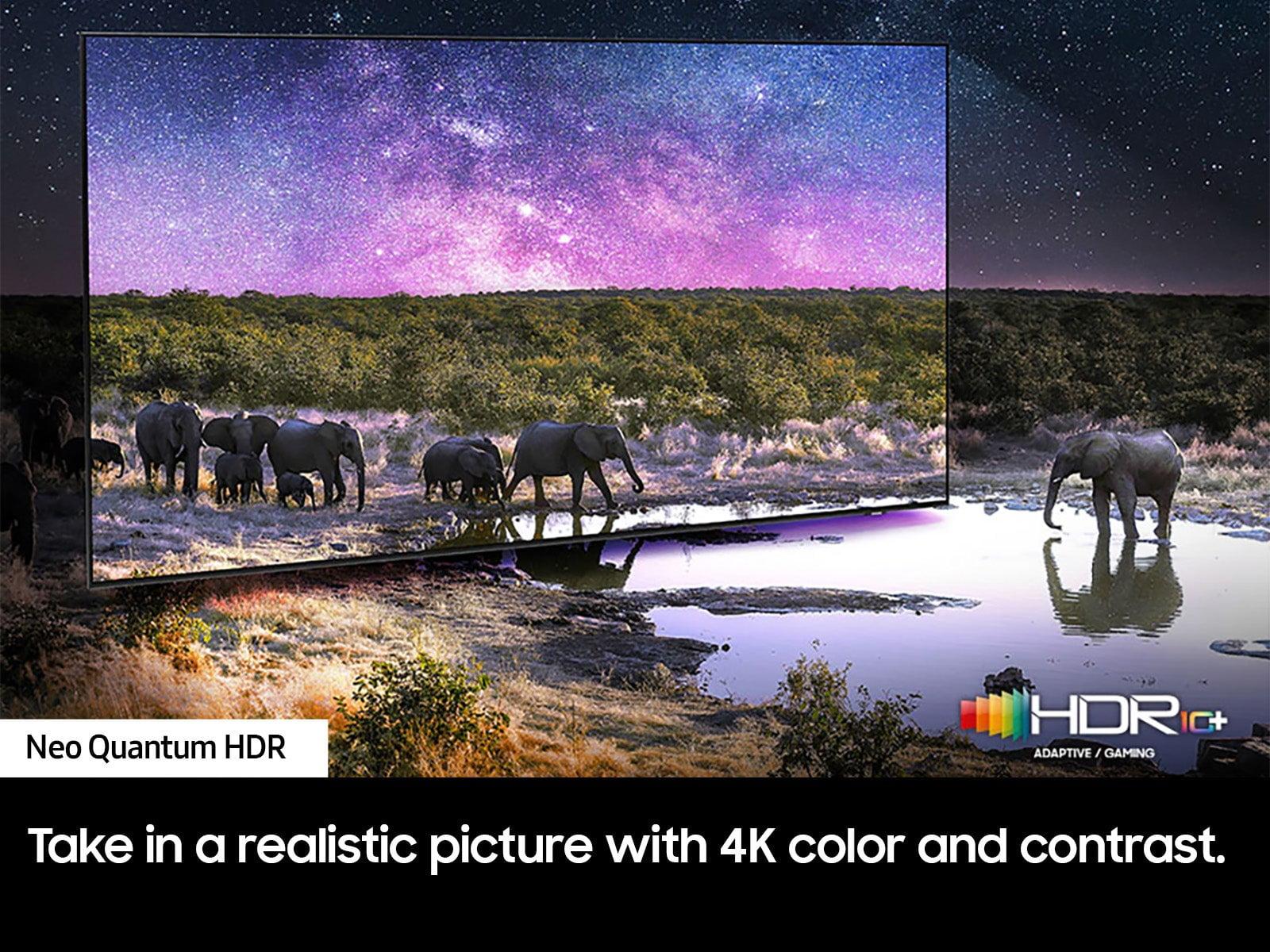
The magic happens in how manufacturers process and enhance this fundamental technology. Modern premium OLED TVs use sophisticated processors that analyze incoming video signals thousands of times per second, adjusting color, contrast, and brightness for optimal viewing. They support High Dynamic Range (HDR) - a technology that preserves much more detail in both bright and dark areas of the image, closer to what your eyes see in real life.
Released in 2024, both the Panasonic Z95A and Samsung S90D represent significant technological improvements over their predecessors. The Panasonic Z95A builds on the company's cinema-focused heritage with enhanced color processing and brightness improvements, while the Samsung S90D emphasizes versatility and gaming performance alongside traditional viewing excellence.
At the time of writing, these TVs occupy similar price territories in the premium OLED market, though the Samsung S90D typically commands a slight price advantage. Both offer substantial value compared to their manufacturers' flagship models while delivering most of the premium experience.
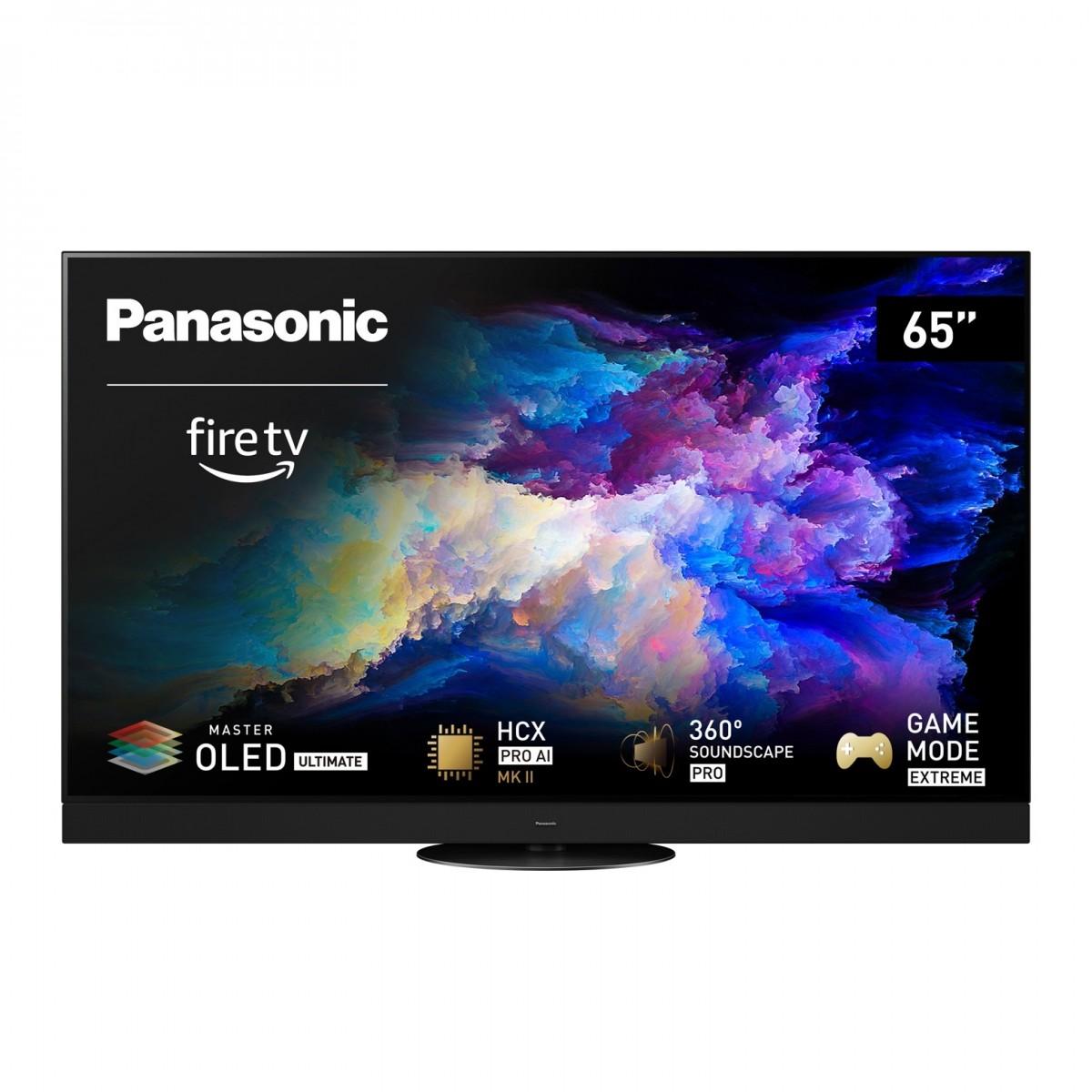
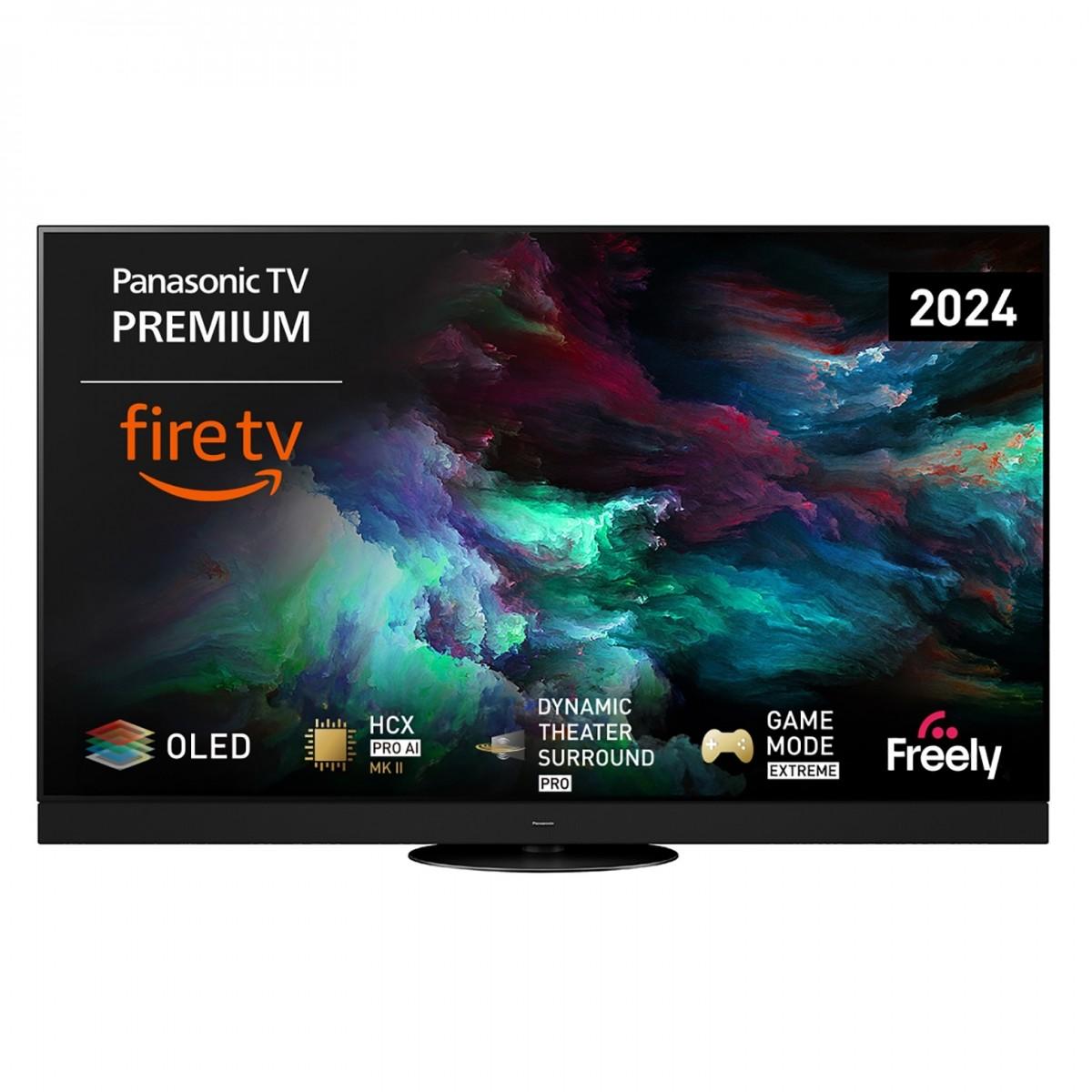
The Panasonic Z95A takes a cinema-first approach with its HCX Pro AI Processor MKII - a mouthful of a name that represents some seriously impressive technology. This processor uses artificial intelligence to analyze each frame and optimize it based on content type. When you're watching a nature documentary, it recognizes grass and sky and adjusts accordingly. During action movies, it prioritizes motion clarity and contrast.
What makes this particularly impressive is Panasonic's Hexa Chroma Drive technology, which expands the range of colors the TV can display beyond standard television color spaces. This matters because most content creators master their work on professional monitors with wide color gamuts - having a TV that can reproduce those original intentions means you see what the director actually wanted you to see.
The Panasonic Z95A also features micro lens array technology in its OLED panel. Think of it as tiny magnifying glasses placed over each pixel that focus and direct the light more efficiently. This results in brighter images without sacrificing the perfect blacks that make OLED special - solving one of the technology's traditional weaknesses compared to LED TVs.
Samsung takes a different but equally valid approach with the Samsung S90D. Its NQ4 AI Gen2 processor leverages 20 different AI neural networks - essentially 20 specialized artificial intelligences working together to optimize different aspects of the image. One network handles motion, another manages color, while others focus on upscaling lower-resolution content or reducing noise.
The Samsung S90D includes Real Depth Enhancer technology, which analyzes the image to create a more three-dimensional viewing experience. It increases contrast between foreground and background elements, making scenes feel more immersive and natural. This technology proves particularly effective with well-produced content like high-budget movies and premium streaming shows.
Both televisions support the full range of HDR formats, but they implement them differently. HDR10+ and Dolby Vision are dynamic HDR formats that adjust brightness and color scene-by-scene rather than using static settings for entire movies. This creates more realistic images where bright sunlight doesn't wash out details in shadows, and dark scenes retain subtle variations instead of becoming black voids.
The Panasonic Z95A particularly excels with its Dolby Vision IQ implementation. This technology uses built-in ambient light sensors to adjust the HDR processing based on your room's lighting conditions. Watching a movie at night requires different settings than afternoon viewing, and Dolby Vision IQ handles these adjustments automatically. It's like having a professional calibrator making real-time adjustments based on your viewing environment.
Samsung's approach with the Samsung S90D focuses on peak brightness capabilities. While OLED TVs traditionally couldn't match LED TVs for pure brightness, Samsung has made significant improvements. Higher brightness matters for HDR content because it allows highlights to really pop - think reflections off water or the glint of sunlight on metal. This also makes the Samsung S90D more suitable for bright viewing rooms where ambient light might wash out dimmer displays.
Gaming has become a crucial consideration for modern TVs, and both models deliver impressive gaming capabilities, though with different strengths.
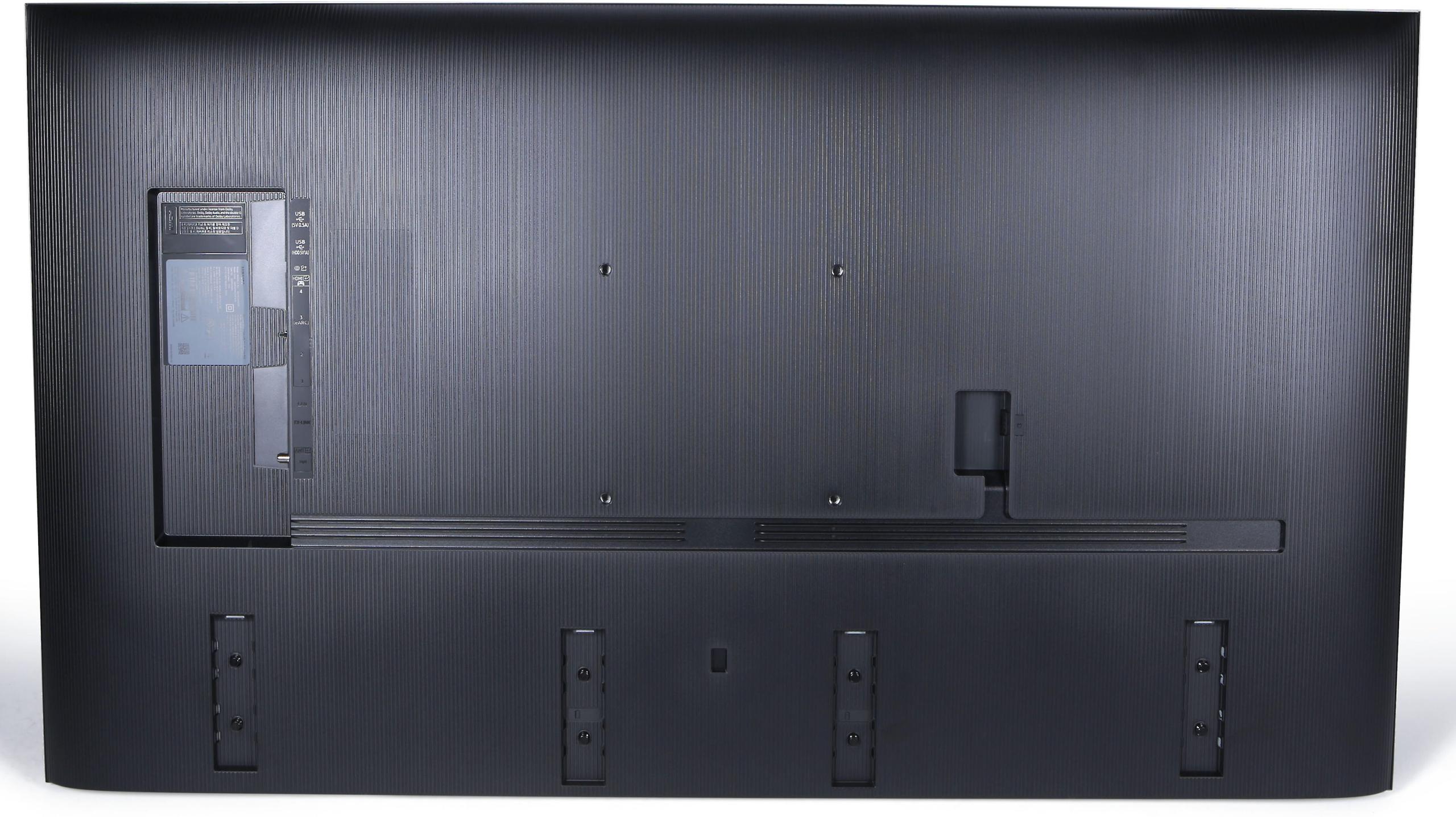
The Samsung S90D takes a clear lead in gaming connectivity with four HDMI 2.1 ports. HDMI 2.1 supports 4K resolution at 120 frames per second, which matters enormously for modern gaming consoles like the PlayStation 5 and Xbox Series X. Having four such ports means you can connect multiple gaming devices, a streaming device, and a sound system simultaneously without compromising on performance.
Variable Refresh Rate (VRR) technology synchronizes the TV's refresh rate with your gaming device's output, eliminating screen tearing and stuttering. Auto Low Latency Mode (ALLM) automatically switches the TV to game mode when it detects a gaming signal, minimizing input lag - the delay between pressing a controller button and seeing the action on screen.
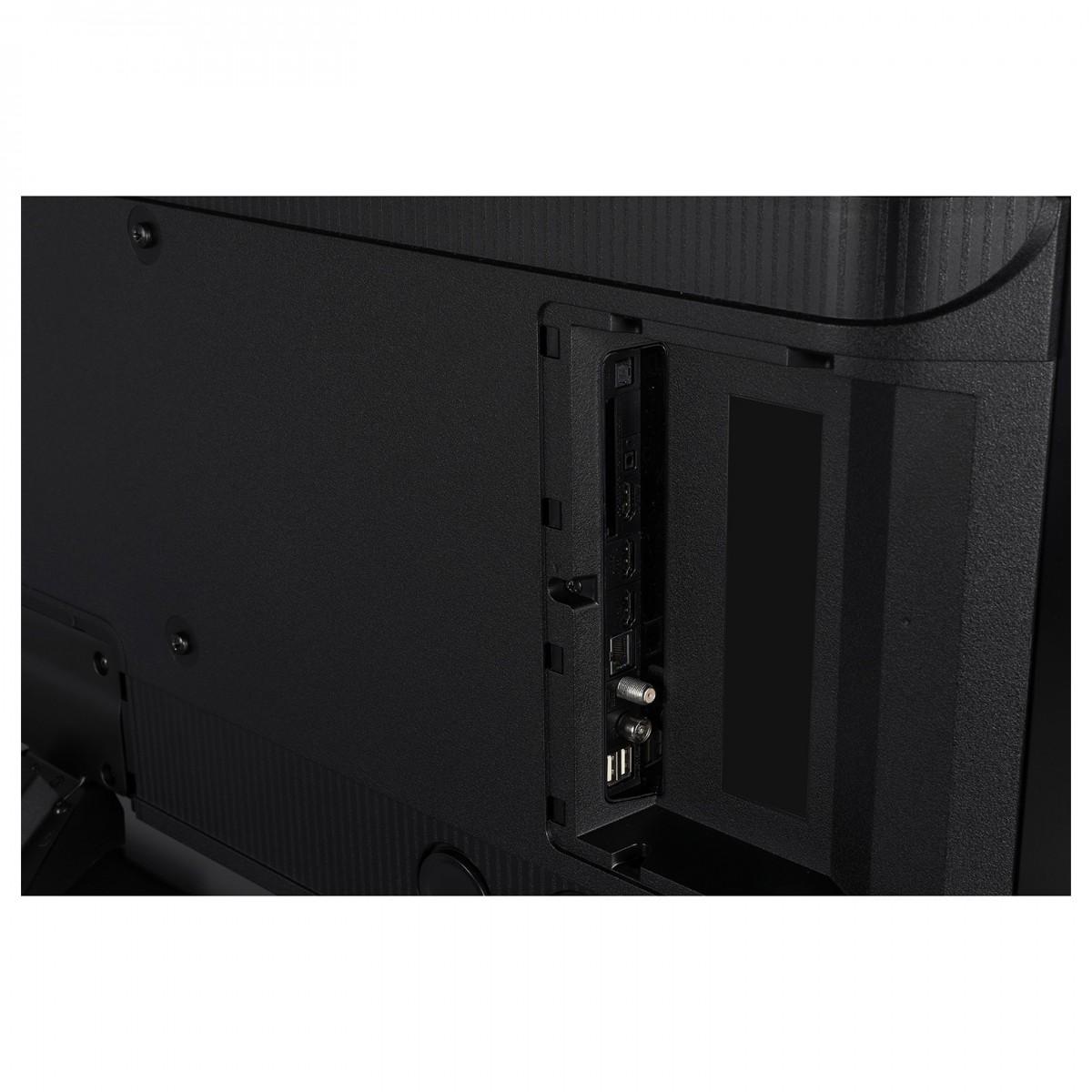
Both TVs support 144Hz refresh rates, which goes beyond what current gaming consoles output but proves valuable for PC gaming and future-proofs your purchase. The Panasonic Z95A handles gaming well but typically includes fewer HDMI 2.1 ports, which could limit your setup flexibility.
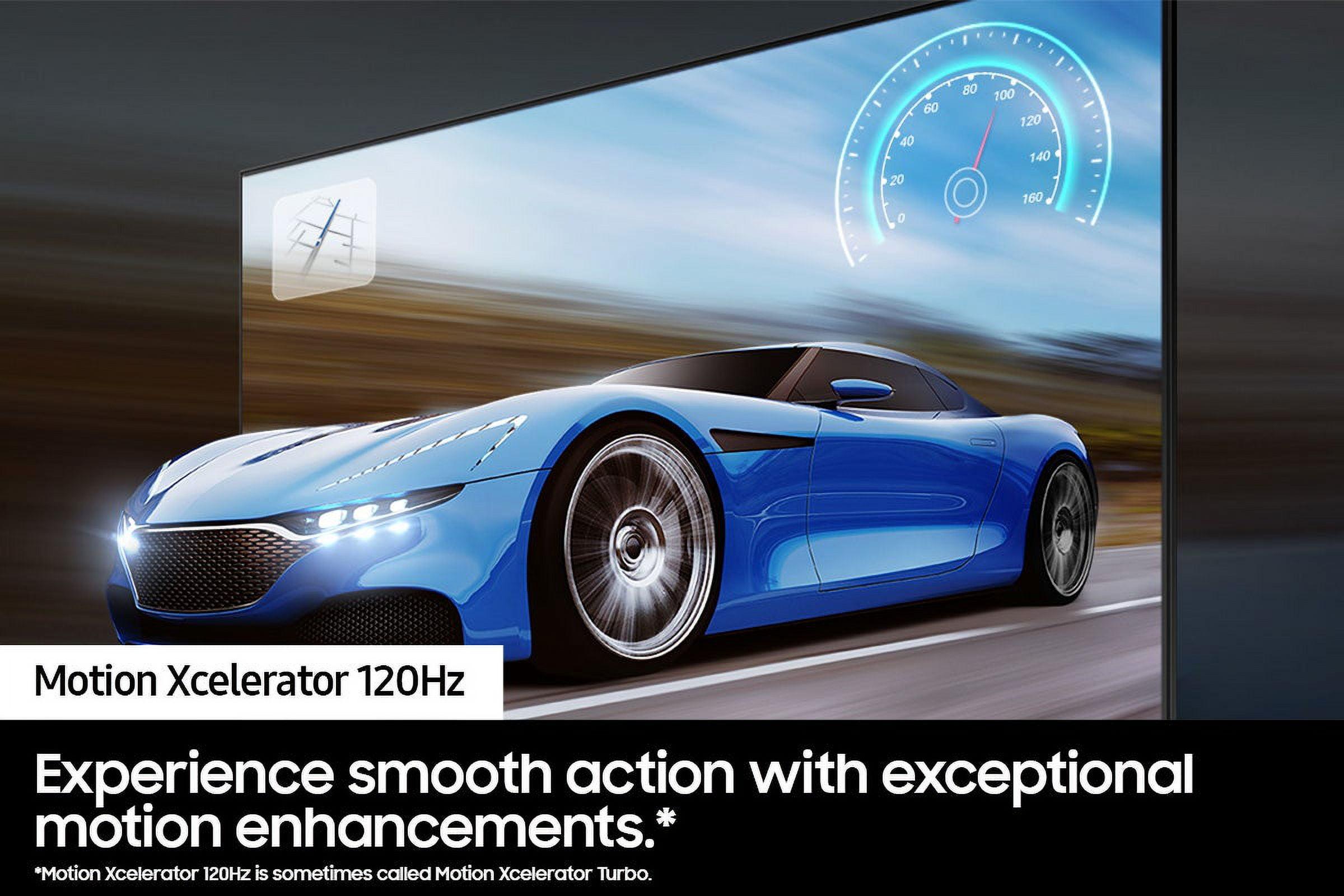
Motion handling proves crucial for fast-paced gaming. The Samsung S90D uses Motion Xcelerator technology to reduce blur during rapid movement, while the Panasonic Z95A employs Motion Estimation and Motion Compensation (MEMC) processing. Both technologies analyze motion patterns and insert intermediate frames or adjust pixel response times to create smoother movement.
Smart TV platforms have evolved dramatically, and both manufacturers offer mature, capable systems, though with different approaches and app ecosystems.
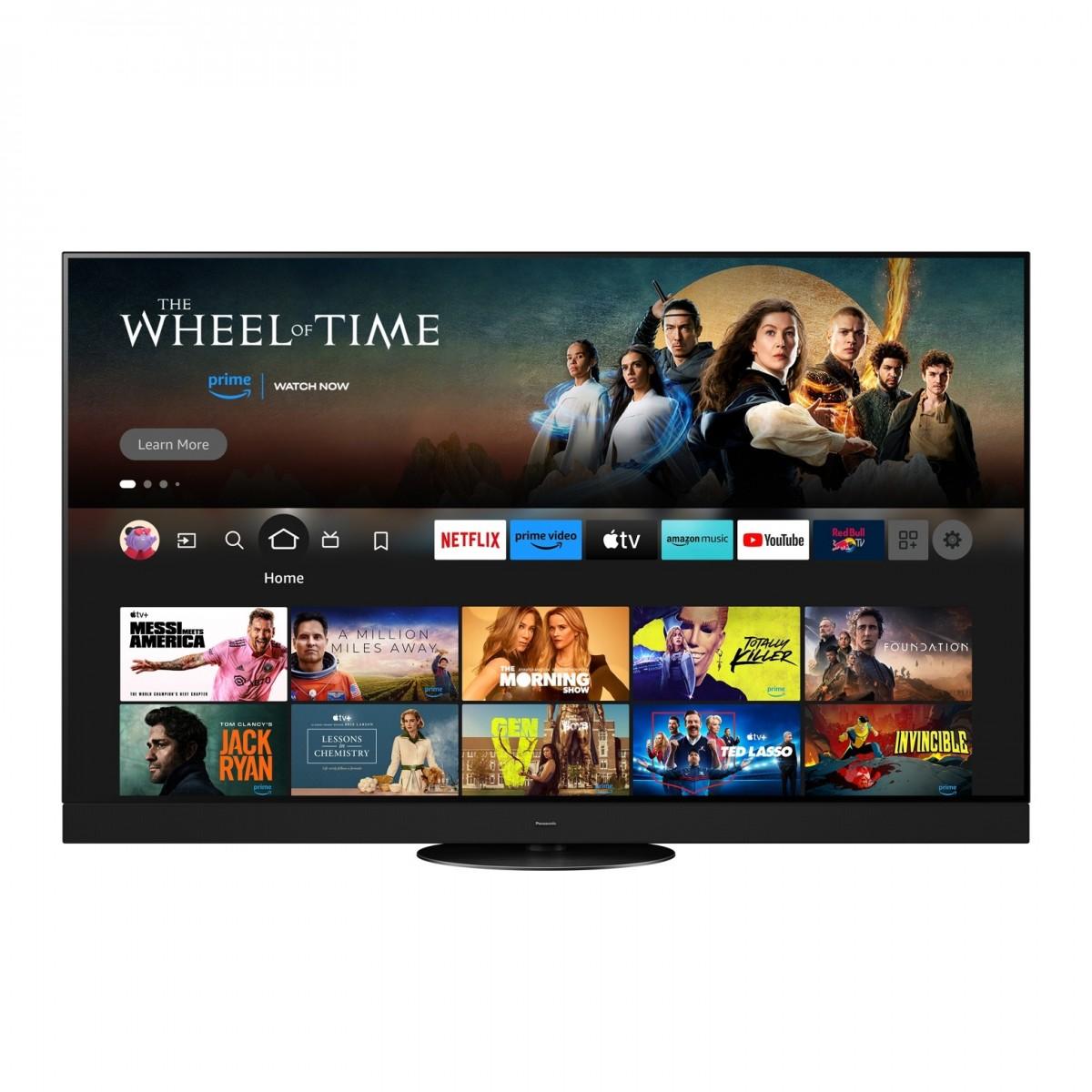
The Panasonic Z95A runs Amazon Fire TV, which provides access to virtually every major streaming service and thousands of apps. Fire TV's interface prioritizes content discovery, showing you movies and shows across different services based on your viewing habits. Voice control through Alexa works seamlessly - you can ask for specific content, control playback, or even manage smart home devices without touching a remote.
Samsung's Tizen operating system on the Samsung S90D offers a more traditional smart TV experience with excellent performance and regular updates. Samsung has invested heavily in their smart platform, and it shows in the smooth navigation and comprehensive app selection. The interface feels more like a traditional TV experience enhanced with smart features rather than a streaming device that happens to be built into a TV.
Both systems support screen sharing from phones and tablets, though they use different technologies. The Panasonic Z95A includes Chromecast Built-in and supports Apple AirPlay, while Samsung uses their own casting technology alongside industry standards.
Television audio has improved significantly, and both models include respectable built-in sound systems, though neither replaces a dedicated sound system for serious home theater use.
The Panasonic Z95A includes a more sophisticated audio system with front-firing, upward-firing, and side-firing speakers designed to create a 360-degree soundscape. Dolby Atmos support means audio can be positioned three-dimensionally - helicopters fly overhead, rain falls from above, and ambient sounds surround you. The 20-watt output provides decent volume for most rooms, though audiophiles will want to add a soundbar or surround system.
Samsung's Samsung S90D includes Dolby Atmos with Object Tracking Sound Lite, which attempts to make audio follow objects as they move across the screen. A car driving from left to right will have its engine sound travel accordingly. While effective, the built-in speakers have physical limitations that prevent them from matching dedicated audio systems.
Both TVs include multiple ways to connect external audio systems, from traditional optical outputs to HDMI Audio Return Channel (ARC) and enhanced ARC (eARC) for high-quality audio formats.
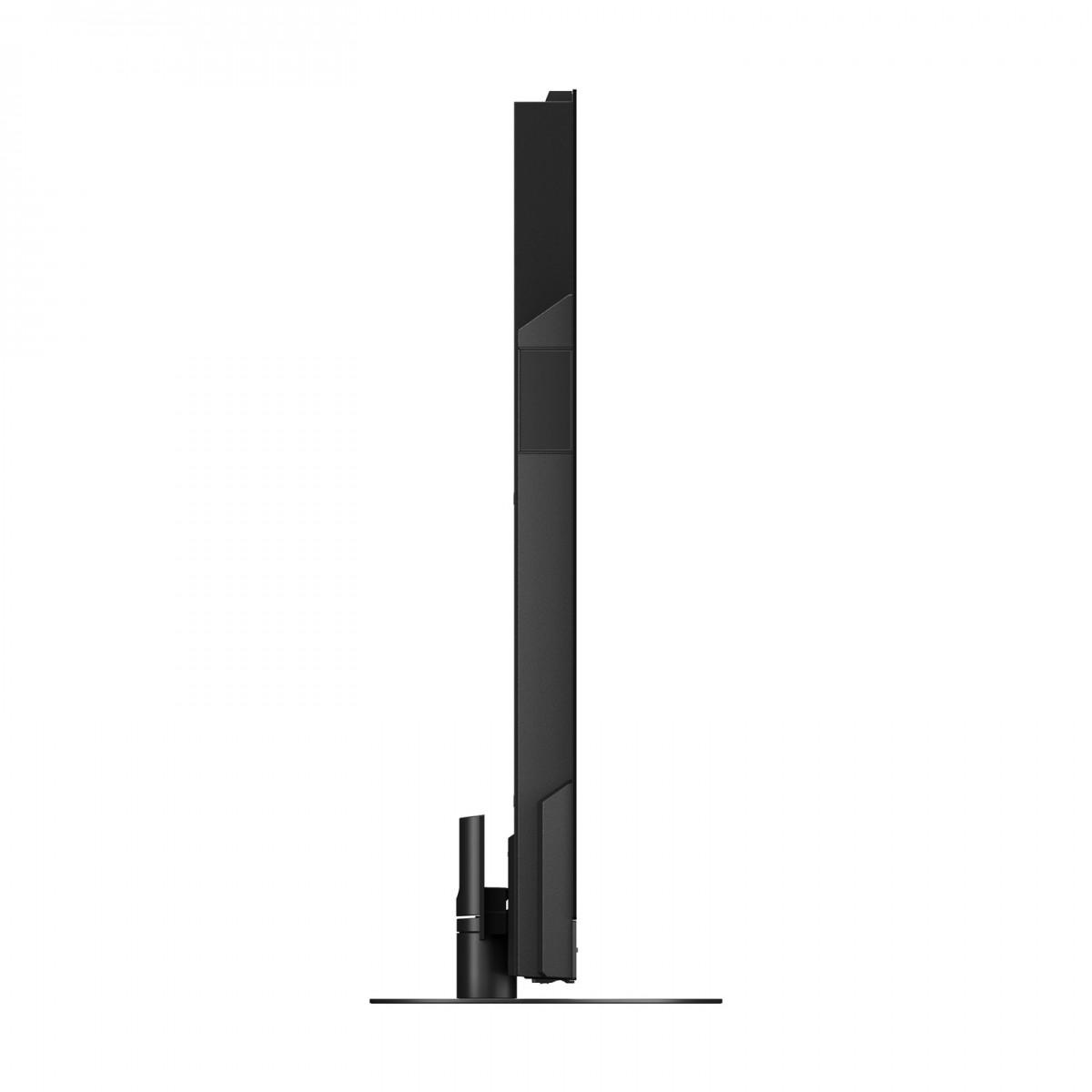
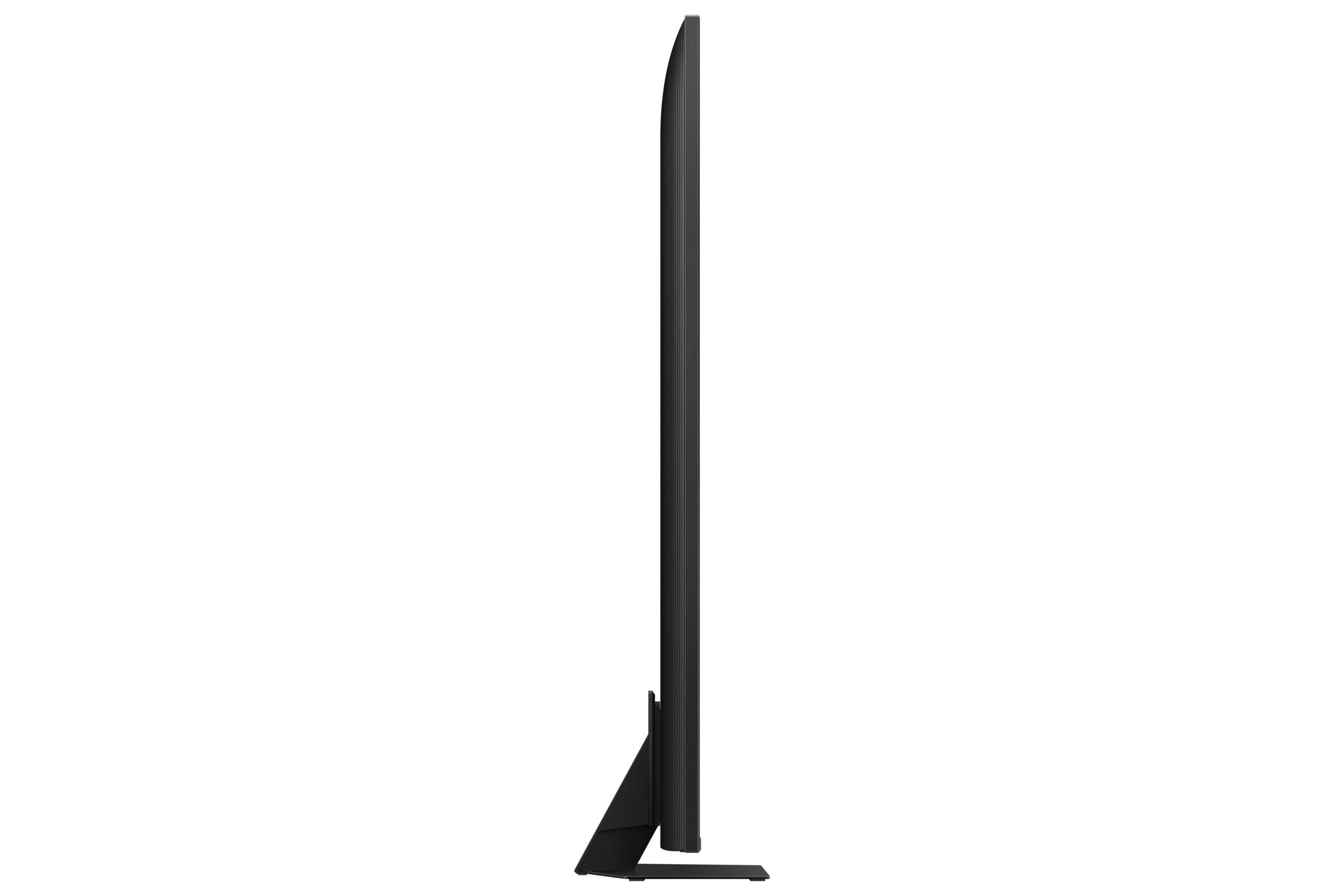
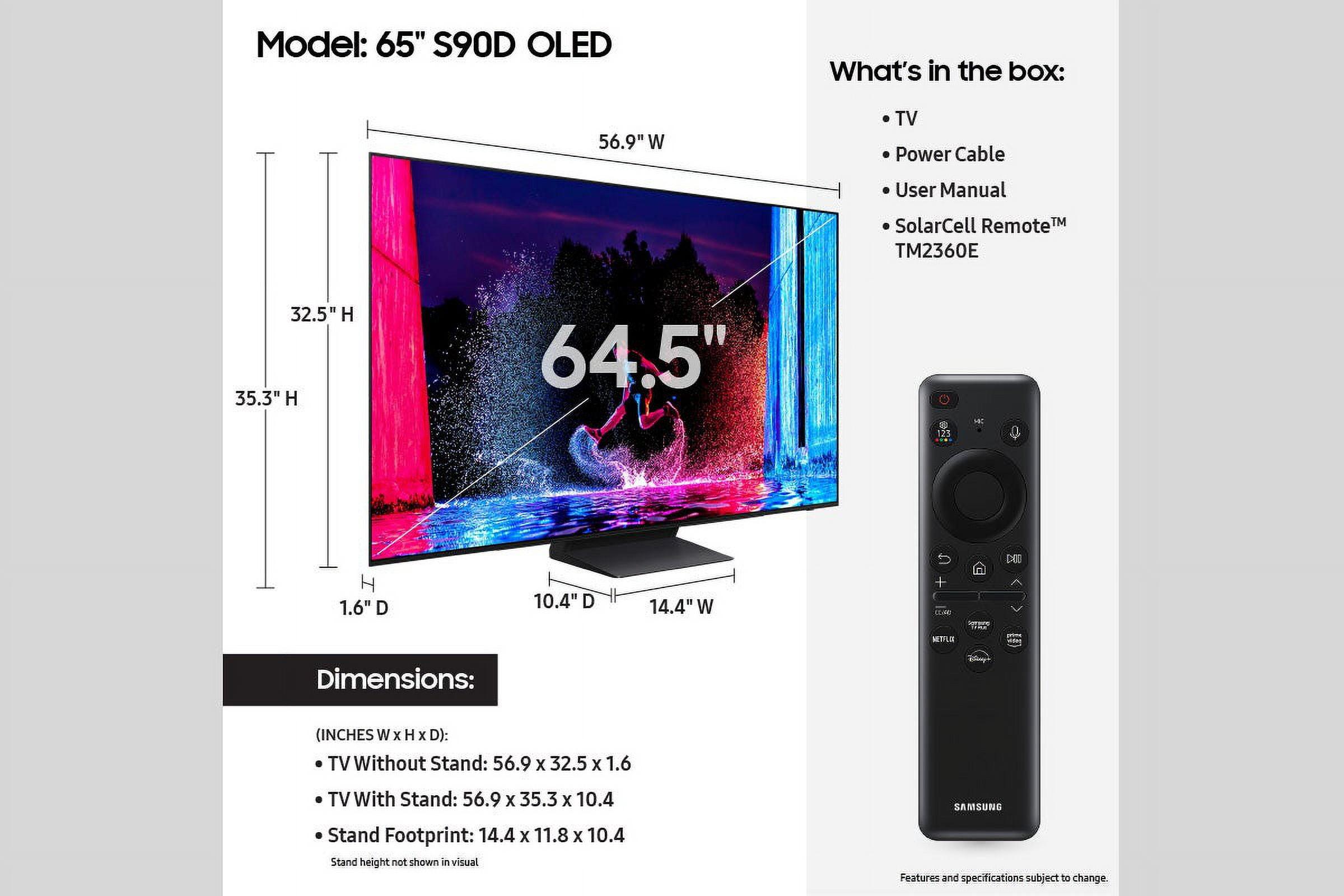
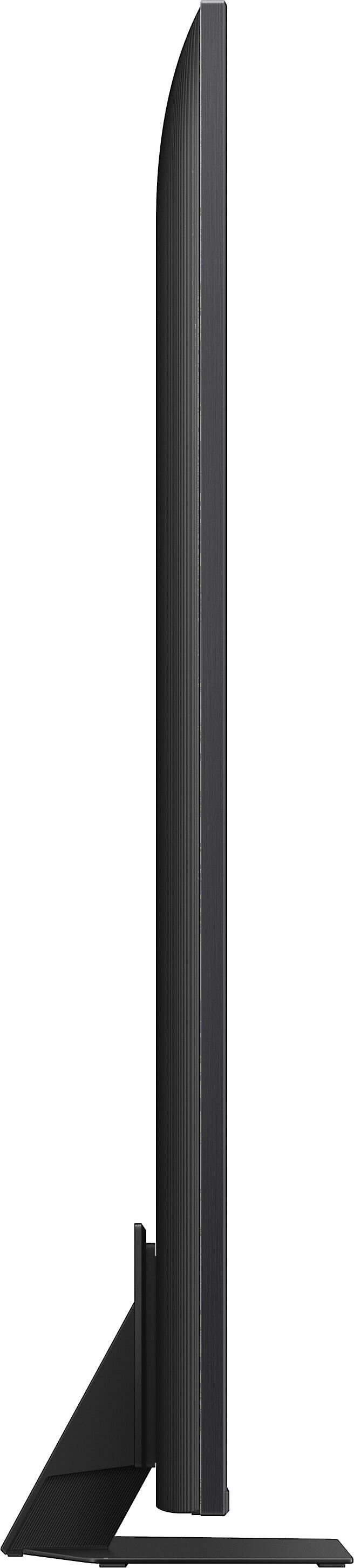
Premium OLED TVs share similar ultra-thin profiles due to the technology's minimal depth requirements, but build quality and attention to detail vary between manufacturers.
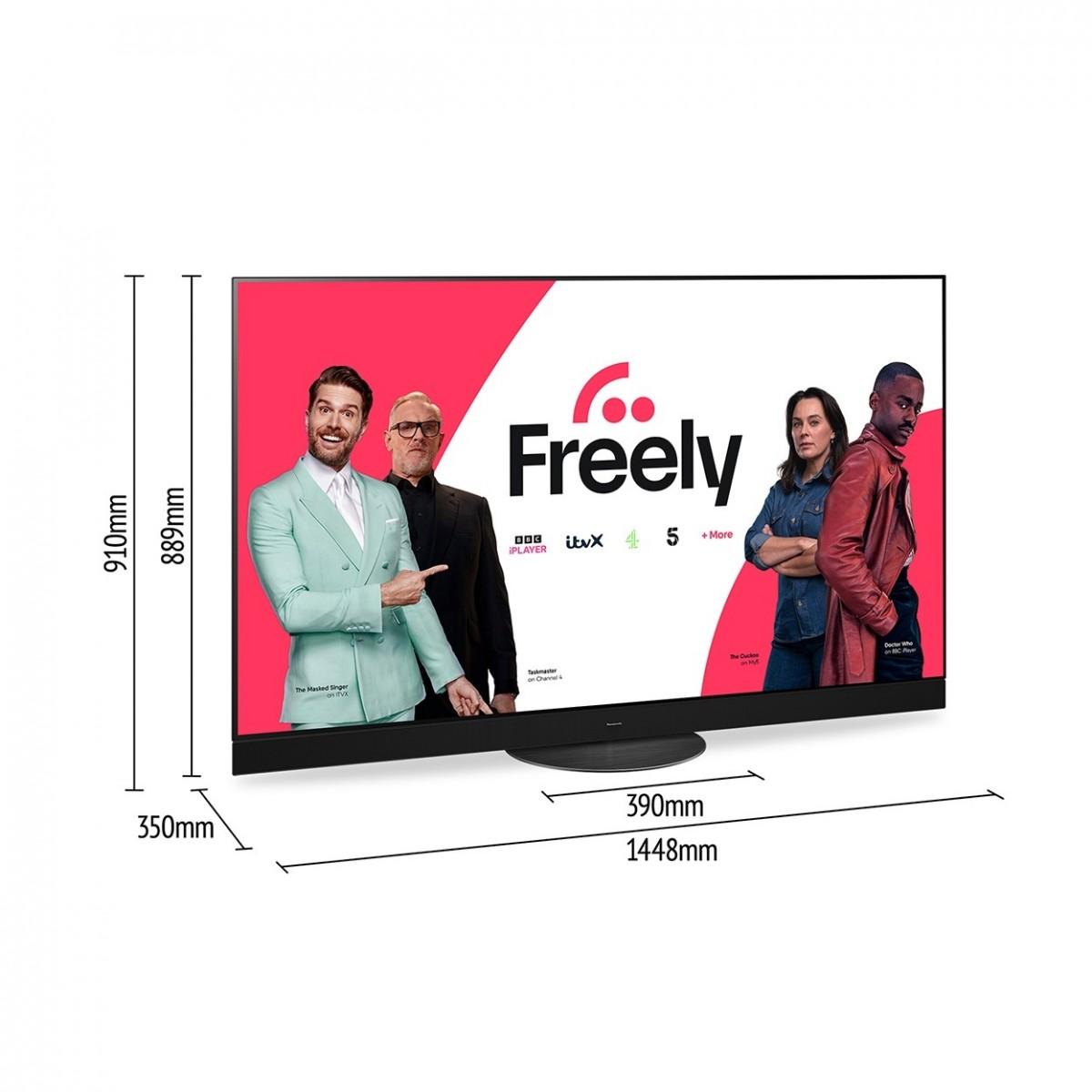
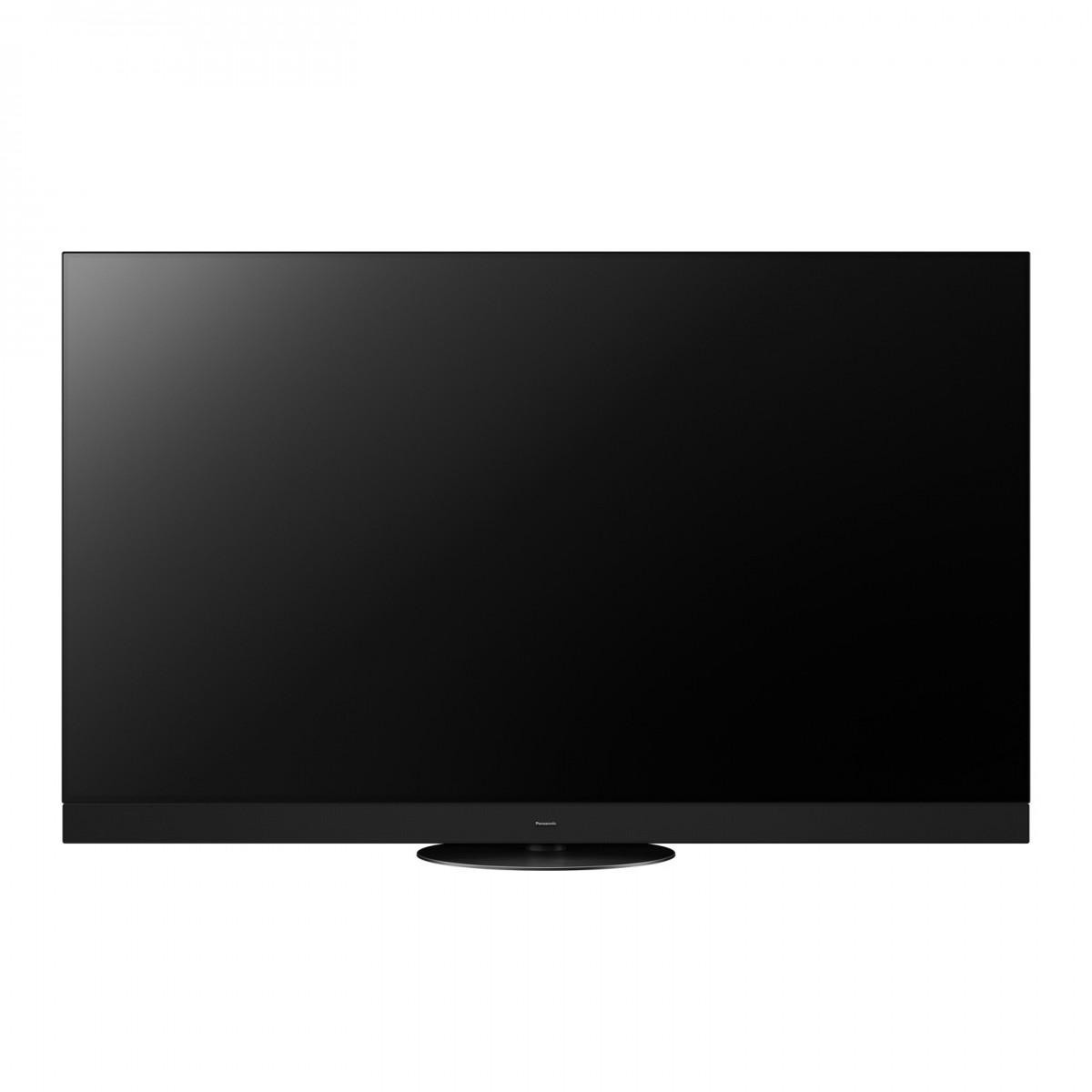
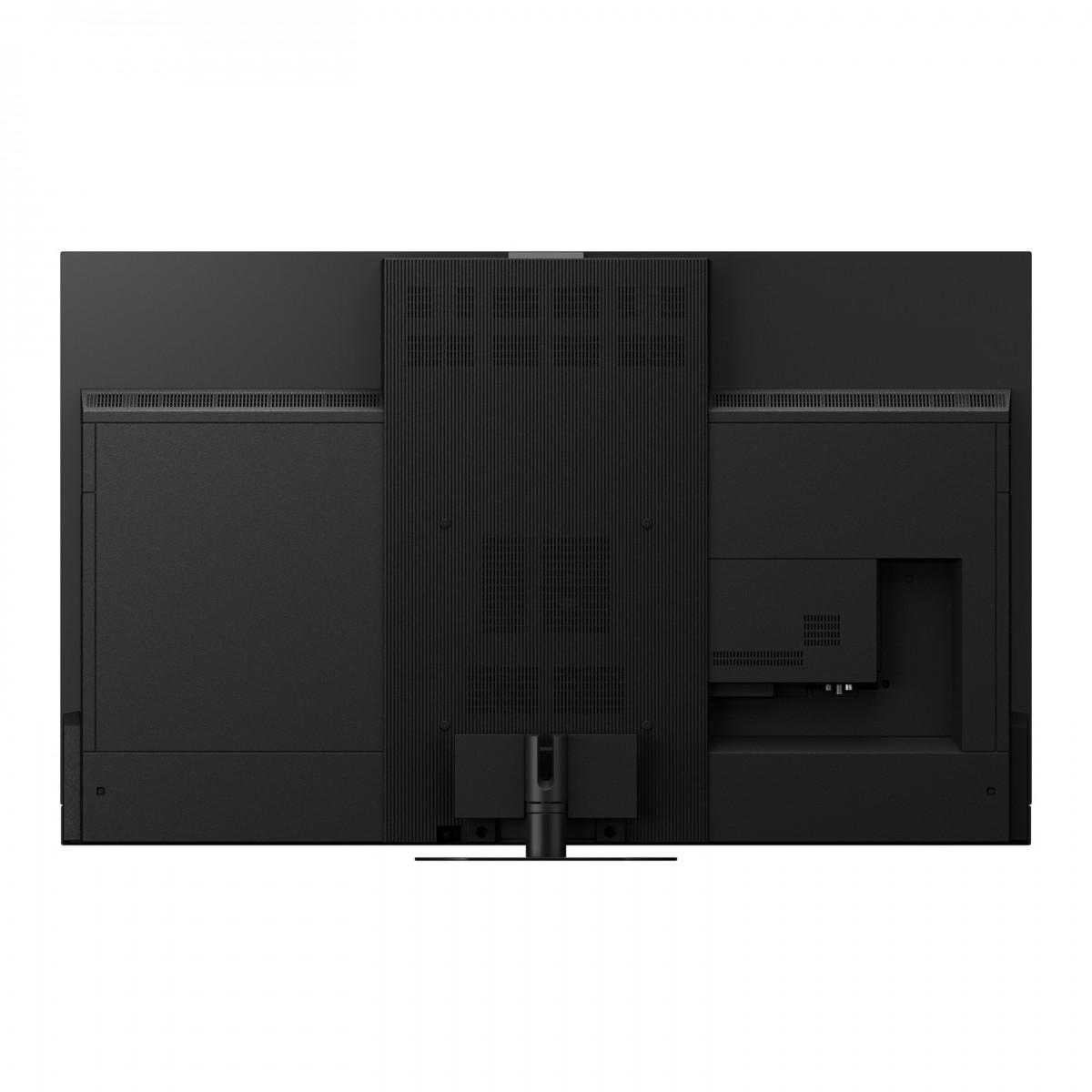
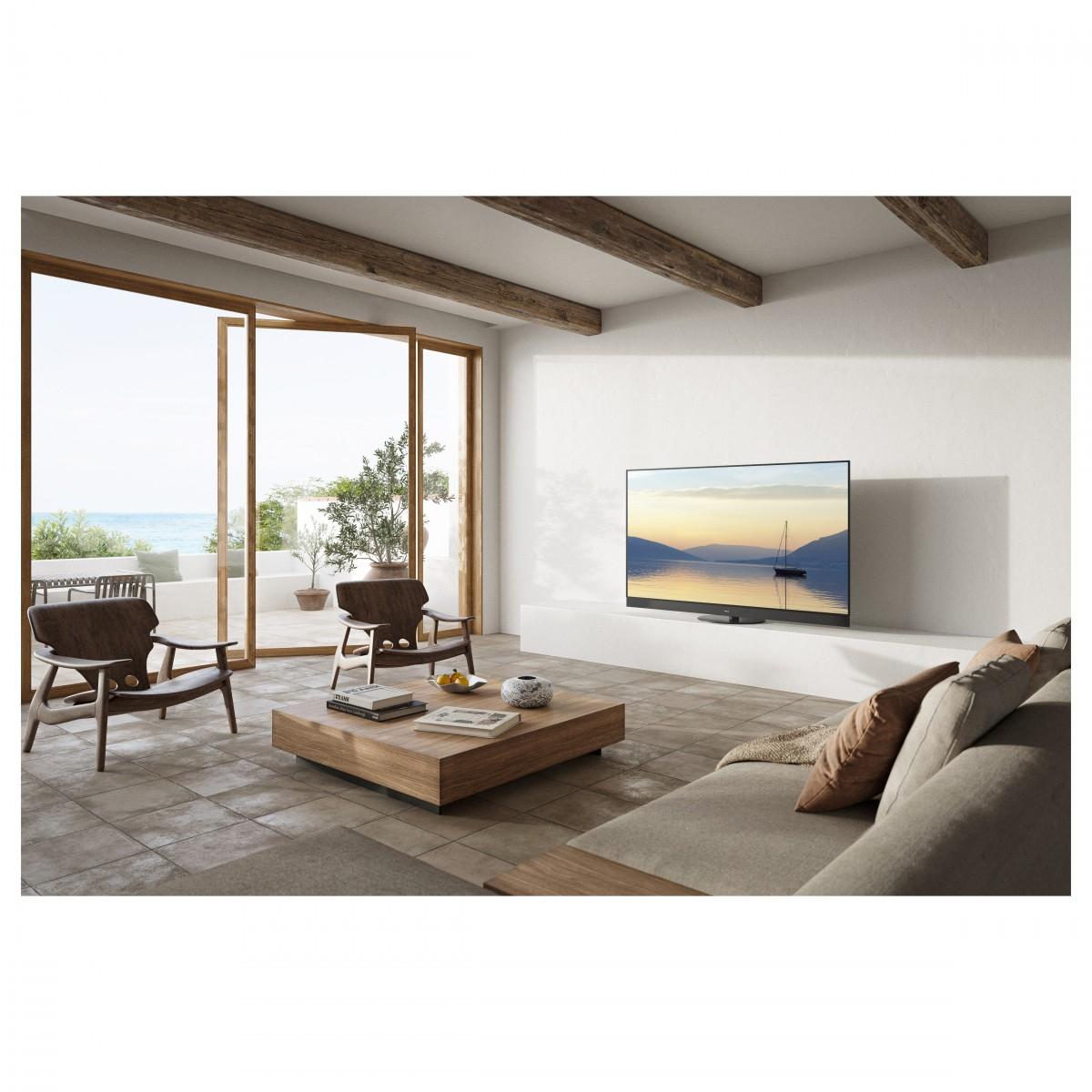
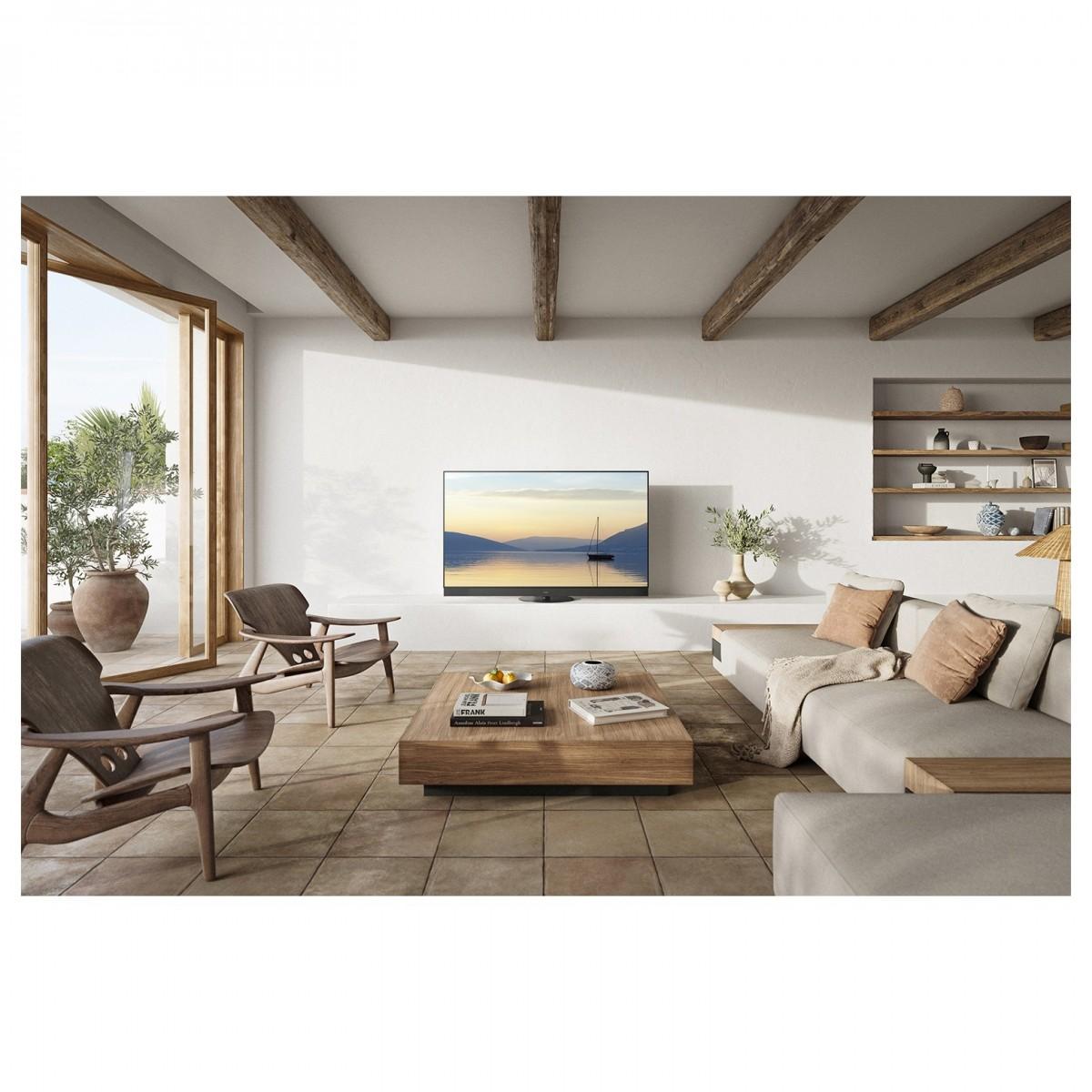
The Panasonic Z95A emphasizes understated elegance with clean lines and minimal bezels. Panasonic's reputation for build quality shows in solid construction and reliable long-term performance. The stand design provides stable support while maintaining the TV's sleek appearance.
Samsung's Samsung S90D takes a similarly minimalist approach but includes subtle design flourishes that complement modern home décor. The cable management and port accessibility receive careful attention, making installation and connection changes easier.
Both TVs wall-mount easily with standard VESA mounting patterns, and their thin profiles mean they sit close to the wall when mounted.
For dedicated home theater use, several factors become particularly important beyond basic picture quality.
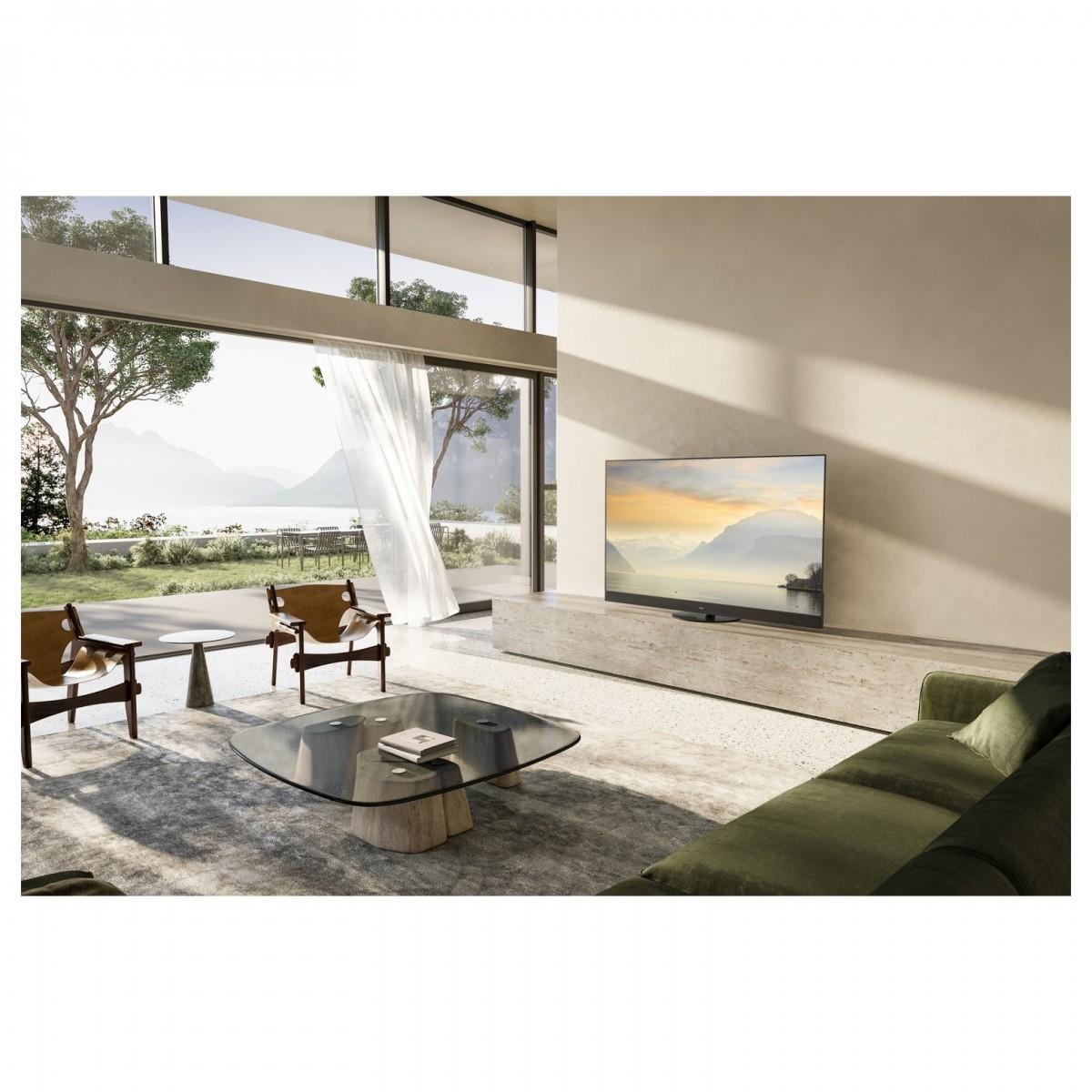
The Panasonic Z95A excels in dark room performance where its color accuracy and processing power shine brightest. Cinema Mode and Filmmaker Mode provide color-accurate reproduction that matches content creators' intentions. The ambient light sensor automatically adjusts settings as room conditions change throughout a movie.
For home theater enthusiasts who prioritize absolute accuracy, Panasonic's reputation for color processing and their professional monitor heritage provides confidence. The company's processors handle film grain and subtle details exceptionally well, preserving the cinematic experience without over-processing.
The Samsung S90D offers excellent home theater performance with some practical advantages. Higher peak brightness helps with HDR content in rooms that aren't completely dark, and the superior connectivity options accommodate complex home theater setups with multiple sources.
Both TVs handle 24p content (the frame rate used for movies) properly, eliminating the "soap opera effect" that makes films look like cheap television when handled incorrectly.
When evaluating OLED TV performance, several key metrics deserve priority:
Input lag matters enormously for gaming, with anything under 20 milliseconds considered excellent. Both TVs achieve low input lag in game mode.
Peak brightness in HDR content determines how impactful highlights appear. Higher numbers mean more dramatic HDR effects, though OLED's perfect blacks mean contrast ratios remain infinite regardless.
Color gamut coverage indicates how much of the visible color spectrum the TV can reproduce. Both TVs exceed standard television color spaces, but the Panasonic Z95A typically achieves slightly wider coverage.
Motion resolution describes how well the TV maintains detail during fast movement. Both models perform well, though their processing approaches differ.
The Samsung S90D makes sense for most buyers. Its combination of excellent picture quality, superior gaming features, competitive pricing, and practical connectivity advantages serve the broadest range of users well. Gamers particularly benefit from the multiple HDMI 2.1 ports and optimized gaming features.
Choose the Samsung S90D if you game regularly, watch TV in rooms with significant ambient light, want the best value proposition, or need extensive connectivity options. Its bright room performance and versatile feature set make it ideal for main living areas where the TV serves multiple purposes.
The Panasonic Z95A serves users who prioritize absolute picture quality and color accuracy above all else. Its cinema-focused processing and superior color handling make it ideal for dedicated home theaters and movie enthusiasts who demand professional-level accuracy.
Choose the Panasonic Z95A if you're building a dedicated home theater, prioritize movie watching over gaming, have a controlled lighting environment, or simply want the most color-accurate picture available. Its processing excellence and attention to cinematic detail justify the typical price premium for serious enthusiasts.
Both televisions represent excellent examples of modern OLED technology, but they serve slightly different audiences. The Samsung S90D offers broader appeal with its gaming focus, practical connectivity, and competitive pricing. The Panasonic Z95A caters to enthusiasts who prioritize color accuracy and cinematic reproduction above other considerations.
Consider your primary use cases, room conditions, and connected devices when making your choice. Either TV will provide years of exceptional viewing experiences - the decision comes down to which manufacturer's approach better matches your specific needs and preferences. At these performance levels, you're choosing between two excellent options rather than trying to avoid a poor one.
| Panasonic Z95A 65" OLED 4K Ultra HD Smart TV | Samsung 65" OLED S90D TV |
|---|---|
| Display Technology - Core image quality foundation | |
| OLED with micro lens array technology for enhanced brightness | Standard OLED with excellent contrast and deep blacks |
| Processor - Determines picture processing and AI capabilities | |
| HCX Pro AI Processor MKII with cinema-focused optimization | NQ4 AI Gen2 Processor with 20 specialized AI neural networks |
| Refresh Rate - Critical for gaming and smooth motion | |
| 144Hz (excellent for gaming and sports) | 144Hz with Motion Xcelerator technology |
| HDR Support - Enhanced contrast and color in compatible content | |
| HDR10, HDR10+, Dolby Vision IQ, HLG with ambient light sensor | HDR10, HDR10+, Dolby Vision, HLG with Real Depth Enhancer |
| Gaming Connectivity - Number of high-speed HDMI ports matters for multiple devices | |
| Limited HDMI 2.1 ports (typical Panasonic limitation) | 4 HDMI 2.1 ports (major connectivity advantage) |
| Smart Platform - Affects app selection and user experience | |
| Amazon Fire TV Built-in with Alexa voice control | Samsung Tizen OS with Bixby and Alexa support |
| Audio System - Built-in sound quality and surround capabilities | |
| 20W with 360° Dolby Atmos (front, up, side-firing speakers) | Dolby Atmos with Object Tracking Sound Lite |
| Color Processing - Accuracy and cinema-grade reproduction | |
| Hexa Chroma Drive with Wide Colour Gamut (superior accuracy) | Standard color processing with AI enhancement |
| Brightness Performance - Important for HDR impact and bright rooms | |
| Micro lens array enhances brightness without sacrificing blacks | Higher peak brightness, better for bright viewing environments |
| Gaming Features - Low latency and variable refresh rate support | |
| ALLM, MEMC, Game Mode optimization | ALLM, VRR, Auto Game Mode, Motion Xcelerator Turbo+ |
| Voice Control - Hands-free operation capabilities | |
| Alexa Built-in with Google Assistant compatibility | Bixby and Alexa with Samsung smart home integration |
| Best For - Target user scenarios | |
| Cinema enthusiasts, dark rooms, color accuracy priority | Gamers, bright rooms, versatile connectivity needs |
Both the Panasonic Z95A and Samsung S90D deliver exceptional OLED picture quality, but they excel in different areas. The Panasonic Z95A offers superior color accuracy and cinema-focused processing with its HCX Pro AI Processor MKII, making it ideal for movie enthusiasts. The Samsung S90D provides higher peak brightness and better performance in bright rooms, making it more versatile for various lighting conditions.
The Samsung S90D significantly outperforms the Panasonic Z95A for gaming due to its four HDMI 2.1 ports compared to Panasonic's limited port selection. Both support 144Hz refresh rates and low input lag, but the Samsung S90D offers better connectivity for multiple gaming devices, VRR support, and optimized gaming features that make it the clear choice for serious gamers.
The Panasonic Z95A runs Amazon Fire TV Built-in, which excels at content discovery and has seamless Alexa integration. The Samsung S90D uses Samsung's Tizen OS, which offers a more traditional TV interface with excellent performance and regular updates. Fire TV tends to be more content-focused, while Tizen provides a cleaner, more organized experience with broader smart home integration options.
Both TVs excel in home theater environments, but serve different priorities. The Panasonic Z95A is superior for dedicated dark room theaters due to its exceptional color accuracy, cinema-focused processing, and Filmmaker Mode support. The Samsung S90D works well in home theaters but also adapts better to multi-purpose rooms with its higher brightness and superior connectivity for multiple devices.
The Samsung S90D typically offers better overall value due to its lower price point while delivering competitive picture quality, superior gaming features, and more HDMI 2.1 ports. The Panasonic Z95A commands a premium for its cinema-grade color processing, which justifies the cost for movie enthusiasts but may not be worth the extra expense for general viewing.
The Panasonic Z95A features a more sophisticated audio system with 360-degree Dolby Atmos using front, upward, and side-firing speakers. The Samsung S90D includes Dolby Atmos with Object Tracking Sound Lite technology. Both provide decent built-in audio, but the Panasonic Z95A offers a more immersive sound experience, though neither replaces a dedicated sound system for serious home theater use.
Both TVs support all major HDR formats, but with different strengths. The Panasonic Z95A excels with Dolby Vision IQ, which uses ambient light sensors to automatically optimize HDR based on room conditions. The Samsung S90D offers higher peak brightness for more impactful HDR highlights. For dark room viewing, choose the Panasonic Z95A; for bright rooms, the Samsung S90D performs better.
The biggest difference is HDMI 2.1 port availability. The Samsung S90D provides four HDMI 2.1 ports, allowing multiple high-bandwidth devices like gaming consoles, streaming devices, and sound systems. The Panasonic Z95A typically has fewer HDMI 2.1 ports, which can limit connectivity flexibility but may not matter if you have fewer devices to connect.
The Samsung S90D performs better in bright environments due to its higher peak brightness capabilities and optimized processing for various lighting conditions. While the Panasonic Z95A includes Dolby Vision IQ for ambient light adjustment, the Samsung's inherently brighter panel makes it more suitable for rooms with significant natural light or overhead lighting.
Both TVs handle motion exceptionally well with their 144Hz refresh rates. The Samsung S90D uses Motion Xcelerator technology, while the Panasonic Z95A employs MEMC processing. For sports viewing, both deliver smooth motion, but the Samsung S90D may have a slight edge in bright room conditions where sports are often watched.
Panasonic has a strong reputation for build quality and long-term reliability, particularly in professional markets. The Panasonic Z95A benefits from this heritage with solid construction and consistent performance over time. Samsung also offers reliable products with good warranty support. Both manufacturers provide regular software updates, but Panasonic traditionally focuses more on color stability over the TV's lifespan.
Choose the Panasonic Z95A if you prioritize color accuracy, have a dedicated dark viewing room, primarily watch movies, and don't need extensive gaming connectivity. Select the Samsung S90D if you want better value, game regularly, watch TV in bright rooms, or need multiple HDMI 2.1 ports. The Samsung S90D serves most users better due to its versatility and competitive pricing, while the Panasonic Z95A excels for cinema enthusiasts willing to pay for ultimate color accuracy.
We've done our best to create useful and informative comparisons to help you decide what product to buy. Our research uses advanced automated methods to create this comparison and perfection is not possible - please contact us for corrections or questions. These are the sites we've researched in the creation of this article: youtube.com - youtube.com - whathifi.com - tomsguide.com - shop.panasonic.com - store.in.panasonic.com - rtings.com - applianceplus.co.nz - rtings.com - store.in.panasonic.com - samsung.com - bestbuy.com - valueelectronics.com - youtube.com - cnet.com - bestbuy.com - videoandaudiocenter.com - youtube.com - samsung.com - samsung.com - pcrichard.com - samsung.com

Privacy Policy
Terms and Conditions - Affiliate Policy
Home Security
© Copyright 2008-2026.
11816 Inwood Rd #1211, Dallas, TX 75244