

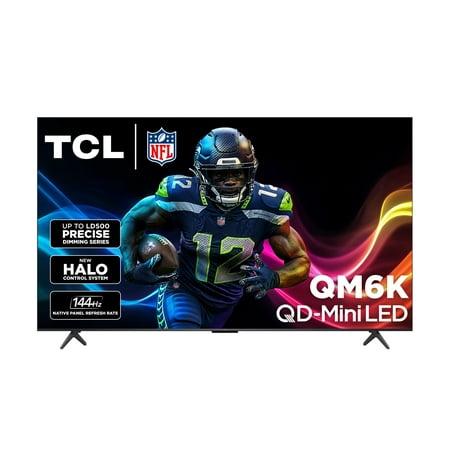
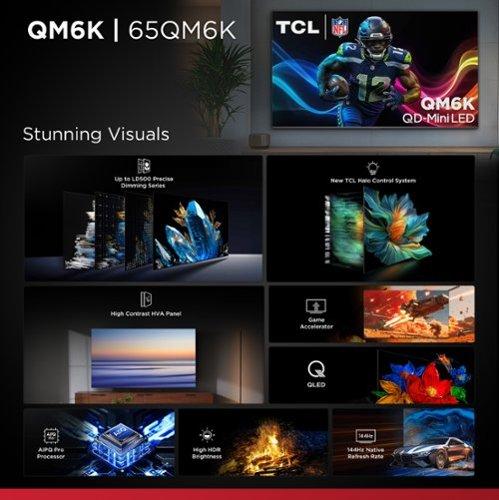
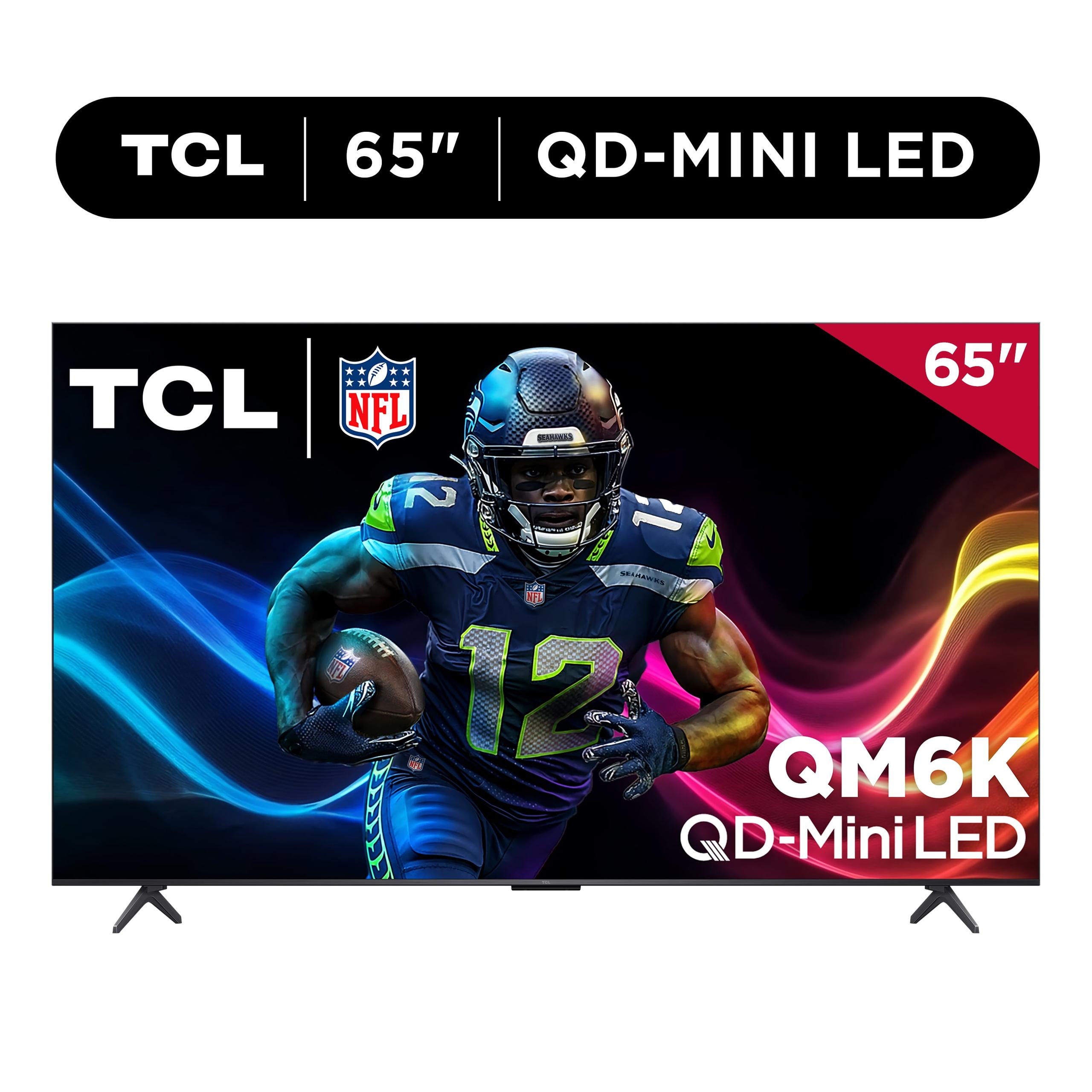
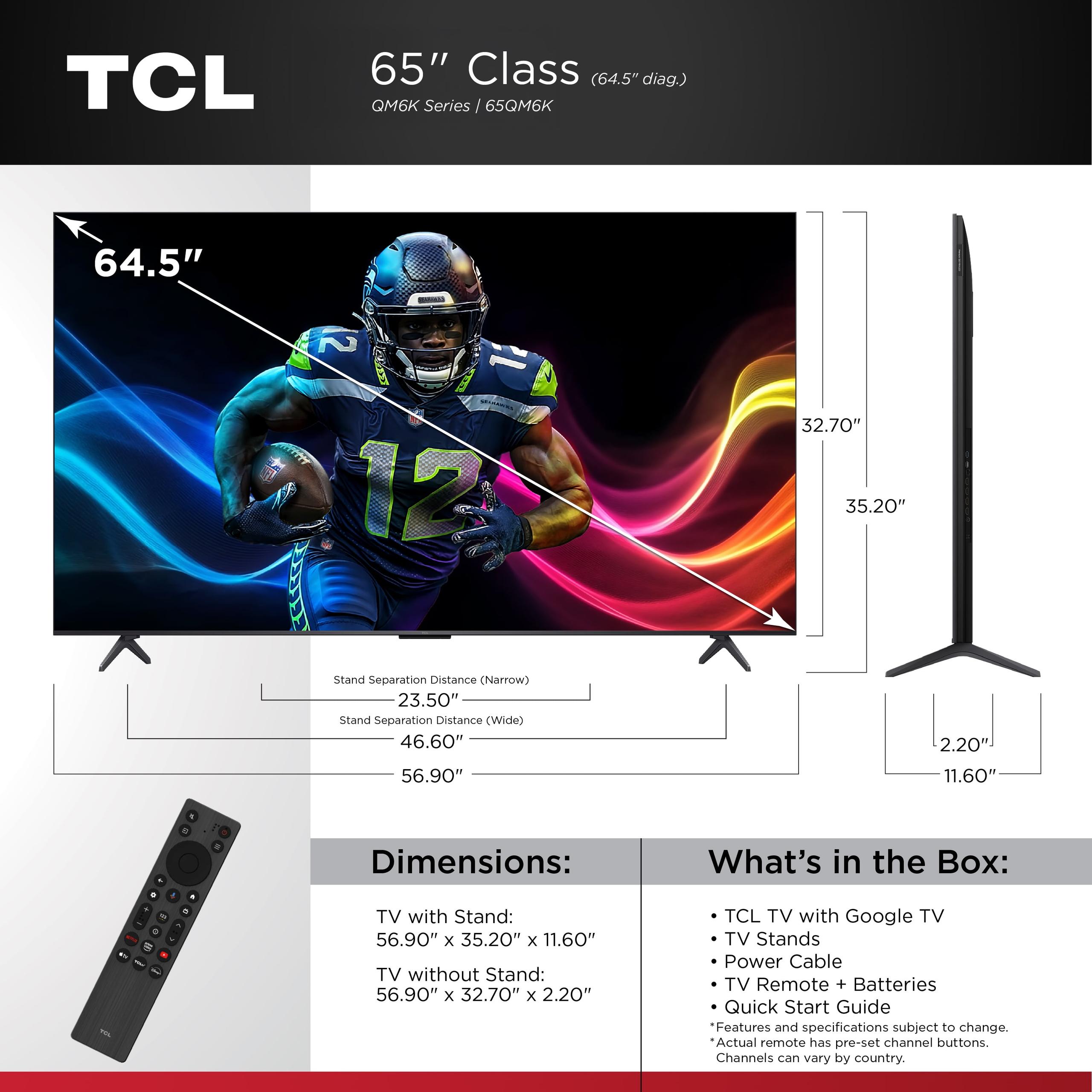
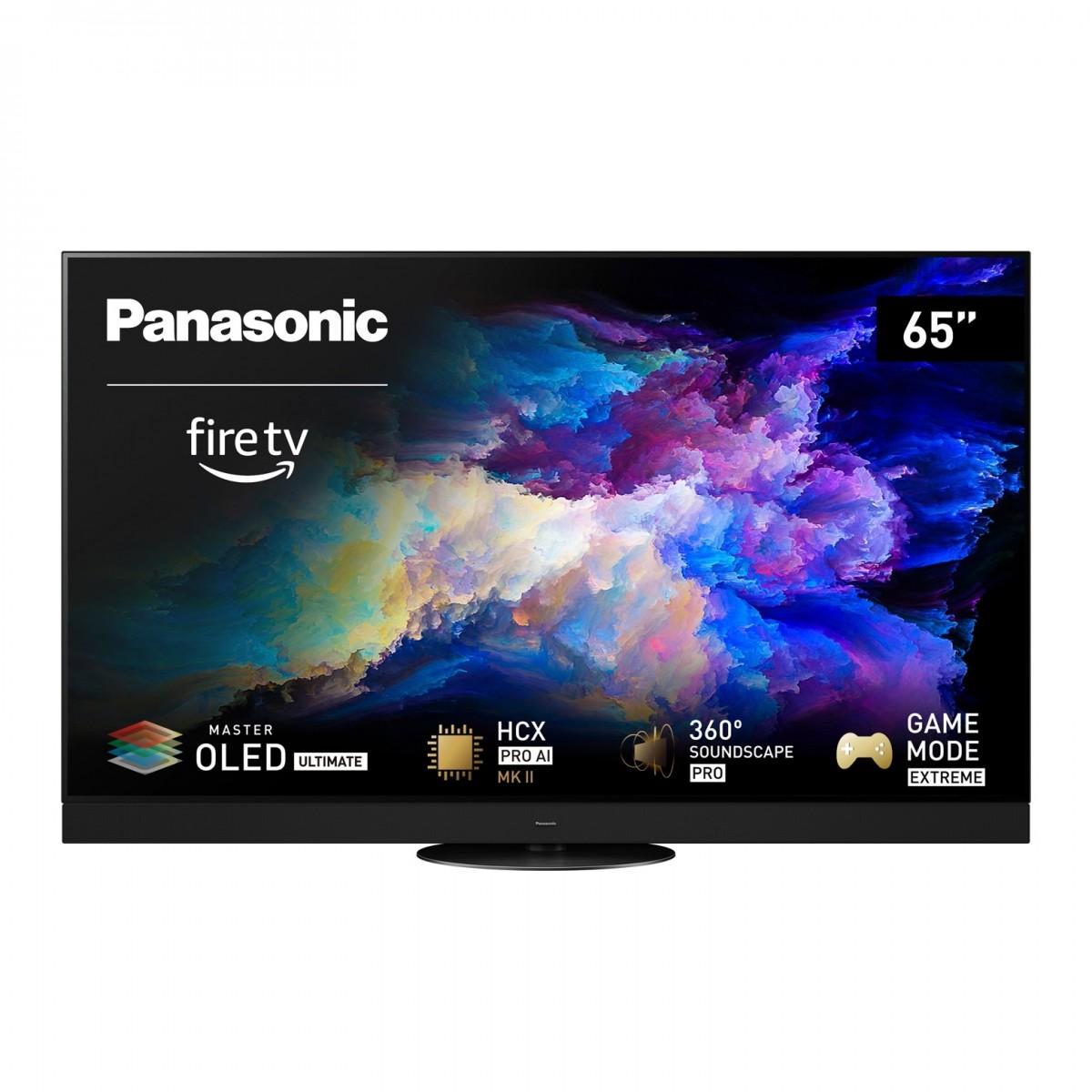
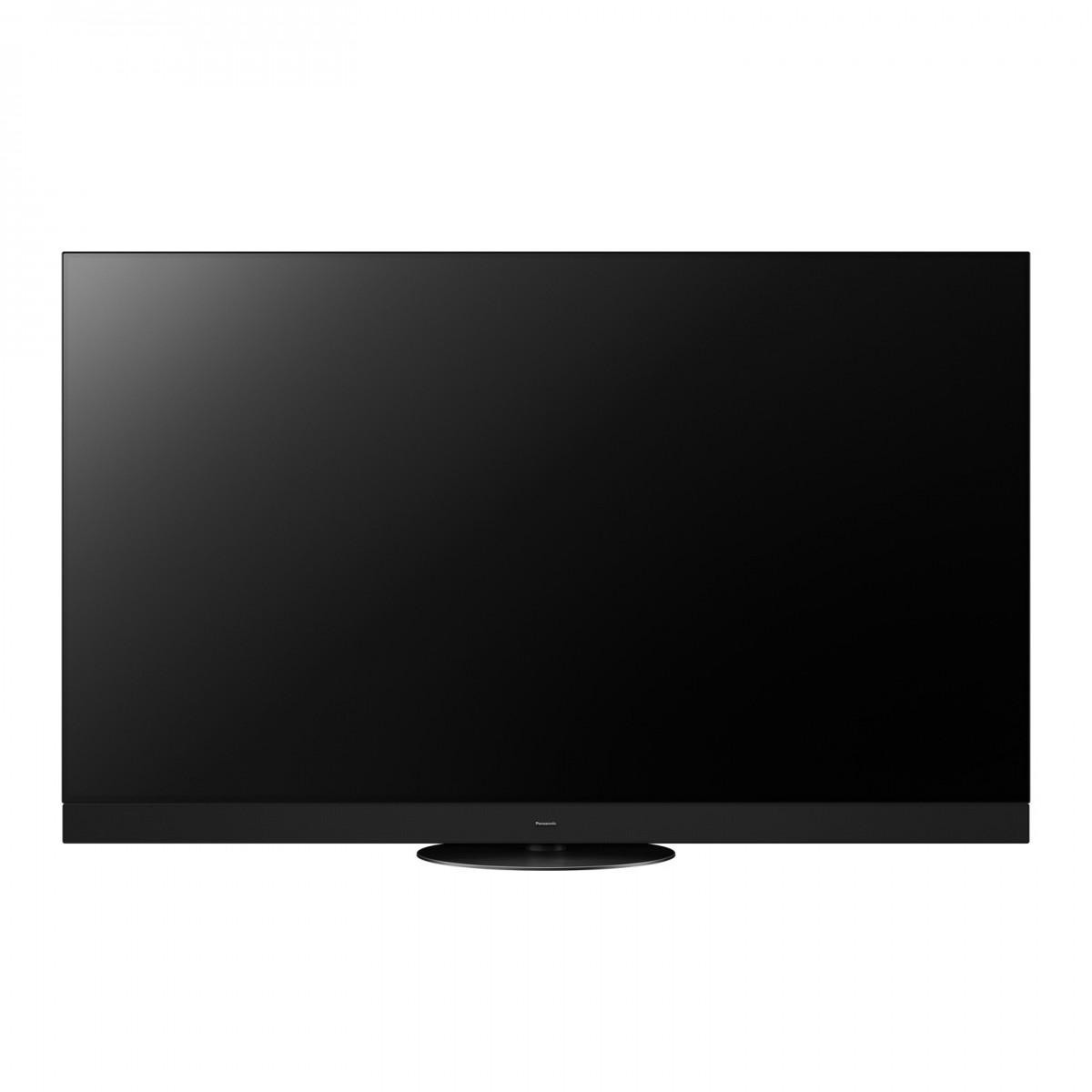
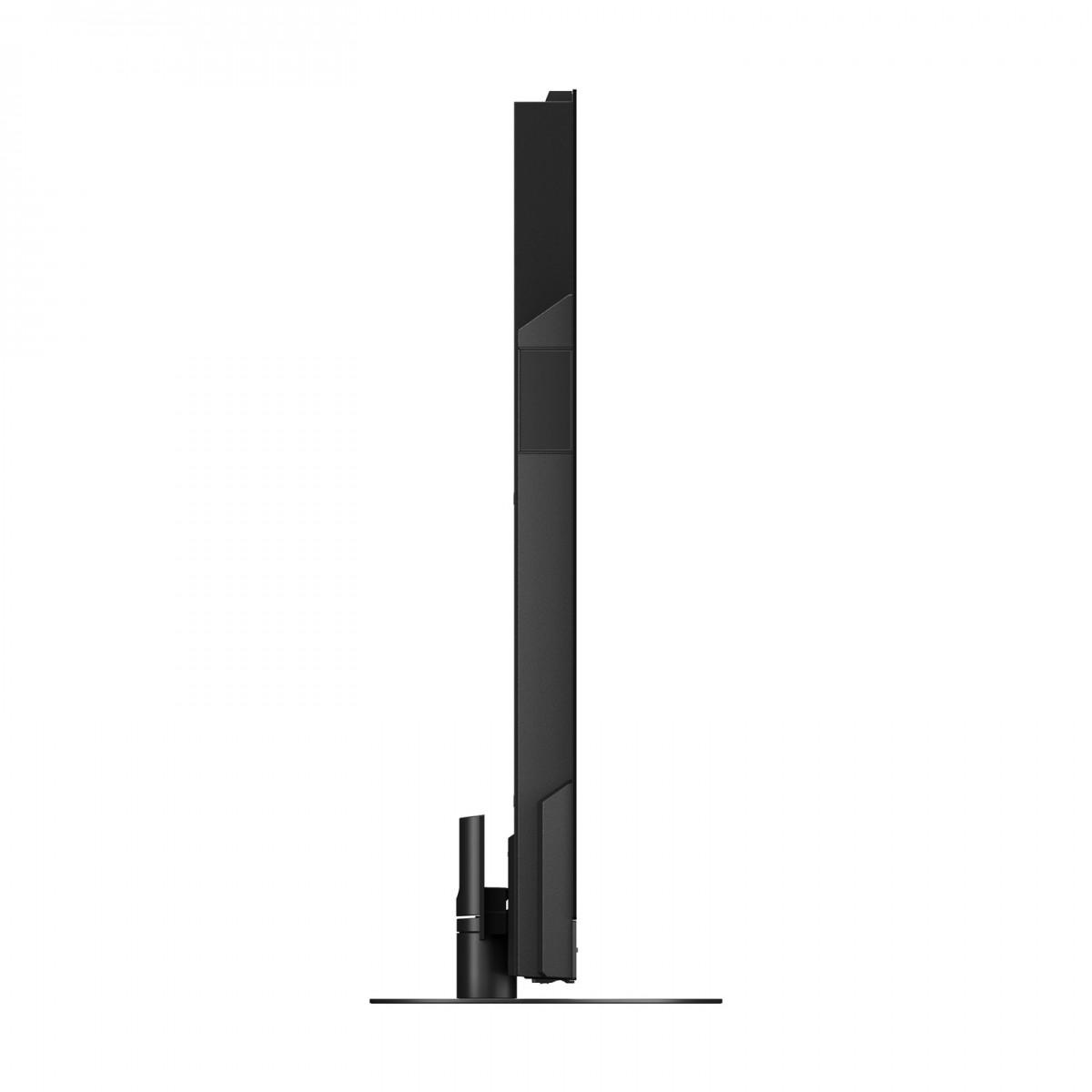
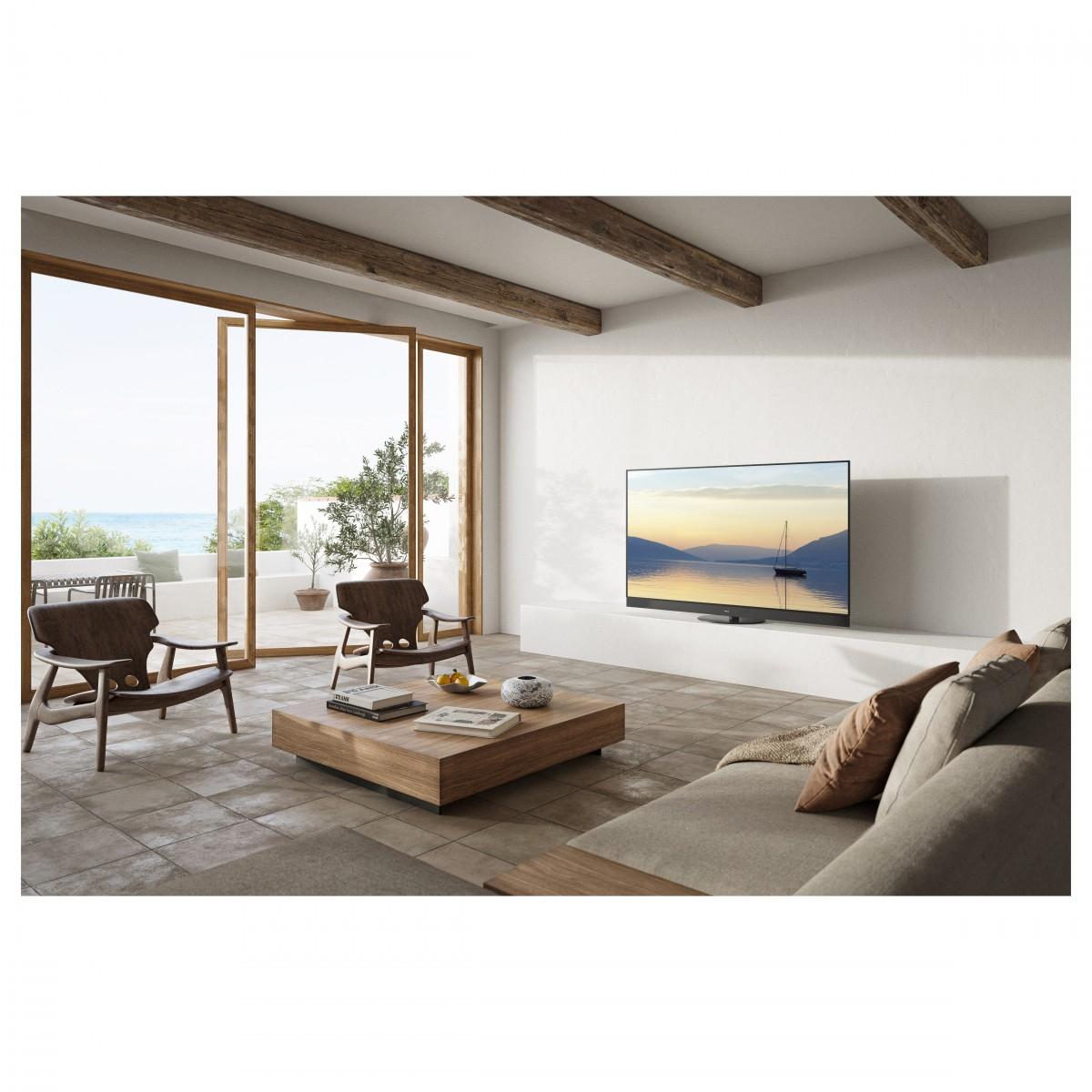
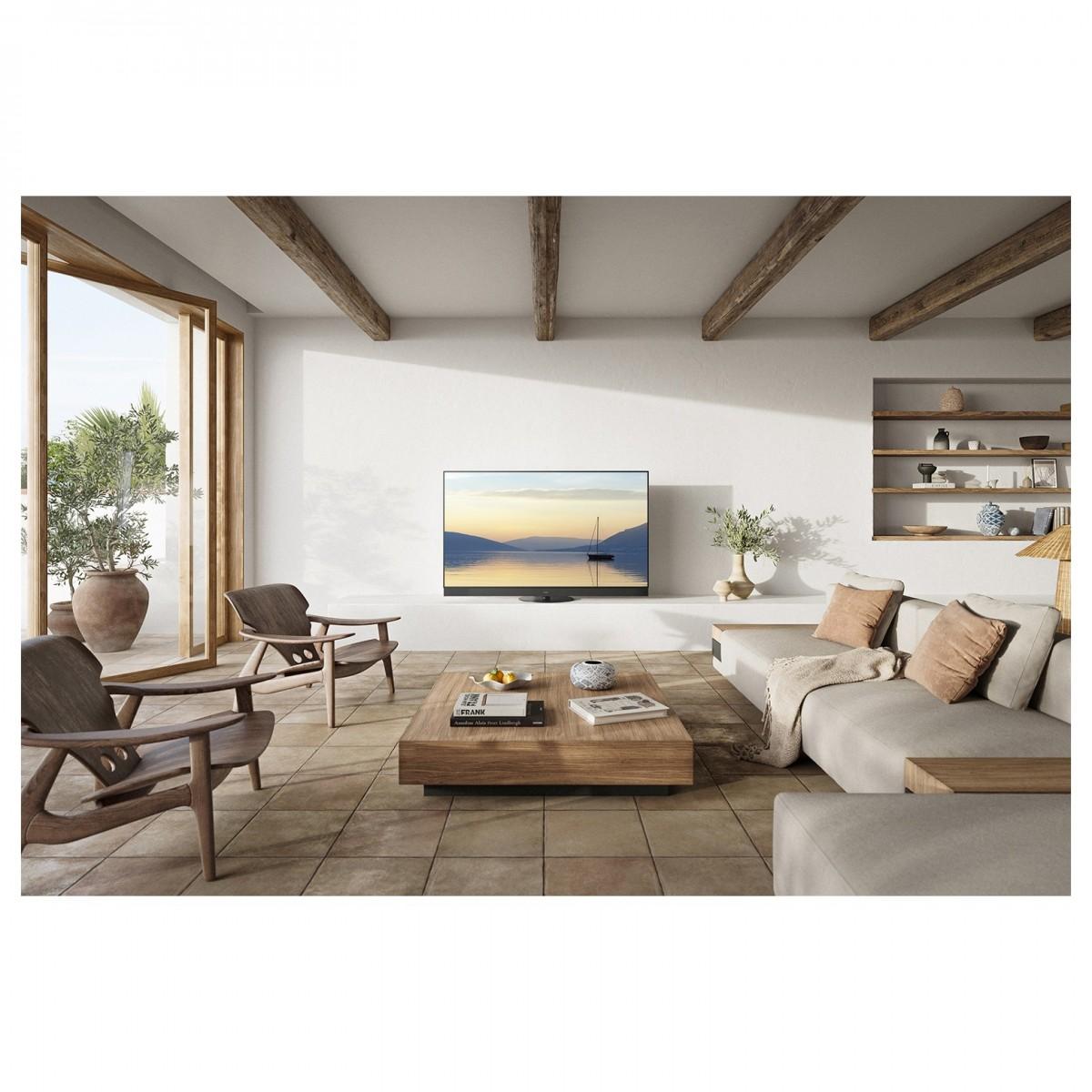
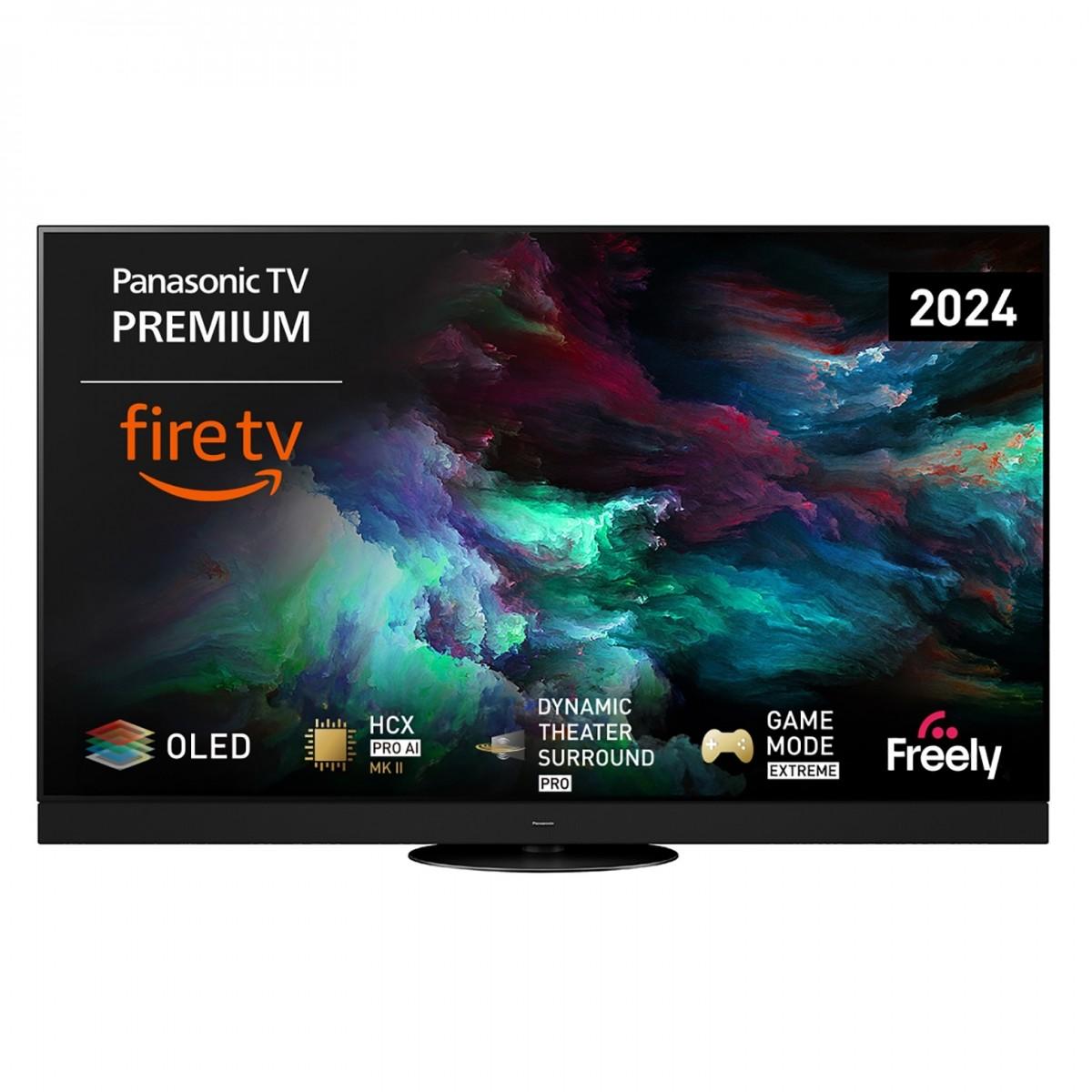
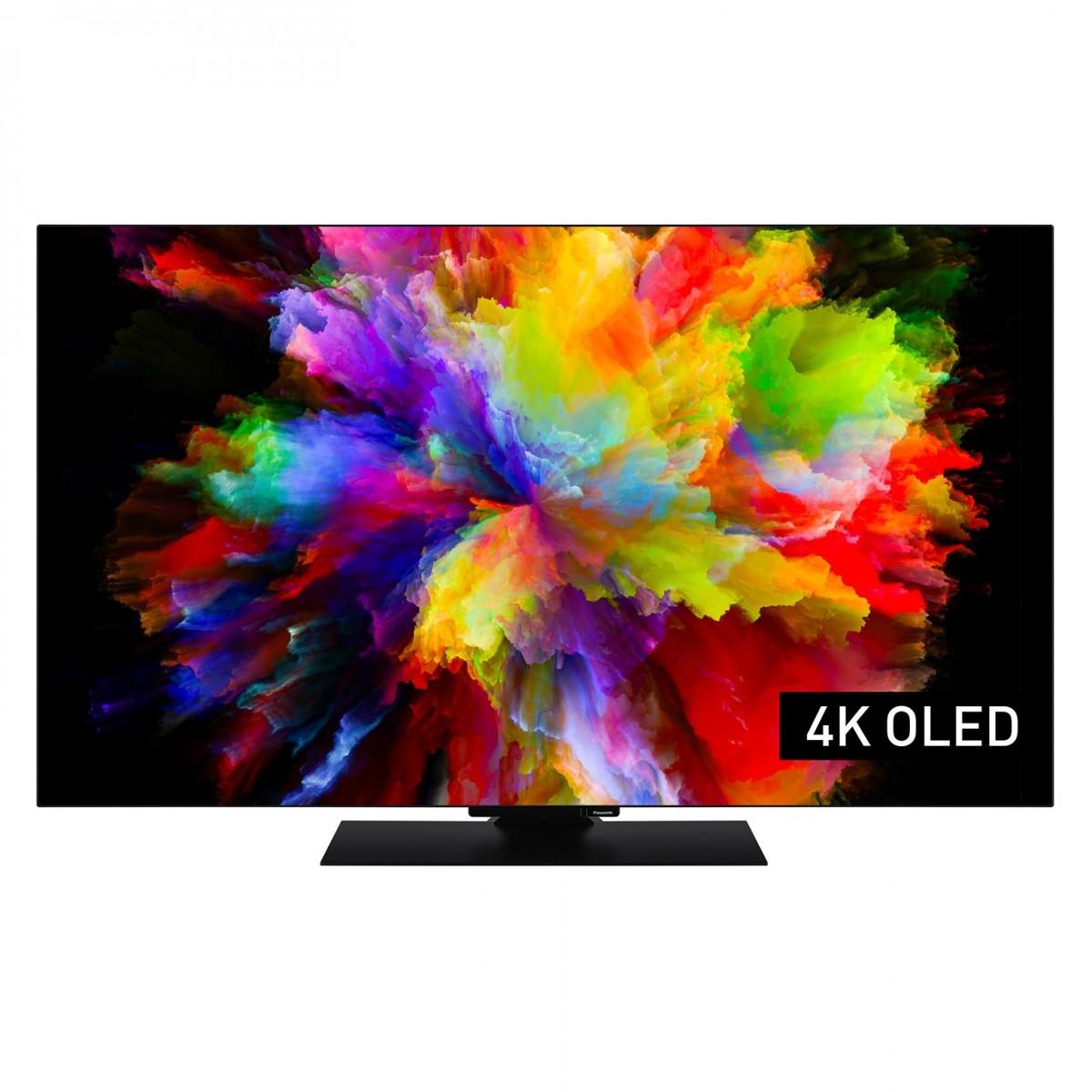
When shopping for a premium 65-inch TV, you're essentially choosing between two fundamentally different display technologies that each have passionate supporters. The Panasonic Z95A OLED represents the pinnacle of OLED technology with its cinema-grade picture quality, while the TCL QM6K QD-Mini LED brings high-end features to a much more accessible price point. Both TVs launched in different years—the Panasonic in late 2023 and the TCL in early 2025—which gives us a perfect snapshot of how TV technology has evolved and where the value lies today.
Understanding these two approaches isn't just about specs on paper. It's about how different display technologies affect your actual viewing experience, from the inky blacks of your favorite sci-fi movie to the vibrant colors of a nature documentary to the smooth motion of fast-paced gaming.
OLED technology is fundamentally different from traditional TVs because each individual pixel produces its own light. Think of it like having 8.3 million tiny light bulbs (one for each pixel in a 4K display) that can turn on, off, or dim independently. When a pixel needs to be black, it simply turns off completely—no light, no glow, just pure black.
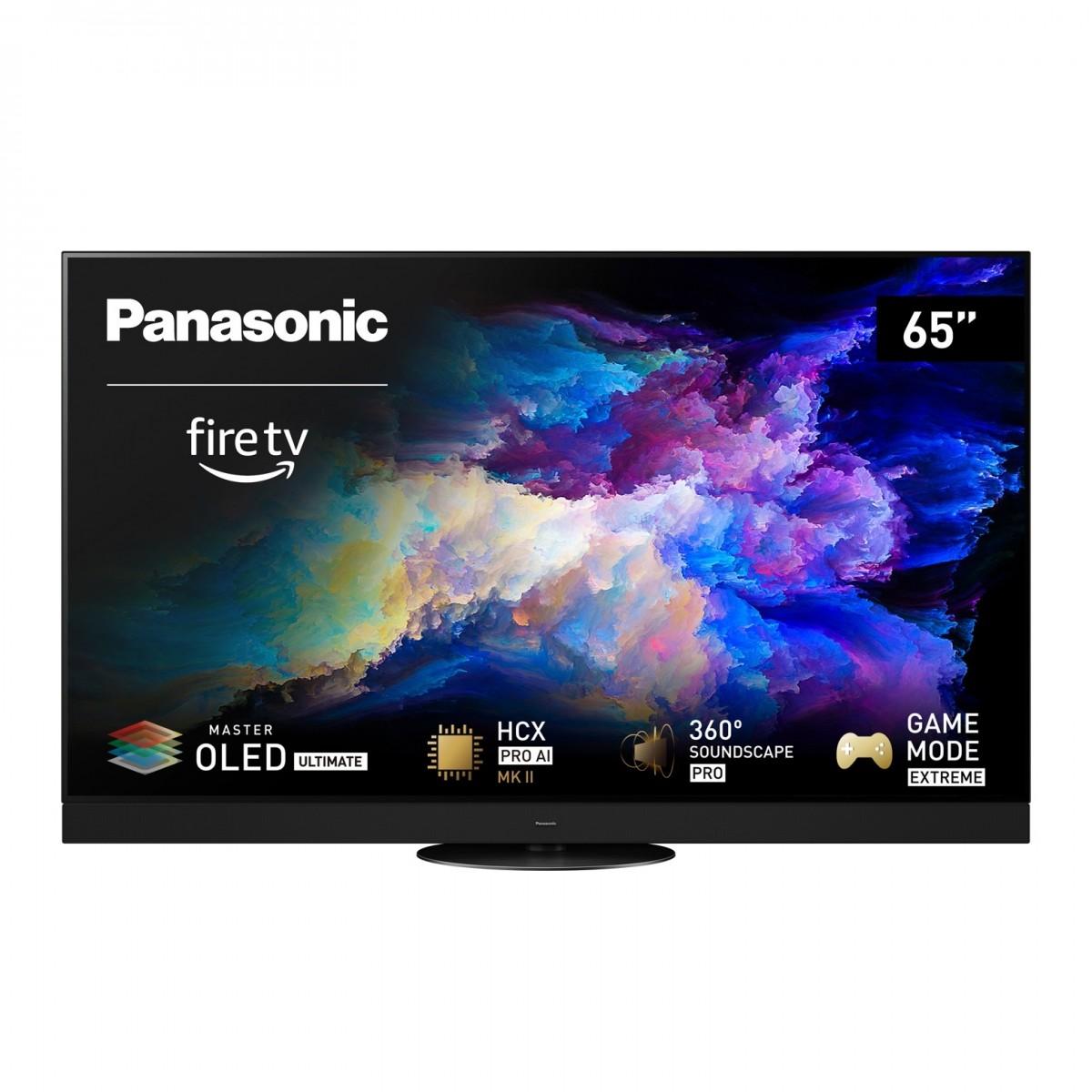
The Panasonic Z95A takes this concept further with what they call "micro lens array technology." Essentially, Panasonic has added tiny lenses in front of each OLED pixel to focus and direct the light more efficiently. This addresses one of OLED's traditional weaknesses: brightness. While OLEDs have always excelled at contrast and color accuracy, they've historically been dimmer than LED-based TVs, making them less ideal for bright rooms.
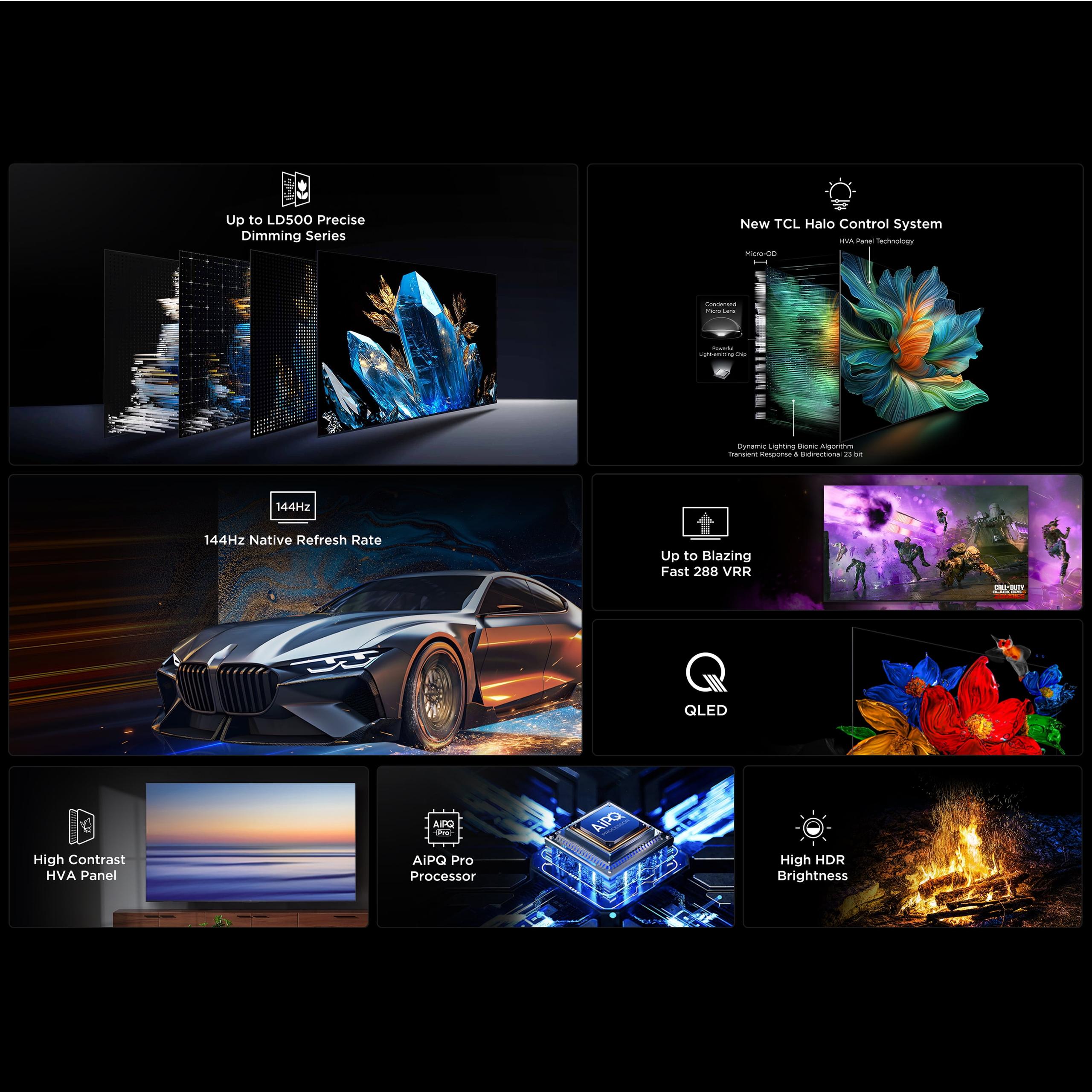
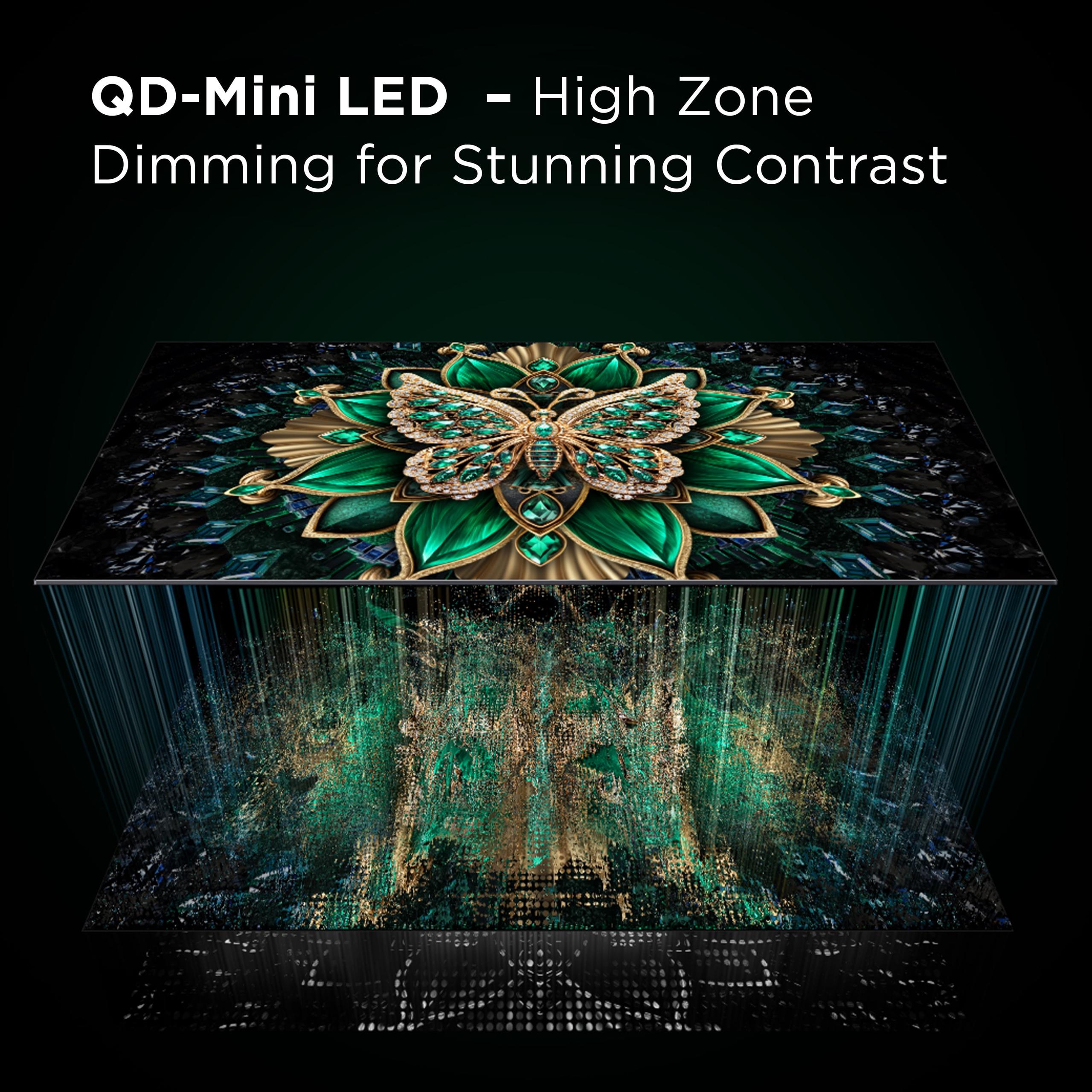
The TCL QM6K uses QD-Mini LED technology, which sounds complicated but is actually a clever combination of two innovations. First, "Mini LED" refers to using thousands of tiny LED lights as the backlight instead of larger, fewer LEDs. These mini LEDs can be controlled in zones—the TCL has up to 500 zones—allowing for much more precise control over which parts of the screen are bright or dark.
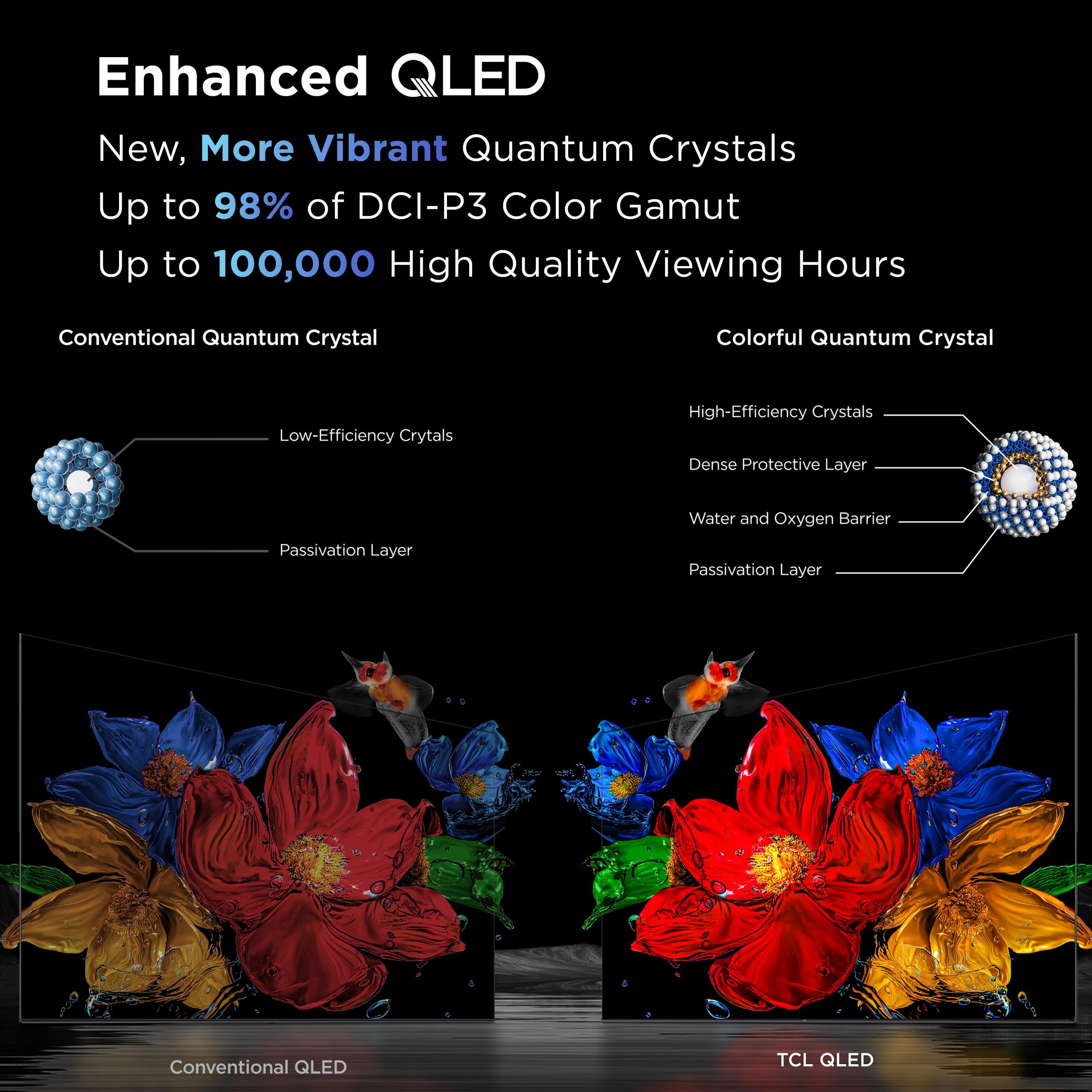
The "QD" part stands for Quantum Dot, a layer of microscopic crystals that converts blue LED light into highly saturated red and green colors. When combined with the original blue light, you get incredibly vibrant colors that can exceed what most people can even perceive.
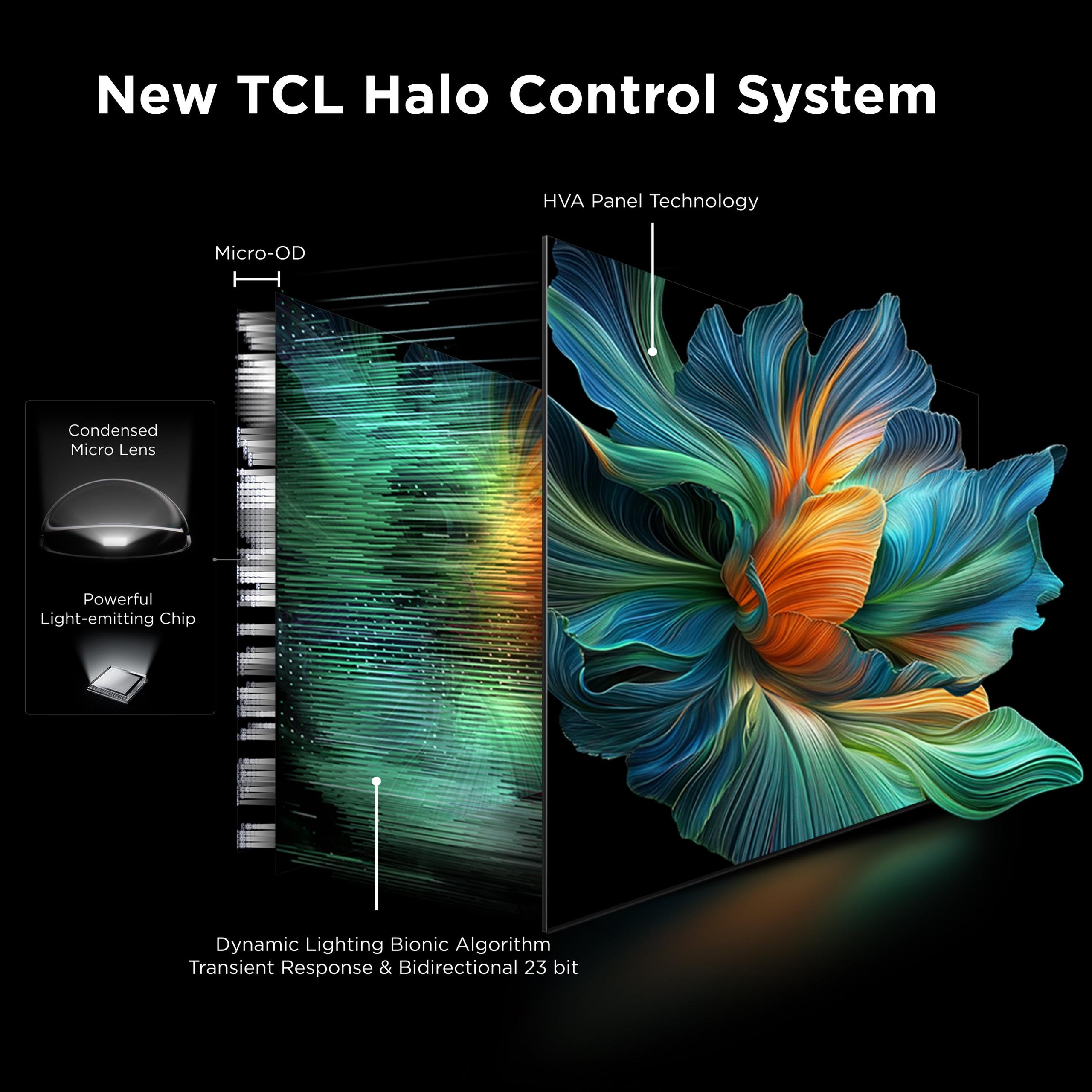
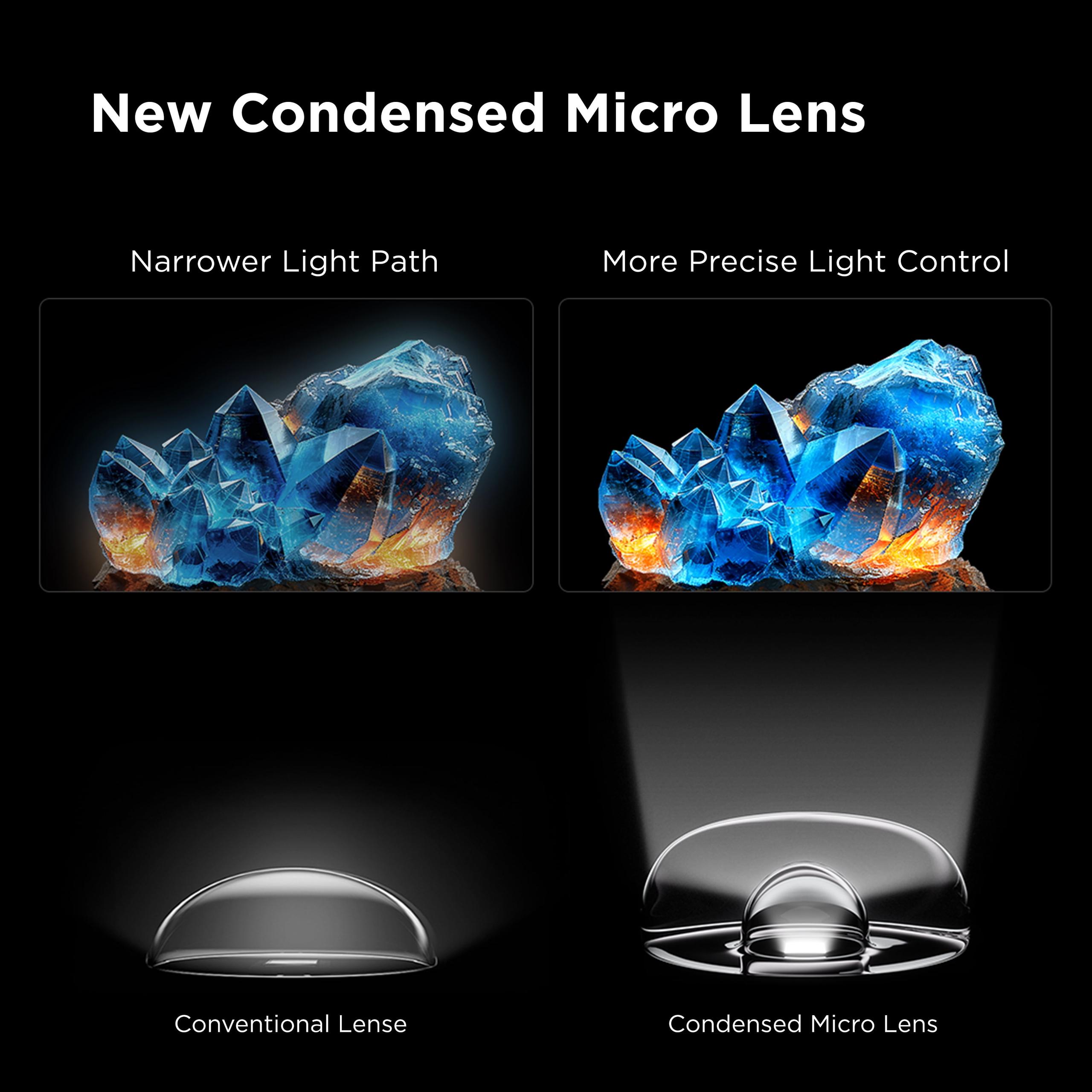
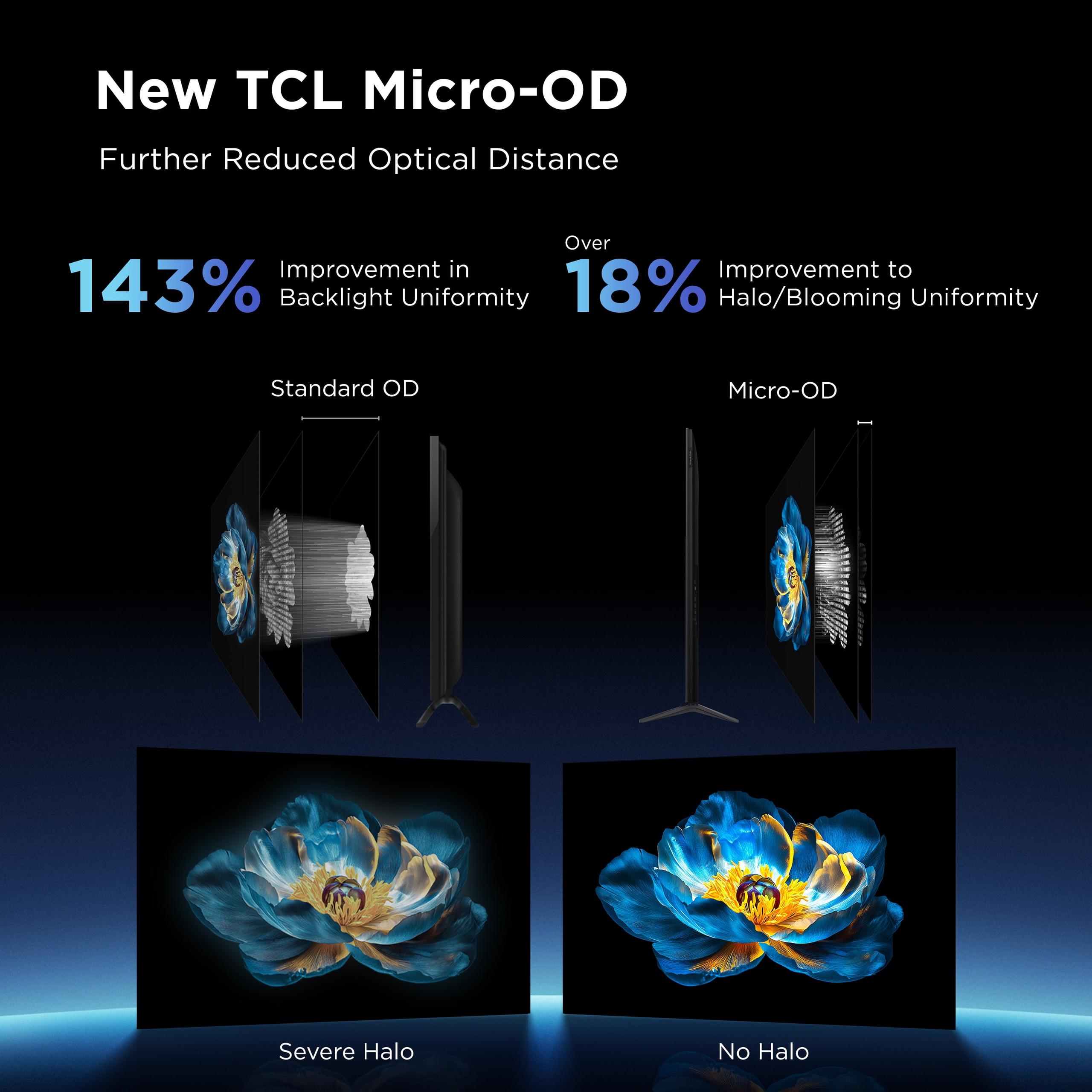
TCL's implementation includes what they call their "Halo Control System," which uses something called Micro OD (Optical Distance) technology. This reduces the physical distance between the backlight and the LCD panel, which helps minimize "blooming"—that annoying glow you sometimes see around bright objects on dark backgrounds.
Here's where the Panasonic OLED absolutely dominates. Because OLED pixels can turn completely off, you get what's called "infinite contrast ratio"—the difference between the brightest white and darkest black is theoretically unlimited. In practical terms, this means when you're watching a movie with a dark scene, like the space sequences in Interstellar, the black areas of the screen are truly black, not the dark gray you get with most TVs.
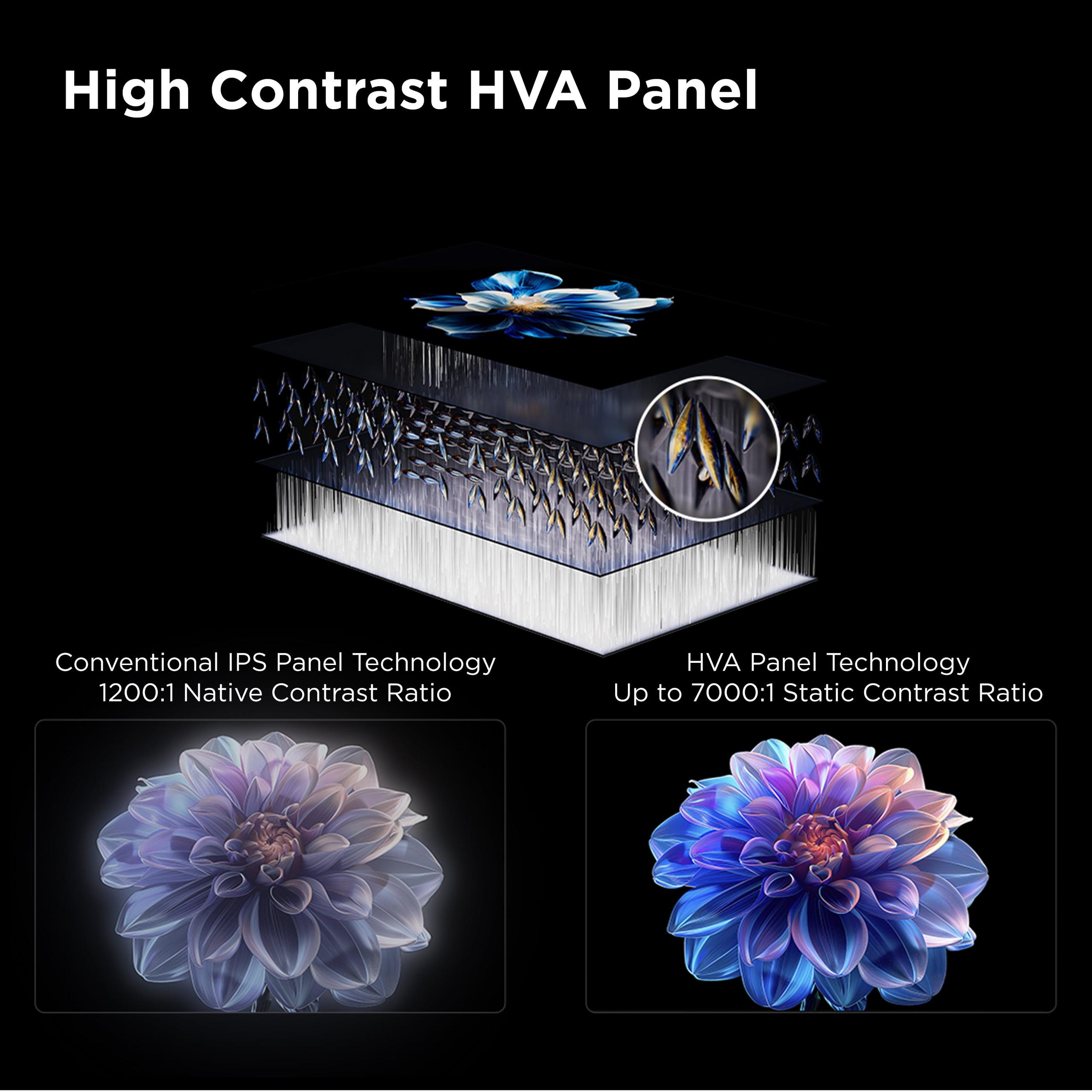
The TCL QM6K fights back admirably with its 500 local dimming zones. Each zone can dim independently, so when there's a bright star against the black of space, the TV can keep that tiny area bright while dimming the surrounding zones to near-black. It's impressive technology, but it's still not true black—there's always some light leaking through the LCD panel.
From our research into user experiences and expert reviews, the difference is most noticeable in dark room viewing. If you've got a dedicated home theater setup with controlled lighting, the OLED's perfect blacks create a more immersive experience. However, in a typical living room with some ambient light, the difference becomes less dramatic.
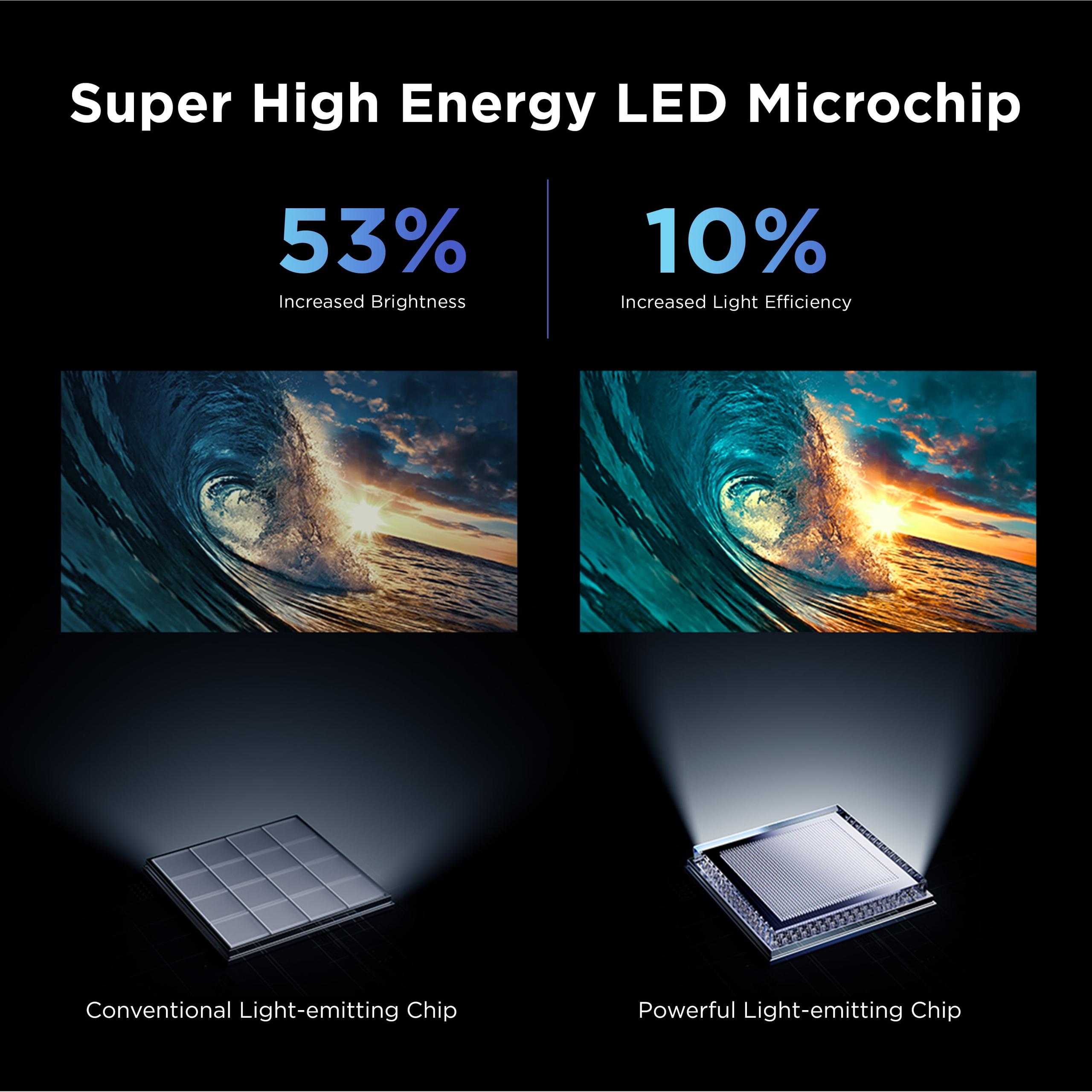
Peak brightness is where the TCL QM6K takes its revenge. TCL's new Super High Energy LED Chip technology delivers significantly more brightness than the Panasonic OLED—we're talking about the difference between comfortably viewing HDR content in a bright room versus having to dim the lights to get the full effect.
This matters more than you might think. HDR (High Dynamic Range) content is designed to use a wide range of brightness levels to create more realistic images. A bright explosion in an action movie should actually be bright enough to make you squint slightly—that's part of the intended experience. The TCL can deliver these peak brightness levels even with ambient light in the room, while the Panasonic, despite its micro lens improvements, requires more controlled lighting to show HDR at its best.
Both TVs excel at color, but in different ways. The Panasonic OLED focuses on accuracy—colors that match what filmmakers intended when they graded their movies in professional studios. Panasonic's Hexa Chroma Drive technology and HCX Pro AI Processor MKII work together to analyze incoming content and adjust colors frame by frame. If you're watching a nature documentary, skin tones look natural, and sunset colors appear as they would in real life.
The TCL QM6K takes a more vibrant approach with its quantum dot layer. Colors pop with intensity that can be genuinely stunning, especially with animated content or sports broadcasts. However, this enhanced saturation can sometimes make content look artificially vivid compared to the filmmaker's original intent.
Neither approach is inherently better—it depends on your preferences. Cinema purists often prefer OLED's accuracy, while those who want their TV to impress guests often gravitate toward the QD-Mini LED's more dramatic presentation.
Gaming has become a crucial consideration for TV buyers, even those who don't consider themselves serious gamers. Both TVs support modern gaming features, but they take different approaches.
The TCL QM6K has a significant advantage with its 144Hz native refresh rate compared to the Panasonic OLED's 120Hz. More importantly, TCL's Game Accelerator 288 technology can support variable refresh rates up to 288Hz when connected to a capable PC graphics card. This means smoother motion in fast-paced games and the ability to take full advantage of high-end gaming hardware.
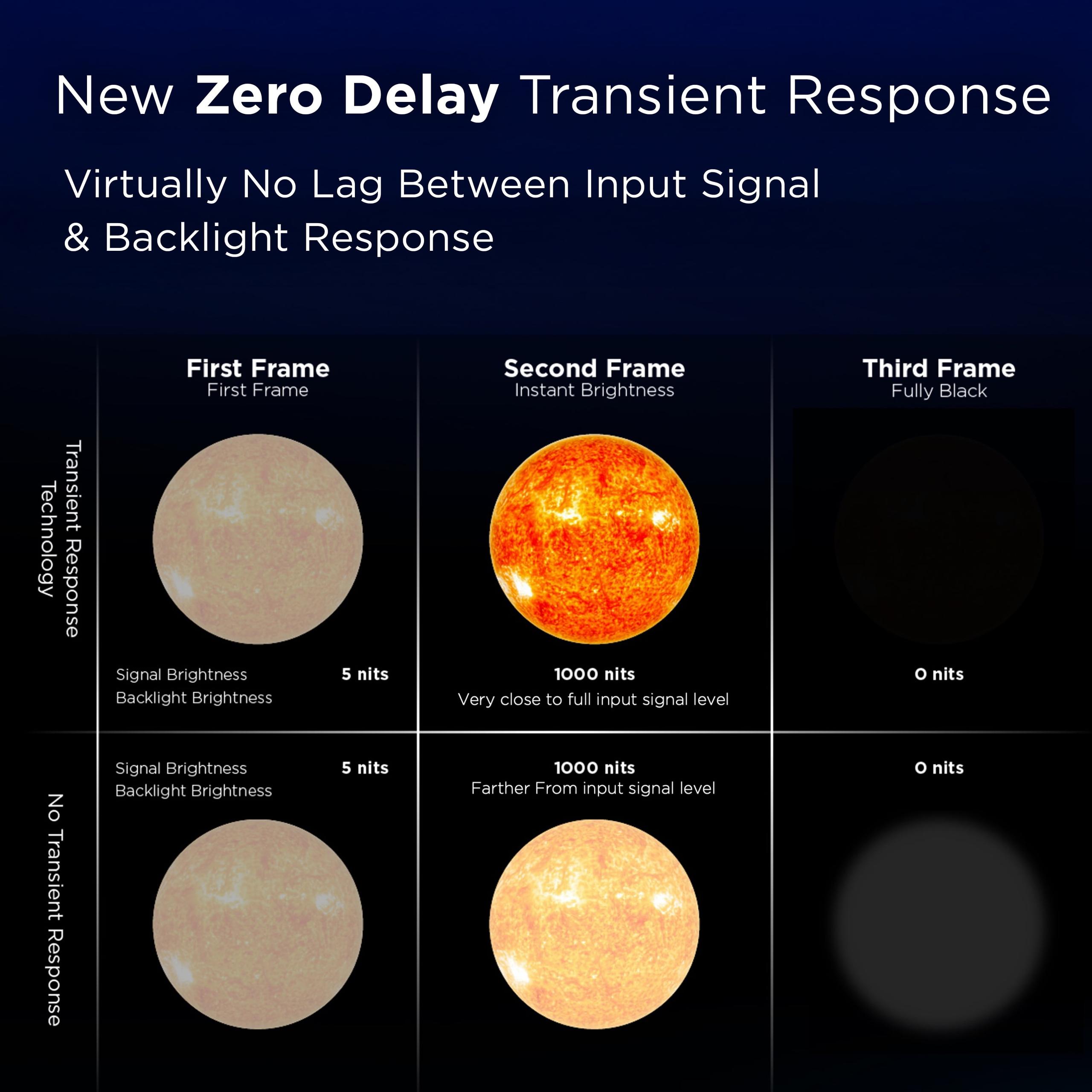
However, the Panasonic OLED has an inherent advantage in response time—how quickly pixels can change from one color to another. OLED pixels respond almost instantaneously, eliminating motion blur that can occur with LCD-based displays like the TCL. In competitive gaming where every millisecond counts, this can make a noticeable difference.
Both TVs feature Auto Low Latency Mode (ALLM), which automatically switches to game mode when it detects a gaming console or PC. Based on expert reviews and user feedback, both achieve impressively low input lag—the delay between pressing a button and seeing the action on screen.
The TCL QM6K includes FreeSync Premium Pro support, which eliminates screen tearing and stuttering when gaming with compatible graphics cards. It also has dedicated gaming features built into its interface, making it easier to optimize settings for different game types.
This is where the TCL QM6K pulls ahead significantly. Its Google TV platform provides access to virtually every streaming service you can think of, with regular updates and new features being added consistently. The interface is intuitive, and voice control through Google Assistant works reliably for everything from finding content to controlling smart home devices.
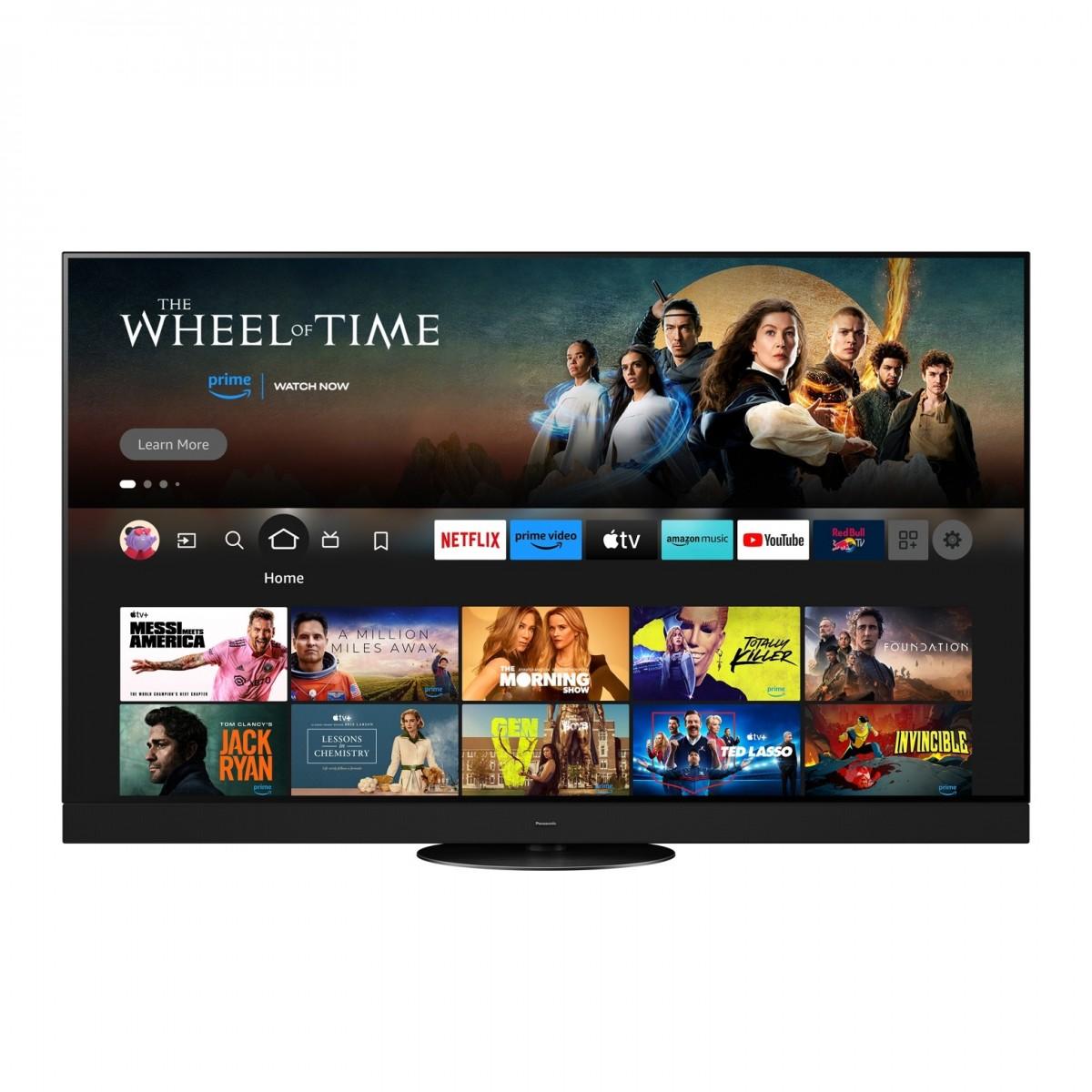
The Panasonic OLED's MyHome Screen platform, while functional, feels more limited. It has the essential streaming apps, but the overall ecosystem isn't as robust. This might not matter if you primarily use external devices like an Apple TV or gaming console for smart features, but it's worth considering for convenience.
Both TVs support major voice assistants, but the TCL's deeper Google integration makes it more responsive to natural language commands.
Built-in TV audio has improved dramatically in recent years, and both TVs show this evolution. The TCL QM6K includes a 2.1 channel Onkyo speaker system with a built-in subwoofer, delivering noticeably better bass response than typical TV speakers. It's actually good enough that casual viewers might not feel the need for a separate sound system.
The Panasonic OLED has a more basic 20W speaker system, though it does support Dolby Atmos processing. While adequate for regular viewing, serious movie watching will likely require external speakers or a soundbar.
For dedicated home theater setups, this difference matters less since you'll probably be using a separate audio system anyway. But for everyday use, the TCL's superior built-in audio is a real advantage.
At the time of writing, these TVs represent very different value propositions. The Panasonic OLED commands a significant premium—nearly three times the price of the TCL QM6K. This price difference reflects both the cost of OLED manufacturing and Panasonic's positioning as a premium brand.
The question isn't whether the Panasonic is better—in many ways, it objectively is. The question is whether those improvements justify the substantial price difference for your specific needs and viewing environment.
If you're building a dedicated home theater with controlled lighting, comfortable seating, and a focus on movie watching, the Panasonic OLED makes a compelling case despite its higher price. The perfect blacks create a more immersive experience when watching films, especially darker content like Blade Runner 2049 or The Batman. The color accuracy ensures you're seeing movies as directors intended.
However, most people aren't setting up dedicated theaters. They're putting a TV in a living room that serves multiple purposes—watching movies, playing games, background viewing during social gatherings, and streaming content throughout the day. In these scenarios, the TCL QM6K's brightness advantage and superior smart features often provide better day-to-day satisfaction.
You're primarily focused on picture quality above all else and have the budget to prioritize this. If you watch a lot of movies, especially in darker genres, and can control your viewing environment's lighting, the OLED's perfect blacks create an unmatched viewing experience. This TV is ideal for film enthusiasts who appreciate color accuracy and don't mind paying extra for the best possible picture.
The Panasonic also makes sense if you already have a robust external audio system and streaming devices, negating some of its weaker smart features and audio capabilities.
Value is a primary concern, but you still want premium features and performance. This TV delivers about 80% of a premium TV's capabilities at roughly 35% of the price, making it an exceptional value proposition. It's perfect for gamers who want high refresh rates, families who need a TV bright enough for daytime viewing, and anyone who wants impressive built-in smart features without additional devices.
The TCL is also the better choice if your TV will serve multiple purposes in a social living space rather than a dedicated viewing environment.
Since the Panasonic OLED launched in 2023, OLED technology has continued maturing with better brightness and reduced burn-in concerns. The TCL QM6K, launching in 2025, represents the latest evolution of Mini LED technology, with significantly improved local dimming and brightness efficiency compared to earlier generations.
This timing difference is important—the TCL benefits from two additional years of technological development, which helps explain how it can offer so many premium features at a lower price point.
Both TVs represent excellent choices within their respective philosophies. The Panasonic OLED is the choice for uncompromising picture quality, while the TCL QM6K is the choice for maximum value and versatility.
If you can afford the Panasonic and primarily use your TV for movie watching in a controlled environment, its superior picture quality justifies the premium. However, for most buyers, the TCL delivers exceptional performance across all use cases at a price that makes premium TV features accessible to a much broader audience.
The decision ultimately comes down to your priorities: absolute picture quality versus comprehensive value and versatility. Both approaches are valid, and both TVs execute their respective visions exceptionally well.
| Panasonic Z95A 65" OLED | TCL 65" QM6K QD-Mini LED |
|---|---|
| Display Technology - Fundamentally affects picture quality and viewing experience | |
| OLED with micro lens array (each pixel is self-emitting) | QD-Mini LED with 500 local dimming zones |
| Black Levels - Critical for dark room viewing and contrast | |
| Perfect blacks (infinite contrast ratio) | Deep blacks but not absolute due to backlight |
| Peak Brightness - Essential for HDR performance and bright room viewing | |
| Moderate brightness (~800-1000 nits) enhanced by micro lens | High brightness (1000+ nits) with Super High Energy LED Chip |
| Refresh Rate - Important for gaming and fast motion content | |
| 120Hz with standard VRR support | 144Hz native with Game Accelerator 288 (up to 288Hz VRR) |
| Color Technology - Affects color accuracy and vibrancy | |
| Hexa Chroma Drive for cinema-grade accuracy | Enhanced QLED with quantum dots for vibrant colors |
| Smart Platform - Determines app availability and user experience | |
| MyHome Screen (limited app selection) | Google TV (extensive app library with regular updates) |
| Audio System - Built-in sound quality matters for casual viewing | |
| 20W basic speaker system with Dolby Atmos | 2.1 channel Onkyo system with subwoofer (40W total) |
| Gaming Features - Relevant for console and PC gaming | |
| ALLM, Game Mode, standard gaming features | ALLM, Auto Game Mode, FreeSync Premium Pro |
| HDR Support - Critical for premium content viewing | |
| HDR10, HDR10+, Dolby Vision, HLG | HDR10, HDR10+, Dolby Vision IQ, HLG |
| Motion Processing - Affects sports and action content clarity | |
| HCX Pro AI Processor with near-instant pixel response | Motion Rate 480 with advanced motion interpolation |
| Connectivity - Future-proofing and device compatibility | |
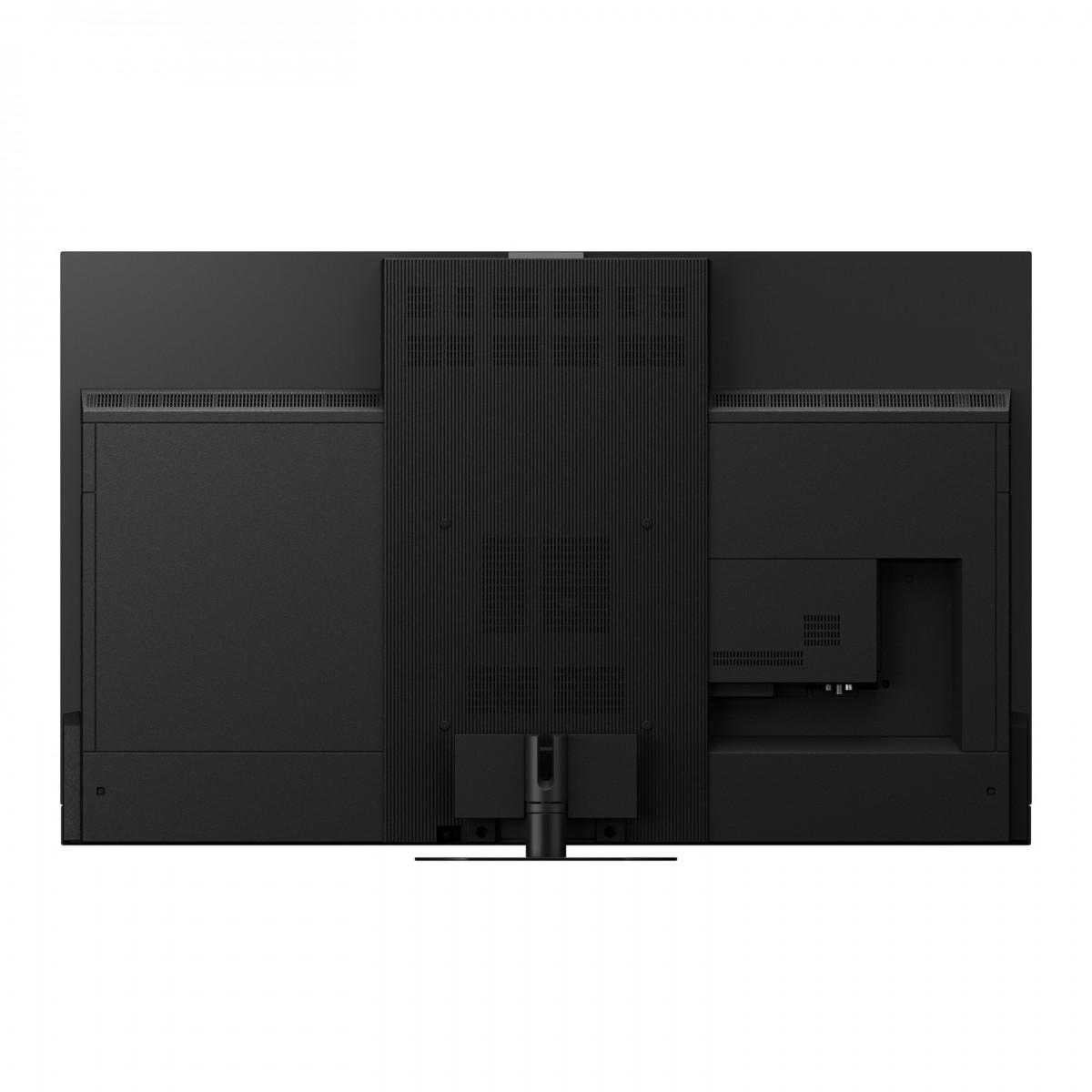
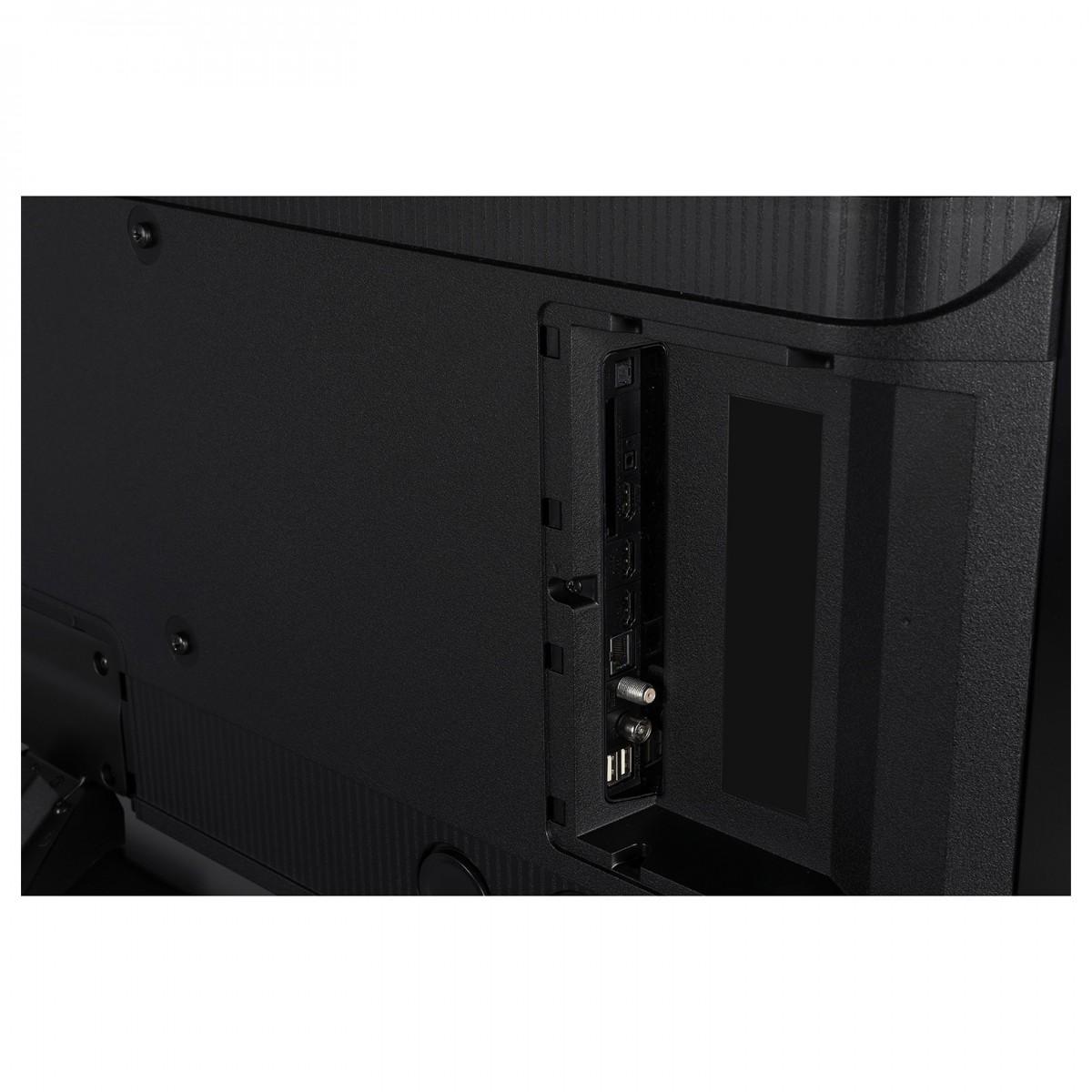
| Standard HDMI 2.1 with eARC | 4 HDMI ports with eARC, Wi-Fi 6 support |
| Price Category - Value proposition and market positioning | |
| Premium pricing (3x higher cost) | Exceptional value (premium features at mainstream price) |
| Best For - Target user and use case | |
| Dark room movie watching, color accuracy priority | Bright rooms, gaming, all-around family use |
The Panasonic Z95A OLED delivers superior picture quality for movies, especially in dark room environments. Its OLED technology produces perfect blacks and infinite contrast, creating a more cinematic experience. The micro lens array technology enhances brightness while maintaining OLED's natural color accuracy. However, the TCL QM6K QD-Mini LED offers excellent picture quality at a lower price point, with vibrant colors from its quantum dot technology and impressive brightness for well-lit rooms.
The TCL QM6K QD-Mini LED is better for bright rooms due to its superior peak brightness capabilities. The Super High Energy LED Chip technology delivers significantly more brightness than the Panasonic Z95A OLED, making HDR content more visible in daylight conditions. While the Panasonic's micro lens array improves OLED brightness, it still requires more controlled lighting to achieve optimal viewing quality.
Both TVs excel at gaming, but serve different needs. The TCL QM6K QD-Mini LED offers advantages for PC gaming with its 144Hz native refresh rate and Game Accelerator 288 supporting up to 288Hz VRR. It also includes FreeSync Premium Pro. The Panasonic Z95A OLED provides near-instant pixel response times eliminating motion blur, making it excellent for competitive console gaming. Both support 4K/120Hz and have low input lag.
The TCL QM6K QD-Mini LED has significantly better smart features with Google TV, offering extensive app selection, regular updates, and superior voice control integration. The Panasonic Z95A OLED uses MyHome Screen platform, which is functional but more limited in app availability and ecosystem features. For users who rely heavily on built-in smart features, the TCL provides a more comprehensive experience.
The TCL QM6K QD-Mini LED has superior built-in audio with its 2.1 channel Onkyo speaker system including a built-in subwoofer, delivering better bass response and overall sound quality. The Panasonic Z95A OLED features a basic 20W speaker system with Dolby Atmos support, which is adequate but less impressive. For users planning to use external audio systems, this difference becomes less important.
The Panasonic Z95A OLED has perfect black levels because OLED pixels can turn completely off, creating infinite contrast ratio. This results in true blacks without any light bleed. The TCL QM6K QD-Mini LED achieves impressive blacks for LED technology using 500 local dimming zones, but cannot match OLED's absolute blacks due to inherent backlight characteristics. The difference is most noticeable in dark room viewing.
The TCL QM6K QD-Mini LED offers exceptional value, delivering approximately 80% of premium TV performance while costing significantly less than the Panasonic Z95A OLED. The TCL includes premium features like 144Hz refresh rate, extensive smart platform, and superior built-in audio. The Panasonic justifies its higher price with superior picture quality and build quality, but the TCL provides better features-per-dollar for most buyers.
The Panasonic Z95A OLED has potential for burn-in with static content, though modern OLEDs have significantly improved with better pixel management and automatic maintenance features. The TCL QM6K QD-Mini LED has no burn-in concerns due to its LED-based technology. For users who display static content frequently (news channels, gaming HUDs), the TCL offers peace of mind regarding long-term durability.
For dedicated home theater environments with controlled lighting, the Panasonic Z95A OLED provides the superior experience with perfect blacks, accurate colors, and cinematic picture quality that matches professional standards. However, the TCL QM6K QD-Mini LED works excellently in multi-purpose rooms and offers better built-in audio, reducing the need for immediate sound system upgrades. The choice depends on your theater setup and budget priorities.
Both TVs support comprehensive HDR formats including HDR10, HDR10+, and Dolby Vision. The TCL QM6K QD-Mini LED includes Dolby Vision IQ and can display brighter HDR highlights due to higher peak brightness. The Panasonic Z95A OLED excels at HDR tone mapping and shadow detail due to its perfect blacks and accurate color reproduction. Both deliver excellent HDR performance with different strengths.
The Panasonic Z95A OLED has inherently superior motion handling due to near-instantaneous pixel response times, eliminating motion blur naturally. The TCL QM6K QD-Mini LED compensates with 144Hz refresh rate and Motion Rate 480 technology, providing smooth motion through advanced processing. For fast-paced content like sports, both perform well, but OLED's natural motion clarity gives it a slight edge.
Both TVs provide modern connectivity with HDMI 2.1 ports supporting 4K/120Hz gaming and eARC for audio return. The TCL QM6K QD-Mini LED includes Wi-Fi 6 support for faster wireless connectivity and has four HDMI ports. The Panasonic Z95A OLED offers standard connectivity options sufficient for most users. Both support Bluetooth and have adequate USB ports for media playback and device connections.
We've done our best to create useful and informative comparisons to help you decide what product to buy. Our research uses advanced automated methods to create this comparison and perfection is not possible - please contact us for corrections or questions. These are the sites we've researched in the creation of this article: youtube.com - youtube.com - whathifi.com - tomsguide.com - shop.panasonic.com - store.in.panasonic.com - rtings.com - applianceplus.co.nz - rtings.com - store.in.panasonic.com - samsung.com - youtube.com - tomsguide.com - youtube.com - tcl.com - tomsguide.com - youtube.com - youtube.com - hometechnologyreview.com - rtings.com - bestbuy.com - tcl.com - youtube.com - youtube.com - bestbuy.com - youtube.com - youtube.com - youtube.com - tcl.com - youtube.com - walmart.com - tcl.com - displayspecifications.com - kitele.com - displayspecifications.com - flatpanelshd.com - woodruffappliance.com - displayspecifications.com - prnewswire.com - tcl.com - youtube.com - abt.com - youtube.com - tclkenya.co.ke - budgethomefurn.com

Privacy Policy
Terms and Conditions - Affiliate Policy
Home Security
© Copyright 2008-2026.
11816 Inwood Rd #1211, Dallas, TX 75244