

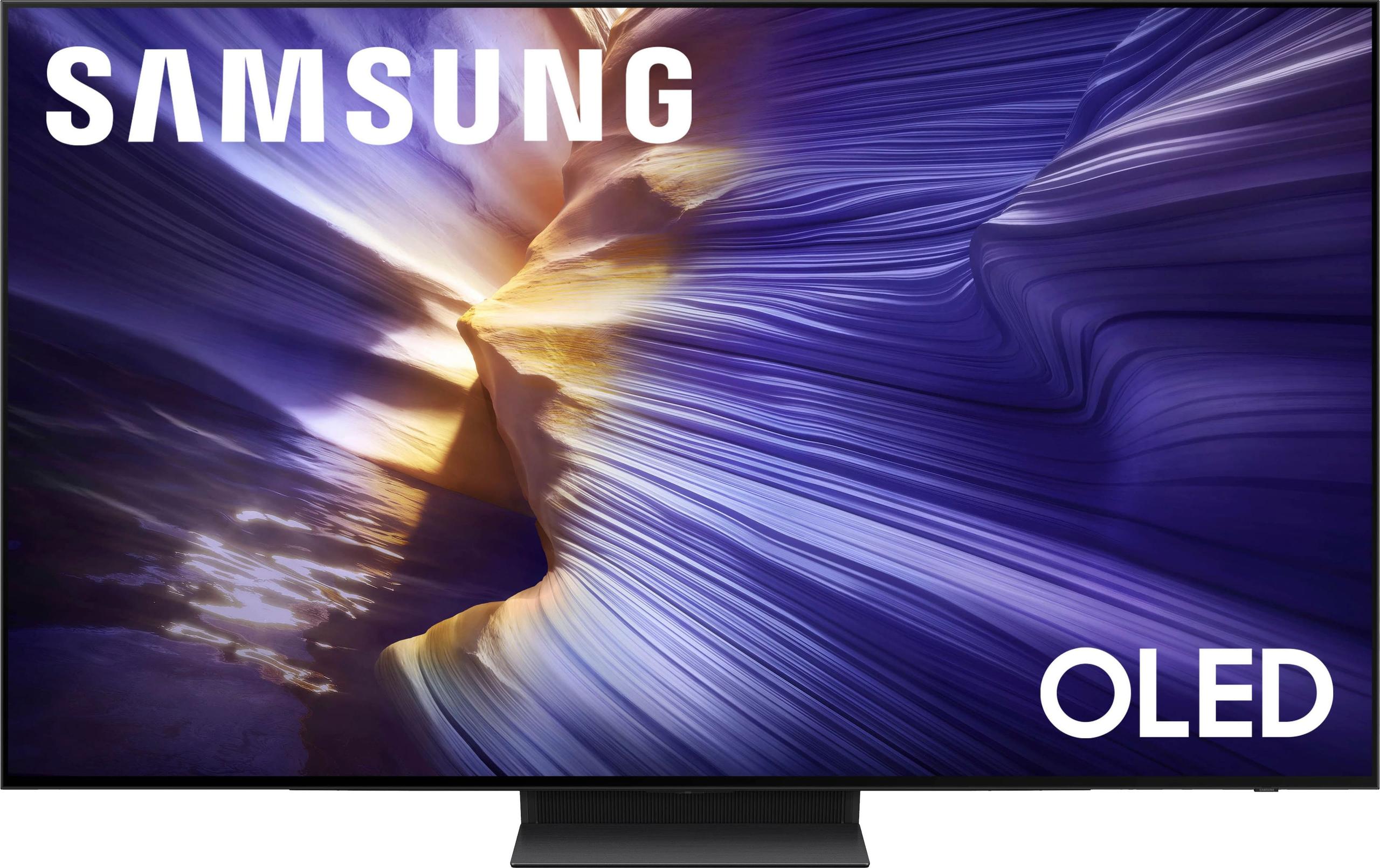
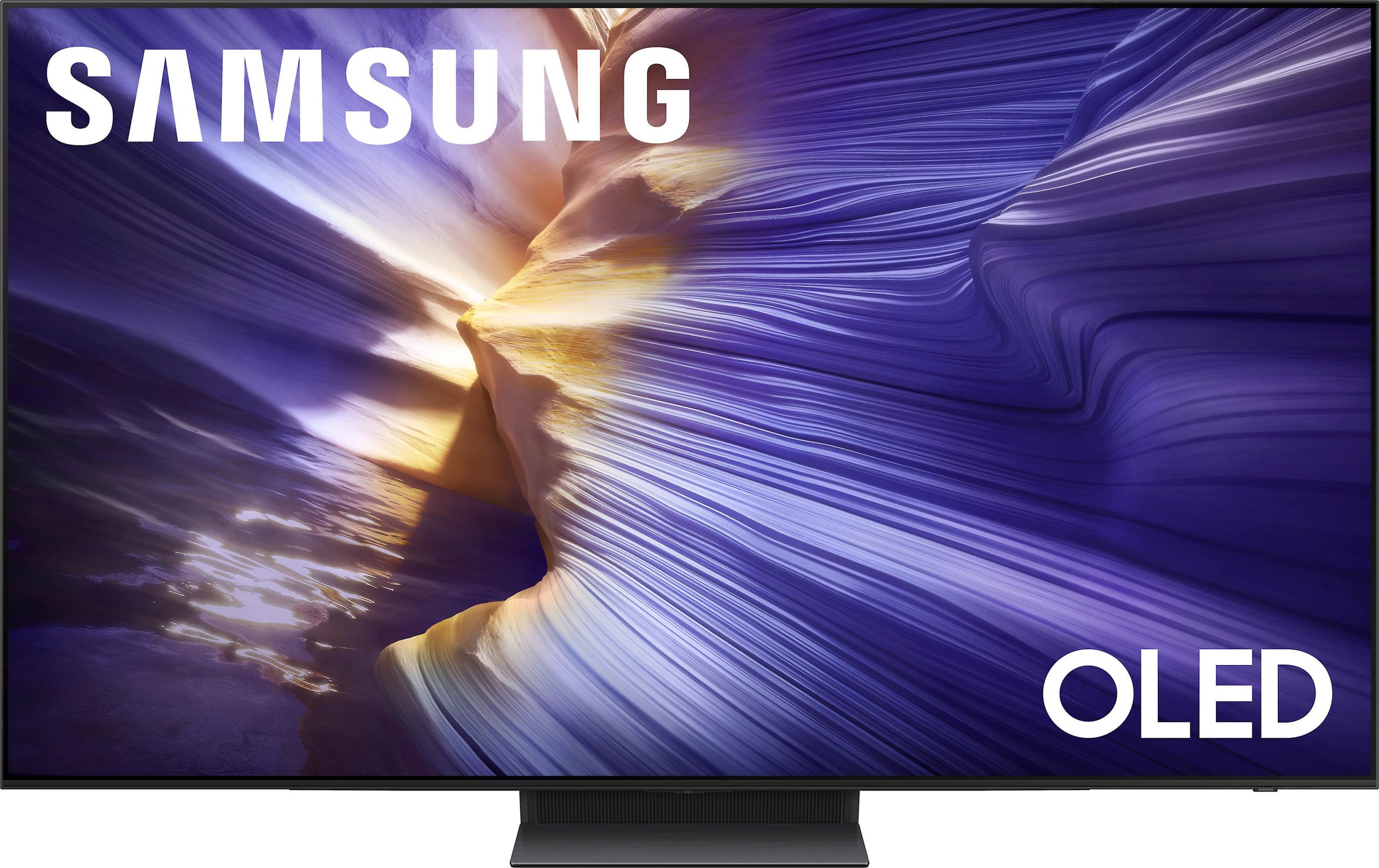
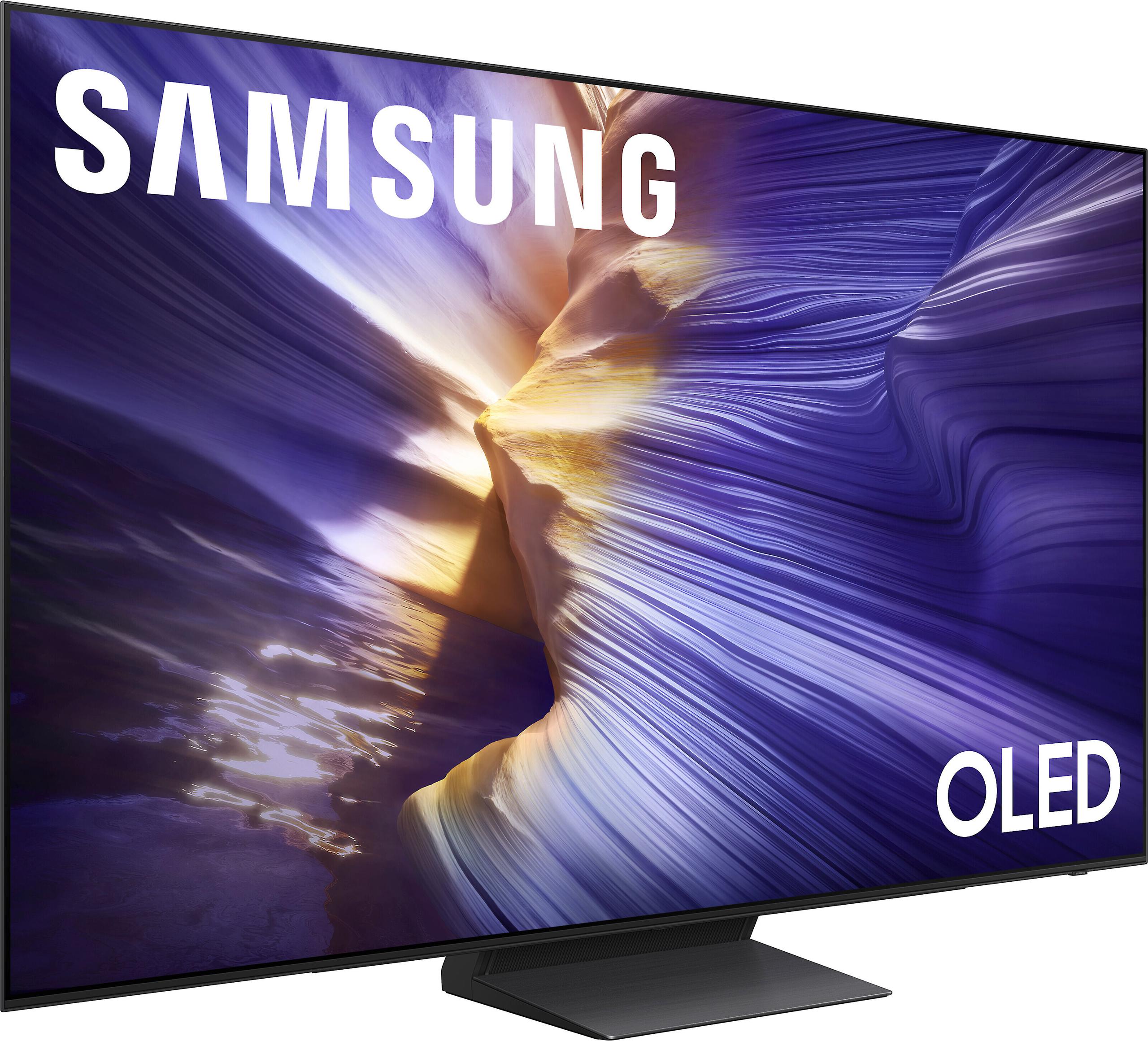


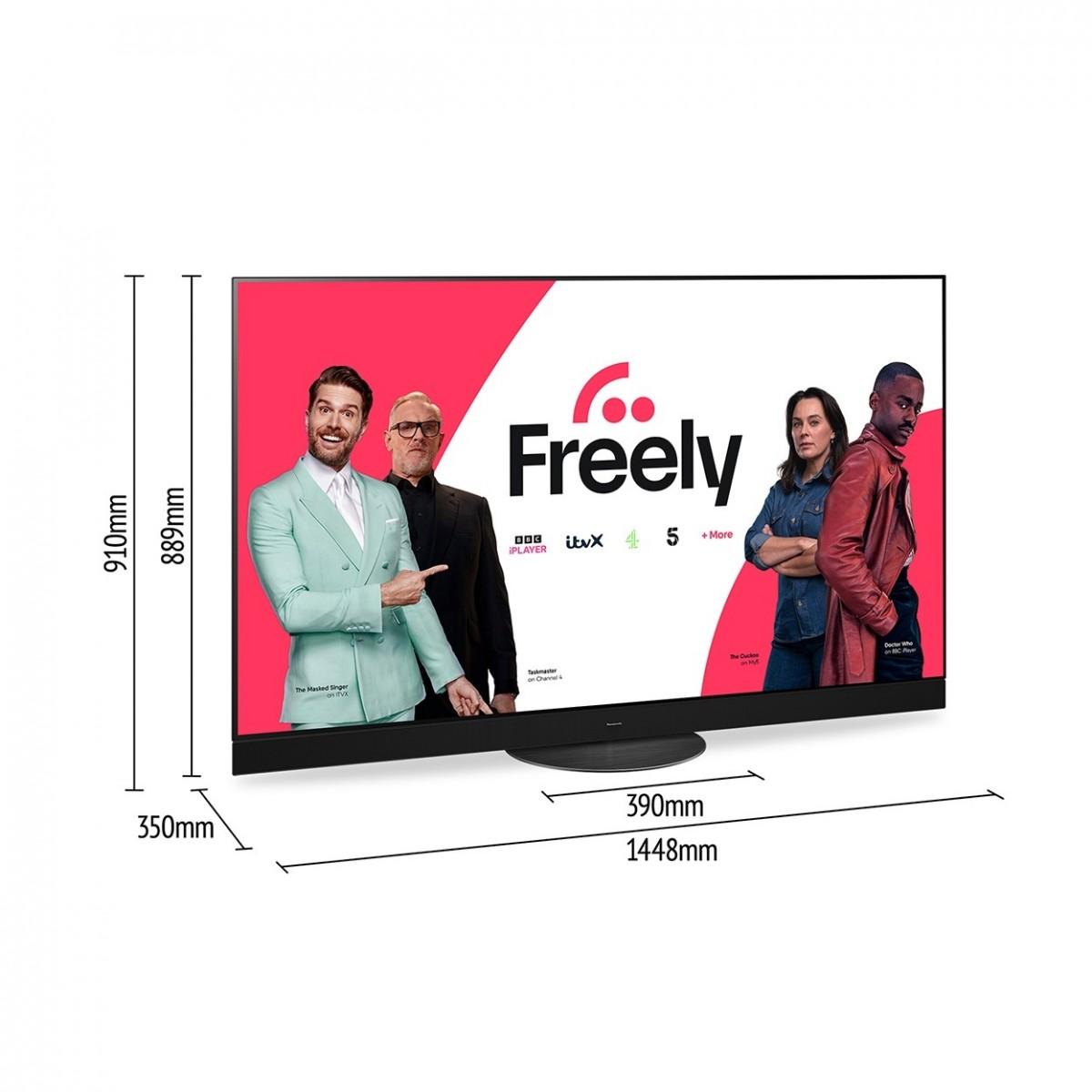
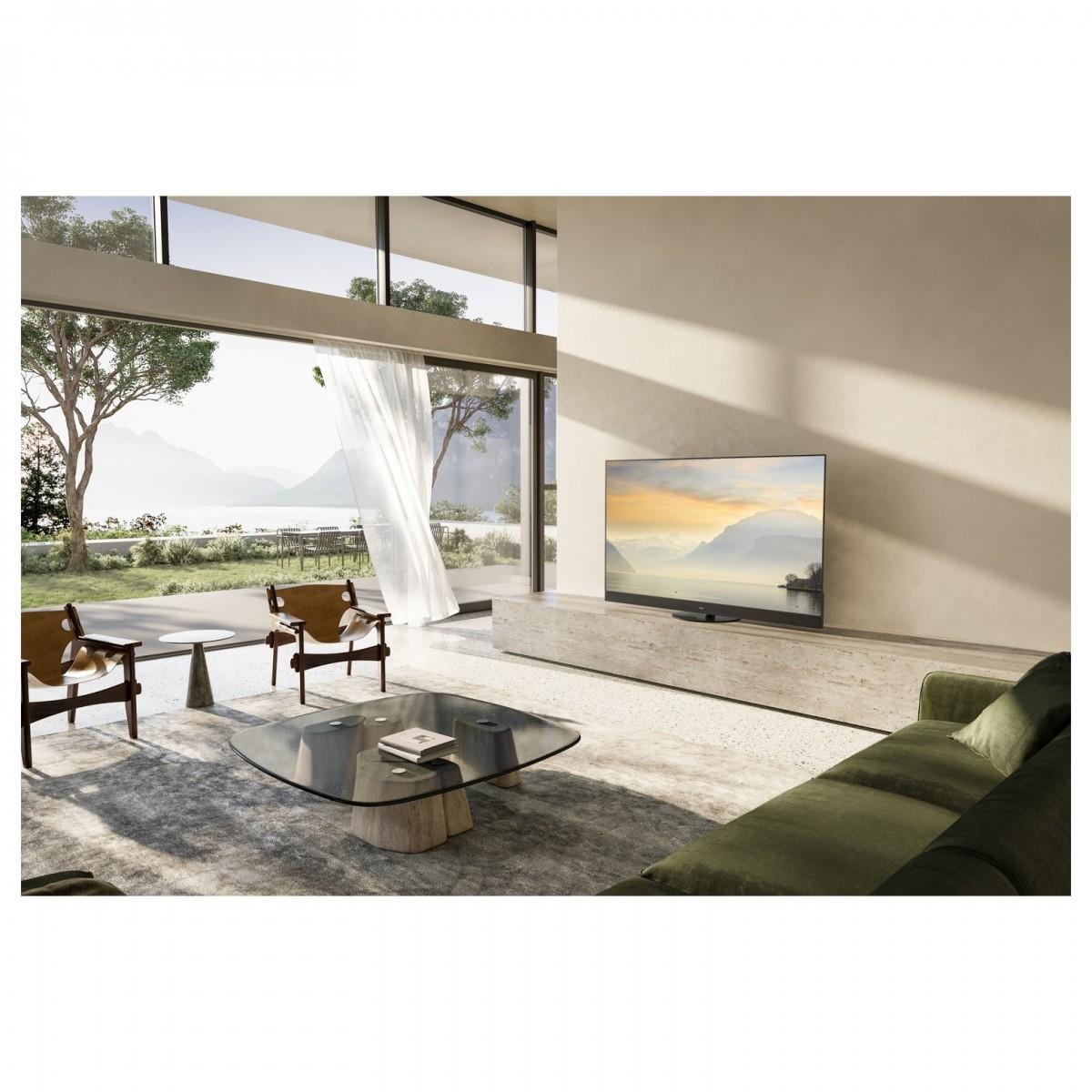
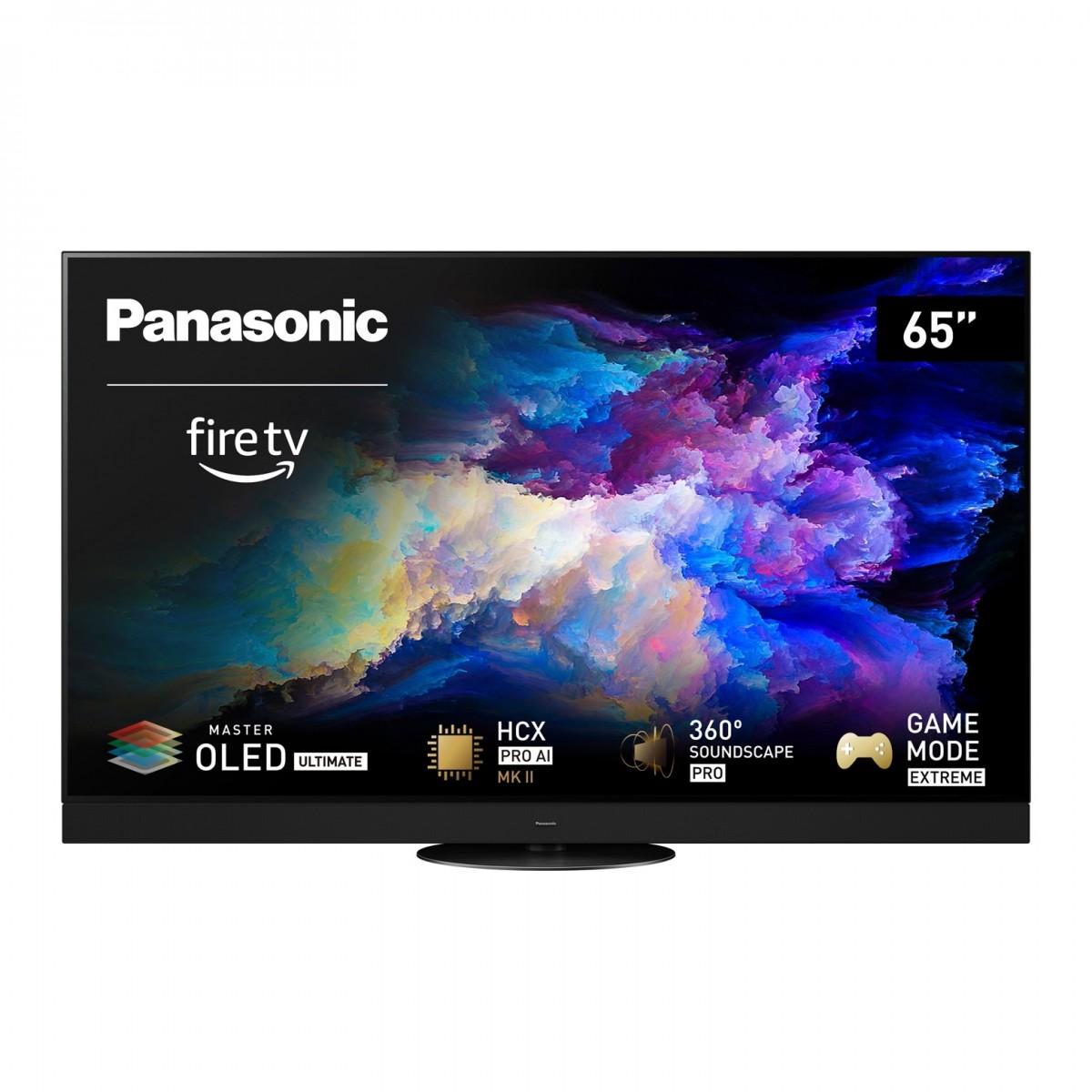
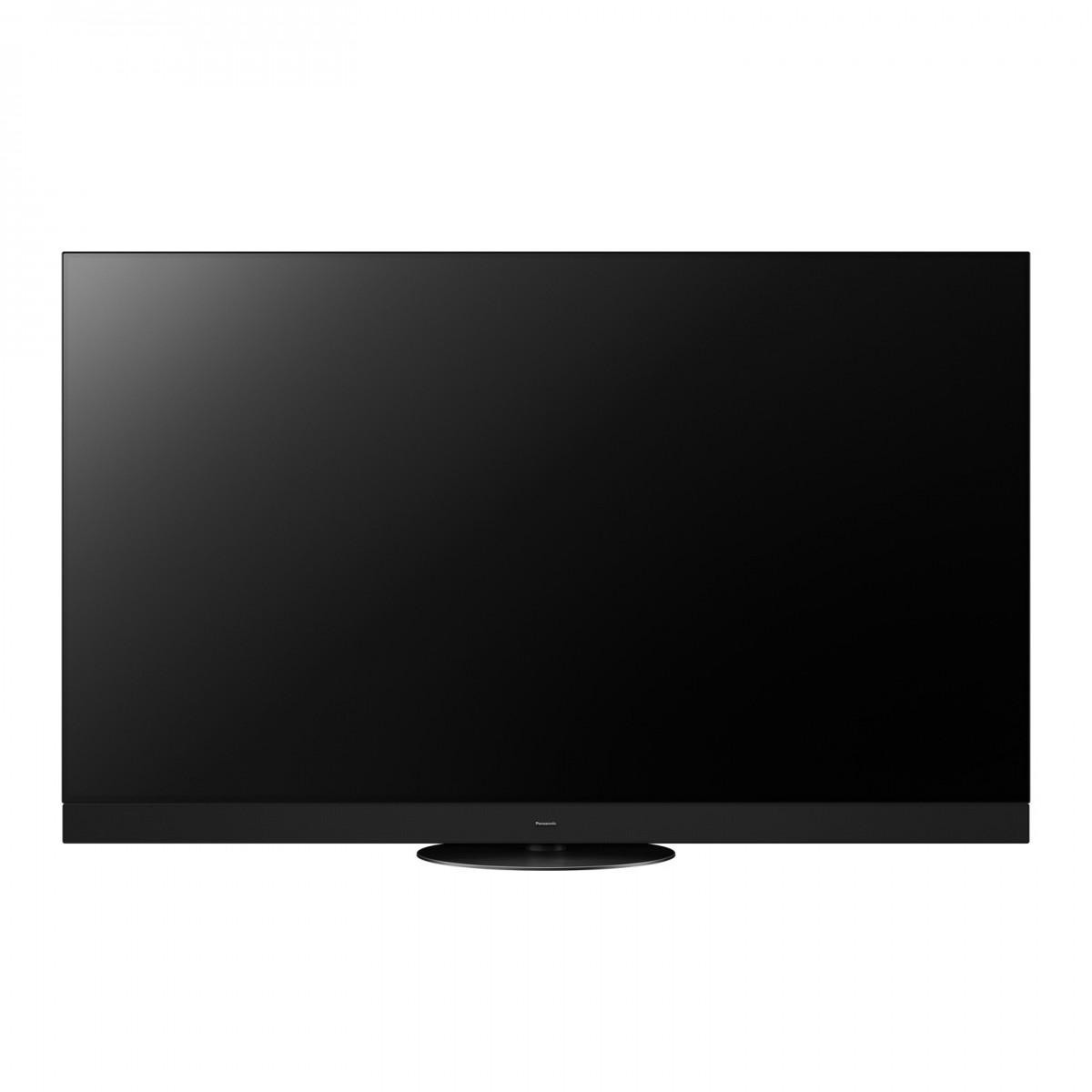
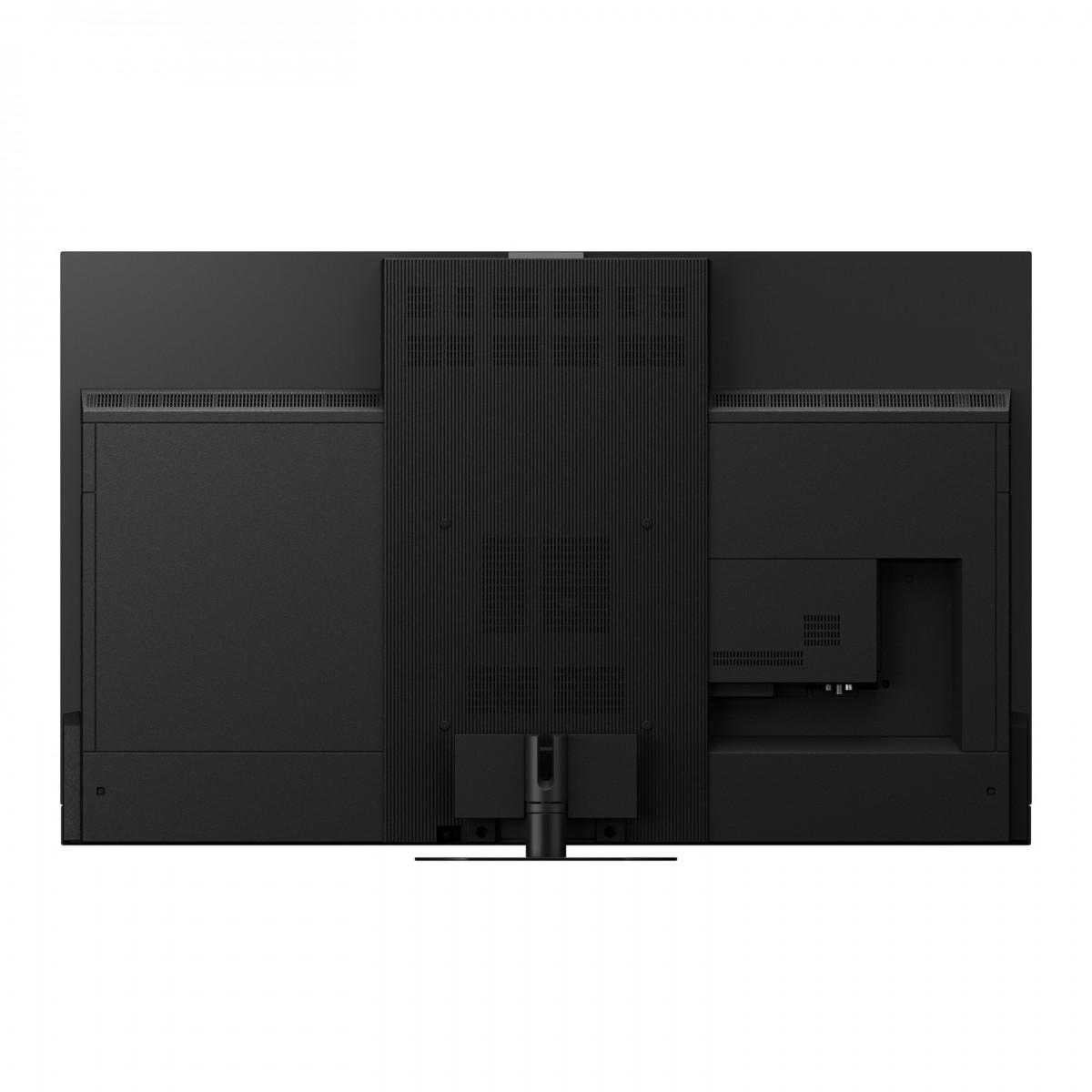
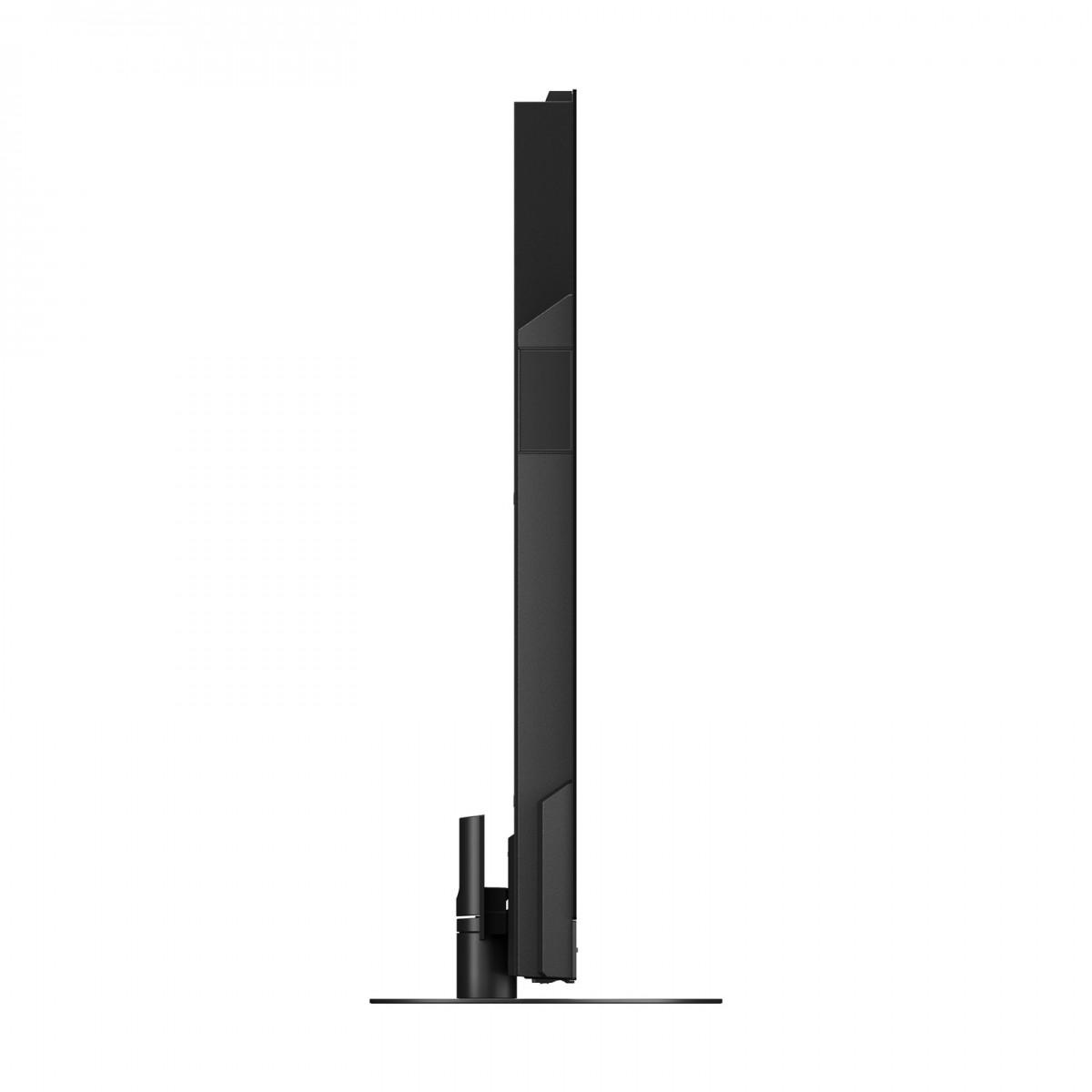
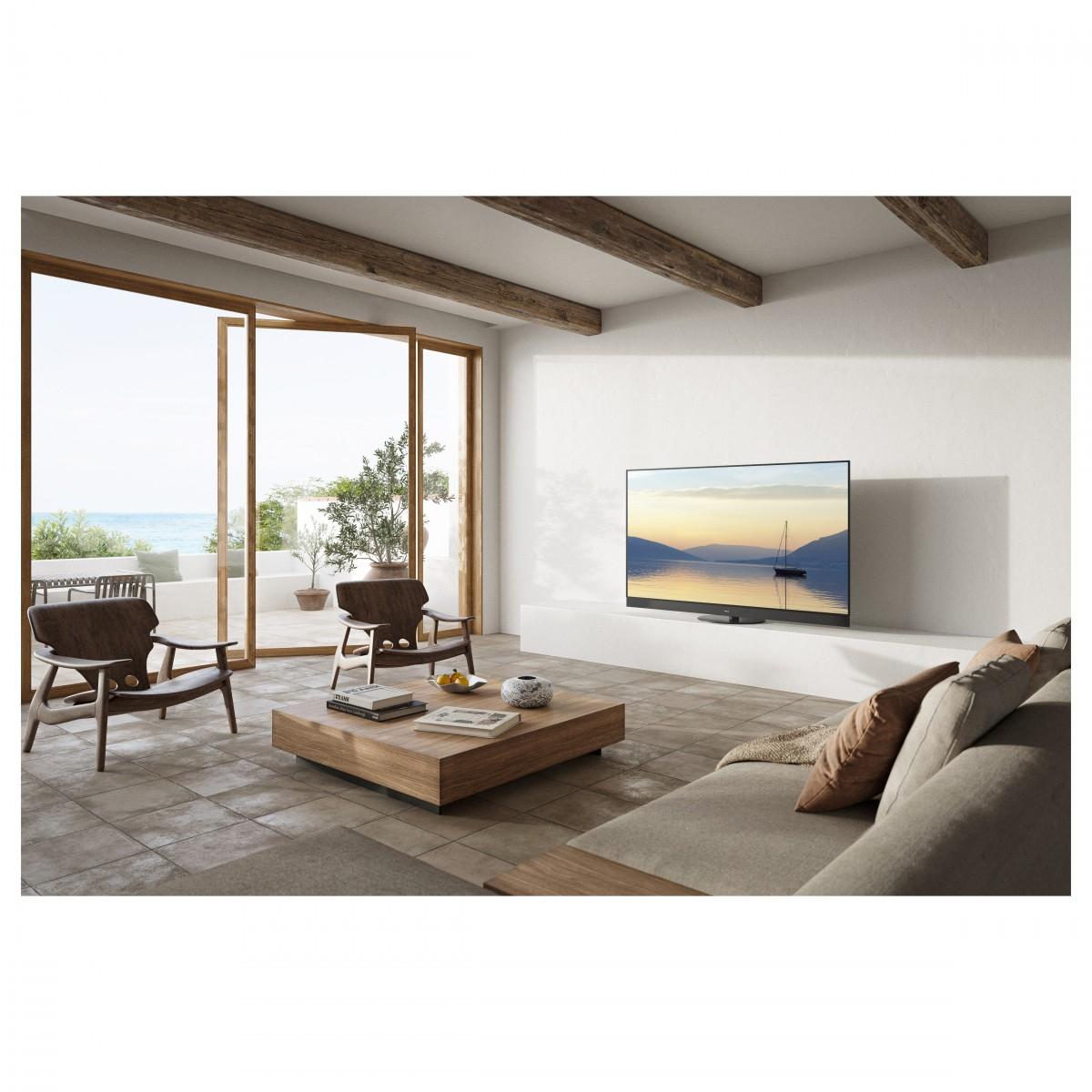
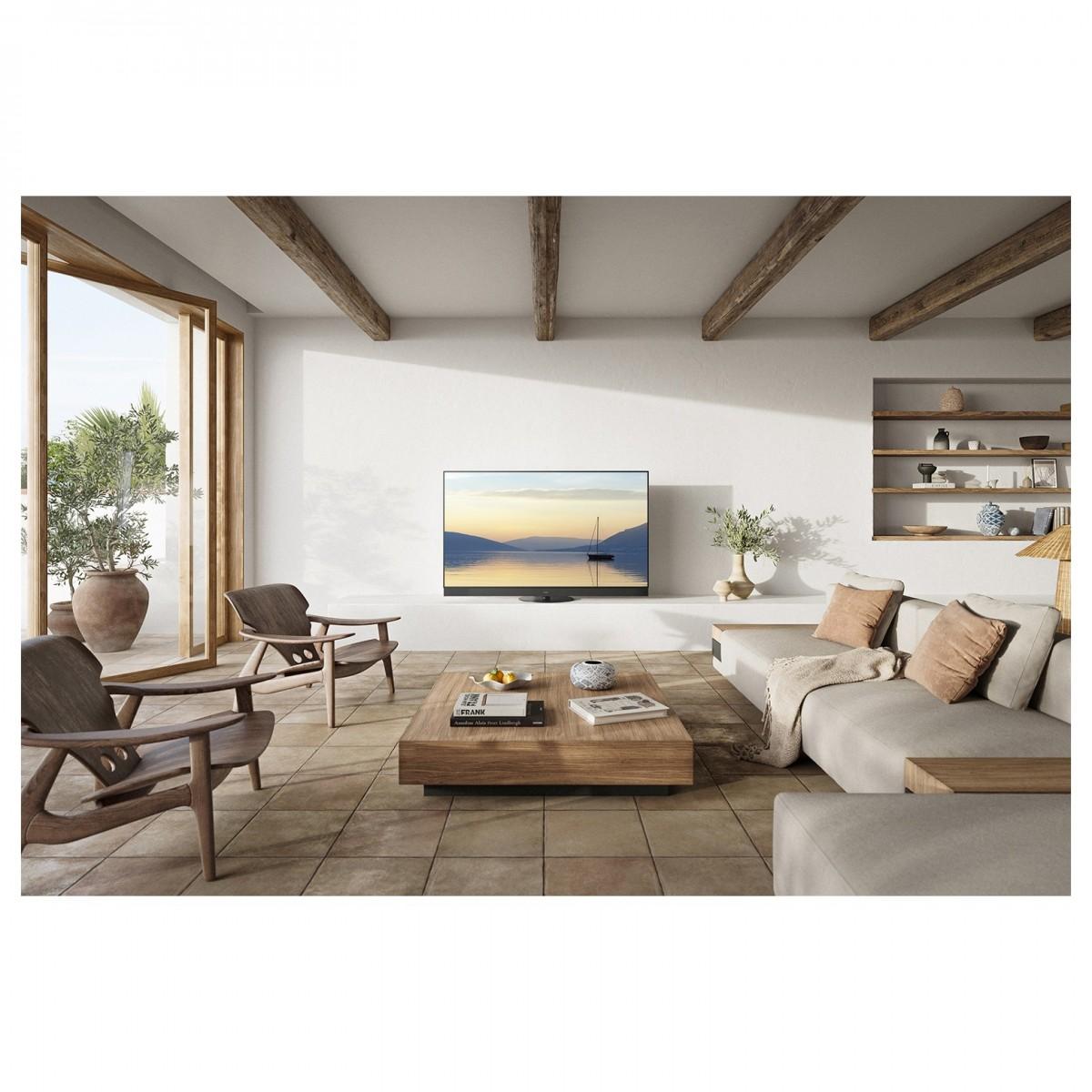
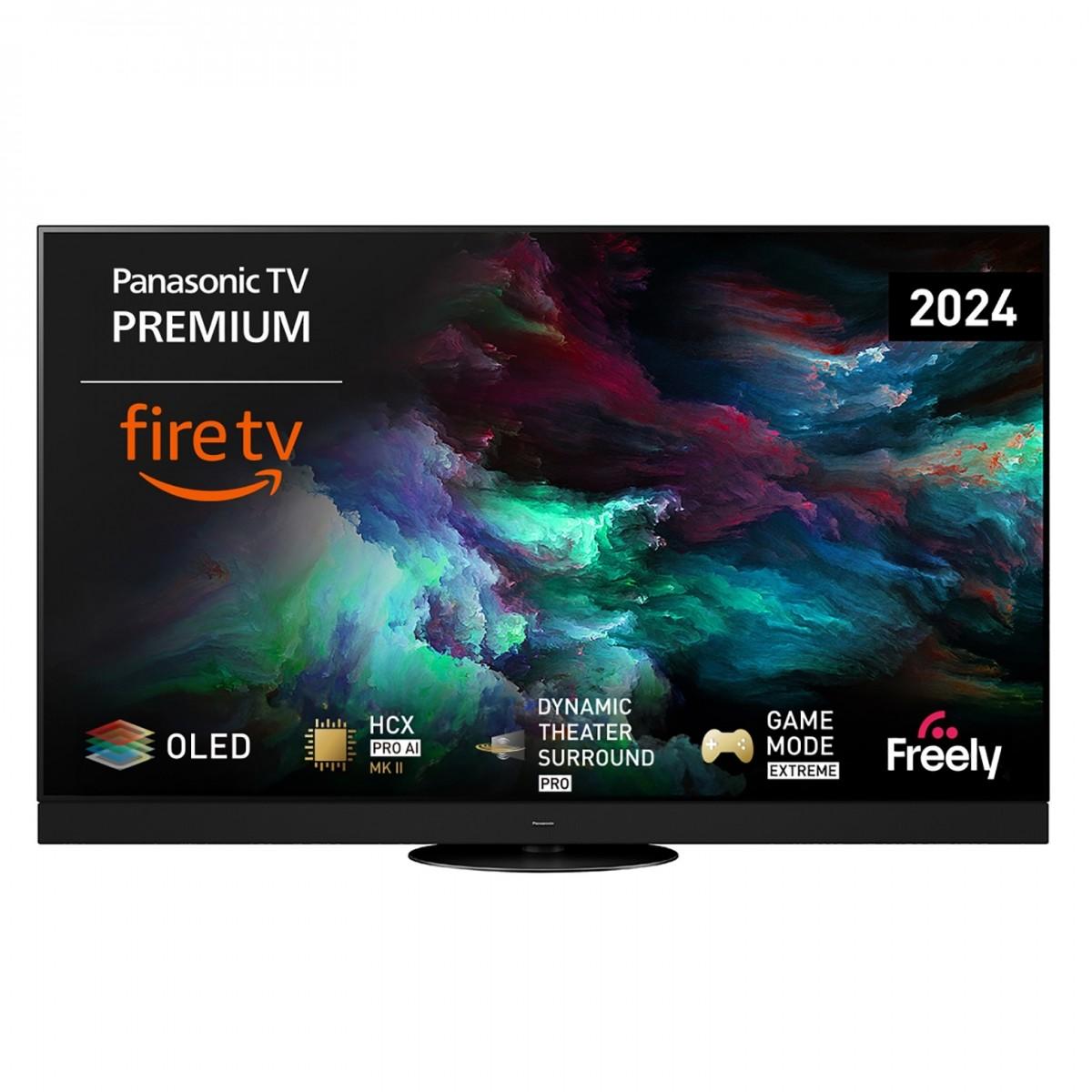
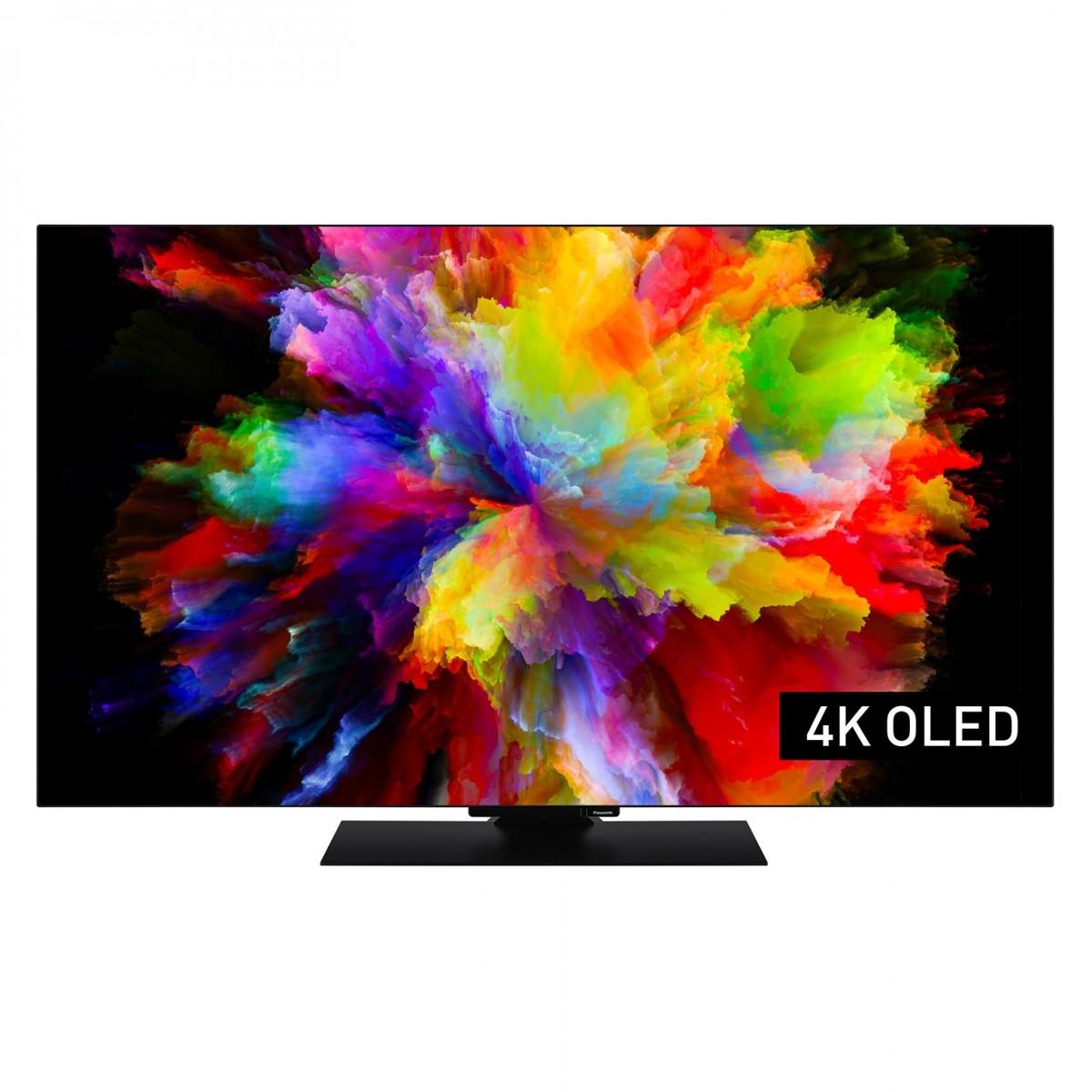
Shopping for a premium OLED TV feels overwhelming when you're looking at two exceptional models that cost roughly the same amount. The Panasonic Z95A and Samsung S90F both represent the cutting edge of television technology in 2025, but they take surprisingly different approaches to delivering an outstanding viewing experience.
At the time of writing, both TVs fall into the premium price bracket - typically the most expensive tier below the absolute flagship models. This puts them in that sweet spot where you're getting truly excellent performance without paying for the most extreme features that only enthusiasts might appreciate.
OLED technology itself is what sets these displays apart from cheaper LED TVs. Unlike traditional TVs that use a backlight, OLED pixels emit their own light. This means when a pixel needs to show pure black, it simply turns off completely. The result? Perfect blacks, infinite contrast (the difference between the darkest and brightest parts of an image), and colors that pop in ways you've probably never seen on a TV before.
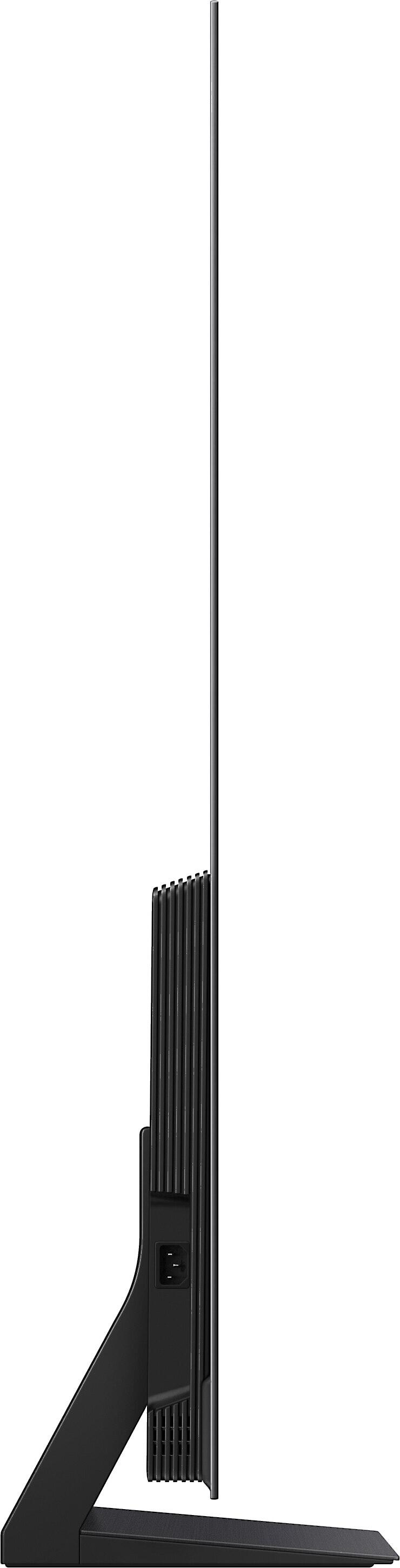
But here's where it gets interesting - not all OLED panels are created equal. The Samsung S90F uses what's called QD-OLED technology in the 65-inch size, while the Panasonic Z95A sticks with traditional WOLED. Think of QD-OLED as OLED with a quantum dot boost - it can get significantly brighter and often produces more vibrant colors, especially in well-lit rooms.
The core decision factors when choosing between these models boil down to: picture processing philosophy, gaming capabilities, smart TV features, audio quality, and how they handle different types of content. Let's break down what really matters.
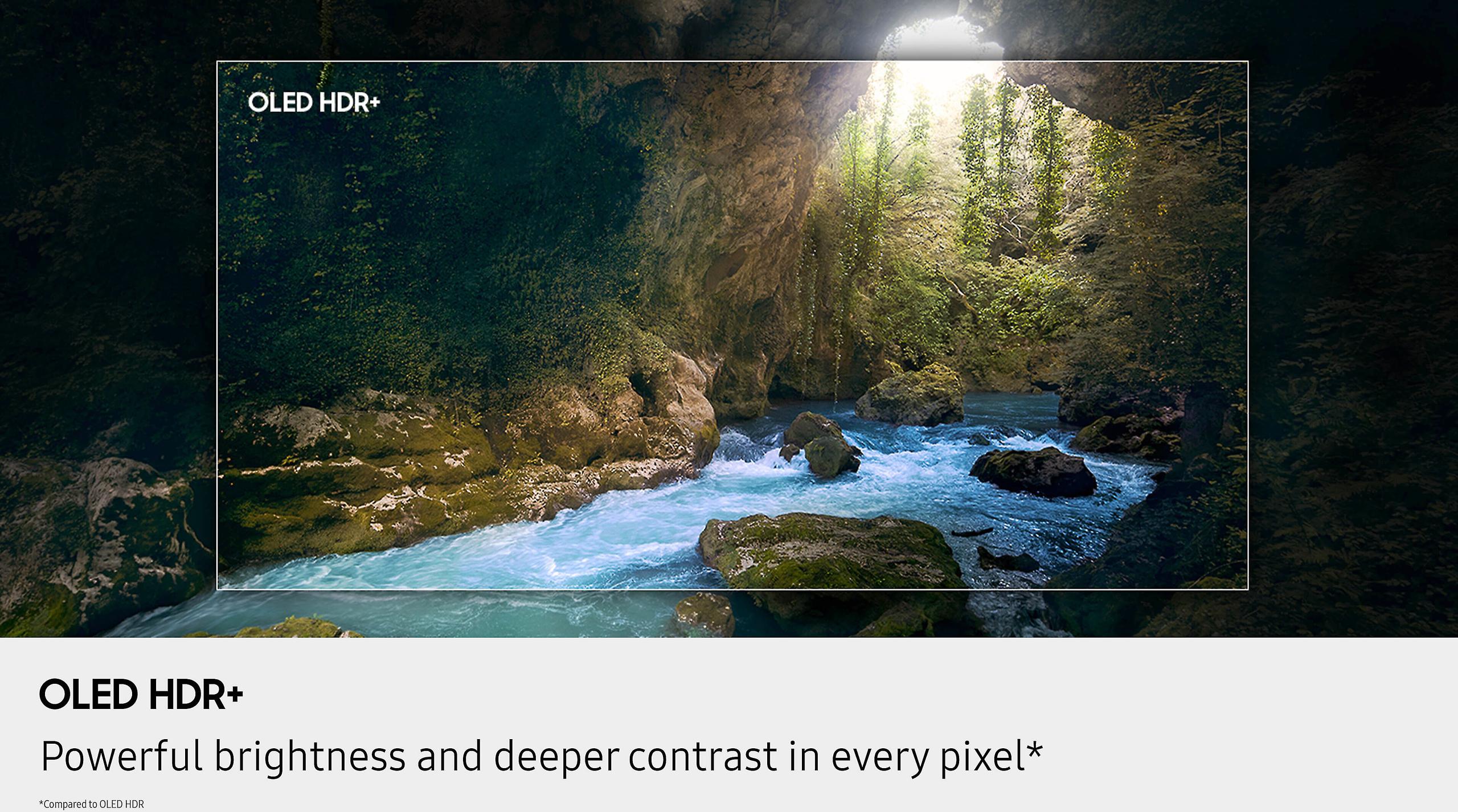
The Samsung S90F takes the aggressive approach. Its QD-OLED panel can hit around 1300 nits of peak brightness - that's 30% brighter than Samsung's previous generation. To put this in perspective, this brightness level makes HDR (High Dynamic Range) content really shine, especially scenes with bright highlights like explosions, sunlight, or stadium lighting. If you watch TV during the day or have lots of windows in your viewing room, this extra brightness becomes genuinely useful.
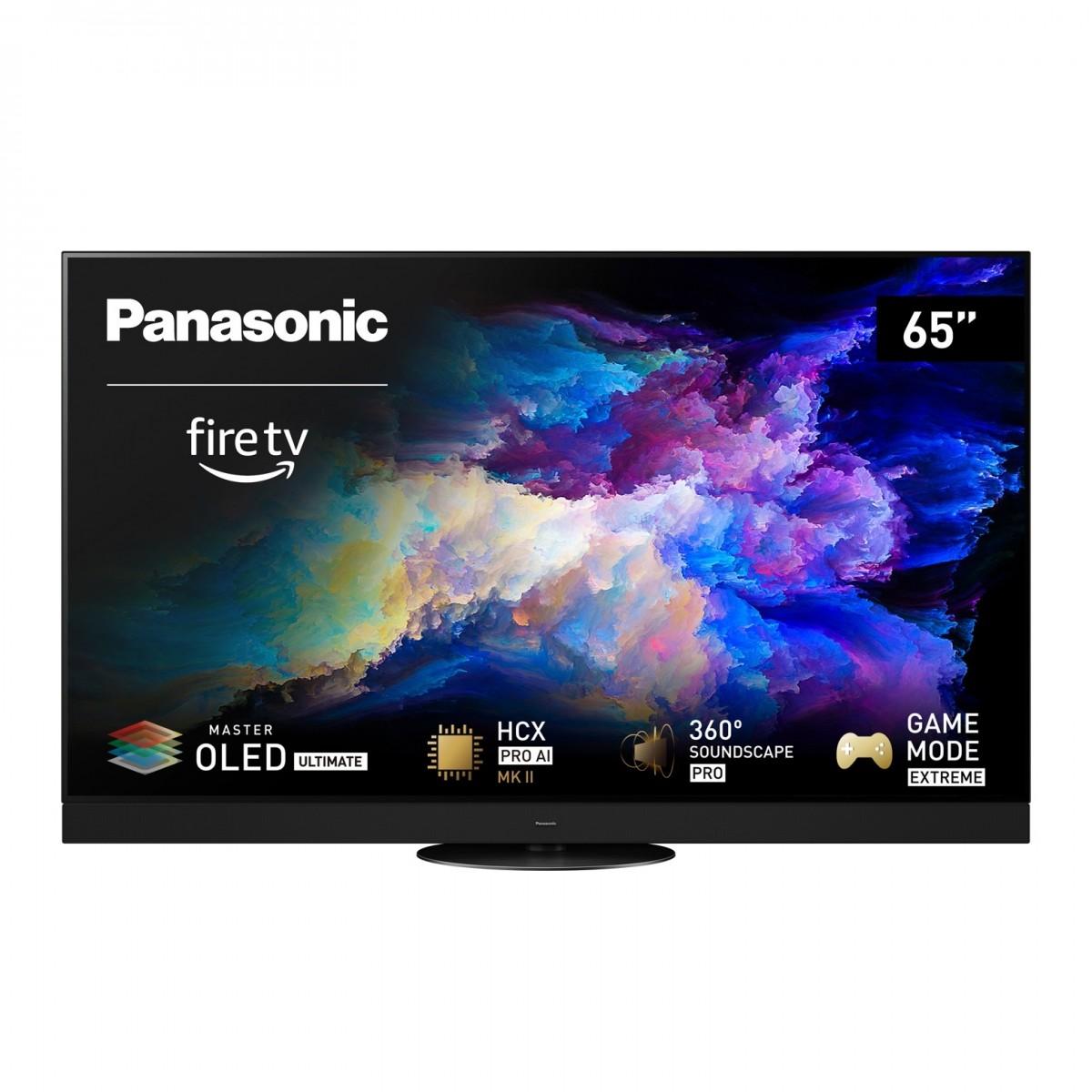
The Panasonic Z95A takes a more measured approach. While it can't match Samsung's peak brightness, it focuses on accuracy and balance. Panasonic's philosophy centers around reproducing content exactly as filmmakers intended. Their micro lens array technology and HCX Pro AI Processor MKII work together to optimize brightness while maintaining natural color relationships.
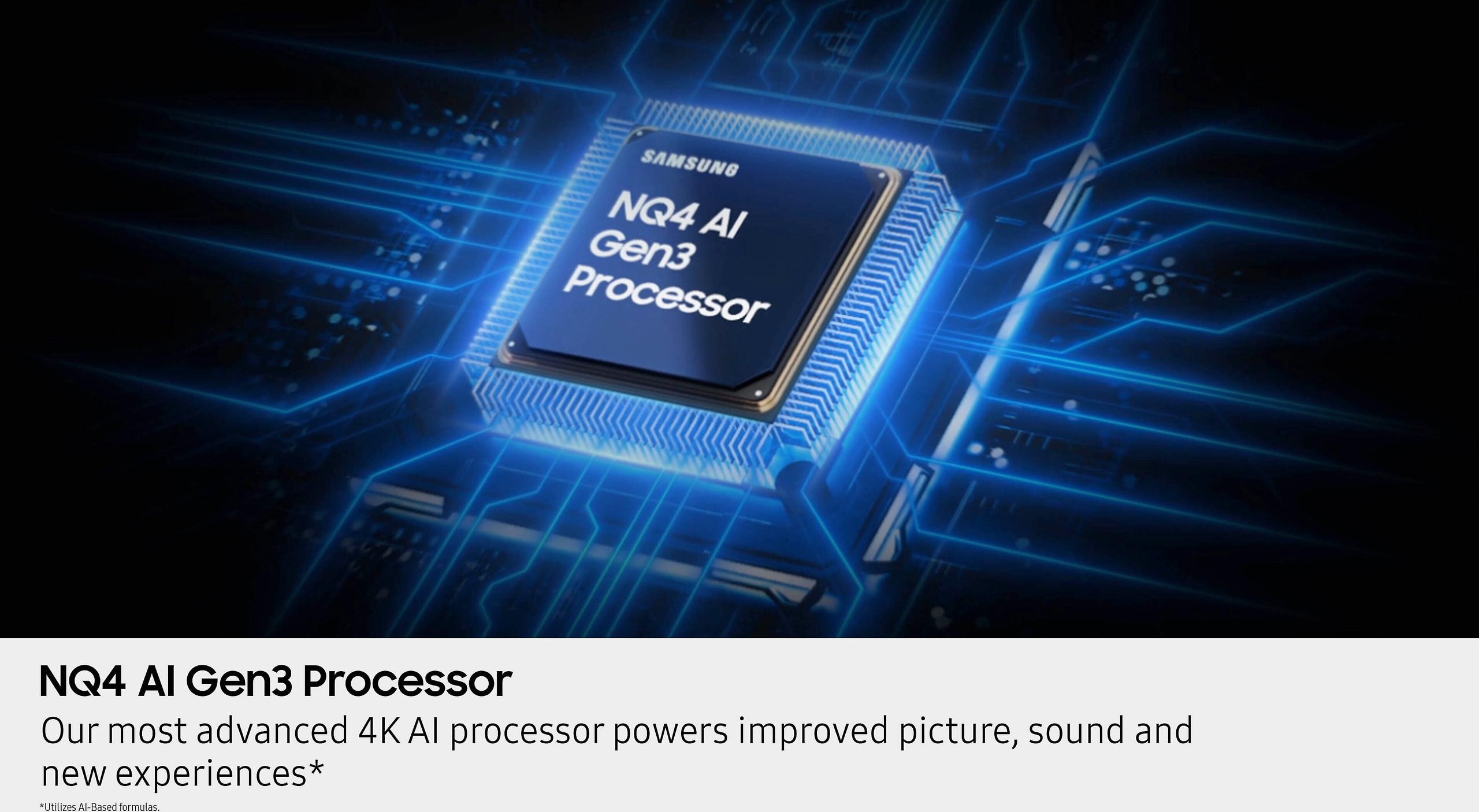
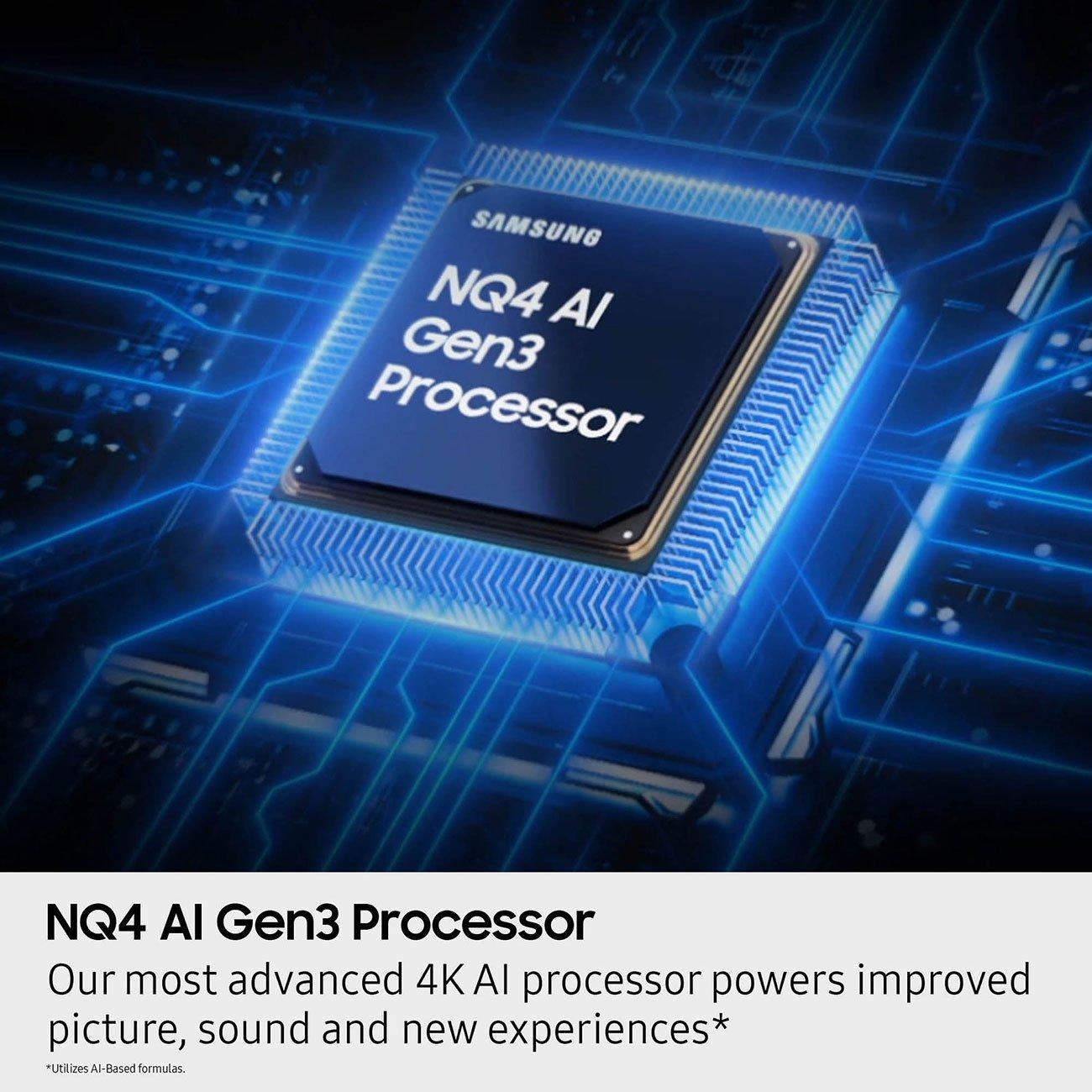
This is where the fundamental difference between these TVs becomes clear. The Samsung S90F aims to wow you. Its NQ4 AI Gen3 processor actively enhances content, making colors more vibrant and details sharper. Samsung's Vision AI continuously analyzes what you're watching and applies optimizations. Watching a nature documentary? The AI might boost greens and blues to make landscapes more striking.
The Panasonic Z95A, meanwhile, prioritizes preservation over enhancement. Its processing respects the original content while making subtle improvements. If you're watching a movie shot on film, Panasonic's approach maintains the cinematic color grading and grain structure that the director approved. This makes it particularly appealing for serious movie watchers who want to see content as close to the filmmaker's vision as possible.
Here's a technical detail that matters more than you might think. The Samsung S90F supports HDR10 and HDR10+ but notably lacks Dolby Vision support. The Panasonic Z95A supports all major HDR formats including Dolby Vision IQ, which dynamically adjusts the picture based on your room's lighting conditions.
Dolby Vision is becoming increasingly common on streaming services like Netflix and Disney+. While Samsung's HDR10+ can look excellent, Dolby Vision often provides more precise control over how content appears. If you watch a lot of premium streaming content, this format support difference could influence your daily viewing experience.
If gaming matters to you at all, the Samsung S90F pulls significantly ahead. Its 144Hz refresh rate means it can display up to 144 frames per second - crucial for PC gaming and potentially future console generations. Current gaming consoles like the PlayStation 5 and Xbox Series X typically output at 60 or 120 frames per second, so you're getting some future-proofing here.
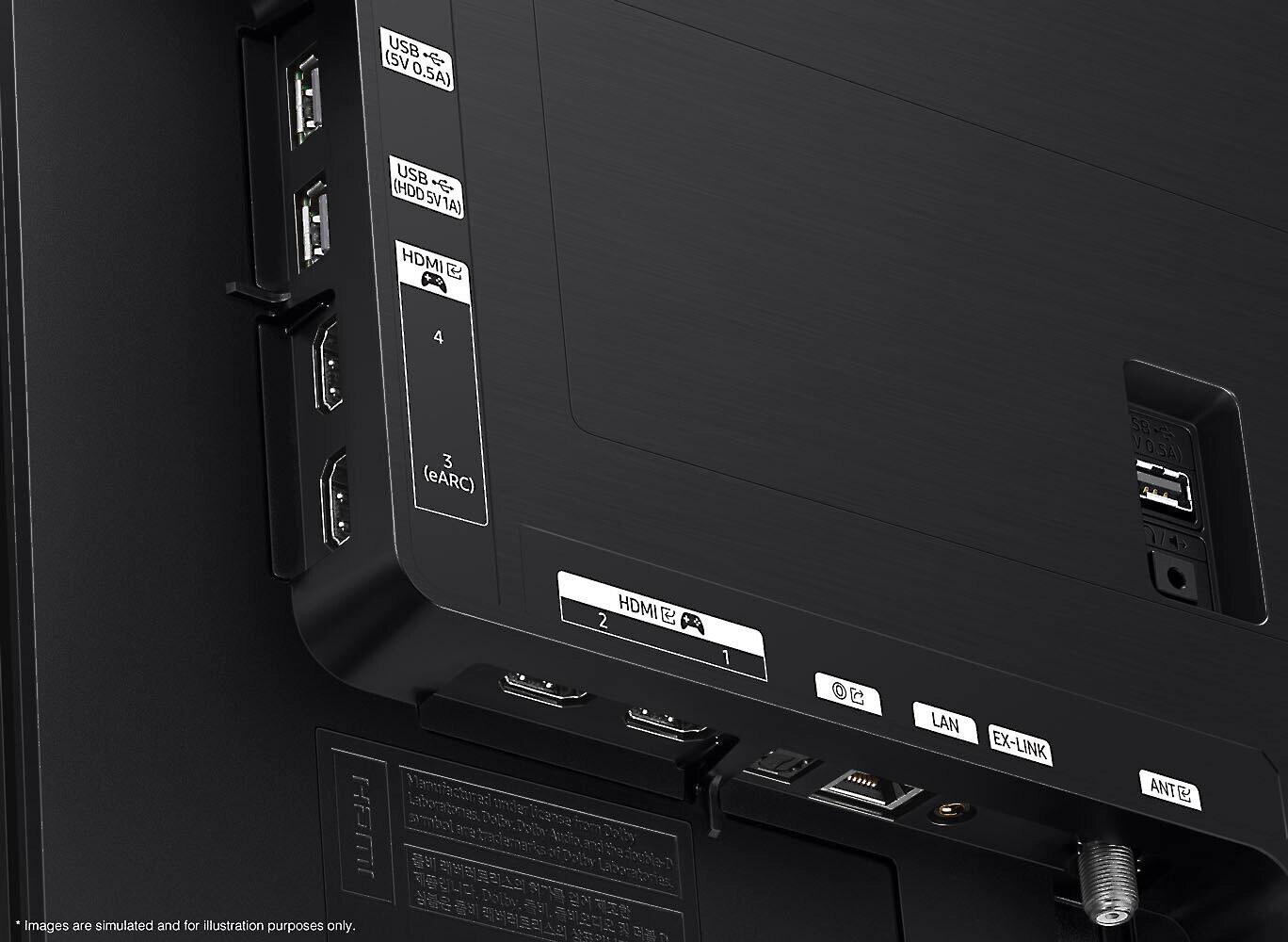
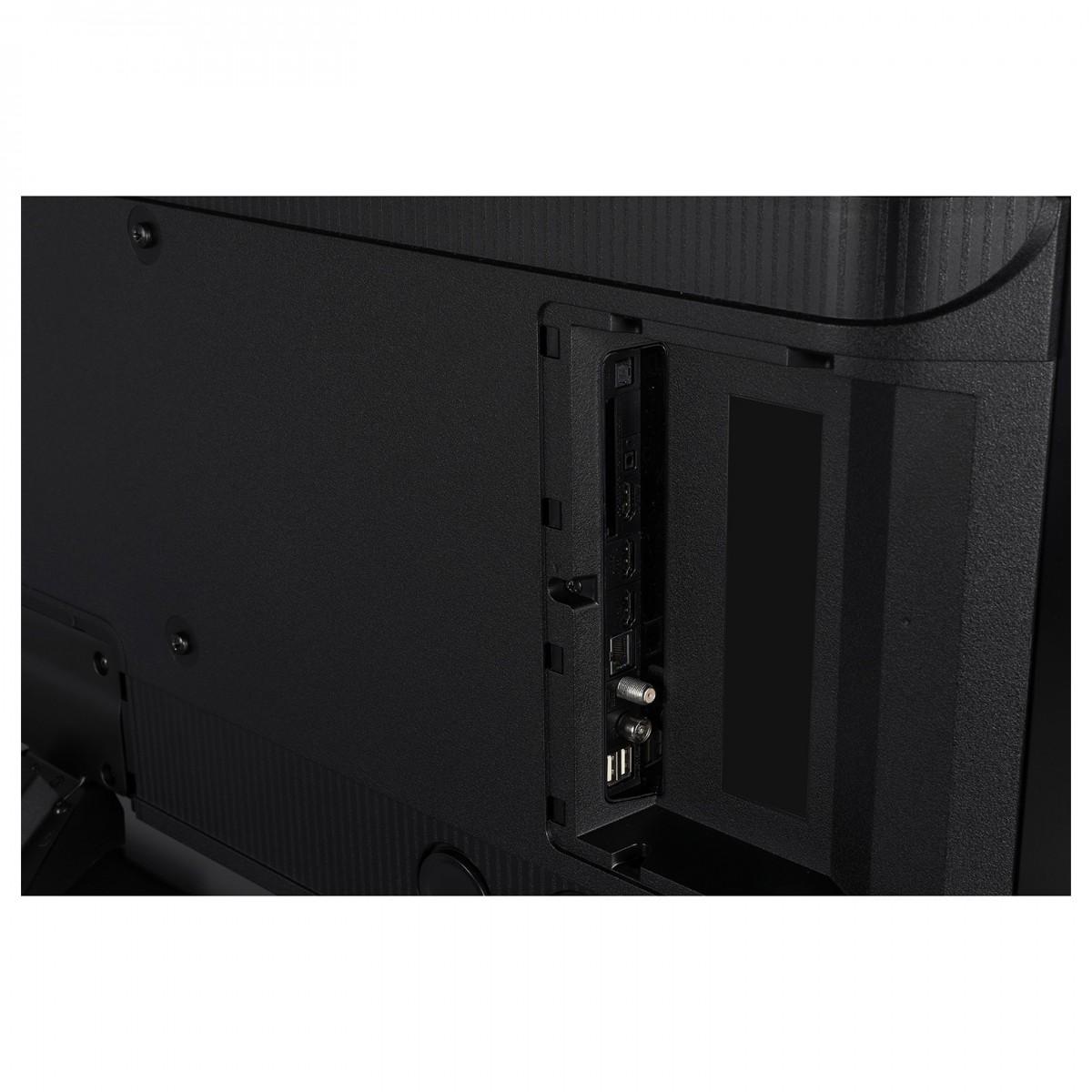
The Samsung S90F also includes four full HDMI 2.1 ports with 48Gbps bandwidth each. This technical specification matters because it means you can connect multiple gaming devices without compromising on features like Variable Refresh Rate (VRR) or Auto Low Latency Mode (ALLM). These features reduce input lag - the delay between pressing a button and seeing the action on screen.
The Panasonic Z95A offers respectable gaming features with 120Hz refresh rate and game mode optimization, but it's clearly not the primary focus. For casual gaming, it's perfectly adequate. For enthusiast gaming, especially if you have a high-end gaming PC, the Samsung provides a noticeably better experience.
The smart TV experience represents another philosophical divide. Samsung's approach with the S90F centers around AI-driven enhancement. The Vision AI system actively analyzes content and makes real-time adjustments. The updated Bixby voice assistant can handle multiple commands simultaneously and provides more contextual responses than previous generations.
Samsung's most interesting AI feature might be Pet Care - the TV can detect pet noises through its microphone and automatically play calming content for your animals when you're away. While this might sound gimmicky, pet owners who've experienced separation anxiety with their animals might genuinely appreciate this thoughtful addition.
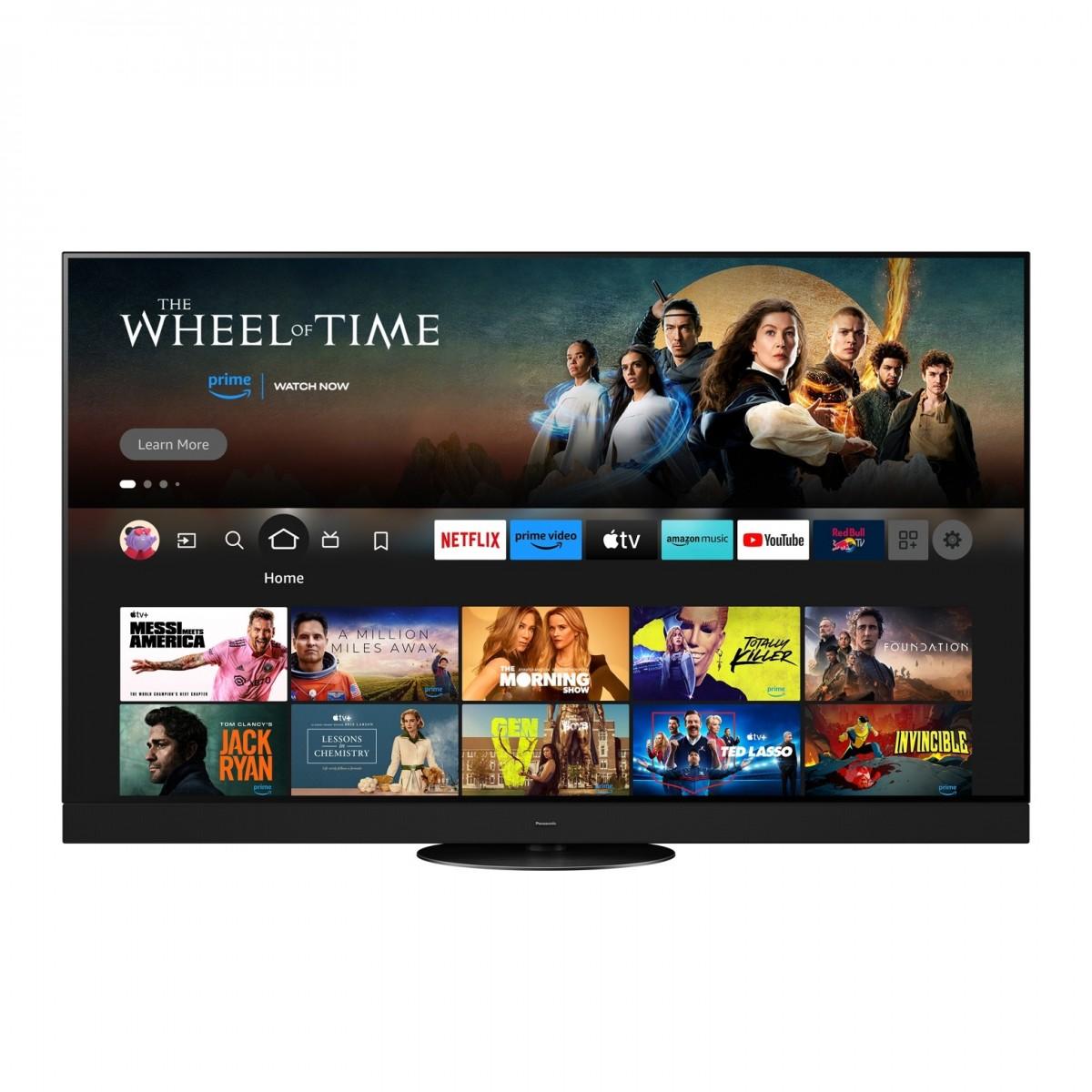
The Panasonic Z95A takes a more straightforward approach with Amazon Fire TV built-in. This platform offers excellent app selection and integrates well with Alexa devices you might already own. The interface focuses on content discovery rather than AI enhancement, which some users prefer for its predictability and simplicity.
Both platforms receive regular updates, but Samsung historically provides longer software support lifecycles for their premium TVs, potentially making the S90F a better long-term investment from a software perspective.
This is where the Panasonic Z95A surprises many people. While most TV manufacturers treat built-in audio as an afterthought, Panasonic has engineered a genuinely impressive speaker system. The integrated front, upward, and side-firing speakers with Dolby Atmos create what they call a 360° soundscape.
The practical impact? You might actually be satisfied with the TV's built-in audio for longer than usual before feeling the need to add a soundbar. The 20W output with tweeter integration provides clearer dialogue and better spatial audio than typical TV speakers.
The Samsung S90F includes Adaptive Sound Pro, which uses AI to optimize audio based on content and room acoustics. While this technology works well, the physical speaker hardware doesn't match Panasonic's implementation. Most users will want to add external audio relatively quickly.
For home theater enthusiasts, this audio difference could influence your initial setup costs. If you're planning to add a dedicated sound system immediately, both TVs will perform similarly. But if you want to start with built-in audio and upgrade later, the Panasonic Z95A gives you more breathing room.
Both TVs handle motion well, but with different characteristics. The Samsung S90F's 144Hz refresh rate provides incredibly smooth motion, which works particularly well for sports content. Fast camera pans during football games or quick cuts during action movies appear fluid and natural.
Samsung's motion processing tends to be more aggressive, which some viewers love for sports but others find artificial for film content. The Motion Xcelerator technology can make 24fps movies look unnaturally smooth if not properly adjusted.
The Panasonic Z95A prioritizes more natural motion handling. Its 120Hz refresh rate with advanced motion processing maintains the cinematic feel that film content should have while still providing smooth performance for sports. Film enthusiasts often prefer this approach because it preserves the director's intended motion characteristics.
For dedicated home theater setups, several factors become particularly important. Room lighting control, seating distance, and content types all influence which TV performs better.
In a light-controlled room - the ideal home theater environment - the Panasonic Z95A's strengths become more apparent. Its superior color accuracy, comprehensive HDR format support, and natural processing create an experience closer to commercial cinema. The excellent built-in audio also provides better interim performance while you design your audio system.
However, if your home theater doubles as a family room with ambient light, the Samsung S90F's higher brightness becomes valuable. QD-OLED technology maintains color saturation better in brighter environments, and the AI processing helps optimize content for varied lighting conditions.
The Samsung S90F makes the most sense for households that prioritize versatility and modern features. If you game regularly, watch TV during the day, or want the latest AI-driven features, Samsung's approach delivers clear advantages. The TV's strength in bright rooms and superior gaming capabilities make it ideal for family rooms or multi-purpose spaces.
At the time of writing, the Samsung S90F also typically offers better value for money, providing premium OLED performance at a more accessible price point. For buyers who want excellent performance across all use cases without paying a premium for specialized features, this represents the safer choice.
The Panasonic Z95A appeals to more specific buyers - primarily movie enthusiasts and home theater purists who prioritize accuracy over enhancement. If you primarily watch movies and premium TV shows in a controlled lighting environment, Panasonic's approach often produces more satisfying results. The superior built-in audio and comprehensive HDR support also add value for buyers who want a more complete out-of-box experience.
When evaluating OLED TVs, focus on these key performance metrics: peak brightness (measured in nits), color gamut coverage (how many colors the TV can display), input lag for gaming, and motion resolution. Both TVs excel in these areas but with different strengths.
The Samsung S90F's QD-OLED panel provides wider color gamut and higher peak brightness, while the Panasonic Z95A offers better color accuracy and more natural processing. Neither approach is objectively superior - they serve different preferences and use cases.
Choose the Samsung S90F if you want a versatile, future-ready TV that handles gaming exceptionally well and performs strongly in various lighting conditions. Its AI-driven features and aggressive processing make content look immediately impressive, and the superior gaming capabilities provide genuine future-proofing.
Choose the Panasonic Z95A if you prioritize film accuracy, comprehensive format support, and superior built-in audio. This TV rewards patient viewers who appreciate subtle excellence over immediate impact. It's the better choice for dedicated movie watching and controlled viewing environments.
Both TVs represent excellent values in the premium OLED category, just with different strengths. Your primary use case - gaming and mixed lighting versus movie watching and accuracy - should drive your decision. Either choice will provide years of exceptional viewing experiences; the question is which approach better matches your priorities and viewing habits.
The good news? You really can't go wrong with either option. Both the Panasonic Z95A and Samsung S90F deliver the core OLED benefits of perfect blacks and vibrant colors that make upgrading from LED technology so worthwhile. The differences, while meaningful, represent refinements rather than fundamental limitations.
| Panasonic Z95A 65" OLED 4K Ultra HD Smart TV | Samsung 65" S90F OLED 4K Vision AI Smart TV 2025 |
|---|---|
| Panel Technology - Affects brightness, color vibrancy, and room lighting performance | |
| Traditional WOLED with micro lens array technology | QD-OLED (Quantum Dot OLED) for superior brightness and color volume |
| Peak Brightness - Critical for HDR impact and daytime viewing | |
| Standard OLED brightness (~800-900 nits, excellent for dark rooms) | 1300 nits (30% brighter, ideal for bright rooms and impactful HDR) |
| Gaming Performance - Essential for console and PC gaming | |
| 120Hz refresh rate with ALLM and Game Mode (good for current consoles) | 144Hz refresh rate with 4 HDMI 2.1 ports (future-ready for high-end gaming) |
| HDR Format Support - Determines compatibility with streaming services | |
| All formats: HDR10, HDR10+, Dolby Vision, HLG (maximum compatibility) | HDR10, HDR10+, HLG only (no Dolby Vision support) |
| Picture Processing Philosophy - How the TV handles content optimization | |
| HCX Pro AI Processor MKII preserves filmmaker intent with natural processing | NQ4 AI Gen3 with Vision AI actively enhances content for more vibrant presentation |
| Built-in Audio Quality - Important if not adding external speakers immediately | |
| Excellent: 20W with front/upward/side-firing speakers and Dolby Atmos | Standard TV audio with Adaptive Sound Pro (external audio recommended) |
| Smart TV Platform - Affects app selection and user experience | |
| Amazon Fire TV built-in with comprehensive app library | Samsung Tizen OS with advanced AI features and regular updates |
| Color Accuracy - Most important for movie enthusiasts and home theater | |
| Reference-grade accuracy with Pantone validation and natural color reproduction | Vibrant, punchy colors optimized for immediate visual impact |
| Motion Handling - Key for sports and action content | |
| Natural 120Hz processing that maintains cinematic motion characteristics | Aggressive 144Hz Motion Xcelerator for ultra-smooth sports and gaming |
| Voice Control Integration - Convenience for smart home users | |
| Alexa and Google Assistant built-in with hands-free control | Enhanced Bixby with multi-command processing and unique Pet Care feature |
| Best Use Cases - Who should choose each TV | |
| Movie enthusiasts, home theater purists, viewers who prioritize accuracy | Gamers, bright room viewing, users who want AI-enhanced content and versatility |
The Samsung S90F is significantly better for gaming. It offers a 144Hz refresh rate compared to the Panasonic Z95A's 120Hz, plus four full HDMI 2.1 ports for connecting multiple gaming devices. The Samsung S90F also includes advanced gaming features like Variable Refresh Rate (VRR) and Motion Xcelerator technology, making it ideal for both console and PC gaming.
The Panasonic Z95A typically delivers better picture quality for movies due to its reference-grade color accuracy and natural processing approach. It supports all HDR formats including Dolby Vision, which the Samsung S90F lacks. The Panasonic Z95A prioritizes filmmaker intent and cinematic presentation over enhanced visuals.
The Samsung S90F is significantly brighter, reaching up to 1300 nits peak brightness thanks to its QD-OLED panel technology. The Panasonic Z95A offers standard OLED brightness levels around 800-900 nits. This makes the Samsung S90F better for bright rooms and more impactful HDR performance.
The Panasonic Z95A has notably superior built-in audio with its 20W system featuring front, upward, and side-firing speakers with Dolby Atmos. The Samsung S90F has standard TV audio quality. If you're not planning to add external speakers immediately, the Panasonic Z95A provides a much better out-of-box audio experience.
No, only the Panasonic Z95A supports Dolby Vision along with HDR10, HDR10+, and HLG formats. The Samsung S90F supports HDR10, HDR10+, and HLG but lacks Dolby Vision support. This could matter if you watch a lot of Netflix, Disney+, or other streaming services that use Dolby Vision content.
The Samsung S90F is much better for bright rooms due to its QD-OLED panel that can reach 1300 nits of brightness - about 30% brighter than the Panasonic Z95A. The higher brightness helps maintain color vibrancy and contrast when there's ambient light in the room.
The Panasonic Z95A uses Amazon Fire TV built-in, offering excellent app selection and Alexa integration. The Samsung S90F runs Samsung's Tizen OS with advanced AI features like Vision AI and an enhanced Bixby voice assistant. Both platforms receive regular updates and offer comprehensive streaming app support.
At the time of writing, the Samsung S90F typically offers better value for money, providing premium OLED performance with superior gaming capabilities and brightness at a competitive price point. The Panasonic Z95A costs more but justifies the premium with better audio and more comprehensive HDR support for movie enthusiasts.
Both are excellent for home theater, but serve different priorities. The Panasonic Z95A is ideal for dedicated home theaters with its reference-grade color accuracy, comprehensive HDR support, and superior built-in audio. The Samsung S90F works better for multi-purpose rooms that serve as both home theater and family room due to its higher brightness and versatility.
The Samsung S90F has superior motion handling for sports with its 144Hz refresh rate and Motion Xcelerator technology, providing incredibly smooth motion during fast-paced content. The Panasonic Z95A offers good motion processing at 120Hz but prioritizes more natural, film-like motion characteristics over ultra-smooth presentation.
The Samsung S90F features advanced Vision AI that actively analyzes and enhances content, plus an updated Bixby assistant with multi-command processing and unique features like Pet Care. The Panasonic Z95A includes HCX Pro AI processing that focuses on preserving content integrity while making subtle optimizations, along with Alexa and Google Assistant integration.
For mixed usage including gaming, movies, and daytime viewing, the Samsung S90F is the more versatile choice. Its superior brightness, gaming capabilities, and AI-driven optimization handle various content types and viewing conditions well. Choose the Panasonic Z95A if you primarily watch movies in controlled lighting and prioritize accuracy over versatility.
We've done our best to create useful and informative comparisons to help you decide what product to buy. Our research uses advanced automated methods to create this comparison and perfection is not possible - please contact us for corrections or questions. These are the sites we've researched in the creation of this article: youtube.com - youtube.com - whathifi.com - tomsguide.com - shop.panasonic.com - store.in.panasonic.com - rtings.com - applianceplus.co.nz - rtings.com - store.in.panasonic.com - samsung.com - youtube.com - t3.com - rtings.com - bestbuy.com - stereonet.com - samsung.com - bestbuy.com - flatpanelshd.com - myallsouth.com - pcrichard.com - samsung.com - bestbuy.com - samsung.com - samsung.com - samsung.com

Privacy Policy
Terms and Conditions - Affiliate Policy
Home Security
© Copyright 2008-2026.
11816 Inwood Rd #1211, Dallas, TX 75244