







If you've ever found yourself constantly adjusting the TV volume—cranking it up during quiet dialogue scenes, then diving for the remote when explosions shake the house—you're experiencing the classic struggle that soundbars are designed to solve. The built-in speakers in today's ultra-thin TVs simply can't deliver the audio experience that matches their stunning visuals.
When it comes to upgrading your TV's audio, the soundbar market offers two distinct philosophies. On one side, you have premium compact solutions like the Bose Smart Soundbar 1100, which uses sophisticated audio processing to create an immersive experience from a sleek package. On the other, traditional multi-speaker systems like the Samsung B-Series 5.1 Channel Soundbar take a more straightforward approach: more speakers, more power, and a dedicated subwoofer to handle the heavy lifting.
Understanding these different approaches—and which one matches your needs and living situation—is crucial for making the right choice. Let's dive into what makes each of these soundbars tick and help you figure out which one deserves a spot under your TV.
Before we compare these specific models, it's worth understanding what separates an excellent soundbar from a mediocre one. The most critical factor is dialogue clarity—if you can't understand what characters are saying without subtitles, no amount of bass will save the experience. This is where many people first notice their TV's audio limitations and why voice enhancement has become a standard feature.
Spatial audio capabilities represent the second major consideration. This isn't just about volume or bass—it's about creating the illusion that sound is coming from different directions, making explosions feel like they're happening around you rather than just in front of you. Some soundbars achieve this through physical speaker placement, while others rely on clever digital processing.
Bass performance often gets the most attention in marketing, but it's really about balance. Too little bass makes action scenes feel flat, while too much can muddy dialogue and overpower your neighbors. The question isn't just how much bass, but how well it integrates with the rest of the audio spectrum.
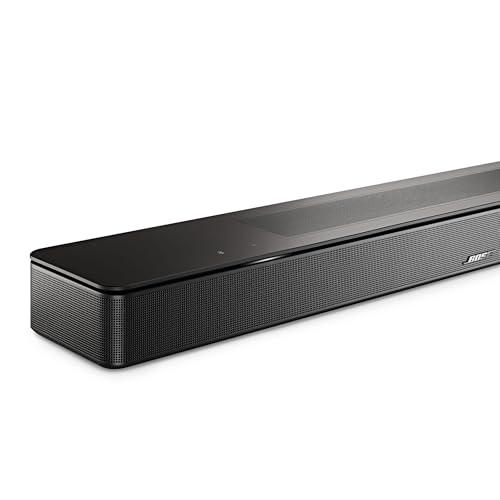
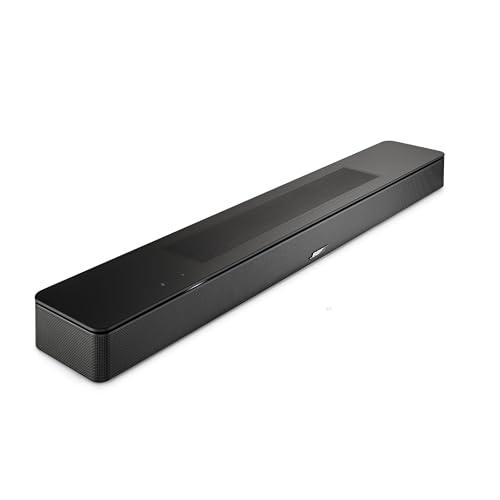
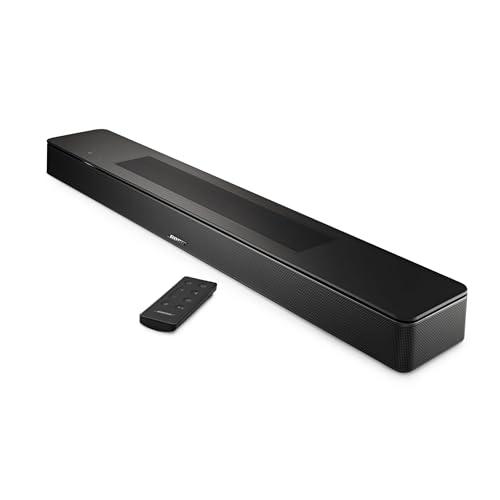
Released in 2024, the Bose Smart Soundbar 1100 represents Bose's continued evolution in compact premium audio. This soundbar embodies the "less is more" philosophy, packing advanced audio processing into an ultra-slim profile that measures just 2.2 inches tall. At its core are five speakers and a center tweeter, including two up-firing drivers that bounce sound off your ceiling to create overhead effects.
The standout feature here is Dolby Atmos support with true height channels. Unlike soundbars that simulate overhead audio, the Bose Smart Soundbar 1100 has dedicated up-firing speakers that physically project sound upward. When you're watching a movie scene with helicopters or rain, you'll actually hear these effects coming from above rather than just from the front of the room.
What makes this soundbar particularly interesting is its TrueSpace technology—essentially an AI-powered audio processor that analyzes non-Atmos content and creates a three-dimensional soundstage from regular stereo or 5.1 tracks. This means even older movies and TV shows benefit from the spatial audio treatment.
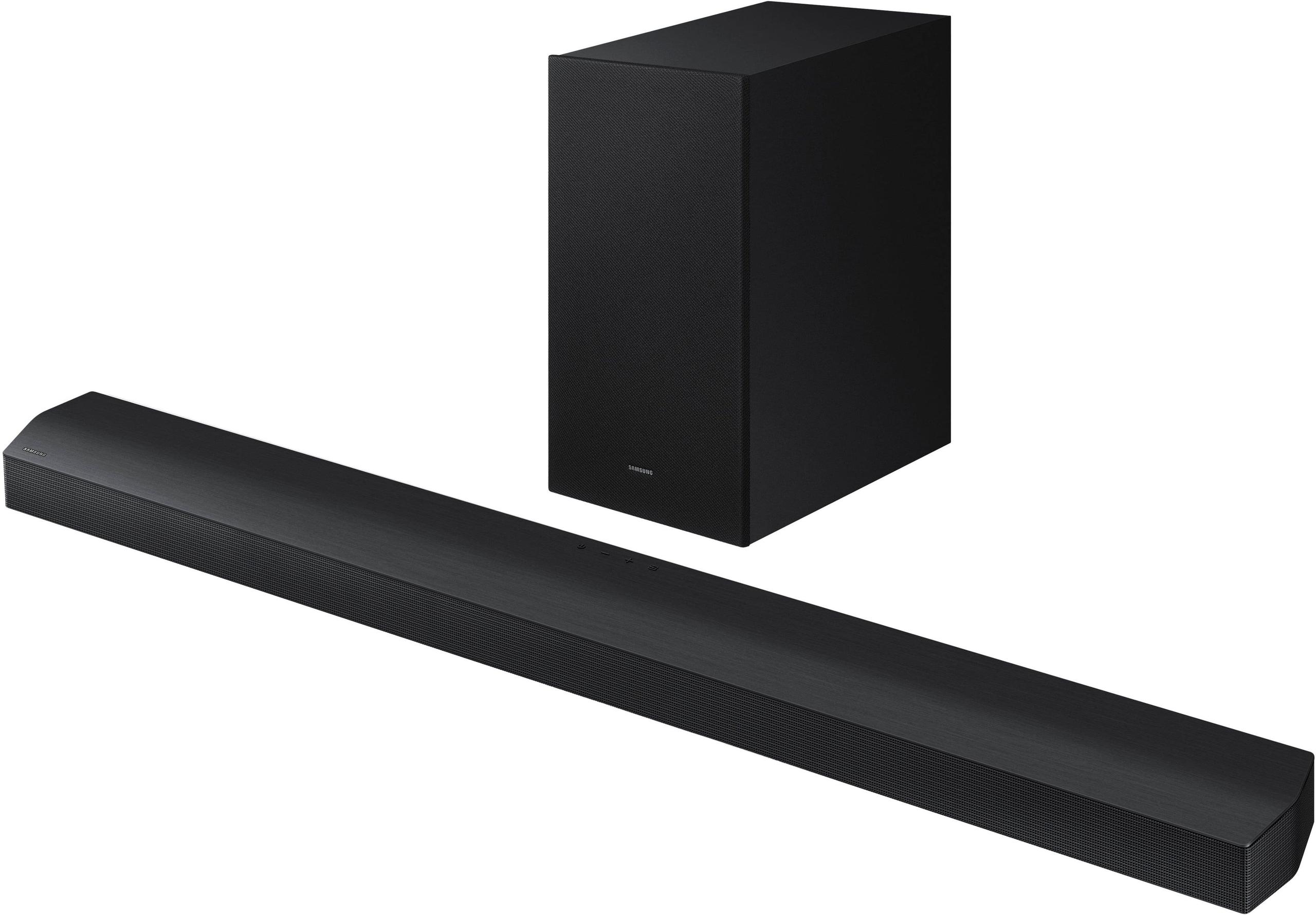
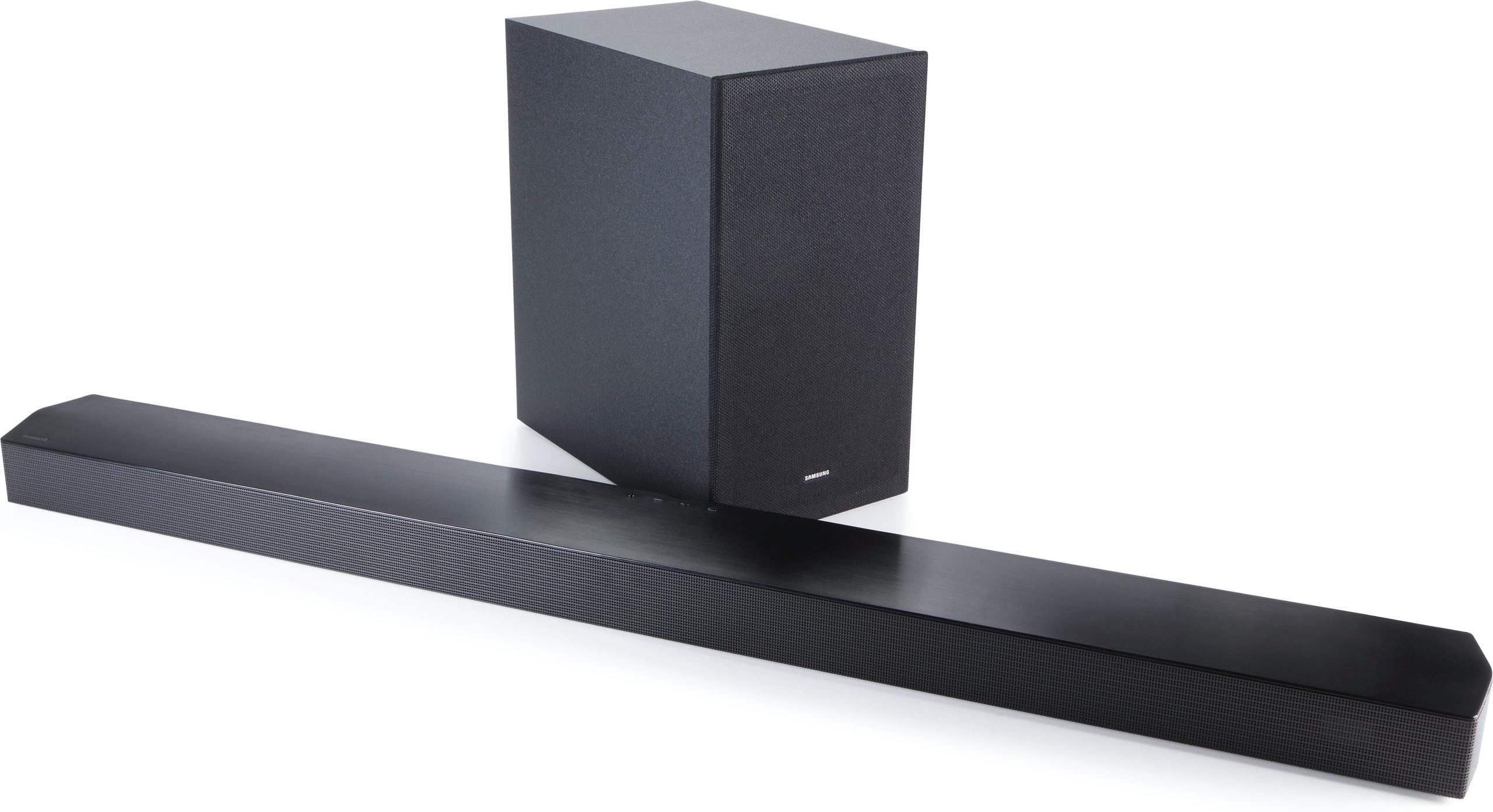
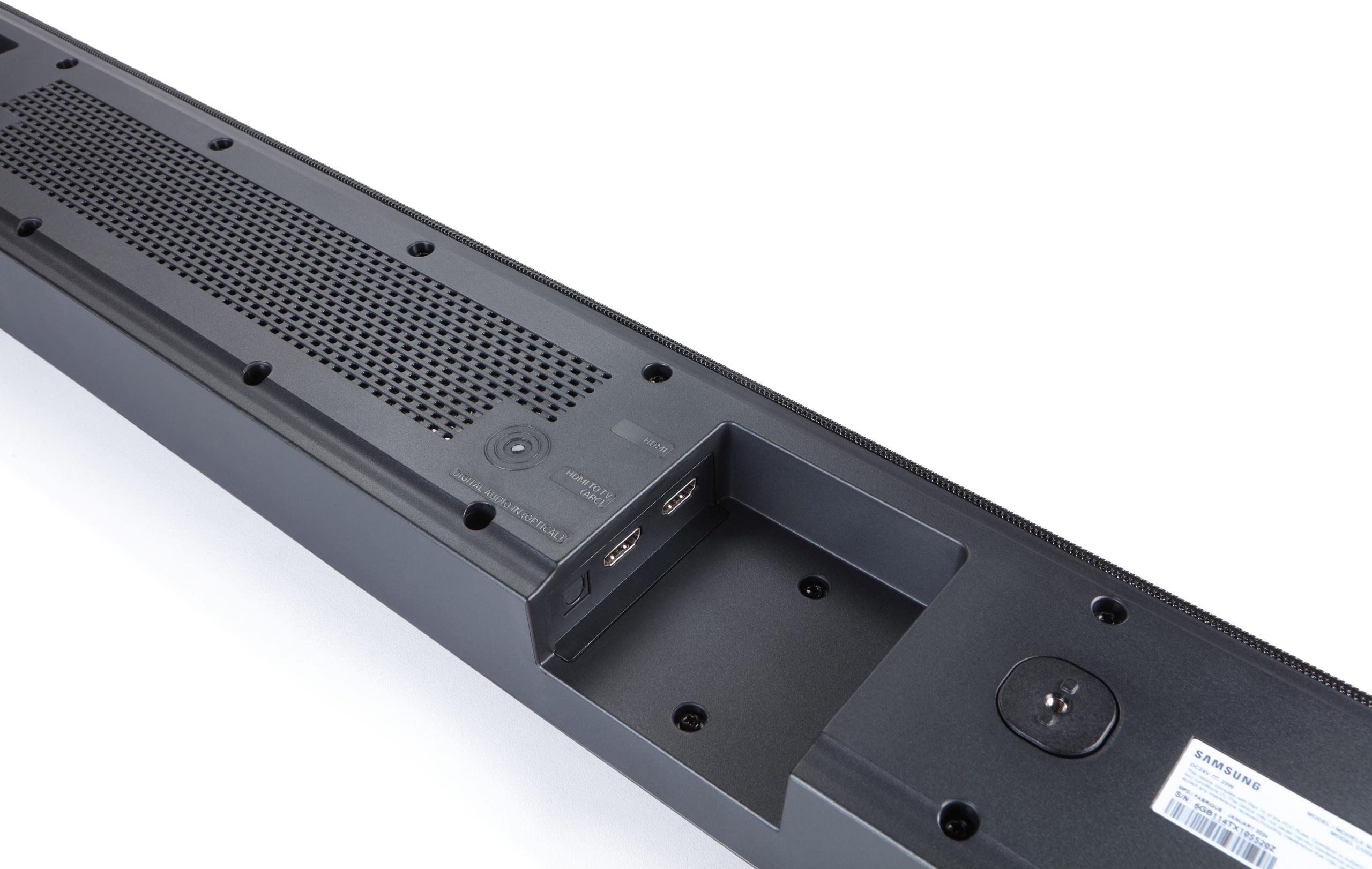
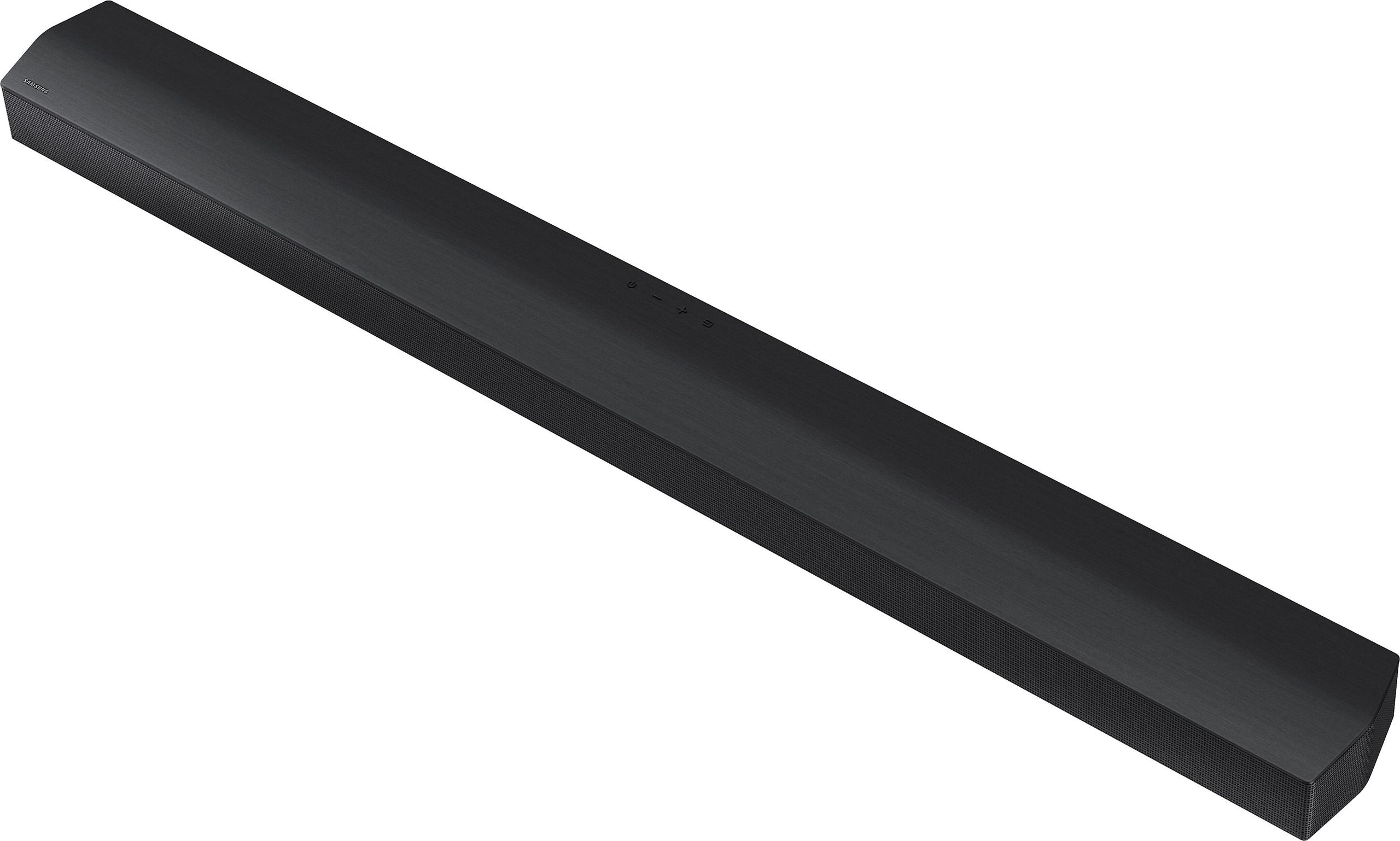
Samsung took a more traditional approach with their B-Series 5.1, released in early 2024. This system follows the time-tested formula of discrete audio channels: a main soundbar with left, center, and right channels plus side-firing speakers, paired with a wireless subwoofer that handles all the low-frequency work.
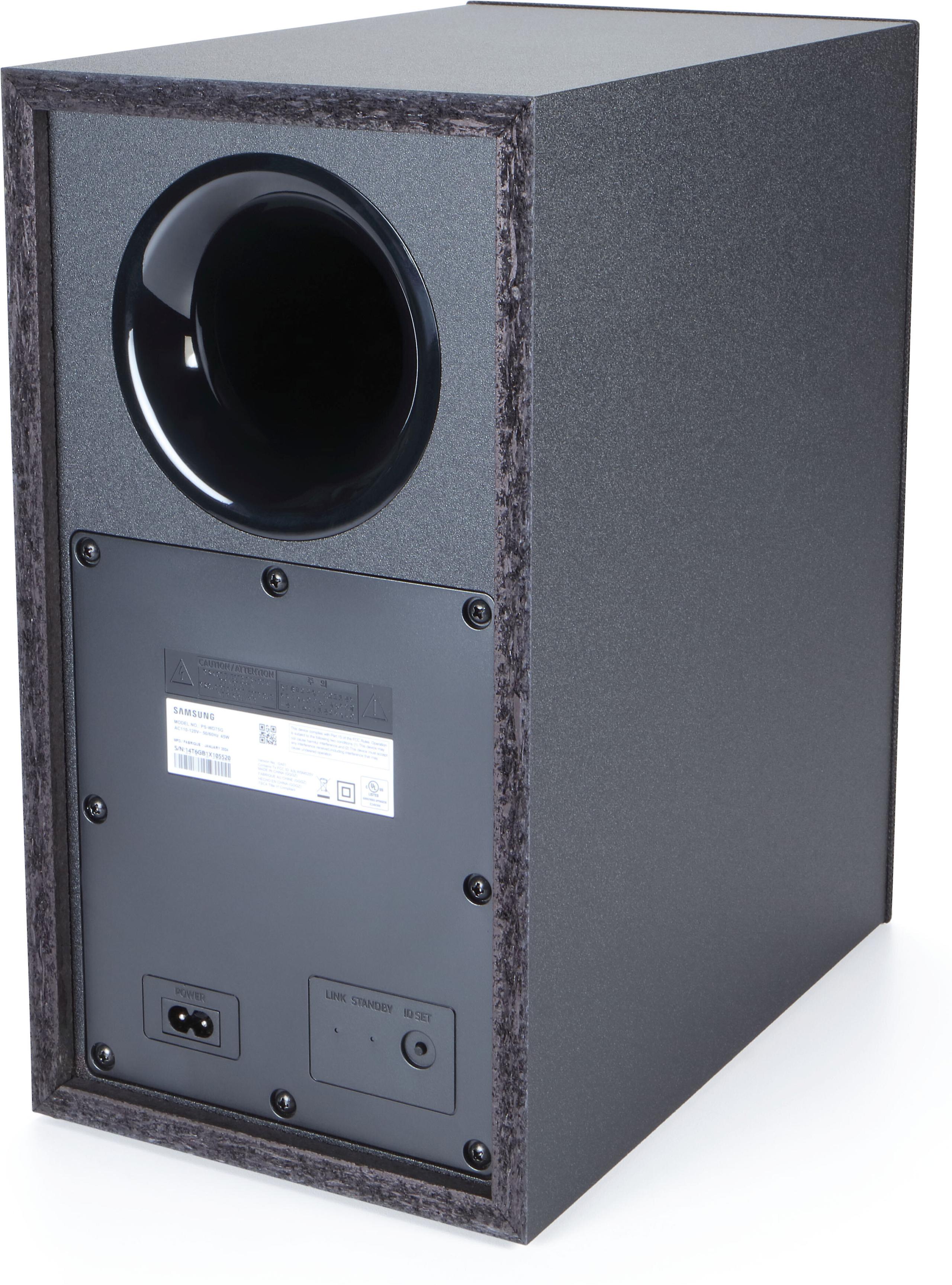
The Samsung B-Series 5.1 comes with a 6.5-inch wireless subwoofer right out of the box, which immediately addresses one of the biggest limitations of compact soundbars. This isn't just about louder bass—it's about reproducing the full frequency spectrum that makes movie soundtracks and music feel complete.
Samsung has also focused heavily on gaming with this model, including a dedicated Game Mode that provides directional audio enhancement. This feature uses cross-talk cancellation technology to help gamers pinpoint enemy locations more accurately—a genuinely useful feature that goes beyond marketing gimmicks.
Both soundbars excel at dialogue clarity, but they achieve it through different methods. The Bose Smart Soundbar 1100 uses what they call A.I. Dialogue Mode, which automatically analyzes audio streams and adjusts the tonal balance when it detects speech. This isn't just a simple EQ boost—it's a sophisticated system that maintains the immersive qualities of the soundtrack while ensuring voices cut through clearly.
Based on extensive user feedback and professional reviews, this system works exceptionally well. Users consistently report being able to understand dialogue at lower volumes, which is particularly valuable for late-night viewing or in apartments where you need to be mindful of noise.
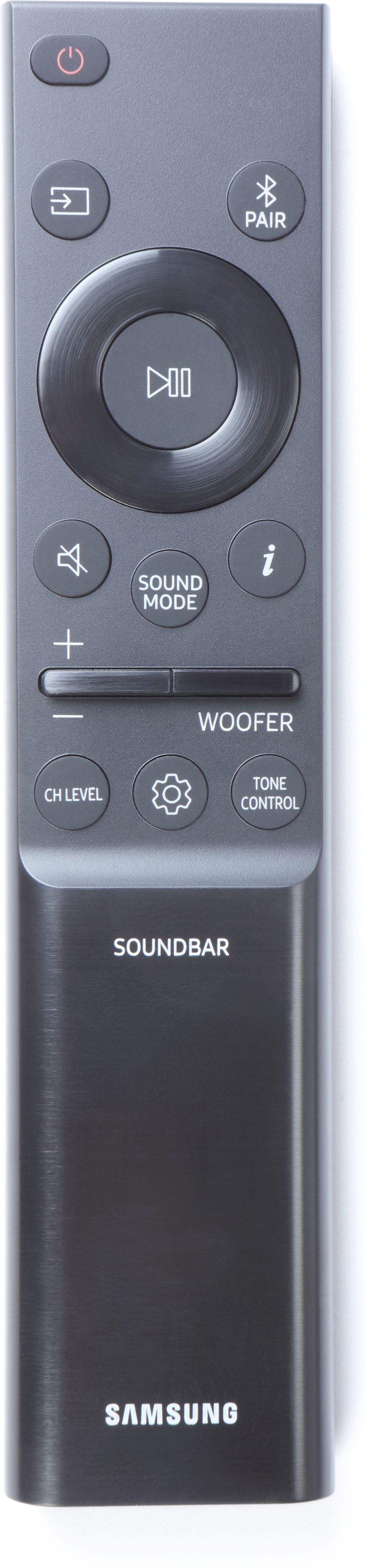
The Samsung B-Series 5.1 takes a more straightforward approach with a dedicated center channel and Voice Enhance mode. Having a discrete center channel—a speaker specifically designed to handle dialogue—provides natural vocal clarity. The Voice Enhance mode then optimizes the EQ settings to make voices even more prominent when needed.
In practice, both systems deliver excellent dialogue performance, but the Bose system tends to be more automatic and seamless, while Samsung gives you more manual control over the enhancement level.
This is where the fundamental difference between these two approaches becomes most apparent. The Bose Smart Soundbar 1100 creates spatial audio through a combination of physical up-firing drivers and sophisticated signal processing. When you're watching Dolby Atmos content, those up-firing speakers bounce audio off your ceiling to create genuine overhead effects.
But here's where Bose gets clever: their PhaseGuide technology uses tiny transducers to create beams of sound that can be directed to different parts of your room. This creates the illusion of a much wider soundstage than you'd expect from a single bar. Users often report being surprised by how spacious the audio feels, even from a compact unit.
The Samsung B-Series 5.1 relies on DTS Virtual:X processing combined with physical side-firing speakers built into the main bar. While it doesn't have dedicated up-firing drivers for true overhead effects, the side speakers do create a legitimate sense of surround sound that extends beyond the physical width of the soundbar.
For expandability, Samsung has the advantage. You can add optional wireless rear speakers to create a genuine 5.1.2 or 5.1.4 system, while Bose offers their own expansion options with Bass Modules and Surround Speakers.
This is perhaps the most significant practical difference between these systems. The Samsung B-Series 5.1 includes a wireless subwoofer with a 6.5-inch driver that can be placed anywhere in your room. This immediately gives it a massive advantage in reproducing the low-frequency effects that make action movies and music feel impactful.
The wireless connection means you can experiment with subwoofer placement to find the spot that gives the best bass response in your specific room. Corner placement typically provides the most output, while placing it along a wall can offer more balanced integration with the main soundbar.
The Bose Smart Soundbar 1100 relies entirely on its internal drivers and advanced DSP processing. Bose's QuietPort technology—essentially specially designed ports that reduce turbulence and distortion—helps the soundbar produce more bass than you'd expect from such a compact unit. However, physics is physics, and no amount of clever engineering can make small drivers move enough air to reproduce deep bass like a dedicated subwoofer.
That said, if you're planning to add a Bose Bass Module later, the Bose Smart Soundbar 1100 has a proprietary connection specifically designed for their subwoofers, which can provide seamless integration and powerful low-end extension.
The Bose Smart Soundbar 1100 comes with Amazon Alexa built right in, including a noise-rejecting microphone array that can hear you even when the soundbar is playing loudly. But Bose goes beyond basic voice control with Voice4Video technology, which extends Alexa's capabilities to control your TV and cable box with voice commands. This means you can say things like "Alexa, switch to HDMI 2" or "Alexa, turn up the volume on my cable box."
The soundbar also integrates seamlessly with other Bose smart speakers for whole-home audio, and it supports Apple AirPlay 2, Google Cast, Spotify Connect, and most major streaming services directly. One unique feature is the ability to pair it with Bose Ultra Open Earbuds for what they call "Personal Surround Sound"—essentially using the earbuds as rear surround speakers for private listening.
The Samsung B-Series 5.1 takes a more traditional approach to connectivity but includes some thoughtful features. Bluetooth multi-connection lets you pair two smartphones simultaneously, making it easy to switch between different people's playlists during parties. The single HDMI input provides 4K passthrough, so you can connect a gaming console or streaming device directly to the soundbar.
Gaming audio has become increasingly important as game soundtracks and effects have grown more sophisticated. The Samsung B-Series 5.1 includes a dedicated Game Mode that optimizes audio for directional hearing—crucial for competitive gaming where hearing an enemy's footsteps from the correct direction can mean the difference between victory and defeat.
This mode uses cross-talk cancellation technology to minimize audio bleeding between channels, creating more precise positional audio. Users report noticeable improvements in their ability to locate enemies in first-person shooters and battle royale games.
While the Bose Smart Soundbar 1100 doesn't have a specific gaming mode, its superior dialogue processing can be beneficial for story-driven games, and the Dolby Atmos support works well with newer games that include spatial audio.
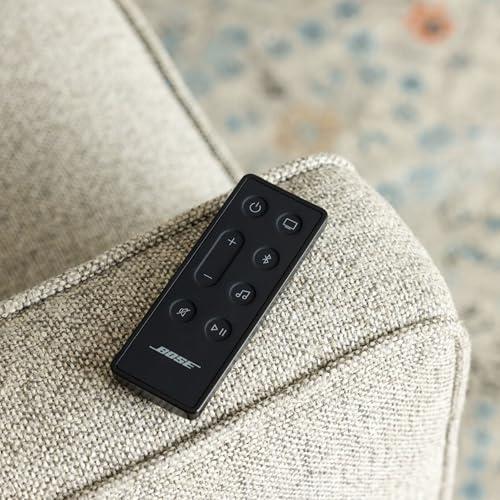
The Bose Smart Soundbar 1100 prioritizes minimalist aesthetics with premium materials. The combination of metal and high-quality plastic feels substantial despite the slim profile, and the matte black finish integrates seamlessly with modern TV setups. At just 2.2 inches tall, it fits under virtually any TV without blocking the screen or IR sensors.
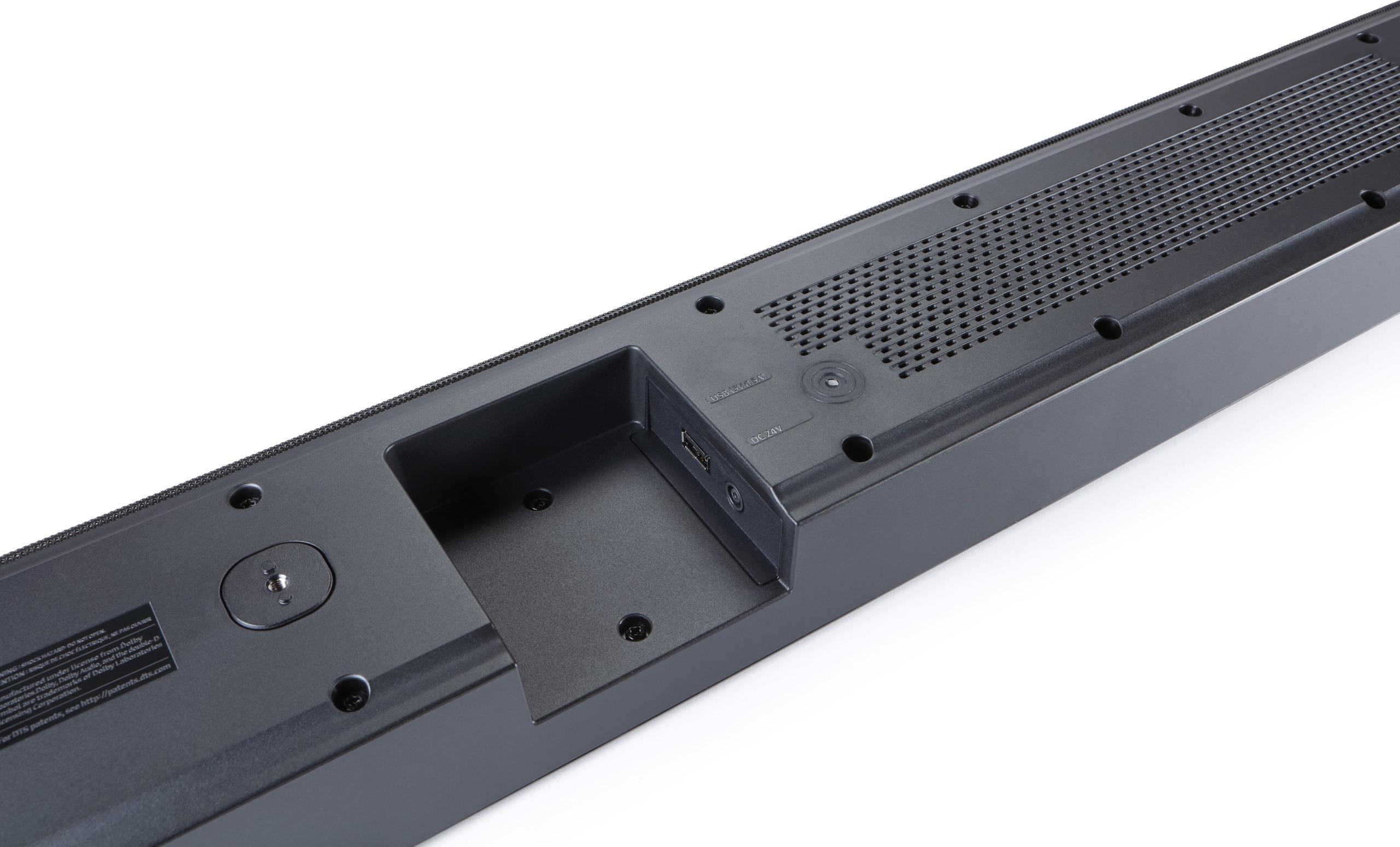
The Samsung B-Series 5.1 has a more utilitarian design but includes practical touches like a wall mount kit in the box. The wireless subwoofer has a compact footprint that fits easily into most rooms, and the matte finish matches well with Samsung TVs and other electronics.
Both soundbars can be wall-mounted, but Bose's ultra-slim profile gives it an advantage for wall mounting, as it virtually disappears when mounted below a wall-hung TV.
At the time of writing, the Samsung B-Series 5.1 offers compelling value by including a wireless subwoofer and wall mount kit for significantly less than the Bose Smart Soundbar 1100. For many users, this represents better immediate value—you get a complete 5.1 system with powerful bass right out of the box.
However, value calculations become more complex when you consider long-term use. If you eventually want to add a subwoofer to the Bose system, the total cost becomes much higher. Conversely, if you prioritize smart features, premium build quality, and sophisticated audio processing, the Bose system's higher price may be justified.
For home theater enthusiasts who plan to build a complete surround system over time, both options offer expansion paths, though with different approaches. Samsung focuses on adding rear speakers for true surround sound, while Bose emphasizes ecosystem integration with their other smart audio products.
You're working with limited space and need the slimmest possible profile. The ultra-compact design makes it perfect for smaller entertainment centers or wall-mounted setups where every inch matters. The sophisticated dialogue processing makes it excellent for TV shows, news, and dialogue-heavy content.
Smart home integration is important to your setup. If you're already invested in the Alexa ecosystem or want comprehensive voice control over your entertainment system, the built-in intelligence is hard to beat. The ability to control not just the soundbar but your entire TV setup with voice commands is genuinely convenient.
You appreciate subtle, refined audio over raw power. The Bose Smart Soundbar 1100 excels at creating an elegant, spacious soundstage that enhances your content without overwhelming your living space. It's perfect for apartments or condos where you need great sound without disturbing neighbors.
You want immediate satisfaction with deep, powerful bass. The included subwoofer transforms action movies and music in a way that compact soundbars simply can't match. If you watch a lot of action films or listen to bass-heavy music, this system delivers the visceral impact you're looking for.
Gaming is a significant part of your entertainment routine. The dedicated Game Mode with directional audio enhancement provides a legitimate competitive advantage in multiplayer games. The ability to hear enemies approaching from specific directions can genuinely improve your gaming performance.
Value is your primary concern. Getting a complete 5.1 system with subwoofer for the price Samsung charges represents excellent value in today's market. You're getting professional-level features and performance without the premium pricing.
Both the Bose Smart Soundbar 1100 and Samsung B-Series 5.1 excel in their respective approaches to home audio. The choice ultimately comes down to your priorities, living situation, and long-term plans.
If you value sophistication, smart features, and space efficiency, the Bose Smart Soundbar 1100 delivers premium audio technology in a package that seamlessly integrates with modern living spaces. Its strength lies in doing more with less—using advanced processing to create an immersive experience from a compact form factor.
If you want immediate, comprehensive audio improvement with powerful bass and gaming optimizations, the Samsung B-Series 5.1 provides exceptional value and performance. Its strength lies in traditional audio principles executed well—discrete channels and dedicated drivers handling their specific frequency ranges.
Either choice will dramatically improve your TV's audio performance. The Bose Smart Soundbar 1100 is about elegant refinement and intelligent features, while the Samsung B-Series 5.1 focuses on complete, powerful audio at an accessible price point. Consider your space, usage patterns, and whether you prioritize innovation or immediate impact—both paths lead to significantly better home entertainment audio.
| Bose Smart Soundbar 1100 | Samsung B-Series 5.1 Channel Soundbar |
|---|---|
| Audio Channels - Determines surround sound capabilities | |
| 3.0.2 (3 main + 2 height channels) | 5.1 (5 main channels + dedicated subwoofer) |
| Subwoofer Included - Critical for deep bass in movies and music | |
| No (optional Bass Module sold separately) | Yes (wireless 6.5" subwoofer included) |
| Dolby Atmos Support - Creates overhead sound effects | |
| Yes (dedicated up-firing drivers) | No (DTS Virtual:X simulation only) |
| Voice Assistant - Hands-free control capability | |
| Amazon Alexa built-in | No built-in assistant |
| Dimensions - How much space it takes up | |
| Ultra-compact: 27.3" x 2.2" x 4.6" | Standard: 40.6" x 2.3" x 4.1" (plus separate subwoofer) |
| HDMI Connectivity - Device connection options | |
| 1 HDMI eARC output only | 1 HDMI input + 1 HDMI output with passthrough |
| Gaming Features - Optimizations for console gaming | |
| Standard audio processing | Dedicated Game Mode with directional audio |
| Wireless Streaming - Built-in music services | |
| AirPlay 2, Chromecast, Spotify Connect, multiple services | Bluetooth only (no Wi-Fi streaming) |
| Wall Mount Hardware - Installation convenience | |
| Bracket sold separately | Wall mount kit included |
| Expandability - Future upgrade options | |
| Bose Smart Soundbar 1100 compatible with Bose Bass Modules and Surround Speakers | Samsung B-Series 5.1 compatible with optional wireless rear speakers |
| Smart Home Integration - Ecosystem compatibility | |
| Full Alexa integration, Bose multiroom audio | Basic Samsung SmartThings compatibility |
| Audio Processing Technology - Sound enhancement features | |
| TrueSpace, PhaseGuide, QuietPort, AI Dialogue Mode | Adaptive Sound, Voice Enhance, DTS Virtual:X |
The Samsung B-Series 5.1 Channel Soundbar is generally better for movies due to its included wireless subwoofer, which delivers the deep bass essential for action scenes and cinematic experiences. However, the Bose Smart Soundbar 1100 excels at dialogue clarity with its AI Dialogue Mode, making it superior for TV shows and dialogue-heavy content. For home theater enthusiasts who watch a lot of blockbuster films, the Samsung's complete 5.1 system provides more immersive surround sound right out of the box.
No, the Bose Smart Soundbar 1100 does not include a subwoofer. It relies on internal drivers and advanced processing to produce bass, though you can purchase a compatible Bose Bass Module separately. In contrast, the Samsung B-Series 5.1 Channel Soundbar includes a wireless subwoofer in the package, providing immediate deep bass performance without additional purchases.
The Bose Smart Soundbar 1100 has superior voice control with built-in Amazon Alexa and Voice4Video technology, allowing you to control your TV, cable box, and streaming services with voice commands. The Samsung B-Series 5.1 Channel Soundbar does not include built-in voice assistants, though it can work with existing smart home systems through Samsung SmartThings.
Yes, both soundbars support expansion with rear speakers. The Samsung B-Series 5.1 Channel Soundbar is compatible with optional Samsung wireless rear speakers to create a true surround sound system. The Bose Smart Soundbar 1100 can be expanded with Bose Surround Speakers and Bass Modules, though these accessories are sold separately and tend to be more expensive.
The Samsung B-Series 5.1 Channel Soundbar is better for gaming, featuring a dedicated Game Mode with directional audio enhancement and cross-talk cancellation technology. This helps gamers pinpoint enemy locations more accurately in competitive games. While the Bose Smart Soundbar 1100 doesn't have specific gaming features, its excellent dialogue processing can benefit story-driven games.
The Bose Smart Soundbar 1100 is much more compact at 27.3" wide and just 2.2" tall, making it ideal for smaller spaces or wall mounting. The Samsung B-Series 5.1 Channel Soundbar is larger at approximately 40.6" wide, plus you need space for the separate wireless subwoofer. Choose the Bose if space is limited, or the Samsung if you have room for a full system.
The Bose Smart Soundbar 1100 offers superior wireless connectivity with Wi-Fi, Apple AirPlay 2, Google Chromecast, Spotify Connect, and access to multiple streaming services. The Samsung B-Series 5.1 Channel Soundbar primarily relies on Bluetooth connectivity, though it does support multi-device Bluetooth pairing. For streaming music directly to the soundbar, the Bose system is more versatile.
Only the Bose Smart Soundbar 1100 supports true Dolby Atmos with dedicated up-firing drivers that create overhead sound effects. The Samsung B-Series 5.1 Channel Soundbar uses DTS Virtual:X technology to simulate three-dimensional sound but doesn't have physical up-firing speakers for genuine Atmos effects. If Dolby Atmos is important to you, the Bose is the better choice.
The Samsung B-Series 5.1 Channel Soundbar typically offers better immediate value by including a wireless subwoofer and wall mount kit at a lower price point than the Bose Smart Soundbar 1100. However, the Bose system provides premium audio processing, smart features, and build quality that may justify its higher cost for users who prioritize these features over raw bass power.
Yes, both the Bose Smart Soundbar 1100 and Samsung B-Series 5.1 Channel Soundbar work with any TV brand through HDMI ARC/eARC or optical connections. However, the Samsung model may offer enhanced integration features when paired with Samsung TVs, while the Bose system's universal compatibility and voice control work equally well with all TV brands.
Both soundbars are relatively easy to set up, but the Samsung B-Series 5.1 Channel Soundbar has a slight advantage by including the wall mount hardware in the box. The Bose Smart Soundbar 1100 requires a separate wall mount purchase but offers more comprehensive setup guidance through the Bose Music app. The Samsung's wireless subwoofer pairs automatically, while the Bose system's setup focuses on optimizing its advanced audio processing features.
The Bose Smart Soundbar 1100 is better suited for small apartments due to its ultra-compact design and sophisticated volume management features like Night Mode. Its advanced processing creates an immersive experience without needing high volumes that might disturb neighbors. The Samsung B-Series 5.1 Channel Soundbar delivers more powerful bass that may be too much for thin apartment walls, though it does include a Night Mode to reduce bass output when needed.
We've done our best to create useful and informative comparisons to help you decide what product to buy. Our research uses advanced automated methods to create this comparison and perfection is not possible - please contact us for corrections or questions. These are the sites we've researched in the creation of this article: bestbuy.com - rtings.com - rtings.com - youtube.com - staples.com - youtube.com - soundguys.com - businessinsider.com - youtube.com - rtings.com - crutchfield.com - youtube.com - youtube.com - smart.dhgate.com - dolby.com - bose.com - assets.bose.com - bose.com - connection.com - bestbuy.com - cdw.com - dell.com - device.report - bestbuy.com - abt.com - avsforum.com - crutchfield.com - camelcamelcamel.com - samsung.com - samsung.com - samsung.com - images.samsung.com - samsung.com - avblinq.avbportal.com - samsung.com - samsung.com

Privacy Policy
Terms and Conditions - Affiliate Policy
Home Security
© Copyright 2008-2026.
11816 Inwood Rd #1211, Dallas, TX 75244