

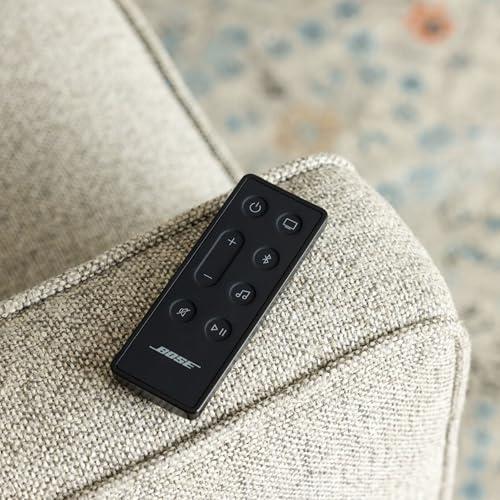

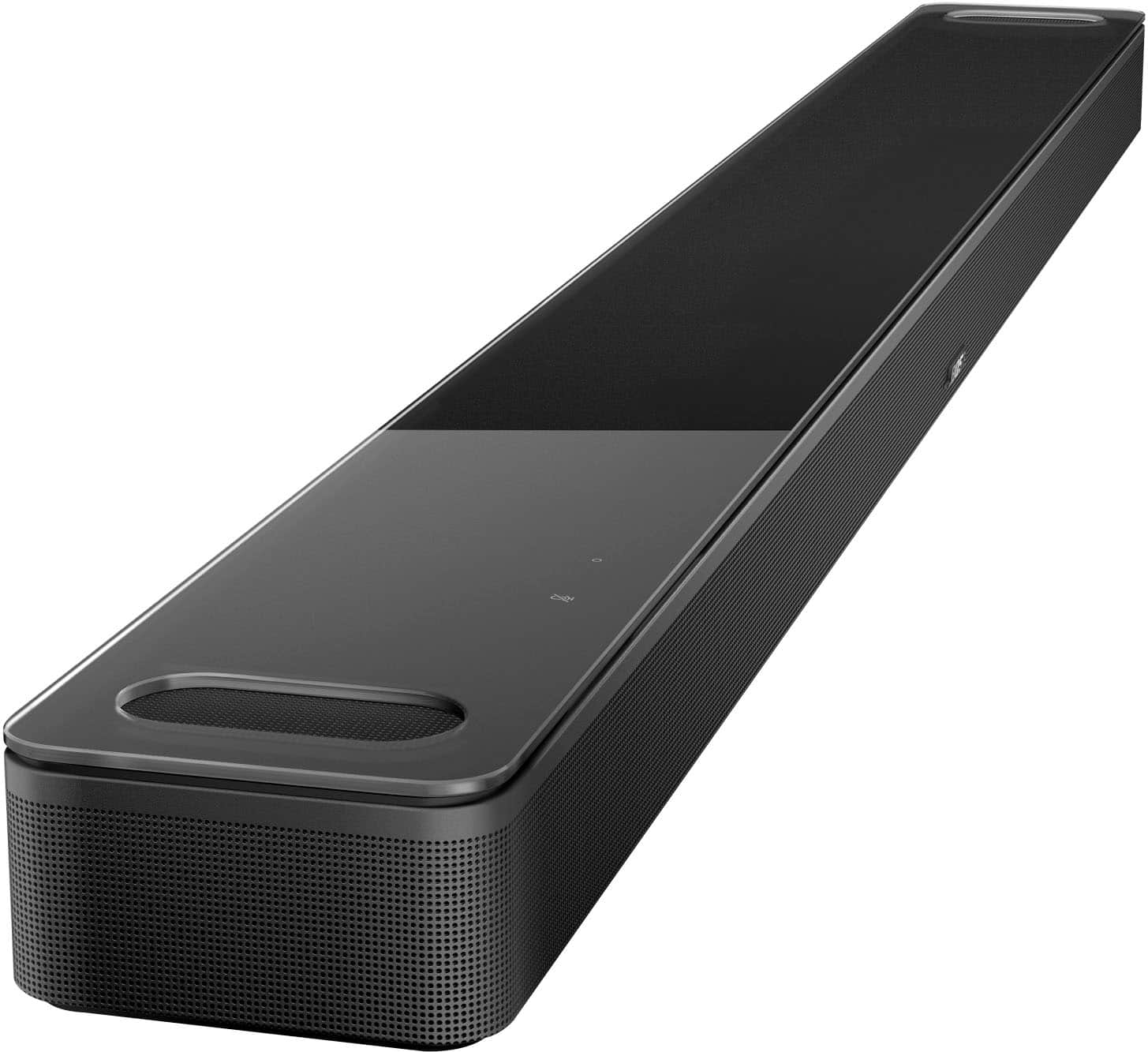
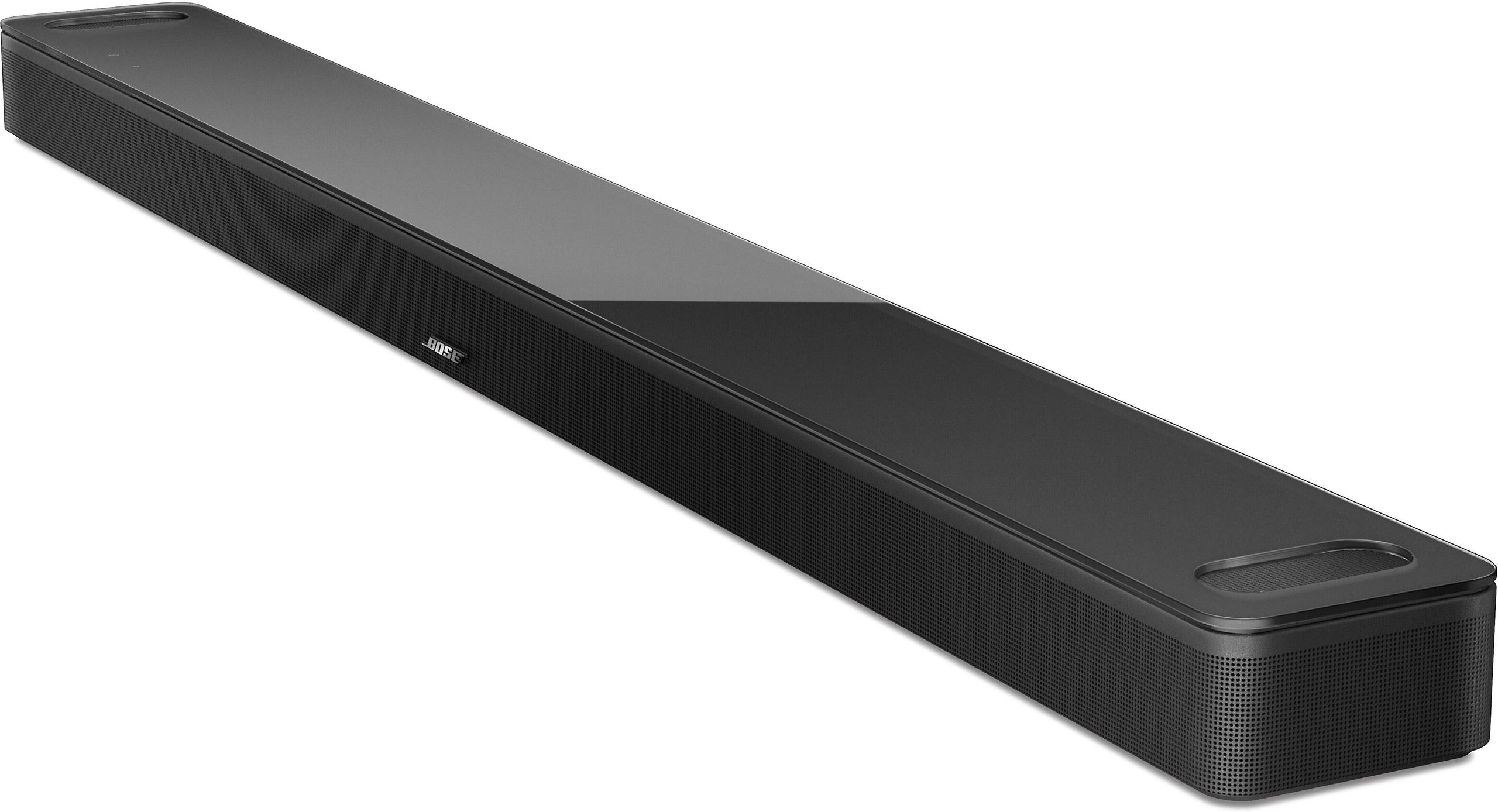
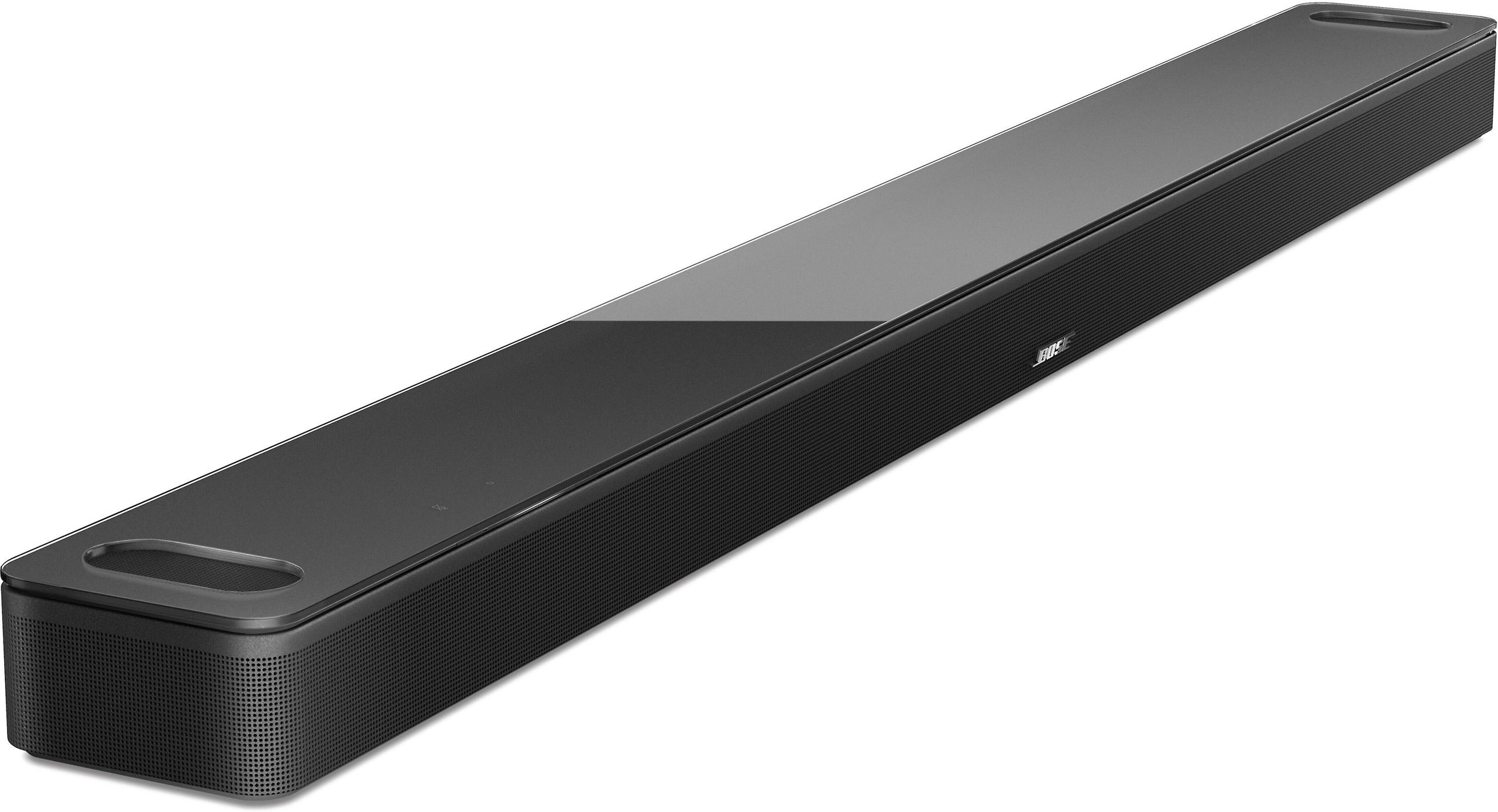

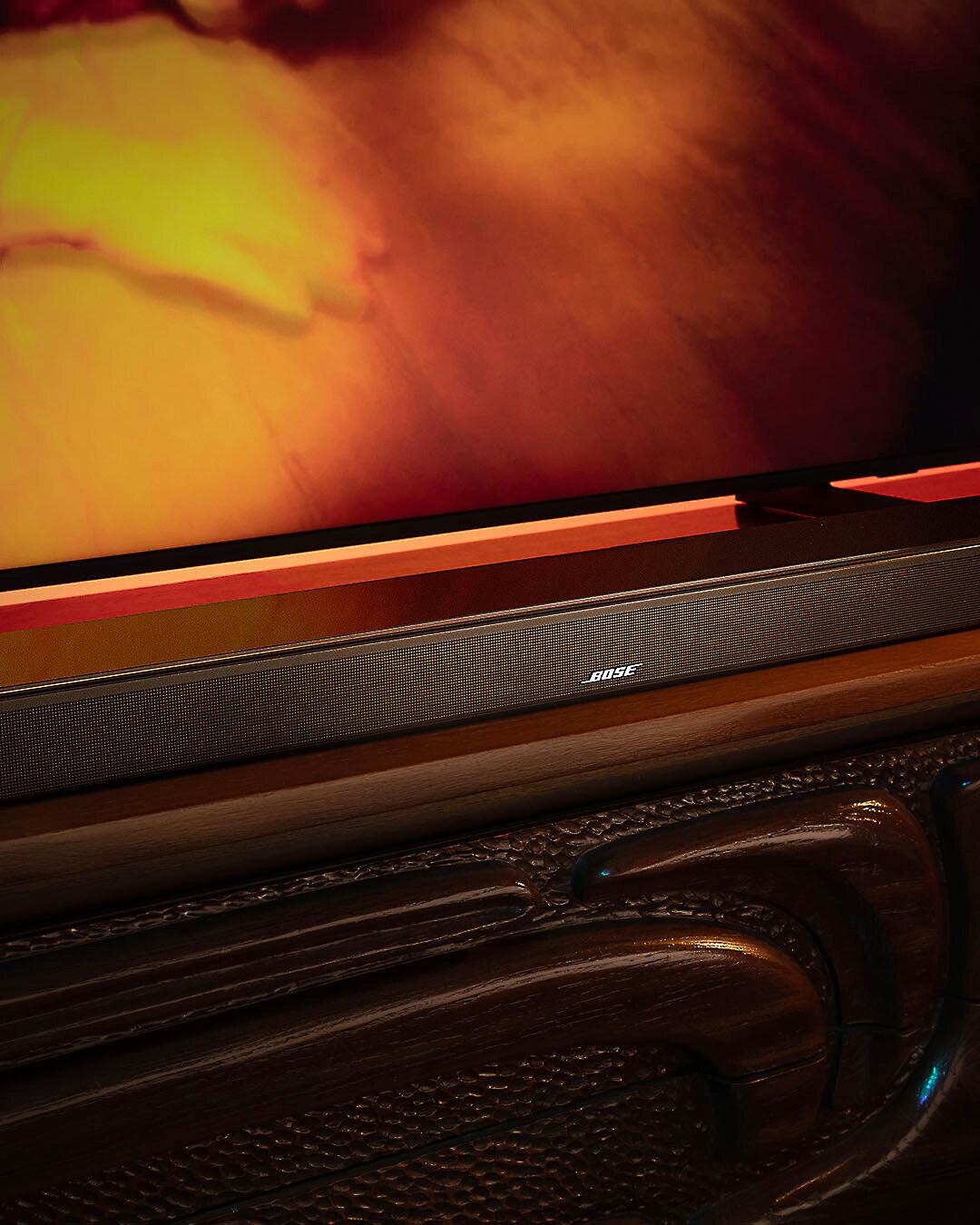
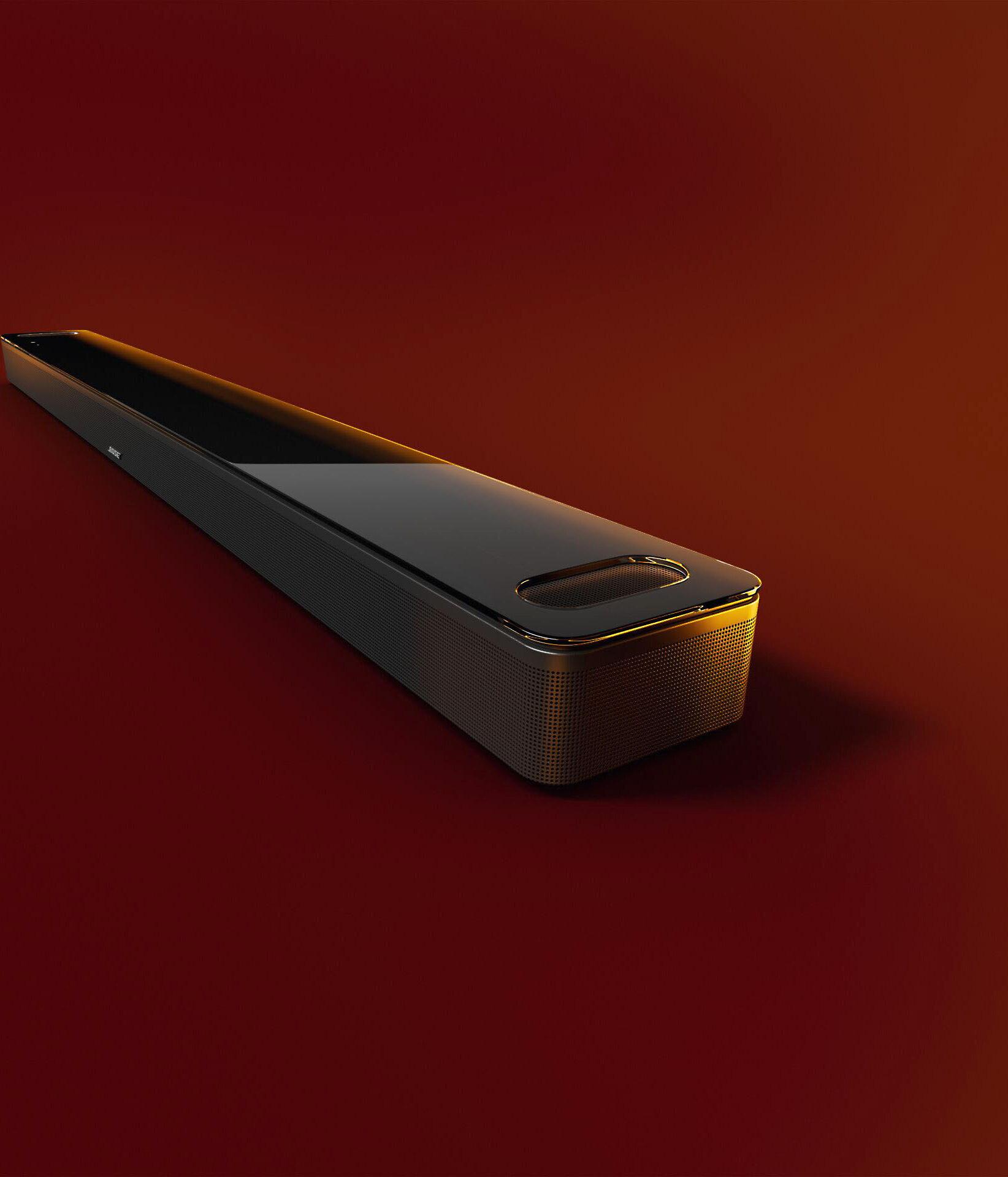
When you're tired of constantly adjusting your TV's volume or asking "what did they just say?" for the tenth time during a movie, it's time to consider upgrading to a premium soundbar. The soundbar market has exploded in recent years, offering everything from basic audio upgrades to sophisticated home theater replacements that can transform your living room into a cinema-like experience.
Bose has been a major player in this space, and two of their current offerings represent different approaches to premium audio: the Bose Smart Soundbar 1100 and the Bose Smart Ultra Soundbar. Both launched in 2023, incorporating the latest advances in spatial audio processing and smart home integration that have become standard in premium soundbars. Understanding which one fits your needs—and your budget—requires diving into what makes each unique.
Before we dive into the specifics, let's establish what separates premium soundbars from their budget counterparts. At this level, you're not just getting louder sound; you're investing in technologies that create immersive audio experiences that can rival traditional surround sound systems.
The most important considerations when evaluating premium soundbars include dialogue clarity (since most of us primarily watch TV and movies), spatial audio capabilities (how well they create the illusion of sound coming from around you), room size compatibility, and long-term value through expandability.
Modern premium soundbars have largely solved the connectivity headaches of the past. Both the Smart Soundbar 1100 and Smart Ultra Soundbar include all the wireless technologies you'd expect: Wi-Fi for streaming services, Bluetooth for phone connections, Apple AirPlay 2 for iPhone users, and Chromecast for Android devices. They also include voice assistants—Amazon Alexa is built right in, and they work with Google Assistant devices you might already own.
Where these soundbars really differentiate themselves is in audio performance and the technologies they use to create immersive sound experiences.
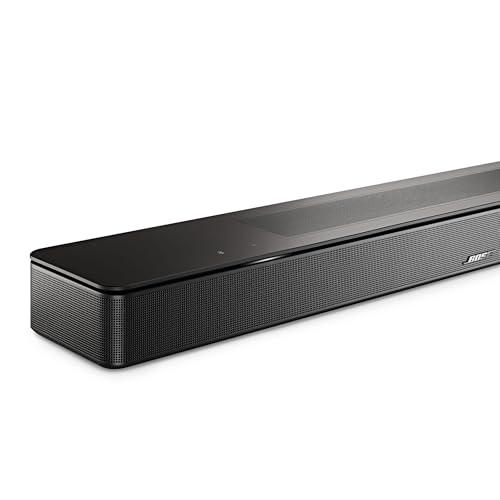
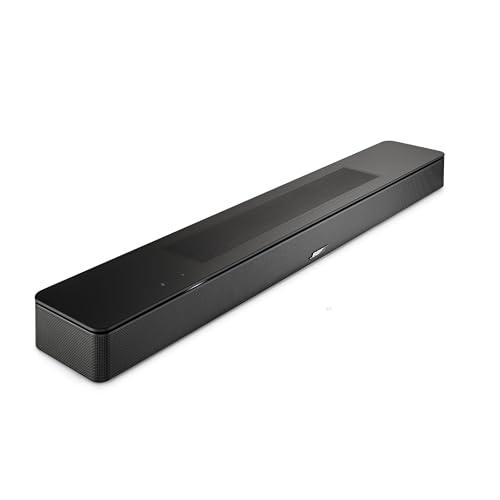
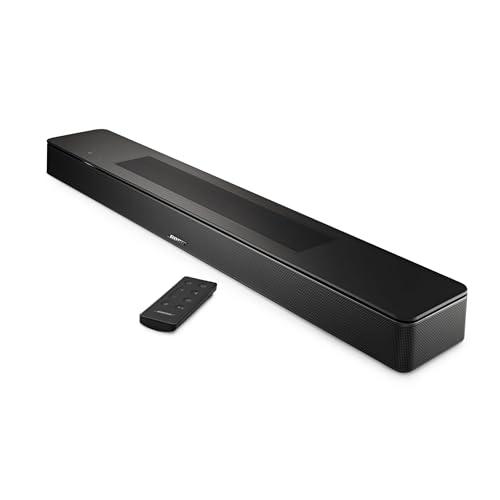
Released in 2023, the Bose Smart Soundbar 1100 represents what happens when a company focuses on maximizing performance within strict size constraints. At just over 27 inches wide and barely over 2 inches tall, this soundbar fits under virtually any TV without dominating your entertainment center.
Don't let its modest dimensions fool you, though. Inside this compact package, Bose has packed five speakers plus a dedicated center tweeter—a small speaker specifically designed to handle high-frequency sounds like dialogue. The configuration is what audio engineers call 3.0.2, which means three main channels (left, center, right), zero dedicated subwoofer channels, and two height channels for overhead effects.
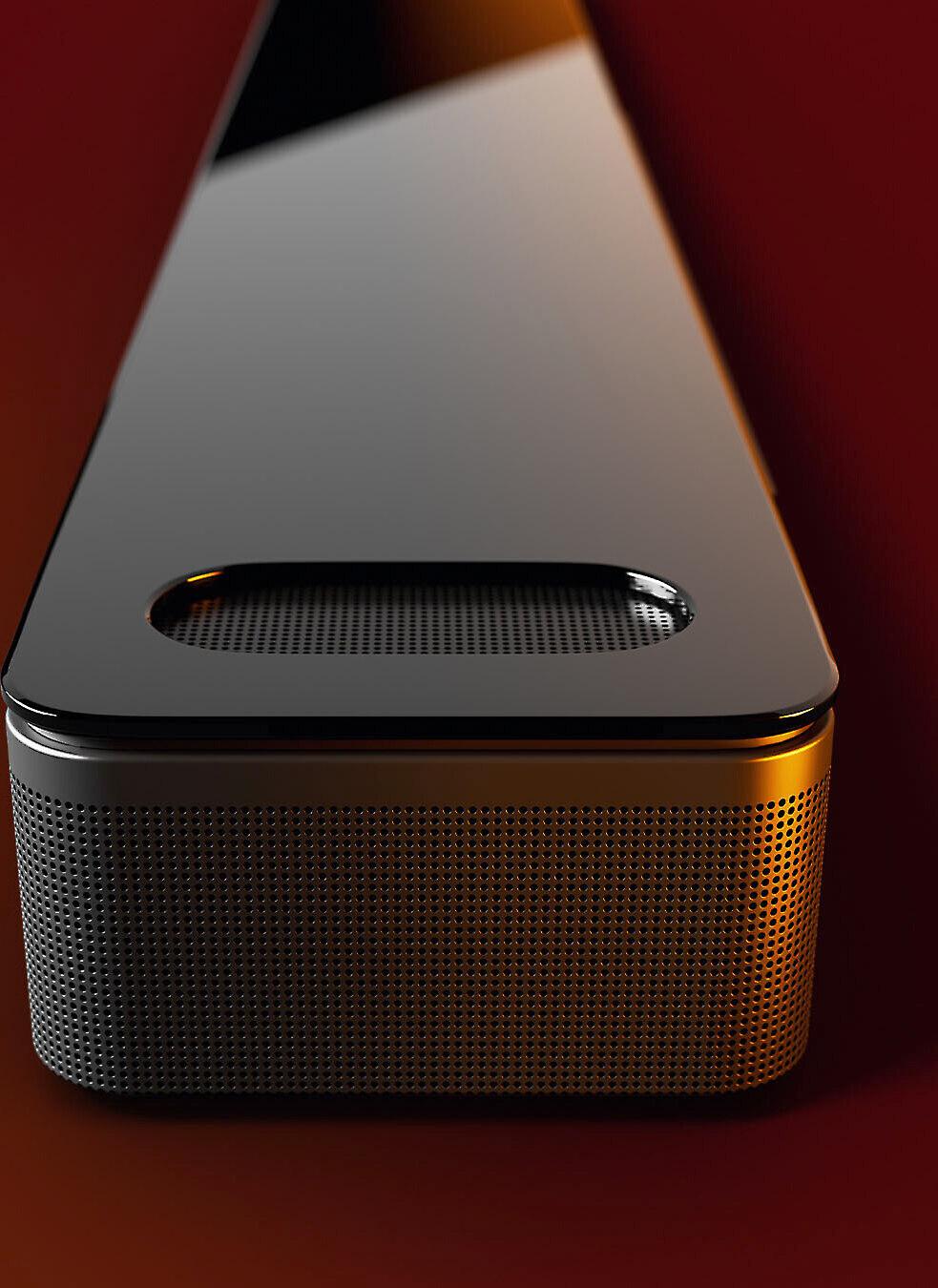
Those two height channels come from up-firing drivers—speakers that point toward your ceiling instead of directly at you. When properly implemented, these create the illusion that sound is coming from above by bouncing audio off your ceiling. It's a clever solution that works surprisingly well in most rooms, though the effect varies depending on your ceiling height and material.
The standout feature of the Smart Soundbar 1100 is its AI Dialogue Mode, which uses machine learning to automatically detect when people are speaking and adjusts the sound accordingly. This isn't just a simple bass/treble adjustment—the system analyzes the audio in real-time and optimizes the frequency response to make voices clearer without sacrificing the impact of sound effects or music.
From our research into user experiences, this feature consistently impresses owners who struggle with dialogue clarity on their TV's built-in speakers. The AI adjustment happens automatically and seamlessly, so you don't have to manually switch modes when changing from an action sequence to a quiet conversation scene.
The soundbar also incorporates Bose's PhaseGuide technology, which uses precise timing differences between speakers to create the illusion of sound placement beyond the physical boundaries of the bar itself. When a helicopter flies across the screen, PhaseGuide makes it sound like it's actually moving from left to right across your room, not just getting louder in the left or right speaker.
For content that isn't encoded in Dolby Atmos—which includes most TV shows and older movies—the Smart Soundbar 1100 uses TrueSpace technology to analyze stereo or standard surround sound and add vertical dimension. It's essentially taking flat audio and adding height information, creating a more immersive experience even with older content.
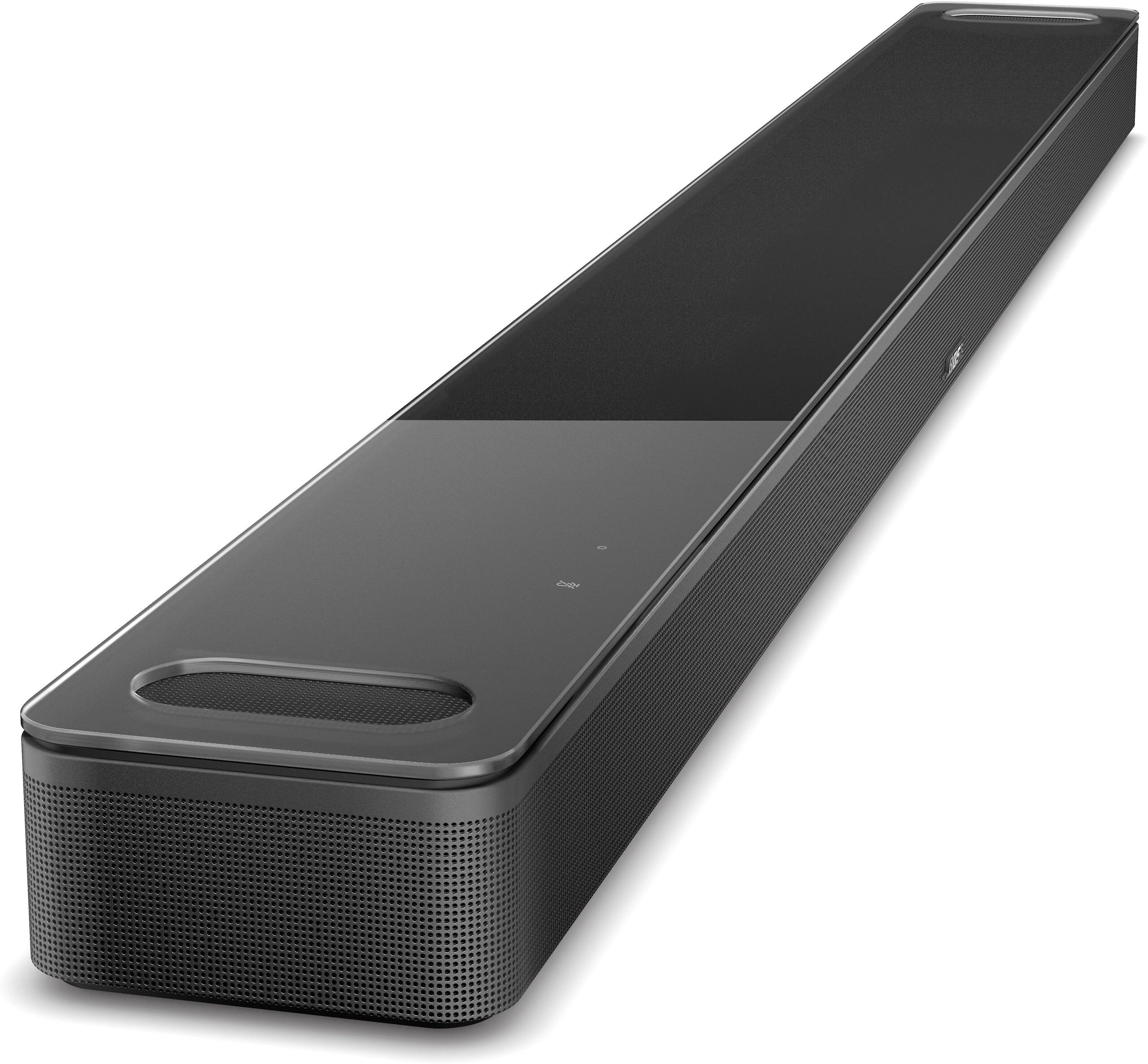
The Bose Smart Ultra Soundbar, also released in 2023, takes a different approach entirely. At 34.5 inches wide, it's designed for larger TVs (50 inches and up) and larger rooms. The size increase isn't just for show—it allows for a more sophisticated driver configuration that Bose calls 5.1.2.
This means five main channels (adding dedicated left and right surround channels), one low-frequency channel (though there's no built-in subwoofer), and two height channels. The additional surround channels use what Bose calls dipole transducers—specialized speakers that fire sound in multiple directions simultaneously to create a more enveloping surround effect.
What truly sets the Smart Ultra Soundbar apart is its ADAPTiQ room calibration system. This technology, which has been refined since Bose first introduced it in their home theater systems, uses an included measurement microphone to analyze your room's acoustics and automatically adjust the soundbar's output accordingly.
Room acoustics have a massive impact on audio quality. Hard surfaces reflect sound, soft surfaces absorb it, and irregular room shapes can create dead spots or echo problems. ADAPTiQ measures how sound behaves in your specific space and compensates for these issues. The difference can be dramatic—what sounds muddy and unclear before calibration often becomes crisp and well-balanced afterward.
The calibration process involves wearing the included headset microphone and sitting in your primary listening position while the soundbar plays test tones. The system measures not just frequency response but also timing—how long it takes sound to reach your ears both directly from the soundbar and after reflecting off room surfaces. This timing information is crucial for creating convincing spatial audio effects.
Both soundbars support Dolby Atmos, but their implementation differs significantly. Dolby Atmos is an audio format that treats sounds as objects that can be precisely positioned in three-dimensional space, rather than just assigning them to specific speaker channels. When done well, it creates the sensation that sounds are coming from specific locations around and above you.
The Smart Soundbar 1100 handles Atmos respectably for its size class, with its two up-firing drivers creating a noticeable sense of height in properly encoded content. However, the Smart Ultra Soundbar takes this further with more sophisticated upward-firing dipole speakers and additional processing power to more precisely position Atmos objects.
Based on expert reviews and user feedback we've analyzed, the height effect from the Smart Ultra Soundbar is more convincing and consistent across different types of content. The additional width also helps with horizontal sound placement—effects that pan from left to right sound more natural and expansive.
Since most of us spend more time watching TV shows and movies than listening to music through our soundbars, dialogue clarity often matters more than any other single factor. Both Bose soundbars excel here, but for different reasons.
The Smart Soundbar 1100 achieves excellent dialogue clarity through its dedicated center tweeter and AI Dialogue Mode. The center tweeter handles the frequency range where most human speech occurs, while the AI processing ensures voices remain clear even during complex soundtracks with lots of music and effects.
The Smart Ultra Soundbar takes a more traditional approach with superior driver quality and more precise frequency response. Its ADAPTiQ calibration also optimizes dialogue clarity for your specific room, which can make a significant difference if you're dealing with challenging acoustics.
From user reports, both soundbars dramatically improve dialogue clarity compared to TV speakers, with the Smart Ultra having a slight edge in very challenging rooms or with particularly difficult content.
Here's where both soundbars show their limitations, and it's worth being honest about this. Neither the Smart Soundbar 1100 nor the Smart Ultra Soundbar includes a dedicated subwoofer, and both suffer in deep bass performance as a result.
The Smart Soundbar 1100, due to its compact size, produces respectable mid-bass but lacks the deep low-end extension that makes action movies truly impactful. User reviews consistently mention that while the bass is adequate for dialogue-heavy content and casual music listening, it feels thin during explosive action sequences.
The Smart Ultra Soundbar performs better in this regard thanks to its larger enclosure and more sophisticated driver design, but it still can't match what you'd get from a dedicated subwoofer. Both soundbars include outputs for Bose's optional Bass Module 500 or 700, and adding one of these transforms the experience significantly.
This isn't unusual in the soundbar category—physics limits how much low-frequency energy you can generate from a slim enclosure. The question is whether the bass performance meets your expectations for your primary content.
Soundstage refers to how wide and spacious the audio sounds—whether music and effects seem to come from a broad area or feel confined to the small space between the soundbar's speakers. This is where the size difference between these models becomes most apparent.
The Smart Soundbar 1100 creates an impressively wide soundstage for its 27-inch width. Bose's PhaseGuide technology works well to extend the apparent sound source beyond the physical boundaries of the bar. In a smaller room, this often provides all the immersion you need.
The Smart Ultra Soundbar, with its 34.5-inch width and more sophisticated driver array, creates a notably wider and more enveloping soundstage. The dipole surround drivers help with side-to-side effects, while the improved up-firing speakers create better height definition.
In practical terms, this means the Smart Ultra will make you feel more "surrounded" by the audio, especially in larger rooms where the Smart Soundbar 1100 might feel constrained.
Both soundbars include essentially identical smart features, which speaks to how standardized this technology has become. Amazon Alexa is built into both, with the same Voice4Video functionality that lets you control not just the soundbar but also your TV and cable box with voice commands.
The Bose Music app provides setup guidance and ongoing control for both models, with identical streaming service integration including Spotify Connect, Apple AirPlay 2, and Google Chromecast. Wi-Fi connectivity supports the same range of music services: Amazon Music, Pandora, TuneIn, Deezer, iHeartRadio, and SiriusXM.
Both also support Bose's multi-room audio system, allowing you to group them with other Bose smart speakers throughout your home. They can also connect to Bose's Ultra Open Earbuds for what Bose calls "Personal Surround Sound"—essentially using the earbuds as wireless rear speakers for private listening.
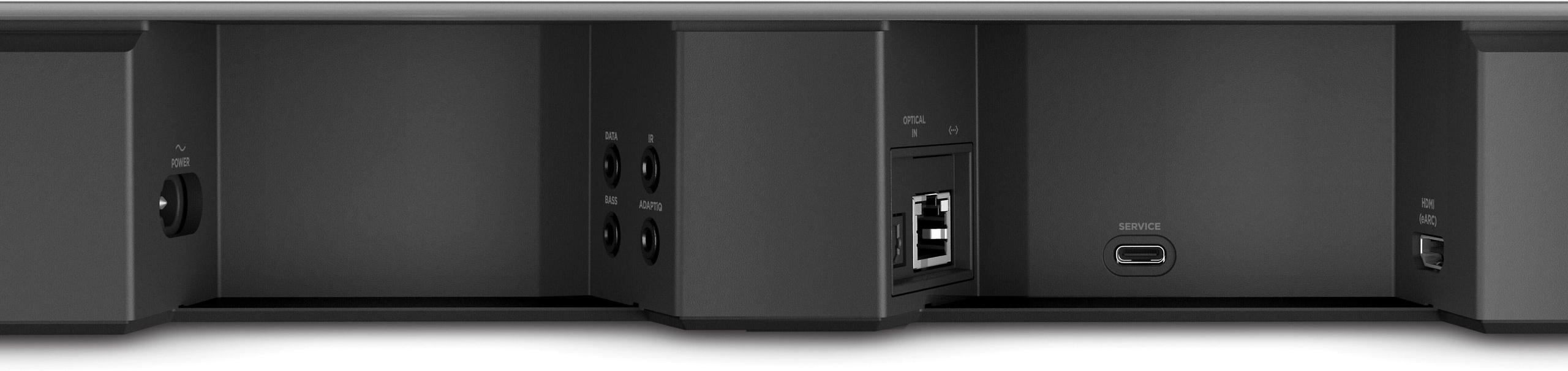
One limitation that affects both models equally is the lack of HDMI input ports. You get HDMI eARC (enhanced Audio Return Channel) for connecting to your TV, but you can't use either soundbar as an HDMI hub for multiple devices. This isn't uncommon in the soundbar category, but it's worth noting if you have multiple HDMI sources.
At the time of writing, there's a significant price gap between these models, with the Smart Ultra Soundbar commanding a substantial premium over the Smart Soundbar 1100. The question becomes whether the performance improvements justify the additional cost.
For most users in smaller to medium-sized rooms, the performance difference may not justify the price premium. The Smart Soundbar 1100 delivers excellent dialogue clarity, respectable Dolby Atmos performance, and all the smart features most people want. Adding an optional Bass Module later can address the low-end limitations without reaching the total cost of the Smart Ultra.
However, for users with larger rooms, premium TVs, or particularly challenging room acoustics, the Smart Ultra Soundbar offers meaningful improvements. The ADAPTiQ room calibration alone can make a dramatic difference in difficult rooms, and the superior soundstage width becomes more noticeable as room size increases.
One advantage of staying within the Bose ecosystem is that both soundbars offer identical expansion options. You can add the same Bass Module 500 or 700 for deeper bass, the same Surround Speakers for true rear channel effects, and both integrate with Bose's broader smart speaker lineup.
This means your choice between the Smart Soundbar 1100 and Smart Ultra won't limit your future upgrade options. You can start with whichever fits your current needs and budget, then expand the system later as desired.
The expansion path is particularly relevant because both soundbars perform significantly better with a subwoofer added. If you're planning to add a Bass Module relatively soon after purchase, it makes sense to focus your budget on the bass module rather than upgrading to the Smart Ultra for slightly better built-in bass performance.
After analyzing expert reviews, user feedback, and the technical specifications, clear usage scenarios emerge for each soundbar.
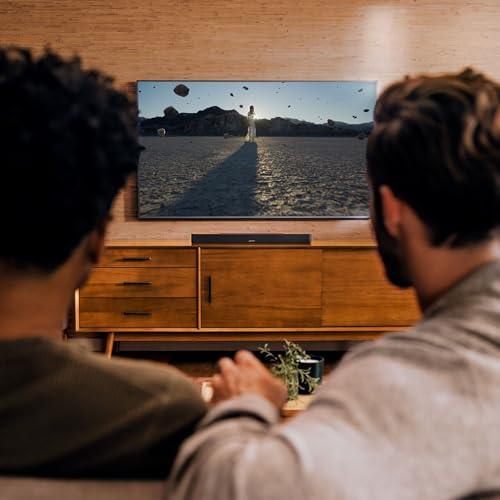
Choose the Bose Smart Soundbar 1100 if you have a smaller room (under 200 square feet), a TV smaller than 55 inches, or a budget that prioritizes value over ultimate performance. It's also the better choice if your primary content is dialogue-heavy—TV shows, news, documentaries—where its AI Dialogue Mode and compact efficiency shine.
The Smart Soundbar 1100 also makes sense if you prioritize a clean, unobtrusive setup. Its compact size means it won't dominate your entertainment center or require special accommodation in your TV stand.
Choose the Bose Smart Ultra Soundbar if you have a larger room, a TV 50 inches or larger, or challenging room acoustics that would benefit from ADAPTiQ calibration. It's also worth the premium if you frequently watch action movies, play video games, or listen to music through your TV setup, where the superior soundstage and dynamics become more apparent.
The Smart Ultra is definitely the choice for dedicated home theater enthusiasts who want the best possible soundbar performance and plan to build a more complete system over time.
Both soundbars represent solid entries in Bose's 2023 lineup, incorporating the latest spatial audio processing and smart home integration. The Smart Soundbar 1100 offers remarkable performance for its size and price point, while the Smart Ultra provides flagship performance for users who need and can appreciate the difference.
For most people, the Smart Soundbar 1100 will provide a transformational upgrade from TV speakers without overwhelming smaller spaces or budgets. The Smart Ultra Soundbar is worth the premium when its specific advantages—room calibration, superior soundstage width, better Atmos implementation—address your specific needs.
Either way, you'll get a significant improvement in audio quality, smart features that integrate well with modern homes, and the flexibility to expand your system over time. The choice comes down to matching the soundbar's capabilities to your room, your content preferences, and your budget priorities.
| Bose Smart Soundbar 1100 | Bose Smart Ultra Soundbar |
|---|---|
| Dimensions & Room Fit - Critical for TV compatibility and room aesthetics | |
| 27.3" W x 2.2" H x 4.6" D (fits TVs 32"-55") | 34.5" W x 4.5" H x 3.5" D (best for TVs 50"+) |
| Speaker Configuration - Determines surround sound capabilities | |
| 3.0.2 channels (5 speakers + center tweeter) | 5.1.2 channels (advanced driver array with dipoles) |
| Room Calibration - Major factor in audio quality optimization | |
| Basic Wall EQ preset only | ADAPTiQ automatic room calibration with headset |
| Target Room Size - Performance varies dramatically with space | |
| Small to medium rooms (up to ~150 sq ft) | Medium to large rooms (150+ sq ft) |
| Dolby Atmos Implementation - Height effects and spatial audio quality | |
| 2 up-firing drivers with TrueSpace upmixing | Advanced dipole up-firing speakers with superior processing |
| Dialogue Enhancement - Critical for TV and movie clarity | |
| AI Dialogue Mode with automatic vocal optimization | Premium drivers with room-tuned dialogue clarity |
| Bass Performance - Low-end impact without subwoofer | |
| Limited but adequate for compact size | Better but still benefits from optional Bass Module |
| Smart Features - Voice control and streaming capabilities | |
| Alexa built-in, Voice4Video, all major streaming services | Identical smart features and connectivity options |
| Expandability - Future upgrade potential | |
| Compatible with same Bass Modules and Surround Speakers | Same expansion ecosystem as Smart Soundbar 1100 |
| Value Positioning - Performance per dollar spent | |
| Excellent value for smaller spaces and budgets | Premium performance justifies cost in larger rooms |
| Release Date - Technology generation and feature set | |
| 2023 with latest spatial audio processing | 2023 flagship with advanced calibration technology |
The Bose Smart Soundbar 1100 is specifically designed for smaller spaces, measuring just 27.3 inches wide and fitting perfectly under TVs 32-55 inches. Its compact size doesn't compromise audio quality, delivering excellent dialogue clarity and Dolby Atmos effects that work well in rooms up to 150 square feet. The Bose Smart Ultra Soundbar is larger at 34.5 inches wide and performs best in medium to large rooms with TVs 50 inches and up.
The primary difference is room calibration technology. The Bose Smart Ultra Soundbar includes ADAPTiQ automatic room calibration that analyzes your space and optimizes audio performance, while the Bose Smart Soundbar 1100 offers basic manual adjustments. The Ultra also has a more sophisticated 5.1.2 speaker configuration compared to the 1100's 3.0.2 setup, providing wider soundstage and better surround effects.
Yes, both the Bose Smart Soundbar 1100 and Bose Smart Ultra Soundbar support Dolby Atmos with up-firing drivers for overhead sound effects. However, the Smart Ultra delivers more convincing height effects and spatial audio placement thanks to its advanced dipole speakers and additional processing power. Both also use Bose TrueSpace technology to enhance non-Atmos content.
Both excel at dialogue clarity, but through different approaches. The Bose Smart Soundbar 1100 features AI Dialogue Mode that automatically optimizes vocal frequencies in real-time, making it exceptional for TV shows and movies. The Bose Smart Ultra Soundbar achieves excellent dialogue through premium drivers and room calibration that fine-tunes performance for your specific space.
Yes, both the Bose Smart Soundbar 1100 and Bose Smart Ultra Soundbar support the same optional Bose Bass Module 500 or 700 subwoofers. Neither soundbar includes deep bass extension on its own, so adding a subwoofer significantly improves the experience for action movies and music. Both models use the same proprietary connection for seamless wireless subwoofer integration.
The Bose Smart Soundbar 1100 offers better value for most users, delivering excellent performance at a more accessible price point. It provides 80% of the Smart Ultra's performance for significantly less money. The Smart Ultra justifies its premium only if you have a large room, challenging acoustics, or specifically need its advanced calibration system.
Both soundbars include identical smart features with Amazon Alexa built-in and Google Assistant compatibility. They feature Voice4Video technology that lets you control your TV and cable box with voice commands. The Bose Smart Soundbar 1100 and Bose Smart Ultra Soundbar also support all major streaming services including Spotify Connect, Apple AirPlay 2, and Chromecast.
Neither soundbar excels in deep bass without a subwoofer, but the Bose Smart Ultra Soundbar produces fuller, more impactful bass thanks to its larger size and advanced driver configuration. The Bose Smart Soundbar 1100 delivers adequate bass for its compact form but feels thin during action sequences. Both perform best when paired with an optional Bass Module.
For dedicated home theater use, the Bose Smart Ultra Soundbar is the better choice with its superior Dolby Atmos implementation, wider soundstage, and ADAPTiQ room calibration. It creates more immersive surround effects and handles complex movie soundtracks better. The Bose Smart Soundbar 1100 works well for casual home theater viewing but lacks the dynamics needed for a true cinematic experience.
Yes, both the Bose Smart Soundbar 1100 and Bose Smart Ultra Soundbar support identical expansion options. You can add Bose Surround Speakers for rear channels and either Bass Module for deeper bass. Both also support Bose's unique Personal Surround Sound feature with Ultra Open Earbuds and integrate with other Bose smart speakers for multi-room audio.
The streaming capabilities are identical between the Bose Smart Soundbar 1100 and Smart Ultra. Both offer Wi-Fi connectivity, Bluetooth 5.0, and support for all major streaming platforms including Spotify, Apple Music, Amazon Music, and Pandora. They use the same Bose Music app for setup and control, with identical voice assistant integration and smart home compatibility.
Choose the Bose Smart Soundbar 1100 for TVs 32-55 inches in smaller to medium rooms. Its 27.3-inch width proportionally matches these TV sizes and delivers optimal performance in smaller spaces. The Bose Smart Ultra Soundbar is designed for TVs 50 inches and larger in medium to large rooms, where its 34.5-inch width and advanced features can be fully appreciated.
We've done our best to create useful and informative comparisons to help you decide what product to buy. Our research uses advanced automated methods to create this comparison and perfection is not possible - please contact us for corrections or questions. These are the sites we've researched in the creation of this article: bestbuy.com - rtings.com - rtings.com - youtube.com - staples.com - youtube.com - soundguys.com - businessinsider.com - youtube.com - rtings.com - crutchfield.com - youtube.com - youtube.com - smart.dhgate.com - dolby.com - bose.com - assets.bose.com - bose.com - connection.com - bestbuy.com - cdw.com - dell.com - device.report - techradar.com - bestbuy.com - tomsguide.com - pcrichard.com - rtings.com - bose.com - boselatam.com - avsforum.com

Privacy Policy
Terms and Conditions - Affiliate Policy
Home Security
© Copyright 2008-2026.
11816 Inwood Rd #1211, Dallas, TX 75244