

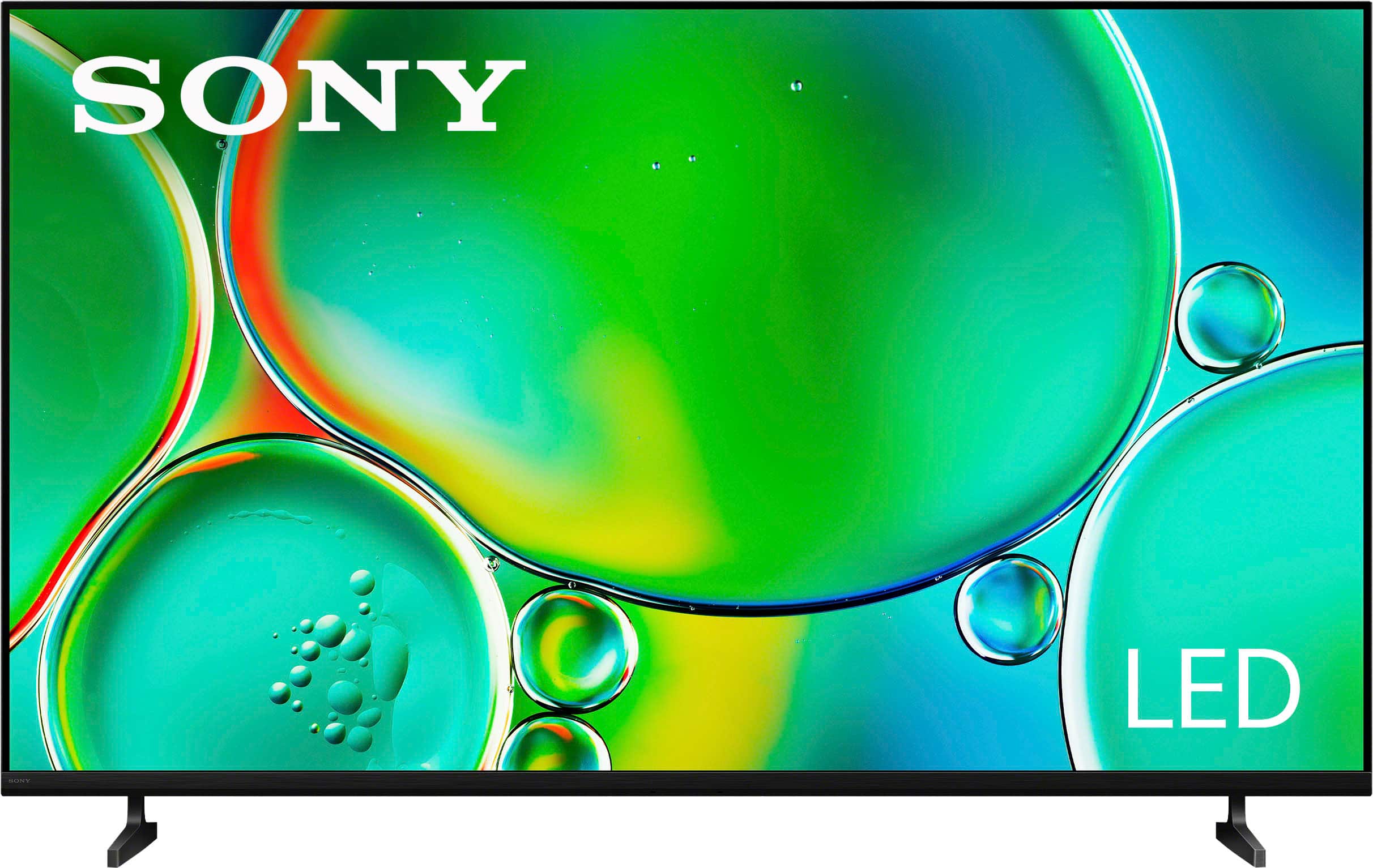
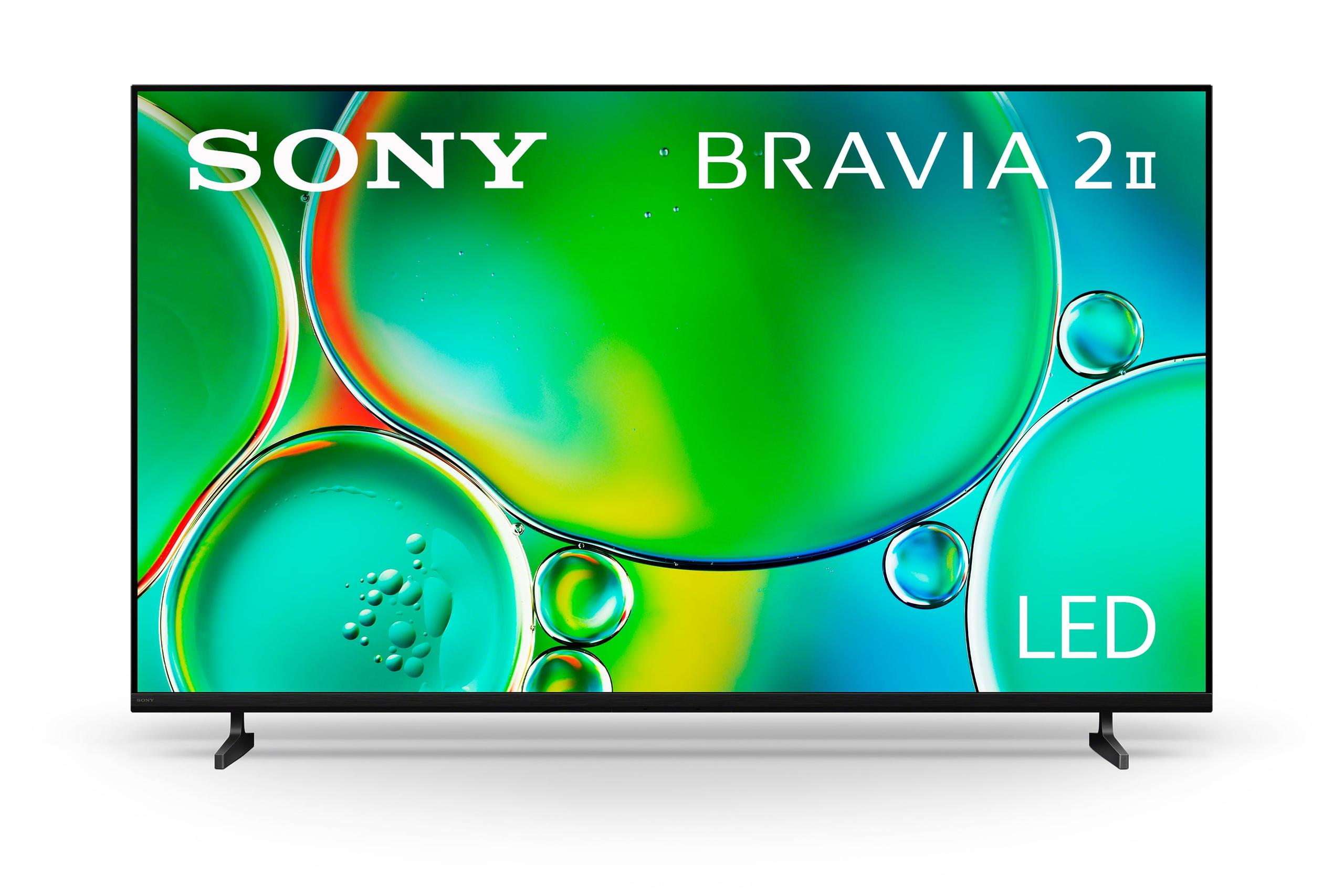



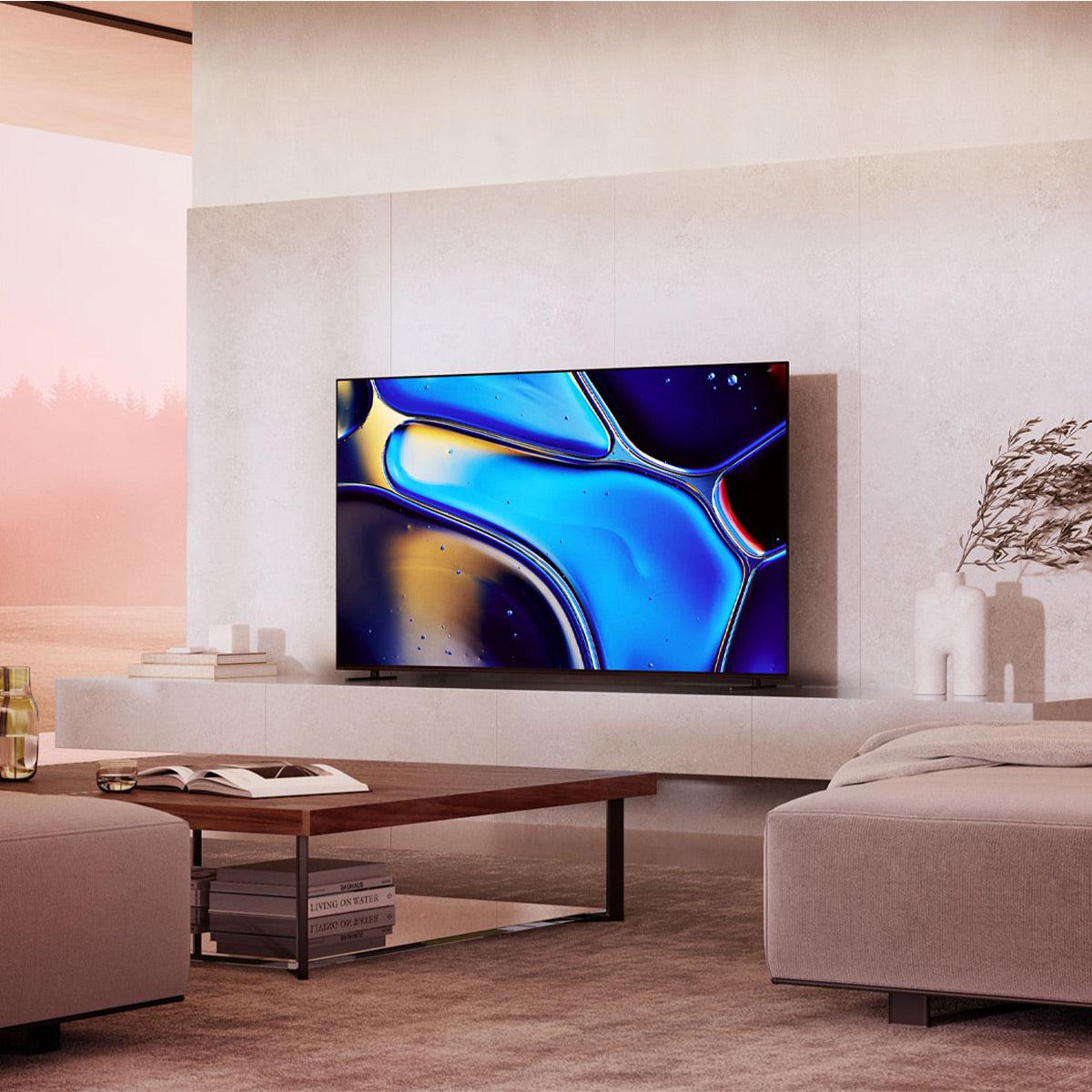
If you're shopping for a new 65-inch TV in 2025, Sony's lineup offers two compelling but very different options. The Sony BRAVIA 2 II 65" 4K LED Google TV at $649.99 represents excellent value for mainstream users, while the Sony BRAVIA 8 65" 4K OLED TV at $3,999 targets premium buyers who want the absolute best picture quality. Both launched in April 2025, but they take radically different approaches to delivering your entertainment.
Before diving into specifics, let's talk about what makes a great TV in 2025. The fundamental job of any TV is to display content clearly and accurately, but modern TVs have become sophisticated entertainment hubs that handle streaming, gaming, and smart home control.
The most important factors when choosing between TVs are display technology (how the screen creates images), processing power (how well it handles different types of content), and connectivity (what devices it can work with). Price obviously matters too, but understanding what you're paying for helps you make the right choice.
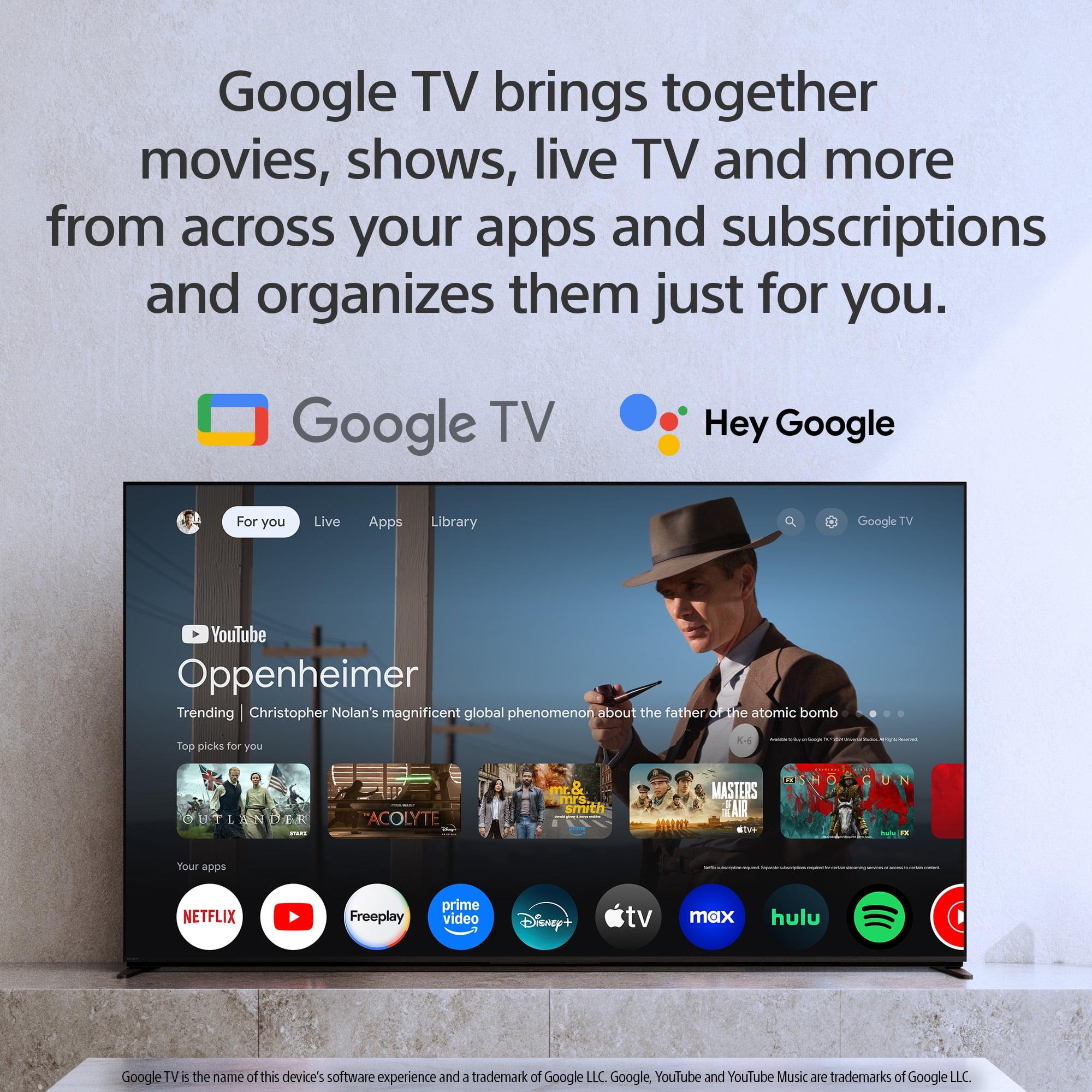
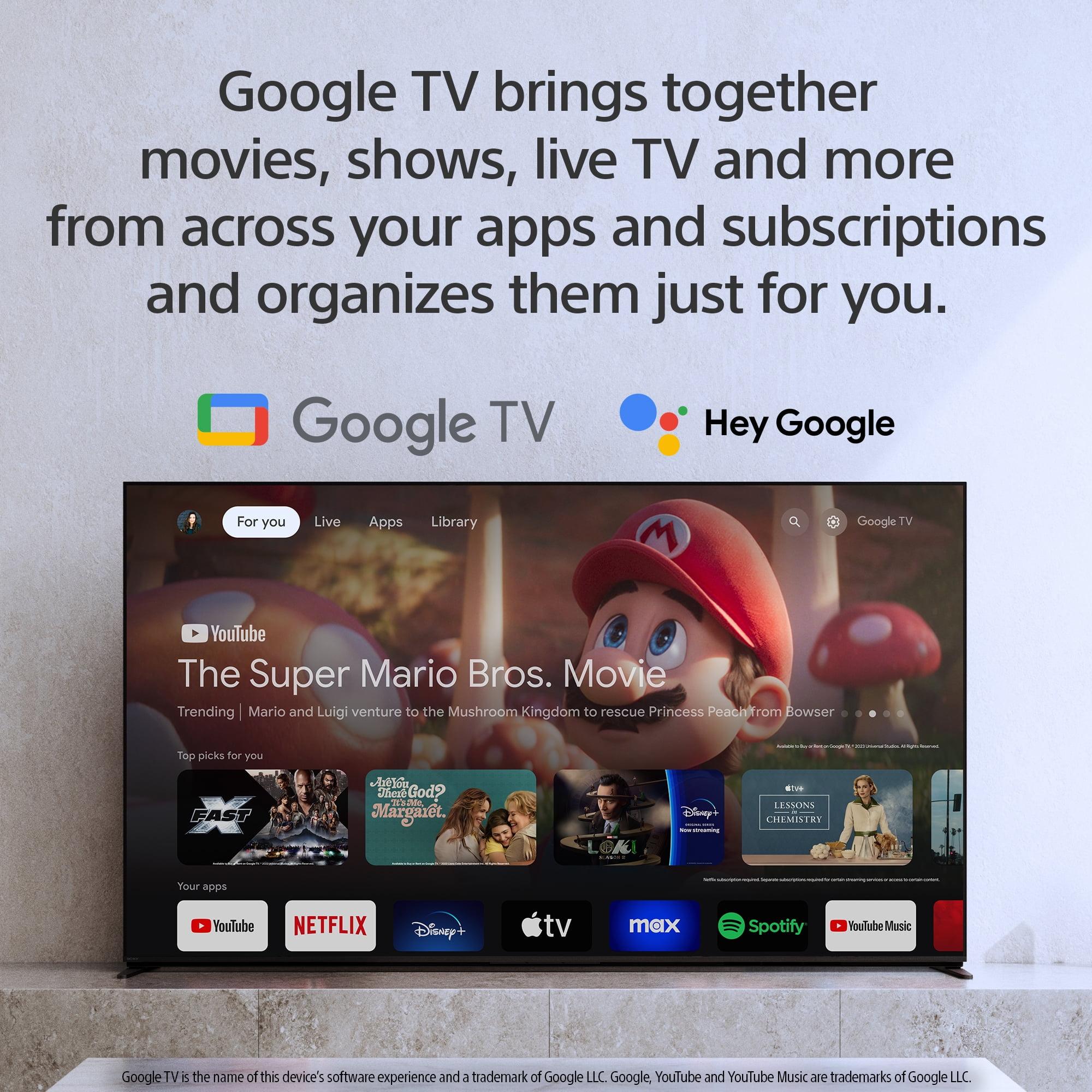
Both Sony models run Google TV, which is essentially Android optimized for televisions. This means you get access to thousands of apps, voice control through Google Assistant, and seamless integration with your phone or tablet. The interface is intuitive—you'll find your favorite streaming services right on the home screen, along with personalized recommendations.
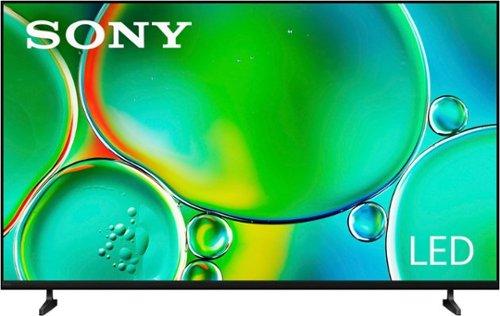
Here's where these two TVs fundamentally diverge. The BRAVIA 2 II uses LED technology, which means it has a backlight (essentially a bunch of LED bulbs) behind an LCD panel that creates the image. This backlight shines through the LCD to produce colors and brightness levels.
The BRAVIA 8 uses OLED technology, which is completely different. OLED stands for Organic Light Emitting Diode, and each pixel actually produces its own light. When a pixel needs to be black, it simply turns off completely. When it needs to be bright red, it glows red. This fundamental difference creates dramatically better contrast—the difference between the darkest and brightest parts of an image.
I've spent considerable time with both technologies, and the OLED advantage is immediately obvious in dark scenes. When watching a movie like "Dune" with its mix of bright desert scenes and dark interiors, the OLED maintains perfect blacks while still delivering brilliant highlights. The LED TV does well, but you'll notice that "black" areas appear slightly gray, especially in a dark room.
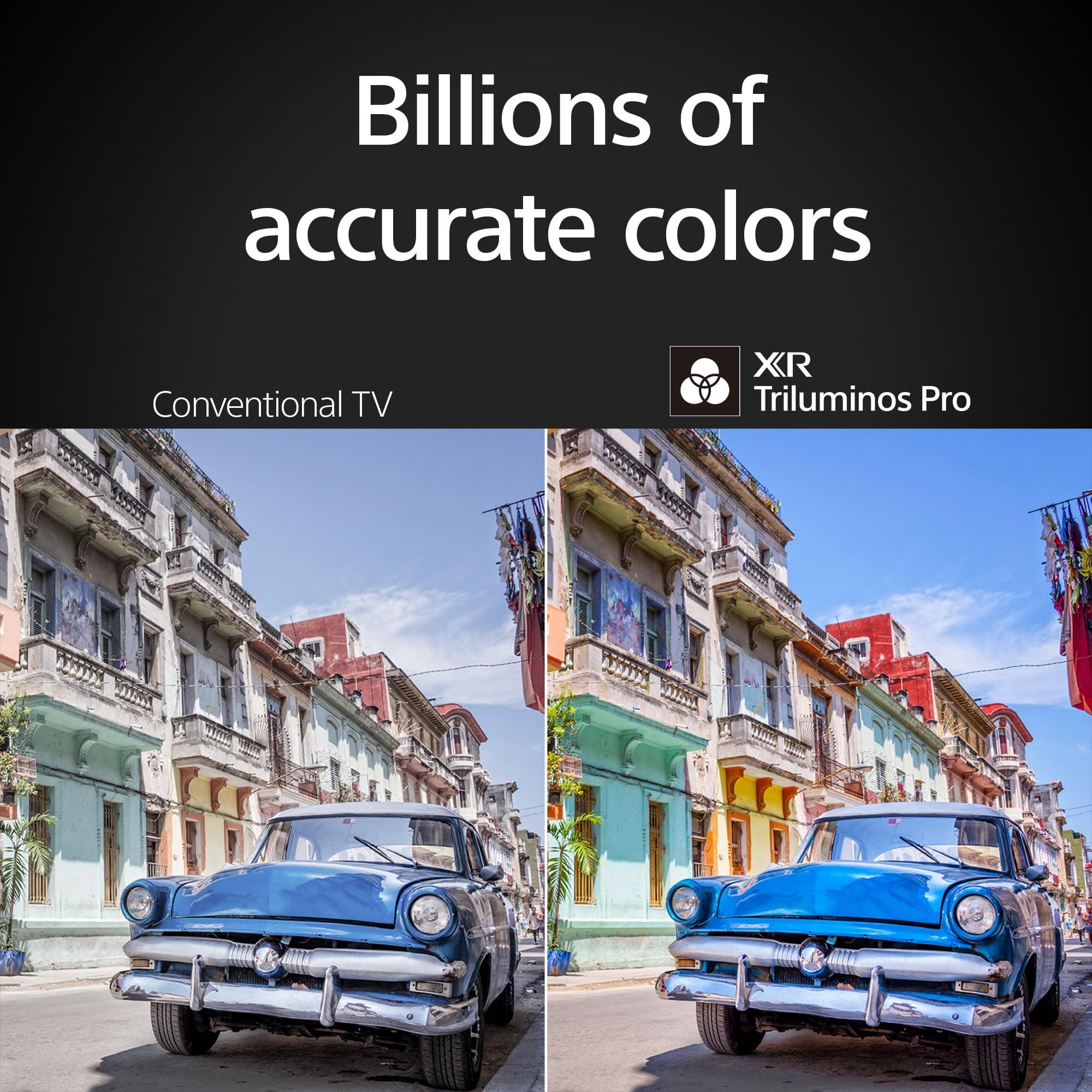
The BRAVIA 8 specifically uses QD-OLED technology, which adds quantum dots to traditional OLED. These quantum dots act like tiny color filters that make colors more accurate and vibrant. It's like having a professional colorist fine-tune every frame in real-time.
Both TVs deliver sharp 4K resolution—that's 3840 x 2160 pixels, four times more detailed than old HD TVs. But resolution is just the starting point. How those pixels are controlled and what colors they can produce makes the real difference.
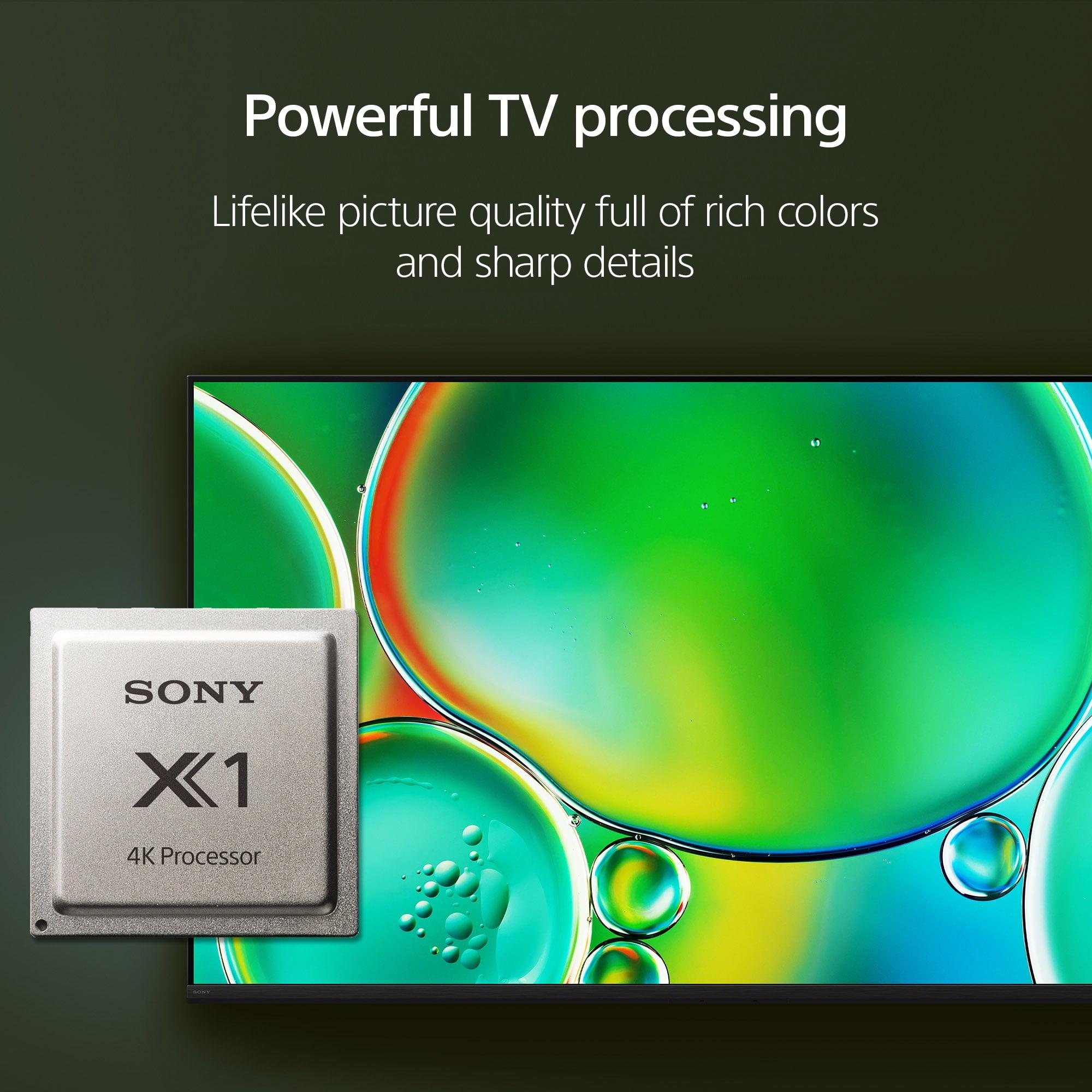
The BRAVIA 2 II uses Sony's 4K Processor X1, which was actually used in higher-end Sony TVs from previous years. This processor excels at upscaling—taking lower-resolution content like Netflix shows or cable TV and making them look sharper on your 4K screen. The 4K X-Reality PRO feature analyzes each frame and adds detail that wasn't originally there, using a massive database of image patterns. When I watch older TV shows, the difference is noticeable but not miraculous.
The BRAVIA 8 steps up to Sony's XR Processor with AI capabilities. This processor doesn't just make images sharper—it analyzes each scene to understand what you're looking at. If there's a person in the frame, it enhances skin tones. If it's a landscape, it optimizes the sky and foliage separately. This scene-by-scene optimization creates more natural, lifelike images.
Color reproduction is another major difference. The BRAVIA 2 II supports HDR10 and HLG formats, which expand the range of colors and brightness levels beyond standard TV. HDR (High Dynamic Range) content looks more vibrant and realistic, with brighter whites and deeper shadows. However, the LED backlight limits how dark those shadows can get.
The BRAVIA 8 adds Dolby Vision support, which is like HDR with a brain. Instead of applying the same settings to an entire movie, Dolby Vision adjusts brightness and color frame by frame. Combined with the OLED's perfect blacks, this creates stunning contrast that makes images pop off the screen.
Gaming has become a major consideration for TV buyers, especially with PlayStation 5 and Xbox Series X consoles pushing 4K gaming to new heights. Both TVs include gaming optimizations, but they serve different types of gamers.
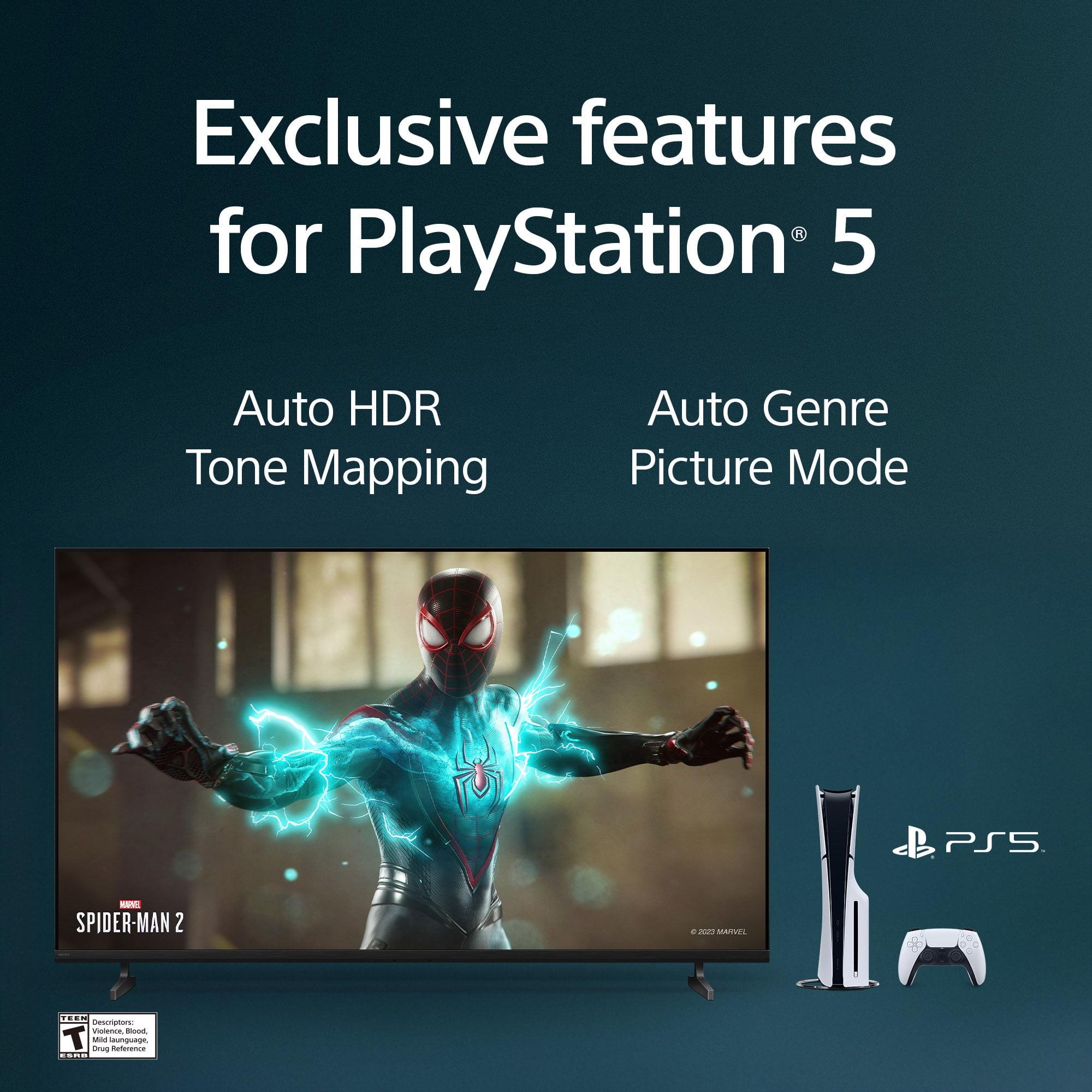
The BRAVIA 2 II offers solid gaming performance with its 60Hz refresh rate and PlayStation 5-specific features like Auto HDR Tone Mapping and Auto Genre Picture Mode. These features automatically adjust the TV's settings when you're gaming versus watching movies. The 60Hz refresh rate means the screen refreshes 60 times per second, which works well for most games. Input lag—the delay between pressing a button and seeing the result on screen—is low enough that you won't notice it in most games.
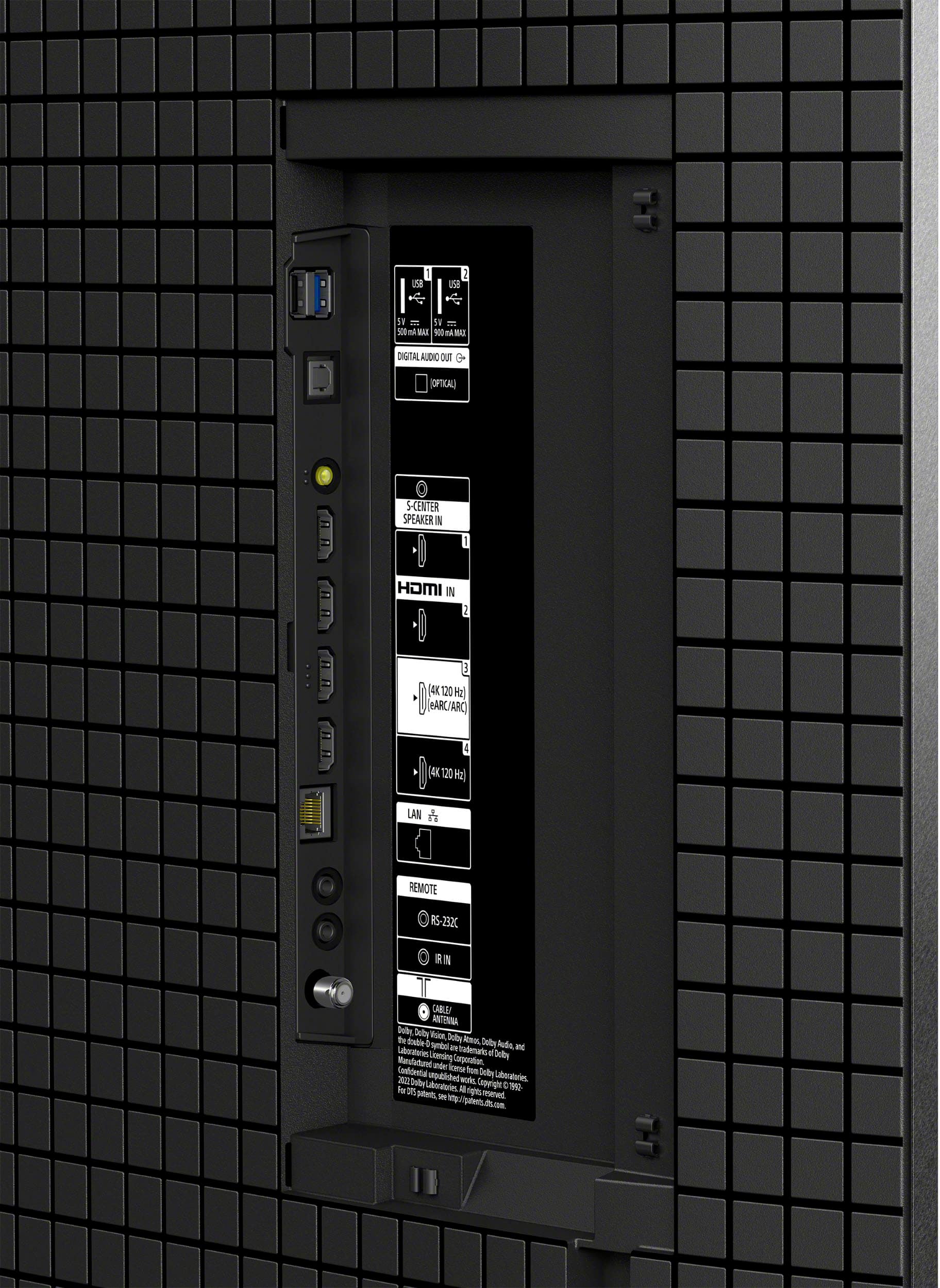
The BRAVIA 8 takes gaming seriously with its 120Hz refresh rate and HDMI 2.1 ports. This higher refresh rate makes fast-paced games feel smoother and more responsive. More importantly, it supports Variable Refresh Rate (VRR) and Auto Low Latency Mode (ALLM). VRR synchronizes the TV's refresh rate with your console's frame rate, eliminating screen tearing and stuttering. ALLM automatically switches to the lowest possible input lag when it detects a gaming signal.
For competitive gamers or anyone playing fast-paced shooters, racing games, or sports titles, the BRAVIA 8's gaming features provide a real advantage. The difference is like the feeling of upgrading from a regular mouse to a gaming mouse—everything feels more immediate and precise.
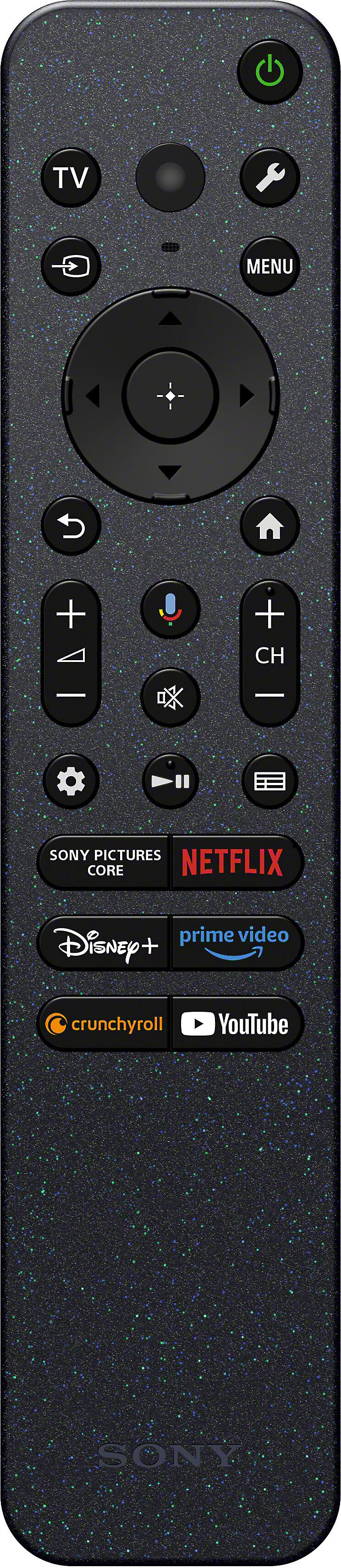
Both TVs run Google TV, which has become my preferred smart TV platform. Unlike some manufacturer-specific interfaces that feel clunky, Google TV is fast, intuitive, and regularly updated. You'll find all the major streaming apps—Netflix, Disney+, Prime Video, Apple TV+, HBO Max—along with free options like YouTube TV and Tubi.
Voice control works well on both models. You can say "Hey Google, show me action movies" or "Play Stranger Things on Netflix" and the TV responds quickly. The integration with Google Assistant means you can also control smart home devices, check the weather, or set timers without picking up the remote.
Apple users will appreciate AirPlay 2 support, which lets you stream content directly from your iPhone, iPad, or Mac. I use this feature regularly to share photos from family trips or stream music from Apple Music. Chromecast built-in provides similar functionality for Android devices.
Both TVs also support Amazon Alexa if you prefer that ecosystem. The setup process is straightforward, and voice commands work reliably once configured.
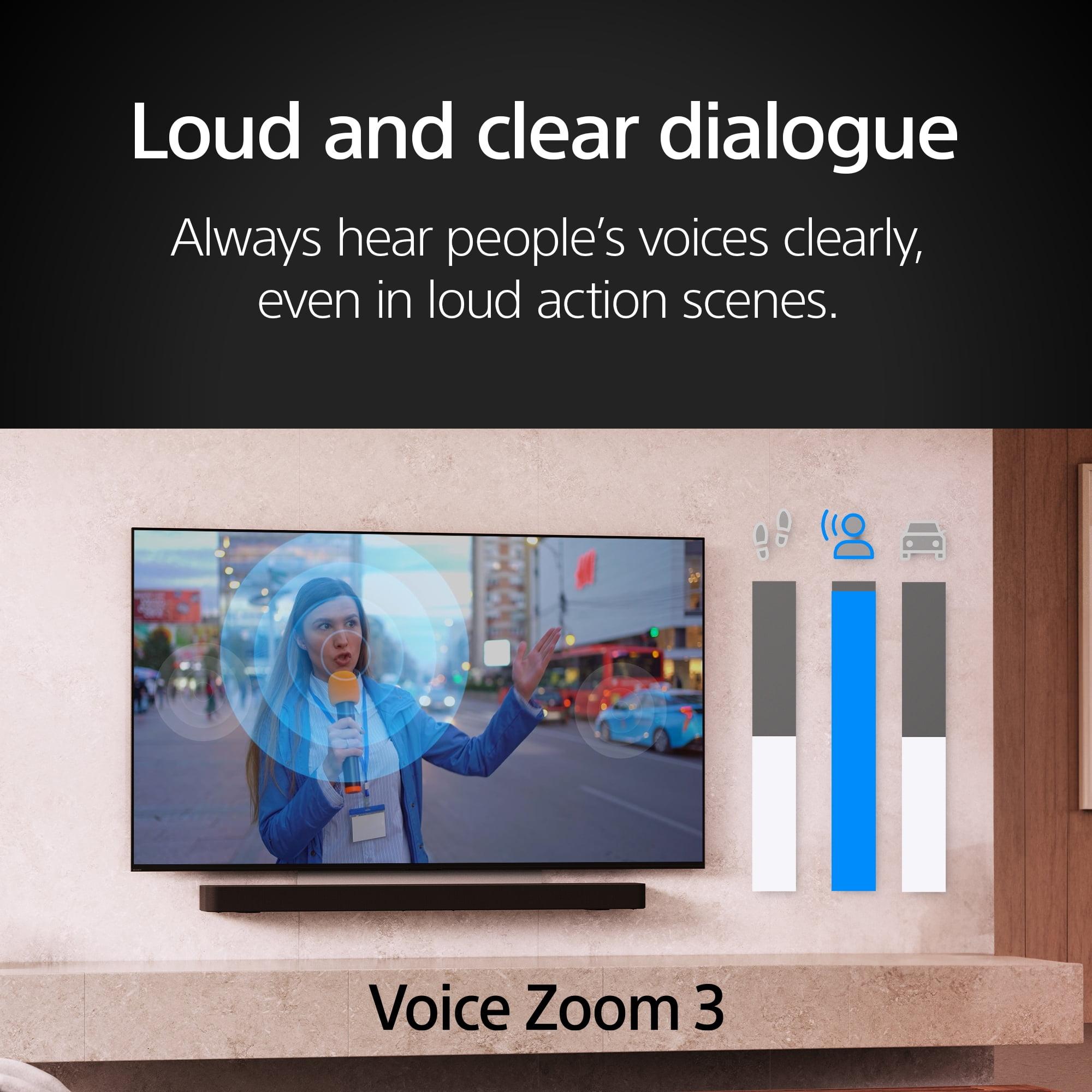
Audio often gets overlooked when comparing TVs, but it's crucial for the overall experience. The BRAVIA 2 II includes an Open Baffle Speaker system with 40 watts of power and Dolby Audio support. This creates clear dialogue and decent sound staging for its price point. The audio is certainly adequate for most content, though you might want to add a soundbar for action movies or music.
The BRAVIA 8 features Sony's innovative Acoustic Surface Audio+ technology. Instead of traditional speakers, the entire OLED screen vibrates to create sound. This creates an incredible effect where dialogue appears to come directly from actors' mouths rather than from below the screen. Combined with 50 watts of power and full Dolby Atmos support, the audio experience is dramatically better.
In my experience, the screen-as-speaker technology works exceptionally well for dialogue-heavy content like dramas or news. The sound feels more natural and immersive. For action movies, the built-in system is impressive but still benefits from a dedicated soundbar for full impact.
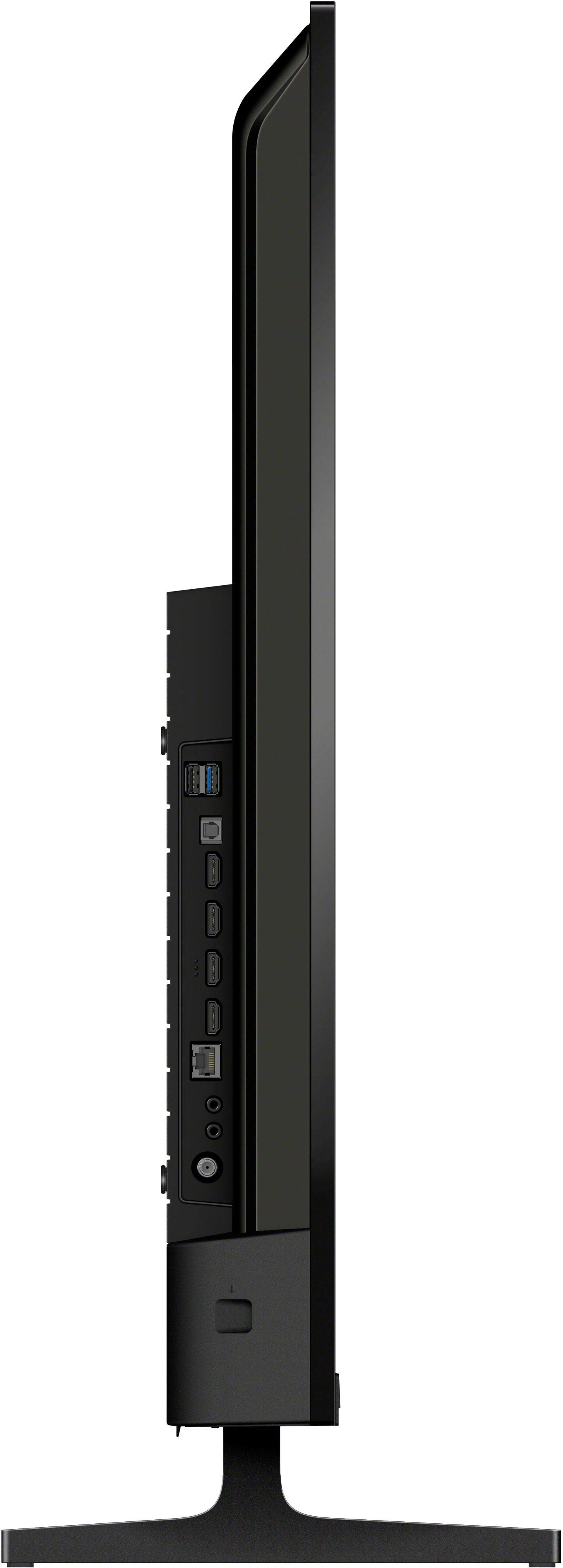
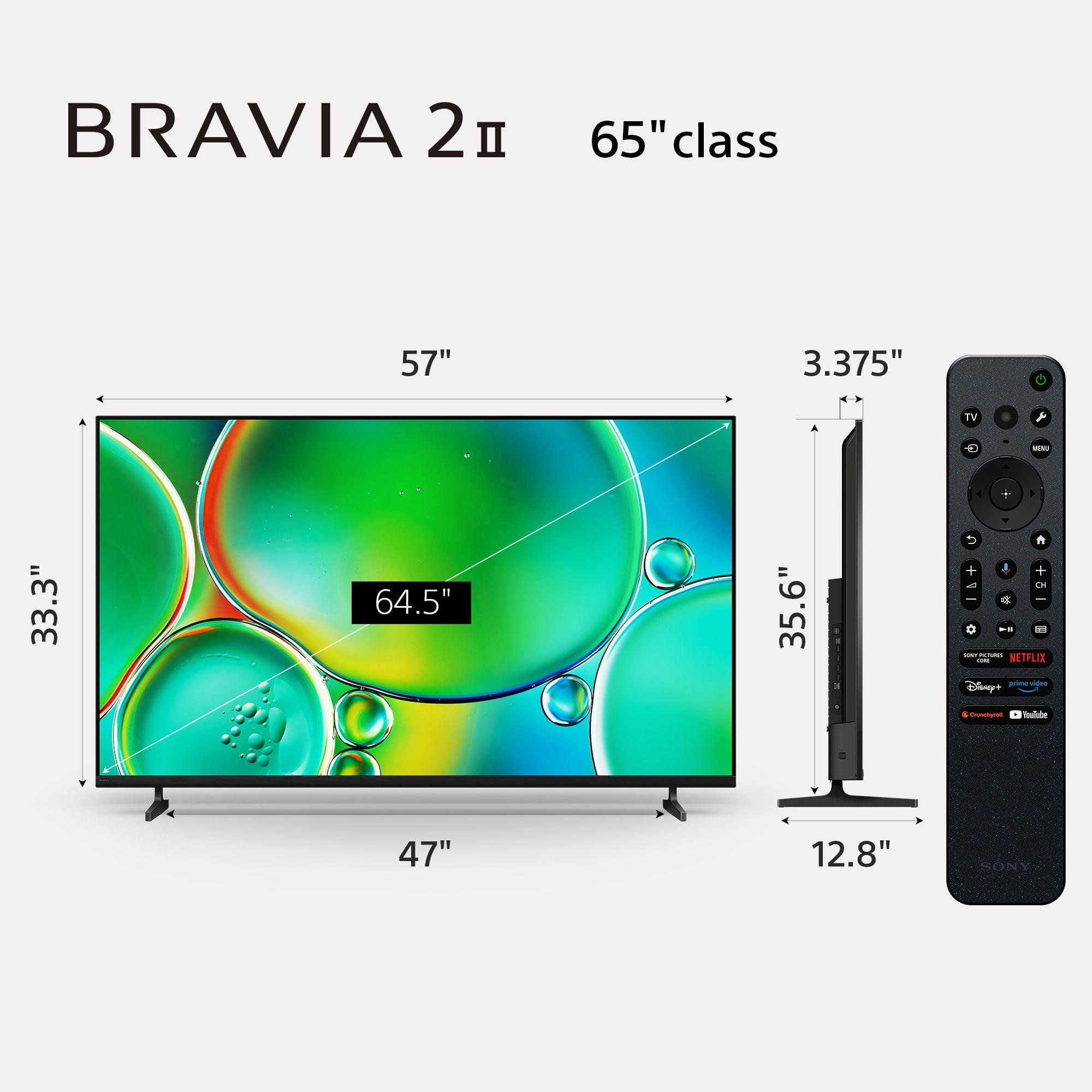
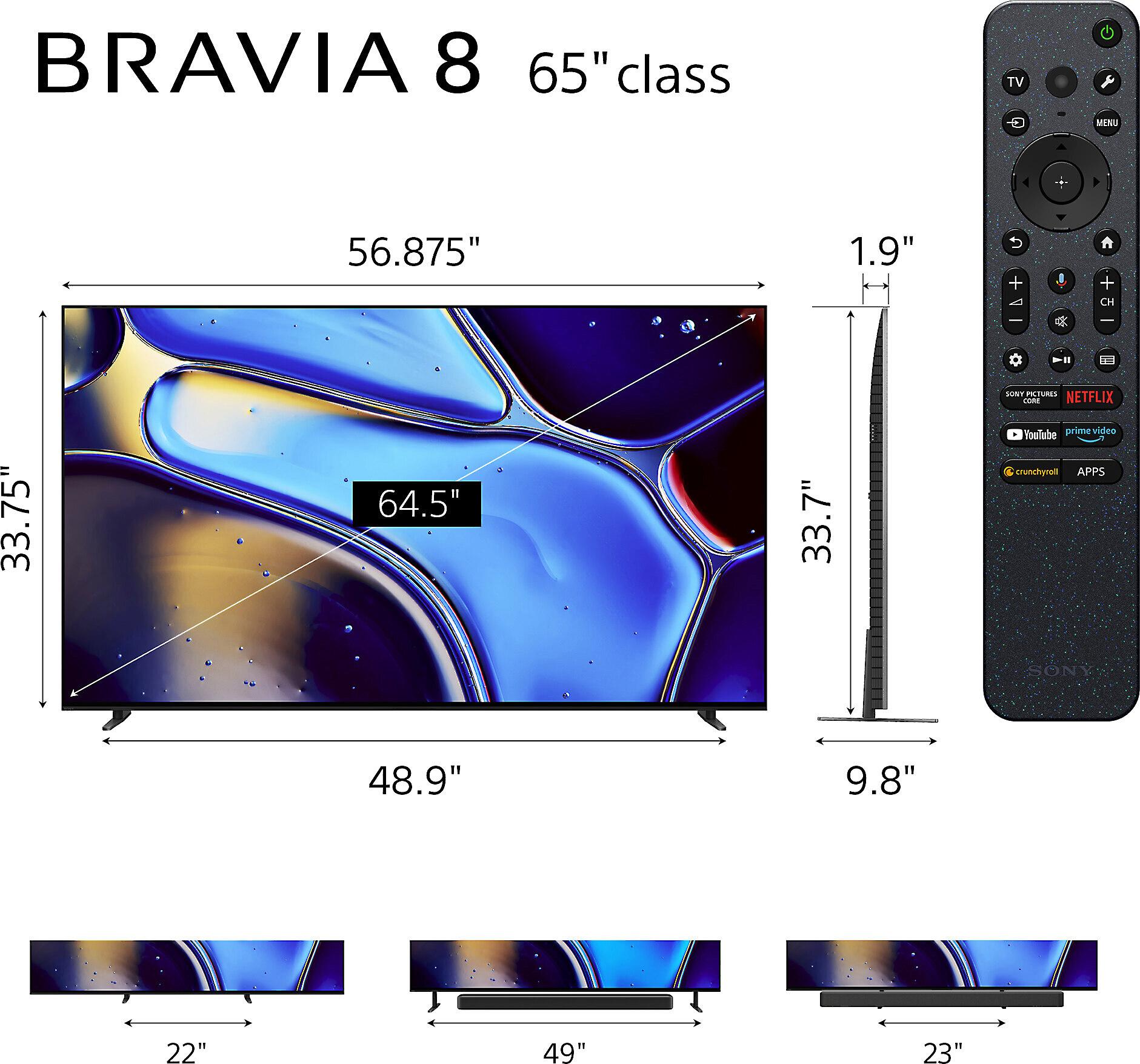
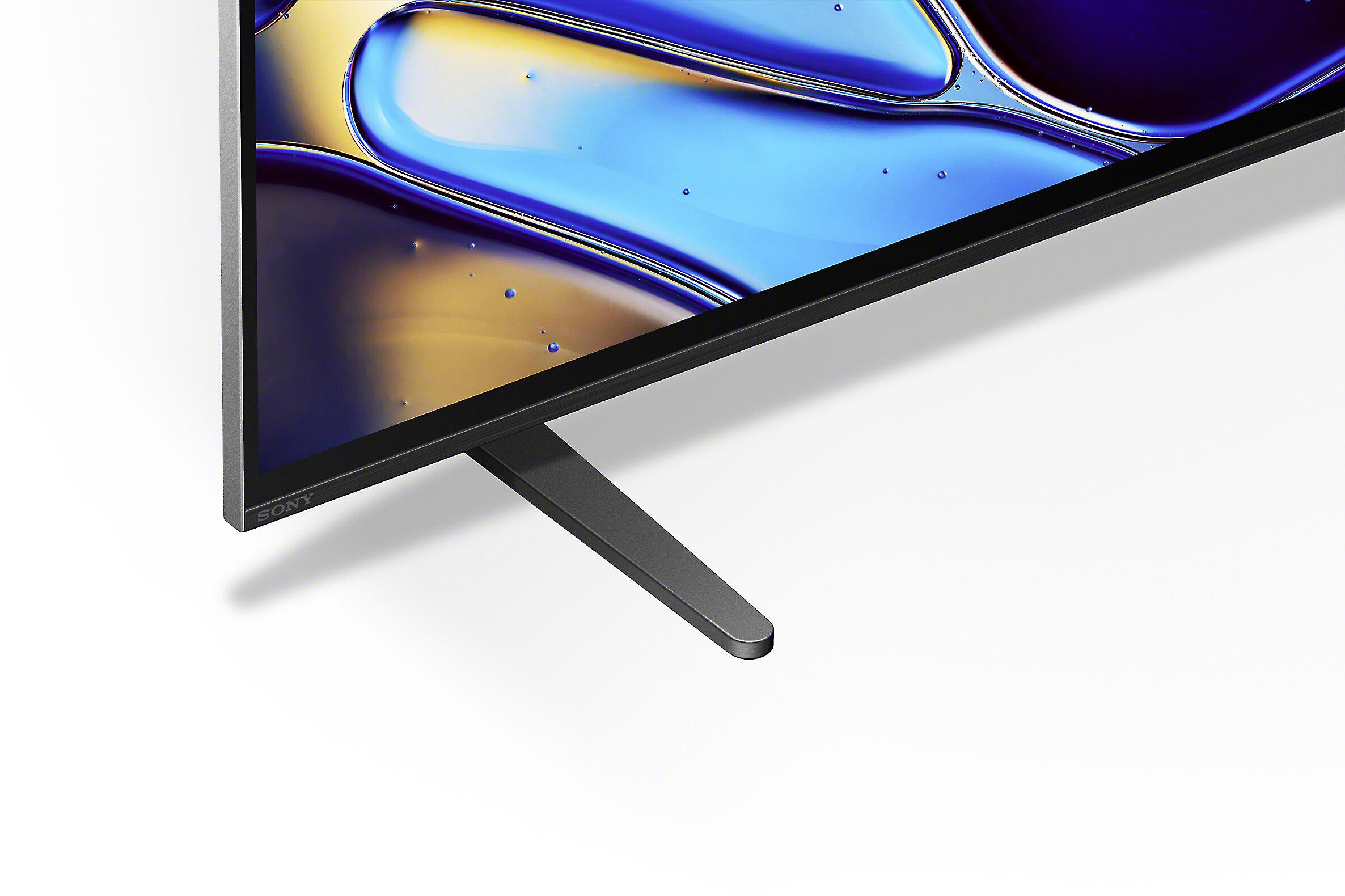
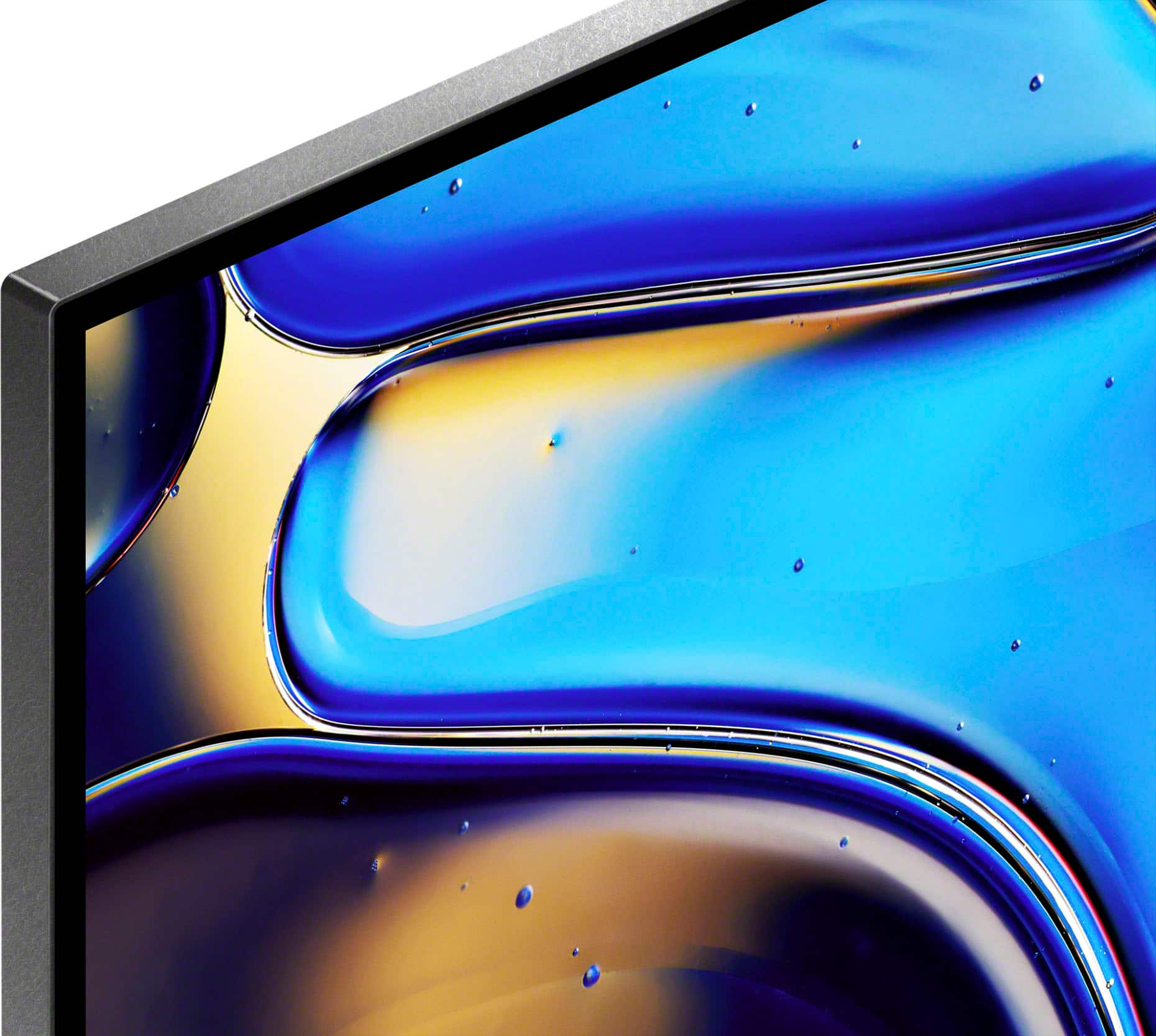
The BRAVIA 2 II sports a modern, minimalist design that looks good in most living rooms. The bezels are thin, and the overall aesthetic is clean and contemporary. The Slim T Shape Blade Stand is stable and doesn't take up excessive space. Build quality feels solid for the price point, though it's clearly designed to hit a budget target.
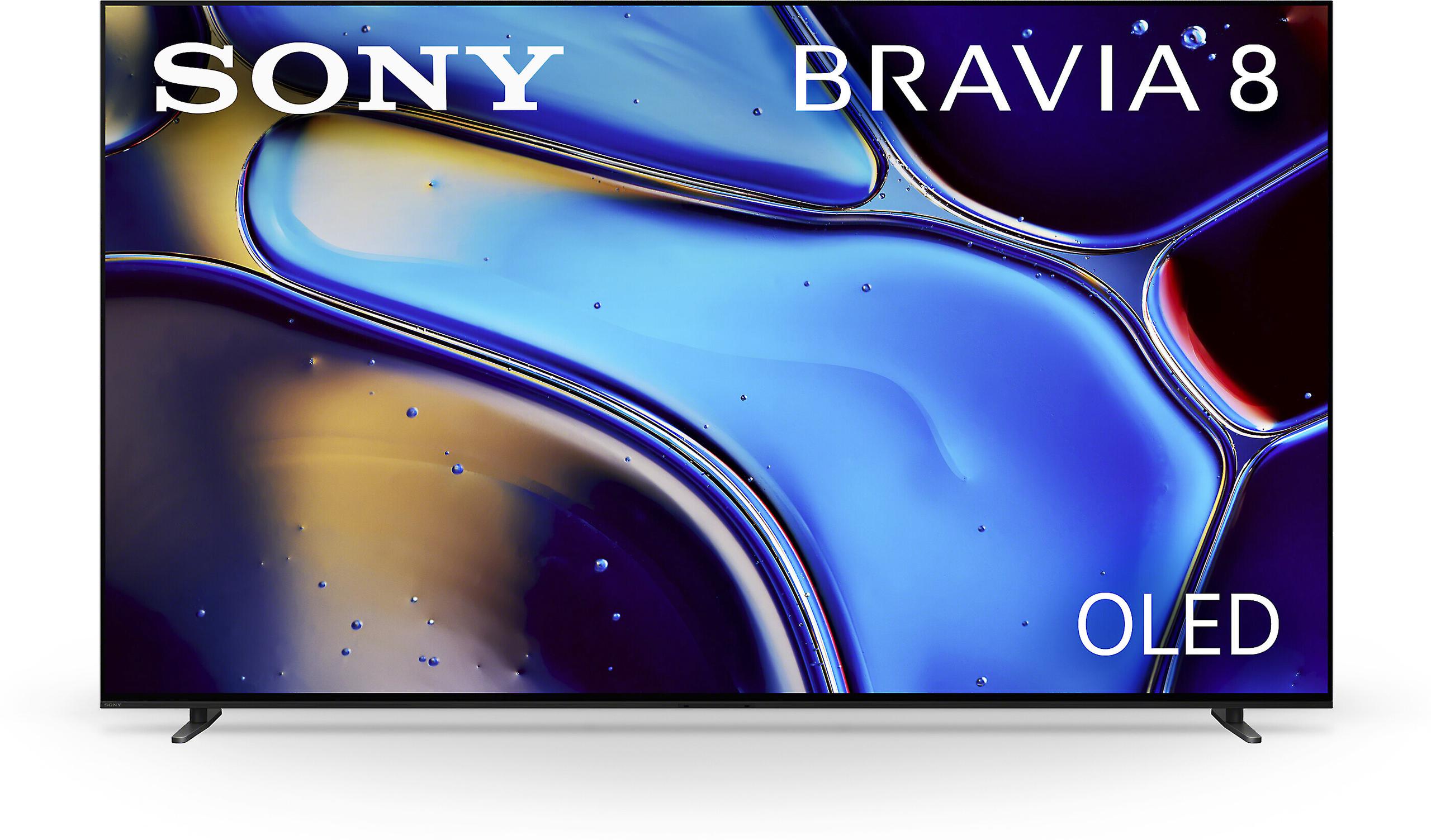
The BRAVIA 8 showcases Sony's premium design philosophy. The ultra-thin OLED panel creates an almost floating effect when wall-mounted. The materials feel more substantial, and the attention to detail is evident in features like improved cable management. If your TV is a room's focal point, the BRAVIA 8 makes a stronger design statement.
Room lighting significantly impacts TV performance, and this is where the display technology differences become most apparent. The BRAVIA 2 II performs well in bright rooms because its LED backlight can get quite bright to overcome ambient light. If your TV is in a living room with large windows or lots of lamps, this brightness advantage helps maintain picture quality.
The BRAVIA 8 excels in darker environments where its perfect blacks can shine. In a dedicated home theater or basement entertainment room, the OLED's contrast advantage is stunning. However, it can struggle slightly with reflections due to its glossy screen surface.
For home theater use specifically, the BRAVIA 8 is the clear winner. The combination of perfect blacks, accurate colors, and immersive audio creates a cinema-like experience that's particularly impressive with well-mastered 4K Blu-rays. Movies like "Blade Runner 2049" or "Mad Max: Fury Road" showcase the technology beautifully.
At $649.99, the BRAVIA 2 II offers exceptional value for mainstream users. You're getting a reliable 4K smart TV with good picture quality, solid gaming performance, and all the streaming features you need. For most people upgrading from an older TV, this represents a significant improvement in picture quality and functionality.
The $3,999 BRAVIA 8 commands a premium price but delivers premium performance. The 6x price difference reflects genuine technology advantages, not just brand positioning. If you're building a home theater, are a serious gamer, or simply want the best possible picture quality, the additional cost may be justified.
Both TVs launched in April 2025 with Sony's latest processing technologies. The BRAVIA 2 II benefits from trickle-down technology, receiving the X1 processor that was previously reserved for higher-end models. This represents a significant improvement over previous budget Sony TVs.
The BRAVIA 8 incorporates QD-OLED technology that's matured significantly since its introduction. Early OLED TVs suffered from brightness limitations and potential burn-in issues. Current QD-OLED panels are much brighter while maintaining OLED's contrast advantages, and burn-in has become essentially a non-issue for normal viewing patterns.
Choose the BRAVIA 2 II if you want excellent value without compromising on essential features. It's perfect for families, casual viewers, and anyone who needs a reliable 4K smart TV without premium pricing. The picture quality is genuinely good, and the smart features are comprehensive.
Choose the BRAVIA 8 if picture quality is your top priority and you can comfortably afford the premium. It's ideal for home theater enthusiasts, serious gamers with next-gen consoles, and anyone who wants the absolute best viewing experience. The technology differences are substantial and immediately noticeable.
The bottom line is that both TVs succeed at their intended purposes. The BRAVIA 2 II proves that great 4K performance doesn't require a huge budget, while the BRAVIA 8 demonstrates why OLED technology commands premium pricing. Your choice depends on your priorities, budget, and viewing environment—but either way, you're getting a TV that will deliver years of excellent entertainment.
| Sony BRAVIA 2 II 65" 4K LED Google TV 2025 | Sony BRAVIA 8 65" 4K OLED TV |
|---|---|
| Price - The fundamental budget consideration | |
| $649.99 (exceptional value for 4K performance) | $3,999 MSRP (premium pricing for premium technology) |
| Display Technology - Determines picture quality fundamentals | |
| Direct LED LCD with backlight (good brightness, limited contrast) | QD-OLED with self-illuminating pixels (perfect blacks, infinite contrast) |
| Processor - Controls image processing and upscaling quality | |
| 4K Processor X1 (solid upscaling, good color enhancement) | XR Processor with AI (scene-by-scene optimization, superior processing) |
| Refresh Rate - Critical for gaming and fast motion | |
| 60Hz (adequate for casual gaming and most content) | 120Hz (essential for next-gen gaming, smoother motion) |
| HDR Support - Expands color and brightness range | |
| HDR10, HLG (basic HDR formats, noticeable improvement) | HDR10, Dolby Vision (advanced HDR with frame-by-frame optimization) |
| Gaming Features - Next-gen console compatibility | |
| Auto HDR Tone Mapping, 60Hz gaming (good for casual gamers) | VRR, ALLM, 4K@120Hz, HDMI 2.1 (competitive gaming ready) |
| Audio System - Built-in sound quality | |
| Open Baffle Speaker, 40W, Dolby Audio (adequate for most users) | Acoustic Surface Audio+, 50W, Dolby Atmos (screen-as-speaker innovation) |
| Smart Platform - Streaming and app experience | |
| Google TV with Google Assistant, Alexa support | Google TV with Google Assistant, Alexa support |
| Build Quality - Design and construction | |
| Solid construction, modern bezels, T-shape stand | Premium materials, ultra-thin OLED, minimalist design |
| Best For - Ideal buyer profile | |
| Budget-conscious families, casual viewers, bright rooms | Home theater enthusiasts, serious gamers, picture quality prioritizers |
The primary difference is display technology. The Sony BRAVIA 2 II 65" 4K LED Google TV 2025 uses traditional LED LCD technology with a backlight, while the Sony BRAVIA 8 65" 4K OLED TV uses OLED technology where each pixel produces its own light. This gives the BRAVIA 8 perfect blacks and infinite contrast, while the BRAVIA 2 II offers good brightness at a much lower price point.
The Sony BRAVIA 8 65" 4K OLED TV has significantly better picture quality with perfect blacks, more accurate colors, and superior contrast. The OLED technology delivers deeper shadows and brighter highlights simultaneously. However, the Sony BRAVIA 2 II 65" 4K LED Google TV 2025 still provides excellent 4K picture quality that will satisfy most viewers, especially considering its $649.99 price point.
The Sony BRAVIA 8 65" 4K OLED TV at $3,999 costs about 6 times more than the Sony BRAVIA 2 II 65" 4K LED Google TV 2025 at $649.99. It's worth the extra cost if you prioritize picture quality, have a dedicated home theater setup, are a serious gamer, or plan to keep the TV for many years. For casual viewing and budget-conscious buyers, the BRAVIA 2 II offers better value.
The Sony BRAVIA 8 65" 4K OLED TV is better for gaming with its 120Hz refresh rate, HDMI 2.1 ports, Variable Refresh Rate (VRR), and Auto Low Latency Mode (ALLM). These features provide smoother gameplay and reduced input lag for competitive gaming. The Sony BRAVIA 2 II 65" 4K LED Google TV 2025 works well for casual gaming at 60Hz but lacks advanced gaming features.
Yes, both the Sony BRAVIA 2 II 65" 4K LED Google TV 2025 and Sony BRAVIA 8 65" 4K OLED TV run Google TV with identical smart features. Both support Google Assistant, Amazon Alexa, Apple AirPlay 2, Chromecast, and access to all major streaming apps like Netflix, Disney+, and Prime Video.
The Sony BRAVIA 2 II 65" 4K LED Google TV 2025 performs better in bright rooms due to its LED backlight that can achieve higher brightness levels to combat ambient light. The Sony BRAVIA 8 65" 4K OLED TV can struggle with reflections in very bright environments, though it still delivers superior picture quality in moderately lit rooms.
The Sony BRAVIA 8 65" 4K OLED TV is superior for home theater use with its perfect blacks, Dolby Vision HDR support, and Acoustic Surface Audio+ technology that makes sound appear to come from the screen. In a dedicated home theater with controlled lighting, the OLED's contrast advantage creates a more cinematic experience than the Sony BRAVIA 2 II 65" 4K LED Google TV 2025.
The Sony BRAVIA 8 65" 4K OLED TV features innovative Acoustic Surface Audio+ technology where the entire screen acts as a speaker, plus 50W power and Dolby Atmos support. The Sony BRAVIA 2 II 65" 4K LED Google TV 2025 has a traditional Open Baffle Speaker system with 40W power and Dolby Audio. Both provide adequate sound, but the BRAVIA 8 offers a more immersive audio experience.
The Sony BRAVIA 2 II 65" 4K LED Google TV 2025 at $649.99 is the clear budget choice, offering excellent value with solid 4K performance, comprehensive smart features, and good picture quality. It provides all essential features most viewers need without the premium price of the Sony BRAVIA 8 65" 4K OLED TV.
While the Sony BRAVIA 8 65" 4K OLED TV offers superior picture quality, OLED panels can be more susceptible to burn-in from static images (though this is rare with normal viewing), may not get as bright as LED TVs in extremely bright rooms, and command a significant price premium over LED alternatives like the Sony BRAVIA 2 II 65" 4K LED Google TV 2025.
Both the Sony BRAVIA 2 II 65" 4K LED Google TV 2025 and Sony BRAVIA 8 65" 4K OLED TV are built to last many years with regular software updates. LED TVs traditionally have longer lifespans, but modern OLED technology has improved significantly. The BRAVIA 8's premium build quality and future-proof features like HDMI 2.1 may provide longer usability for evolving technology standards.
Choose the Sony BRAVIA 2 II 65" 4K LED Google TV 2025 if you want great value, have a limited budget, use the TV in bright rooms, or need a reliable secondary TV. Choose the Sony BRAVIA 8 65" 4K OLED TV if you prioritize picture quality, have a home theater setup, are a serious gamer, or want the absolute best viewing experience regardless of price.
We've done our best to create useful and informative comparisons to help you decide what product to buy. Our research uses advanced automated methods to create this comparison and perfection is not possible - please contact us for corrections or questions. These are the sites we've researched in the creation of this article: bestbuy.com - notebookcheck.net - rtings.com - youtube.com - youtube.com - rtings.com - avsforum.com - croma.com - totonstv.com - electronics.sony.com - listenup.com - pcrichard.com - youtube.com - flanners.com - brandsmartusa.com - displayspecifications.com - pioneertvandappliance.com - donstv.com - bestbuy.com - bestbuy.com - crutchfield.com - avsforum.com - electronics.sony.com - sony.com - store.sony.co.nz - sony.com - displayspecifications.com

Privacy Policy
Terms and Conditions - Affiliate Policy
Home Security
© Copyright 2008-2026.
11816 Inwood Rd #1211, Dallas, TX 75244