

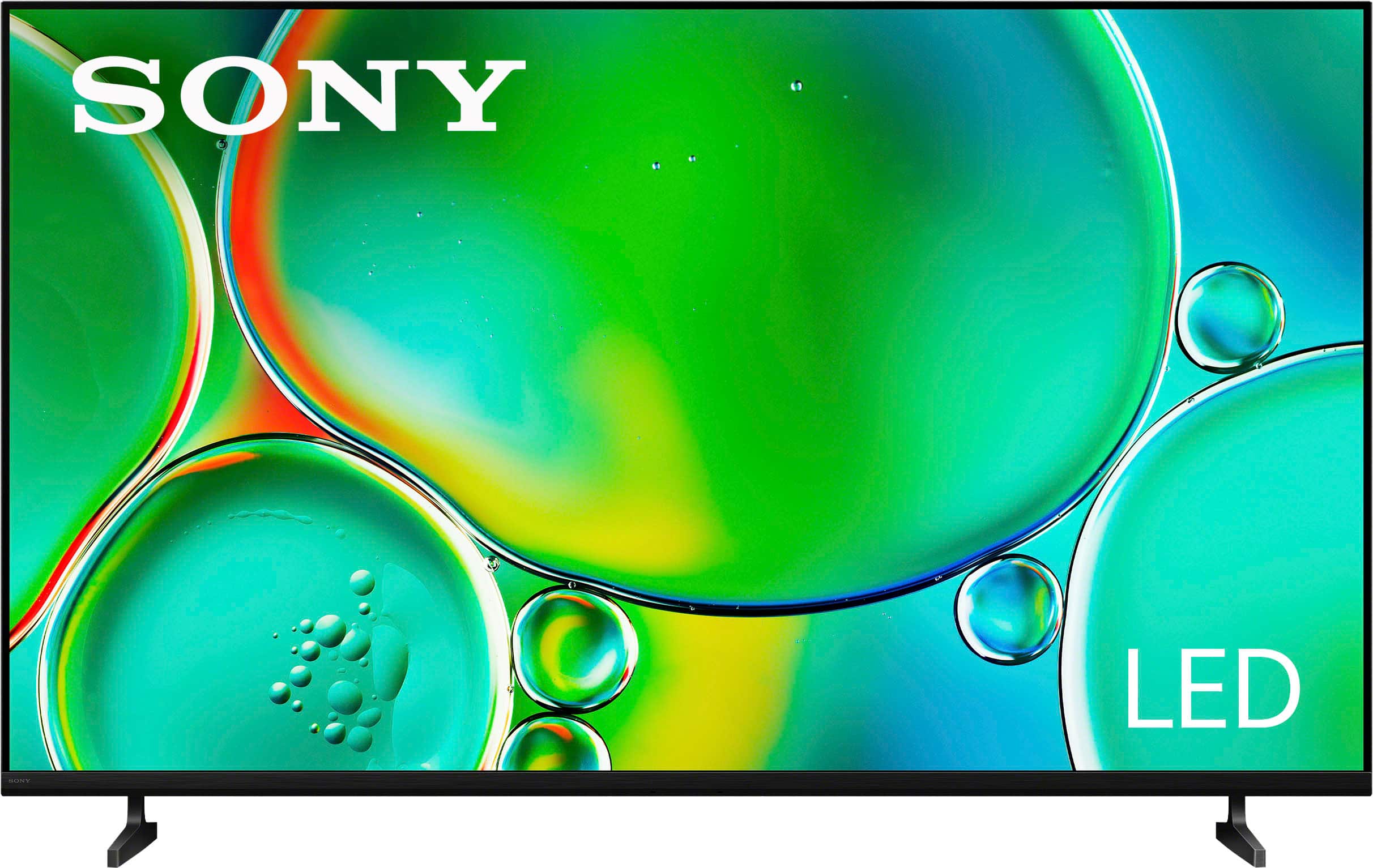
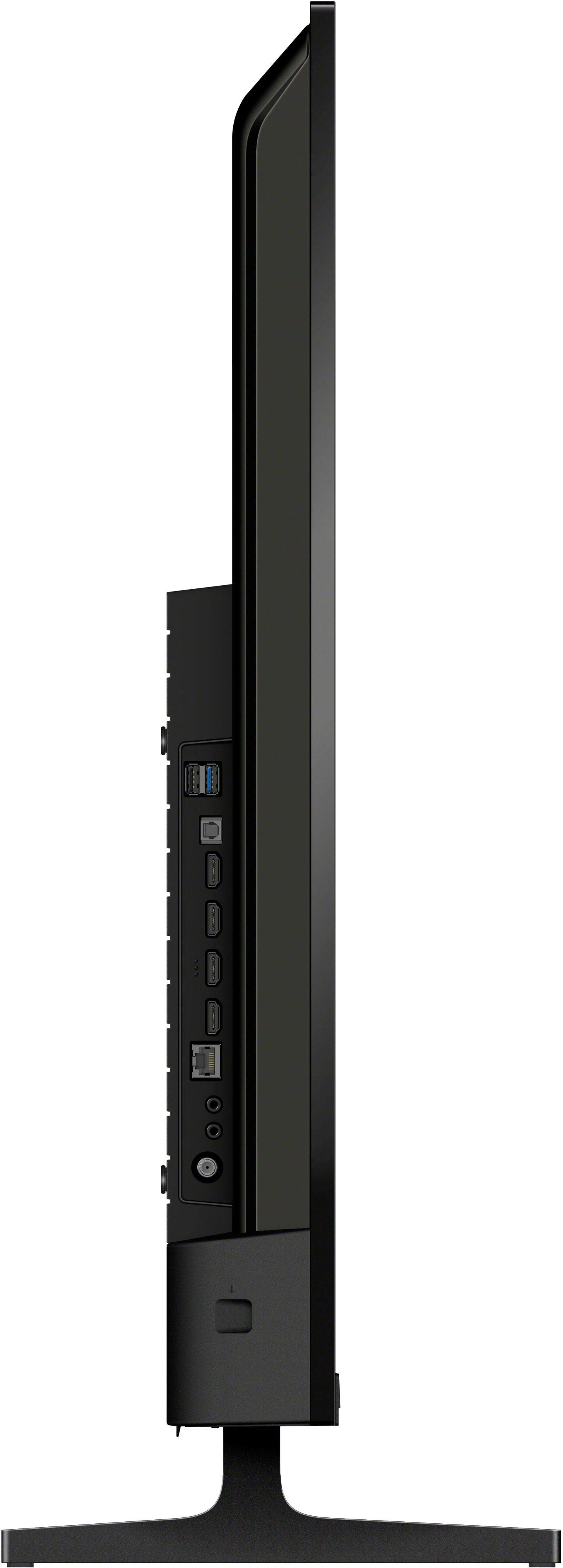
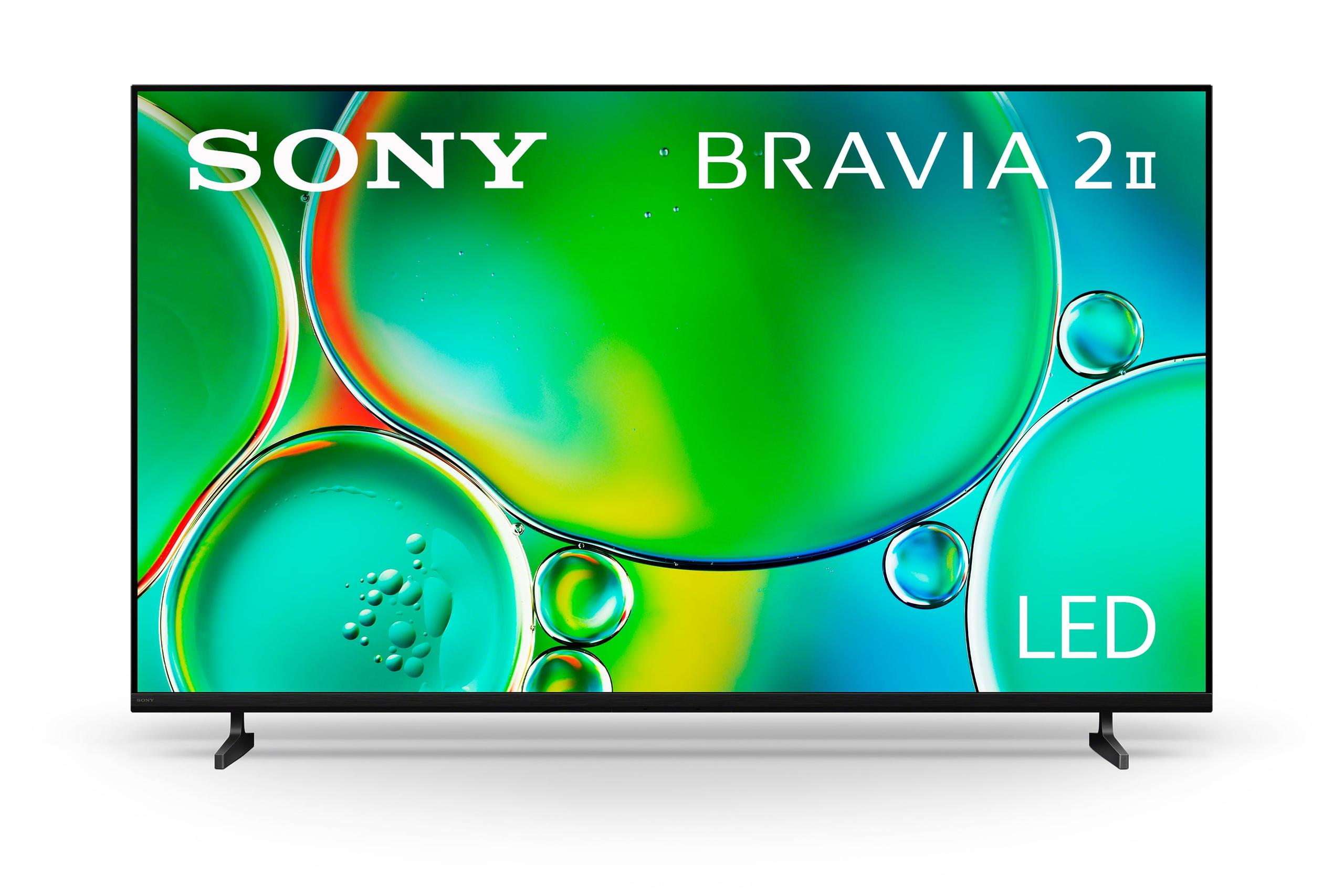
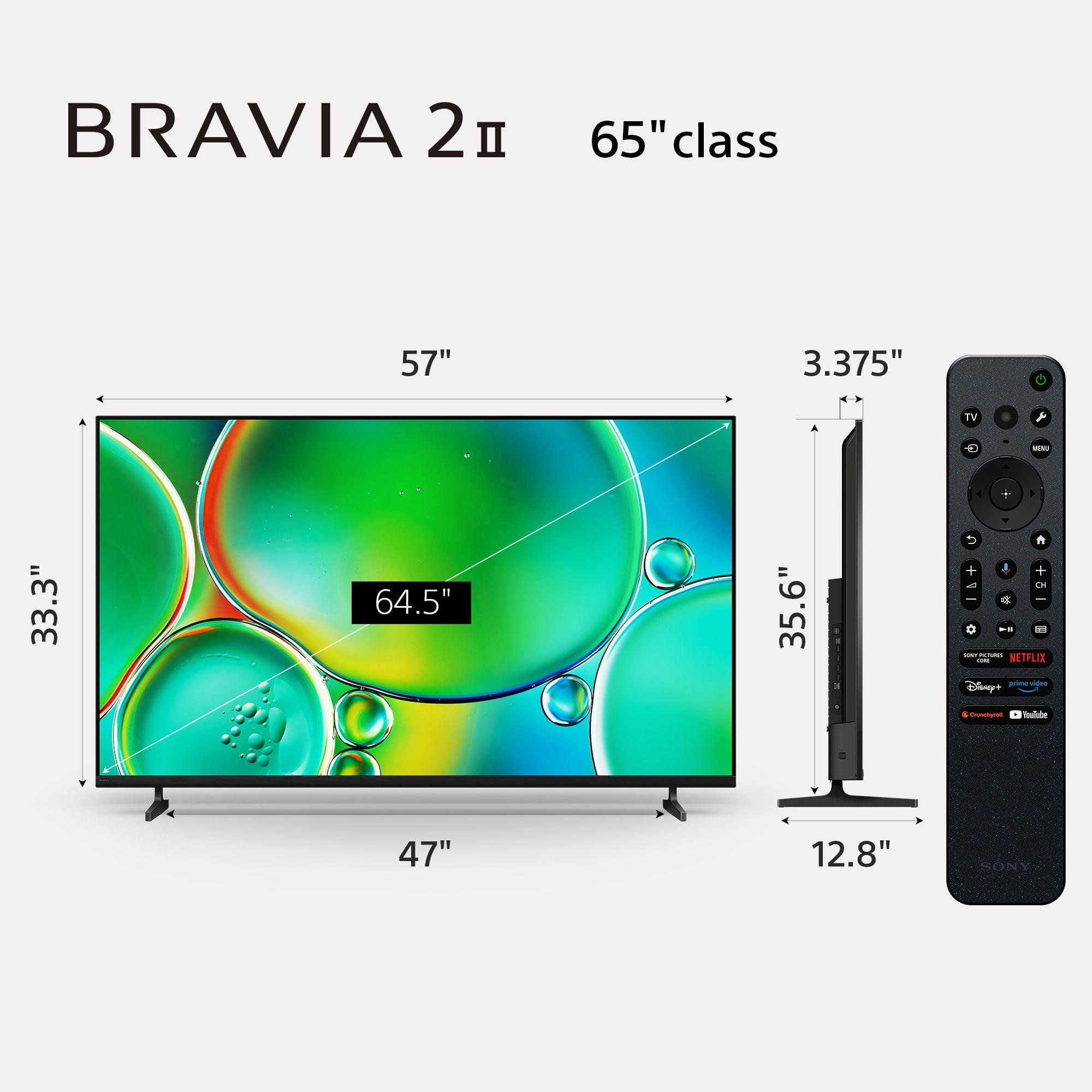
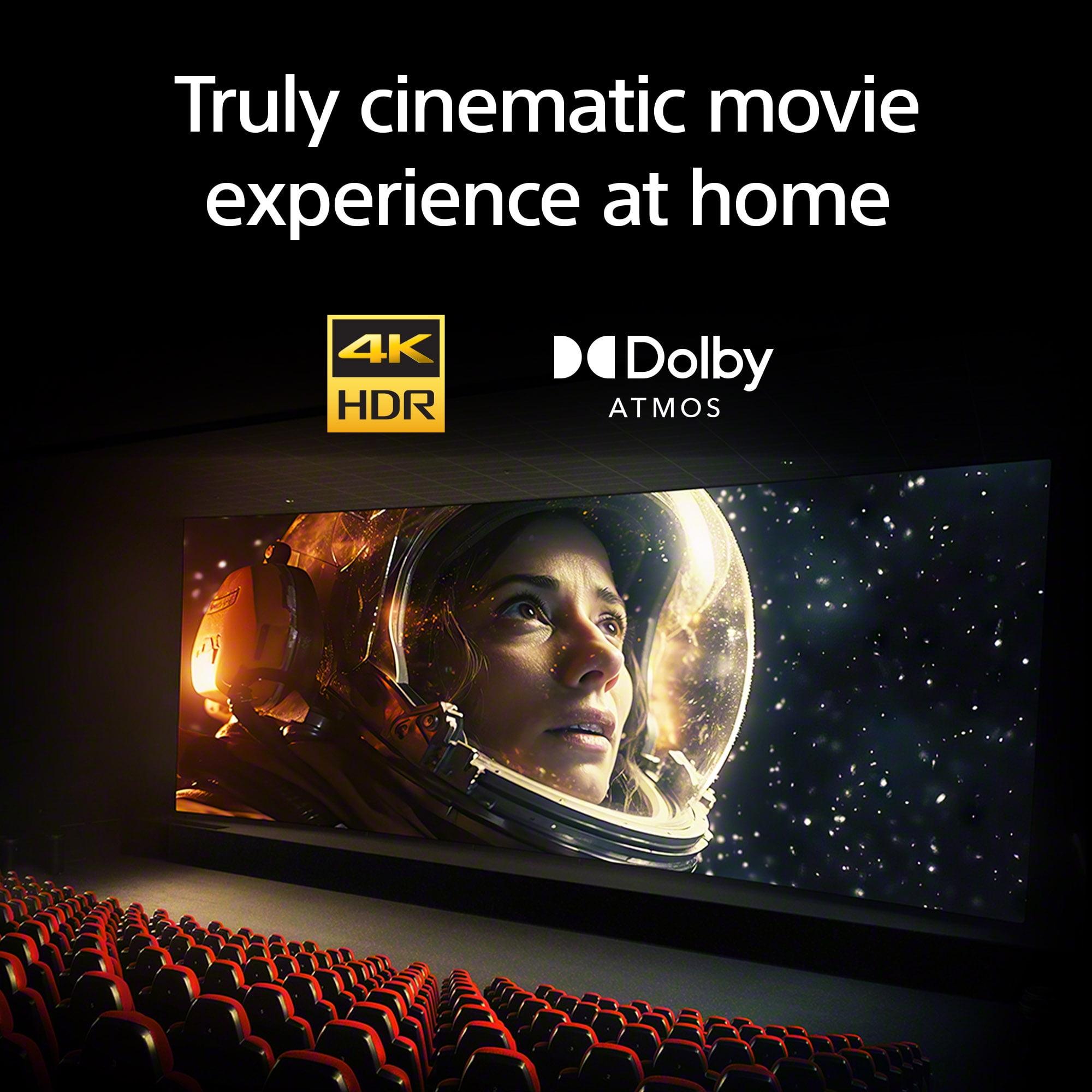



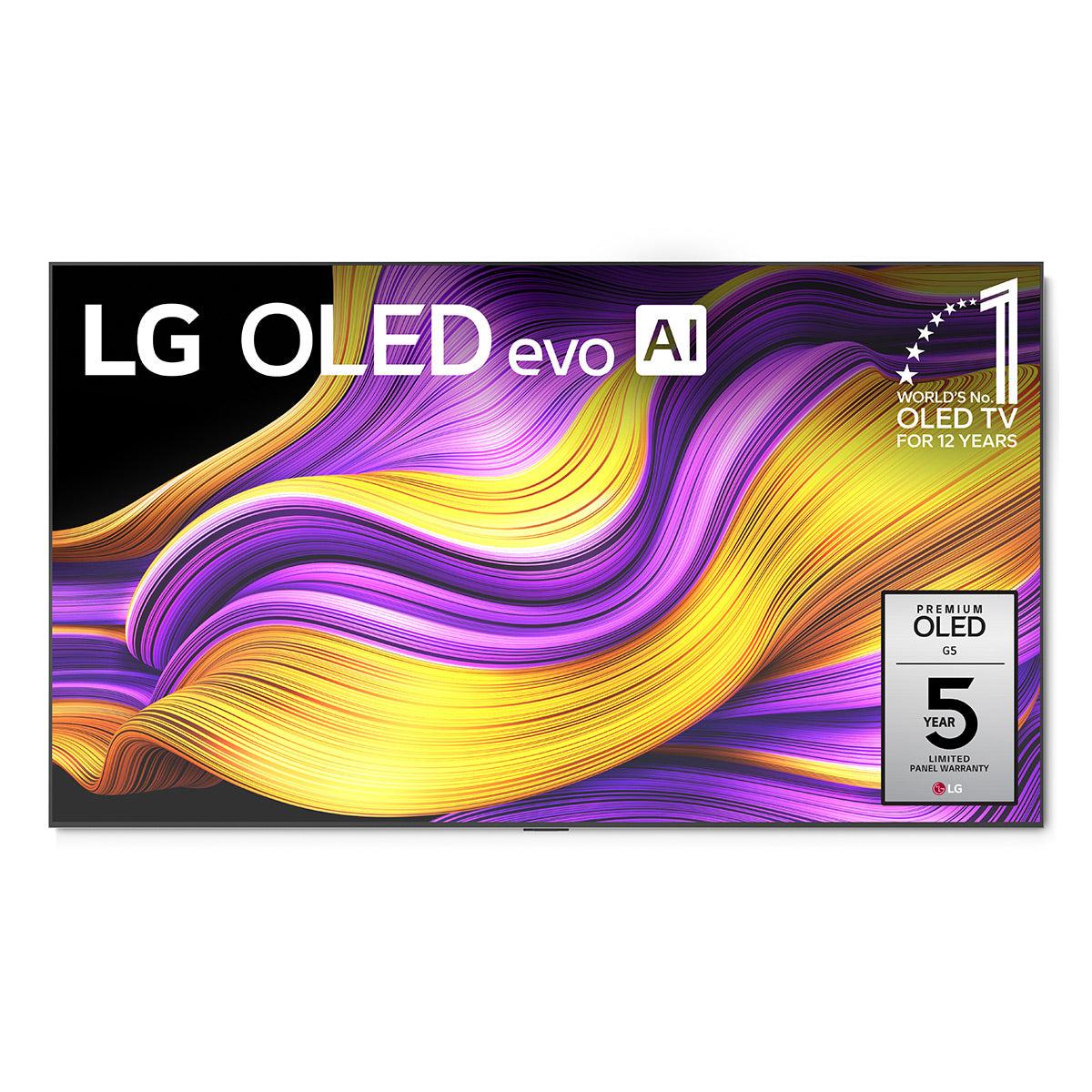

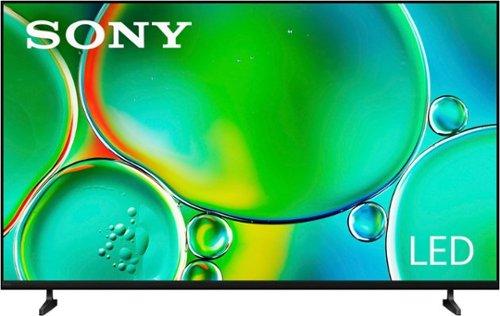
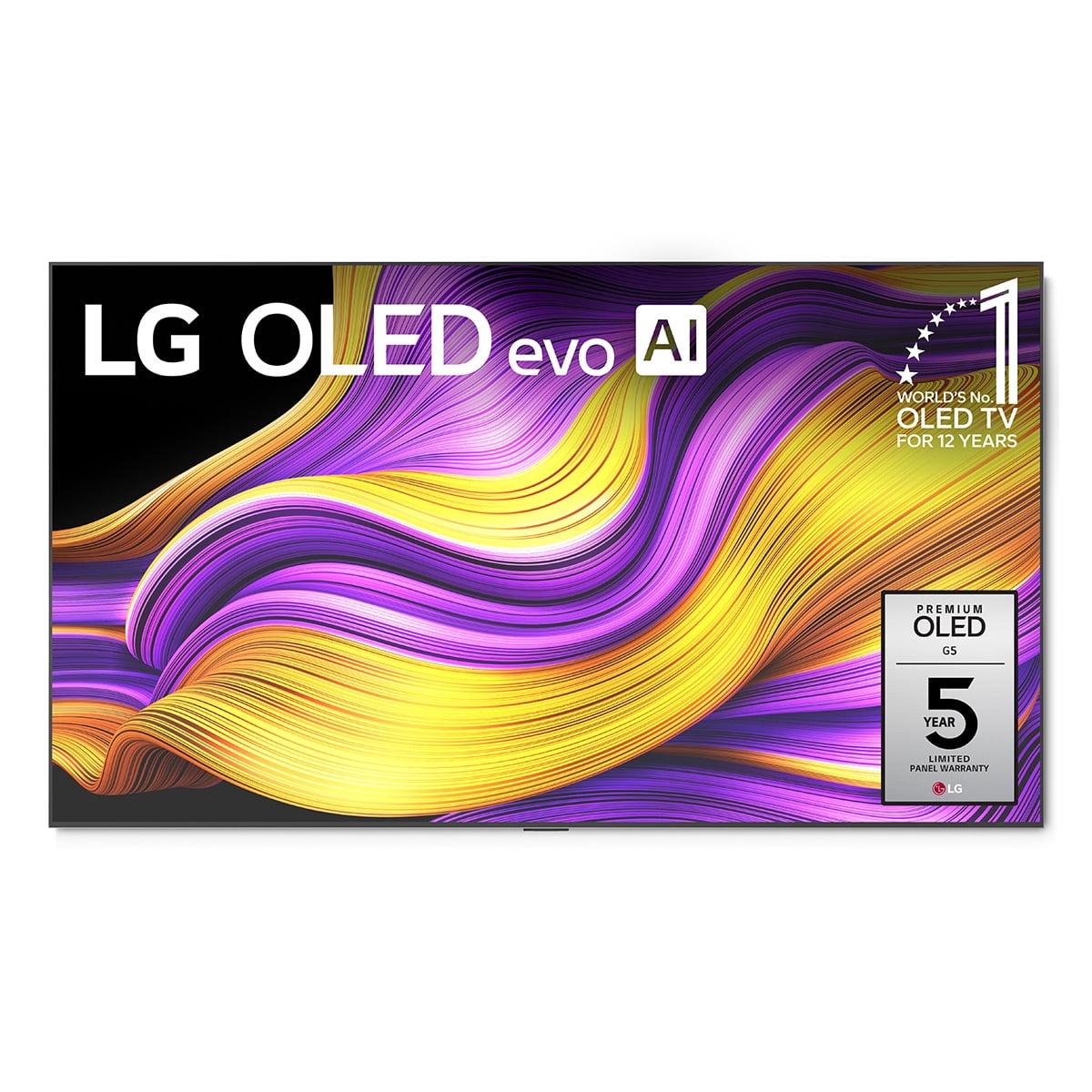
Shopping for a new 65-inch 4K TV can feel overwhelming, especially when you're comparing models that seem worlds apart in both price and capabilities. Today, we're diving deep into two very different approaches to premium television: the budget-friendly Sony BRAVIA 2 II 65" 4K LED Google TV 2025 at $649.99 and the flagship LG OLED evo G5 65" 4K Smart TV 2025 priced between $3,196.99 and $3,399.
Both TVs were released in 2025, but they target completely different audiences and use vastly different display technologies. The Sony represents the "sweet spot" for budget-conscious buyers who want solid 4K performance without breaking the bank, while the LG showcases cutting-edge OLED technology that pushes the boundaries of what's possible in home entertainment.
Before we dive into the specifics, let's establish what really matters when choosing a 4K television. The most important factors are display technology (how the TV actually creates the image), picture processing (how it enhances content), smart features (the apps and interface you'll use daily), gaming capabilities (if you play console or PC games), and overall value for your specific needs.
Display technology is probably the biggest differentiator between TVs. LED TVs like the Sony use a backlight behind an LCD panel to create images, while OLED TVs like the LG have pixels that light themselves. This fundamental difference affects everything from contrast (the difference between the darkest and brightest parts of an image) to viewing angles and power consumption.
Picture processing refers to the computer chips inside the TV that analyze and enhance the content you're watching. Modern processors can upscale lower-resolution content to look better on 4K screens, adjust colors in real-time, and even reduce motion blur during fast-paced scenes.
The biggest distinction between these two TVs lies in their fundamental display technology, and this difference shapes almost everything else about their performance.
The Sony BRAVIA 2 II uses direct LED backlighting with frame dimming. This means there's a grid of LED lights behind the LCD panel that illuminates the entire screen. The TV can dim these LEDs in zones to create better contrast, but it can't turn off individual pixels completely. This is why LED TVs struggle with true blacks – there's always some light bleeding through, creating what we call "raised blacks" where dark scenes look slightly gray rather than pure black.

However, LED technology has some significant advantages. It can get much brighter than older OLED models, making it excellent for well-lit rooms. The Sony's direct LED setup provides consistent brightness across the entire screen, and LED TVs typically last longer without concerns about burn-in (permanent image retention that can happen with OLED).
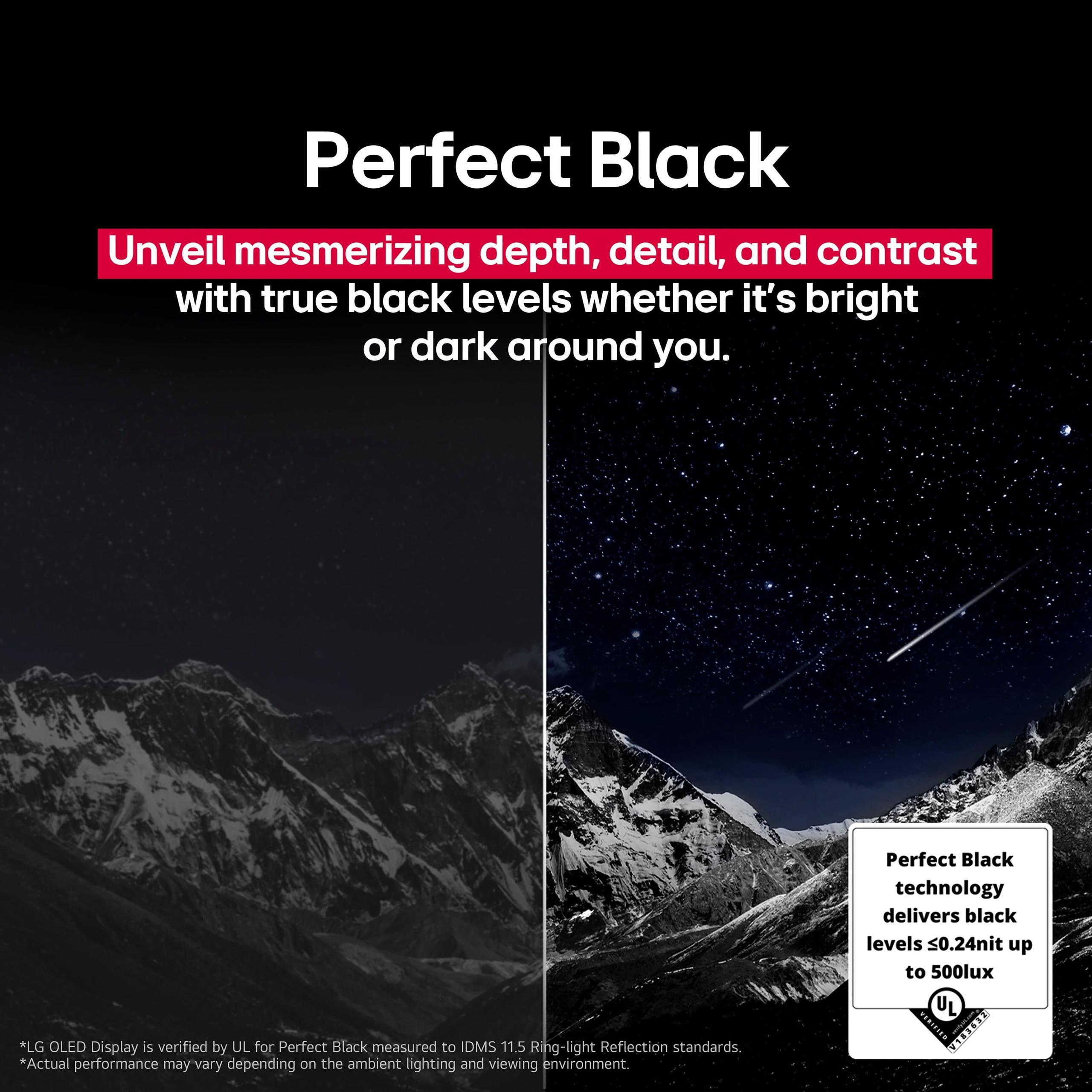
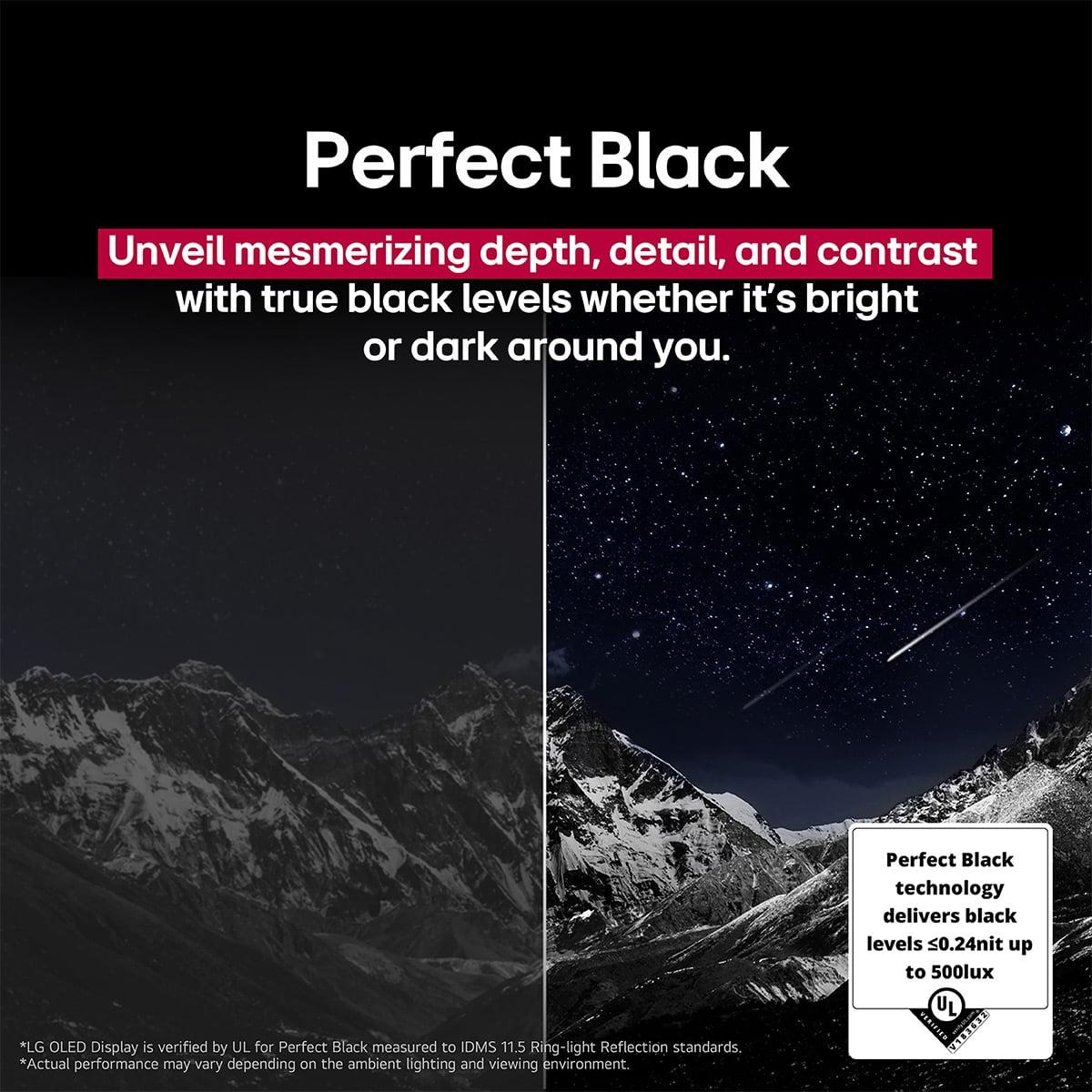
The LG OLED evo G5 takes a completely different approach with its revolutionary 4-Stack RGB Tandem OLED panel. Each pixel generates its own light and can turn completely off for perfect blacks. This creates what's called "infinite contrast" – the difference between the brightest whites and darkest blacks is theoretically unlimited. When you're watching a scene with stars against a night sky, those stars will pop against true black space in a way that's simply impossible with LED technology.
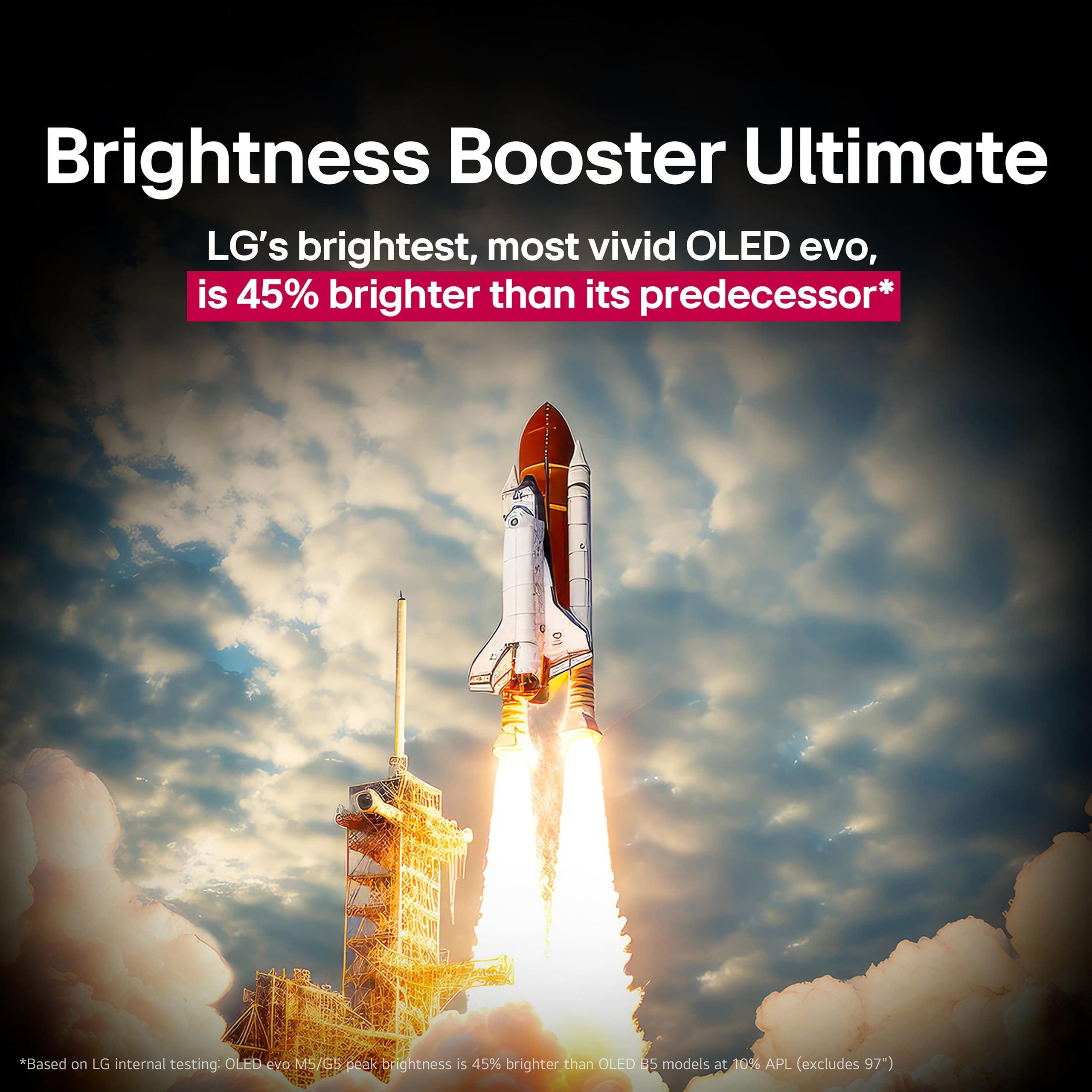
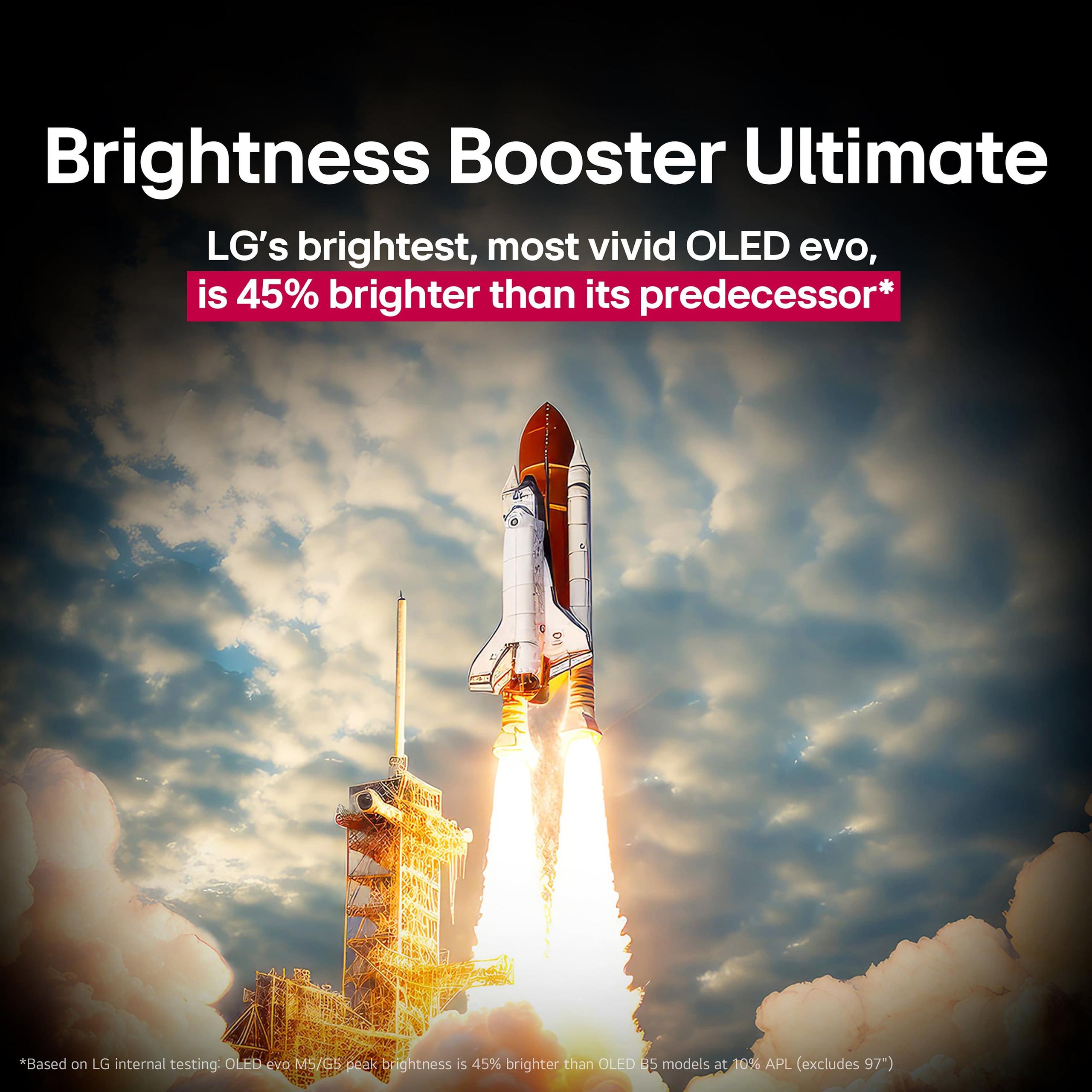
LG's 2025 OLED evo panel represents a major breakthrough. The "4-Stack RGB Tandem" structure essentially layers multiple OLED emitters on top of each other, solving OLED's traditional weakness: brightness. This new panel is up to 45% brighter than previous OLED models, making it competitive with LED TVs in bright rooms while maintaining perfect blacks.
The picture processing capabilities of these TVs reveal another significant gap between budget and premium models.
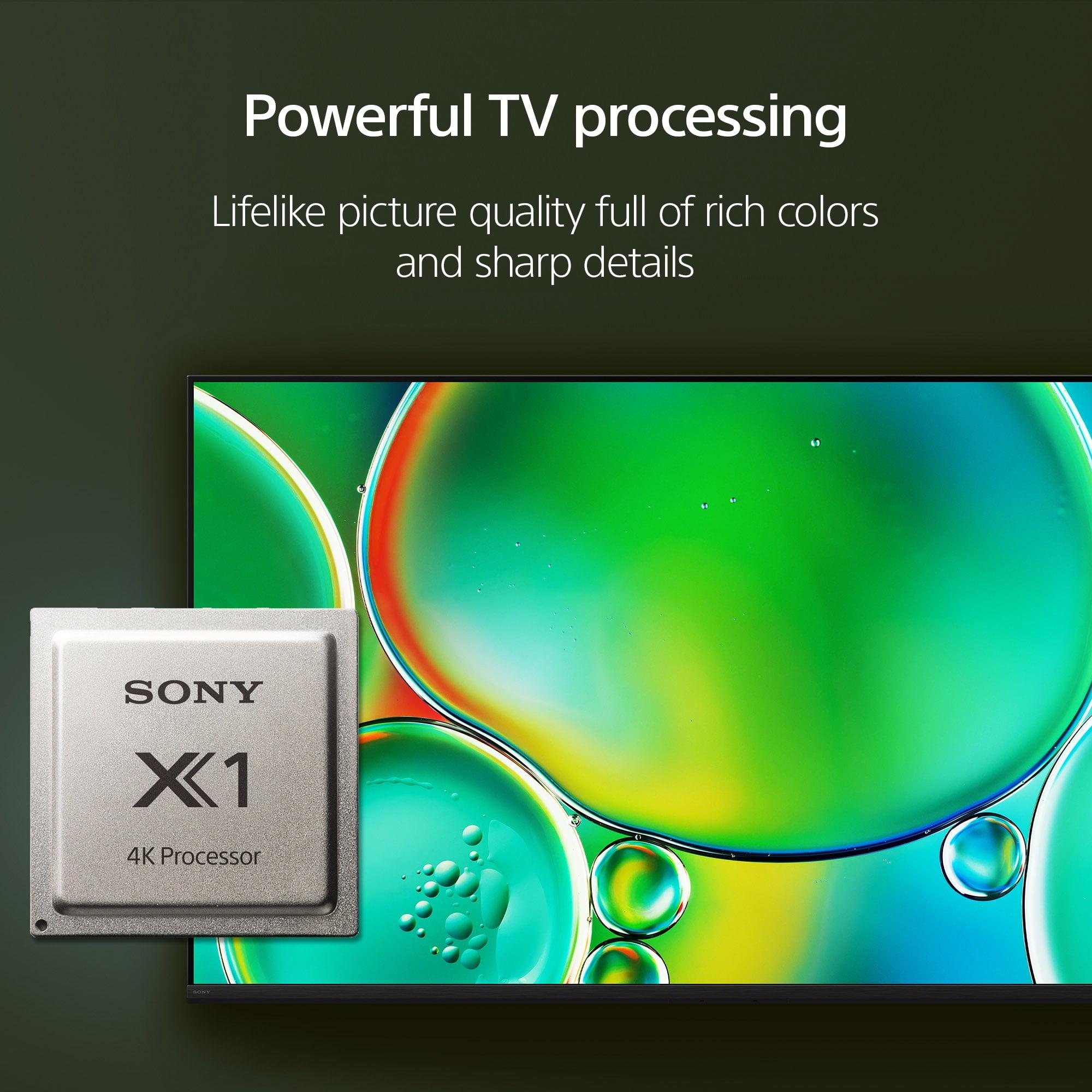
The Sony BRAVIA 2 II features the 4K Processor X1, which was actually used in higher-end Sony models in previous years. This processor handles 4K X-Reality PRO upscaling, which analyzes content using a database of image patterns to enhance lower-resolution content. When you're watching 1080p Netflix shows or older movies, this processor works to make them look sharper and more detailed on your 4K screen.
The Sony also includes Live Color technology and Dynamic Contrast Enhancer. Live Color expands the range of colors the TV can display, making images look more vibrant and lifelike. The Dynamic Contrast Enhancer adjusts the backlight in real-time to improve the difference between light and dark areas of the image.
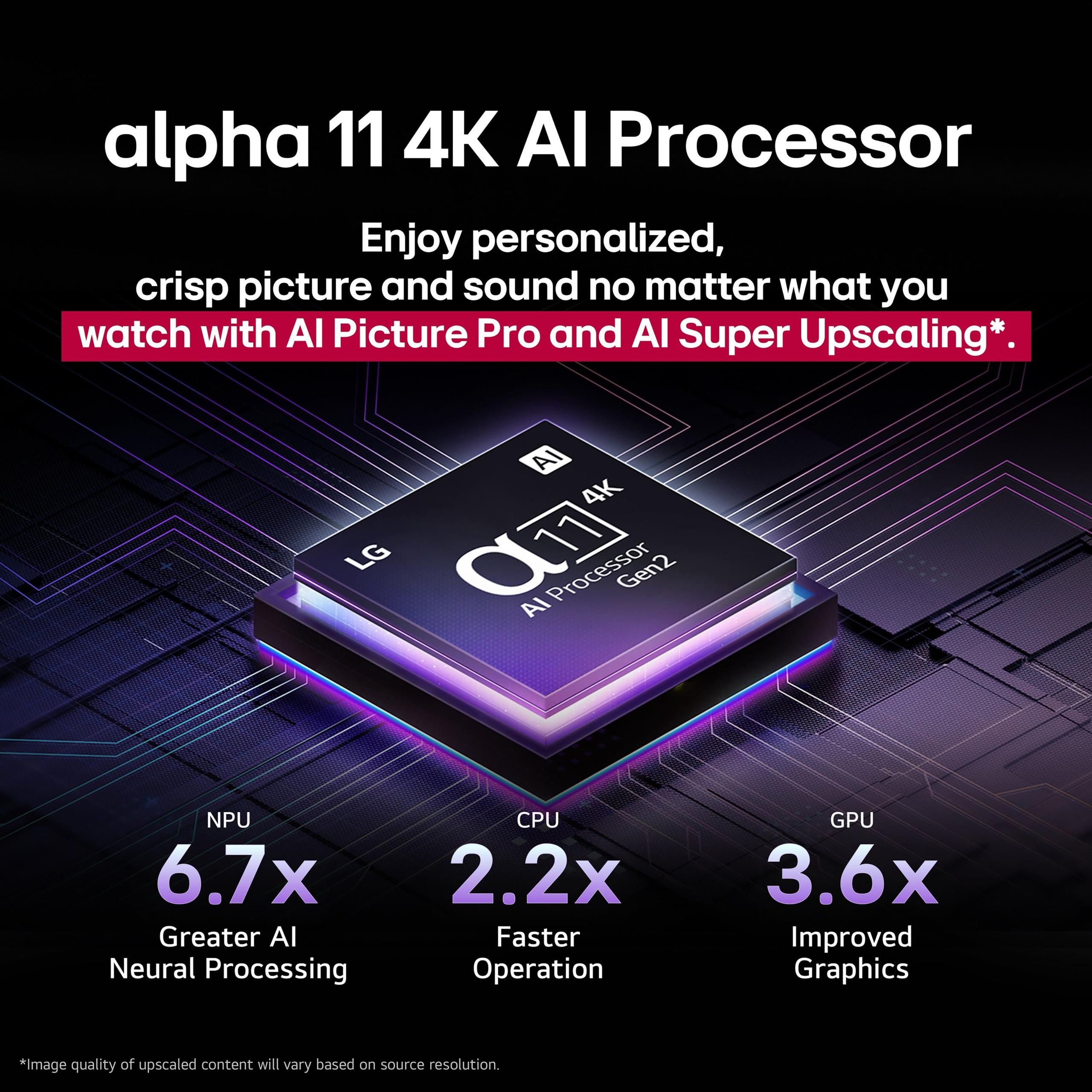
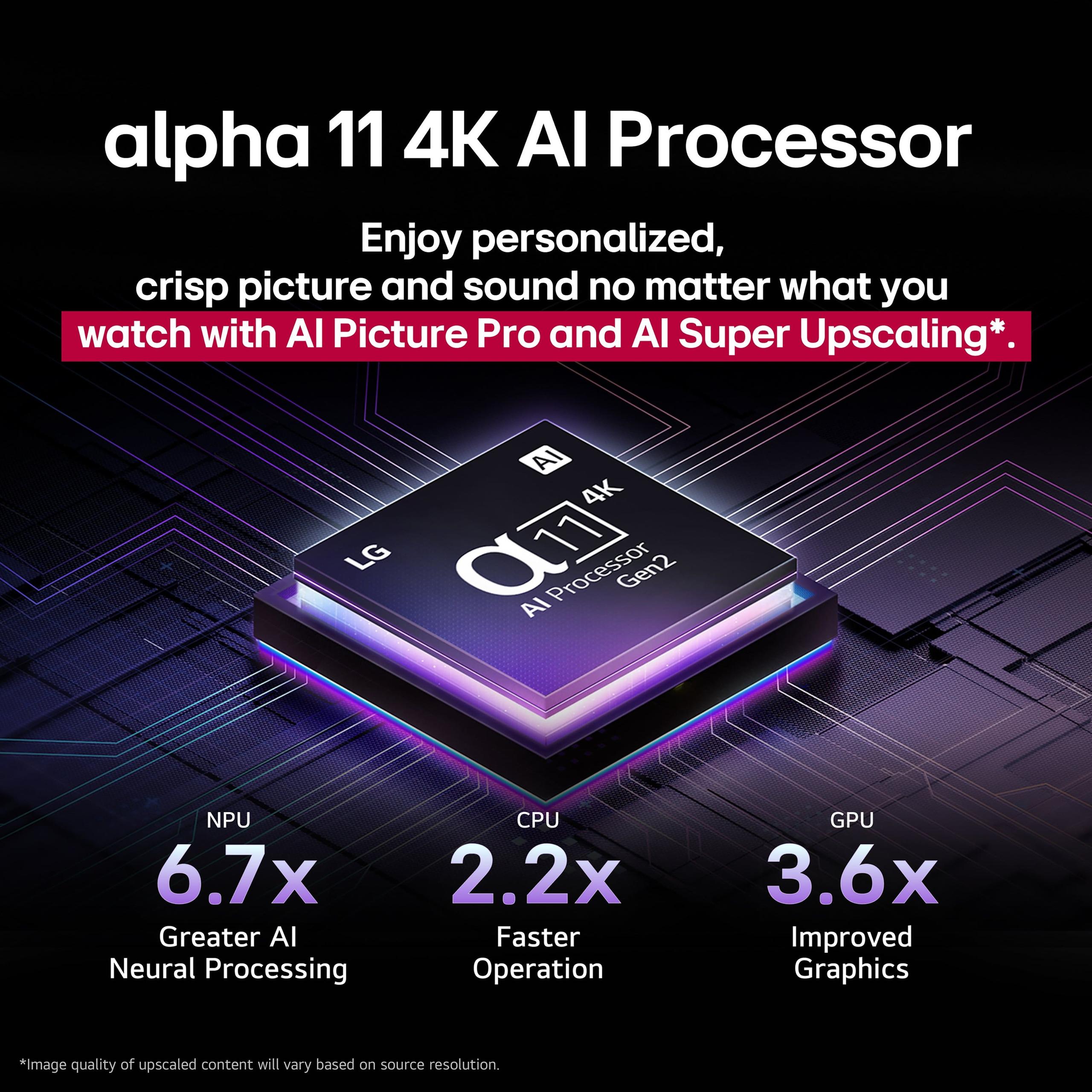
The LG OLED evo G5 steps up significantly with its Alpha 11 AI Processor Gen 2. This advanced chip doesn't just upscale content – it uses artificial intelligence to analyze what you're watching and optimize the picture accordingly. If you're watching a nature documentary, it might enhance greens and blues. During a dark thriller, it might adjust shadow details to reveal more information in dark scenes.
The AI processor also enables personalized picture settings. The TV learns your preferences over time and automatically adjusts settings based on what you're watching and the lighting in your room. This means the TV literally gets better the more you use it.
In terms of color performance, the differences are substantial. The Sony delivers good color accuracy for its price point, with Sony's traditional strength in color processing evident in natural skin tones and vibrant but not oversaturated colors. However, it's limited by the LED backlight system and supports only HDR10 and HLG formats.
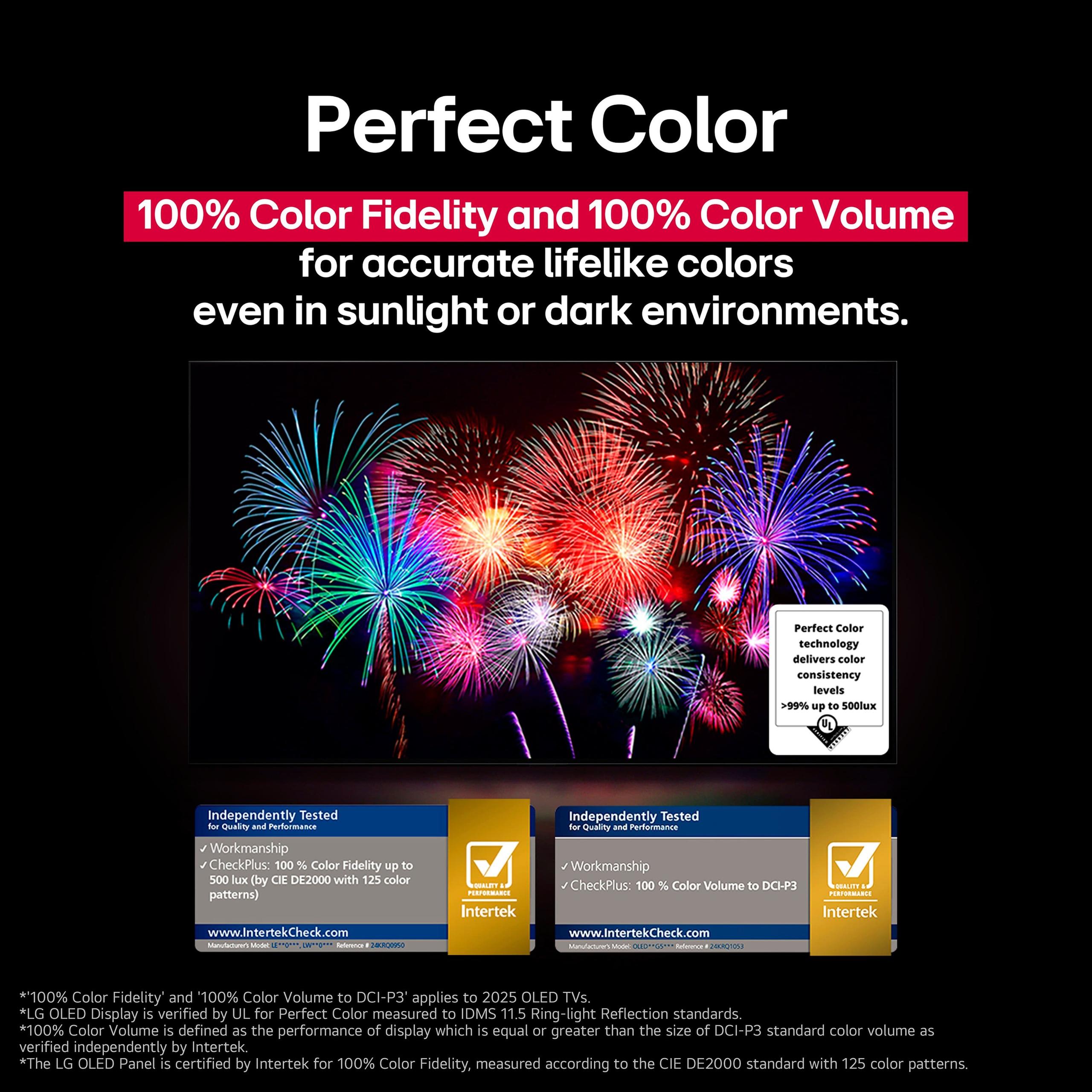
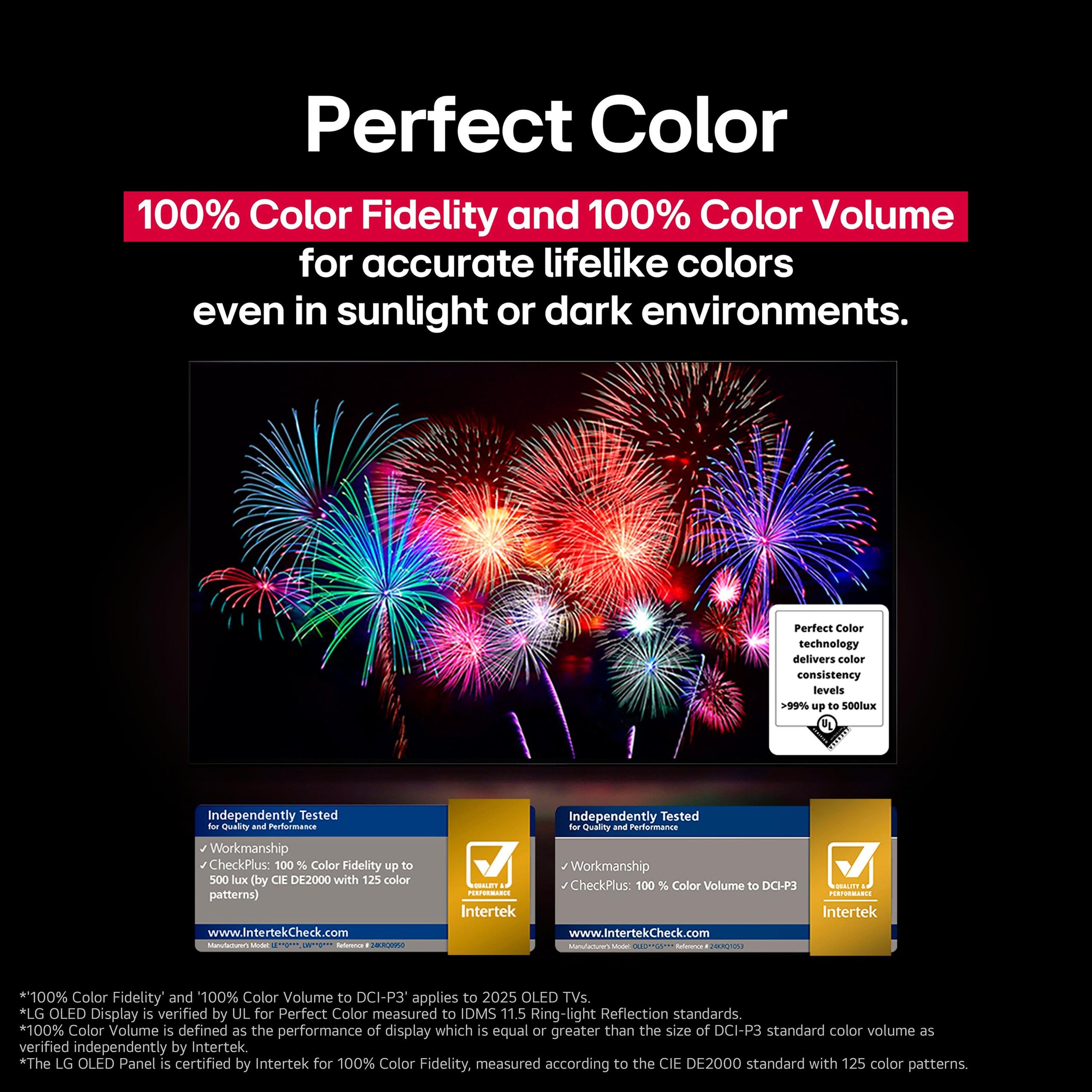
The LG G5 supports a wider range of HDR formats, including Dolby Vision, which provides scene-by-scene optimization for compatible content. The OLED panel can display over 99% of the DCI-P3 color space (the standard used in movie theaters), and the new RGB Tandem structure provides even more accurate and vibrant colors than previous OLED models.

Gaming capabilities represent one of the most dramatic differences between these TVs, and this is where the price difference really shows.
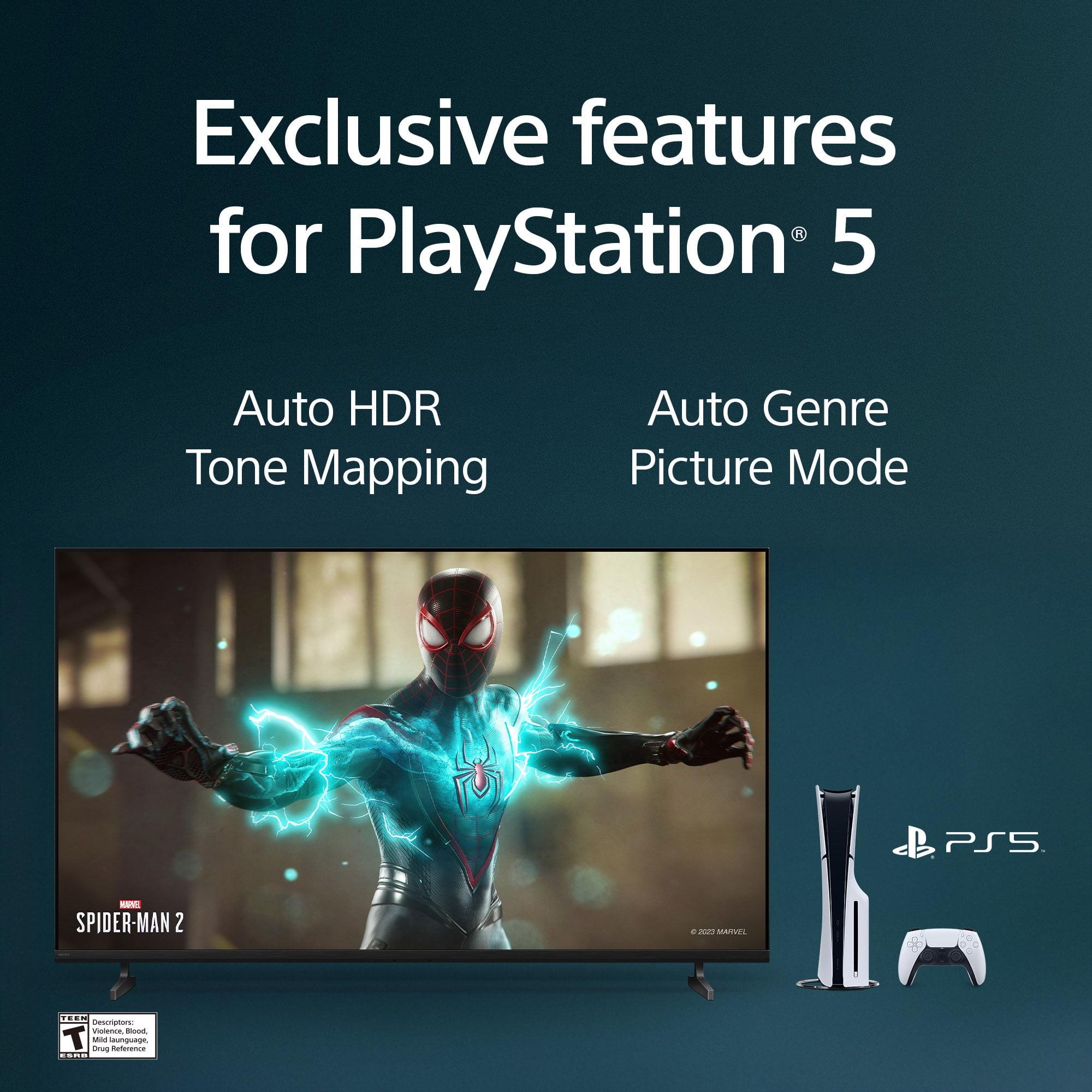
The Sony BRAVIA 2 II offers solid gaming features for casual players. It has a 60Hz refresh rate with Motionflow XR 200 processing to reduce motion blur. The TV includes PlayStation 5-specific features like Auto HDR Tone Mapping and Auto Low Latency Mode (ALLM), which automatically switches to a low-lag gaming mode when it detects a console. Input lag – the delay between pressing a button and seeing the action on screen – is reasonable for casual gaming.
However, the Sony lacks modern gaming features that serious gamers expect. There's no Variable Refresh Rate (VRR) support, which means you might experience screen tearing when your console's frame rate fluctuates. It also can't handle 4K gaming at 120Hz, limiting you to 60 frames per second even with the latest consoles.
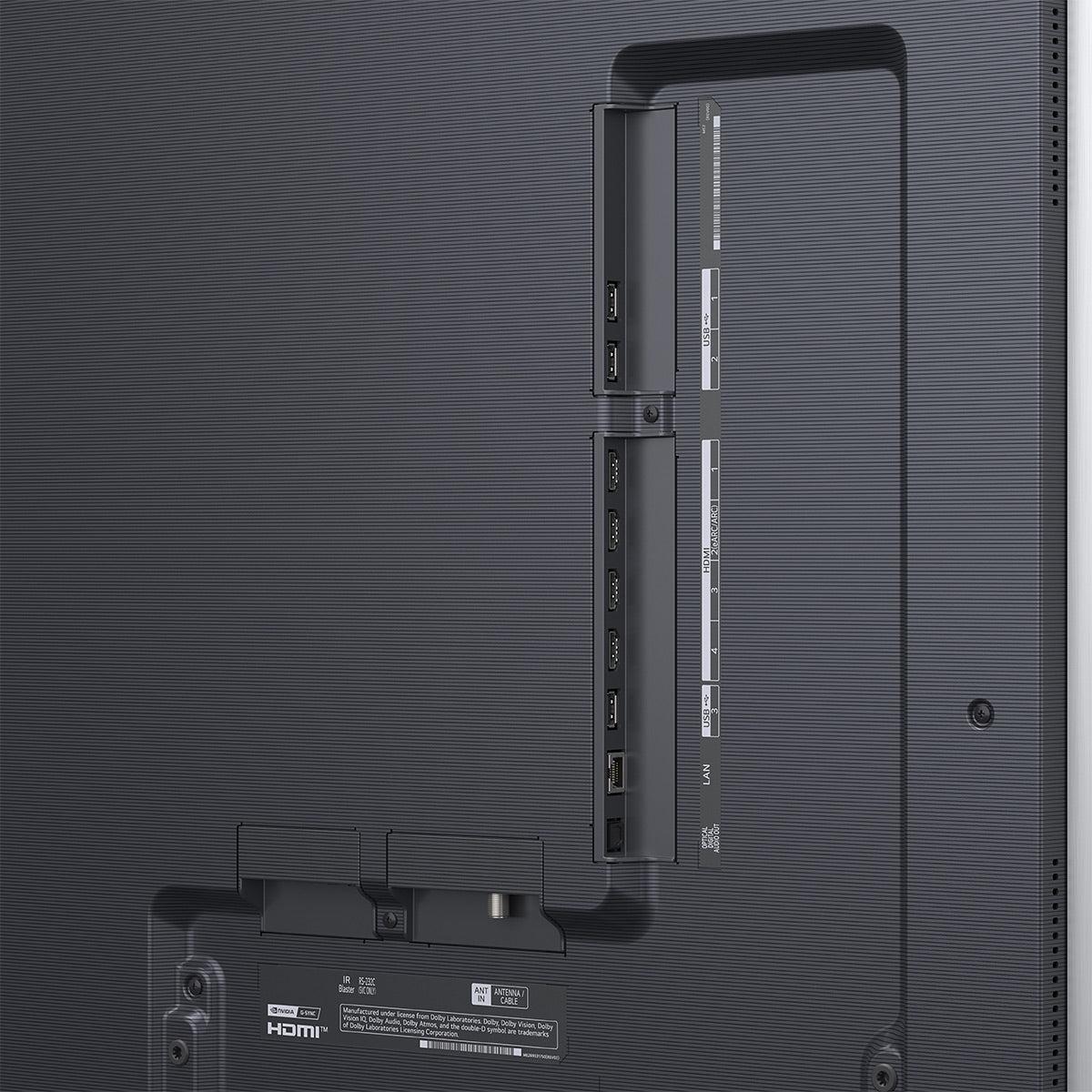
The LG OLED evo G5 is in a completely different league for gaming. It supports 4K resolution at up to 165Hz refresh rate across all four HDMI 2.1 ports. This means ultra-smooth motion that's particularly noticeable in fast-paced games like first-person shooters or racing games. The difference between 60Hz and 165Hz is immediately apparent – movements look fluid and natural rather than choppy.
The G5 includes comprehensive VRR support, including NVIDIA G-SYNC and AMD FreeSync Premium. These technologies synchronize the TV's refresh rate with your gaming device's frame rate, eliminating screen tearing and stuttering. The TV also supports Quick Media Switching (QMS), which eliminates the black screen that normally appears when switching between different refresh rates.
For competitive gaming, the G5's input lag is among the lowest available, often measuring under 10 milliseconds. This responsiveness can be the difference between winning and losing in competitive online games.
Both TVs offer robust smart TV platforms, but they take different approaches to the user experience.
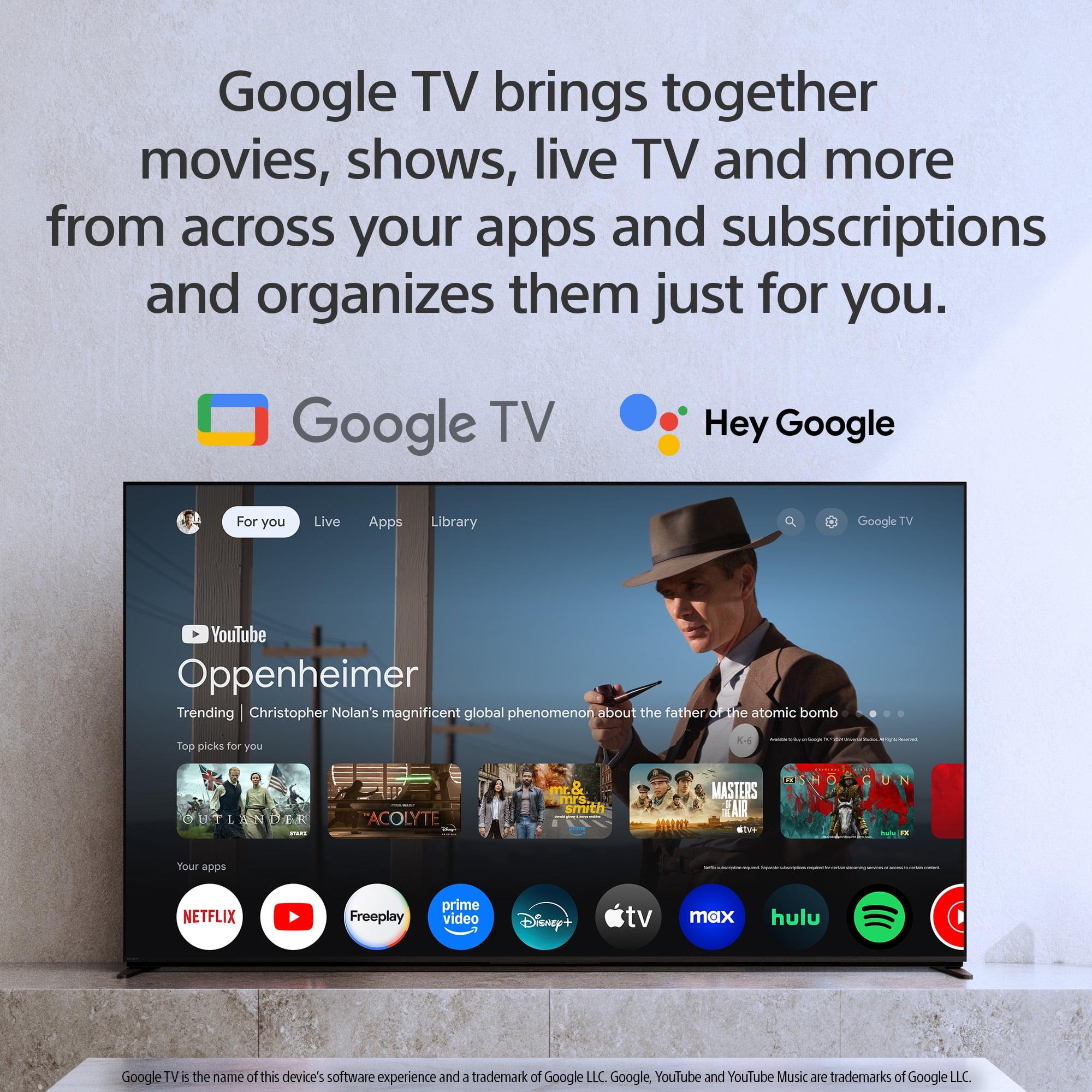
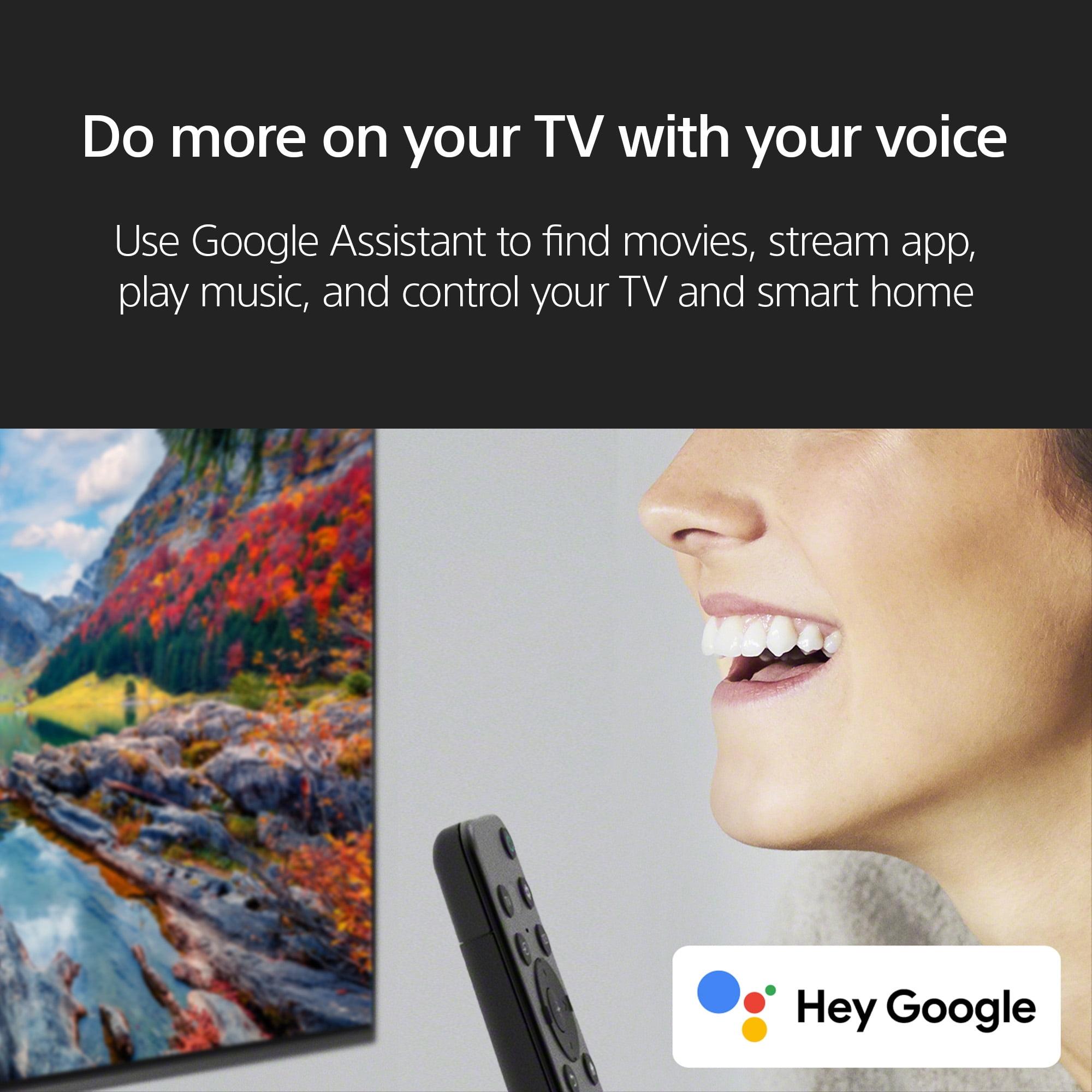
The Sony runs Google TV, which is Google's modern smart TV platform that replaced Android TV. Google TV focuses on content discovery, showing you movies and shows from all your subscribed services in a unified interface. It includes built-in Google Assistant for voice commands, Chromecast for casting content from your phone, and Apple AirPlay 2 for iPhone users.
Google TV's strength lies in its integration with Google's ecosystem. If you use Gmail, Google Photos, or YouTube regularly, everything feels connected. The interface is clean and responsive, and app availability is excellent with all major streaming services represented.
The LG OLED evo G5 runs webOS 25, LG's proprietary smart TV platform that's been refined over many years. webOS 25 includes AI-powered features like personalized recommendations and Quick Cards that organize your favorite content. The Magic Remote includes an AI button for voice control and can function as a pointer for easy navigation.
One significant advantage of the LG is the webOS Renew program, which guarantees software updates and new features for five years. This means your TV will continue to get new apps and improvements long after purchase. The G5 also includes access to over 300 free LG Channels, providing additional content without subscription fees.
Audio performance is often overlooked when comparing TVs, but it's crucial for the overall viewing experience.
The Sony BRAVIA 2 II includes a 40W speaker system with Dolby Atmos and DTS:X support. The Open Baffle Speaker design helps create a wider soundstage than traditional TV speakers. While not exceptional, the built-in audio is adequate for casual viewing and significantly better than many budget TVs.
The LG G5's slim profile limits its built-in speaker performance, but it includes advanced audio processing and Dolby Atmos support. More importantly, it features WOW Orchestra technology, which can synchronize with compatible LG soundbars to create a more immersive audio experience.
For home theater enthusiasts, both TVs will benefit from external audio systems. The Sony includes standard audio outputs and supports common home theater formats. The LG offers more advanced audio features and better integration with premium sound systems, but its higher price point assumes you'll likely pair it with a quality soundbar or surround sound system.
If you're setting up a dedicated home theater, the differences between these TVs become even more pronounced.
The Sony BRAVIA 2 II can work well in a home theater setting, particularly in rooms with some ambient light. Its LED backlight provides consistent brightness, and the 4K processing does a good job with movie content. However, the limited contrast and lack of Dolby Vision support means you're missing some of the cinematic experience that modern content is designed to deliver.
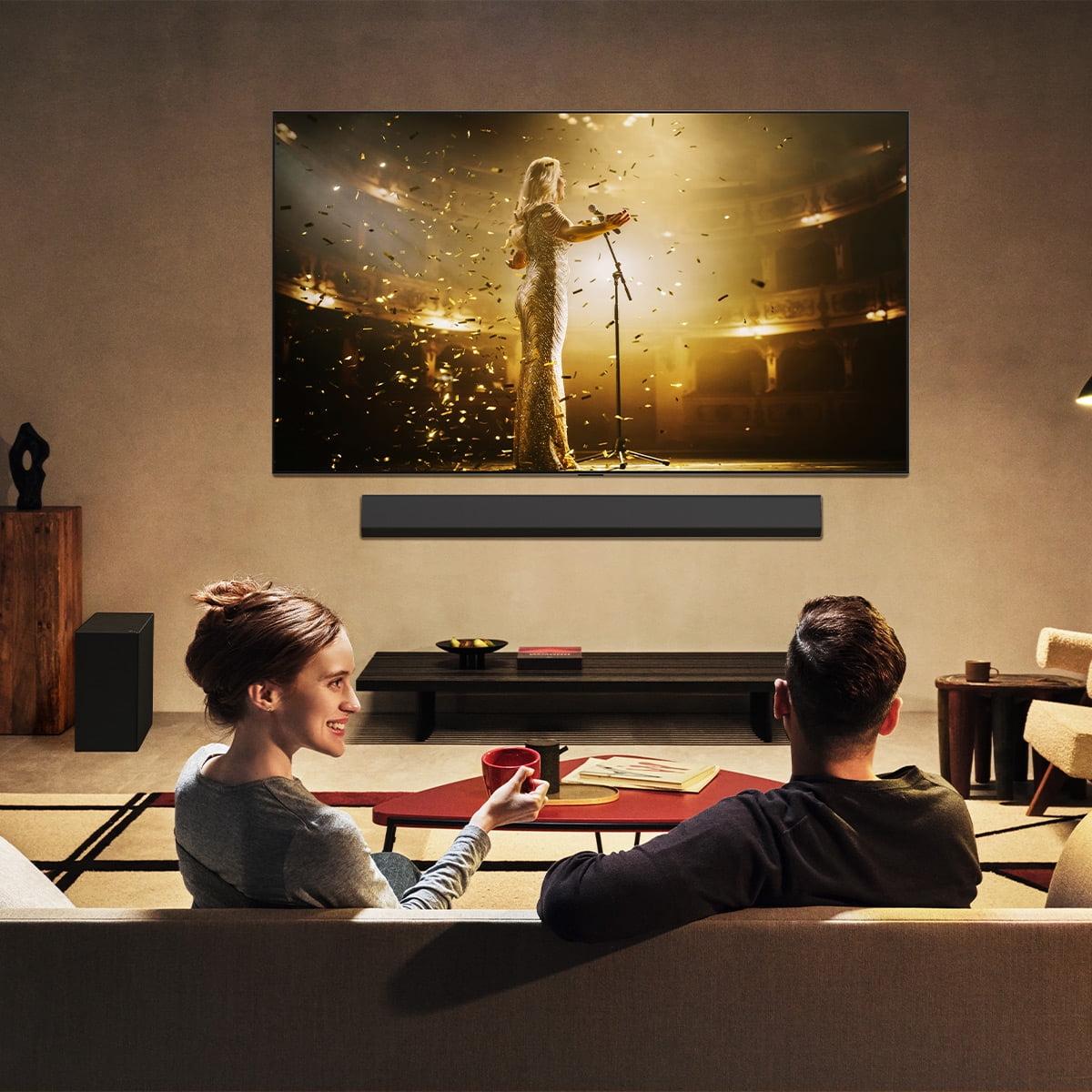
The LG OLED evo G5 is specifically designed for home theater enthusiasts. The perfect blacks create that "theater-like" experience where the screen seems to disappear into the darkness. The TV includes FILMMAKER MODE, which displays movies exactly as directors intended, and the new Ambient Filmmaker Mode adjusts these settings based on your room's lighting.
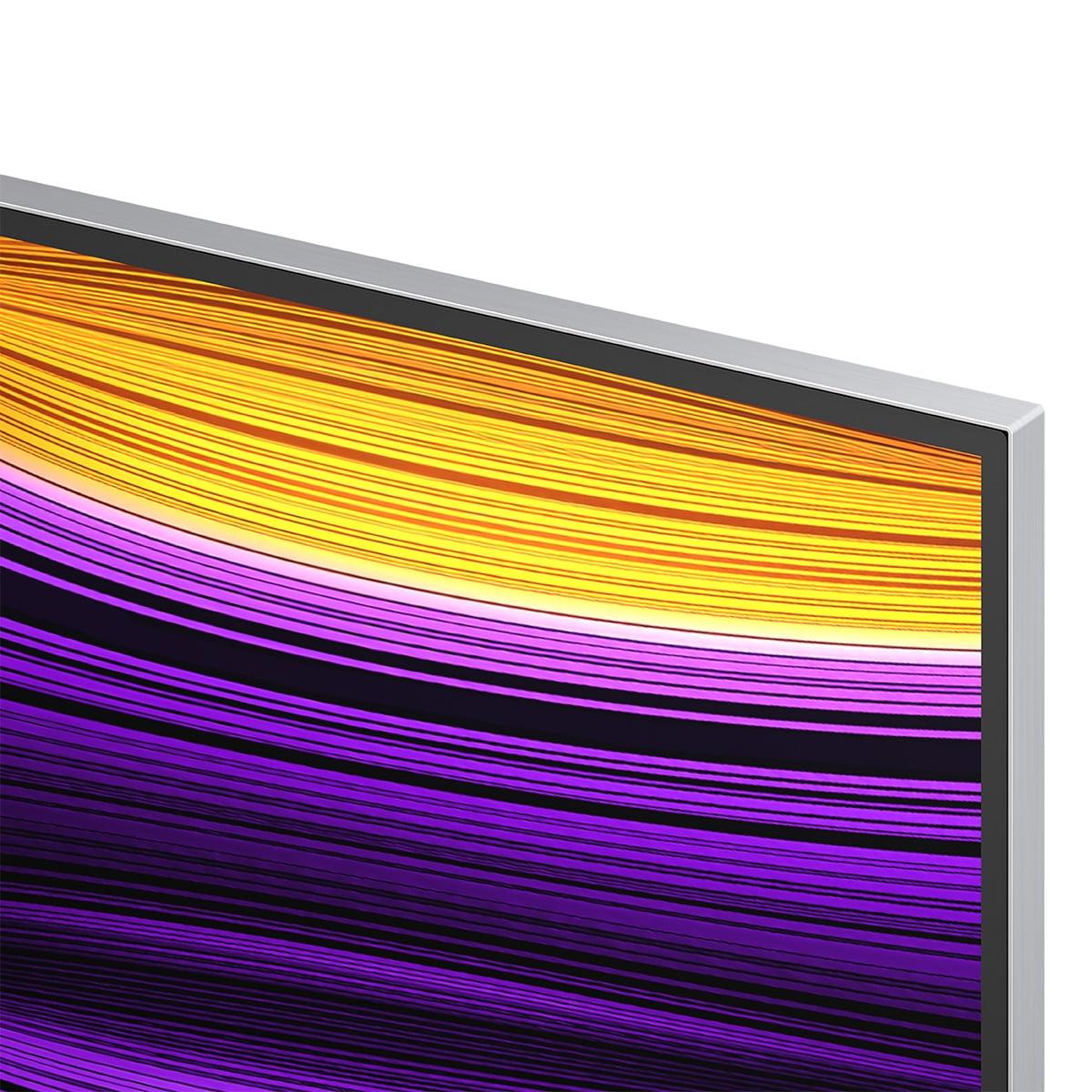
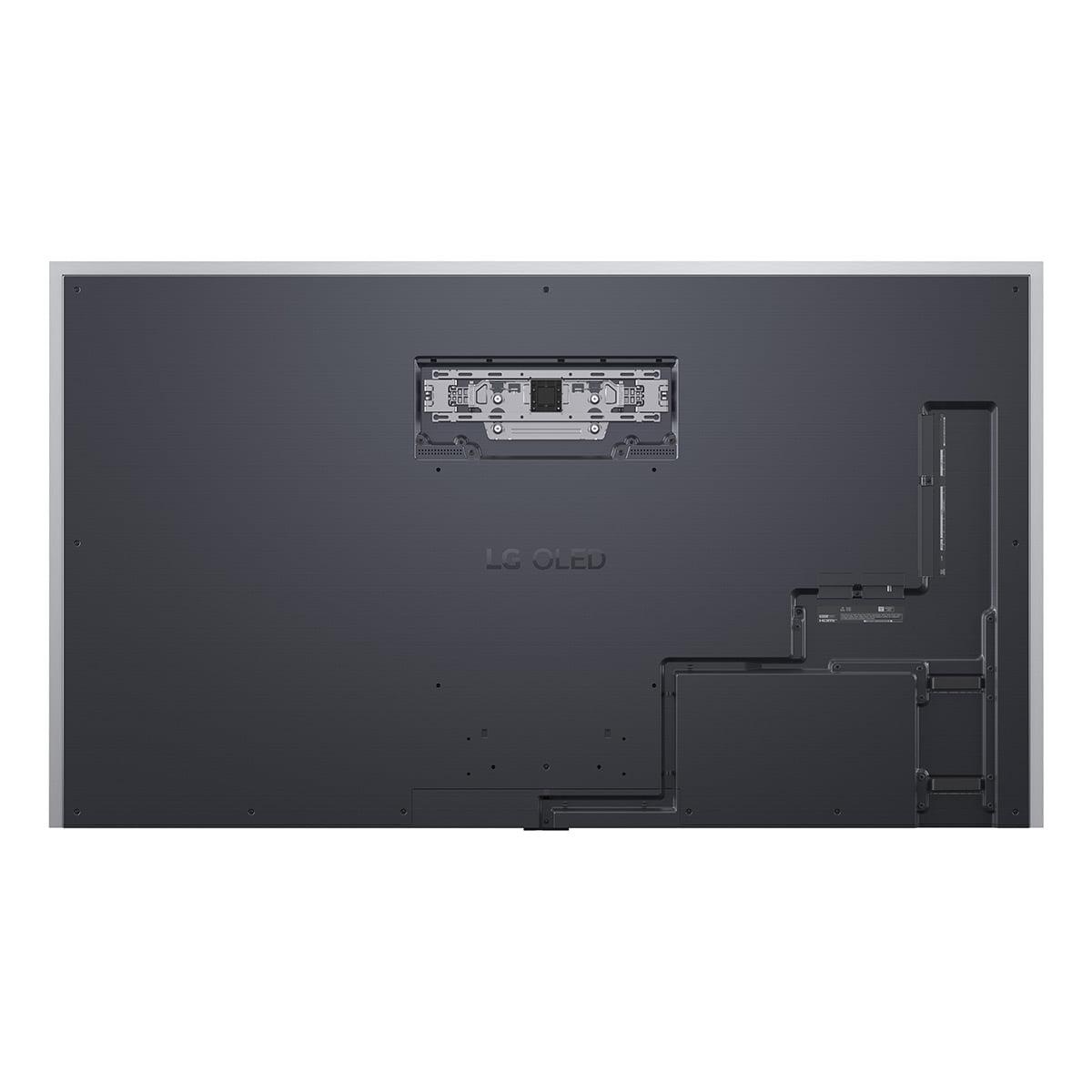
The G5's Gallery Design allows it to mount flush against the wall, creating a clean, theater-like appearance. When not in use, it can display artwork, making it blend into your room's decor. The 5-year panel warranty also provides peace of mind for what's likely to be the centerpiece of your home theater.
Understanding value requires looking beyond just the price tag to consider what you're getting for your money.
The Sony BRAVIA 2 II at $649.99 represents exceptional value for budget-conscious buyers. You're getting solid 4K performance, good color accuracy, comprehensive smart TV features, and basic gaming capabilities. For many viewers, this TV will provide 80% of the experience at 20% of the cost of premium models.
The Sony makes sense if you're upgrading from an older TV, setting up a secondary viewing area, or if you primarily watch streaming content in a moderately lit room. It's also ideal for casual gamers who don't need the latest high-refresh-rate features.
The LG OLED evo G5's $3,200+ price tag requires justification, but for the right user, it delivers extraordinary value. The OLED technology provides a viewing experience that's simply not possible with LED TVs. The advanced gaming features make it futureproof for years to come. The 5-year warranty and software support protect your investment.
The LG makes sense for serious home theater enthusiasts, competitive gamers, or anyone who wants the absolute best picture quality available. If you're planning to keep this TV for many years and you have the budget, the premium features and build quality justify the higher cost.
Both TVs represent significant improvements over their predecessors, but in different ways.
The Sony BRAVIA 2 II benefits from trickle-down technology, incorporating the 4K Processor X1 that was previously reserved for higher-end models. This democratization of processing power means budget buyers get better upscaling and color processing than ever before.
The LG OLED evo G5 represents a breakthrough in OLED technology. The 4-Stack RGB Tandem panel solves OLED's traditional brightness limitations while maintaining perfect blacks. This advancement makes OLED competitive with mini-LED technology in bright rooms while retaining all the advantages of self-emissive displays.
Making the right choice between these TVs depends on several key factors:
Budget: If $650 is your target, the Sony delivers excellent value. If you can stretch to $3,200+, the LG provides premium performance.
Primary Use: For casual viewing and streaming, the Sony suffices. For serious gaming or home theater, the LG excels.
Room Environment: Both work in moderately lit rooms, but the LG performs better in very bright or very dark environments.
Future-Proofing: The LG's advanced features and 5-year support provide longer-term value.
Gaming Needs: Casual console gaming works fine on the Sony. PC gaming or competitive console gaming benefits significantly from the LG's advanced features.
My recommendation? If you're budget-conscious or buying a secondary TV, the Sony BRAVIA 2 II offers tremendous value and solid performance. If you're investing in your main entertainment center and have the budget, the LG OLED evo G5 provides an experience that's simply in a different league. Both are excellent TVs for their intended audiences – the key is understanding which audience you belong to.
| Sony BRAVIA 2 II 65" 4K LED Google TV 2025 | LG OLED evo G5 65" 4K Smart TV 2025 |
|---|---|
| Price - Major budget consideration with 5x price difference | |
| $649.99 | $3,196.99 - $3,399 |
| Display Technology - Fundamentally different approaches to image creation | |
| LED with direct backlighting and frame dimming | 4-Stack RGB Tandem OLED with self-lit pixels |
| Contrast Ratio - Critical for dark room viewing and HDR impact | |
| Good contrast limited by LED backlight bleed | Infinite contrast with perfect blacks |
| Brightness - Important for bright room viewing | |
| Good LED brightness for well-lit rooms | 45% brighter than previous OLED, excellent for all lighting |
| Gaming Refresh Rate - Essential for smooth gaming experience | |
| 60Hz with Motionflow XR 200 processing | 4K @ 165Hz on all HDMI 2.1 ports |
| Gaming Features - Advanced features for competitive gaming | |
| Auto Low Latency Mode, PlayStation 5 optimization | VRR, G-SYNC, FreeSync Premium, QMS support |
| HDR Support - Affects color depth and dynamic range | |
| HDR10, HLG | Dolby Vision, HDR10 Pro, HLG |
| Processor - Determines upscaling and AI features | |
| 4K Processor X1 with X-Reality PRO | Alpha 11 AI Processor Gen 2 with personalization |
| Smart TV Platform - Daily interface and app ecosystem | |
| Google TV with Google Assistant | webOS 25 with 5-year update guarantee |
| Audio Output - Built-in sound quality | |
| 40W with Dolby Atmos, Open Baffle design | Dolby Atmos with WOW Orchestra soundbar integration |
| Panel Warranty - Long-term reliability protection | |
| Standard 1-year warranty | 5-year limited panel warranty |
| Best For - Target audience and use cases | |
| Budget buyers, casual viewing, secondary TVs | Home theater enthusiasts, serious gamers, premium experience |
The primary difference is display technology and price. The Sony BRAVIA 2 II 65" 4K LED Google TV 2025 at $649.99 uses LED backlighting, while the LG OLED evo G5 65" 4K Smart TV 2025 priced at $3,196.99-$3,399 uses OLED technology with self-lit pixels. This means the LG offers perfect blacks and infinite contrast, while the Sony provides good brightness at a much lower cost.
The LG OLED evo G5 is significantly better for gaming, offering 4K at 165Hz refresh rate, Variable Refresh Rate (VRR), and support for NVIDIA G-SYNC and AMD FreeSync Premium. The Sony BRAVIA 2 II is limited to 60Hz and lacks VRR support, making it suitable only for casual gaming.
While both TVs handle bright rooms well, they achieve brightness differently. The Sony LED provides consistent brightness across the screen, while the LG OLED evo G5 is 45% brighter than previous OLED models thanks to its new 4-Stack RGB Tandem panel. The LG can now compete with LED TVs in bright rooms while maintaining perfect blacks.
The LG OLED evo G5 has superior picture quality with perfect blacks, infinite contrast, and support for Dolby Vision HDR. The Sony BRAVIA 2 II offers good picture quality for its price with decent color accuracy and HDR10 support, but cannot match OLED's contrast performance.
Both platforms are excellent but serve different needs. The Sony's Google TV integrates well with Google services and offers familiar Android-like navigation. The LG's webOS 25 provides more advanced AI features and comes with a 5-year update guarantee, ensuring longer software support.
The LG OLED evo G5 is ideal for home theater use with its perfect blacks, FILMMAKER MODE, and Gallery Design that mounts flush to the wall. The Sony BRAVIA 2 II can work in a home theater but lacks the cinematic contrast and Dolby Vision support that serious home theater enthusiasts prefer.
Both TVs are built to last several years, but the LG OLED evo G5 includes a 5-year limited panel warranty compared to the Sony's standard 1-year warranty. OLED panels can experience burn-in with static images, while LED panels like the Sony's are generally more resistant to permanent image retention.
Value depends on your needs and budget. The Sony BRAVIA 2 II at $649.99 offers exceptional value for budget-conscious buyers, providing solid 4K performance at an affordable price. The LG OLED evo G5 offers premium value for those wanting the best possible picture quality and gaming features.
Yes, both TVs excel with 4K content but in different ways. The Sony uses 4K X-Reality PRO processing to upscale content, while the LG employs AI-powered upscaling with its Alpha 11 processor. The LG's OLED panel and Dolby Vision support provide a more cinematic 4K experience.
Both TVs work well in bright rooms, but for different reasons. The Sony BRAVIA 2 II provides consistent LED brightness that cuts through ambient light. The LG OLED evo G5 is significantly brighter than previous OLED models and includes improved anti-glare coating, making it suitable for well-lit environments while maintaining perfect blacks.
The Sony BRAVIA 2 II includes a 40W speaker system with Dolby Atmos and Open Baffle design for wider soundstage. The LG OLED evo G5 offers Dolby Atmos support and WOW Orchestra technology for integration with LG soundbars, though both TVs benefit from external audio systems for optimal home theater experience.
If budget is your primary concern, the Sony BRAVIA 2 II at $649.99 is the clear choice. It delivers solid 4K performance, good smart TV features, and decent picture quality at a fraction of the cost of the LG OLED evo G5. The Sony provides excellent value for casual viewing and basic gaming needs.
We've done our best to create useful and informative comparisons to help you decide what product to buy. Our research uses advanced automated methods to create this comparison and perfection is not possible - please contact us for corrections or questions. These are the sites we've researched in the creation of this article: bestbuy.com - notebookcheck.net - rtings.com - youtube.com - youtube.com - rtings.com - avsforum.com - croma.com - totonstv.com - electronics.sony.com - listenup.com - pcrichard.com - youtube.com - flanners.com - brandsmartusa.com - displayspecifications.com - pioneertvandappliance.com - donstv.com - bestbuy.com - techradar.com - rtings.com - youtube.com - youtube.com - rtings.com - bestbuy.com - youtube.com - valueelectronics.com - lg.com - audio-videoplus.com - lg.com - lg.com - lg.com

Privacy Policy
Terms and Conditions - Affiliate Policy
Home Security
© Copyright 2008-2026.
11816 Inwood Rd #1211, Dallas, TX 75244