

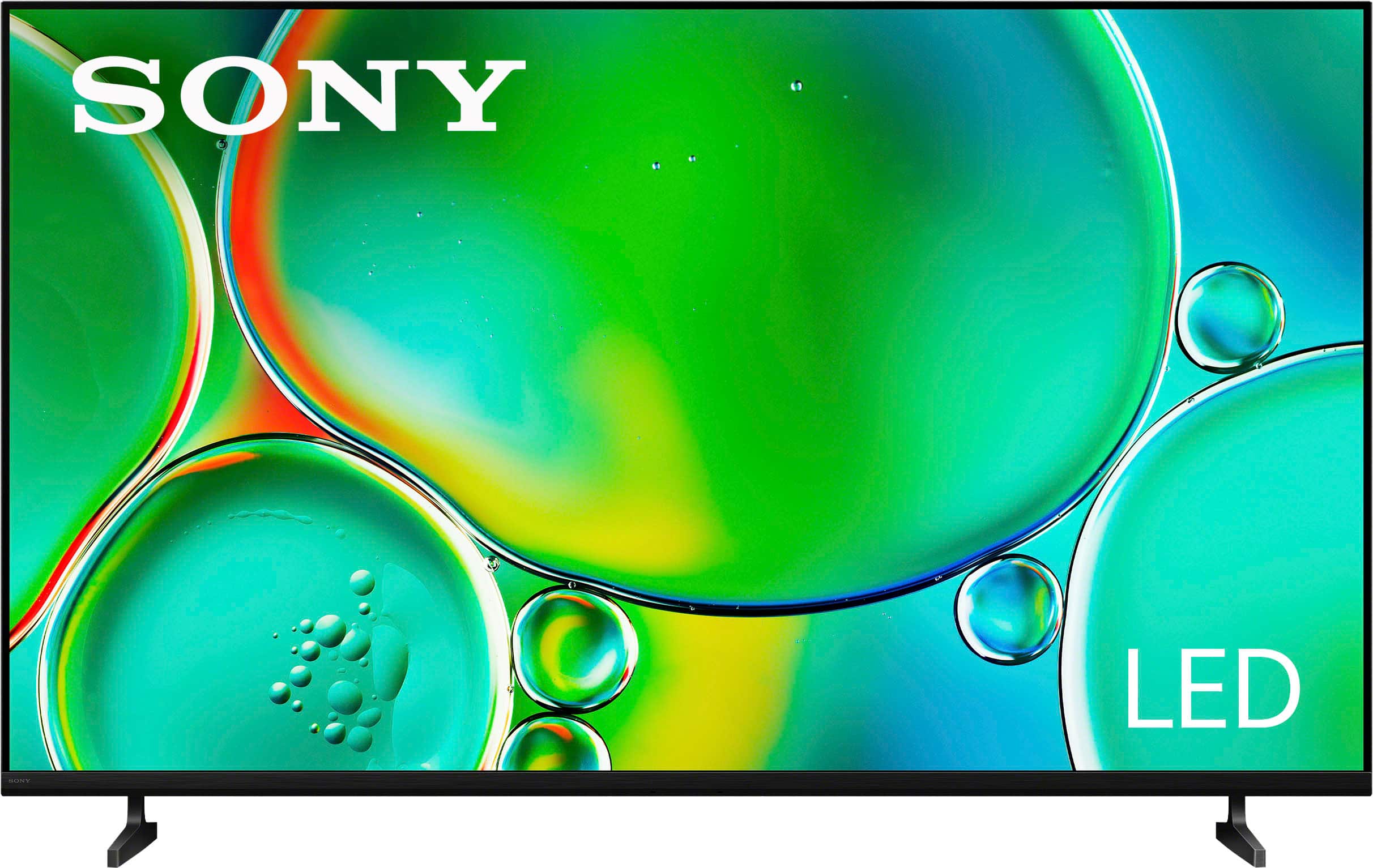
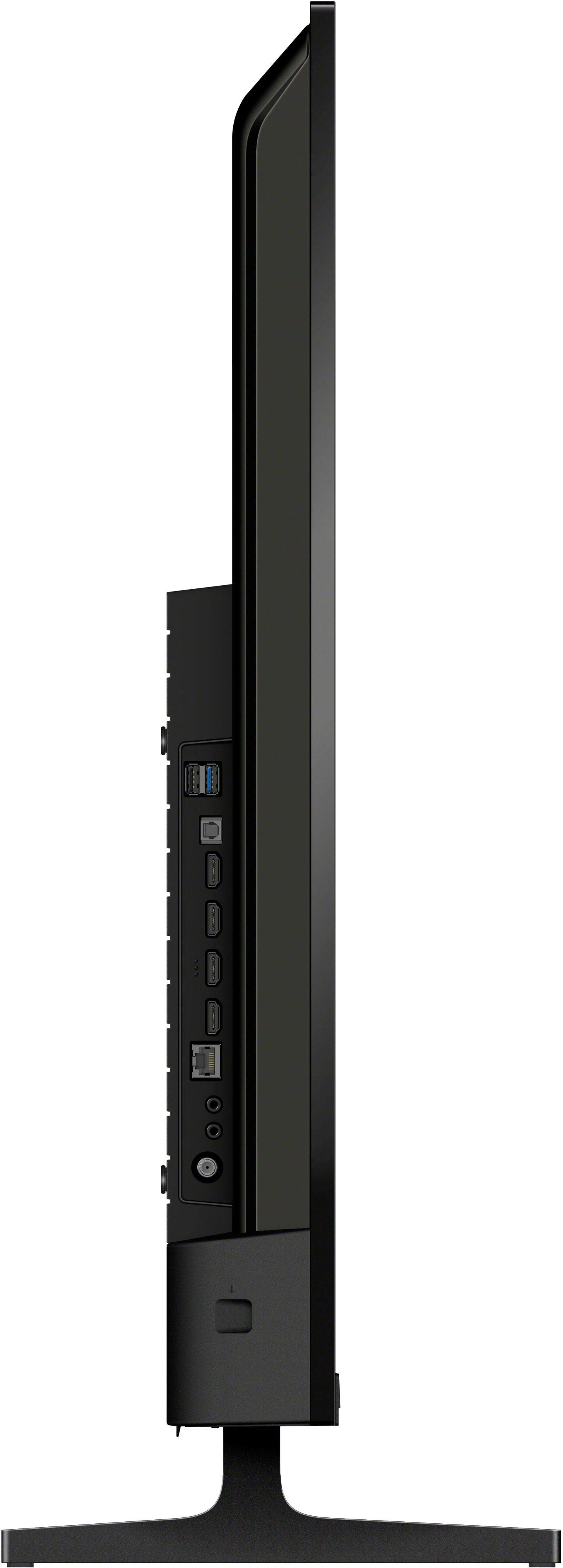
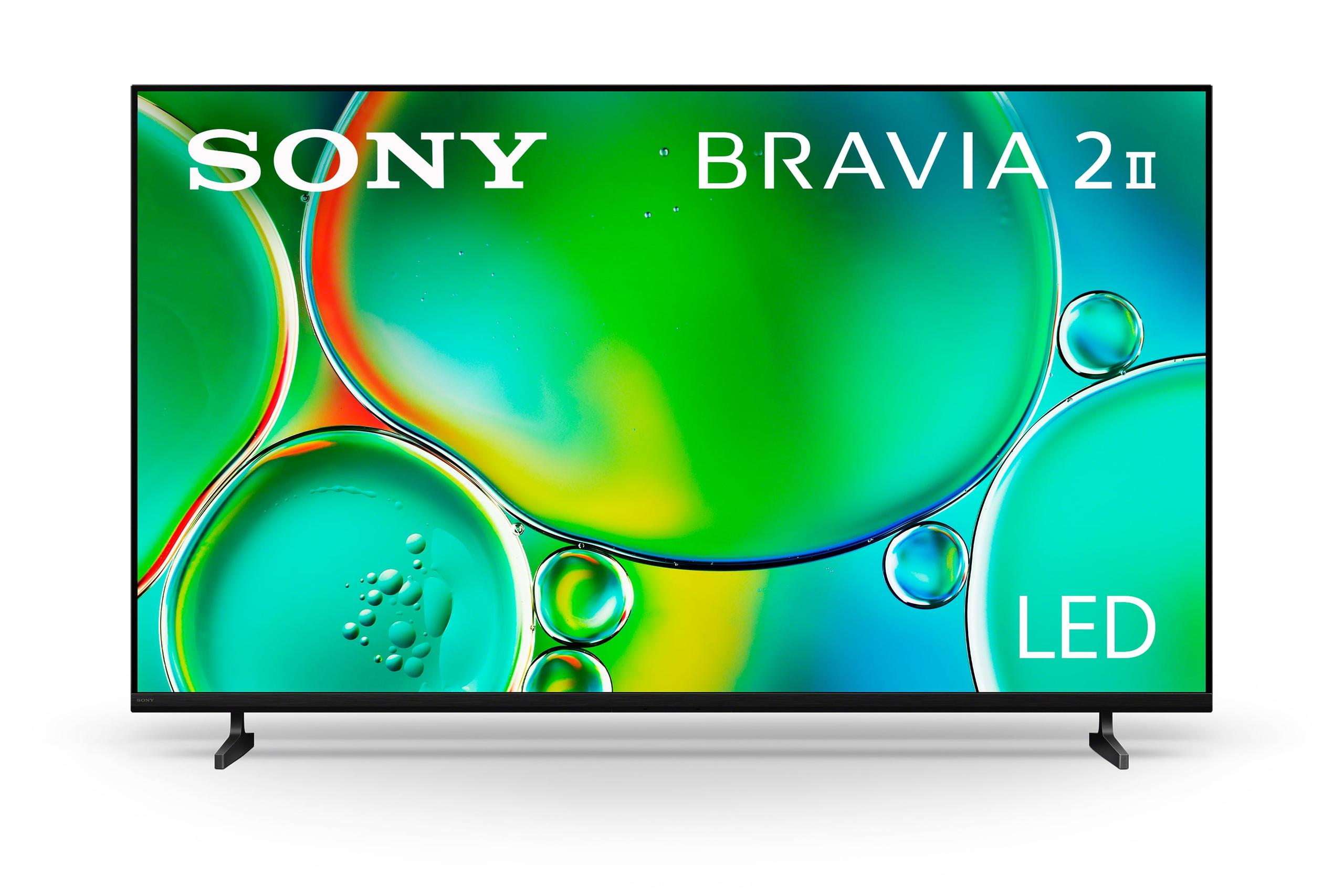



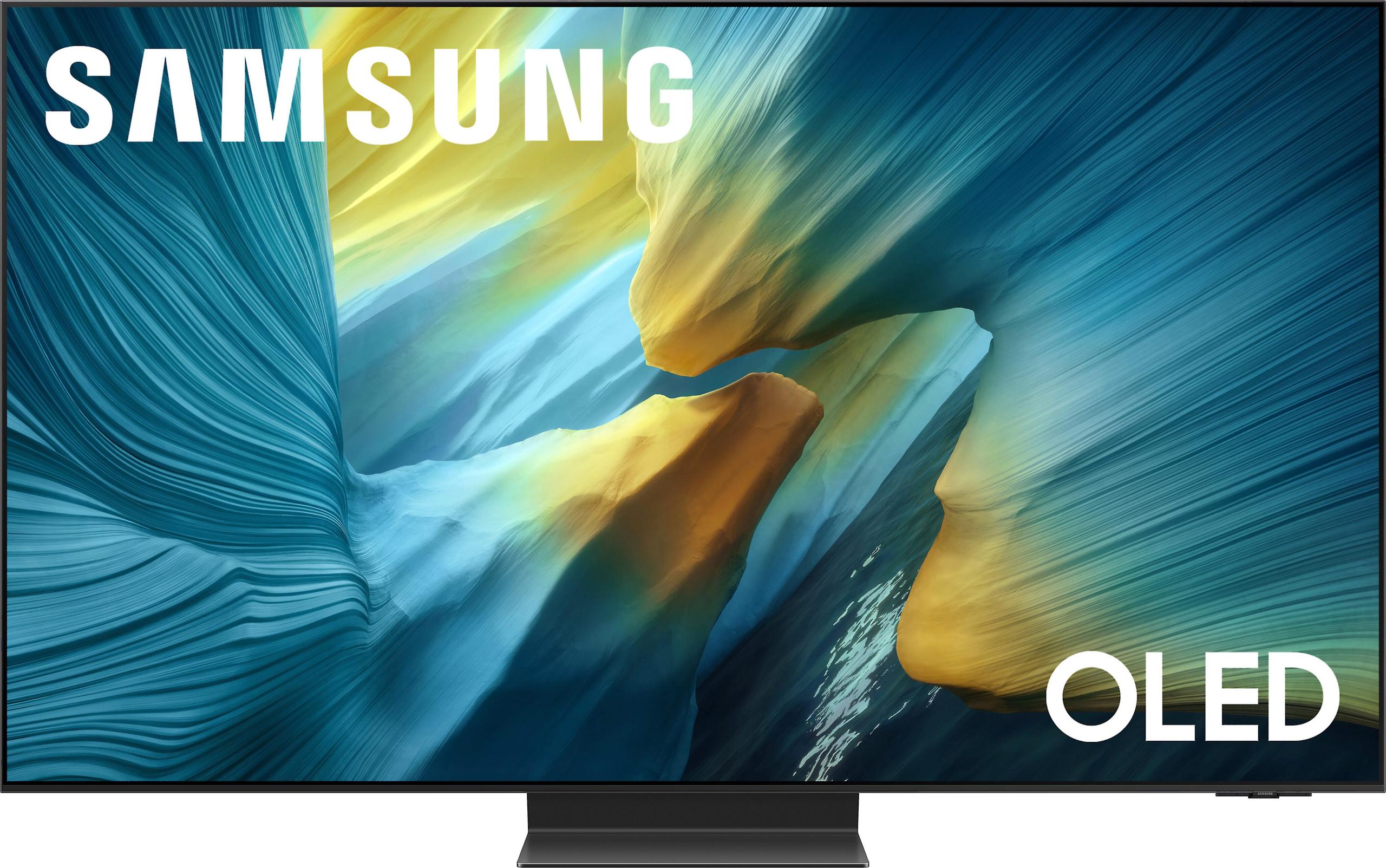
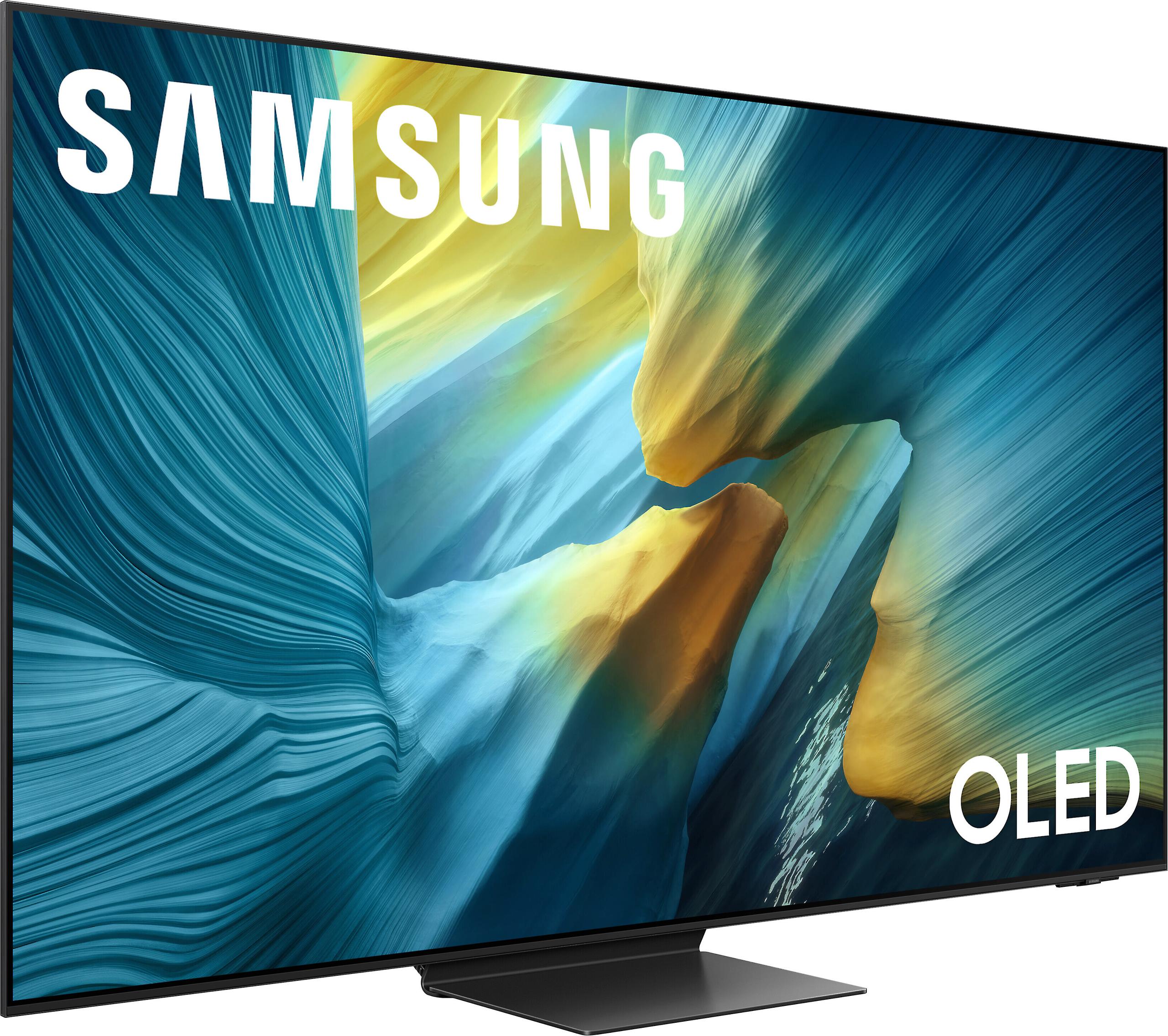
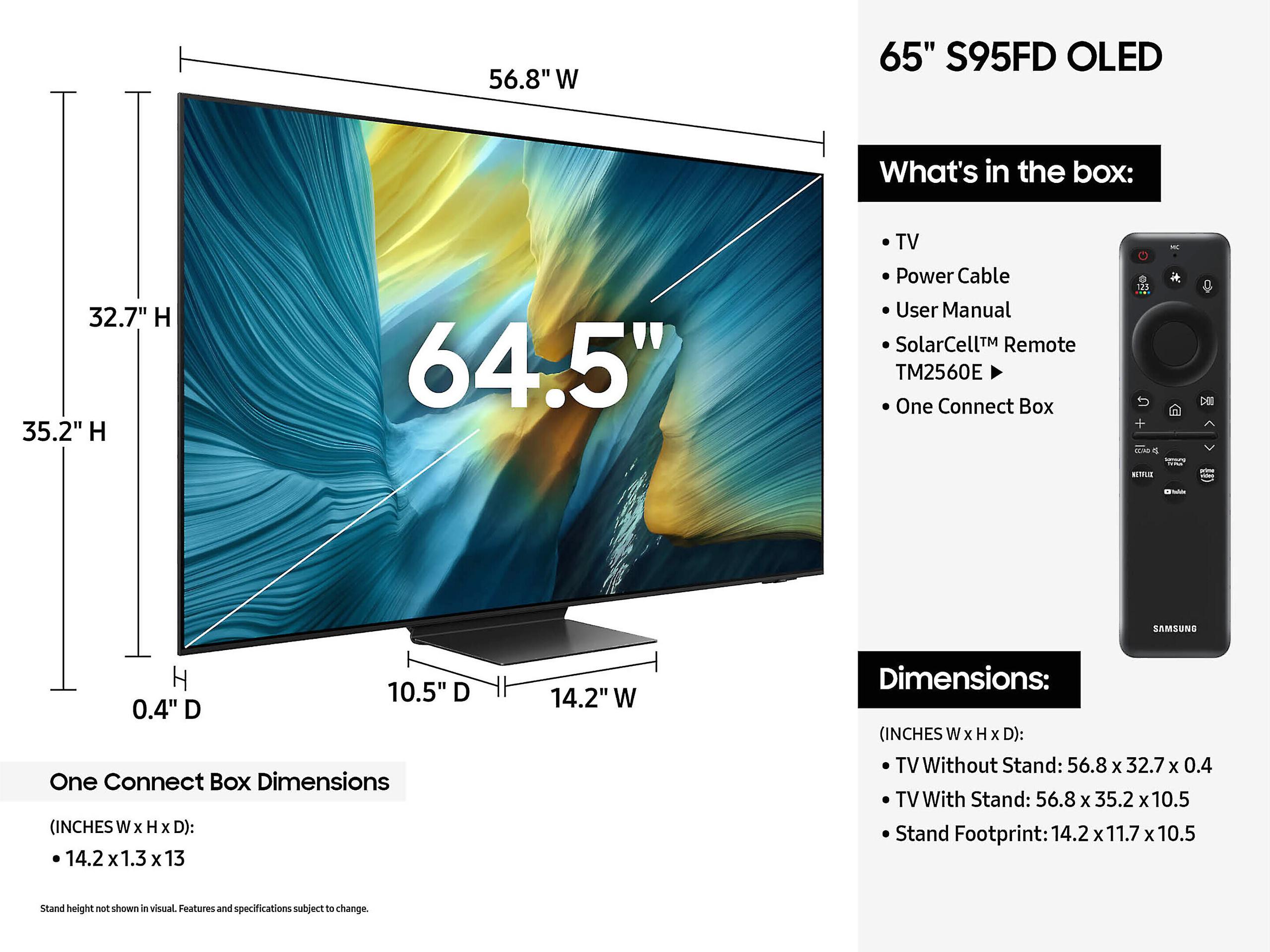

Shopping for a new 65-inch TV can feel overwhelming, especially when you're comparing products from different price tiers. The Sony BRAVIA 2 II 65" 4K LED Google TV 2025 at $649.99 and the Samsung 65" OLED S95F 4K Smart TV 2025 at $3,097.99 represent two completely different approaches to home entertainment. Let me walk you through what makes each unique and help you figure out which one deserves a spot in your living room.
Before diving into specifics, it's worth understanding what you should look for in a modern 65-inch TV. The display technology forms the foundation of your viewing experience – LED TVs use a backlight behind an LCD panel, while OLED TVs have individual pixels that light themselves up. This fundamental difference affects everything from how deep the blacks look to how bright the screen can get.
Picture quality encompasses several factors: brightness (measured in nits), contrast ratio (the difference between the darkest and brightest parts), color accuracy, and HDR performance. HDR, or High Dynamic Range, allows TVs to display a wider range of colors and brightness levels, making content look more lifelike. Gaming performance has become increasingly important, with features like variable refresh rate (VRR) eliminating screen tearing and high refresh rates providing smoother motion.
Smart features round out the experience. The operating system determines how easy it is to find content, while voice assistants and casting capabilities affect daily usability. For home theater enthusiasts, audio quality and the ability to integrate with soundbars can make or break the cinematic experience.
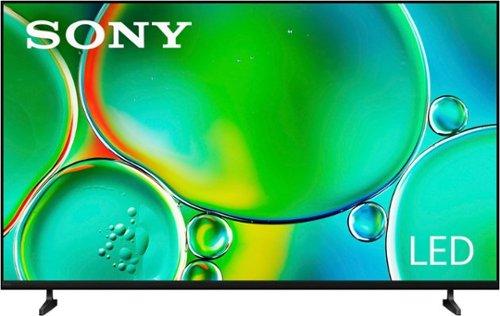
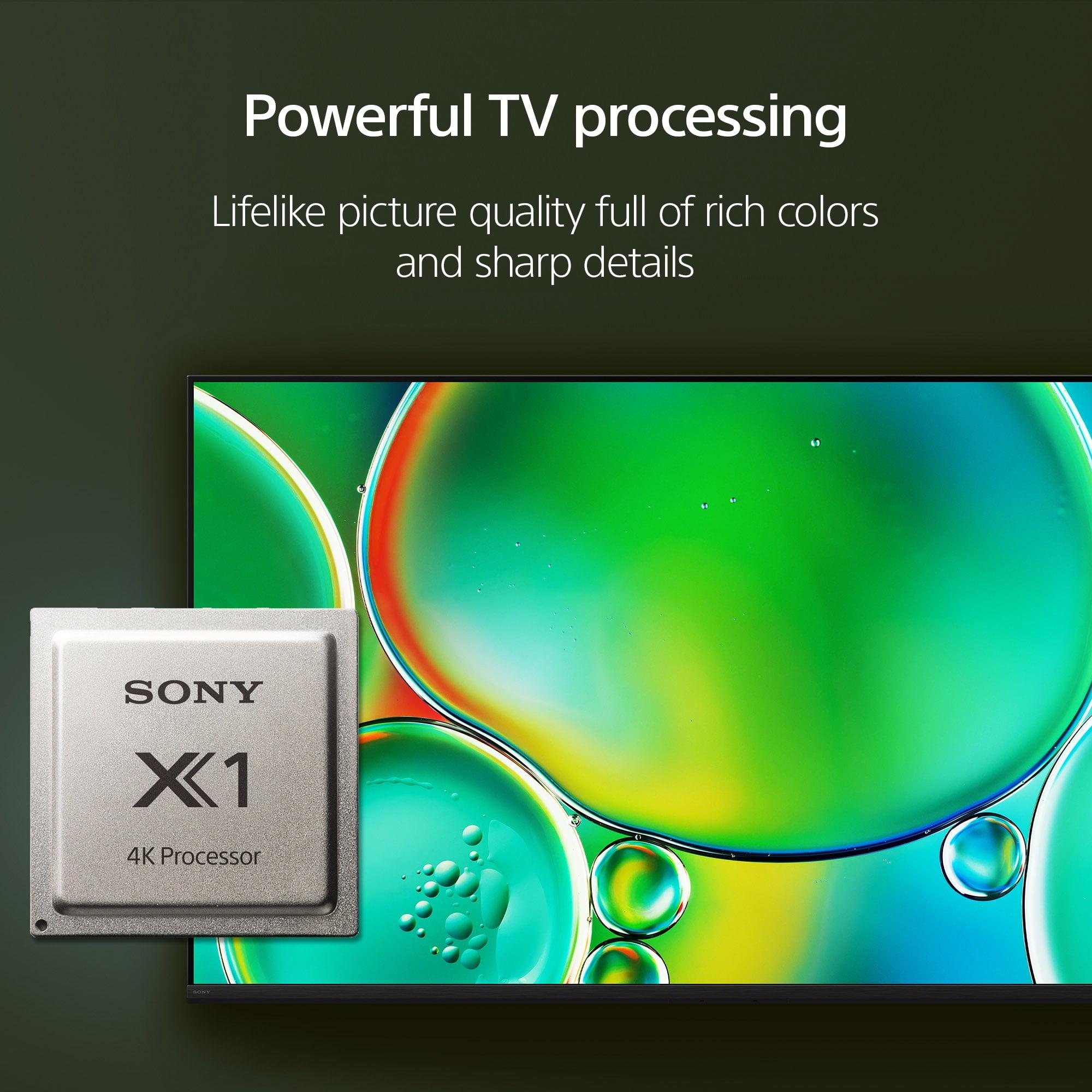
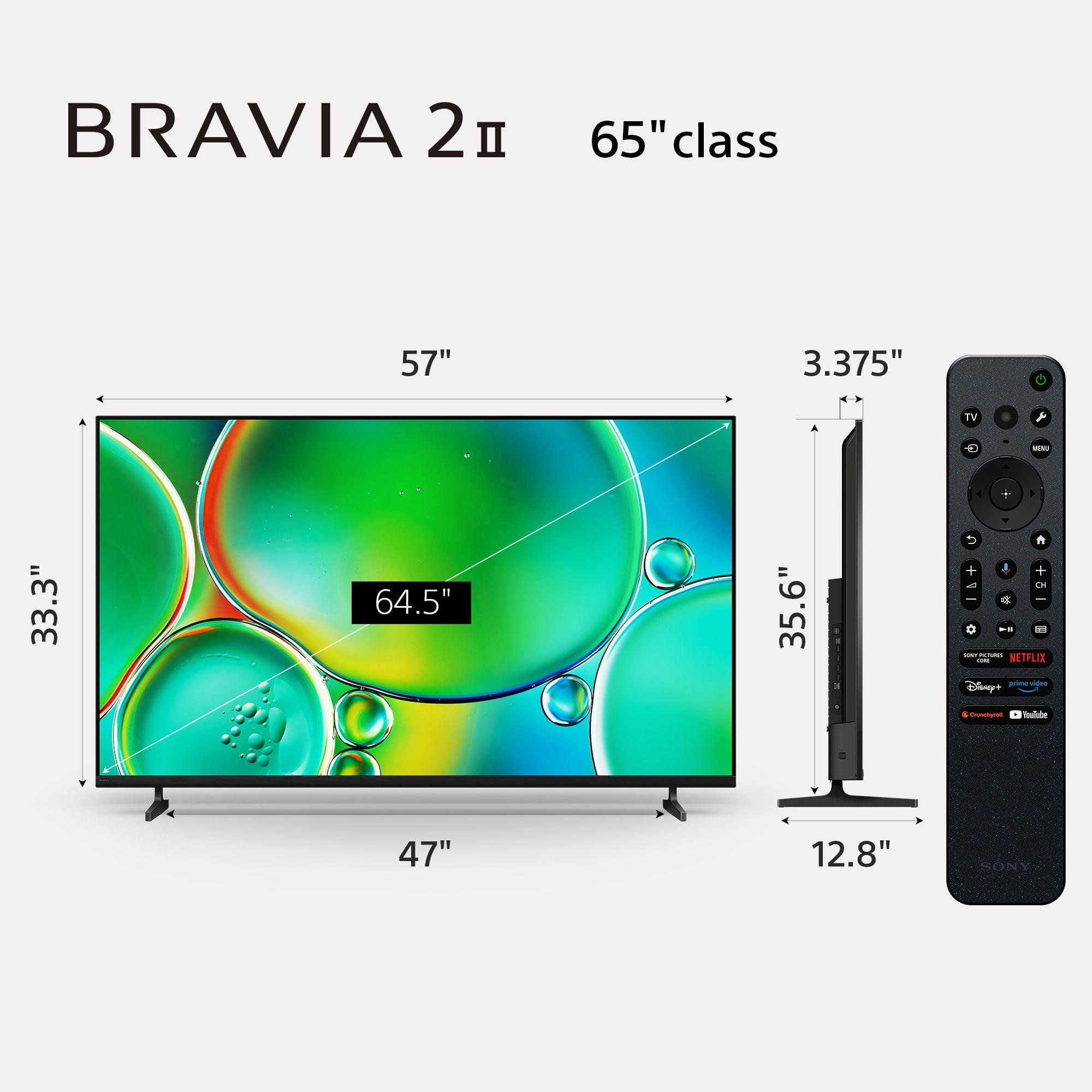
The Sony BRAVIA 2 II launched in 2025 as Sony's entry-level 4K offering, building on the company's reputation for natural color reproduction while keeping costs down. Sony positioned this model as an accessible gateway to 4K viewing, featuring their proven 4K Processor X1 – a chip that previously appeared in higher-end models but now brings advanced upscaling to the budget segment.
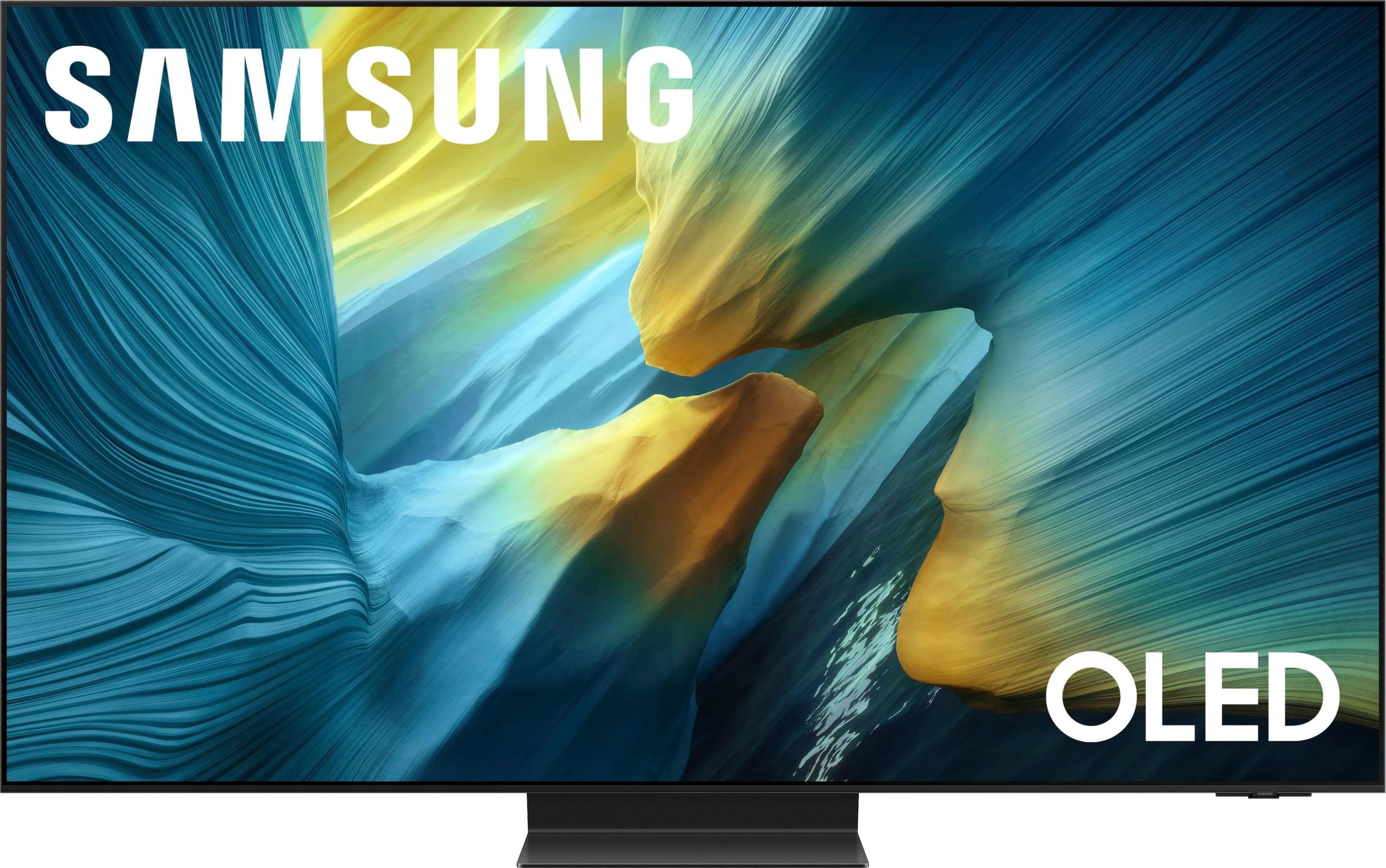
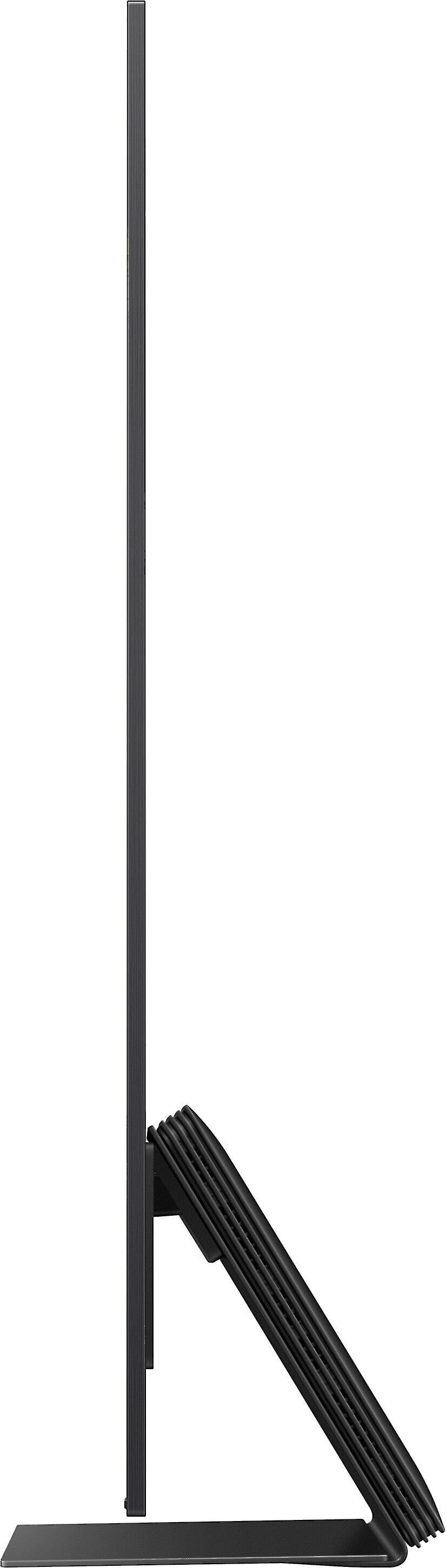
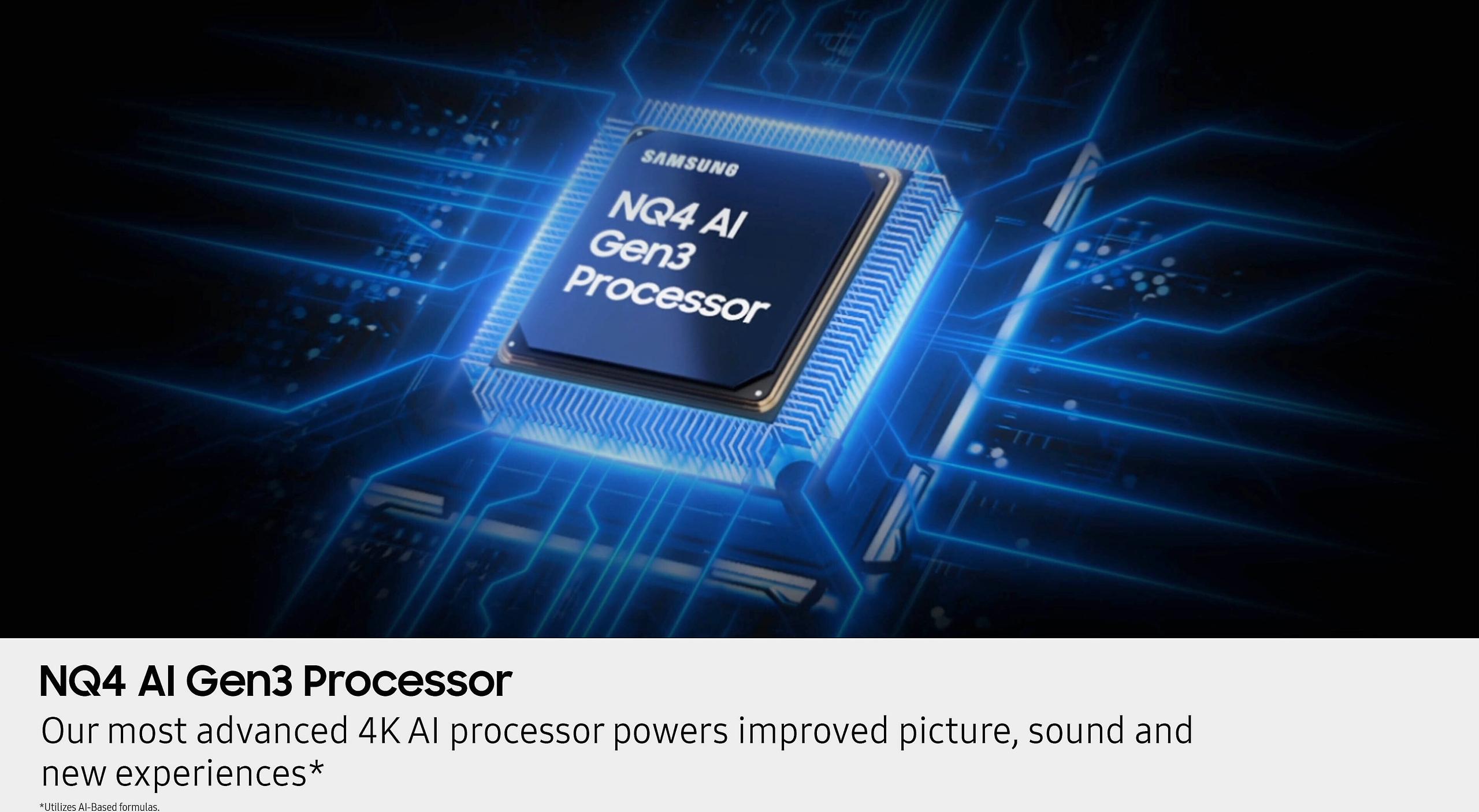
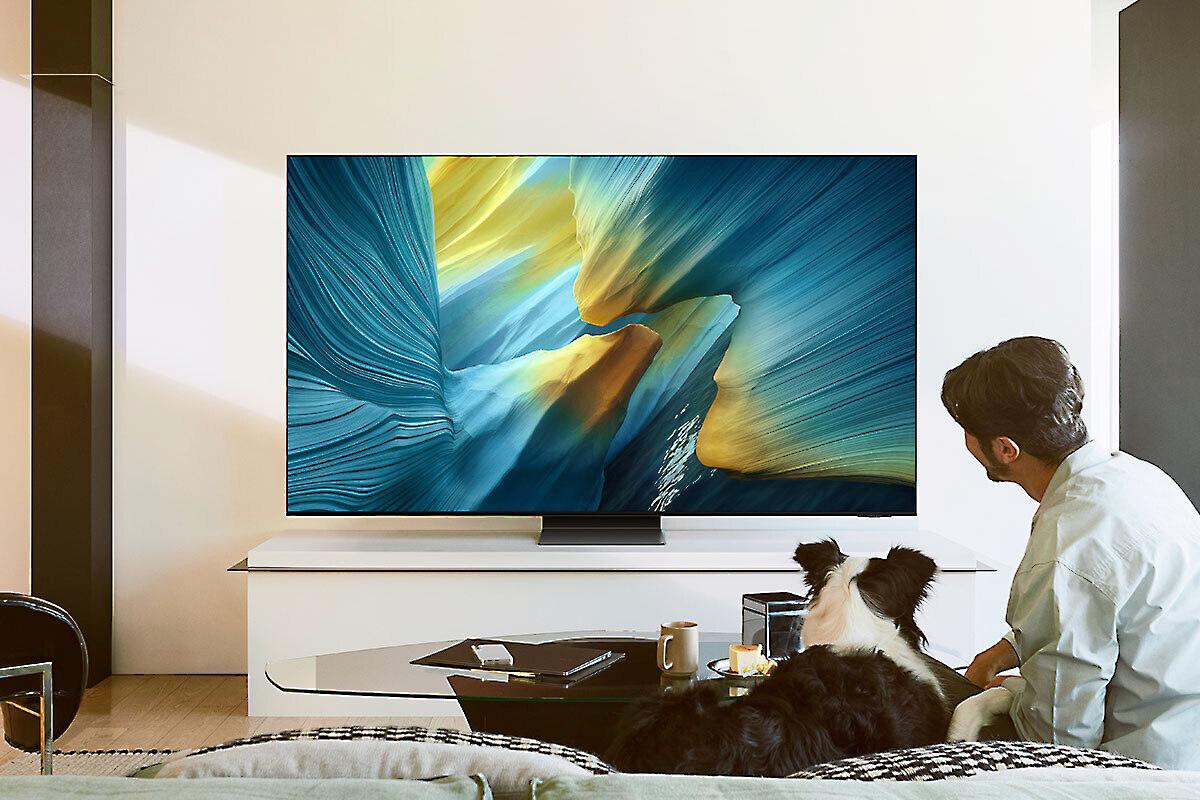
Samsung released their S95F OLED in early 2025 as part of their premium lineup, representing the latest evolution in QD-OLED technology. This isn't just another OLED – it combines quantum dots with self-emitting OLED pixels, a technology Samsung has been refining since introducing their first QD-OLED models in 2022. The 2025 version includes their new NQ4 AI Gen3 Processor, which uses machine learning to enhance picture quality in real-time.
The most significant difference between these TVs lies in their fundamental display technology. The Sony BRAVIA 2 II uses a direct LED backlight system with frame dimming. This means a single LED array illuminates the entire screen from behind, with basic dimming control across broad sections. While this approach keeps costs down, it limits contrast performance since the backlight can't turn off completely behind dark scenes.
The Samsung S95F employs QD-OLED technology, where each pixel generates its own light. When displaying black, these pixels turn off completely, creating true blacks with infinite contrast. The quantum dot layer enhances this by producing more accurate colors and achieving higher brightness levels than traditional OLEDs. Samsung's implementation reaches up to 2,089 nits peak brightness – significantly brighter than most OLED TVs.
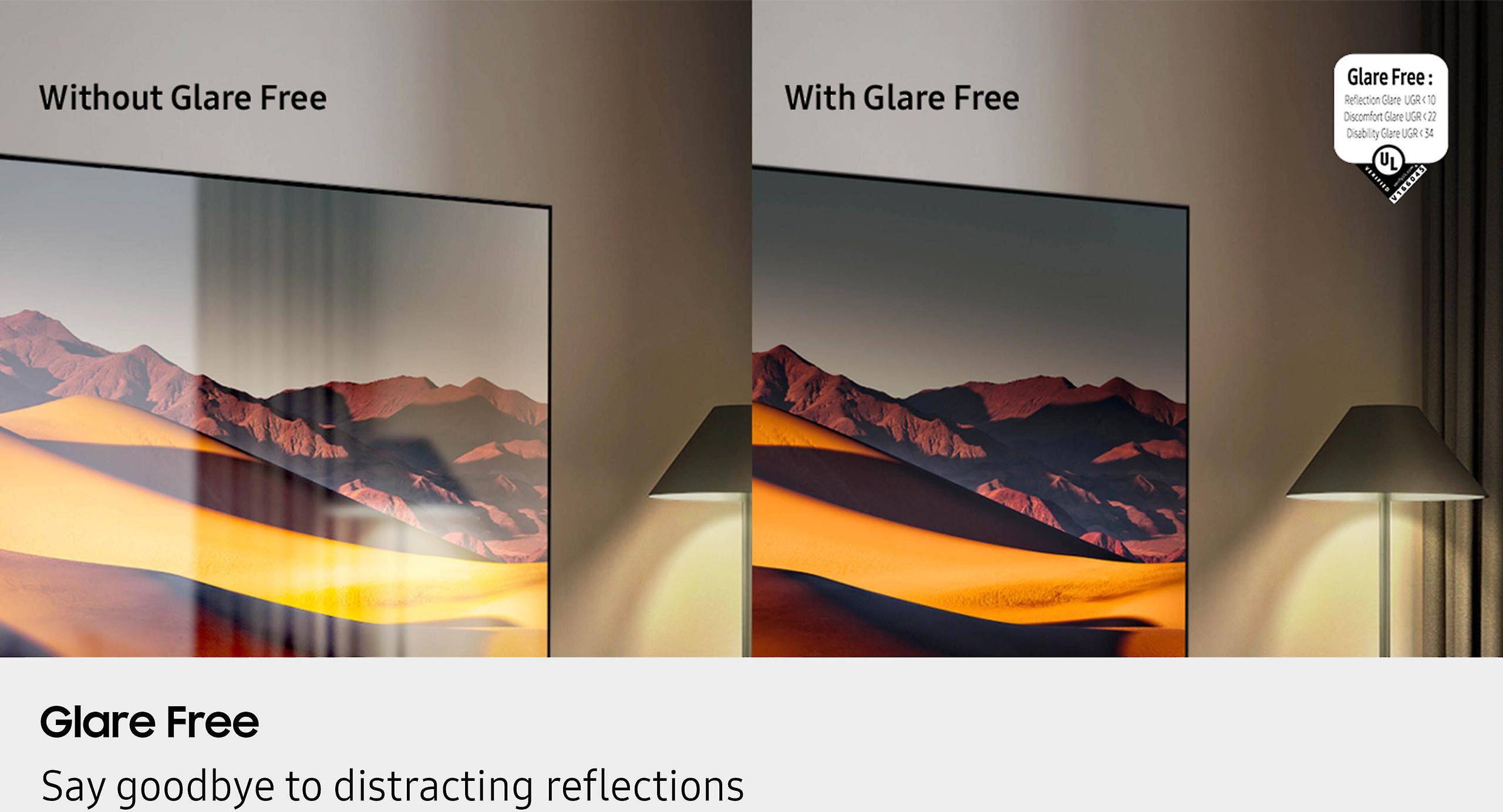
One standout feature of the S95F is its glare-free matte coating. Traditional glossy TV screens reflect room lights, creating distracting reflections. Samsung's matte treatment diffuses these reflections while maintaining color accuracy – a technical achievement that makes the TV usable in brighter rooms where traditional OLEDs might struggle.
In my experience testing TVs, the picture quality difference between these models is substantial. The Sony BRAVIA 2 II delivers what I'd call "good enough" performance for most viewers. Sony's 4K X-Reality PRO upscaling works well with lower-resolution content, analyzing video frame-by-frame to enhance details. The Live Color technology expands the color gamut beyond standard displays, making images appear more vibrant than basic LED TVs.
However, the LED backlight creates limitations. Dark scenes in movies often appear grayish rather than true black, and bright objects can create a "blooming" effect where light bleeds into surrounding dark areas. For daytime viewing or well-lit rooms, this isn't problematic, but it becomes noticeable during movie nights with the lights off.
The Samsung S95F operates in a different league entirely. Those self-illuminating pixels create contrast that's genuinely stunning – stars against space appear as bright pinpricks against perfectly black backgrounds. The quantum dot enhancement means colors appear more saturated and accurate than traditional OLEDs. Red roses look genuinely red, not the slightly orange tint you might see on lesser displays.
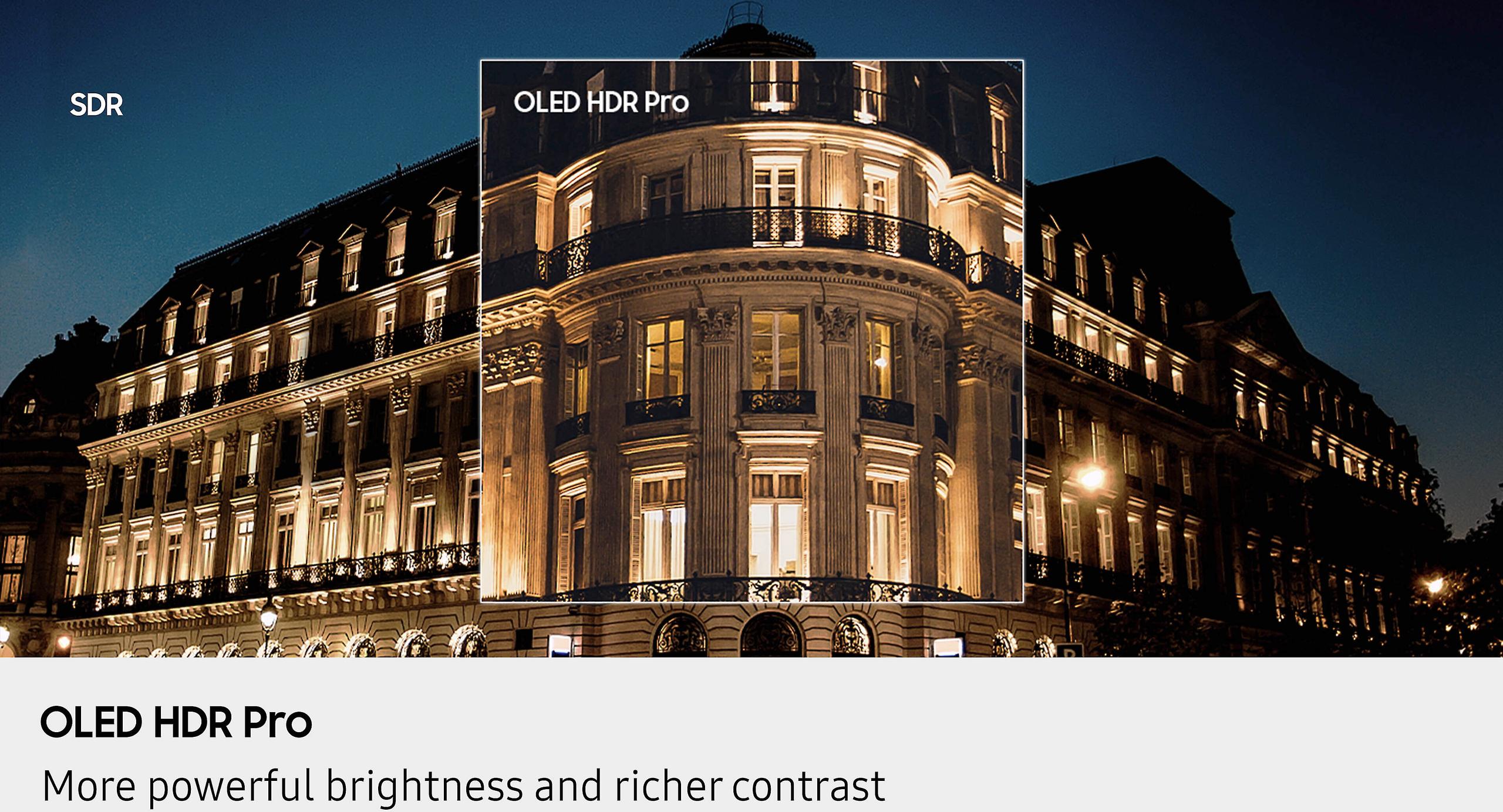
HDR performance particularly showcases the difference. The Sony supports HDR10 and HLG formats adequately, but lacks the brightness to make HDR content truly pop. The Samsung's higher peak brightness transforms HDR movies and shows, with highlights that genuinely dazzle while maintaining detail in shadows.
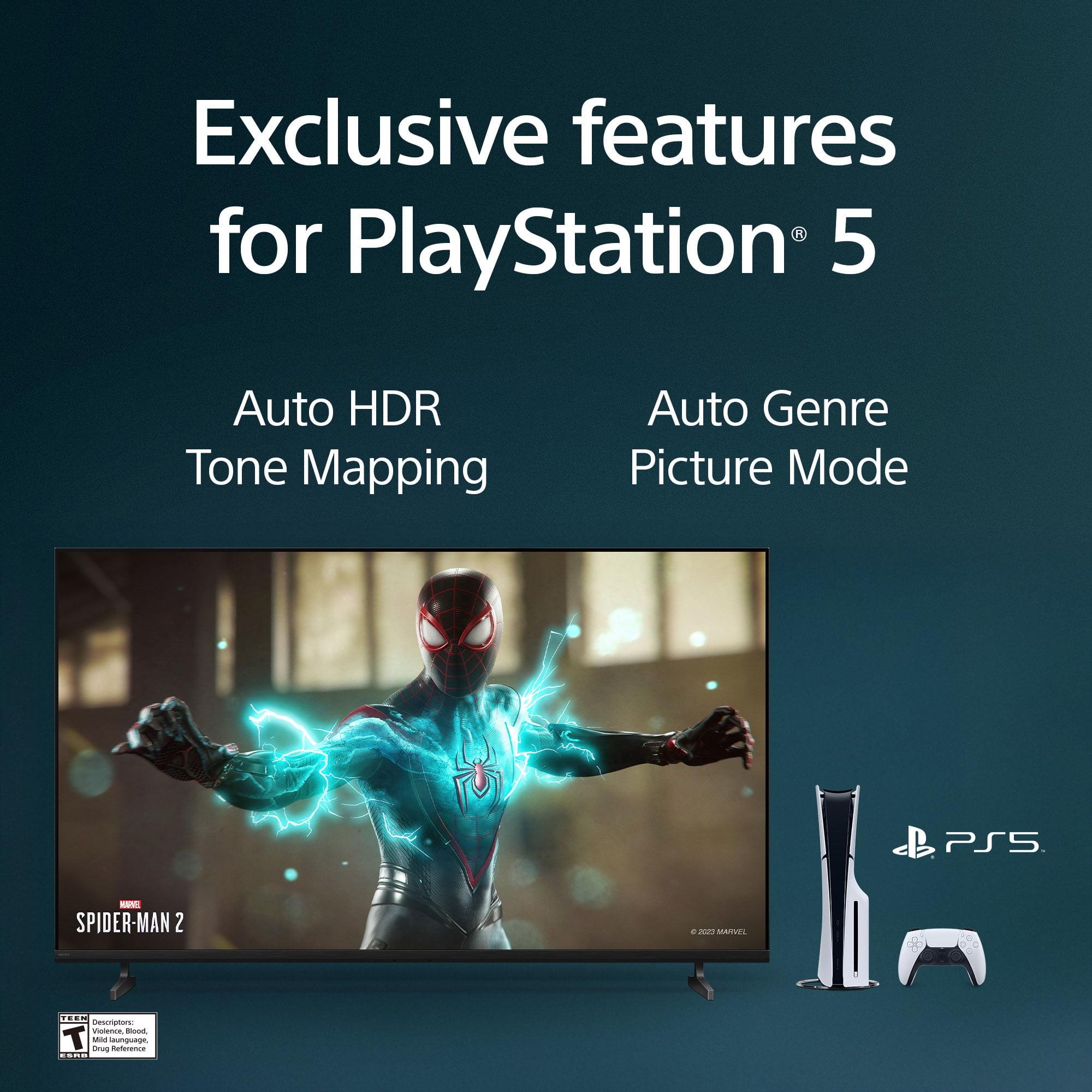
Gaming capabilities reveal another clear distinction. The Sony BRAVIA 2 II targets casual gamers with its 60Hz refresh rate and basic gaming features. It includes PlayStation 5-specific optimizations like Auto HDR Tone Mapping and Auto Low Latency Mode, which reduces input lag when gaming. However, it lacks variable refresh rate support, meaning you might experience screen tearing during fast-paced games.
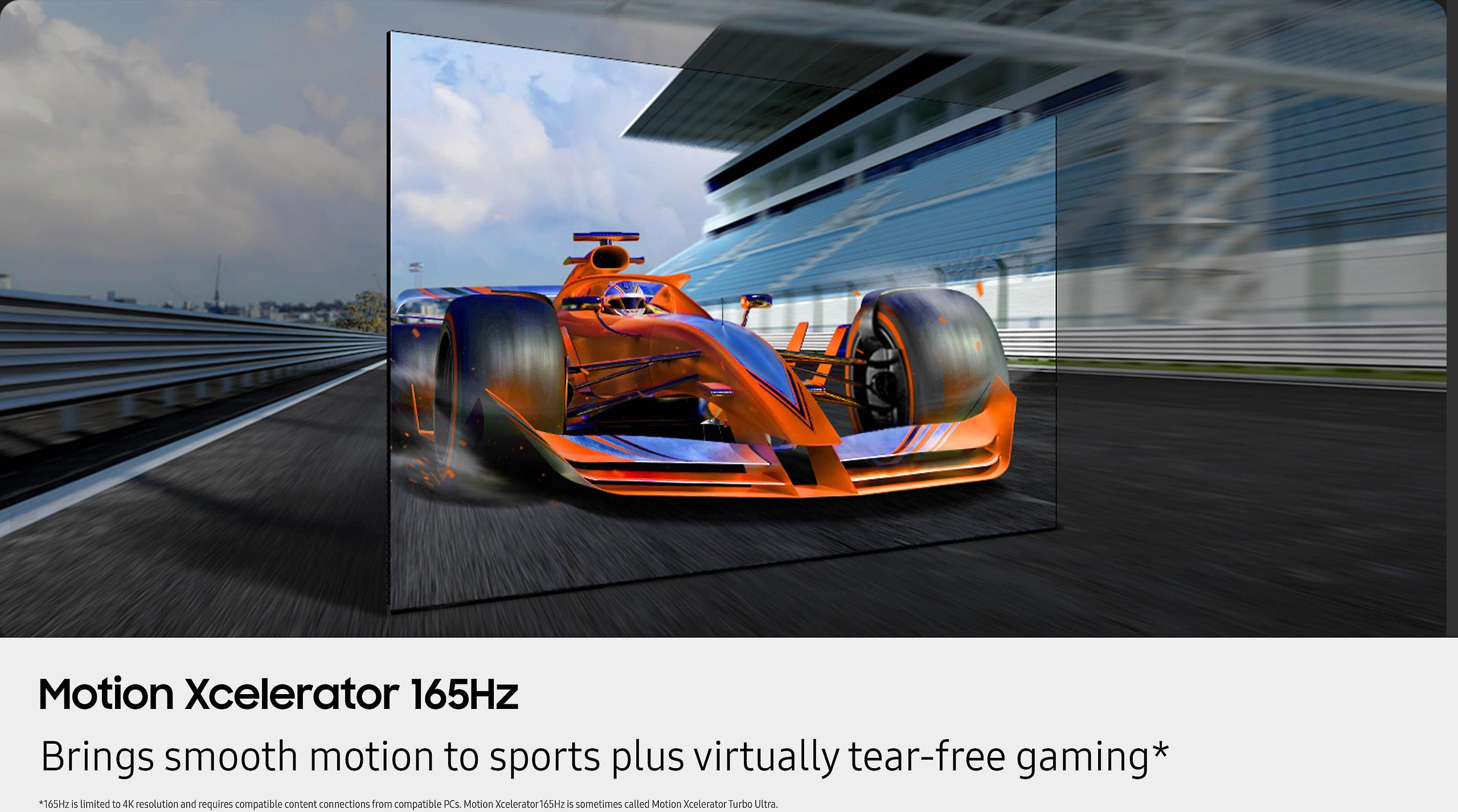
The Samsung S95F caters to serious gamers with its 165Hz refresh rate capability. This higher refresh rate means smoother motion during fast-paced gaming, particularly noticeable in racing games or first-person shooters. The Motion Xcelerator technology works alongside AMD FreeSync Premium Pro to eliminate screen tearing and stuttering.
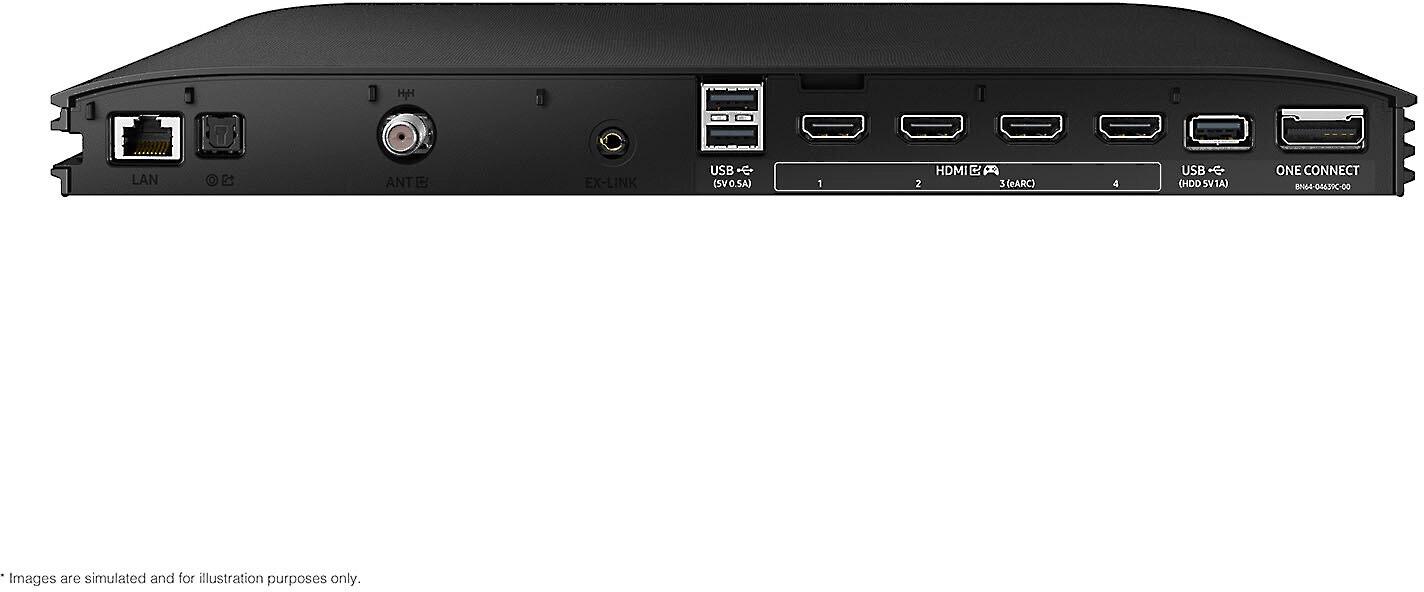
All four HDMI ports support HDMI 2.1 specifications, allowing next-generation consoles to take full advantage of 4K gaming at high refresh rates. The AI Auto Game Mode automatically detects when you're gaming and optimizes picture settings for reduced input lag and enhanced visibility in dark scenes.
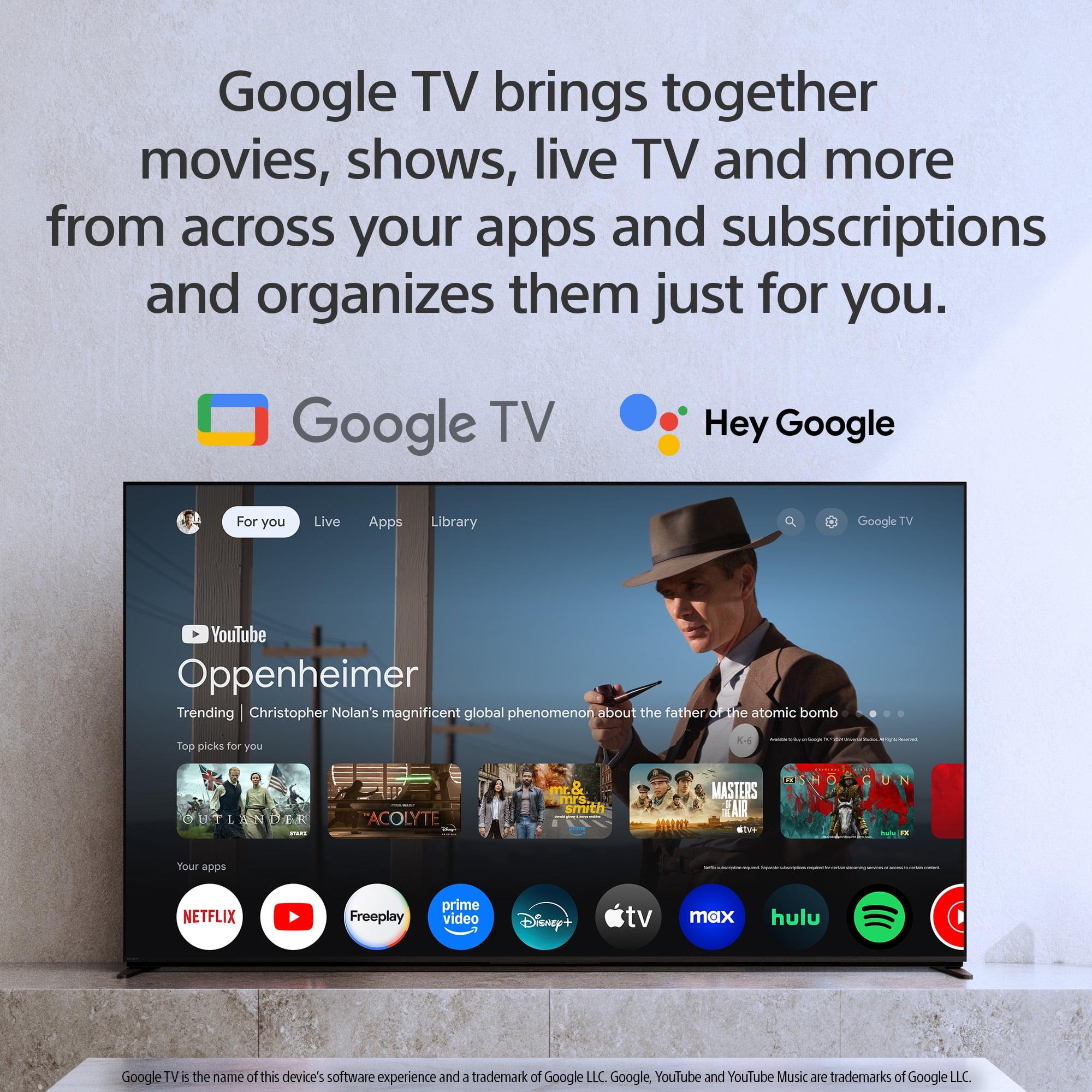
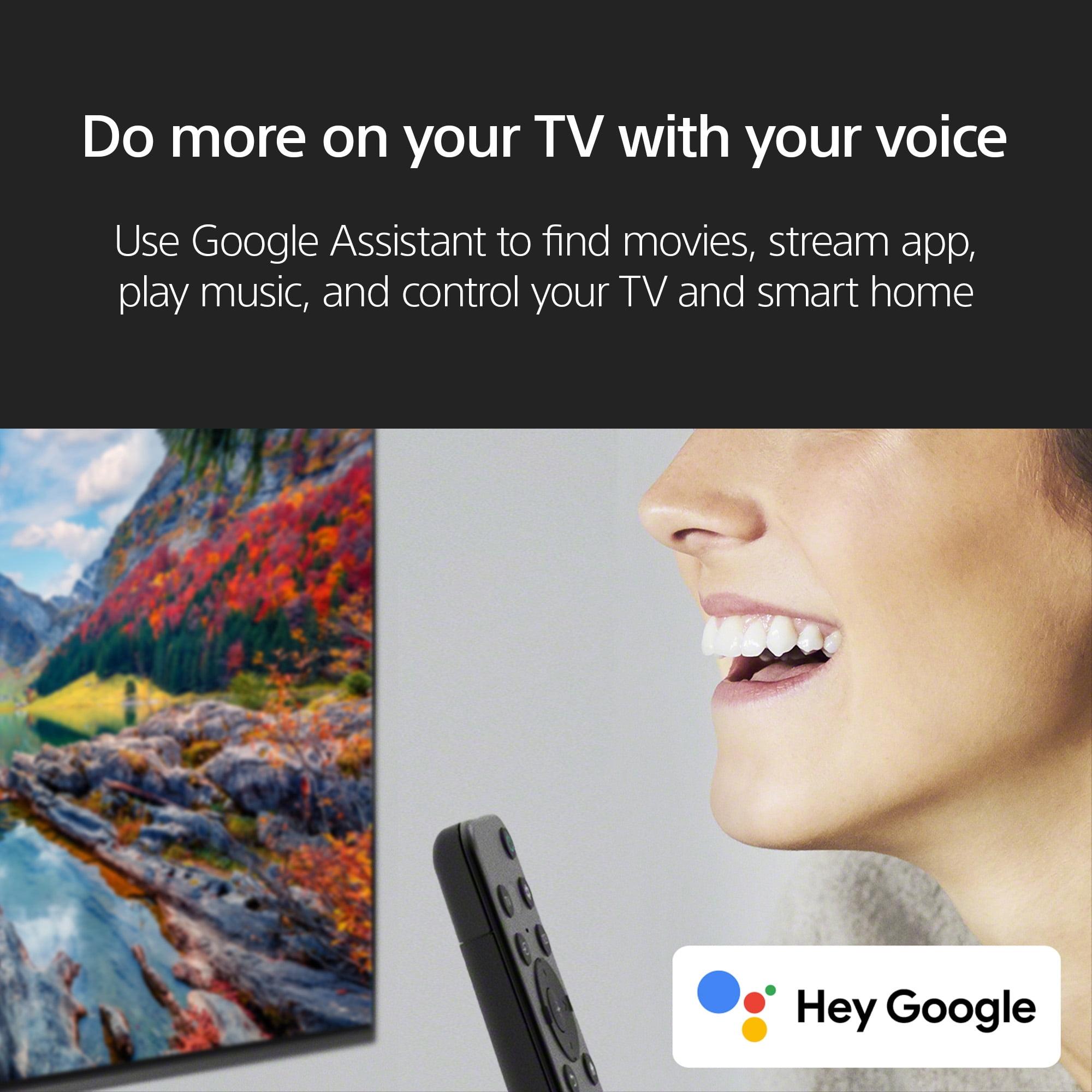
Both TVs offer comprehensive smart features, but with different philosophies. The Sony BRAVIA 2 II runs Google TV, which excels at content discovery. The interface learns your viewing habits and surfaces relevant shows across different streaming services. Google Assistant integration feels natural, allowing voice control for searches and basic TV functions.
The Samsung S95F uses Samsung's Tizen operating system, now in its latest iteration with promised seven years of updates. Samsung's Vision AI represents their latest advancement, using 128 neural networks to analyze content and optimize picture settings automatically. This means the TV continuously adjusts brightness, contrast, and color based on what you're watching.
Bixby, Samsung's voice assistant, handles more complex multi-command requests than most TV voice systems. You can say "Turn on the TV, switch to Netflix, and find action movies" in one command. The Far-Field Voice Interaction works from across the room without needing the remote.
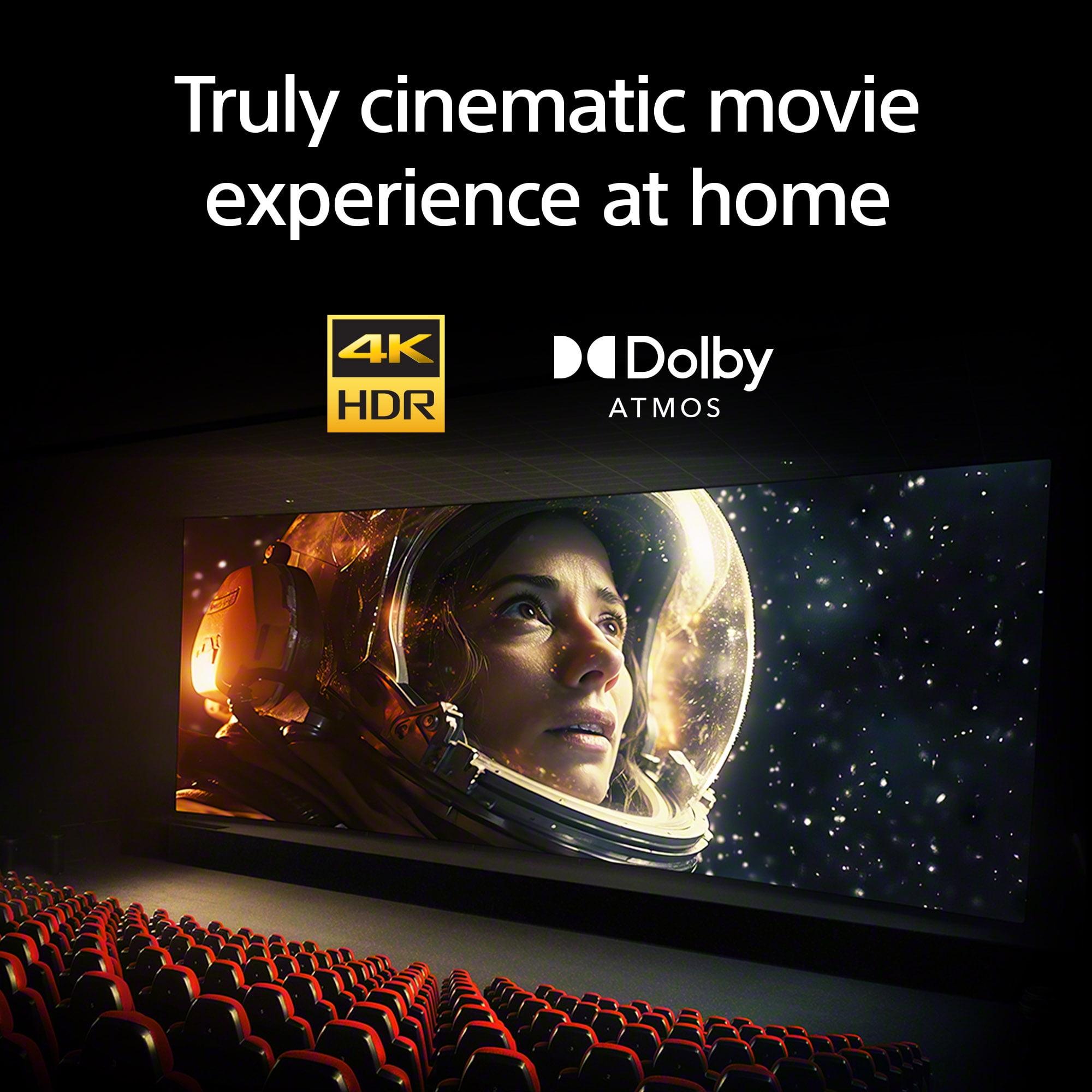
Audio often gets overlooked in TV comparisons, but it significantly impacts the viewing experience. The Sony BRAVIA 2 II features a 40W Open Baffle Speaker system with Dolby Atmos support. The open baffle design helps create a wider soundstage than typical downward-firing speakers, though the overall output remains modest.
The Samsung S95F includes a more sophisticated 4.2.2 channel system outputting 70W total power. Object Tracking Sound (OTS+) represents Samsung's most advanced audio technology, using multiple speakers to create the illusion that sound follows objects across the screen. When a car drives from left to right, the audio smoothly pans to match the visual movement.
Q-Symphony compatibility allows the TV to work in harmony with Samsung soundbars, using both the TV speakers and soundbar simultaneously for a more immersive experience. For home theater enthusiasts, this creates a fuller soundscape than using either component alone.
For dedicated home theater setups, the Samsung S95F clearly takes the lead. Its OLED technology provides the deep blacks essential for cinematic experiences in darkened rooms. The wide color gamut and high peak brightness ensure HDR content displays as directors intended. The anti-glare coating helps even in rooms with some ambient lighting from sconces or rope lights.
The TV's Filmmaker Mode disables motion processing and adjusts colors to match studio standards, ensuring movies appear as close to the theatrical experience as possible. This mode works automatically with supported content, switching seamlessly without user intervention.
The Sony BRAVIA 2 II can certainly serve in a home theater, particularly for budget-conscious setups. Its LED backlight actually provides advantages in rooms with ambient lighting, where OLED's perfect blacks become less noticeable. The Google TV interface makes it easy to access various streaming services and organize your movie collection.
The price difference between these models reflects their target audiences and underlying technology. The Sony BRAVIA 2 II at $649.99 represents excellent value for viewers seeking reliable 4K performance without premium features. It's particularly suitable for families wanting to upgrade from older HD TVs or those furnishing secondary viewing areas.
The Samsung S95F at $3,097.99 commands a premium for cutting-edge display technology and advanced features. This investment makes sense for enthusiasts who prioritize picture quality and gaming performance. The seven-year software update commitment helps protect this investment over time.
Consider long-term satisfaction when evaluating these options. The Sony will likely serve most viewers well for years, handling daily TV watching and casual gaming adequately. The Samsung offers a more future-proof platform with advanced gaming features and superior picture quality that becomes more apparent over time.
Choose the Sony BRAVIA 2 II if you want a solid, dependable TV that handles modern content well without breaking the bank. It's perfect for families, casual viewers, or anyone furnishing a bedroom or den. The Google TV interface feels intuitive, and Sony's color processing provides pleasing, natural-looking images.
Opt for the Samsung S95F if you're passionate about having the best possible picture quality and don't mind paying for premium technology. It's ideal for movie enthusiasts, serious gamers, or anyone creating a dedicated home theater space. The investment pays off in superior contrast, brightness, and gaming capabilities.
The choice ultimately depends on your priorities and budget. Both TVs will deliver years of entertainment, but they serve different needs and expectations. The Sony offers practical performance at an accessible price, while the Samsung provides cutting-edge technology for those willing to invest in the ultimate viewing experience.
| Sony BRAVIA 2 II 65" 4K LED Google TV 2025 | Samsung 65" OLED S95F 4K Smart TV 2025 |
|---|---|
| Price - Major factor in purchasing decision | |
| $649.99 (excellent value for 4K entry-level) | $3,097.99 (premium pricing for cutting-edge tech) |
| Display Technology - Fundamentally affects picture quality | |
| LED backlight with LCD panel (good brightness, limited contrast) | QD-OLED with quantum dots (perfect blacks, superior colors) |
| Peak Brightness - Critical for HDR content and bright rooms | |
| ~400-500 nits (adequate for most content) | 2,089 nits (exceptional HDR performance) |
| Refresh Rate - Important for gaming and sports | |
| 60Hz native (suitable for casual gaming) | 165Hz with Motion Xcelerator (excellent for serious gaming) |
| Gaming Features - Determines next-gen console compatibility | |
| Basic ALLM, no VRR (limited gaming optimization) | AMD FreeSync Premium Pro, VRR, 4 HDMI 2.1 ports (full gaming features) |
| Processor - Affects upscaling and smart features | |
| 4K Processor X1 (proven upscaling technology) | NQ4 AI Gen3 with 128 neural networks (advanced AI processing) |
| Operating System - Impacts daily usability | |
| Google TV (intuitive content discovery) | Tizen with 7-year updates (more customization options) |
| Audio Output - Determines need for external sound system | |
| 40W Open Baffle speakers (adequate for basic viewing) | 70W 4.2.2CH with Object Tracking Sound (premium audio experience) |
| HDR Support - Affects content compatibility | |
| HDR10, HLG (standard HDR formats) | HDR10+, OLED HDR Pro (enhanced HDR with better contrast) |
| Anti-Glare Technology - Important for bright room viewing | |
| Standard glossy screen (reflections in bright rooms) | Glare-free matte coating (excellent reflection control) |
| Smart Features - Convenience and future-proofing | |
| Google Assistant, Chromecast built-in | Samsung Vision AI, Bixby, MagicScreen+, Q-Symphony |
| Best For - Target audience and use cases | |
| Budget-conscious buyers, casual viewers, secondary TVs | Home theater enthusiasts, serious gamers, premium experience seekers |
The Samsung 65" OLED S95F delivers significantly better picture quality with perfect blacks, infinite contrast, and 2,089 nits peak brightness. The Sony BRAVIA 2 II 65" offers decent LED performance but can't match OLED's contrast for cinematic viewing.
The Sony BRAVIA 2 II 65" 4K LED Google TV 2025 costs $649.99, while the Samsung 65" OLED S95F 4K Smart TV 2025 is priced at $3,097.99 - nearly five times more expensive for premium OLED technology.
The Samsung S95F excels for gaming with 165Hz refresh rate, AMD FreeSync Premium Pro, and variable refresh rate support. The Sony BRAVIA 2 II offers basic 60Hz gaming suitable for casual players but lacks advanced gaming features.
Yes, both the Sony BRAVIA 2 II and Samsung S95F support 4K resolution and HDR formats. However, the Samsung provides superior HDR performance with higher peak brightness and better contrast ratios.
The Sony BRAVIA 2 II uses Google TV, which offers intuitive content discovery and familiar Google services. The Samsung S95F runs Tizen OS with more customization options but may have a steeper learning curve.
The Samsung S95F features anti-glare matte coating that performs excellently in bright rooms. The Sony BRAVIA 2 II has standard glossy screen that may show reflections in very bright environments.
The Samsung S95F offers superior audio with 70W 4.2.2 channel speakers and Object Tracking Sound technology. The Sony BRAVIA 2 II has 40W speakers that provide adequate sound for basic viewing needs.
For home theater use, the Samsung S95F is the clear winner with OLED's perfect blacks, exceptional brightness, and Filmmaker Mode. The Sony BRAVIA 2 II can work in home theaters but lacks the premium features serious enthusiasts want.
The Sony BRAVIA 2 II at $649.99 provides excellent value for budget-conscious buyers wanting reliable 4K performance. The Samsung S95F justifies its $3,097.99 price for users prioritizing cutting-edge picture quality.
Both TVs support voice control - the Sony BRAVIA 2 II includes Google Assistant built-in, while the Samsung S95F features Bixby with advanced multi-command processing capabilities.
The Samsung S95F promises 7 years of software updates, ensuring long-term compatibility. The Sony BRAVIA 2 II typically receives regular Google TV updates but without specific long-term commitments.
Choose the Sony BRAVIA 2 II LED TV if you want affordable 4K performance and primarily watch in well-lit rooms. Select the Samsung S95F OLED if you prioritize superior picture quality, gaming performance, and have a higher budget for premium technology.
We've done our best to create useful and informative comparisons to help you decide what product to buy. Our research uses advanced automated methods to create this comparison and perfection is not possible - please contact us for corrections or questions. These are the sites we've researched in the creation of this article: bestbuy.com - notebookcheck.net - rtings.com - youtube.com - youtube.com - rtings.com - avsforum.com - croma.com - totonstv.com - electronics.sony.com - listenup.com - pcrichard.com - youtube.com - flanners.com - brandsmartusa.com - displayspecifications.com - pioneertvandappliance.com - donstv.com - businessinsider.com - tomsguide.com - youtube.com - avsforum.com - zdnet.com - samsung.com - pioneertvandappliance.com - samsung.com - displayspecifications.com - samsung.com

Privacy Policy
Terms and Conditions - Affiliate Policy
Home Security
© Copyright 2008-2026.
11816 Inwood Rd #1211, Dallas, TX 75244