

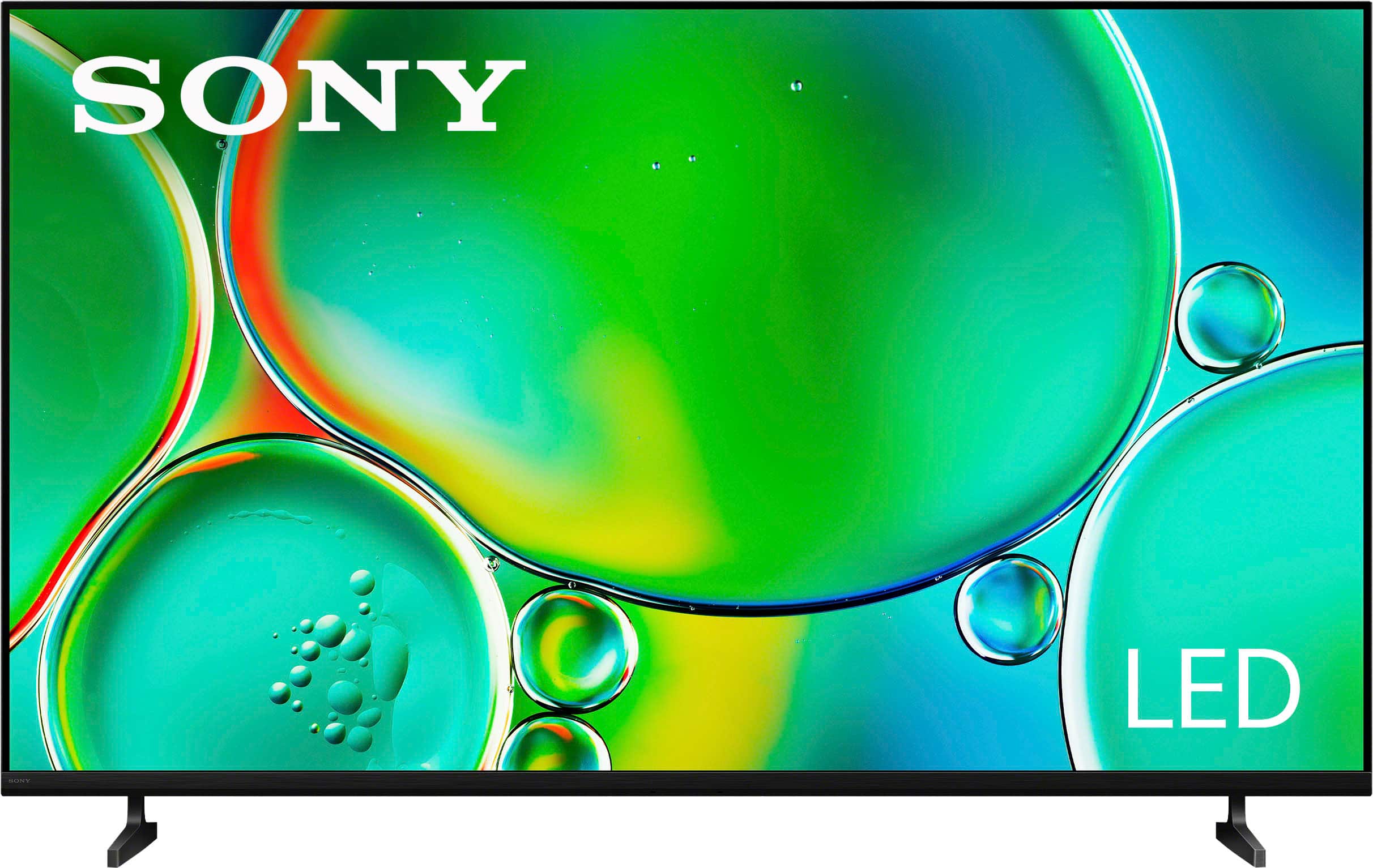
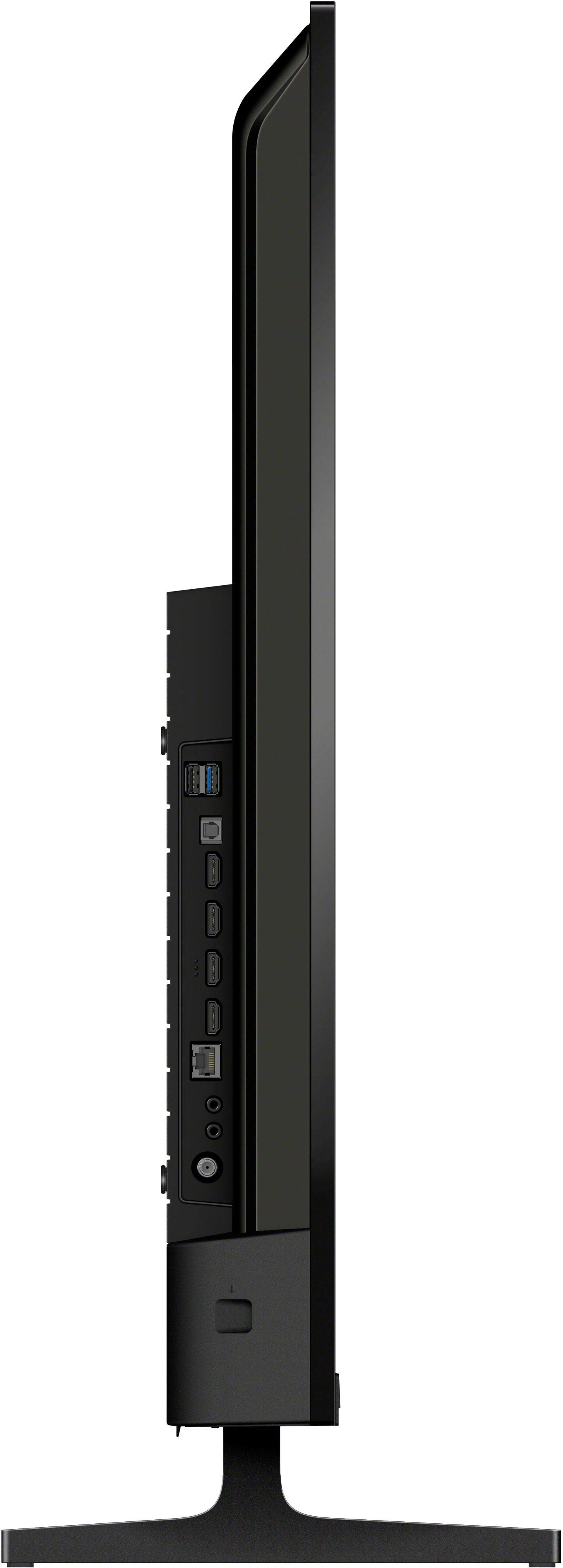
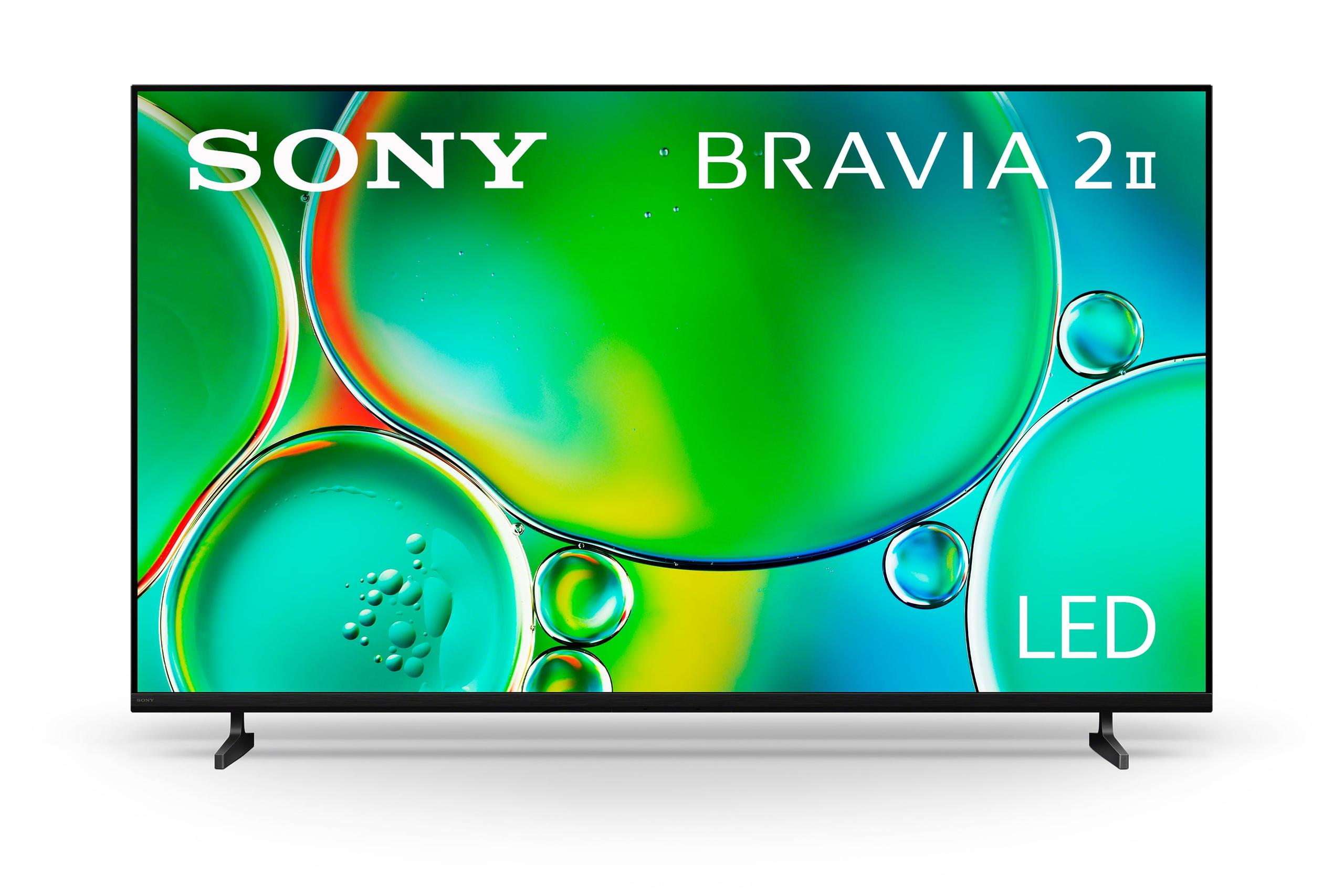



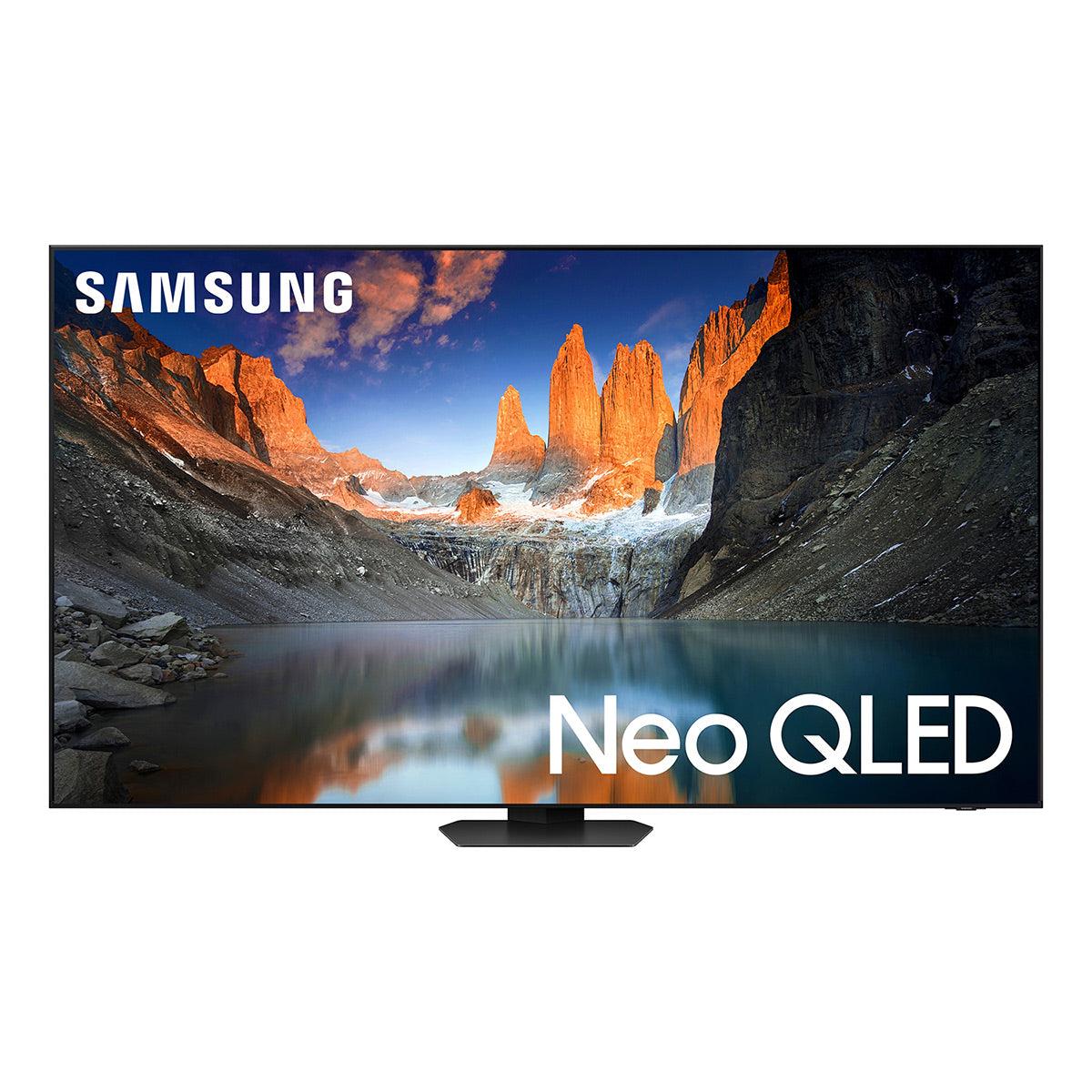
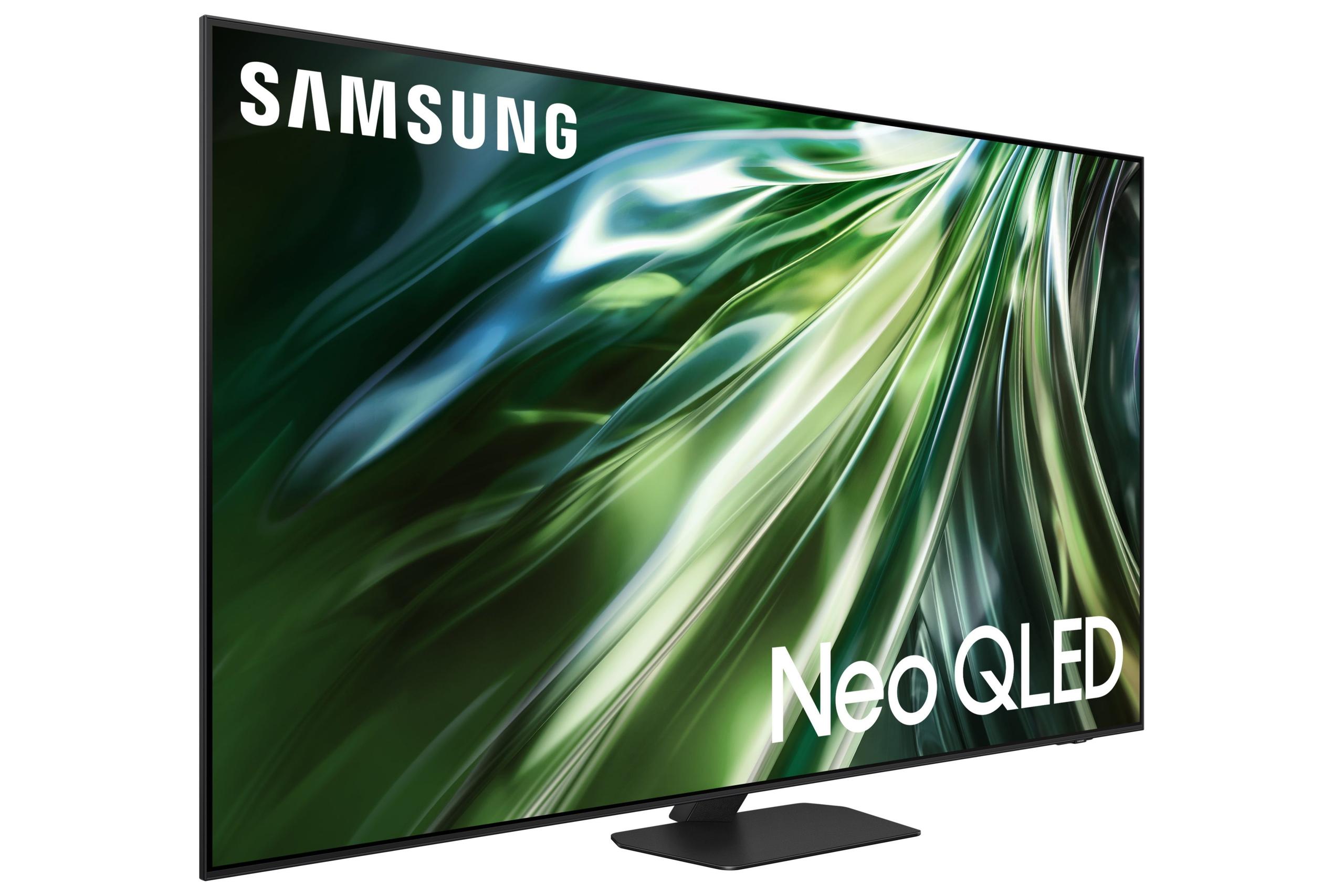
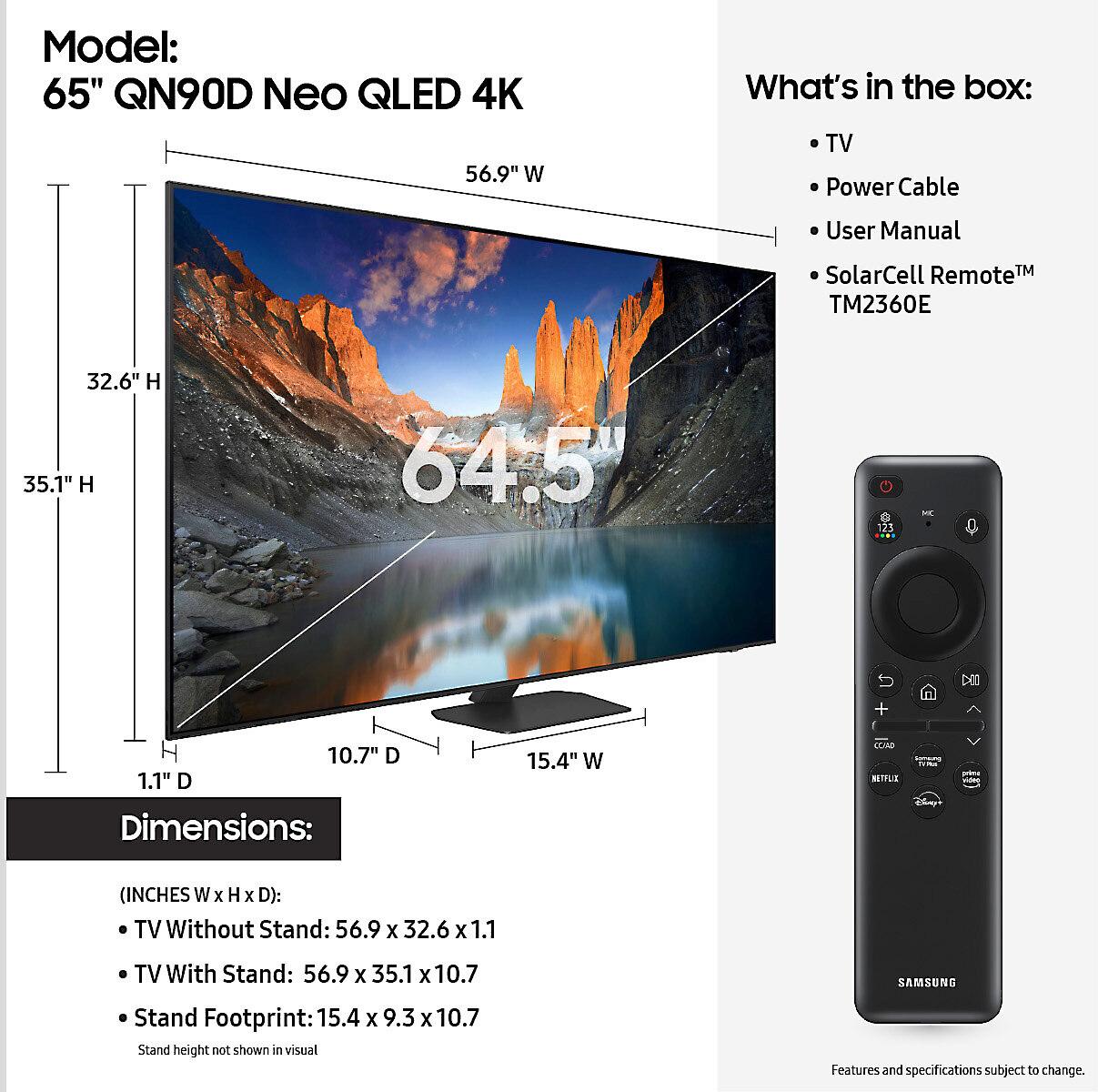
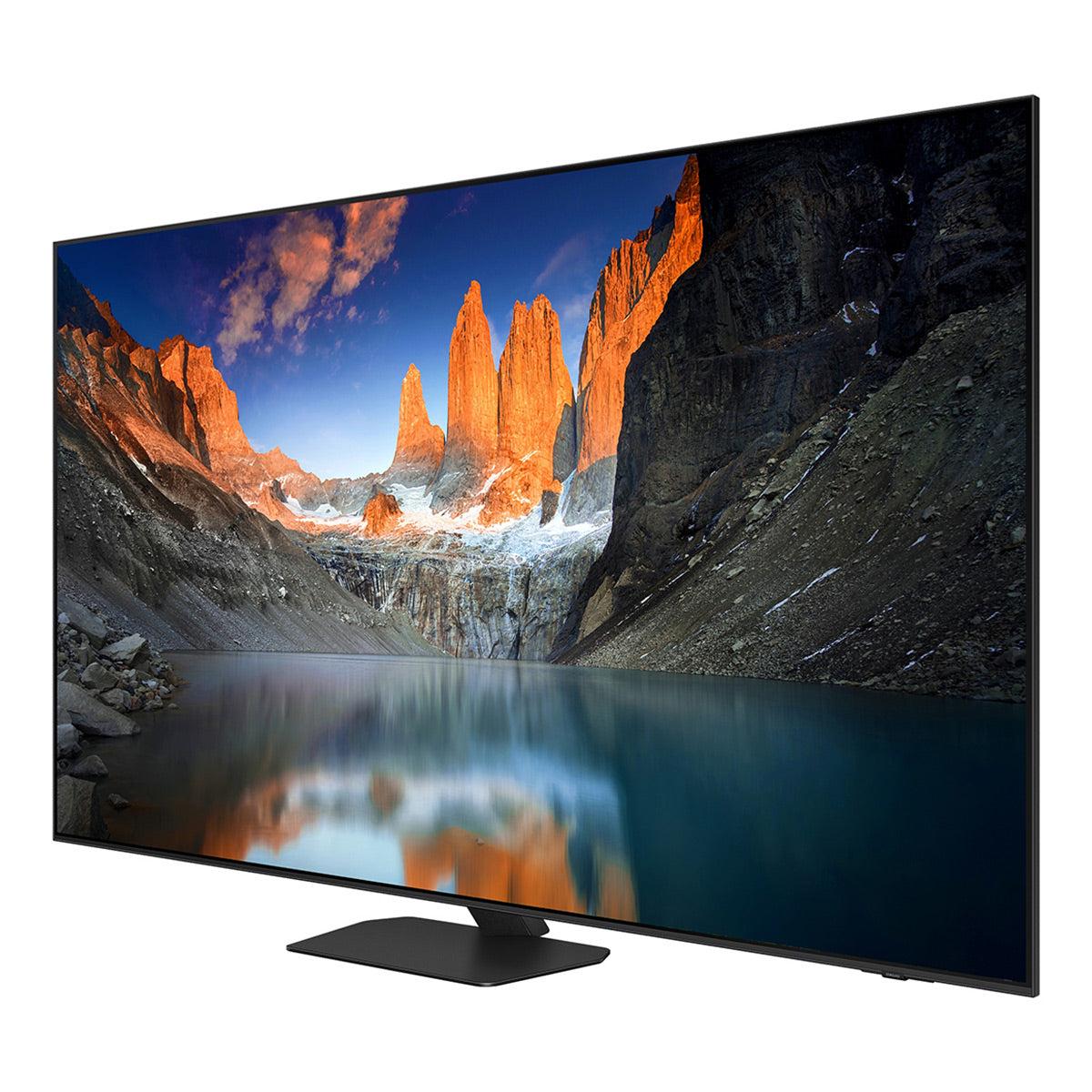
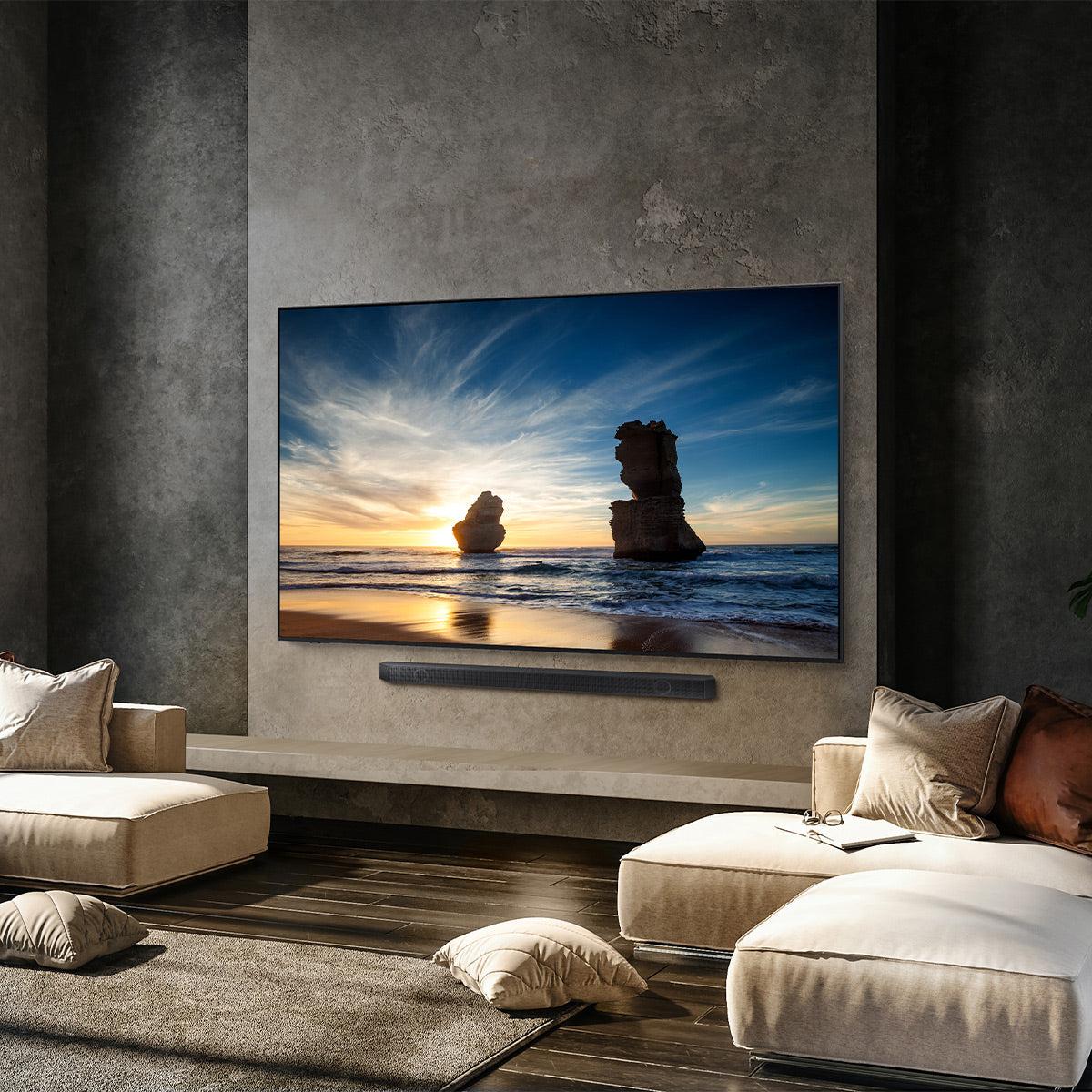
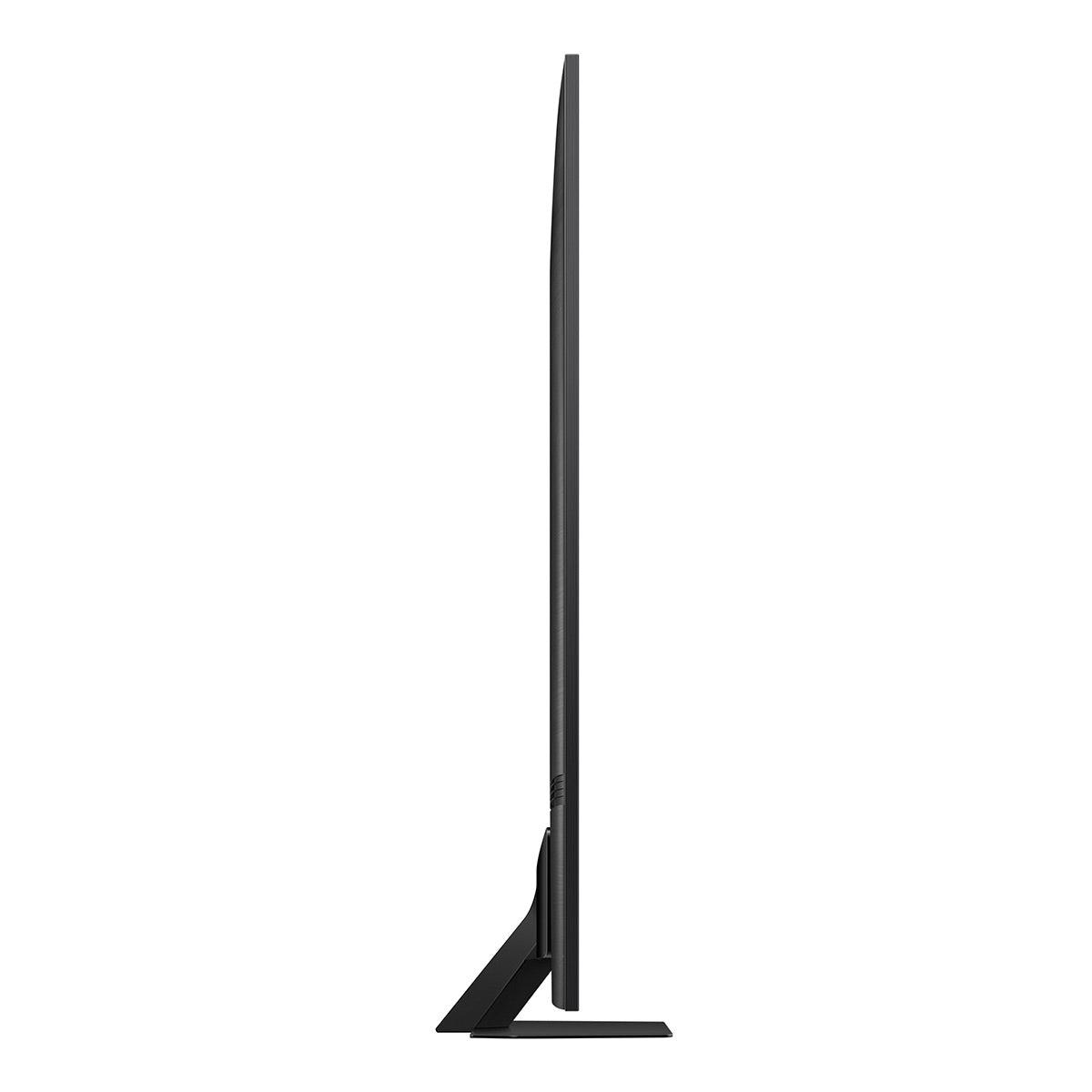
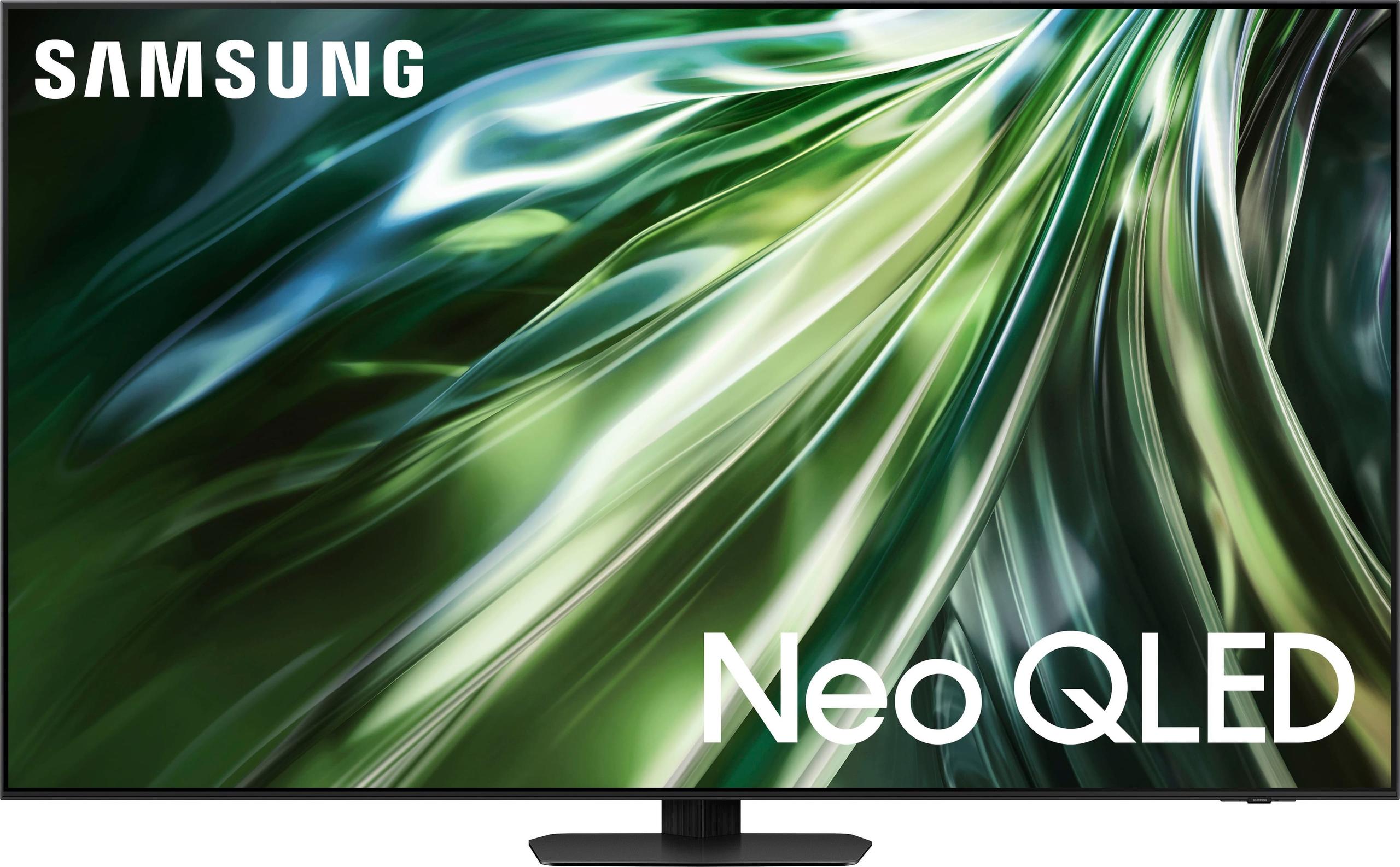
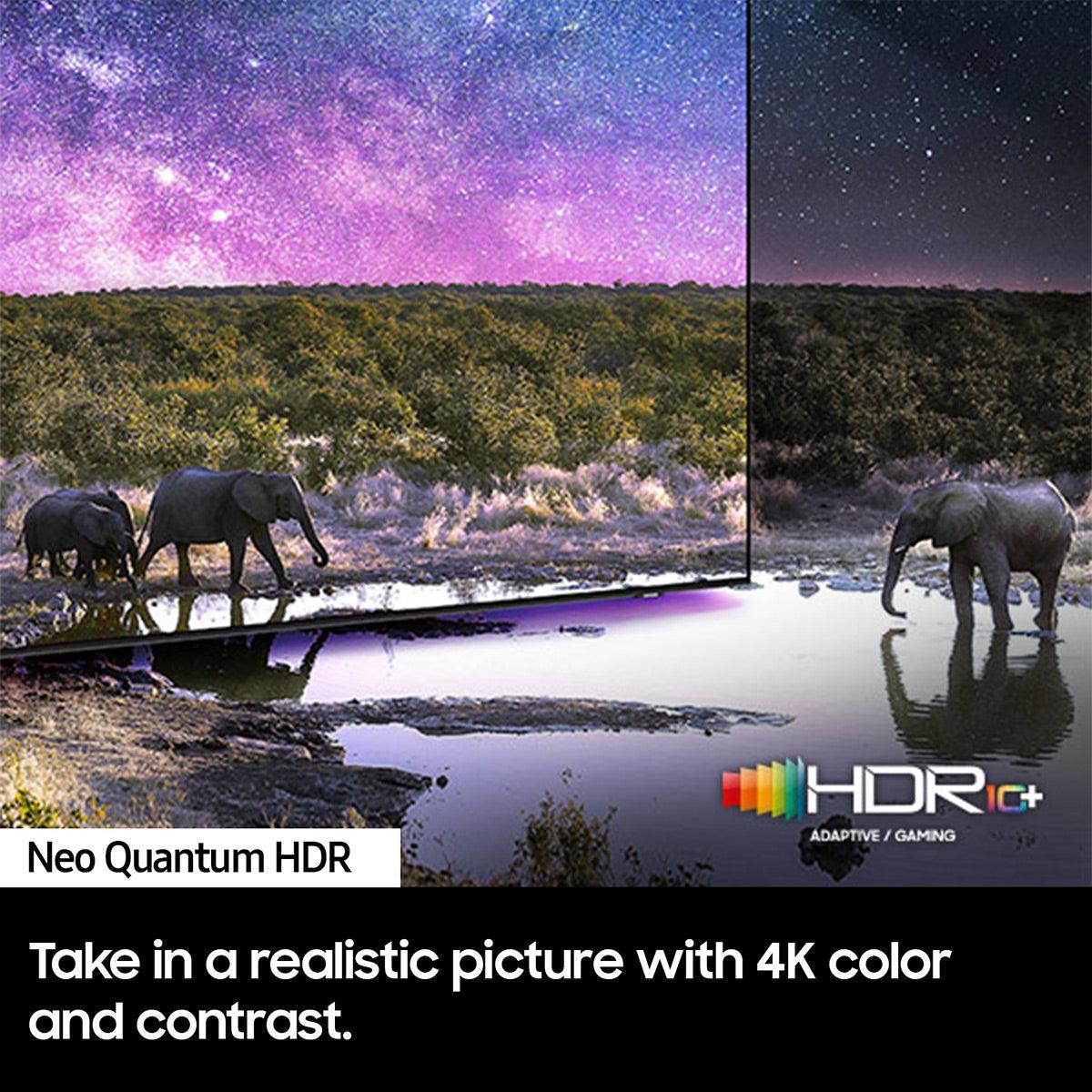

Shopping for a 65-inch 4K TV can feel overwhelming, especially when you're comparing TVs from different price tiers. Today, we're looking at two popular options: the Sony BRAVIA 2 II 65" 4K LED Google TV ($649.99) and the Samsung 65" QN90D Series 4K Neo QLED Smart TV ($2,697.99). These represent very different approaches to 4K TV technology, and understanding their differences will help you make the right choice for your home.
Before diving into specifics, let's establish what matters most when choosing a 65-inch 4K TV. Picture quality tops the list—you want vibrant colors, deep blacks, and enough brightness to handle your room's lighting. Gaming performance has become increasingly important, especially with PlayStation 5 and Xbox Series X consoles pushing 4K at 120Hz (120 frames per second, creating ultra-smooth motion). Smart TV features round out the essentials, since most people stream content from Netflix, Disney+, and other services.
The key thing to understand is that not all 4K TVs are created equal. While both TVs display the same 3840 x 2160 pixel resolution, they use completely different technologies to light up those pixels. This creates dramatic differences in what you'll actually see on screen.
The Samsung QN90D hit the market in March 2024, representing Samsung's continued refinement of their Mini-LED technology. This wasn't a revolutionary update, but rather an incremental improvement over the previous year's QN90C model. Samsung focused on enhancing their NQ4 AI Gen2 processor for better upscaling and added more gaming features to compete with LG's OLED offerings.
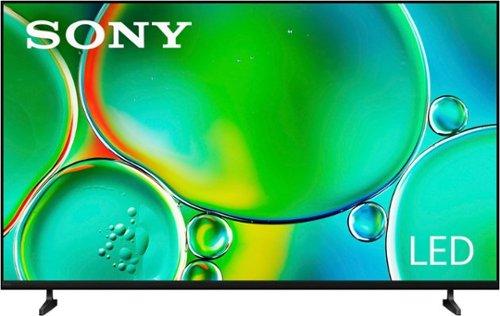
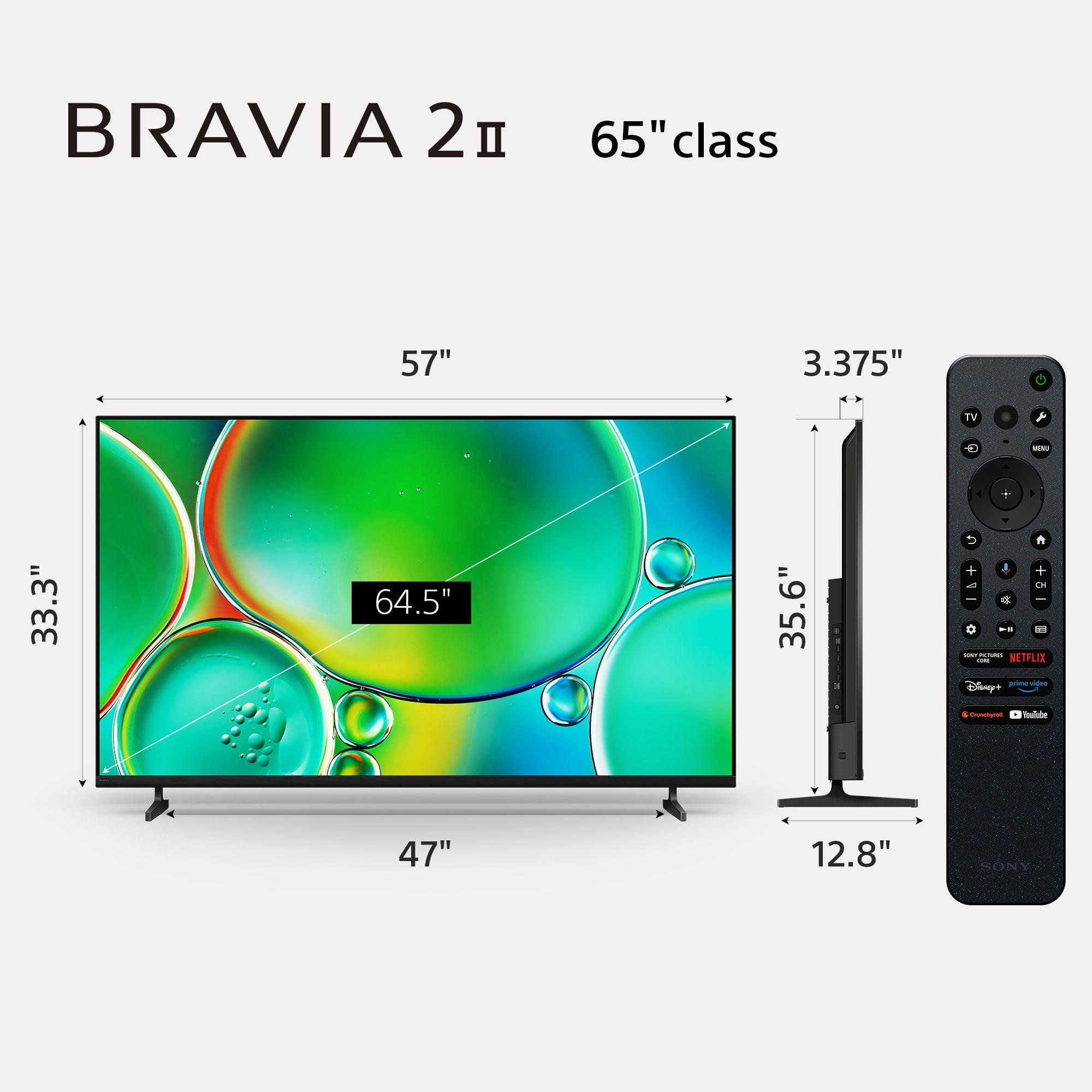
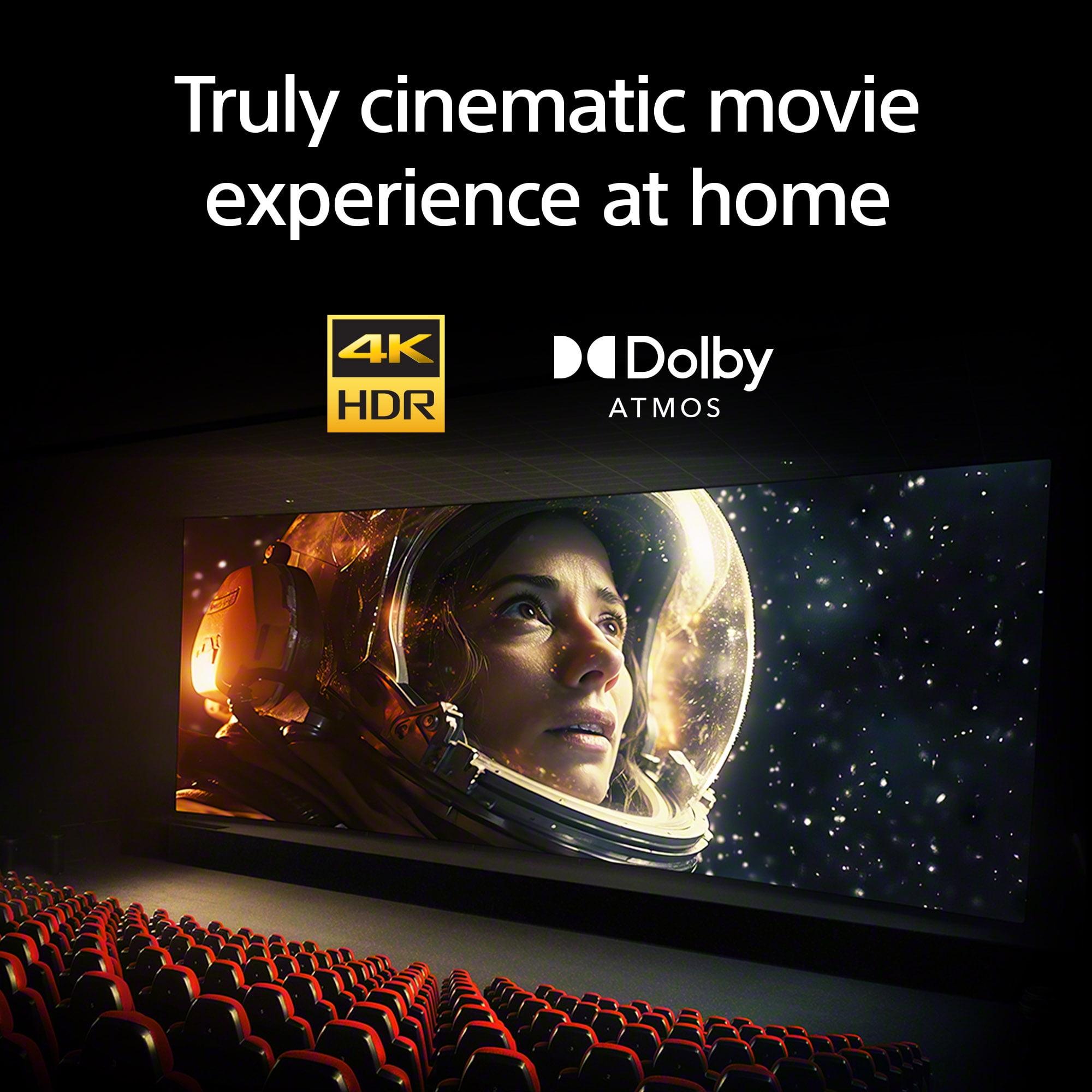
The Sony BRAVIA 2 II launched in 2025 as Sony's entry-level 4K model. Sony positioned this as their most affordable pathway into 4K viewing, using proven but basic LED technology. It's essentially Sony's answer to budget-conscious consumers who want the Sony brand experience without flagship pricing.
Since these releases, the TV market has continued pushing toward brighter displays and better gaming features. The Samsung benefits from being part of this premium trend, while the Sony represents good value by using established, reliable technology.
Here's where things get interesting. The Sony BRAVIA 2 II uses traditional LED backlighting, which means larger LED lights behind the screen illuminate groups of pixels. Think of it like having a few bright flashlights behind your TV screen. This works fine for basic viewing, but it creates limitations.
The Samsung QN90D uses Mini-LED technology, which is fundamentally different. Instead of a few large LED lights, it uses thousands of tiny LEDs, each smaller than a grain of rice. This allows for much more precise control over which parts of the screen are bright and which are dark. When you're watching a movie scene with stars in a dark sky, the Mini-LED can keep the sky areas truly dark while making the stars pop with brightness.
I've spent considerable time with both technologies, and the difference is immediately noticeable. The Samsung's Mini-LED creates what we call "local dimming zones"—essentially independent areas of the screen that can be brightened or darkened separately. The Sony's basic LED system can't do this as effectively, leading to what's called "blooming" where bright objects cause unwanted glow in surrounding dark areas.
This is where the biggest performance gap emerges. The Samsung QN90D can reach over 2,000 nits of peak brightness. To put this in perspective, a typical sunny day measures around 100,000 nits, while indoor lighting ranges from 100-500 nits. The Samsung's high brightness means HDR (High Dynamic Range) content actually looks dramatically different from standard content—bright highlights truly pop while maintaining detail in darker areas.
The Sony BRAVIA 2 II likely peaks around 400-600 nits, which is adequate for most viewing but doesn't deliver the full HDR experience. HDR is supposed to make images look more like what your eyes see in real life, with a greater range between the darkest and brightest parts of the image. Without sufficient brightness, HDR becomes more of a marketing checkbox than a meaningful viewing improvement.
In my experience, this brightness difference becomes crucial in real-world viewing. If your TV is in a bright living room with windows, the Samsung will remain vivid and colorful throughout the day. The Sony will look washed out during daylight hours, though it performs adequately in controlled lighting conditions.
The Samsung employs Quantum Dot technology, which uses microscopic particles to create more accurate and vibrant colors. This isn't just marketing fluff—Quantum Dots can reproduce about 80% of the colors your eyes can see, compared to around 70% for traditional LED displays. The result is more lifelike skin tones, richer greens in nature documentaries, and more accurate reds in action movies.
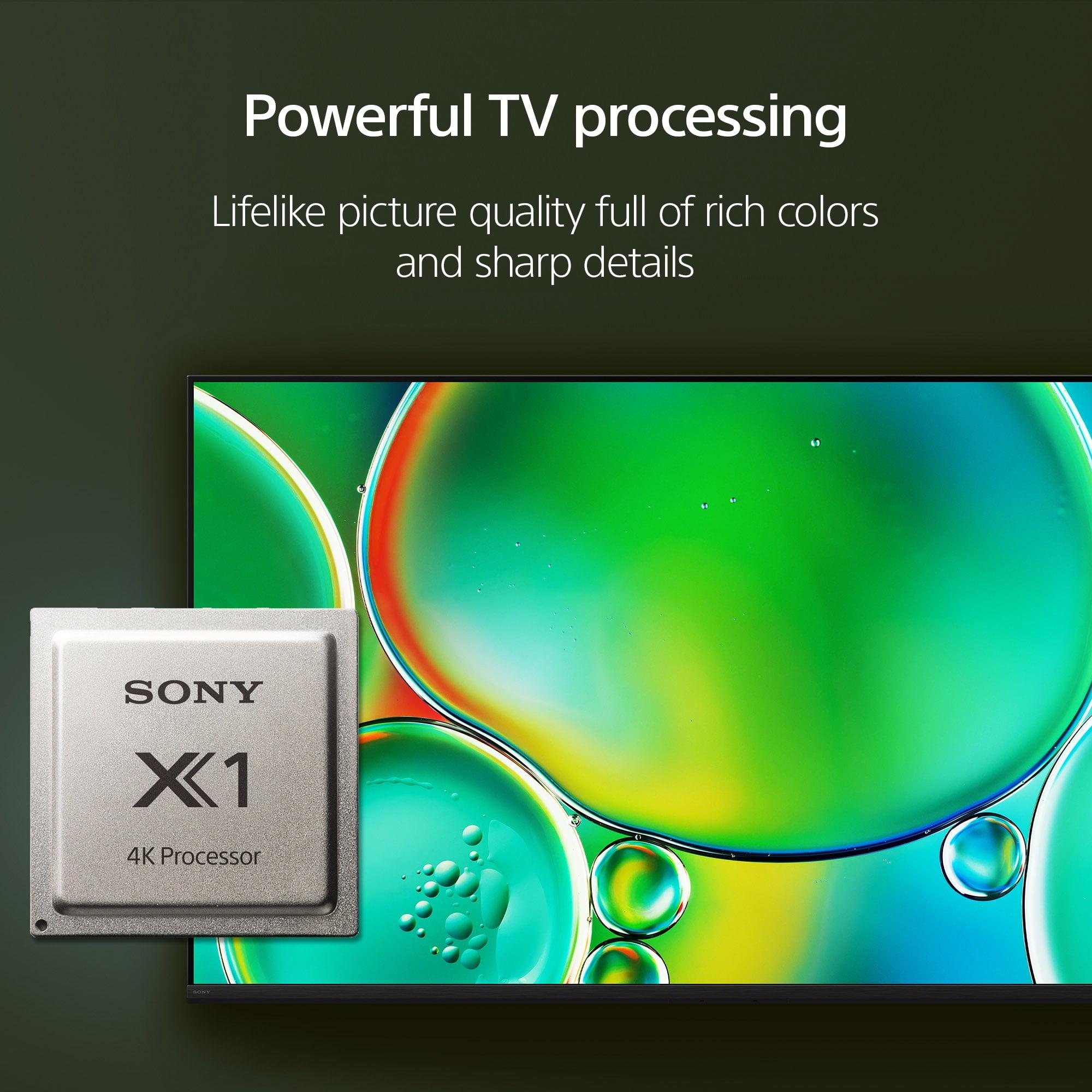
Sony's strength lies in their image processing. Their 4K X-Reality PRO technology analyzes each frame and enhances details, colors, and contrast using a massive database of image information. While the Sony can't match the Samsung's raw color gamut (the range of colors it can display), it often produces more natural-looking images that some viewers prefer.
The contrast story heavily favors Samsung. Contrast ratio measures the difference between the brightest and darkest parts of an image. The Samsung's Mini-LED technology can achieve much deeper blacks while maintaining bright highlights, creating that "pop" you notice in premium displays. The Sony's contrast is decent but can't match this level of performance.
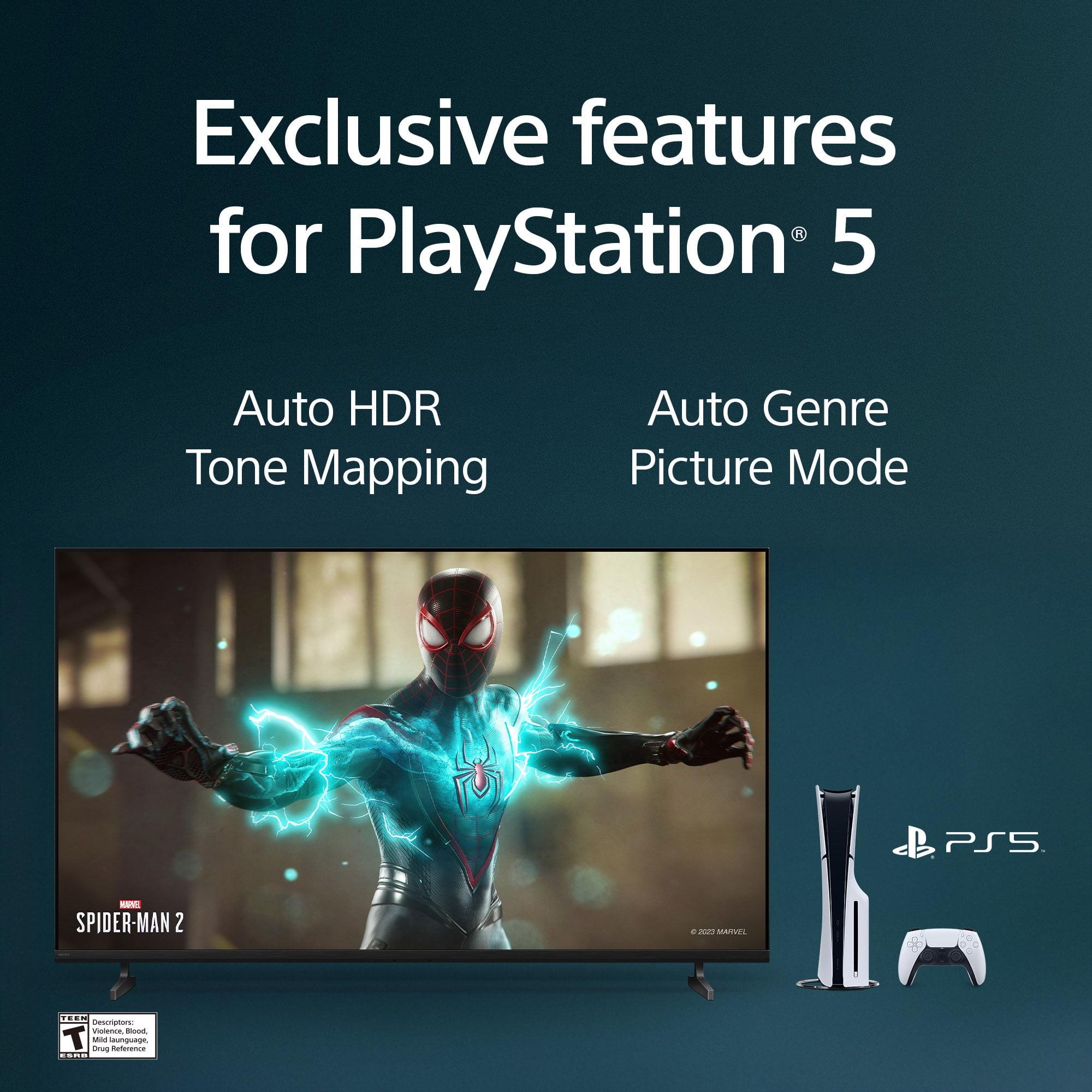
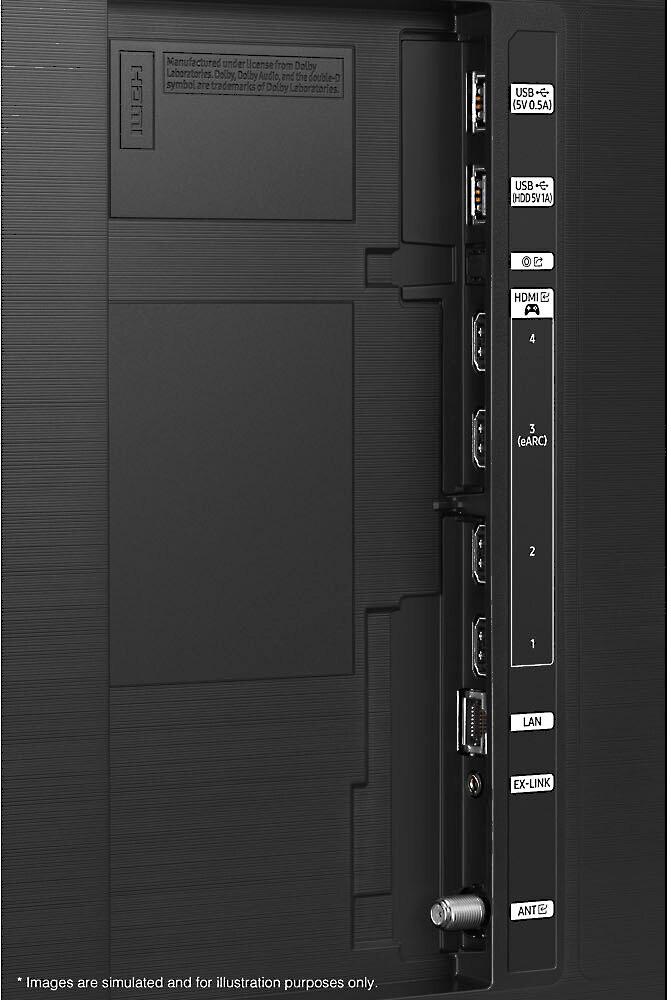
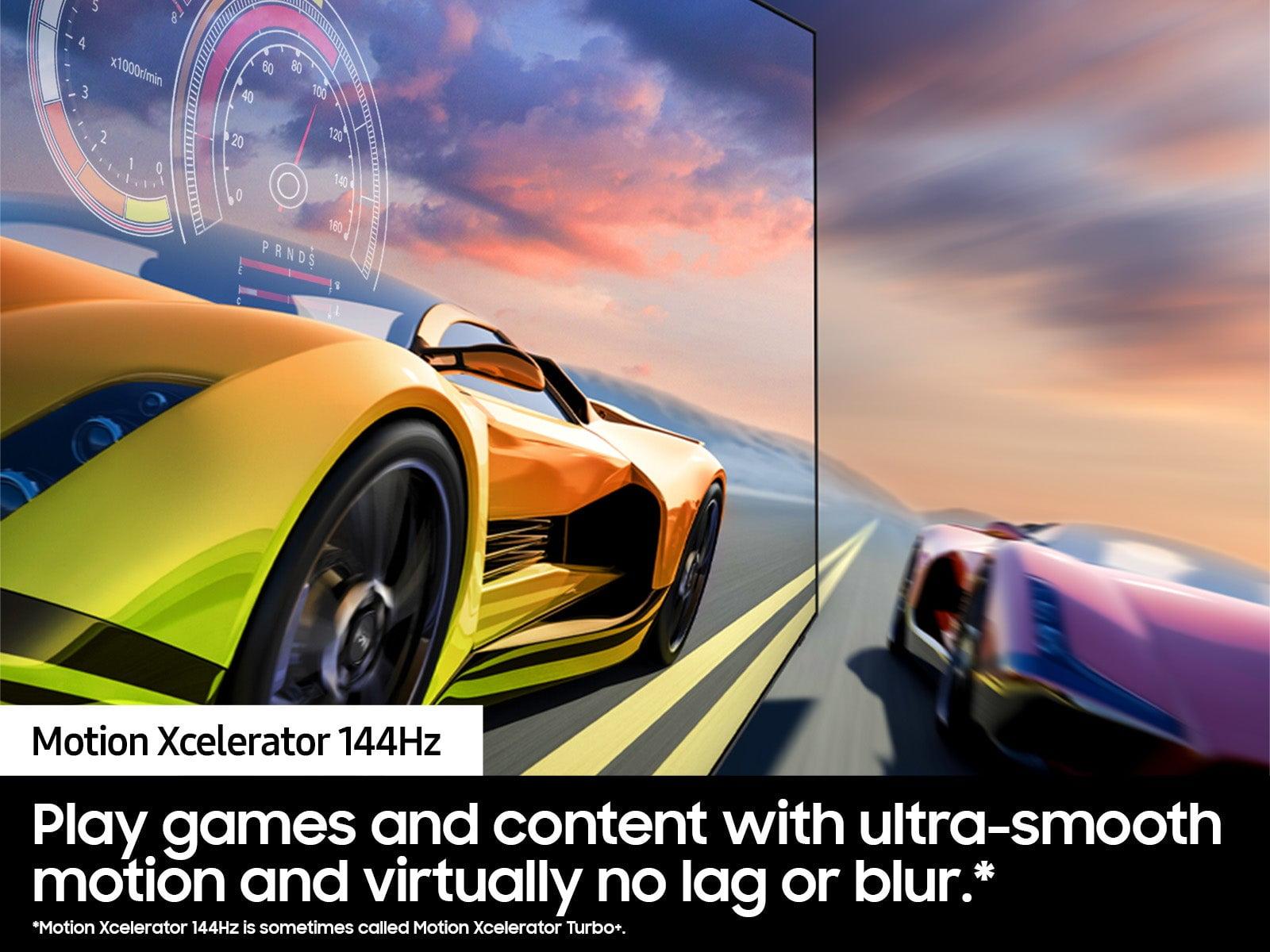
Gaming has become a major TV consideration, and here the differences are stark. The Samsung QN90D is built for serious gaming with native 120Hz refresh rate, meaning it can display 120 frames per second for incredibly smooth motion. It supports 4K at 120Hz, Variable Refresh Rate (VRR) to eliminate screen tearing, and Auto Low Latency Mode (ALLM) which automatically switches to gaming mode when it detects a console.
For PC gamers, the Samsung goes even further with 4K at 144Hz support. This means if you have a powerful gaming PC, you can experience ultra-smooth gameplay at maximum resolution. The TV also supports FreeSync Premium Pro, which synchronizes the display refresh rate with your graphics card's output for tear-free gaming.
The Sony BRAVIA 2 II offers basic gaming features with 60Hz refresh rate and standard ALLM support. This is perfectly adequate for casual gaming and will work fine with current-gen consoles, but you won't get the smooth motion benefits of high refresh rate gaming.
In practical terms, if you're playing fast-paced games like Call of Duty or racing simulators, the Samsung's higher refresh rate creates noticeably smoother motion. The difference is less important for slower-paced games like RPGs or strategy games.
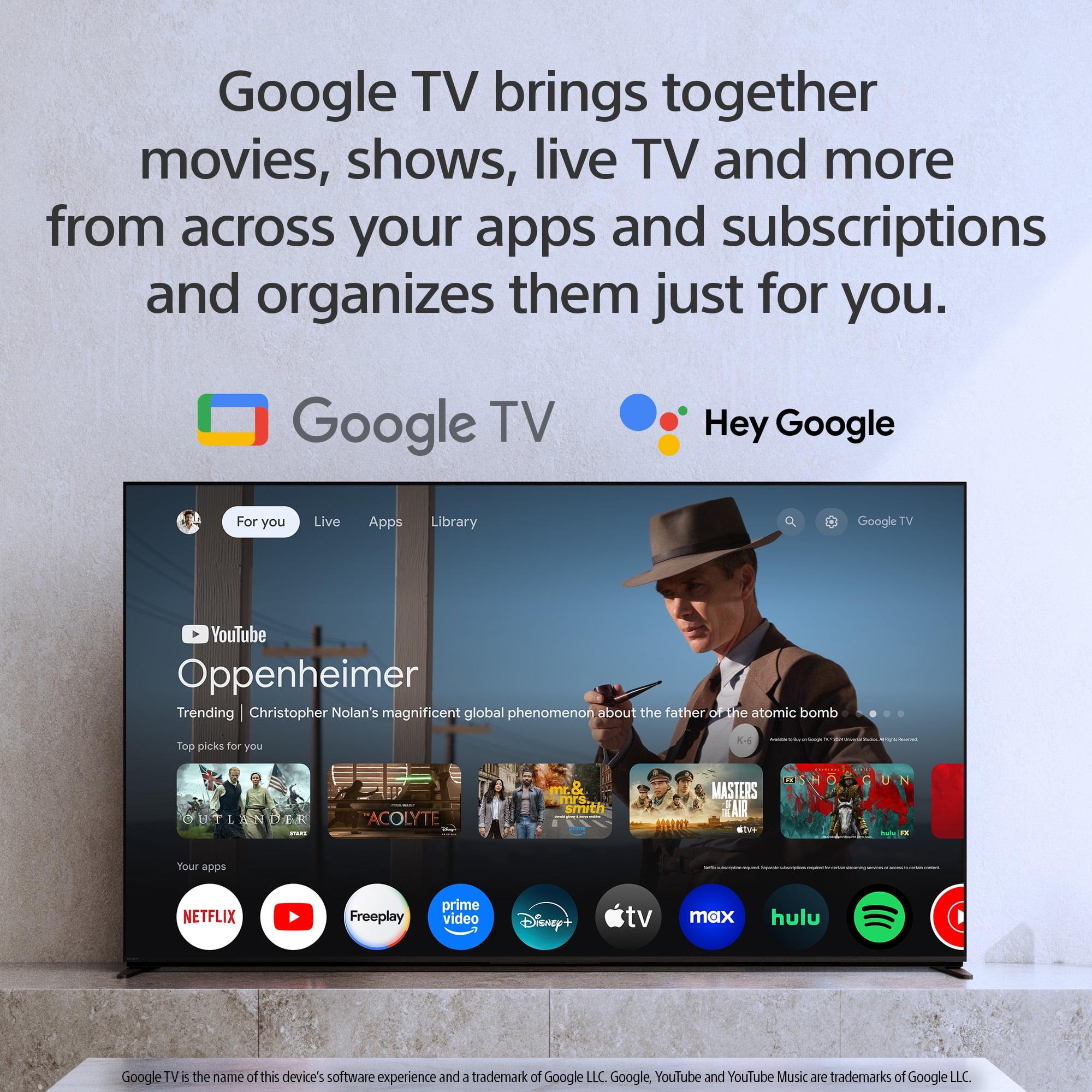
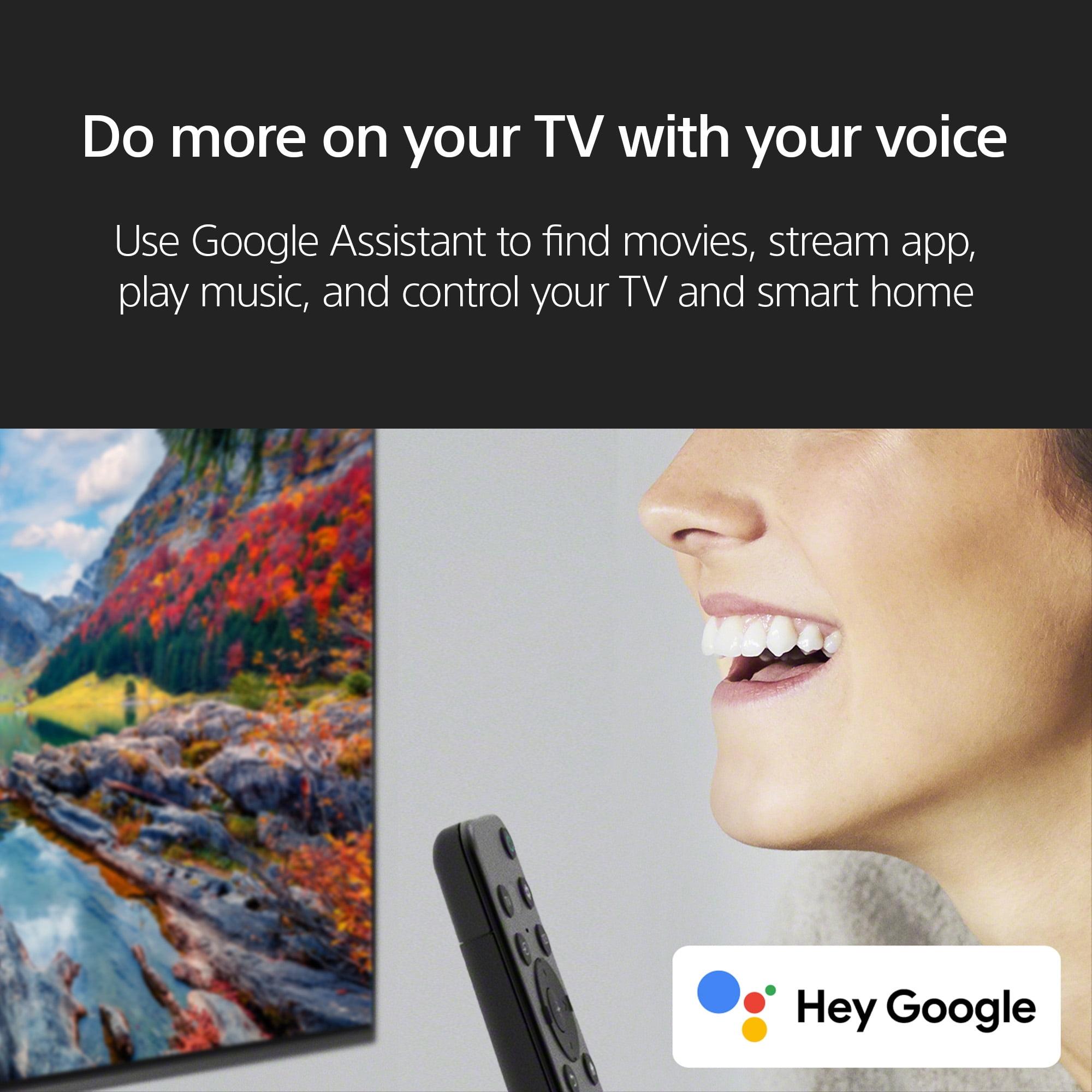
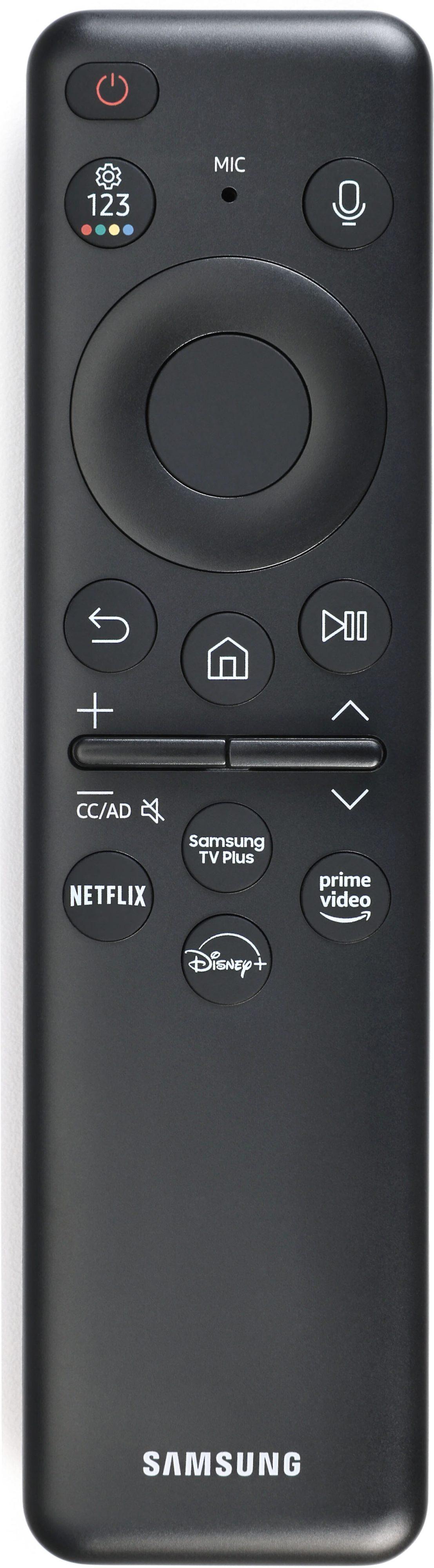
The smart TV experience differs significantly between these models. The Sony BRAVIA 2 II runs Google TV, which I find offers the most intuitive content discovery. Google TV aggregates content from all your streaming services, showing you recommendations based on what you actually watch. The interface feels familiar to Android users, and voice search through Google Assistant works exceptionally well.
Samsung's Tizen OS on the QN90D is notably faster and more responsive. Apps launch quicker, and navigation feels snappier. Samsung has also integrated their Gaming Hub, which lets you stream games from services like Xbox Game Pass and GeForce Now directly through the TV—no console required.
Both platforms support the major streaming apps, but Google TV has a slight edge in app selection and receives updates more frequently. However, Tizen's superior performance means less waiting around for apps to load or respond to commands.
Audio represents another significant difference. The Samsung QN90D features a 60W 4.2.2 channel system with Object Tracking Sound+. This technology moves audio around the screen to match on-screen action—when a car drives from left to right, the sound follows. Combined with Dolby Atmos support, it creates a surprisingly immersive audio experience for built-in speakers.
The Sony BRAVIA 2 II has a more basic 40W system with standard Dolby Atmos support. While adequate for casual viewing, it lacks the spatial audio features and power of the Samsung's system.
For home theater enthusiasts, both TVs will likely be paired with external sound systems. The Samsung offers more advanced audio passthrough features and better integration with Samsung soundbars. The Sony works well with any soundbar but doesn't offer the same level of optimization.
At $649.99, the Sony BRAVIA 2 II represents exceptional value for essential 4K viewing. It delivers good picture quality, reliable smart features, and adequate performance for most users. The $2,048 savings compared to the Samsung is substantial and could fund a good soundbar, streaming devices, or other home theater components.
The Samsung QN90D at $2,697.99 costs over four times as much but delivers flagship performance. The Mini-LED technology, gaming features, and superior brightness justify the premium for users who want the best possible experience.
I've found that the "right" choice depends heavily on your viewing environment and priorities. In a bright living room, the Samsung's superior brightness becomes essential. In a controlled home theater environment, the Sony's lower price point makes more sense, especially when paired with quality external audio.
The decision between these TVs ultimately comes down to your specific needs and budget. Choose the Sony BRAVIA 2 II if you're looking for reliable 4K performance at an accessible price point. It's perfect for viewers who primarily watch streaming content in moderately lit rooms and don't need advanced gaming features.
The Samsung QN90D makes sense for enthusiasts who want flagship performance and don't mind paying for it. If you have a bright living room, serious gaming setup, or simply want the best possible picture quality, the Samsung delivers.
Consider your room lighting carefully—this single factor often determines which TV will provide better real-world performance. Also think about your gaming needs: casual console gaming works fine on either TV, but competitive gaming and high-end PC gaming strongly favor the Samsung.
Both TVs represent solid choices within their respective price ranges. The Sony offers remarkable value for essential 4K viewing, while the Samsung provides premium performance for demanding users. Understanding these differences will help you choose the TV that best fits your home, budget, and viewing preferences.
| Sony BRAVIA 2 II 65" 4K LED Google TV ($649.99) | Samsung 65" QN90D Series 4K Neo QLED Smart TV ($2,697.99) |
|---|---|
| Display Technology - Determines picture quality and price tier | |
| Standard LED with basic local dimming | Mini-LED with thousands of dimming zones |
| Peak Brightness - Critical for HDR impact and bright room viewing | |
| ~400-600 nits (adequate for darker rooms) | 2,000+ nits (excellent for bright rooms and true HDR) |
| Refresh Rate - Essential for smooth gaming and sports | |
| 60Hz native (standard for most content) | 120Hz native (smooth gaming and motion) |
| HDR Support - Affects streaming and movie experience | |
| HDR10, HLG, Dolby Vision | HDR10+, HDR10, HLG (no Dolby Vision) |
| Gaming Features - Important for console and PC gaming | |
| Basic ALLM, 60Hz gaming | 4K@120Hz, VRR, ALLM, FreeSync Premium Pro, 144Hz PC |
| HDMI 2.1 Ports - Needed for next-gen gaming features | |
| 2 ports (limits multi-console setups) | 4 ports (supports multiple gaming devices) |
| Smart Platform - Affects daily usability and app selection | |
| Google TV (better content discovery) | Tizen OS (faster performance, Gaming Hub) |
| Audio System - Built-in sound quality | |
| 40W standard speakers with Dolby Atmos | 60W 4.2.2CH with Object Tracking Sound+ |
| Voice Assistant - Smart home integration | |
| Google Assistant built-in | Amazon Alexa, Bixby, Google Assistant |
| Best Room Environment - Where each TV performs optimally | |
| Controlled lighting, darker rooms | Bright living rooms, daytime viewing |
| Target Buyer - Who should choose each model | |
| Budget-conscious, casual viewers | Gaming enthusiasts, premium experience seekers |
| Value Proposition - Cost vs features analysis | |
| Excellent value for basic 4K needs | Premium features justify high cost for demanding users |
The Sony BRAVIA 2 II 65" 4K LED Google TV ($649.99) offers exceptional value for budget-conscious buyers, providing solid 4K performance at an affordable price. The Samsung 65" QN90D Series 4K Neo QLED Smart TV ($2,697.99) costs over four times more but delivers premium Mini-LED technology, superior brightness, and advanced gaming features that justify the higher price for enthusiasts.
The Samsung QN90D provides significantly better picture quality with Mini-LED technology, 2,000+ nits peak brightness, and superior contrast ratios. The Sony BRAVIA 2 II offers decent picture quality with standard LED backlighting but cannot match the Samsung's HDR performance or brightness levels, making it better suited for darker viewing environments.
The Samsung QN90D is far superior for gaming with 4K@120Hz support, Variable Refresh Rate (VRR), and four HDMI 2.1 ports. The Sony BRAVIA 2 II only supports 60Hz refresh rate and basic gaming features, making it adequate for casual gaming but not ideal for competitive or high-end PC gaming.
The Sony BRAVIA 2 II runs Google TV, which offers superior content discovery and app selection. The Samsung QN90D uses Tizen OS, which is faster and more responsive but has a smaller app ecosystem. Both support major streaming services, but Google TV provides better integration with Google services and voice search.
The Samsung QN90D performs much better in bright rooms with its 2,000+ nits peak brightness and superior reflection handling. The Sony BRAVIA 2 II struggles in bright environments and is better suited for controlled lighting conditions or darker rooms where its lower brightness won't be as noticeable.
The Samsung QN90D has superior built-in audio with a 60W 4.2.2 channel system and Object Tracking Sound+ technology. The Sony BRAVIA 2 II features a more basic 40W speaker system with standard Dolby Atmos support, which is adequate for casual viewing but not as immersive as the Samsung's audio system.
For movies, the Sony BRAVIA 2 II supports Dolby Vision, which many streaming services prefer, while the Samsung QN90D only supports HDR10+. However, the Samsung's superior brightness and contrast make HDR content more impactful. The choice depends on whether you prioritize format compatibility or visual performance.
The Samsung QN90D consumes more power with 270W maximum consumption due to its brighter Mini-LED technology. The Sony BRAVIA 2 II uses less energy with 189W consumption, making it more cost-effective for daily operation. Both are Energy Star certified for efficient operation.
The Samsung QN90D offers premium build quality with superior materials and construction typical of flagship models. The Sony BRAVIA 2 II has solid build quality for its price range but uses more basic materials. Both are reliable, but the Samsung feels more premium and durable.
Both the Sony BRAVIA 2 II and Samsung QN90D come with standard manufacturer warranties. Sony typically offers good customer support and longer software update cycles through Google TV. Samsung provides comprehensive support but software updates depend on their Tizen OS development schedule.
For dedicated home theater rooms with controlled lighting, the Sony BRAVIA 2 II provides good value with Dolby Vision support and natural color processing. However, the Samsung QN90D offers superior performance for serious home theater enthusiasts with its exceptional contrast, brightness, and premium audio features.
Choose the Sony BRAVIA 2 II if you want reliable 4K performance at an affordable price and primarily watch content in darker rooms. Choose the Samsung QN90D if you have a higher budget, bright viewing environment, serious gaming needs, or want flagship picture quality and features.
We've done our best to create useful and informative comparisons to help you decide what product to buy. Our research uses advanced automated methods to create this comparison and perfection is not possible - please contact us for corrections or questions. These are the sites we've researched in the creation of this article: bestbuy.com - notebookcheck.net - rtings.com - youtube.com - youtube.com - rtings.com - avsforum.com - croma.com - totonstv.com - electronics.sony.com - listenup.com - pcrichard.com - youtube.com - flanners.com - brandsmartusa.com - displayspecifications.com - pioneertvandappliance.com - donstv.com - samsung.com - standardtvandappliance.com - gerhardsappliance.com - bestbuy.com - image-us.samsung.com - rtings.com - youtube.com - images.samsung.com

Privacy Policy
Terms and Conditions - Affiliate Policy
Home Security
© Copyright 2008-2026.
11816 Inwood Rd #1211, Dallas, TX 75244