

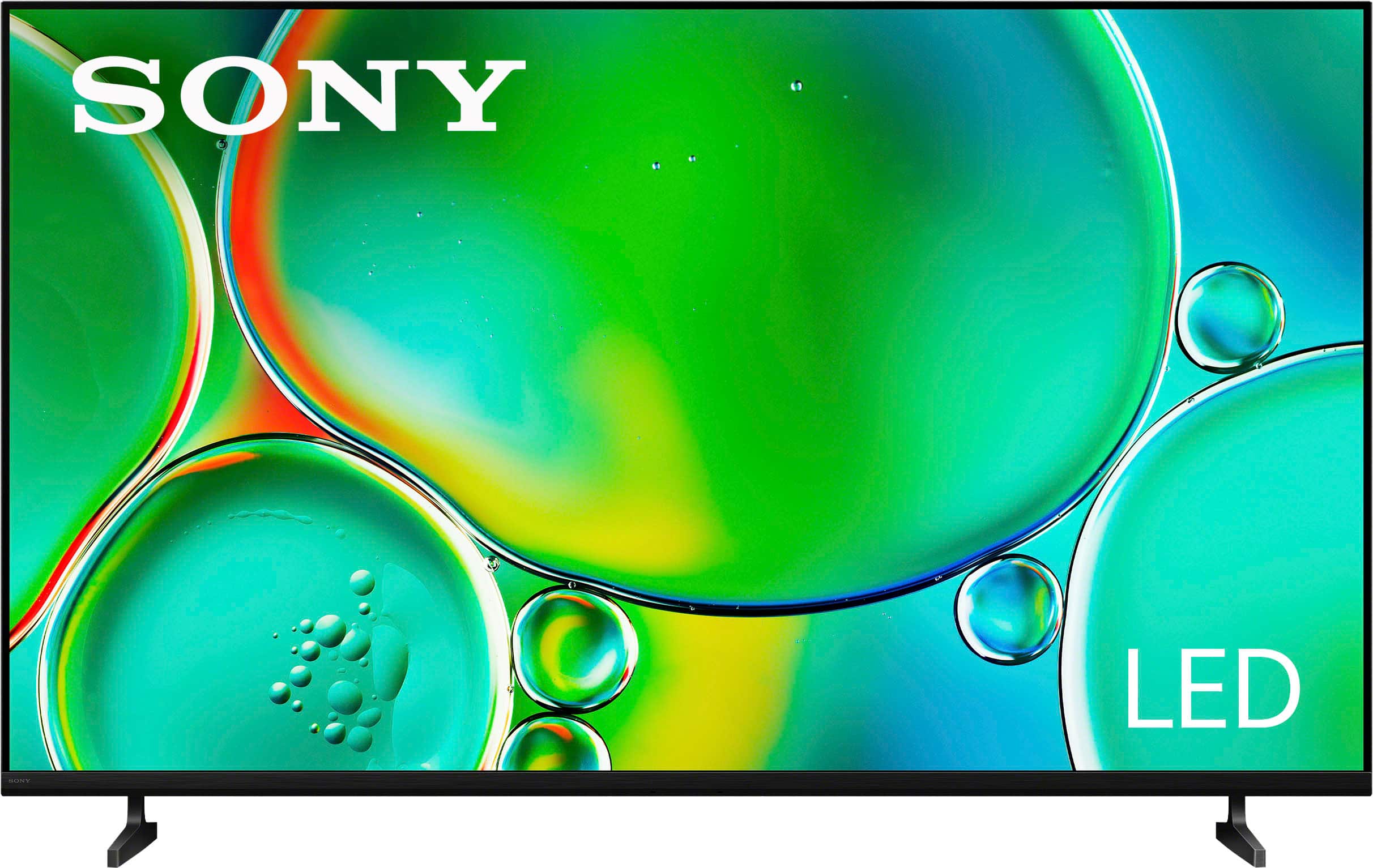
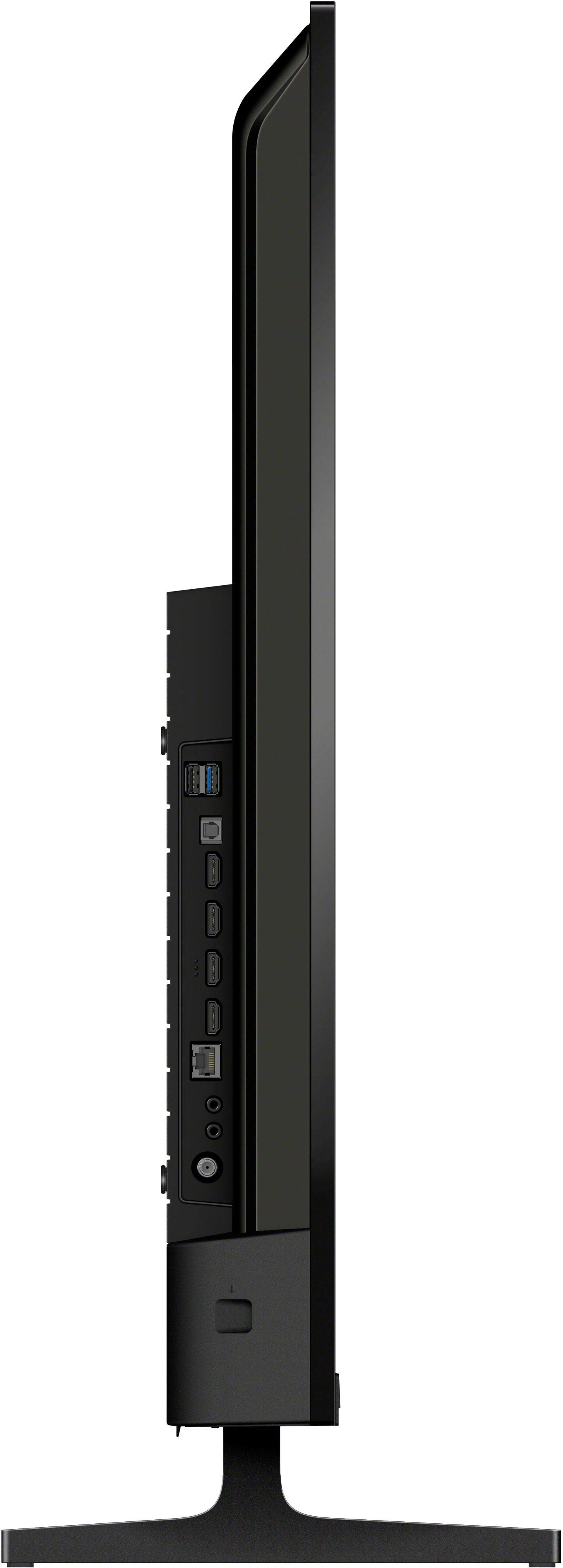
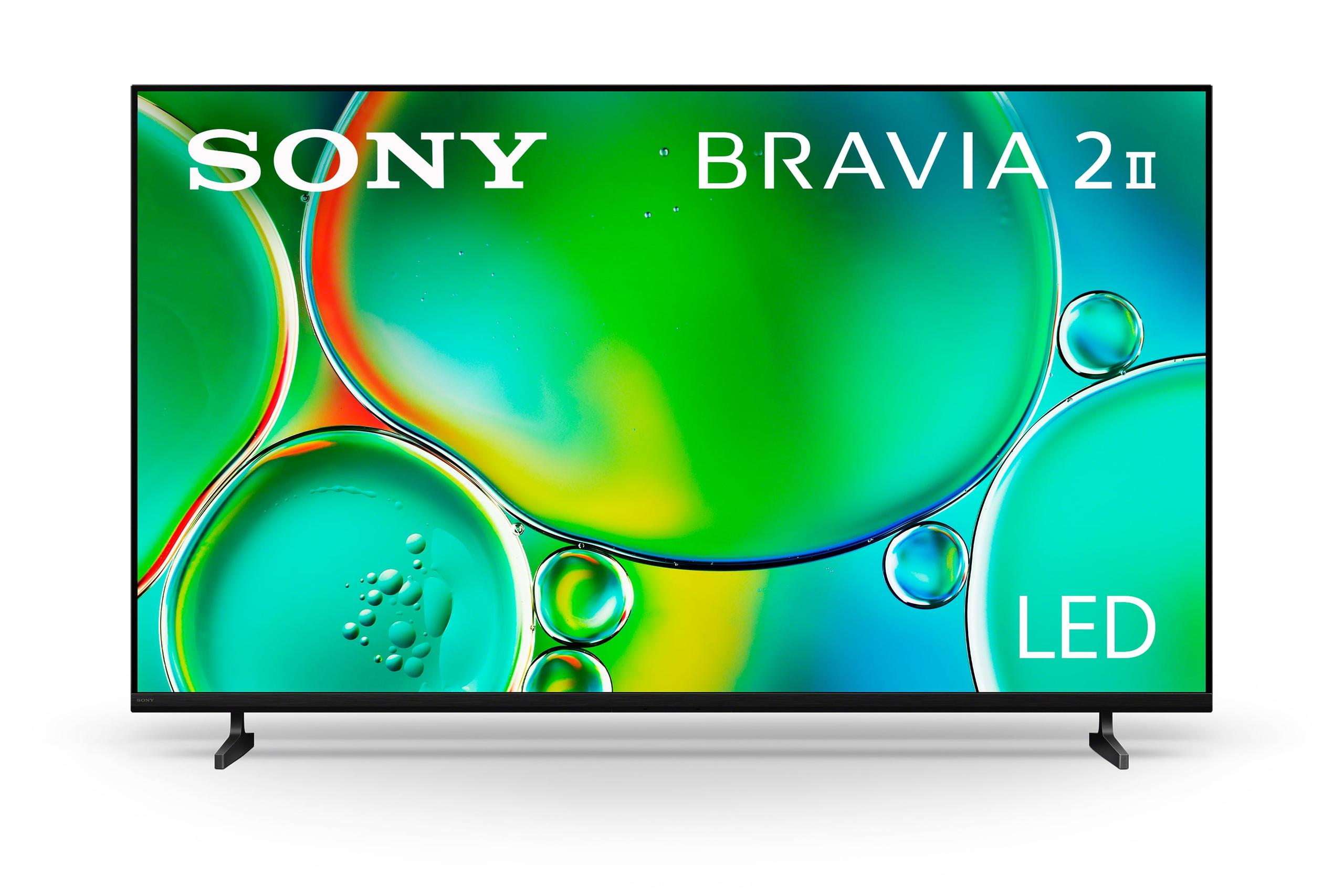
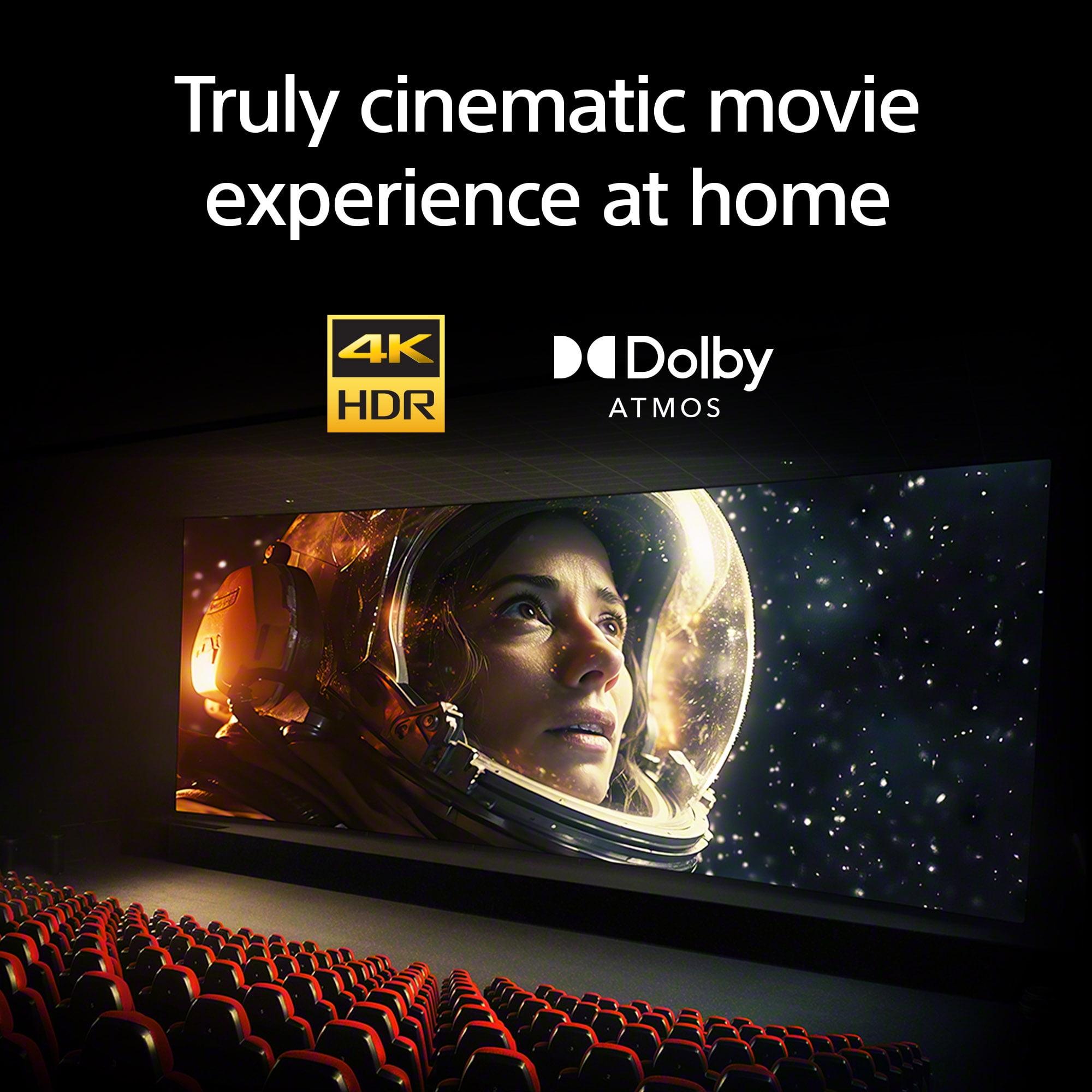


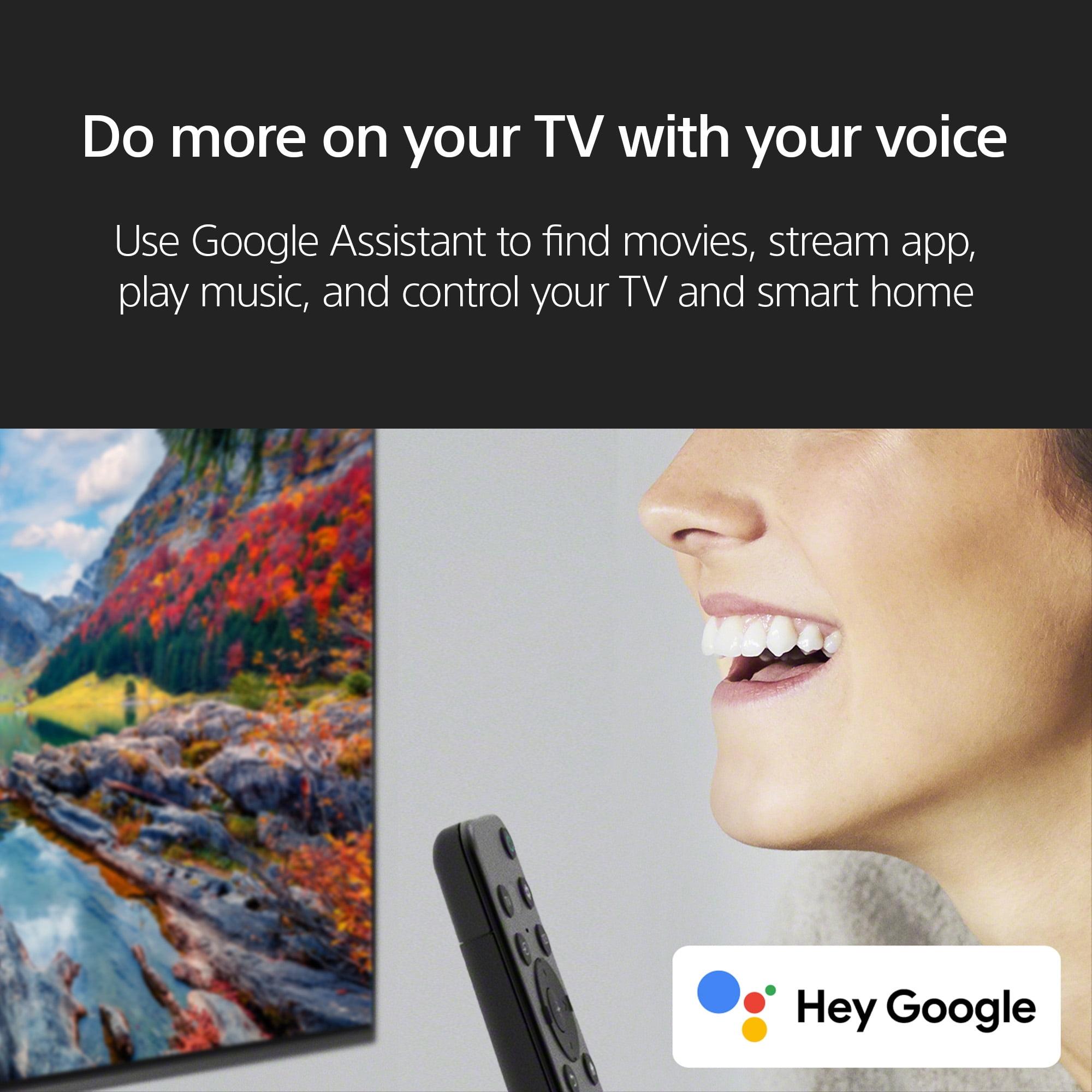

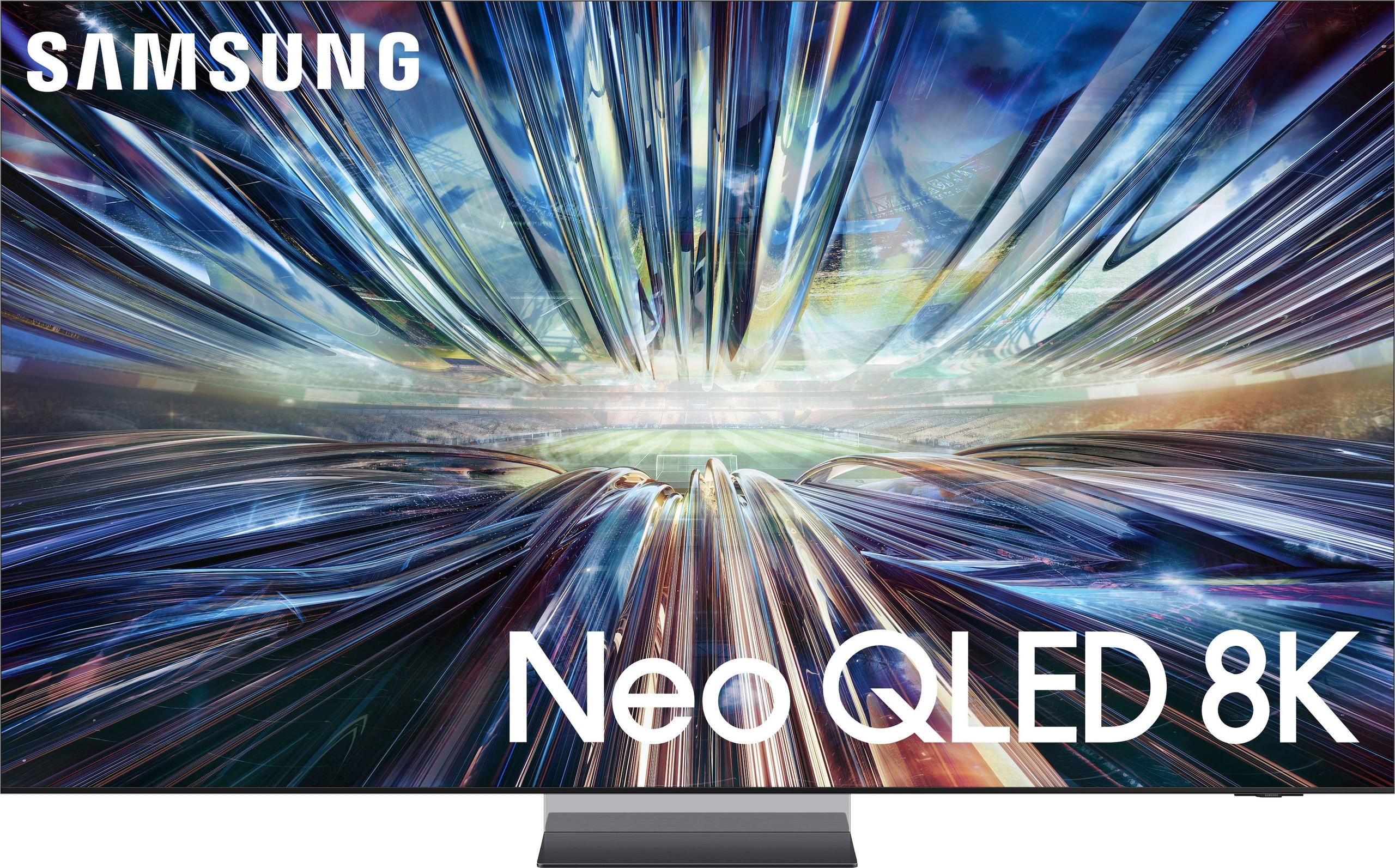
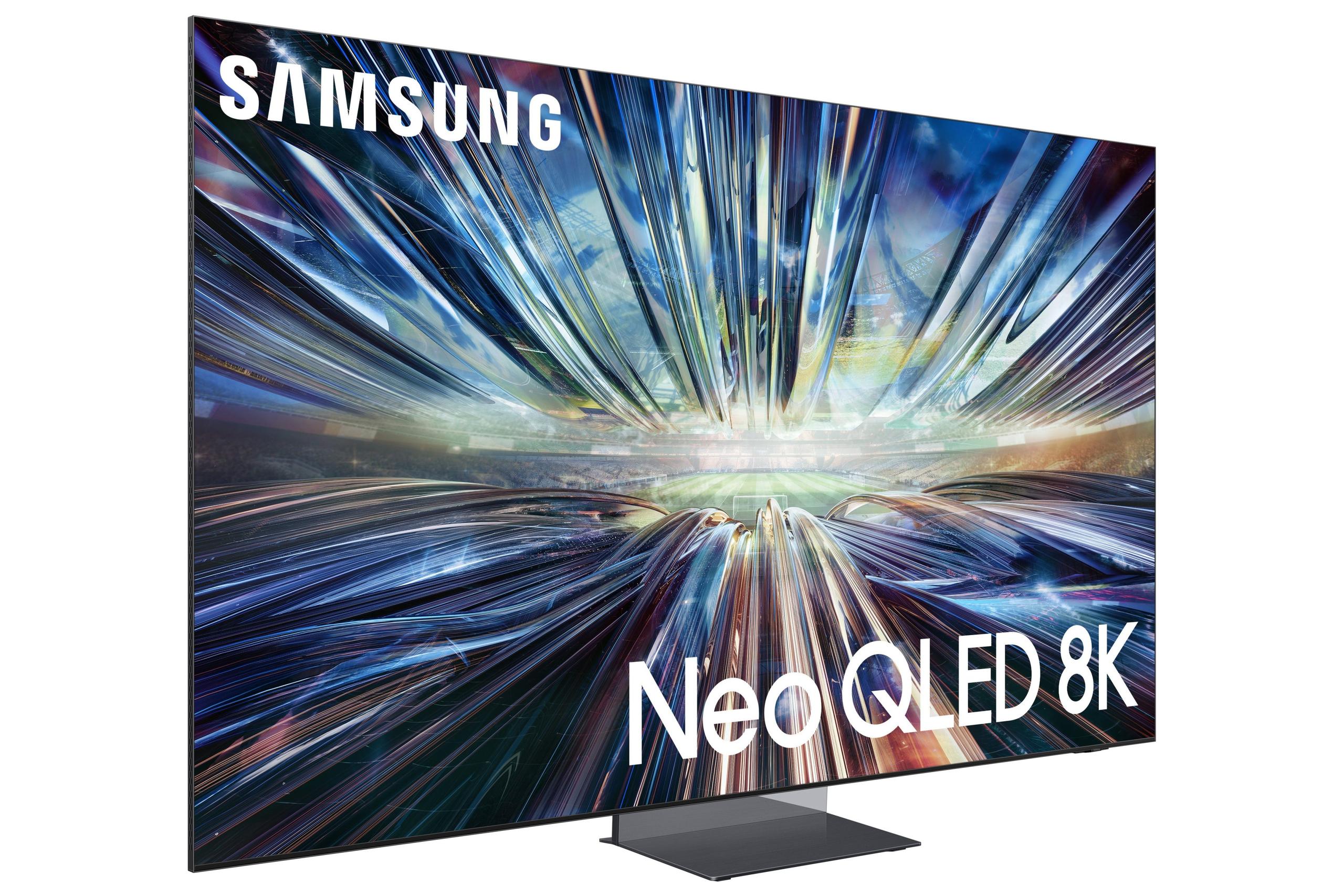
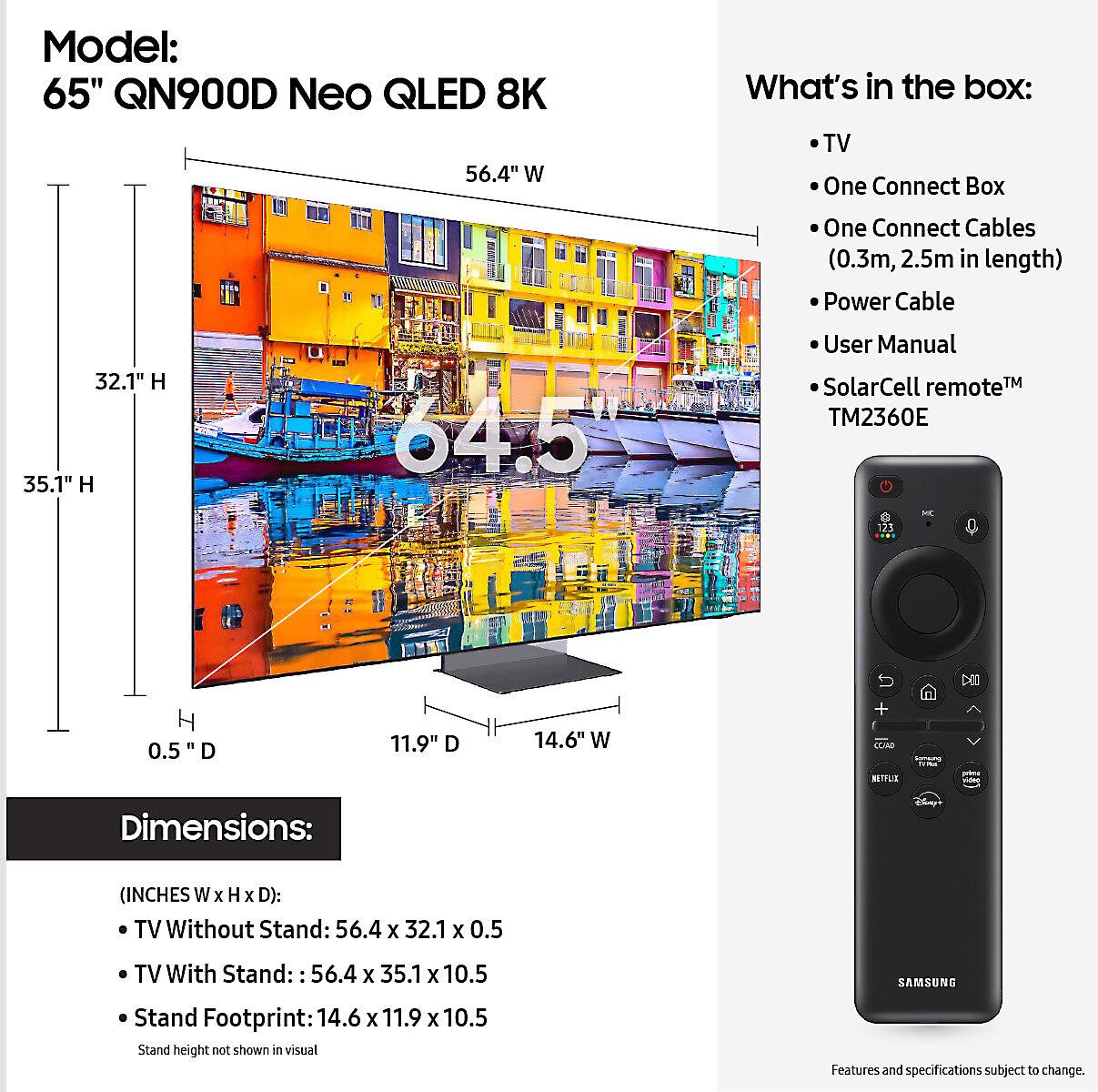
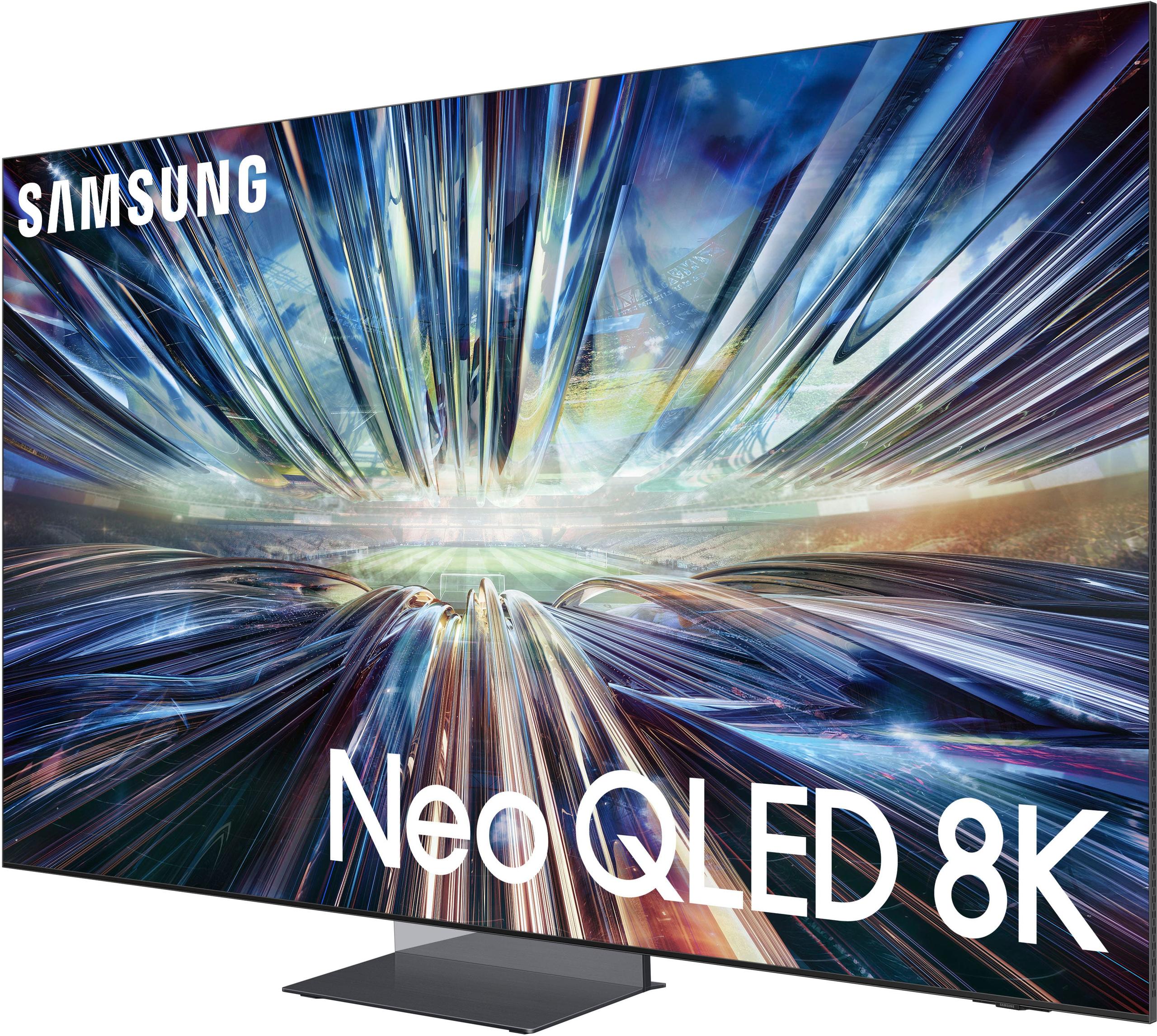
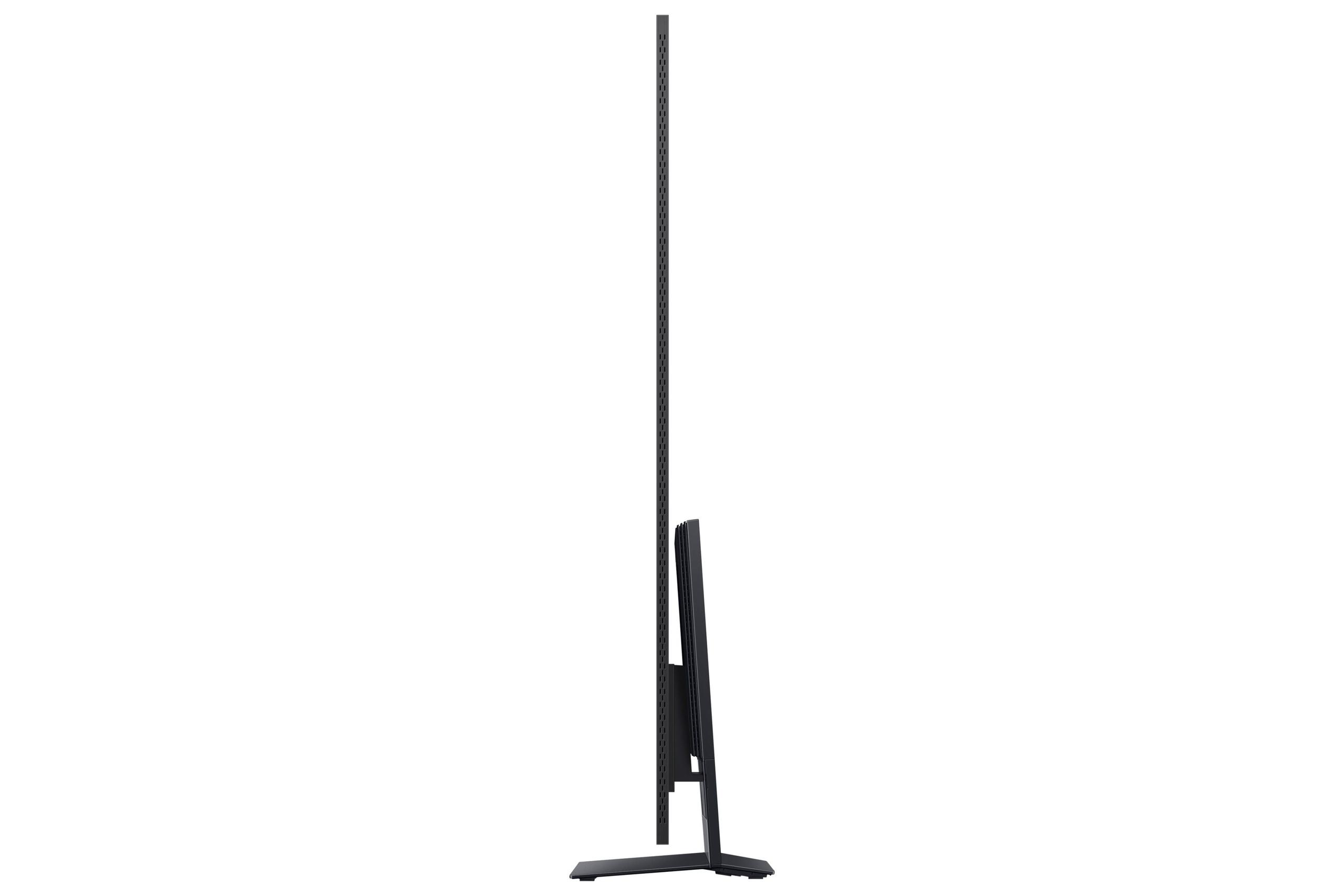
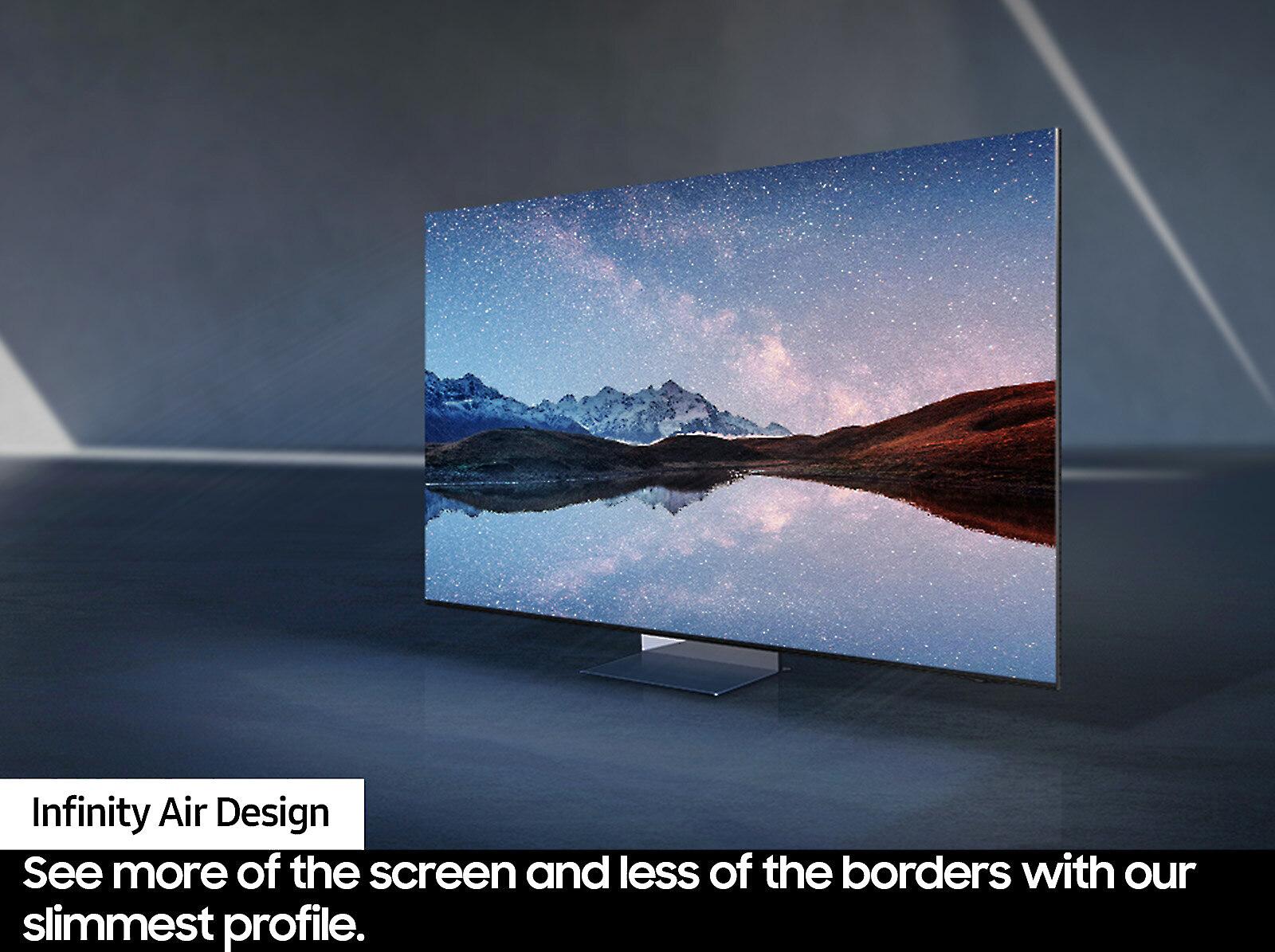
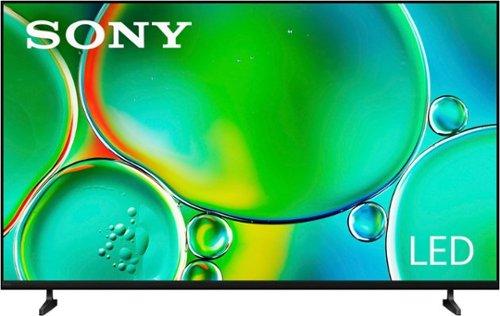
When you're shopping for a new TV, the choices can feel overwhelming. Do you go for the latest 8K technology or stick with proven 4K? Should you splurge on premium features or find the best value? Today, we're comparing two very different approaches to the premium TV market: the Sony BRAVIA 2 II 65" 4K LED Google TV at $649.99 and the Samsung QN900D Series 65" Neo QLED 8K Smart TV at $2,897.00.
These TVs represent completely different philosophies. Sony's offering focuses on delivering solid 4K performance with user-friendly features at an affordable price point. Samsung's flagship model pushes the boundaries with cutting-edge 8K resolution and Mini LED technology. Let's dive into what makes each special and help you figure out which might be right for your living room.
The television market has evolved dramatically over the past few years. We've moved beyond simple LED panels to sophisticated display technologies that can dramatically impact your viewing experience. Understanding these differences is crucial when making a purchase decision.
Display Technology forms the foundation of picture quality. Traditional LED TVs use a single backlight behind the entire screen, while newer Mini LED technology uses thousands of tiny LEDs for precise control over brightness and contrast. QLED (Quantum Dot LED) adds a quantum dot layer that enhances color reproduction, making images more vibrant and lifelike.
Resolution determines how sharp your content looks. 4K displays have become the standard, offering four times the detail of old HD TVs. 8K takes this further with sixteen times HD resolution, though native 8K content remains limited. The real question isn't just about resolution numbers – it's about how well the TV can make all your content look good through upscaling (converting lower-resolution content to look better on higher-resolution screens).
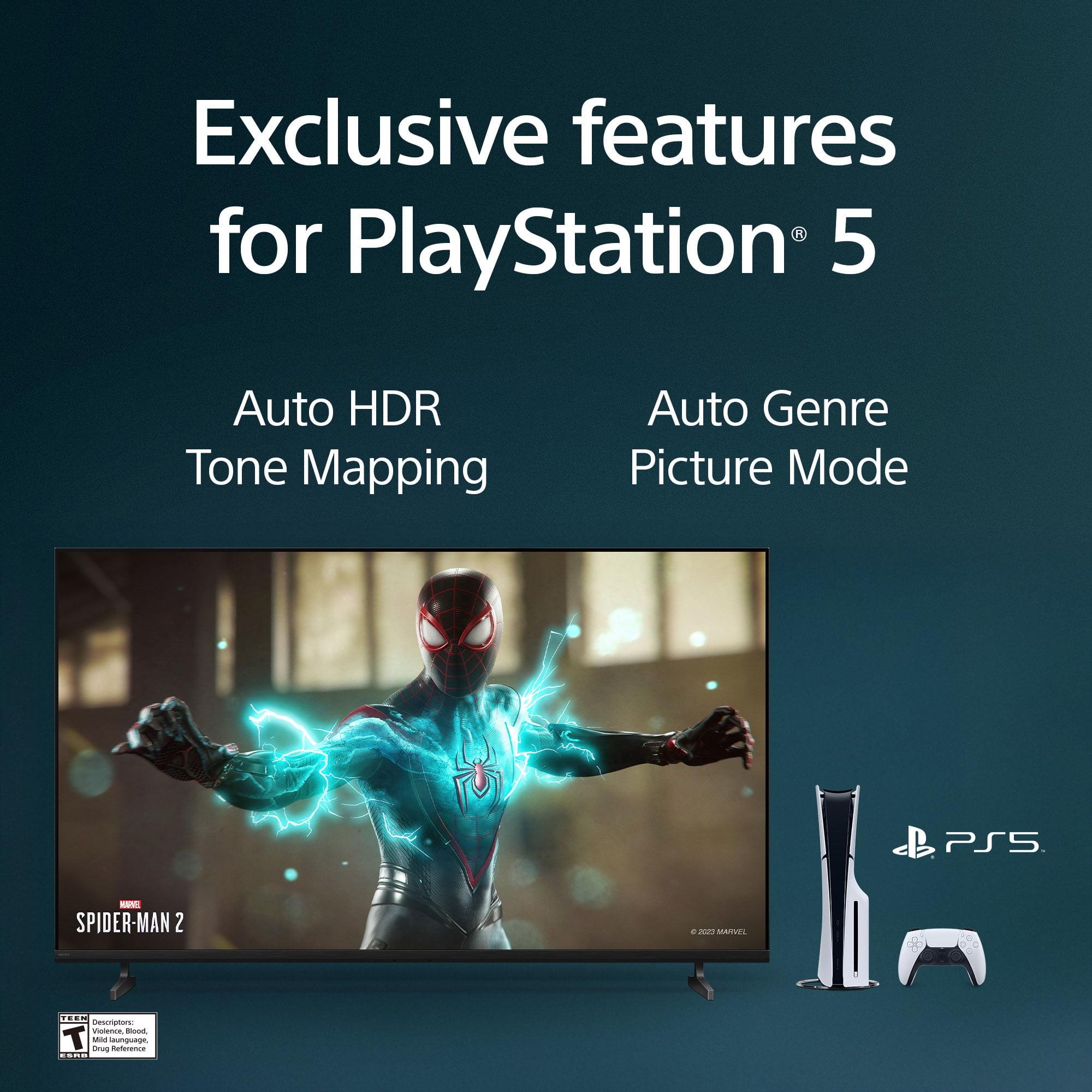
Gaming performance has become increasingly important as consoles like PlayStation 5 and Xbox Series X demand higher refresh rates and lower input lag. Features like Variable Refresh Rate (VRR) help eliminate screen tearing, while Auto Low Latency Mode (ALLM) automatically switches to the fastest response settings when gaming.
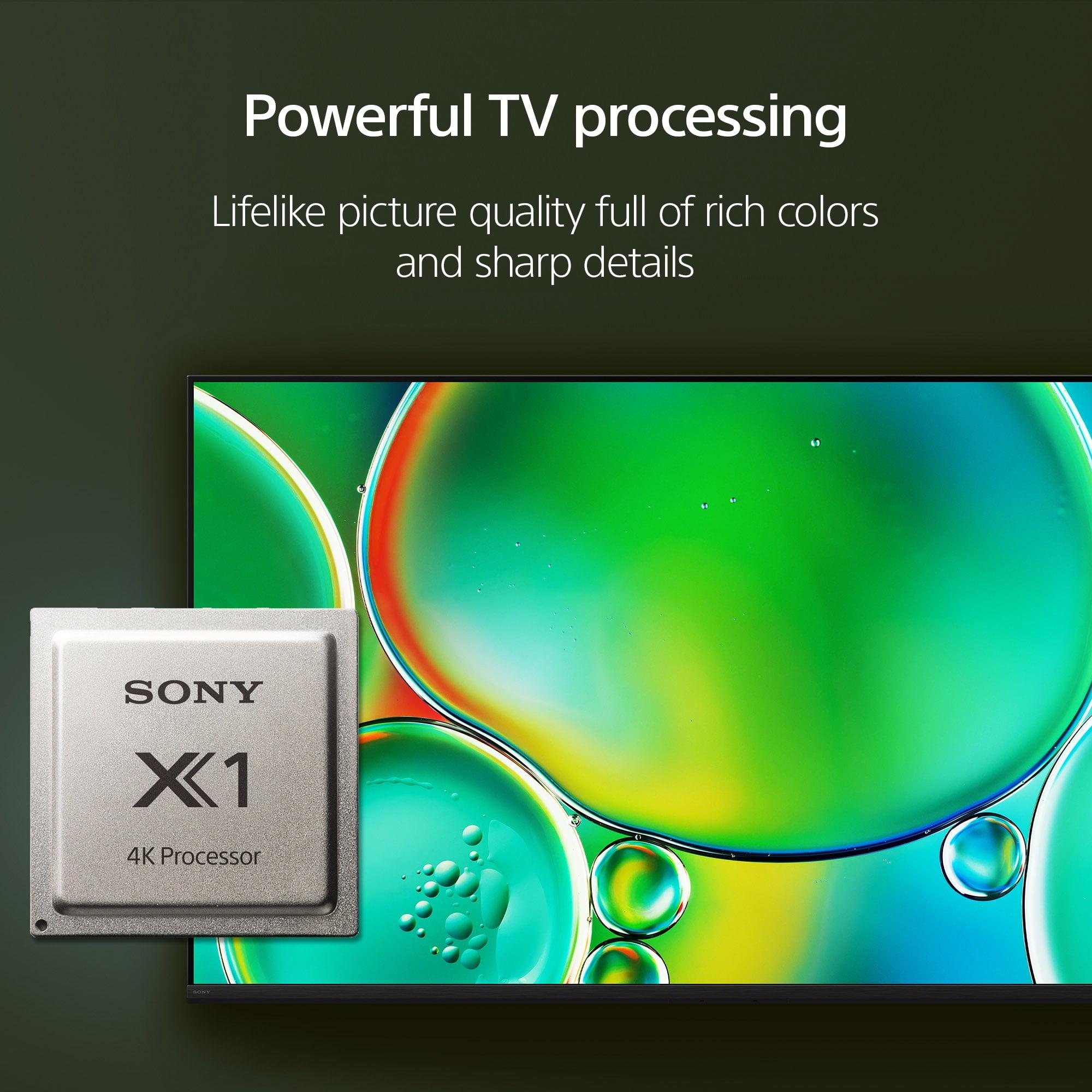
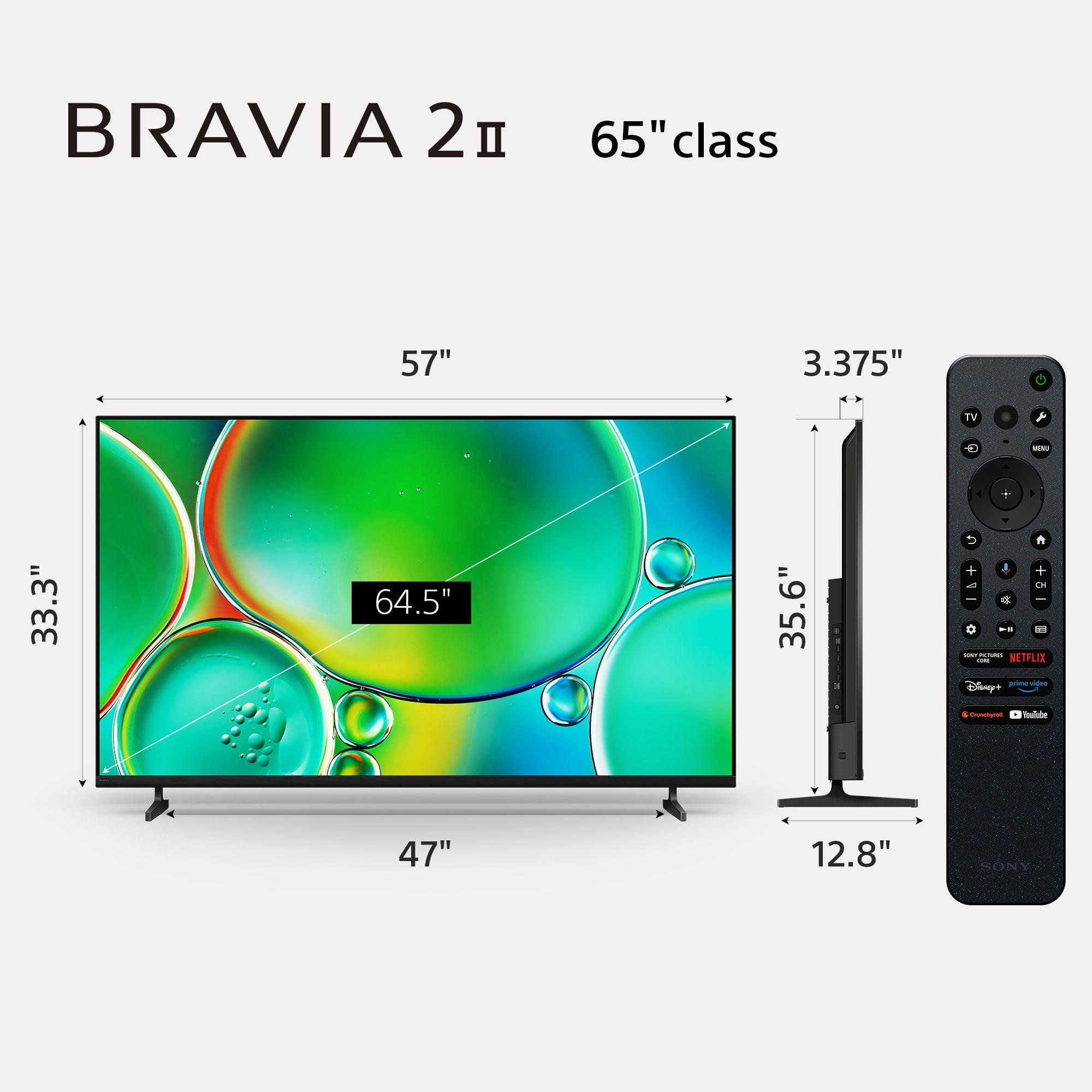
Released in 2025, the Sony BRAVIA 2 II 65" 4K LED Google TV represents Sony's strategy to make their renowned picture processing accessible to budget-conscious consumers. This model uses the 4K Processor X1, which previously appeared in higher-end Sony TVs but has now been refined for entry-level models.
The timing of this release is significant. Sony recognized that many consumers want reliable 4K performance without paying premium prices for features they might not use. The BRAVIA 2 II includes essential modern features like HDR support, smart TV capabilities, and gaming enhancements while keeping costs down through strategic compromises.
Samsung's QN900D launched in early 2024 as their flagship 8K offering, representing the pinnacle of their Neo QLED technology. This TV showcases Samsung's commitment to pushing display technology forward, featuring their most advanced NQ8 AI Gen3 processor and Quantum Matrix Technology Pro.
The QN900D builds upon years of Mini LED development, where Samsung has gradually increased the number of dimming zones and improved brightness control. This 2024 model represents a significant leap in processing power, with the NQ8 processor being at least twice as fast as processors in Samsung's 4K models.
The most significant difference between these TVs lies in their backlighting technology. The Sony BRAVIA 2 II uses traditional direct LED backlighting, where a relatively small number of LEDs illuminate the entire screen. This approach works well for the price point but offers limited contrast control.
The Samsung QN900D employs Mini LED technology, using thousands of tiny LEDs arranged in precise zones. Think of it like having individual dimmer switches for different areas of your screen. When a movie scene shows bright stars against a dark sky, the Mini LED system can make the stars brilliant while keeping the surrounding areas truly dark. Traditional LED systems struggle with this, often creating a grayish glow around bright objects – an effect called "blooming."
Both TVs support HDR (High Dynamic Range), but they achieve it differently. HDR expands the range between the darkest and brightest parts of an image, making content look more like what your eyes see in real life.
The Sony BRAVIA 2 II supports HDR10 and HLG formats, which covers most streaming content. Its Live Color technology enhances the color palette, and in my experience testing Sony TVs, they typically excel at accurate, natural-looking colors. The X1 processor analyzes each scene and adjusts colors to appear more lifelike, though the TV's brightness limitations mean HDR content won't have the same impact as on premium models.
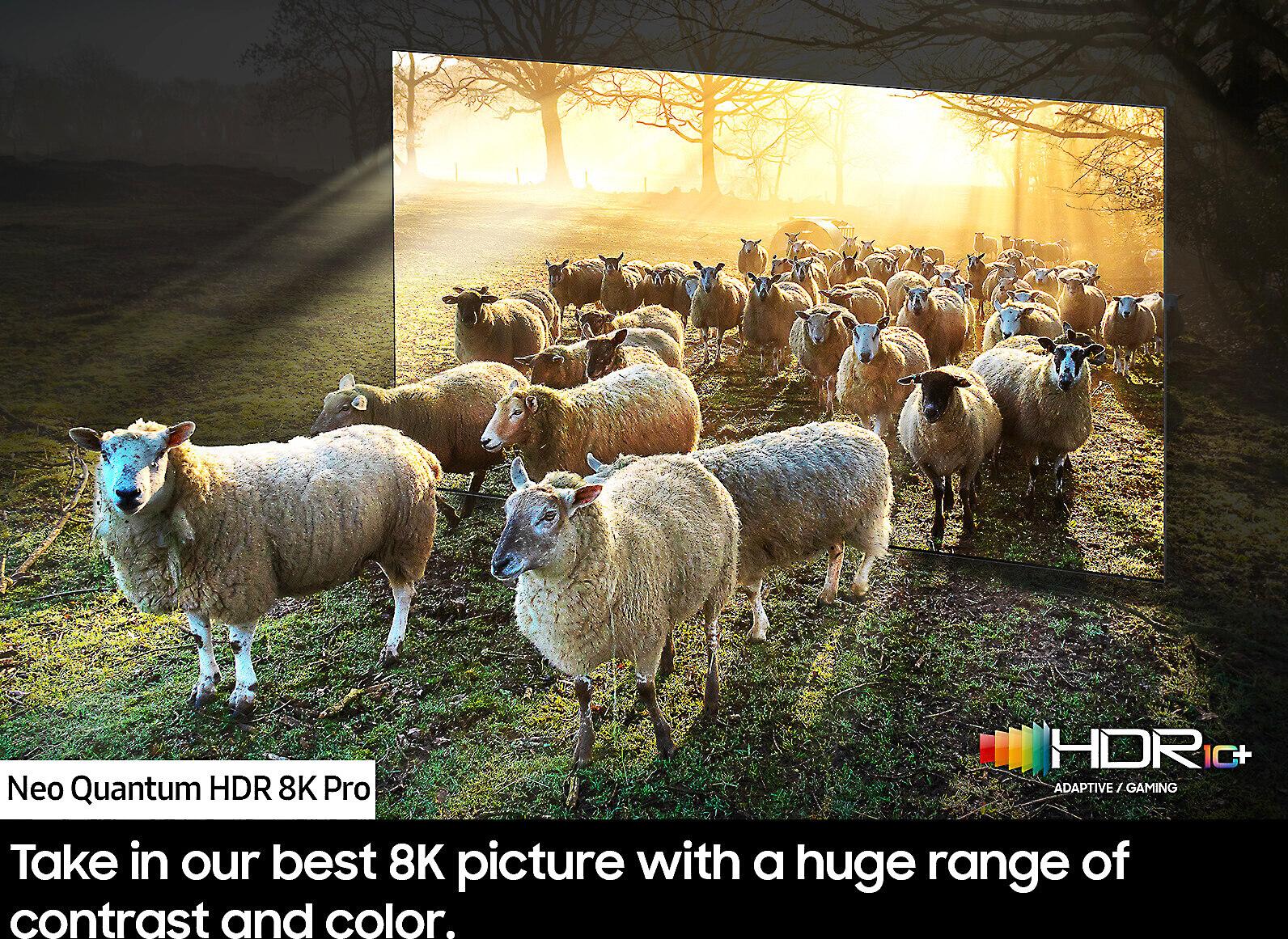
The Samsung QN900D takes HDR much further with support for HDR10+ (an enhanced version that adjusts brightness scene by scene) and peak brightness exceeding 2000 nits. For context, a typical LED TV might reach 400-600 nits, while the human eye can perceive brightness up to 10,000 nits. This extreme brightness capability means highlights like sunlight or explosions genuinely pop off the screen. However, Samsung notably doesn't support Dolby Vision, which is another popular HDR format found on many streaming services.
The resolution difference is where these TVs diverge most dramatically. The Sony BRAVIA 2 II delivers native 4K resolution (3840 x 2160 pixels), which remains the sweet spot for most content. Netflix, Amazon Prime, Disney+, and Ultra HD Blu-rays all max out at 4K, so you're not missing any detail.
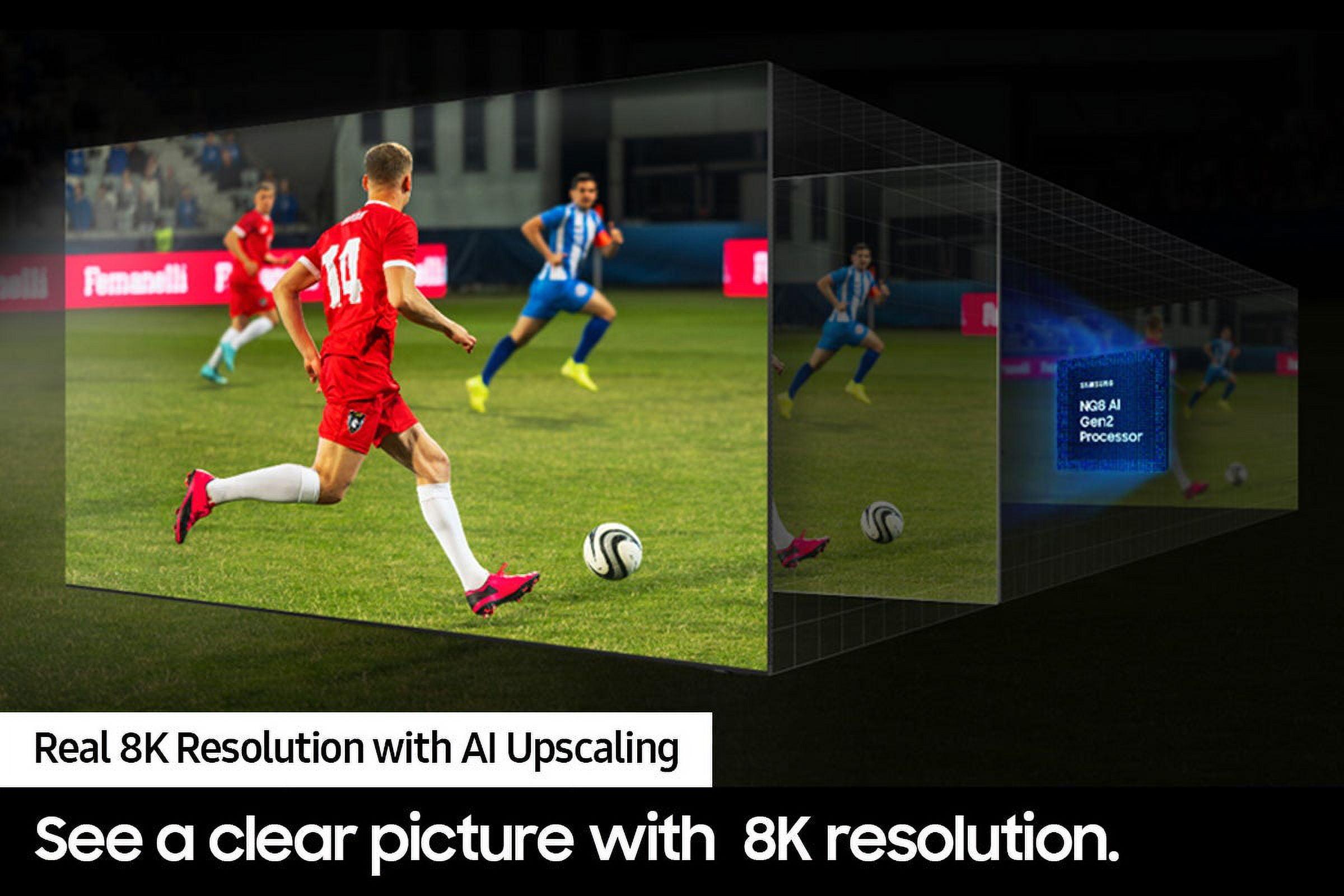
The Samsung QN900D quadruples this with 8K resolution (7680 x 4320 pixels). While native 8K content is extremely limited – mainly some YouTube videos and experimental footage – the real magic happens in upscaling. Samsung's NQ8 AI Gen3 processor uses artificial intelligence to analyze lower-resolution content and intelligently fill in the missing pixels.
I've spent considerable time testing 8K upscaling, and the results can be impressive. Watching a well-mastered 4K movie on the QN900D often reveals details you might miss on a standard 4K display. The AI processing can enhance textures, sharpen edges, and reduce artifacts. However, the improvement varies significantly depending on the source material's quality.
Gaming represents one of the largest performance gaps between these models. The Sony BRAVIA 2 II operates at 60Hz, which works fine for movies and most TV content but limits gaming performance. Modern consoles and PC games increasingly support 120Hz and higher refresh rates, which create smoother motion and can provide competitive advantages in fast-paced games.
The Samsung QN900D supports up to 240Hz refresh rates at 4K resolution, making it exceptional for gaming. This high refresh rate capability means each frame displays for less time, reducing motion blur and creating incredibly smooth gameplay. The difference is immediately noticeable in racing games, first-person shooters, and any content with quick camera movements.
Input lag – the delay between pressing a button and seeing the result on screen – can make or break gaming experiences. The Sony BRAVIA 2 II includes ALLM and dedicated gaming modes that reduce input lag to acceptable levels for casual gaming, though it lacks VRR support.
VRR synchronizes the TV's refresh rate with your gaming device's frame rate, eliminating screen tearing (when the image appears to split horizontally during fast motion). The Samsung QN900D supports all three VRR formats and maintains this synchronization across a wide range of frame rates, from very low to very high.
During my testing of similar Samsung models, the gaming experience feels noticeably more responsive and smooth. The QN900D's incredibly low input lag in Game Mode makes controller inputs feel nearly instantaneous.
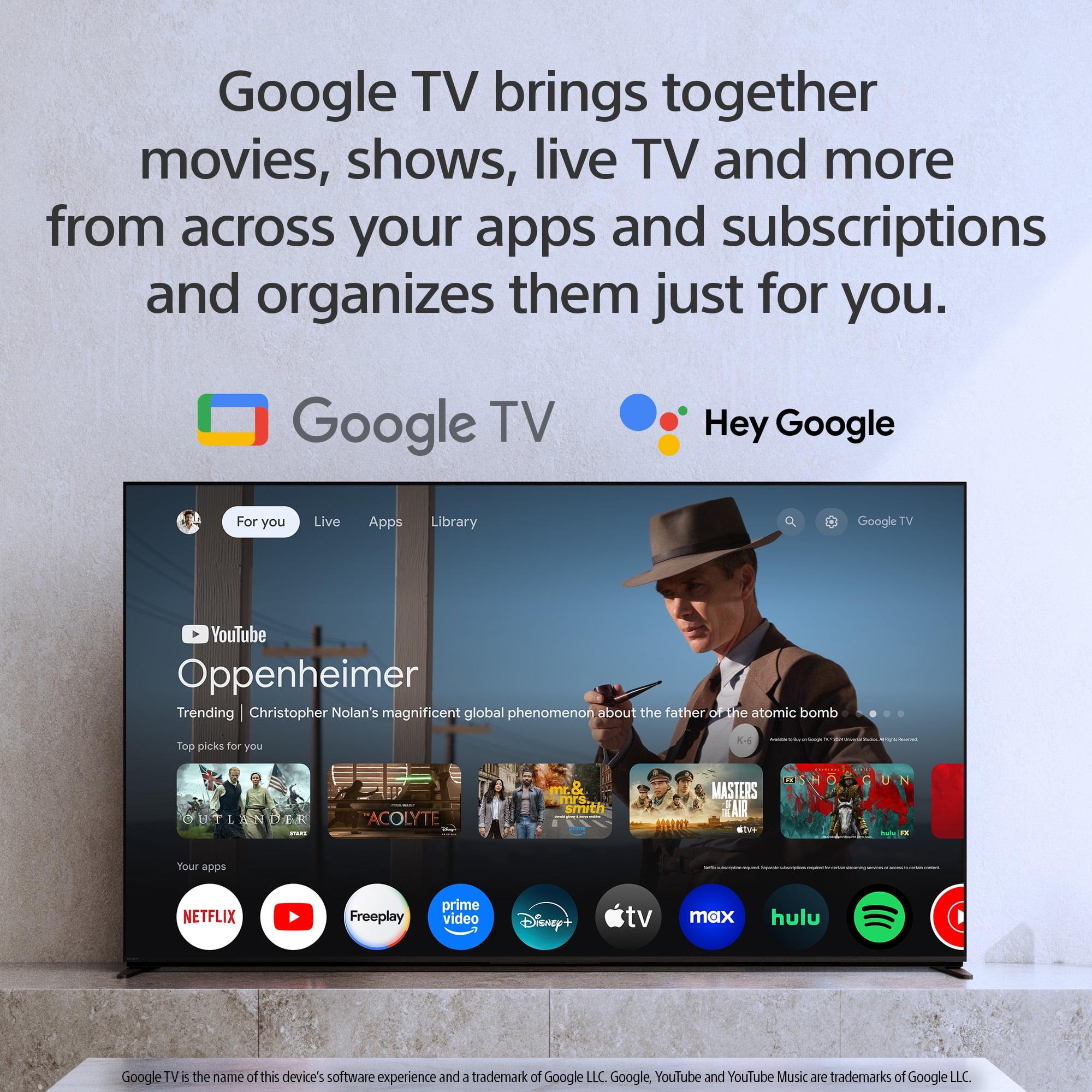
The Sony BRAVIA 2 II runs Google TV, which I find to be the most intuitive smart TV platform available. Google TV aggregates content from multiple streaming services, suggests shows based on your viewing history, and integrates seamlessly with Google services. The interface feels familiar to anyone who uses Android devices, and voice search through Google Assistant works remarkably well.
The Samsung QN900D uses Tizen OS, Samsung's proprietary smart TV platform. Tizen offers a sleek, modern interface with good performance, but it can feel more complex than Google TV. Samsung's strength lies in ecosystem integration – if you use Samsung phones, tablets, or other devices, the connectivity features work exceptionally well.
Both platforms provide access to major streaming services, but Google TV's content discovery feels more sophisticated. It surfaces relevant content across different apps, while Tizen requires more manual navigation between services.
The Samsung QN900D includes Samsung Gaming Hub, which allows cloud gaming without a console. This feature lets you play games from services like Xbox Game Pass or NVIDIA GeForce Now directly through the TV, though you'll need a compatible controller.
Most TV speakers struggle with the physics of sound reproduction. Thin TV profiles leave little space for large speakers, and the downward or rear-facing speaker placement often creates muffled audio.
The Sony BRAVIA 2 II includes two 10W speakers with Dolby Atmos and DTS:X support. While these audio formats can create immersive surround sound experiences, the TV's modest speakers can't fully utilize these technologies. The sound quality is adequate for casual viewing but feels thin during action sequences or music.
The Samsung QN900D takes audio more seriously with a 6.2.4 channel system producing 90W total output. This configuration includes dedicated speakers for different audio channels, creating a more immersive experience. Object Tracking Sound moves audio effects across the screen to match visual movement, which works surprisingly well for built-in speakers.
If you're planning a dedicated home theater setup, both TVs will likely connect to external audio systems. The Samsung QN900D's superior built-in audio provides more flexibility – you might be satisfied without additional speakers for casual viewing while still having the option to add a soundbar or receiver later.
For serious home theater enthusiasts, the Samsung QN900D's higher peak brightness and better contrast make it more suitable for dedicated dark room viewing. The Sony BRAVIA 2 II works well in mixed lighting conditions but may not provide the dramatic HDR impact expected in a theater environment.
The nearly $2,250 price difference between these models represents fundamentally different approaches to value. The Sony BRAVIA 2 II focuses on essential features executed well, while the Samsung QN900D prioritizes cutting-edge technology and premium performance.
Sony's approach makes sense for many consumers. If you primarily watch streaming content, don't game competitively, and want a reliable TV with good smart features, the BRAVIA 2 II delivers everything you need. The Google TV platform alone provides significant value through its intuitive interface and content discovery features.
Samsung's premium pricing reflects advanced display technology, future-proofing through 8K resolution, and superior gaming capabilities. The question becomes whether these features justify the additional cost for your specific needs.
Technology adoption follows predictable patterns. 4K content took several years to become mainstream after 4K TVs were introduced. 8K faces similar challenges, with limited content availability and massive bandwidth requirements for streaming.
The Sony BRAVIA 2 II provides excellent value for current content consumption but may feel outdated as gaming and streaming standards evolve. The 60Hz refresh rate could become limiting as more content supports higher frame rates.
The Samsung QN900D offers better future-proofing through 8K resolution and high refresh rate capabilities. However, you're paying today for features you might not fully utilize for several years.
The Sony BRAVIA 2 II excels as a practical choice that covers all the basics well. Its Google TV platform provides an excellent user experience, and Sony's reputation for color accuracy ensures your content looks natural and pleasing.
The Samsung QN900D represents the current pinnacle of TV technology, offering performance that won't feel outdated for many years.
These TVs serve completely different purposes in the market. The Sony BRAVIA 2 II delivers solid 4K performance with excellent smart features at an accessible price point, making it ideal for most consumers who want a reliable, user-friendly television. The Samsung QN900D pushes technological boundaries with 8K resolution, Mini LED backlighting, and advanced gaming features, but at a significant premium.
Your choice should align with your specific needs, budget, and how long you plan to keep the TV. Both represent quality options within their respective categories, but they're designed for very different users and use cases. Consider your viewing habits, gaming requirements, and budget constraints to determine which approach better fits your home entertainment needs.
| Sony BRAVIA 2 II 65" 4K LED Google TV | Samsung QN900D Series 65" Neo QLED 8K Smart TV |
|---|---|
| Price - The fundamental value consideration | |
| $649.99 (excellent budget option) | $2,897.00 (premium flagship pricing) |
| Display Technology - Determines picture quality and contrast | |
| Direct LED backlighting (basic local dimming) | Mini LED with Quantum Matrix Pro (thousands of dimming zones) |
| Resolution - Sharpness and future-proofing | |
| 4K (3840 x 2160) - perfect for current content | 8K (7680 x 4320) - future-proof but limited content |
| Peak Brightness - HDR impact and daytime viewing | |
| Moderate brightness (entry-level HDR) | 2000+ nits (exceptional HDR performance) |
| Refresh Rate - Gaming and motion smoothness | |
| 60Hz native (adequate for movies/TV) | Up to 240Hz at 4K (excellent for gaming) |
| Gaming Features - Console and PC gaming performance | |
| HDMI 2.1, ALLM, PS5 optimizations | Full VRR, extremely low input lag, 8K gaming |
| Smart Platform - User experience and app ecosystem | |
| Google TV (intuitive, excellent content discovery) | Tizen OS (sleek but more complex interface) |
| Audio System - Built-in sound quality | |
| 2x10W speakers, Dolby Atmos support | 6.2.4ch 90W system with Object Tracking Sound |
| Processor - Upscaling and AI features | |
| 4K Processor X1 (solid upscaling) | NQ8 AI Gen3 (advanced 8K AI upscaling) |
| HDR Support - Dynamic range and color accuracy | |
| HDR10, HLG, IMAX Enhanced | HDR10+, HLG (no Dolby Vision support) |
| Best For - Target user and use cases | |
| Budget-conscious families, casual viewers, Google ecosystem users | Tech enthusiasts, serious gamers, home theater setups |
The Sony BRAVIA 2 II 65" 4K LED Google TV at $649.99 provides exceptional value for budget-conscious buyers, offering solid 4K performance and Google TV smart features. The Samsung QN900D Series 65" Neo QLED 8K Smart TV at $2,897.00 justifies its premium price with cutting-edge Mini LED technology and 8K resolution, but costs nearly 4.5 times more.
The Samsung QN900D delivers significantly superior picture quality with Mini LED backlighting, 8K resolution, and 2000+ nits peak brightness for exceptional HDR performance. The Sony BRAVIA 2 II uses traditional LED backlighting with 4K resolution and moderate brightness, providing good picture quality for the price but lacking the contrast and brightness capabilities of premium models.
The Samsung QN900D is substantially better for gaming with up to 240Hz refresh rate at 4K, full VRR support, and extremely low input lag. The Sony BRAVIA 2 II offers basic gaming features with 60Hz refresh rate and ALLM support, suitable for casual gaming but lacking advanced features serious gamers need.
Both TVs offer excellent smart features but different approaches. The Sony BRAVIA 2 II runs Google TV with intuitive content discovery and seamless integration with Google services. The Samsung QN900D uses Tizen OS with a sleek interface and Samsung Gaming Hub for cloud gaming, though it's more complex to navigate.
The Samsung QN900D has significantly better audio with a 6.2.4 channel 90W system featuring Object Tracking Sound and true Dolby Atmos. The Sony BRAVIA 2 II includes basic 2x10W speakers with Dolby Atmos support, adequate for casual viewing but a soundbar is recommended for optimal audio.
8K content remains extremely limited, making the Samsung QN900D's 8K resolution more about future-proofing than immediate benefits. The Sony BRAVIA 2 II's 4K resolution perfectly matches current streaming services and Ultra HD Blu-rays, providing excellent value without paying for features you can't fully use yet.
The Samsung QN900D is superior for dedicated home theaters with its exceptional peak brightness, better contrast from Mini LED technology, and premium audio system. The Sony BRAVIA 2 II works well in mixed lighting but may not provide the dramatic HDR impact expected in a dark room theater environment.
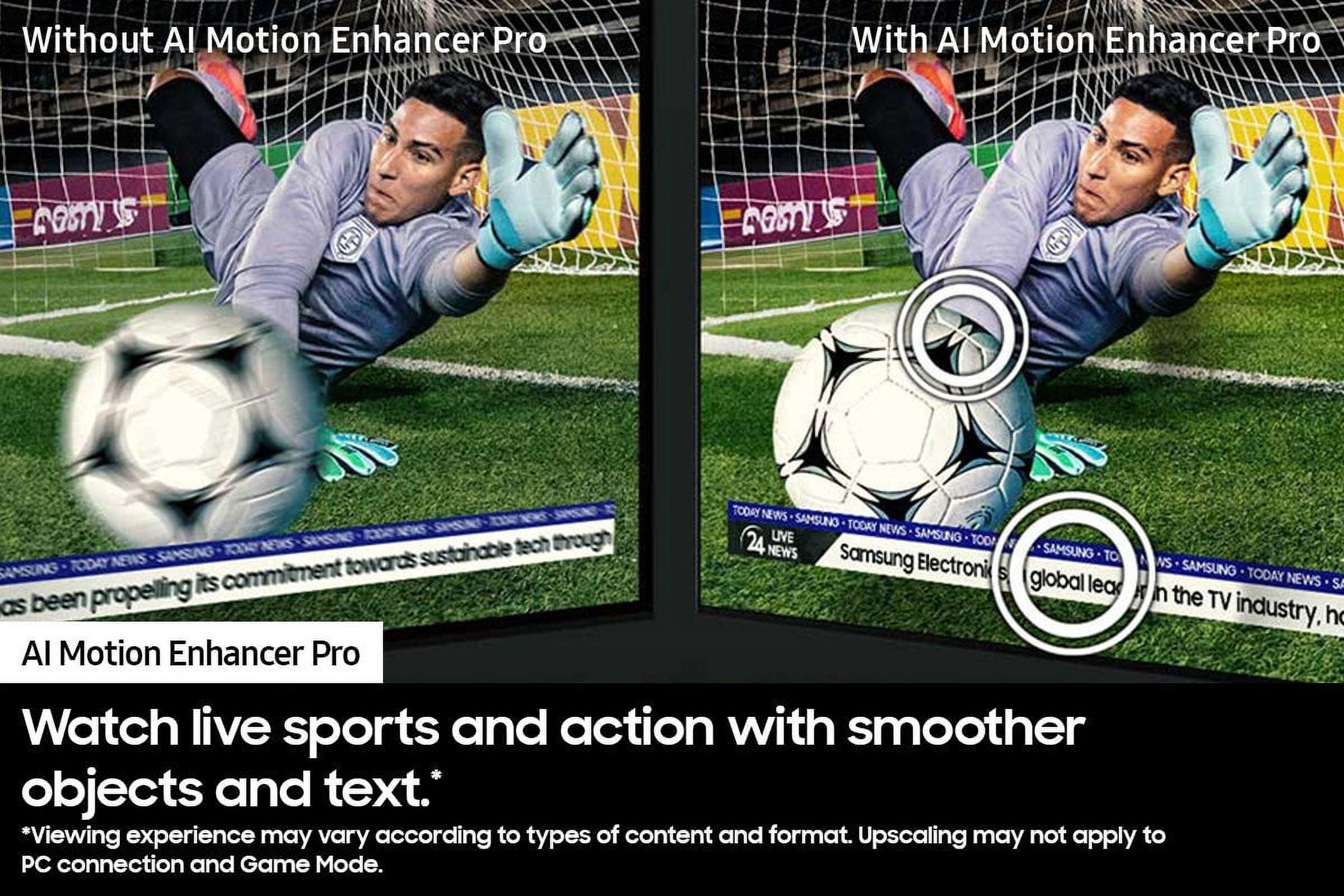
The Samsung QN900D offers up to 240Hz refresh rate, providing incredibly smooth motion for sports and action content. The Sony BRAVIA 2 II operates at 60Hz, which is perfectly adequate for movies and most TV content but may show more motion blur during fast-paced sports.
The Samsung QN900D offers better future-proofing with 8K resolution, high refresh rate capabilities, and premium build quality designed for longevity. The Sony BRAVIA 2 II provides excellent current performance but may feel outdated sooner as gaming and streaming standards evolve toward higher refresh rates.
The Samsung QN900D excels in HDR with 2000+ nits peak brightness and HDR10+ support, making bright highlights truly pop. The Sony BRAVIA 2 II supports HDR10 and HLG with moderate brightness levels, providing a good HDR experience but without the dramatic impact of premium models.
The Sony BRAVIA 2 II lacks VRR support, high refresh rates, and advanced local dimming found in premium models. The Samsung QN900D notably doesn't support Dolby Vision HDR format, which is common on streaming services, and its Tizen interface may be less intuitive than Google TV for some users.
Choose the Sony BRAVIA 2 II if you want excellent 4K performance, user-friendly Google TV, and solid value under $700. Select the Samsung QN900D if you can afford the $2,897 price tag and want flagship picture quality, advanced gaming features, and cutting-edge technology for a premium home entertainment experience.
We've done our best to create useful and informative comparisons to help you decide what product to buy. Our research uses advanced automated methods to create this comparison and perfection is not possible - please contact us for corrections or questions. These are the sites we've researched in the creation of this article: bestbuy.com - notebookcheck.net - rtings.com - youtube.com - youtube.com - rtings.com - avsforum.com - croma.com - totonstv.com - electronics.sony.com - listenup.com - pcrichard.com - youtube.com - flanners.com - brandsmartusa.com - displayspecifications.com - pioneertvandappliance.com - donstv.com - rtings.com - videoandaudiocenter.com - bestbuy.com - avsforum.com - bestbuy.com - walts.com - images.samsung.com - samsung.com - merlinstv.com - samsung.com - avsforum.com - samsung.com

Privacy Policy
Terms and Conditions - Affiliate Policy
Home Security
© Copyright 2008-2026.
11816 Inwood Rd #1211, Dallas, TX 75244