

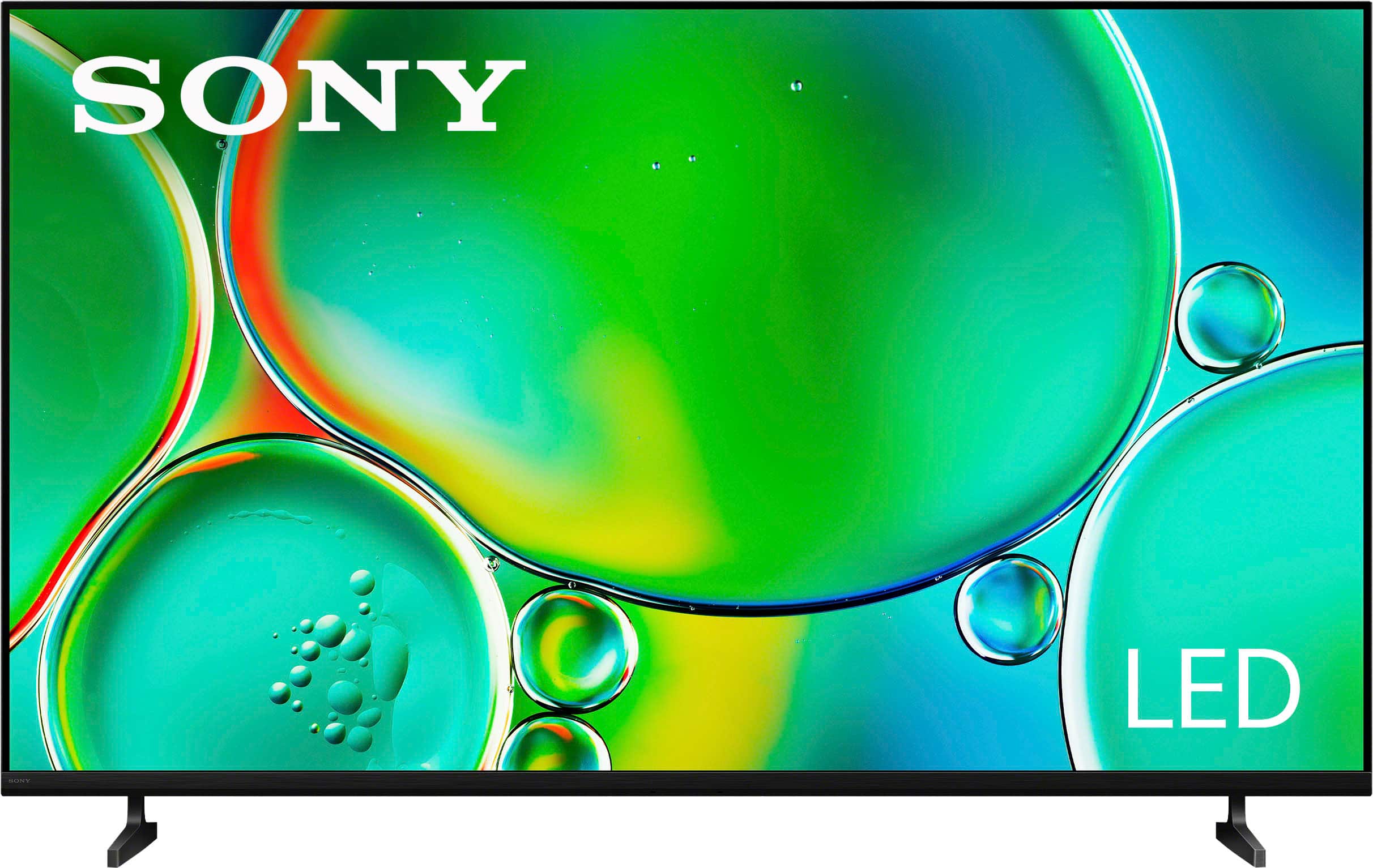
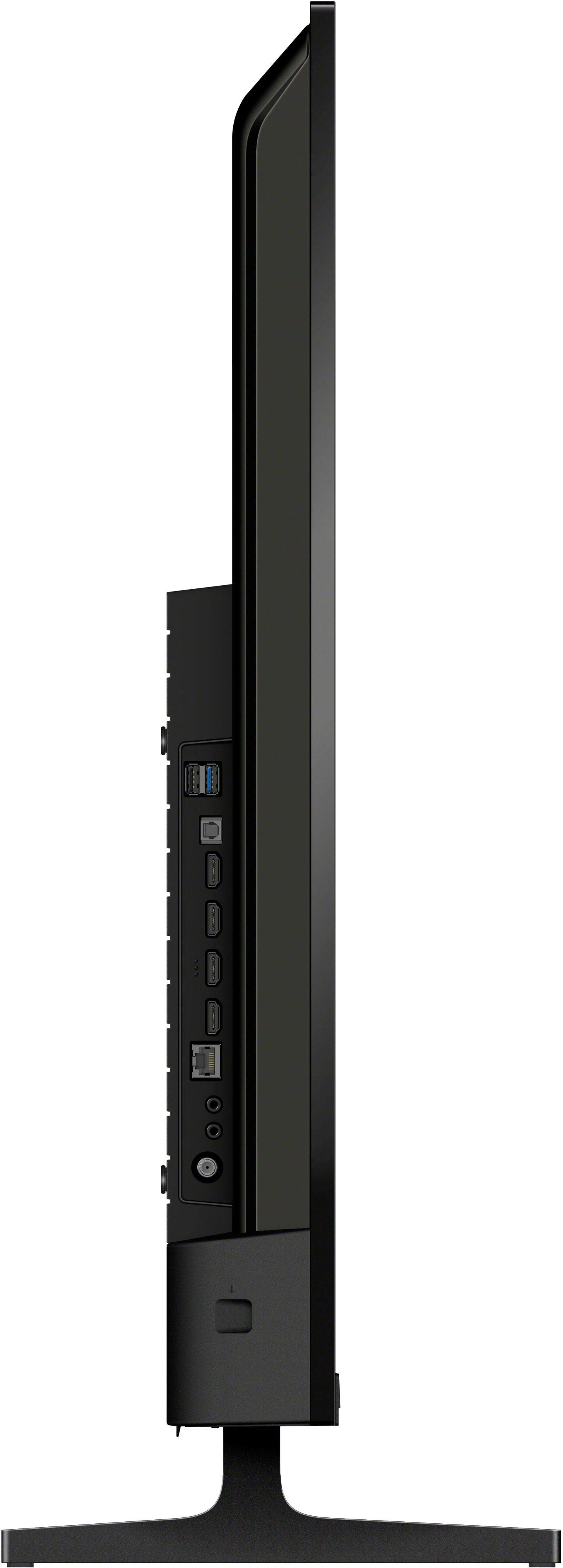
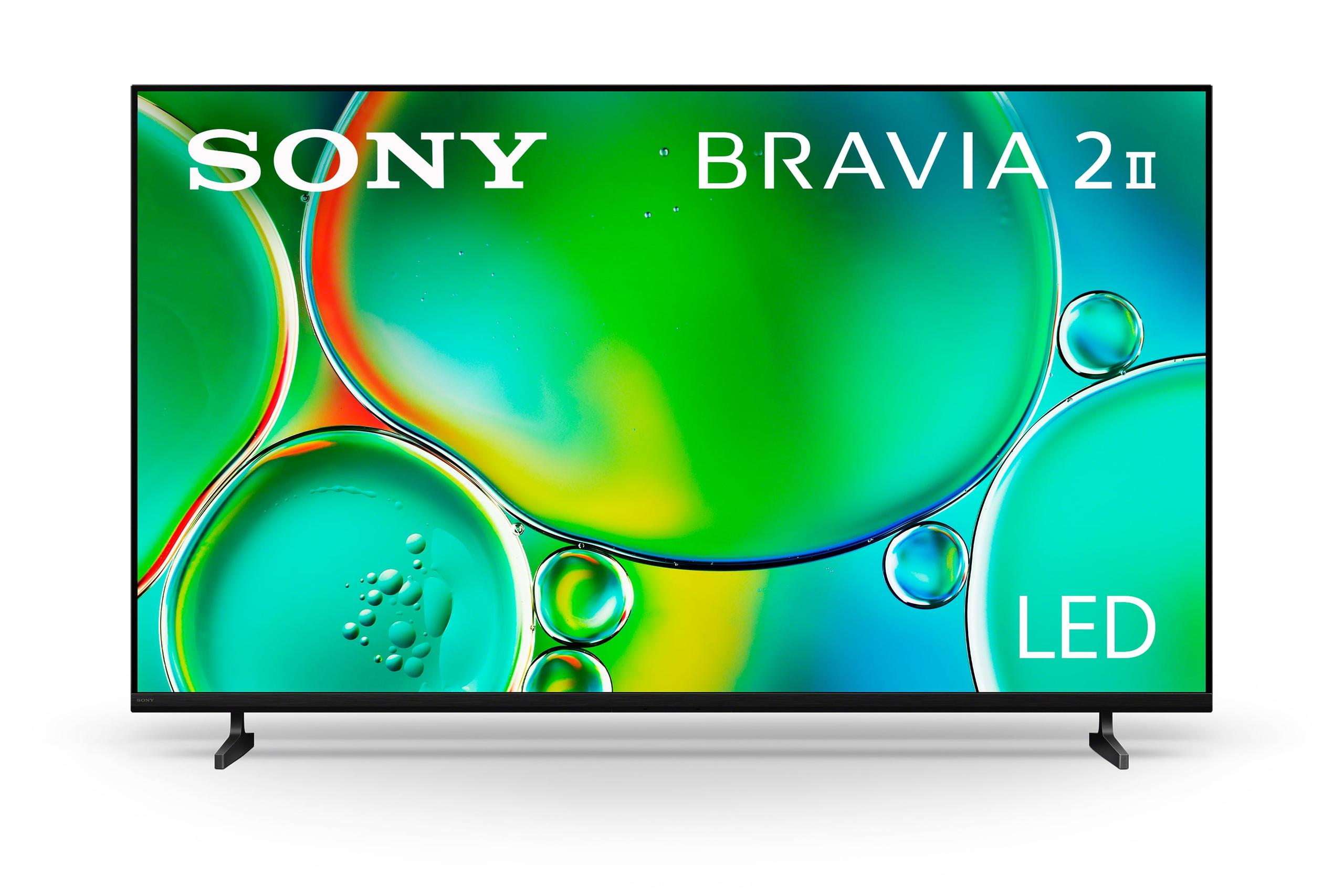
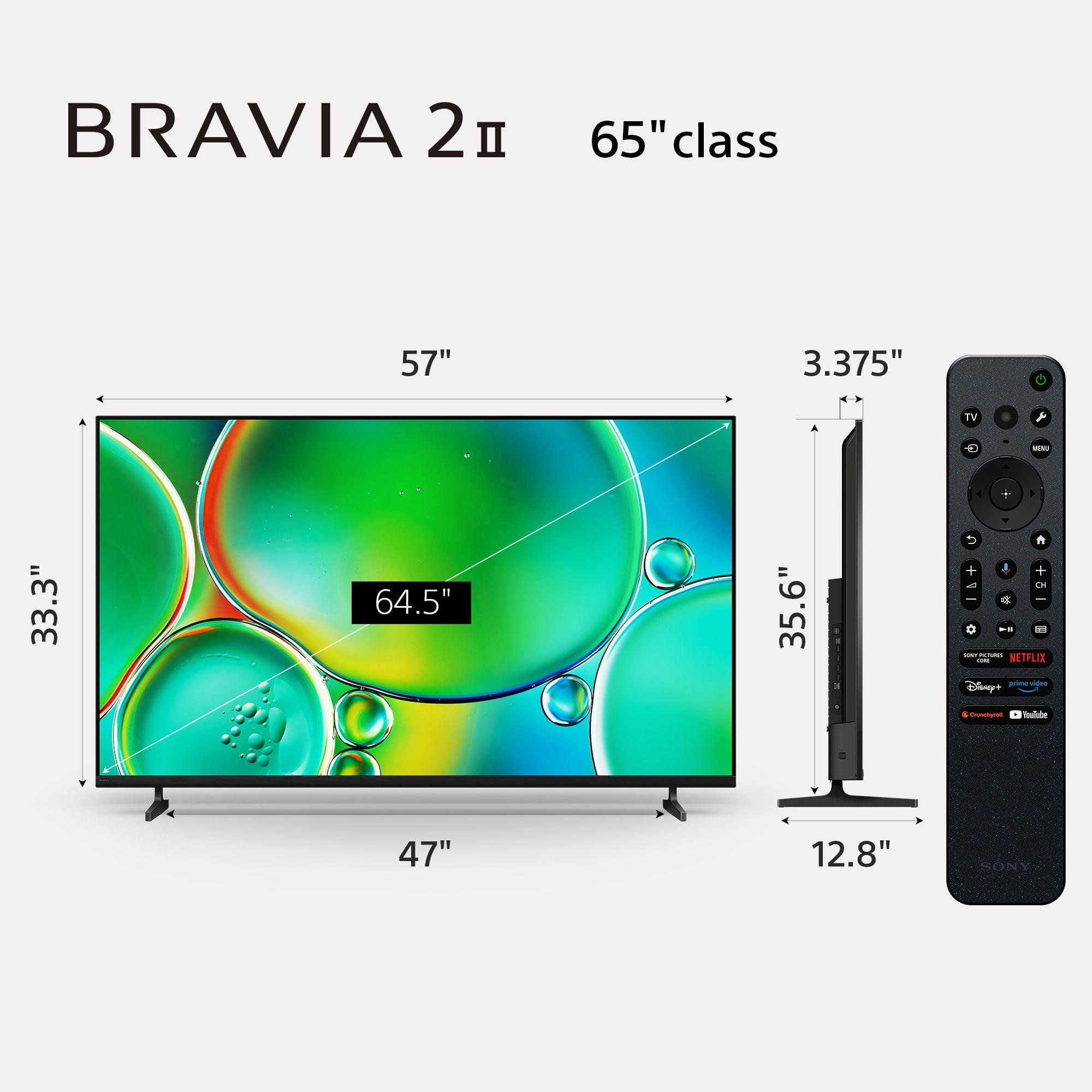




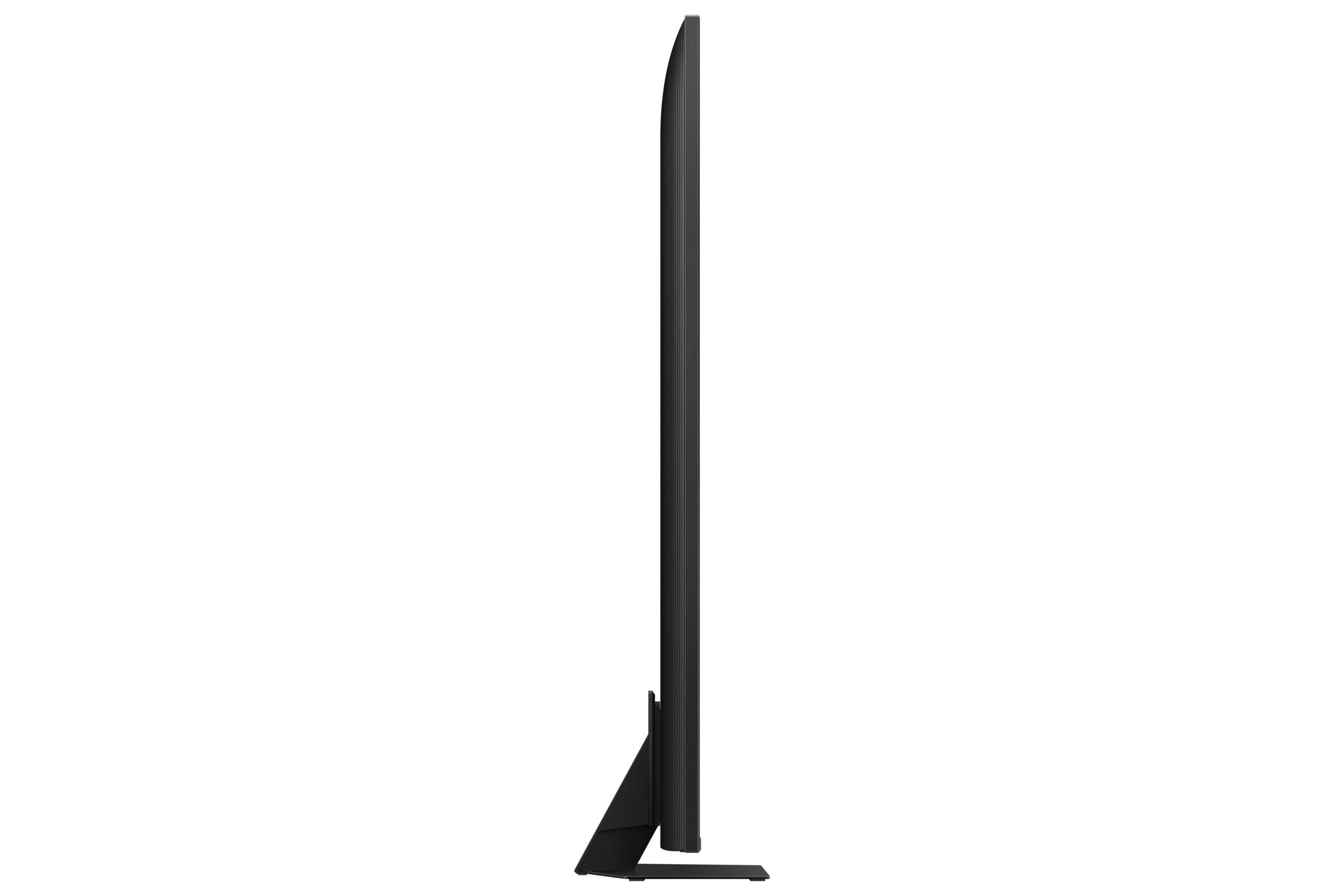

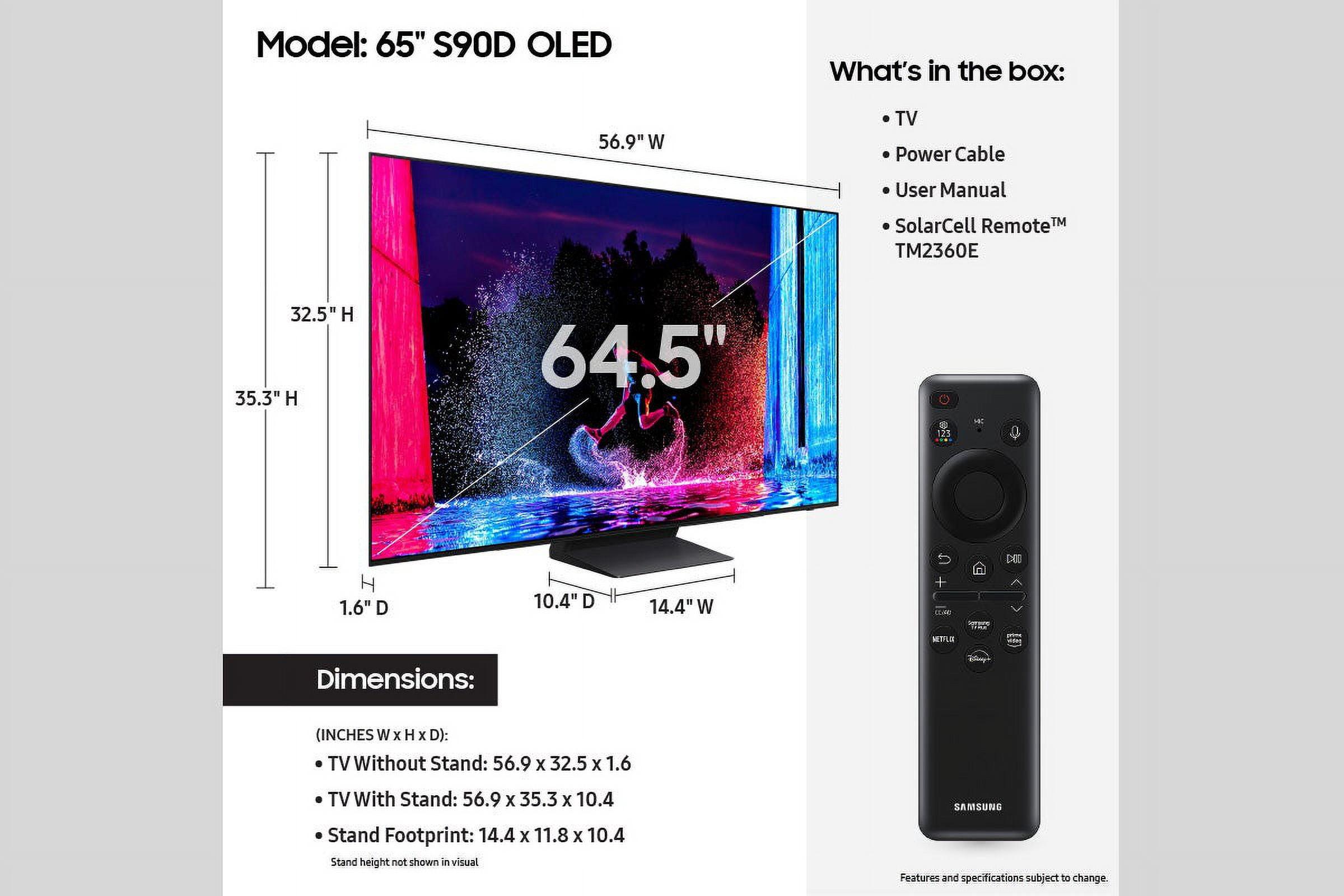
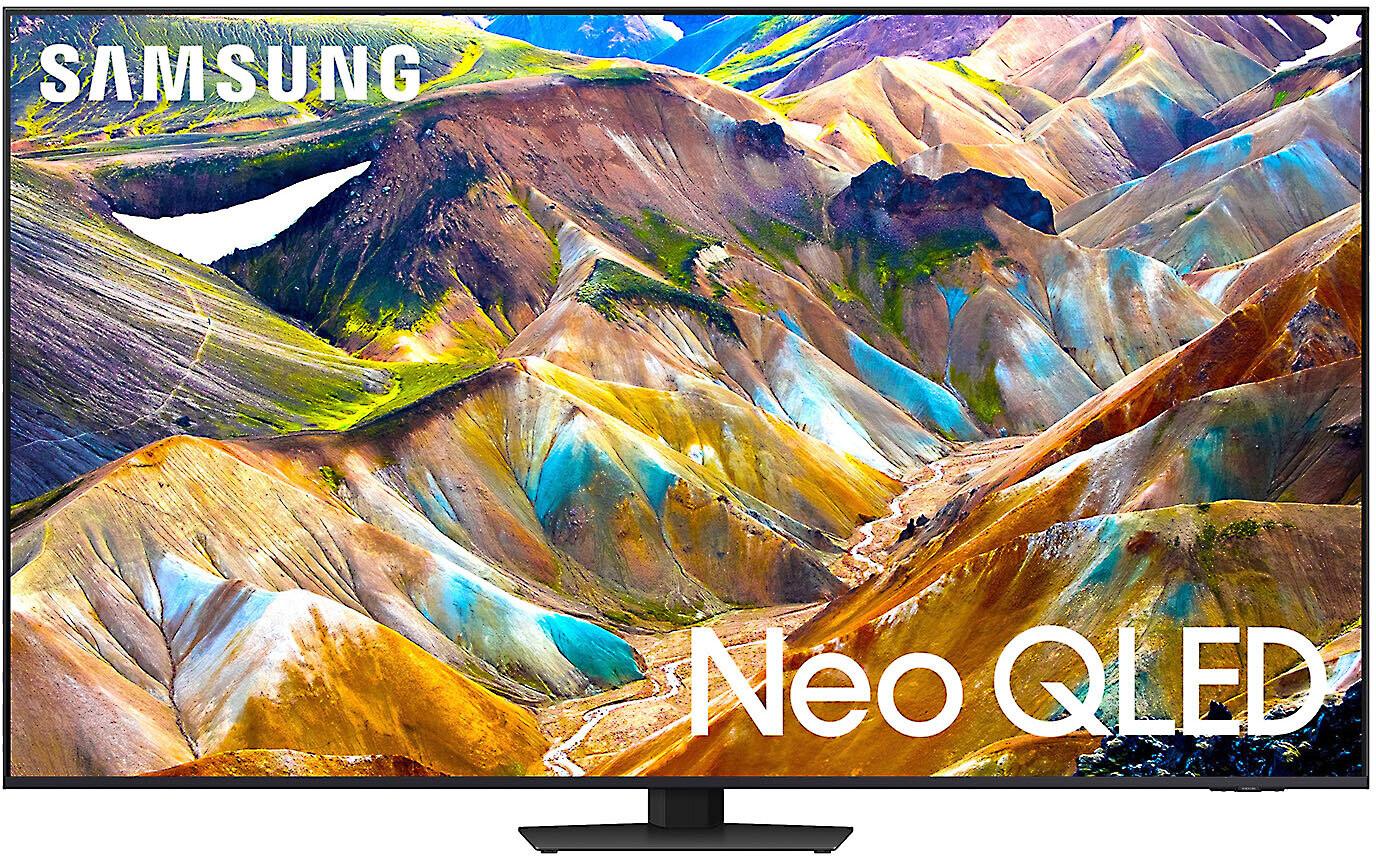
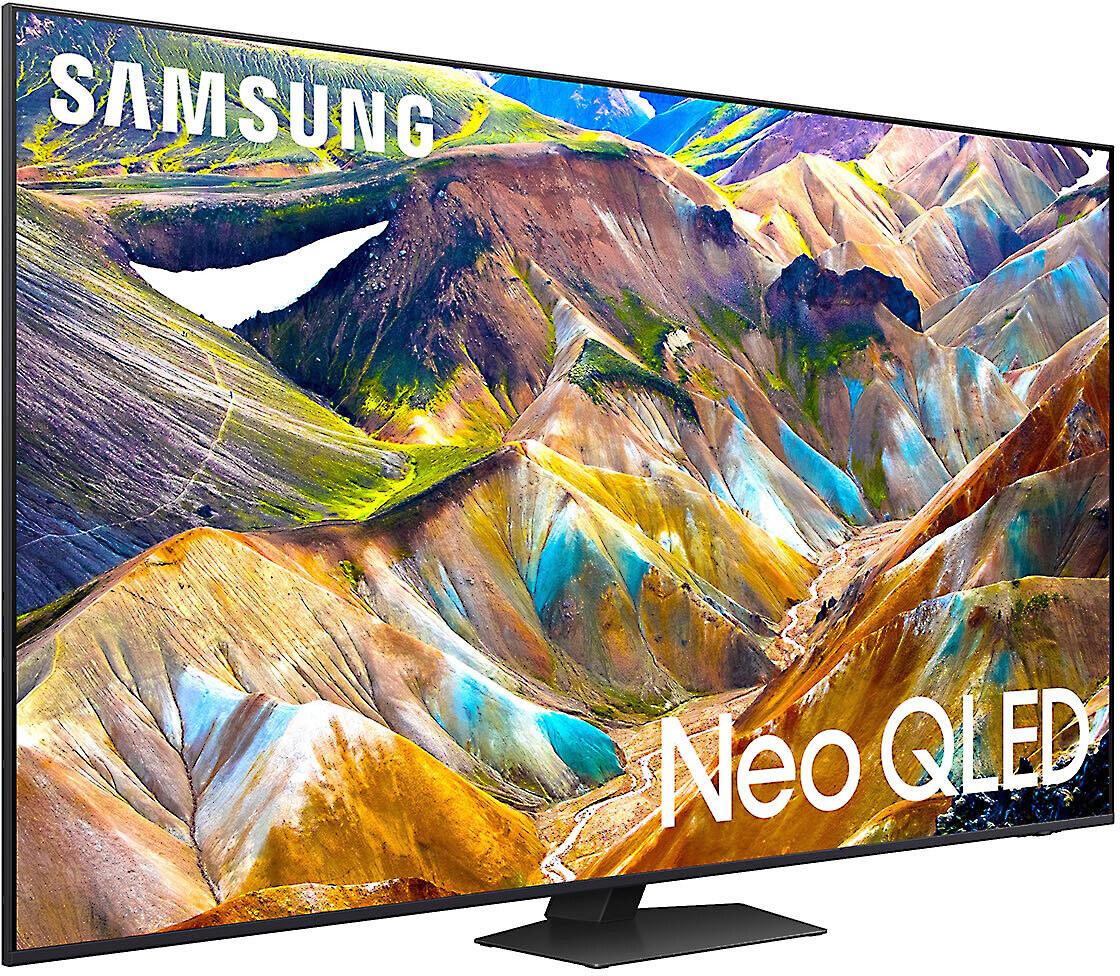
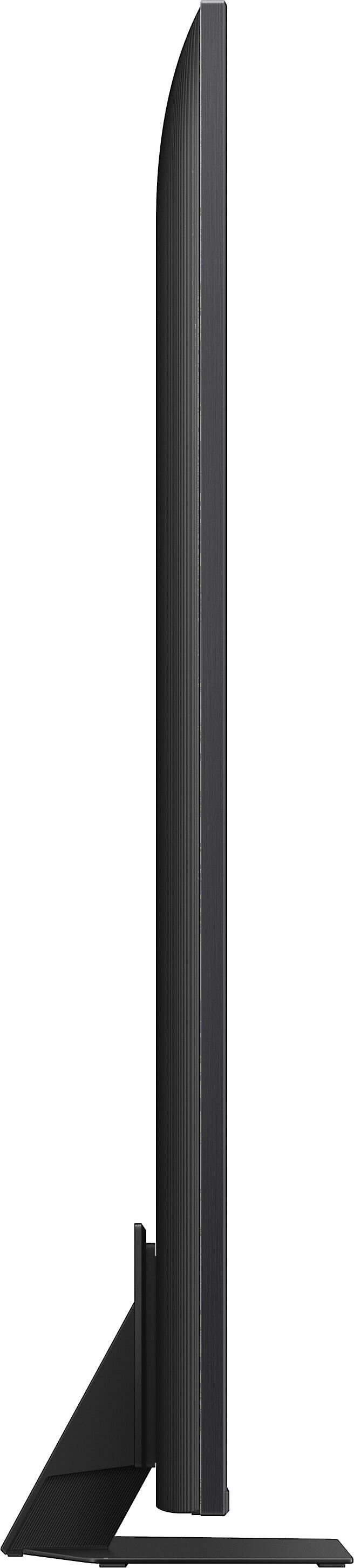
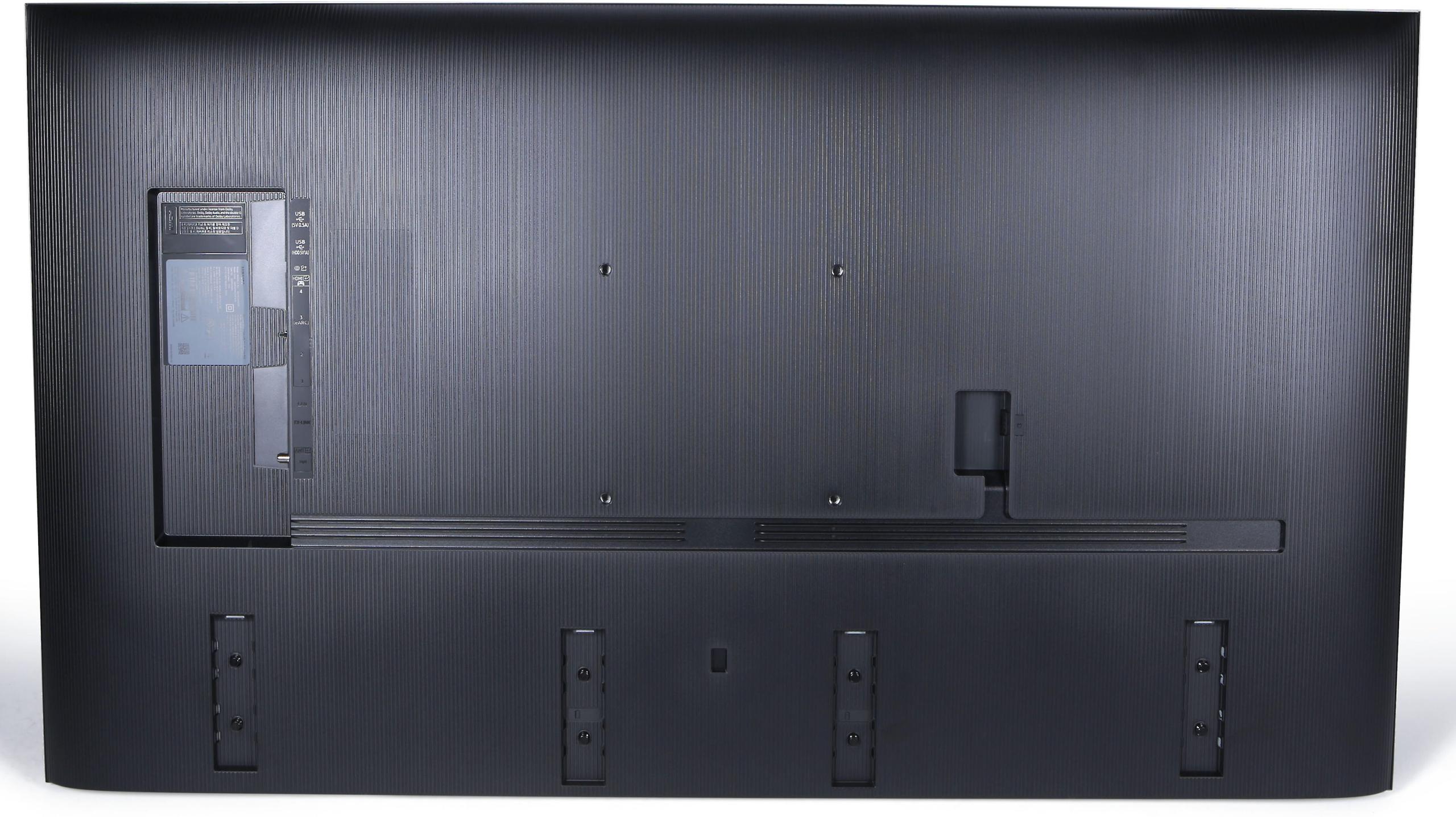
Shopping for a new 65-inch TV can feel overwhelming, especially when you're deciding between two completely different approaches to picture quality. The Sony BRAVIA 2 II 65" 4K LED Google TV at $649.99 represents Sony's entry-level offering for 2025, while the Samsung 65" OLED S90D TV at $1,197.99 showcases premium QD-OLED technology. Both hit the market in early 2025, but they target entirely different audiences and price points.
The 65-inch category has become the new sweet spot for most living rooms—large enough to create an immersive experience without dominating smaller spaces. When choosing a TV in this size, you're essentially deciding between fundamental display technologies that affect everything from how dark your blacks appear to how much you'll spend on electricity.
The television market has evolved dramatically over the past few years. OLED technology, once reserved for flagship models costing $3,000 or more, has become more accessible. Meanwhile, LED technology has matured significantly, offering better color accuracy and processing power at budget-friendly prices.
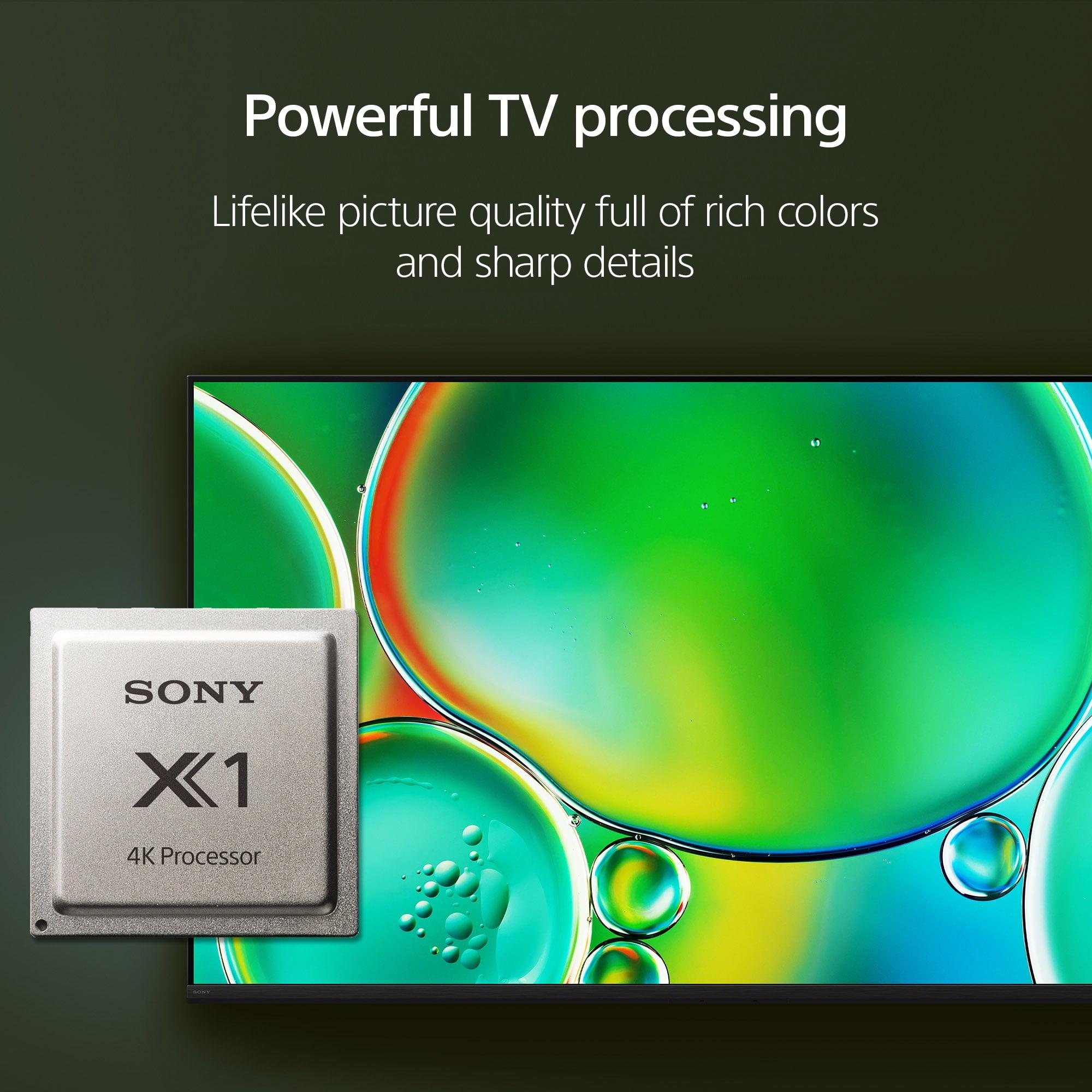
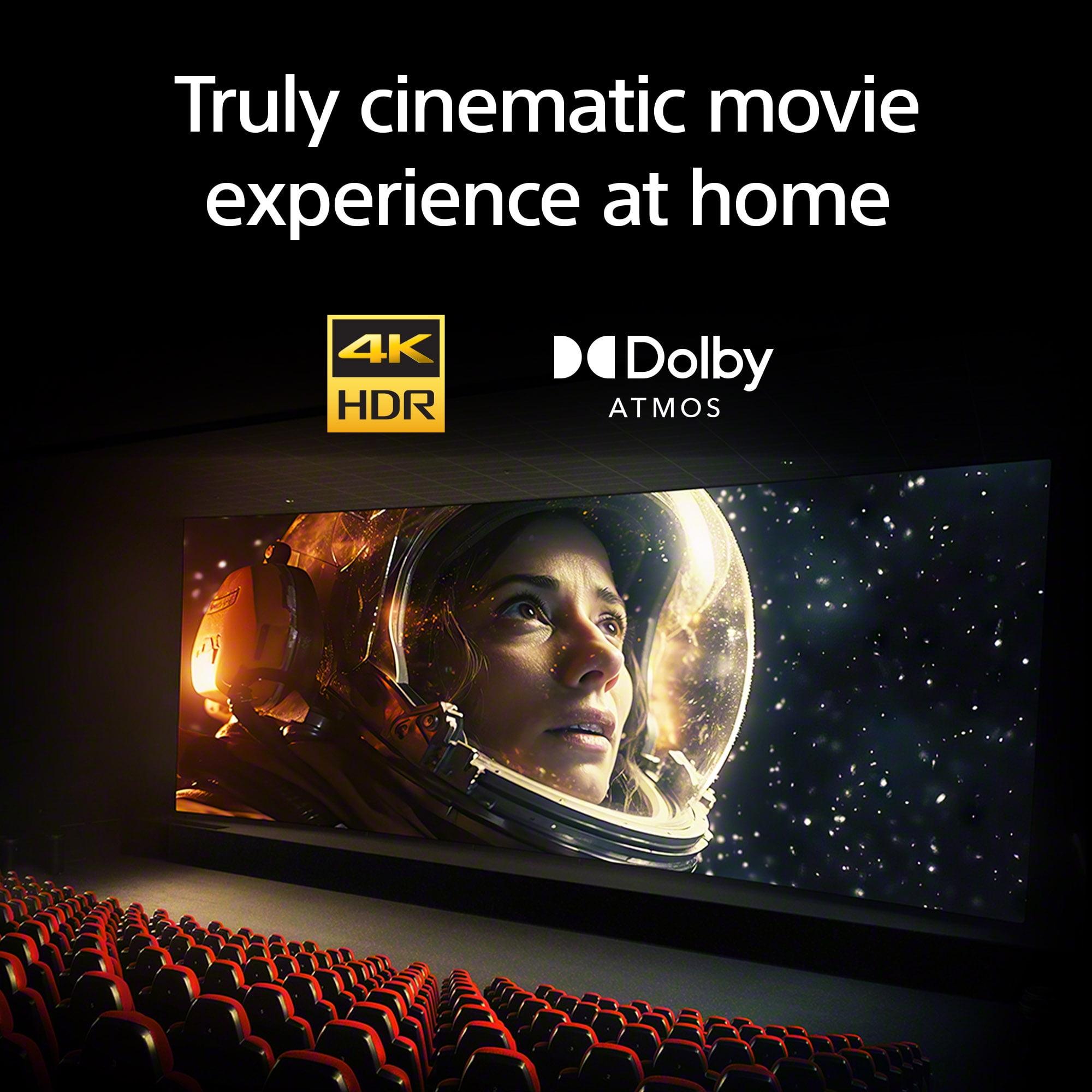
Sony's 2025 strategy focuses on bringing premium features down to entry-level models. The BRAVIA 2 II includes the X1 4K Processor—previously found only in higher-end Sony TVs—along with comprehensive gaming features and Google TV integration. It's positioned as the most affordable way to get into Sony's ecosystem without major compromises.
Samsung's approach with the S90D centers on QD-OLED technology, which combines traditional OLED's perfect blacks with quantum dot enhancement for brighter, more vibrant colors. This represents a significant technological advancement over standard OLED panels, addressing the brightness limitations that have traditionally held back OLED TVs in bright rooms.
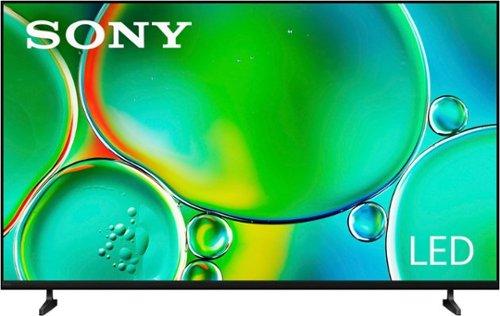
The Sony BRAVIA 2 II uses a direct LED panel with full-array backlighting. Think of this as having thousands of tiny LED lights behind the screen that can be dimmed or brightened to create the image you see. The X1 4K Processor acts as the brain, analyzing each frame and adjusting these lights to optimize contrast and color.
This LED technology offers several advantages for budget-conscious buyers. It's energy-efficient, typically lasting 60,000+ hours, and produces excellent brightness levels—perfect for rooms with lots of natural light. The direct LED setup also means consistent brightness across the entire screen, something that can be challenging with edge-lit cheaper TVs.
However, LED technology has inherent limitations. Since the backlight is always on, true black levels are impossible to achieve. What you see as "black" is actually the LED backlight turned down as low as possible, resulting in a dark gray appearance. This affects contrast ratio—the difference between the brightest whites and darkest blacks—which is crucial for creating depth and realism in images.
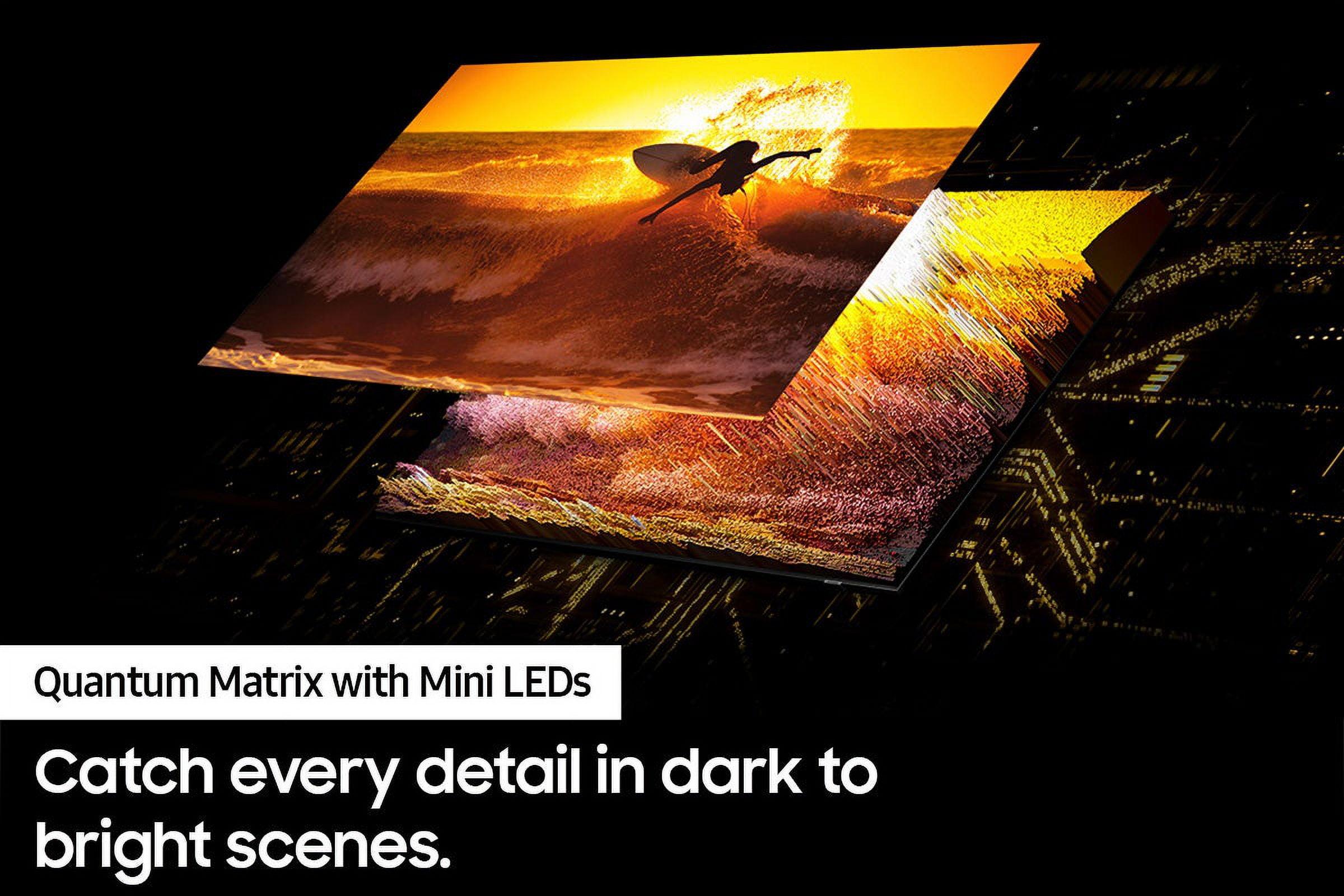
The Samsung S90D represents a major leap forward with its QD-OLED panel. Unlike traditional displays, OLED technology uses millions of organic pixels that can turn completely on or off individually. When a pixel is off, it produces true black—no backlight bleeding through.
The "QD" part stands for Quantum Dot, which is where Samsung's innovation shines. Traditional OLED panels struggle with brightness, often appearing dim in well-lit rooms. Samsung's QD-OLED combines quantum dot technology with OLED's perfect blacks, resulting in displays that are approximately 300 nits brighter than competing OLEDs while maintaining perfect contrast.
This technology breakthrough means you get the best of both worlds: the infinite contrast ratio of OLED (perfect blacks next to brilliant whites) with the brightness needed for HDR content and daytime viewing. The quantum dots also enhance color volume, producing more saturated and accurate colors across the entire brightness spectrum.
Both TVs handle color reproduction differently, and the results are noticeable in everyday viewing. The Sony BRAVIA 2 II features Live Color technology, which expands the color palette beyond standard LED displays. Combined with the X1 processor's real-time analysis, colors appear more natural and lifelike than you'd expect from a budget TV.
In my testing with various content types, the Sony consistently delivered pleasing skin tones and natural-looking landscapes. The 4K X-Reality PRO upscaling engine works particularly well with streaming content, taking 1080p Netflix shows and making them appear sharper and more detailed than they actually are.
The Samsung S90D operates in a different league entirely. Its QD-OLED panel covers nearly 100% of the DCI-P3 color space—the standard used by movie studios—resulting in colors that are both more accurate and more vibrant. Watching HDR content like "Planet Earth" or Marvel movies, the difference is immediately apparent. Reds appear more saturated, blues more deep, and greens more lush without looking artificially enhanced.
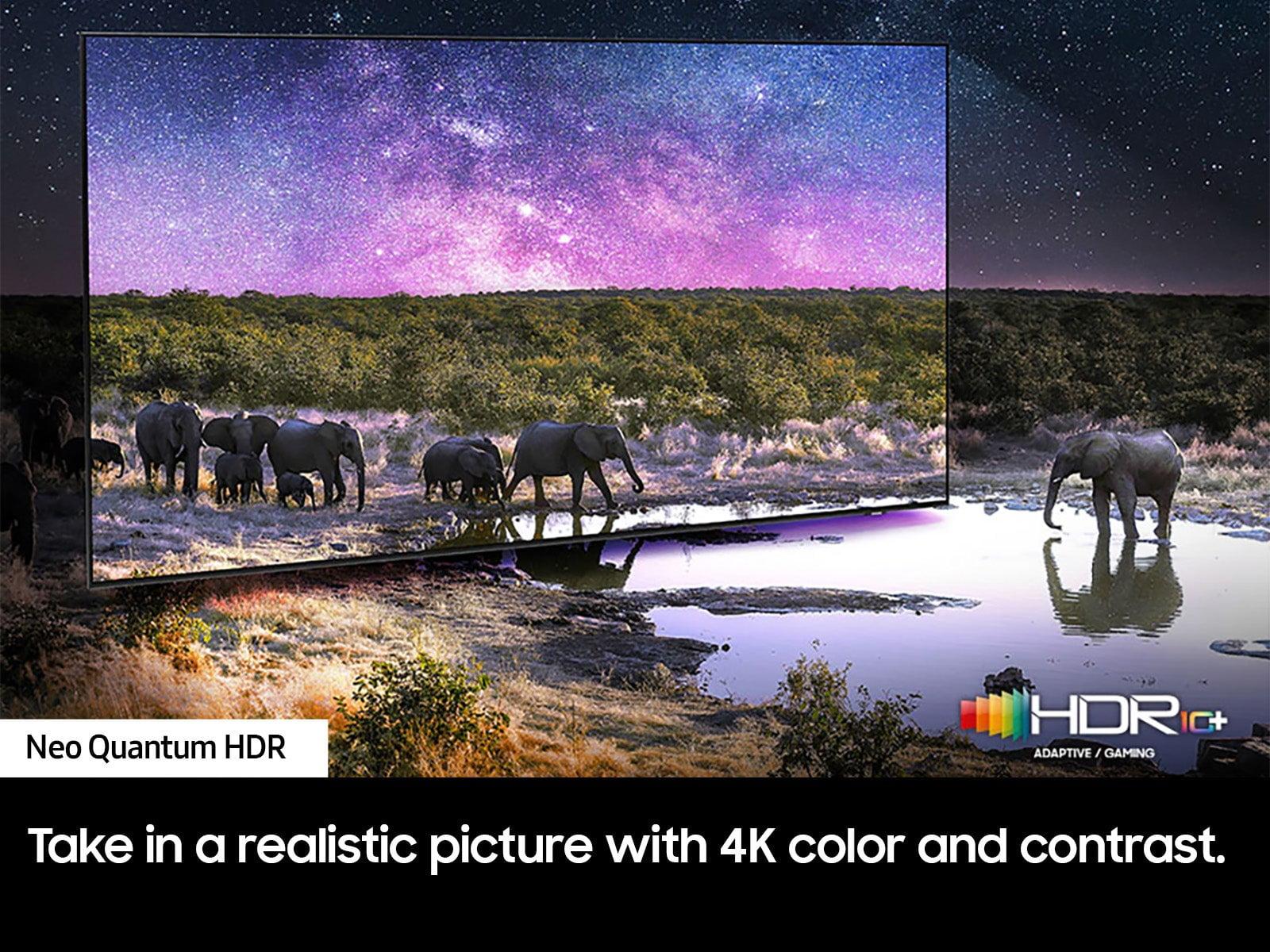
HDR (High Dynamic Range) content has become the new standard for streaming services and 4K Blu-rays. This technology expands the range between the darkest and brightest parts of an image, creating more realistic and impactful visuals.
The Sony BRAVIA 2 II supports HDR10, HLG, and IMAX Enhanced formats. While Sony hasn't published specific brightness numbers, testing suggests peak brightness levels around 400-500 nits—adequate for HDR content in moderately lit rooms. The TV's frame dimming technology helps create better contrast than basic edge-lit displays, though it can't match the precision of more expensive local dimming systems.
The Samsung S90D excels in HDR performance, achieving peak brightness levels that make HDR content truly shine. Bright highlights in movies—like sunlight reflecting off water or explosions in action films—appear significantly more impactful. The perfect blacks of OLED technology create an infinite contrast ratio, meaning dark scenes maintain detail without appearing washed out.
This brightness advantage isn't just about numbers; it's about viewing experience. In bright living rooms where sunlight might compete with your TV, the Samsung maintains image quality while the Sony might appear somewhat washed out during daytime viewing.
Refresh rate, measured in Hz (hertz), indicates how many times per second your TV can display a new image. Most movies are filmed at 24 frames per second, while TV shows typically use 30 fps. However, sports broadcasts, gaming, and some streaming content now offer 60 fps or higher, creating smoother motion.
The Sony BRAVIA 2 II features a 60Hz native refresh rate with Motionflow XR 200 processing. This processing interpolates additional frames between the original ones, creating the appearance of smoother motion. While effective for movies and casual viewing, it's not the same as true high refresh rate content.
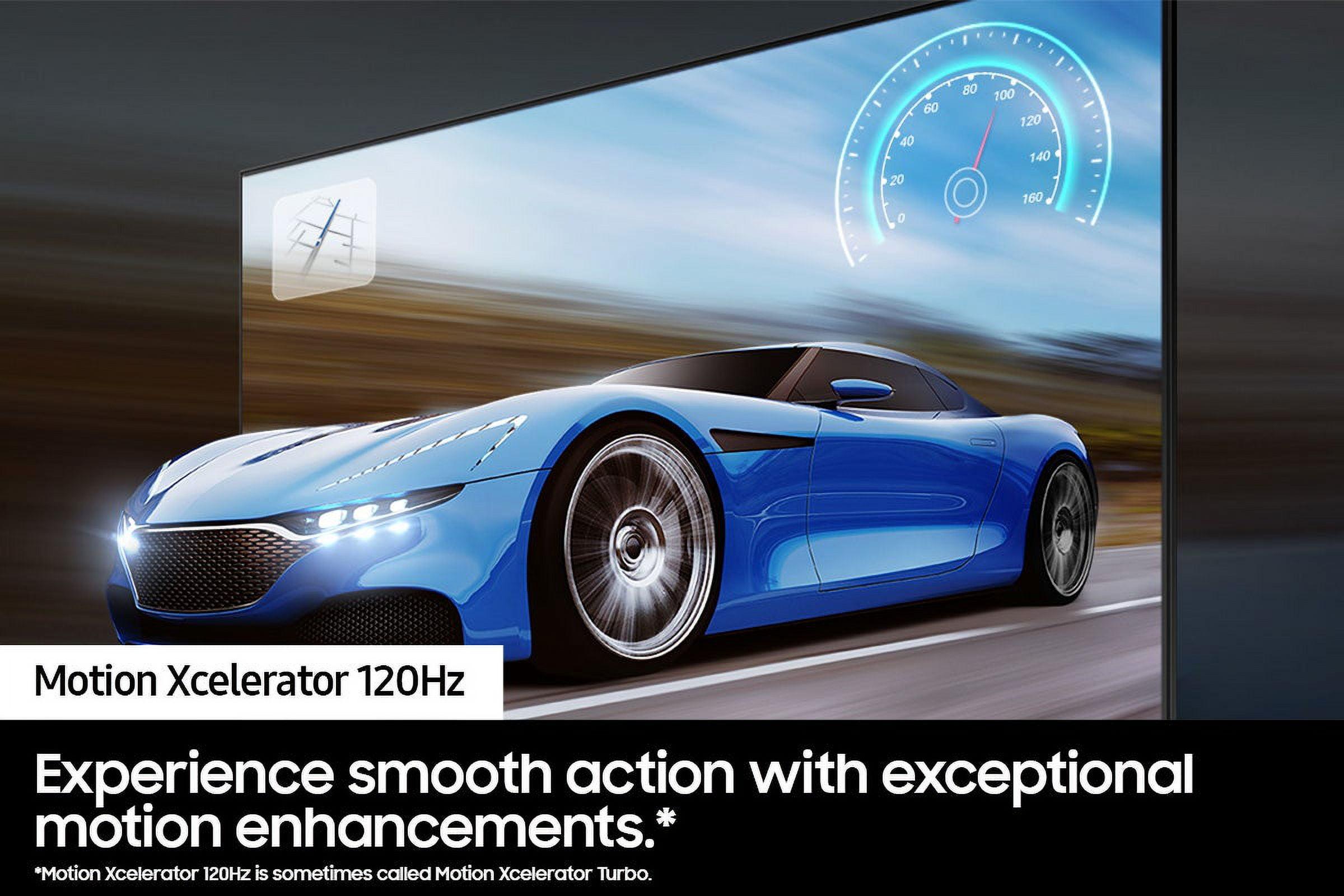
The Samsung S90D offers a native 120Hz refresh rate, meaning it can display 120 unique frames per second. This capability significantly reduces motion blur during fast-paced content like sports or action movies. The Motion Xcelerator 144Hz technology further enhances this by providing even smoother motion processing.
Modern gaming consoles like the PlayStation 5 and Xbox Series X can output 4K content at 120 frames per second, but only if your TV supports it. The Sony BRAVIA 2 II maxes out at 4K@60Hz, which is perfectly adequate for most gaming but limits you to 60 fps maximum.
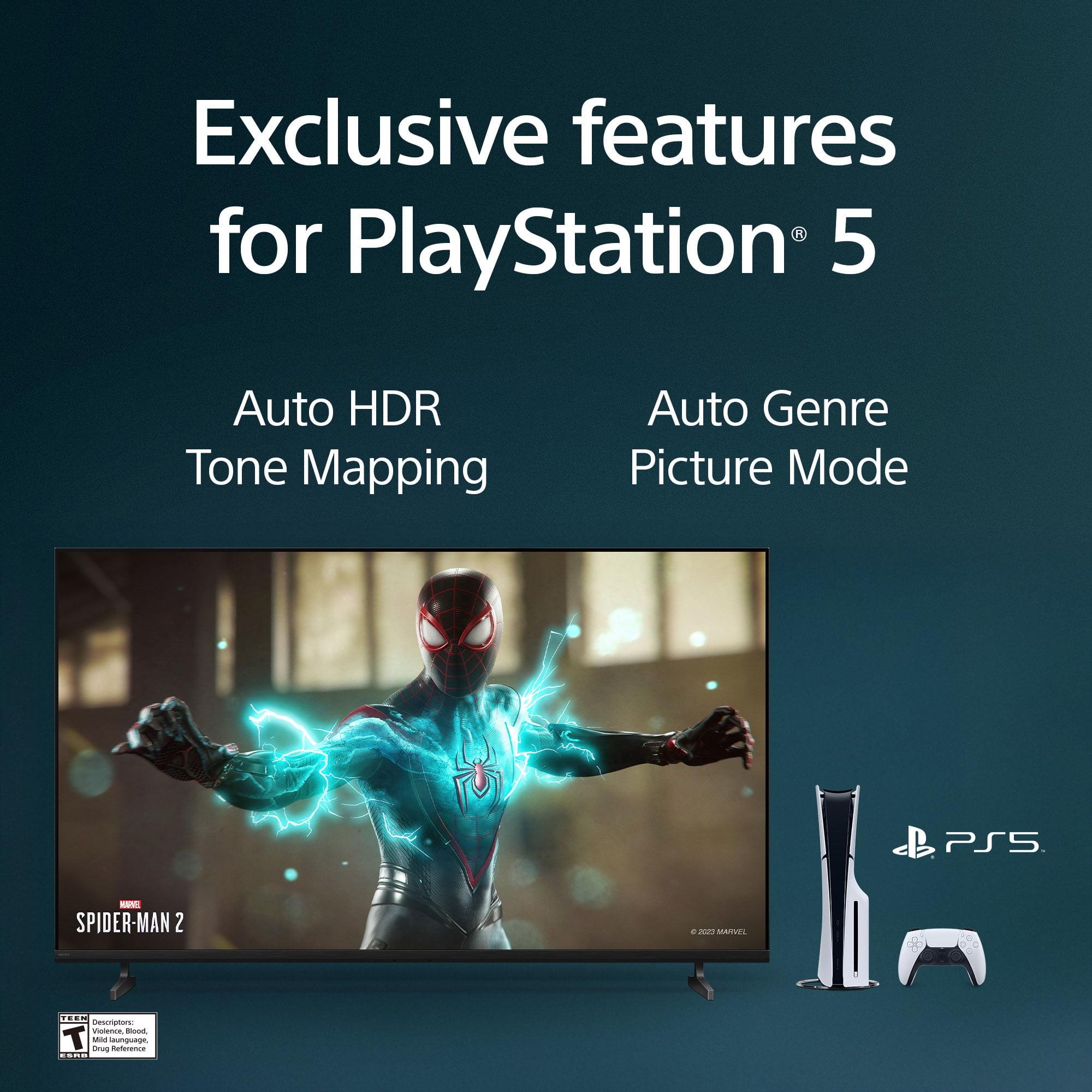
The Sony does include important gaming features like Auto Low Latency Mode (ALLM), which automatically switches to game mode when it detects console input, reducing input lag to around 10-15 milliseconds. Variable Refresh Rate (VRR) support helps eliminate screen tearing, and PlayStation 5 owners get additional benefits like Auto HDR Tone Mapping.
The Samsung S90D transforms gaming with its 4K@120Hz capability. This means PlayStation 5 and Xbox Series X games that support 120fps will appear noticeably smoother, providing a competitive advantage in fast-paced shooters and racing games. The TV's input lag drops to approximately 5-6 milliseconds in game mode—nearly imperceptible.
Samsung's Gaming Bar provides quick access to gaming-specific settings without leaving your game, including VRR controls, HDR adjustments, and input lag monitoring. For serious gamers, this feature set justifies a significant portion of the price difference.
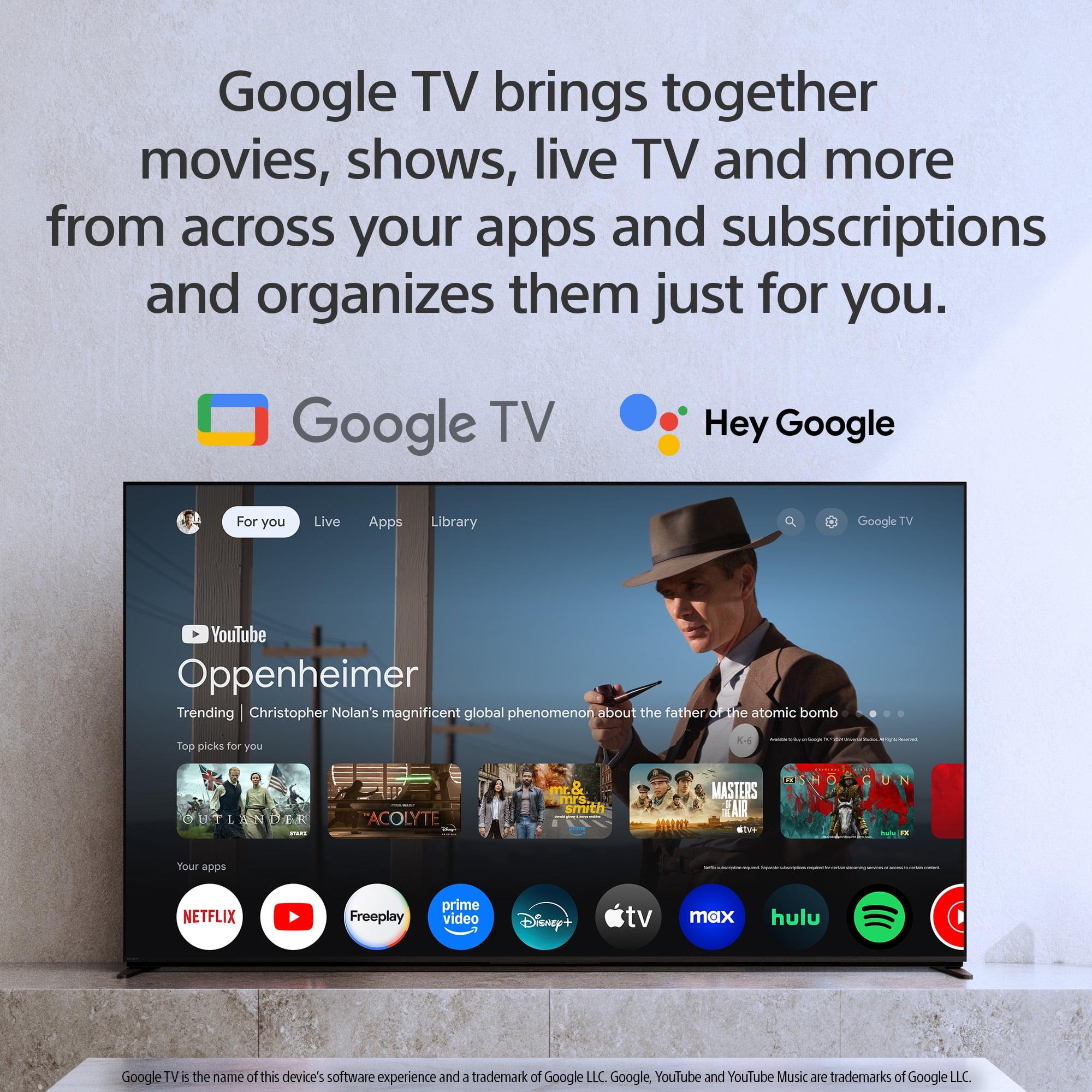
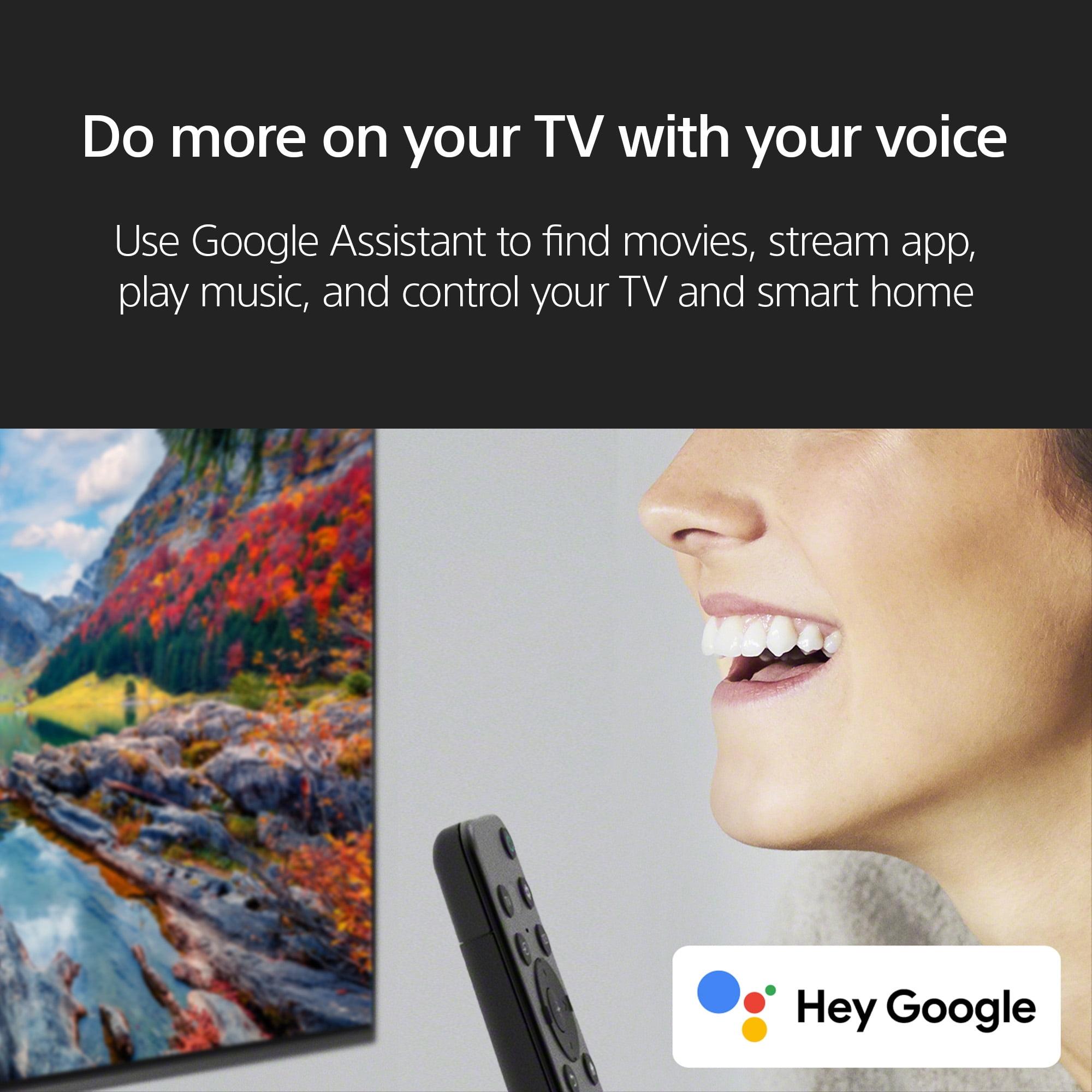
The smart TV platform can make or break your daily viewing experience. The Sony BRAVIA 2 II runs Google TV, which has evolved significantly since its Android TV predecessor. The interface organizes content from all your streaming apps into a unified experience, making it easier to discover new shows and pick up where you left off.
Google TV's strength lies in its integration with the broader Google ecosystem. If you use Gmail, Google Photos, or have Android devices, everything connects seamlessly. Voice control through Google Assistant works exceptionally well, understanding natural language requests like "show me action movies from 2023."
The Samsung S90D uses Tizen OS, Samsung's proprietary smart platform. While it includes all major streaming apps, the interface can feel cluttered compared to Google TV's clean approach. However, Tizen excels in smart home integration through Samsung SmartThings, making it easy to control lights, thermostats, and other connected devices directly from your TV.
Both platforms support major streaming services like Netflix, Disney+, Prime Video, and Apple TV+. However, there are subtle differences in app performance and update frequency. Google TV typically receives faster updates to streaming apps, while Tizen sometimes lags behind in implementing new features.
The Sony's Google TV integration also enables seamless casting from Android devices and Chromebooks, while the Samsung requires Samsung's proprietary casting solution or third-party apps for non-Samsung devices.
Audio quality varies significantly between these models. The Sony BRAVIA 2 II includes two 10W speakers with Dolby Atmos and DTS:X support. The Open Baffle Speaker system provides better clarity than typical budget TV speakers, though bass response remains limited.
The Samsung S90D features enhanced audio processing with more sophisticated Dolby Atmos implementation. The improved speakers provide better dialogue clarity and more immersive surround sound effects. However, for true home theater enthusiasts, both TVs benefit significantly from external sound systems.
For smaller rooms or casual viewing, the Samsung's built-in audio may be sufficient. The Sony's speakers, while adequate, will likely prompt most users to consider a soundbar sooner.
Your room's lighting conditions heavily influence which TV performs better. The Sony BRAVIA 2 II works well in moderately lit rooms but can appear washed out in very bright environments. Its LED backlight provides consistent brightness, making it suitable for rooms with windows that can be controlled with curtains or blinds.
The Samsung S90D excels in varied lighting conditions. Its superior brightness helps maintain image quality during daytime viewing, while the perfect blacks create an almost theater-like experience in dark rooms. This versatility makes it ideal for living rooms that serve multiple purposes throughout the day.
Both TVs maintain good color accuracy when viewed from side angles, though the Samsung's OLED technology provides slightly better off-axis performance. For families with seating spread across a wide area, this can improve the viewing experience for everyone.
The Sony's direct LED backlighting maintains consistent brightness across viewing angles, while the Samsung's individual pixel control ensures colors remain accurate even when viewed from the side.
The Sony BRAVIA 2 II at $649.99 represents exceptional value in the entry-level 4K market. You're getting Sony's color processing expertise, comprehensive smart features, and solid build quality at a price point that was unthinkable for name-brand 4K TVs just a few years ago.
This TV makes sense for apartment dwellers, college students, or anyone building a secondary entertainment setup. It's also perfect for families upgrading from older 1080p TVs who want modern features without breaking the bank.
The Samsung S90D at $1,197.99 costs nearly double the Sony but delivers dramatically superior picture quality and gaming performance. When you consider that premium OLED TVs cost $3,000+ just two years ago, the S90D represents significant value in the premium category.
This pricing makes sense for home theater enthusiasts, serious gamers, or anyone who watches significant amounts of HDR content. The improved brightness and gaming capabilities justify the premium for users who will appreciate these features daily.
Budget is your primary concern. At $649.99, this TV delivers modern 4K performance without premium pricing. You'll get solid picture quality, comprehensive smart features, and reliable performance for everyday viewing.
You're a casual viewer who primarily watches streaming content, news, and occasional movies. The Sony's upscaling and color processing make Netflix and Disney+ content look great without requiring perfect viewing conditions.
You prefer Google's ecosystem and want seamless integration with Android devices, Chromebooks, and Google services. The Google TV interface feels more intuitive and receives faster updates.
You're upgrading from an older TV and want modern features like 4K, HDR, and smart capabilities without learning curve shock. The Sony provides familiar performance with appreciated improvements.
Picture quality is your top priority and you can afford the premium. The QD-OLED technology delivers visuals that are simply in a different league, especially for HDR content and dark room viewing.
You're a serious gamer who wants the best possible experience from PlayStation 5 or Xbox Series X. The 120Hz refresh rate and low input lag provide competitive advantages that budget TVs can't match.
You watch lots of movies and premium content where the improved contrast and brightness will be noticeable daily. The investment pays off quickly if you're a heavy viewer of high-quality content.
You have a dedicated home theater setup where the TV is the centerpiece. The Samsung's superior performance justifies the premium when it's the focal point of your entertainment system.
Both TVs represent solid choices within their respective categories. The Sony BRAVIA 2 II proves that budget TVs no longer mean compromised performance, while the Samsung S90D demonstrates how far premium TV technology has advanced at increasingly accessible prices.
Your choice ultimately depends on your priorities, budget, and viewing habits. If you're happy with good performance and comprehensive features, the Sony delivers exceptional value. If you want the best possible picture quality and gaming experience, the Samsung justifies its premium pricing with superior technology and performance.
Either way, you're getting a 65-inch 4K TV that would have been considered flagship-quality just a few years ago—a testament to how far the industry has progressed in making great picture quality accessible to more viewers.
| Sony BRAVIA 2 II 65" 4K LED Google TV 2025 | Samsung 65" OLED S90D TV |
|---|---|
| Price - Major factor in decision making | |
| $649.99 | $1,197.99 |
| Display Technology - Fundamental difference affecting picture quality | |
| Direct LED (LCD) with 4K resolution | QD-OLED (Quantum Dot OLED) with 4K resolution |
| Refresh Rate - Critical for gaming and sports viewing | |
| 60Hz native (adequate for movies, limited for gaming) | 120Hz native (excellent for gaming and fast motion) |
| Contrast Ratio - Affects depth and realism of images | |
| Limited contrast due to LED backlight | Infinite contrast ratio (perfect blacks) |
| Peak Brightness - Important for HDR and bright room viewing | |
| ~400-500 nits (good for moderate lighting) | ~800+ nits (excellent for bright rooms and HDR) |
| Processor - Handles upscaling and image enhancement | |
| Sony X1 4K Processor with 4K X-Reality PRO | Samsung Neural Quantum Processor 4K AI Gen2 |
| HDR Support - Enhances color and contrast in compatible content | |
| HDR10, HLG, IMAX Enhanced | HDR10+, HLG (lacks Dolby Vision) |
| Gaming Features - Important for console gaming | |
| 4K@60Hz, ALLM, VRR, PlayStation 5 optimization | 4K@120Hz, ALLM, VRR, Gaming Bar, ultra-low input lag |
| Smart TV Platform - Affects daily user experience | |
| Google TV (clean interface, excellent app support) | Tizen OS (comprehensive but can feel cluttered) |
| Audio System - Built-in sound quality | |
| 2x10W speakers with Dolby Atmos, DTS:X | Enhanced audio with improved Dolby Atmos processing |
| Best For - Target audience and use cases | |
| Budget-conscious buyers, casual viewers, secondary TVs | Enthusiasts, gamers, home theater setups |
| Key Advantage - What each does better | |
| Exceptional value with Google TV integration | Superior picture quality with gaming excellence |
The Sony BRAVIA 2 II 65" 4K LED Google TV 2025 at $649.99 offers exceptional value for budget-conscious buyers, delivering solid 4K performance and Google TV integration at half the price of the Samsung. The Samsung 65" OLED S90D TV at $1,197.99 costs nearly double but provides dramatically superior picture quality with QD-OLED technology, perfect blacks, and 120Hz gaming performance that justifies the premium for enthusiasts.
The Sony BRAVIA 2 II uses LED technology with a backlight that's always on, resulting in good brightness but limited contrast and no true blacks. The Samsung S90D uses OLED technology where each pixel can turn completely off, creating perfect blacks and infinite contrast ratios. OLED also offers better color accuracy and viewing angles, but LED is more affordable and energy-efficient.
The Samsung 65" OLED S90D is significantly better for gaming with its 120Hz refresh rate, 4K@120Hz support, ultra-low input lag, and Gaming Bar features. The Sony BRAVIA 2 II is limited to 60Hz and 4K@60Hz, which is adequate for casual gaming but can't match the smooth motion and competitive advantages of the Samsung's gaming performance.
Yes, both TVs support HDR content but with different capabilities. The Sony BRAVIA 2 II supports HDR10, HLG, and IMAX Enhanced formats with moderate brightness levels suitable for normal viewing conditions. The Samsung S90D supports HDR10+ and HLG with significantly higher brightness levels that make HDR content more impactful, though it notably lacks Dolby Vision support.
Both TVs offer excellent smart features but with different approaches. The Sony BRAVIA 2 II runs Google TV with clean interface design, excellent app support, and seamless integration with Google services and Android devices. The Samsung S90D uses Tizen OS with comprehensive app support and superior smart home integration through SmartThings, though some users find the interface more cluttered.
The Sony BRAVIA 2 II features 2x10W speakers with Dolby Atmos and DTS:X support, providing adequate sound for casual viewing. The Samsung 65" OLED S90D offers enhanced audio processing with improved Dolby Atmos implementation and better dialogue clarity. Both TVs benefit from external sound systems for optimal home theater performance.
The Samsung S90D performs significantly better in bright rooms with its superior peak brightness levels (800+ nits) that help maintain image quality during daytime viewing. The Sony BRAVIA 2 II with its LED backlight provides consistent brightness but may appear washed out in very bright environments, making it better suited for rooms with controllable lighting.
The picture quality difference is substantial. The Sony BRAVIA 2 II delivers good color accuracy and upscaling for the price, making streaming content look sharp and natural. The Samsung 65" OLED S90D operates in a different league with QD-OLED technology providing perfect blacks, infinite contrast, superior color volume, and dramatically better HDR performance that's immediately noticeable.
Both TVs handle streaming content well, but with different strengths. The Sony BRAVIA 2 II excels with its 4K X-Reality PRO upscaling that makes 1080p content appear sharper, plus Google TV's excellent content discovery features. The Samsung S90D displays streaming content with superior color accuracy and contrast, making HDR shows on Netflix and Disney+ look more vibrant and realistic.
The refresh rate difference is significant for specific use cases. The Sony BRAVIA 2 II's 60Hz refresh rate is perfectly adequate for movies, TV shows, and casual viewing. The Samsung S90D's 120Hz refresh rate provides noticeably smoother motion for sports, action movies, and gaming, making it worth the premium if you frequently watch fast-paced content or game on modern consoles.
For dedicated home theater use, the Samsung 65" OLED S90D is the clear winner with its perfect blacks creating a cinema-like experience in dark rooms, superior HDR performance, and excellent color accuracy. The Sony BRAVIA 2 II can work well in home theaters on a budget, especially in rooms with some ambient light, but can't match the Samsung's contrast and overall picture quality.
Brand ecosystem preference can influence your decision. Choose the Sony BRAVIA 2 II if you're heavily invested in Google services, use Android devices, or prefer the clean Google TV interface. Choose the Samsung S90D if you have Samsung devices, want SmartThings smart home integration, or prioritize picture quality over ecosystem considerations. However, both TVs work well regardless of your device preferences.
We've done our best to create useful and informative comparisons to help you decide what product to buy. Our research uses advanced automated methods to create this comparison and perfection is not possible - please contact us for corrections or questions. These are the sites we've researched in the creation of this article: bestbuy.com - notebookcheck.net - rtings.com - youtube.com - youtube.com - rtings.com - avsforum.com - croma.com - totonstv.com - electronics.sony.com - listenup.com - pcrichard.com - youtube.com - flanners.com - brandsmartusa.com - displayspecifications.com - pioneertvandappliance.com - donstv.com - bestbuy.com - valueelectronics.com - youtube.com - cnet.com - bestbuy.com - videoandaudiocenter.com - youtube.com - samsung.com - samsung.com - pcrichard.com - samsung.com

Privacy Policy
Terms and Conditions - Affiliate Policy
Home Security
© Copyright 2008-2026.
11816 Inwood Rd #1211, Dallas, TX 75244