

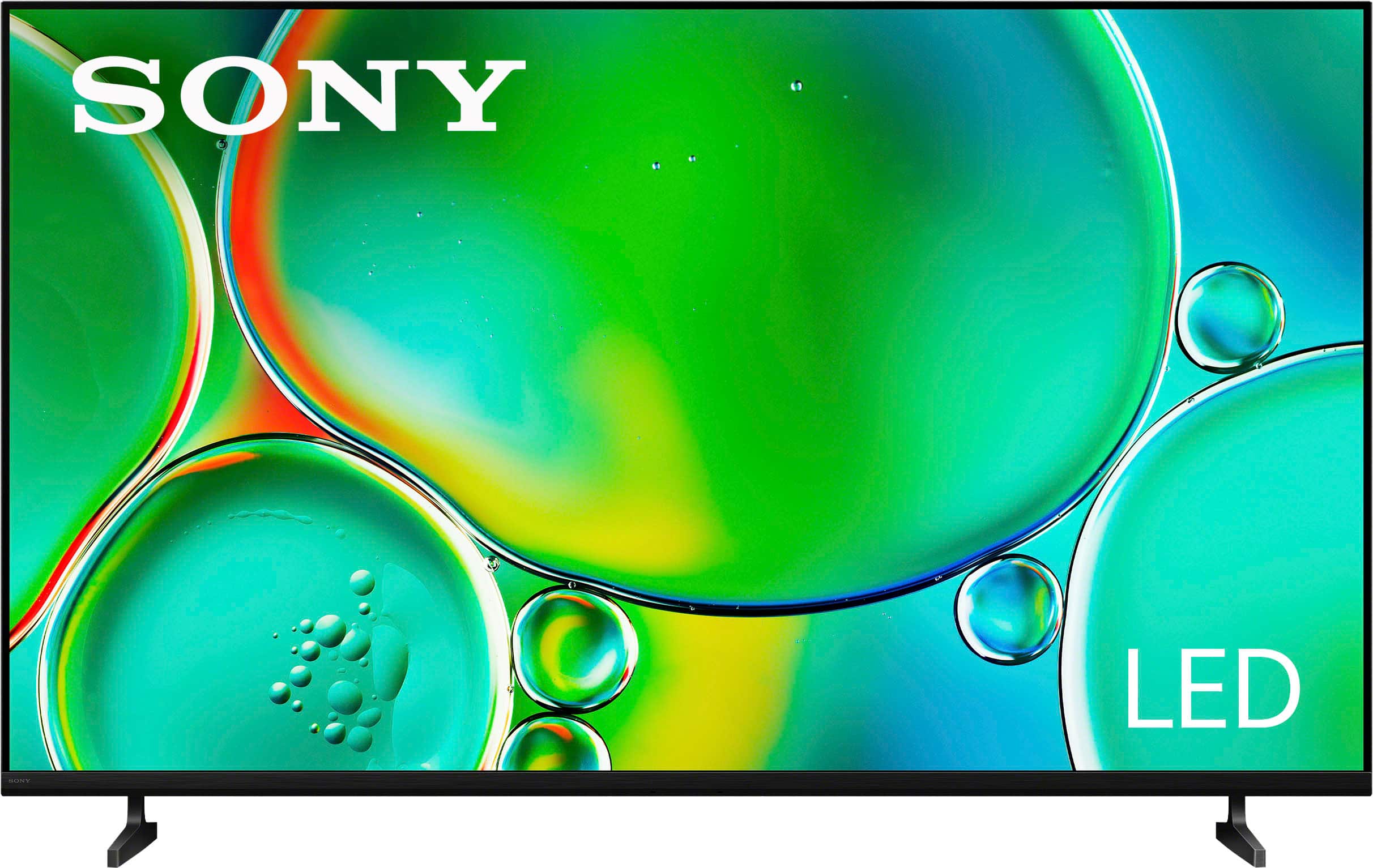
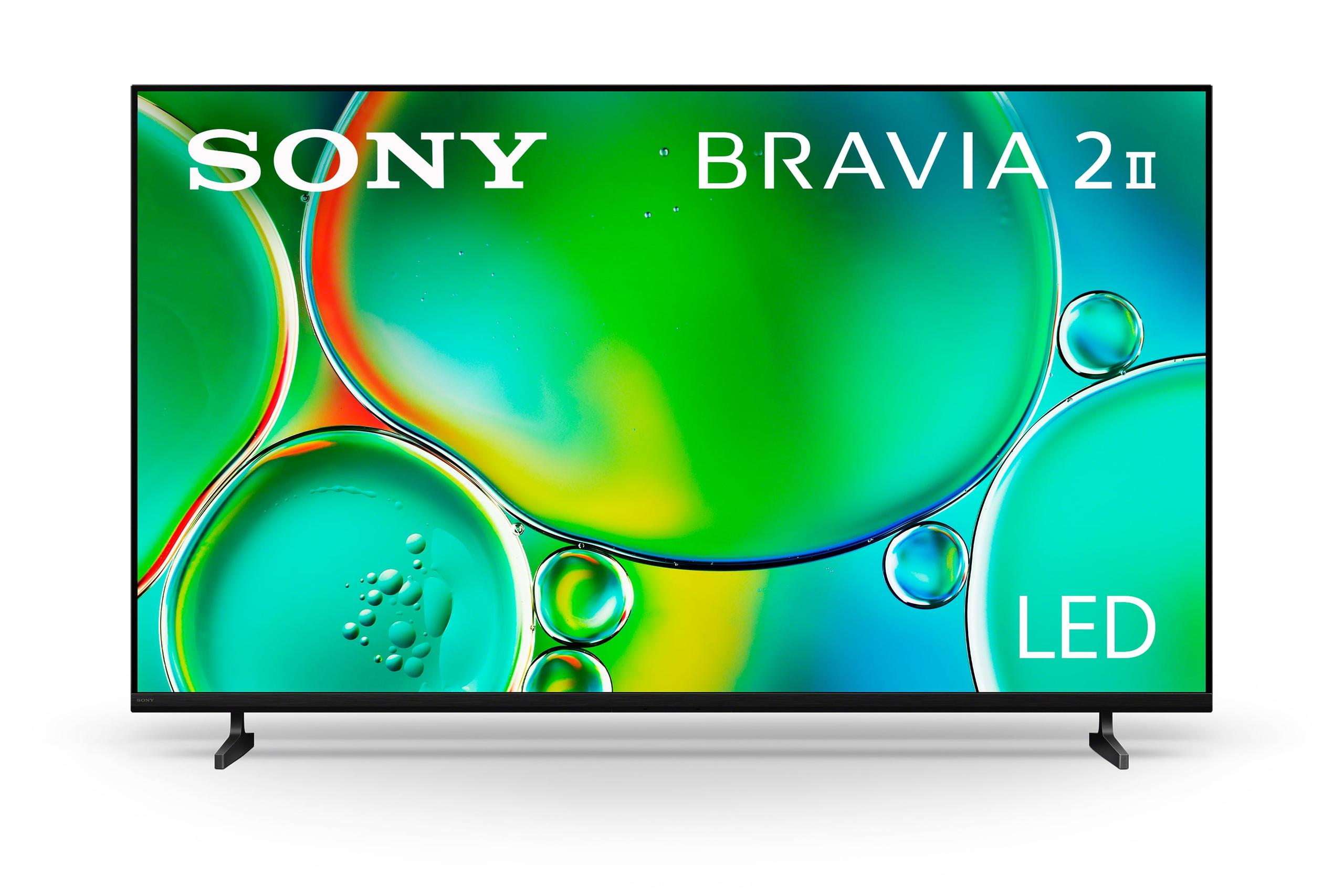



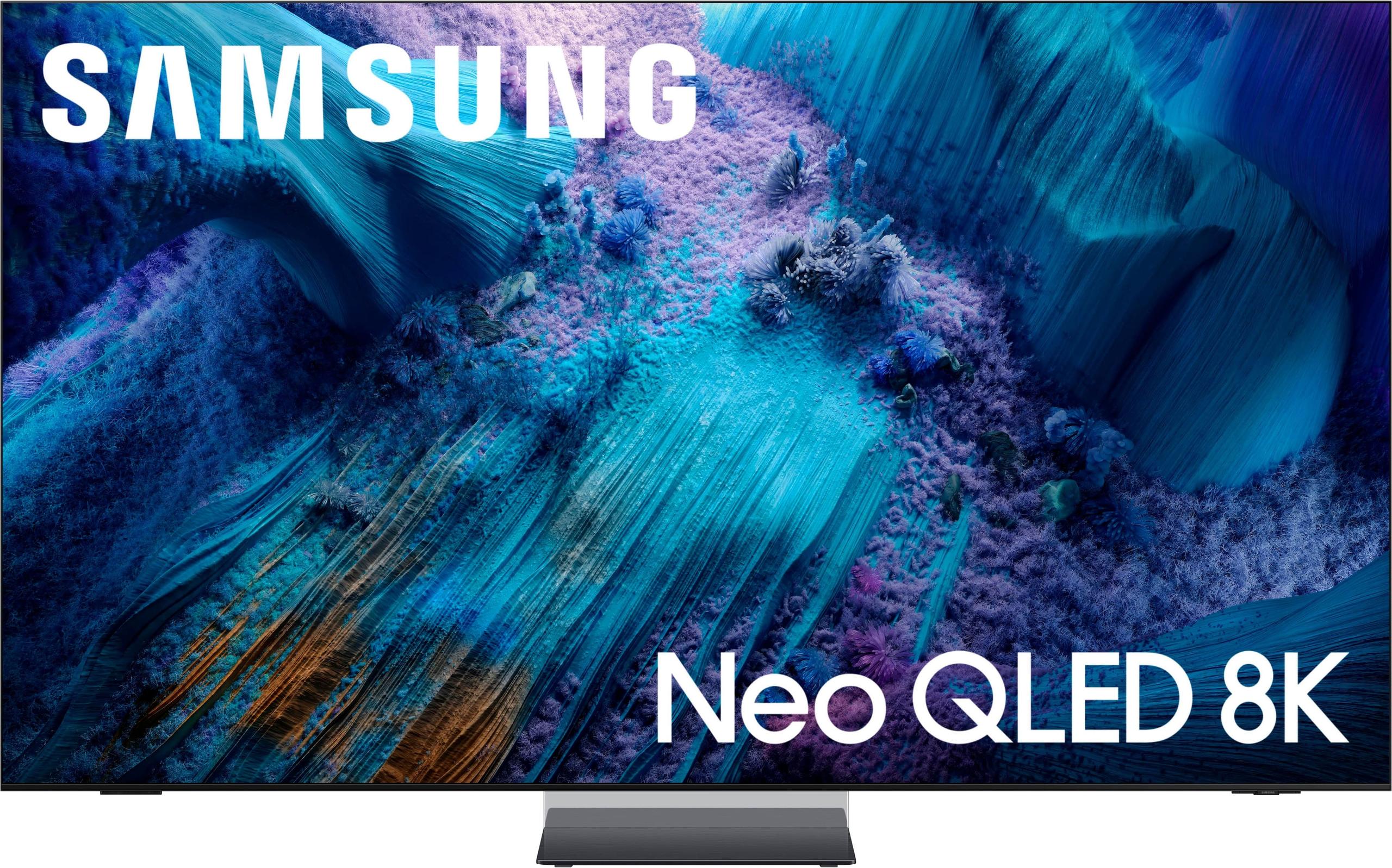
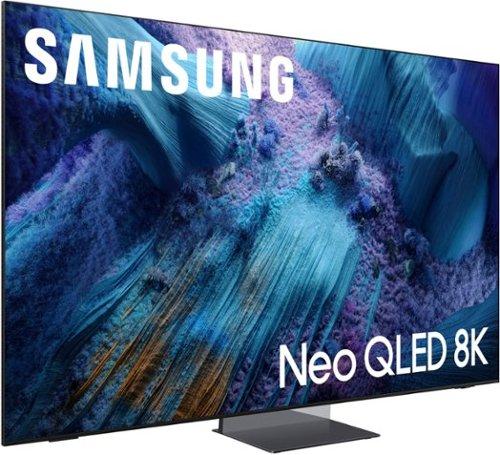
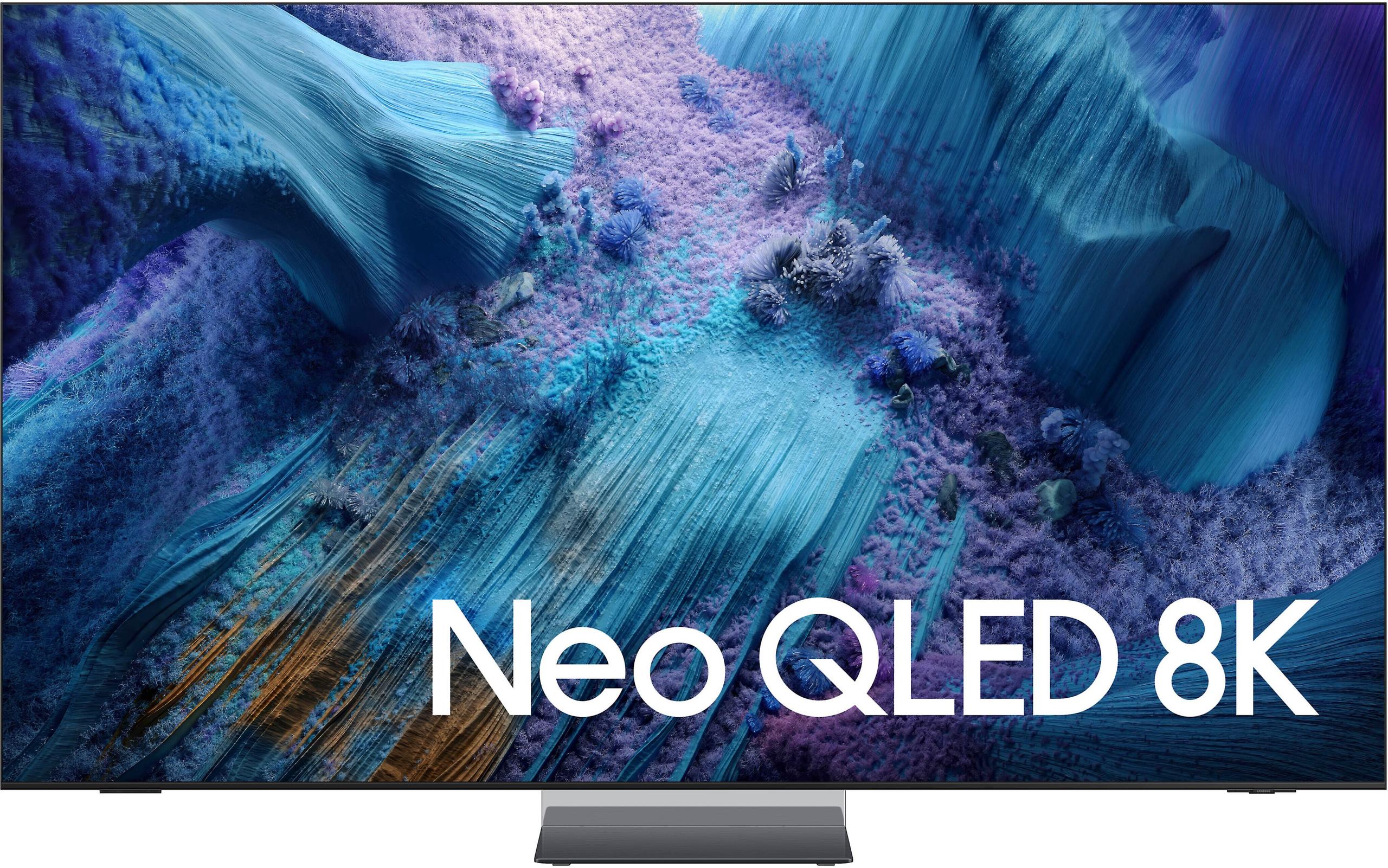
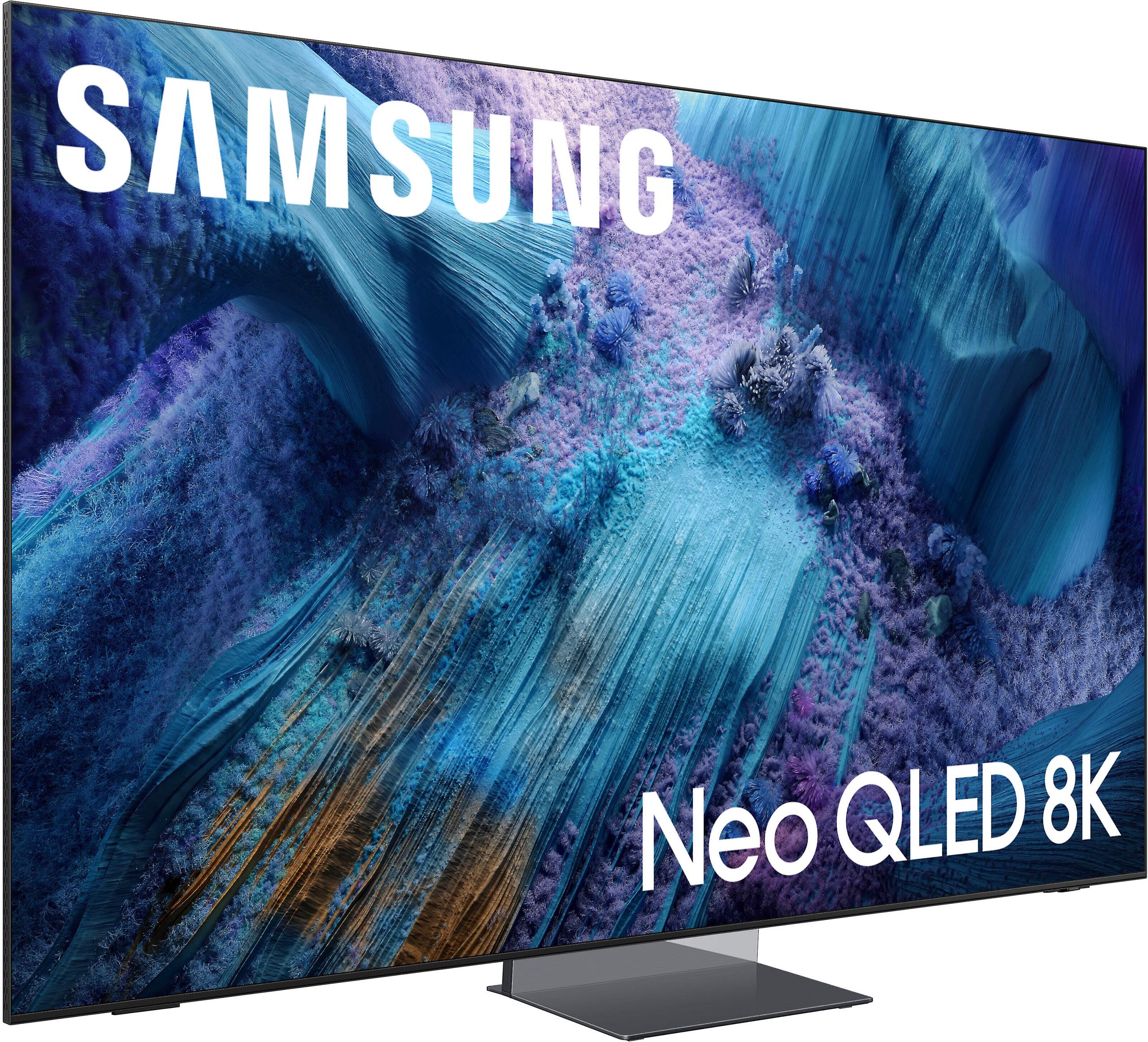
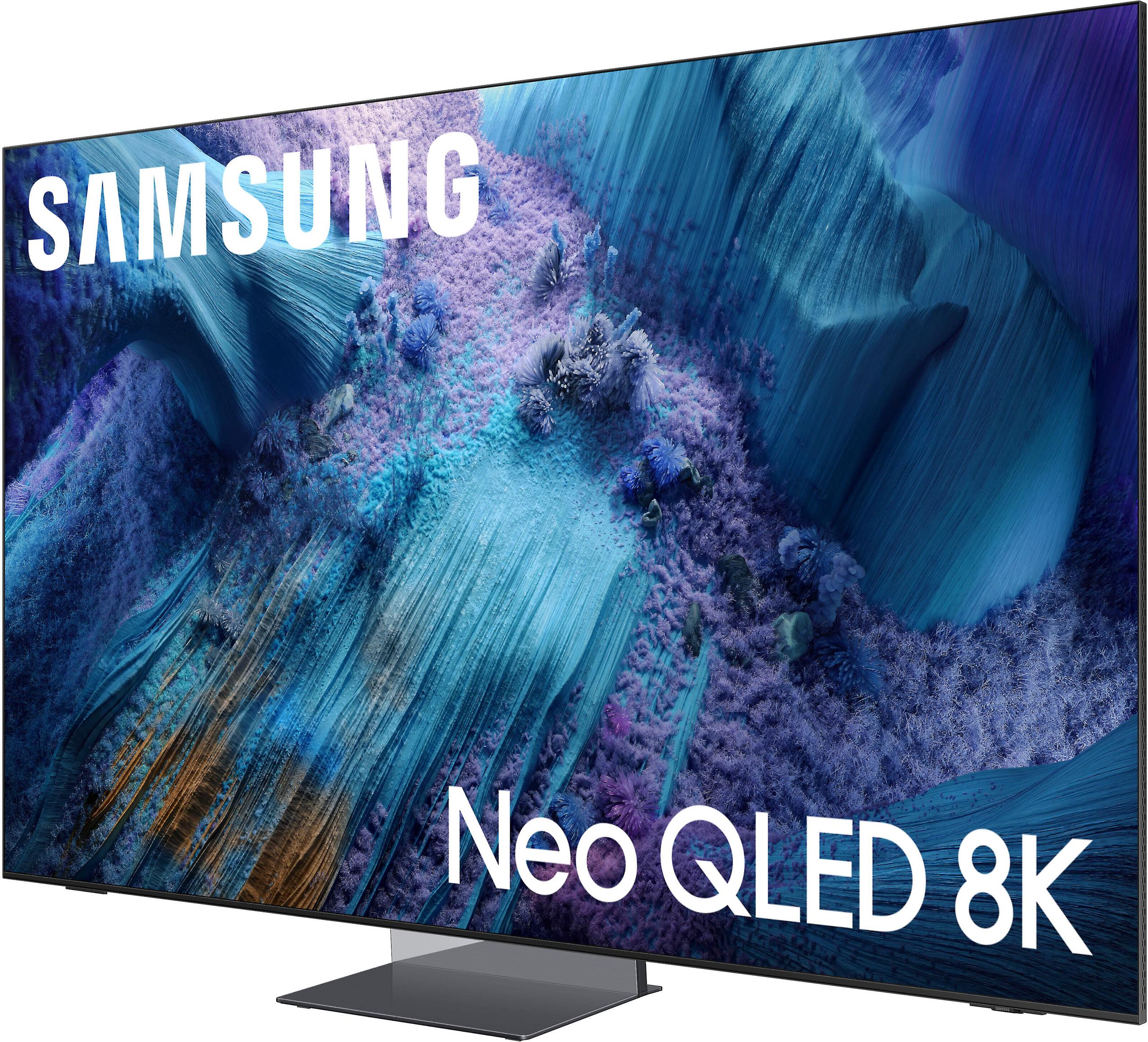
Choosing a new TV can feel overwhelming, especially when you're looking at two models that seem worlds apart in price and features. The Sony BRAVIA 2 II 65" 4K LED Google TV 2025 at $649.99 and the Samsung 65" Neo QLED QN990F 8K Smart TV 2025 at $5,297.99 represent completely different approaches to television technology. One focuses on delivering excellent value, while the other pushes the boundaries of what's possible in home entertainment.
Both TVs launched in early 2025, but they target vastly different audiences. Think of it like comparing a well-equipped Toyota Camry to a luxury BMW—both will get you where you need to go, but the experience and capabilities differ dramatically.
Before diving into the specifics, it's helpful to understand what makes modern TVs tick. Today's televisions are essentially computers with displays, processing incoming video signals and enhancing them using sophisticated algorithms. The key differentiators lie in the display technology (how light is created and controlled), the processing power (how smart the TV is at improving what you see), and the software ecosystem (how easy and enjoyable the TV is to use).
The premium TV market has evolved rapidly since 2020. We've seen the rise of Mini LED technology, which uses thousands of tiny LEDs to create more precise lighting control, and quantum dot displays that produce more vibrant colors. Meanwhile, AI processing has become increasingly important, with TVs now able to analyze and enhance video in real-time.
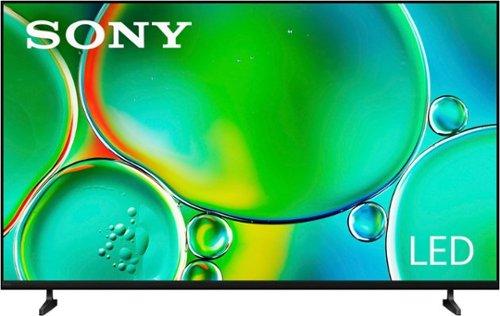
The most fundamental difference between these TVs lies in their display technology. The Sony BRAVIA 2 II uses traditional LED backlighting with frame dimming—think of it as having a light source behind the entire screen that can be adjusted in large zones. This creates a solid, reliable picture but with limitations in contrast control.
The Samsung QN990F, on the other hand, employs Neo QLED technology with Mini LED backlighting. Instead of a few large lighting zones, it uses thousands of tiny LEDs that can be controlled individually. Imagine the difference between lighting a room with one ceiling light versus having hundreds of precisely controlled spotlights—that's the level of improvement we're talking about.
This Mini LED technology, combined with quantum dot color enhancement, allows the Samsung to achieve much deeper blacks and brighter highlights simultaneously. In a dark movie scene, you'll see true blacks without the "blooming" effect where dark areas appear grayish due to light leaking from bright objects nearby.
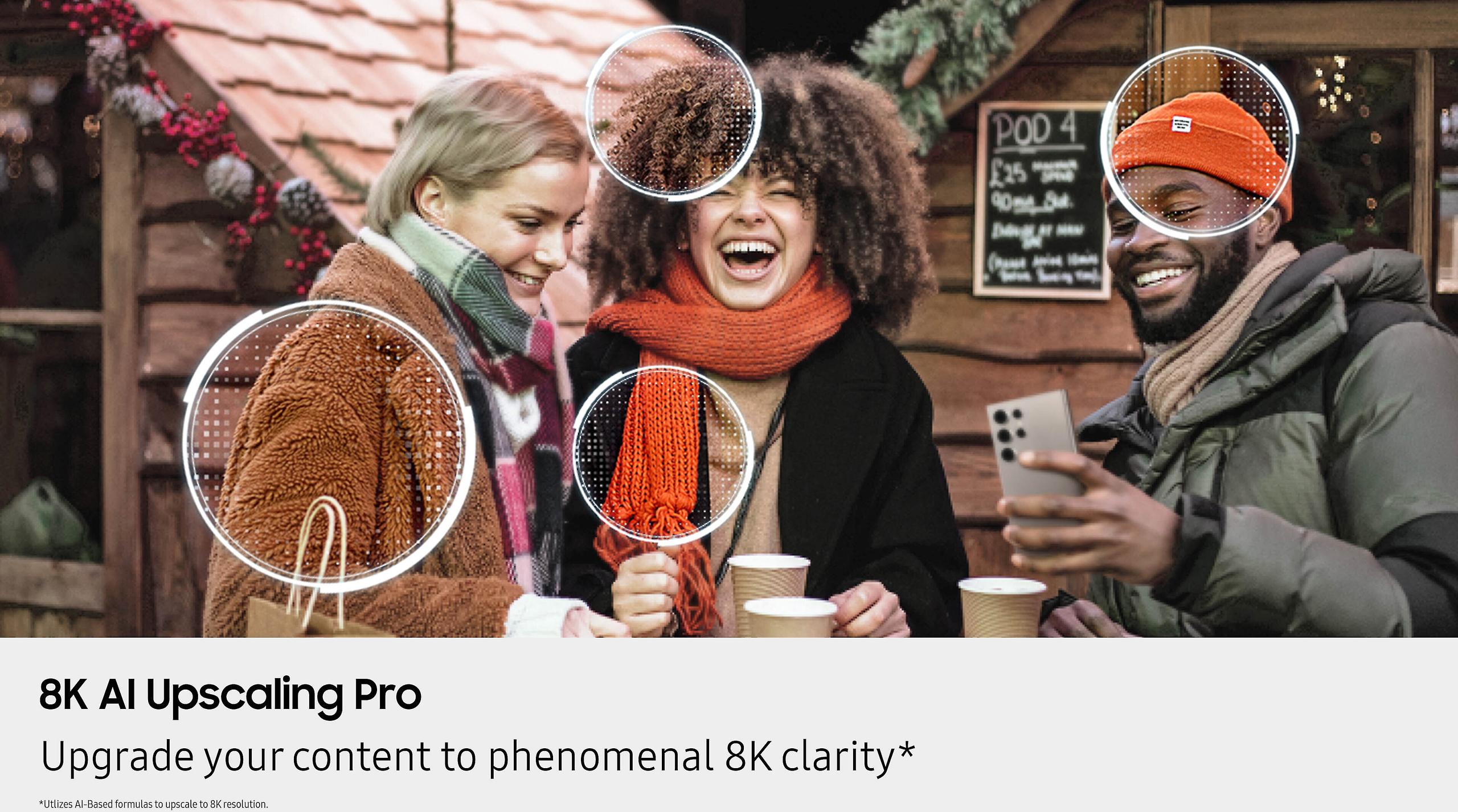
The Sony delivers native 4K resolution (3840 x 2160 pixels), which remains the sweet spot for most content today. Its 4K X-Reality PRO upscaling engine does an admirable job of making HD content look sharper by analyzing textures and edges, then reconstructing them with more detail.
The Samsung's 8K resolution (7680 x 4320 pixels) represents four times the detail of 4K. While native 8K content is still rare, the TV's 8K AI Upscaling Pro, powered by 768 neural networks, can take 4K movies and enhance them significantly. I've seen this technology in action, and while it won't create detail that wasn't there originally, it can make images appear noticeably sharper and more refined.
The question is whether 8K matters yet. For most viewers sitting 8-10 feet from a 65-inch screen, the difference between good 4K and upscaled 8K is subtle. However, if you're planning to keep your TV for 7-10 years, 8K content will likely become more common.
High Dynamic Range (HDR) technology expands the range between the darkest and brightest parts of an image, creating more lifelike visuals. The Sony BRAVIA 2 II supports HDR10 and HLG formats, delivering noticeable improvements over standard dynamic range content. However, its peak brightness is limited, which means HDR highlights won't have the same impact as on premium displays.
The Samsung QN990F features Neo Quantum HDR 8K Pro, which can achieve much higher peak brightness levels—crucial for HDR content. When watching a scene with bright sunlight or explosions, the Samsung can make those highlights genuinely dazzling while maintaining detail in darker areas. This creates a more immersive viewing experience that's closer to what directors intended.
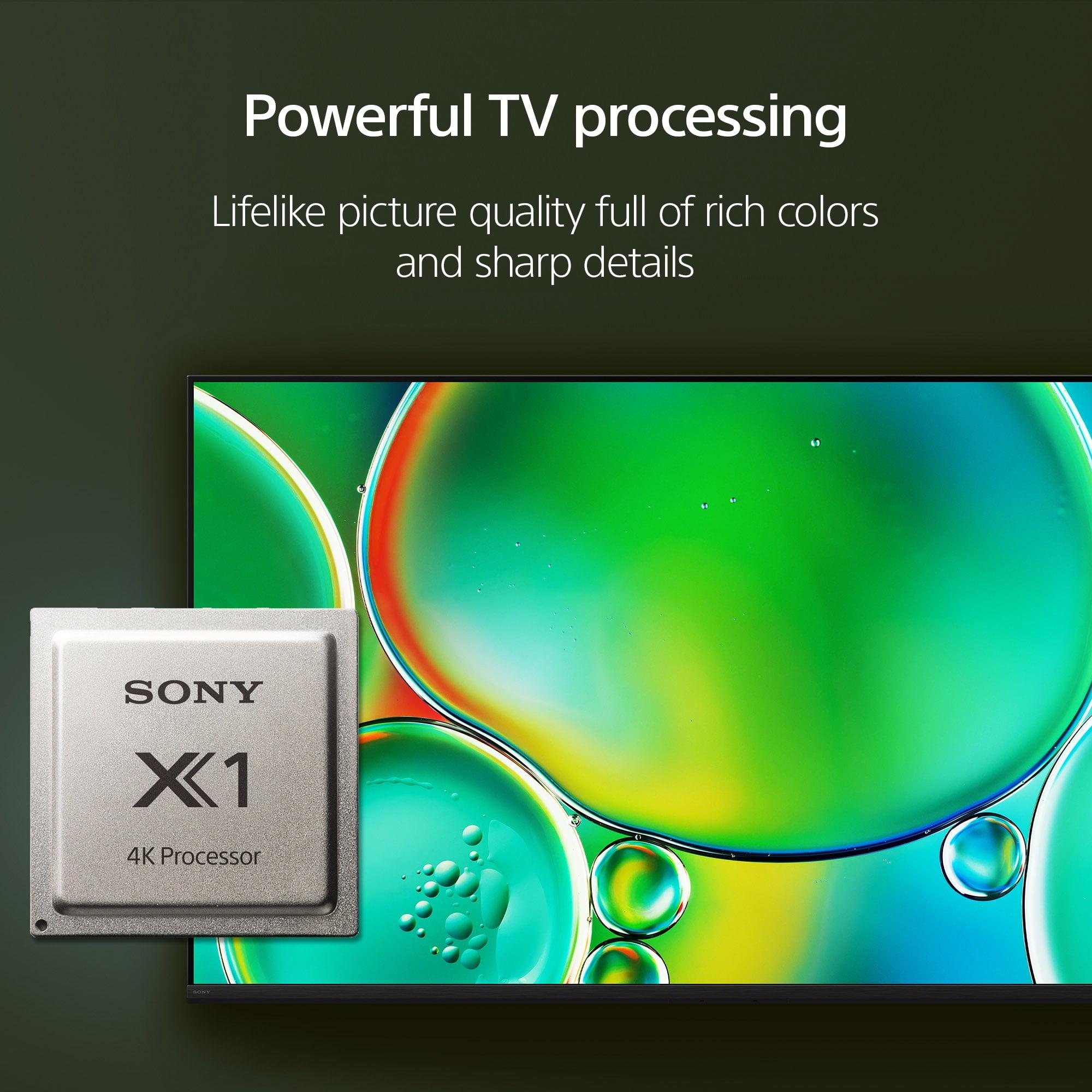
Sony has long been respected for color accuracy, and the BRAVIA 2 II continues this tradition. Its Live Color technology and 4K Processor X1 deliver natural, lifelike colors that often look more realistic than competitors. If you're watching nature documentaries or films where accurate skin tones matter, Sony's approach typically produces more pleasing results.
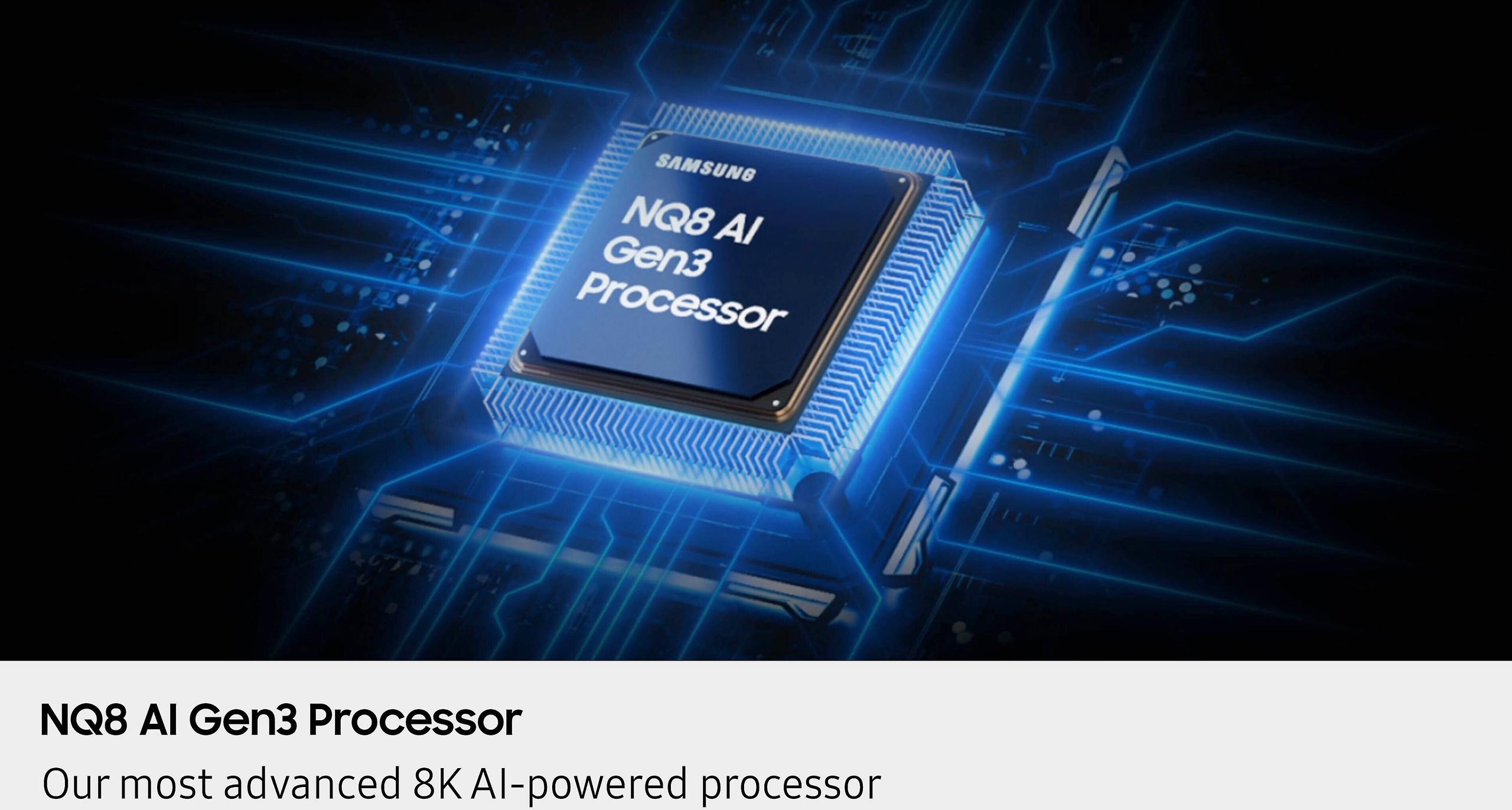
The Samsung takes a different approach with its quantum dot technology, which can produce a wider color gamut—meaning more vivid, saturated colors. Its NQ8 AI Gen3 processor analyzes each frame and enhances colors for maximum impact. This can make animated movies and sports broadcasts look incredibly vibrant, though some viewers prefer Sony's more natural approach.
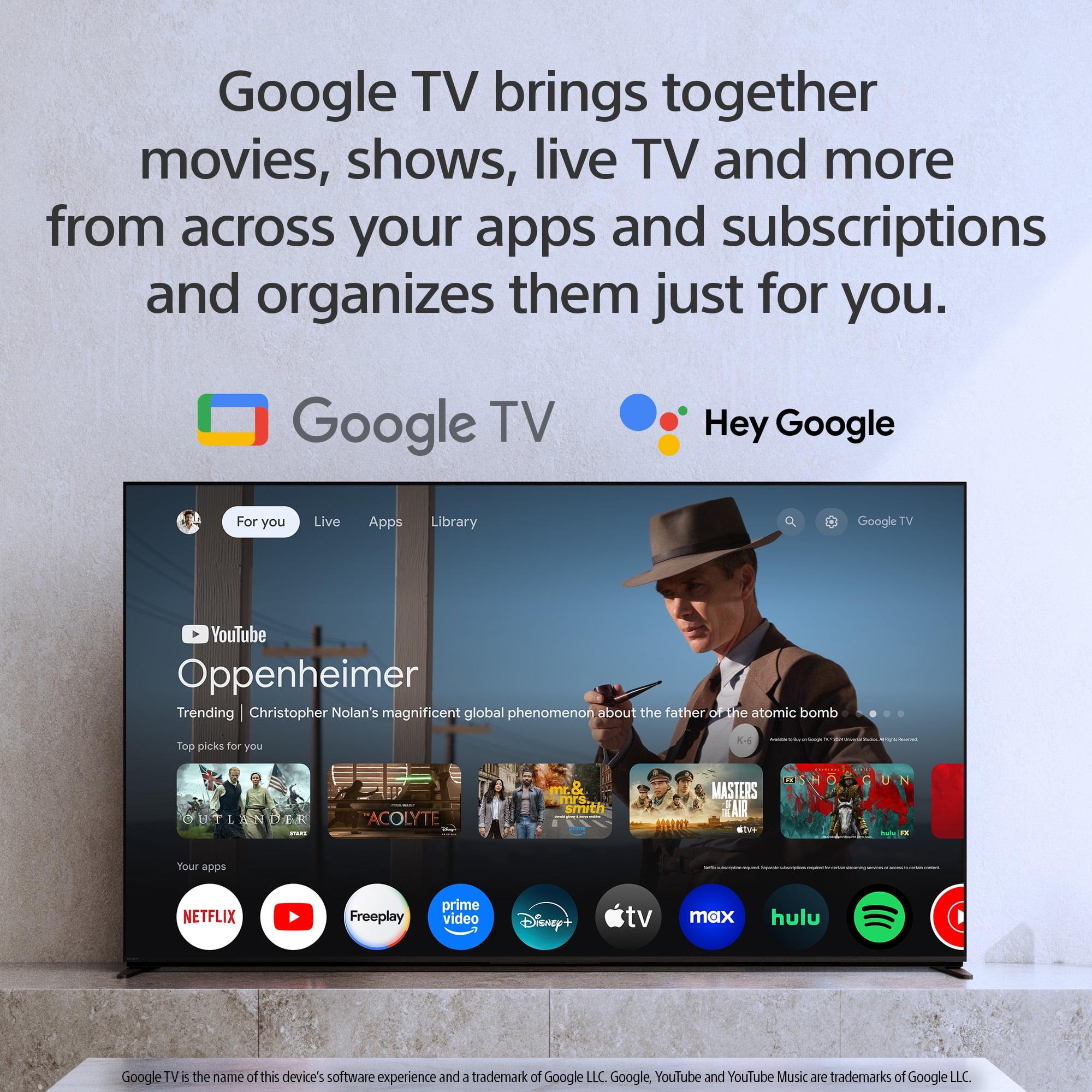
The software experience significantly impacts how much you'll enjoy your TV. The Sony BRAVIA 2 II runs Google TV, which I find to be one of the most intuitive smart TV platforms available. It integrates seamlessly with Google services, offers excellent voice search through Google Assistant, and presents content recommendations in a clean, organized manner without intrusive advertising.
The Samsung QN990F uses Tizen OS 9.0, which offers smooth performance and comprehensive app support. While it includes some advertising elements in the interface, it provides unique features like Multi-View (watching multiple sources simultaneously) and extensive customization options. The platform feels more feature-rich but slightly more complex to navigate.
Both platforms support all major streaming services, but there are subtle differences. Google TV's universal search works across multiple apps simultaneously, making it easier to find content. Tizen's strength lies in its gaming integration, with Samsung's Gaming Hub providing access to cloud gaming services like Xbox Game Pass and Nvidia GeForce Now directly from the TV.
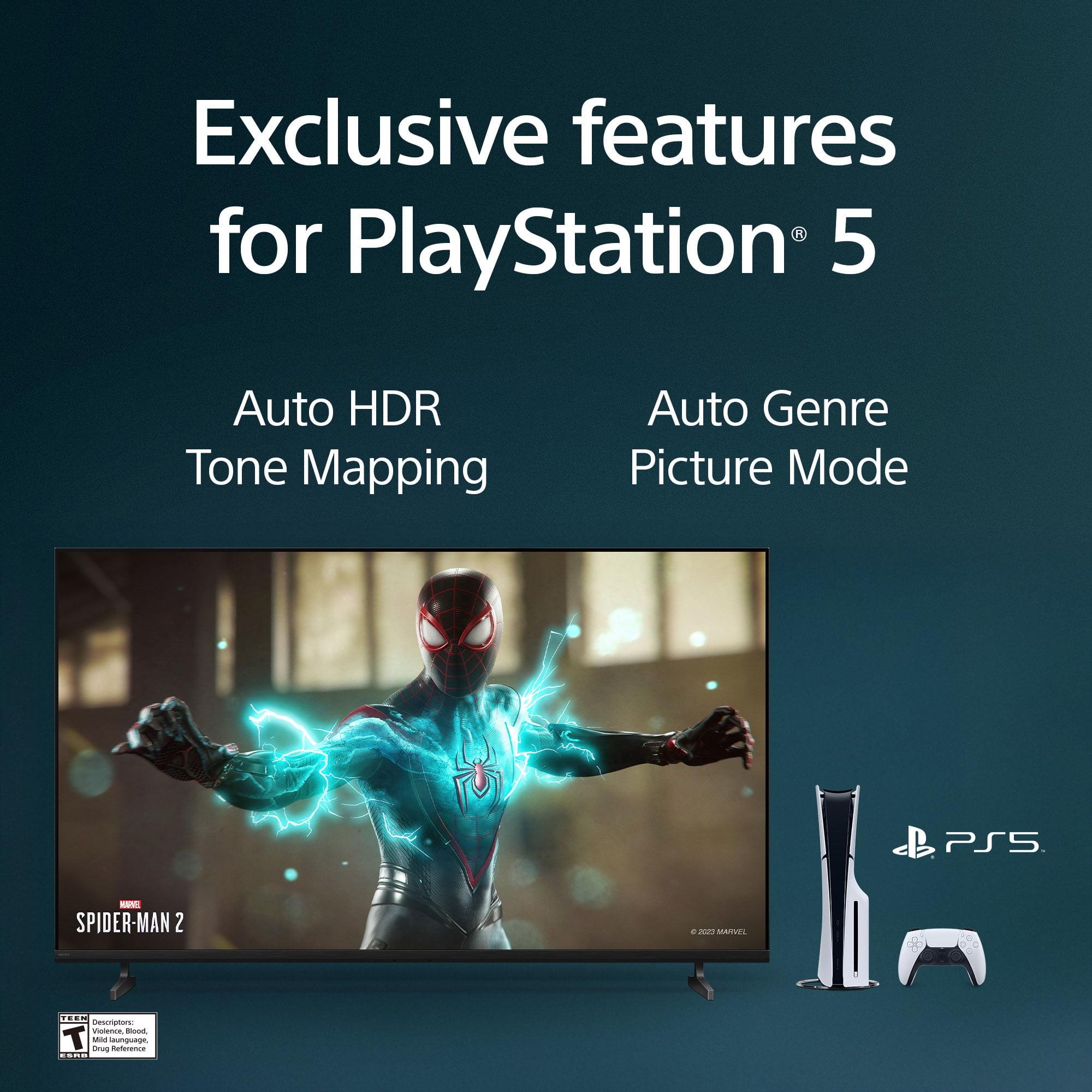
For gaming, the differences become more pronounced. The Sony BRAVIA 2 II supports 4K at 60Hz with basic gaming features like Auto Low Latency Mode (ALLM), which reduces input lag by bypassing video processing. It's perfectly adequate for casual gaming and works well with PlayStation 5, featuring optimized settings for Sony's console.
The Samsung QN990F is built for serious gaming. It supports 4K at 240Hz and 8K at 120Hz, with advanced features like Variable Refresh Rate (VRR) that synchronizes the display's refresh rate with your gaming device's output. This eliminates screen tearing and stuttering, creating smoother gameplay. For competitive gaming or high-end PC gaming, these features make a noticeable difference.
Both TVs work well with current-generation consoles, but the Samsung offers more future-proofing. Its multiple HDMI 2.1 ports can handle the full bandwidth of next-generation gaming features, while the Sony's more basic connectivity might limit some advanced gaming capabilities.
The Sony BRAVIA 2 II includes a 40W speaker system with Dolby Atmos support. While adequate for casual viewing, it lacks the dynamic range and bass response needed for immersive movie watching. Most users will want to add a soundbar for better audio quality.
The Samsung QN990F features a comprehensive 6.2.4 channel speaker system with up to 90W output. Its Object Tracking Sound Pro technology moves audio around the room to match on-screen action—when a car drives across the screen, you'll hear the engine sound follow it. This creates a more immersive experience, though serious home theater enthusiasts will still prefer a dedicated sound system.
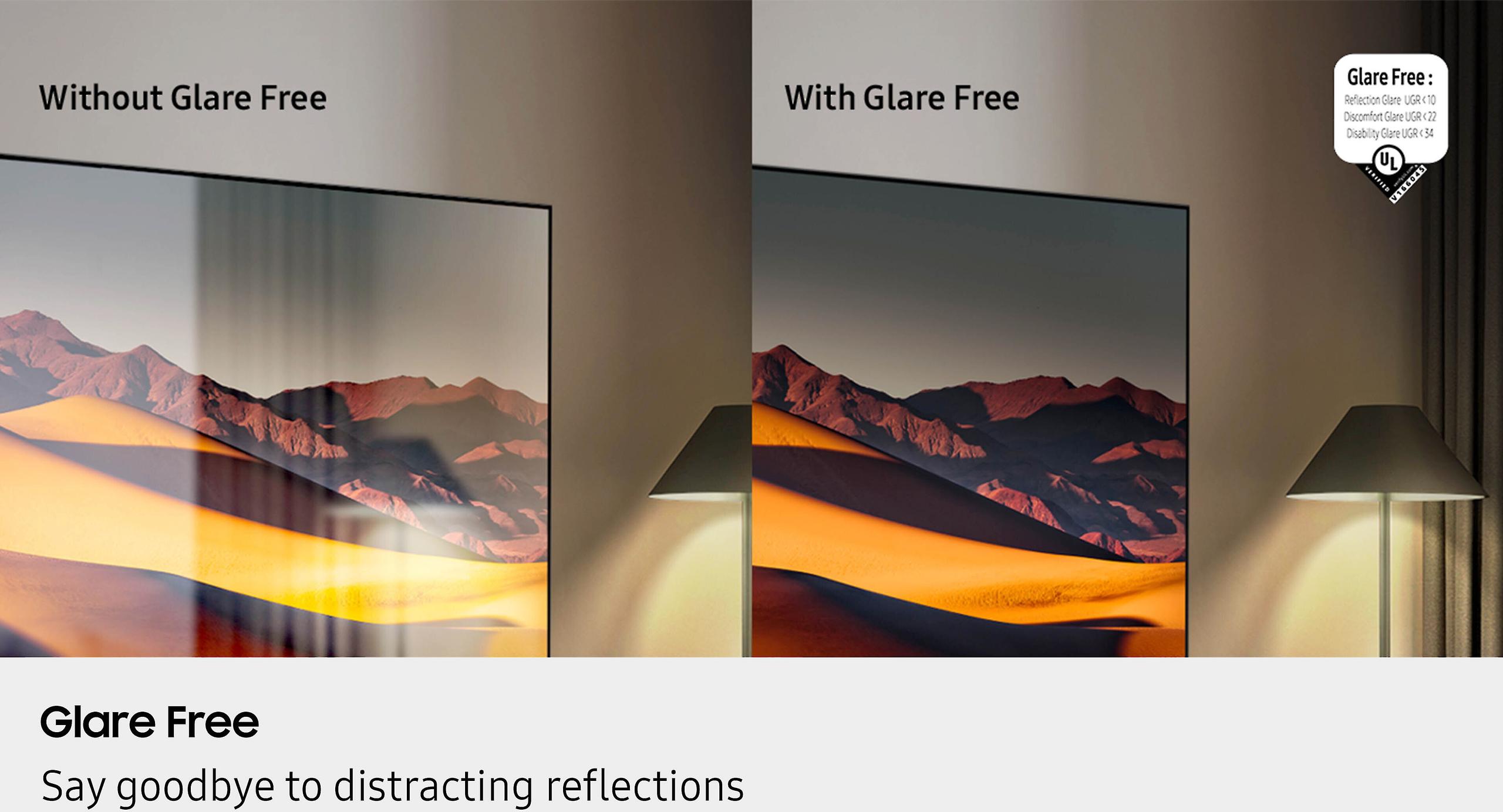
For home theater use, the Samsung QN990F clearly has advantages. Its higher peak brightness performs better in rooms with ambient light, while the Mini LED technology provides the contrast needed for dramatic movie scenes. The Glare-Free screen coating reduces reflections, maintaining picture quality even with windows or lights in the room.
The Sony BRAVIA 2 II works best in controlled lighting environments. Its more limited brightness means it's better suited for evening viewing or rooms with heavy curtains. However, its excellent color accuracy makes it enjoyable for movie watching when lighting conditions are optimal.
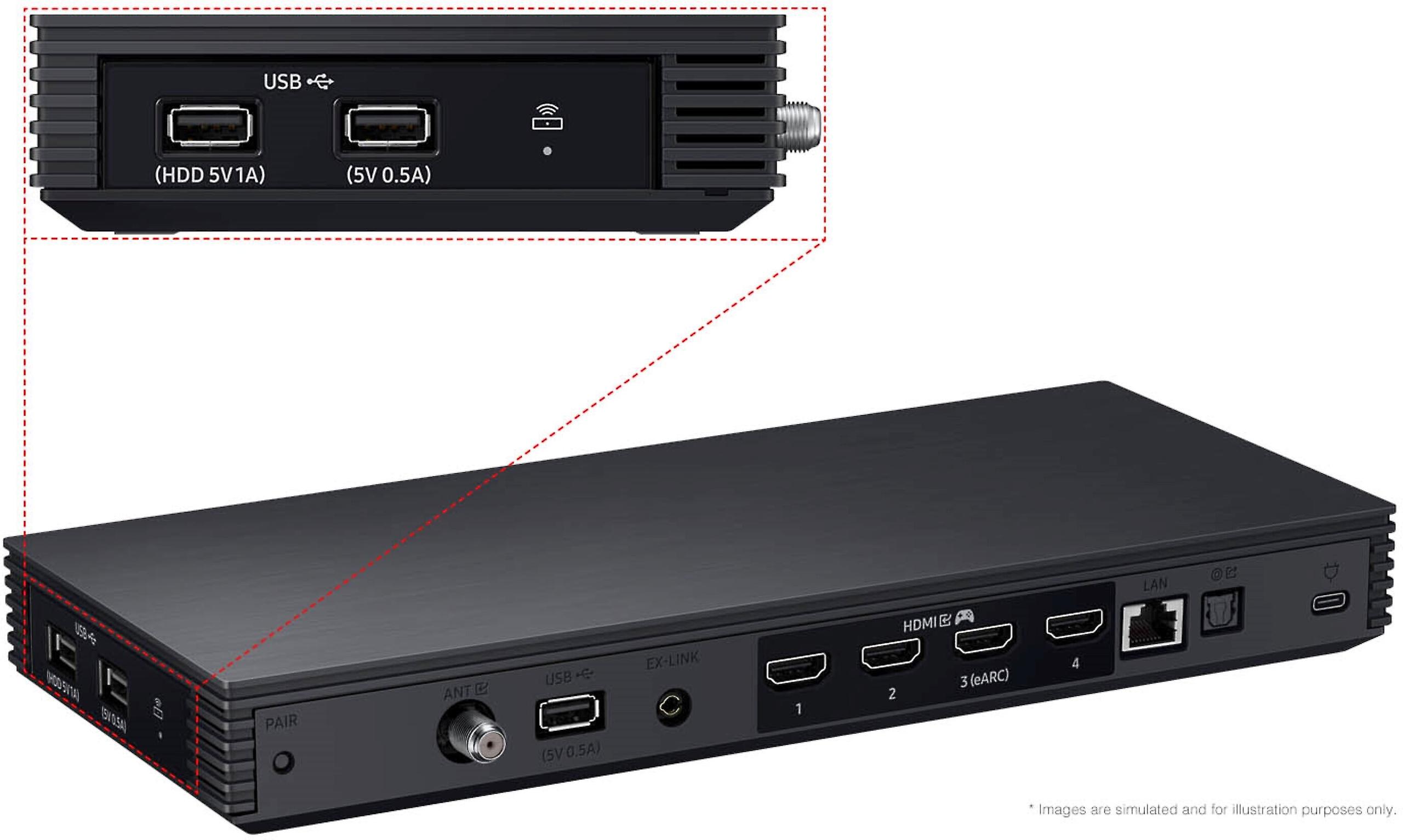
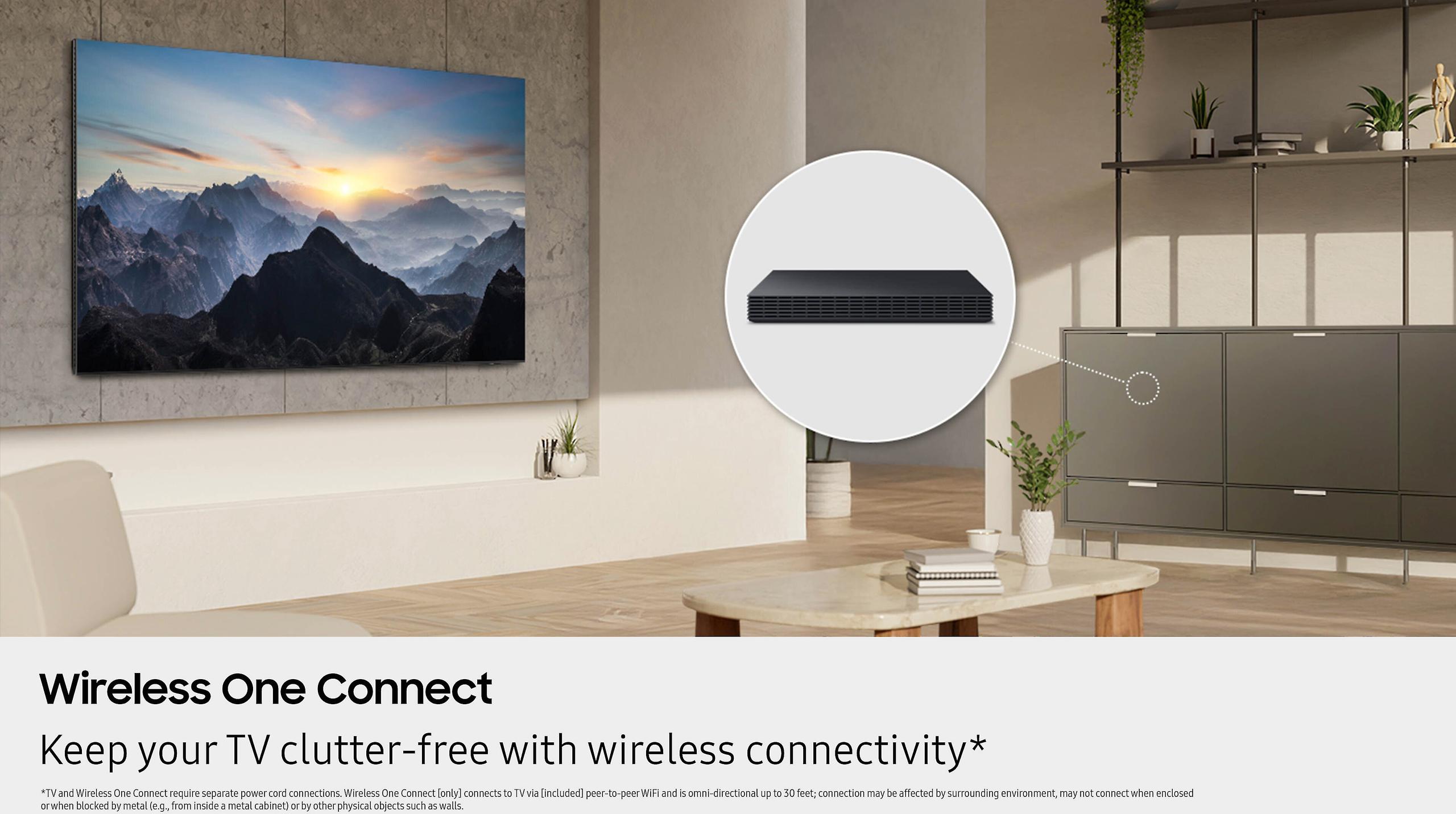
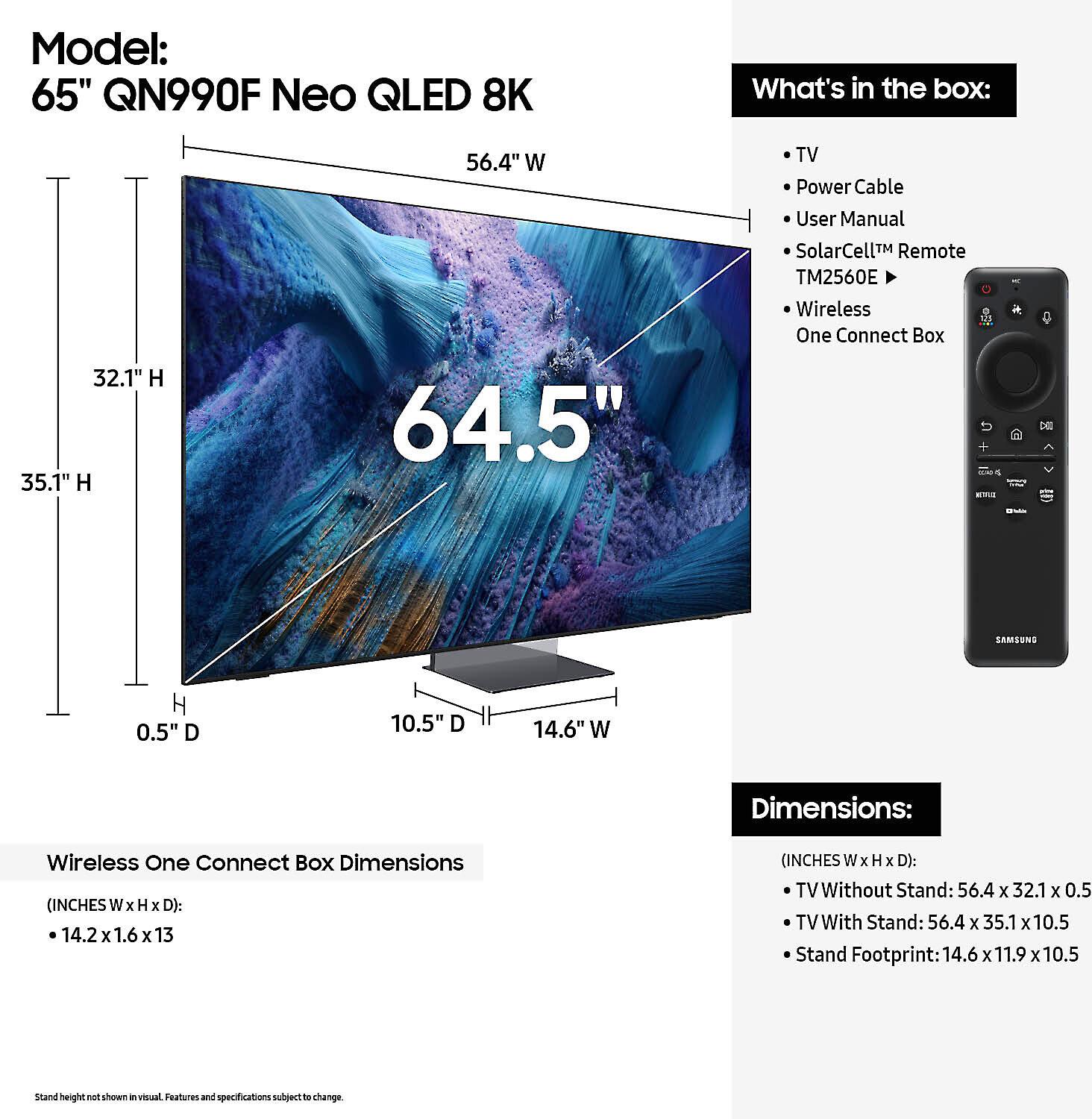
The Samsung's Wireless One Connect Box is a game-changer for home theater installations. Instead of running cables directly to the TV, you can place this hub up to 30 feet away and connect all your devices wirelessly. This enables much cleaner installations and more flexibility in room layout.
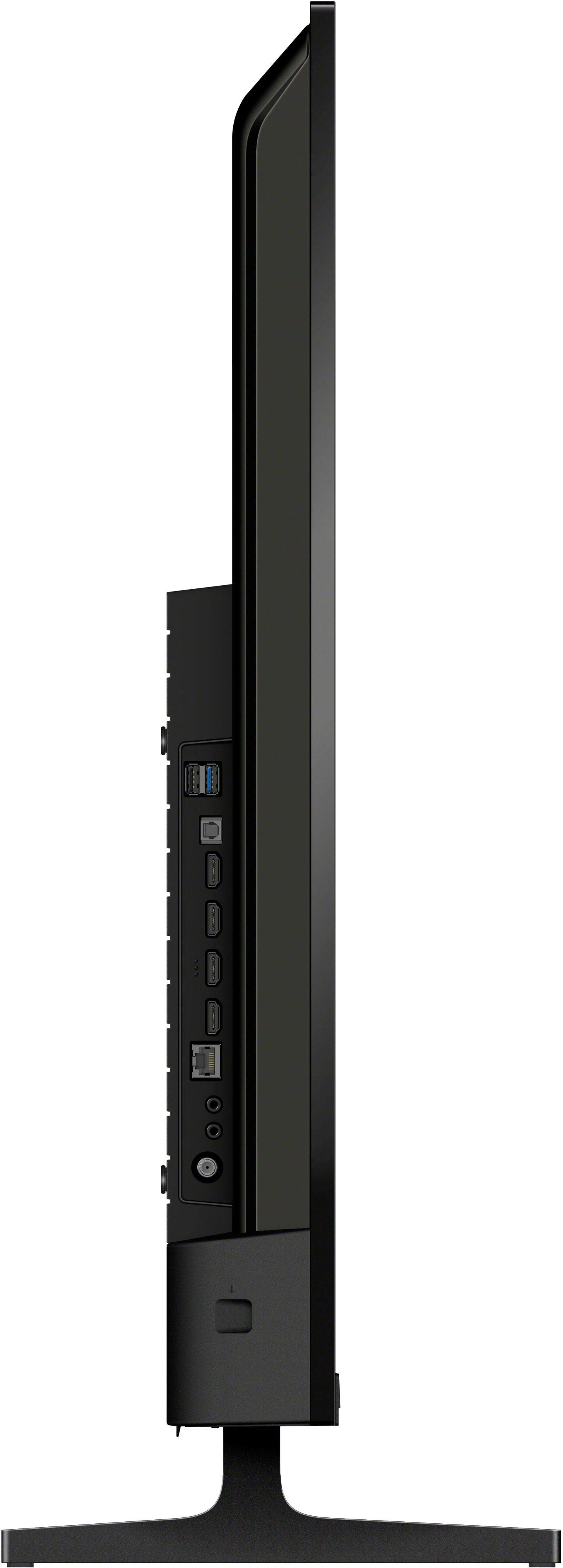
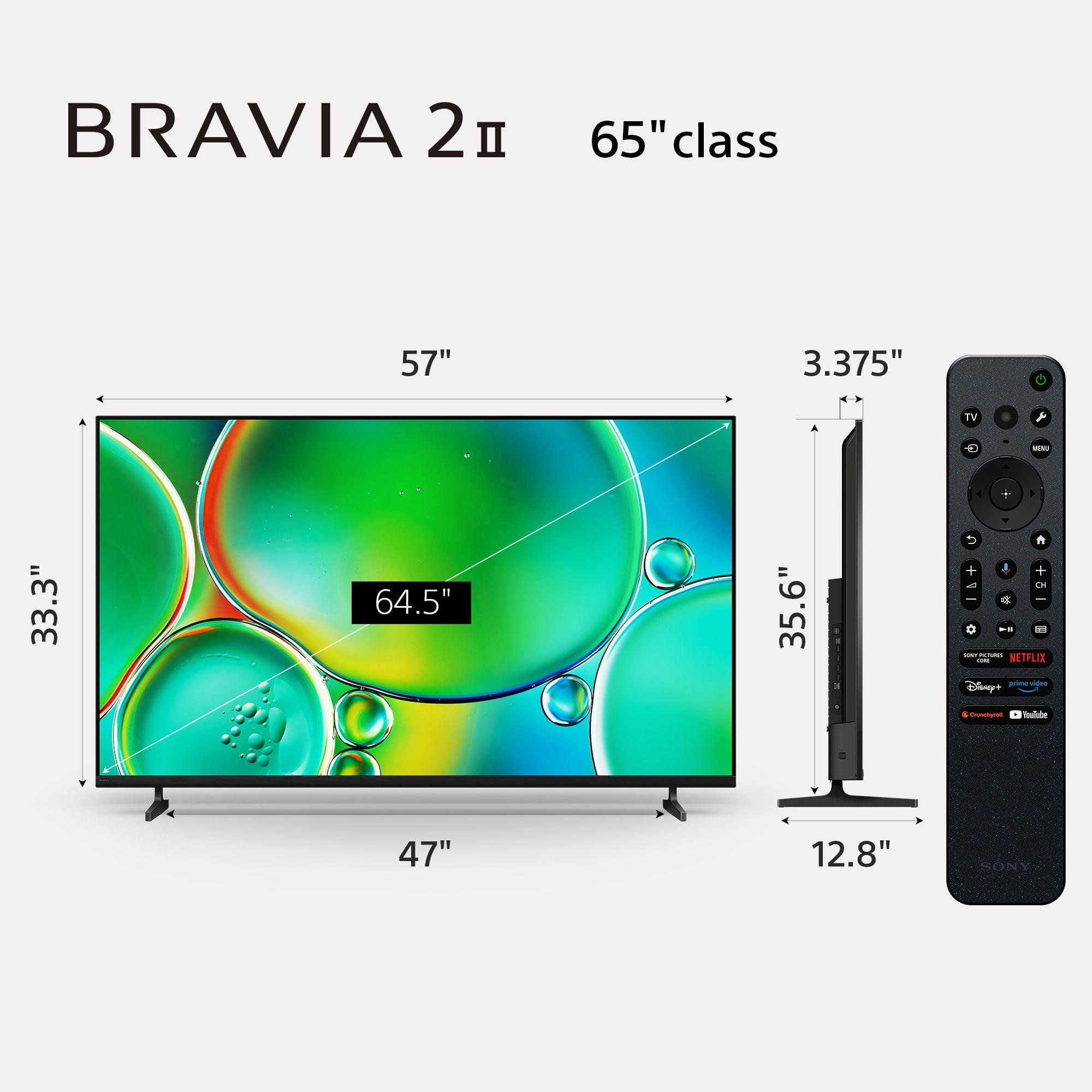
The Sony uses traditional wired connections, which work fine but require more careful cable management for a clean appearance.
At $649.99, the Sony BRAVIA 2 II delivers exceptional value. It provides solid 4K performance, excellent color accuracy, and a premium smart TV experience at a price point that's accessible to most buyers. For families looking to upgrade from an older TV or needing a reliable secondary display, it's hard to beat.
The TV's strengths lie in its consistency—it does everything well without major weaknesses. The Google TV platform is user-friendly, the picture quality is natural and pleasing, and the build quality feels solid. While it lacks premium features, it doesn't have any deal-breaking limitations either.
The Samsung QN990F costs eight times more than the Sony, but it delivers genuinely superior performance in nearly every category. The Mini LED technology provides better contrast, the 8K resolution offers future-proofing, and the advanced gaming features appeal to enthusiasts.
However, the question is whether this performance justifies the price difference. For most viewers, the Samsung's advantages are noticeable but not necessarily essential. The Samsung QN990F makes sense for buyers who want the absolute best available technology and are willing to pay premium prices for cutting-edge features.
The Samsung's NQ8 AI Gen3 processor represents a significant advancement in TV processing power. Its 768 neural networks can analyze and enhance video in real-time, making older content look better and optimizing new content for maximum impact. This level of processing power suggests the TV will handle future software updates and features better than more basic models.
The Sony's 4K Processor X1 is competent but less sophisticated. It handles current tasks well but may struggle with future AI-enhanced features that require more processing power.
Both TVs support current connectivity standards, but the Samsung's more advanced HDMI 2.1 implementation provides better future-proofing for gaming and high-bandwidth content. As 8K streaming becomes more common, the Samsung will be better positioned to handle it.
You want excellent 4K performance without premium pricing. The Sony delivers natural, accurate colors and a user-friendly experience that's perfect for most households. It's ideal for viewers who want a reliable upgrade from an older TV without overspending on features they won't use.
The Sony also makes sense if you prefer a clean, ad-free smart TV experience or if you're buying a secondary TV for a bedroom or kitchen where premium features aren't as important.
You're building a premium home theater setup and want the absolute best picture quality available. The Samsung's Mini LED technology, 8K resolution, and advanced gaming features justify the premium price for enthusiasts who appreciate cutting-edge technology.
The Samsung is also worth considering if you're planning to keep your TV for many years and want maximum future-proofing, or if you're a serious gamer who can take advantage of its advanced gaming features.
Both the Sony BRAVIA 2 II and Samsung QN990F are excellent televisions, but they serve different needs and budgets. The Sony delivers outstanding value by focusing on the essentials and executing them well, while the Samsung pushes technological boundaries with premium features and performance.
For most buyers, the Sony represents the better value proposition—it provides everything needed for excellent 4K viewing at a price that won't break the bank. The Samsung is for those who want the absolute best available technology and are willing to pay premium prices for cutting-edge features.
Consider your viewing habits, room setup, and budget carefully. If you're satisfied with excellent 4K performance and don't need the latest gaming features, the Sony will serve you well for years to come. If you want the most advanced technology available and can justify the significant price difference, the Samsung offers genuinely superior performance that will remain relevant for many years.
| Sony BRAVIA 2 II 65" 4K LED Google TV 2025 | Samsung 65" Neo QLED QN990F 8K Smart TV 2025 |
|---|---|
| Price - The most important factor for most buyers | |
| $649.99 (exceptional value for 4K performance) | $5,297.99 (premium pricing for flagship features) |
| Display Technology - Determines picture quality and contrast | |
| LED with frame dimming (good contrast for the price) | Mini LED with Quantum Matrix (thousands of dimming zones for superior contrast) |
| Resolution - Future-proofing and content compatibility | |
| 4K (3840 x 2160) - Perfect for all current content | 8K (7680 x 4320) - Future-proof but limited native content |
| Peak Brightness - Critical for HDR and bright room viewing | |
| Moderate brightness (suitable for controlled lighting) | High peak brightness (excellent for bright rooms and HDR) |
| HDR Support - Enhanced contrast and color range | |
| HDR10, HLG (good but limited brightness impact) | Neo Quantum HDR 8K Pro (dramatic HDR with high brightness) |
| Smart TV Platform - Daily user experience and app ecosystem | |
| Google TV (clean interface, no ads, excellent voice search) | Tizen OS 9.0 (feature-rich but includes advertising elements) |
| Gaming Performance - Important for console and PC gaming | |
| 4K@60Hz with ALLM (good for casual gaming) | 4K@240Hz, 8K@120Hz with VRR (premium gaming features) |
| Audio System - Built-in sound quality | |
| 40W speakers with Dolby Atmos (adequate, soundbar recommended) | 6.2.4 channel 90W with Object Tracking Sound Pro (immersive audio) |
| Color Technology - Natural vs vibrant color reproduction | |
| Live Color with X1 processor (natural, accurate colors) | Quantum Dot with NQ8 AI Gen3 (vibrant, wide color gamut) |
| Connectivity - Cable management and device connections | |
| Standard HDMI/USB ports (traditional setup) | Wireless One Connect Box (revolutionary cable-free installation) |
| Build Quality - Design and premium feel | |
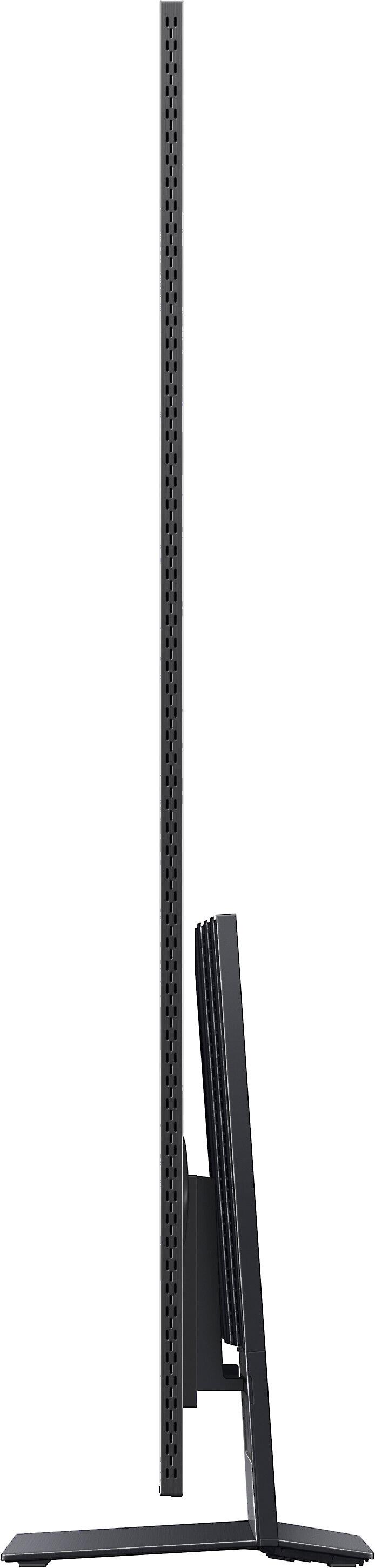
| Standard LED TV design (solid but basic) | Ultra-thin 12.9mm with nearly edgeless display (premium materials) |
| Best For - Target audience and use cases | |
| Budget-conscious buyers wanting reliable 4K performance | Premium home theater enthusiasts and future-proofing |
The Sony BRAVIA 2 II 65" 4K LED Google TV 2025 at $649.99 offers exceptional value, delivering solid 4K performance and excellent color accuracy at an affordable price. The Samsung 65" Neo QLED QN990F 8K Smart TV 2025 at $5,297.99 provides premium features but costs over 8 times more. For most buyers, the Sony delivers the better value proposition.
The Samsung QN990F uses Mini LED technology with thousands of dimming zones, providing superior contrast, deeper blacks, and brighter highlights compared to the Sony BRAVIA 2 II's standard LED backlighting. The Samsung also offers 8K resolution versus Sony's 4K, though native 8K content is still limited.
The Samsung QN990F excels for gaming with 4K@240Hz support, 8K@120Hz capability, Variable Refresh Rate (VRR), and advanced gaming features. The Sony BRAVIA 2 II supports 4K@60Hz with basic gaming features, making it suitable for casual gaming but not ideal for competitive or high-end PC gaming.
The Samsung QN990F performs much better in bright rooms due to its higher peak brightness and Glare-Free screen technology. The Sony BRAVIA 2 II works best in controlled lighting environments and may struggle with glare and washed-out colors in very bright rooms.
The Sony BRAVIA 2 II runs Google TV, which offers a clean, ad-free interface with excellent voice search and Google service integration. The Samsung QN990F uses Tizen OS, which is feature-rich but includes advertising elements and has a more complex interface.
For most viewers, 8K isn't essential yet since native 8K content is rare. The Samsung QN990F's 8K resolution provides future-proofing and excellent upscaling of 4K content, but the Sony BRAVIA 2 II's 4K resolution handles all current content perfectly at a fraction of the cost.
The Samsung QN990F features a superior 6.2.4 channel speaker system with 90W output and Object Tracking Sound Pro technology. The Sony BRAVIA 2 II has a basic 40W speaker system that's adequate for casual viewing but most users will want to add a soundbar.
The Samsung QN990F is excellent for home theater use with its Mini LED technology, high peak brightness, advanced HDR support, and Wireless One Connect Box for clean cable management. The Sony BRAVIA 2 II works well for home theater in controlled lighting but lacks the contrast and brightness for premium cinema experiences.
The Samsung QN990F provides superior connectivity with its innovative Wireless One Connect Box, allowing cable-free device connections up to 30 feet away, plus multiple HDMI 2.1 ports. The Sony BRAVIA 2 II offers standard connectivity with 4 HDMI ports and 2 USB ports.
Both the Sony BRAVIA 2 II and Samsung QN990F come with standard manufacturer warranties. Sony has a strong reputation for reliability and color accuracy, while Samsung's premium model includes advanced features but represents newer, more complex technology that may have higher long-term service needs.
Both TVs excel at streaming with comprehensive app support. The Sony BRAVIA 2 II offers a cleaner Google TV experience with better content discovery, while the Samsung QN990F provides superior picture quality with deeper blacks and brighter highlights that enhance the viewing experience for premium content.
Choose the Sony BRAVIA 2 II if you want excellent 4K performance at an affordable price and don't need premium features. Invest in the Samsung QN990F if you're building a high-end home theater, want the absolute best picture quality available, and can justify the significant price difference for cutting-edge technology.
We've done our best to create useful and informative comparisons to help you decide what product to buy. Our research uses advanced automated methods to create this comparison and perfection is not possible - please contact us for corrections or questions. These are the sites we've researched in the creation of this article: bestbuy.com - notebookcheck.net - rtings.com - youtube.com - youtube.com - rtings.com - avsforum.com - croma.com - totonstv.com - electronics.sony.com - listenup.com - pcrichard.com - youtube.com - flanners.com - brandsmartusa.com - displayspecifications.com - pioneertvandappliance.com - donstv.com - samsung.com - abt.com - bestbuy.com - pcnation.com - samsung.com - videoandaudiocenter.com - exertisalmo.com - displayspecifications.com - theapplianceplug.com - news.samsung.com

Privacy Policy
Terms and Conditions - Affiliate Policy
Home Security
© Copyright 2008-2026.
11816 Inwood Rd #1211, Dallas, TX 75244