


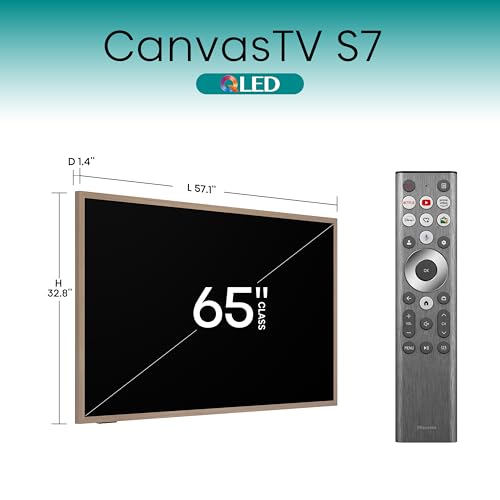











The 65-inch TV market has become fascinating in recent years, splitting into distinct categories that serve different lifestyle needs. At the time of writing, we're seeing two compelling but fundamentally different approaches to premium television design: TVs that double as living room art pieces, and traditional models that focus purely on delivering the best possible picture quality for movies, shows, and everyday viewing.
This comparison examines the Hisense 65" S7N CanvasTV – a 2024 release that pioneered the "art TV" concept for mainstream audiences – against Sony's BRAVIA 2 II 65" 4K LED Google TV, which launched in 2025 as Sony's refined entry into affordable premium television. These represent two compelling philosophies, and understanding their differences will help you choose the right TV for your specific needs and living situation.
Before diving into specifics, it's worth understanding what separates good TVs from great ones in 2024-2025. The most important performance factors are display technology (how the TV creates light and color), processing power (how it handles and improves the content you're watching), gaming capabilities (refresh rates and input response), and increasingly, room integration (how the TV fits into your living space when not actively displaying content).
Display technology has evolved significantly since 2020. QLED (Quantum Dot Light Emitting Diode) uses microscopic particles called quantum dots to create more precise, vibrant colors – think of it as a filter that purifies light to produce over a billion distinct color shades. Traditional LED backlighting, meanwhile, has improved with better local dimming (selectively brightening or darkening sections of the screen) and more sophisticated processing to make images look more natural.
Processing power might be the most underrated aspect of modern TVs. These chips analyze every frame of content in real-time, upscaling lower-resolution material, reducing noise, and optimizing colors. Sony has historically excelled here, while newer manufacturers like Hisense have made impressive strides by incorporating gaming-focused processing.
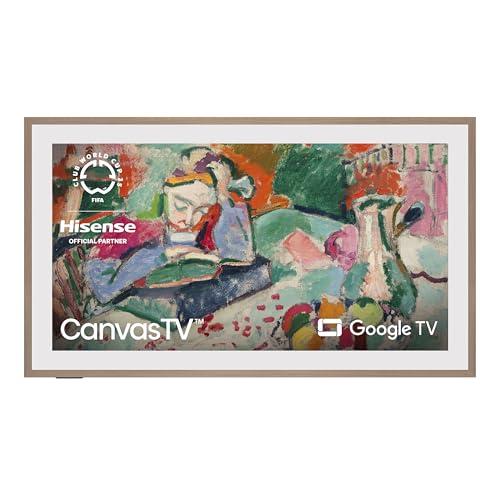
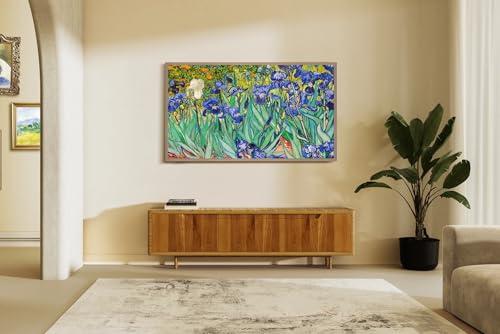
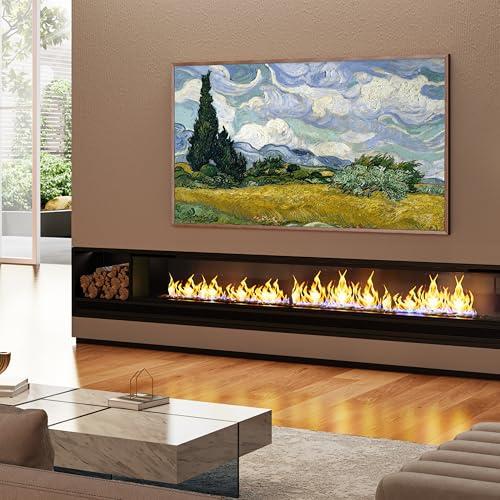
The Hisense S7N CanvasTV launched in 2024 as a direct challenge to Samsung's pioneering Frame TV, but with several key improvements that address common complaints about first-generation art TVs. The fundamental concept remains revolutionary: when you're not watching content, this TV transforms into a digital art gallery, displaying masterpieces or personal photos with such realism that visitors often mistake them for actual paintings.
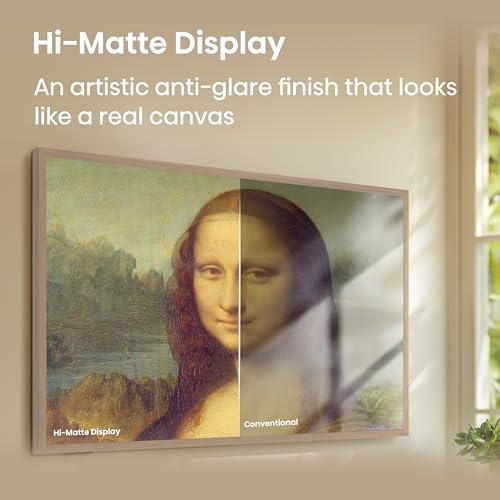
The CanvasTV's most impressive innovation is its Hi-Matte Display technology. Traditional TVs use glossy screens that reflect ambient light like mirrors – frustrating in bright rooms or spaces with large windows. Hisense's matte coating reduces reflections to just 5%, which is remarkable when you consider that most TVs reflect 8-12% of ambient light. This isn't just about glare reduction; the matte texture actually mimics the depth and surface irregularities of real canvas paintings.
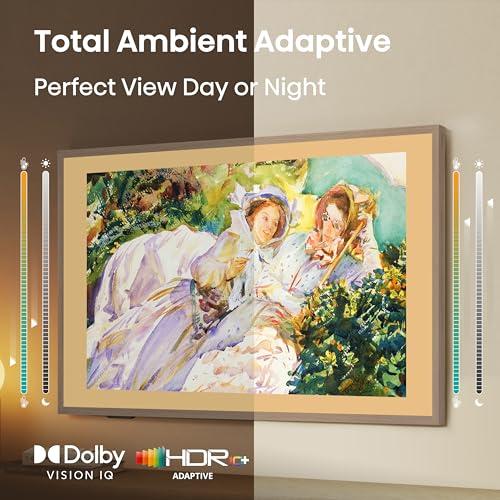
The underlying display uses QLED Quantum Dot technology, which excites microscopic particles to produce exceptionally pure colors. In practical terms, this means reds look more vibrant, blues appear deeper, and the overall color palette feels more lifelike than standard LED displays. The CanvasTV supports the full spectrum of HDR (High Dynamic Range) formats, including Dolby Vision and HDR10+ Adaptive, which automatically adjusts brightness and contrast based on your room's lighting conditions.
Peak brightness reaches 450 cd/m² (candelas per square meter – essentially how bright the screen can get), which is moderate by premium TV standards but perfectly adequate when combined with the anti-glare coating. More importantly, the matte finish means you'll actually see this brightness even in well-lit rooms, whereas glossy TVs often wash out completely in bright conditions.
Where the Hisense S7N truly differentiates itself is gaming performance. The 144Hz native refresh rate means the screen can display 144 unique images per second – more than double what most TVs manage. For gaming, this translates to incredibly smooth motion, especially important for competitive gaming or fast-paced action titles.
Variable Refresh Rate (VRR) technology allows the TV to match the frame rate of your gaming console or PC dynamically, ranging from 48Hz to 144Hz. When your game drops from 120 frames per second to 80 during intense scenes, the TV adjusts instantly to prevent screen tearing (when multiple frames appear simultaneously, creating a "torn" image effect). Input lag measures just 5.4 milliseconds – the delay between pressing a button and seeing the action on screen – which rivals dedicated gaming monitors.
The Game Mode Pro interface provides quick access to gaming-specific settings without diving into complex menus. Auto Low Latency Mode (ALLM) automatically switches to gaming mode when it detects a console, while the dedicated Game Bar lets you monitor frame rates and adjust settings mid-game.
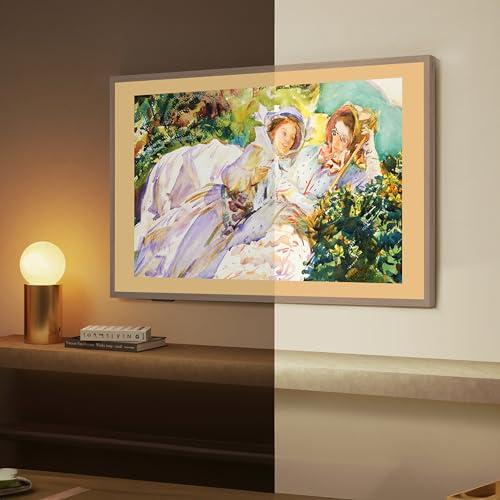
The art functionality goes well beyond simple photo display. The CanvasTV includes 120 pre-curated masterpieces from famous museums and artists, with no subscription fees required. Motion sensors detect when someone enters the room, automatically switching from power-saving mode to art display. When the room empties, the screen goes dark to conserve energy.
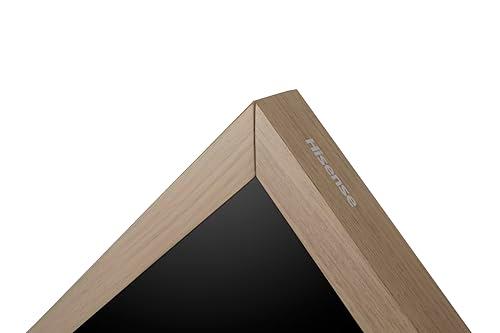
The magnetic frame system deserves special mention. Unlike Samsung's Frame TV, which requires tools to change frames, Hisense's magnetic design allows instant swapping between different wood finishes – teak, white, and walnut options are available. The frames literally snap into place, making it easy to match seasonal décor or room renovations.
The UltraSlim Wall Mount positions the TV just 3mm from the wall, creating an authentic painting-like appearance. Combined with the matte finish and realistic frame, the overall effect is surprisingly convincing – several reviewers have noted guests attempting to examine the "paintings" up close.
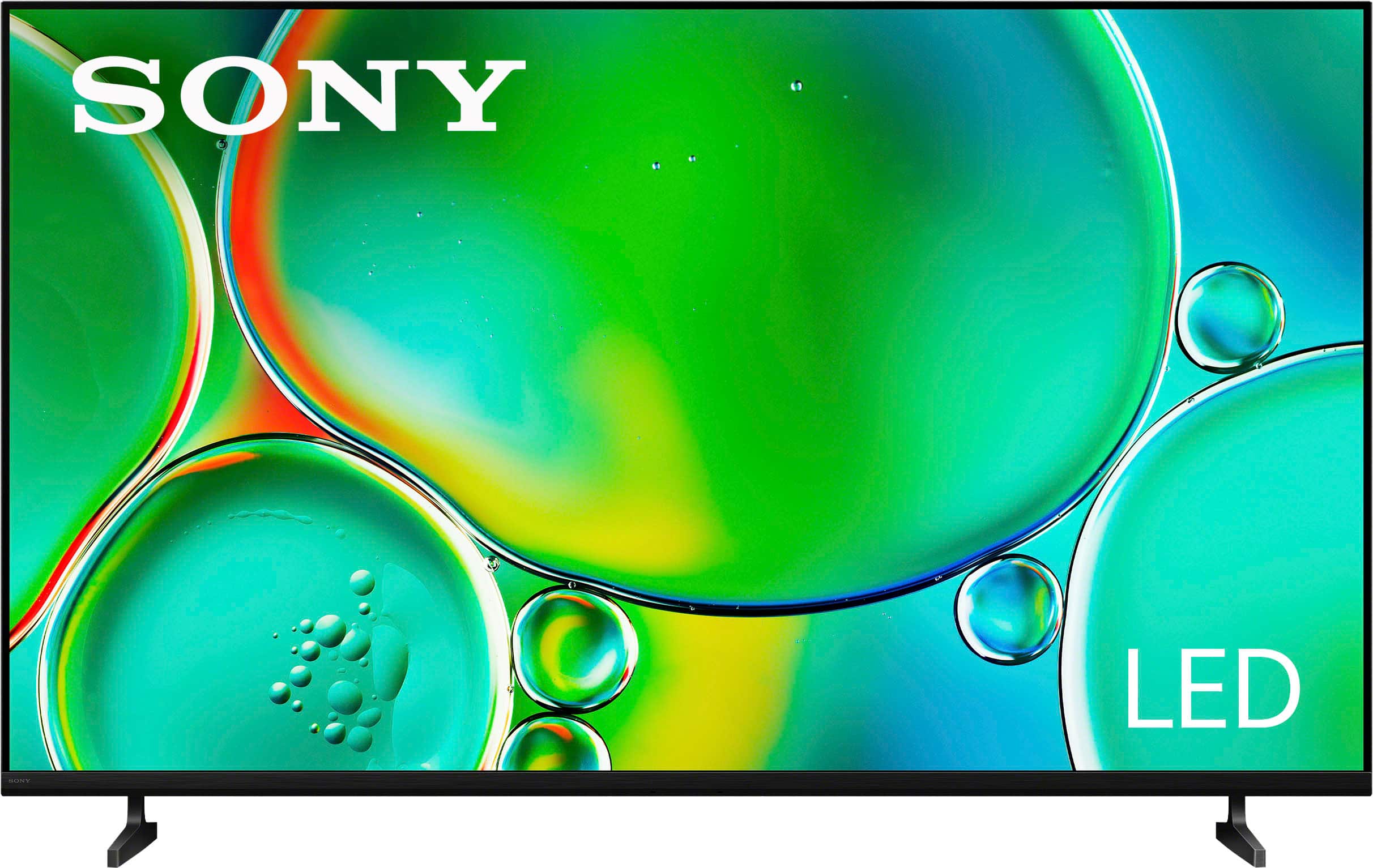
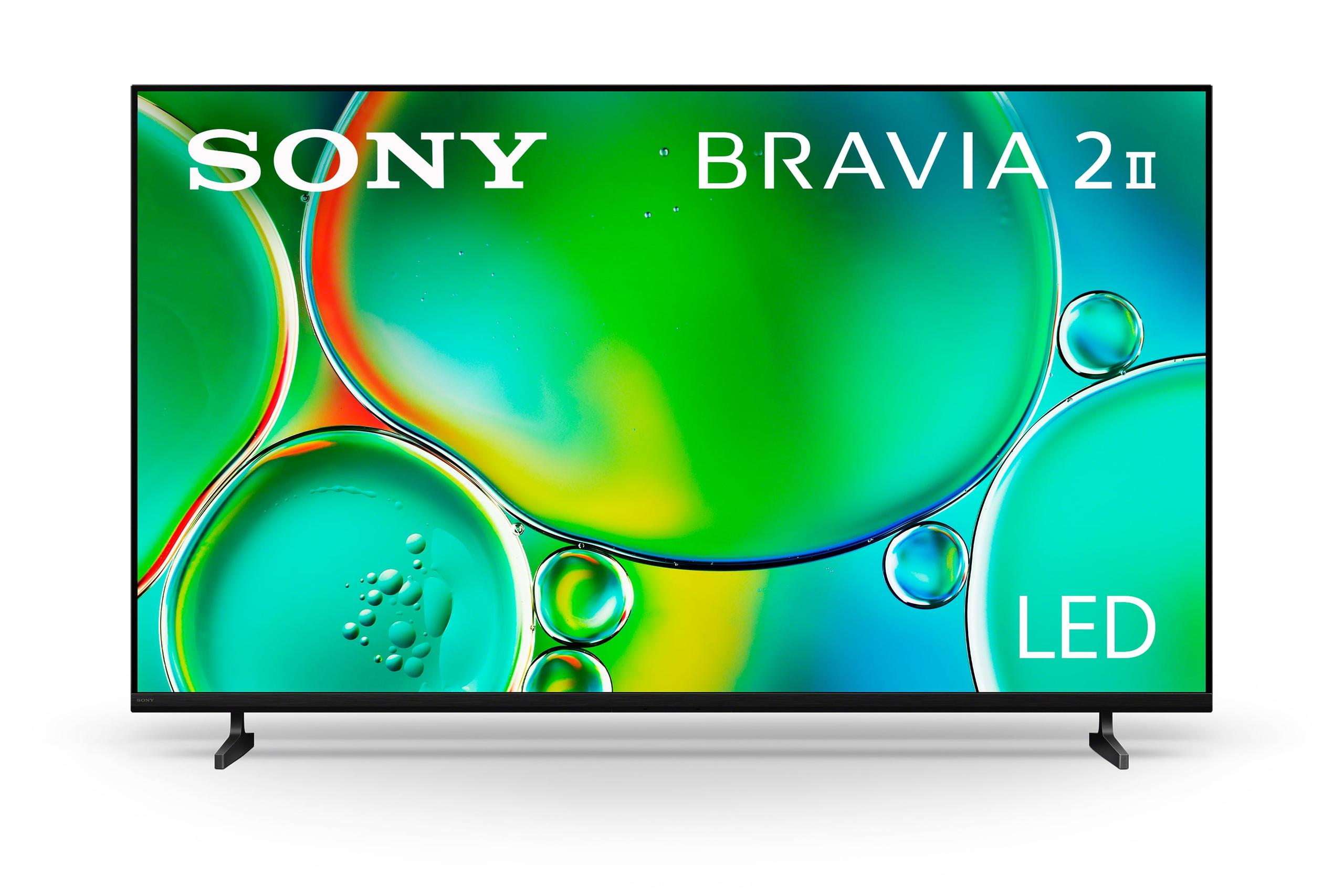
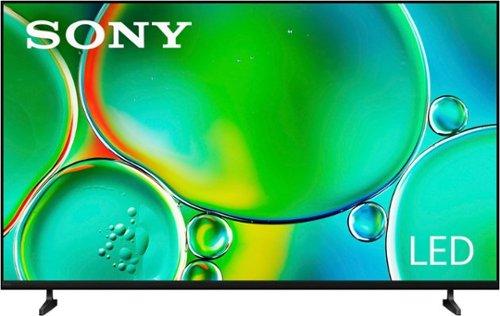
Sony's BRAVIA 2 II, released in 2025, represents the company's philosophy of perfecting traditional TV fundamentals rather than chasing novelty features. This second-generation model builds on lessons learned from the original BRAVIA 2, with improved processing and refined smart TV integration.
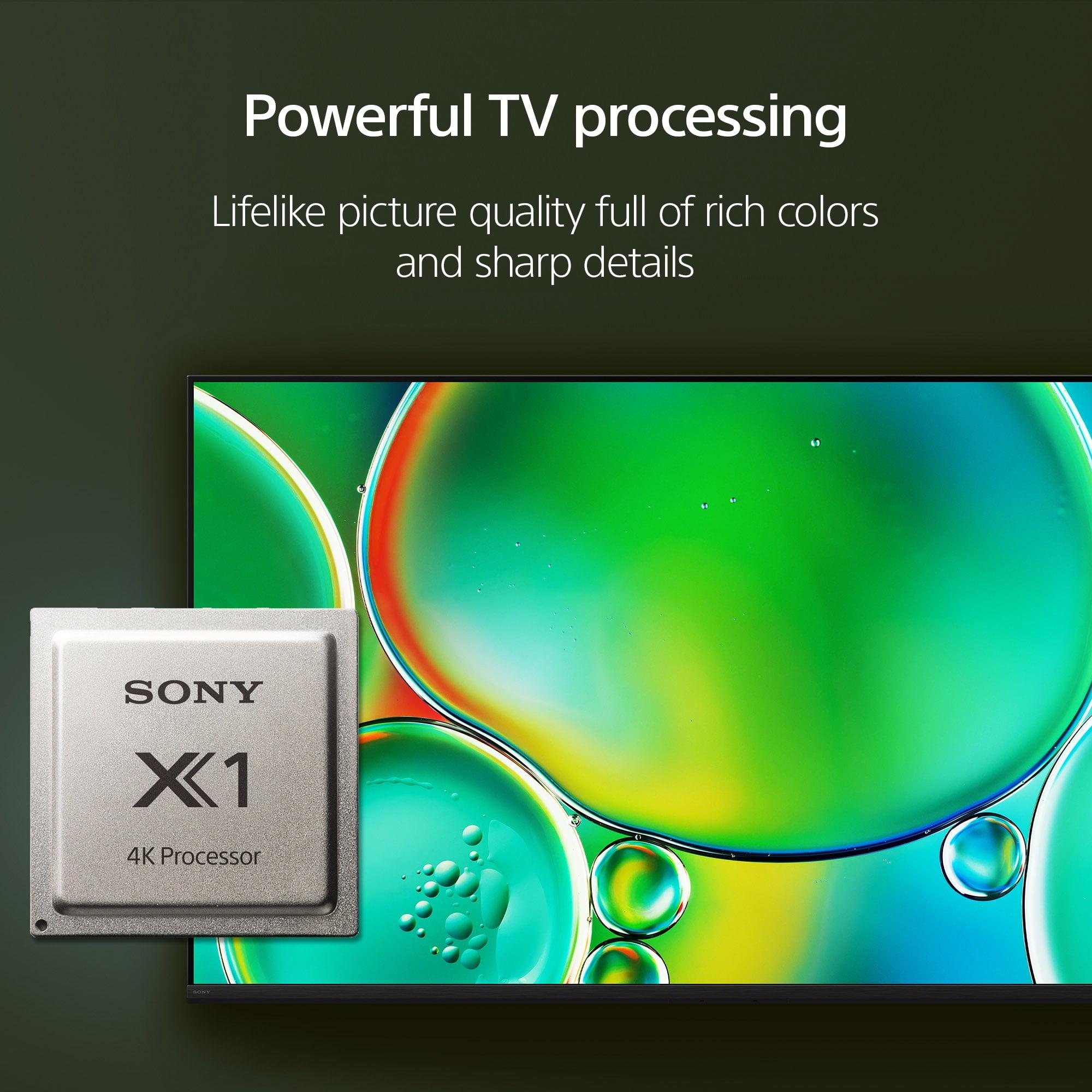
Sony's 4K Processor X1 might not sound exciting, but its real-world impact is significant. This dedicated chip doesn't just upscale content – it analyzes each scene using Sony's extensive database of how different types of content should look. A nature documentary gets different processing than an animated movie or live sports broadcast.
4K X-Reality PRO is where Sony's decades of display expertise shine. This technology examines every pixel in real-time, comparing it to reference patterns stored in the processor's memory. Low-resolution YouTube videos get cleaned up and sharpened, while already-good 4K content receives subtle enhancements that make images appear more three-dimensional and natural.
TRILUMINOS Pro color technology prioritizes accuracy over saturation. Where some TVs pump up colors to appear impressive in showrooms, Sony aims for colors that match what directors intended. Skin tones look natural rather than artificially warm, and green landscapes appear realistic rather than cartoonishly vibrant.
The BRAVIA 2 II includes Motionflow XR 200 processing, which creates intermediate frames between the original 60 frames per second to reduce motion blur. This is particularly noticeable during sports broadcasts or action movies, where fast-moving objects remain clear and detailed rather than becoming streaky blurs.
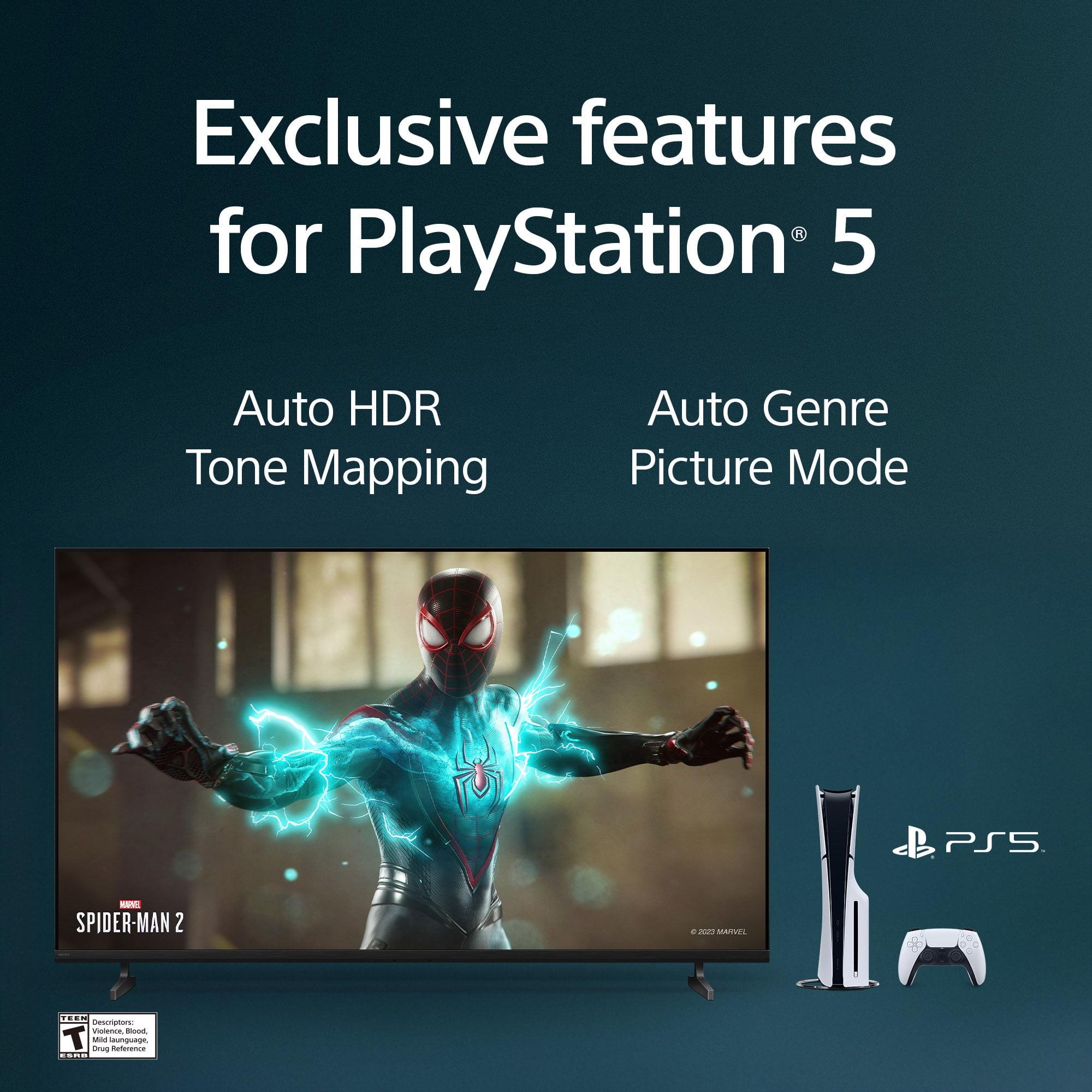
While the 60Hz native refresh rate limits gaming potential compared to higher-end models, Sony includes several PlayStation 5-specific optimizations: Auto HDR Tone Mapping automatically adjusts brightness for optimal gaming visuals, while Auto Genre Picture Mode switches between game, movie, and sports settings based on content type.
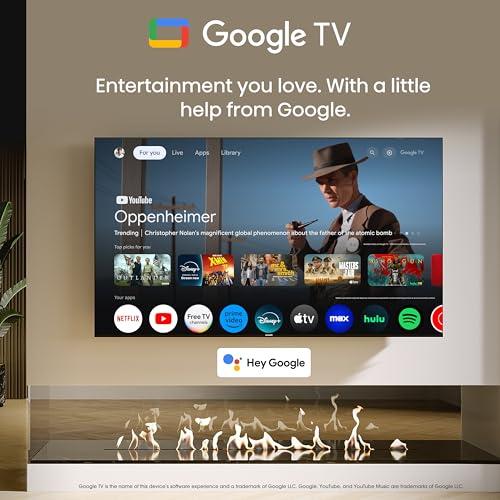
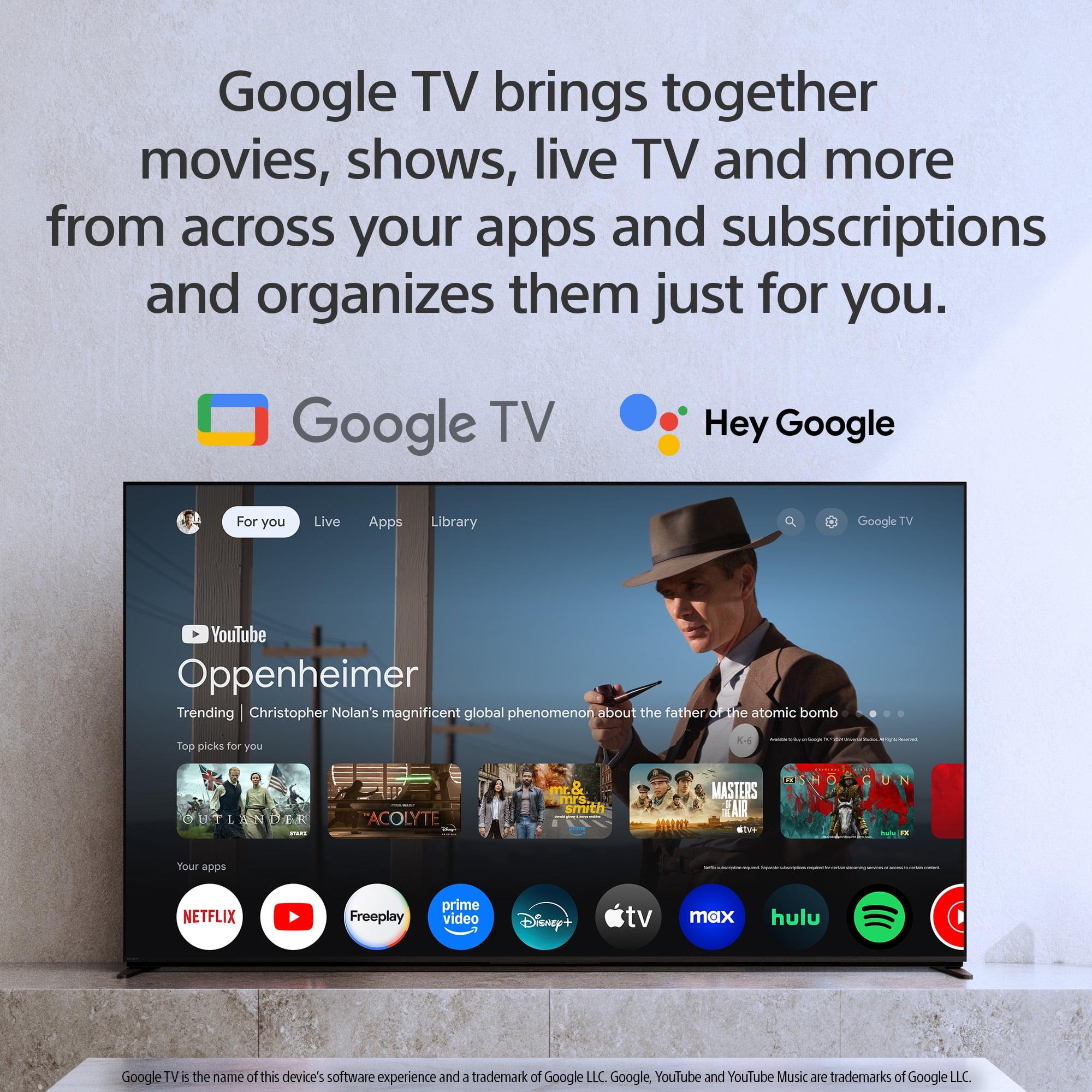
Both TVs run Google TV, but Sony's implementation feels more refined. The interface responds quickly to commands, and Sony's customizations feel purposeful rather than overwhelming. Apple AirPlay 2 support allows iPhone and iPad users to cast content directly, while HomeKit compatibility integrates the TV into Apple's smart home ecosystem.
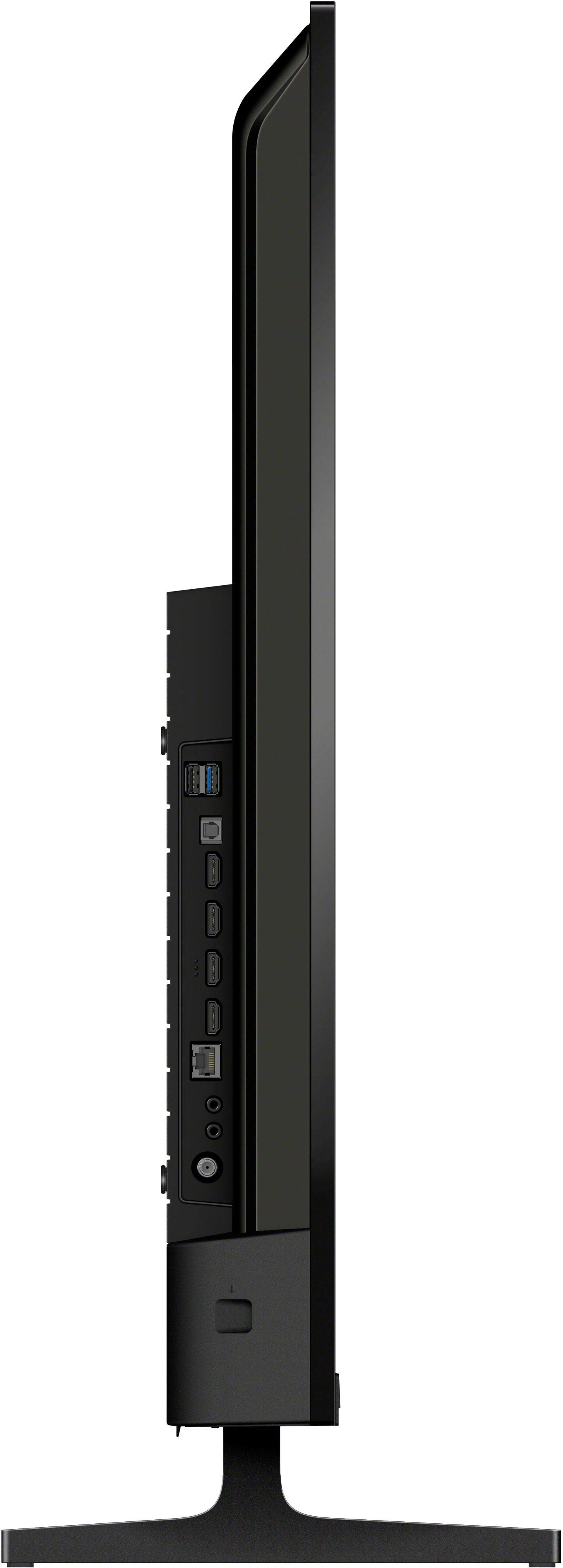
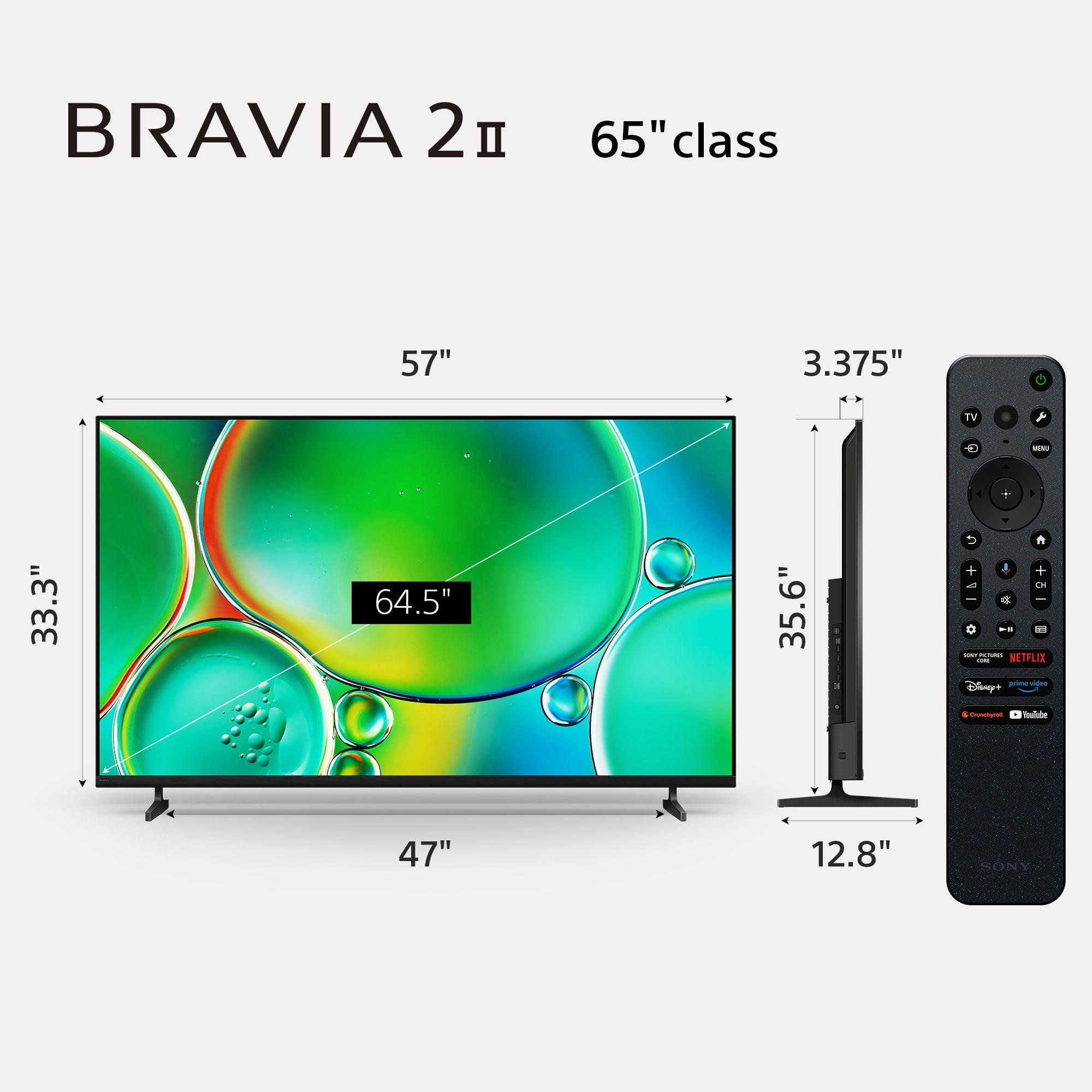
The BRAVIA 2 II includes four HDMI 2.0 ports, two USB connections, and Wi-Fi 6 for robust streaming performance. While it lacks the advanced HDMI 2.1 gaming features of the Hisense, the connectivity is solid for typical home theater setups.
In dark or dimly lit rooms, the Sony BRAVIA 2 II delivers more natural, film-like images. Colors appear accurate and well-balanced, with excellent upscaling that makes even mediocre source material look presentable. The processing power shows most clearly with mixed content – streaming services, cable TV, and Blu-ray discs all receive appropriate optimization.
The Hisense S7N CanvasTV excels in bright rooms where traditional TVs struggle. The matte coating eliminates the washed-out appearance that plagues glossy screens in well-lit spaces. Colors appear more saturated and "pop" more than the Sony, though this sometimes comes at the expense of absolute accuracy.
For HDR content specifically, both TVs handle the expanded brightness and color range well, but with different philosophies. The Sony prioritizes maintaining the director's intended look, while the Hisense emphasizes visual impact. Neither approach is wrong – it depends on your viewing preferences and room conditions.
Gaming performance heavily favors the Hisense CanvasTV. The 144Hz refresh rate, VRR support, and 5.4ms input lag create a responsive, smooth gaming experience that rivals dedicated gaming monitors. Modern consoles and PC graphics cards can take full advantage of these capabilities, particularly for competitive gaming where every millisecond matters.
The Sony BRAVIA 2 II offers adequate gaming performance for casual players, but the 60Hz limitation and ~20ms input lag feel dated in 2025. PlayStation 5 owners will appreciate the console-specific optimizations, but Xbox Series X users and PC gamers will notice the limitations immediately.
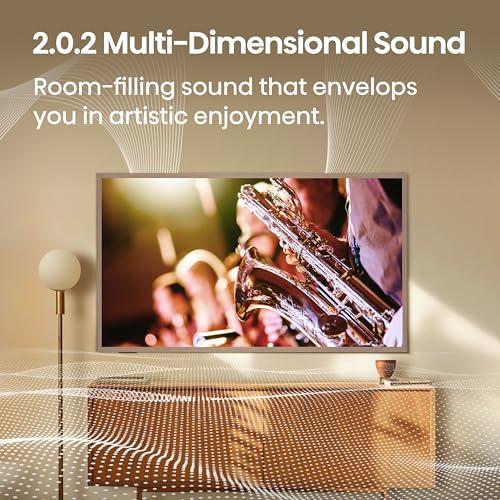
Both TVs punch above their weight in audio quality. The CanvasTV's 2.0.2 surround system includes upward-firing speakers that create a sense of height and dimension unusual in flat-panel TVs. DTS Virtual:X processing enhances this effect, making dialogue clearer and providing better separation between different audio elements.
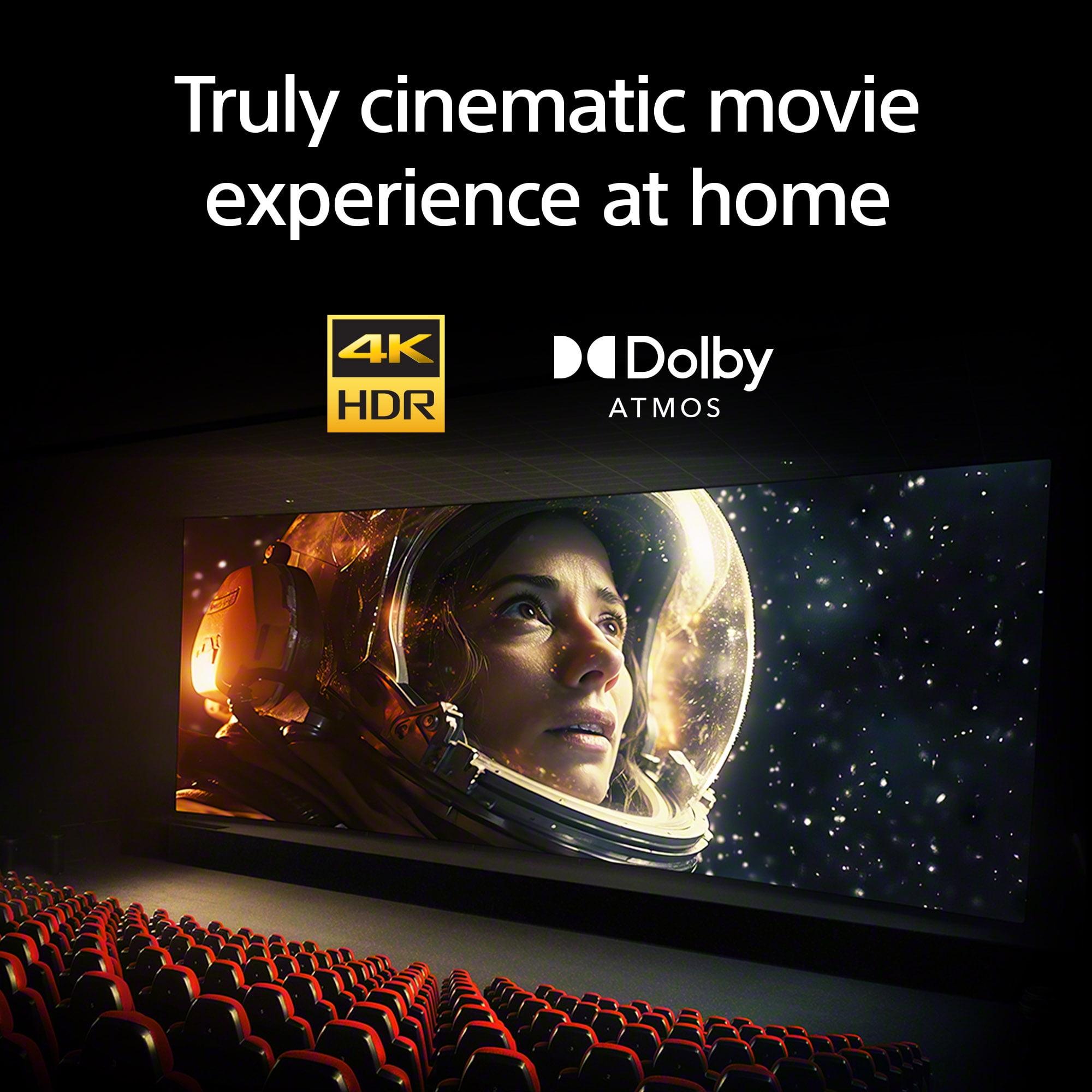
Sony's BRAVIA 2 II leverages Dolby Atmos processing and Clear Phase technology to optimize acoustic alignment. The Open Baffle Speaker design reduces internal reflections that can muddy sound quality. At 40W total output versus the Hisense's 36W, the power difference is minimal, but Sony's audio tuning tends toward more balanced, natural sound reproduction.
Both TVs benefit significantly from adding a soundbar or home theater system, but they're surprisingly capable on their own – a marked improvement over most flat-panel TVs from just a few years ago.
For dedicated home theater setups, the choice depends heavily on your room and usage patterns. The Sony BRAVIA 2 II works better in traditional media rooms with controlled lighting, where its superior processing and color accuracy shine. The upscaling capabilities are particularly valuable if you watch varied content sources or older movies.
The Hisense CanvasTV excels in multi-purpose living spaces where the TV needs to look good whether it's on or off. The art mode functionality transforms what's traditionally been a black rectangle dominating the wall into an active design element. For families with children or frequent guests, the automatic art display creates a more welcoming atmosphere.
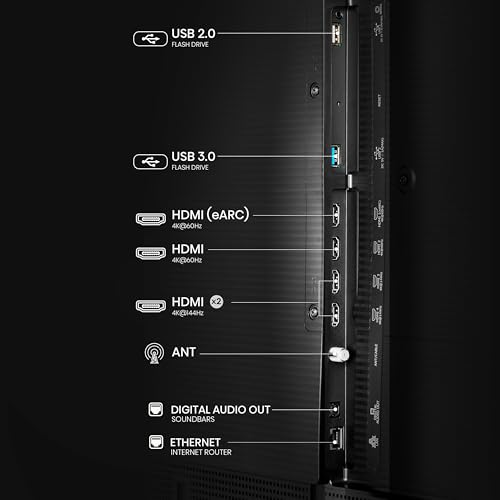
HDMI connectivity matters for complex home theater setups. The Sony includes four HDMI 2.0 ports with one eARC-capable connection for high-quality audio passthrough to receivers or soundbars. The Hisense offers two HDMI 2.1 ports (supporting 144Hz gaming) plus two HDMI 2.0 connections, providing more future-proofing for next-generation devices.
At the time of writing, the Hisense S7N CanvasTV typically costs several hundred dollars more than the Sony BRAVIA 2 II. This premium reflects the unique art functionality and superior gaming capabilities, but it's important to consider whether these features justify the additional expense for your specific situation.
You live in a bright room with large windows or open floor plans where glare is problematic. The matte display technology alone justifies consideration in these environments. Serious gamers will appreciate the 144Hz performance and low input lag – features typically found only in dedicated gaming monitors or much more expensive TVs.
The art mode functionality appeals most to design-conscious buyers who want their TV to contribute positively to room aesthetics even when not in use. If you frequently entertain guests or simply prefer living spaces without dominant black screens, the CanvasTV's approach makes compelling sense.
The interchangeable frame system adds genuine flexibility. Being able to switch from teak to white frames for seasonal decorating or room renovations provides value that's difficult to quantify but meaningful in practice.
You prioritize traditional TV excellence with proven reliability. Sony's reputation for longevity and consistent performance appeals to buyers who want a "set it and forget it" experience. The superior upscaling and processing power benefit viewers who watch varied content from different sources – streaming services, cable TV, physical media, and older content all receive appropriate optimization.
Budget-conscious buyers get more traditional TV performance per dollar with the BRAVIA 2 II. The color accuracy and motion handling rival much more expensive displays, while the Google TV platform provides access to all major streaming services with a refined, responsive interface.
For families who primarily use the TV for movies, shows, and casual gaming, Sony's approach makes more sense than paying extra for art features that might go unused.
These TVs represent two valid but different philosophies in modern television design. The Hisense S7N CanvasTV pushes boundaries with its art integration and gaming performance, while the Sony BRAVIA 2 II refines traditional TV fundamentals to an impressive degree.
The decision ultimately comes down to your living space, usage patterns, and personal priorities. If you want a TV that enhances your room's aesthetics and delivers cutting-edge gaming performance, the premium for the CanvasTV makes sense. If you prefer proven picture quality and processing excellence at a more accessible price, the Sony provides exceptional value.
Both represent solid investments that should serve well for years to come. The key is honestly assessing which approach better fits your lifestyle and viewing habits. In a market full of incremental improvements, it's refreshing to see manufacturers taking genuinely different approaches to solving the same basic challenge: creating compelling big-screen entertainment experiences for modern homes.
| Hisense 65" S7N CanvasTV QLED 4K Smart Display | Sony BRAVIA 2 II 65" 4K LED Google TV 2025 |
|---|---|
| Display Technology - Affects color vibrancy and brightness | |
| QLED with Quantum Dot (over 1 billion colors, more vibrant) | Direct LED with local dimming (natural colors, good contrast) |
| Screen Coating - Critical for bright room viewing | |
| Hi-Matte anti-glare (5% reflections, eliminates glare) | Standard glossy finish (typical TV reflections) |
| Refresh Rate - Essential for gaming and sports | |
| 144Hz native (buttery smooth gaming, future-proof) | 60Hz native (adequate for most content, limited gaming) |
| Gaming Features - Matters for console and PC gamers | |
| VRR 48-144Hz, 5.4ms input lag, ALLM, Game Mode Pro | Basic gaming support, ~20ms input lag, PlayStation optimizations |
| Art Mode - Unique feature for room aesthetics | |
| Yes, with 120+ masterpieces, motion sensors, magnetic frames | Not available (traditional TV when off) |
| Peak Brightness - Important for HDR and bright rooms | |
| 450 cd/m² (moderate but matte coating helps visibility) | 400-500 cd/m² (typical for entry-level premium TVs) |
| HDR Support - Enhanced contrast and color range | |
| Dolby Vision, HDR10+, HDR10+ Adaptive, HLG | HDR10, HLG (basic HDR support) |
| Audio System - Built-in sound quality | |
| 2.0.2 surround with upward-firing speakers, DTS Virtual:X | Dolby Atmos, Open Baffle design, Clear Phase technology |
| Smart TV Platform - User experience and app support | |
| Google TV with Chromecast built-in | Google TV with Apple AirPlay 2, HomeKit support |
| Design Philosophy - How it fits in your living space | |
| Ultra-slim wall mount (3mm from wall), interchangeable frames | Traditional TV design with standard mounting |
| HDMI Connectivity - Future-proofing for devices | |
| 2x HDMI 2.1 (144Hz gaming), 2x HDMI 2.0, eARC support | 4x HDMI 2.0, eARC support (no HDMI 2.1 gaming features) |
| Viewing Angles - Important for wide seating arrangements | |
| Limited (VA panel, colors fade from sides) | Standard LED viewing angles (better than VA panels) |
| Processing Power - Upscaling and picture optimization | |
| Basic quantum dot processing, gaming-focused features | 4K Processor X1, 4K X-Reality PRO upscaling excellence |
| Target Use Case - Who this TV is designed for | |
| Design-conscious buyers, serious gamers, bright rooms | Traditional TV viewers prioritizing picture quality and value |
The Hisense 65" S7N CanvasTV is significantly better for gaming with its 144Hz refresh rate, Variable Refresh Rate support, and ultra-low 5.4ms input lag. The Sony BRAVIA 2 II is limited to 60Hz with around 20ms input lag, making it adequate for casual gaming but not ideal for competitive or high-performance gaming.
Yes, the Hisense S7N CanvasTV features a specialized Hi-Matte display that reduces reflections to just 5% and includes 120+ pre-loaded masterpieces. Combined with magnetic interchangeable frames and motion sensors that automatically display art when you enter the room, it creates a convincing painting-like appearance when not watching TV.
The Sony BRAVIA 2 II generally delivers better picture quality for traditional content viewing, thanks to Sony's superior 4K Processor X1 and 4K X-Reality PRO upscaling technology. It prioritizes natural, accurate colors and excellent motion handling. The Hisense CanvasTV offers more vibrant colors due to QLED technology but may be less accurate.
The Hisense 65" S7N CanvasTV excels in bright rooms due to its Hi-Matte anti-glare coating that virtually eliminates reflections. The Sony BRAVIA 2 II uses a standard glossy screen that can wash out in bright lighting conditions, making the Hisense a better choice for well-lit living spaces.
The Sony BRAVIA 2 II typically offers better value for traditional TV viewing, providing excellent picture processing and reliability at a lower price point. The Hisense CanvasTV costs more but includes unique features like art mode, superior gaming performance, and anti-glare technology that may justify the premium for specific users.
Both work well for home theater, but serve different needs. The Sony BRAVIA 2 II is better for dedicated dark media rooms where its superior processing and color accuracy shine. The Hisense S7N CanvasTV works better in multi-purpose living spaces where the TV needs to look good when off, plus its gaming features appeal to entertainment enthusiasts.
Both the Hisense CanvasTV and Sony BRAVIA 2 II run Google TV with access to all major streaming apps. The Sony adds Apple AirPlay 2 and HomeKit support, while the Hisense includes Chromecast built-in and unique art mode functionality with motion and light sensors.
Both TVs offer surprisingly good built-in audio. The Hisense 65" S7N CanvasTV features a 2.0.2 surround system with upward-firing speakers and DTS Virtual:X processing. The Sony BRAVIA 2 II uses Dolby Atmos processing with Open Baffle speaker design. Both are above average for flat-panel TVs but benefit from external audio systems.
The Hisense CanvasTV is more future-proof with two HDMI 2.1 ports supporting 4K at 144Hz, Variable Refresh Rate, and ultra-low input lag. The Sony BRAVIA 2 II only offers HDMI 2.0 ports with basic gaming features, limiting its compatibility with next-generation gaming features.
Yes, both support wall mounting, but differently. The Hisense S7N CanvasTV includes an UltraSlim wall mount that positions the TV just 3mm from the wall for a painting-like appearance. The Sony BRAVIA 2 II uses standard wall mounting with typical TV spacing from the wall.
Sony has a longer track record of reliability and longevity in the TV market, with the BRAVIA 2 II representing decades of refinement in TV technology. Hisense has improved significantly in recent years, and the CanvasTV represents their premium engineering, but Sony generally has better long-term support and proven durability.
Choose the Hisense 65" S7N CanvasTV if you want art mode functionality, superior gaming performance, have a bright room, or value unique design features. Choose the Sony BRAVIA 2 II if you prioritize traditional TV excellence, natural picture quality, proven reliability, and better value for standard TV viewing needs.
We've done our best to create useful and informative comparisons to help you decide what product to buy. Our research uses advanced automated methods to create this comparison and perfection is not possible - please contact us for corrections or questions. These are the sites we've researched in the creation of this article: bestbuy.com - hisense.sg - tomsguide.com - content.syndigo.com - rtings.com - hisense-usa.com - youtube.com - bestbuy.com - youtube.com - displayspecifications.com - displayspecifications.com - manuals.plus - displayspecifications.com - bestbuy.com - hisense-canada.com - manuals.plus - bargainoutletandmore.com - bestbuy.com - device.report - bestbuy.com - notebookcheck.net - rtings.com - youtube.com - youtube.com - rtings.com - avsforum.com - croma.com - totonstv.com - electronics.sony.com - listenup.com - pcrichard.com - youtube.com - flanners.com - brandsmartusa.com - displayspecifications.com - pioneertvandappliance.com - donstv.com

Privacy Policy
Terms and Conditions - Affiliate Policy
Home Security
© Copyright 2008-2026.
11816 Inwood Rd #1211, Dallas, TX 75244