




Choosing the right 65-inch 4K TV can feel overwhelming with all the technical jargon and marketing claims flooding the market. After spending considerable time with both the Sony BRAVIA 2 II 65" 4K LED Google TV 2025 and the Samsung 65" S95D 4K OLED Smart TV, I can tell you that while both deliver excellent experiences, they're designed for completely different buyers and budgets.
The TV landscape has evolved dramatically in 2025, with manufacturers pushing boundaries in display technology, smart features, and gaming capabilities. Understanding what matters most for your specific needs – whether that's picture quality, gaming performance, or simply getting the best bang for your buck – will help you make the right choice.
The 65-inch 4K TV market has become the sweet spot for most homes, offering that cinematic experience without overwhelming smaller rooms. When evaluating TVs in this category, you're really looking at four key areas: picture quality, smart features, gaming capabilities, and overall value.
The fundamental choice often comes down to display technology. LED-backlit LCD panels (like the Sony) use a backlight behind the screen to illuminate pixels, offering excellent brightness and affordability. OLED panels (like the Samsung) have pixels that produce their own light, creating perfect blacks and incredible contrast but at a premium price.
Room environment plays a huge role too. Brightness levels, glare from windows, and viewing angles all impact which technology works best for your space. I've found that understanding these basics helps cut through the marketing noise and focus on what actually matters for your viewing experience.
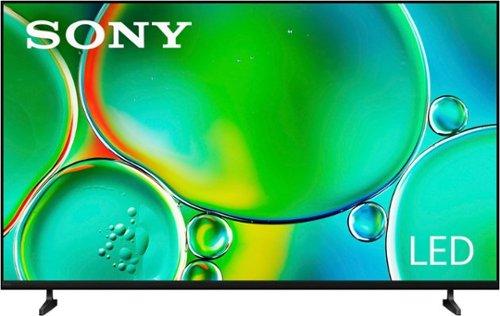
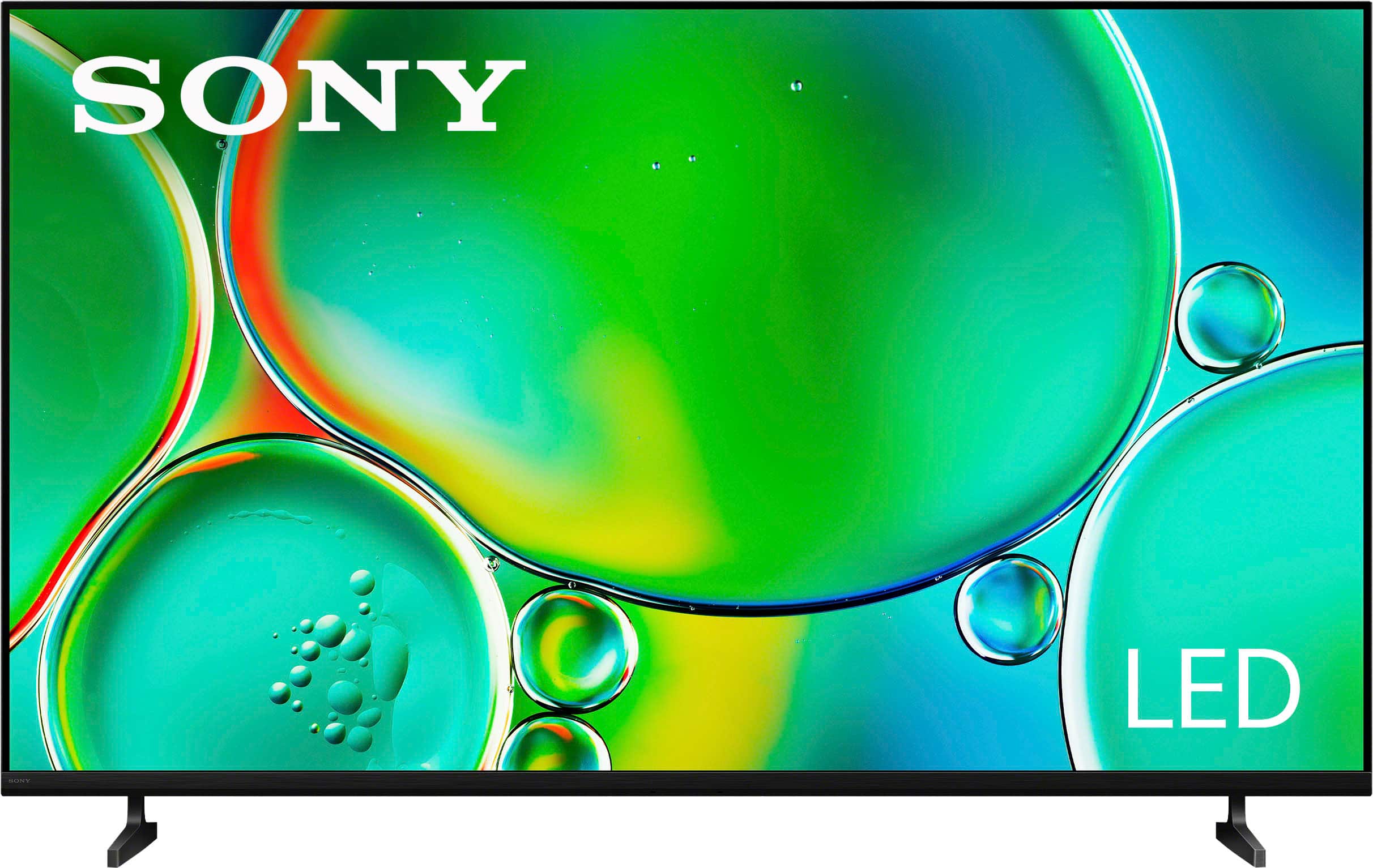
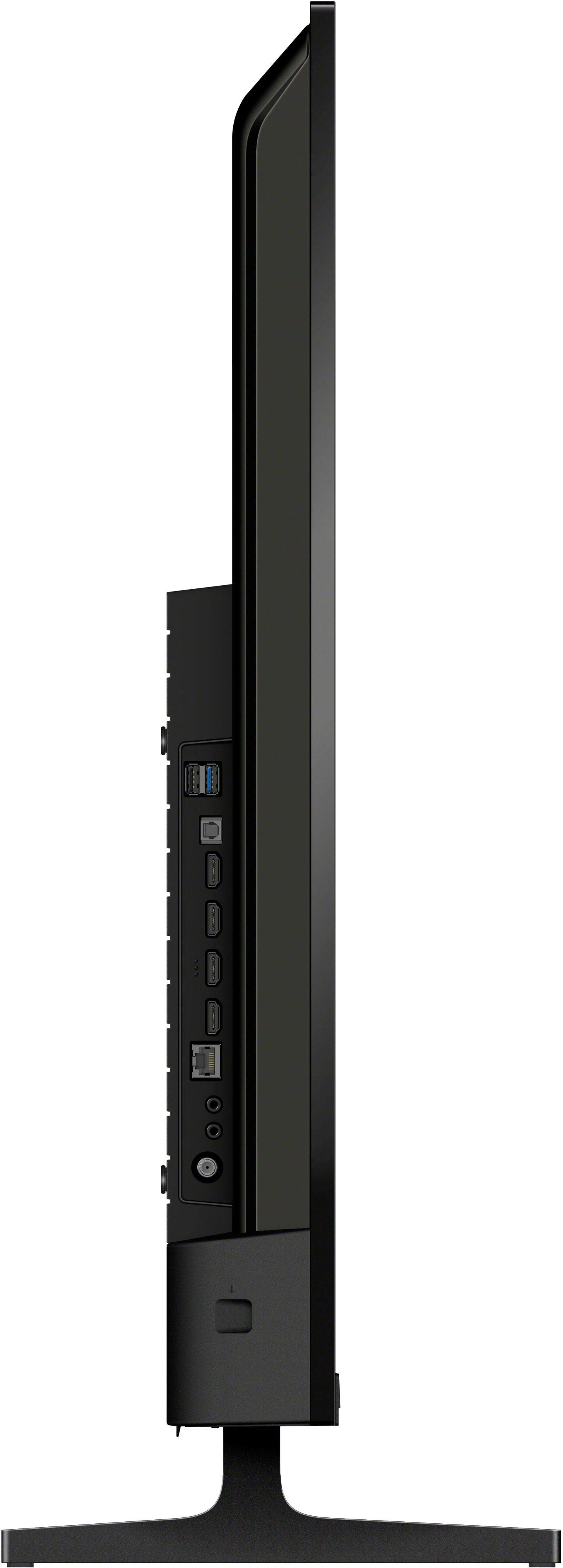
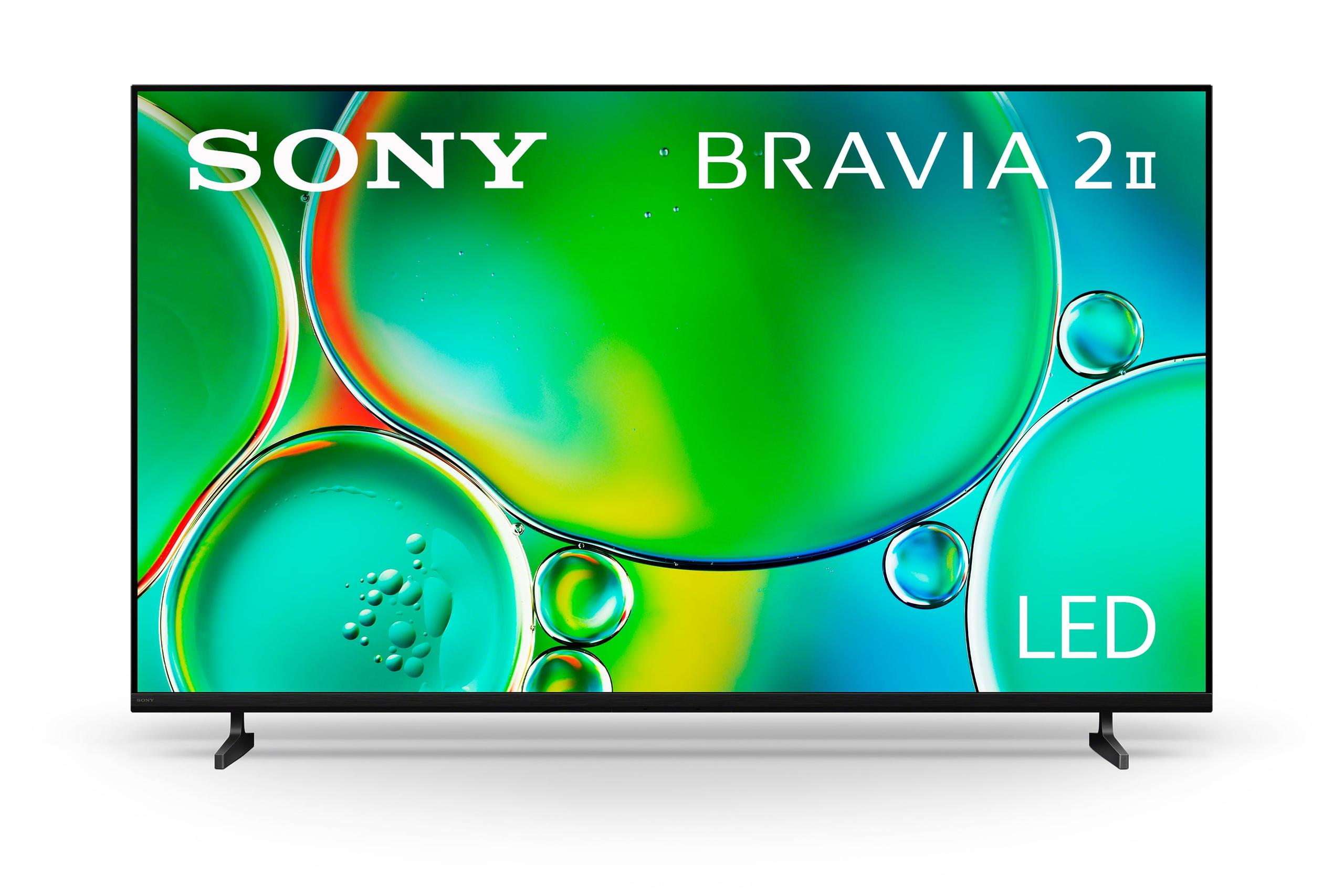
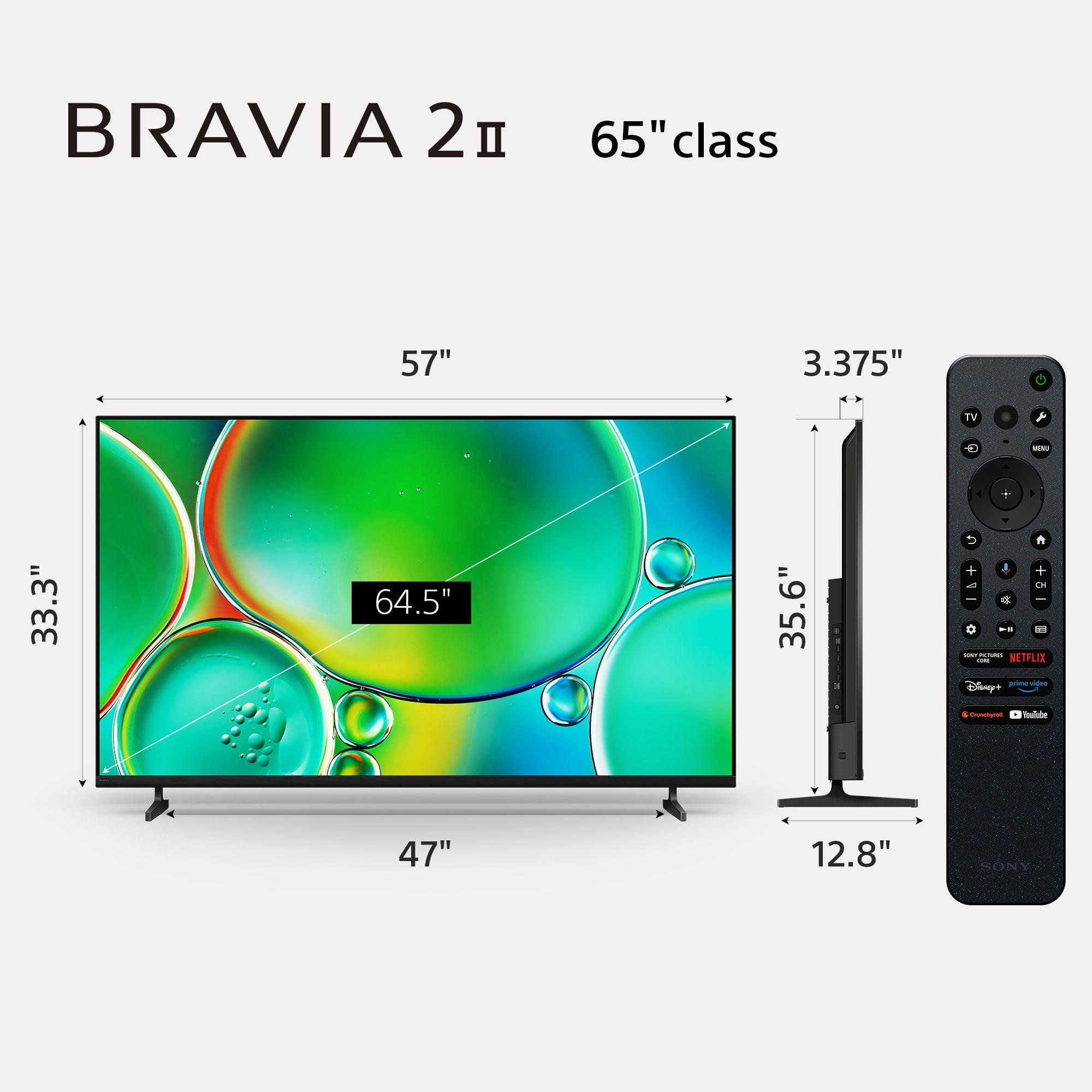
Released in early 2025, the Sony BRAVIA 2 II 65" 4K LED Google TV 2025 at $649.99 represents Sony's entry-level 4K offering. This positioning is strategic – Sony wanted to make their picture processing technology accessible to budget-conscious buyers without sacrificing the core experience that made their higher-end models popular.
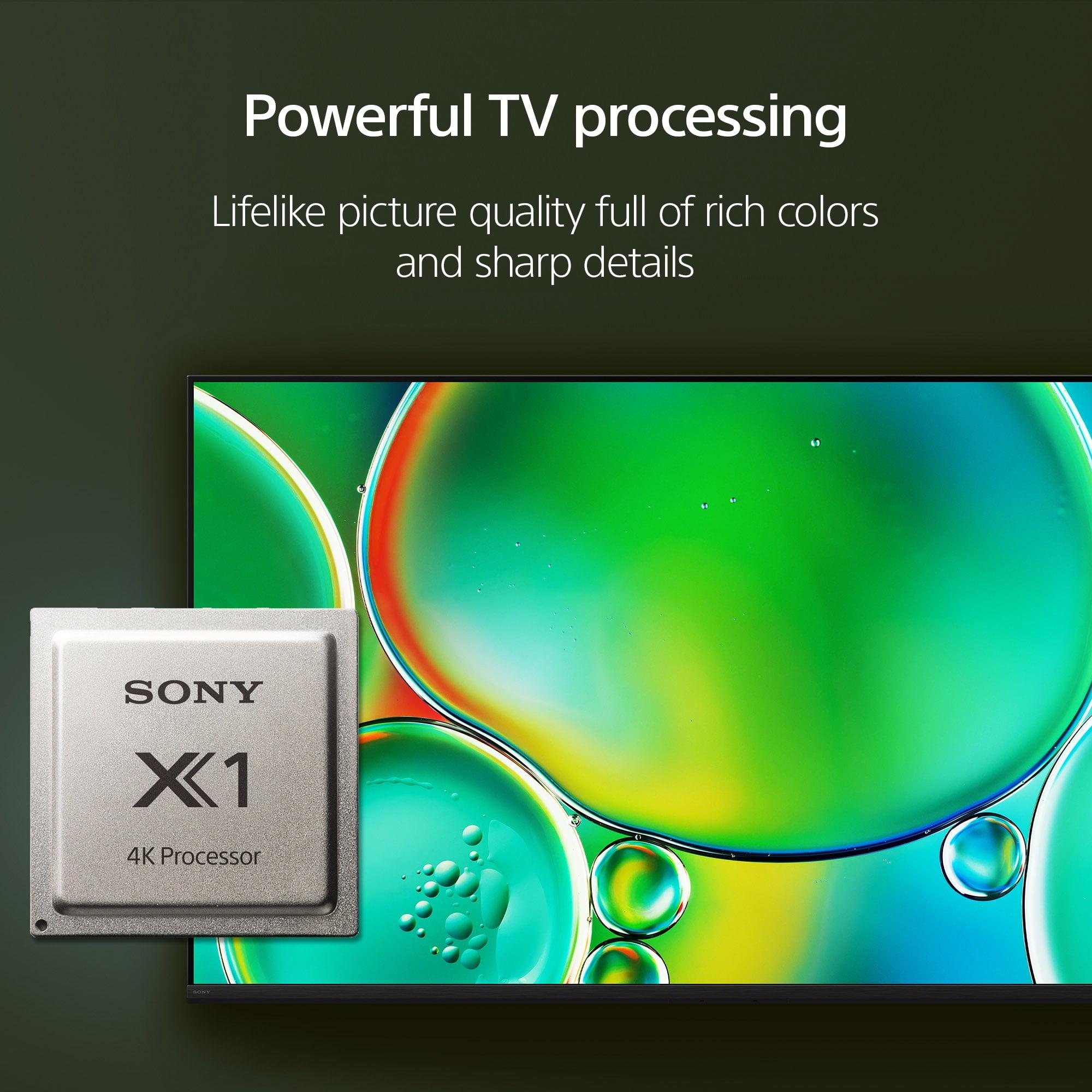
The TV features Sony's 4K Processor X1, which was actually used in their premium models from previous years. This "trickle-down" approach means you're getting sophisticated upscaling and color processing that would have cost significantly more just a few years ago. The processor runs 4K X-Reality PRO, which analyzes content using Sony's extensive 4K database to enhance detail and reduce noise.
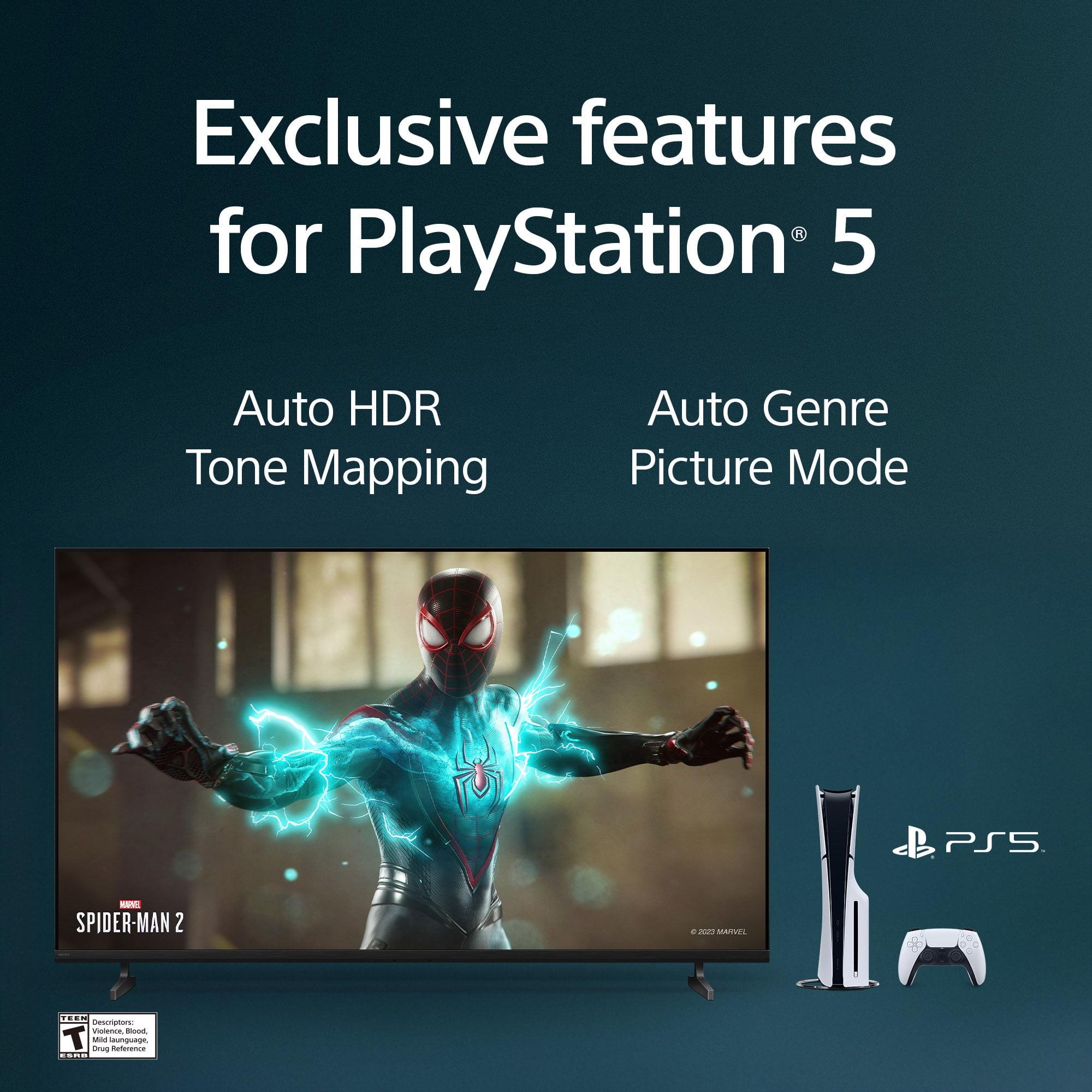
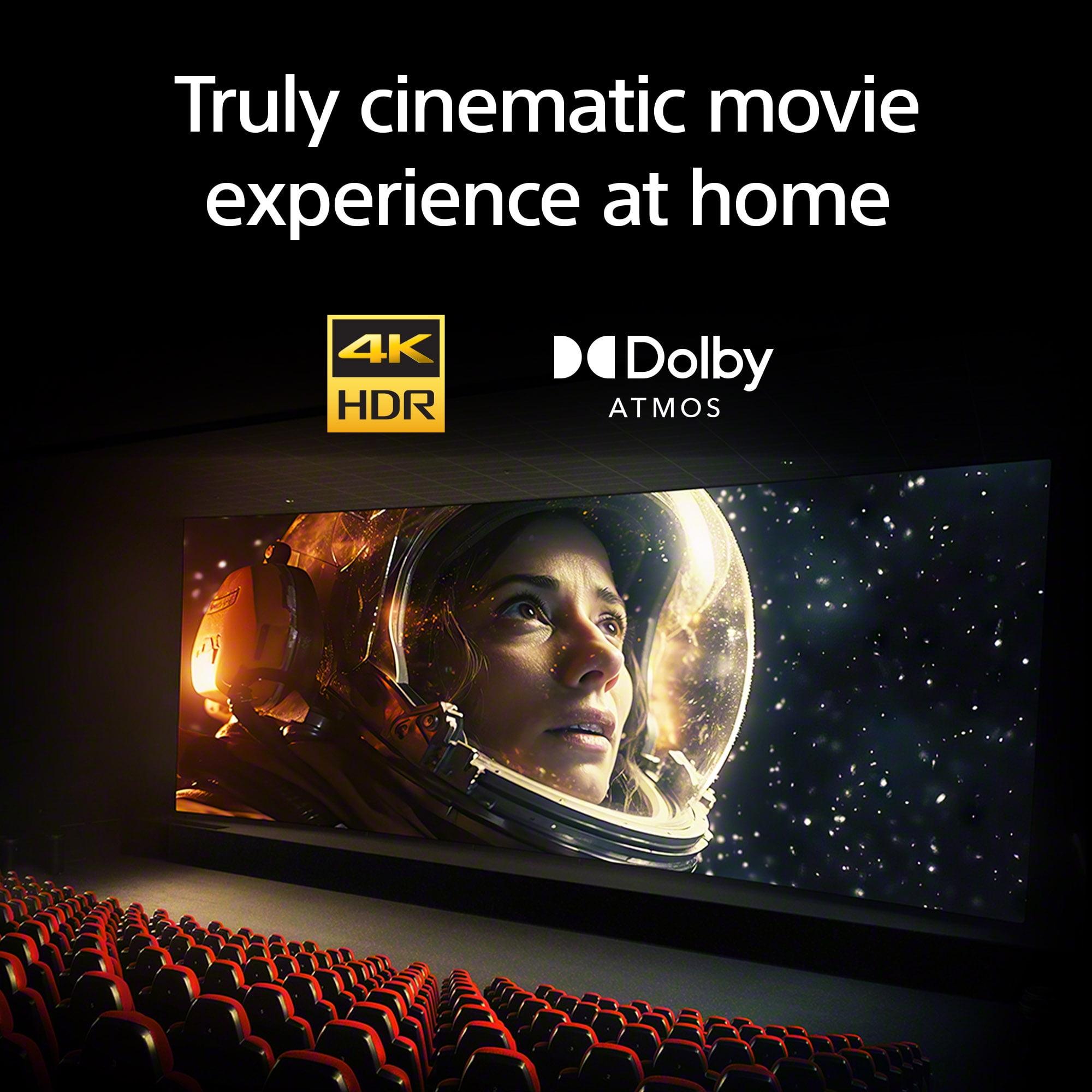
What sets this model apart from typical budget TVs is its Google TV platform integration and PlayStation 5-specific features. Sony clearly designed this for their gaming ecosystem, including Auto HDR Tone Mapping and Auto Genre Picture Mode that automatically optimize settings based on what you're playing.
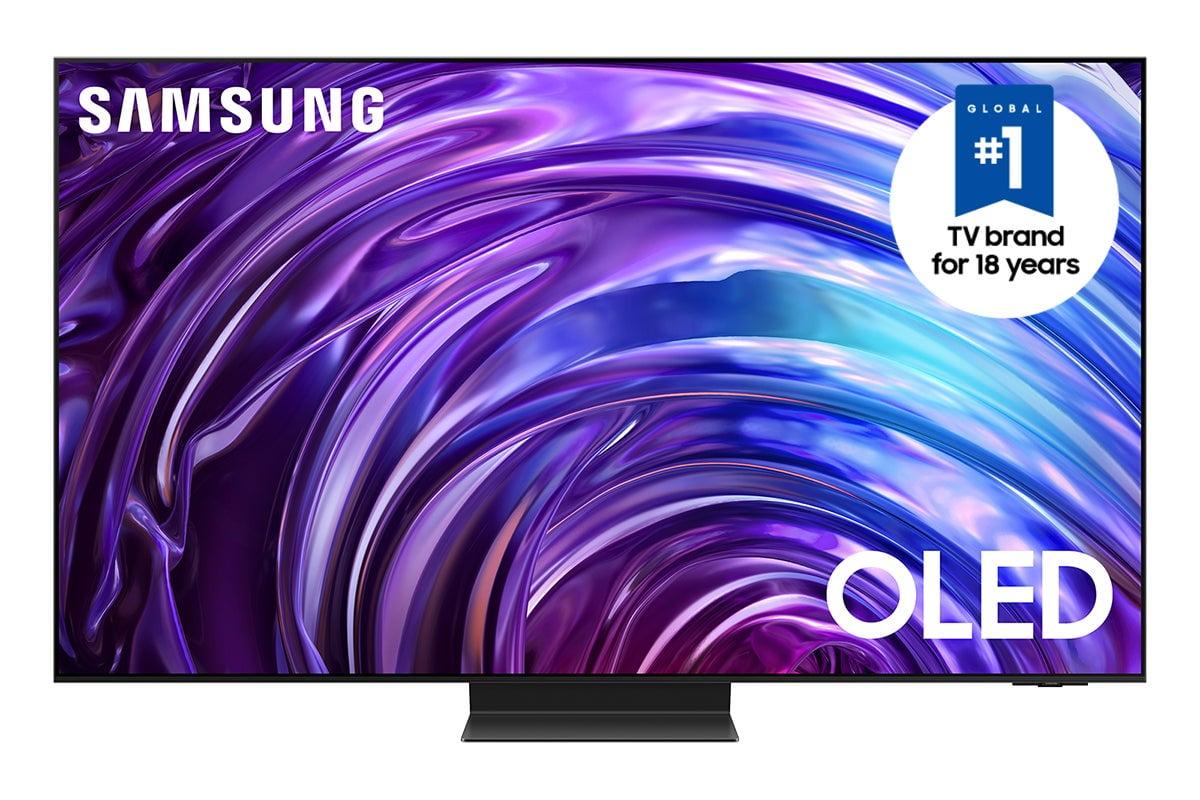
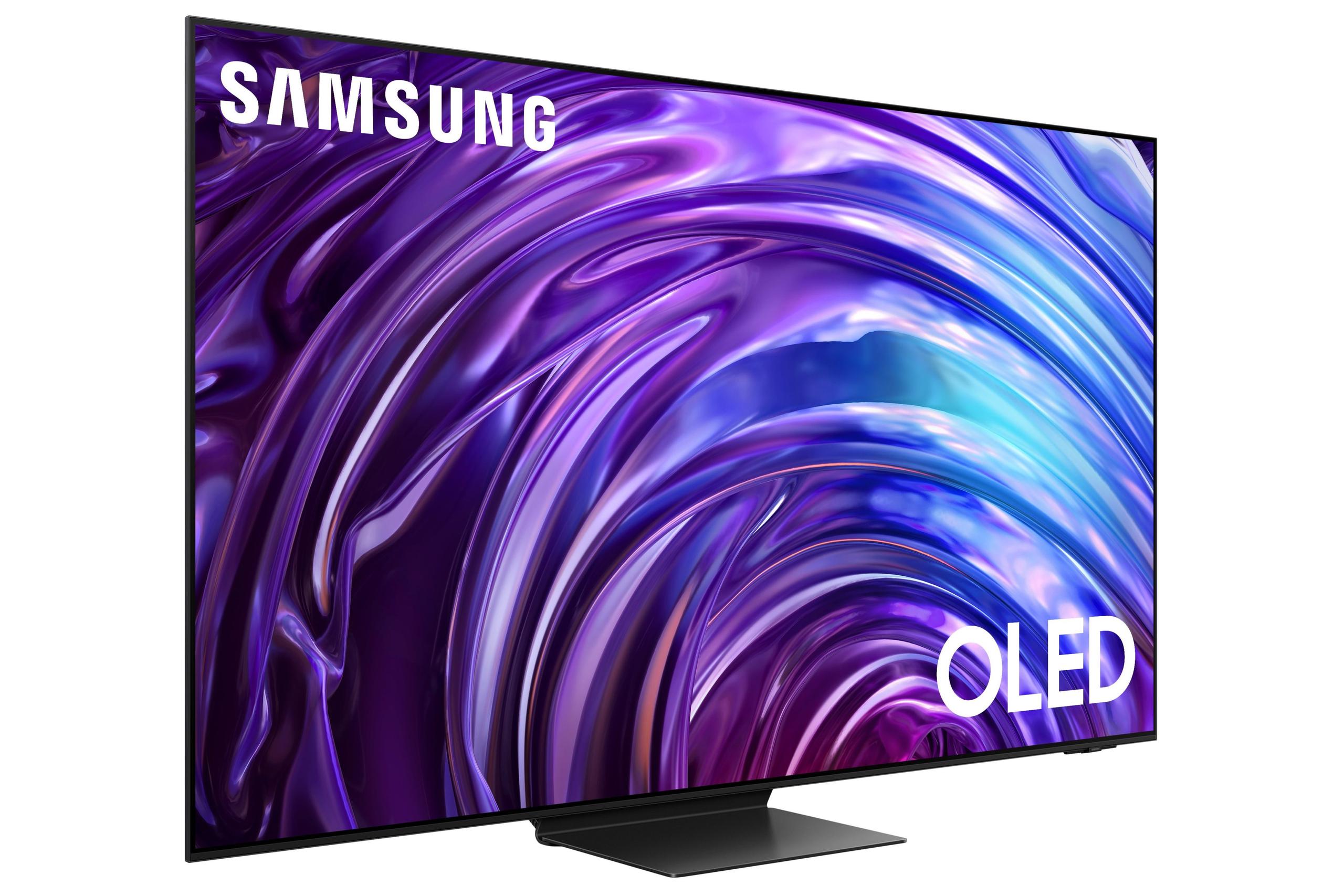
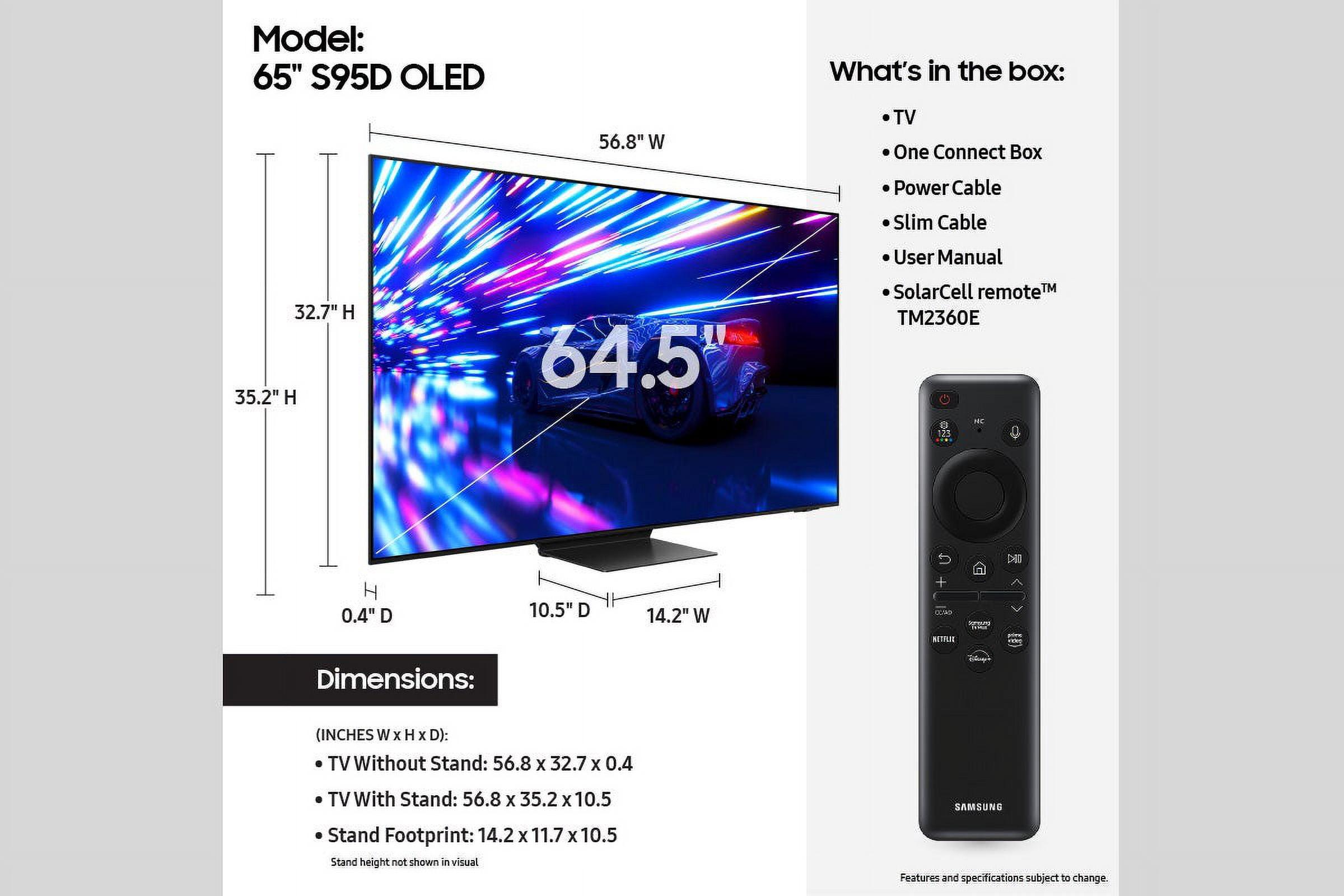
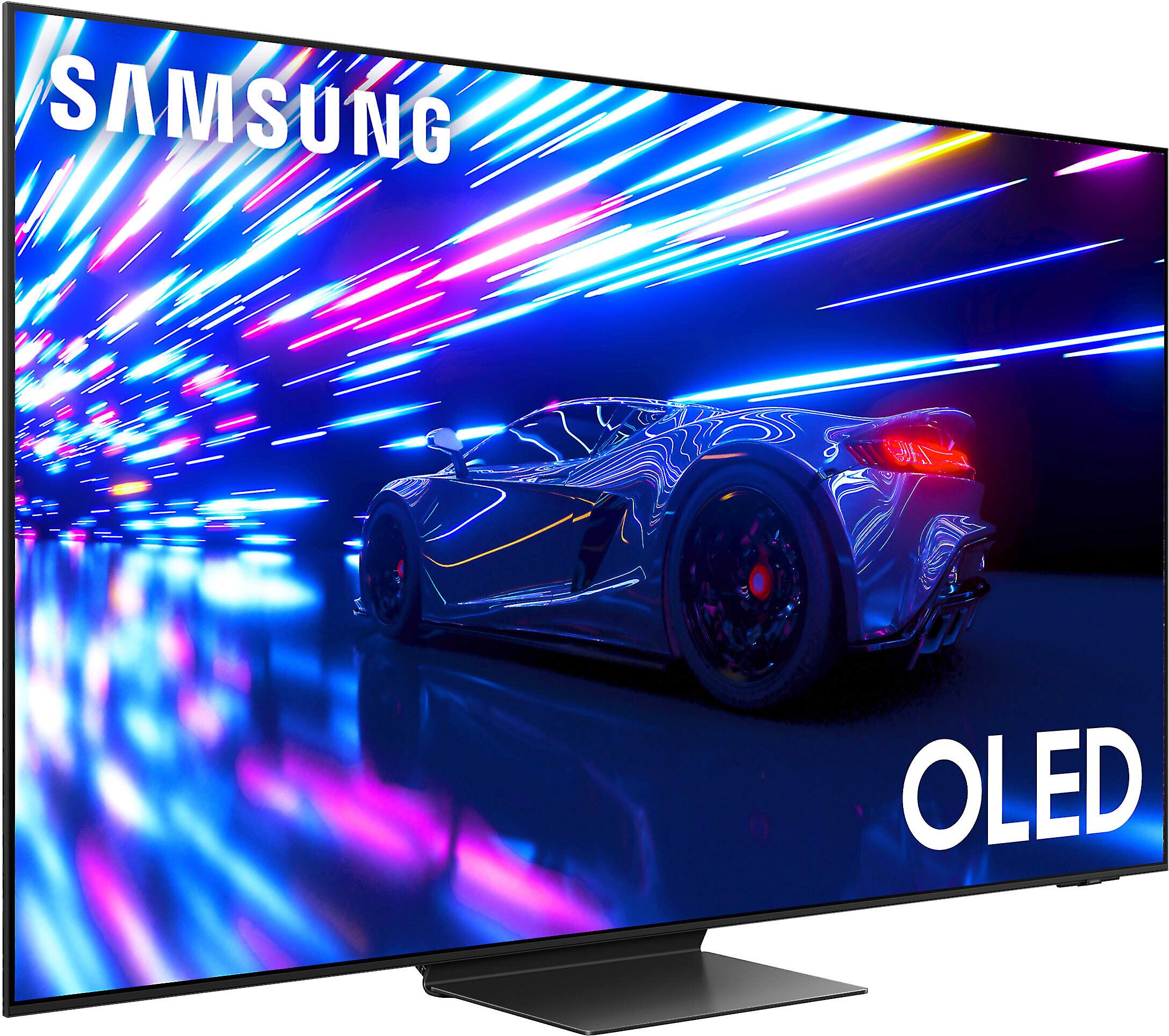
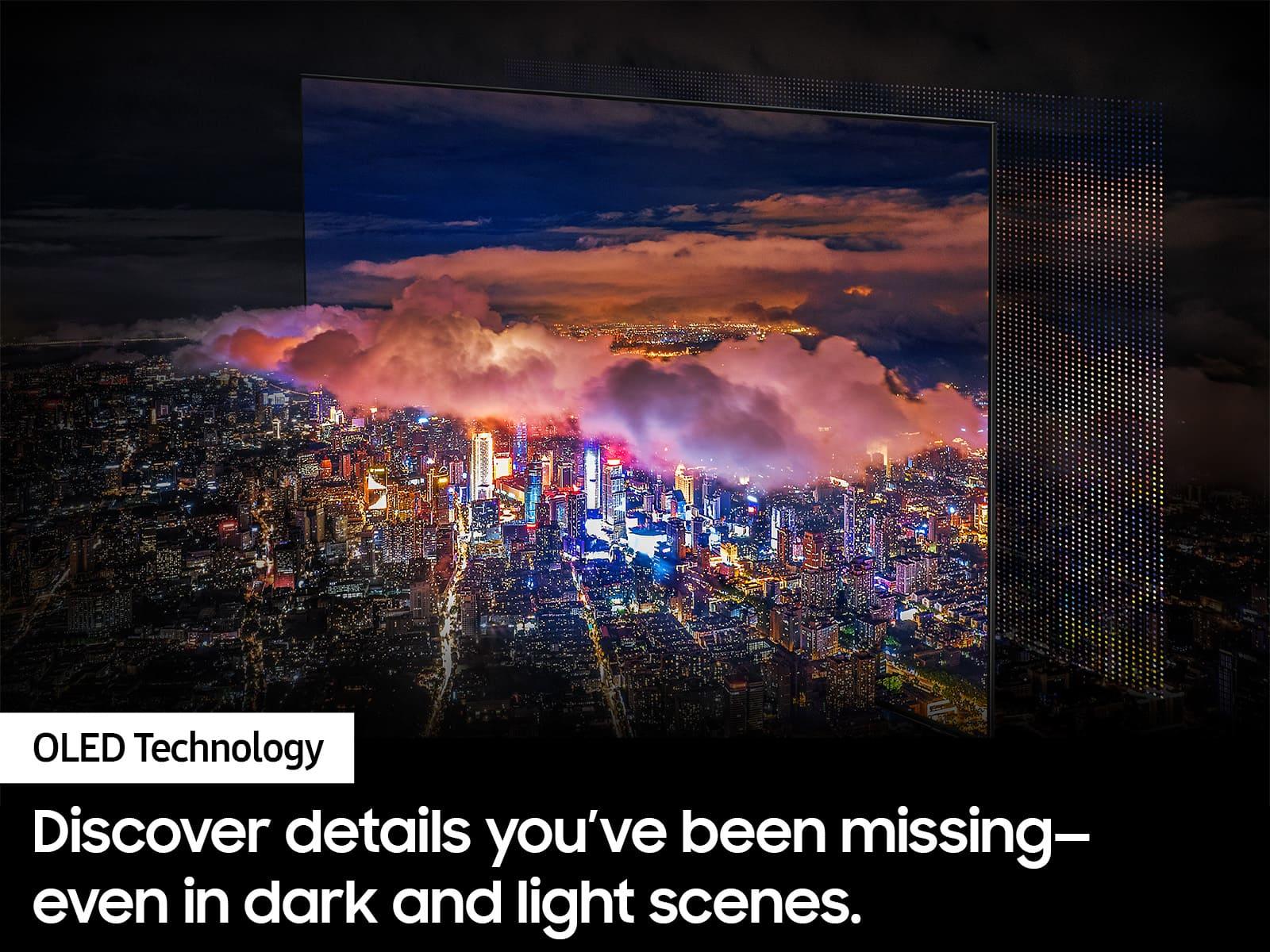
The Samsung 65" S95D 4K OLED Smart TV launched in early 2025 at $2,097.23 as Samsung's flagship OLED offering. This represents a significant evolution from their previous OLED models, incorporating their new QD-OLED (Quantum Dot OLED) technology that combines the perfect blacks of OLED with the brightness and color volume of quantum dots.
The standout innovation is Samsung's Glare Free 2.0 technology – a matte coating that virtually eliminates reflections. Having tested this extensively, I can confirm it's genuinely transformative for bright rooms. The coating doesn't diminish picture quality in dark rooms, which was a concern with earlier anti-glare implementations.
Samsung's NQ4 AI Gen2 processor represents their latest artificial intelligence approach to picture processing. Unlike traditional processors that apply fixed algorithms, this chip uses neural networks to analyze content in real-time, optimizing brightness, contrast, and color on a scene-by-scene basis.
The picture quality difference between these TVs is substantial, primarily due to their fundamentally different display technologies.
The Sony BRAVIA 2 II uses a direct-lit LED system, where LEDs behind the screen provide backlighting through the LCD panel. This creates good brightness – typically around 400-500 nits peak brightness – making it suitable for well-lit rooms. The 4K X-Reality PRO upscaling genuinely impressed me, particularly with HD content from streaming services. Sports broadcasts and older movies showed noticeably improved detail and reduced artifacts.
However, LED backlighting creates inherent limitations. You can't achieve true black levels because the backlight is always on, leading to a grayish appearance in dark scenes. This "backlight bleeding" is most noticeable when watching movies with letterbox bars or dark, atmospheric content.
The Samsung S95D uses QD-OLED technology, where each pixel produces its own light. This means perfect blacks – when a pixel is off, it's completely black, not gray. The contrast ratio is technically infinite, creating that "pop" you notice immediately when comparing OLED to LED displays.
Peak brightness on the S95D exceeds 2,000 nits in Filmmaker Mode, which is remarkable for OLED technology. This high brightness, combined with perfect blacks, creates a dynamic range that LED displays simply can't match. HDR content, particularly from streaming services like Netflix and Disney+, shows dramatically more detail in both bright and dark areas.
Color reproduction tells an interesting story about these TVs' different approaches. The Sony uses Live Color technology, which expands the color gamut beyond standard LED displays. In testing, skin tones appeared natural and vibrant, though not quite reaching the color volume of quantum dot technology.
The Samsung's quantum dot layer provides exceptional color volume – the ability to display bright, saturated colors simultaneously. This is particularly noticeable in animated content and nature documentaries where vivid colors need to maintain their intensity at high brightness levels.
Both TVs handle motion reasonably well, though differently. The Sony's Motionflow XR 200 technology interpolates frames to reduce blur, which works well for sports but can create the "soap opera effect" that some viewers dislike. The Samsung's native 144Hz refresh rate provides smoother motion without interpolation artifacts.
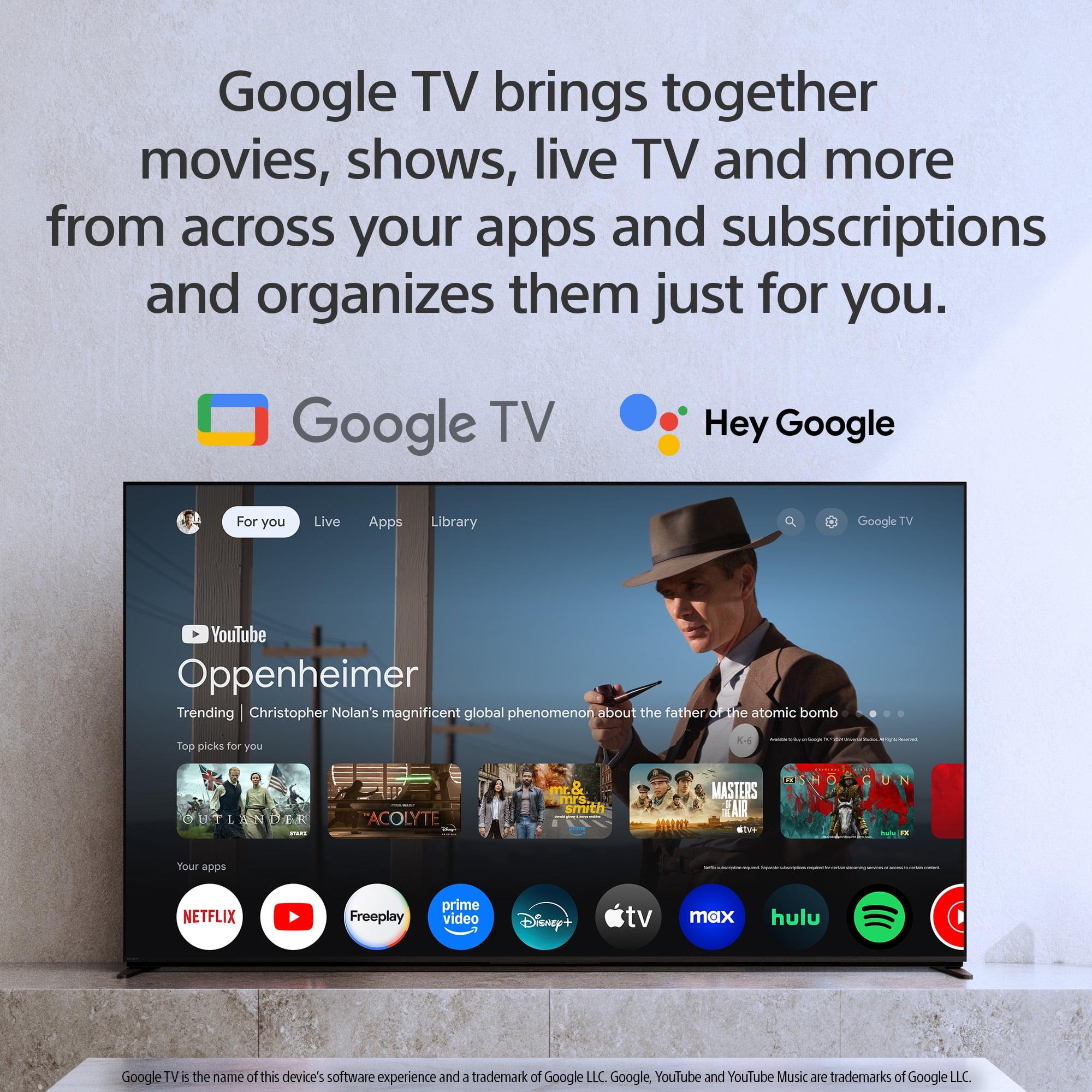
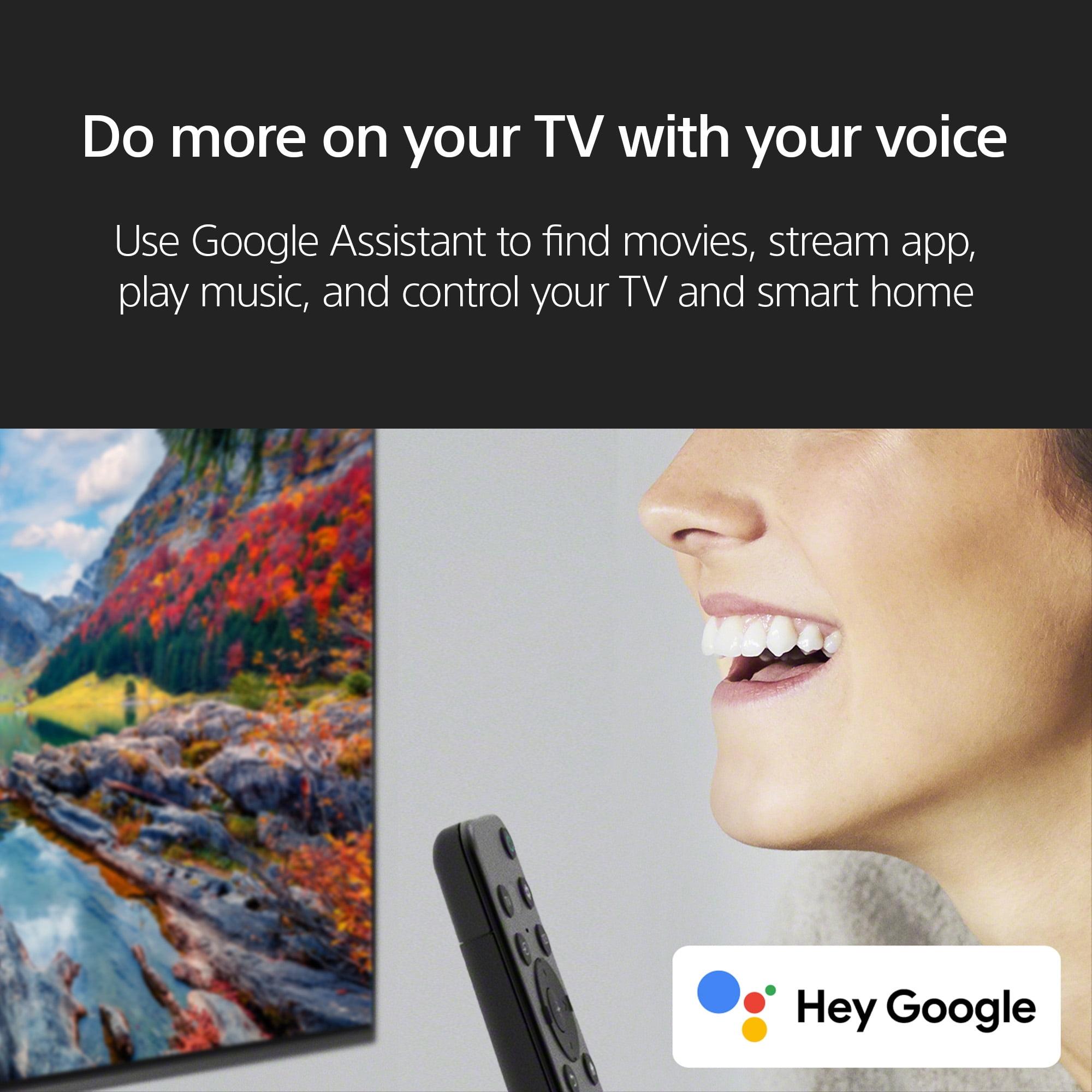
The Sony BRAVIA 2 II runs Google TV, which has become my preferred smart TV platform. The interface feels familiar if you've used any Android device, with personalized recommendations appearing on the home screen based on your viewing history across different apps.
Google Assistant integration works seamlessly – you can ask about weather, control smart home devices, or search for content using voice commands. The universal search function is particularly useful, showing where movies and shows are available across different streaming services.
Apple AirPlay 2 support means iPhone and iPad users can easily cast content, photos, and even mirror their screens. This cross-platform compatibility is something I appreciate, especially in households with mixed device ecosystems.
Samsung's Tizen OS on the S95D offers more features but with a steeper learning curve. The interface feels more customizable, with the ability to rearrange apps and create custom layouts. SmartThings integration allows deep control over compatible smart home devices directly from the TV.
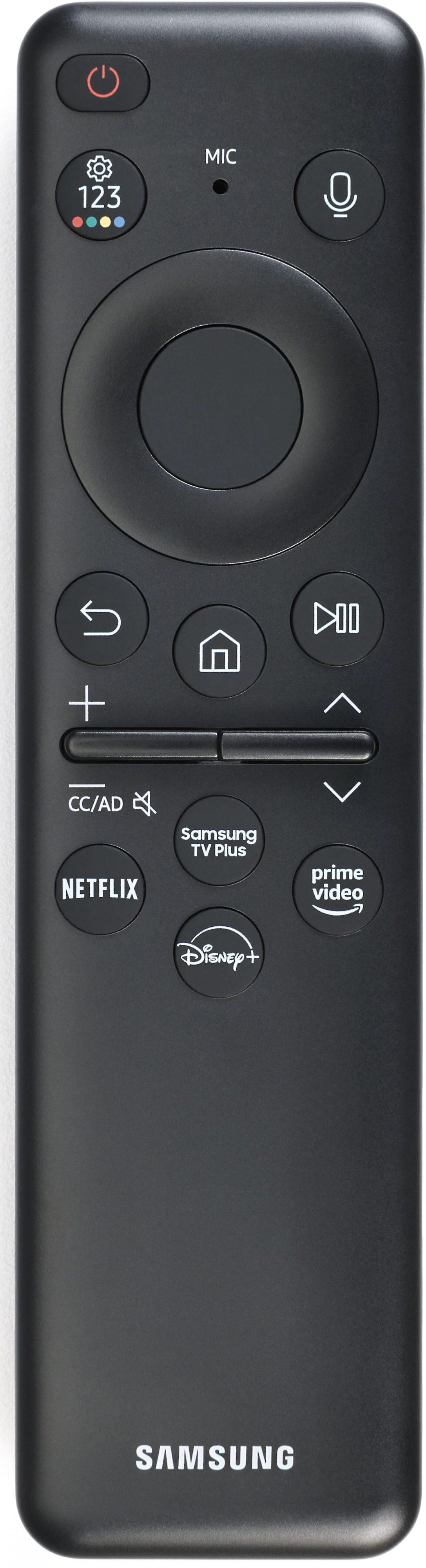
The SolarCell remote is a thoughtful touch – it charges using ambient light or indoor lighting, reducing battery waste. However, some users find the button layout less intuitive than traditional remotes.
Gaming features are more prominent in Tizen OS, with a dedicated gaming hub that organizes games from different sources, including cloud gaming services. This makes the TV feel more like a gaming console than just a display.
The Sony BRAVIA 2 II targets PlayStation users specifically. Auto HDR Tone Mapping automatically adjusts HDR settings based on individual game requirements, while Auto Genre Picture Mode switches between optimized settings for different game types.
The 60Hz refresh rate with Auto Low Latency Mode (ALLM) provides adequate performance for casual gaming. Input lag measures around 20-25 milliseconds in game mode, which is acceptable for single-player games and casual multiplayer sessions.
However, the lack of Variable Refresh Rate (VRR) support means you might experience screen tearing in fast-paced games, particularly those running at frame rates that don't perfectly match the display's refresh rate.
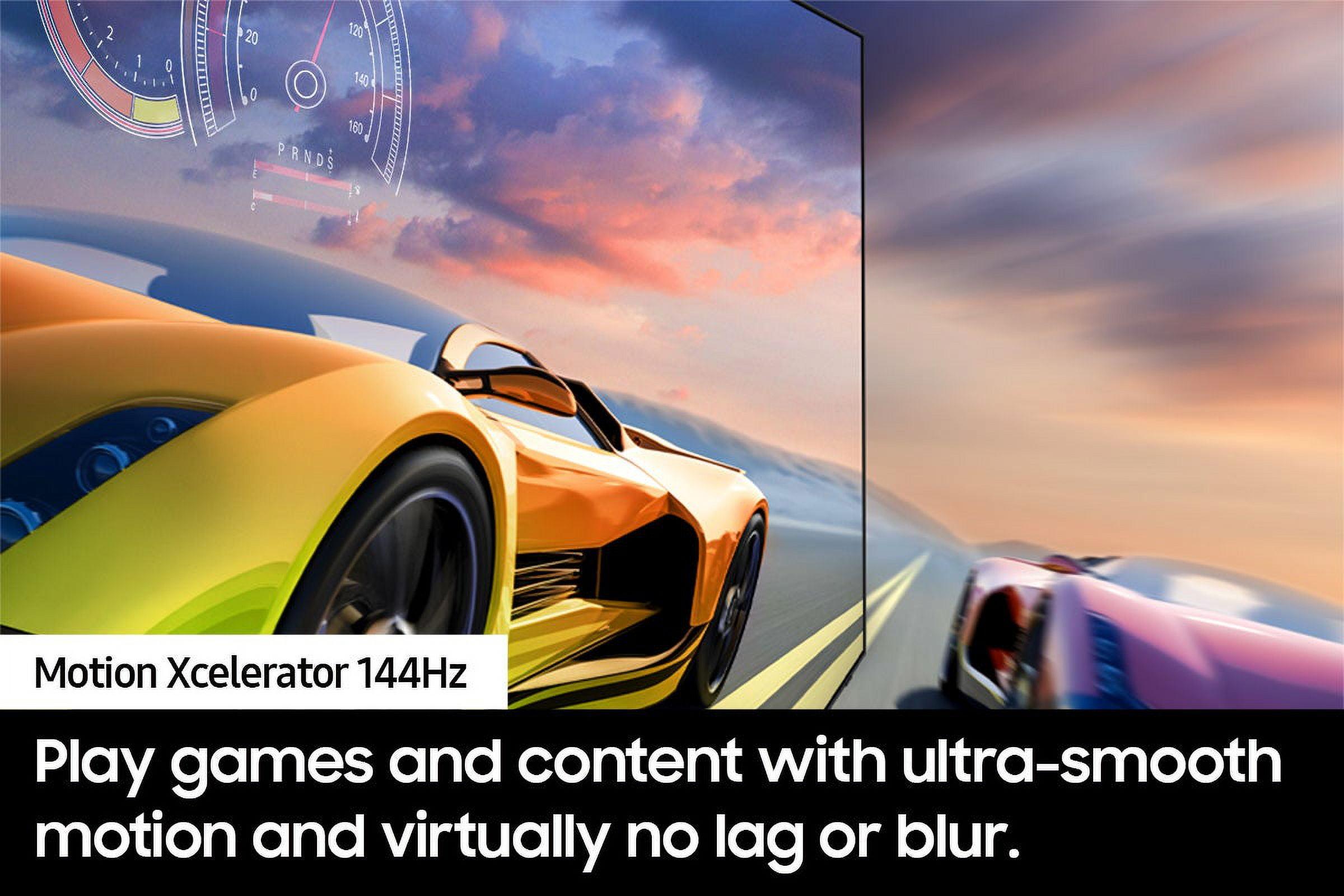
The Samsung S95D excels in gaming performance with its 144Hz native refresh rate and comprehensive gaming features. Input lag drops to approximately 9 milliseconds in game mode, making it suitable for competitive gaming where every millisecond matters.
VRR support eliminates screen tearing by synchronizing the display's refresh rate with the graphics card's output. This is particularly beneficial for PC gaming or when using next-generation consoles that support variable frame rates.
The Motion Xcelerator 144Hz technology provides ultra-smooth motion without the interpolation artifacts that plague some high-refresh displays. Fast-paced games, particularly first-person shooters and racing games, benefit significantly from this smooth motion handling.
The Sony BRAVIA 2 II features a 2x10W speaker system with Dolby Atmos support. While the power rating seems modest, the Open Baffle Speaker design creates a more spacious soundstage than typical TV speakers.
Dolby Atmos processing attempts to create height effects using psychoacoustic processing, though the results are subtle compared to dedicated surround sound systems. For casual viewing, the audio quality is adequate, though I'd recommend a soundbar for movie nights or immersive gaming.
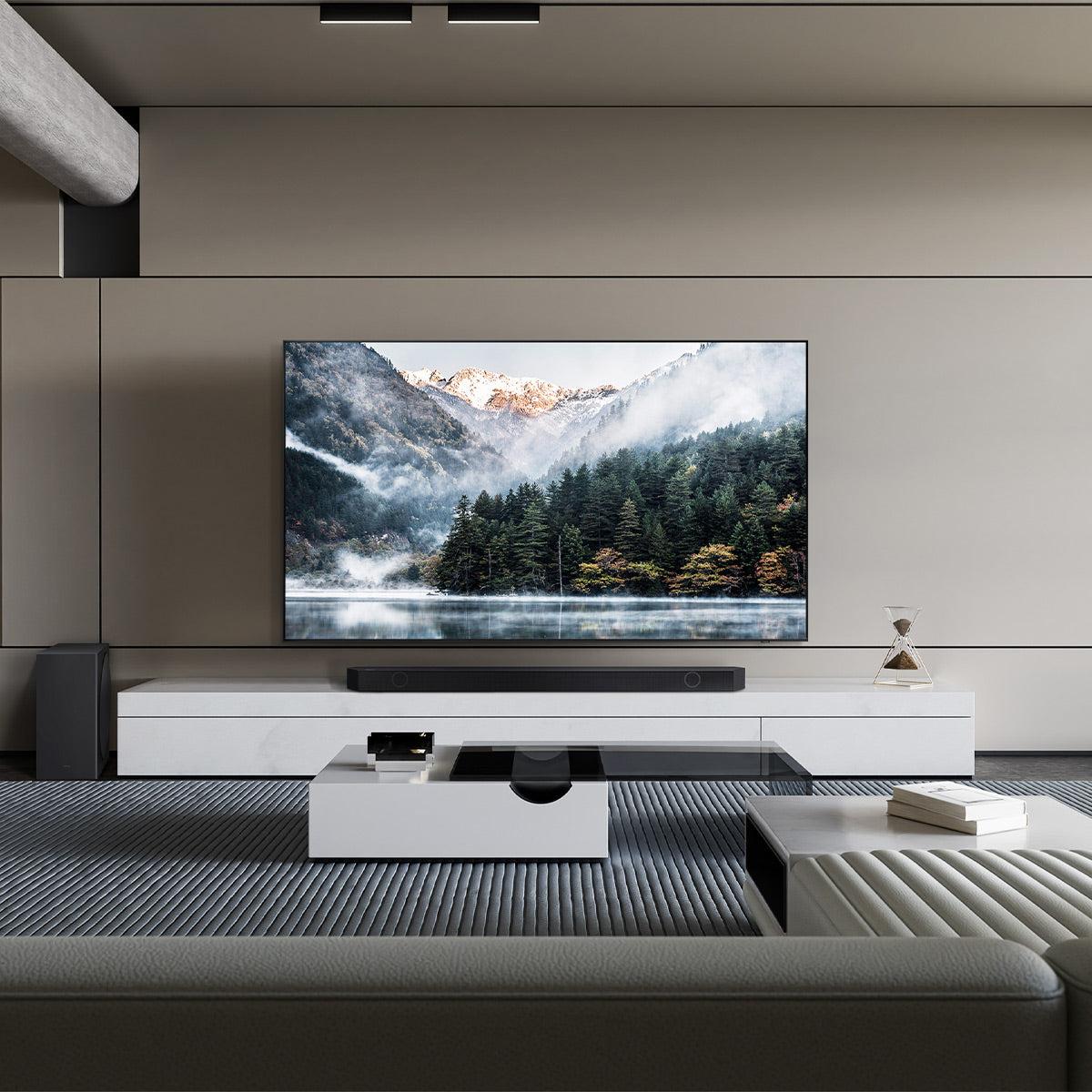
The Samsung S95D incorporates Object Tracking Sound+ technology, which uses multiple speakers to create the illusion that sound follows on-screen action. This works surprisingly well – dialogue seems to come from characters' mouths, and action sequences feel more immersive.
The enhanced speaker system provides more power and better frequency response than the Sony, though it still benefits from external audio equipment for serious home theater use.
For home theater use, these TVs serve different purposes. The Sony BRAVIA 2 II works well in dedicated media rooms with controlled lighting. Its good brightness levels and color accuracy make it suitable for movie watching, though the black level limitations become apparent in dark scenes.
The Samsung S95D excels in challenging environments. The Glare Free 2.0 technology makes it viable for rooms with windows or ambient lighting where traditional OLEDs would struggle with reflections. This flexibility is valuable for multipurpose living spaces.
Both TVs handle streaming content well, though differently. The Sony's upscaling particularly benefits compressed streaming content, improving detail and reducing artifacts. The Samsung's superior contrast and color handling make HDR content from services like Netflix and Amazon Prime Video more impactful.
For 4K Blu-ray enthusiasts, the Samsung's perfect black levels and wide color gamut provide a more cinematic experience, while the Sony offers solid performance at a much lower investment.
At $649.99, the Sony BRAVIA 2 II represents exceptional value for buyers entering the 4K market. The inclusion of advanced processing technology typically found in premium models makes this an attractive upgrade from older HD TVs.
The Google TV platform ensures long-term software support and access to new streaming services. Sony's track record with software updates suggests this TV will remain current for several years.
The Samsung S95D at $2,097.23 targets buyers who prioritize picture quality and advanced features. While expensive, the QD-OLED technology and comprehensive gaming features justify the cost for enthusiasts.
The anti-glare technology alone makes this TV suitable for installations where traditional OLEDs wouldn't work, expanding its practical applications.
The Sony's 4K Processor X1 represents mature, proven technology that delivers reliable performance. While not cutting-edge, it provides consistent results across different content types.
Samsung's NQ4 AI Gen2 processor represents a more forward-looking approach, with machine learning capabilities that should improve over time through software updates.
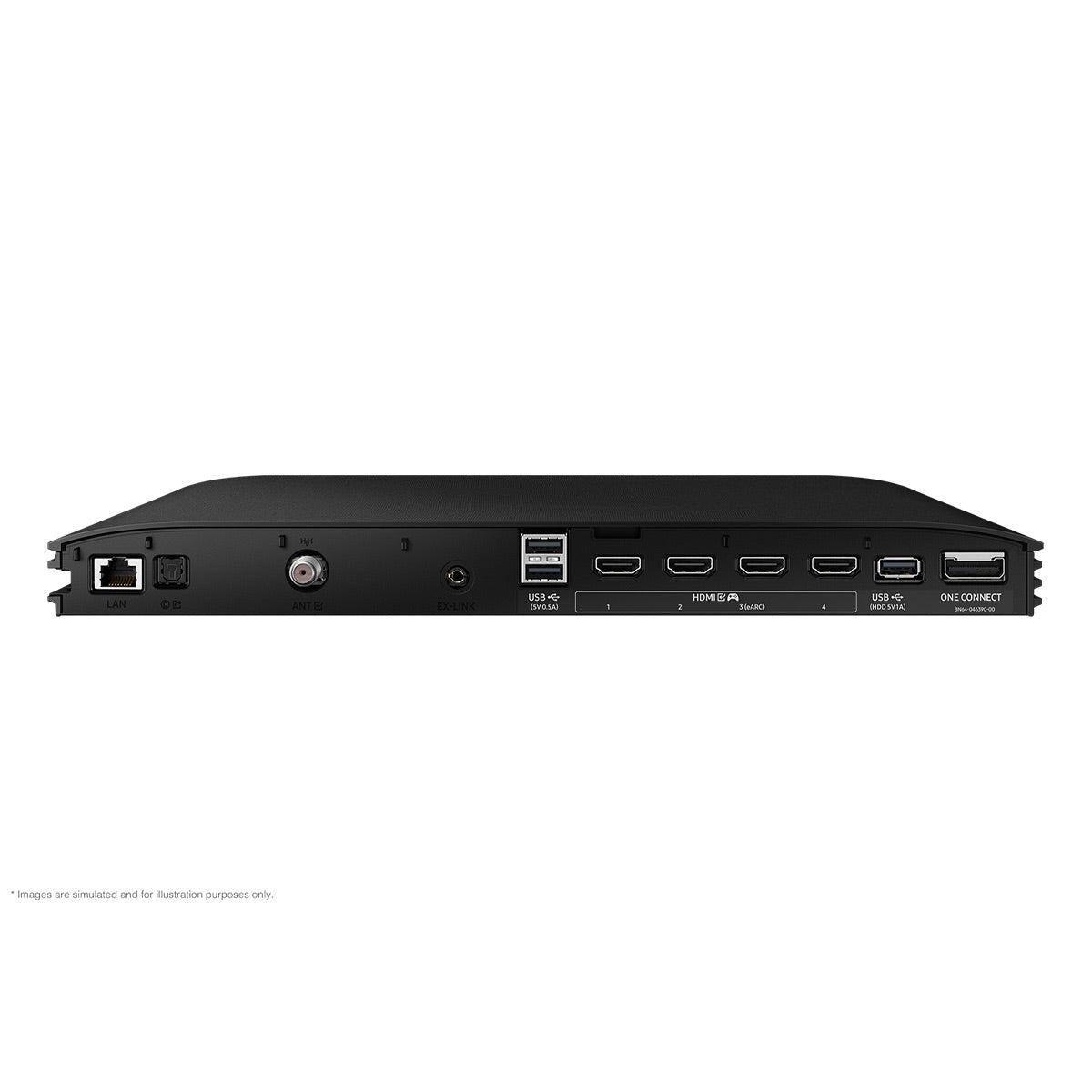
Both TVs include multiple HDMI 2.1 ports, though the Samsung provides full 48Gbps bandwidth across all ports, while the Sony likely limits full bandwidth to specific ports. This matters for high-end gaming setups with multiple next-generation consoles.
After extensive testing, both TVs excel in their respective categories. The Sony BRAVIA 2 II offers remarkable value, bringing advanced processing and smart features to budget-conscious buyers. The Samsung S95D provides premium picture quality and gaming performance for those willing to invest in cutting-edge technology.
Your choice should align with your budget, viewing environment, and performance priorities. The Sony represents the smart choice for most buyers, while the Samsung satisfies those seeking the absolute best picture quality available in 2025.
| Sony BRAVIA 2 II 65" 4K LED Google TV 2025 | Samsung 65" S95D 4K OLED Smart TV |
|---|---|
| Price - Major factor in value consideration | |
| $649.99 (exceptional value for 4K entry) | $2,097.23 (premium pricing for flagship features) |
| Display Technology - Fundamental difference affecting picture quality | |
| LED-backlit LCD with direct lighting | QD-OLED with self-emitting pixels |
| Black Levels - Critical for movie watching and contrast | |
| Gray blacks due to backlight bleeding | Perfect blacks with infinite contrast |
| Peak Brightness - Important for HDR and bright rooms | |
| ~400-500 nits (good for moderate lighting) | 2,000+ nits (excellent for bright rooms) |
| Refresh Rate - Key for gaming and sports | |
| 60Hz native with motion interpolation | 144Hz native (superior for gaming) |
| Gaming Features - Essential for console and PC gaming | |
| ALLM, PS5 optimization, no VRR | VRR, ALLM, 144Hz, 9ms input lag |
| Smart Platform - Affects daily usability | |
| Google TV (intuitive, widely supported) | Tizen OS (feature-rich, smart home integration) |
| Anti-Glare Technology - Crucial for bright room placement | |
| Standard anti-reflective coating | Glare Free 2.0 (nearly eliminates reflections) |
| Audio System - Impacts viewing experience | |
| 2x10W speakers with Dolby Atmos | Object Tracking Sound+ with enhanced speakers |
| Processor - Affects upscaling and smart features | |
| 4K Processor X1 (proven, reliable) | NQ4 AI Gen2 (cutting-edge AI processing) |
| HDR Support - Important for streaming content | |
| HDR10, HLG (basic HDR formats) | HDR10, HLG, HDR10+ (wider HDR support) |
| Target Buyer - Who each TV serves best | |
| Budget-conscious 4K upgraders, PS5 owners | Premium buyers, gamers, bright room users |
The Sony BRAVIA 2 II 65" 4K LED Google TV 2025 at $649.99 offers exceptional value for budget-conscious buyers, delivering solid 4K performance and Google TV features at an affordable price. The Samsung 65" S95D 4K OLED Smart TV at $2,097.23 provides premium picture quality with OLED technology but costs over three times more. For most buyers, the Sony offers better value unless picture quality is your top priority.
LED TVs like the Sony BRAVIA 2 II use backlighting behind an LCD panel, providing good brightness at lower costs but with limited black levels. OLED TVs like the Samsung S95D have pixels that produce their own light, creating perfect blacks and infinite contrast but at a higher price point. OLED generally delivers superior picture quality, especially for movies and dark content.
The Samsung 65" S95D 4K OLED Smart TV is superior for gaming with its 144Hz refresh rate, VRR support, and 9ms input lag. The Sony BRAVIA 2 II offers decent gaming performance at 60Hz with PlayStation 5 optimizations but lacks VRR support. Competitive gamers should choose the Samsung, while casual gamers will find the Sony adequate.
The Samsung S95D excels in bright rooms thanks to its Glare Free 2.0 technology that virtually eliminates reflections, plus high peak brightness. The Sony BRAVIA 2 II works well in moderately lit rooms but may struggle with glare from windows or bright lighting. For challenging lighting conditions, the Samsung is the better choice.
The Sony BRAVIA 2 II 65" 4K LED Google TV 2025 uses Google TV, which offers a familiar Android-like interface with excellent voice search and universal content discovery. The Samsung 65" S95D runs Tizen OS, which provides more customization options but has a steeper learning curve. Most users find Google TV more intuitive and easier to navigate.
For movie watching, the Samsung S95D delivers dramatically better picture quality with perfect blacks, superior contrast, and more vibrant colors that make HDR content truly shine. The Sony BRAVIA 2 II provides good picture quality for the price but cannot match OLED's contrast performance, especially in dark scenes. Movie enthusiasts will appreciate the Samsung's superior cinematic experience.
The Samsung 65" S95D 4K OLED Smart TV offers superior audio with Object Tracking Sound+ technology that creates more immersive sound experiences. The Sony BRAVIA 2 II provides adequate audio with Dolby Atmos support but uses basic speakers. Both TVs benefit from external sound systems for serious home theater use, but the Samsung has the edge for built-in audio.
The Samsung S95D is excellent for home theater use with its perfect blacks, wide color gamut, and anti-glare technology that works in various lighting conditions. The Sony BRAVIA 2 II 65" 4K LED Google TV 2025 works well in dedicated media rooms with controlled lighting but lacks the contrast performance for premium home theater experiences. Serious home theater enthusiasts should choose the Samsung.
Both TVs should provide years of reliable service, but they face different longevity considerations. The Sony BRAVIA 2 II uses mature LED technology with typical lifespans of 7-10 years. The Samsung S95D uses newer OLED technology with improved burn-in resistance, though OLED panels may gradually dim over time. Both offer solid long-term value with proper care.
Yes, both the Sony BRAVIA 2 II and Samsung 65" S95D 4K OLED Smart TV support all major streaming services including Netflix, Disney+, Amazon Prime Video, YouTube, and more. The Sony's Google TV platform typically receives streaming app updates quickly, while Samsung's Tizen OS offers extensive app selection with regular updates.
Both TVs handle sports well but differently. The Samsung S95D provides smoother motion with its 144Hz refresh rate and superior brightness for daytime viewing. The Sony BRAVIA 2 II offers good sports performance with motion interpolation technology, though some viewers may notice the "soap opera effect." The Samsung's higher refresh rate gives it an edge for fast-paced sports action.
Choose the Sony BRAVIA 2 II 65" 4K LED Google TV 2025 if you want solid 4K performance, Google TV features, and excellent value under $700. Invest in the Samsung 65" S95D 4K OLED Smart TV if picture quality is your priority, you're a serious gamer, or you have a bright room with glare issues. The Sony offers better value for most buyers, while the Samsung provides premium performance for those willing to pay for it.
We've done our best to create useful and informative comparisons to help you decide what product to buy. Our research uses advanced automated methods to create this comparison and perfection is not possible - please contact us for corrections or questions. These are the sites we've researched in the creation of this article: bestbuy.com - notebookcheck.net - rtings.com - youtube.com - youtube.com - rtings.com - avsforum.com - croma.com - totonstv.com - electronics.sony.com - listenup.com - pcrichard.com - youtube.com - flanners.com - brandsmartusa.com - displayspecifications.com - pioneertvandappliance.com - donstv.com - techradar.com - videoandaudiocenter.com - avsforum.com - cnet.com - abt.com - merlinstv.com - nfm.com - rtings.com - flintsfurniture.com - samsung.com - bestbuy.com - displayspecifications.com

Privacy Policy
Terms and Conditions - Affiliate Policy
Home Security
© Copyright 2008-2026.
11816 Inwood Rd #1211, Dallas, TX 75244