

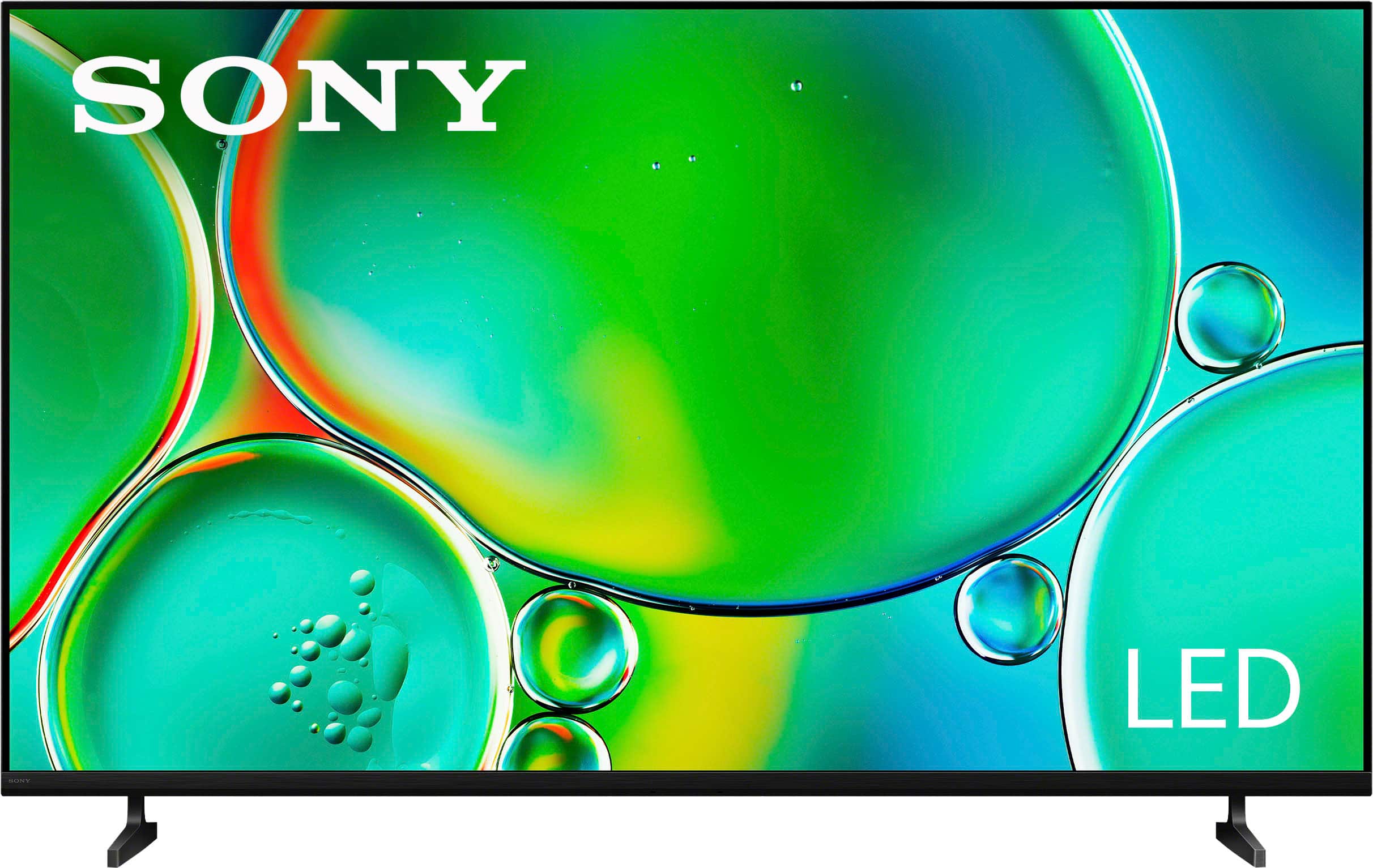
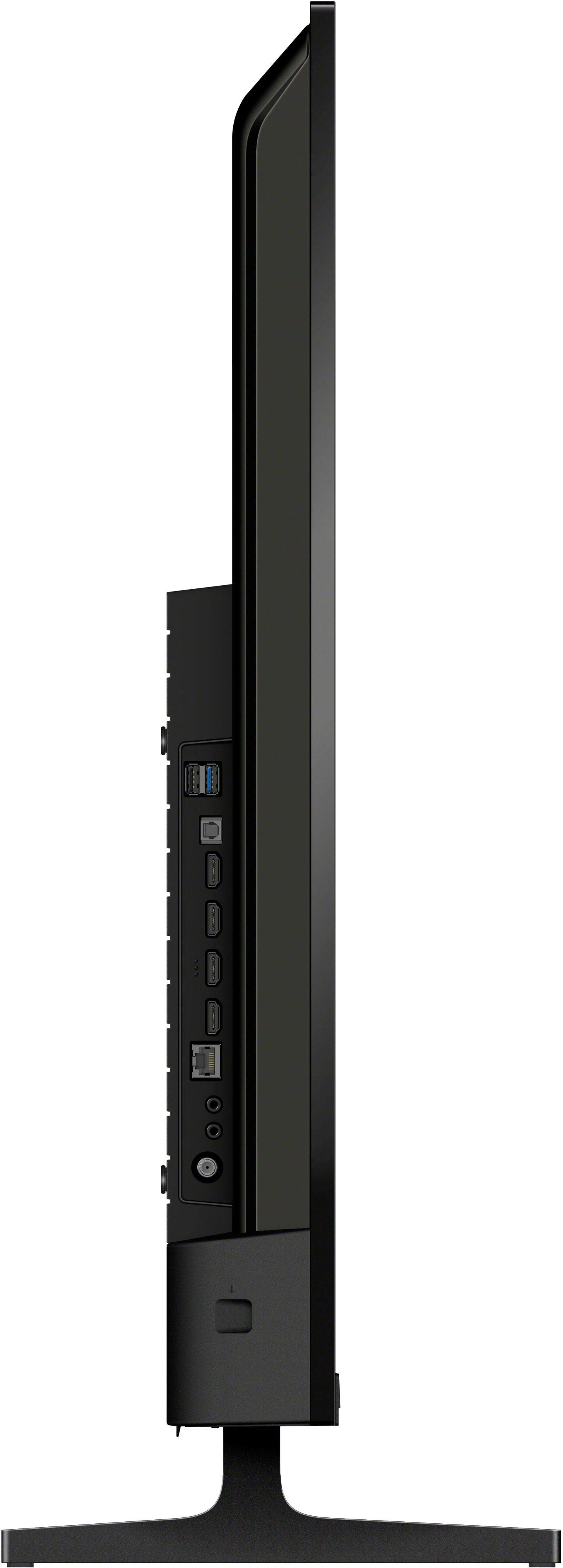
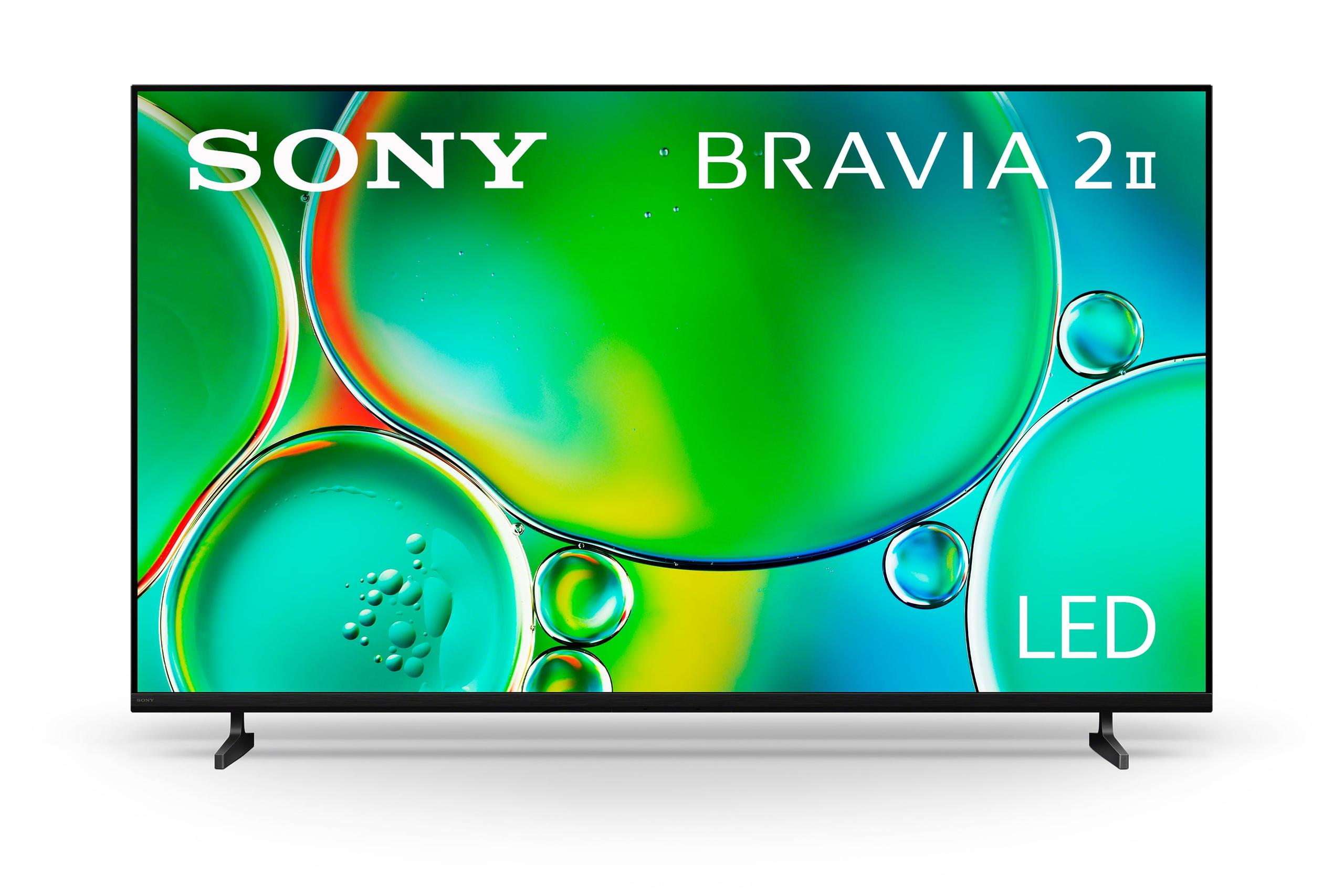
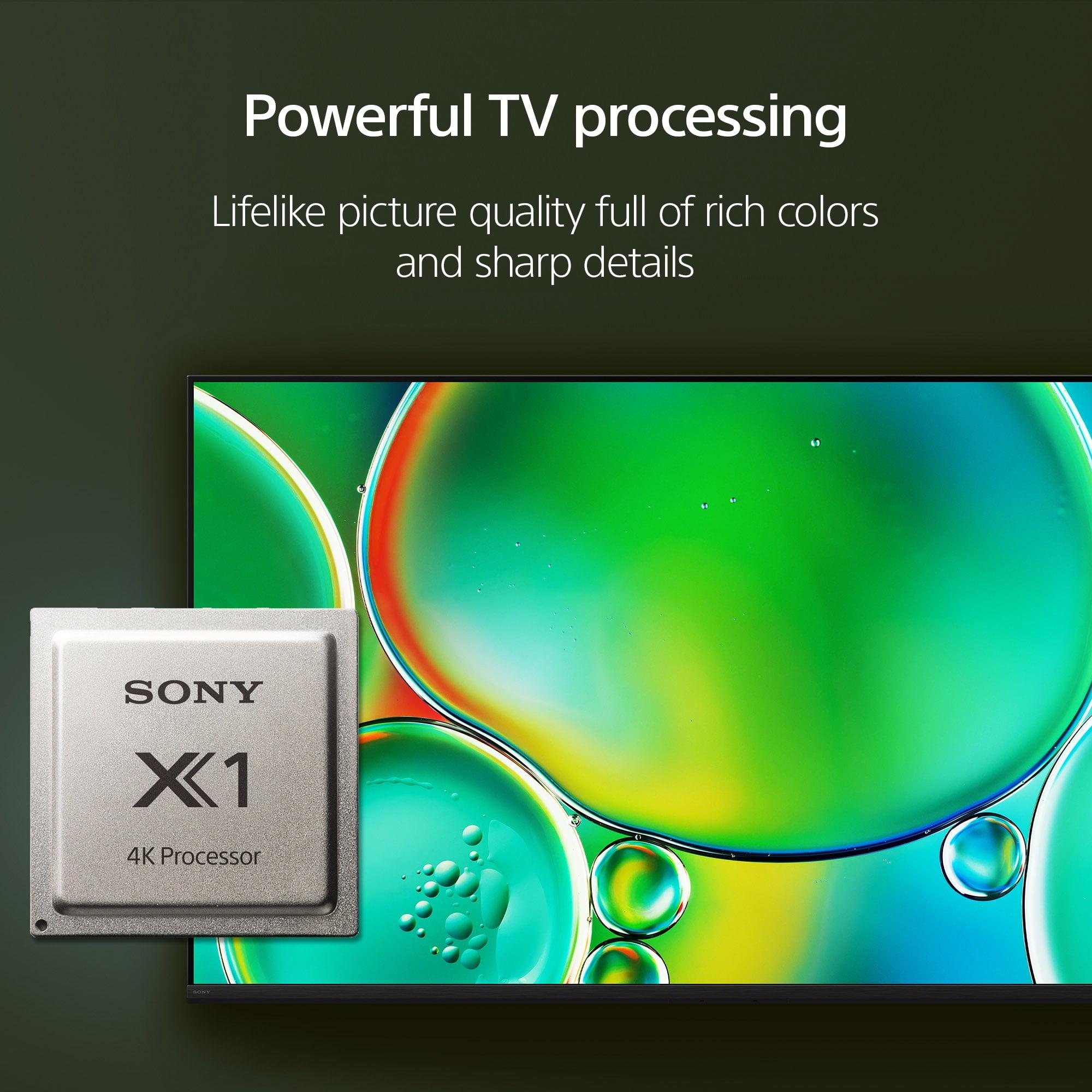
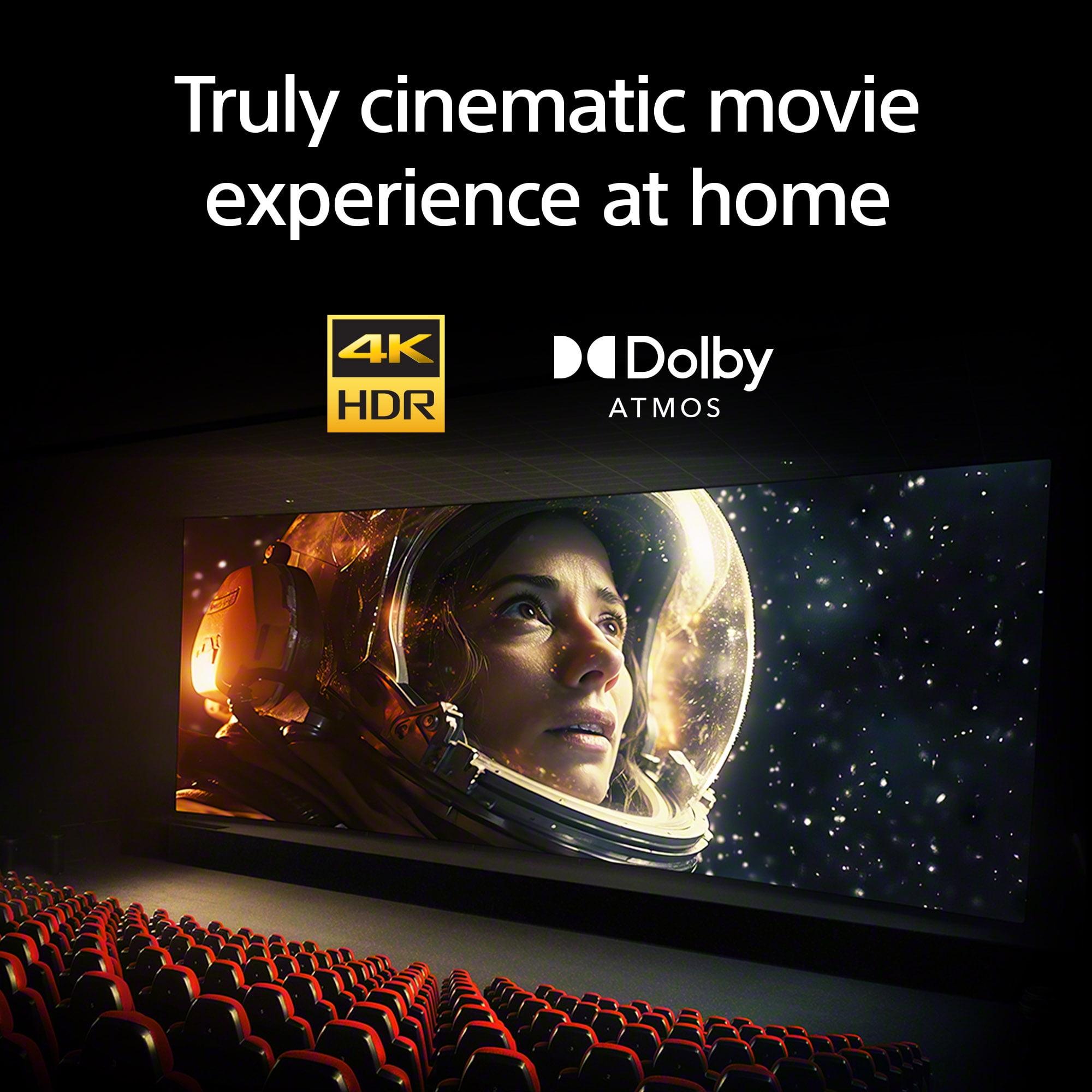


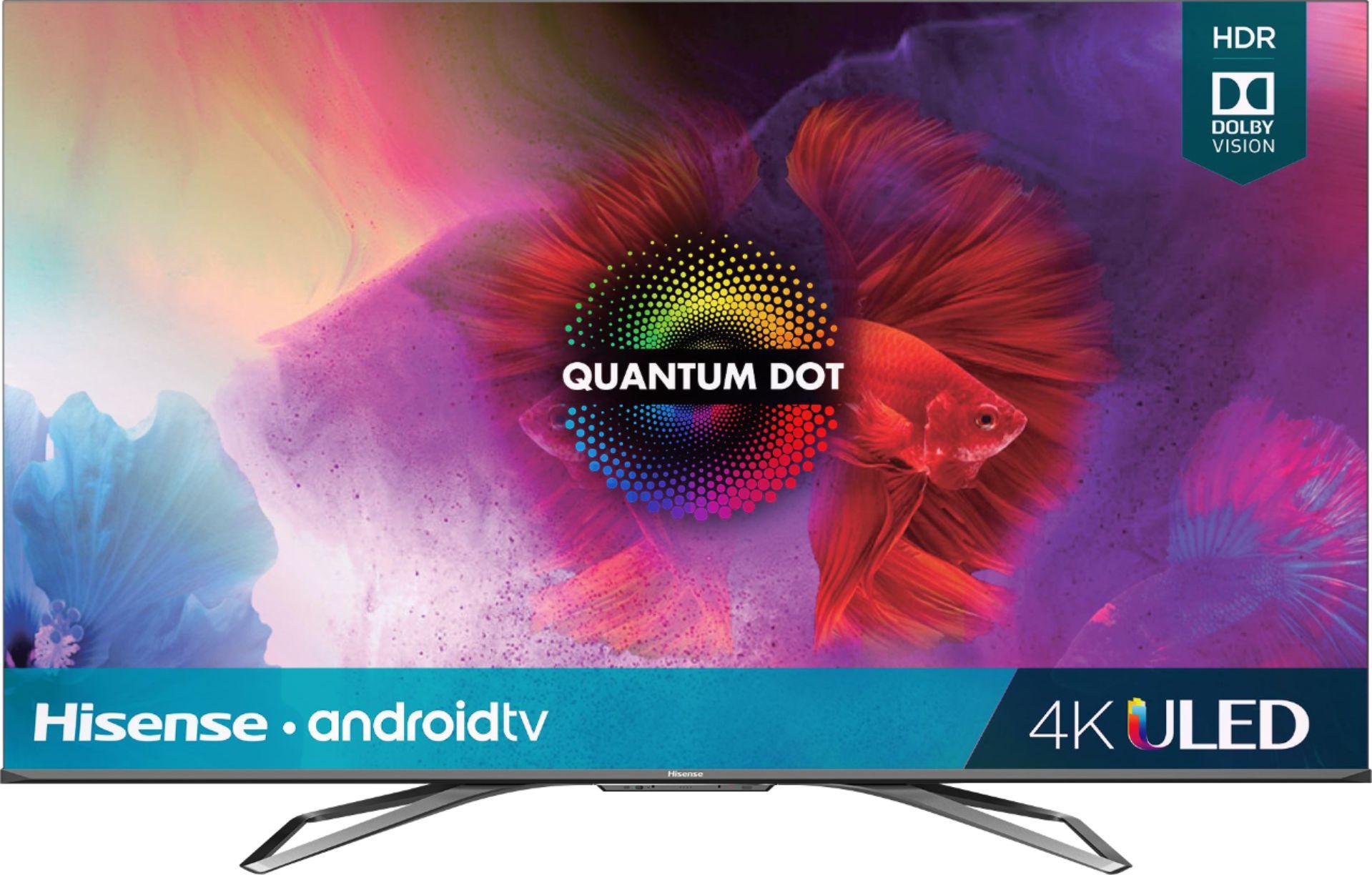
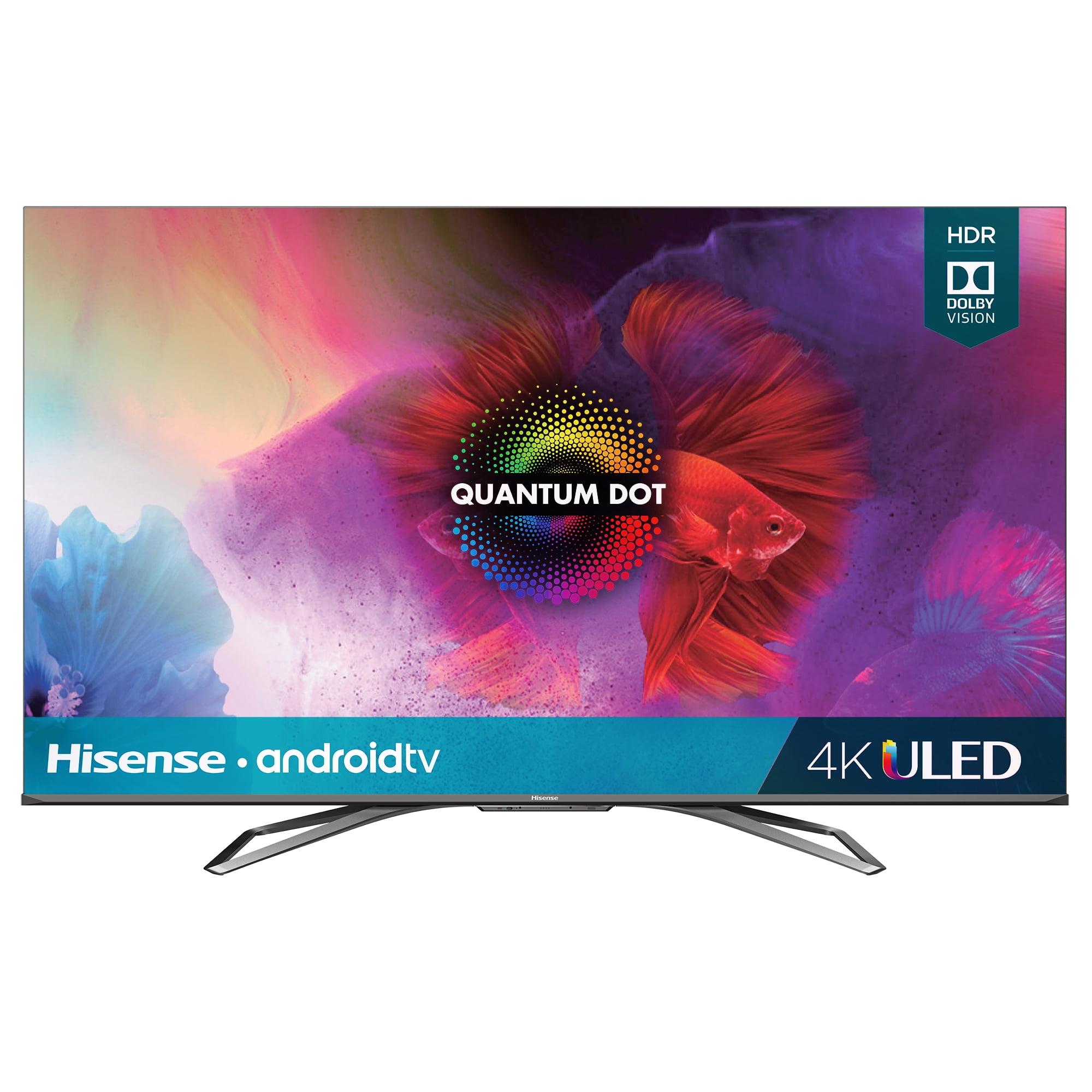
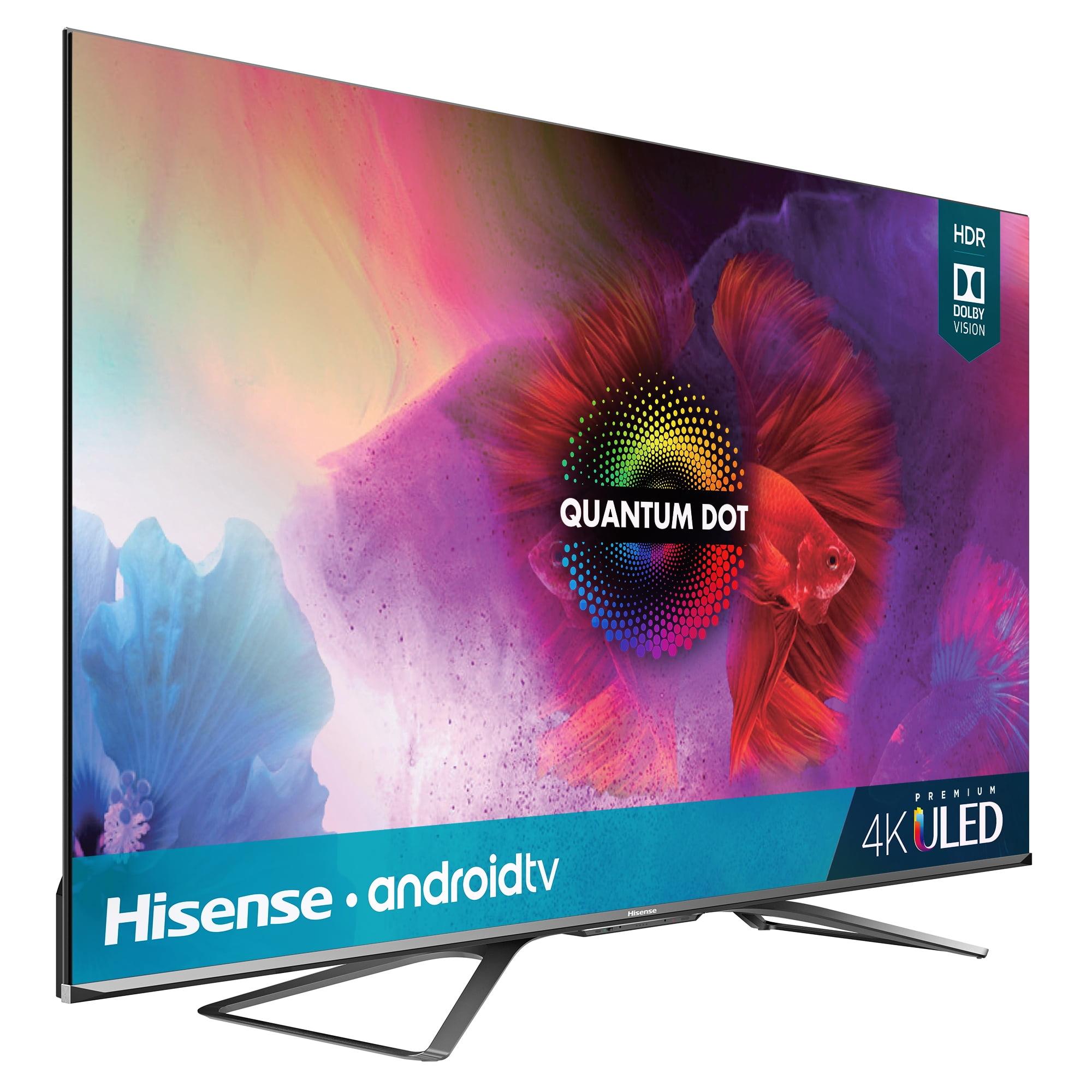


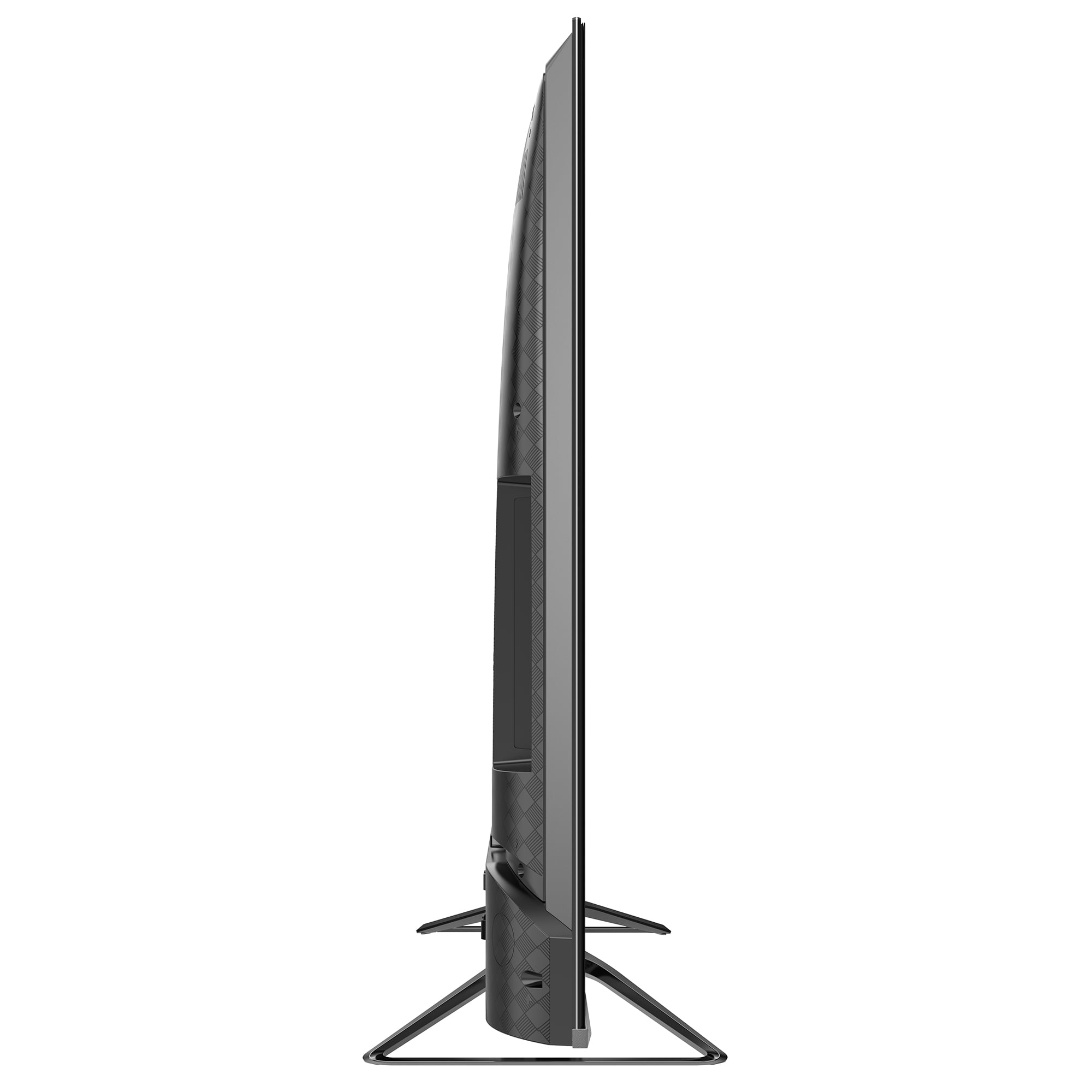
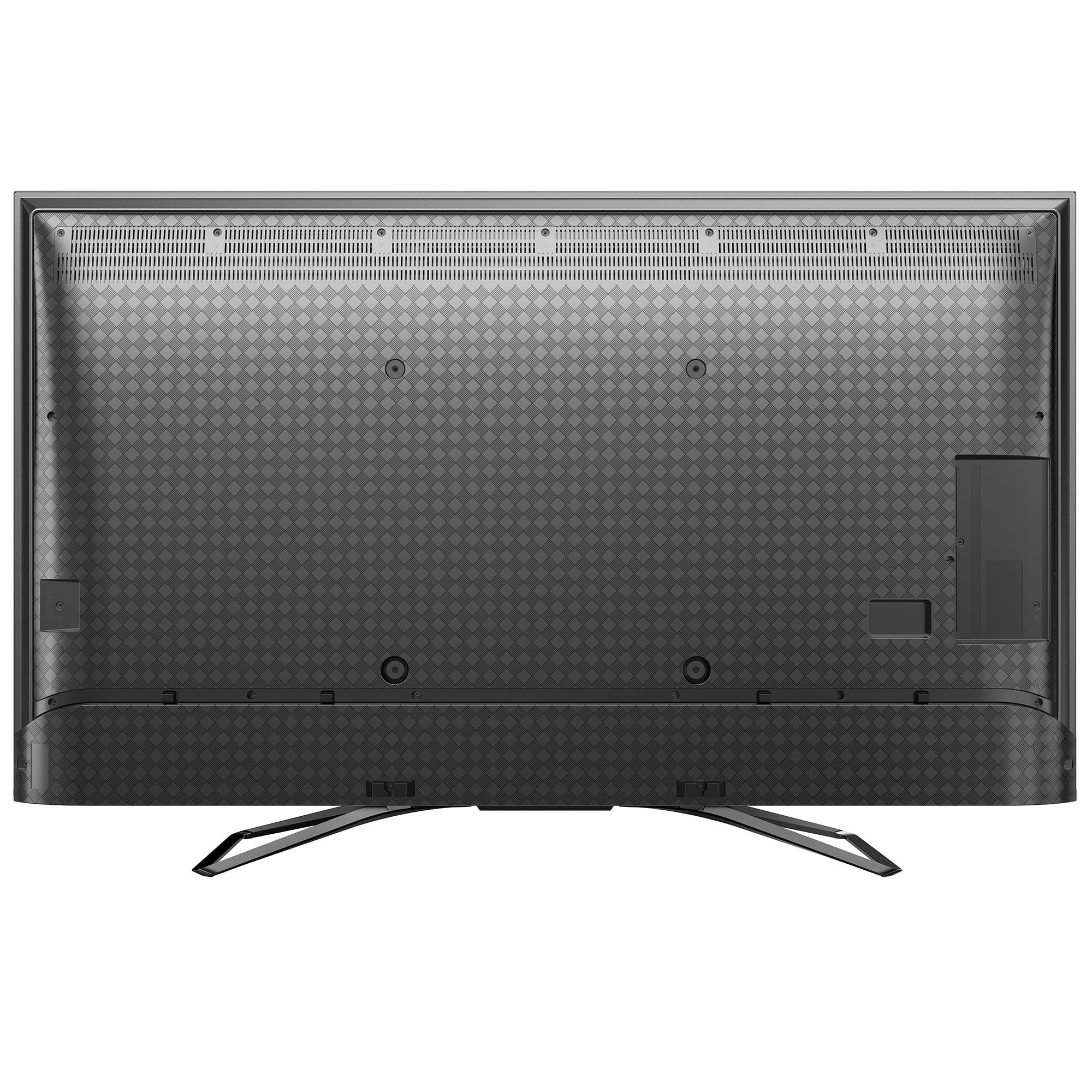
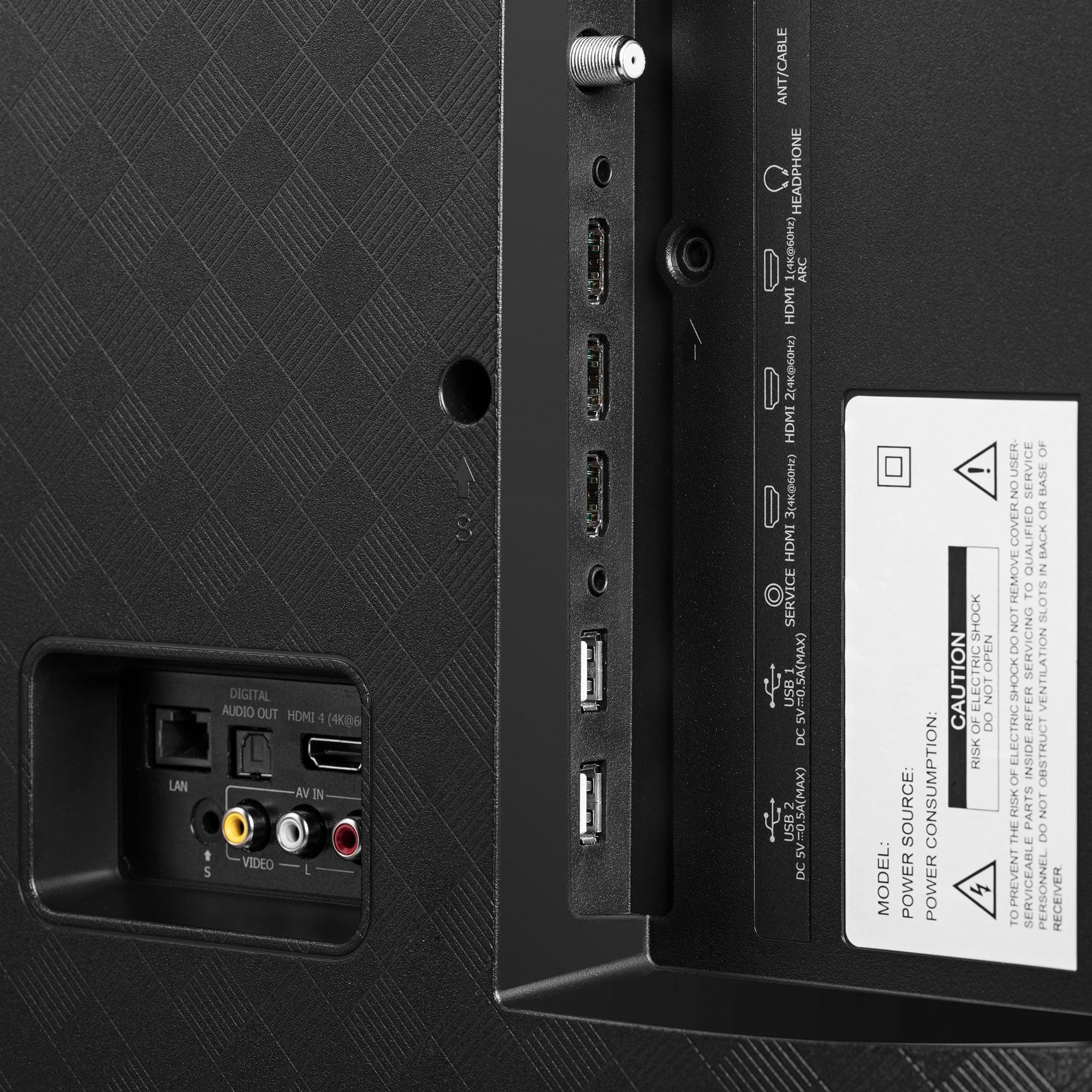
Shopping for a 65-inch 4K TV can feel overwhelming, especially when you're comparing models from different years with vastly different price points. Today, we're looking at two interesting options: the brand-new Sony BRAVIA 2 II 65" 4K LED Google TV at $649.99 and the Hisense 65" H9G Quantum Series at $1,252.81. While these TVs target different audiences and were released years apart, they both compete for your living room space – and your wallet.
Before diving into specifics, let's talk about what really matters when you're spending significant money on a large TV. Picture quality sits at the top of most people's lists, and that breaks down into several key areas: how bright the screen can get (peak brightness), how well it displays dark scenes (contrast ratio), and how accurately it reproduces colors.
Then there's the smart TV experience – how responsive the interface feels, which apps are available, and whether the system gets regular updates. Gaming performance has become increasingly important, especially with the PlayStation 5 and Xbox Series X pushing 4K gaming at higher frame rates. Finally, there's the overall value proposition: are you getting features that justify the price tag?
The timing difference between these TVs tells an interesting story about how the industry has evolved. The Hisense H9G launched in 2020 as Hisense's flagship model, packed with premium features like Quantum Dot technology and 180 local dimming zones. At the time, it was competing directly with Samsung's QLED lineup and Sony's higher-end models.
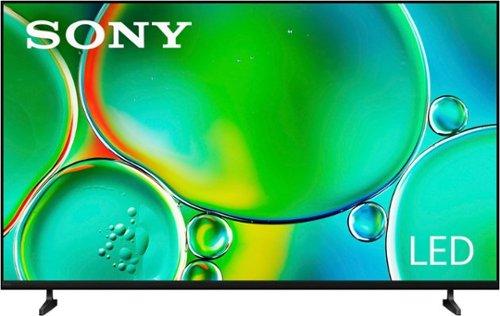
Fast forward to 2025, and the Sony BRAVIA 2 II represents Sony's entry-level offering in their current lineup. What's fascinating is how technology has progressed – features that were flagship-level in 2020 are now appearing in budget models, while entirely new capabilities have emerged.
Since 2020, we've seen major improvements in gaming features (HDMI 2.1 became standard, bringing 4K at 120Hz and Variable Refresh Rate support), smarter TV platforms evolved dramatically, and manufacturing costs dropped significantly. This evolution explains why a 2025 entry-level Sony can offer competitive features at nearly half the price of a 2020 flagship.
Here's where the Hisense H9G flexes its muscles. With 1000-nit peak brightness and 180 local dimming zones, it delivers genuinely impressive HDR (High Dynamic Range) performance. Local dimming is essentially having different sections of the backlight that can brighten or dim independently – imagine having 180 tiny flashlights behind your screen that can turn on or off to create better contrast.
When I watch HDR content like "Planet Earth" or Marvel movies, that brightness difference is immediately noticeable. Explosions pop off the screen, and bright outdoor scenes don't look washed out. The H9G can make you squint during bright scenes, which might sound annoying but actually means it's doing its job – replicating how your eyes would react to those lighting conditions in real life.
The Sony BRAVIA 2 II, being an entry-level model, uses basic "frame dimming" instead of full-array local dimming. Think of it like having one big flashlight instead of 180 small ones. It's adequate for most content, but HDR scenes won't have that same punch. Sony rates this model as suitable for "moderately lit rooms," which is marketing speak for "don't expect it to compete with sunlight streaming through your windows."
This is where Sony's decades of experience shine through. The BRAVIA 2 II uses Sony's 4K Processor X1 along with their Live Color technology and 4K X-Reality PRO upscaling. What this means in practical terms is that colors look more natural and lifelike, even if they're not as vivid as the competition.
Sony's color philosophy differs from many manufacturers. While companies like Samsung and Hisense often boost saturation to make colors "pop" in showrooms, Sony aims for accuracy. Skin tones look realistic, grass looks like actual grass, and the overall image feels more cinematic. It's the difference between Instagram's vivid filter and a professional photographer's careful color grading.
The Hisense H9G uses Quantum Dot technology, which expands the color gamut (the range of colors the TV can display). This creates incredibly vibrant colors that can look stunning with animated content or nature documentaries. However, some users find these colors feel oversaturated during everyday viewing, especially with live-action content.
Contrast ratio – the difference between the brightest whites and darkest blacks – is crucial for picture quality. The Hisense H9G excels here with its full-array local dimming creating genuinely deep blacks. When watching dark scenes in movies like "The Batman" or "Game of Thrones," those shadowy details remain visible while true blacks stay black.
The Sony BRAVIA 2 II can't match this performance due to its simpler backlight system. Dark scenes will appear more grayish, and you might lose some detail in shadows. For most content in normal lighting, this difference isn't deal-breaking, but movie enthusiasts will notice it immediately.
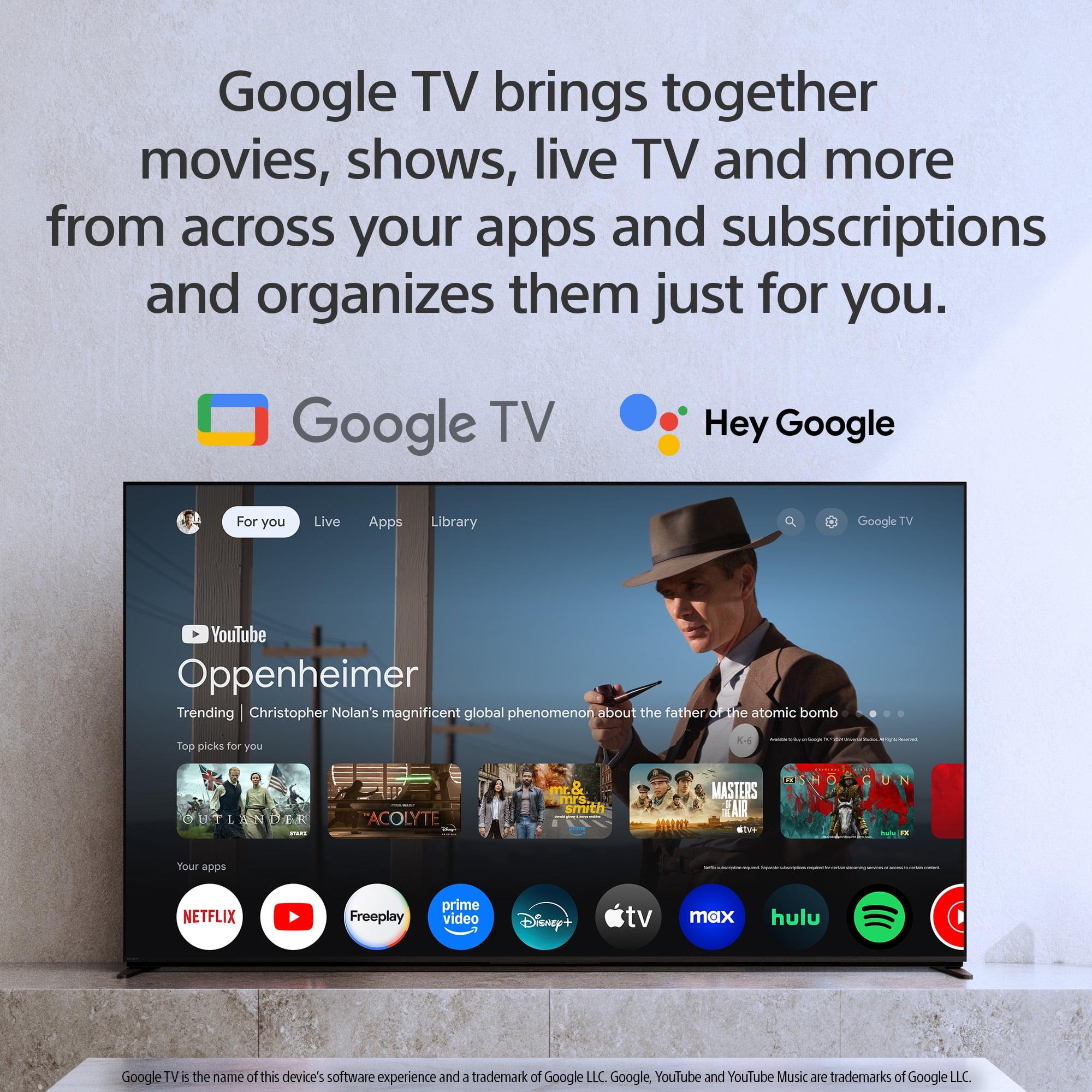
The software experience represents one of the biggest generational gaps between these TVs. The Sony BRAVIA 2 II runs Google TV, which launched in 2021 and represents a significant evolution from Android TV. The interface is cleaner, more intuitive, and integrates content from multiple streaming services into a unified experience.
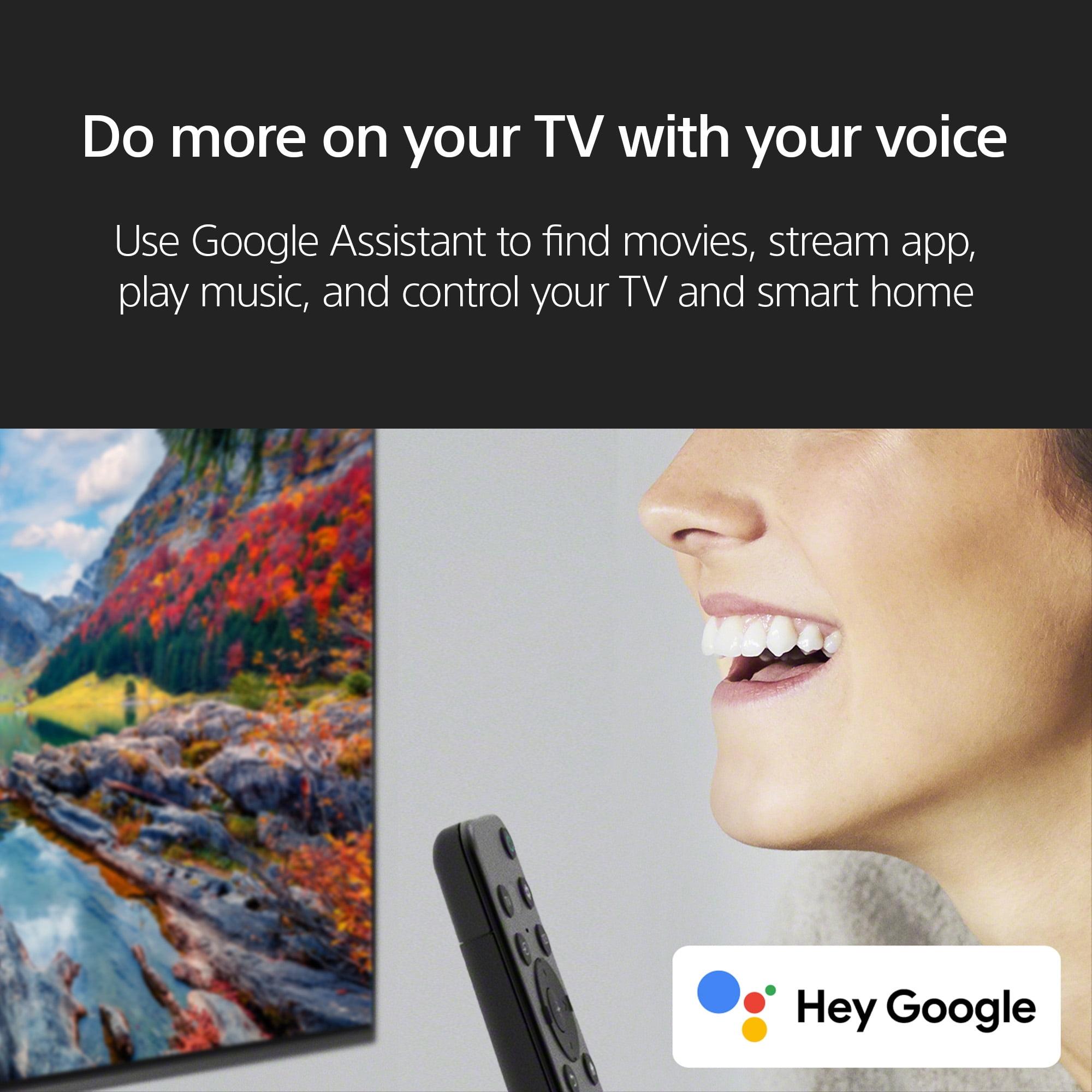
Google TV learns your viewing habits and suggests content across Netflix, Disney+, HBO Max, and other services. The voice search works reliably, and the overall experience feels modern and responsive. Plus, being Google's current platform means you'll get regular updates and new features.
The Hisense H9G runs an older version of Android TV that, while functional, feels dated by today's standards. Navigation can feel sluggish, app loading times are longer, and the interface looks cluttered compared to modern alternatives. More importantly, as a 2020 model, it's unlikely to receive significant software updates going forward.
Both TVs access the same major streaming apps, but there's a noticeable difference in performance. The Sony's newer processor handles app switching and streaming more smoothly. The Hisense, while still functional, occasionally shows its age with slower load times and occasional stuttering when switching between apps.
Voice control represents another generational leap. The Sony includes updated Google Assistant integration that works more reliably and understands context better. The Hisense's voice features feel more primitive by comparison.
Gaming has become a major consideration for TV buyers, especially with the PlayStation 5 and Xbox Series X pushing 4K gaming to new heights. This is where the age difference between these models becomes most apparent.
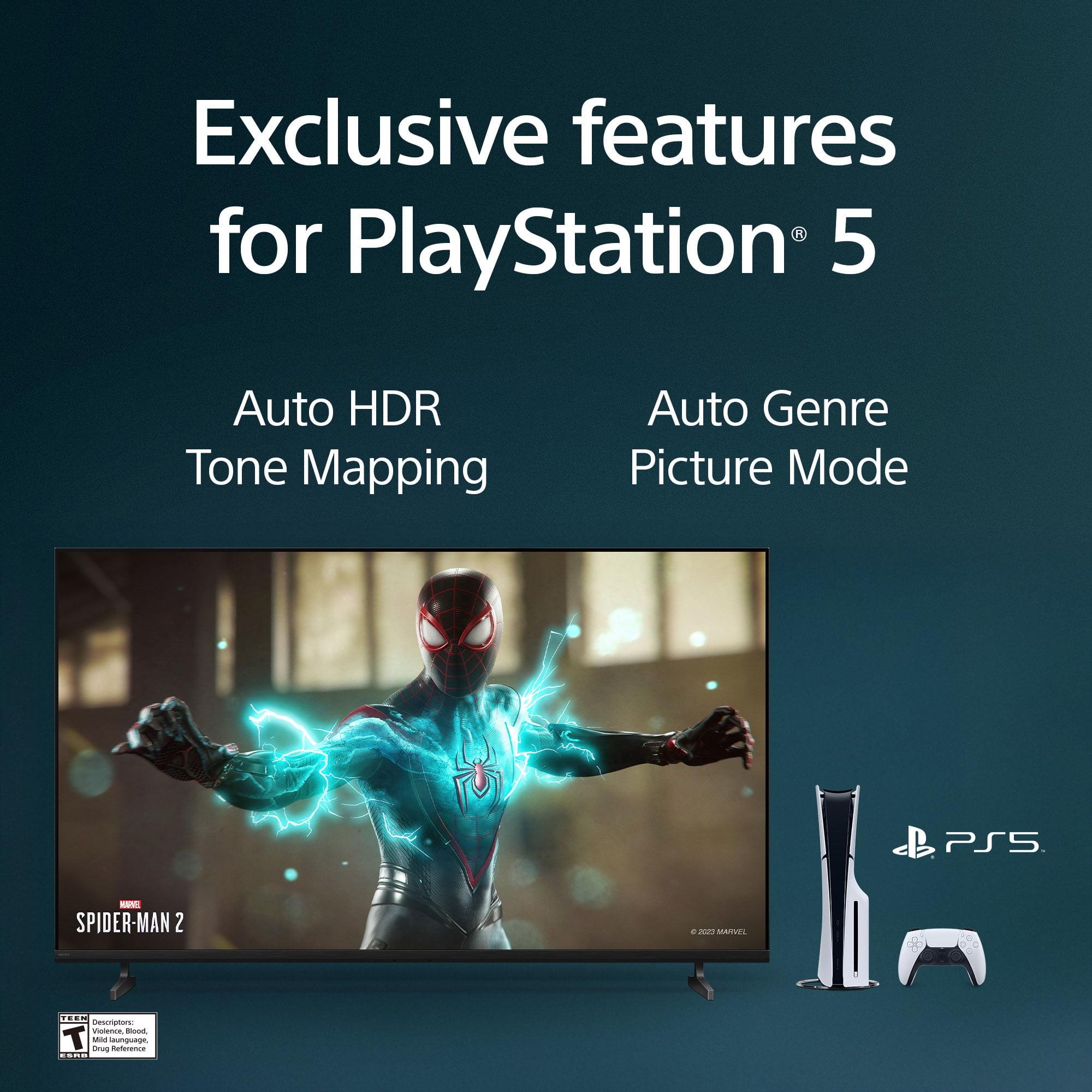
The Sony BRAVIA 2 II includes PlayStation 5-specific optimizations like Auto HDR Tone Mapping (automatically adjusts the TV's settings for each game), Auto Genre Picture Mode (switches between game and movie modes automatically), and a dedicated Game Menu. These features, while limited to 4K at 60Hz, provide a more seamless gaming experience with current consoles.
The Hisense H9G offers a basic Game Mode that reduces input lag (the delay between pressing a controller button and seeing the action on screen) to acceptable levels, but lacks the modern gaming features that have become standard. No Auto Low Latency Mode, no Variable Refresh Rate support, and no 4K at 120Hz capability.
For casual gaming, both TVs perform adequately. For serious gamers who want the latest features and best integration with modern consoles, the Sony represents a better long-term investment despite its lower price.
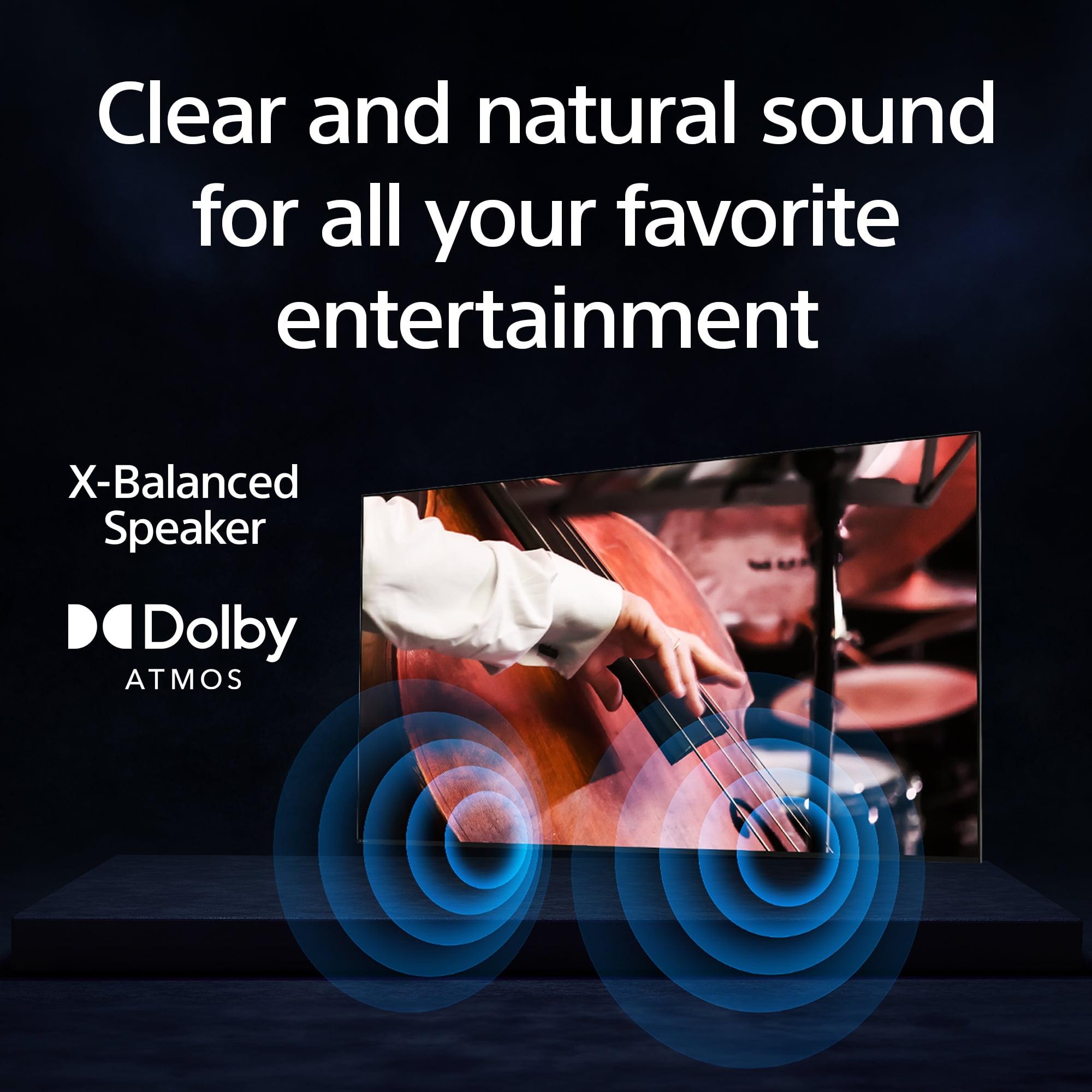
TV audio often gets overlooked until you're actually living with the TV daily. The Sony BRAVIA 2 II includes a 40W audio system with Dolby Atmos support and Sony's audio processing. The Open Baffle Speaker design provides clearer dialogue and a wider soundstage than typical TV speakers.
The Hisense H9G includes a basic 20W audio system that, frankly, doesn't match the TV's picture quality ambitions. User reviews consistently mention the weak audio as a significant drawback, with many recommending an immediate soundbar purchase.
For home theater enthusiasts, both TVs will likely be paired with external audio systems anyway. However, for everyday viewing, the Sony's superior built-in audio provides better value and eliminates the immediate need for additional purchases.
At $649.99, the Sony BRAVIA 2 II offers remarkable value for a 2025 model. You're getting current-generation smart TV features, gaming optimizations, and Sony's reliable build quality at an entry-level price point. The picture quality, while not flagship-level, provides solid performance for most viewing scenarios.
The Hisense H9G at $1,252.81 faces a more complex value proposition. When it launched, that price represented competitive flagship pricing. Today, you're paying premium prices for 2020 technology. The picture quality advantages are real, but the aging platform and lack of modern features make it harder to justify.
However, if you can find the H9G significantly discounted (under $800), the value equation changes dramatically. At that price point, the superior brightness and contrast performance could justify the trade-offs in smart features and gaming capabilities.
Software support represents a crucial long-term factor. The Sony BRAVIA 2 II will receive Google TV updates for years to come, ensuring compatibility with new streaming services and features. The Hisense H9G, being a 2020 model, has limited future update potential.
Build quality and reliability also matter for a purchase you'll live with for 5-10 years. Sony's reputation for durability is well-established, while Hisense has shown improvement but still faces some user concerns about long-term reliability.
For dedicated home theater setups, the Hisense H9G offers compelling advantages. The 1000-nit brightness and 180 local dimming zones create genuinely cinematic HDR performance that can rival much more expensive displays. In a light-controlled room, these advantages become even more pronounced.
The wide color gamut from Quantum Dot technology, while sometimes oversaturated for everyday viewing, can look spectacular with HDR movies and nature documentaries. If you're building a dedicated movie-watching space, the H9G's picture quality strengths align well with that use case.
However, the weak audio system means you'll definitely need external speakers or a soundbar, adding to the total cost. The aging smart platform might also frustrate users who want the latest streaming apps and features.
After extensive consideration, the Sony BRAVIA 2 II emerges as the better choice for most buyers. The combination of modern features, reliable performance, and excellent value makes it ideal for families who want a versatile TV that handles everything well.
Choose the Sony if you want the best overall package under $700, prioritize modern smart TV features and gaming compatibility, value long-term software support, or need a TV that performs well across all content types.
The Hisense H9G makes sense for specific scenarios: if you can find it heavily discounted, if you prioritize maximum brightness and HDR performance above all else, if you have a dedicated home theater setup, or if you're planning to use external audio anyway.
Consider your viewing habits, room lighting, and budget priorities. The Sony represents the smarter long-term investment for most people, offering features that will remain relevant for years. The Hisense provides superior picture quality in specific scenarios but requires the right circumstances (significant discount, dedicated home theater setup) to justify its higher price and aging platform.
Both TVs will deliver enjoyable viewing experiences, but the Sony BRAVIA 2 II at $649.99 offers the better combination of features, value, and future-proofing for most buyers in 2025.
| Sony BRAVIA 2 II 65" 4K LED Google TV 2025 | Hisense 65" H9G Quantum Series 4K UHD Smart Android TV |
|---|---|
| Price - Major factor in value equation | |
| $649.99 (exceptional value for 2025 features) | $1,252.81 (premium pricing for 2020 flagship specs) |
| Release Year - Affects software support and feature relevance | |
| 2025 (current generation with long-term updates) | 2020 (aging platform with limited future support) |
| Peak Brightness - Critical for HDR impact and daytime viewing | |
| Basic LED backlight (suitable for moderate lighting) | 1,000 nits (excellent HDR performance, handles bright rooms) |
| Local Dimming - Determines contrast quality and black levels | |
| Frame dimming (basic contrast performance) | 180 zones full-array (superior contrast and deep blacks) |
| Smart Platform - Daily user experience and app performance | |
| Google TV (modern, responsive, regular updates) | Android TV (older version, slower, limited updates) |
| Gaming Features - Important for console owners | |
| PS5 optimizations, Auto HDR, Game Menu, ALLM (4K@60Hz) | Basic Game Mode with low input lag (no VRR or 120Hz) |
| Audio Output - Built-in speaker quality | |
| 40W with Dolby Atmos, Open Baffle design | 20W basic audio (frequently criticized, requires soundbar) |
| Color Technology - Affects color accuracy and vibrancy | |
| 4K X-Reality PRO, Live Color (natural, accurate colors) | Quantum Dot (wide color gamut, may appear oversaturated) |
| Refresh Rate - Smooth motion and gaming performance | |
| 60Hz native (adequate for most content) | 120Hz native with Motion Rate 480 (smoother fast action) |
| HDR Support - Premium content compatibility | |
| HDR10, HLG, Dolby Vision support | HDR10, HDR10+, HLG, Dolby Vision (more format support) |
| Voice Control - Smart TV convenience | |
| Google Assistant built-in with hands-free control | Google Assistant with voice remote (less advanced) |
| Best For - Target user scenarios | |
| Most buyers wanting modern features and value | Home theater enthusiasts prioritizing picture quality |
The Sony BRAVIA 2 II at $649.99 offers exceptional value with modern 2025 features at an entry-level price. The Hisense H9G at $1,252.81 provides premium picture quality but at nearly double the cost for 2020 technology. For most buyers, the Sony delivers better bang for your buck.
The Hisense H9G delivers superior picture quality with 1,000-nit brightness, 180 local dimming zones, and Quantum Dot technology for vibrant colors and deep blacks. The Sony BRAVIA 2 II offers good picture quality for its price range but can't match the Hisense's contrast and brightness performance.
The Sony BRAVIA 2 II is better for modern gaming with PlayStation 5 optimizations, Auto HDR Tone Mapping, and a dedicated Game Menu. The Hisense H9G only offers basic Game Mode without Variable Refresh Rate or 4K at 120Hz support that current consoles can utilize.
The Sony BRAVIA 2 II runs Google TV, which is more modern, responsive, and receives regular updates. The Hisense H9G uses an older Android TV version that feels dated and won't receive significant future updates, making the Sony the better long-term choice.
The Hisense H9G excels in dedicated home theater environments with its 1,000-nit brightness and 180 local dimming zones creating cinematic HDR performance. However, you'll need to add external audio since its built-in speakers are weak. The Sony BRAVIA 2 II offers better overall balance for mixed-use scenarios.
The Sony BRAVIA 2 II has significantly better audio with 40W output, Dolby Atmos support, and Open Baffle Speaker design. The Hisense H9G has weak 20W speakers that most users find inadequate, often requiring an immediate soundbar purchase.
The Hisense H9G handles bright rooms much better with its 1,000-nit peak brightness that can compete with ambient light. The Sony BRAVIA 2 II is better suited for moderately lit rooms and may struggle with glare in very bright environments.
The Sony BRAVIA 2 II likely offers better longevity due to Sony's reputation for reliability and ongoing Google TV software support. The Hisense H9G faces uncertainty with future updates and has mixed user reports on long-term reliability.
The Sony BRAVIA 2 II provides a superior streaming experience with its modern Google TV platform, faster app performance, and better integration across streaming services. The Hisense H9G can access the same apps but with slower performance and an outdated interface.
Both TVs support 4K resolution and HDR formats. The Hisense H9G supports more HDR formats (HDR10, HDR10+, HLG, Dolby Vision) and delivers more impactful HDR performance due to its higher brightness. The Sony BRAVIA 2 II supports HDR10, HLG, and Dolby Vision with adequate performance for most content.
The Hisense H9G is better for dedicated movie watching with its superior contrast, brightness, and color performance creating a more cinematic experience. The Sony BRAVIA 2 II offers more natural color reproduction and better motion handling, making it solid for mixed content including movies.
For most buyers, the Sony BRAVIA 2 II at $649.99 is the better choice, offering modern features, reliable performance, and excellent value. Choose the Hisense H9G at $1,252.81 only if you can find it heavily discounted and prioritize maximum picture quality over smart features and gaming capabilities.
We've done our best to create useful and informative comparisons to help you decide what product to buy. Our research uses advanced automated methods to create this comparison and perfection is not possible - please contact us for corrections or questions. These are the sites we've researched in the creation of this article: bestbuy.com - notebookcheck.net - rtings.com - youtube.com - youtube.com - rtings.com - avsforum.com - croma.com - totonstv.com - electronics.sony.com - listenup.com - pcrichard.com - youtube.com - flanners.com - brandsmartusa.com - displayspecifications.com - pioneertvandappliance.com - donstv.com - rtings.com - bestbuy.com - techradar.com - youtube.com - digitaltrends.com - assets.hisense-usa.com - bestbuy.com - youtube.com - bestbuy.com

Privacy Policy
Terms and Conditions - Affiliate Policy
Home Security
© Copyright 2008-2026.
11816 Inwood Rd #1211, Dallas, TX 75244