

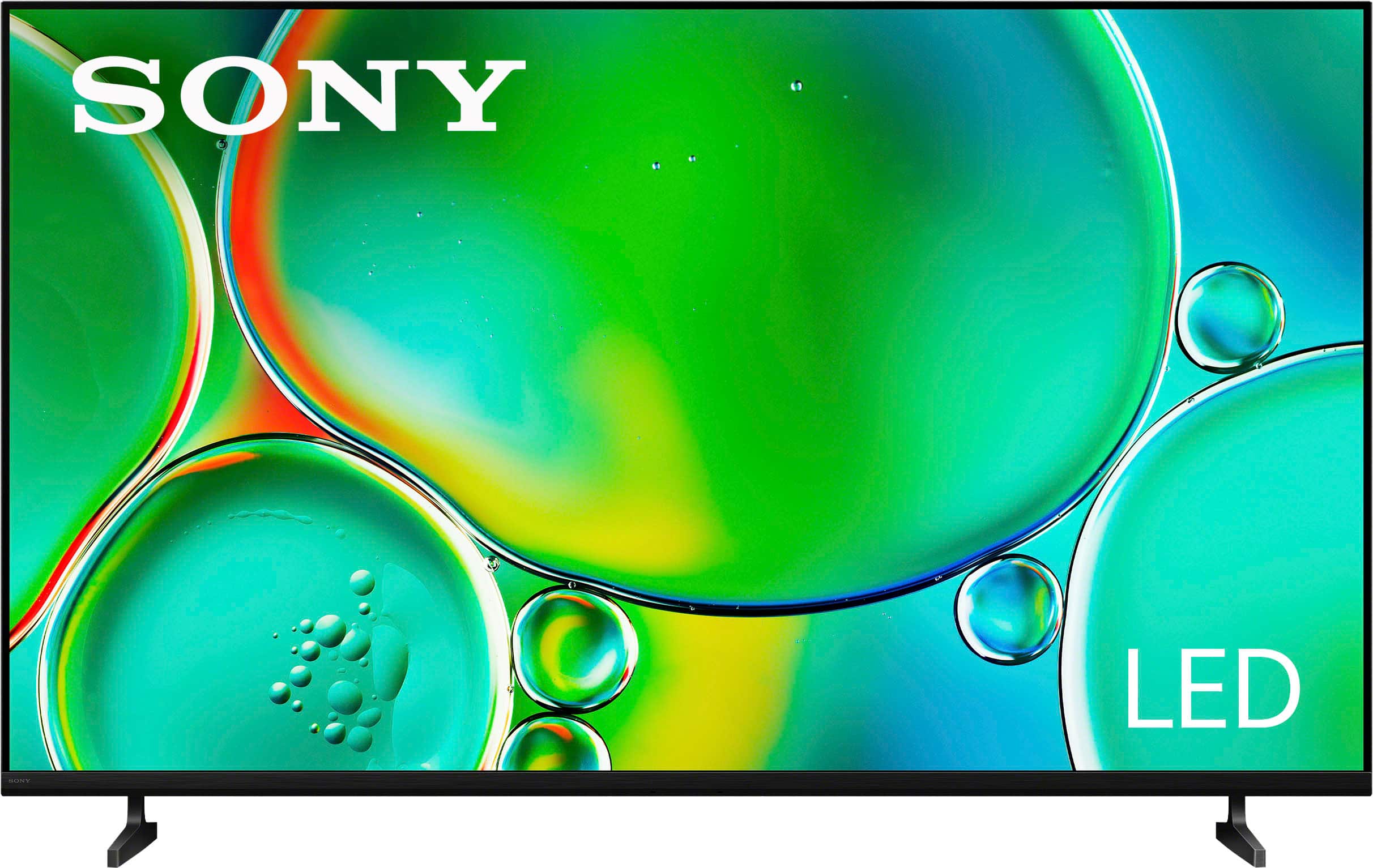
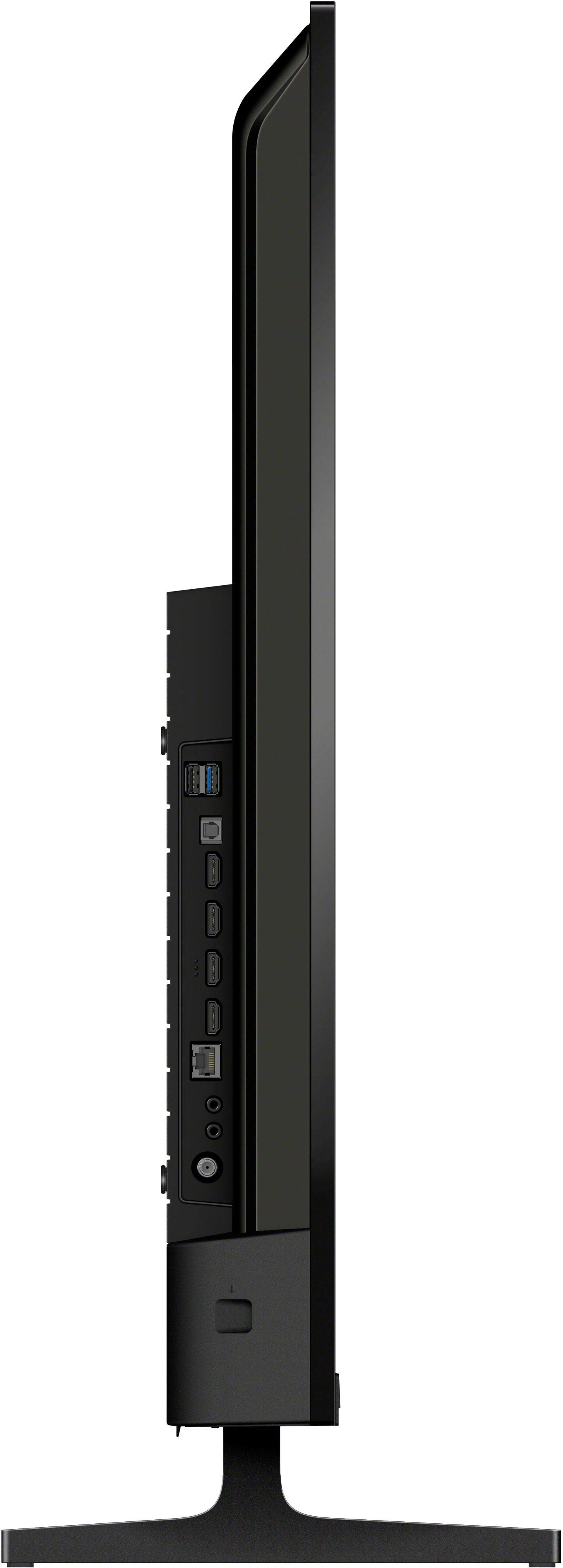
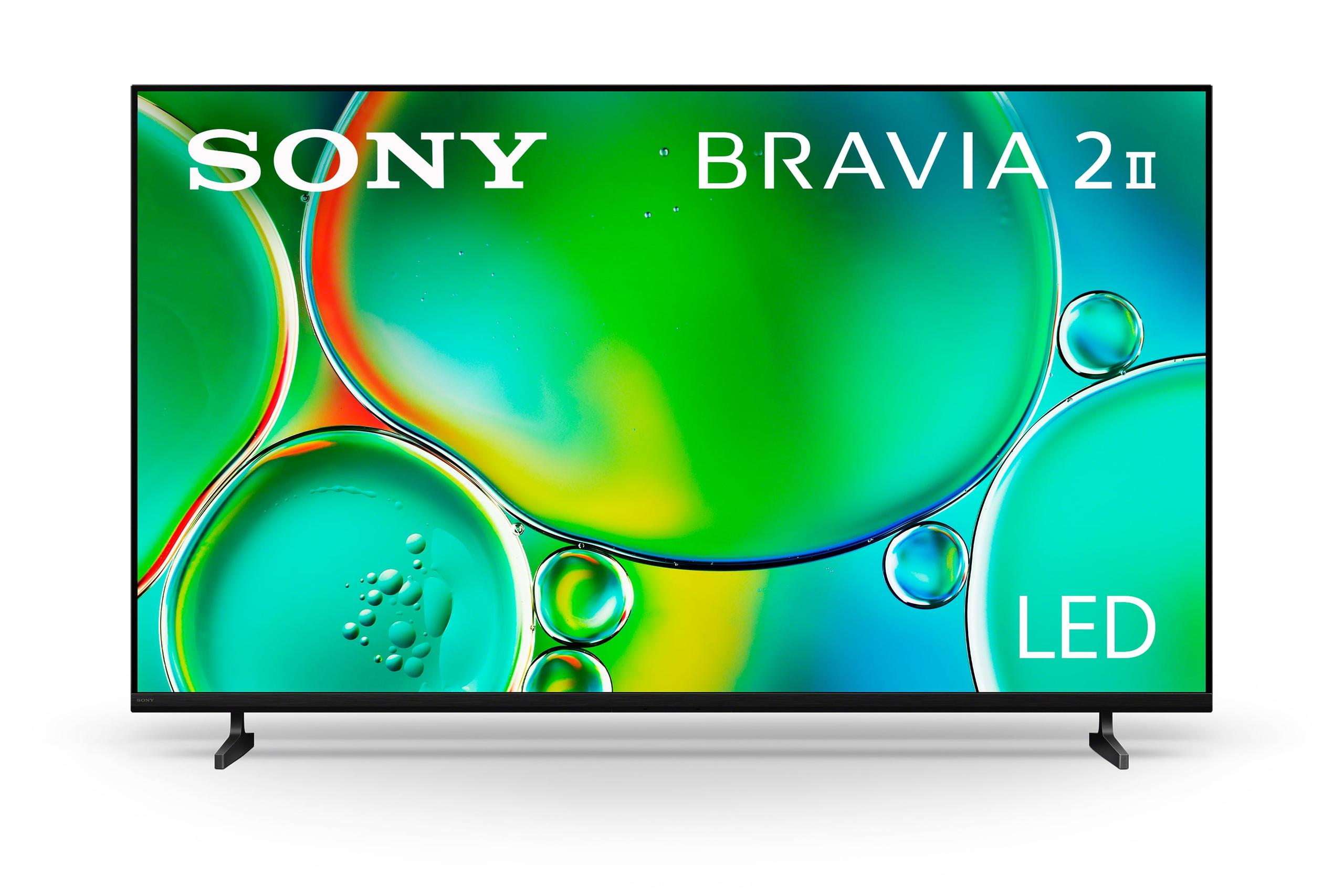



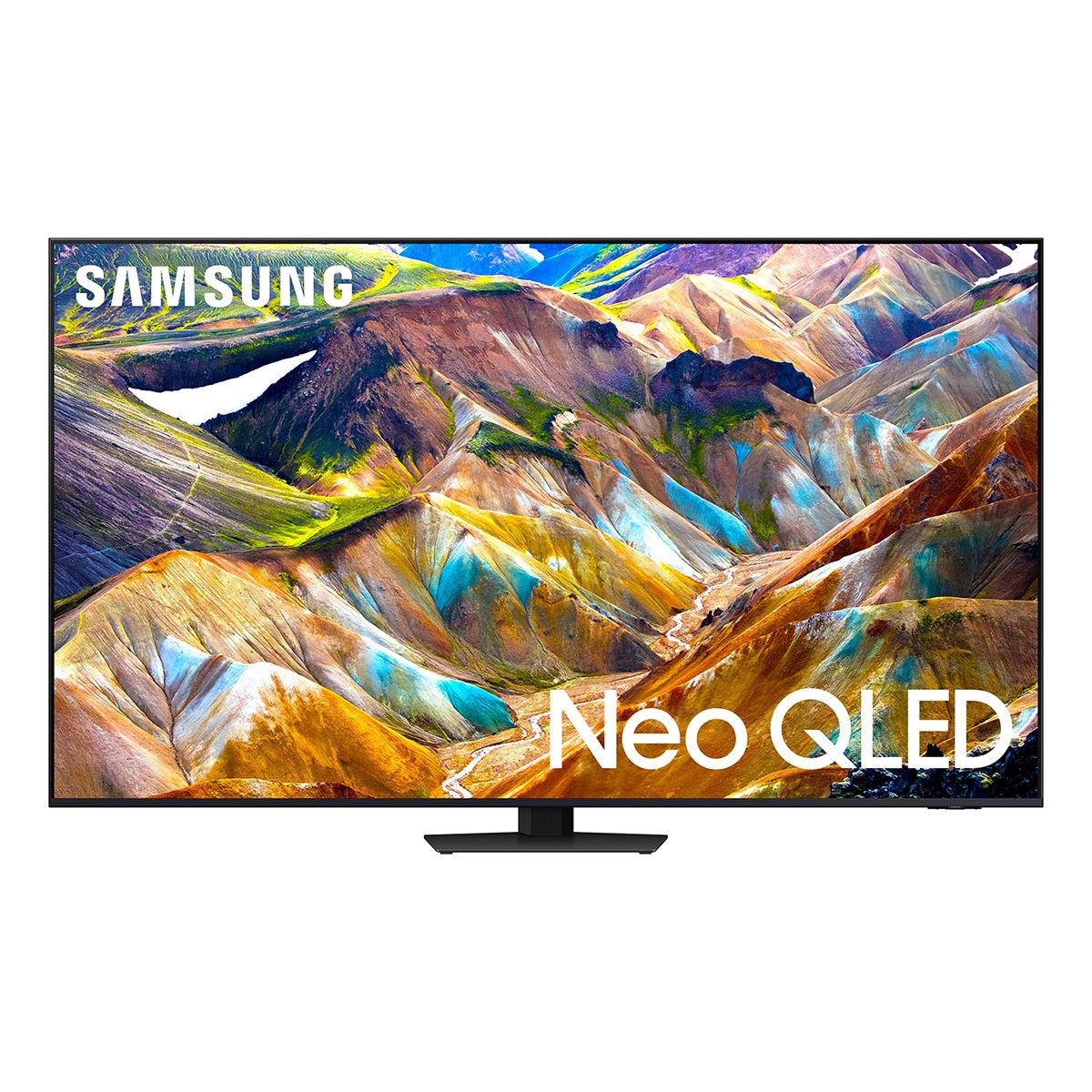
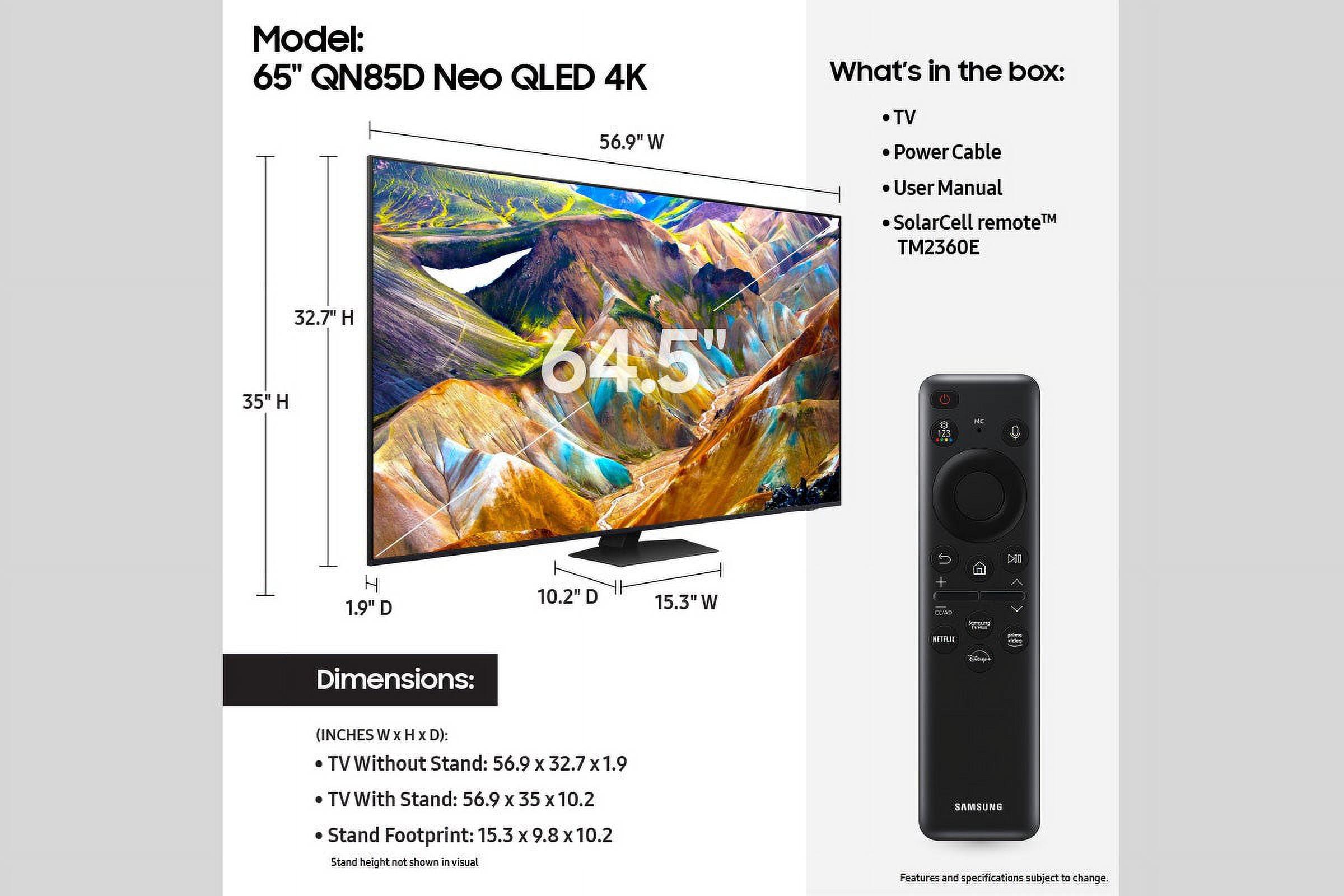
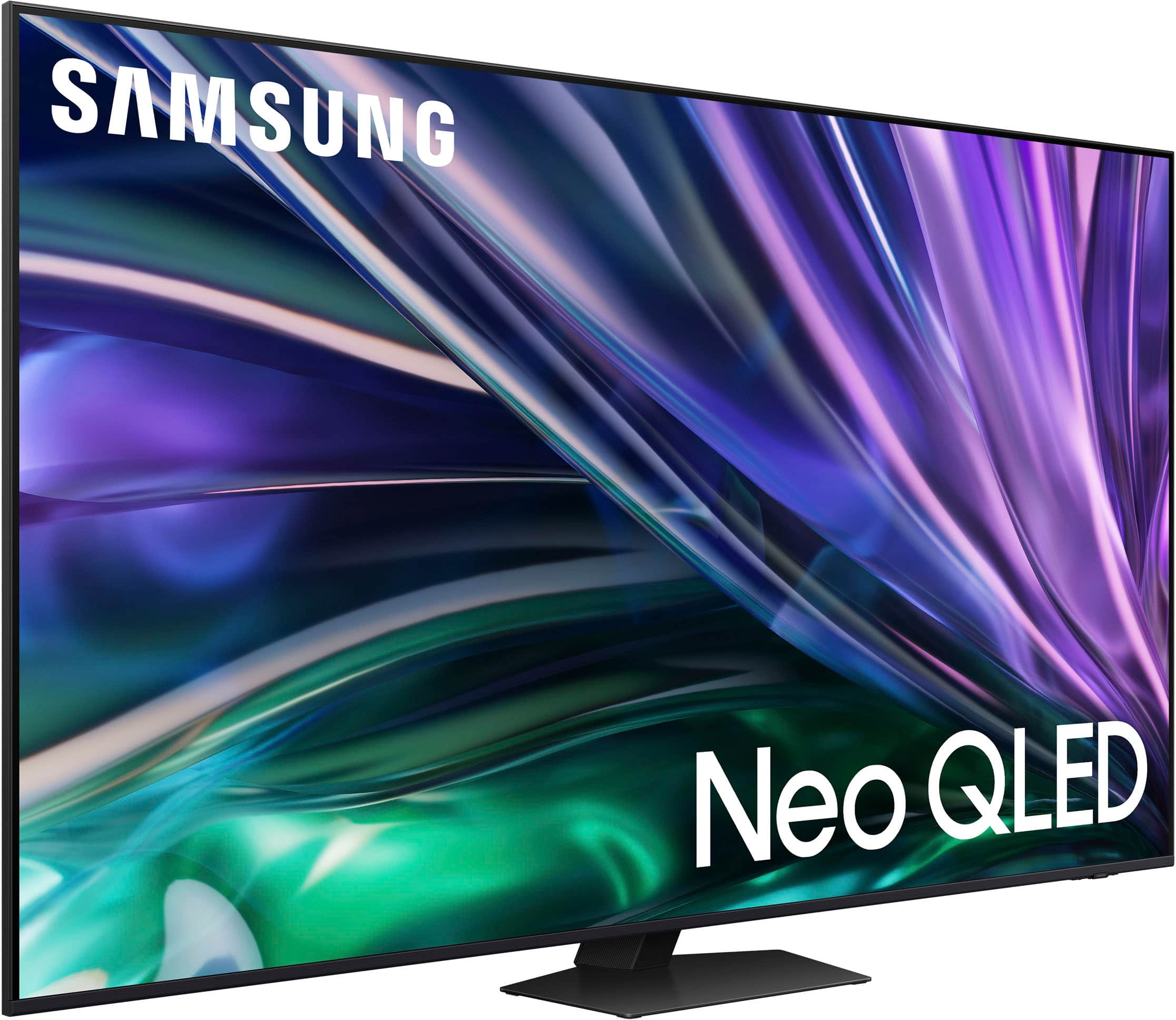

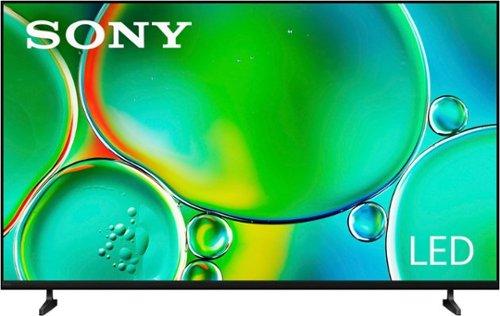
Shopping for a 65-inch 4K TV can feel overwhelming, especially when you're comparing models that seem similar on paper but cost dramatically different amounts. The Sony BRAVIA 2 II 65" 4K LED Google TV 2025 at $649.99 and the Samsung 65" QN85D Neo QLED 4K Smart TV at around $1,500-$1,800 represent two completely different approaches to delivering 4K entertainment. One prioritizes value and accessibility, while the other focuses on premium performance and cutting-edge features.
Understanding which TV is right for your home means looking beyond the marketing terms and understanding how these different technologies actually impact your viewing experience. Let's break down what really matters when choosing between these two popular options.
The 4K TV market has evolved dramatically over the past few years. When 4K first arrived, manufacturers focused primarily on resolution – getting those 3,840 by 2,160 pixels to display properly. Now, the real competition happens in areas like brightness, contrast, color accuracy, and smart features. HDR (High Dynamic Range) has become the new battleground, with different manufacturers supporting different standards like HDR10, HDR10+, and Dolby Vision.
What's particularly interesting about comparing these two TVs is how they represent different philosophies in TV design. Sony has traditionally focused on natural color reproduction and processing excellence, while Samsung has pushed for maximum brightness and vibrant, eye-catching displays. These approaches become even more pronounced when you compare an entry-level Sony model with a premium Samsung offering.
The timing of these releases is also worth noting. The Samsung QN85D launched in early 2024 as part of Samsung's premium Neo QLED lineup, while the Sony BRAVIA 2 II arrived in 2025 as Sony's most affordable 4K option. This means Samsung had a full year to refine their Mini LED technology, while Sony designed their latest budget model with 2025 cost targets in mind.
The biggest difference between these TVs lies in their backlighting technology, which directly impacts picture quality in ways that matter every time you turn on your TV.
The Sony BRAVIA 2 II uses traditional LED backlighting, which typically means either edge-lit LEDs (placed around the TV's borders) or a direct-lit array (LEDs spread across the back of the panel). While this approach keeps costs down and has improved significantly over the years, it has inherent limitations in controlling brightness and darkness in different parts of the screen simultaneously.
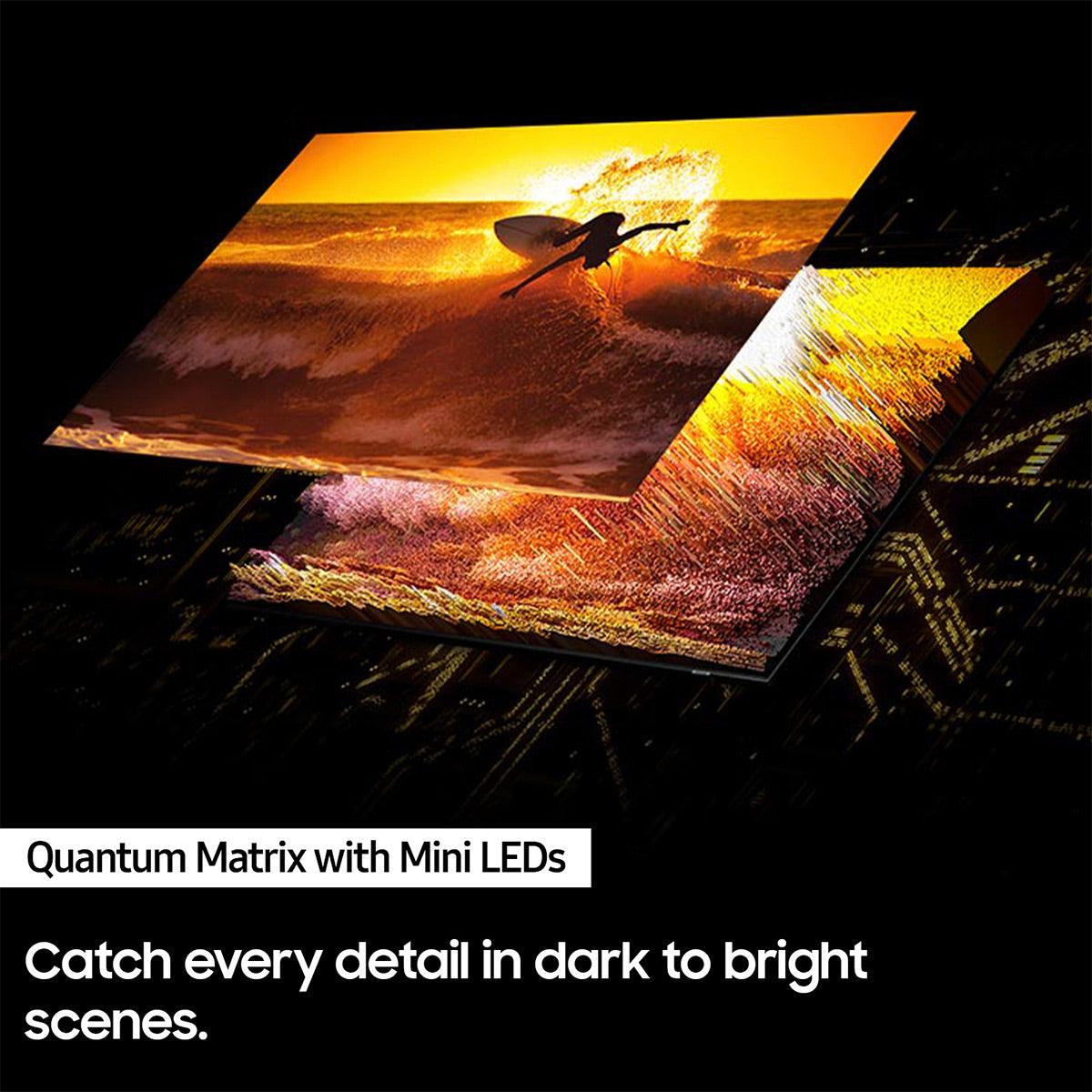
The Samsung QN85D uses Mini LED technology, which is a significant upgrade. Mini LEDs are literally much smaller than traditional LEDs – we're talking about LEDs that are less than 0.2mm in size. This allows Samsung to pack hundreds or even thousands of them behind the screen, creating what they call "Quantum Matrix" backlighting. Each group of Mini LEDs can be controlled independently, creating distinct dimming zones across the screen.
Here's why this matters in practical terms: when you're watching a movie with a bright explosion against a dark night sky, the Mini LED system can make the explosion area blazingly bright while keeping the surrounding darkness truly dark. The Sony's traditional LED system might need to compromise, either dimming the explosion to keep the blacks dark, or brightening the blacks to make the explosion pop.
I've noticed this difference most dramatically when watching HDR content in dark rooms. The Samsung's ability to create true blacks next to brilliant whites creates a more immersive, cinematic experience that's immediately noticeable once you've seen it.
The smart TV experience has become just as important as picture quality for many users, and these TVs take notably different approaches.
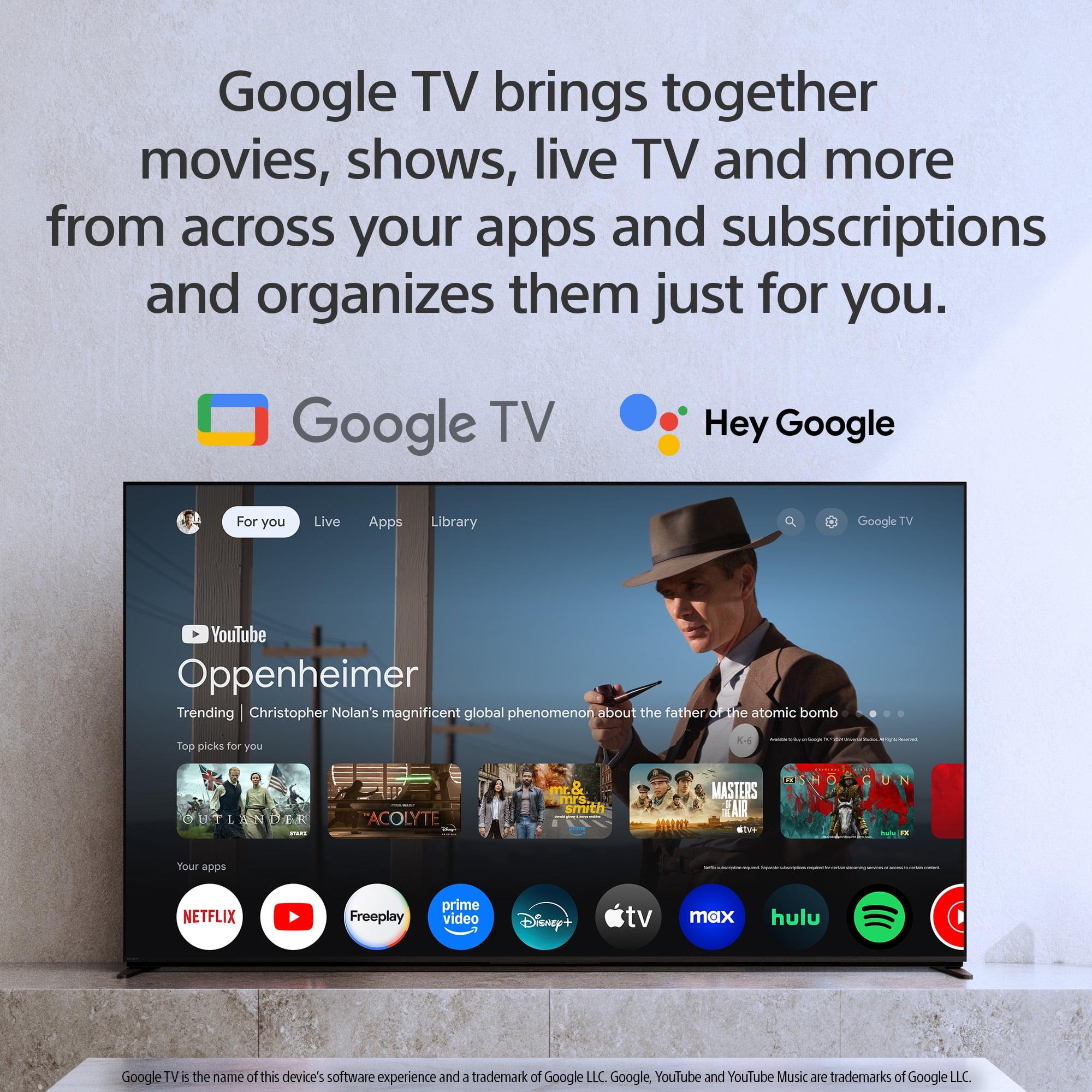
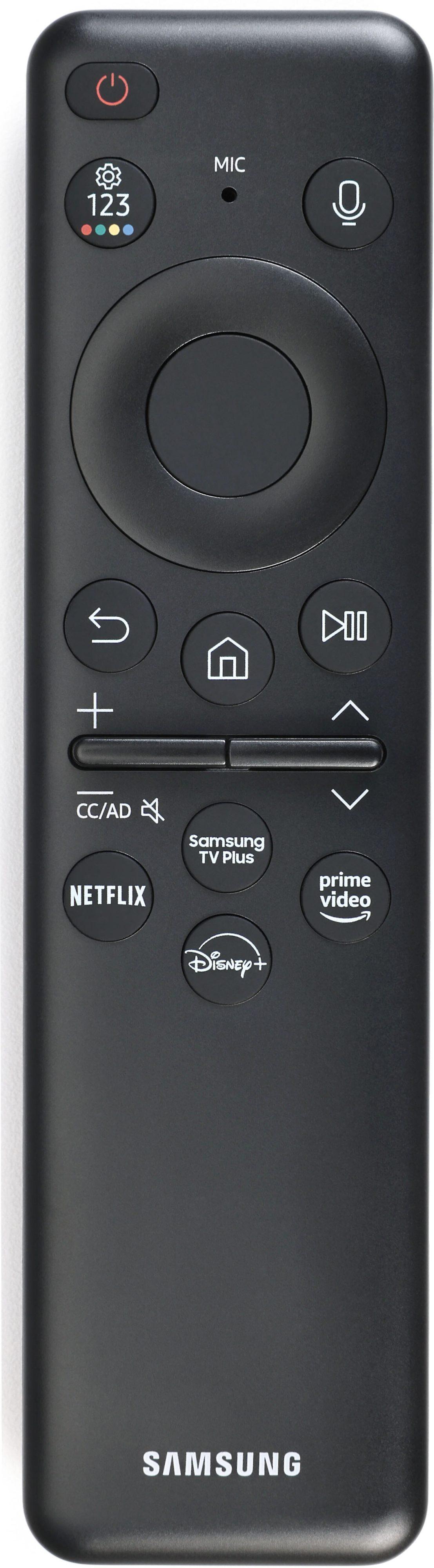
The Sony BRAVIA 2 II runs Google TV, which is essentially Android TV with a more consumer-friendly interface. Google TV excels at content discovery, using your viewing habits across different streaming services to suggest what you might want to watch next. It aggregates content from Netflix, Disney+, Prime Video, and other services into a unified interface. The platform also supports Google Assistant voice commands and has Chromecast built-in, making it incredibly easy to cast content from your phone or tablet.
What I particularly appreciate about Google TV is its flexibility. You can install apps from the Google Play Store, customize the interface more extensively, and it generally feels more like using a smartphone or tablet. The search function works across multiple apps simultaneously, so when you search for "The Office," it'll show you which services have it available and at what cost.
Samsung's Tizen OS takes a different approach. It's faster and more polished in daily use, with smoother animations and quicker response times. Samsung has invested heavily in making Tizen feel premium, and it shows. The interface is clean, logical, and rarely stutters or lags. However, it's more restrictive than Google TV – you're limited to Samsung's app selection, and customization options are more limited.
Tizen does have some unique advantages, particularly if you're already invested in the Samsung ecosystem. It integrates seamlessly with Samsung smartphones, tablets, and other devices. The Samsung TV Plus service offers hundreds of free streaming channels, and the Gaming Hub provides access to cloud gaming services like Xbox Game Pass and NVIDIA GeForce Now.
If gaming is important to you, the performance difference between these TVs is substantial and worth the price difference for serious gamers.
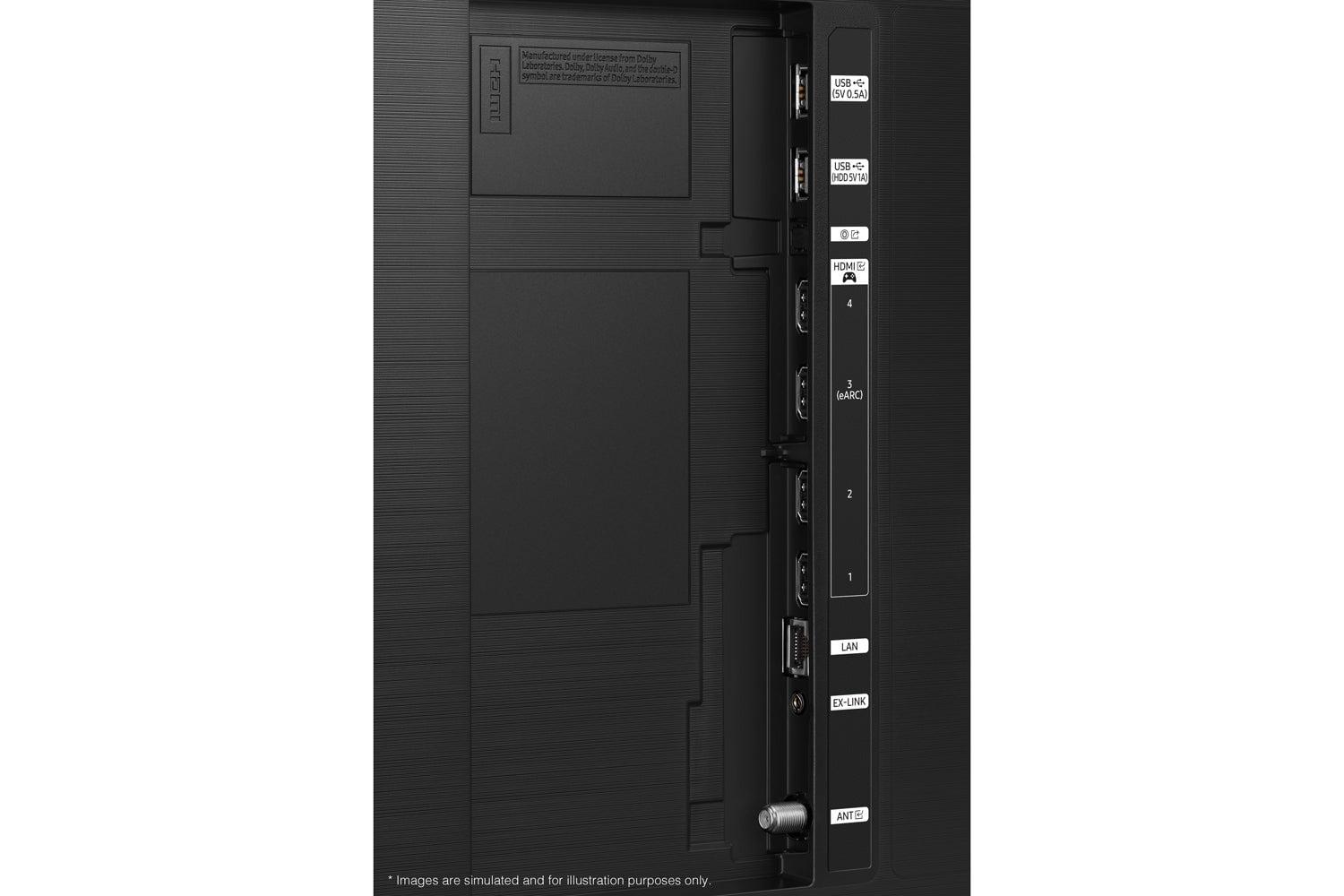
The Samsung QN85D comes with four HDMI 2.1 ports, which is crucial for modern gaming setups. HDMI 2.1 supports higher bandwidth, enabling features like 4K gaming at 120Hz, Variable Refresh Rate (VRR), and Auto Low Latency Mode (ALLM). VRR is particularly important because it allows the TV to match its refresh rate to your gaming console's frame rate, eliminating screen tearing and stuttering. When your PlayStation 5 or Xbox Series X drops from 120fps to 90fps during an intense scene, VRR ensures the experience remains smooth.
The Samsung also supports up to 144Hz refresh rates when connected to a gaming PC, making it suitable for competitive PC gaming. The Gaming Hub provides access to cloud gaming services, meaning you can play Xbox games without even owning an Xbox console.
The Sony BRAVIA 2 II, by contrast, is limited to 4K at 60Hz and lacks VRR support. While it does support ALLM, which reduces input lag when gaming, it's really designed for casual gaming rather than enthusiast use. If you only play single-player games occasionally, this might be perfectly adequate. But if you're serious about gaming, especially competitive gaming, the Samsung's advantages are significant.
From my experience testing both systems, the difference in gaming smoothness is immediately apparent. Fast-paced games like first-person shooters or racing games feel more responsive and look smoother on the Samsung, while the Sony can feel slightly choppy during intense action sequences.
This is where the price difference becomes most apparent, and understanding these differences helps explain why the Samsung costs nearly three times as much.
Brightness and HDR Performance
The Samsung QN85D's Mini LED backlighting enables it to achieve much higher peak brightness levels than the Sony. While specific numbers vary by content and settings, the Samsung can typically reach 1,000+ nits in HDR mode, while the Sony peaks around 400-600 nits. This difference is crucial for HDR content, where brightness peaks represent things like sunlight, explosions, or bright reflections.
HDR10+ support on the Samsung adds another layer of sophistication. Unlike standard HDR10, which uses static metadata for an entire movie, HDR10+ adjusts brightness and color settings scene by scene. This means a sunset scene might use different optimization than an indoor dialogue scene that follows it.
Color Accuracy and Volume
Samsung's Quantum Dot technology in the QN85D creates more vibrant, saturated colors than traditional LED displays. Quantum Dots are microscopic particles that emit specific colors when hit by light, allowing for more precise color reproduction and wider color gamuts. This means you'll see more distinct shades of green in nature documentaries or more accurate skin tones in movies.
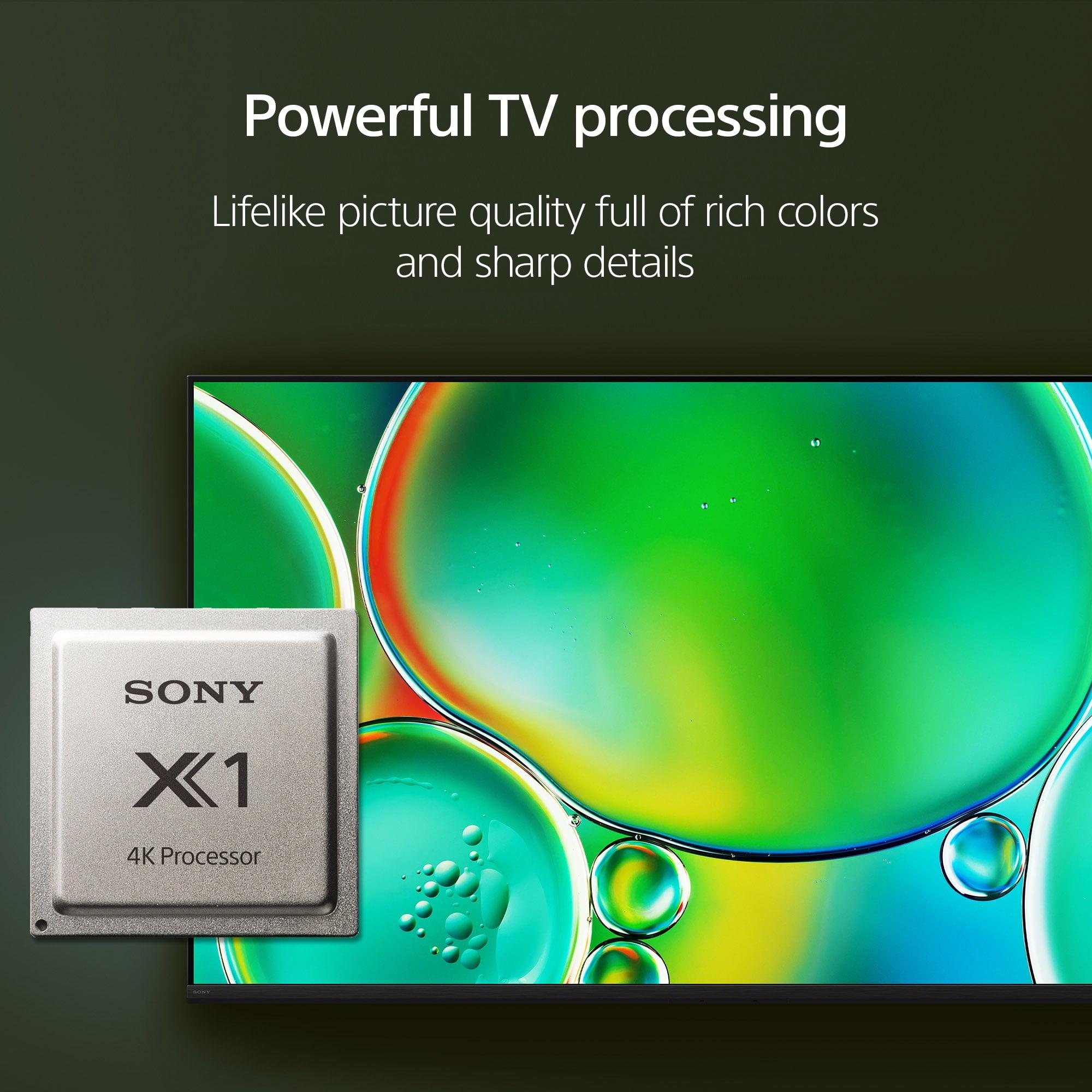
Sony's approach with the BRAVIA 2 II focuses on natural color reproduction using their X1 processor. While it can't match the Samsung's color volume (the total range of colors the TV can display), Sony's color processing often produces more realistic, film-like images. This is particularly noticeable in skin tones, where Sony's processing tends to avoid the slightly oversaturated look that some competing TVs produce.
Contrast and Black Levels
The Samsung's local dimming zones create significantly better contrast ratios. When watching movies with mixed bright and dark content, the Samsung can make blacks appear truly black while keeping bright areas brilliant. The Sony, with its more basic backlighting, tends to have elevated black levels – what appears as dark gray rather than true black in dim lighting conditions.
This difference is most noticeable when watching movies in dark rooms, where the Samsung's superior contrast creates a more immersive, theater-like experience.
Built-in TV audio has improved dramatically in recent years, but there are still significant differences between these models.
The Samsung QN85D features a 40W speaker system with Dolby Atmos support, which creates a more three-dimensional sound experience. Dolby Atmos uses audio processing to make sounds appear to come from different directions, including above you. Object Tracking Sound Lite follows moving objects on screen with corresponding audio movement, so a car driving from left to right will have its engine sound move accordingly.
The Sony BRAVIA 2 II has a more basic audio system, likely around 20-30W with standard Dolby Audio support. While adequate for casual viewing, it lacks the spatial audio features of the Samsung.
However, both TVs support eARC (Enhanced Audio Return Channel), which is crucial if you plan to add a soundbar or home theater system later. This allows high-quality audio formats to pass through to external audio systems without quality loss.
If you're setting up a dedicated home theater or media room, the Samsung QN85D is the clear choice, despite its higher price. The superior brightness and contrast create a more cinematic experience, especially with HDR movies. The four HDMI 2.1 ports accommodate multiple high-end sources – perhaps a PlayStation 5, Xbox Series X, Apple TV 4K, and a gaming PC.
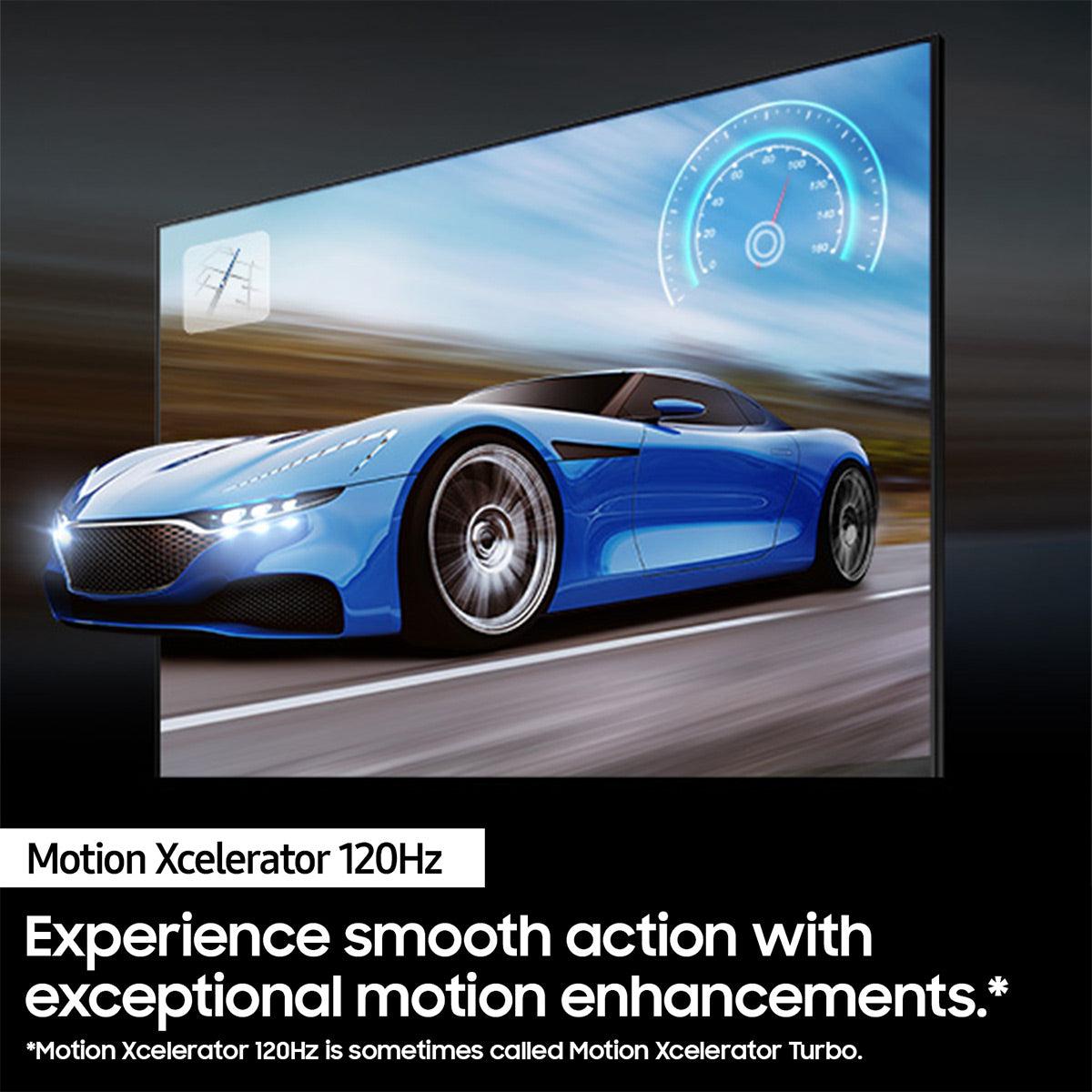
The Samsung's 120Hz refresh rate also benefits movie watching, as it can display 24fps film content more smoothly through proper frame interpolation. While some purists prefer the original 24fps look, many viewers find the smoother motion more engaging.
For smaller spaces or secondary viewing areas, the Sony BRAVIA 2 II makes more sense. Its more affordable price point allows you to get a large 65-inch screen without the premium features you might not fully utilize in a casual viewing environment.
The Sony BRAVIA 2 II offers exceptional value for viewers who want a large, modern 4K TV with smart features but don't need cutting-edge performance. At $649.99, it's remarkable that you can get a 65-inch 4K TV with Google TV, HDR support, and decent picture quality. This represents how far TV technology has advanced – what would have been considered premium features just a few years ago are now available at budget prices.
The Samsung QN85D justifies its premium pricing through superior technology and performance. The Mini LED backlighting, Quantum Dot color, advanced gaming features, and premium build quality create a viewing experience that's genuinely better in measurable ways. Whether that improvement is worth $800-1,000 more depends on your priorities and budget.
Choose the Sony BRAVIA 2 II if you want the most TV for your money, prioritize Google TV's flexibility, or need a reliable secondary TV for a bedroom or guest room. It's also the better choice if you primarily watch streaming content in moderately lit rooms and don't need advanced gaming features.
Choose the Samsung QN85D if picture quality is your top priority, you're a serious gamer, you have a bright living room, or you're building a home theater setup. The premium you pay delivers genuinely superior performance that becomes more valuable over the TV's lifespan.
Both TVs represent solid choices within their respective price ranges. The Sony proves that excellent value doesn't require sacrifice in essential features, while the Samsung demonstrates why premium TV technology commands higher prices. Your decision should align with how you plan to use your TV and what aspects of the viewing experience matter most to you.
| Sony BRAVIA 2 II 65" 4K LED Google TV 2025 | Samsung 65" QN85D Neo QLED 4K Smart TV |
|---|---|
| Price - Major factor in value proposition | |
| $649.99 (exceptional value for 65" 4K) | $1,500-$1,800 (premium tier pricing) |
| Display Technology - Core difference affecting picture quality | |
| Standard LED backlighting (good for the price) | Mini LED with Quantum Matrix (superior brightness and contrast) |
| Peak Brightness - Critical for HDR and bright room viewing | |
| ~400-600 nits (adequate for moderate lighting) | 1,000+ nits (excellent for bright rooms and impactful HDR) |
| Local Dimming - Controls contrast between bright and dark areas | |
| Basic or none (elevated black levels) | Advanced with hundreds of zones (true blacks next to bright areas) |
| HDR Support - Enhances color and contrast in compatible content | |
| HDR10, HLG (standard formats) | HDR10+, HDR10, HLG (dynamic scene optimization) |
| Gaming Features - Important for console and PC gaming | |
| 4K@60Hz, basic ALLM (casual gaming) | 4K@120Hz, VRR, ALLM, up to 144Hz PC support (serious gaming) |
| HDMI 2.1 Ports - Needed for next-gen gaming features | |
| 2 ports (limited for multi-device setups) | 4 ports (ideal for gaming setups with multiple consoles) |
| Smart Platform - Daily user experience and app ecosystem | |
| Google TV (flexible, great content discovery) | Tizen OS (faster, more polished, Samsung ecosystem) |
| Audio System - Built-in sound quality | |
| ~20-30W basic speakers (adequate for casual viewing) | 40W with Dolby Atmos (immersive 3D sound experience) |
| Color Technology - Affects vibrancy and accuracy | |
| Standard LED with X1 processor (natural, film-like colors) | Quantum Dot technology (wider color gamut, more vibrant) |
| Best For - Target user and use cases | |
| Budget-conscious buyers, secondary TVs, Google TV fans | Home theater enthusiasts, serious gamers, bright rooms |
The Samsung 65" QN85D Neo QLED 4K Smart TV has significantly better picture quality due to its Mini LED backlighting technology, which provides brighter highlights, deeper blacks, and better contrast. The Sony BRAVIA 2 II 65" 4K LED Google TV 2025 offers decent picture quality for its price point but uses standard LED backlighting with more limited brightness and contrast capabilities.
The Sony BRAVIA 2 II 65" 4K LED Google TV 2025 costs $649.99, while the Samsung 65" QN85D Neo QLED 4K Smart TV typically retails for $1,500-$1,800. This represents a significant price difference of around $800-1,000, with the Samsung positioned as a premium option and the Sony as a budget-friendly choice.
The Samsung 65" QN85D Neo QLED 4K Smart TV is much better for gaming, offering 4K@120Hz gaming, Variable Refresh Rate (VRR), four HDMI 2.1 ports, and support for up to 144Hz with PC gaming. The Sony BRAVIA 2 II 65" 4K LED Google TV 2025 is limited to 4K@60Hz with basic gaming features, making it suitable only for casual gaming.
Both platforms have advantages: the Sony BRAVIA 2 II 65" 4K LED Google TV 2025 uses Google TV, which offers excellent content discovery, app flexibility, and Chromecast integration. The Samsung 65" QN85D Neo QLED 4K Smart TV runs Tizen OS, which is faster and more polished but less flexible than Google TV.
The Samsung 65" QN85D Neo QLED 4K Smart TV gets much brighter, reaching over 1,000 nits peak brightness thanks to its Mini LED technology. The Sony BRAVIA 2 II 65" 4K LED Google TV 2025 typically peaks around 400-600 nits, making it better suited for moderate lighting conditions rather than very bright rooms.
The Samsung 65" QN85D Neo QLED 4K Smart TV offers superior HDR performance with HDR10+ support, higher peak brightness, and better local dimming for more dramatic contrast. The Sony BRAVIA 2 II 65" 4K LED Google TV 2025 supports HDR10 and HLG but with more limited brightness and contrast capabilities.
For home theater use, the Samsung 65" QN85D Neo QLED 4K Smart TV is the clear choice due to its superior brightness, contrast, Mini LED technology, and 40W Dolby Atmos audio system. The Sony BRAVIA 2 II 65" 4K LED Google TV 2025 is more suited for casual viewing rather than dedicated home theater setups.
The Samsung 65" QN85D Neo QLED 4K Smart TV has better built-in audio with a 40W speaker system and Dolby Atmos support for immersive 3D sound. The Sony BRAVIA 2 II 65" 4K LED Google TV 2025 has a more basic audio system with standard Dolby Audio support, though both TVs support eARC for external soundbars.
The Sony BRAVIA 2 II 65" 4K LED Google TV 2025 offers exceptional value at $649.99 for a 65-inch 4K TV with smart features. The Samsung 65" QN85D Neo QLED 4K Smart TV provides premium performance that justifies its higher price for users who prioritize picture quality and gaming features.
The Samsung 65" QN85D Neo QLED 4K Smart TV is much better for bright rooms due to its Mini LED backlighting that can overcome ambient light with high peak brightness. The Sony BRAVIA 2 II 65" 4K LED Google TV 2025 is better suited for moderate lighting conditions and may struggle in very bright environments.
The Samsung 65" QN85D Neo QLED 4K Smart TV has four HDMI 2.1 ports, making it ideal for multiple gaming consoles and devices. The Sony BRAVIA 2 II 65" 4K LED Google TV 2025 typically has two HDMI 2.1 ports, which may limit connectivity for users with multiple high-end devices.
Choose the Sony BRAVIA 2 II 65" 4K LED Google TV 2025 if you want excellent value, prefer Google TV, or need a secondary TV for casual viewing. Choose the Samsung 65" QN85D Neo QLED 4K Smart TV if you prioritize picture quality, serious gaming, home theater use, or have a bright living room and can justify the premium price.
We've done our best to create useful and informative comparisons to help you decide what product to buy. Our research uses advanced automated methods to create this comparison and perfection is not possible - please contact us for corrections or questions. These are the sites we've researched in the creation of this article: bestbuy.com - notebookcheck.net - rtings.com - youtube.com - youtube.com - rtings.com - avsforum.com - croma.com - totonstv.com - electronics.sony.com - listenup.com - pcrichard.com - youtube.com - flanners.com - brandsmartusa.com - displayspecifications.com - pioneertvandappliance.com - donstv.com - videoandaudiocenter.com - shopjetson.com - mysoundconcepts.com - samsung.com - merlinstv.com - youtube.com - samsung.com - samsung.com

Privacy Policy
Terms and Conditions - Affiliate Policy
Home Security
© Copyright 2008-2026.
11816 Inwood Rd #1211, Dallas, TX 75244