

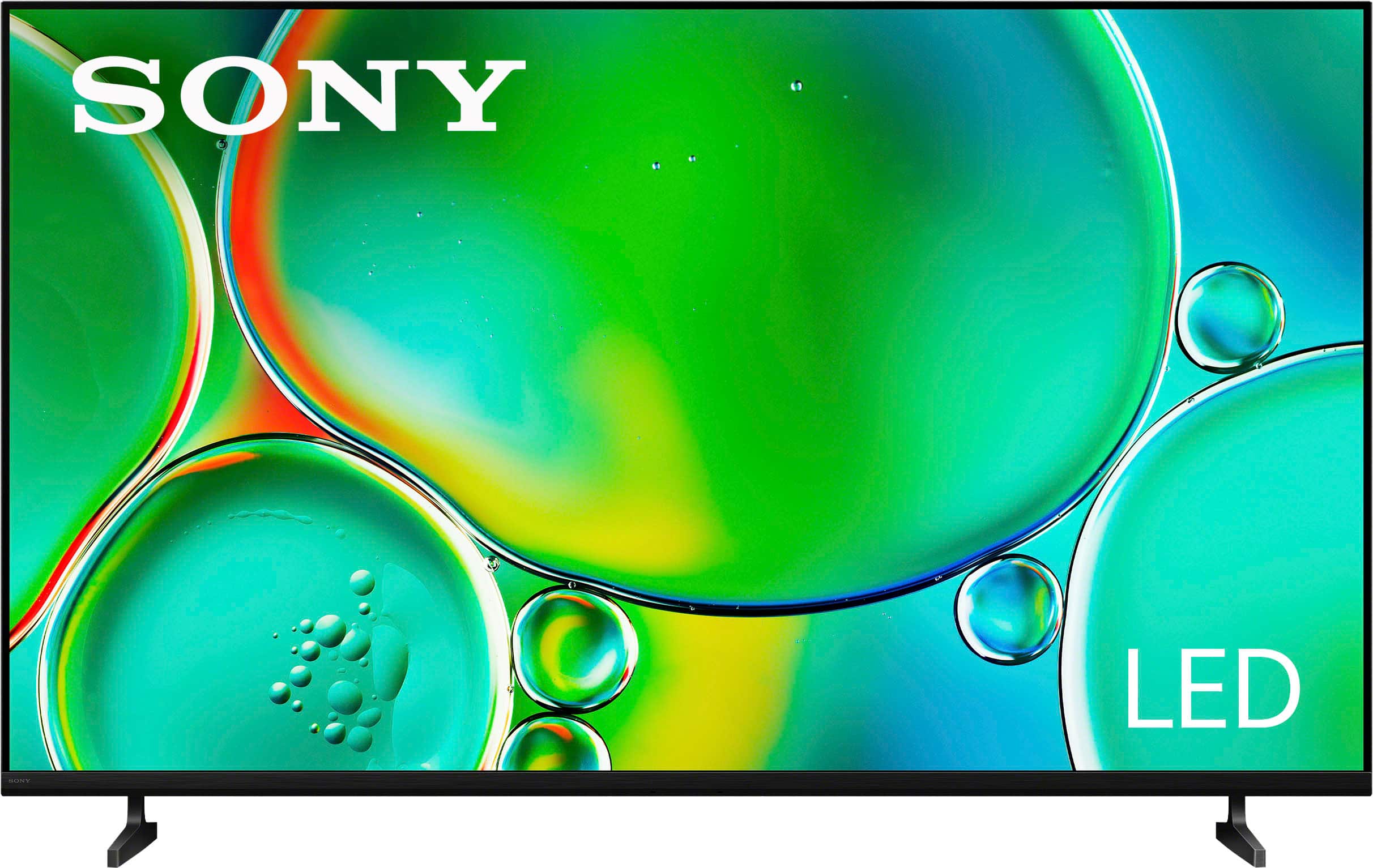
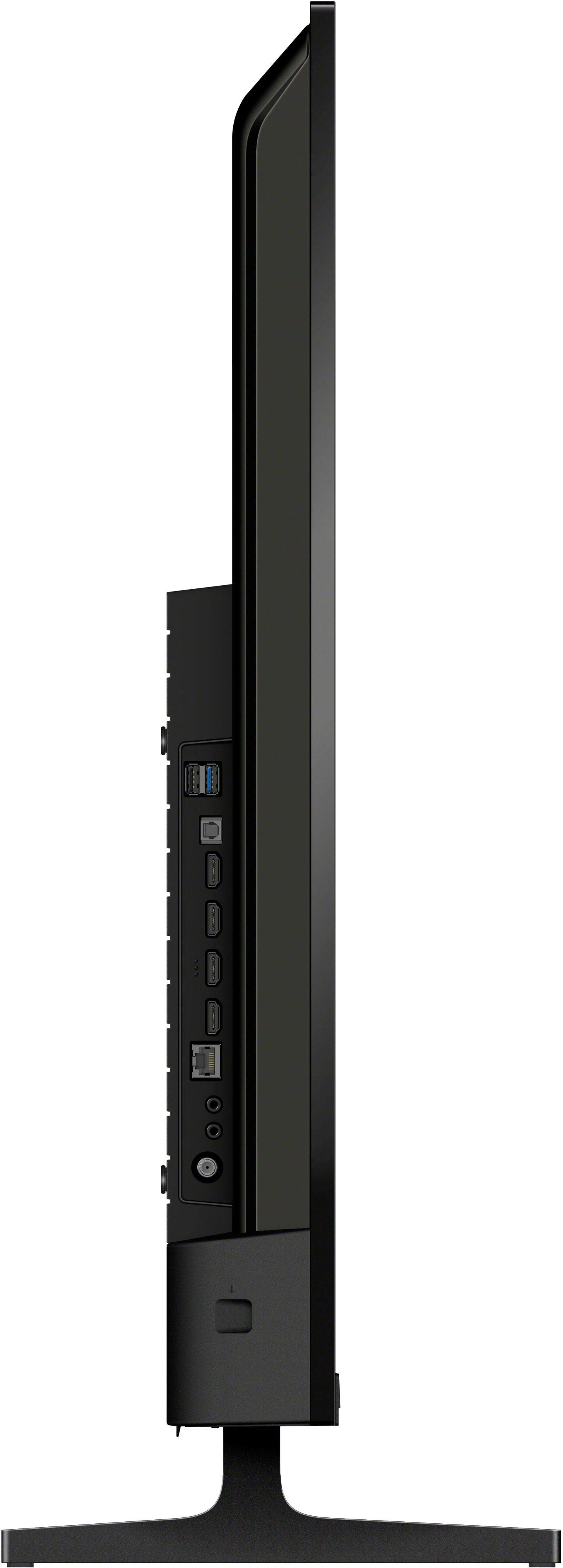
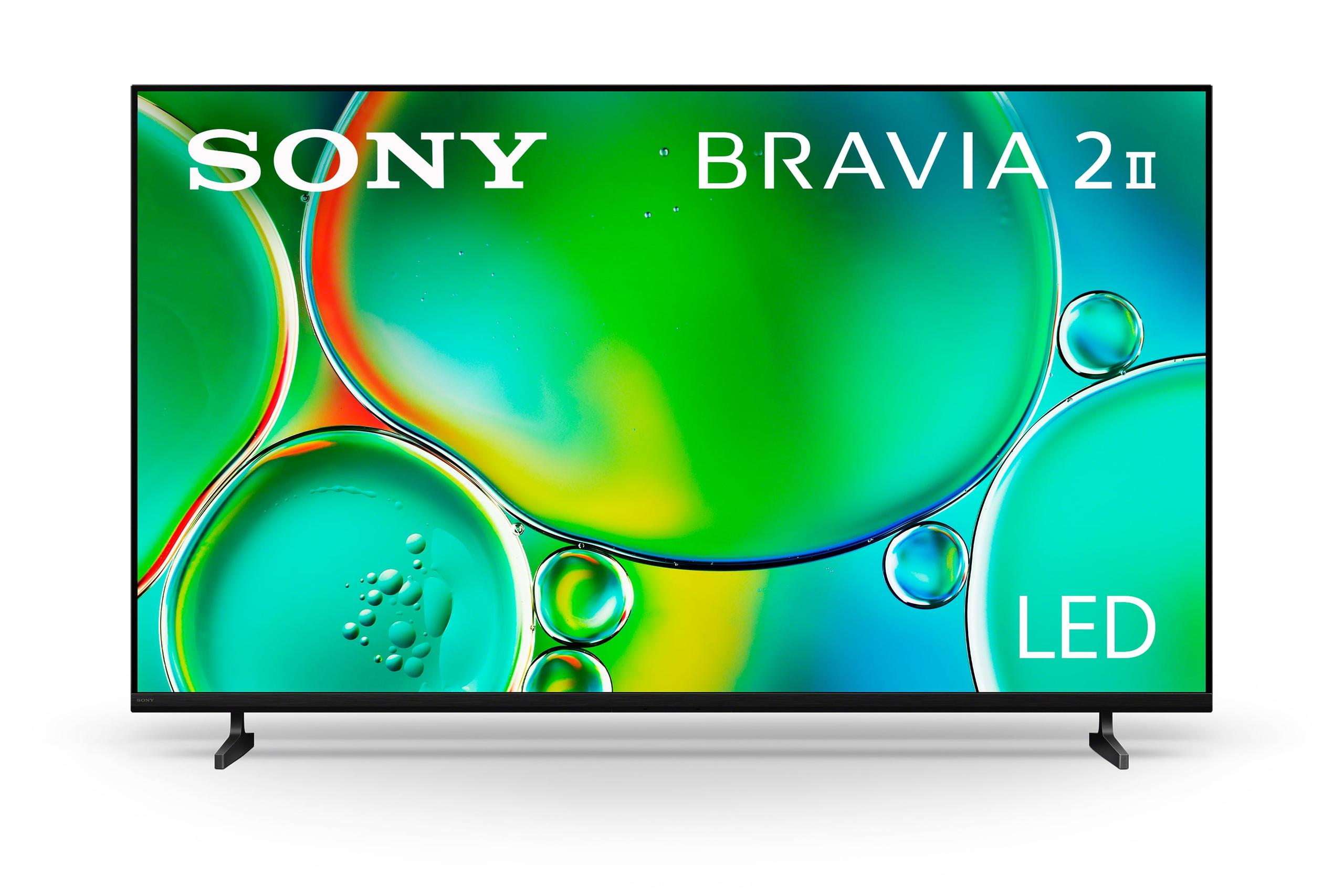
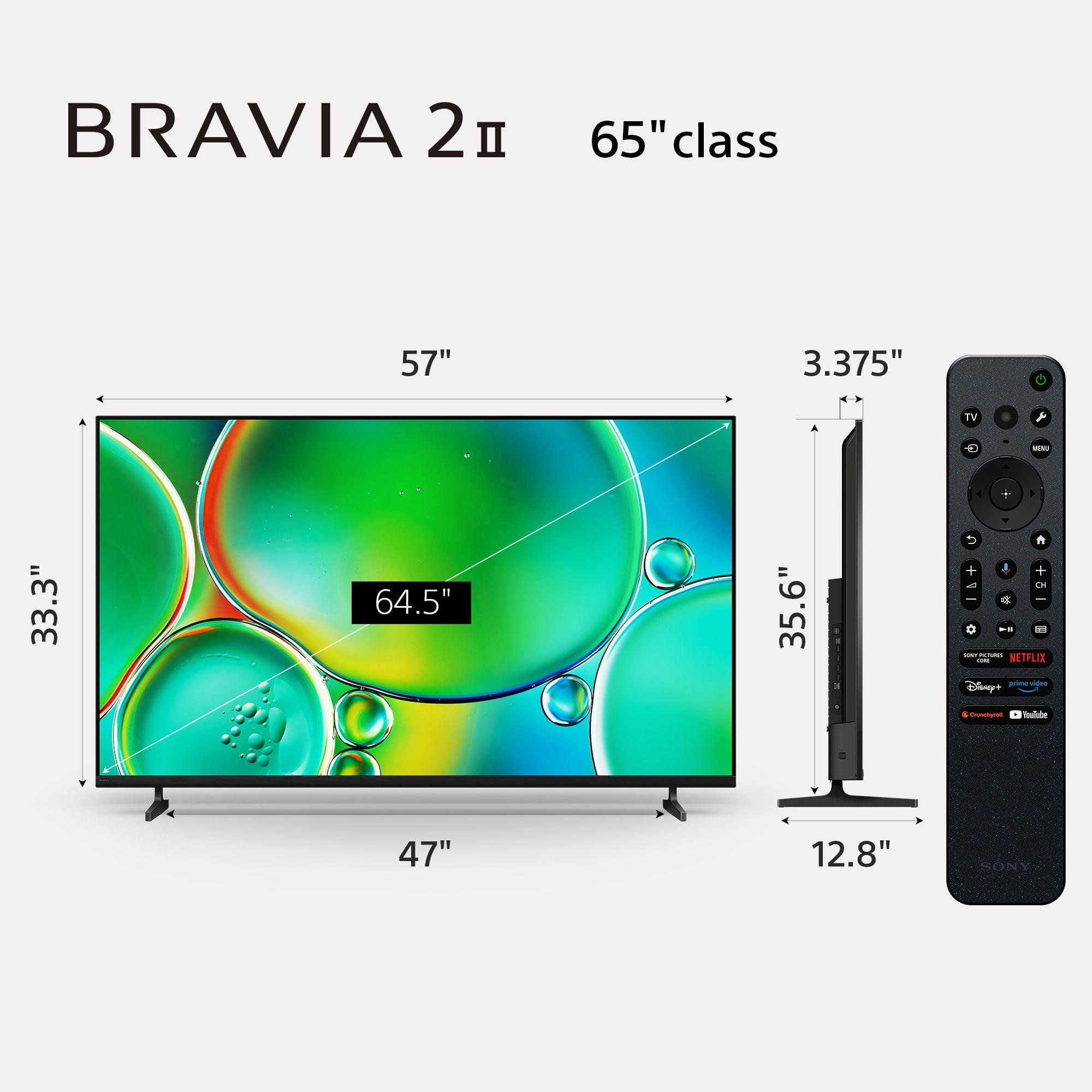




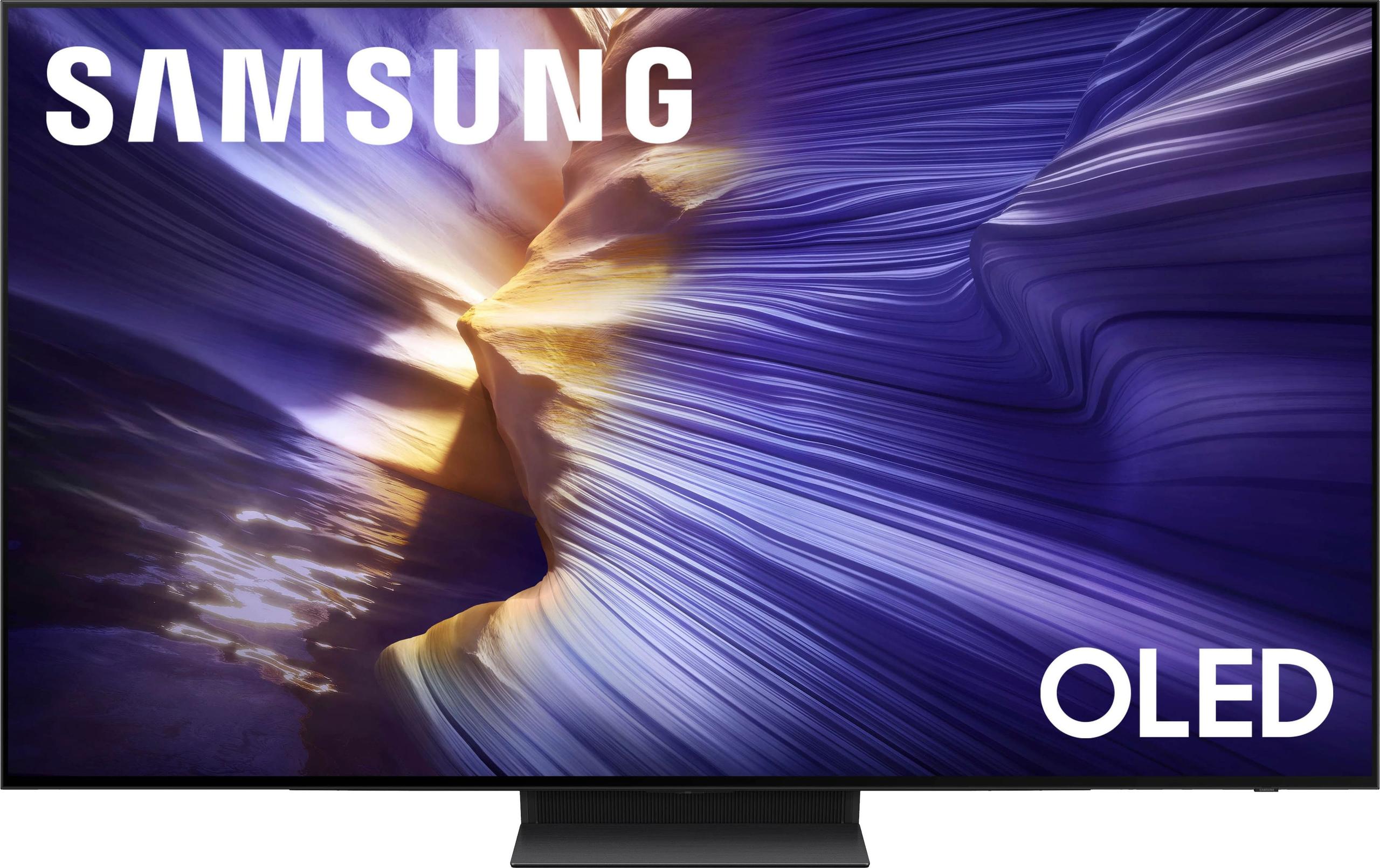
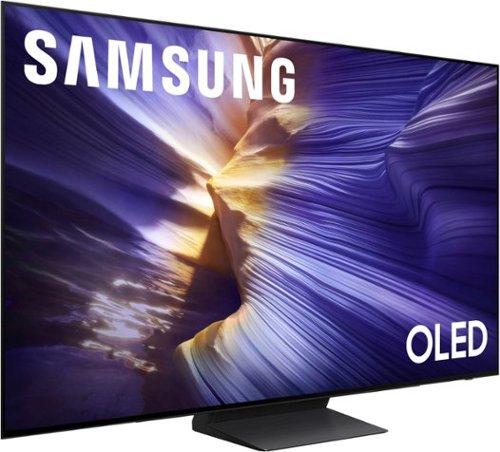
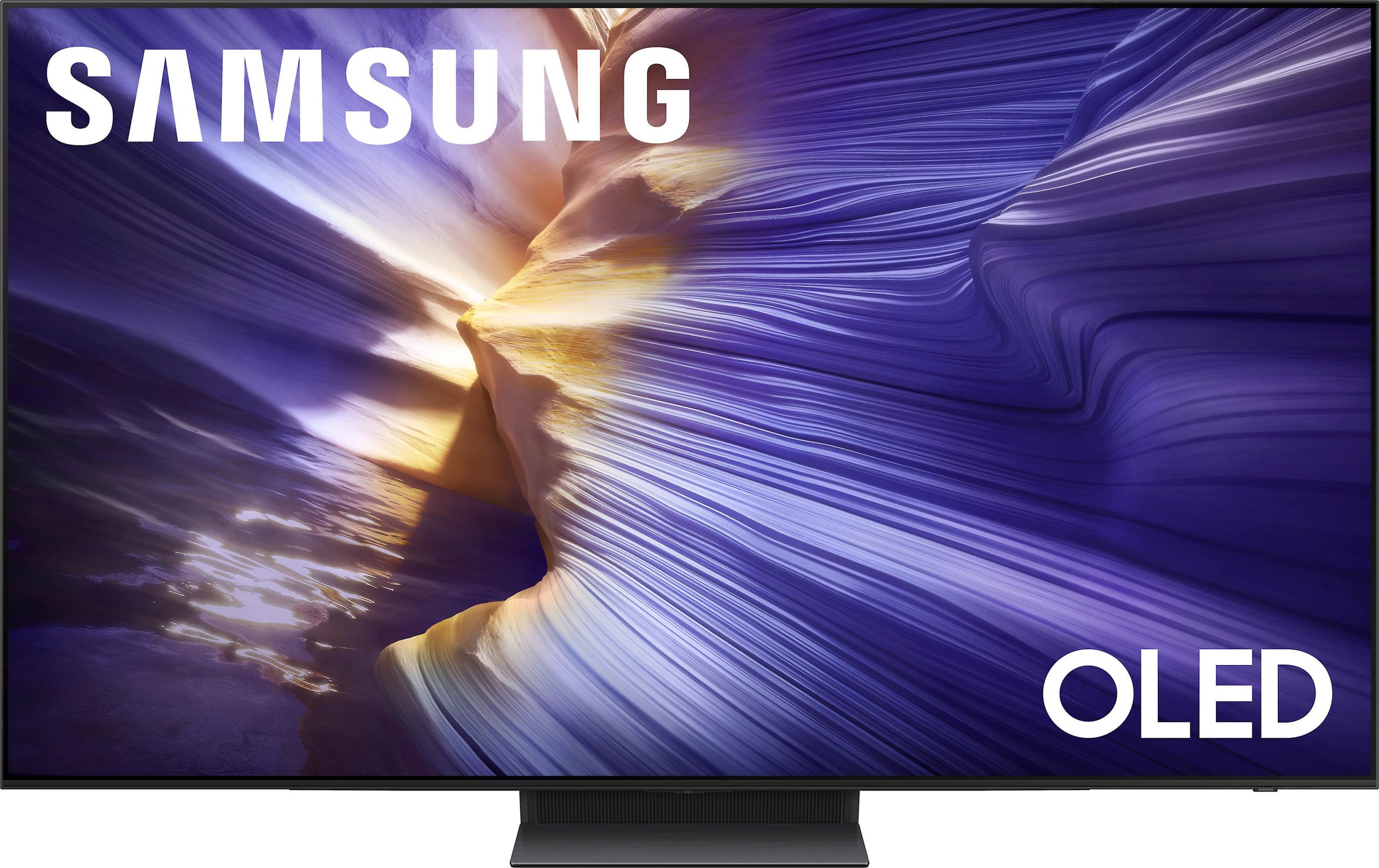
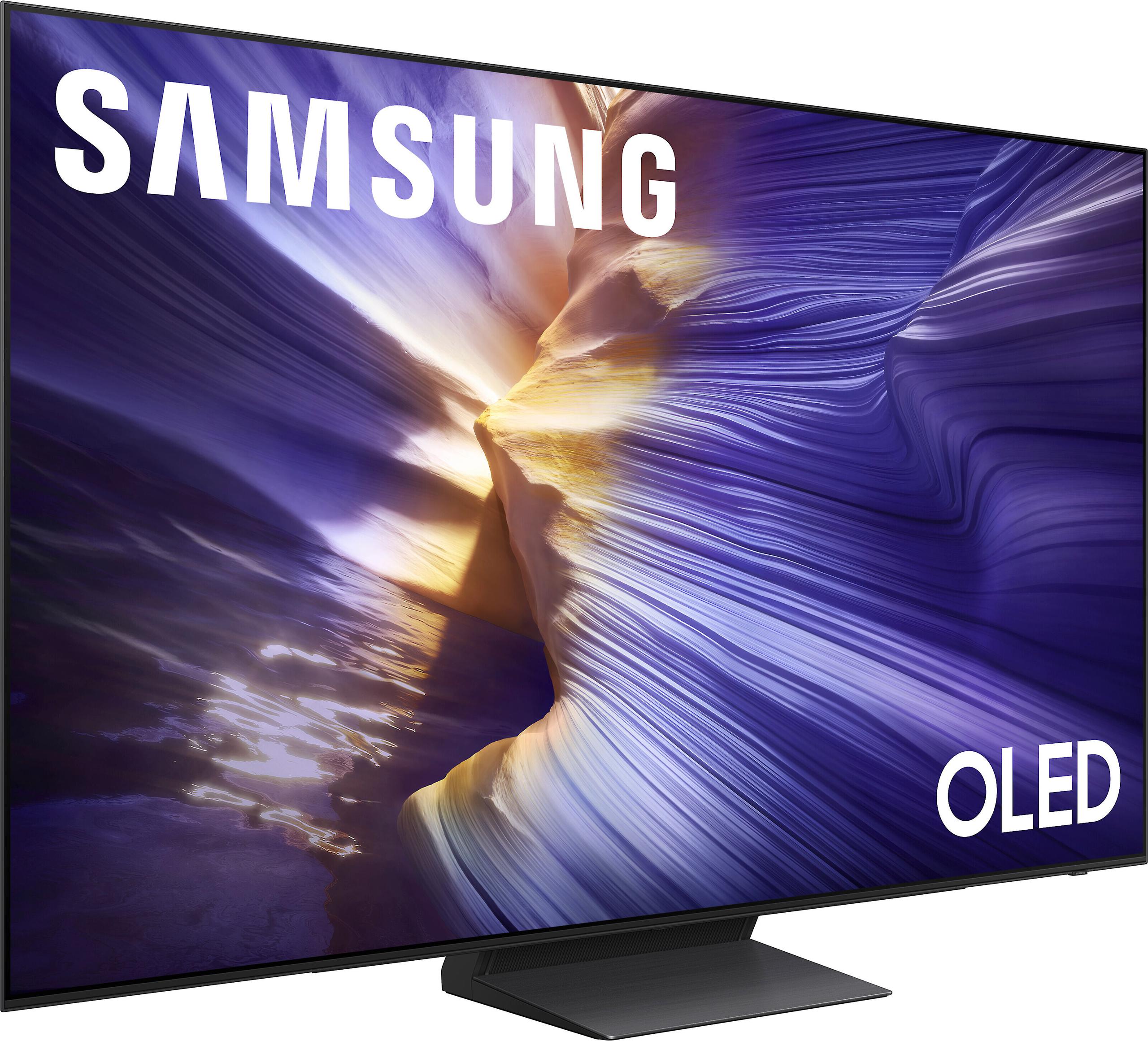
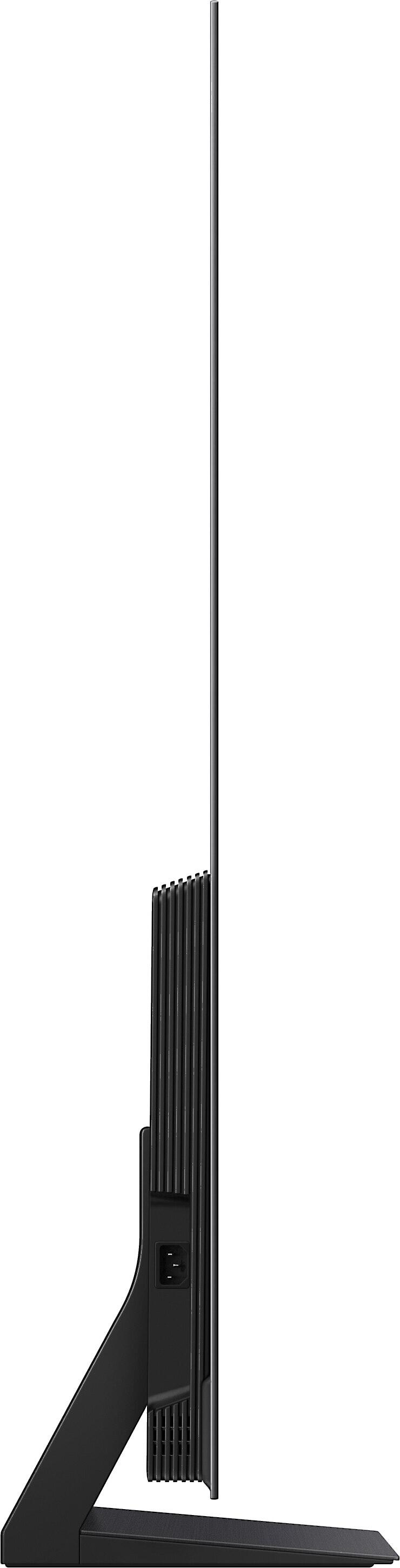
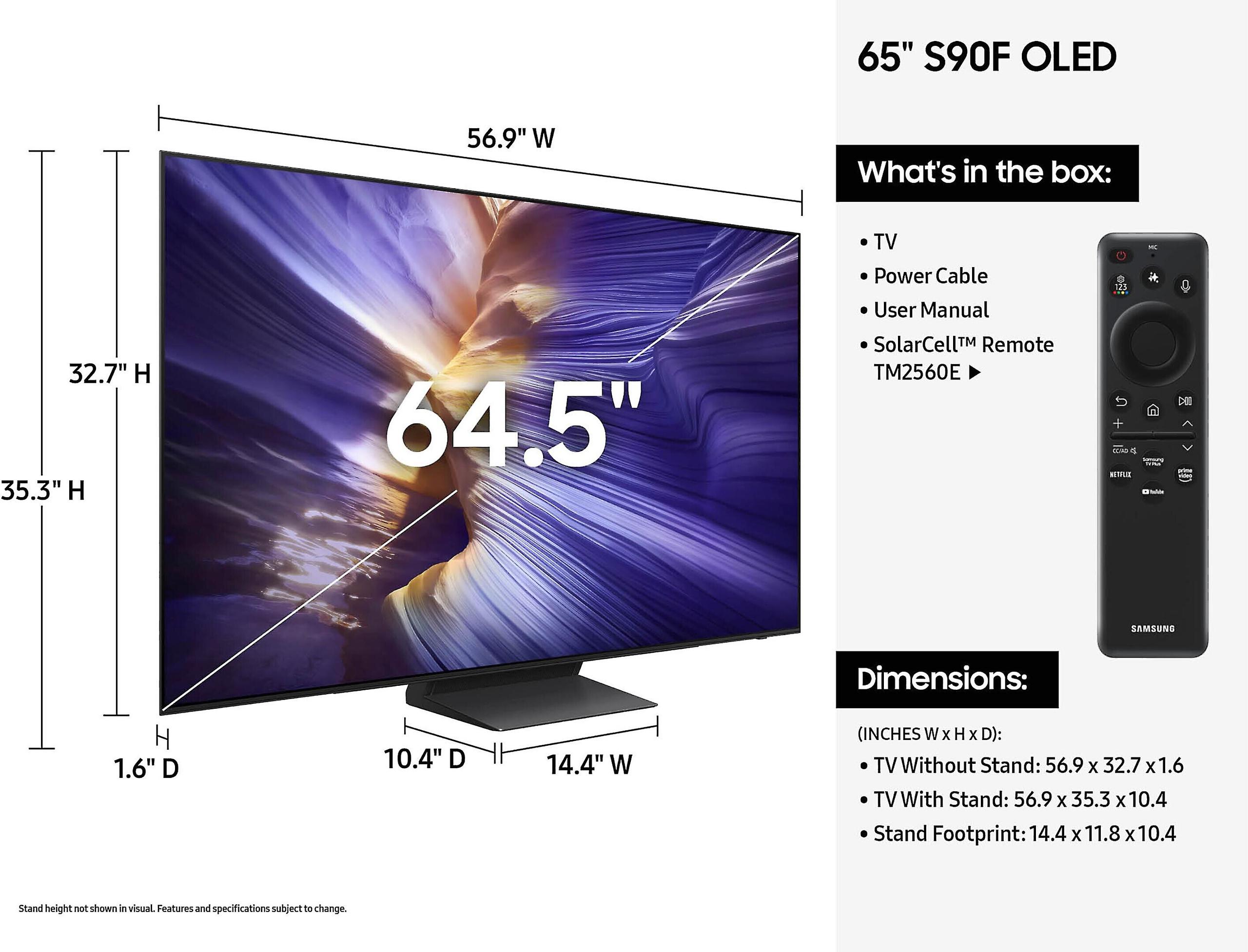


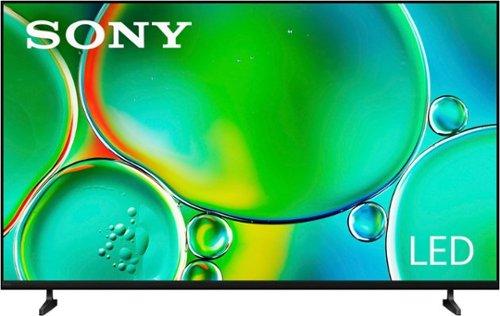
Shopping for a new TV can feel overwhelming, especially when you're comparing two very different approaches to delivering your favorite content. The Sony BRAVIA 2 II 65" 4K LED Google TV 2025 at $649.99 and the Samsung 65" S90F OLED 4K Vision AI Smart TV 2025 at $1,797.99 represent two distinct philosophies in television design—one focused on exceptional value, the other on premium performance.
Both TVs launched in early 2025, marking significant updates to their respective lineups. Sony positioned the BRAVIA 2 II as their most accessible 4K option, while Samsung introduced the S90F as a flagship OLED that pushes brightness and gaming capabilities to new heights. The nearly $1,200 price difference between these models reflects more than just different features—it represents fundamentally different display technologies and target audiences.
The most crucial difference between these TVs lies in their display technology. The Sony BRAVIA 2 II uses LED (Light Emitting Diode) technology, where an LED backlight illuminates a liquid crystal display panel. Think of it like a flashlight shining through a stained glass window—the backlight provides the brightness, while the LCD panel creates the colors and images.
The Samsung S90F, however, uses OLED (Organic Light Emitting Diode) technology. Each pixel generates its own light, eliminating the need for a backlight entirely. This is like having millions of tiny light bulbs that can turn completely on or off independently. When an OLED pixel needs to display black, it simply turns off completely, creating perfect darkness.
This fundamental difference affects everything from picture quality to energy consumption. OLED TVs typically produce more vibrant colors and perfect blacks, but they can be more expensive and potentially susceptible to burn-in (where static images leave permanent marks). LED TVs are generally more affordable, last longer, and get brighter, but they can't achieve the same level of contrast.
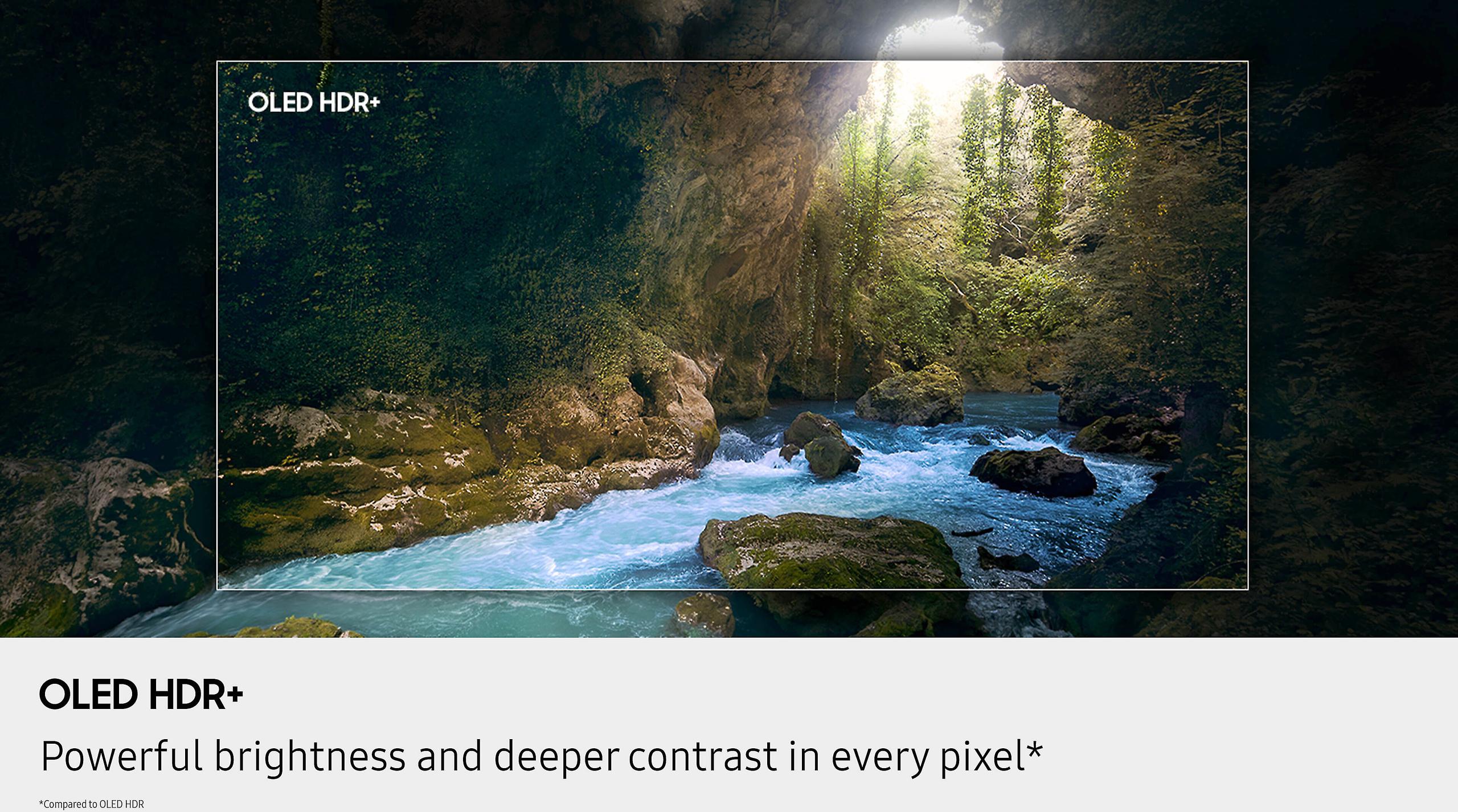
One area where these TVs diverge dramatically is brightness capability. The Samsung S90F can reach up to 2,000 nits of peak brightness—that's bright enough to create convincing sunlight effects even in a well-lit living room. For context, a typical indoor room is around 100-200 nits, while direct sunlight measures about 100,000 nits. The Samsung's brightness makes HDR (High Dynamic Range) content really pop, showing details in both bright clouds and dark shadows simultaneously.
The Sony BRAVIA 2 II, while not officially rated, likely peaks around 600 nits—still respectable for LED technology but noticeably dimmer than the Samsung. This difference becomes most apparent when watching HDR movies or shows. On the Samsung, a campfire scene will have bright, realistic flames that seem to glow off the screen, while on the Sony, the same scene appears more muted but still enjoyable.
I've found that brightness matters most in three scenarios: bright rooms with lots of windows, HDR content with dramatic lighting, and gaming where you want every detail visible. If you're planning to watch TV primarily in the evening with controlled lighting, the Sony's brightness level works perfectly fine.
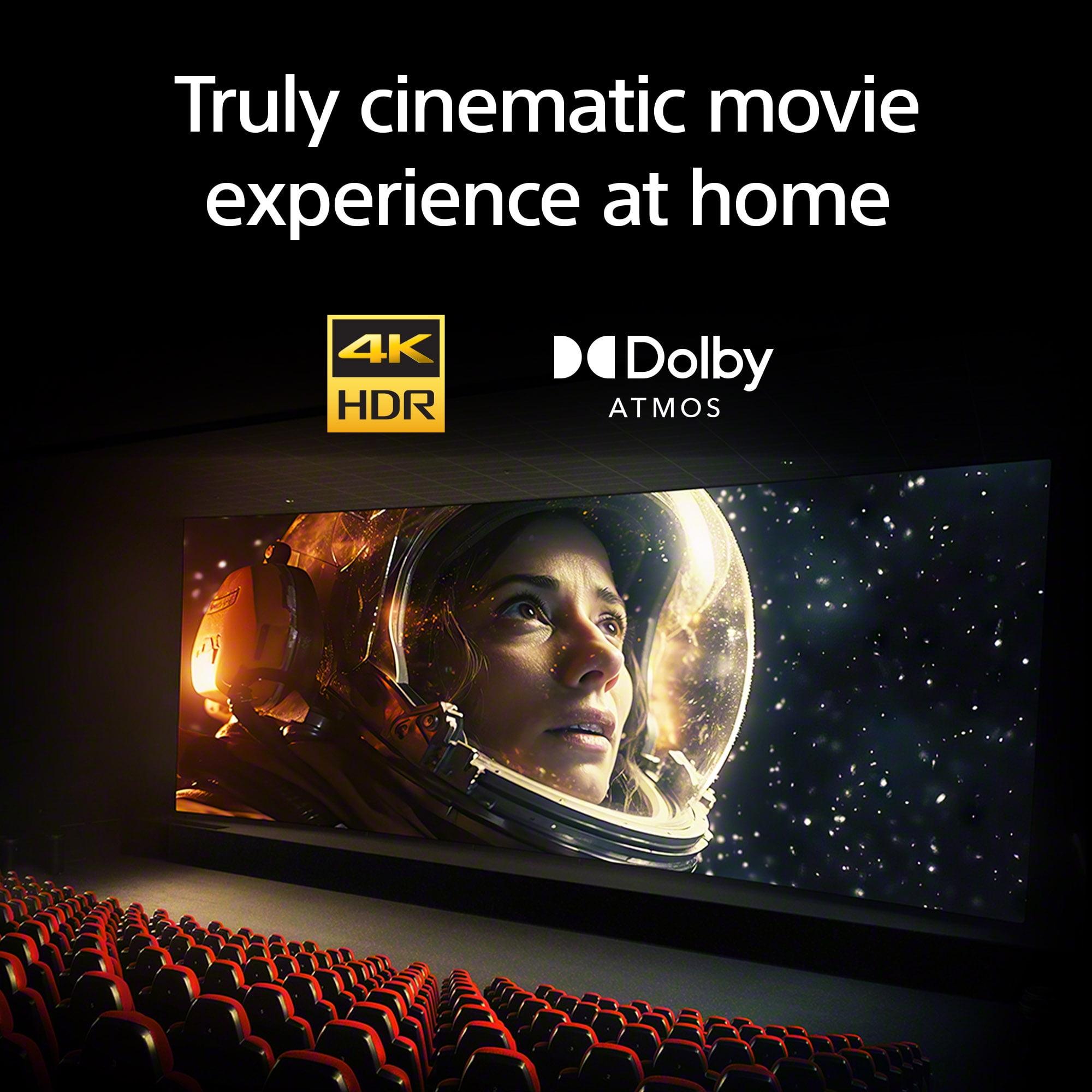
Here's where OLED technology truly shines. The Samsung S90F can display perfect blacks—literally zero light emission—creating an infinite contrast ratio. When watching a space movie, the black void of space appears truly black, not the dark gray you might see on LED TVs. This creates a more immersive, theater-like experience.
The Sony BRAVIA 2 II, despite having good contrast for an LED TV, can't match this performance. LED TVs use a backlight that's always on to some degree, so "black" areas appear as very dark gray. This is called "backlight bleeding," and while modern LED TVs minimize it significantly, it's still present. The Sony uses frame dimming technology to help manage this, but it's not as precise as OLED's pixel-level control.
For home theater enthusiasts, this difference is substantial. In a dark room, the Samsung's perfect blacks create a more convincing cinematic experience. However, in normal viewing conditions with ambient light, the difference becomes less noticeable.
Both TVs excel in color reproduction, but they take different approaches. The Samsung S90F uses quantum dot technology alongside its OLED panel, creating exceptionally wide color gamut coverage. Colors appear more saturated and vibrant—think of the difference between a regular photo and one with the saturation turned up. This makes everything from nature documentaries to animated movies look more striking.
The Sony BRAVIA 2 II focuses on natural, lifelike colors using Sony's Live Color technology. Sony has historically prioritized color accuracy over saturation, aiming for colors that match what the content creators intended. This approach often results in more realistic skin tones and natural-looking environments.
The choice between these approaches depends on your preferences. If you want colors that "pop" and grab attention, the Samsung delivers. If you prefer more natural, film-like colors, the Sony's approach might appeal more to you.
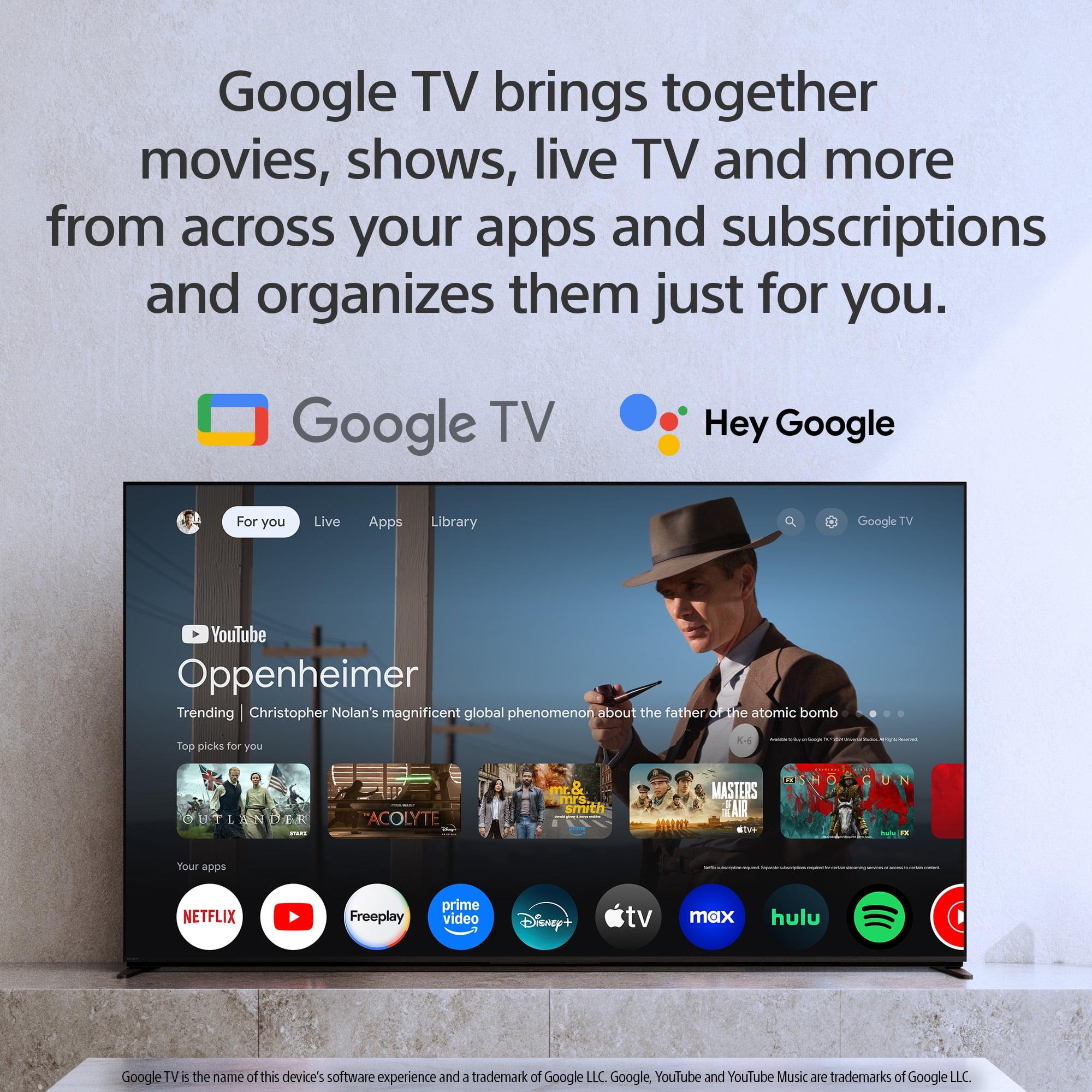
The Sony BRAVIA 2 II runs Google TV, which has become one of the most user-friendly smart TV platforms. Google TV aggregates content from multiple streaming services, showing you what's available across Netflix, Disney+, Prime Video, and others in a unified interface. It's like having a smart assistant that knows all your subscriptions and suggests what to watch next.
The voice search functionality works exceptionally well—you can say "Show me action movies with Tom Cruise" and get relevant results from all your streaming apps. Google TV also integrates seamlessly with other Google services and smart home devices, making it easy to control lights, check your calendar, or cast content from your phone.
The Samsung S90F uses Tizen OS, Samsung's proprietary smart TV platform. While Tizen is fast and responsive, it's not as intuitive as Google TV. Finding content across multiple apps requires more manual searching, and the interface can feel cluttered with Samsung's own services and recommendations.
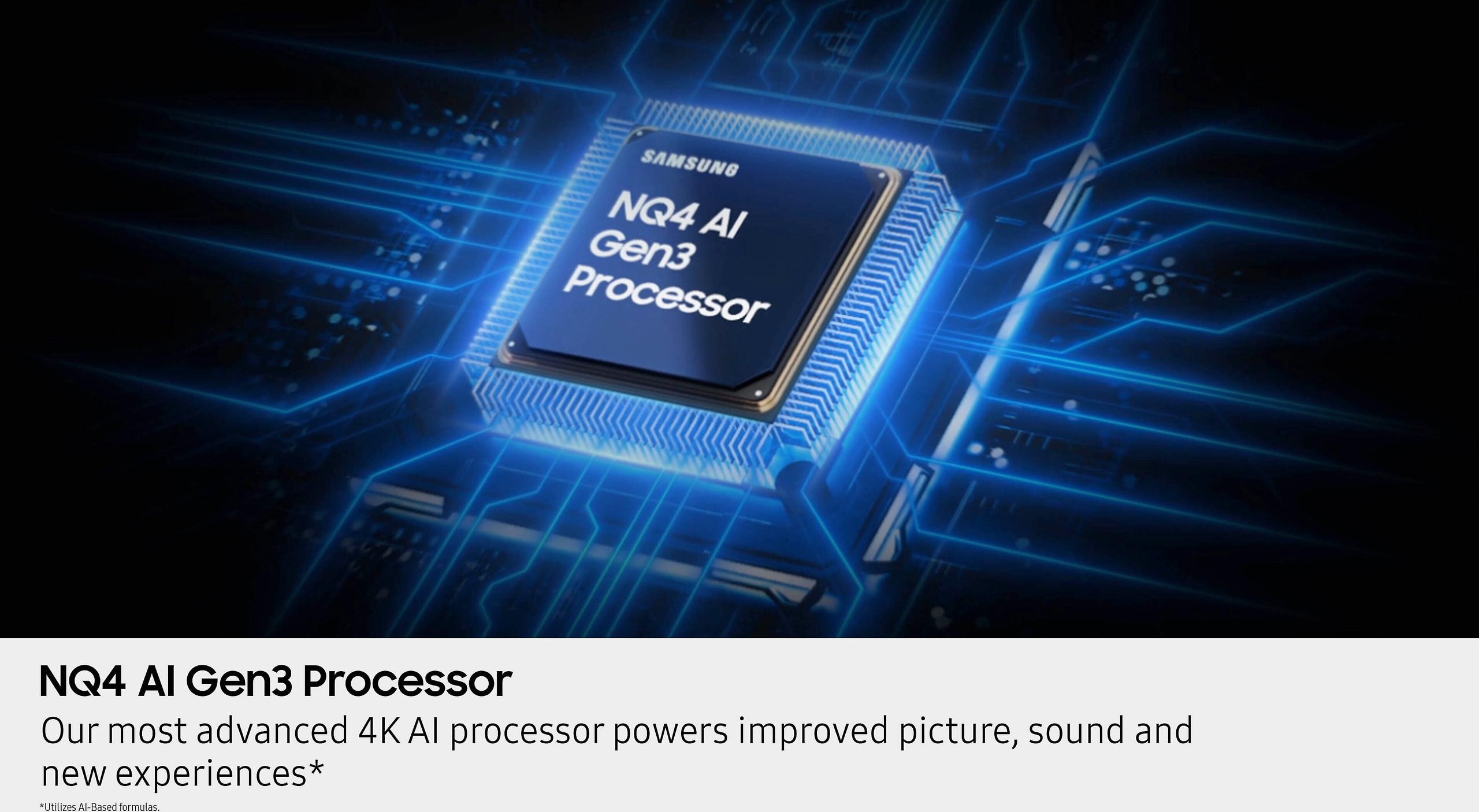
Samsung has invested heavily in AI features for the S90F. The Vision AI system analyzes what you're watching and automatically optimizes picture and sound settings. For example, it might detect that you're watching a sports game and enhance motion clarity, or recognize a dialogue-heavy scene and boost voice clarity.
The S90F also includes unique features like Pet Care, which uses the TV's microphone to detect when your pet is barking and automatically plays calming content. While gimmicky, it demonstrates Samsung's commitment to AI integration.
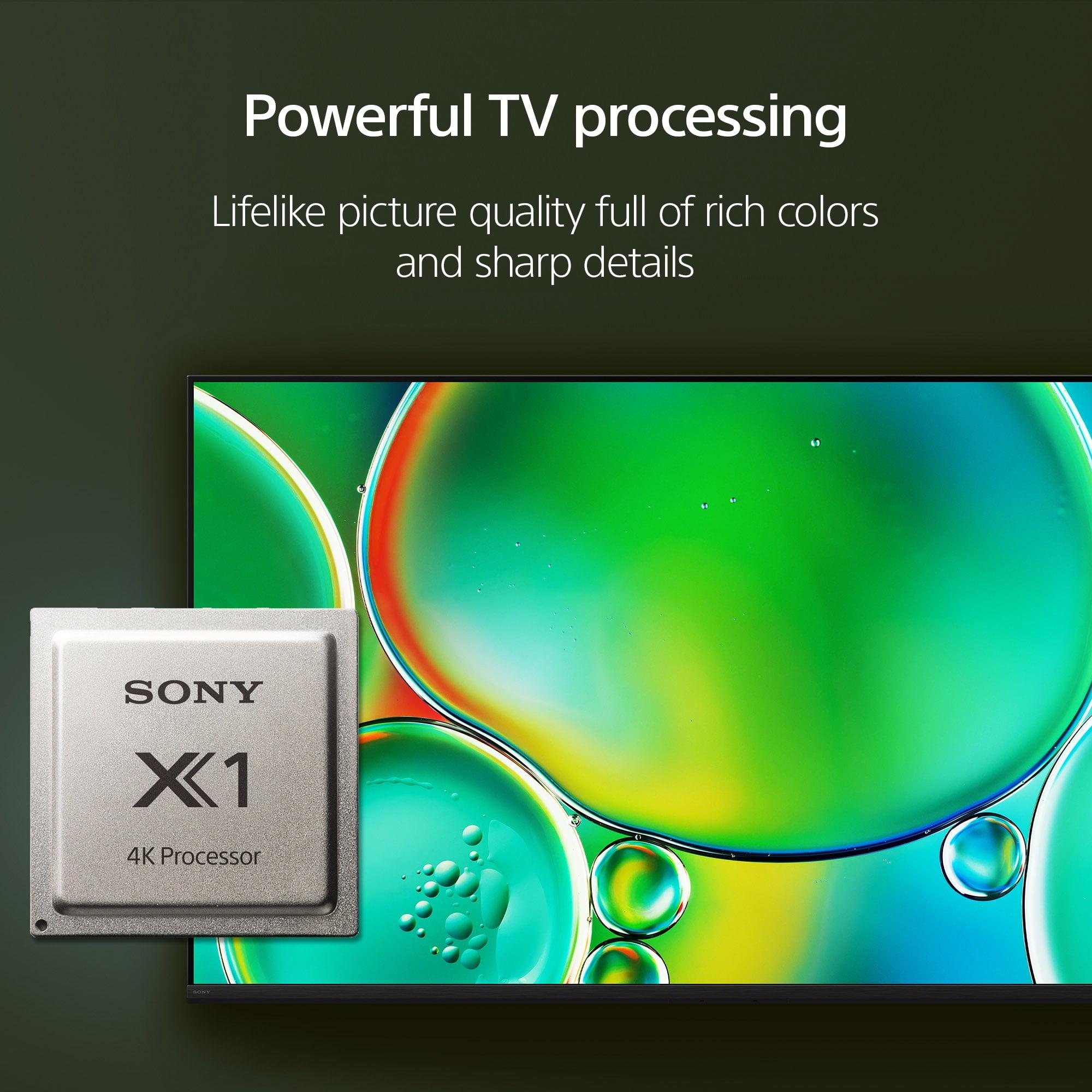
The Sony BRAVIA 2 II focuses its AI efforts on picture processing rather than smart features. The 4K X-Reality PRO engine uses AI to upscale lower-resolution content, making your old DVDs or streaming content look closer to 4K quality. This is more subtle but arguably more useful for everyday viewing.
Gaming is where the Samsung S90F pulls significantly ahead. Its 144Hz refresh rate means it can display 144 frames per second, creating incredibly smooth motion during fast-paced games. This is particularly beneficial for PC gaming and future console games that support high frame rates.
The Sony BRAVIA 2 II caps out at 60Hz, which is perfectly adequate for most console gaming and movies but can't match the Samsung's smoothness during rapid movement. Think of it like the difference between a flipbook with 60 pages versus one with 144 pages—the Samsung's motion appears more fluid.
Input lag—the delay between pressing a button and seeing the action on screen—is crucial for competitive gaming. Both TVs offer low input lag in their game modes, but the Samsung's additional gaming features give it an edge for serious gamers.
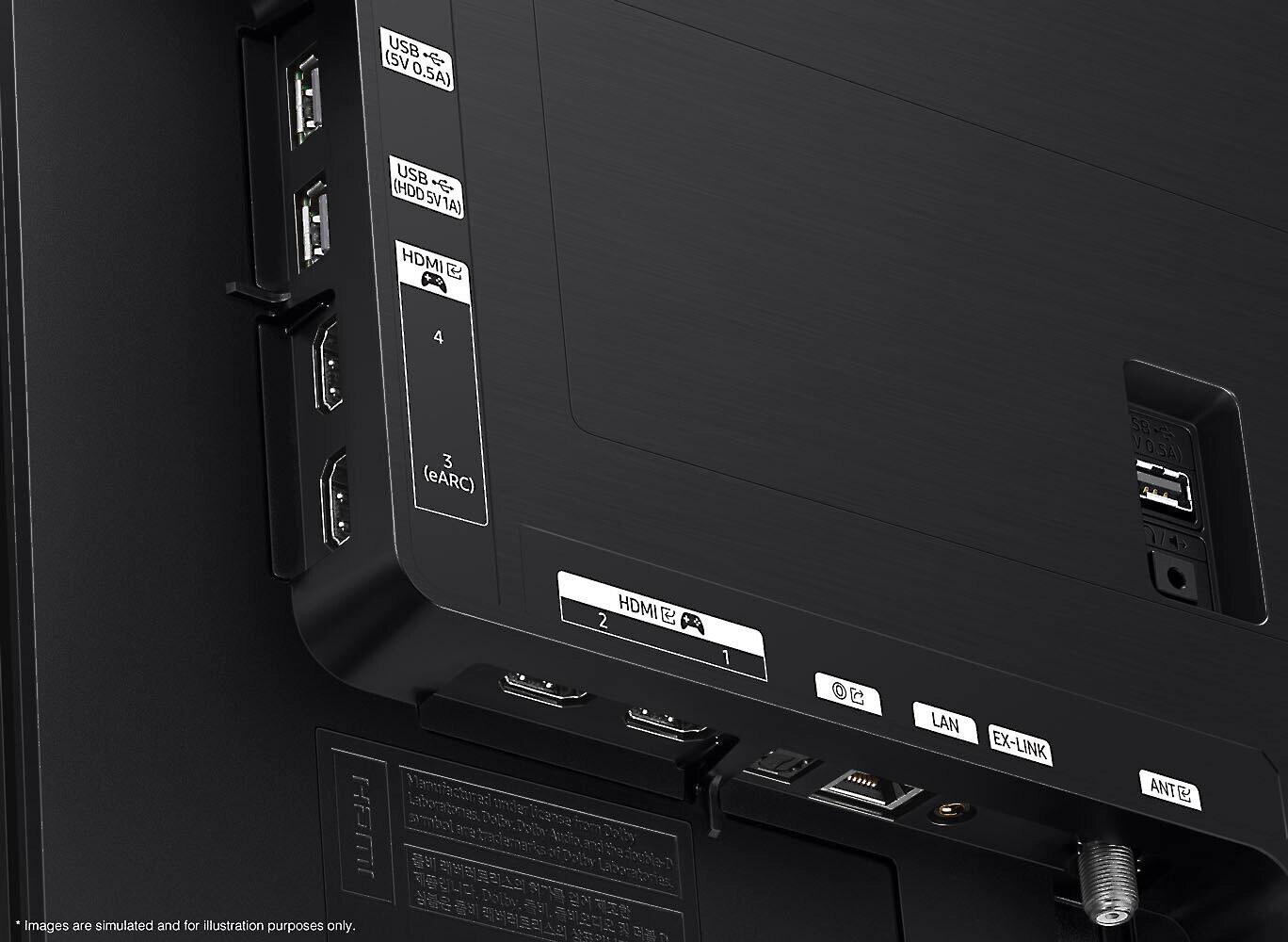
The Samsung S90F includes a comprehensive game bar that displays real-time information like frame rate, HDR status, and input lag. It supports Variable Refresh Rate (VRR), which synchronizes the TV's refresh rate with your console's output to eliminate screen tearing. The four HDMI 2.1 ports provide maximum bandwidth for next-gen consoles and high-end graphics cards.
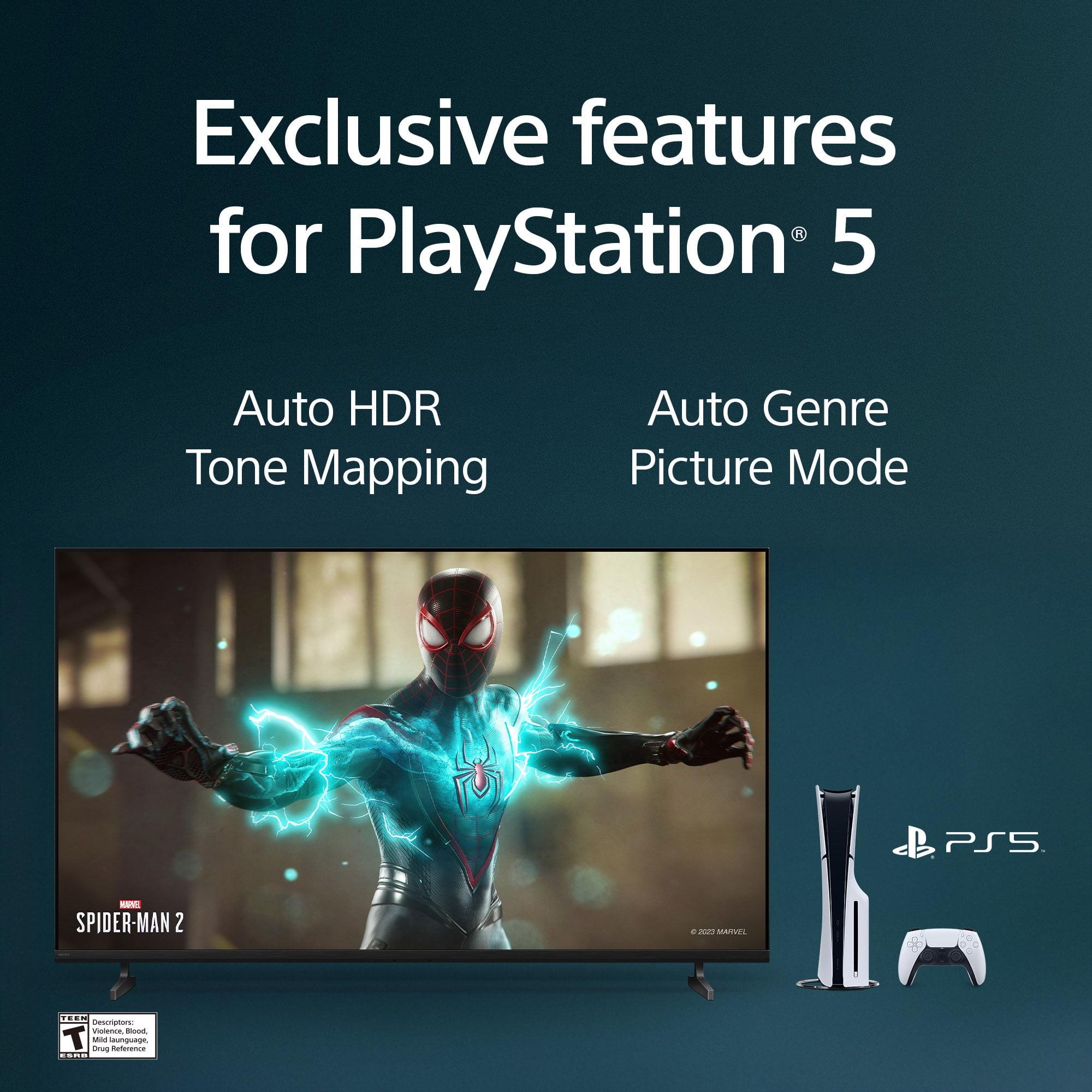
The Sony BRAVIA 2 II offers PlayStation 5-specific optimizations, including Auto HDR Tone Mapping and a dedicated Game Menu. However, it lacks VRR support and high refresh rate gaming, limiting its appeal for serious gamers.
Both TVs include respectable built-in audio systems, though neither replaces a dedicated sound system for true home theater experiences. The Samsung S90F features Adaptive Sound Pro, which analyzes your room's acoustics and adjusts audio accordingly. This creates a more immersive experience than standard TV speakers.
The Sony BRAVIA 2 II uses an Open Baffle Speaker system with Dolby Atmos support. Sony has traditionally excelled at audio processing, and this TV continues that tradition with clear dialogue and balanced sound.
However, both TVs benefit significantly from external audio solutions. If you're building a home theater setup, plan to add a soundbar or full surround sound system to either TV.
For dedicated home theater use, the Samsung S90F offers clear advantages. Its perfect blacks create the cinematic experience that home theater enthusiasts crave. In a dark room, the contrast between bright highlights and deep shadows creates impressive depth and realism.
The high peak brightness also helps with HDR content, making special effects and dramatic lighting more convincing. The 144Hz refresh rate ensures smooth motion during action sequences, while the wide color gamut makes everything from nature documentaries to sci-fi blockbusters more visually striking.
The Sony BRAVIA 2 II can certainly serve in a home theater role, especially for casual viewing. Its natural color processing and Google TV's content aggregation make it easy to find and enjoy movies. However, it's better suited for living room use where ambient light and normal viewing distances make the contrast limitations less noticeable.
This is where the decision becomes personal. The Sony BRAVIA 2 II delivers approximately 80% of the Samsung's performance at 36% of the cost. For many users, this represents exceptional value—you get 4K resolution, smart TV features, decent HDR performance, and Sony's reliable build quality.
The Samsung S90F justifies its premium pricing with superior technology. The OLED panel, quantum dot enhancement, 144Hz refresh rate, and advanced AI features create a noticeably better experience. However, that improvement comes at a significant cost.
Consider your viewing habits and priorities. If you watch TV casually, primarily stream content, and want good value, the Sony delivers everything you need. If you're a movie enthusiast, serious gamer, or want the best possible picture quality, the Samsung's premium features become more worthwhile.
Choose the Sony BRAVIA 2 II if you want maximum value without sacrificing quality. It's perfect for secondary TVs, casual viewing, and users who prioritize Google TV's excellent interface. The lack of burn-in risk makes it ideal for households with varied viewing habits, including lots of news or sports with static elements.
Choose the Samsung S90F if picture quality is your top priority. It excels in home theater setups, gaming environments, and bright rooms where its superior brightness capabilities matter most. The premium features justify the cost for enthusiasts who want the best possible experience.
Both TVs represent their categories well—the Sony as an excellent value proposition and the Samsung as a premium performer. Your choice should align with your budget, viewing habits, and performance priorities. The Sony BRAVIA 2 II offers remarkable value for everyday use, while the Samsung S90F provides the premium experience that justifies its higher price for the right user.
Consider your specific needs: Do you game competitively? Do you have a dedicated home theater room? Is budget a primary concern? These factors will guide you toward the right choice for your situation.
| Sony BRAVIA 2 II 65" 4K LED Google TV 2025 | Samsung 65" S90F OLED 4K Vision AI Smart TV 2025 |
|---|---|
| Price - Budget impact and value consideration | |
| $649.99 (exceptional value for 4K performance) | $1,797.99 (premium pricing for flagship features) |
| Display Technology - Fundamental difference affecting picture quality | |
| LED with direct backlight (reliable, no burn-in risk) | OLED with quantum dots (perfect blacks, premium experience) |
| Peak Brightness - Critical for HDR and bright room viewing | |
| ~600 nits (good for moderate lighting) | Up to 2,000 nits (excellent for any room lighting) |
| Contrast Ratio - Affects depth and cinematic experience | |
| Good LED contrast with some backlight bleeding | Infinite contrast with perfect blacks |
| Refresh Rate - Important for gaming and sports | |
| 60Hz (adequate for movies and casual gaming) | 144Hz (smooth gaming and motion handling) |
| Smart TV Platform - Daily user experience and app ecosystem | |
| Google TV (intuitive interface, excellent voice search) | Tizen OS (fast but less user-friendly) |
| Gaming Features - Next-gen console and PC compatibility | |
| Basic HDMI 2.1, PlayStation 5 optimized, no VRR | Advanced gaming bar, VRR support, 4 HDMI 2.1 ports |
| AI Features - Smart processing and convenience | |
| 4K X-Reality PRO upscaling, basic AI processing | Vision AI with adaptive picture/sound, Pet Care |
| Audio System - Built-in sound quality | |
| Open Baffle Speaker, Dolby Atmos (40W total) | Adaptive Sound Pro with room optimization |
| Burn-in Risk - Long-term reliability consideration | |
| None (LED technology advantage) | Very low but theoretically possible (OLED limitation) |
| Best Use Cases - Ideal scenarios for each TV | |
| Value-focused buyers, secondary TVs, casual viewing | Home theater enthusiasts, serious gamers, premium experience |
The Sony BRAVIA 2 II 65" 4K LED Google TV 2025 at $649.99 offers exceptional value, delivering solid 4K performance, Google TV smart features, and reliable build quality at an affordable price. The Samsung 65" S90F OLED 4K Vision AI Smart TV 2025 at $1,797.99 provides premium OLED picture quality but costs nearly three times more. For most users, the Sony delivers 80% of the performance at 36% of the cost.
The Sony BRAVIA 2 II uses LED technology with a backlight that illuminates the entire screen, while the Samsung S90F uses OLED technology where each pixel produces its own light. OLED provides perfect blacks and infinite contrast but costs more, while LED offers good performance, longer lifespan, and no burn-in risk at a lower price point.
The Samsung S90F excels in bright rooms with its 2,000 nits peak brightness and anti-reflective coating, making it visible even with lots of windows or overhead lighting. The Sony BRAVIA 2 II with around 600 nits brightness works well in moderately lit rooms but may struggle in very bright environments.
The Sony BRAVIA 2 II runs Google TV, which offers superior content aggregation, intuitive voice search, and seamless integration with Google services and smart home devices. The Samsung S90F uses Tizen OS, which is fast but less user-friendly, though it includes advanced AI features like Vision AI and Pet Care.
The Samsung S90F is superior for gaming with its 144Hz refresh rate, VRR support, four HDMI 2.1 ports, and comprehensive gaming features. The Sony BRAVIA 2 II offers basic gaming capabilities with 60Hz refresh rate and PlayStation 5 optimization but lacks advanced gaming features like VRR.
The Samsung S90F excels in home theater environments with its perfect blacks, high contrast, and cinematic picture quality in dark rooms. The Sony BRAVIA 2 II can work for home theater use but is better suited for living room viewing where ambient light makes contrast limitations less noticeable.
The Samsung S90F provides superior picture quality with perfect blacks, infinite contrast, higher peak brightness, and wider color gamut thanks to its OLED technology. The Sony BRAVIA 2 II offers good picture quality with natural colors and reliable performance but cannot match OLED's contrast and black levels.
The Sony BRAVIA 2 II has no burn-in risk due to LED technology and typically offers longer lifespan. The Samsung S90F has very low but theoretically possible burn-in risk with static images, though modern OLED panels have significantly improved in this area with built-in protection features.
Both TVs excel at streaming, but the Sony BRAVIA 2 II offers a better user experience with Google TV's superior content discovery and interface. The Samsung S90F provides better picture quality for premium content with its OLED display and HDR performance, making it ideal for cinematic streaming experiences.
The Samsung S90F features Adaptive Sound Pro that optimizes audio based on room acoustics, while the Sony BRAVIA 2 II includes an Open Baffle Speaker system with Dolby Atmos support. Both provide adequate built-in audio, but serious home theater setups will benefit from external soundbars or speaker systems.
The Sony BRAVIA 2 II offers excellent long-term value with its affordable price, reliable LED technology, no burn-in concerns, and future-proof Google TV platform. The Samsung S90F provides long-term value for enthusiasts who prioritize premium picture quality and advanced features, justifying its higher initial investment.
Choose the Sony BRAVIA 2 II if you want maximum value, prefer Google TV's interface, need a secondary TV, or have budget constraints. Choose the Samsung S90F if you prioritize picture quality, want premium home theater performance, are a serious gamer, or have a bright room requiring high brightness capability.
We've done our best to create useful and informative comparisons to help you decide what product to buy. Our research uses advanced automated methods to create this comparison and perfection is not possible - please contact us for corrections or questions. These are the sites we've researched in the creation of this article: bestbuy.com - notebookcheck.net - rtings.com - youtube.com - youtube.com - rtings.com - avsforum.com - croma.com - totonstv.com - electronics.sony.com - listenup.com - pcrichard.com - youtube.com - flanners.com - brandsmartusa.com - displayspecifications.com - pioneertvandappliance.com - donstv.com - youtube.com - t3.com - rtings.com - bestbuy.com - stereonet.com - samsung.com - bestbuy.com - flatpanelshd.com - myallsouth.com - pcrichard.com - samsung.com - bestbuy.com - samsung.com - samsung.com - samsung.com

Privacy Policy
Terms and Conditions - Affiliate Policy
Home Security
© Copyright 2008-2026.
11816 Inwood Rd #1211, Dallas, TX 75244