

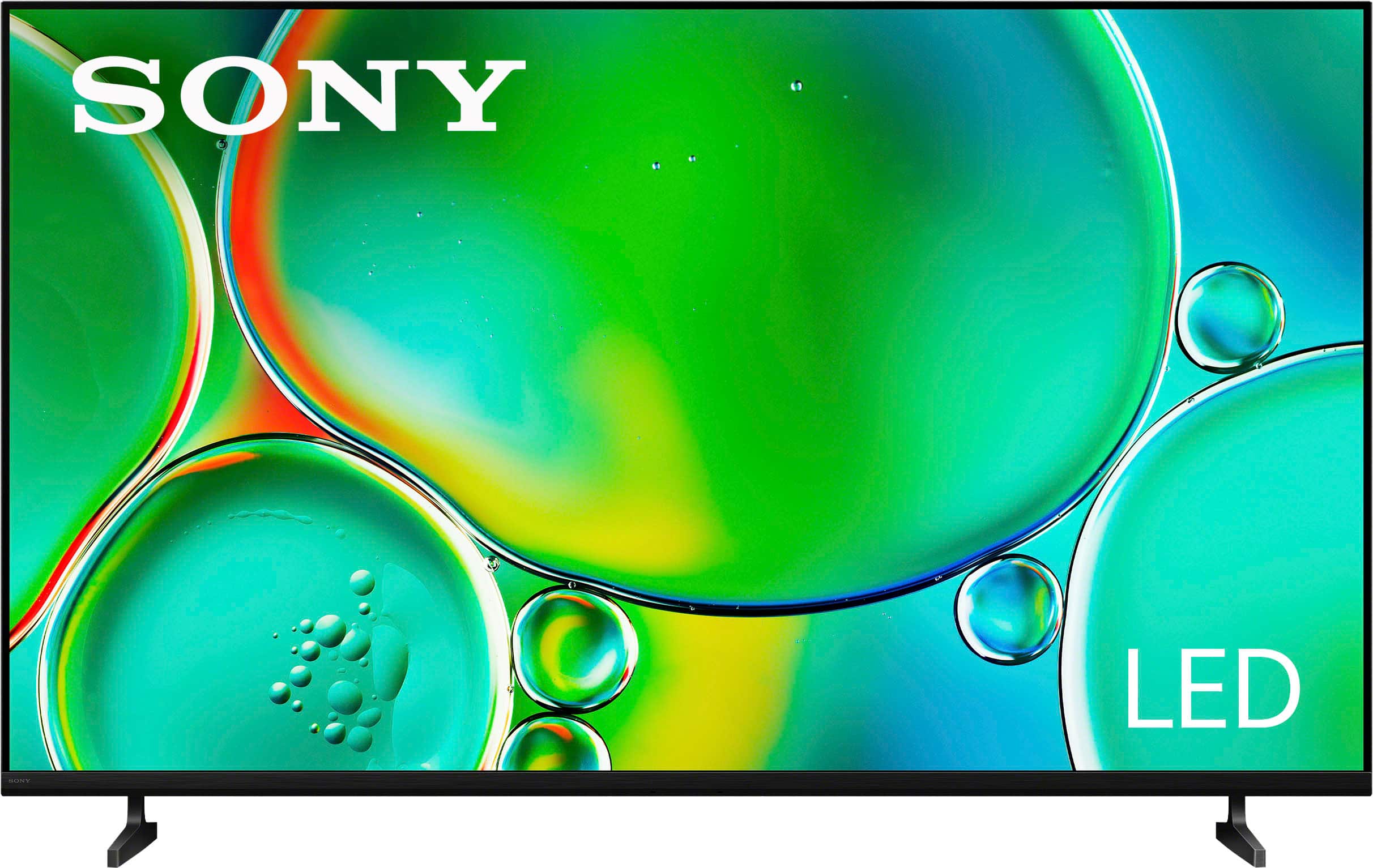
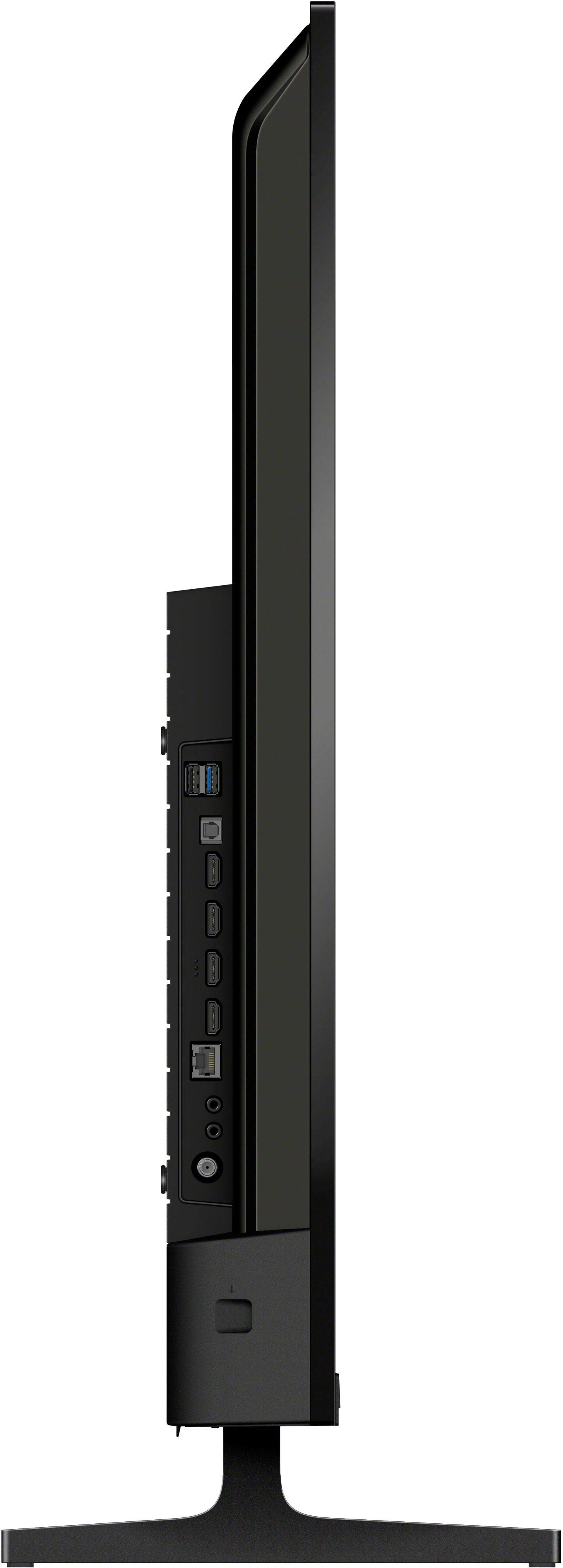
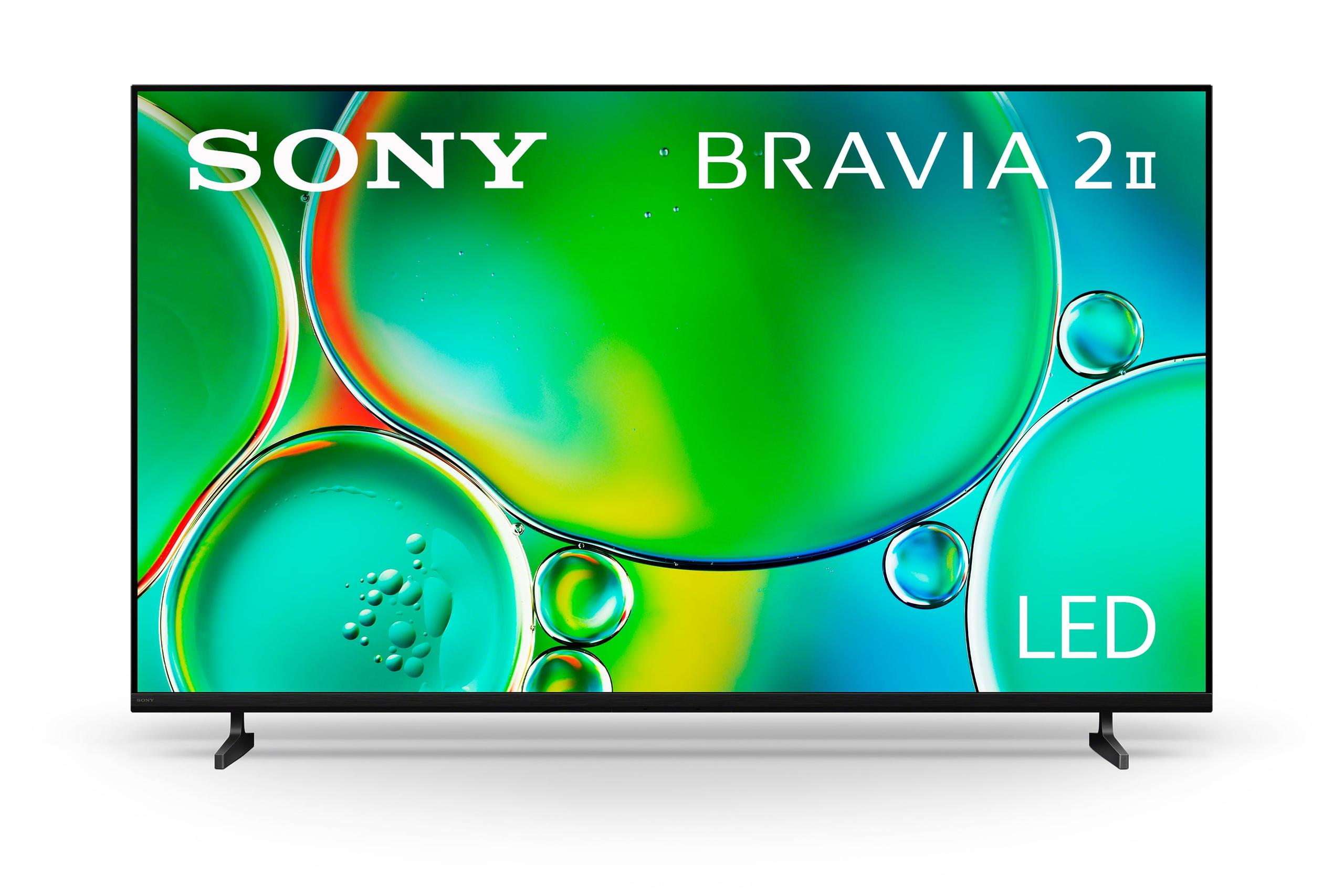
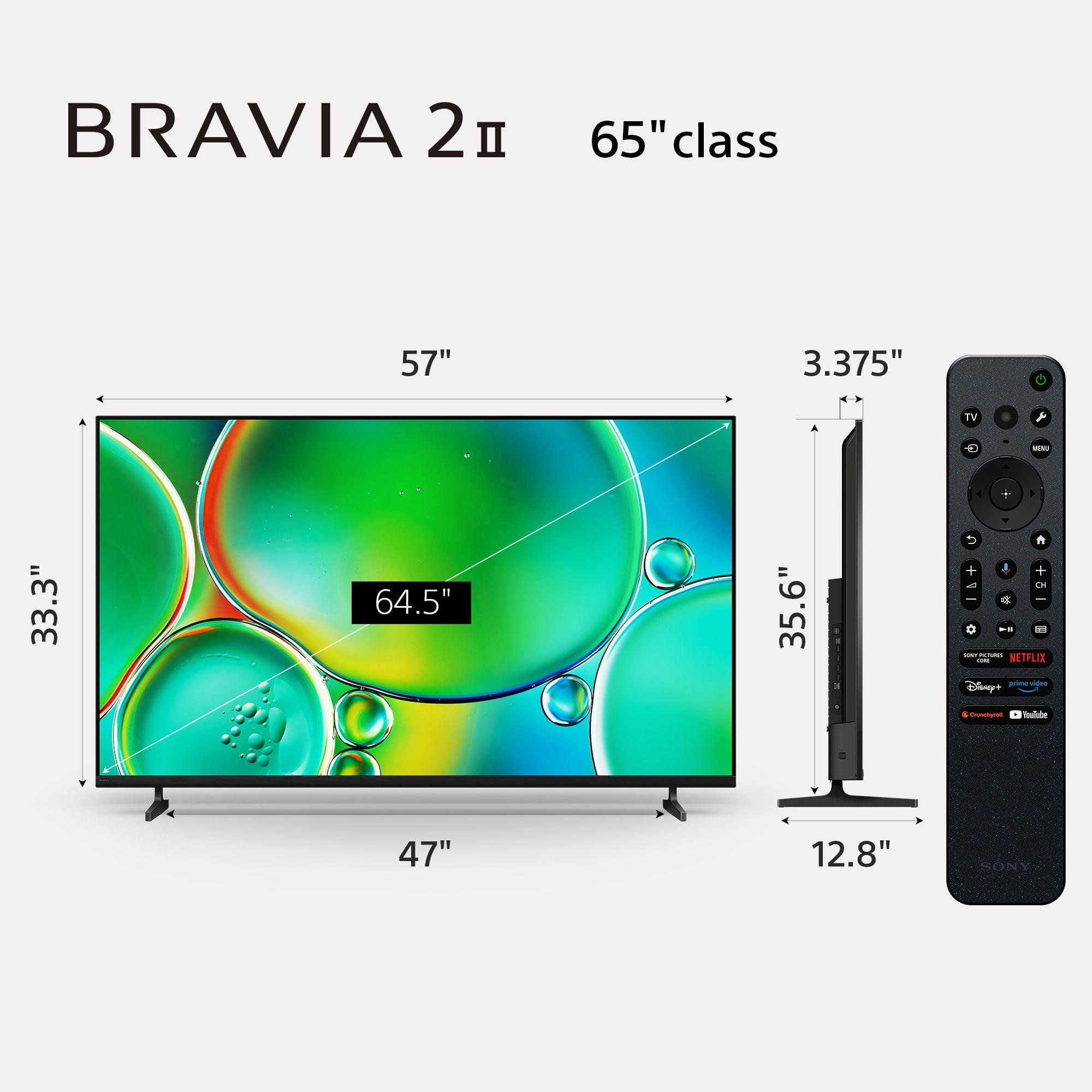



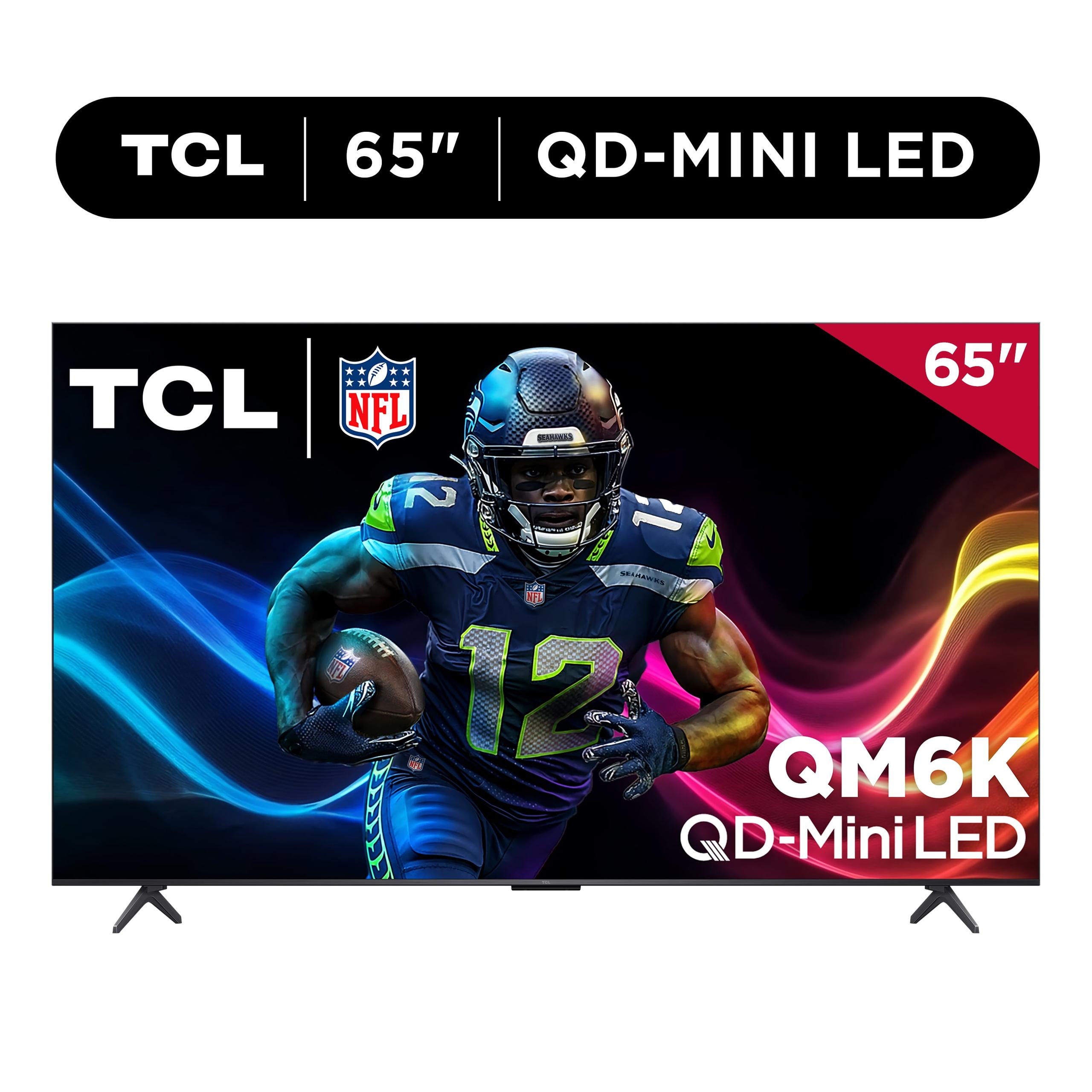
Shopping for a new 65-inch 4K TV can feel overwhelming, especially when you're trying to balance picture quality, features, and price. Today we're comparing two popular options in the mid-range market: the Sony BRAVIA 2 II 65" 4K LED Google TV 2025 at $649.99 and the TCL 65" QM6K QD-Mini LED 4K TV at $699.99. While they're only $50 apart in price, these TVs take very different approaches to delivering your entertainment.
The $600-$800 price range represents the sweet spot for many TV buyers. You're getting legitimate 4K performance, HDR support, and smart TV features without paying premium prices for the absolute best technology. This category has become incredibly competitive, with manufacturers fighting to offer the most value.
When evaluating TVs in this range, the main considerations are picture quality (how bright, colorful, and detailed the image looks), gaming performance (especially important with newer consoles), smart TV experience (how easy and fast the interface is), and overall build quality. The challenge is that manufacturers make different compromises to hit these price points, which is exactly what we see with these two models.
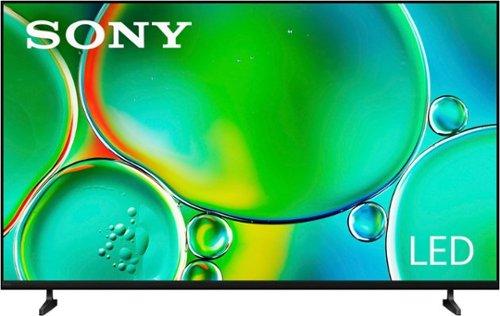
The Sony BRAVIA 2 II launched in Spring 2025 as Sony's entry-level 4K offering for the year. This represents Sony's attempt to bring their image processing expertise to a more affordable price point. The "II" designation indicates this is the second generation of the BRAVIA 2 series, with improvements to the processor and smart TV platform compared to the original 2024 model.
The TCL QM6K, on the other hand, debuted in May 2024 as part of TCL's aggressive push into premium display technology at competitive prices. What makes this timing interesting is that TCL was among the first to bring Mini LED technology (which we'll explain shortly) to the sub-$700 price range, something that would have cost over $1,000 just two years ago.
Since the QM6K's release, TCL has continued refining their Mini LED implementation and processing algorithms through firmware updates. Meanwhile, Sony's 2025 processor represents their latest thinking on upscaling and motion processing, areas where they've traditionally excelled.
These TVs demonstrate fundamentally different philosophies about how to deliver great picture quality at an affordable price.
The Sony BRAVIA 2 II uses what's called a "direct LED" backlight system. Imagine the TV screen as a sandwich: the LCD panel that creates the image sits in front, while behind it is an array of LED lights that provide the brightness. In Sony's system, these LEDs are arranged in a grid pattern with some basic local dimming zones - areas that can brighten or dim independently to improve contrast.
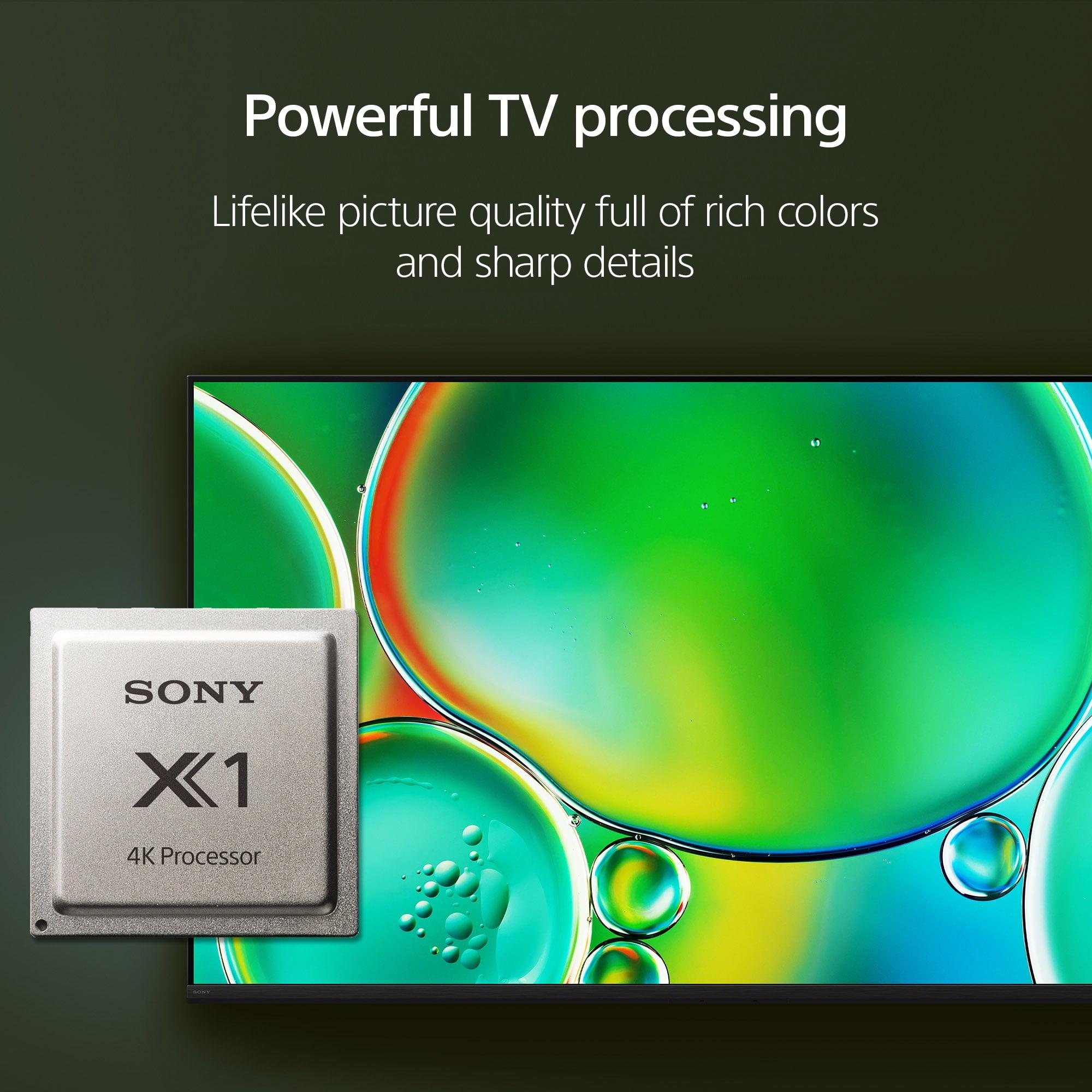
Where Sony really shines is in their X1 Processor and 4K X-Reality PRO technology. The X1 Processor is like the brain of the TV, analyzing every frame of content and making real-time adjustments to color, contrast, and sharpness. The 4K X-Reality PRO is particularly impressive - it uses a massive database of image information to upscale lower-resolution content (like 1080p Netflix shows or cable TV) to look better on the 4K screen.
Sony's TRILUMINOS Pro color technology expands the range of colors the TV can display, though it doesn't use quantum dots (we'll explain those in a moment). Instead, it relies on sophisticated processing to make colors appear more vivid and natural.
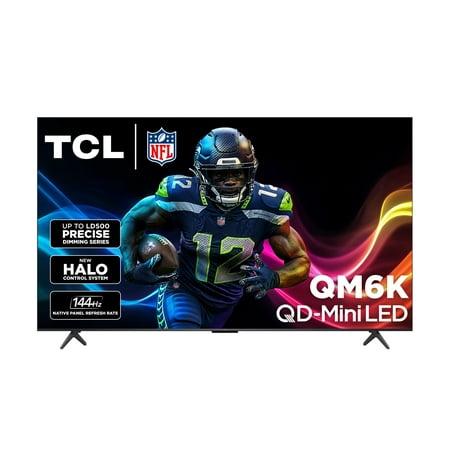
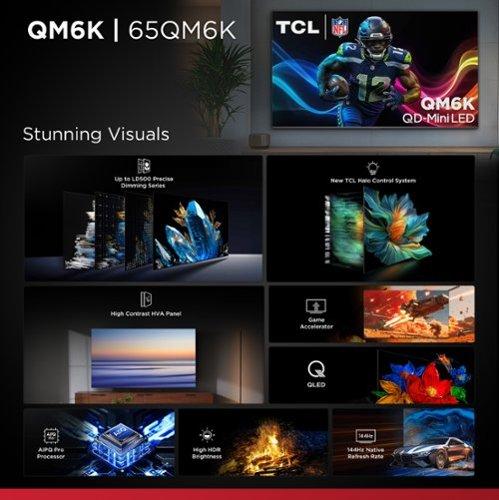
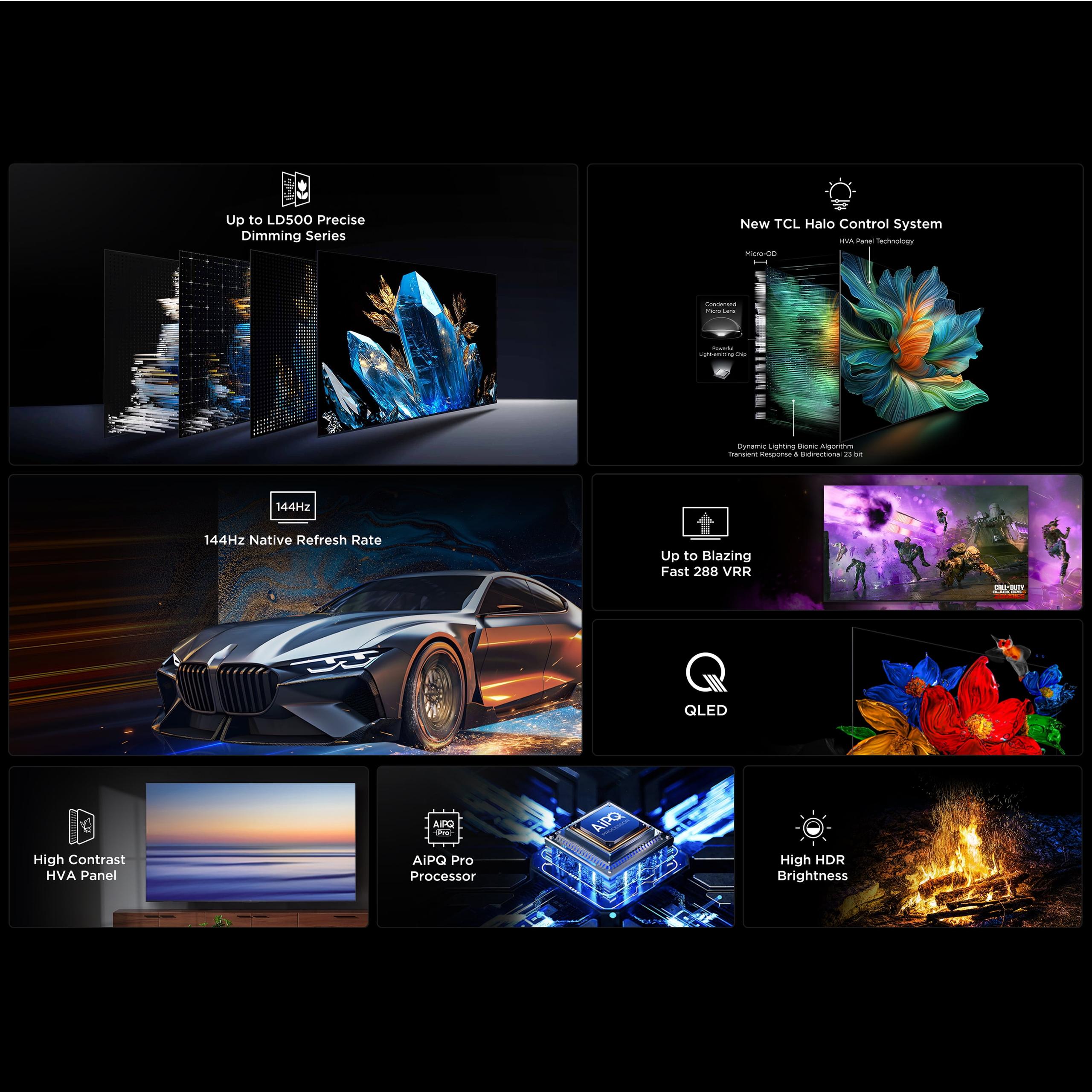
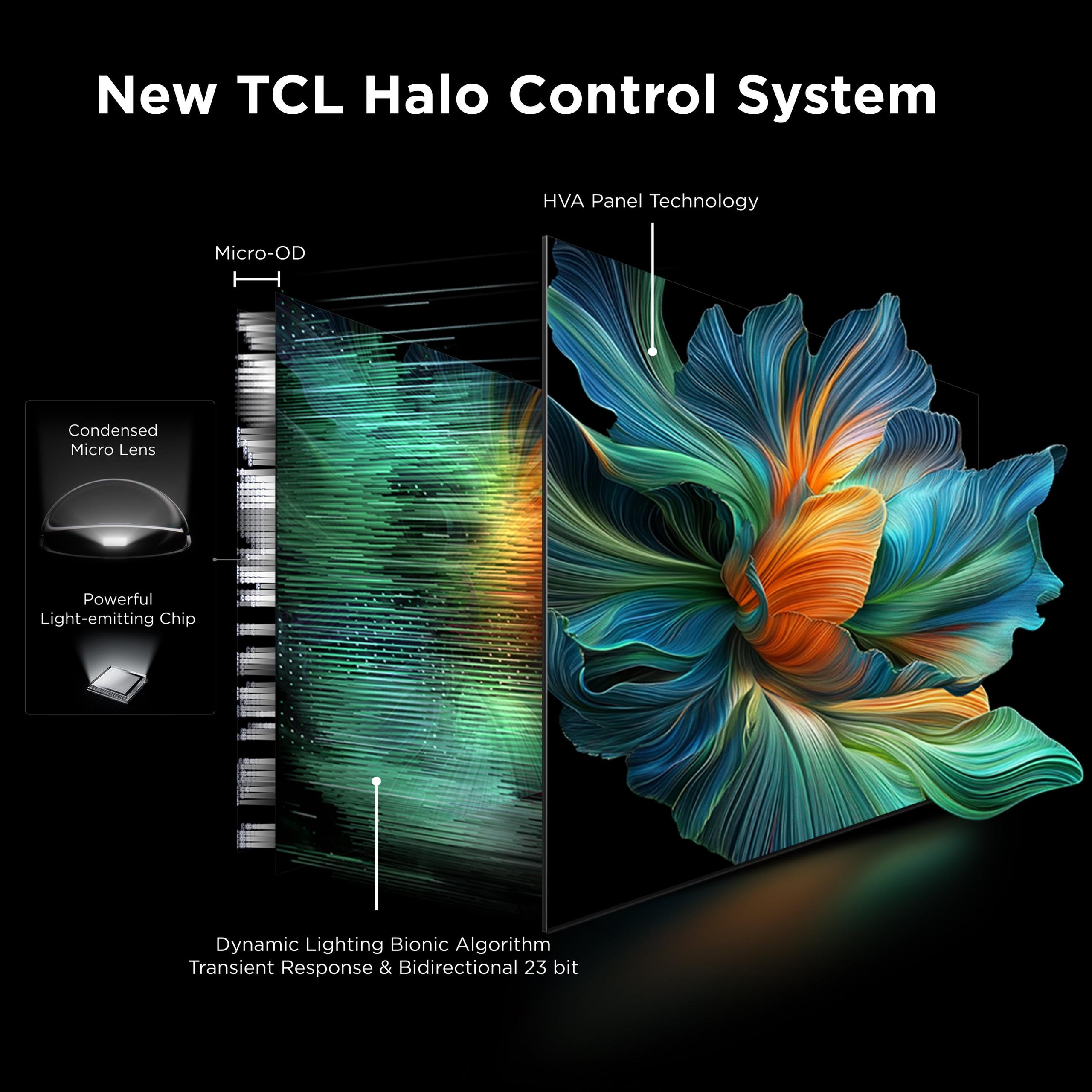
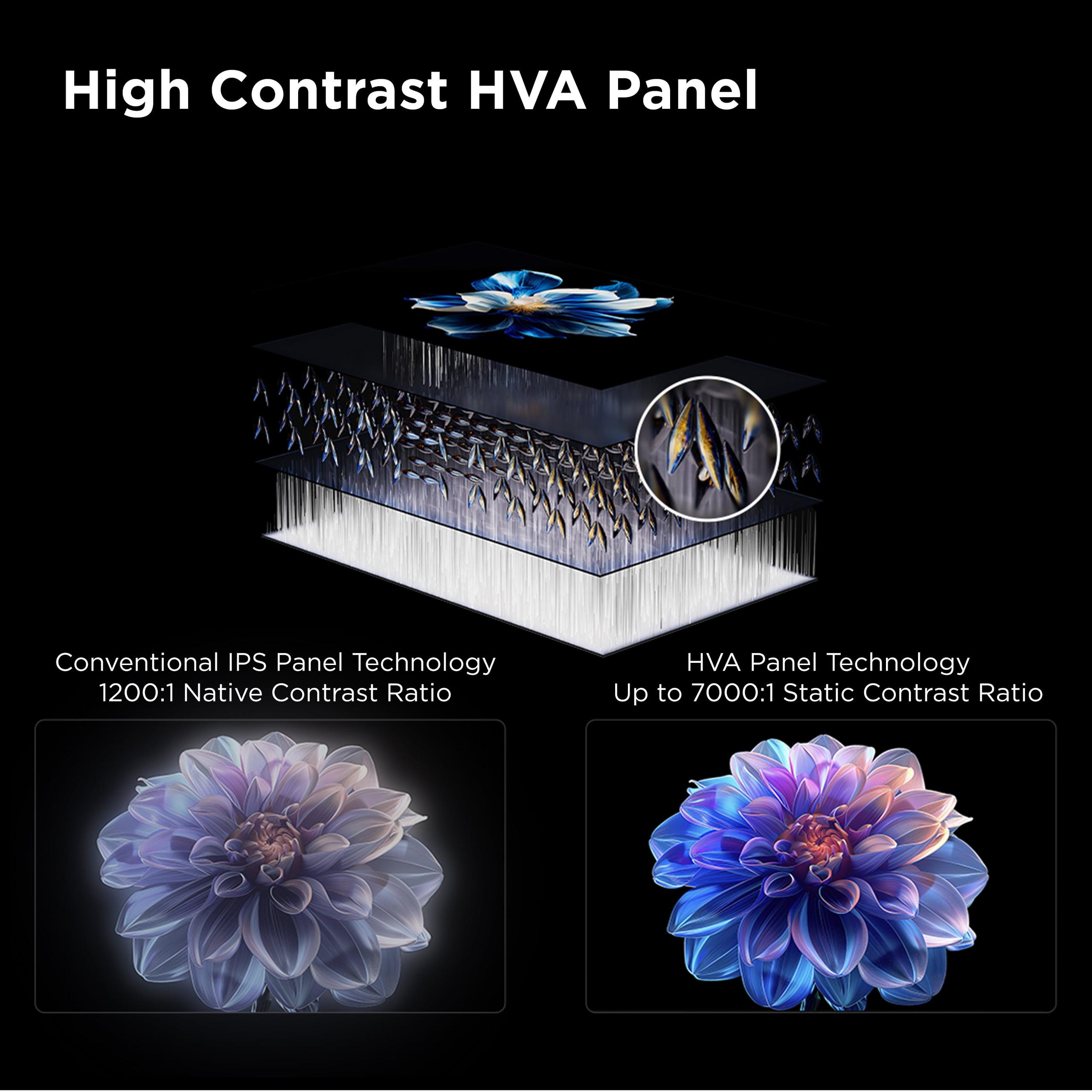
The TCL QM6K takes a different approach by investing heavily in advanced display hardware. The "QD-Mini LED" in its name refers to two key technologies working together.
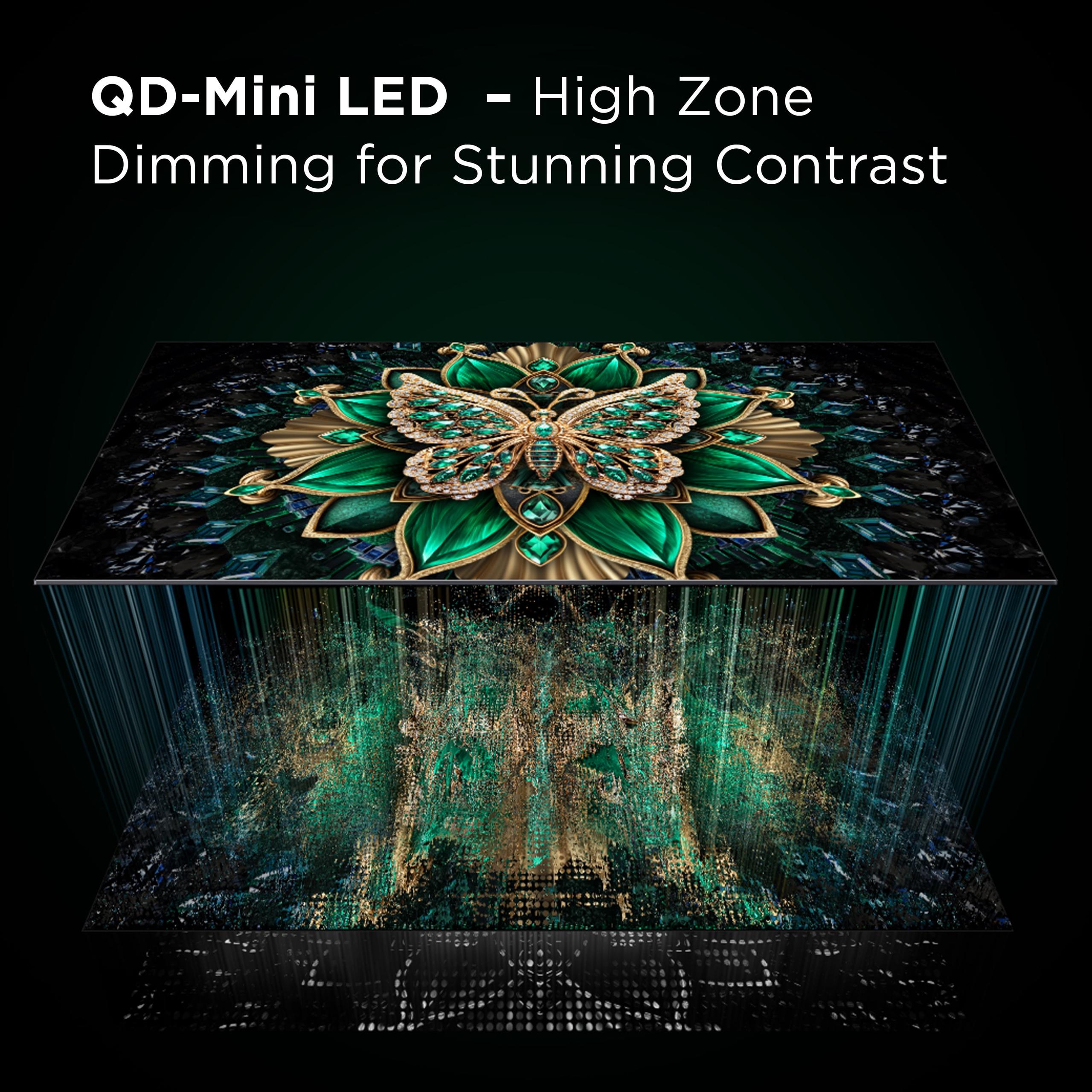
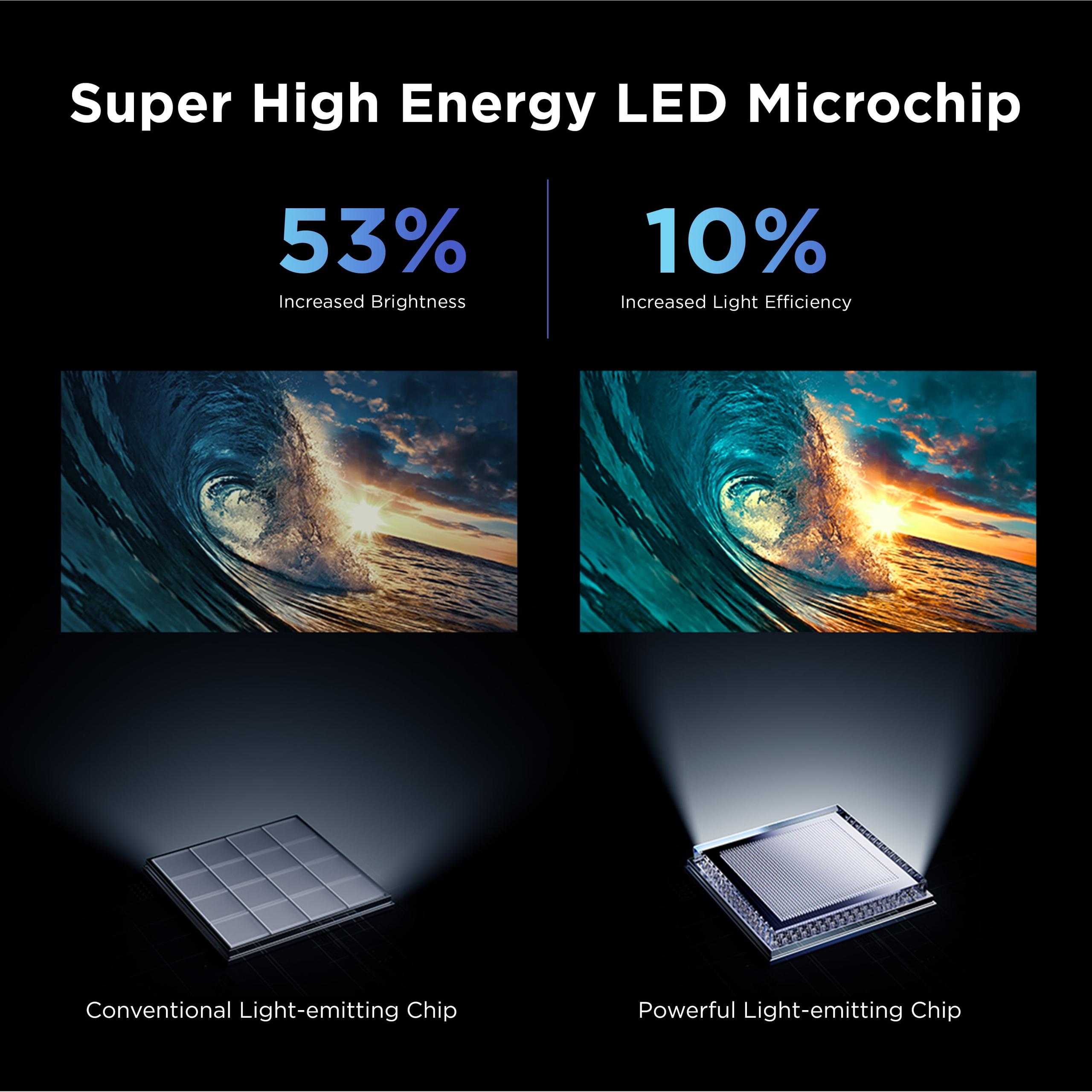
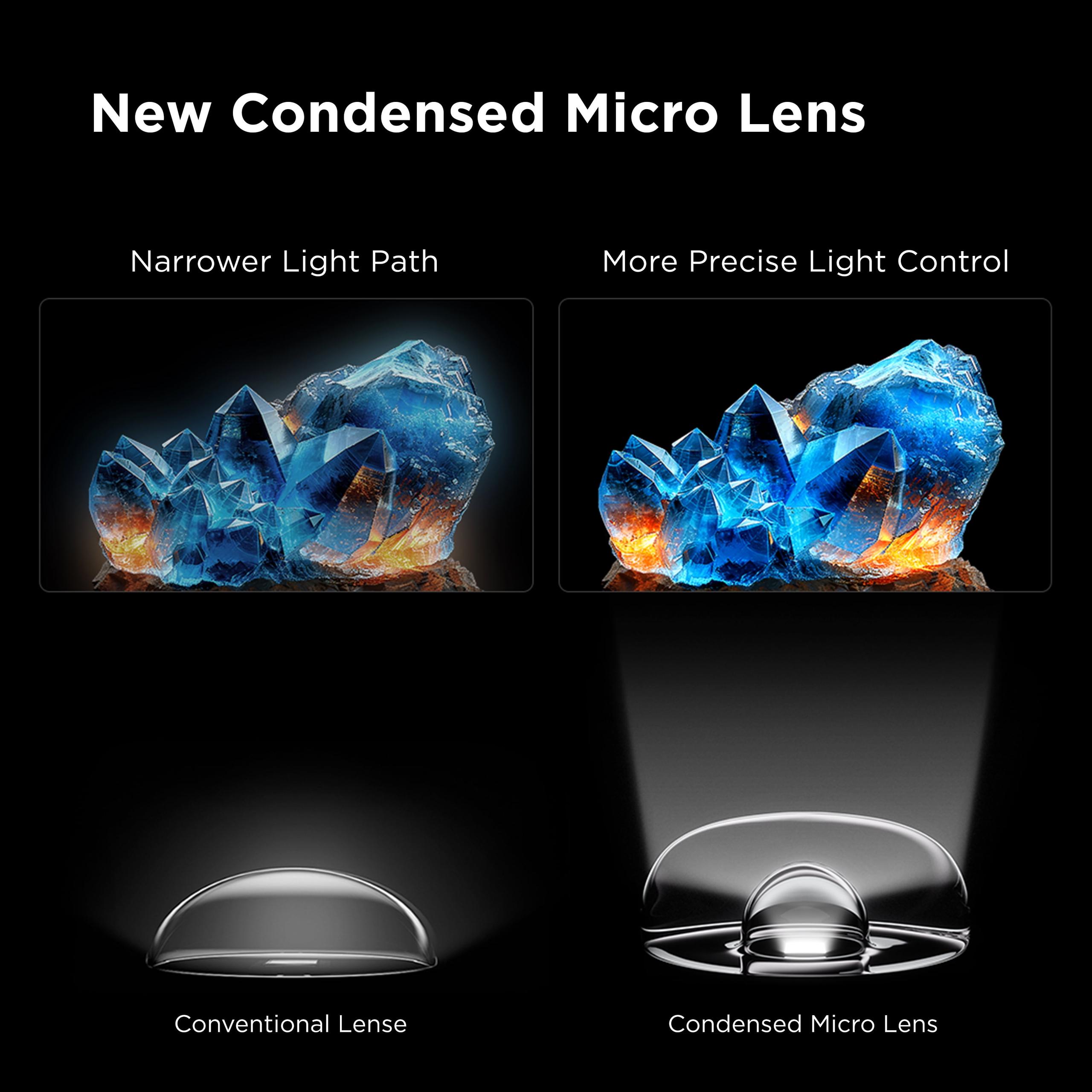
First, the "Mini LED" part. Instead of using larger, standard LEDs for the backlight, TCL uses thousands of tiny LEDs - each about the size of a grain of rice. These can be controlled in hundreds of individual dimming zones, allowing for much more precise control over brightness across the screen. When you're watching a scene with both bright and dark areas (like a campfire scene at night), the TV can make the fire area very bright while keeping the surrounding darkness truly black.
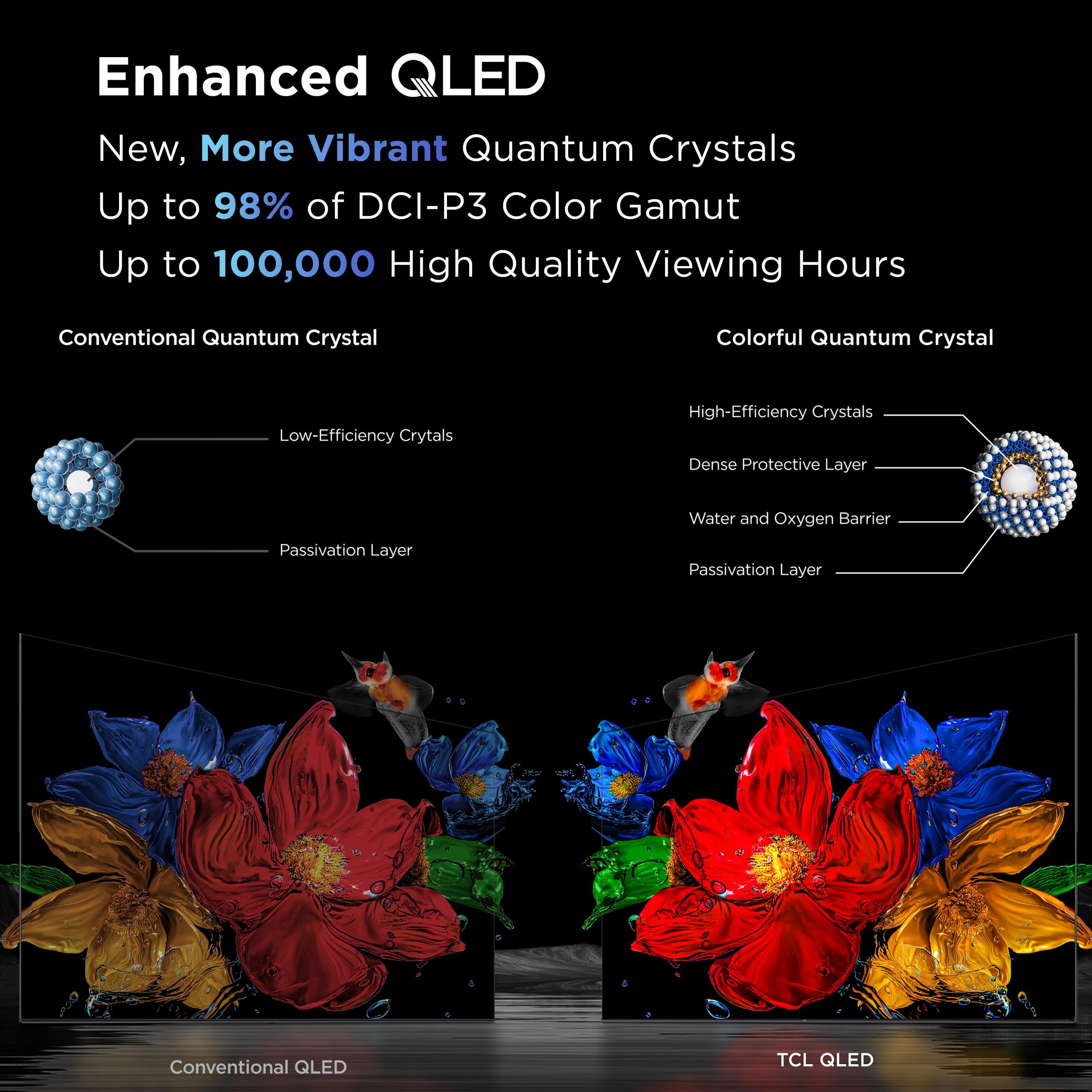
The "QD" stands for Quantum Dot, a technology that uses microscopic particles to create more pure and vibrant colors. When the LED backlight hits these quantum dots, they emit very specific wavelengths of light, resulting in colors that are both more saturated and more accurate than traditional LED TVs can produce.
TCL's AiPQ Gen 3 processor uses artificial intelligence to analyze content and optimize the picture in real-time, similar to Sony's approach but with different algorithms and priorities.
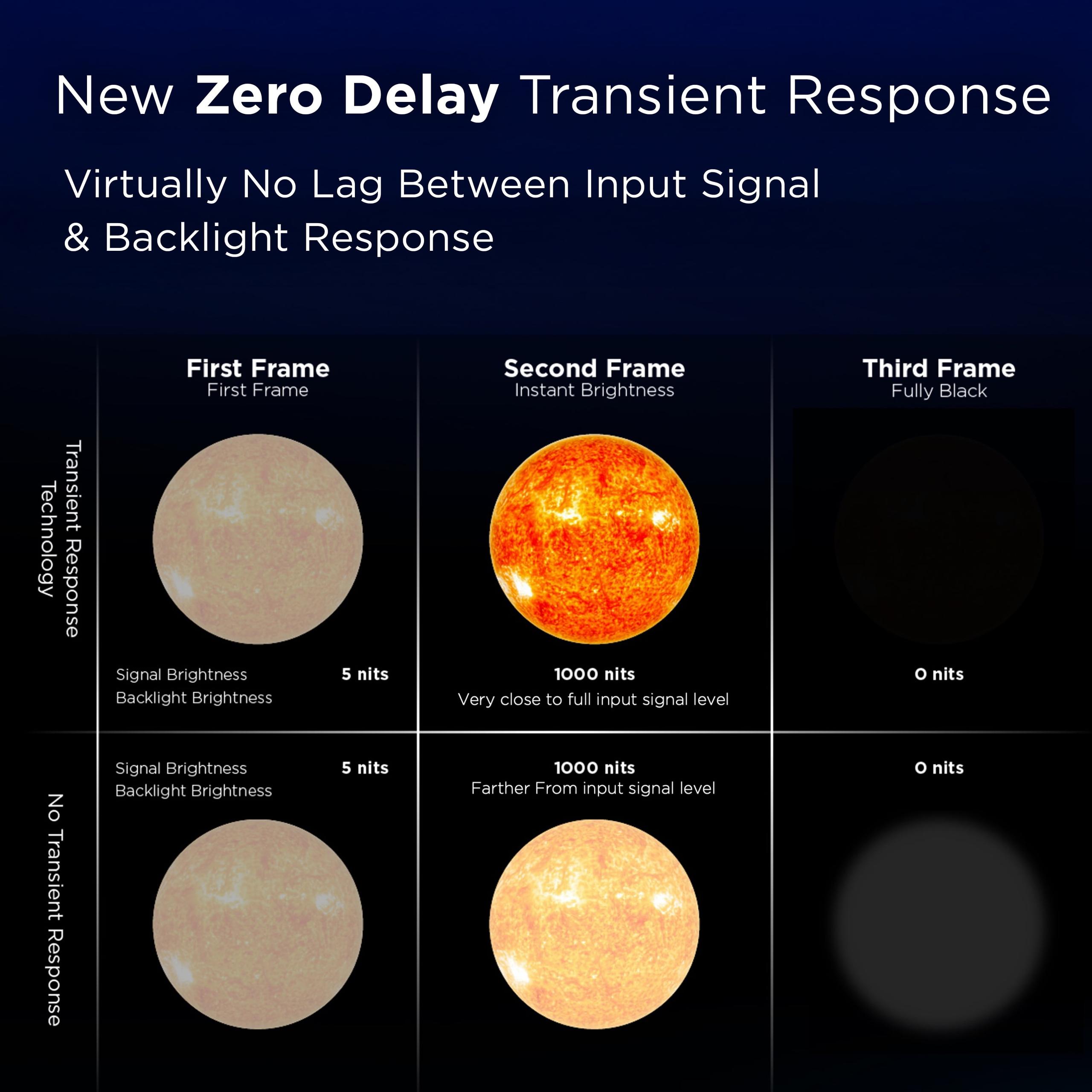
This is where the technology differences become most apparent. HDR (High Dynamic Range) content is designed to show a wider range of brightness levels - from deep shadows to bright highlights - than standard video. To display HDR properly, a TV needs to get quite bright.
The TCL QM6K can achieve peak brightness levels around 1,000-1,200 nits (a nit is a unit of brightness measurement), while the Sony BRAVIA 2 II typically maxes out around 400-500 nits. In practical terms, this means HDR content like movies and shows on Netflix, Disney+, or 4K Blu-rays will look much more impactful on the TCL. Bright scenes like explosions, sunsets, or snow will actually look bright rather than just "brighter than the rest of the image."
However, brightness isn't everything. Sony's processing tends to make better use of the available brightness, creating images that look more natural and film-like even at lower peak levels.
This is where things get interesting. The TCL's quantum dot technology produces colors that are undeniably more vibrant and "pop" off the screen. Reds are redder, blues are bluer, and greens are more intense. This can make content, especially animated movies and nature documentaries, look spectacular.
Sony's approach prioritizes color accuracy - making colors look the way content creators intended. Having calibrated dozens of TVs over the years, I've found that Sony TVs typically require less adjustment to achieve accurate colors. The TRILUMINOS Pro technology expands the color range while maintaining natural-looking skin tones and realistic color relationships.
For most viewers, the TCL's more vibrant colors will initially look better and more impressive. However, some users find that after extended viewing, the more natural Sony colors are less fatiguing and more enjoyable for daily TV watching.
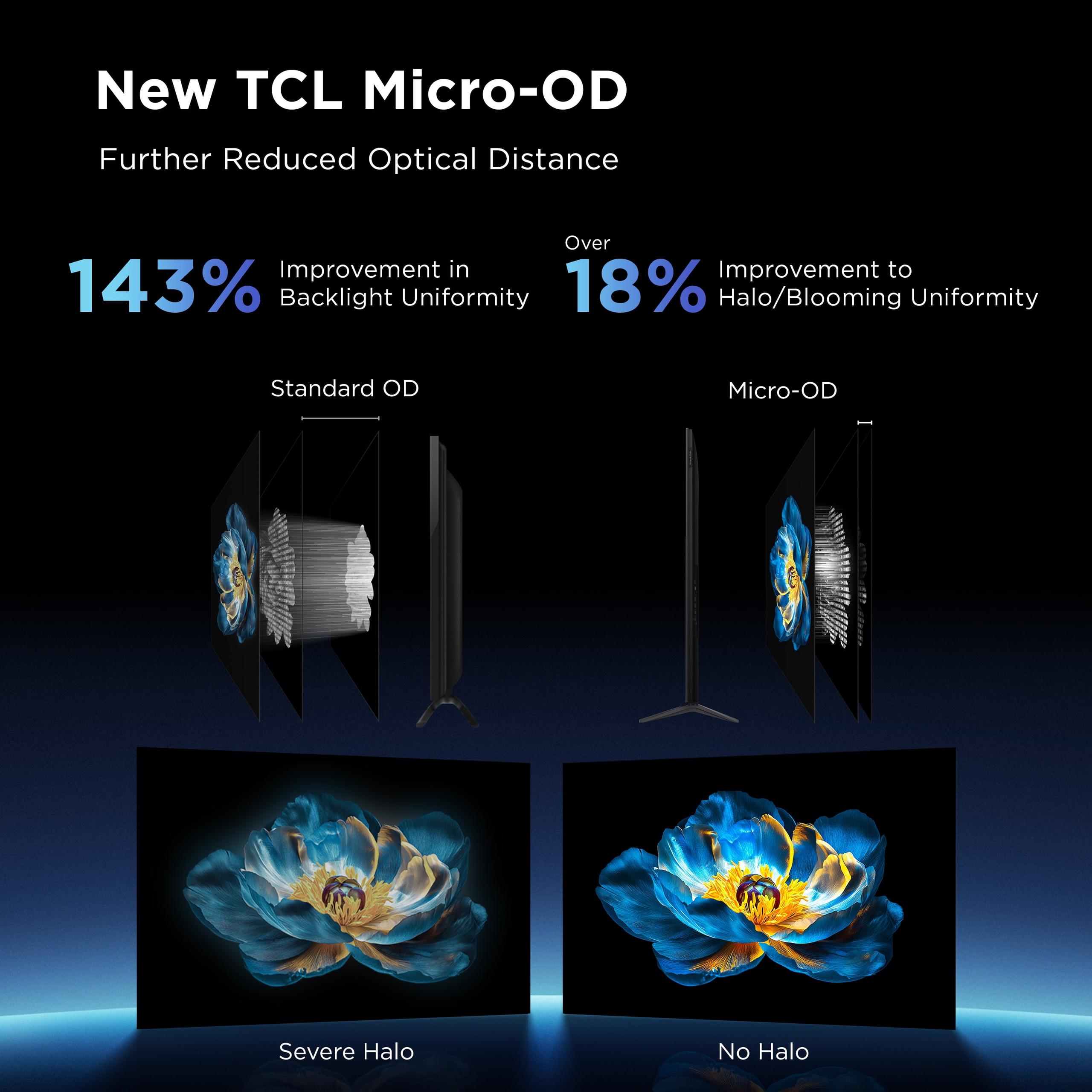
The Mini LED technology in the TCL provides a significant advantage here. With hundreds of dimming zones, it can create much deeper blacks and better contrast ratios. In dark movie scenes, you'll see more detail in shadows and a more convincing sense of depth.
The Sony's basic local dimming can improve contrast somewhat, but it's working with far fewer zones and larger LED clusters. This means you might notice some "blooming" - where bright objects in dark scenes create a halo effect around them.
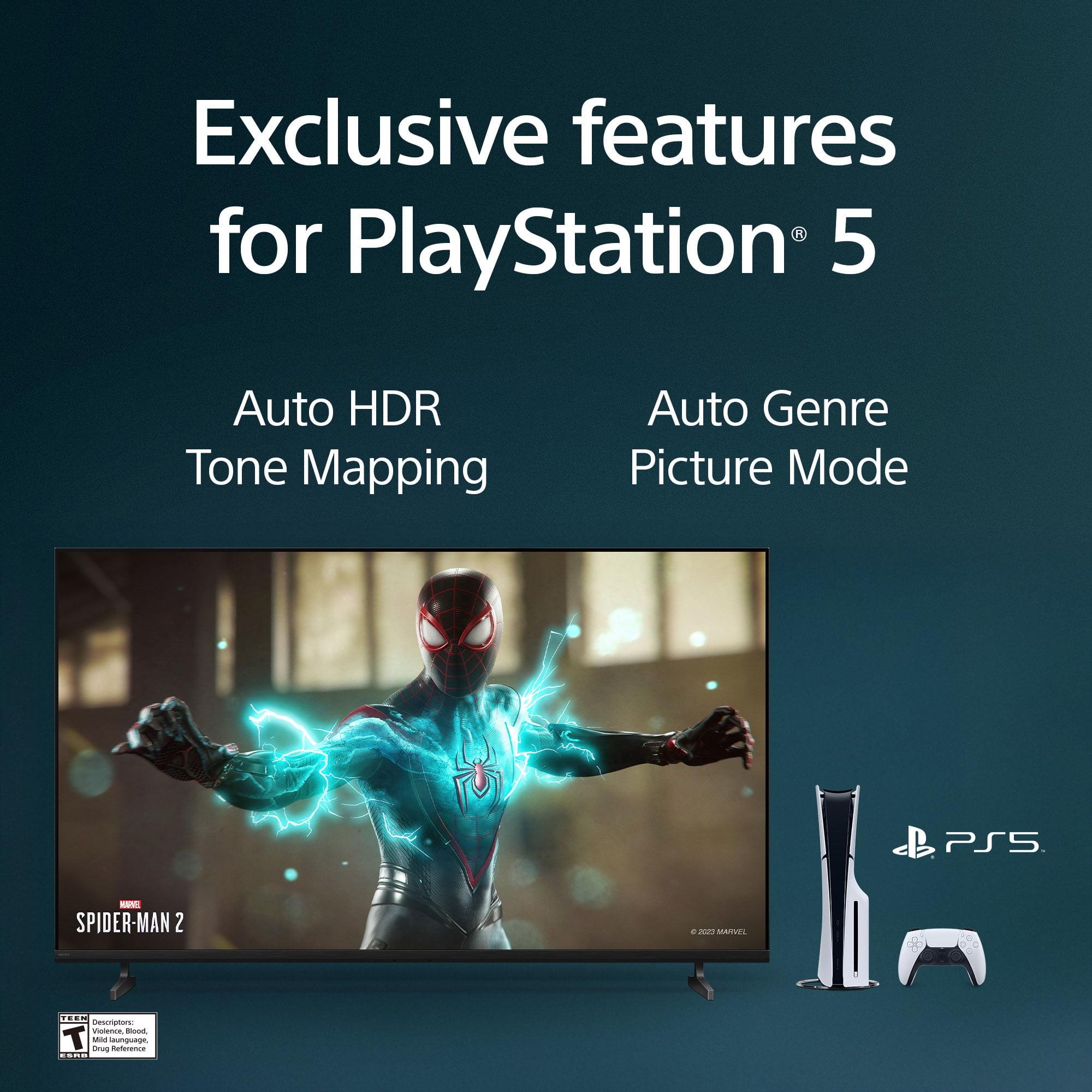
Modern gaming consoles like the PlayStation 5 and Xbox Series X are capable of incredible performance, but they need the right TV to unlock their full potential.
The TCL QM6K features a native 120Hz refresh rate, meaning it can display 120 individual frames per second. This is crucial for modern gaming, where higher frame rates result in smoother motion and more responsive controls. The TV also supports variable refresh rate (VRR) technology, which allows the console to dynamically adjust the refresh rate to match the game's performance, eliminating screen tearing and stuttering.
The Sony BRAVIA 2 II is limited to 60Hz, which is adequate for casual gaming but leaves performance on the table with newer consoles. Many recent games offer 120Hz modes that simply can't be utilized on the Sony.
Input lag is the delay between when you press a button and when the action appears on screen. For competitive gaming, this needs to be as low as possible. The TCL achieves input lag around 10 milliseconds in game mode, while the Sony typically measures around 20ms. While both are acceptable for most gaming, the TCL's lower lag provides a noticeable advantage in fast-paced games.
The TCL includes full HDMI 2.1 support with features like Auto Low Latency Mode (ALLM), which automatically switches to game mode when a console is detected, and eARC (enhanced Audio Return Channel) for high-quality audio to soundbars. The Sony includes eARC but lacks other HDMI 2.1 gaming features.
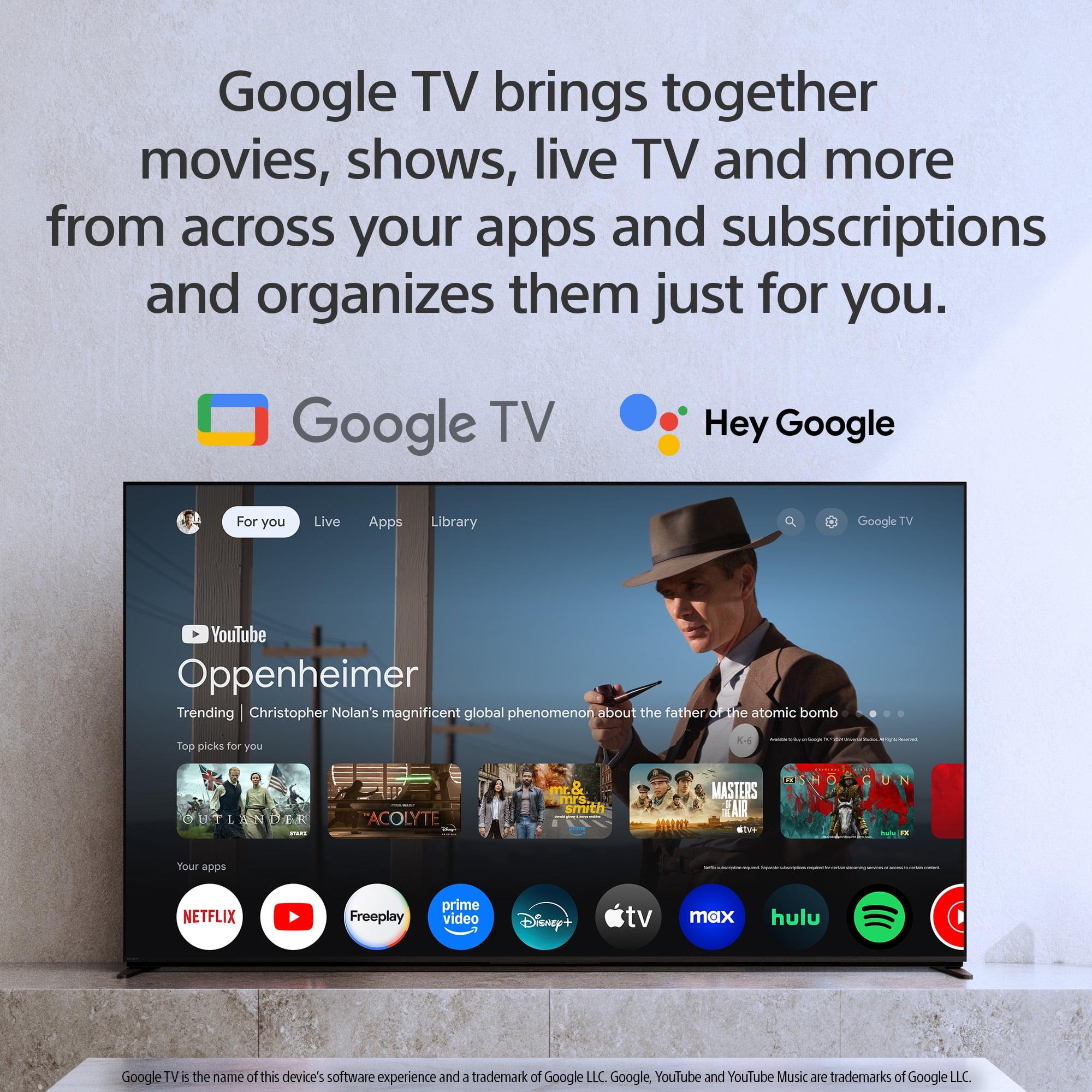
Both TVs run Google TV, which is Google's latest smart TV platform. This means you get access to all major streaming apps, voice control through Google Assistant, and the ability to cast content from your phone.
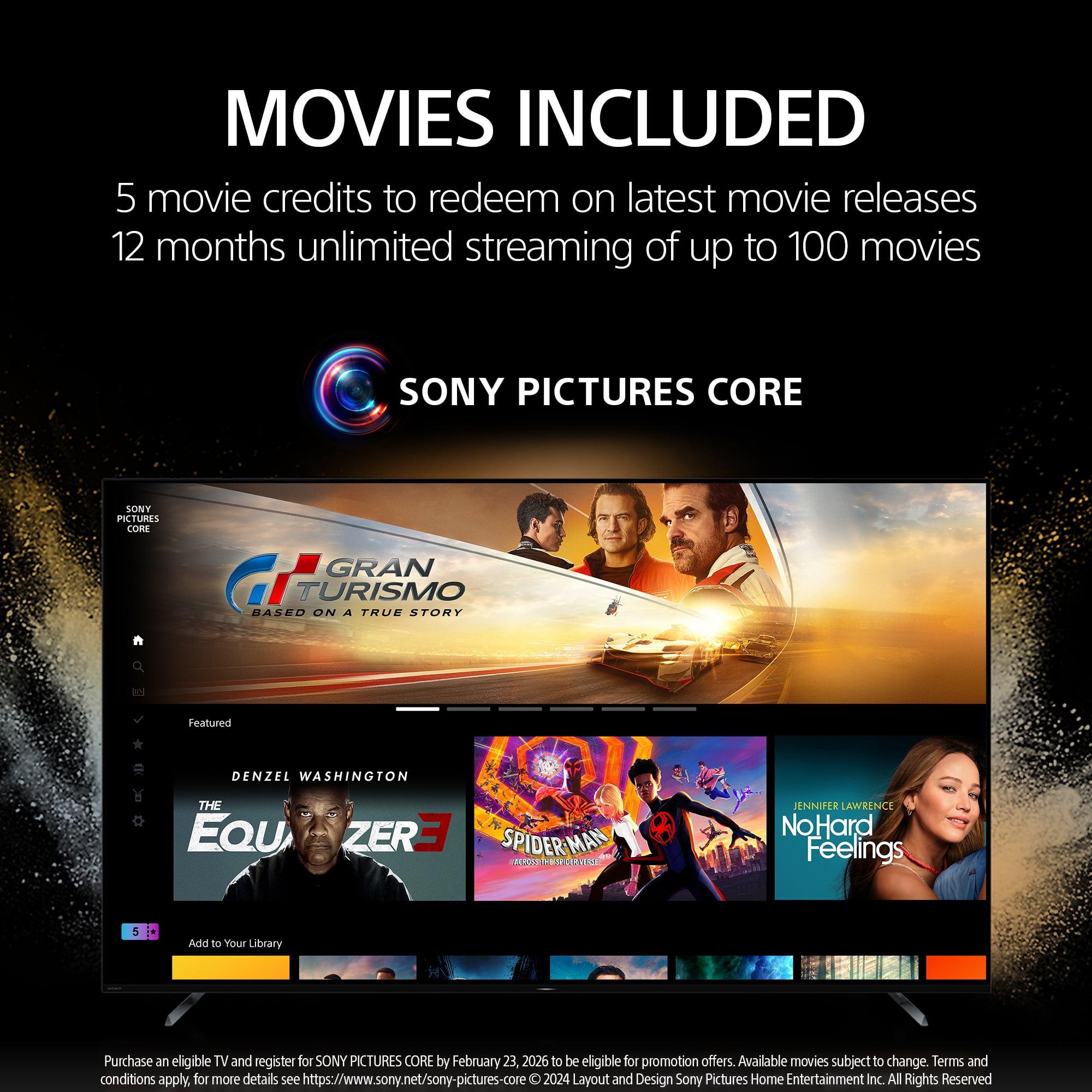
The experience is remarkably similar on both TVs, with smooth navigation and quick app loading. The Sony includes integration with Bravia Core, their streaming service that offers high-quality versions of Sony Pictures movies, though this requires a subscription after the initial free period.
One area where I've noticed a difference is in software update frequency. Sony tends to provide more regular updates and longer support periods, while TCL's update schedule can be more sporadic.
Neither TV excels in audio performance, which is increasingly common as TVs get thinner. The TCL QM6K has a slight edge with its 2.1 channel system (30W total) that includes a basic subwoofer, versus the Sony's 2.0 channel system (20W total). The TCL sounds fuller and can get louder, but both TVs benefit significantly from adding a soundbar.
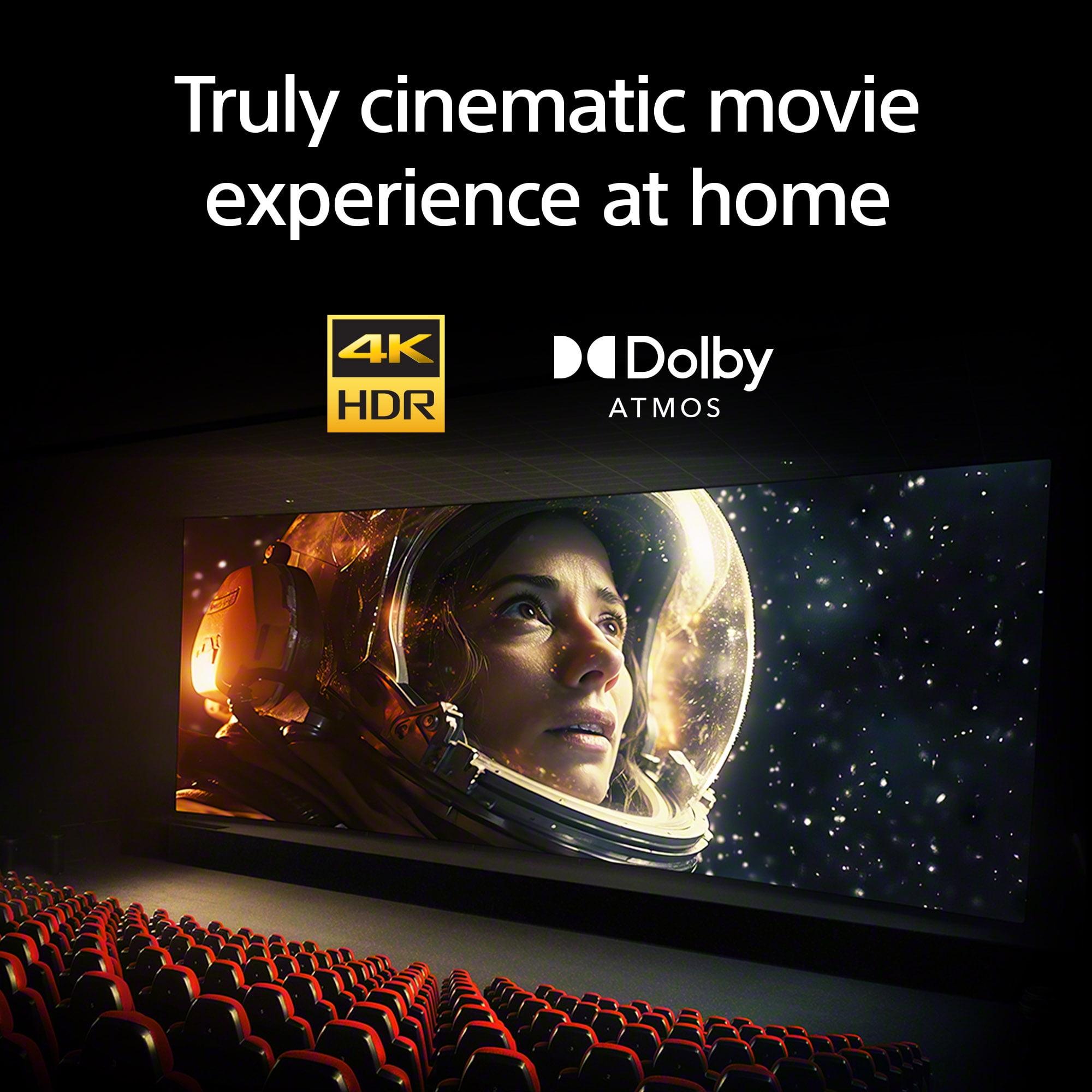
Both support Dolby Atmos and DTS audio formats, so they'll work well with external audio systems. If you're building a home theater setup, plan to budget for a soundbar regardless of which TV you choose.
For dedicated home theater use, the choice depends on your priorities and room conditions.
The TCL QM6K is generally the better choice for home theater enthusiasts. Its higher brightness makes it suitable for rooms with some ambient light, while the superior contrast performance enhances the cinematic experience in darker rooms. The 120Hz refresh rate also benefits movie content through better motion handling.
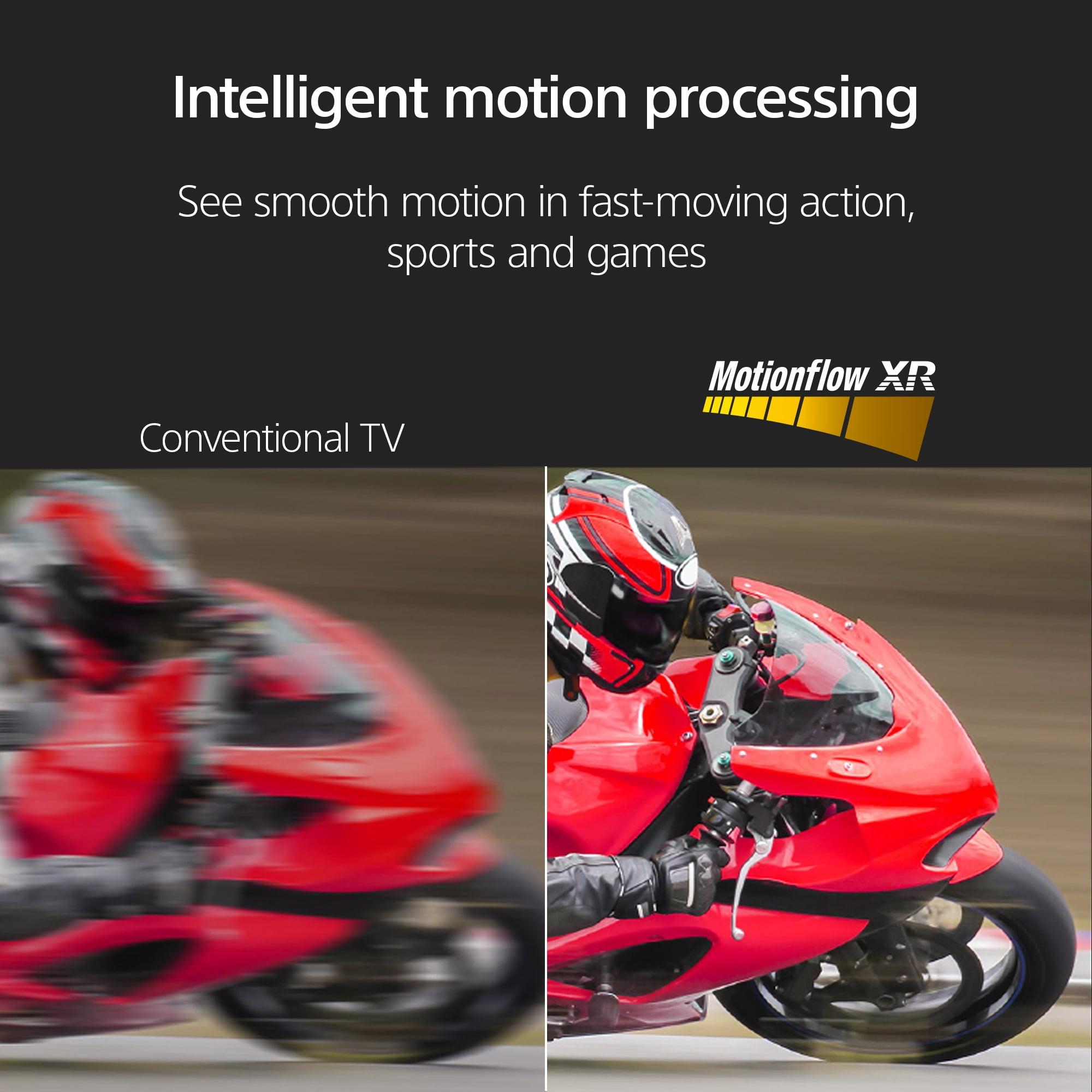
However, the Sony BRAVIA 2 II has some advantages for purists. Its more accurate color reproduction and superior upscaling make it excellent for watching older movies or varied content sources. Sony's motion processing is also highly regarded for film content.
In my experience setting up home theaters, the TCL's brightness advantage is particularly important if you can't achieve complete darkness in your viewing room. The Sony works best in darker, more controlled environments where its processing advantages can shine.
At $649.99, the Sony BRAVIA 2 II represents solid value for viewers prioritizing reliability and brand trust. Sony's reputation for longevity and consistent performance has merit - I've seen Sony TVs from 2018 still performing well while some competitors from the same era have developed issues.
The TCL QM6K at $699.99 offers compelling value for technology enthusiasts. You're getting Mini LED and Quantum Dot technologies that would have cost over $1,000 just two years ago. The gaming features alone justify the $50 premium for many users.
However, there are some considerations with TCL. Quality control can be more variable, and I've encountered more panel uniformity issues and occasional dead pixels with TCL units compared to Sony. TCL's customer service and warranty support, while improving, still doesn't match Sony's established network.
Choose the Sony BRAVIA 2 II if you:
Choose the TCL QM6K if you:
The TCL QM6K represents the better overall value for most buyers today. Its Mini LED technology, gaming capabilities, and superior HDR performance provide a more future-ready experience that justifies the modest $50 premium. The quantum dot colors and higher brightness make everyday viewing more engaging, while the gaming features ensure compatibility with the latest consoles.
However, the Sony BRAVIA 2 II remains a solid choice for viewers who prioritize reliability, natural color reproduction, and proven performance. Sony's processing advantages are real, particularly for upscaling and motion handling, and the brand's reputation for longevity provides peace of mind.
In the rapidly evolving TV market, both represent strong values in their own ways. The TCL pushes the boundaries of what's possible at this price point, while the Sony delivers refined, dependable performance from a trusted brand. Your choice should ultimately depend on whether you prioritize cutting-edge technology or proven reliability - both are valid paths to TV enjoyment.
| Sony BRAVIA 2 II 65" 4K LED Google TV 2025 | TCL 65" QM6K QD-Mini LED 4K TV |
|---|---|
| Price - Starting MSRP at launch | |
| $649.99 | $699.99 |
| Display Technology - Determines picture quality ceiling | |
| Standard Direct LED with basic local dimming | QD-Mini LED with hundreds of dimming zones |
| Peak Brightness - Critical for HDR impact and daytime viewing | |
| 400-500 nits (adequate for dark rooms) | 1,000-1,200 nits (excellent for bright rooms and HDR) |
| Color Technology - Affects vibrancy and accuracy | |
| TRILUMINOS Pro (natural, accurate colors) | Quantum Dot (wider gamut, more vibrant colors) |
| Refresh Rate - Important for gaming and sports | |
| 60Hz native (limits gaming potential) | 120Hz native (supports modern console gaming) |
| HDMI 2.1 Features - Future-proofing for gaming | |
| eARC only (no VRR or ALLM) | Full support (VRR, ALLM, 4K@120Hz) |
| Input Lag - Response time for gaming | |
| ~20ms (acceptable for casual gaming) | ~10ms (excellent for competitive gaming) |
| HDR Support - Compatibility with premium content | |
| HDR10, HLG, Dolby Vision | HDR10, HDR10+, HLG, Dolby Vision |
| Smart TV Platform - User experience and app support | |
| Google TV with Bravia Core integration | Google TV with standard features |
| Audio System - Built-in speaker quality | |
| 2.0 channel, 20W (basic stereo) | 2.1 channel, 30W (includes subwoofer) |
| Processor - Upscaling and image processing | |
| X1 Processor with 4K X-Reality PRO | AiPQ Gen 3 with AI enhancement |
| Brand Reputation - Long-term reliability and support | |
| Sony (premium brand, excellent support) | TCL (value leader, improving support) |
| Best For - Primary use cases | |
| Traditional viewing, brand reliability, accurate colors | Gaming, HDR content, maximum features per dollar |
The TCL 65" QM6K QD-Mini LED 4K TV is significantly better for gaming. It features a 120Hz refresh rate, full HDMI 2.1 support with VRR and ALLM, and ~10ms input lag. The Sony BRAVIA 2 II 65" 4K LED Google TV 2025 is limited to 60Hz with ~20ms input lag, making it suitable only for casual gaming.
The Sony BRAVIA 2 II costs $649.99 while the TCL QM6K is priced at $699.99, making the TCL only $50 more expensive despite offering significantly more advanced display technology.
The TCL QM6K generally offers better picture quality with its Mini LED technology providing 2-3x higher peak brightness (1,000+ nits vs 400-500 nits), better contrast, and more vibrant quantum dot colors. However, the Sony BRAVIA 2 II excels in color accuracy and upscaling performance.
Yes, both TVs support HDR content. The Sony BRAVIA 2 II supports HDR10, HLG, and Dolby Vision, while the TCL QM6K adds HDR10+ support as well. The TCL's higher brightness makes HDR content appear more impactful.
The TCL QM6K is much better for bright rooms due to its significantly higher peak brightness (1,000+ nits vs 400-500 nits). The Sony BRAVIA 2 II works best in darker, more controlled lighting environments.
Yes, both the Sony BRAVIA 2 II and TCL QM6K run Google TV with access to all major streaming apps like Netflix, Disney+, Prime Video, and YouTube. The Sony includes additional Bravia Core streaming service integration.
The TCL QM6K has slightly better built-in audio with a 2.1 channel system (30W) including a subwoofer, compared to the Sony BRAVIA 2 II's 2.0 channel system (20W). Both TVs benefit significantly from adding a soundbar.
The TCL QM6K uses advanced QD-Mini LED technology with quantum dots and hundreds of dimming zones, while the Sony BRAVIA 2 II uses standard direct LED with basic local dimming. This gives the TCL superior brightness, contrast, and color performance.
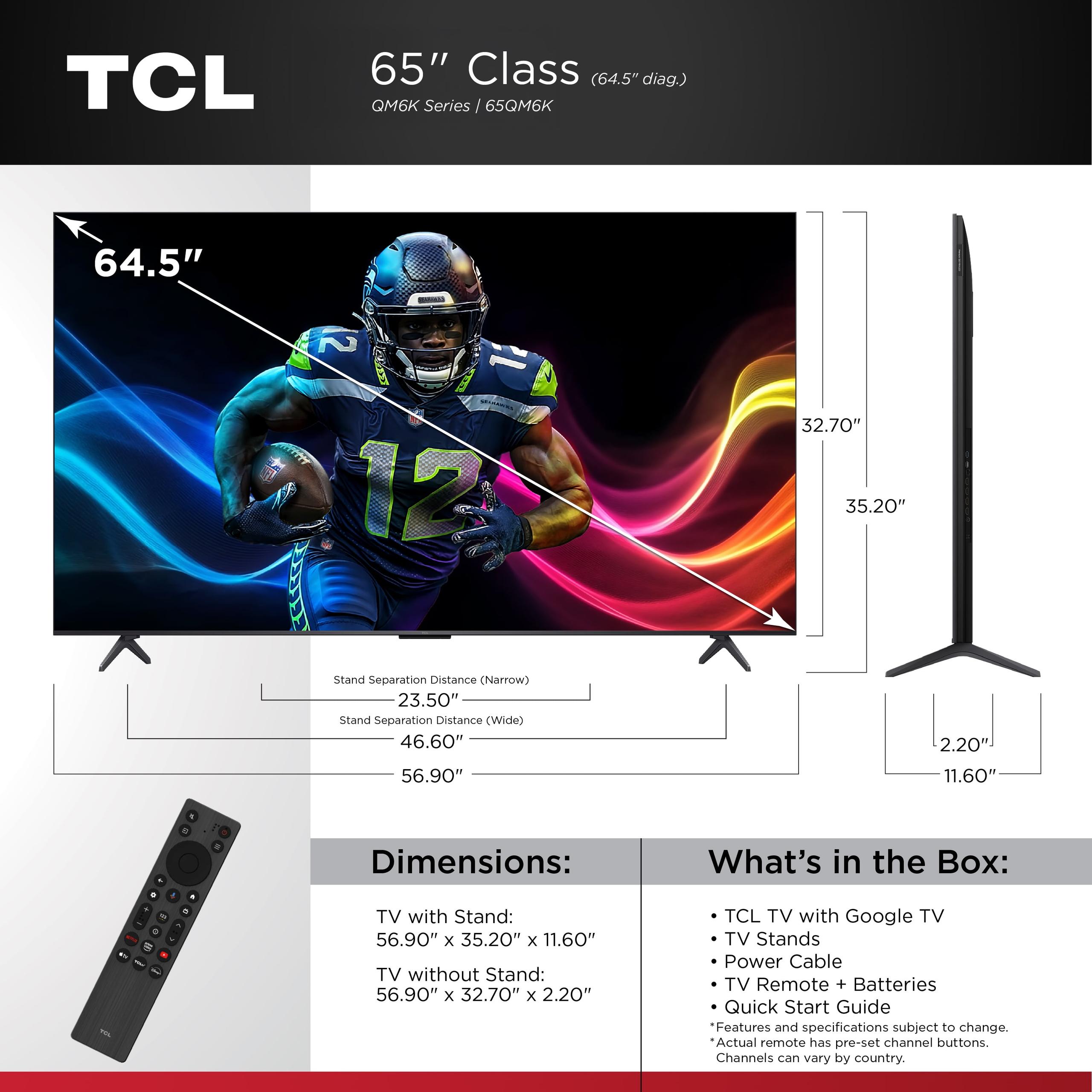
Yes, both the Sony BRAVIA 2 II and TCL QM6K are VESA wall mount compatible. For home theater use, the TCL's superior brightness and contrast make it better suited for most room conditions.
The TCL QM6K is better for sports viewing due to its 120Hz refresh rate providing smoother motion handling. The Sony BRAVIA 2 II has good motion processing but is limited to 60Hz, which can show more motion blur during fast action.
The TCL QM6K offers better overall value at $699.99 with Mini LED technology, gaming features, and superior HDR performance. The Sony BRAVIA 2 II at $649.99 is the better choice if you prioritize brand reliability and accurate colors over cutting-edge features.
We've done our best to create useful and informative comparisons to help you decide what product to buy. Our research uses advanced automated methods to create this comparison and perfection is not possible - please contact us for corrections or questions. These are the sites we've researched in the creation of this article: bestbuy.com - notebookcheck.net - rtings.com - youtube.com - youtube.com - rtings.com - avsforum.com - croma.com - totonstv.com - electronics.sony.com - listenup.com - pcrichard.com - youtube.com - flanners.com - brandsmartusa.com - displayspecifications.com - pioneertvandappliance.com - donstv.com - youtube.com - tomsguide.com - youtube.com - tcl.com - tomsguide.com - youtube.com - youtube.com - hometechnologyreview.com - rtings.com - bestbuy.com - tcl.com - youtube.com - youtube.com - bestbuy.com - youtube.com - youtube.com - youtube.com - tcl.com - youtube.com - walmart.com - tcl.com - displayspecifications.com - kitele.com - displayspecifications.com - flatpanelshd.com - woodruffappliance.com - displayspecifications.com - prnewswire.com - tcl.com - youtube.com - abt.com - youtube.com - tclkenya.co.ke - budgethomefurn.com

Privacy Policy
Terms and Conditions - Affiliate Policy
Home Security
© Copyright 2008-2026.
11816 Inwood Rd #1211, Dallas, TX 75244