








When Samsung released The Frame Pro in 2025, they fundamentally changed what a premium TV could be. This isn't just about getting a bigger, brighter screen—it's about a television that transforms into artwork when you're not watching Netflix. Meanwhile, Sony's BRAVIA 2 II takes a completely different approach, focusing on delivering solid 4K performance without the premium price tag. These two 65-inch TVs represent opposite ends of the market philosophy, and understanding their differences will help you make the right choice for your living space and wallet.
The 65-inch size has become the sweet spot for most living rooms—big enough to create an immersive experience from typical couch distances (8-12 feet), but not so massive that it overwhelms smaller spaces. However, not all 65-inch TVs are created equal, and the technology inside makes all the difference.
At the time of writing, you'll find 65-inch 4K TVs ranging from under $500 for basic models to over $3,000 for premium offerings. The key factors that drive these price differences include the type of backlighting (edge-lit LED vs full-array vs Mini LED), the smart platform, gaming features, and most importantly, peak brightness and color reproduction capabilities.
Modern 4K content demands displays that can handle High Dynamic Range (HDR)—essentially, content with much brighter highlights and darker shadows than traditional video. This is where the biggest performance gaps appear between budget and premium models.
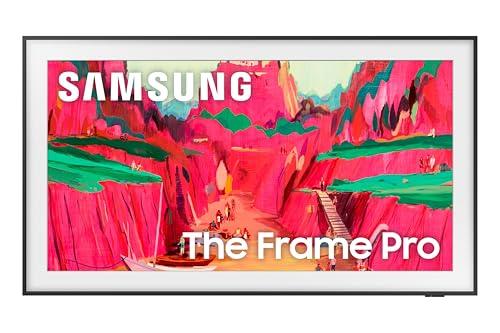
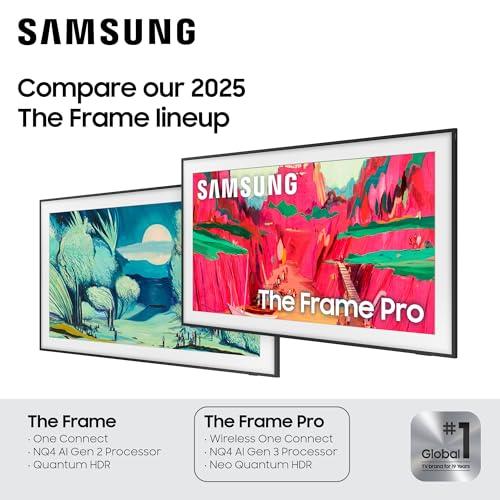
The most obvious difference between the Samsung Frame Pro and Sony BRAVIA 2 II is their approach to living in your home. The Frame Pro continues Samsung's "lifestyle TV" concept, but takes it to an entirely new level with 2025's technological improvements.
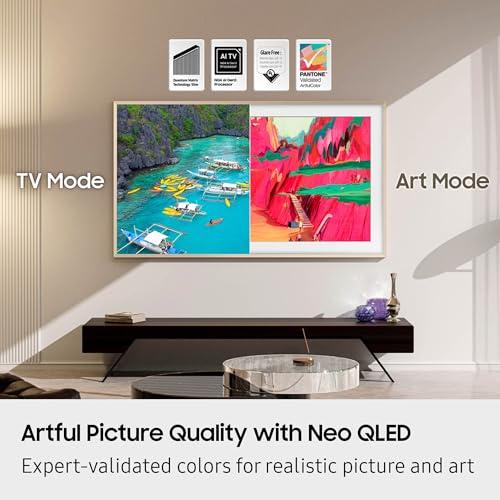
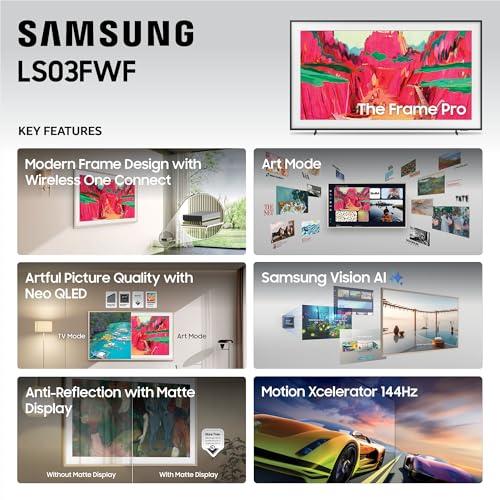
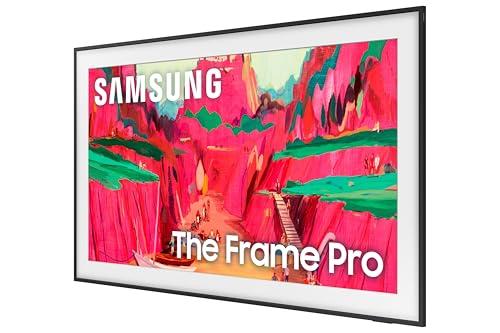
The Frame Pro features a matte anti-reflection screen that makes displayed artwork look like actual paintings or photographs hanging on your wall. The customizable bezels (which you purchase separately) can match picture frames in your home, and when the TV is in Art Mode, it becomes virtually indistinguishable from traditional wall art. This matte coating is a double win—it eliminates glare from windows or lamps while making the artwork display more convincing.
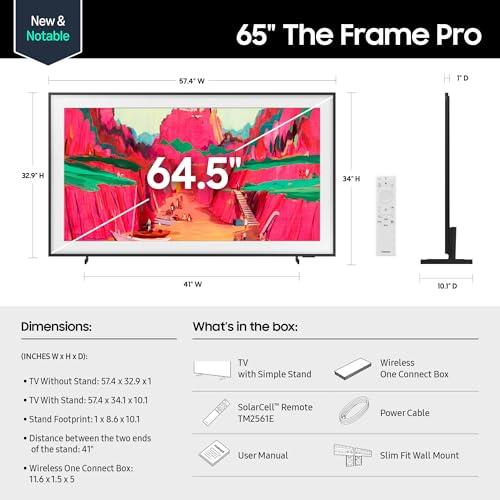
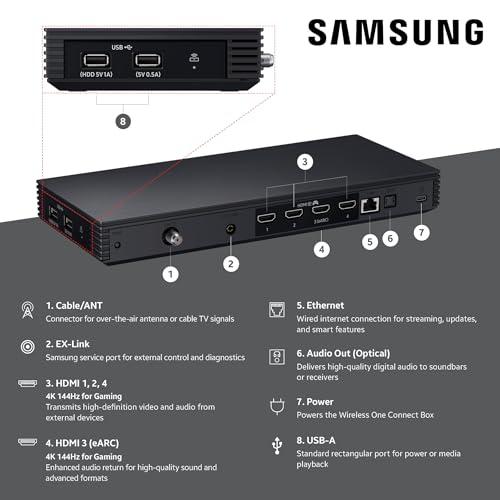
The real innovation comes with the Wireless One Connect Box, a first-of-its-kind feature that transmits 4K video and audio wirelessly to the TV. This box, which contains all your HDMI ports and connections, can sit up to 33 feet away in a cabinet or closet, completely eliminating visible cables. Using Wi-Fi 7 technology and what Samsung calls "Omni-Directional Technology," the connection remains stable even through walls and obstacles.
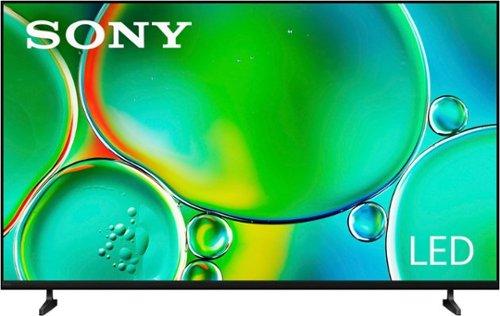
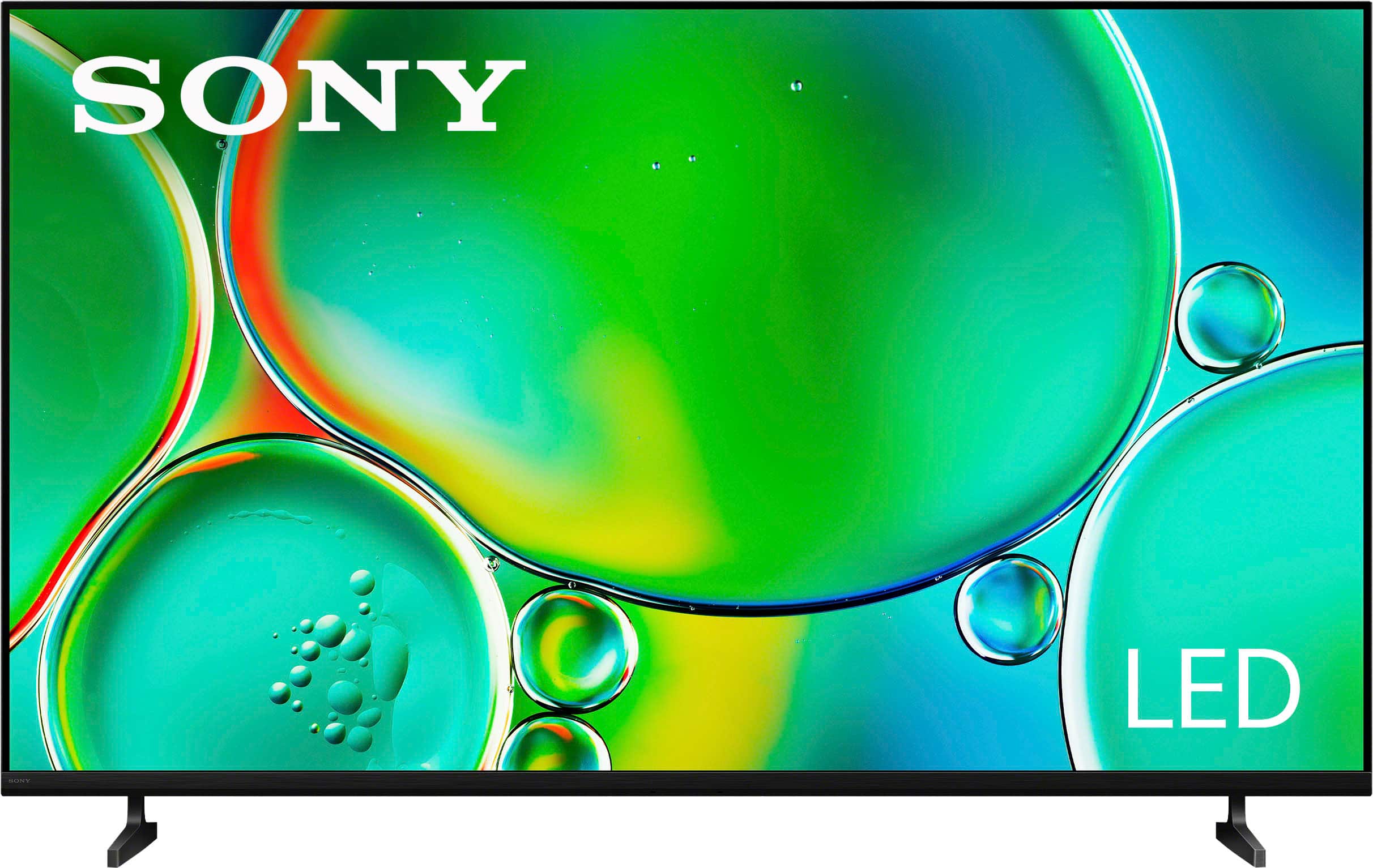
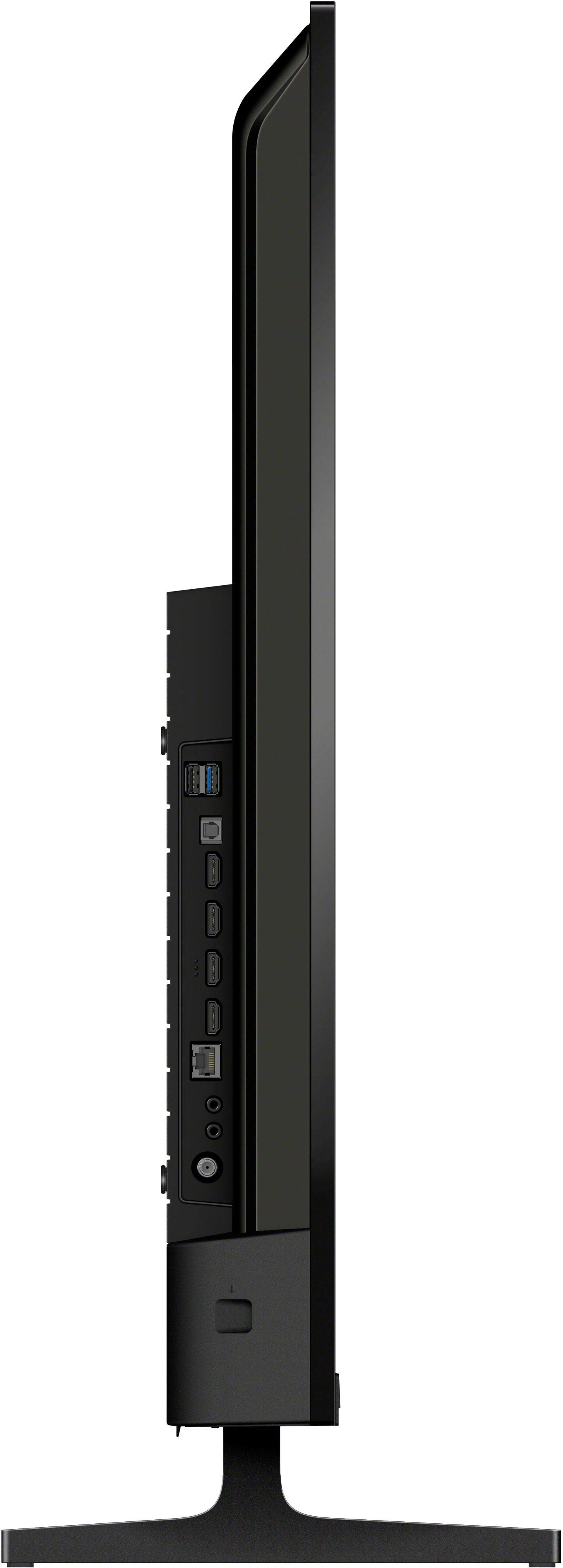
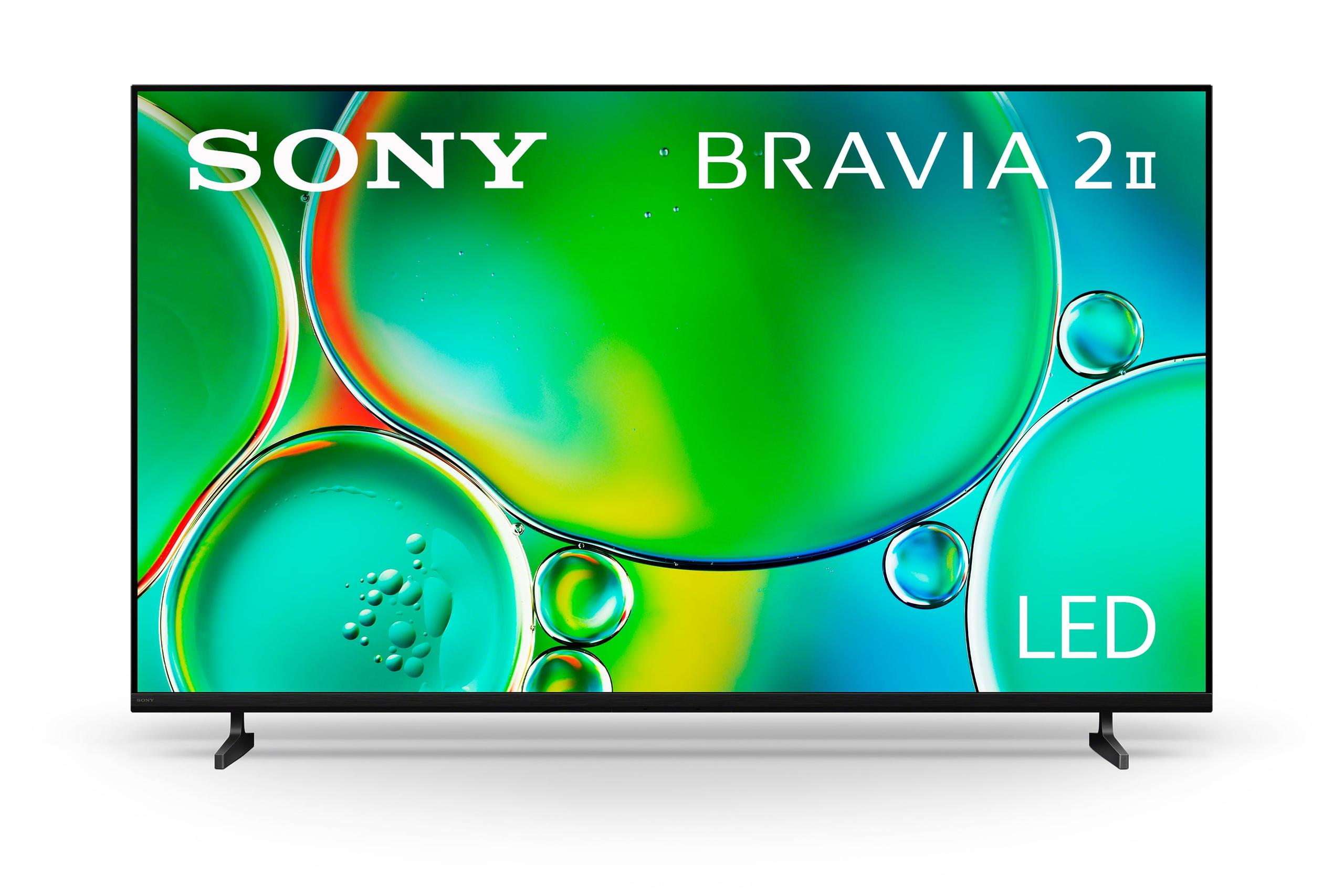
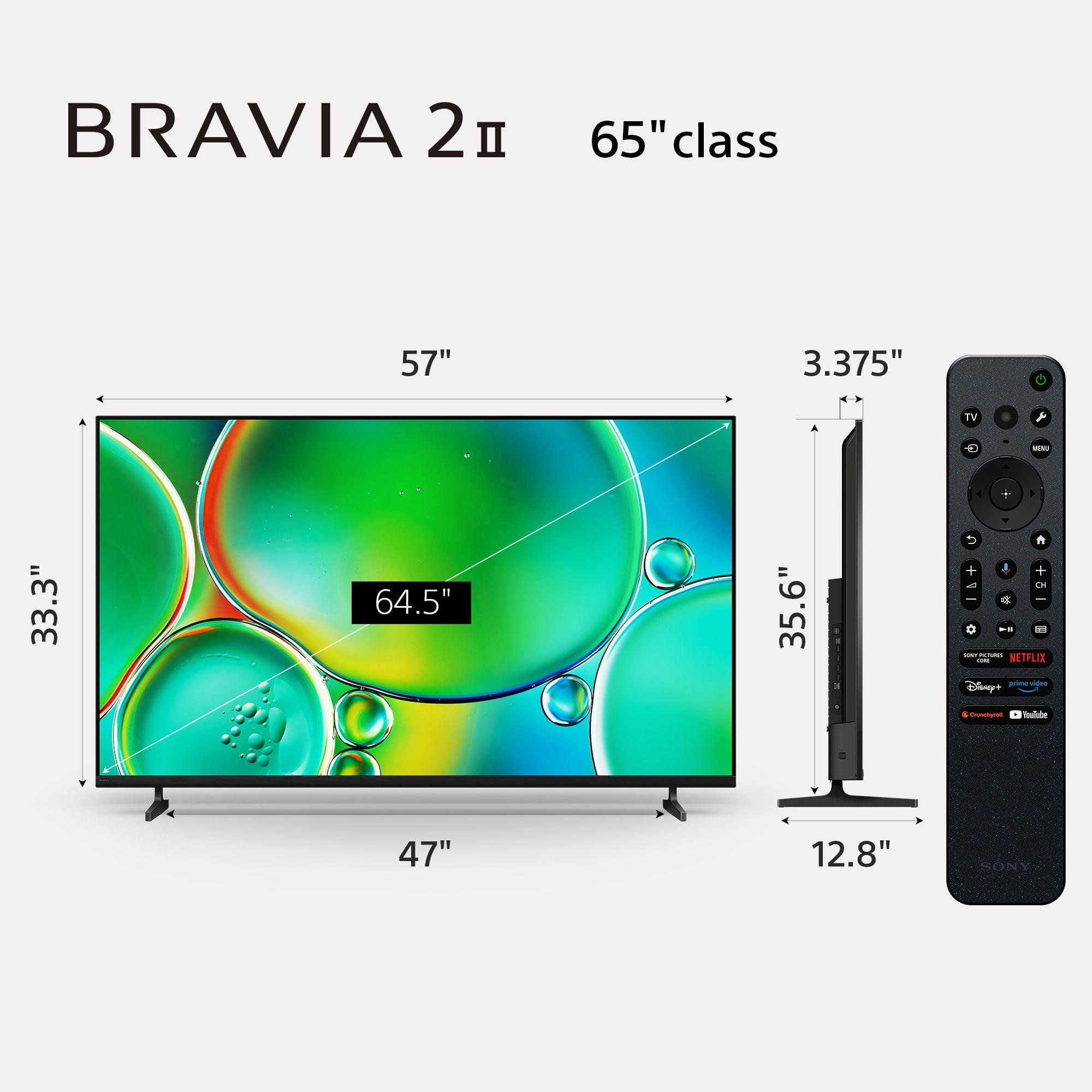
In contrast, the Sony BRAVIA 2 II embraces a more traditional approach. It's a well-built, modern-looking TV with slim bezels and a quality metal frame, but it's clearly designed to be a television first and foremost. There's nothing wrong with this approach—many people simply want an excellent TV that looks good without trying to disguise what it is.
This is where the price difference between these models becomes most apparent, and understanding the technology behind each display helps explain why.
The Samsung Frame Pro uses Neo QLED technology, which is Samsung's marketing name for Mini LED backlighting combined with Quantum Dot color enhancement. Mini LED means the backlight consists of thousands of tiny LEDs that can be controlled in zones—when part of the screen should be black, those specific LEDs dim or turn off completely. This creates much better contrast than traditional LED TVs, where the entire backlight stays on even for dark scenes.
The Sony BRAVIA 2 II uses standard LED backlighting with what Sony calls "Frame Dimming"—essentially basic local dimming that adjusts the backlight for the entire screen rather than specific zones. This is the most significant technical difference between these models and directly impacts picture quality.
Peak brightness determines how well a TV can display HDR content, which includes most modern streaming shows, movies, and games. Based on professional testing, the Frame Pro reaches over 1,000 nits (a measure of brightness) in HDR highlights. For context, a typical indoor room has about 100-200 nits of ambient light, so 1,000 nits creates genuinely eye-catching highlights that pop off the screen.
The BRAVIA 2 II achieves more modest brightness levels—Sony hasn't published specific numbers, but based on its positioning as an entry-level model, it likely peaks around 400-600 nits. This is perfectly adequate for most content in moderately lit rooms, but won't deliver the same HDR impact as the Frame Pro.
Both TVs handle color reproduction well, but through different technologies. The Frame Pro's Quantum Dot technology uses microscopic particles that convert blue LED light into precise red and green wavelengths, achieving 93.4% coverage of the UHDA-P3 color space (the standard used for most streaming content). It's also Pantone-validated, meaning colors are calibrated to professional standards.
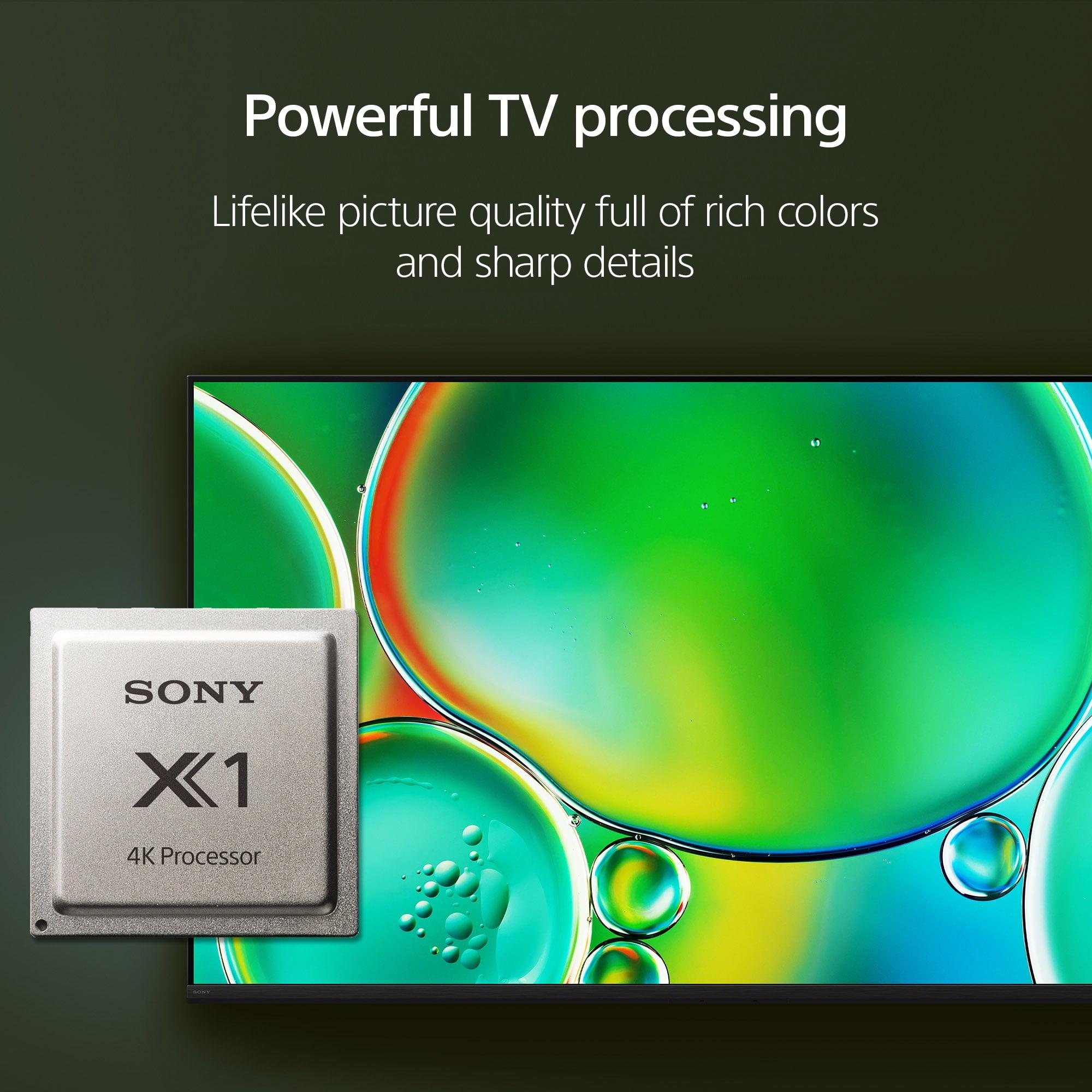
The Sony BRAVIA 2 II relies on Sony's Live Color technology and the 4K Processor X1 to enhance color reproduction. Sony has a strong reputation for color processing—their televisions often produce more natural, film-like colors that many viewers prefer, even if they're not technically as wide-gamut as Samsung's Quantum Dot displays.
The smart TV platform significantly impacts your daily experience, and these models take very different approaches.
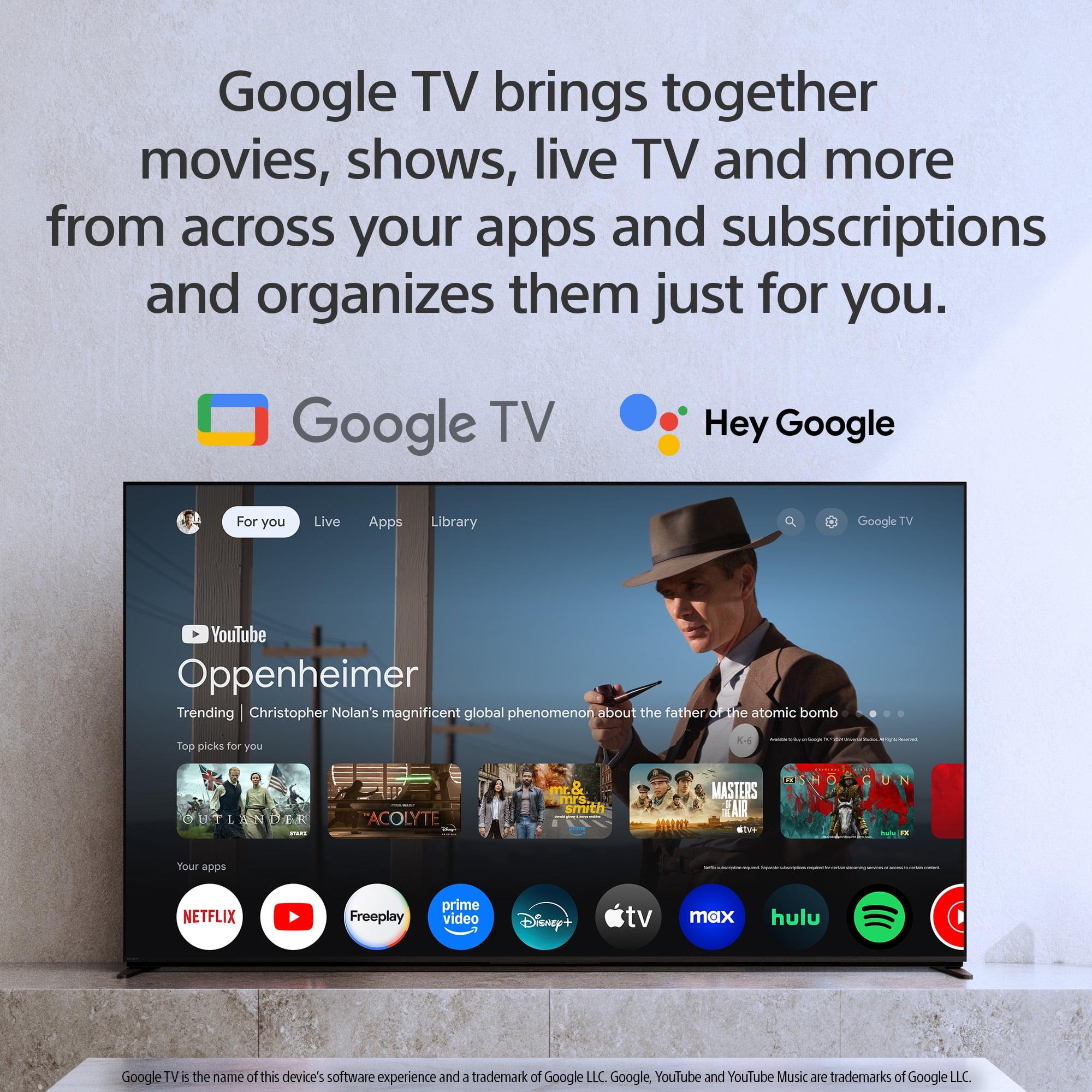
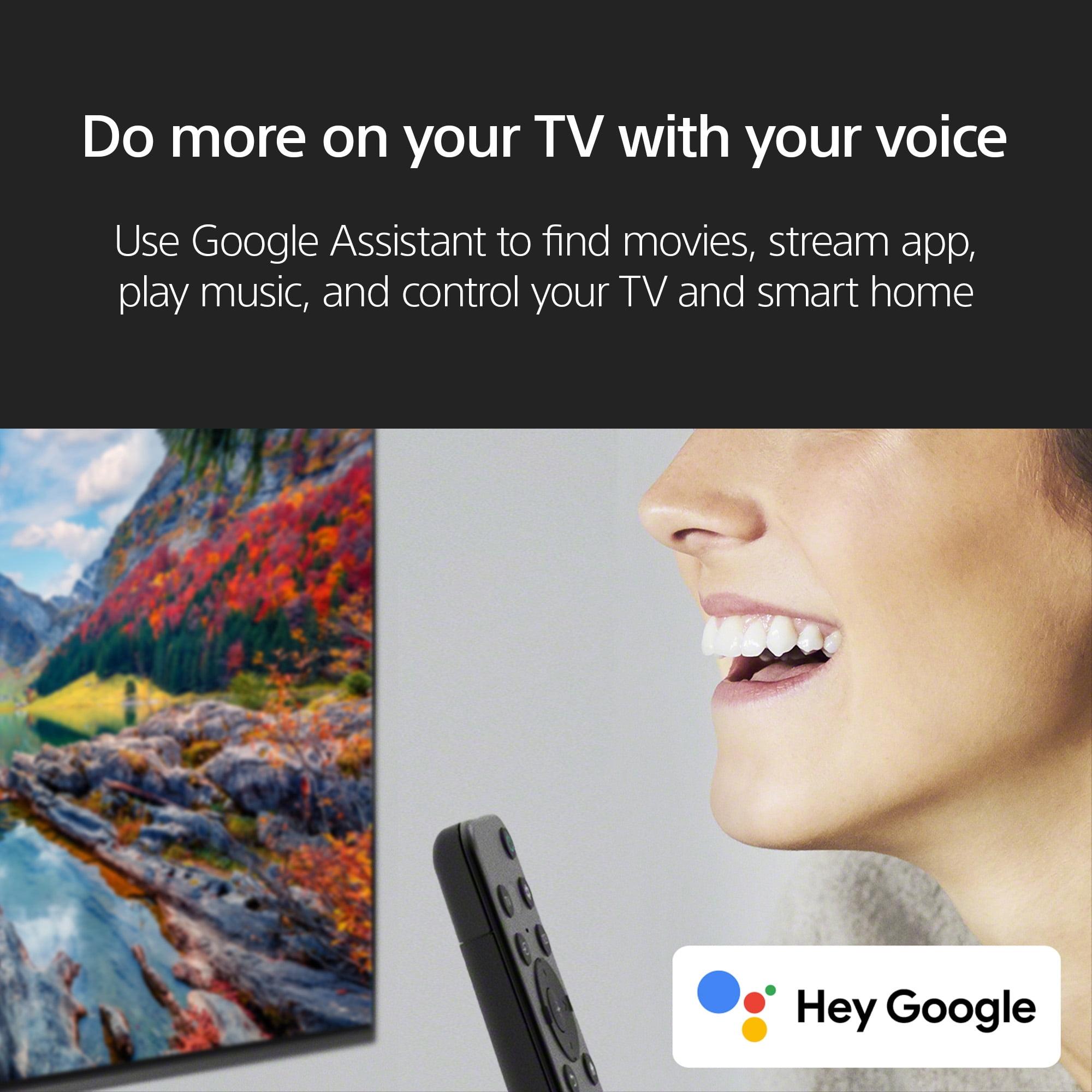
Google TV on the Sony BRAVIA 2 II offers access to over 10,000 apps and 800+ free live TV channels. More importantly, Google's search and recommendation engine is genuinely useful—it can find content across multiple streaming services and suggests shows based on your viewing history. The interface is intuitive, and updates come regularly since Google actively develops the platform.
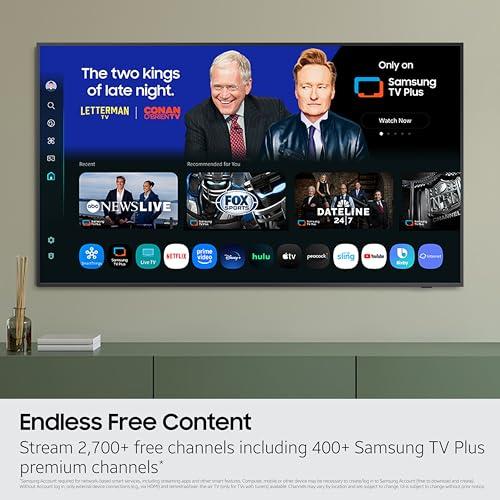
Samsung's Tizen platform on the Frame Pro is more focused on integration with Samsung devices and services. It includes built-in Alexa and Bixby voice assistants, and the Art Mode seamlessly integrates with Samsung's Art Store, offering access to thousands of curated artworks with different subscription options.
Both platforms support the major streaming apps (Netflix, Disney+, Prime Video, etc.), but Google TV generally offers broader compatibility and better universal search functionality.
Gaming capabilities reveal interesting strengths and weaknesses in both models.
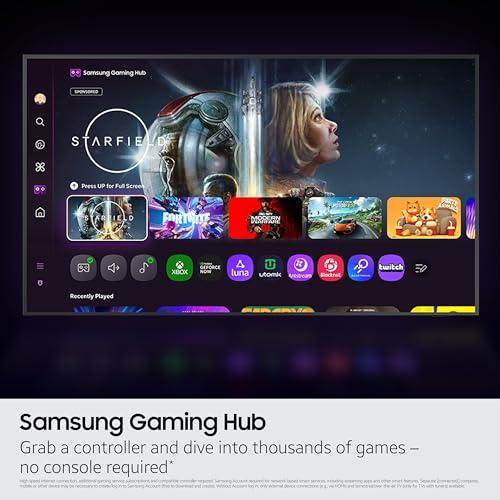
The Samsung Frame Pro technically supports 144Hz refresh rates and includes Variable Refresh Rate (VRR) technology, which should make it excellent for PC gaming. However, the wireless connection to the One Connect Box introduces significant input lag—over 30 milliseconds according to testing, which is quite poor for gaming. Samsung includes a micro HDMI port directly on the TV for low-latency gaming connections, but this somewhat defeats the purpose of the wireless design.
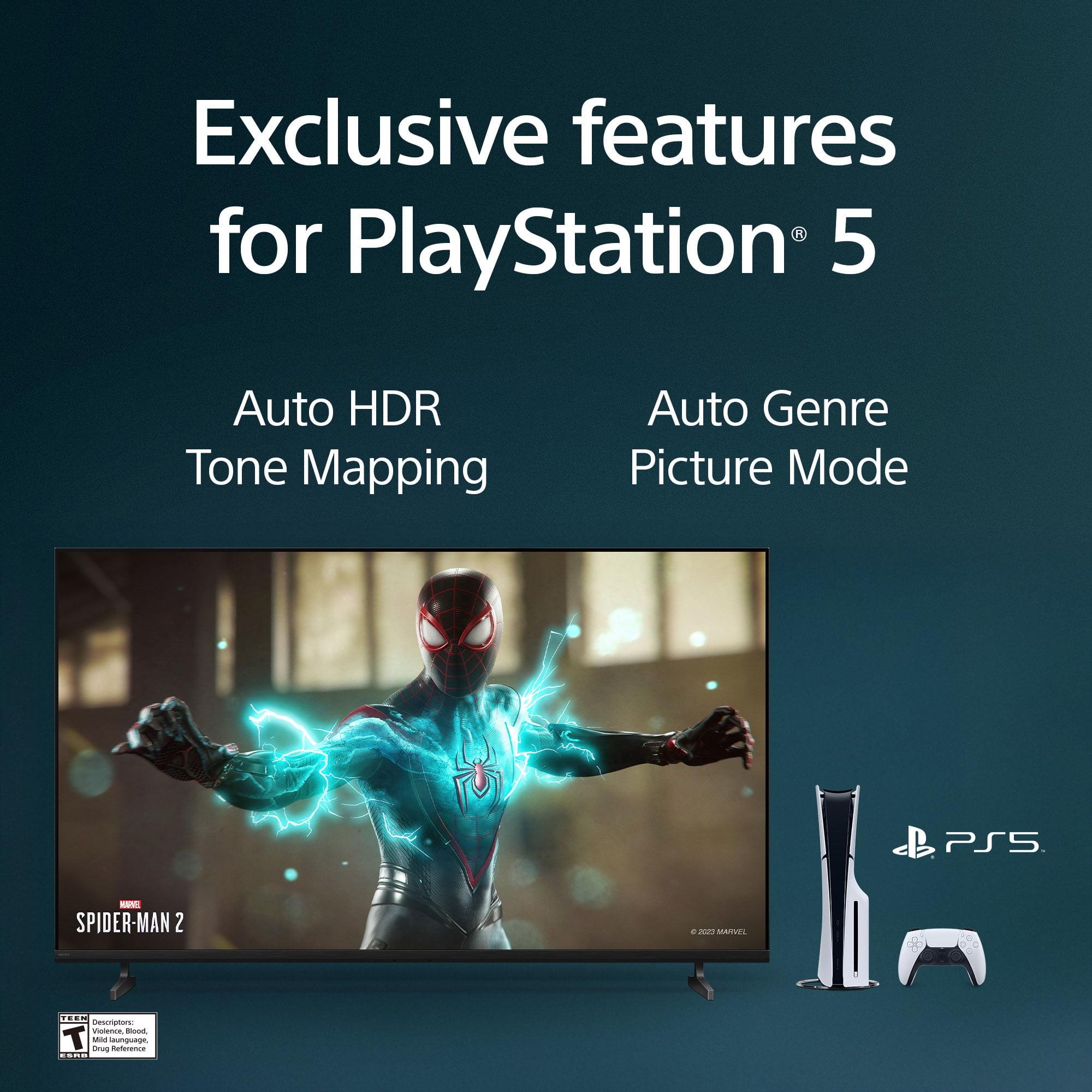
The Sony BRAVIA 2 II offers a more practical gaming experience despite lower specifications. With its 60Hz native refresh rate and PlayStation 5 optimization features (Auto HDR Tone Mapping, Game Menu, Auto Low Latency Mode), it delivers better real-world gaming performance for console players. Sony's gaming optimizations are particularly strong since they also make PlayStation consoles.
For serious gamers, neither TV represents the best choice in their respective price ranges, but the Sony offers more reliable performance for typical console gaming.
Both TVs include 40-watt speaker systems with Dolby Atmos support, but they implement these features differently.
The Frame Pro includes Object Tracking Sound (OTS) technology, which tries to make audio appear to come from different parts of the screen, and Q-Symphony Pro, which coordinates the TV's speakers with compatible Samsung soundbars for enhanced surround sound.
The Sony BRAVIA 2 II uses an Open Baffle Speaker design with support for both Dolby Atmos and DTS:X audio formats. Sony's audio processing is generally well-regarded, and the TV includes Clear Phase technology for better sound alignment.
Both TVs produce adequate sound for casual viewing, but anyone serious about audio quality will want to add a dedicated soundbar or surround sound system.
For dedicated home theater setups, these TVs serve very different purposes.
The Frame Pro excels in living rooms where the TV needs to look good even when turned off. The matte screen's anti-reflection properties work beautifully with controlled lighting, and the wireless connectivity keeps cable management clean. However, the contrast limitations (due to less effective local dimming) mean it won't deliver the deep blacks that movie enthusiasts often prefer for cinematic content.
The Sony BRAVIA 2 II offers more traditional home theater strengths—good upscaling for DVD and Blu-ray content, reliable motion processing for film content, and Sony's generally excellent color calibration. While it lacks the premium display technology of higher-end models, it handles movie content well and won't break the budget.
At the time of writing, the Frame Pro commands a significant premium—roughly double the price of the BRAVIA 2 II. This price difference reflects several factors:
The Frame Pro's Mini LED technology, wireless connectivity hardware, matte anti-reflection screen, and premium build quality all add manufacturing costs. You're also paying for the lifestyle integration features—Art Mode, customizable bezels, and the Samsung Art Store ecosystem.
The Sony BRAVIA 2 II represents excellent value for viewers who want solid 4K performance without premium features. Sony's reputation for reliability and the proven Google TV platform provide confidence in long-term usability.
After researching both models extensively and considering user feedback, here's how to choose:
Choose the Samsung Frame Pro if:
You genuinely value the aesthetic integration—this isn't just marketing fluff, but a real benefit for design-conscious homes. The wireless One Connect Box solves a legitimate problem for wall-mounted installations, and the superior brightness makes HDR content genuinely impressive. The matte screen's glare reduction is particularly valuable in bright rooms with large windows.
However, be realistic about the gaming limitations and the premium you're paying for lifestyle features over pure performance.
Choose the Sony BRAVIA 2 II if:
You want excellent 4K performance at a reasonable price. Sony's color processing and upscaling technology are proven, Google TV is user-friendly and well-supported, and the TV handles gaming better than its specifications might suggest. This is the better choice for viewers who prioritize picture quality per dollar spent.
These TVs represent fundamentally different philosophies about what a television should be in 2025. The Frame Pro pushes the boundaries of what's possible when you treat a TV as furniture first, while the BRAVIA 2 II focuses on delivering core television performance exceptionally well.
Neither approach is wrong—it depends entirely on your priorities, room setup, and budget. The Frame Pro justifies its premium price for buyers who value its unique features, while the BRAVIA 2 II offers outstanding value for viewers who want traditional TV excellence without lifestyle bells and whistles.
Consider your viewing habits, room layout, and whether you'll actually use features like Art Mode before deciding. Both are good televisions, but they're designed for different types of buyers with different priorities.
| Samsung 65" The Frame Pro 4K Neo QLED Smart TV 2025 | Sony BRAVIA 2 II 65" 4K LED Google TV 2025 |
|---|---|
| Display Technology - Foundation that determines contrast and brightness capabilities | |
| Neo QLED Mini LED with Quantum Dot technology for superior brightness and color | Standard LED with Frame Dimming for basic contrast control |
| Peak Brightness - Critical for HDR content and bright room viewing | |
| 1,000+ nits (excellent for HDR highlights and daytime viewing) | ~400-600 nits (adequate for moderate lighting conditions) |
| Refresh Rate - Important for smooth motion and gaming | |
| 144Hz native with gaming VRR support | 60Hz native with Motionflow XR 200 processing |
| Smart Platform - Affects app selection and user experience | |
| Samsung Tizen with built-in Alexa/Bixby | Google TV with 10,000+ apps and Google Assistant |
| Gaming Performance - Input lag and console optimization | |
| High input lag (30ms+) due to wireless connection, micro HDMI port available | Low input lag with PlayStation 5 optimizations and Auto Low Latency Mode |
| Design Philosophy - How the TV integrates into your living space | |
| Art Mode with matte anti-glare screen, customizable bezels, gallery aesthetic | Traditional modern TV design with slim bezels and metal frame |
| Connectivity Innovation - Cable management and installation flexibility | |
| Wireless One Connect Box transmits 4K wirelessly up to 33 feet | Standard wired connections with wall-mount compatibility |
| Color Technology - Affects color accuracy and vibrancy | |
| Quantum Dot with 93.4% UHDA-P3 coverage, Pantone-validated | Live Color technology with Sony's proven color processing |
| Audio Features - Built-in sound quality and surround capabilities | |
| 40W 2.0.2CH with Object Tracking Sound, Q-Symphony Pro soundbar integration | 40W Open Baffle design with Dolby Atmos and DTS:X support |
| Target Market - Who each TV is designed for | |
| Premium lifestyle buyers prioritizing aesthetics and wireless installation | Value-conscious buyers wanting reliable 4K performance and gaming compatibility |
| Best Use Cases - Where each TV excels | |
| Bright rooms, art display, premium home decor integration | Traditional viewing, console gaming, budget-conscious home theaters |
The Samsung Frame Pro delivers superior picture quality with its Neo QLED Mini LED technology, reaching over 1,000 nits brightness for more impactful HDR content. The Sony BRAVIA 2 II offers good picture quality with Sony's excellent color processing, but uses standard LED backlighting with lower peak brightness. For movie watching, the Frame Pro's higher contrast and brightness provide a more cinematic experience.
The biggest difference is design philosophy: the Samsung Frame Pro doubles as artwork when not in use, featuring a matte anti-glare screen, customizable bezels, and Art Mode functionality. The Sony BRAVIA 2 II is a traditional TV focused on delivering solid 4K performance at a budget-friendly price point. The Frame Pro also includes innovative wireless connectivity that eliminates cable clutter.
The Sony BRAVIA 2 II is better for console gaming despite lower specs, offering optimized PlayStation 5 features, Auto Low Latency Mode, and reliable low input lag. The Samsung Frame Pro technically supports 144Hz gaming but suffers from high input lag (30ms+) due to its wireless connection, though it includes a direct micro HDMI port as a workaround.
The Samsung Frame Pro excels in bright rooms with its 1,000+ nits peak brightness and matte anti-reflection screen that minimizes glare from windows and lights. The Sony BRAVIA 2 II is better suited for moderately lit rooms, as its lower brightness levels may struggle with excessive ambient light or direct sunlight.
The Sony BRAVIA 2 II uses Google TV, offering access to 10,000+ apps, excellent search functionality, and regular updates. The Samsung Frame Pro runs Tizen with built-in Alexa and Bixby, plus seamless Art Store integration. Google TV generally provides broader app compatibility and better universal search across streaming services.
The Samsung Frame Pro transforms into digital artwork when not watching TV, with access to thousands of curated artworks through Samsung's Art Store. Its Wireless One Connect Box eliminates visible cables by transmitting 4K content wirelessly up to 33 feet away. The matte screen and customizable bezels make it virtually indistinguishable from a real picture frame on your wall.
The Sony BRAVIA 2 II provides significantly better value, offering excellent 4K performance at roughly half the cost of the Frame Pro. You get Sony's proven reliability, Google TV platform, and good gaming features. The Samsung Frame Pro commands a premium for its lifestyle features and superior display technology, justifiable only if you value its unique aesthetic benefits.
Both work for home theater, but serve different purposes. The Sony BRAVIA 2 II offers traditional home theater strengths with good upscaling, reliable motion processing, and natural color reproduction for movies. The Samsung Frame Pro provides superior brightness and contrast for HDR content but may not achieve the deep blacks preferred by movie enthusiasts due to less effective local dimming.
Both TVs feature 40W speaker systems with Dolby Atmos support. The Samsung Frame Pro includes Object Tracking Sound and Q-Symphony Pro for soundbar integration, while the Sony BRAVIA 2 II uses Open Baffle Speaker design with DTS:X support. Sound quality is comparable between both models, though serious audio enthusiasts will want to add a dedicated soundbar regardless of choice.
The Samsung Frame Pro prioritizes aesthetics with its ultra-slim profile, matte finish, and gallery-style appearance that blends seamlessly into home decor. The Sony BRAVIA 2 II features a clean, modern design with slim bezels and quality metal construction, but clearly looks like a traditional television. Choose the Frame Pro if TV aesthetics are a priority in your living space.
Both brands have strong reliability reputations. The Sony BRAVIA 2 II benefits from Sony's proven track record and Google TV's regular software updates. The Samsung Frame Pro represents newer technology with its wireless connectivity, which could be more prone to issues but offers future-proofing benefits. Sony generally has a slight edge in long-term reliability based on historical performance.
Choose the Samsung Frame Pro if you want a TV that doubles as home decor, have a bright room requiring high brightness, value premium build quality, and can justify the higher cost for lifestyle features. Pick the Sony BRAVIA 2 II if you want excellent 4K performance at a reasonable price, prioritize console gaming, prefer Google TV's platform, or simply want a reliable television without premium lifestyle features.
We've done our best to create useful and informative comparisons to help you decide what product to buy. Our research uses advanced automated methods to create this comparison and perfection is not possible - please contact us for corrections or questions. These are the sites we've researched in the creation of this article: tomsguide.com - youtube.com - smarthomesounds.co.uk - images.samsung.com - rtings.com - samsung.com - bestbuy.com - bestbuy.com - businessinsider.com - dentonstv.com - samsung.com - flatpanelshd.com - samsung.com - jefflynch.com - youtube.com - costco.com - bestbuy.com - notebookcheck.net - rtings.com - youtube.com - youtube.com - rtings.com - avsforum.com - croma.com - totonstv.com - electronics.sony.com - listenup.com - pcrichard.com - youtube.com - flanners.com - brandsmartusa.com - displayspecifications.com - pioneertvandappliance.com - donstv.com

Privacy Policy
Terms and Conditions - Affiliate Policy
Home Security
© Copyright 2008-2026.
11816 Inwood Rd #1211, Dallas, TX 75244