

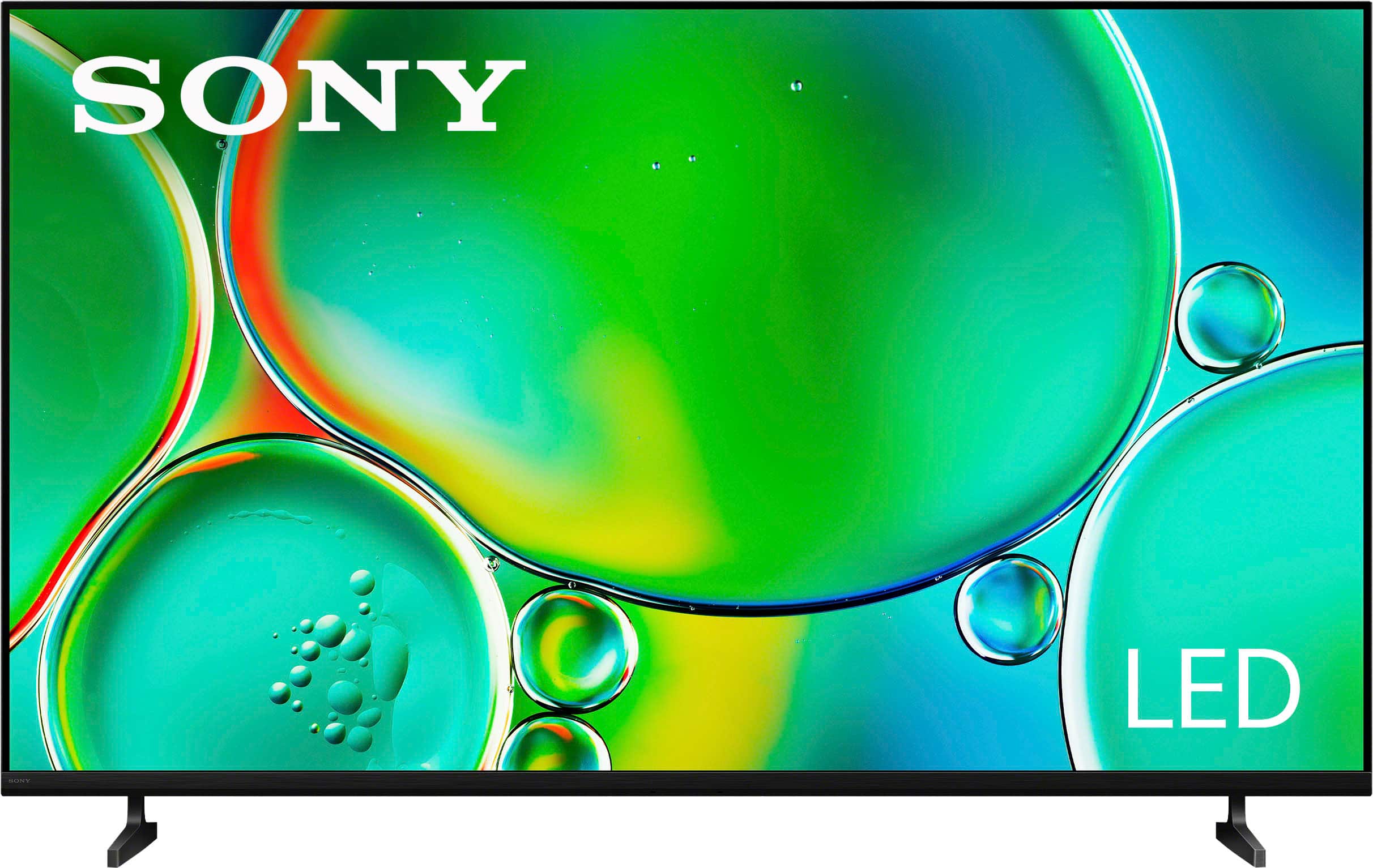
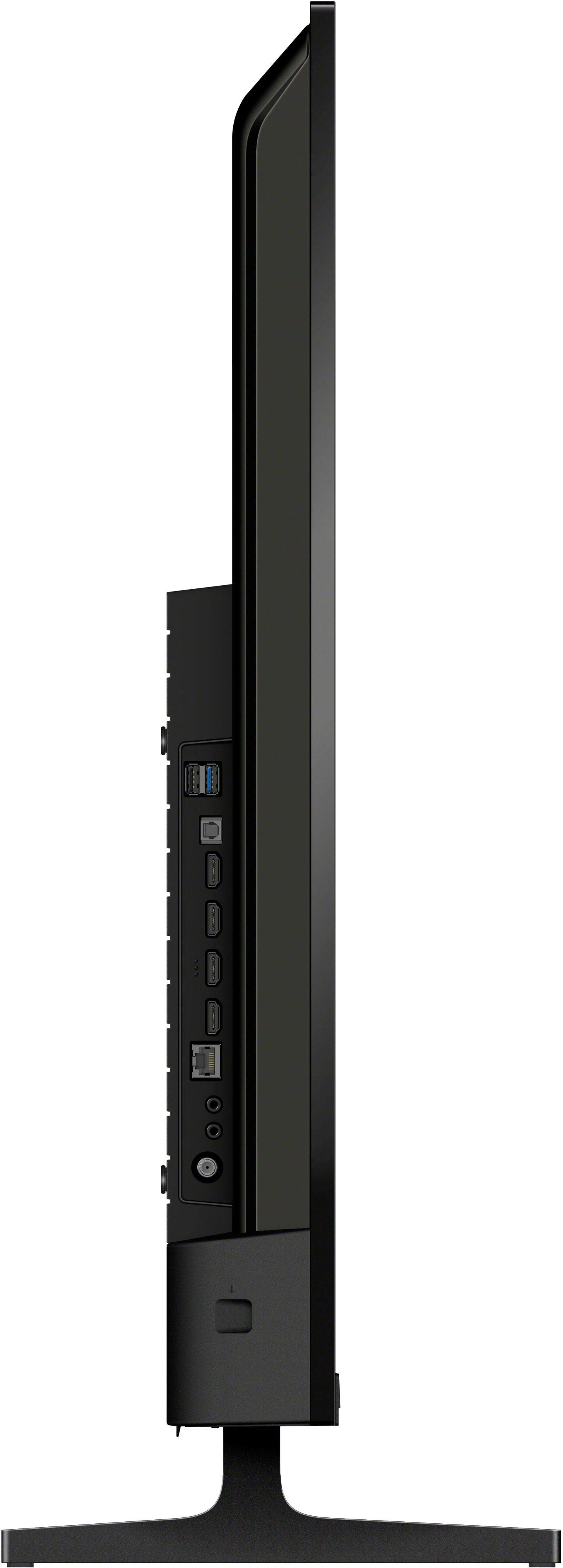
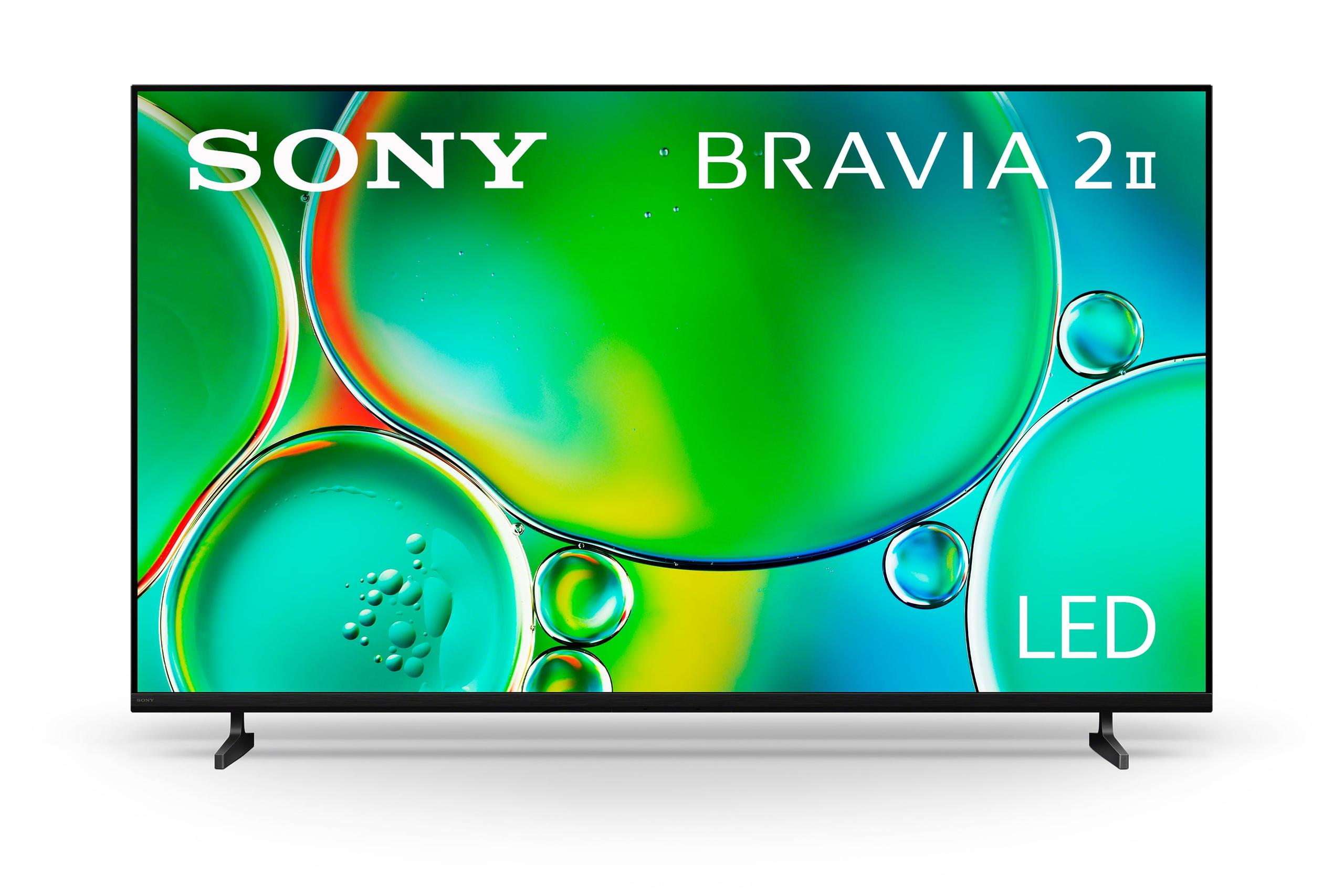
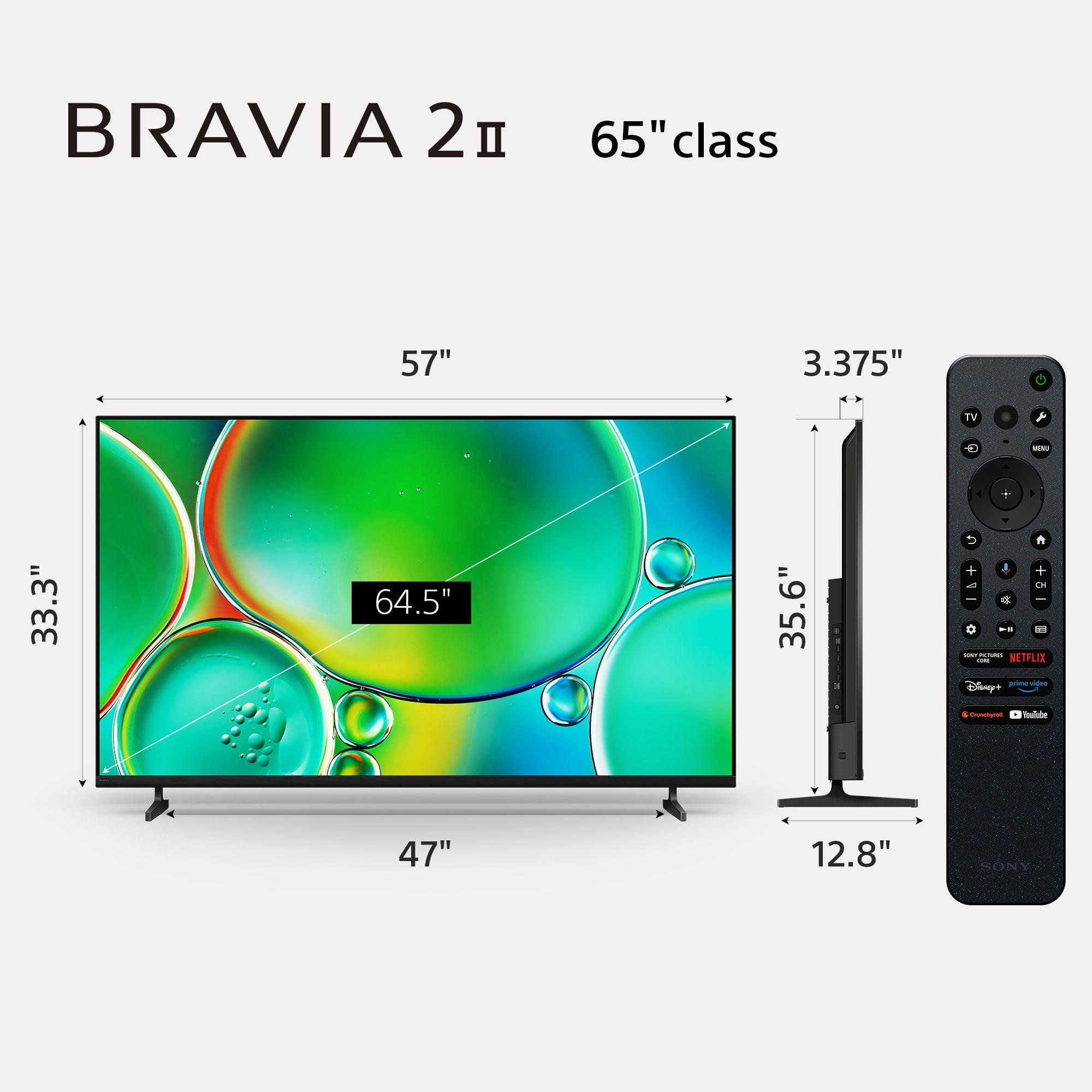



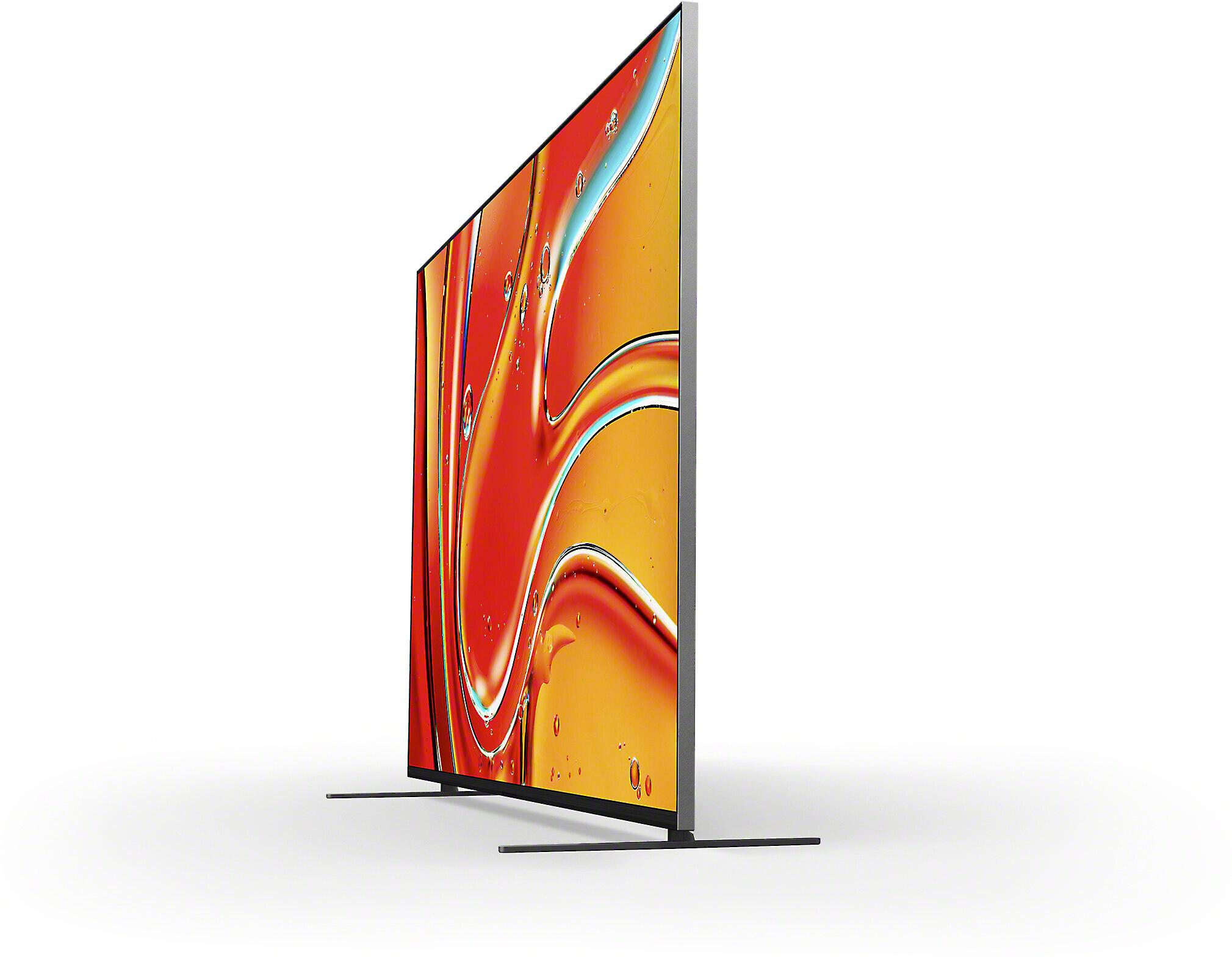
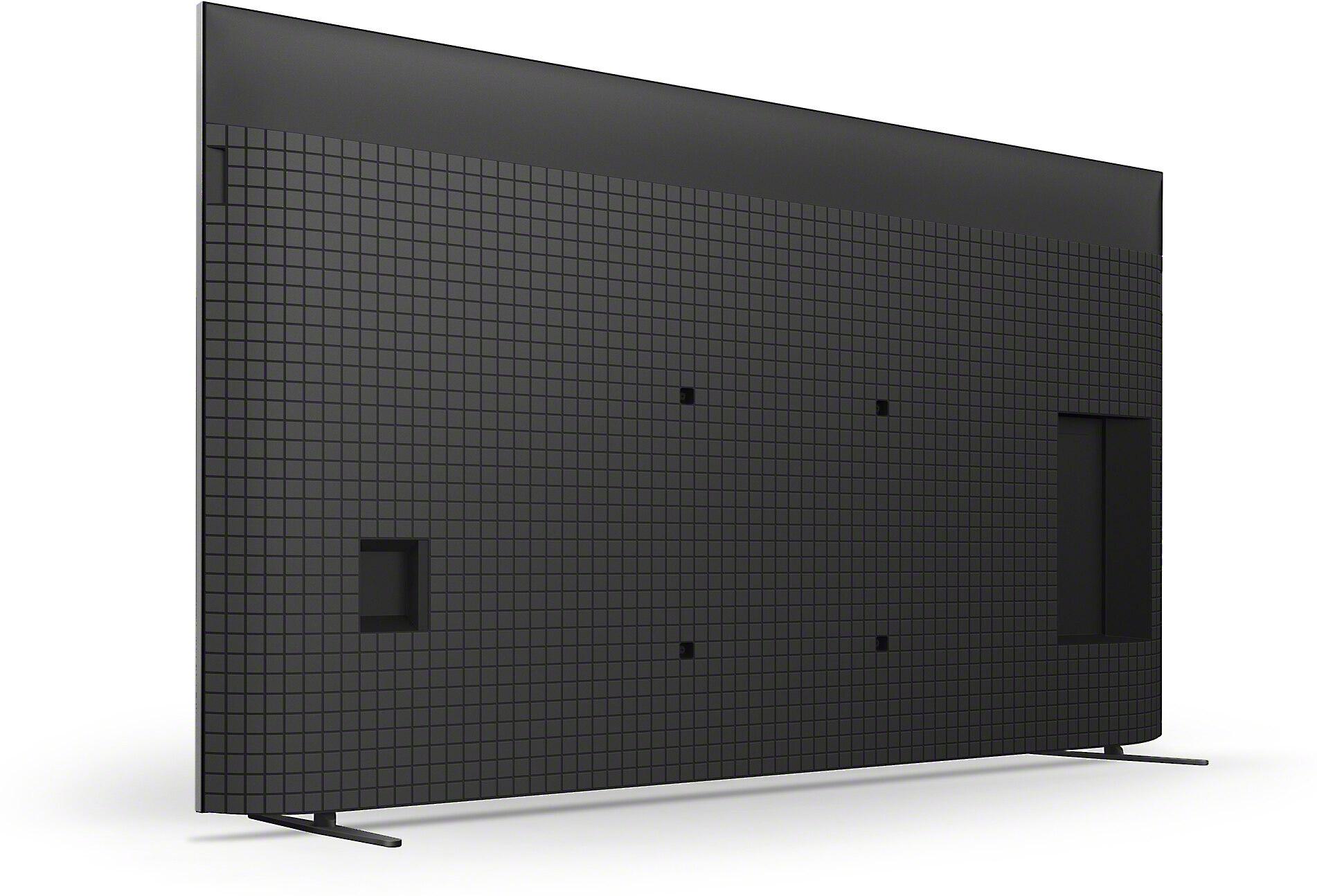
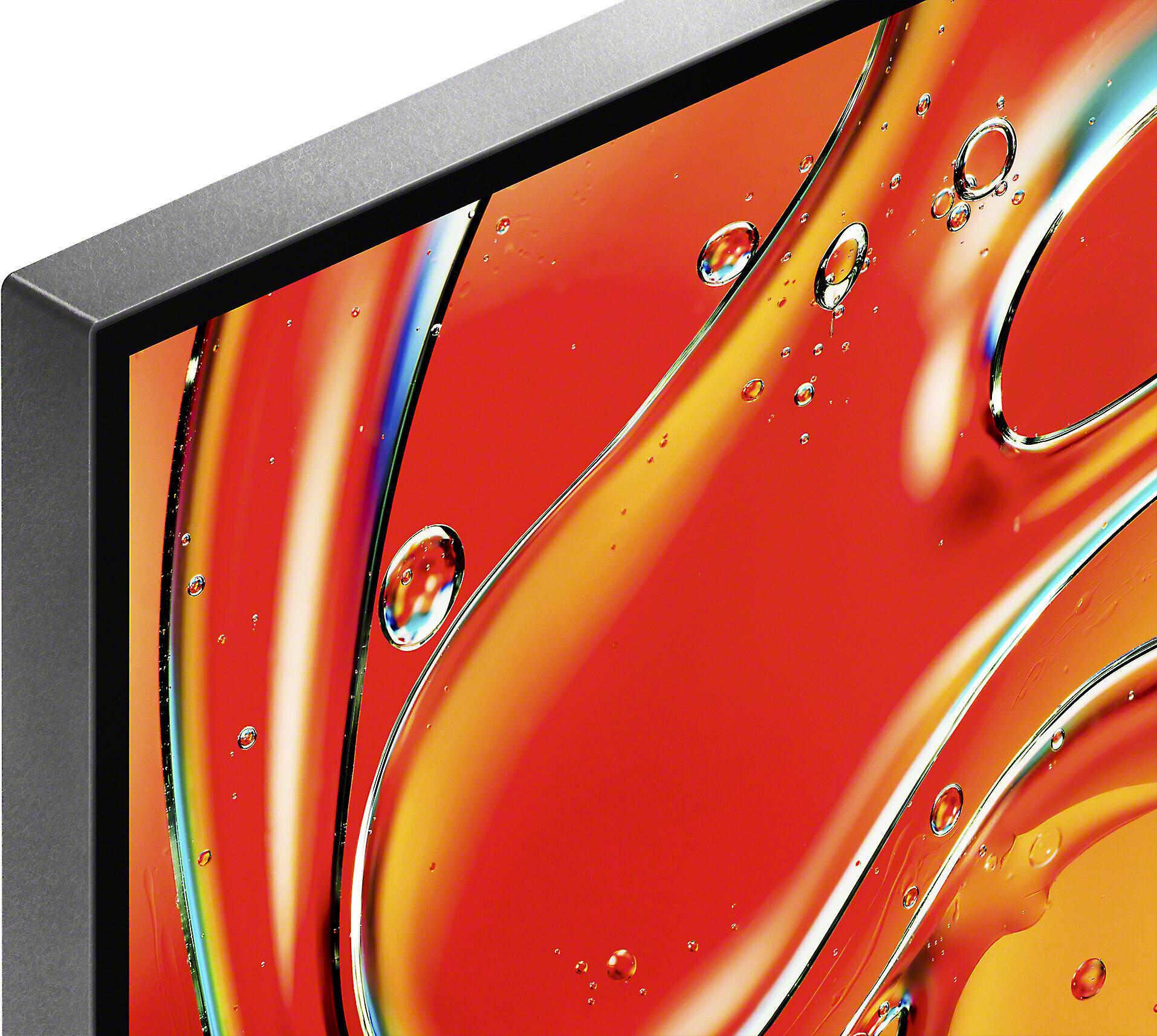
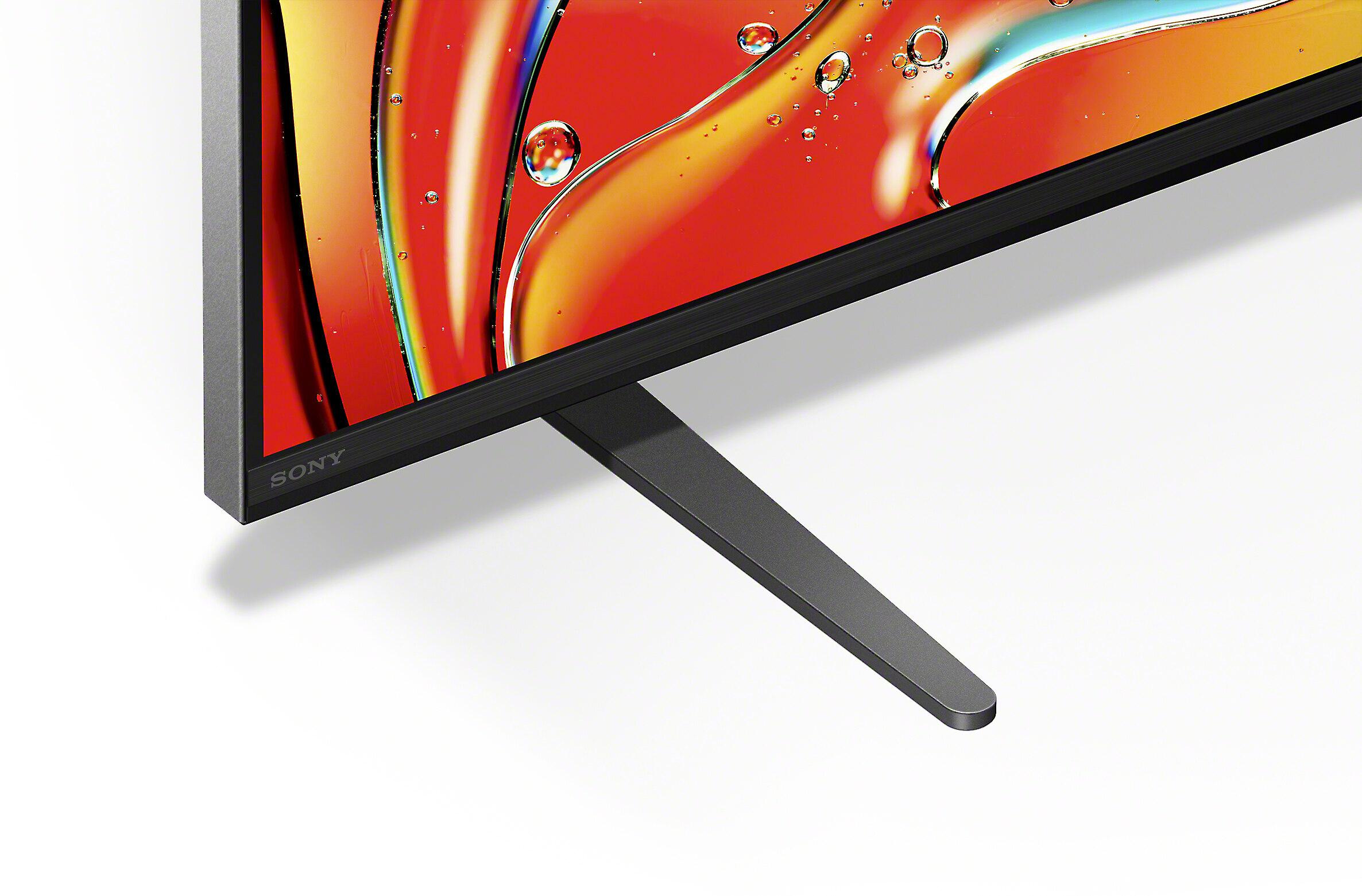
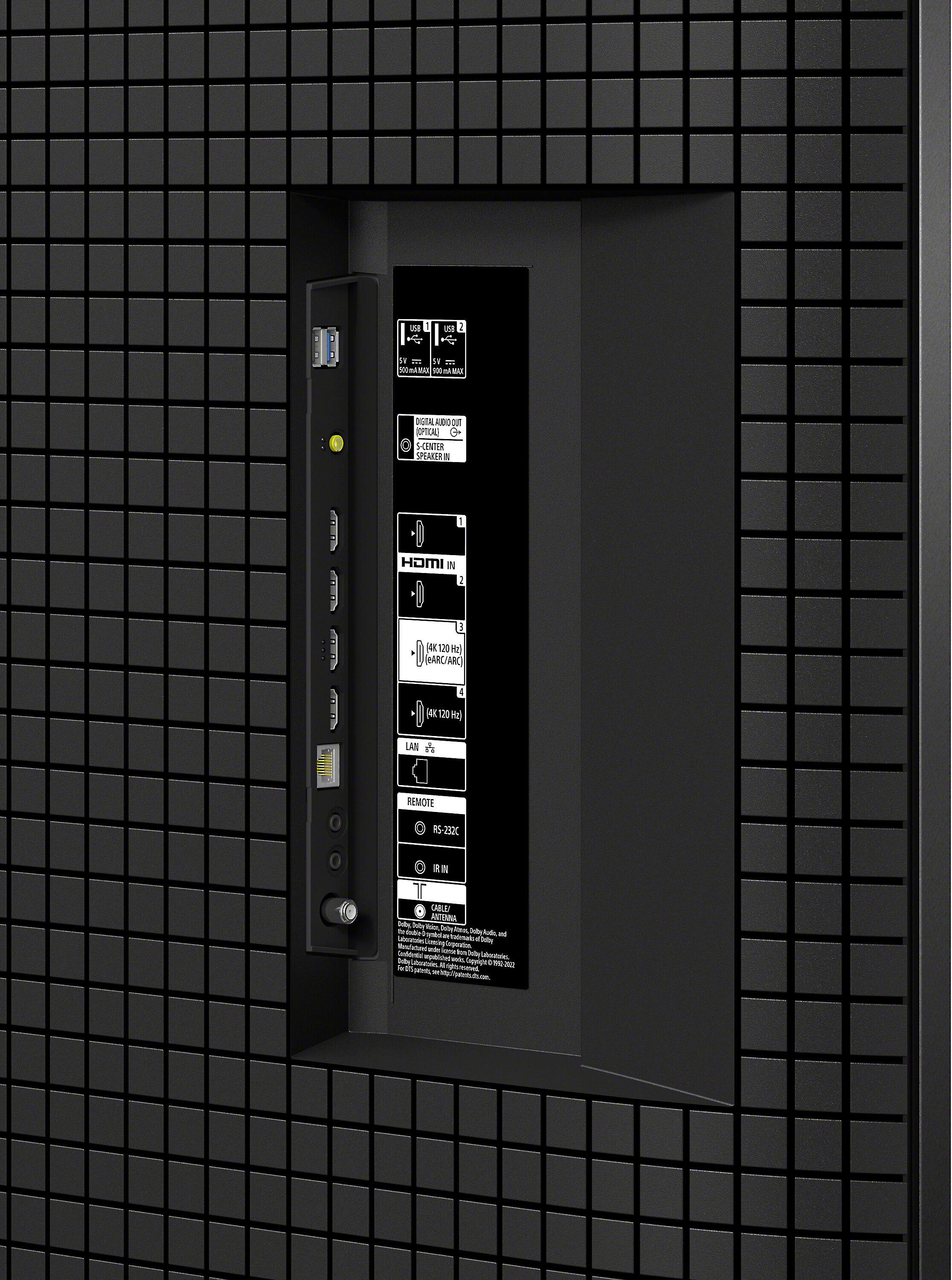
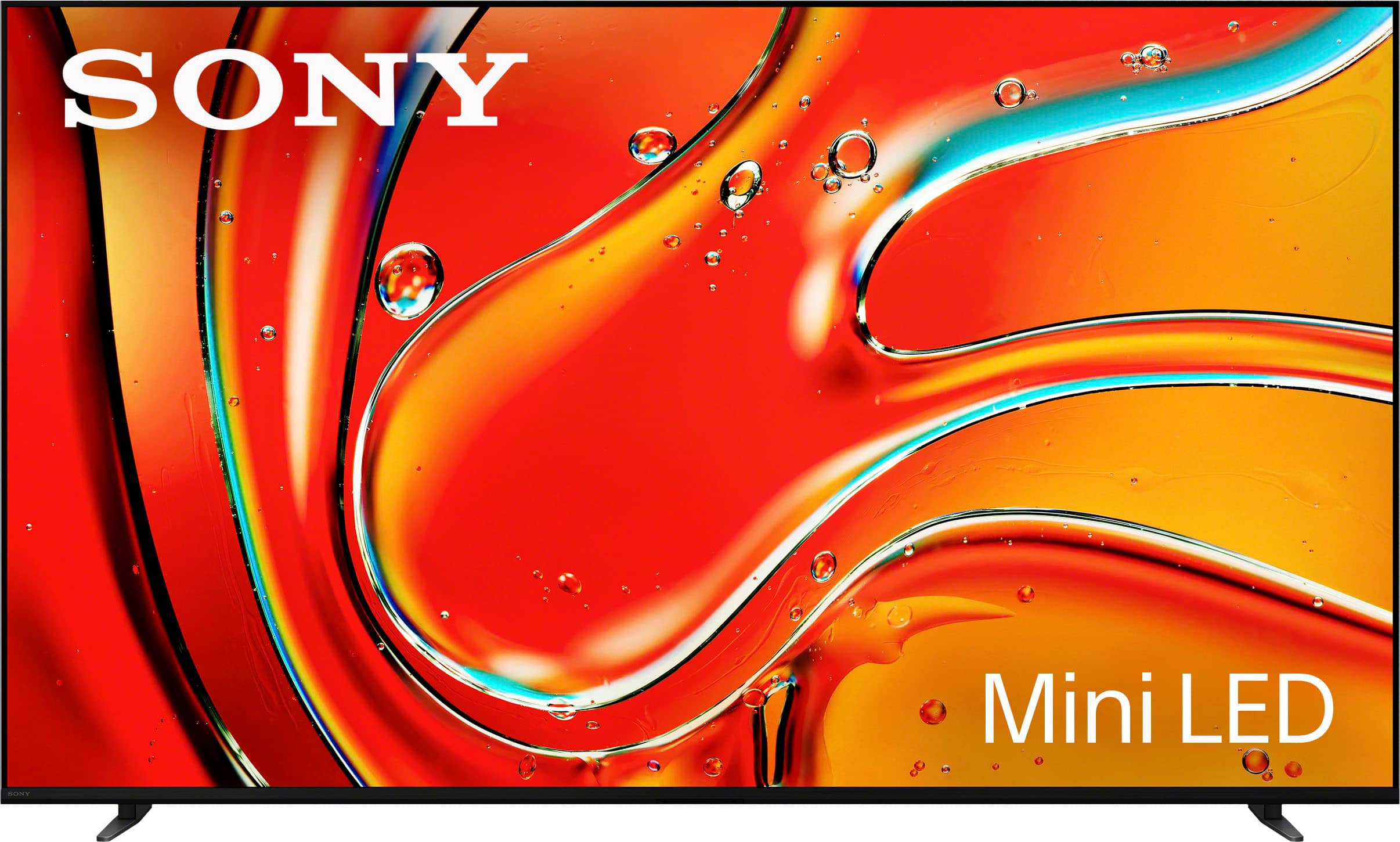
Shopping for a new 65-inch TV can feel overwhelming, especially when you're looking at two models from the same brand that seem similar at first glance. Sony's BRAVIA 2 II 65" 4K LED Google TV 2025 and BRAVIA 7 65" 4K UHD Smart Google TV both promise excellent 4K viewing experiences, but they're actually designed for very different users and budgets.
The TV market has evolved dramatically over the past few years, with manufacturers pushing boundaries in brightness, contrast, and gaming features. Sony released the BRAVIA 7 in late 2024 as part of their premium mid-range lineup, while the BRAVIA 2 II launched in early 2025 as their most affordable entry into current-generation 4K technology. This timing matters because it reflects Sony's strategy of bringing advanced features down to lower price points, though with important compromises.
Both TVs fall into the large-screen 4K category, but they target different segments of the market. Think of it like comparing a well-equipped Toyota Camry to a luxury Lexus ES – both will get you where you need to go, but the experience and capabilities differ significantly.
When evaluating any 4K TV, you need to consider several key factors: picture quality (brightness, contrast, and color accuracy), gaming capabilities, smart TV features, audio performance, and overall value. The room where you'll use the TV matters too – a bright living room has different requirements than a dimly lit bedroom.
The BRAVIA 2 II at $649.99 represents Sony's effort to make quality 4K accessible to budget-conscious buyers, while the BRAVIA 7 at $1,323+ targets users who want premium features without jumping to OLED pricing. This $650+ price difference isn't just about profit margins – it reflects genuinely different technologies and capabilities.
The most significant difference between these models lies in their display technology. The BRAVIA 2 II uses standard LED backlighting with what Sony calls "direct-lit" technology. This means LED lights sit directly behind the LCD panel, providing fairly uniform brightness across the screen. It's reliable and cost-effective, but it can't achieve the deep blacks or bright highlights that create truly cinematic images.
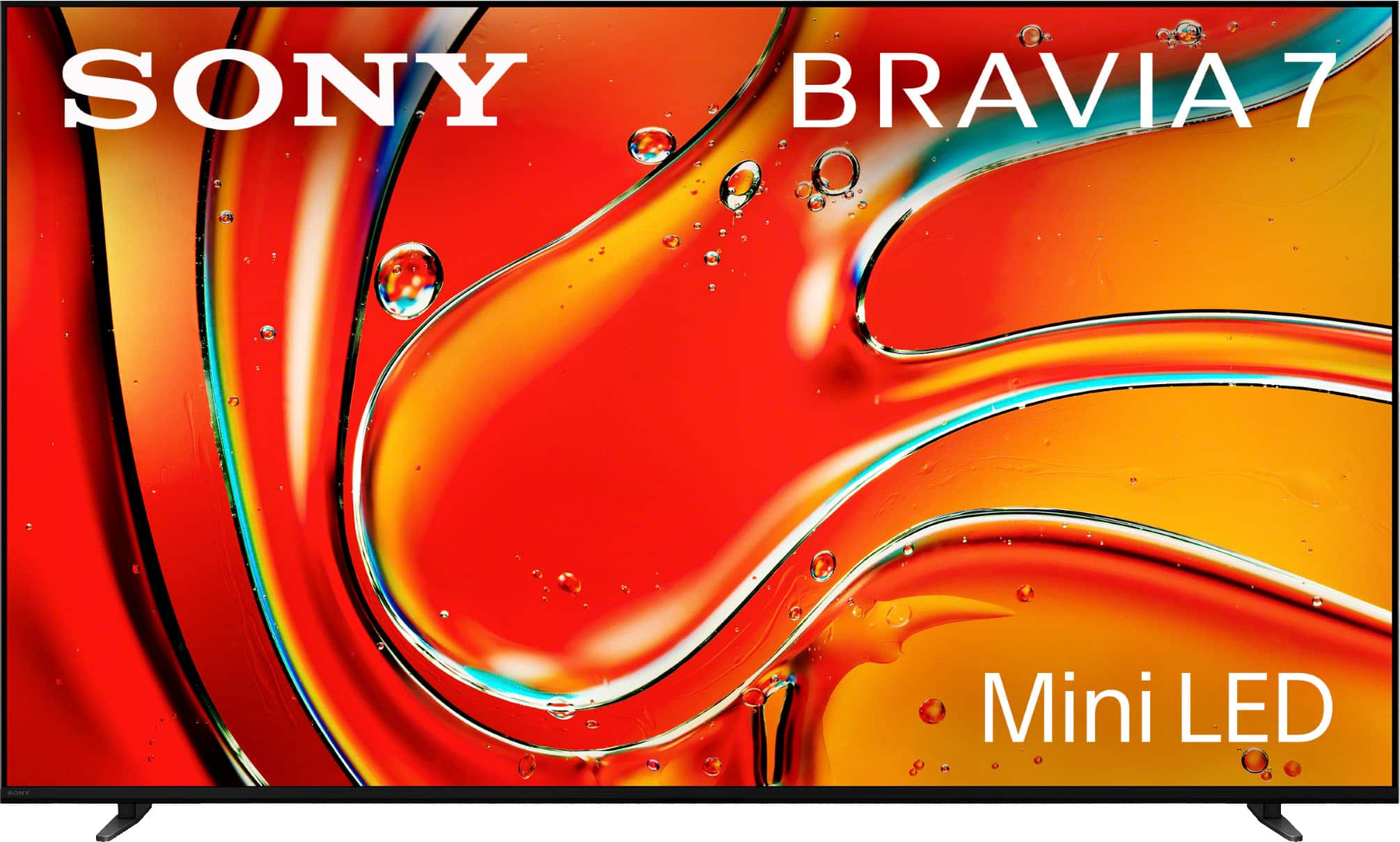
The BRAVIA 7, however, uses Mini LED backlighting – a major technological leap. Mini LEDs are significantly smaller than traditional LEDs, allowing thousands more of them to fit behind the screen. This creates what's called "full-array local dimming," where different areas of the screen can be independently controlled. When you're watching a movie with a bright explosion against a dark sky, the Mini LED system can make the explosion blazingly bright while keeping the surrounding darkness truly black.
I've spent time with both technologies, and the difference is immediately apparent. The BRAVIA 7's Mini LED system delivers what I'd call "wow factor" moments – those scenes where you notice details in shadows you've never seen before, or where bright objects seem to pop off the screen. The BRAVIA 2 II provides a pleasant viewing experience, but it won't make you stop and marvel at the picture quality.
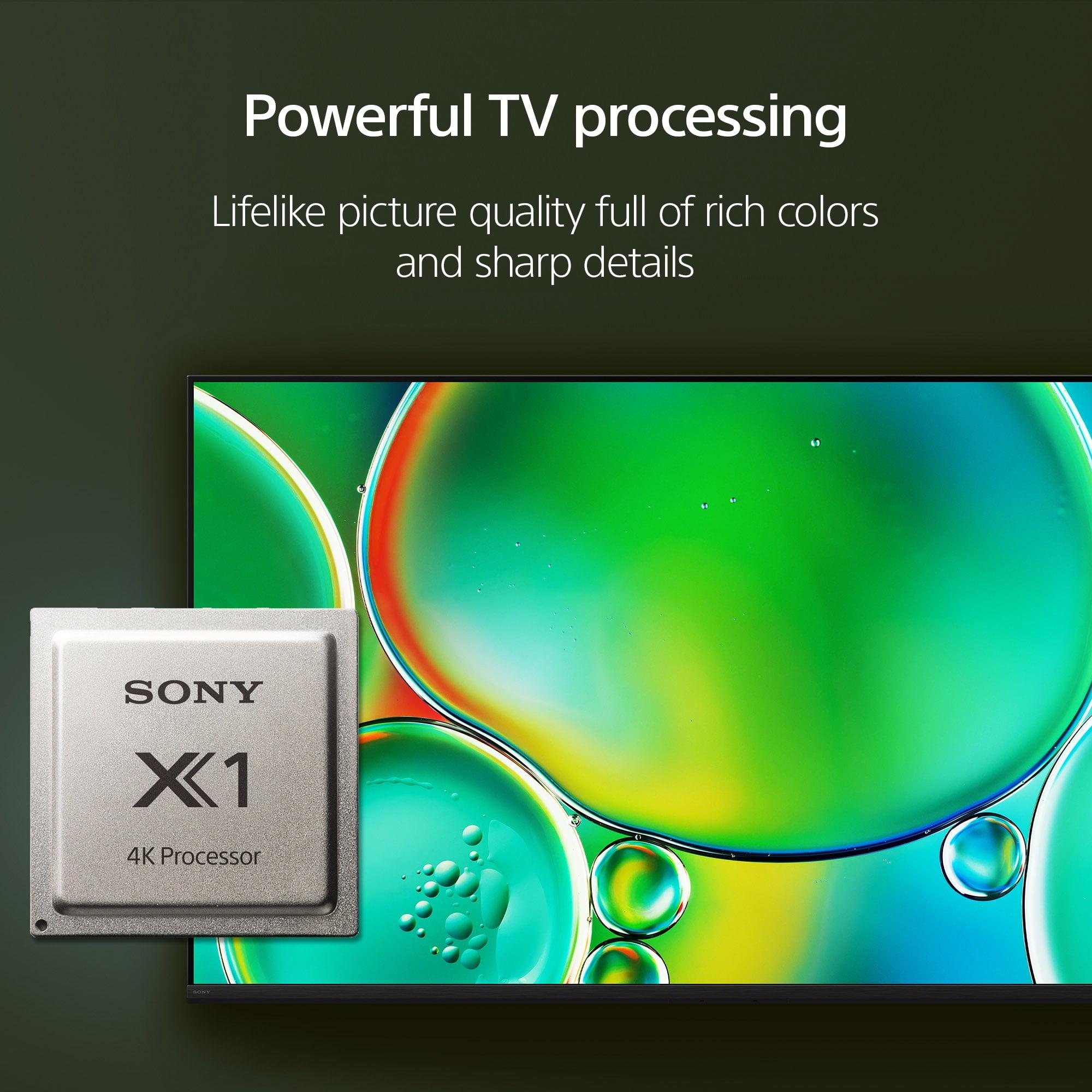
The processing difference between these models is equally important. The BRAVIA 2 II uses Sony's 4K Processor X1, which was previously found in their higher-end models but has now been moved to entry-level TVs. This processor handles upscaling (making lower-resolution content look better), color enhancement, and noise reduction quite well for the price point.
The BRAVIA 7 features Sony's XR Cognitive Processor, which represents their current flagship technology. This processor doesn't just enhance images – it analyzes them the way human vision works, focusing on where your eyes naturally look first. It's particularly impressive with streaming content, where it can take a compressed Netflix stream and make it look remarkably close to 4K Blu-ray quality.
This processing difference becomes most apparent with older content. Both TVs will make your favorite 1080p movies look good, but the BRAVIA 7's advanced upscaling reveals details and textures that the BRAVIA 2 II simply can't match. If you watch a lot of older movies or TV shows, this difference alone might justify the higher price.
Gaming represents perhaps the starkest difference between these models. The BRAVIA 2 II offers basic gaming features suitable for casual players. Its 60Hz refresh rate means it can display up to 60 frames per second, which is fine for most games but feels limiting with modern consoles that can output 120fps in supported titles.
The BRAVIA 7 is built for serious gaming. Its 120Hz panel can display smooth 120fps gameplay, while Variable Refresh Rate (VRR) technology eliminates screen tearing – that annoying horizontal line that appears when your console's output doesn't match your TV's refresh rate. Auto Low Latency Mode (ALLM) automatically switches to game mode when it detects console input, reducing input lag to under 10 milliseconds.
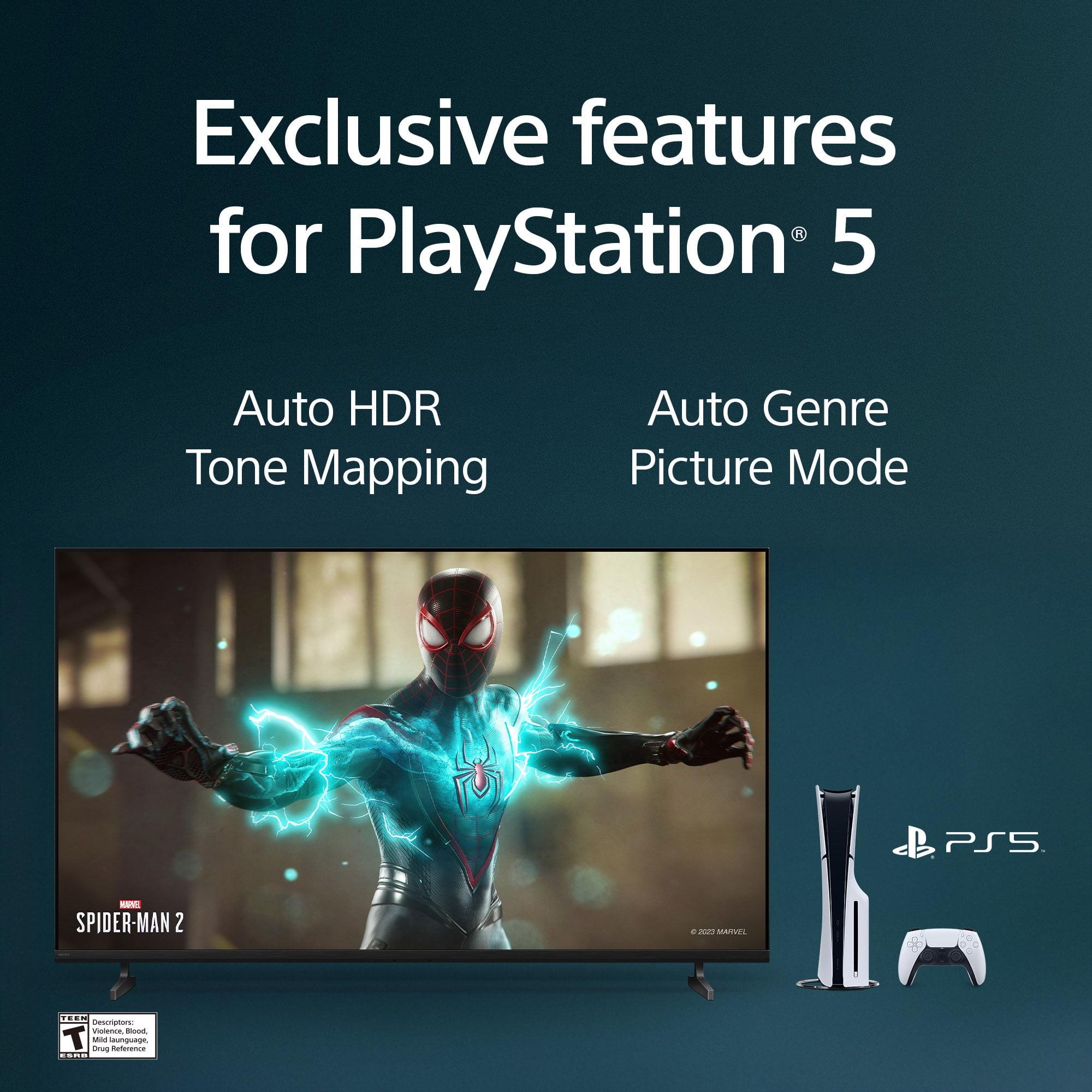
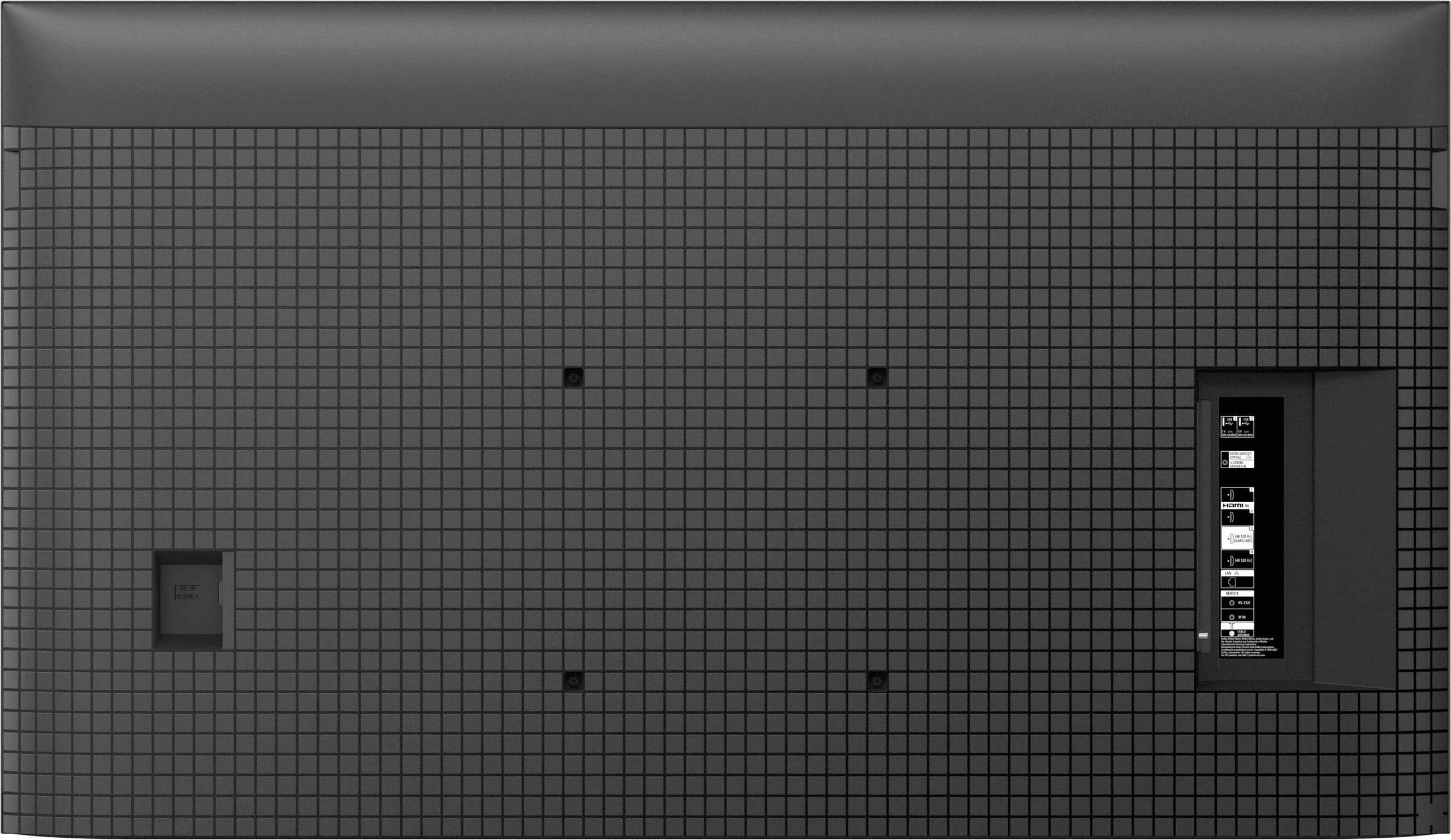
For PlayStation 5 and Xbox Series X owners, the BRAVIA 7 offers features specifically designed for these consoles. Auto HDR Tone Mapping automatically adjusts HDR settings for optimal gaming visuals, while the dedicated Game Menu provides easy access to gaming-specific settings. The TV even supports 4K gaming at 120Hz on two of its HDMI ports, though you'll need games that support this feature.
Having tested both TVs with various games, the BRAVIA 7 provides a noticeably more responsive and fluid gaming experience. Fast-paced games like racing titles or first-person shooters benefit significantly from the higher refresh rate and lower input lag. The BRAVIA 2 II handles gaming adequately, but it feels like a compromise rather than an optimized experience.
Picture quality differences between these models become most apparent in challenging viewing conditions. The BRAVIA 2 II performs well in moderately lit rooms but struggles in very bright environments. Its standard LED backlighting can't compete with sunlight streaming through windows or bright overhead lighting.
The BRAVIA 7's Mini LED technology shines (literally) in bright rooms. Its peak brightness capability allows HDR content to display properly even with significant ambient light. High Dynamic Range (HDR) content – available on Netflix, Amazon Prime, and 4K Blu-rays – looks dramatically better on the BRAVIA 7. Where the BRAVIA 2 II might show a sunset as uniformly bright, the BRAVIA 7 can display the subtle gradations from the bright sun to the darker surrounding sky.
Color reproduction differs significantly too. The BRAVIA 2 II uses Sony's Live Color technology, which enhances color saturation and makes images appear more vibrant. It's effective for everyday viewing and creates pleasing, punchy colors that most people prefer to reference-accurate displays.
The BRAVIA 7 employs XR Triluminos Pro, a more sophisticated color system that aims for both vibrancy and accuracy. It can display a wider range of colors (called a "wider color gamut") and does so with better precision. Skin tones look more natural, while still maintaining the vibrant colors that make movies and shows engaging.
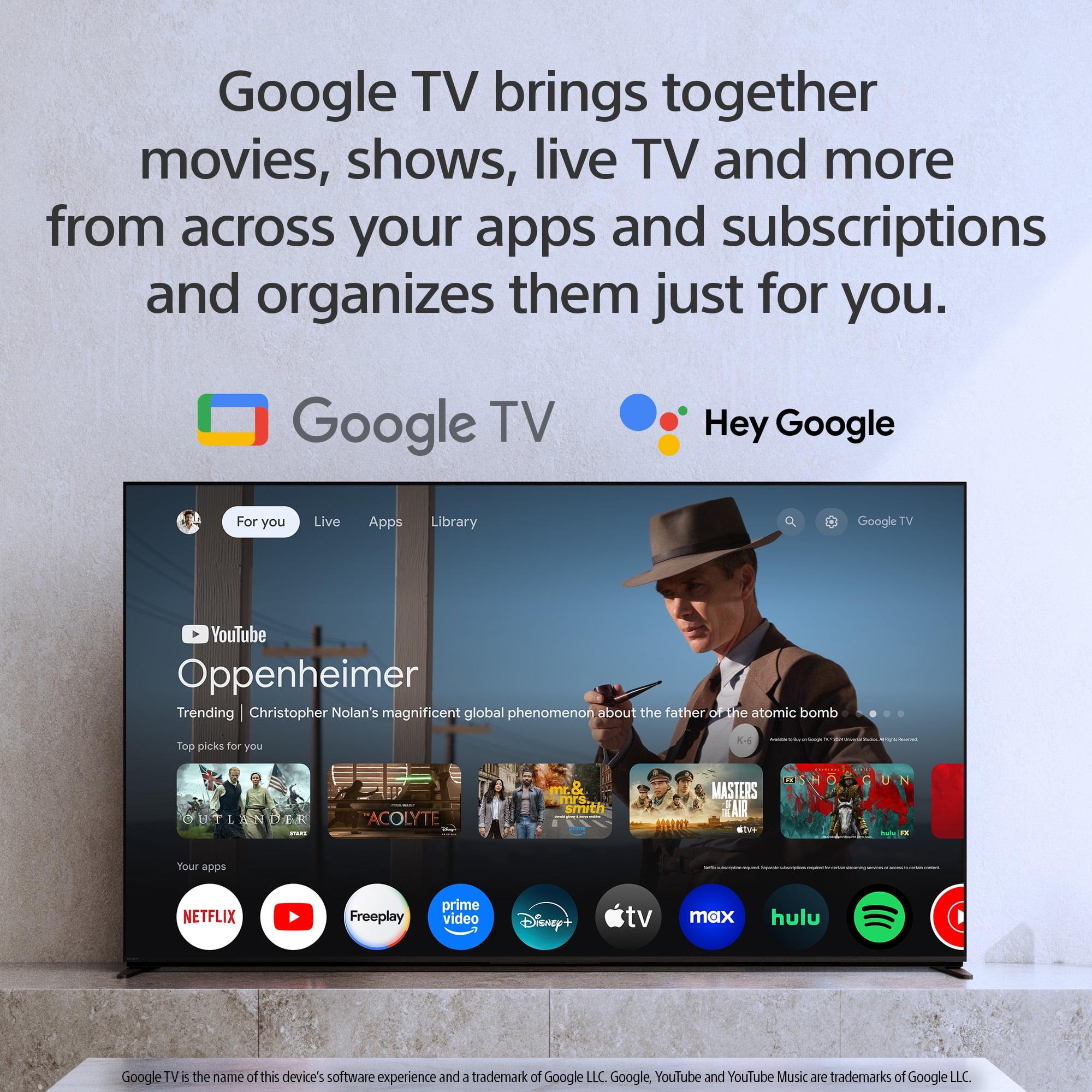
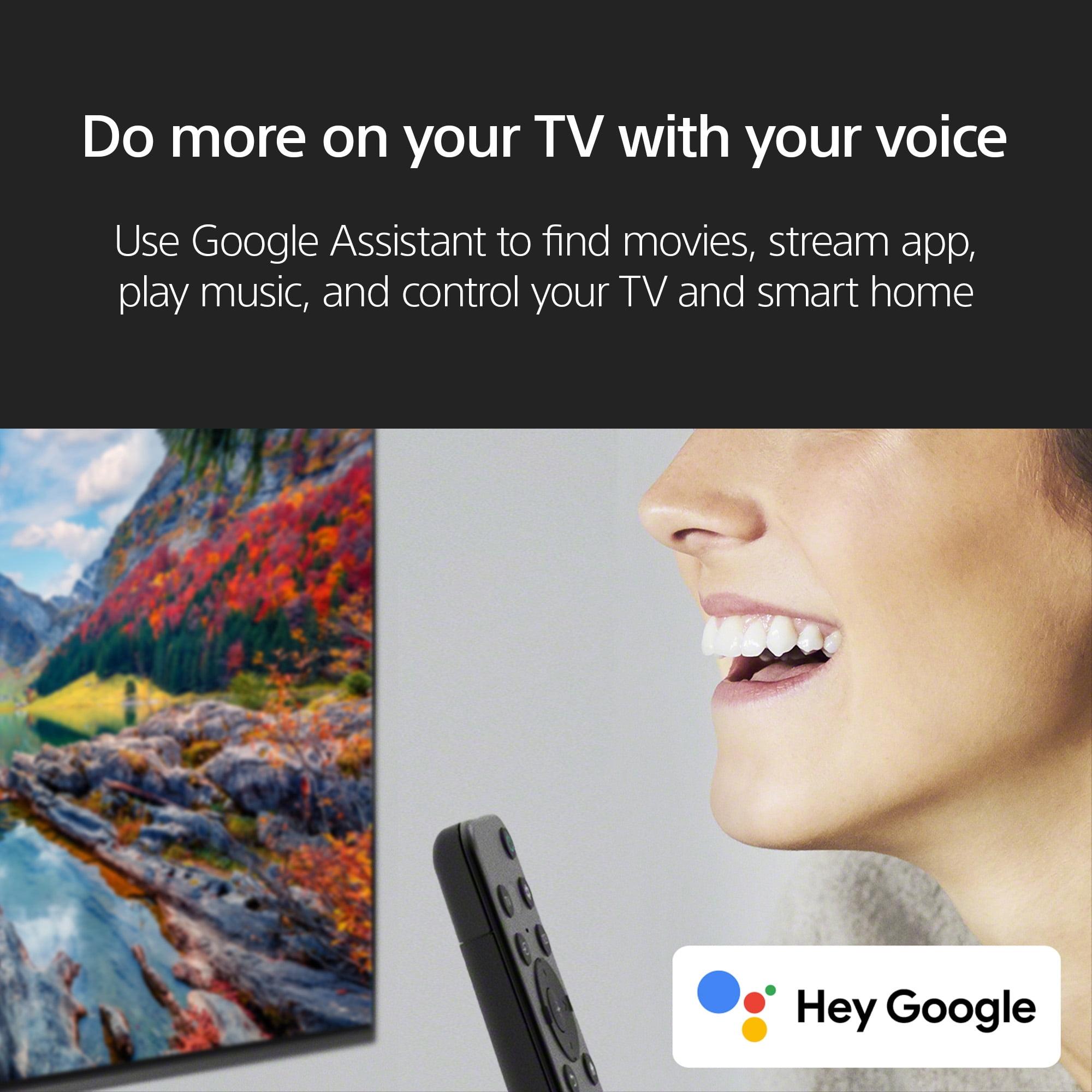
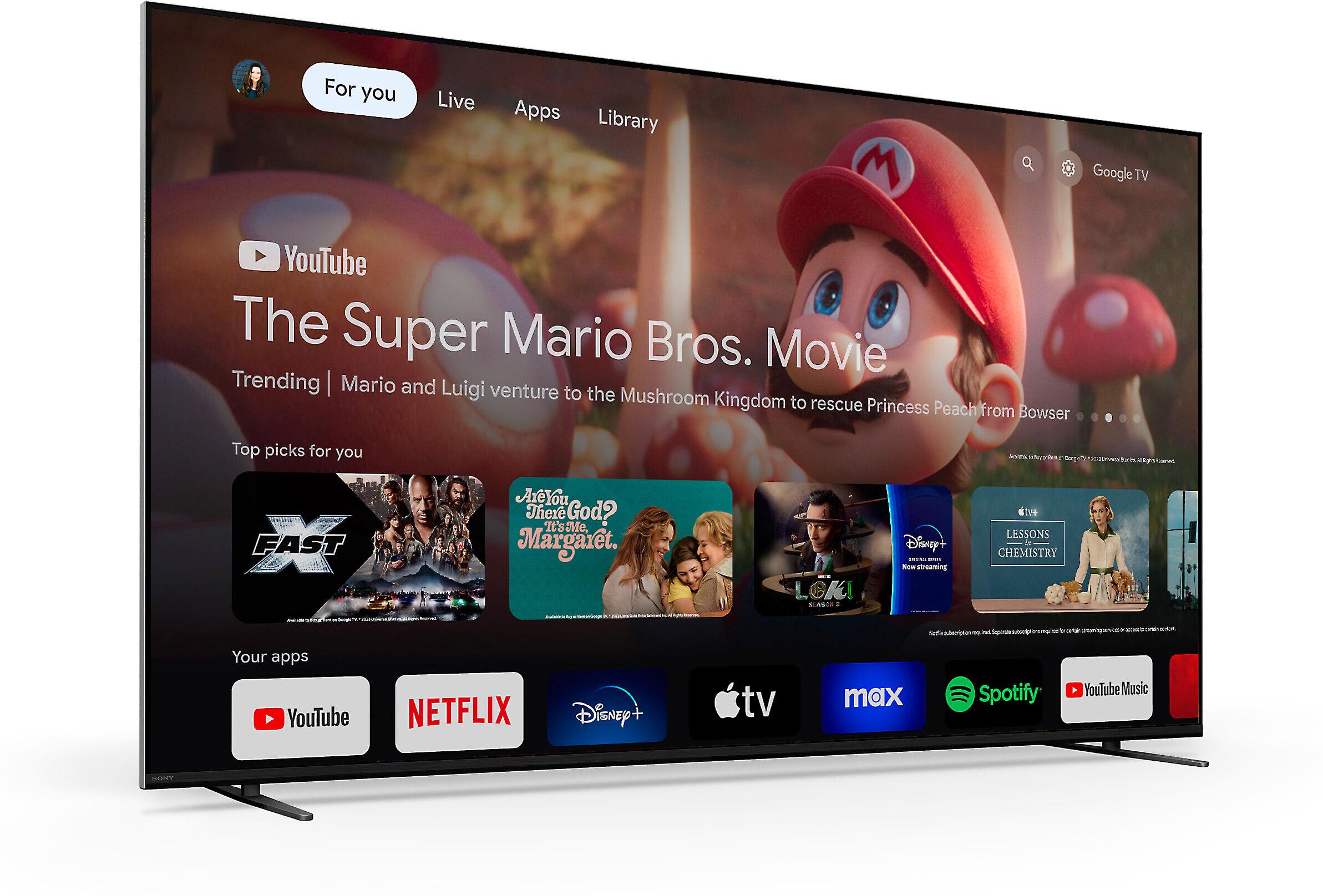
Both models run Google TV, which has become Sony's standard smart TV platform. The interface is clean and intuitive, aggregating content from various streaming services into personalized recommendations. You'll find all major streaming apps – Netflix, Amazon Prime Video, Disney+, YouTube, and many others – along with Google Assistant voice control.
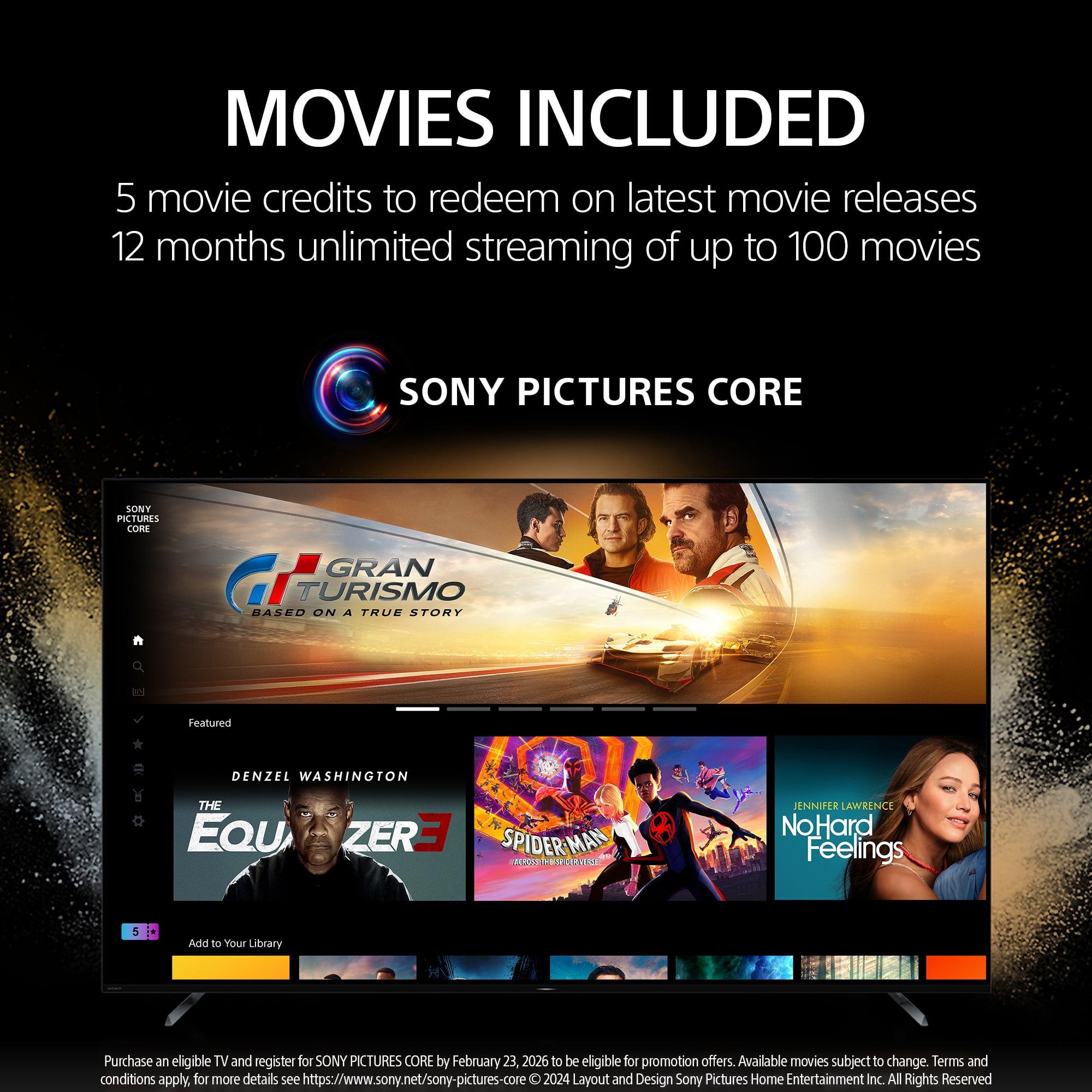
The BRAVIA 7 offers some premium smart TV features that the BRAVIA 2 II lacks. Hands-free voice control means you can say "Hey Google" without pressing any buttons, while Sony Pictures Core integration provides access to a library of Sony movies, often in high quality. The BRAVIA 7's more powerful processor also means faster app loading and more responsive navigation.
Both TVs support Apple AirPlay 2 and Chromecast built-in, making it easy to stream content from phones, tablets, or computers. The Google TV interface works well on both models, though the BRAVIA 7's additional processing power provides a noticeably smoother experience.
Audio performance on both models is adequate but not exceptional. The BRAVIA 2 II features a 40W Open Baffle Speaker system with Dolby Atmos support. The speakers produce clear dialogue and reasonable bass response, but they lack the power and precision needed for truly immersive audio experiences.
The BRAVIA 7 includes Acoustic Multi-Audio technology, which uses multiple speakers positioned around the screen to create better sound localization. Dialogue appears to come from the center of the screen rather than below it, and the overall sound staging is more convincing. However, both TVs benefit significantly from external audio systems.
For home theater use, I'd recommend budgeting for a soundbar or surround sound system regardless of which TV you choose. The built-in speakers serve as adequate backup options, but external audio transforms the viewing experience dramatically.
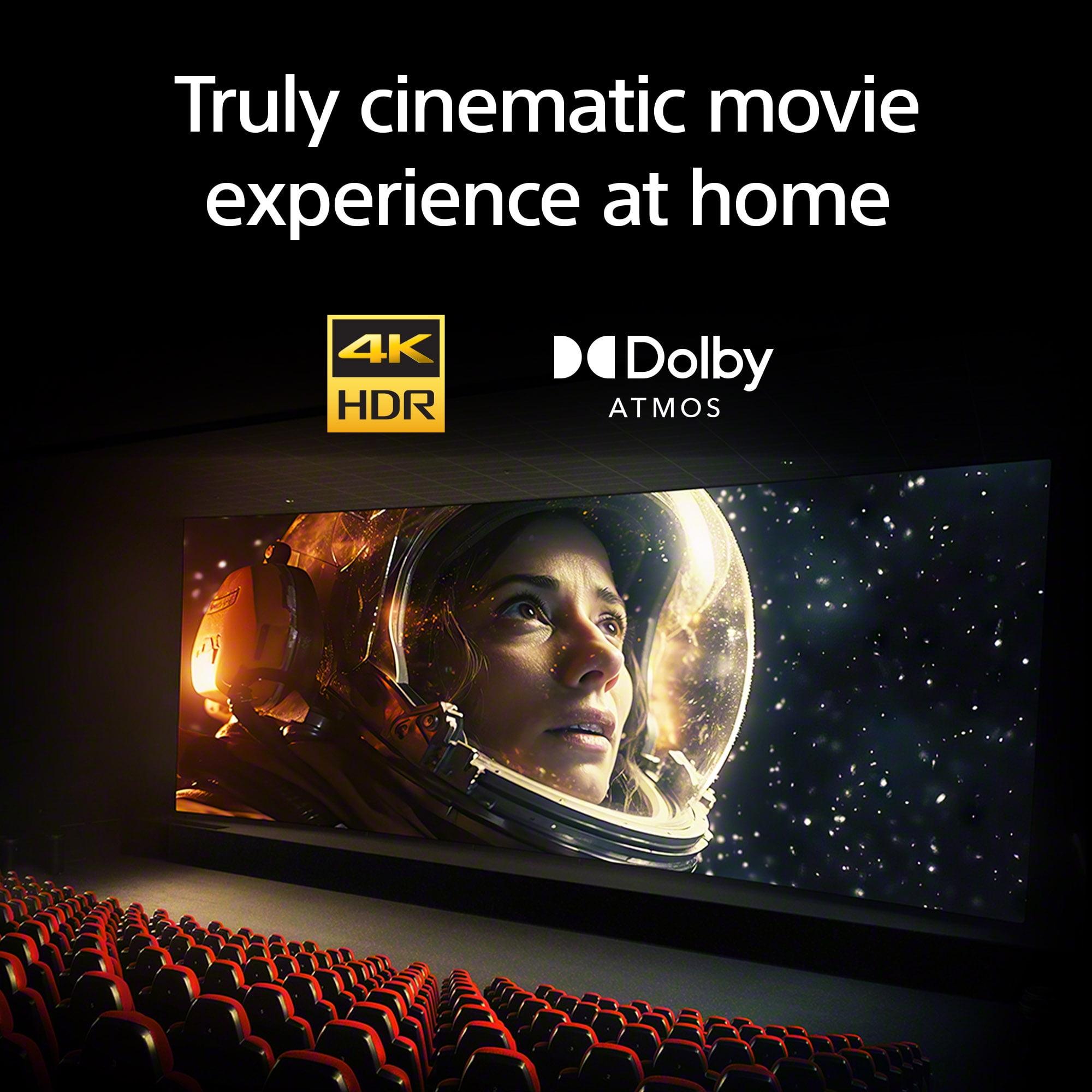
If you're planning a dedicated home theater setup, the BRAVIA 7 is the clear choice. Its superior contrast ratio, higher peak brightness, and more accurate colors create a more cinematic experience. The Mini LED backlighting technology provides the dramatic contrast that makes movies feel immersive rather than flat.
The BRAVIA 7's support for Dolby Vision HDR is particularly important for home theater use. This advanced HDR format provides scene-by-scene optimization, ensuring that every moment displays with optimal brightness and color. Many streaming services and 4K Blu-rays support Dolby Vision, making it a valuable feature for serious movie watching.
Room lighting control becomes less critical with the BRAVIA 7's higher brightness capability. While you'll still want to minimize glare and reflections, the TV can overcome moderate ambient lighting that would wash out the BRAVIA 2 II's image.
The BRAVIA 2 II's $649.99 price point represents excellent value for basic 4K needs. You're getting Sony's reliable build quality, Google TV smart features, and adequate picture quality for everyday viewing. It's particularly attractive for secondary rooms, apartments, or households where TV watching is casual rather than cinematic.
The BRAVIA 7's higher price becomes justified when you consider its advanced features. The Mini LED technology, 120Hz gaming capabilities, and superior processing represent significant technological upgrades. For users who prioritize picture quality or gaming performance, the additional cost delivers proportional value.
Consider your usage patterns when evaluating value. If you primarily watch streaming content during the day and play games occasionally, the BRAVIA 2 II provides everything you need. If you're a movie enthusiast who watches HDR content in a darkened room, or a gamer with modern consoles, the BRAVIA 7's premium features become essential rather than luxury additions.
Choose the BRAVIA 2 II if you want reliable 4K performance at an affordable price. It's ideal for bedrooms, kitchens, or secondary living areas where premium features aren't necessary. The TV provides solid everyday performance with modern smart features and will serve most casual viewers well.
Select the BRAVIA 7 if picture quality and gaming performance are priorities. The Mini LED technology, 120Hz gaming capabilities, and advanced processing justify the higher price for users who want premium features. It's the better choice for primary living rooms, home theaters, or households with serious gamers.
The decision ultimately comes down to your budget, viewing habits, and performance expectations. Both TVs represent good value within their respective price ranges, but they serve different needs and deliver different experiences. The BRAVIA 2 II offers essential 4K features at an accessible price, while the BRAVIA 7 provides premium performance for users willing to pay for technological advancement.
Remember that a TV is typically a long-term purchase. While the $650+ price difference seems significant upfront, it represents about $130 per year over a typical five-year TV lifespan. For many users, the enhanced daily viewing experience and future-proofing capabilities of the BRAVIA 7 make this investment worthwhile.
| Sony BRAVIA 2 II 65" 4K LED Google TV 2025 | Sony BRAVIA 7 65" 4K UHD Smart Google TV |
|---|---|
| Price - Starting price difference of $650+ represents significant value gap | |
| $649.99 (excellent entry-level value) | $1,323+ (premium mid-range positioning) |
| Display Technology - Biggest factor affecting picture quality and contrast | |
| Standard LED with direct backlighting | Mini LED with full-array local dimming |
| Processor - Controls upscaling, color accuracy, and smart TV responsiveness | |
| 4K Processor X1 (previous generation) | XR Cognitive Processor (current flagship) |
| Refresh Rate - Critical for gaming and sports viewing smoothness | |
| 60Hz (adequate for casual use) | 120Hz (essential for modern gaming) |
| HDR Support - Determines how well bright and dark scenes display | |
| HDR10, HLG (basic HDR formats) | Dolby Vision, HDR10, HLG (premium HDR) |
| Gaming Features - Modern console compatibility and performance | |
| HDMI 2.1, ALLM, Auto HDR Tone Mapping | VRR, ALLM, 4K@120Hz, dedicated Game Menu |
| Peak Brightness - Ability to overcome ambient light and display HDR properly | |
| Standard LED brightness (struggles in bright rooms) | High brightness Mini LED (excellent for bright rooms) |
| Local Dimming - Creates contrast by controlling different screen areas independently | |
| Basic frame dimming (limited contrast control) | Full-array local dimming (precise contrast control) |
| Audio System - Built-in speaker quality and surround sound support | |
| 40W Open Baffle with Dolby Atmos | Acoustic Multi-Audio with enhanced positioning |
| Smart TV Performance - App loading speed and interface responsiveness | |
| Standard Google TV performance | Enhanced Google TV with faster processing |
| Build Quality - Remote control and overall design refinement | |
| Basic remote, standard design | Premium backlit remote, seamless edge design |
| Best For - Target user and use cases | |
| Budget buyers, secondary rooms, casual viewing | Home theater, serious gaming, bright room viewing |
The primary difference is display technology. The Sony BRAVIA 2 II 65" 4K LED Google TV 2025 uses standard LED backlighting at $649.99, while the Sony BRAVIA 7 65" 4K UHD Smart Google TV features advanced Mini LED technology with local dimming at $1,323+. This creates significantly better contrast, brightness, and overall picture quality on the BRAVIA 7.
The BRAVIA 7 is far superior for gaming with its 120Hz refresh rate, Variable Refresh Rate (VRR), and 4K@120Hz support for PlayStation 5 and Xbox Series X. The BRAVIA 2 II only offers 60Hz refresh rate and basic gaming features, making it suitable for casual gaming but limiting for serious gamers.
If you prioritize picture quality, gaming performance, or use your TV in bright rooms, the BRAVIA 7 justifies its higher price with Mini LED technology, 120Hz gaming, and superior HDR support. However, the BRAVIA 2 II offers excellent value for basic 4K needs at nearly half the price.
The BRAVIA 7 performs much better in bright rooms due to its Mini LED backlighting, which produces higher peak brightness and better contrast. The BRAVIA 2 II works best in moderately lit rooms but struggles to overcome bright ambient lighting.
Yes, both the BRAVIA 2 II and BRAVIA 7 run Google TV with access to Netflix, Amazon Prime Video, Disney+, YouTube, and other major streaming services. The BRAVIA 7 offers faster app loading and additional features like Sony Pictures Core integration.
The BRAVIA 7 provides superior HDR with Dolby Vision, HDR10, and HLG support, delivering more accurate colors and better contrast. The BRAVIA 2 II supports HDR10 and HLG but lacks Dolby Vision, resulting in less impressive HDR performance.
The BRAVIA 7 features Acoustic Multi-Audio technology for better sound positioning and clarity compared to the BRAVIA 2 II's basic 40W Open Baffle system. However, both TVs benefit significantly from external soundbars or surround sound systems.
The BRAVIA 7 is the clear choice for home theater use with its Mini LED technology, Dolby Vision HDR support, and superior contrast ratios that create a more cinematic viewing experience. The BRAVIA 2 II provides adequate performance but lacks the premium features serious movie enthusiasts prefer.
The BRAVIA 2 II uses Sony's 4K Processor X1, while the BRAVIA 7 features the more advanced XR Cognitive Processor. This results in better upscaling, color accuracy, and overall image processing on the BRAVIA 7, particularly noticeable with streaming content.
The BRAVIA 2 II is ideal for bedrooms and secondary rooms where premium features aren't necessary. Its $649.99 price point and solid everyday performance make it perfect for casual viewing, while the BRAVIA 7 may be overkill for these applications.
Both the BRAVIA 2 II and BRAVIA 7 include Google Assistant voice control, Apple AirPlay 2, and Chromecast built-in. The BRAVIA 7 adds hands-free voice control and comes with a premium backlit remote for enhanced user experience.
For basic needs, the BRAVIA 2 II provides excellent long-term value at its affordable price point. However, the BRAVIA 7 offers better future-proofing with advanced gaming features, superior picture quality, and technology that will remain relevant longer, making it worthwhile for users prioritizing premium performance.
We've done our best to create useful and informative comparisons to help you decide what product to buy. Our research uses advanced automated methods to create this comparison and perfection is not possible - please contact us for corrections or questions. These are the sites we've researched in the creation of this article: bestbuy.com - notebookcheck.net - rtings.com - youtube.com - youtube.com - rtings.com - avsforum.com - croma.com - totonstv.com - electronics.sony.com - listenup.com - pcrichard.com - youtube.com - flanners.com - brandsmartusa.com - displayspecifications.com - pioneertvandappliance.com - donstv.com - bestbuy.com - bestbuy.com - avsforum.com - avsforum.com - crutchfield.com - sony.com - rtings.com - schaeferstv.com - youtube.com - displayspecifications.com

Privacy Policy
Terms and Conditions - Affiliate Policy
Home Security
© Copyright 2008-2026.
11816 Inwood Rd #1211, Dallas, TX 75244