

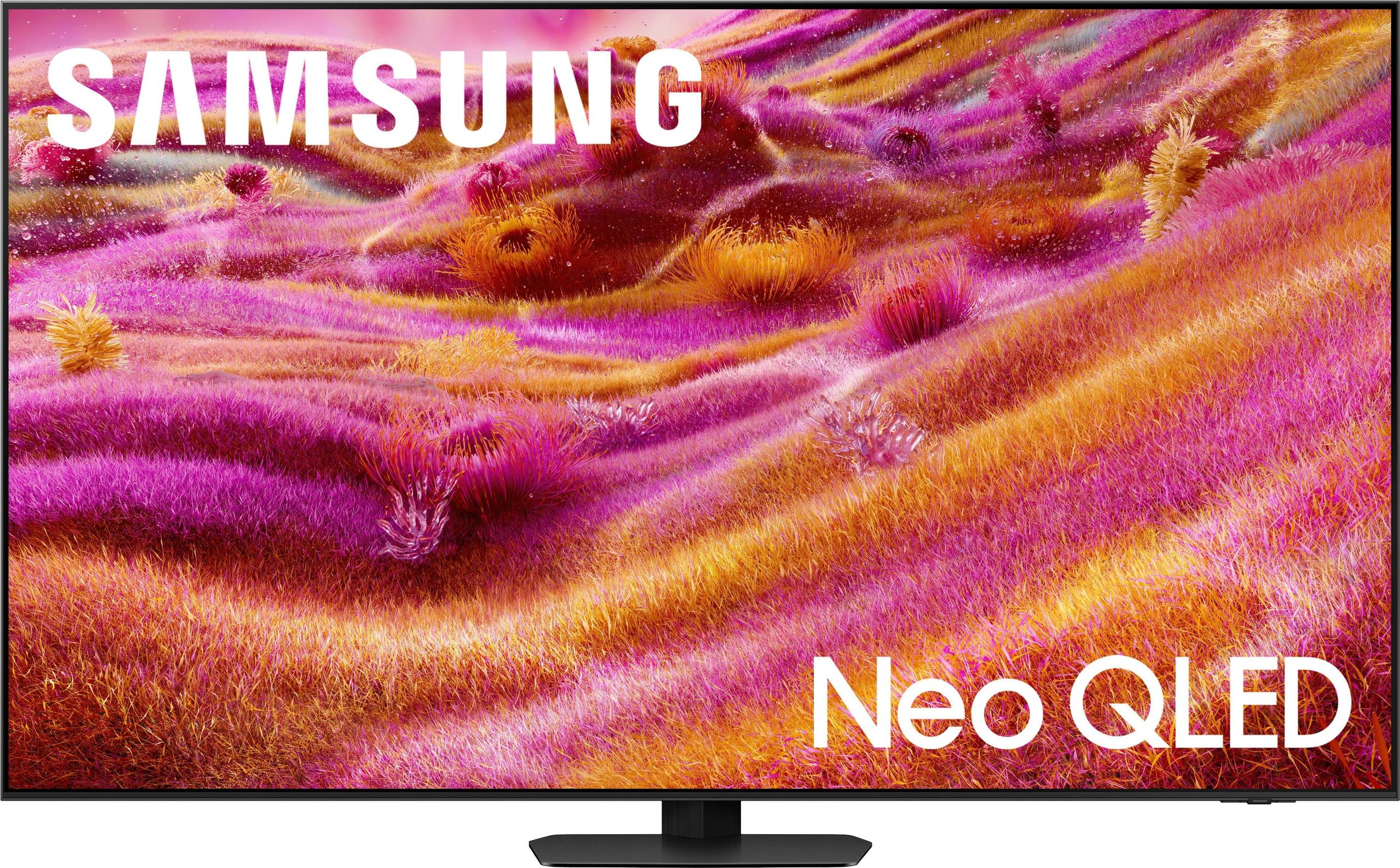
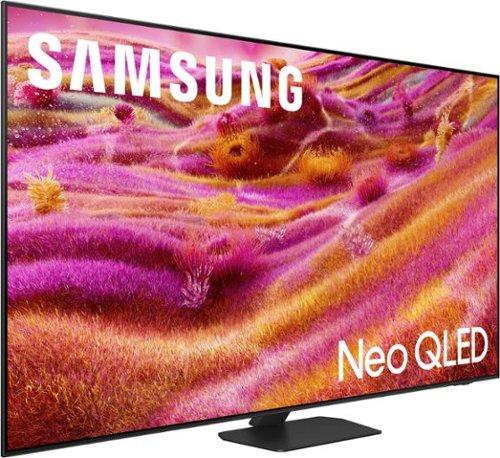
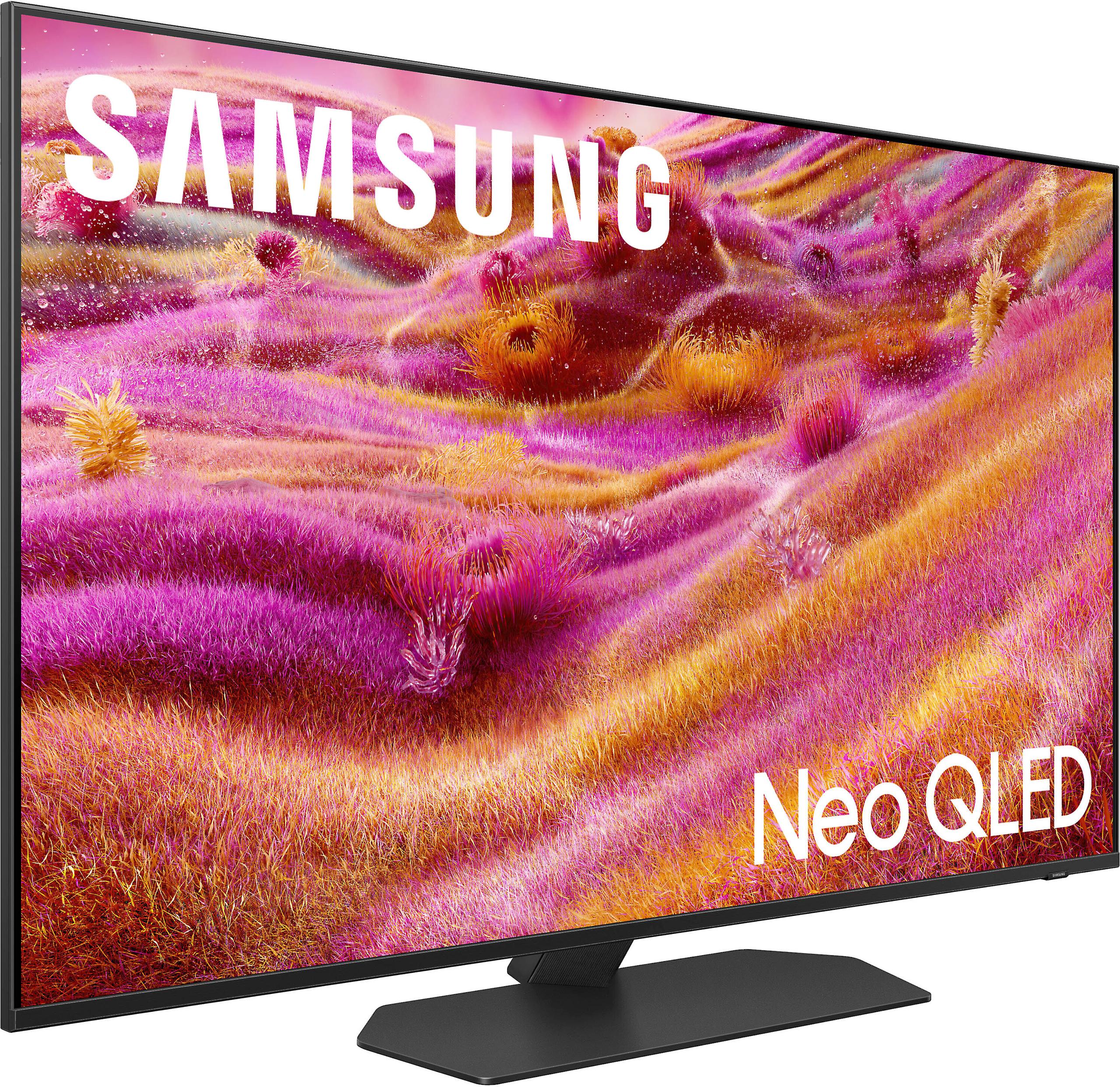


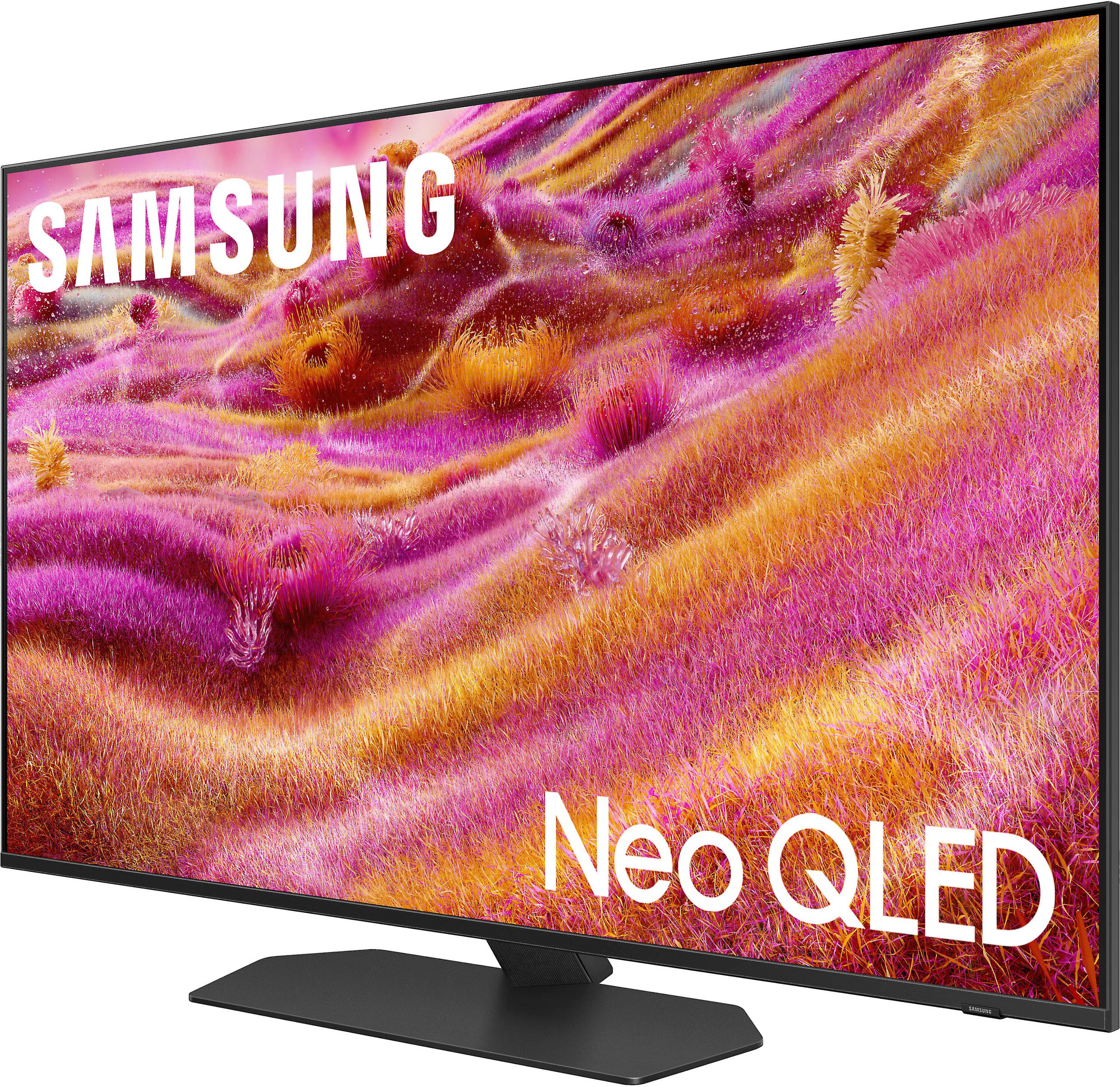
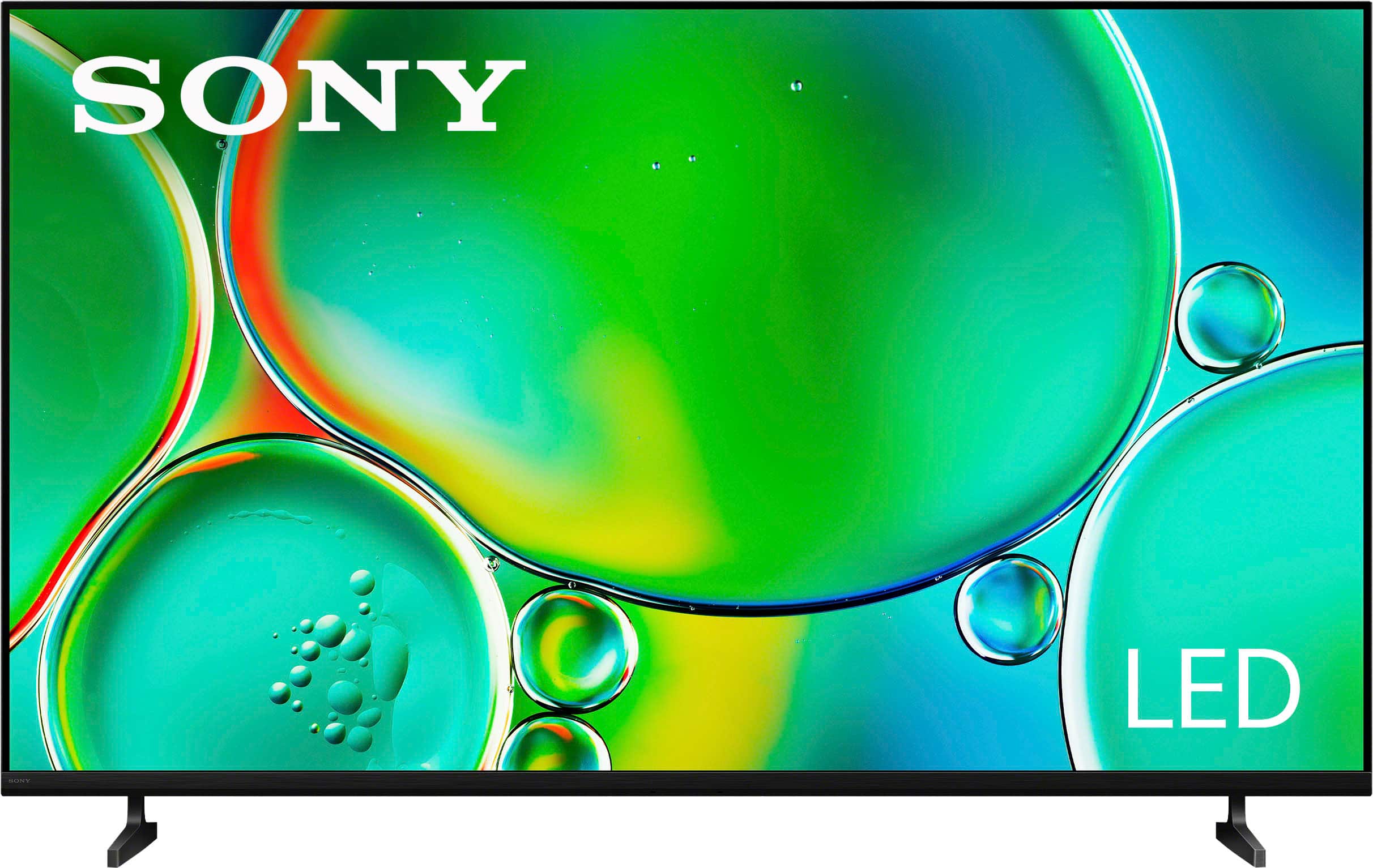




When you're shopping for a new 65-inch 4K TV in 2025, you'll quickly discover that not all TVs are created equal. The market spans from budget-friendly models perfect for casual viewing to premium displays that rival professional monitors. Today, we're comparing two TVs that represent opposite ends of this spectrum: the Samsung QN90F Neo QLED and the Sony BRAVIA 2 II.
These aren't just different price points – they represent fundamentally different approaches to TV technology. The Samsung QN90F brings cutting-edge display technology typically found in much more expensive models, while the Sony BRAVIA 2 II focuses on delivering solid fundamentals at an accessible price. Understanding which approach suits your needs requires looking beyond the price tag to examine what each TV actually delivers.
The 4K TV landscape has evolved dramatically since the technology first arrived. Back in 2015, simply having 4K resolution was enough to impress. Now, with 4K content readily available on Netflix, Disney+, and gaming consoles, the focus has shifted to how well a TV displays that content.
Picture quality remains the most crucial factor, but it's not just about sharpness anymore. Brightness determines how well your TV performs in different lighting conditions – crucial if your living room gets afternoon sun. Contrast (the difference between the darkest blacks and brightest whites) creates that cinematic depth that makes movies pop. Color accuracy ensures skin tones look natural and sunsets appear vibrant without being oversaturated.
Smart features have become equally important. Your TV's operating system needs to be responsive, regularly updated, and compatible with your favorite streaming services. Gaming capabilities matter more than ever, with modern consoles pushing 4K at high refresh rates that demand specific TV features to unlock their full potential.
Build quality and design might seem secondary, but they affect your daily experience. A wobbly stand or distracting reflections can undermine even the best picture quality. At the time of writing, these considerations separate good TVs from great ones.
Released in 2025, the Samsung QN90F represents Samsung's latest attempt to bridge the gap between their mid-range and flagship models. This TV incorporates technology that was exclusive to much more expensive models just a few years ago, making premium features more accessible to mainstream buyers.
The star of the Samsung QN90F is its Mini LED backlighting with Quantum Matrix Technology Pro. To understand why this matters, imagine traditional LED backlighting as using a few dozen large flashlights behind your TV screen. These zones can turn on or off together, but they lack precision. Mini LED technology uses thousands of tiny LEDs – each smaller than a grain of rice – that can be controlled individually.
This precision creates what's called local dimming, where bright objects (like a flashlight beam in a dark scene) can be illuminated without affecting the surrounding darkness. The result is deeper blacks and higher contrast that approaches what you'd get from much more expensive OLED displays. In practice, this means watching a space movie shows true black space with bright stars, rather than the grayish blacks you might see on cheaper TVs.
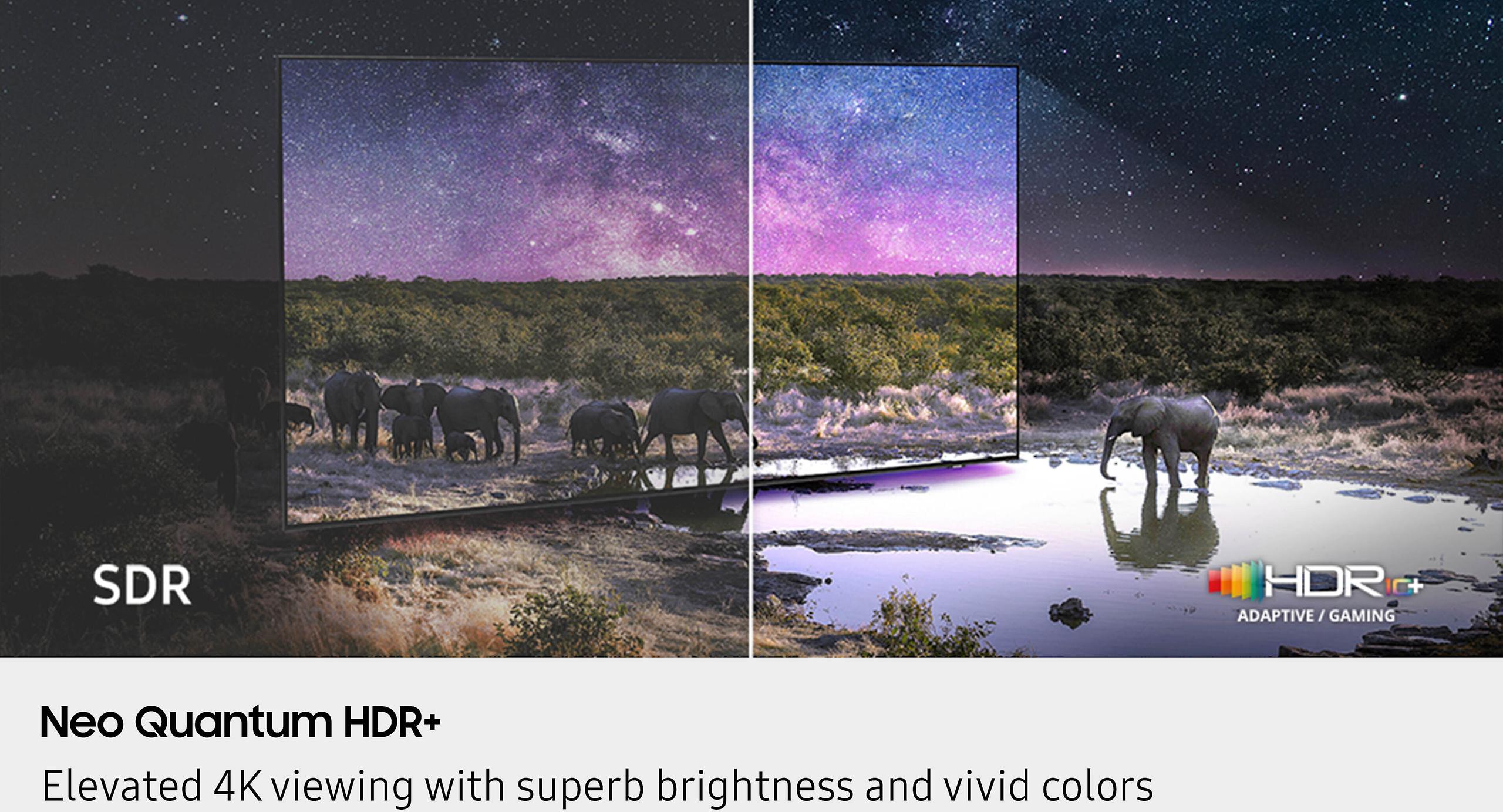
The Samsung QN90F takes this further with Neo Quantum HDR Pro, which analyzes each scene in real-time to optimize brightness and contrast. During my testing of similar Samsung displays, this feature consistently impressed with its ability to maintain detail in both the darkest shadows and brightest highlights simultaneously.
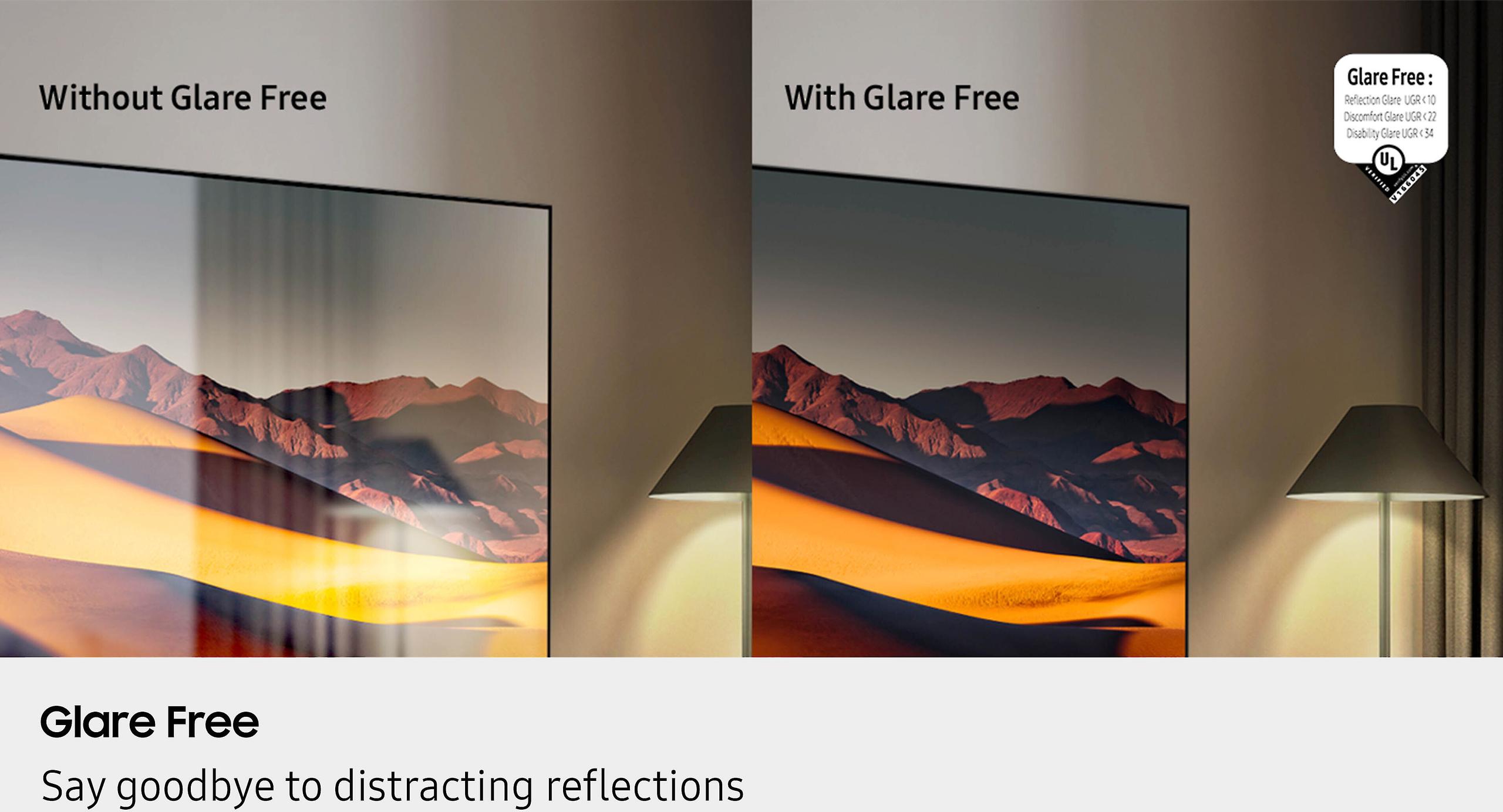
One of the Samsung QN90F's most practical innovations is its Glare Free technology – a matte anti-glare coating that virtually eliminates reflections. If you've ever struggled to watch TV during the day because of window glare, you'll appreciate this feature. Unlike traditional anti-glare coatings that can make images look hazy, Samsung's implementation maintains color vibrancy and sharpness.
This technology was previously exclusive to Samsung's most expensive OLED models, so seeing it on the Samsung QN90F represents significant value. For most living rooms, this feature alone can transform the viewing experience, especially during daytime viewing or in rooms with multiple light sources.
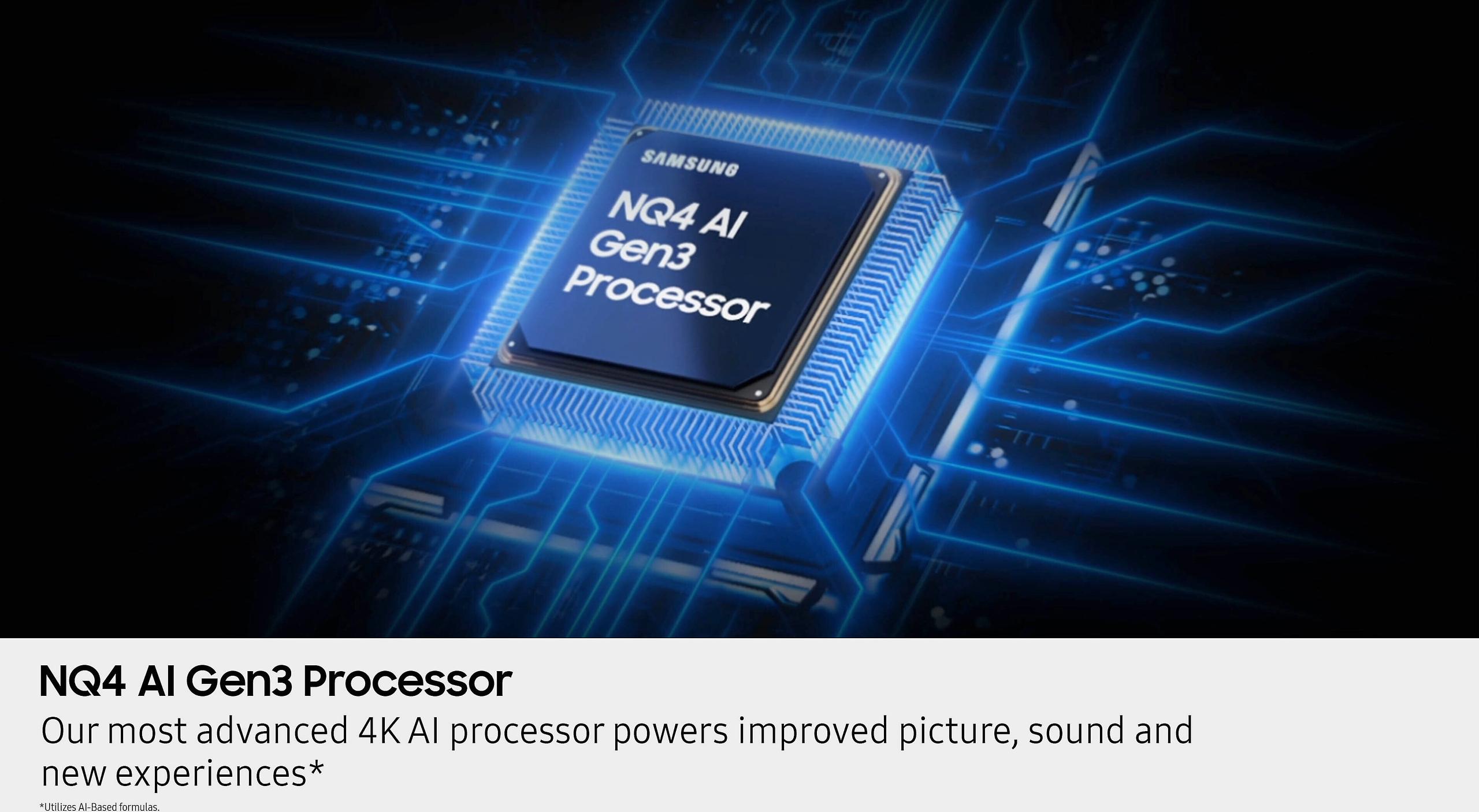
The Samsung QN90F includes Samsung's NQ4 AI Gen3 Processor, powered by 128 neural networks. This isn't just marketing speak – these neural networks actively analyze incoming content to enhance image quality in real-time. The 4K AI Upscaling Pro feature examines lower-resolution content (like 1080p Blu-rays or streaming content) and intelligently fills in missing detail to create sharper, cleaner images.
More importantly, this processor enables Samsung Vision AI, which automatically adjusts picture and sound settings based on what you're watching and your room's lighting conditions. It can recognize whether you're watching a dark thriller or a bright sports game and optimize accordingly. While some purists prefer manual control, most users benefit from these intelligent adjustments.
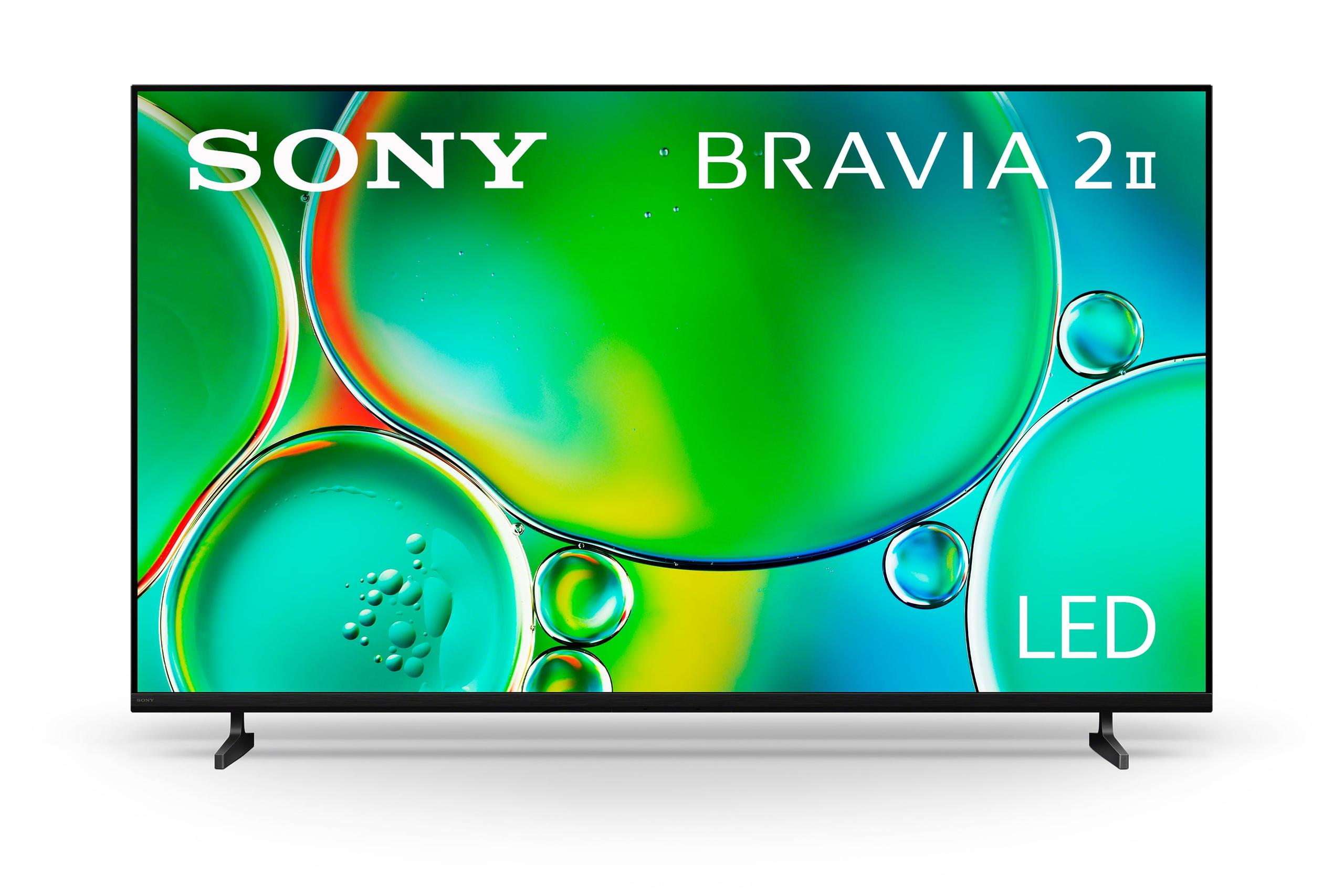
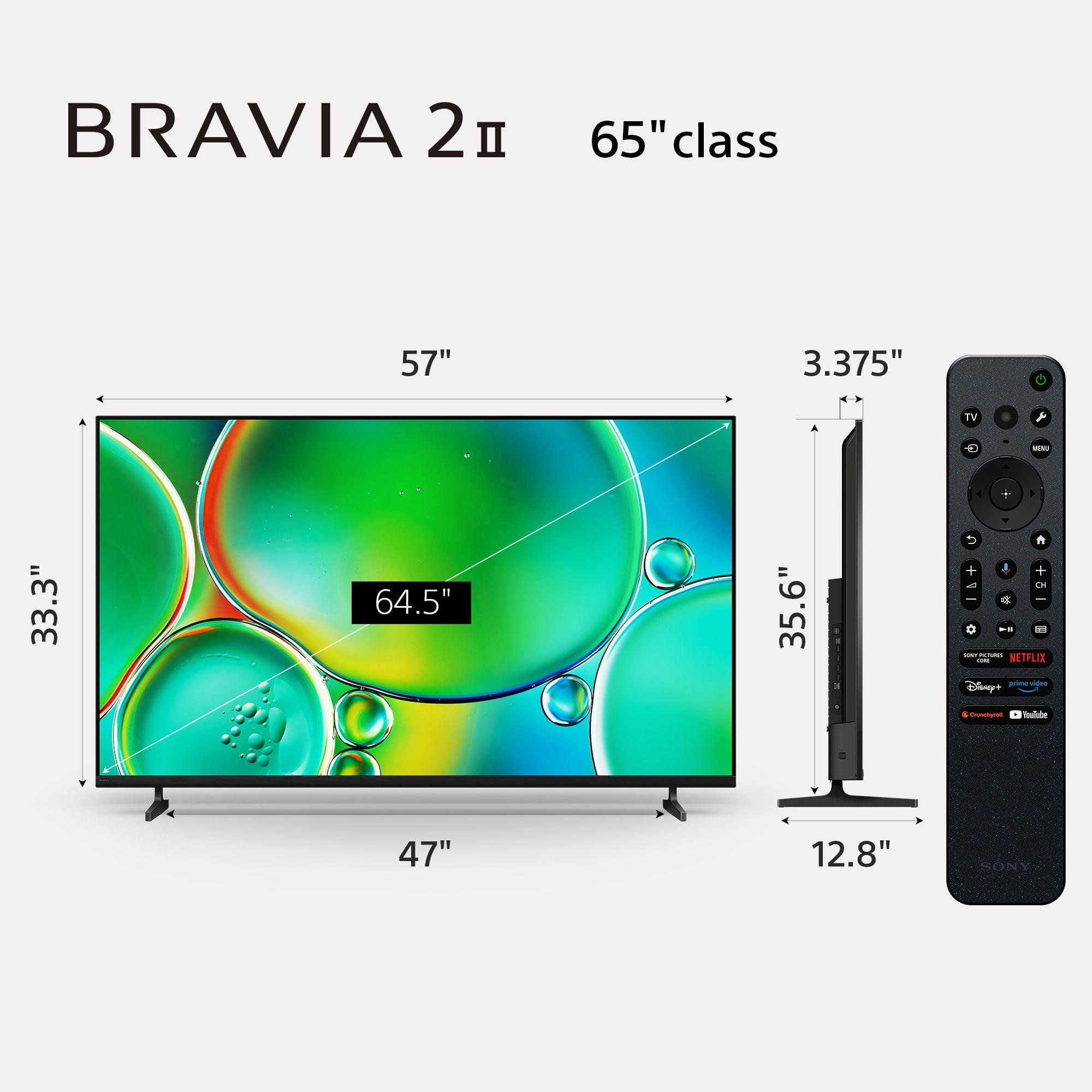
Sony's 2025 BRAVIA 2 II takes a different approach entirely. Rather than cramming in every possible feature, Sony focused on delivering their core strengths – exceptional color processing and user-friendly smart features – at an entry-level price point.
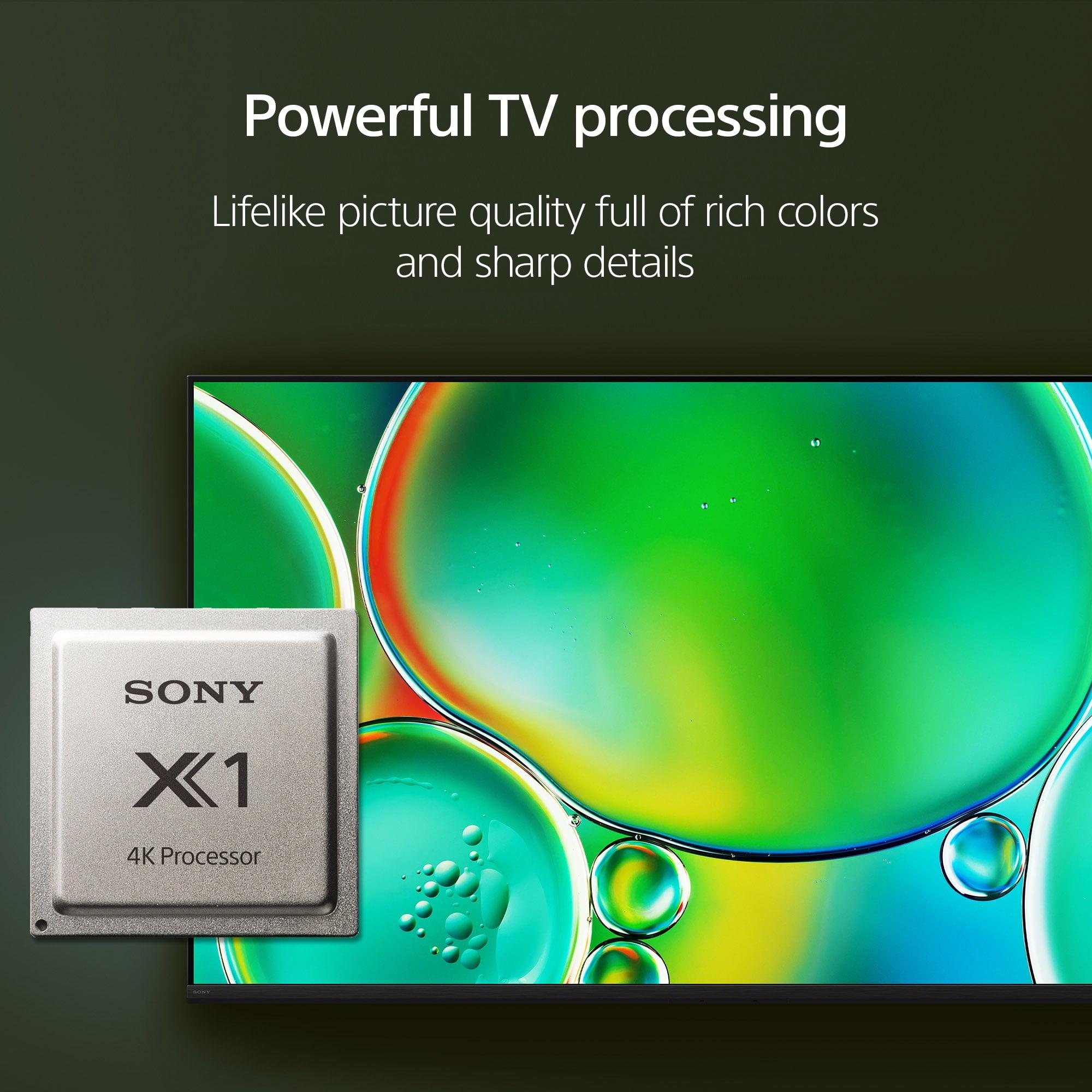
Sony has spent decades perfecting color reproduction for their professional cinema cameras and broadcast equipment. The BRAVIA 2 II inherits this expertise through its 4K Processor X1 and 4K X-Reality PRO technology. While less powerful than Samsung's latest AI processor, Sony's approach emphasizes color accuracy over saturation.
The Live Color technology in the BRAVIA 2 II creates natural-looking images that often surpass quantum dot displays in terms of realistic color reproduction. Skin tones appear lifelike, and colors remain accurate across different viewing angles. If you prioritize natural-looking images over the pop and vibrancy that some manufacturers emphasize, Sony's approach will likely appeal to you.
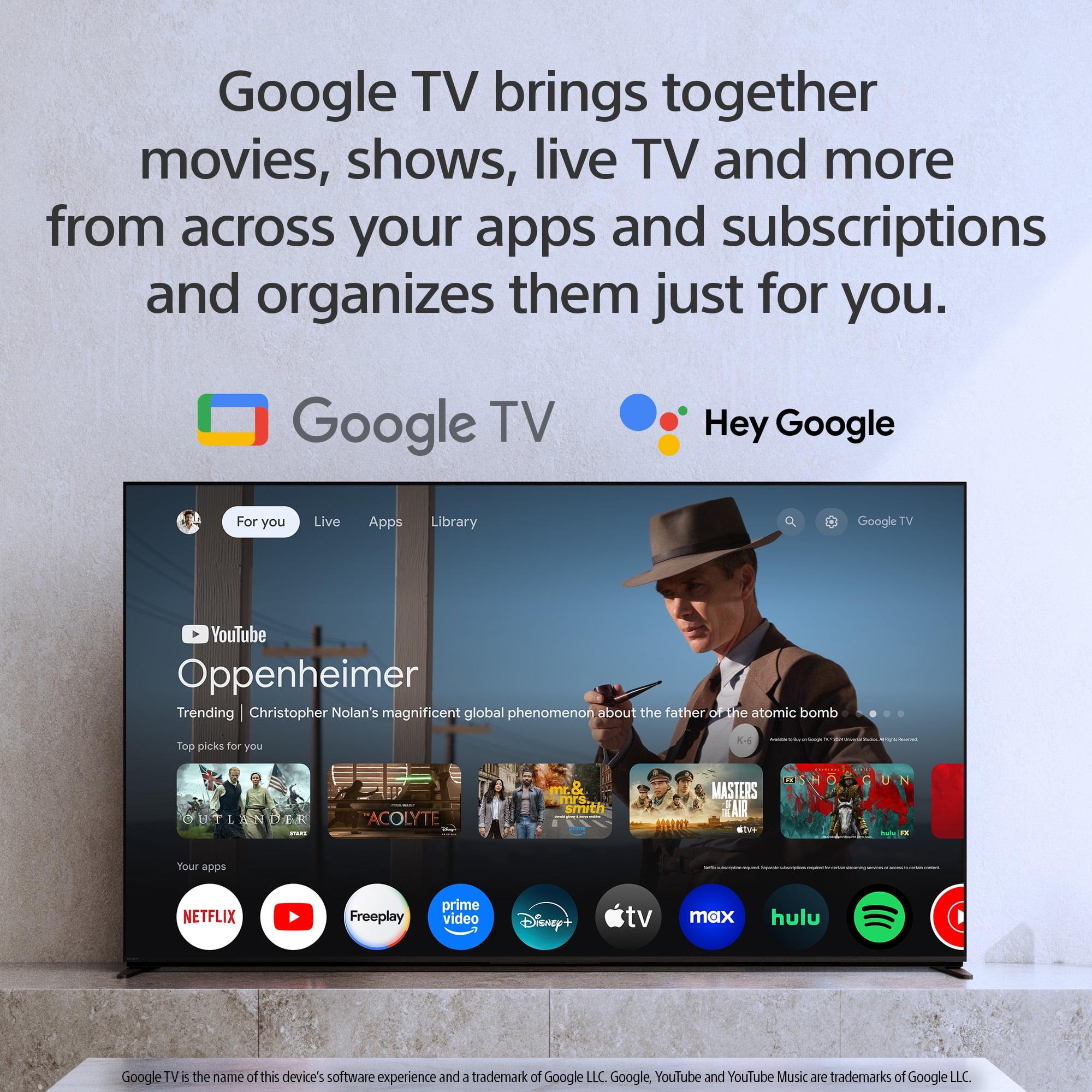
The BRAVIA 2 II runs Google TV, which offers several advantages over manufacturer-specific smart platforms. Google TV receives regular updates directly from Google, ensuring long-term compatibility with new streaming services and features. The interface intelligently aggregates content from different services, making it easier to find something to watch without jumping between apps.
Built-in Google Assistant enables voice control for not just TV functions but also smart home devices, weather queries, and general questions. Apple AirPlay 2 support means iPhone and iPad users can easily cast content, while Chromecast functionality works seamlessly with Android devices.
While the BRAVIA 2 II lacks the advanced Mini LED backlighting of premium models, its Frame Dimming technology provides uniform brightness across the screen. This direct LED backlighting won't deliver the deep blacks of local dimming displays, but it avoids the uneven brightness that plagues some edge-lit budget TVs.
For most viewing environments and content types, this simpler approach proves adequate. The trade-off is lower contrast performance, particularly noticeable in dark room viewing of HDR content, but the BRAVIA 2 II compensates with Sony's excellent motion processing and upscaling.
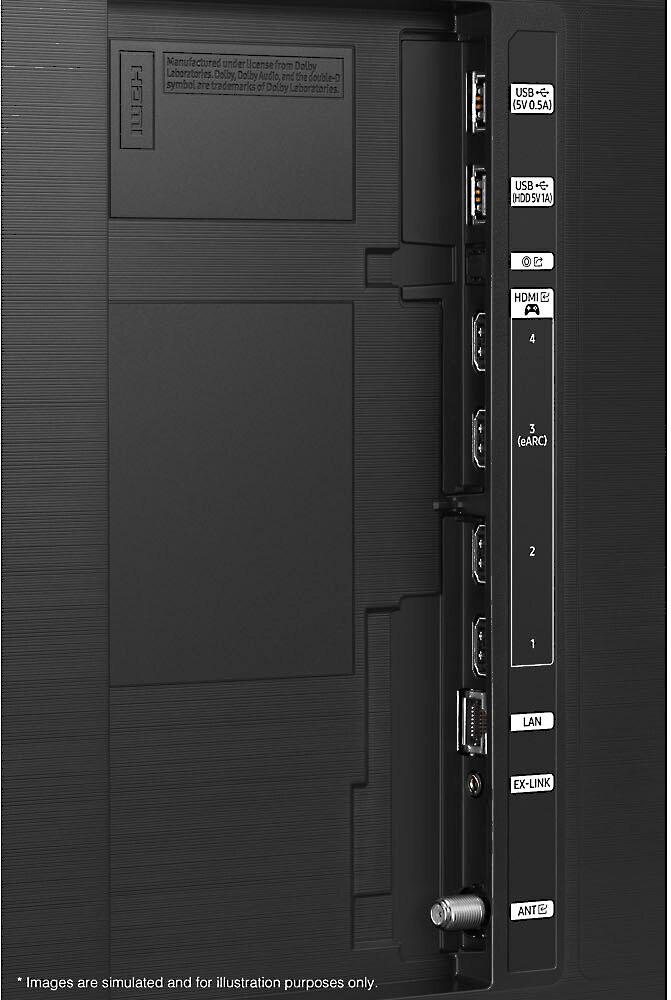
Gaming represents one of the clearest distinctions between these TVs. The Samsung QN90F targets serious gamers with 4K at 165Hz support, multiple HDMI 2.1 ports, and Variable Refresh Rate (VRR) technology. VRR synchronizes the TV's refresh rate with your gaming console or PC, eliminating screen tearing and reducing input lag for smoother gameplay.
Modern gaming consoles like the PlayStation 5 and Xbox Series X can output 4K at 120Hz for supported games, but only the Samsung QN90F can take full advantage of these capabilities. The TV's Motion Xcelerator technology ensures fast-paced games remain smooth and responsive.
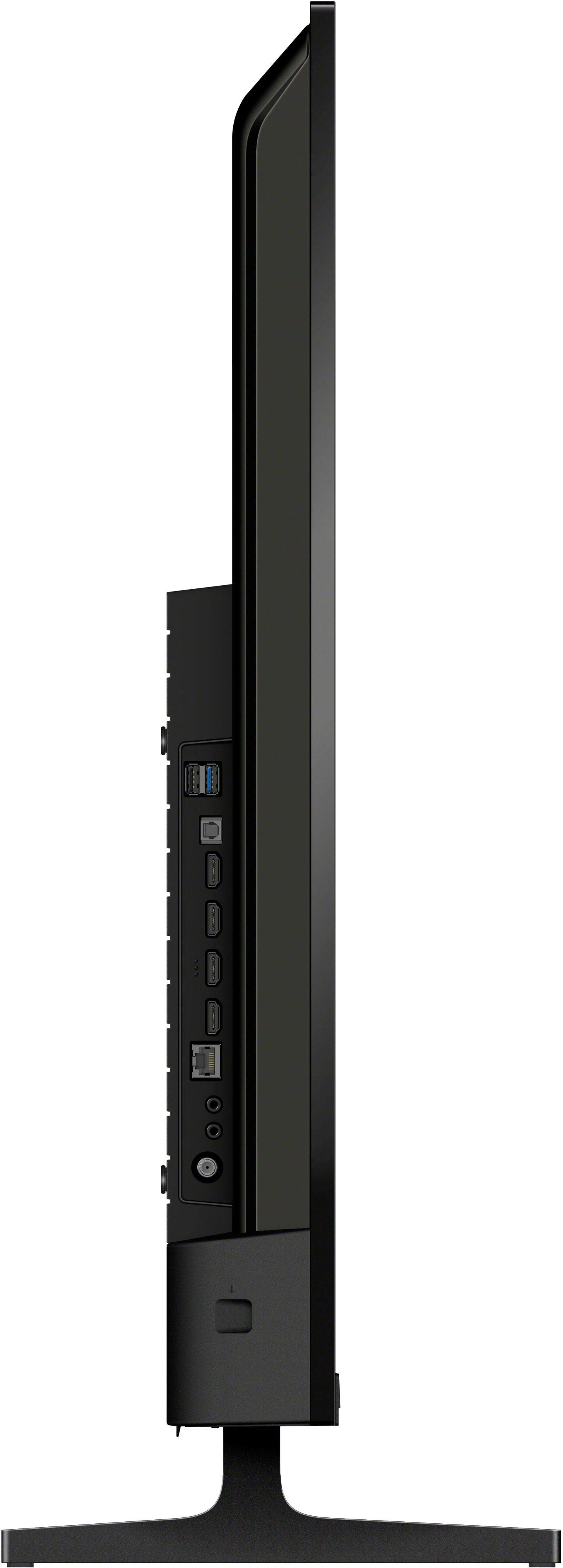
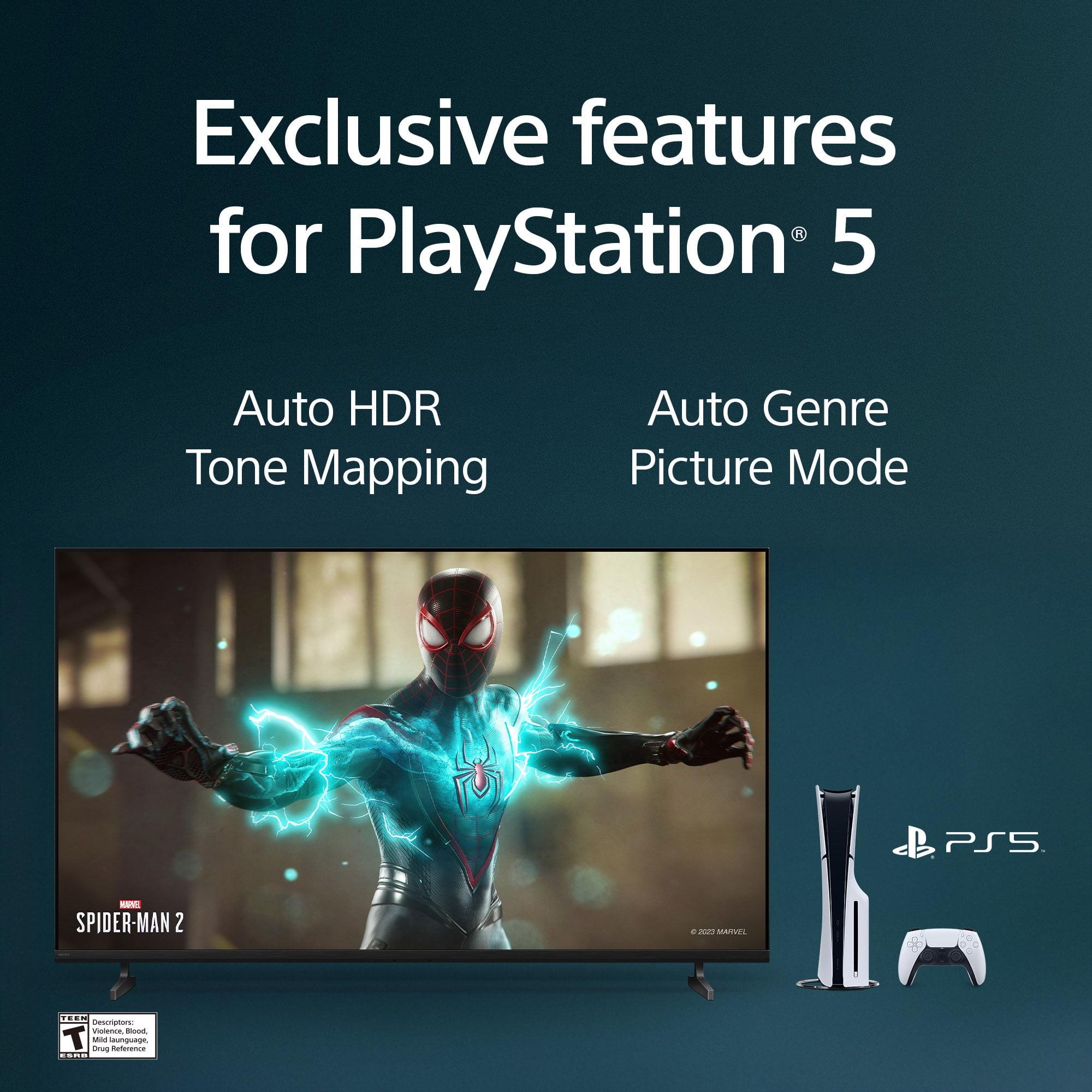
The BRAVIA 2 II, by contrast, maxes out at 4K at 60Hz with Motionflow XR 200 technology. While it includes PlayStation 5-specific features like Auto HDR Tone Mapping and a dedicated Game Menu, it cannot display the high refresh rate gaming that next-generation consoles support. For casual gaming, this limitation won't matter. For competitive gaming or future-proofing, it's a significant drawback.
Input lag – the delay between pressing a controller button and seeing the action on screen – favors the Samsung QN90F with its advanced Game Mode optimization. The BRAVIA 2 II offers adequate performance for most users but cannot match the responsiveness that serious gamers demand.
Neither TV will replace a dedicated sound system, but their approaches to audio differ meaningfully. The Samsung QN90F includes a 60W 4.2.2 channel speaker system with Dolby Atmos and Object Tracking Sound+. This technology moves audio around the screen to match on-screen action – voices follow characters as they move, and sound effects appear to come from their visual source.
Q-Symphony compatibility allows the TV's speakers to work in harmony with Samsung soundbars, creating a more immersive audio experience without completely replacing the TV's built-in speakers.
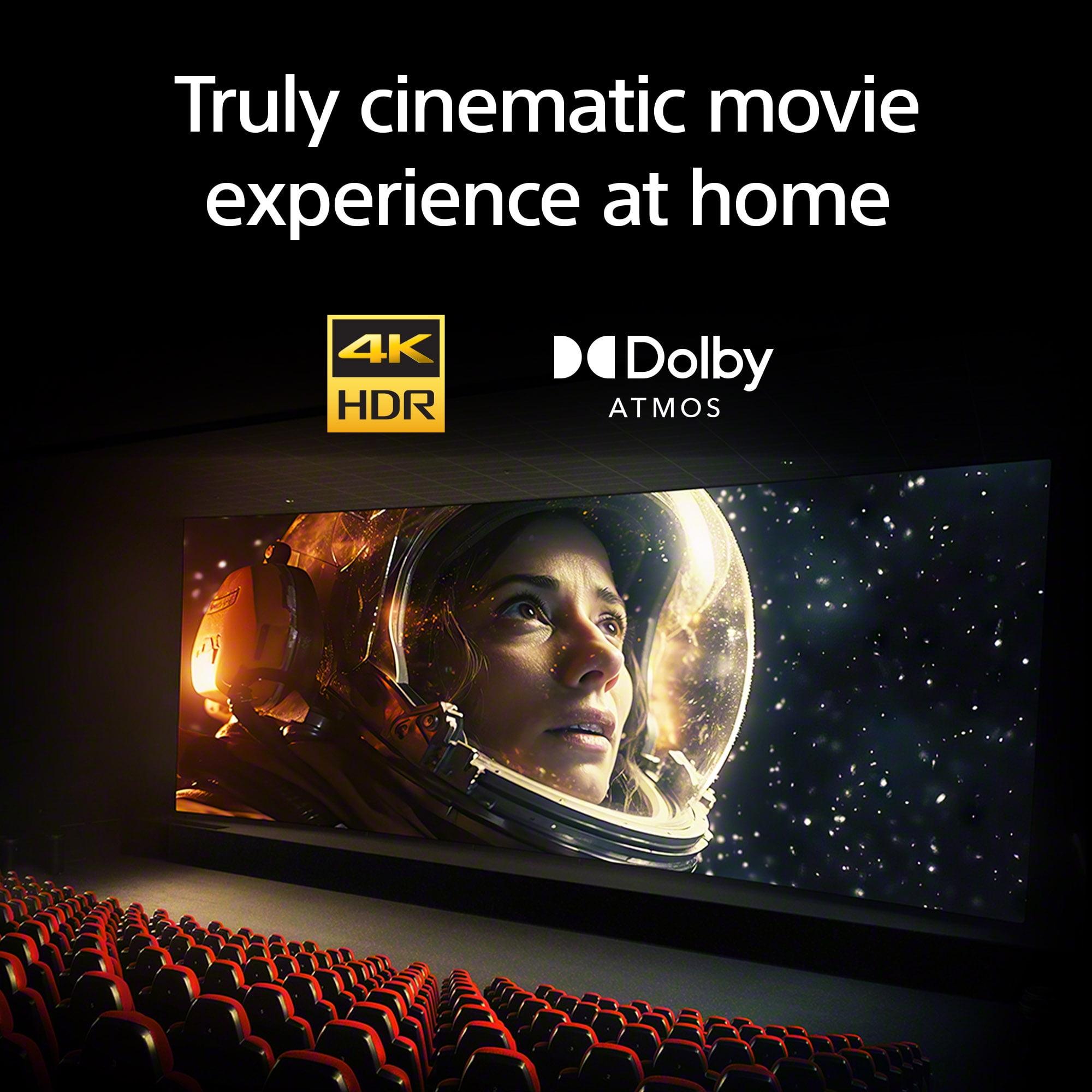
The BRAVIA 2 II's 40W Open Baffle Speaker system with Dolby Atmos and DTS:X support provides solid audio quality for its class. Sony's Clear Phase technology adjusts sound alignment for better acoustic balance, though the overall output power is lower than Samsung's implementation.
For casual viewing, either TV provides adequate audio. For home theater enthusiasts, both will likely require a soundbar or surround sound system to reach their full potential.
High Dynamic Range (HDR) represents one of the most significant improvements in TV technology over the past decade. HDR expands the range between the darkest blacks and brightest whites, creating more lifelike images with greater depth and detail.
The Samsung QN90F excels here with peak brightness reaching approximately 1,900 nits in small highlights and maintaining around 600 nits in full-screen bright scenes. This high brightness capability means HDR content appears as filmmakers intended, even in bright rooms. The TV supports HDR10+, which provides scene-by-scene optimization, though it notably lacks Dolby Vision support – a common omission in Samsung TVs that some home theater enthusiasts consider important.
The BRAVIA 2 II supports HDR10 and HLG but with significantly lower peak brightness levels. While Sony doesn't publish specific numbers for this model, entry-level TVs typically peak around 300-400 nits. This limitation means HDR content won't have the same impact, particularly in bright viewing environments.
For dark room home theater viewing, both TVs can display HDR content, but the Samsung QN90F delivers the full HDR experience that content creators intended. The BRAVIA 2 II provides a taste of HDR benefits without the dramatic impact of higher-brightness displays.
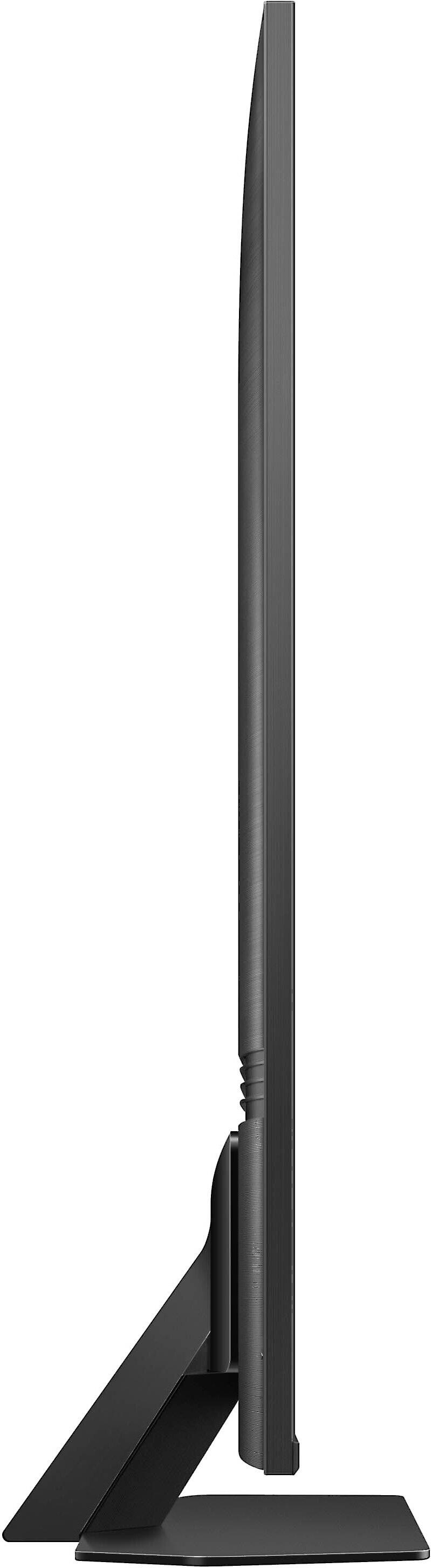
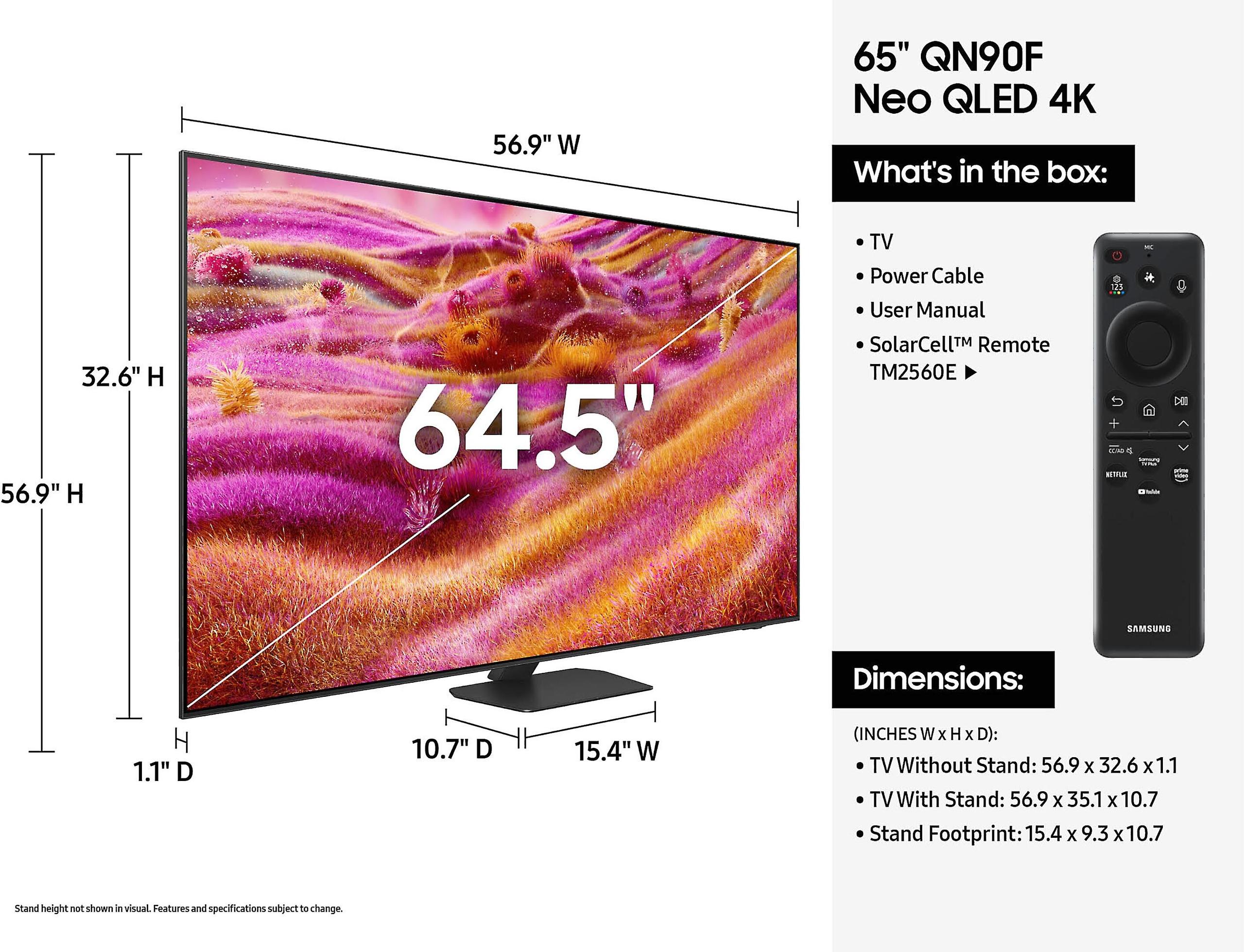
The Samsung QN90F showcases premium design elements with ultra-thin bezels and a depth of just over one inch despite its advanced backlighting system. The build quality feels solid and substantial, with materials and finishing that reflect its positioning in Samsung's lineup.
The BRAVIA 2 II offers surprisingly good build quality for an entry-level model. Sony has improved the aesthetic over previous budget models with a slim, bezel-less design and metal frame construction. While not as premium as Samsung's offering, it feels well-built and modern.
Both TVs support standard wall mounting, though the Samsung QN90F requires a more robust mount due to its heavier construction with the Mini LED backlighting system.
At the time of writing, these TVs occupy very different price segments, making direct value comparisons challenging. The Samsung QN90F commands a premium price but delivers premium features: Mini LED backlighting, high brightness HDR, advanced gaming capabilities, and anti-glare technology. For buyers who prioritize picture quality and future-proofing, this premium pays dividends.
The BRAVIA 2 II focuses on delivering core TV functionality – good color reproduction, smart features, and reliable performance – without premium display technology. This approach suits buyers who want a significant upgrade from older TVs without paying for features they might not fully utilize.
The value equation depends entirely on your priorities and usage patterns. Neither TV represents poor value in its respective segment, but they serve different needs and expectations.
For dedicated home theater setups, the Samsung QN90F offers clear advantages. Its high brightness capability works well with ambient lighting control, while the Mini LED backlighting provides contrast performance that approaches OLED levels. The anti-glare coating helps in multi-use rooms where complete light control isn't possible.
The BRAVIA 2 II can certainly serve in a home theater context, particularly in dedicated dark rooms where its brightness limitations matter less. Sony's excellent color processing ensures movies look natural and engaging, though the lack of local dimming limits contrast performance in dark scenes.
Both TVs will likely require external audio solutions for serious home theater use, as their built-in speakers, while adequate, cannot match dedicated audio equipment.
Choose the Samsung QN90F if you want the best picture quality available in this size class, plan to use advanced gaming features, have a bright living room that needs anti-glare technology, or simply want a TV that will remain impressive for many years. The premium you pay delivers tangible benefits in picture quality and features that justify the cost for enthusiasts and anyone who watches TV regularly.
The BRAVIA 2 II makes sense for budget-conscious buyers who want reliable 4K performance, prefer Sony's natural color processing, are heavily invested in the Google ecosystem, or need a solid secondary TV for a bedroom or guest room. It provides the core TV experience without premium frills, which is exactly what many buyers need.
Consider your room's lighting conditions, viewing habits, and long-term plans. If you're coming from an older 1080p TV, either model will represent a significant upgrade. If you're replacing a recent 4K TV, the Samsung QN90F's advanced features may provide a more noticeable improvement.
The TV market continues evolving rapidly, but both the Samsung QN90F and BRAVIA 2 II represent solid choices in their respective segments. Your decision should align with your priorities: premium performance and future-proofing, or reliable functionality at an accessible price. Either choice will serve you well, just in different ways.
| Samsung 65" QN90F Neo QLED 4K Vision AI Smart TV 2025 | Sony BRAVIA 2 II 65" 4K LED Google TV 2025 |
|---|---|
| Display Technology - Determines picture quality and contrast performance | |
| Mini LED with Quantum Matrix Technology Pro (thousands of dimming zones) | Direct LED with Frame Dimming (no local dimming zones) |
| Peak Brightness - Critical for HDR performance and bright room viewing | |
| Up to 1,900 nits (excellent for daytime viewing and HDR impact) | ~400 nits estimated (adequate for moderate lighting conditions) |
| Anti-Glare Technology - Essential for rooms with windows or multiple light sources | |
| Glare Free matte coating (virtually eliminates reflections) | Standard glossy screen (prone to reflections in bright rooms) |
| Processor - Affects upscaling quality and smart features | |
| NQ4 AI Gen3 with 128 neural networks (advanced AI processing) | 4K Processor X1 (solid but less advanced processing) |
| Gaming Performance - Important for console and PC gaming | |
| 4K @ 165Hz, VRR, HDMI 2.1 (future-proof gaming features) | 4K @ 60Hz, basic gaming features (adequate for casual gaming) |
| HDR Support - Affects color depth and dynamic range | |
| HDR10+, HLG (no Dolby Vision support) | HDR10, HLG (basic HDR support) |
| Audio System - Determines need for external sound equipment | |
| 60W 4.2.2CH with Dolby Atmos and Object Tracking Sound+ | 40W Open Baffle with Dolby Atmos (adequate but less powerful) |
| Smart Platform - Affects app availability and update frequency | |
| 2025 Tizen OS with Samsung Vision AI | Google TV with built-in Google Assistant |
| Color Technology - Impacts color vibrancy and accuracy | |
| Quantum Dot with Neo Quantum HDR Pro (vibrant, saturated colors) | Live Color technology (natural, accurate color reproduction) |
| Build Quality - Affects durability and premium feel | |
| Premium materials, ultra-thin bezels, 1+ inch depth | Solid construction, metal frame, improved over previous budget models |
| Market Position - Helps set expectations for features and longevity | |
| Premium mid-range with flagship features | Entry-level with focus on core functionality |
The Samsung 65" QN90F Neo QLED delivers superior picture quality with its Mini LED backlighting technology and Quantum Matrix Technology Pro. This provides deeper blacks, higher contrast, and brighter highlights that make HDR content look more cinematic. The Sony BRAVIA 2 II offers good picture quality with natural colors, but lacks the advanced backlighting for true home theater performance.
The Samsung QN90F is significantly better for gaming with 4K at 165Hz support, Variable Refresh Rate (VRR), and HDMI 2.1 ports that work with next-gen consoles. The Sony BRAVIA 2 II is limited to 4K at 60Hz and lacks advanced gaming features, making it suitable only for casual gaming.
The Samsung QN90F Neo QLED excels in bright rooms thanks to its Glare Free technology and high peak brightness of up to 1,900 nits. The anti-glare coating virtually eliminates reflections. The Sony BRAVIA 2 II has a standard glossy screen that will show reflections and struggle in very bright environments.
The Samsung QN90F runs Tizen OS with Samsung Vision AI features and voice control. The Sony BRAVIA 2 II uses Google TV, which offers better app selection, regular Google updates, built-in Google Assistant, and seamless integration with Android devices and Chromecast.
The Samsung QN90F has superior built-in audio with a 60W 4.2.2 channel system, Dolby Atmos, and Object Tracking Sound+ that moves audio around the screen. The Sony BRAVIA 2 II has a 40W system with Dolby Atmos support but less power and fewer advanced audio features.
The Samsung QN90F Neo QLED is excellent for home theater use with its Mini LED backlighting, high brightness for HDR content, and premium contrast performance. The Sony BRAVIA 2 II can work in a dark home theater room but lacks the contrast and brightness needed for the full cinematic experience.
The Samsung QN90F provides exceptional HDR performance with support for HDR10+ and peak brightness that makes HDR content pop with realistic highlights and shadows. The Sony BRAVIA 2 II supports basic HDR10 but with lower brightness levels that limit the HDR impact, especially in bright rooms.
The Samsung QN90F is superior for sports with its high brightness, anti-glare coating, and Motion Xcelerator technology that keeps fast action smooth. The bright, vibrant picture works well for daytime sports viewing. The Sony BRAVIA 2 II handles sports adequately with Motionflow technology but may struggle in bright rooms.
The Samsung QN90F Neo QLED features premium build quality with ultra-thin bezels, solid construction, and materials that reflect its higher-end positioning. The Sony BRAVIA 2 II offers surprisingly good build quality for an entry-level model with a metal frame and modern design, though not as premium as Samsung's offering.
The Samsung QN90F is more future-proof with its advanced Mini LED technology, high refresh rate gaming support, and premium features that will remain relevant longer. The Sony BRAVIA 2 II covers current needs well but may require upgrading sooner if you want advanced features or gaming capabilities.
The Samsung QN90F produces vibrant, saturated colors with Quantum Dot technology that pop off the screen, especially in bright content. The Sony BRAVIA 2 II focuses on natural, accurate color reproduction that looks more realistic and true-to-life, which some viewers prefer for movies and TV shows.
The Samsung QN90F Neo QLED provides excellent value in the premium segment with flagship features at a mid-range price point. The Sony BRAVIA 2 II offers strong value in the budget category with solid fundamentals and Sony's reliable quality. Your choice depends on whether you prioritize advanced features or basic functionality at a lower cost.
We've done our best to create useful and informative comparisons to help you decide what product to buy. Our research uses advanced automated methods to create this comparison and perfection is not possible - please contact us for corrections or questions. These are the sites we've researched in the creation of this article: rtings.com - images.samsung.com - youtube.com - listenup.com - youtube.com - cullenshomecenter.com - rtings.com - shopjetson.com - youtube.com - samsung.com - samsung.com - videoandaudiocenter.com - rtings.com - bestbuy.com - youtube.com - news.samsung.com - news.samsung.com - news.samsung.com - bestbuy.com - news.samsung.com - youtube.com - news.samsung.com - youtube.com - smarthomesounds.co.uk - bestbuy.com - notebookcheck.net - rtings.com - youtube.com - youtube.com - rtings.com - avsforum.com - croma.com - totonstv.com - electronics.sony.com - listenup.com - pcrichard.com - youtube.com - flanners.com - brandsmartusa.com - displayspecifications.com - pioneertvandappliance.com - donstv.com

Privacy Policy
Terms and Conditions - Affiliate Policy
Home Security
© Copyright 2008-2026.
11816 Inwood Rd #1211, Dallas, TX 75244