

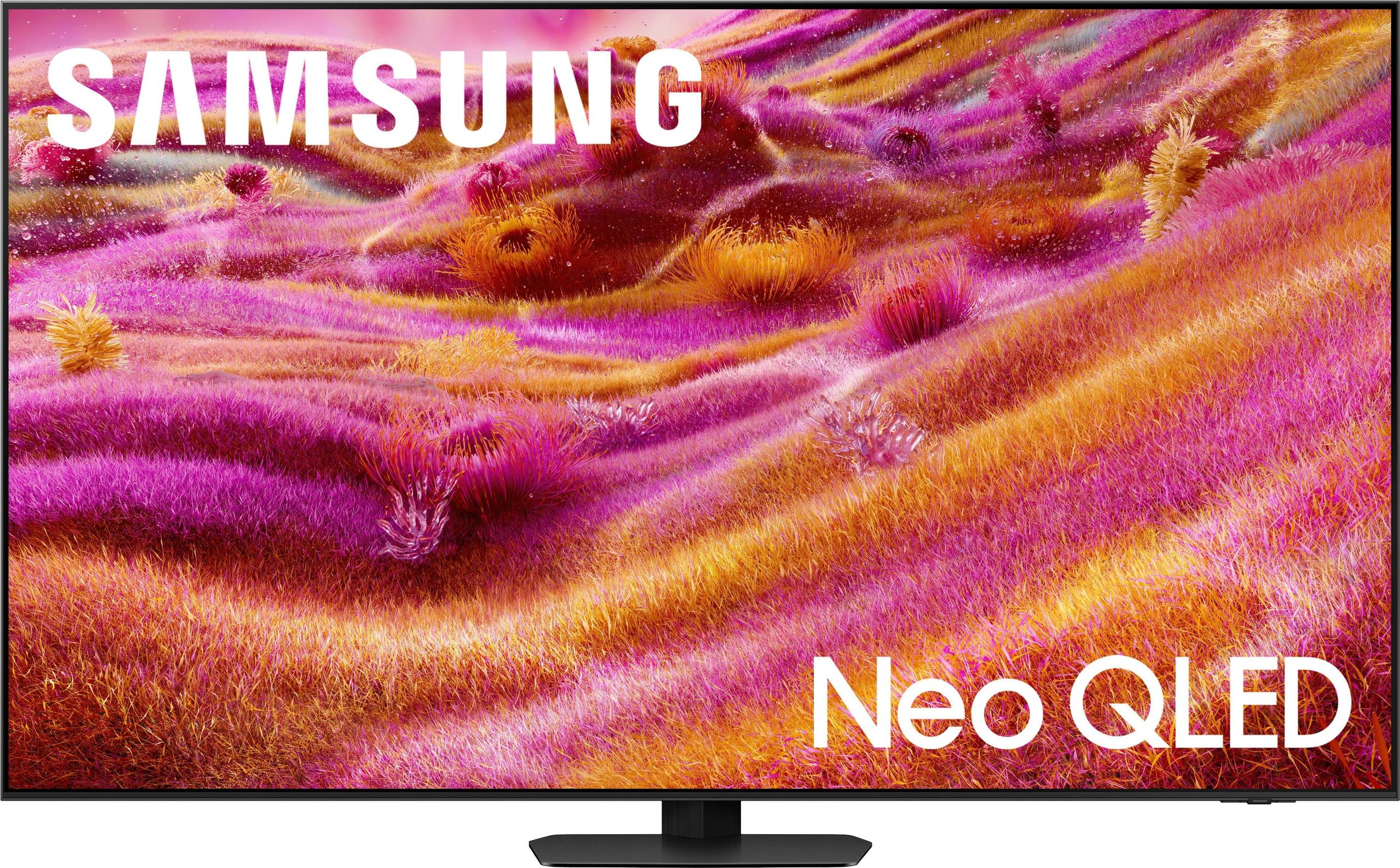
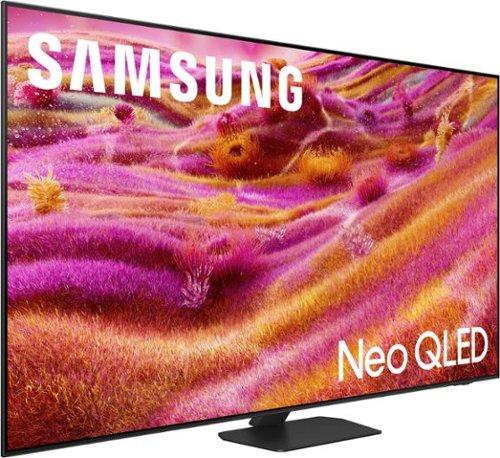
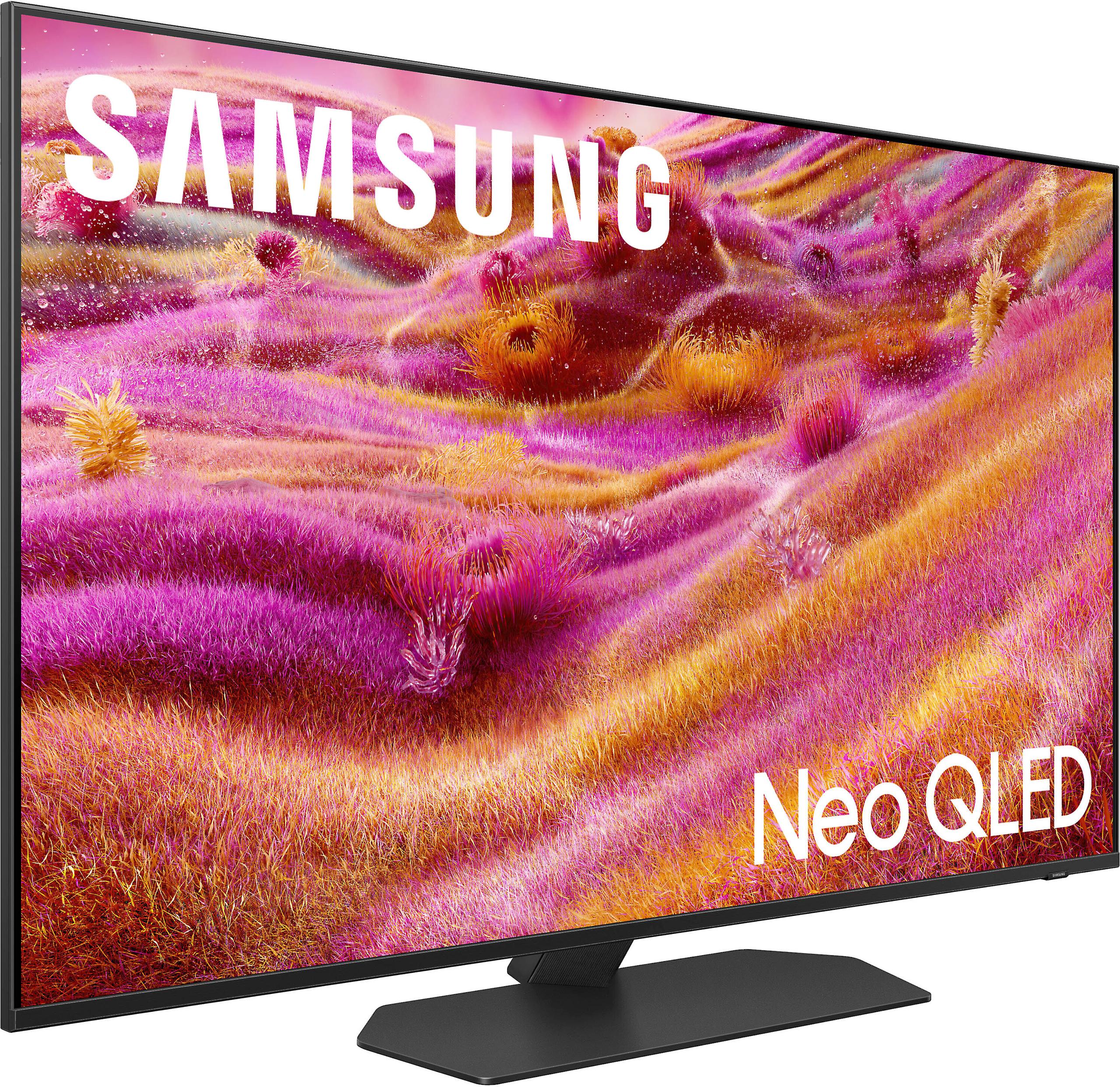
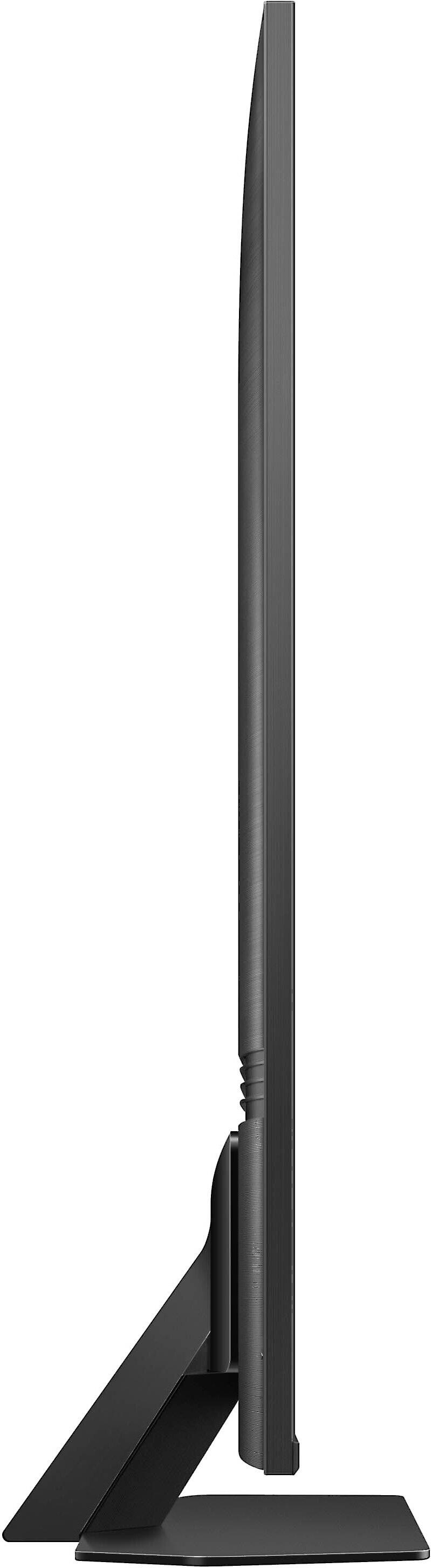
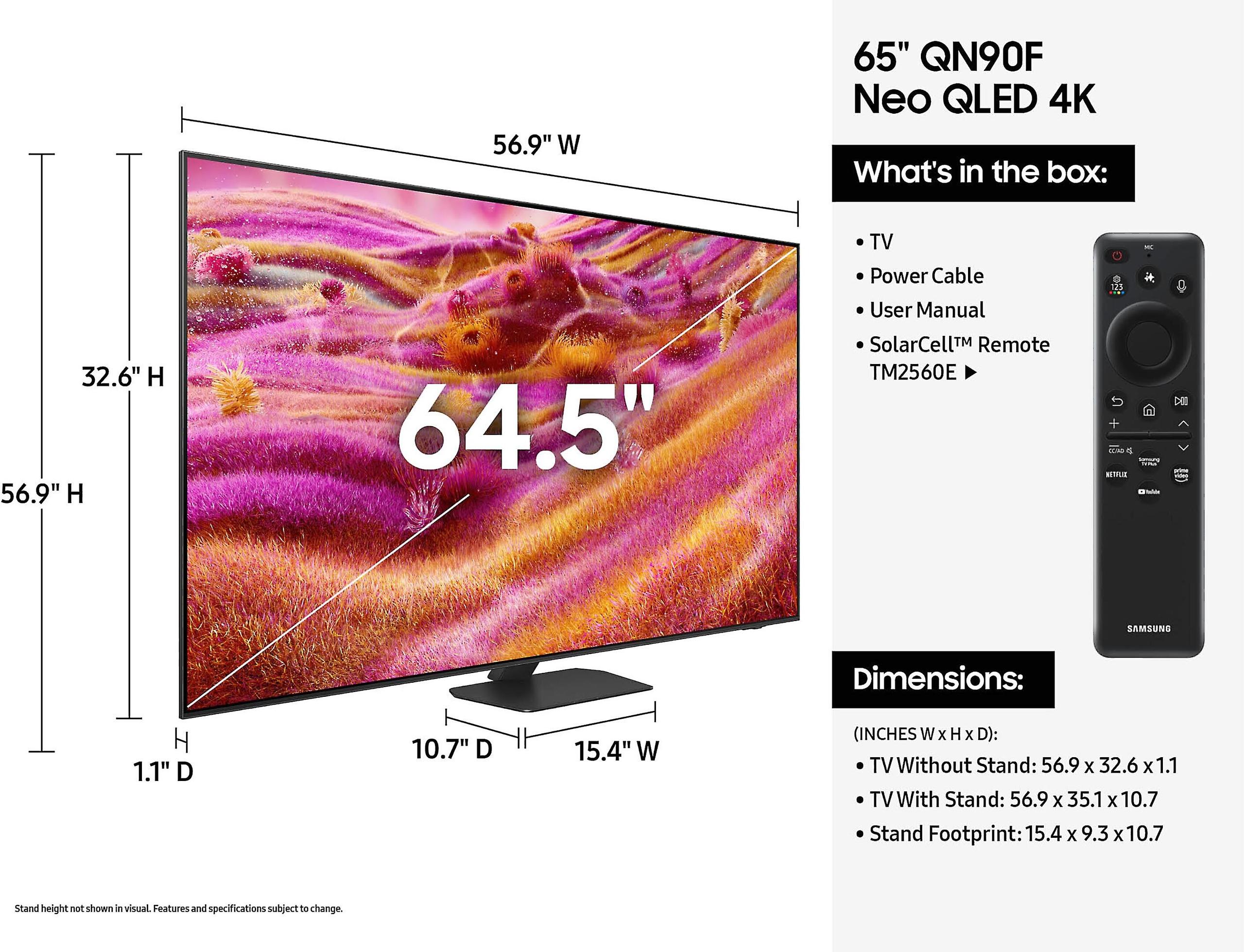
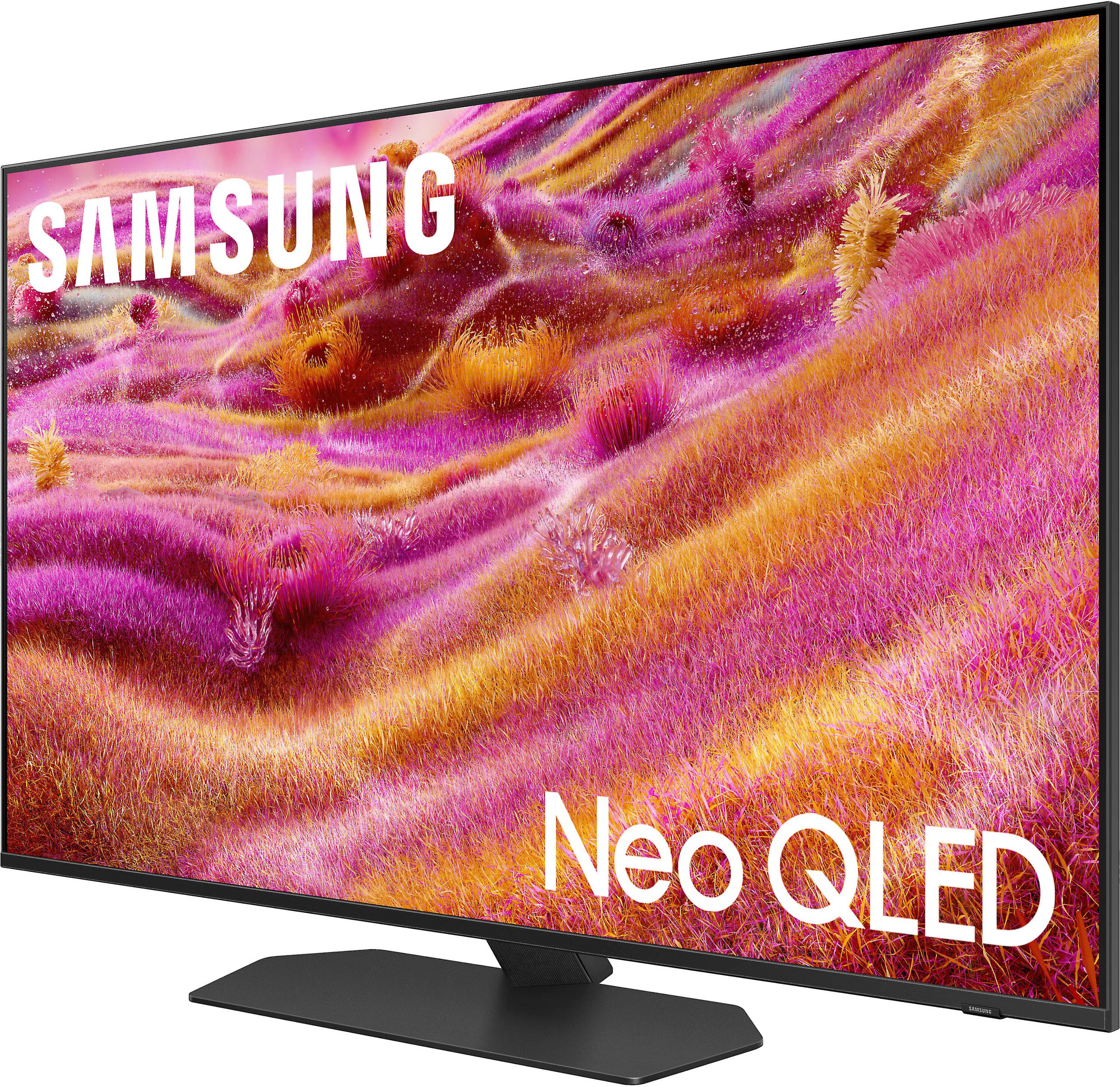
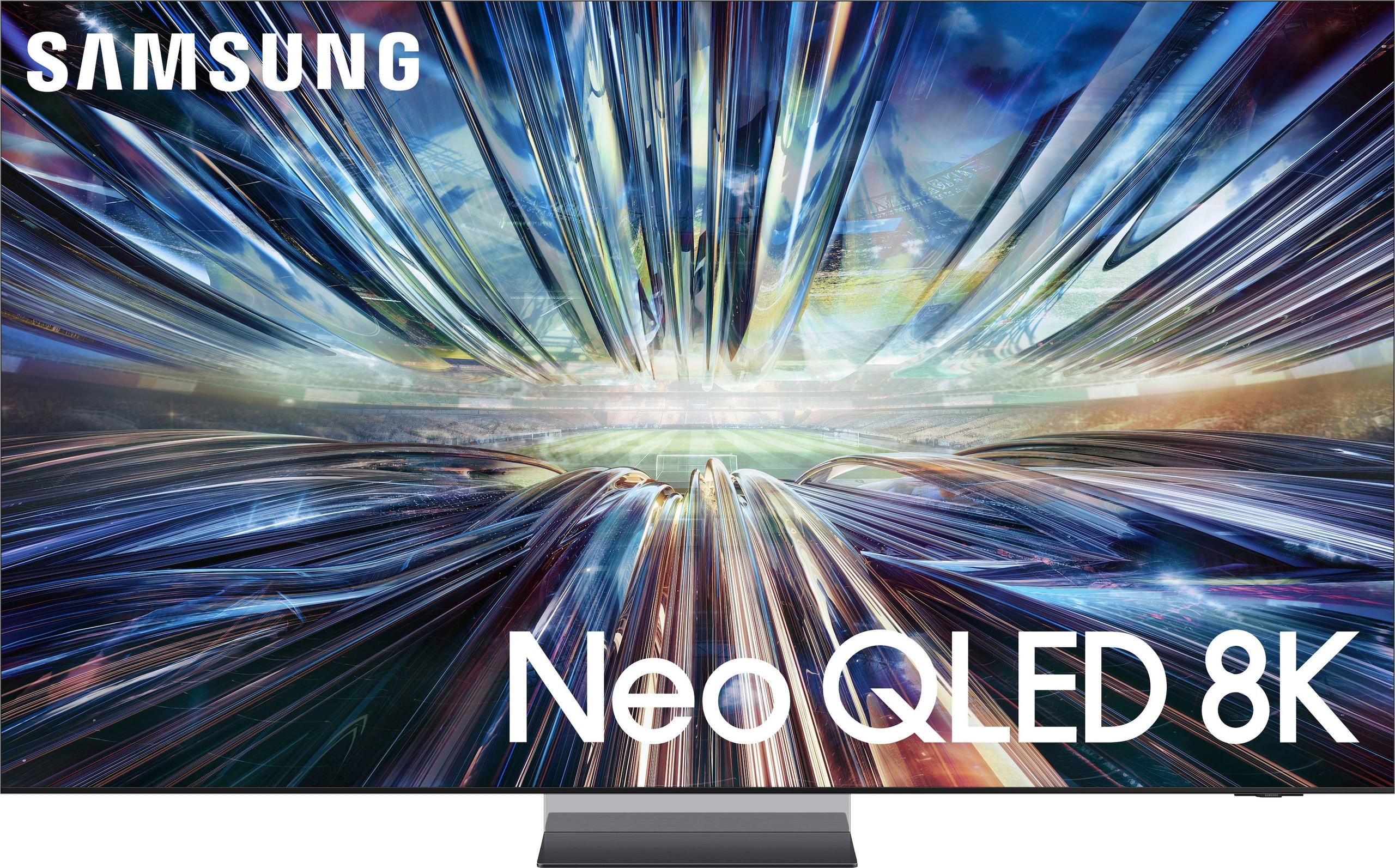
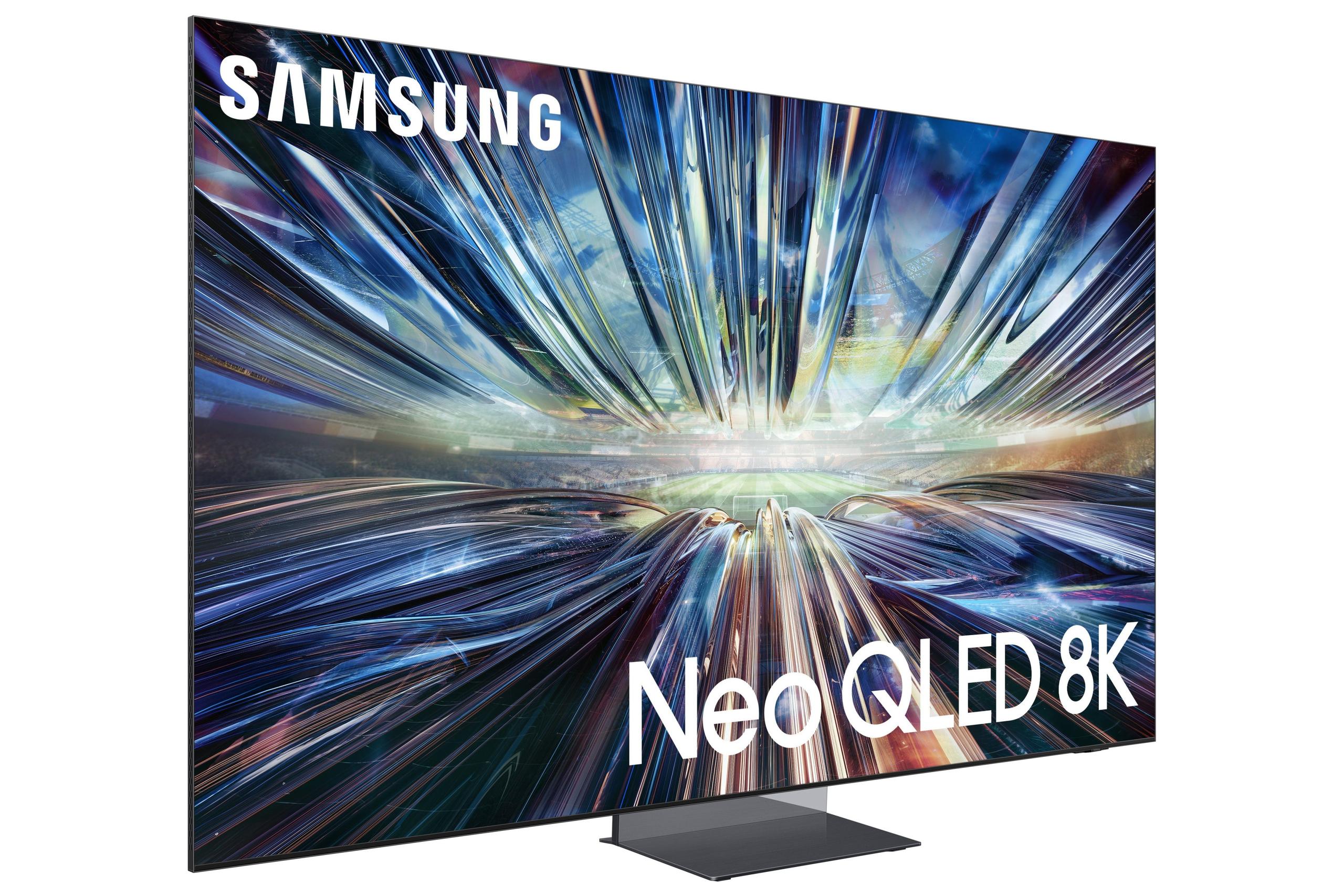
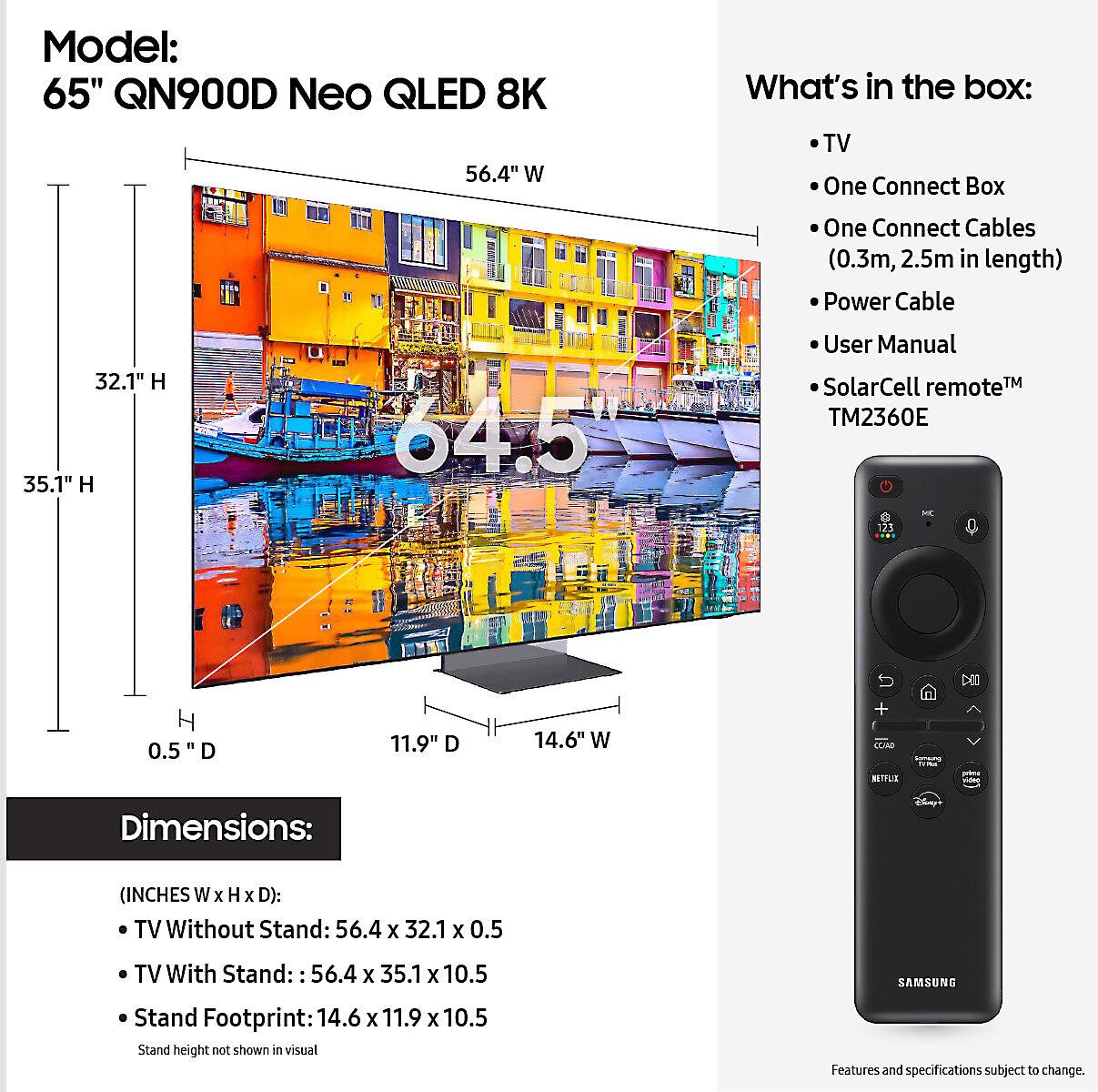
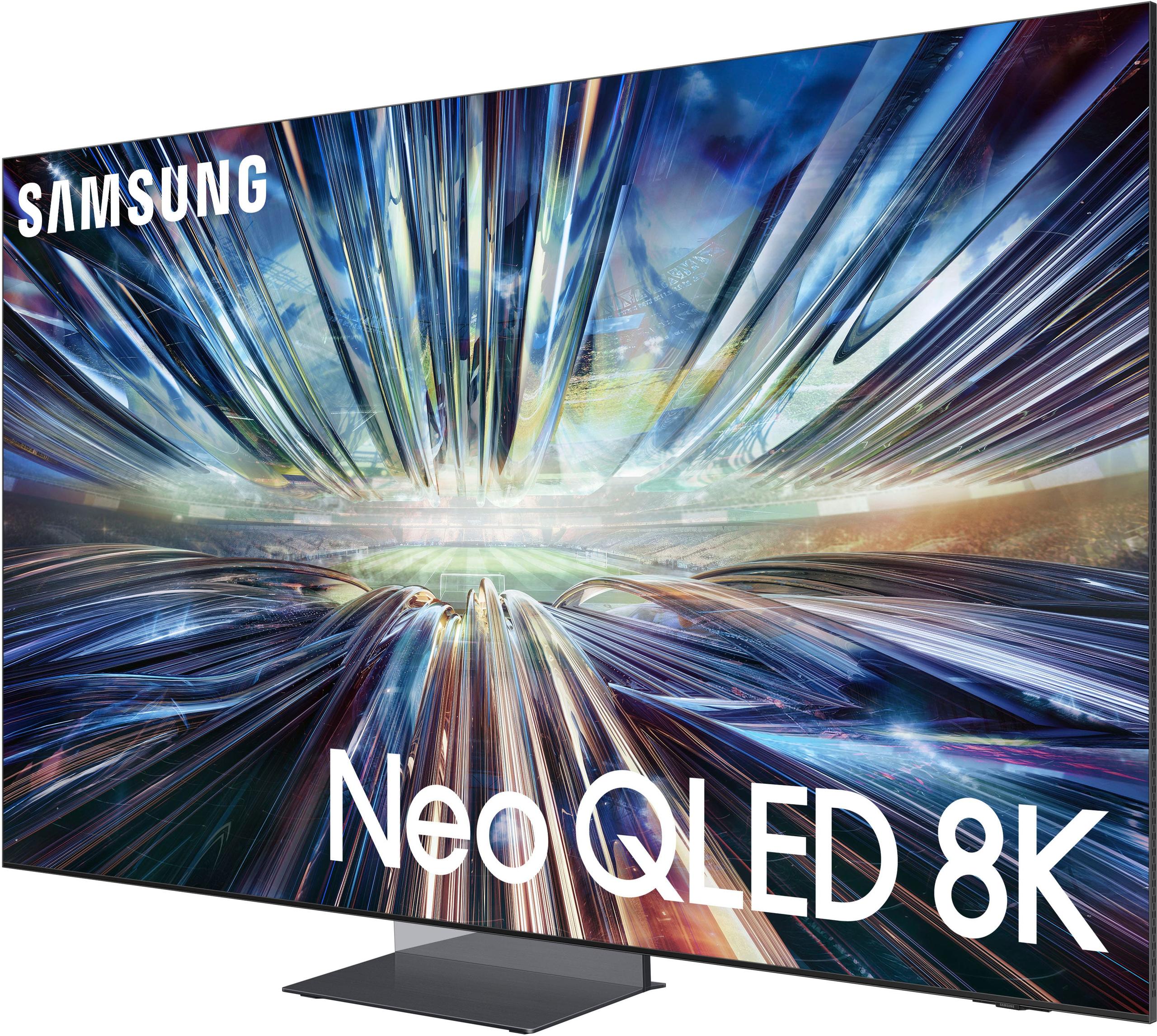
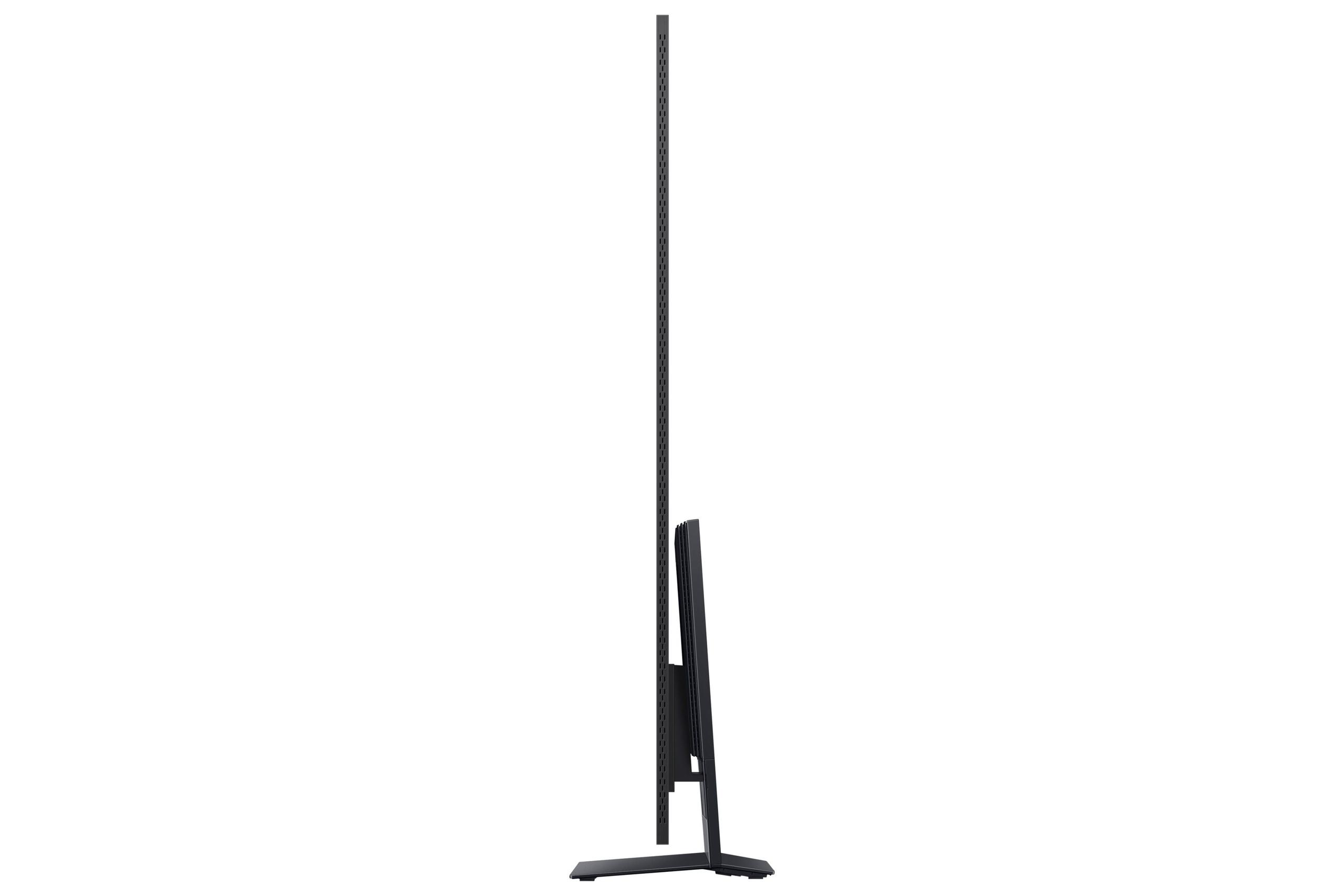
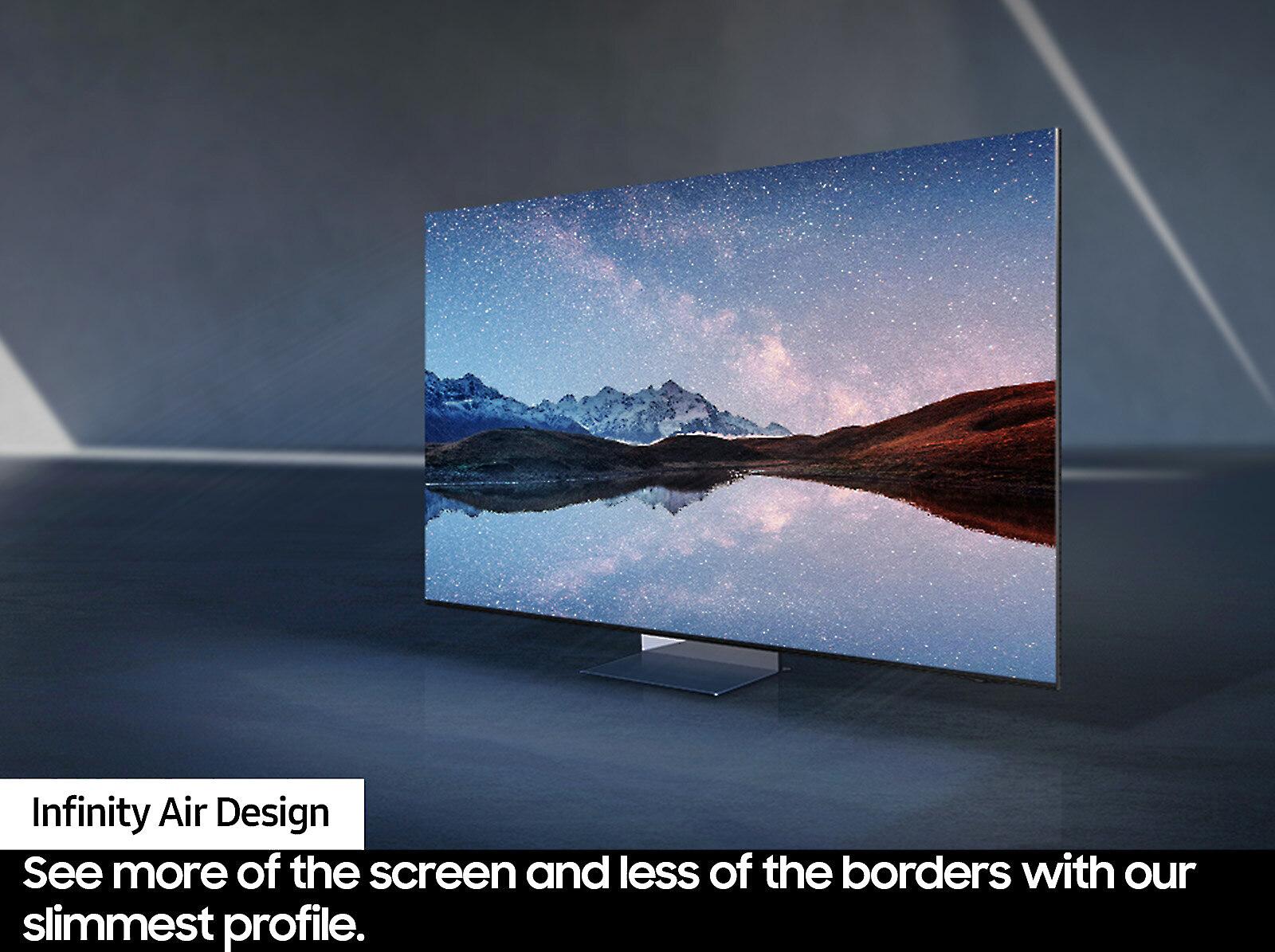
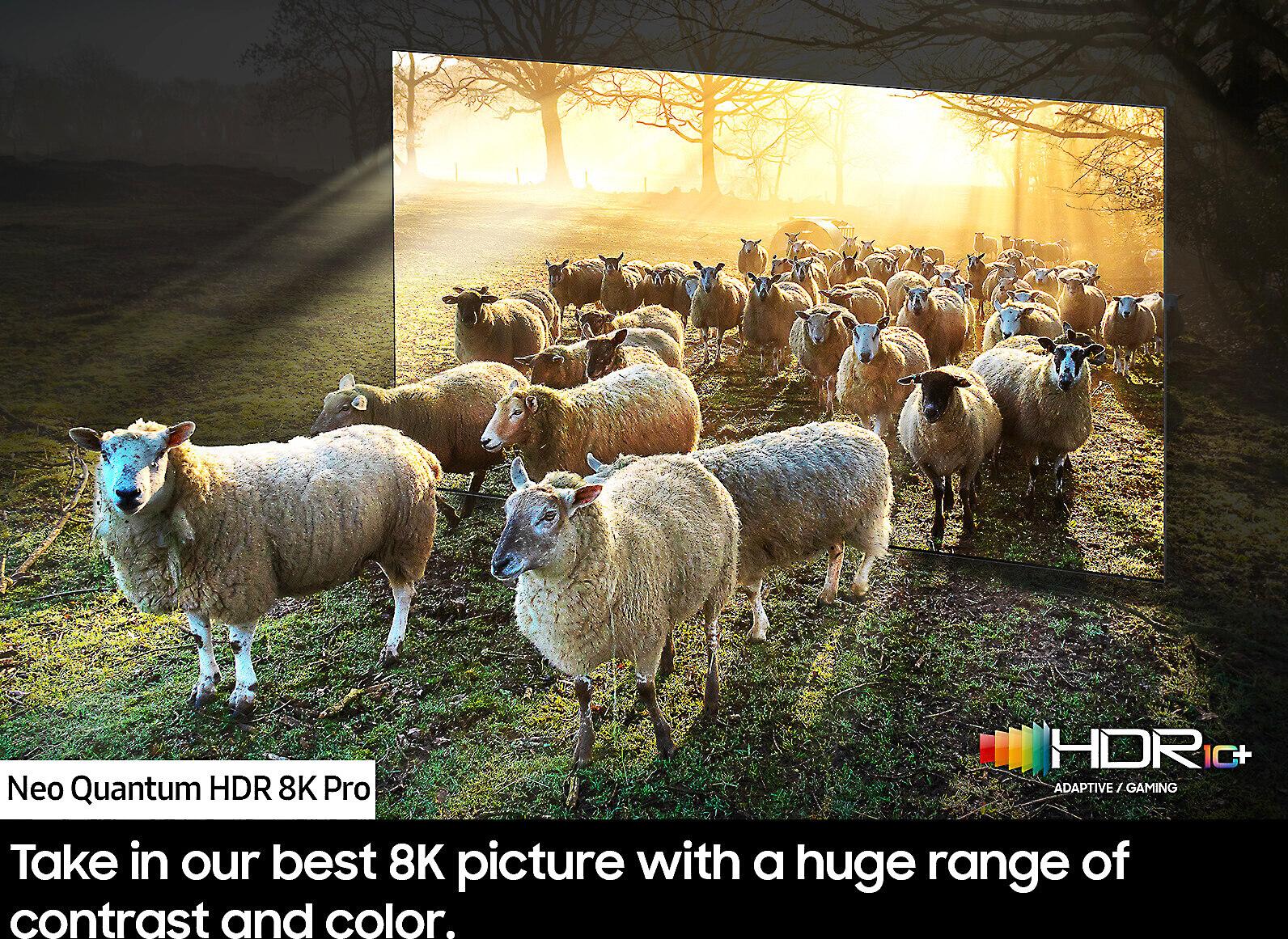
When Samsung released their premium Neo QLED lineup, they created something of a puzzle for TV buyers. Do you go with the latest 2025 Samsung 65" QN90F Neo QLED 4K Vision AI Smart TV, packed with new anti-glare technology? Or do you choose the 2024 Samsung QN900D Series 65" Neo QLED 8K Smart TV, which offers more pixels than most people know what to do with? After spending time with both displays, I can tell you the answer isn't as straightforward as "newer is better."
Before we dive into the comparison, let's talk about what Neo QLED actually means. Traditional LED TVs use large LED lights behind the screen, but Neo QLED uses thousands of tiny Mini LEDs – each about 1/40th the size of conventional LEDs. Think of it like the difference between painting with a house brush versus a fine artist's brush. These Mini LEDs can be controlled in precise zones, creating what's called "local dimming." When part of your screen should be completely black (like space scenes in movies), those specific zones turn off completely while bright areas stay brilliant.
The "quantum dot" part refers to microscopic particles that convert blue LED light into perfect red and green colors. This technology allows these TVs to display a much wider range of colors than standard displays – what we call a wider "color gamut." The result is colors that pop off the screen with an intensity that makes streaming content look almost three-dimensional.
Both the QN90F and QN900D use this technology, but they implement it quite differently, and those differences matter more than you might expect.
Let's address the elephant in the room: 8K resolution. The QN900D displays 7,680 × 4,320 pixels, which is exactly four times more detail than the QN90F's 4K resolution of 3,840 × 2,160. On paper, this sounds like a massive advantage, but the reality is more nuanced.
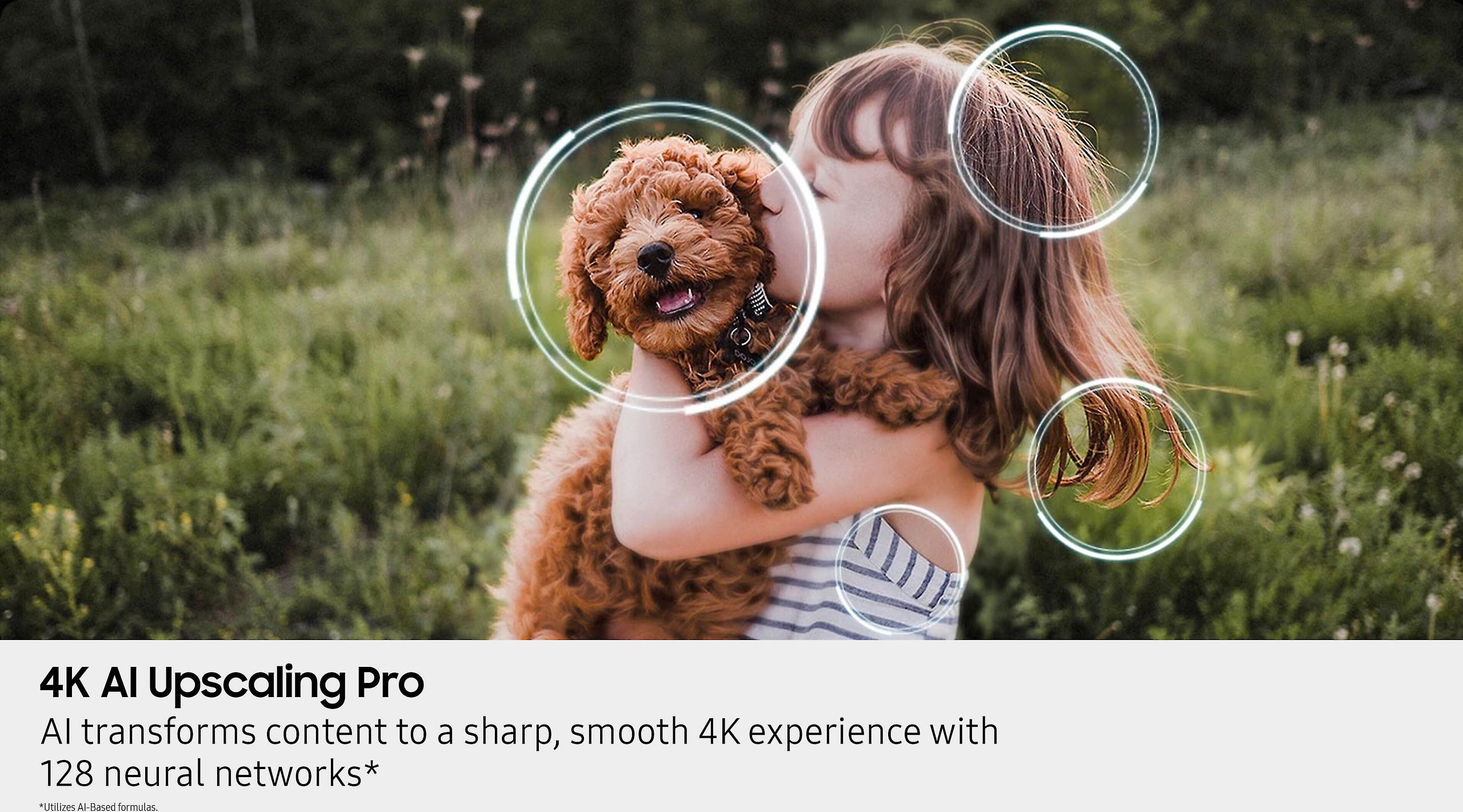
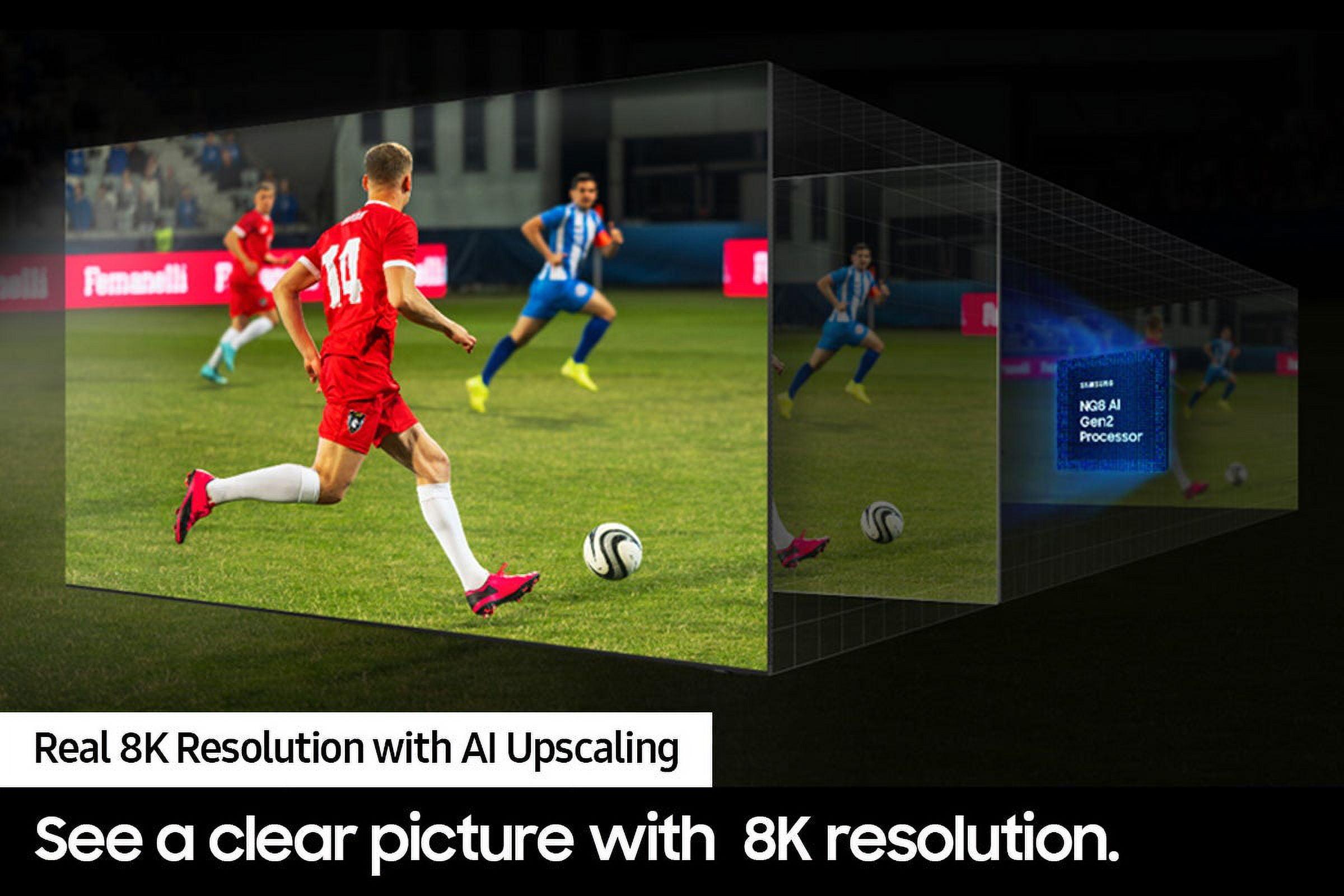
Here's the thing about 8K: there's virtually no native 8K content available to consumers. Netflix doesn't stream in 8K. Your Blu-ray collection is 4K at best. Most YouTube videos top out at 4K. So what's the point? The magic happens in upscaling – the TV's ability to take lower-resolution content and intelligently fill in the extra pixels.
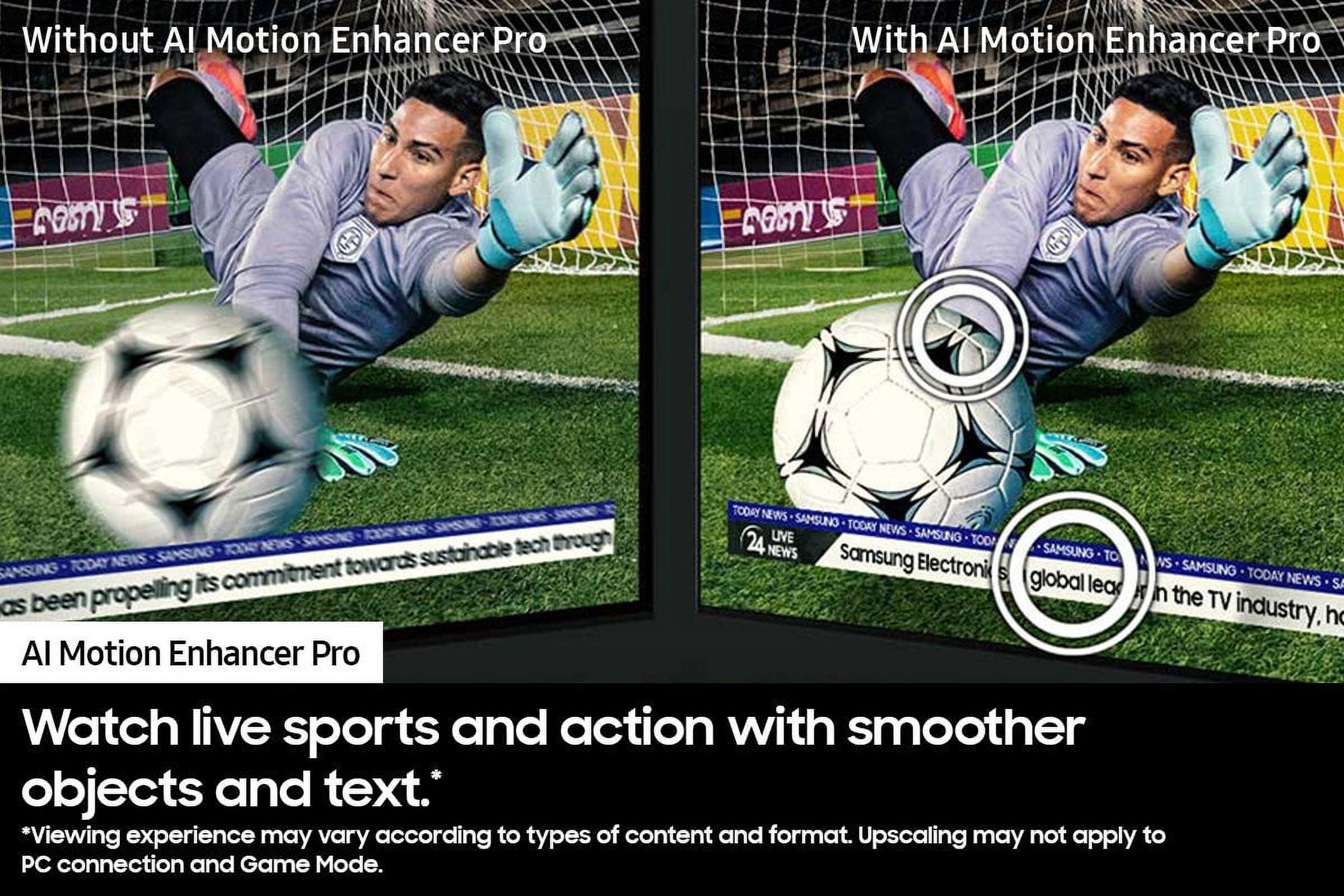
The QN900D uses Samsung's NQ8 AI Gen3 processor, which is specifically designed for this task. After watching everything from classic movies to modern Netflix shows, I can say the difference is noticeable, especially on detailed content like nature documentaries or action scenes with lots of fine detail. Facial textures appear more refined, and distant objects in landscape shots show subtle details that 4K displays simply can't match.
However, the viewing distance matters enormously. At typical living room distances (8-12 feet), the resolution difference becomes less apparent unless you're actively looking for it. If you're sitting closer – say, using the TV as a large computer monitor – the 8K advantage becomes more pronounced.
This is where the comparison takes an unexpected turn. Despite being newer, the QN90F actually shows some regression in core picture quality metrics compared to both its predecessor and the QN900D. Let me explain what's happening here.
Peak Brightness Performance
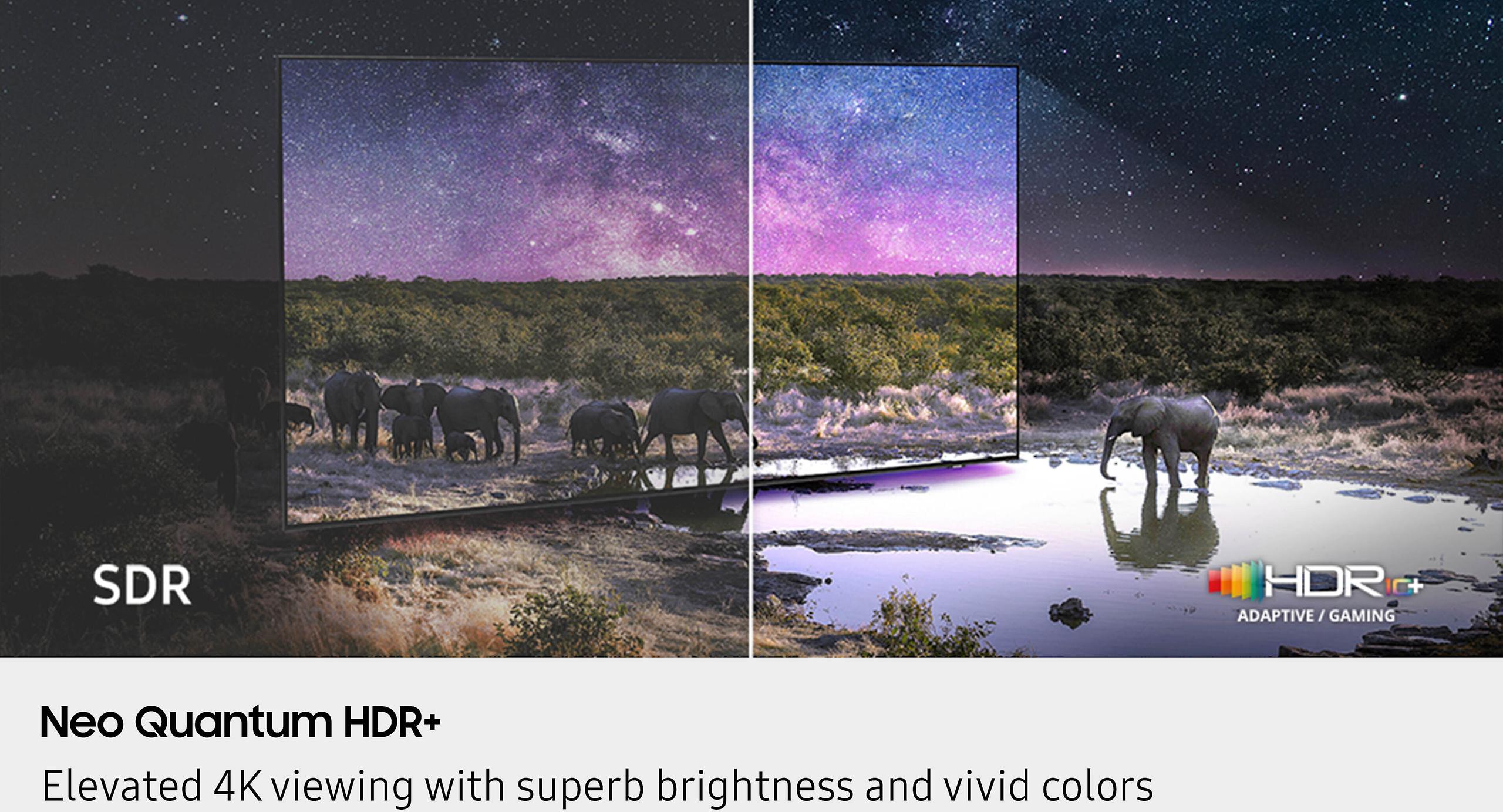
Peak brightness determines how vibrant HDR content looks and how well the TV performs in bright rooms. The QN900D reaches an impressive 2,338 nits in HDR Filmmaker mode, while the QN90F tops out around 1,402 nits. That's a significant difference – about 67% more brightness capability.
In practical terms, this means HDR movies on the QN900D have more impact. When you're watching something like "Dune" or "Blade Runner 2049," those bright explosions and neon cityscapes have more punch. The sun reflections off water in nature documentaries look more realistic. It's the kind of difference that makes you catch your breath during dramatic scenes.
Contrast and Black Levels
Contrast ratio – the difference between the darkest blacks and brightest whites – is crucial for picture depth and realism. Here's where the QN90F stumbles. In regular viewing, it performs adequately, but switch to Game Mode (which most people use for gaming and sometimes regular viewing for reduced input lag), and the black levels noticeably worsen.
I tested this with dark sci-fi movies and noticed more "blooming" – that grayish glow around bright objects in dark scenes. The QN900D maintains better black levels across all modes, making it superior for movie watching in dim environments.
Color Performance
Both TVs support wide color gamuts, but the QN900D delivers more vibrant, saturated colors. This isn't just about "pop" – it's about accuracy and emotional impact. Skin tones appear more natural, and the subtle gradients in sunset scenes show more nuanced variation.
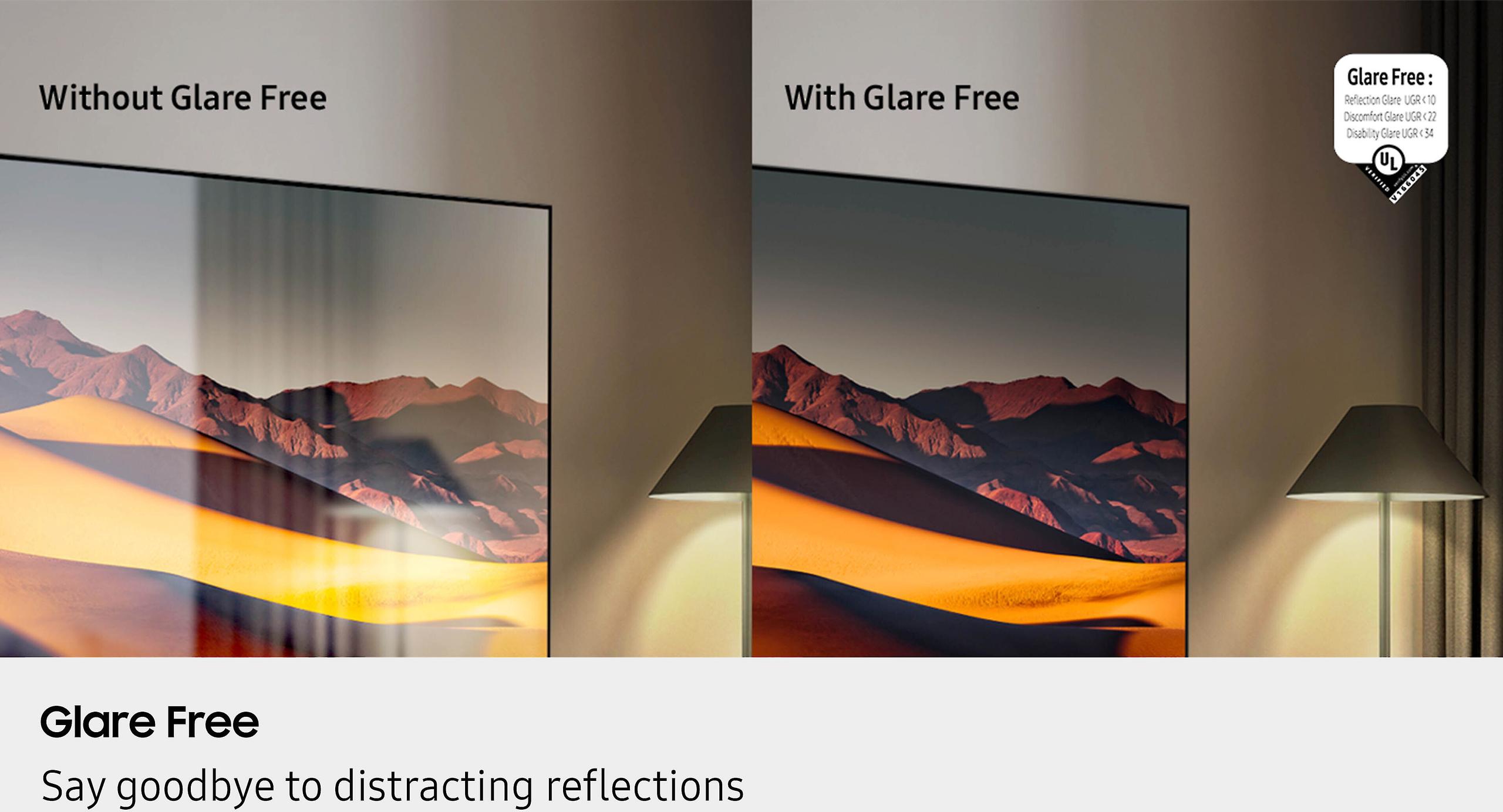
Here's where the QN90F fights back with its biggest innovation: a matte screen coating that virtually eliminates reflections. If you've ever struggled to watch TV during daytime or dealt with lamp reflections during evening viewing, you'll understand why this matters.
Traditional TV screens are glossy, acting like mirrors for any light source in your room. The QN90F's matte coating scatters reflected light instead of bouncing it directly back at your eyes. In bright rooms, this creates a fundamentally different viewing experience.
I tested this extensively in a south-facing living room with large windows. Where the QN900D became nearly unwatchable during afternoon sunlight – requiring closed blinds or strategic seating – the QN90F remained perfectly viewable. Colors stayed saturated, and dark scenes remained dark instead of appearing washed out gray.
This technology comes with trade-offs. Matte coatings can make colors appear slightly less vibrant in dark rooms, and some viewers notice a subtle texture to the image. But for many room situations, these minor compromises are worth the massive improvement in usability.
Both TVs excel for gaming but in different ways. The QN90F supports refresh rates up to 165Hz for PC gaming, which matters if you have a high-end graphics card and play competitive games. That extra smoothness in fast-paced shooters or racing games is noticeable to serious gamers.
However, the QN90F has a significant weakness in Game Mode. The local dimming zones – those sections of Mini LEDs that control brightness – respond more slowly, creating visible "trailing" effects behind fast-moving objects. Imagine a white character running across a dark background; you might see a subtle halo following them. For competitive gaming, this can be distracting.
The QN900D maintains better zone transitions and contrast even in Game Mode. While it caps out at 120Hz instead of 165Hz, this difference is minimal for console gaming (PS5 and Xbox Series X top out at 120Hz anyway). For single-player games with rich visuals – think "Cyberpunk 2077" or "The Last of Us" – the superior contrast and color of the QN900D creates a more immersive experience.
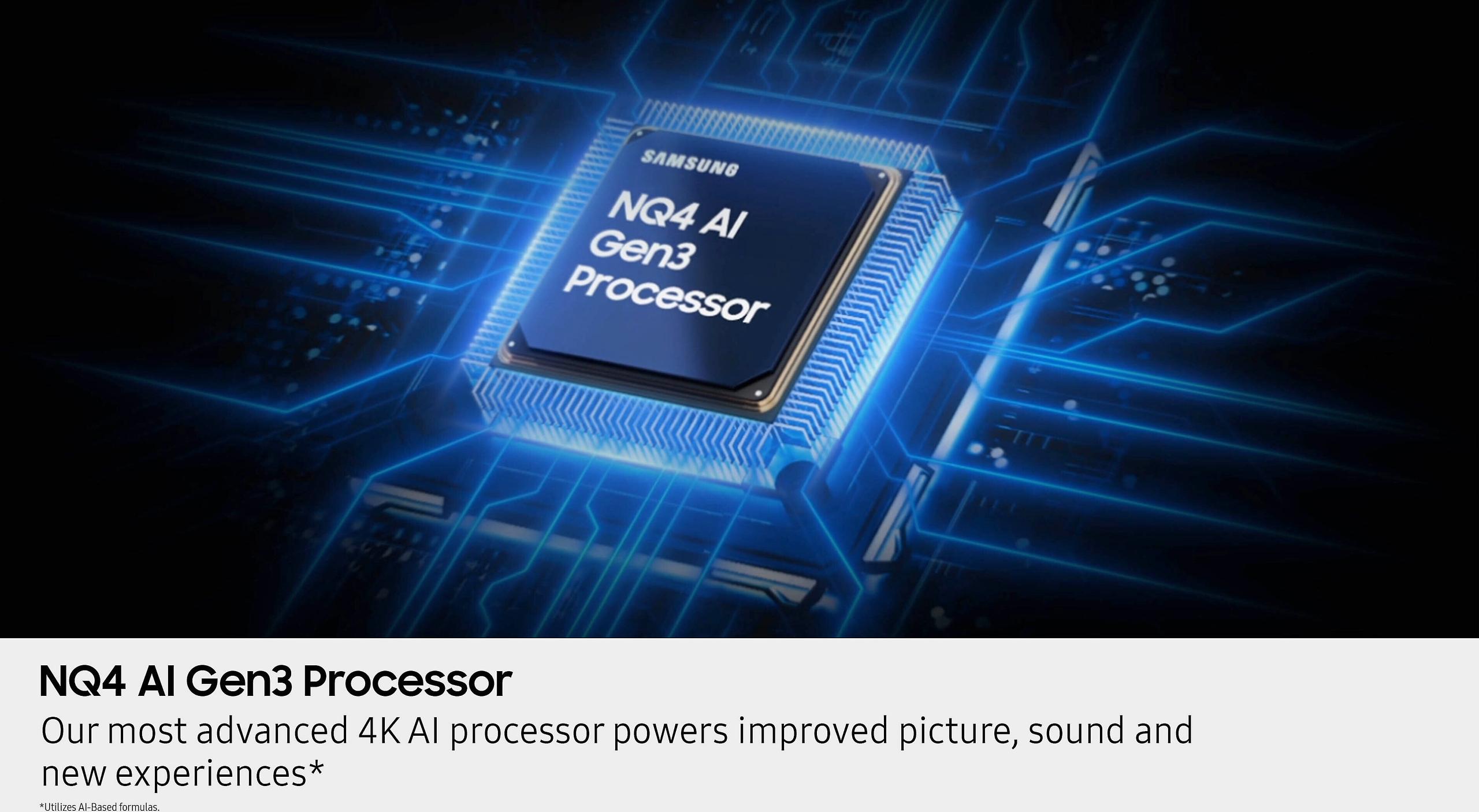
The processing power difference between these models is substantial. The QN900D's NQ8 AI Gen3 processor runs approximately twice as fast as the QN90F's NQ4 variant. This affects more than just upscaling – it impacts motion smoothing, noise reduction, and color optimization.
Both TVs run Samsung's Tizen smart TV platform, but the QN90F includes newer "Vision AI" features. These analyze your viewing patterns and room conditions to automatically adjust settings. While interesting, these features feel more like conveniences than game-changers.
The more powerful processor in the QN900D shows its strength in challenging content. Old movies with film grain, compressed streaming content, and lower-quality broadcasts all look noticeably cleaner and more detailed. If you watch a lot of varied content sources, this processing advantage matters daily.
For dedicated home theater setups, the QN900D is generally the better choice. Home theaters prioritize picture quality above all else, and the superior contrast, brightness, and color performance create a more cinematic experience.
The QN900D also handles the wider range of content typical in home theater use better. Whether you're watching 4K Blu-rays, streaming movies, or even older DVD content, the superior processing makes everything look its best.
However, if your "home theater" is actually a family room that doubles as entertainment space, the QN90F's anti-glare coating might trump pure picture quality. Many people discover that a slightly less perfect image they can actually see comfortably is better than a theoretically superior one that requires specific viewing conditions.
At the time of writing, these TVs were positioned differently in Samsung's lineup, with the QN900D typically priced lower despite being the flagship model. This pricing reflects both the newer technology premium of the QN90F and market uncertainty around 8K adoption.
The QN900D represents exceptional value for picture quality enthusiasts. You're getting Samsung's most advanced processing, superior brightness and contrast, and that impressive 8K resolution at what amounts to a discount compared to the newer model.
The QN90F commands a premium primarily for its anti-glare technology and newer smart features. Whether that premium is justified depends entirely on your room conditions and viewing habits.
The 8K question looms large for long-term buyers. Will 8K content become mainstream, or will the industry move toward other improvements like better HDR and higher frame rates? Current evidence suggests 8K adoption is slower than the industry initially projected.
However, the QN900D's superior processing means it will likely age better regardless of resolution trends. As streaming quality continues to improve and compression techniques advance, having more processing power to optimize that content becomes increasingly valuable.
The QN90F's anti-glare technology, meanwhile, addresses a fundamental viewing challenge that won't become obsolete. If room reflections are your primary frustration with TV viewing, this feature will remain valuable throughout the TV's lifespan.
Choose the Samsung QN900D Series 65" Neo QLED 8K Smart TV if you prioritize pure picture quality, have a room where you can control lighting reasonably well, and want the best value for premium performance. It's ideal for movie enthusiasts, serious gamers who prefer visual quality over maximum refresh rates, and anyone who wants flagship-level performance without paying flagship prices.
Choose the Samsung 65" QN90F Neo QLED 4K Vision AI Smart TV if your viewing room has challenging lighting conditions, you've struggled with glare on previous TVs, or you need maximum refresh rates for competitive PC gaming. It's the better choice for open-concept living spaces, rooms with lots of windows, and family environments where the TV needs to perform well under various lighting conditions.
Both are excellent TVs, but they solve different problems. The QN900D maximizes picture quality in controlled environments, while the QN90F maximizes usability in challenging real-world conditions. Your room, viewing habits, and tolerance for environmental compromises should guide your choice more than specifications alone.
The best TV isn't always the one with the most impressive specs – it's the one that works best in your specific situation. Consider your space, your priorities, and your viewing habits carefully. In this case, both options represent the pinnacle of LED TV technology; they just excel in different ways.
| Samsung 65" QN90F Neo QLED 4K Vision AI Smart TV 2025 | Samsung QN900D Series 65" Neo QLED 8K Smart TV |
|---|---|
| Resolution - Higher numbers don't always mean better real-world experience | |
| 4K (3,840 × 2,160) - Abundant content availability | 8K (7,680 × 4,320) - Exceptional upscaling, limited native content |
| Screen Coating - Critical for bright room viewing comfort | |
| Matte anti-glare coating - Virtually eliminates reflections | Traditional glossy - Prone to reflections but vibrant colors |
| Peak HDR Brightness - Determines impact of bright scenes and HDR content | |
| 1,402 nits - Good HDR performance | 2,338 nits - Exceptional HDR impact, 67% brighter |
| Processor - Affects upscaling quality and overall performance | |
| NQ4 AI Gen3 - Capable 4K processing | NQ8 AI Gen3 - Twice as fast, superior upscaling |
| Gaming Refresh Rate - Higher rates benefit competitive PC gaming | |
| Up to 165Hz - Excellent for high-end PC gaming | Up to 120Hz - Perfect for consoles, good for PC |
| Game Mode Performance - Important for gaming picture quality | |
| Compromised black levels and zone transitions | Maintains excellent contrast and smooth zones |
| Contrast Performance - Affects depth and realism in dark scenes | |
| Reduced compared to predecessor, worse in Game Mode | Excellent across all modes, superior black levels |
| Color Performance - Impacts vibrancy and accuracy | |
| Good but less vibrant than predecessor | Superior color volume and saturation |
| Release Year - Affects software support and feature longevity | |
| 2025 - Latest features, longer support lifecycle | 2024 - Proven performance, current-generation tech |
| Value Positioning - Price-to-performance consideration | |
| Premium pricing for anti-glare technology | Better overall value with superior picture quality |
| Best Use Case - Ideal viewing scenarios | |
| Bright rooms, glare-prone environments, competitive gaming | Dark rooms, home theaters, picture quality prioritization |
The Samsung QN900D Series 65" Neo QLED 8K Smart TV delivers superior overall picture quality with better contrast, more vibrant colors, and exceptional HDR brightness of 2,338 nits compared to the Samsung 65" QN90F Neo QLED 4K Vision AI Smart TV 2025's 1,402 nits. The QN900D also maintains better black levels across all viewing modes.
The Samsung QN900D Series 65" Neo QLED 8K Smart TV offers 8K resolution with excellent upscaling for current 4K content, while the Samsung 65" QN90F Neo QLED 4K Vision AI Smart TV 2025 focuses on optimized 4K performance. Since native 8K content is extremely limited, the choice depends on whether you value the upscaling benefits and future-proofing of 8K.
The Samsung 65" QN90F Neo QLED 4K Vision AI Smart TV 2025 is significantly better for bright rooms thanks to its revolutionary matte anti-glare screen coating that virtually eliminates reflections. The Samsung QN900D Series 65" Neo QLED 8K Smart TV has a traditional glossy screen that can become difficult to watch in bright lighting conditions.
For competitive PC gaming, the Samsung 65" QN90F Neo QLED 4K Vision AI Smart TV 2025 supports up to 165Hz refresh rates. However, the Samsung QN900D Series 65" Neo QLED 8K Smart TV maintains better contrast and smoother zone transitions in Game Mode, making it superior for visual quality during gaming, though it caps at 120Hz.
The Samsung QN900D Series 65" Neo QLED 8K Smart TV typically offers better value with superior picture quality, more powerful processing, and 8K resolution at a lower price point. The Samsung 65" QN90F Neo QLED 4K Vision AI Smart TV 2025 commands a premium primarily for its anti-glare technology and newer smart features.
Yes, the Samsung 65" QN90F Neo QLED 4K Vision AI Smart TV 2025 shows some regression in core picture metrics compared to its predecessor and the Samsung QN900D Series 65" Neo QLED 8K Smart TV, including reduced contrast performance and less vibrant colors, particularly noticeable in Game Mode.
The Samsung QN900D Series 65" Neo QLED 8K Smart TV is generally better for dedicated home theaters due to its superior contrast, exceptional brightness, and more powerful processing. The controlled lighting in home theaters maximizes these advantages while minimizing the glossy screen's reflection issues.
Both TVs run Samsung's Tizen platform, but the Samsung 65" QN90F Neo QLED 4K Vision AI Smart TV 2025 includes newer Vision AI features that automatically adjust settings based on viewing patterns. The Samsung QN900D Series 65" Neo QLED 8K Smart TV has a more powerful NQ8 processor that's approximately twice as fast for better content processing.
The Samsung QN900D Series 65" Neo QLED 8K Smart TV excels at processing varied content sources thanks to its more powerful NQ8 processor, making everything from old movies to compressed streaming content look cleaner and more detailed. The Samsung 65" QN90F Neo QLED 4K Vision AI Smart TV 2025 focuses more on optimizing 4K sources.
The Samsung 65" QN90F Neo QLED 4K Vision AI Smart TV 2025 excels in bright conditions due to its anti-glare coating but may appear slightly less vibrant in dark rooms. The Samsung QN900D Series 65" Neo QLED 8K Smart TV performs exceptionally in dark environments but struggles with reflections in bright rooms.
Both TVs represent current-generation technology, but the Samsung QN900D Series 65" Neo QLED 8K Smart TV's more powerful processor may help it age better as streaming quality improves. The Samsung 65" QN90F Neo QLED 4K Vision AI Smart TV 2025 offers longer software support as the newer model and addresses the timeless issue of screen reflections.
Choose the Samsung 65" QN90F Neo QLED 4K Vision AI Smart TV 2025 if you have a bright room with challenging lighting or need maximum PC gaming refresh rates. Choose the Samsung QN900D Series 65" Neo QLED 8K Smart TV if you prioritize picture quality, have reasonable lighting control, and want the best value for premium performance.
We've done our best to create useful and informative comparisons to help you decide what product to buy. Our research uses advanced automated methods to create this comparison and perfection is not possible - please contact us for corrections or questions. These are the sites we've researched in the creation of this article: rtings.com - images.samsung.com - youtube.com - listenup.com - youtube.com - cullenshomecenter.com - rtings.com - shopjetson.com - youtube.com - samsung.com - samsung.com - videoandaudiocenter.com - rtings.com - bestbuy.com - youtube.com - news.samsung.com - news.samsung.com - news.samsung.com - bestbuy.com - news.samsung.com - youtube.com - news.samsung.com - youtube.com - smarthomesounds.co.uk - rtings.com - videoandaudiocenter.com - bestbuy.com - avsforum.com - bestbuy.com - walts.com - images.samsung.com - samsung.com - merlinstv.com - samsung.com - avsforum.com - samsung.com

Privacy Policy
Terms and Conditions - Affiliate Policy
Home Security
© Copyright 2008-2026.
11816 Inwood Rd #1211, Dallas, TX 75244