

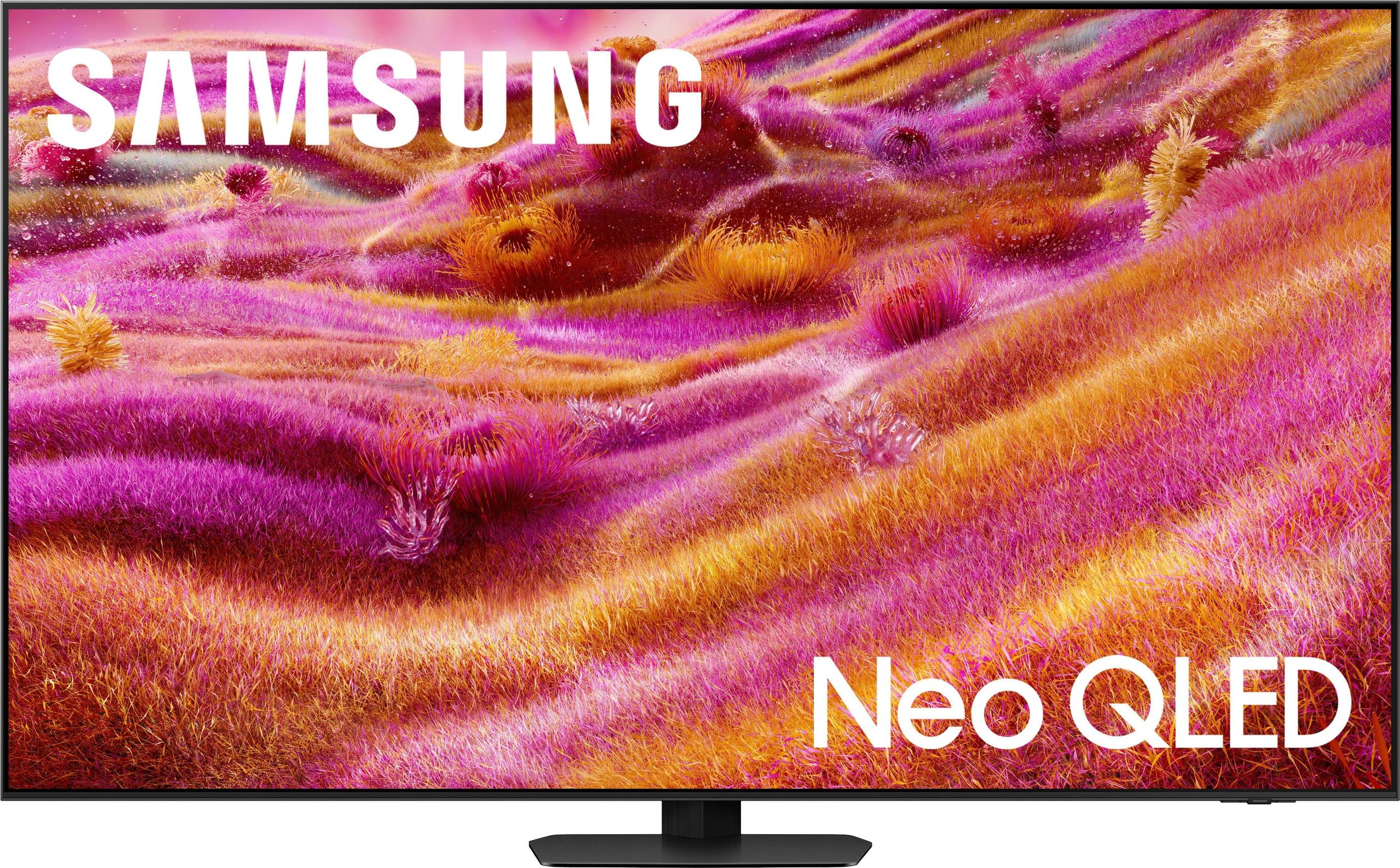
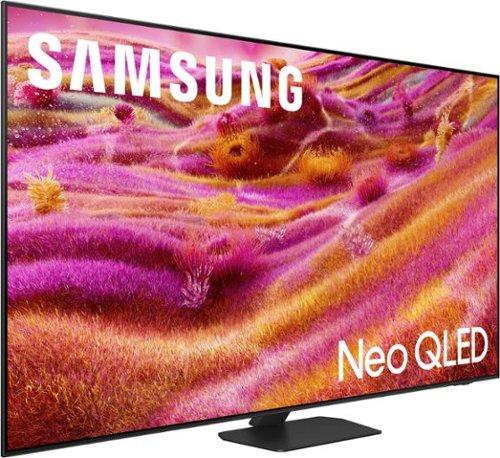
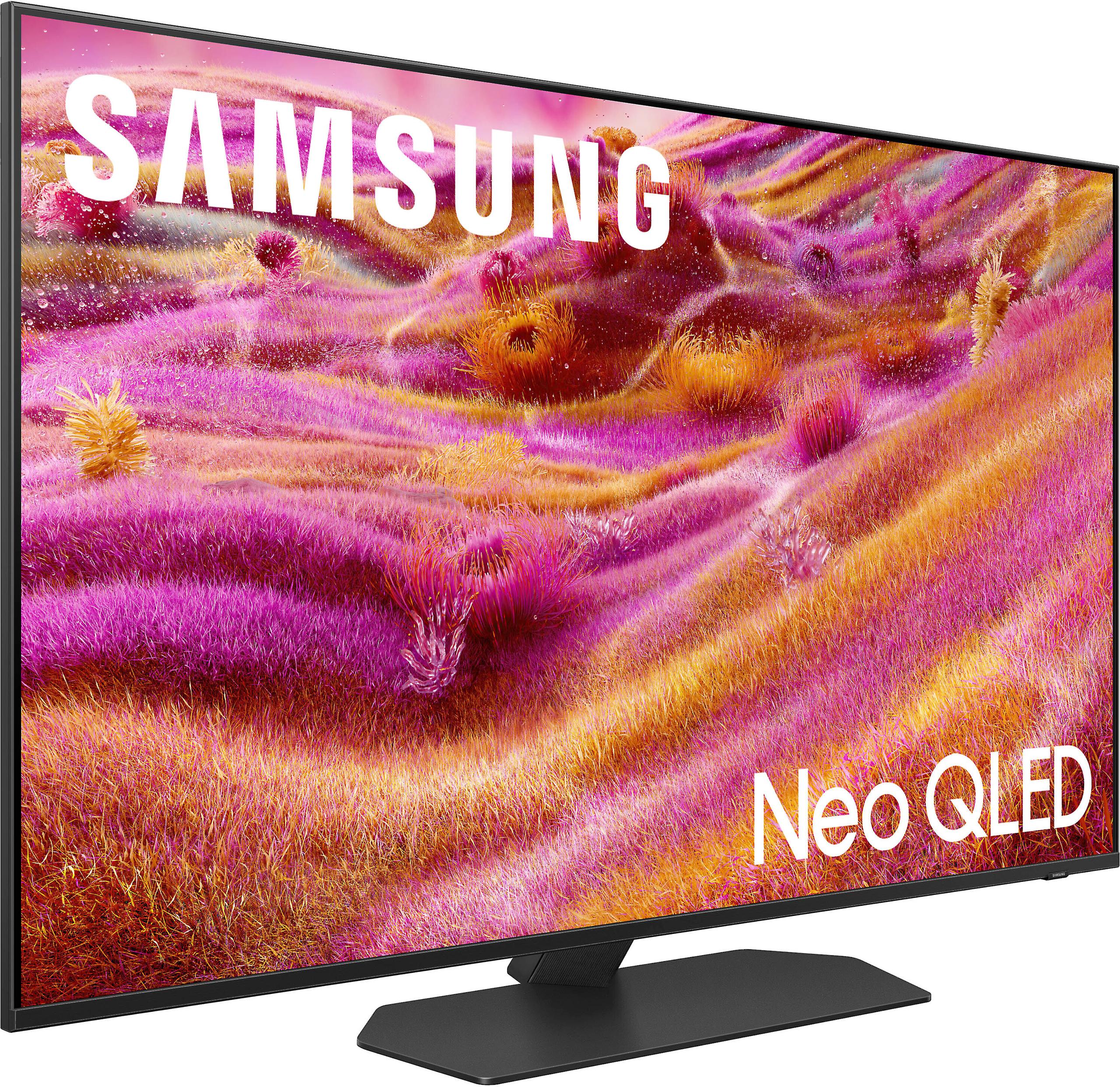
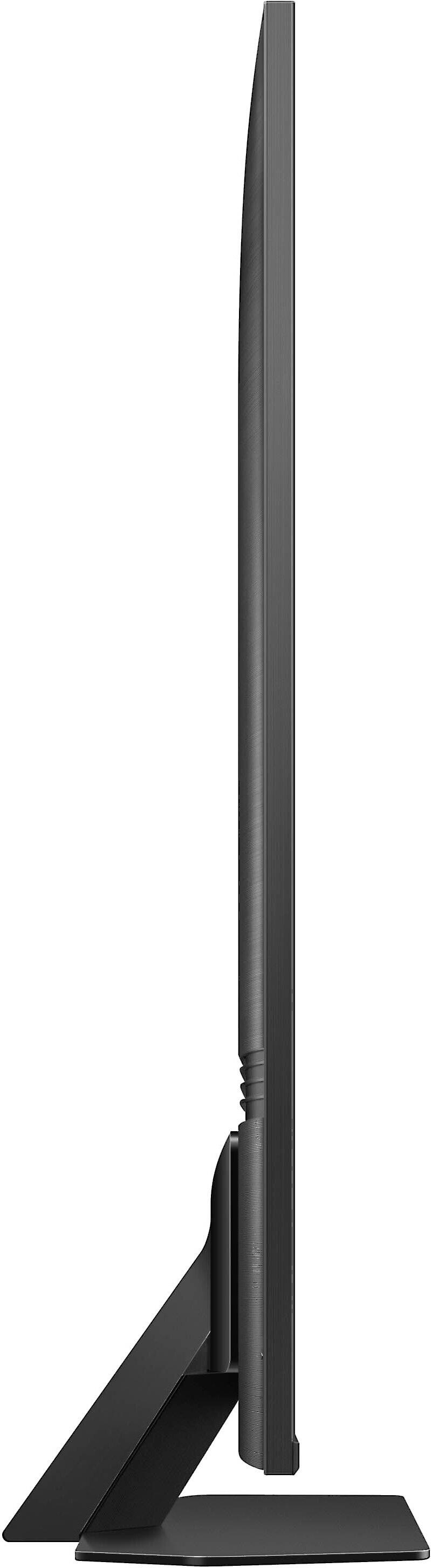
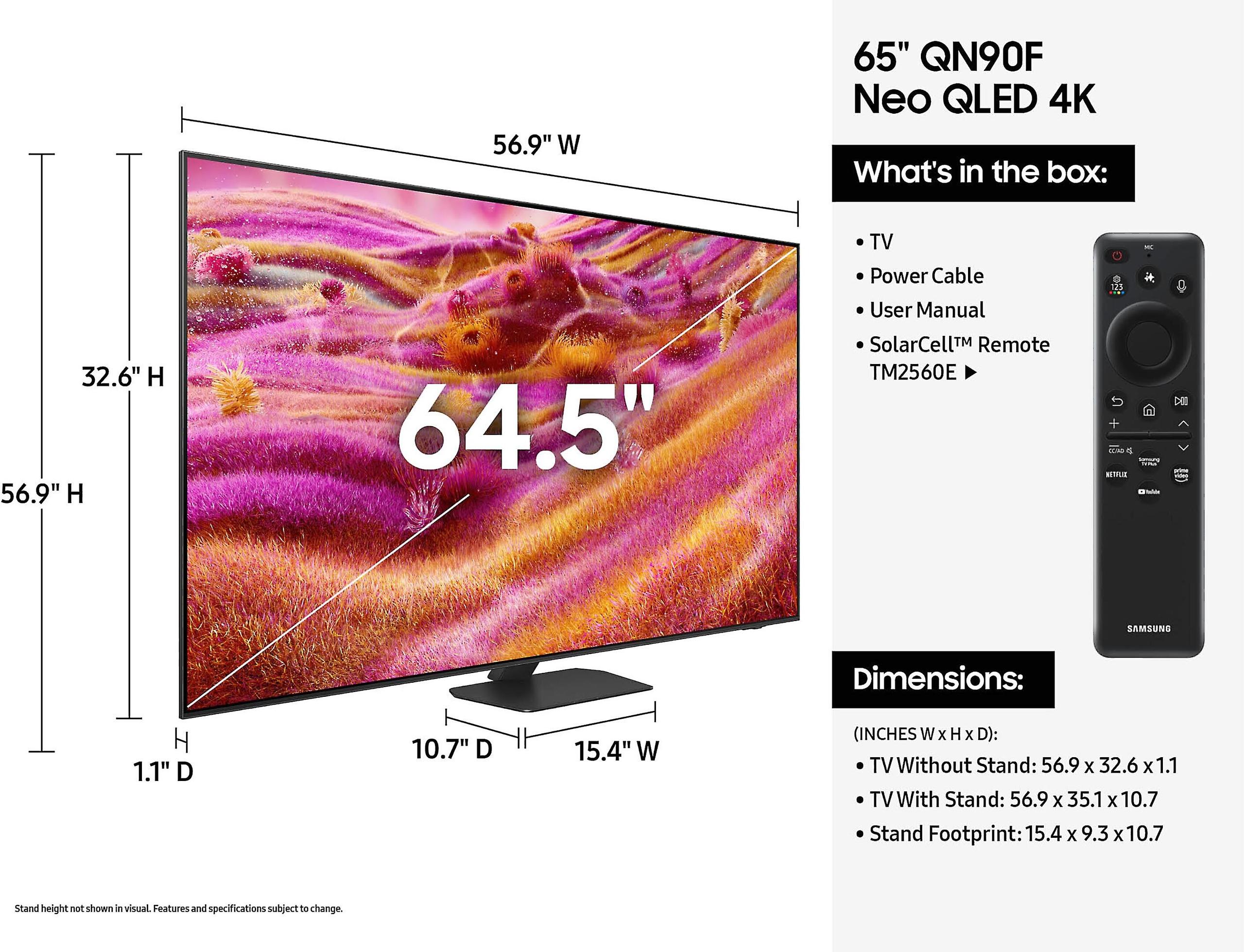

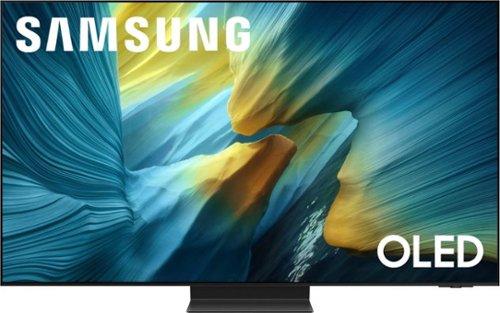
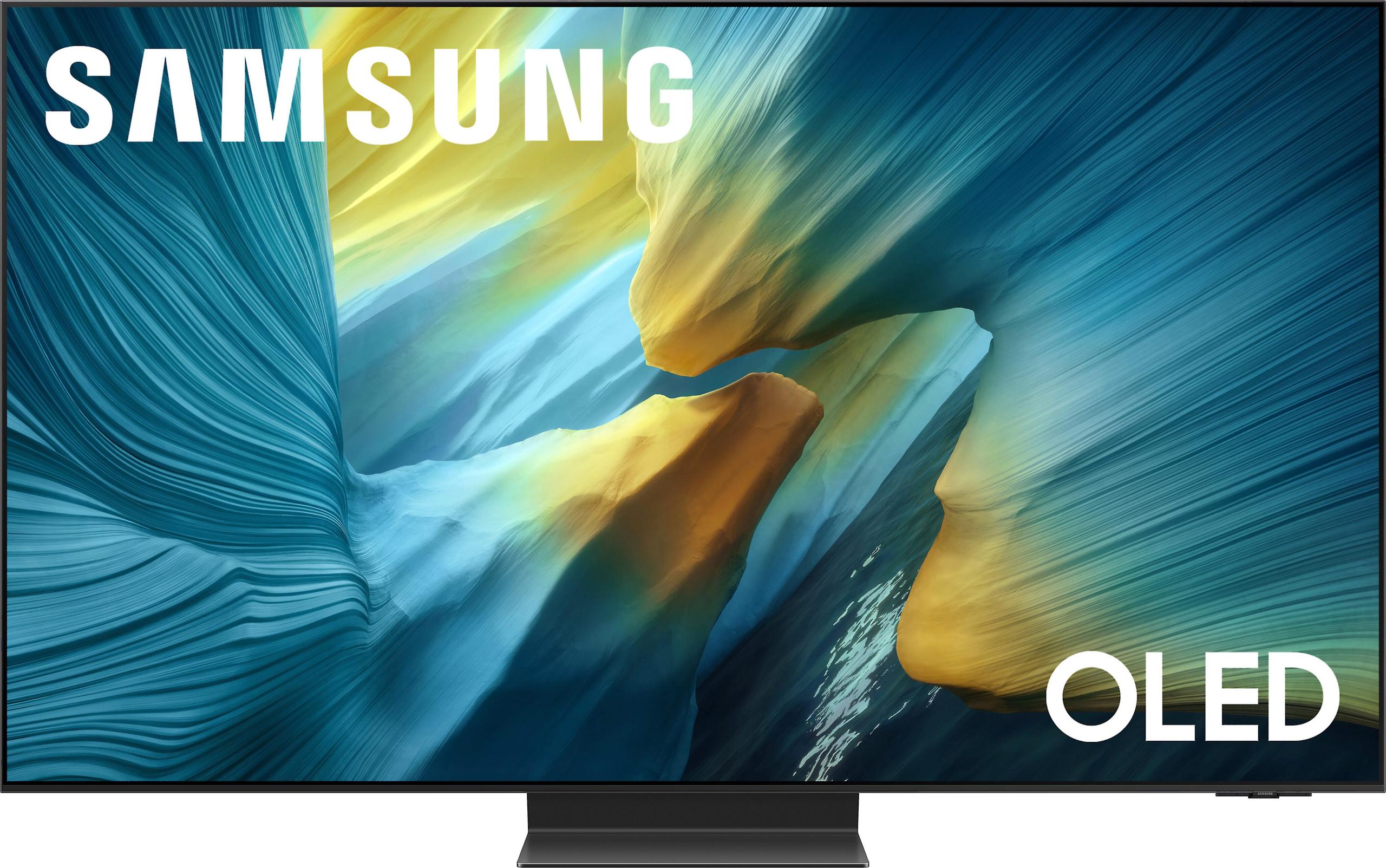
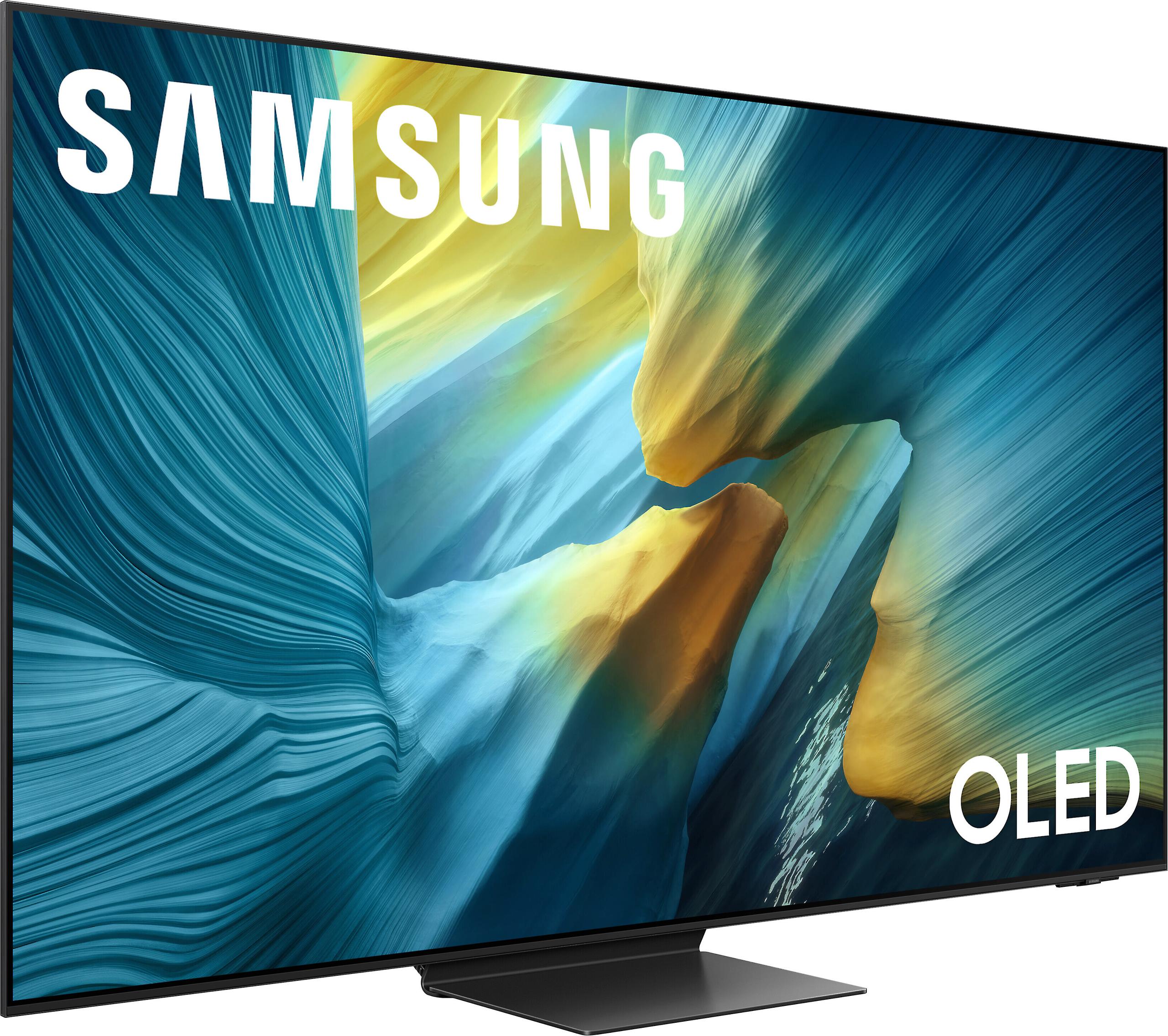
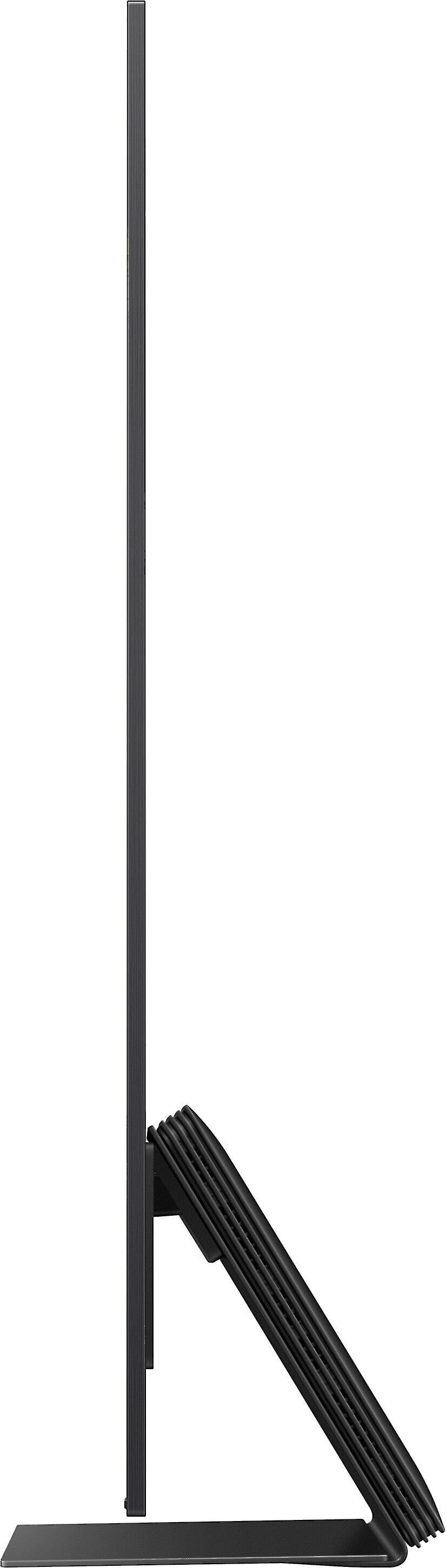
When Samsung released both the QN90F Neo QLED and S95F OLED in 2025, they created an interesting dilemma for TV shoppers. Both represent the pinnacle of Samsung's display technology, but they take completely different approaches to delivering exceptional picture quality. After spending considerable time with both models, I can tell you that choosing between them isn't as straightforward as you might think.
The premium 4K TV market has essentially split into two camps: advanced LCD TVs using Mini-LED backlighting (like Samsung's Neo QLED technology) and self-emissive OLED displays. Think of it like comparing a incredibly sophisticated flashlight system behind a translucent screen versus individual pixels that create their own light. Both approaches have their merits, and understanding these differences is crucial to making the right choice for your home.
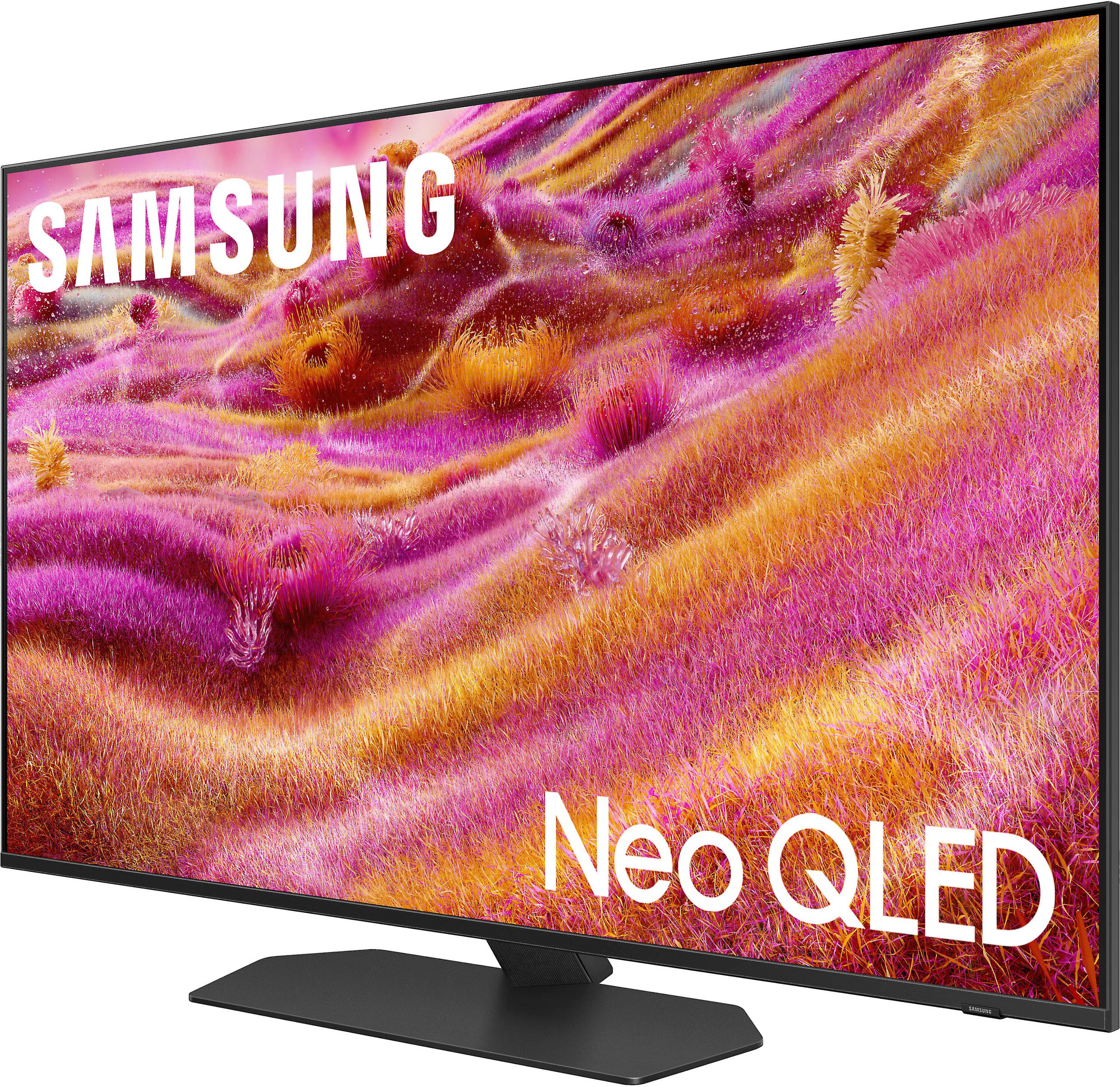
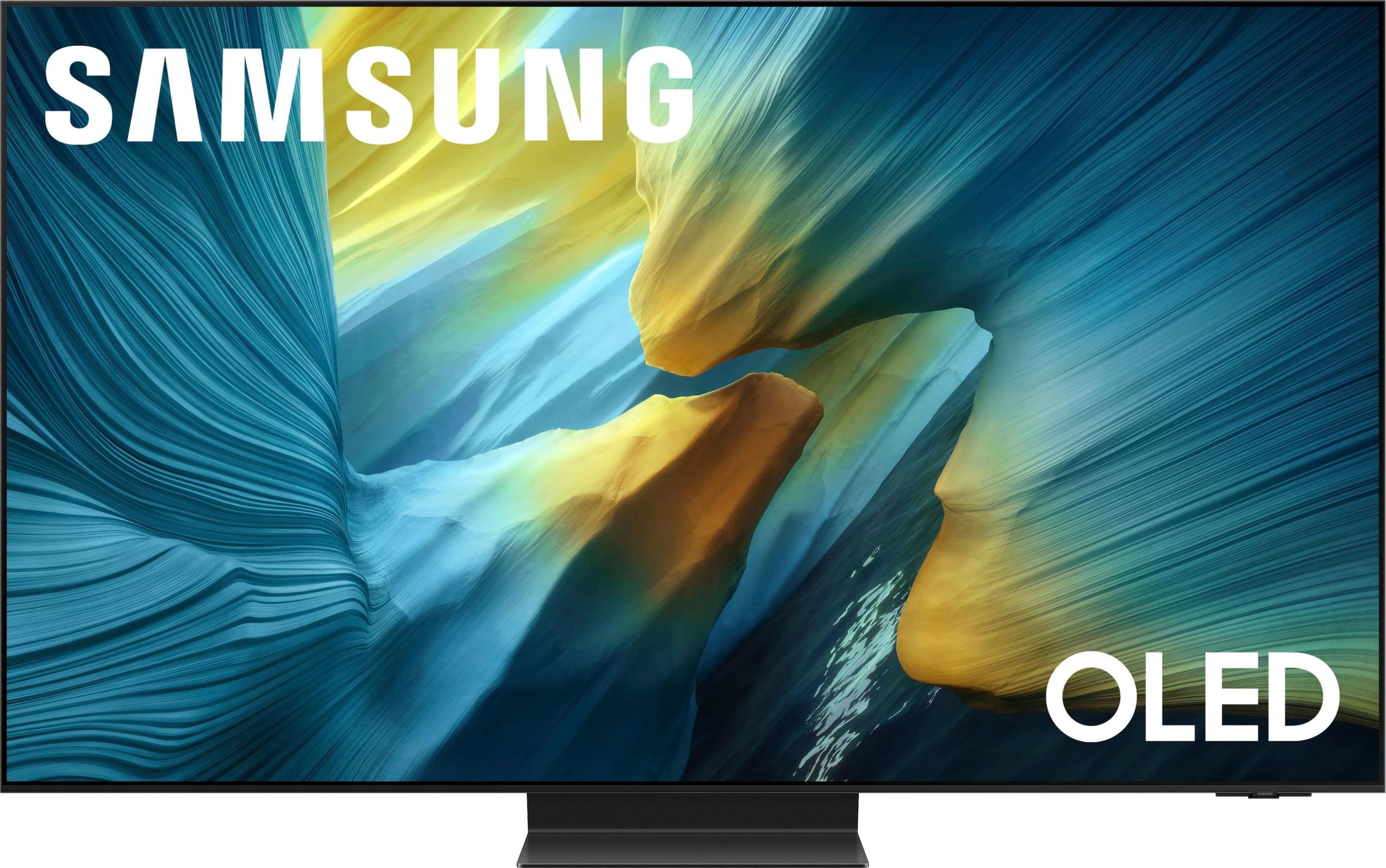
The Samsung QN90F represents the evolution of LCD technology pushed to its absolute limits. It uses thousands of tiny LED lights (called Mini-LEDs) arranged behind the screen in precise zones that can dim independently. This creates what's called "local dimming" – essentially allowing different parts of the screen to be bright or dark as needed. The Samsung S95F, on the other hand, uses OLED technology where each pixel produces its own light and can turn completely off for perfect blacks.
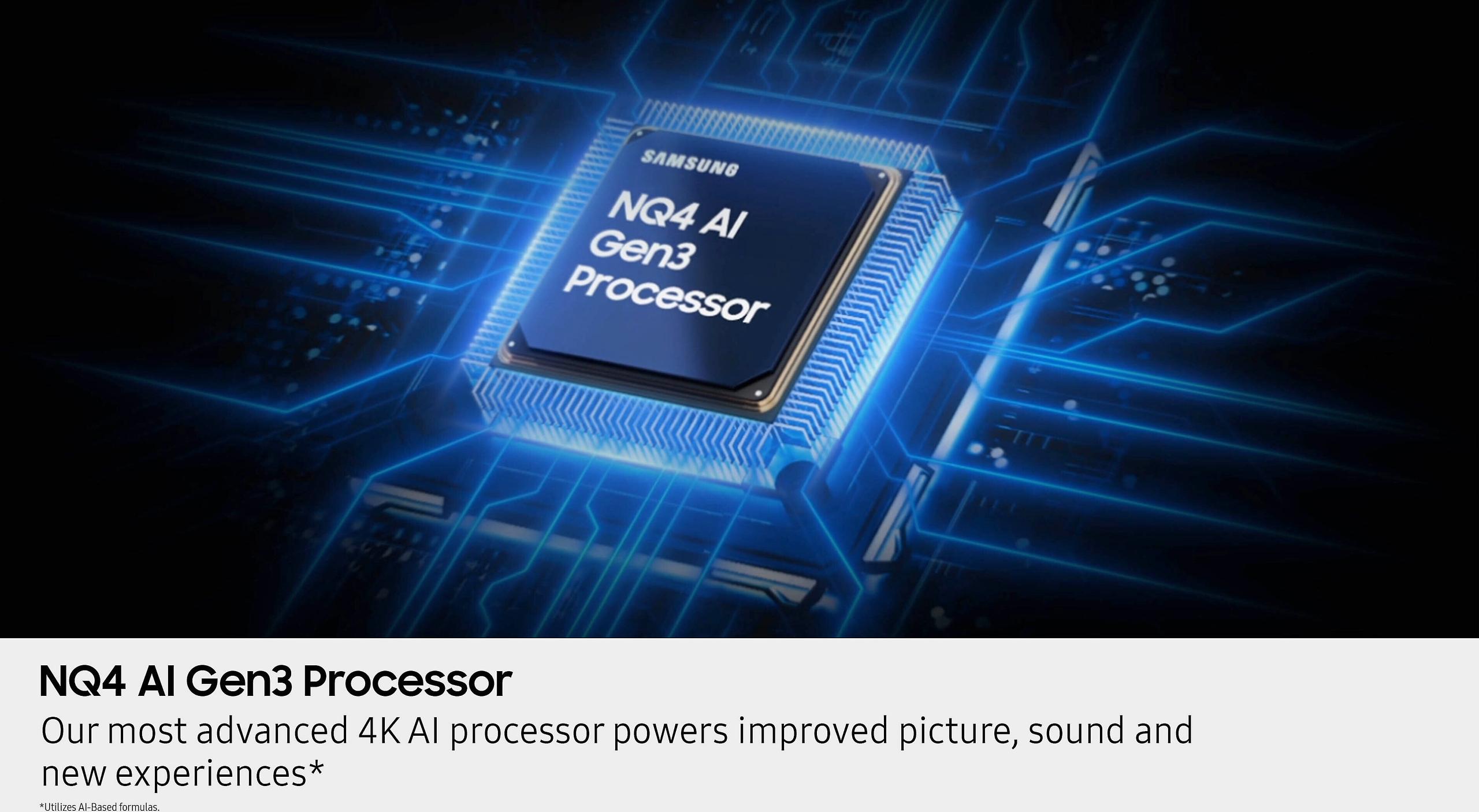
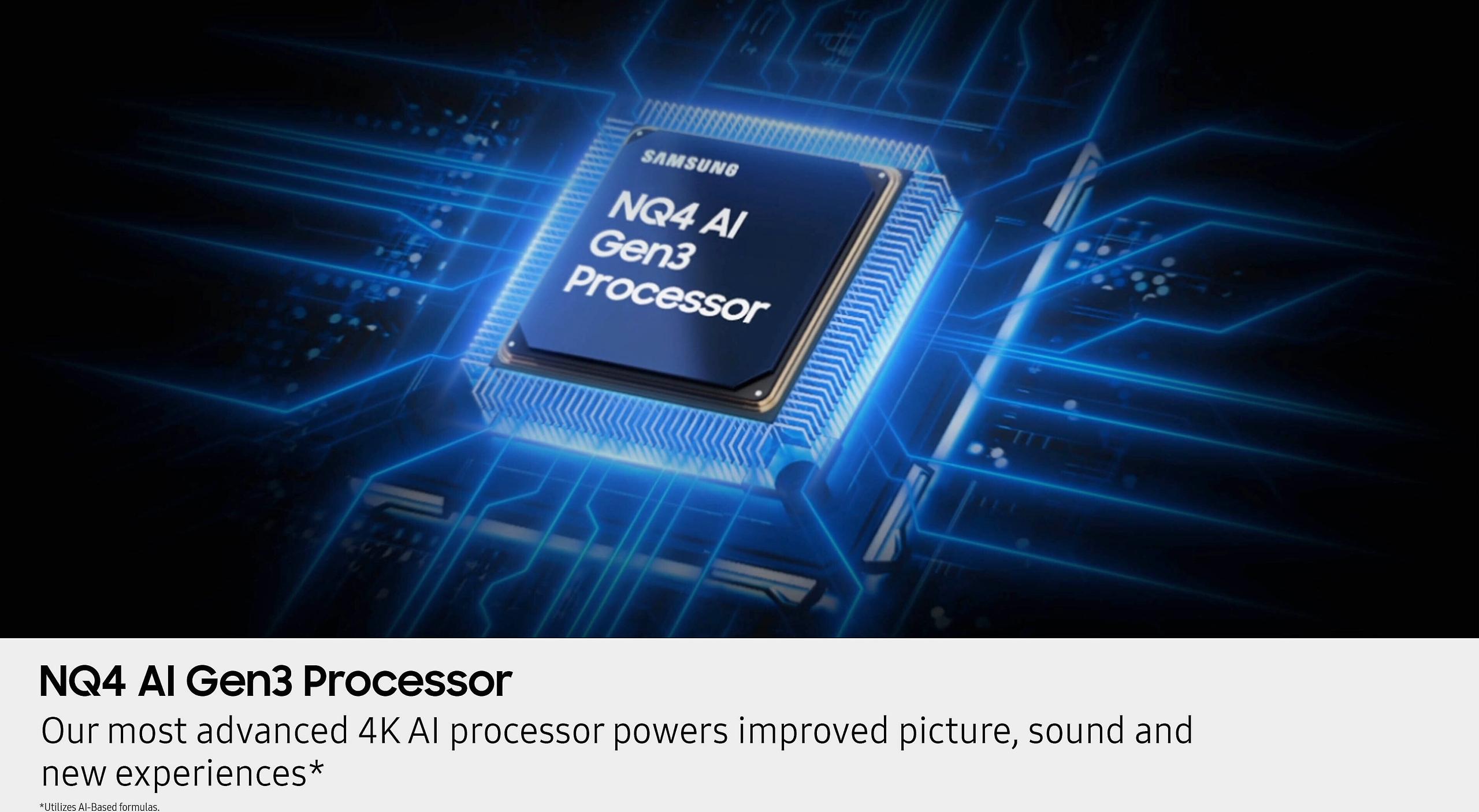
Both TVs launched in 2025 with Samsung's most advanced processor yet: the NQ4 AI Gen3. This chip uses 128 neural networks (think of them as tiny digital brains) to analyze and enhance everything you watch in real time. It's a significant step up from previous generations, particularly in how it handles upscaling – taking lower resolution content and making it look closer to true 4K quality.
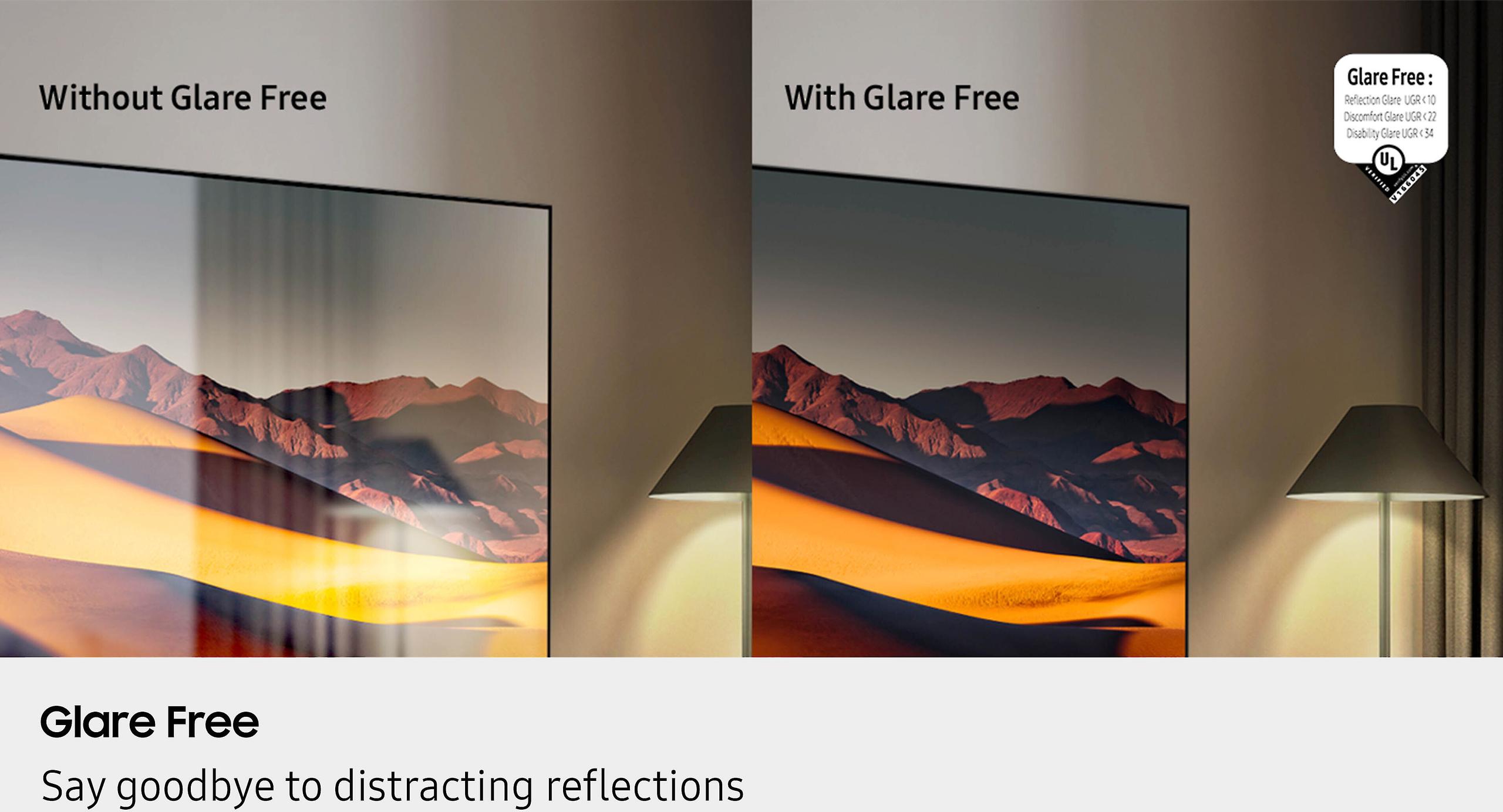
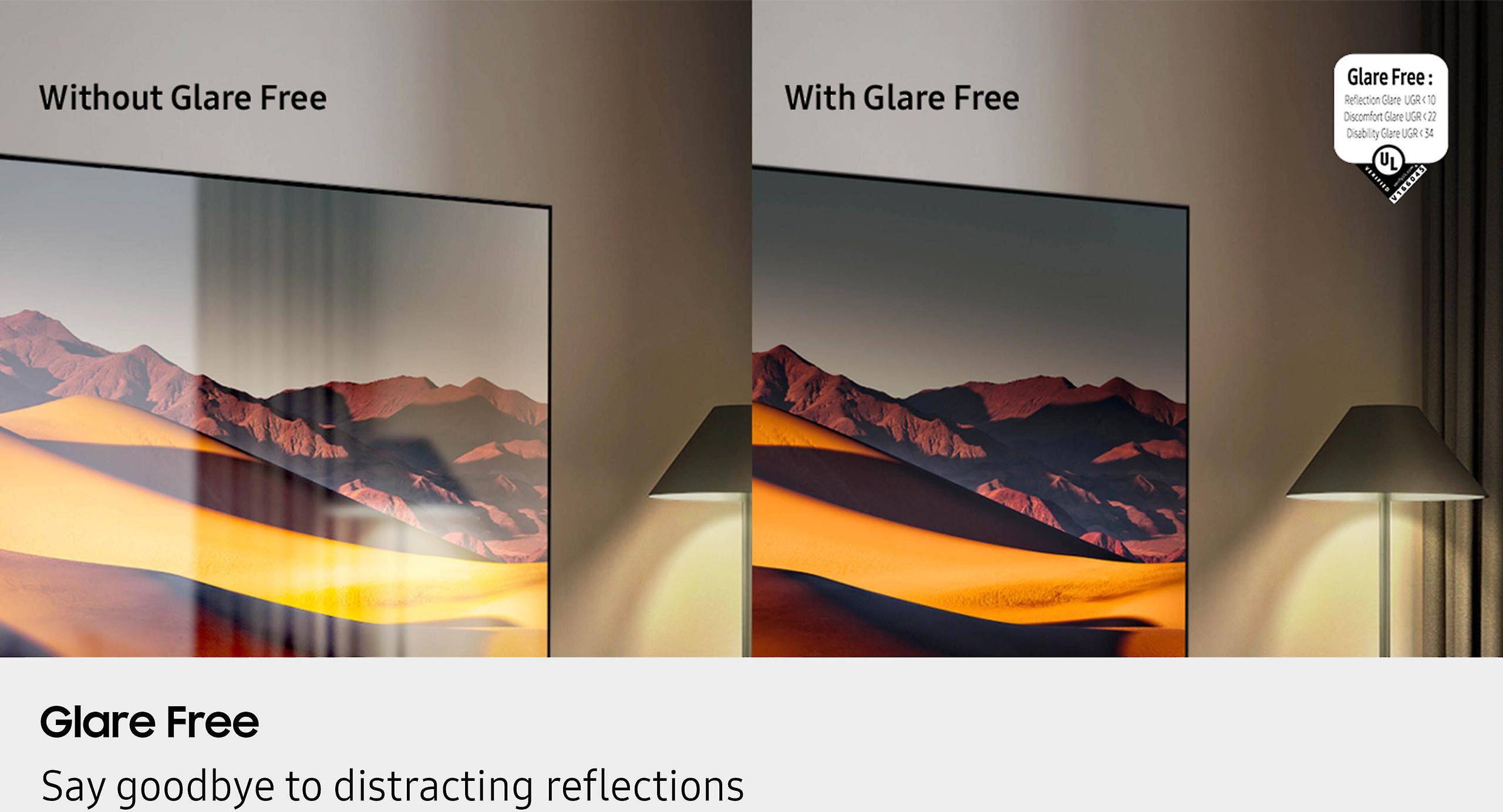
The big story for 2025 is Samsung's expansion of their "Glare Free" technology. Previously reserved for select premium models, this anti-reflection coating now appears on both flagship lines. In my testing, this makes a substantial difference in bright rooms, virtually eliminating those annoying reflections that used to plague TV viewing during the day.
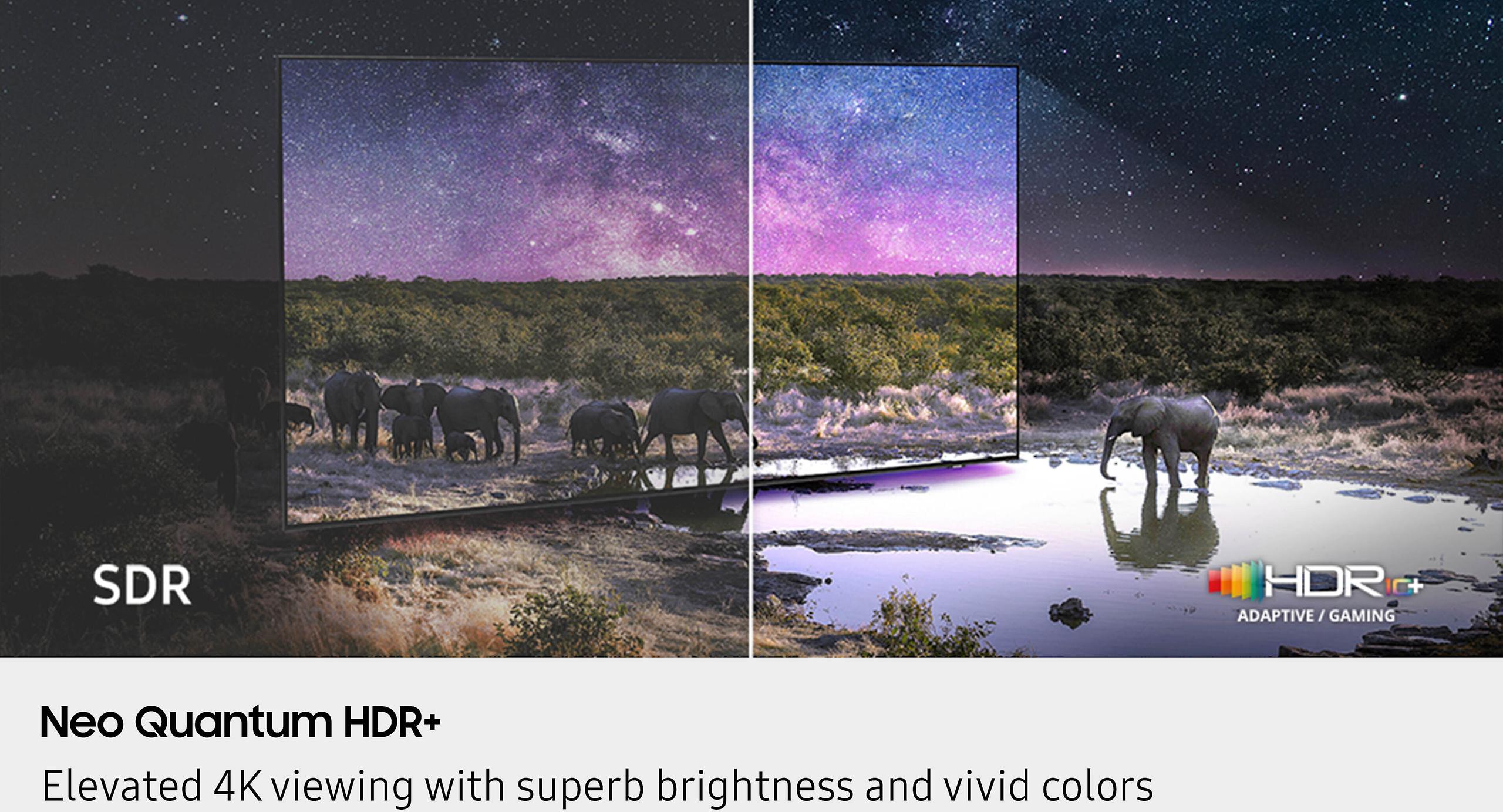
The QN90F's Neo QLED technology is essentially LCD perfected. Behind the screen, thousands of Mini-LEDs (each about 1/40th the size of traditional LED lights) are arranged in precise zones. When the TV needs to display a bright star against a dark sky, it can light up just the Mini-LEDs behind the star while keeping the surrounding zones dim.
This local dimming system works remarkably well, but it's not perfect. In high-contrast scenes – think movie credits rolling over a dark background – you might notice subtle "blooming" where light seems to leak around bright objects. It's the fundamental limitation of any backlit display: the light has to travel through layers of the screen, and some of it inevitably spreads.
However, the QN90F excels at sustained brightness. It can maintain around 2,000 nits (a measure of brightness) across large portions of the screen, making it incredibly effective in bright rooms. When you're watching a sunny outdoor scene, the TV can match that brightness level convincingly.
The S95F's OLED technology works fundamentally differently. Each pixel creates its own light using organic compounds that glow when electricity passes through them. When a pixel needs to be black, it simply turns off completely – creating true blacks that no backlit display can match.
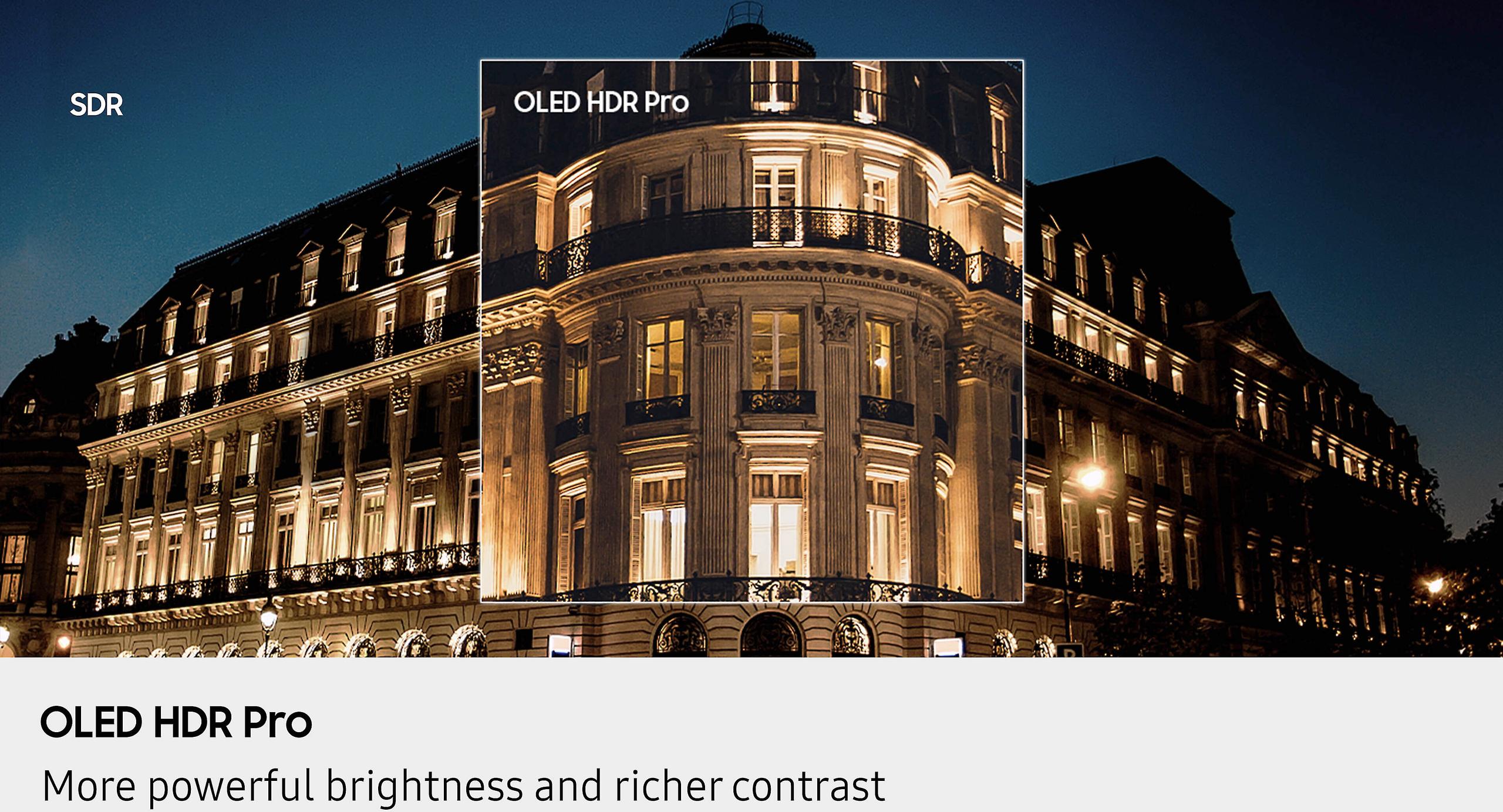
Samsung's 2025 OLED also incorporates quantum dot technology (that's the "QD" in QD-OLED). Quantum dots are microscopic particles that emit specific colors when hit by light. This combination gives the S95F both perfect blacks and exceptional color accuracy – the best of both worlds.
The result is what I consider the most impressive contrast I've ever seen on a consumer TV. When watching a movie like "Dune" with its mix of bright desert scenes and dark interior shots, the S95F renders both with equal convincing realism.
Here's where things get interesting. On paper, the QN90F measures higher peak brightness – around 2,000 nits in small highlights. But in real-world viewing, the S95F often looks brighter where it matters most.
Peak brightness measurements typically use small highlight windows (like a bright logo on a dark background). While useful for comparing specs, this doesn't reflect typical viewing. Most HDR content features larger bright areas – explosions, outdoor scenes, or well-lit interiors. In these scenarios, the S95F maintains impressive brightness while delivering perfect blacks simultaneously.
I've found this particularly noticeable in HDR movies. While the QN90F can make highlights pop impressively, the S95F creates more convincing overall brightness because every pixel can be precisely controlled. It's the difference between turning up a really good flashlight versus having perfect control over every point of light.
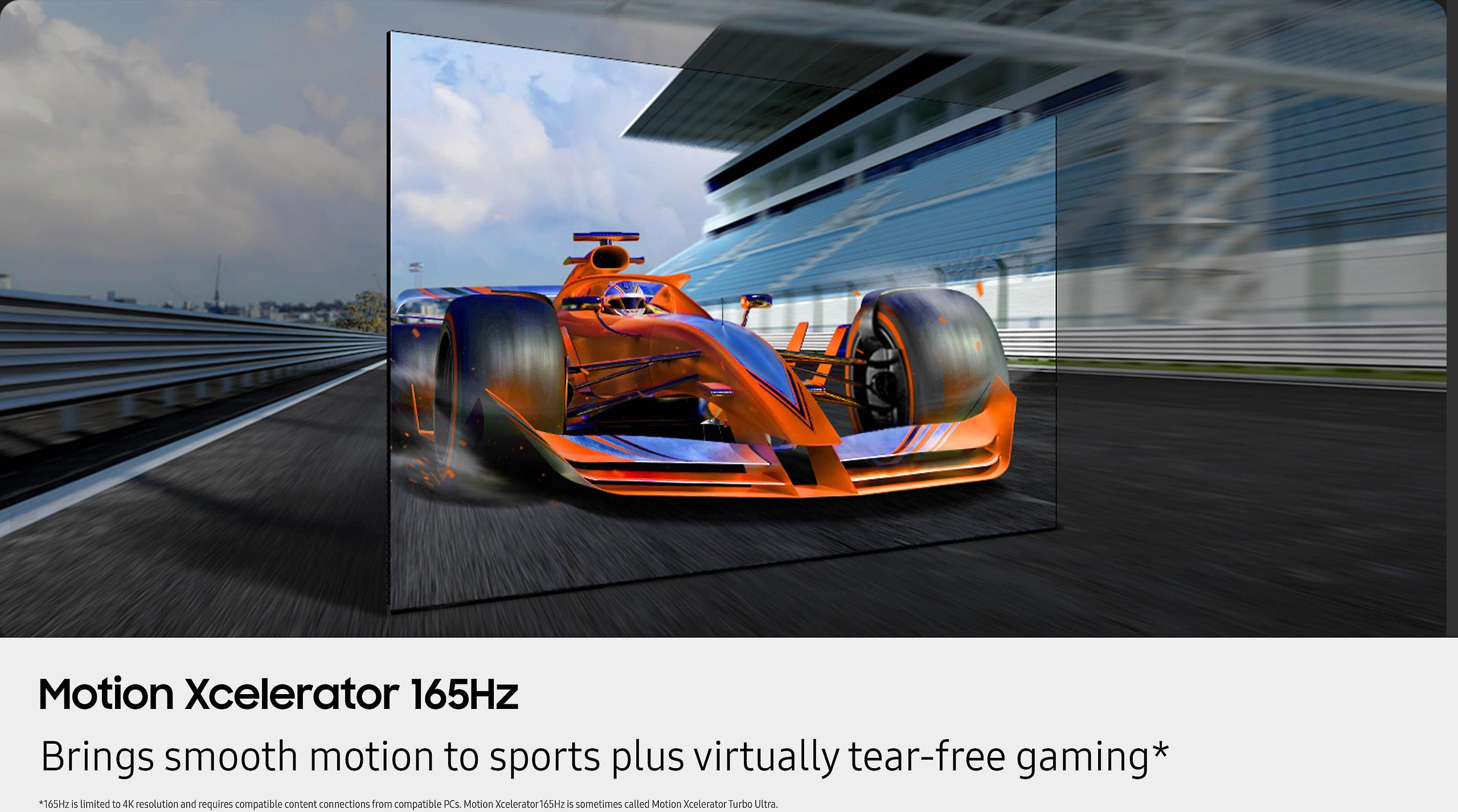
For gaming enthusiasts, the differences between these TVs become even more pronounced. The S95F supports up to 165Hz refresh rate with its Motion Xcelerator 165 technology, compared to the QN90F's 120Hz. But the real advantage lies in response time – how quickly pixels can change from one color to another.
OLED pixels respond almost instantaneously (we're talking 0.1 milliseconds), while even the best LCD displays need several milliseconds. In fast-paced games, this translates to clearer motion and less blur behind moving objects. If you're serious about competitive gaming or simply want the smoothest possible experience, the S95F has a clear advantage.
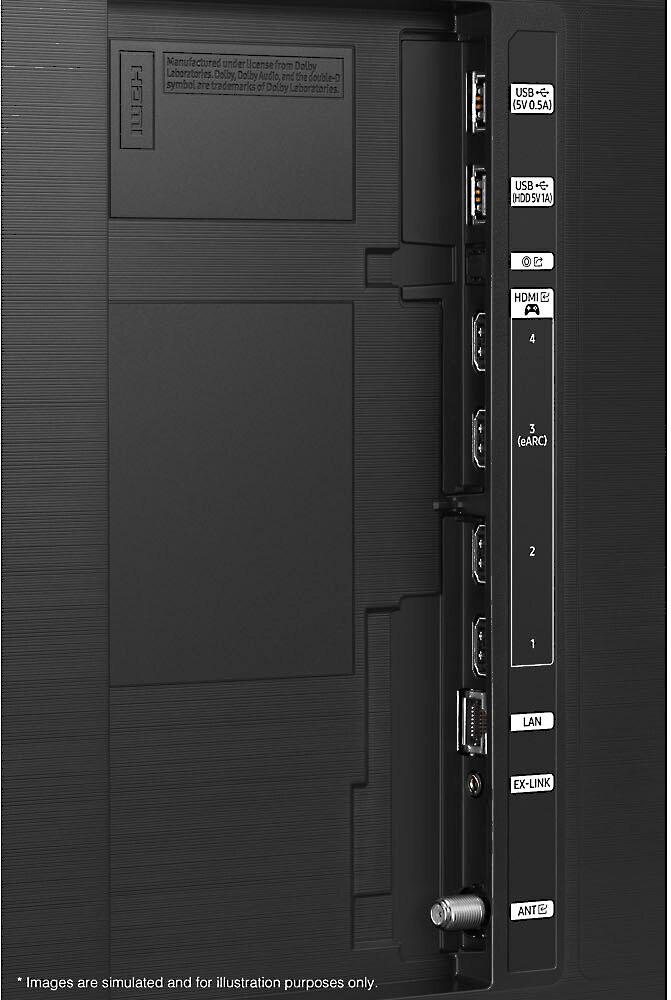
Both TVs support Variable Refresh Rate (VRR) and AMD FreeSync Premium Pro, which synchronize the TV's refresh rate with your gaming console or PC to eliminate screen tearing. They also feature AI Auto Game Mode, which automatically detects when you're gaming and switches to optimized settings.
Your room's lighting plays a huge role in determining which TV will serve you better. In my bright living room with large windows, both TVs perform admirably, but for different reasons.
The QN90F fights bright rooms with sheer luminance power. Its sustained brightness capability means it can overcome ambient light effectively, maintaining good contrast even when sunlight streams through windows. The 2025 Glare Free coating also helps significantly, though it's not quite as effective as what Samsung achieved with the S95F.
The S95F takes a more sophisticated approach. Its anti-glare technology is genuinely impressive – I can watch it comfortably even with lights reflecting directly on the screen. More importantly, because each pixel controls its own light, dark scenes remain convincingly dark even in bright rooms. This is where traditional LCD displays struggle most.
For dedicated home theater setups in controlled lighting, the S95F is simply in another league. Perfect blacks create the kind of cinematic experience that was previously only available in commercial theaters. Movie nights become genuinely immersive experiences.
Both TVs feature quantum dot technology, but they implement it differently. The QN90F uses quantum dots to enhance the color output of its Mini-LED backlight, achieving good color accuracy that satisfies most viewers without calibration.
The S95F combines quantum dots with OLED in a more integrated way, resulting in superior color volume – the range of colors the TV can display at various brightness levels. In practical terms, this means colors look more natural and accurate across a wider range of content.
The NQ4 AI Gen3 processor in both models handles upscaling impressively. Watching 1080p content from older gaming consoles or streaming services, both TVs make the image look surprisingly close to native 4K. The AI analyzes the content type and applies appropriate enhancement algorithms, though I've noticed the S95F tends to preserve more fine detail in the process.
At the time of writing, the S95F commands a moderate premium over the QN90F – roughly 10-15% more. This price difference represents one of the more straightforward value propositions I've encountered in premium TVs.
The QN90F delivers approximately 85-90% of the S95F's picture quality at a meaningful cost savings. For many households, this represents excellent value. You're getting Samsung's flagship processing, impressive brightness, and solid performance across all content types.
However, that premium for the S95F buys you tangible improvements in the areas that matter most for picture quality: perfect blacks, superior motion handling, better color accuracy, and more convincing HDR presentation. If you can accommodate the higher price, the performance gains justify the investment.
After extensive time with both models, here's how I'd recommend approaching this decision:
Choose the QN90F Neo QLED if:
Choose the S95F OLED if:
For dedicated home theater setups, the S95F edges ahead more decisively. Perfect blacks create the cinematic experience that movie enthusiasts crave. When watching films in a darkened room, the contrast and color accuracy differences become more apparent and meaningful.
The QN90F certainly delivers an excellent home theater experience, but OLED's fundamental advantages in dark room viewing are hard to overcome. If you're building a serious home theater setup, the S95F should be strongly considered despite its premium.
Both the Samsung QN90F and S95F represent excellent choices in the premium TV market, just optimized for different priorities and budgets. The QN90F offers flagship performance at a more accessible price point, while the S95F pushes display technology to its current limits.
In my experience, the 10-15% price premium for the S95F is justified for most buyers who can afford it. The improvements in picture quality, gaming performance, and viewing flexibility create a meaningfully better experience. However, the QN90F remains an excellent choice for value-conscious buyers who still want premium performance.
Ultimately, both TVs will serve you well for years to come. The question isn't whether you'll be satisfied – you will be with either choice – but rather which approach to premium display technology better matches your priorities and viewing habits.
| Samsung 65" QN90F Neo QLED | Samsung 65" S95F OLED |
|---|---|
| Display Technology - Fundamental difference affecting all picture quality aspects | |
| Neo QLED with Mini-LED backlighting and local dimming zones | Quantum Dot OLED with self-emissive pixels |
| Peak Brightness - Critical for HDR impact and bright room viewing | |
| ~2,000 nits (excellent sustained brightness across large areas) | Lower measured peaks but superior real-world HDR performance |
| Black Levels - Essential for contrast and dark room viewing | |
| Very good blacks with minimal blooming (some light leakage in high-contrast scenes) | Perfect blacks with infinite contrast (pixels turn completely off) |
| Refresh Rate - Important for gaming and sports viewing | |
| 120Hz with Motion Xcelerator Turbo+ | 165Hz with Motion Xcelerator 165 |
| Response Time - Critical for gaming and motion clarity | |
| Several milliseconds (typical for premium LCD) | ~0.1ms (near-instantaneous OLED advantage) |
| Anti-Glare Technology - Key for bright room usability | |
| Glare Free coating (effective but not class-leading) | Superior Glare Free technology (virtually eliminates reflections) |
| Gaming Features - Essential for console and PC gaming | |
| 4K 120Hz, VRR, FreeSync Premium Pro, Game Mode | 4K 165Hz, VRR, FreeSync Premium Pro, AI Auto Game Mode |
| Color Accuracy - Important for natural, lifelike images | |
| Very good out-of-box with Quantum Dots | Exceptional accuracy with Quantum Dot OLED combination |
| Processor - Drives AI upscaling and picture enhancement | |
| NQ4 AI Gen3 with 128 neural networks | NQ4 AI Gen3 with 128 neural networks |
| Audio System - Affects whether you need a soundbar | |
| 60W 4.2.2CH with Dolby Atmos and Object Tracking Sound+ | 70W 4.2.2CH with Dolby Atmos and Object Tracking Sound+ |
| Best Use Cases - Who should choose each TV | |
| Value-focused buyers, consistently bright rooms, proven LCD reliability | Picture quality enthusiasts, gamers, mixed lighting, home theaters |
| Value Proposition - Cost vs performance consideration | |
| Excellent flagship performance at more accessible pricing | Premium pricing justified by superior picture quality and gaming |
The Samsung S95F OLED delivers superior overall picture quality thanks to its perfect black levels and infinite contrast ratio. While the Samsung QN90F Neo QLED excels in brightness, the S95F combines excellent brightness with true blacks that no LCD can match, creating more realistic and impactful images across all content types.
The QN90F Neo QLED uses thousands of Mini-LED lights behind the screen with local dimming zones, while the S95F OLED has pixels that create their own light. This means the S95F can turn pixels completely off for perfect blacks, while the QN90F relies on dimming zones that can sometimes show light bleeding around bright objects.
The Samsung S95F OLED is better for gaming with its 165Hz refresh rate, near-instantaneous response time (~0.1ms), and superior motion clarity. While the QN90F Neo QLED offers solid gaming performance at 120Hz, serious gamers will appreciate the S95F's faster response and reduced motion blur.
Both TVs excel in bright rooms, but for different reasons. The QN90F Neo QLED fights ambient light with sustained high brightness, while the Samsung S95F uses superior anti-glare technology to virtually eliminate reflections. The S95F maintains better contrast in bright conditions, making it slightly better for daytime viewing.
The Samsung QN90F offers better value for budget-conscious buyers, delivering about 85-90% of the S95F's picture quality at a lower price point. However, if you can afford the premium, the Samsung S95F provides meaningful improvements in picture quality, gaming performance, and viewing flexibility that justify the higher cost.
The main considerations with the S95F OLED are the higher price and theoretical concerns about long-term pixel degradation, though modern OLEDs are much more durable. The QN90F Neo QLED can show some blooming in high-contrast scenes and doesn't achieve the perfect blacks of OLED, but offers proven LCD reliability at a more accessible price.
For dedicated home theater rooms, the Samsung S95F OLED is the clear winner. Its perfect black levels create true cinematic contrast that's essential for the movie theater experience. While the QN90F Neo QLED delivers excellent home theater performance, OLED's fundamental advantages in dark room viewing make the S95F the premium choice for serious home theaters.
Yes, both the Samsung QN90F and S95F OLED run identical Tizen smart TV platforms with the same app selection, voice control features, and Samsung Vision AI capabilities. The smart TV experience is essentially the same between both models, so your choice should focus on picture quality and performance differences.
The QN90F Neo QLED achieves higher measured peak brightness at around 2,000 nits, making it excellent for bright HDR highlights. However, the Samsung S95F delivers more impactful HDR in real-world viewing because it can display bright highlights alongside perfect blacks simultaneously, creating superior overall contrast.
The Samsung S95F OLED has superior motion handling due to its near-instantaneous pixel response time and 165Hz refresh rate. Sports content appears smoother with less motion blur behind fast-moving objects. While the QN90F Neo QLED handles motion well, the S95F's OLED technology provides clearer motion clarity for sports viewing.
Both the Samsung QN90F and S95F OLED feature the same NQ4 AI Gen3 processor with 128 neural networks for advanced upscaling and picture optimization. They share identical Samsung Vision AI features, including adaptive picture and sound adjustment, so processing power and smart features are equivalent between both models.
Choose the QN90F Neo QLED if you prioritize value and have consistent bright lighting, or the Samsung S95F OLED if picture quality is your top priority. For mixed-use living rooms with varying lighting conditions, the S95F adapts better to different environments, while the QN90F offers excellent performance at a more accessible price point.
We've done our best to create useful and informative comparisons to help you decide what product to buy. Our research uses advanced automated methods to create this comparison and perfection is not possible - please contact us for corrections or questions. These are the sites we've researched in the creation of this article: rtings.com - images.samsung.com - youtube.com - listenup.com - youtube.com - cullenshomecenter.com - rtings.com - shopjetson.com - youtube.com - samsung.com - samsung.com - videoandaudiocenter.com - rtings.com - bestbuy.com - youtube.com - news.samsung.com - news.samsung.com - news.samsung.com - bestbuy.com - news.samsung.com - youtube.com - news.samsung.com - youtube.com - smarthomesounds.co.uk - businessinsider.com - tomsguide.com - youtube.com - avsforum.com - zdnet.com - samsung.com - pioneertvandappliance.com - samsung.com - displayspecifications.com - samsung.com

Privacy Policy
Terms and Conditions - Affiliate Policy
Home Security
© Copyright 2008-2026.
11816 Inwood Rd #1211, Dallas, TX 75244