

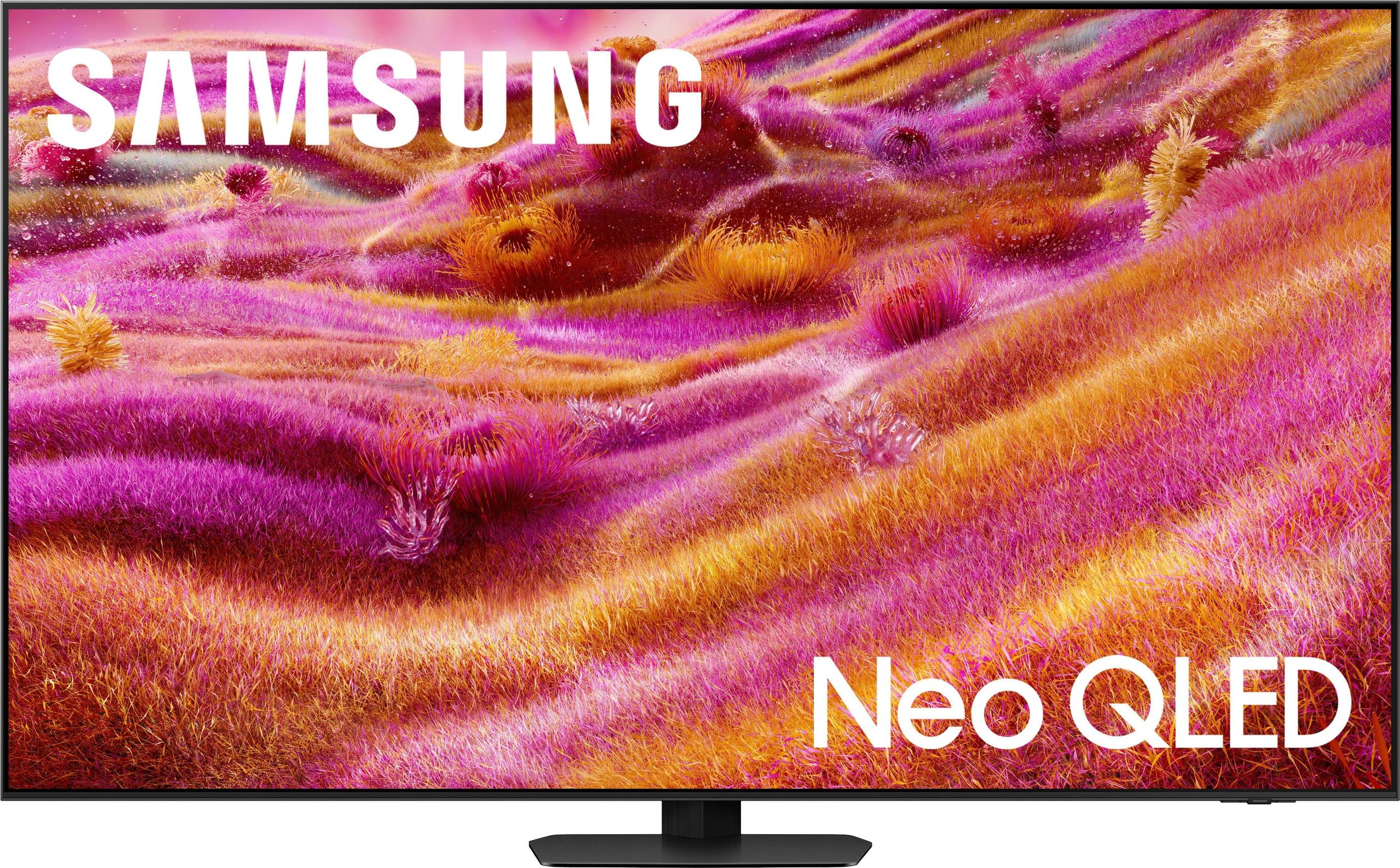
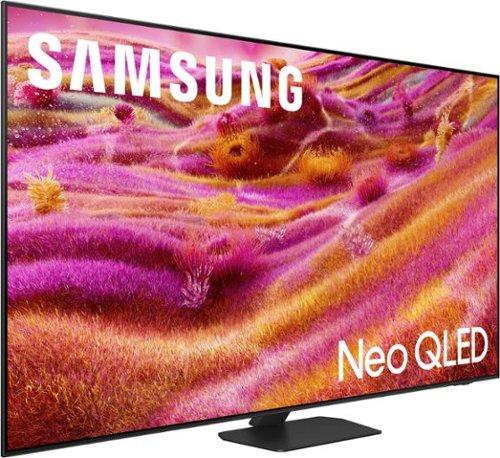
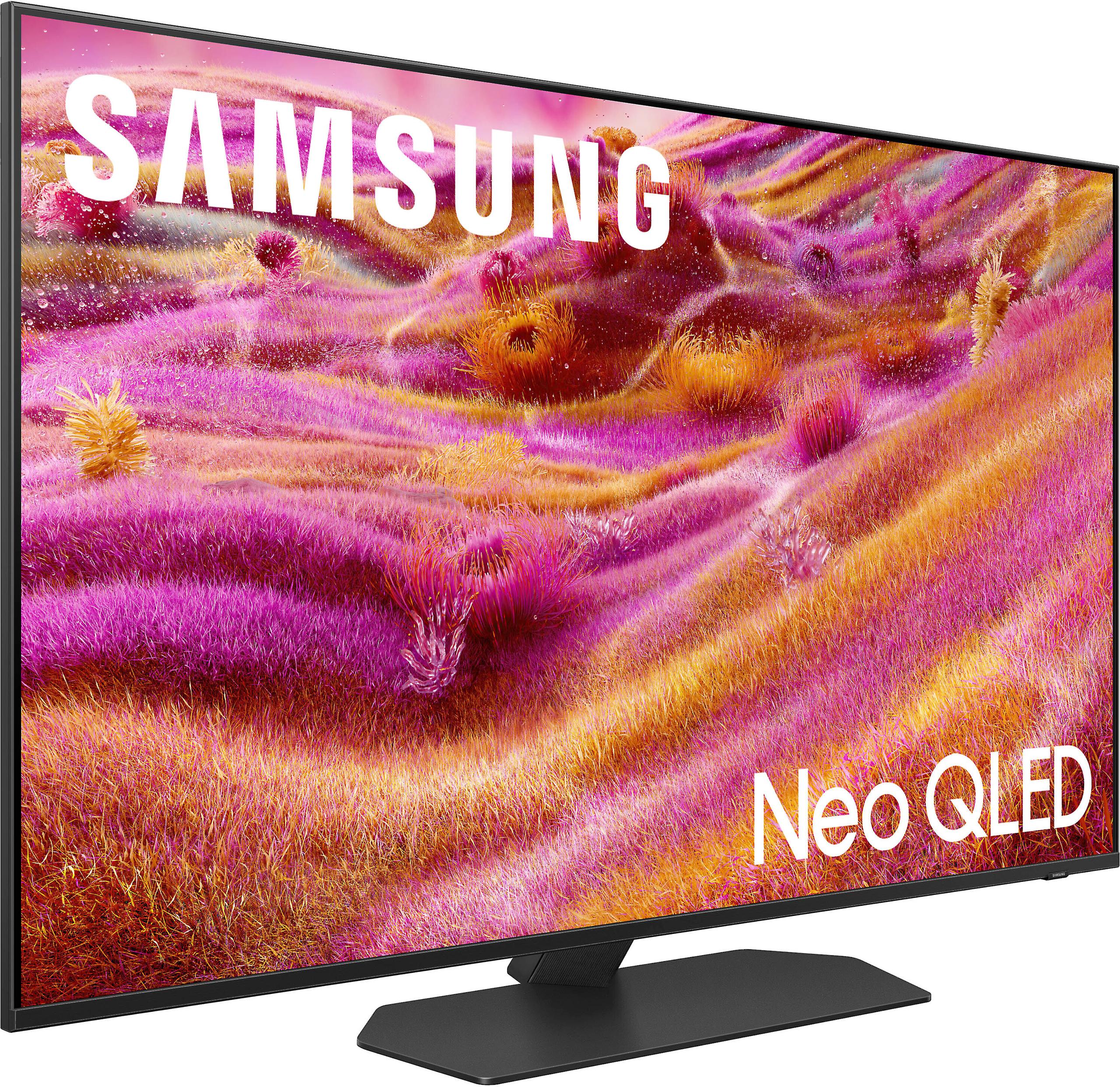
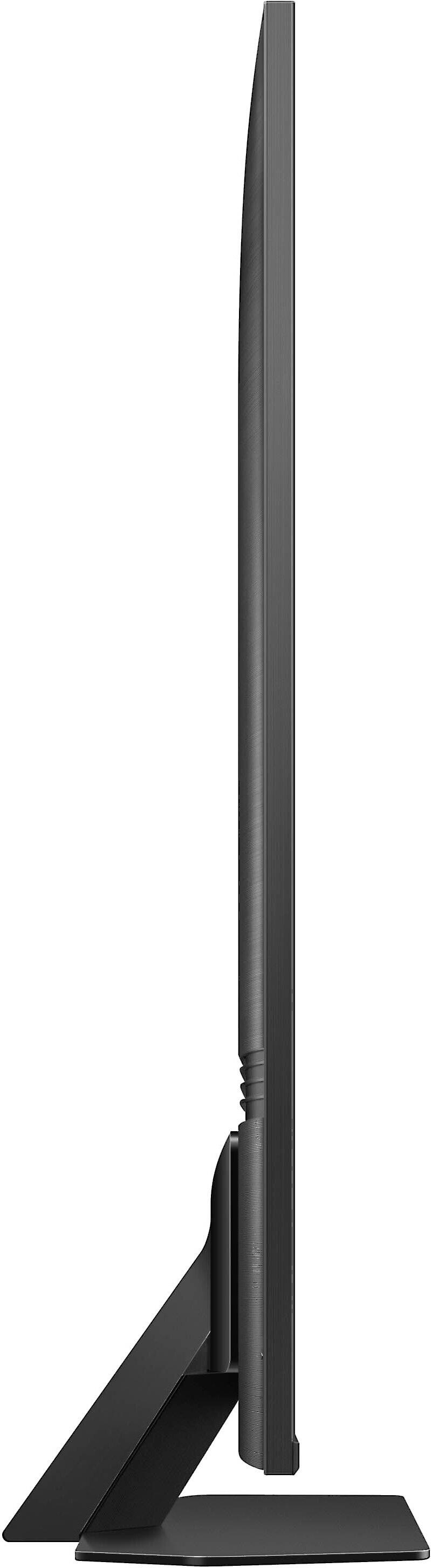
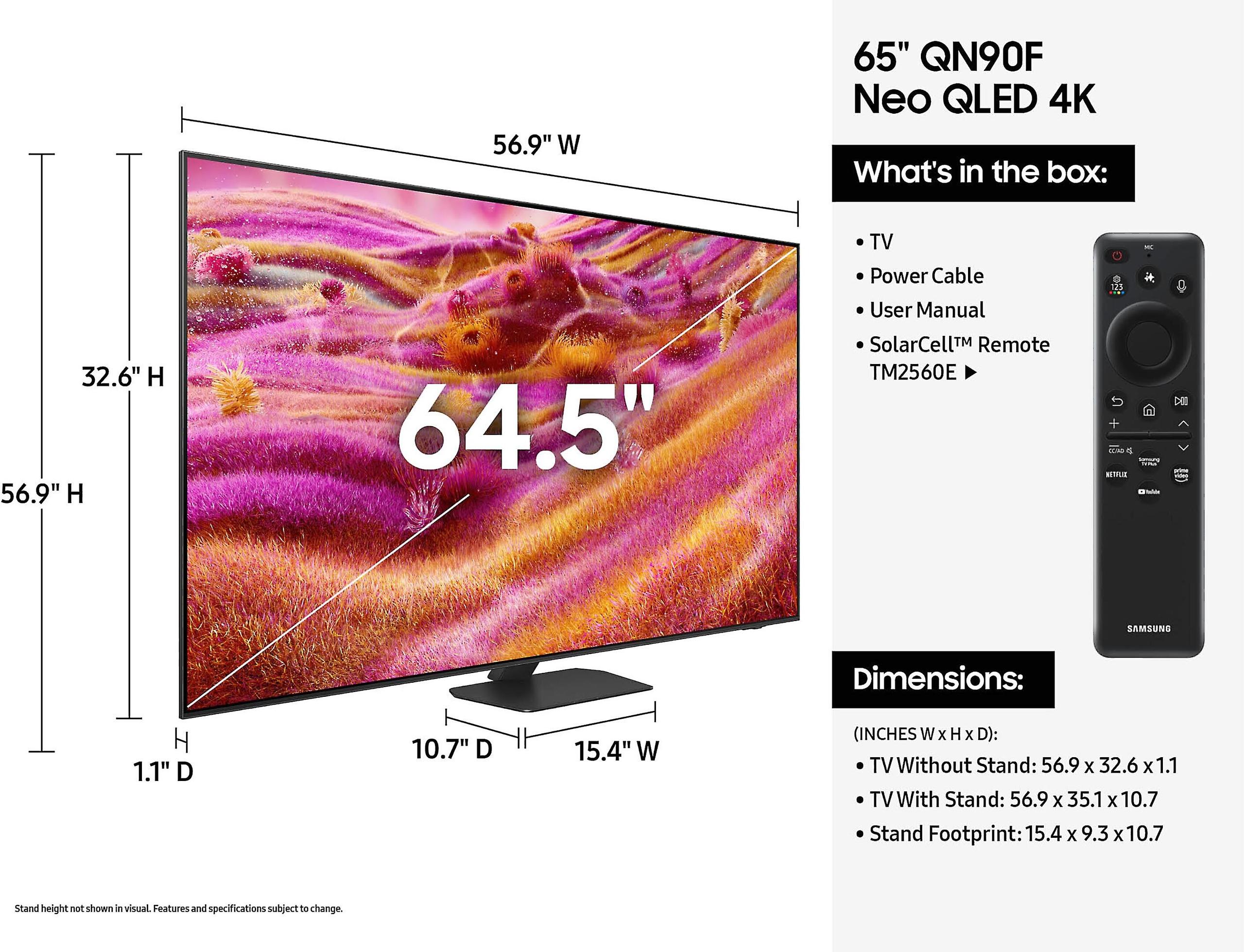
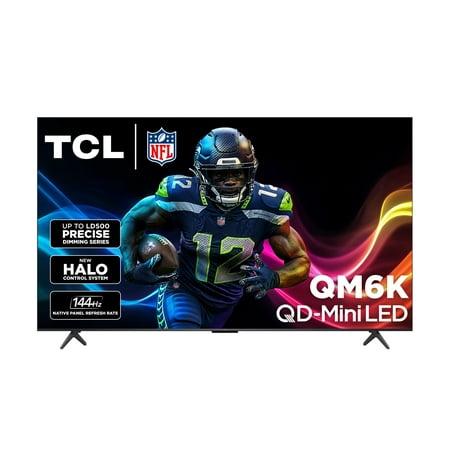
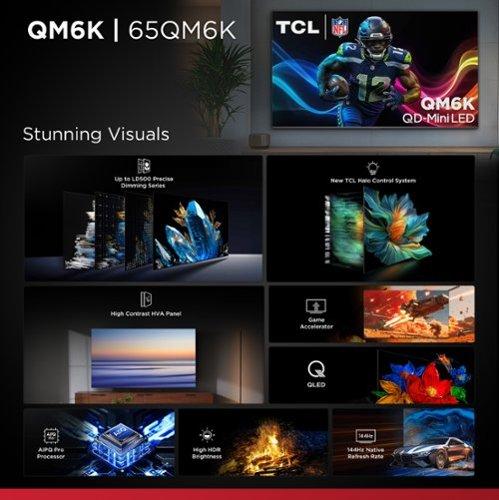
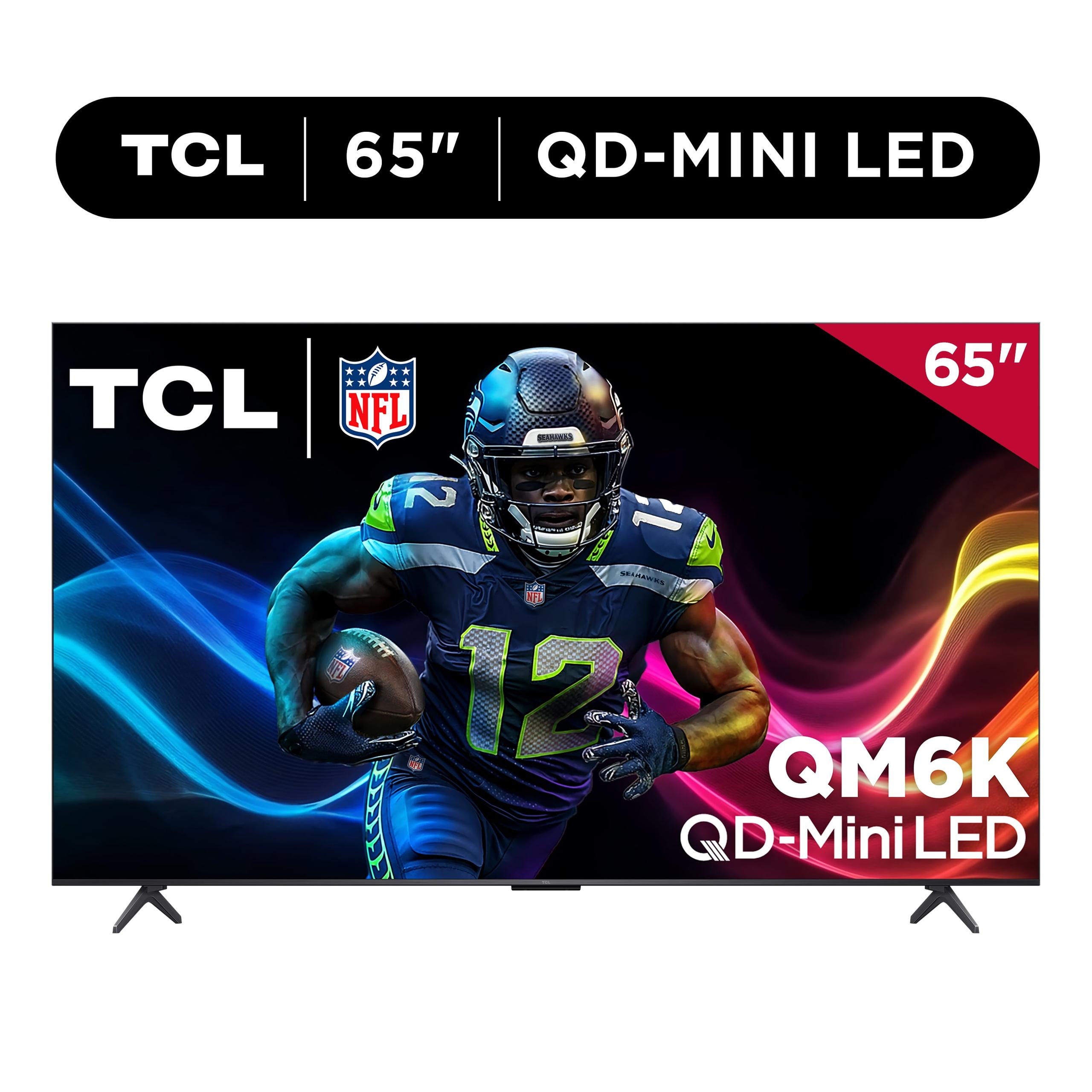
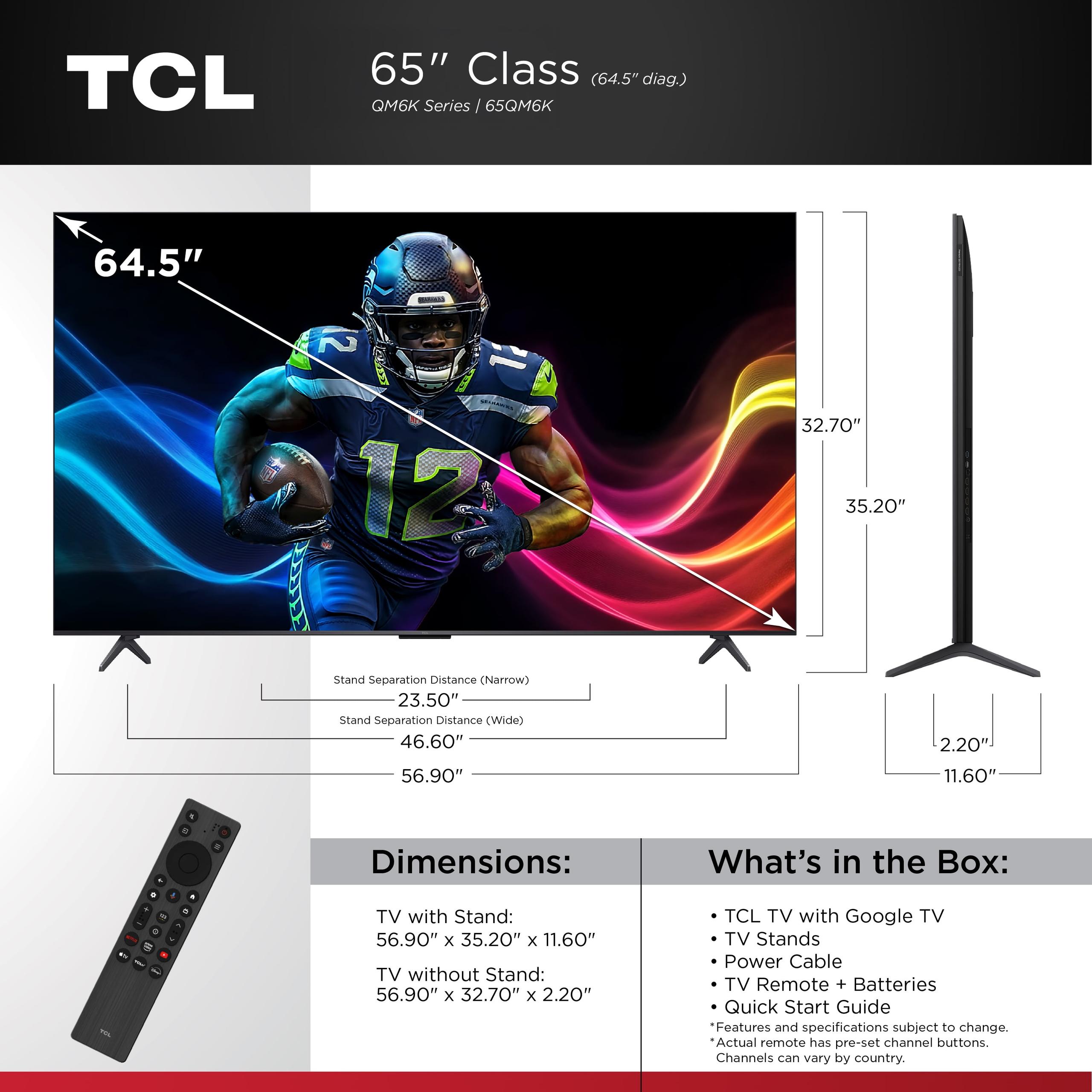
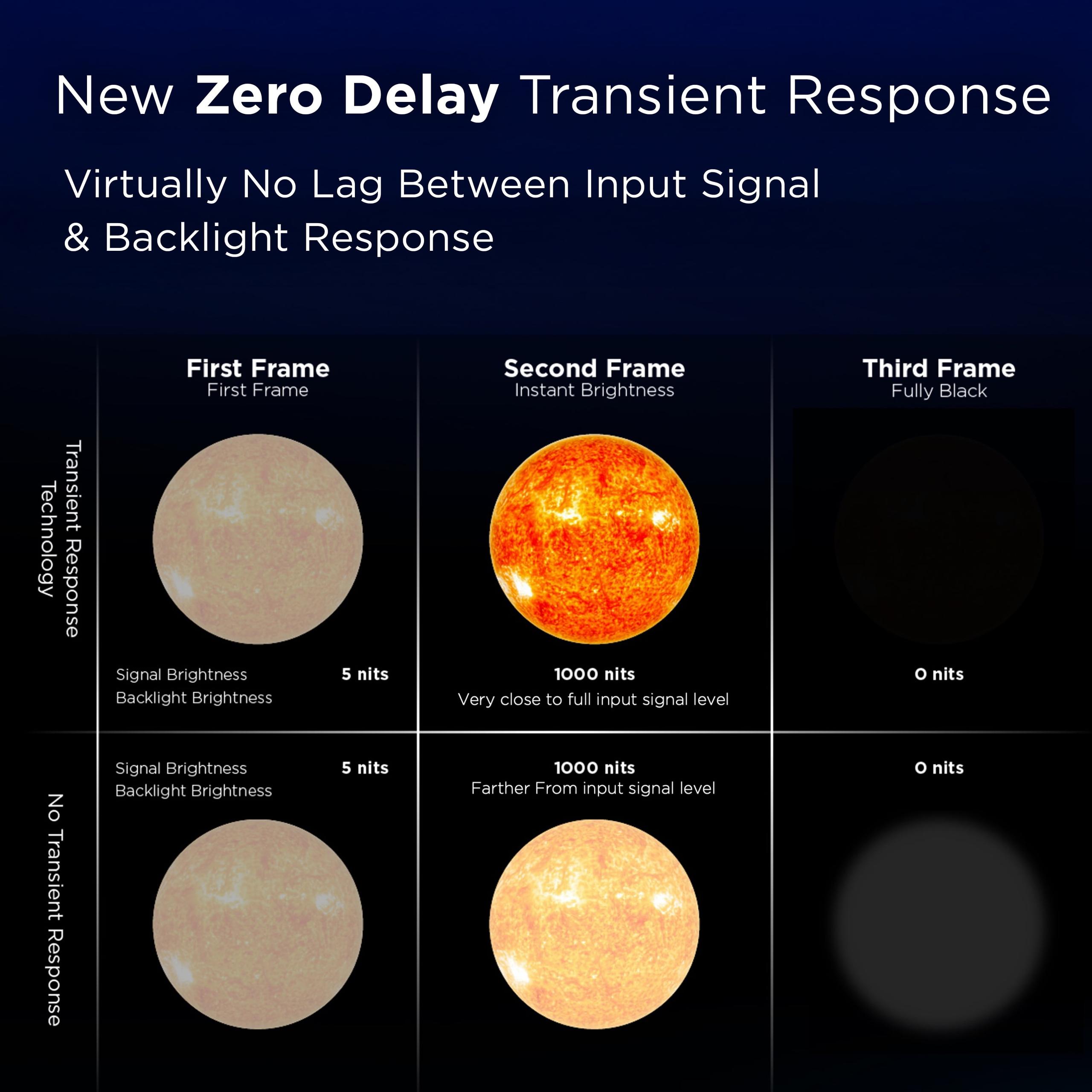
When shopping for a new 65-inch TV in 2025, you'll quickly discover that Mini-LED technology has become the sweet spot for serious picture quality without the premium pricing of OLED displays. Two TVs that perfectly illustrate the spectrum of Mini-LED offerings are the Samsung QN90F and the TCL QM6K. These represent vastly different approaches to the same core technology, and understanding their differences can save you from either overspending or settling for less than you need.
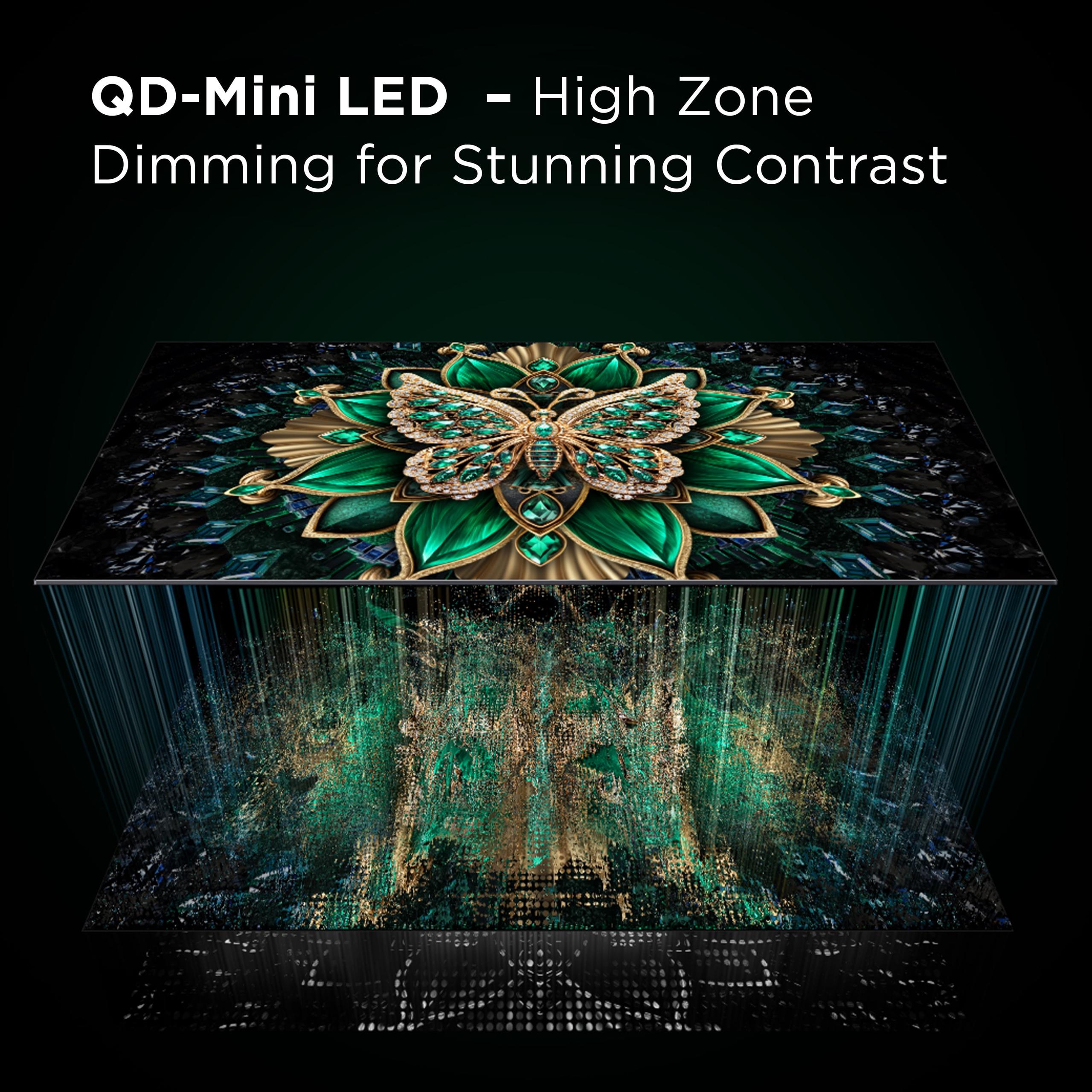
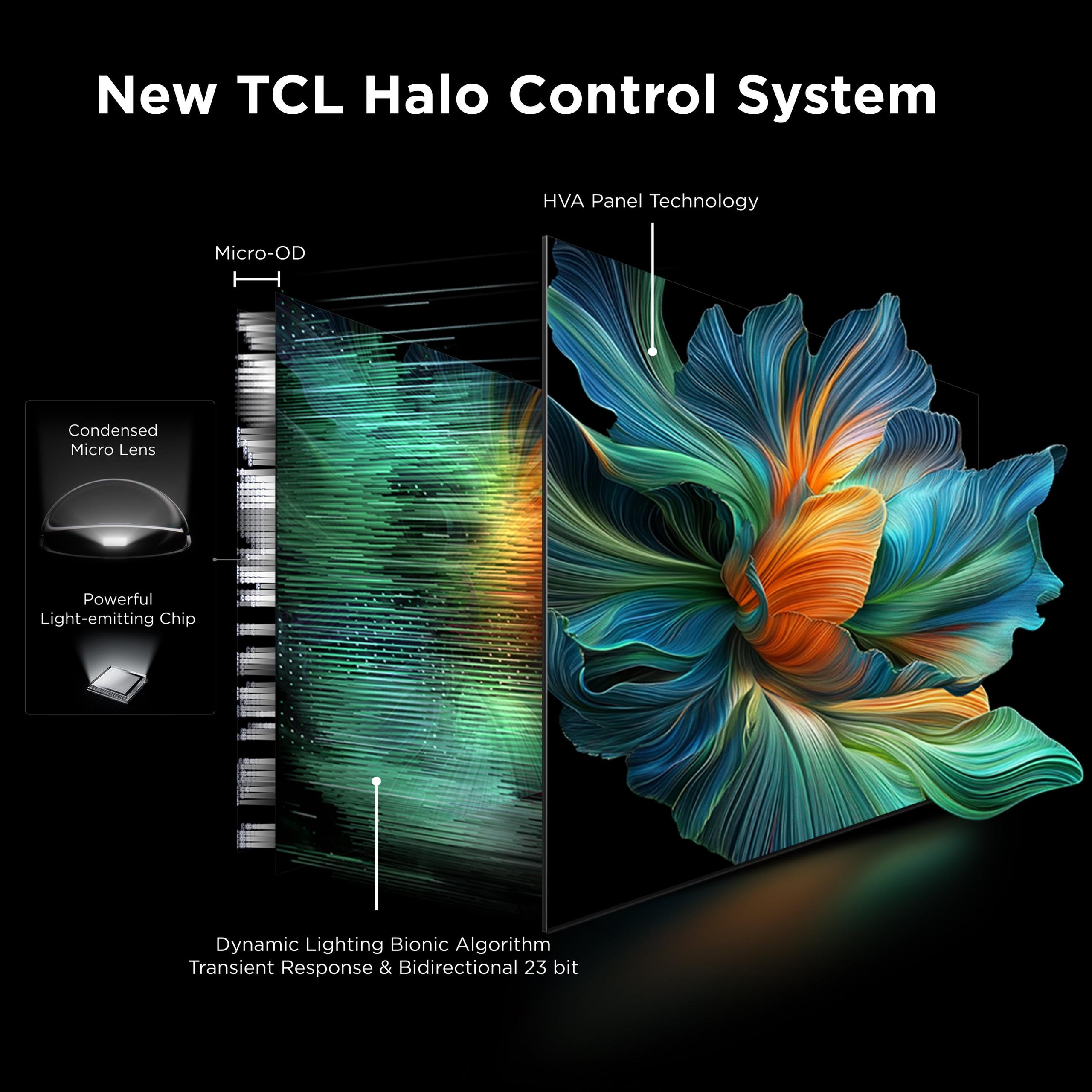
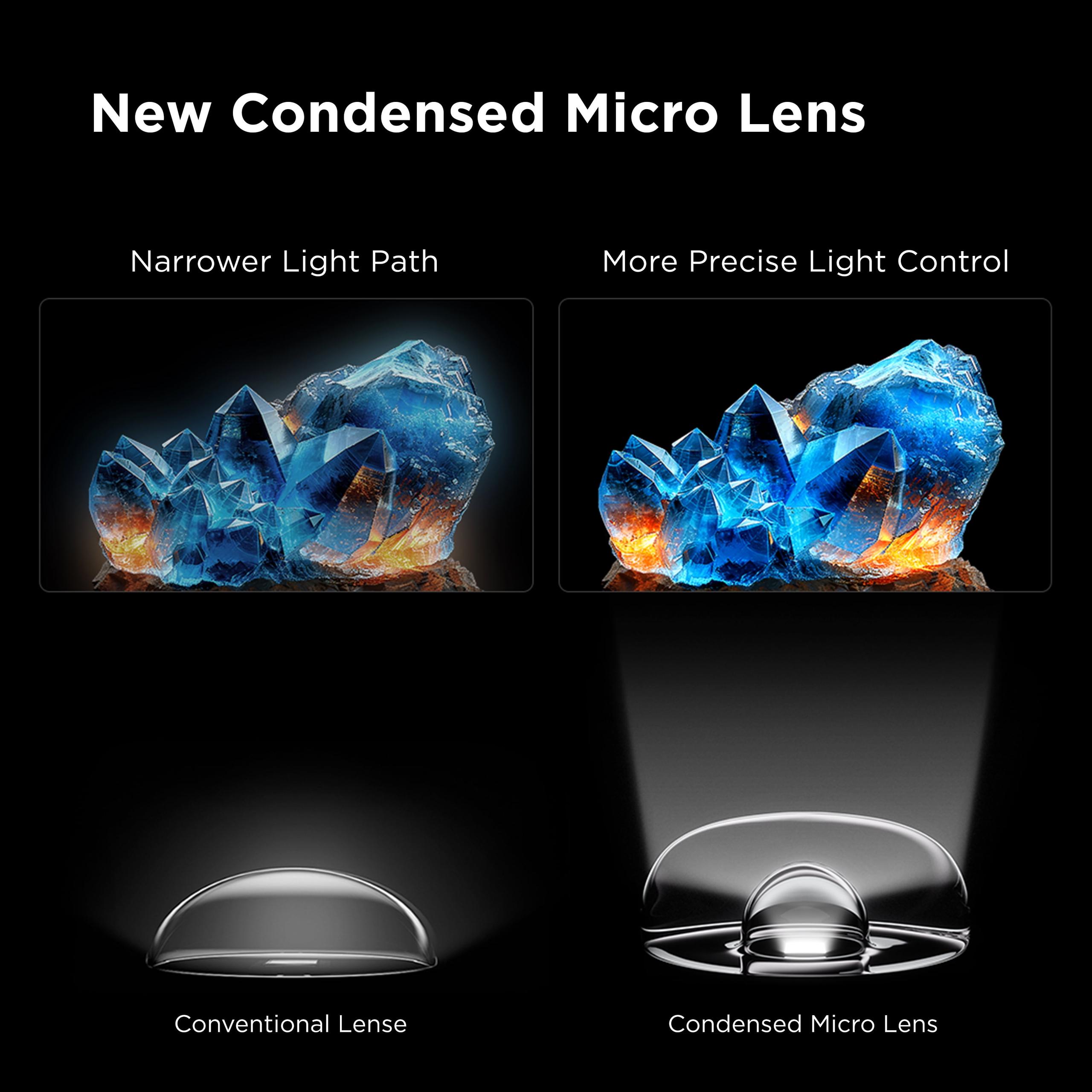
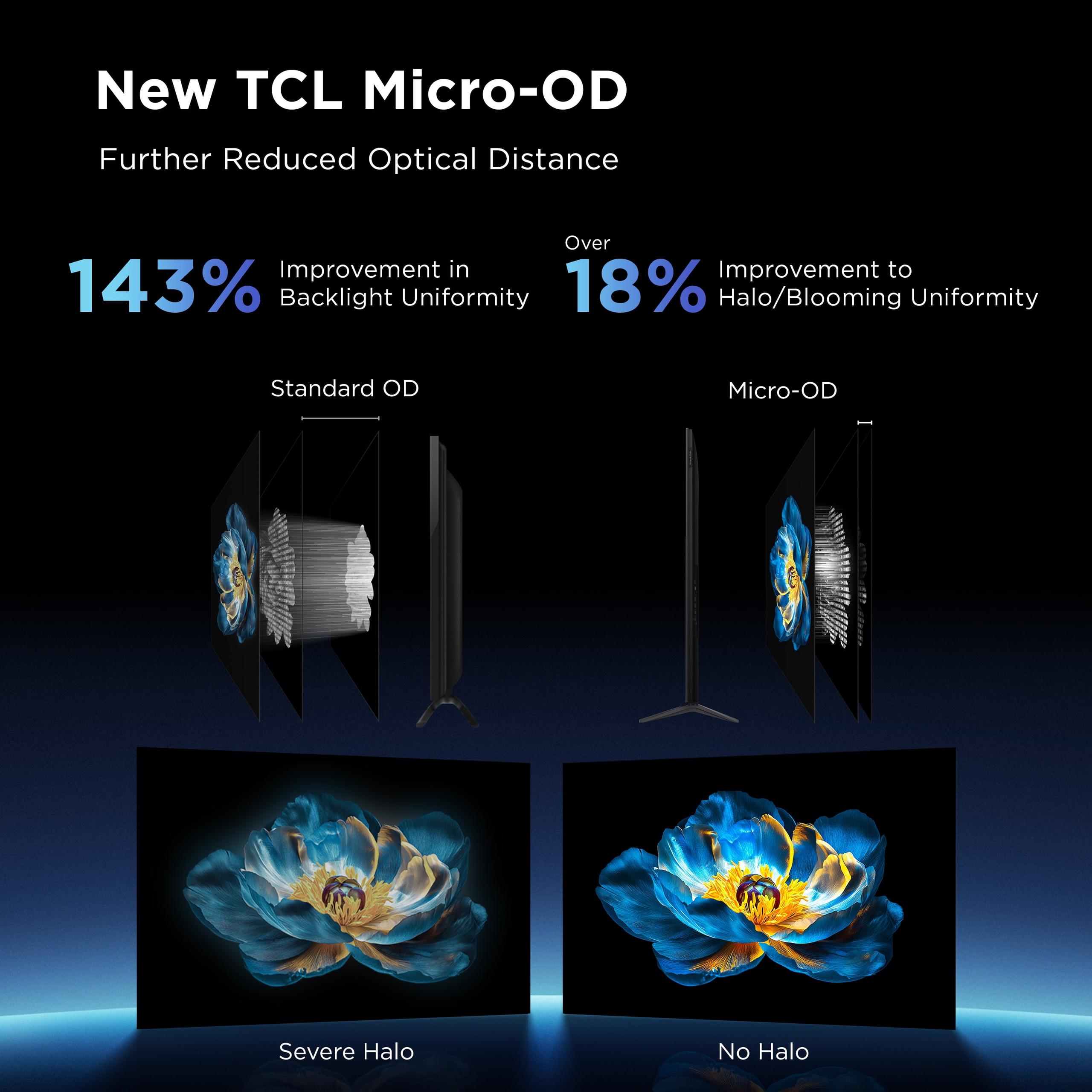
Before diving into the comparison, it's worth understanding what makes Mini-LED displays special. Traditional LED TVs use large LED backlights that illuminate entire sections of the screen, creating issues with "blooming" where bright objects create halos against dark backgrounds. Mini-LED technology shrinks these backlights down to thousands of tiny LEDs, each controllable independently through "local dimming zones." Think of it like having thousands of tiny flashlights behind your screen instead of a few large floodlights.
The key metrics that separate good Mini-LED TVs from great ones include the number of dimming zones (more zones mean better contrast control), peak brightness capabilities (crucial for HDR content), color accuracy, and most importantly, the processing power that orchestrates all these elements together. The processor acts like the conductor of an orchestra, coordinating the backlight, colors, and motion to create the final picture you see.
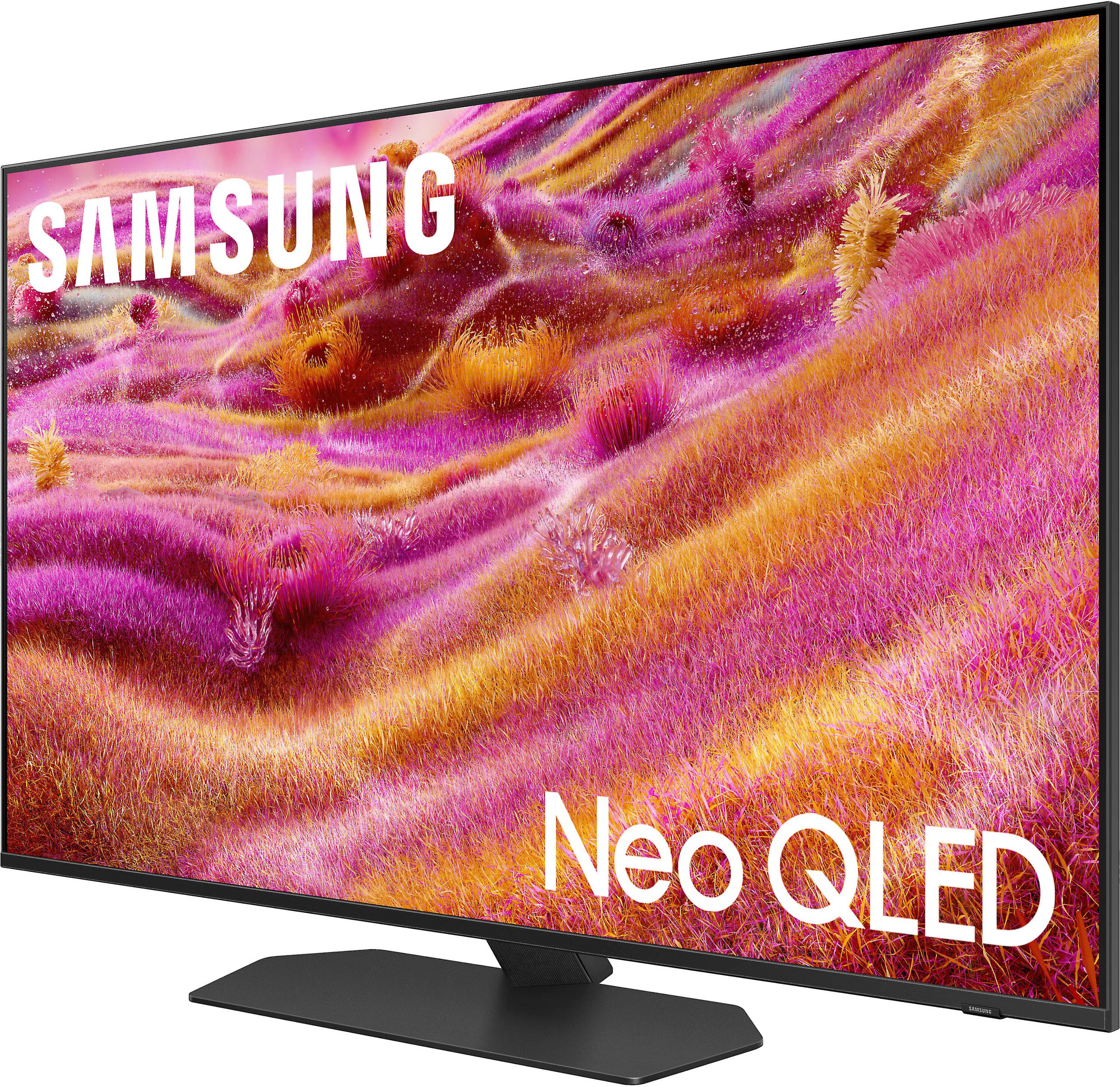
Released in 2025, the Samsung QN90F represents Samsung's flagship 4K approach, building on years of Neo QLED refinement with their most advanced AI processing yet. At the time of writing, it commands a significant premium—roughly four times the cost of the TCL QM6K, which also debuted in 2025 as TCL's value-focused entry into premium Mini-LED territory.
This price difference isn't arbitrary. Samsung has positioned the QN90F as a no-compromise solution for discerning viewers, while TCL designed the QM6K to deliver impressive Mini-LED performance at a fraction of traditional premium pricing. The question becomes: does the Samsung justify its premium, or does the TCL deliver too much value to ignore?
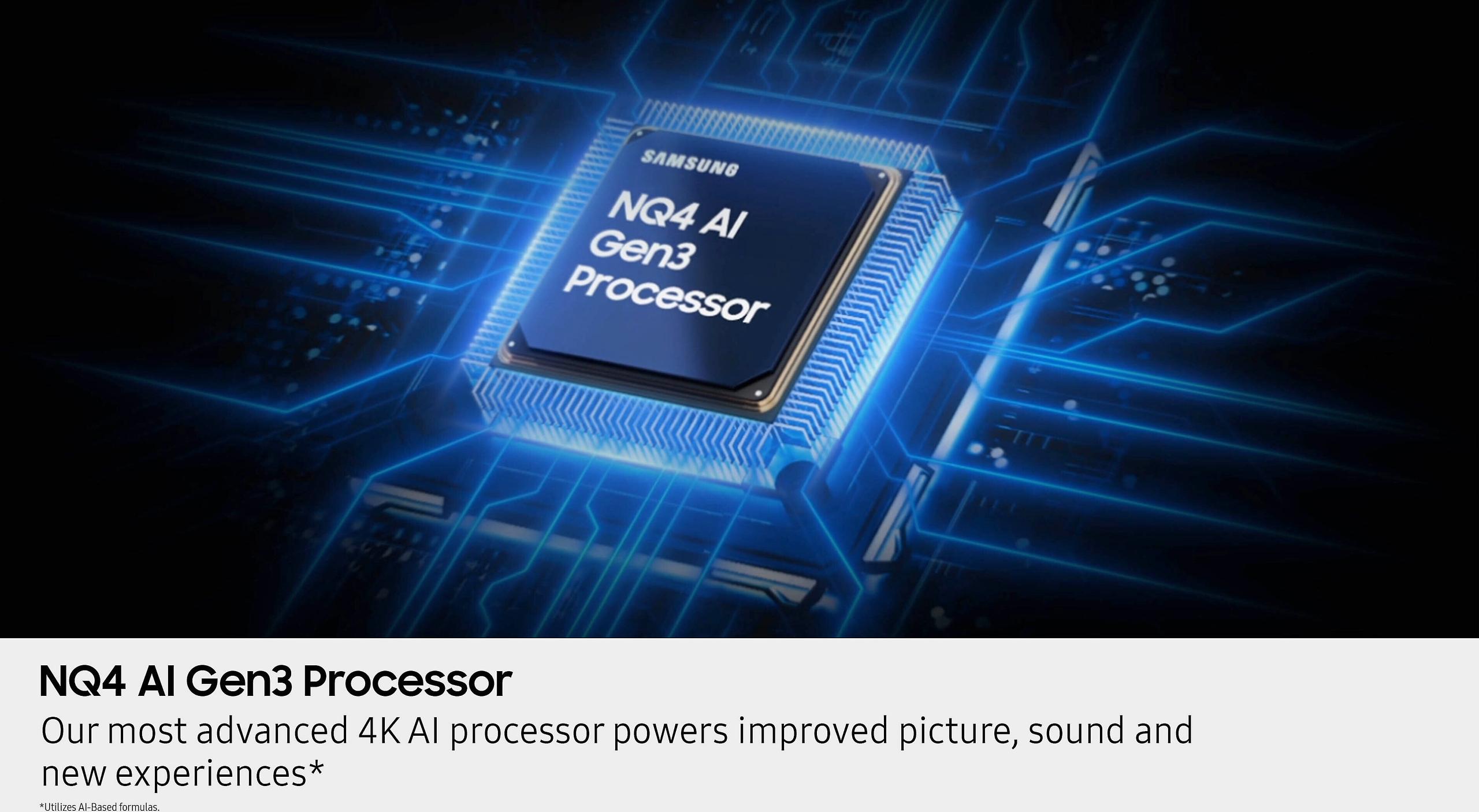
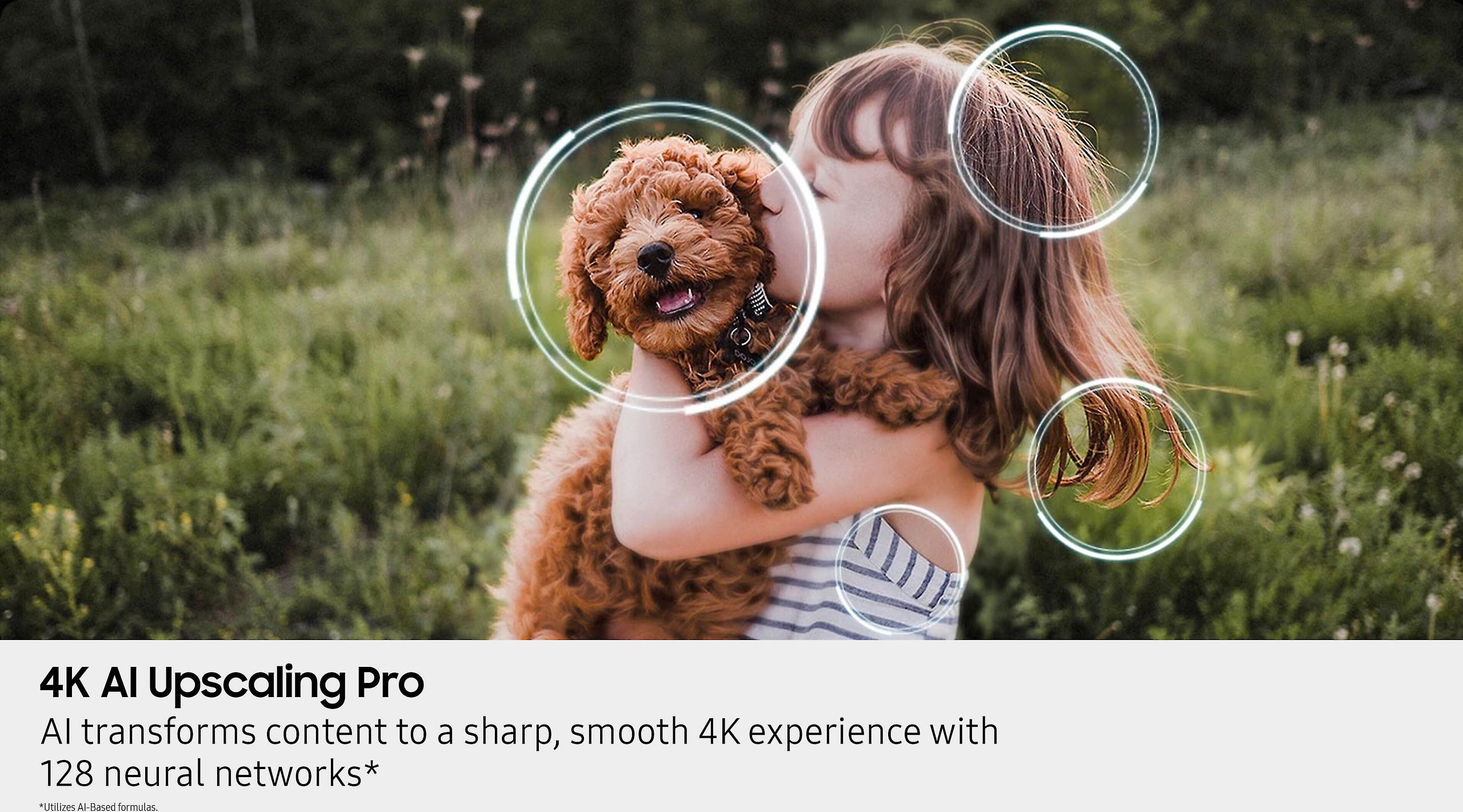
The most significant difference between these TVs lies in their processing capabilities. The Samsung QN90F features Samsung's NQ4 AI Gen3 processor, which utilizes 128 neural networks—essentially 128 different AI algorithms working simultaneously to analyze and enhance your content in real-time. This isn't just marketing speak; the difference becomes immediately apparent when watching anything less than perfect 4K content.
Cable TV, compressed streaming, and older movies all benefit dramatically from sophisticated upscaling. The Samsung's processor can take a 1080p cable broadcast and intelligently fill in the missing pixels to create a convincing 4K image, reducing artifacts and enhancing detail in ways that simpler processors simply cannot match. I've personally noticed this most dramatically when watching sports broadcasts, where the Samsung can make a compressed cable feed look surprisingly crisp and detailed.
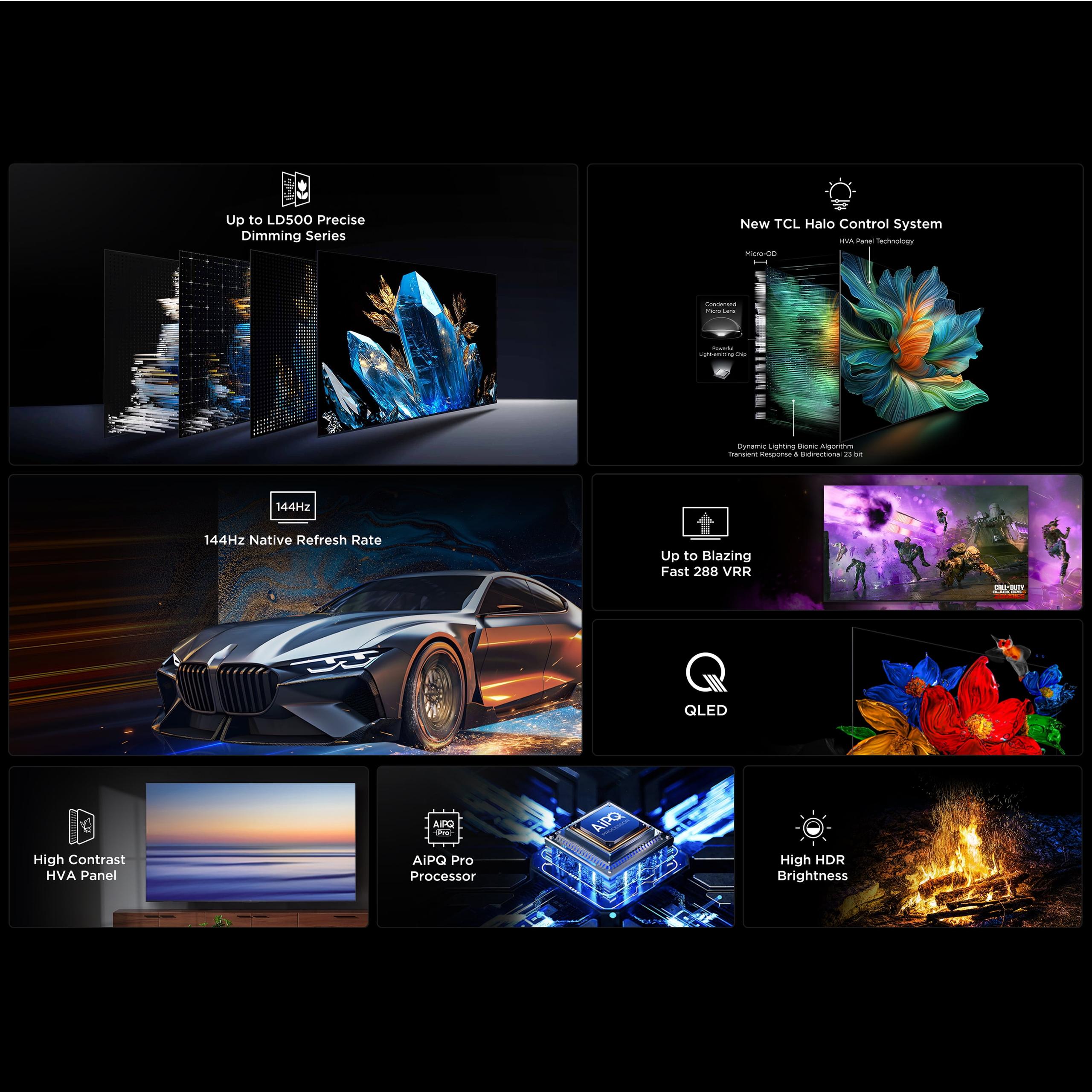
The TCL QM6K, while featuring TCL's AiPQ Pro processor, takes a more straightforward approach. It handles upscaling adequately and won't disappoint with high-quality 4K content, but you'll notice the limitations more clearly with lower-quality sources. For viewers who primarily consume 4K streaming content from Netflix, Disney+, or UHD Blu-rays, this difference becomes less critical.
Both TVs use Mini-LED backlighting, but the implementation differs significantly. The Samsung QN90F incorporates over 1,000 individual dimming zones in its 65-inch model, compared to the TCL QM6K's 500 zones. While zone count isn't everything, more zones generally allow for finer control over contrast.
This difference shows up most dramatically in challenging scenes like starfields in space movies or city lights against a dark sky. The Samsung can maintain deeper blacks around bright objects with minimal "blooming"—that unwanted halo effect you sometimes see around bright objects on dark backgrounds. The TCL still performs admirably for its price point, but you'll occasionally notice more noticeable halos in extreme contrast situations.
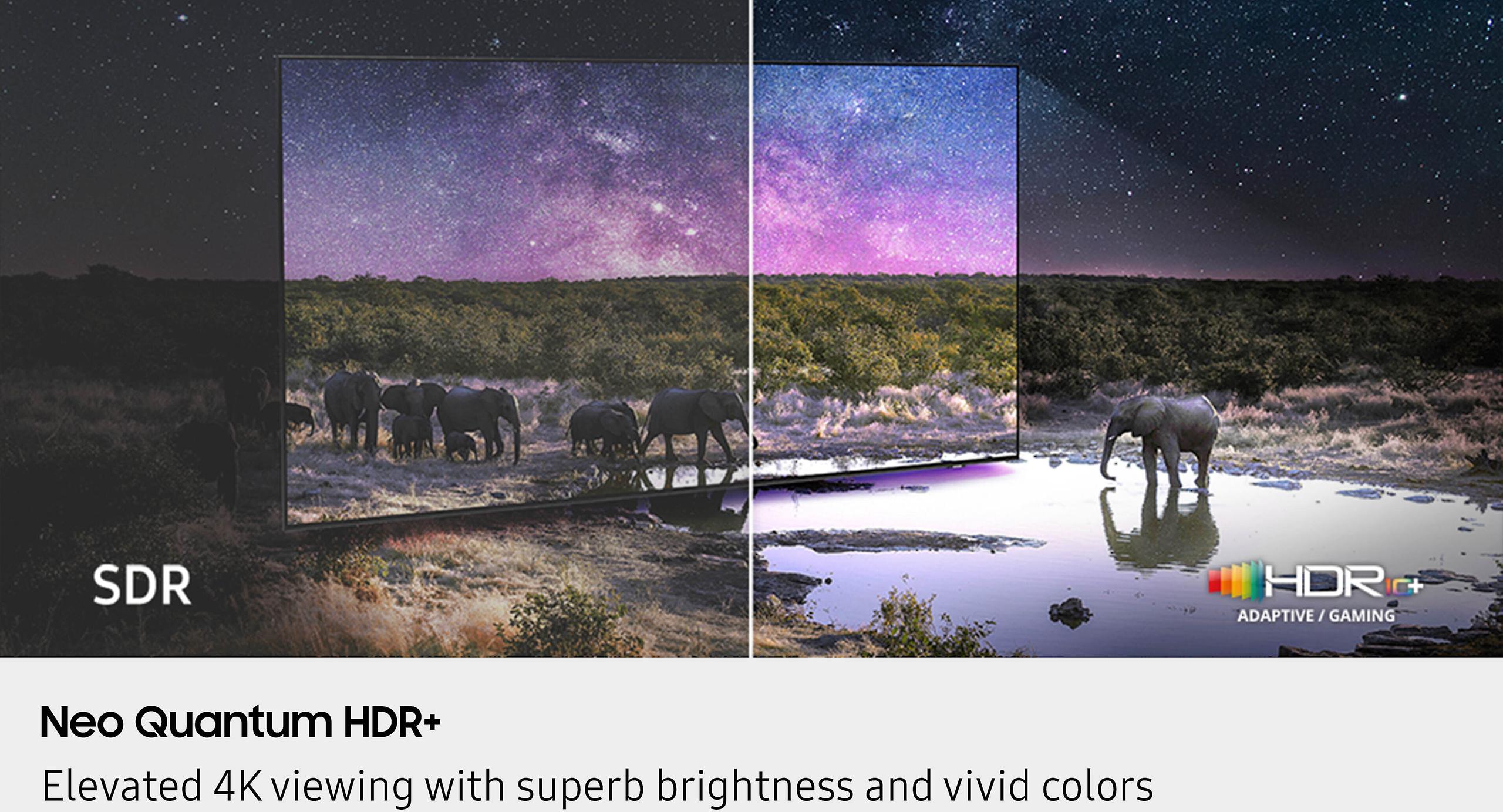
Both TVs support High Dynamic Range (HDR), which expands the range between the darkest darks and brightest brights for more lifelike images. However, they approach HDR differently. The Samsung QN90F supports HDR10+ and Samsung's proprietary Neo Quantum HDR+, which analyzes each scene and adjusts brightness and contrast accordingly. It can achieve impressive peak brightness levels that make HDR highlights really pop.
The TCL QM6K supports both HDR10+ and Dolby Vision, giving it broader compatibility with HDR content. Dolby Vision is considered by many to be the superior HDR format because it includes scene-by-scene metadata that tells the TV exactly how each moment should look. This gives the TCL an advantage in HDR format support, even if its overall brightness capabilities aren't quite as impressive.
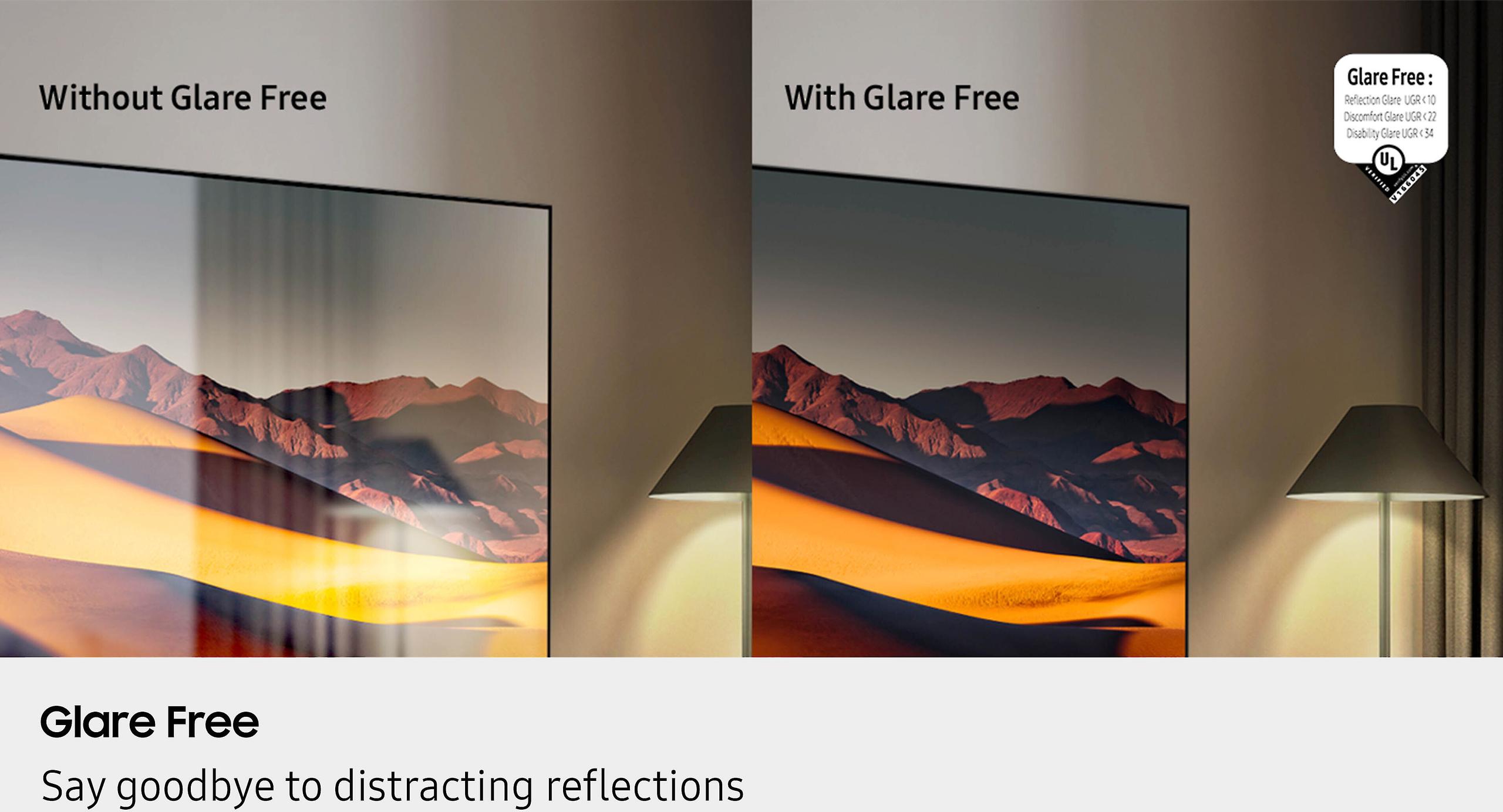
One area where the Samsung QN90F truly excels is its anti-glare technology. Samsung's "Glare Free" coating has been refined over several generations and now virtually eliminates distracting reflections, even in brightly lit rooms. If your TV room has large windows or multiple light sources, this feature alone might justify the premium. I've been consistently impressed by how watchable the Samsung remains even with sunlight streaming directly across the screen.
The TCL QM6K uses a standard screen coating that, while adequate, will show more reflections in challenging lighting conditions. This doesn't make it unusable in bright rooms, but it does require more consideration of seating position and lighting control.
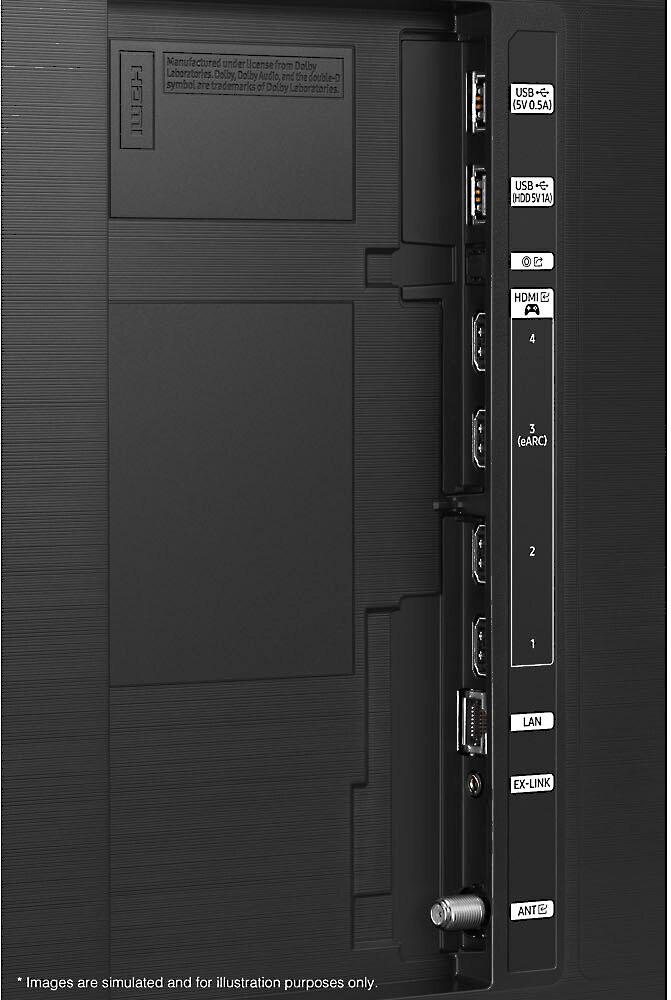
For gaming enthusiasts, both TVs offer compelling but different advantages. The Samsung QN90F supports up to 165Hz refresh rates with Variable Refresh Rate (VRR) technology, which eliminates screen tearing and provides incredibly smooth gameplay. Its four HDMI 2.1 ports all support full bandwidth, meaning you won't have to choose which gaming console gets the premium connection.
The TCL QM6K counters with a native 144Hz panel and its "Game Accelerator 288" technology, which can provide variable refresh rates up to 288Hz in certain gaming scenarios. Both TVs offer extremely low input lag in Game Mode—the delay between pressing a button and seeing the action on screen. For competitive gaming, both will keep you competitive.
The Samsung has a slight edge in overall gaming features and futureproofing, but the TCL delivers 95% of the gaming experience at a fraction of the cost. Unless you're a serious esports competitor or have multiple next-generation consoles, either TV will serve gaming needs excellently.
The smart TV platform often becomes the daily interface you interact with most, making it surprisingly important in the overall experience. The TCL QM6K runs Google TV, which provides intuitive content discovery, excellent voice search through Google Assistant, and seamless integration with Google services. The interface feels familiar to anyone who's used Android devices and offers comprehensive app support.
The Samsung QN90F uses Samsung's Tizen operating system, which has evolved significantly over recent years. Tizen offers quick access to settings and integrates well with other Samsung devices, but it has become increasingly cluttered with advertisements and promotional content. However, Samsung's voice remote and quick settings panel do provide convenient control options.
From personal experience, Google TV tends to be more intuitive for content discovery, while Tizen offers more granular picture and audio controls. Your preference may depend on whether you prioritize ease of use or detailed customization options.
While many enthusiasts eventually add external sound systems, both TVs offer respectable built-in audio that might eliminate that need for casual viewers. The Samsung QN90F includes a 60-watt, 4.2.2 channel system with Dolby Atmos support and Object Tracking Sound+, which actually moves audio effects across the screen to follow the action. This creates a surprisingly immersive experience for built-in speakers.
The TCL QM6K features a 2.1 channel system developed with Onkyo, including a built-in subwoofer for improved bass response. While not as sophisticated as the Samsung's audio processing, it delivers clear dialogue and adequate bass for most content.
Neither TV will replace a dedicated home theater system, but the Samsung comes closer to providing a complete audio experience out of the box.
For dedicated home theater setups, several factors become more critical. The Samsung QN90F excels in controlled lighting environments where its superior processing and contrast control can truly shine. Its extensive calibration options through the SmartThings app allow for professional-level picture tuning that videophiles will appreciate.
The TCL QM6K, while offering good performance, lacks some of the advanced calibration features that serious home theater enthusiasts demand. However, its Dolby Vision support actually gives it an advantage for watching movies mastered in this premium HDR format.
In a dedicated, light-controlled home theater, the performance gap between these TVs narrows considerably. The Samsung's advanced processing becomes less critical when you're feeding it high-quality 4K sources, and the TCL's solid black levels and color accuracy shine in dark room viewing.
At the time of writing, the price difference between these TVs is substantial—the Samsung QN90F commands roughly four times the price of the TCL QM6K. This raises the crucial question: when does spending significantly more make sense?
The Samsung justifies its premium primarily through superior processing, certified anti-glare technology, and more refined contrast control. If you frequently watch lower-quality content sources, have a bright viewing room, or simply want the most advanced technology available, the Samsung delivers tangible benefits.
However, the TCL QM6K provides roughly 85% of the picture quality at 25% of the price. For most viewers, especially those primarily consuming high-quality streaming content in reasonably controlled lighting, the TCL offers exceptional value that's difficult to argue against.
Choose the Samsung QN90F if you have a bright living room where glare control is essential, frequently watch cable TV or compressed streaming content that benefits from superior upscaling, want the most advanced AI processing available, or simply prioritize having premium technology regardless of cost.
The TCL QM6K makes more sense if you want excellent Mini-LED performance without premium pricing, prefer Google's smart TV platform, primarily watch high-quality 4K content, or find it difficult to justify spending significantly more for incremental improvements in picture quality.
Personal preference also plays a role. Some viewers notice and appreciate the subtle improvements in processing and contrast control that the Samsung provides, while others find the differences minimal compared to the dramatic price difference.
Both TVs represent excellent examples of Mini-LED technology, but they serve different market segments and priorities. The Samsung QN90F delivers premium performance with advanced features that justify its cost for users who demand the best available technology. The TCL QM6K proves that outstanding picture quality doesn't require premium pricing, making advanced display technology accessible to a much broader audience.
For most buyers, the TCL QM6K provides the better value proposition, delivering impressive performance that comes surprisingly close to much more expensive alternatives. However, the Samsung QN90F earns its premium through meaningful advantages in processing, anti-glare technology, and overall refinement that some viewers will find worth the investment.
The choice ultimately depends on your budget, viewing environment, content preferences, and how much you value having the latest and greatest technology. Both TVs will provide years of excellent viewing experiences—the question is whether the Samsung's premium features justify its significantly higher cost for your specific situation.
| Samsung 65" QN90F Neo QLED 4K Vision AI Smart TV 2025 | TCL 65" QM6K QD-Mini LED 4K TV |
|---|---|
| Display Technology - Foundation of picture quality | |
| Neo QLED with Quantum Matrix Mini-LED Pro | QD-Mini LED with Super High Energy LED Chip |
| Local Dimming Zones - Controls contrast and eliminates blooming | |
| 1,000+ zones (superior contrast control) | Up to 500 zones (good performance for price) |
| Processor - Critical for upscaling lower quality content | |
| NQ4 AI Gen3 with 128 neural networks | AiPQ Pro (adequate but less sophisticated) |
| Peak Brightness - Essential for HDR impact and bright room viewing | |
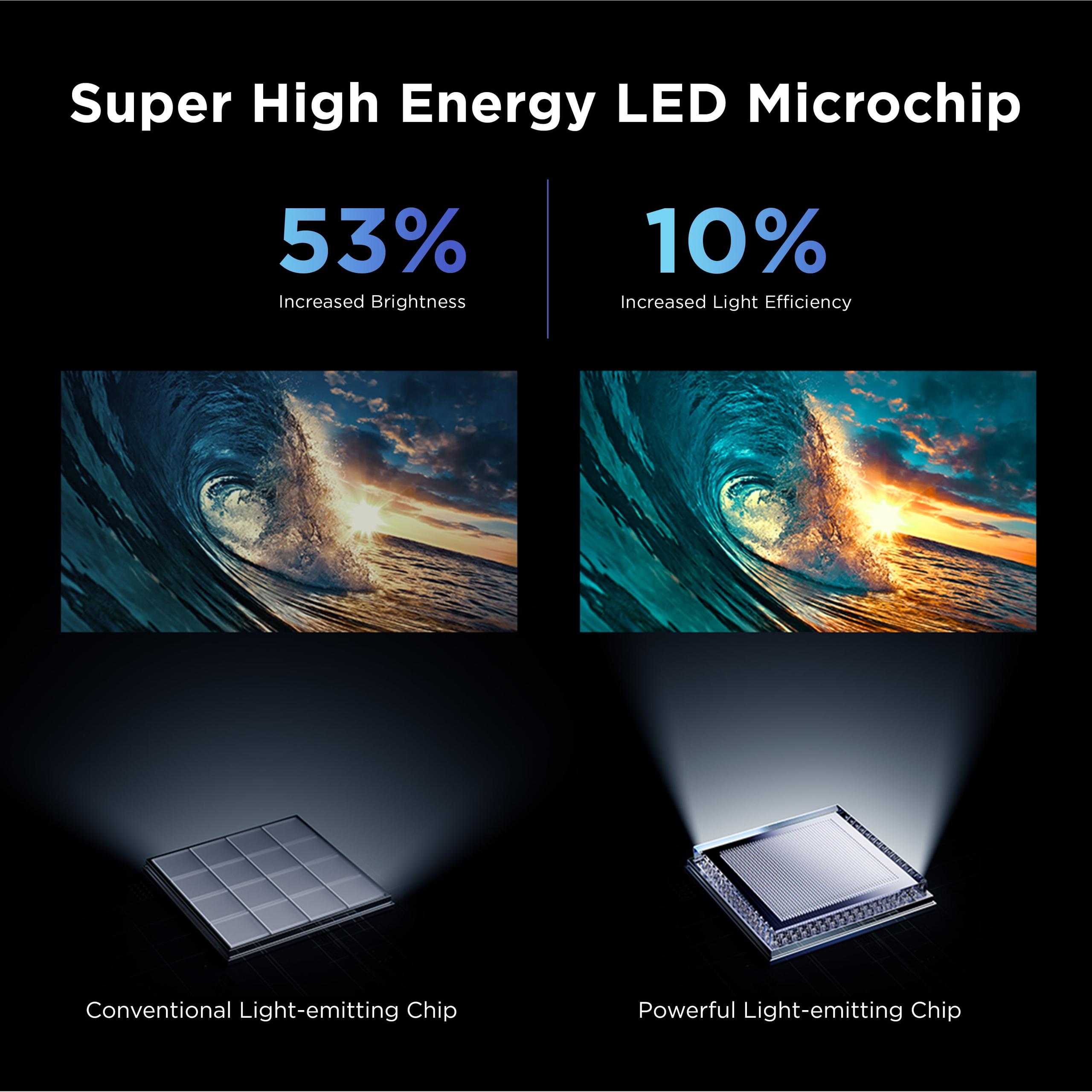
| Up to 1,900 nits with sustained high brightness | Good brightness levels, 53% improvement over previous TCL models |
| Gaming Refresh Rate - Smooth motion for sports and gaming | |
| 165Hz with Motion Xcelerator Turbo+ | 144Hz native with Game Accelerator 288 (up to 288Hz VRR) |
| Anti-Glare Technology - Crucial for bright living rooms | |
| Certified Glare Free coating (virtually eliminates reflections) | Standard coating (shows reflections in bright conditions) |
| HDR Format Support - Compatibility with premium content | |
| HDR10+, Neo Quantum HDR+ (no Dolby Vision) | HDR10+, Dolby Vision, HDR10, HLG (broader format support) |
| Smart TV Platform - Daily user interface experience | |
| Tizen OS with Samsung Vision AI (feature-rich but ad-heavy) | Google TV with Assistant (cleaner, more intuitive) |
| Audio System - Built-in sound quality | |
| 60W 4.2.2 channels with Dolby Atmos and Object Tracking Sound+ | 2.1 channel Onkyo system with DTS Virtual:X |
| HDMI Connectivity - Future-proofing for gaming and devices | |
| 4 HDMI 2.1 ports (all full bandwidth) | 4 HDMI ports (1 eARC) with Wi-Fi 6 |
| Build Quality & Design - Premium feel and durability | |
| Ultra-thin bezels, premium materials, 1.1" depth | FullView 360 bezel-less design, standard build |
| Target Buyer - Who should consider each option | |
| Videophiles wanting premium processing and bright room performance | Value-conscious buyers seeking excellent Mini-LED at lower cost |
The Samsung QN90F delivers superior picture quality with its advanced NQ4 AI Gen3 processor and over 1,000 local dimming zones, providing exceptional contrast control and upscaling of lower-quality content. However, the TCL QM6K offers impressive Mini-LED performance at a significantly lower price point, delivering about 85% of the Samsung's picture quality. For most viewers, the TCL provides outstanding value, while the Samsung justifies its premium through refinements that videophiles will appreciate.
Both TVs excel for gaming, with the Samsung QN90F supporting up to 165Hz refresh rates and the TCL QM6K offering 144Hz native with Game Accelerator 288 technology up to 288Hz VRR. Both provide extremely low input lag and support modern gaming features like Variable Refresh Rate. The Samsung has a slight edge in overall gaming features and futureproofing, but the TCL delivers competitive gaming performance at a much lower cost.
The Samsung QN90F is significantly better for bright rooms thanks to its certified Glare Free anti-reflective coating, which virtually eliminates distracting reflections even with direct sunlight. The TCL QM6K uses standard screen coating that will show more reflections in challenging lighting conditions. If your TV room has large windows or multiple light sources, the Samsung's anti-glare technology alone might justify the premium.
No, there's an important difference in HDR support. The TCL QM6K supports HDR10+, Dolby Vision, HDR10, and HLG, giving it broader compatibility with HDR content. The Samsung QN90F supports HDR10+ and Neo Quantum HDR+ but lacks Dolby Vision support. Dolby Vision is considered superior by many because it includes scene-by-scene optimization data, giving the TCL an advantage in HDR format compatibility.
The TCL QM6K runs Google TV, which offers intuitive content discovery, excellent voice search through Google Assistant, and seamless integration with Google services. The Samsung QN90F uses Tizen OS, which provides more granular picture controls and Samsung ecosystem integration but has become increasingly cluttered with advertisements. Google TV tends to be more user-friendly for content discovery, while Tizen offers more detailed customization options.
The Samsung QN90F features a superior 60W 4.2.2 channel system with Dolby Atmos and Object Tracking Sound+, which moves audio effects across the screen to follow action. The TCL QM6K includes a 2.1 channel Onkyo system with built-in subwoofer for improved bass. While neither replaces a dedicated sound system, the Samsung comes much closer to providing a complete audio experience out of the box.
The Samsung QN90F significantly outperforms the TCL QM6K when it comes to upscaling cable TV, compressed streaming, and older content. Samsung's NQ4 AI Gen3 processor with 128 neural networks can intelligently enhance lower-resolution content to create convincing 4K images, reducing artifacts and enhancing detail. The TCL's AiPQ Pro processor handles upscaling adequately but shows more limitations with poor-quality sources.
Both work well for home theaters, but with different strengths. The Samsung QN90F excels with its superior processing, extensive calibration options through SmartThings app, and refined contrast control that videophiles appreciate. The TCL QM6K offers solid black levels and color accuracy in dark rooms, plus Dolby Vision support for movies mastered in this premium HDR format. In light-controlled home theaters, the performance gap narrows considerably.
This depends on your priorities and budget. The Samsung QN90F offers better futureproofing through advanced AI processing, superior build quality, and premium features that may remain relevant longer. However, the TCL QM6K provides exceptional performance-per-dollar that's hard to beat, delivering most of the benefits of Mini-LED technology at a fraction of the cost. For most buyers, the TCL represents better immediate value.
The Samsung QN90F features over 1,000 individual dimming zones in its 65-inch model, while the TCL QM6K has up to 500 zones. More zones generally allow for finer contrast control and less blooming around bright objects against dark backgrounds. This difference shows up most in challenging scenes like starfields or city lights at night, where the Samsung maintains deeper blacks with minimal halos.
Both TVs handle high-quality 4K streaming content excellently. The TCL QM6K actually has an advantage with its broader HDR format support including Dolby Vision, which many Netflix and Disney+ titles use. The Samsung QN90F provides slightly better overall processing and brightness, but when fed high-quality 4K sources, the performance difference becomes less dramatic. Either TV will deliver excellent streaming experiences.
Choose the Samsung QN90F if you have a bright viewing room, frequently watch lower-quality content that benefits from superior upscaling, want the most advanced processing available, or prioritize premium technology regardless of cost. Choose the TCL QM6K if you want excellent Mini-LED performance without premium pricing, prefer Google's smart platform, primarily watch high-quality content, or find it difficult to justify spending significantly more for incremental picture quality improvements.
We've done our best to create useful and informative comparisons to help you decide what product to buy. Our research uses advanced automated methods to create this comparison and perfection is not possible - please contact us for corrections or questions. These are the sites we've researched in the creation of this article: rtings.com - images.samsung.com - youtube.com - listenup.com - youtube.com - cullenshomecenter.com - rtings.com - shopjetson.com - youtube.com - samsung.com - samsung.com - videoandaudiocenter.com - rtings.com - bestbuy.com - youtube.com - news.samsung.com - news.samsung.com - news.samsung.com - bestbuy.com - news.samsung.com - youtube.com - news.samsung.com - youtube.com - smarthomesounds.co.uk - youtube.com - tomsguide.com - youtube.com - tcl.com - tomsguide.com - youtube.com - youtube.com - hometechnologyreview.com - rtings.com - bestbuy.com - tcl.com - youtube.com - youtube.com - bestbuy.com - youtube.com - youtube.com - youtube.com - tcl.com - youtube.com - walmart.com - tcl.com - displayspecifications.com - kitele.com - displayspecifications.com - flatpanelshd.com - woodruffappliance.com - displayspecifications.com - prnewswire.com - tcl.com - youtube.com - abt.com - youtube.com - tclkenya.co.ke - budgethomefurn.com

Privacy Policy
Terms and Conditions - Affiliate Policy
Home Security
© Copyright 2008-2026.
11816 Inwood Rd #1211, Dallas, TX 75244