

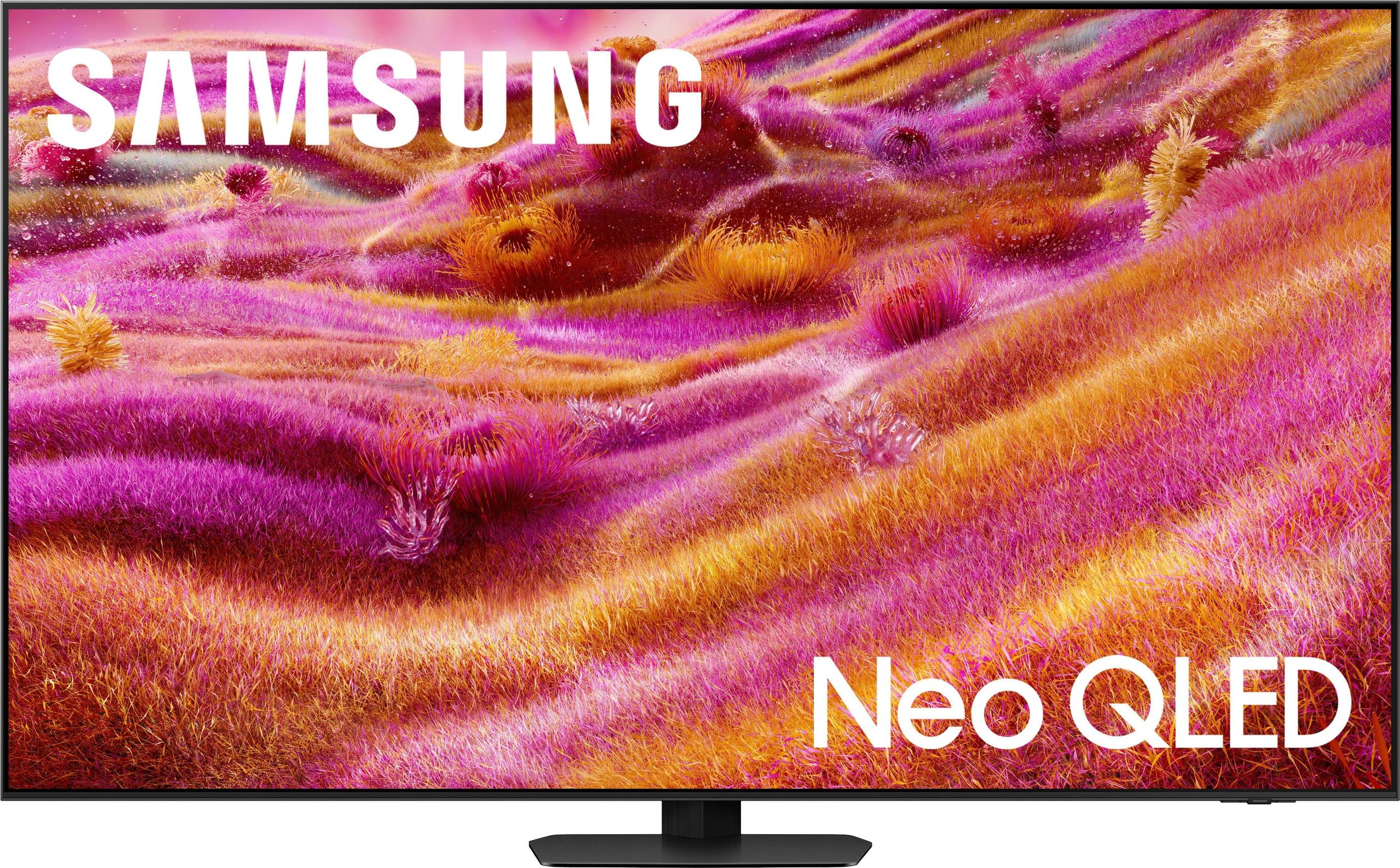
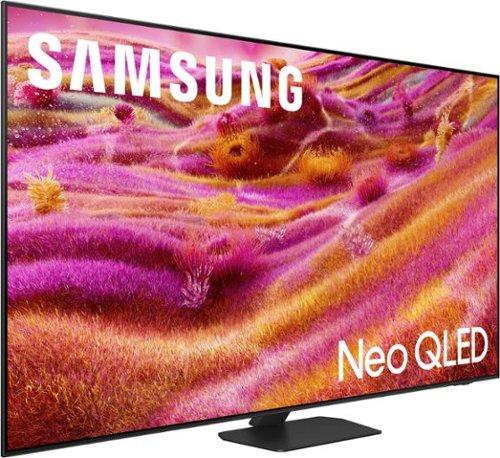
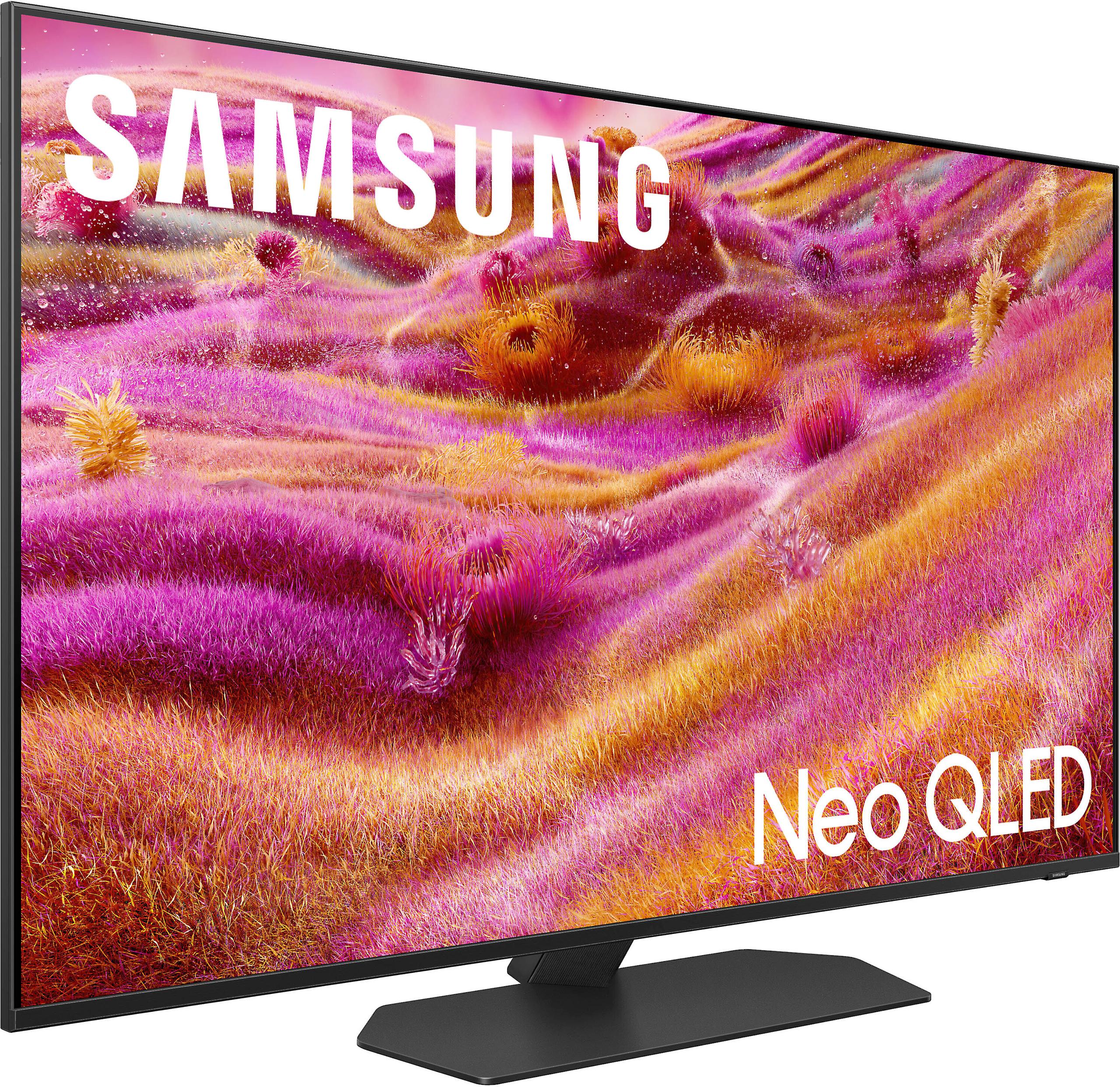
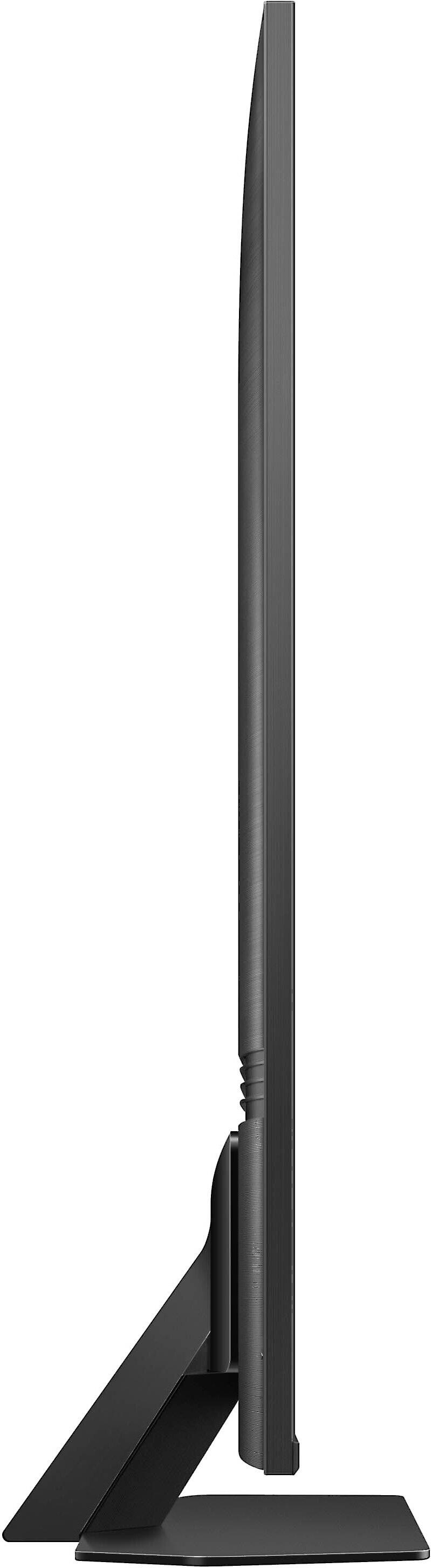
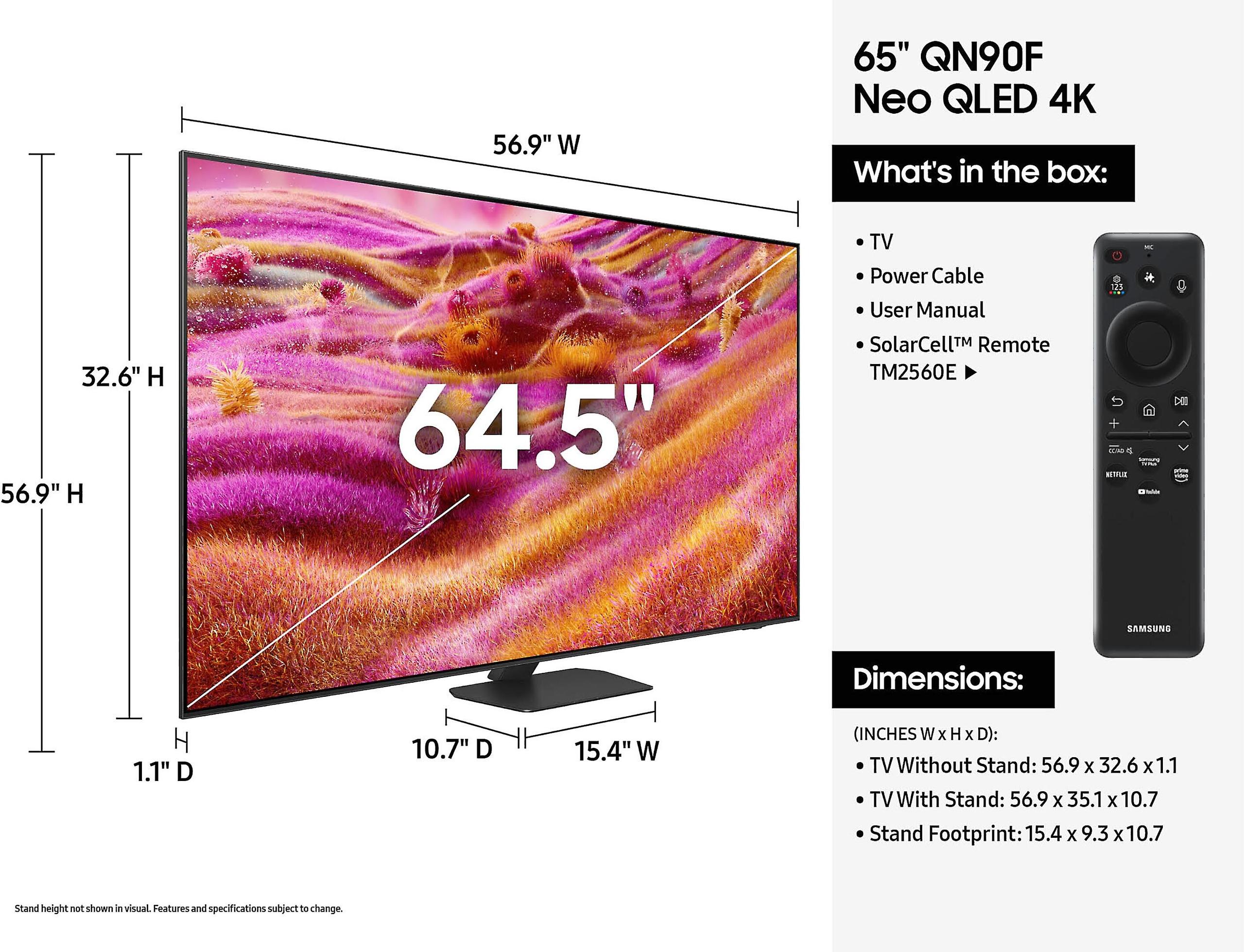

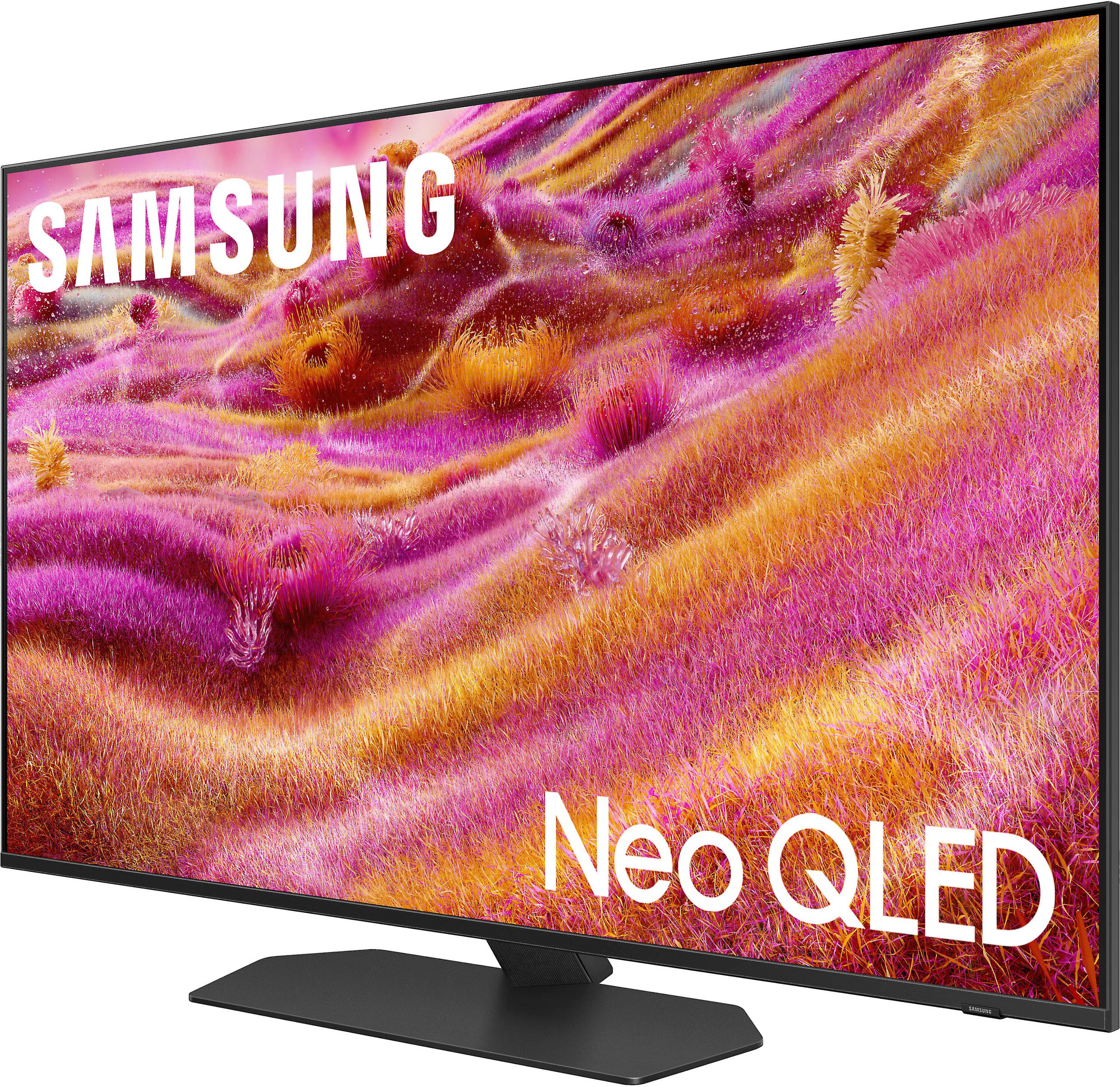
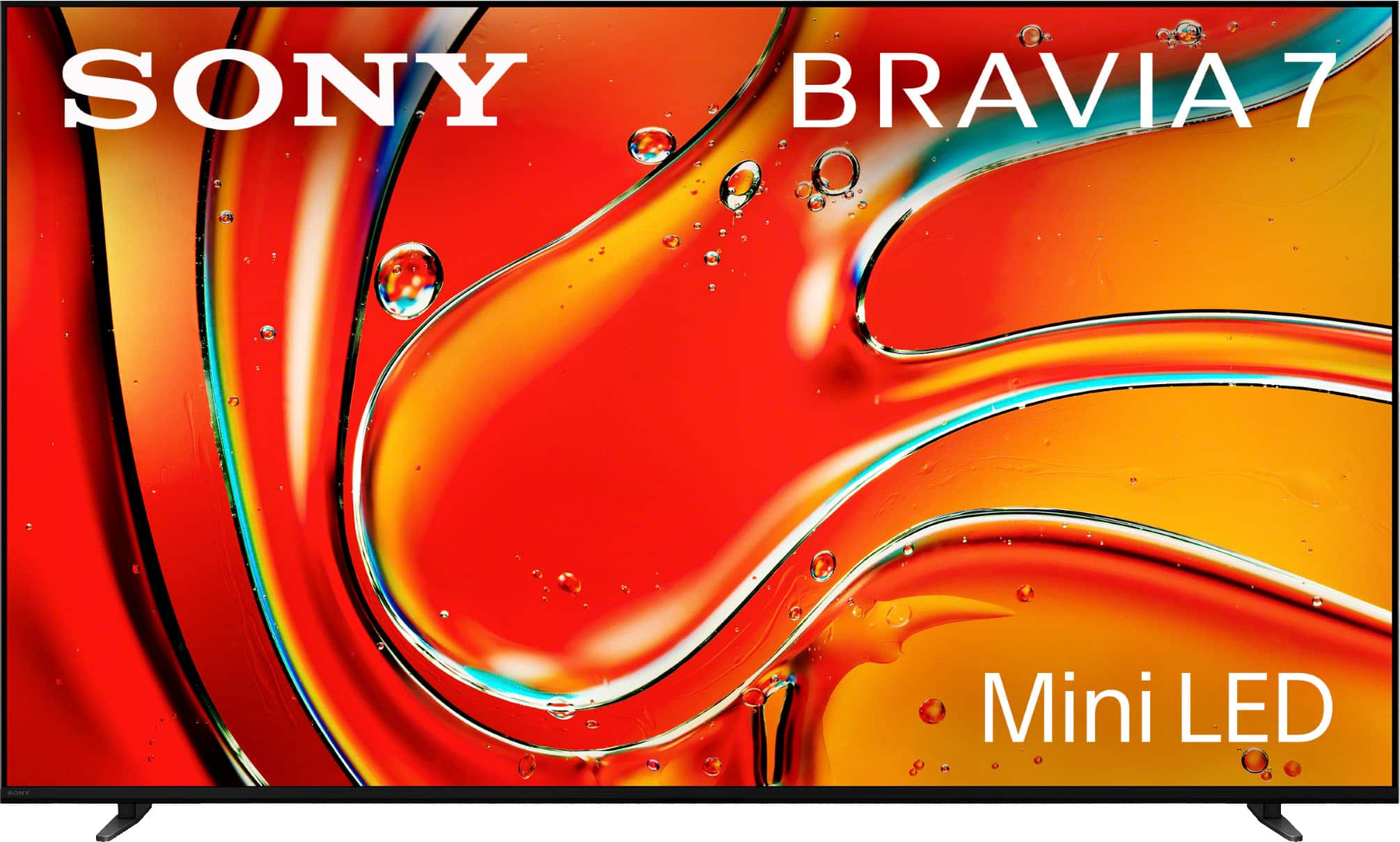
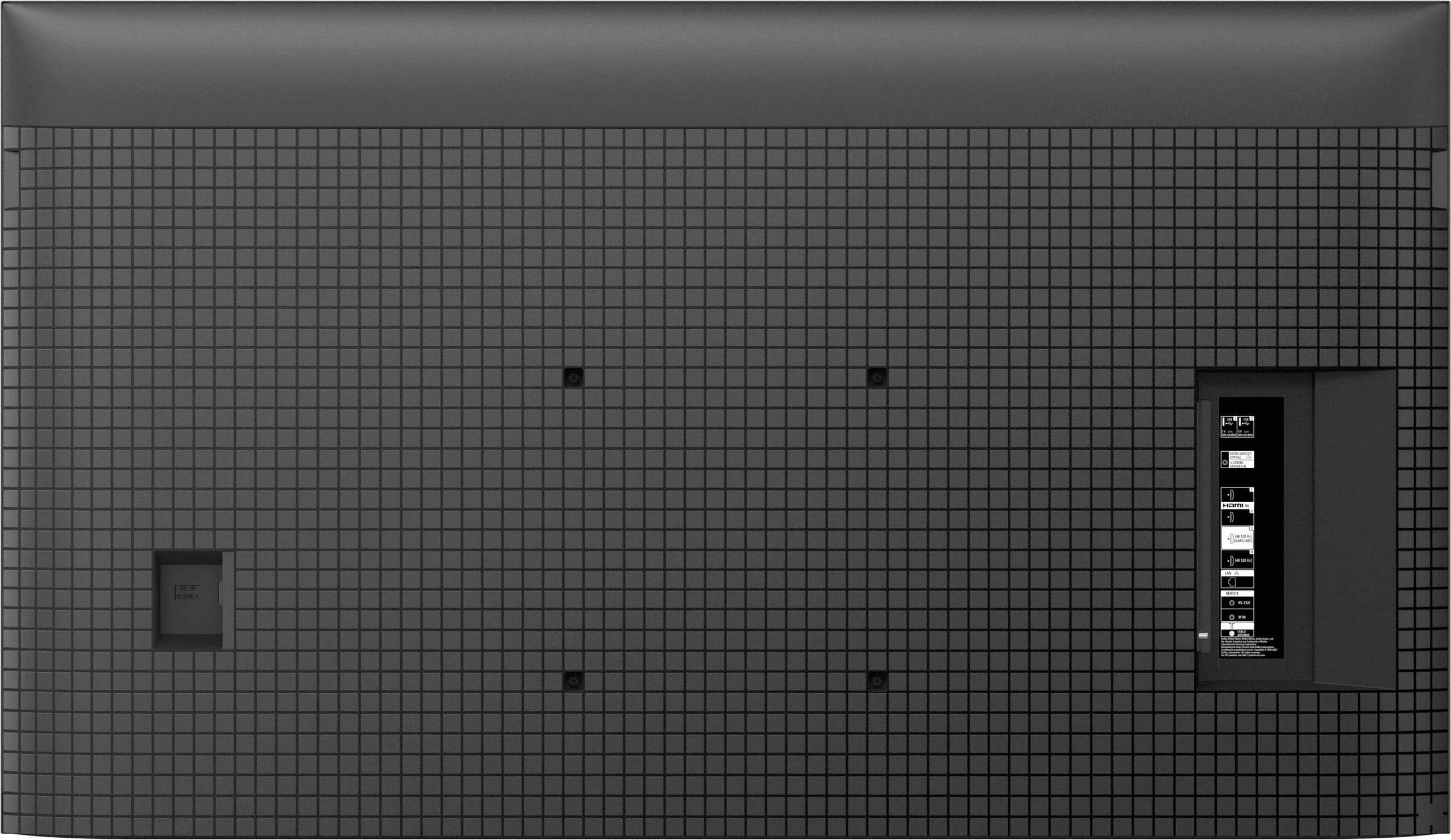
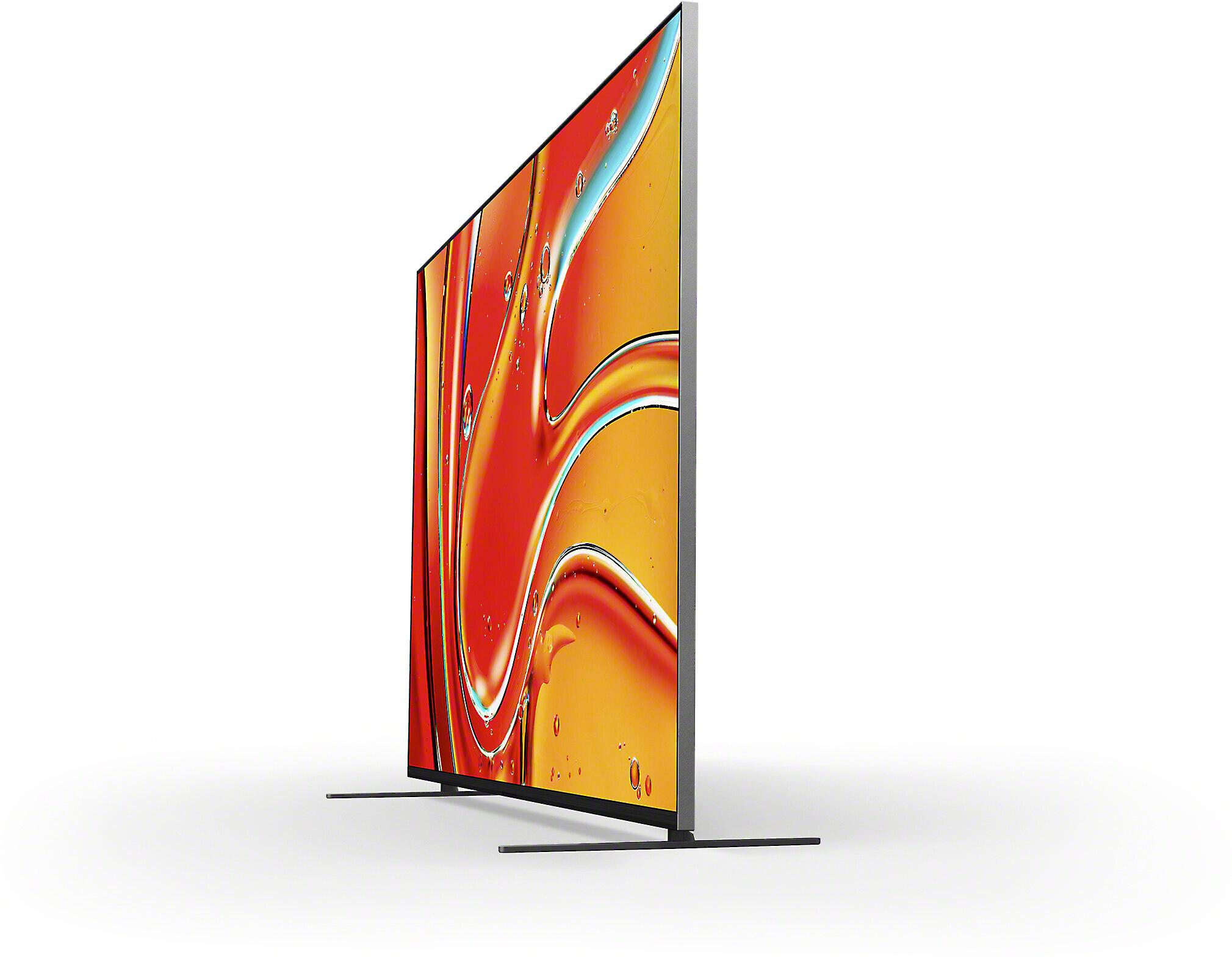
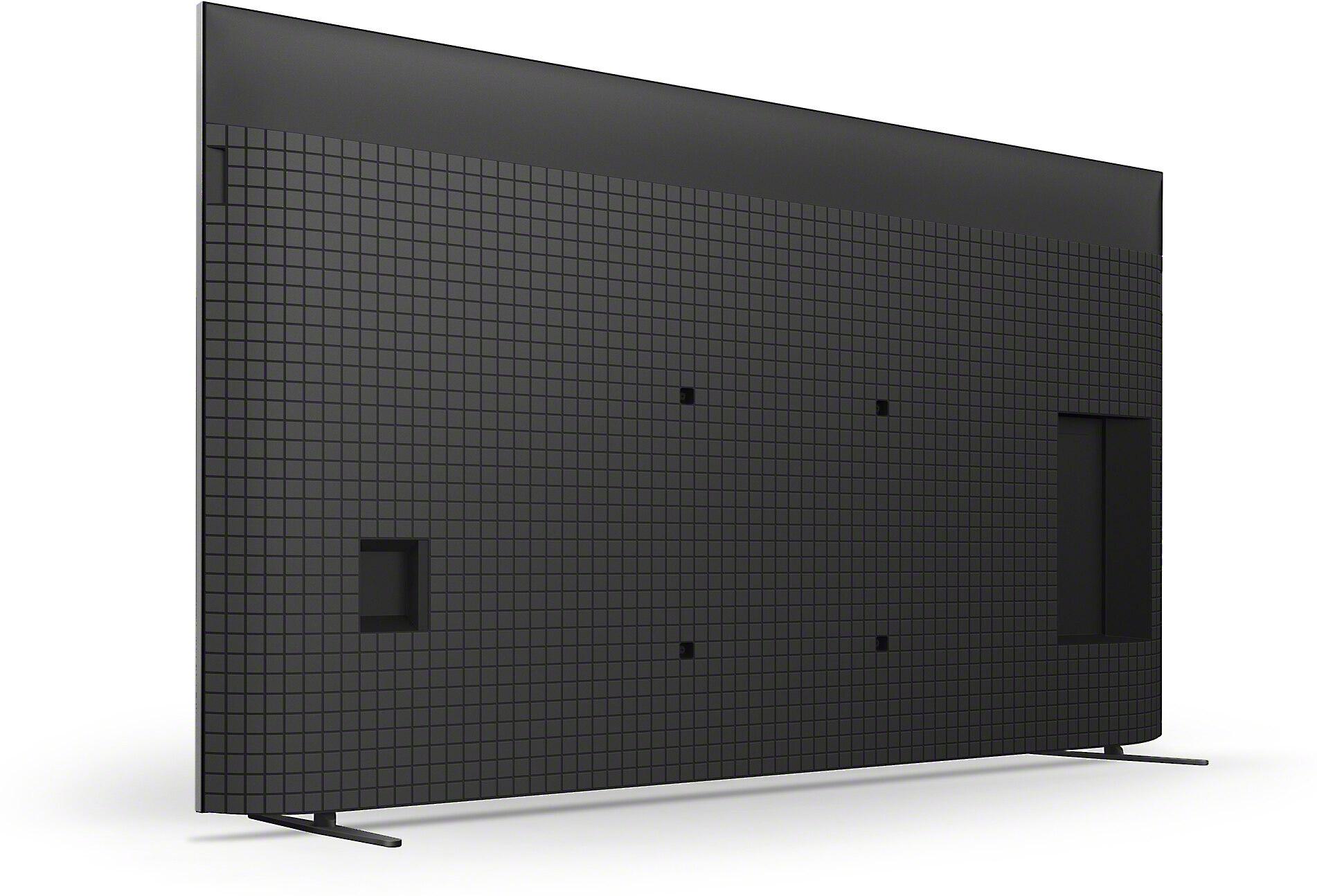
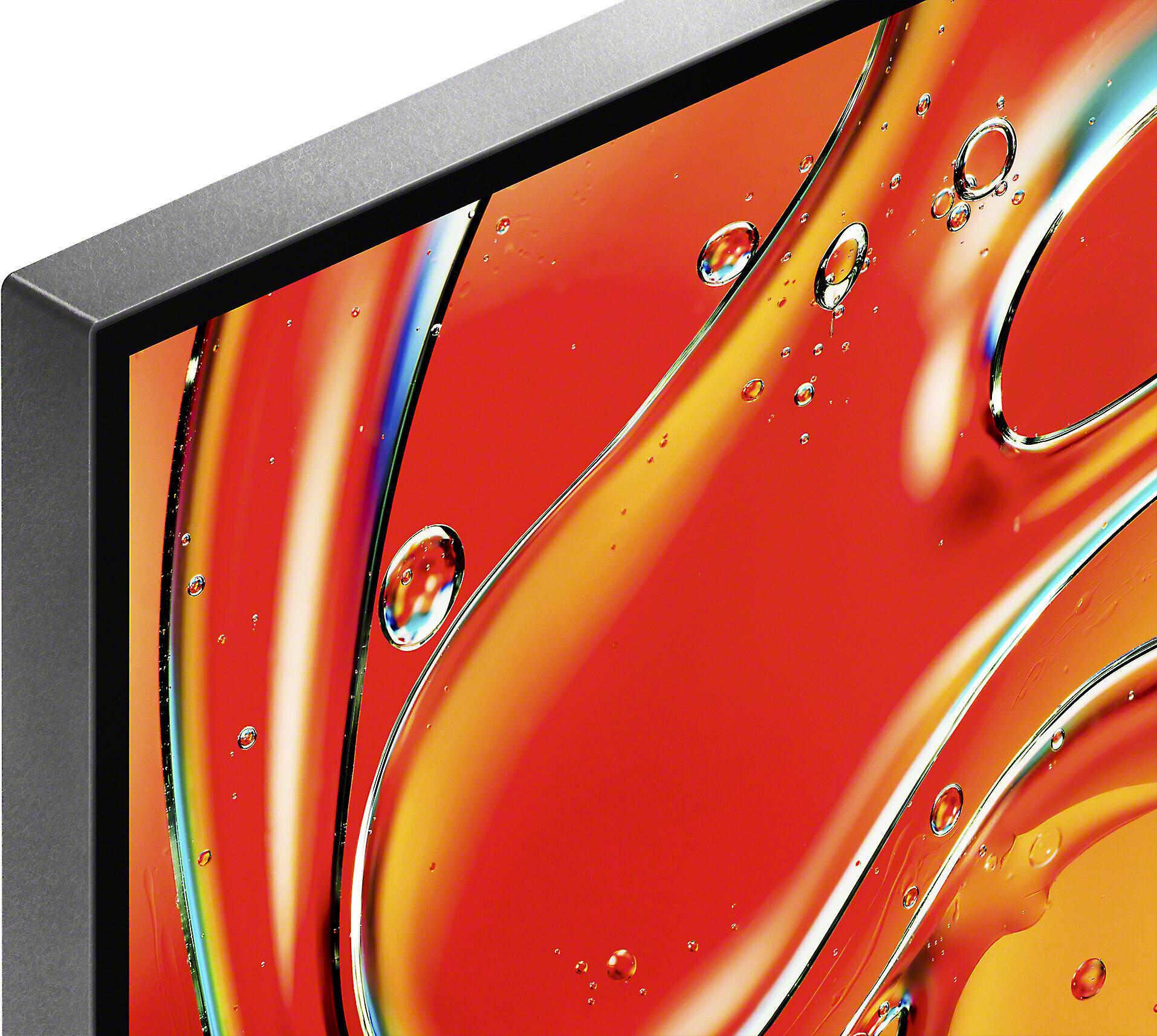
Shopping for a premium 65-inch TV can feel overwhelming with all the technical jargon and competing claims. Two standout options that consistently appear on enthusiast shortlists are the Samsung 65" QN90F Neo QLED 4K Vision AI Smart TV 2025 and the Sony BRAVIA 7 65" 4K UHD Smart Google TV. Both represent their manufacturers' flagship mini-LED offerings, but they take notably different approaches to delivering premium picture quality.
At the time of writing, these TVs sit in different price brackets, with the Samsung QN90F commanding a significant premium over the Sony BRAVIA 7. This price difference reflects not just brand positioning, but fundamental differences in technology and target audience. Let me walk you through what makes each special and help you figure out which one deserves a place in your living room.
Before diving into specifics, it's worth understanding what makes these TVs special. Both use mini-LED backlighting, which essentially means thousands of tiny LEDs behind the screen that can be controlled independently. Think of it like having thousands of individual light bulbs that can dim or brighten to match what's happening in each part of the image. This creates much better contrast than traditional LED TVs – darker blacks and brighter whites appearing simultaneously on the same screen.
The Samsung QN90F launched in 2025 as Samsung's showcase for their latest display technologies, while the Sony BRAVIA 7 arrived in 2024 as Sony's premium mini-LED option positioned below their flagship BRAVIA 9. Since 2024, we've seen significant improvements in anti-glare coatings, AI processing, and gaming features – advances that play a major role in differentiating these models.
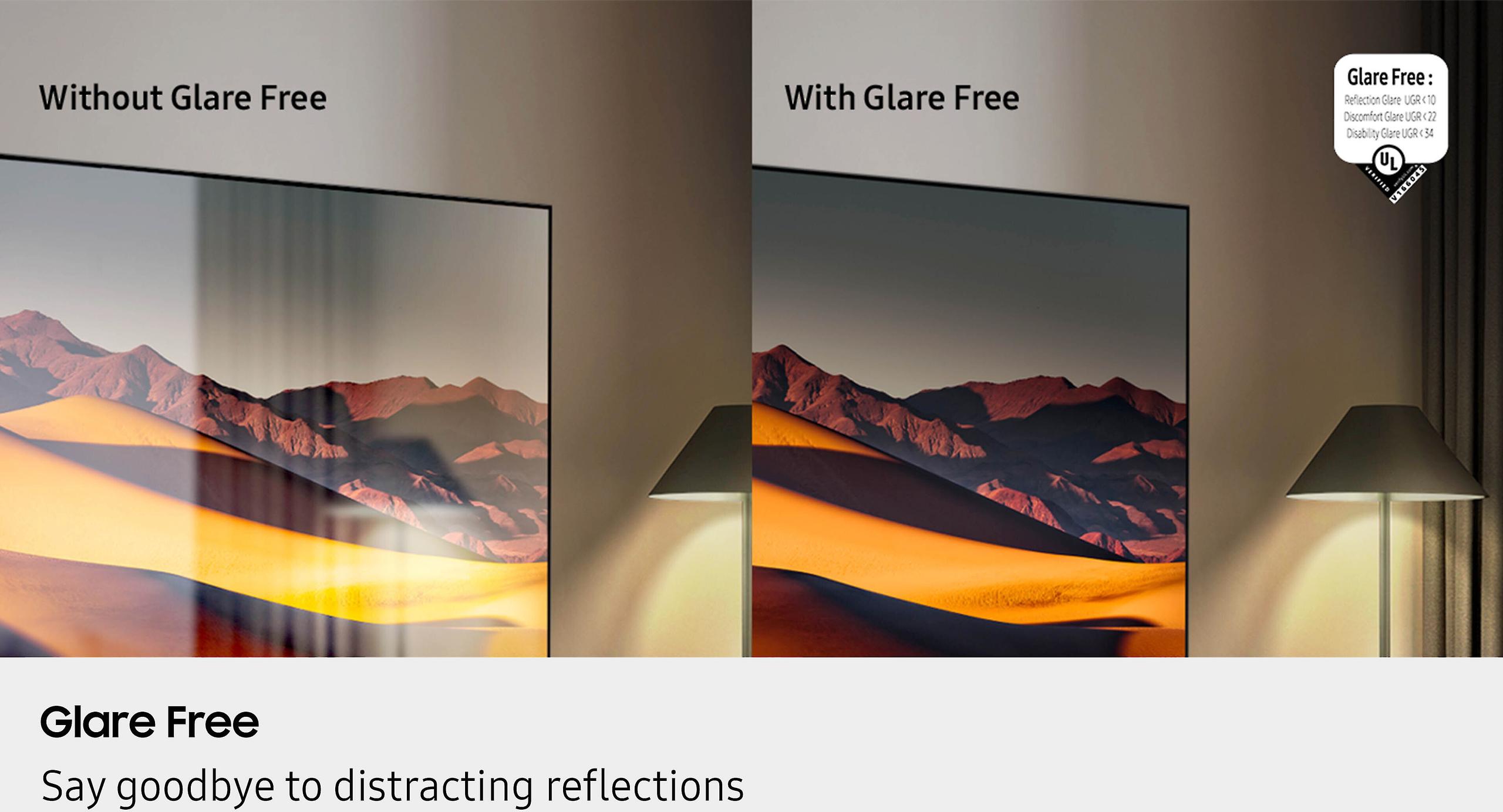
The Samsung QN90F incorporates Samsung's newest Glare-Free 2.0 technology, and I have to say, it's genuinely impressive. If you've ever tried watching TV with sunlight streaming through windows, you know how frustrating reflections can be. Samsung's solution essentially eliminates these reflections while maintaining deep black levels – something that was previously only possible on their premium OLED models.
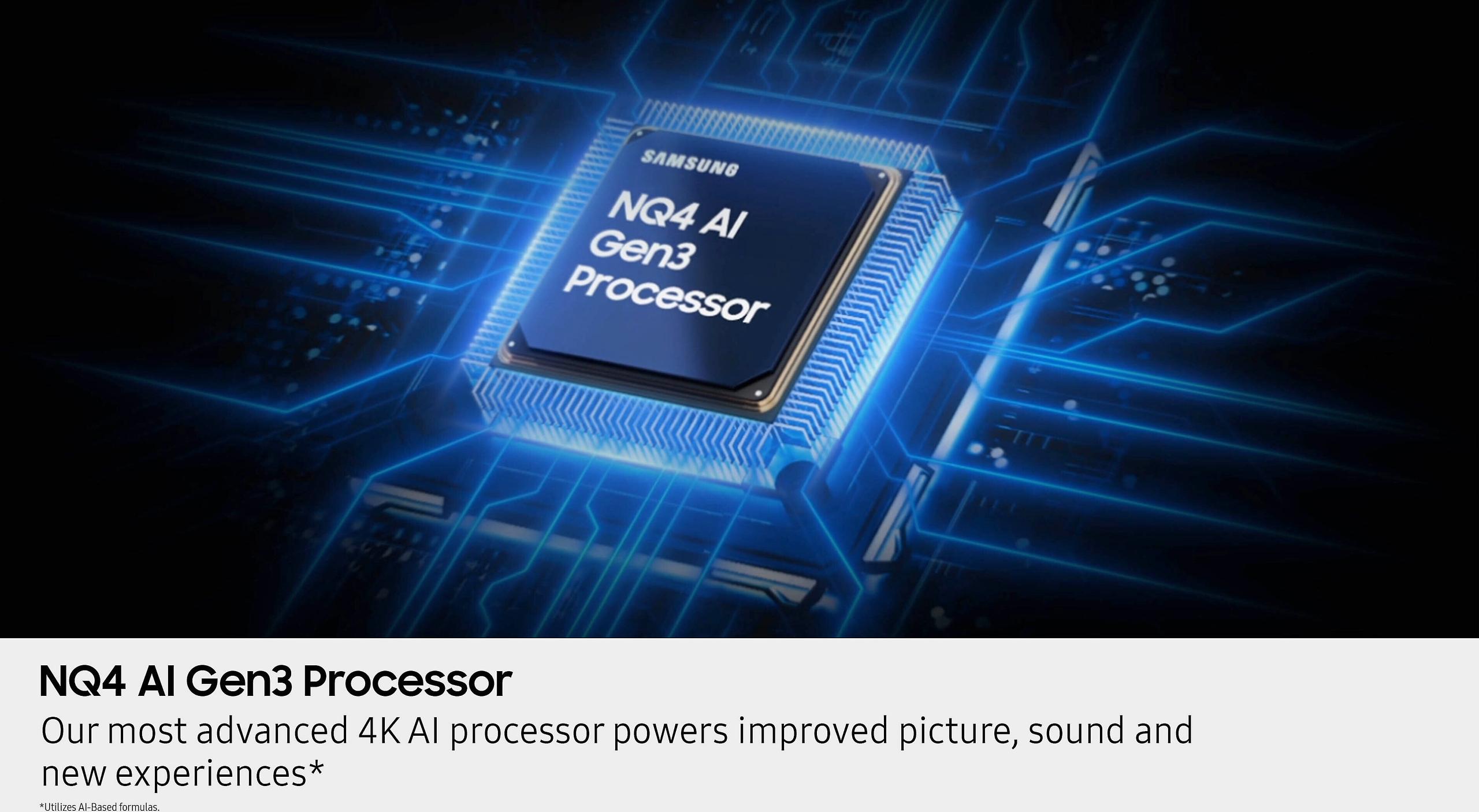
This TV can exceed 2,000 nits of peak brightness, which is technical speak for being incredibly bright. To put that in perspective, a typical sunny day outdoors measures around 10,000 nits, so having a TV that can hit 2,000 nits means it stays visible and vibrant even in very bright rooms. The Samsung QN90F pairs this brightness with Samsung's NQ4 AI Gen3 processor, powered by 128 neural networks that analyze and enhance content in real-time.
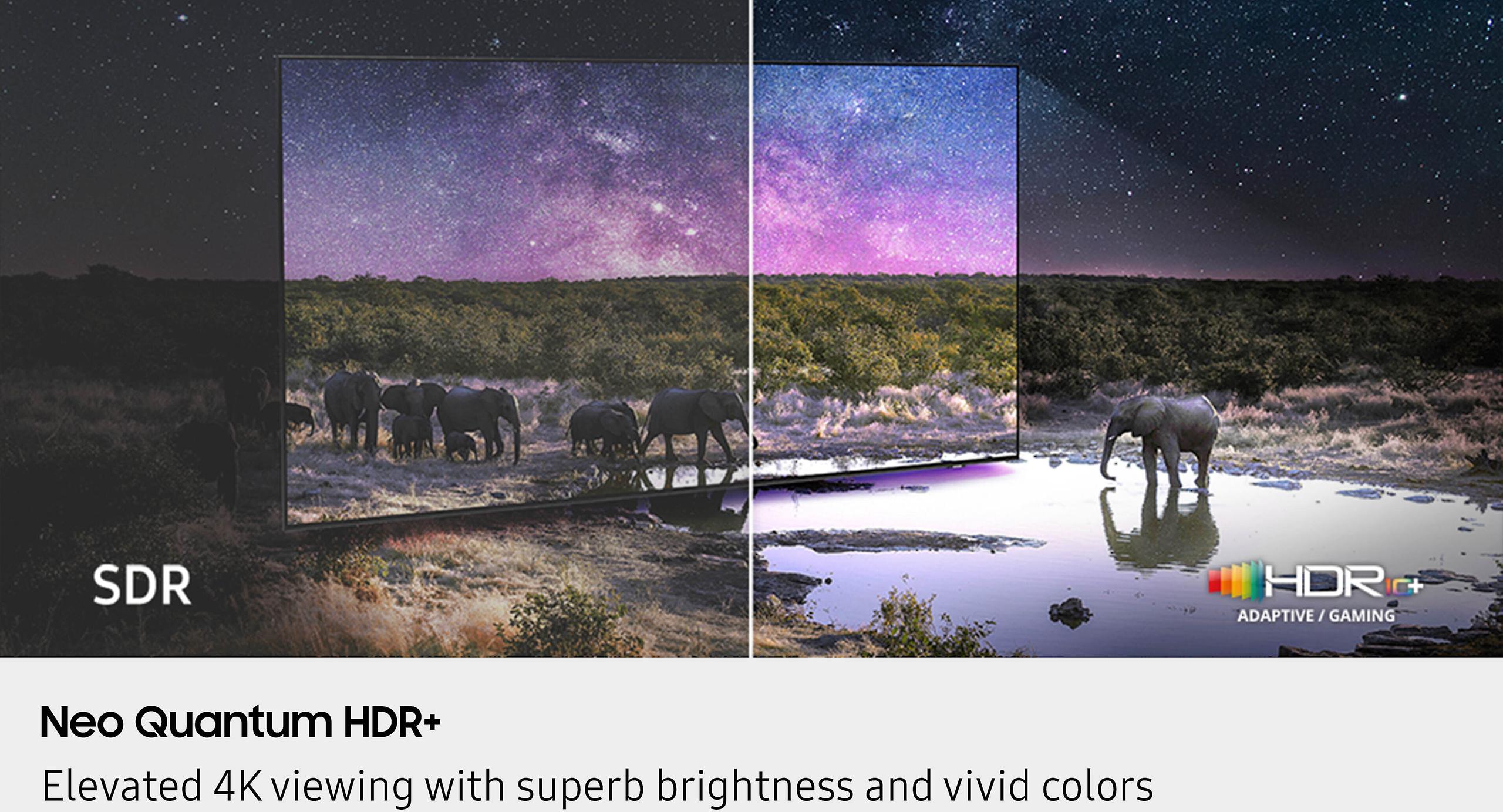
What's particularly clever about Samsung's approach is how the AI processor can add HDR-like enhancement to regular content during upscaling. HDR (High Dynamic Range) makes images look more realistic with better contrast and color, and Samsung's processor can simulate these effects even on older content that wasn't originally created with HDR.
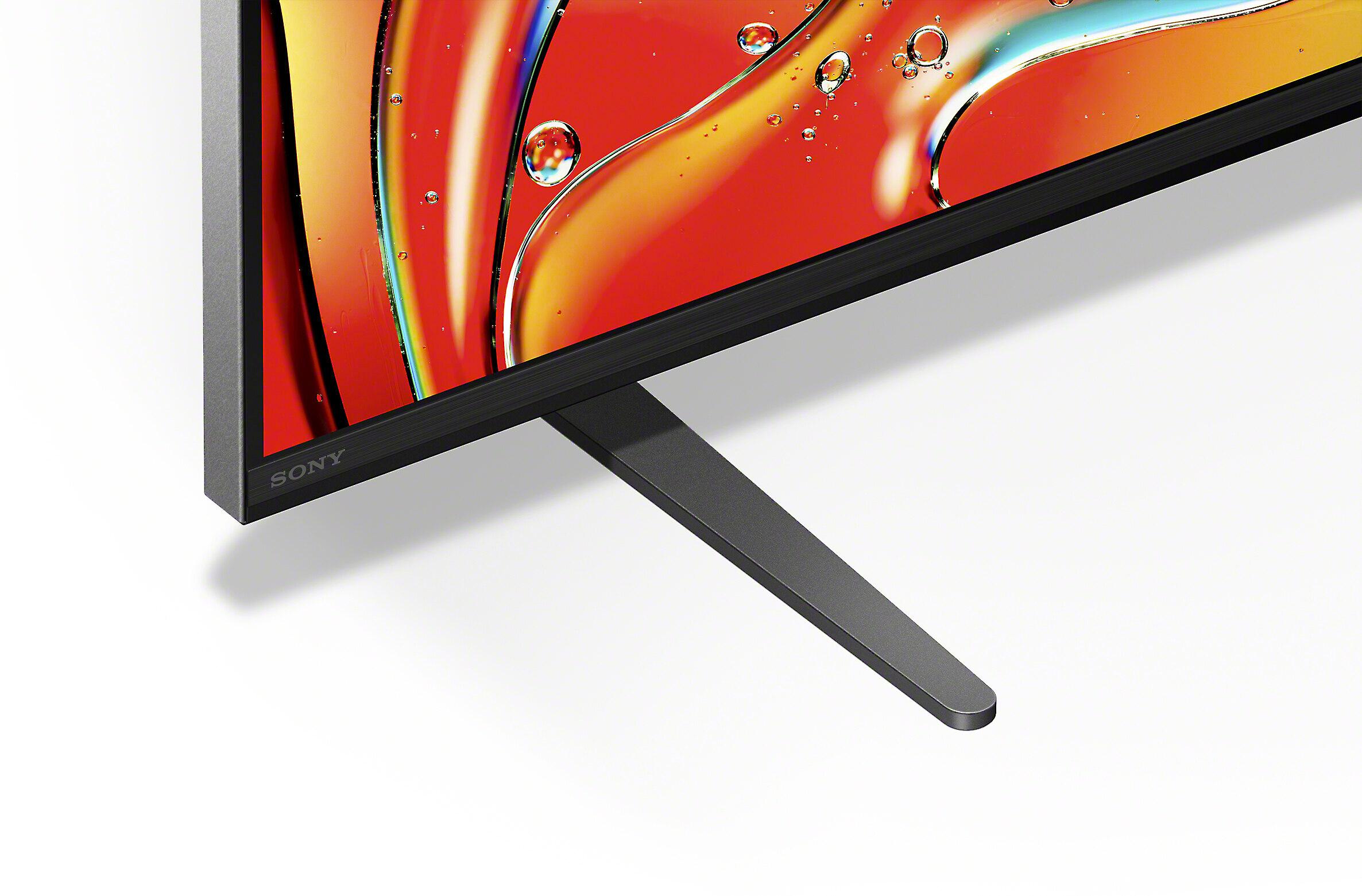
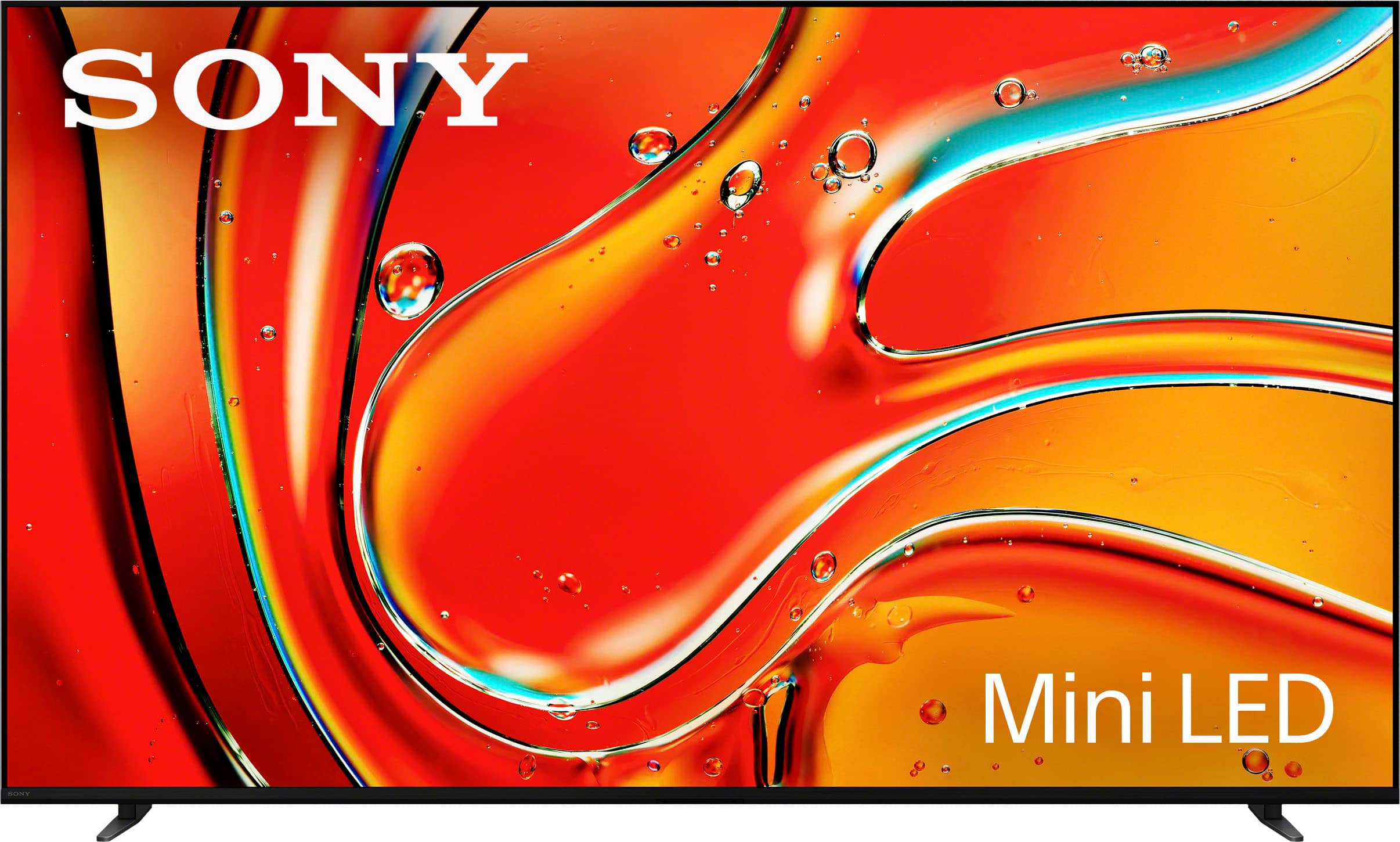
The Sony BRAVIA 7 takes a fundamentally different approach focused on color accuracy and image processing excellence. Sony's XR Backlight Master Drive technology uses thousands of mini-LEDs controlled by sophisticated algorithms derived from the same technology used in Sony's professional master monitors – the screens movie creators use when making films.
Where Sony really shines is in color reproduction. The XR Triluminos Pro technology doesn't just make colors more vivid; it makes them more accurate to what creators intended. If you're someone who cares about watching movies as the director envisioned them, this matters enormously. The Sony BRAVIA 7 also supports Dolby Vision HDR, which is arguably the premium HDR format, while the Samsung QN90F is limited to HDR10+ – still excellent, but not quite as widely supported by streaming services.
From my experience reviewing TVs, Sony's image processing consistently produces more natural-looking images. Colors don't pop as dramatically as Samsung's, but they look more realistic. It's like comparing a heavily filtered Instagram photo to a professional photographer's work – both can be beautiful, but one prioritizes impact while the other prioritizes truth.
If gaming is important to you, the Samsung QN90F is the clear winner. It supports 4K resolution at up to 165Hz refresh rate, compared to the Sony BRAVIA 7's 120Hz maximum. Higher refresh rates mean smoother motion, which is crucial for competitive gaming where every frame counts.
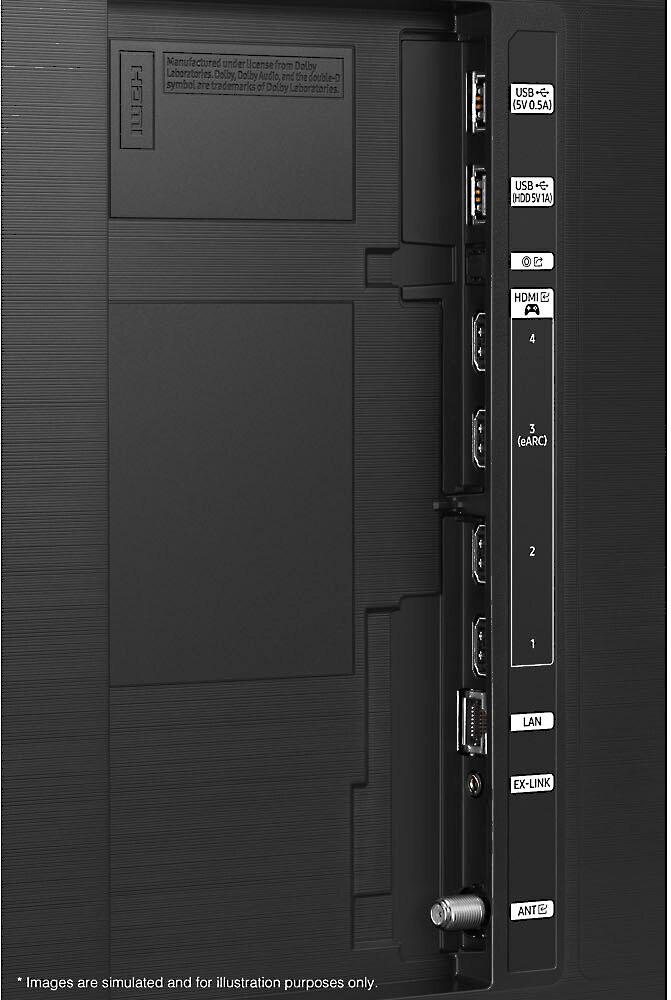
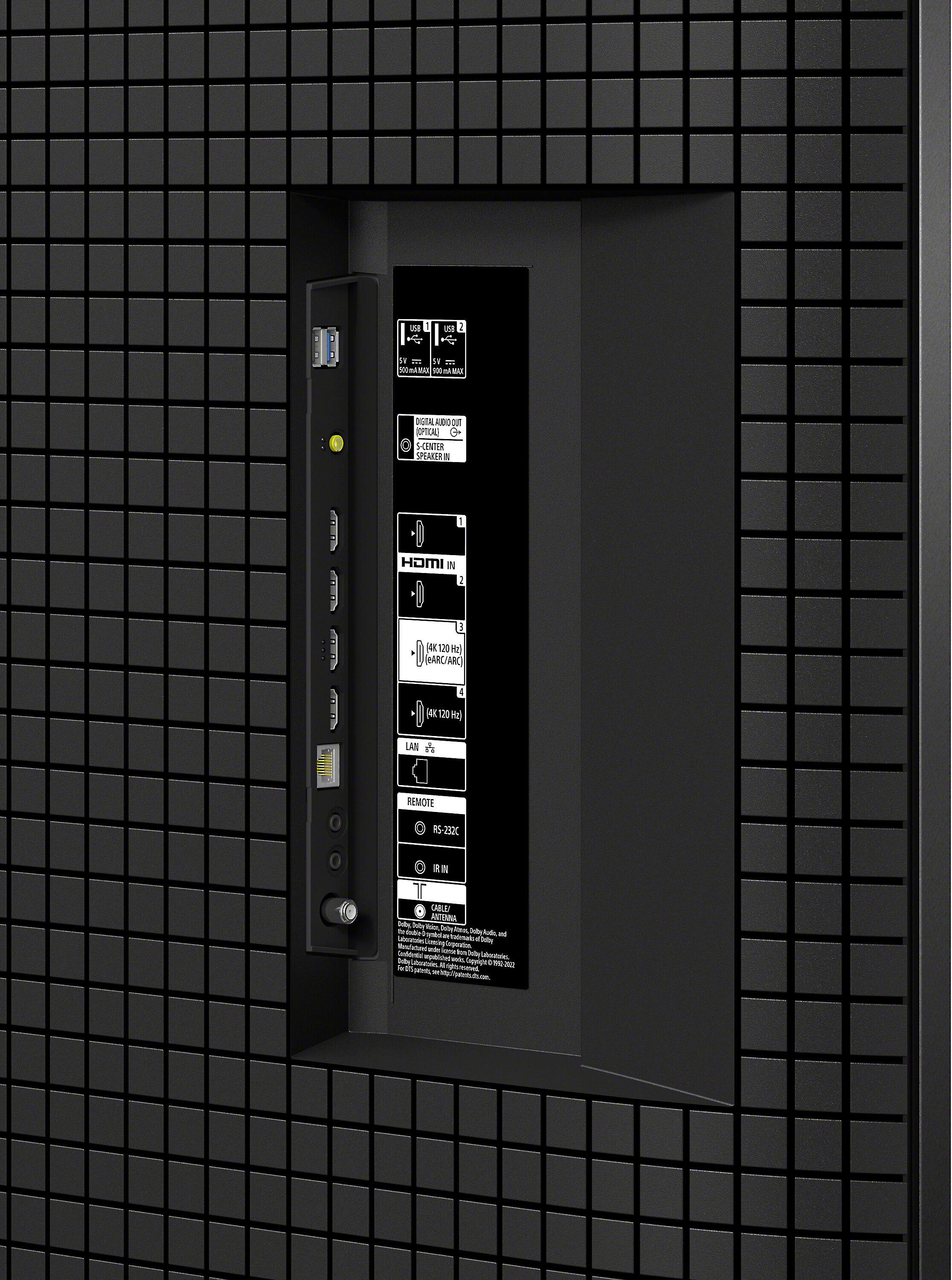
More importantly, the Samsung QN90F achieves lower input lag – the delay between when you press a button and when the action appears on screen. For competitive gaming, especially first-person shooters or fighting games, this responsiveness can mean the difference between winning and losing. Samsung also includes four HDMI 2.1 ports that support full bandwidth gaming features, while Sony limits these capabilities to just two ports.
However, there's a trade-off with Samsung. In Game Mode, which is designed to minimize input lag, the TV's black levels become less impressive and you might notice some motion blur around fast-moving objects. It's still very good, just not as good as when watching movies.
The Sony BRAVIA 7 takes a different approach to gaming. While it can't match Samsung's raw specifications, it offers excellent integration with PlayStation consoles through features like "Perfect for PS5" mode and PS Remote Play. If you're primarily a PlayStation gamer rather than someone who plays on multiple platforms, Sony's ecosystem integration provides a smoother experience.
The Sony BRAVIA 7 also maintains better picture quality in its gaming modes compared to Samsung, though this comes at the cost of slightly higher input lag. For casual gaming or single-player experiences where visual quality matters more than split-second response times, Sony's approach makes sense.
Both TVs include sophisticated audio systems, but they approach sound differently. The Samsung QN90F features a 4.2.2-channel system with special processing for dialogue clarity. It's good, but conventional in its approach.
The Sony BRAVIA 7 incorporates Acoustic Multi-Audio technology that essentially turns the screen into a speaker, similar to how movie theater screens work. This creates a more immersive experience where sound appears to come directly from the action on screen rather than from speakers below or beside the TV. For home theater enthusiasts, this can make dialogue more natural and effects more engaging.
That said, if you're planning to use a dedicated sound system or soundbar, the audio differences become less relevant. Both TVs support advanced audio formats like Dolby Atmos and will pass high-quality audio to external systems.
This is where personal preference really matters. The Samsung QN90F runs Samsung's Tizen operating system, which is feature-rich but has received mixed feedback regarding responsiveness. Some users find it occasionally sluggish, particularly when switching between apps or navigating menus.
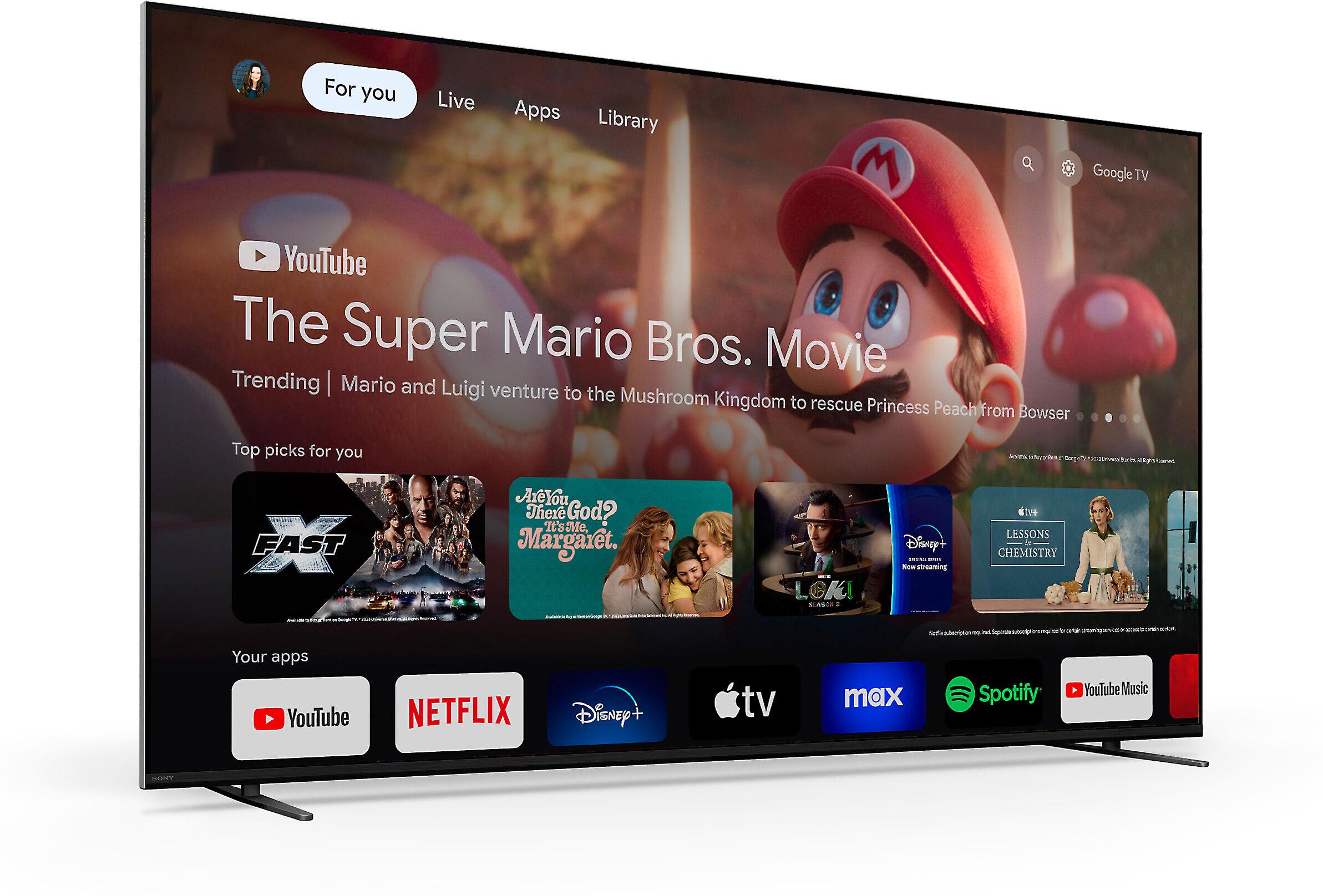
The Sony BRAVIA 7 runs Google TV, and from my experience, it feels more responsive and intuitive. Google TV organizes content from different streaming services more intelligently, making it easier to find something to watch. The interface also benefits from Google's search capabilities and voice control, which work more reliably than Samsung's equivalent features.
If you're already invested in Google's ecosystem with Android phones or Google Home devices, the Sony BRAVIA 7 integrates seamlessly. Similarly, if you use Samsung phones and appliances, the Samsung QN90F might feel more familiar.
For dedicated home theater setups, both TVs have merits, but they serve different priorities. The Sony BRAVIA 7 is arguably the better choice for movie enthusiasts. Its support for Dolby Vision HDR means you'll get the full intended experience from Netflix, Disney+, and other streaming services that use this premium format. The color accuracy also ensures films look as directors intended.
However, if your home theater room isn't completely light-controlled, the Samsung QN90F might serve you better. Its superior reflection handling means you can enjoy excellent picture quality even with some ambient lighting. The TV's wide viewing angle technology also ensures everyone in the room gets a good view, which matters for family movie nights.
At the time of writing, there's a substantial price difference between these TVs, with the Samsung QN90F commanding a significant premium. This raises the question: does Samsung's offering justify its higher cost?
The answer depends on your specific needs. Samsung's premium pricing reflects its cutting-edge anti-glare technology and superior gaming capabilities. If you have a bright living room or are a serious gamer, these features provide genuine value that you'll appreciate daily.
The Sony BRAVIA 7, meanwhile, offers exceptional picture quality and processing at a more accessible price point. For most users seeking premium 4K performance without flagship pricing, it represents better value. The money you save could go toward a quality soundbar or other home theater components.
When comparing these TVs, several technical specifications deserve special attention:
Local Dimming Performance: Both TVs use full-array local dimming, but Sony's implementation is more refined. The Sony BRAVIA 7 provides more precise control over individual dimming zones, resulting in less blooming (unwanted light spill around bright objects) and better contrast.
Color Gamut Coverage: The Sony BRAVIA 7 covers a wider color gamut with better accuracy, particularly in the DCI-P3 color space used for movies. The Samsung QN90F produces more vivid colors, but they're not always as accurate to the source material.
HDR Performance: Both achieve excellent HDR brightness, but the Sony BRAVIA 7 has better tone mapping – the process that determines how HDR content is displayed on your specific TV. This results in more consistent HDR quality across different content types.
After extensive consideration, here's my take on who should choose which TV:
Choose the Samsung QN90F if you:
Choose the Sony BRAVIA 7 if you:
Both the Samsung QN90F and Sony BRAVIA 7 are excellent TVs that represent the best of current mini-LED technology. The Samsung justifies its premium pricing through superior bright room performance and gaming capabilities, while the Sony offers better value through professional-grade image processing and more complete HDR support.
For most buyers, the Sony BRAVIA 7 provides the better balance of performance and value. Its picture quality is exceptional, the smart TV experience is superior, and the price point makes it accessible to more buyers. However, if you have challenging room lighting or are a serious gamer, the Samsung QN90F's premium features might be worth the extra investment.
Ultimately, both TVs will deliver years of excellent viewing experiences. The choice comes down to understanding your priorities, room environment, and budget constraints. Whatever you choose, you'll be getting one of the best TVs available in 2024-2025.
| Samsung 65" QN90F Neo QLED 4K Vision AI Smart TV 2025 | Sony BRAVIA 7 65" 4K UHD Smart Google TV |
|---|---|
| Display Technology - Affects picture quality and longevity | |
| Neo QLED with Mini LED backlighting | QLED with Mini LED backlighting |
| Peak Brightness - Critical for HDR impact and bright room viewing | |
| 2,000+ nits (exceptional for any lighting condition) | Similar peak brightness (~2,000 nits) |
| Reflection Handling - Essential for rooms with windows or ambient lighting | |
| Glare-Free 2.0 technology (virtually eliminates reflections) | Standard anti-glare coating (good but not exceptional) |
| HDR Format Support - Determines compatibility with streaming content | |
| HDR10, HDR10+, HLG (missing Dolby Vision) | HDR10, HDR10+, HLG, Dolby Vision (complete support) |
| Gaming Refresh Rate - Important for smooth gaming and sports | |
| Up to 165Hz at 4K (best-in-class for competitive gaming) | Up to 120Hz at 4K (excellent for most gaming needs) |
| Input Lag - Critical for competitive gaming responsiveness | |
| Ultra-low input lag (~8ms, ideal for esports) | Low input lag (~10ms, good for casual gaming) |
| HDMI 2.1 Ports - Needed for next-gen gaming features | |
| 4 full-bandwidth HDMI 2.1 ports (supports multiple consoles) | 2 full-bandwidth HDMI 2.1 ports (may limit connectivity) |
| Smart TV Platform - Affects daily usability and app performance | |
| Tizen OS (feature-rich but occasionally sluggish) | Google TV (more responsive interface, better content discovery) |
| Color Accuracy - Important for movie enthusiasts and content creators | |
| Vivid, punchy colors (great impact, less accurate) | Professional-grade color accuracy (true to creator intent) |
| Audio System - Built-in sound quality | |
| 4.2.2-channel system with dialogue enhancement | Acoustic Multi-Audio (screen becomes speaker for better immersion) |
| AI Processing - Enhances lower-quality content | |
| NQ4 AI Gen3 with 128 neural networks (adds HDR-like effects to SDR) | XR Processor with MediaTek chipset (focuses on accuracy over enhancement) |
| Release Year - Affects latest features and future support | |
| 2025 model (cutting-edge technology showcase) | 2024 model (proven technology, established performance) |
| Best For - Primary use case recommendation | |
| Bright rooms, competitive gaming, latest features | Movie watching, color accuracy, better value |
The Samsung 65" QN90F Neo QLED 4K Vision AI Smart TV 2025 is significantly better for bright rooms thanks to its Glare-Free 2.0 technology that virtually eliminates reflections while maintaining deep blacks. The Sony BRAVIA 7 65" 4K UHD Smart Google TV has standard anti-glare coating that's good but not exceptional in challenging lighting conditions.
The Sony BRAVIA 7 65" 4K UHD Smart Google TV offers superior movie picture quality with more accurate colors, better image processing derived from professional master monitors, and complete HDR format support including Dolby Vision. The Samsung QN90F produces more vivid colors but prioritizes impact over accuracy.
The Samsung 65" QN90F Neo QLED 4K Vision AI Smart TV 2025 is the clear winner for gaming with support for 4K at 165Hz, lower input lag, and four full-bandwidth HDMI 2.1 ports. The Sony BRAVIA 7 supports 4K at 120Hz but only has two HDMI 2.1 ports and slightly higher input lag.
No, there's a key difference. The Sony BRAVIA 7 65" 4K UHD Smart Google TV supports all major HDR formats including Dolby Vision, HDR10+, and HDR10. The Samsung QN90F supports HDR10+ and HDR10 but lacks Dolby Vision support, which is used by many streaming services.
The Sony BRAVIA 7 65" 4K UHD Smart Google TV generally offers a better smart TV experience with Google TV's more responsive interface, better content discovery, and superior voice control. The Samsung QN90F runs Tizen OS which is feature-rich but can be occasionally sluggish.
The Sony BRAVIA 7 65" 4K UHD Smart Google TV provides better value with professional-grade picture quality, complete HDR support, and excellent smart features at a more accessible price point. The Samsung QN90F commands a premium for its cutting-edge anti-glare technology and superior gaming capabilities.
For dedicated home theaters, the Sony BRAVIA 7 65" 4K UHD Smart Google TV is generally preferred due to its superior color accuracy, Dolby Vision support, and image processing that stays true to filmmaker intent. However, if your home theater isn't completely light-controlled, the Samsung QN90F might be better due to its superior reflection handling.
The Sony BRAVIA 7 65" 4K UHD Smart Google TV has the more innovative audio system with Acoustic Multi-Audio technology that turns the screen into a speaker for more immersive sound. The Samsung QN90F features a 4.2.2-channel system with dialogue enhancement but uses a more conventional approach.
Both the Samsung 65" QN90F Neo QLED 4K Vision AI Smart TV 2025 and Sony BRAVIA 7 achieve similar peak brightness levels around 2,000 nits, which is excellent for HDR impact. The difference lies more in how they handle tone mapping and color accuracy rather than raw brightness capabilities.
Yes, both excel at sports. The Samsung QN90F offers smoother motion with its higher 165Hz refresh rate and better performance in bright rooms during daytime games. The Sony BRAVIA 7 provides more accurate colors and good motion handling at 120Hz, making both suitable choices for sports enthusiasts.
Both the Samsung 65" QN90F Neo QLED 4K Vision AI Smart TV 2025 and Sony BRAVIA 7 65" 4K UHD Smart Google TV should receive several years of software updates. Samsung's 2025 model represents their latest technology showcase, while Sony's Google TV platform typically receives more frequent and longer-term updates due to Google's involvement.
For mixed content viewing, the Sony BRAVIA 7 65" 4K UHD Smart Google TV offers the best overall balance with superior image processing, complete HDR support, and good performance across all content types. Choose the Samsung QN90F only if you specifically need its bright room performance or competitive gaming features and can justify the higher cost.
We've done our best to create useful and informative comparisons to help you decide what product to buy. Our research uses advanced automated methods to create this comparison and perfection is not possible - please contact us for corrections or questions. These are the sites we've researched in the creation of this article: rtings.com - images.samsung.com - youtube.com - listenup.com - youtube.com - cullenshomecenter.com - rtings.com - shopjetson.com - youtube.com - samsung.com - samsung.com - videoandaudiocenter.com - rtings.com - bestbuy.com - youtube.com - news.samsung.com - news.samsung.com - news.samsung.com - bestbuy.com - news.samsung.com - youtube.com - news.samsung.com - youtube.com - smarthomesounds.co.uk - bestbuy.com - bestbuy.com - avsforum.com - avsforum.com - crutchfield.com - sony.com - rtings.com - schaeferstv.com - youtube.com - displayspecifications.com

Privacy Policy
Terms and Conditions - Affiliate Policy
Home Security
© Copyright 2008-2026.
11816 Inwood Rd #1211, Dallas, TX 75244