

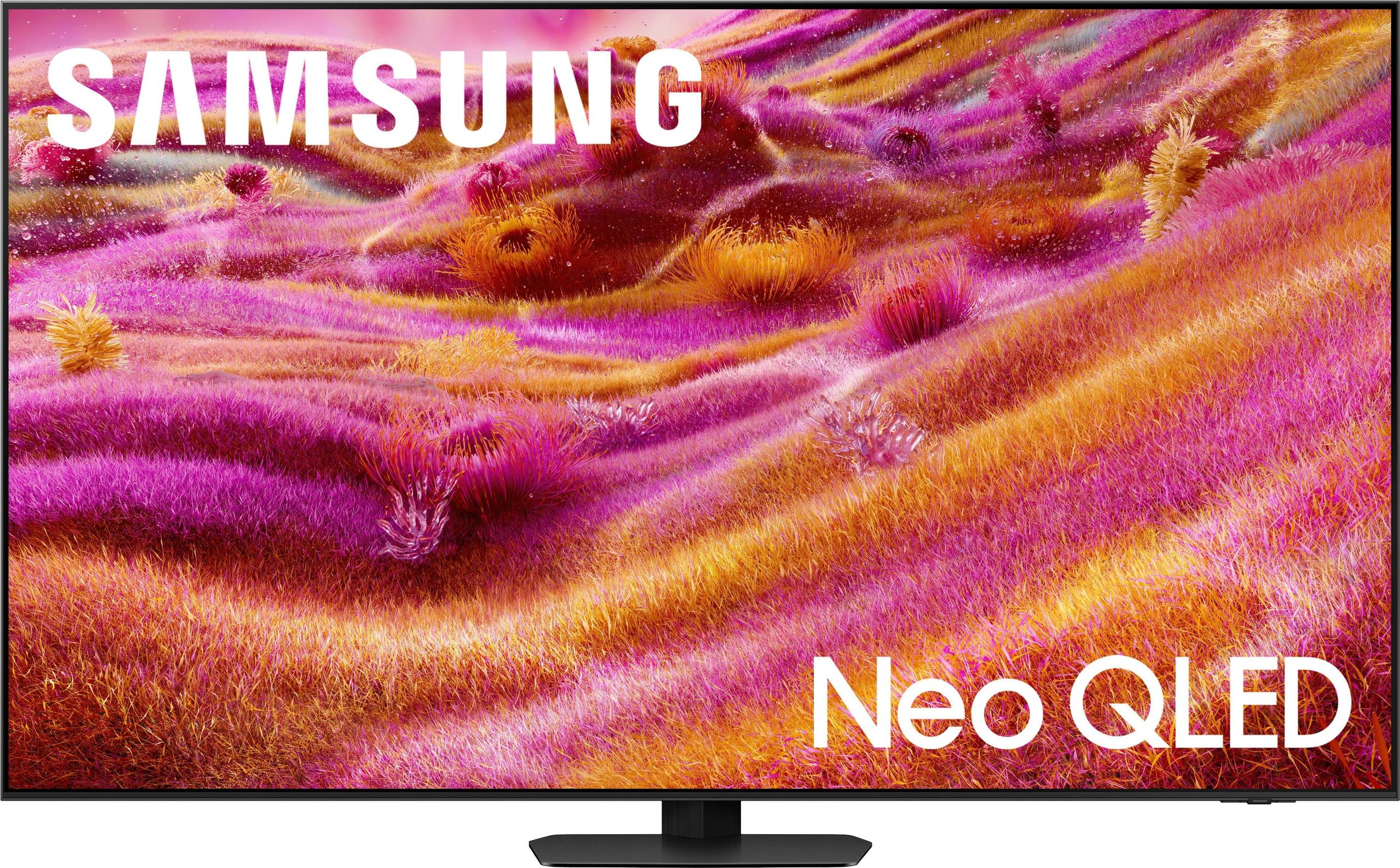
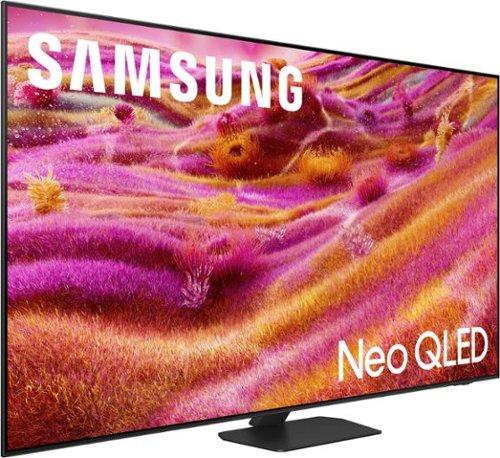
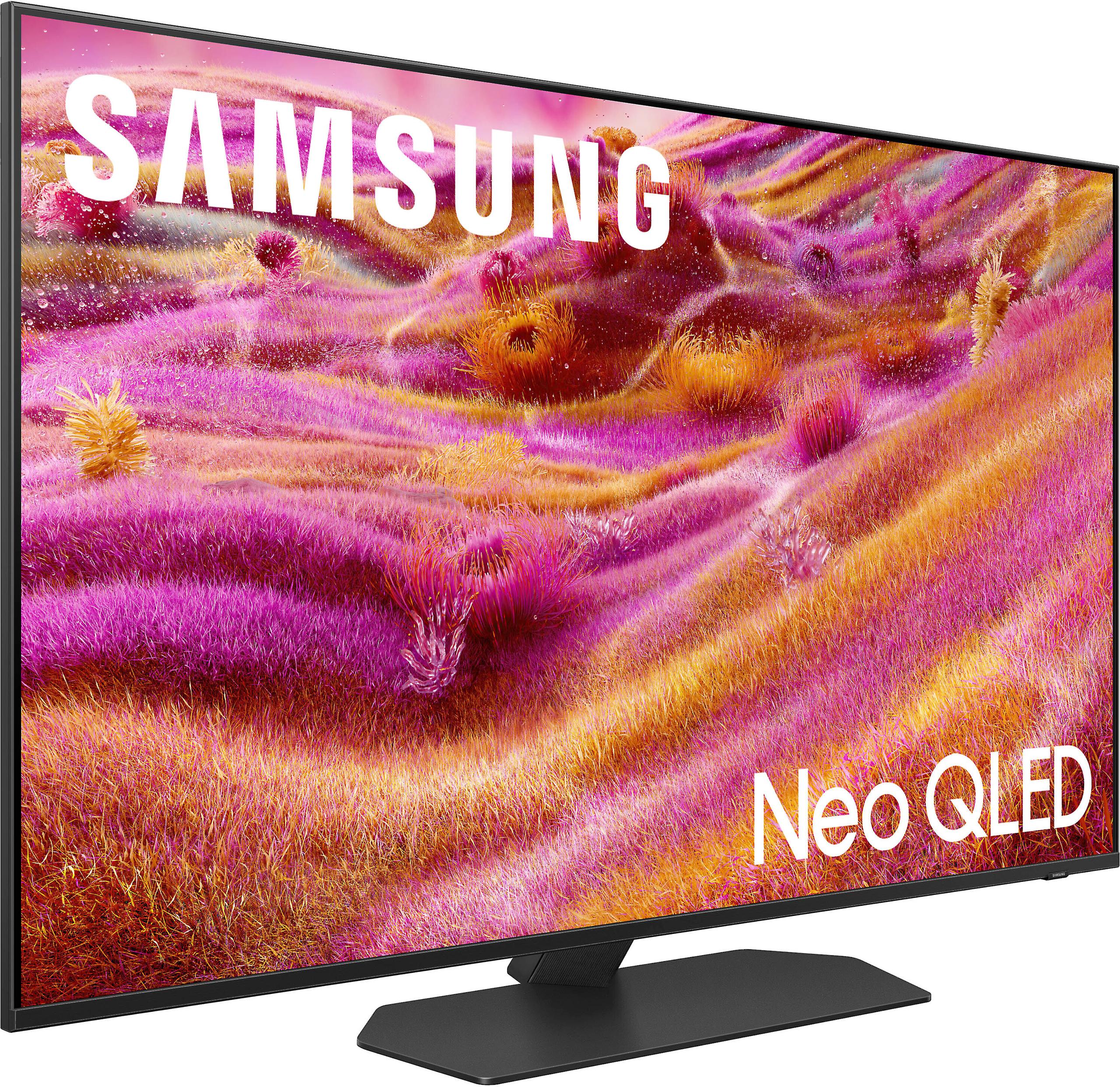
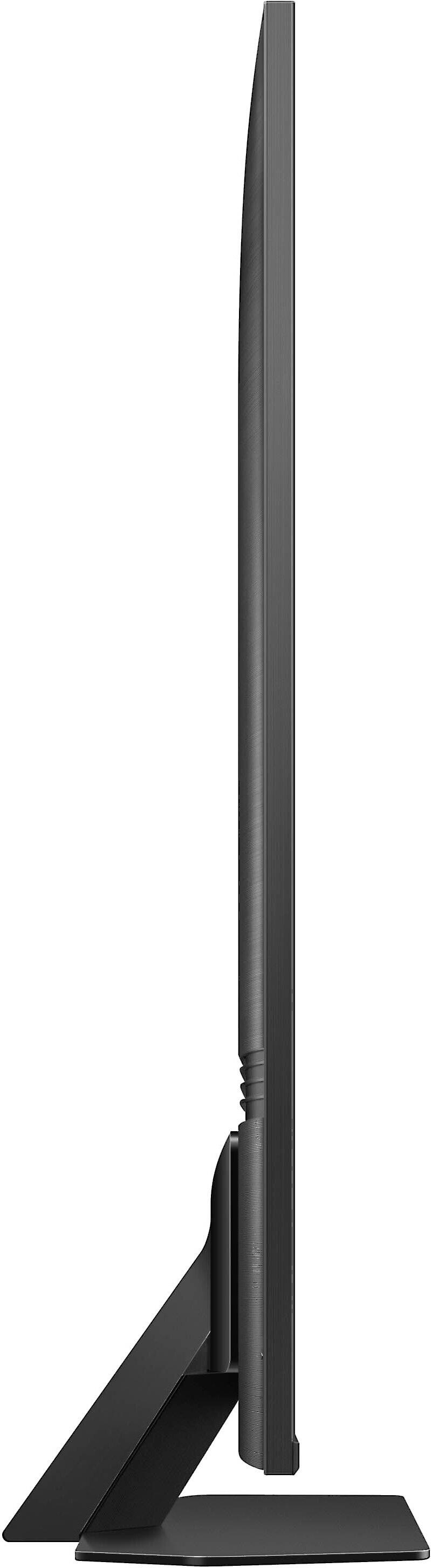
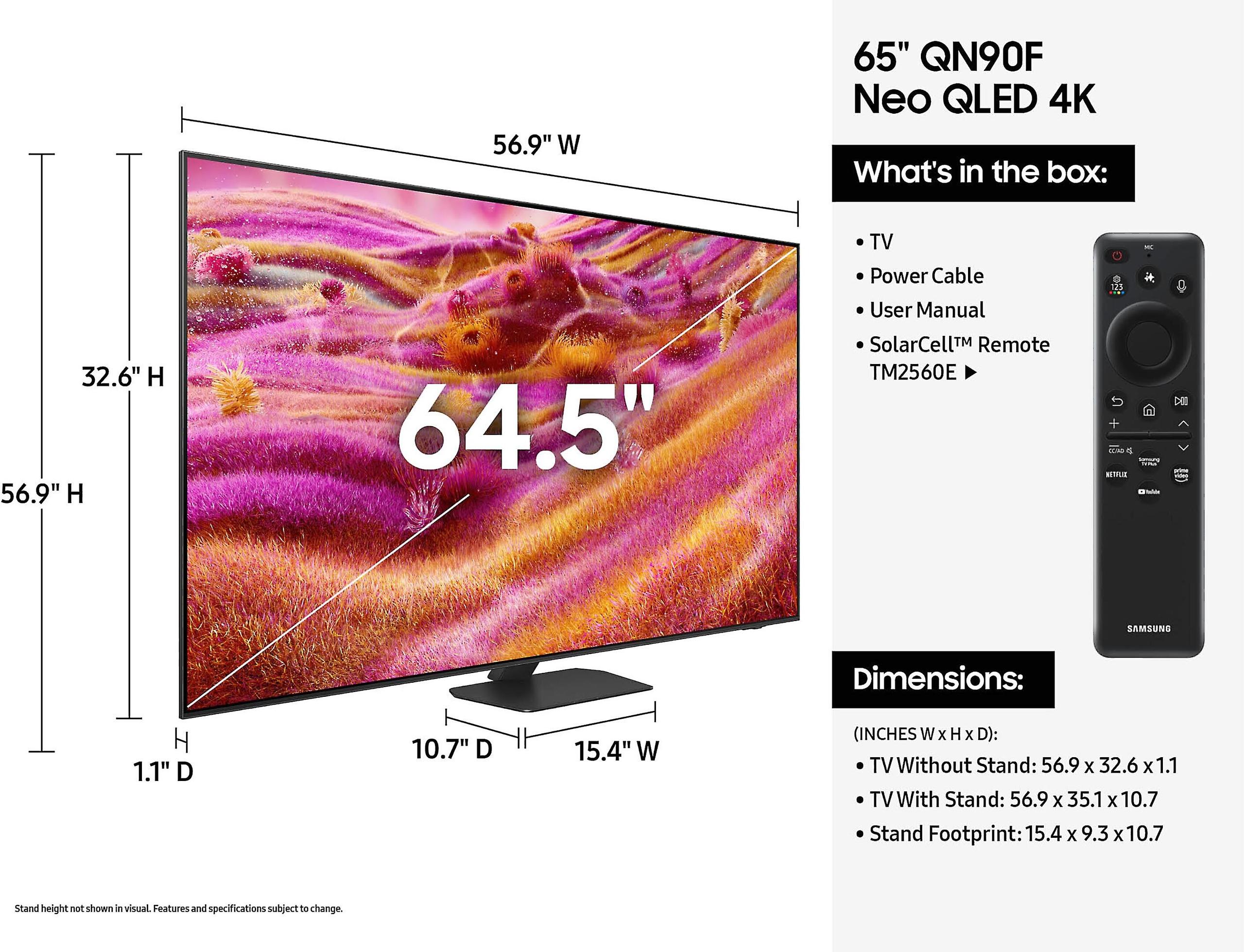

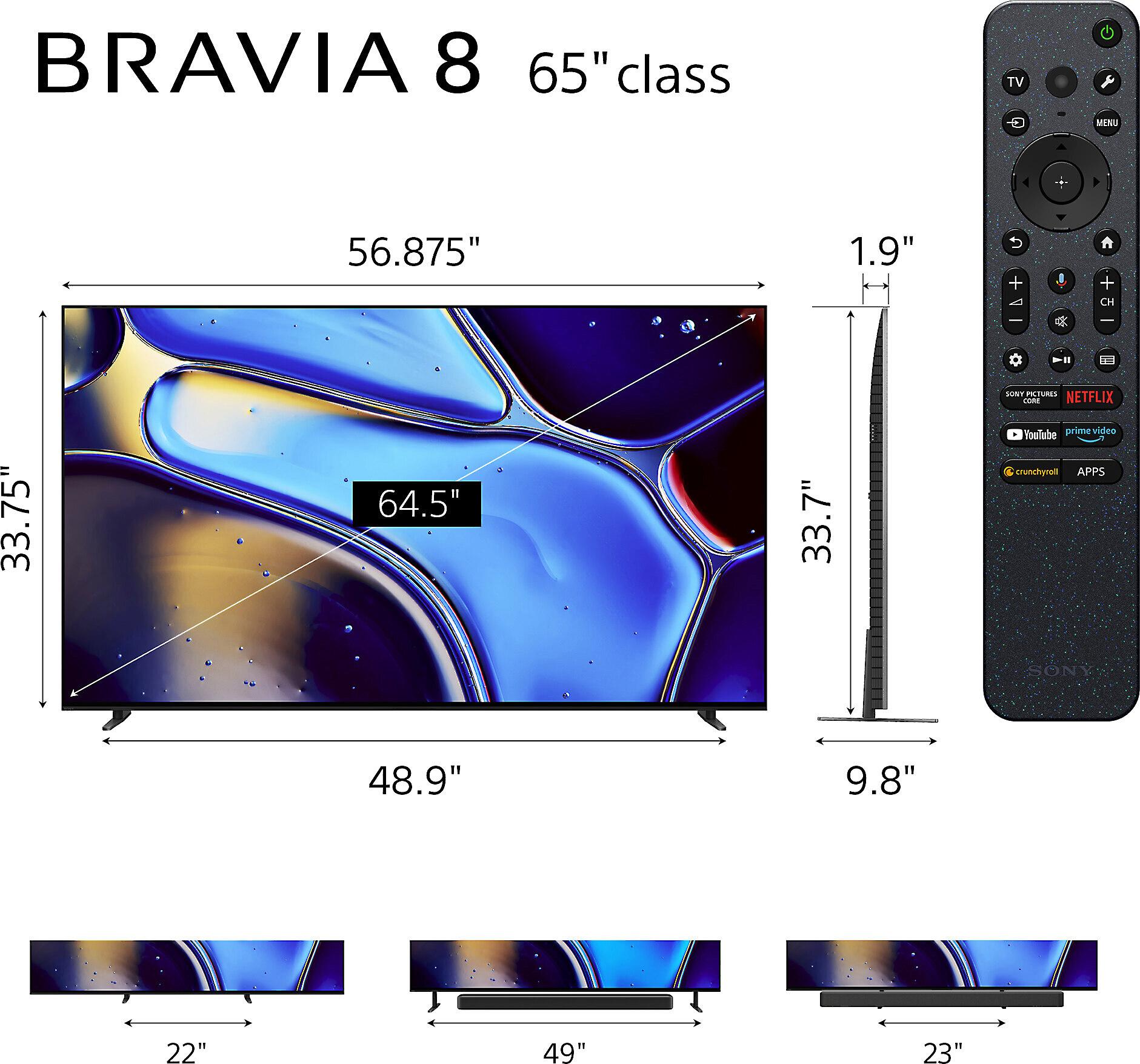
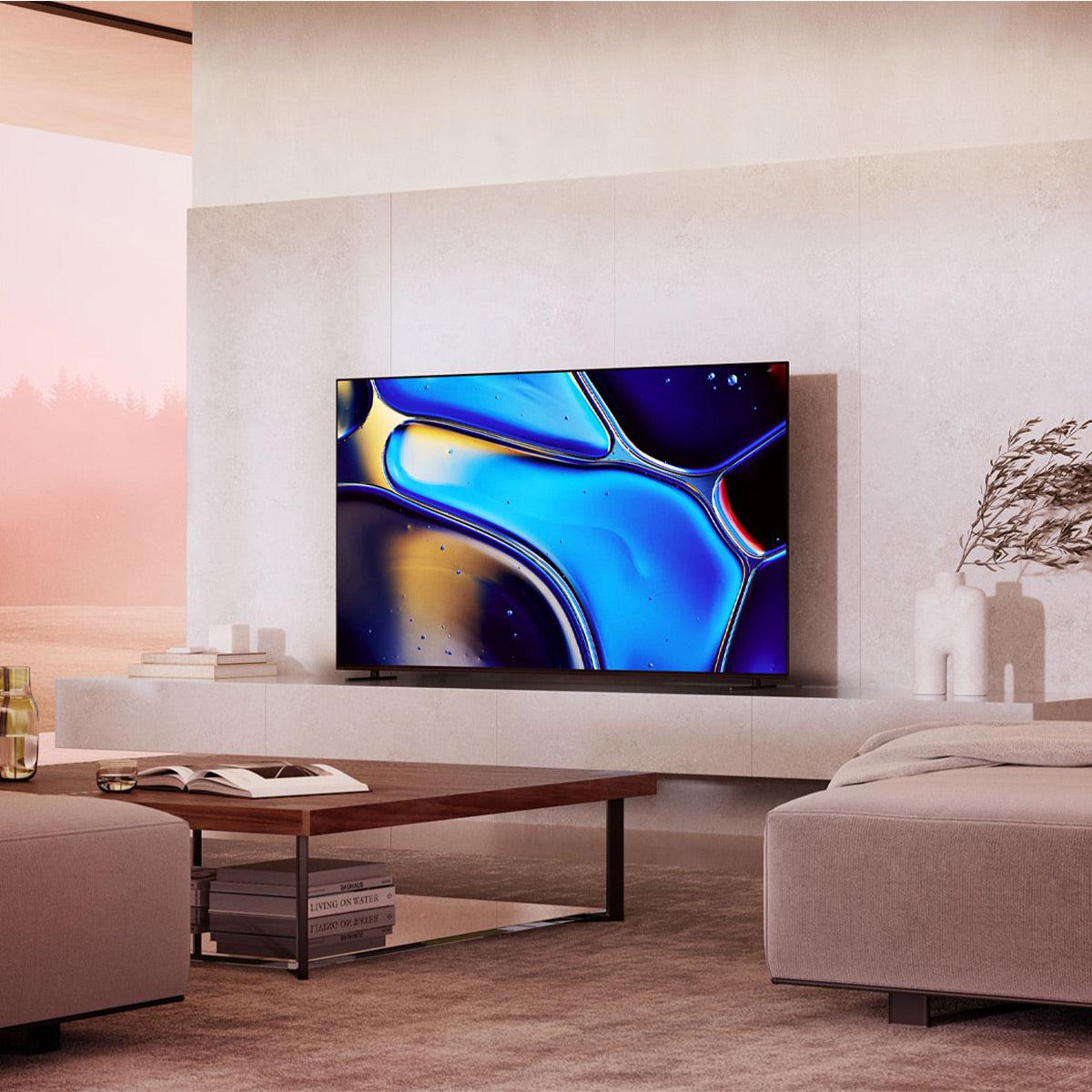
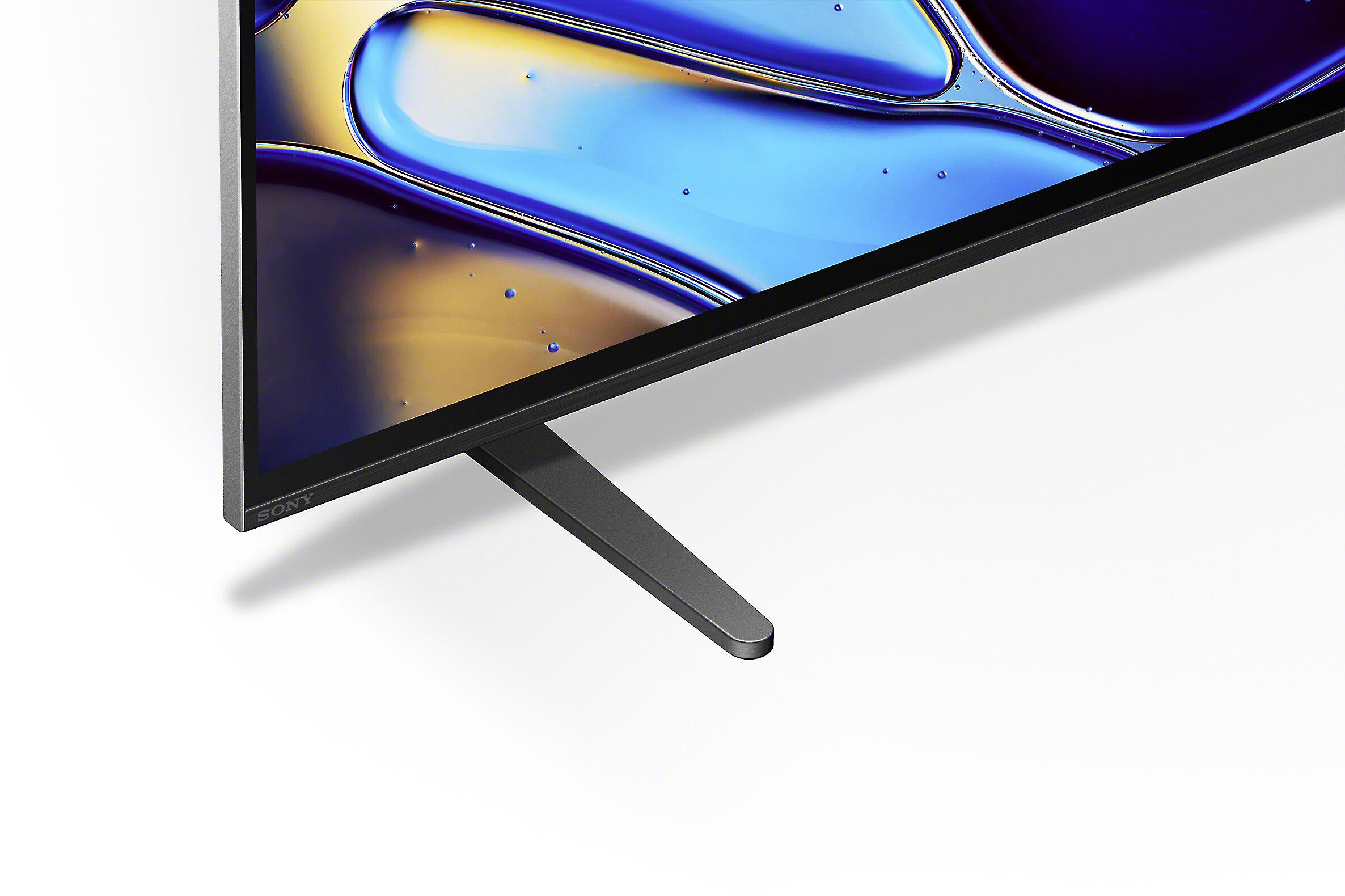
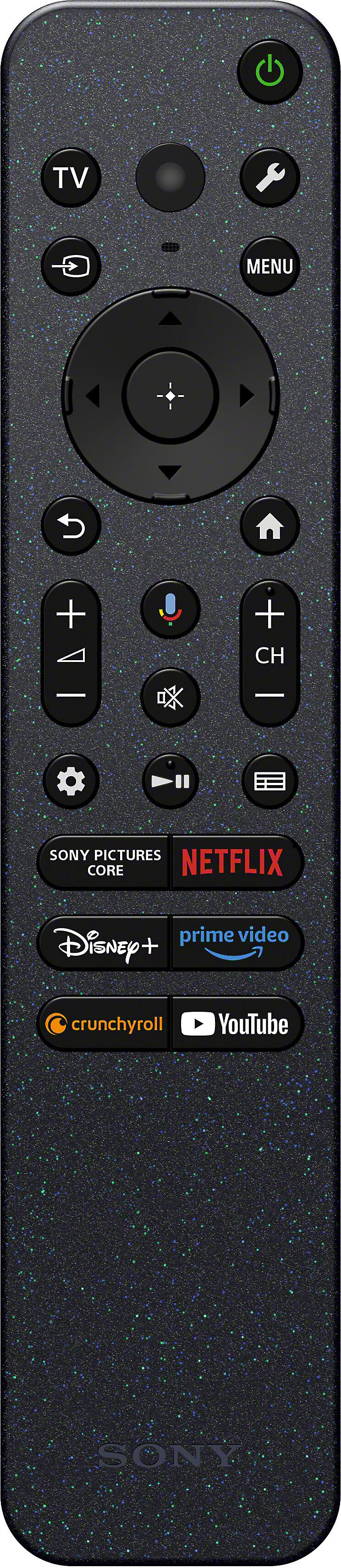
Choosing a premium 65-inch TV can feel overwhelming, especially when you're comparing two fundamentally different display technologies. The Samsung QN90F Neo QLED and Sony BRAVIA 8 OLED represent two distinct approaches to delivering exceptional picture quality, each with their own strengths and ideal use cases.
At the time of writing, these TVs sit in different price tiers—the Samsung QN90F commands a premium price as Samsung's flagship Mini LED model, while the Sony BRAVIA 8 offers more accessible pricing for OLED technology. But price alone shouldn't drive your decision. Understanding how these different technologies work and where they excel will help you choose the right TV for your specific viewing environment and preferences.
The premium TV landscape has evolved dramatically over the past few years. Samsung released their QN90F series in 2025 as their most advanced Neo QLED model, building on years of Mini LED refinement. Meanwhile, Sony's BRAVIA 8 launched in 2024, representing their continued commitment to OLED excellence with improved processing and brighter panels than previous generations.
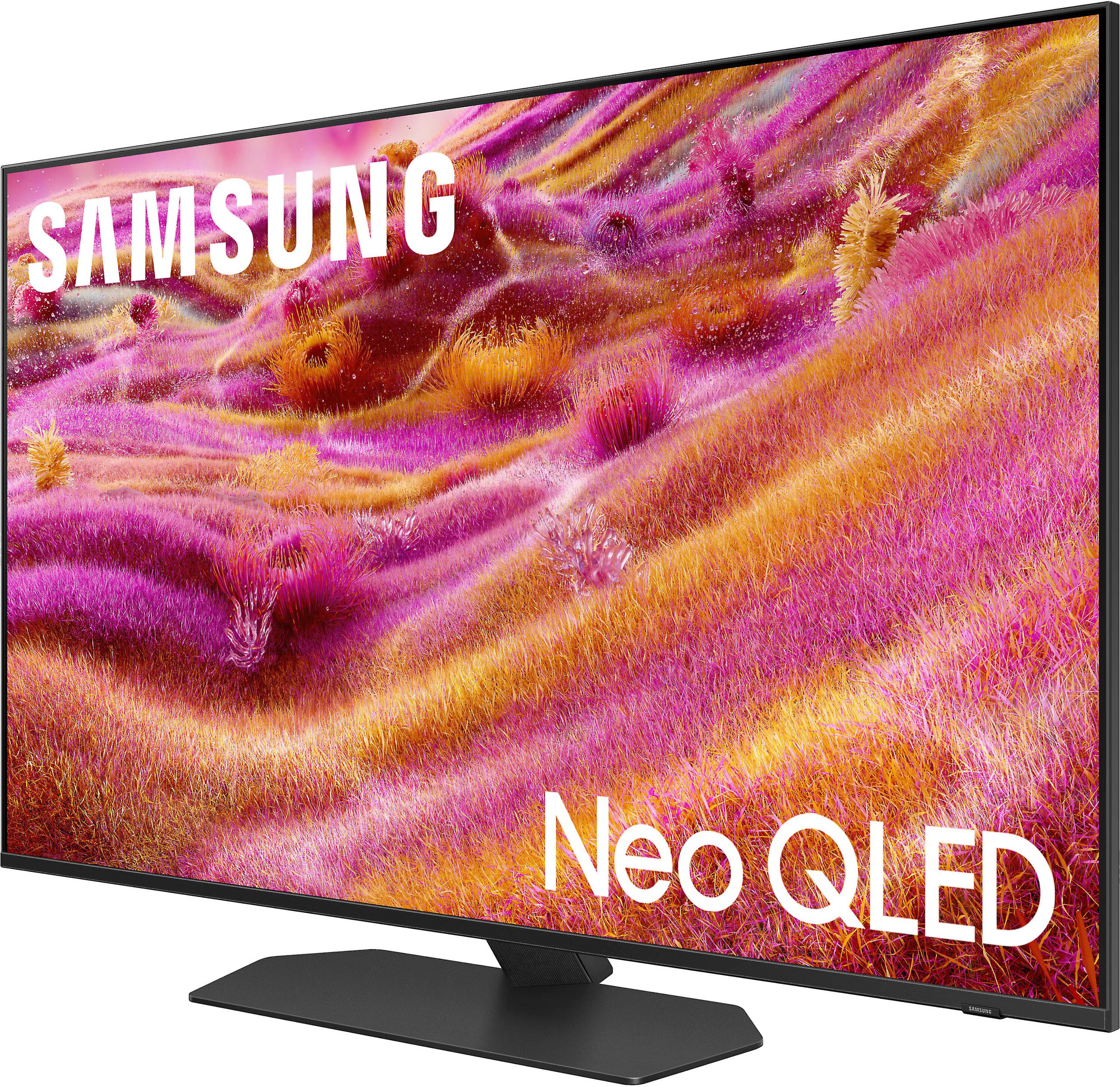
The fundamental difference between these TVs lies in how they create light. The Samsung QN90F uses thousands of tiny LED lights (called Mini LEDs) behind an LCD panel with quantum dots—microscopic particles that enhance color purity. This setup allows for incredibly bright images but requires sophisticated local dimming to control which zones light up or dim down.
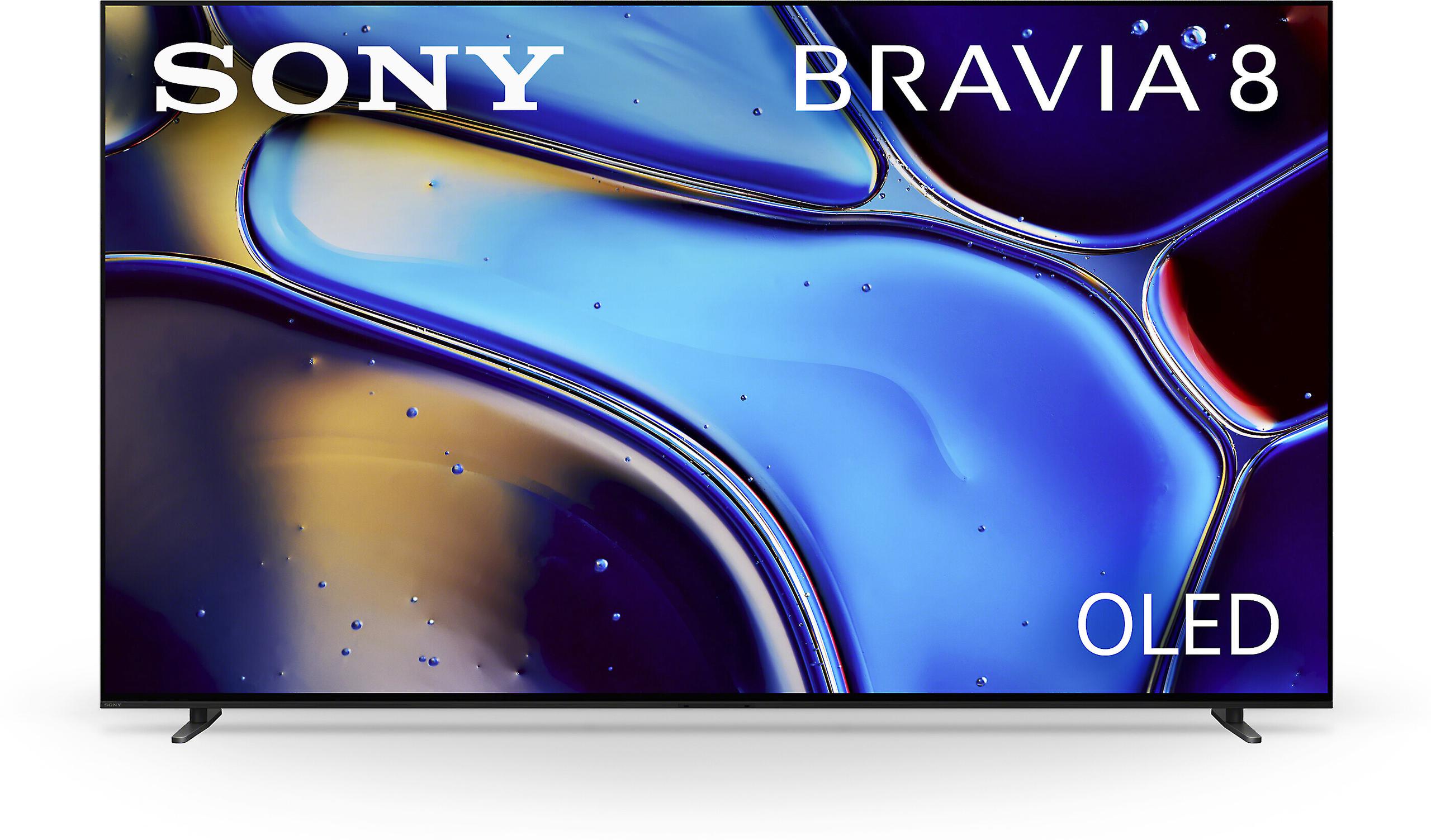
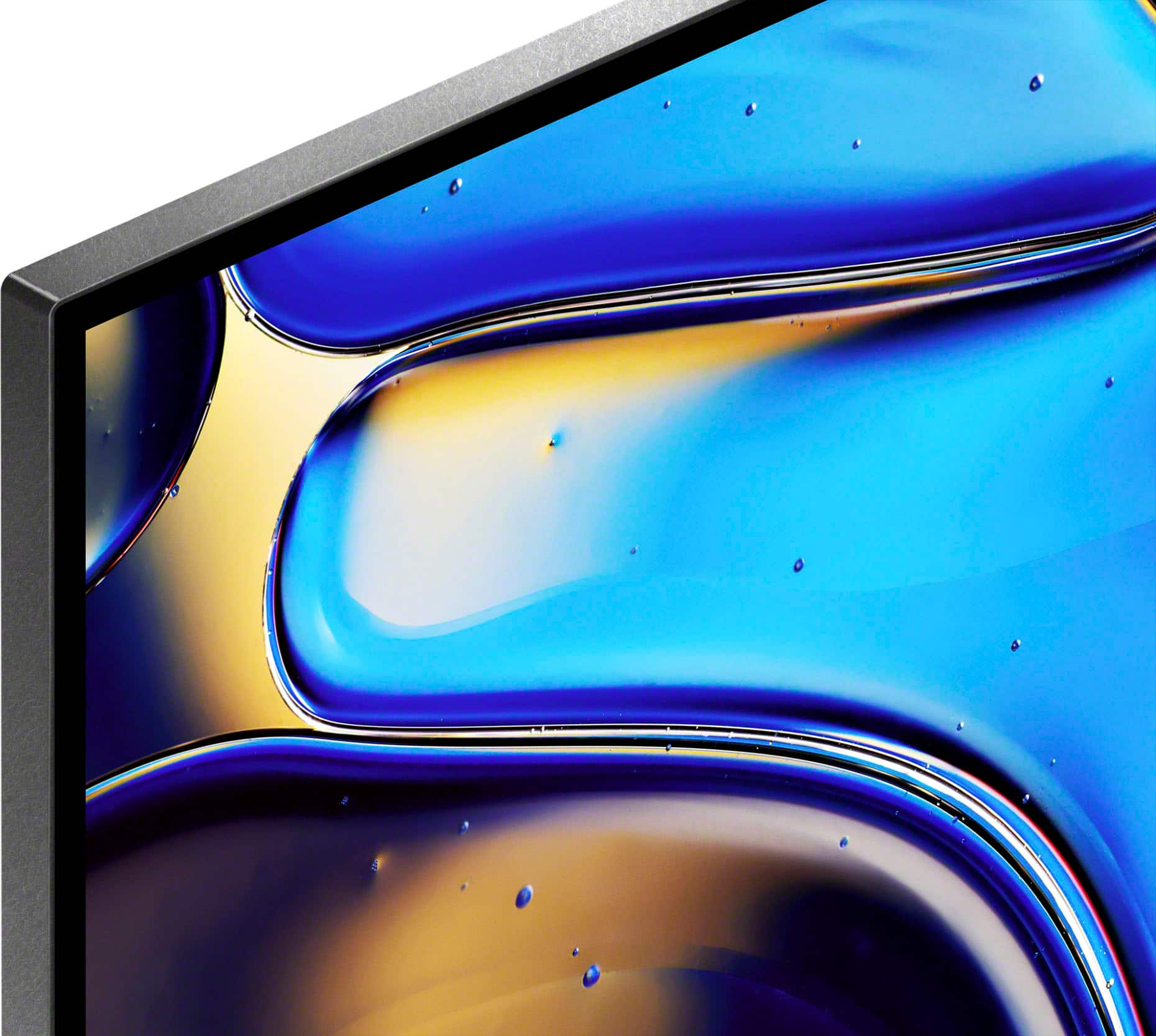
The Sony BRAVIA 8 takes the OLED approach, where each individual pixel generates its own light. When a pixel needs to be black, it simply turns off completely. This creates perfect blacks and infinite contrast, but OLED panels can't get as bright as LED-backlit displays.
Both approaches have merit, but they excel in different scenarios. Your viewing environment, content preferences, and usage patterns will determine which technology serves you better.
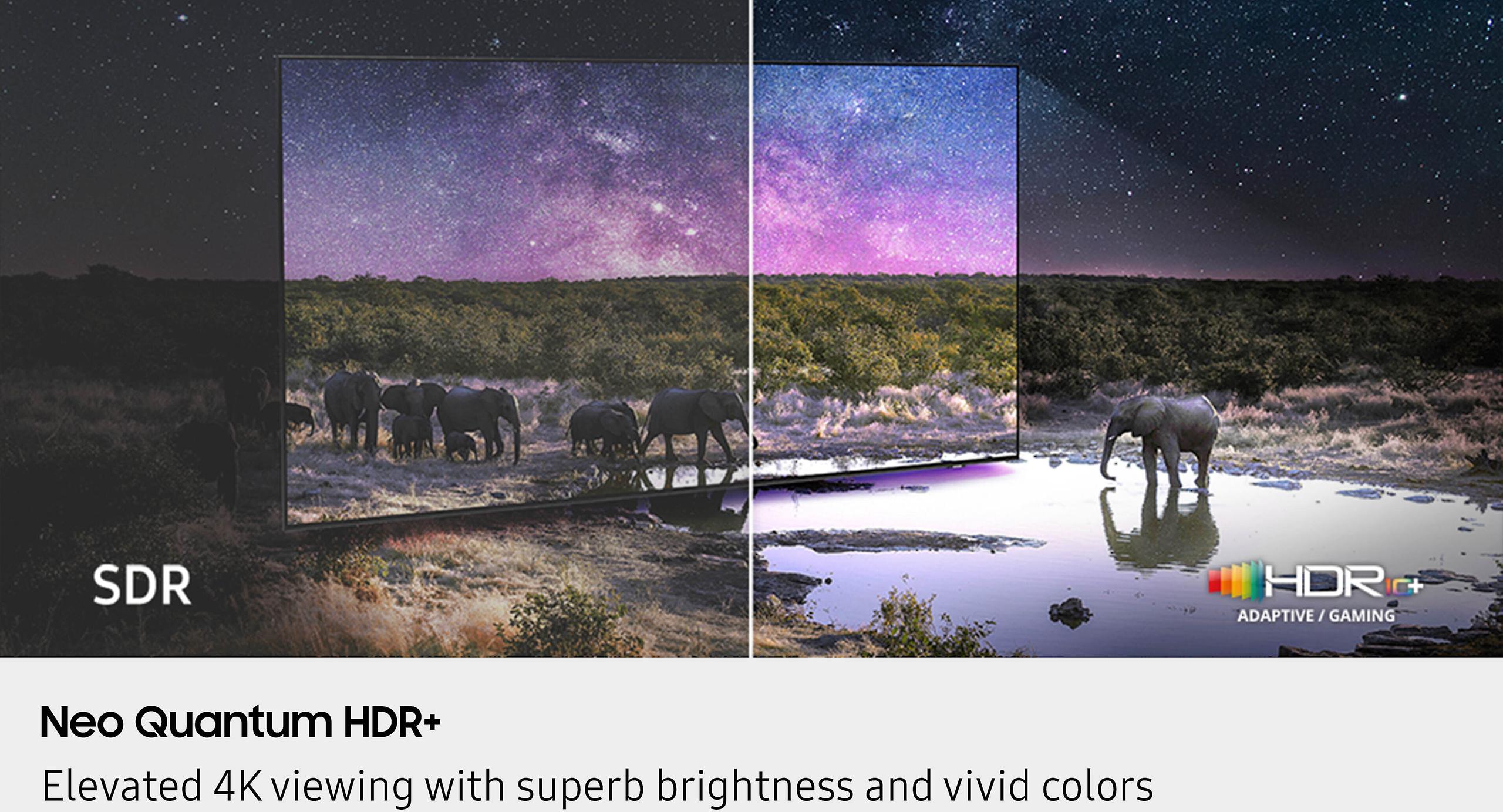
The most significant performance difference between the Samsung QN90F and Sony BRAVIA 8 lies in brightness capability. The Samsung can hit peak brightness levels around 3,000 nits (a measure of luminance), while the Sony typically maxes out around 800-1,000 nits. In practical terms, this means the Samsung can display much brighter highlights in HDR content.
High Dynamic Range (HDR) content contains a much wider range of brightness levels than standard video, from deep shadows to brilliant highlights like the sun reflecting off water or an explosion in an action movie. The Samsung QN90F's superior brightness makes these highlights more impactful and closer to what you'd see in real life.
However, brightness isn't everything. The Sony BRAVIA 8 compensates with perfect black levels—something the Samsung can't match despite its advanced local dimming. When watching a starfield or a dark movie scene, the Sony's ability to turn pixels completely off creates an infinite contrast ratio that makes images appear more three-dimensional and realistic.
I've found that the brightness difference is most noticeable in bright rooms during daytime viewing. The Samsung QN90F maintains excellent visibility even with sunlight streaming through windows, while OLED TVs like the Sony BRAVIA 8 can appear somewhat washed out in bright ambient light.
Color performance showcases another philosophical difference. The Samsung QN90F uses Quantum Dot technology to produce incredibly saturated, vibrant colors. Samsung's approach tends to make content pop with enhanced color intensity that many viewers find immediately impressive.
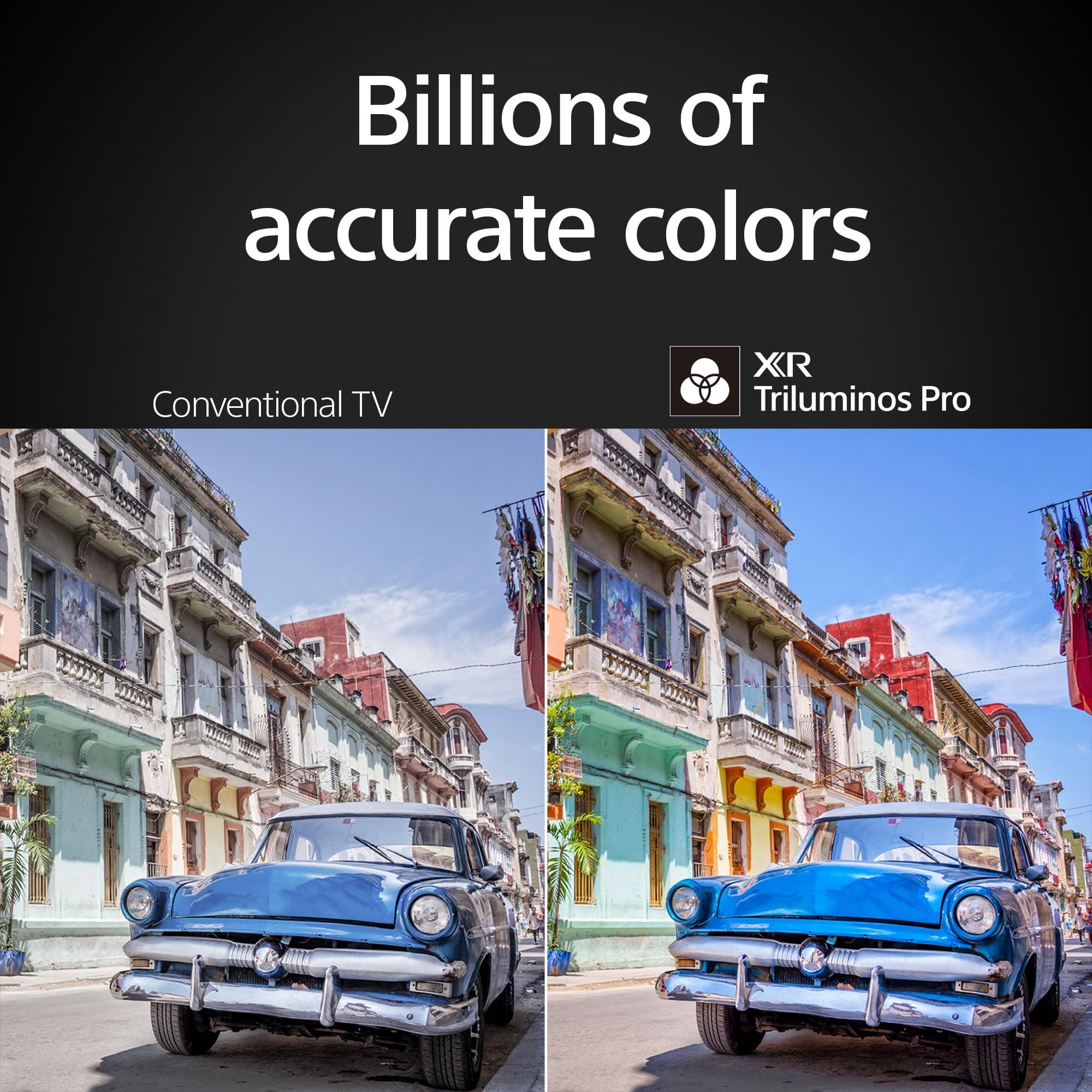
The Sony BRAVIA 8 takes a more naturalistic approach with its XR Triluminos Pro technology. Sony has long prioritized color accuracy, aiming for colors that match the filmmaker's intent rather than maximum saturation. This makes the Sony particularly appealing to movie enthusiasts who want to see content as the director intended.
Neither approach is objectively better—it's about preference. The Samsung delivers that "wow factor" that makes HDR content feel spectacular, while the Sony provides more subtle, realistic color reproduction that's easier on the eyes during long viewing sessions.
Both TVs feature 120Hz refresh rates, meaning they can display 120 frames per second for smooth motion. However, their motion processing differs significantly.
The Samsung QN90F includes Motion Xcelerator Turbo+, which uses advanced algorithms to reduce motion blur and judder. This makes it excellent for sports, where fast camera pans and quick player movements can appear blurry on lesser TVs. Samsung's approach tends to be more aggressive, creating very smooth motion that some viewers love for sports but others find too artificial for movies.
The Sony BRAVIA 8's XR OLED Motion takes a more measured approach, analyzing each frame to determine the optimal processing. OLED technology has an inherent advantage in motion clarity because pixels can change states extremely quickly. This results in naturally sharp motion without the sometimes artificial look of heavy processing.
For sports viewing, particularly in bright rooms, the Samsung QN90F has a clear advantage due to its superior brightness and aggressive motion processing. However, for movie watching where natural motion is preferred, many enthusiasts gravitate toward the Sony BRAVIA 8's more organic presentation.
Gaming has become a crucial consideration for TV buyers, especially with PlayStation 5 and Xbox Series X pushing 4K gaming at 120 frames per second. Both TVs handle gaming well, but with different strengths.
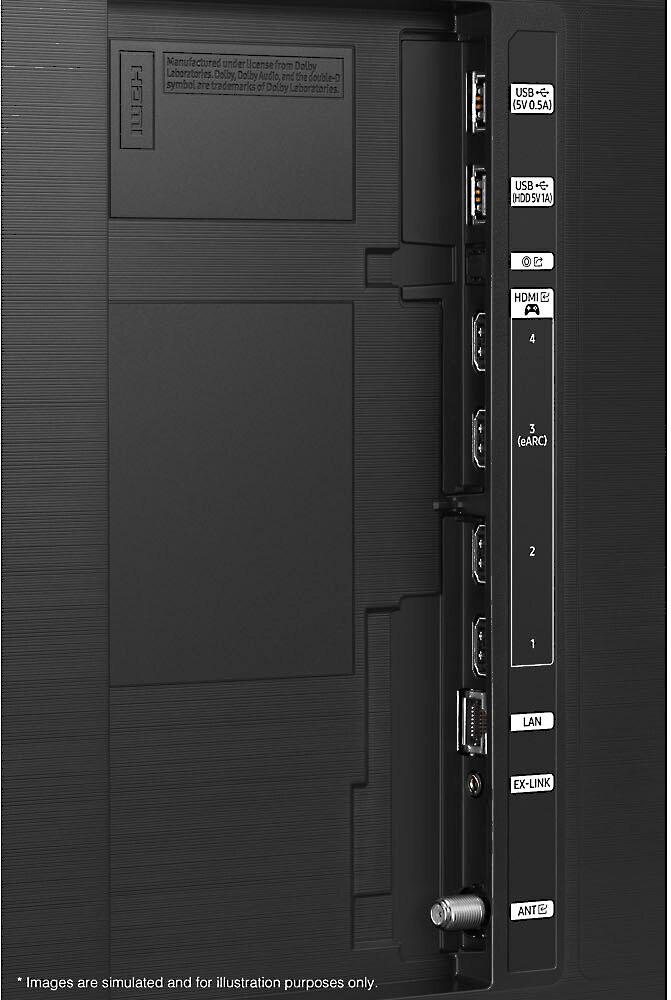
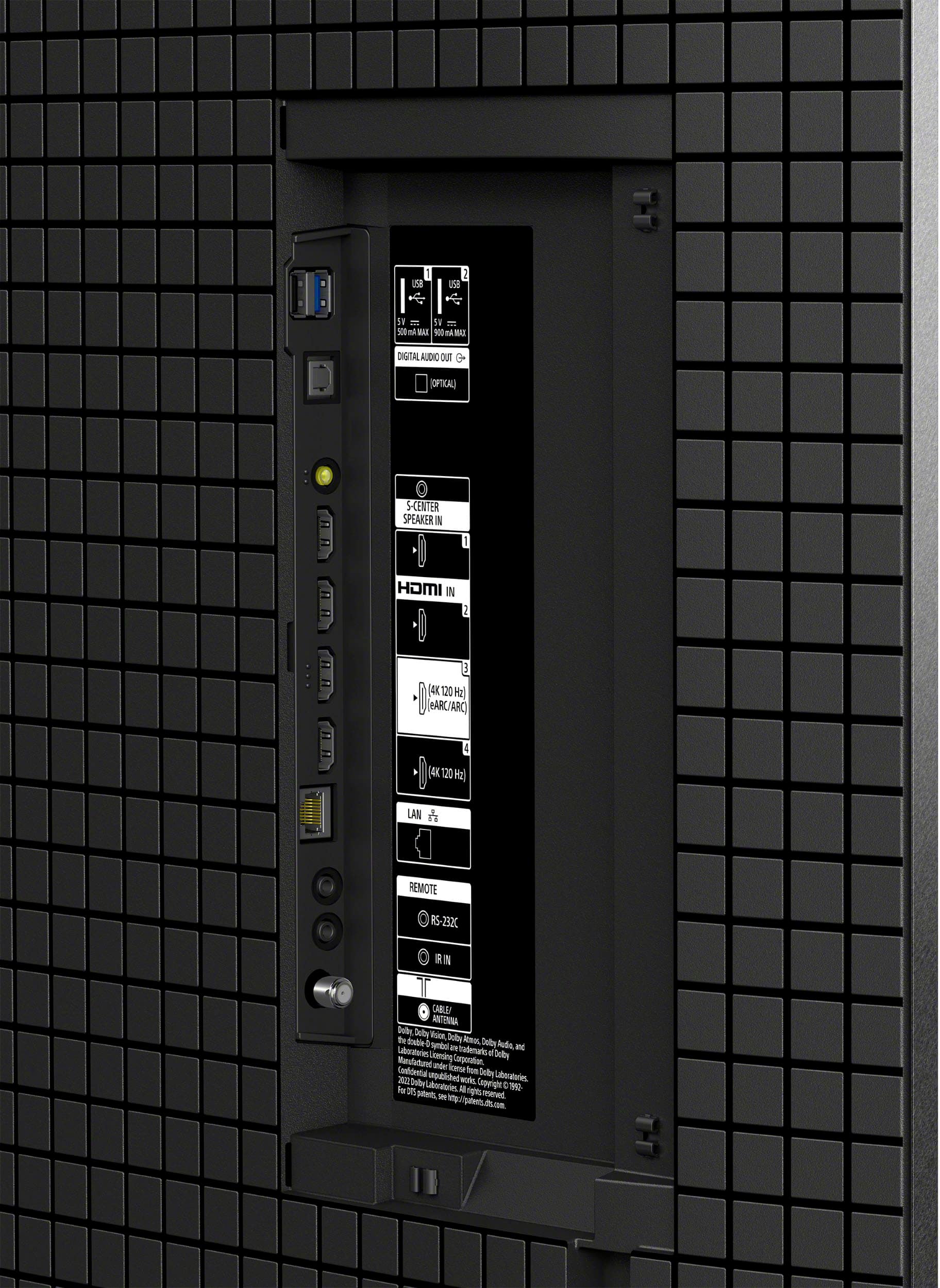
The Samsung QN90F offers superior connectivity with four full HDMI 2.1 ports capable of handling 4K at 120Hz. This means you can connect multiple gaming devices—perhaps a PS5, Xbox Series X, gaming PC, and Apple TV—all while maintaining maximum performance. Input lag measures around 9-10 milliseconds, which is excellent for competitive gaming.
The Sony BRAVIA 8 provides only two HDMI 2.1 ports, which might limit connectivity for gamers with multiple devices. However, its input lag is still respectable at around 12ms, and OLED's instant pixel response creates incredibly sharp gaming visuals without motion blur.
For casual gamers with one or two consoles, the Sony BRAVIA 8 delivers excellent gaming performance at a better value. Serious gamers with multiple devices or those prioritizing the absolute lowest input lag should consider the Samsung QN90F.
The Samsung also includes FreeSync Premium Pro support for PC gaming, helping eliminate screen tearing and stuttering. Sony supports VRR (Variable Refresh Rate) as well, but Samsung's implementation is more comprehensive for PC gamers.
Smart TV platforms have matured significantly, and both TVs offer excellent smart features with different philosophical approaches.
The Samsung QN90F runs Samsung's latest Tizen OS with their Vision AI platform. This system learns your viewing habits and automatically adjusts picture and sound settings. The AI can even recognize what type of content you're watching—sports, movies, news—and optimize accordingly. Samsung's SmartThings integration is particularly strong if you have other Samsung devices or want to control smart home gadgets from your TV.
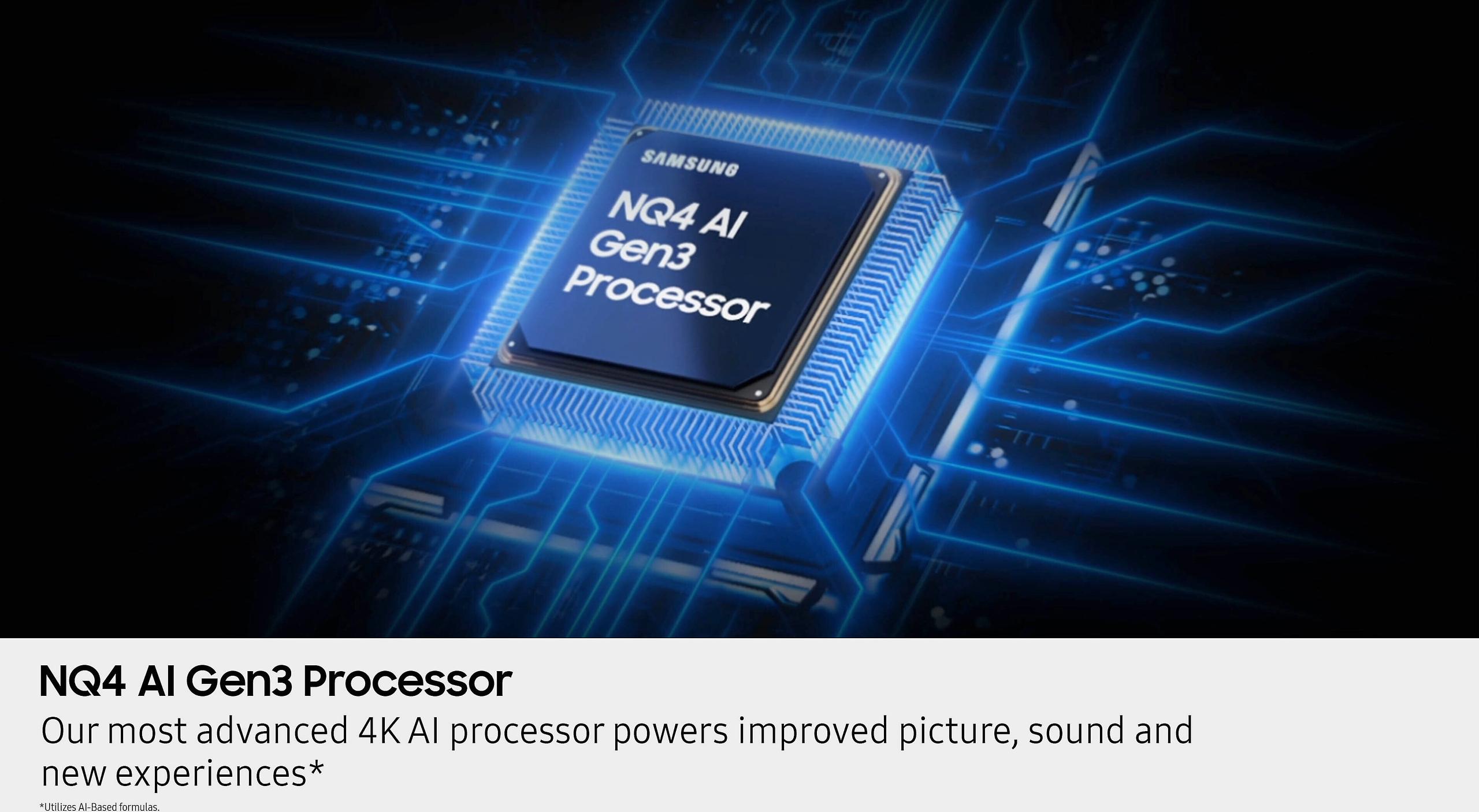
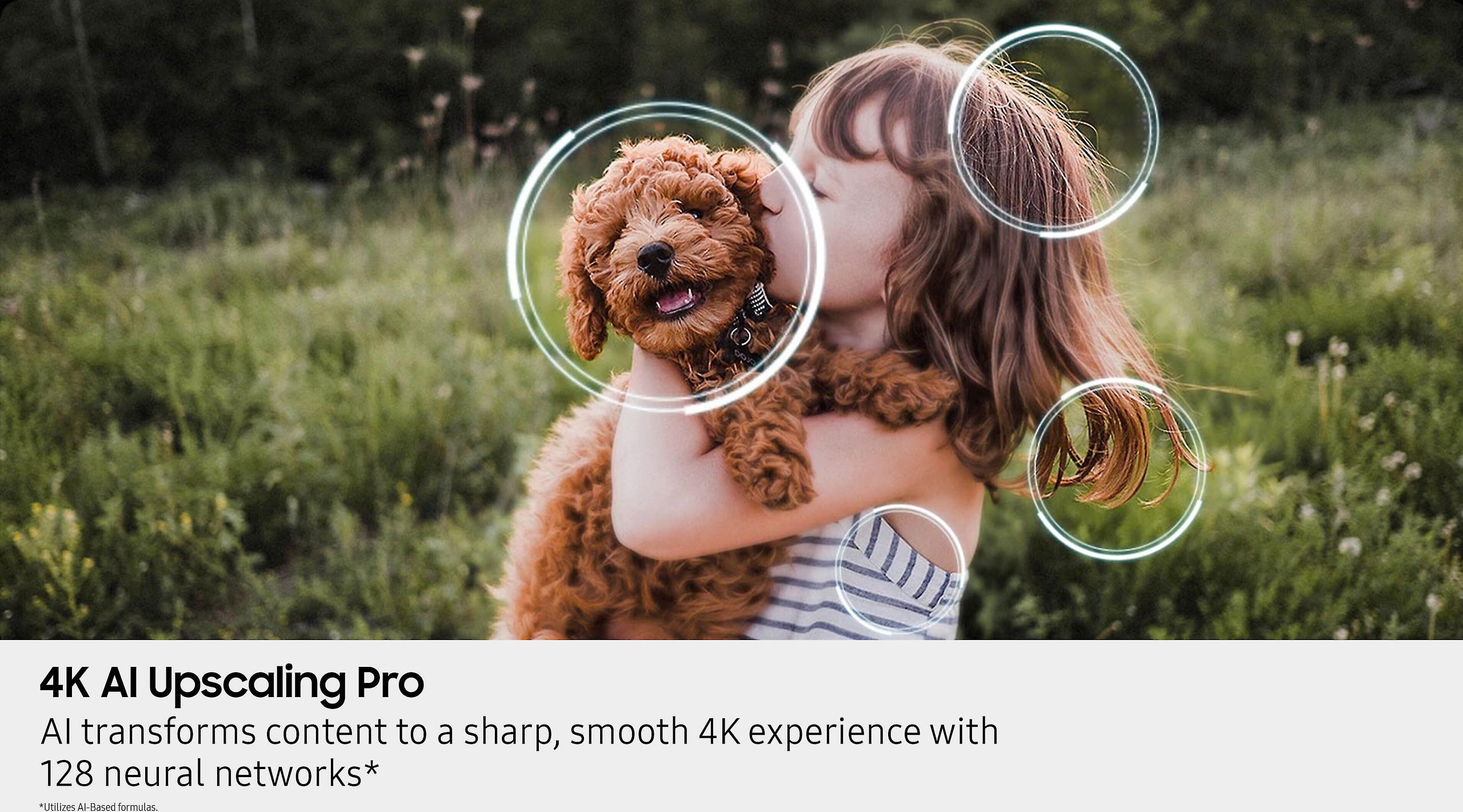
The NQ4 AI Gen3 processor with 128 neural networks sounds impressive, and in practice, it delivers excellent upscaling of lower-resolution content. When watching 1080p Netflix shows or even older DVD content, the AI enhancement makes a noticeable difference in sharpness and detail.
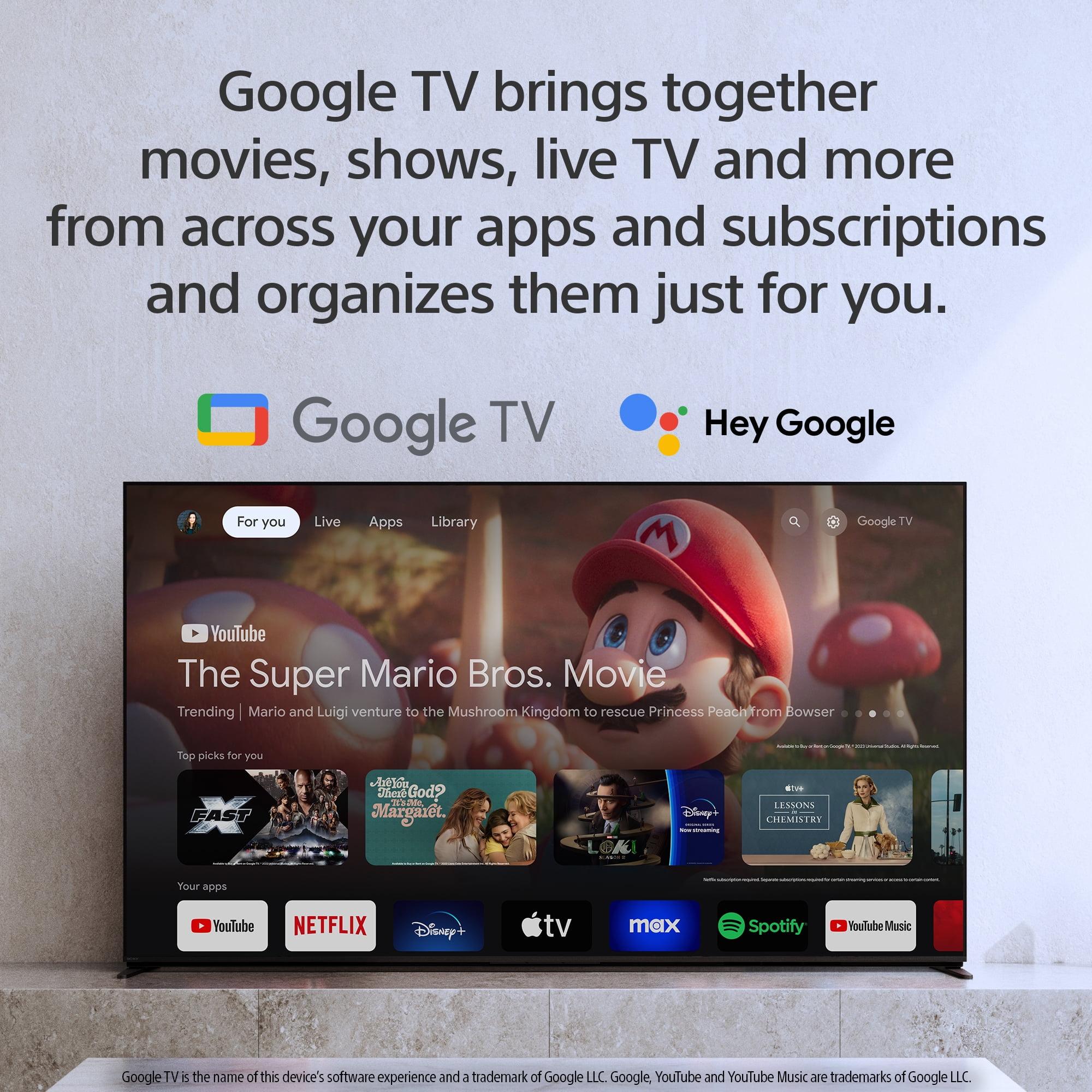
The Sony BRAVIA 8 uses Google TV, which excels at content discovery and organization. If you're deeply embedded in Google's ecosystem—using Gmail, Google Photos, Chromecast, etc.—the integration feels seamless. The interface is clean and helps you discover new content across multiple streaming services.
Sony's XR Processor handles upscaling and processing duties admirably, though it's less aggressive than Samsung's AI approach. This results in more natural-looking processed content, which aligns with Sony's overall philosophy of accuracy over enhancement.
Most premium TV buyers eventually add a soundbar or surround sound system, but built-in audio quality still matters for casual viewing and late-night watching.
The Samsung QN90F includes a robust 60W 4.2.2 channel speaker system with Dolby Atmos support. Object Tracking Sound+ technology moves audio effects across the screen to match on-screen action—when a car drives from left to right, the sound follows. This creates a more immersive experience than traditional TV speakers.
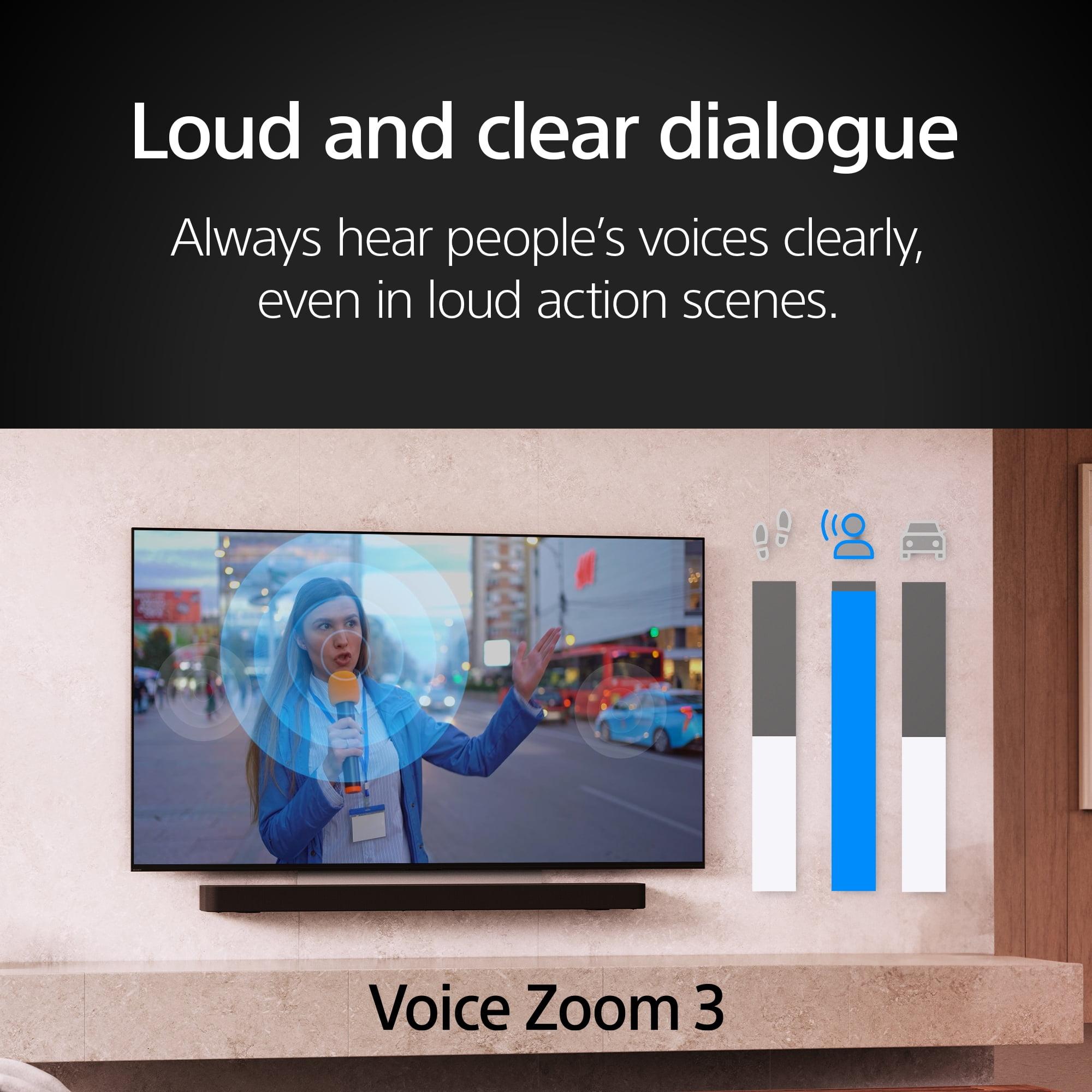
The Sony BRAVIA 8's Acoustic Surface Audio+ takes a unique approach by making the entire screen act as a speaker. This creates excellent dialogue clarity since sound appears to come directly from characters' mouths rather than below the screen. However, with only 50W of total power in a 2.1 configuration, it lacks the room-filling presence of the Samsung's system.
For viewers who plan to use built-in speakers regularly, the Samsung QN90F provides a more complete audio experience. The Sony BRAVIA 8 excels at dialogue clarity but benefits more from external audio solutions.
If you're setting up a dedicated home theater or media room, several factors become particularly important.
The Sony BRAVIA 8 is often preferred by home theater enthusiasts for several reasons. First, its perfect black levels create the film-like experience that many cinephiles seek. Watching movies in a dark room, the Sony's infinite contrast makes images appear to have genuine depth and dimensionality.
Second, Sony's color accuracy and support for Dolby Vision (which Samsung lacks) align better with professional video standards. Dolby Vision adjusts brightness and color on a scene-by-scene basis, providing more sophisticated HDR than Samsung's HDR10+ implementation.
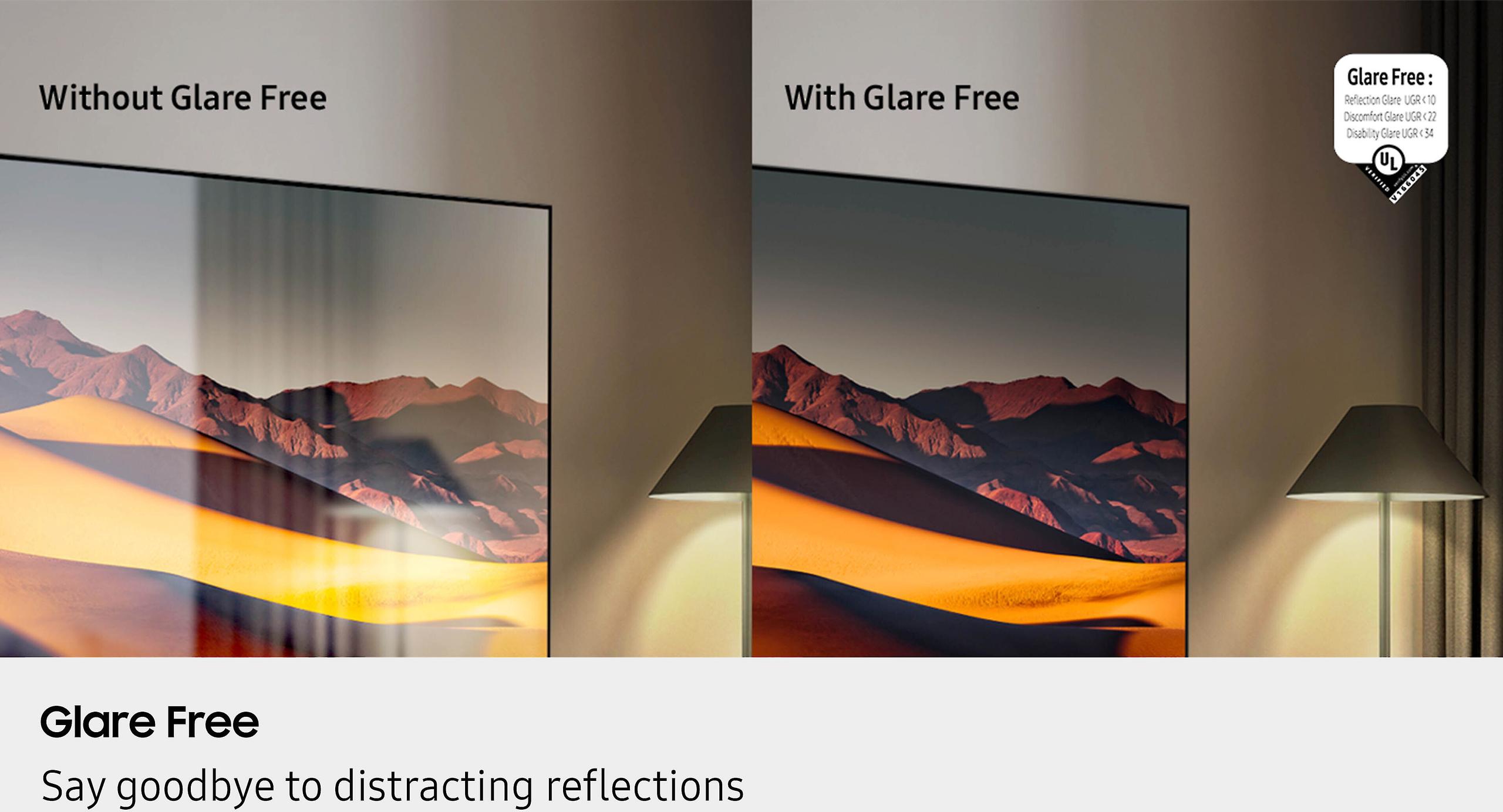
However, the Samsung QN90F has advantages for home theaters too. Its superior brightness helps overcome any ambient light that creeps into the room, and its anti-glare coating virtually eliminates reflections that could distract from the viewing experience.
For a truly dark, dedicated theater room, the Sony BRAVIA 8 provides a more cinematic experience. For multi-purpose family rooms or spaces with some ambient light, the Samsung QN90F offers more flexibility.
At the time of writing, the Sony BRAVIA 8 offers significantly better value for most buyers. OLED technology typically commands premium pricing, but Sony has positioned this model competitively against LED alternatives.
The Samsung QN90F sits in the premium tier, reflecting its advanced Mini LED technology and comprehensive feature set. Whether the extra cost is justified depends on your specific needs and room environment.
Consider long-term factors too. OLED panels can experience burn-in if static images (like news tickers or gaming HUDs) are displayed for extended periods, though modern OLED TVs have numerous protections against this. The Samsung QN90F doesn't face burn-in concerns but uses more complex technology that could theoretically have different longevity characteristics.
Both TVs come with standard one-year warranties and should provide many years of excellent performance with typical usage patterns.
After extensive consideration of both TVs' strengths and limitations, here's my recommendation framework:
Choose the Samsung QN90F Neo QLED if you have a bright living room with lots of windows, prioritize gaming performance with multiple consoles, want the most impactful HDR experience possible, or are invested in Samsung's smart home ecosystem. The superior brightness and comprehensive connectivity make it ideal for versatile family rooms where the TV sees heavy daytime use.
Choose the Sony BRAVIA 8 OLED if you primarily watch in darker environments, value color accuracy and natural image reproduction, want excellent value for OLED technology, or prefer Google's content ecosystem. It's particularly appealing for movie enthusiasts who want that true cinematic experience.
Both TVs represent excellent choices in the premium 65-inch category, just with different strengths. Your viewing environment and usage patterns should drive the decision more than brand loyalty or specific features. Take time to consider where you'll actually use the TV most—that bright family room or darker basement den—because the environment will determine which technology serves you better day after day.
The good news? Either choice will deliver years of exceptional viewing experiences that far exceed what was possible just a few generations ago. The rapid advancement in TV technology means both the Samsung QN90F and Sony BRAVIA 8 offer picture quality that would have been flagship territory just a few years ago.
| Samsung 65" QN90F Neo QLED 4K Vision AI Smart TV 2025 | Sony BRAVIA 8 65" 4K OLED TV |
|---|---|
| Display Technology - Fundamental difference affecting picture quality and room compatibility | |
| Neo QLED Mini LED with quantum dots | OLED (pixels emit their own light) |
| Peak Brightness - Critical for HDR impact and bright room viewing | |
| ~3,000 nits (excellent for daytime viewing) | ~800-1,000 nits (best in darker rooms) |
| Black Level Performance - Important for contrast and dark scene detail | |
| Very good local dimming (not perfect blacks) | Perfect blacks (infinite contrast ratio) |
| Gaming Connectivity - Essential for multiple console setups | |
| 4 HDMI 2.1 ports supporting 4K@120Hz | 2 HDMI 2.1 ports supporting 4K@120Hz |
| Input Lag - Critical for competitive gaming performance | |
| ~9-10ms (excellent for gaming) | ~12ms (very good for gaming) |
| HDR Format Support - Affects streaming and disc compatibility | |
| HDR10+ (no Dolby Vision) | HDR10 and Dolby Vision |
| Smart TV Platform - Determines interface and app ecosystem | |
| Samsung Tizen with Vision AI | Google TV with built-in Assistant |
| Built-in Audio Power - Important if not using external speakers | |
| 60W 4.2.2 channel with Object Tracking Sound+ | 50W 2.1 channel with Acoustic Surface Audio+ |
| Anti-Glare Technology - Crucial for bright room performance | |
| Glare Free coating (virtually eliminates reflections) | Standard OLED (more reflective in bright light) |
| Upscaling Technology - Improves lower resolution content quality | |
| 4K AI Upscaling Pro with 128 neural networks | XR Clear Image with Sony's XR Processor |
| Burn-in Risk - Long-term durability consideration | |
| No burn-in risk (LCD technology) | Minimal risk with modern protections |
| Viewing Angle Performance - Important for wide seating arrangements | |
| Good (improved over standard LCD) | Excellent (OLED advantage) |
| Color Accuracy Approach - Affects movie and content reproduction | |
| Enhanced/vibrant (Quantum Dot saturation) | Natural/accurate (filmmaker intent focus) |
| Release Year - Indicates latest features and technology | |
| 2025 (Samsung QN90F flagship model) | 2024 (Sony BRAVIA 8 current generation) |
The Samsung QN90F Neo QLED is significantly better for bright rooms due to its peak brightness of around 3,000 nits and Glare Free anti-reflective coating. The Sony BRAVIA 8 OLED performs best in darker environments, as bright ambient light can wash out OLED displays and make them appear less vibrant.
The Samsung QN90F uses Neo QLED technology with thousands of Mini LEDs behind an LCD panel, allowing for extremely bright images but with some light bleeding. The Sony BRAVIA 8 uses OLED technology where each pixel creates its own light, providing perfect blacks and infinite contrast but with lower peak brightness levels.
The Samsung QN90F Neo QLED is better for serious gamers, offering four HDMI 2.1 ports for multiple consoles, lower input lag (9-10ms), and FreeSync Premium Pro support. The Sony BRAVIA 8 still provides excellent gaming performance but only has two HDMI 2.1 ports and slightly higher input lag at around 12ms.
Yes, both the Samsung QN90F and Sony BRAVIA 8 support 4K gaming at 120Hz. However, the Samsung offers this feature on all four HDMI ports, while the Sony provides it on only two of its four HDMI connections, which may limit connectivity for users with multiple gaming devices.
Both TVs offer excellent smart features with different approaches. The Samsung QN90F runs Tizen OS with Vision AI that learns your viewing habits and integrates with SmartThings devices. The Sony BRAVIA 8 uses Google TV for superior content discovery and seamless integration with Google services and Chromecast functionality.
For movie watching, the Sony BRAVIA 8 OLED typically provides a more cinematic experience with perfect blacks, infinite contrast, and support for Dolby Vision HDR. The Samsung QN90F Neo QLED offers more impactful bright scenes and better performance in rooms with ambient light, but may appear overly bright for dark room movie viewing.
The Sony BRAVIA 8 generally offers better value, providing OLED picture quality at a more accessible price point. The Samsung QN90F commands a premium price for its advanced Mini LED technology and comprehensive feature set, making it better for buyers who prioritize maximum brightness and gaming connectivity.
Yes, both TVs excel with HDR streaming content. The Samsung QN90F supports HDR10+ and delivers extremely bright highlights that make HDR content pop. The Sony BRAVIA 8 supports both HDR10 and Dolby Vision, offering more sophisticated scene-by-scene optimization for compatible streaming services like Netflix and Disney+.
For dedicated home theater use in dark rooms, the Sony BRAVIA 8 OLED is often preferred due to its perfect blacks, accurate colors, and Dolby Vision support that aligns with professional cinema standards. The Samsung QN90F works better for multi-purpose theater rooms with some ambient light due to its superior brightness and anti-glare coating.
The Samsung QN90F features more powerful 60W 4.2.2 channel speakers with Object Tracking Sound+ technology that moves audio across the screen. The Sony BRAVIA 8 uses 50W 2.1 channel Acoustic Surface Audio+ that turns the screen into a speaker for excellent dialogue clarity, though it lacks the room-filling power of the Samsung system.
The Samsung QN90F offers more future-proof connectivity with four full HDMI 2.1 ports and advanced AI processing that continues to improve through updates. The Sony BRAVIA 8 provides solid future-proofing with its OLED technology and Google TV platform, though its two HDMI 2.1 ports may limit long-term connectivity options.
Modern OLED TVs like the Sony BRAVIA 8 have numerous built-in protections against burn-in, making it a minimal concern for typical viewing habits. The Samsung QN90F Neo QLED doesn't face burn-in risks due to its LCD-based technology, which may appeal to users who display static content like news channels or gaming interfaces for extended periods.
We've done our best to create useful and informative comparisons to help you decide what product to buy. Our research uses advanced automated methods to create this comparison and perfection is not possible - please contact us for corrections or questions. These are the sites we've researched in the creation of this article: rtings.com - images.samsung.com - youtube.com - listenup.com - youtube.com - cullenshomecenter.com - rtings.com - shopjetson.com - youtube.com - samsung.com - samsung.com - videoandaudiocenter.com - rtings.com - bestbuy.com - youtube.com - news.samsung.com - news.samsung.com - news.samsung.com - bestbuy.com - news.samsung.com - youtube.com - news.samsung.com - youtube.com - smarthomesounds.co.uk - bestbuy.com - bestbuy.com - crutchfield.com - avsforum.com - electronics.sony.com - sony.com - store.sony.co.nz - sony.com - displayspecifications.com

Privacy Policy
Terms and Conditions - Affiliate Policy
Home Security
© Copyright 2008-2026.
11816 Inwood Rd #1211, Dallas, TX 75244