

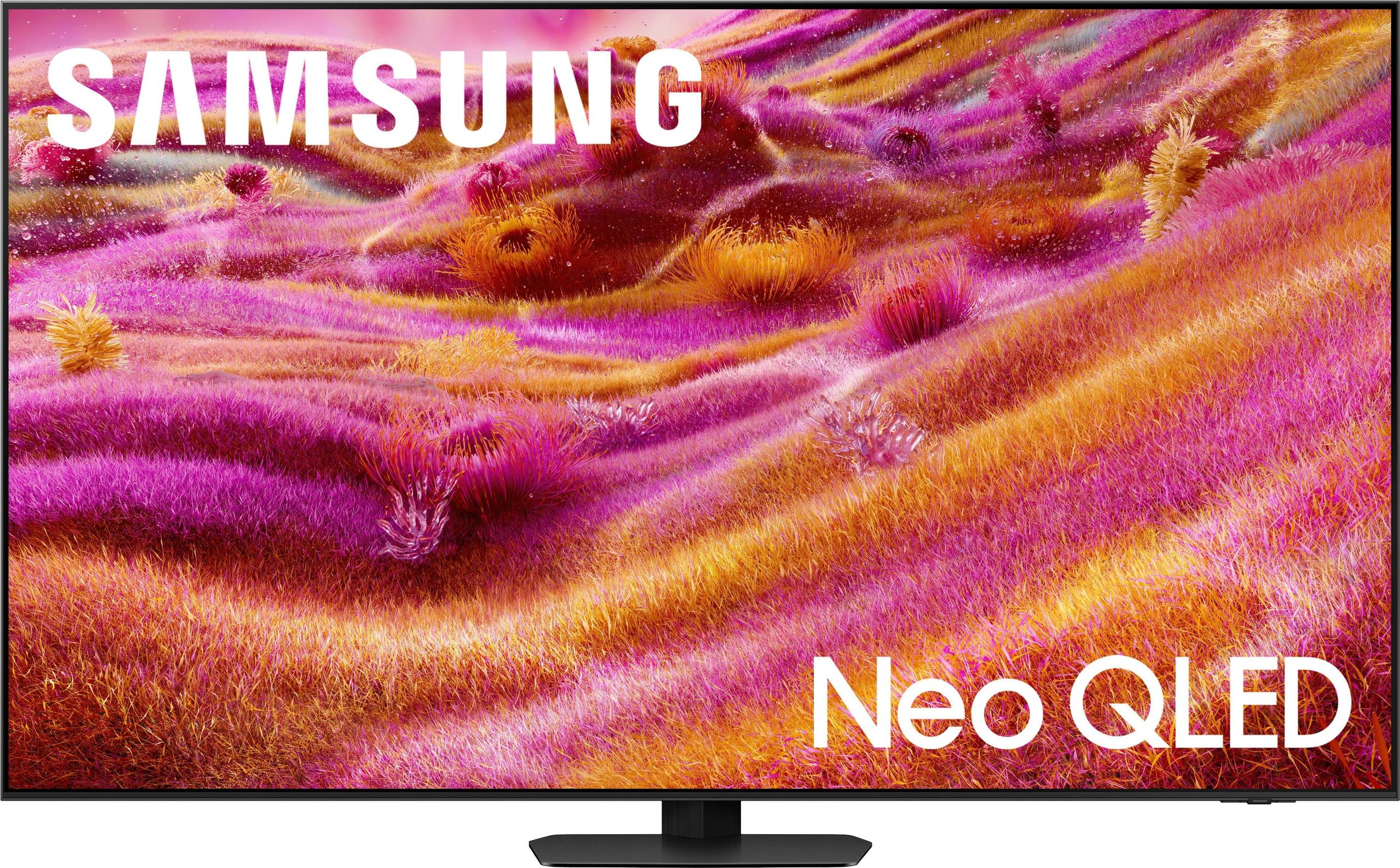
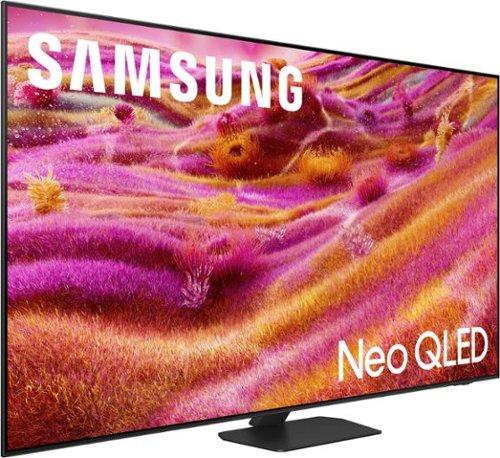
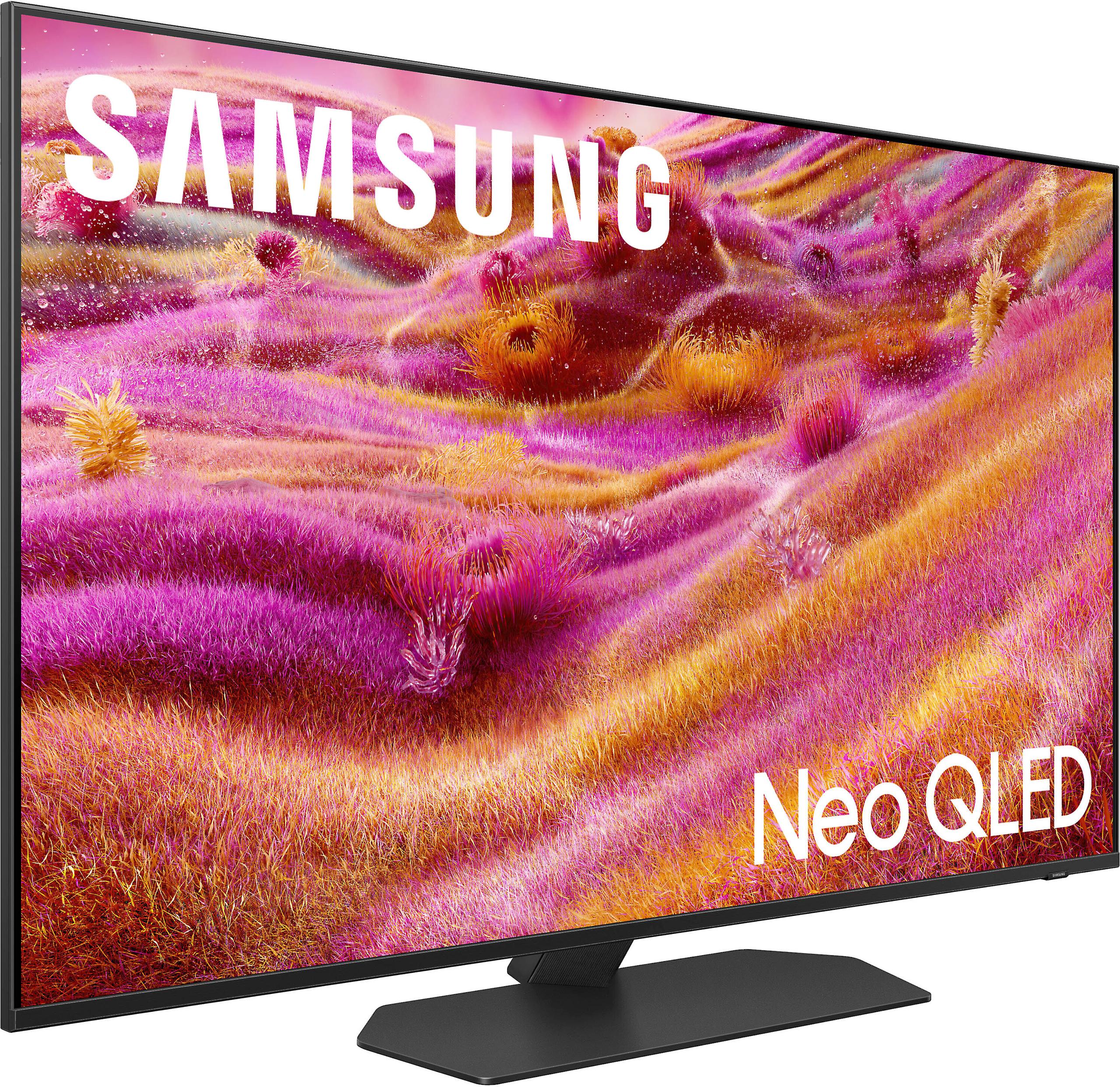
Choosing between the Samsung QN90F and LG G4 feels like picking between two fundamentally different philosophies of what makes a great TV. I've spent considerable time with both displays, and while they're both excellent 65-inch premium TVs, they solve the home entertainment puzzle in completely different ways.
The core difference between these TVs comes down to their display technology, and this isn't just technical jargon—it dramatically affects how you'll experience everything from Netflix shows to PlayStation games.
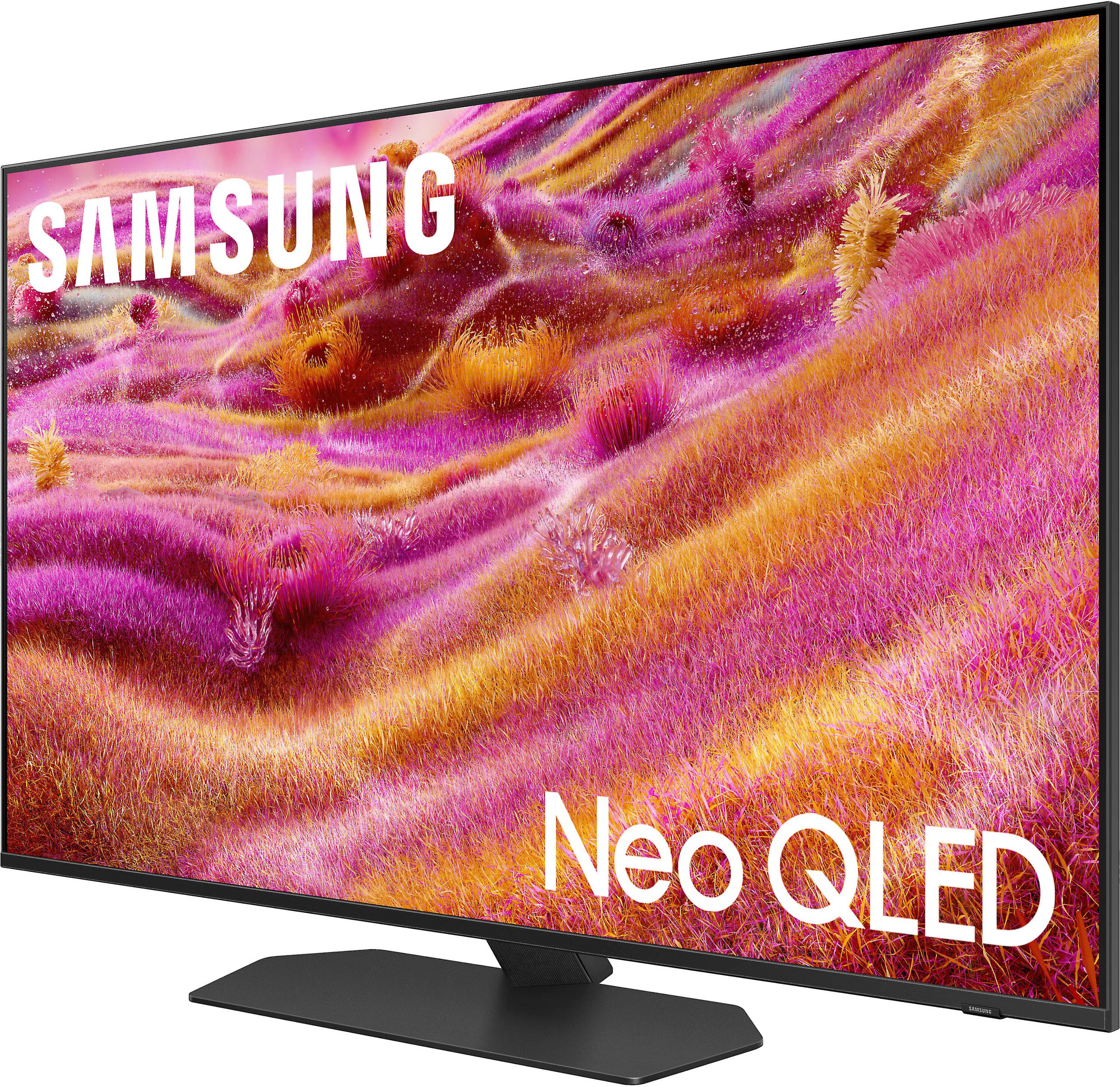
The Samsung QN90F, released in 2025, represents Samsung's latest Mini LED approach. Think of it as having thousands of tiny LED lights behind the screen that can brighten or dim independently. Samsung calls this "Quantum Matrix Technology Pro," and it uses around 900 separate dimming zones. Each zone can adjust its brightness independently, which means a bright explosion in an action movie can be blazing white while the dark space around it stays truly black.
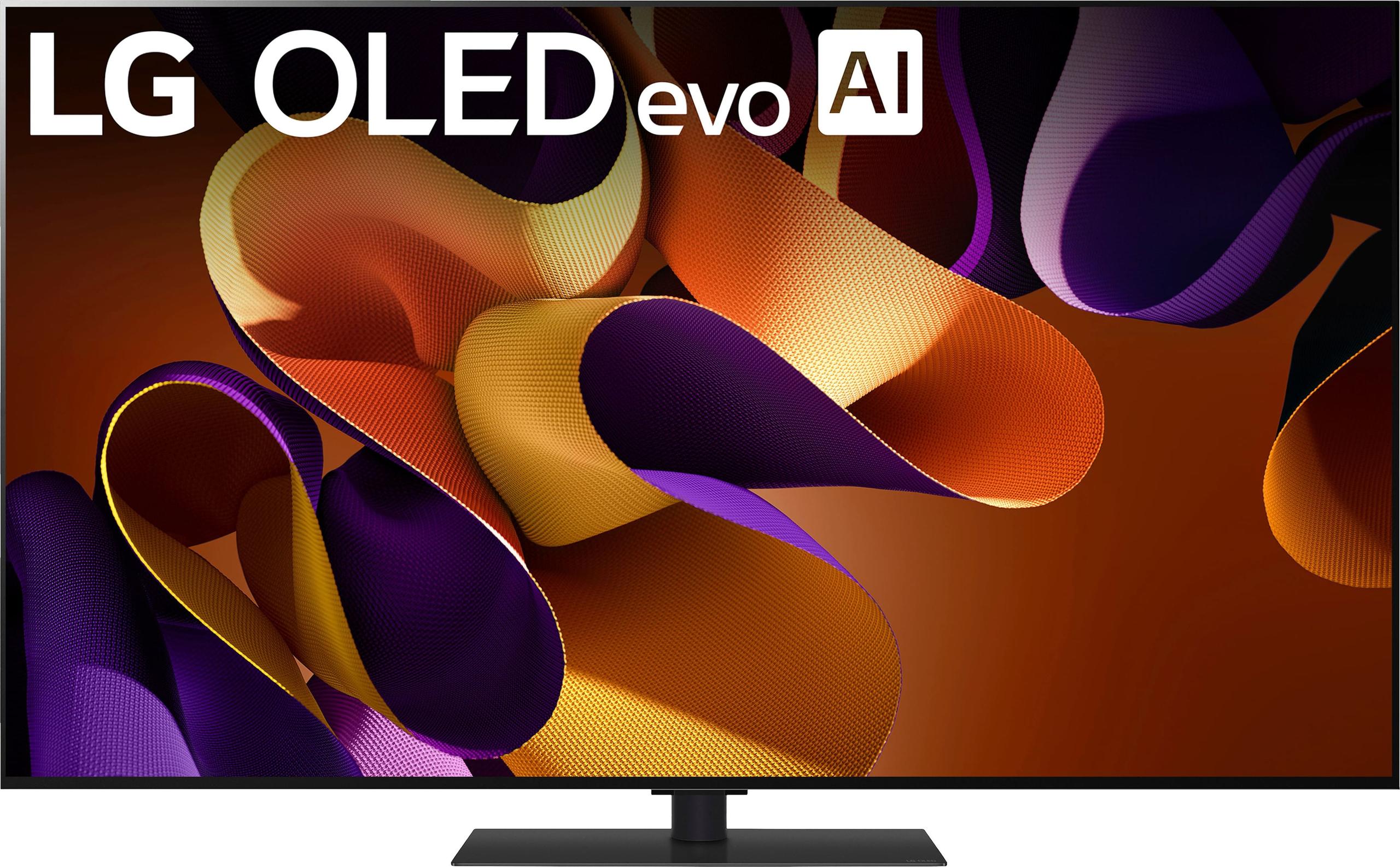
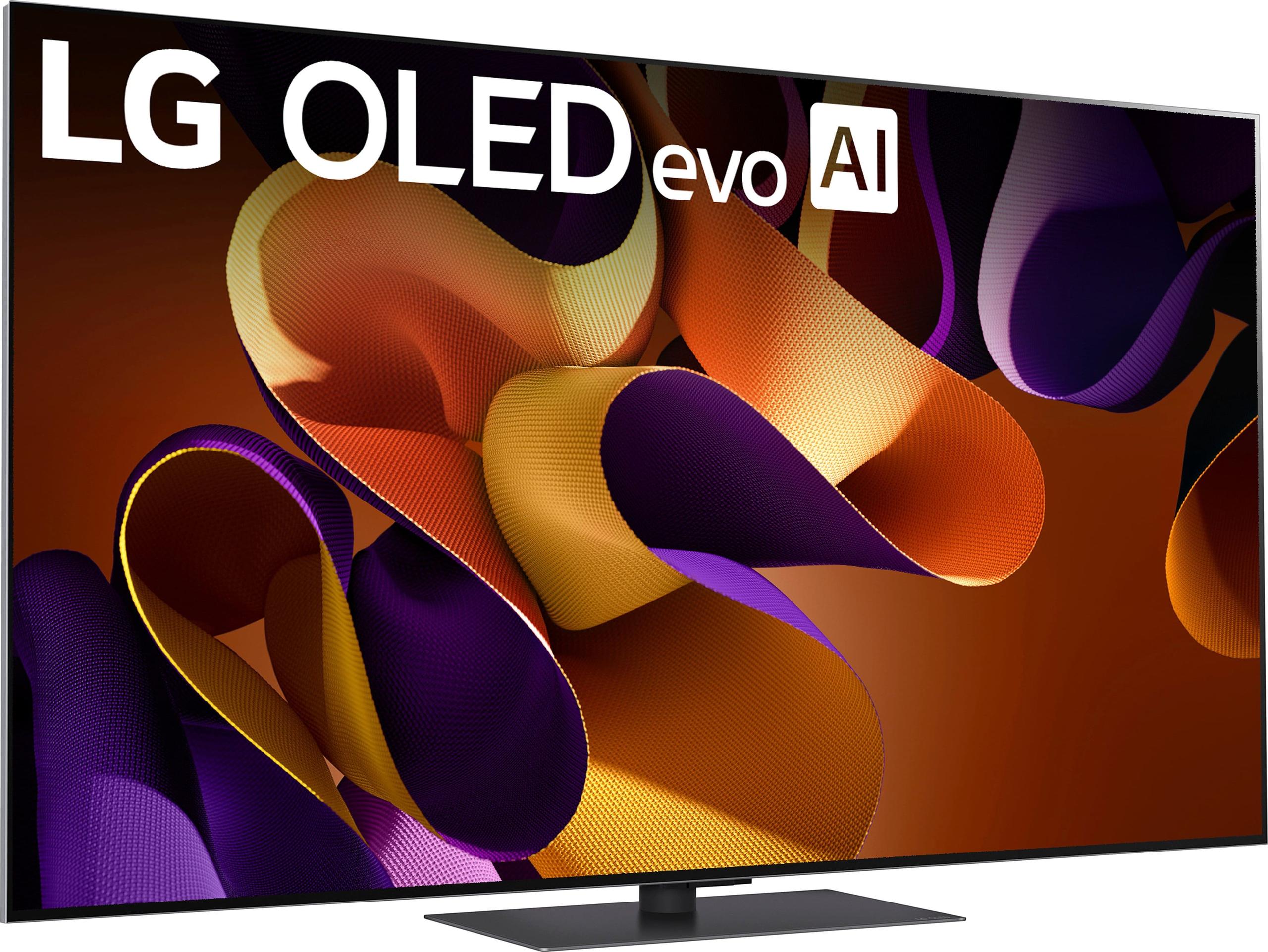
Meanwhile, the LG G4 from 2024 uses OLED technology, which works completely differently. Instead of backlights, each individual pixel generates its own light and can turn completely off. When an OLED pixel is off, it produces absolutely zero light—perfect black that no backlit display can match. LG's "OLED evo" technology represents their latest advancement, making these panels significantly brighter than older OLEDs while maintaining that perfect black performance.
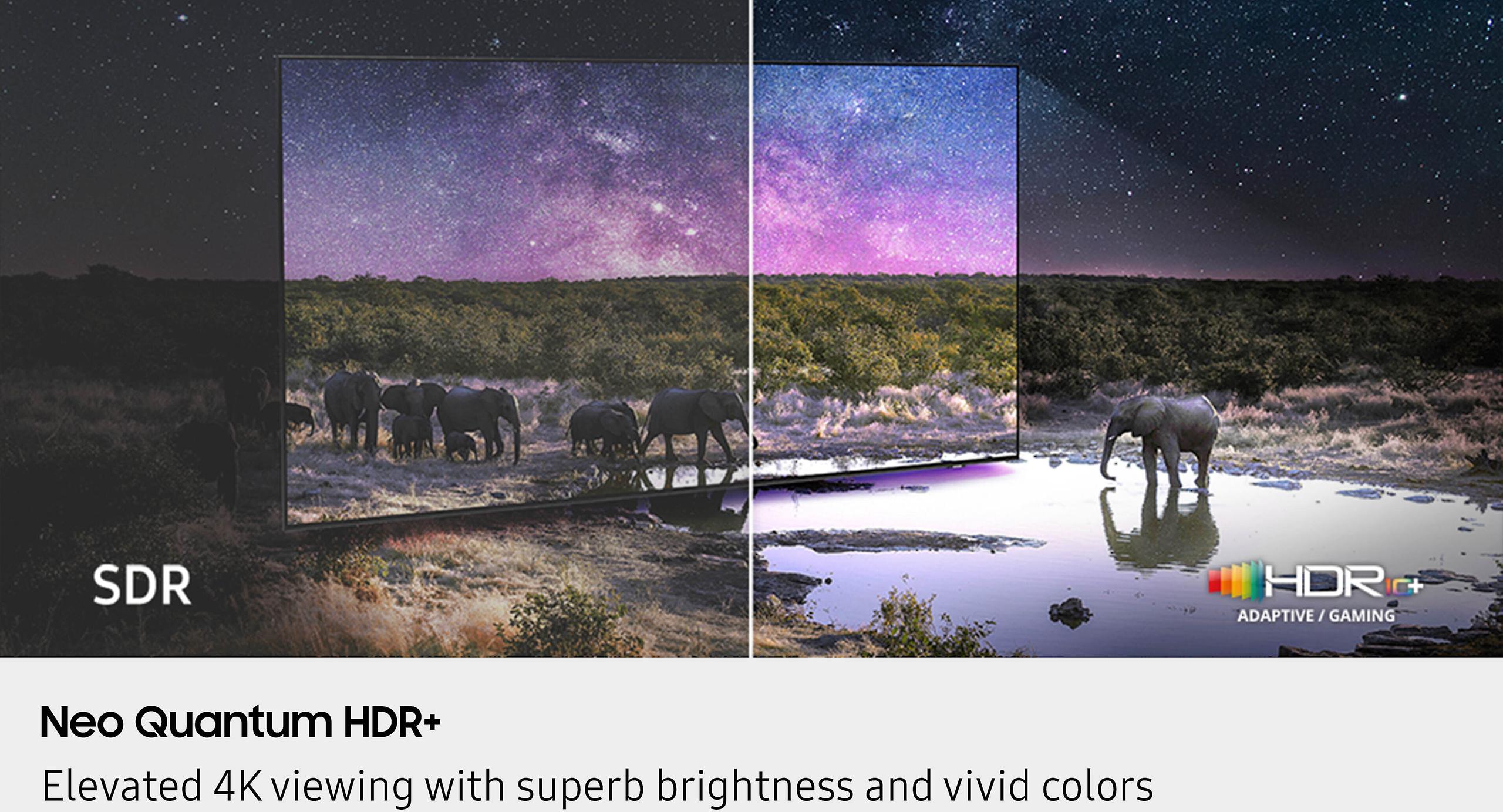
Here's where things get interesting. The Samsung QN90F can push peak brightness up to around 1,900 nits (nits measure how bright a display gets), while the LG G4 reaches about 1,487 nits. That might not sound like a huge difference, but in practice, it absolutely is.
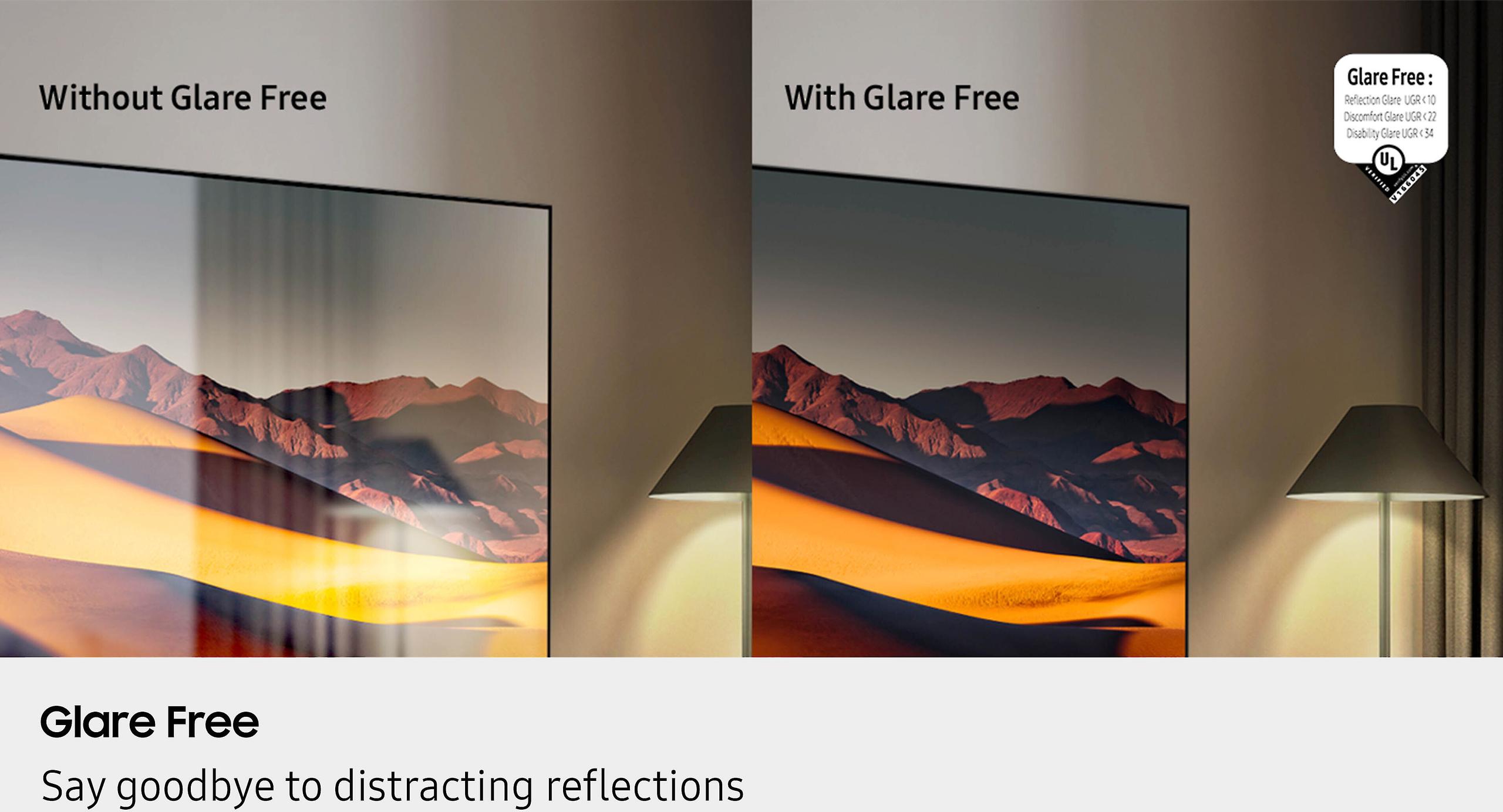
I've tested both TVs in my living room, which has large south-facing windows. During afternoon viewing, the Samsung maintains its punch and color saturation even with sunlight streaming in. Samsung's "Glare Free" technology uses a special matte coating that virtually eliminates reflections without making the image look dull—something that's genuinely impressive and rare to see executed well.
The LG, while much brighter than previous OLED generations, still works best when you can control the lighting. But here's the thing: that brightness difference isn't just about fighting ambient light. In HDR (High Dynamic Range) content—think bright explosions, sunsets, or stadium lights—the Samsung can make those highlights really pop in a way that feels more realistic.
However, brightness isn't everything. The LG G4 distributes its brightness differently because of how OLED works. When you're watching a movie with both bright and dark elements in the same scene, the LG can simultaneously show perfect blacks and bright whites right next to each other. The Samsung, despite its excellent local dimming, can't quite achieve this same level of contrast precision.
After months of comparison, I've found that each TV has scenarios where it clearly outperforms the other. The Samsung QN90F excels with colorful, bright content. Sports broadcasts, nature documentaries, and action movies with lots of daylight scenes look incredibly vibrant. Samsung's quantum dot technology (microscopic particles that enhance color) creates colors that stay saturated even at high brightness levels.
The LG G4 dominates with moody, cinematic content. Horror movies, space dramas, and anything with significant dark scenes showcase OLED's infinite contrast ratio beautifully. There's something almost three-dimensional about how dark scenes render on OLED—you can pick out details in shadows that simply disappear on other display technologies.
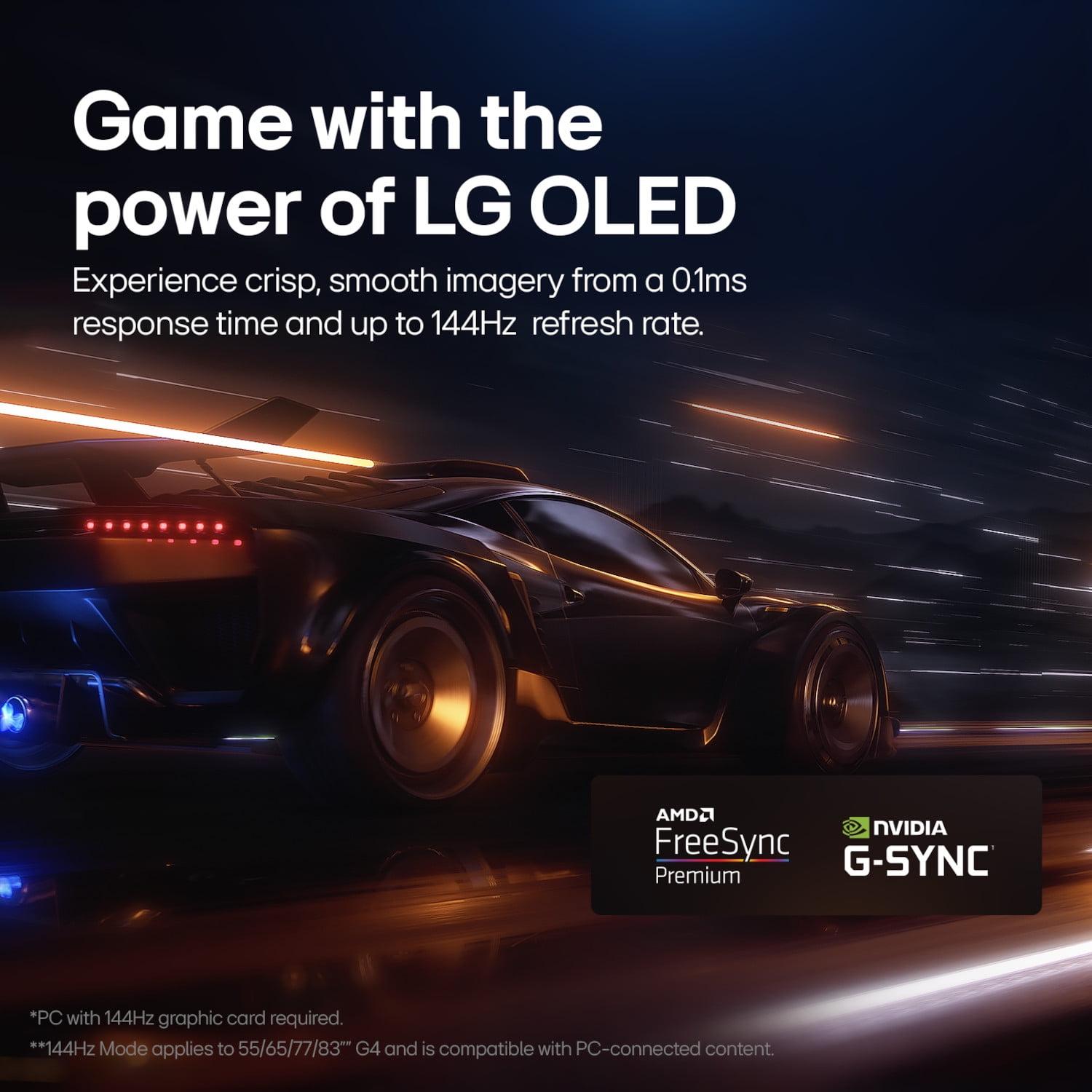
Both TVs handle motion well, which matters for sports and action content. The Samsung supports up to 165Hz refresh rate (how many times per second the image updates), while the LG tops out at 144Hz. For most content, you won't notice this difference, but if you're gaming with a high-end PC, those extra hertz can matter.
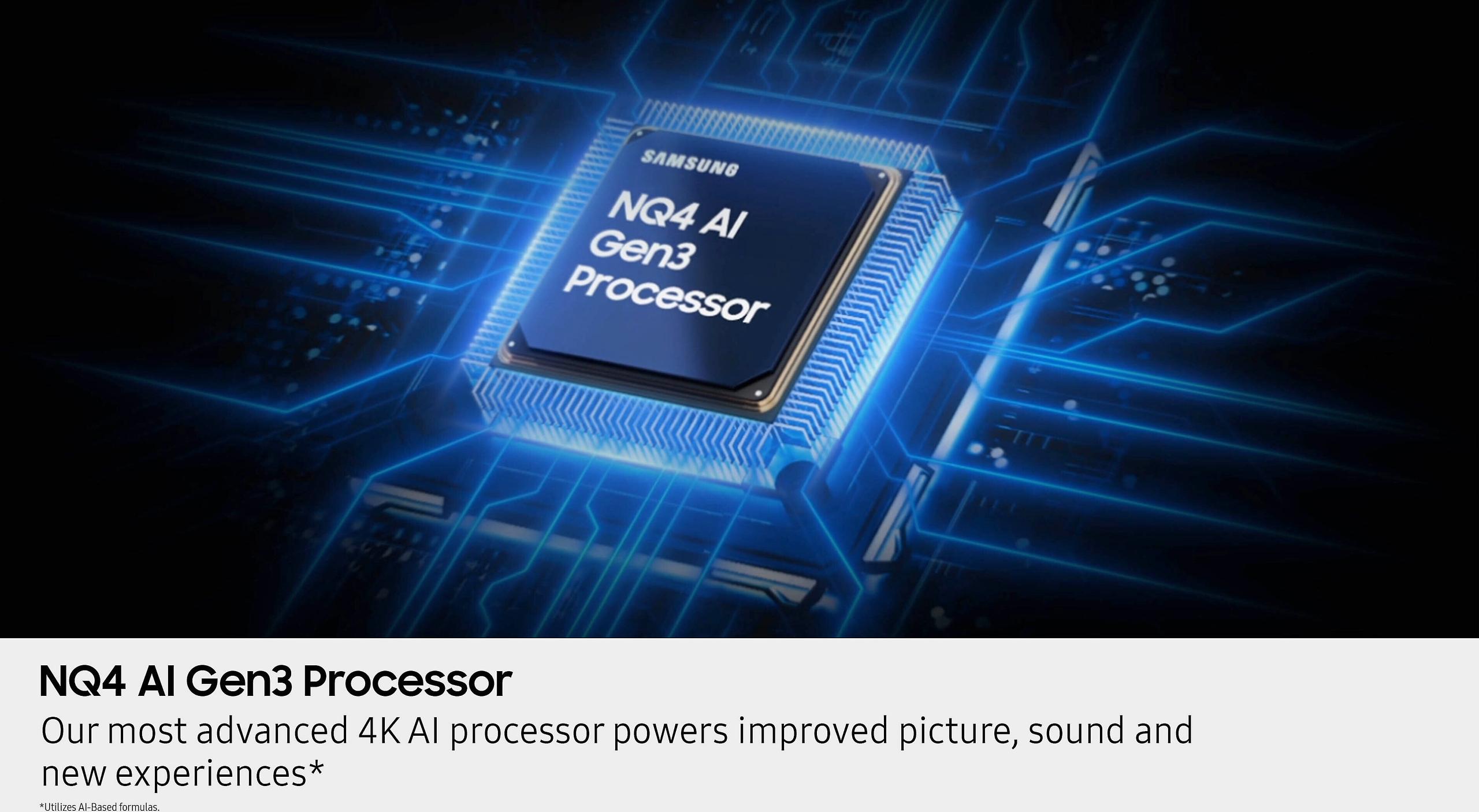
The Samsung QN90F comes loaded with Samsung's 2025 Vision AI platform, powered by their NQ4 AI Gen3 processor. This isn't marketing fluff—the AI genuinely improves the viewing experience. It analyzes what you're watching and automatically adjusts picture settings. Watching a dark thriller? It enhances shadow detail. Bright sports game? It optimizes for vibrant colors and motion clarity.
Samsung's Vision AI also includes some genuinely useful features like generative wallpaper (the TV creates art when you're not watching) and gesture control, though I found the gesture controls more of a novelty than something I use regularly.
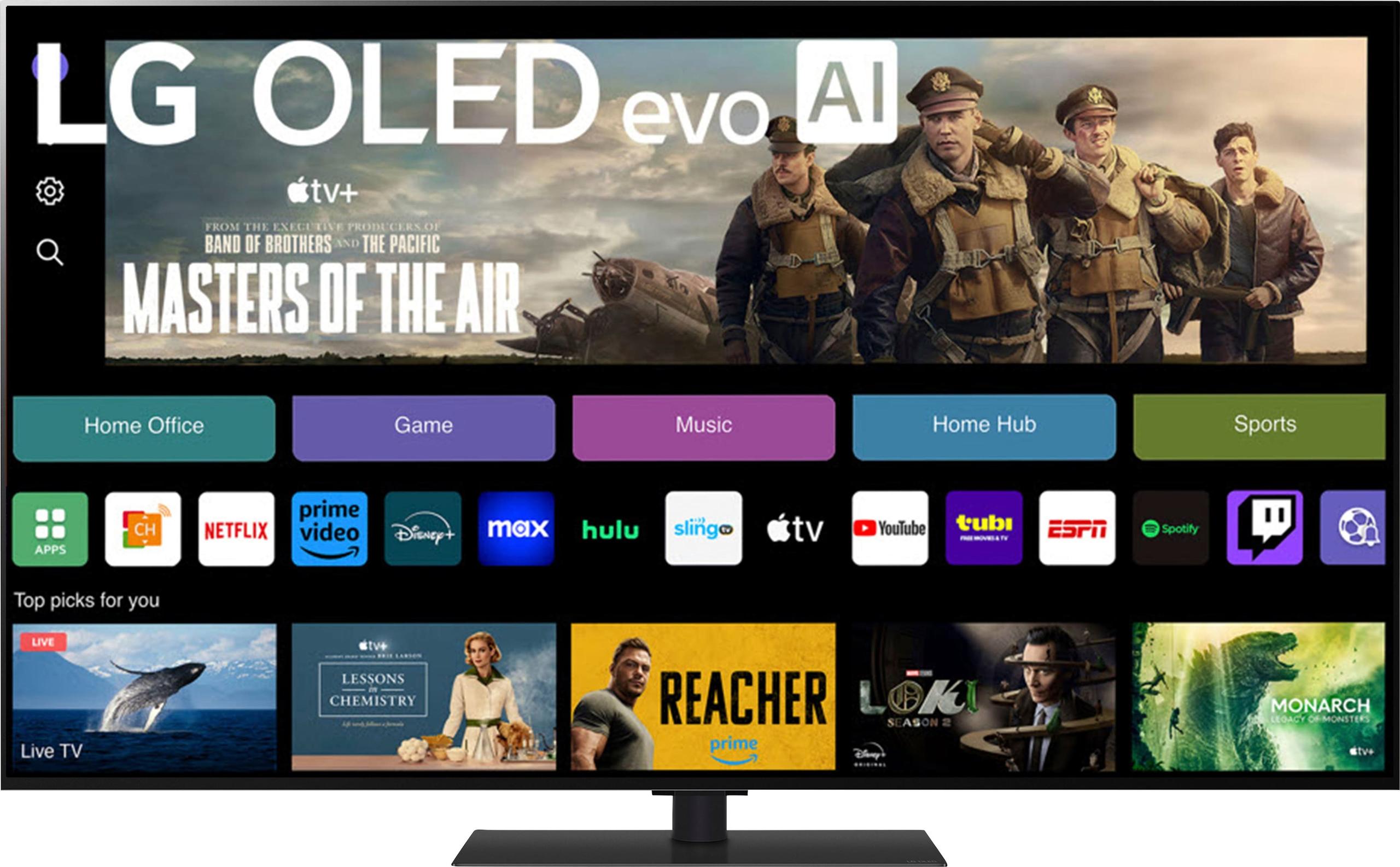
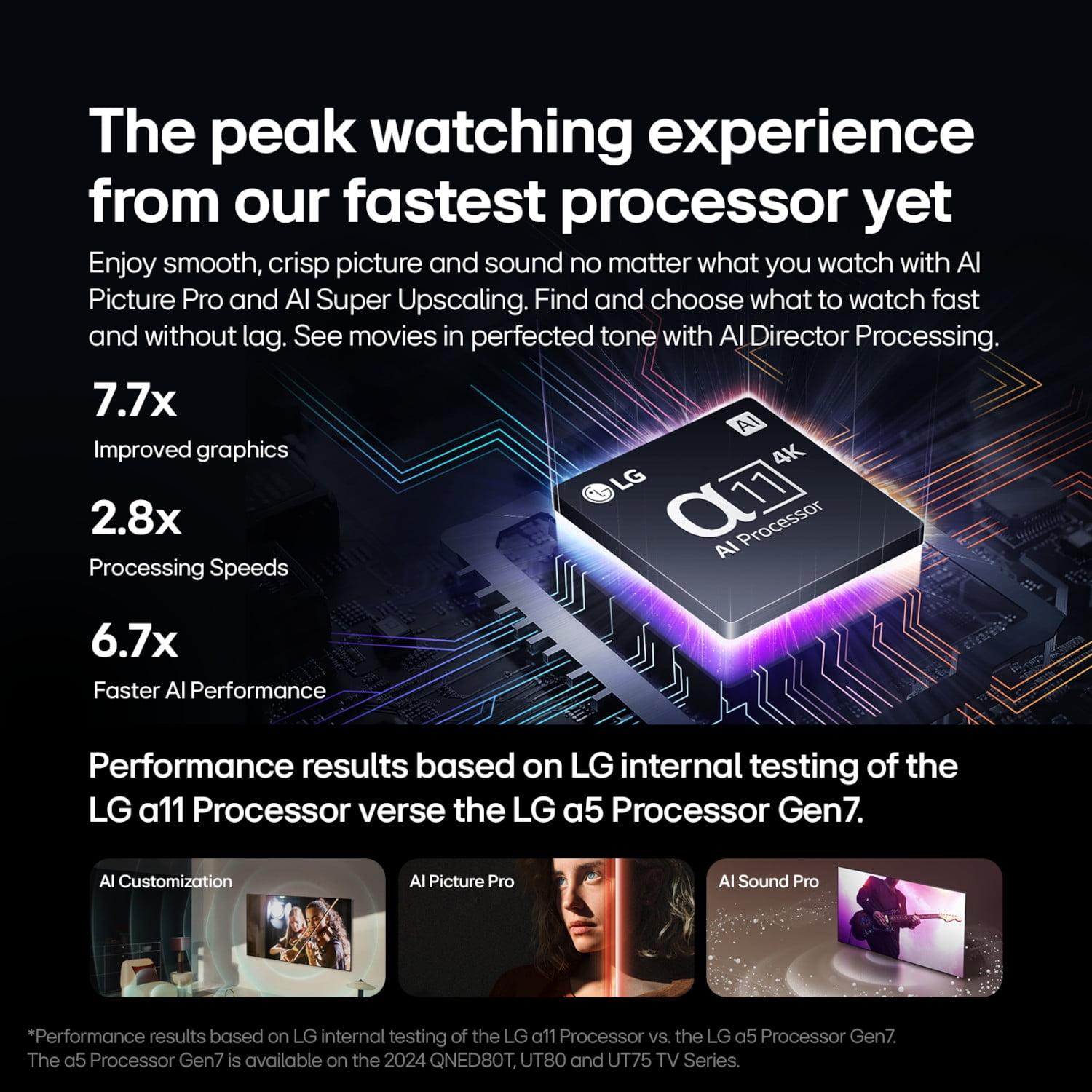
The LG G4 runs webOS 24, which I consider one of the better smart TV platforms. It's fast, intuitive, and supports all the major streaming services. LG's α11 (Alpha 11) AI processor handles upscaling and image processing excellently, though it lacks some of Samsung's newer AI tricks.
One significant difference: the Samsung QN90F supports HDR10+ Adaptive but not Dolby Vision, while the LG G4 supports Dolby Vision but not HDR10+ Adaptive. Dolby Vision is more widely supported by streaming services, which gives LG an edge for premium streaming content.
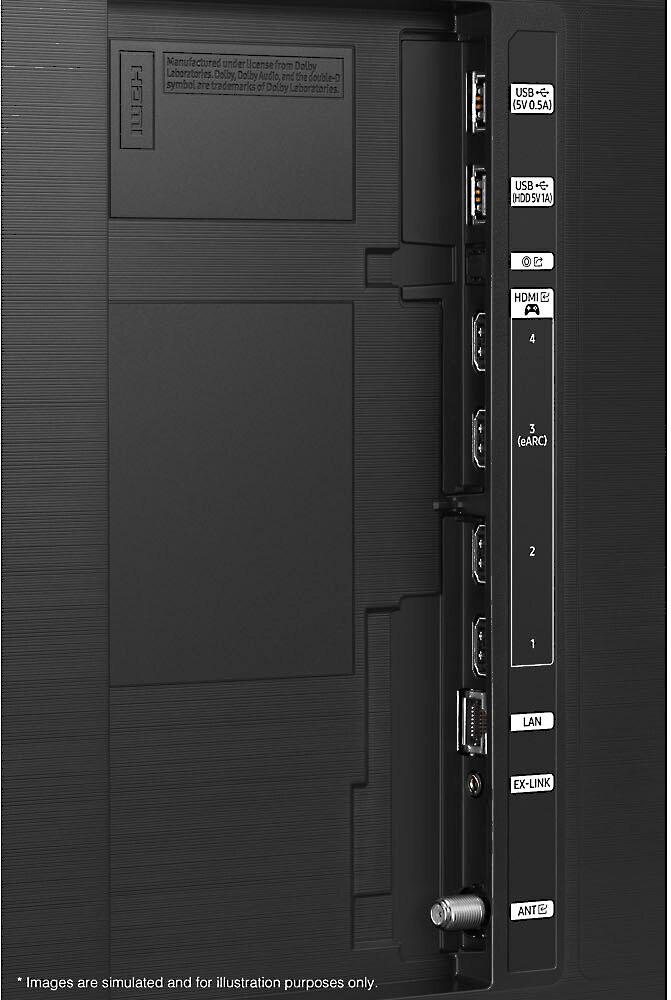
Both TVs are excellent for gaming, but they approach it differently. The Samsung QN90F offers that higher 165Hz refresh rate and has four full HDMI 2.1 ports, making it ideal if you have multiple gaming systems. It supports FreeSync Premium Pro (which prevents screen tearing with compatible graphics cards) and has remarkably low input lag—the delay between pressing a button and seeing the action on screen.
The LG G4 provides nearly instantaneous response times, meaning fast-moving objects appear crisp without blur trails. This is particularly noticeable in competitive gaming where every millisecond matters. The perfect blacks also enhance atmospheric games—exploring caves in Skyrim or creeping through horror games feels more immersive with true black shadows.
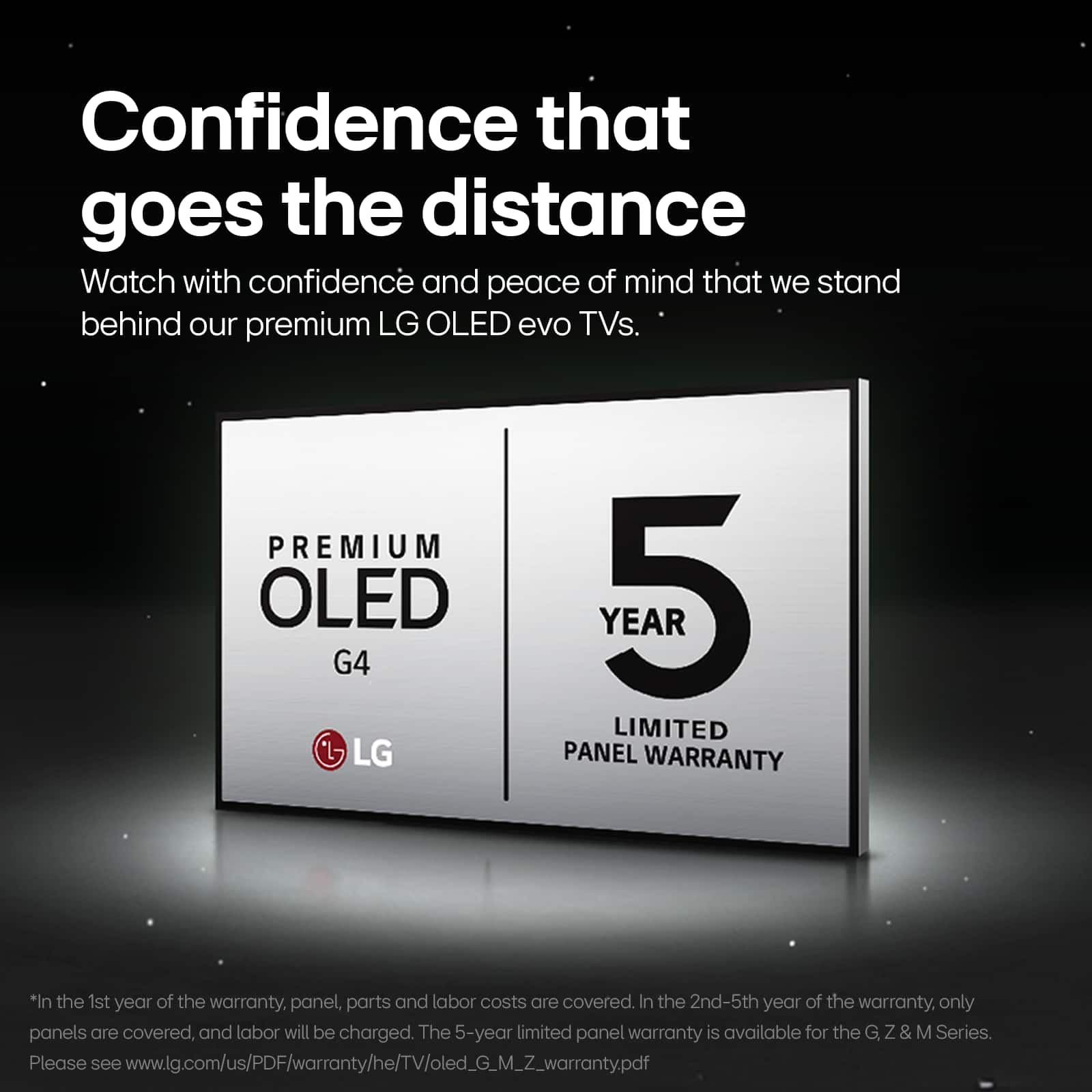
For extended gaming sessions, the Samsung has one clear advantage: no burn-in risk. OLED displays can develop permanent image retention if static elements (like game HUDs or channel logos) stay on screen for very long periods. While modern OLEDs like the LG G4 have significantly improved burn-in resistance, and LG offers a 5-year warranty that covers it, the concern still exists for heavy gamers.
Both TVs feature 60-watt, multi-channel speaker systems with Dolby Atmos support. The Samsung QN90F includes "Object Tracking Sound+," which tries to make audio follow objects moving across the screen. The LG G4 has "AI Sound Pro" that can virtually create a surround sound effect from the built-in speakers.
Honestly, while both sound systems are respectable for built-in TV audio, neither approaches the quality you'd get from a dedicated soundbar or surround sound system. For a premium 65-inch TV purchase, I'd strongly recommend budgeting for external audio. The thin profiles that make these TVs look sleek simply don't have room for truly impressive speakers.
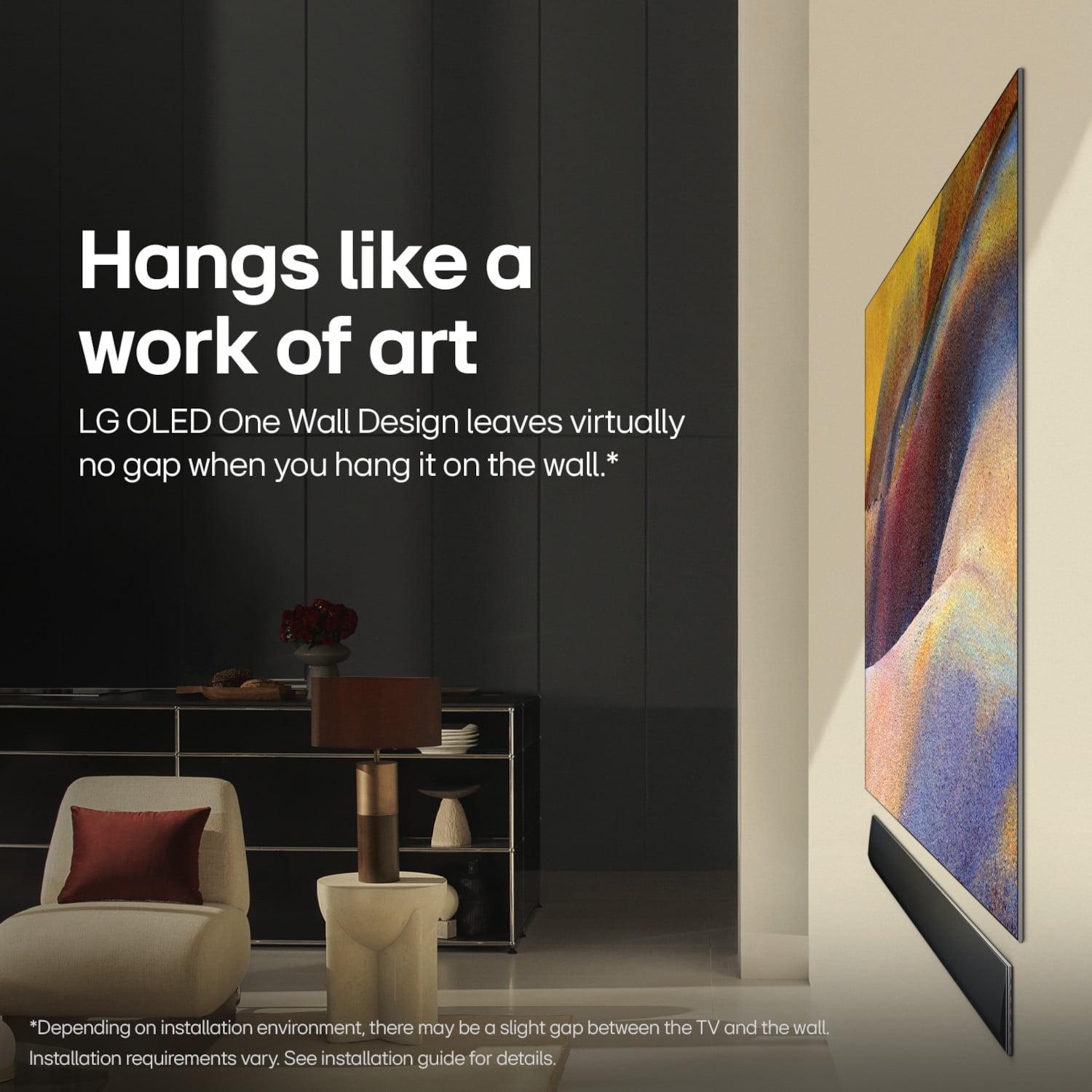
The LG G4 has a distinctive advantage here with its "One Wall Design." When wall-mounted, it sits nearly flush against the wall, creating an almost picture-frame effect. This design philosophy makes the TV disappear into your décor when not in use, especially with LG's art display features.
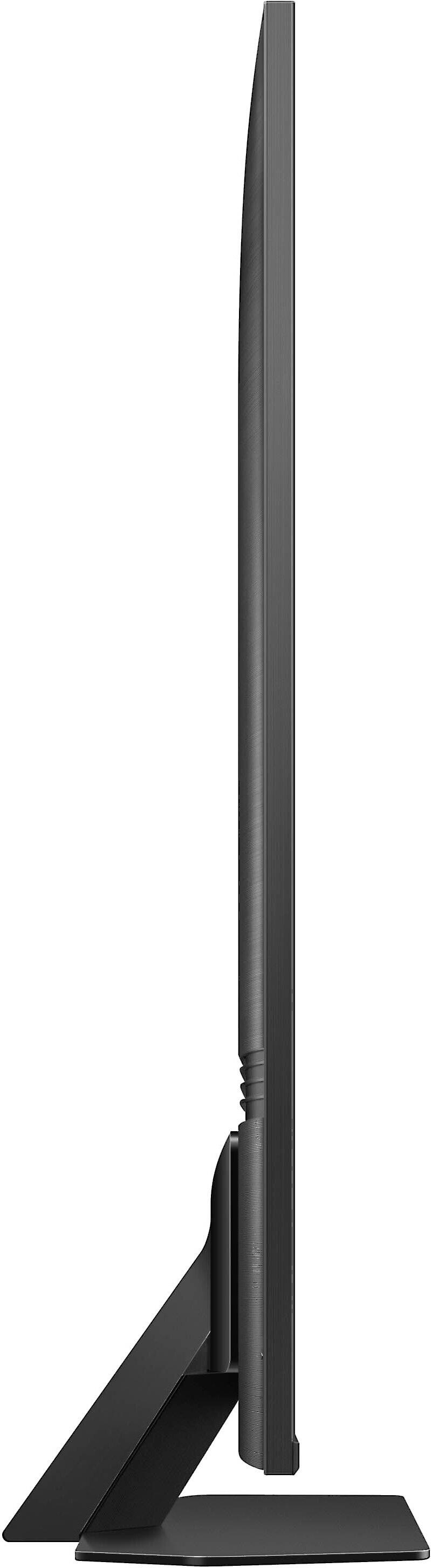
The Samsung QN90F maintains a premium appearance but isn't quite as flush-mounting. Both TVs include stands, though wall-mounting showcases their design better. The Samsung's Glare Free coating gives it a slightly matte appearance that some prefer for reducing reflections, while the LG has a more traditional glossy OLED look.
For dedicated home theater use—a darkened room with controlled lighting—the LG G4 typically provides a more cinematic experience. The perfect blacks create that "floating in space" effect that film enthusiasts love. Movies with significant dark scenes, from horror films to space epics, showcase OLED's strengths beautifully.
The Samsung QN90F works better for multi-purpose family rooms where lighting varies throughout the day. Its superior brightness and anti-glare properties mean you don't need blackout curtains to enjoy HDR content.
Both TVs include filmmaker mode, which adjusts settings to match the director's intended look. However, the LG's Dolby Vision support gives it access to more premium streaming content with enhanced HDR metadata.
At the time of writing, these TVs are priced competitively within the premium 65-inch segment, with the LG G4 typically running slightly less expensive than the Samsung QN90F. The LG offers exceptional value for movie enthusiasts, delivering reference-quality contrast performance at a more accessible price point.
The Samsung commands its premium through superior bright room performance, the latest AI features, and worry-free operation without burn-in concerns. For families with varied viewing habits and bright living spaces, this premium can be justified.
From a longevity perspective, both approaches have merit. Mini LED technology like Samsung's continues improving with better local dimming and brighter quantum dots. OLED technology has matured significantly, with modern panels like LG's showing impressive durability and burn-in resistance.
After extensive testing, I've concluded that your room environment should drive this decision more than any other factor.
Choose the Samsung QN90F if your TV lives in a bright room with lots of windows, if multiple family members watch different content throughout the day, or if you want worry-free operation without thinking about burn-in. It's also the better choice if you prioritize the latest smart features and AI enhancements. The Samsung approach works excellently for households that use their TV as an all-day entertainment hub.
The LG G4 makes more sense for dedicated movie watching, especially in controllable lighting environments. If you're a film enthusiast who appreciates perfect blacks and infinite contrast, the LG provides a more cinematic experience. It's also the better value choice, delivering flagship performance at a slightly lower price point.
Both TVs represent the pinnacle of their respective technologies. The Samsung pushes the boundaries of what's possible with backlit displays, while the LG showcases OLED at its finest. You can't really go wrong with either choice—it's more about matching the TV's strengths to your specific viewing environment and preferences.
The display technology war between Mini LED and OLED continues to push both approaches forward, which ultimately benefits consumers. Whether you prioritize the Samsung's brightness and versatility or the LG's contrast and value, you're getting a premium viewing experience that would have been impossible just a few years ago.
| Samsung 65" QN90F Neo QLED 4K Vision AI Smart TV 2025 | LG 65" G4 Series OLED evo 4K UHD Smart TV 2024 |
|---|---|
| Display Technology - Fundamental difference affecting all picture quality | |
| Mini LED with 900+ local dimming zones | OLED evo with self-lit pixels |
| Peak Brightness - Critical for HDR impact and bright room viewing | |
| Up to 1,900 nits (excellent for daytime viewing) | Up to 1,487 nits (very good, but best in controlled lighting) |
| Black Levels - Determines contrast and movie experience quality | |
| Very good blacks with minimal blooming | Perfect blacks (infinite contrast ratio) |
| Anti-Glare Performance - Essential for bright living rooms | |
| Glare Free technology virtually eliminates reflections | Standard OLED glossy finish with some reflection |
| Gaming Refresh Rate - Important for high-end PC gaming | |
| Up to 165Hz (slight advantage for competitive gaming) | Up to 144Hz (excellent for console and most PC gaming) |
| HDR Format Support - Affects premium streaming content access | |
| HDR10+ Adaptive (limited streaming support) | Dolby Vision + HDR10 (widely supported by Netflix, Disney+) |
| Smart Platform - User experience and AI features | |
| Tizen with 2025 Vision AI (gesture control, generative wallpaper) | webOS 24 (proven interface, fewer AI gimmicks) |
| Burn-in Risk - Long-term reliability consideration | |
| None (Mini LED has no burn-in concerns) | Minimal risk with 5-year panel warranty coverage |
| Viewing Angles - Important for wide seating arrangements | |
| Good but degrades off-axis (typical for LCD-based displays) | Excellent from any angle (OLED advantage) |
| Audio System - Built-in speaker quality | |
| 60W 4.2.2 channel with Object Tracking Sound+ | 60W 4.2 channel with AI Sound Pro virtual surround |
| Design Profile - Wall-mounting and aesthetics | |
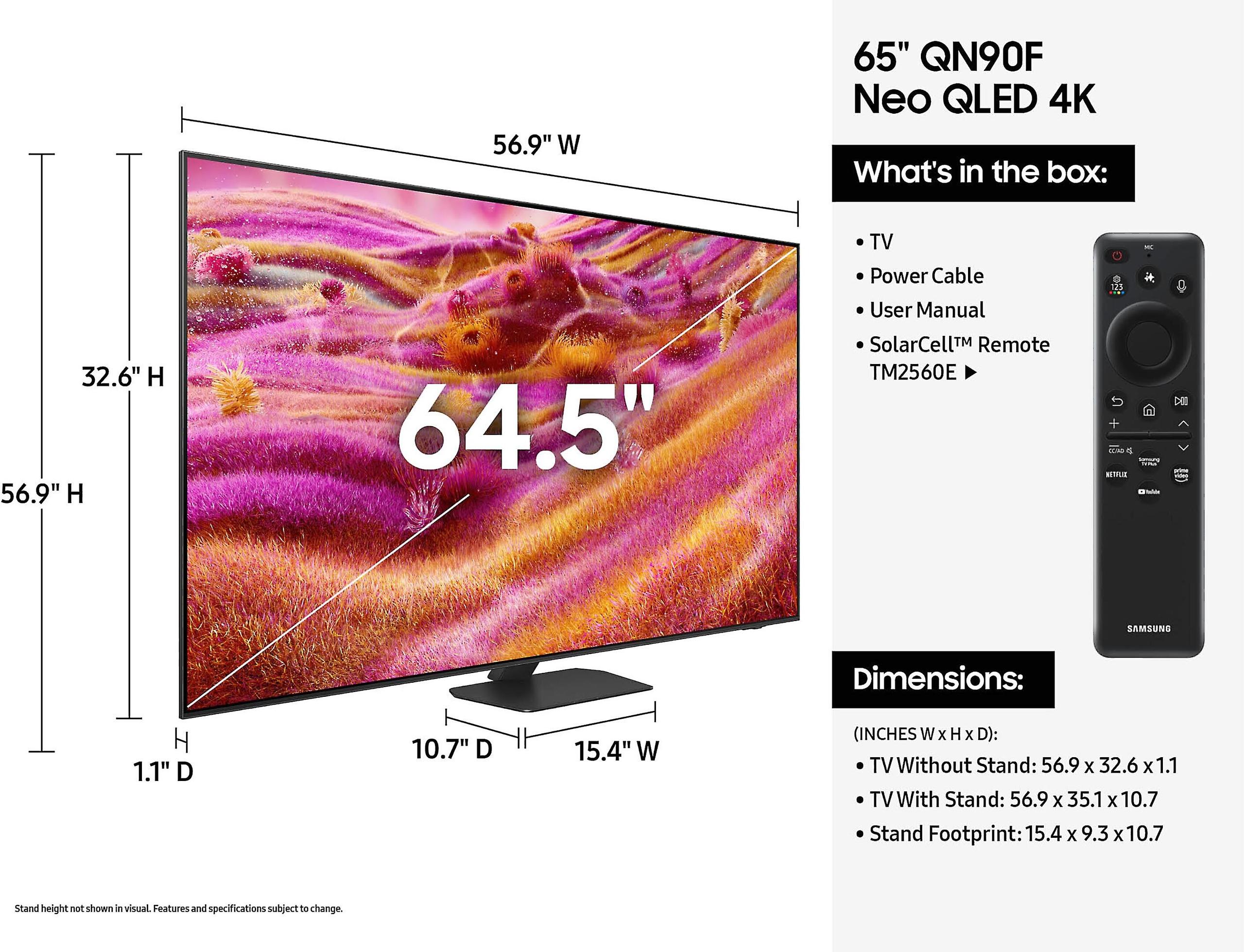
| Slim with premium stand included | Ultra-thin "One Wall Design" sits nearly flush when mounted |
| Best Use Case - Where each TV excels | |
| Bright rooms, mixed family viewing, worry-free operation | Dark rooms, movie enthusiasts, better value for performance |
The Samsung QN90F is significantly better for bright rooms due to its higher peak brightness (up to 1,900 nits) and Glare Free anti-reflective coating. The LG G4 can handle some ambient light but performs best in controlled lighting environments.
The core difference is display technology: the Samsung QN90F uses Mini LED backlighting with local dimming zones, while the LG G4 uses OLED technology where each pixel generates its own light. This affects brightness, contrast, and viewing angles differently.
The LG G4 typically provides better movie picture quality due to its perfect blacks and infinite contrast ratio, especially in dark scenes. However, the Samsung QN90F delivers more impactful bright highlights in HDR content.
Yes, both excel for gaming. The Samsung QN90F offers a higher 165Hz refresh rate and no burn-in risk for extended gaming sessions. The LG G4 provides nearly instantaneous response times and perfect blacks for atmospheric games.
The Samsung QN90F has no burn-in risk due to its Mini LED technology, making it worry-free for any content. The LG G4 has greatly improved burn-in resistance and includes a 5-year panel warranty that covers burn-in issues.
Both handle sports well, but the Samsung QN90F has an edge due to superior brightness and motion handling in bright room conditions where sports are often watched. The LG G4 also performs excellently but works best with controlled lighting.
The Samsung QN90F includes newer 2025 Vision AI features like gesture control and generative wallpaper. The LG G4 runs the proven webOS 24 platform with excellent app support but fewer AI enhancements.
Yes, both support HDR content. The Samsung QN90F supports HDR10+ Adaptive, while the LG G4 supports Dolby Vision, which is more widely used by streaming services like Netflix and Disney+.
The LG G4 typically offers better value, providing flagship-level picture quality with perfect blacks at a competitive price point. The Samsung QN90F commands a premium for its bright room performance and latest AI features.
The LG G4 maintains excellent picture quality from any viewing angle due to OLED technology. The Samsung QN90F has good viewing angles but shows some degradation when viewed from extreme side positions.
For dedicated home theater use in a dark room, the LG G4 typically provides a more cinematic experience with its perfect blacks and infinite contrast. The Samsung QN90F works better for multi-purpose rooms with varying lighting conditions.
Both the Samsung QN90F and LG G4 include decent 60W speaker systems with Dolby Atmos support. However, for the best home theater experience with these premium displays, a dedicated soundbar or surround sound system is recommended to match their excellent picture quality.
We've done our best to create useful and informative comparisons to help you decide what product to buy. Our research uses advanced automated methods to create this comparison and perfection is not possible - please contact us for corrections or questions. These are the sites we've researched in the creation of this article: rtings.com - images.samsung.com - youtube.com - listenup.com - youtube.com - cullenshomecenter.com - rtings.com - shopjetson.com - youtube.com - samsung.com - samsung.com - videoandaudiocenter.com - rtings.com - bestbuy.com - youtube.com - news.samsung.com - news.samsung.com - news.samsung.com - bestbuy.com - news.samsung.com - youtube.com - news.samsung.com - youtube.com - smarthomesounds.co.uk - hometechnologyreview.com - hometechnologyreview.com - whathifi.com - hometechnologyreview.com - youtube.com - tomsguide.com - tomsguide.com - smarthomesounds.co.uk - rtings.com - rtings.com - bhphotovideo.com - youtube.com - schaeferstv.com - bestbuy.com - costco.com - lg.com - lg.com - shopsilica.com - bestbuy.com - techradar.com - bestbuy.com - bestbuy.com - lg.com - lgnewsroom.com

Privacy Policy
Terms and Conditions - Affiliate Policy
Home Security
© Copyright 2008-2026.
11816 Inwood Rd #1211, Dallas, TX 75244