

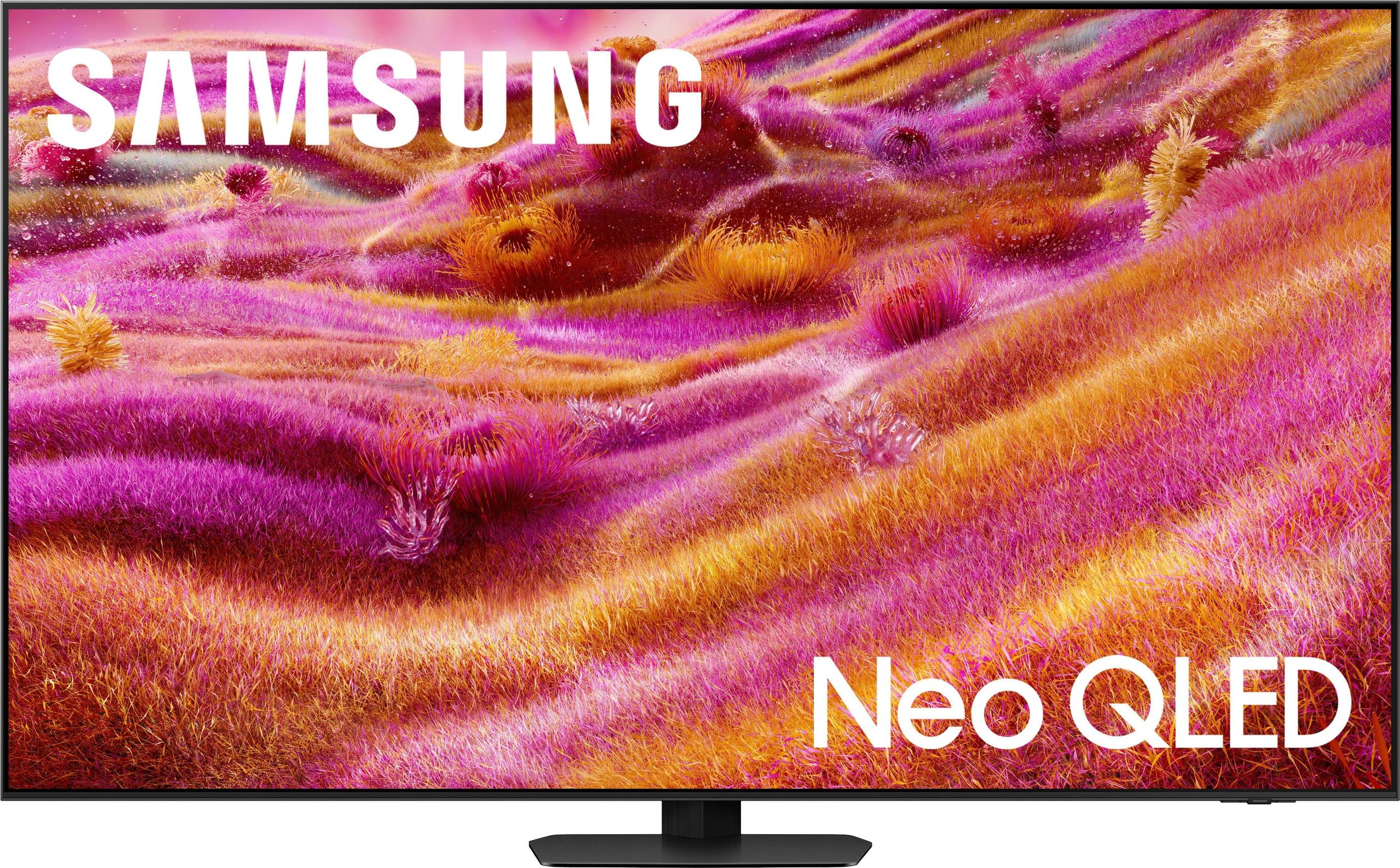
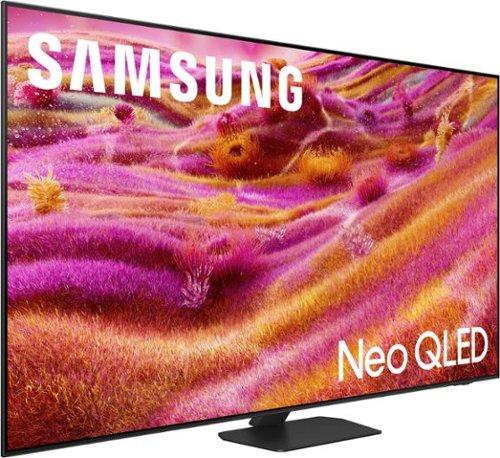
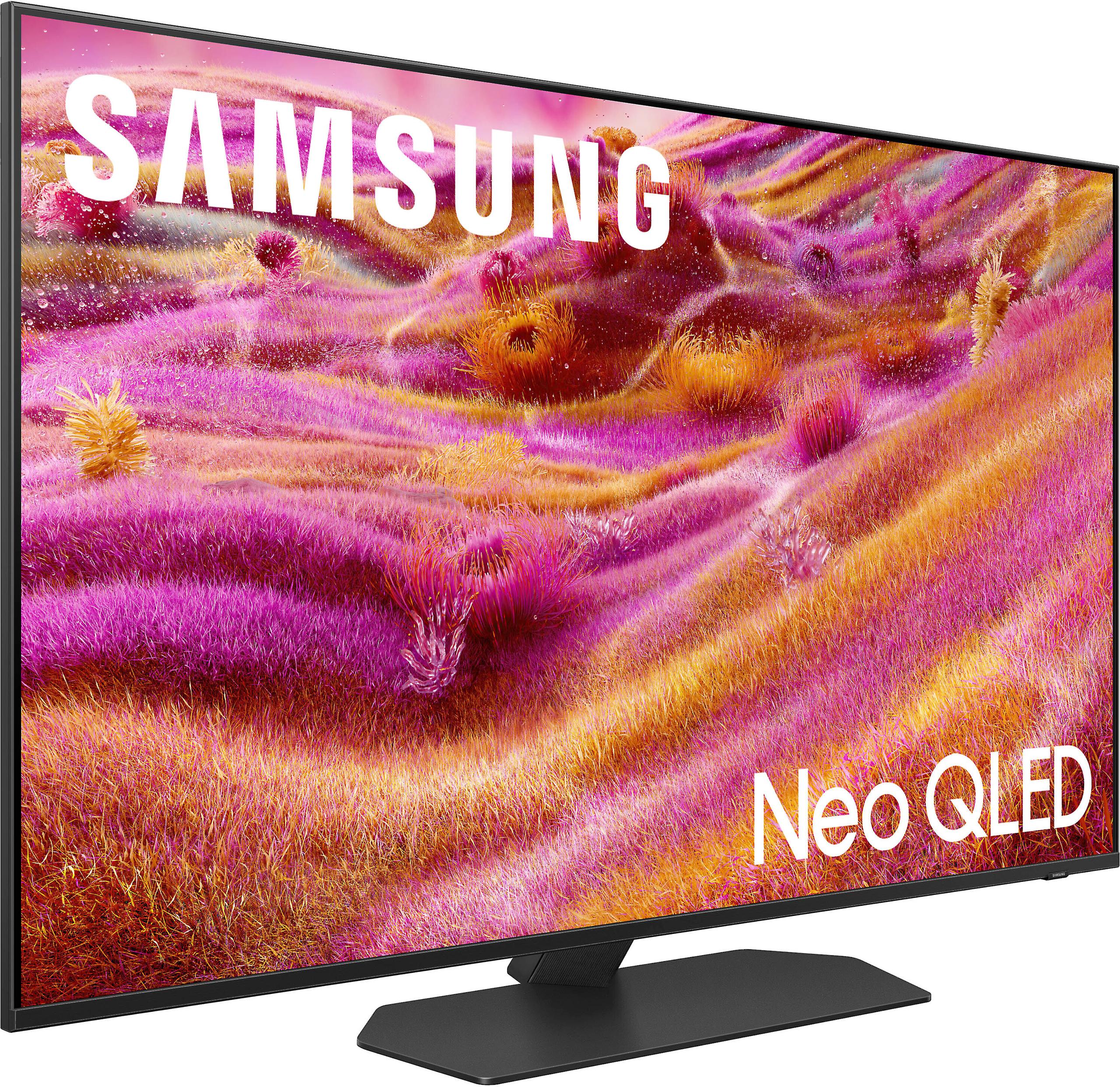
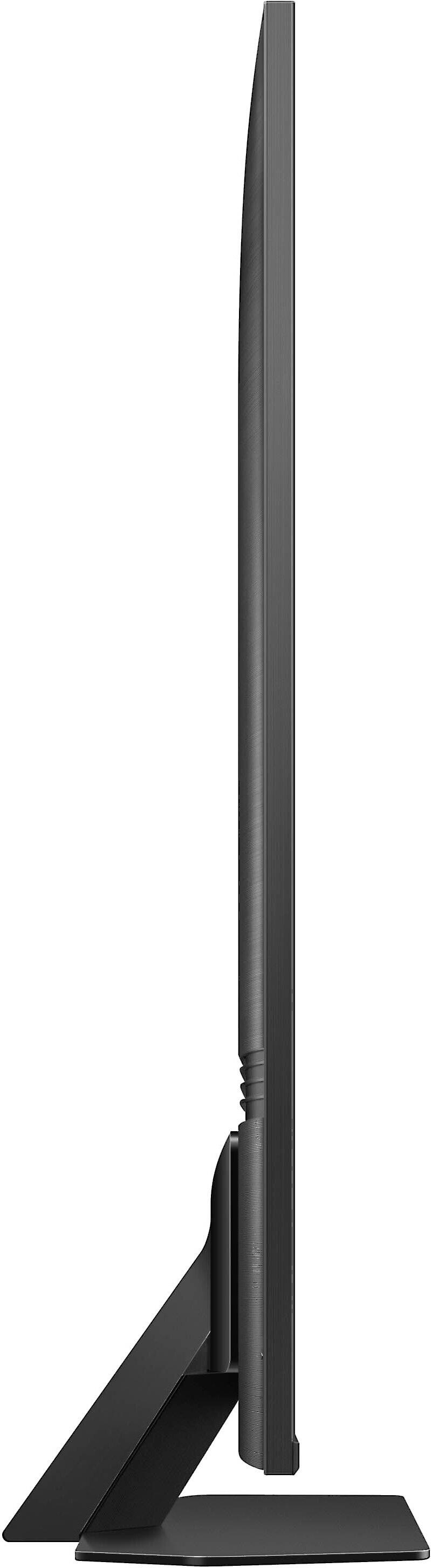
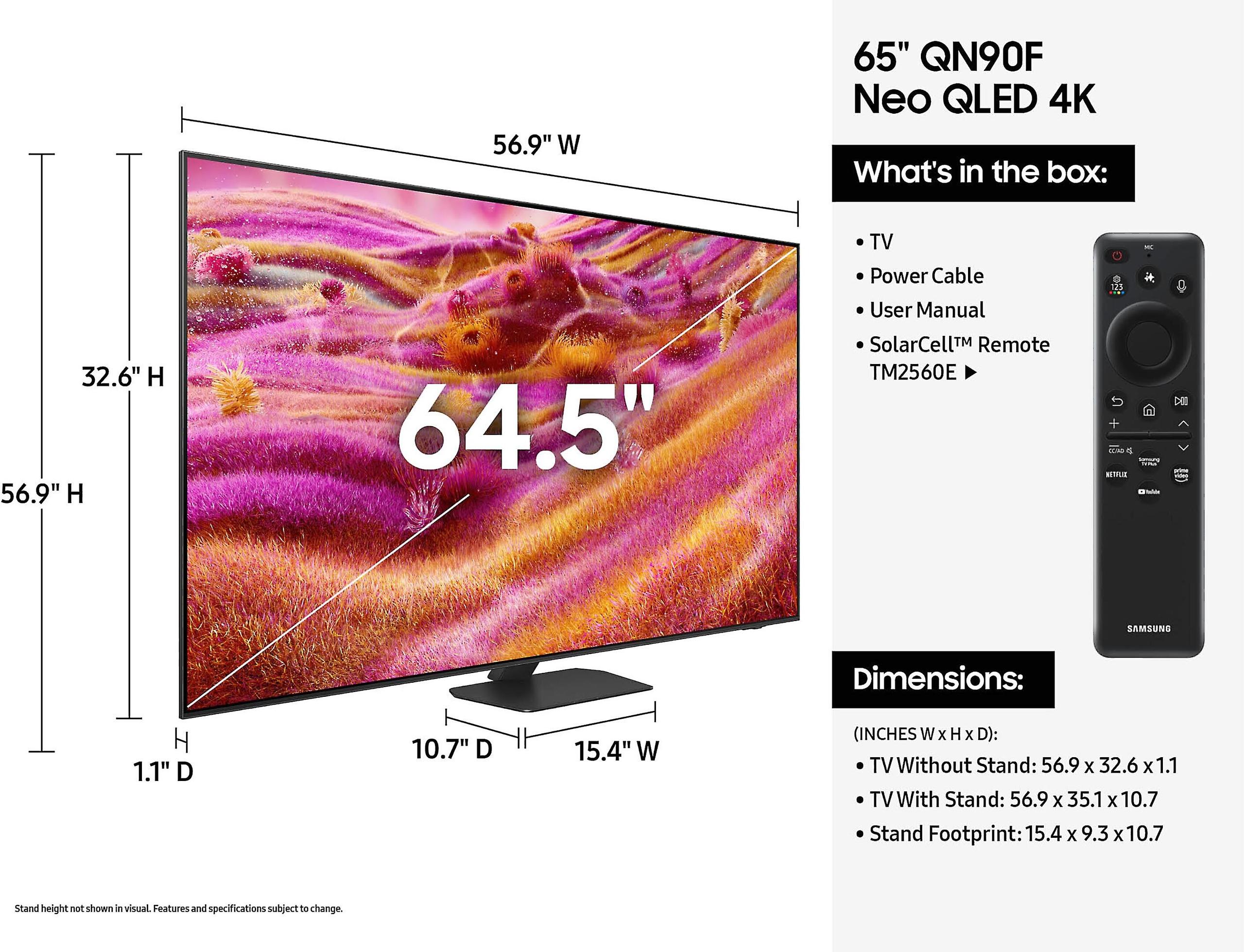

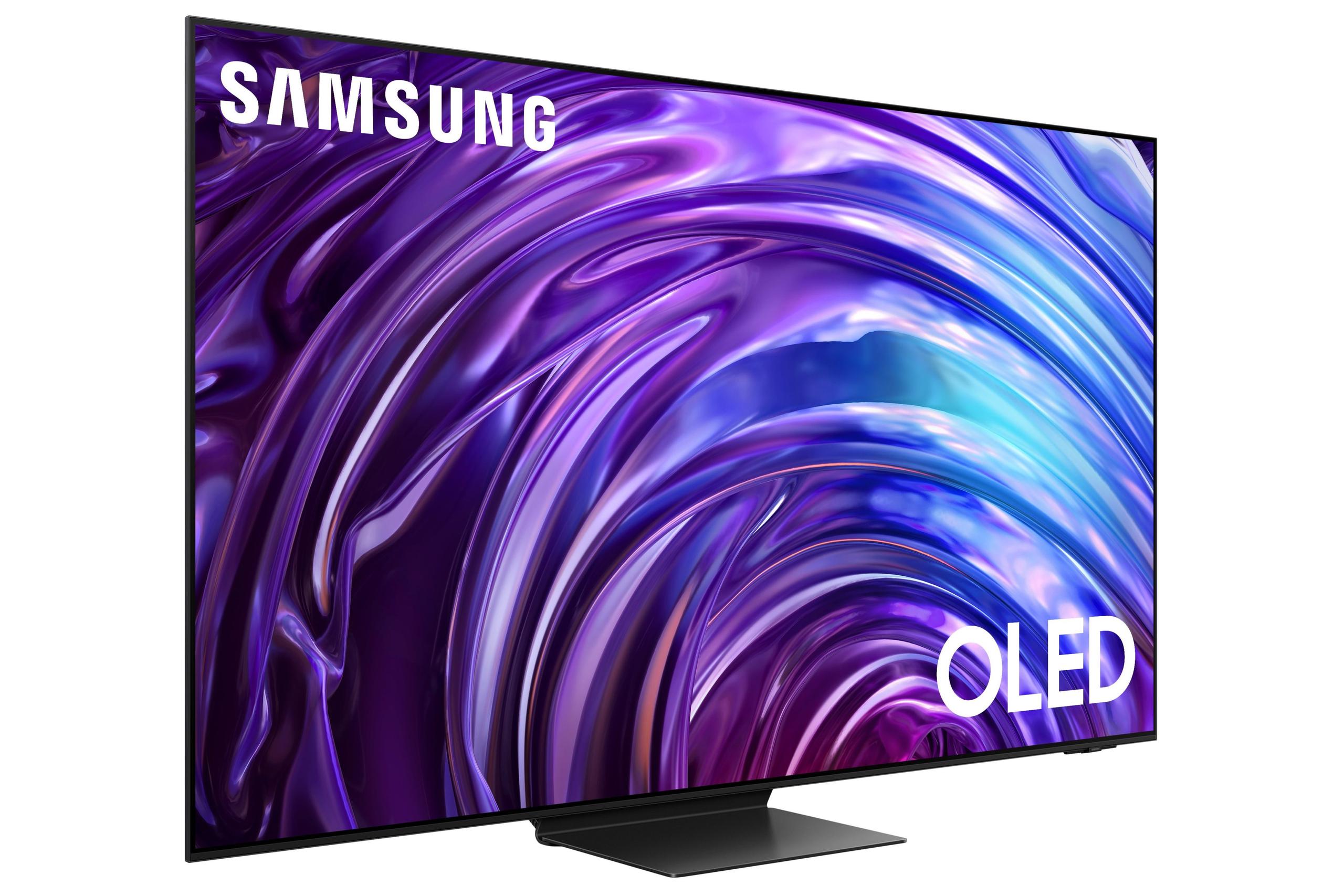
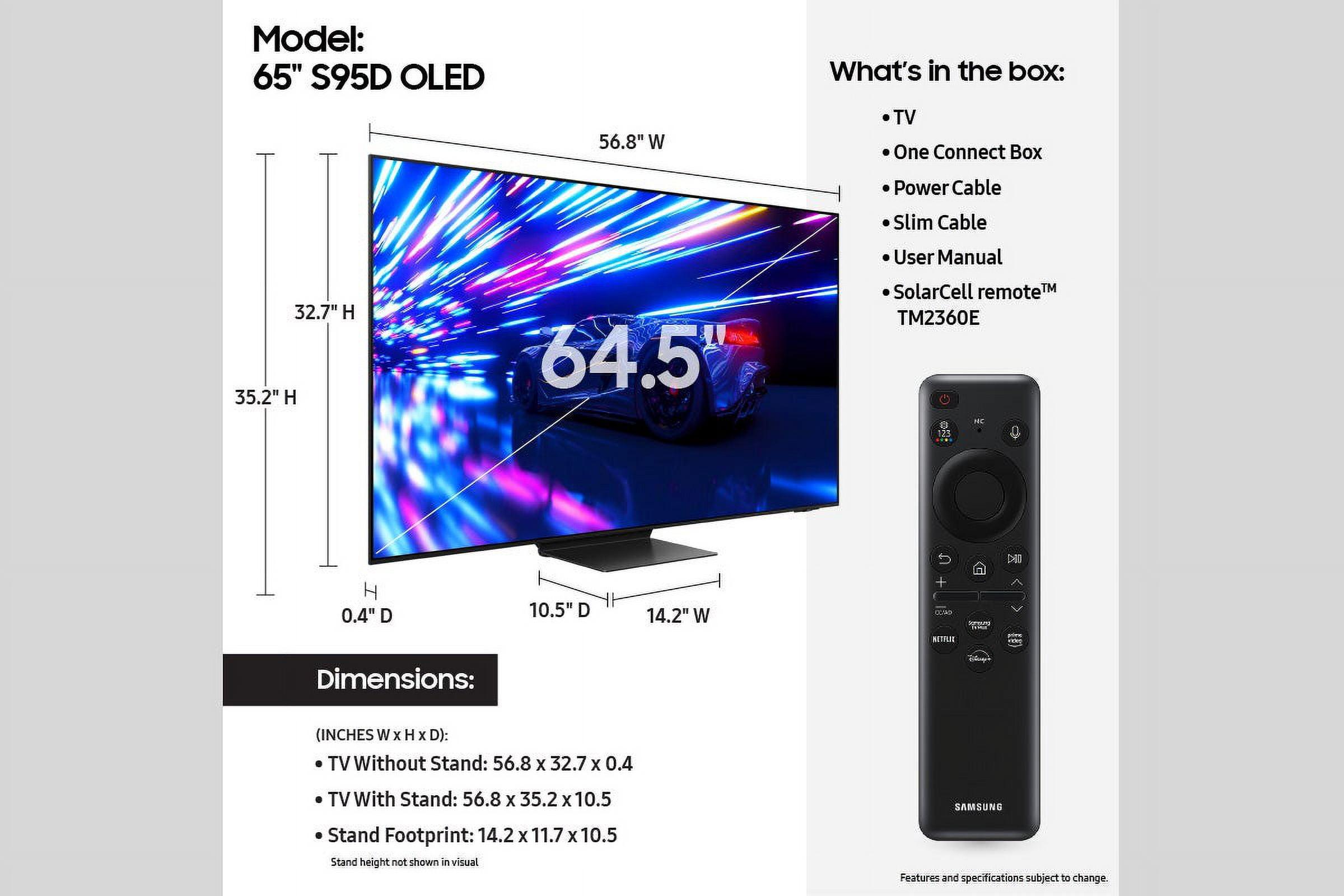
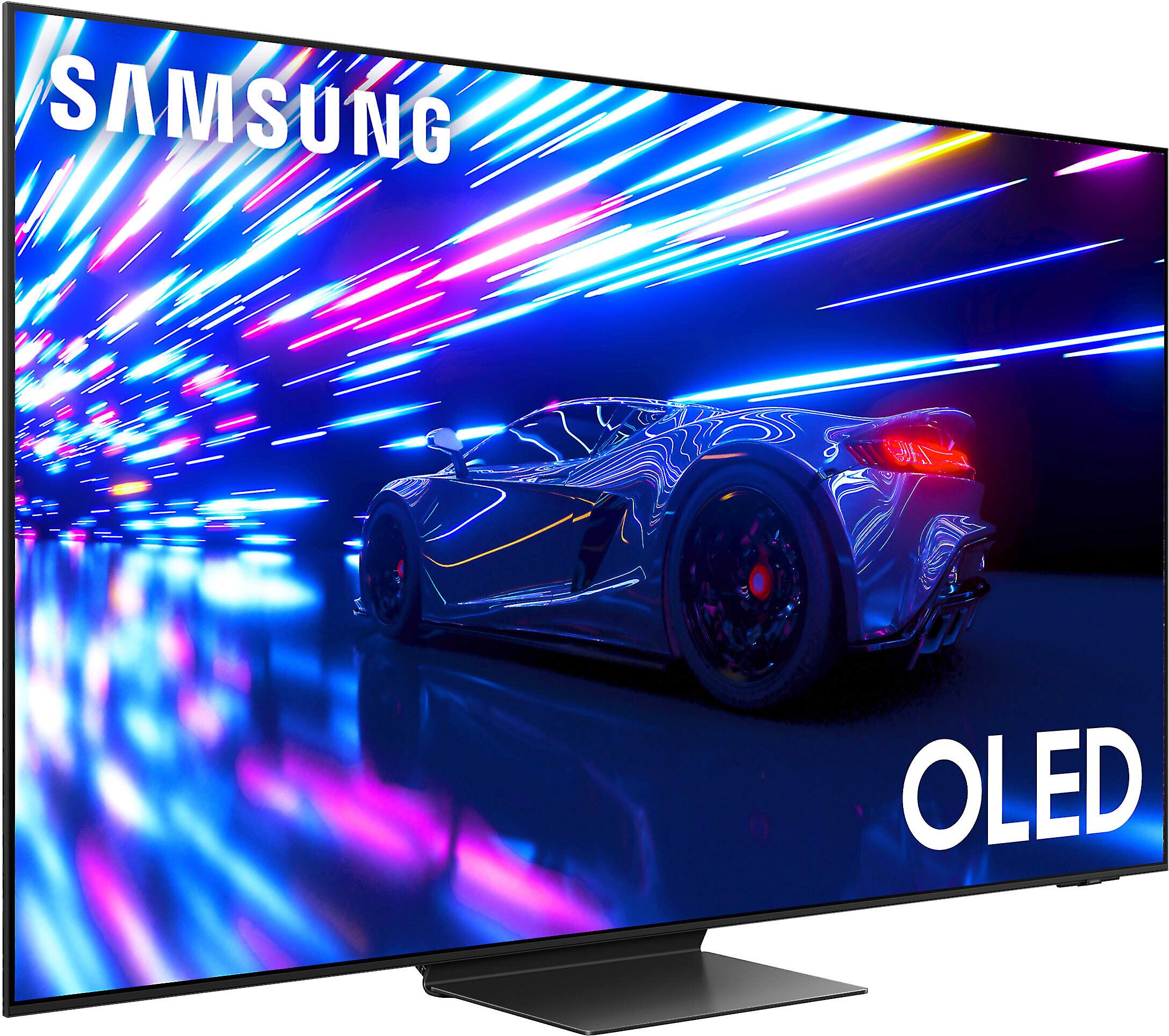
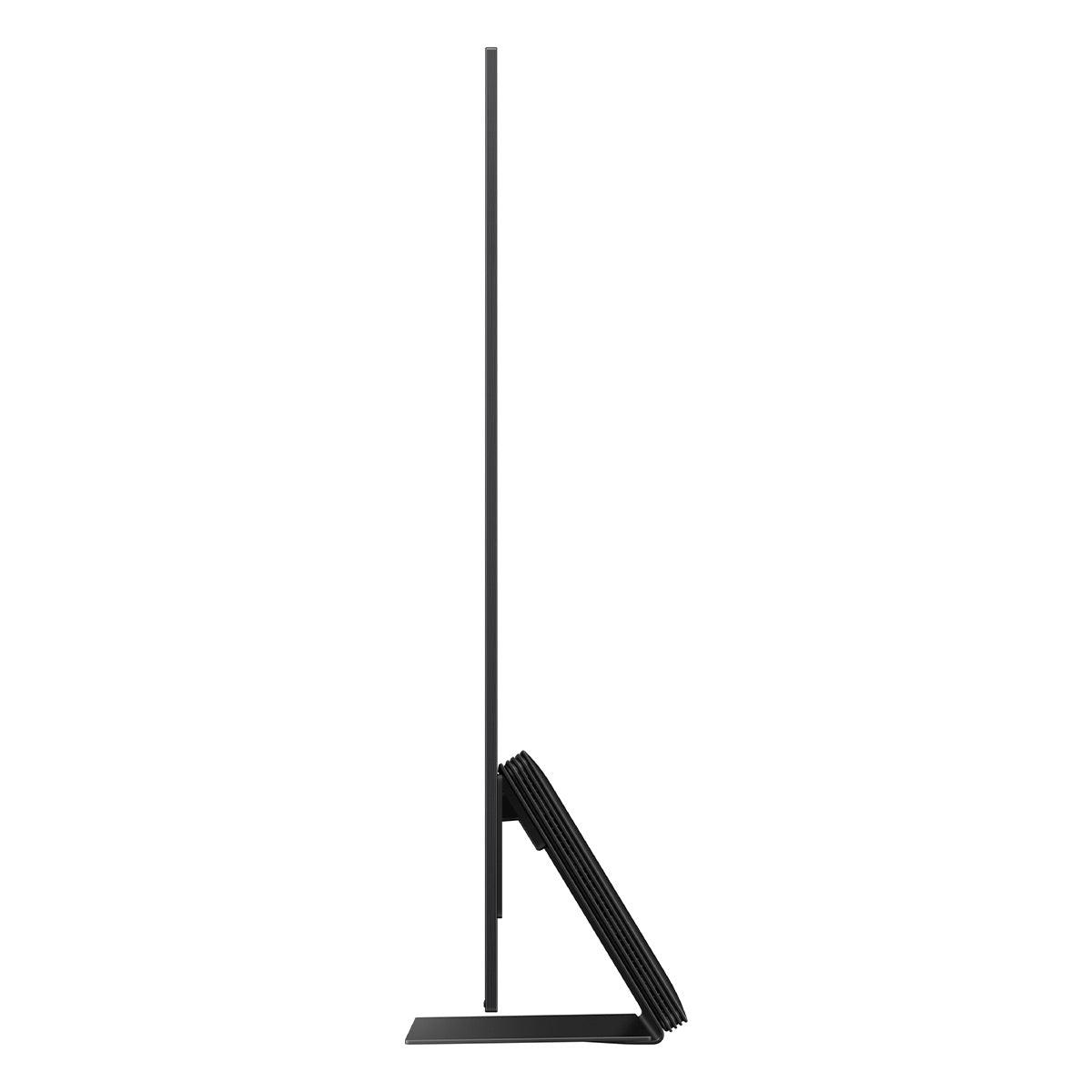
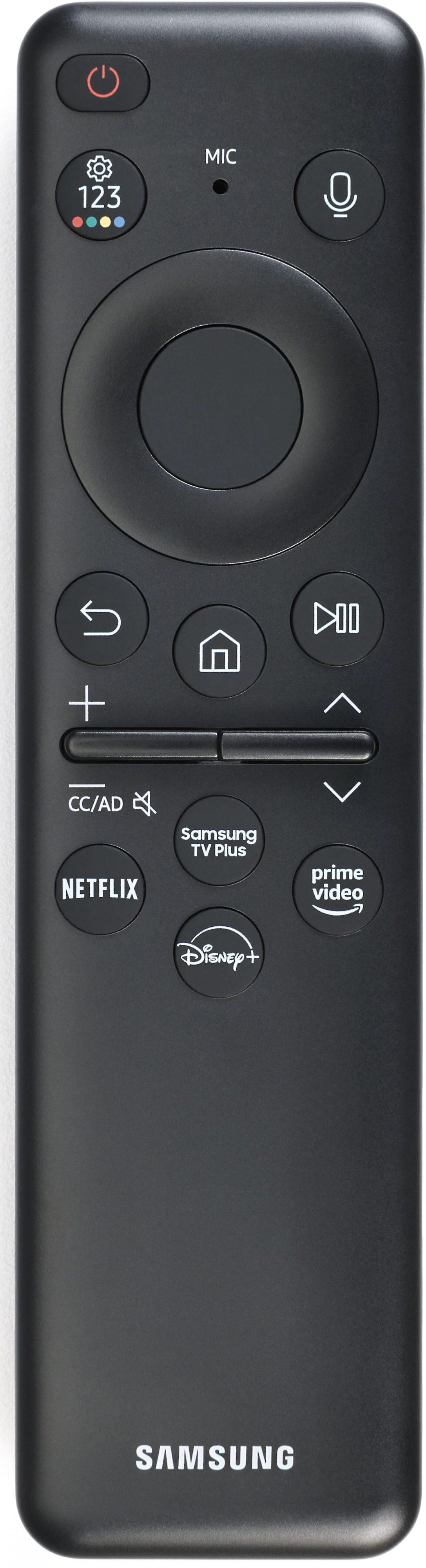
When you're ready to upgrade to a premium 65-inch TV, Samsung offers two compelling but fundamentally different options that showcase the best of modern display technology. The 2025 Samsung QN90F Neo QLED and the 2024 Samsung S95D OLED both deliver exceptional picture quality, but they take completely different approaches to get there.
Understanding these differences isn't just about comparing specs—it's about finding which technology better matches your room, viewing habits, and entertainment priorities. After spending time with both displays and analyzing their real-world performance, I'll help you navigate this decision with clear explanations of what makes each TV special and who should consider which option.
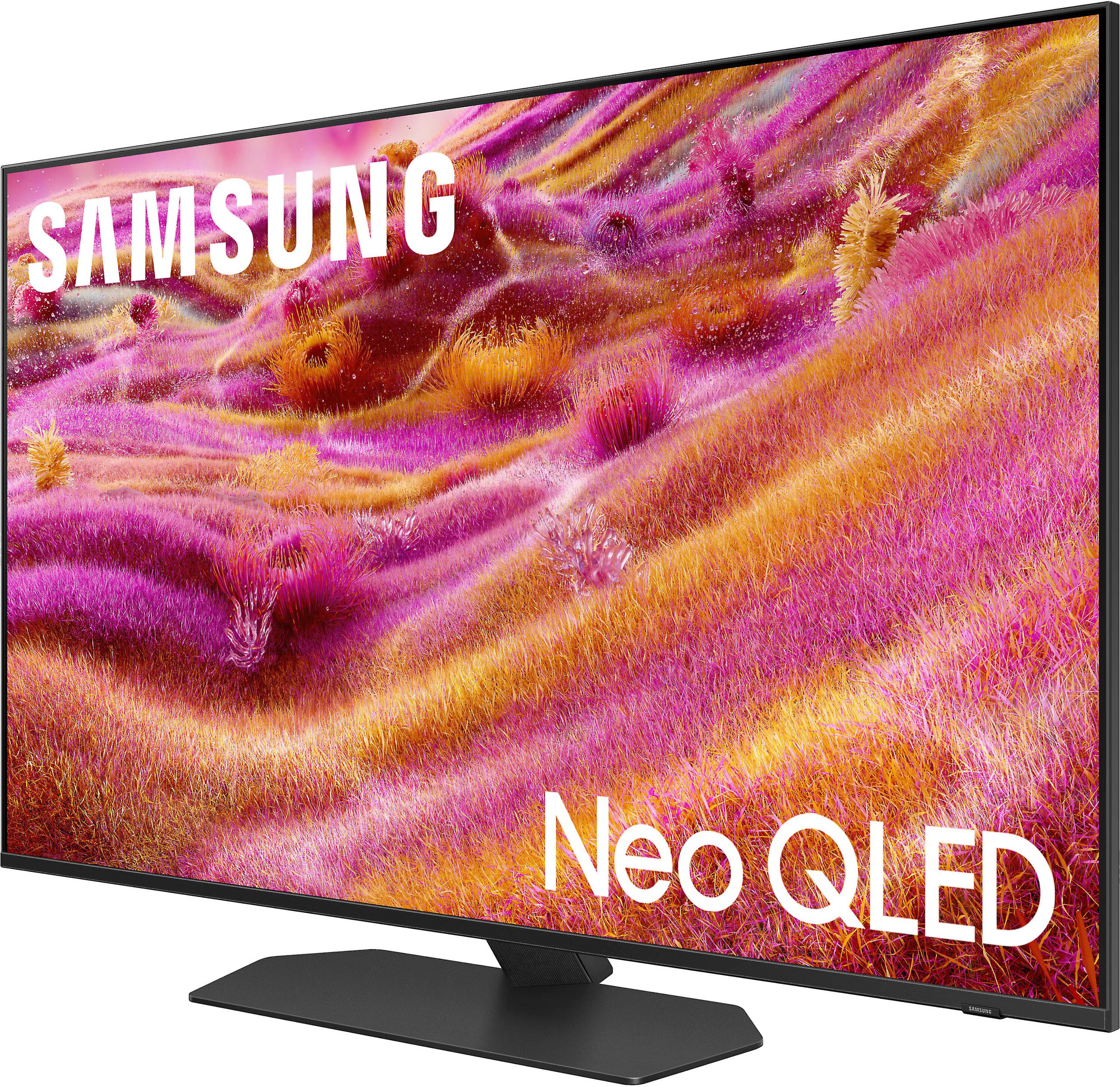
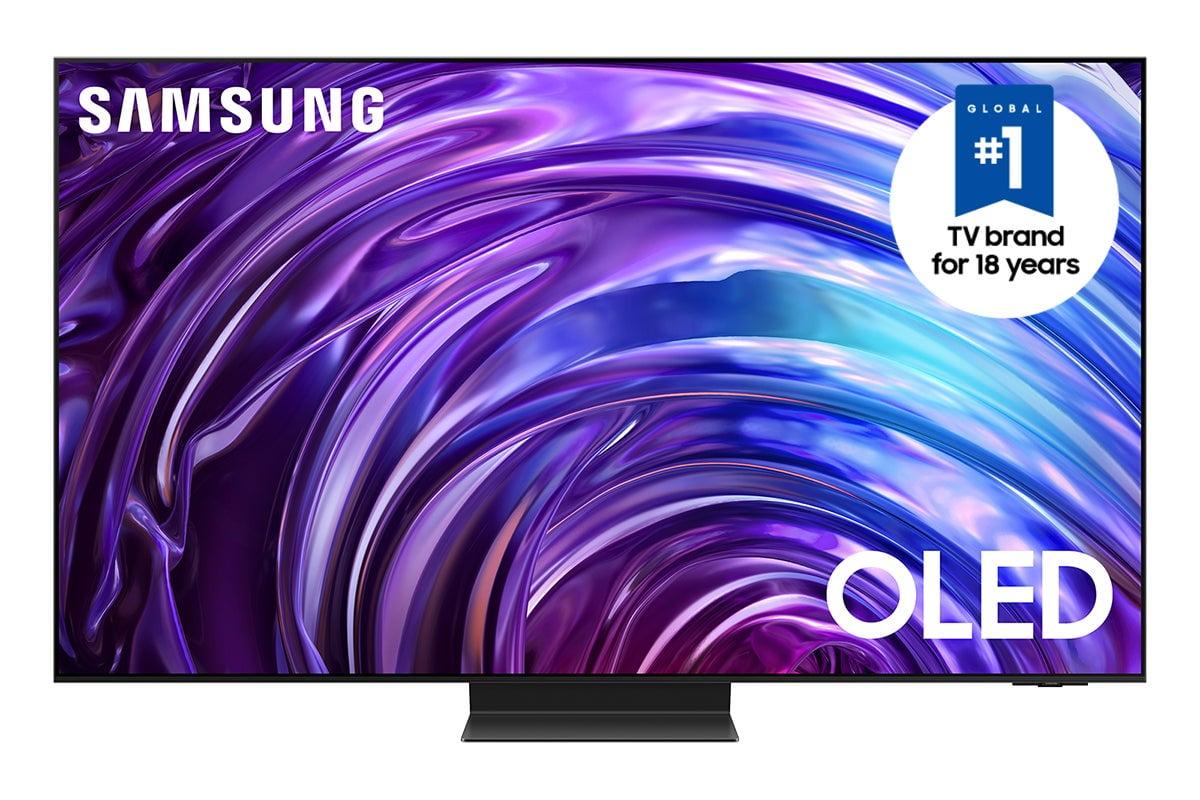
The fundamental difference between these TVs lies in how they create the images you see. The QN90F uses Mini LED Neo QLED technology, while the S95D employs QD-OLED technology. These aren't just marketing terms—they represent entirely different approaches to displaying content.
Mini LED technology works by placing thousands of tiny LEDs behind an LCD panel that's enhanced with quantum dots (microscopic particles that convert light to specific colors). Think of it like having thousands of tiny flashlights precisely controlling the brightness behind your TV screen. The QN90F can selectively dim or brighten different zones of these LEDs, creating what's called "local dimming." This allows dark scenes to appear darker while bright scenes can get incredibly luminous.
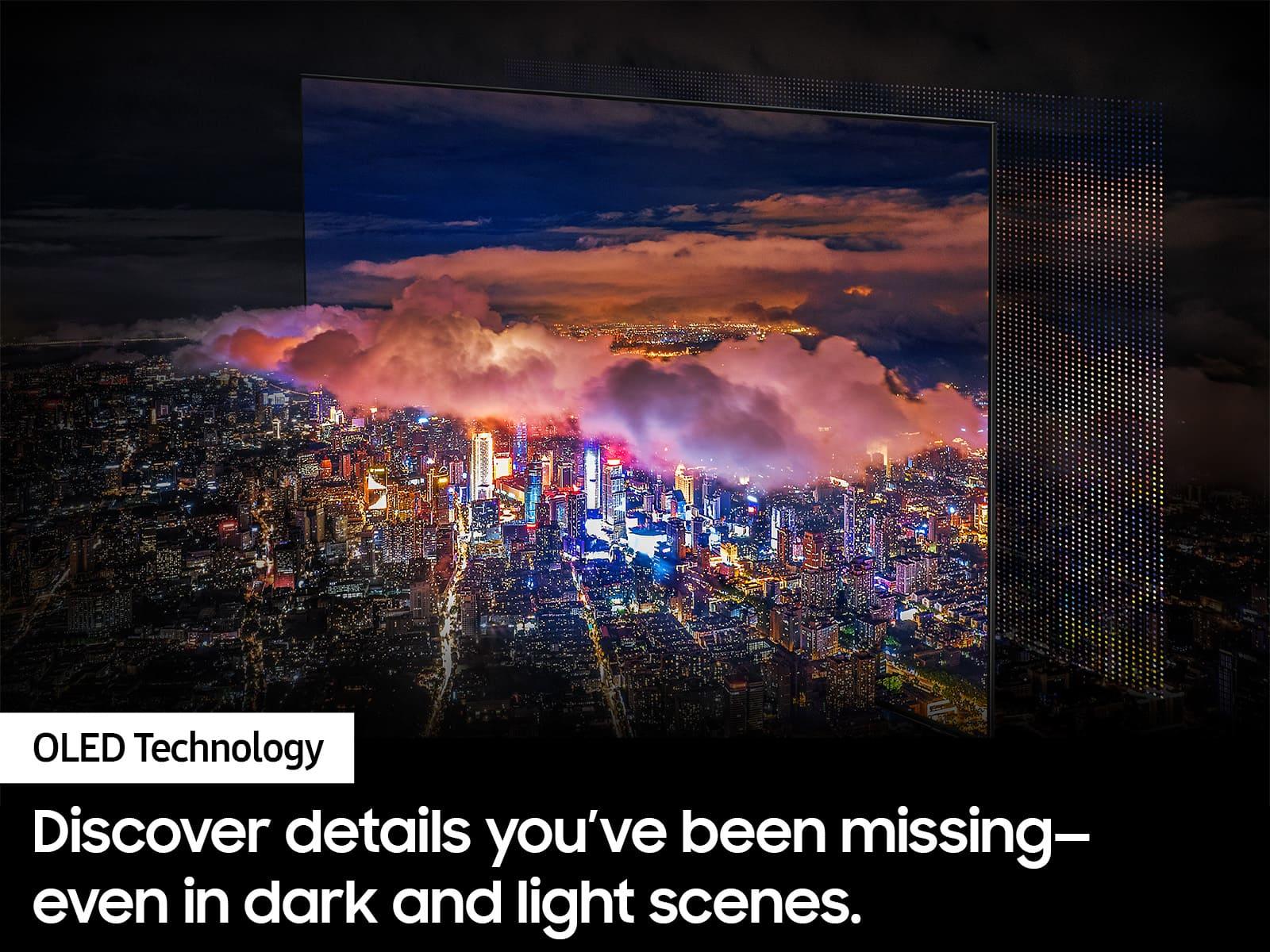
QD-OLED technology in the S95D takes a completely different approach. Each individual pixel generates its own light and can turn completely on or off independently. Imagine having millions of tiny colored light bulbs that can each control their own brightness and color—that's essentially what OLED does. When a pixel needs to be black, it simply turns off entirely, creating what's called "perfect blacks."
Since the S95D was released in 2024, Samsung has refined their QD-OLED technology significantly. The 2025 QN90F represents the latest evolution in Mini LED, incorporating advanced AI processing and improved local dimming algorithms that weren't available in previous generations.
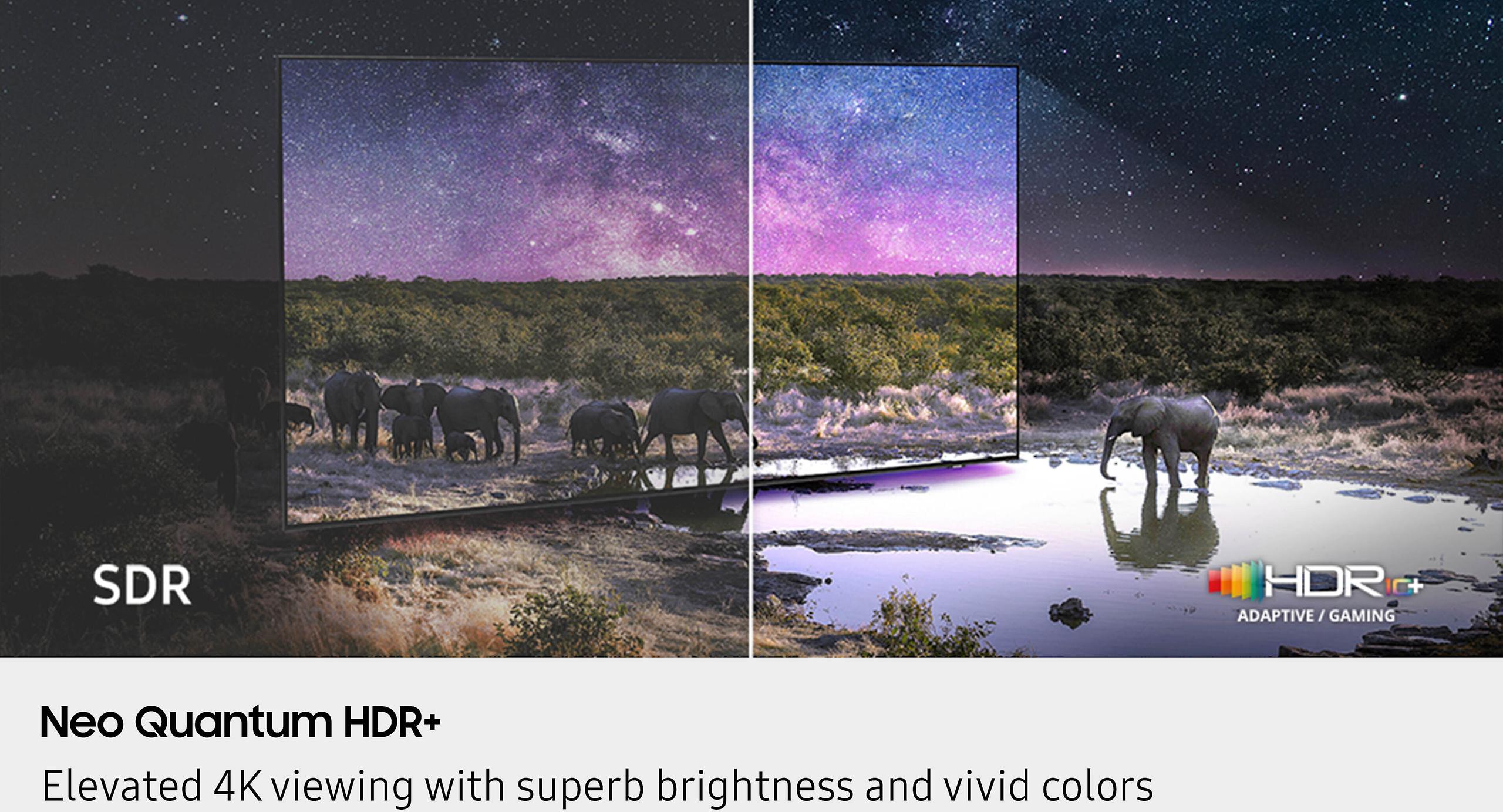
The most immediately noticeable difference between these TVs is how they handle brightness. The QN90F can achieve peak brightness levels around 2,000 nits in HDR content—that's bright enough to create realistic sunlight effects even in a brightly lit room. This advantage becomes crucial when you're watching content with dramatic lighting, like explosive action sequences or outdoor sports on a sunny day.
HDR (High Dynamic Range) content is designed to showcase both the brightest highlights and darkest shadows in the same scene. The QN90F's superior brightness means HDR fireworks, car headlights, or glowing lava look more realistic and impactful. In my experience testing both TVs, the difference in HDR brightness is immediately apparent when watching content like "Top Gun: Maverick" or nature documentaries with lots of sky and sunlight.
The S95D, while not as bright in peak highlights, typically reaches around 1,000-1,200 nits, which is still excellent for HDR content. Where it compensates is in how it handles the relationship between bright and dark elements in the same scene.
Here's where the S95D demonstrates the fundamental advantage of OLED technology. When a pixel needs to be black, it turns off completely—creating what display experts call "infinite contrast." This means that in a dark movie scene, the shadows are truly dark, not slightly gray as they might appear on LCD-based displays.
The QN90F has made significant improvements in black level performance compared to previous Mini LED TVs, but it still relies on backlighting zones. Even with thousands of dimming zones, there can be slight "blooming" around bright objects on dark backgrounds—imagine a street lamp at night appearing to have a subtle glow around it.
However, the contrast advantage isn't always as clear-cut as it might seem. In mixed lighting conditions where your room has some ambient light, the QN90F's higher brightness can actually provide better perceived contrast because the image maintains its impact against room lighting.
Both TVs deliver exceptional color performance, but through different methods. The S95D features Pantone-validated colors, meaning professional colorists have verified its accuracy against industry standards. This makes it particularly excellent for movies and shows where directors' color intentions are crucial.
The QN90F uses Samsung's Quantum Dot technology to achieve what's called "high color volume"—it can maintain vivid, accurate colors even at very high brightness levels. Traditional displays often see colors wash out as brightness increases, but quantum dots help maintain color saturation across the full brightness range.
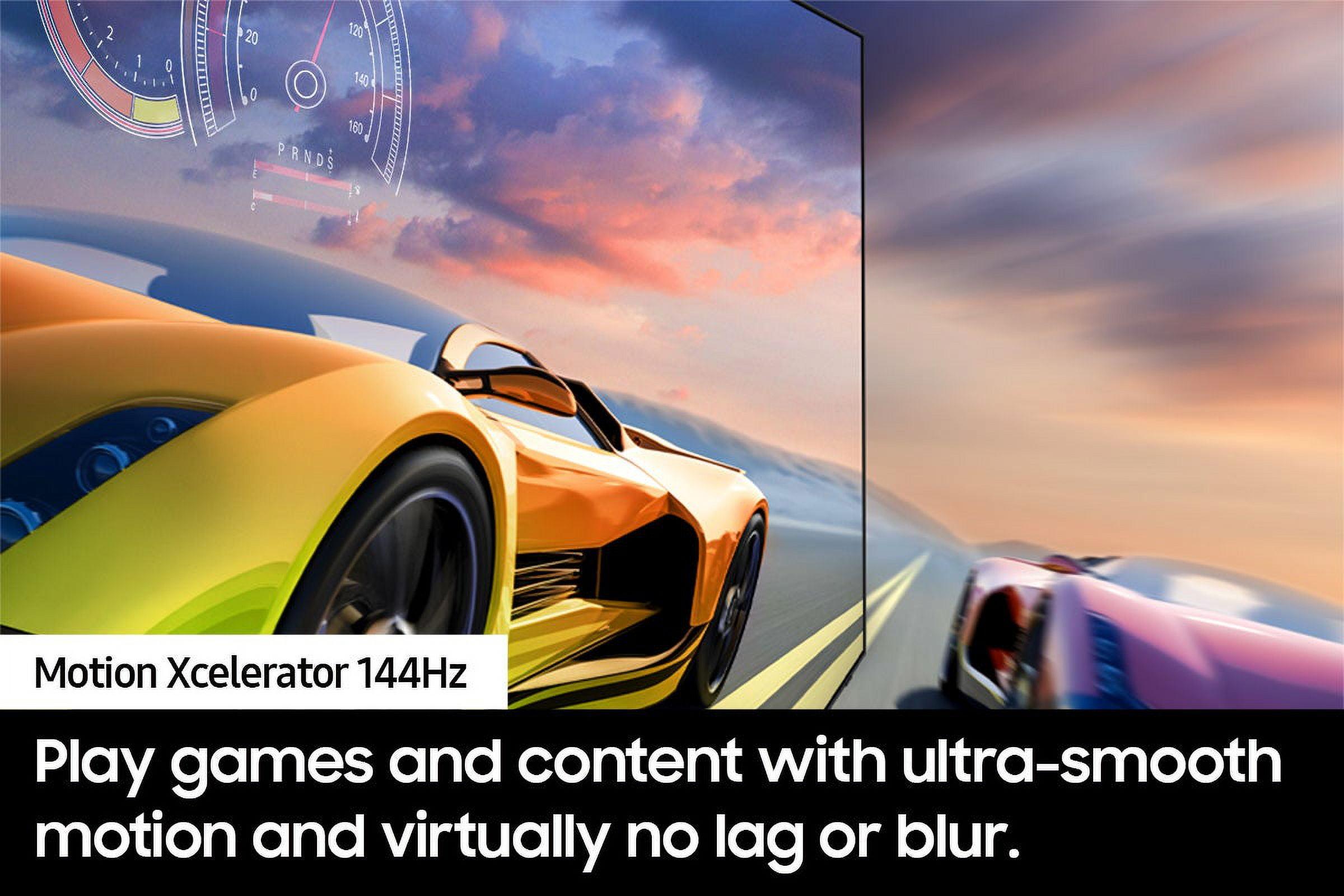
Both TVs excel for gaming, but they offer different advantages. The QN90F supports up to 165Hz refresh rate, compared to the S95D's 144Hz. While this difference might seem small, it can matter for competitive PC gaming where every frame counts.
Refresh rate refers to how many times per second the display can update the image. Higher refresh rates mean smoother motion in fast-paced games and can provide a competitive advantage in first-person shooters or racing games. Both TVs support Variable Refresh Rate (VRR), which synchronizes the display's refresh rate with your gaming device to eliminate screen tearing and stuttering.
Input lag—the delay between when you press a button and when the action appears on screen—is crucial for responsive gaming. Both TVs achieve approximately 9-10 milliseconds of input lag in Game Mode, which is excellent for competitive gaming. For context, anything under 20ms is considered very good for gaming.
The S95D's OLED technology provides near-instantaneous pixel response times, meaning there's virtually no motion blur when objects move quickly across the screen. The QN90F has improved motion handling compared to previous Mini LED generations, but OLED's inherent speed advantage remains noticeable in fast-moving games.
The QN90F introduces Samsung's Vision AI technology, which represents a significant leap forward in TV intelligence. This system uses on-device artificial intelligence to analyze what you're watching and automatically adjust picture and sound settings for optimal performance. It can recognize different types of content—sports, movies, gaming—and apply appropriate enhancements.
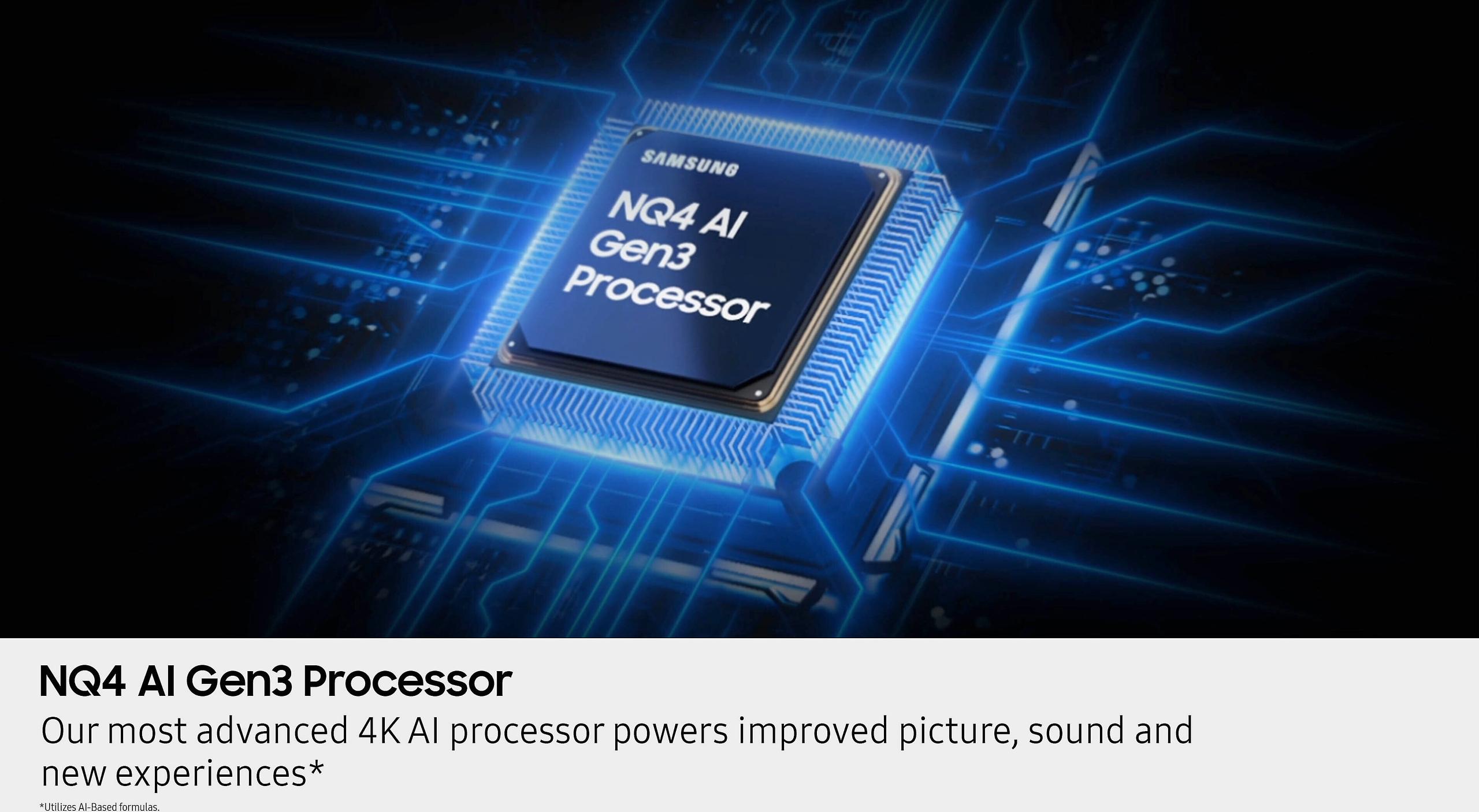
The NQ4 AI Gen3 processor in the QN90F uses 128 neural networks to handle 4K AI upscaling. This means lower-resolution content from streaming services, cable TV, or older media gets intelligently enhanced to look better on the 4K display. The improvement is particularly noticeable with older TV shows or sports broadcasts that weren't originally filmed in 4K.
The S95D uses the previous-generation NQ4 AI Gen2 processor with 20 specialized networks. While not as advanced as the 2025 version, it still provides excellent upscaling and smart features. Both TVs run Samsung's Tizen operating system, which offers access to all major streaming apps and services.
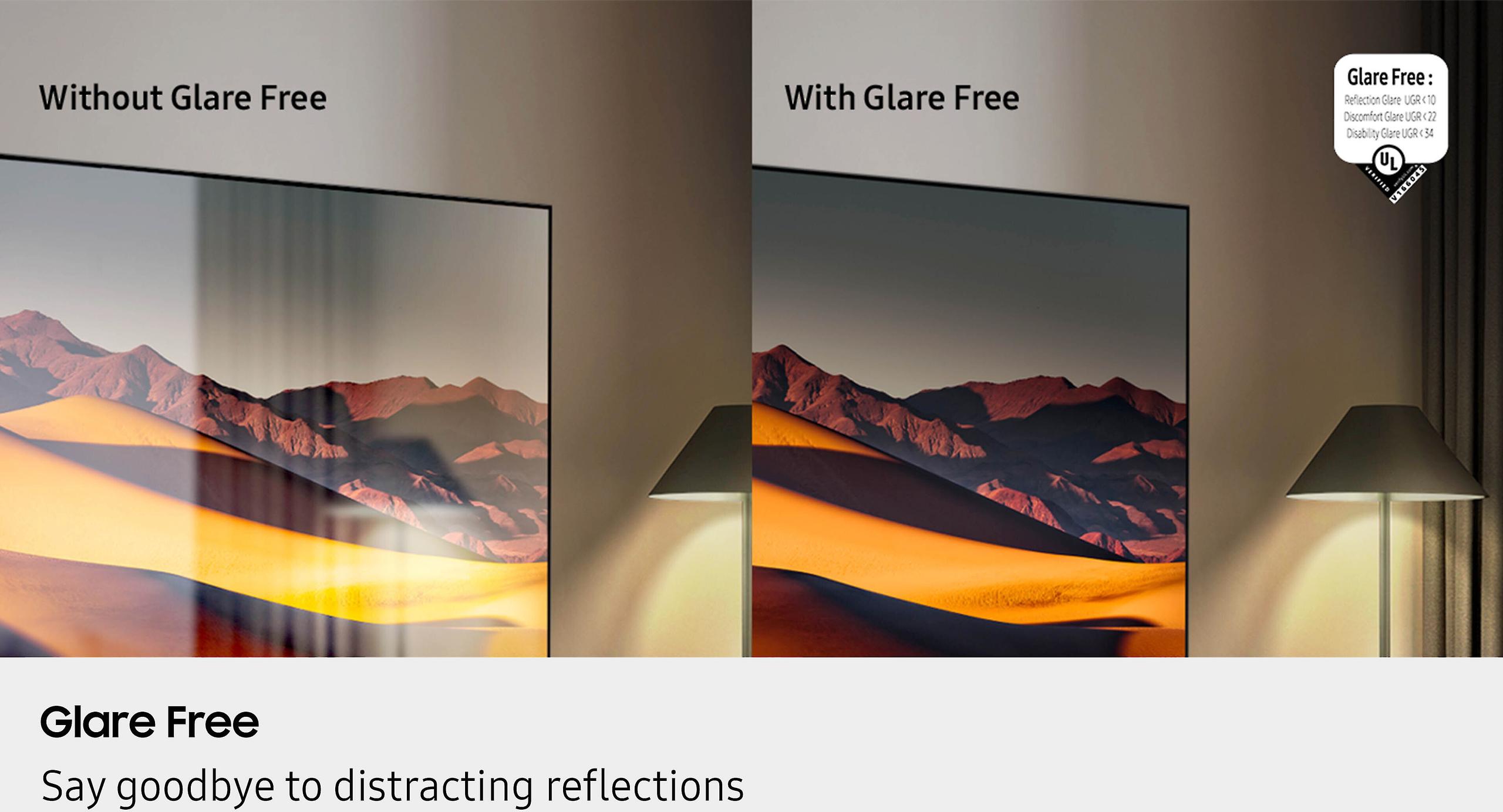
One of the most important practical considerations is how these TVs perform in your actual viewing environment. Both models feature anti-glare technology, but they handle room lighting differently.
The QN90F combines high brightness with glare-free screen coating, making it exceptionally well-suited for bright rooms with windows or multiple light sources. You can watch during the day without closing curtains or dimming lights, and the image remains vibrant and clear.
The S95D was groundbreaking when it introduced matte anti-glare coating to OLED technology in 2024. This coating significantly reduces reflections compared to traditional glossy OLED screens, though it doesn't quite match the bright-room performance of the QN90F.
For home theater setups where you can control lighting, the S95D's superior contrast and perfect blacks create a more cinematic experience. The deep blacks help create that "disappearing screen" effect that home theater enthusiasts prize, where the TV seems to become a window into another world.
Both TVs include sophisticated audio systems, though neither replaces a dedicated sound system for serious home theater use. The QN90F features a 60W 4.2.2 channel system with Dolby Atmos support, while the S95D includes Object Tracking Sound+ technology.
Dolby Atmos creates three-dimensional sound by using height channels to place audio objects in space around you. Object Tracking Sound+ analyzes what's happening on screen and moves audio to match—so when a car drives from left to right, the sound follows realistically.
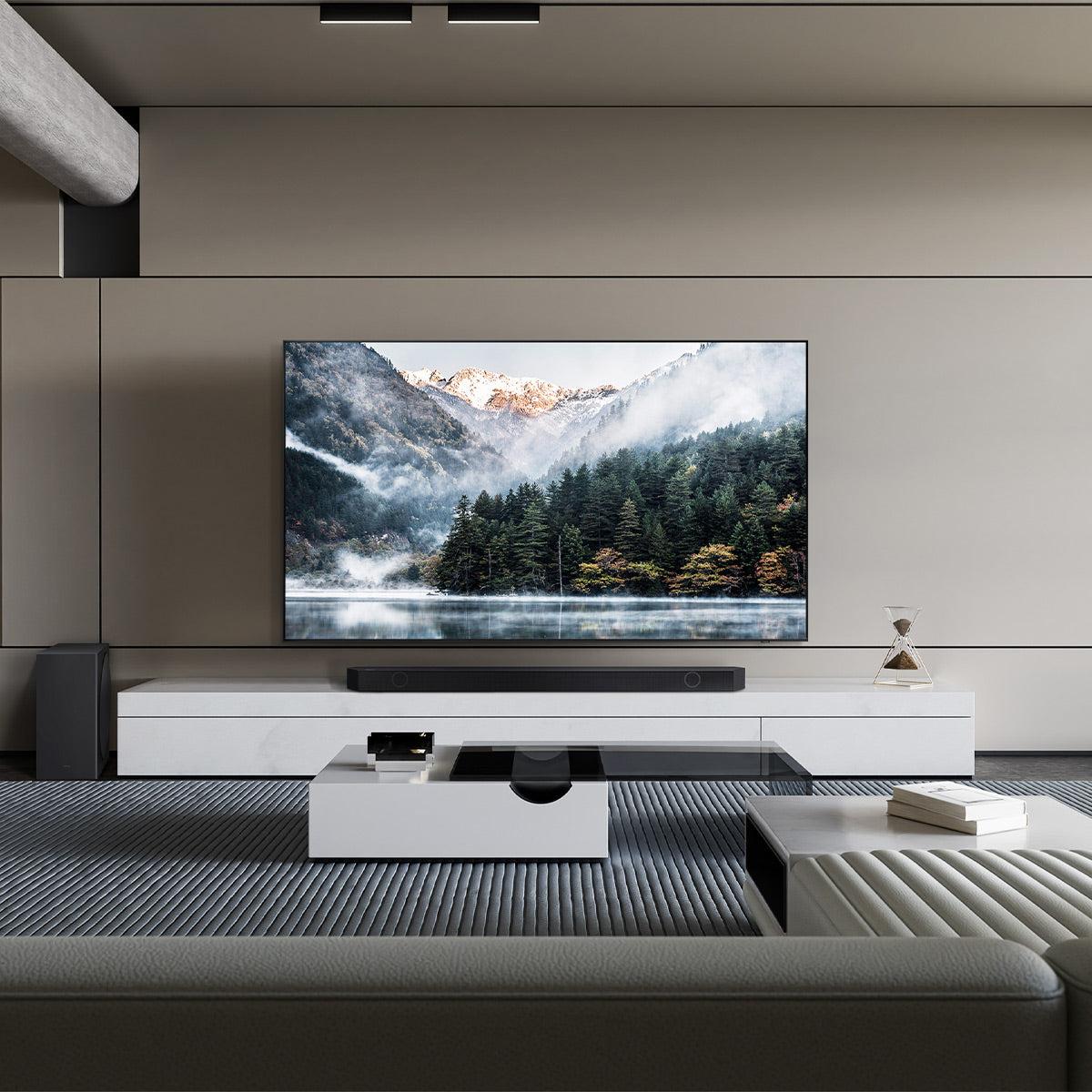
Both TVs benefit significantly from pairing with a soundbar, particularly for home theater use. Their built-in speakers are adequate for casual viewing but can't match the impact and clarity of dedicated audio equipment.
At the time of writing, the S95D typically costs several hundred dollars less than the QN90F, reflecting both its 2024 vintage and Samsung's pricing strategy for their OLED lineup. This price difference makes the value equation interesting.
The S95D offers flagship-level picture quality at a more accessible price point, particularly for buyers who prioritize movie and TV show viewing over gaming or bright-room performance. It represents mature, proven technology that delivers exceptional results.
The QN90F commands a premium for its 2025 technology, latest AI features, and superior bright-room performance. The question becomes whether these advantages justify the higher cost for your specific use case.
After extensive evaluation of both displays, here's my recommendation framework:
Choose the QN90F Neo QLED if you:
Choose the S95D OLED if you:
For home theater enthusiasts, the S95D generally provides a more cinematic experience with its superior contrast and perfect blacks, assuming you can control room lighting. The QN90F works better in multi-purpose living spaces where the TV needs to perform well in various lighting conditions.
For gaming-focused buyers, the QN90F offers slight advantages with higher refresh rates and latest gaming features, though both are excellent gaming displays.
For value-conscious buyers, the S95D delivers flagship performance at a lower price point, representing excellent value for premium picture quality.
Both TVs represent the pinnacle of their respective technologies and will provide years of exceptional viewing experiences. Your decision should ultimately center on your viewing environment, primary use cases, and budget priorities. Either choice represents a significant upgrade over mainstream TVs and showcases why premium displays can transform your home entertainment experience.
The display technology landscape continues evolving rapidly, but both the QN90F and S95D represent mature, refined implementations of their respective technologies that will remain competitive for years to come.
| Samsung 65" QN90F Neo QLED 4K Vision AI Smart TV 2025 | Samsung 65" S95D 4K OLED Smart TV |
|---|---|
| Display Technology - Determines core picture quality characteristics | |
| Mini LED Neo QLED with Quantum Matrix Pro | QD-OLED with self-emissive pixels |
| Peak Brightness - Critical for HDR impact and bright room viewing | |
| ~2,000 nits (exceptional for daytime viewing) | ~1,200 nits (excellent but less bright room capable) |
| Black Level Performance - Affects contrast and movie experience | |
| Very good with minimal blooming | Perfect blacks with infinite contrast |
| Refresh Rate - Important for gaming and sports smoothness | |
| 165Hz (cutting-edge for competitive gaming) | 144Hz (excellent for current gaming needs) |
| Anti-Glare Technology - Reduces reflections in bright rooms | |
| Glare-free screen coating (excellent bright room performance) | Matte anti-glare coating (good reflection control) |
| Processor & AI Features - Handles upscaling and smart functionality | |
| NQ4 AI Gen3 with Vision AI (128 neural networks) | NQ4 AI Gen2 (20 specialized networks, proven performance) |
| HDR Support - Affects compatibility with premium content | |
| HDR10+ only (no Dolby Vision support) | HDR10+ only (no Dolby Vision support) |
| Input Lag - Critical for responsive gaming | |
| ~9ms in Game Mode (excellent for competitive gaming) | ~9ms in Game Mode (excellent for competitive gaming) |
| Audio System - Built-in sound quality | |
| 60W 4.2.2CH with Dolby Atmos | Dolby Atmos with Object Tracking Sound+ |
| Release Year & Software Support - Affects longevity | |
| 2025 model (longer update lifecycle expected) | 2024 model (mature but shorter remaining support) |
| Burn-in Risk - Long-term durability consideration | |
| No burn-in risk (LCD-based technology) | Minimal modern OLED burn-in risk with proper use |
| Best Use Cases - Who should choose each option | |
| Bright rooms, latest features, competitive gaming | Dark rooms, cinematic viewing, value-focused buyers |
The Samsung S95D OLED generally provides better picture quality for movies due to its perfect blacks and infinite contrast ratio. OLED technology allows each pixel to turn completely off, creating true blacks that make dark movie scenes look more realistic. However, the Samsung QN90F Neo QLED excels in bright scenes with its superior HDR brightness, making highlights more impactful.
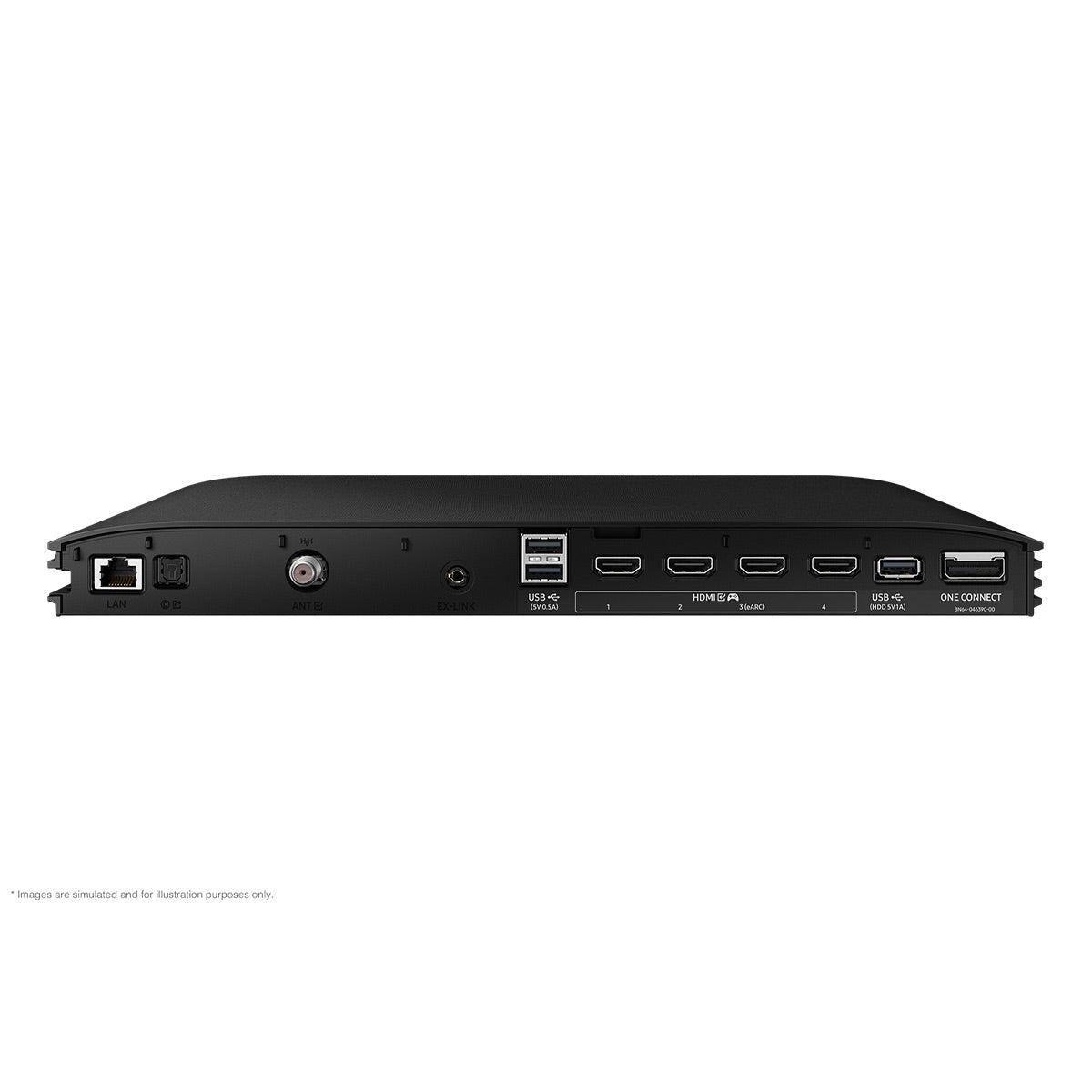
The Samsung QN90F Neo QLED uses Mini LED technology with thousands of tiny LEDs behind an LCD panel for precise backlighting control. The Samsung S95D OLED uses self-emissive pixels that generate their own light and can turn completely on or off. Mini LED excels in brightness while OLED provides perfect blacks and better contrast.
The Samsung QN90F Neo QLED is significantly better for bright rooms due to its higher peak brightness (~2,000 nits) and glare-free screen technology. The Samsung S95D OLED has anti-glare coating but cannot match the bright room performance of the Mini LED display, though it's still watchable in moderate lighting.
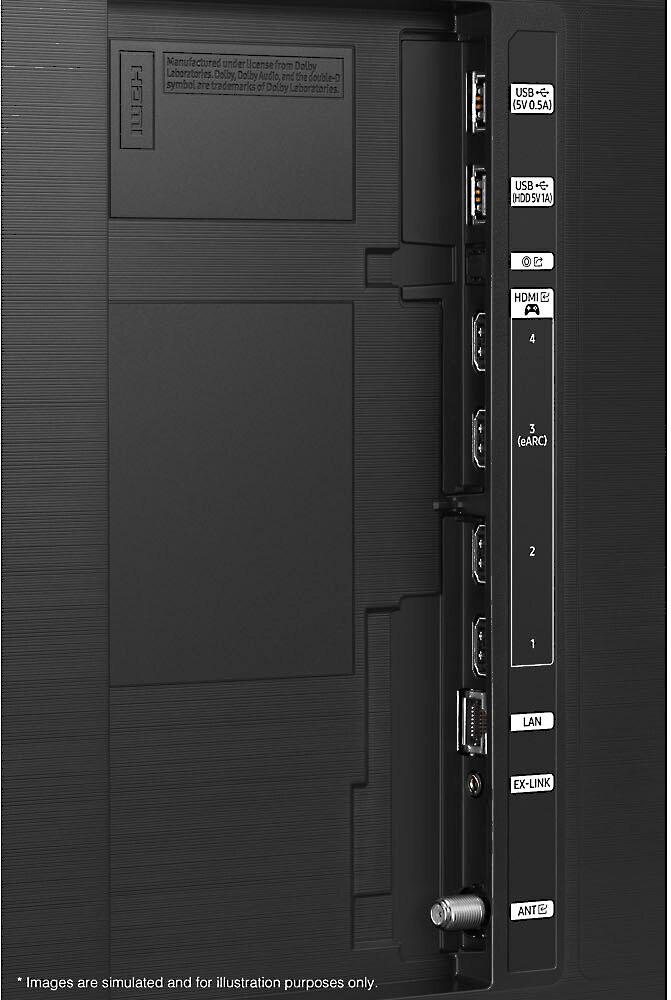
Both TVs are excellent for gaming, but the Samsung QN90F Neo QLED has a slight edge with its 165Hz refresh rate compared to the Samsung S95D OLED's 144Hz. Both offer ~9ms input lag, VRR support, and four HDMI 2.1 ports. The OLED provides better motion clarity while the Mini LED offers higher refresh rates for competitive PC gaming.
Neither the Samsung QN90F Neo QLED nor the Samsung S95D OLED supports Dolby Vision HDR. Both TVs only support HDR10+ format. This is a limitation across Samsung's TV lineup, though both still deliver excellent HDR performance with their supported formats.
The Samsung QN90F Neo QLED features newer smart technology with Samsung Vision AI and the NQ4 AI Gen3 processor with 128 neural networks. The Samsung S95D OLED uses the previous-generation NQ4 AI Gen2 processor. Both run Tizen OS with access to all major streaming apps, but the newer Mini LED has more advanced AI features.
The Samsung QN90F Neo QLED has no burn-in risk since it uses LCD technology. The Samsung S95D OLED has minimal burn-in risk with modern OLED technology and proper usage habits. Samsung includes burn-in protection features, and burn-in is much less common than with older OLED displays.
For dedicated home theater rooms with controlled lighting, the Samsung S95D OLED typically provides a more cinematic experience with perfect blacks and superior contrast. The Samsung QN90F Neo QLED works better in multi-purpose rooms where lighting varies throughout the day.
Both the Samsung QN90F Neo QLED and Samsung S95D OLED feature Dolby Atmos support and similar audio quality. The Mini LED has a 60W 4.2.2 channel system while the OLED includes Object Tracking Sound+. Both benefit from pairing with a dedicated soundbar for optimal home theater audio.
The Samsung S95D OLED typically offers better value as a discounted 2024 flagship model with proven OLED performance. The Samsung QN90F Neo QLED commands a premium for its 2025 technology and Vision AI features. Your choice depends on whether you prioritize savings or cutting-edge features.
The Samsung QN90F Neo QLED offers 165Hz refresh rate while the Samsung S95D OLED provides 144Hz. Both are excellent for sports, with the higher refresh rate providing slightly smoother motion. The OLED's near-instantaneous pixel response also contributes to clear motion in fast-paced sports content.
The Samsung QN90F Neo QLED as a 2025 model should receive longer software support and updates compared to the 2024 Samsung S95D OLED. Samsung typically provides 4-5 years of major updates, so the newer Mini LED TV offers better long-term software longevity.
We've done our best to create useful and informative comparisons to help you decide what product to buy. Our research uses advanced automated methods to create this comparison and perfection is not possible - please contact us for corrections or questions. These are the sites we've researched in the creation of this article: rtings.com - images.samsung.com - youtube.com - listenup.com - youtube.com - cullenshomecenter.com - rtings.com - shopjetson.com - youtube.com - samsung.com - samsung.com - videoandaudiocenter.com - rtings.com - bestbuy.com - youtube.com - news.samsung.com - news.samsung.com - news.samsung.com - bestbuy.com - news.samsung.com - youtube.com - news.samsung.com - youtube.com - smarthomesounds.co.uk - techradar.com - videoandaudiocenter.com - avsforum.com - cnet.com - abt.com - merlinstv.com - nfm.com - rtings.com - flintsfurniture.com - samsung.com - bestbuy.com - displayspecifications.com

Privacy Policy
Terms and Conditions - Affiliate Policy
Home Security
© Copyright 2008-2026.
11816 Inwood Rd #1211, Dallas, TX 75244