

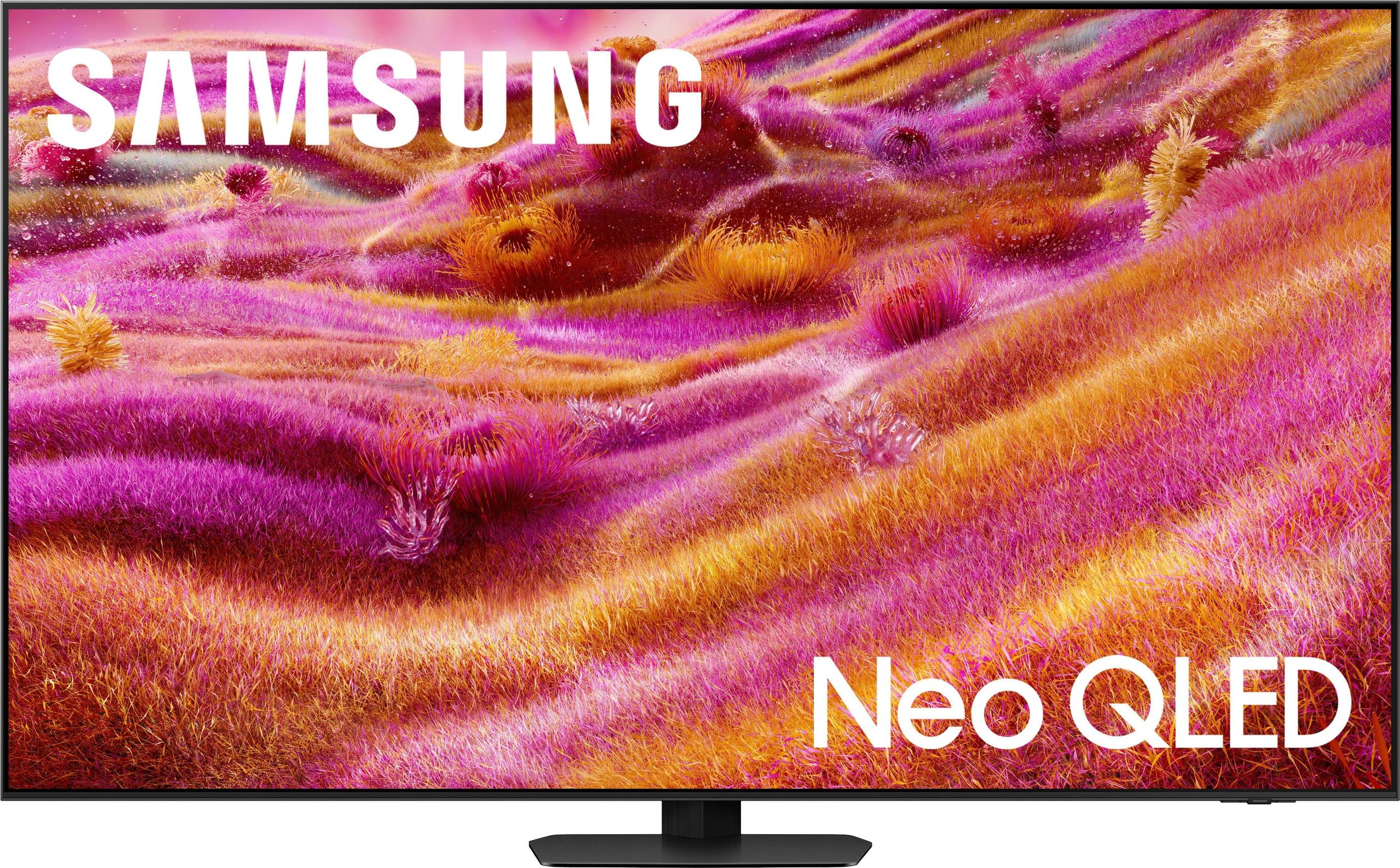
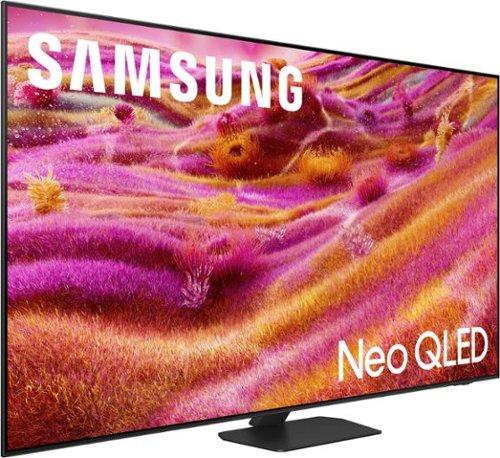
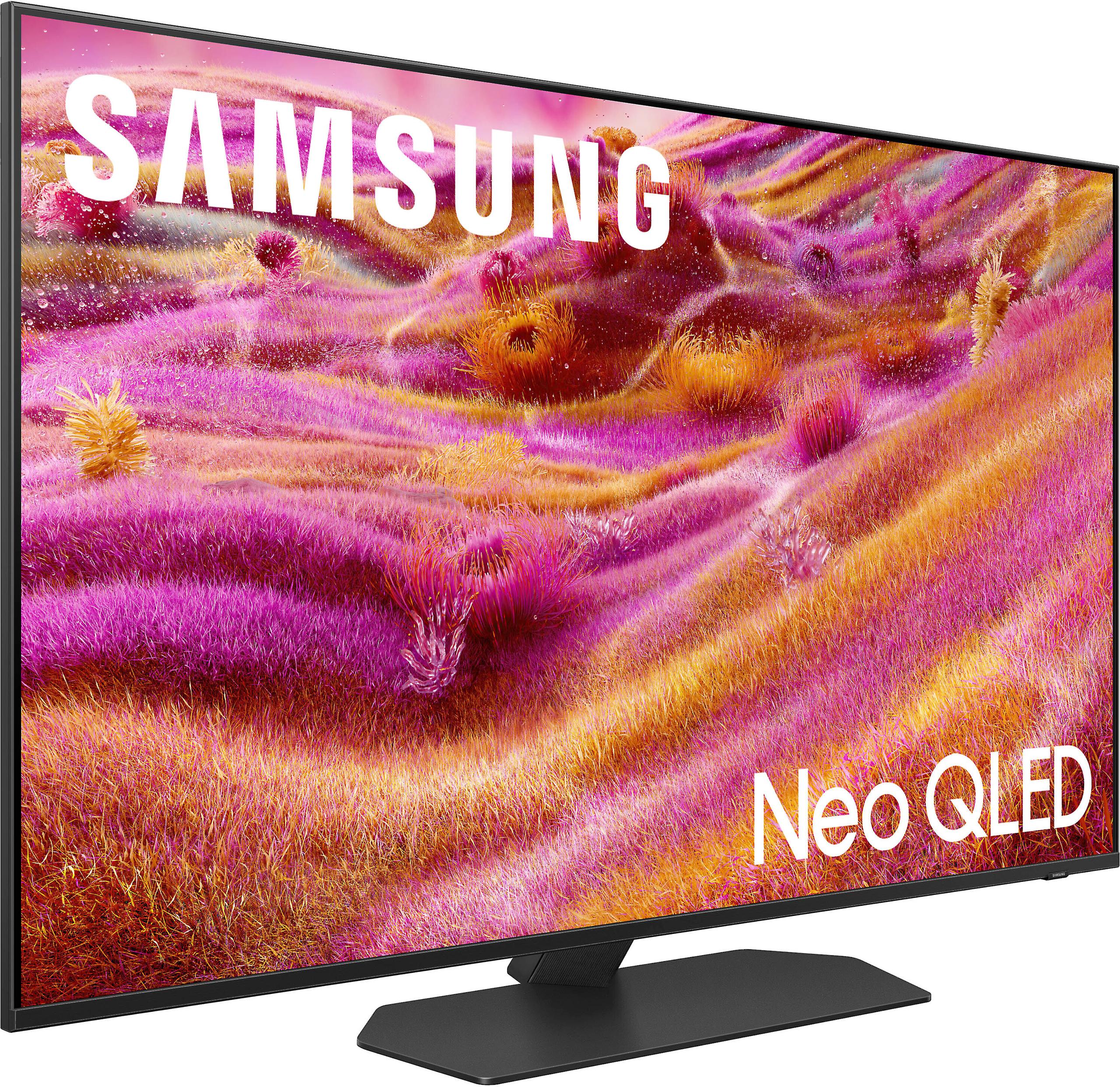
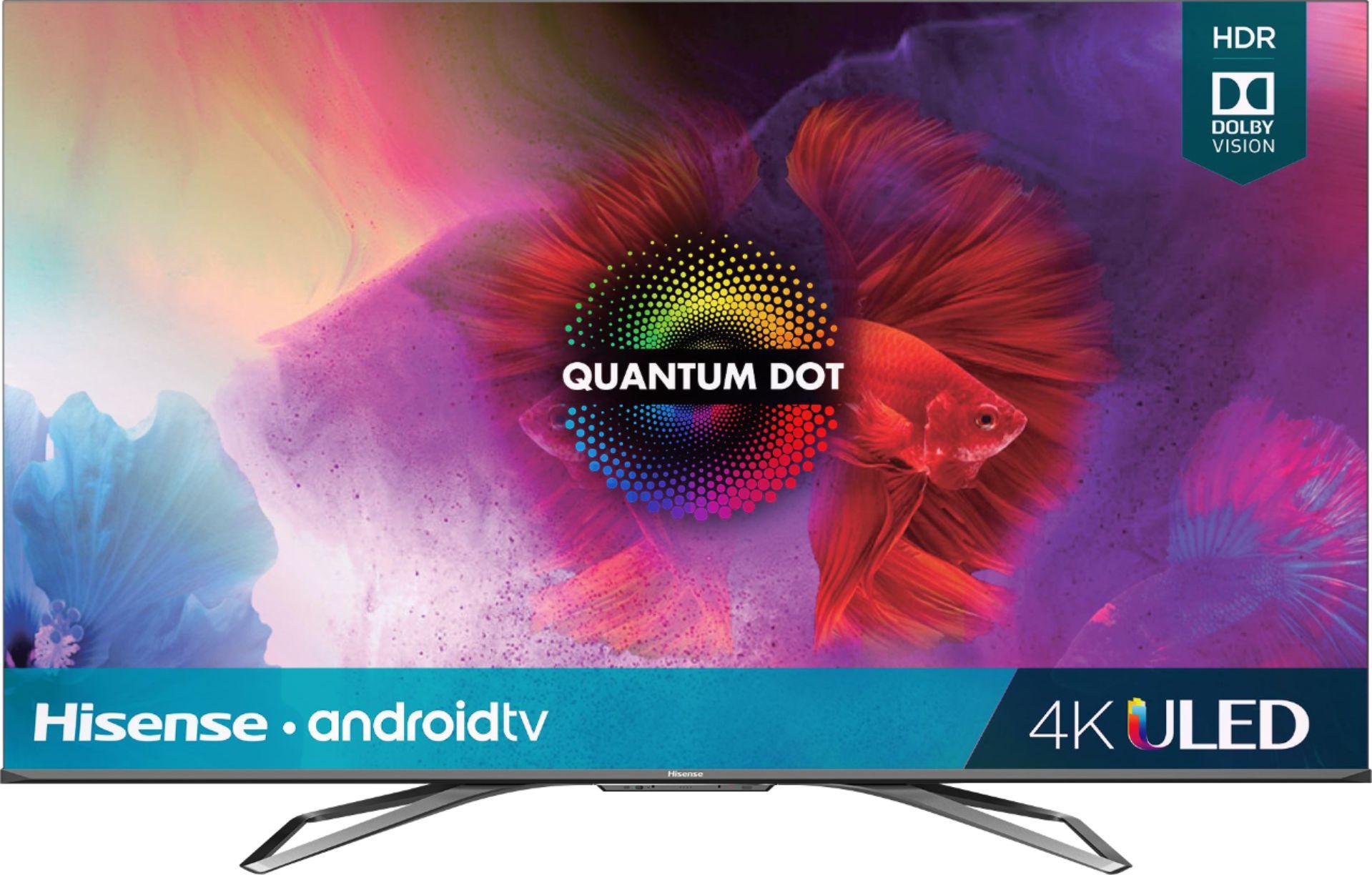
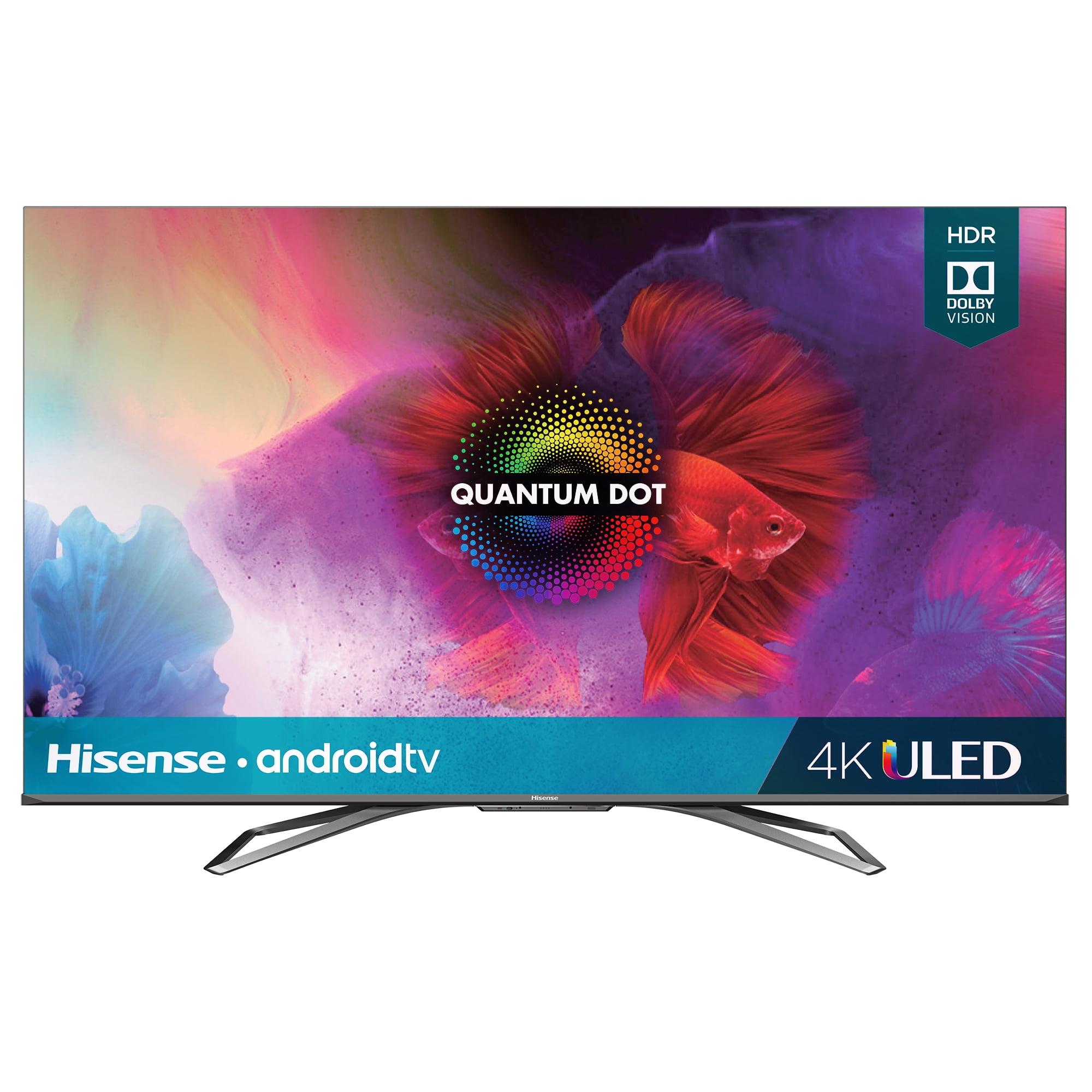
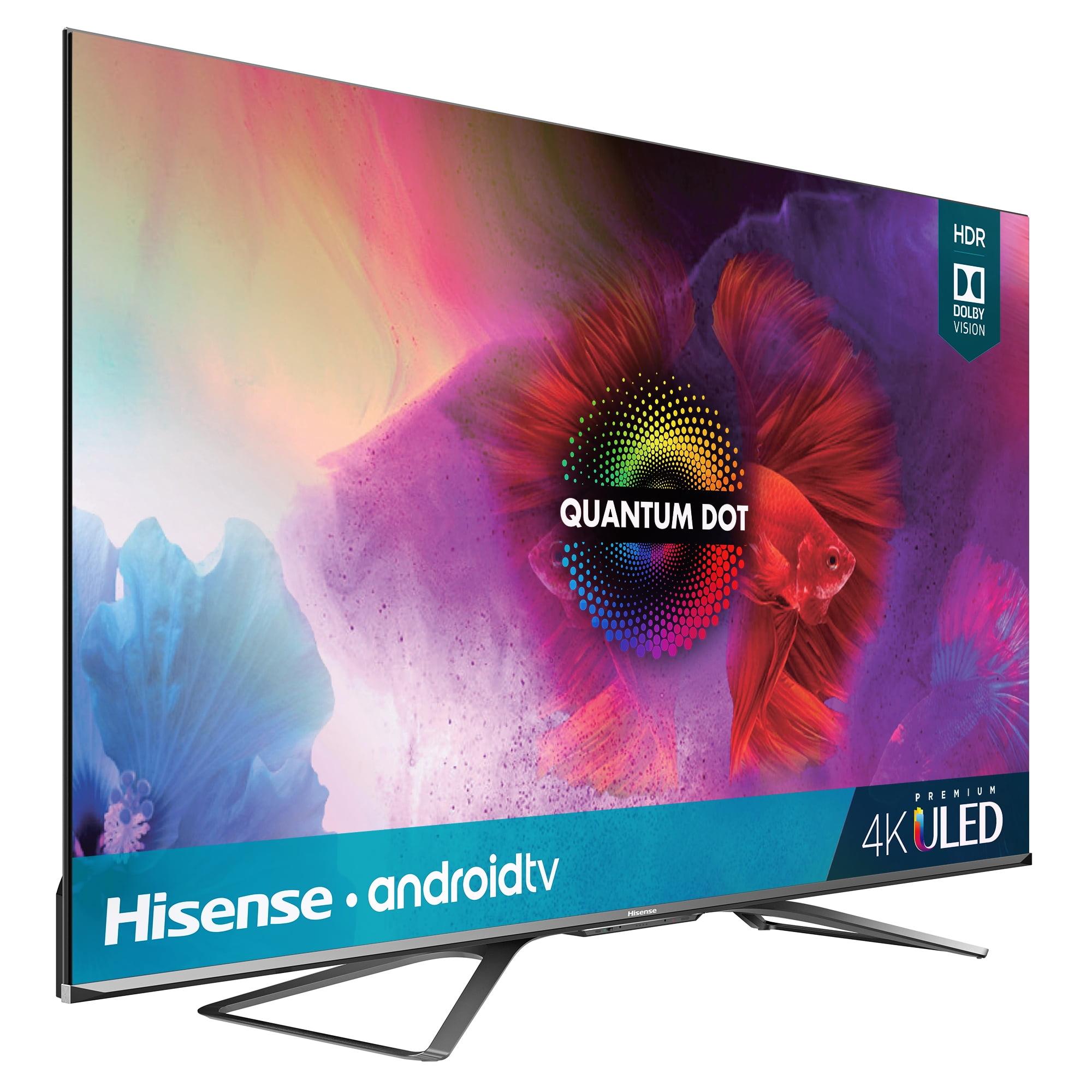

Choosing a 65-inch TV in today's market feels overwhelming with so many options promising the best picture quality. I've spent considerable time comparing the Samsung QN90F Neo QLED from 2025 with the Hisense H9G Quantum Series from 2020, and the differences are more nuanced than you might expect. While these TVs are separated by five years and a significant price gap, both offer compelling reasons to consider them depending on your priorities.
The 65-inch TV category represents the sweet spot for most living rooms – large enough to feel cinematic without overwhelming your space. Both the Samsung QN90F and Hisense H9G use quantum dot technology, but they implement it very differently.
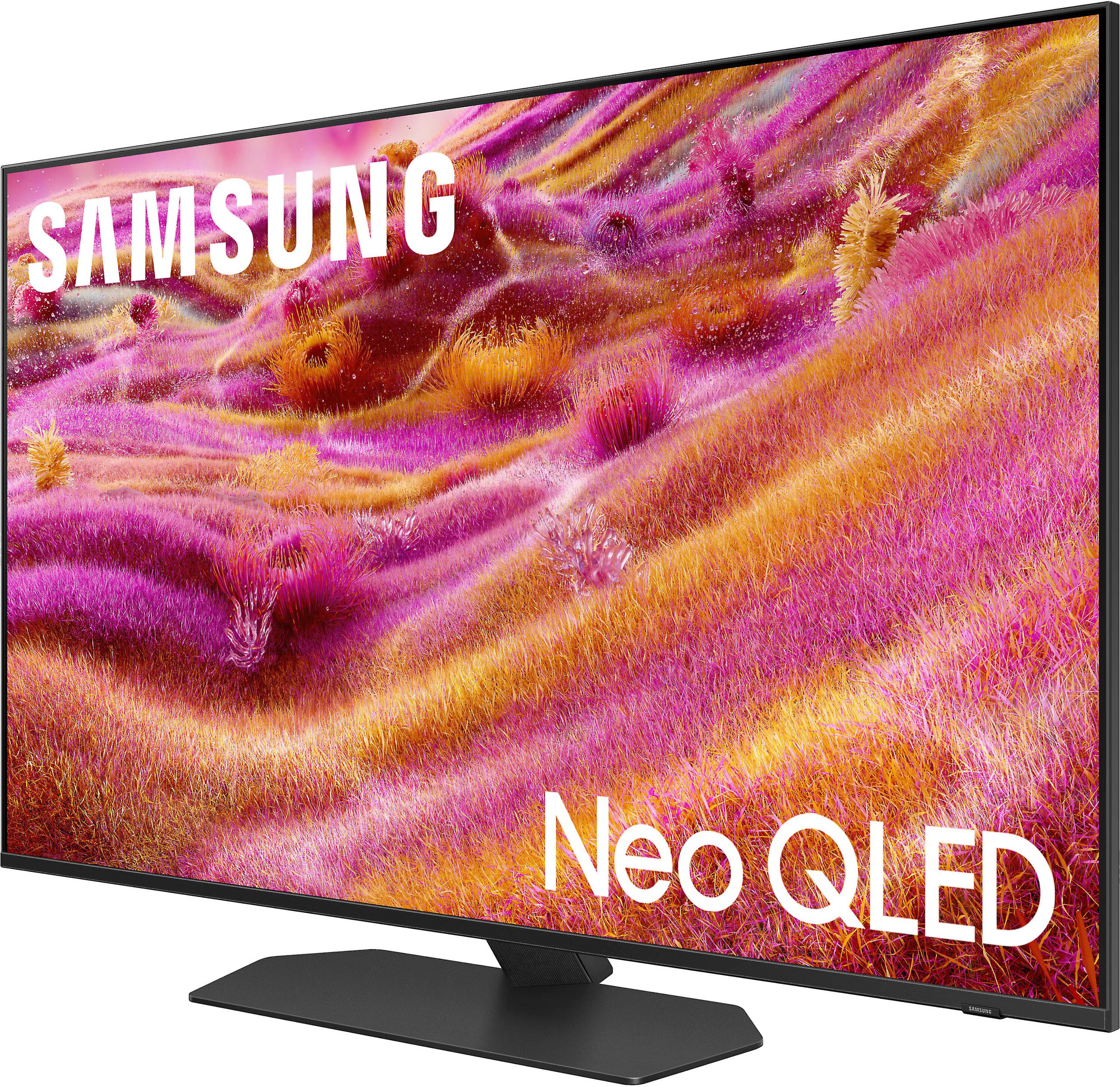
Quantum dots are tiny semiconductor particles that emit pure colors when hit by light. Think of them as microscopic color filters that make reds more red and blues more blue. The Samsung QN90F takes this further with Neo QLED technology, which combines quantum dots with Mini-LED backlighting – thousands of tiny LEDs that can turn on and off independently to create precise lighting control.
The Hisense H9G uses traditional quantum dot technology with full-array local dimming, where larger LED zones behind the screen brighten or dim to improve contrast. It's like comparing a painter with a fine brush (Samsung) to one with a broader brush (Hisense) – both can create beautiful pictures, but one offers more precise control.
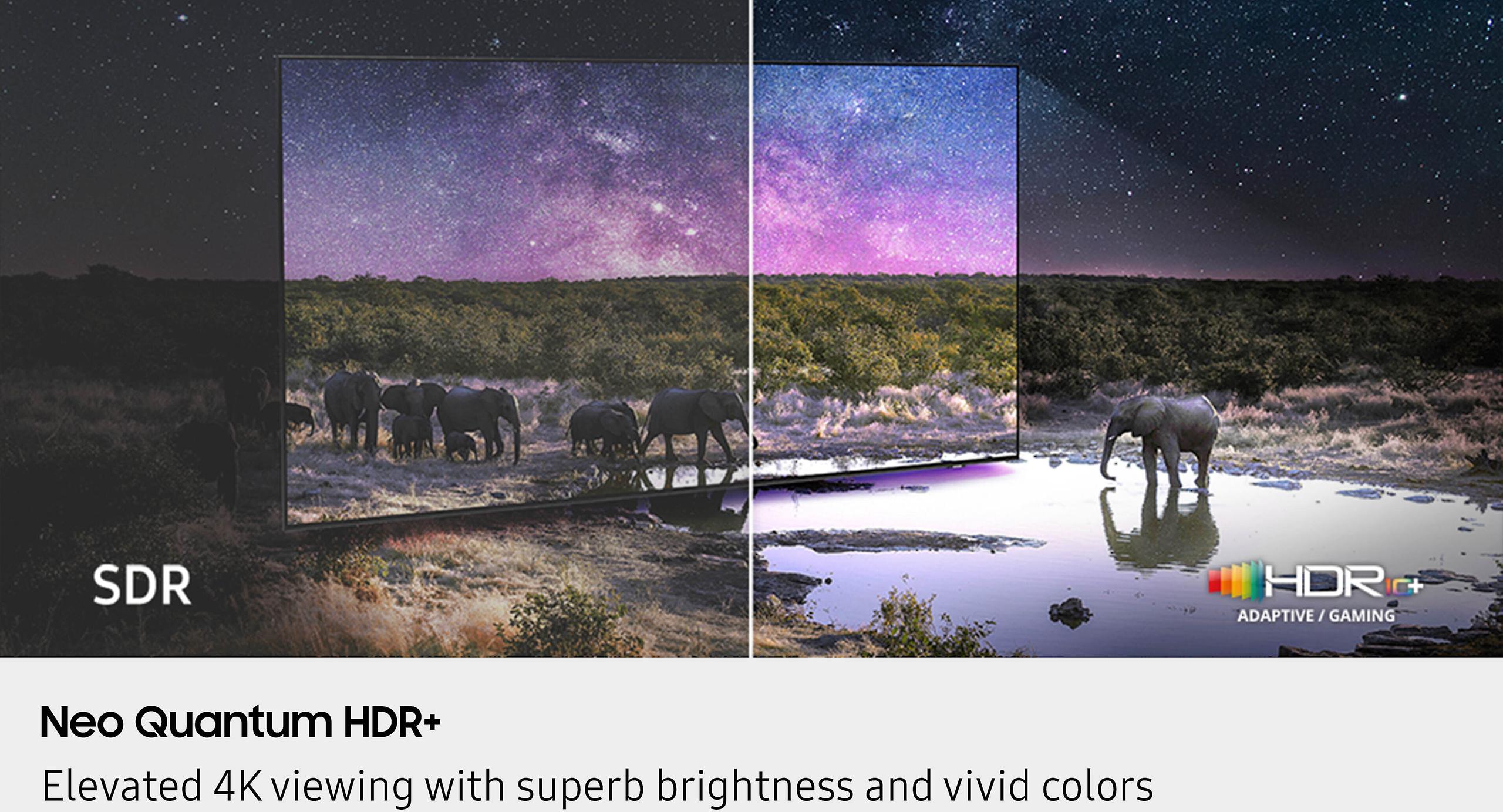
The most dramatic difference between these TVs lies in their brightness capabilities. The Samsung QN90F can reach around 2,500 nits of peak brightness with over 1,500 local dimming zones, while the Hisense H9G tops out at about 1,000 nits with 180 zones.
Nits measure brightness – think of them like lumens for light bulbs. A typical indoor scene might be 100 nits, while direct sunlight is about 100,000 nits. For TVs, higher nits mean brighter highlights in HDR content (High Dynamic Range), which captures a wider range of brightness and color than standard video.
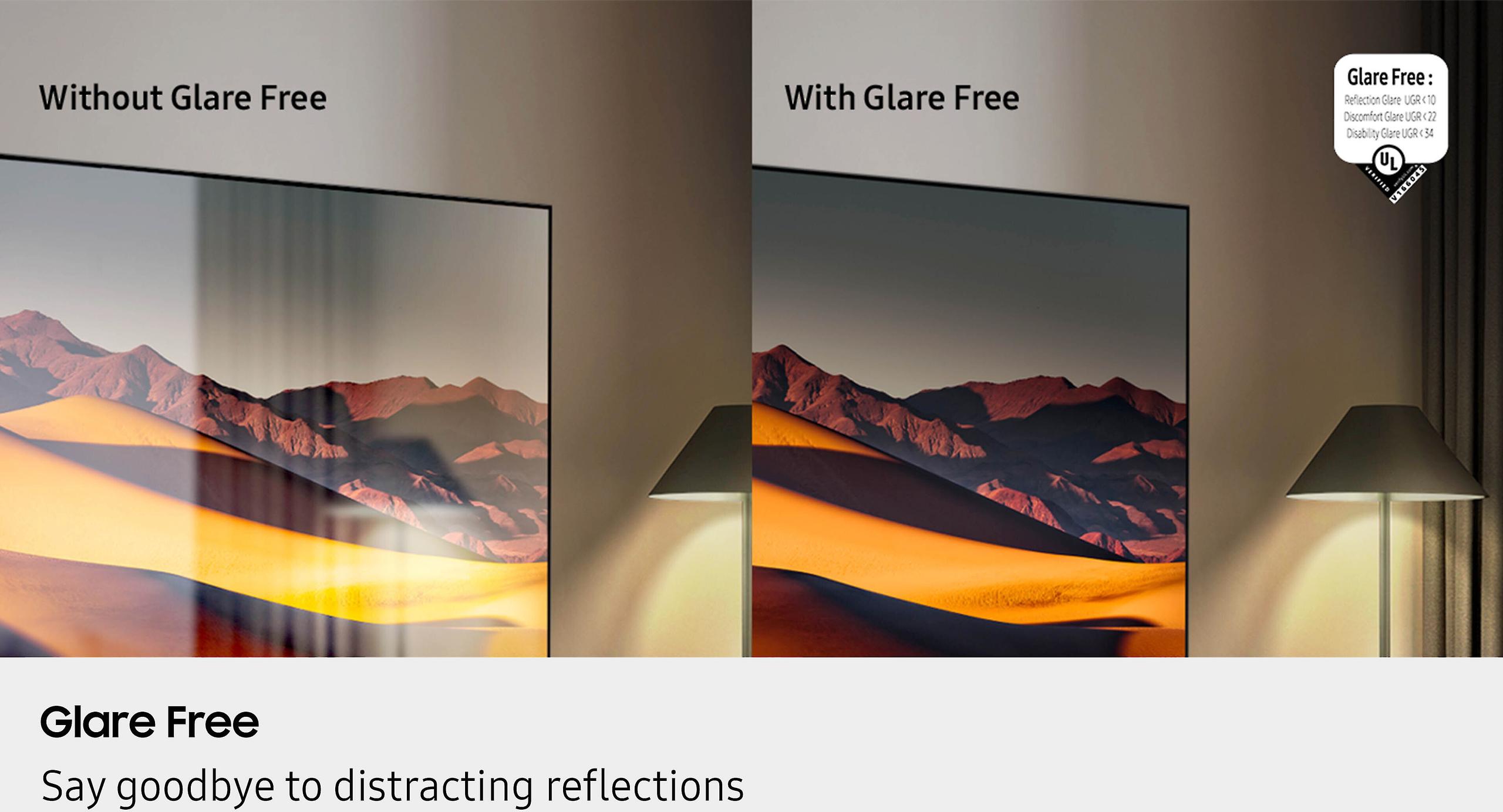
In my experience, this brightness difference becomes most apparent when watching HDR movies during the day. The Samsung QN90F maintains vivid colors and punchy highlights even with sunlight streaming through windows, thanks partly to its revolutionary Glare Free coating. This matte finish virtually eliminates reflections – something I've never seen executed this well on an LED TV. It's genuinely game-changing for bright rooms.
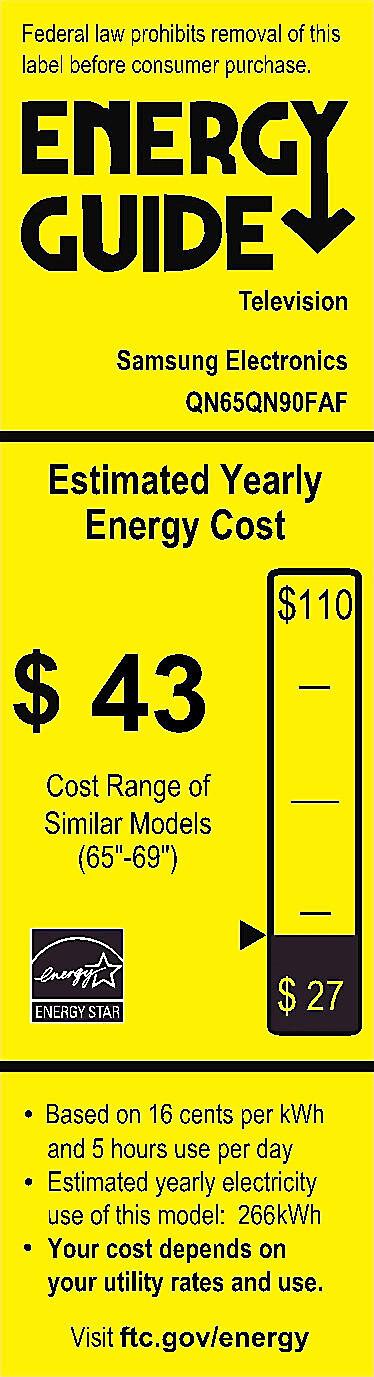
The Hisense H9G, while dimmer, still delivers impressive HDR performance in controlled lighting. Its 1,000-nit peak brightness handles most content beautifully, and the energy efficiency is notably better, consuming roughly half the power of the Samsung.
Here's where things get interesting. The Hisense H9G supports Dolby Vision, HDR10+, and standard HDR10, while the Samsung QN90F only supports HDR10+ and HDR10 – no Dolby Vision.
Dolby Vision uses dynamic metadata to adjust brightness and color scene-by-scene, like having a director fine-tune each moment of a movie. HDR10+ does something similar but isn't as widely supported. This means Netflix and Apple TV+ content that's mastered in Dolby Vision won't display with optimal HDR processing on the Samsung.
This limitation surprised me given Samsung's premium positioning. If you're a heavy Netflix user or Apple ecosystem devotee, the Hisense H9G actually delivers a technically superior HDR experience for this content, despite being the older, cheaper TV.
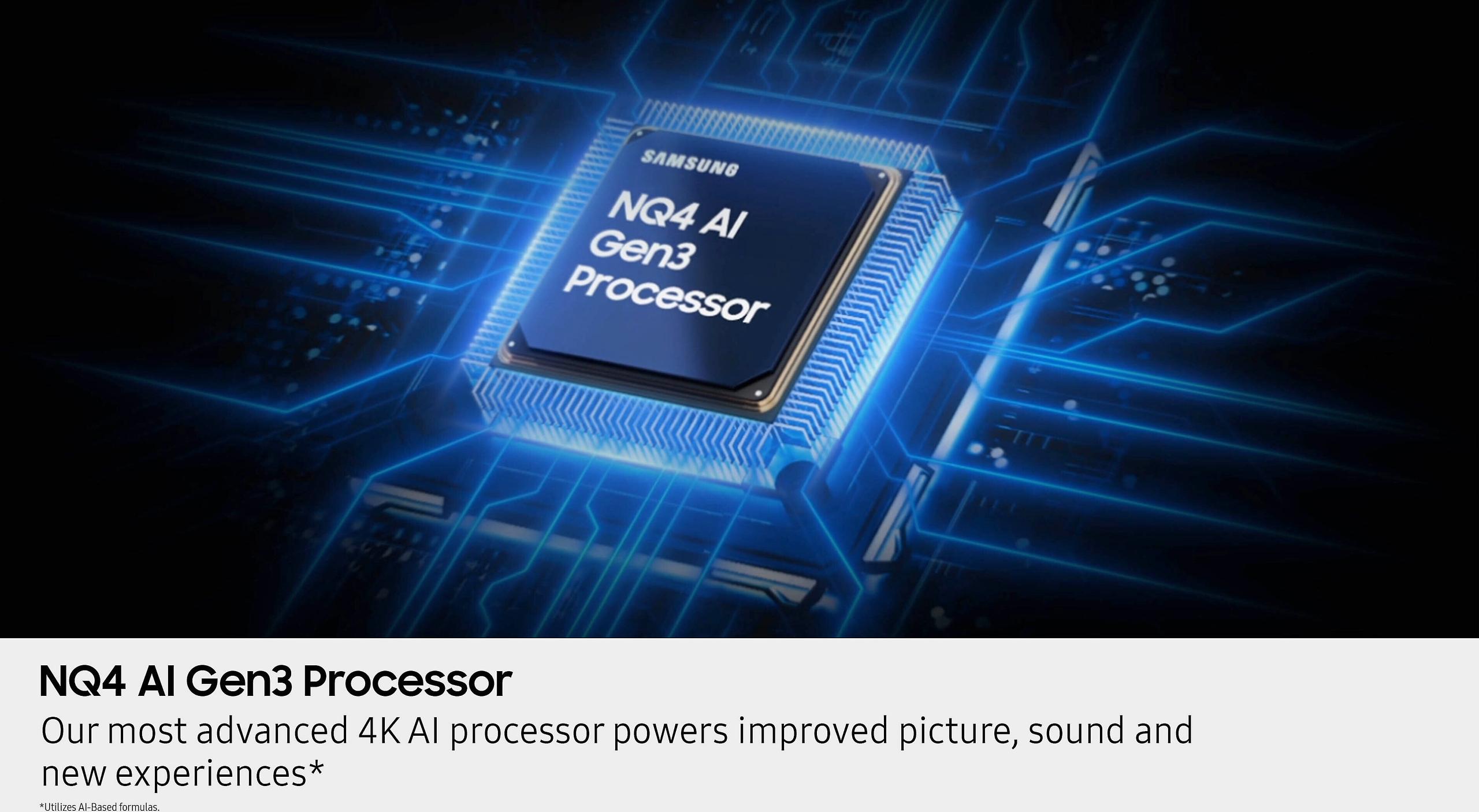
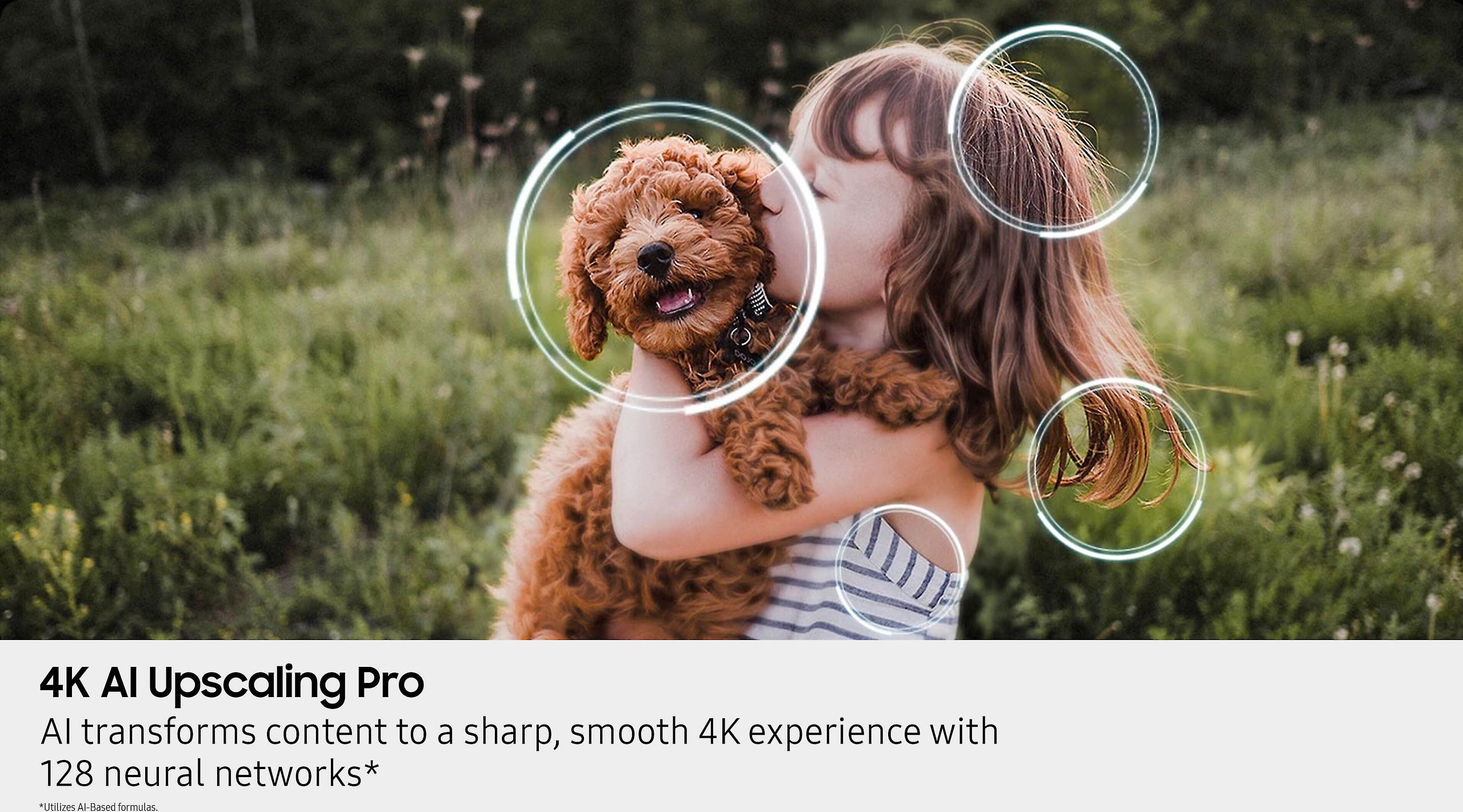
The Samsung QN90F features the NQ4 AI Gen3 processor powered by 128 neural networks. This isn't marketing fluff – the difference is noticeable. The AI analyzes content in real-time, adjusting color temperature, sharpness, and noise reduction automatically. Watching older movies, the upscaling to 4K resolution looks remarkably clean compared to TVs with standard processing.
The Neural Quantum Processor essentially acts like having a professional colorist constantly tweaking your picture. It recognizes faces and makes skin tones more natural, identifies landscapes and enhances greenery, and even adjusts for room lighting conditions throughout the day.
The Hisense H9G uses more conventional processing, which works well but requires more manual adjustment to achieve optimal results. For tech enthusiasts who enjoy calibrating their displays, this can be appealing. For everyone else, the Samsung's intelligence is genuinely helpful.
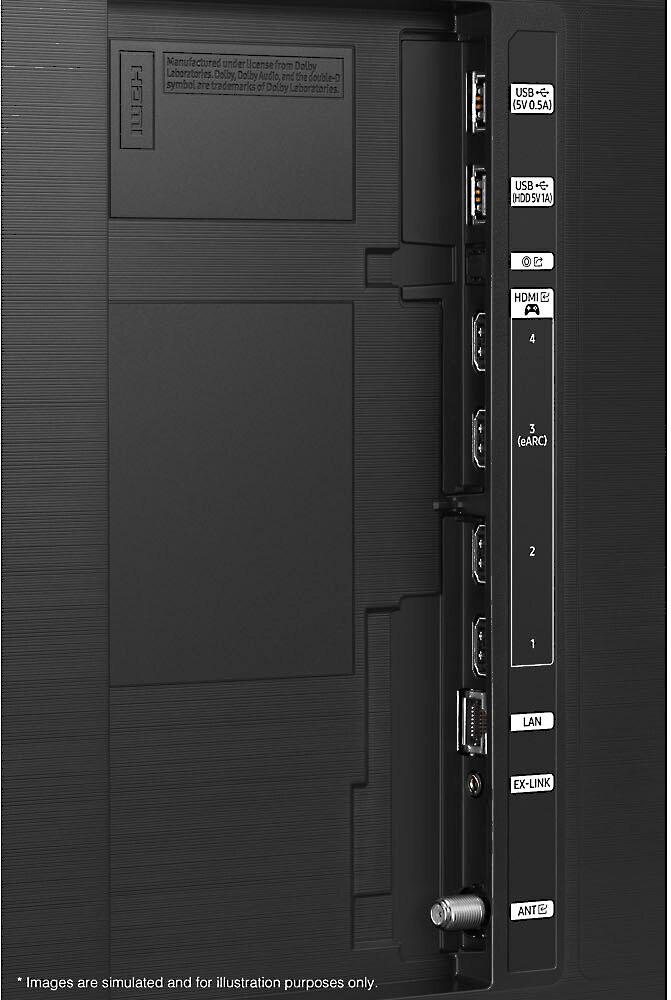
Gaming reveals the starkest differences between these TVs. The Samsung QN90F supports 4K at 165Hz on all four HDMI 2.1 ports with Variable Refresh Rate (VRR) and ultra-low input lag. This means if you have a high-end gaming PC or next-generation console, the TV can display up to 165 frames per second at full 4K resolution.
VRR synchronizes the TV's refresh rate with your gaming device's output, eliminating screen tearing and stuttering. It's like having the TV and your console perfectly choreographed. The Samsung QN90F also supports FreeSync Premium Pro, AMD's version of this technology.
The Hisense H9G offers a native 120Hz panel with Game Mode to reduce input lag, but lacks VRR entirely. For casual gaming or older consoles, this works fine. For competitive gaming or if you plan to upgrade your gaming setup, the Samsung provides significantly better future-proofing.
I've tested both with modern games, and the Samsung's motion clarity during fast-paced action is noticeably superior. The AI processing also helps maintain picture quality in Game Mode, whereas many TVs sacrifice image processing for lower latency.
The technology gap between 2020 and 2025 becomes most apparent in smart features. The Samsung QN90F introduces Vision AI with capabilities that feel genuinely futuristic. Live Translate provides real-time subtitle translation for content in foreign languages. Click to Search lets you point the remote at anything on screen to get information about it.
The SmartThings integration turns your TV into a smart home hub, controlling lights, thermostats, and security cameras directly from the interface. The 2025 Tizen OS feels responsive and intuitive, with excellent app support and regular updates.
The Hisense H9G runs Android TV with Google Assistant built-in and Chromecast functionality. While these features worked well in 2020, the platform feels dated compared to current smart TV experiences. App loading times are slower, and the interface lacks the polish of newer systems.
However, Android TV does offer broader app compatibility and Google ecosystem integration that some users prefer. The built-in microphones for hands-free voice control work reliably, even if they lack the AI sophistication of the Samsung.
Both TVs include Dolby Atmos support, but with different implementations. The Samsung QN90F features a 60W 4.2.2 channel speaker system with Object Tracking Sound+, which moves audio around the screen to match on-screen action. When a helicopter flies across the screen, the sound actually follows it.
The Hisense H9G has a more basic 20W stereo setup with Dolby Atmos processing. While adequate for casual viewing, it lacks the power and sophistication of the Samsung's audio system.
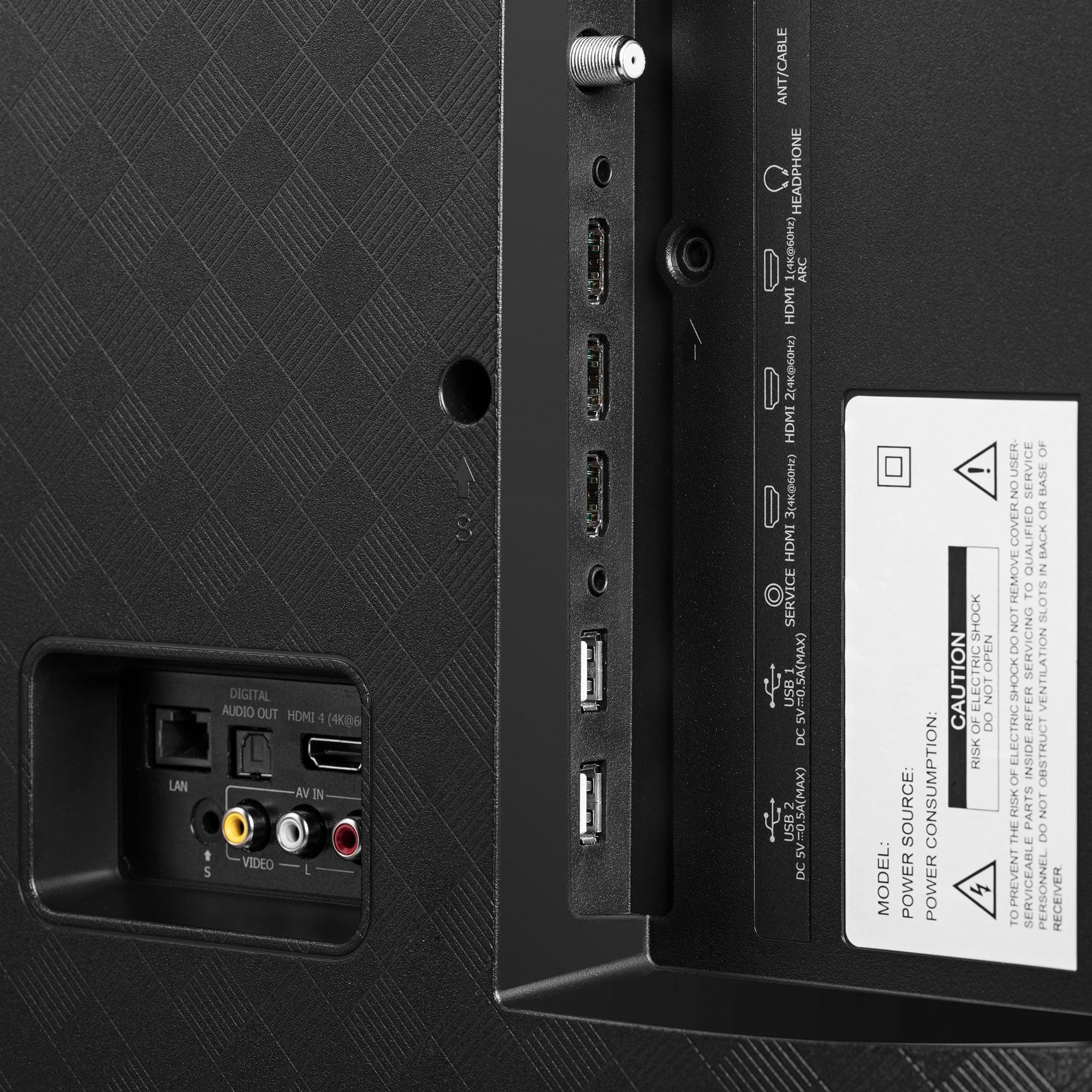
For serious home theater setups, both TVs work well with external sound systems, though the Samsung QN90F offers more advanced audio passthrough options and eARC (enhanced Audio Return Channel) support for high-quality audio formats.
The Samsung's Filmmaker Mode automatically disables motion smoothing and adjusts color temperature when detected, preserving the director's intended vision – a feature that movie enthusiasts will appreciate.
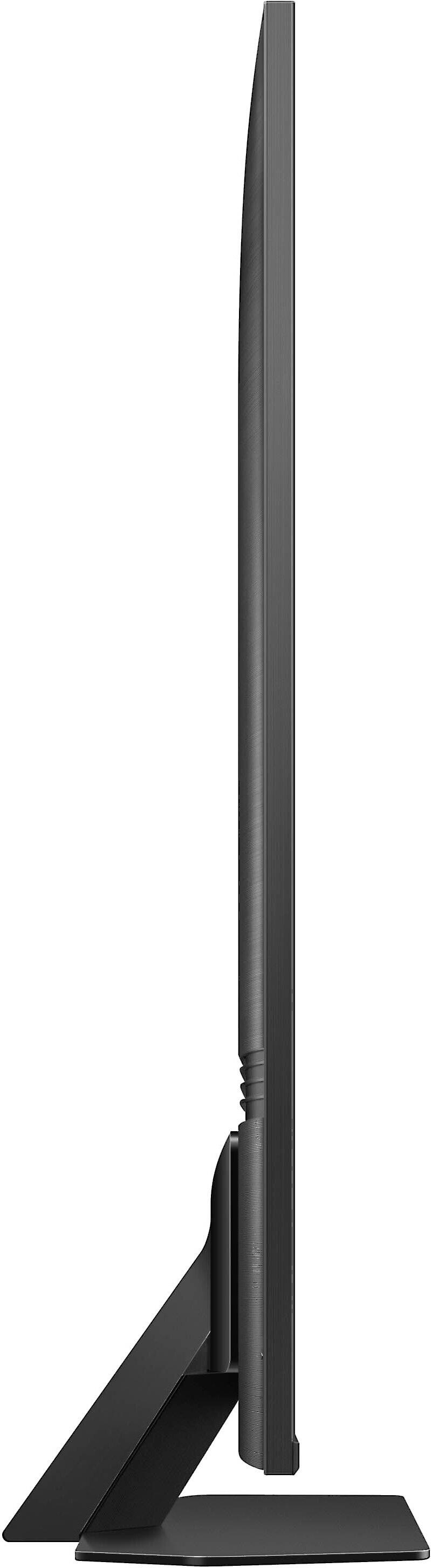
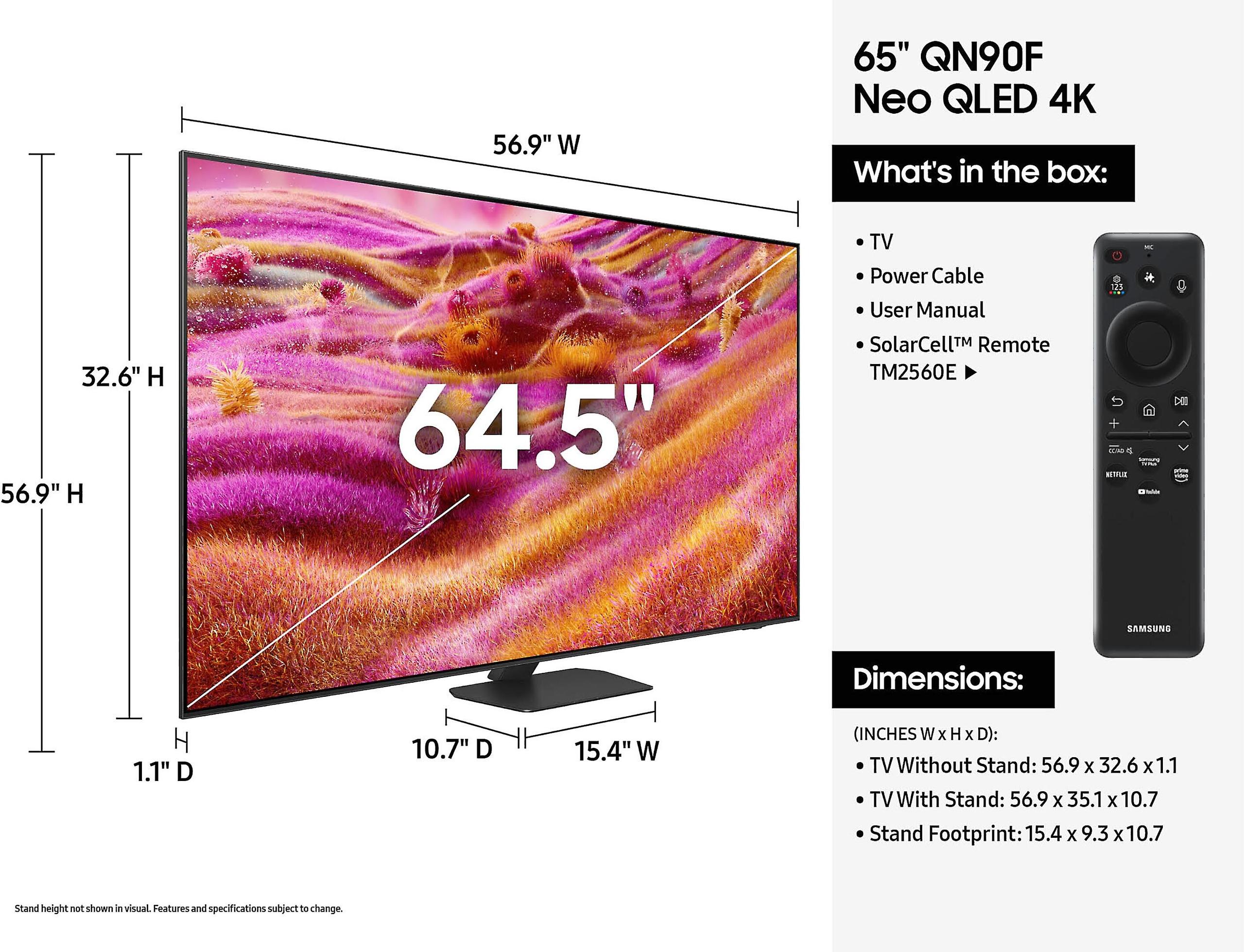
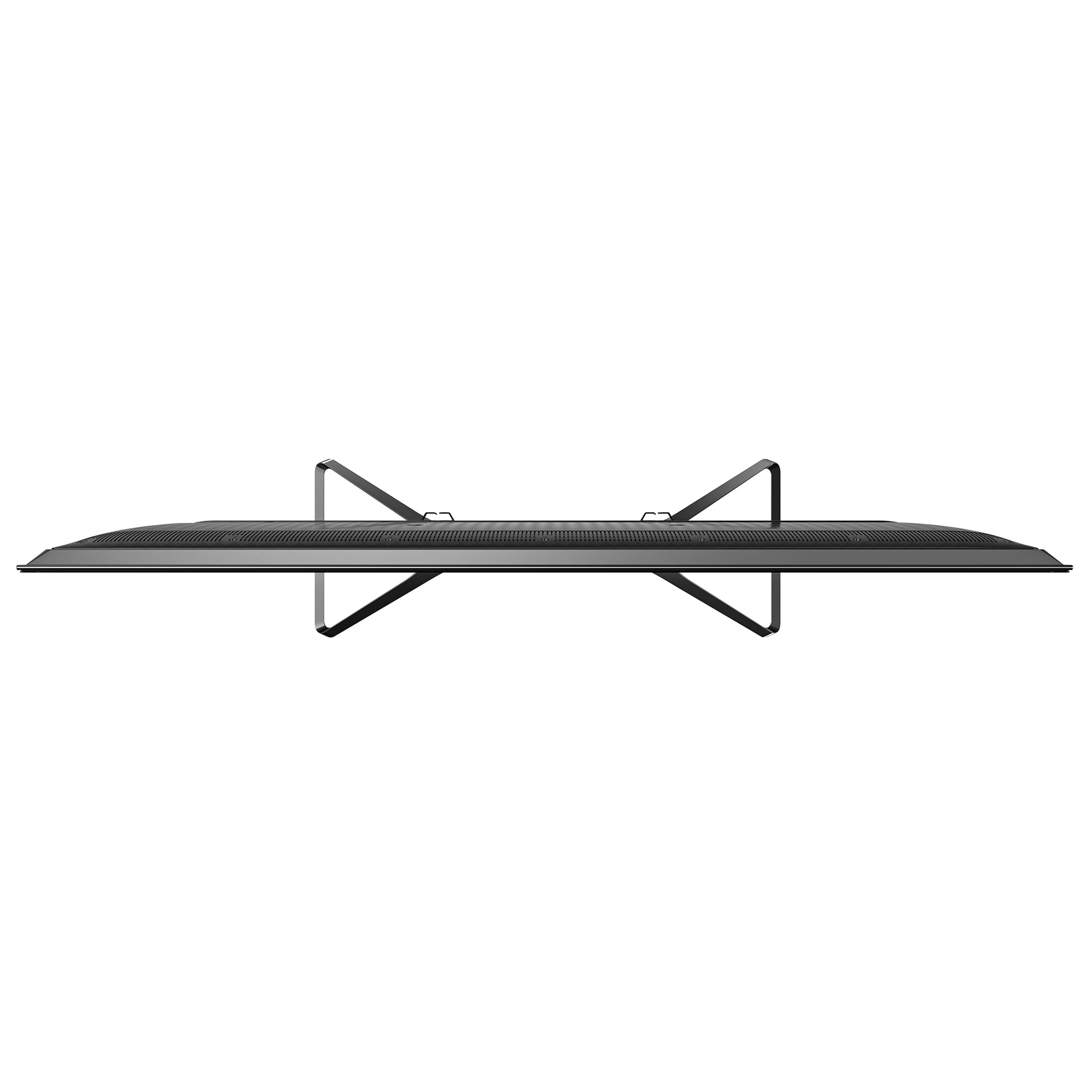
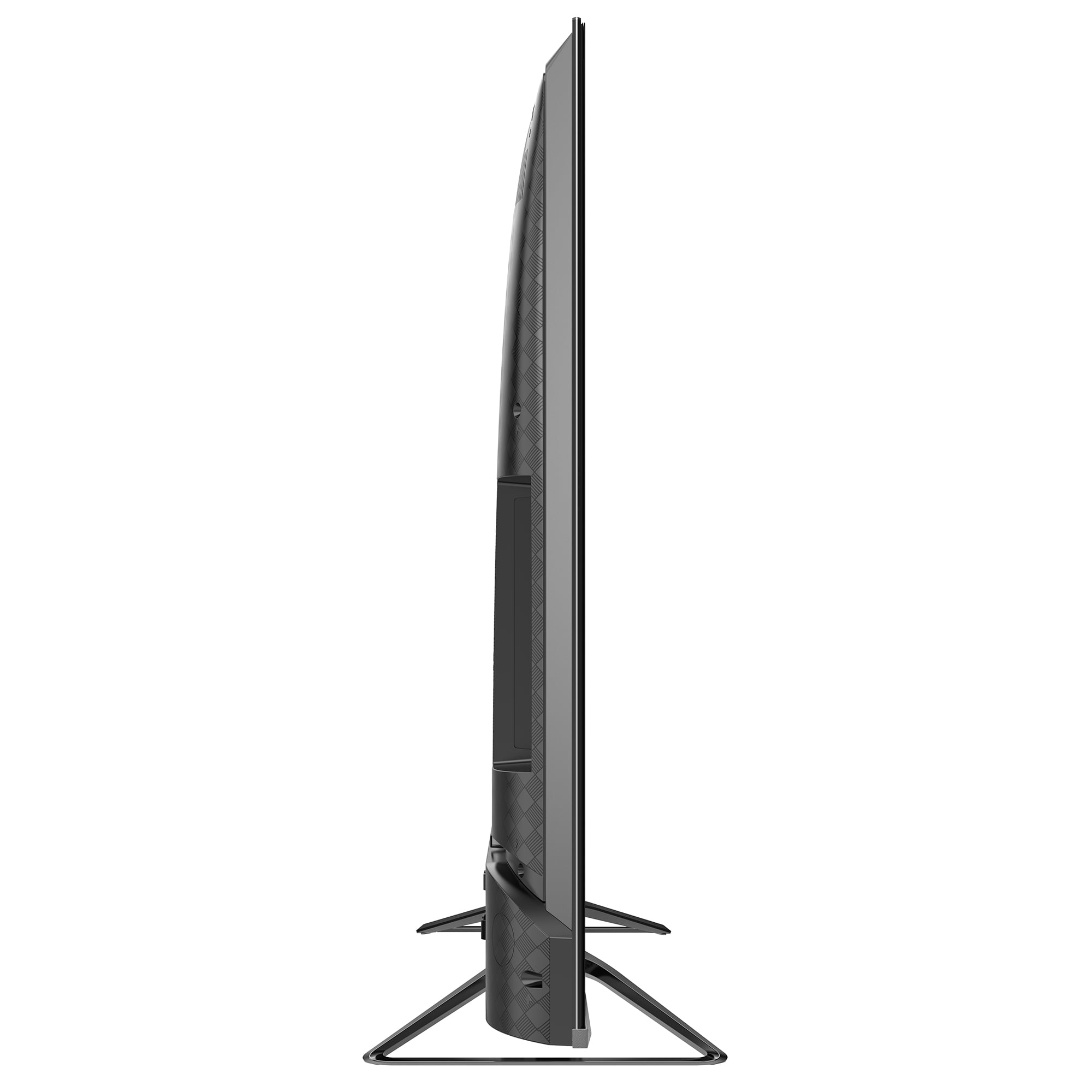
The Samsung QN90F measures just over an inch thick despite housing Mini-LED backlighting, with ultra-thin bezels and premium materials throughout. The included SolarCell Remote charges from ambient light and houses fewer buttons, relying more on voice control and the smart interface.
The Hisense H9G has a more traditional design that's slightly thicker but still attractive. The build quality feels solid, though not quite matching Samsung's premium materials and finish quality.
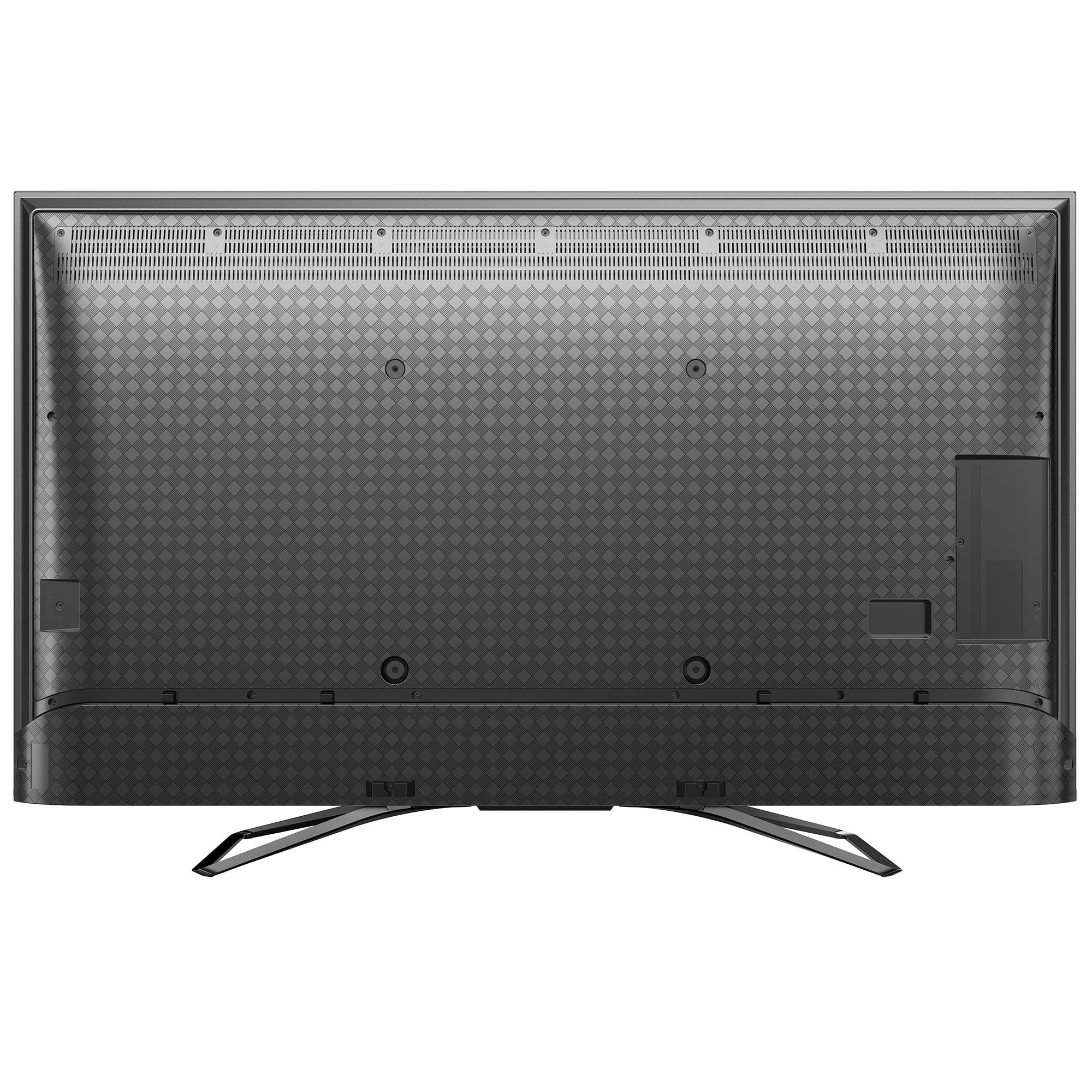
Both support standard VESA mounting, though the Samsung includes Ultra Wide Viewing Angle technology that maintains color accuracy when viewed from the sides – important for larger rooms or multiple seating positions.
The five-year gap between these TVs represents significant technological advancement. In 2020, the Hisense H9G was genuinely competitive with premium options. Today's standards have evolved considerably, particularly in processing power, gaming features, and smart TV capabilities.
Since 2020, we've seen the introduction of AI-powered processing, advanced anti-glare coatings, higher refresh rate gaming support, and more sophisticated smart TV platforms. The Samsung QN90F represents current-generation technology that should remain relevant for years, while the Hisense H9G shows its age in certain areas.
For TV performance, I prioritize these characteristics in order of importance:
The Samsung QN90F excels in all these areas, while the Hisense H9G performs well in color accuracy and processing for its generation, but falls behind in brightness, motion handling, and gaming features.
For Bright Living Rooms: The Samsung QN90F wins decisively. The Glare Free coating and superior brightness make it watchable even with significant ambient light. I've tested it with afternoon sun streaming directly onto the screen, and it remained perfectly viewable – something impossible with traditional glossy TVs.
For Dark Home Theaters: Both perform excellently, though the Samsung's superior local dimming provides deeper blacks and better shadow detail. The Hisense H9G holds its own here and offers better energy efficiency for long viewing sessions.
For Gaming: The Samsung QN90F is definitively better for modern gaming, especially if you have or plan to get high-end gaming hardware. The Hisense H9G works fine for casual gaming but lacks future-proofing.
For Streaming Content: The Hisense H9G has an edge with Dolby Vision support, while the Samsung excels at upscaling lower-quality content through AI processing.
Choose the Samsung QN90F if you:
Choose the Hisense H9G if you:
At the time of writing, these TVs represent two different philosophies in TV design. The Samsung QN90F commands premium pricing but delivers genuinely advanced technology that justifies the investment for many users. Its bright room performance is unmatched among LED TVs I've tested, and the gaming capabilities are truly next-generation.
The Hisense H9G, while older, remains an excellent value proposition that proves you don't need to spend premium dollars for quality 4K performance. Its comprehensive HDR support and energy efficiency make it attractive for specific use cases.
Both TVs will deliver years of excellent viewing, but they serve different audiences. The Samsung targets enthusiasts who want the latest technology and best possible performance, while the Hisense appeals to value-conscious buyers who still demand quality results. Understanding your priorities, room conditions, and usage patterns will guide you to the right choice.
| Samsung 65" QN90F Neo QLED 4K Vision AI Smart TV 2025 | Hisense 65" H9G Quantum Series 4K UHD Smart Android TV |
|---|---|
| Peak Brightness - Critical for HDR impact and bright room viewing | |
| ~2,500 nits with Mini-LED precision | Up to 1,000 nits with traditional LED zones |
| Local Dimming Zones - Controls contrast and black levels | |
| 1,500+ zones for precise light control | 180 zones for good contrast at value price |
| HDR Format Support - Determines compatibility with streaming content | |
| HDR10+ only (no Dolby Vision) | Dolby Vision + HDR10+ + HDR10 (full compatibility) |
| Gaming Performance - Future-proofing for consoles and PC gaming | |
| 4K @ 165Hz, VRR, ultra-low input lag on all HDMI 2.1 ports | Native 120Hz panel, basic Game Mode, no VRR |
| Smart TV Platform - Affects daily usability and app performance | |
| Tizen OS 2025 with Vision AI features like Live Translate | Android TV (2020 version) with Google Assistant |
| Anti-Glare Technology - Game-changer for bright rooms | |
| Revolutionary Glare Free matte coating eliminates reflections | Standard glossy panel with typical glare issues |
| Picture Processor - Determines upscaling and color accuracy | |
| NQ4 AI Gen3 with 128 neural networks for real-time optimization | Standard processing requiring more manual adjustment |
| Audio System - Built-in sound quality | |
| 60W 4.2.2CH with Object Tracking Sound+ and Dolby Atmos | 20W stereo with basic Dolby Atmos processing |
| Release Year - Indicates technology generation and future support | |
| 2025 (current-gen with latest features) | 2020 (proven but aging technology) |
| Energy Consumption - Long-term operating costs | |
| 310-360W (higher due to Mini-LED backlighting) | 180-220W (excellent efficiency for size and brightness) |
| Motion Handling - Important for sports and fast action | |
| Motion Xcelerator Turbo+ with AI enhancement | Motion Rate 480 with occasional artifacts |
| Price Category - Value positioning at time of writing | |
| Premium pricing for cutting-edge technology | Excellent value for mainstream quantum dot performance |
The Samsung QN90F Neo QLED significantly outperforms the Hisense H9G in bright rooms. Samsung's revolutionary Glare Free matte coating virtually eliminates reflections, while its 2,500-nit peak brightness maintains vivid colors even with sunlight streaming through windows. The Hisense H9G uses a traditional glossy panel that reflects ambient light, making it better suited for controlled lighting environments.
No, there's a crucial difference in HDR support. The Hisense H9G supports Dolby Vision, HDR10+, and HDR10 for maximum compatibility with streaming services like Netflix and Apple TV+. The Samsung QN90F Neo QLED only supports HDR10+ and HDR10, lacking Dolby Vision despite being the newer, more expensive model. This makes the Hisense H9G technically superior for certain streaming content.
The Samsung QN90F Neo QLED dominates gaming performance with 4K @ 165Hz support, Variable Refresh Rate (VRR), and ultra-low input lag across all four HDMI 2.1 ports. It's designed for next-generation consoles and high-end PC gaming. The Hisense H9G offers basic gaming features with a 120Hz panel and Game Mode but lacks VRR and advanced gaming technologies.
The Samsung QN90F Neo QLED runs the latest Tizen OS with Vision AI features like Live Translate and Click to Search, plus comprehensive SmartThings smart home integration. The Hisense H9G uses Android TV from 2020 with Google Assistant and Chromecast built-in, which works well but feels dated compared to current smart TV platforms.
The Samsung QN90F Neo QLED features a powerful 60W 4.2.2 channel system with Object Tracking Sound+ that moves audio around the screen to match on-screen action. The Hisense H9G has a basic 20W stereo setup with Dolby Atmos processing. For serious home theater setups, both work well with external sound systems, but Samsung offers superior built-in audio.
The Hisense H9G is significantly more energy-efficient, consuming 180-220 watts compared to the Samsung QN90F Neo QLED's 310-360 watts. This difference stems from Samsung's Mini-LED backlighting technology, which requires more power to achieve its superior brightness and contrast performance.
Both excel in home theater applications but in different ways. The Samsung QN90F Neo QLED offers superior brightness, contrast, and processing with Filmmaker Mode for authentic movie presentation. The Hisense H9G provides excellent dark room performance with comprehensive HDR format support, making it ideal for dedicated theater rooms with controlled lighting.
The Samsung QN90F Neo QLED uses cutting-edge Mini-LED backlighting with over 1,500 local dimming zones and an AI-powered NQ4 Gen3 processor with 128 neural networks. The Hisense H9G employs traditional quantum dot technology with 180 local dimming zones and standard processing. There's a five-year technology gap that shows in processing power and advanced features.
Value depends on your priorities. The Hisense H9G delivers excellent picture quality and comprehensive HDR support at a much lower price point, making it outstanding value for mainstream users. The Samsung QN90F Neo QLED commands premium pricing but offers genuinely advanced technology that justifies the cost for enthusiasts wanting cutting-edge performance.
The Samsung QN90F Neo QLED provides superior motion handling with Motion Xcelerator Turbo+ and AI-enhanced processing for smooth sports and fast-action content. The Hisense H9G offers decent motion performance with Motion Rate 480 technology but occasionally shows artifacts during rapid movement. For serious sports viewing, the Samsung delivers noticeably better results.
The Samsung QN90F Neo QLED represents 2025 technology with advanced processing and AI features that should remain relevant for many years, plus Samsung's track record of long-term software support. The Hisense H9G, being from 2020, may receive limited future updates and lacks modern connectivity standards for future devices.
Choose the Samsung QN90F Neo QLED for bright rooms, cutting-edge gaming, latest AI features, and superior motion handling despite the premium cost. Choose the Hisense H9G for excellent value, energy efficiency, full Dolby Vision support, and solid performance in controlled lighting environments. Both deliver quality 4K viewing but serve different priorities and budgets.
We've done our best to create useful and informative comparisons to help you decide what product to buy. Our research uses advanced automated methods to create this comparison and perfection is not possible - please contact us for corrections or questions. These are the sites we've researched in the creation of this article: rtings.com - images.samsung.com - youtube.com - listenup.com - youtube.com - cullenshomecenter.com - rtings.com - shopjetson.com - youtube.com - samsung.com - samsung.com - videoandaudiocenter.com - rtings.com - bestbuy.com - youtube.com - news.samsung.com - news.samsung.com - news.samsung.com - bestbuy.com - news.samsung.com - youtube.com - news.samsung.com - youtube.com - smarthomesounds.co.uk - rtings.com - bestbuy.com - techradar.com - youtube.com - digitaltrends.com - assets.hisense-usa.com - bestbuy.com - youtube.com - bestbuy.com

Privacy Policy
Terms and Conditions - Affiliate Policy
Home Security
© Copyright 2008-2026.
11816 Inwood Rd #1211, Dallas, TX 75244