

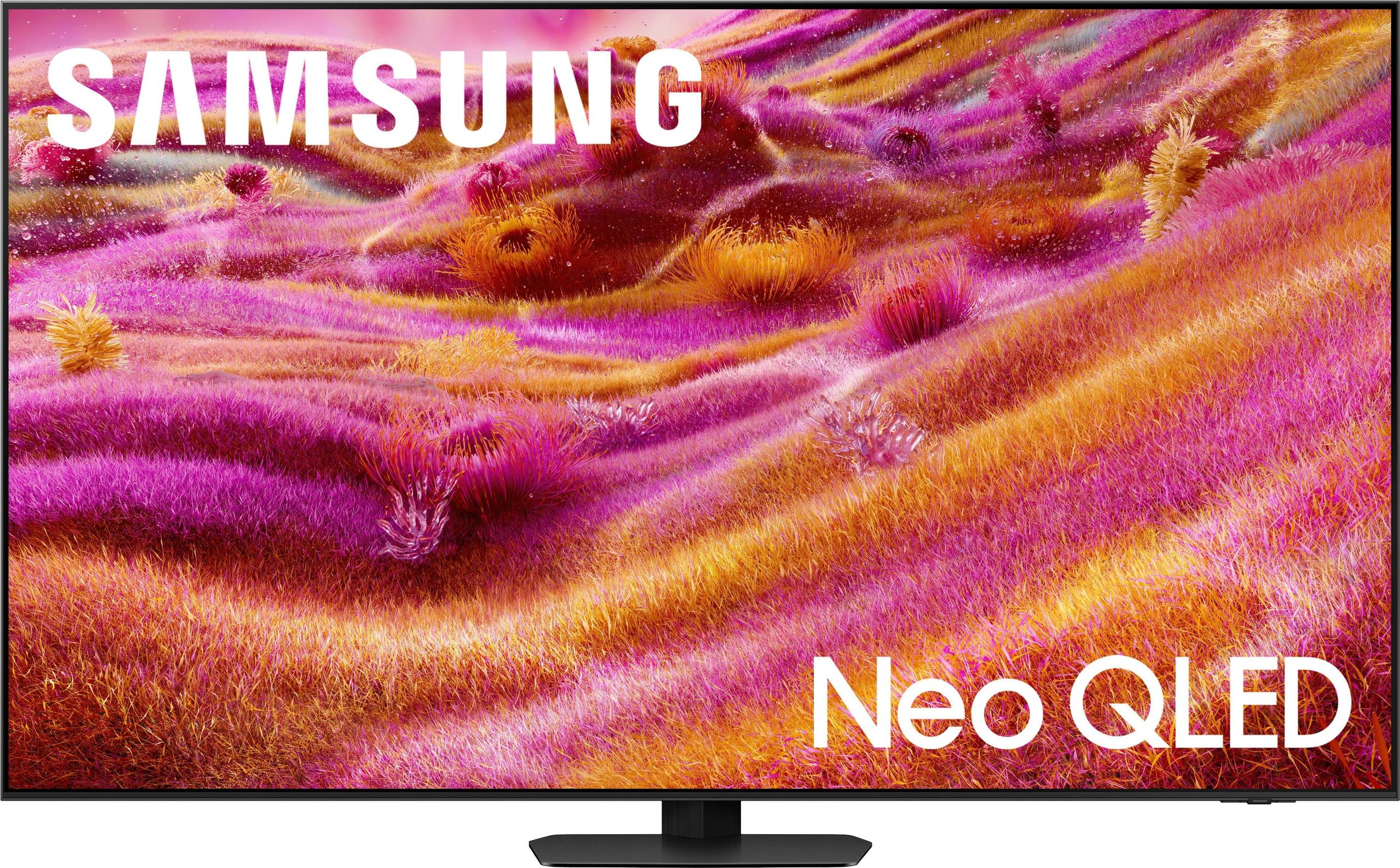
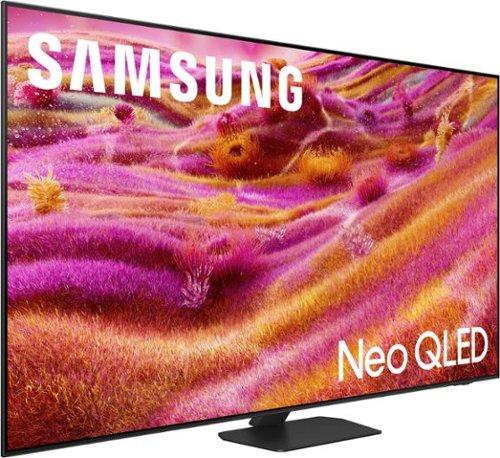
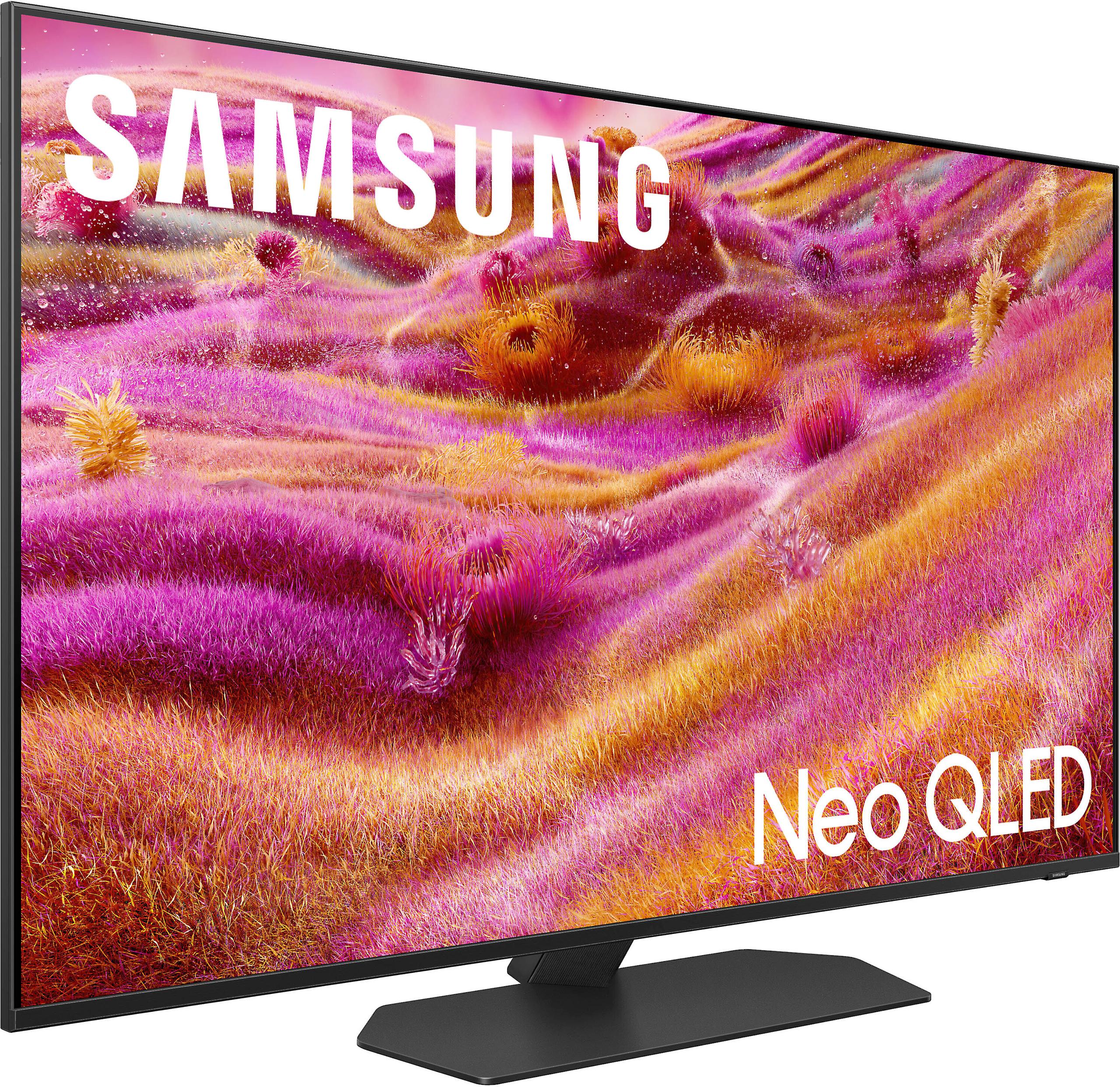
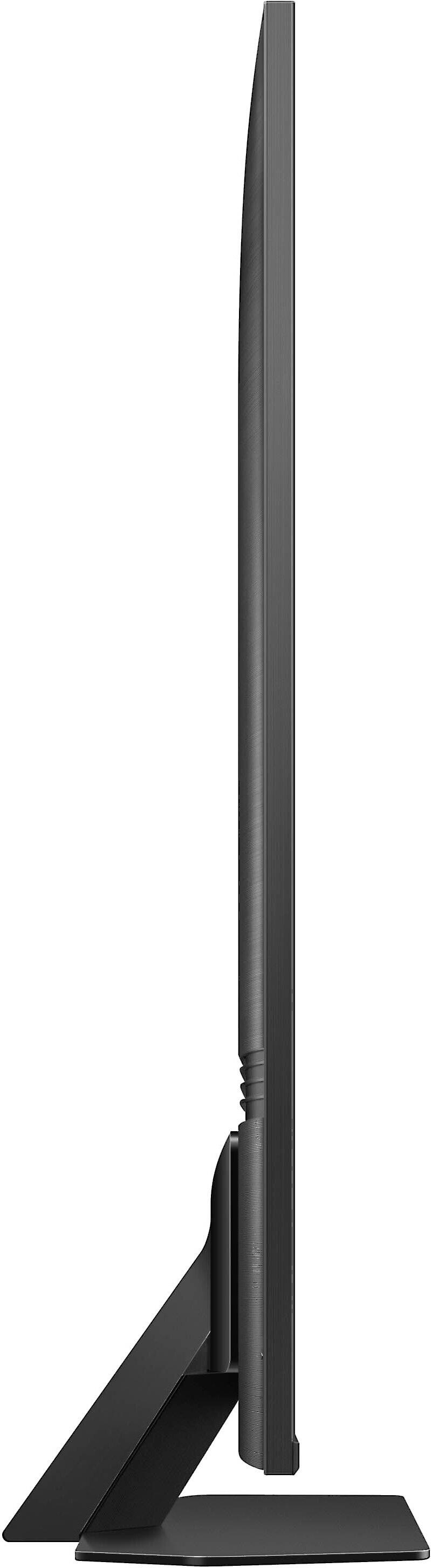
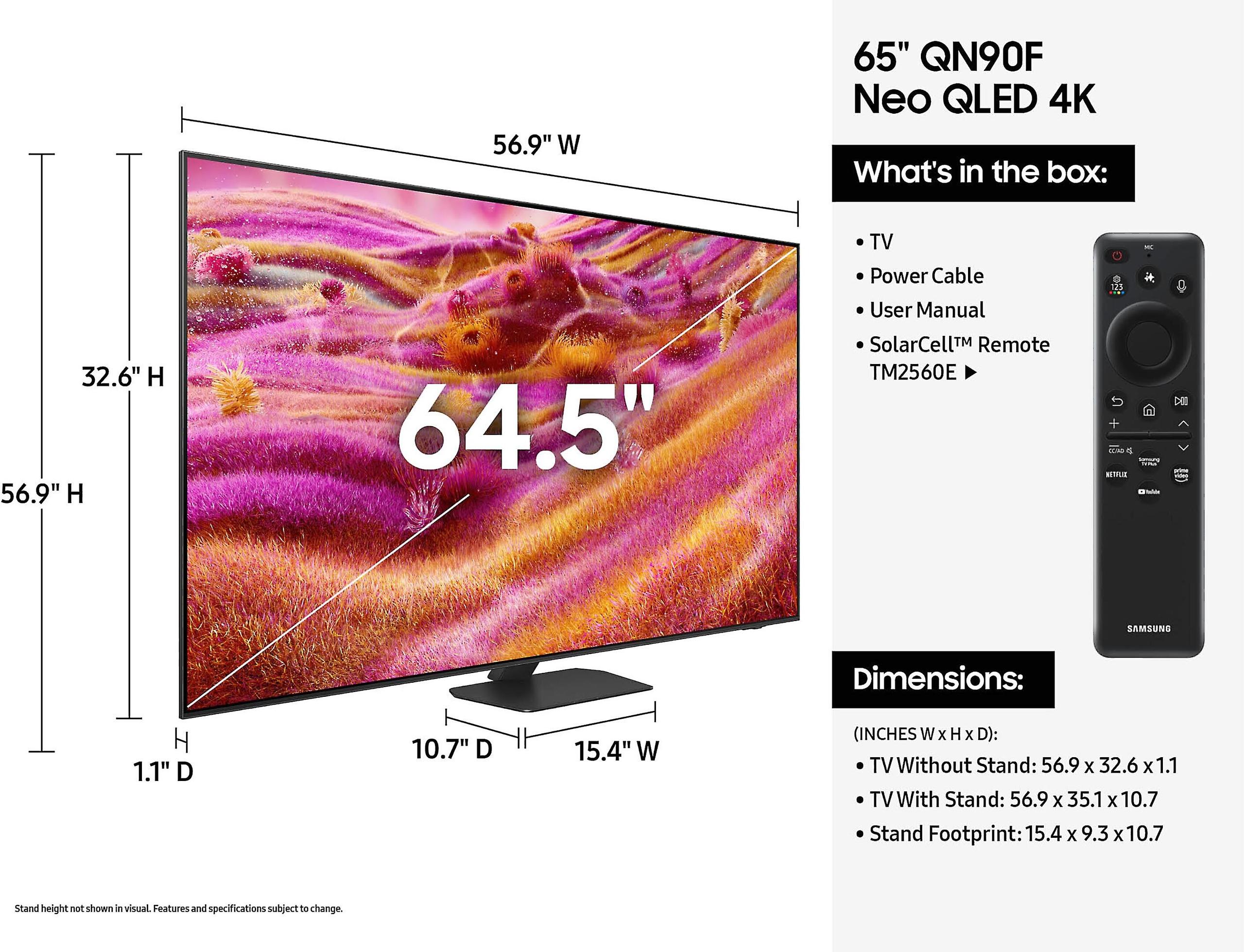


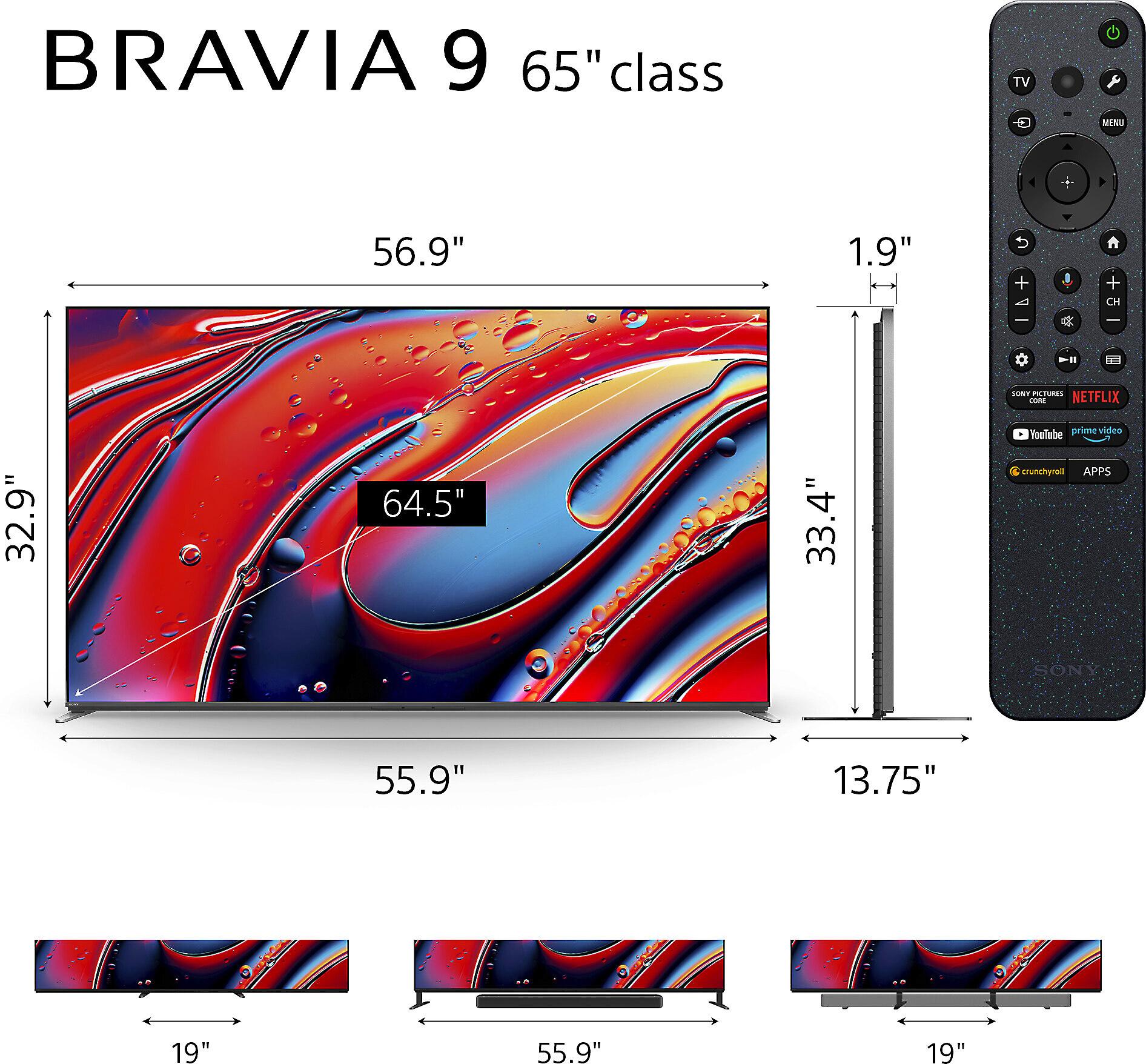
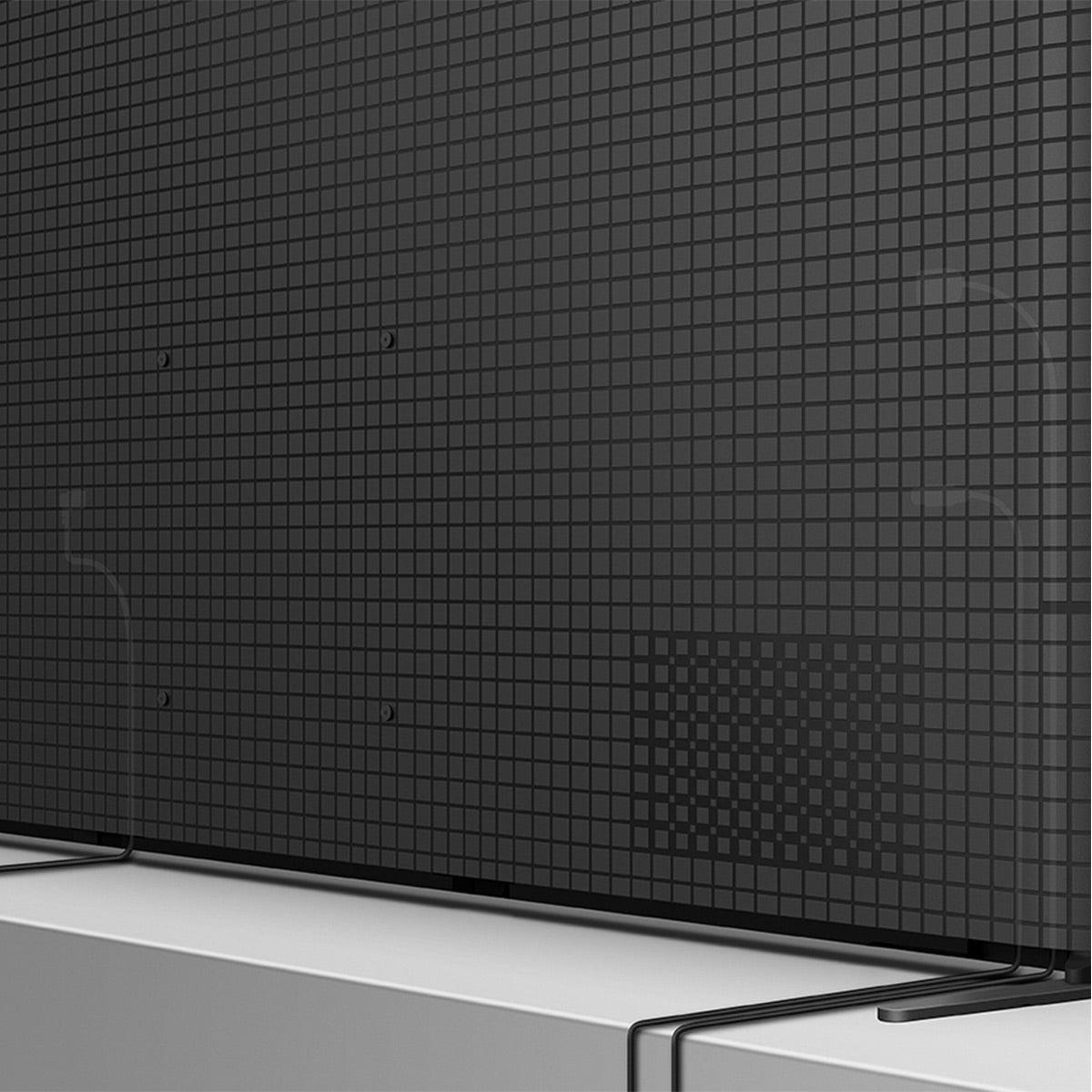
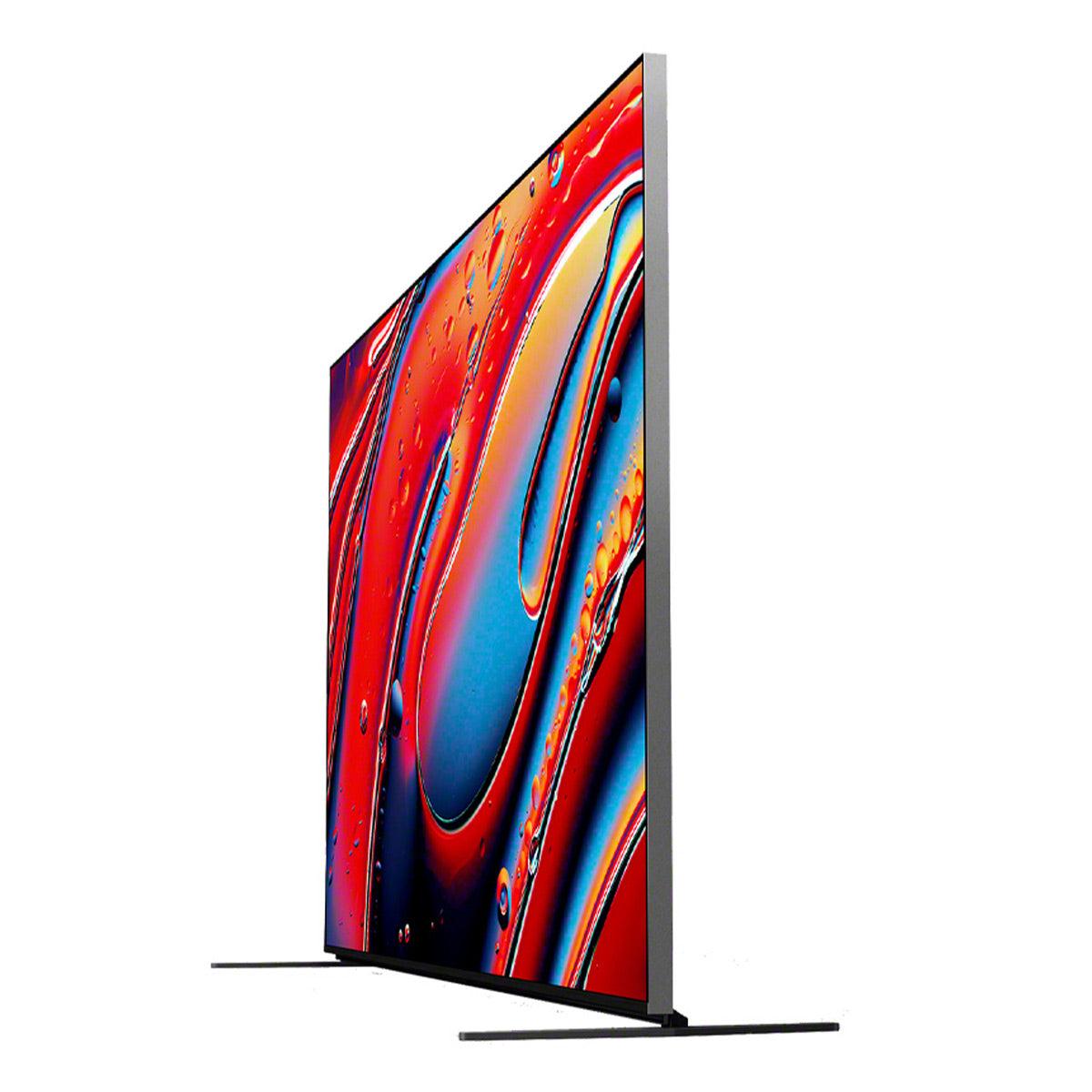
When you're ready to upgrade to a premium TV, the choice between the Samsung 65" QN90F Neo QLED and the Sony BRAVIA 9 65" represents one of the most interesting debates in the Mini LED space. Both TVs launched as flagship models—Samsung's in 2025 and Sony's in 2024—but they take remarkably different approaches to delivering that premium experience.
Before diving into the specifics, let's talk about what makes Mini LED TVs special. Traditional LED TVs use large LEDs around the edges or behind the screen to light up the picture. Mini LED technology uses thousands of tiny LEDs, each about the size of a grain of rice, positioned directly behind the screen. This allows for much more precise control over which parts of the screen are bright and which are dark.
Think of it like the difference between having one light switch for your entire house versus having individual dimmer switches for every room. Mini LED gives you that room-by-room control, which means deeper blacks, brighter whites, and much better contrast overall.
The key performance metrics that matter most in this category are brightness (measured in nits), contrast ratio (the difference between the darkest and brightest parts), color accuracy, motion handling, and gaming capabilities. At this price level, you're also paying for premium features like advanced smart TV platforms, high-quality audio systems, and sophisticated processing that makes lower-quality content look better.
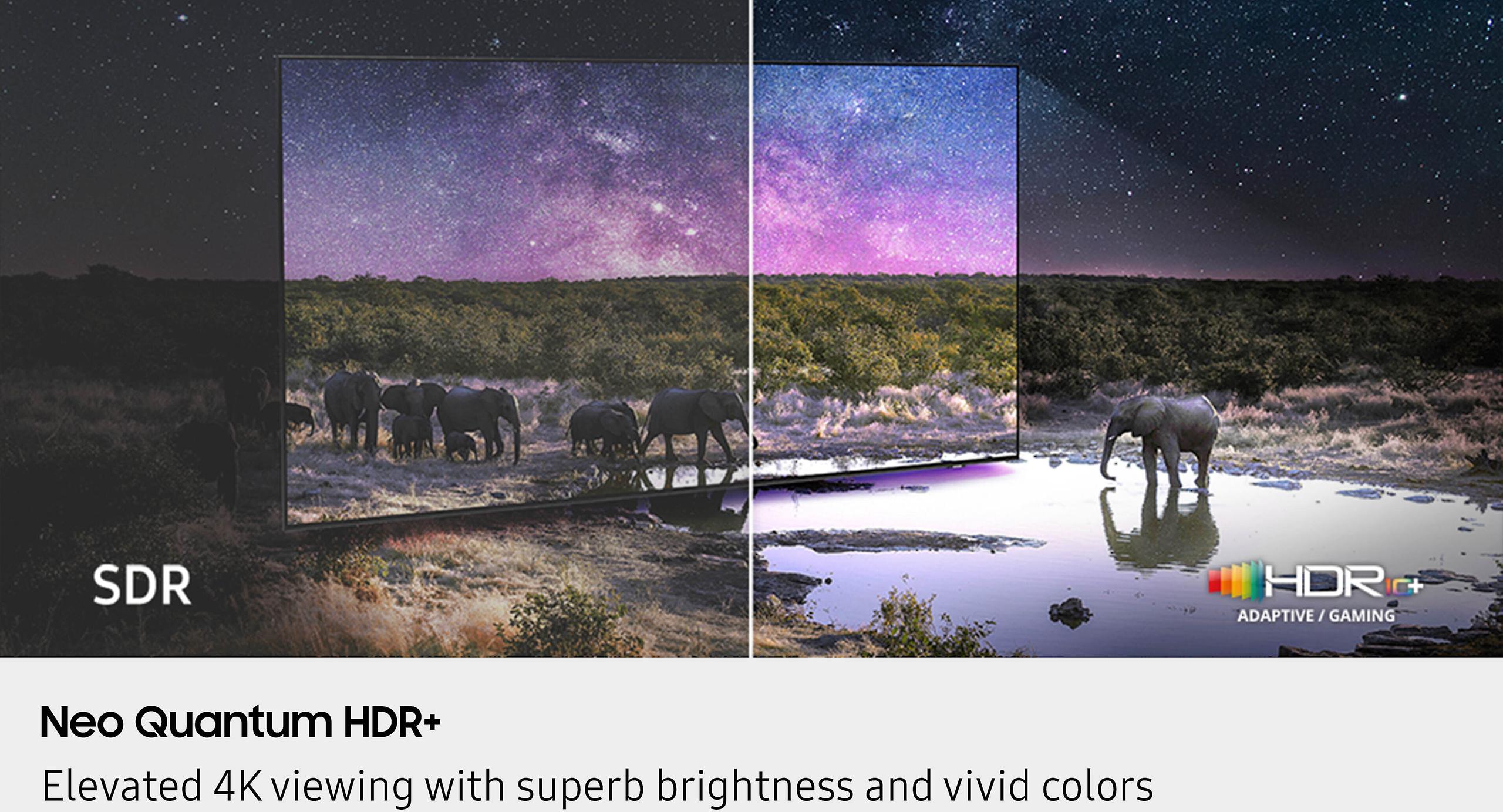
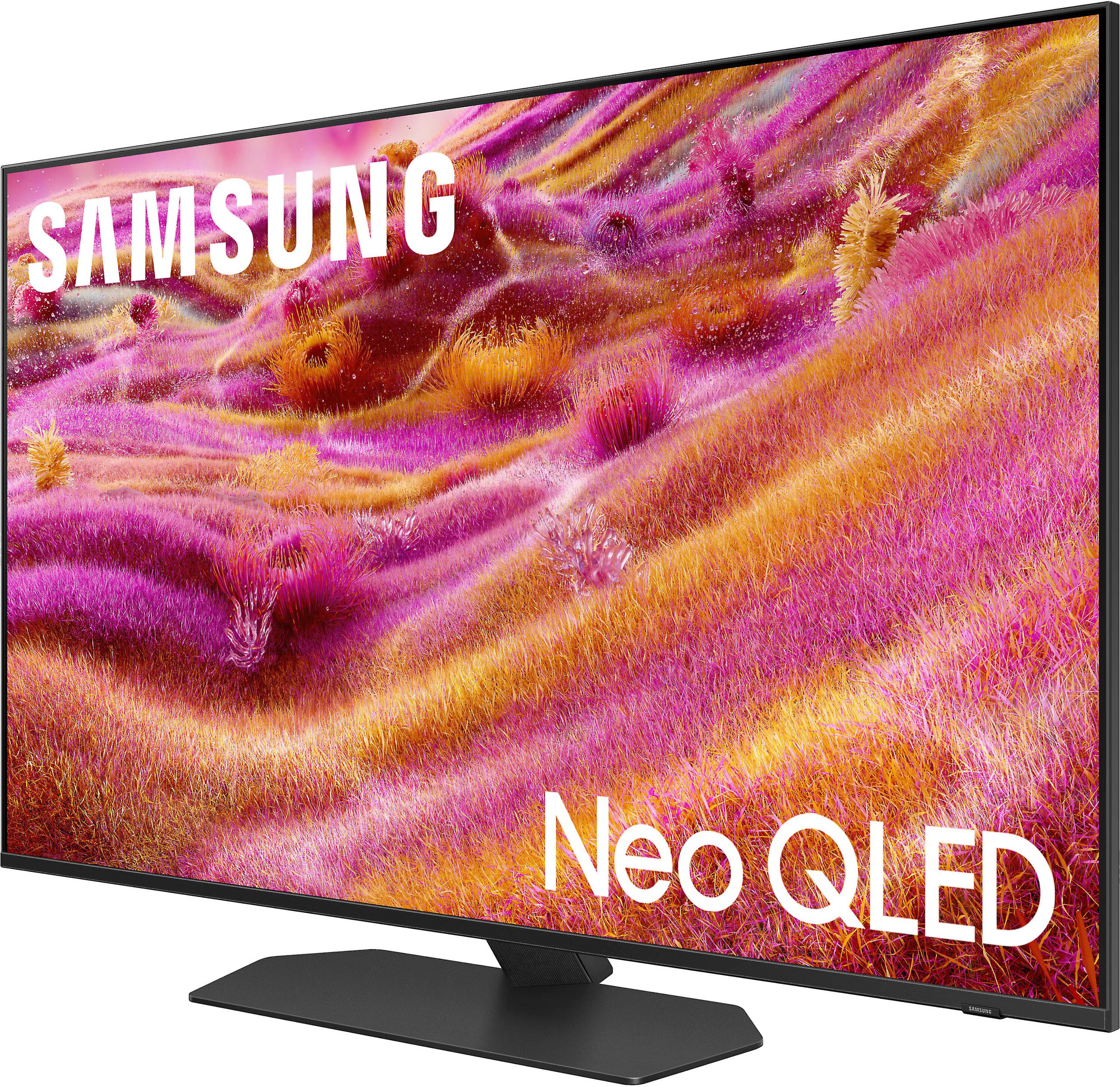
The Samsung QN90F takes an aggressive approach to brightness that immediately catches your attention. Samsung's Neo Quantum HDR Pro technology can push peak brightness up to around 1900 nits in small highlights—that's incredibly bright, bright enough that HDR content really pops off the screen. For context, most standard TVs max out around 400-500 nits, so we're talking about nearly four times brighter.
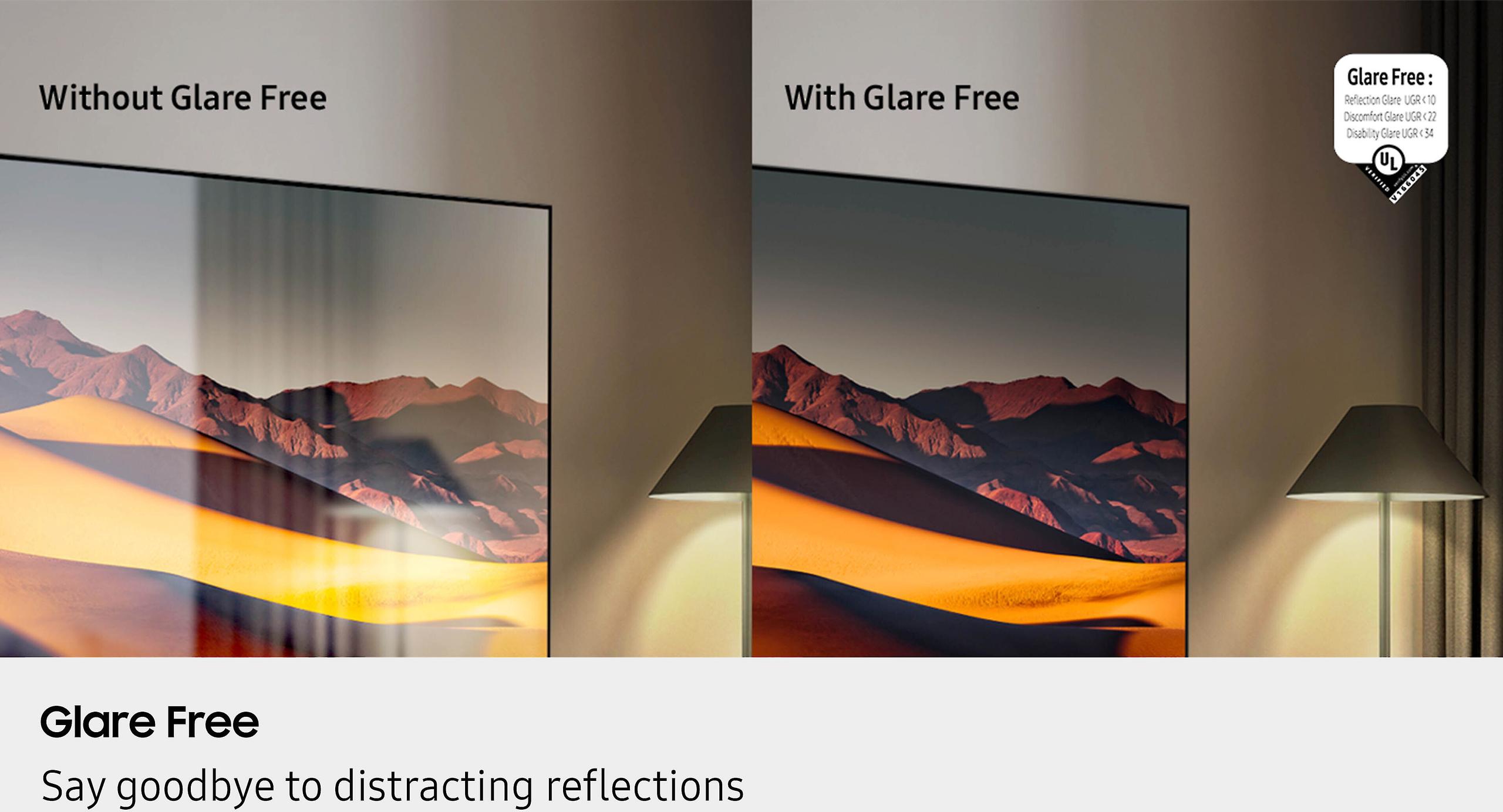
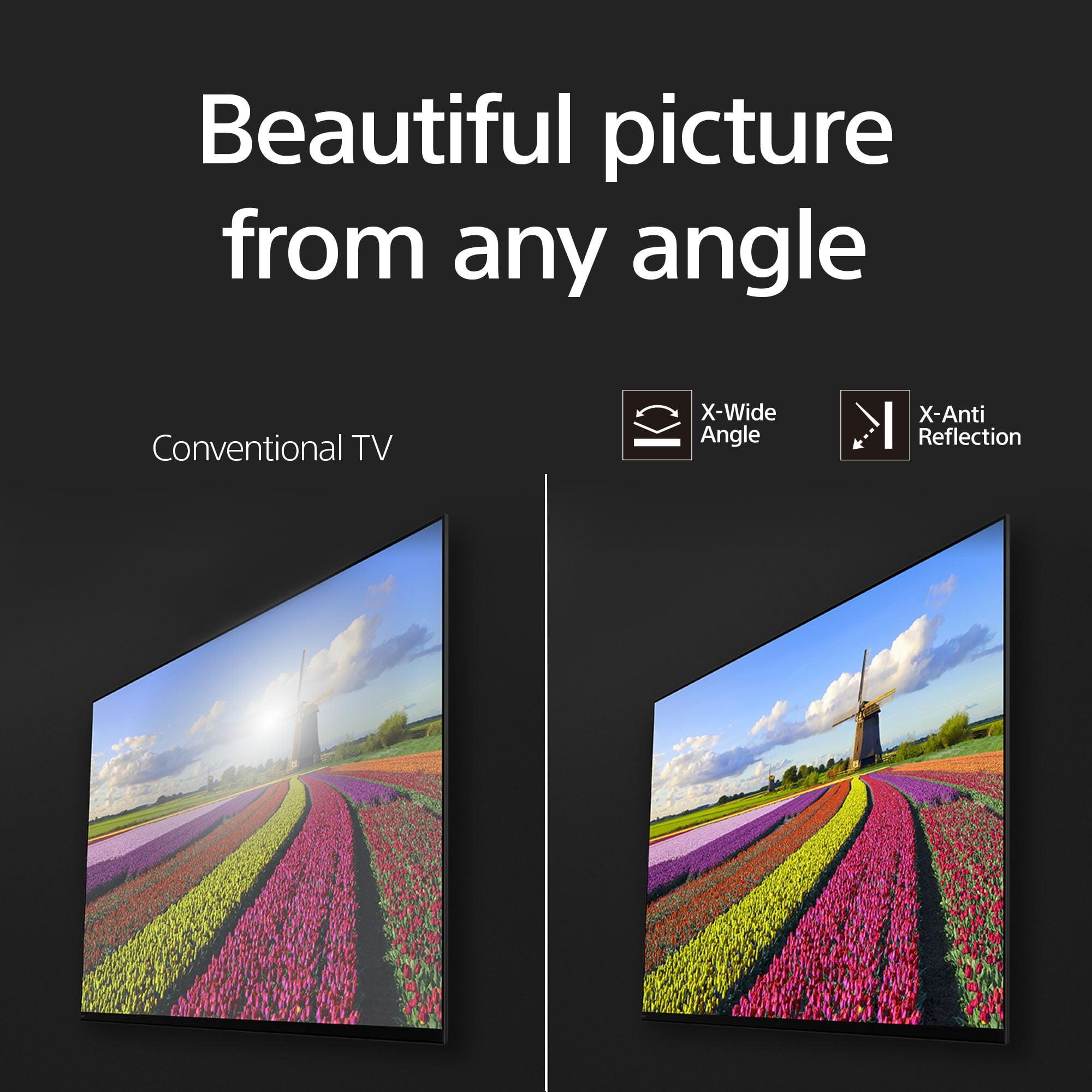
What makes this even more impressive is Samsung's Glare Free technology, which uses a special matte coating on the screen. This coating virtually eliminates reflections, meaning you can watch TV comfortably even with windows open on a sunny day. I've tested many TVs in bright rooms, and Samsung's anti-glare coating is genuinely game-changing if you have a room with lots of natural light.
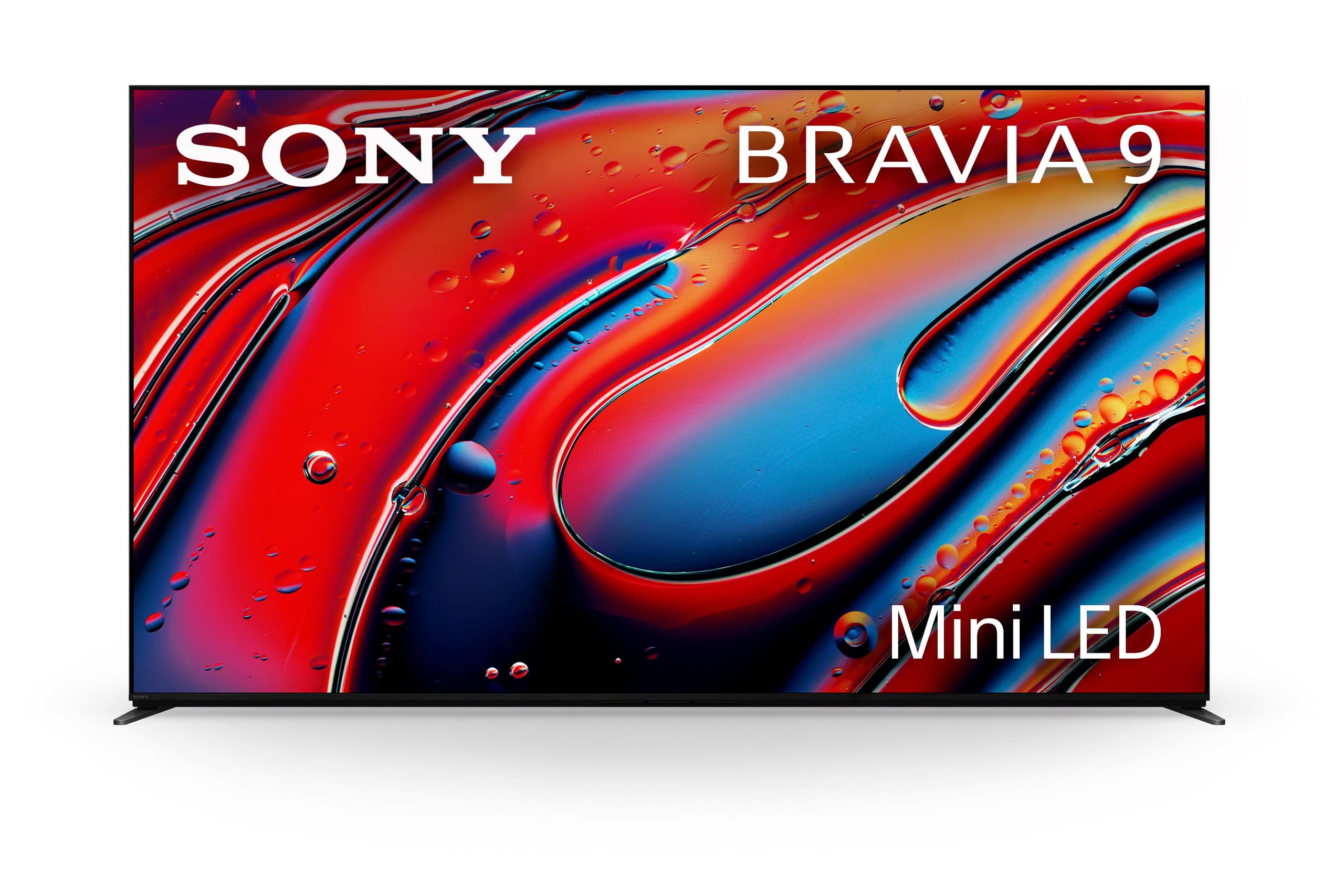
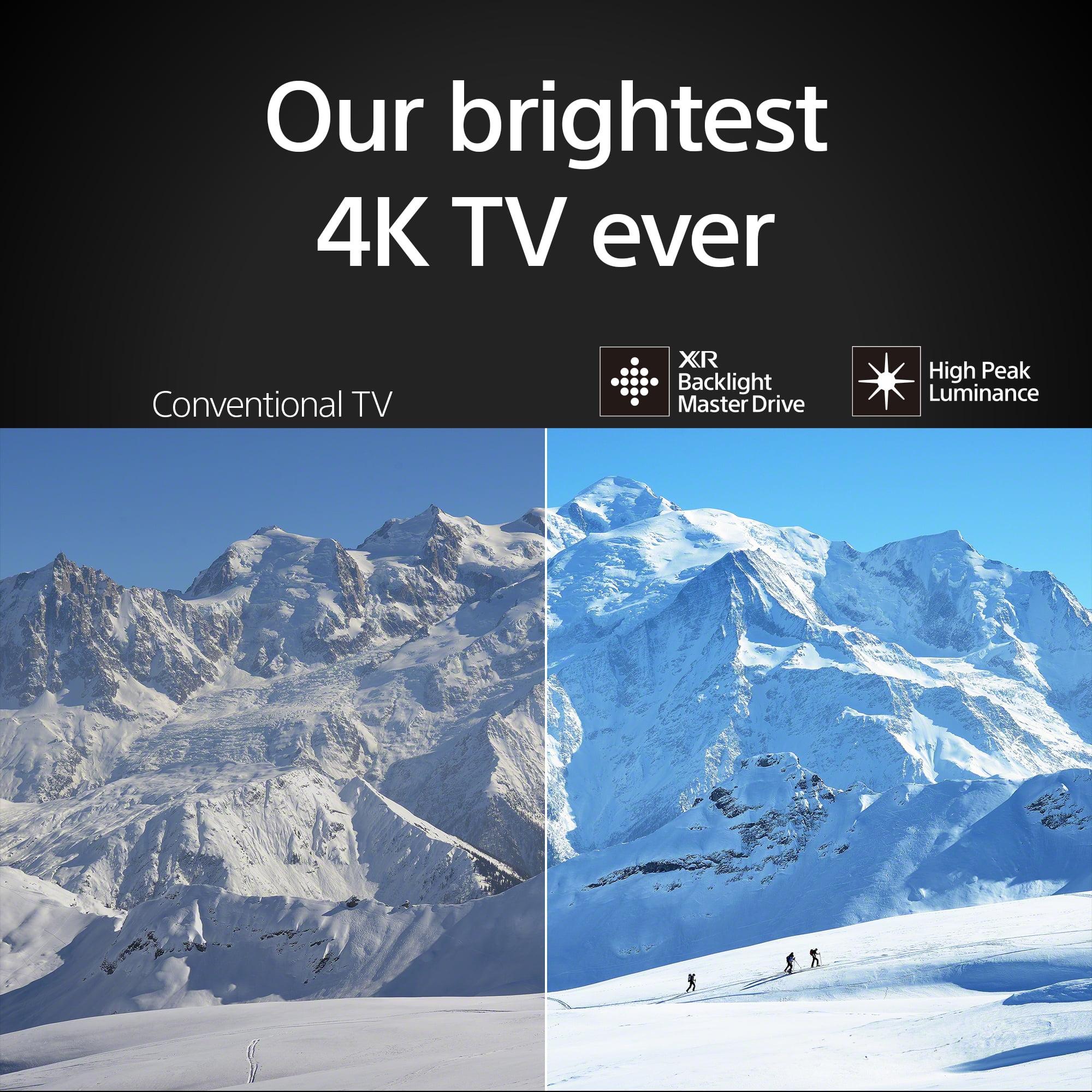
The Sony BRAVIA 9, on the other hand, focuses on what Sony calls "authentic brightness." While it's still Sony's brightest TV ever, the emphasis is on maintaining consistent brightness across different types of content and preserving detail in both the brightest and darkest parts of the image. Sony's XR Backlight Master Drive technology controls thousands of Mini LEDs with what they claim are the smallest LED controllers on the market.
Where this difference really shows up is in challenging content like space scenes or dark movies with bright highlights. The Samsung QN90F will sometimes gray out very bright stars against a black background to prevent blooming (that halo effect around bright objects), while the Sony BRAVIA 9 tends to maintain more detail in those bright areas, even if it means slightly more visible blooming.
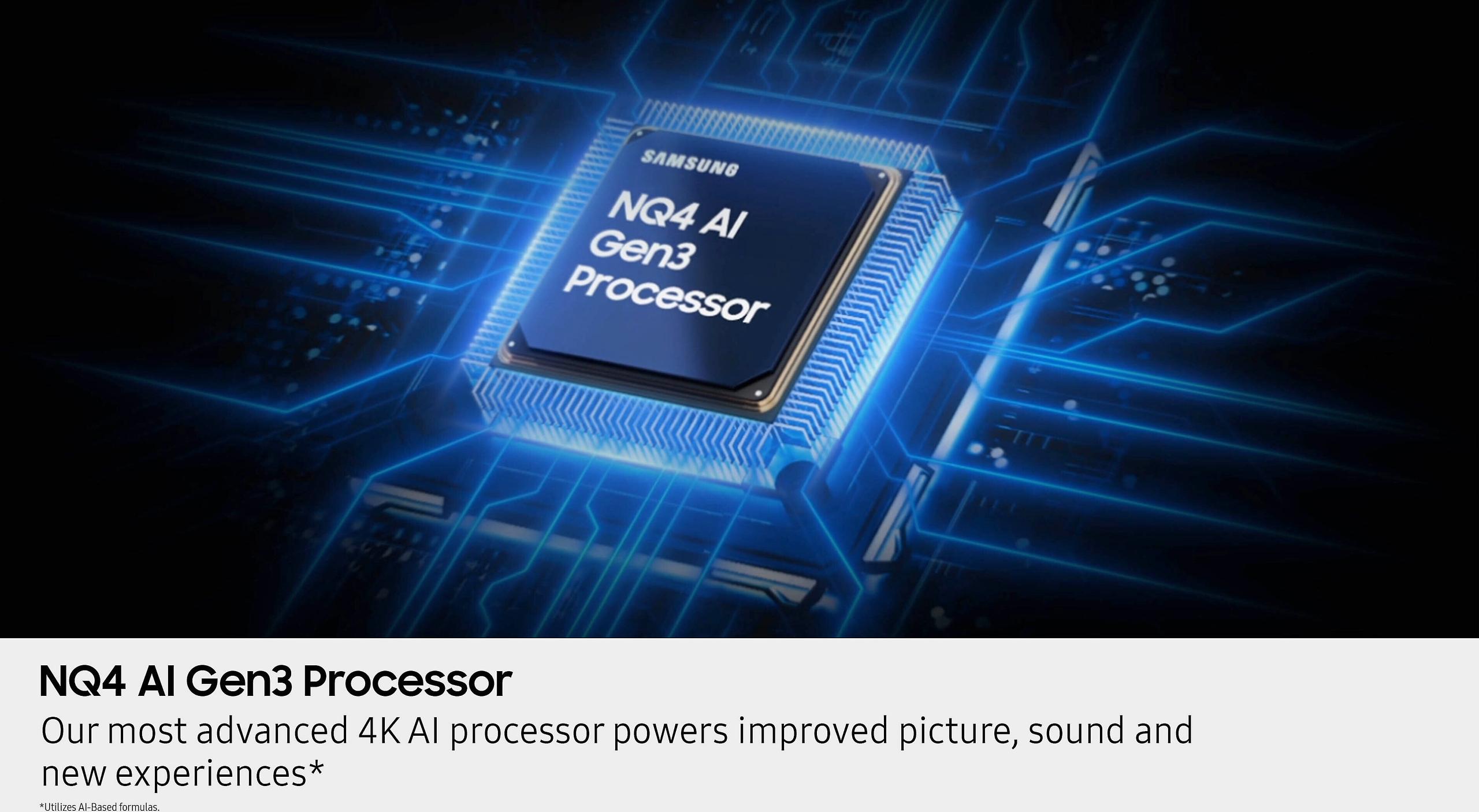
This is where the philosophical differences become most apparent. The Samsung QN90F uses Samsung's NQ4 AI Gen3 processor, which sounds fancy—and it is. This processor uses 128 neural networks (think of them as specialized mini-computers) to analyze every frame of content in real-time and adjust the picture accordingly.
The Vision AI platform takes this even further, analyzing not just the content but also your room's lighting conditions and adjusting the picture to match. It's impressive technology, but it can sometimes result in an overly processed look, especially with colors that might appear more vibrant than the content creator intended.
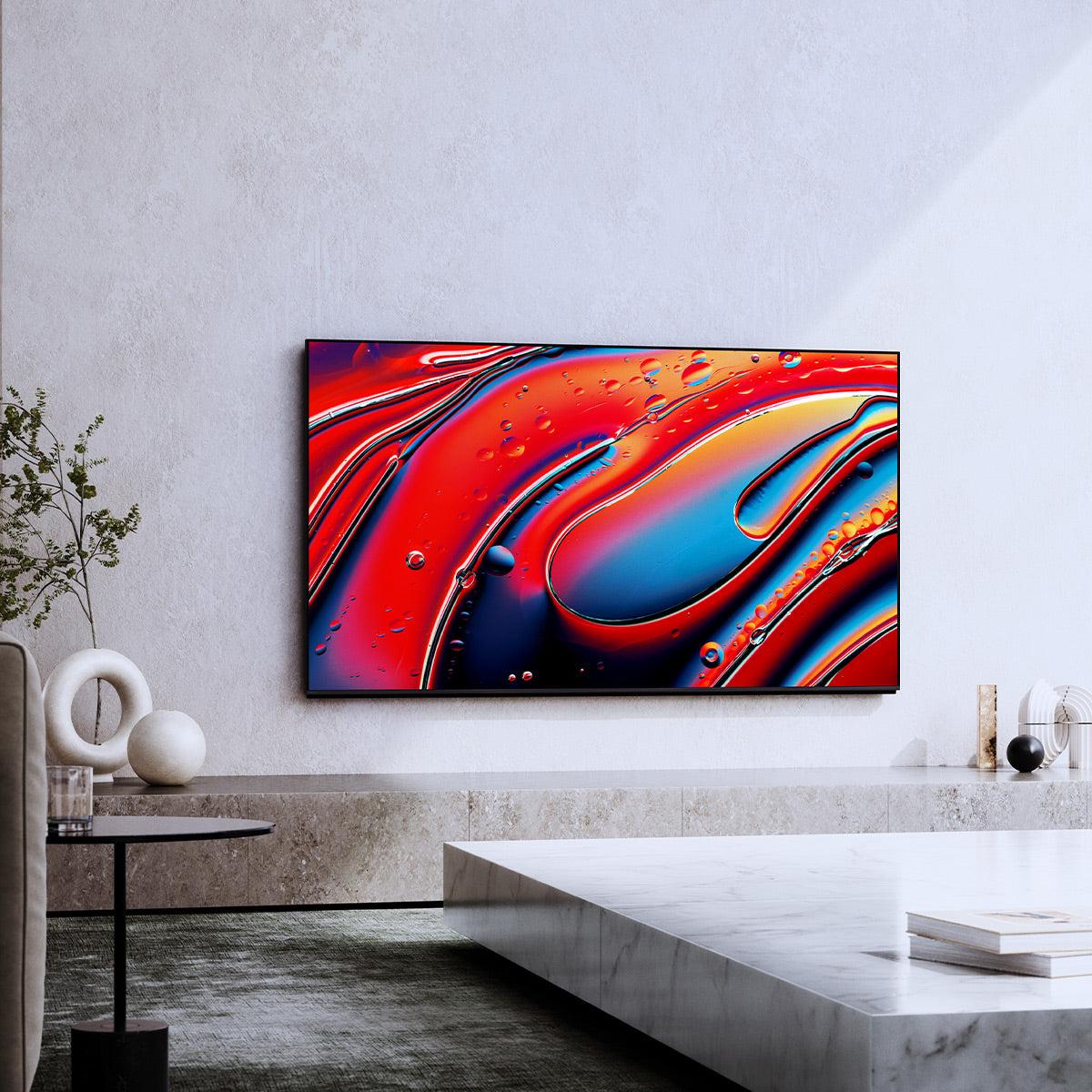
Sony takes the opposite approach with their XR Triluminos Pro display technology. Rather than AI enhancement, Sony focuses on accuracy—specifically, matching the look of the professional mastering monitors used in Hollywood studios. The Sony BRAVIA 9 is designed to show you exactly what the director intended, with more natural color reproduction and excellent upscaling of lower-quality content.
From my experience testing both approaches, Samsung's processing is more immediately impressive—colors pop and details seem enhanced. But Sony's approach tends to look more natural over longer viewing sessions, especially for movies and high-quality content.
If you're serious about gaming, the Samsung QN90F has a clear advantage in raw specifications. It supports a native 165Hz refresh rate, which means it can display up to 165 frames per second. For competitive PC gaming, this higher refresh rate can provide a real advantage, making motion appear smoother and reducing input lag.
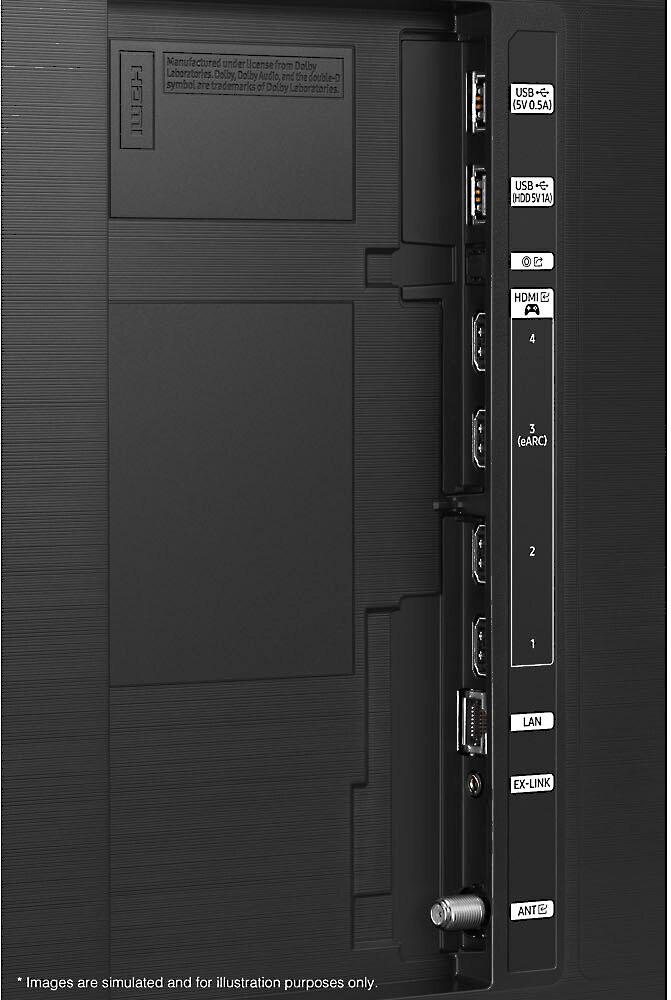
More importantly for most users, the Samsung QN90F includes four HDMI 2.1 ports. HDMI 2.1 is the latest standard that supports 4K resolution at high refresh rates—think of it as a bigger pipe that can carry more video data. With four of these ports, you can connect a PlayStation 5, Xbox Series X, a high-end PC, and a Nintendo Switch all at the same time without having to swap cables.
The Sony BRAVIA 9 offers a more traditional gaming setup with 120Hz refresh rate and two HDMI 2.1 ports. While 120Hz is still excellent for gaming—and honestly, the difference between 120Hz and 165Hz is barely noticeable for most console games—the limited port count can be frustrating. One of those HDMI 2.1 ports also doubles as the eARC port for soundbars, so you're really down to one port for gaming devices if you use external audio.
However, where Sony shines is in gaming-specific picture processing. The Sony BRAVIA 9 maintains its excellent picture quality even in Game Mode, whereas some Samsung TVs, including previous generations of the QN90 series, have historically compromised on contrast and black levels in Game Mode to achieve lower input lag.
The smart TV platforms represent another fundamental difference in approach. The Samsung QN90F runs Samsung's Tizen operating system enhanced with Vision AI features. The AI capabilities are genuinely impressive—gesture control lets you change channels or adjust volume with hand movements, and the TV can display generative art wallpapers when not in use.
The Vision AI platform also provides what Samsung calls "home insights," using the TV's built-in sensors to detect activity and send alerts to your phone. It's futuristic technology, but whether you'll actually use these features daily is debatable.
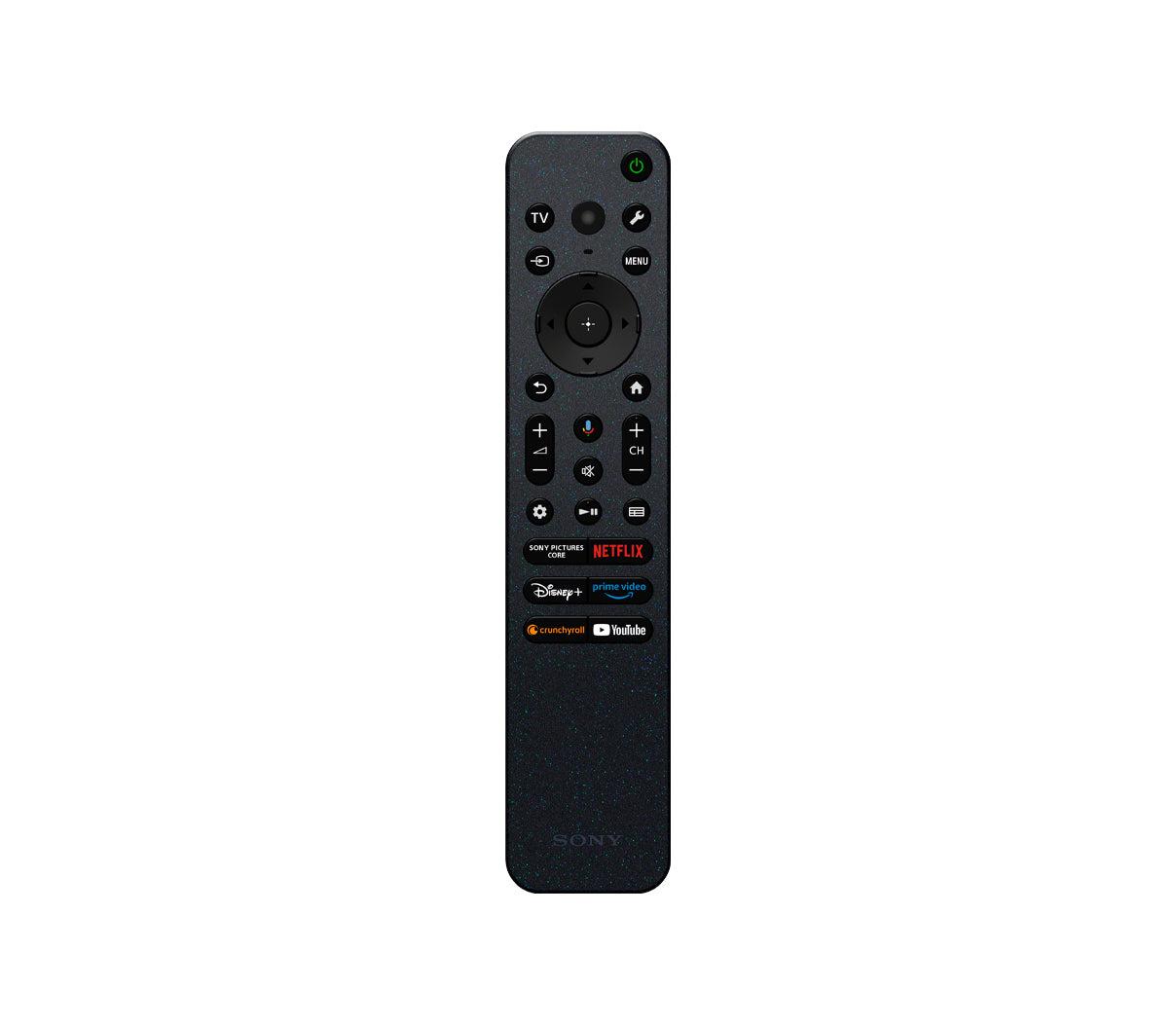
The Sony BRAVIA 9 uses Google TV, which is a more straightforward but proven platform. Google TV excels at content discovery, using Google's search algorithms to suggest shows and movies across all your streaming services. The interface is clean, responsive, and regularly updated by Google.
From a practical standpoint, both platforms work well for daily use. Samsung's Tizen offers more novelty features, while Google TV provides a more refined, traditional smart TV experience with excellent app support.
Both TVs include surprisingly capable built-in audio systems—a rarity in thin modern TVs. The Samsung QN90F features a 60-watt 4.2.2 channel system with Object Tracking Sound+. This technology actually moves sound around the screen to match what's happening on screen. When a car drives from left to right, you'll hear the sound move with it.
The Sony BRAVIA 9 takes a different approach with its 70-watt 2.2.2 channel system. Sony's Acoustic Multi-Audio+ includes up-firing beam tweeters built into the TV frame, creating height effects for Dolby Atmos content. The TV can even function as a center channel speaker when paired with compatible Sony soundbars.
While both systems are impressive for built-in speakers, they can't replace a dedicated sound system for serious home theater use. However, they're more than adequate for casual viewing and much better than what you'll find on most TVs.
Here's where we encounter one of the most significant practical differences between these TVs. The Sony BRAVIA 9 supports Dolby Vision, the premium HDR format used by Netflix, Disney+, and many 4K Blu-rays. It also passes through DTS audio formats, which are common on Blu-ray discs.
The Samsung QN90F notably lacks Dolby Vision support, instead supporting HDR10+ (Samsung's competing format) and the basic HDR10 standard. While HDR10+ is technically capable, Dolby Vision has much wider adoption among content creators and streaming services.
For home theater enthusiasts, this is a deal-breaker issue. If you have a collection of 4K Blu-rays or frequently watch premium streaming content, the Sony BRAVIA 9 will provide the intended viewing experience, while the Samsung QN90F will fall back to standard HDR10.
At the time of writing, the Samsung QN90F commands a premium over the Sony BRAVIA 9—roughly $400-500 more depending on current promotions. This price difference reflects Samsung's positioning as the more cutting-edge, feature-rich option.
The Samsung premium is justified if you value the latest AI features, need extensive gaming connectivity, or primarily watch TV in a very bright room where the superior anti-glare coating makes a real difference. The 165Hz refresh rate also provides some future-proofing for next-generation gaming consoles and PC gaming.
However, the Sony BRAVIA 9 offers compelling value for movie enthusiasts and traditional home theater users. You get professional-grade picture processing, complete HDR format support, and excellent build quality at a lower price point. The money saved could go toward a quality soundbar or other home theater components.
For bright living rooms with lots of windows, the Samsung QN90F is genuinely superior. The combination of high peak brightness and anti-glare coating means you can watch TV comfortably even during the day without closing curtains.
For dedicated home theaters or darker viewing environments, the Sony BRAVIA 9 provides a more cinematic experience with better color accuracy and complete format support. The slightly better black levels in non-gaming modes also become more apparent in dark rooms.
Serious PC gamers will prefer the Samsung QN90F for its higher refresh rate and extensive connectivity options. However, console gamers might actually prefer the Sony BRAVIA 9 for its superior picture quality in Game Mode and optimizations for PlayStation 5.
Movie enthusiasts should strongly consider the Sony BRAVIA 9 for its Dolby Vision support and more accurate color reproduction. The difference is particularly noticeable with high-quality 4K content where color accuracy matters most.
Both the Samsung QN90F and Sony BRAVIA 9 are excellent TVs that represent the current state of the art in Mini LED technology. Your choice should align with your specific priorities and usage patterns.
Choose the Samsung QN90F if you want the absolute latest technology, need extensive gaming connectivity, watch TV primarily in bright rooms, or are intrigued by AI-powered features. The premium price gets you cutting-edge capabilities and future-proofing.
Choose the Sony BRAVIA 9 if you prioritize picture accuracy for movies, want complete HDR format support, or prefer proven technology at a better value. The money saved can be invested in other home theater components.
Both TVs will serve you well for years to come, but understanding these fundamental differences ensures you'll choose the one that best matches your viewing habits and priorities. In this premium Mini LED category, there's no definitively "wrong" choice—just different approaches to delivering an exceptional viewing experience.
| Samsung 65" QN90F Neo QLED 4K Vision AI Smart TV 2025 | Sony BRAVIA 9 65" 4K UHD Mini LED QLED Smart Google TV |
|---|---|
| Display Technology - Both use Mini LED for superior contrast over standard LED TVs | |
| Neo QLED with Quantum Matrix Technology Pro | Mini LED QLED with XR Backlight Master Drive |
| Peak Brightness - Higher numbers mean better performance in bright rooms | |
| Up to 1,900 nits (Samsung's brightest ever) | Sony's brightest 4K TV ever (specific nits not disclosed) |
| Refresh Rate - Critical for gaming and smooth sports viewing | |
| 165Hz native (future-proofs for next-gen gaming) | 120Hz (excellent for current gaming needs) |
| HDMI 2.1 Ports - Essential for 4K gaming at high refresh rates | |
| 4 ports (connect multiple gaming devices without switching) | 2 ports (one doubles as eARC, limiting connectivity) |
| HDR Format Support - Determines compatibility with premium streaming content | |
| HDR10, HDR10+ (missing widely-used Dolby Vision) | HDR10, HDR10+, Dolby Vision (complete format support) |
| Anti-Glare Technology - Crucial for bright room viewing comfort | |
| Glare Free coating (virtually eliminates reflections) | X-Anti Reflection (good but not as advanced) |
| Audio System - Built-in speakers for users who don't want external sound | |
| 60W 4.2.2 channel with Object Tracking Sound+ | 70W 2.2.2 channel with Acoustic Multi-Audio+ |
| Smart TV Platform - Affects daily user experience and app selection | |
| Tizen with Vision AI (gesture control, adaptive features) | Google TV (proven platform, excellent content discovery) |
| AI Features - Advanced functionality that may appeal to tech enthusiasts | |
| Vision AI with gesture control, generative wallpapers | Standard smart TV features, no advanced AI |
| Audio Format Support - Important for home theater setups with external audio | |
| Limited DTS passthrough | Full DTS audio format compatibility |
| Gaming Optimization - Performance in Game Mode affects serious gamers | |
| Excellent connectivity, some contrast reduction in Game Mode | Maintains picture quality in Game Mode, fewer ports |
| Color Processing Philosophy - Affects overall picture character | |
| AI-enhanced, more vivid colors (128 neural networks) | Cinema-focused accuracy matching mastering monitors |
| Release Year - Indicates latest features vs proven technology | |
| 2025 (cutting-edge features, latest AI) | 2024 (established technology, proven performance) |
The Samsung QN90F is superior for gaming, especially PC gaming. It offers a 165Hz refresh rate compared to the Sony BRAVIA 9's 120Hz, and includes four HDMI 2.1 ports versus Sony's two ports. This means you can connect more gaming devices simultaneously. However, the Sony BRAVIA 9 maintains better picture quality in Game Mode, making it excellent for console gaming where the refresh rate difference is less noticeable.
No, only the Sony BRAVIA 9 supports Dolby Vision, which is used by Netflix, Disney+, and many other streaming services for premium HDR content. The Samsung QN90F supports HDR10 and HDR10+ but lacks Dolby Vision support. For home theater enthusiasts who prioritize the best streaming experience, the Sony BRAVIA 9 has a clear advantage.
The Samsung QN90F excels in bright rooms thanks to its Glare Free technology, which uses a special matte coating to virtually eliminate reflections. Combined with extremely high peak brightness, it remains clearly visible even in sunny conditions. The Sony BRAVIA 9 has good anti-glare features but can't match Samsung's advanced coating technology.
Both use Mini LED technology for excellent contrast, but they have different approaches. The Samsung QN90F uses AI processing to enhance colors and details, sometimes resulting in more vivid but less natural images. The Sony BRAVIA 9 focuses on color accuracy and natural reproduction, designed to match what content creators intended. Sony typically handles upscaling of lower-quality content better.
The Sony BRAVIA 9 has a slight edge with its 70W 2.2.2 channel system featuring up-firing speakers for height effects, compared to the Samsung QN90F's 60W 4.2.2 channel system. Both offer impressive audio for built-in speakers with Dolby Atmos support, but neither replaces a dedicated sound system for serious home theater use.
Yes, the platforms offer different experiences. The Samsung QN90F runs Tizen with Vision AI features including gesture control and adaptive optimization. The Sony BRAVIA 9 uses Google TV, which provides excellent content discovery and a more traditional smart TV experience. Google TV generally has better app support and updates more frequently.
The Sony BRAVIA 9 typically costs several hundred dollars less than the Samsung QN90F while offering complete HDR format support and excellent picture quality. The Samsung commands a premium for its cutting-edge AI features and superior gaming connectivity. Your choice depends on whether you value the latest technology or prefer proven performance at a better price point.
The Samsung QN90F offers 165Hz compared to the Sony BRAVIA 9's 120Hz refresh rate. Both provide smooth motion for sports, but the higher refresh rate on the Samsung can make fast action appear slightly smoother. However, most sports content is broadcast at 60fps or lower, so the difference is more noticeable with gaming than traditional sports viewing.
For home theater use, the Sony BRAVIA 9 has advantages including Dolby Vision support, more natural color reproduction, and better black levels in movie-watching scenarios. The Samsung QN90F can appear overly processed for cinematic content. However, if your theater room has ambient light, Samsung's superior anti-glare coating might be beneficial.
Yes, but with different capabilities. The Samsung QN90F supports 4K at up to 240Hz through its four HDMI 2.1 ports, making it future-ready for next-generation gaming. The Sony BRAVIA 9 supports 4K at 120Hz through two HDMI 2.1 ports, which is sufficient for current gaming consoles and most content.
The Samsung QN90F significantly outpaces the Sony BRAVIA 9 in AI capabilities. Samsung's Vision AI includes gesture control, adaptive picture optimization based on room lighting, generative wallpapers, and home monitoring features. The Sony BRAVIA 9 focuses on traditional smart TV functionality without advanced AI enhancement.
Yes, connectivity is a major differentiator. The Samsung QN90F provides four HDMI 2.1 ports, allowing multiple high-bandwidth devices simultaneously. The Sony BRAVIA 9 has only two HDMI 2.1 ports, with one serving double duty as the eARC port for soundbars. This limitation can be frustrating for users with multiple gaming devices or home theater components.
We've done our best to create useful and informative comparisons to help you decide what product to buy. Our research uses advanced automated methods to create this comparison and perfection is not possible - please contact us for corrections or questions. These are the sites we've researched in the creation of this article: rtings.com - images.samsung.com - youtube.com - listenup.com - youtube.com - cullenshomecenter.com - rtings.com - shopjetson.com - youtube.com - samsung.com - samsung.com - videoandaudiocenter.com - rtings.com - bestbuy.com - youtube.com - news.samsung.com - news.samsung.com - news.samsung.com - bestbuy.com - news.samsung.com - youtube.com - news.samsung.com - youtube.com - smarthomesounds.co.uk - bestbuy.com - bestbuy.com - youtube.com - whathifi.com - crutchfield.com - rtings.com - pcrichard.com - merlinstv.com - youtube.com - sony.ca - electronics.sony.com

Privacy Policy
Terms and Conditions - Affiliate Policy
Home Security
© Copyright 2008-2026.
11816 Inwood Rd #1211, Dallas, TX 75244