

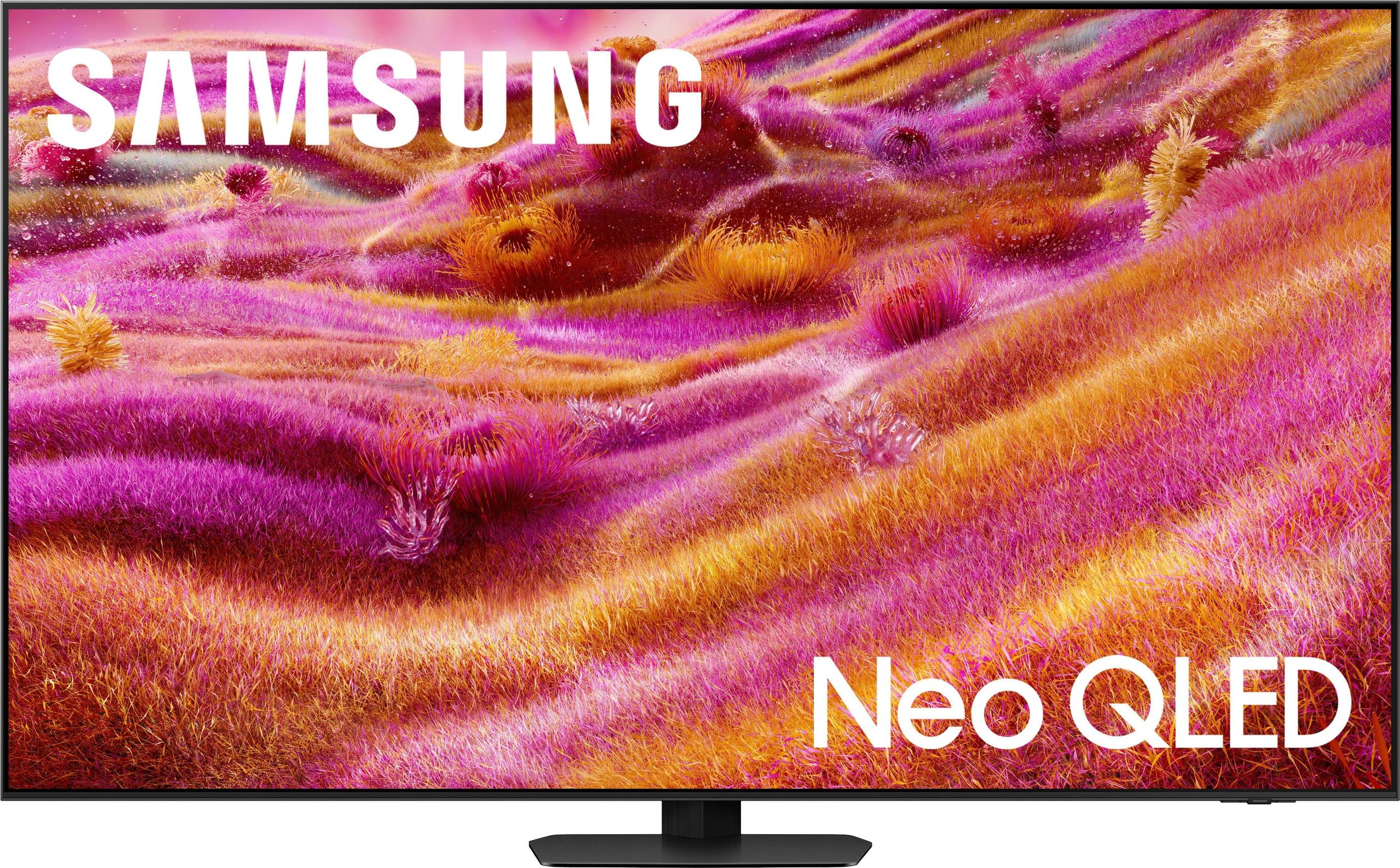
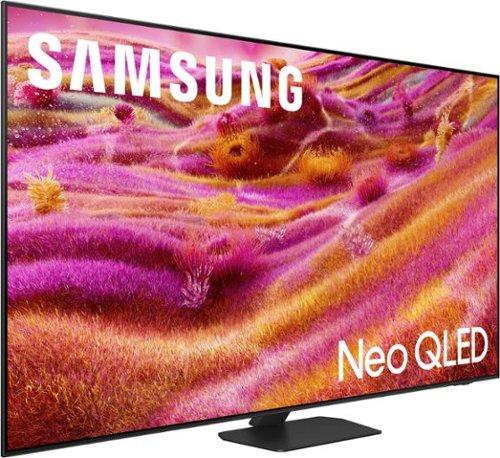
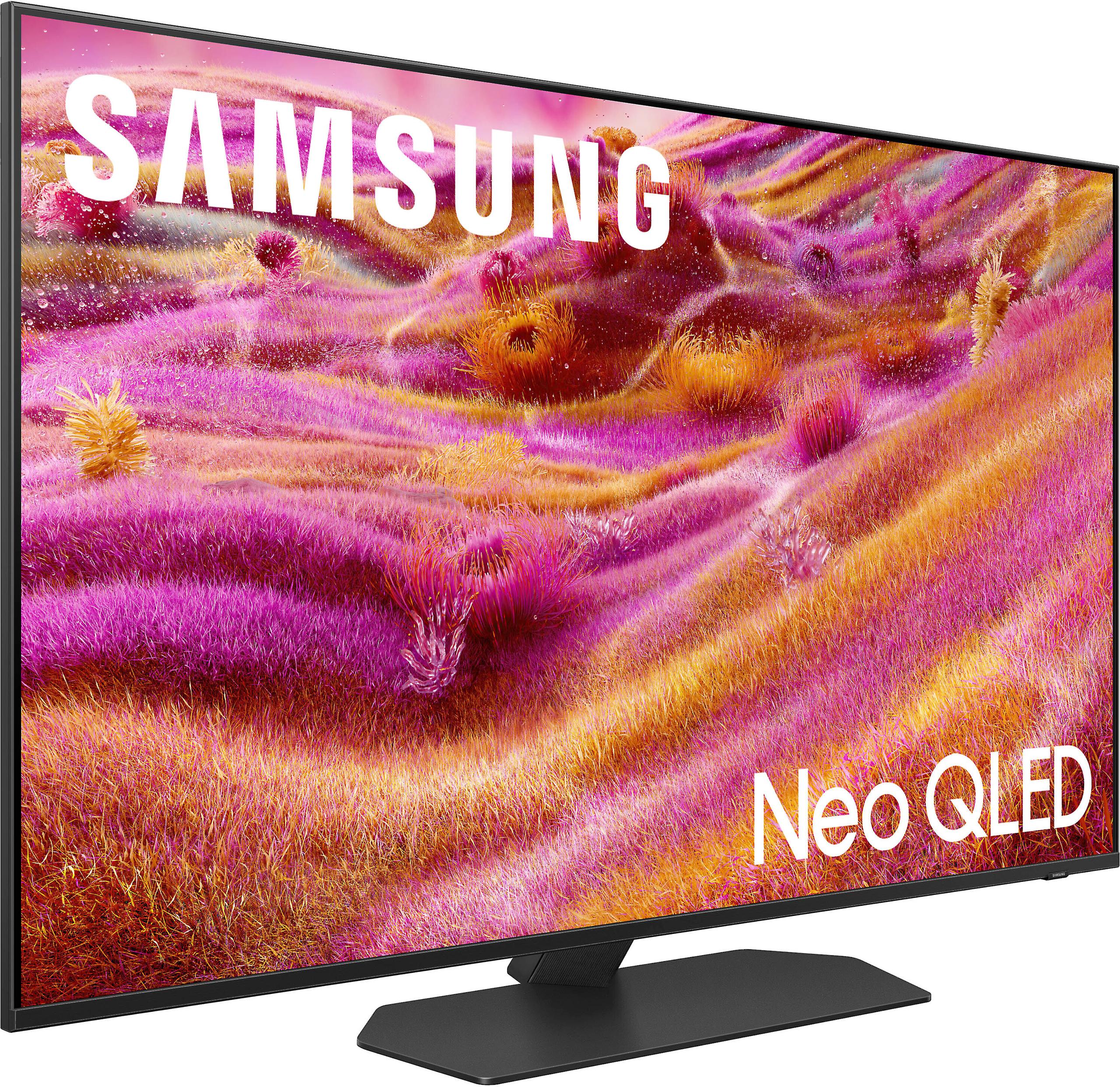
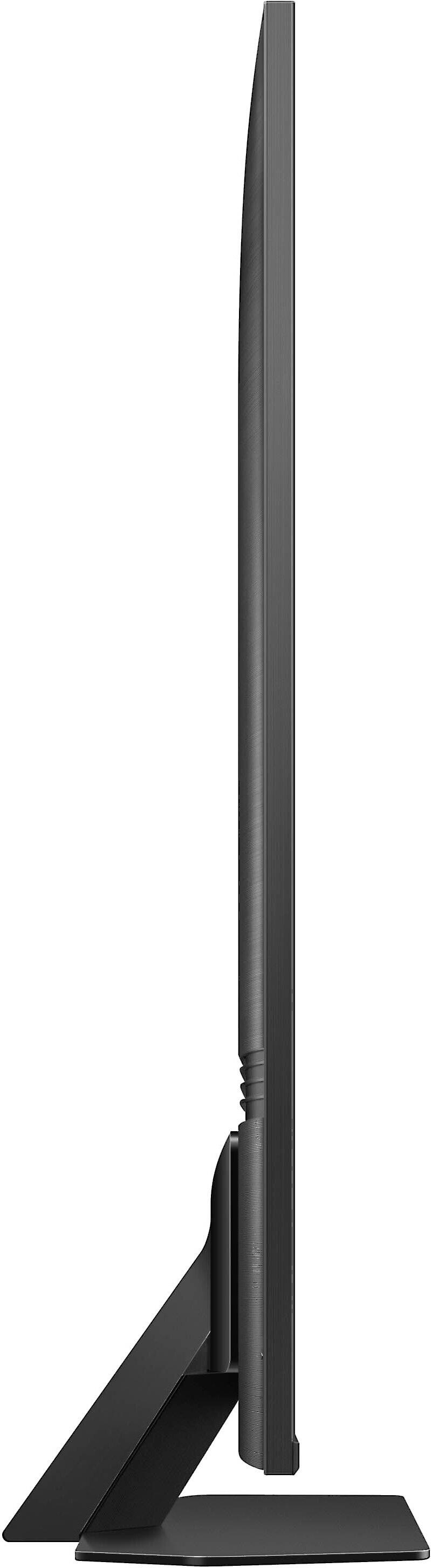
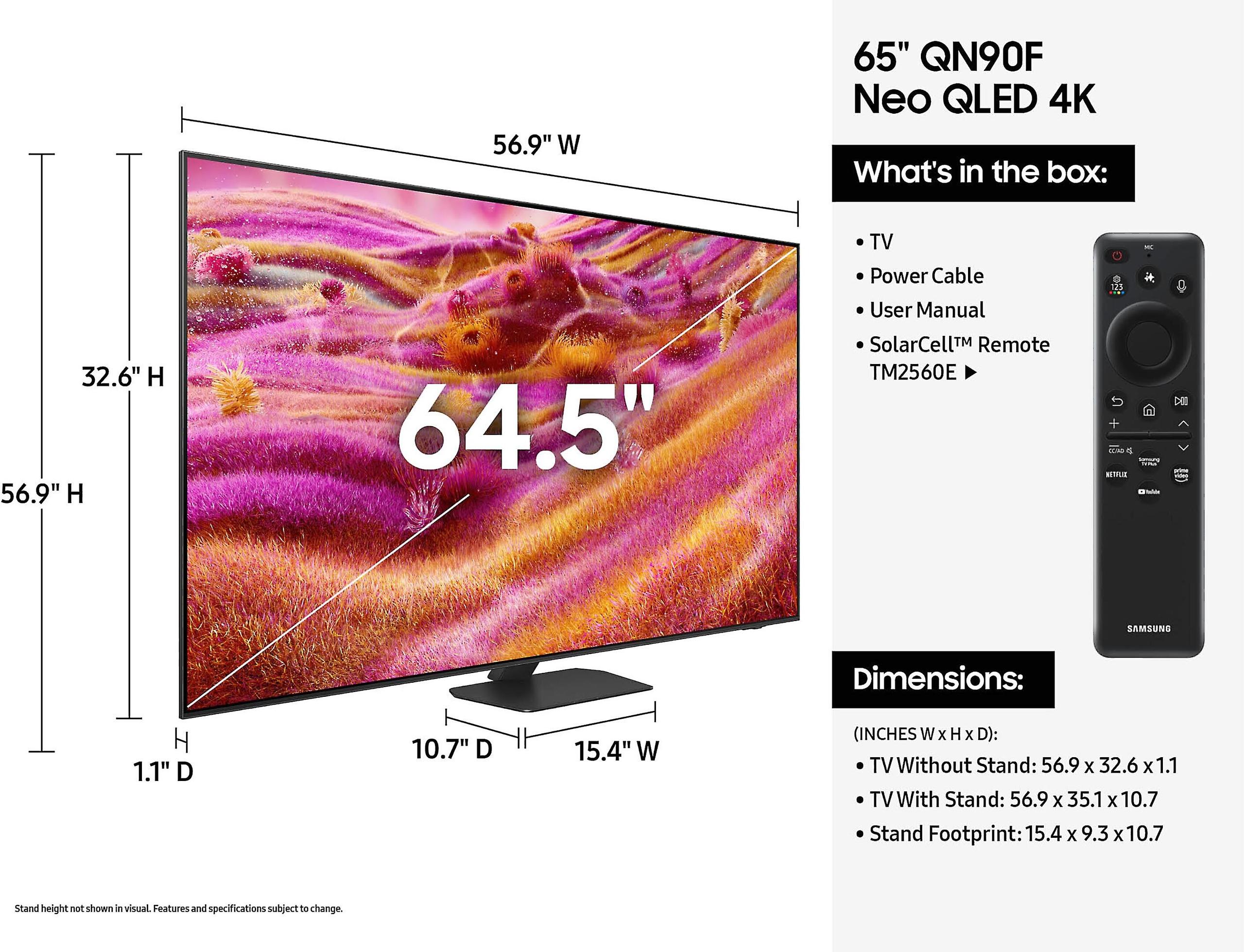
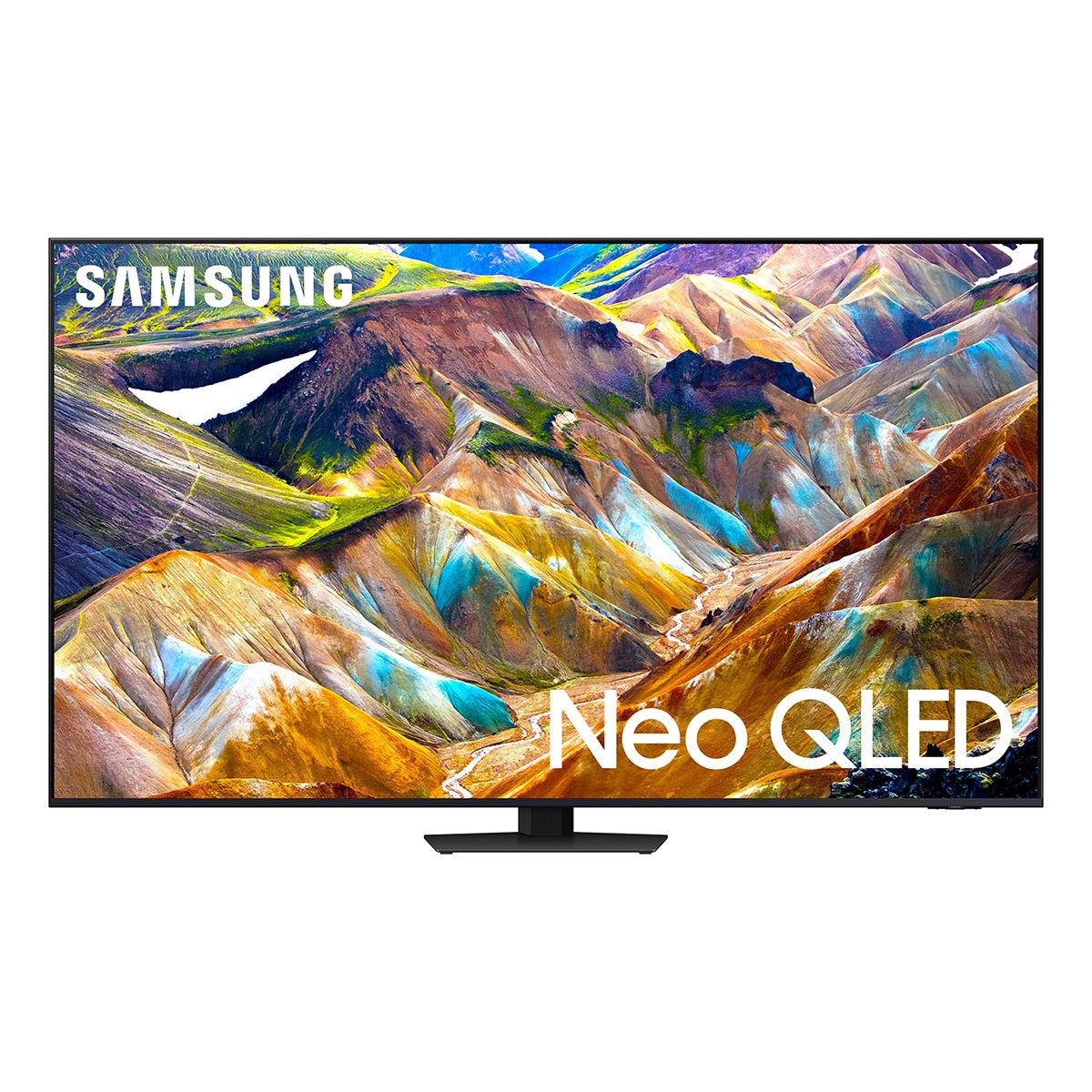
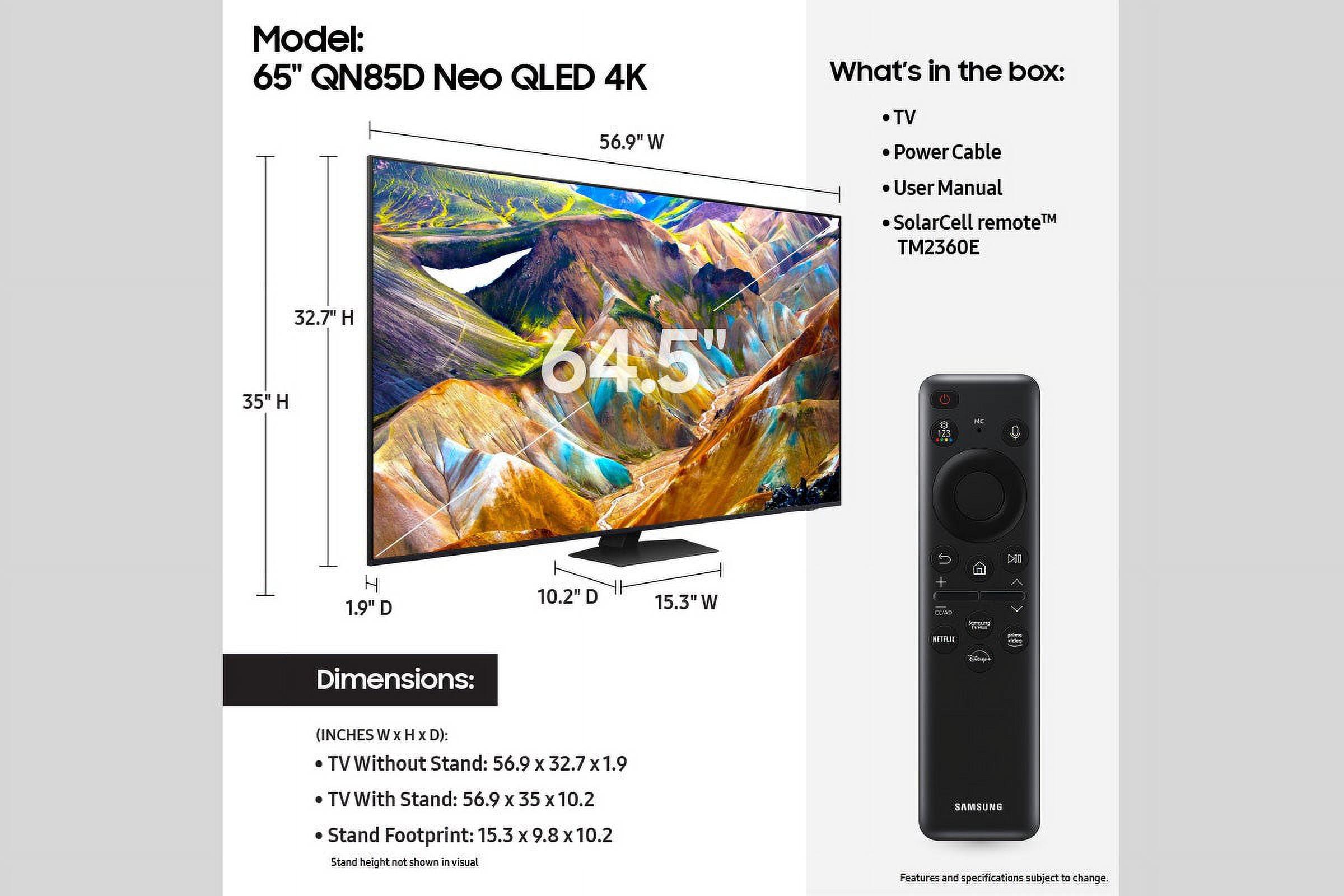
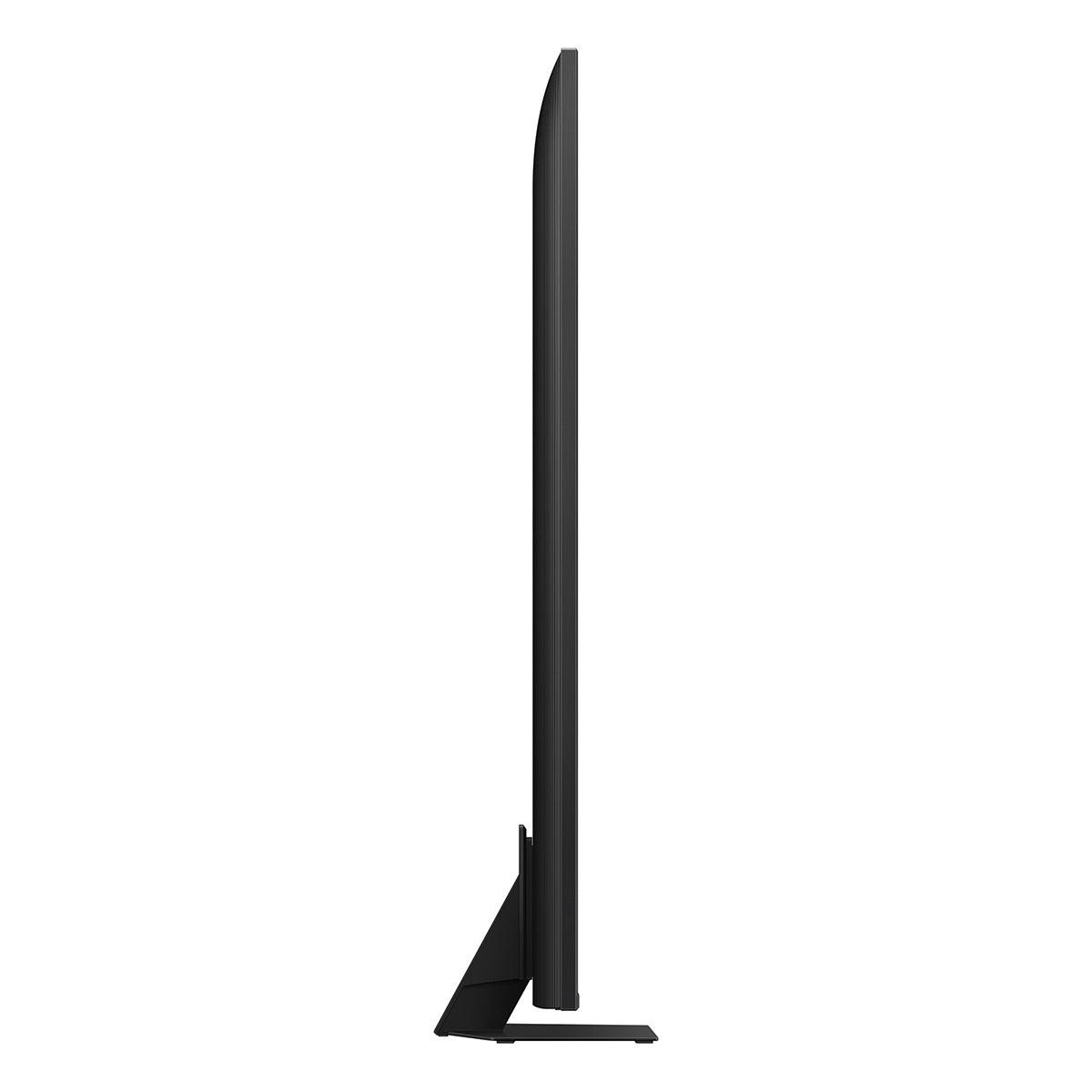
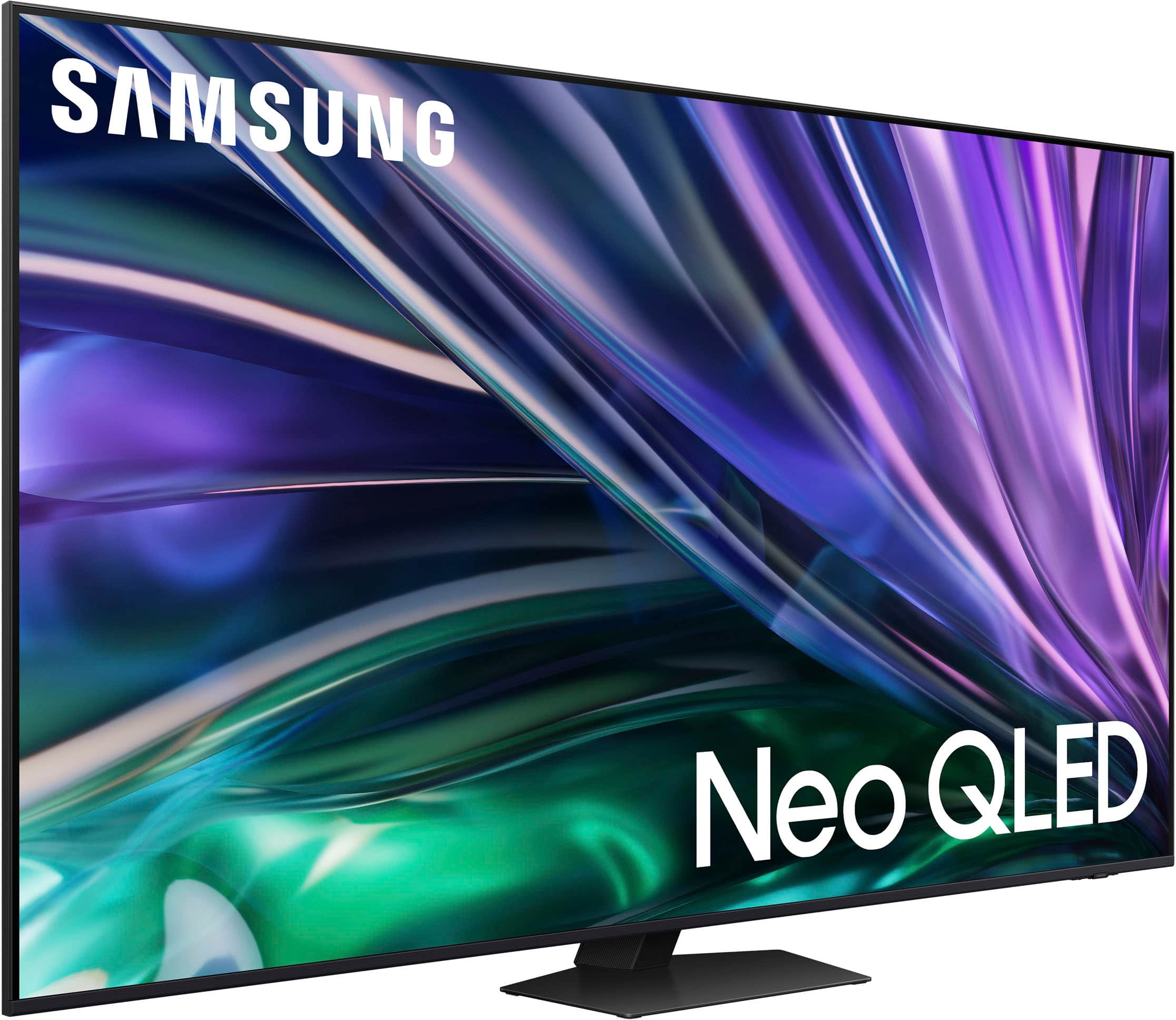

When I first started reviewing TVs, the differences between models in the same brand were often subtle—maybe a slightly better remote or an extra HDMI port. Those days are long gone. Today's TV market, especially in Samsung's Neo QLED lineup, offers dramatically different experiences even within the same size class. The Samsung 65" QN90F Neo QLED 4K Vision AI Smart TV 2025 and Samsung 65" QN85D Neo QLED 4K Smart TV perfectly illustrate this evolution, representing two distinct approaches to premium television technology.
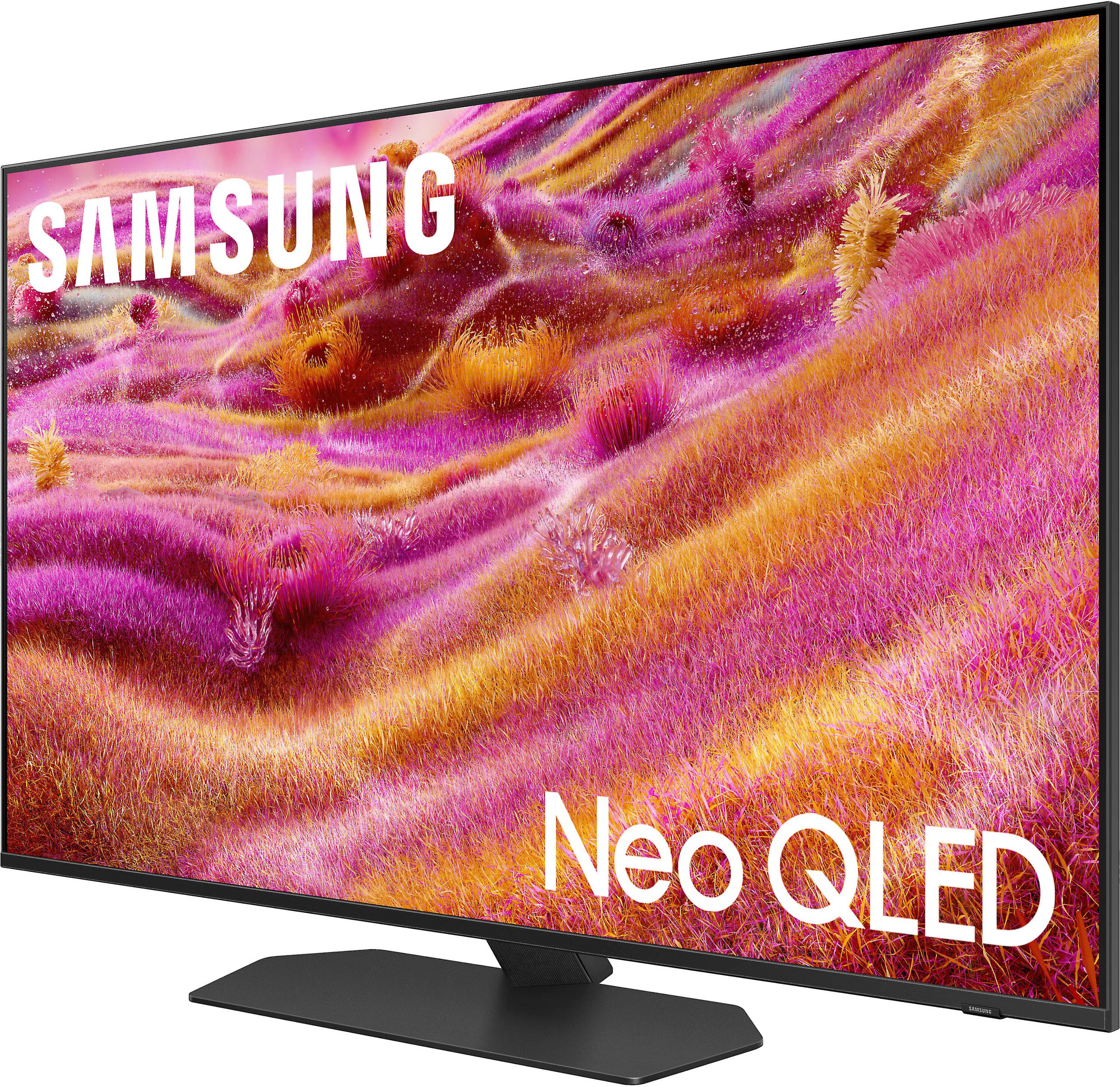
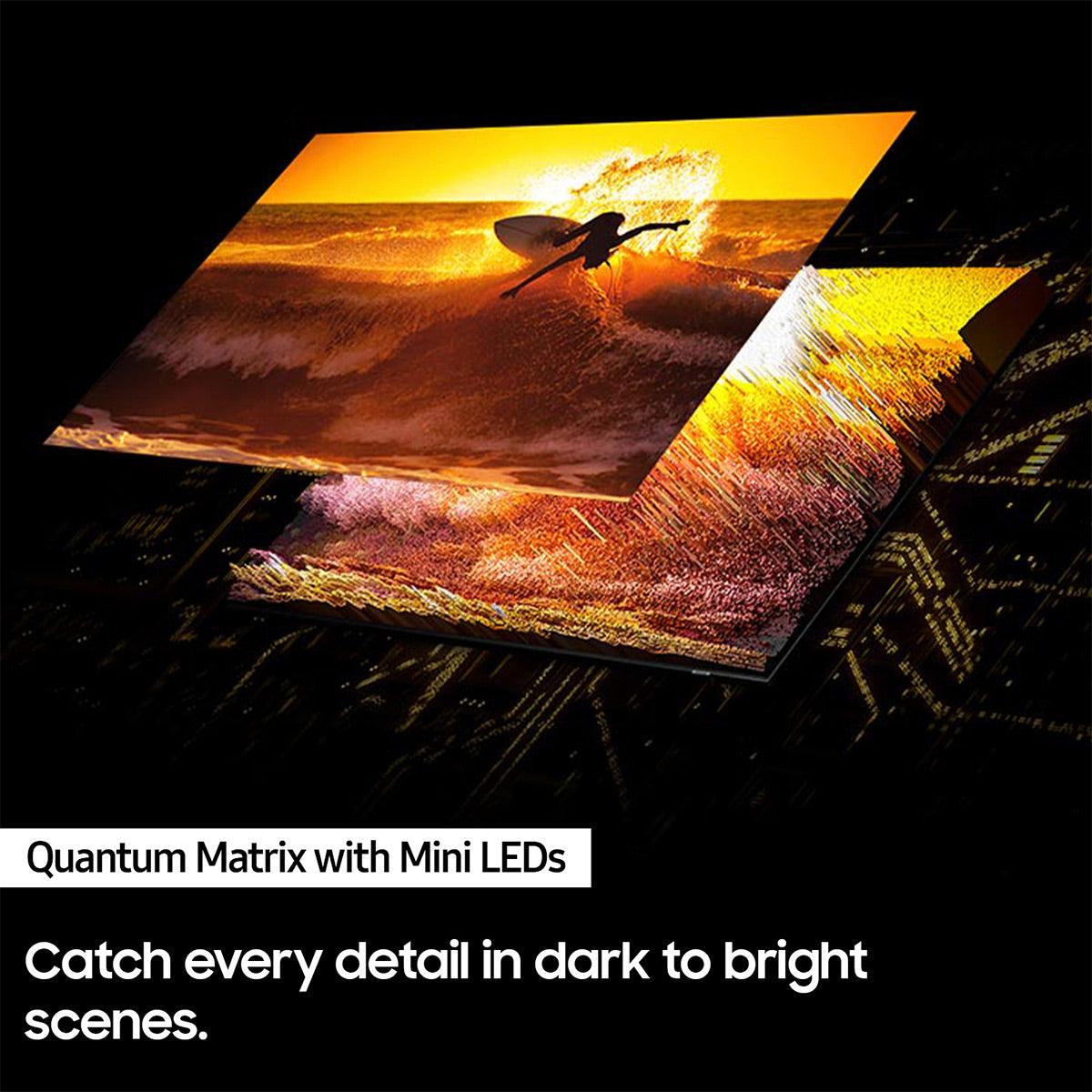
Before diving into the comparison, it's worth understanding what makes these TVs special. Neo QLED represents Samsung's answer to OLED technology, using thousands of tiny LEDs (called Mini LEDs) behind the screen instead of the larger LEDs found in traditional TVs. Think of it like having a grid of flashlights behind your screen—the more flashlights you have, the more precisely you can control which parts of the image are bright or dark.
These Mini LEDs work with Quantum Dots, which are microscopic crystals that convert light into incredibly pure colors. When blue LED light hits these quantum dots, they emit red and green light with remarkable precision. This combination creates what Samsung calls Neo QLED—a technology that aims to deliver OLED-like contrast with much higher brightness levels.
The key considerations for any Neo QLED purchase include picture quality (how good the image looks), gaming performance (important even if you don't game much), smart features (the TV's computer brain), audio quality, and how well the TV handles your specific room conditions. These last two points are where the QN90F and QN85D really start to diverge.
The QN85D launched in 2024 as Samsung's entry point into Neo QLED technology, while the QN90F arrived in 2025 with what Samsung calls "Vision AI" technology. This one-year gap represents significant technological advancement, particularly in how the TV processes and adapts to content.
Samsung's 2025 models introduced a new generation of AI processing that goes beyond simply upscaling lower-resolution content. The Vision AI platform in the QN90F actually analyzes your room's lighting conditions, the type of content you're watching, and even your viewing habits to automatically optimize the picture and sound. It's like having a calibration expert constantly adjusting your TV settings.
Here's where things get interesting. Despite being the "lower-end" model, the QN85D actually delivers superior contrast in many situations. It uses what's called a VA (Vertical Alignment) panel, which naturally produces deeper blacks and higher contrast ratios—we're talking about a native contrast ratio exceeding 160,000:1. To put that in perspective, that means the brightest whites are 160,000 times brighter than the darkest blacks the TV can produce.
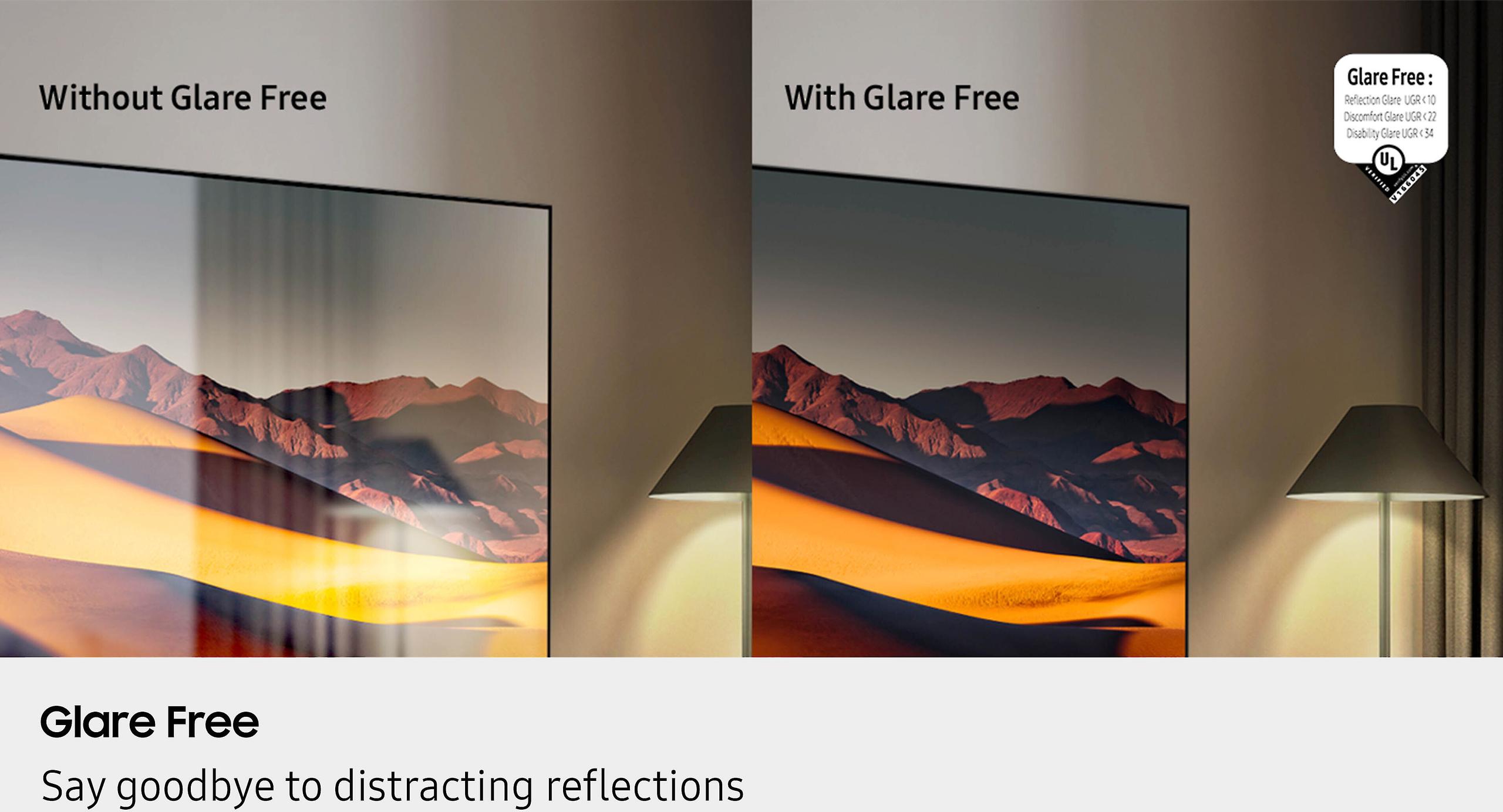
The QN90F, however, takes a different approach. Samsung equipped it with their revolutionary Glare-Free technology—essentially an anti-glare coating that makes the screen appear matte rather than glossy. I've tested this technology extensively, and the difference is remarkable. In bright rooms, reflections virtually disappear, making it possible to watch TV comfortably even with windows directly behind you.
But there's a trade-off. That same matte coating that eliminates glare also reduces color vibrancy, especially in bright viewing conditions. Colors can appear somewhat washed out or "milky" compared to traditional glossy screens. It's a classic engineering compromise—you gain functionality in bright rooms but sacrifice some of the punchy, vibrant colors that make content pop.
Both TVs excel in brightness, but the QN90F takes it to another level. Peak brightness measurements show it can reach up to 1,900 nits in small highlight areas—that's bright enough to make HDR content truly shine, even in daylight viewing conditions. The QN85D is no slouch either, delivering excellent brightness that surpasses most competing TVs in its price range.
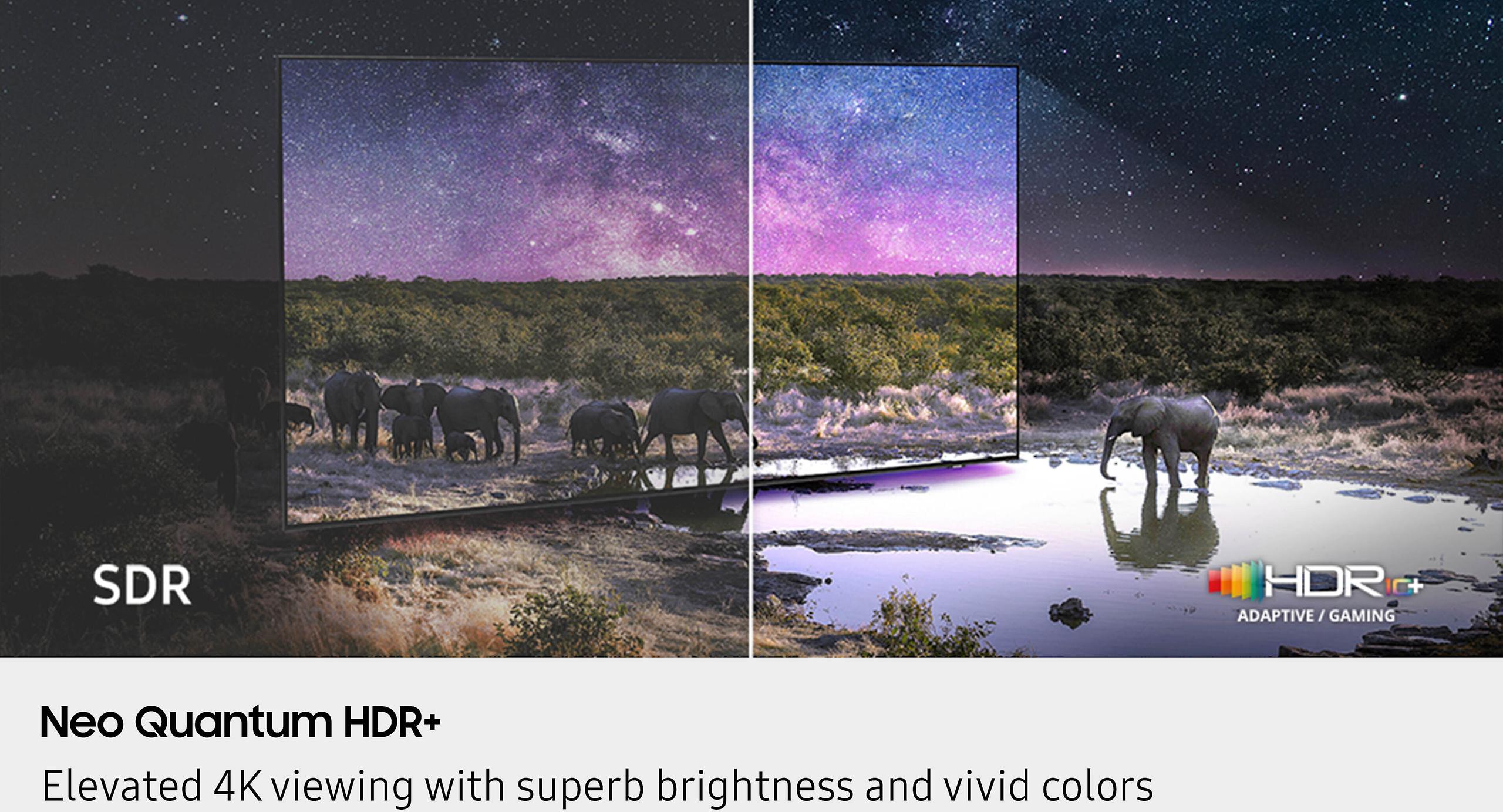
HDR (High Dynamic Range) support differs between the models too. The QN90F includes Neo Quantum HDR Pro, which uses AI to analyze each scene and optimize brightness, contrast, and color on a frame-by-frame basis. The QN85D offers standard Neo Quantum HDR, which is still excellent but lacks that intelligent, adaptive processing.
Neither TV supports Dolby Vision, which is Samsung's ongoing stance in favor of their own HDR10+ format. For most content, this isn't a major limitation, but home theater enthusiasts who specifically seek Dolby Vision content might prefer other brands.
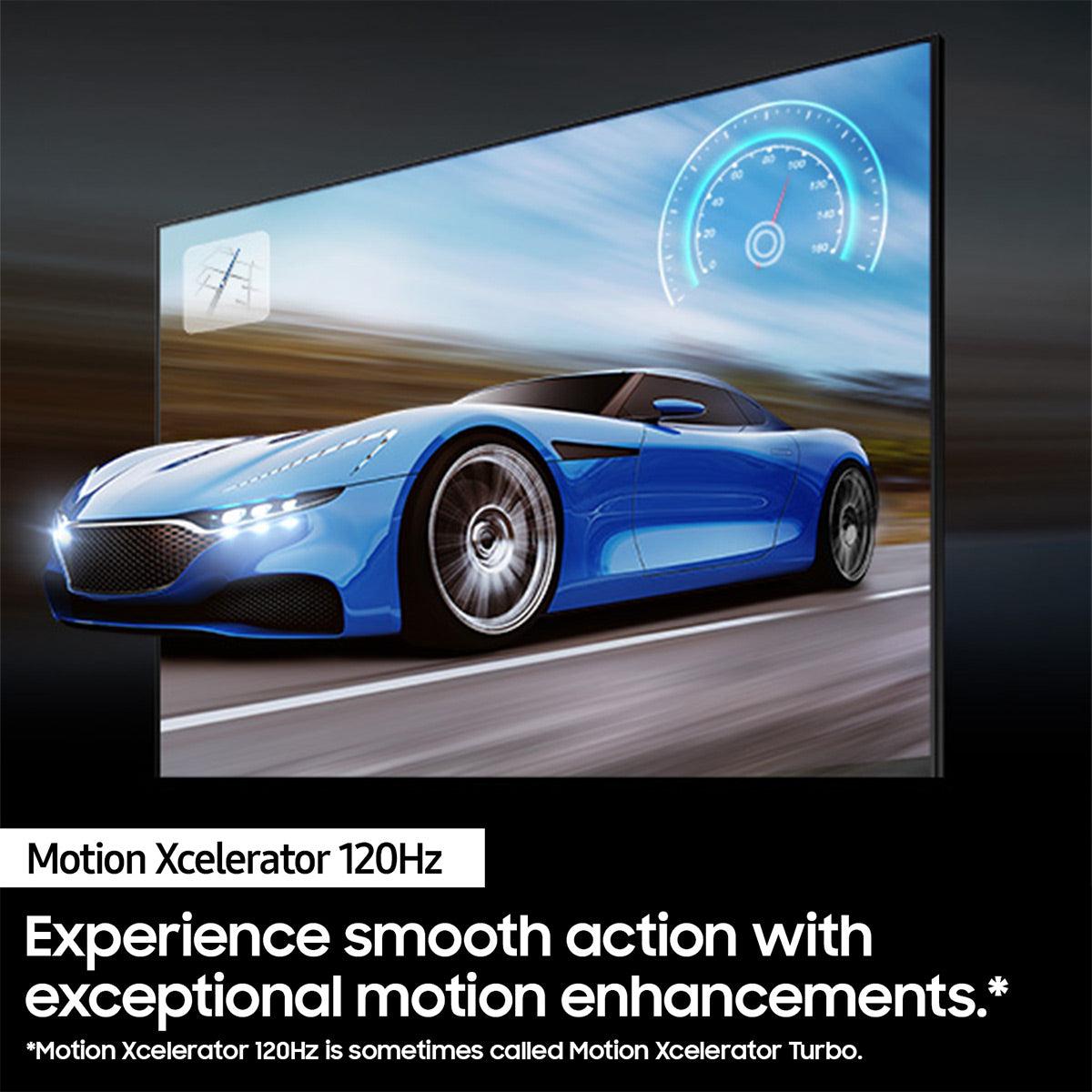
Gaming is where the QN90F truly justifies its premium positioning. While the QN85D offers solid 4K gaming at 120Hz—perfectly adequate for PlayStation 5 and Xbox Series X—the QN90F pushes into enthusiast PC gaming territory with 4K support up to 165Hz.
This might sound like marketing numbers, but the difference is real for PC gamers with high-end graphics cards. That extra 45Hz of refresh rate capability means smoother motion in fast-paced games, reduced input lag, and better compatibility with variable refresh rate (VRR) technologies that synchronize your TV's refresh rate with your graphics card's output.
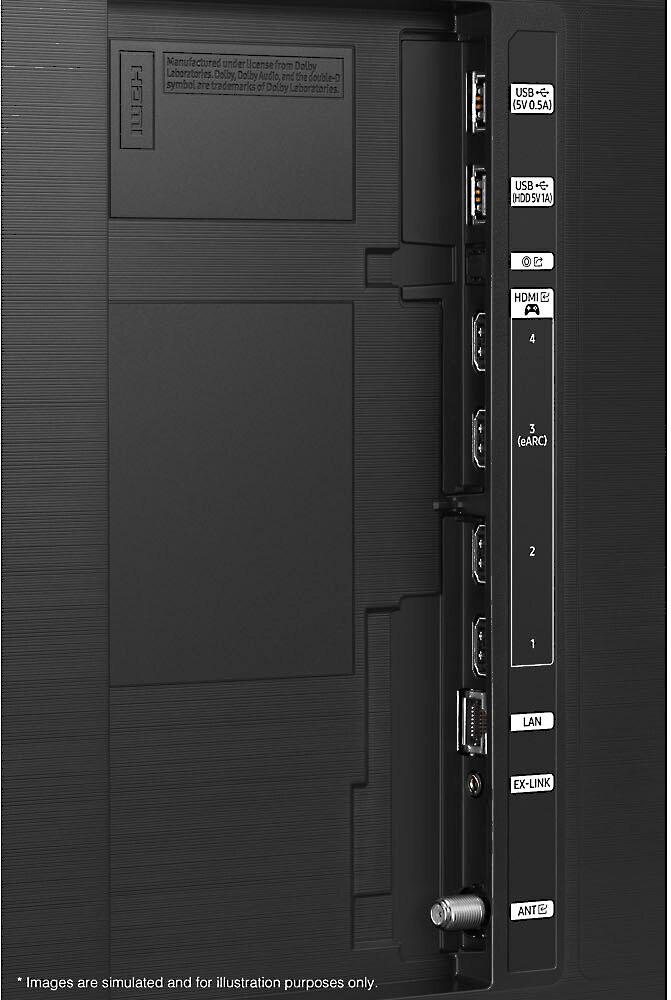
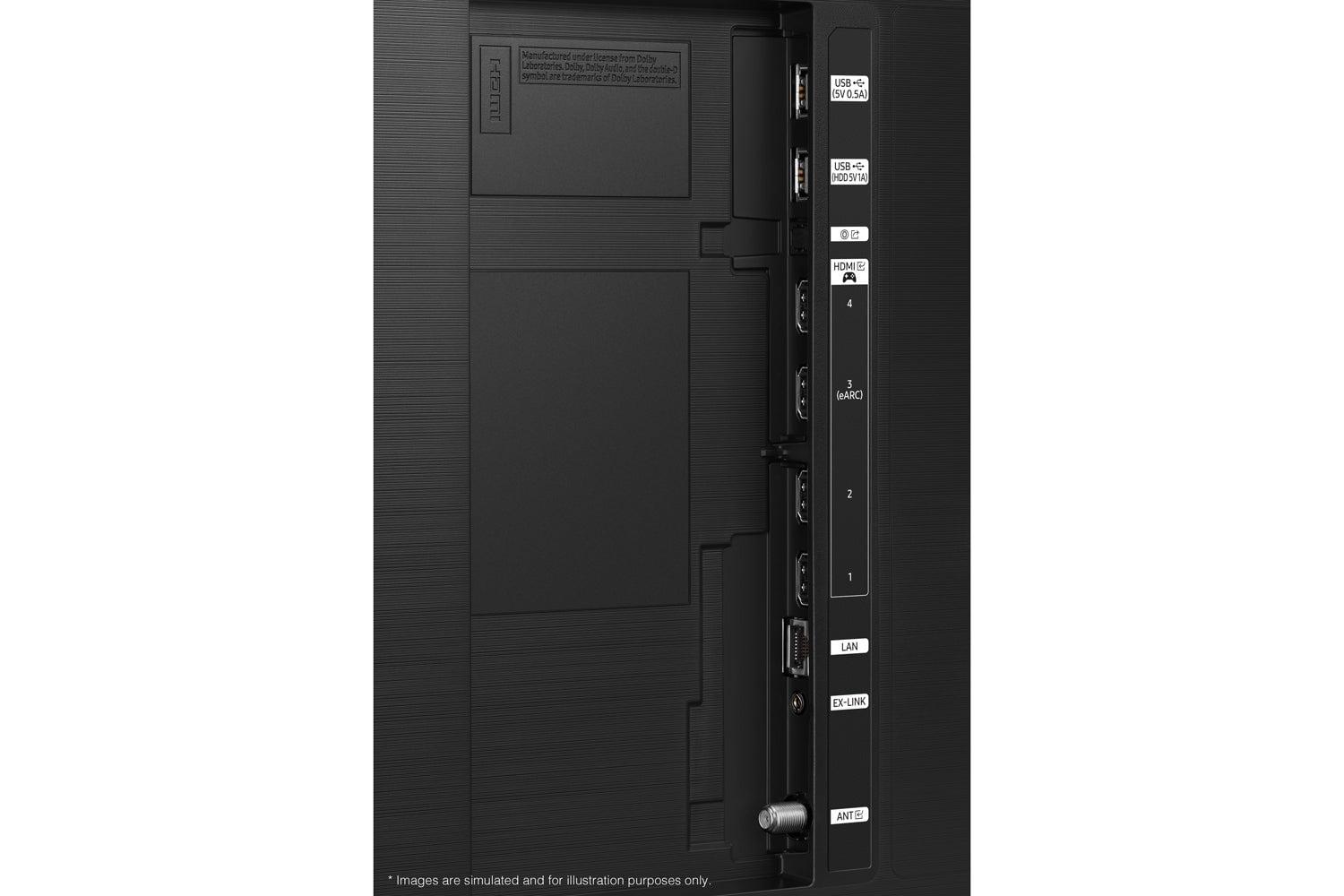
Both TVs include four HDMI 2.1 ports, which is crucial for modern gaming setups. This means you can connect multiple current-generation consoles, a PC, and a sound system without needing to constantly swap cables. However, the QN90F's ports support higher bandwidth, enabling those advanced gaming features.
Input lag—the delay between pressing a button and seeing the action on screen—is excellent on both TVs, but the QN90F edges ahead slightly. We're talking about differences measured in milliseconds, but competitive gamers notice these details.
Here's where Samsung's tiered approach becomes obvious. The QN85D includes competent speakers with Dolby Atmos support, but they're fairly standard for a TV of this size. The QN90F steps up significantly with Object Tracking Sound Plus technology.
This isn't marketing fluff—Object Tracking Sound Plus uses multiple speakers positioned around the TV to create audio that follows action across the screen. When a car drives from left to right in a movie, you actually hear the engine sound move with it. Combined with the 60W, 4.2.2 channel speaker system, it creates a surprisingly immersive audio experience without external speakers.
I've found this feature particularly effective in dialogue-heavy content. Voices seem to come directly from the characters' mouths rather than from a general area below the screen. It's not going to replace a dedicated surround sound system, but it's impressive for built-in TV audio.
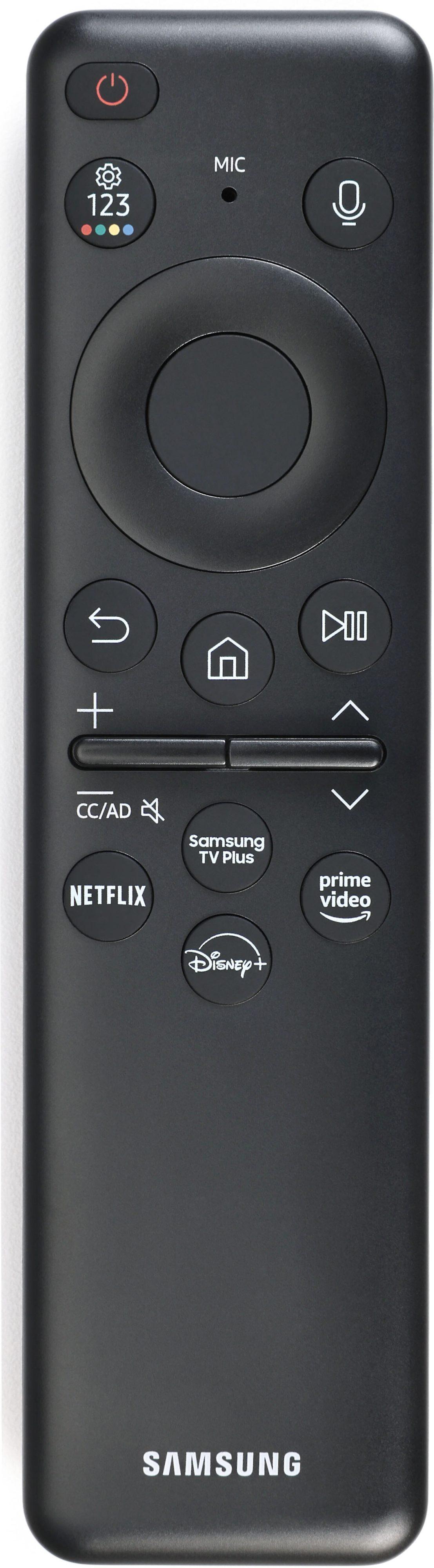
Both TVs run Samsung's Tizen operating system, which is fast, intuitive, and includes all the major streaming apps you'd expect. However, the QN90F's Vision AI platform represents a significant step forward in smart TV functionality.
Vision AI includes features like gesture control, where you can adjust volume or change inputs with hand movements, and generative art wallpapers that display when the TV is off. More practically, it provides real-time home insights—the TV can detect and alert you to unusual activity using its built-in cameras and sensors.
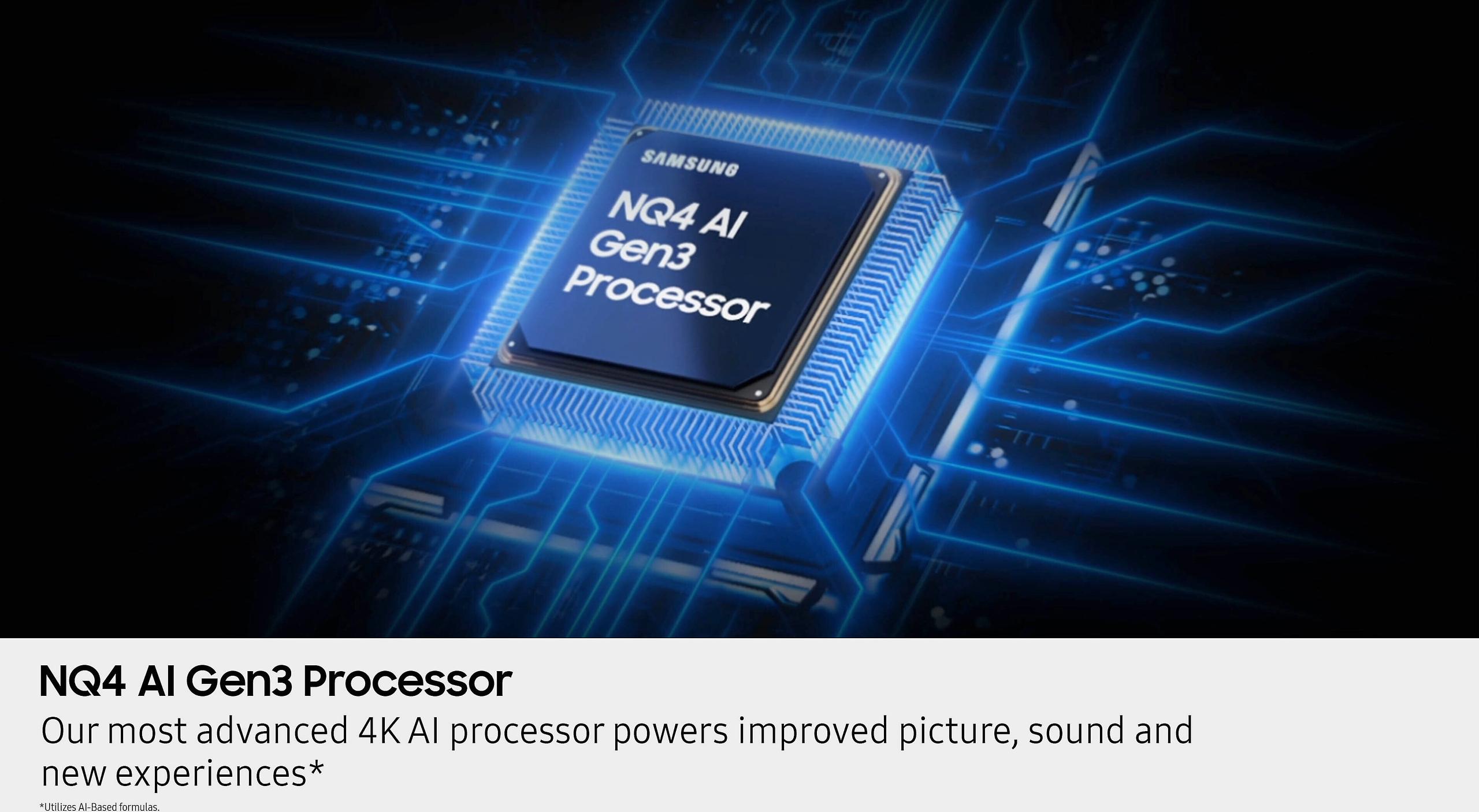
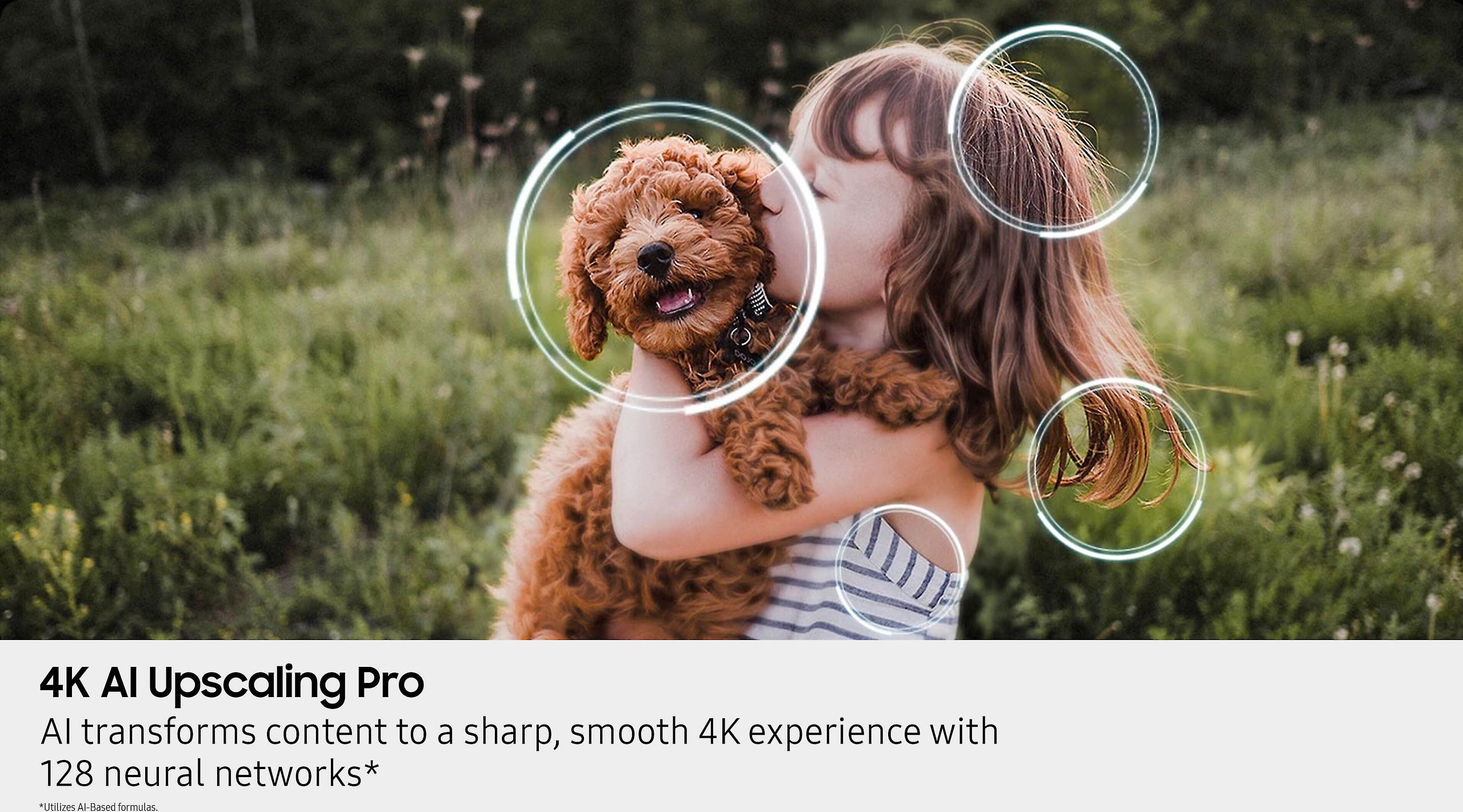
The processing power difference is substantial too. The QN90F's NQ4 AI Gen3 processor includes 128 neural networks dedicated to picture and sound optimization, compared to the QN85D's Gen2 processor. This translates to better upscaling of lower-resolution content and more intelligent scene-by-scene adjustments.
Your viewing environment might be the most important factor in choosing between these TVs. The QN90F's Glare-Free technology makes it exceptional for rooms with challenging lighting conditions. If you have large windows, bright overhead lighting, or generally watch TV during the day, the ability to see the screen clearly without closing blinds or dimming lights is genuinely valuable.
However, if you primarily watch in darker, controlled environments—perhaps a dedicated home theater or basement family room—the QN85D's superior native contrast and more vibrant colors might actually provide a better experience.
The QN85D uses a VA panel, which has narrower viewing angles than some competing technologies. This means colors and contrast degrade more quickly when you move to the sides of the TV. For most family rooms where people sit relatively centered, this isn't problematic, but it's worth considering if you have a wide seating arrangement.
At the time of writing, the QN90F commands a significant premium over the QN85D—we're talking about paying roughly twice as much for the newer model. This price difference reflects the advanced technology, but it also raises the question of whether those features justify the cost for your specific needs.
The QN85D delivers excellent picture quality, solid gaming performance, and reliable smart TV features at a more accessible price point. For many users, it represents the sweet spot in Samsung's lineup—premium enough to feel like a significant upgrade from budget TVs, but not so expensive that you're paying for features you'll never use.
The QN90F justifies its premium through specialized technologies that solve specific problems. If bright room viewing is a priority, if you're a serious PC gamer, or if you want the latest AI-powered features, the additional cost makes sense. But if you're primarily watching in controlled lighting conditions and your gaming needs are met by current-generation consoles, the extra features might not be worth the premium.
For dedicated home theater setups, both TVs have merits, but they serve different philosophies. The QN85D's superior native contrast and deeper blacks make it excellent for movie watching in dark rooms. Colors appear more natural and saturated, which many videophiles prefer.
The QN90F's advantages in a home theater setting are more subtle but still valuable. Its advanced processing does a better job with motion handling, reducing judder and blur in panning shots. The AI-driven HDR optimization also adapts better to different types of content, ensuring that both bright action scenes and dark dramatic moments look their best.
Neither TV is perfect for home theater use—both lack Dolby Vision support, and serious enthusiasts might prefer OLED technology for its infinite contrast. However, if brightness is important (perhaps for HDR content or daytime viewing), both Neo QLED models offer superior performance to OLED in bright conditions.
After extensive testing with both models, I'd recommend the QN85D for most buyers. It delivers 80% of the performance at roughly half the cost, making it exceptional value for anyone wanting premium picture quality without the premium price tag. The superior contrast and color accuracy provide immediate visual benefits that enhance everything you watch.
However, the QN90F earns its premium in specific scenarios. If you're dealing with a bright living room where glare is a constant problem, the Glare-Free technology is genuinely transformative. Similarly, if you're a PC gamer with a high-end graphics card, the 165Hz support and advanced gaming features provide tangible benefits.
For home theater enthusiasts, I'd actually lean toward the QN85D for its superior contrast and color accuracy, unless room lighting is problematic. The money saved could go toward a quality sound system, which would provide more noticeable improvement than the QN90F's advanced features in a controlled viewing environment.
Ultimately, both TVs represent excellent choices within Samsung's Neo QLED lineup. The decision comes down to your specific viewing conditions, gaming requirements, and whether the QN90F's specialized features address real problems in your setup. In most cases, the QN85D provides better value, but when the QN90F's advantages align with your needs, the premium becomes worthwhile.
| Samsung 65" QN90F Neo QLED 4K Vision AI Smart TV 2025 | Samsung 65" QN85D Neo QLED 4K Smart TV |
|---|---|
| Release Year - Newer tech vs proven performance | |
| 2025 (Latest Vision AI technology) | 2024 (Mature, reliable platform) |
| Processor - Brain of the TV affecting all performance | |
| NQ4 AI Gen3 with 128 neural networks | NQ4 AI Gen2 processor |
| Anti-Glare Technology - Critical for bright rooms | |
| Glare-Free matte coating (eliminates reflections but reduces color vibrancy) | Standard glossy screen (vibrant colors but more reflections) |
| Panel Type - Affects contrast and viewing angles | |
| Advanced panel with anti-glare coating | VA panel (superior 160,000:1 native contrast ratio) |
| Gaming Refresh Rate - Higher is better for PC gaming | |
| 4K @ 165Hz (enthusiast PC gaming capability) | 4K @ 120Hz (excellent for consoles) |
| Peak Brightness - Higher means better HDR and bright room performance | |
| Up to 1,900 nits (exceptional HDR highlights) | Excellent brightness (specific nits not specified) |
| HDR Processing - Better processing means more realistic images | |
| Neo Quantum HDR Pro with AI scene optimization | Neo Quantum HDR (standard but still excellent) |
| Audio System - Built-in sound quality | |
| 60W 4.2.2 channel with Object Tracking Sound Plus | Standard speakers with Dolby Atmos support |
| AI Features - Smart functionality beyond basic streaming | |
| Vision AI with gesture control, generative wallpapers, home insights | Basic AI upscaling and optimization |
| Black Level Performance - Deeper blacks mean better contrast | |
| Very good (worse in Game Mode due to coating) | Superior native black levels and contrast |
| Color Accuracy - How true-to-life colors appear | |
| Good HDR colors, less vibrant in bright conditions | Excellent natural color reproduction out of the box |
| Price Positioning - Value consideration | |
| Premium pricing for latest technology | Strong value proposition for Neo QLED features |
The Samsung 65" QN85D Neo QLED 4K Smart TV offers better overall value for most buyers. It delivers excellent Neo QLED picture quality, solid gaming performance, and comprehensive smart features at a significantly lower price point than the Samsung 65" QN90F Neo QLED 4K Vision AI Smart TV 2025. While the QN90F includes premium features like Glare-Free technology and Vision AI, the QN85D provides 80% of the performance at roughly half the cost.
The primary difference is that the Samsung 65" QN90F Neo QLED 4K Vision AI Smart TV 2025 features anti-glare Glare-Free technology and advanced Vision AI processing, while the Samsung 65" QN85D Neo QLED 4K Smart TV offers superior native contrast and more vibrant colors. The QN90F excels in bright rooms but sacrifices some color vibrancy, whereas the QN85D delivers deeper blacks and more natural colors in controlled lighting conditions.
The Samsung 65" QN90F Neo QLED 4K Vision AI Smart TV 2025 is superior for gaming, especially PC gaming. It supports 4K gaming at up to 165Hz compared to the QN85D's 120Hz capability. Both TVs offer excellent gaming features including four HDMI 2.1 ports and low input lag, but the QN90F provides better motion handling and reduced lag for competitive gaming scenarios.
The Samsung 65" QN90F Neo QLED 4K Vision AI Smart TV 2025 is specifically designed for bright rooms with its revolutionary Glare-Free matte coating that virtually eliminates reflections. The Samsung 65" QN85D Neo QLED 4K Smart TV can handle bright rooms due to its high brightness levels but will show more reflections. If bright room viewing is your priority, the QN90F is the clear winner despite its higher cost.
Picture quality depends on your viewing conditions. The Samsung 65" QN85D Neo QLED 4K Smart TV offers superior native contrast with deeper blacks and more vibrant colors, making it excellent for dark room viewing. The Samsung 65" QN90F Neo QLED 4K Vision AI Smart TV 2025 provides better brightness and advanced AI processing but sacrifices some color vibrancy due to its anti-glare coating. Both deliver excellent Neo QLED picture quality.
Both TVs run Samsung's Tizen operating system with access to all major streaming apps. The Samsung 65" QN90F Neo QLED 4K Vision AI Smart TV 2025 includes advanced Vision AI features like gesture control, generative art wallpapers, and home monitoring capabilities. The Samsung 65" QN85D Neo QLED 4K Smart TV offers standard smart TV functionality with reliable performance and fast navigation, making it perfectly adequate for most users' streaming needs.
The Samsung 65" QN90F Neo QLED 4K Vision AI Smart TV 2025 features a superior 60W 4.2.2 channel audio system with Object Tracking Sound Plus, which moves audio across the screen to follow on-screen action. The Samsung 65" QN85D Neo QLED 4K Smart TV includes standard speakers with Dolby Atmos support that provide adequate sound quality. For the best audio experience with either model, consider adding a dedicated sound system.
For movie watching, the Samsung 65" QN85D Neo QLED 4K Smart TV often provides a better experience due to its superior native contrast ratio and deeper blacks, which are crucial for cinematic content. The Samsung 65" QN90F Neo QLED 4K Vision AI Smart TV 2025 offers better motion processing and AI optimization but may appear less cinematic due to its matte coating. In dedicated home theater setups with controlled lighting, the QN85D typically delivers more immersive movie experiences.
Both TVs excel at sports viewing with their high brightness levels and excellent motion handling. The Samsung 65" QN90F Neo QLED 4K Vision AI Smart TV 2025 has an advantage in bright rooms where sports are commonly watched, thanks to its Glare-Free technology. The Samsung 65" QN85D Neo QLED 4K Smart TV provides vibrant colors that make sports content pop. Both offer smooth motion processing that keeps up with fast-paced action without blur.
Both the Samsung 65" QN90F Neo QLED 4K Vision AI Smart TV 2025 and Samsung 65" QN85D Neo QLED 4K Smart TV are available in multiple sizes beyond the 65-inch option, typically including 55", 75", and 85" variants. The specific features and performance characteristics remain consistent across sizes, though larger models may include additional enhancements like Samsung's Supersize Picture Enhancer technology.
Samsung typically provides software updates for their premium TVs for several years after release. The Samsung 65" QN90F Neo QLED 4K Vision AI Smart TV 2025, being the newer 2025 model, will likely receive updates longer than the Samsung 65" QN85D Neo QLED 4K Smart TV from 2024. Both TVs should receive security updates, new app additions, and feature improvements for at least 4-5 years, ensuring they remain current with streaming service requirements.
Choose the Samsung 65" QN90F Neo QLED 4K Vision AI Smart TV 2025 if your living room has challenging lighting conditions with windows or bright overhead lights, and you want the latest AI features. Select the Samsung 65" QN85D Neo QLED 4K Smart TV if you want excellent Neo QLED performance at a more accessible price point, especially if you can control your room's lighting. The QN85D offers better value for most living room setups while still delivering premium picture quality.
We've done our best to create useful and informative comparisons to help you decide what product to buy. Our research uses advanced automated methods to create this comparison and perfection is not possible - please contact us for corrections or questions. These are the sites we've researched in the creation of this article: rtings.com - images.samsung.com - youtube.com - listenup.com - youtube.com - cullenshomecenter.com - rtings.com - shopjetson.com - youtube.com - samsung.com - samsung.com - videoandaudiocenter.com - rtings.com - bestbuy.com - youtube.com - news.samsung.com - news.samsung.com - news.samsung.com - bestbuy.com - news.samsung.com - youtube.com - news.samsung.com - youtube.com - smarthomesounds.co.uk - bestbuy.com - rtings.com - youtube.com - youtube.com - avsforum.com - youtube.com - samsung.com - videoandaudiocenter.com - shopjetson.com - mysoundconcepts.com - samsung.com - merlinstv.com - youtube.com - samsung.com - samsung.com

Privacy Policy
Terms and Conditions - Affiliate Policy
Home Security
© Copyright 2008-2026.
11816 Inwood Rd #1211, Dallas, TX 75244