

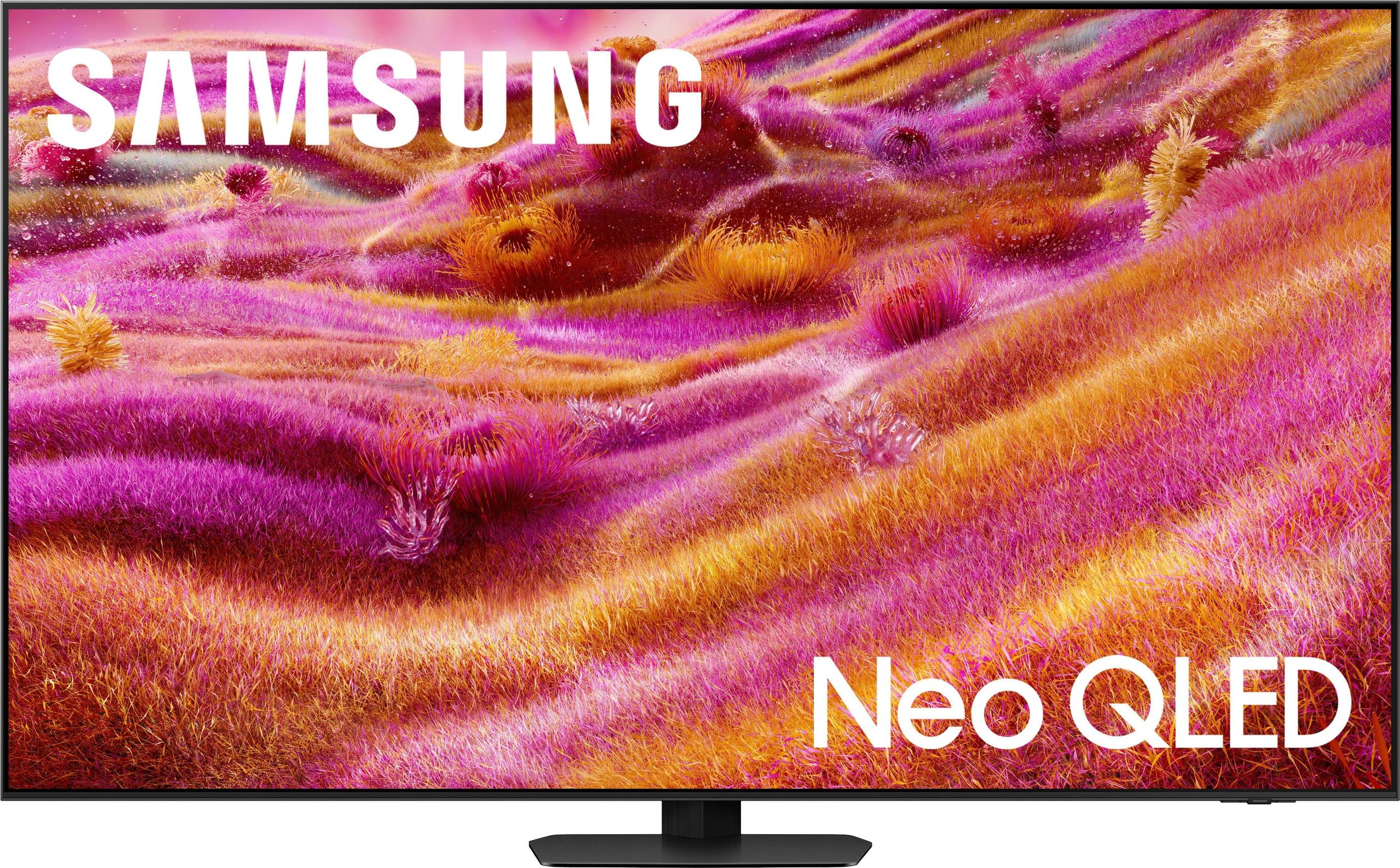
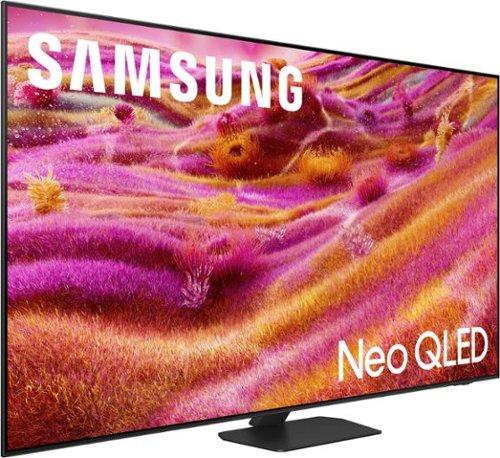
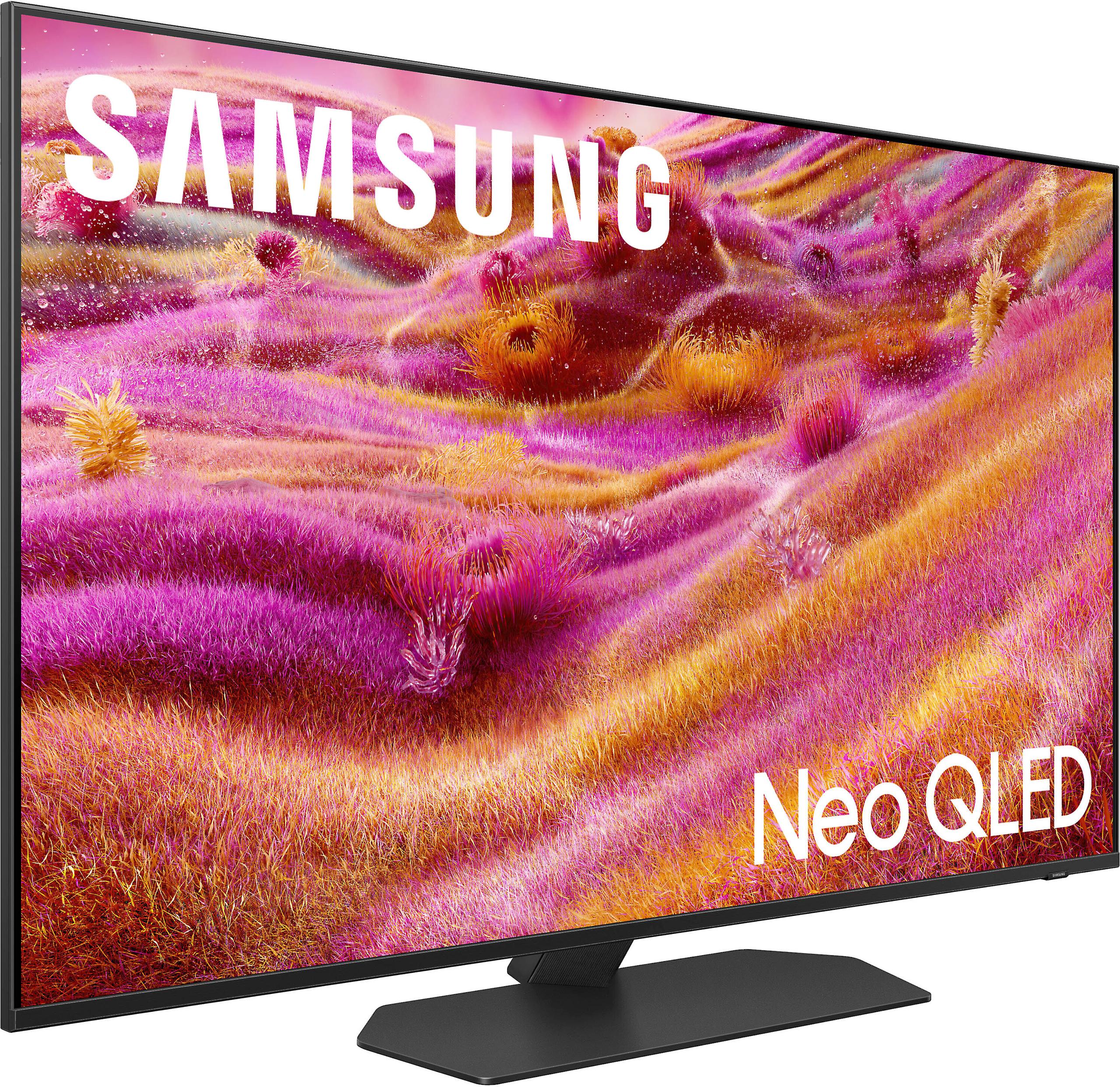
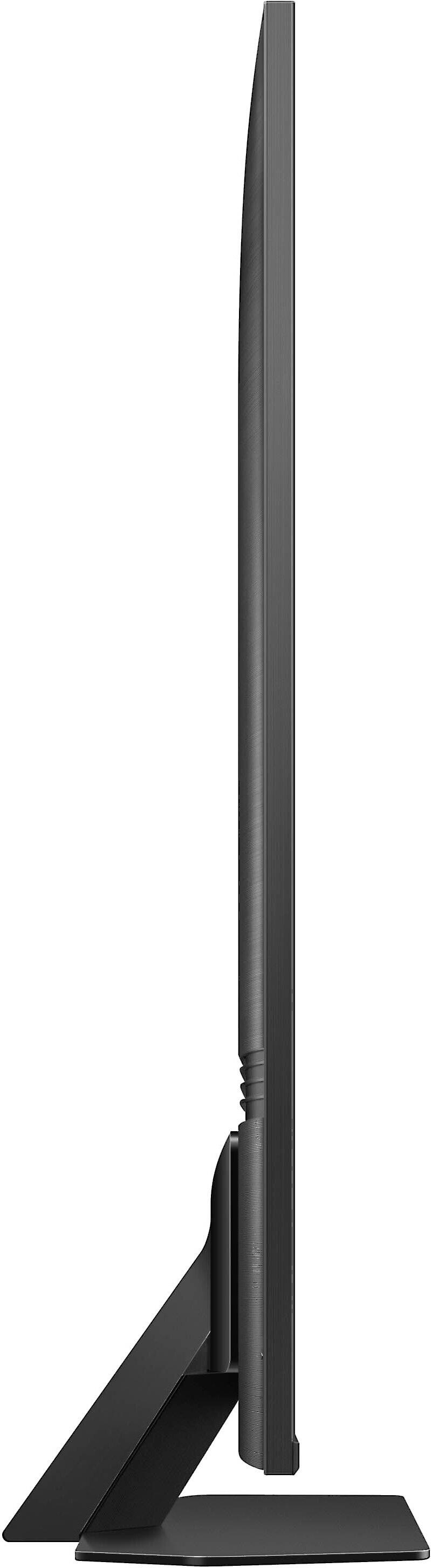
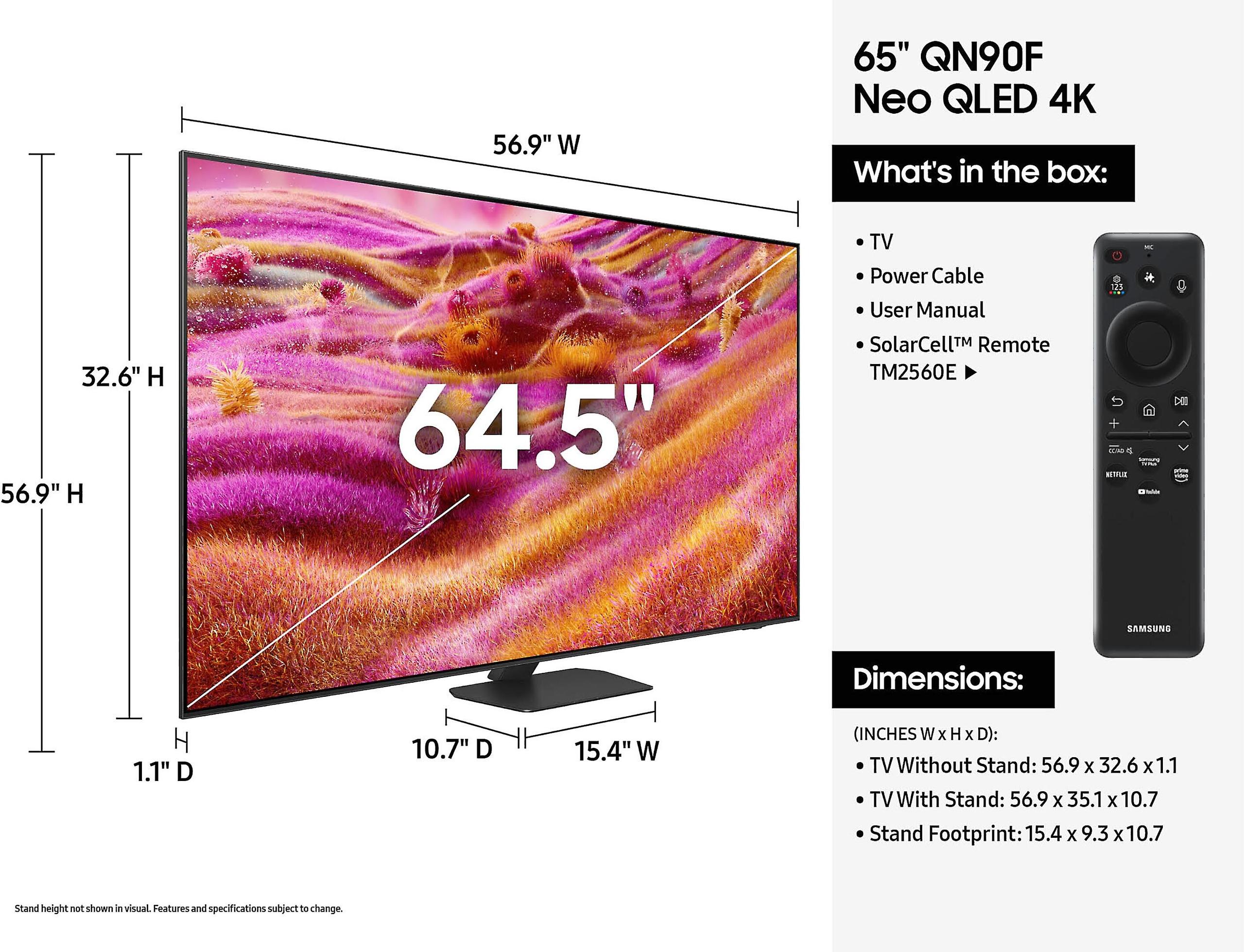



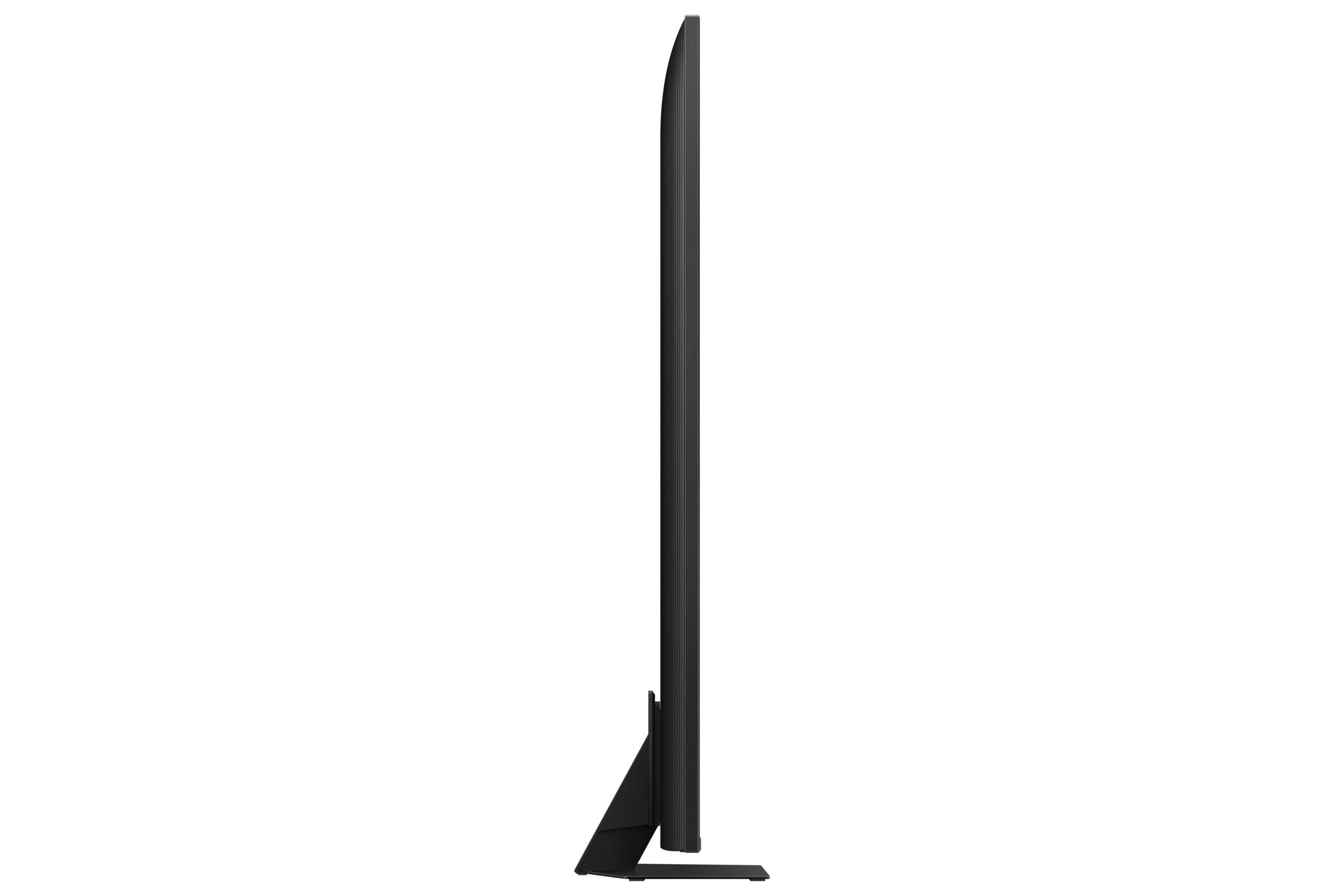

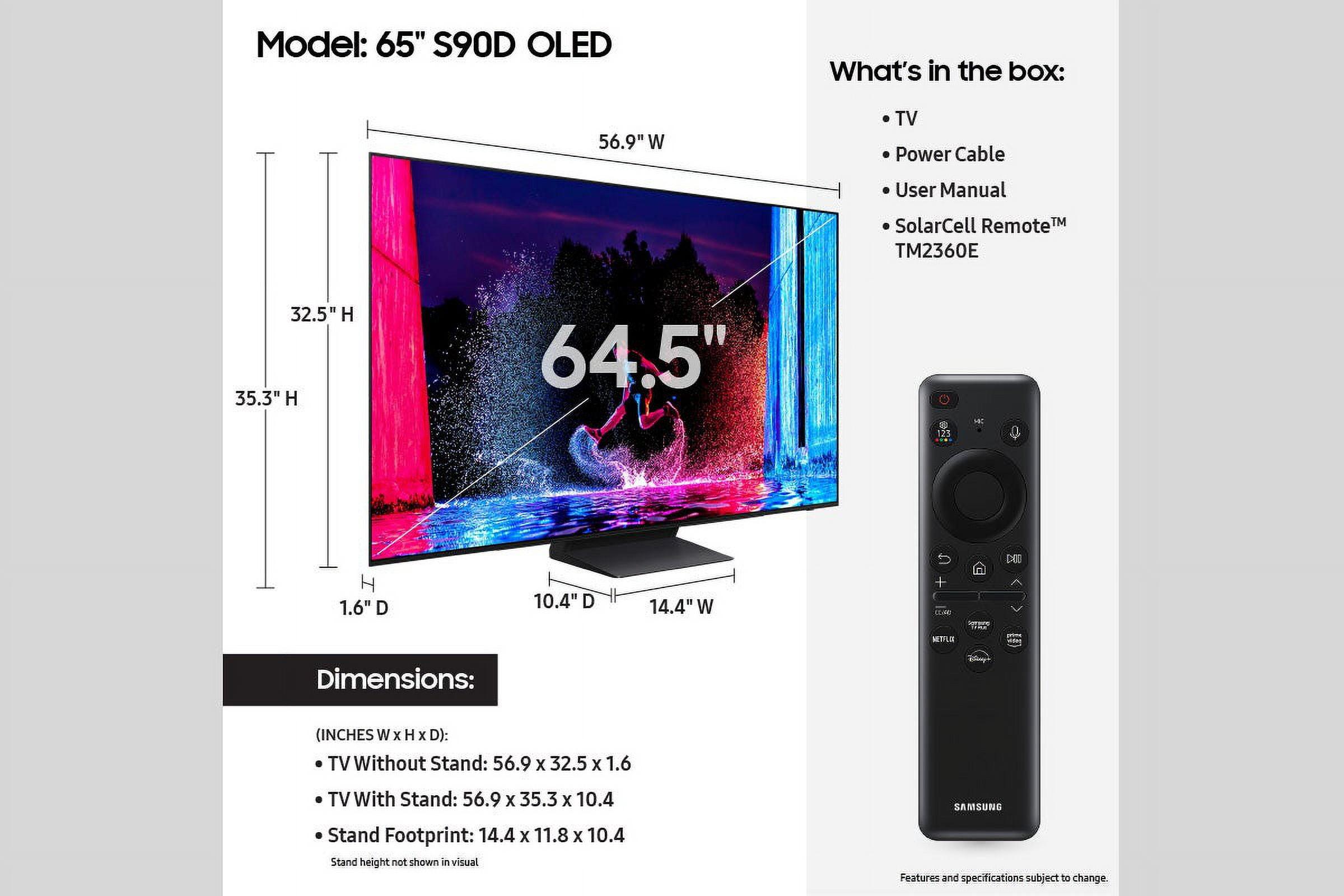
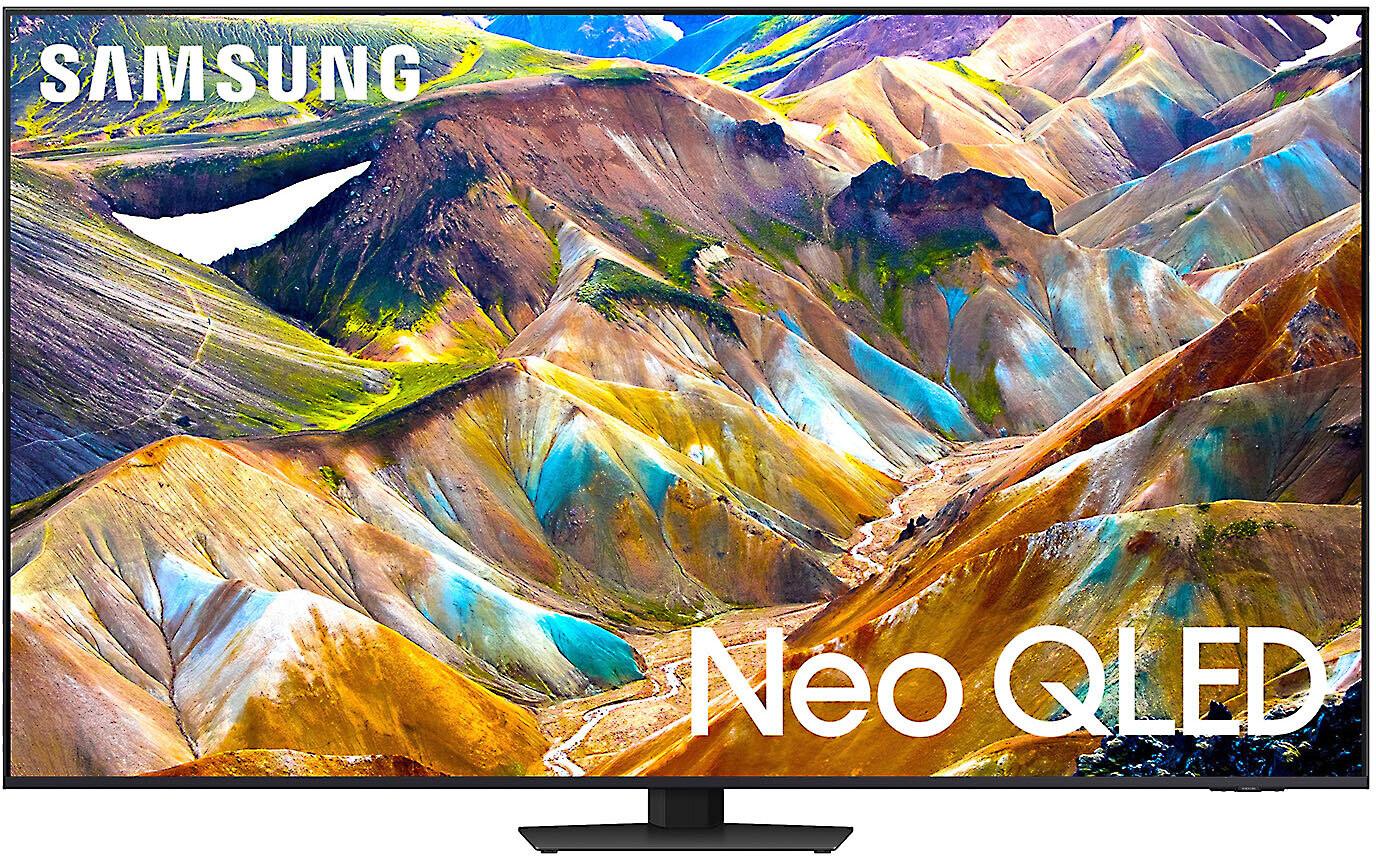
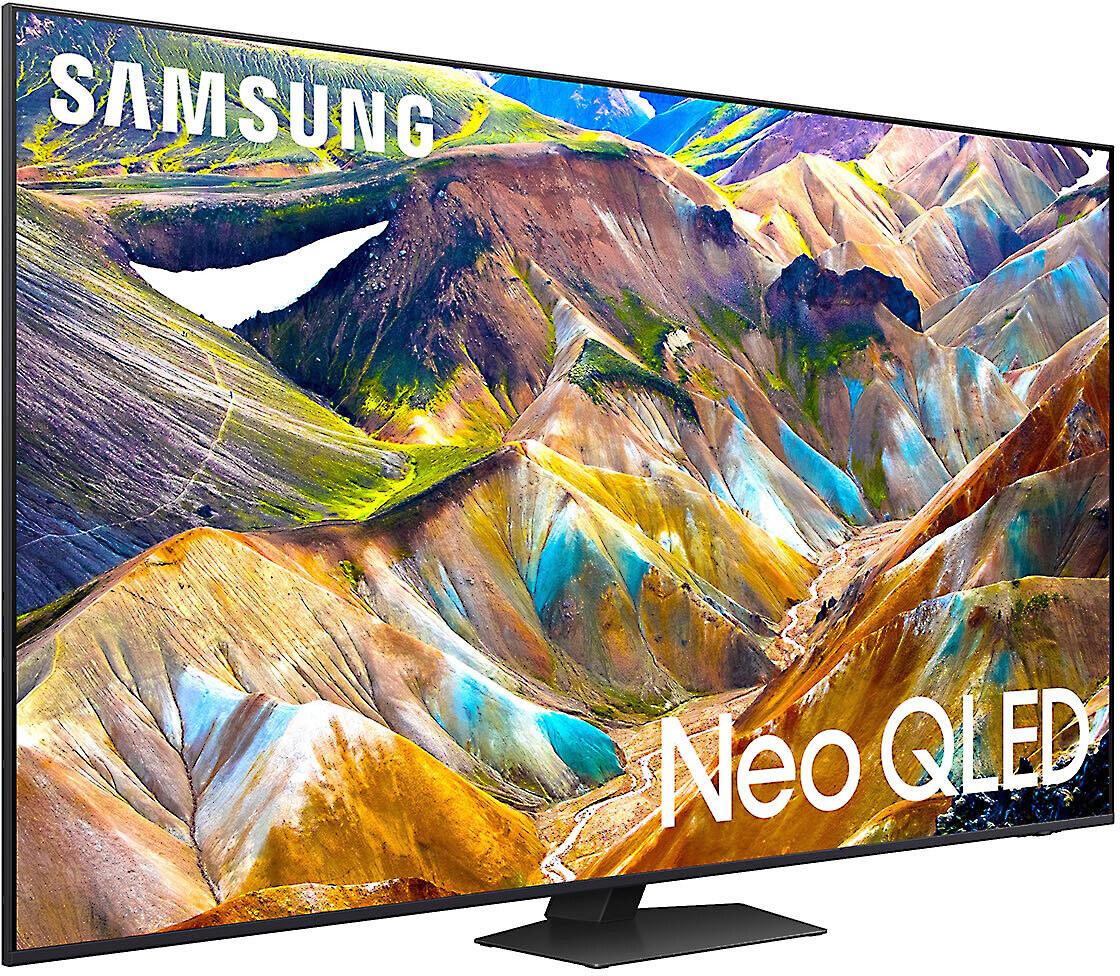
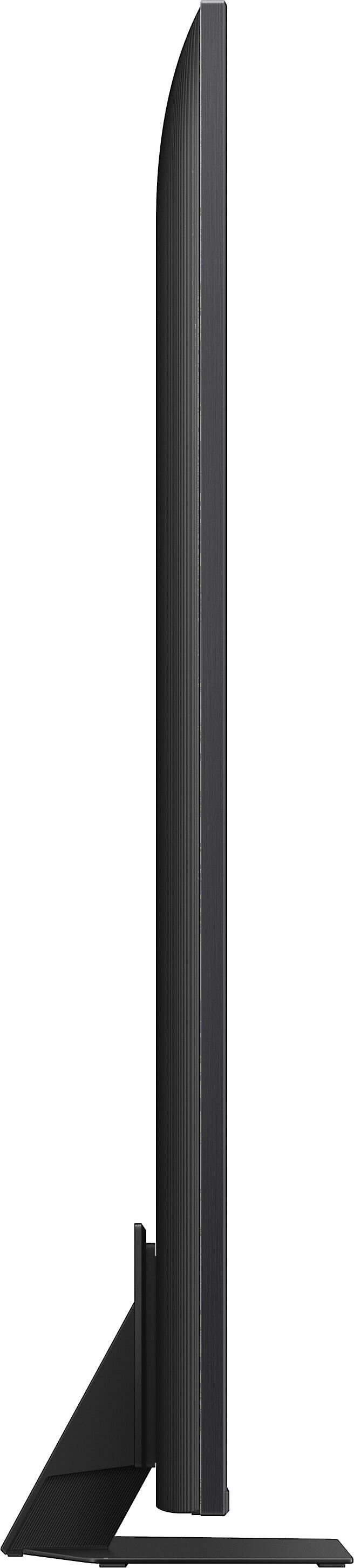
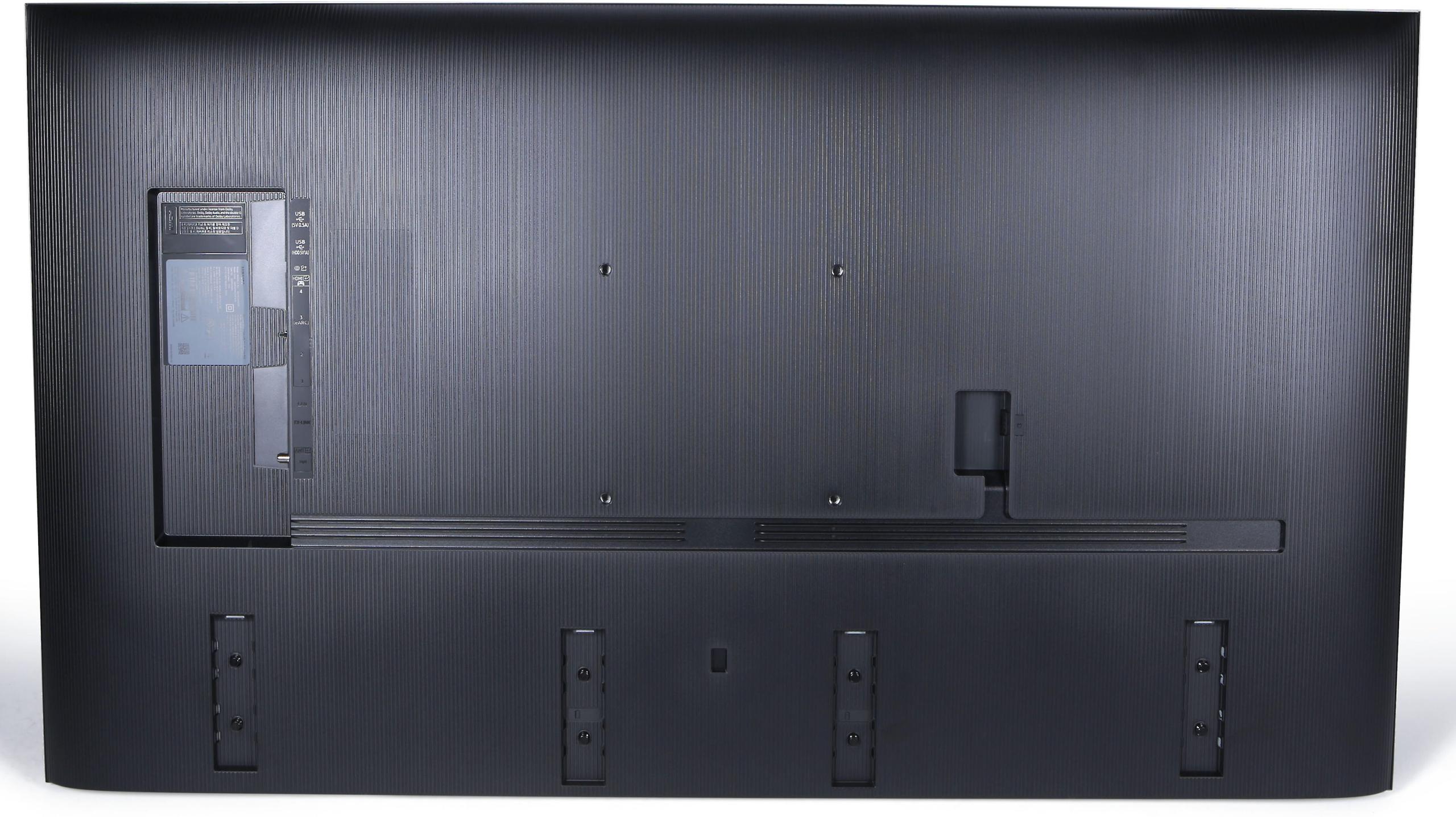
Choosing between the Samsung 65" QN90F Neo QLED 4K Vision AI Smart TV 2025 and the Samsung 65" OLED S90D TV feels like picking between two completely different philosophies of television technology. Both deliver stunning 4K picture quality, but they achieve it in fundamentally different ways—and those differences matter more than you might think.
Having tested countless TVs over the years, I've learned that the "best" TV isn't about having the most features or the highest price tag. It's about matching the right technology to your specific viewing environment and preferences. These two Samsung models represent perfect examples of this principle in action.
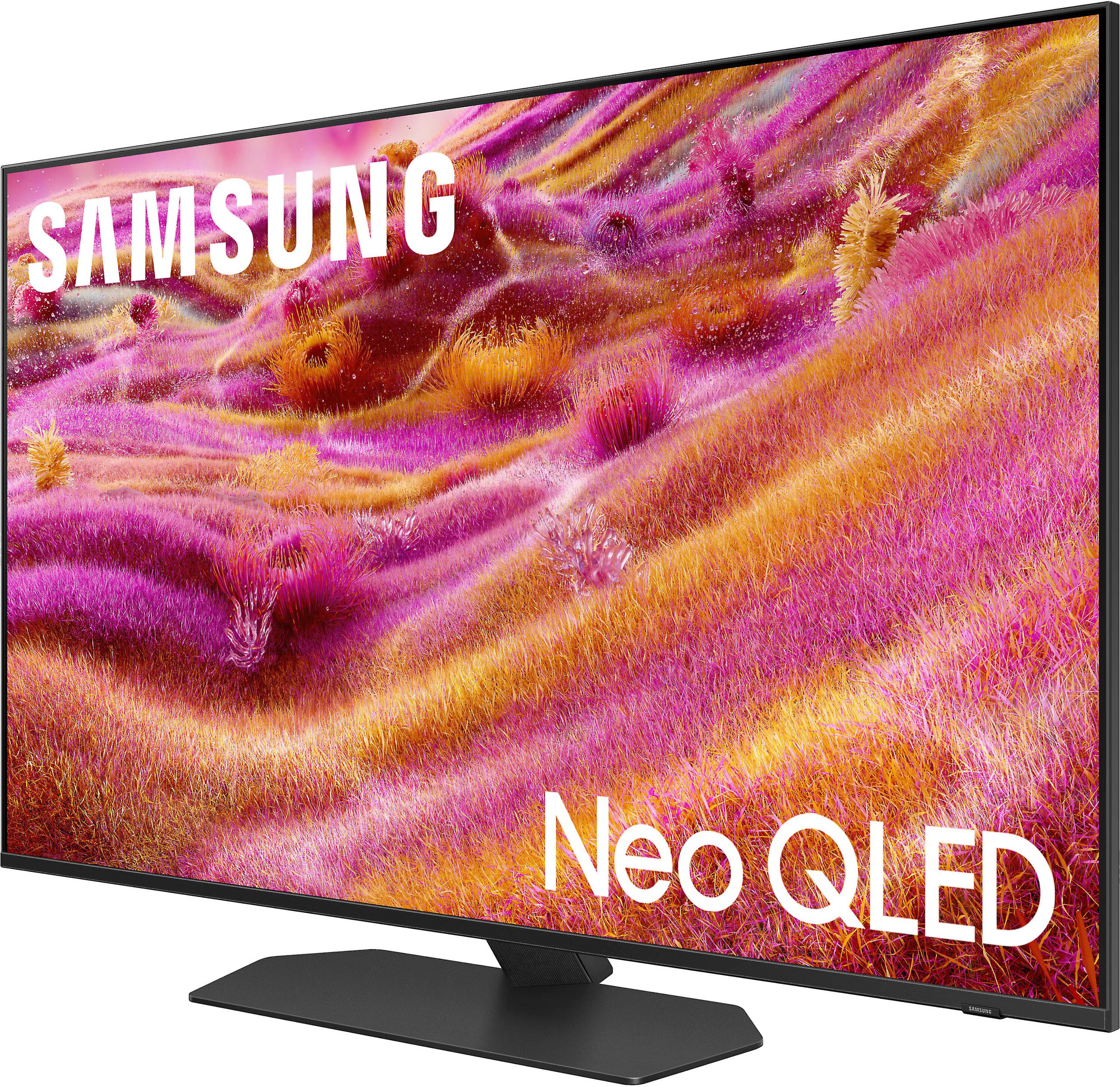
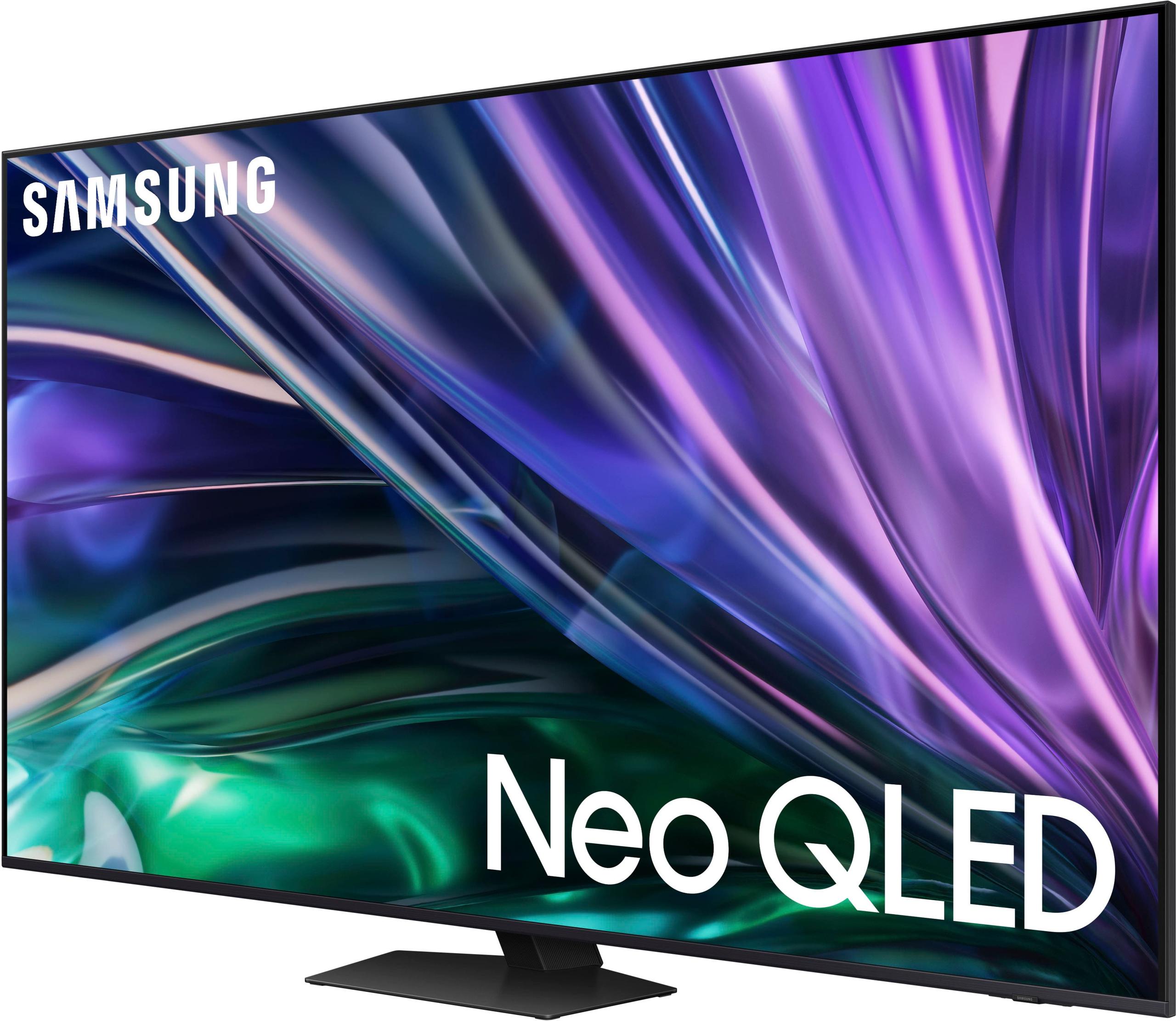
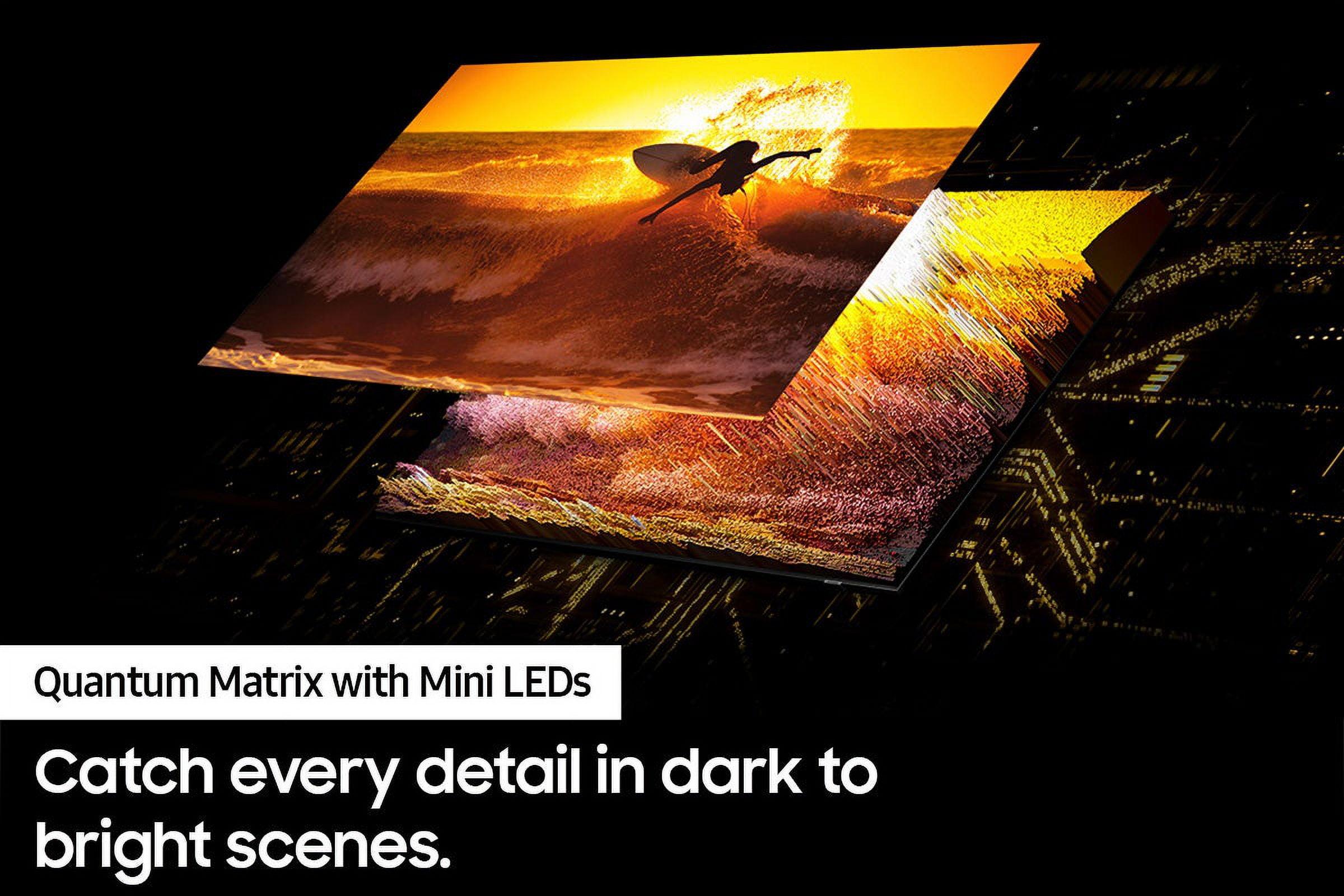
When Samsung released the QN90F in 2025, they were doubling down on their Mini-LED technology that had been evolving since 2021. Mini-LED uses thousands of tiny LED lights behind an LCD panel, creating what they call "Neo QLED." Think of it like having a massive grid of flashlights that can dim or brighten independently to create the image you see. The 2025 model brought significant improvements in brightness control and added their new Vision AI processing.
The S90D OLED, released in 2024, takes a completely different approach. OLED stands for Organic Light-Emitting Diode, which means each individual pixel creates its own light. Imagine having 8.3 million tiny lightbulbs that can turn on, off, or dim independently. When a pixel needs to be black, it simply turns off completely—something no backlit LCD can truly achieve.
This fundamental difference shapes everything about how these TVs perform. The QN90F excels at getting incredibly bright, while the S90D delivers perfect blacks and infinite contrast. But there's much more to the story.
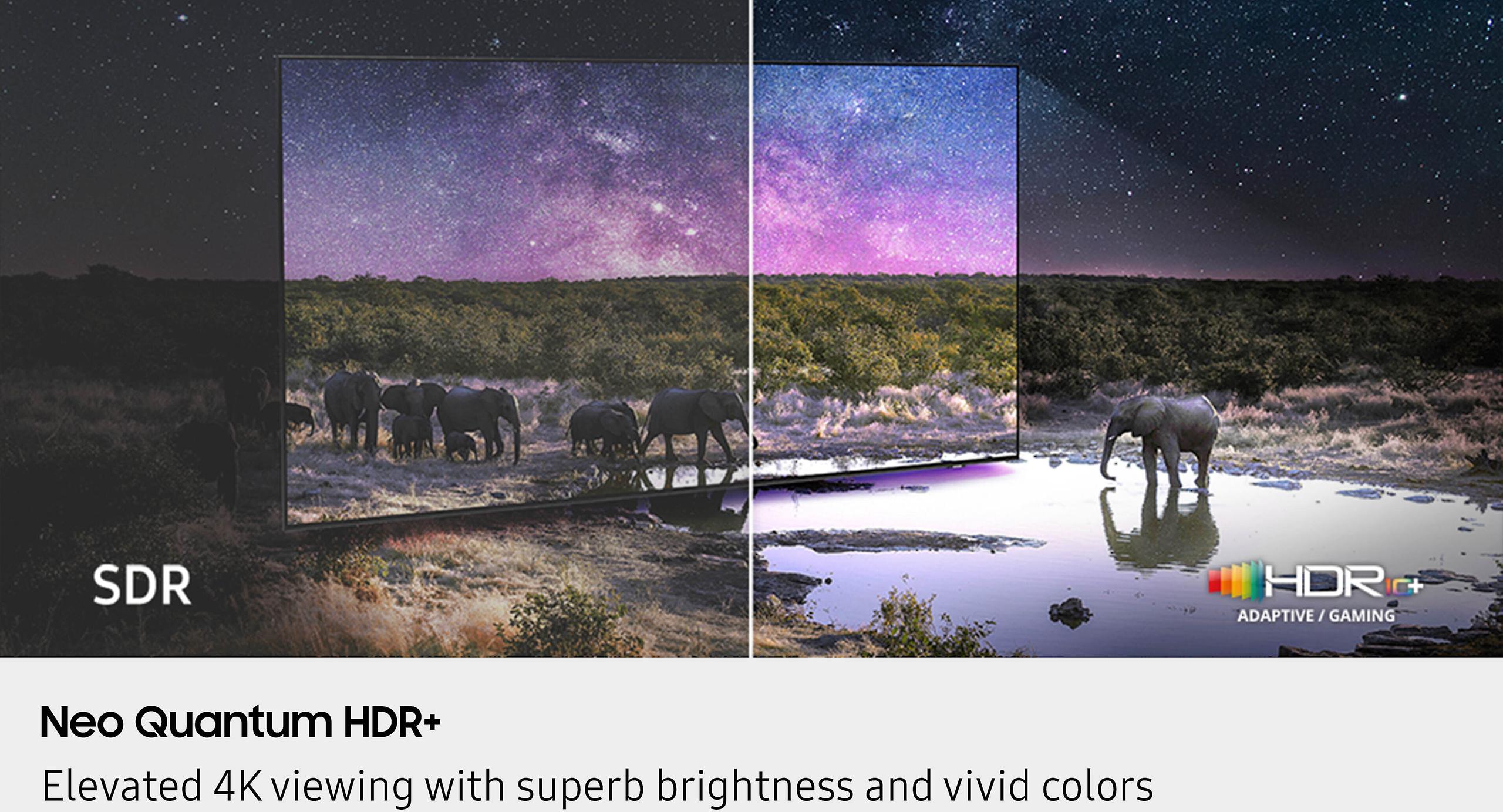
The brightness difference between these TVs is dramatic. The QN90F can reach approximately 2,000 nits of peak brightness, while the S90D tops out around 1,240 nits. To put this in perspective, a typical sunny day outside measures about 1,600 nits, so the QN90F can actually get brighter than daylight.
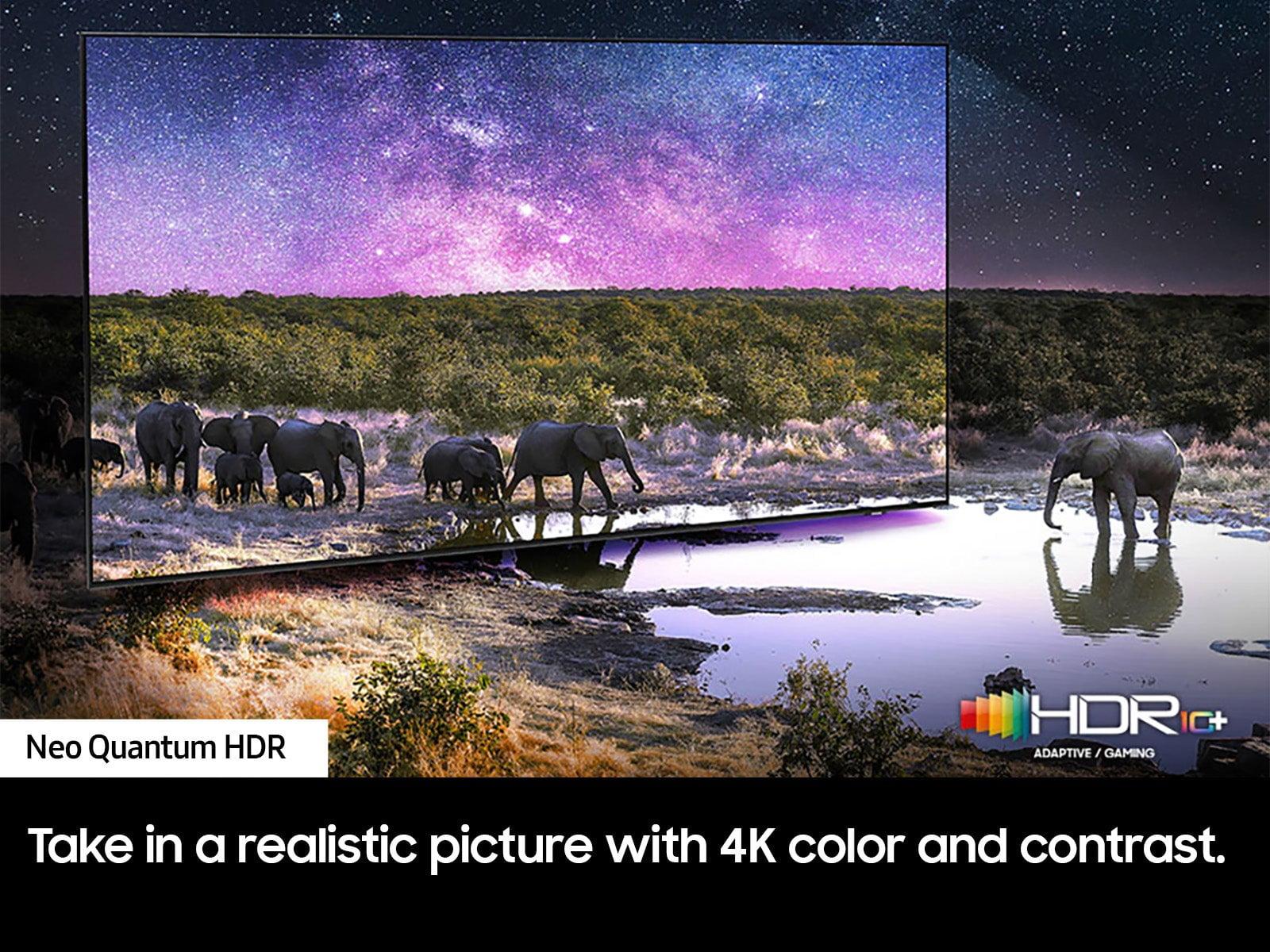
But why does this matter? HDR content (High Dynamic Range) is designed to use these extreme brightness levels to create more realistic images. When you're watching a movie scene with the sun reflecting off water or an explosion lighting up the screen, that extra brightness on the QN90F makes these highlights feel more impactful and lifelike.
I've noticed this difference most dramatically when watching nature documentaries or action movies during the day. The QN90F maintains its punch even when sunlight is streaming through windows, while the S90D can look somewhat muted in comparison during bright viewing conditions.
However, brightness isn't everything. The S90D compensates for its lower peak brightness with something the QN90F can never achieve: perfect blacks.
Here's where OLED technology shows its biggest strength. When the S90D needs to display black, those pixels simply turn off. No light bleeds through, no gray haze—just pure, perfect black. This creates what we call infinite contrast ratio, meaning the difference between the darkest and brightest parts of the image is theoretically unlimited.
The QN90F uses local dimming zones—areas of the backlight that can dim independently—to approximate this effect. While Samsung has gotten remarkably good at this (the QN90F has excellent black levels for an LCD), it can never truly turn off the backlight completely. In dark scenes, you might notice slight "blooming" where bright objects cause a subtle glow in the surrounding dark areas.
This difference becomes most apparent during nighttime movie watching. Horror films, space movies, or any content with dark scenes simply looks more dramatic and immersive on the S90D. The contrast creates a sense of depth that draws you into the image in ways that even the best LCD TVs struggle to match.
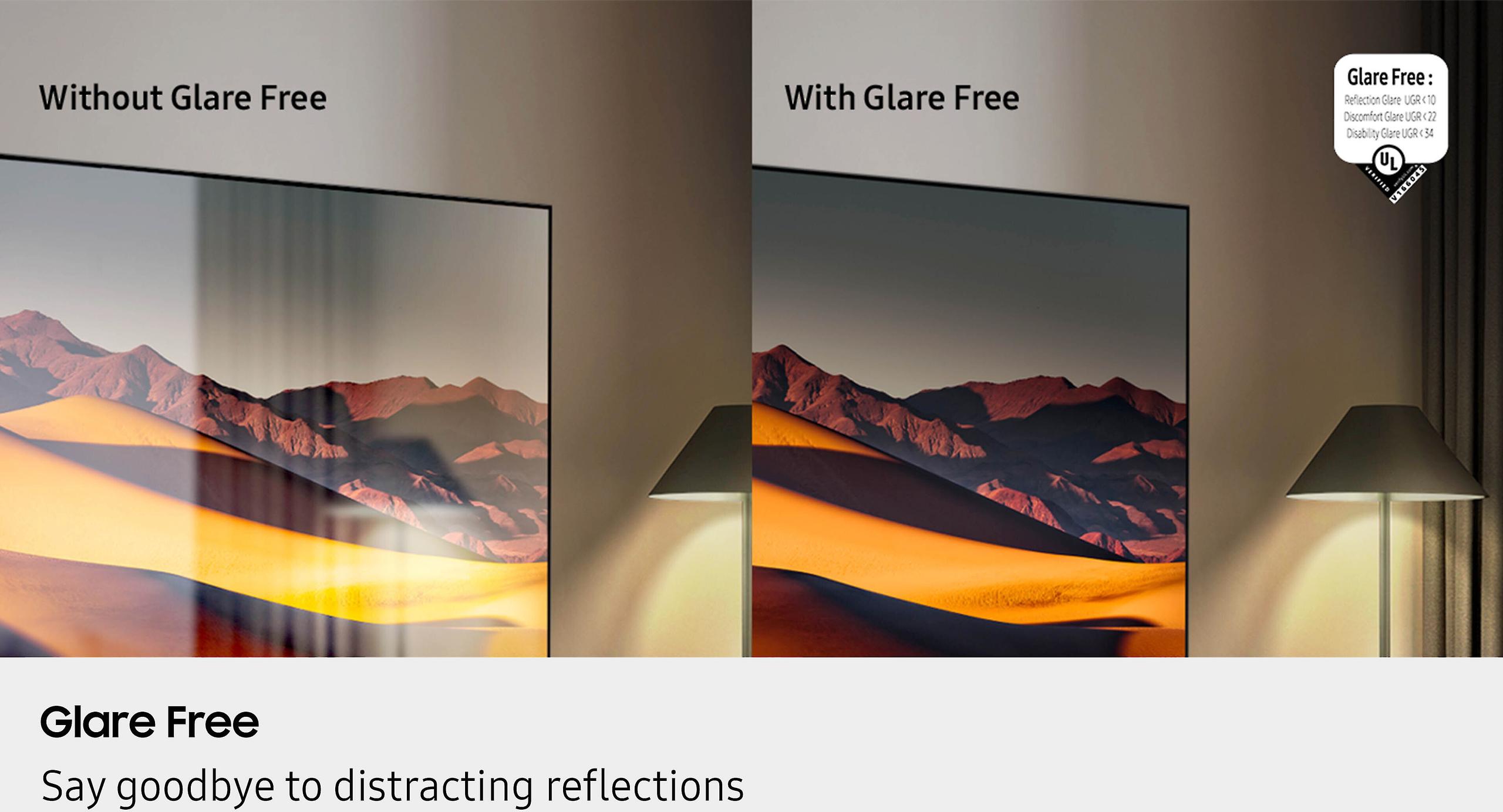
If I had to pick the single most important factor in choosing between these TVs, it would be your room's lighting situation. This is where the QN90F reveals its secret weapon: the Glare Free matte coating.
Traditional TVs have glossy screens that act like mirrors, reflecting lamps, windows, and even your face back at you. Samsung's anti-glare technology on the QN90F virtually eliminates these reflections. I've tested this extensively, and it's genuinely impressive—you can have bright lights or windows directly behind your seating area, and the screen remains clearly visible without distracting reflections.
The S90D, like most OLEDs, has a glossy screen. While this preserves the deep blacks and vibrant colors that make OLED special, it also means you'll see reflections of light sources in your room. In a bright living room with windows and overhead lights, these reflections can be quite distracting.
This creates a clear dividing line: if you're watching in a bright room during the day, the QN90F will likely provide a better viewing experience. If you can control your lighting or prefer watching in darker conditions, the S90D will deliver superior image quality.
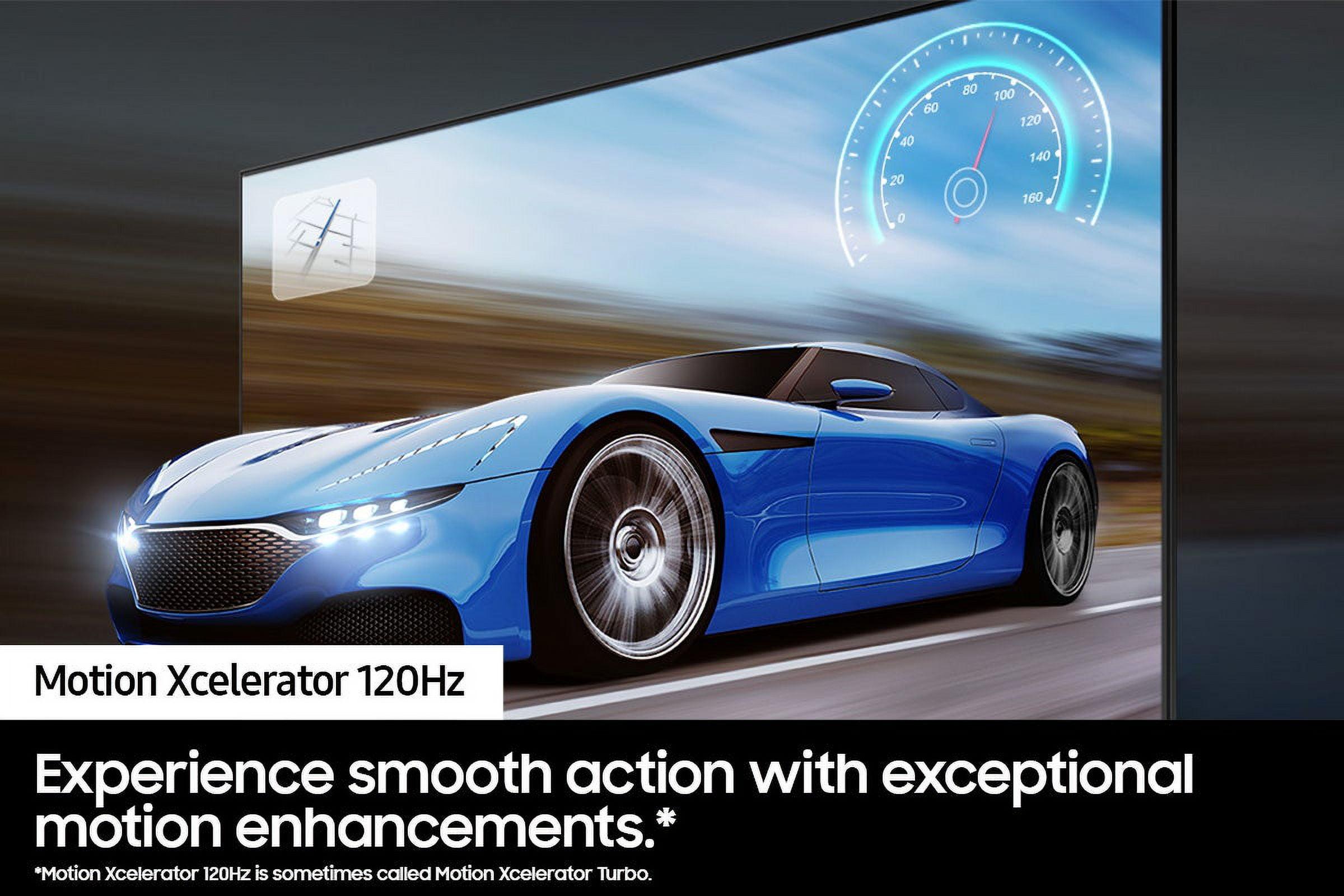
Both TVs support modern gaming features like 4K at 120Hz, Variable Refresh Rate (VRR), and Auto Low Latency Mode (ALLM), but they handle gaming differently. The QN90F offers a slightly higher 165Hz refresh rate compared to the S90D's 144Hz, which could benefit PC gamers with high-end graphics cards.
However, the S90D has a significant advantage in pixel response time—how quickly pixels can change from one color to another. OLED pixels respond almost instantaneously, while the QN90F's LCD technology is inherently slower. This difference shows up as ghosting or trailing behind fast-moving objects in games.
I've experienced this firsthand while playing competitive shooters and racing games. The S90D delivers cleaner motion with less blur, while the QN90F can show noticeable ghosting during rapid camera movements or fast-paced action sequences.
There's another gaming consideration: the QN90F actually performs worse when Gaming Mode is enabled. The local dimming becomes less aggressive, leading to elevated black levels and reduced contrast. It's a frustrating trade-off between input lag and image quality that the S90D doesn't suffer from.
Both TVs use quantum dot technology for wide color gamut coverage, but they implement it differently. The QN90F uses traditional quantum dots combined with blue LED backlighting, while most sizes of the S90D feature QD-OLED panels that combine quantum dots with OLED technology.
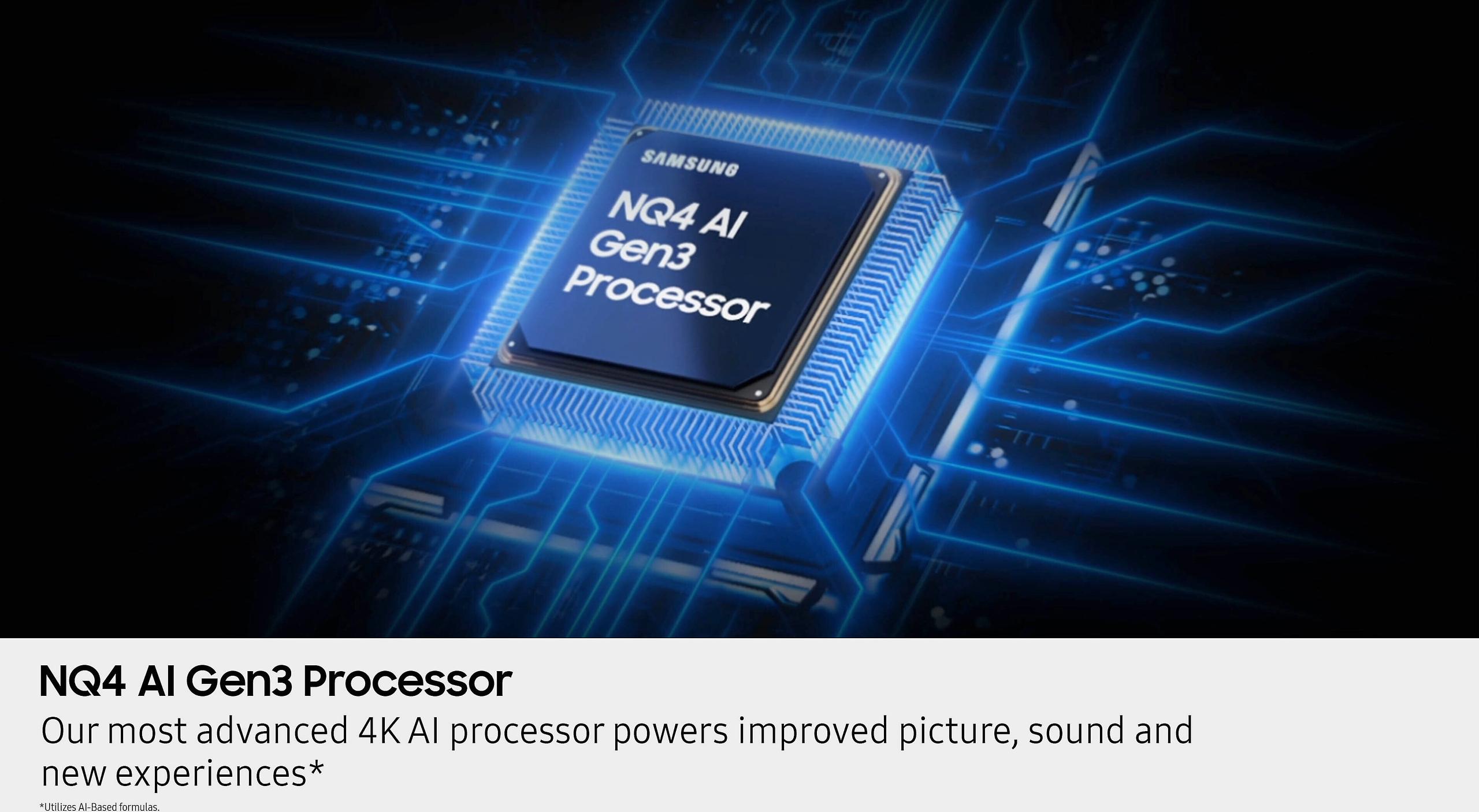
The processing power behind these displays has evolved significantly. The QN90F features Samsung's newest NQ4 AI Gen3 processor with 128 neural networks, compared to the S90D's NQ4 AI Gen2 processor with 20 neural networks. This translates to better upscaling of non-4K content and more sophisticated real-time picture adjustments on the newer model.
Both TVs excel at upscaling lower-resolution content—something increasingly important as we watch content from various streaming services with different quality levels. The QN90F has a slight edge here due to its more advanced processing, but both do an excellent job making 1080p content look sharp on a 4K screen.
The QN90F features a more powerful 60W 4.2.2 channel speaker system with Dolby Atmos and Object Tracking Sound+, compared to the S90D's standard audio setup. Object Tracking Sound+ is particularly impressive—it analyzes the on-screen action and moves sound effects across the TV's speakers to match what's happening visually.
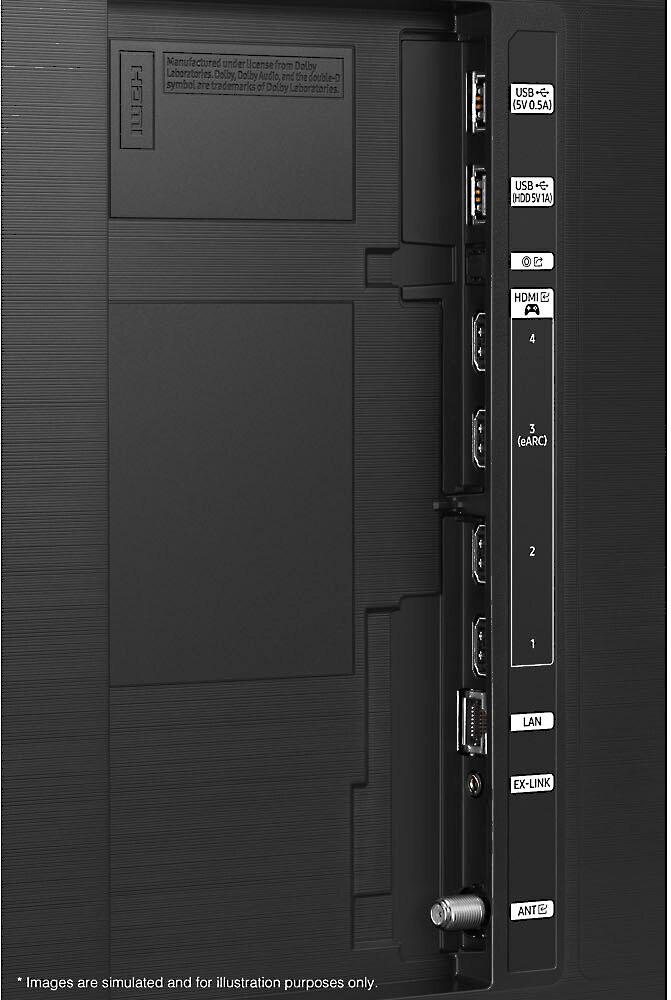
However, for serious home theater enthusiasts, both TVs support eARC (enhanced Audio Return Channel) for connecting to external sound systems. The QN90F has some limitations with DTS audio passthrough that could affect compatibility with certain soundbars or receivers.
If you're planning to use external audio equipment, both TVs will serve as excellent displays, though the S90D's superior contrast makes it particularly appealing for dedicated home theater setups where lighting can be controlled.
Both models run Samsung's Tizen operating system, but the QN90F includes the newer Vision AI platform with advanced features like gesture control and adaptive optimization based on room conditions. These AI features analyze your content and viewing environment to automatically adjust picture and sound settings.
The Vision AI also enables some unique capabilities like displaying AI-generated artwork when the TV is idle and providing home monitoring insights through the TV's built-in sensors. While these features are interesting, they're more novelty than necessity for most users.
Both TVs receive regular software updates and have access to all major streaming platforms. The QN90F being a 2025 model will likely receive support for a longer period, though both should remain current for several years.
At the time of writing, there's a significant price gap between these models, with the QN90F commanding a premium for its newer technology and anti-glare capabilities. The S90D frequently appears in sales, making it an even more compelling value proposition.
When considering long-term ownership, OLED burn-in remains a factor to consider, though it's much less of a concern than it was in early OLED generations. Modern OLEDs like the S90D include numerous protection features including pixel shifting, logo detection, and automatic brightness limiting that significantly reduce burn-in risk. Still, if you plan to leave static images on screen for extended periods (like news tickers or game UI elements), the QN90F's LCD technology eliminates this concern entirely.
After extensive experience with both display technologies, here's how I'd break down the decision:
Choose the QN90F Neo QLED if: Your TV room has significant ambient light from windows or overhead fixtures. The anti-glare coating alone justifies the premium in these situations. You primarily watch during daytime hours when the superior brightness will be most apparent. Sports viewing is a priority—the combination of bright, punchy images and anti-glare coating creates an excellent sports viewing experience. You want the latest features and longest software support lifecycle.
Choose the S90D OLED if: You can control your room lighting or prefer watching in darker conditions. Movie watching is your primary use case—the superior contrast and perfect blacks create a more cinematic experience. Gaming performance matters, especially motion clarity and response time. Value is important—the significant cost savings can be invested elsewhere in your setup. You appreciate natural color reproduction and the visual depth that only OLED can provide.
For most people, I lean toward recommending the S90D OLED. While the QN90F has impressive technology and clear advantages in bright rooms, the fundamental image quality benefits of OLED technology are hard to overlook. The perfect blacks, infinite contrast, and superior motion handling create a more engaging viewing experience for most content types.
However, if you're dealing with a bright living room where controlling light isn't practical, the QN90F becomes the clear choice. Its anti-glare technology and superior brightness make it one of the few TVs that actually performs better in challenging lighting conditions rather than despite them.
The bottom line is that both are excellent TVs that represent the pinnacle of their respective technologies. Your room environment and viewing preferences should guide your decision more than any technical specification sheet. Consider your actual usage patterns, room layout, and what type of content you watch most, and you'll likely find that one of these displays clearly suits your needs better than the other.
| Samsung 65" QN90F Neo QLED 4K Vision AI Smart TV 2025 | Samsung 65" OLED S90D TV |
|---|---|
| Display Technology - Fundamentally different approaches to image quality | |
| Mini-LED LCD with Quantum Matrix Technology Pro | QD-OLED with self-emitting pixels |
| Peak Brightness - Critical for HDR impact and daytime viewing | |
| ~2,000 nits (exceptional HDR highlights) | ~1,240 nits (excellent for most content) |
| Black Levels - Determines contrast and dark scene performance | |
| Very good local dimming (slight blooming possible) | Perfect blacks (infinite contrast ratio) |
| Screen Coating - Major factor for bright room viewing | |
| Glare Free matte coating (virtually no reflections) | Glossy finish (reflects room lighting) |
| Refresh Rate - Important for gaming and sports | |
| 165Hz (slight advantage for PC gaming) | 144Hz (excellent for console gaming) |
| Motion Handling - Affects gaming and fast content clarity | |
| Slower pixel response (some ghosting in games) | Near-instantaneous response (cleaner motion) |
| Processor - Powers upscaling and smart features | |
| NQ4 AI Gen3 with 128 neural networks | NQ4 AI Gen2 with 20 neural networks |
| Audio System - Built-in sound quality | |
| 60W 4.2.2CH with Object Tracking Sound+ | Standard OLED audio with Dolby Atmos |
| Release Year - Affects features and software support | |
| 2025 (newest Vision AI features) | 2024 (proven platform, frequent sales) |
| Gaming Performance - Overall gaming experience | |
| Higher refresh rate but worse black levels in Game Mode | Better motion clarity and consistent performance |
| Burn-in Risk - Long-term durability concern | |
| No burn-in risk (LCD technology) | Minimal risk with modern OLED protection |
| Best Use Case - Ideal viewing scenarios | |
| Bright rooms, daytime viewing, sports | Dark rooms, movies, gaming, value-focused buyers |
The Samsung 65" QN90F Neo QLED is significantly better for bright rooms thanks to its Glare Free matte coating that virtually eliminates reflections and its exceptional 2,000-nit peak brightness. The Samsung 65" OLED S90D has a glossy screen that reflects ambient light, making it less suitable for rooms with windows or overhead lighting.
The QN90F Neo QLED uses thousands of Mini-LED backlights behind an LCD panel with local dimming zones, while the S90D OLED features self-emitting pixels that can turn completely on or off. OLED delivers perfect blacks and infinite contrast, while Neo QLED achieves much higher brightness levels but cannot match true black performance.
The Samsung S90D OLED is generally better for gaming due to its near-instantaneous pixel response times and cleaner motion handling. While the QN90F Neo QLED offers a higher 165Hz refresh rate, it suffers from slower pixel response that can cause ghosting during fast-paced gaming.
The Samsung S90D OLED excels in dark room viewing with perfect blacks and infinite contrast ratio that creates exceptional depth and immersion. The Samsung QN90F Neo QLED performs well in dark rooms but cannot match OLED's contrast performance, though it still delivers impressive HDR brightness.
Modern OLEDs like the S90D have significantly reduced burn-in risk through protective features including pixel shifting, logo detection, and automatic brightness limiting. While burn-in remains theoretically possible with extended static image display, it's much less of a concern than with earlier OLED generations. The QN90F Neo QLED eliminates this concern entirely with LCD technology.
The Samsung S90D OLED typically offers better value, providing premium OLED picture quality at a lower price point than the QN90F Neo QLED. The significant cost savings can be invested in a sound system or other home theater components while still delivering exceptional image quality.
The Samsung QN90F Neo QLED achieves much higher peak brightness at approximately 2,000 nits compared to the S90D OLED's 1,240 nits. This makes HDR highlights more impactful and helps maintain picture quality in bright viewing environments.
The Samsung S90D OLED is superior for dedicated home theater setups where lighting can be controlled. Its perfect blacks, infinite contrast, and superior motion handling create a more cinematic experience. The QN90F Neo QLED works better in multipurpose rooms with ambient light.
Yes, both the QN90F Neo QLED and S90D OLED support 4K at 120Hz, Variable Refresh Rate (VRR), Auto Low Latency Mode (ALLM), and have multiple HDMI 2.1 ports. The main difference is the QN90F's higher 165Hz refresh rate versus the S90D's better motion clarity.
The Samsung QN90F Neo QLED 2025 includes newer Vision AI features with advanced gesture control and adaptive optimization, plus a more powerful NQ4 AI Gen3 processor. The S90D OLED uses the proven NQ4 AI Gen2 processor with excellent performance but fewer AI-driven features.
Both TVs should provide many years of reliable service. The QN90F Neo QLED has no burn-in risk and being a 2025 model will likely receive software updates longer. The S90D OLED has modern burn-in protections and should also last many years with normal use patterns.
Choose the Samsung QN90F Neo QLED if you have a bright room, watch primarily during daytime, or want the latest features and anti-glare technology. Choose the Samsung S90D OLED if you can control room lighting, prioritize movie watching, want better gaming performance, or prefer superior value for premium picture quality.
We've done our best to create useful and informative comparisons to help you decide what product to buy. Our research uses advanced automated methods to create this comparison and perfection is not possible - please contact us for corrections or questions. These are the sites we've researched in the creation of this article: rtings.com - images.samsung.com - youtube.com - listenup.com - youtube.com - cullenshomecenter.com - rtings.com - shopjetson.com - youtube.com - samsung.com - samsung.com - videoandaudiocenter.com - rtings.com - bestbuy.com - youtube.com - news.samsung.com - news.samsung.com - news.samsung.com - bestbuy.com - news.samsung.com - youtube.com - news.samsung.com - youtube.com - smarthomesounds.co.uk - bestbuy.com - valueelectronics.com - youtube.com - cnet.com - bestbuy.com - videoandaudiocenter.com - youtube.com - samsung.com - samsung.com - pcrichard.com - samsung.com

Privacy Policy
Terms and Conditions - Affiliate Policy
Home Security
© Copyright 2008-2026.
11816 Inwood Rd #1211, Dallas, TX 75244