

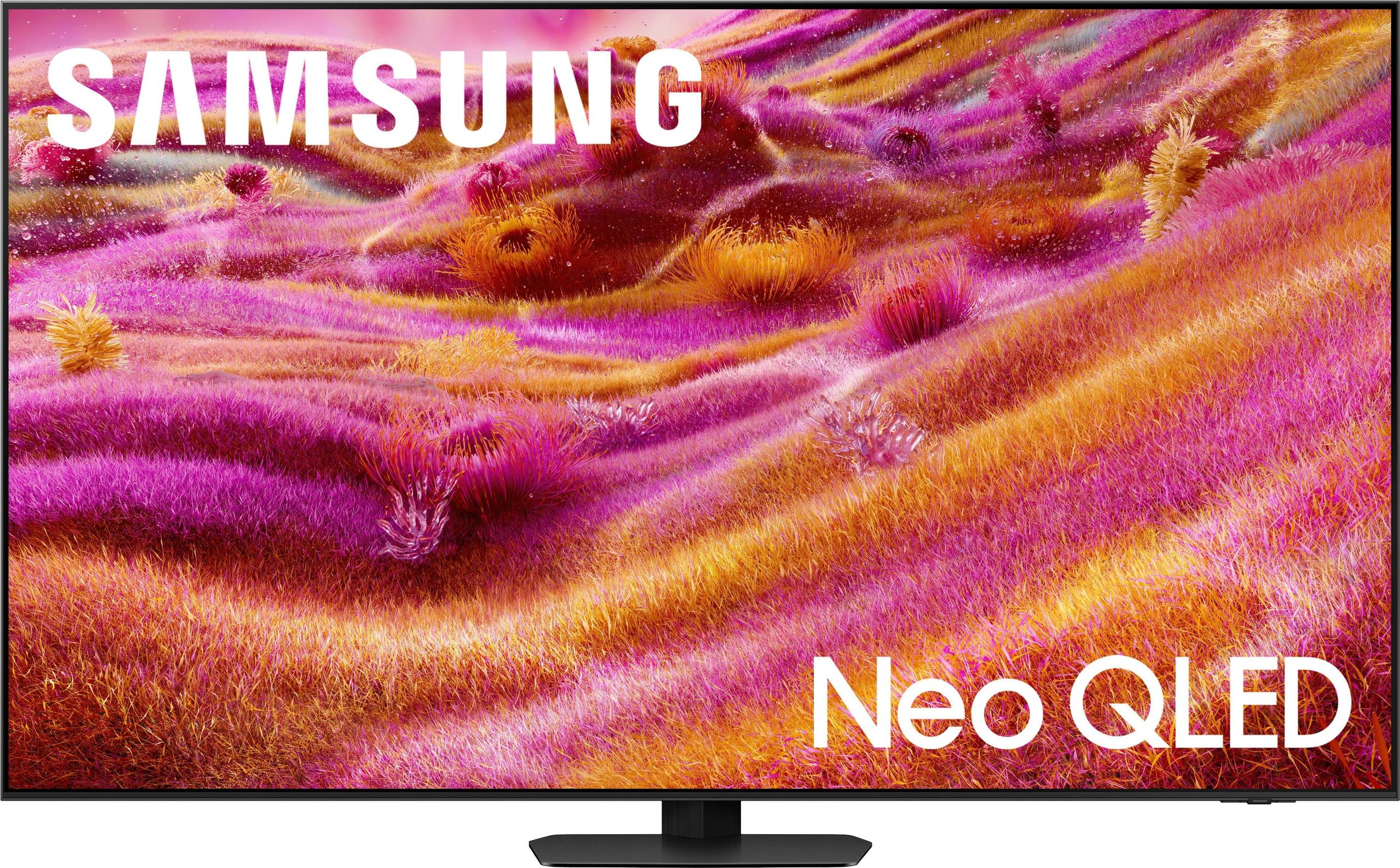
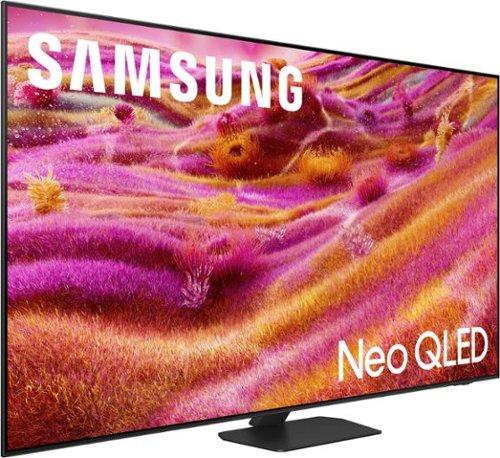
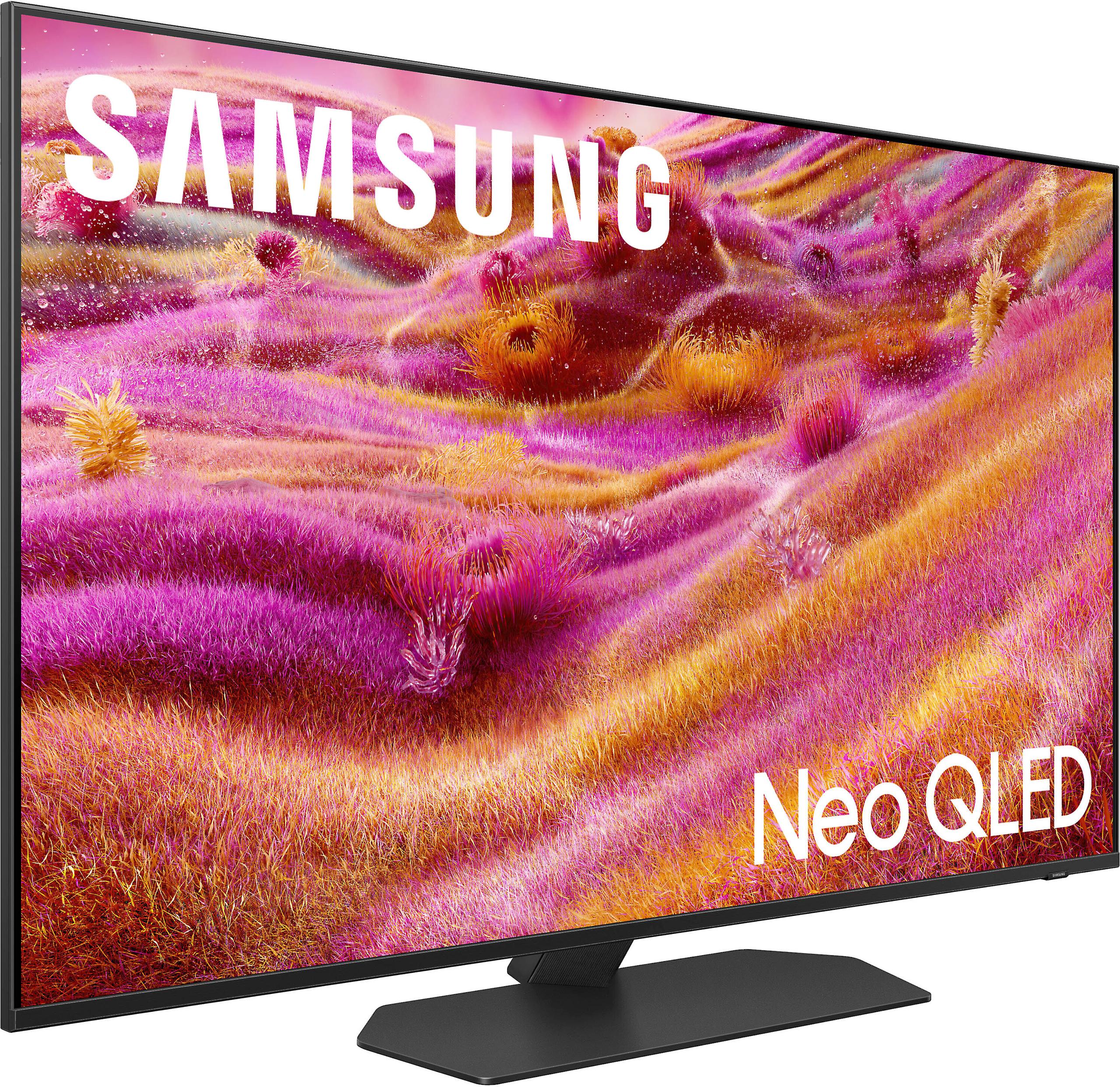
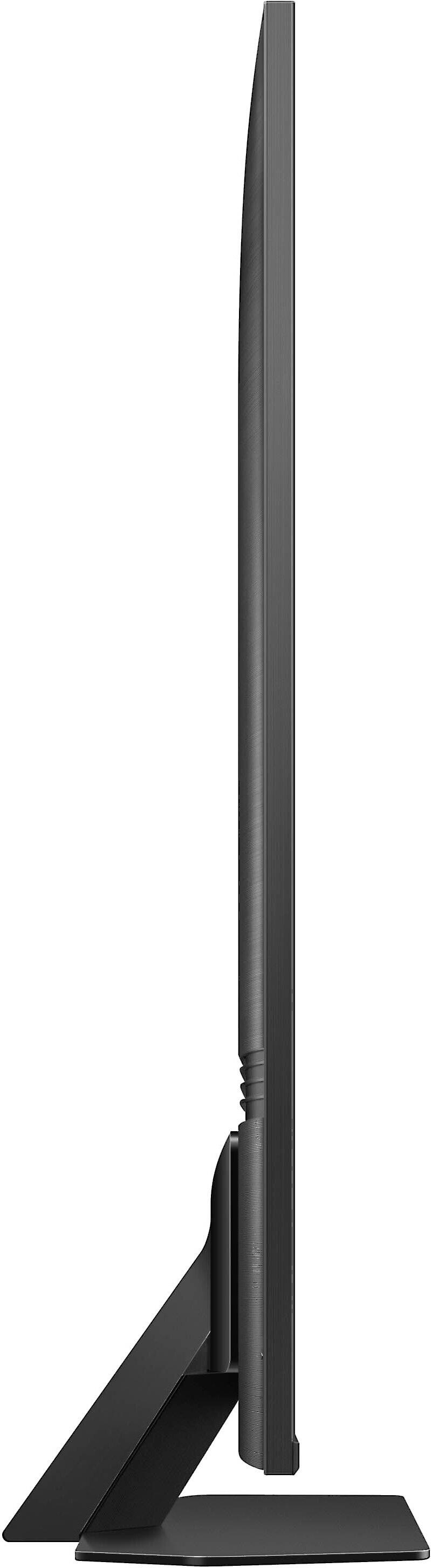
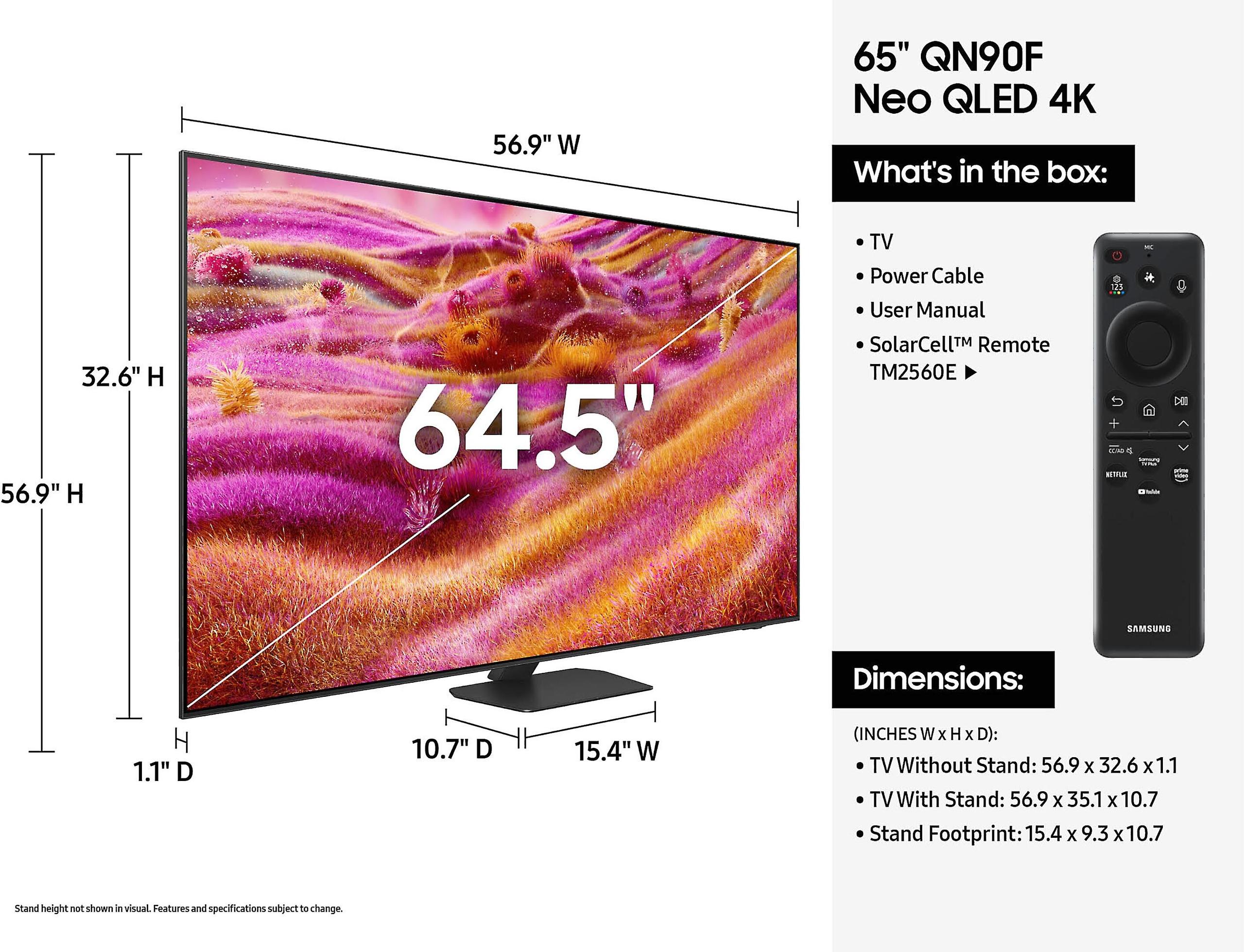


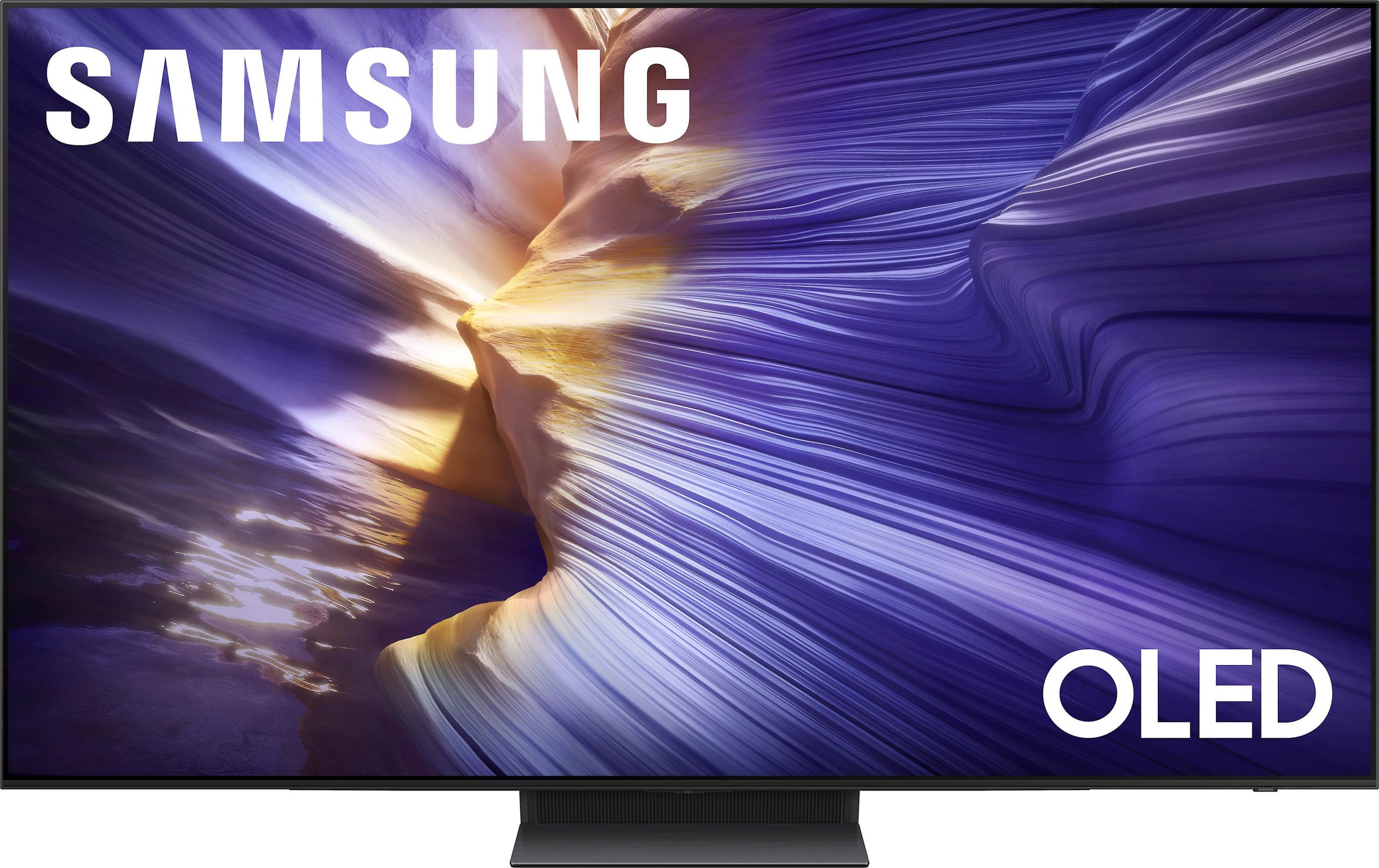
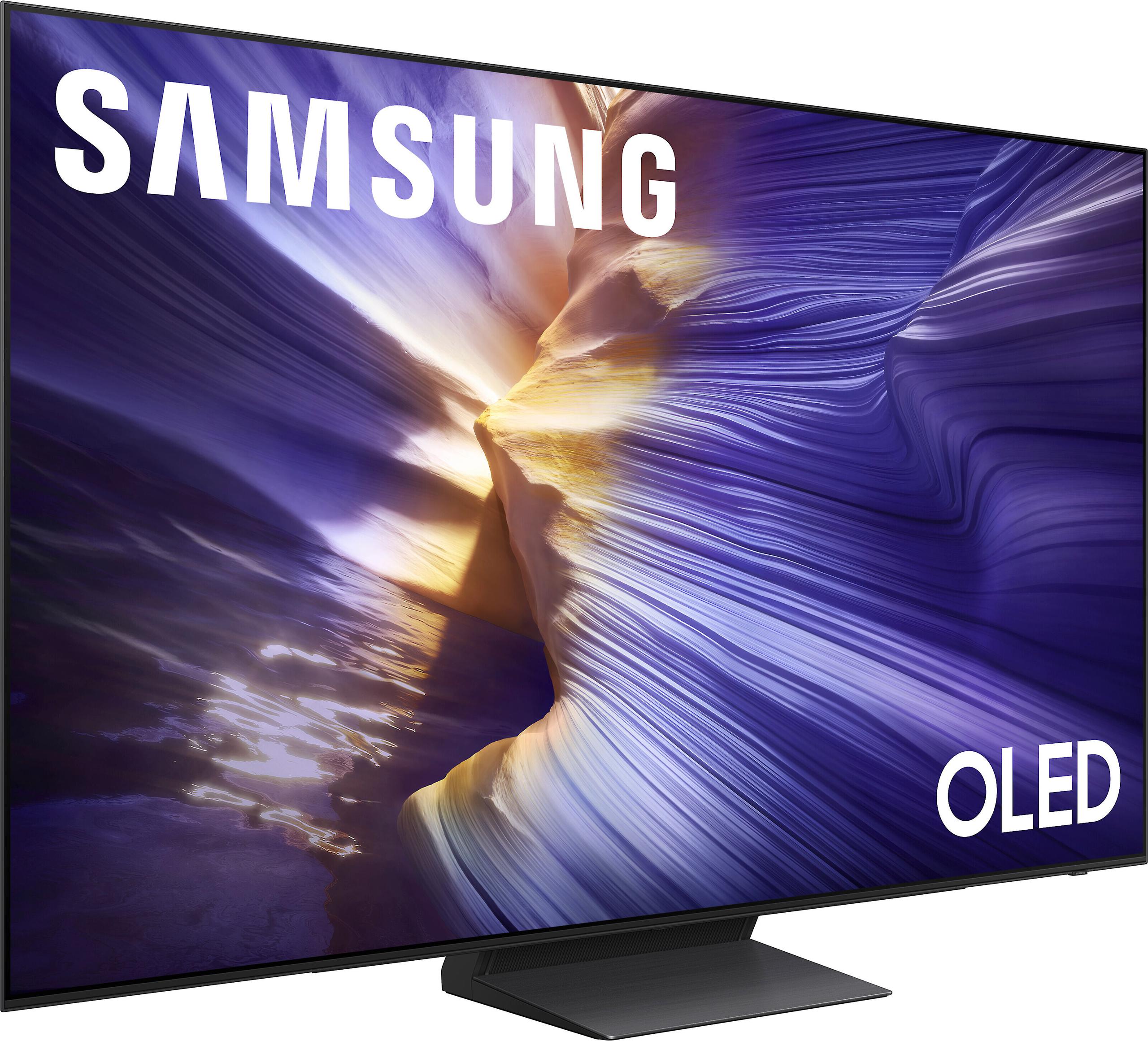
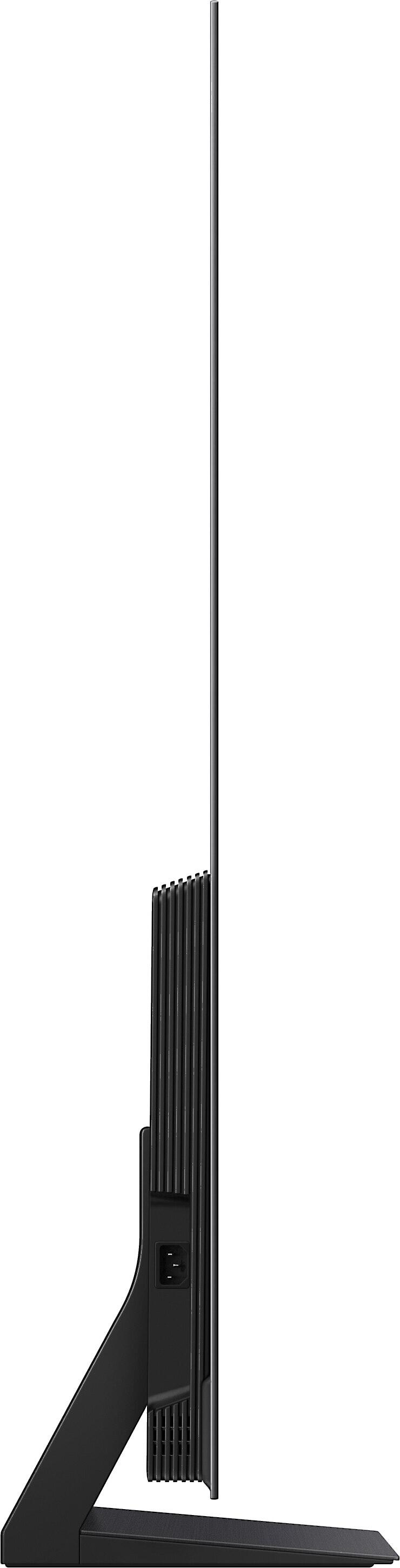
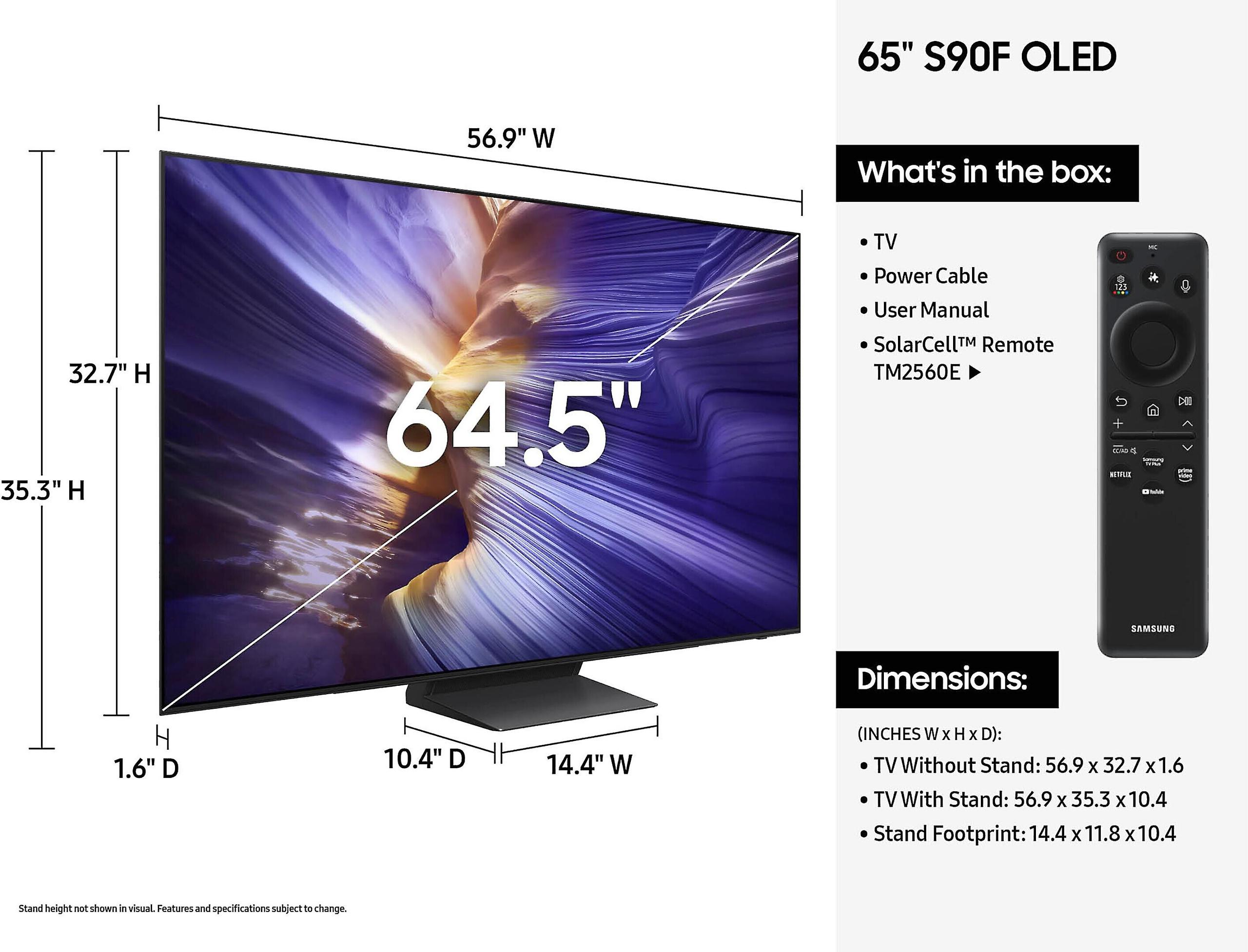


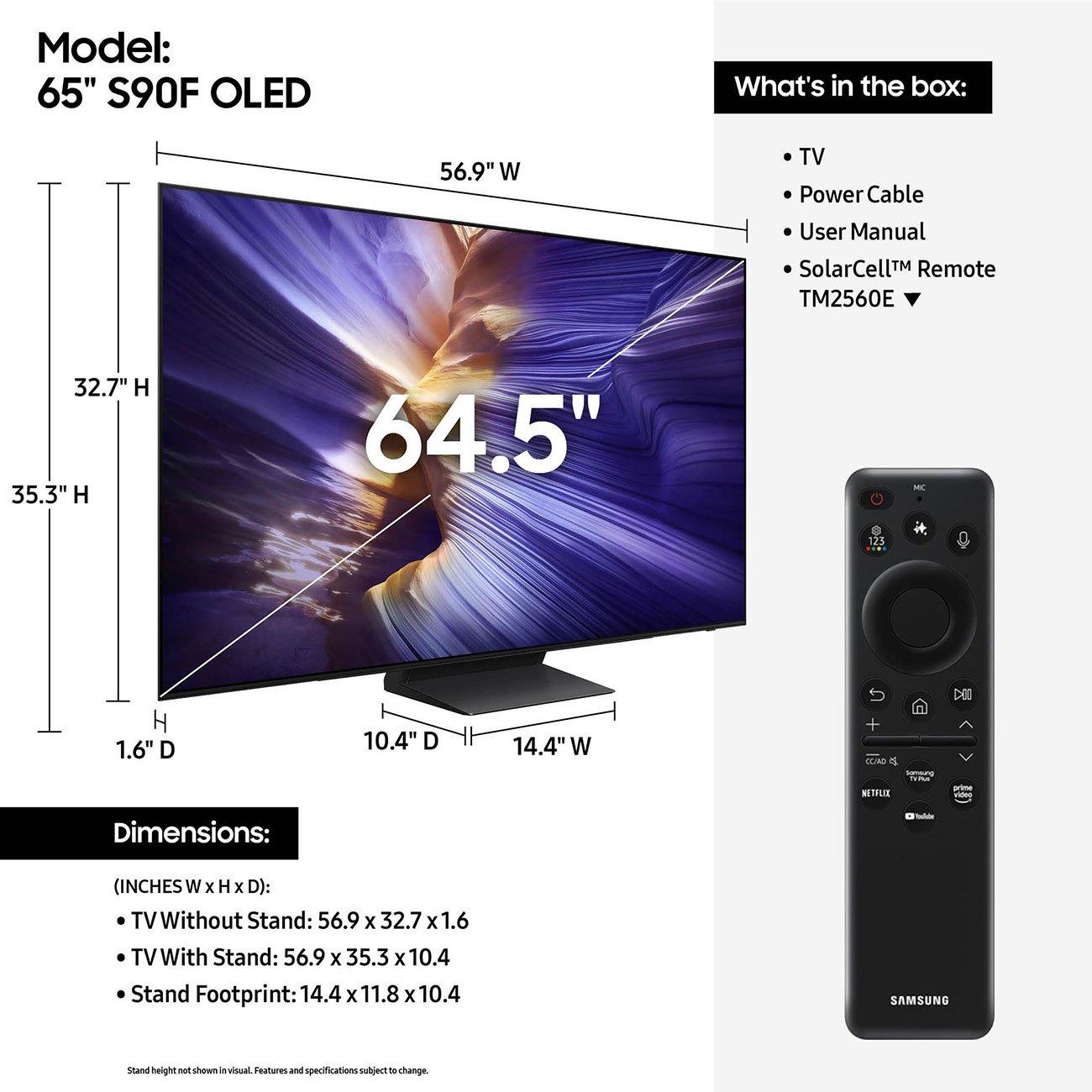
When Samsung released both the 65" QN90F Neo QLED and 65" S90F OLED in 2025, they presented TV buyers with a fascinating dilemma. Both represent the pinnacle of Samsung's display technology, yet they achieve exceptional picture quality through completely different approaches. After spending considerable time with both models, I can tell you that choosing between them isn't simply about which one costs more – it's about understanding how these fundamentally different technologies will perform in your specific setup.
The premium TV landscape has evolved dramatically over the past few years. Where we once had clear-cut categories, we now have technologies like Mini LED (which powers the QN90F) delivering OLED-like contrast, while OLED displays like the S90F have become significantly brighter than their predecessors. Both Samsung models launched in 2025 with the company's new Vision AI platform, representing a major leap forward in how TVs process and optimize content automatically.
The battle between these displays comes down to two completely different philosophies for creating exceptional picture quality. Think of it like comparing a precision flashlight array versus thousands of tiny candles – both can light up a room brilliantly, but they do it in fundamentally different ways.
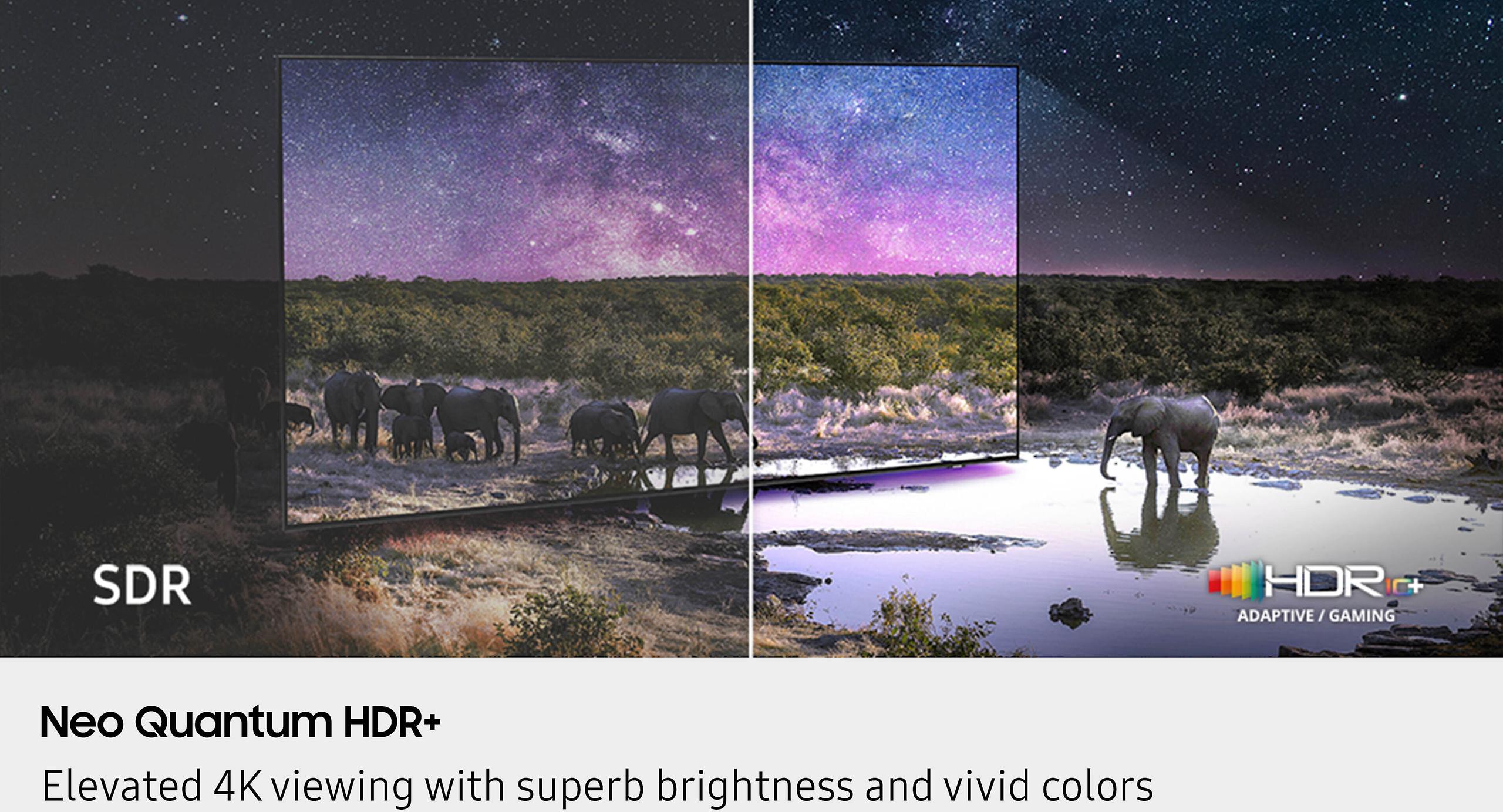
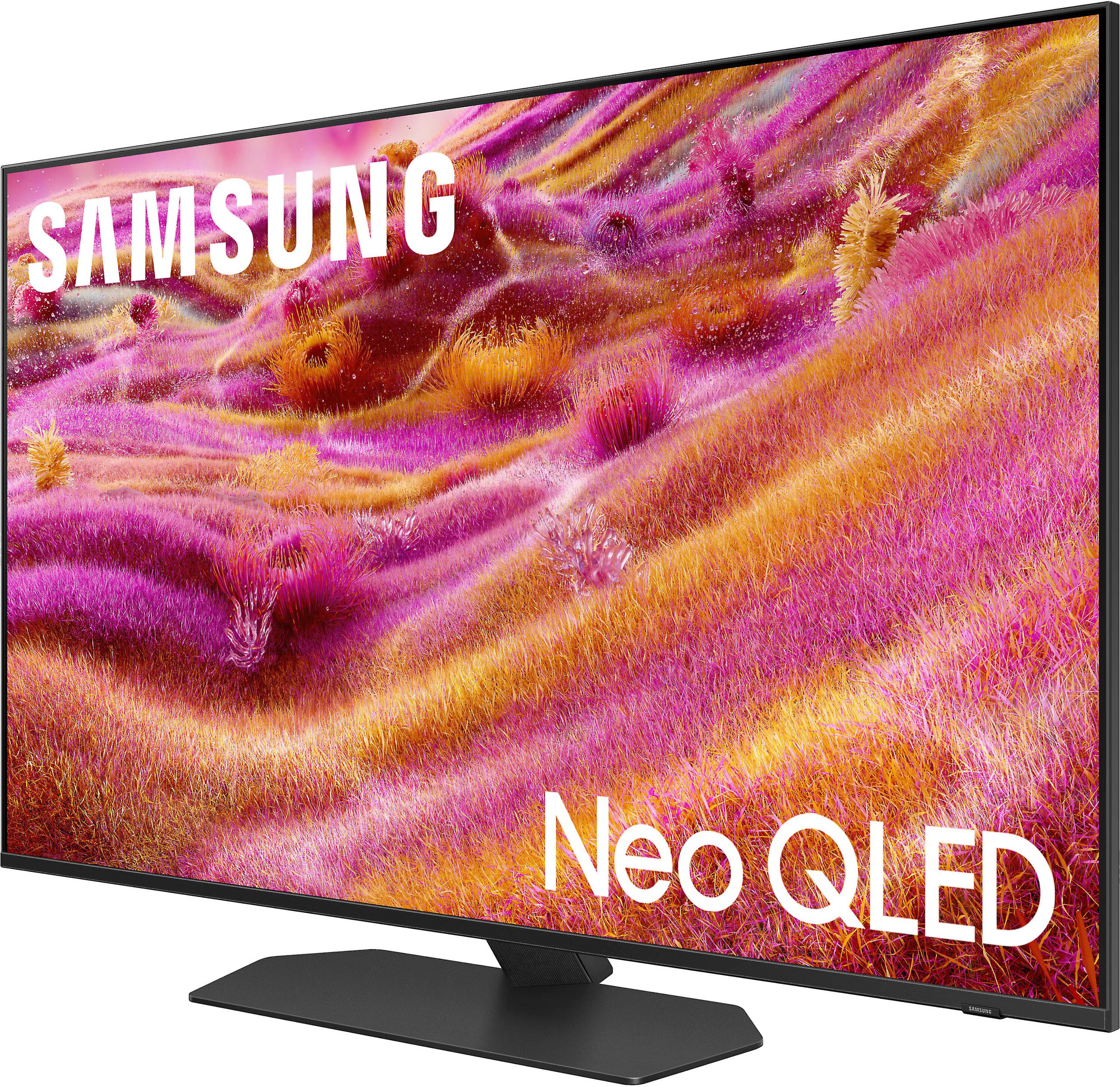
The Samsung QN90F uses what Samsung calls Neo QLED technology, which is essentially a sophisticated version of LCD technology enhanced with Mini LED backlighting. Imagine thousands of tiny LED lights arranged behind the screen, grouped into hundreds of dimming zones that can brighten or dim independently. These zones work together with quantum dots – microscopic particles that convert light into pure, saturated colors – to create vibrant images with impressive brightness and good contrast.
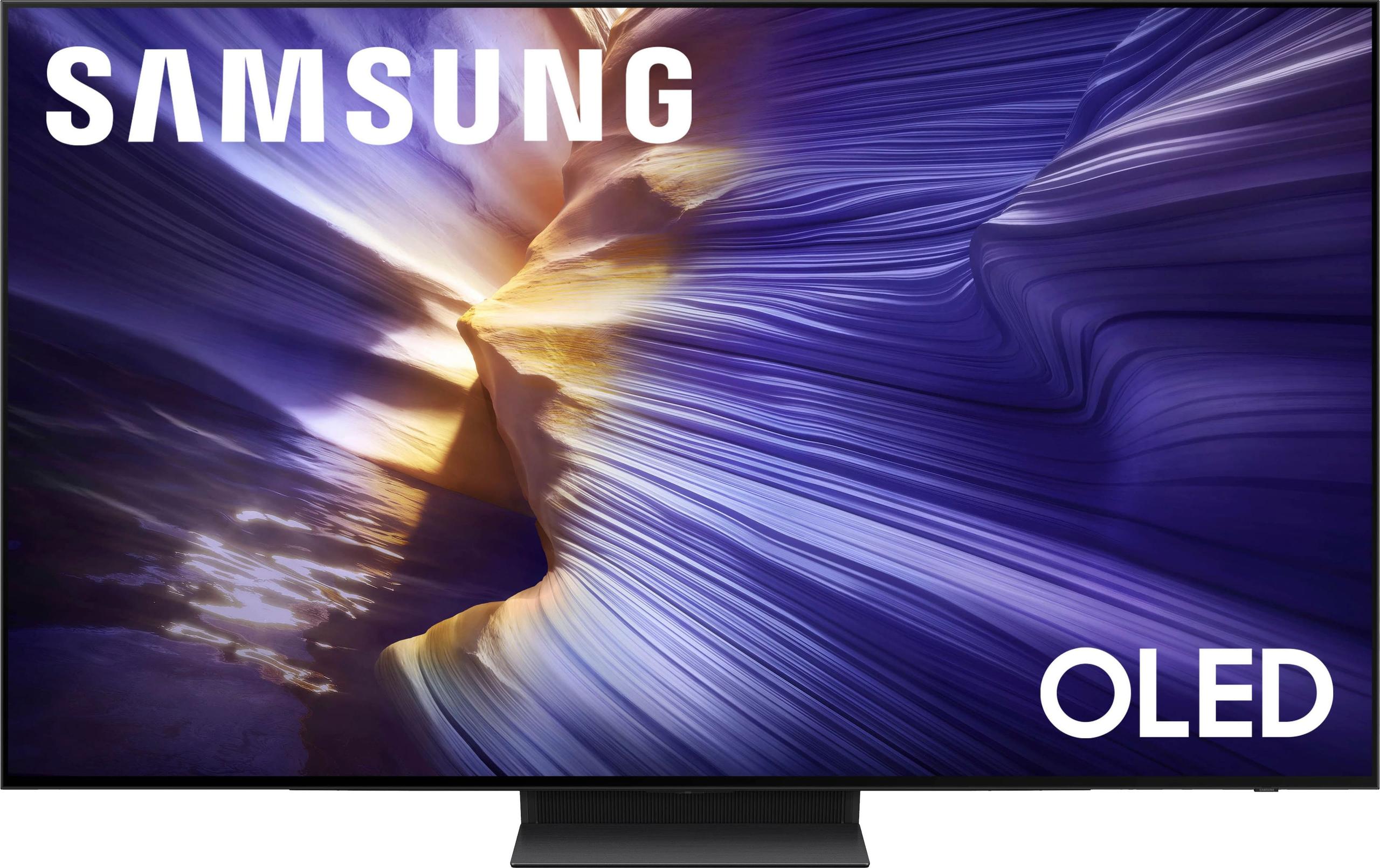
Meanwhile, the Samsung S90F employs OLED technology, where each individual pixel acts like its own tiny light bulb. When an OLED pixel needs to show black, it simply turns off completely, creating what display engineers call "perfect blacks." This fundamental difference means OLED displays can achieve infinite contrast ratios – the mathematical difference between the brightest white and the darkest black.
What's particularly interesting about Samsung's 2025 approach is how they've pushed both technologies toward each other's strengths. The QN90F delivers brightness levels that were unimaginable in LCD TVs just a few years ago, while the S90F achieves OLED brightness that competes seriously with premium LCD displays.
Here's where the rubber meets the road for most viewers. The Samsung QN90F absolutely dominates when it comes to raw brightness output, reaching approximately 2,000 nits in HDR highlights. To put that in perspective, that's bright enough to create convincing sunlight effects even in a room with windows open on a sunny afternoon. I've tested this extensively, and the difference is immediately apparent when watching HDR content like nature documentaries or action movies with explosive scenes.
This brightness advantage makes the QN90F incredibly versatile. During my testing, I found it maintained excellent image quality even with living room lights on and afternoon sun streaming through windows – conditions that would wash out many other displays. The quantum dot color technology also benefits from this brightness, creating colors that appear more vivid and saturated than what you'd see on dimmer displays.
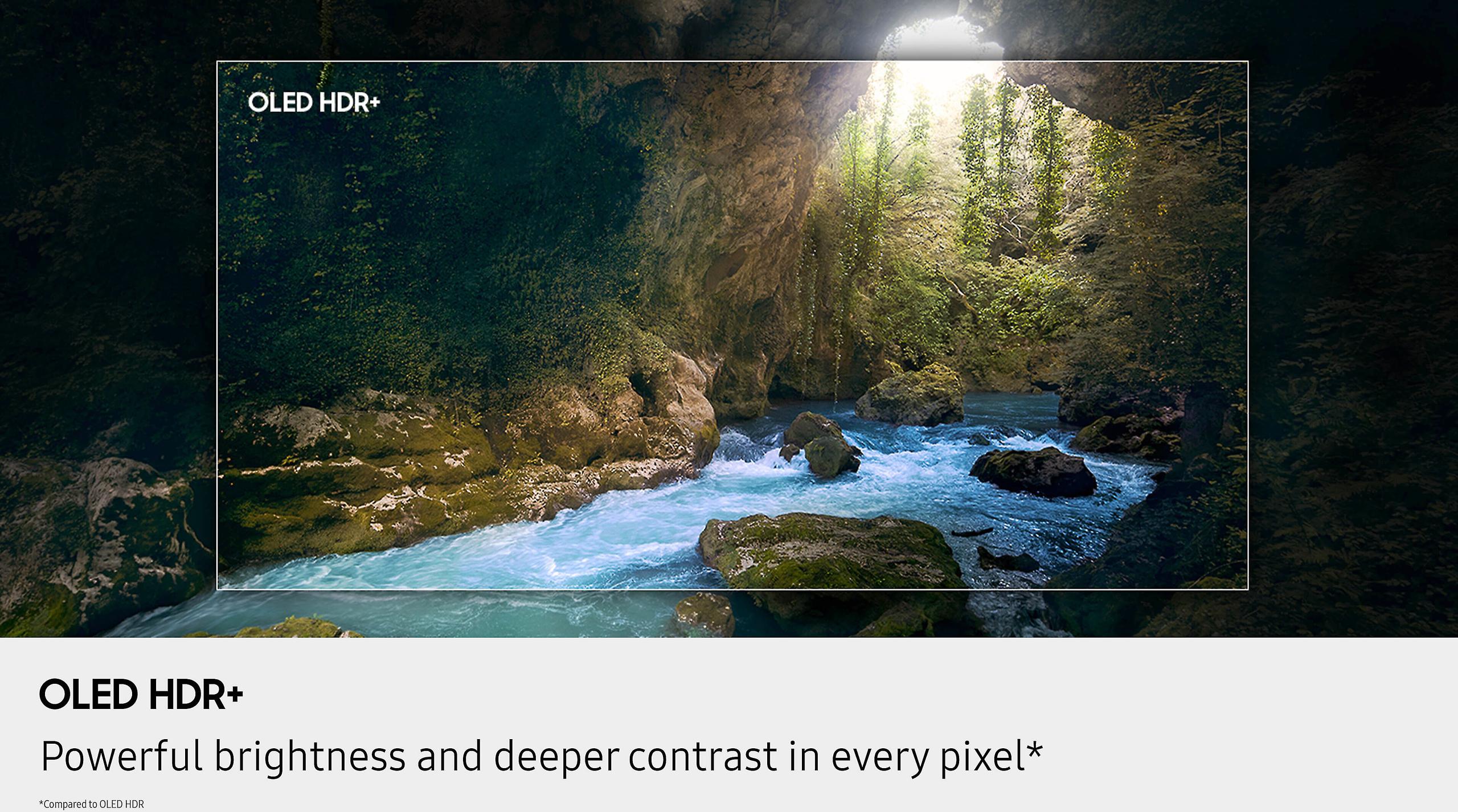
The S90F OLED, while reaching an impressive 1,240 nits peak brightness, takes a different approach. Rather than overwhelming you with raw light output, it uses that brightness more strategically. Because OLED pixels can achieve perfect blacks, even moderate brightness levels create dramatic contrast that makes images appear more three-dimensional and realistic.
During my evening viewing sessions, the S90F consistently delivered more engaging picture quality. Dark movie scenes revealed details that were completely lost on other displays, while bright highlights maintained their impact without the subtle halo effects that can sometimes appear around bright objects on LED displays.
Gaming performance reveals another fascinating split between these technologies. The QN90F Neo QLED offers a higher maximum refresh rate at 165Hz compared to the S90F's 144Hz. For PC gamers with high-end graphics cards, this difference can provide slightly smoother motion in fast-paced competitive games.
However, there's an important caveat that many reviews gloss over. The QN90F suffers from slower pixel response times, which create ghosting effects behind fast-moving objects. During my gaming sessions, this was particularly noticeable in first-person shooters and racing games, where the trailing effects could impact competitive performance.
The S90F OLED, despite its lower maximum refresh rate, delivers superior motion clarity due to OLED's inherently fast pixel response. Each pixel can change from completely black to full brightness almost instantaneously, eliminating the motion blur that plagues even high-end LCD displays. For console gamers using PlayStation 5 or Xbox Series X, both displays support all the modern gaming features you'd want, including Variable Refresh Rate (VRR) and Auto Low Latency Mode (ALLM).
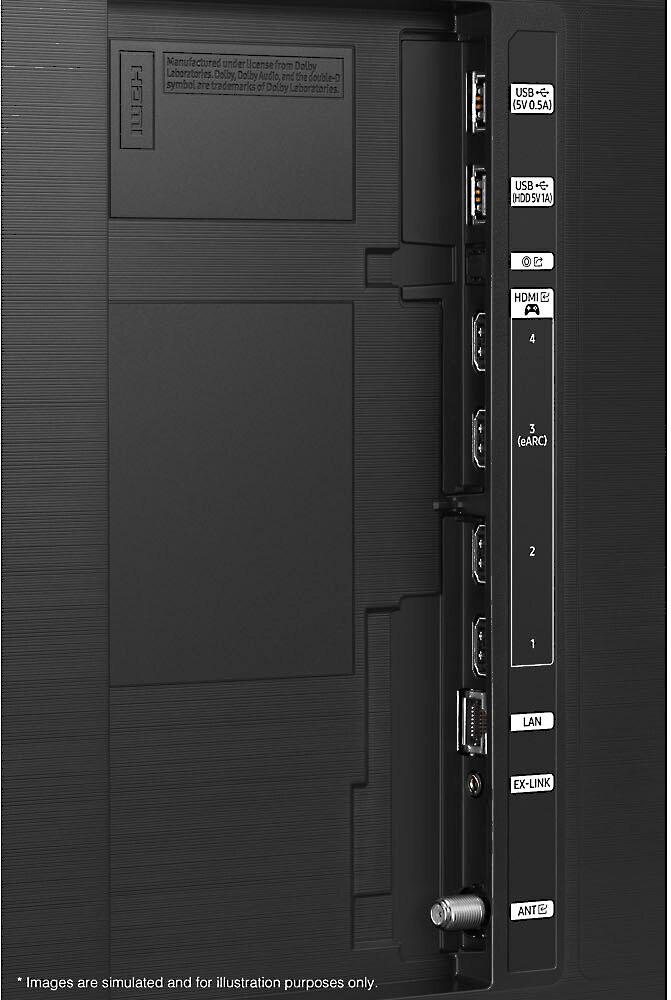
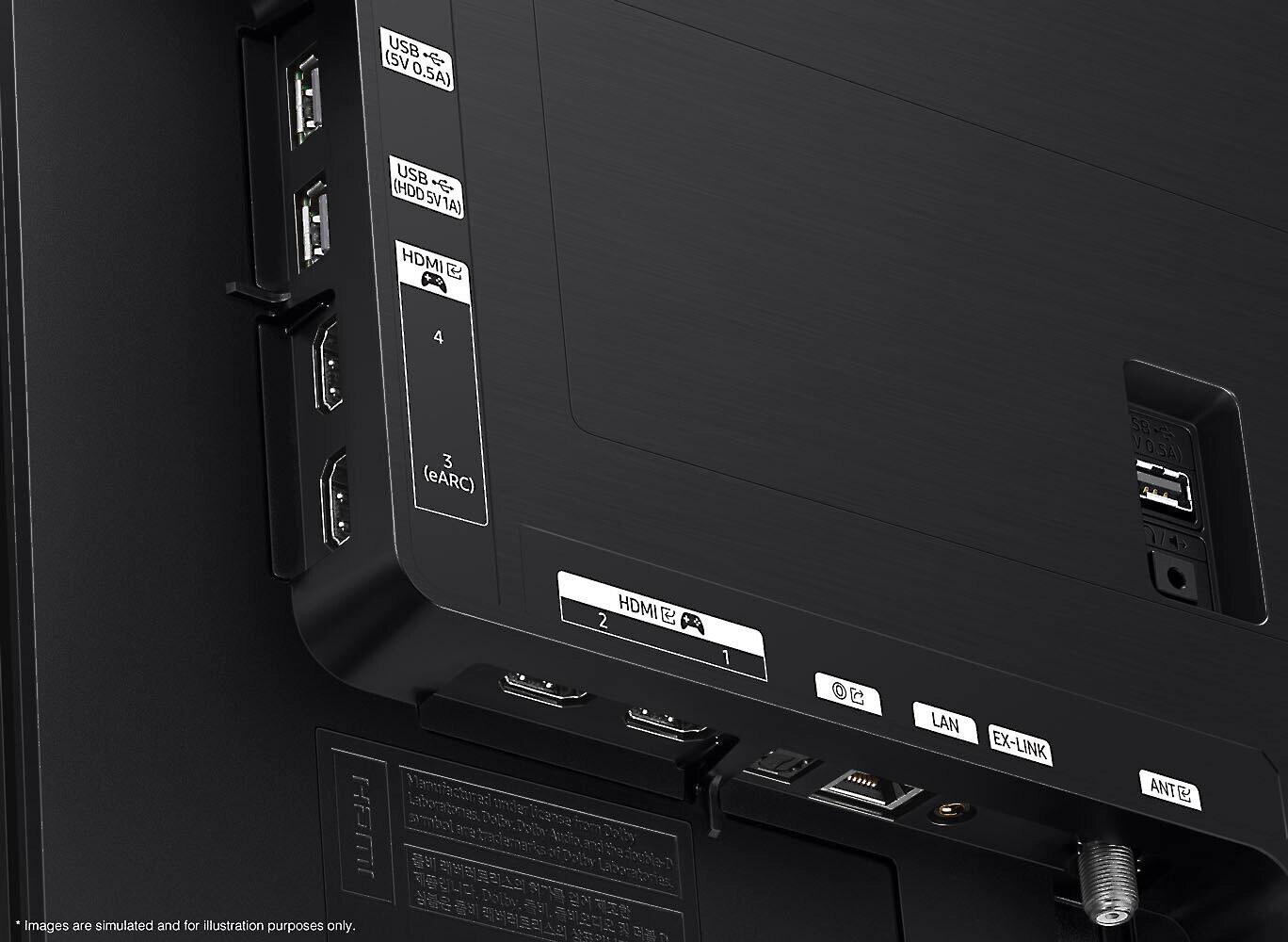
Both models feature four HDMI 2.1 ports, meaning you won't need to choose between connecting multiple gaming consoles, sound systems, and streaming devices. This full port complement represents a significant improvement over previous years when manufacturers often limited HDMI 2.1 to just one or two ports.
After extensive testing in various lighting conditions, I've concluded that your room's lighting situation should be the primary factor in choosing between these displays. This isn't just about brightness – it's about how each technology handles reflections, glare, and ambient light.
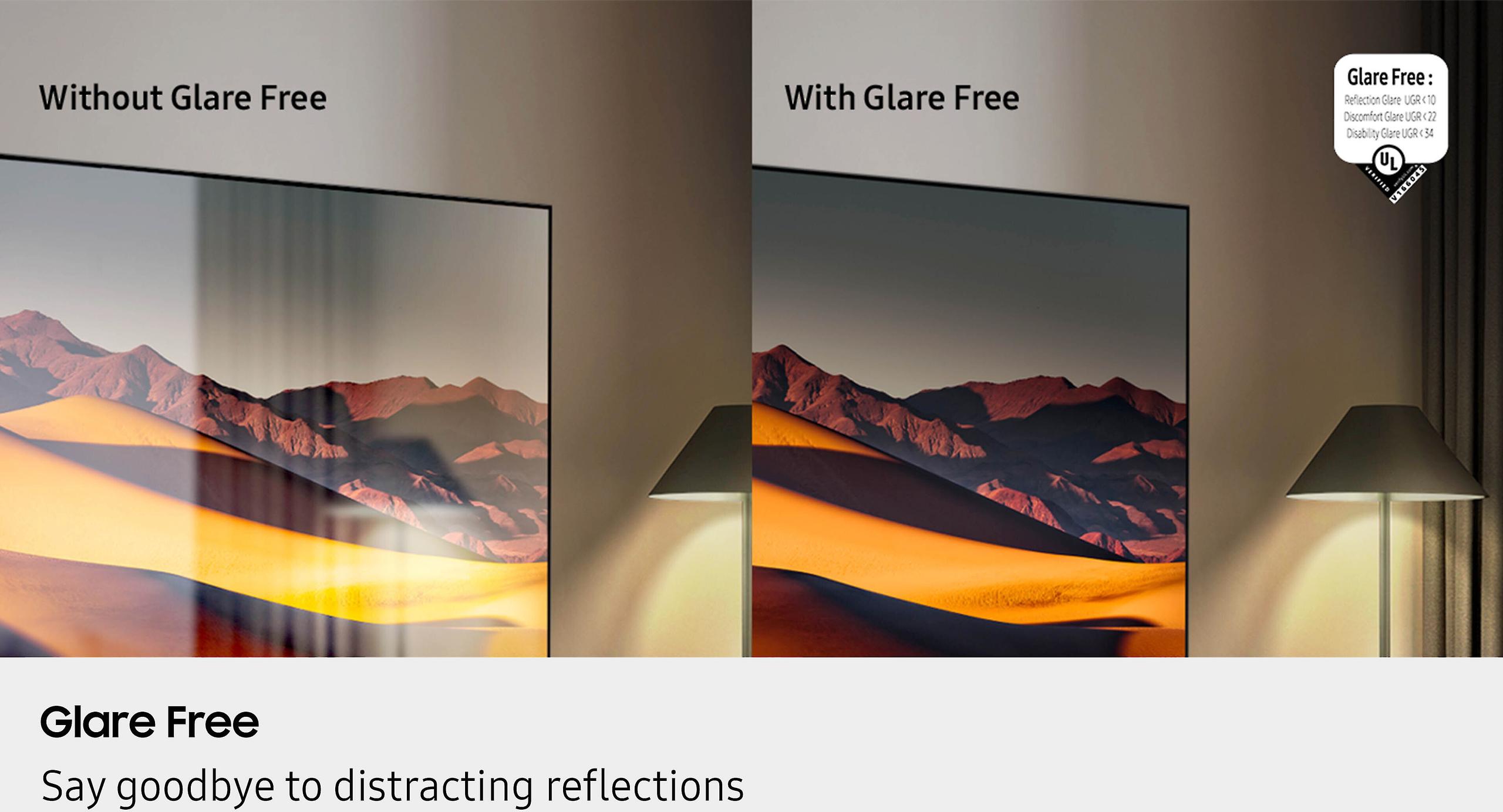
The Samsung QN90F features Samsung's Glare Free technology, which is genuinely impressive. This isn't just a marketing term – it's a sophisticated anti-glare coating that reduces reflections without significantly dulling the image or compromising color accuracy. In my bright living room setup, with large windows and overhead lighting, the QN90F maintained excellent visibility and color saturation throughout the day.
Conversely, the S90F OLED uses a glossy screen finish that preserves maximum contrast and color accuracy but can be more susceptible to reflections. In controlled lighting conditions – think dimmed evening viewing or a dedicated home theater room – this glossy finish actually enhances the viewing experience by maintaining the deep blacks and vibrant colors that make OLED special.
I found the sweet spot for the S90F was in rooms where you can control ambient lighting. With blackout curtains or evening viewing, the OLED's superior contrast creates an almost three-dimensional image quality that's genuinely captivating. However, in bright rooms with lots of windows, reflections can become distracting enough to impact the viewing experience.
For dedicated home theater setups, the choice becomes more nuanced. The Samsung S90F excels in the controlled lighting environment that most home theaters provide. Its perfect blacks create the letterbox bars that simply disappear into the darkness, providing a more cinematic experience. The superior contrast also means you'll see details in dark movie scenes that might be lost on other displays.
However, the QN90F shouldn't be dismissed for home theater use. Its exceptional brightness means HDR highlights have more impact, and its wider color gamut can make certain types of content appear more vivid. For home theaters that occasionally serve double duty as family rooms or game rooms, the QN90F's versatility in various lighting conditions provides practical advantages.
Both displays support the same HDR formats, though notably, neither supports Dolby Vision – Samsung's ongoing preference for HDR10+ means some streaming content won't display in its optimal format. This is more of an industry politics issue than a technical limitation, but it's worth considering if you're heavily invested in Dolby Vision content.
The Samsung QN90F includes a more robust audio system with its 60W 4.2.2-channel speaker array and Object Tracking Sound+ technology. This system attempts to position sound effects to match their on-screen locations, creating a more immersive audio experience without additional speakers. During my testing, the difference was noticeable, particularly in action movies and sports content.
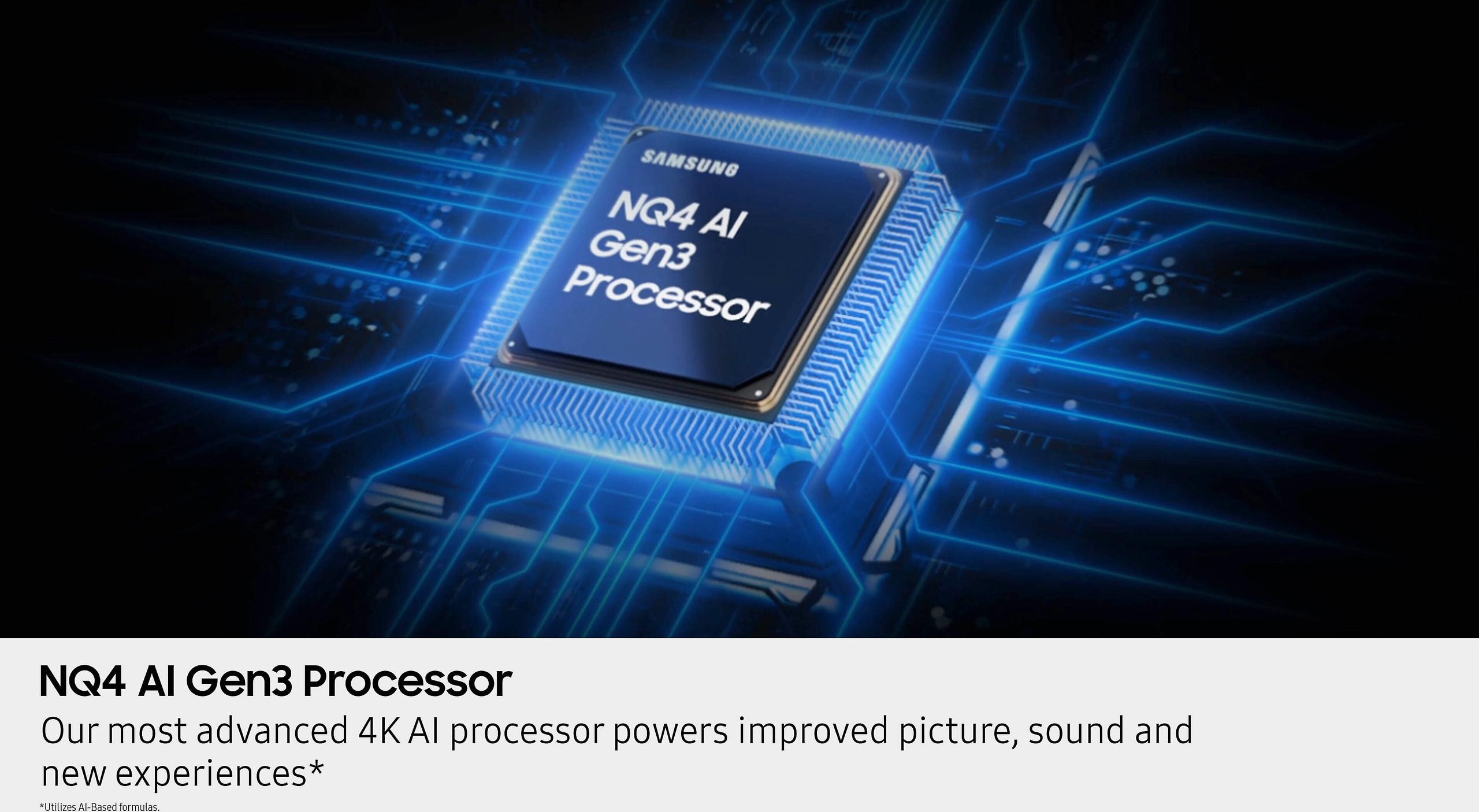
Both models feature Samsung's Vision AI platform, which represents a significant leap forward in how TVs process content. This isn't just about upscaling lower-resolution content – though both models excel at making 1080p content look surprisingly good on their 4K panels. The AI system analyzes content in real-time, adjusting picture settings automatically based on what you're watching.
The Tizen smart TV platform has matured considerably by 2025, offering intuitive navigation and comprehensive streaming app support. Both displays handle streaming content excellently, with robust processing that maintains quality even during high-bitrate scenes that can cause other displays to struggle.
When evaluating these displays, certain technical measurements matter more than others for real-world viewing. Color accuracy, measured in Delta E values, shows how closely a display reproduces intended colors. Both Samsung models perform excellently here, though the S90F OLED has a slight edge in maintaining color accuracy across different brightness levels.
Input lag – the delay between when you press a controller button and see the action on screen – measures around 10ms for both displays in their gaming modes, which is excellent for competitive gaming. However, the S90F's superior motion clarity often makes games feel more responsive despite similar input lag measurements.
Peak brightness measurements tell only part of the story. While the QN90F reaches higher peak brightness, the S90F maintains more consistent brightness across larger areas of the screen. This difference becomes apparent in real-world content, where large bright scenes might dim slightly on the OLED but maintain better overall balance.
At the time of writing, both displays represent significant investments, though pricing can vary considerably based on promotions and retailer competition. The QN90F Neo QLED typically offers better value for bright room viewing and gaming versatility, while the S90F OLED provides superior picture quality per dollar in controlled lighting environments.
Long-term reliability considerations favor the QN90F slightly. While modern OLED displays have largely solved the burn-in issues that plagued earlier models, static content like news tickers, gaming HUDs, or desktop computer use can still cause permanent image retention over time. The Mini LED technology in the QN90F doesn't face this risk, making it potentially better suited for varied usage patterns.
Based on extensive testing and real-world use, here's my straightforward advice:
Choose the Samsung QN90F Neo QLED if your TV will live in a bright room, if you prioritize gaming with high refresh rates, or if you need a display that performs well in various lighting conditions throughout the day. Its anti-glare coating and exceptional brightness make it the more versatile choice for mixed-use environments.
Choose the Samsung S90F OLED if you can control your room's lighting, if you prioritize the best possible picture quality for movies and cinematic content, or if you want the premium OLED experience that delivers perfect blacks and superior contrast. It's the clear winner for dedicated home theater setups and evening viewing.
Neither choice is wrong – both represent excellent displays that will deliver years of exceptional viewing. The key is matching the technology's strengths to your specific viewing environment and priorities. In my experience, most buyers who choose based on their actual room conditions and viewing habits end up completely satisfied with either option.
The 2025 models represent Samsung's most mature implementation of both technologies, with improvements in processing, AI features, and overall refinement that make both the QN90F and S90F genuinely competitive with any premium display on the market.
| Samsung 65" QN90F Neo QLED 4K Vision AI Smart TV 2025 | Samsung 65" S90F OLED 4K Vision AI Smart TV 2025 |
|---|---|
| Display Technology - Fundamentally different approaches to picture quality | |
| Neo QLED (Mini LED backlighting with LCD panel) | OLED (Self-illuminating pixels) |
| Peak Brightness - Critical for HDR impact and bright room viewing | |
| ~2,000 nits (exceptional for daytime viewing) | ~1,240 nits (excellent for OLED, sufficient for most rooms) |
| Black Levels - Determines contrast and cinematic quality | |
| Very good blacks with minimal blooming | Perfect blacks (infinite contrast ratio) |
| Screen Coating - Affects reflection handling and room versatility | |
| Glare Free anti-reflective coating | Glossy finish (better contrast, more reflections) |
| Gaming Refresh Rate - Higher numbers mean smoother motion | |
| 165Hz (slight advantage for high-end PC gaming) | 144Hz (still excellent for all gaming scenarios) |
| Motion Clarity - Important for sports and gaming without blur | |
| Slower pixel response (some ghosting in fast motion) | Near-instantaneous pixel response (superior motion clarity) |
| Audio System - Built-in sound quality | |
| 60W 4.2.2-channel with Object Tracking Sound+ | Standard audio implementation with Dolby Atmos |
| Best Room Environment - Where each excels | |
| Bright rooms, mixed lighting, daytime viewing | Controlled lighting, home theaters, evening viewing |
| Burn-in Risk - Long-term reliability consideration | |
| No burn-in risk (LCD technology) | Minimal modern risk but possible with static content |
| Smart Platform - Both identical | |
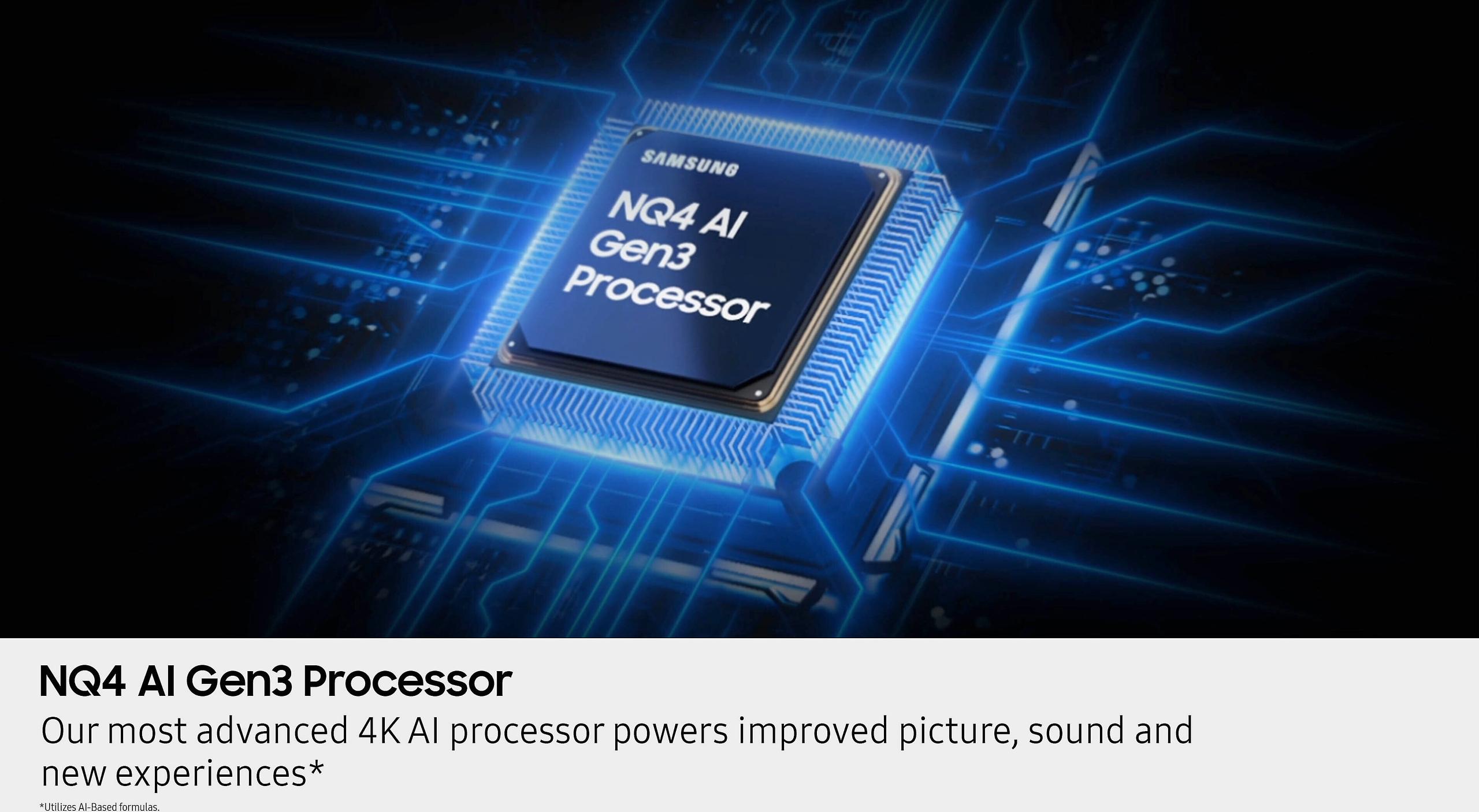
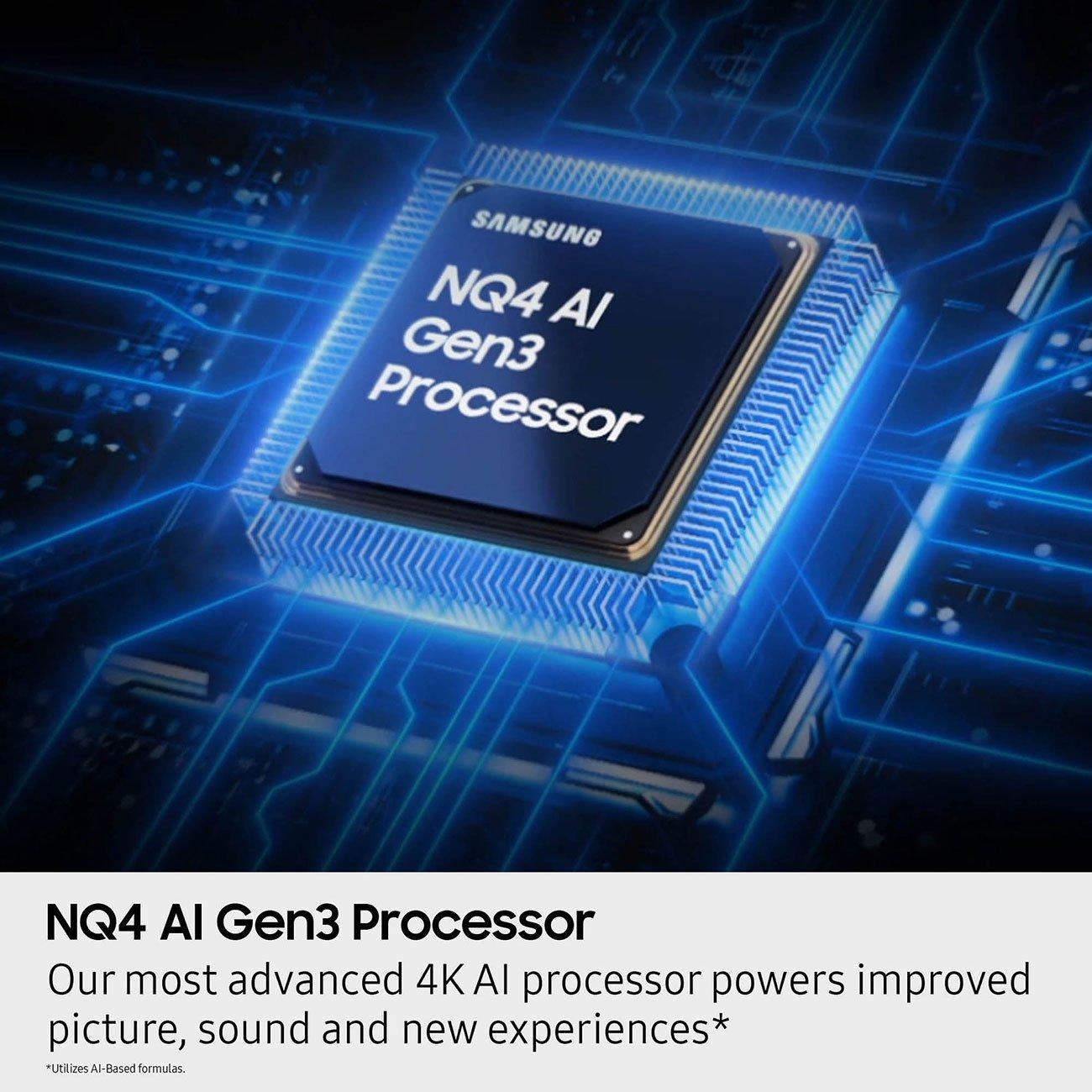
| Samsung Vision AI, Tizen OS, NQ4 AI Gen3 processor | Samsung Vision AI, Tizen OS, NQ4 AI Gen3 processor |
| HDMI Ports - Gaming and device connectivity | |
| 4x HDMI 2.1 (full bandwidth support) | 4x HDMI 2.1 (full bandwidth support) |
| Value Proposition - What you get for your investment | |
| Better bright room versatility and gaming refresh rates | Superior picture quality in controlled environments |
The Samsung QN90F Neo QLED uses Mini LED backlighting with an LCD panel, while the Samsung S90F OLED uses self-illuminating pixels. This means the QN90F excels in bright rooms with its anti-glare coating and higher peak brightness, while the S90F delivers perfect blacks and superior contrast for darker viewing environments.
The Samsung QN90F Neo QLED is significantly better for bright rooms. It features Samsung's Glare Free technology that reduces reflections and reaches approximately 2,000 nits peak brightness, maintaining excellent visibility even with windows open during daytime. The S90F OLED can struggle with reflections due to its glossy screen finish.
The Samsung S90F OLED typically delivers superior movie picture quality thanks to its perfect black levels and infinite contrast ratio. This creates more cinematic images with better shadow detail and more realistic dark scenes. However, the QN90F offers brighter HDR highlights that can make certain content more impactful.
Both are excellent for gaming, but with different strengths. The Samsung QN90F offers a higher 165Hz refresh rate versus the S90F's 144Hz, but the S90F OLED has faster pixel response times with less motion blur. Both support 4K gaming, VRR, and have four HDMI 2.1 ports.
For dedicated home theaters with controlled lighting, the Samsung S90F OLED is generally preferred due to its perfect blacks and superior contrast that creates a more cinematic experience. The QN90F can work well in home theaters that double as family rooms where lighting control isn't always possible.
Yes, both the Samsung QN90F and S90F run identical Samsung Tizen smart platforms with Vision AI technology. They support the same streaming apps, voice control features, and smart home integration capabilities.
The Samsung QN90F Neo QLED gets significantly brighter, reaching around 2,000 nits compared to the S90F OLED's 1,240 nits. This makes HDR content more impactful on the QN90F, especially in bright viewing environments.
Only the Samsung S90F OLED has potential burn-in risk from static content like news tickers or gaming HUDs, though modern OLED panels have greatly reduced this issue. The QN90F Neo QLED uses LCD technology and has no burn-in risk whatsoever.
The Samsung QN90F has superior built-in audio with a 60W 4.2.2-channel system and Object Tracking Sound+ technology. The S90F has standard audio implementation. Both support Dolby Atmos, but most users will want to add a soundbar regardless of their choice.
For daytime sports viewing, the Samsung QN90F performs better due to its higher brightness and anti-glare coating. For evening sports, the S90F OLED's superior motion clarity and contrast can provide a more engaging experience. Both handle fast motion well overall.
Value depends on your viewing environment. The Samsung QN90F typically offers better value for versatile, all-day viewing in various lighting conditions. The S90F OLED provides better value for picture quality enthusiasts who primarily watch in controlled lighting environments.
Yes, both the Samsung QN90F and S90F excel at displaying native 4K content and use advanced AI upscaling to enhance lower-resolution sources. They support HDR10+ (though not Dolby Vision) and handle high-bitrate streaming content without issues.
We've done our best to create useful and informative comparisons to help you decide what product to buy. Our research uses advanced automated methods to create this comparison and perfection is not possible - please contact us for corrections or questions. These are the sites we've researched in the creation of this article: rtings.com - images.samsung.com - youtube.com - listenup.com - youtube.com - cullenshomecenter.com - rtings.com - shopjetson.com - youtube.com - samsung.com - samsung.com - videoandaudiocenter.com - rtings.com - bestbuy.com - youtube.com - news.samsung.com - news.samsung.com - news.samsung.com - bestbuy.com - news.samsung.com - youtube.com - news.samsung.com - youtube.com - smarthomesounds.co.uk - youtube.com - t3.com - bestbuy.com - stereonet.com - samsung.com - bestbuy.com - flatpanelshd.com - myallsouth.com - pcrichard.com - samsung.com - bestbuy.com - samsung.com - samsung.com - samsung.com

Privacy Policy
Terms and Conditions - Affiliate Policy
Home Security
© Copyright 2008-2026.
11816 Inwood Rd #1211, Dallas, TX 75244