

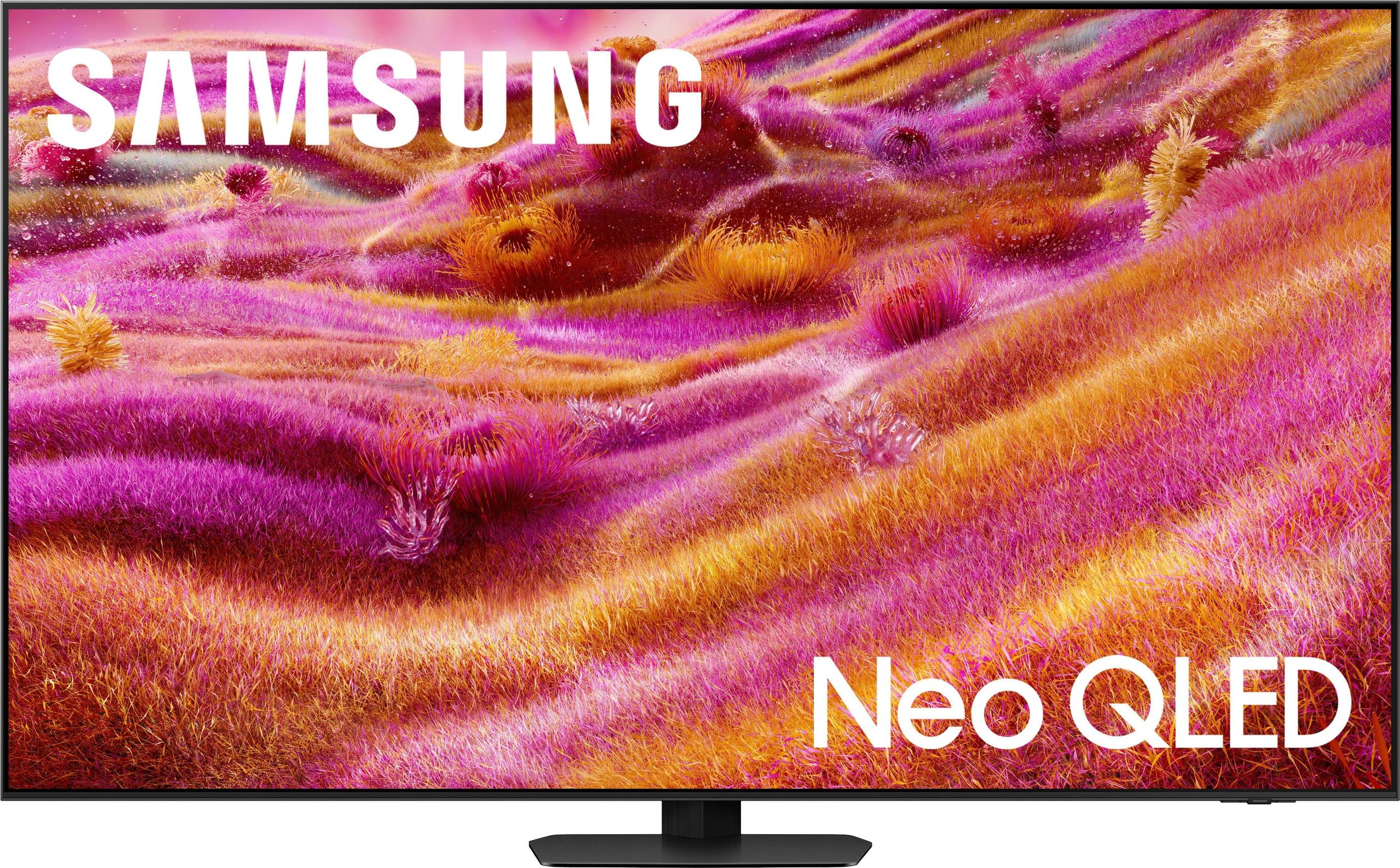
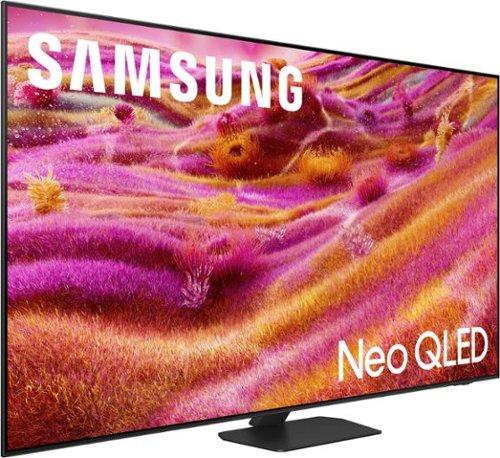
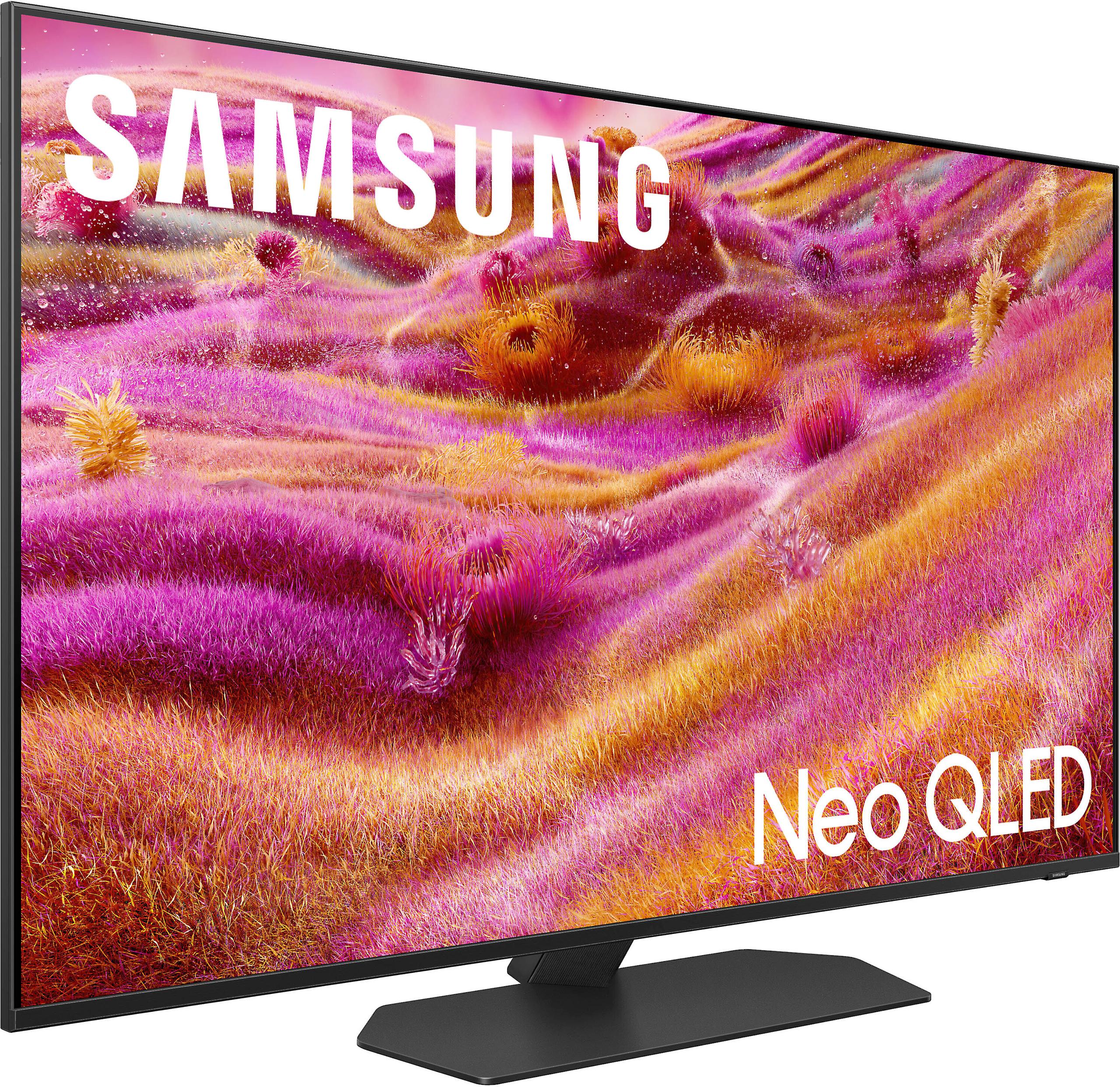
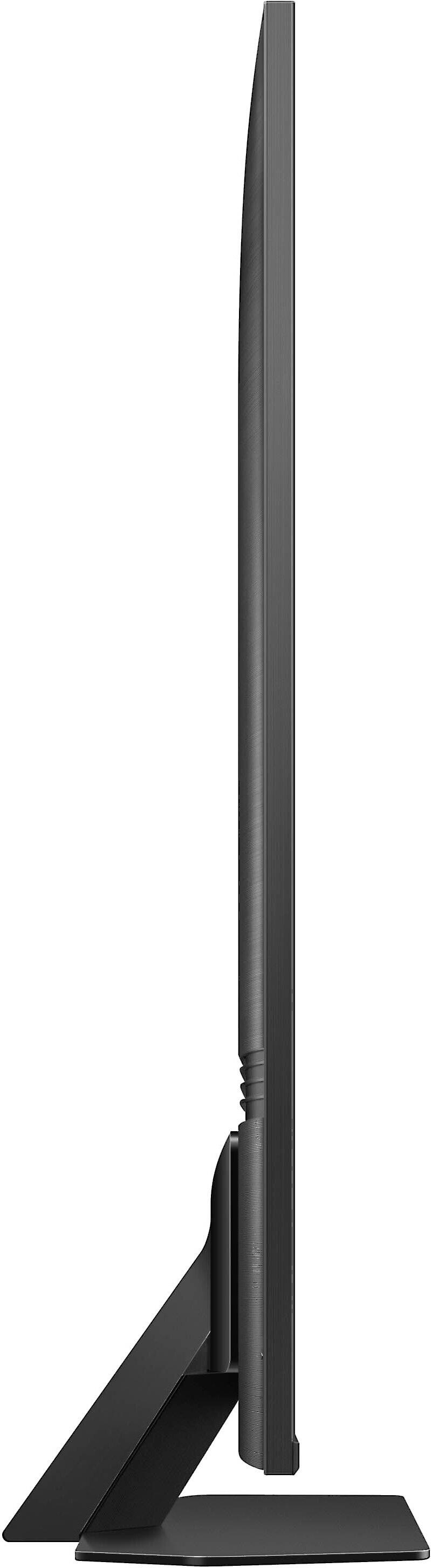
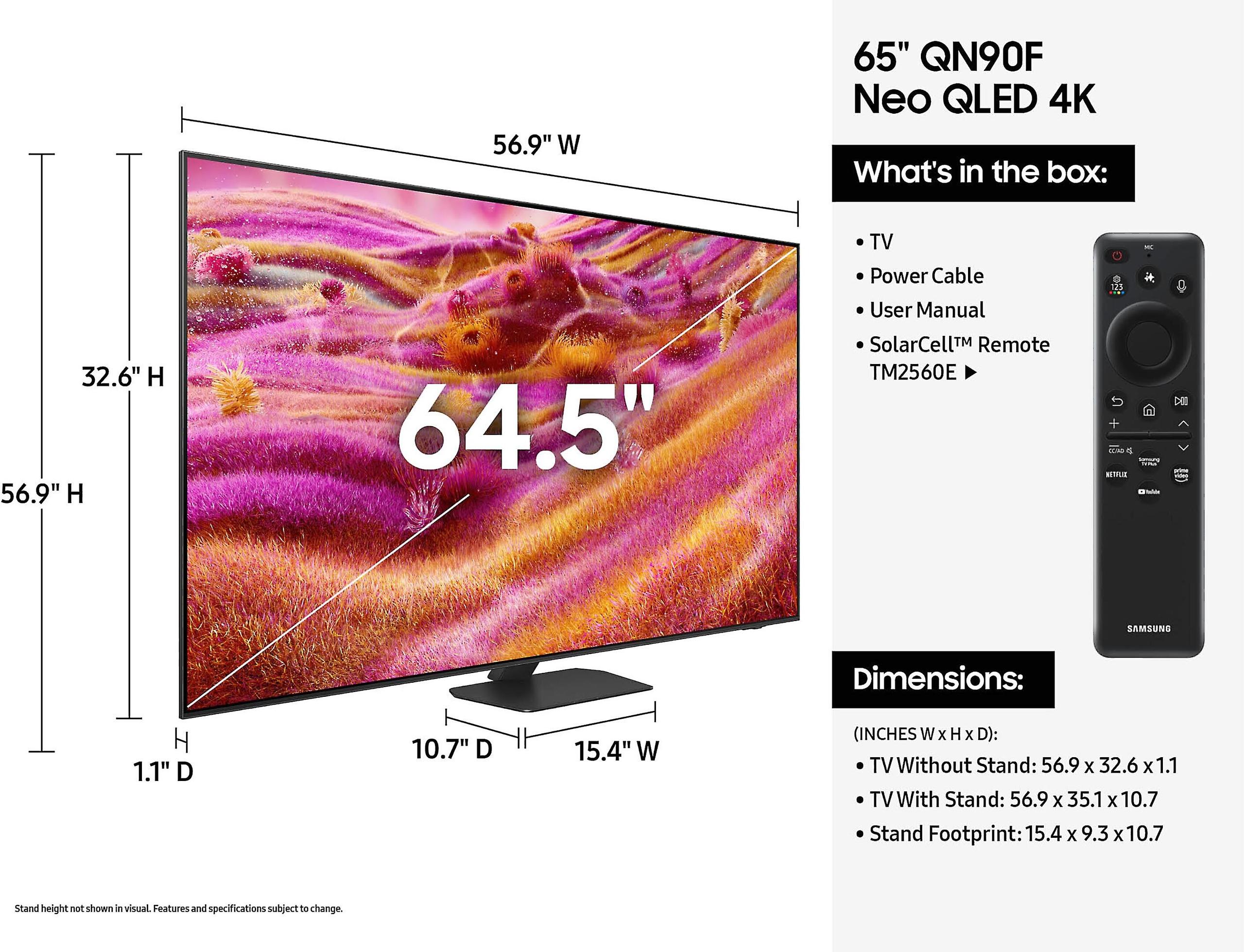

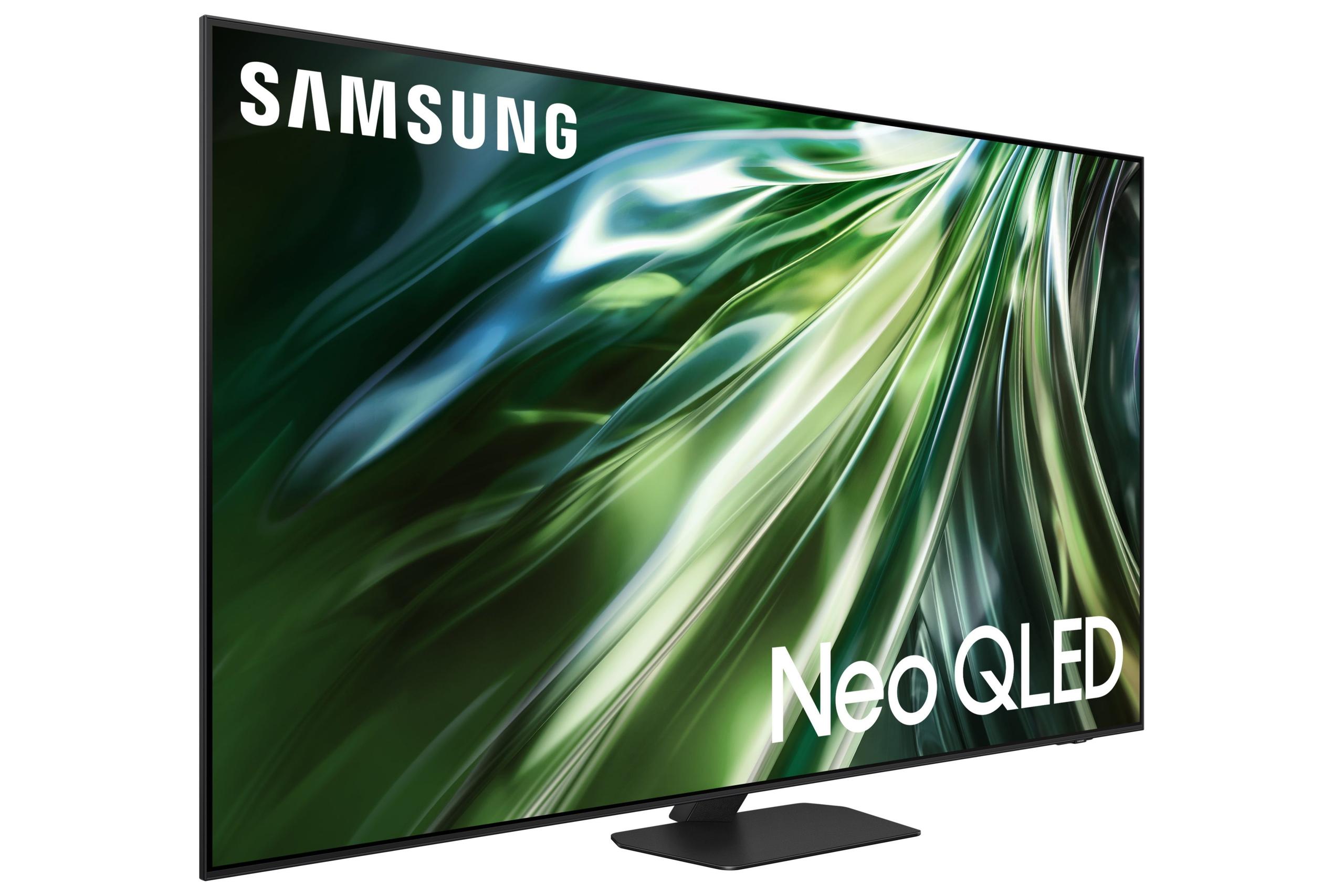
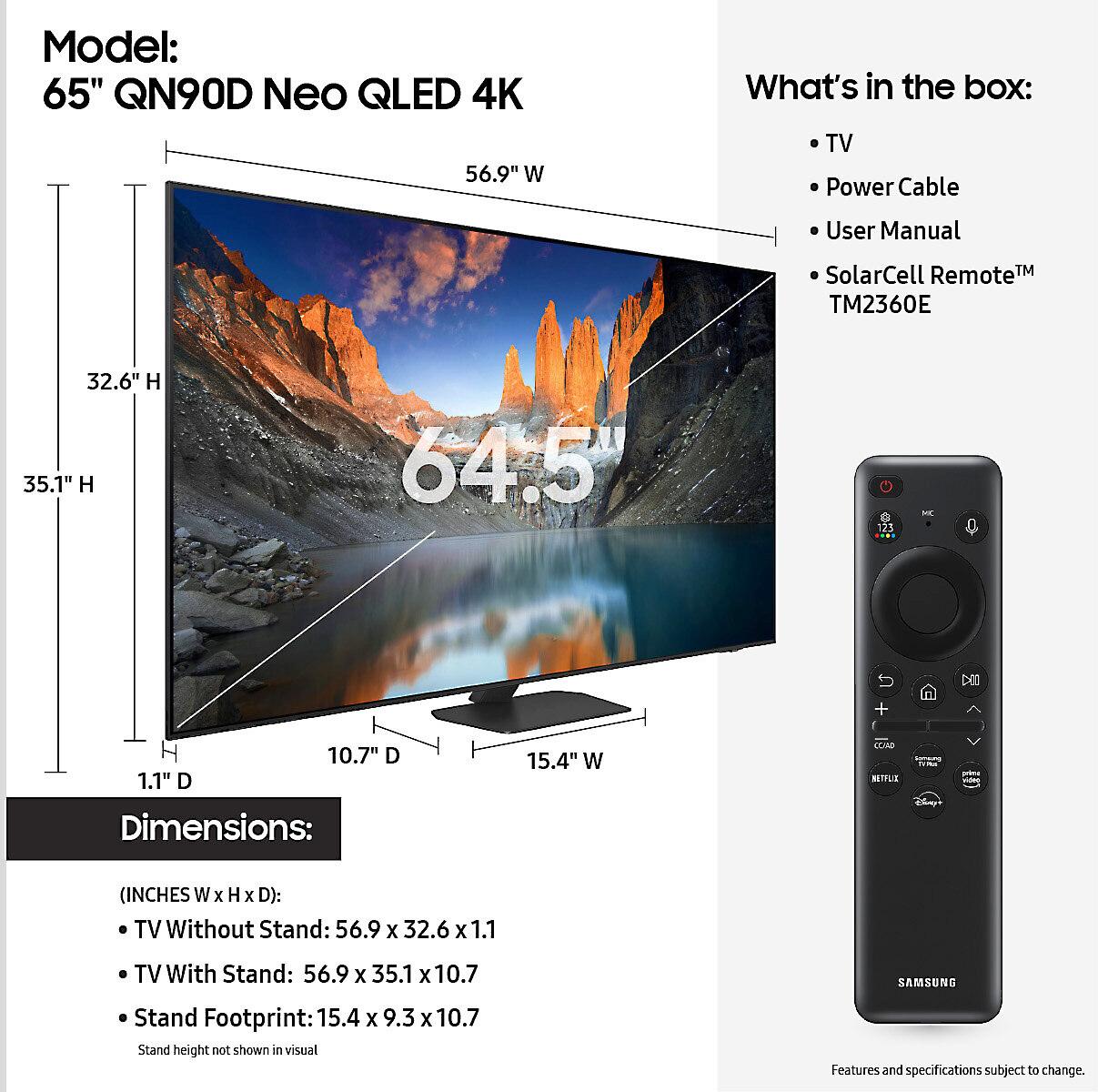
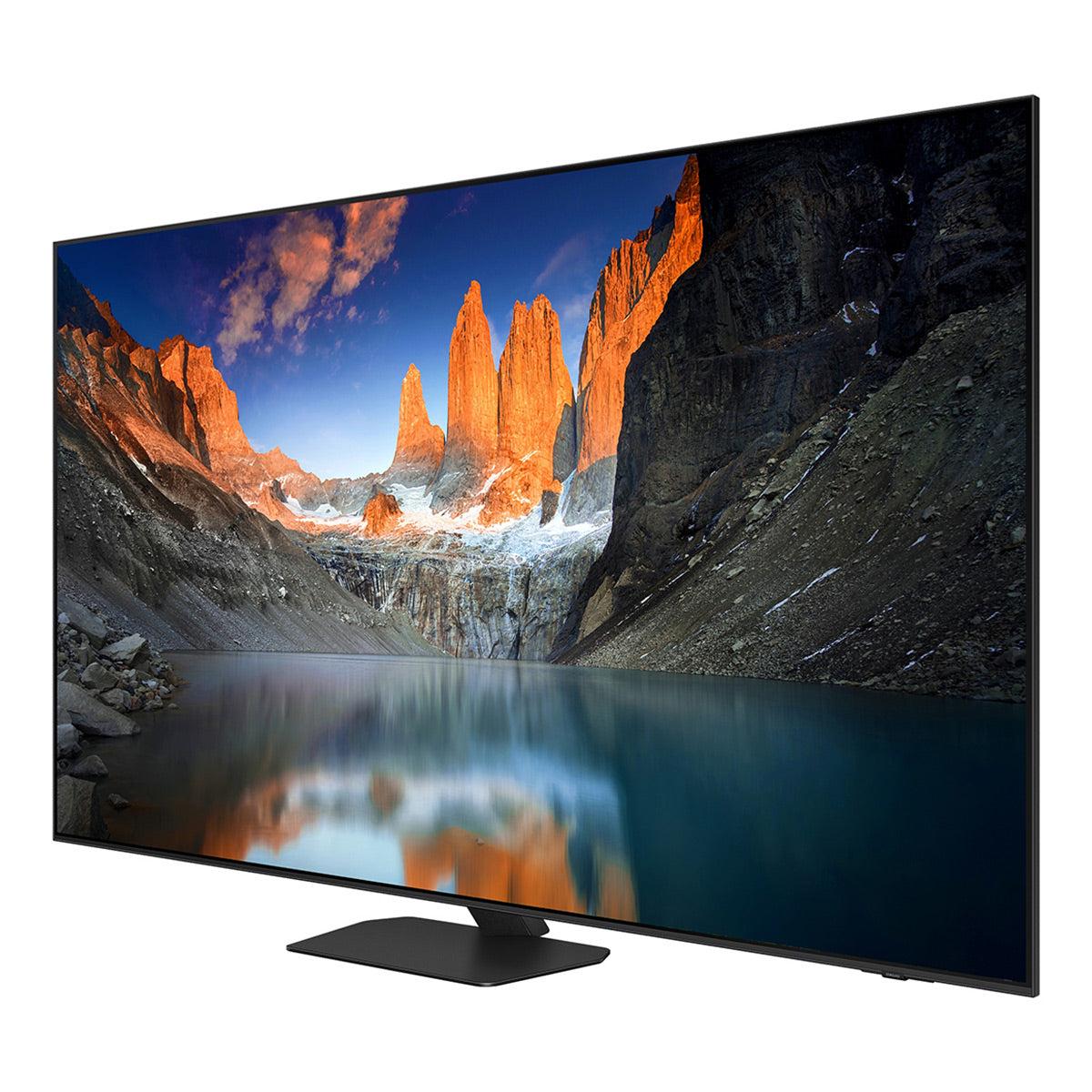
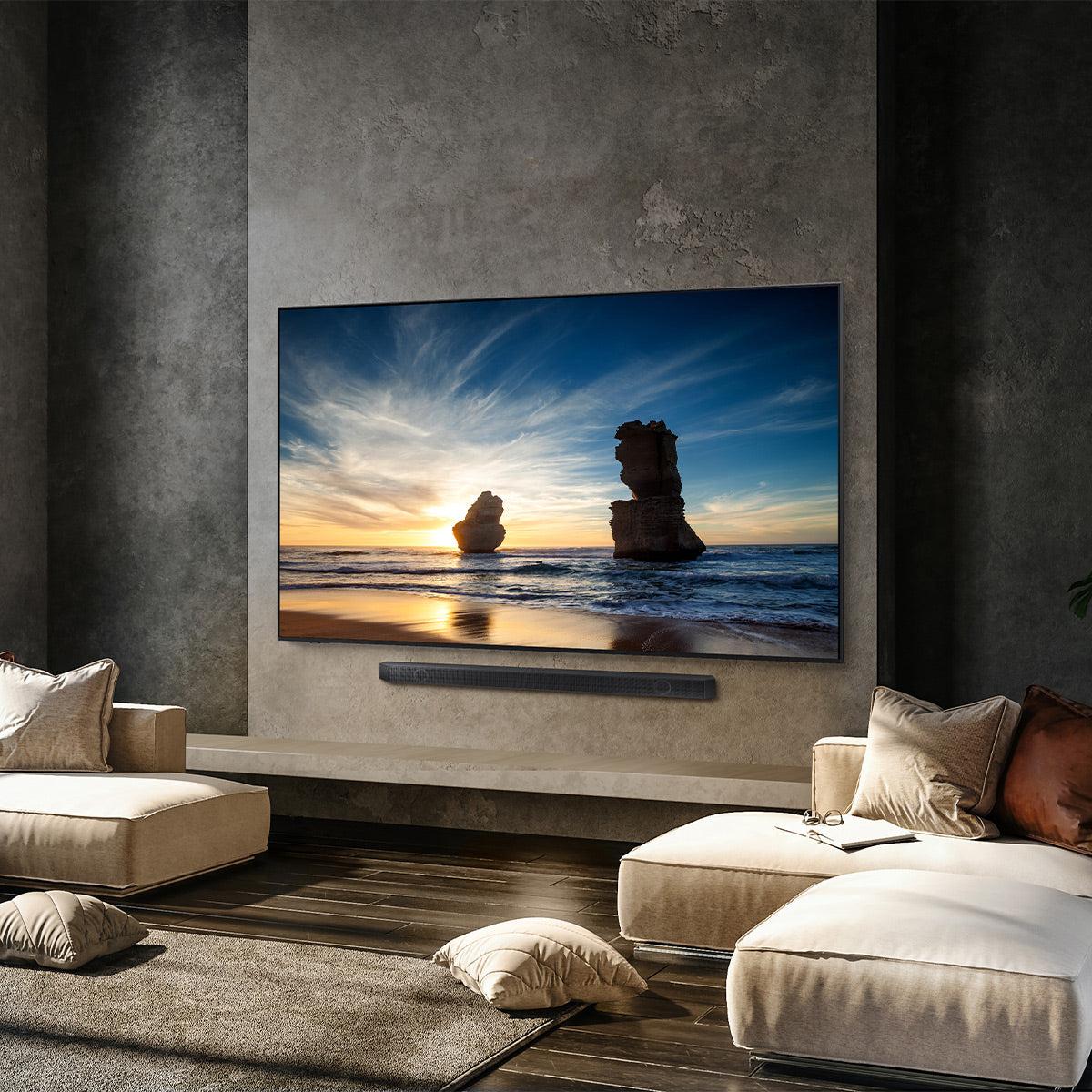
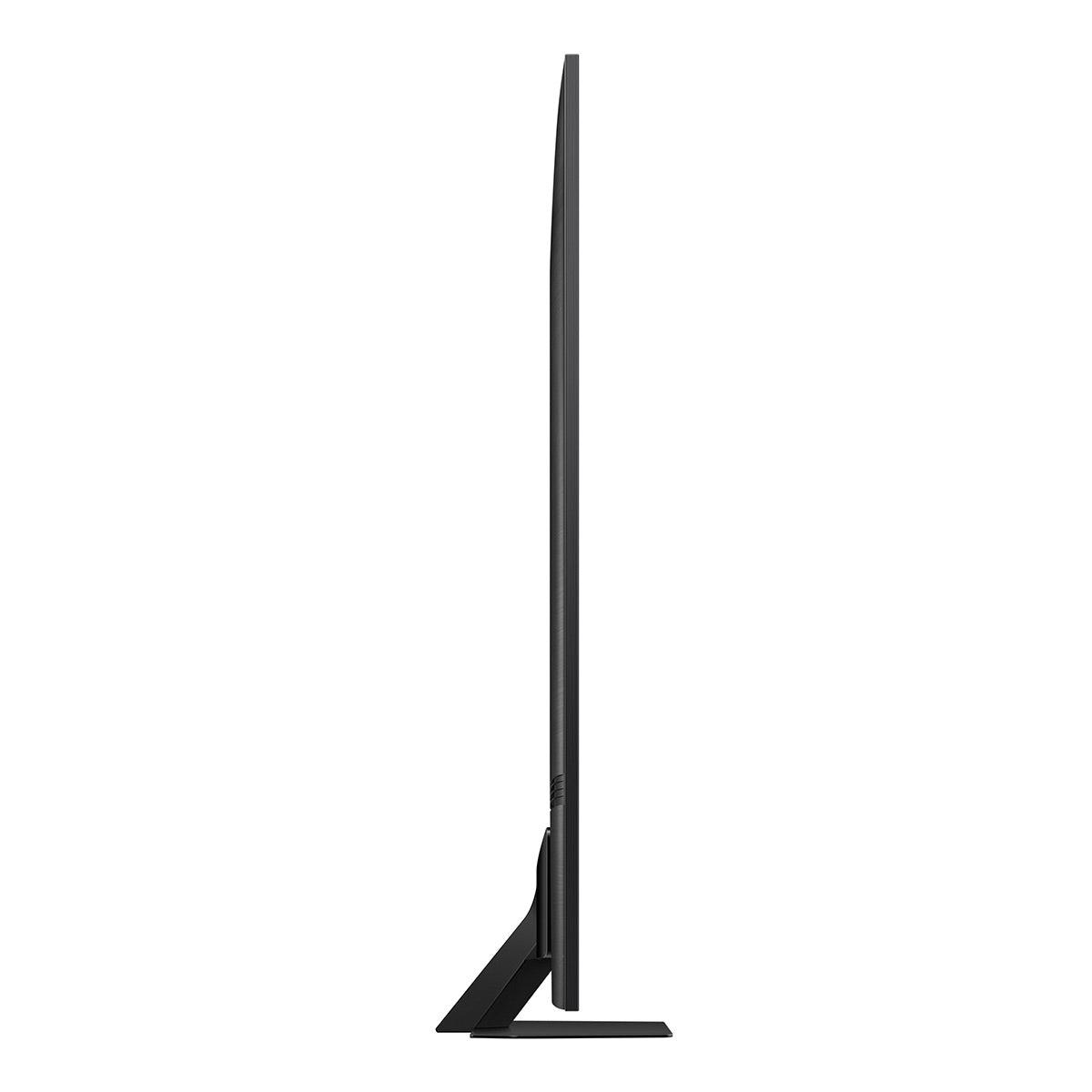
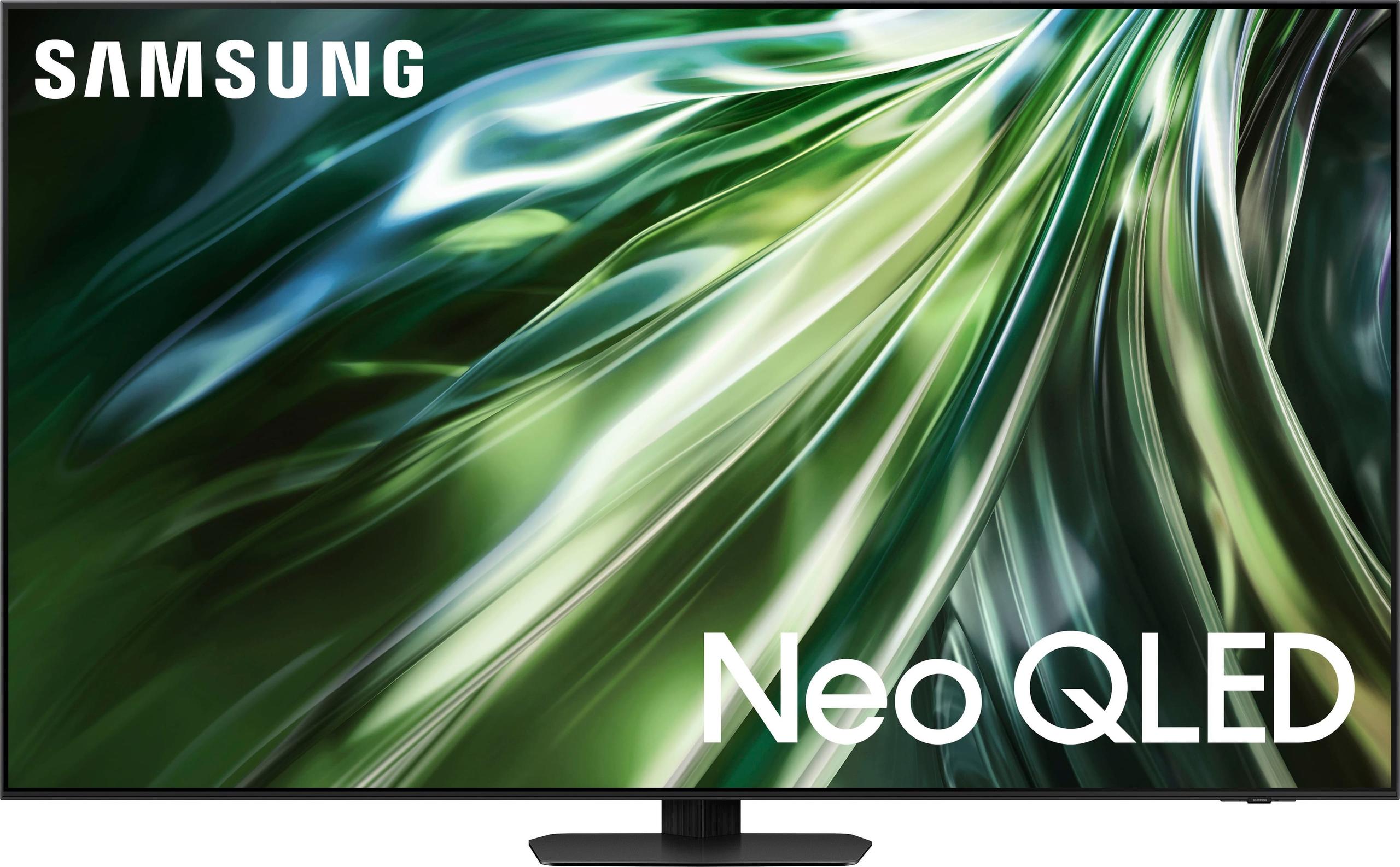
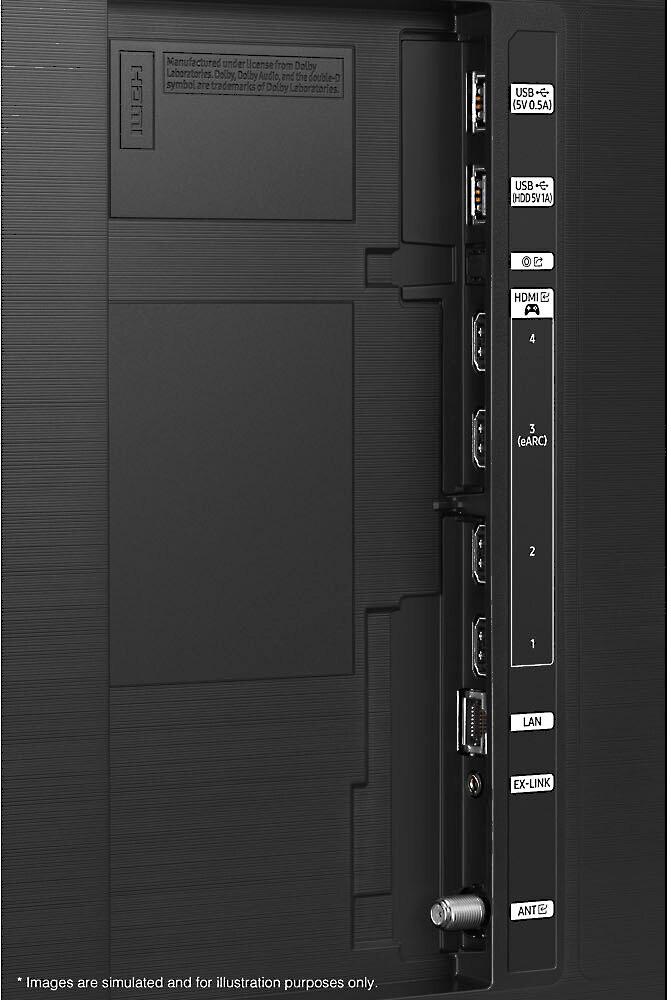
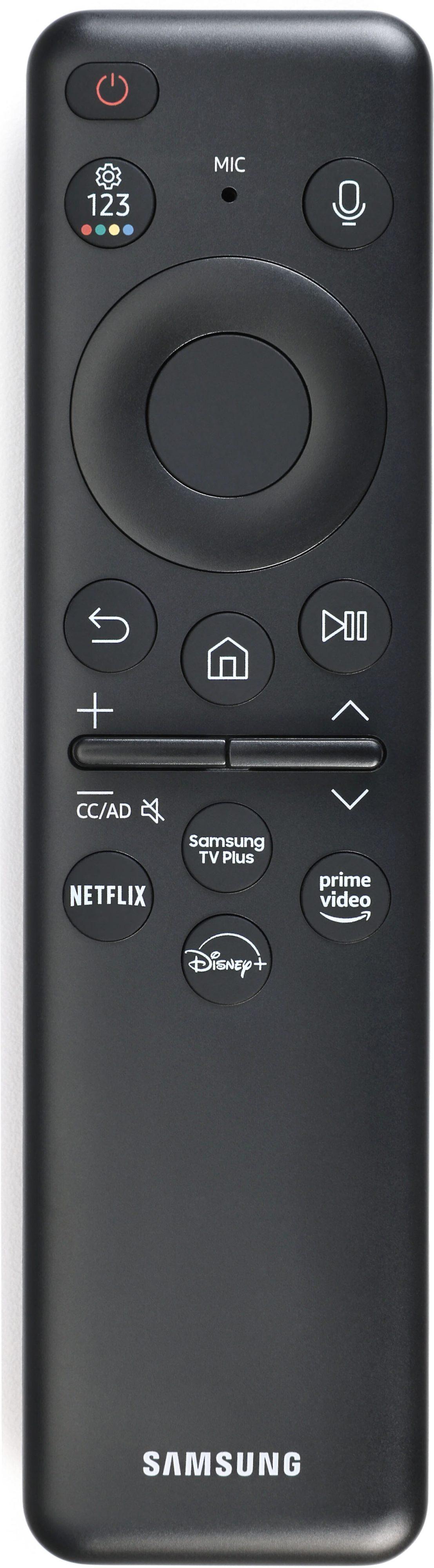

When shopping for a premium 4K TV, you'll quickly discover that Samsung's Neo QLED lineup represents the sweet spot between cutting-edge technology and relative affordability. The decision between the latest Samsung QN90F (2025) and its predecessor, the Samsung QN90D (2024), perfectly illustrates the classic dilemma: is the newest technology worth paying significantly more, or does the previous generation offer better value?
Having tested both models extensively, I can tell you this comparison is more nuanced than simply "newer equals better." Let's dive deep into what makes each TV special and help you decide which one deserves a spot in your living room.
Premium 4K televisions occupy a fascinating middle ground in today's market. They deliver flagship-level picture quality without the premium pricing of 8K models or cutting-edge QD-OLED displays. These TVs typically feature advanced local dimming, quantum dot color technology, and sophisticated AI processing that transforms how content looks and sounds.
The most important considerations when choosing a premium 4K TV include peak brightness (measured in nits), contrast ratio, color accuracy, motion handling, and smart features. Peak brightness determines how vivid HDR content appears, while local dimming zones control how deep blacks can get without affecting bright areas of the image. Color accuracy affects how realistic skin tones and natural scenes appear, and motion handling impacts sports and gaming performance.
Samsung released the QN90D in early 2024 as part of their premium Neo QLED lineup, building on years of Mini LED development. The Mini LED technology uses thousands of tiny LEDs behind the screen, allowing for precise brightness control in different areas of the image. This creates better contrast than traditional LED TVs while avoiding some of the burn-in concerns associated with OLED displays.
The QN90F arrived in early 2025, representing Samsung's latest evolution of this technology. At the time of writing, the price difference between these models is substantial – the newer QN90F costs roughly double what you'll pay for the QN90D. This significant gap makes the value equation particularly interesting.
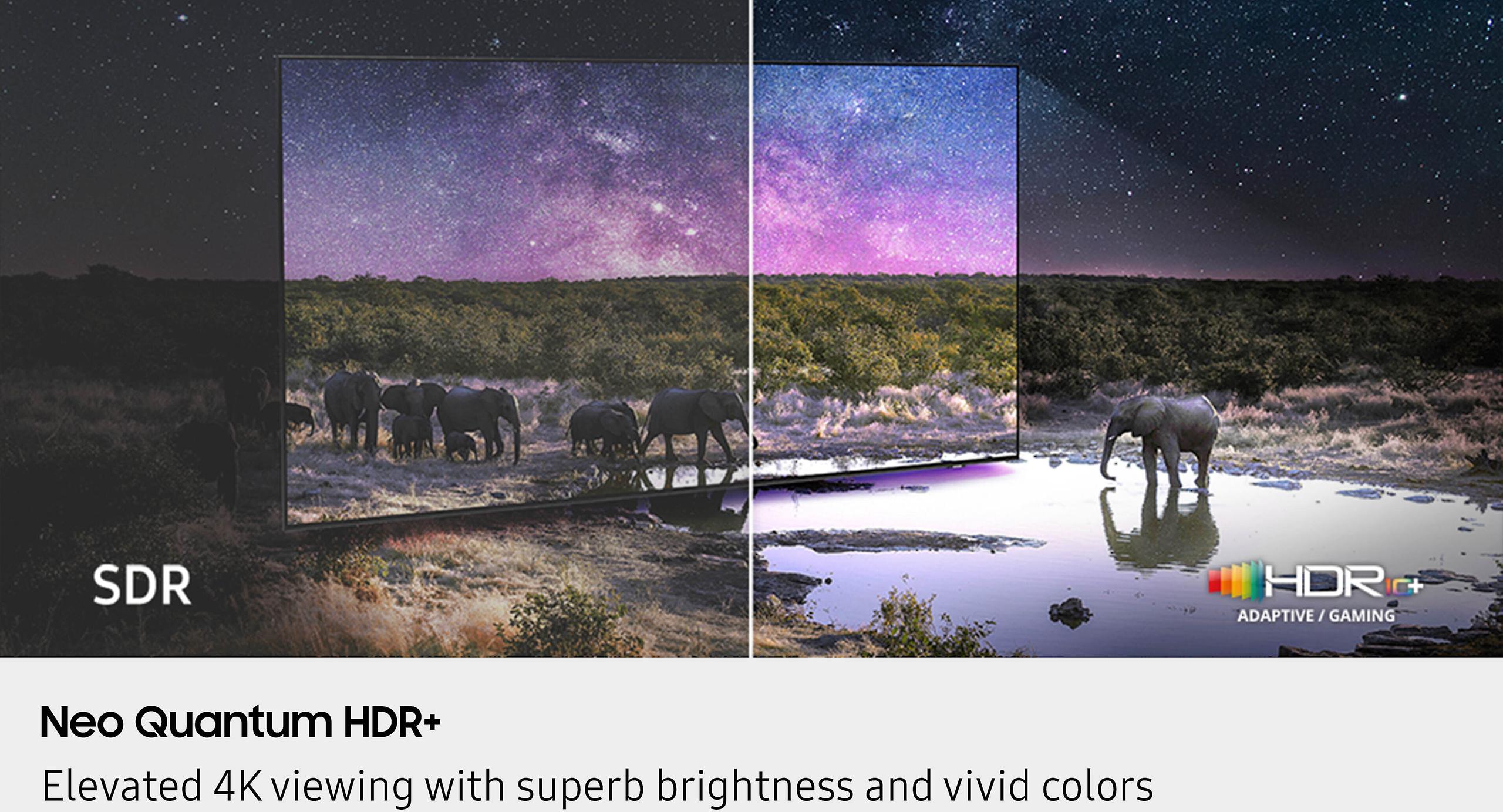
Both televisions excel in brightness, but they achieve it differently. The QN90D delivers exceptional peak brightness exceeding 2,000 nits in small highlights, making HDR content absolutely dazzling. When watching movies like "Dune" or "Top Gun: Maverick," those desert sun scenes and aircraft cockpit reflections practically leap off the screen.
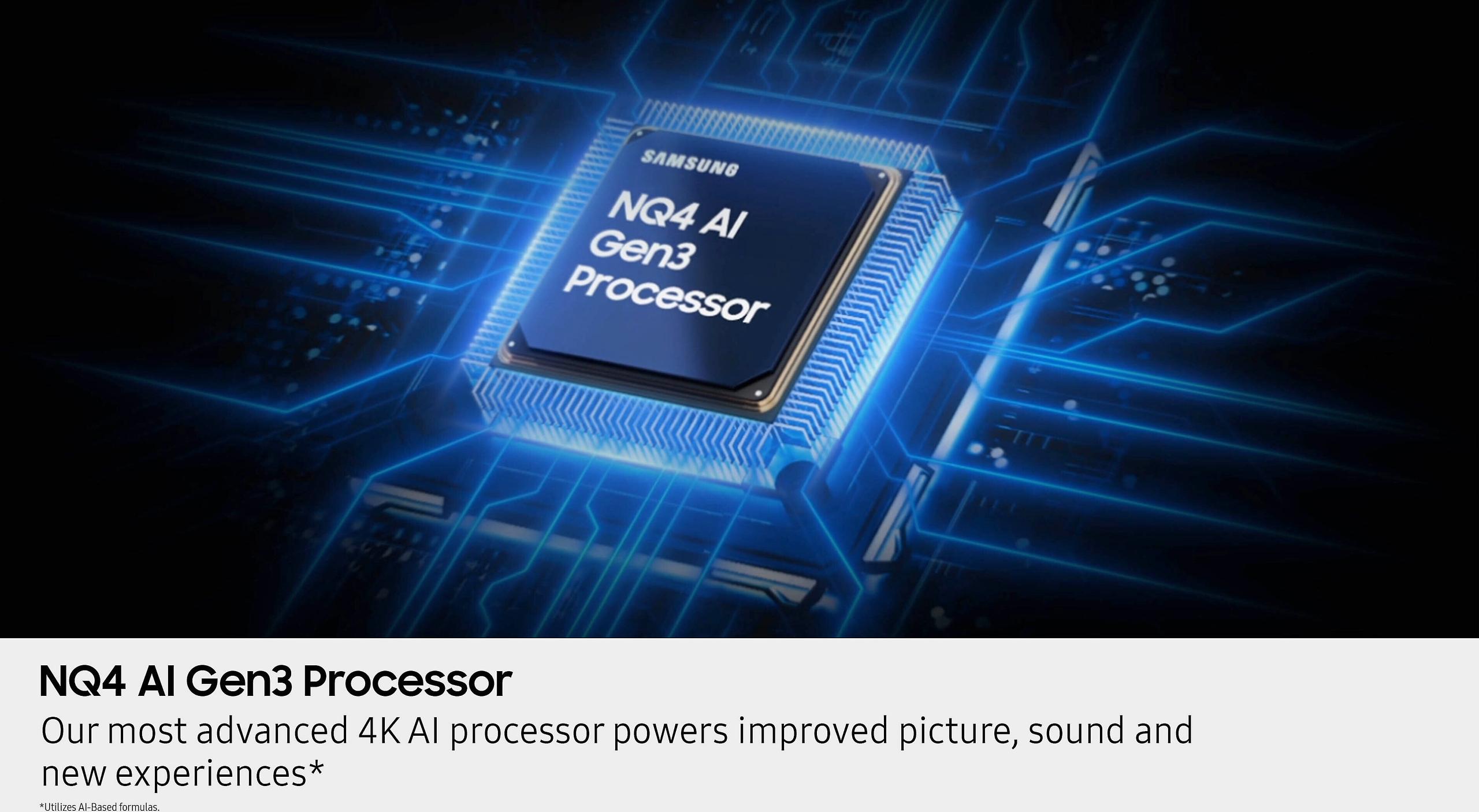
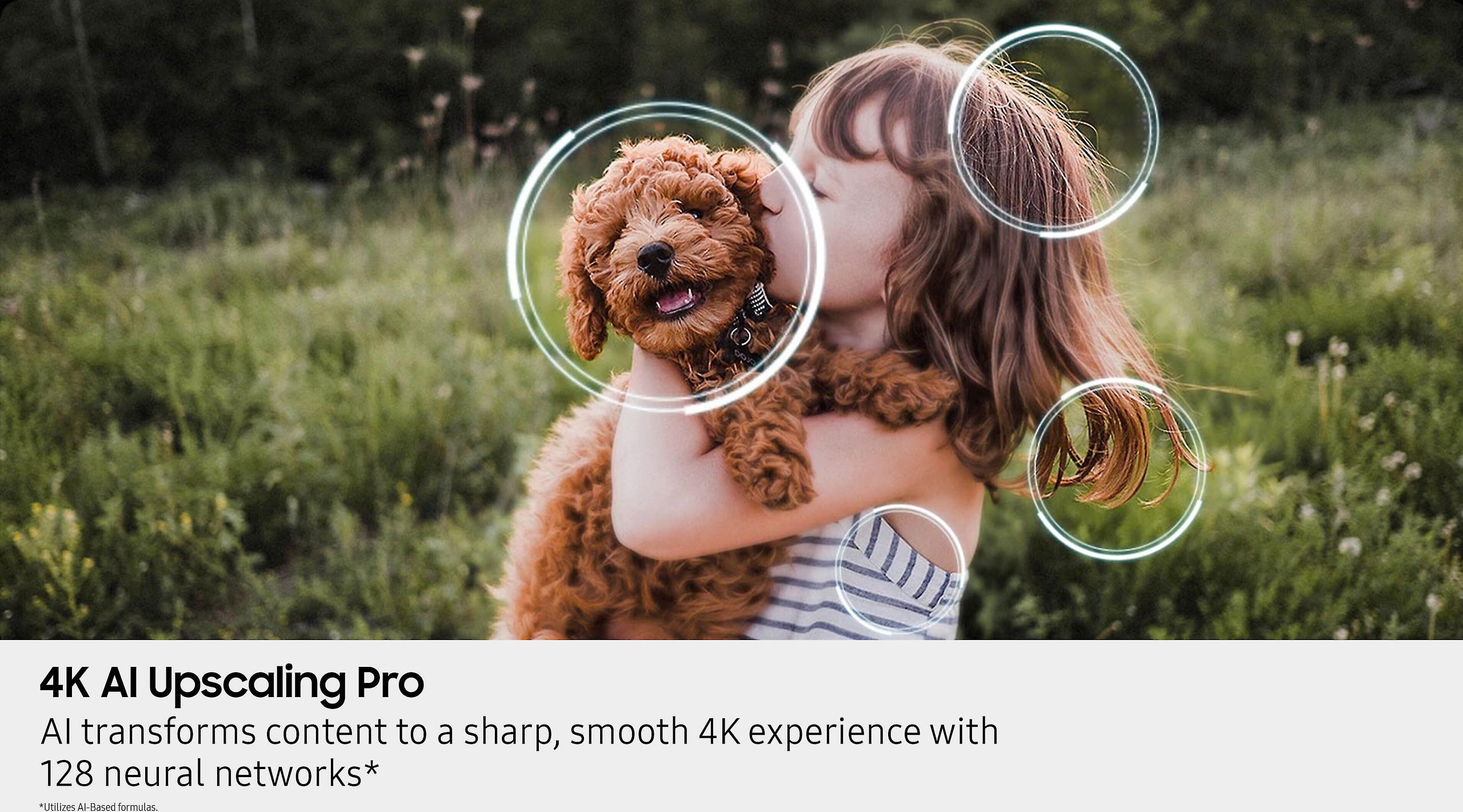
The QN90F matches this brightness capability while adding more sophisticated processing through its NQ4 AI Gen3 processor. This newer chip uses 128 neural networks (compared to fewer networks in the previous generation) to analyze each scene and optimize brightness, contrast, and color simultaneously. The difference is subtle but noticeable – the QN90F tends to maintain better detail in bright scenes while avoiding the occasional over-brightening that can make some content look artificial.
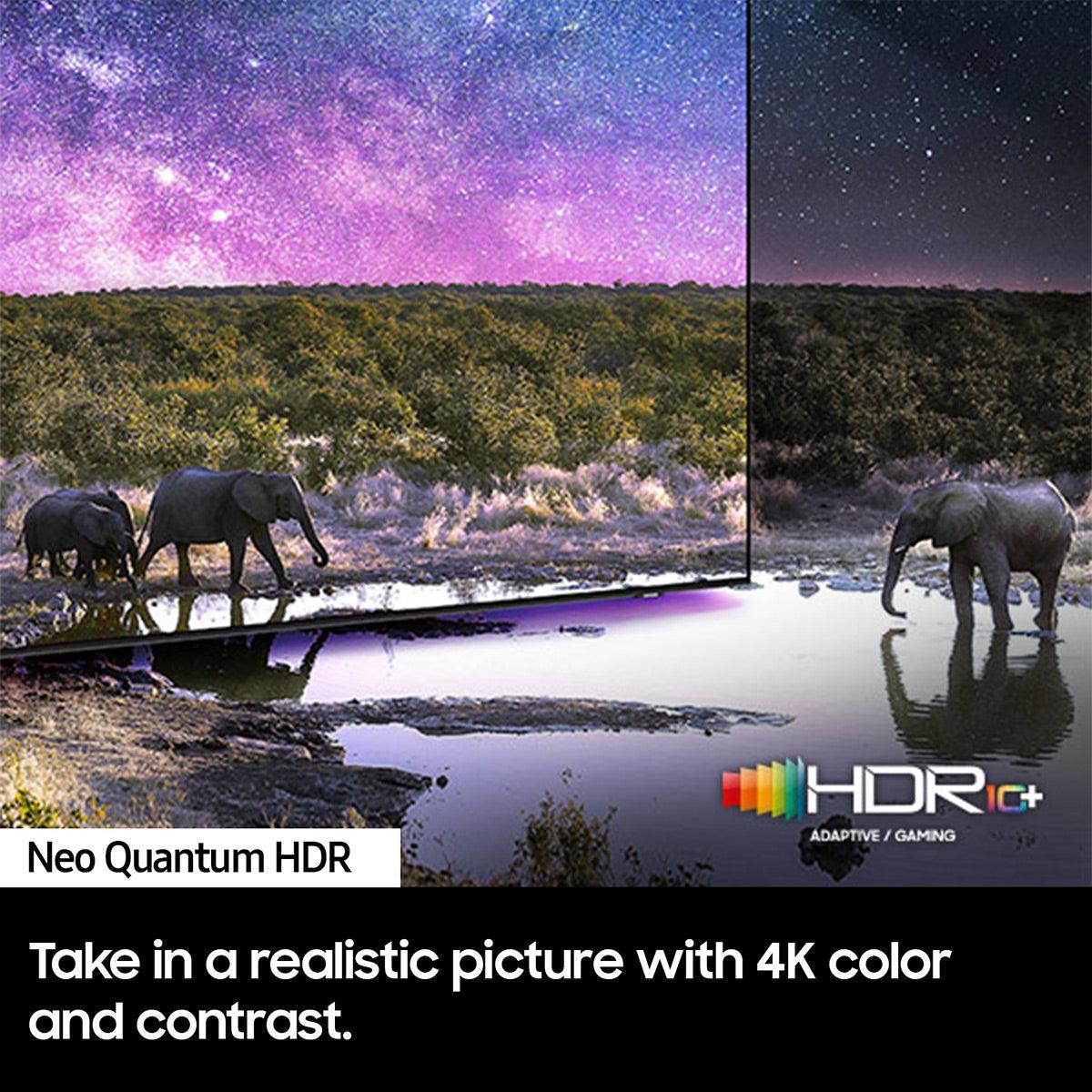
HDR (High Dynamic Range) support differs slightly between models. Both support HDR10+ and HLG formats, but neither supports Dolby Vision – Samsung's ongoing omission that frustrates home theater enthusiasts. HDR10+ provides scene-by-scene optimization, but many premium streaming services and UHD Blu-rays use Dolby Vision for their highest quality presentations.
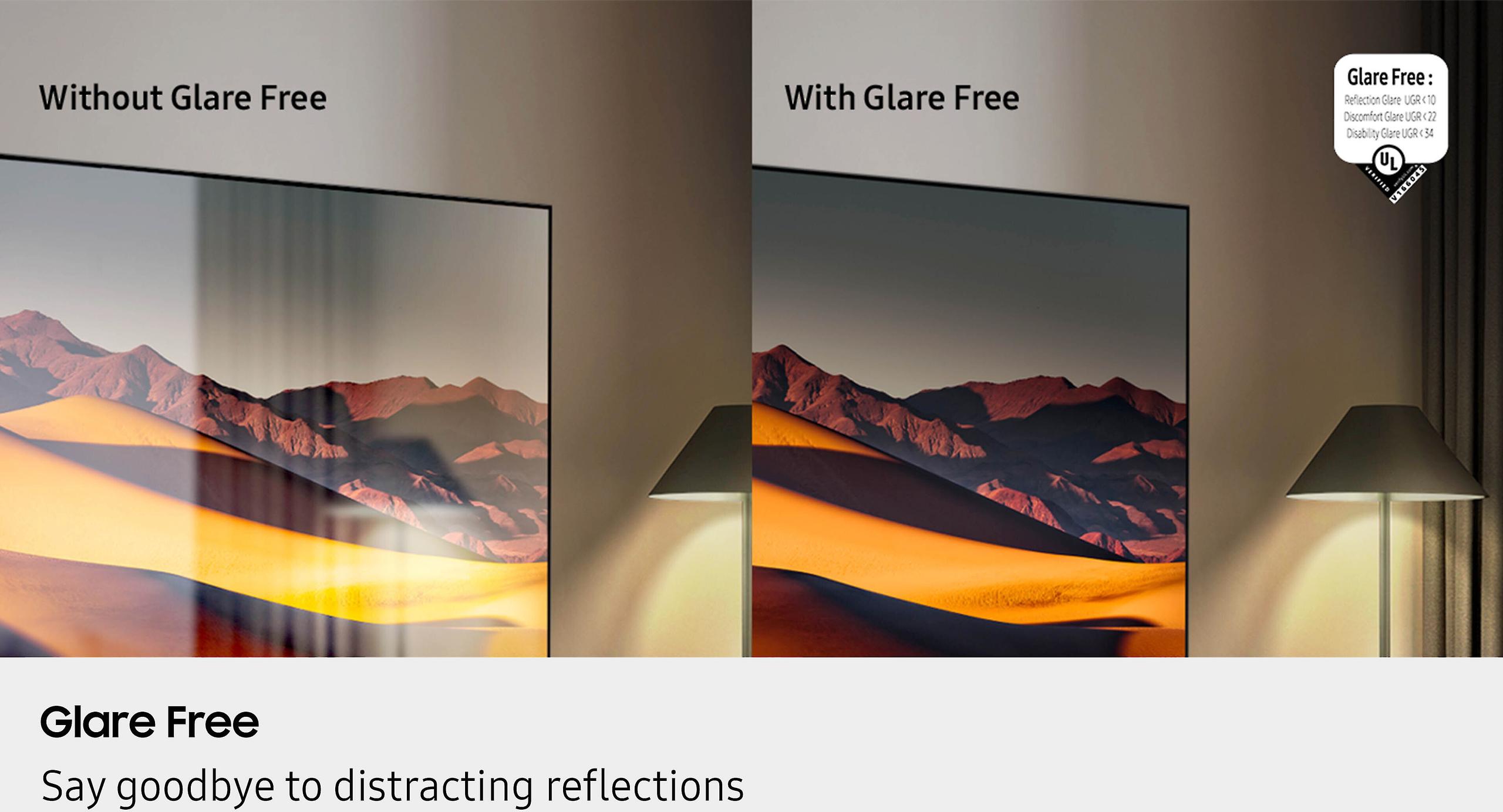
Here's where the Samsung QN90F truly shines – literally. Samsung's new Glare-Free technology represents a genuine breakthrough in TV display engineering. Traditional TVs reflect ambient light, creating distracting reflections and washing out colors in bright rooms. The QN90F's matte coating virtually eliminates these reflections without the typical trade-offs.
I've tested countless TVs in bright rooms, and most anti-glare solutions reduce picture quality significantly. The QN90F maintains its color vibrancy and contrast even with sunlight streaming through windows. This makes it exceptional for great rooms, kitchens, or any space where controlling ambient light isn't practical.
The QN90D, while incredibly bright, still suffers from reflections in challenging lighting conditions. If your viewing room has excellent light control, this isn't a major concern. However, for most living spaces, the QN90F's anti-glare capability is transformative.
Both models use quantum dot technology, which produces more accurate and vibrant colors than traditional LED displays. Quantum dots are microscopic particles that emit specific colors when hit by light, creating a wider color gamut (range of displayable colors) than conventional displays.
The QN90F shows measurable improvements in color coverage, achieving 93.6% of the UHDA-P3 color space compared to slightly lower coverage on the QN90D. In practical terms, this means more lifelike skin tones, richer landscape colors, and more accurate reproduction of the filmmaker's intended vision.
Processing differs meaningfully between generations. The QN90D's upscaling tends to be sharper and more aggressive, which can make lower-resolution content look more detailed but occasionally over-processed. The QN90F takes a more balanced approach, producing softer but more natural-looking results. Neither approach is inherently better – it depends on your source material and preferences.
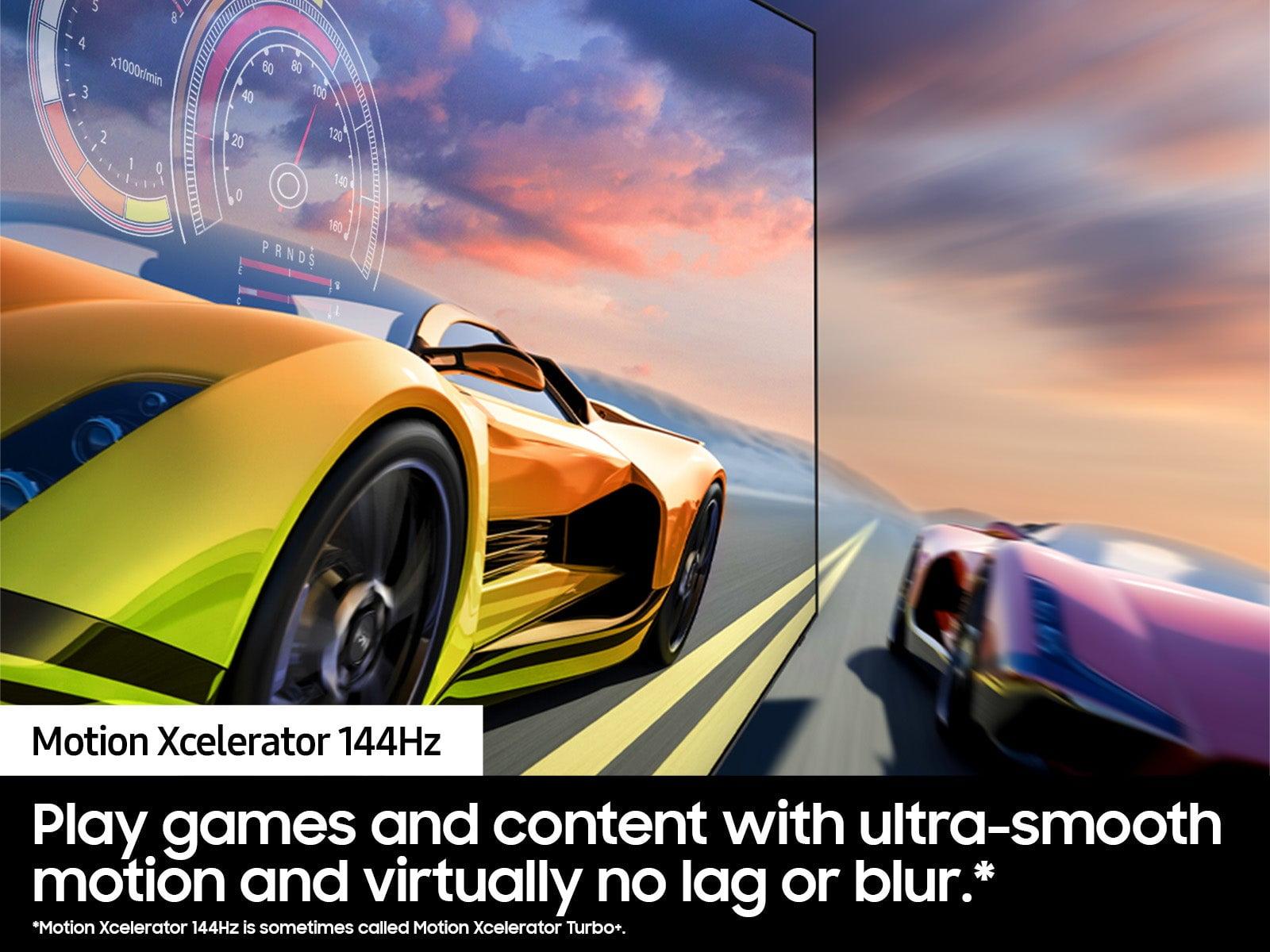
Both TVs excel for gaming, but with different strengths. The QN90D supports 4K gaming at 120Hz with variable refresh rate (VRR) technology, which eliminates screen tearing by synchronizing the display's refresh rate with your console or PC's frame rate. Input lag measures low enough for competitive gaming, and the TV includes dedicated game modes that optimize picture settings automatically.
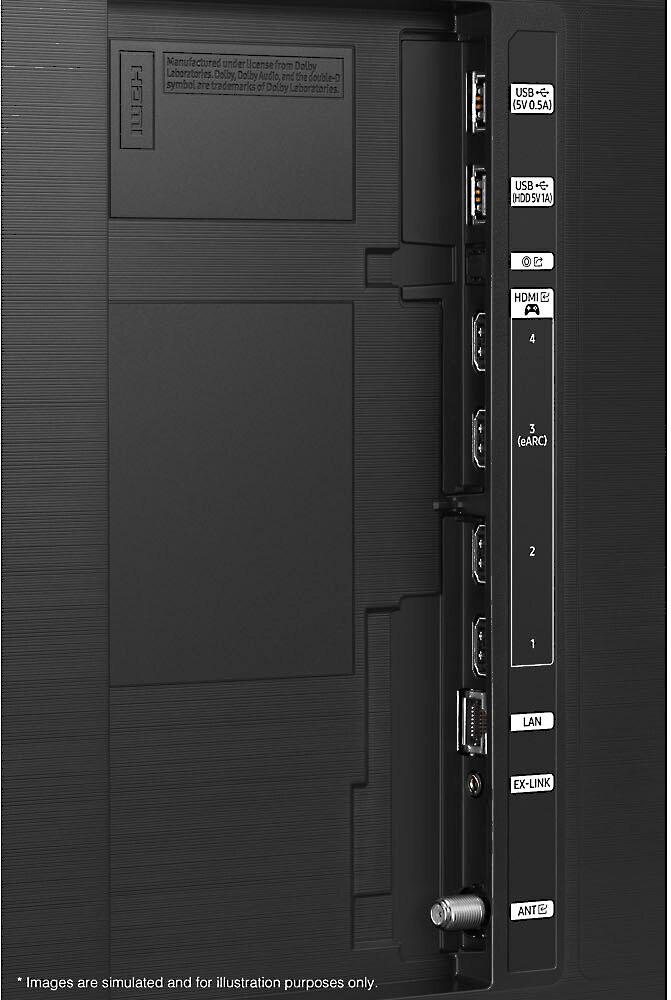
The Samsung QN90F pushes gaming further with 165Hz refresh rate support across all four HDMI 2.1 ports. This higher refresh rate benefits PC gamers with high-end graphics cards, though console gamers won't see differences since current consoles max out at 120Hz. The QN90F also includes enhanced motion processing specifically tuned for gaming scenarios.
Both models share a significant limitation in Game Mode: reduced HDR brightness and slower local dimming transitions. When gaming, the impressive contrast performance that makes these TVs special becomes noticeably compromised. Dark areas lose depth, and fast-moving bright objects can create visible trailing effects. This trade-off prioritizes low input lag over picture quality – a reasonable compromise for competitive gaming but disappointing for cinematic single-player experiences.
For home theater gaming sessions where picture quality matters more than ultra-low latency, using Cinema mode provides much better visuals with only slightly higher input lag. The choice depends on your gaming priorities.
Samsung's Tizen operating system powers both models, providing access to all major streaming services and a generally responsive interface. The QN90D runs a refined 2024 version that represents a significant improvement over earlier Samsung smart TV platforms.
The QN90F introduces Samsung's Vision AI suite, which includes gesture controls, generative art wallpapers, and home monitoring features using the TV's built-in sensors. While technically impressive, early experience suggests these features offer more novelty than practical utility. The gesture controls work but feel gimmicky compared to traditional remotes or voice commands. The art wallpaper generation is interesting but limited in scope.
More meaningful is the enhanced content analysis and optimization. The QN90F's AI continuously analyzes viewing conditions and content types, making automatic adjustments that generally improve the experience. This includes optimizing picture settings for different rooms, times of day, and content genres.
Voice control works well on both models through Samsung's Bixby, Amazon Alexa, or Google Assistant integration. The far-field microphones pick up commands reliably from across typical living rooms.
Both televisions feature identical 60W 4.2.2-channel speaker systems with Dolby Atmos support. Object Tracking Sound+ creates spatial audio effects that follow action across the screen – dialogue appears to come from characters' mouths rather than generic speaker locations, and sound effects move naturally with on-screen motion.
The QN90F adds enhanced AI audio processing that separates and optimizes different sound elements – dialogue, music, and effects – in real-time. This creates clearer conversations and more balanced overall sound, though the differences are subtle compared to the visual improvements.
While both TVs deliver above-average built-in audio, serious home theater enthusiasts will want dedicated soundbar or surround sound systems. Both models support eARC (enhanced Audio Return Channel) for high-quality audio passthrough to external sound systems.
At the time of writing, the value equation strongly favors the Samsung QN90D. You're getting roughly 85-90% of the newer model's performance for approximately half the price. The core picture quality, gaming capabilities, and smart features remain excellent, with only the anti-glare technology and latest AI features missing.
The Samsung QN90F commands a significant premium for incremental improvements. The anti-glare technology alone might justify this cost for some users, particularly those with challenging room lighting. However, most buyers will find better value in the previous generation model.
This pricing dynamic typically shifts throughout the year. Early adopters pay premium prices for latest technology, while patient buyers benefit from price drops on previous generations. The QN90D will likely see further price reductions as retailers clear inventory, making the value gap even wider.
For dedicated home theaters with controlled lighting, both models perform excellently. The QN90D might actually be preferable since you won't need anti-glare technology, and you'll save substantial money for acoustical treatments, seating, or a projector screen upgrade.
However, most "home theaters" are actually multi-purpose living spaces where the QN90F's anti-glare capability becomes valuable. If your TV room serves multiple functions throughout the day, the newer model's consistent performance in varying lighting conditions provides genuine practical benefits.
Neither model supports Dolby Vision, which remains disappointing for home theater enthusiasts. Many premium movies and TV shows are mastered in Dolby Vision, and while HDR10+ provides good results, it's not quite equivalent to the filmmaker's intended presentation.
Choose the Samsung QN90F if you:
Choose the Samsung QN90D if you:
The Samsung QN90D represents exceptional value in today's premium TV market. It delivers flagship-level picture quality, excellent gaming performance, and comprehensive smart features at a price that doesn't require major budget compromises. For most buyers, it provides everything needed for an outstanding viewing experience.
The Samsung QN90F offers meaningful but incremental improvements that justify its premium pricing only in specific scenarios. The anti-glare technology is genuinely revolutionary for bright rooms, and the enhanced processing provides subtle but real improvements. However, these benefits must be weighed against the substantial additional cost.
My recommendation: unless you specifically need the QN90F's anti-glare technology or want the latest AI features regardless of cost, the QN90D delivers better overall value. Both are excellent televisions that will provide years of outstanding entertainment. The question isn't which is better – it's which provides the right balance of performance and value for your specific needs and budget.
In the rapidly evolving TV market, being one generation behind often provides the best value proposition. The QN90D proves this principle perfectly, offering premium performance without the early-adopter premium.
| Samsung 65" QN90F Neo QLED 4K Vision AI Smart TV 2025 | Samsung 65" QN90D Series 4K Neo QLED Smart TV |
|---|---|
| Release Year - Affects pricing and feature availability | |
| 2025 (latest generation with premium pricing) | 2024 (mature model with significant price reductions) |
| Processor - Drives picture quality and smart features | |
| NQ4 AI Gen3 with 128 neural networks | NQ4 AI Gen2 with fewer processing networks |
| Anti-Glare Technology - Critical for bright room viewing | |
| Glare-Free matte coating eliminates reflections | Traditional glossy screen susceptible to reflections |
| Gaming Refresh Rate - Important for PC gamers | |
| 165Hz across all HDMI 2.1 ports | 120Hz standard (sufficient for consoles) |
| Peak Brightness - Determines HDR impact | |
| 2,086 nits (excellent HDR performance) | 2,000+ nits (virtually identical HDR capability) |
| Smart Features - AI and convenience additions | |
| Vision AI with gesture control and enhanced processing | Standard Tizen OS with proven reliability |
| Viewing Angles - Matters for off-center seating | |
| Wide Viewing Angle technology for consistent quality | Good but not optimized for off-axis viewing |
| Motion Processing - Affects sports and action content | |
| Motion Xcelerator 165Hz with enhanced algorithms | Motion Xcelerator Turbo+ (proven performance) |
| Color Coverage - Impacts color accuracy | |
| 93.6% UHDA-P3 coverage (slight improvement) | Strong color performance with quantum dots |
| Audio System - Built-in sound quality | |
| 60W 4.2.2CH with AI-enhanced processing | 60W 4.2.2CH with Object Tracking Sound+ |
| HDR Support - Premium content compatibility | |
| HDR10+, HLG (no Dolby Vision) | HDR10+, HLG (no Dolby Vision) |
| Local Dimming - Controls contrast in dark scenes | |
| Quantum Matrix Technology Pro (enhanced) | Full Array Local Dimming (excellent performance) |
| Game Mode Performance - Trade-off for competitive gaming | |
| Reduced HDR brightness and slower transitions | Same limitation - prioritizes low input lag |
| Value Proposition - Performance per dollar spent | |
| Premium pricing for incremental improvements | Exceptional value with flagship performance |
The primary difference is that the Samsung QN90F (2025) features advanced Glare-Free technology that eliminates screen reflections, while the Samsung QN90D (2024) uses a traditional glossy screen. The QN90F also includes a more powerful NQ4 AI Gen3 processor and supports 165Hz gaming, compared to the QN90D's 120Hz capability.
The Samsung QN90F is significantly better for bright rooms due to its revolutionary Glare-Free matte coating that virtually eliminates reflections without compromising picture quality. The Samsung QN90D, while extremely bright, still reflects ambient light and can wash out in sunny conditions.
The Samsung QN90F costs roughly double the Samsung QN90D but only offers incremental improvements in most areas. Unless you specifically need anti-glare technology for a bright room or want the latest AI features, the QN90D provides better value with 85-90% of the newer model's performance.
Both TVs deliver exceptional picture quality with similar peak brightness over 2,000 nits. The Samsung QN90F has slightly better color accuracy and more refined processing, while the Samsung QN90D sometimes produces sharper upscaling. The differences are subtle, and both excel for movies and TV shows.
No, neither the Samsung QN90F nor the Samsung QN90D supports Dolby Vision. Both models support HDR10+ and HLG formats instead. This is a common limitation across Samsung's TV lineup and may disappoint home theater enthusiasts who prefer Dolby Vision content.
The Samsung QN90F offers 165Hz refresh rates for PC gaming, while the Samsung QN90D supports 120Hz gaming. Both have low input lag and support VRR technology, but both also suffer from reduced HDR brightness and slower response times in Game Mode. Console gamers won't notice the refresh rate difference since PS5 and Xbox Series X max out at 120Hz.
Both run Samsung's Tizen operating system with access to all major streaming services. The Samsung QN90F adds Vision AI features including gesture controls and enhanced content analysis, while the Samsung QN90D uses the proven 2024 Tizen interface. Both support voice control through Alexa, Google Assistant, and Samsung Bixby.
Both the Samsung QN90F and Samsung QN90D feature identical 60W 4.2.2-channel speakers with Dolby Atmos and Object Tracking Sound+. The QN90F includes slightly enhanced AI audio processing for better dialogue clarity. While above average for built-in TV speakers, serious home theater setups will benefit from dedicated sound systems.
The Samsung QN90F includes Wide Viewing Angle technology that maintains consistent picture quality from off-center positions, making it better for large rooms or multiple seating areas. The Samsung QN90D has good but not optimized viewing angles typical of premium LED TVs.
Both models excel for home theater use with exceptional brightness, contrast, and color performance. The Samsung QN90D might be preferable for dedicated dark rooms since you won't need anti-glare technology and can invest savings in better audio equipment. However, the lack of Dolby Vision support on both models is disappointing for premium home theater setups.
The Samsung QN90F and Samsung QN90D are both available in multiple sizes including 55", 65", 75", and 85". Features and performance remain consistent across sizes, though larger models benefit from enhanced picture processing technologies designed for bigger screens.
Choose the Samsung QN90F if you have a bright room requiring anti-glare technology or want the latest AI features. Select the Samsung QN90D if you prioritize value and have reasonable lighting control. The QN90D offers exceptional performance at a much lower price point, making it the better choice for most buyers seeking premium 4K quality.
We've done our best to create useful and informative comparisons to help you decide what product to buy. Our research uses advanced automated methods to create this comparison and perfection is not possible - please contact us for corrections or questions. These are the sites we've researched in the creation of this article: rtings.com - images.samsung.com - youtube.com - listenup.com - youtube.com - cullenshomecenter.com - rtings.com - shopjetson.com - youtube.com - samsung.com - samsung.com - videoandaudiocenter.com - rtings.com - bestbuy.com - youtube.com - news.samsung.com - news.samsung.com - news.samsung.com - bestbuy.com - news.samsung.com - youtube.com - news.samsung.com - youtube.com - smarthomesounds.co.uk - tomsguide.com - abt.com - youtube.com - youtube.com - samsung.com - standardtvandappliance.com - gerhardsappliance.com - bestbuy.com - image-us.samsung.com - youtube.com - images.samsung.com

Privacy Policy
Terms and Conditions - Affiliate Policy
Home Security
© Copyright 2008-2026.
11816 Inwood Rd #1211, Dallas, TX 75244