

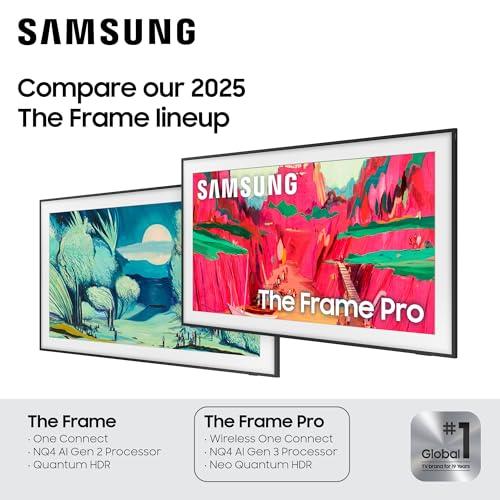




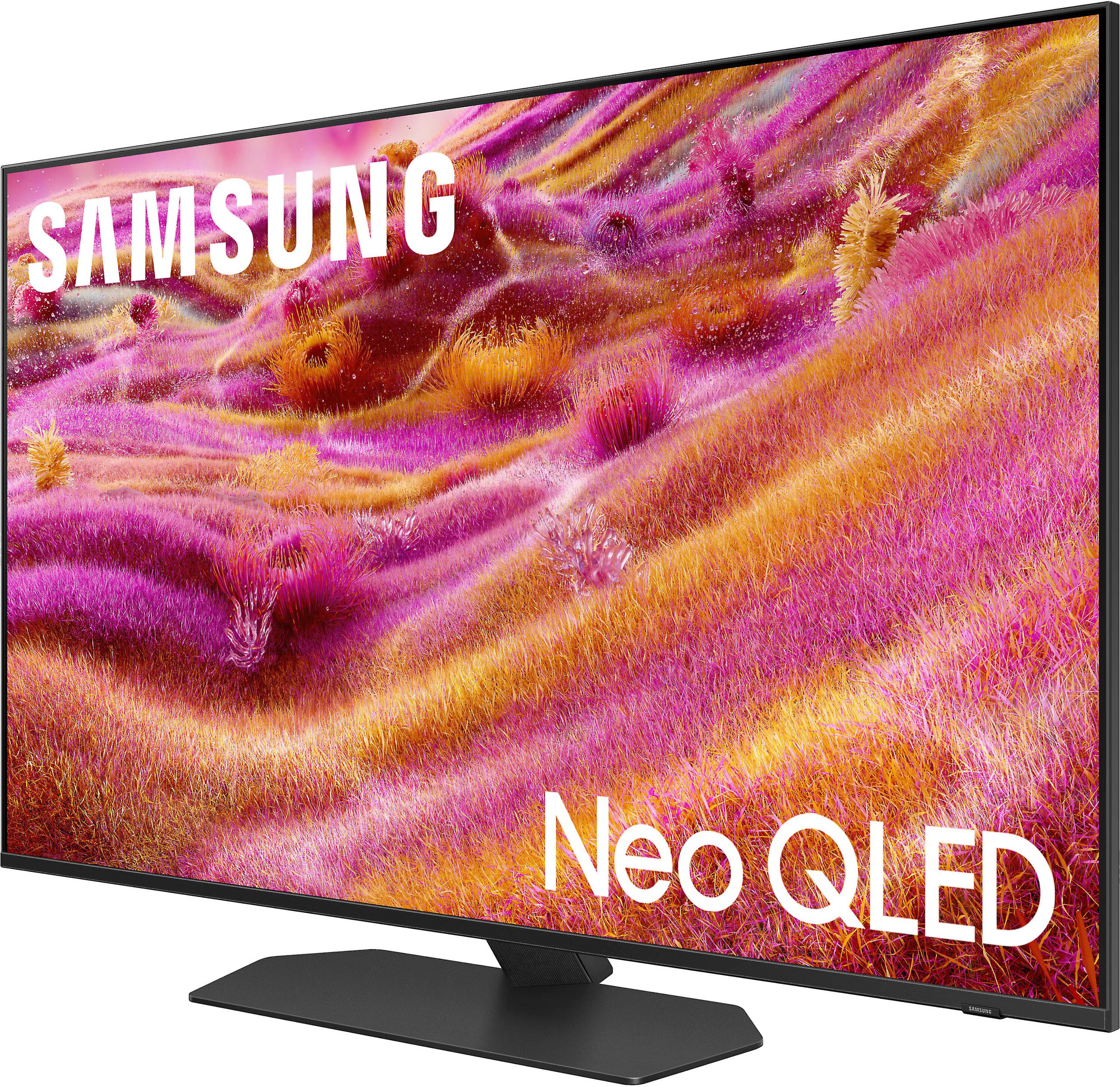
Samsung released two fascinating premium televisions in 2025 that represent completely different philosophies about what a high-end TV should be. The Samsung Frame Pro transforms your living space into an art gallery, while the Samsung QN90F delivers pure visual performance that rivals the best displays money can buy. Both use Samsung's advanced Neo QLED technology—a type of Mini-LED backlighting that uses thousands of tiny LEDs for precise brightness control—but they couldn't be more different in their approach.
This comparison isn't just about picking between two similar TVs. It's about deciding whether you want a television that disappears into your home's design or one that commands attention with stunning picture quality. After researching extensive professional reviews and user feedback, the choice comes down to lifestyle integration versus performance maximization.
Premium televisions in 2025 have evolved far beyond simple screen upgrades. Neo QLED technology represents Samsung's answer to OLED displays, using Mini-LED backlighting—arrays of microscopic LEDs that can dim individually to create deeper blacks and brighter highlights. This local dimming capability means different areas of the screen can show true blacks while other sections display brilliant whites simultaneously, something traditional LED TVs struggle with.
The most important factors when choosing a premium TV are brightness (measured in nits), color accuracy, gaming performance (input lag and refresh rates), and increasingly, how the TV fits into your living space. Peak brightness determines how vibrant HDR content appears, while input lag—the delay between pressing a controller button and seeing the action on screen—can make or break gaming experiences.
Both the Frame Pro and QN90F excel in different aspects of these fundamentals, making the choice largely about priorities rather than one being objectively superior.
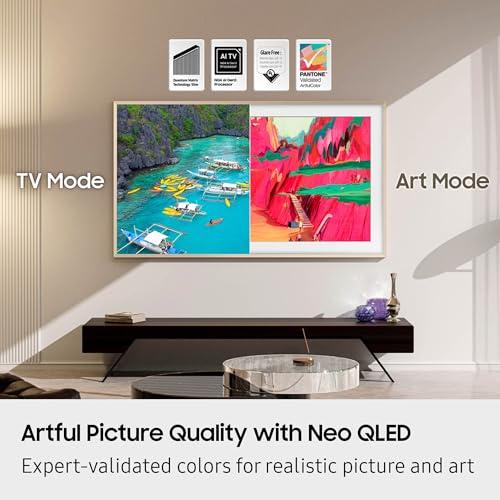
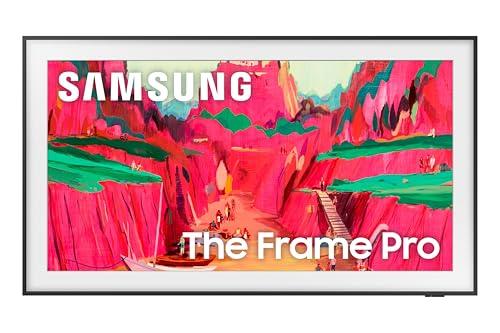
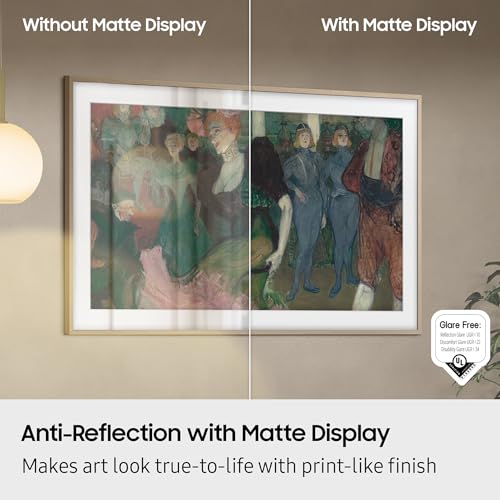
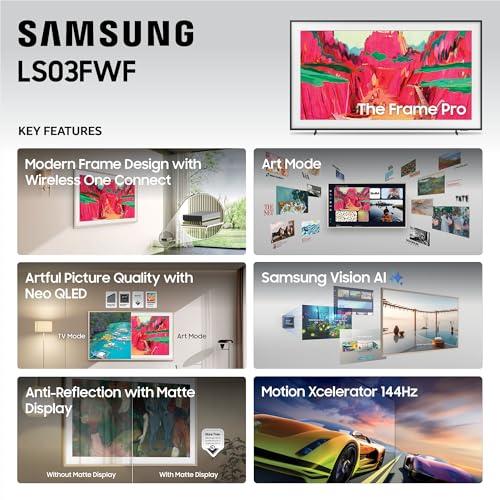
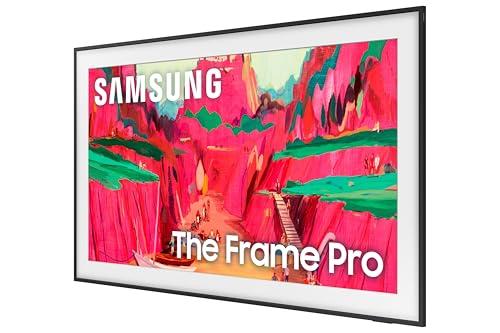
The most obvious difference between these TVs lies in their fundamental design approach. The Samsung Frame Pro represents Samsung's boldest lifestyle integration yet. When powered off, it transforms into a digital picture frame displaying curated artwork from Samsung's Art Store or your personal photos. The matte anti-reflective screen coating ensures displayed art looks remarkably similar to actual prints, even under bright room lighting.
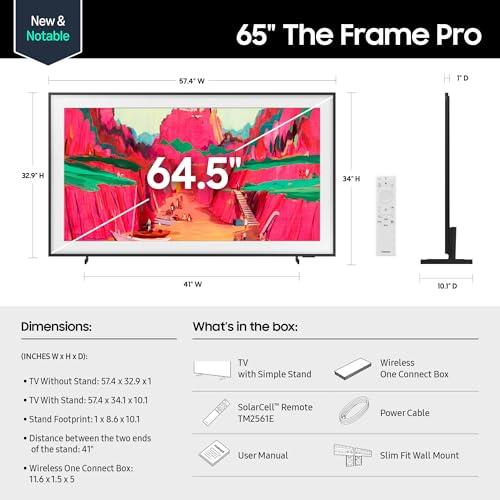
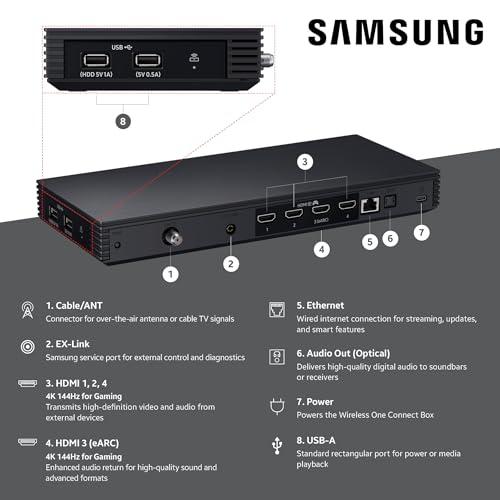
What makes the 2025 Frame Pro revolutionary is its Wireless One Connect Box. Previous Frame models still required power and HDMI cables running to the TV. The new wireless system transmits 4K 144Hz video signals up to 30 feet away through walls, finally achieving the cable-free gallery aesthetic Samsung has been pursuing for years. You can mount the TV completely flush to the wall with no visible cables whatsoever.
The customizable bezels complete the art gallery illusion. Different bezel styles mimic various frame materials and colors, allowing the TV to match your room's décor. It's a remarkable achievement in industrial design, though it comes with performance trade-offs we'll explore later.
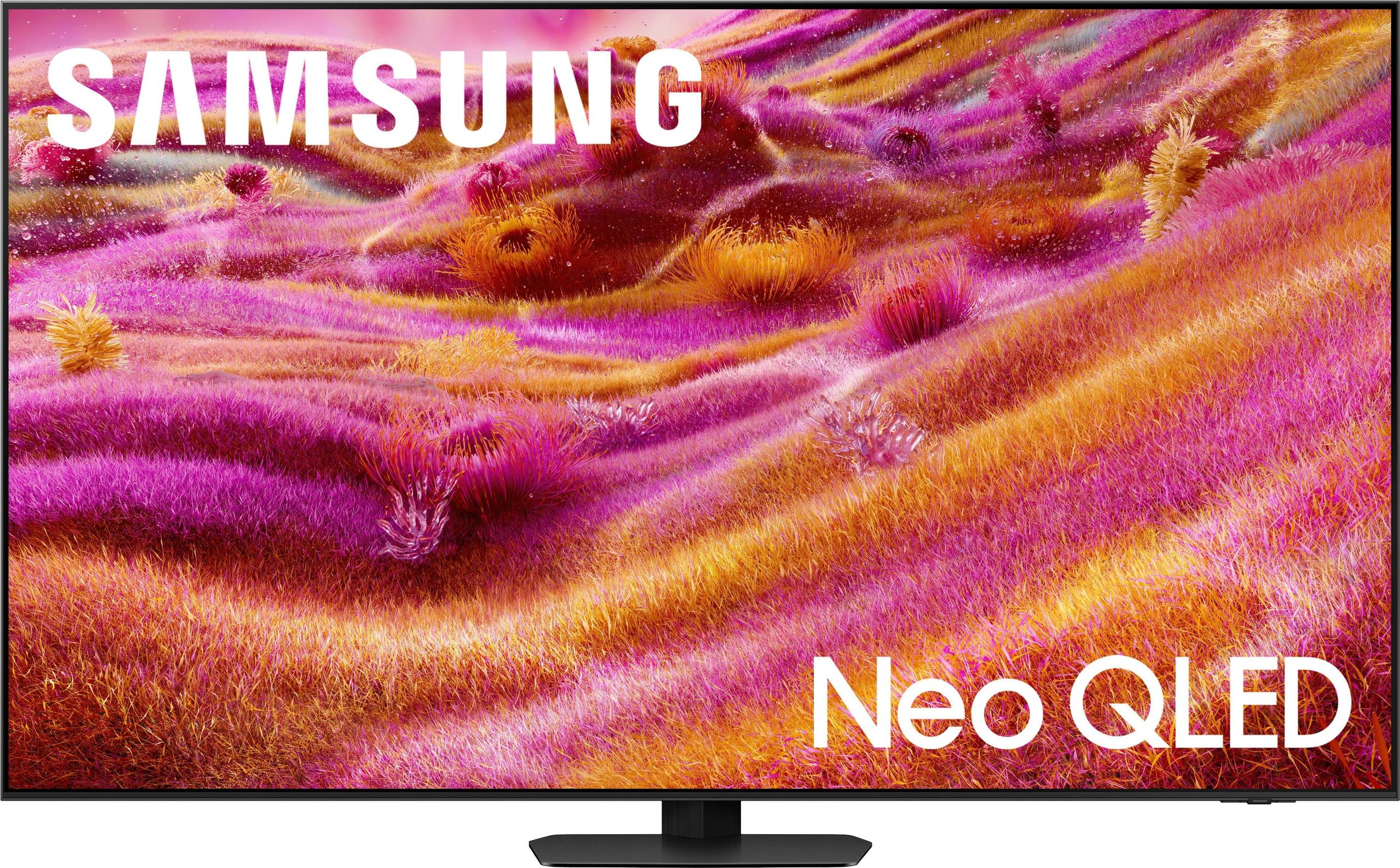
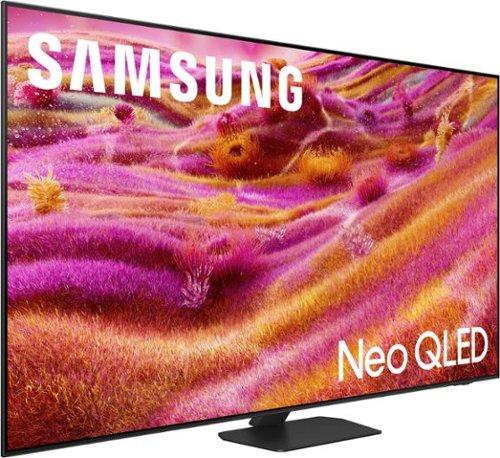
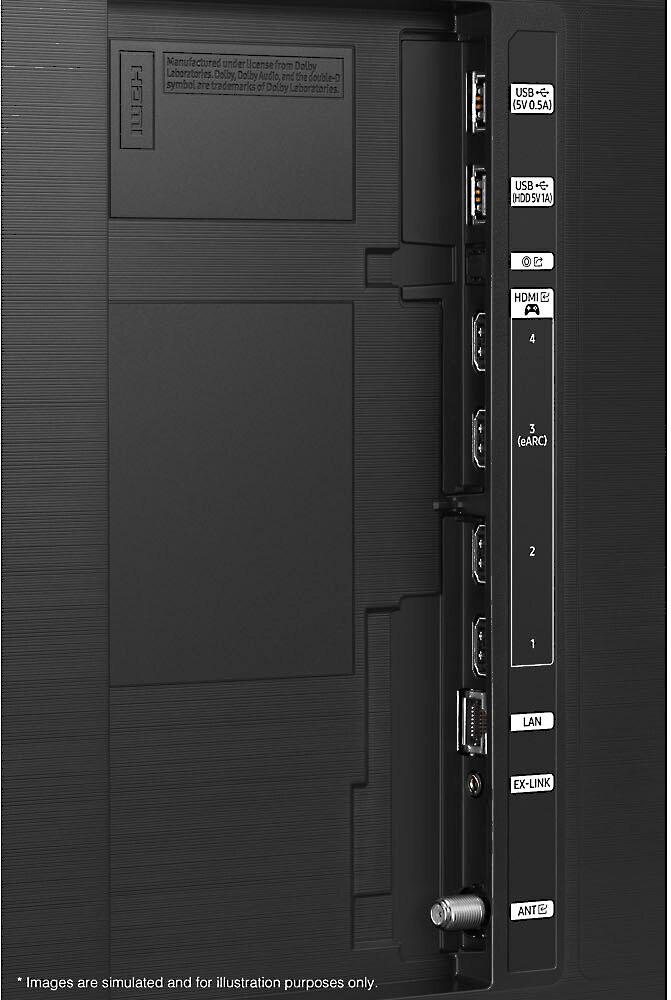
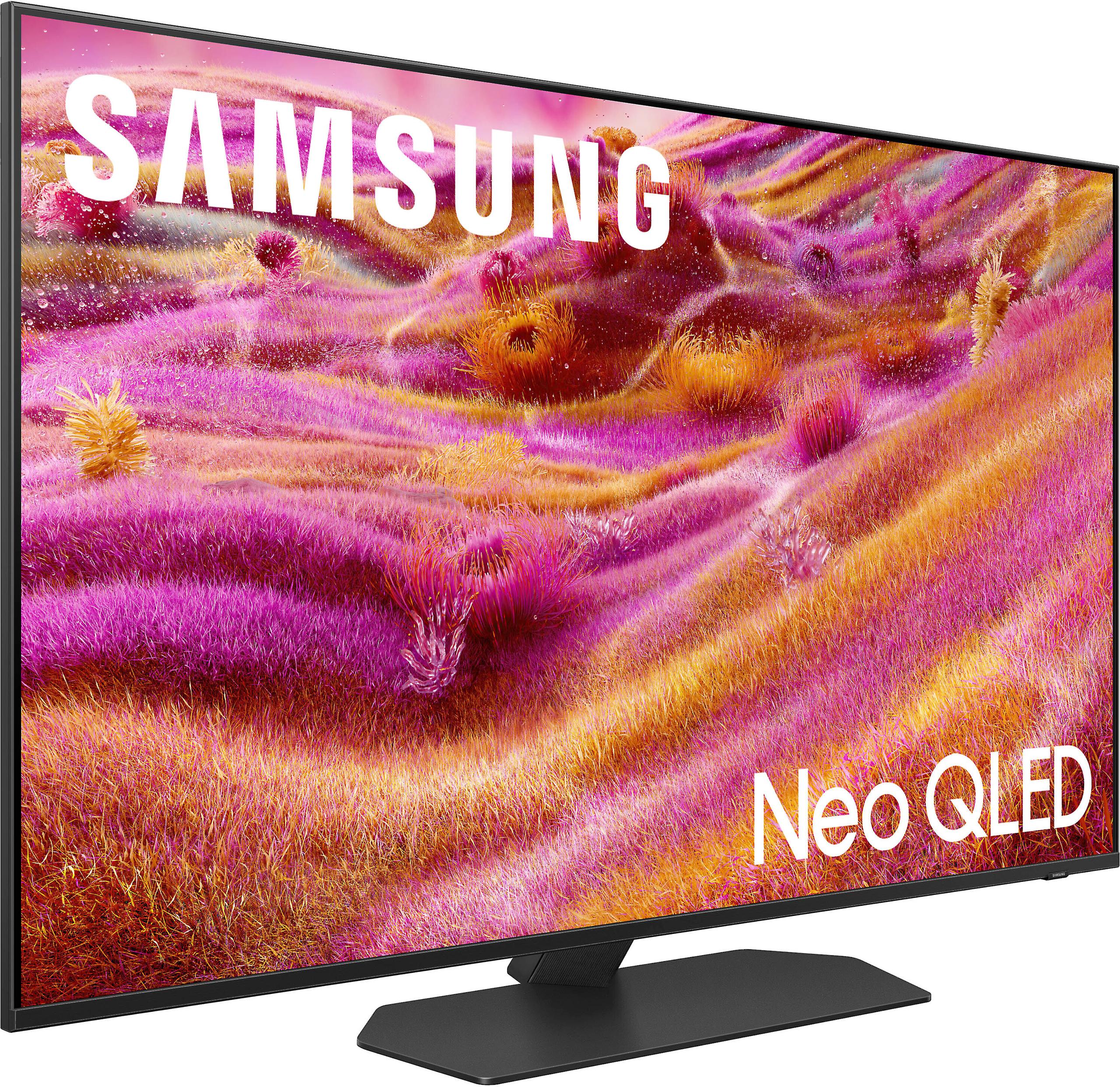
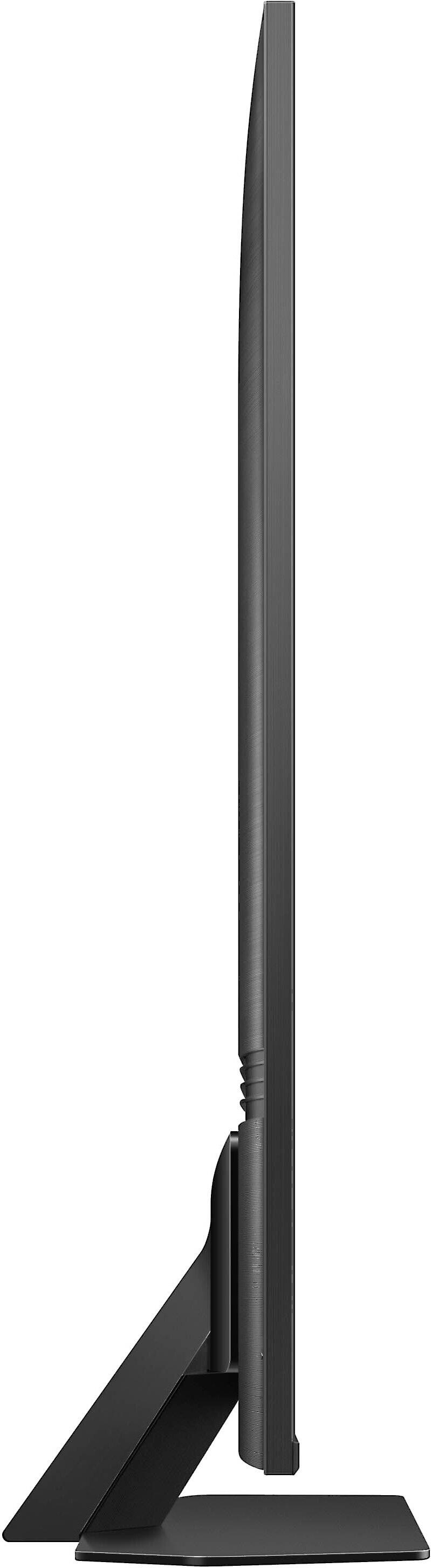
The Samsung QN90F, by contrast, follows traditional premium TV design principles. Ultra-thin bezels maximize screen real estate, while the overall aesthetic prioritizes the display itself rather than blending into surroundings. It uses a conventional wired One Connect Box, requiring cable management for clean installations but offering more reliable connectivity and better gaming performance.
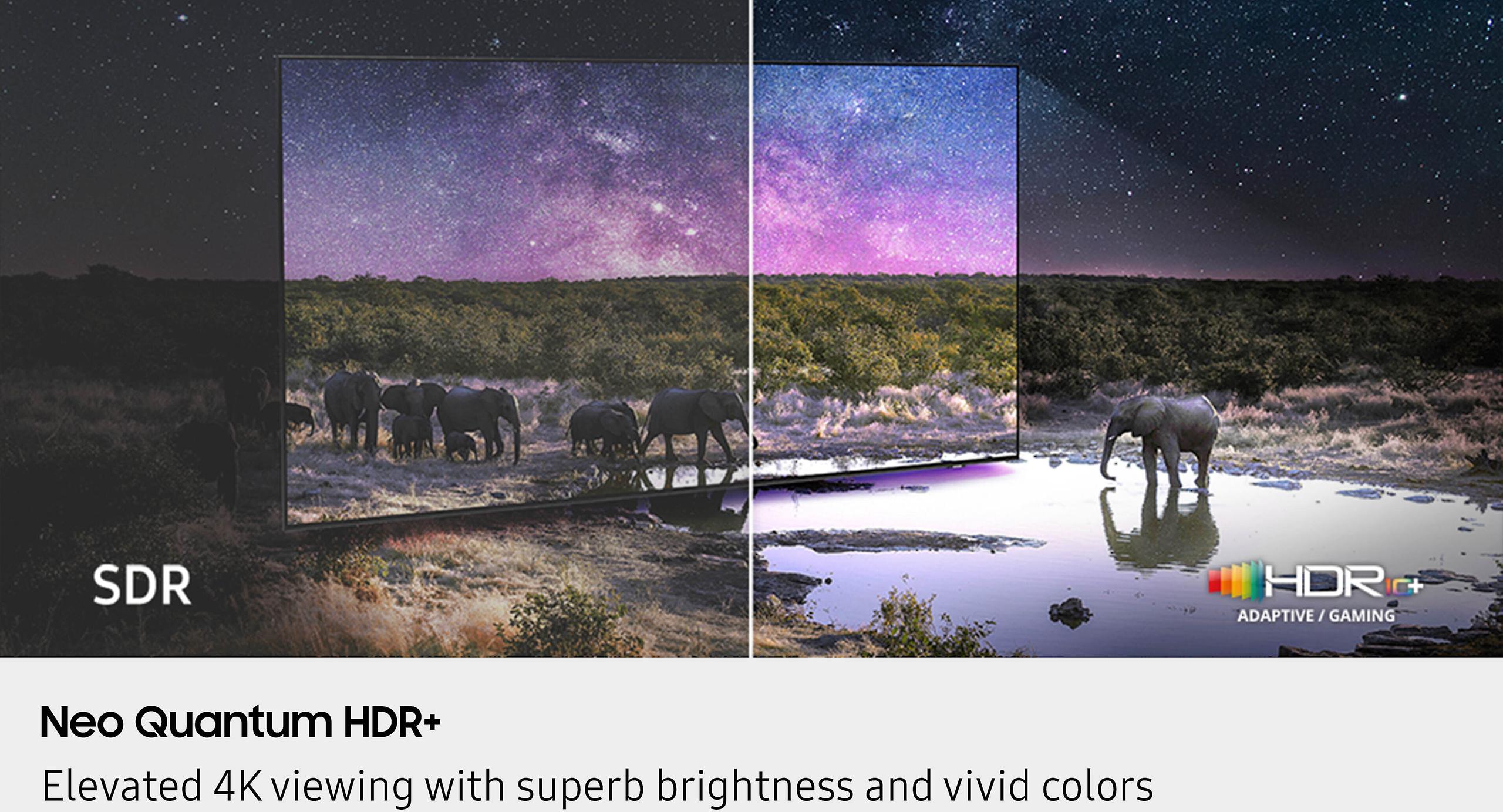
Peak brightness represents the most significant performance gap between these models. Professional testing reveals the QN90F reaches over 2,100 nits in HDR highlights, while the Frame Pro peaks around 1,089 nits. To put this in perspective, standard HDR content mastering targets 1,000 nits, so the Frame Pro just meets this threshold while the QN90F significantly exceeds it.
This brightness difference becomes crucial when watching HDR movies or shows. HDR (High Dynamic Range) content includes brightness information that tells the TV how bright specific scenes should appear. A sun reflecting off water or an explosion in an action movie will look more realistic and impactful on the brighter QN90F. The difference is particularly noticeable in bright rooms where ambient light competes with the display.
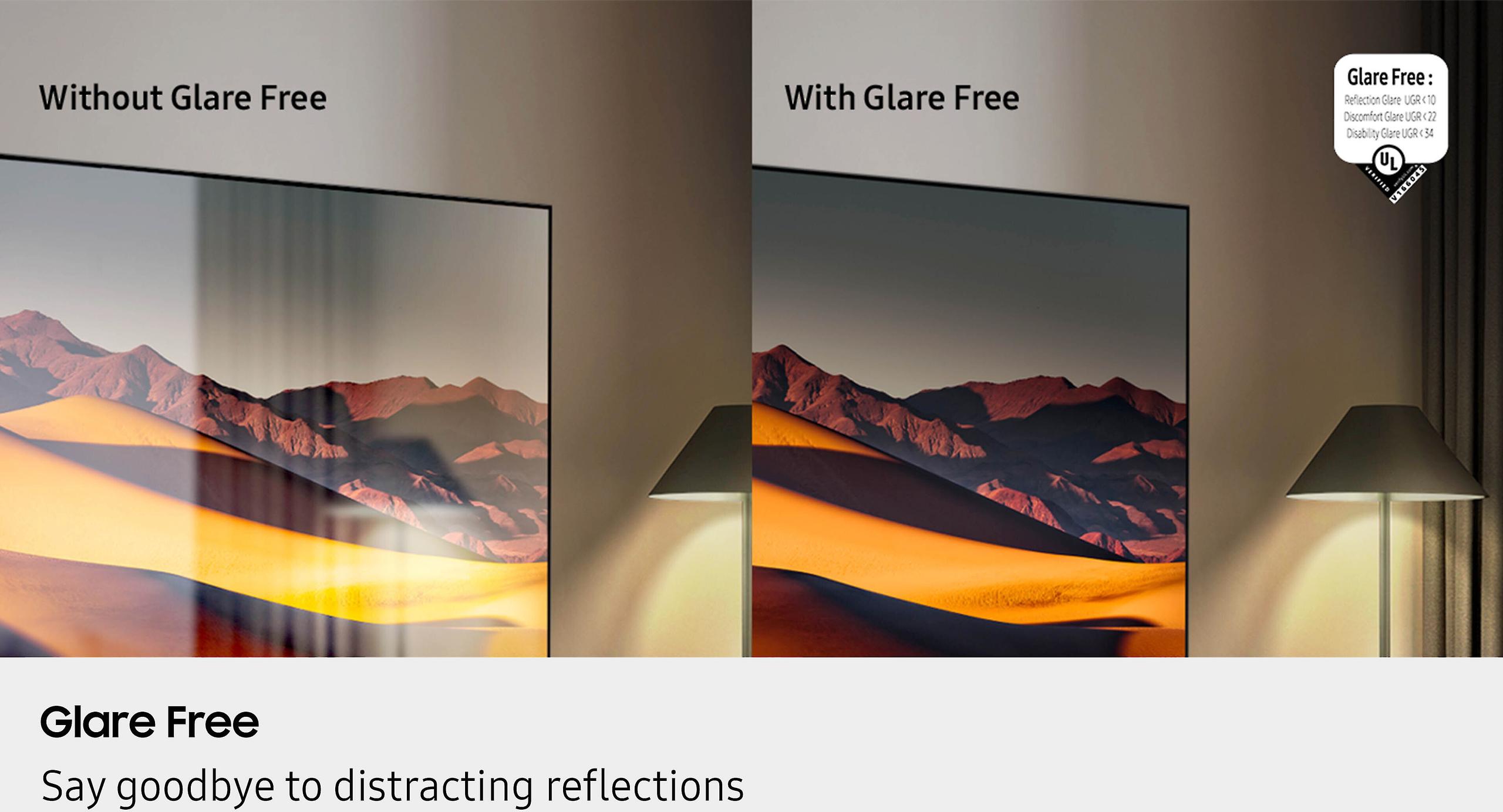
However, brightness isn't everything. The Frame Pro's matte coating, while reducing peak brightness slightly, virtually eliminates reflections. In our research of user experiences, this coating consistently receives praise for making content viewable even with windows directly behind the viewing position. The QN90F has anti-glare technology too, but it's optimized for performance rather than reflection elimination.
Color accuracy tells another story. The Frame Pro achieves 93.4% coverage of the UHDA-P3 color space—the standard for premium content—and includes Pantone validation for accurate color reproduction. This makes it excellent for displaying photography and artwork. The QN90F pushes color volume higher, creating more saturated and dynamic images that work better for movies and sports but might appear oversaturated for art display.
Local dimming performance, where individual LED zones brighten or dim to improve contrast, strongly favors the QN90F. Reviews consistently note better black levels and less blooming (unwanted light spillover around bright objects) compared to the Frame Pro. This translates to more convincing dark movie scenes and better overall contrast ratio.
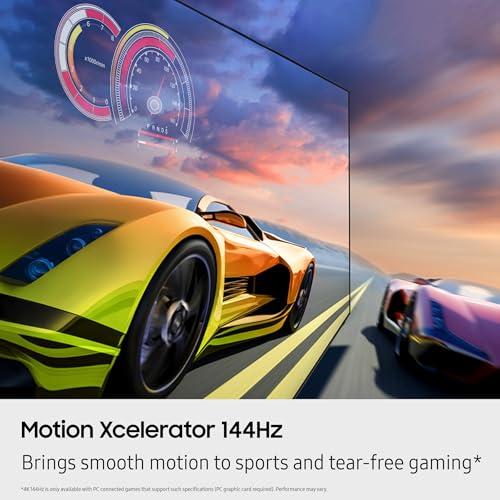
Gaming represents the most significant performance divergence between these models. The Samsung QN90F delivers exceptional gaming performance with input lag under 10 milliseconds and support for refresh rates up to 165Hz. Input lag measures the delay between controller input and screen response—anything under 20ms is considered good for gaming, while under 10ms ranks as excellent.
The Frame Pro disappoints seriously here. Testing reveals input lag around 36ms, which feels sluggish for any fast-paced gaming. This high lag stems from the wireless video transmission processing and the display's focus on image quality over response time. The 144Hz refresh rate sounds competitive, but the high input lag negates much of that benefit.
For context, 165Hz versus 144Hz refresh rates both provide smooth motion for gaming and sports content. The human eye can perceive differences up to about 240Hz, so both TVs deliver fluid motion. However, competitive gaming demands low input lag more than high refresh rates, giving the QN90F a decisive advantage.
Both TVs support Variable Refresh Rate (VRR) technology, which synchronizes the display's refresh rate with your gaming device's output frame rate to eliminate screen tearing. The QN90F implements this more effectively due to its superior gaming-focused processing.
Audio systems in both TVs use similar technologies but with different implementations. The Frame Pro includes a 40W 2.0.2CH speaker system with Object Tracking Sound and Dolby Atmos support. Object Tracking Sound moves audio around the screen to match visual action—dialogue follows characters as they move, while sound effects pan across the display.
The QN90F steps up with a 60W 4.2.2CH system featuring enhanced Object Tracking Sound+ and Adaptive Sound Pro. The additional wattage and speaker channels provide more dynamic range and clearer dialogue separation. Adaptive Sound Pro uses AI to analyze content in real-time, automatically adjusting audio settings for different content types.
Both support Q-Symphony technology, which coordinates TV speakers with compatible Samsung soundbars for expanded soundstaging. However, neither TV supports DTS audio passthrough, which can be limiting for users with extensive physical media collections that use DTS encoding.
For most viewing scenarios, both audio systems provide satisfactory performance. The QN90F's superior power and additional channels become noticeable during action movies and sports, where dynamic range matters more.
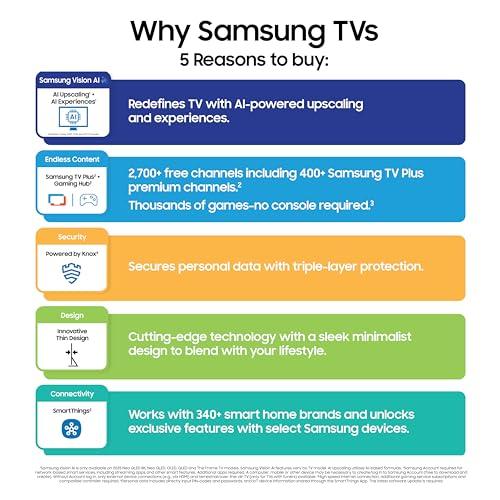
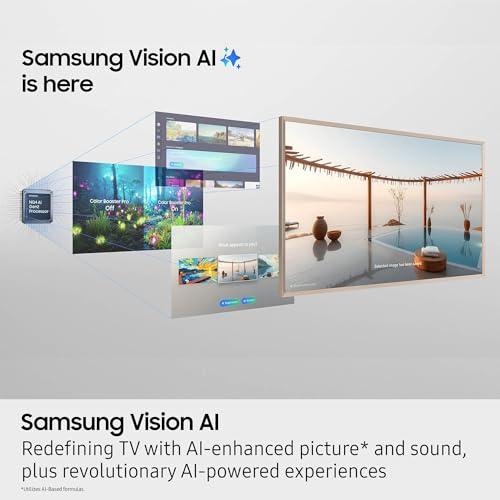
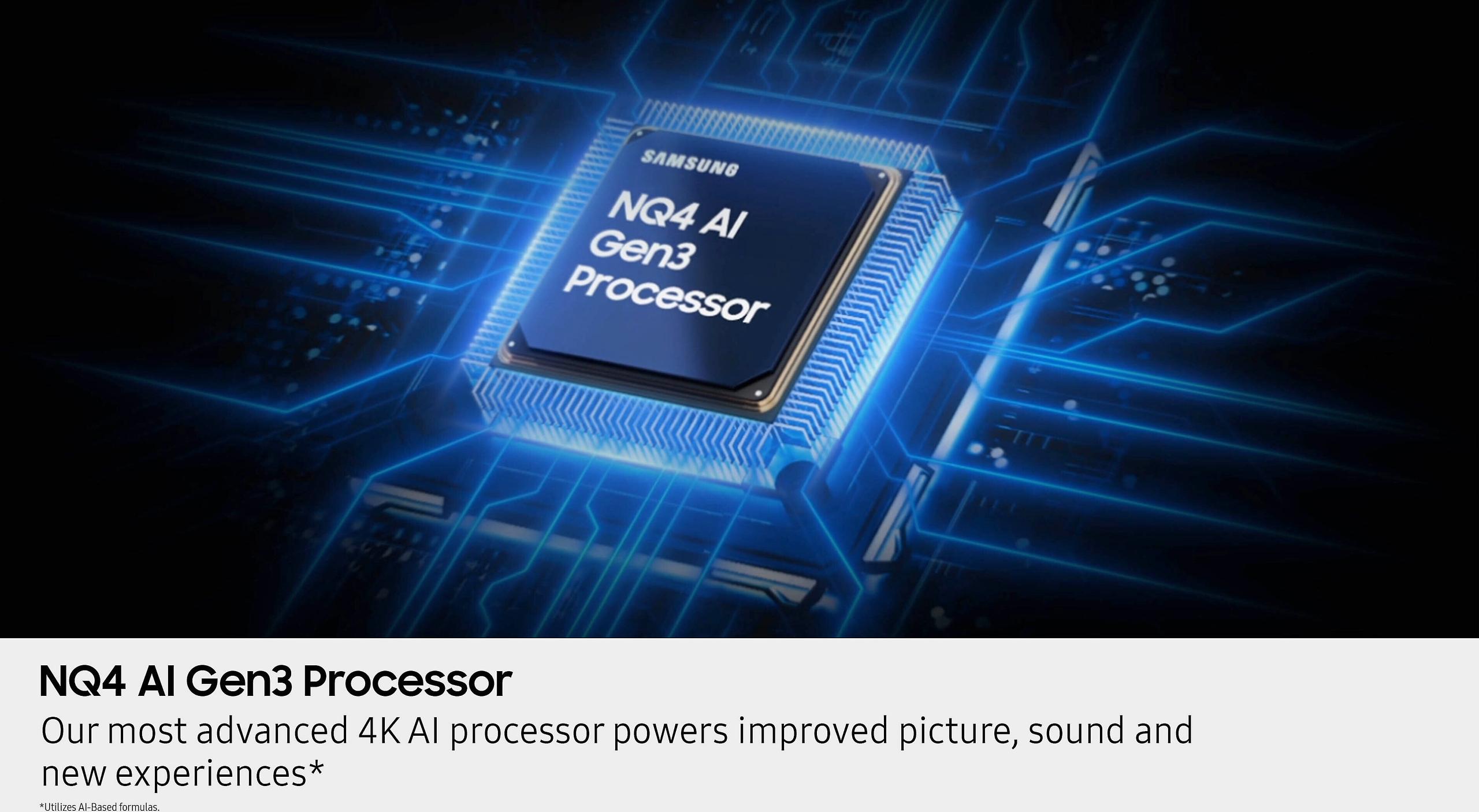
Samsung's 2025 Vision AI platform powers both televisions, representing a significant advancement in smart TV capabilities. The NQ4 AI Gen3 processor uses 128 neural networks to analyze content and environmental factors, automatically optimizing picture and sound settings.
Vision AI introduces features like universal gesture control and real-time home insights, though these feel more gimmicky than essential in current implementations. More practically useful is the 4K AI Upscaling Pro, which intelligently enhances lower-resolution content. Both TVs handle upscaling well, making 1080p streaming content look surprisingly sharp on these 4K displays.
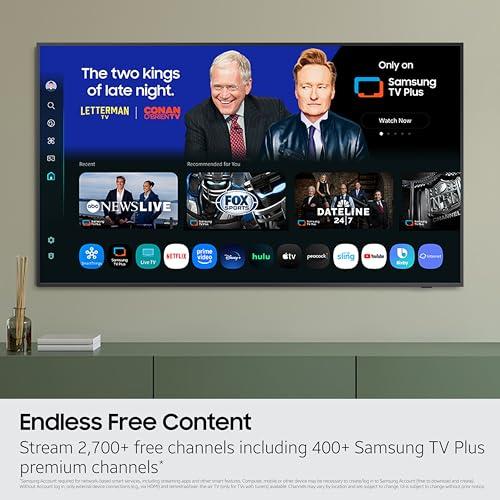
The Tizen operating system provides access to all major streaming platforms with a responsive, intuitive interface. Samsung's remote includes voice control and solar charging, eliminating battery replacement needs.
Where smart features diverge relates to each TV's primary function. The Frame Pro emphasizes Art Mode integration with Samsung's Art Store, offering thousands of curated artworks and the ability to display personal photography collections. The QN90F focuses processing power on picture optimization rather than wireless transmission.
The Frame Pro limits buyers to three sizes: 65", 75", and 85". This reflects both the specialized wireless technology requirements and Samsung's positioning of Frame TVs as premium lifestyle products rather than mainstream options.
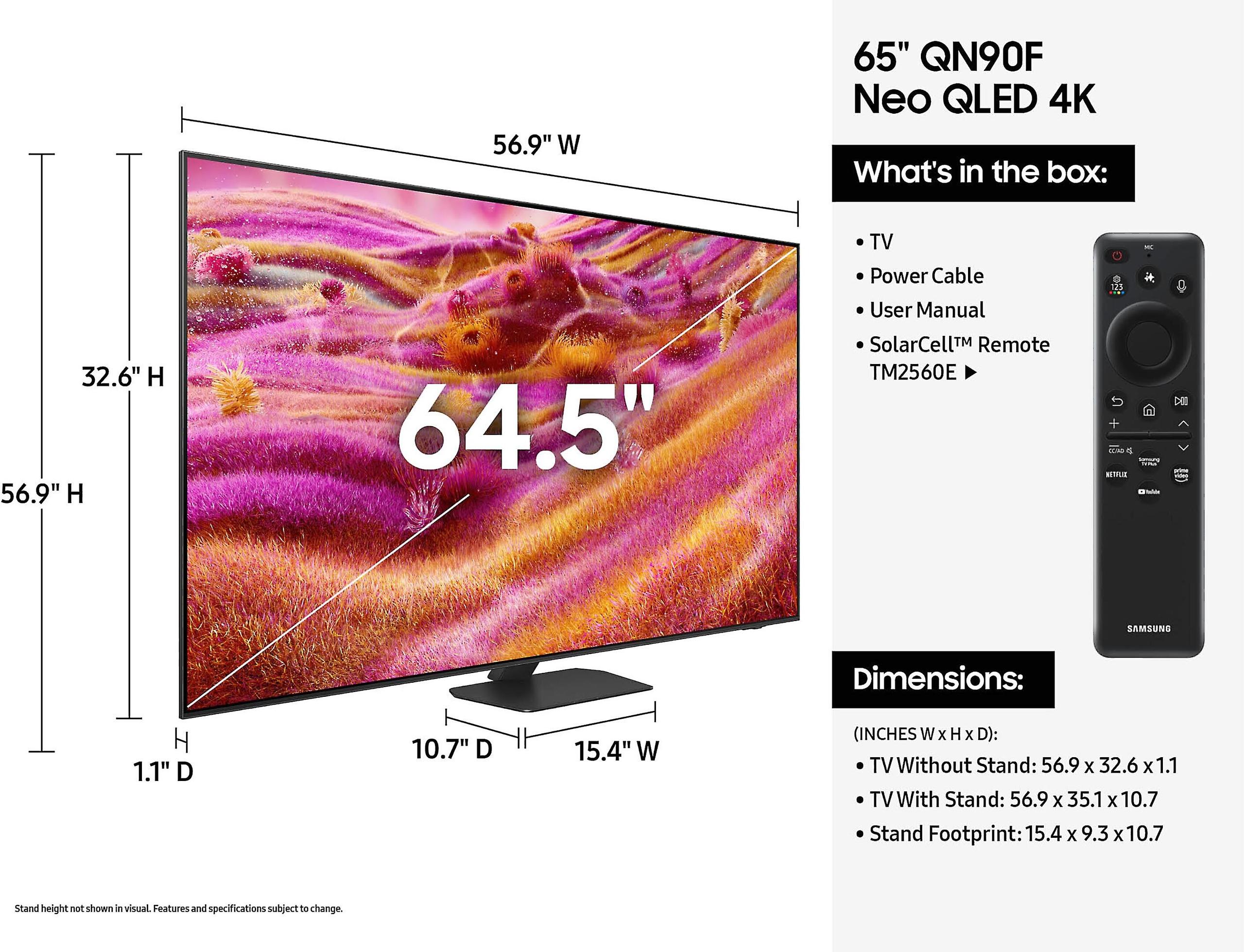
The QN90F offers extensive size flexibility, from 43" up to a massive 115" model. This range accommodates everything from bedrooms to large home theaters, making it more versatile for different spaces and budgets.
Installation requirements differ significantly. The Frame Pro's wireless design enables completely flush wall mounting with no visible connections, perfect for gallery-style installations. However, the Wireless One Connect Box must be positioned within range and requires careful placement to maintain signal quality.
The QN90F uses traditional installation methods requiring cable management but offering more reliable connectivity. Professional installation might be worthwhile for either TV, but it's almost essential for optimal Frame Pro wireless setup.
For dedicated home theater environments, the QN90F proves more suitable despite both models' premium positioning. Its superior brightness makes HDR content more impactful, while better local dimming creates more convincing dark scenes crucial for cinematic experiences.
The Frame Pro's matte coating, while excellent for bright rooms, slightly reduces the punch and vibrancy that home theater enthusiasts prefer. Its strength lies in rooms that serve multiple purposes, where the TV needs to function as both entertainment display and room décor.
Neither TV supports Dolby Vision, Samsung's ongoing omission that disappoints home theater purists. Both support HDR10+ instead, which works well but isn't as widely adopted as Dolby Vision across streaming platforms and physical media.
For serious gaming in home theater setups, the QN90F's low input lag makes it clearly superior. The Frame Pro works fine for casual gaming but frustrates competitive players or anyone sensitive to response delays.
At the time of writing, both TVs command premium pricing reflecting their advanced technology and positioning. The Frame Pro typically costs several hundred dollars more than the QN90F, with that premium paying for wireless technology and lifestyle features rather than pure performance.
Value assessment depends entirely on priorities. If you want maximum picture quality and gaming performance per dollar spent, the QN90F delivers better traditional TV capabilities. If seamless room integration and wireless installation matter more than peak performance, the Frame Pro's premium might be justified.
Both TVs offer better value than stepping up to Samsung's 8K models or flagship OLED displays, which cost significantly more while providing questionable real-world benefits for most users.
After extensive research into professional reviews and user experiences, the choice between these TVs comes down to fundamental priorities rather than one being objectively superior.
Choose the Samsung Frame Pro if you value design integration above all else. Its wireless installation, art display capabilities, and matte coating make it perfect for open living spaces where the TV should enhance rather than dominate the room. Accept that you're paying a premium for lifestyle features and wireless convenience rather than peak performance.
Choose the Samsung QN90F if picture quality and versatility matter most. Its superior brightness, gaming performance, and size options make it better suited for serious viewing and gaming. The conventional design and wired connectivity might require more installation planning, but deliver more reliable performance and better value for pure TV functionality.
Both represent impressive achievements in premium TV technology, just optimized for different priorities. The Frame Pro succeeds at making a TV disappear into your décor while still delivering solid picture quality. The QN90F excels at being an exceptional television first, with room aesthetics as a secondary consideration.
For most buyers, the QN90F offers better long-term satisfaction unless the Frame Pro's unique design integration truly addresses a specific need in your living space.
| Samsung 65" The Frame Pro 4K Neo QLED Smart TV 2025 | Samsung QN90F Neo QLED 4K Vision AI Smart TV 2025 |
|---|---|
| HDR Peak Brightness - Critical for vivid HDR content and bright room viewing | |
| 1,089 nits (meets HDR standards, good for most content) | 2,100+ nits (exceptional HDR impact, nearly double the brightness) |
| Gaming Input Lag - Essential for responsive gaming performance | |
| 36.2ms (poor for competitive gaming, noticeable delay) | Under 10ms (excellent for all gaming types, virtually imperceptible) |
| Maximum Refresh Rate - Affects motion smoothness in sports and gaming | |
| 144Hz (very smooth for most content) | 165Hz (slightly smoother, especially beneficial for PC gaming) |
| One Connect Box - Affects installation flexibility and cable management | |
| Wireless (revolutionary cable-free mounting up to 30 feet) | Wired (traditional setup requiring cable management but more reliable) |
| Anti-Reflective Technology - Important for bright room viewing | |
| Matte coating (virtually eliminates reflections, optimized for art display) | Performance anti-glare (reduces reflections while maximizing brightness) |
| Audio System - Determines built-in sound quality | |
| 40W 2.0.2CH with Object Tracking Sound | 60W 4.2.2CH with Object Tracking Sound+ (50% more power, additional channels) |
| Art Mode Integration - Unique lifestyle feature | |
| Full Art Mode with customizable bezels and Samsung Art Store | Not available (traditional TV design without art display features) |
| Size Options - Affects room compatibility and pricing flexibility | |
| Limited to 65", 75", 85" only | Extensive range from 43" to 115" (much more flexible for different spaces) |
| Local Dimming Performance - Critical for contrast and black levels | |
| Good with some uniformity limitations | Exceptional Mini-LED control with minimal blooming outside Game Mode |
| Color Accuracy - Important for art display and content accuracy | |
| 93.4% UHDA-P3 coverage with Pantone validation (excellent for photography) | Higher color volume and saturation (better for dynamic movie content) |
| Target Use Case - Determines which TV suits your priorities | |
| Lifestyle integration, art display, bright rooms, wireless installation | Maximum performance, gaming, home theater, traditional TV excellence |
The Samsung QN90F is significantly better for gaming with input lag under 10ms and a 165Hz refresh rate. The Samsung Frame Pro has poor gaming performance with 36.2ms input lag that creates noticeable delays. Serious gamers should choose the QN90F, while the Frame Pro works only for casual gaming.
The Samsung Frame Pro is designed as a lifestyle TV that displays artwork when not in use and offers wireless cable-free installation. The Samsung QN90F prioritizes maximum picture performance with superior brightness and gaming capabilities. Choose the Frame Pro for design integration or the QN90F for pure performance.
The Samsung QN90F is much brighter, reaching over 2,100 nits compared to the Frame Pro's 1,089 nits. This makes the QN90F better for HDR content and very bright rooms, while the Frame Pro relies on its matte anti-glare coating to handle bright environments.
Only the Samsung Frame Pro offers truly wireless wall mounting through its Wireless One Connect Box that transmits signals up to 30 feet away. The Samsung QN90F uses a traditional wired One Connect Box requiring cable management. The Frame Pro is the only option for completely cable-free installation.
The Samsung QN90F is better for dedicated home theater use due to its superior brightness (2,100+ nits), better local dimming, and excellent gaming performance. The Frame Pro's matte coating reduces the cinematic punch that home theater enthusiasts prefer, though it works well in multi-purpose rooms.
Yes, both the Samsung Frame Pro and Samsung QN90F use identical smart platforms with Samsung's Vision AI, NQ4 AI Gen3 processor, and Tizen OS. They support all major streaming apps and voice control. The main difference is the Frame Pro includes Art Mode features that the QN90F lacks.
The Samsung QN90F has superior audio with a 60W 4.2.2CH system compared to the Frame Pro's 40W 2.0.2CH setup. The QN90F provides 50% more power and additional speaker channels for clearer dialogue and better dynamic range, especially during action content.
The Samsung Frame Pro is limited to 65", 75", and 85" sizes only. The Samsung QN90F offers much more flexibility with sizes ranging from 43" up to 115". If you need a size outside the Frame Pro's limited range, the QN90F is your only option.
The Samsung Frame Pro excels in bright rooms due to its matte anti-reflective coating that virtually eliminates glare, even with windows behind the viewing position. While the QN90F is much brighter, the Frame Pro's specialized coating makes it more comfortable for bright room viewing despite lower peak brightness.
Only the Samsung Frame Pro offers Art Mode with access to Samsung's Art Store and the ability to display personal photos with customizable bezels. The Samsung QN90F is a traditional TV without art display features. Art display is the Frame Pro's signature feature that the QN90F completely lacks.
The Samsung QN90F offers better value for pure TV performance, delivering superior brightness, gaming capabilities, and audio quality. The Frame Pro commands a premium for lifestyle features like wireless installation and art display. Choose the QN90F for performance value or the Frame Pro if wireless design features justify the extra cost.
Both the Samsung Frame Pro and Samsung QN90F lack Dolby Vision support, offering only HDR10+ instead. Neither supports DTS audio passthrough, which can limit compatibility with some physical media. These omissions are common across Samsung's lineup but may disappoint home theater enthusiasts who prefer Dolby Vision content.
We've done our best to create useful and informative comparisons to help you decide what product to buy. Our research uses advanced automated methods to create this comparison and perfection is not possible - please contact us for corrections or questions. These are the sites we've researched in the creation of this article: tomsguide.com - youtube.com - smarthomesounds.co.uk - images.samsung.com - rtings.com - samsung.com - bestbuy.com - bestbuy.com - businessinsider.com - dentonstv.com - samsung.com - flatpanelshd.com - samsung.com - jefflynch.com - youtube.com - costco.com - rtings.com - images.samsung.com - youtube.com - listenup.com - youtube.com - cullenshomecenter.com - rtings.com - shopjetson.com - youtube.com - samsung.com - samsung.com - videoandaudiocenter.com - rtings.com - bestbuy.com - youtube.com - news.samsung.com - news.samsung.com - news.samsung.com - bestbuy.com - news.samsung.com - youtube.com - news.samsung.com - youtube.com - smarthomesounds.co.uk

Privacy Policy
Terms and Conditions - Affiliate Policy
Home Security
© Copyright 2008-2026.
11816 Inwood Rd #1211, Dallas, TX 75244