


The soundbar market has exploded in recent years, transforming from simple TV audio upgrades into sophisticated home theater systems. Today's soundbars range from basic stereo bars to complex multi-speaker setups that rival traditional surround systems. Two products perfectly illustrate this evolution: the Devialet Dione represents the pinnacle of single-bar engineering, while the TCL Q85H takes the proven multi-component approach at a fraction of the cost.
Understanding what separates these products helps illuminate the broader choices facing anyone looking to upgrade their TV's audio. At the time of writing, these soundbars sit at opposite ends of both the price spectrum and design philosophy, making them ideal representatives of their respective approaches.
Before diving into specifics, it's worth understanding what makes soundbars appealing in the first place. Traditional home theater systems with separate receivers, speakers, and subwoofers deliver incredible audio but require significant space, complex wiring, and careful positioning. Soundbars promise much of that performance in a simplified package.
The challenge lies in physics. Creating convincing surround sound from a single bar requires sophisticated processing to trick your brain into perceiving sounds coming from directions where no speakers exist. This virtual surround works through precise timing, frequency manipulation, and reflection patterns that bounce audio off your room's walls and ceiling.
Multi-component soundbar systems take a different approach. By including separate wireless speakers for surround channels and dedicated subwoofers for bass, they create actual directional audio without relying purely on psychoacoustic tricks. The trade-off is complexity – you're back to positioning multiple components around your room.
Both the Devialet Dione and TCL Q85H represent mature takes on these competing philosophies, released in 2021 and 2024 respectively. The years between their releases saw significant improvements in wireless technology, room correction algorithms, and driver miniaturization – advances that benefit both approaches.
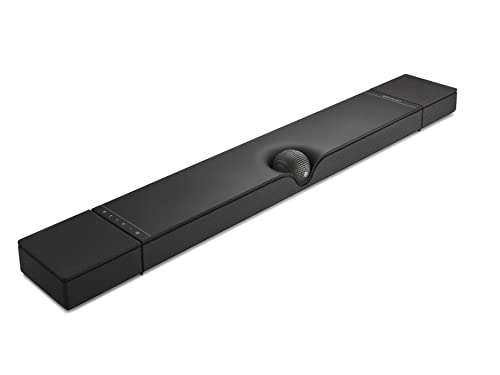
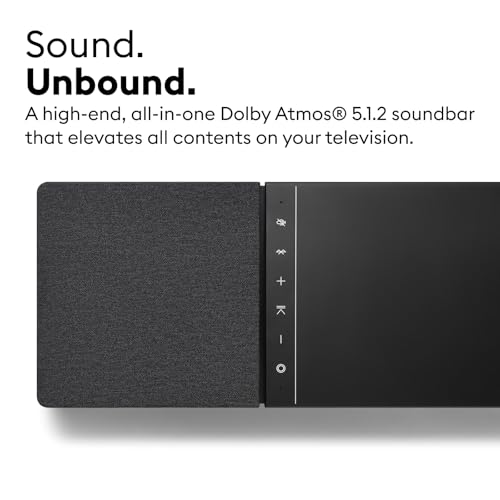
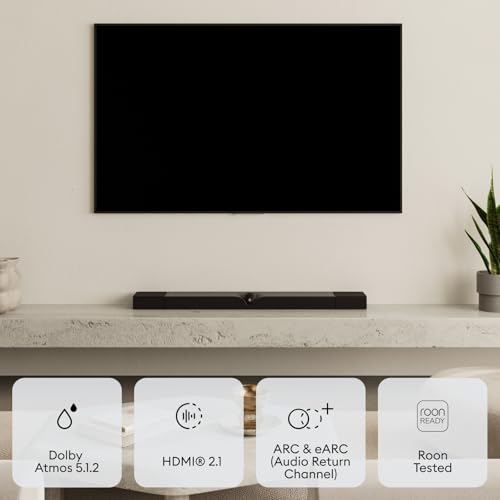
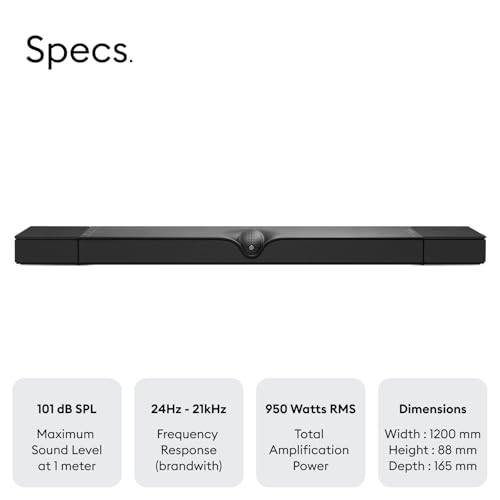
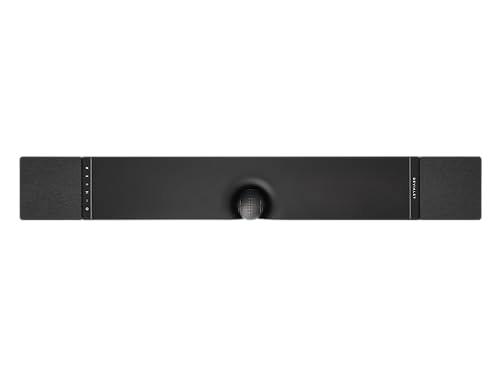
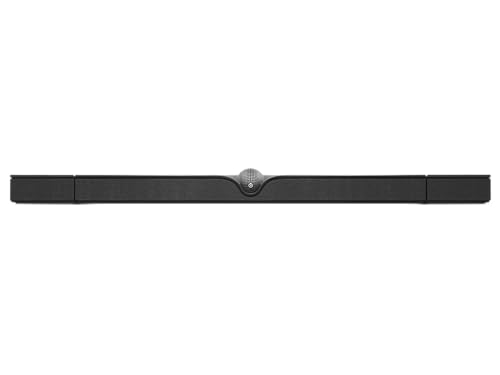
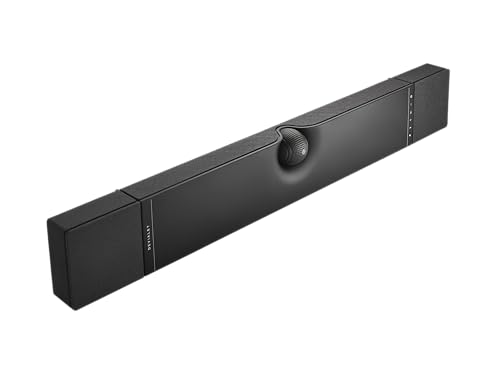
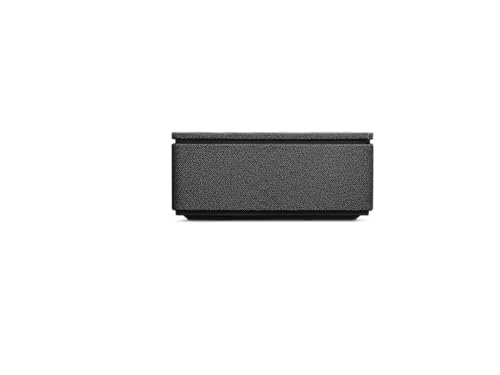
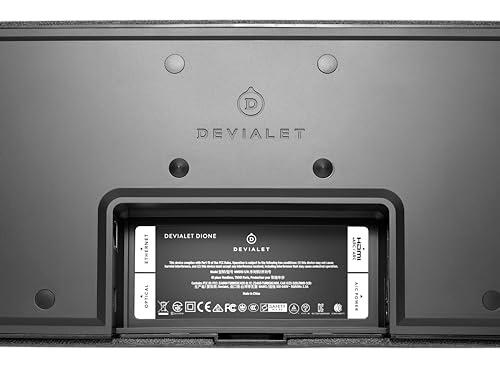
The Devialet Dione embodies the "all-in-one" philosophy taken to its extreme. French audio company Devialet built their reputation on high-end speakers that challenge conventional wisdom, and the Dione applies that thinking to soundbars. Its 17 internal drivers include 9 full-range aluminum units and 8 dedicated subwoofers, all powered by 950 watts of amplification. This isn't simply cramming more speakers into a box – each element serves a specific acoustic purpose.
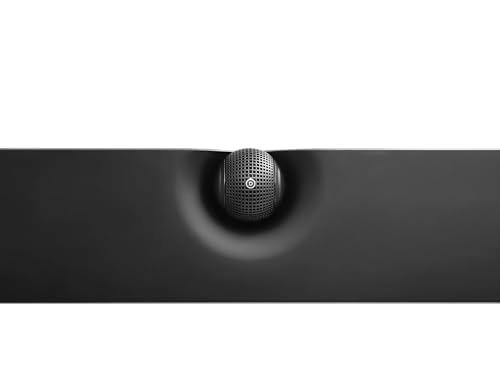
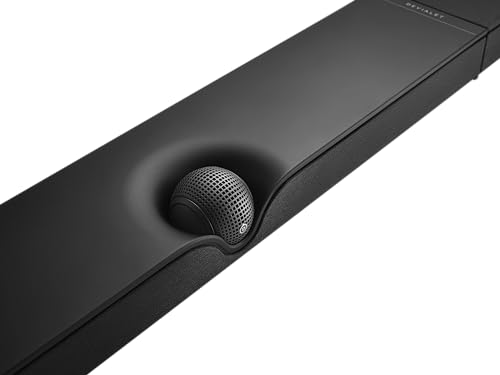
The most distinctive feature is the ORB center channel, a spherical speaker that rotates 180 degrees depending on whether you mount the bar horizontally or vertically. This mechanical adaptation ensures the center channel always points toward listeners, maintaining proper dialogue positioning regardless of installation. It's the kind of engineering detail that separates premium products from mass-market alternatives.
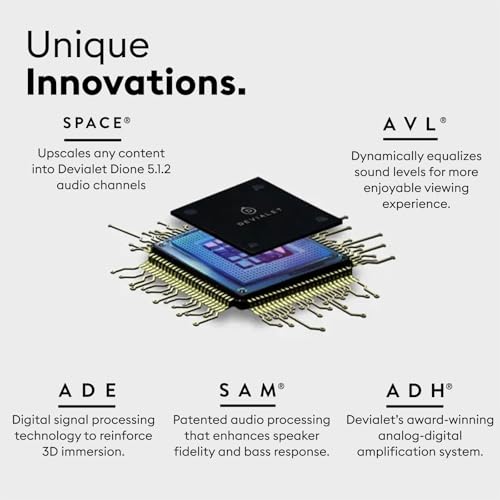
Devialet's ADH (Analog Digital Hybrid) amplification deserves explanation because it fundamentally differs from typical soundbar electronics. Most audio equipment uses either analog amplifiers (great sound quality, inefficient) or digital Class D amplifiers (efficient, potentially harsh). ADH combines both, using analog circuits to define the signal's character while digital stages provide the power. The result is amplification that's both clean and powerful – crucial when driving 17 speakers from a single chassis.
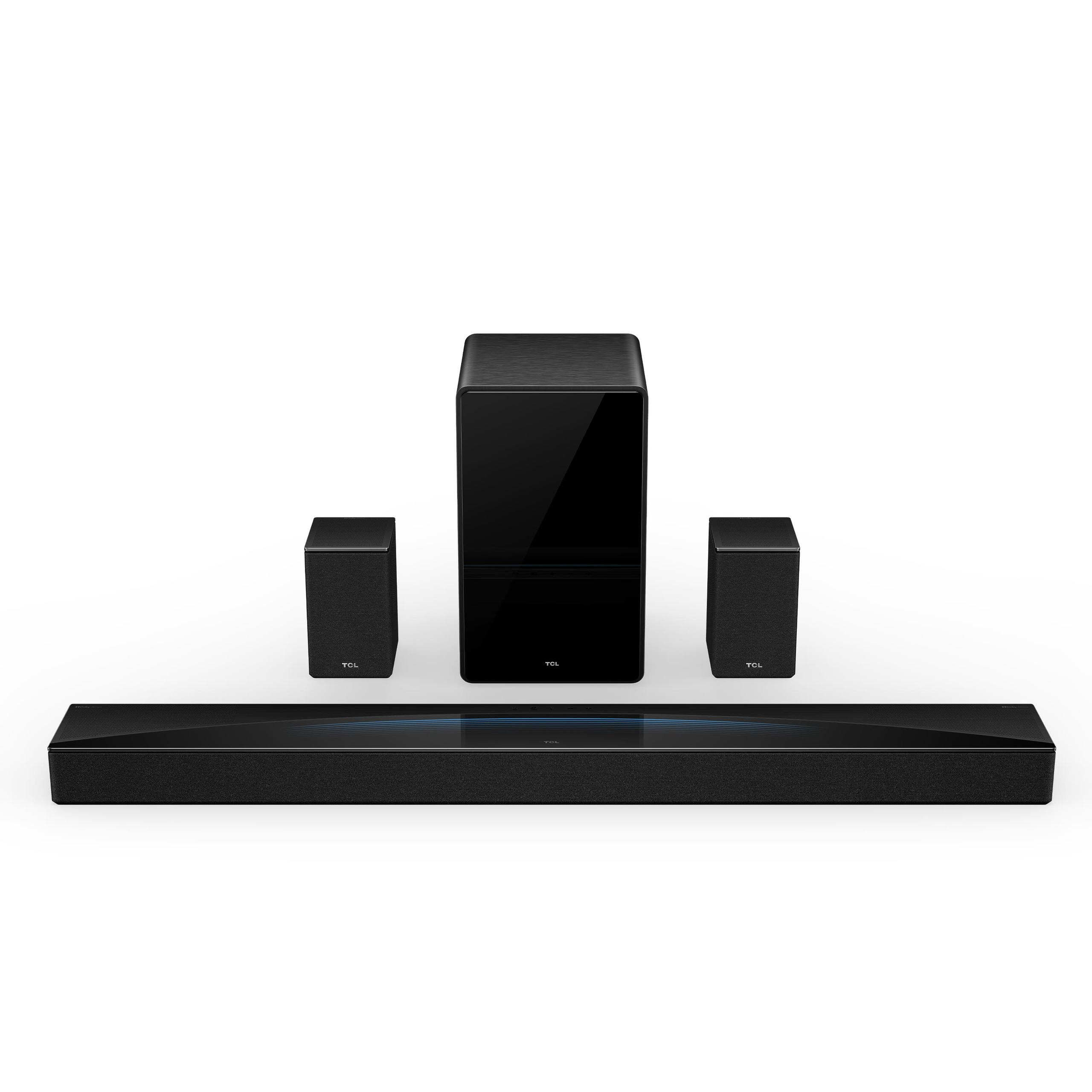
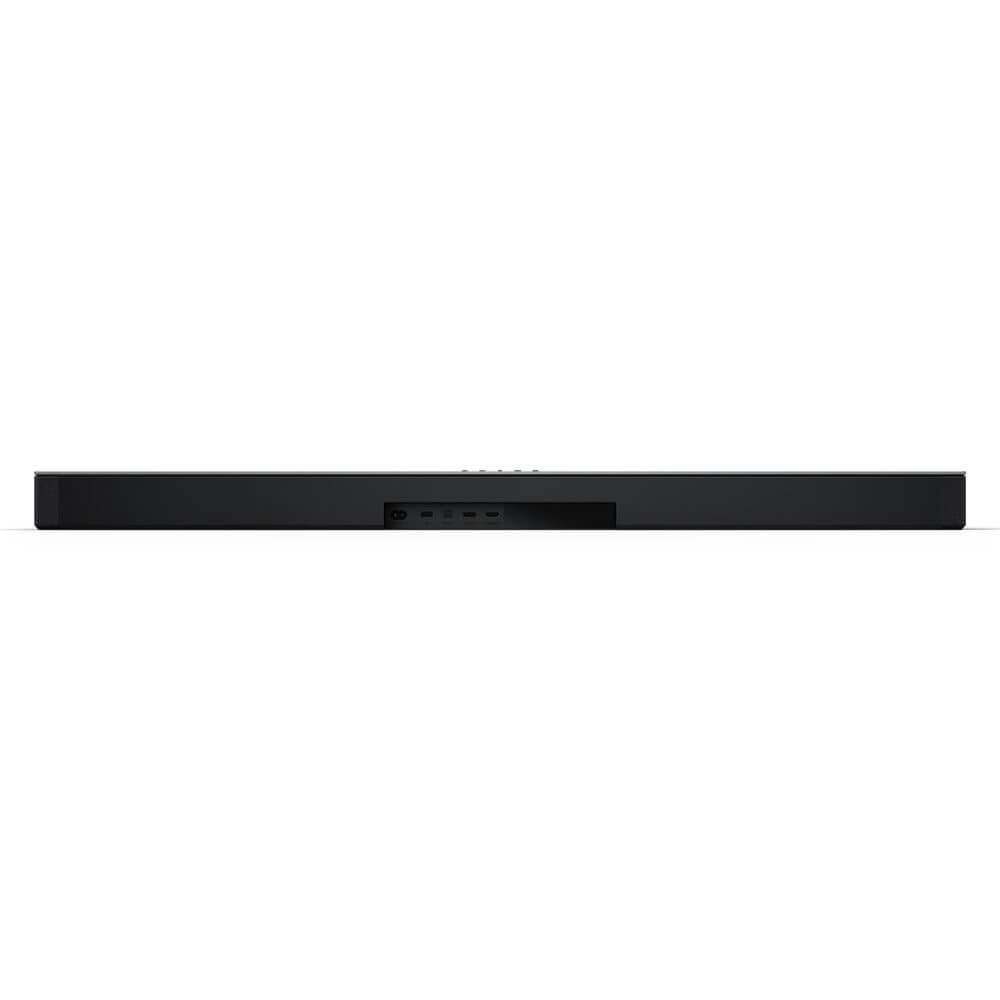
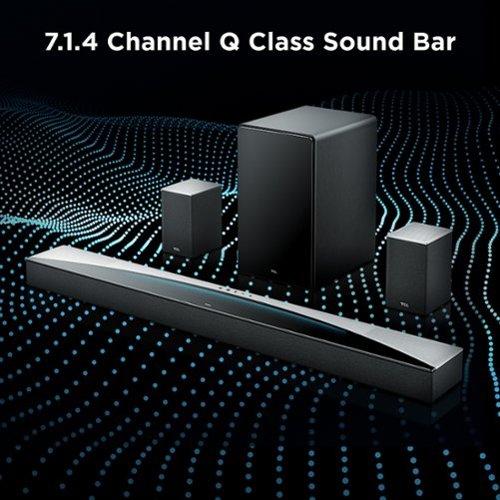
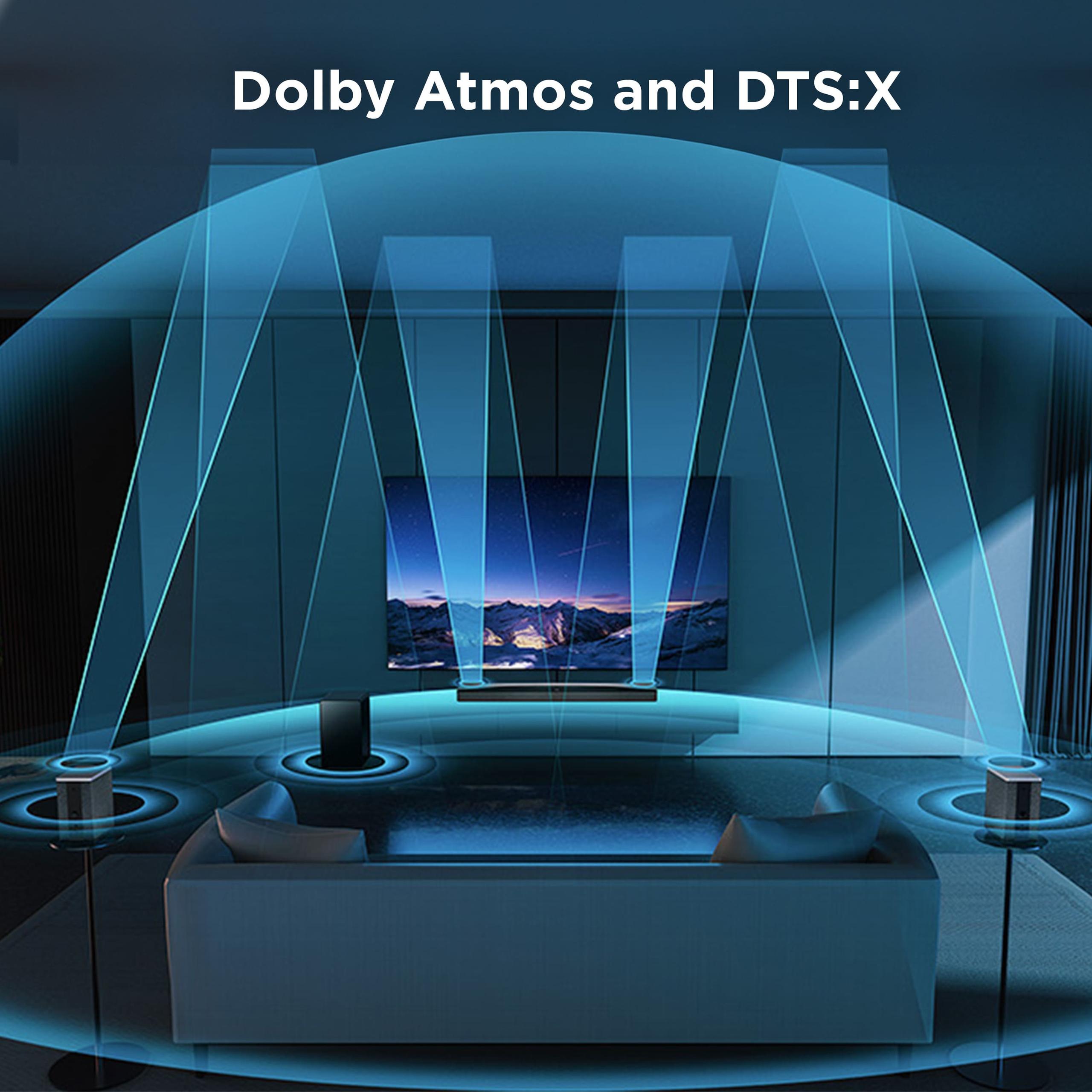
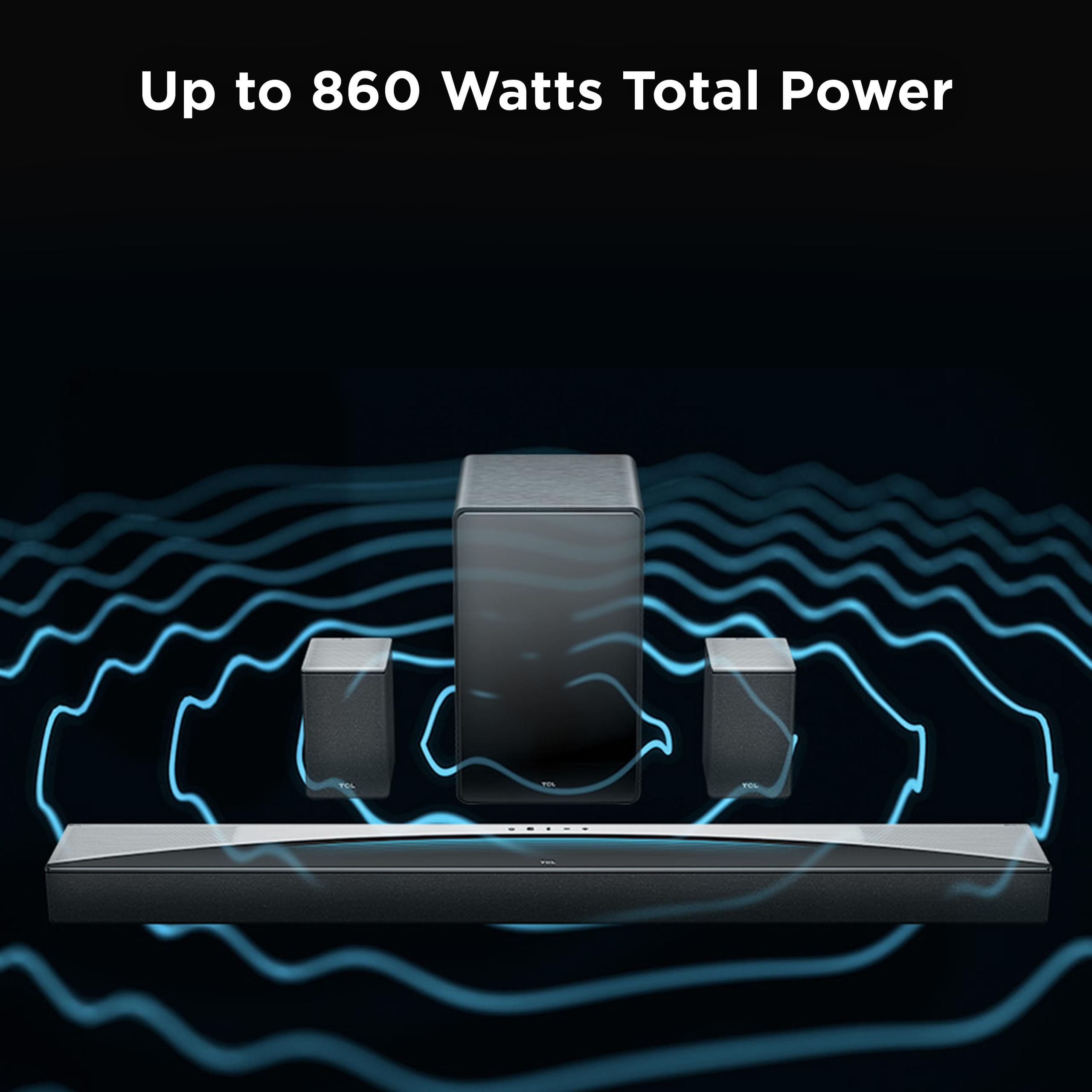
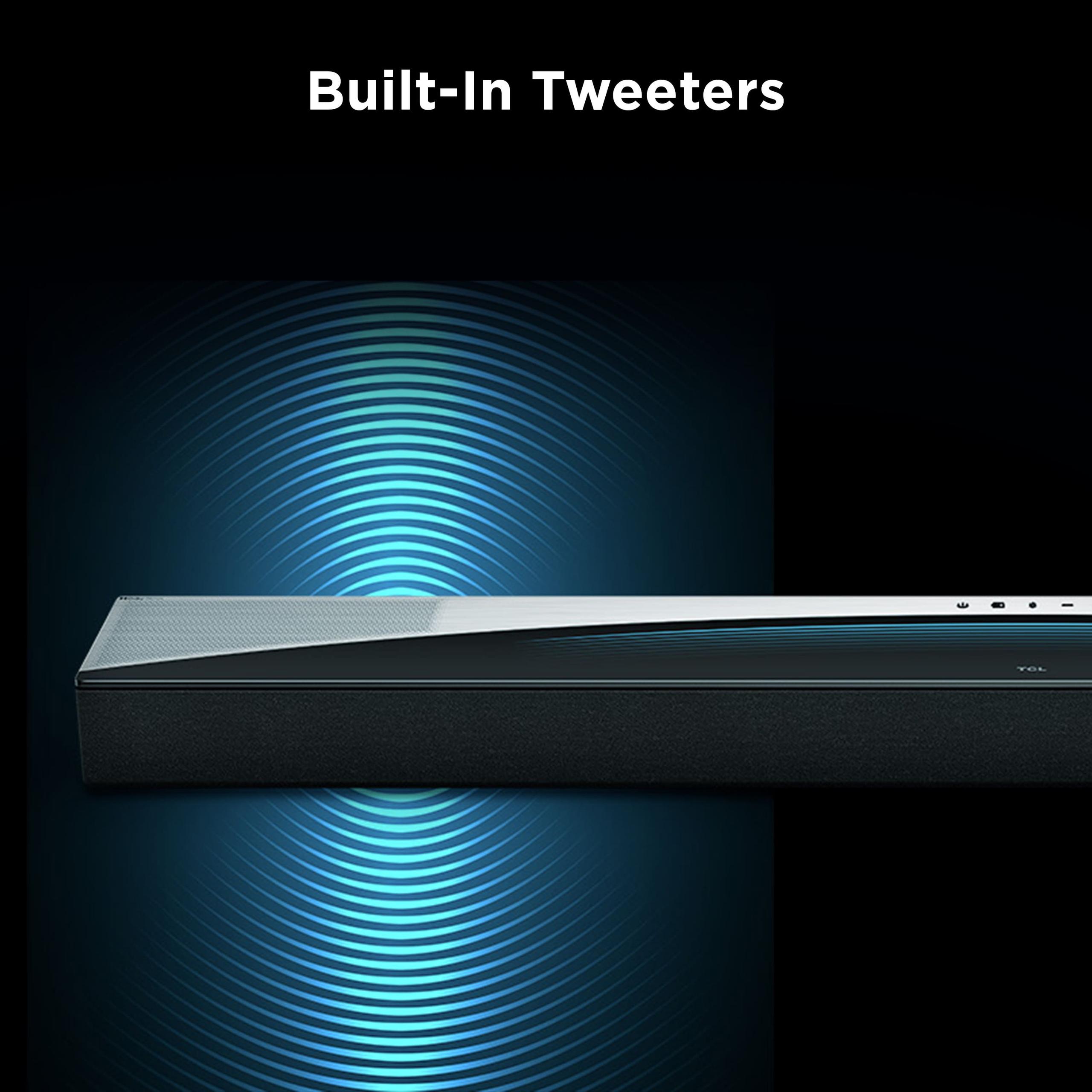
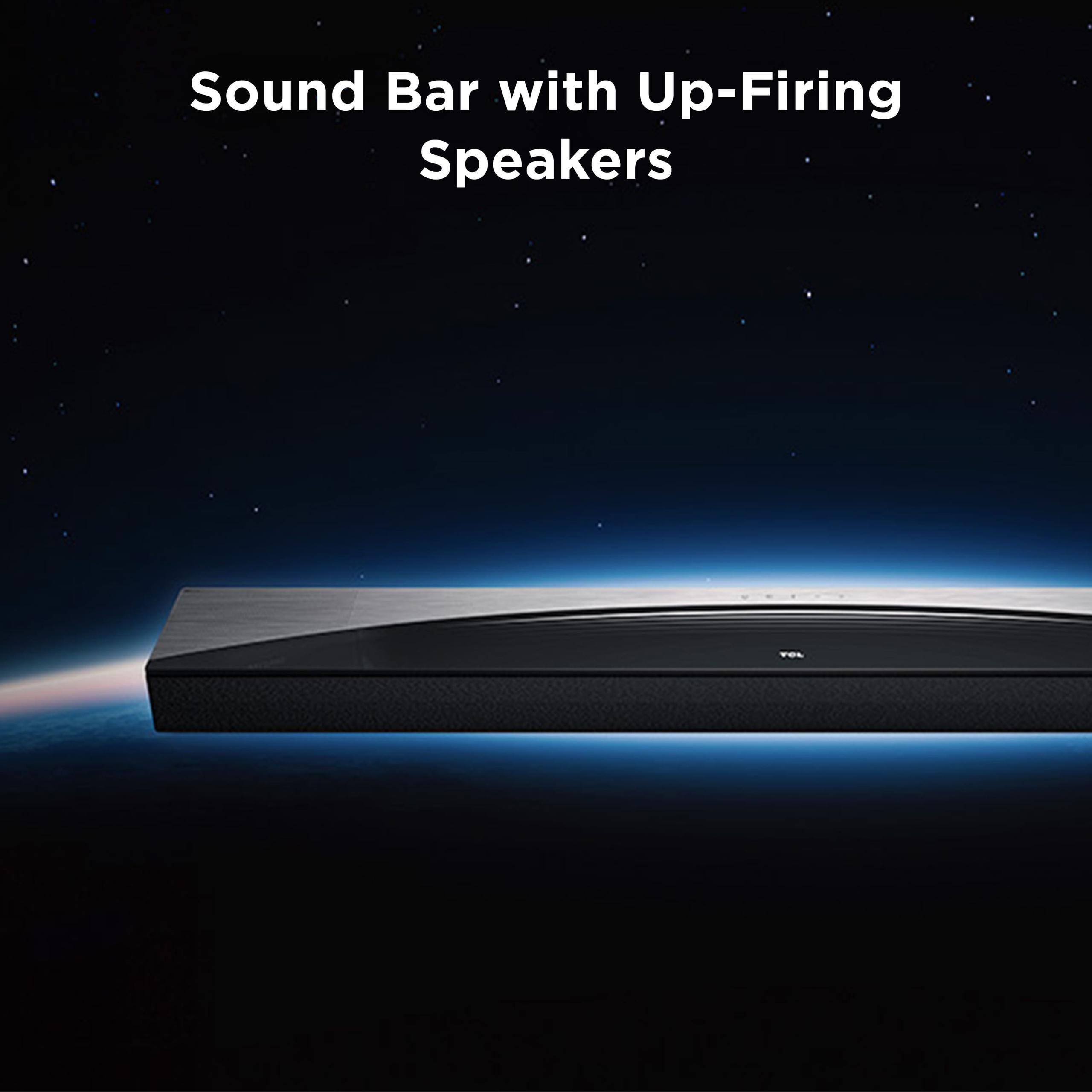
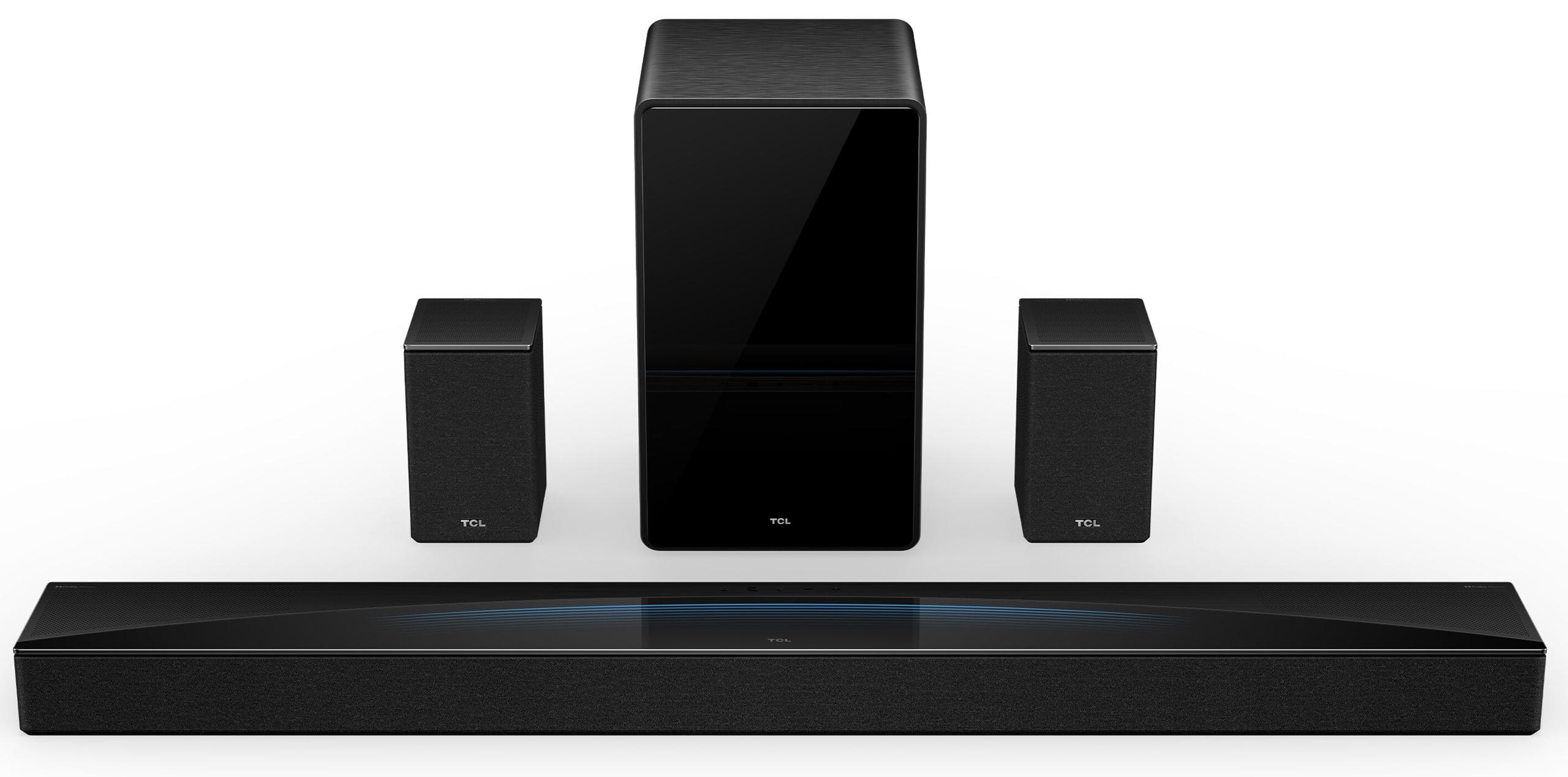
The TCL Q85H, by contrast, embraces the multi-component approach. Rather than virtualize surround channels, it includes dedicated wireless satellite speakers with both forward and upward-firing drivers. The system creates a true 7.1.4 configuration: seven main channels, one subwoofer channel, and four height channels for Dolby Atmos effects.
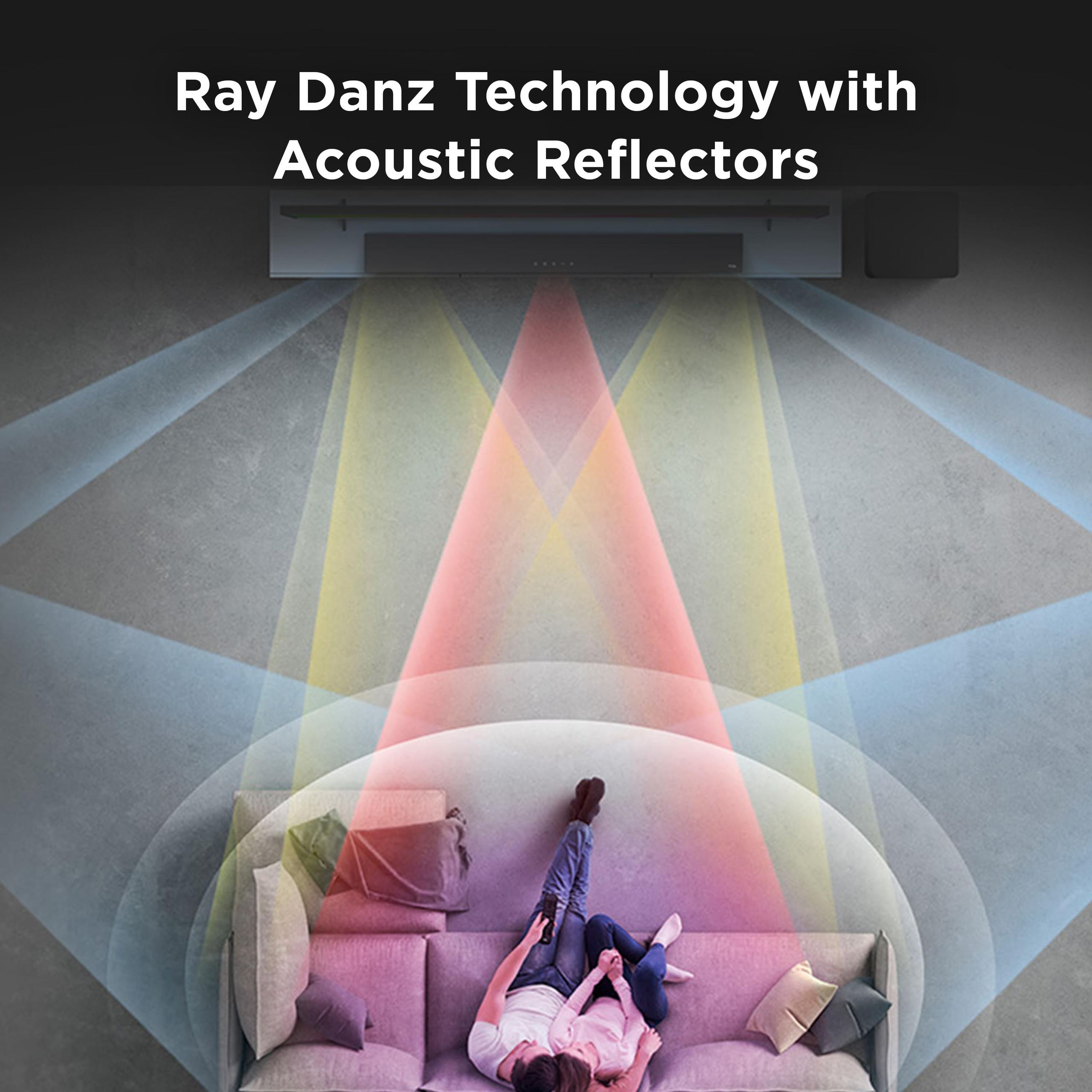
TCL's Ray Danz technology uses acoustic reflectors to widen the soundstage beyond what the physical drivers alone could achieve. Think of it as carefully designed surfaces that redirect sound waves to create a broader listening area. Combined with AI Sonic room correction, the system adapts its output to your specific space without requiring manual microphone measurements.
The philosophical difference is profound. The Devialet Dione asks: "How close can we get to perfect surround sound from a single device?" The TCL Q85H asks: "How can we make true surround sound as simple and affordable as possible?"
When evaluating soundbar performance, several metrics matter most: dialogue clarity, bass response, surround sound effectiveness, and overall tonal balance. These characteristics determine whether a soundbar enhances your viewing experience or becomes a distraction.
Poor dialogue reproduction ruins movies faster than any other audio flaw. Muddy vocals force you to constantly adjust volume, straining to catch whispered conversations while explosive scenes blast you out of your seat. Both soundbars address this challenge differently.
The Devialet Dione uses its rotating ORB center channel to maintain optimal dialogue positioning. Center channels handle most movie dialogue, and proper positioning is crucial for clarity. The ORB's mechanical adjustment ensures voices stay locked to the screen whether you mount the bar on a wall or place it on furniture. Combined with Devialet's Voice mode, which emphasizes speech frequencies, dialogue reproduction is exceptionally clear.
However, the Devialet Dione suffers from notable latency – the delay between when audio is processed and when you hear it. This creates lip-sync issues where dialogue doesn't match actors' mouth movements, particularly noticeable with optical and HDMI connections. For dialogue-heavy content, this can be genuinely distracting.
The TCL Q85H takes a more direct approach with its Dialogue Enhancer feature. This processing specifically boosts vocal frequencies while reducing interference from background music and effects. With three intensity levels, you can fine-tune dialogue clarity for different content types. The system's lower latency means lip-sync problems are rare, making it more suitable for dialogue-focused viewing.
From our research into user experiences, the TCL Q85H consistently receives praise for dialogue clarity in challenging scenarios – think action movies where explosions compete with whispered conversations. The dedicated processing seems more effective than relying solely on center channel positioning.
Bass performance separates good soundbars from great ones. Deep, controlled bass adds physical impact to explosions, music, and effects while poor bass sounds boomy and overwhelms other frequencies. The approaches couldn't be more different.
The Devialet Dione achieves remarkable bass from its 8 integrated subwoofers arranged in a "push-push" configuration. This means pairs of drivers work in opposition, with one pushing air while the other pulls, canceling vibrations that would otherwise rattle the cabinet. The result is clean bass extending down to 24Hz – genuinely deep for any speaker, let alone one without a separate subwoofer.
Devialet's SAM (Speaker Active Matching) technology monitors each driver in real-time, correcting for distortions and ensuring accurate reproduction. This prevents the muddy, one-note bass that plagues many soundbars. The integration is seamless because the same amplification and processing handles both bass and midrange frequencies.
The limitation is output. While the Devialet Dione produces impressive bass for its size, physics still applies. In larger rooms, the lack of a dedicated subwoofer becomes apparent. You get quality over quantity.
The TCL Q85H includes a dedicated 6.5-inch wireless subwoofer with Bass Boost technology. This separate component can be positioned anywhere in your room for optimal bass response, and its larger enclosure and dedicated driver produce more physical impact than any integrated solution. The trade-off is precision – separate subwoofers sometimes struggle to blend seamlessly with the main soundbar, creating a disconnect between bass and midrange.
User feedback consistently highlights the TCL Q85H's superior bass impact in larger rooms. The dedicated subwoofer simply moves more air, creating the chest-thumping effects that make action movies visceral experiences. However, music listeners often prefer the Devialet Dione's more integrated approach, where bass supports rather than dominates the mix.
This is where the fundamental philosophical differences become most apparent. Creating convincing surround sound determines how immersive your home theater experience feels.
The Devialet Dione relies entirely on psychoacoustic processing to create virtual surround effects. Its SPACE technology analyzes incoming audio and redistributes elements across the soundbar's driver array, while ADE (Advanced Dimensional Experience) uses carefully timed reflections to create phantom surround and height channels. The system includes four sound modes optimized for different content types.
When it works, virtual surround can be remarkably convincing. The Devialet Dione creates an impressively wide soundstage that extends well beyond the bar's physical dimensions. Height effects are particularly effective – you can genuinely perceive overhead audio during Dolby Atmos sequences.
The limitation is the sweet spot. Virtual surround depends on your precise position relative to the soundbar and room boundaries. Move too far left or right, and the effect collapses. Larger rooms present additional challenges as reflections become less predictable. Our research suggests the Devialet Dione works best in smaller to medium-sized rooms where listeners remain relatively centered.
The TCL Q85H uses actual speakers placed around your room. The wireless satellites include both forward-firing drivers for traditional surround effects and upward-firing speakers for Dolby Atmos height channels. This creates genuine directional audio without relying on room acoustics or listener positioning.
The advantage is consistency. Physical surround speakers maintain their effectiveness regardless of where you sit or how your room is arranged. The TCL Q85H successfully fills large spaces that would overwhelm virtual processing. Gaming benefits particularly, as accurate directional cues help with spatial awareness in competitive titles.
The trade-off is placement flexibility. You need suitable locations for satellite speakers, and wireless connectivity occasionally introduces minor delays or dropouts. However, modern wireless technology has largely solved these issues – the TCL Q85H uses current Bluetooth 5.1 standards that maintain reliable connections.
At the time of writing, these soundbars occupy vastly different price categories. The Devialet Dione commands premium pricing that reflects its advanced engineering and luxury positioning. You're paying for cutting-edge amplification technology, precision-matched drivers, and the kind of mechanical innovation represented by the rotating ORB center channel.
The TCL Q85H delivers remarkable value by including components that would cost significantly more if purchased separately. A wireless subwoofer and satellite speakers typically add hundreds to a soundbar's price, making the complete 7.1.4 system exceptionally competitive.
This price difference fundamentally changes the value calculation. The Devialet Dione must justify its premium through superior audio quality and convenience. For many buyers, it succeeds – the all-in-one design eliminates component placement decisions while delivering audiophile-grade sound quality. If budget isn't a primary concern and you value acoustic refinement above all else, the engineering premium makes sense.
The TCL Q85H represents a different kind of value: maximum capability for reasonable investment. While it may not match the Devialet Dione's acoustic precision, it provides more convincing surround effects and greater room compatibility at a fraction of the cost. For most home theater setups, this practical approach delivers better results.
Your room significantly impacts soundbar performance, and these products handle different spaces very differently.
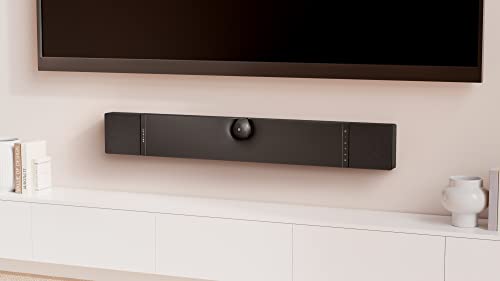
The Devialet Dione includes sophisticated room correction using built-in microphones that measure your space's acoustic properties. This calibration adapts the sound output to compensate for room reflections, furniture absorption, and other environmental factors. The slim profile fits under most TVs without visual intrusion, making it ideal for minimalist setups.
However, virtual surround processing becomes less effective as room size increases. In spaces larger than about 300 square feet, the careful acoustic calculations that create phantom surround channels begin breaking down. Our research suggests the Devialet Dione performs best in apartments, smaller living rooms, and dedicated listening spaces where the acoustic environment is more controlled.
The TCL Q85H scales better with room size because physical speakers maintain their effectiveness regardless of space. The system has been successfully tested in rooms exceeding 25 feet with vaulted ceilings – environments that would challenge any virtual surround system. The wireless satellites offer placement flexibility, allowing you to optimize surround effects for your specific layout.
The trade-off is visual impact. Multiple components require more space and careful positioning. Some users appreciate being able to hide the subwoofer in a corner or behind furniture, while others prefer the Devialet Dione's clean, single-component aesthetic.
After extensive research into user experiences and expert evaluations, clear recommendations emerge based on specific use cases and priorities.
Choose the Devialet Dione if you're building a high-end system in a smaller space where acoustic precision matters more than surround immersion. This soundbar excels for music listening, dialogue-heavy content like dramas and documentaries, and situations where visual minimalism is paramount. The advanced room correction and premium materials justify the investment for audio enthusiasts who refuse to compromise on sound quality.
The Devialet Dione also makes sense for apartment dwellers who need powerful audio without disturbing neighbors. The controlled output and precise bass response provide satisfying volume levels without the boomy overhang that can travel through walls.
Choose the TCL Q85H for larger rooms, movie-focused viewing, and situations where immersive surround effects take priority. The physical satellite speakers create more convincing spatial audio for action movies, gaming, and any content where directional effects enhance the experience. The exceptional value proposition makes high-end features accessible without premium pricing.
Families particularly benefit from the TCL Q85H's practical advantages. The dialogue enhancement features help with varying content types, while the system's ability to fill large spaces means everyone gets a good listening experience regardless of seating position.
These soundbars represent mature examples of their respective approaches, incorporating years of refinement in wireless technology, room correction algorithms, and driver design. The Devialet Dione pushes single-bar technology to its practical limits, while the TCL Q85H demonstrates how far multi-component systems have evolved in terms of simplicity and value.
Both products succeed within their intended contexts. The choice ultimately depends on your space, priorities, and budget. Premium engineering has its place, but practical solutions often deliver better real-world results for most users. The TCL Q85H proves that excellent home theater audio doesn't require extreme investment, while the Devialet Dione shows what's possible when engineering constraints are secondary to acoustic ambition.
For most buyers seeking genuine home theater enhancement, the TCL Q85H's combination of true surround sound, room-filling capability, and exceptional value makes it the more practical choice. However, audio enthusiasts with suitable spaces and budgets will appreciate the Devialet Dione's uncompromising approach to single-bar audio excellence.
| Devialet Dione | TCL Q85H |
|---|---|
| Channel Configuration - Determines surround sound capability and setup complexity | |
| 5.1.2 all-in-one (no external components) | 7.1.4 multi-component (soundbar + wireless sub + satellites) |
| Driver Count - More drivers can mean better sound separation and power | |
| 17 drivers (9 full-range + 8 subwoofers) in single bar | 15 total drivers across all components |
| Amplification Technology - Affects sound quality and power efficiency | |
| ADH® (Analog Digital Hybrid) 950W total | Standard amplification, power not specified |
| Bass Extension - Lower frequencies provide more impactful movie effects | |
| 24Hz from integrated woofers (no separate sub needed) | Dedicated 6.5" wireless subwoofer with Bass Boost |
| Room Correction - Automatically optimizes sound for your specific space | |
| Physical microphone calibration with room modeling | AI Sonic software-based correction |
| Surround Sound Method - Virtual vs physical affects immersion quality | |
| Virtual surround via SPACE® and ADE® processing | True surround with physical satellite speakers |
| Dialogue Enhancement - Critical for clear speech in movies and TV | |
| Voice mode + rotating ORB center channel | Dialogue Enhancer with 3 intensity levels |
| HDMI Support - Determines compatibility with latest TV features | |
| HDMI 2.1 with eARC/ARC | HDMI with eARC/ARC |
| Wireless Connectivity - Affects streaming options and device compatibility | |
| Bluetooth 5.0, AirPlay 2, Spotify Connect, UPnP | Bluetooth 5.1 |
| High-Resolution Audio - Better for audiophile music listening | |
| 24-bit/96kHz DAC support | Standard resolution support |
| Setup Complexity - Time and effort required for installation | |
| Single HDMI connection, automatic calibration | Multiple component placement and wireless pairing |
| Room Size Suitability - Optimal performance area | |
| Small to medium rooms (virtual surround limitations) | Small to large rooms (physical speakers scale better) |
| Price Category - Value proposition differs significantly | |
| Premium/luxury pricing for advanced engineering | Mid-range pricing with exceptional component value |
The TCL Q85H is significantly better for large rooms due to its physical satellite speakers that maintain effectiveness regardless of room size. The Devialet Dione relies on virtual surround processing that works best in smaller to medium-sized spaces where acoustic reflections are more predictable.
The Devialet Dione includes 8 integrated subwoofers and doesn't require a separate sub, achieving deep bass down to 24Hz from the main bar. The TCL Q85H includes a dedicated 6.5" wireless subwoofer that provides more physical impact and can be positioned anywhere in your room for optimal bass response.
The TCL Q85H generally provides superior dialogue clarity with its dedicated Dialogue Enhancer feature offering three intensity levels. While the Devialet Dione has excellent voice reproduction through its rotating ORB center channel, it suffers from latency issues that can cause noticeable lip-sync problems.
The Devialet Dione uses virtual surround processing to create phantom surround channels through precise timing and reflections. The TCL Q85H provides true surround sound with physical satellite speakers positioned around your room, creating genuine directional audio that's more convincing for most listeners.
The Devialet Dione is much simpler to install, requiring only a single HDMI connection and automatic room calibration. The TCL Q85H requires positioning multiple components including wireless satellites and a subwoofer, though the wireless connectivity eliminates complex wiring.
Both the Devialet Dione and TCL Q85H work with any TV that has HDMI ARC/eARC or optical outputs. The TCL Q85H offers additional integration features with TCL and Roku TVs, while the Devialet Dione works universally with all brands.
The TCL Q85H provides exceptional value by including a complete 7.1.4 system with wireless subwoofer and satellite speakers at a mid-range price point. The Devialet Dione commands premium pricing for its advanced engineering and luxury materials, justified mainly for audiophile applications.
Both soundbars support Dolby Atmos, but through different methods. The Devialet Dione creates height effects through virtual processing from its single bar, while the TCL Q85H uses dedicated up-firing speakers in both the main bar and satellite speakers for more authentic overhead audio.
The Devialet Dione excels for music with its high-resolution audio support up to 24-bit/96kHz, precise driver matching, and integrated design that maintains tonal balance. The TCL Q85H can also handle music well but is more optimized for movie and TV content with its surround-focused design.
The Devialet Dione uses built-in microphones to physically measure your room's acoustics and automatically adjusts output accordingly. The TCL Q85H employs AI Sonic software-based room correction that adapts to different content types without requiring physical measurements.
The Devialet Dione cannot be expanded with additional speakers or subwoofers - it's designed as a complete all-in-one solution. The TCL Q85H comes as a complete system but also cannot be expanded beyond its included components.
The Devialet Dione features premium materials including aluminum drivers and a distinctive spherical ORB center channel with mechanical rotation capability. The TCL Q85H offers solid build quality for its price range but uses more conventional materials and design approaches typical of mid-range soundbar systems.
We've done our best to create useful and informative comparisons to help you decide what product to buy. Our research uses advanced automated methods to create this comparison and perfection is not possible - please contact us for corrections or questions. These are the sites we've researched in the creation of this article: rtings.com - crutchfield.com - devialet.com - ooberpad.com - bhphotovideo.com - kjwestone.co.uk - whathifi.com - devialet.com - devialet.com - sound-advice.online - kjwestone.co.uk - device.report - tmraudio.com - devialet.com - devialetchat.com - projectorscreen.com - soundandvision.com - bestbuy.com - youtube.com - av.com - audiofi.ca - devialet.com - blog.son-video.com - audioconnection.com.au - baybloorradio.com - cdn.abicart.com - smarthomesounds.co.uk - e-piphany.co.za - cloneyaudio.com - devialet.com - catalog.asbis.ee - av.com - soundandvision.com - youtube.com - comparisontabl.es - gamerant.com - bestbuy.com - tcl.com - bestbuy.com - tcl.com - tcl.com - nfm.com - tcl.com - electronicexpress.com - tcl.com - tcl.com - digitaltrends.com

Privacy Policy
Terms and Conditions - Affiliate Policy
Home Security
© Copyright 2008-2026.
11816 Inwood Rd #1211, Dallas, TX 75244