


When your TV's built-in speakers leave you straining to hear dialogue or missing the rumble of movie explosions, a soundbar upgrade becomes essential. But the soundbar market in 2024 spans an enormous range—from simple two-speaker solutions to complex multi-channel systems rivaling traditional home theater setups. Today we're comparing two products that represent dramatically different philosophies: the budget-focused Ultimea Aura A40 U2601 and the premium TCL Q85H Q Class.
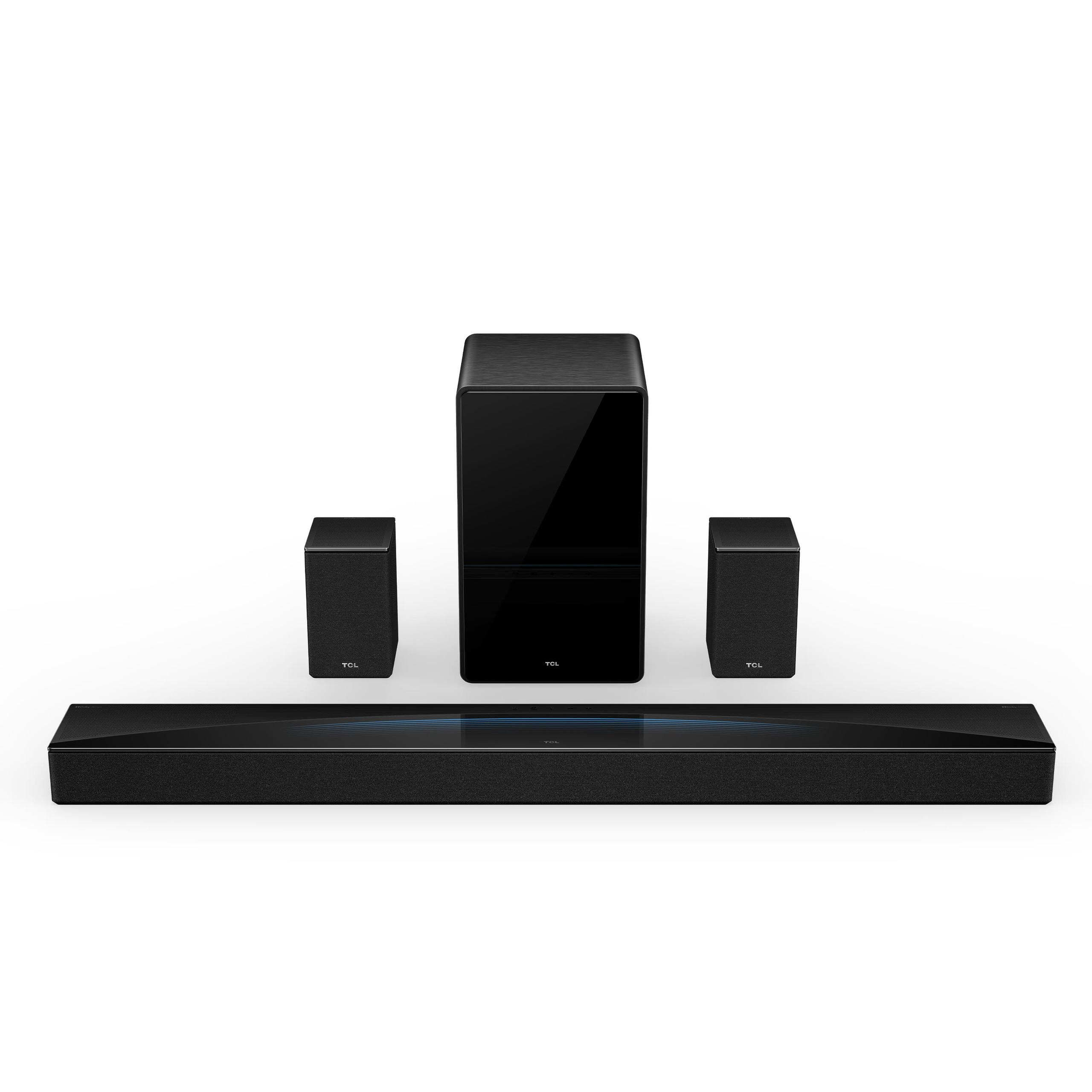
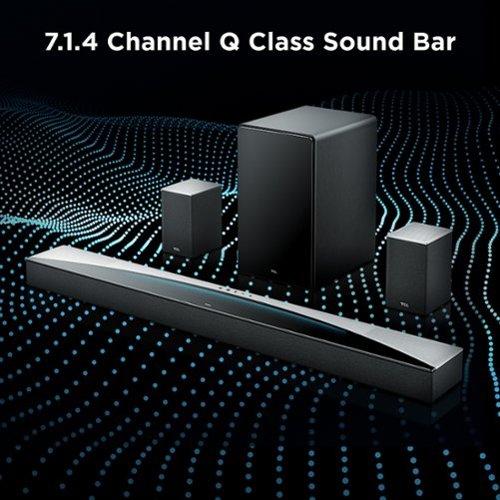
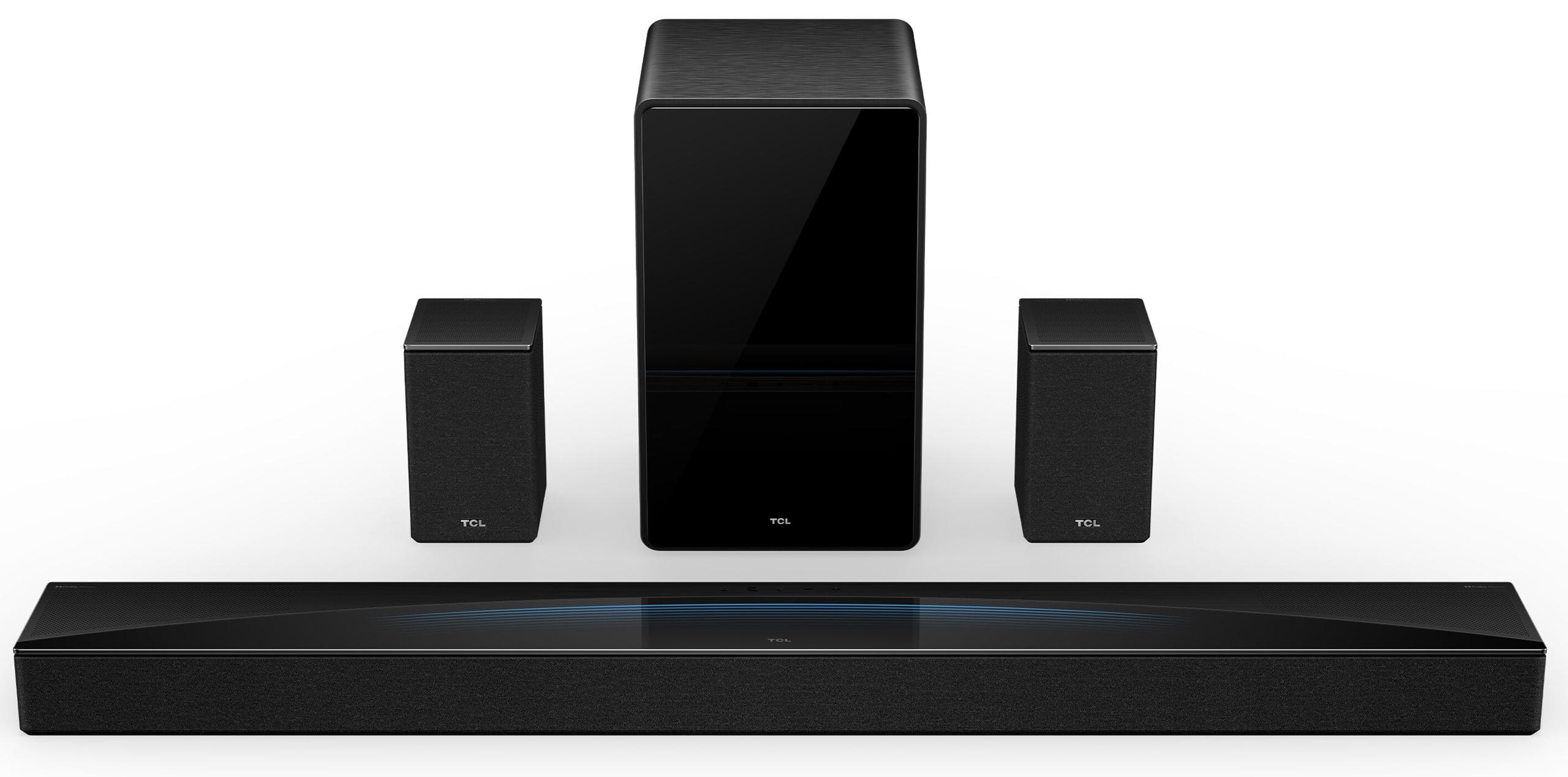
Before diving into specifics, it's worth understanding what separates basic soundbars from advanced systems. Channel configuration tells the story: a 2.1 system has left and right speakers plus a subwoofer (the ".1"), while 5.1 adds rear surround speakers. The TCL Q85H takes this further with a 7.1.4 setup—seven main channels, one subwoofer, and four height speakers that bounce sound off your ceiling.
The difference between virtual and discrete surround sound is crucial here. Virtual systems like the Ultimea Aura A40 use digital processing to simulate surround effects from fewer physical speakers. Discrete systems actually place speakers around your room for genuine directional audio. Neither approach is inherently better—it depends on your space, budget, and priorities.
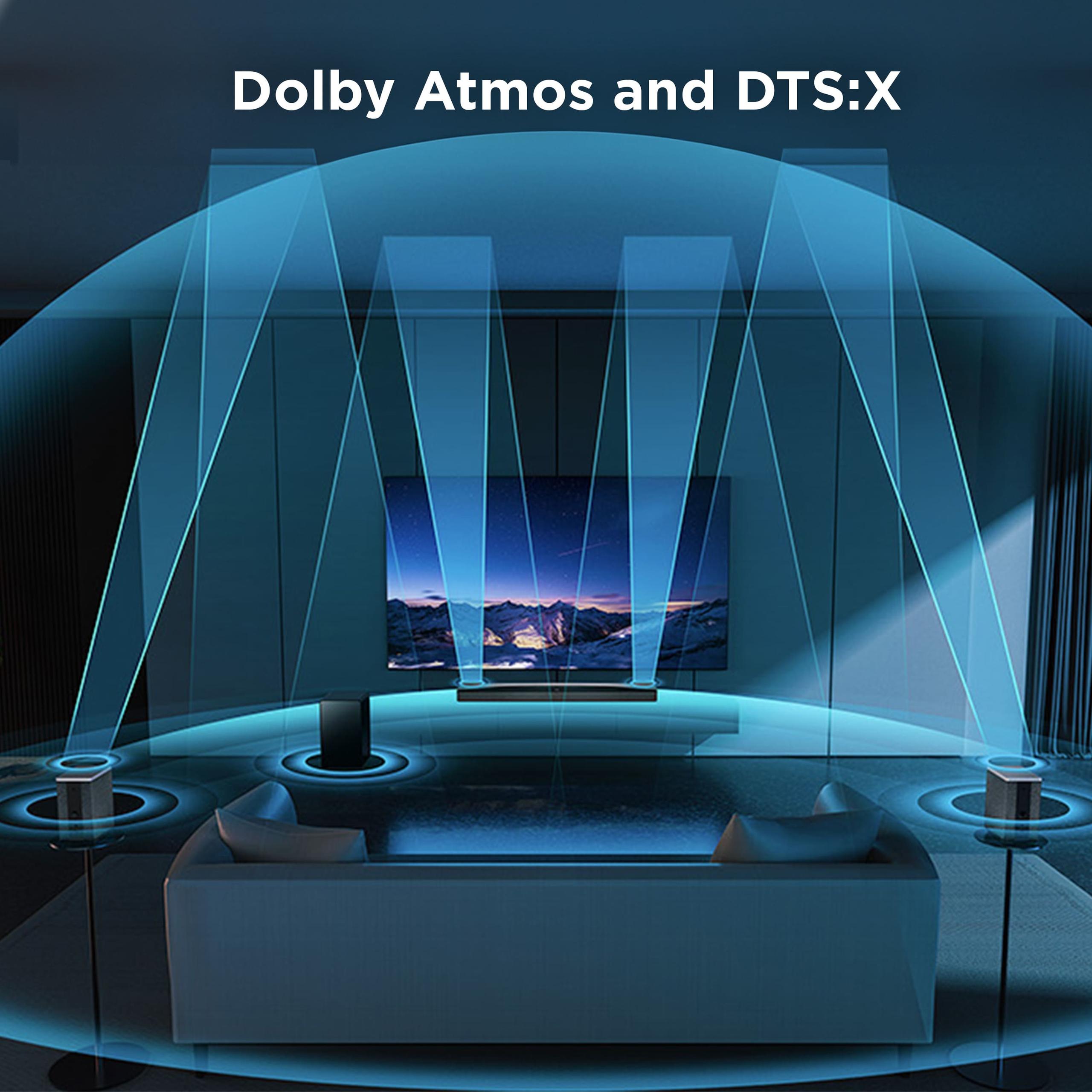
Audio processing has evolved significantly since both products launched in 2024. Dolby Atmos, which creates three-dimensional sound by adding height channels, has become the gold standard for immersive audio. DTS:X offers similar capabilities with slightly different implementation. These formats require either physical up-firing speakers or sophisticated virtual processing to work properly.
The Ultimea Aura A40 launched as part of the budget soundbar surge in early 2024, targeting families wanting cinematic sound without premium pricing. At the time of writing, it sits in the sub-$150 category—remarkable considering it includes four separate surround speakers and a dedicated subwoofer.
The TCL Q85H arrived mid-2024 as TCL's answer to premium soundbar competition from Sony, Samsung, and Sonos. Priced in the $600-700 range at launch, it positions itself as a complete home theater solution with true Dolby Atmos support and wireless connectivity throughout.
These products represent fundamentally different approaches to solving the same problem: upgrading your TV's audio without the complexity of a full surround sound receiver and speaker system.
The most important question with any soundbar is simple: does it sound good? Our research into professional reviews and user feedback reveals interesting patterns for both systems.
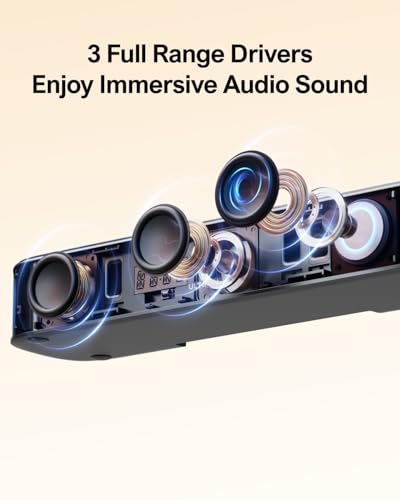
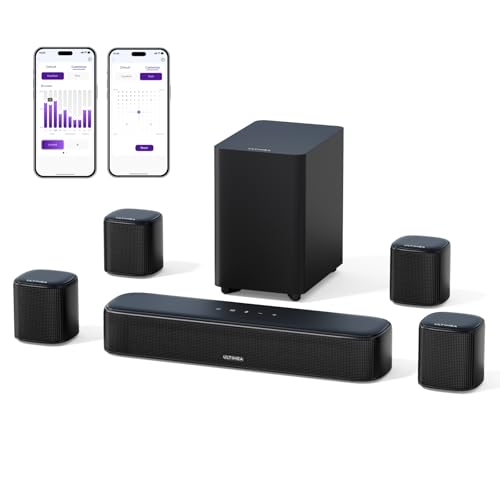
The Ultimea Aura A40 consistently surprises listeners with its clarity and detail despite the budget positioning. The system's 8-speaker configuration—three in the main soundbar, four surround speakers, and one subwoofer—creates a genuinely immersive experience. The SurroundX technology, Ultimea's proprietary processing system, does an impressive job creating spatial audio effects.
What's particularly noteworthy is dialogue clarity. Many budget soundbars muddy speech during action scenes, but the Aura A40's dedicated center channel processing keeps voices distinct even when explosions are rattling your windows. The 4-inch wired subwoofer delivers controlled bass that adds impact without overwhelming the midrange frequencies where most dialogue lives.
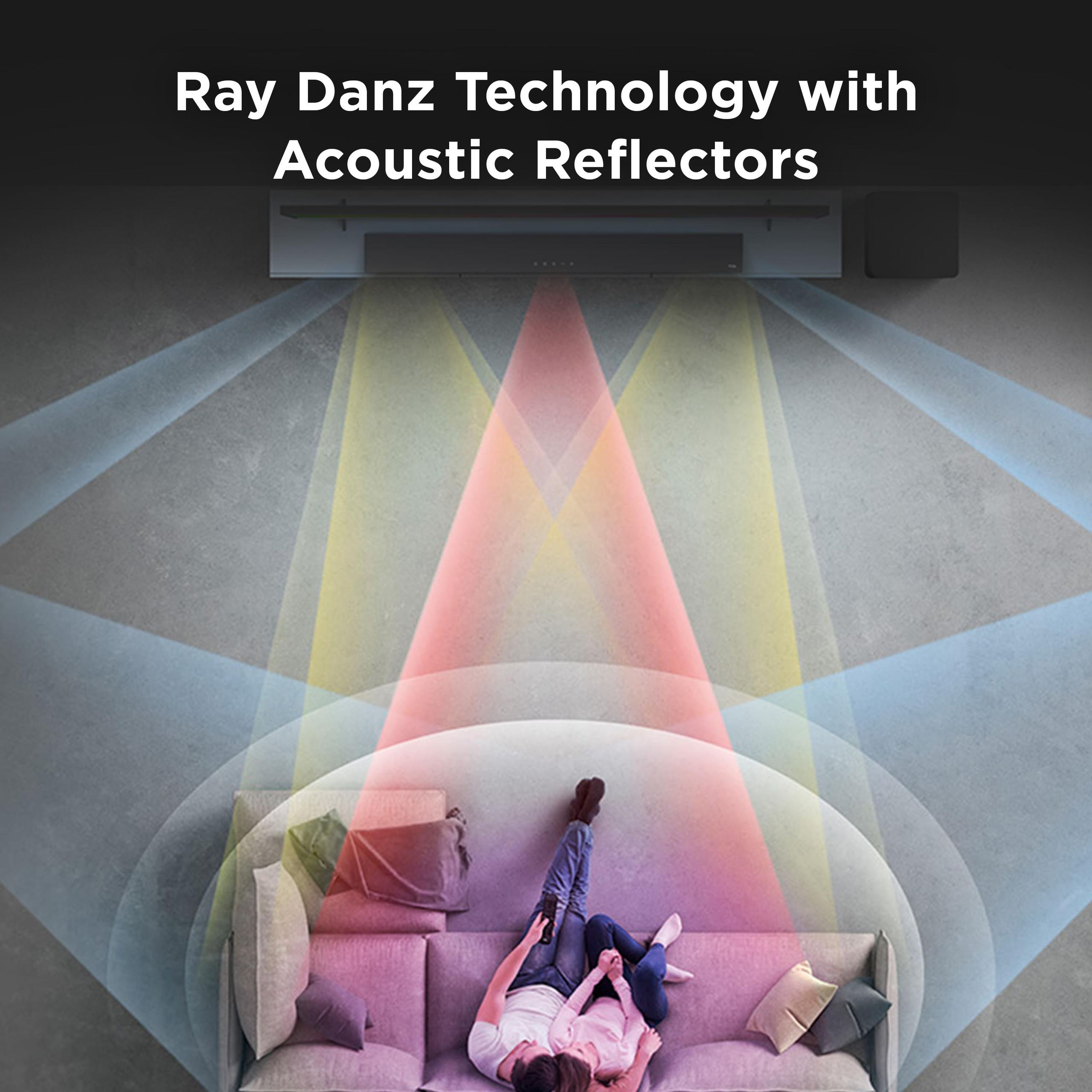
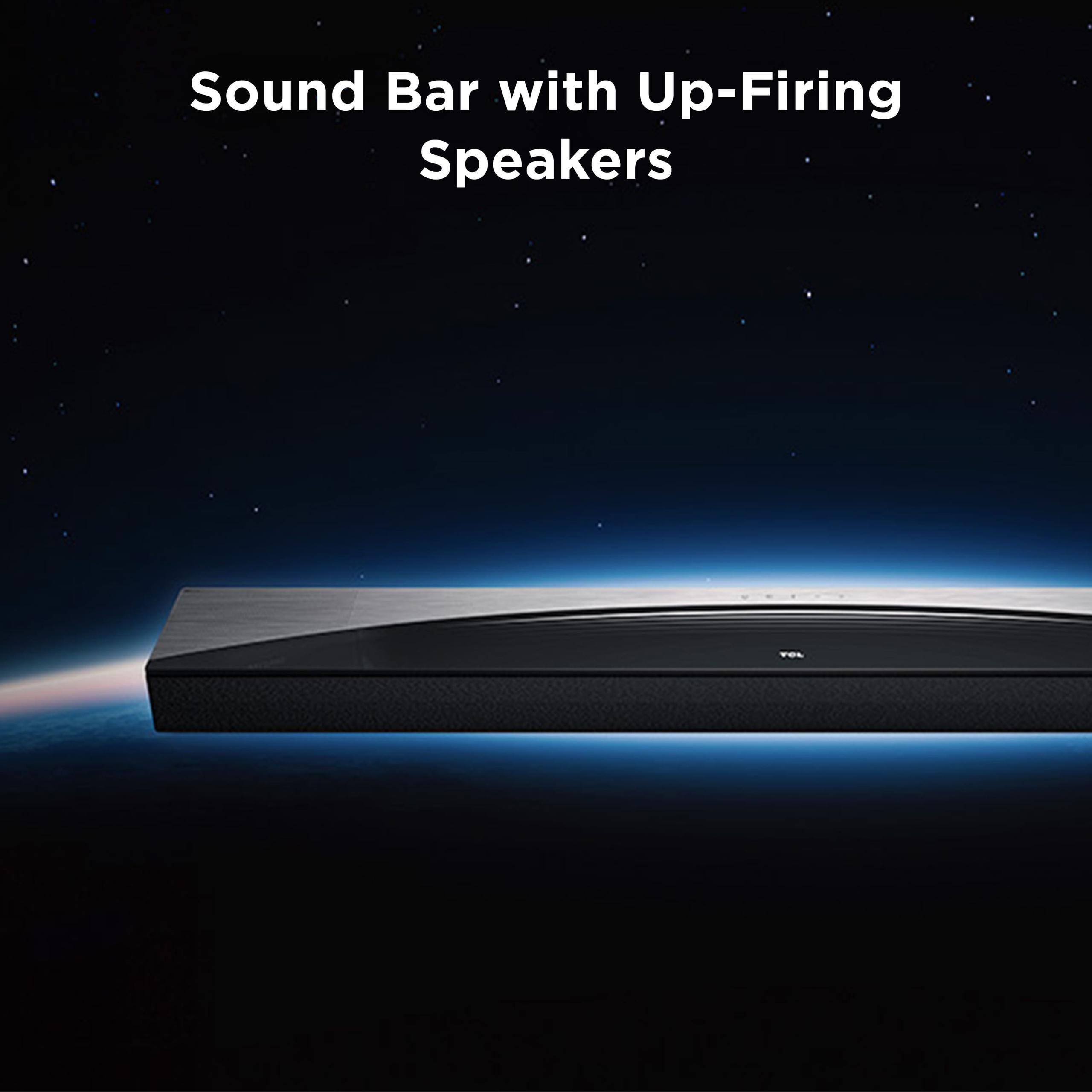
The TCL Q85H operates on a different level entirely. Its 7.1.4 channel configuration means it has dedicated up-firing speakers that physically bounce sound off your ceiling to create height effects. When you're watching a helicopter scene in an action movie, you actually hear it moving overhead rather than just left-to-right. This is genuine Dolby Atmos reproduction, not a simulation.
The difference becomes apparent with object-based audio—modern movie soundtracks that position individual sounds in three-dimensional space. A gunshot might start at your left rear, ricochet off a wall at your right front, then echo from above. The TCL system can reproduce this exactly as the sound engineers intended, while the Ultimea creates an impressive but ultimately approximated version.
Bass performance reveals another clear distinction between these approaches. The Ultimea Aura A40's 4-inch wired subwoofer uses BassMX technology to optimize low-frequency output. In practical terms, this means the bass stays tight and controlled rather than becoming boomy or muddy. For movies, you'll feel the impact of explosions and rumbling vehicles. For music, drum kicks have proper weight without drowning out other instruments.
The TCL Q85H's wireless 6.5-inch subwoofer delivers noticeably deeper and more powerful bass. The larger driver moves more air, creating the kind of room-shaking low-end that makes action movies visceral experiences. The wireless design also provides placement flexibility—you can position it anywhere in the room for optimal bass response rather than being limited by cable length.
However, bigger isn't always better. In smaller rooms or apartment settings, the TCL's bass output might overwhelm the space or disturb neighbors. The Ultimea's more modest bass response often proves better suited to compact living situations.
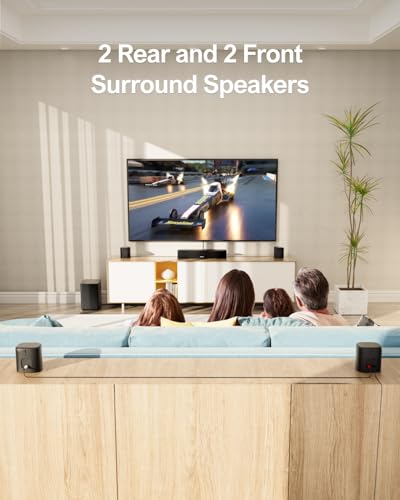
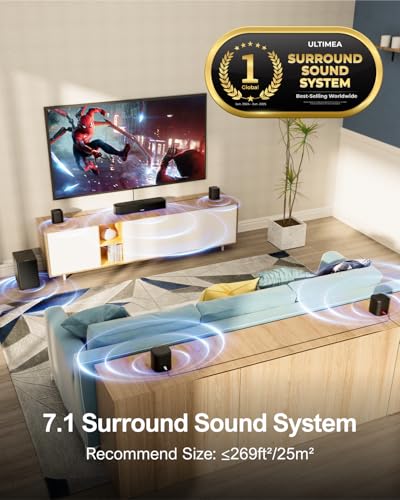
This is where the fundamental differences between these systems become most apparent. The Ultimea Aura A40 uses four physical surround speakers—two front and two rear—connected via wires to create its 7.1 virtual surround experience. The system processes stereo or surround audio and distributes it across these speakers to simulate directional effects.
In practice, this works remarkably well for the price point. Movie scenes with helicopters flying overhead or footsteps circling around create convincing spatial awareness. Gaming performance is particularly impressive—first-person shooters benefit enormously from the directional audio cues that help locate enemies.
The TCL Q85H takes a more sophisticated approach with discrete channel processing. Each of its 7.1.4 channels receives unique audio information, meaning the sound mixing engineers' original intent is preserved rather than approximated. The wireless surround speakers include both forward-firing and up-firing drivers, creating legitimate three-dimensional audio.
The practical difference is most noticeable with modern content specifically mixed for Dolby Atmos. Streaming services like Netflix, Disney+, and Apple TV+ increasingly offer Atmos soundtracks that take full advantage of height channels. The TCL system reproduces these exactly as intended, while the Ultimea processes them into its 7.1 virtual format.
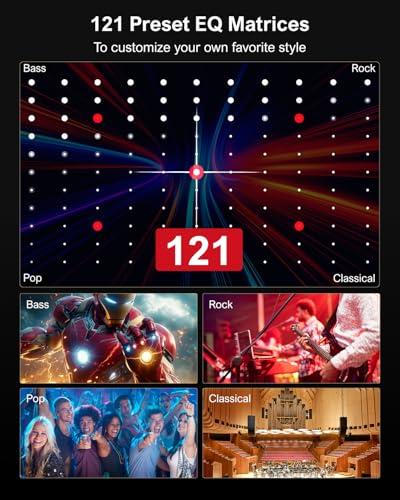
One of the Ultimea Aura A40's standout features is its extensive customization capabilities. The ULTIMEA Smart App provides access to 121 preset EQ matrices covering everything from classical music to heavy metal, plus a full 10-band manual equalizer for precise tuning. Six listening modes (Movie, Music, Voice, Sport, Game, Night) optimize the sound profile for different content types.
The system also offers six adjustable surround levels, allowing fine-tuning of how aggressively the surround speakers contribute to the overall sound. This flexibility proves invaluable for different room sizes and layouts. In a small apartment, you might dial back the surround intensity to avoid overwhelming the space. In a larger room, you can push the surround levels higher for maximum immersion.
The TCL Q85H takes the opposite approach with its AI Sonic auto-calibration system. Rather than requiring manual adjustment, the system automatically detects your room's acoustics and optimizes its settings accordingly. It even recognizes whether the soundbar is wall-mounted or sitting on a surface and adjusts the audio profile appropriately.
This convenience comes at the cost of granular control. While the TCL offers standard EQ modes (Movie, Music, Voice, Game, Sports), it lacks the deep customization options that audio enthusiasts appreciate. You can't fine-tune individual frequency bands or adjust surround speaker levels independently.
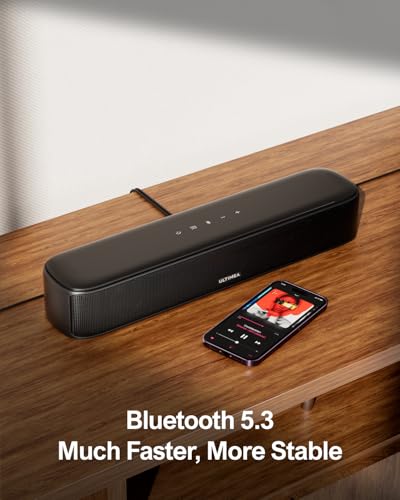
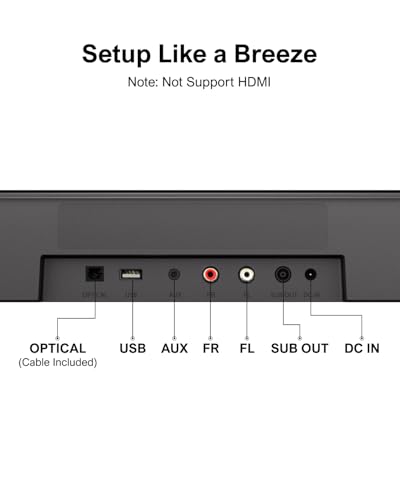
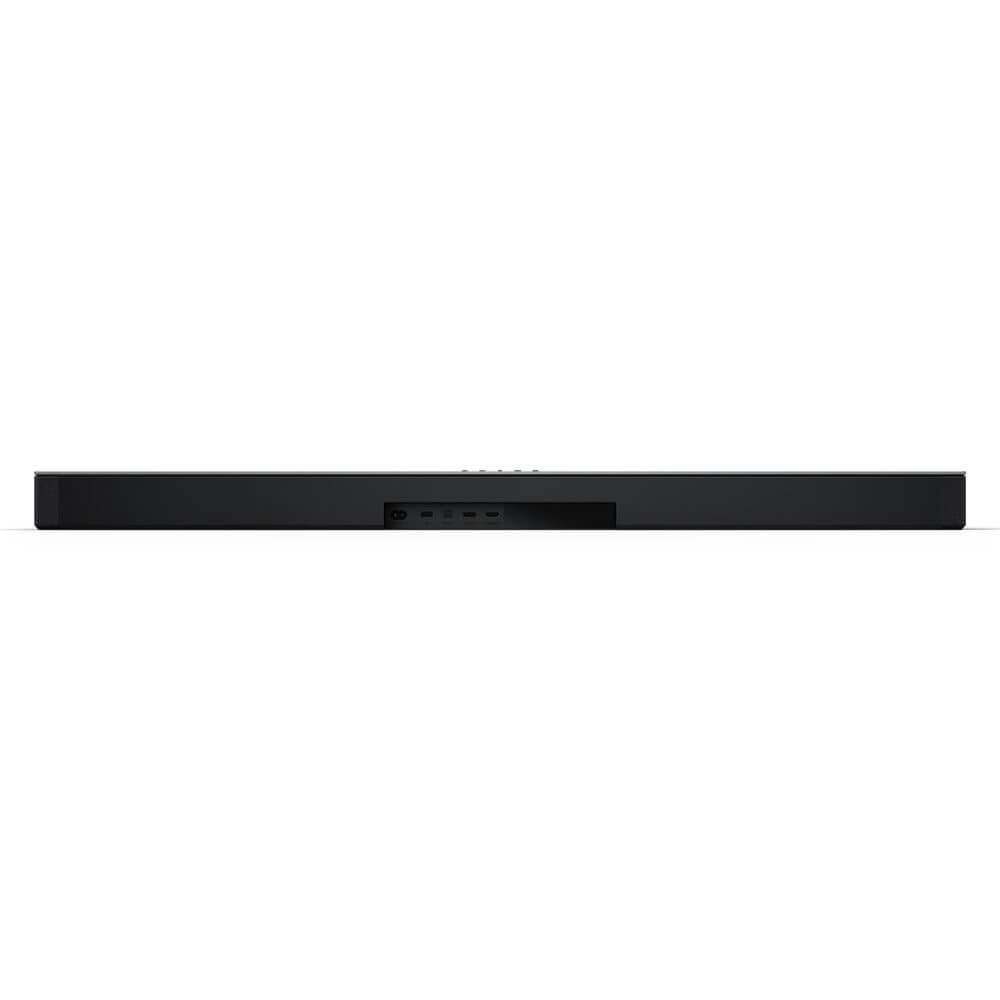
The connectivity differences between these systems reflect their target audiences and design philosophies. The Ultimea Aura A40 focuses on universal compatibility with Bluetooth 5.3, optical digital, USB, and auxiliary inputs. Notably absent is HDMI connectivity—a deliberate choice to keep costs down while maintaining compatibility with older TVs and devices.
This approach has advantages and limitations. The optical connection handles surround sound formats adequately and works with virtually any TV manufactured in the last fifteen years. Bluetooth 5.3 provides stable wireless streaming from phones and tablets. However, the lack of HDMI means missing out on advanced features like automatic TV integration and simplified remote control.
The TCL Q85H embraces modern connectivity standards with HDMI eARC (Enhanced Audio Return Channel) that supports full-bandwidth Dolby Atmos and DTS:X audio. The system also includes video passthrough capabilities, handling 4K resolution at 120Hz refresh rates—crucial for next-generation gaming consoles and high-end streaming devices.
HDMI eARC also enables CEC (Consumer Electronics Control) integration, allowing your TV remote to control the soundbar's volume and basic functions. The system additionally supports Bluetooth 5.1 and Apple AirPlay 2 for wireless streaming, though it lacks optical and USB inputs that some users with older equipment might need.
Installation complexity differs significantly between these systems. The Ultimea Aura A40 requires running speaker cables to four surround speakers—two front and two rear positions. While this sounds daunting, the included cables are reasonably long (6 meters for rear speakers, 2 meters for front), and the wireless connection for one rear speaker reduces cable clutter somewhat.
The wired subwoofer requires another cable run, though it can typically be positioned near the main soundbar. Total setup time runs about 30 minutes for most installations, assuming you're comfortable with basic cable management.
The TCL Q85H simplifies installation dramatically with completely wireless surround speakers and subwoofer. After connecting the main soundbar to your TV via HDMI, the wireless components pair automatically. The AI Sonic calibration system then optimizes the audio settings without manual intervention.
This convenience particularly benefits renters or anyone who prefers clean installations without visible cables. The wireless components do require power outlets, but this is often less intrusive than running speaker cables across rooms.
For gaming enthusiasts, these systems offer different strengths. The Ultimea Aura A40 provides excellent directional audio that enhances competitive gaming. First-person shooters benefit from precise positional cues, while the customizable EQ allows optimization for different game genres. The Game mode preset emphasizes details like footsteps and gunfire while maintaining clear voice chat.
The TCL Q85H targets serious gamers with ultra-low latency HDMI connectivity and support for advanced gaming features. Variable refresh rate (VRR) and automatic low latency mode (ALLM) ensure smooth gameplay without audio delay. The 4K 120Hz passthrough capability means the soundbar can serve as your entertainment hub, handling video from gaming consoles while processing audio.
Games with Dolby Atmos support—an increasingly common feature—truly shine on the TCL system. The height channels add immersion that's particularly noticeable in atmospheric games where environmental audio creates mood and tension.
At the time of writing, the Ultimea Aura A40 represents exceptional value in the budget soundbar category. For roughly the cost of a basic 2.1 soundbar, you're getting a complete 7.1 surround system with extensive customization capabilities. The inclusion of four surround speakers and a dedicated subwoofer at this price point is remarkable.
However, value extends beyond just component count. The system's performance punches well above its price class, delivering genuinely immersive audio that transforms TV watching and gaming experiences. The extensive app-based customization adds long-term value—you can continually optimize the sound as your preferences change or you move to different spaces.
The TCL Q85H commands premium pricing but justifies it with advanced features typically found in much more expensive systems. True Dolby Atmos with discrete height channels, wireless connectivity throughout, and automatic calibration represent significant technological advantages. The build quality and finish also reflect the higher price point.
For home theater enthusiasts willing to invest in premium audio, the TCL offers capabilities that budget systems simply cannot match. The question becomes whether those capabilities matter for your specific use case and viewing habits.
Room dimensions play a crucial role in determining which system works better. The Ultimea Aura A40 is optimized for rooms between 108-270 square feet—typical living rooms, bedrooms, and apartment spaces. The 330-watt power output provides adequate volume for these spaces without overwhelming them.
The surround speaker placement flexibility proves valuable in smaller rooms where traditional surround positioning might be challenging. The adjustable surround levels allow fine-tuning the effect intensity to match your space constraints.
The TCL Q85H is designed for larger spaces where its higher power output and more sophisticated processing can fully develop. The wireless surround speakers provide placement flexibility that's particularly valuable in open-concept living areas where cable runs would be problematic.
The height channels require sufficient ceiling clearance to work effectively—at least 8-foot ceilings are recommended for proper Dolby Atmos performance. In very small rooms, the elaborate surround processing might actually work against you, creating acoustic confusion rather than immersion.
Based on our research and analysis of user experiences, the decision between these systems comes down to several key factors:
Choose the Ultimea Aura A40 if you're budget-conscious but want a substantial audio upgrade with room to grow. The extensive customization options mean you can continue optimizing the sound as you become more familiar with your preferences. It's ideal for smaller spaces, apartment living, or anyone with older TV equipment that relies on optical connections.
The system particularly excels for users who enjoy tweaking audio settings and want maximum value per dollar spent. If you're comfortable with some cable management and prefer having granular control over your audio experience, the Ultimea offers impressive capability for its price class.
Choose the TCL Q85H if you want a premium, set-it-and-forget-it solution with cutting-edge capabilities. The true Dolby Atmos support, wireless design, and automatic calibration justify the higher investment for serious home theater enthusiasts. It's the better choice for modern entertainment setups with HDMI eARC-capable TVs and gaming consoles.
The TCL makes most sense in larger rooms where its sophisticated processing and higher power output can truly shine. If you prioritize convenience over customization and want the latest audio technologies, it's worth the premium.
Ultimately, both systems represent thoughtful approaches to different market segments. The Ultimea democratizes surround sound for budget-conscious buyers, while the TCL delivers premium performance for those willing to invest in advanced capabilities. Your choice should align with your space, budget, and how much you value cutting-edge features versus customization flexibility.
| Ultimea Aura A40 U2601 Soundbar System | TCL Q85H Q Class 7.1.4 Channel Sound Bar System |
|---|---|
| Channel Configuration - Determines surround sound capability and immersion level | |
| 7.1 Virtual Surround (8 physical speakers total) | 7.1.4 Discrete Channels (includes 4 height speakers for Dolby Atmos) |
| Audio Processing - Critical for modern movie and streaming content | |
| Virtual surround processing with SurroundX Technology | Native Dolby Atmos and DTS:X with object-based audio |
| Speaker Setup - Affects installation complexity and sound placement | |
| 4 wired surround speakers + wired subwoofer | Fully wireless surround speakers + wireless subwoofer |
| Power Output - Determines maximum volume and room size capability | |
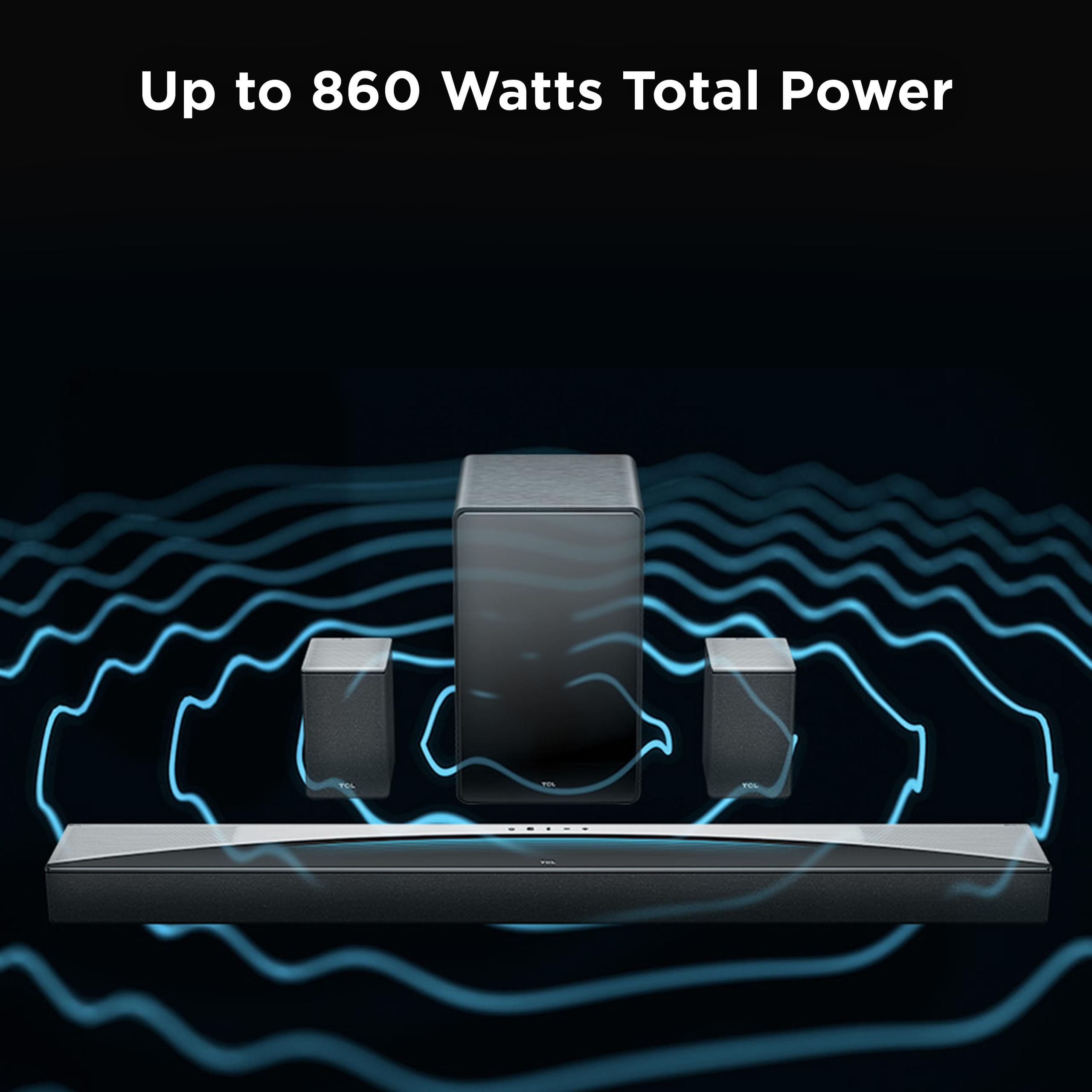
| 330W peak power (suitable for small-medium rooms) | 860W peak power (handles larger spaces effectively) |
| Subwoofer Size - Impacts bass depth and room-filling capability | |
| 4-inch wired subwoofer with BassMX Technology | 6.5-inch wireless subwoofer with deeper bass response |
| HDMI Connectivity - Essential for modern TV integration and gaming | |
| No HDMI support (optical, USB, AUX, Bluetooth only) | HDMI eARC with 4K 120Hz passthrough for gaming consoles |
| Audio Customization - Important for fine-tuning sound to personal preference | |
| 121 preset EQ matrices + 10-band manual equalizer + 6 surround levels | Basic EQ presets with AI Sonic auto-calibration |
| Room Calibration - Simplifies setup and optimizes sound automatically | |
| Manual surround level adjustment for room size | AI Sonic auto-calibration detects room acoustics and speaker placement |
| Recommended Room Size - Helps determine which system fits your space | |
| 108-270 sq ft (ideal for apartments and smaller living rooms) | Larger spaces with 8+ foot ceilings for proper Atmos effect |
| Streaming Capabilities - Affects wireless music playback options | |
| Bluetooth 5.3 streaming only | Bluetooth 5.1 + Apple AirPlay 2 streaming |
| Installation Time - Impacts setup difficulty and cable management | |
| ~30 minutes with cable management for 4 surround speakers | ~15 minutes with wireless pairing and auto-calibration |
| Gaming Features - Important for console and PC gaming performance | |
| Directional audio with customizable Game mode | Ultra-low latency HDMI with VRR and ALLM gaming features |
The Ultimea Aura A40 U2601 is specifically designed for smaller spaces (108-270 sq ft) and offers adjustable surround levels to prevent overwhelming compact rooms. Its controlled bass output and customizable sound settings make it ideal for apartment living where you need to consider neighbors.
The TCL Q85H requires HDMI eARC for its full feature set including Dolby Atmos and gaming capabilities, while the Ultimea Aura A40 works perfectly with optical connections that most TVs have. If you have an older TV or prefer simpler connections, optical is sufficient for excellent surround sound.
The Ultimea Aura A40 U2601 creates virtual surround by processing audio across physical surround speakers, while the TCL Q85H provides discrete surround channels with dedicated height speakers for true Dolby Atmos. Both create immersive experiences, but the TCL offers more precise audio positioning.
The TCL Q85H Q Class is significantly easier to install with fully wireless surround speakers and automatic room calibration. The Ultimea Aura A40 requires running speaker cables but offers more control over placement and sound tuning once installed.
Both systems enhance gaming significantly. The Ultimea Aura A40 U2601 provides excellent directional audio for competitive gaming with customizable settings, while the TCL Q85H offers ultra-low latency HDMI and supports advanced gaming features like 4K 120Hz passthrough.
Height speakers in the TCL Q85H Q Class create genuine overhead effects for modern movies with Dolby Atmos soundtracks. The Ultimea Aura A40 simulates these effects effectively through virtual processing. For casual viewing, both work well, but movie enthusiasts will appreciate true Atmos reproduction.
The TCL Q85H features a larger 6.5-inch wireless subwoofer that delivers deeper, more powerful bass suitable for larger rooms. The Ultimea Aura A40 U2601 provides controlled, tight bass from its 4-inch subwoofer that's well-suited for smaller spaces without becoming overwhelming.
The Ultimea Aura A40 excels in customization with 121 preset EQ settings, a 10-band manual equalizer, and adjustable surround levels through its smartphone app. The TCL Q85H Q Class focuses on automatic optimization with basic preset modes and AI-powered room calibration.
The Ultimea Aura A40 U2601 is more compatible with older TVs through its optical, USB, and auxiliary connections. The TCL Q85H requires modern HDMI eARC for full functionality, though it does support Bluetooth for basic audio streaming from any device.
The TCL Q85H uses completely wireless surround speakers for clean installation but requires power outlets near each speaker location. The Ultimea Aura A40 uses wired speakers that need cable management but don't require additional power outlets around your room.
The Ultimea Aura A40 U2601 offers exceptional value with complete surround sound and extensive customization at a budget-friendly price point. The TCL Q85H Q Class provides premium features like true Dolby Atmos and wireless convenience that justify its higher cost for serious home theater enthusiasts.
The Ultimea Aura A40 is optimized for rooms between 108-270 square feet, making it perfect for bedrooms, apartments, and smaller living rooms. The TCL Q85H Q Class performs best in larger spaces with adequate ceiling height (8+ feet) to properly utilize its Dolby Atmos height effects.
We've done our best to create useful and informative comparisons to help you decide what product to buy. Our research uses advanced automated methods to create this comparison and perfection is not possible - please contact us for corrections or questions. These are the sites we've researched in the creation of this article: walmart.com - newegg.com - youtube.com - ultimea.com - youtube.com - device.report - ultimea.co - manuals.plus - homestudiobasics.com - youtube.com - bestbuy.com - community.ultimea.com - manuals.plus - eu.ultimea.com - navesapeugeot.com.br - bestbuy.com - images.thdstatic.com - provantage.com - ultimea.com - bestbuy.com - gamerant.com - bestbuy.com - tcl.com - bestbuy.com - tcl.com - tcl.com - nfm.com - tcl.com - electronicexpress.com - tcl.com - tcl.com - digitaltrends.com

Privacy Policy
Terms and Conditions - Affiliate Policy
Home Security
© Copyright 2008-2026.
11816 Inwood Rd #1211, Dallas, TX 75244