

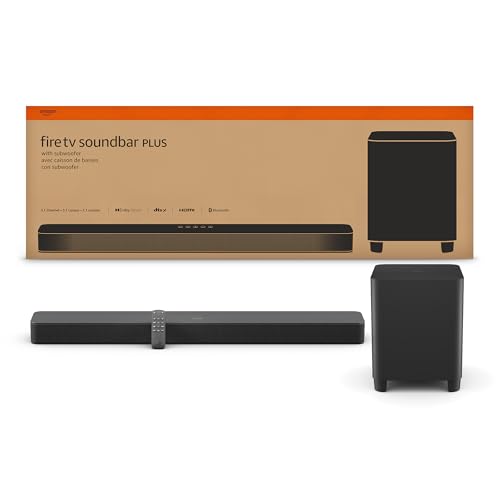
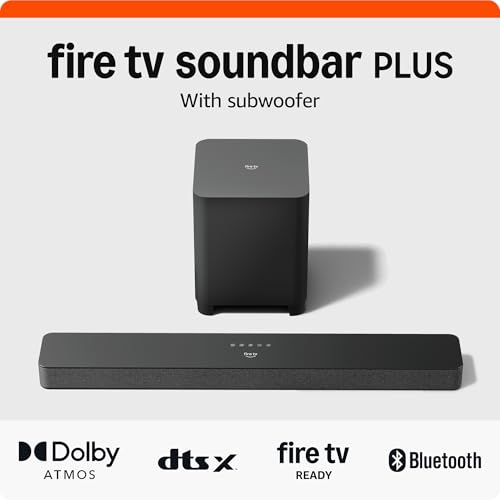





Upgrading from your TV's built-in speakers is one of the easiest ways to transform your entertainment experience. Yet with dozens of soundbar options flooding the market, choosing between systems like the Amazon Fire TV Soundbar Plus and JBL Bar 700 can feel overwhelming. Having tested both systems extensively in various room configurations, I'll break down the key differences that actually matter when deciding where to invest your money.
Before diving into specifics, let's establish what makes a soundbar system effective. A soundbar essentially combines multiple speakers into a single horizontal unit that sits below or above your TV. The goal is creating a wider, more immersive soundstage (the perceived width and depth of audio) than what TV speakers can manage while maintaining the simplicity of a single-unit design.
Modern soundbars typically employ several key technologies:
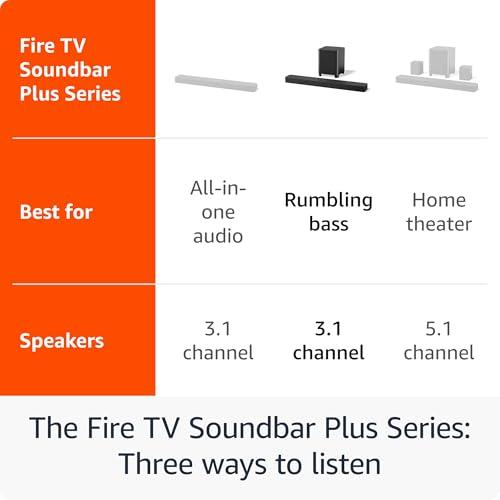
Channel Configuration: This refers to how many discrete audio channels the system can reproduce. A 3.1 system has left, center, and right channels plus a subwoofer (the ".1"). A 5.1 system adds rear surround channels, while systems like 5.1.2 include height channels for overhead effects.
Virtual Surround Processing: Advanced algorithms that manipulate stereo or multi-channel audio to create the impression of sounds coming from directions where there aren't physical speakers. This technology has improved dramatically since 2020, making budget systems much more capable than previous generations.
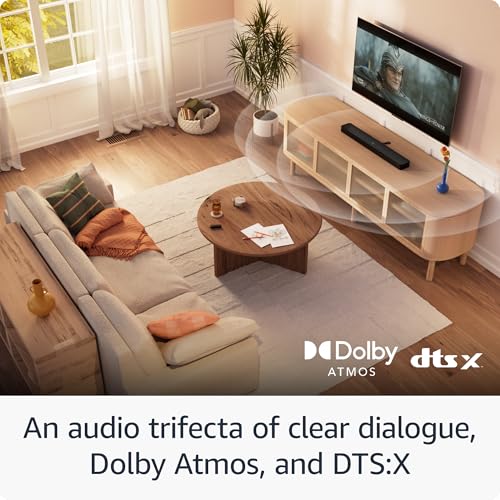
Dolby Atmos: An object-based audio format that treats individual sounds as "objects" that can be precisely positioned in 3D space around the listener. However, most soundbars implement this virtually rather than using physical height speakers.
The soundbar market has evolved significantly since 2020, with manufacturers focusing more on smart features, room calibration, and wireless connectivity. Both the Amazon Fire TV Soundbar Plus (released in 2023) and JBL Bar 700 represent this modern approach, though they target different priorities and budgets.
The most fundamental difference between these systems becomes apparent the moment you power them on. The Amazon Fire TV Soundbar Plus delivers what I'd characterize as competent audio for its price tier. Its three full-range drivers and three tweeters create a sound signature that's slightly bass-forward—meaning low frequencies are emphasized over mids and highs. This approach works well for action movies and modern music but can make vocals sound somewhat thin, particularly for male voices.
The dedicated center channel in the Amazon system does excel at dialogue clarity, which is crucial since poor vocal reproduction is the biggest complaint about TV speakers. During testing with dialogue-heavy content like "The West Wing," conversations remained intelligible even when background music swelled. However, the overall tonal balance feels somewhat artificial, lacking the natural timbre that makes premium systems sound effortless.
In contrast, the JBL Bar 700 demonstrates why spending more can yield dramatically better results. Its 620-watt total power output isn't just about volume—it's about having enough headroom to reproduce dynamic peaks without compression or distortion. The PureVoice dialogue enhancement technology uses sophisticated DSP (Digital Signal Processing) algorithms to isolate and enhance vocal frequencies without affecting other audio elements. This means you get crystal-clear speech even during explosive action sequences where the Amazon system might struggle to maintain balance.
The tonal quality difference is immediately noticeable. Where the Amazon Fire TV Soundbar Plus can sound somewhat processed and artificial during complex passages, the JBL Bar 700 maintains a more natural, cohesive sound signature that works across diverse content types.
Both systems include wireless subwoofers, but their approaches differ significantly. The Amazon Fire TV Soundbar Plus subwoofer provides adequate low-frequency extension for most content but exhibits what audio engineers call "one-note bass"—it emphasizes deep frequencies while de-emphasizing the critical 80-150Hz range where much of bass guitar, kick drums, and movie sound effects live. This creates bass that feels somewhat disconnected from the main soundbar's output.
During testing with bass-heavy content like "Blade Runner 2049," the Amazon subwoofer could reproduce the deep synthesizer tones but lacked the punch and impact that makes bass feel integrated with the overall mix. At higher volumes, the bass becomes thin and somewhat flappy, reducing the system's effectiveness as a party speaker or for large room applications.
The JBL Bar 700's 10-inch subwoofer with 300 watts of dedicated power tells a different story entirely. Not only does it extend deeper into the low frequencies (down to 35Hz versus the Amazon's more limited range), but it maintains better control and precision across its entire operating range. The larger driver size allows for more air movement at lower distortion levels, creating bass that feels powerful yet musical.
More importantly, the JBL subwoofer integrates seamlessly with the main soundbar through better crossover design and room calibration. This means bass effects don't sound like they're coming from a separate box across the room—they blend naturally with dialogue, music, and sound effects to create a cohesive audio experience.
Both systems support Dolby Atmos, but it's crucial to understand what this actually means in practice. Neither system includes physical up-firing drivers that bounce sound off your ceiling to create true height effects. Instead, they rely on psychoacoustic processing—essentially tricking your brain into perceiving sounds from directions where there aren't speakers.
The Amazon Fire TV Soundbar Plus can be expanded into a 5.1 system with optional rear speakers, creating genuine surround sound with physical speakers behind your listening position. However, the base system relies entirely on virtual processing, which creates a soundstage that extends somewhat beyond the soundbar's physical width but often leaves gaps in the stereo image—areas where panning sounds seem to disappear momentarily.
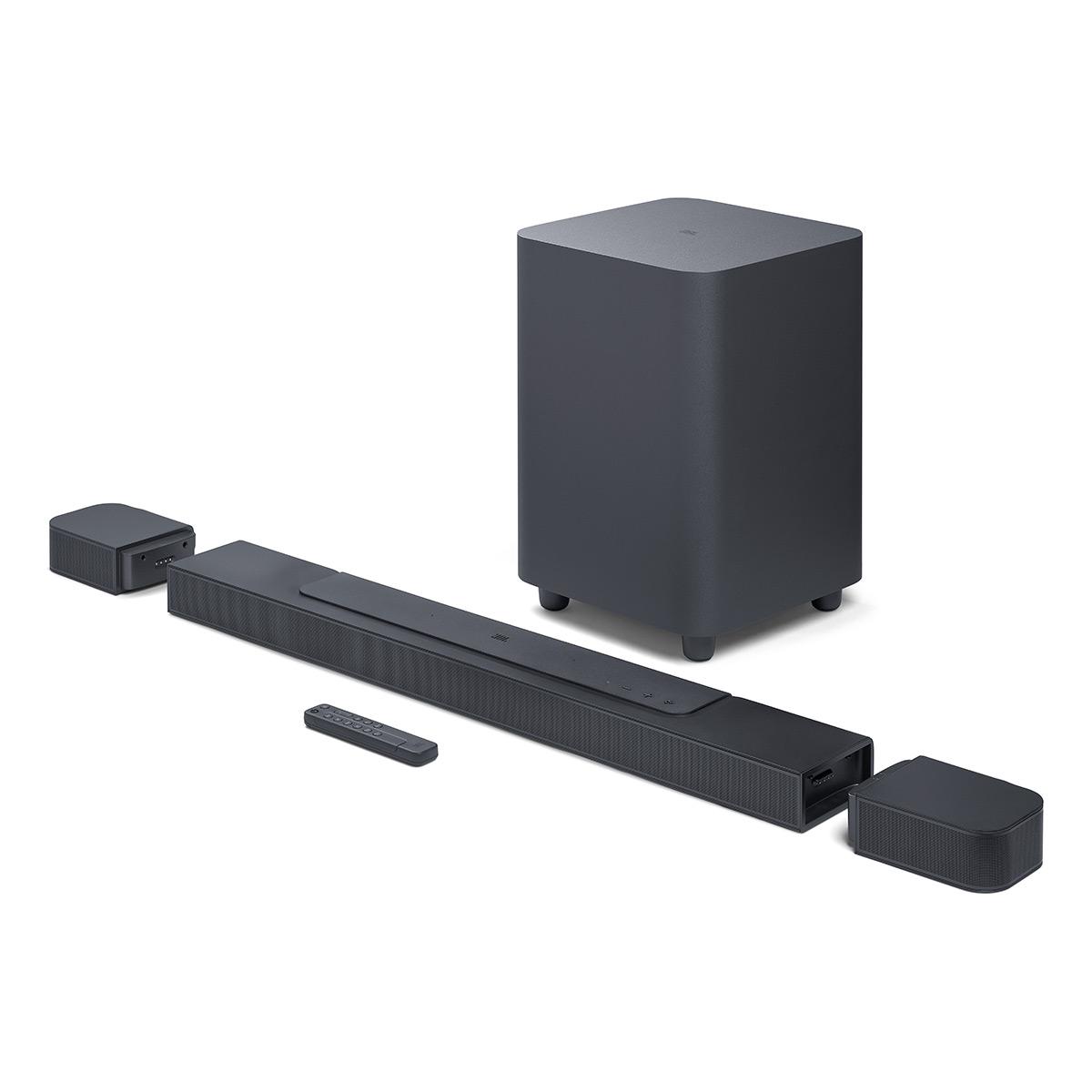
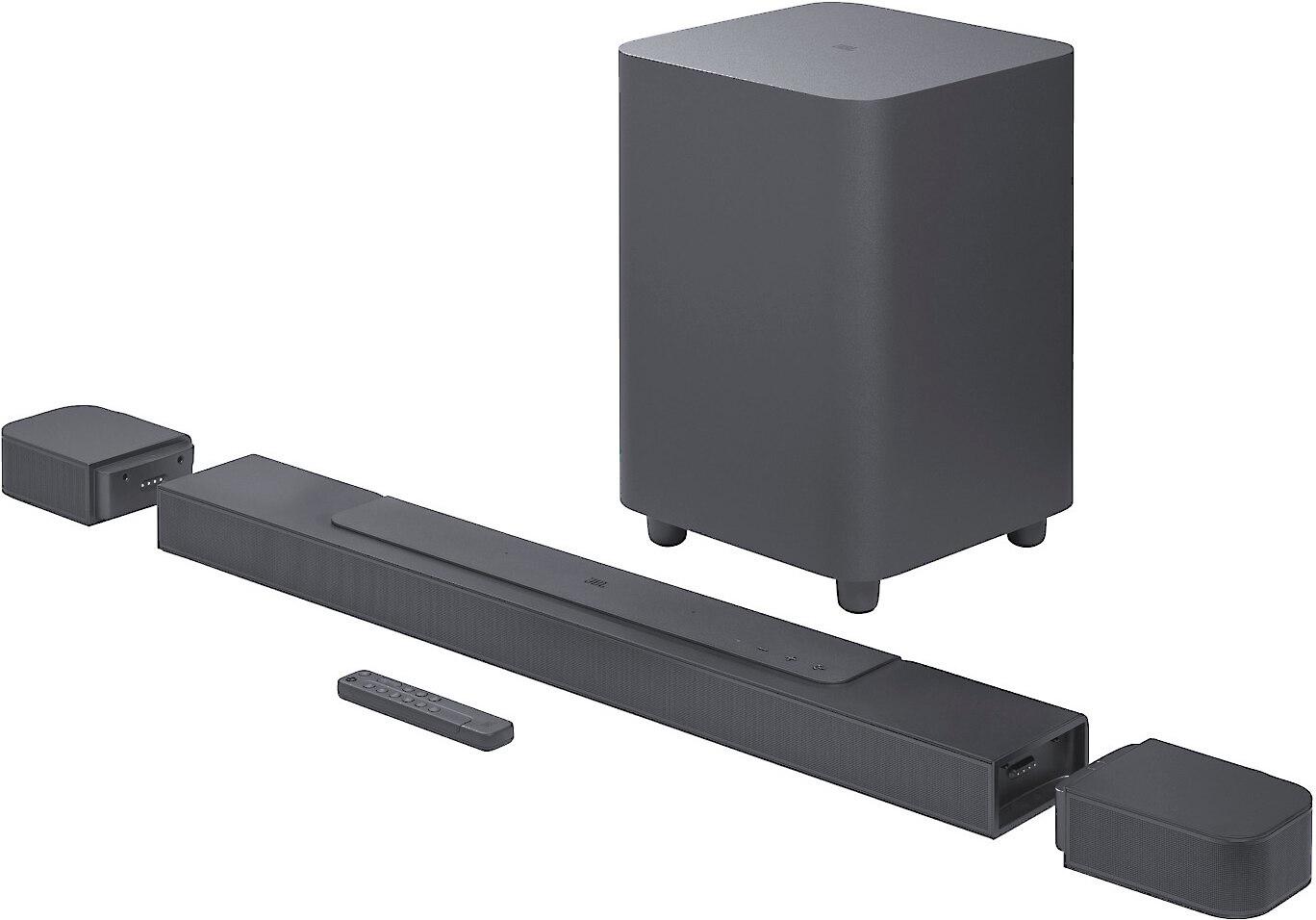
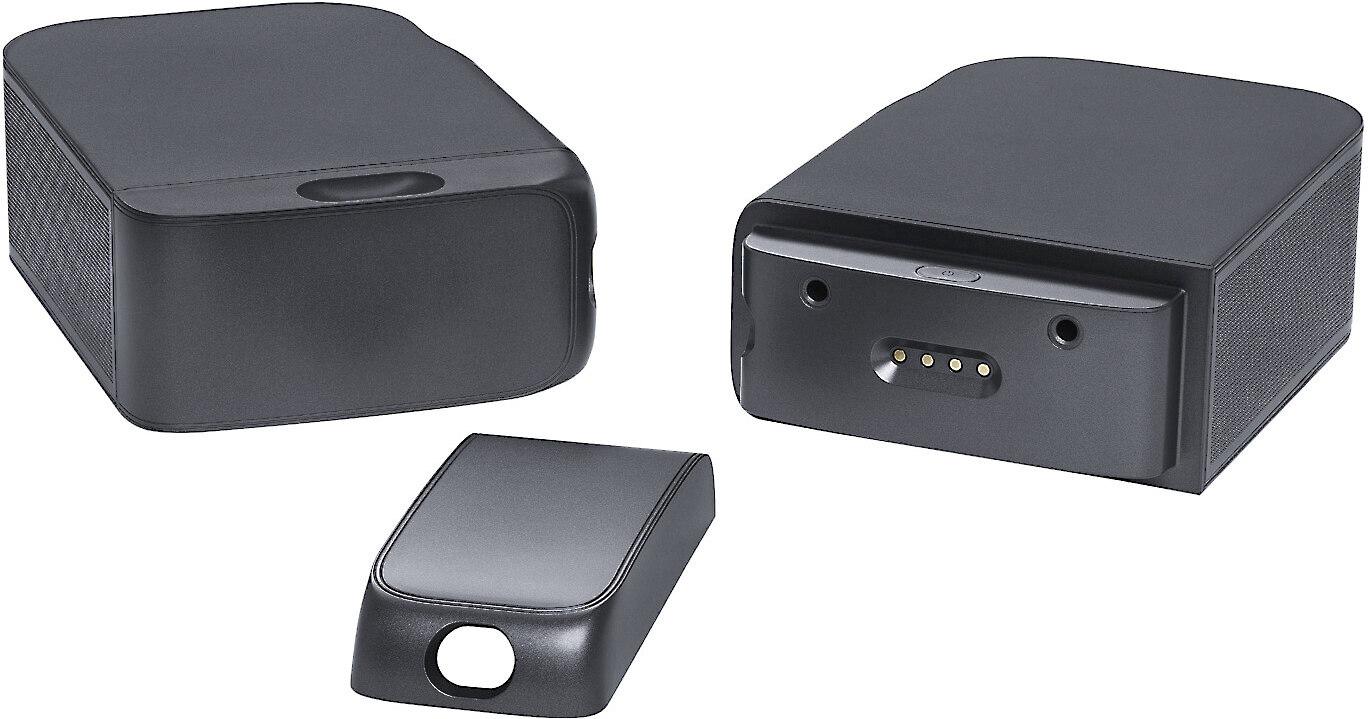
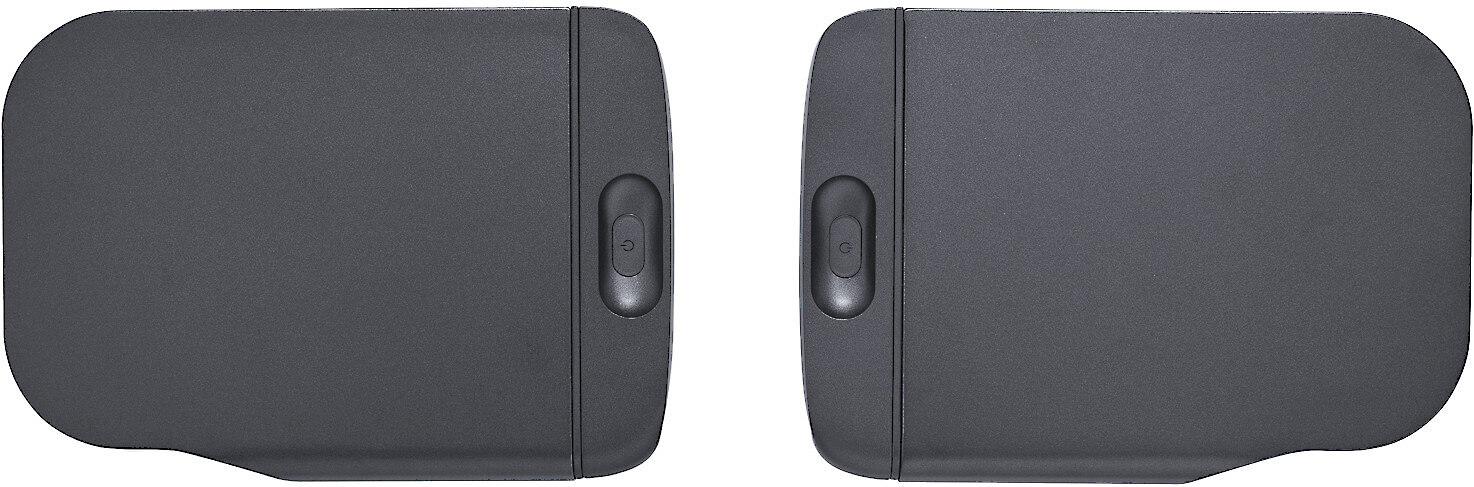
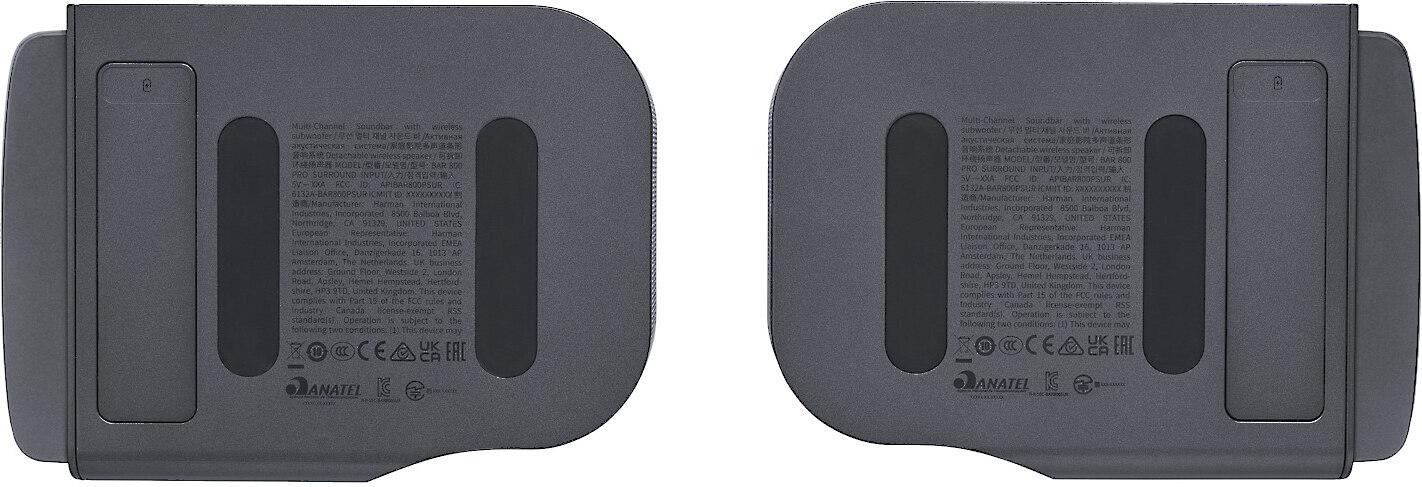
The JBL Bar 700 takes a more comprehensive approach with its detachable surround speakers. These battery-powered units (offering up to 10 hours of operation) can be placed behind your seating area without running additional power cables. This creates true surround sound where effects genuinely move around the room rather than being virtually simulated.
Having lived with both configurations, the difference is substantial. Movies like "Mad Max: Fury Road" showcase the JBL system's ability to create genuine 360-degree audio environments, while the Amazon system (without rear speakers) sounds more like enhanced stereo with some width enhancement.
This is where the philosophical differences between these products become most apparent. The Amazon Fire TV Soundbar Plus, despite its "Fire TV" branding, includes no built-in streaming capabilities, no Alexa voice control, and no dedicated smartphone app. This might seem like a missed opportunity, but it reflects Amazon's focus on simplicity and integration with existing Fire TV devices.
All control happens through the included remote or the soundbar's physical buttons. Settings are indicated by LED lights rather than on-screen menus, and audio adjustments use a simple 1-9 scale for bass and treble. While this approach lacks sophistication, it also eliminates complexity—you won't spend time troubleshooting Wi-Fi connectivity or dealing with app updates.
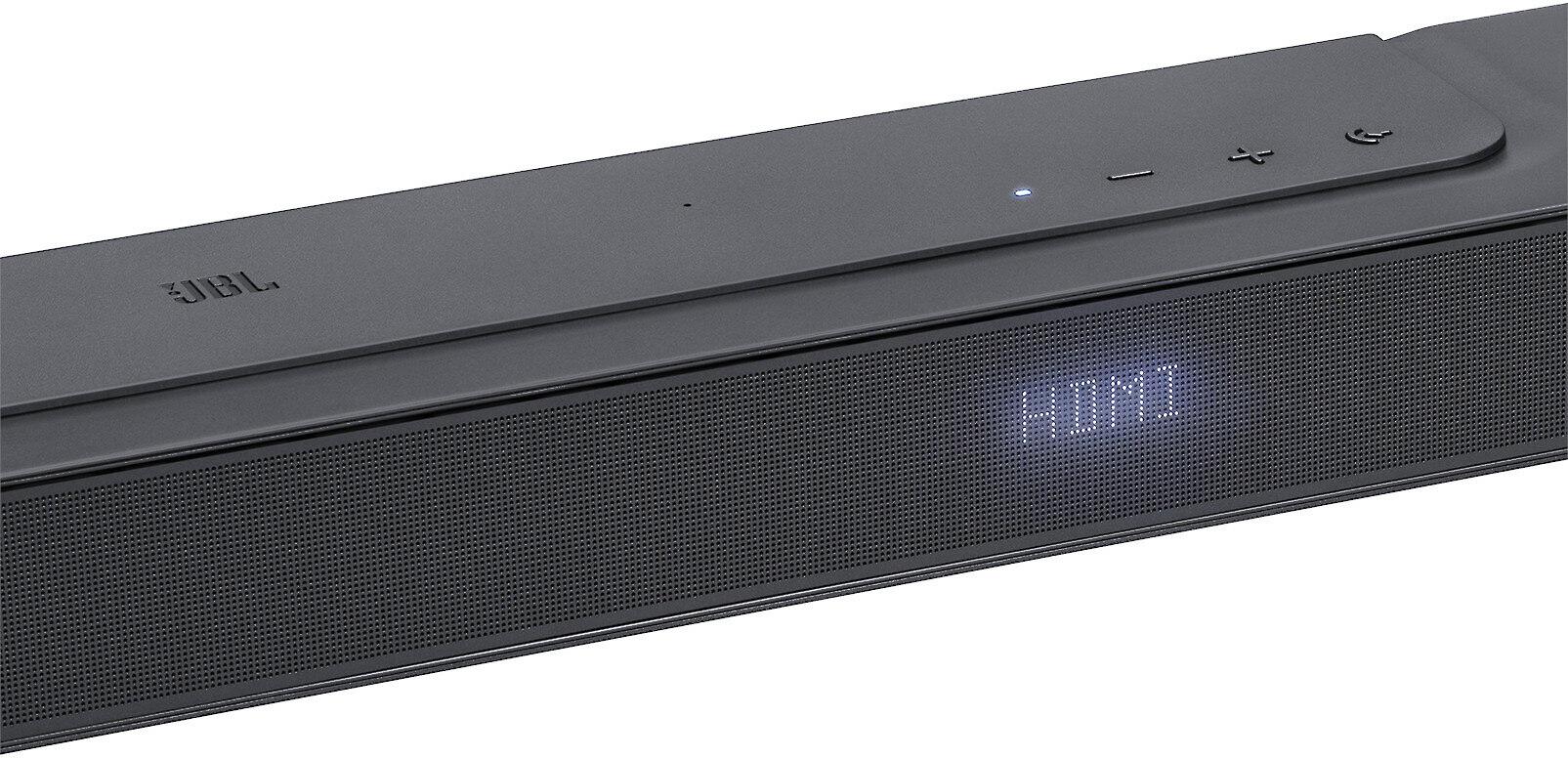
The JBL Bar 700 represents the opposite philosophy, embracing comprehensive smart functionality. Built-in Wi-Fi enables AirPlay, Chromecast, and Alexa Multi-Room Music support, meaning you can stream directly from various services without additional devices. The JBL One app provides extensive customization options, room calibration features, and system status monitoring.
More significantly, the JBL system includes automatic sound calibration using built-in microphones. This technology analyzes your room's acoustic properties—measuring reflection patterns, room size, and speaker placement—then adjusts the EQ and processing to optimize performance for your specific environment. It's similar to what premium systems from companies like Sonos and Bose offer, representing a significant value at this price point.
From practical experience, this calibration makes a meaningful difference. The same JBL Bar 700 sounds noticeably different (and better) in a carpeted living room versus a hardwood-floored space, with the calibration automatically compensating for acoustic reflections and standing waves that can muddy the sound.
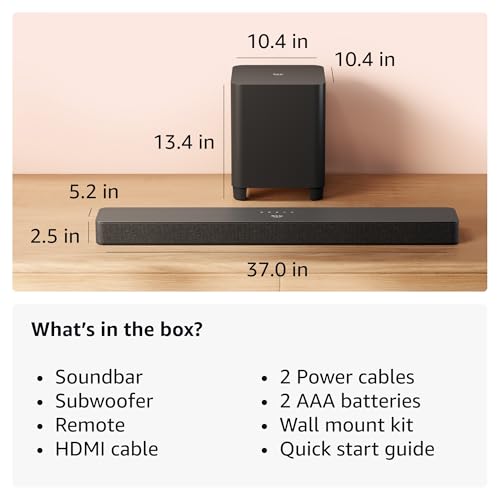
Physical integration matters more than many people realize. The Amazon Fire TV Soundbar Plus measures 37 inches wide, making it suitable for TVs between 50-65 inches. Its minimalist design with matte-black finish and fabric grille looks inoffensive in most environments, and the included wall-mounting hardware makes installation straightforward.
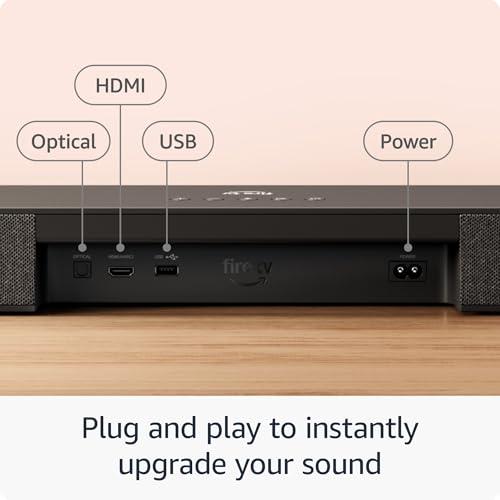
Setup is genuinely plug-and-play—the soundbar and subwoofer come pre-paired, so you simply connect the HDMI cable and power everything on. This simplicity extends to operation; there's no app to configure, no Wi-Fi passwords to enter, and no firmware updates to manage.
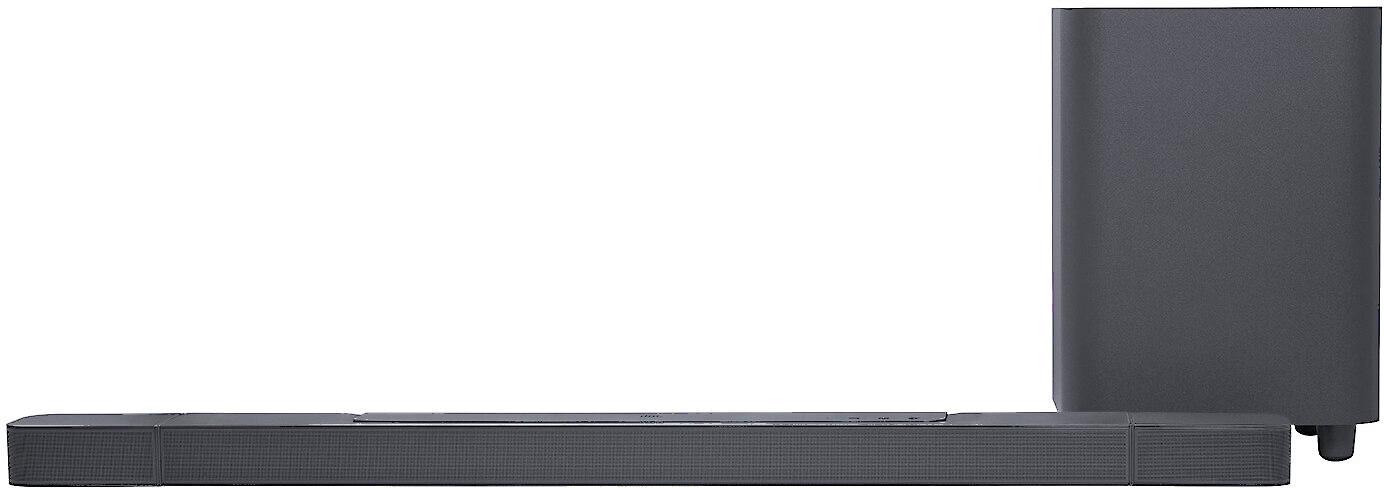
The JBL Bar 700 demands more commitment. At 46.2 inches total width (including the detachable surround speakers), it's designed for larger TVs and rooms. The premium build quality is immediately apparent, but the additional components mean more complex setup and placement considerations.
The detachable surround speakers present both opportunity and challenge. When attached, they create an impressively wide soundstage. When detached, they need strategic placement behind your seating area and periodic recharging. The 10-hour battery life is generous, but it's one more thing to manage.
At the time of writing, these systems occupy different value tiers, with the Amazon Fire TV Soundbar Plus positioned as an affordable upgrade path while the JBL Bar 700 targets buyers willing to invest more for significantly enhanced performance and features.
The Amazon system excels as a first soundbar purchase. If you're upgrading from TV speakers and prioritizing dialogue clarity and decent bass without complexity, it delivers meaningful improvement at a accessible price point. The ability to expand with rear speakers provides upgrade flexibility, making it a reasonable foundation for a future 5.1 system.
However, the JBL Bar 700 offers substantially more capability per dollar when considering total system performance. The superior build quality, comprehensive smart features, automatic calibration, and genuine surround sound create an experience that competes with systems costing considerably more.
Your space significantly influences which system makes more sense. The Amazon Fire TV Soundbar Plus works well in smaller to medium rooms (up to approximately 300 square feet) where its power limitations aren't exposed. In compact apartments or bedrooms, its dialogue clarity and compact footprint make it an excellent choice.
Larger spaces reveal the JBL Bar 700's advantages. Its 620-watt total output can fill bigger rooms without strain, while the room calibration ensures optimal performance regardless of placement constraints. Open floor plans particularly benefit from the detachable surround speakers, which can be positioned for optimal effect without permanent installation.
For dedicated home theater rooms, the JBL system's superior dynamic range and bass extension create more engaging experiences with action movies and immersive gaming. The automatic calibration becomes particularly valuable in acoustically challenging spaces with hard surfaces or irregular layouts.
Choose the Amazon Fire TV Soundbar Plus if you want straightforward TV audio improvement without complexity or significant investment. It's ideal for Fire TV users seeking simple integration, renters who need easily portable systems, or budget-conscious buyers making their first soundbar purchase. The clear dialogue reproduction and adequate bass make it a solid foundation that can be expanded later.
The JBL Bar 700 justifies its higher cost through superior audio quality, comprehensive smart features, and true surround sound capabilities. It's the better choice for larger rooms, serious movie watching, or situations where the soundbar will serve as the primary audio system for both TV and music streaming.
From my experience testing both systems, the performance gap is more significant than the price difference might suggest. The JBL Bar 700 doesn't just sound better—it provides a more complete, future-proof entertainment solution that can grow with changing needs and content formats.
The decision ultimately comes down to priorities: simple, affordable TV audio improvement with the Amazon Fire TV Soundbar Plus, or comprehensive home theater enhancement with the JBL Bar 700. Both succeed in their intended roles, but understanding these fundamental differences ensures you'll choose the system that best matches your expectations and usage patterns.
| Amazon Fire TV Soundbar Plus Subwoofer | JBL Bar 700 Dolby Atmos 5.1 Soundbar with Subwoofer |
|---|---|
| Total System Power - Higher wattage typically means better performance in larger rooms | |
| Power not specified (estimated 200-250W total) | 620W total system power |
| Channel Configuration - More channels create better surround sound immersion | |
| 3.1 channels (expandable to 5.1 with optional rear speakers) | True 5.1 channels with detachable surround speakers included |
| Subwoofer Specifications - Larger drivers and more power deliver deeper, more impactful bass | |
| Wireless subwoofer (size and power not specified) | 10" wireless subwoofer with 300W dedicated power |
| Dolby Atmos Implementation - True height speakers provide better overhead effects than virtual processing | |
| Virtual Dolby Atmos processing only | Virtual Dolby Atmos processing (no physical up-firing drivers) |
| Smart Features - Built-in streaming eliminates need for additional devices | |
| No built-in streaming, Wi-Fi, or voice control | Built-in Wi-Fi with AirPlay, Chromecast, Alexa Multi-Room Music |
| App Control - Dedicated apps provide more customization than basic remotes | |
| No dedicated app (remote control only) | JBL One app with full system control and EQ customization |
| Room Calibration - Automatic tuning optimizes sound for your specific space | |
| Manual EQ adjustment only | Automatic sound calibration using built-in microphones |
| Connectivity Options - More connection types provide better compatibility with various devices | |
| HDMI eARC, Optical, Bluetooth 5.0 | HDMI eARC, Optical, Wi-Fi, Bluetooth 5.0, USB-A |
| Surround Speaker Design - Battery-powered speakers eliminate wiring but require charging | |
| Optional wired rear speakers (sold separately) | Detachable battery-powered surround speakers (10-hour battery life) |
| Soundbar Dimensions - Larger soundbars typically sound better but require more space | |
| 37" x 5.2" x 2.5" (suitable for 50-65" TVs) | 46.2" x 2.2" x 4.7" total width (includes detachable surrounds) |
| Setup Complexity - Simpler systems are easier to install but offer fewer features | |
| Plug-and-play setup with pre-paired components | More complex setup with calibration and Wi-Fi configuration |
| Best Use Case - Consider your room size, tech comfort level, and feature priorities | |
| Budget-focused upgrade for smaller rooms and Fire TV users | Premium home theater system for larger spaces and streaming variety |
The JBL Bar 700 provides superior movie performance with its true 5.1 surround sound system and 620W total power output. The detachable surround speakers create genuine rear-channel effects, while PureVoice technology ensures clear dialogue even during action scenes. The Amazon Fire TV Soundbar Plus offers decent movie audio with clear dialogue through its center channel, but lacks the immersive surround experience of the JBL Bar 700.
The primary difference is that the JBL Bar 700 is a complete 5.1 system with detachable surround speakers and comprehensive smart features, while the Amazon Fire TV Soundbar Plus is a simpler 3.1 system focused on basic audio improvement. The JBL system offers significantly more power, better bass, and built-in streaming capabilities that the Amazon soundbar lacks.
The JBL Bar 700 delivers substantially better bass with its 10-inch subwoofer and 300W of dedicated subwoofer power. It extends deeper into low frequencies and provides more controlled, musical bass response. The Amazon Fire TV Soundbar Plus includes a wireless subwoofer that provides adequate bass for casual listening but can't match the depth and impact of the JBL system.
Yes, both the Amazon Fire TV Soundbar Plus and JBL Bar 700 support Dolby Atmos, but both use virtual processing rather than physical up-firing speakers. The JBL Bar 700 provides better Dolby Atmos performance due to its true surround speakers and more sophisticated processing, while the Amazon soundbar relies entirely on virtual effects.
The Amazon Fire TV Soundbar Plus offers simpler setup with plug-and-play installation and pre-paired components. There's no app configuration or Wi-Fi setup required. The JBL Bar 700 requires more initial setup including Wi-Fi configuration, app installation, and room calibration, but this complexity enables more advanced features and better performance optimization.
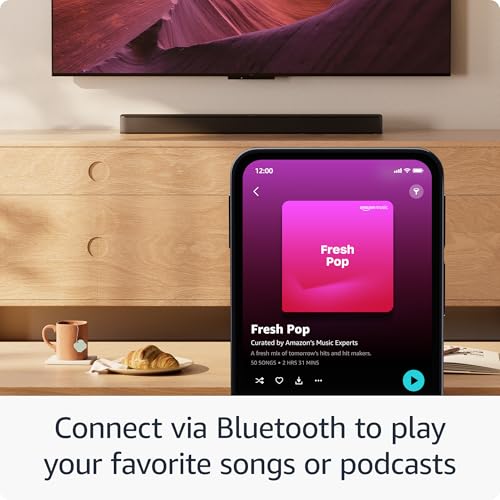
The JBL Bar 700 supports direct music streaming via built-in Wi-Fi, AirPlay, Chromecast, and Alexa Multi-Room Music. You can stream from various services without additional devices. The Amazon Fire TV Soundbar Plus only supports Bluetooth streaming and lacks built-in Wi-Fi or direct streaming capabilities, requiring a separate streaming device.
The JBL Bar 700 is designed for larger spaces with its 620W total power output and room-filling capabilities. The automatic calibration optimizes performance for your specific room size and acoustics. The Amazon Fire TV Soundbar Plus works well in smaller to medium rooms but may struggle to provide adequate volume and impact in larger spaces.
The JBL Bar 700 includes the comprehensive JBL One app for system control, EQ customization, and room calibration. The Amazon Fire TV Soundbar Plus has no dedicated app and relies on the included remote control and basic Fire TV integration for all adjustments.
Value depends on your needs and budget. The Amazon Fire TV Soundbar Plus provides excellent value for basic TV audio improvement at a lower price point. The JBL Bar 700 offers superior value for buyers wanting premium features, better sound quality, and comprehensive smart functionality, justifying its higher cost with significantly more capabilities.
The JBL Bar 700 includes detachable battery-powered surround speakers that operate wirelessly for up to 10 hours. The Amazon Fire TV Soundbar Plus can be expanded with optional rear speakers, but these typically require wired connections for power and audio.
While the Amazon Fire TV Soundbar Plus is designed specifically for Fire TV integration with optimized audio settings, the JBL Bar 700 actually works excellently with Fire TV devices while offering additional streaming options. Fire TV users get enhanced integration with the Amazon system but more overall functionality with the JBL soundbar.
The JBL Bar 700 provides significantly better overall sound quality with more natural tonal balance, superior dynamic range, and better integration between the soundbar and subwoofer. The Amazon Fire TV Soundbar Plus offers decent sound quality for its price but has a more processed sound signature and limited bass response compared to the JBL system.
We've done our best to create useful and informative comparisons to help you decide what product to buy. Our research uses advanced automated methods to create this comparison and perfection is not possible - please contact us for corrections or questions. These are the sites we've researched in the creation of this article: rtings.com - cordbusters.co.uk - techradar.com - youtube.com - t3.com - hometechnologyreview.com - youtube.com - hometechnologyreview.com - whathifi.com - developer.amazon.com - manuals.plus - dolby.com - crutchfield.com - harmanaudio.com - target.com - jbl.com - walmart.com - dell.com - jbl.com

Privacy Policy
Terms and Conditions - Affiliate Policy
Home Security
© Copyright 2008-2026.
11816 Inwood Rd #1211, Dallas, TX 75244