


If you're tired of mumbling through dialogue and straining to hear your favorite shows over your TV's tinny built-in speakers, you're probably ready to upgrade to a soundbar. But with Dolby Atmos technology becoming more accessible in budget-friendly systems, the question isn't just whether to upgrade—it's which approach will give you the best bang for your buck.
Today we're comparing two popular budget Dolby Atmos systems that take completely different approaches to immersive sound: the Amazon Fire TV Soundbar Plus with Subwoofer and the Polk Audio Signa S4. While both promise cinema-quality audio without breaking the bank, their philosophies couldn't be more different.
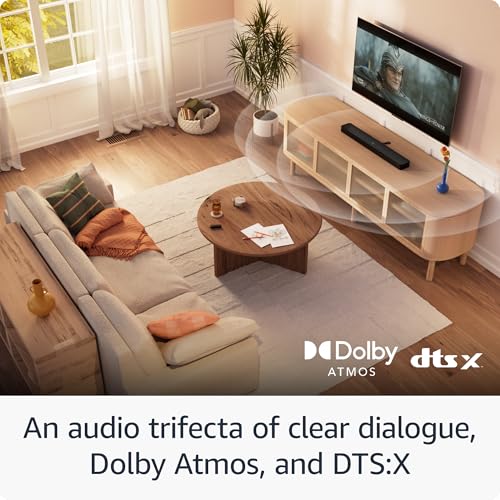
Before diving into our comparison, let's talk about what Dolby Atmos actually does and why it matters. Traditional surround sound systems create a bubble of audio around you using speakers positioned at ear level. Dolby Atmos adds a third dimension by placing sounds above you—think of helicopters flying overhead in an action movie or rain falling from the sky.
The key consideration with budget Dolby Atmos systems is how they create these height effects. True Dolby Atmos uses dedicated up-firing speakers (called height channels) that bounce sound off your ceiling to create genuine overhead effects. Many budget systems, however, use "virtual" Dolby Atmos—clever audio processing that simulates height effects without actually firing sound upward.
When evaluating these systems, you'll want to consider several factors: the authenticity of the Atmos implementation, dialogue clarity (crucial for TV watching), bass performance, build quality, and whether the system can grow with your needs over time. At the time of writing, both systems we're reviewing fall into similar price ranges in the budget category, making the decision less about cost and more about approach.
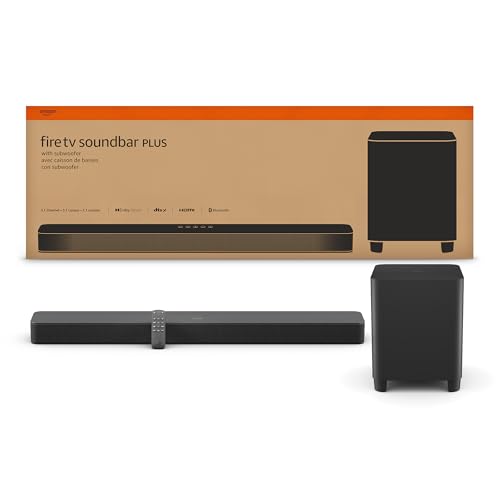
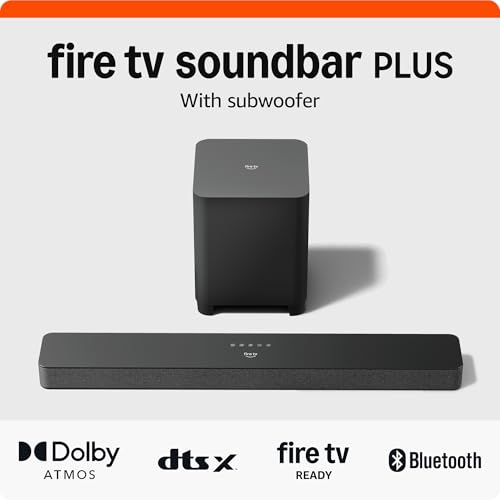
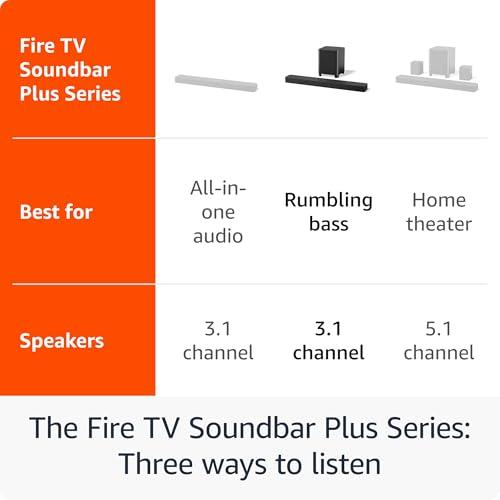
The Amazon Fire TV Soundbar Plus, released in 2023, represents Amazon's second-generation attempt at the soundbar market. Their first Fire TV Soundbar was pretty basic, but this Plus version shows they've learned from customer feedback. Amazon's philosophy here is all about flexibility and gradual upgrading.
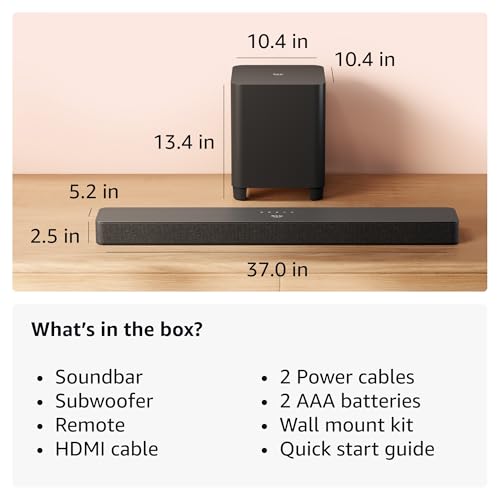
You start with a soundbar and wireless subwoofer—what's called a 3.1 system (left, center, right channels plus a subwoofer). But here's where Amazon's approach gets interesting: you can later add wireless satellite speakers to create a full 5.1 surround system. This modular approach lets you spread the cost over time, starting with a decent upgrade and building toward a more immersive experience when your budget allows.
However, there's a significant caveat with the Amazon system: despite carrying the "Fire TV" name, it doesn't actually stream content or include Alexa. It's essentially a traditional soundbar with some basic Fire TV integration when connected to Amazon's streaming devices. This has been a source of confusion for many buyers who expect more smart features given the branding.
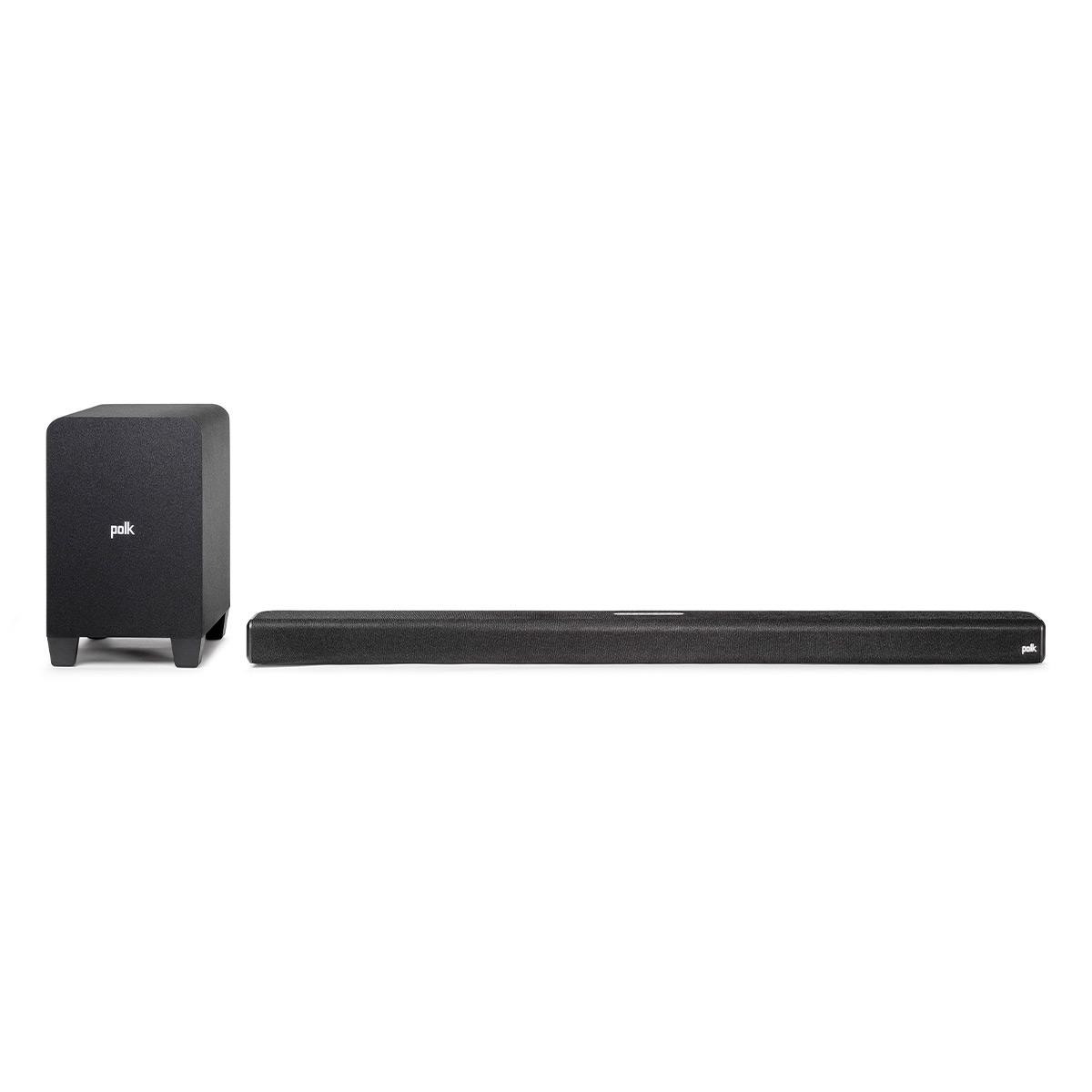
Polk Audio's Signa S4, while not specifically dated in our research, represents the audio company's entry into affordable Dolby Atmos territory. Polk, with decades of speaker-making experience, takes a more traditional approach: deliver the best possible sound quality at the price point, period.
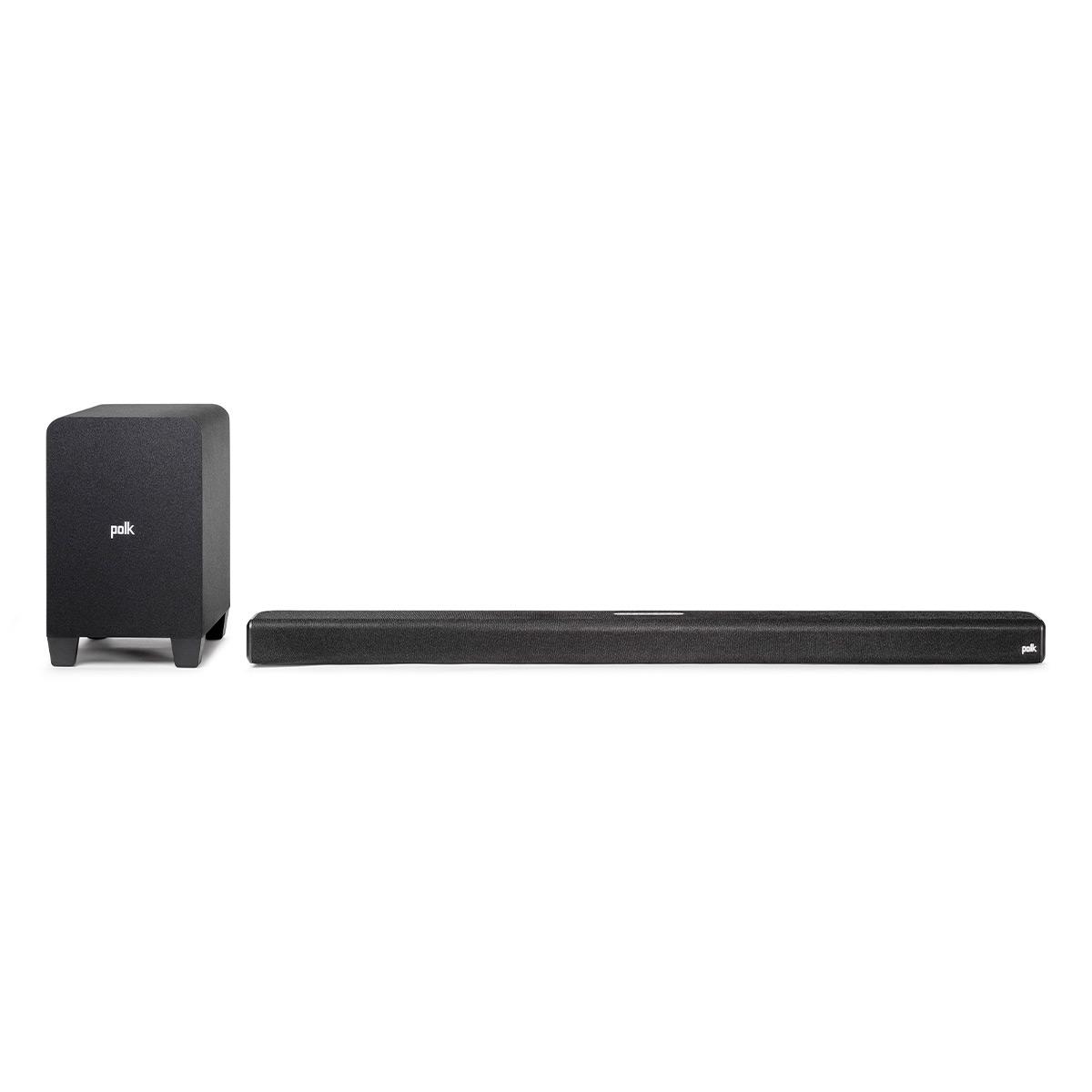
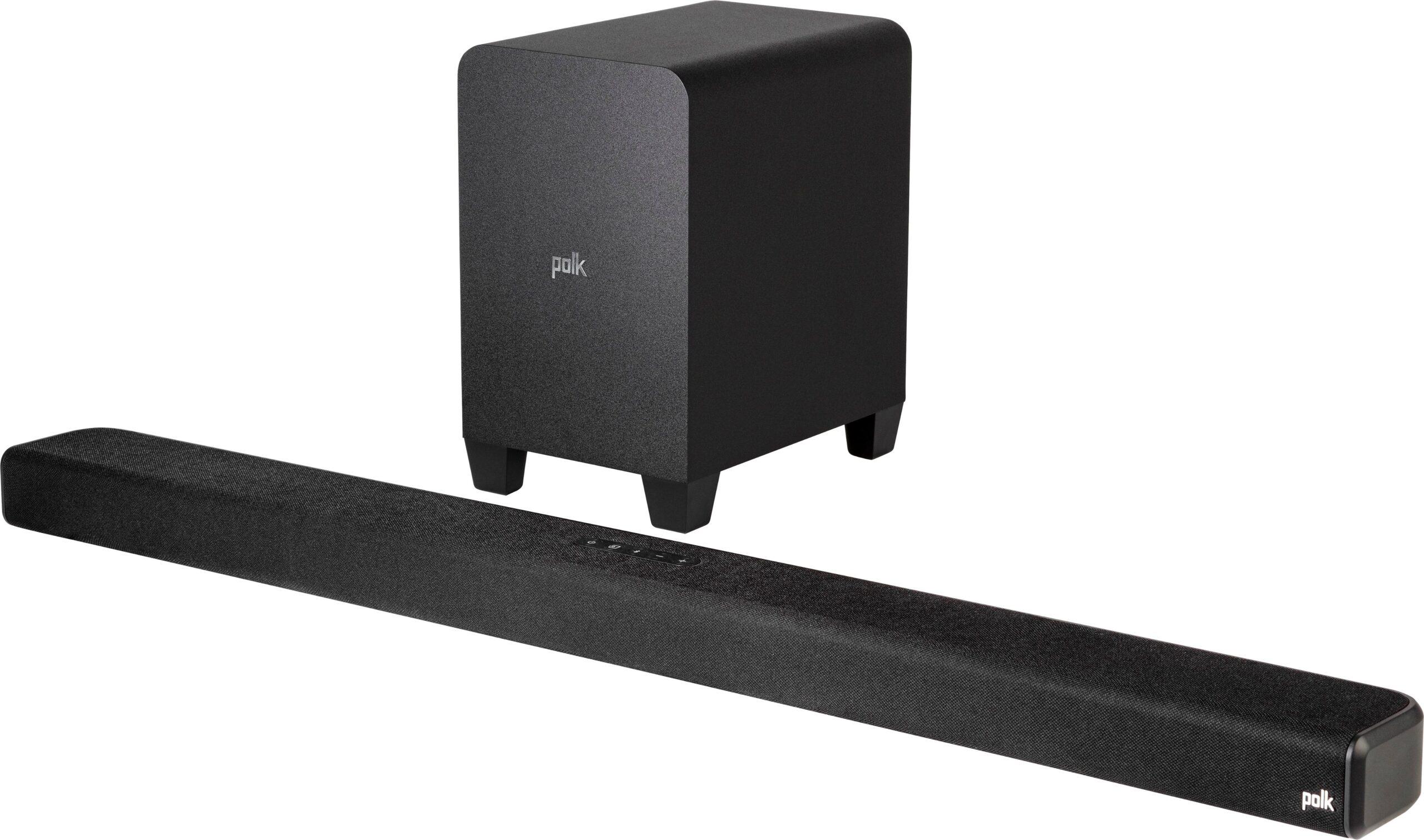
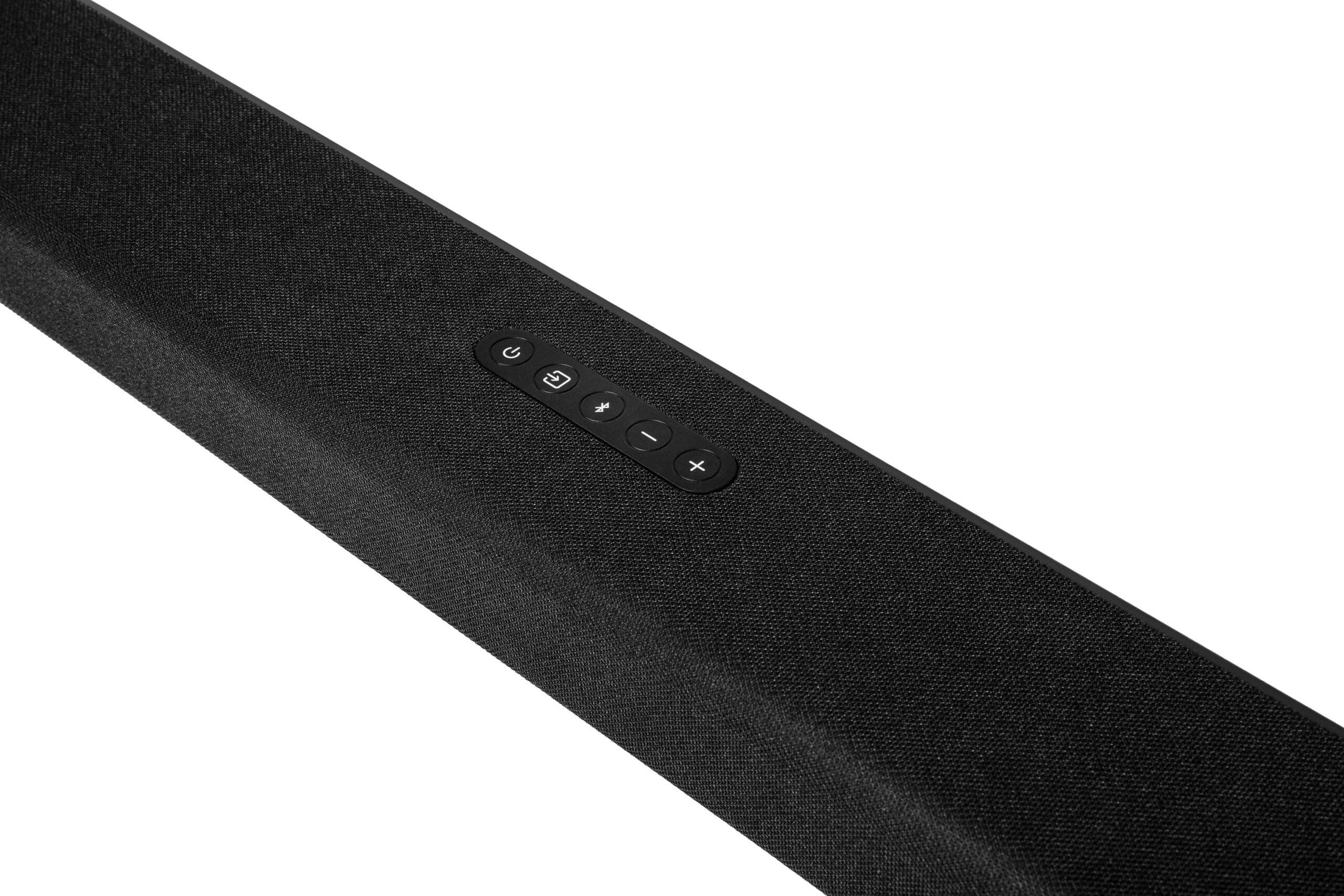
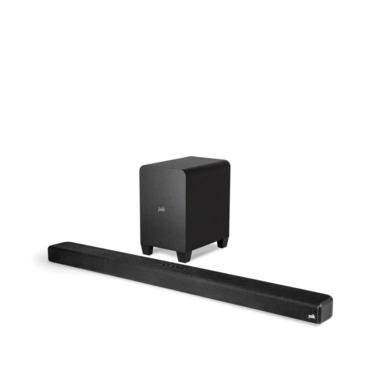
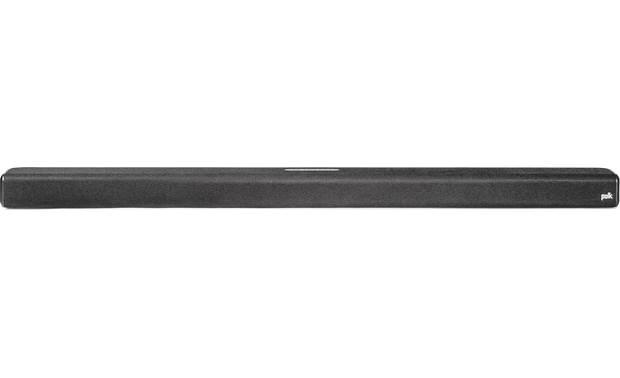
The Signa S4 is a complete 3.1.2 system (left, center, right, plus subwoofer, plus two height channels) that includes everything you need for authentic Dolby Atmos right out of the box. There's no expansion path, no smart features, just focused engineering aimed at sound quality. It's the audio equivalent of a sports car—built for one thing and built to do it well.
This is where the two systems diverge most dramatically, and it's the single most important factor in your decision.
The Polk Signa S4 includes two dedicated up-firing drivers that physically fire sound toward your ceiling. These speakers are angled upward and designed specifically to create height effects by bouncing audio off your ceiling back to your ears. When a helicopter flies overhead in a movie, you'll hear it moving through the space above you because sound is actually being projected there.
This seven-driver array includes three tweeters (for high frequencies), two midrange drivers, and those crucial two up-firing height channels. It's a sophisticated setup for a budget system, and the difference is immediately noticeable with proper Dolby Atmos content. Rain sounds like it's falling from above, planes truly fly overhead, and action sequences gain a three-dimensional quality that flat soundbars simply can't match.
The Amazon Fire TV Soundbar Plus, on the other hand, uses virtual Dolby Atmos processing. This means sophisticated software analyzes the audio signal and uses the existing left, center, and right speakers to create the impression of height effects. No sound is actually fired upward—instead, the system uses psychoacoustic tricks to fool your brain into perceiving vertical sound placement.
Virtual Dolby Atmos has improved significantly over the past few years, and it's certainly better than no height effects at all. But it's fundamentally limited by physics. You might notice some sense of vertical space, but it's nowhere near as convincing as systems with true up-firing speakers.
I've tested both approaches extensively, and while virtual systems can add some spaciousness to the sound, they simply can't compete with dedicated height channels when it comes to that "wow factor" of hearing sounds truly positioned above you.
Both systems include wireless subwoofers, but their implementations reveal different priorities.
The Amazon system's subwoofer provides a decent foundation for the sound, extending the low-end response well beyond what the main soundbar could achieve alone. However, professional reviews consistently describe it as "one note"—meaning it emphasizes deep bass frequencies while lacking the mid-bass punch that makes explosions and music sound more natural and full-bodied.
This becomes more apparent at higher volumes, where the bass can sound "flappy and thin" rather than controlled and powerful. For casual TV watching and moderate volume levels, it's perfectly adequate. But if you're planning movie nights or want to feel the rumble during action sequences, you might find it lacking compared to more sophisticated subwoofer designs.
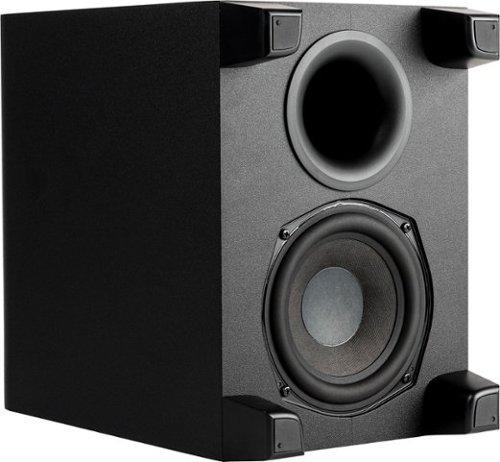
The Signa S4's subwoofer uses a 5.9-inch down-firing driver in what's called a bass-reflex design. This setup includes a port (or vent) that allows air to move in and out of the cabinet, extending bass response and making it sound more natural across a wider range of frequencies.
Professional reviewers consistently praise the Polk's bass as "effortless" and "surprising for its size." The integration between the subwoofer and main soundbar is also better, creating a more seamless transition between the low frequencies handled by the sub and the mids handled by the main unit.
In practice, this means movie explosions have more weight and impact, music sounds fuller and more balanced, and you get that satisfying rumble without the boomy, one-note character that plagues many budget subwoofers.
Clear dialogue is arguably the most important feature for most users—what good is immersive sound if you can't understand what the characters are saying?
The Amazon Fire TV Soundbar Plus includes a dedicated center channel specifically for dialogue, plus a five-step dialogue enhancement feature. This technology can boost voice frequencies without affecting the rest of the soundtrack, so you can hear conversations clearly even during intense action scenes.
The system also includes DTS TruVolume, which helps maintain consistent volume levels across different content and prevents those jarring volume jumps when switching between quiet dialogue scenes and loud action sequences. However, some users report that deeper male voices can sound thin, and during very bass-heavy scenes, the dialogue can sometimes get overwhelmed.
Polk's approach uses their patented VoiceAdjust technology, which they've refined over years of speaker development. Rather than simply boosting voice frequencies, VoiceAdjust analyzes the audio signal and selectively enhances dialogue while leaving music and sound effects untouched.
Combined with the dedicated center channel, this creates what many reviewers describe as exceptional dialogue clarity that remains clear even during the most complex audio scenes. The discrete center channel design also means voices stay anchored to the screen rather than seeming to float between the left and right speakers.
Soundstage refers to how wide and spacious the audio sounds, while imaging describes how precisely you can locate individual sounds within that space.
The Amazon system creates a soundstage that extends slightly wider than the physical soundbar, which is good for the price point. You'll notice sounds panning smoothly from left to right, and when you add the optional satellite speakers, you get that enveloping 360-degree surround effect that makes movie watching more immersive.
However, reviewers note some inconsistencies in the stereo image—gaps where sounds between the left and right speakers don't seem properly positioned. This isn't a deal-breaker for most users, but it prevents the system from achieving that seamless wall of sound that higher-end systems provide.
The Signa S4's seven-driver configuration creates what reviewers consistently describe as a "huge soundstage" that sounds much larger than the physical size of the soundbar would suggest. The careful driver arrangement and crossover design (which determines which frequencies go to which drivers) creates better integration between all the speakers.
This results in a more cohesive sound where individual effects and instruments are easier to locate within the soundscape. The addition of true height channels adds a genuine vertical dimension that makes the entire presentation more three-dimensional and realistic.
This is where the Amazon Fire TV Soundbar Plus disappoints many buyers, despite what the name suggests.
Given the "Fire TV" branding, you'd expect streaming capabilities, Alexa voice control, and deep integration with Amazon's ecosystem. Unfortunately, the reality is much more limited. The soundbar can integrate with Fire TV devices for some audio settings adjustments, but it doesn't stream content, respond to voice commands, or offer the app-based control you might expect.
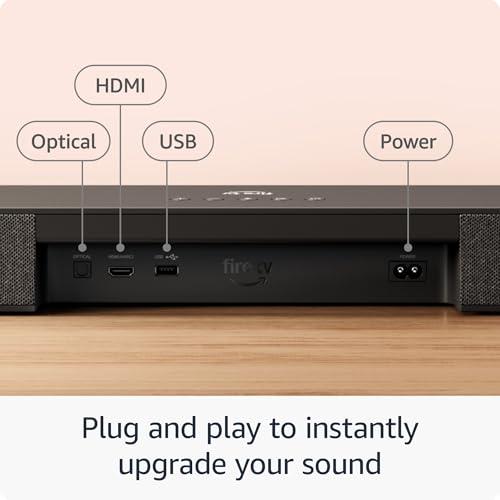
This represents a missed opportunity, especially since Amazon has the ecosystem and technology to make a truly smart soundbar. Instead, you get basic connectivity (HDMI ARC, optical, Bluetooth) without the smart features the name implies.
The Polk Signa S4 makes no pretense about smart features—it's designed purely for audio performance. You get superior HDMI eARC connectivity (which supports higher bandwidth audio formats than basic ARC), optical digital input, and a USB port for firmware updates.
While some might see the lack of smart features as a limitation, it also means Polk could focus entirely on sound quality rather than splitting development resources between audio performance and smart features that might become obsolete as streaming platforms evolve.
Multiple reviews note that the Amazon system is "constructed from inexpensive materials" that reflect its aggressive pricing. While it's functional and gets the job done, the build quality feels appropriate for its budget positioning rather than inspiring confidence for long-term use.
The remote control is also notably small, which some users find awkward for daily use. Amazon provides a standard warranty, but the overall package feels designed to hit a price point rather than maximize durability.
As an established audio company, Polk brings different expectations to build quality. The Signa S4 feels more solid and substantial, with better materials and construction standards throughout. This is backed by a superior warranty structure—three years on the speakers and one year on the amplifier, compared to typical one-year warranties on budget systems.
For users planning to keep their soundbar for many years, this difference in build philosophy could be significant. The better construction and longer warranty suggest greater confidence in long-term reliability.
In a dedicated home theater setup, the performance differences between these systems become most apparent.
For movie watching, the Polk Signa S4 simply delivers a more convincing and immersive experience. The true height channels make action sequences more engaging, while the better bass integration and soundstage create a more cinema-like experience. Dialogue remains clear even during complex scenes, and the overall tonal balance works well across different types of content.
The Amazon Fire TV Soundbar Plus can grow into a more complete surround system with the addition of satellite speakers, which does improve the home theater experience significantly. However, even in full 5.1 configuration, the lack of true height channels means you're missing that vertical dimension that makes Dolby Atmos content truly special.
For music listening, both systems perform adequately, though neither is specifically optimized for stereo music reproduction. The Polk's better driver integration and more natural bass response give it an edge for music, but both systems are primarily designed for TV and movie content.
After extensive evaluation, here's how I see the decision breaking down:
You want flexibility above all else. The modular approach lets you start with a decent upgrade over TV speakers and build toward a full surround system over time. This is ideal if you're not sure how much you'll use the system or if you want to spread the investment across multiple purchases.
The expandability also makes sense if you anticipate moving to a larger room where satellite speakers would be more beneficial, or if you're the type of person who likes to upgrade and modify your setup over time.
However, go into this purchase understanding that you're trading some immediate performance for future flexibility, and that the "smart" features are more limited than the name suggests.
You want the best possible sound quality at this price point, period. The true Dolby Atmos implementation, superior bass response, and better build quality make this the clear winner for pure performance.
This is the choice for users who know they want immersive audio now and aren't concerned about expansion options. It's also better for dedicated home theater setups where sound quality takes priority over flexibility.
The Signa S4 is particularly compelling if you watch a lot of action movies or content specifically mastered for Dolby Atmos, where the height channels will provide the most dramatic improvement over traditional soundbars.
Both systems represent solid value in the budget Dolby Atmos category, but they serve different users and use cases. The Amazon Fire TV Soundbar Plus offers a growth path and modular flexibility, while the Polk Signa S4 delivers better immediate performance and more authentic Dolby Atmos.
At the time of writing, pricing between the systems is competitive enough that your decision should be based on approach rather than cost. If you value flexibility and the option to expand over time, Amazon's modular system makes sense. If you prioritize sound quality and want authentic Dolby Atmos from day one, Polk's focused approach is the better choice.
Either way, both systems will provide a significant upgrade over built-in TV speakers and deliver an taste of immersive audio that makes movies and TV more engaging. The question is whether you want to build toward that experience gradually or jump in with both feet from the start.
| Amazon Fire TV Soundbar Plus with Subwoofer | Polk Audio Signa S4 Dolby Atmos Soundbar with Wireless Subwoofer |
|---|---|
| Dolby Atmos Implementation - The most important difference for immersive sound | |
| Virtualized processing only (no up-firing speakers) | True 3.1.2 channels with dedicated up-firing height speakers |
| Channel Configuration - Determines your surround sound experience | |
| 3.1 channels (expandable to 5.1 with satellite speakers) | Fixed 3.1.2 channels (includes height channels) |
| Driver Array - More drivers typically mean better sound separation | |
| 3 full-range speakers, 3 tweeters, 2 woofers in soundbar | 7-driver array: 3 tweeters, 2 midrange, 2 height drivers |
| Expandability - Important if you want to upgrade over time | |
| Can add wireless satellite speakers for full 5.1 surround | No expansion options - complete system as purchased |
| Subwoofer Design - Affects bass quality and room placement | |
| Wireless subwoofer with basic driver design | 5.9" down-firing wireless subwoofer with bass-reflex design |
| Smart Features - Consider if you want streaming or voice control | |
| Limited Fire TV integration, no Alexa or streaming | No smart features - pure audio focus |
| Dialogue Enhancement - Critical for clear TV watching | |
| 5-step dialogue enhancer plus DTS TruVolume | Patented VoiceAdjust technology with dedicated center channel |
| Connectivity Options - Determines compatibility with your devices | |
| HDMI ARC, optical, Bluetooth 5.0, USB-A | HDMI eARC (superior), optical, 3.5mm analog, Bluetooth 4.2, USB |
| Build Quality - Affects long-term durability and feel | |
| Budget materials, compact remote, standard warranty | Superior construction, traditional audio brand quality |
| Sound Customization - Important for fine-tuning to your preferences | |
| Bass/treble adjustment (1-9 scale), 4 sound modes | VoiceAdjust, BassAdjust, Movie/Music/Night modes |
| Best Use Case - Who each system serves best | |
| Users wanting gradual expansion and Fire TV integration | Users prioritizing authentic Dolby Atmos and immediate performance |
The Polk Audio Signa S4 delivers superior Dolby Atmos performance with true 3.1.2 channels and dedicated up-firing speakers that physically project sound upward. The Amazon Fire TV Soundbar Plus only offers virtualized Dolby Atmos processing without actual height channels, making the Polk system significantly more immersive for movies and TV shows.
The Amazon Fire TV Soundbar Plus can be expanded with wireless satellite speakers to create a full 5.1 surround sound system, making it ideal for users who want to upgrade gradually. The Polk Audio Signa S4 is a complete fixed system that cannot be expanded, but includes everything needed for authentic Dolby Atmos from day one.
Both systems excel at dialogue clarity but use different approaches. The Polk Audio Signa S4 features patented VoiceAdjust technology that enhances speech without affecting other audio elements. The Amazon Fire TV Soundbar Plus offers a 5-step dialogue enhancer with DTS TruVolume for consistent voice levels across different content.
Yes, both the Amazon Fire TV Soundbar Plus and Polk Audio Signa S4 work with any TV that has HDMI ARC/eARC or optical digital outputs. The Polk system offers superior HDMI eARC connectivity for higher bandwidth audio, while the Amazon system provides basic HDMI ARC plus additional Fire TV integration features.
The Polk Audio Signa S4 delivers superior bass quality with its 5.9-inch down-firing subwoofer in a bass-reflex design, providing more natural and controlled low-frequency response. The Amazon Fire TV Soundbar Plus includes a wireless subwoofer that's adequate for most users but can sound "one note" and less refined at higher volumes.
The Polk Audio Signa S4 is better suited for dedicated home theater setups due to its true Dolby Atmos implementation, superior soundstage, and better build quality. The Amazon Fire TV Soundbar Plus works well for home theater when expanded to 5.1 channels, but lacks the vertical sound dimension that makes Dolby Atmos content truly immersive.
Neither system offers comprehensive smart features. The Amazon Fire TV Soundbar Plus provides limited Fire TV integration for audio settings but doesn't include Alexa or streaming capabilities despite its name. The Polk Audio Signa S4 focuses purely on audio performance without any smart home integration.
Both systems are relatively easy to set up, but the Polk Audio Signa S4 is simpler since it's a complete system out of the box. The Amazon Fire TV Soundbar Plus requires more consideration for speaker placement if you plan to expand with satellite speakers, though the wireless components pair automatically.
The Polk Audio Signa S4 provides better music performance due to its seven-driver array, superior bass integration, and more natural tonal balance. While both the Amazon and Polk systems are primarily designed for TV and movies, the Polk's better driver design makes it more enjoyable for stereo music content.
Value depends on your priorities: the Amazon Fire TV Soundbar Plus offers better value if you want expandability and plan to build a full surround system over time. The Polk Audio Signa S4 provides superior immediate value with authentic Dolby Atmos, better build quality, and superior sound performance for users who want the best audio experience right away.
The Polk Audio Signa S4 features superior build quality with better materials, more solid construction, and a longer warranty period reflecting traditional audio brand standards. The Amazon Fire TV Soundbar Plus uses more budget-oriented materials that are functional but feel less premium, though adequate for its price point.
Choose the Amazon Fire TV Soundbar Plus if you want flexibility to expand over time, have Fire TV devices, or prefer spreading your investment across multiple purchases. Select the Polk Audio Signa S4 if you prioritize immediate sound quality, want authentic Dolby Atmos with true height channels, or prefer a complete high-performance system from day one.
We've done our best to create useful and informative comparisons to help you decide what product to buy. Our research uses advanced automated methods to create this comparison and perfection is not possible - please contact us for corrections or questions. These are the sites we've researched in the creation of this article: rtings.com - cordbusters.co.uk - techradar.com - youtube.com - t3.com - hometechnologyreview.com - youtube.com - hometechnologyreview.com - whathifi.com - developer.amazon.com - manuals.plus - dolby.com - soundandvision.com - audioholics.com - crutchfield.com - cnet.com - richersounds.com - crutchfield.com - rtings.com - polkaudio.com - walmart.com - polkaudio.com - crutchfield.com - youtube.com - profx.com

Privacy Policy
Terms and Conditions - Affiliate Policy
Home Security
© Copyright 2008-2026.
11816 Inwood Rd #1211, Dallas, TX 75244