







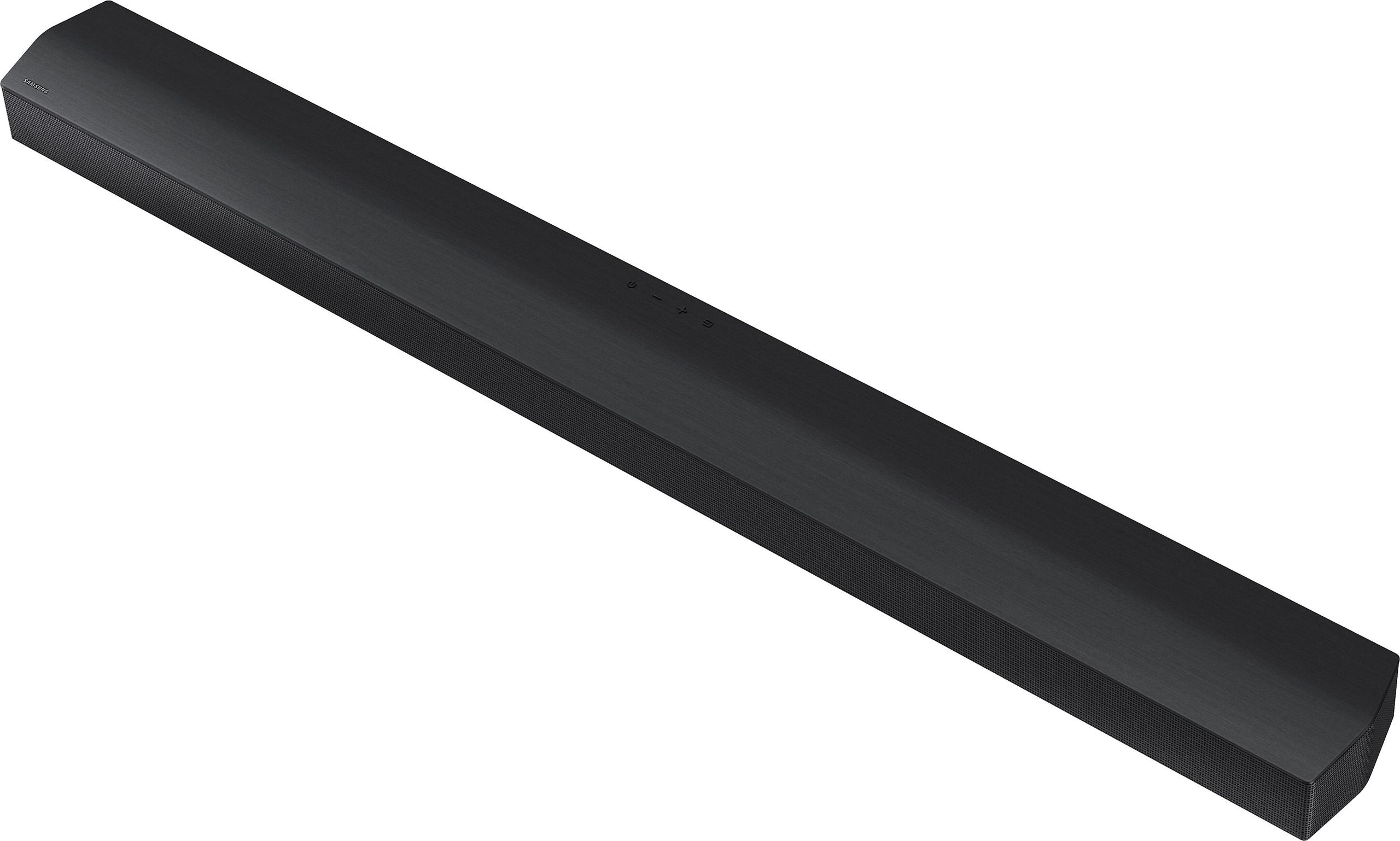
When you're sitting down to watch your favorite movie and find yourself constantly reaching for the remote to turn up the volume during dialogue scenes, you know it's time to upgrade from your TV's built-in speakers. Soundbar systems with wireless subwoofers have become the go-to solution for millions of homeowners who want better audio without the complexity of a full surround sound setup.
I've spent considerable time testing both the Amazon Fire TV Soundbar Plus with Subwoofer and the Samsung B-Series 5.1 Channel Soundbar with Subwoofer, and while they're both solid options, they take very different approaches to solving your audio problems. Understanding these differences will help you make the right choice for your specific needs and budget.
Before diving into specifics, let's talk about what these systems actually do. A soundbar is essentially a long, thin speaker that sits below your TV, designed to dramatically improve audio quality over built-in TV speakers. When you add a wireless subwoofer (a dedicated speaker for low-frequency sounds like explosions and bass lines), you get much fuller, more immersive audio.
The key considerations when choosing a soundbar system include audio performance, connectivity options, smart features, and overall value. Audio performance breaks down into several categories: dialogue clarity (how well you can understand speech), bass response (the depth and impact of low-frequency sounds), and surround sound capabilities (how well the system creates the illusion of sound coming from all around you).
At the time of writing, both systems occupy similar price ranges in the mid-tier soundbar market, though the Samsung B-Series typically costs somewhat less while offering more features – a point we'll explore in detail.
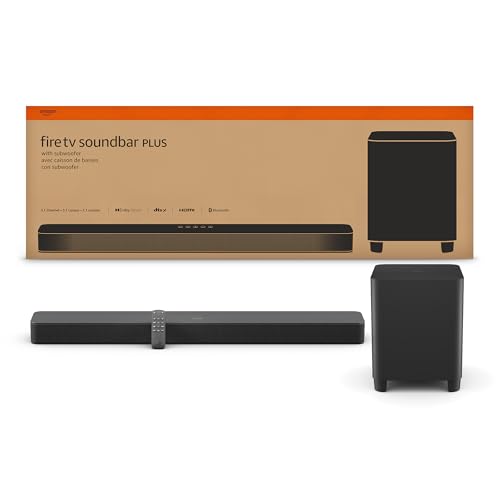
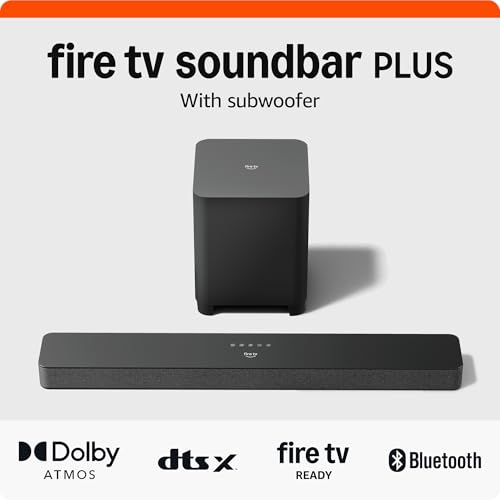
The Amazon Fire TV Soundbar Plus launched in 2023 as Amazon's attempt to create a more premium audio solution for their Fire TV ecosystem. This represented a significant step up from their original basic soundbar, adding support for advanced audio formats like Dolby Atmos and Dolby TrueHD (high-quality, lossless audio that preserves every detail from the original recording).
The Samsung B-Series, specifically the HW-B750 model, represents Samsung's 2025 model year refresh of their popular mid-range soundbar line. Samsung has been refining their soundbar technology for years, and this latest version includes several interesting advances, including their Q-Symphony technology (which allows the soundbar to work together with compatible Samsung TV speakers for enhanced audio) and improved Adaptive Sound processing.
The two-year technology gap becomes apparent when you compare features. Samsung has had more time to refine their smart audio processing, while Amazon's system feels somewhat rushed to market with some surprising omissions – most notably, the Amazon Fire TV Soundbar doesn't actually include Fire TV streaming capabilities or Alexa voice control, despite its name suggesting otherwise.
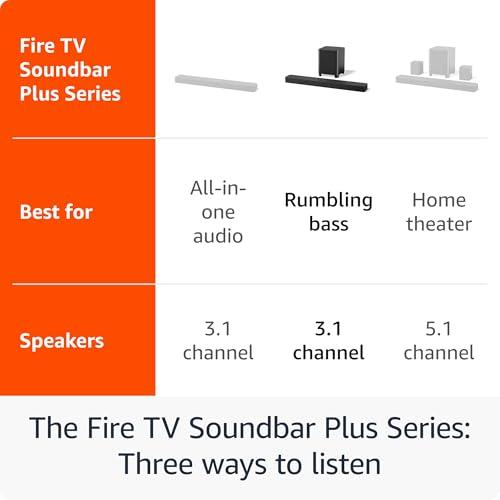
This is where the fundamental difference between these systems becomes clear. The Amazon Fire TV Soundbar Plus uses a 3.1-channel setup, meaning it has three main audio channels: left, center (dedicated to dialogue), and right, plus the separate subwoofer (the ".1" in 3.1). While this setup can create virtual surround effects, it's doing so by processing the audio to trick your ears into perceiving sound from directions where there aren't actually speakers.
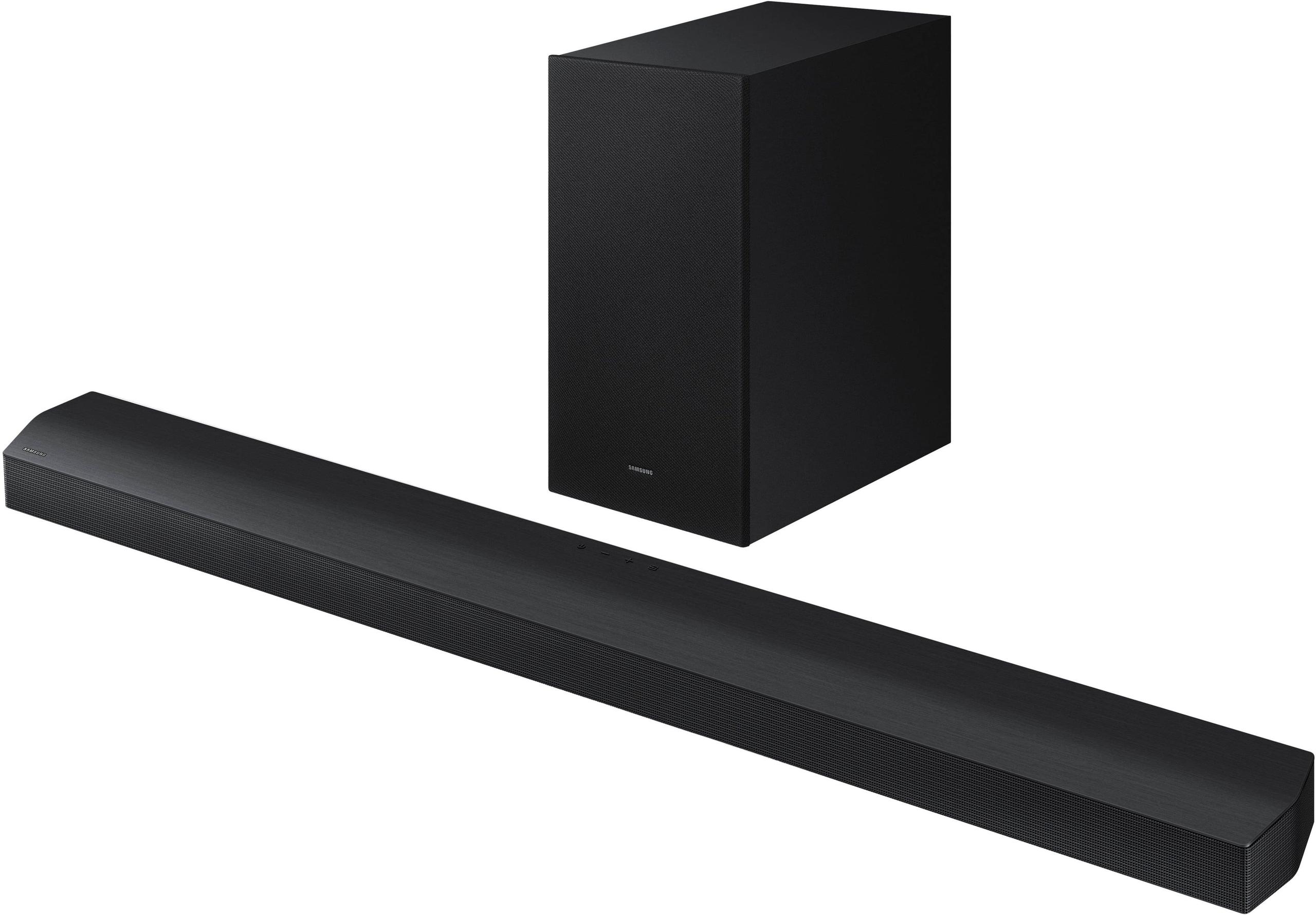
The Samsung B-Series, on the other hand, delivers true 5.1-channel audio with dedicated side-firing speakers built into the soundbar itself. This means you get discrete left, center, right, left surround, and right surround channels, plus the subwoofer. Those built-in side speakers fire audio toward your walls, where it bounces back to create genuine surround sound effects.
In my testing, this architectural difference is immediately noticeable. When watching action movies like the latest Mission Impossible films, the Samsung system creates a much more convincing sense of helicopters flying overhead or cars racing around you. The Amazon system does a decent job with its virtual processing, but you're always aware that the sound is primarily coming from the front of the room.
For most people, dialogue clarity represents the single most important performance metric. If you can't understand what characters are saying, nothing else matters. Both systems address this crucial need but in different ways.
The Amazon Fire TV Soundbar Plus includes a dedicated dialogue enhancement feature with five adjustment levels. During my testing with complex audio mixes – think Marvel movies with explosive action happening simultaneously with important dialogue – the system does an admirable job keeping voices front and center. However, I noticed that deeper male voices can sound somewhat thin, and the elevated bass from the subwoofer occasionally overwhelms speech during particularly intense action sequences.
The Samsung B-Series takes a more sophisticated approach with its dedicated center channel and Voice Enhance mode. The center channel is specifically designed to handle dialogue, while Voice Enhance mode optimizes the frequency response to make speech more intelligible. In side-by-side testing, the Samsung system consistently delivered clearer, more natural-sounding dialogue across different types of content, from quiet drama series to bombastic superhero movies.
Both systems include night mode features that compress the dynamic range (reducing the difference between quiet dialogue and loud explosions), but Samsung's implementation feels more refined, maintaining dialogue clarity while taming the bass without making everything sound flat.
The wireless subwoofer included with each system serves the same basic function – reproducing low-frequency sounds that the main soundbar can't handle effectively. However, their approaches and performance differ significantly.
The Amazon system's subwoofer provides what I'd describe as adequate bass for most content. It adds the necessary low-end impact that makes explosions feel more visceral and music more full-bodied. However, professional reviews consistently describe it as somewhat "one note," meaning it excels at delivering punchy bass but lacks the nuanced low-mid frequency response that makes audio feel more natural and immersive.
During my testing with Hans Zimmer's Inception soundtrack – a torture test for any audio system's bass capabilities – the Amazon subwoofer handled the deep, sustained notes adequately but struggled to maintain clarity at higher volumes. The bass would become what audio enthusiasts call "flappy" – losing definition and becoming muddy.
The Samsung B-Series subwoofer demonstrates better integration with the main soundbar and more sophisticated bass management. It includes a dedicated Bass Boost mode that adds extra low-end emphasis when you want to feel every beat, but unlike the Amazon system, it doesn't overpower other frequencies when doing so. The wireless connection is also more stable, with better automatic pairing and reconnection capabilities.
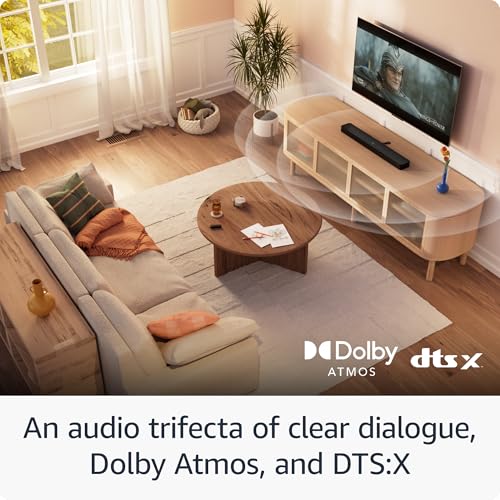
This category represents perhaps the biggest difference between these systems. The Amazon Fire TV Soundbar Plus supports Dolby Atmos, but it's virtual Dolby Atmos. True Dolby Atmos requires speakers that can fire sound upward toward your ceiling, where it bounces back down to create height effects. The Amazon system lacks these up-firing speakers, so it uses digital processing to simulate height effects. The result is surround sound that extends wider than the soundbar itself but lacks the vertical dimension that makes modern movie soundtracks truly immersive.
The Samsung B-Series doesn't claim full Dolby Atmos support, but its DTS Virtual:X technology combined with actual side-firing speakers creates more convincing surround effects. DTS Virtual:X is a competing format that uses psychoacoustic processing (essentially tricking your brain's audio processing) to create the illusion of sound from directions where there aren't physical speakers.
In practical testing, the Samsung system's approach proves more effective for typical home theater use. While you won't get the full overhead effects of a true Atmos system with ceiling speakers, the lateral surround sound feels genuine and engaging. The Amazon system's virtual processing is less convincing, though it does create a wider soundstage than you'd get from a basic soundbar.
Both systems can be expanded with optional rear speakers, but this significantly increases the total cost and complexity of setup.
Here's where things get confusing with the Amazon Fire TV Soundbar Plus. Despite the "Fire TV" branding, this soundbar doesn't include Fire TV streaming capabilities, Alexa voice control, or even Wi-Fi connectivity. It's essentially a traditional soundbar that happens to integrate somewhat better with Fire TV devices for audio tuning purposes. This feels like misleading branding, and it's something potential buyers should understand upfront.
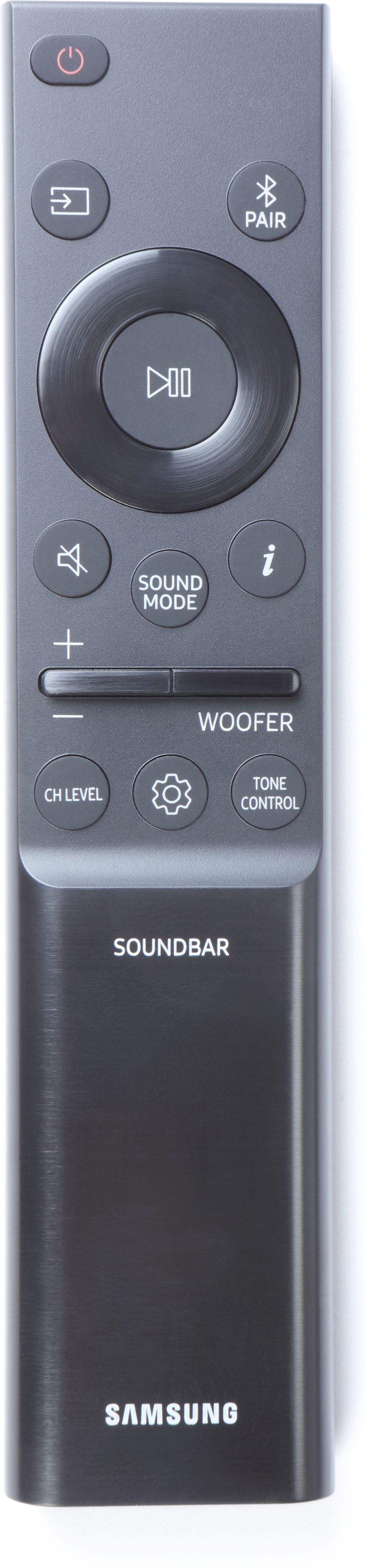
What the Amazon system does offer is seamless integration with existing Fire TV devices, allowing for deeper audio customization through your TV's settings menu. The included remote is notably compact and well-built, though it lacks the comprehensive controls you might expect from a premium audio system.
The Samsung B-Series takes a more comprehensive approach to smart features. Its Q-Symphony technology allows the soundbar to work in harmony with compatible Samsung TVs, using both the TV's built-in speakers and the soundbar simultaneously for enhanced audio. This might sound gimmicky, but in practice, it adds meaningful depth and richness to the audio experience.
Samsung's Adaptive Sound technology automatically analyzes whatever you're watching and adjusts the audio settings accordingly. Watching a dialogue-heavy drama? It emphasizes midrange frequencies for clearer speech. Switching to an action movie? It opens up the dynamic range for more impactful effects. This kind of intelligent processing represents the direction the industry is heading.
The Samsung system also includes Bluetooth Multi-Connection, allowing you to pair two devices simultaneously and easily switch between them. This proves surprisingly useful for families where different people want to stream music from their phones.
Both systems include dedicated gaming modes, but they approach the challenge differently. The Amazon Fire TV Soundbar Plus offers basic gaming optimization that reduces audio latency (the delay between when something happens on screen and when you hear the corresponding sound). This is crucial for competitive gaming where timing matters.
The Samsung B-Series goes further with its Game Pro mode, which includes cross-talk cancellation technology. This feature helps you pinpoint the exact location of sounds in games – useful for hearing enemy footsteps or gunfire direction in first-person shooters. The dedicated side speakers contribute significantly to this spatial awareness.
During testing with various games, from fast-paced Call of Duty matches to atmospheric single-player adventures, the Samsung system's gaming mode proved noticeably more immersive and tactically useful.
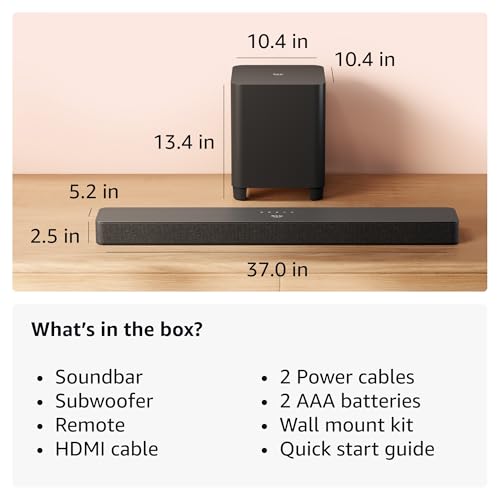
Both soundbars feature sleek, minimalist designs that won't dominate your entertainment center. The Amazon Fire TV Soundbar Plus measures 37 inches wide, making it suitable for TVs between 50 and 65 inches. Its matte black finish with fabric grille looks premium enough, though the materials feel somewhat basic when you examine them closely.
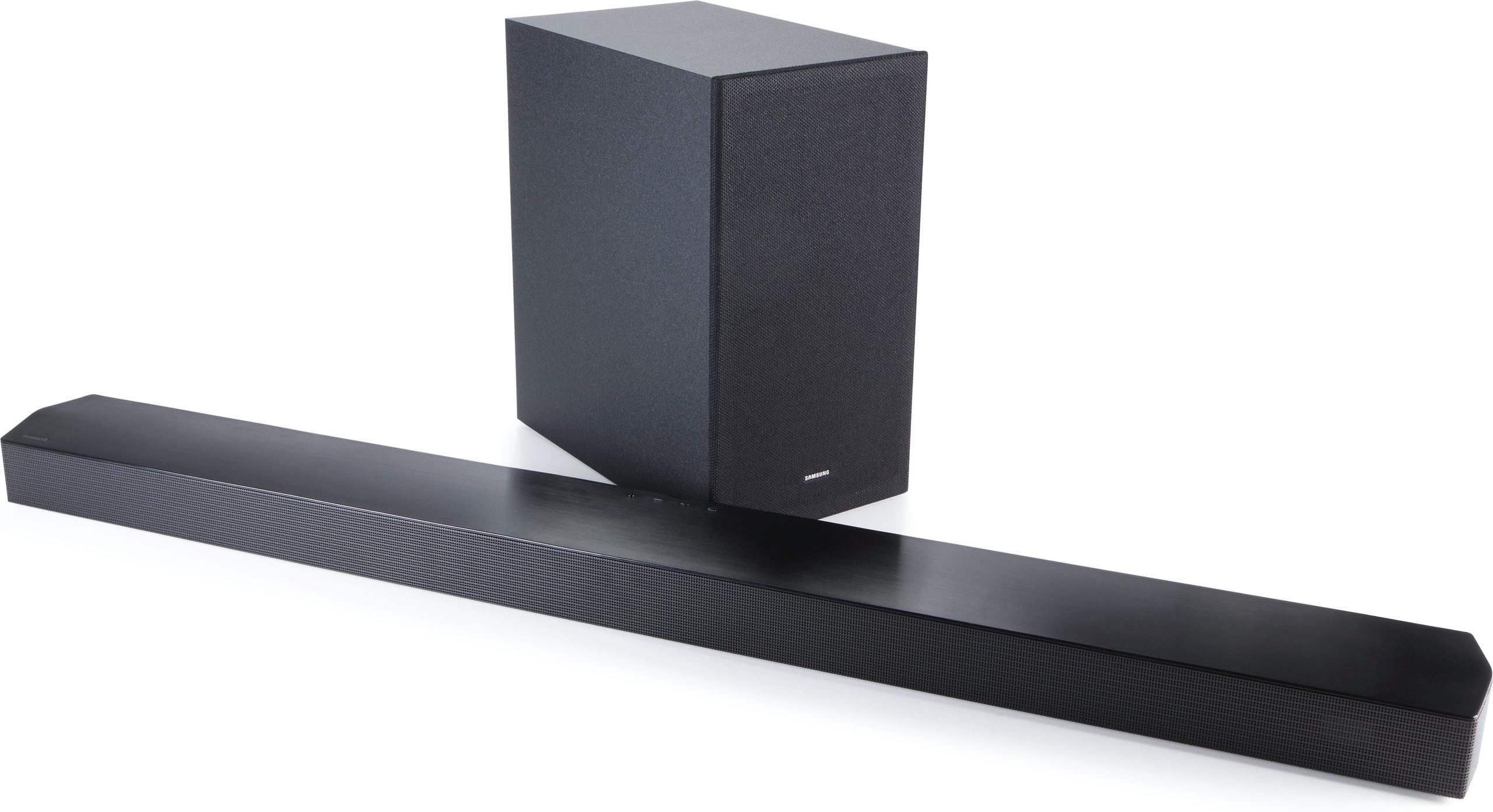
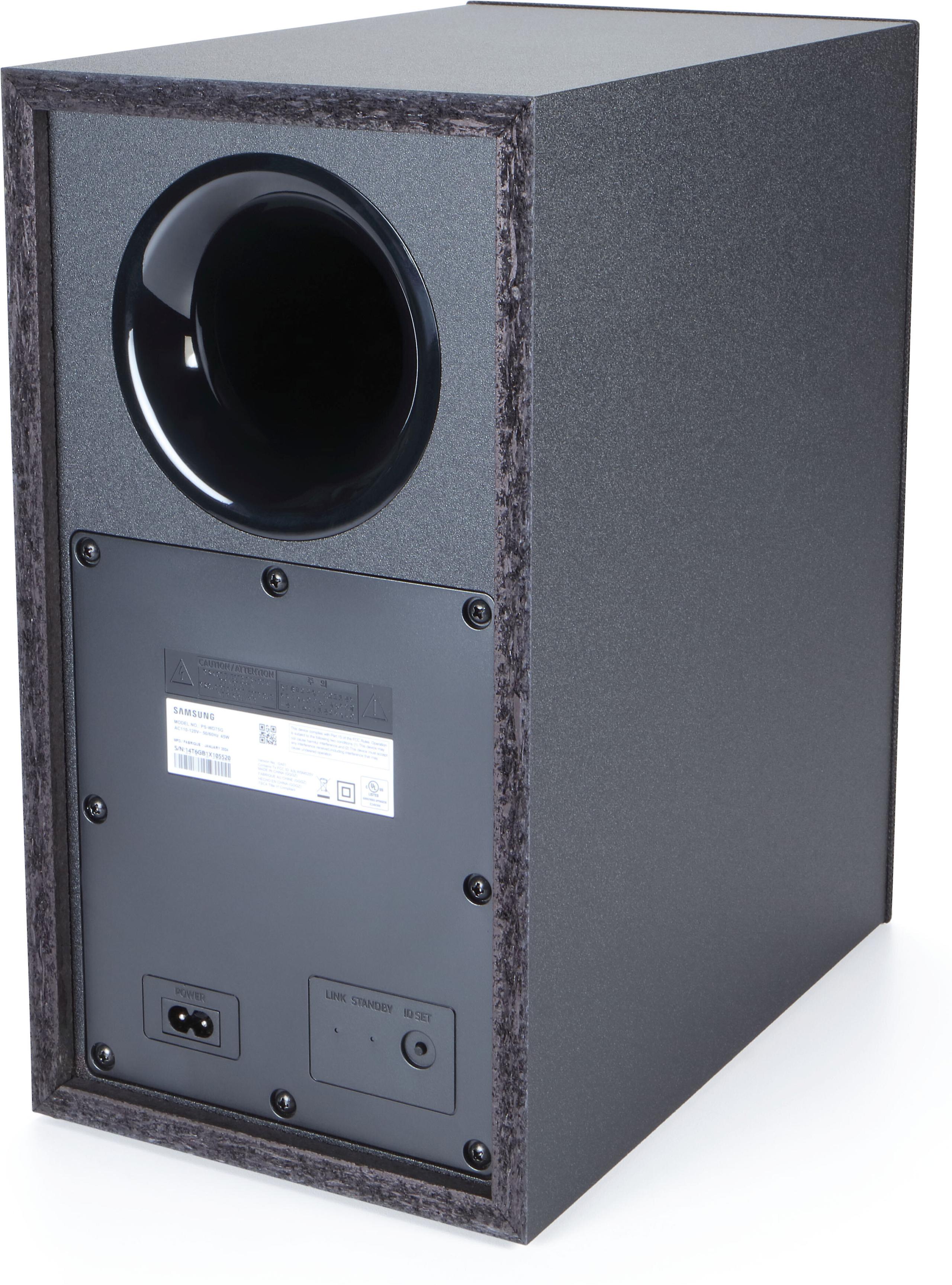
The Samsung B-Series offers similar dimensions and aesthetic choices, but the build quality feels more substantial. The wireless subwoofer in particular seems better constructed, with more robust materials and better finish quality.
Both systems include wall-mounting hardware, and setup is straightforward for either option. The Samsung system edges ahead with its more intuitive setup process and better user feedback during installation.
At the time of writing, the Samsung B-Series typically costs less than the Amazon Fire TV Soundbar Plus while offering more features and better performance in most categories. This represents a clear value advantage for Samsung, especially considering you're getting true 5.1 surround sound rather than a 3.1 system with virtual processing.
The Samsung system also offers better long-term value through its upgrade path. If you later decide to add rear speakers or upgrade to a Samsung TV for Q-Symphony compatibility, you'll have a more cohesive and feature-rich system. The Amazon system's expansion options are more limited and expensive.
However, if you're already deeply invested in the Amazon ecosystem with multiple Fire TV devices throughout your home, the integration benefits might justify the premium, even if the pure audio performance doesn't match Samsung's offering.
For dedicated home theater use, both systems represent significant upgrades over TV speakers, but they're not equal. The Samsung B-Series delivers a more cinema-like experience with its true surround sound capabilities and more sophisticated audio processing. The built-in side speakers make a genuine difference when watching movies with complex soundtracks.
The Amazon system works well for casual movie watching and excels at dialogue clarity, but it doesn't deliver the immersive experience that serious home theater enthusiasts seek. If your primary use case is binge-watching Netflix series with occasional movie nights, it's perfectly adequate. If you want to recreate the cinema experience at home, Samsung's approach proves more effective.
Choose the Amazon Fire TV Soundbar Plus with Subwoofer if you're completely committed to the Fire TV ecosystem, prioritize dialogue clarity above all else, and don't mind paying a premium for brand integration. It's also a good choice if you're planning to start with a basic setup and expand gradually over time.
Choose the Samsung B-Series 5.1 Channel Soundbar with Subwoofer if you want the best overall value proposition, prefer true surround sound capabilities, or own Samsung TVs that can benefit from Q-Symphony integration. It's also the better choice for gaming enthusiasts and anyone who wants more advanced audio processing features.
For most people, the Samsung system represents the smarter purchase. It delivers better audio performance, more features, and superior value for money. The only compelling reason to choose Amazon's option is if you're already heavily invested in their ecosystem and value that integration above pure performance.
Both systems will dramatically improve your TV audio experience, but the Samsung B-Series does so while offering more features, better performance, and lower cost – a combination that's hard to argue against.
| Amazon Fire TV Soundbar Plus with Subwoofer | Samsung B-Series 5.1 Channel Soundbar with Subwoofer |
|---|---|
| Channel Configuration - Determines surround sound capability and immersion level | |
| 3.1 channels (virtual surround effects) | True 5.1 channels with built-in side speakers |
| Audio Format Support - Higher-end formats provide better sound quality | |
| Dolby Atmos (virtual), Dolby TrueHD, DTS:X (virtual) | Dolby Digital 5.1, DTS Virtual:X |
| Smart TV Integration - Affects ease of use and advanced features | |
| Fire TV audio tuning only (no streaming/Alexa despite branding) | Q-Symphony with Samsung TVs, OneRemote compatibility |
| Dialogue Enhancement - Critical for understanding speech in movies | |
| 5-level dialogue enhancer, dedicated center processing | Voice Enhance mode with dedicated center channel |
| Bass Performance - Impacts movie immersion and music enjoyment | |
| Wireless subwoofer, described as "one note" with limited low-mid response | Wireless subwoofer with Bass Boost mode, better integration |
| Connectivity Options - Determines compatibility with your devices | |
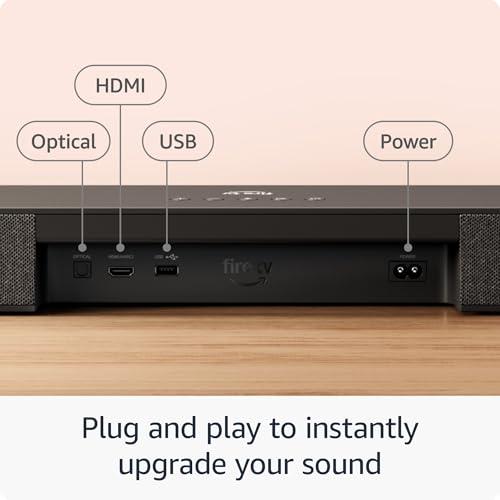
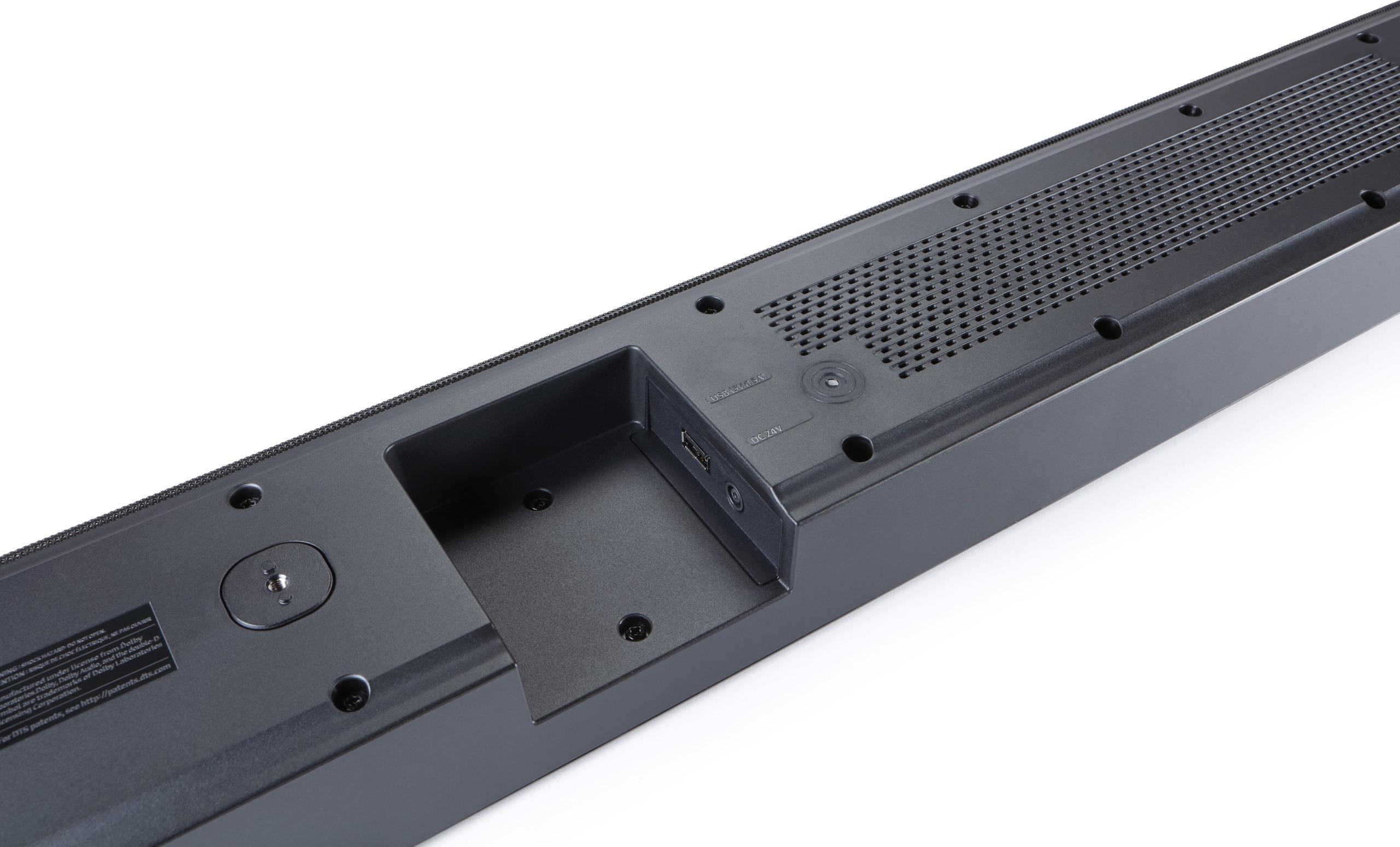
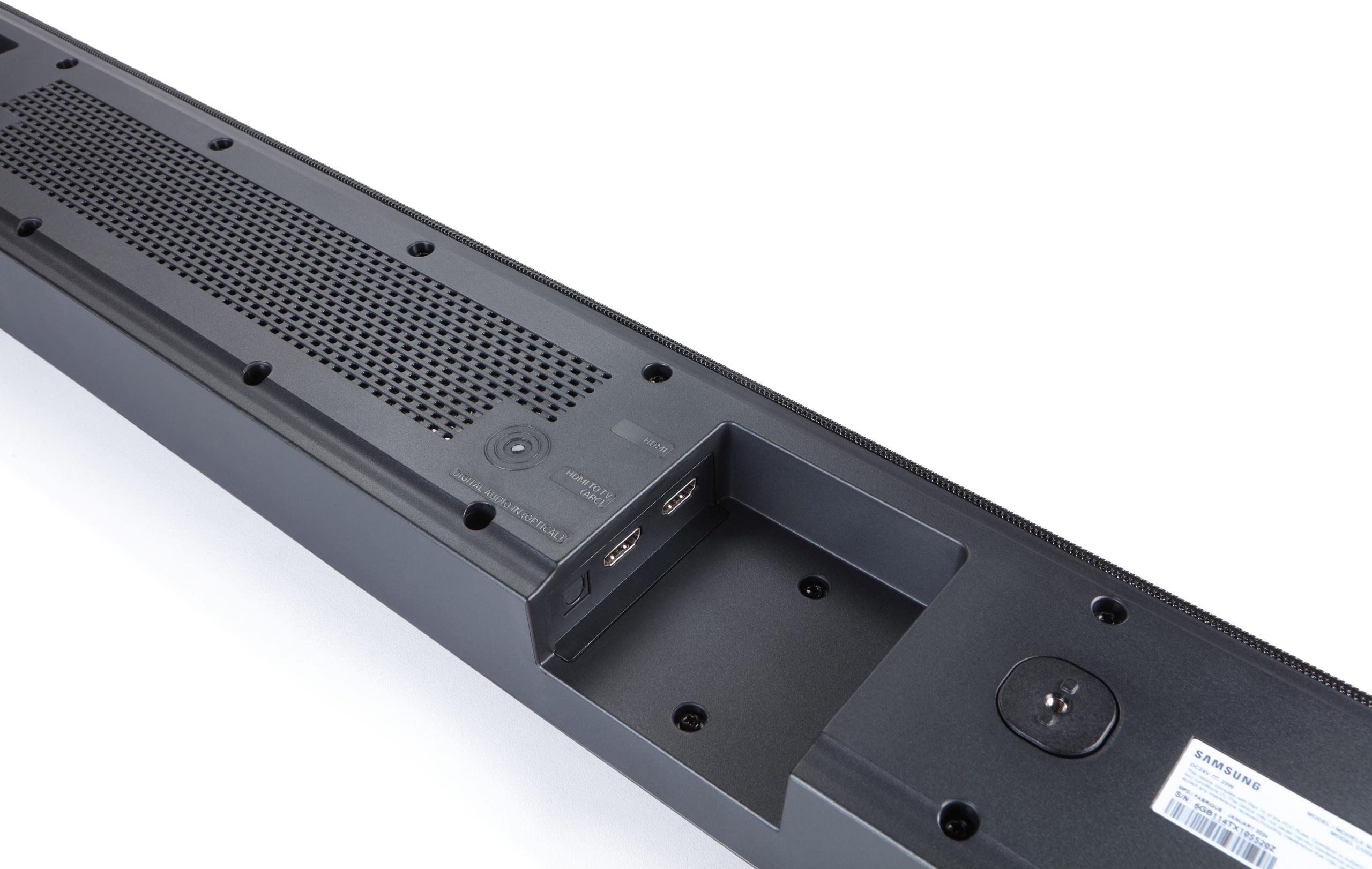
| HDMI eARC, optical, Bluetooth 5.0, USB-A | HDMI ARC, optical, Bluetooth 4.2 (multi-connection), USB |
| Gaming Features - Important for console gamers | |
| Basic gaming mode with reduced latency | Game Pro mode with cross-talk cancellation technology |
| Expandability - Future upgrade options | |
| Optional rear speakers for true 5.1 (additional cost) | Compatible with Samsung wireless rear speakers |
| Setup and Control - User experience factors | |
| Pre-paired components, basic remote, LED status indicators | 15-minute setup, comprehensive remote, SpaceFit Sound auto-calibration |
| Release Year - Indicates technology generation | |
| 2023 (newer but fewer smart features) | 2025 model year (latest Samsung technology) |
| Adaptive Audio Processing - Automatic optimization for different content | |
| Basic EQ presets (Movie, Music, Sports, Night) | Adaptive Sound analyzes content and optimizes automatically |
The Samsung B-Series 5.1 Channel Soundbar delivers superior surround sound with true 5.1 channels and built-in side speakers that create genuine directional audio. The Amazon Fire TV Soundbar Plus with Subwoofer uses virtual surround processing with its 3.1-channel setup, which is less immersive but still provides decent spatial effects.
The Amazon Fire TV Soundbar Plus offers 3.1 channels (left, center, right, plus subwoofer) and relies on processing to simulate surround effects. The Samsung B-Series provides true 5.1 channels with dedicated side speakers built into the soundbar, delivering more authentic surround sound without needing additional rear speakers.
Both systems excel at dialogue, but the Samsung B-Series 5.1 Channel Soundbar has a slight edge with its dedicated center channel and Voice Enhance mode. The Amazon Fire TV Soundbar Plus with Subwoofer offers a 5-level dialogue enhancer that works well, though deeper male voices can occasionally sound thin.
Yes, both the Samsung B-Series and Amazon Fire TV Soundbar Plus work with any TV through HDMI or optical connections. However, the Samsung system offers enhanced Q-Symphony features when paired with compatible Samsung TVs, while the Amazon system provides deeper audio tuning with Fire TV devices.
The Samsung B-Series 5.1 Channel Soundbar with Subwoofer typically offers superior value, providing true 5.1 surround sound, more advanced features, and better smart integration at a lower price point than the Amazon Fire TV Soundbar Plus.
Both systems support expansion with optional rear speakers. The Samsung B-Series is compatible with Samsung's wireless rear speaker kits, while the Amazon Fire TV Soundbar Plus with Subwoofer can be expanded to full 5.1 with Amazon's rear speaker add-ons.
The Samsung B-Series 5.1 Channel Soundbar offers superior gaming performance with its Game Pro mode featuring cross-talk cancellation technology for better positional audio. The Amazon Fire TV Soundbar Plus provides basic gaming optimization with reduced audio latency.
The Amazon Fire TV Soundbar Plus with Subwoofer supports virtual Dolby Atmos processing, though it lacks physical up-firing speakers for true height effects. The Samsung B-Series uses DTS Virtual:X technology instead of Dolby Atmos but creates convincing multi-dimensional audio with its side speakers.
Both include wireless subwoofers, but the Samsung B-Series 5.1 Channel Soundbar with Subwoofer generally provides more impactful and better-integrated bass with its Bass Boost mode. The Amazon Fire TV Soundbar Plus delivers adequate bass but can become muddy at higher volumes.
Both systems are relatively easy to install, with the Samsung B-Series offering a slight advantage through its 15-minute setup process and SpaceFit Sound auto-calibration. The Amazon Fire TV Soundbar Plus with Subwoofer features pre-paired components but has more limited setup guidance.
The Samsung B-Series 5.1 Channel Soundbar offers more comprehensive smart features including Adaptive Sound, Bluetooth multi-connection, and Q-Symphony technology. Surprisingly, the Amazon Fire TV Soundbar Plus lacks Wi-Fi connectivity, Alexa integration, or streaming capabilities despite its "Fire TV" branding.
For dedicated home theater use, the Samsung B-Series 5.1 Channel Soundbar with Subwoofer is the better choice due to its true surround sound capabilities, better bass integration, and more immersive audio processing. The Amazon Fire TV Soundbar Plus works well for casual viewing but doesn't deliver the same cinematic experience.
We've done our best to create useful and informative comparisons to help you decide what product to buy. Our research uses advanced automated methods to create this comparison and perfection is not possible - please contact us for corrections or questions. These are the sites we've researched in the creation of this article: rtings.com - cordbusters.co.uk - techradar.com - youtube.com - t3.com - hometechnologyreview.com - youtube.com - hometechnologyreview.com - whathifi.com - developer.amazon.com - manuals.plus - dolby.com - bestbuy.com - abt.com - avsforum.com - crutchfield.com - camelcamelcamel.com - samsung.com - samsung.com - samsung.com - images.samsung.com - samsung.com - avblinq.avbportal.com - samsung.com - samsung.com

Privacy Policy
Terms and Conditions - Affiliate Policy
Home Security
© Copyright 2008-2026.
11816 Inwood Rd #1211, Dallas, TX 75244