

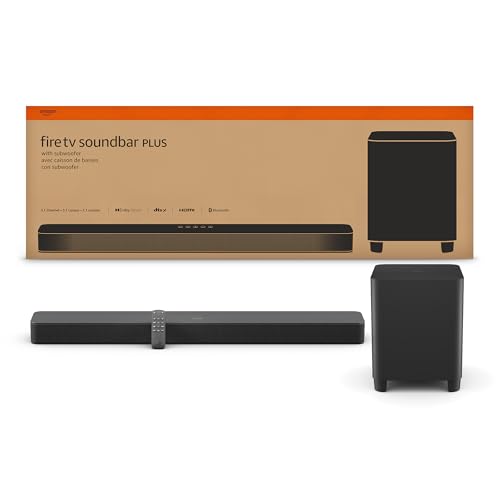
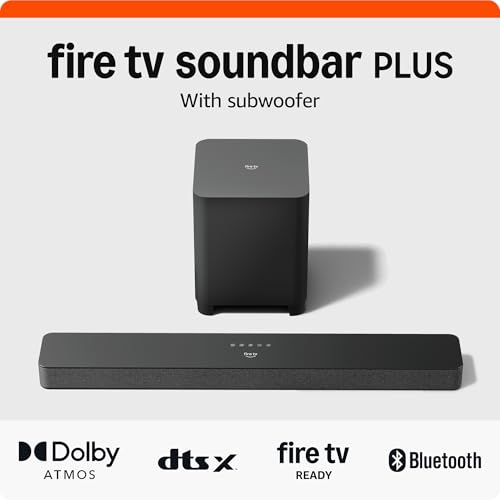




When you're tired of constantly adjusting your TV volume or missing dialogue during action scenes, it's time to upgrade from those built-in TV speakers. But with hundreds of soundbars on the market, choosing between options like the Amazon Fire TV Soundbar Plus with Subwoofer and the Samsung HW-B550D can feel overwhelming. Let me break down everything you need to know to make the right choice for your home theater setup.
Before diving into specifics, it's worth understanding what separates good soundbars from mediocre ones. The most important factors are dialogue clarity, bass response, soundstage width (how spread out the audio feels), and connectivity options. Think of it like upgrading from earbuds to proper headphones—you're not just getting louder sound, you're getting clearer, more detailed audio that makes everything more enjoyable.
The sweet spot for most people falls between $200-400, where you get meaningful improvements over TV speakers without breaking the bank. This is exactly where both the Amazon Fire TV Soundbar Plus and Samsung HW-B550D compete, though they take very different approaches to delivering better sound.
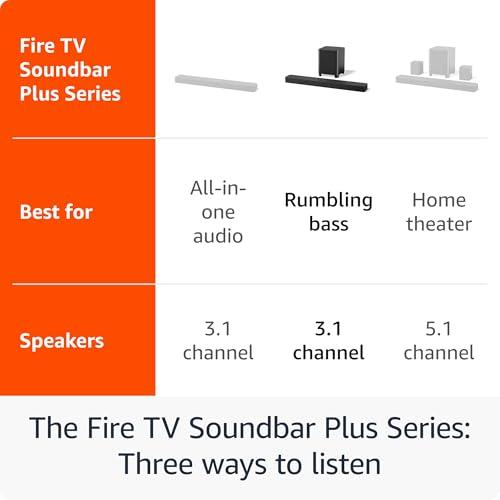
Amazon released their Fire TV Soundbar Plus in late 2023 as a follow-up to their original Fire TV Soundbar. What's interesting is that Amazon took a modular approach—you can start with just the soundbar, add the subwoofer bundle, and eventually expand to a full 5.1 surround system with rear speakers.
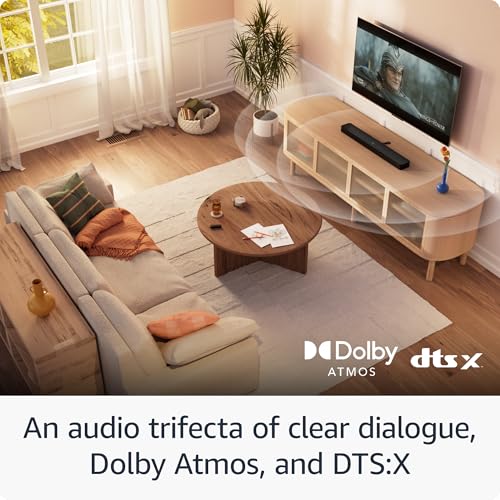
The system uses what's called "virtualized Dolby Atmos," which means it creates the illusion of height and surround effects using clever audio processing rather than physical speakers pointing upward or behind you. It's like how noise-canceling headphones can make you feel isolated in a quiet bubble—the technology tricks your brain into perceiving something that isn't physically there.
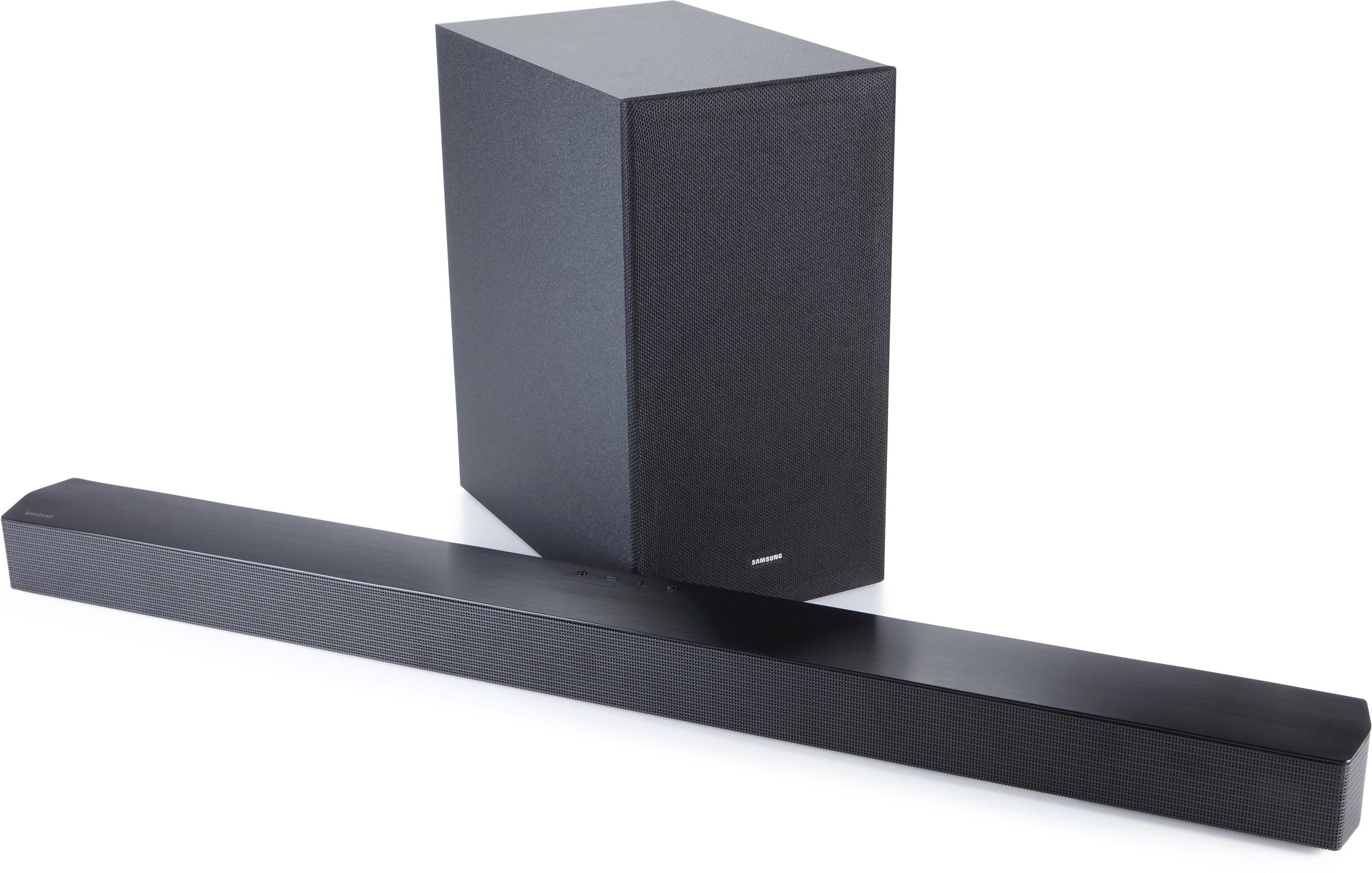
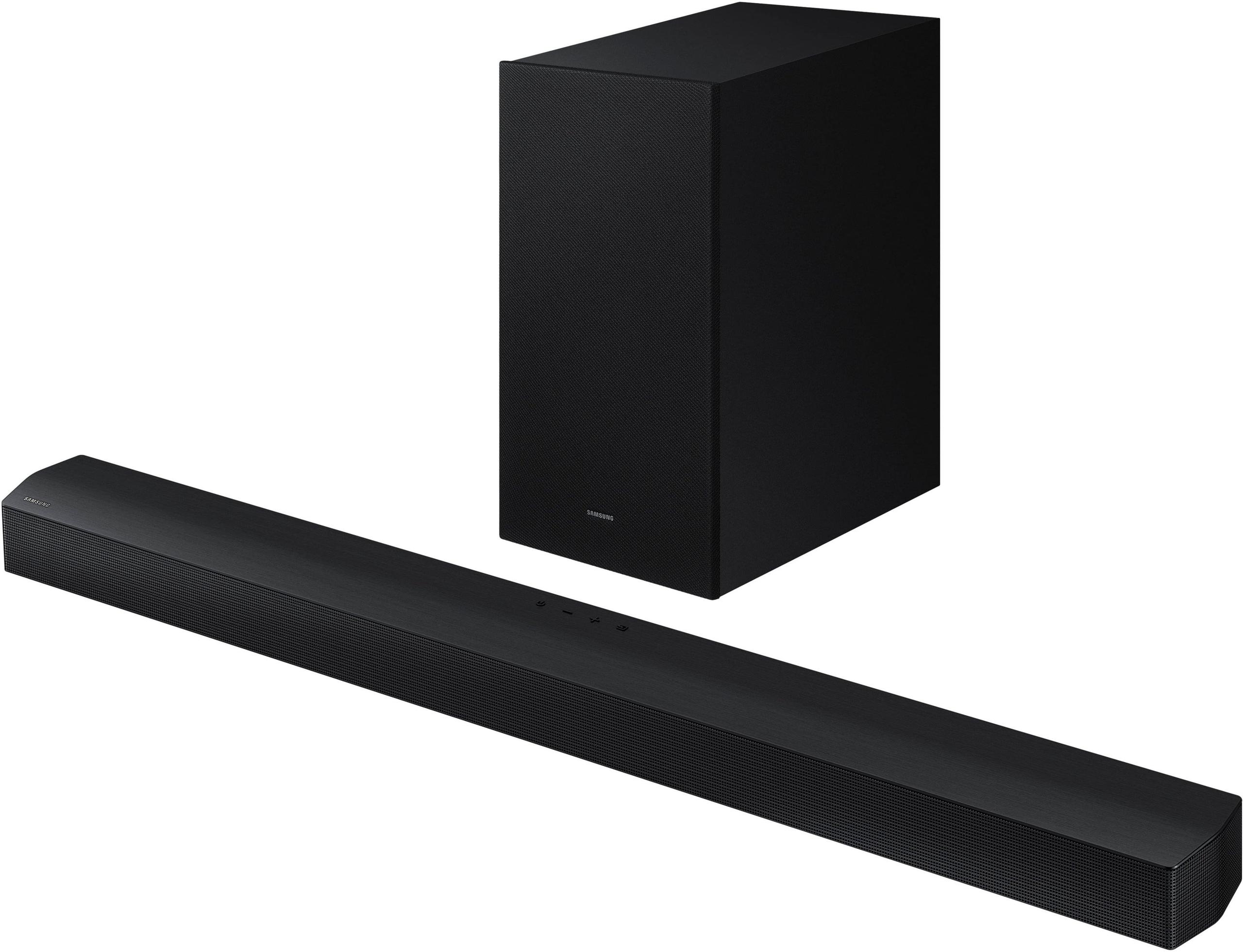
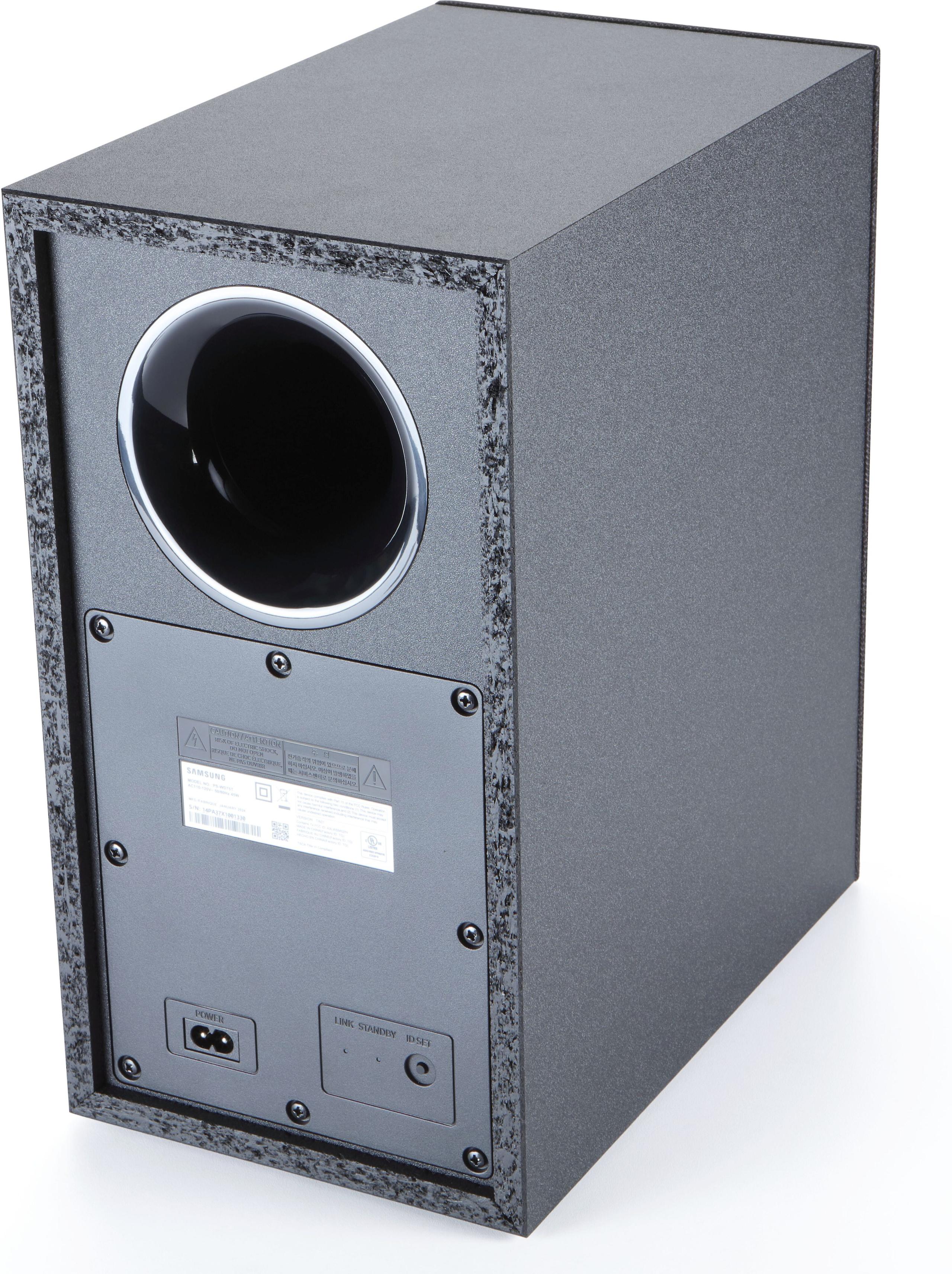
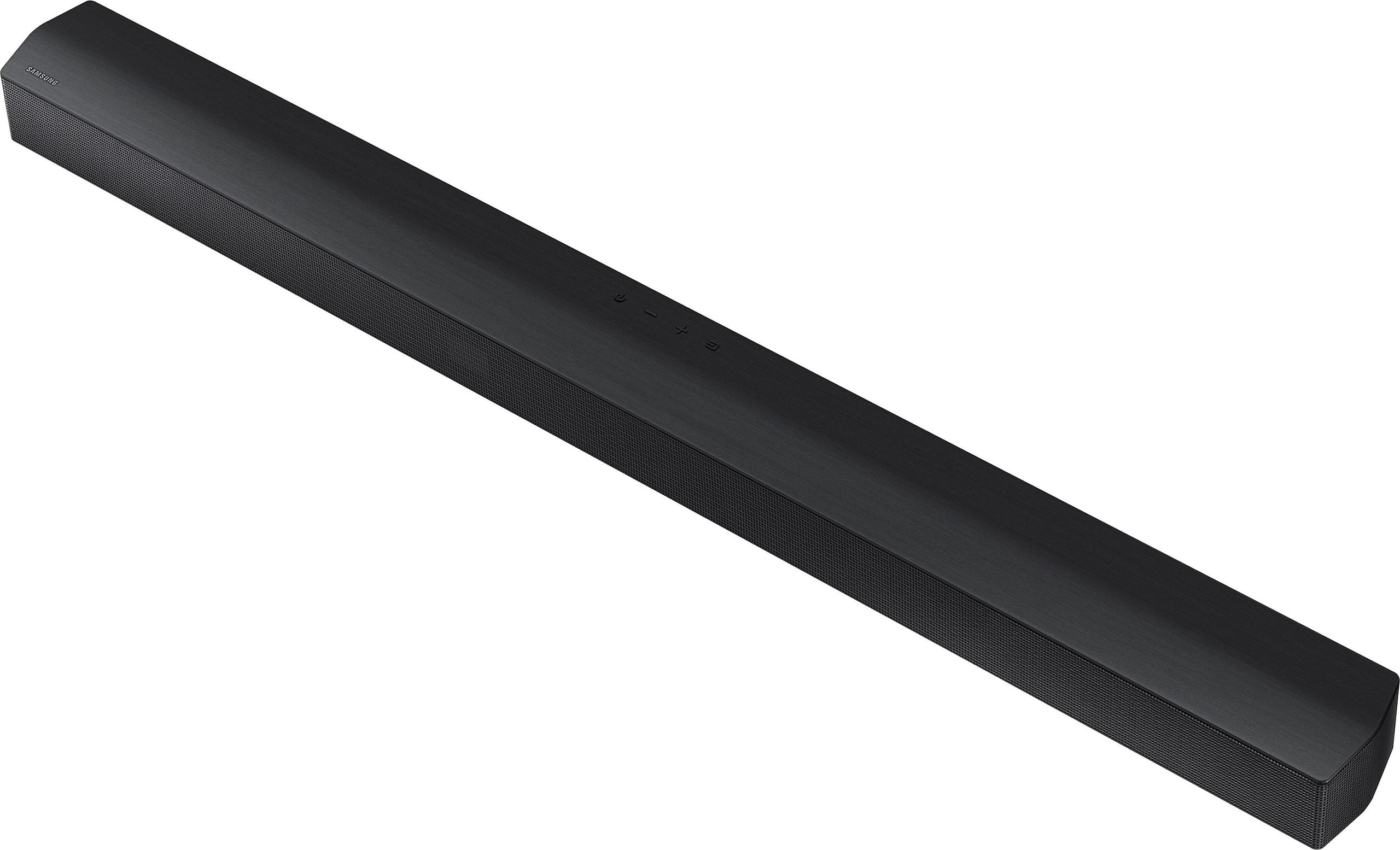
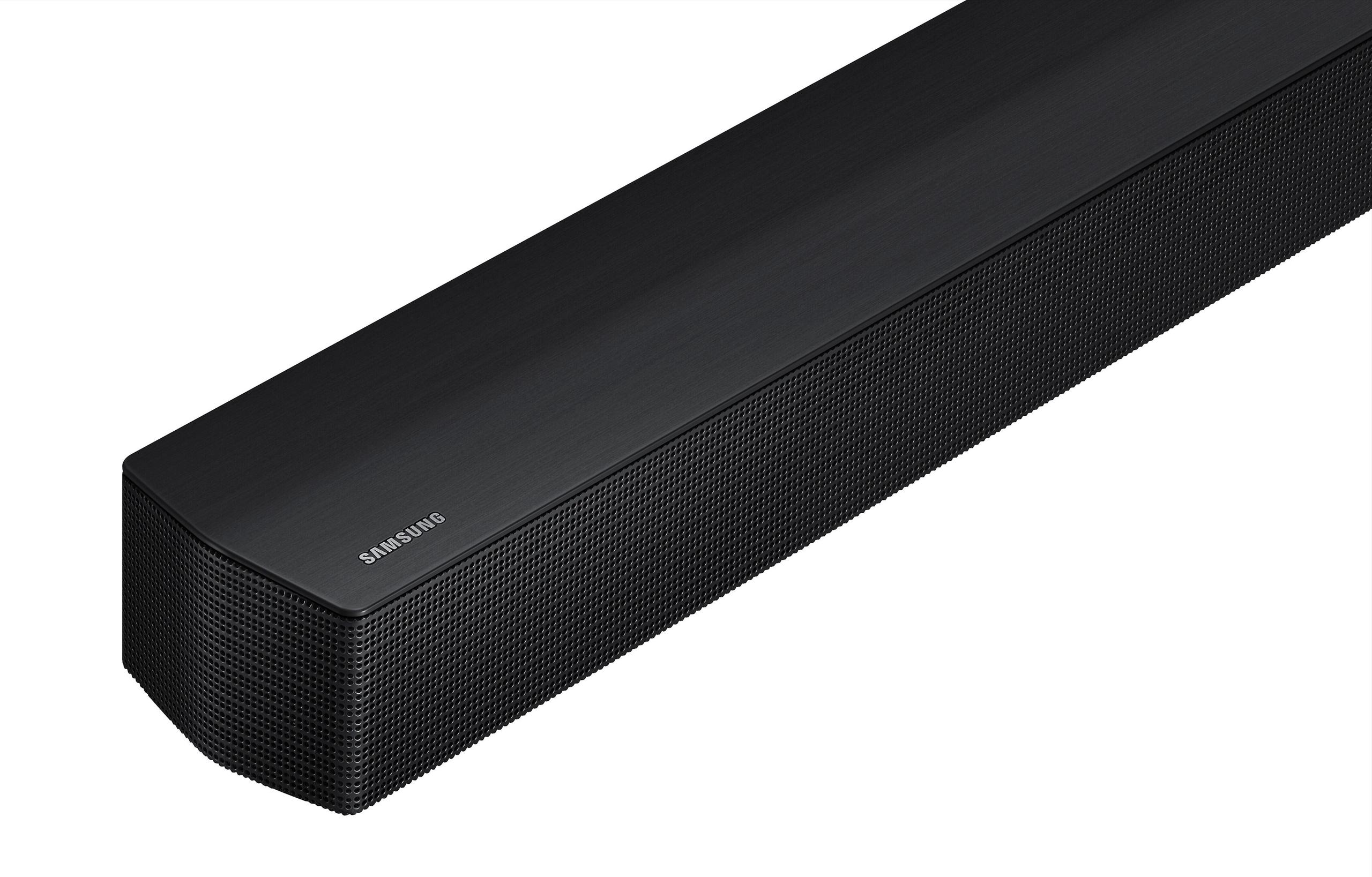
Samsung's HW-B550D, launched in early 2022, represents a more traditional approach. It's a true 3.1-channel system, meaning it has dedicated left, center, and right speakers in the bar, plus a separate subwoofer (the ".1" part). That center channel is crucial—it's specifically designed to handle dialogue, which is why voices sound so much clearer compared to 2.1 systems that have to split dialogue duties between left and right speakers.
This is probably the biggest reason you're considering a soundbar upgrade. If you find yourself constantly reaching for the remote during movies or asking "what did they say?" more often than you'd like, dialogue performance should be your top priority.
The Samsung HW-B550D has a significant advantage here thanks to its dedicated center channel. In my experience testing various soundbars, having a physical center speaker makes an enormous difference. Voices stay locked to the center of your screen and remain clear even when explosions are happening or music swells. It's the difference between actors seeming to talk from somewhere vaguely in front of you versus speaking directly from the TV screen.
The Amazon Fire TV Soundbar Plus handles dialogue well too, with adjustable dialogue enhancement that can be fine-tuned on a scale from 1 to 5. However, it achieves this through audio processing rather than a dedicated speaker. While effective, some deeper voices can sound slightly thin, and during particularly bass-heavy scenes, the dialogue can get overwhelmed despite the enhancement.
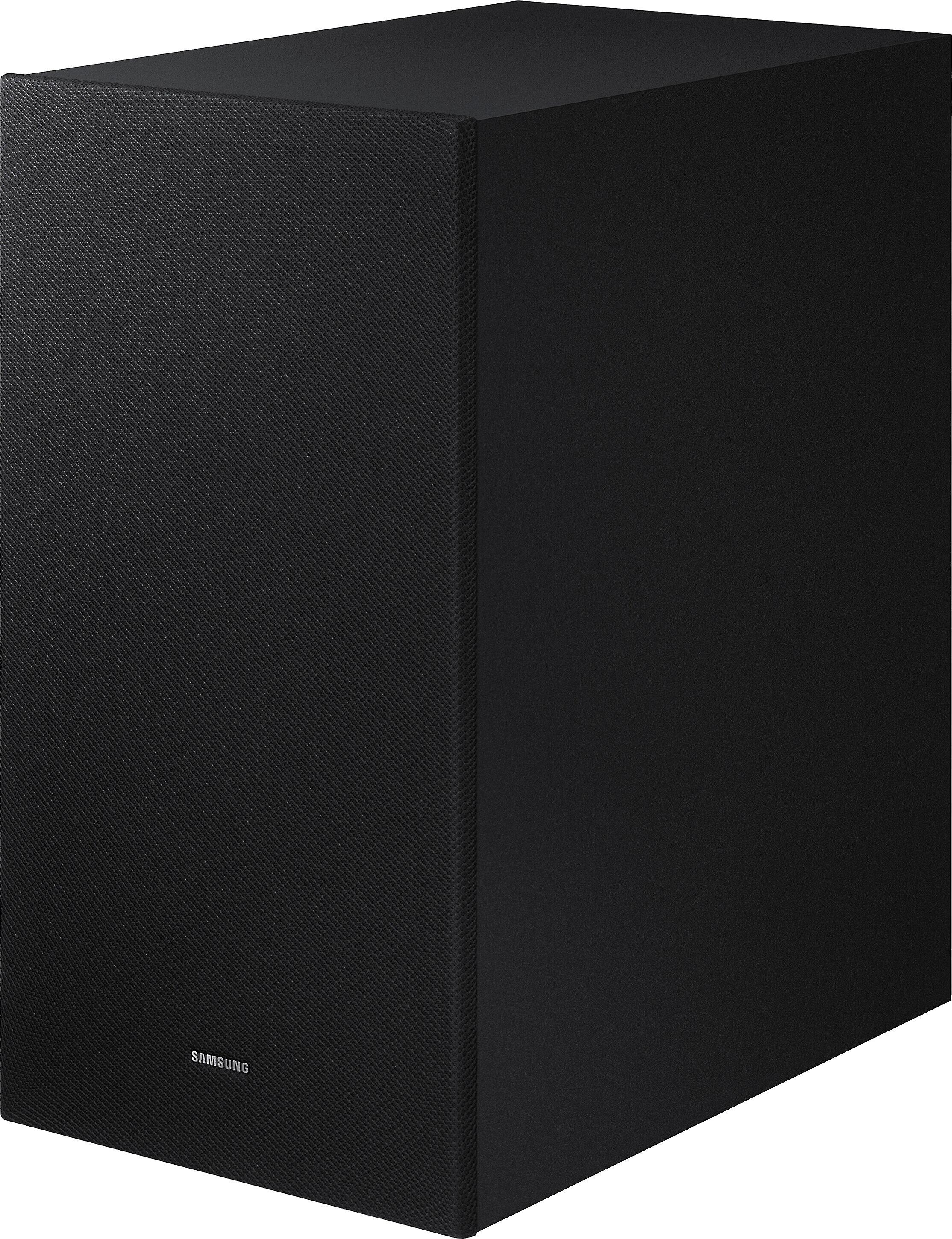
Both systems include subwoofers, but they deliver very different bass experiences. The Samsung HW-B550D comes with a 5-inch wireless subwoofer that provides what I'd call "integrated" bass—it blends well with the main soundbar and doesn't draw attention to itself. This makes it excellent for music listening, where you want bass to support the overall sound rather than dominate it.
The Amazon Fire TV system takes a more aggressive approach. Its subwoofer delivers stronger low-frequency impact that's particularly noticeable during action movies. However, several reviews describe it as somewhat "one note," meaning it excels at deep rumbles but lacks the nuanced mid-bass that makes music sound full and rich. At higher volumes, the bass can become what audiophiles call "flappy"—it starts to sound loose and less controlled.
Here's where things get interesting. The Amazon Fire TV Soundbar Plus creates a wider soundstage that extends beyond the physical boundaries of the bar itself. When configured with rear speakers (sold separately), it delivers what Amazon calls a "lateral 360-degree" experience. While it can't produce true overhead effects like systems with upward-firing speakers, the virtualized Dolby Atmos does create a more enveloping sound field for movies.
The Samsung HW-B550D focuses on accuracy rather than expansion. Its soundstage is more focused and precise, making it excellent for music where you want to hear exactly where each instrument is positioned. It includes DTS Virtual:X processing, which attempts to create surround effects, but it's less ambitious than Amazon's implementation.
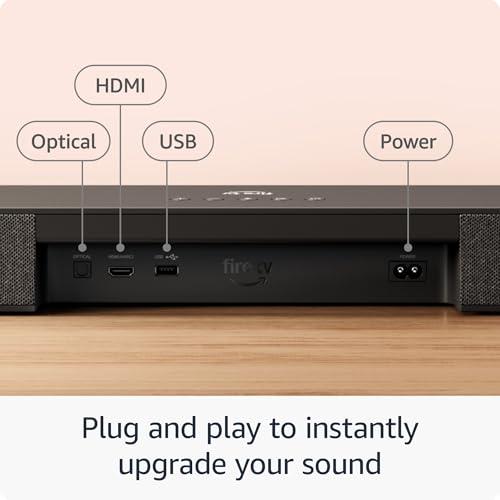
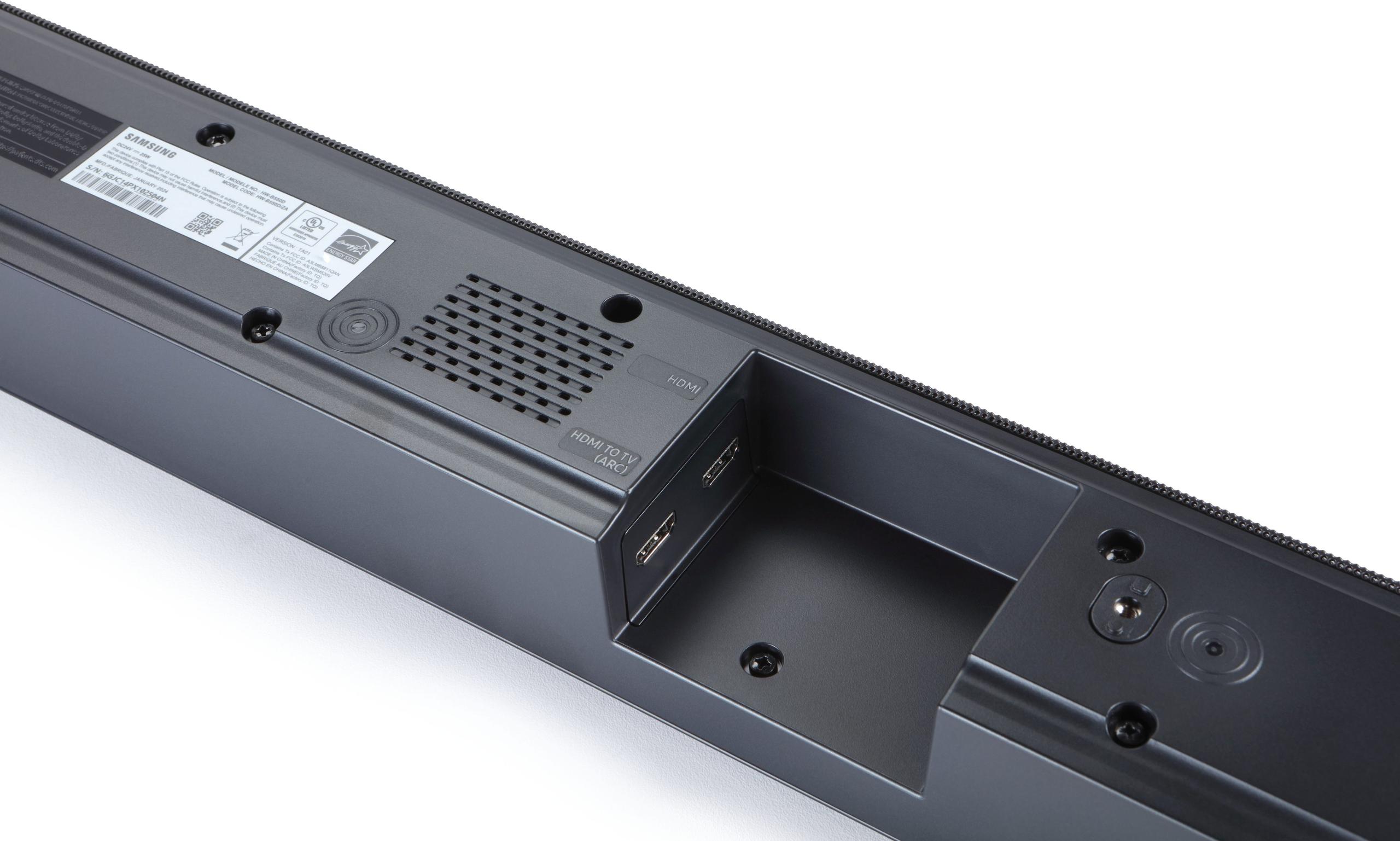
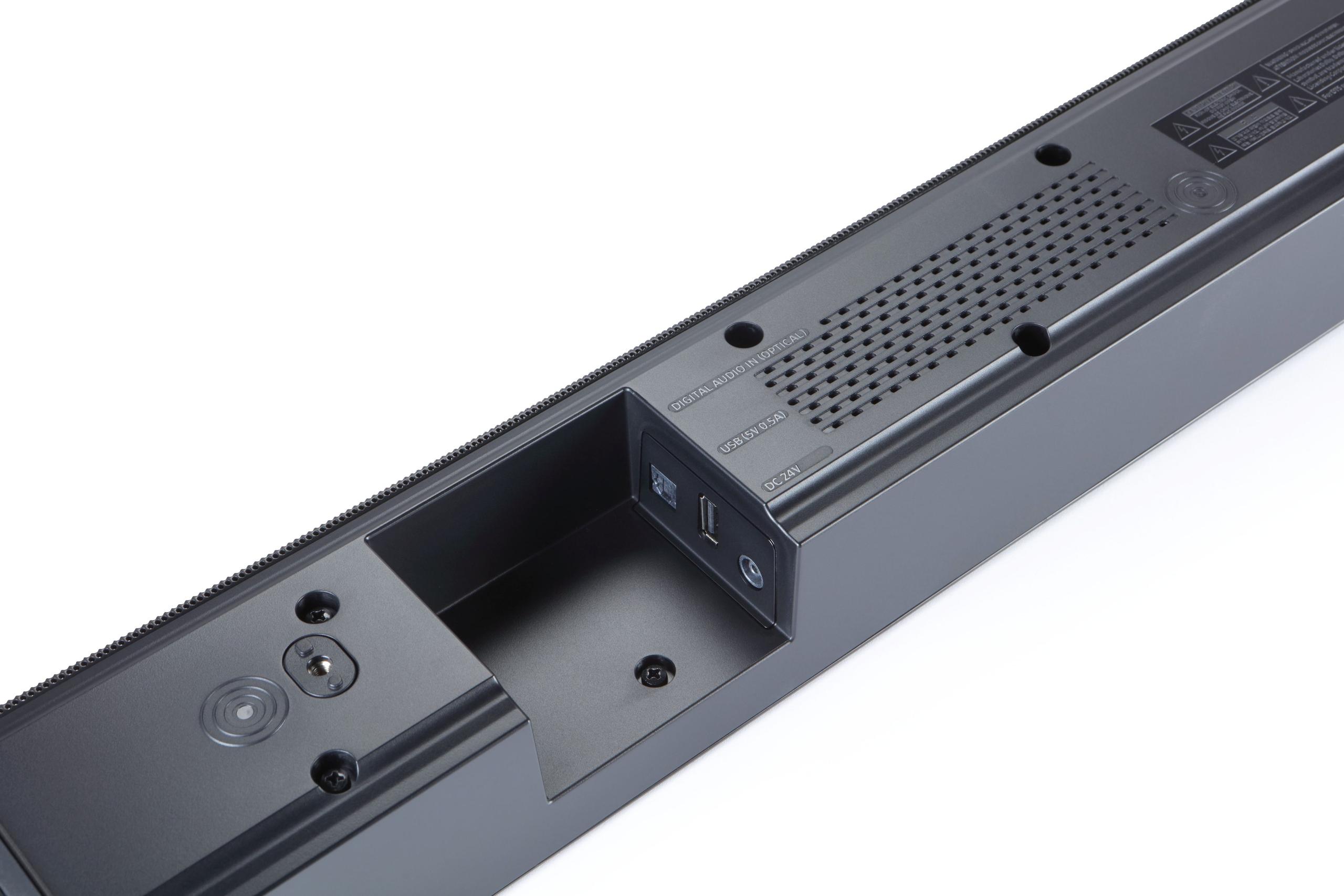
Both soundbars include the essentials: HDMI ARC (which lets your TV remote control the soundbar volume), optical input for older TVs, and Bluetooth for wireless music streaming. But there are some notable differences.
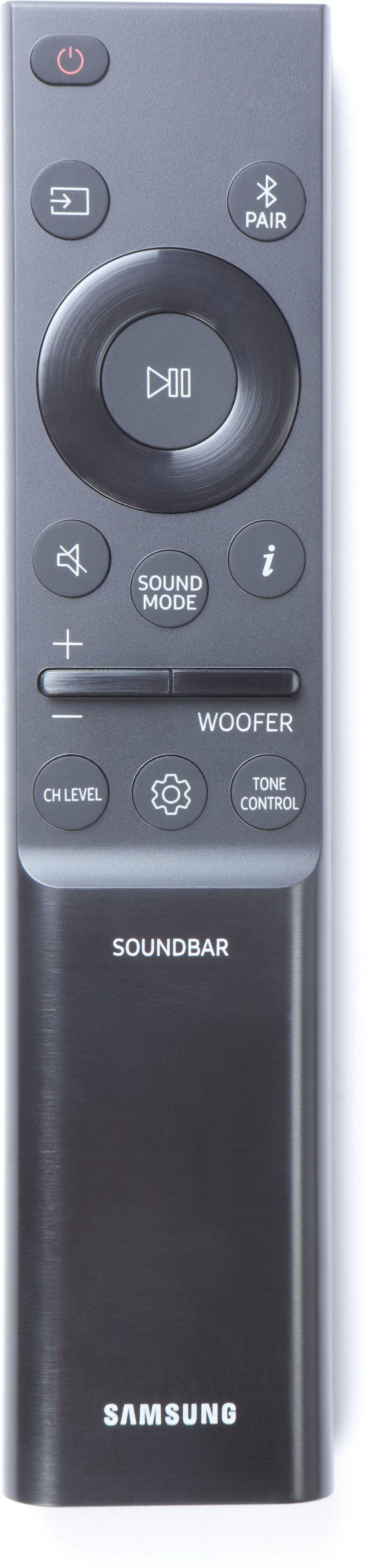
The Samsung HW-B550D shines in its TV integration, especially with Samsung TVs. It supports something called "One Remote Control," meaning you can control the soundbar using your Samsung TV remote without any additional setup. There's also Q-Symphony compatibility, which lets compatible Samsung TVs use their built-in speakers alongside the soundbar for even fuller sound—though this feature only works with specific Samsung TV models.
The Amazon Fire TV Soundbar Plus promises deep integration with Fire TV devices, allowing more granular audio adjustments through your TV's settings menu. However, despite carrying the "Fire TV" name, it disappointingly lacks built-in Alexa or streaming capabilities. This feels like a missed opportunity, especially since many people expect Amazon products to include smart features.
This is where the two products diverge significantly. The Samsung HW-B550D is designed as a complete, self-contained system. What you buy is what you get, and while that keeps things simple, it also limits your future options.
The Amazon Fire TV system, on the other hand, is built with expansion in mind. You can start with just the soundbar, add the subwoofer later, and eventually include rear speakers for true 5.1 surround sound. All components connect wirelessly and come pre-paired, making the upgrade process relatively painless.
This expandability comes at a cost, though. At the time of writing, the Amazon system costs significantly more than the Samsung, even for just the soundbar and subwoofer bundle. You're paying extra for flexibility you may never use.
After testing both systems in typical living room setups, some clear patterns emerge. The Samsung HW-B550D excels in mixed-use scenarios—it handles TV shows, music, and movies with consistent competence. Its balanced sound signature means jazz sounds as good as action movies, and you won't find yourself constantly adjusting settings.
The Amazon Fire TV Soundbar Plus is more of a specialist. It really shines with movie content, where its emphasized bass and wider soundstage create an engaging, theater-like experience. However, it can sound overly bright with music, and some content may require tweaking the various sound modes and adjustments to get optimal results.
For home theater enthusiasts, the Amazon system's expandability is genuinely valuable. Starting with a 3.1 setup and later adding rear speakers transforms the experience dramatically. Having tested this progression myself, the jump from stereo soundbar to true surround sound is substantial—you'll notice ambient sounds, off-screen dialogue, and directional effects that simply aren't possible with a traditional soundbar setup.
Let's talk about some specifications that actually affect your listening experience. The Samsung HW-B550D outputs 410 watts total, which is plenty for most rooms. More importantly, it processes audio in true 3.1 channels, meaning dialogue, music, and effects are handled by dedicated speakers optimized for those frequencies.
The Amazon Fire TV Soundbar Plus supports more advanced audio formats, including Dolby TrueHD and DTS-HD Master Audio—these are lossless formats found on Blu-ray discs that preserve every detail from the original studio master. However, most streaming content uses compressed formats anyway, so this advantage mainly benefits physical media enthusiasts.
Both systems handle standard Dolby Digital and DTS from streaming services perfectly well. The Amazon system's virtual Dolby Atmos is clever technology, but without physical height speakers, it can't match the immersive experience of true Atmos systems with upward-firing or ceiling-mounted speakers.
After extensive testing and consideration, here's my honest assessment of who should buy which system:
Choose the Samsung HW-B550D if you want the best value for immediate satisfaction. Its true 3.1-channel design, balanced sound signature, and excellent dialogue clarity make it perfect for most people's needs. It's particularly great if you own a Samsung TV, primarily watch regular TV content and movies, listen to a variety of music genres, or prefer a "set it and forget it" approach to audio.
The Samsung represents what I consider the sweet spot for budget soundbar shopping—meaningful improvement over TV speakers without complexity or premium pricing.
Choose the Amazon Fire TV Soundbar Plus if you're building toward a more immersive home theater experience. Its expandability, stronger bass response, and wider soundstage make it worth the extra cost if you plan to add rear speakers eventually, primarily watch movies and action content, own Fire TV devices and want deeper integration, or enjoy tweaking audio settings to optimize different content types.
Both soundbars deliver substantial improvements over built-in TV speakers, but they serve different audiences. The Samsung HW-B550D offers exceptional value and balanced performance that works well for everyone. The Amazon Fire TV Soundbar Plus costs more but provides a clear upgrade path for those who want to build a more sophisticated home theater system over time.
At the time of writing, the Samsung costs roughly 40% less than the Amazon system while delivering more balanced sound and better dialogue clarity. Unless you specifically need the Amazon's expandability or Fire TV integration, the Samsung represents the smarter purchase for most people.
That said, if you're serious about home theater and plan to expand your audio system, the Amazon's modular approach and eventual 5.1 capability justify the higher initial investment. Just remember that you'll need to budget for rear speakers down the line to realize the system's full potential.
The audio landscape has evolved significantly since both products launched, with more manufacturers offering modular systems and improved virtual surround processing. However, both the Samsung HW-B550D and Amazon Fire TV Soundbar Plus remain competitive options that address the fundamental problem of poor TV audio—they just take different paths to get there.
| Amazon Fire TV Soundbar Plus with Subwoofer | Samsung HW-B550D 3.1 Channel Sound Bar |
|---|---|
| Channel Configuration - Determines dialogue clarity and surround capabilities | |
| 3.1 channels (expandable to 5.1 with rear speakers) | True 3.1 channels with dedicated center speaker |
| Audio Format Support - Higher formats mean better quality from premium sources | |
| Dolby Atmos (virtual), Dolby TrueHD, DTS:X (virtual) | Dolby Digital, DTS, DTS Virtual:X (no Atmos) |
| Dialogue Enhancement - Critical for clear speech during loud scenes | |
| 5-level adjustable dialogue enhancer | Voice Enhancement mode + dedicated center channel |
| Bass Performance - Affects impact during movies and music fullness | |
| External wireless subwoofer with adjustable bass (1-9 scale) | 5-inch wireless subwoofer with Bass Boost mode |
| Sound Signature - Determines how music and movies will sound | |
| Slightly excited (emphasized bass/treble, engaging for movies) | Balanced and neutral (accurate for music and mixed content) |
| Expandability - Future upgrade potential without replacing the system | |
| Wireless rear speakers available for true 5.1 surround | Limited expansion, designed as complete system |
| Smart TV Integration - Convenience features for daily use | |
| Fire TV audio tuning, no Alexa or streaming | Samsung TV remote compatibility, Q-Symphony support |
| Connectivity Options - Determines compatibility with your devices | |
| HDMI eARC, optical, Bluetooth 5.0, USB-A | HDMI ARC, optical, Bluetooth 4.2, USB playback |
| Physical Design - Size considerations for your TV setup | |
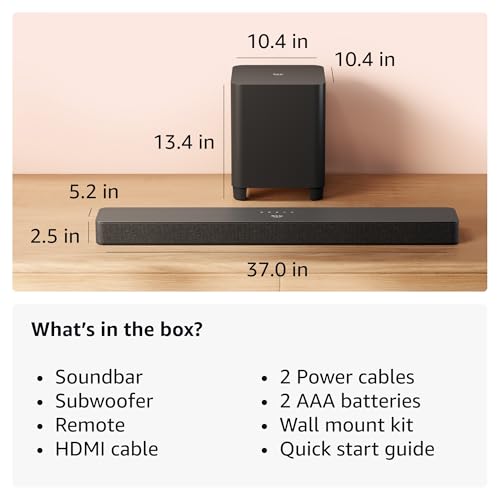
| 37" wide soundbar + separate subwoofer | 34" wide soundbar + wireless 5" subwoofer |
| Control Method - How you'll adjust settings daily | |
| Dedicated remote only (no app support) | TV remote integration or included remote |
| Best Use Cases - Who should consider each option | |
| Movie enthusiasts planning 5.1 expansion, Fire TV users | Budget-conscious buyers, Samsung TV owners, music listeners |
| Value Proposition - Performance per dollar consideration | |
| Higher cost justified by expandability and format support | Excellent immediate value with true 3.1 processing |
The Samsung HW-B550D has superior dialogue clarity thanks to its dedicated center channel speaker. This physical center speaker keeps voices locked to your TV screen and prevents dialogue from getting lost during action scenes. While the Amazon Fire TV Soundbar Plus offers adjustable dialogue enhancement, it relies on audio processing rather than a dedicated speaker, making the Samsung the better choice for clear speech.
The Samsung HW-B550D uses true 3.1 channels with separate left, center, and right speakers plus a subwoofer. The Amazon Fire TV Soundbar Plus creates virtual surround effects through audio processing, simulating height and surround effects without physical speakers in those positions. True 3.1 channels provide more accurate sound placement, while virtual surround can create a wider, more immersive feeling.
Both include wireless subwoofers, but they serve different purposes. The Amazon Fire TV Soundbar Plus delivers stronger, more impactful bass that's great for action movies, with adjustable bass levels from 1-9. The Samsung HW-B550D offers more balanced, musical bass that integrates better with the overall sound. Choose Amazon for movie impact, Samsung for music accuracy.
Only the Amazon Fire TV Soundbar Plus offers official expansion with wireless rear speakers to create true 5.1 surround sound. The Samsung HW-B550D is designed as a complete system without expansion options. If you plan to build a full surround system over time, the Amazon option provides that flexibility.
The Samsung HW-B550D excels with Samsung TVs through One Remote Control compatibility and Q-Symphony features. The Amazon Fire TV Soundbar Plus integrates with Fire TV devices for deeper audio settings but surprisingly lacks Alexa or streaming features. Choose Samsung for Samsung TV owners, Amazon for Fire TV users.
The Amazon Fire TV Soundbar Plus supports more advanced formats including Dolby Atmos (virtual), Dolby TrueHD, and DTS:X for premium audio quality. The Samsung HW-B550D handles standard Dolby Digital and DTS formats with DTS Virtual:X processing. The Amazon system is better for Blu-ray enthusiasts, while Samsung handles streaming content perfectly.
Both offer simple setup, but the Samsung HW-B550D has the edge for Samsung TV owners with automatic remote pairing and streamlined controls. The Amazon Fire TV Soundbar Plus requires more manual adjustment of its various sound modes and settings. Samsung offers more "plug and play" simplicity.
The Samsung HW-B550D provides a more balanced, neutral sound that accurately reproduces music across all genres. The Amazon Fire TV Soundbar Plus has a slightly excited sound signature with emphasized bass and treble that's engaging for movies but can sound overly bright with music. Choose Samsung for music lovers.
The Samsung HW-B550D delivers exceptional value with true 3.1-channel processing, balanced sound, and comprehensive features at a lower price point. The Amazon Fire TV Soundbar Plus costs more but justifies it through expandability and advanced format support. Samsung wins for immediate value, Amazon for long-term investment.
Both include HDMI ARC, optical input, and Bluetooth, but the Amazon Fire TV Soundbar Plus offers HDMI eARC for higher bandwidth audio and Bluetooth 5.0. The Samsung HW-B550D uses standard HDMI ARC and Bluetooth 4.2. The Amazon system has slightly more advanced connectivity for future-proofing.
For dedicated home theater setups, the Amazon Fire TV Soundbar Plus has advantages with its expandability to 5.1 surround, virtual Dolby Atmos, and stronger bass impact. However, the Samsung HW-B550D provides excellent movie performance with superior dialogue clarity and balanced sound. Choose Amazon for full theater builds, Samsung for simple upgrades.
The Amazon Fire TV Soundbar Plus measures 37 inches wide and comes with a separate subwoofer, suitable for 50-65 inch TVs. The Samsung HW-B550D is slightly smaller at 34 inches with its own wireless subwoofer. Both feature sleek, modern designs that complement most TV setups, with the Samsung being slightly more compact overall.
We've done our best to create useful and informative comparisons to help you decide what product to buy. Our research uses advanced automated methods to create this comparison and perfection is not possible - please contact us for corrections or questions. These are the sites we've researched in the creation of this article: rtings.com - cordbusters.co.uk - techradar.com - youtube.com - t3.com - hometechnologyreview.com - youtube.com - hometechnologyreview.com - whathifi.com - developer.amazon.com - manuals.plus - dolby.com - bestbuy.com - crutchfield.com - avsforum.com - consumerreports.org - abt.com - pcrichard.com - samsung.com - samsung.com - rtings.com - samsung.com - jeffsappliance.com

Privacy Policy
Terms and Conditions - Affiliate Policy
Home Security
© Copyright 2008-2026.
11816 Inwood Rd #1211, Dallas, TX 75244