

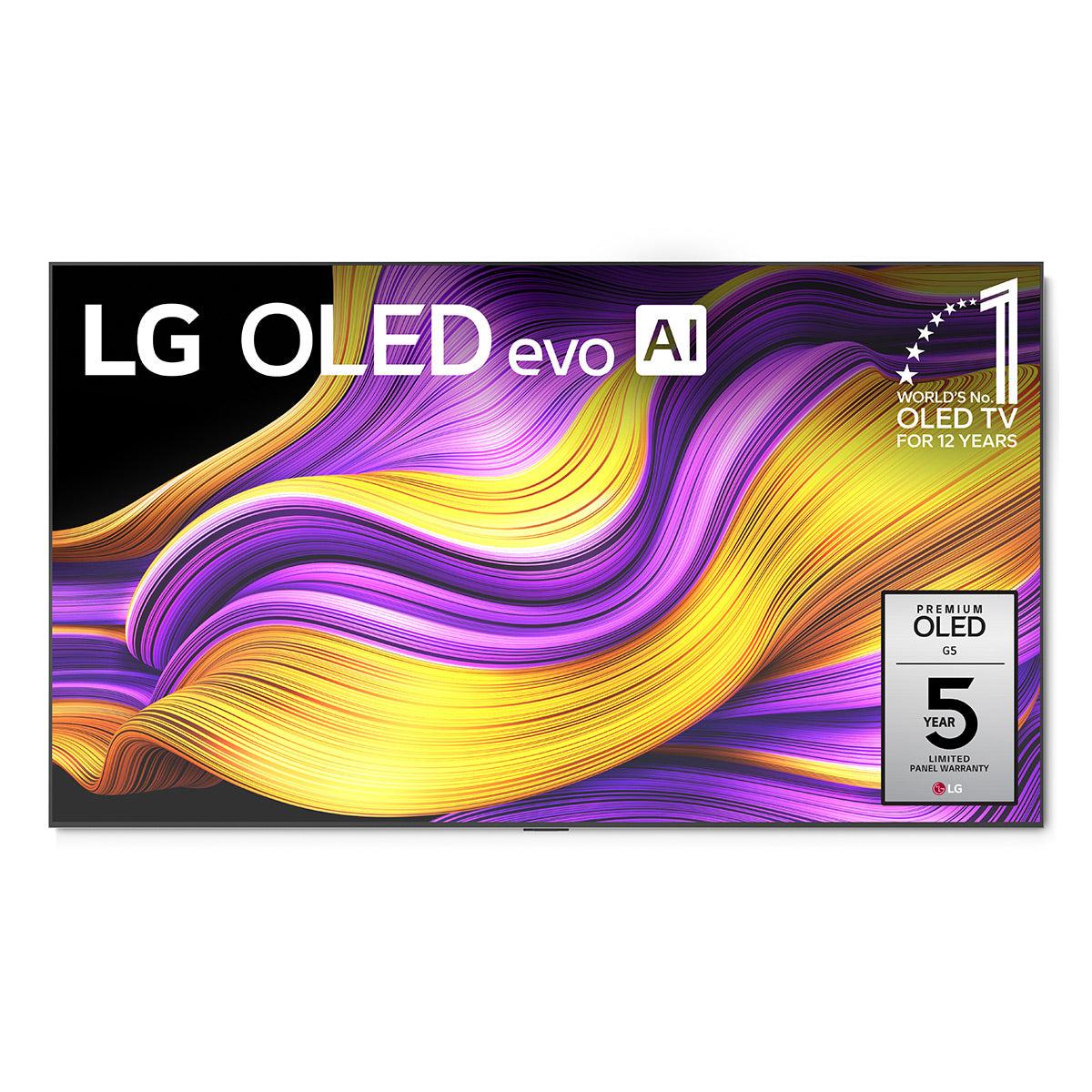
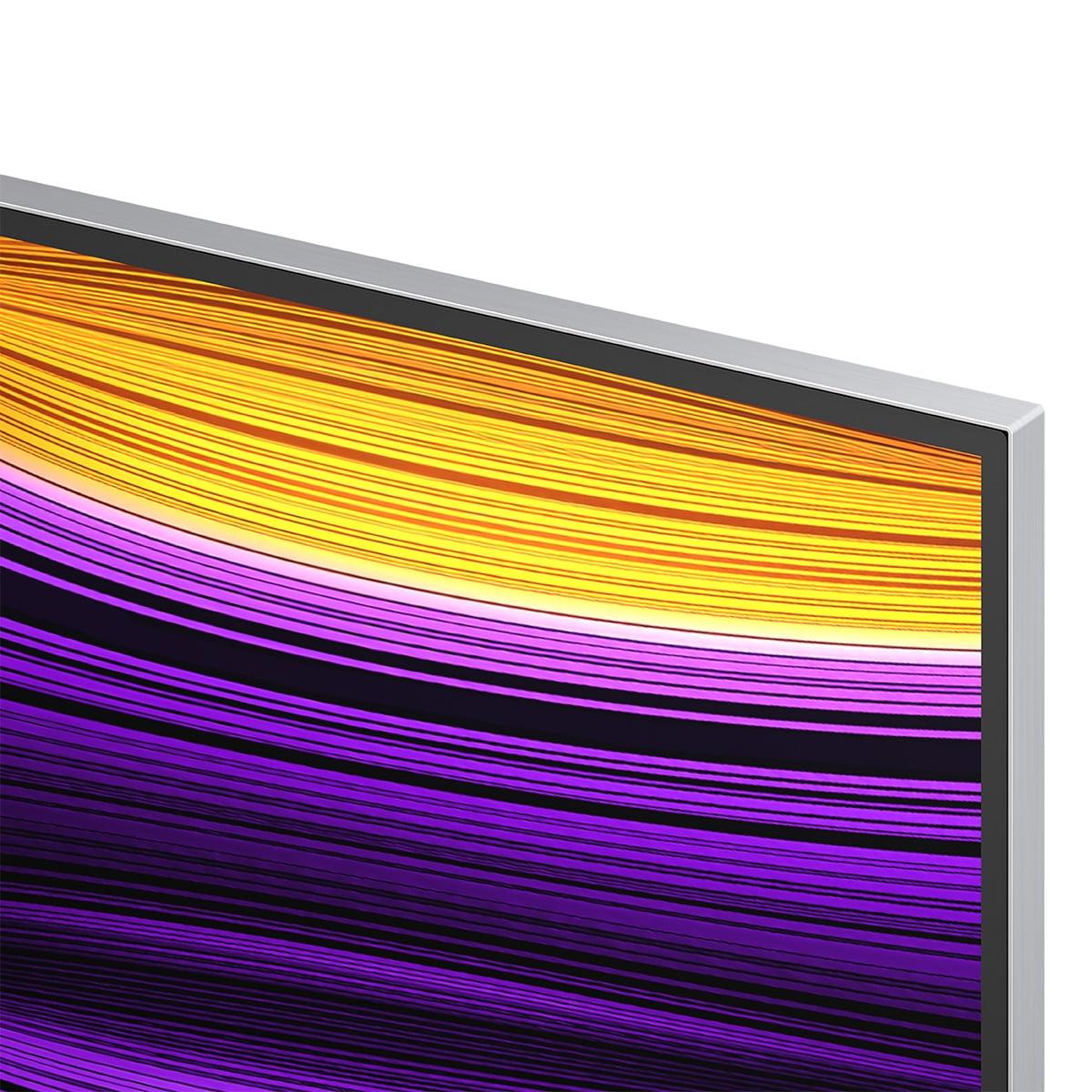
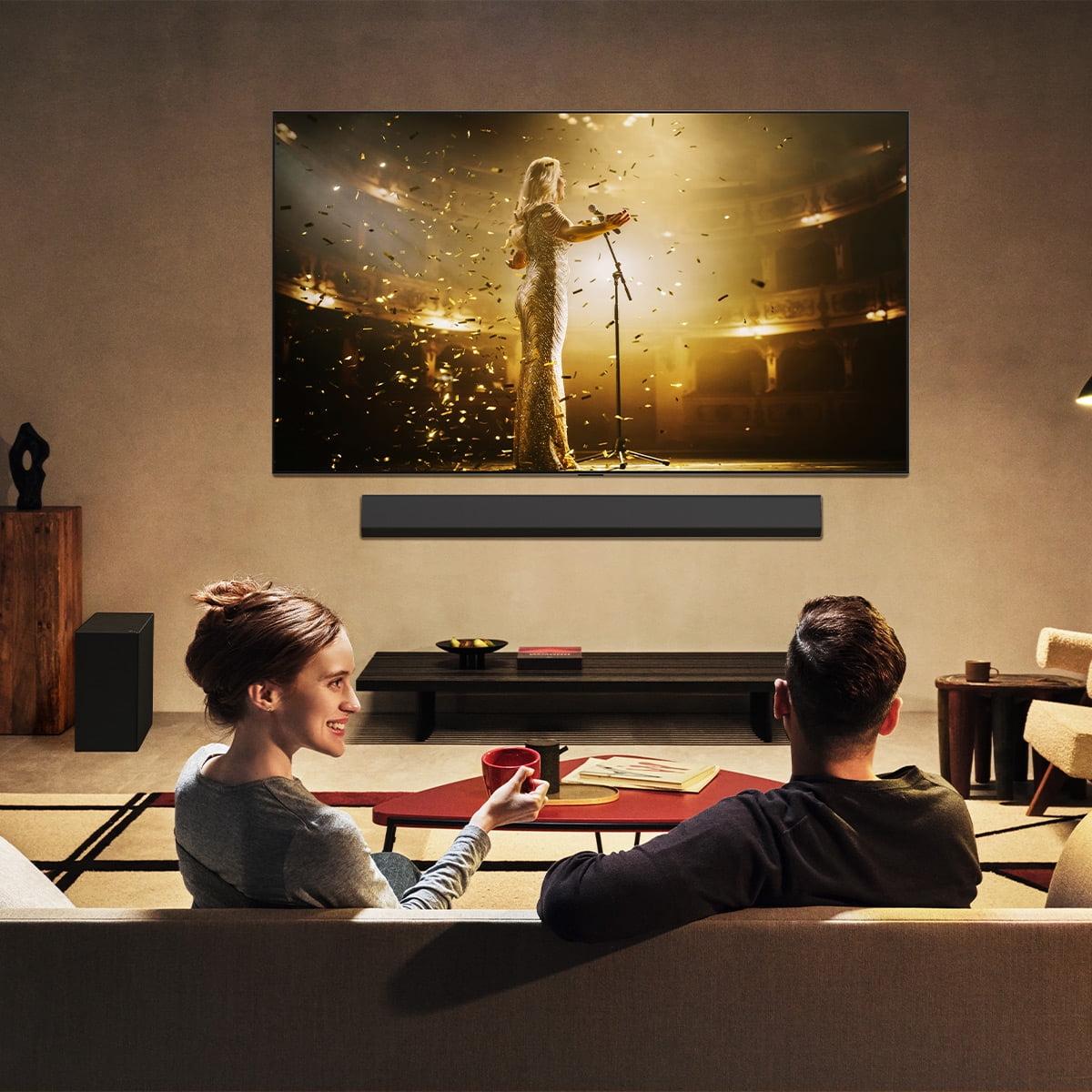
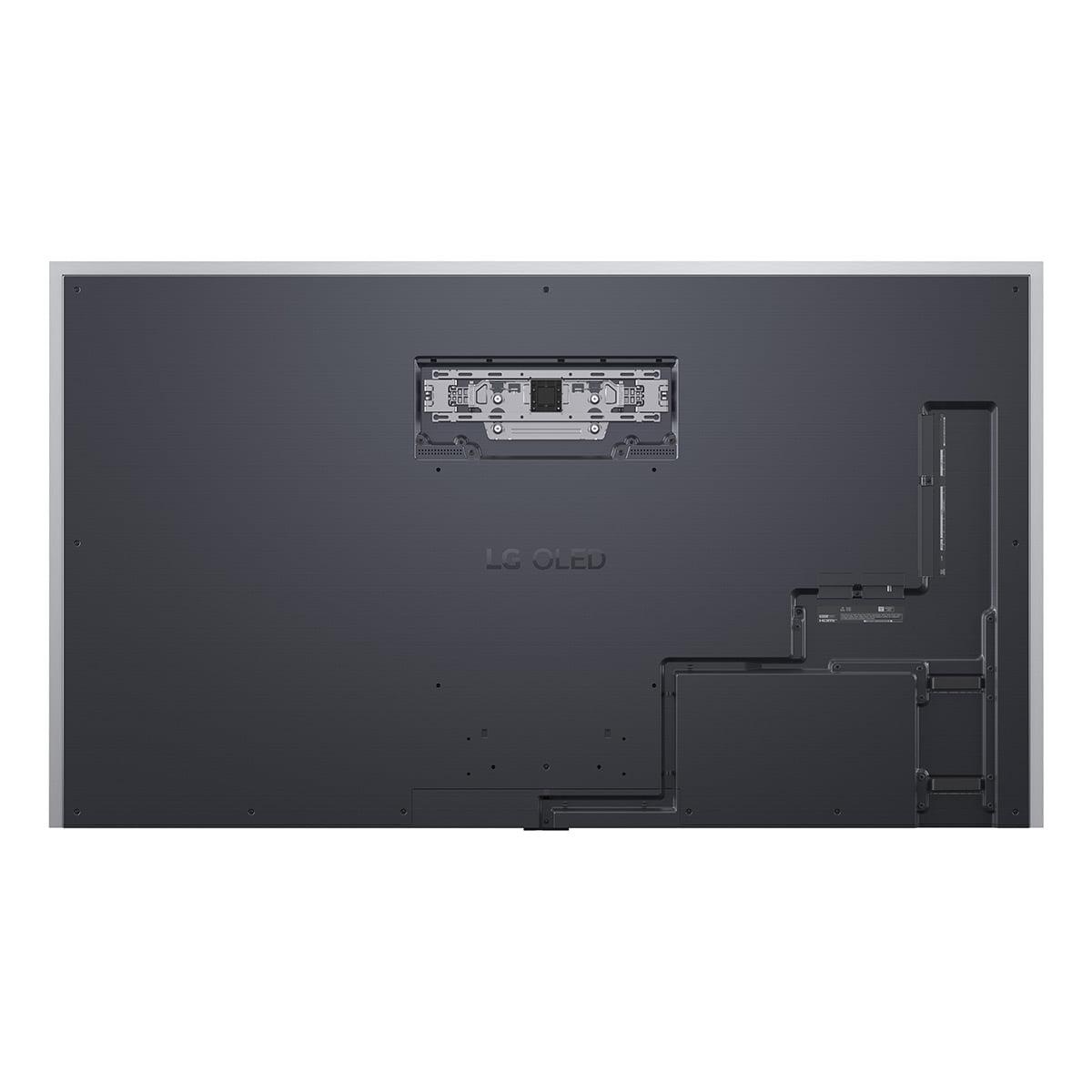
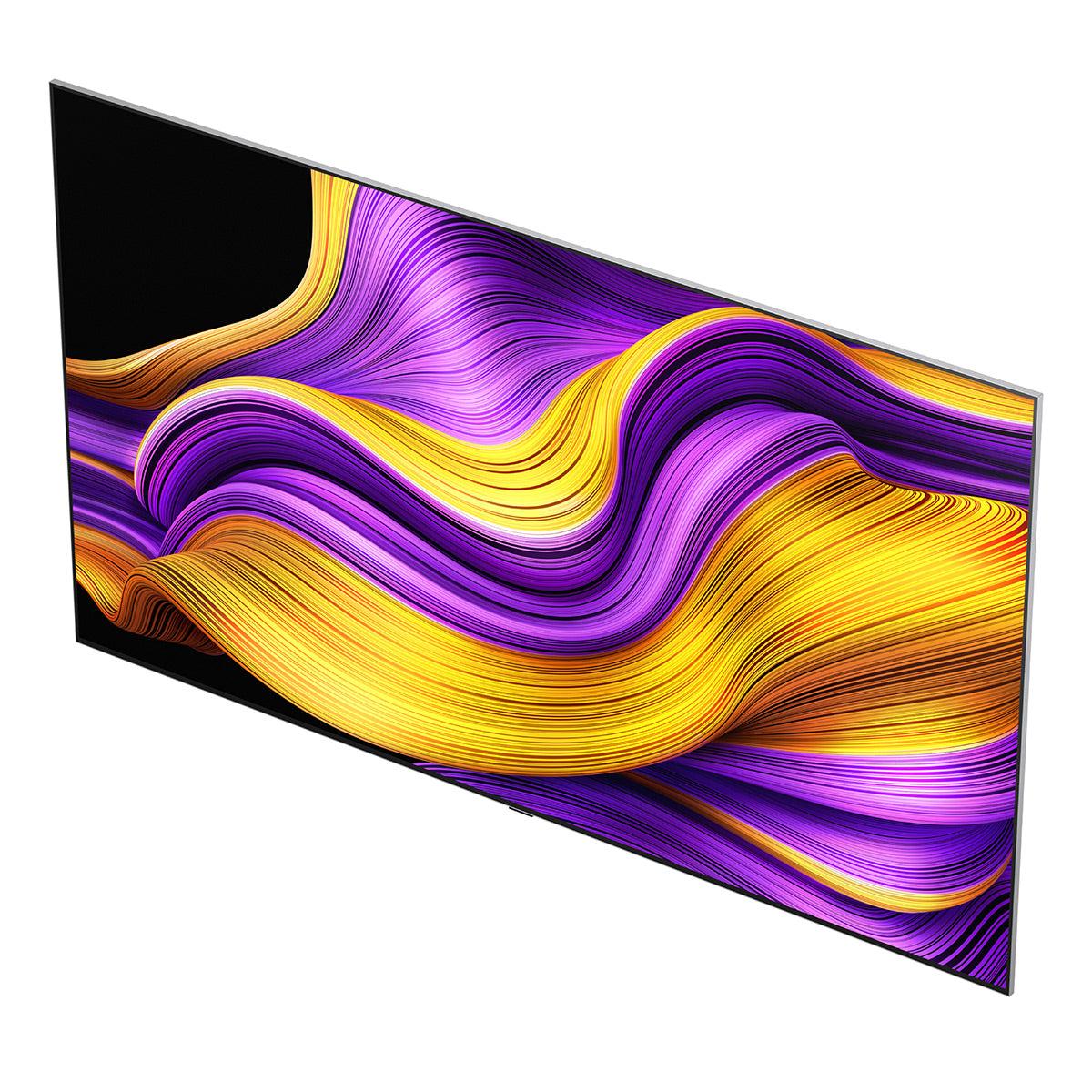
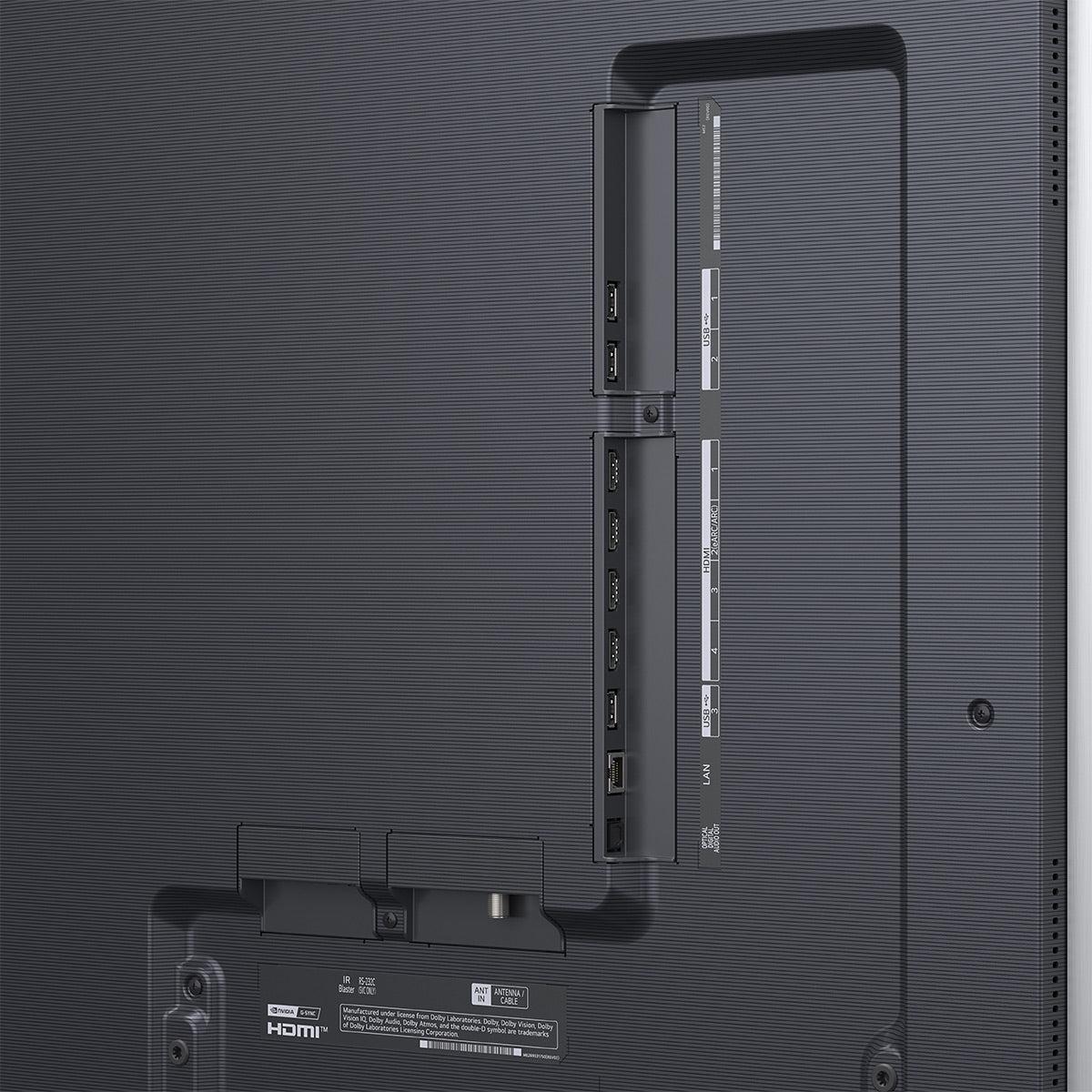
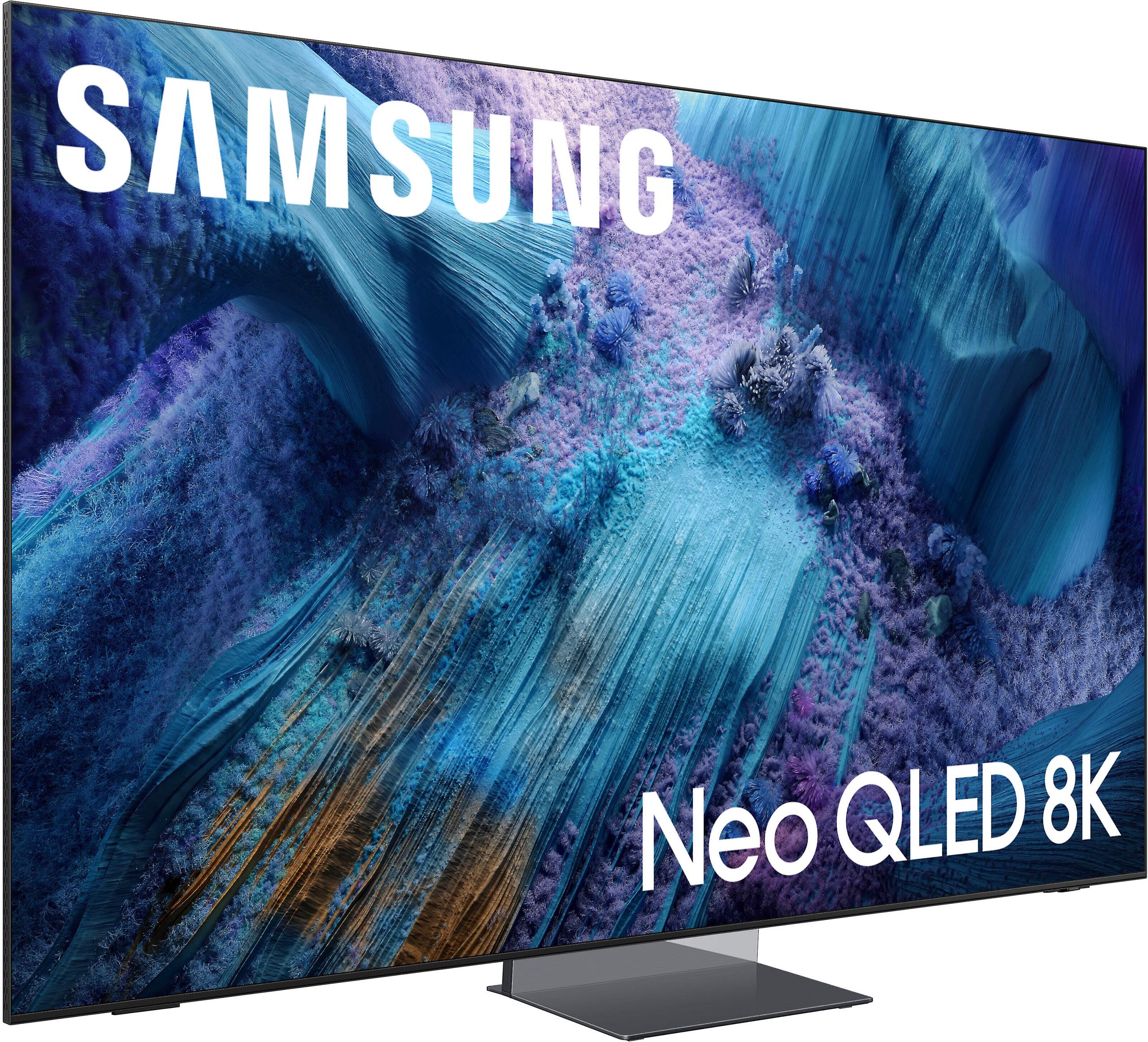
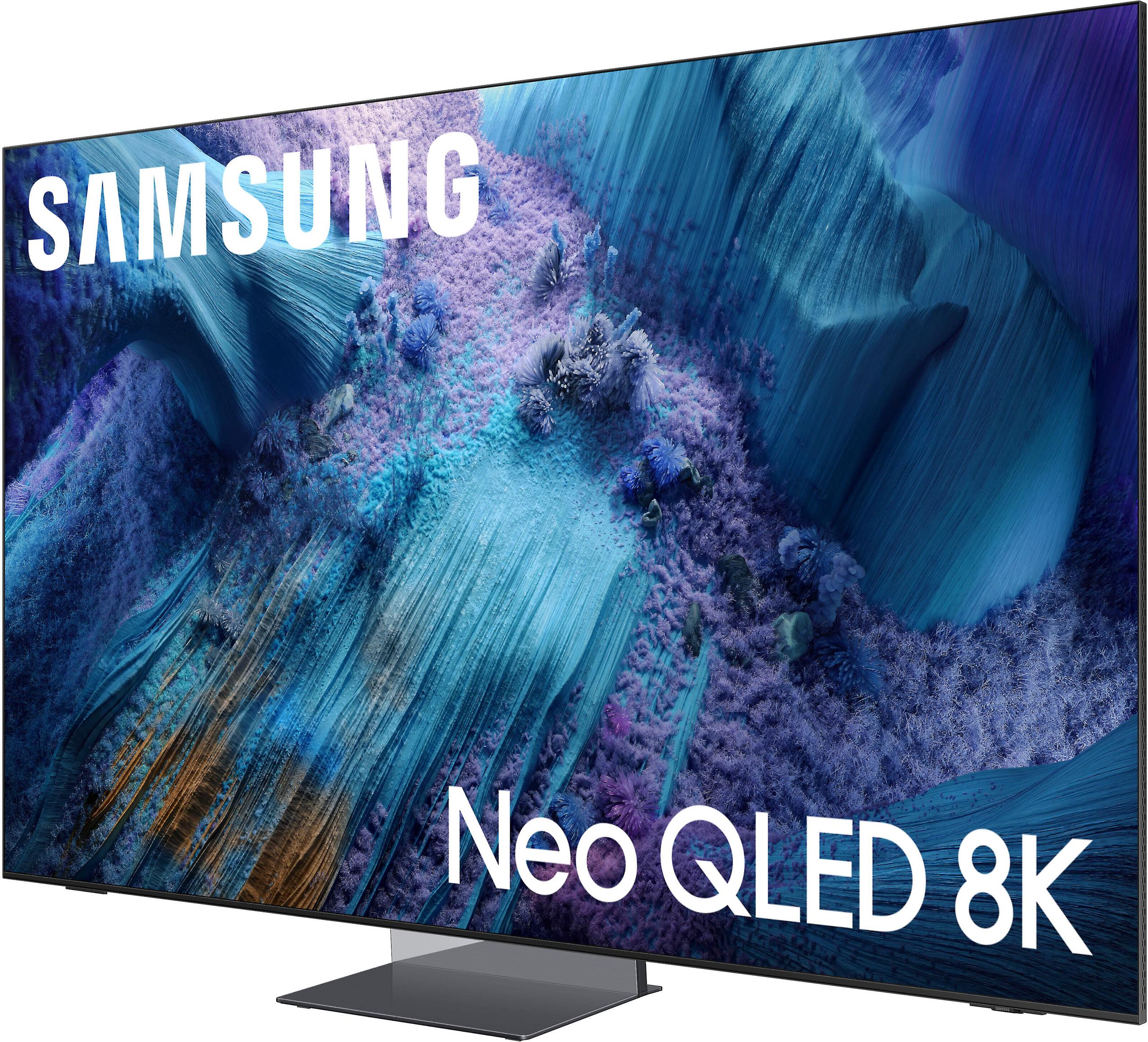

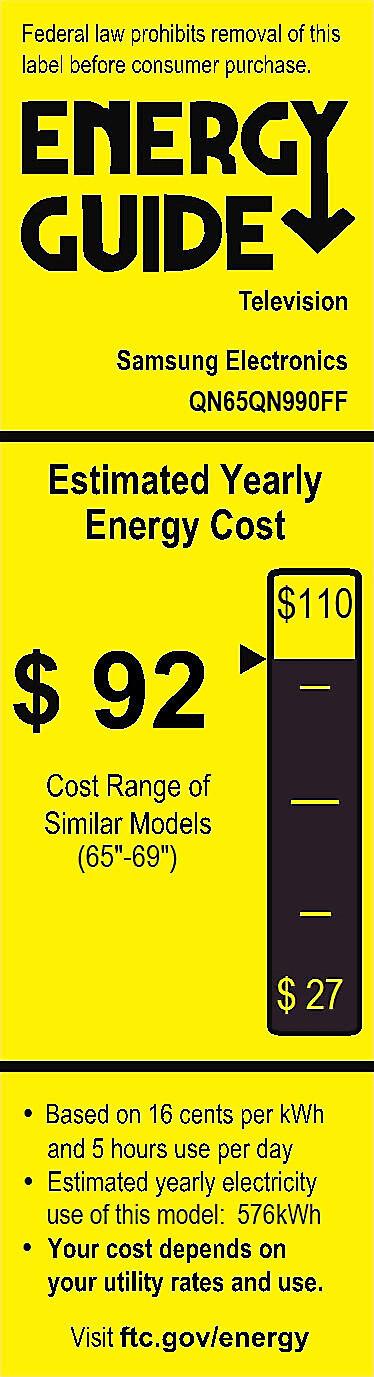
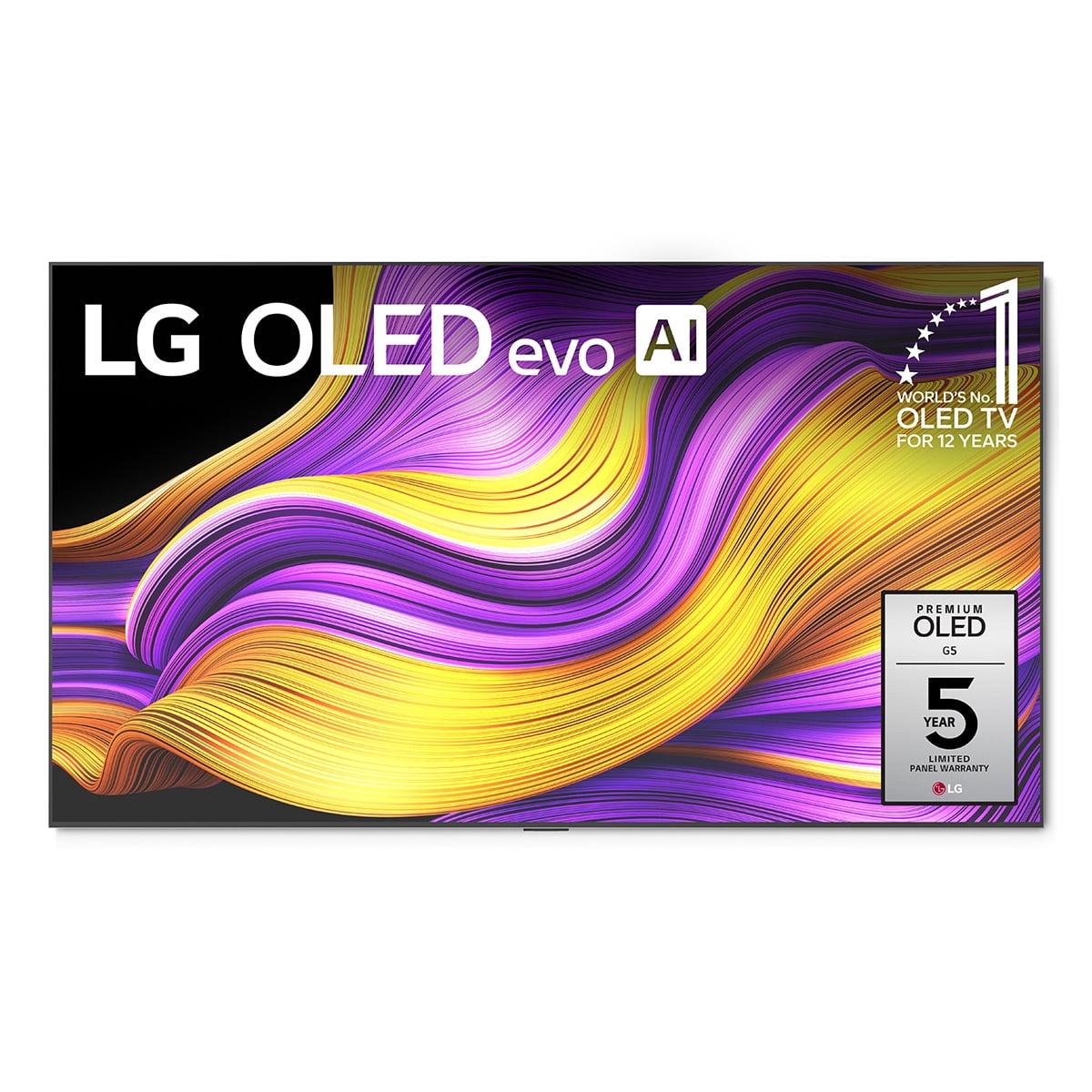
If you're shopping for a premium 65-inch TV in 2025, you've probably narrowed it down to two main contenders: the [LG OLED evo G5 65" 4K Smart TV 2025]() priced at $3,196.99 and the [Samsung 65" Neo QLED QN990F 8K Smart TV 2025]() at $5,297.99. Both represent the pinnacle of their respective technologies, but they take completely different approaches to delivering an exceptional viewing experience.
Before diving into specifics, it's crucial to understand what makes these TVs special. We're looking at two fundamentally different display technologies that have been evolving for years. OLED (Organic Light-Emitting Diode) technology allows each pixel to produce its own light, while Neo QLED uses thousands of tiny LED backlights behind a quantum dot layer to create images.
The main considerations when choosing between premium TVs include picture quality in different lighting conditions, gaming performance, smart features, audio capabilities, and overall value. Your room's lighting, viewing habits, and budget will ultimately determine which technology serves you better.
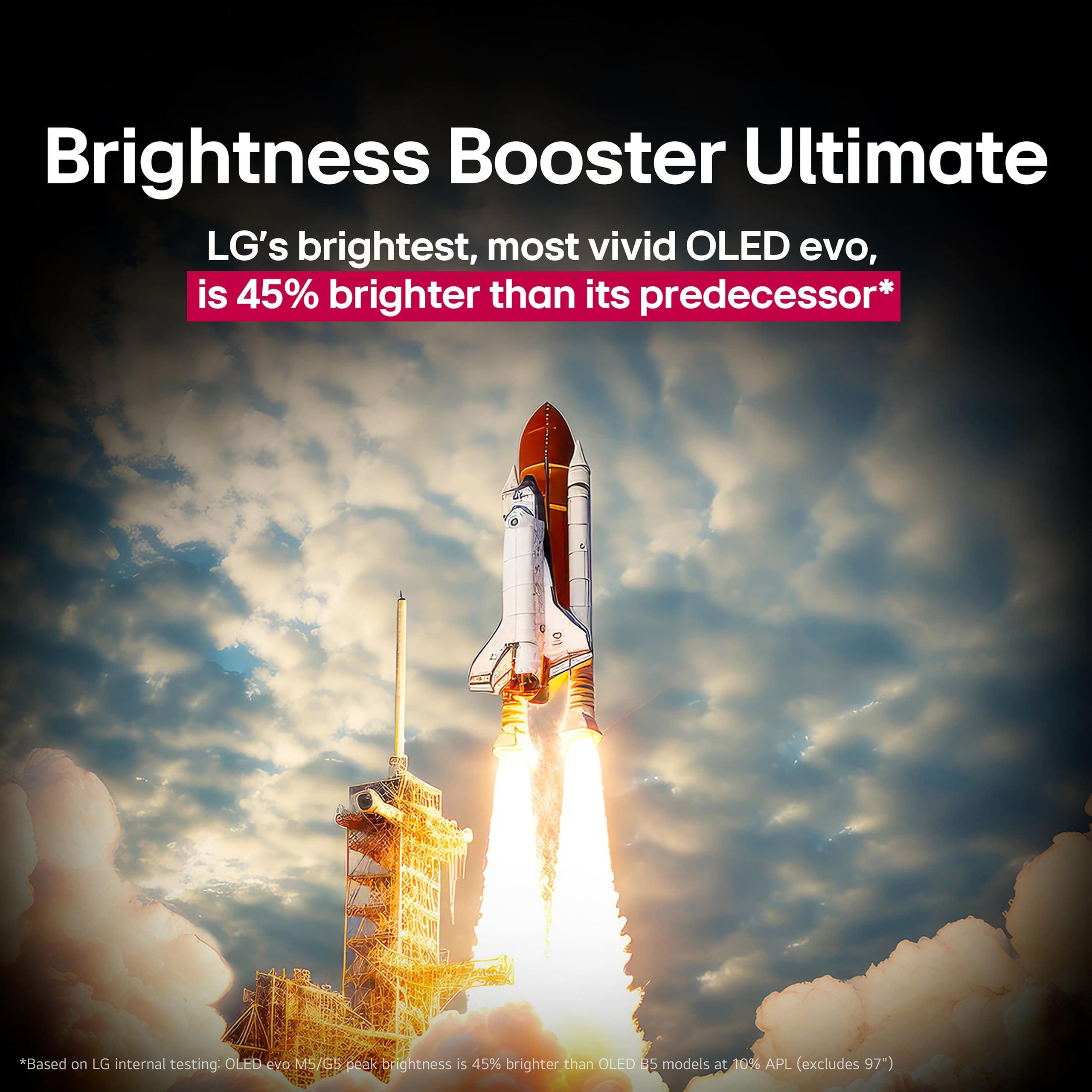
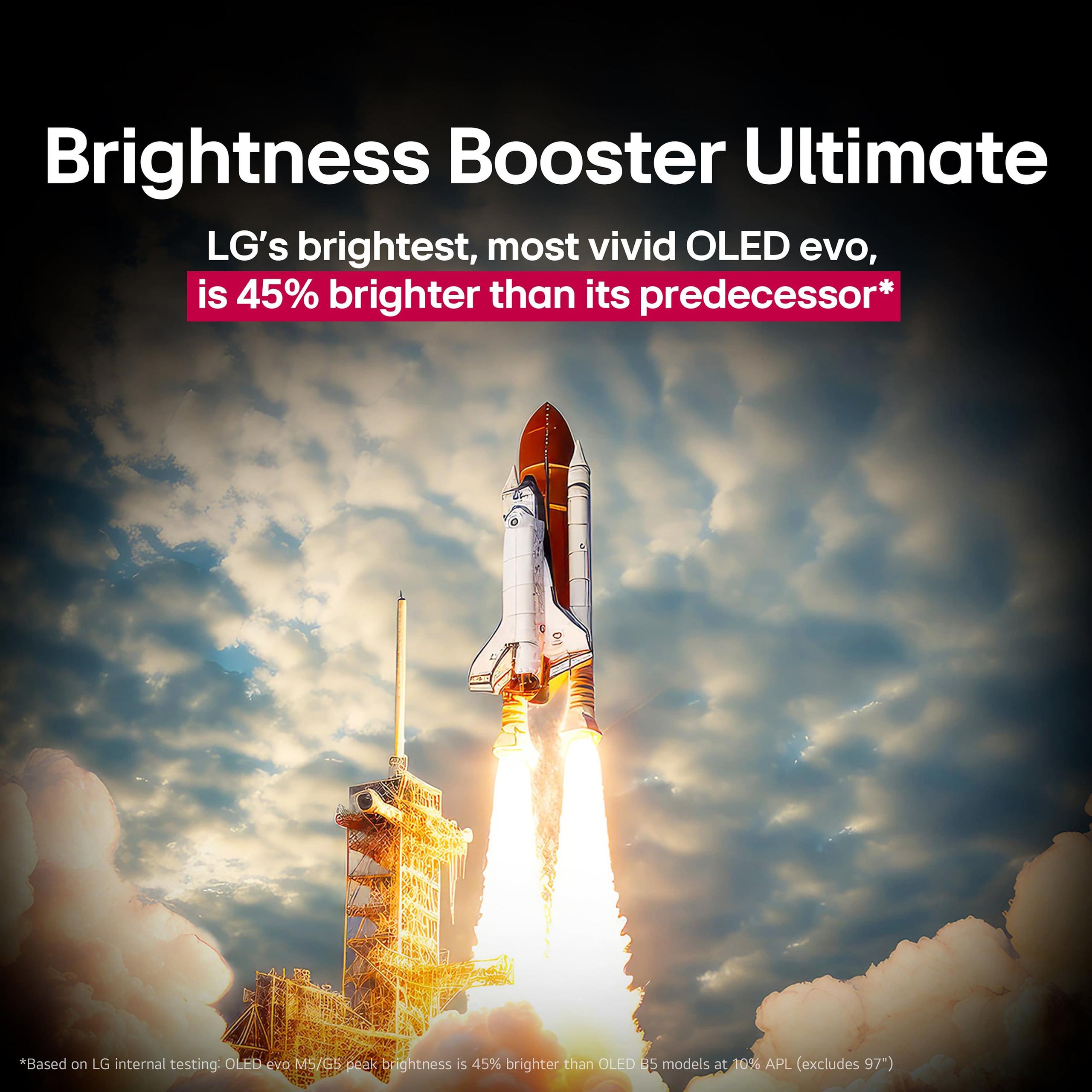
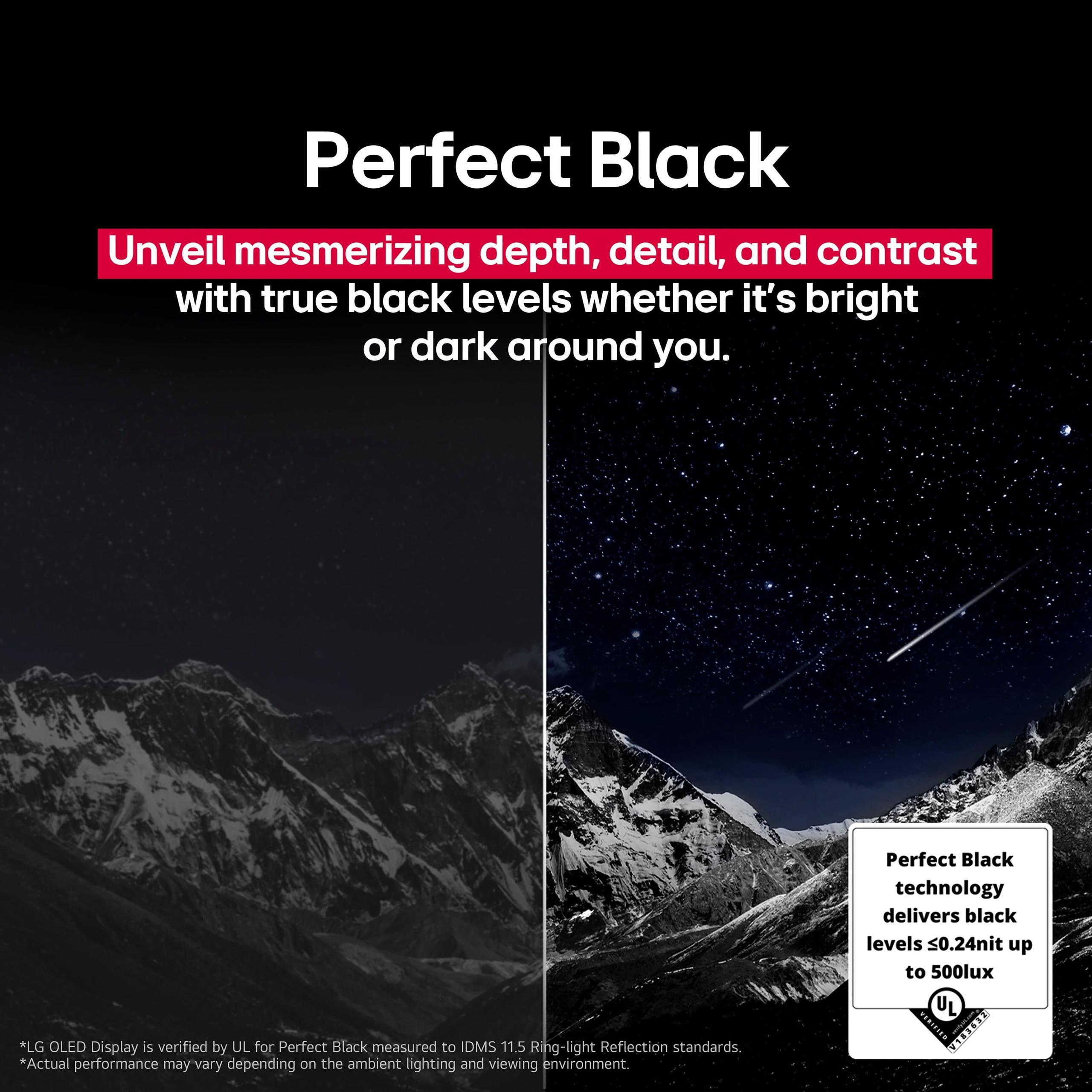
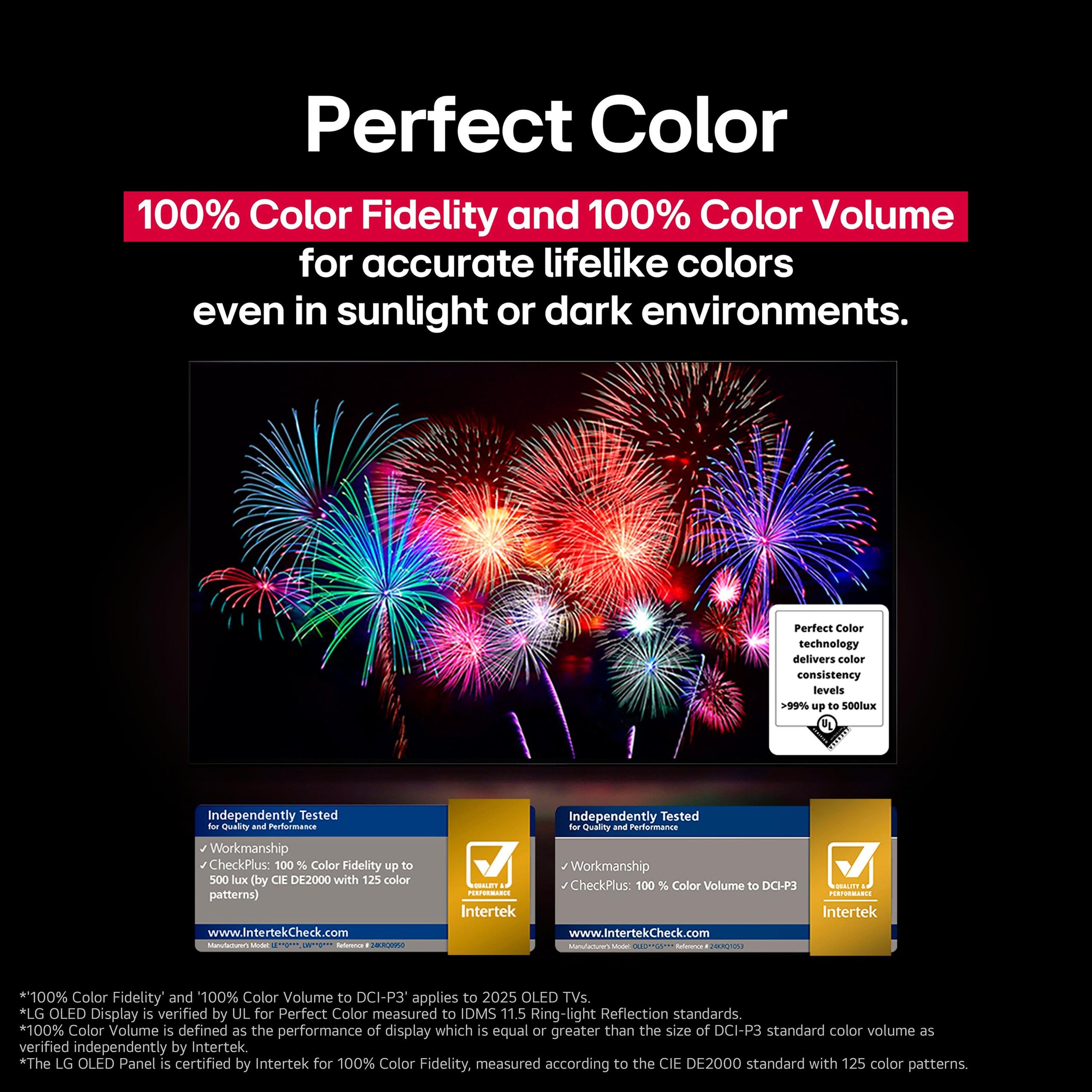
The most significant difference between these TVs lies in their core display technology. The [LG OLED evo G5]() uses what LG calls a "4-Stack RGB Tandem OLED panel" – a breakthrough that addresses OLED's traditional brightness limitations. This new panel structure layers four organic light-emitting layers instead of the typical single layer, resulting in 45% more brightness than previous OLED models while maintaining perfect black levels.

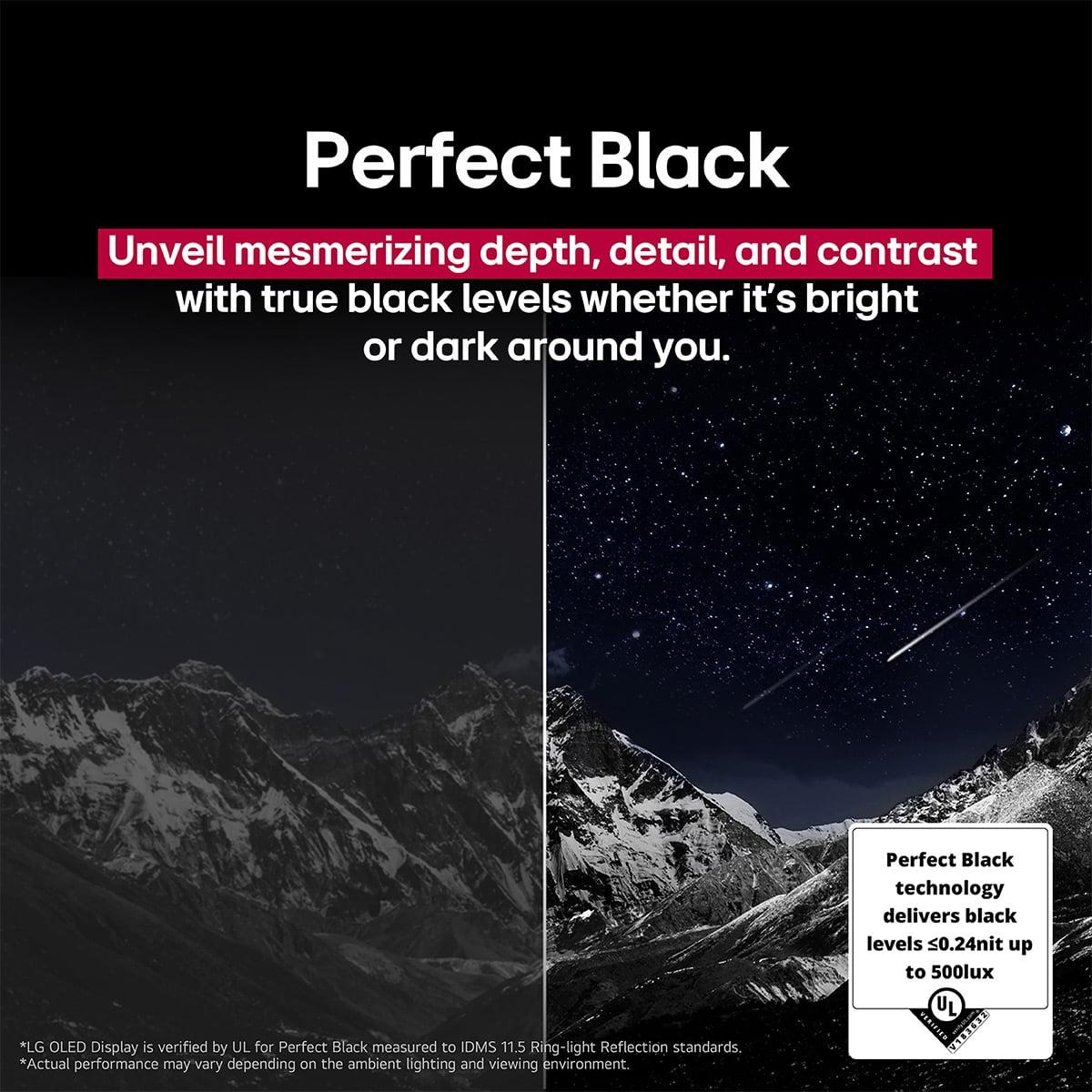
What makes OLED special is that each of the 8.3 million pixels can turn completely off, creating true blacks that LCD-based TVs simply cannot match. When you're watching a movie with a night scene, those dark areas appear as deep and inky as if the TV were turned off, creating an infinite contrast ratio that makes images pop with three-dimensional depth.
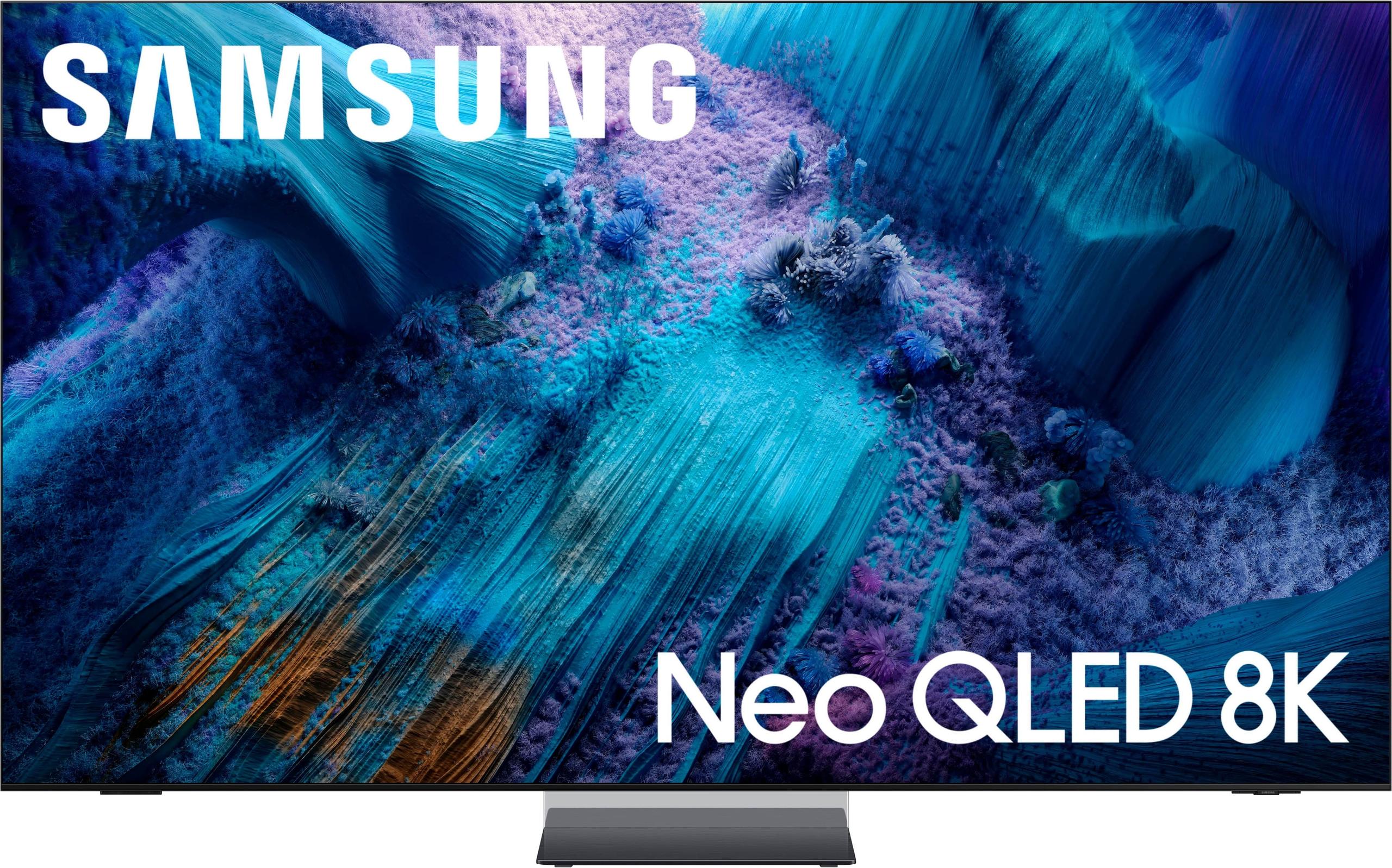
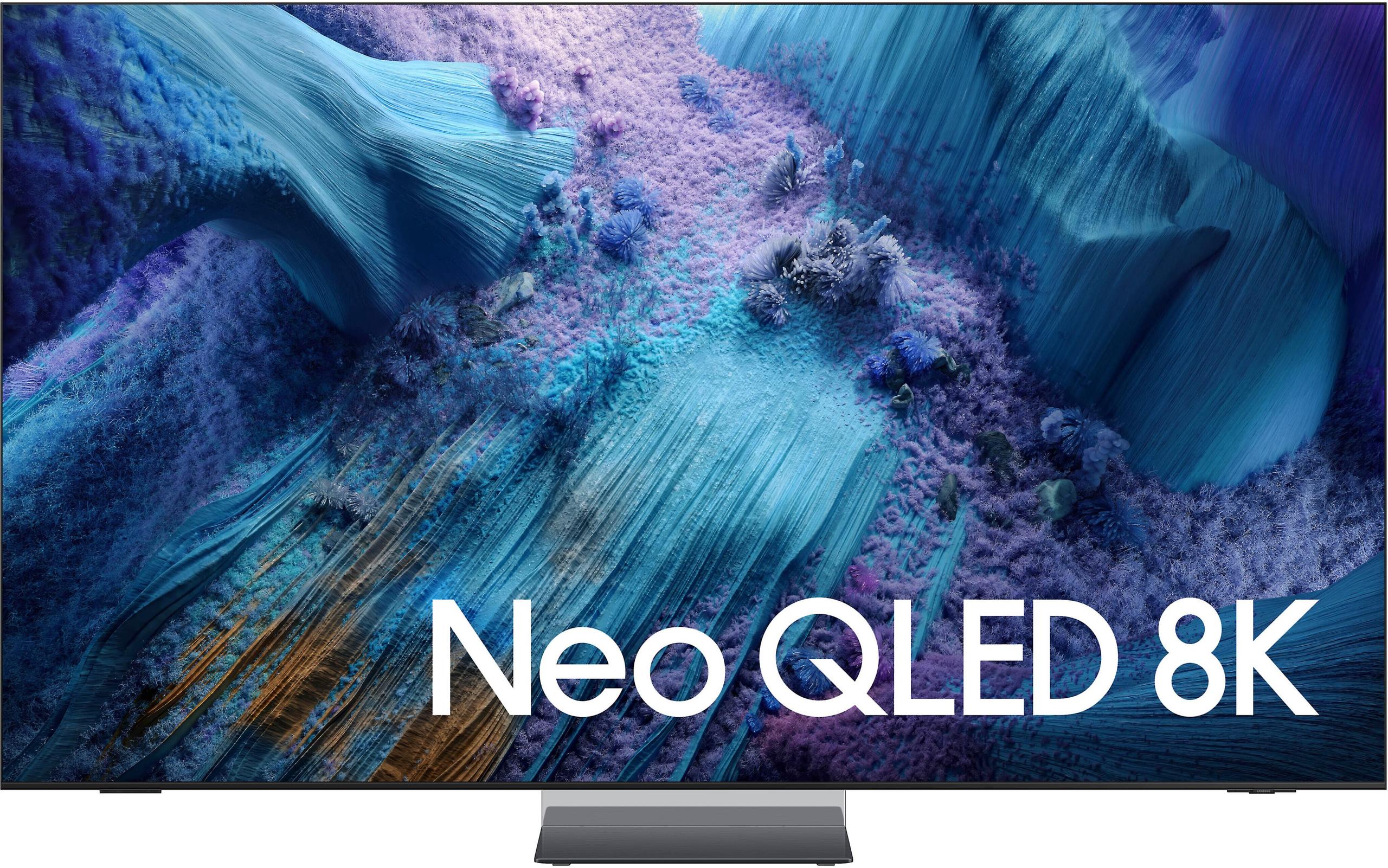
The [Samsung QN990F](), on the other hand, uses Mini-LED technology with quantum dots. Mini-LEDs are significantly smaller than traditional LED backlights – we're talking about thousands of tiny LEDs that can be controlled in precise zones. This allows for much better contrast than regular LED TVs, though it still can't achieve the perfect blacks of OLED. The quantum dot layer enhances color reproduction by converting blue LED light into highly pure red and green colors.
Samsung's approach excels in brightness capability. While the LG has improved significantly with its new panel, the Samsung can still get much brighter – crucial for HDR content and viewing in bright rooms. The trade-off is that dark scenes won't have the same depth and contrast as the OLED.
Here's where things get interesting. The Samsung boasts 8K resolution (7680 x 4320 pixels) compared to the LG's 4K (3840 x 2160 pixels). That's four times the pixel density, which sounds impressive on paper. However, the reality is more nuanced.
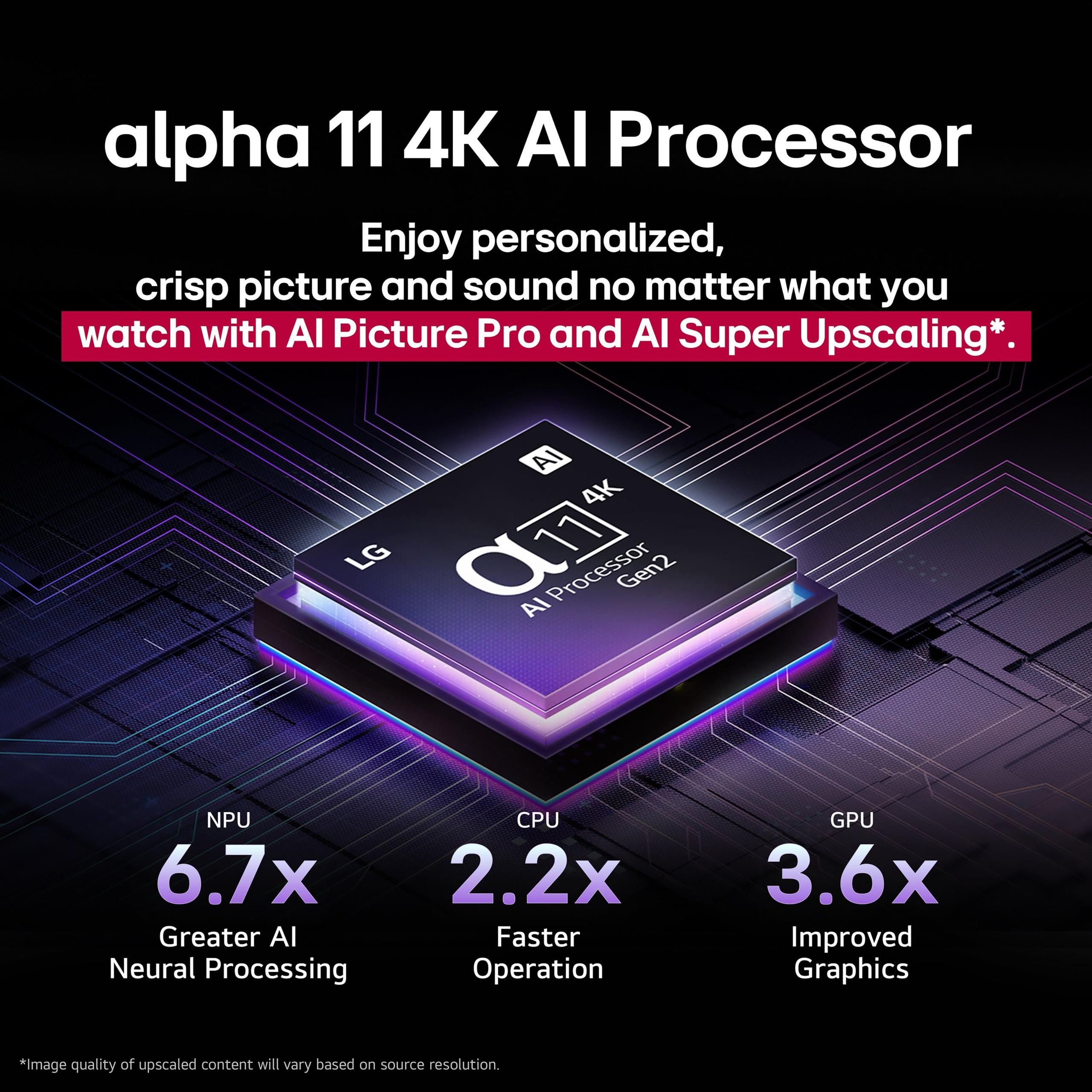
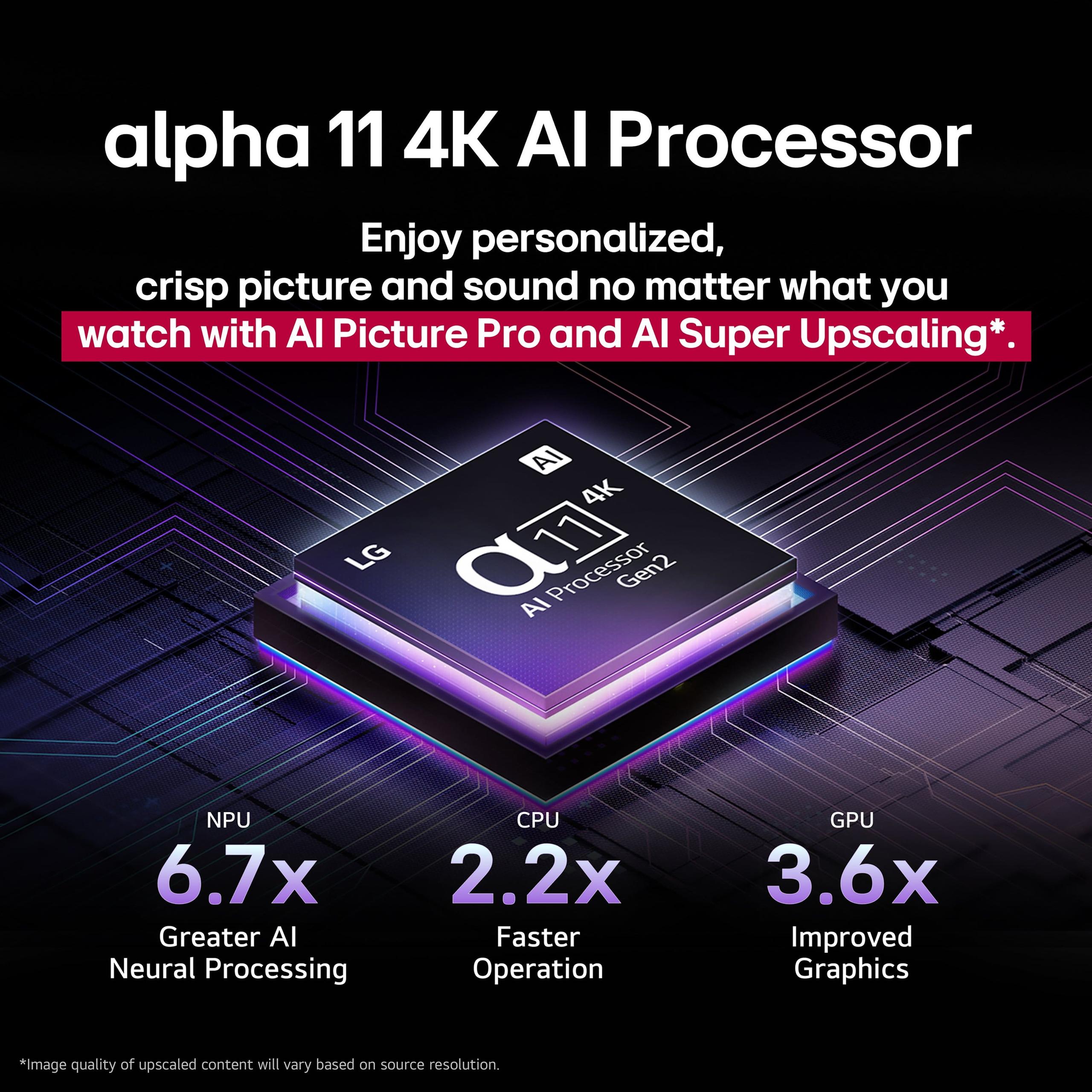
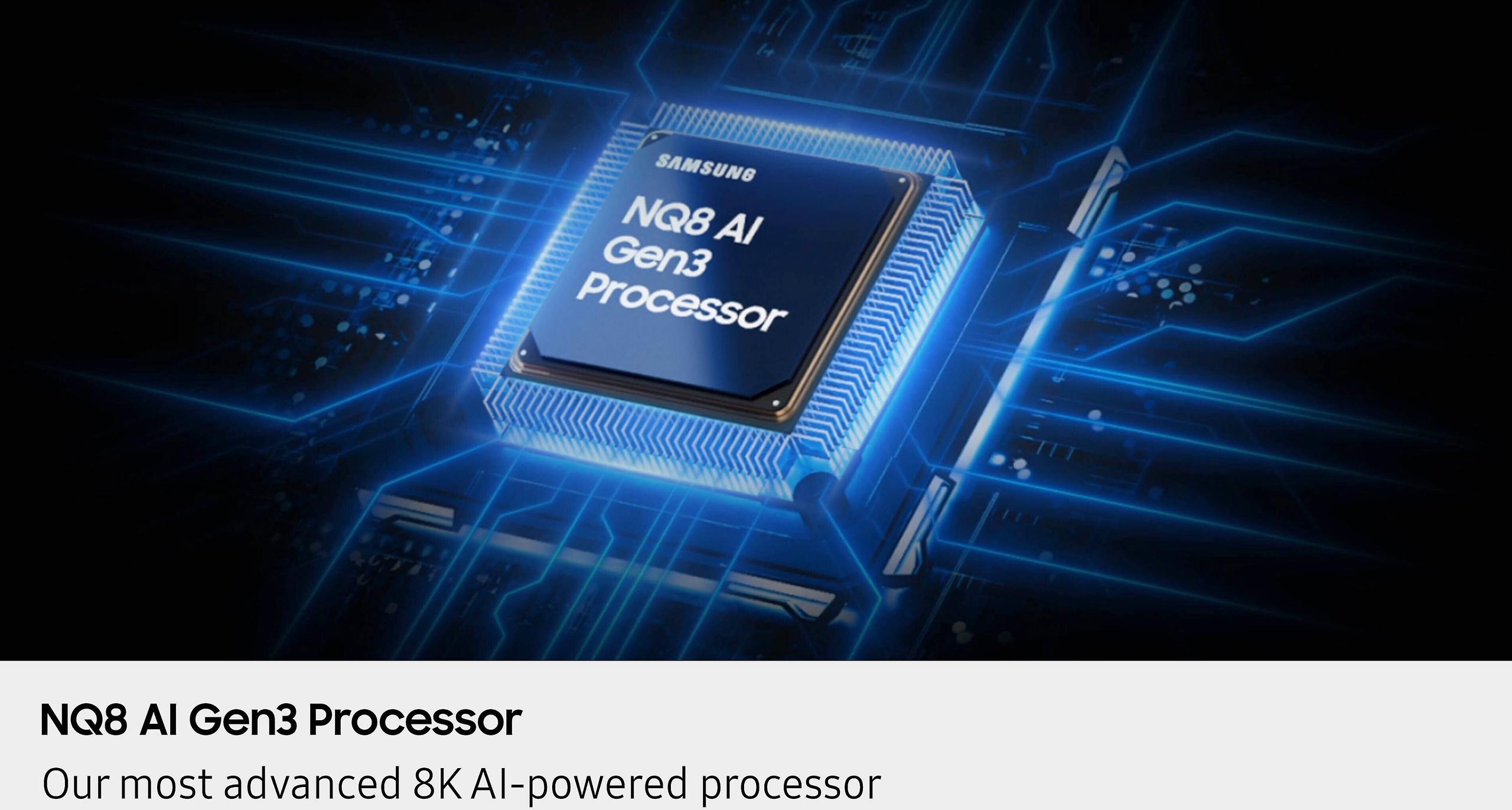
Currently, there's very little native 8K content available. Netflix, Amazon Prime, and other streaming services primarily offer 4K content, and even that represents a small fraction of their libraries. Most broadcast TV is still 1080p or lower. The Samsung addresses this with its NQ8 AI Gen3 Processor, which uses 768 neural networks to upscale lower-resolution content to 8K. This AI upscaling can make 4K content look sharper and more detailed, but it's not the same as native 8K content.
For a 65-inch screen at typical viewing distances (8-10 feet), the difference between good 4K and upscaled 8K is noticeable but not dramatic. The benefits become more apparent if you sit closer to the screen or plan to upgrade to a larger size in the future. The LG's 4K resolution is perfectly adequate for current content, and its superior processing ensures everything looks crisp and detailed.
Both TVs excel for gaming, but in different ways. The [LG OLED evo G5]() supports 4K gaming at up to 165Hz on all four HDMI 2.1 ports, which is excellent for PC gaming with high-end graphics cards. OLED technology inherently has near-instantaneous response times since pixels can switch on and off immediately, eliminating motion blur and ghosting that can affect gaming performance.
The Samsung counters with support for 4K at 240Hz through its Motion Xcelerator 240Hz feature. This higher refresh rate can make fast-paced games feel incredibly smooth, though you'll need a very powerful gaming PC to actually output games at 240 frames per second in 4K. For console gaming with PlayStation 5 or Xbox Series X, both TVs will handle 4K at 120Hz beautifully.
Input lag – the delay between pressing a button and seeing the action on screen – is crucial for competitive gaming. OLED TVs typically have lower input lag due to their faster pixel response, giving the LG a slight edge for serious gamers. Both TVs support Variable Refresh Rate (VRR) and AMD FreeSync/NVIDIA G-SYNC, which eliminate screen tearing and stuttering.

This is where personal preference and viewing environment become crucial. The [LG OLED evo G5]() delivers what many consider the gold standard for home theater picture quality. Those perfect blacks create a contrast ratio that makes colors appear more vibrant and realistic. When watching movies, especially in a darkened room, the OLED provides an almost cinematic experience with images that seem to have depth and dimensionality.
The new Brightness Booster Ultimate technology addresses OLED's traditional weakness in bright rooms. LG claims up to 3x the brightness of conventional OLED models in certain scenarios, making it viable for daytime viewing. However, it still can't match the peak brightness of the Samsung's Mini-LED system.
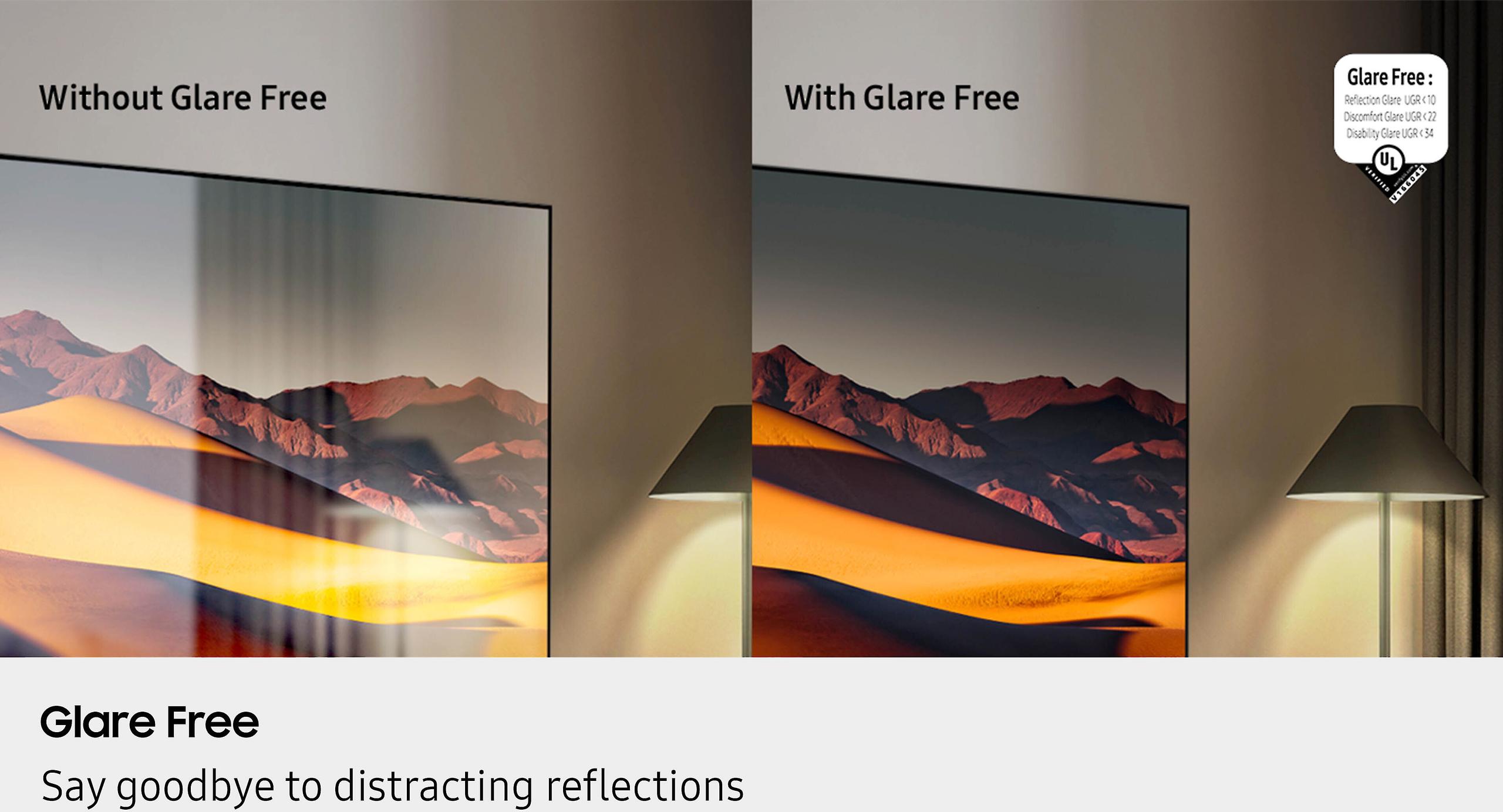
The [Samsung QN990F]() excels in bright environments. Its peak brightness capabilities mean HDR content really pops, with bright highlights that can be almost blindingly intense in the right scenes. The Glare-Free coating helps reduce reflections, making it excellent for living rooms with lots of windows. Colors are vibrant and punchy, though some might find them slightly oversaturated compared to the more natural OLED presentation.
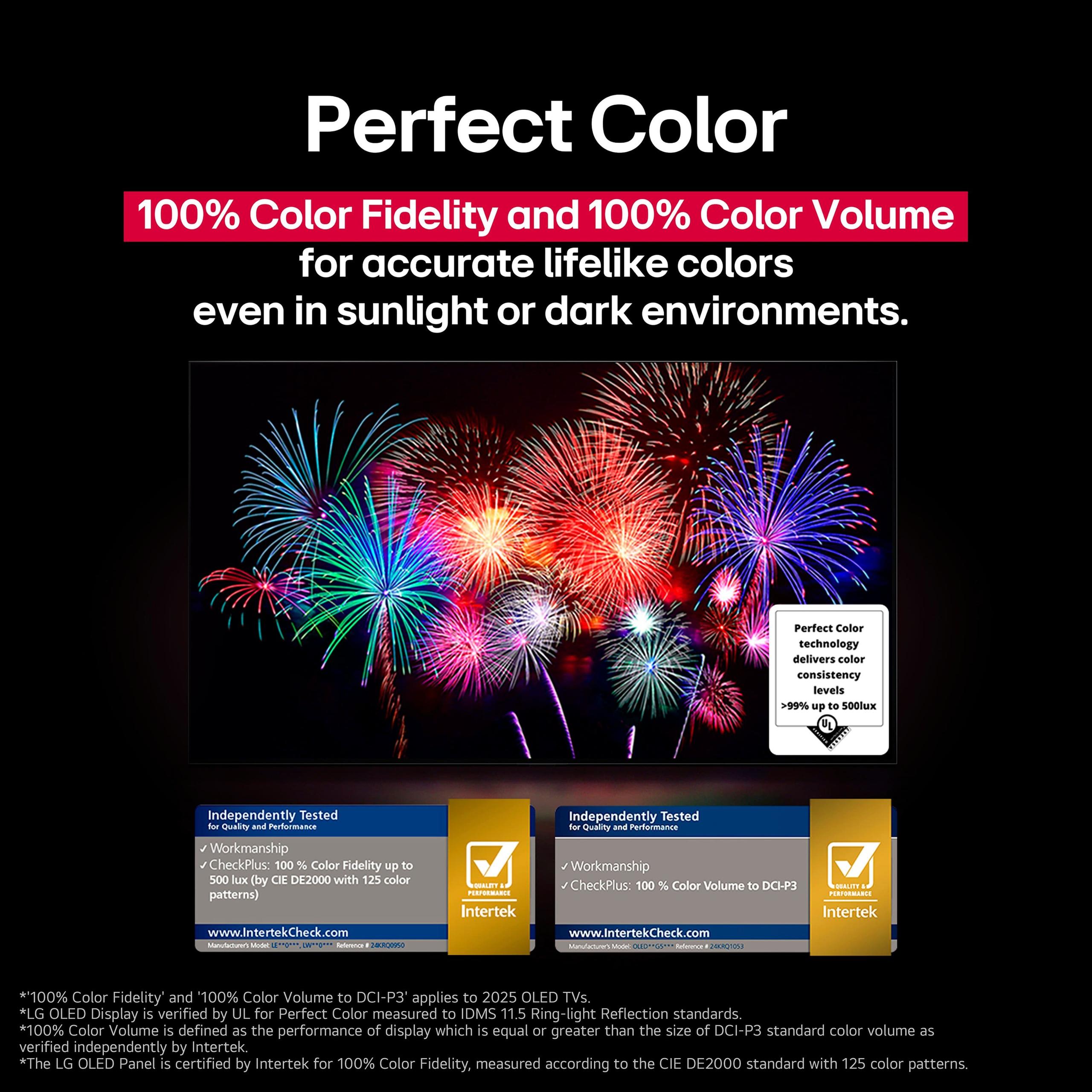
For color accuracy, both TVs perform exceptionally well, but they have different characteristics. The LG tends toward more natural, cinema-accurate colors, while the Samsung delivers more vibrant, eye-catching colors that many people prefer for everyday viewing.
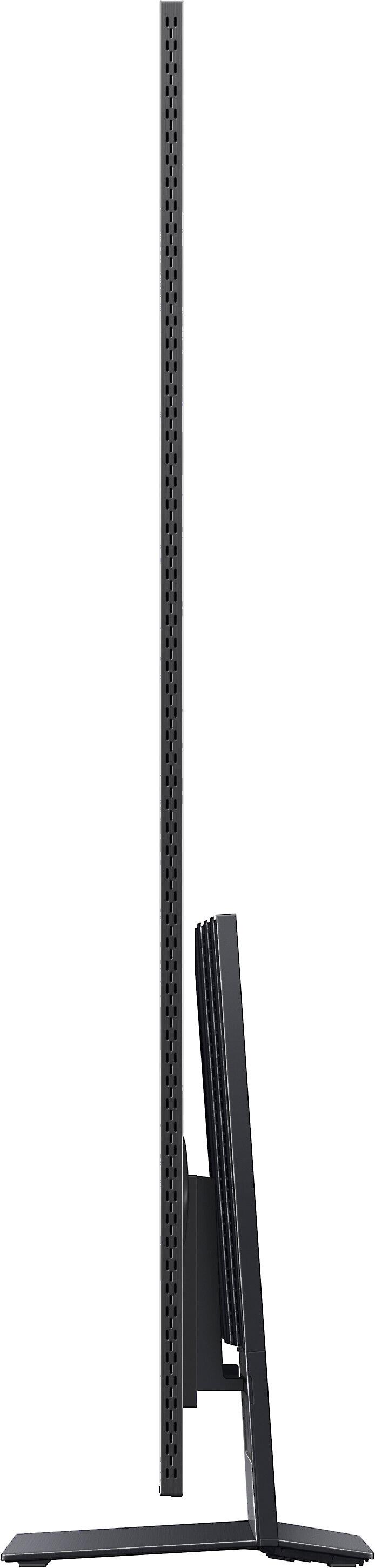
Audio is often overlooked in TV comparisons, but it's increasingly important as TVs get thinner. The [Samsung QN990F]() has a notable advantage here with its Object Tracking Sound Pro technology. This system uses multiple speakers positioned around the TV to create three-dimensional audio that follows action on screen. Combined with Dolby Atmos support, it provides a more immersive audio experience than typical TV speakers.
The LG supports Dolby Atmos as well and includes AI-powered sound processing, but its thinner profile limits speaker size and placement. However, it does offer WOW Orchestra compatibility, which means if you pair it with compatible LG soundbars, the TV speakers work together with the soundbar for enhanced audio.
For serious home theater setups, both TVs work excellently with external sound systems, but the Samsung provides better standalone audio performance.
Both TVs showcase advanced AI processing, but with different focuses. The LG runs webOS 25, which LG promises to support with updates for five years through their webOS Renew program. The interface is clean and intuitive, with Quick Cards for organizing favorite apps and access to over 300 free LG Channels. The Magic Remote includes an AI button for voice control and can control compatible smart home devices.
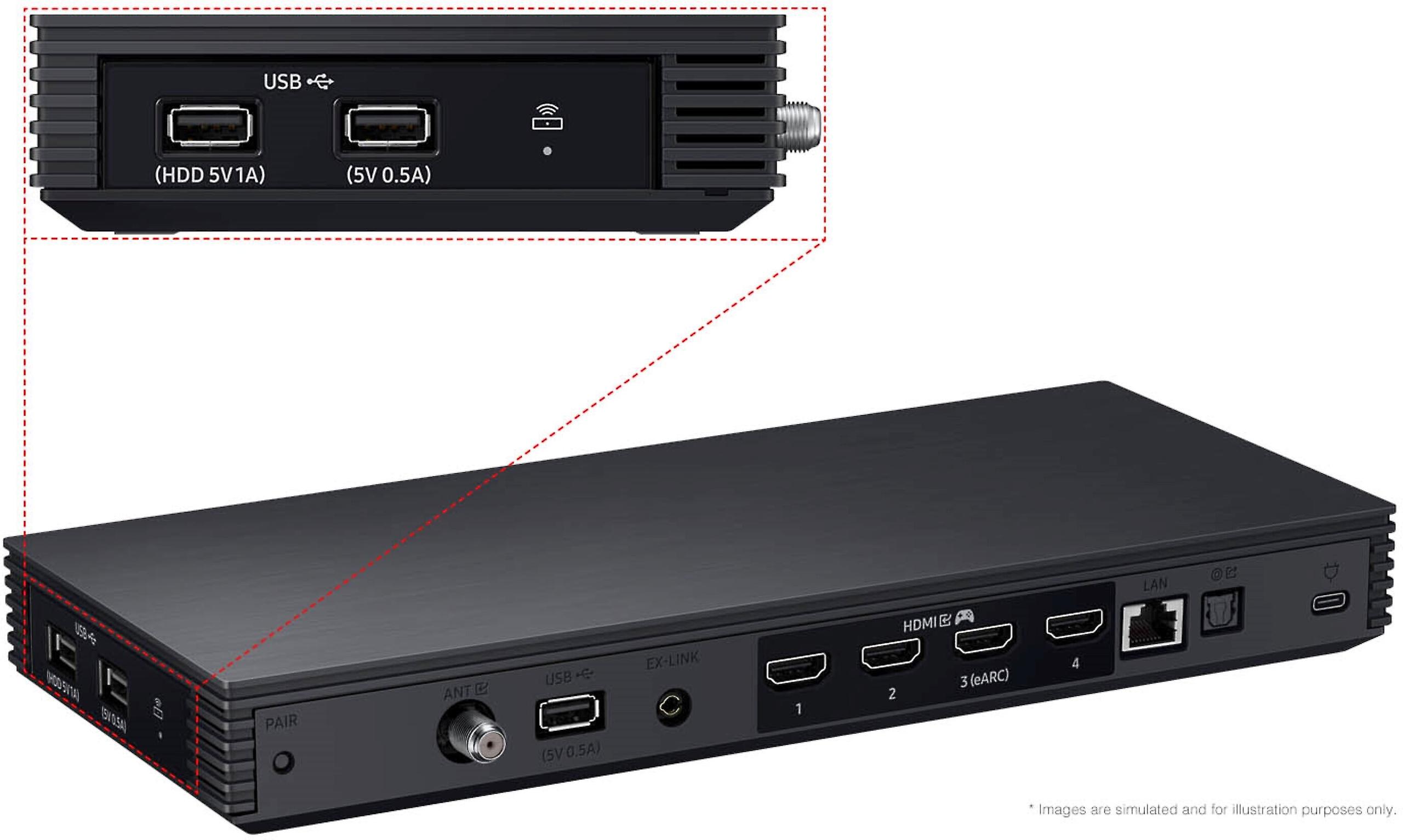
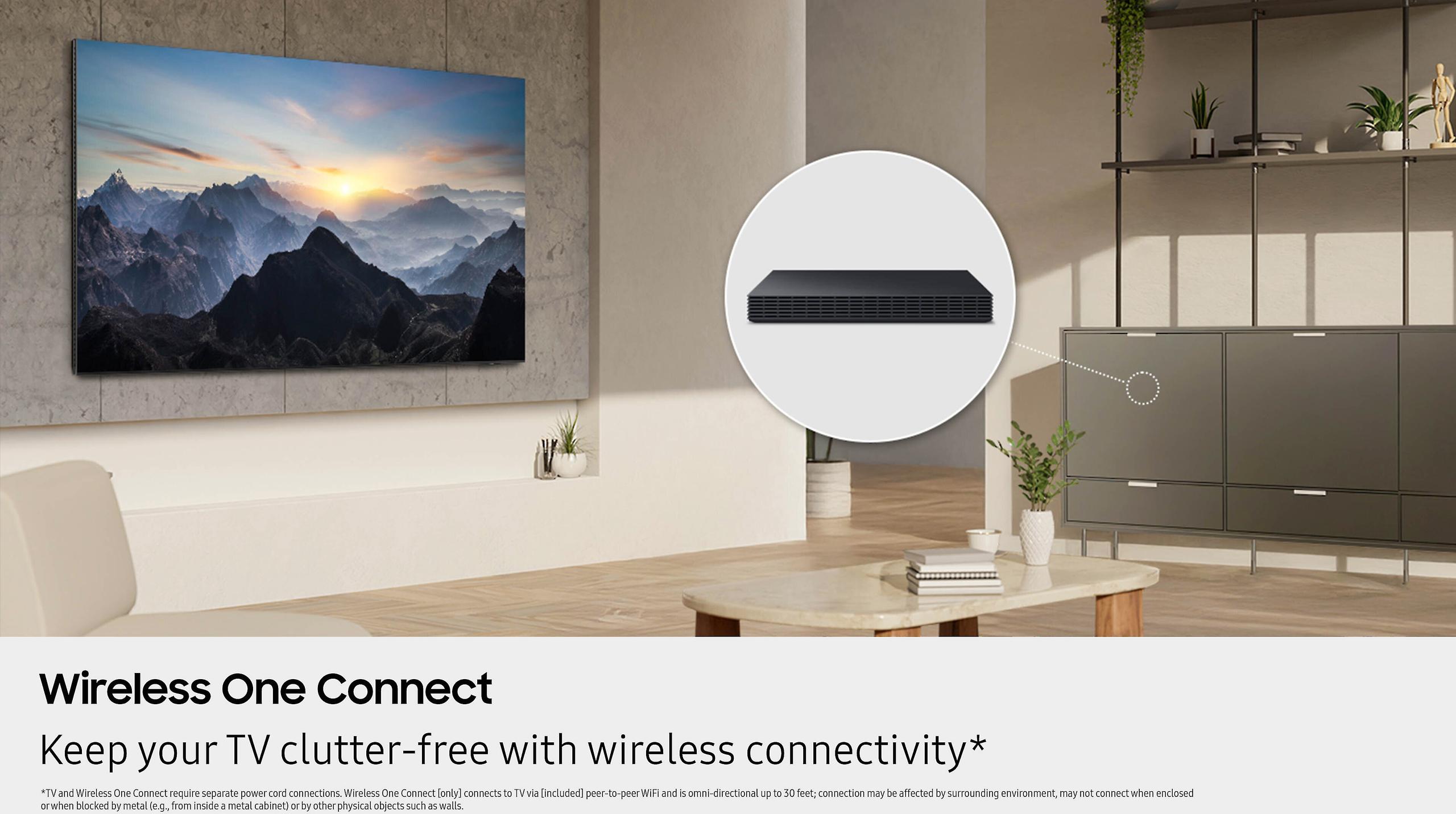
The Samsung's NQ8 AI Gen3 Processor is primarily focused on picture processing, using those 768 neural networks to analyze and optimize every frame. Samsung Vision AI adapts picture and sound settings based on content and viewing environment automatically. The Wireless One Connect feature is particularly innovative, allowing you to connect external devices wirelessly to the TV from up to 30 feet away, eliminating cable clutter entirely.
Both TVs were announced in early 2025, representing the latest evolution in their respective technologies. The [LG OLED evo G5]() marks a significant leap forward for OLED brightness, addressing the technology's main weakness without sacrificing its core advantages. This represents years of development to create the multi-layer tandem structure that enables higher brightness while maintaining perfect blacks.
The Samsung QN990F continues Samsung's push toward 8K adoption, refining their Mini-LED technology that debuted in earlier Neo QLED models. The integration of more advanced AI processing and wireless connectivity shows Samsung's focus on the complete user experience beyond just picture quality.
For dedicated home theater setups, the choice depends on your room's characteristics. If you have a light-controlled room with blackout curtains or basement setup, the [LG OLED evo G5]() will provide the most cinematic experience. The perfect blacks and infinite contrast create depth that makes movies feel more immersive, especially for dramatic films and sci-fi content with lots of dark scenes.
The Samsung works better in multipurpose rooms where you can't always control lighting. Its superior brightness ensures HDR content looks impressive even with ambient light, and the better built-in audio means you might not need a soundbar immediately.
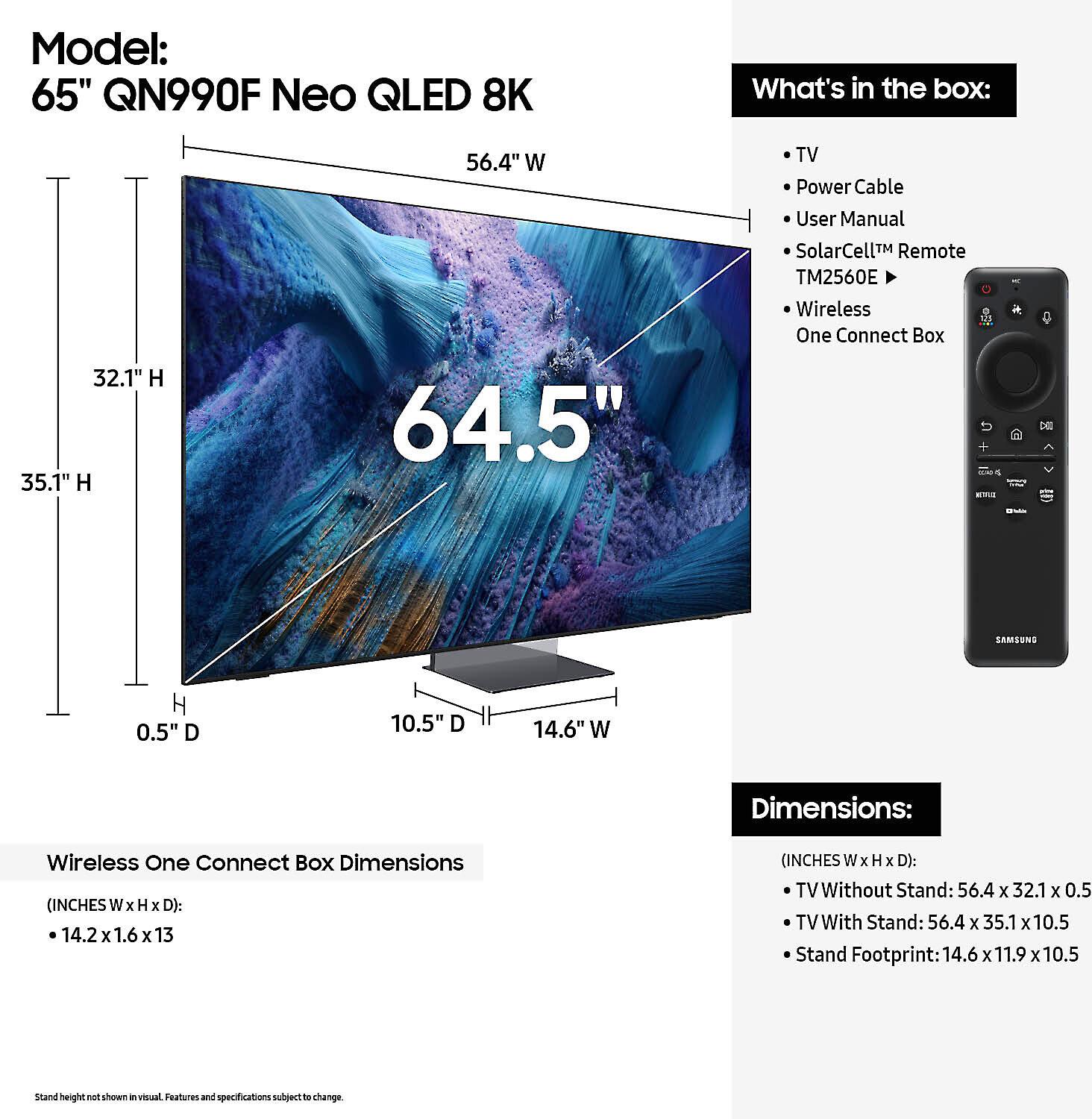
For screen size considerations, both 65-inch models work well for most living rooms, though the Samsung's 8K resolution would be more noticeable on larger screens if you're planning to upgrade in the future.
At $3,196.99, the [LG OLED evo G5]() offers exceptional value for premium TV technology. You're getting best-in-class contrast, excellent gaming performance, and a premium smart TV experience. The five-year panel warranty provides additional peace of mind.
The [Samsung QN990F]() at $5,297.99 represents a 65% price premium. You're paying extra for 8K resolution, superior brightness, better built-in audio, and cutting-edge features like Wireless One Connect. Whether this premium is worth it depends on your specific needs and room environment.
Choose the [LG OLED evo G5]() if you prioritize picture quality and value. It's ideal for movie enthusiasts, gamers, and anyone with a light-controlled viewing environment. The superior contrast and more affordable price make it the better choice for most people.
Choose the [Samsung QN990F]() if you have a bright room, want the best possible built-in audio, or are interested in future-proofing with 8K technology. The premium price buys you cutting-edge features and the brightest possible picture.
Both TVs represent excellent choices in the premium segment, but the LG offers better value for most users, while the Samsung provides specific advantages for bright rooms and those wanting the latest technology regardless of cost.
| LG OLED evo G5 65" 4K Smart TV 2025 | Samsung 65" Neo QLED QN990F 8K Smart TV 2025 |
|---|---|
| Price - Significant cost difference for premium features | |
| $3,196.99 | $5,297.99 |
| Display Technology - Fundamental difference in how the picture is created | |
| 4-Stack RGB Tandem OLED with self-lit pixels | Quantum Matrix Mini LED with quantum dots |
| Resolution - Higher resolution provides sharper detail but limited native content | |
| 4K (3840 x 2160) with mature content ecosystem | 8K (7680 x 4320) with AI upscaling for future-proofing |
| Peak Brightness - Critical for HDR performance and bright room viewing | |
| Up to 45% brighter than previous OLED (excellent for dark rooms) | Significantly higher peak brightness (ideal for bright rooms) |
| Black Levels - Affects contrast and picture depth | |
| Perfect blacks with infinite contrast ratio | Near-black with excellent contrast (limited by backlighting) |
| Gaming Refresh Rate - Higher rates provide smoother motion for competitive gaming | |
| 4K @ 165Hz on all HDMI 2.1 ports | 4K @ 240Hz with Motion Xcelerator technology |
| Response Time - Lower is better for gaming to reduce motion blur | |
| Near-instantaneous OLED response | Slightly higher due to LCD technology |
| Smart TV Platform - Interface and long-term software support | |
| webOS 25 with 5-year update guarantee | Samsung Smart TV with NQ8 AI Gen3 Processor |
| Built-in Audio - Important if not using external speakers | |
| Dolby Atmos support, adequate for thin profile | Object Tracking Sound Pro with superior speaker system |
| Viewing Angle - How picture quality holds up when viewed from the side | |
| Excellent OLED viewing angles (178°) | Good viewing angles (178°) but some color shift |
| Unique Features - Standout capabilities that differentiate each model | |
| Gallery Design, 5-year panel warranty, perfect blacks | Wireless One Connect, Glare-Free coating, 8K AI upscaling |
| Best Use Case - Ideal viewing environment and user type | |
| Dark/controlled rooms, cinephiles, competitive gamers | Bright rooms, sports viewing, early 8K adopters |
The Samsung 65" Neo QLED QN990F 8K Smart TV 2025 is significantly better for bright rooms due to its Mini-LED technology and higher peak brightness. It includes a Glare-Free coating that reduces reflections, making it ideal for living rooms with lots of windows. The LG OLED evo G5 65" 4K Smart TV 2025 has improved brightness with its new panel but still performs best in darker, controlled lighting environments.
The LG OLED evo G5 65" 4K Smart TV 2025 costs $3,196.99, while the Samsung 65" Neo QLED QN990F 8K Smart TV 2025 is priced at $5,297.99. This represents a $2,101 price difference, with the Samsung costing about 65% more than the LG model.
Both TVs excel for gaming, but the LG OLED evo G5 65" 4K Smart TV 2025 has advantages for competitive gaming with near-instantaneous response times and support for 4K at 165Hz on all HDMI 2.1 ports. The Samsung 65" Neo QLED QN990F 8K Smart TV 2025 offers 4K at 240Hz for ultra-smooth motion but may have slightly higher input lag.
The 8K resolution on the Samsung 65" Neo QLED QN990F 8K Smart TV 2025 provides future-proofing but limited immediate benefits since native 8K content is rare. The TV uses AI upscaling to enhance 4K content, which can improve sharpness. For most users, the 4K resolution on the LG OLED evo G5 65" 4K Smart TV 2025 is sufficient and offers better value.
Picture quality depends on viewing conditions. The LG OLED evo G5 65" 4K Smart TV 2025 offers superior contrast with perfect blacks and infinite contrast ratio, ideal for movies and dark room viewing. The Samsung 65" Neo QLED QN990F 8K Smart TV 2025 provides brighter, more vibrant colors and better performance in bright rooms with its Mini-LED technology.
For dedicated home theaters with controlled lighting, the LG OLED evo G5 65" 4K Smart TV 2025 provides the most cinematic experience with perfect blacks and superior contrast. The Samsung 65" Neo QLED QN990F 8K Smart TV 2025 works better in multipurpose rooms where you can't always control lighting, and its superior built-in audio reduces the immediate need for a soundbar.
The LG OLED evo G5 65" 4K Smart TV 2025 runs webOS 25 with a 5-year update guarantee and includes 300+ free channels. The Samsung 65" Neo QLED QN990F 8K Smart TV 2025 features the NQ8 AI Gen3 Processor with 768 neural networks for advanced picture processing and includes innovative Wireless One Connect for cable-free device connections.
The Samsung 65" Neo QLED QN990F 8K Smart TV 2025 has significantly better built-in audio with Object Tracking Sound Pro technology and dedicated speakers that create three-dimensional sound. The LG OLED evo G5 65" 4K Smart TV 2025 supports Dolby Atmos but has limited speaker performance due to its thin profile, though it offers soundbar integration features.
The LG OLED evo G5 65" 4K Smart TV 2025 includes a notable 5-year limited panel warranty, providing long-term protection for the OLED display. The Samsung 65" Neo QLED QN990F 8K Smart TV 2025 comes with standard manufacturer warranty terms, though specific details vary by retailer and region.
The Samsung 65" Neo QLED QN990F 8K Smart TV 2025 is generally better for sports due to its higher brightness, excellent motion processing at 240Hz, and superior performance in bright rooms where sports are often watched. The LG OLED evo G5 65" 4K Smart TV 2025 offers excellent motion clarity but performs best in darker viewing environments.
The LG OLED evo G5 65" 4K Smart TV 2025 uses a 4-stack RGB tandem OLED panel where each pixel produces its own light, creating perfect blacks and infinite contrast. The Samsung 65" Neo QLED QN990F 8K Smart TV 2025 uses Mini-LED backlighting with quantum dots, providing higher peak brightness and vibrant colors but cannot achieve true black levels.
The LG OLED evo G5 65" 4K Smart TV 2025 offers better value for most buyers at $3,196.99, providing premium OLED technology, excellent gaming features, and superior contrast. The Samsung 65" Neo QLED QN990F 8K Smart TV 2025 at $5,297.99 is worth the premium if you prioritize maximum brightness, 8K resolution, or have a very bright viewing environment.
We've done our best to create useful and informative comparisons to help you decide what product to buy. Our research uses advanced automated methods to create this comparison and perfection is not possible - please contact us for corrections or questions. These are the sites we've researched in the creation of this article: bestbuy.com - techradar.com - rtings.com - youtube.com - youtube.com - rtings.com - bestbuy.com - youtube.com - valueelectronics.com - lg.com - audio-videoplus.com - lg.com - lg.com - lg.com - samsung.com - abt.com - bestbuy.com - pcnation.com - samsung.com - videoandaudiocenter.com - exertisalmo.com - displayspecifications.com - theapplianceplug.com - news.samsung.com

Privacy Policy
Terms and Conditions - Affiliate Policy
Home Security
© Copyright 2008-2026.
11816 Inwood Rd #1211, Dallas, TX 75244