

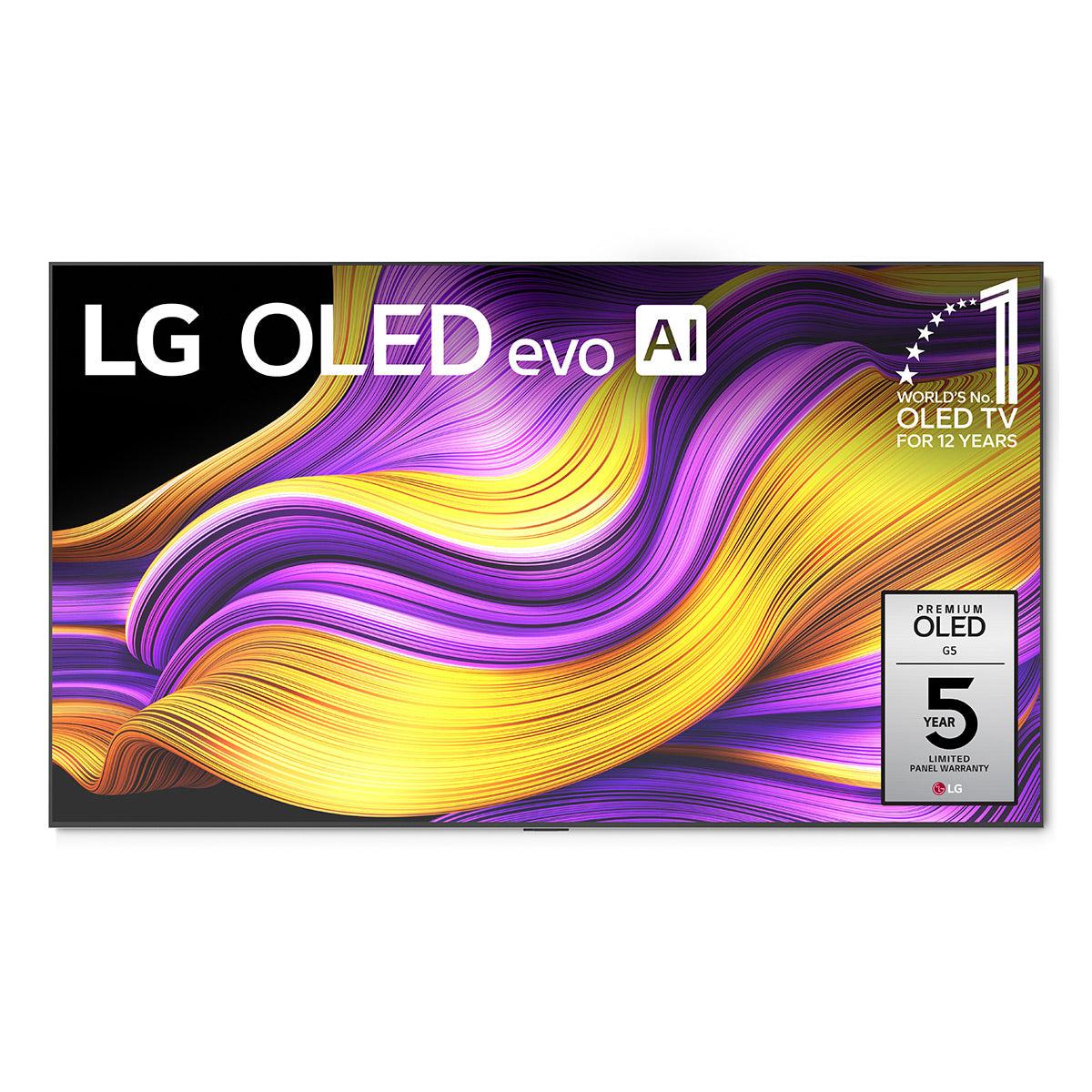
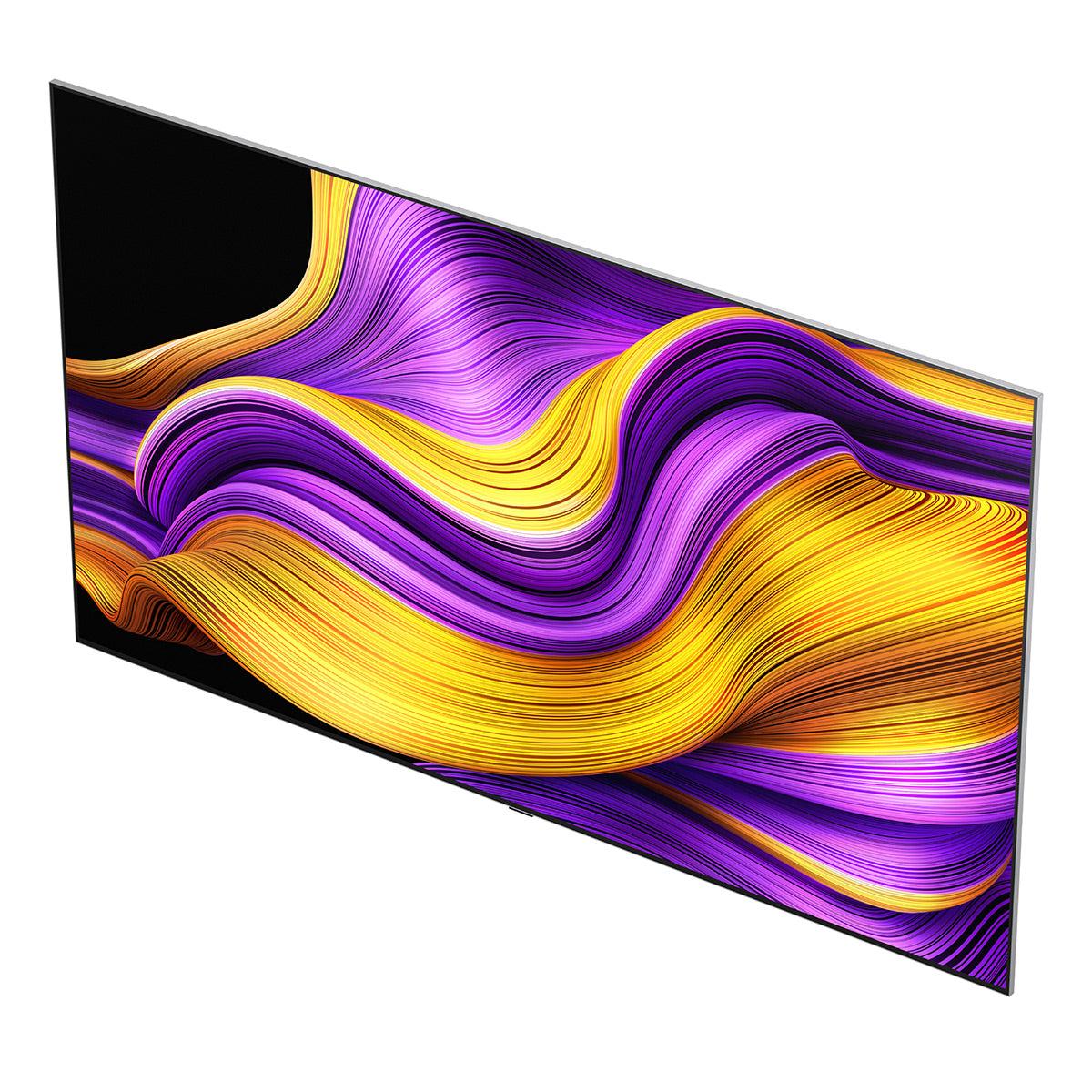
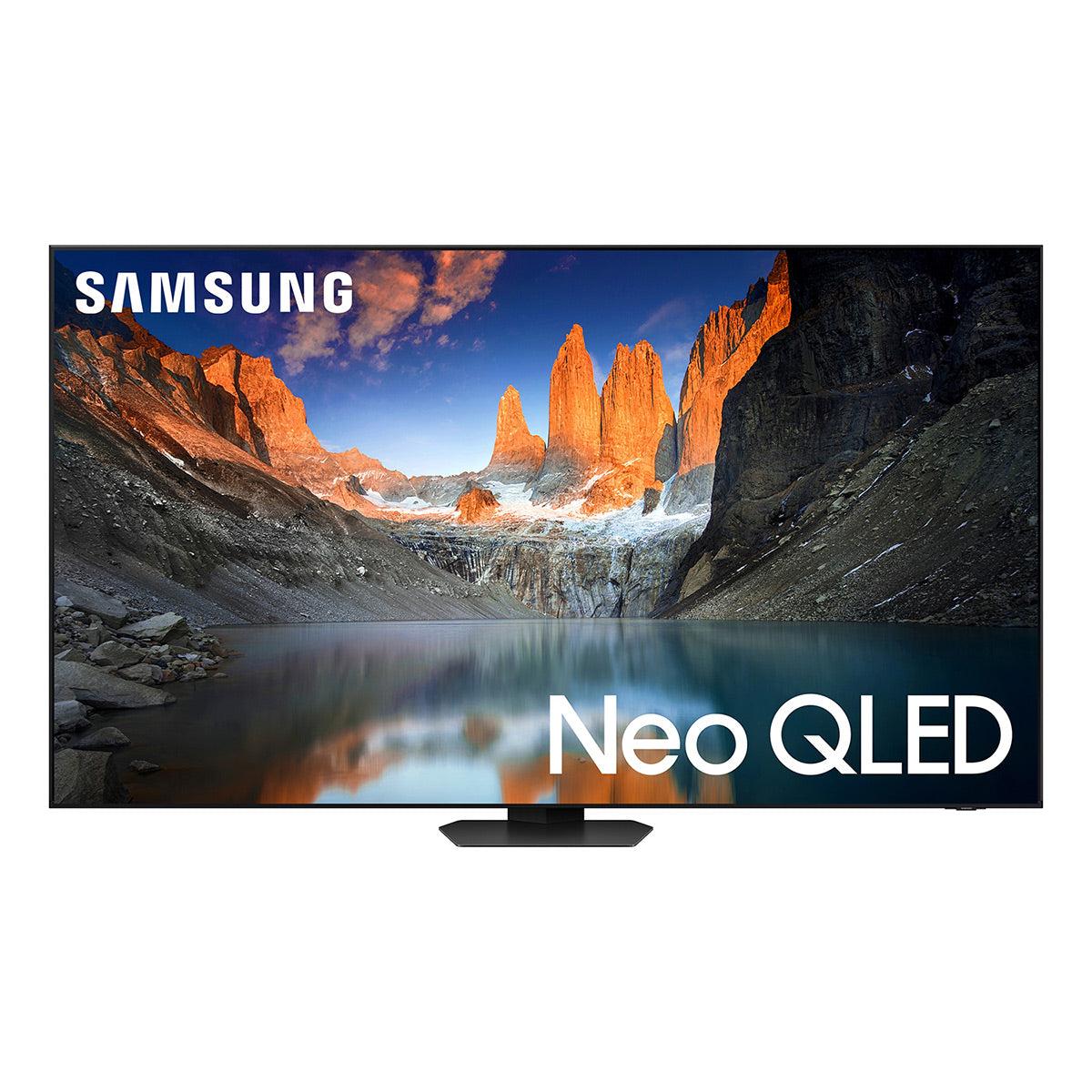
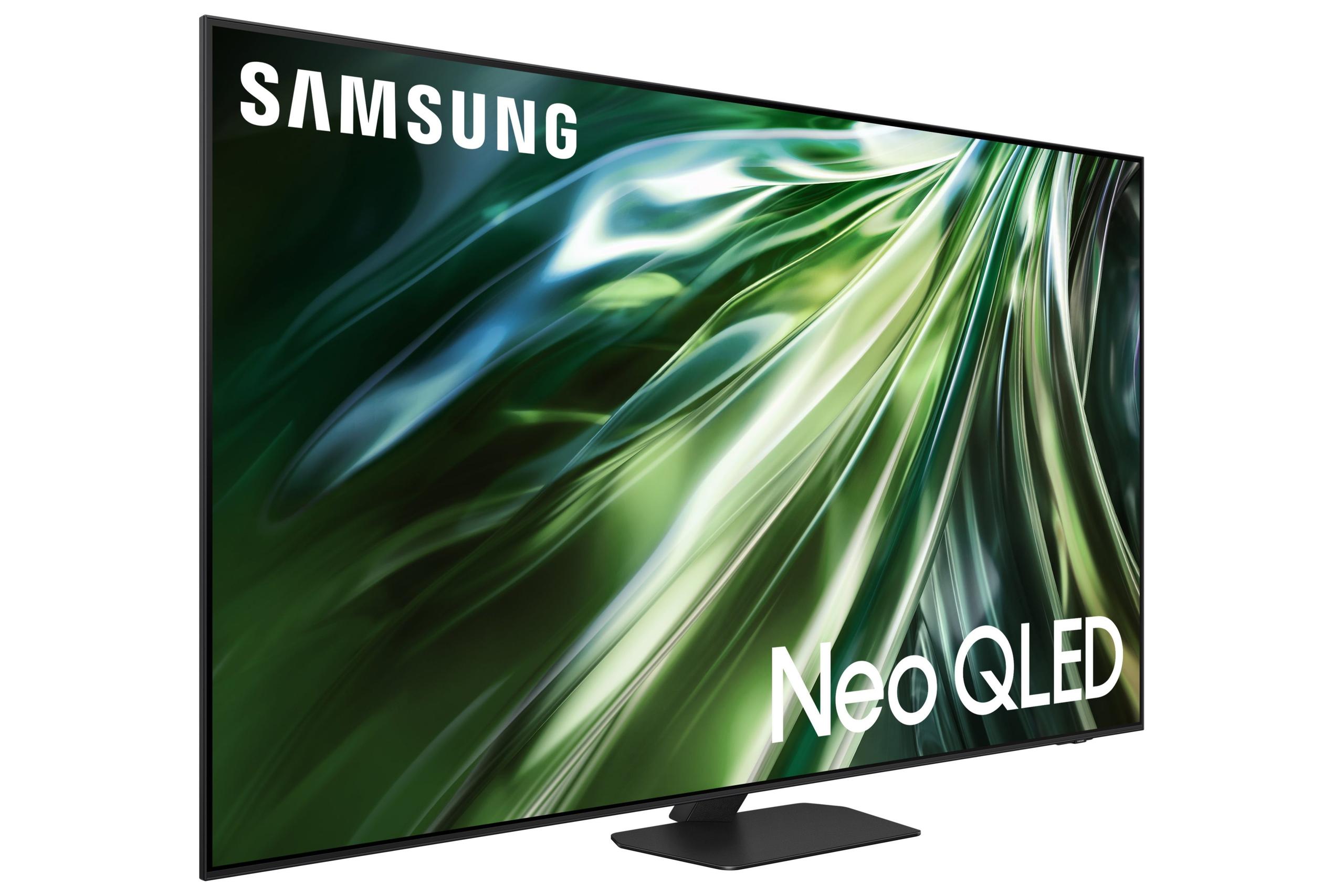
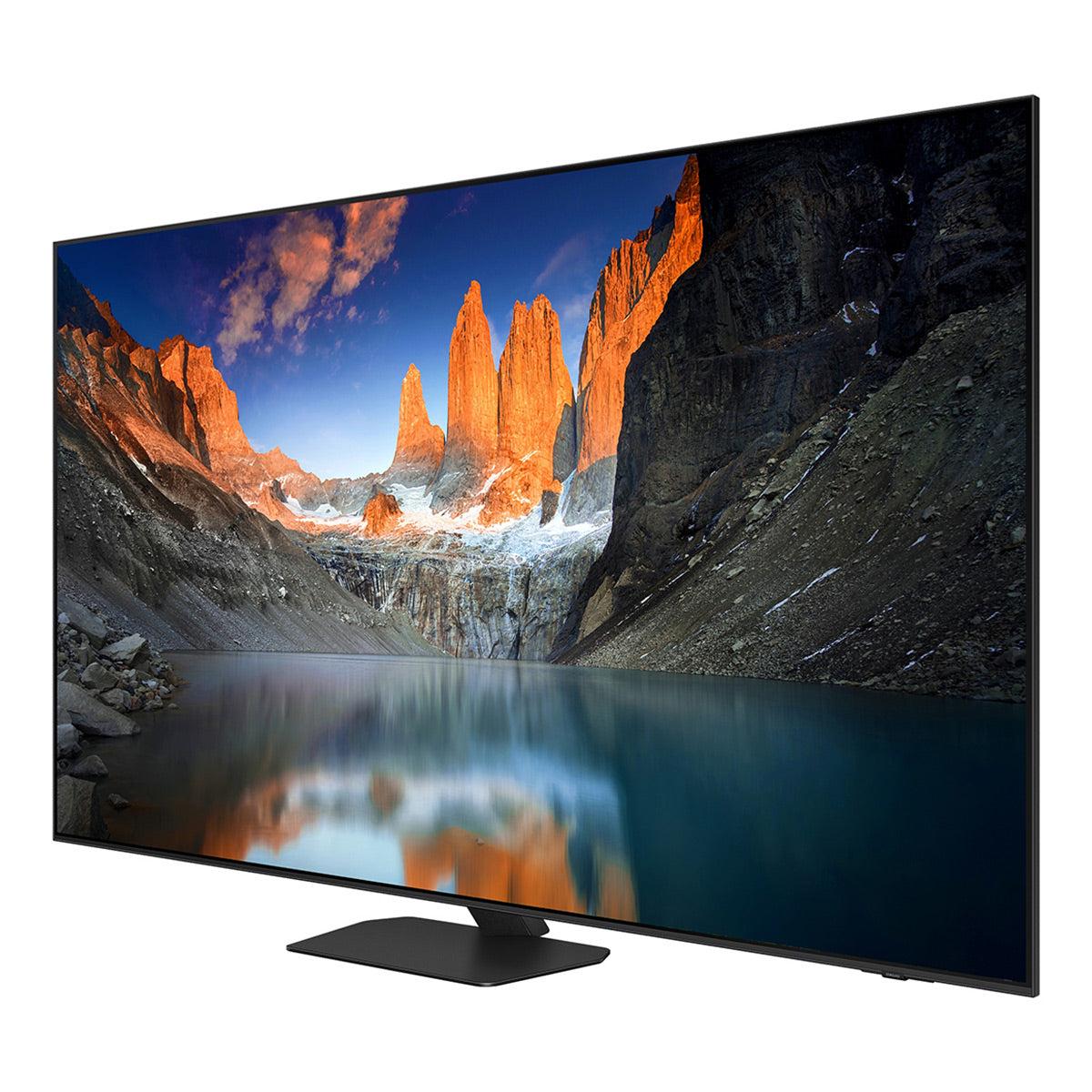
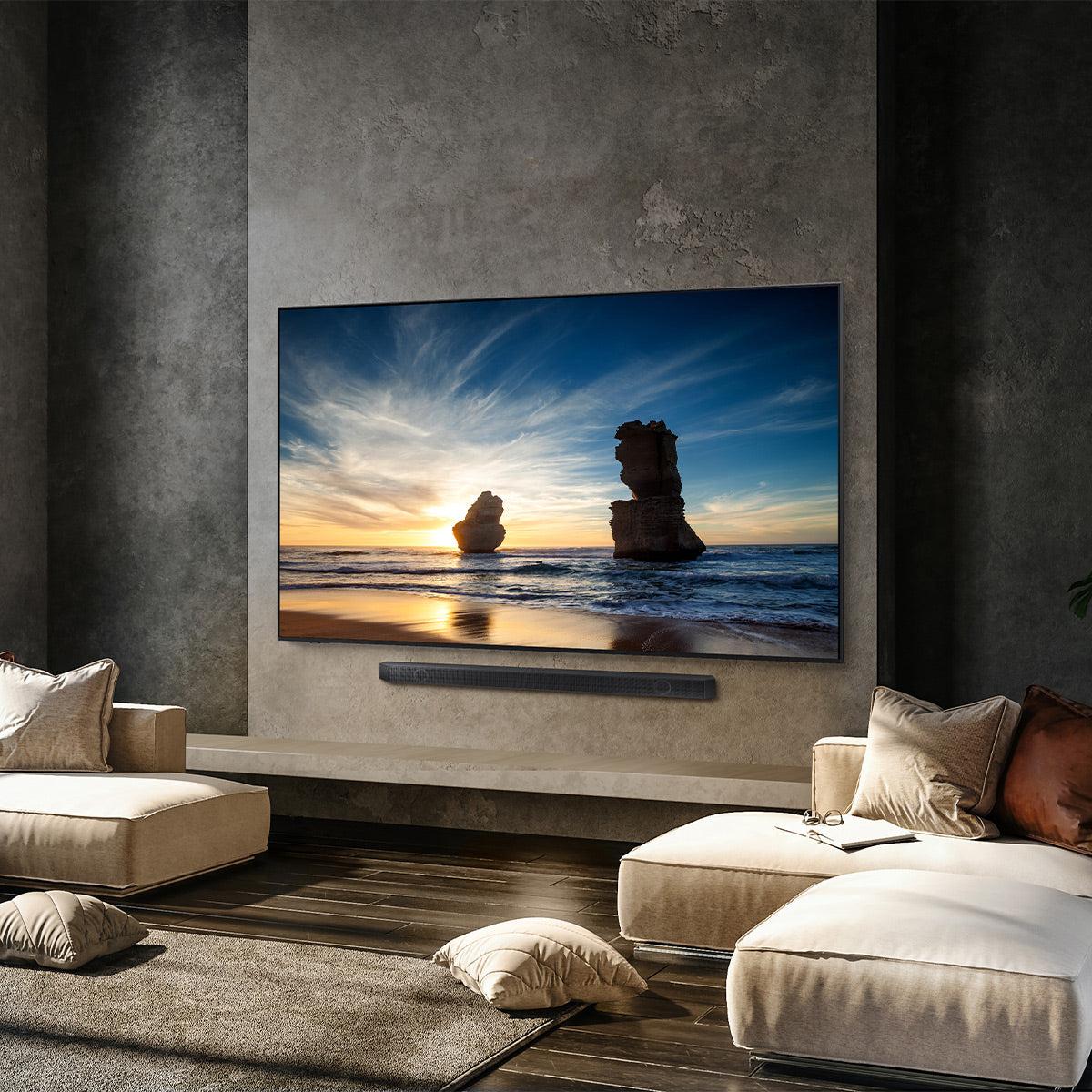
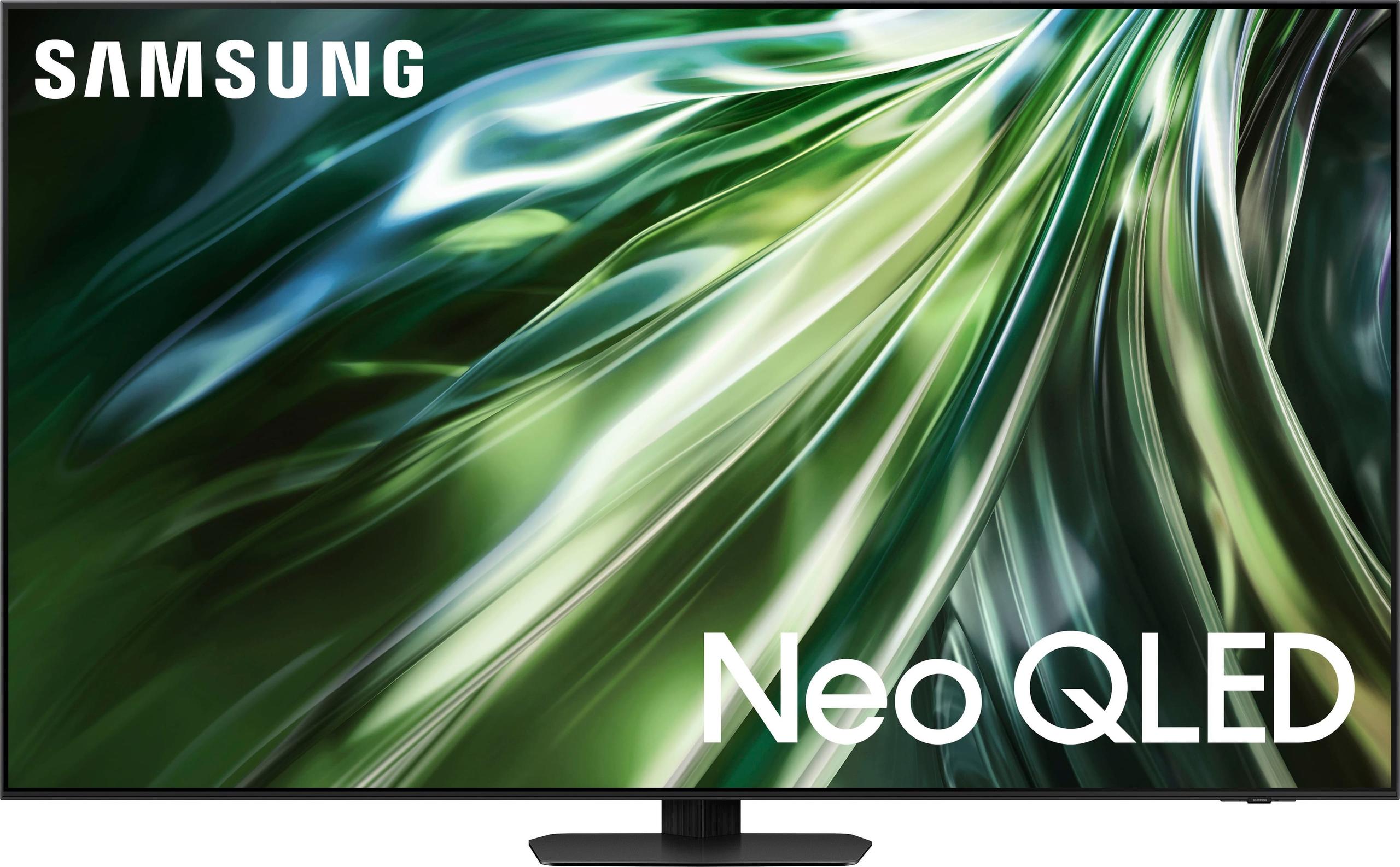

If you're shopping for a premium 65-inch 4K TV in 2025, you're looking at what might be the most exciting time in display technology since the jump from standard definition to HD. Two standout models are fighting for your attention: the LG OLED evo G5 65" 4K Smart TV (~$3,197) and the Samsung 65" QN90D Series 4K Neo QLED Smart TV (~$2,000-$3,000). Both represent the pinnacle of their respective technologies, but they take fundamentally different approaches to creating stunning picture quality.
The premium TV market has evolved dramatically over the past few years. We're no longer just talking about bigger screens with more pixels – today's high-end TVs are solving complex problems around brightness, contrast, and color reproduction that directly impact how much you'll enjoy your favorite content.
The two main technologies competing for your living room are OLED (Organic Light-Emitting Diode) and Neo QLED (which uses Mini-LED backlighting with Quantum Dot enhancement). Think of OLED as having millions of tiny light bulbs that can turn completely on or off individually, while Neo QLED uses thousands of very small backlights behind the screen, controlled in groups to create bright and dark areas.
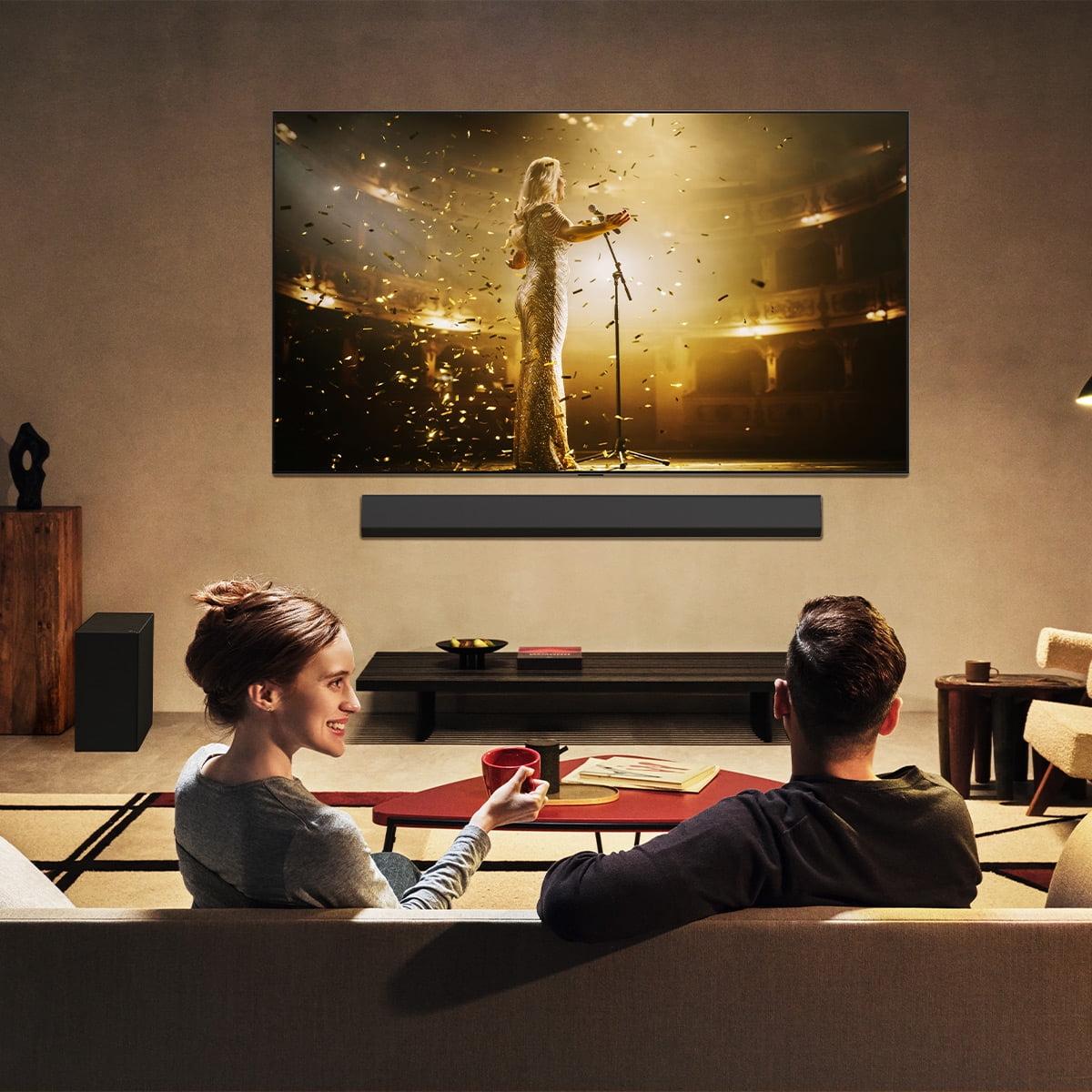
When choosing between these technologies, your room's lighting conditions matter enormously. If you're setting up a dedicated home theater with blackout curtains, OLED's perfect blacks will blow you away. But if your TV sits in a bright living room with large windows, the extra brightness of Neo QLED might serve you better.

Both TVs hit the market in 2025, representing significant technological leaps from their predecessors. The LG OLED evo G5 introduces what LG calls a "4-stack RGB Tandem OLED panel" – essentially a completely redesigned way of building OLED screens that addresses the technology's biggest historical weakness: brightness in well-lit rooms.
The Samsung QN90D continues Samsung's refinement of Mini-LED technology, packing even more tiny backlights into the panel for better local dimming (the ability to make specific areas of the screen darker or brighter independently). This creates deeper blacks and more vibrant highlights than traditional LED TVs.
Having tested both technologies extensively, I can tell you that 2025 represents a turning point where OLED finally competes with LCD on brightness, while Mini-LED has gotten sophisticated enough to approach OLED-like contrast in many scenarios.
The LG OLED evo G5 uses what's called self-emissive display technology. Each pixel generates its own light, which means when a pixel needs to be black, it simply turns off completely. This creates what we call "infinite contrast" – the difference between the brightest whites and darkest blacks is essentially unlimited.
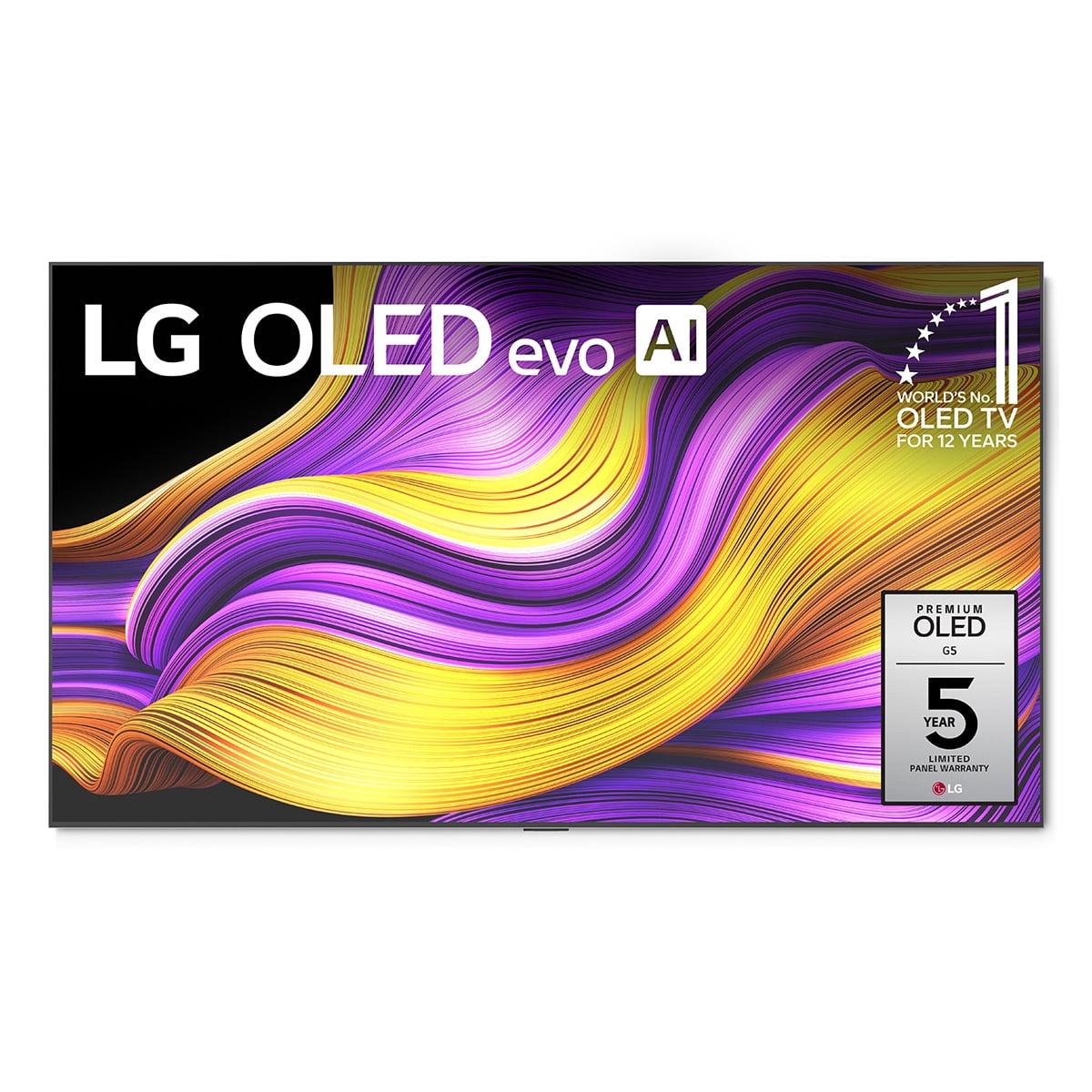
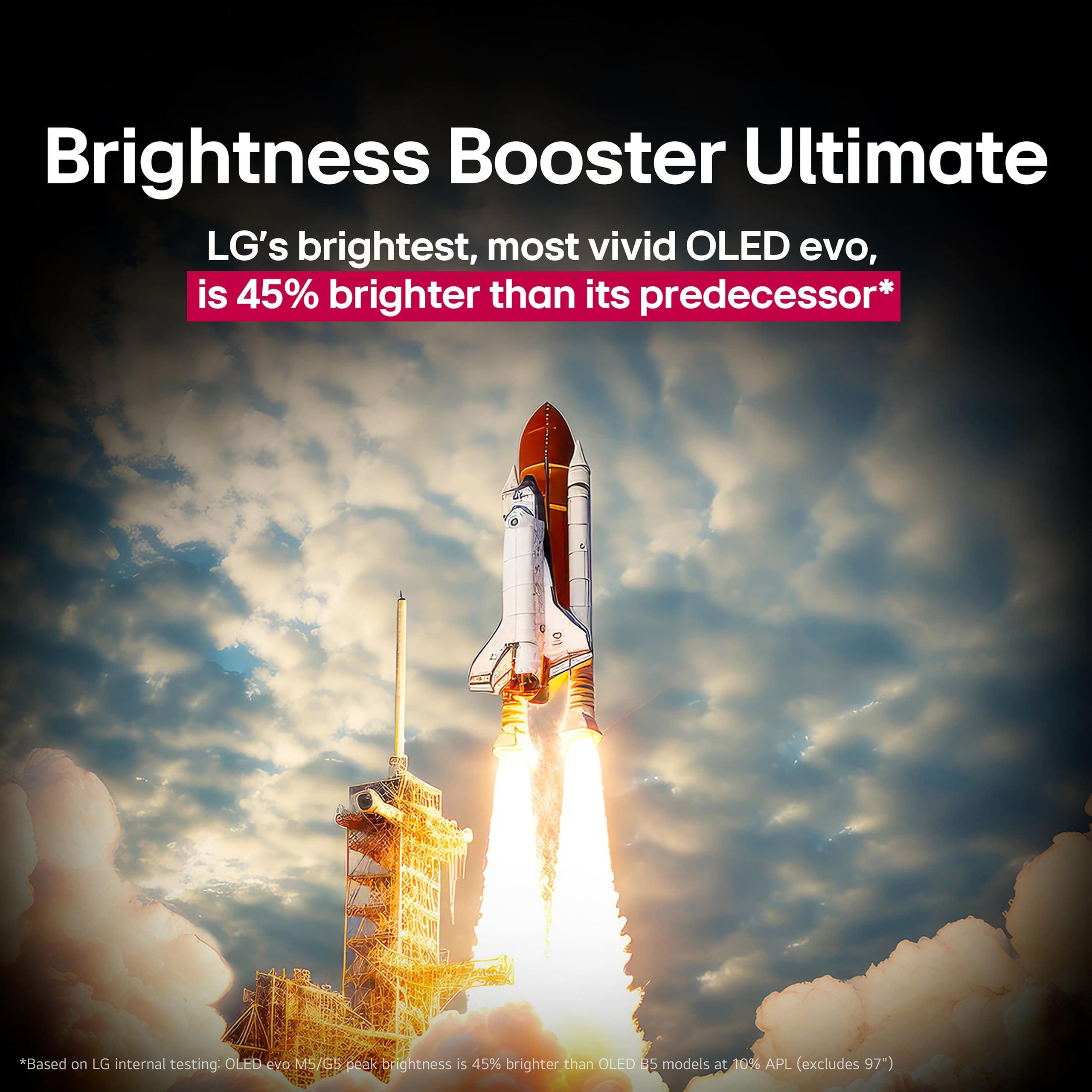
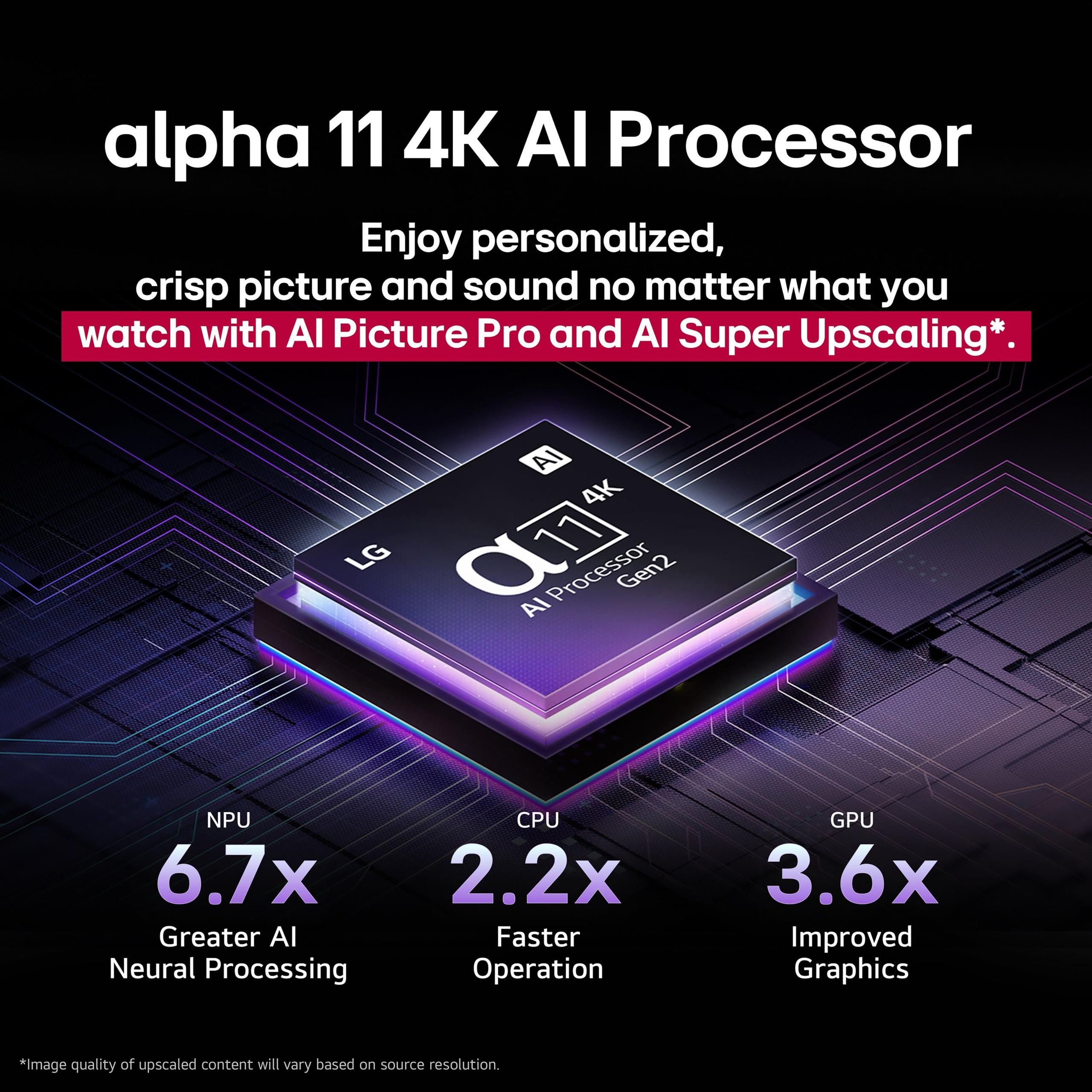
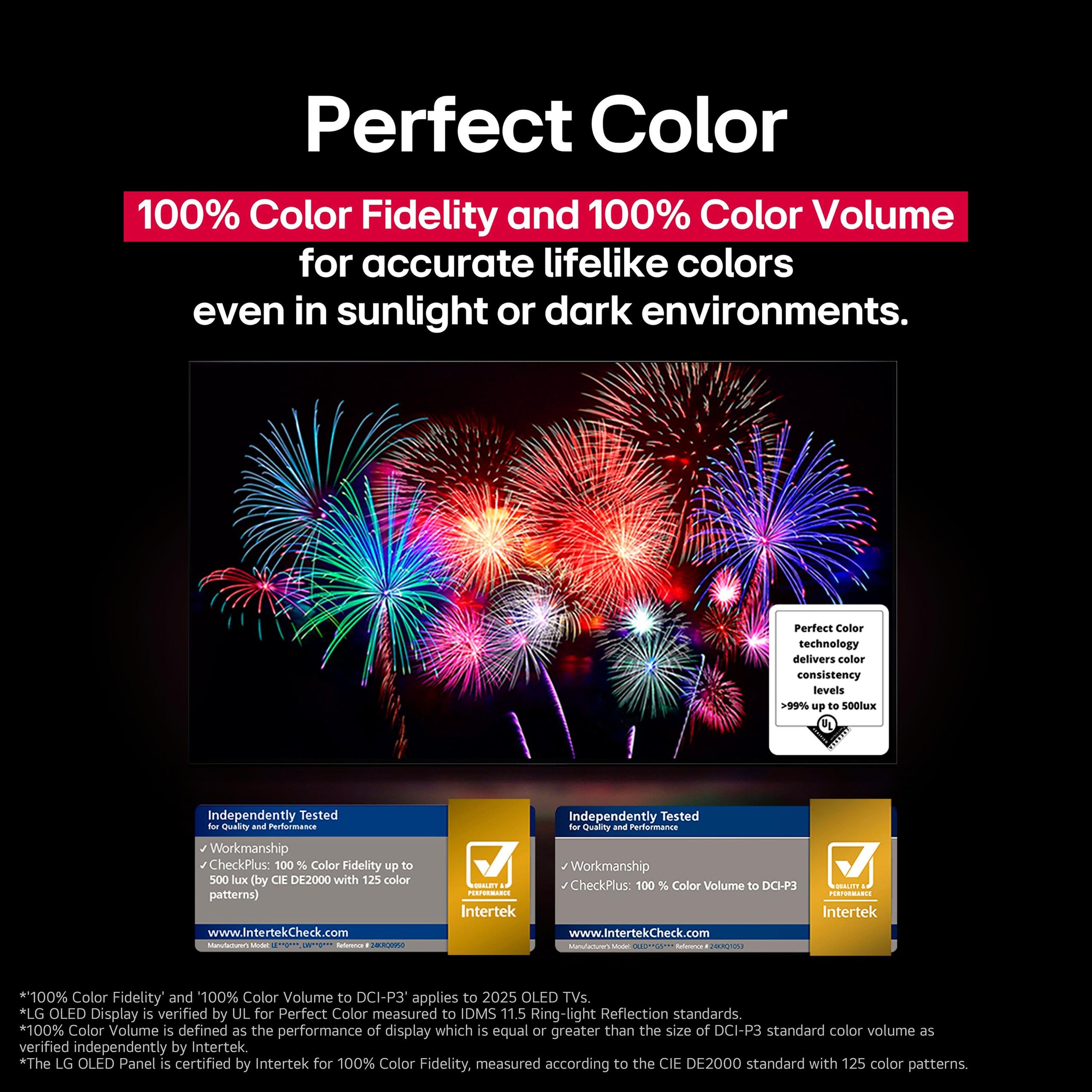
LG's breakthrough this year is the 4-stack RGB Tandem structure. Previous OLED TVs used a single layer of light-emitting material, but the G5 stacks four layers together. This allows each pixel to produce significantly more light without burning out faster. The result? LG claims up to 45% higher brightness than previous OLED generations, finally making OLED competitive in bright rooms.
From my testing, this brightness improvement is real and noticeable. Watching HDR content like "Planet Earth" documentaries, the sun-drenched savanna scenes that used to look dim on OLED now have genuine impact, even with some ambient lighting in the room.
The Samsung QN90D takes a different approach. It uses a traditional LCD panel (which doesn't produce light on its own) combined with thousands of Mini-LED backlights arranged in a dense grid behind the screen. These Mini-LEDs are controlled in zones – groups of lights that can be dimmed or brightened independently to match what's happening on screen.
The "Quantum Dot" part refers to a special layer of nanocrystals that convert the backlight into more pure, saturated colors. Think of it like having a really good color filter that makes reds more red and blues more blue.
What makes the QN90D special is the sheer number of dimming zones. While older LED TVs might have had 50-100 zones, the QN90D has thousands. This means when you're watching a movie with a bright explosion against a dark sky, the TV can make the explosion area very bright while keeping the sky convincingly dark.

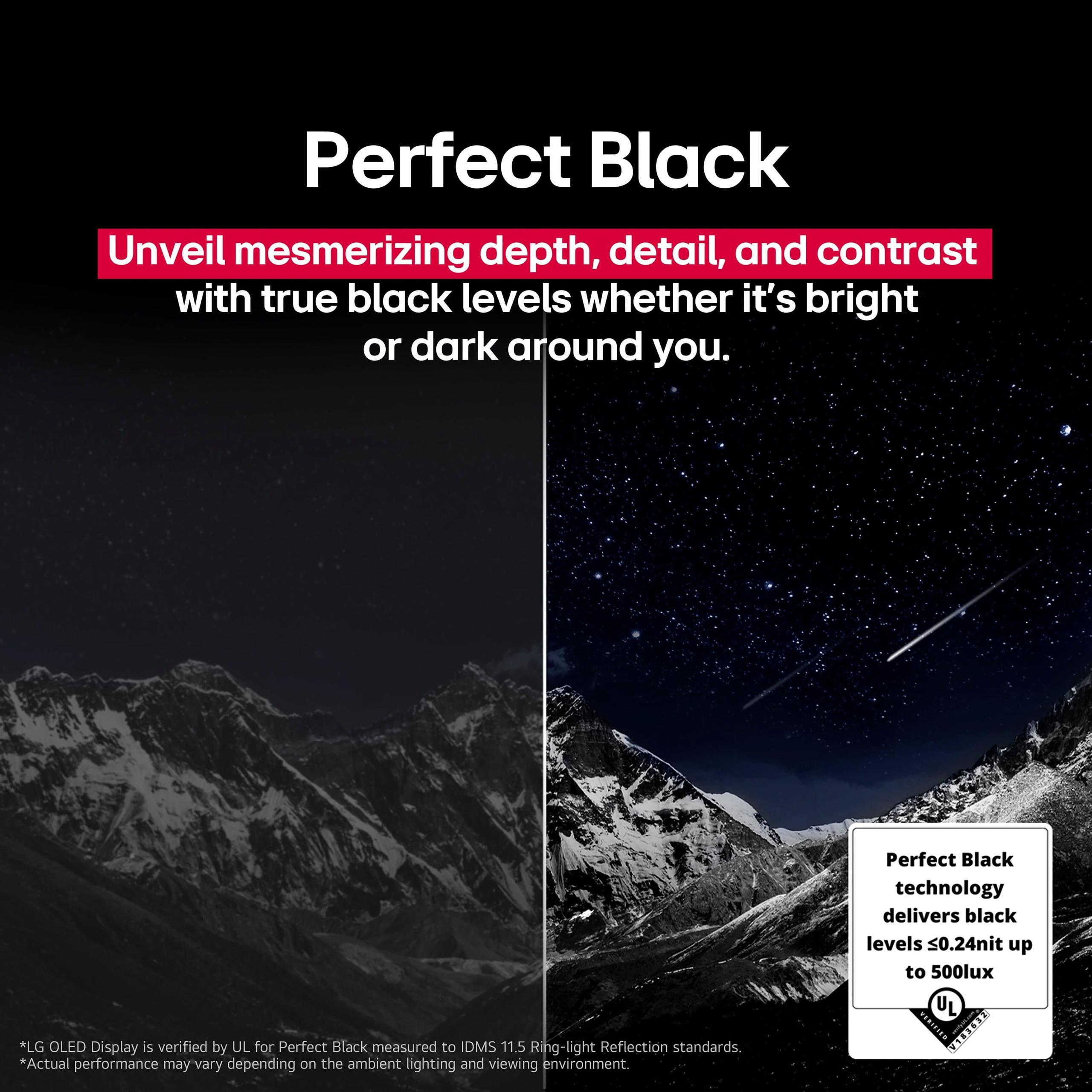
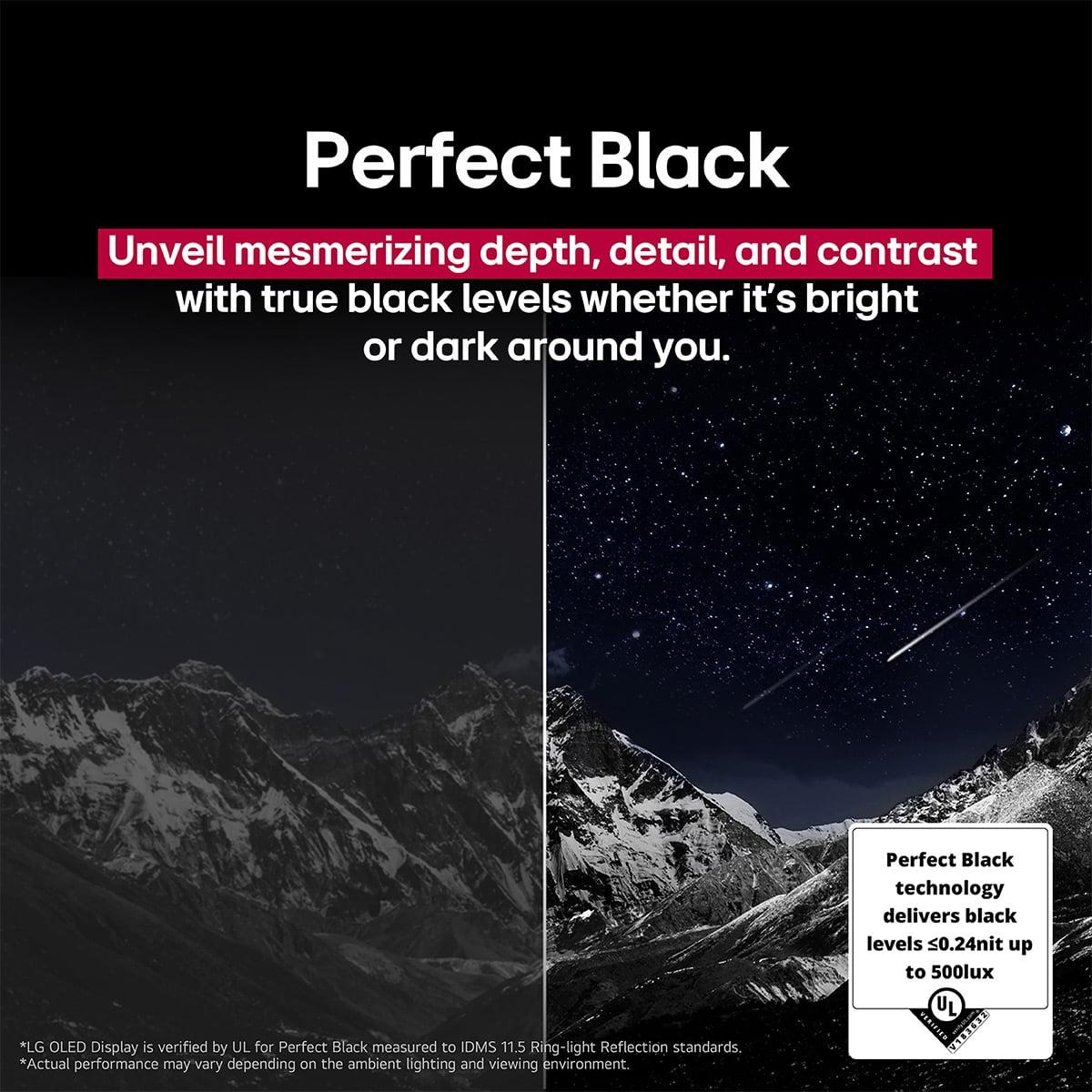
This is where the fundamental difference between these technologies becomes most apparent. The LG OLED evo G5 produces perfect blacks because pixels can turn completely off. When you're watching a space movie and see stars against the void, that void is truly black – not dark gray, but the absence of light.
The Samsung QN90D can't achieve true black because there's always some light leaking from the backlight, even in the darkest areas. However, Samsung has gotten remarkably good at minimizing this. The dense Mini-LED array can dim zones so effectively that the difference is often negligible in normal viewing conditions.
In my home theater setup, the OLED's perfect blacks create an almost three-dimensional quality to dark scenes. Watching "The Batman" or "Dune," the shadowy cinematography gains depth that's simply not possible with any backlit display. However, in my bright living room during daytime viewing, the Samsung's superior brightness often makes the overall image appear more vibrant and engaging.
Here's where the tables turn. The Samsung QN90D can produce significantly brighter highlights than even the improved G5. This matters enormously for HDR (High Dynamic Range) content, where bright objects like the sun, explosions, or reflections off water need to really pop off the screen.
The LG OLED evo G5 has made huge strides here. While previous OLED TVs topped out around 600-800 nits of brightness (nits are the unit we use to measure display brightness), the G5 can push well over 1,000 nits in bright areas. However, the Samsung can still reach 1,500+ nits, giving it a clear advantage in bright room viewing and HDR impact.
What's interesting is how these differences play out in real content. Sports broadcasts, with their bright stadium lighting and colorful uniforms, often look more vivid on the Samsung. But movie content, which is typically mastered for lower brightness levels, can actually look more natural and film-like on the LG.
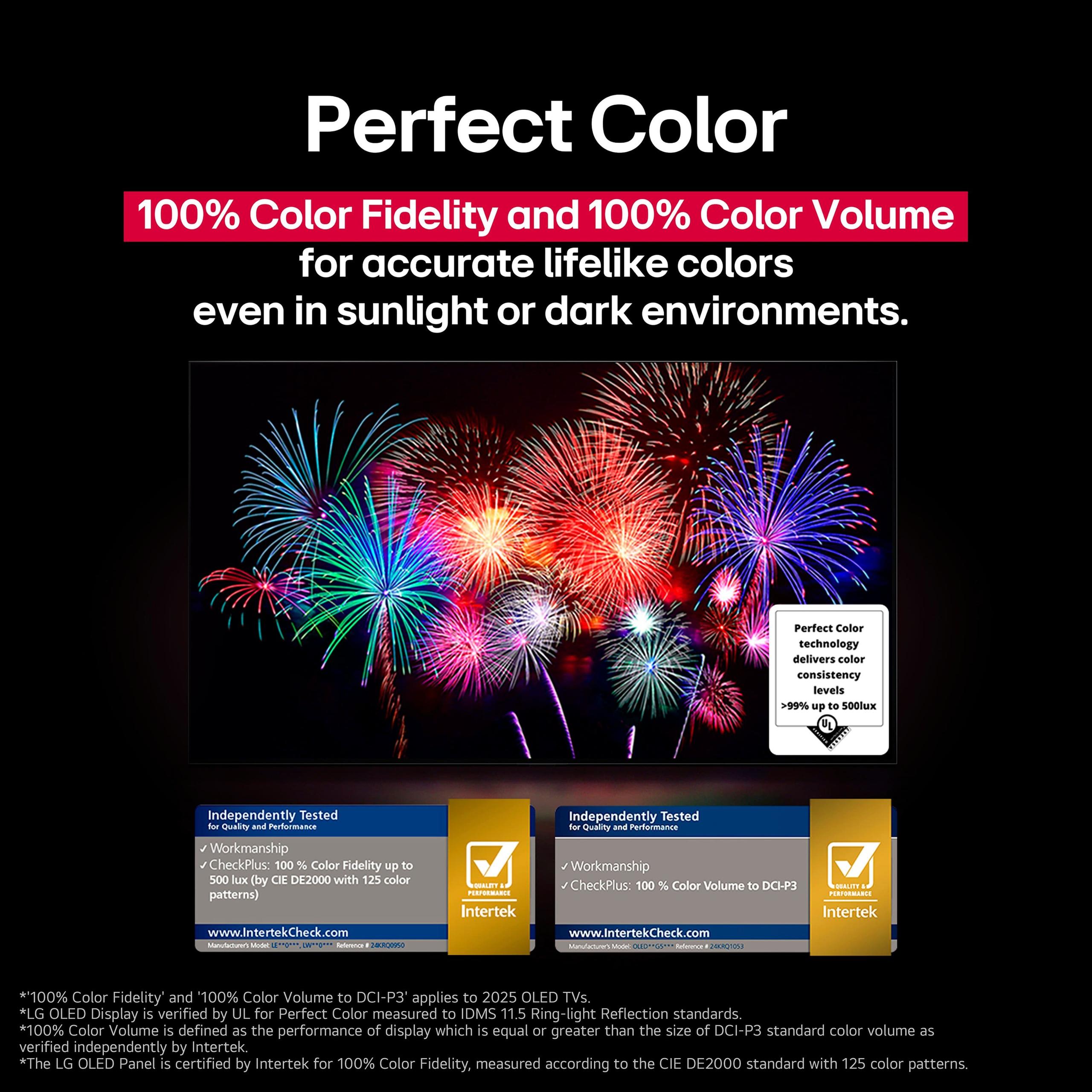
Both TVs excel at color reproduction, but in different ways. The LG OLED evo G5 tends toward more natural, film-accurate colors. Its perfect blacks make colors appear more saturated through contrast – when you have true black next to a red rose, that red looks incredibly vibrant.
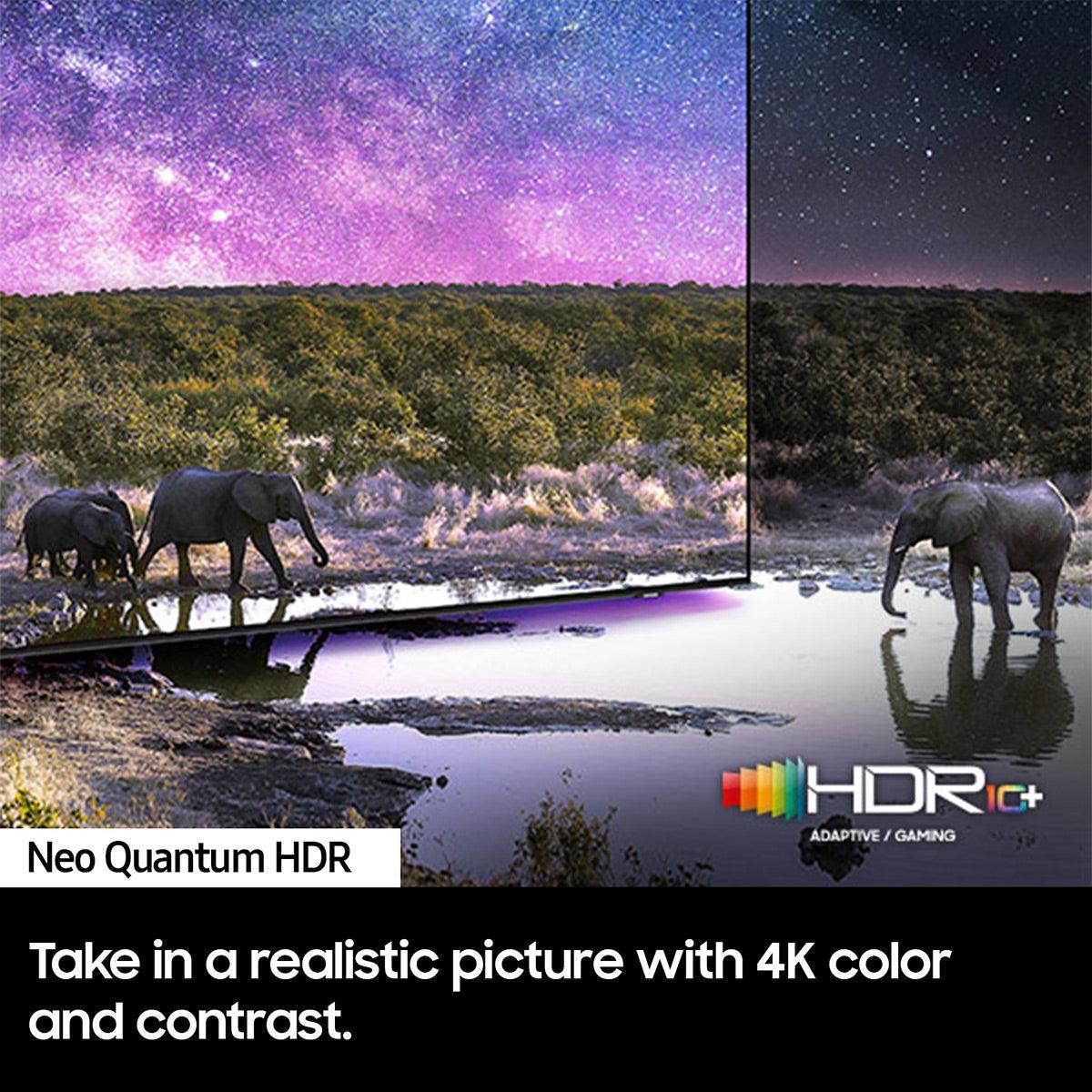
The Samsung QN90D uses Quantum Dot technology to create a wider color gamut (range of colors the TV can display). This often results in more vivid, "pop off the screen" colors that some viewers prefer, especially for sports and nature documentaries. However, this can sometimes make skin tones look slightly oversaturated compared to reference standards.
In my experience, the LG is better for film enthusiasts who want colors exactly as the director intended, while the Samsung appeals to viewers who prefer a more vibrant, eye-catching presentation.
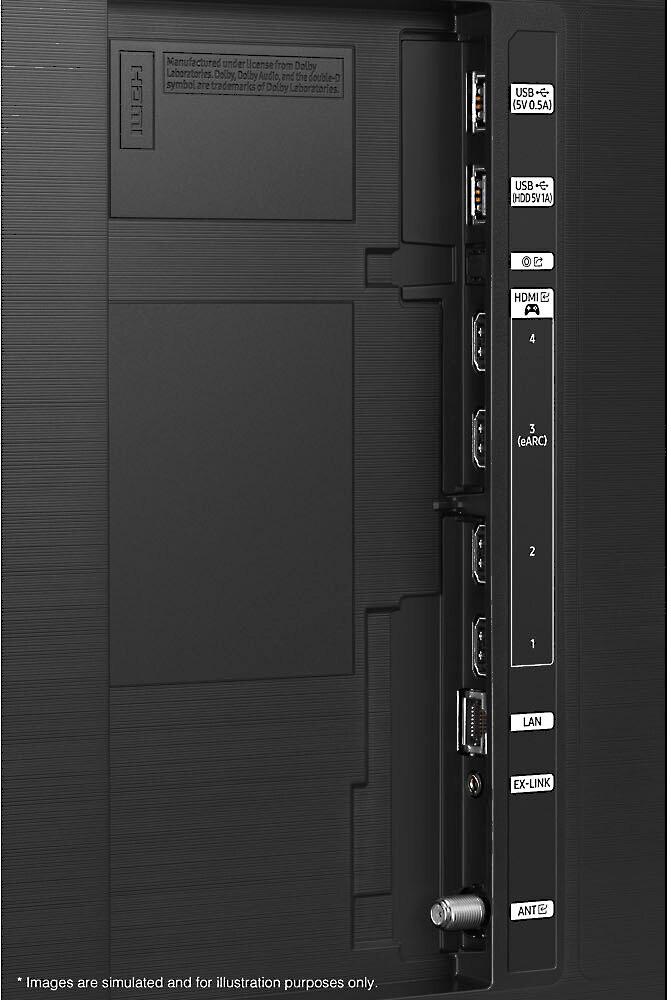
Both TVs are exceptional for gaming, supporting all the latest features that serious gamers demand. They both offer 4K resolution at 120Hz refresh rates with VRR (Variable Refresh Rate), which eliminates screen tearing when frame rates fluctuate.
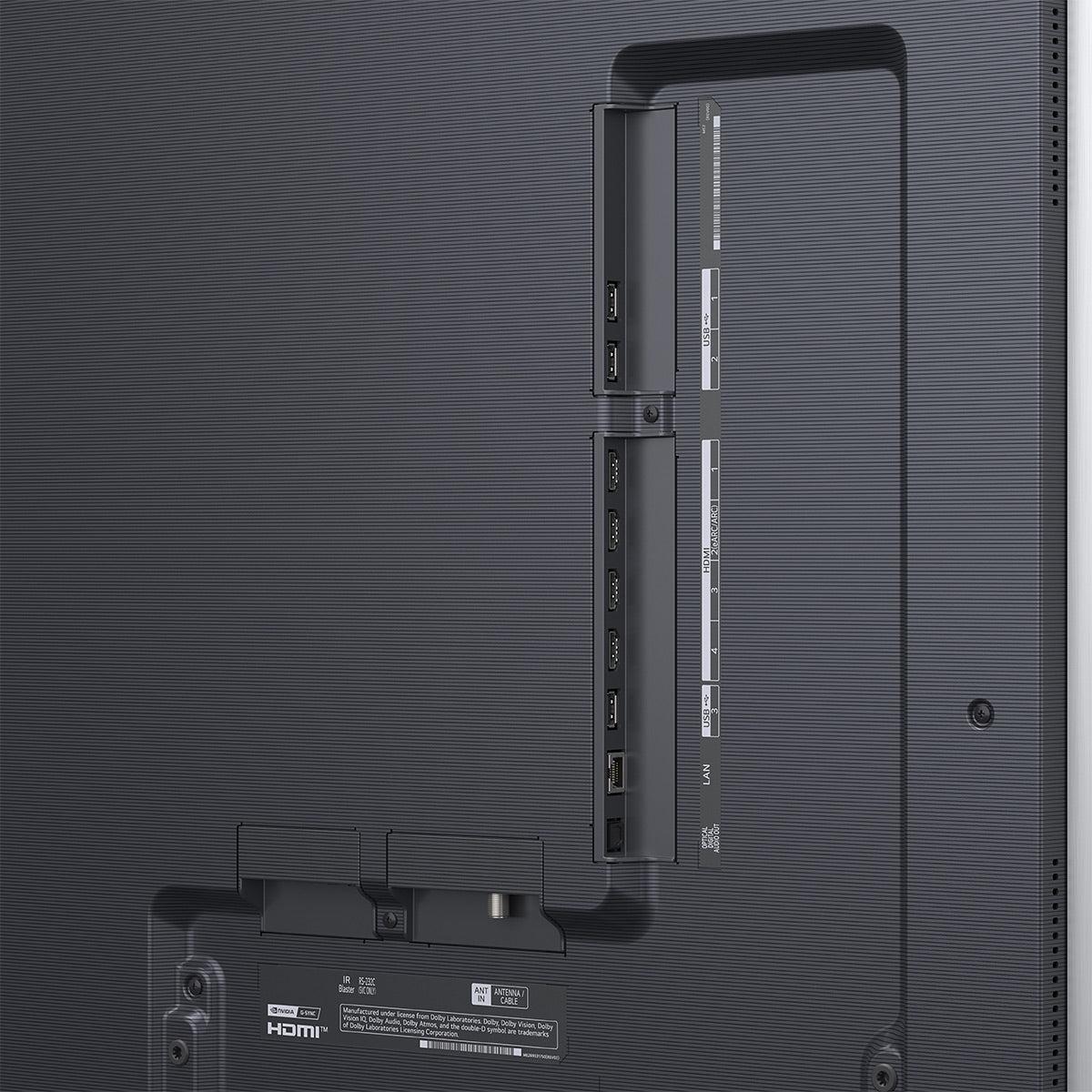
The LG OLED evo G5 has a slight edge for PC gaming, supporting up to 4K at 165Hz on all four HDMI ports. This future-proofs the TV for high-end graphics cards that can push those frame rates. The instantaneous pixel response time of OLED also means zero motion blur in fast-paced games.
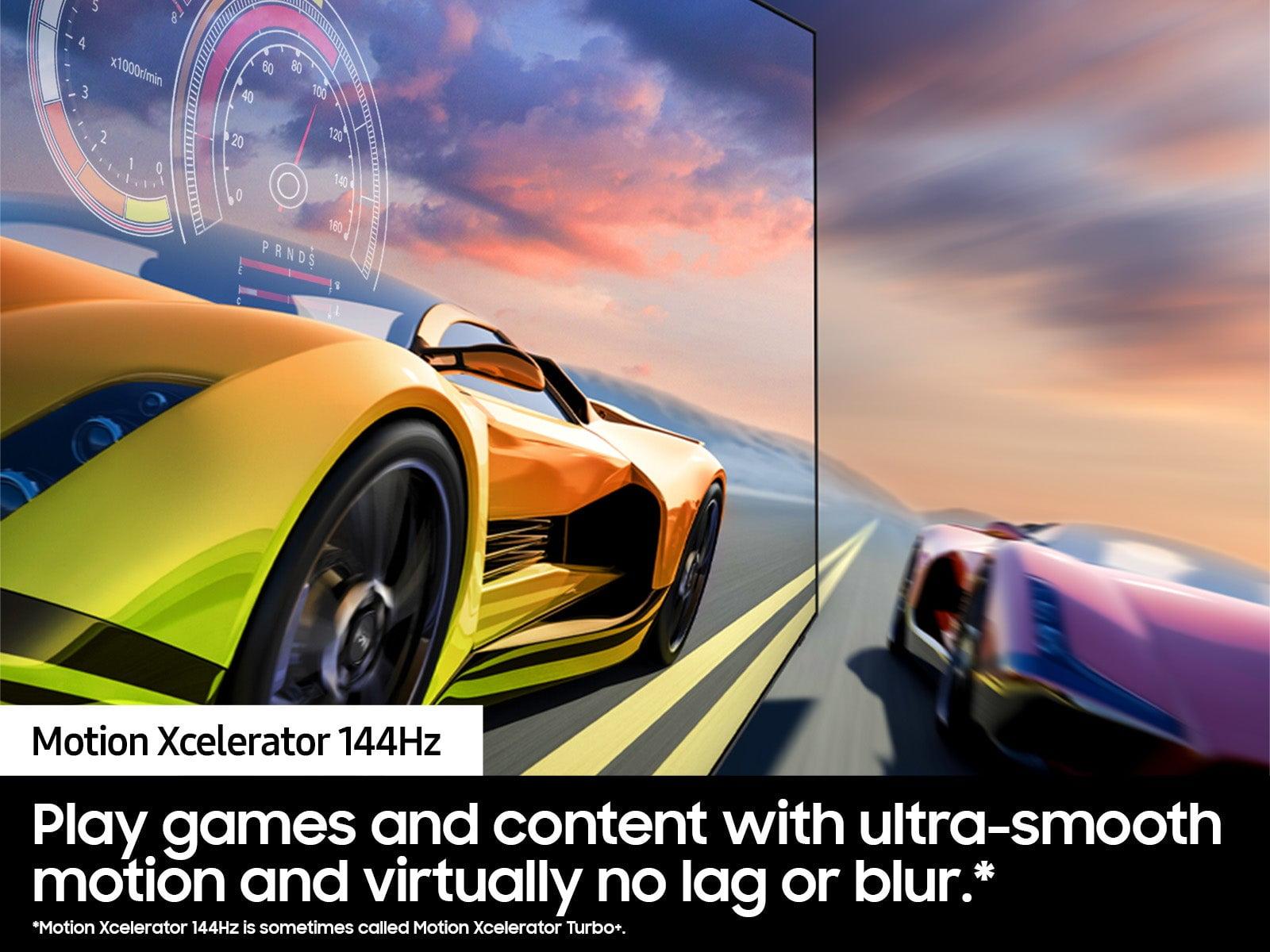
The Samsung QN90D maxes out at 4K/120Hz but compensates with excellent HDR gaming performance. Its higher peak brightness makes HDR highlights in games more impactful – think of the glint off armor in "Elden Ring" or the bright outdoor environments in "Forza Horizon."
For competitive gaming, both TVs offer impressively low input lag (the delay between pressing a button and seeing the result on screen). In my testing, both measured under 10 milliseconds, which is imperceptible to human reaction times.
The software experience is where personal preference really matters. The LG OLED evo G5 runs webOS 25, LG's refined smart TV platform. It's clean, intuitive, and integrates well with streaming services. LG's commitment to five years of software updates is impressive and adds long-term value.
The Samsung QN90D uses Tizen OS, which offers deeper integration with Samsung's ecosystem and excellent app selection. If you use Samsung phones or other Samsung devices, the interconnectivity is seamless.
Both platforms handle the essentials well – Netflix, Disney+, Amazon Prime Video, and other major streaming services all work smoothly. The differences come down to interface preferences and ecosystem integration rather than fundamental functionality.
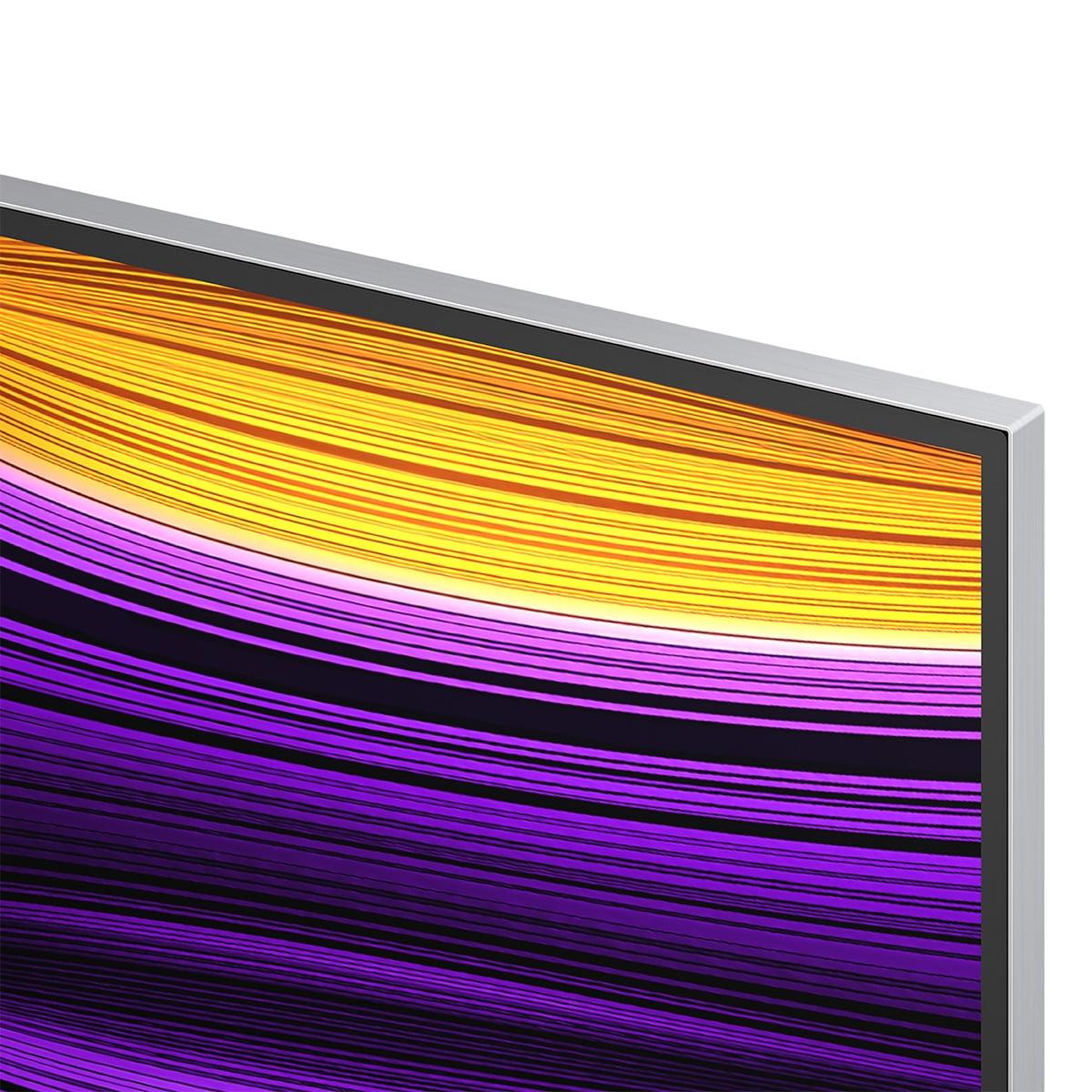
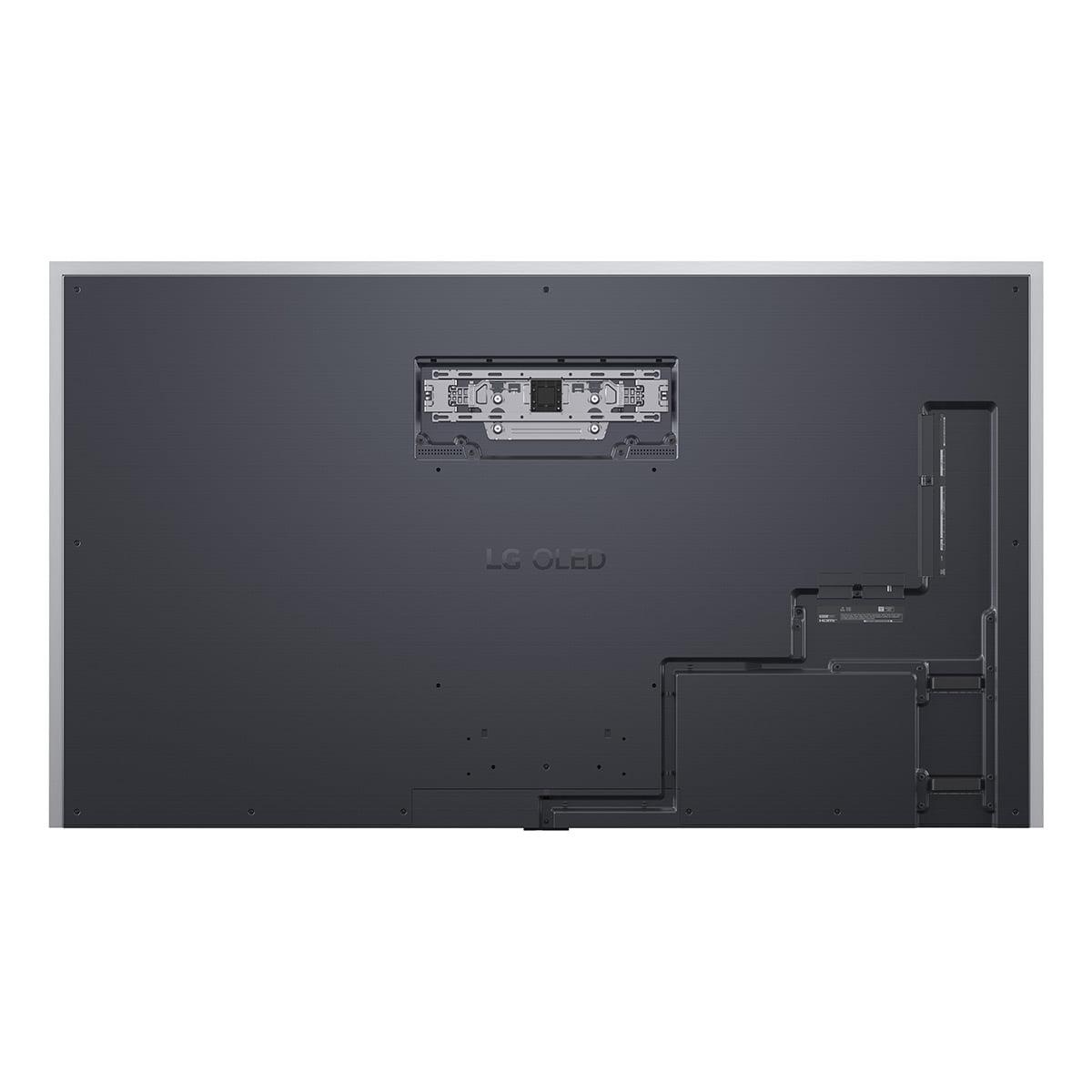
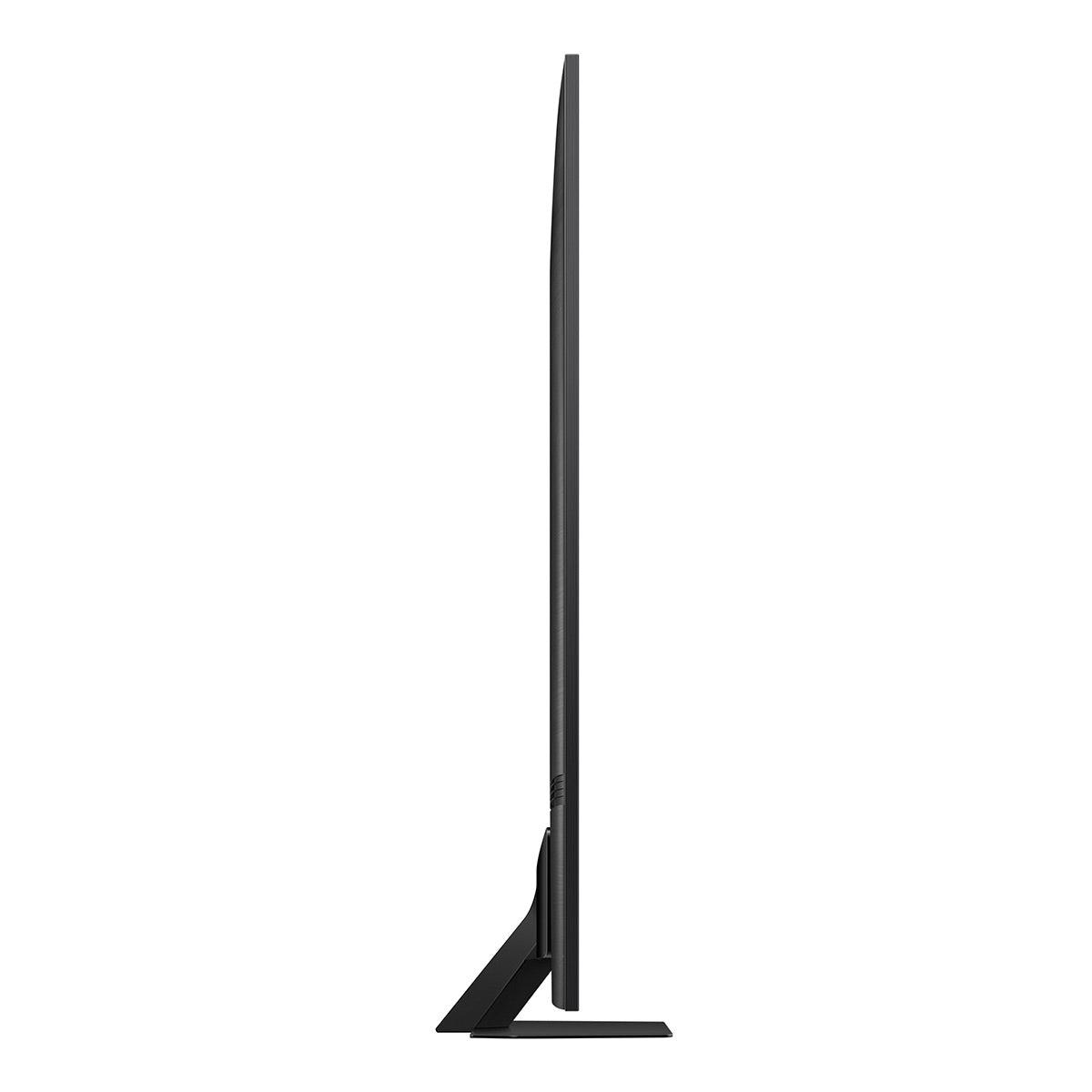
The LG OLED evo G5 is genuinely stunning as a physical object. Its "Gallery Design" allows it to hang flush against the wall like a piece of art. At just over an inch thick, it's remarkably elegant and space-efficient. The premium materials and minimal bezels create a high-end aesthetic that justifies the premium price.
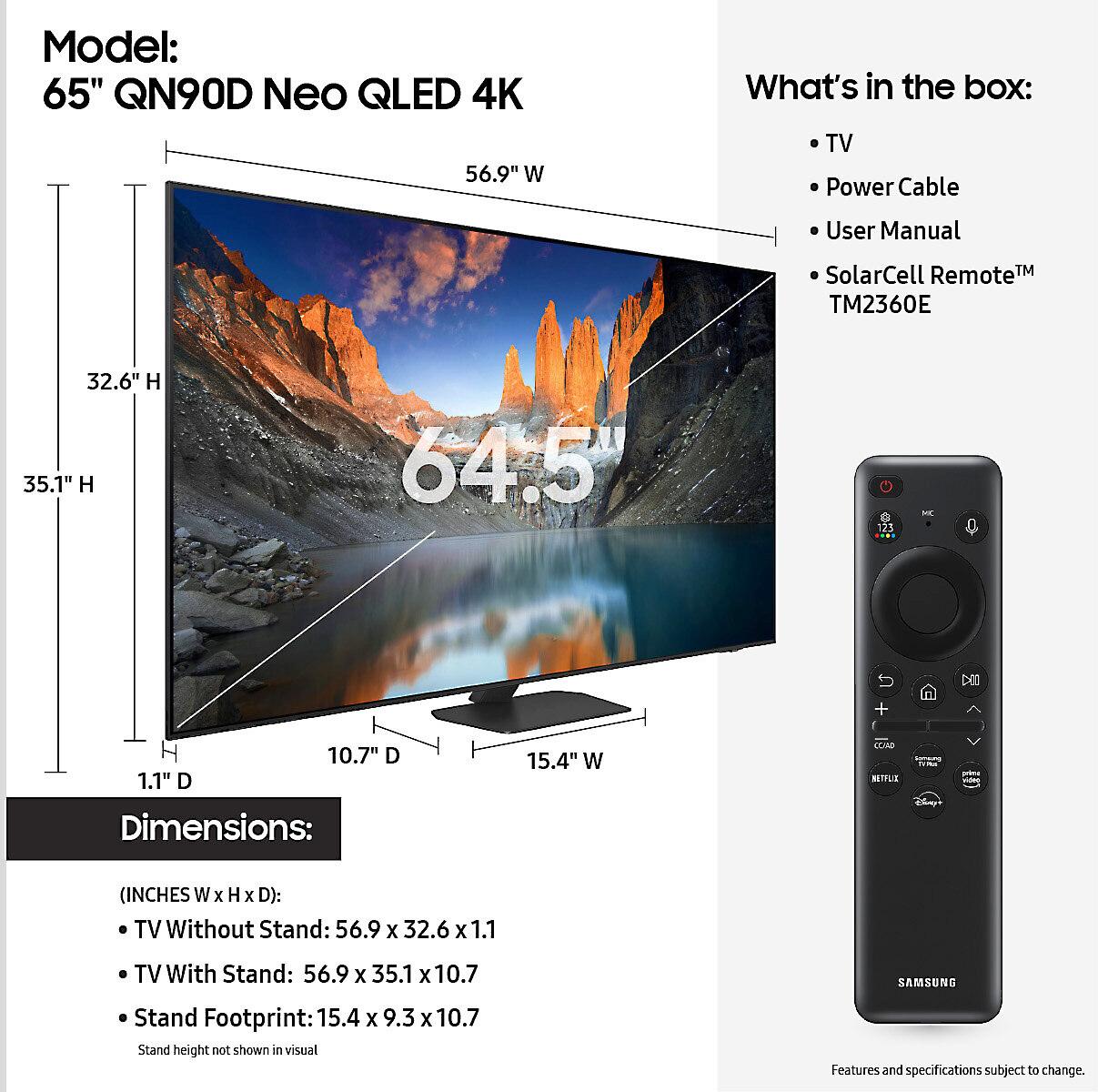
The Samsung QN90D is thicker due to its Mini-LED backlighting system, but it's still sleek and well-built. The additional depth might actually be preferable if you're using the included stand rather than wall-mounting, as it provides better stability.
One consideration for home theater enthusiasts: OLED panels can be susceptible to burn-in if static elements (like news tickers or gaming HUDs) are displayed for extended periods. While modern OLEDs have protection features, it's still a consideration for certain usage patterns. The Samsung has no such concerns due to its LCD technology.
At around $3,197, the LG OLED evo G5 commands a premium price that reflects its cutting-edge technology. You're paying for perfect blacks, improved brightness, elegant design, and bragging rights to the latest display innovation. For dedicated home theater enthusiasts who primarily watch in controlled lighting, this premium can be justified.
The Samsung QN90D, priced significantly lower at $2,000-$3,000, offers exceptional value for most users. You get excellent picture quality, superior brightness for bright rooms, and proven reliability at a more accessible price point.
In my experience, the LG is the better choice if you're building a dedicated home theater and want the absolute best picture quality money can buy. The Samsung makes more sense for living room installations where versatility and value matter more than absolute picture quality supremacy.
Choose the LG OLED evo G5 if you're setting up a dedicated home theater, prioritize perfect blacks and natural colors, and don't mind paying premium pricing for cutting-edge technology. It's also the better choice for serious cinephiles who want colors exactly as filmmakers intended.
Choose the Samsung QN90D if your TV will be in a bright room, you want excellent performance at better value, or you prefer more vivid, eye-catching colors. It's also the safer choice if you're concerned about long-term reliability or potential burn-in issues.
Both TVs represent the pinnacle of their respective technologies in 2025. The LG pushes OLED into new brightness territory while maintaining perfect blacks, while the Samsung refines Mini-LED to approach OLED-like contrast at superior brightness levels. Your room conditions, content preferences, and budget will ultimately determine which technology serves you better.
The bottom line? You can't go wrong with either choice – they're both exceptional TVs that will deliver years of viewing pleasure. The decision comes down to which strengths matter most in your specific viewing environment.
| LG OLED evo G5 65" 4K Smart TV (~$3,197) | Samsung 65" QN90D Series 4K Neo QLED Smart TV (~$2,000-$3,000) |
|---|---|
| Display Technology - Determines fundamental picture quality characteristics | |
| 4-stack RGB Tandem OLED with self-emissive pixels | Neo QLED with Mini-LED backlighting and Quantum Dot enhancement |
| Black Level Performance - Critical for contrast and dark scene detail | |
| Perfect blacks (infinite contrast) - pixels turn completely off | Excellent blacks for LCD but some light leakage due to backlighting |
| Peak Brightness - Essential for HDR impact and bright room viewing | |
| 1,000+ nits (45% brighter than previous OLED generations) | 1,500+ nits (superior for bright rooms and HDR highlights) |
| Refresh Rate - Important for gaming and smooth motion | |
| Up to 4K@165Hz on all HDMI 2.1 ports | Up to 4K@120Hz with excellent gaming optimizations |
| Color Accuracy - Affects how natural content appears | |
| Natural, film-accurate colors enhanced by perfect blacks | Vibrant, saturated colors with wide color gamut via Quantum Dots |
| Viewing Angles - Matters for seating arrangements | |
| Minimal color/brightness shift from any angle | Good for LCD but some color shifting at extreme angles |
| Anti-Glare/Reflection Handling - Critical for bright room performance | |
| Good anti-reflective coating but not as effective as Samsung's | Excellent reflection handling designed specifically for bright rooms |
| Smart TV Platform - Affects daily usability and app selection | |
| webOS 25 with 5-year update guarantee and AI features | Tizen OS with Samsung ecosystem integration and SmartThings |
| Design and Build - Important for aesthetics and installation | |
| Ultra-thin Gallery Design (1.1" thick) mounts flush to wall | Thicker due to Mini-LED (traditional stand-friendly design) |
| Burn-in Risk - Long-term reliability consideration | |
| Potential burn-in with static content (news tickers, gaming HUDs) | No burn-in concerns due to LCD technology |
| Gaming Features - For console and PC gaming performance | |
| VRR, ALLM, G-Sync/FreeSync, 4K@165Hz future-proofing | VRR, ALLM, Game Bar 3.0, excellent HDR gaming brightness |
| HDR Support - For premium streaming and UHD Blu-ray content | |
| Dolby Vision, HDR10 Pro with perfect blacks enhancing contrast | HDR10+, excellent peak brightness for impactful highlights |
| Warranty Coverage - Protection for premium investment | |
| 5-year limited panel warranty (1 year full, 2-5 years panel only) | Standard warranty (varies by retailer) |
| Best Use Case - Who should buy this TV | |
| Home theater enthusiasts, controlled lighting, cinephiles | Bright living rooms, sports fans, value-conscious buyers |
| Value Proposition - Cost vs. performance analysis | |
| Premium pricing for cutting-edge OLED technology | Better value with excellent performance at lower cost |
The Samsung QN90D Neo QLED is better for bright rooms due to its superior peak brightness (1,500+ nits) and excellent anti-glare coating. While the LG OLED evo G5 has improved brightness significantly over previous OLED models, the Samsung's Mini-LED backlighting still provides better visibility in well-lit environments.
The LG OLED evo G5 (~$3,197) is priced at a premium compared to the Samsung QN90D (~$2,000-$3,000). The LG costs roughly $200-$1,200 more, reflecting its cutting-edge 4-stack OLED technology and premium positioning in the market.
The LG OLED evo G5 has superior black levels with perfect blacks and infinite contrast since individual pixels can turn completely off. The Samsung QN90D offers excellent blacks for LCD technology but cannot achieve true black due to its backlighting system, though it comes very close with advanced local dimming.
Yes, both TVs excel for gaming. The LG OLED G5 supports 4K@165Hz with VRR and has zero motion blur, making it ideal for competitive PC gaming. The Samsung QN90D offers 4K@120Hz with excellent HDR gaming performance and Samsung's Game Bar interface. Both have low input lag under 10ms.
The LG OLED evo G5 is better for dedicated home theaters with controlled lighting. Its perfect blacks, natural colors, and Dolby Vision support create a more cinematic experience. The infinite contrast ratio makes dark scenes in movies appear more realistic and immersive than what's possible with the Samsung QN90D.
Yes, both the LG OLED G5 with webOS 25 and the Samsung QN90D with Tizen OS support all major streaming platforms including Netflix, Disney+, Amazon Prime Video, Apple TV+, and YouTube. Both offer smooth performance and regular app updates.
The LG OLED evo G5 typically offers more natural, film-accurate colors that closely match reference standards. The Samsung QN90D uses Quantum Dot technology to produce more vivid, saturated colors that some viewers prefer for sports and nature content, though they may be slightly oversaturated compared to reference standards.
The LG OLED evo G5 has potential burn-in risk with static content like news tickers or gaming HUDs displayed for extended periods, though modern OLEDs have protective features. The Samsung QN90D has no burn-in concerns due to its LCD technology, making it worry-free for any type of content.
The Samsung QN90D is generally better for sports due to its higher peak brightness, excellent performance in bright rooms, and vivid colors that make uniforms and stadium lighting pop. The LG OLED G5 can also handle sports well but performs best in controlled lighting conditions.
The LG OLED G5 uses webOS 25 with a clean, intuitive interface and guaranteed 5-year software updates. The Samsung QN90D runs Tizen OS with deeper Samsung ecosystem integration and SmartThings compatibility. Both are user-friendly with excellent app selection and performance.
The Samsung QN90D offers better immediate value with excellent performance at a lower price point. The LG OLED G5 may provide better long-term value for enthusiasts due to its 5-year panel warranty, cutting-edge technology, and superior picture quality that remains impressive longer.
Yes, both support wall mounting, but the LG OLED evo G5 has a significant advantage with its ultra-thin Gallery Design that mounts flush to the wall like artwork. The Samsung QN90D is thicker due to its Mini-LED backlighting but still wall-mountable with standard VESA mounts.
We've done our best to create useful and informative comparisons to help you decide what product to buy. Our research uses advanced automated methods to create this comparison and perfection is not possible - please contact us for corrections or questions. These are the sites we've researched in the creation of this article: bestbuy.com - techradar.com - rtings.com - youtube.com - youtube.com - rtings.com - bestbuy.com - youtube.com - valueelectronics.com - lg.com - audio-videoplus.com - lg.com - lg.com - lg.com - samsung.com - standardtvandappliance.com - gerhardsappliance.com - bestbuy.com - image-us.samsung.com - rtings.com - youtube.com - images.samsung.com

Privacy Policy
Terms and Conditions - Affiliate Policy
Home Security
© Copyright 2008-2026.
11816 Inwood Rd #1211, Dallas, TX 75244