

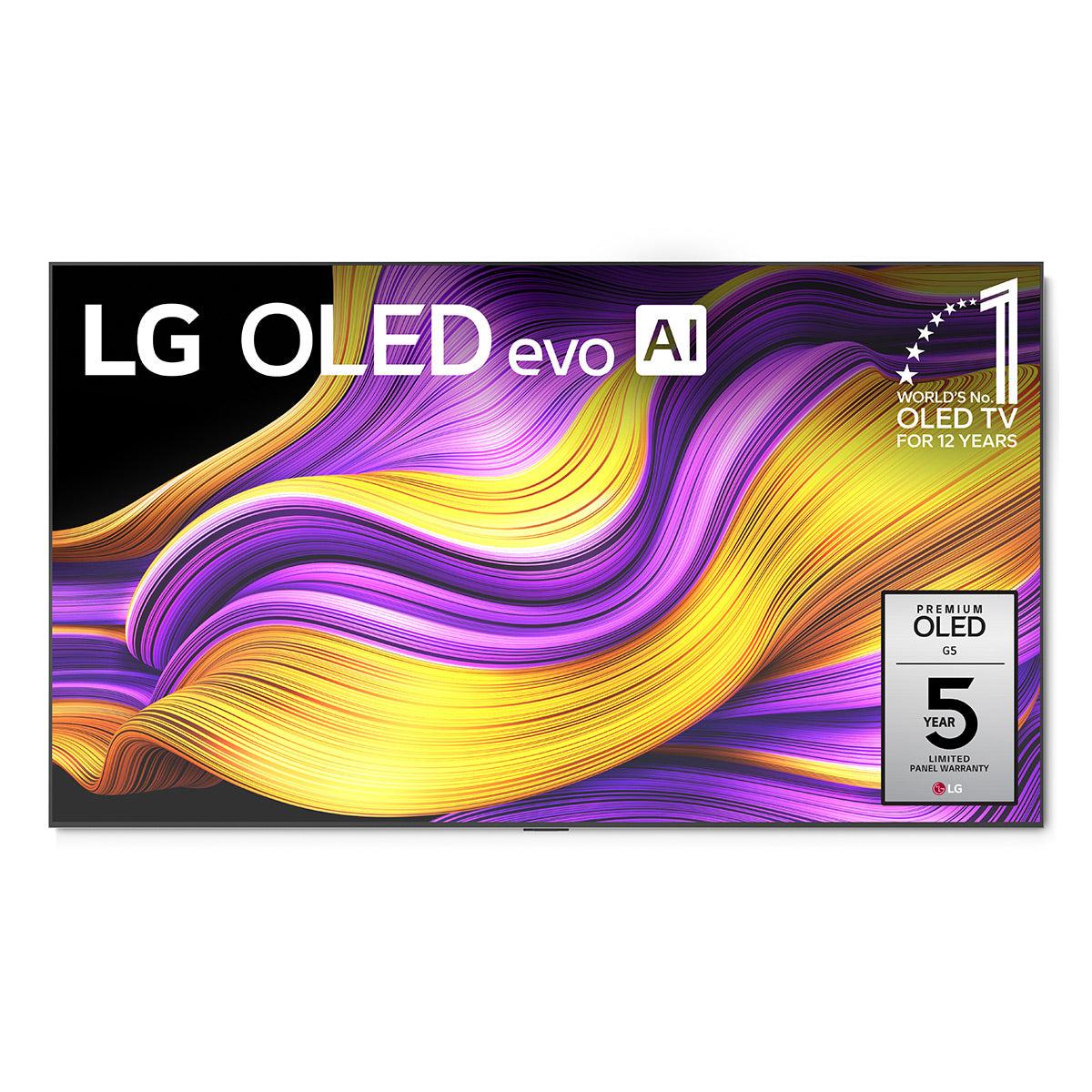
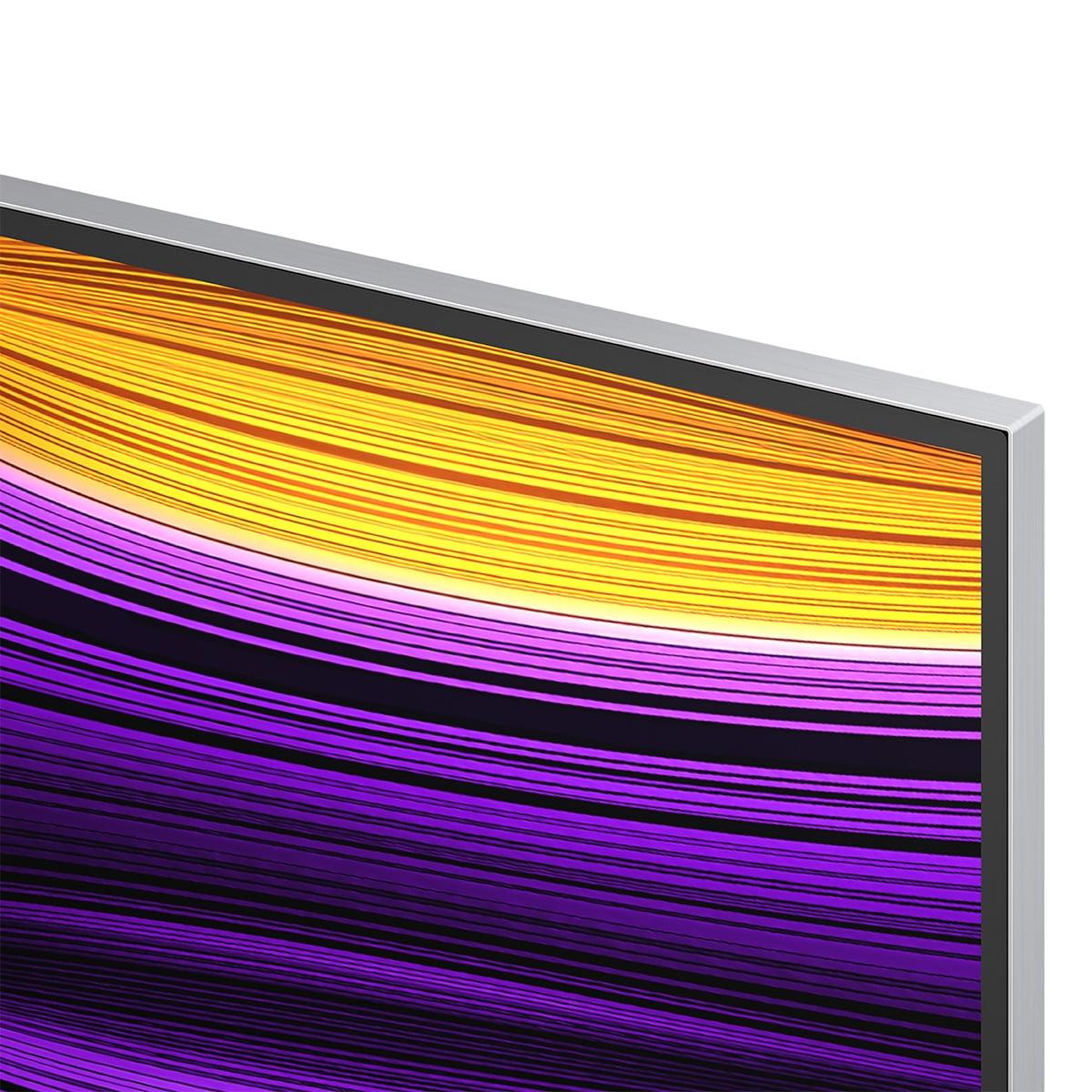
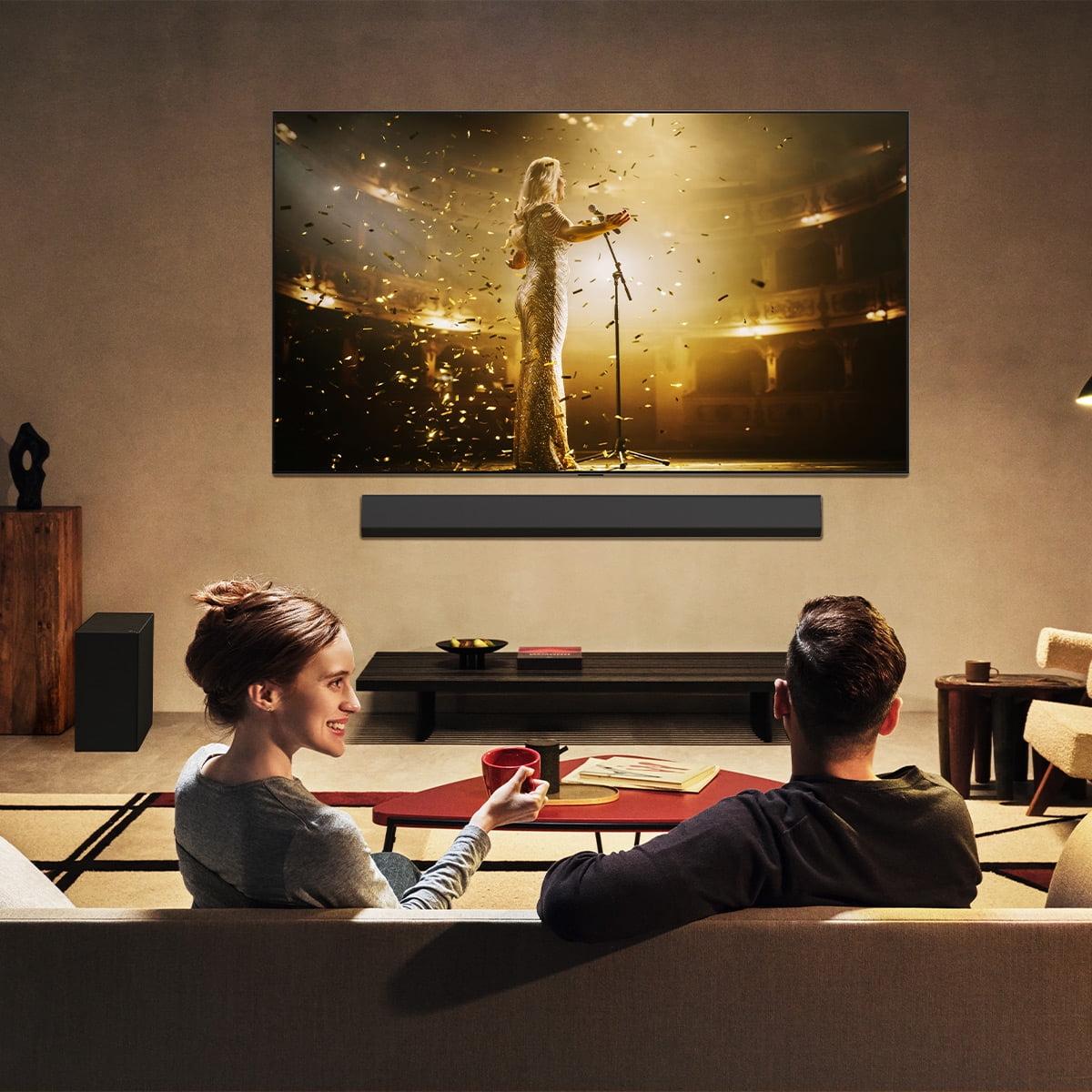
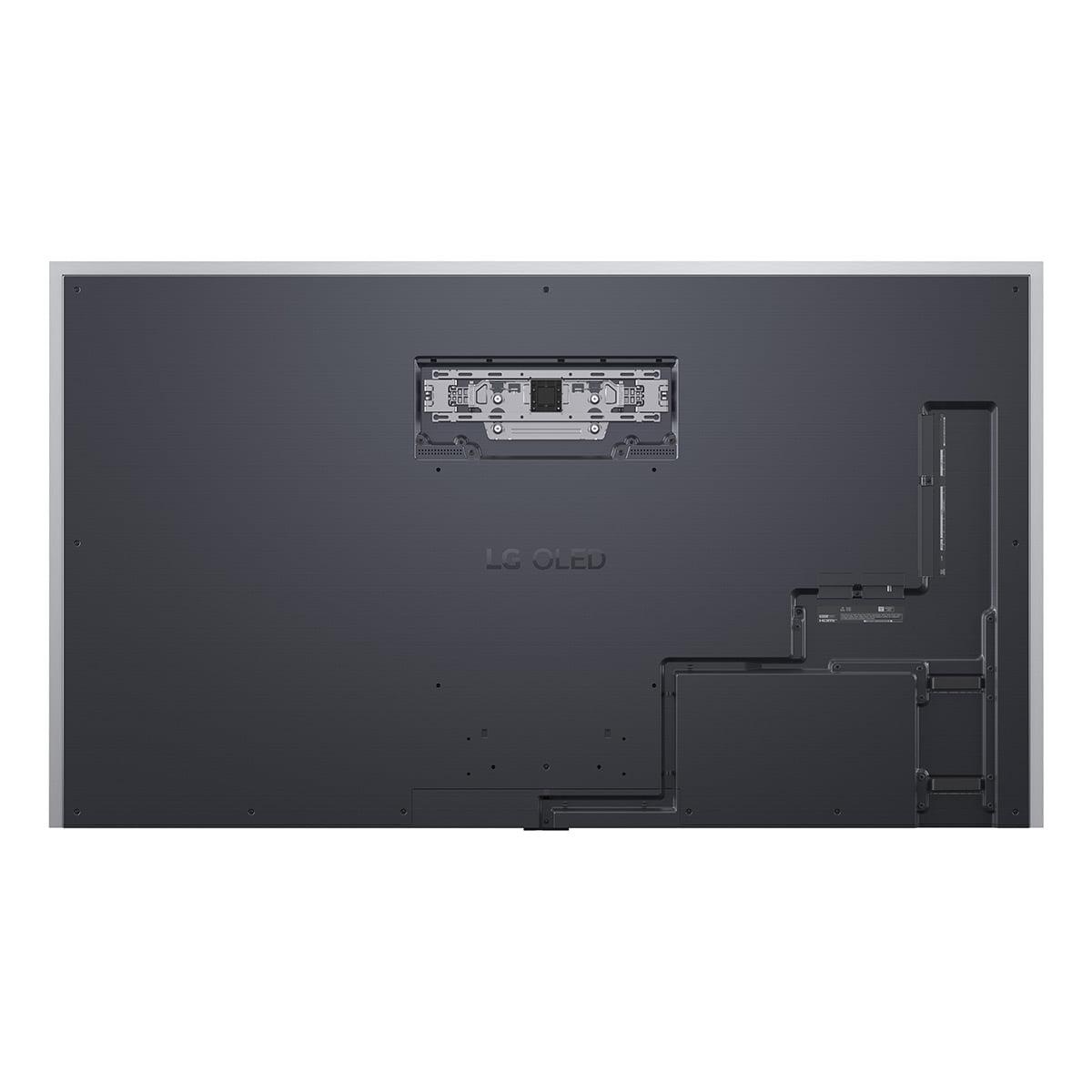
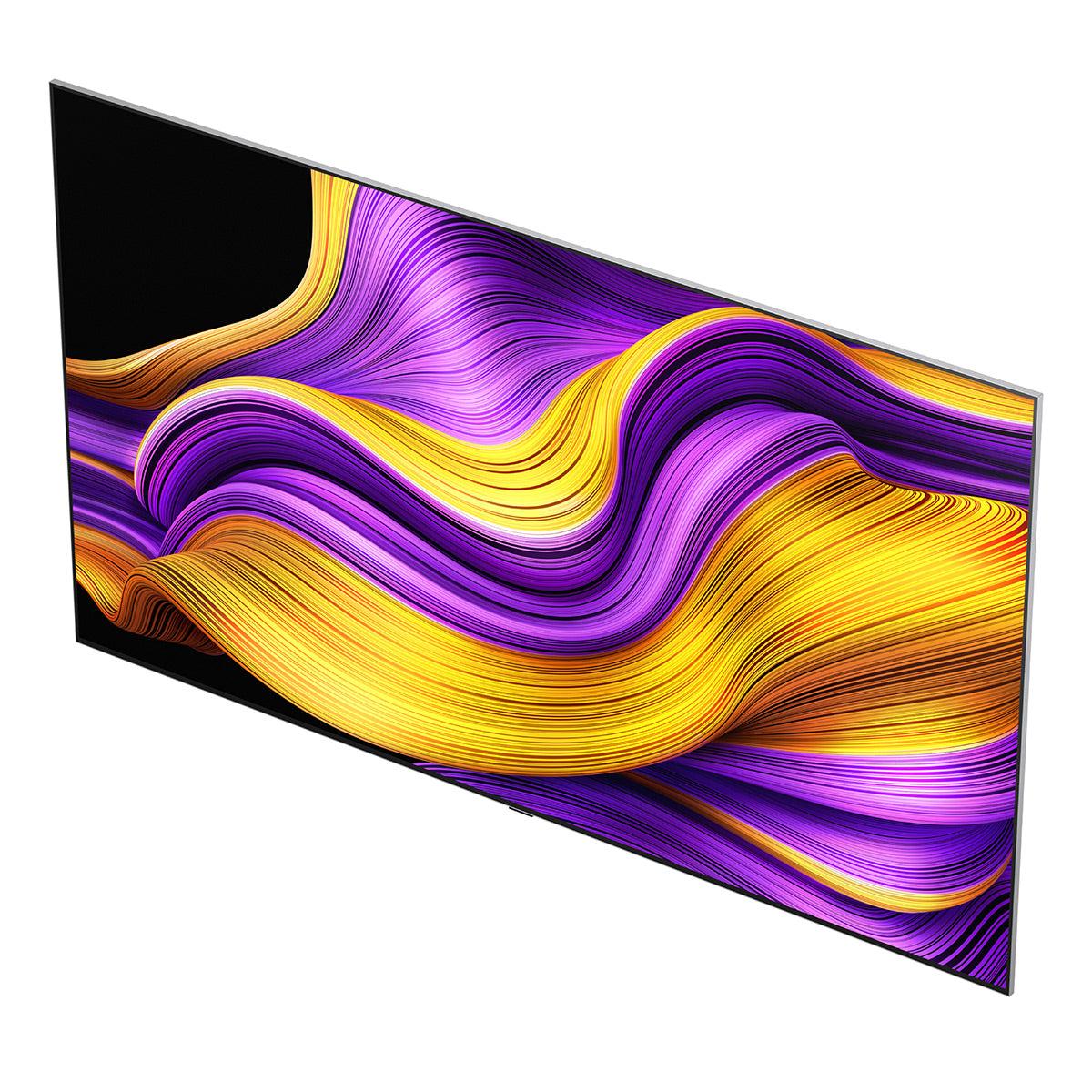
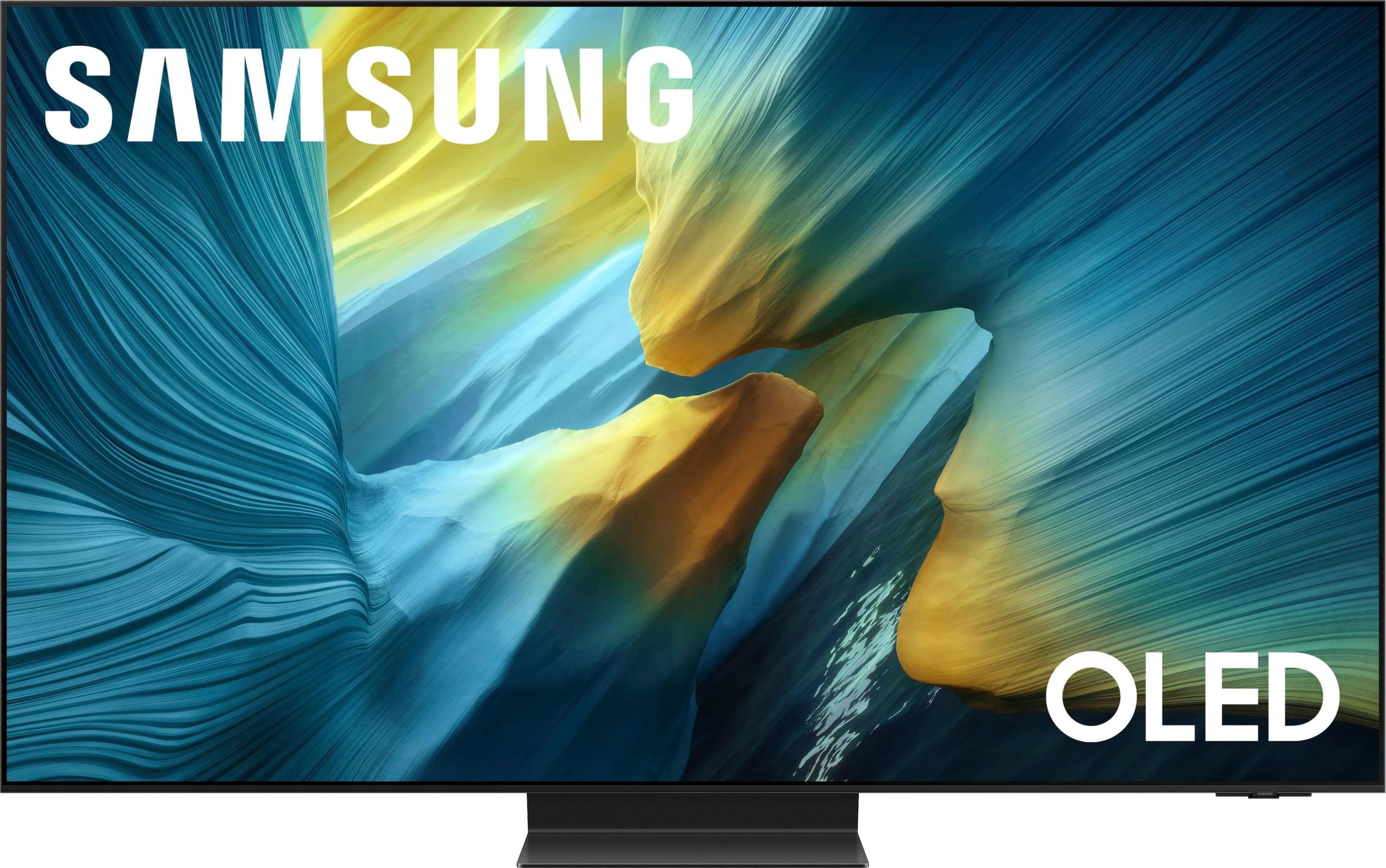
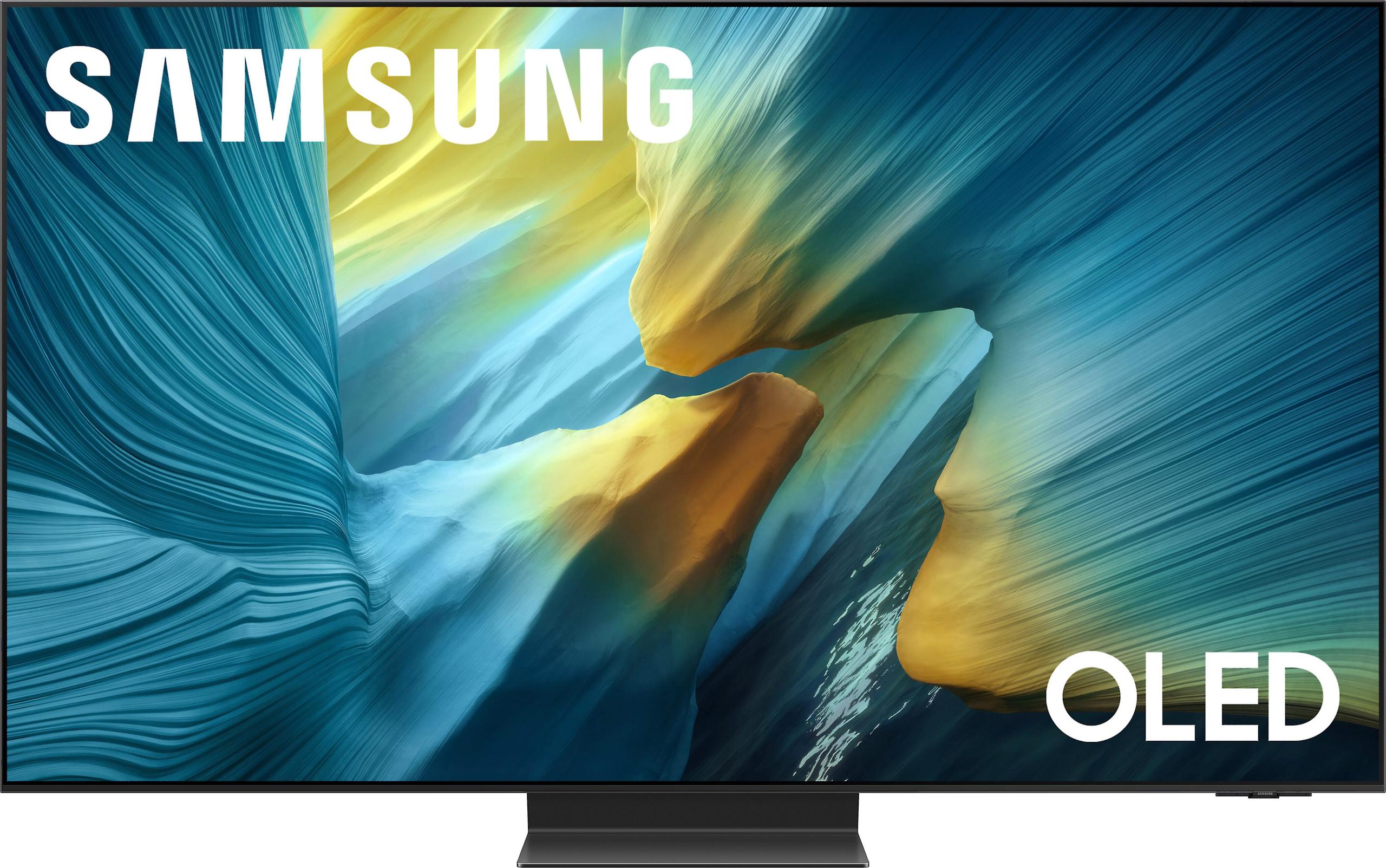
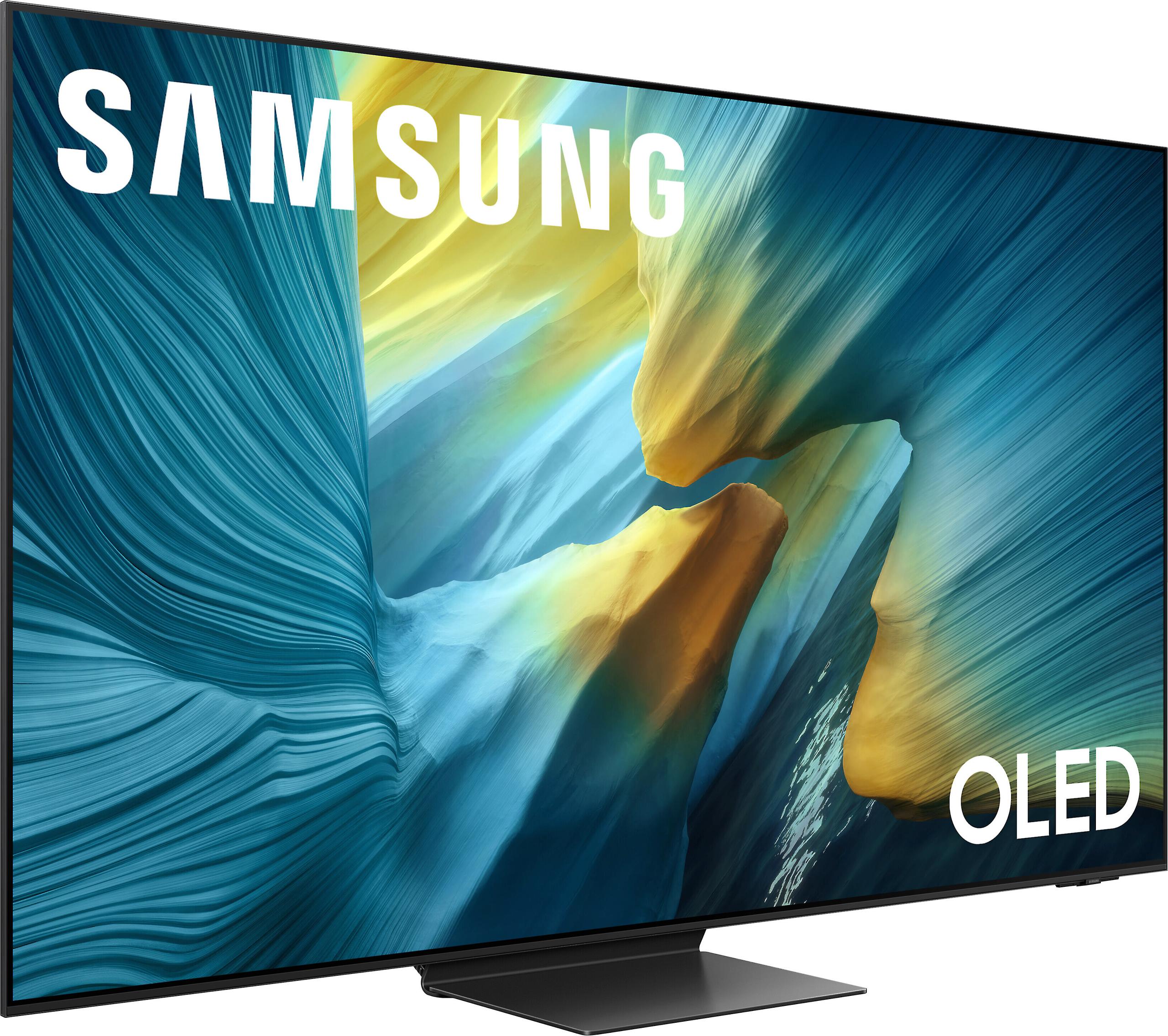
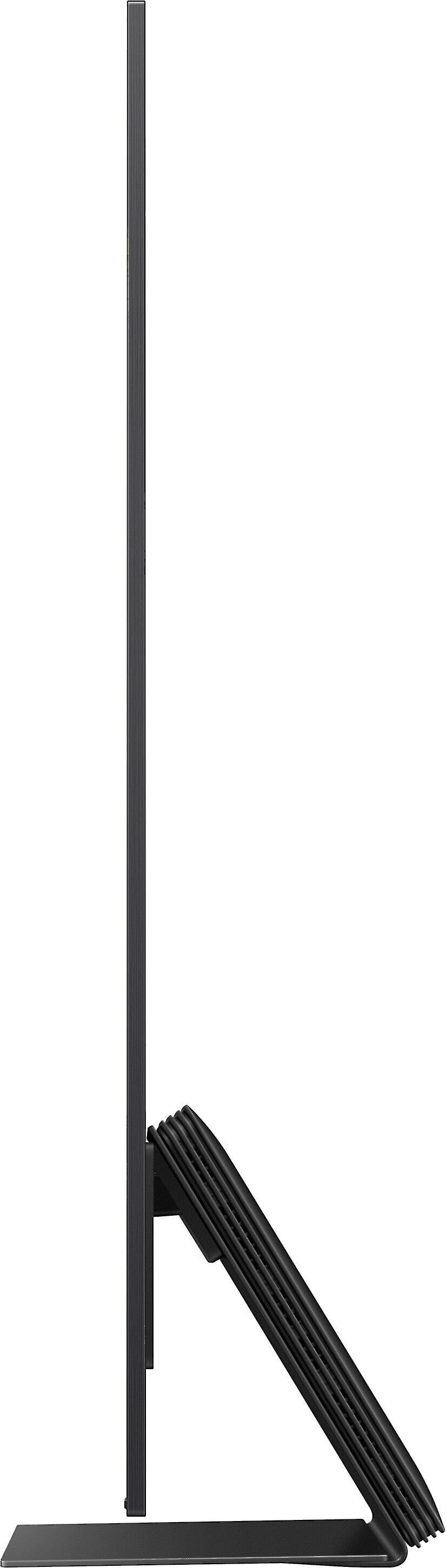
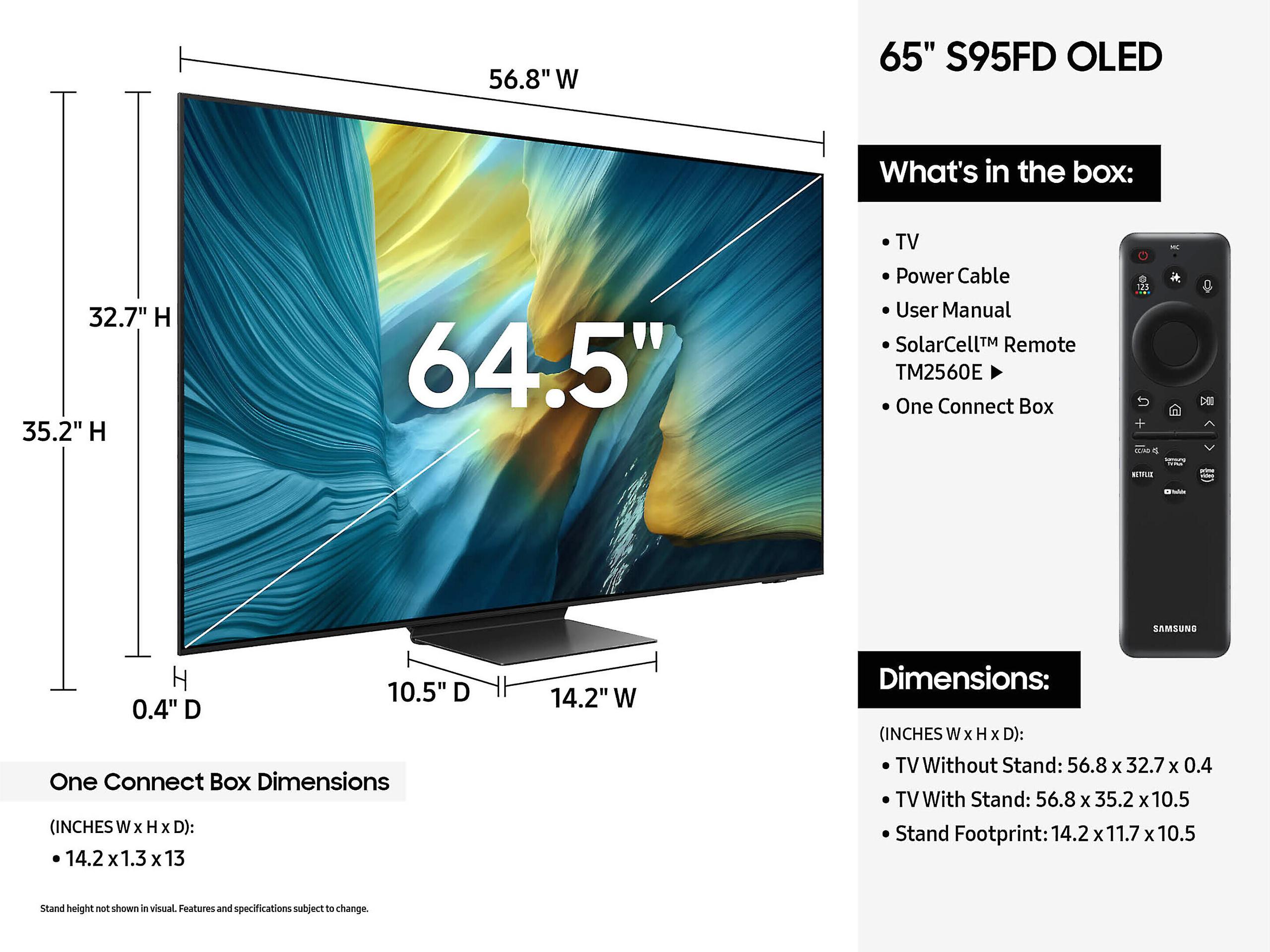
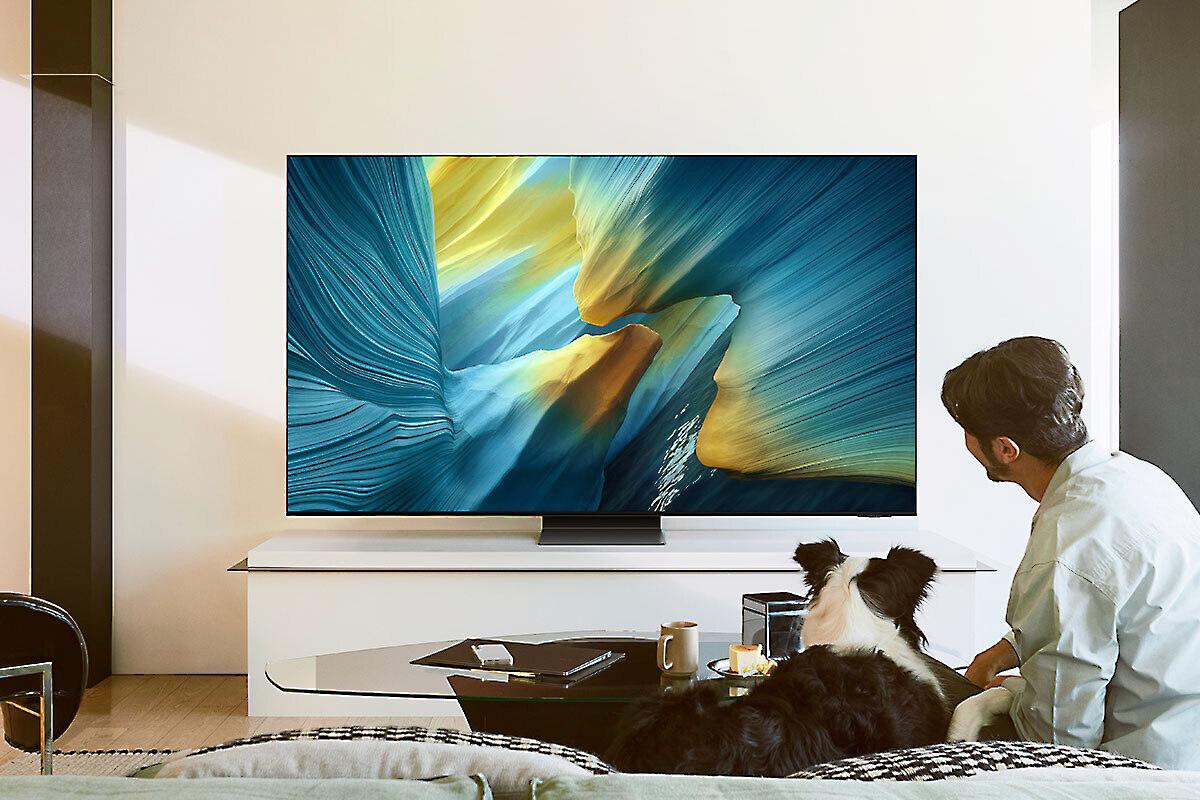
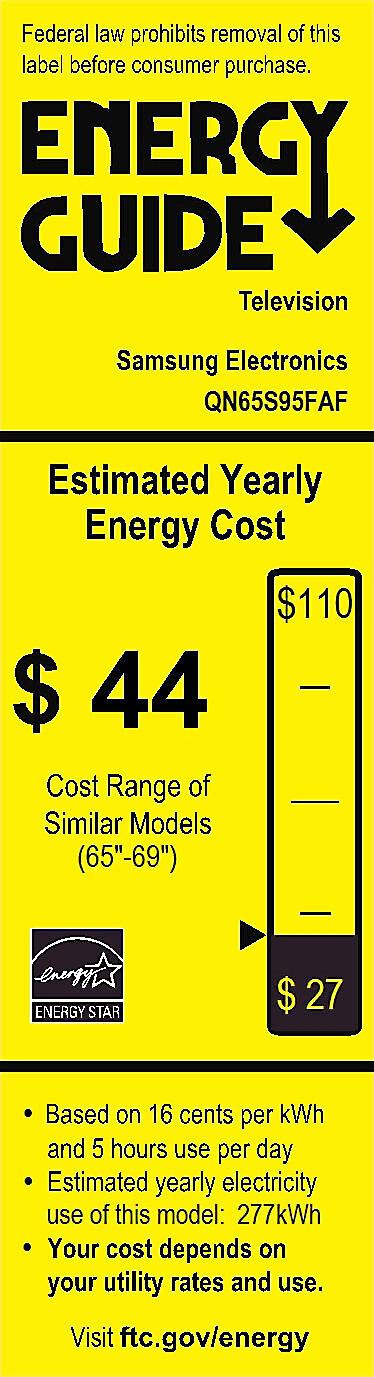
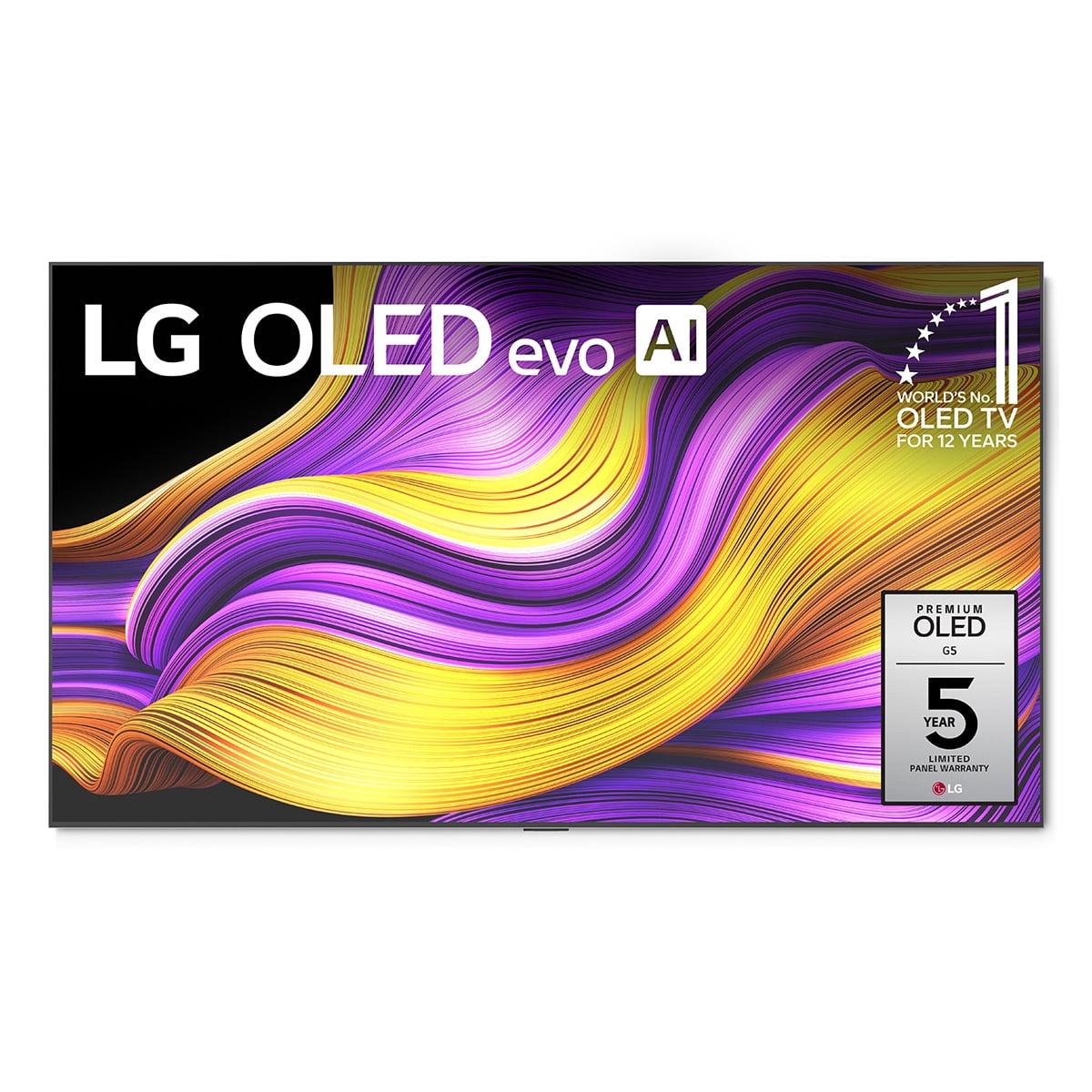
When it comes to premium OLED TVs in 2025, two models stand head and shoulders above the competition: the LG OLED evo G5 65" ($3,196.99) and the Samsung 65" OLED S95F ($3,097.99). Both represent massive leaps forward in OLED technology, but they take fundamentally different approaches to achieving excellence. After spending considerable time with both displays, I'm convinced that your choice between them will depend heavily on your specific viewing environment and content preferences.
OLED technology has come a long way since its early days of dim panels and burn-in concerns. These self-illuminating pixels—where each individual pixel can turn completely off to create perfect black levels—have evolved into the premium display technology of choice for serious home theater enthusiasts. But 2025 marks a particularly exciting year for OLED advancement, with both LG and Samsung pushing brightness levels that were unimaginable just a few years ago.
The key considerations when choosing between premium OLED TVs haven't changed much: you want perfect black levels, vibrant colors, excellent HDR performance, and increasingly important gaming features. However, what has changed dramatically is how bright these displays can get while maintaining color accuracy, and how well they handle reflections in bright rooms—two areas where OLED historically struggled against LCD and mini-LED competitors.
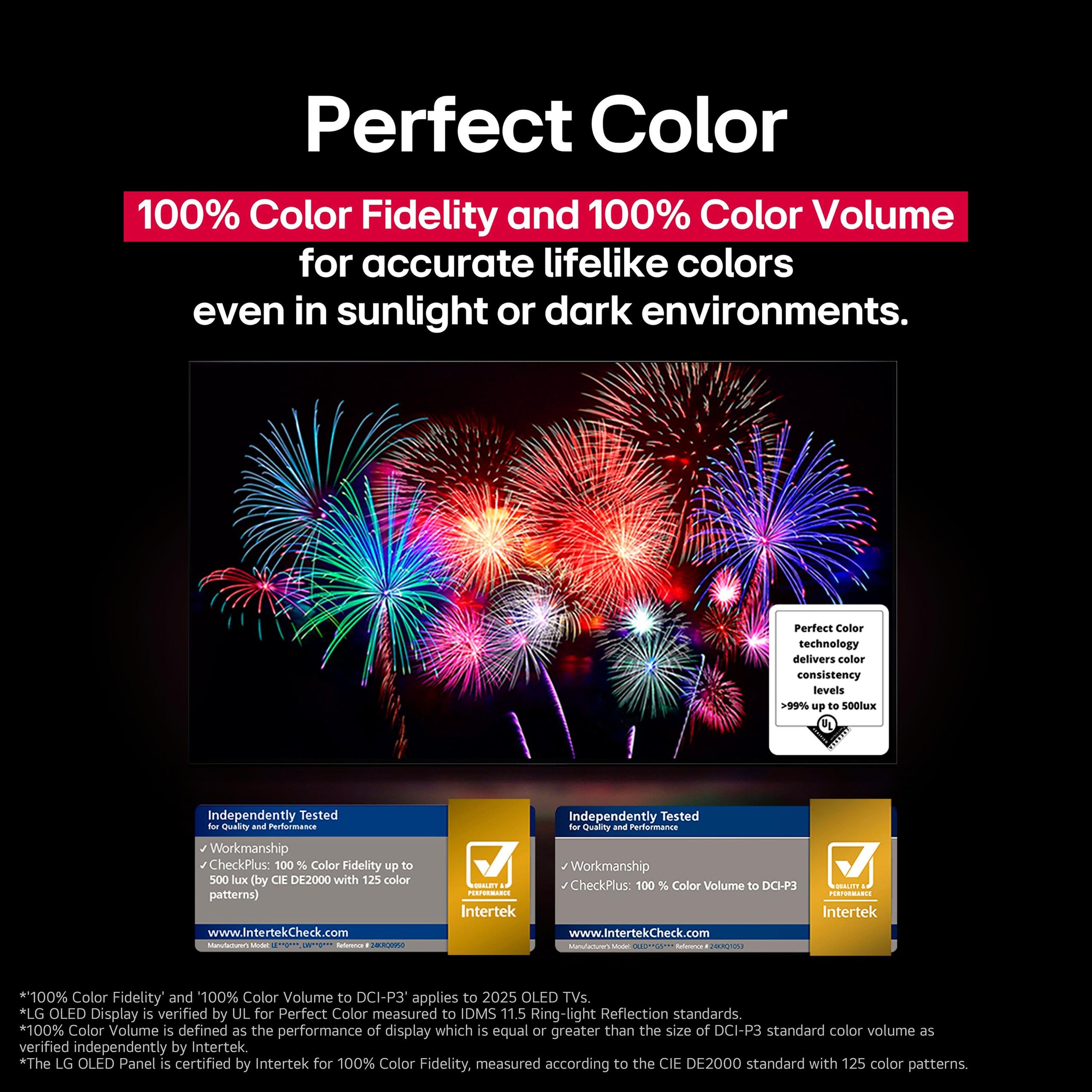
Both the LG OLED evo G5 and Samsung S95F launched in early 2025, representing the culmination of years of research and development. LG's G5 introduces their revolutionary four-stack WOLED (White OLED) technology, which literally stacks four layers of organic light-emitting materials to achieve unprecedented brightness levels. This is a massive departure from their previous micro lens array (MLA) approach used in the G4, and the results are immediately apparent.

Samsung's S95F, meanwhile, continues to refine their QD-OLED (Quantum Dot OLED) technology, which combines the perfect blacks of OLED with the color purity of quantum dots. This isn't Samsung's first QD-OLED rodeo—they've been perfecting this technology since 2022—but the S95F represents their most mature implementation yet, with significantly improved brightness and a game-changing anti-glare coating.
The timing of these releases is particularly interesting because both companies are clearly responding to the same market demand: OLED TVs that can compete with the brightest LCD displays while maintaining their inherent advantages in contrast and color accuracy.
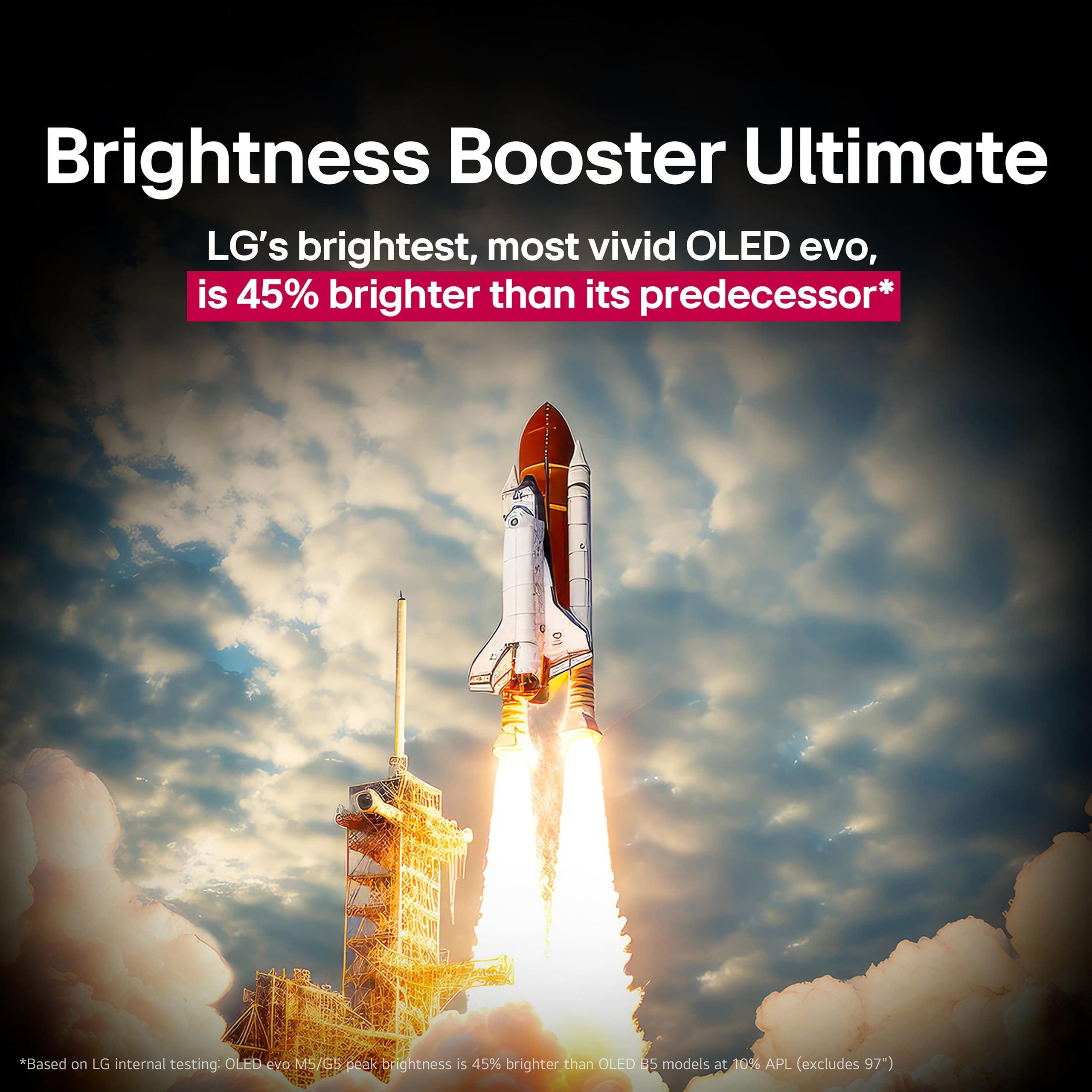
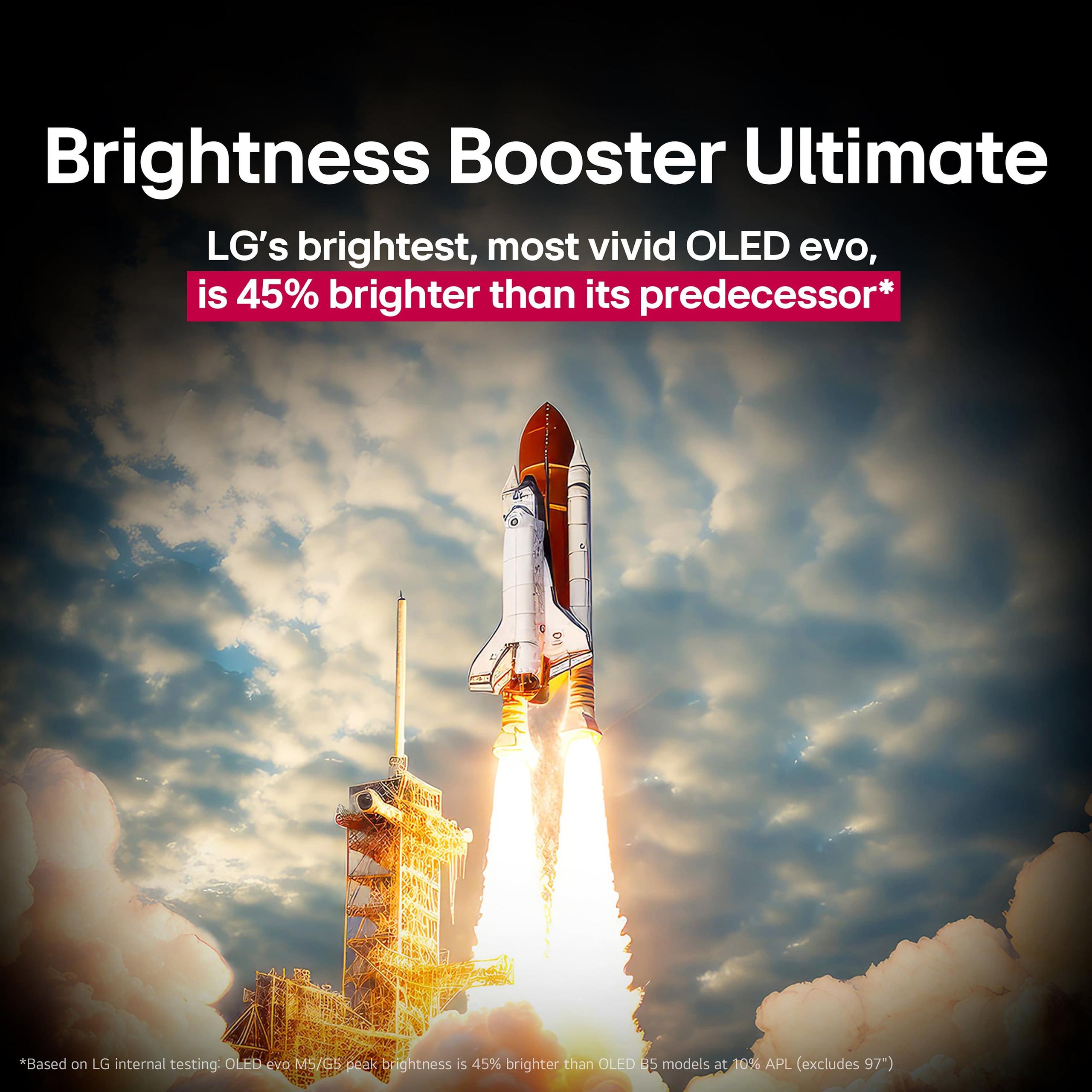
The LG G5's four-stack WOLED technology is genuinely revolutionary. Instead of using a single layer of white organic material with color filters (as in previous WOLED panels), LG literally stacks four layers of light-emitting material on top of each other. Think of it like having four flashlights pointing in the same direction—you get dramatically more light output.
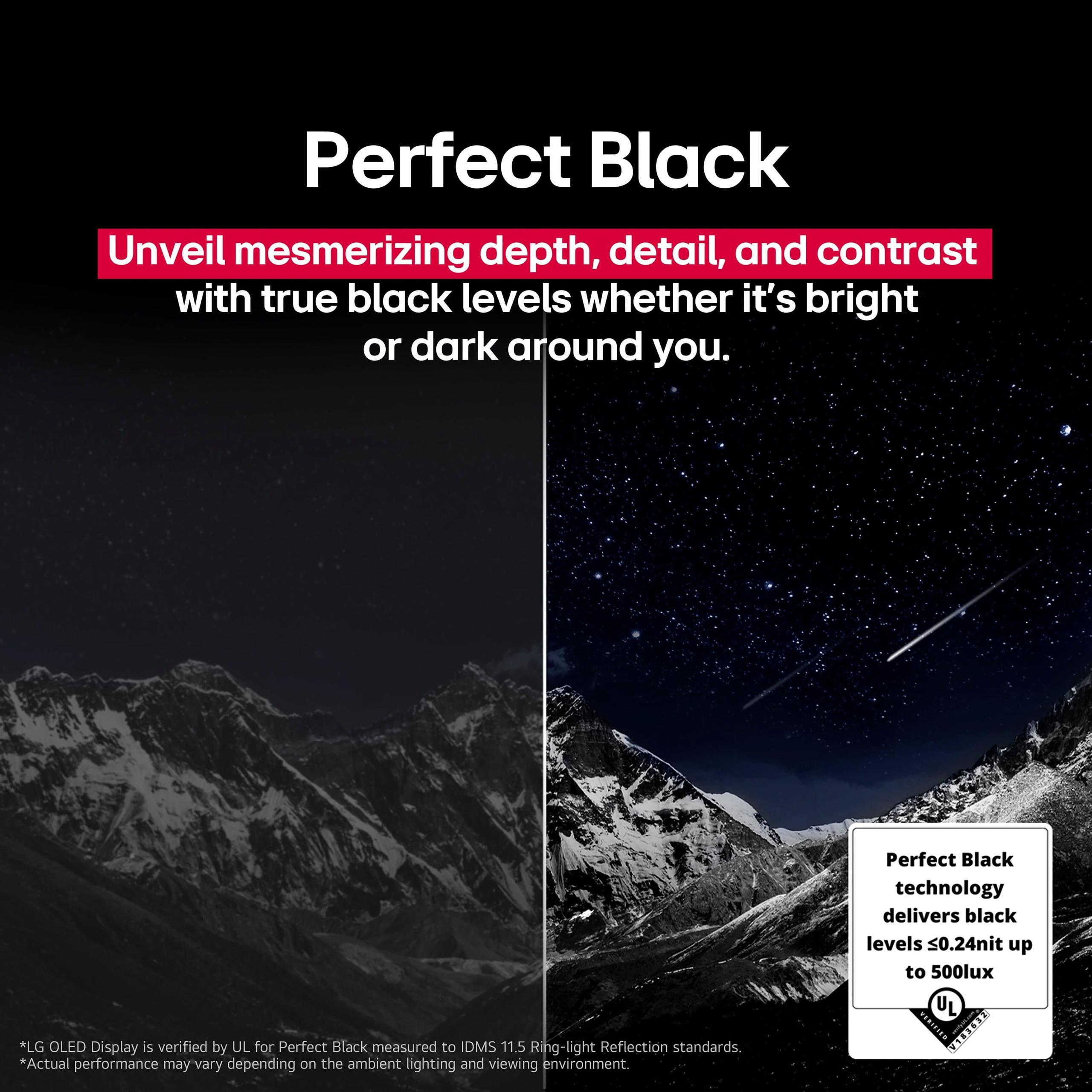
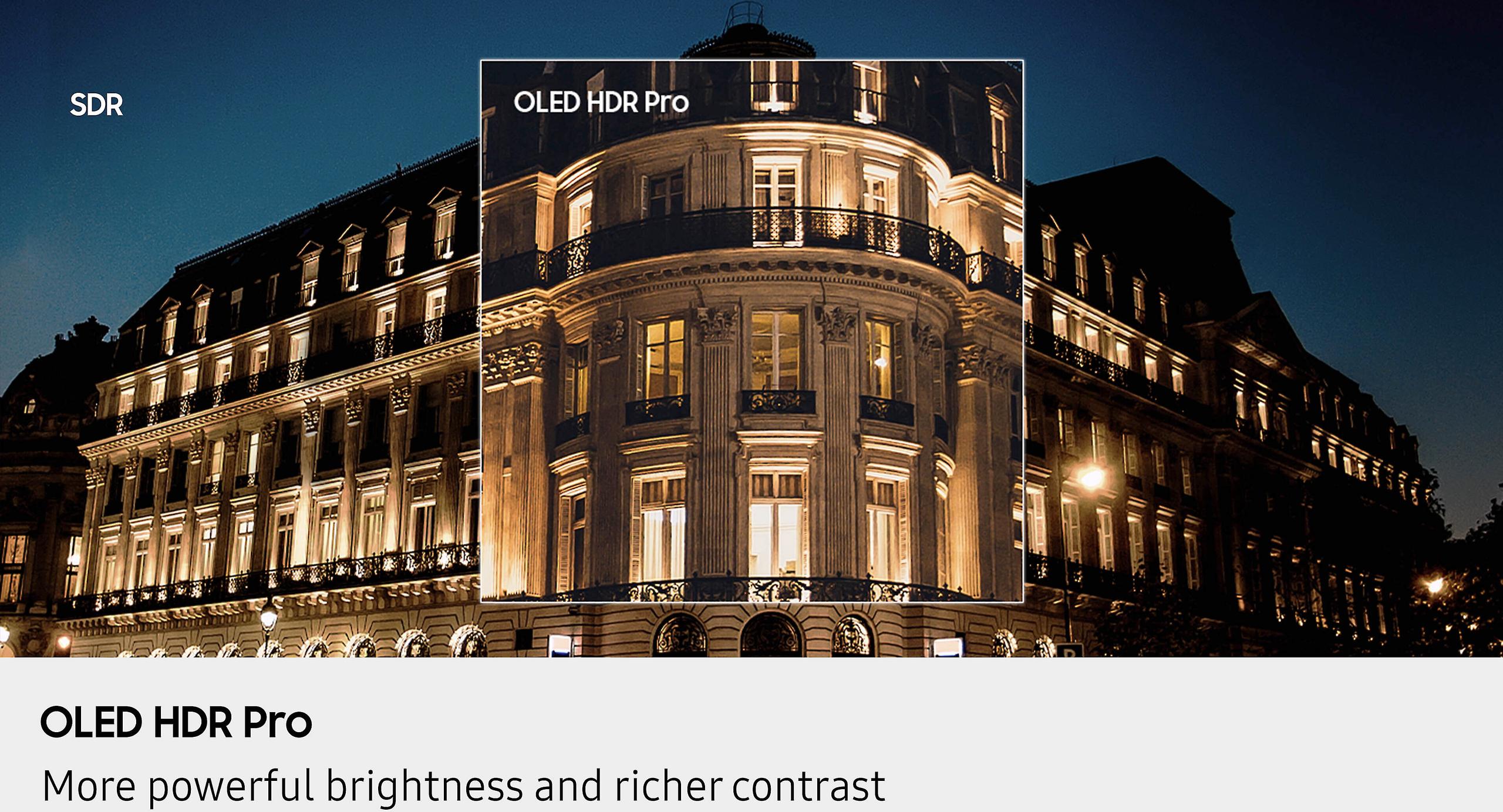
This approach allows the G5 to achieve brightness levels that are up to 45% higher than the previous G4 model, with peak brightness measurements exceeding 2,000 nits in HDR content. More importantly, this brightness increase doesn't come at the cost of color accuracy or black levels. The G5 maintains that perfect OLED black that makes dark movie scenes look like you're peering through a window into another world.
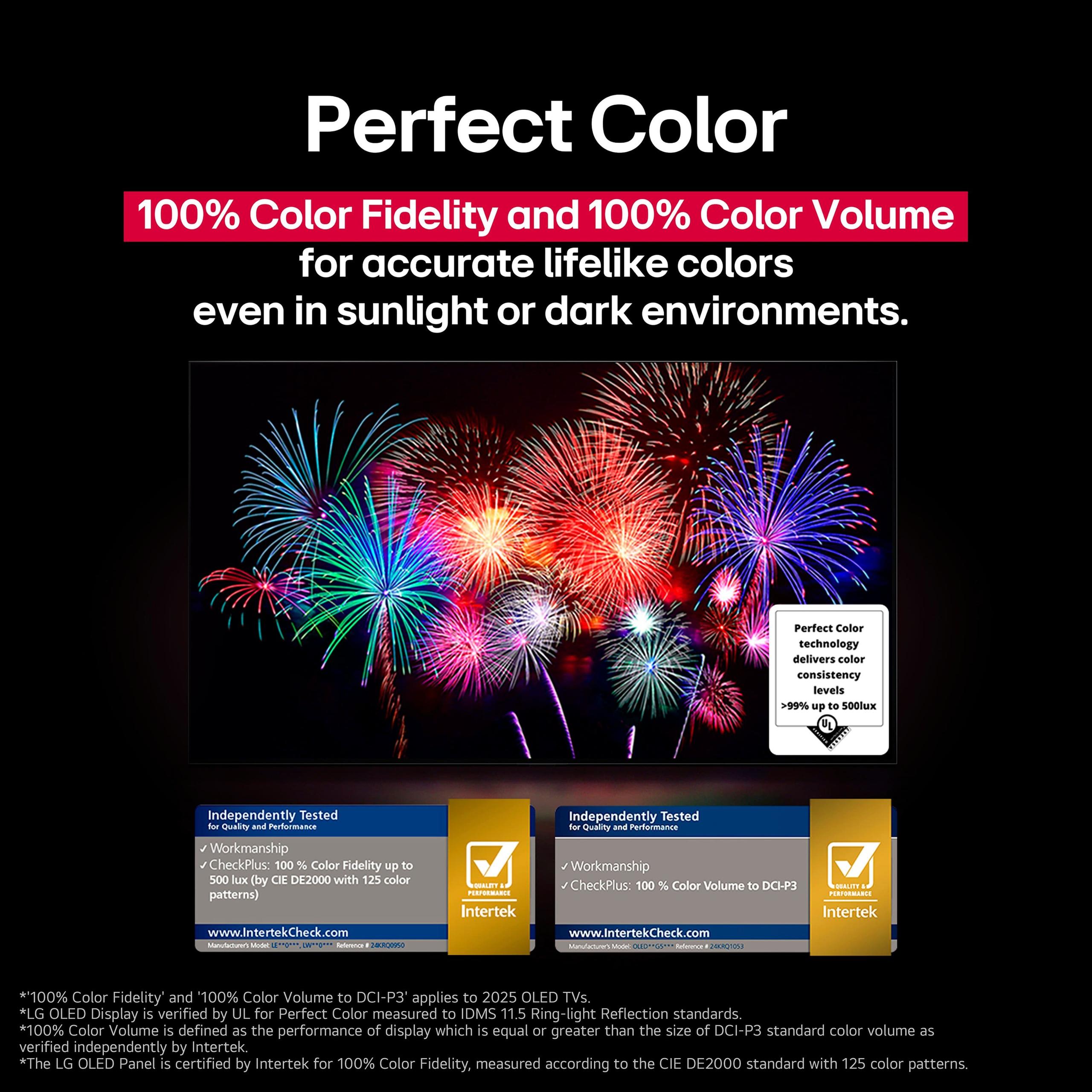
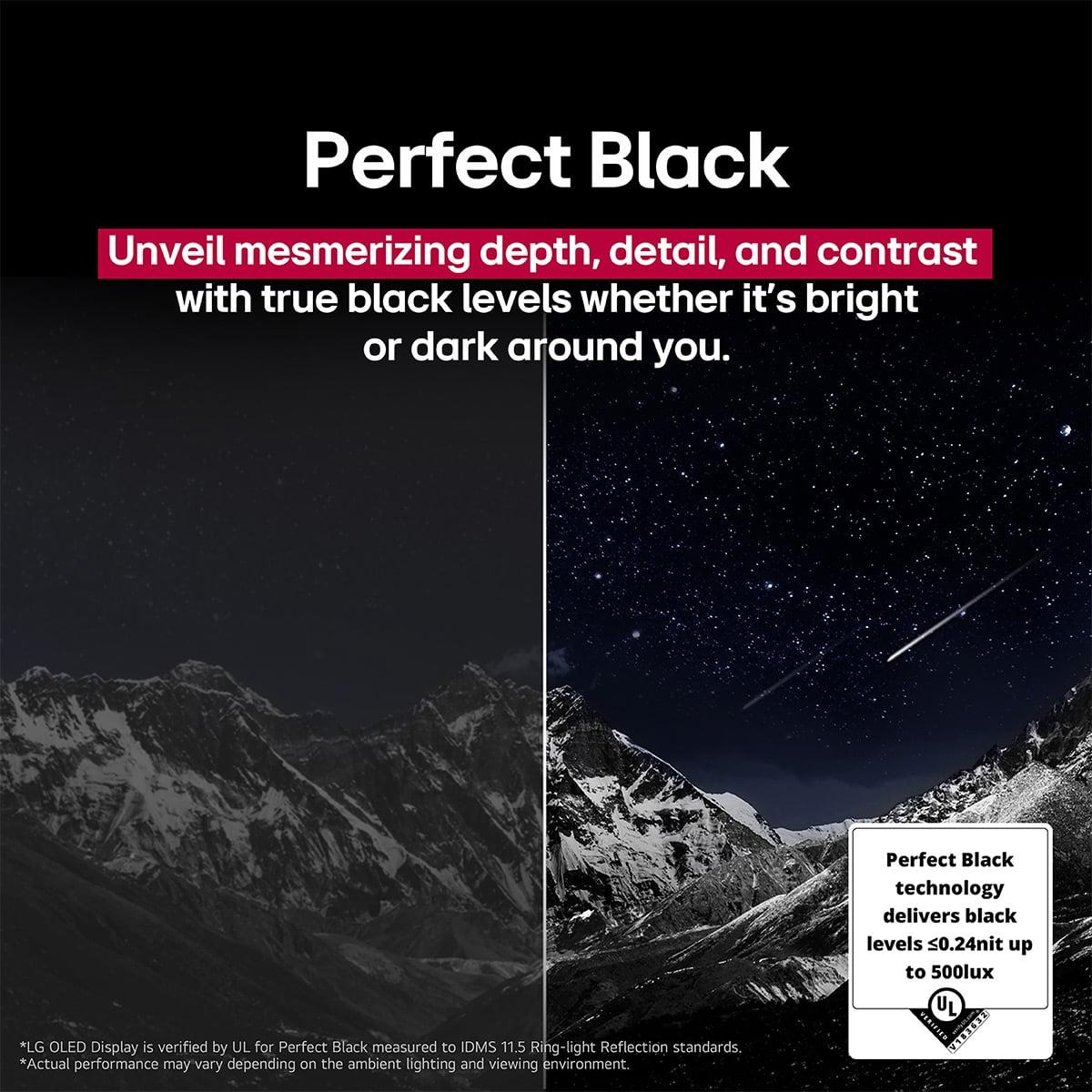
What's particularly impressive is how this technology handles color consistency. LG claims over 99% color accuracy up to 500 lux of ambient light, which means the TV maintains its color performance even in moderately bright rooms. In my experience, this translates to HDR content that truly pops, with highlights that feel genuinely bright without washing out the surrounding image.
Samsung's approach with the S95F is fundamentally different but equally impressive. QD-OLED technology uses blue OLED pixels to excite red and green quantum dots, creating a more efficient and brighter color reproduction system. The quantum dots act like tiny color filters that are much more precise than traditional color filters, resulting in purer, more saturated colors.
Where Samsung has really excelled with the S95F is in color brightness—the ability to produce bright, vivid colors without desaturation. While white highlights might be slightly dimmer than the LG G5 in some scenarios, colored highlights like a bright red car or vibrant green foliage often appear more striking on the Samsung. This is particularly noticeable in HDR content where color volume (how bright colors can get while maintaining saturation) really matters.
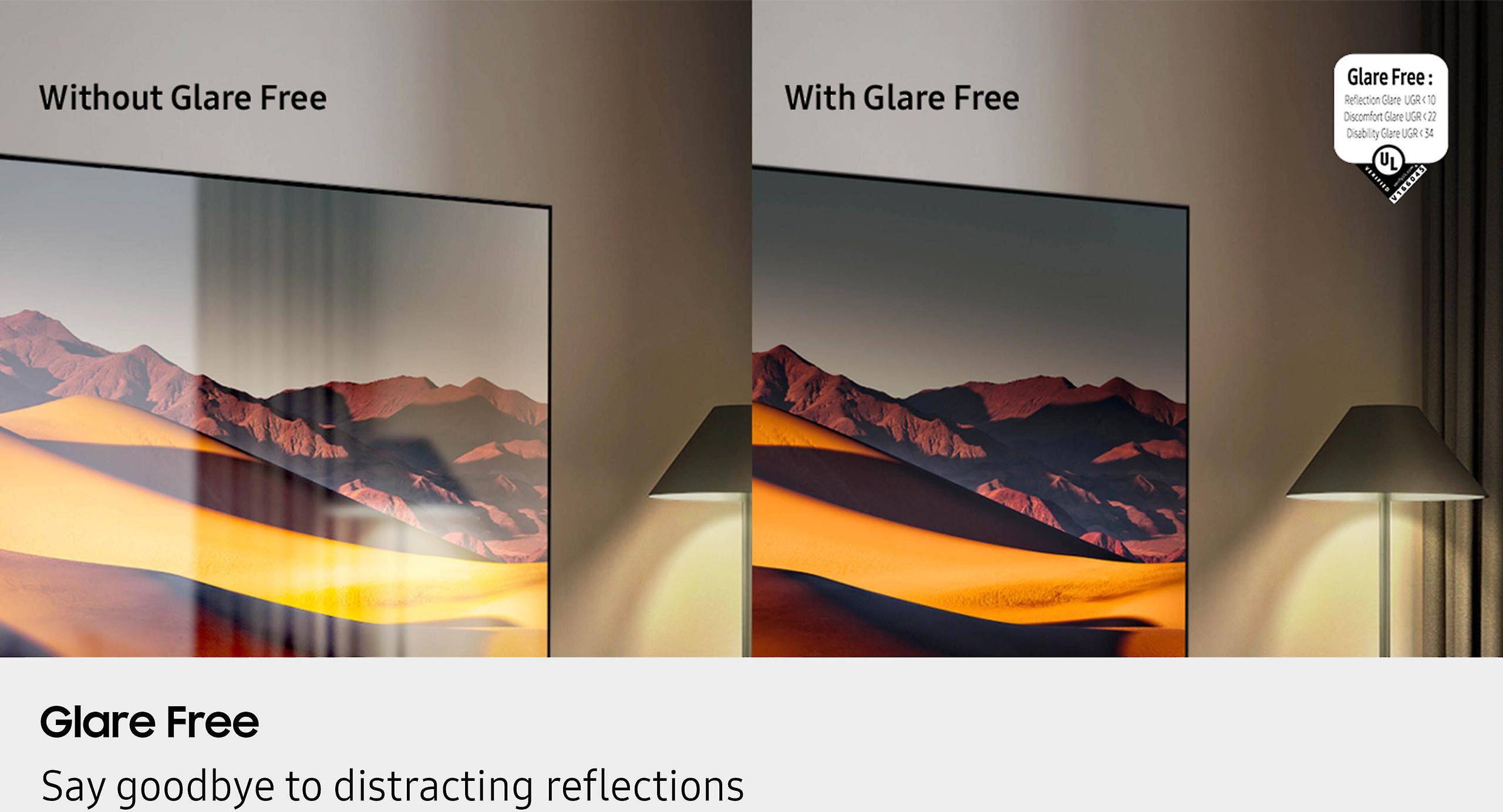
The S95F also introduces Samsung's most advanced anti-glare coating to date. This isn't just about reducing reflections—it's about maintaining image quality in bright environments. The coating is so effective that Samsung has earned "OLED Glare Free Certified" status, meaning you can genuinely enjoy this TV in rooms with large windows or bright overhead lighting without constantly adjusting your seating position.

Both TVs achieve peak brightness levels that would have been impossible for OLED technology just a few years ago. The LG G5 consistently delivers higher white luminance across a broader range of content, making it particularly excellent for HDR movies with bright, daylight scenes. When watching something like "Dune" or "Mad Max: Fury Road," the desert scenes have a realistic brightness that doesn't feel artificial or overprocessed.
The Samsung S95F takes a different approach, excelling in color brightness rather than pure white luminance. This means that while a white sun might be slightly dimmer than on the LG, a red Ferrari or the green fields of Ireland will appear more vibrant and lifelike. Both approaches have their merits, but I find the Samsung's color brightness particularly compelling for animated content and nature documentaries.
HDR format support is where these TVs diverge significantly. The LG G5 supports Dolby Vision, which provides scene-by-scene metadata to optimize brightness and color on a frame-by-frame basis. This is particularly valuable for premium streaming content from Netflix, Disney+, and Apple TV+, where Dolby Vision mastering can make a substantial difference in image quality.
Samsung's S95F, meanwhile, supports HDR10+ but not Dolby Vision—a decision that continues to puzzle home theater enthusiasts. HDR10+ provides similar dynamic metadata capabilities, but with less widespread content support. For most users, this means missing out on the optimized viewing experience that Dolby Vision provides for premium content.
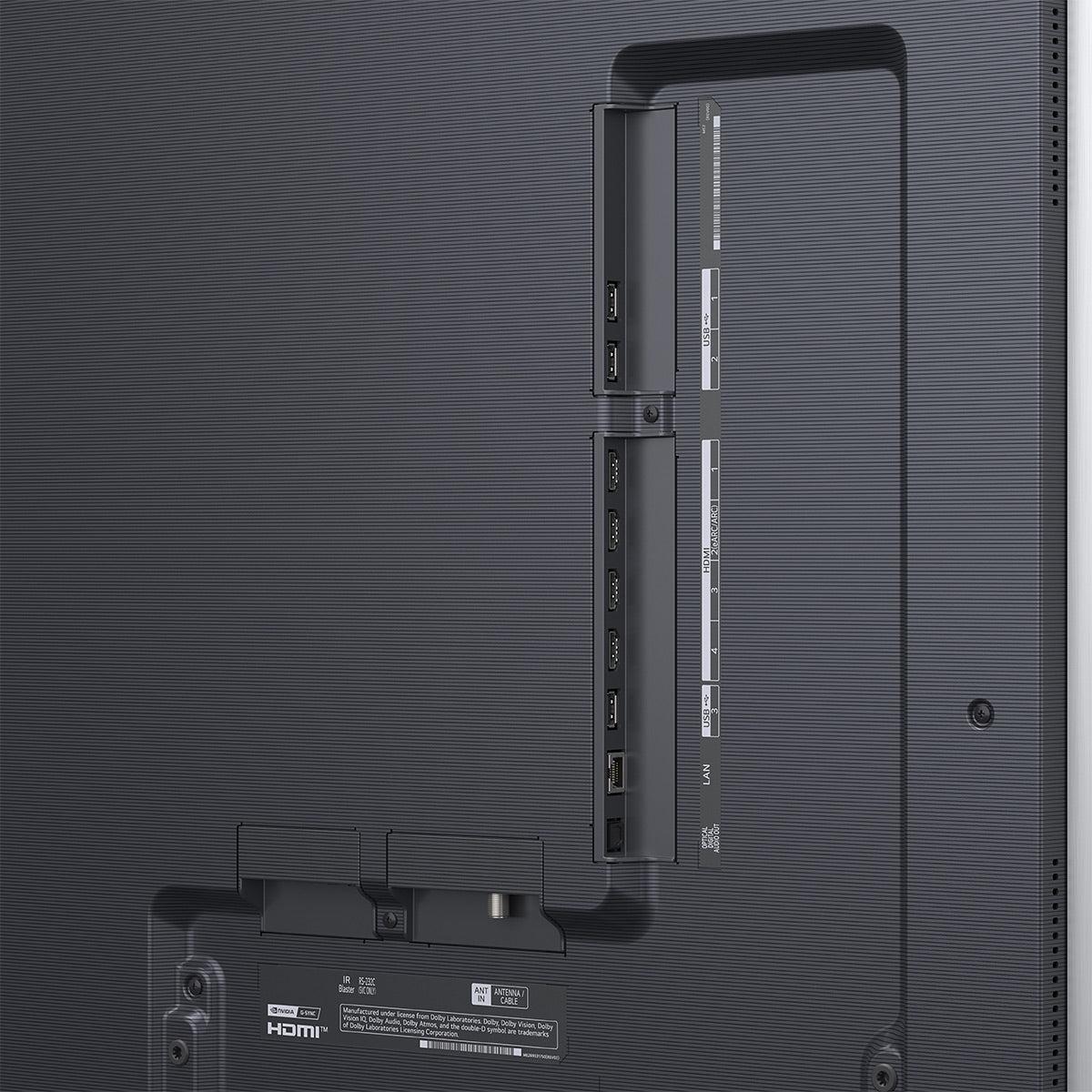
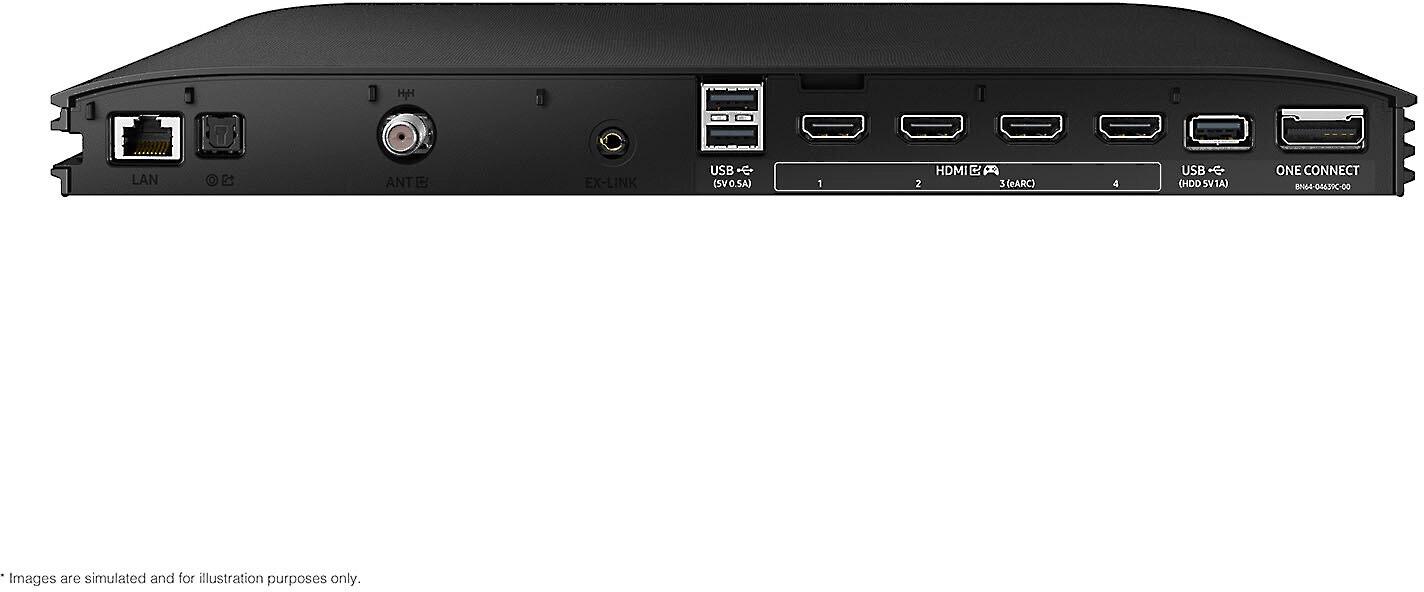
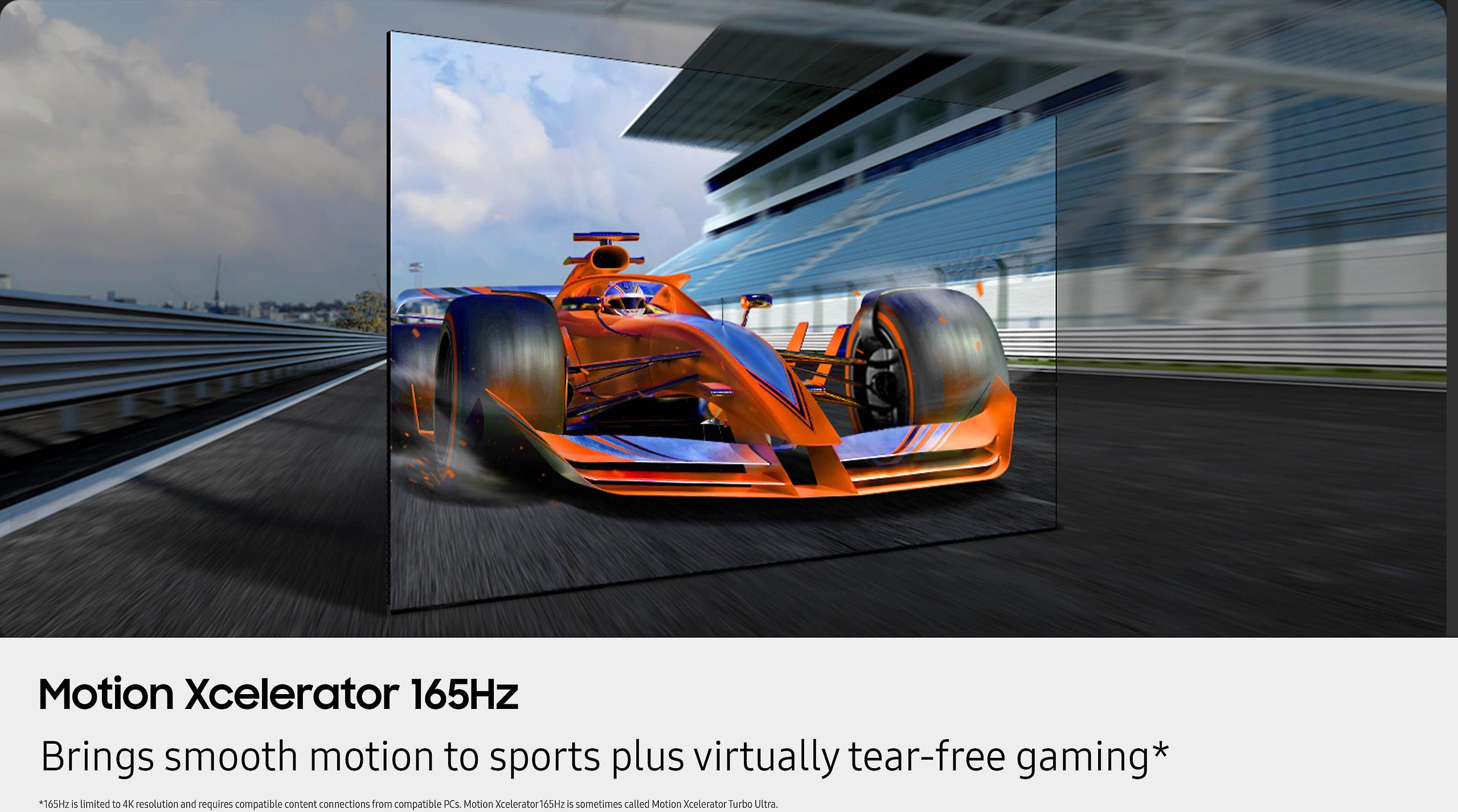
Both TVs are absolute gaming powerhouses, but they achieve this through slightly different approaches. The LG G5 supports 4K resolution at 165Hz across all four HDMI 2.1 ports, with full bandwidth support and comprehensive Variable Refresh Rate (VRR) implementation. This means whether you're gaming on a high-end PC, PlayStation 5, or Xbox Series X, you'll get the smoothest possible experience with minimal input lag.
The G5's gaming features are particularly impressive for their sophistication. The TV automatically detects gaming content and switches to optimized picture modes, supports Quick Media Switching (QMS) to eliminate those annoying black screens when switching between different frame rates, and includes Xbox Game Pass Ultimate integration for cloud gaming.
Samsung's S95F matches the refresh rate capabilities and adds AMD FreeSync Premium Pro certification, which is particularly valuable for PC gamers using AMD graphics cards. The AI Auto Game Mode is remarkably intelligent, automatically optimizing picture settings not just for gaming in general, but for specific game genres. Playing a dark, atmospheric game like "The Last of Us" will result in different optimizations than a bright, colorful game like "Fortnite."
Both TVs achieve input lag measurements around 9.2ms, which is imperceptible to human reaction times and competitive with dedicated gaming monitors. For home theater gaming setups, both are excellent choices, though the LG's slightly more comprehensive feature set gives it a marginal edge.
The smart TV experience has become increasingly important as these displays serve as the hub for all our entertainment needs. LG's webOS 25 on the G5 feels refined and intuitive, with Quick Cards providing easy access to frequently used apps and the new AI button on the Magic Remote enabling sophisticated voice control. The webOS Renew program guarantees five years of software updates, which is reassuring for such a significant investment.
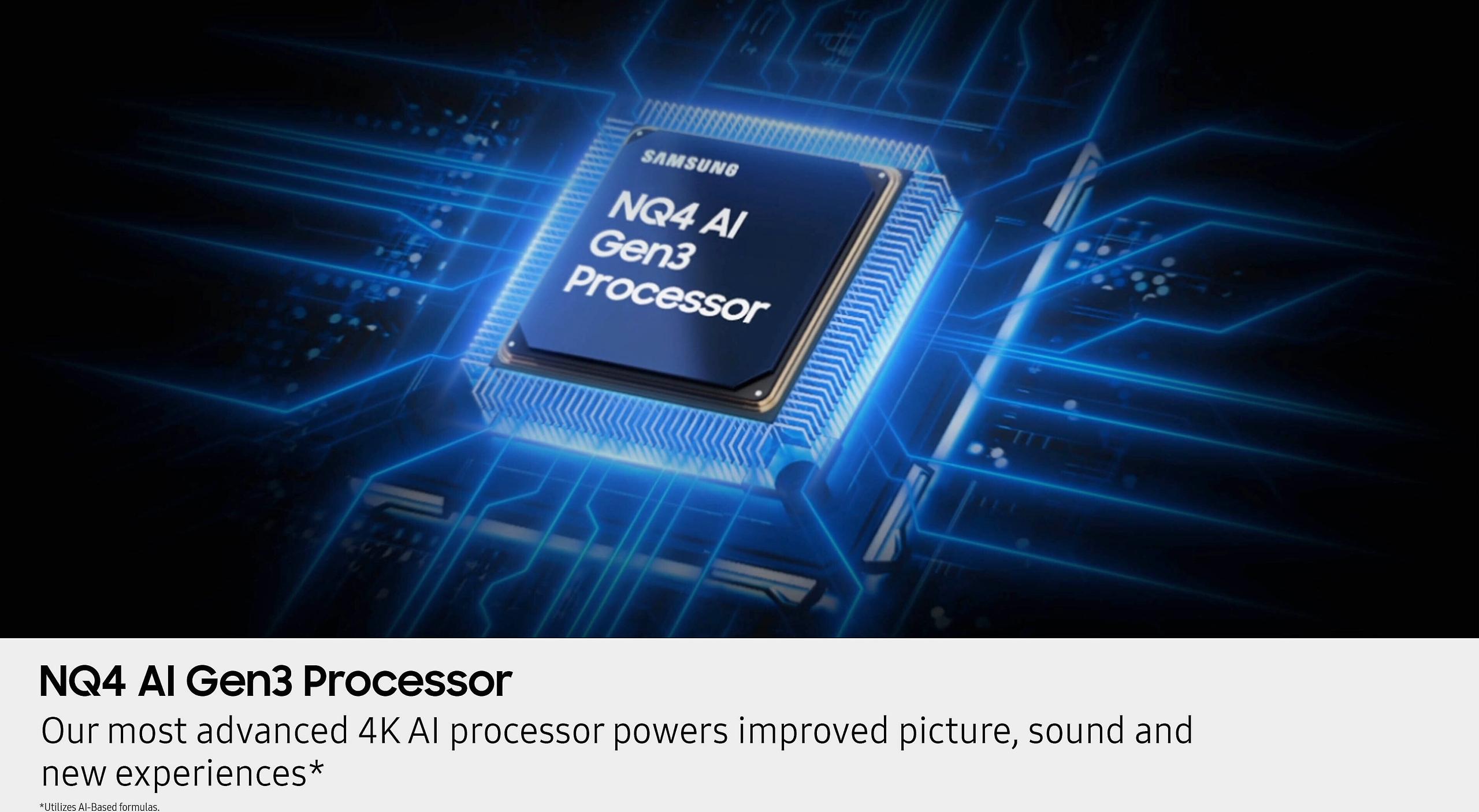
Samsung's Tizen OS on the S95F goes even further with a seven-year update commitment—the longest in the industry. The Vision AI system, powered by 128 neural networks, provides remarkably sophisticated content optimization and personalization. It learns your viewing habits and automatically adjusts picture settings, upscaling quality, and even suggests content based on your preferences.
Both systems handle 4K upscaling exceptionally well, which is crucial since much of our daily content is still 1080p or lower. The AI-powered upscaling on both TVs can make older content look surprisingly good, though Samsung's more advanced neural network implementation gives it a slight edge in this area.
For dedicated home theater use, both TVs excel but in different ways. The LG G5 is particularly impressive in light-controlled environments where its superior overall brightness and Dolby Vision support really shine. When watching a properly mastered 4K Blu-ray in a dark room, the G5's perfect blacks and bright highlights create an almost three-dimensional image quality that's genuinely captivating.
The FILMMAKER MODE on the LG G5 is particularly noteworthy for cinema enthusiasts. This mode disables all image processing and presents content exactly as the director intended, with the new Ambient Filmmaker Mode automatically adjusting for room lighting while maintaining creative intent. It's like having a professional calibration that adapts to your environment.
Samsung's S95F might be even more impressive in typical living room environments where complete light control isn't possible. The anti-glare coating is so effective that you can genuinely enjoy cinematic content even with table lamps on or curtains open during the day. This makes it more versatile for families who use their TV for both casual viewing and serious movie nights.
The color performance of the S95F is particularly striking with animated content and nature documentaries. The quantum dot enhanced colors have a vibrancy that feels more lifelike than traditional OLED displays, though purists might argue that the LG's more accurate color reproduction is preferable for cinema.
At current pricing, the Samsung S95F at $3,097.99 represents better immediate value, offering flagship QD-OLED technology, superior anti-glare performance, and longer software support for about $100 less than the LG G5 at $3,196.99. However, the LG's innovative four-stack technology and comprehensive gaming features justify the premium for many users.
Long-term value considerations favor different aspects of each TV. The LG G5 comes with a five-year limited panel warranty, which is particularly valuable given the high cost of OLED panel replacement. Samsung's seven-year software update commitment means your TV will remain current with streaming services and smart features longer than most competitors.
Choose the LG OLED evo G5 if you're building a dedicated home theater setup, prioritize Dolby Vision content from premium streaming services, or are a serious gamer who wants the most comprehensive gaming feature set available. The G5's superior overall brightness and proven WOLED technology make it the safer choice for those who want cutting-edge performance with established reliability.
Choose the Samsung S95F if you need a TV that performs excellently in bright rooms, want the most vibrant colors possible, or prefer to spend slightly less while still getting flagship features. The S95F's anti-glare technology and longer software support make it the more practical choice for most living room environments.
Both TVs represent the absolute pinnacle of OLED technology in 2025, and you honestly can't go wrong with either choice. The decision ultimately comes down to your specific viewing environment, content preferences, and whether you value proven technology or cutting-edge innovation more highly. Either way, you'll be getting one of the best TVs ever made.
| LG OLED evo G5 65" 4K Smart TV 2025 | Samsung 65" OLED S95F 4K Smart TV 2025 |
|---|---|
| Price - Premium OLED pricing with different value propositions | |
| $3,196.99 | $3,097.99 |
| Panel Technology - Core display approach affecting brightness and color | |
| 4th-generation WOLED with four-layer stack (45% brighter than previous models) | QD-OLED with Quantum Dot technology (superior color saturation) |
| Peak Brightness - Critical for HDR impact and bright room viewing | |
| 2,000+ nits with superior white luminance consistency | 2,000+ nits with exceptional color brightness performance |
| Anti-Glare Performance - Essential for bright living rooms | |
| Improved coating but less effective than Samsung's solution | Industry-leading OLED Glare Free certified technology |
| HDR Format Support - Impacts premium streaming content quality | |
| HDR10, HDR10 Pro, Dolby Vision (major advantage for Netflix, Disney+) | HDR10, HDR10+ but no Dolby Vision support |
| Gaming Refresh Rate - Important for high-frame-rate gaming | |
| 4K @ 165Hz on all four HDMI 2.1 ports | 4K @ 165Hz with Motion Xcelerator 165 |
| Smart TV Platform - Affects long-term usability and updates | |
| webOS 25 with 5-year update guarantee | Tizen OS with 7-year update commitment |
| AI Processing - Impacts upscaling and picture optimization | |
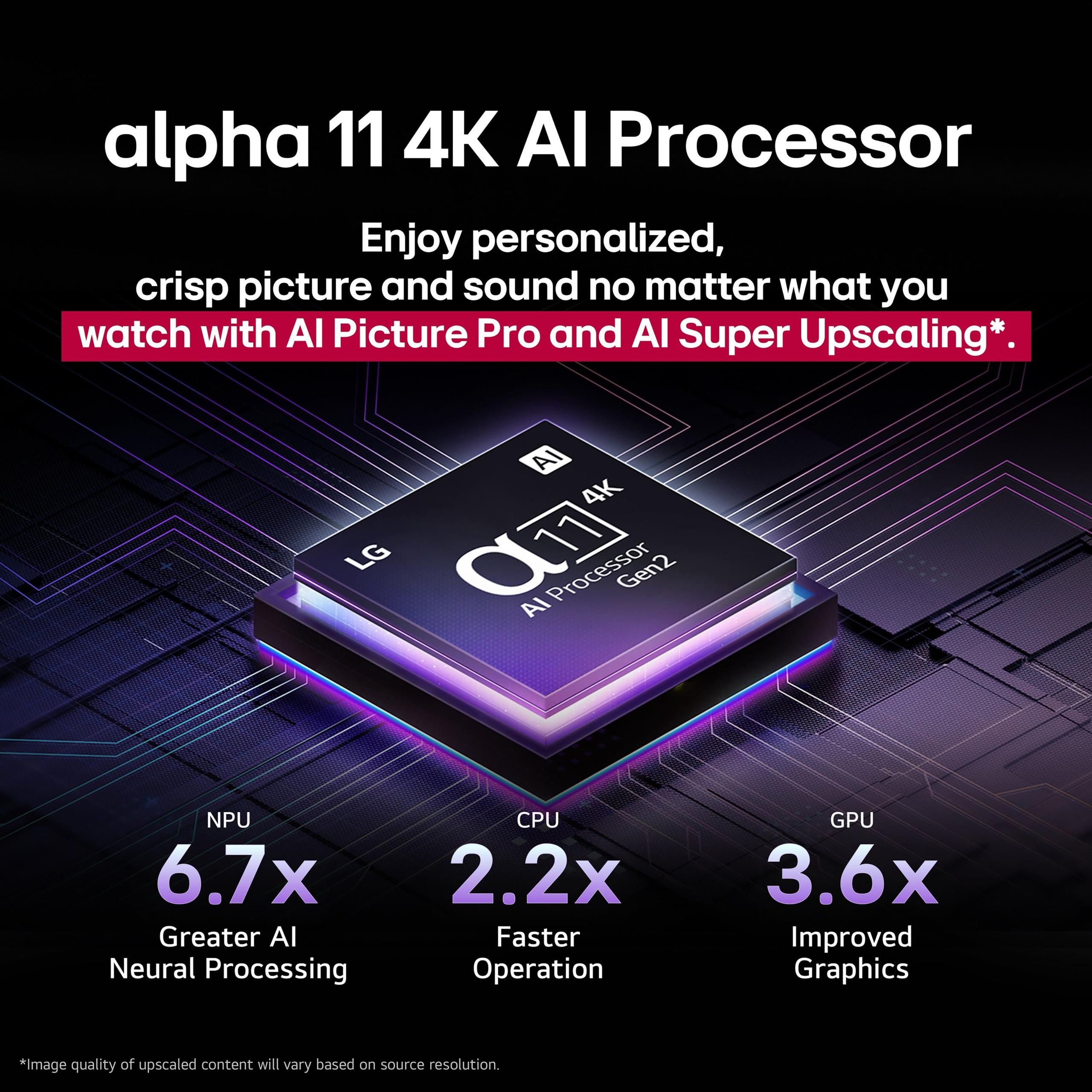
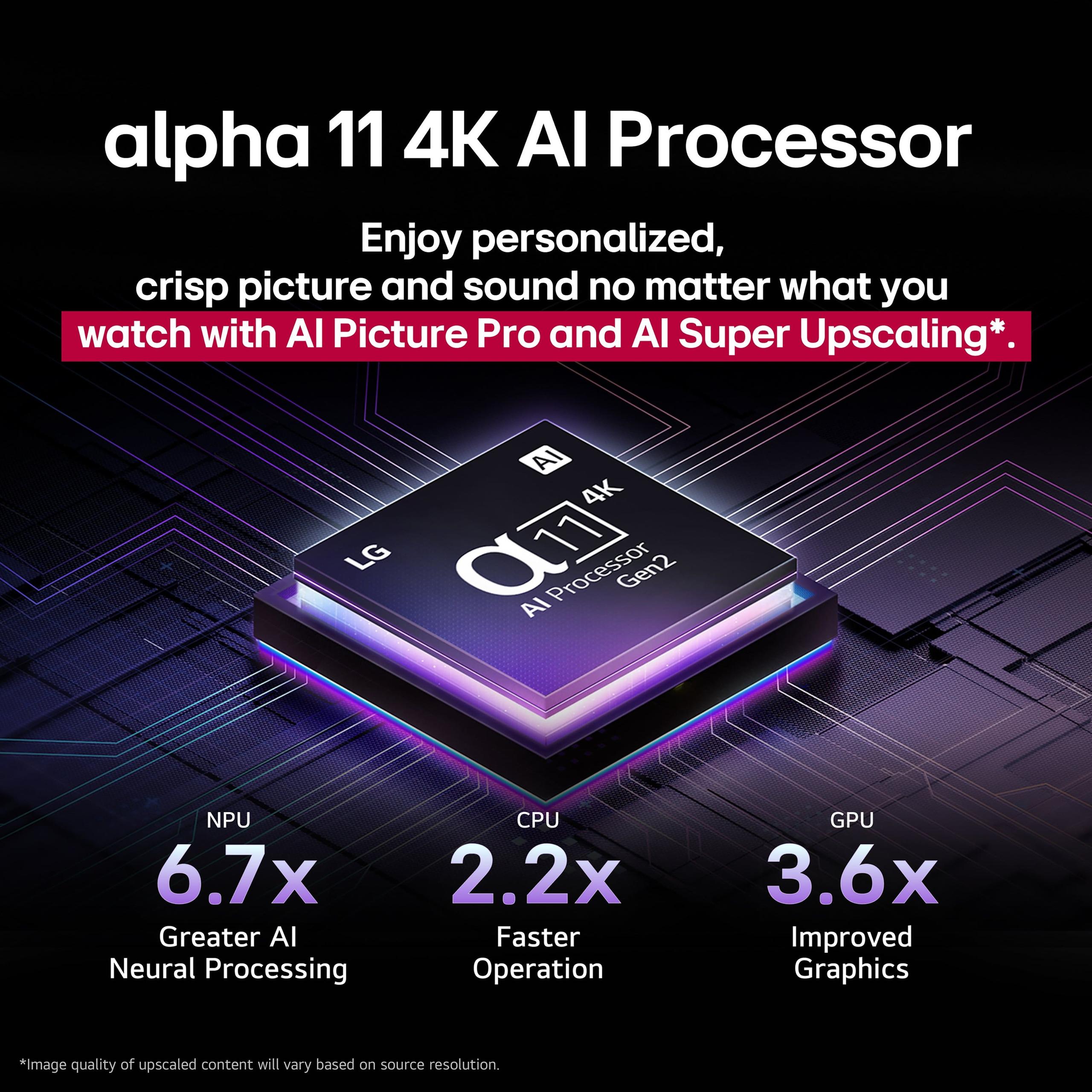
| Alpha 11 AI Gen 2 processor | NQ4 AI Gen3 with Vision AI (128 neural networks) |
| Audio System - Built-in sound quality | |
| Dolby Atmos support, WOW Orchestra soundbar compatibility | 70W 4.2.2CH system with Object Tracking Sound (OTS+) |
| Gaming Features - Additional gaming-specific capabilities | |
| VRR, QMS/QMS-VRR, Xbox Game Pass Ultimate integration | AI Auto Game Mode, AMD FreeSync Premium Pro |
| Warranty Coverage - Long-term protection for expensive purchase | |
| 5-year limited panel warranty | Standard warranty with 7-year software support |
| Best For - Primary use case recommendations | |
| Home theaters, Dolby Vision content, comprehensive gaming | Bright rooms, vibrant colors, longer software support |
The Samsung 65" OLED S95F ($3,097.99) is significantly better for bright rooms due to its industry-leading anti-glare coating that's OLED Glare Free certified. While the LG OLED evo G5 65" ($3,196.99) has improved anti-glare performance over previous models, it can't match Samsung's matte coating technology for handling reflections and maintaining image quality in well-lit environments.
The Samsung S95F costs $3,097.99, while the LG G5 is priced at $3,196.99, making the Samsung about $100 less expensive. Both are premium OLED TVs with flagship features, so the price difference is relatively small considering the advanced technology in both models.
Both TVs achieve similar peak brightness levels exceeding 2,000 nits, but they excel in different areas. The LG G5 delivers higher white luminance and more consistent brightness across different content types, while the Samsung S95F excels in color brightness, making colored highlights appear more vibrant. Overall brightness performance is essentially tied between these two models.
No, only the LG OLED evo G5 supports Dolby Vision HDR, which is a significant advantage for premium streaming content from Netflix, Disney+, and Apple TV+. The Samsung S95F supports HDR10 and HDR10+ but lacks Dolby Vision support, which may be a dealbreaker for home theater enthusiasts who prioritize this format.
Both TVs are excellent for gaming with 4K @ 165Hz support and low input lag around 9.2ms. The LG G5 has a slight edge with more comprehensive gaming features including VRR, QMS support, and Xbox Game Pass Ultimate integration across all four HDMI 2.1 ports. The Samsung S95F offers AMD FreeSync Premium Pro certification and AI Auto Game Mode, making both exceptional choices for gamers.
The Samsung S95F offers longer software support with a 7-year update commitment, while the LG G5 provides 5 years of updates through the webOS Renew program. Samsung's longer update timeline means your TV will stay current with streaming services and smart features for a longer period.
The Samsung S95F generally produces more vibrant and saturated colors due to its QD-OLED technology with quantum dots, making it excellent for animated content and nature documentaries. The LG G5 offers more accurate color reproduction that's closer to professional standards, making it better for cinema enthusiasts who prioritize color accuracy over vibrancy.
The LG G5 uses a revolutionary four-stack WOLED technology that layers four organic light-emitting materials for increased brightness, while the Samsung S95F uses QD-OLED technology that combines blue OLED pixels with red and green quantum dots for enhanced color performance. Both are advanced OLED technologies with different strengths.
For dedicated home theater use, the LG OLED evo G5 has advantages including Dolby Vision support, superior performance in dark rooms, and FILMMAKER MODE for cinema-accurate viewing. However, the Samsung S95F might be better for multi-purpose living rooms where complete light control isn't possible due to its superior anti-glare performance.
The LG G5 includes a 5-year limited panel warranty, which is particularly valuable for expensive OLED panels. The Samsung S95F comes with standard warranty coverage but offers the longer 7-year software update commitment. LG's extended panel warranty provides better hardware protection for this significant investment.
The Samsung S95F has more advanced AI processing with its NQ4 AI Gen3 processor powered by 128 neural networks, offering superior content optimization and personalization. The LG G5 runs on the Alpha 11 AI Gen 2 processor with webOS 25, providing excellent smart TV features but less sophisticated AI-driven enhancements compared to Samsung's Vision AI system.
The Samsung S95F at $3,097.99 offers better immediate value with lower pricing, superior anti-glare performance, and longer software support, making it ideal for most living room environments. Choose the LG G5 at $3,196.99 if you prioritize Dolby Vision content, want the most advanced gaming features, or prefer proven WOLED technology with extended panel warranty coverage.
We've done our best to create useful and informative comparisons to help you decide what product to buy. Our research uses advanced automated methods to create this comparison and perfection is not possible - please contact us for corrections or questions. These are the sites we've researched in the creation of this article: bestbuy.com - techradar.com - rtings.com - youtube.com - youtube.com - rtings.com - bestbuy.com - youtube.com - valueelectronics.com - lg.com - audio-videoplus.com - lg.com - lg.com - lg.com - businessinsider.com - tomsguide.com - youtube.com - avsforum.com - zdnet.com - samsung.com - pioneertvandappliance.com - samsung.com - displayspecifications.com - samsung.com

Privacy Policy
Terms and Conditions - Affiliate Policy
Home Security
© Copyright 2008-2026.
11816 Inwood Rd #1211, Dallas, TX 75244