

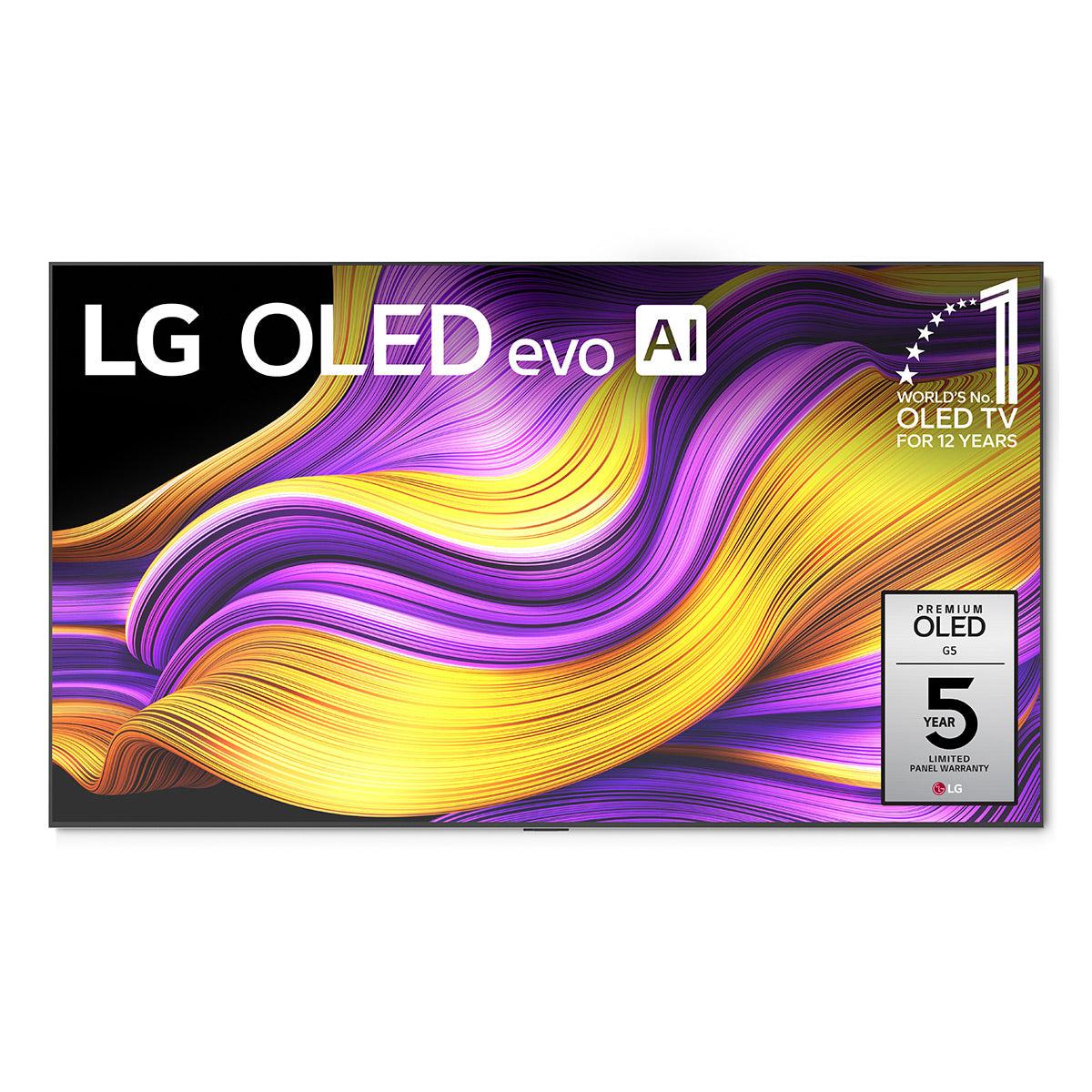
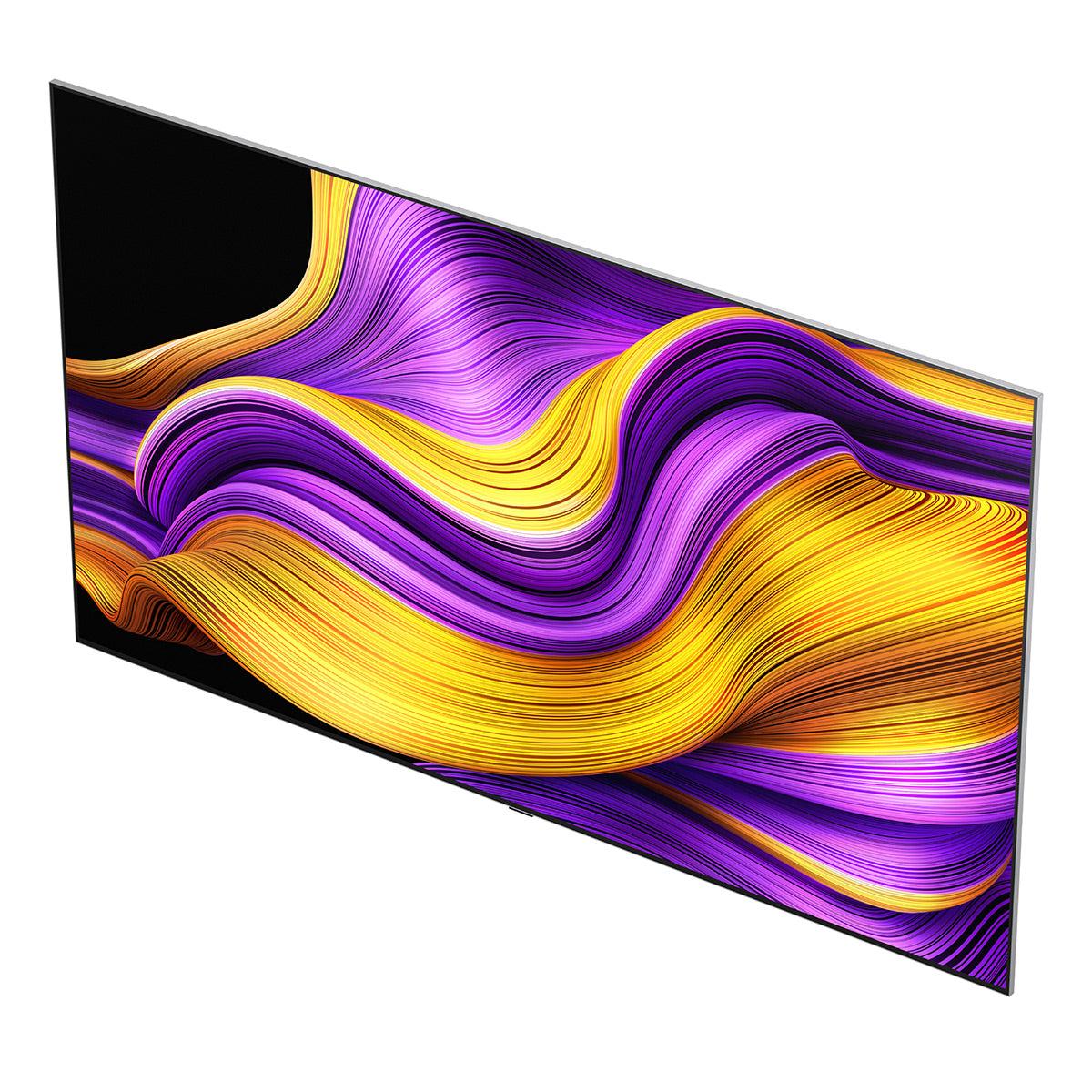
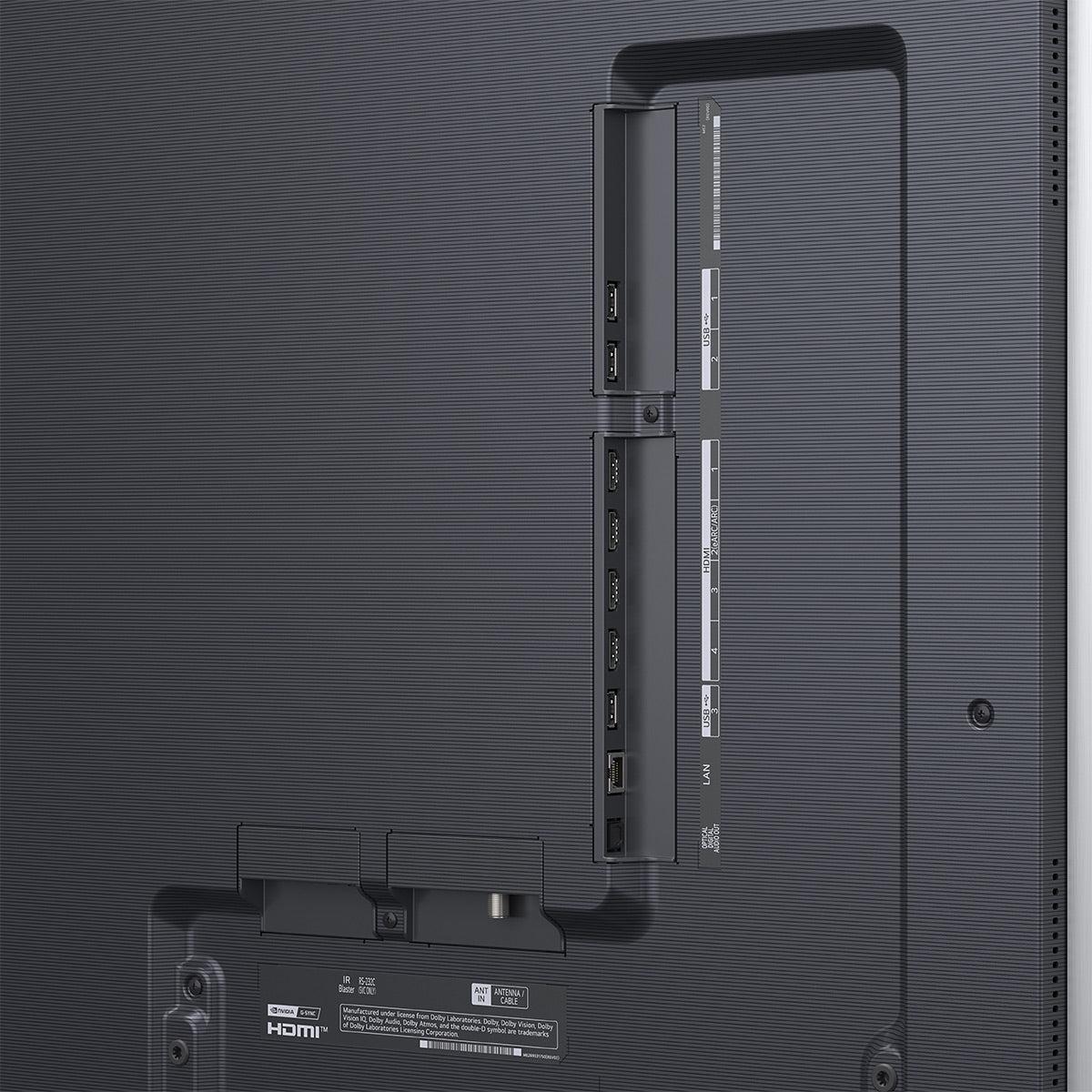
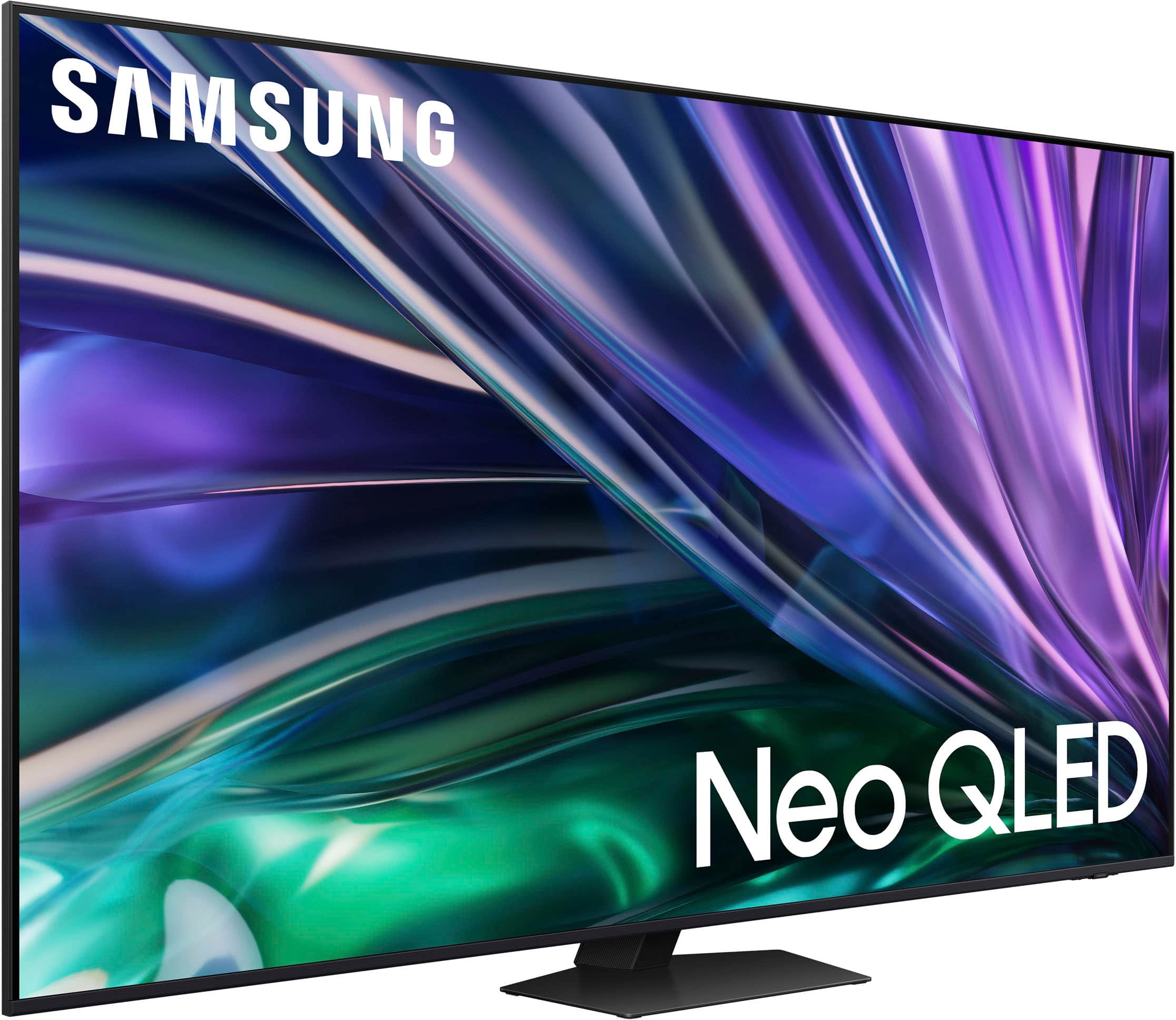

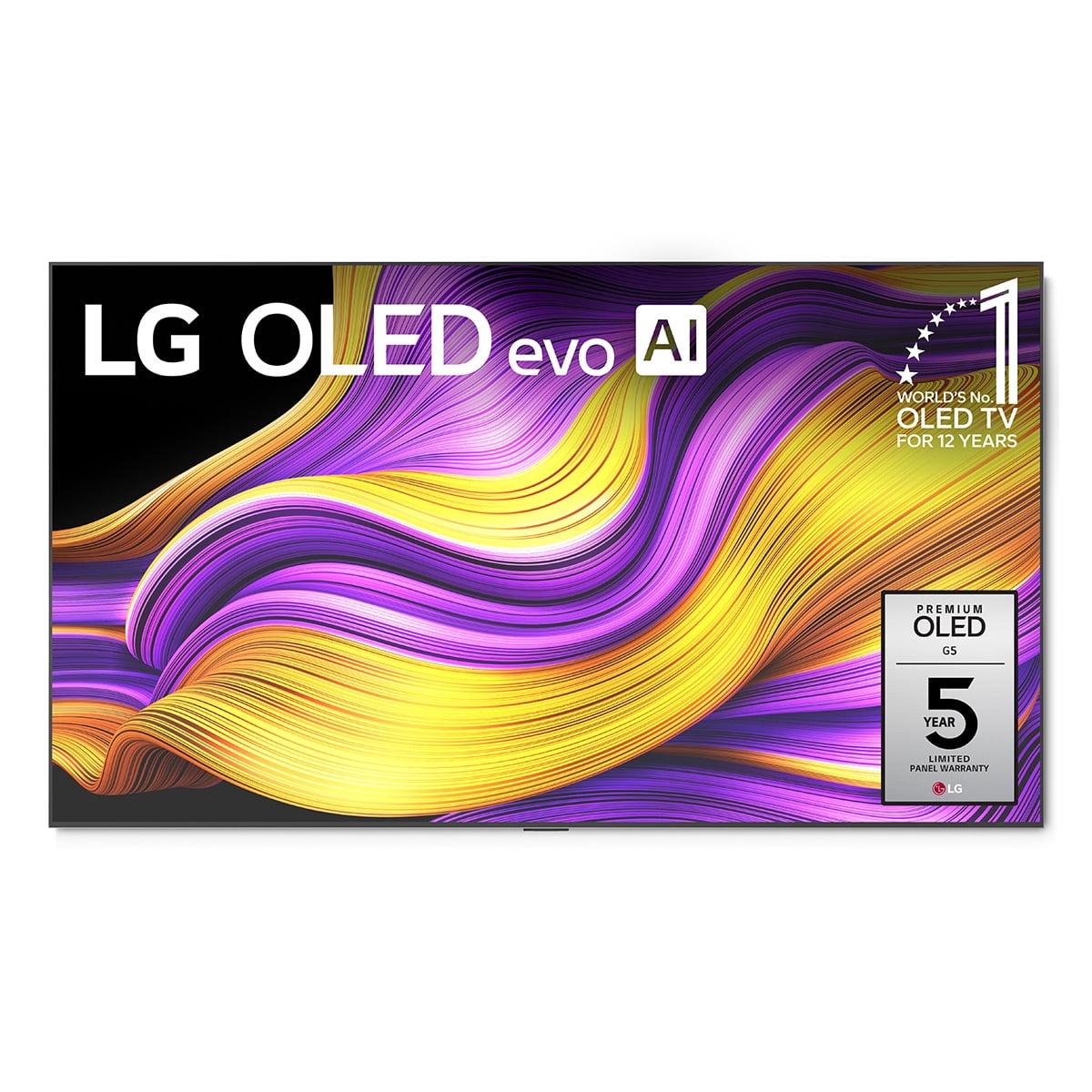
Shopping for a premium 65-inch TV in 2025 means choosing between two fundamentally different approaches to creating stunning pictures. The LG OLED evo G5 65" 4K Smart TV (2025) at $3,197 represents the cutting edge of OLED technology, while the Samsung 65" QN85D Neo QLED 4K Smart TV at $1,798 delivers flagship performance using advanced Mini-LED backlighting. Both launched in early 2025, but they couldn't be more different in how they create the images you see.
Understanding these differences isn't just about specs—it's about finding the TV that works best in your actual living space, with your viewing habits, and within your budget. After spending time with both technologies, I can tell you that each has clear strengths that make them ideal for different situations.
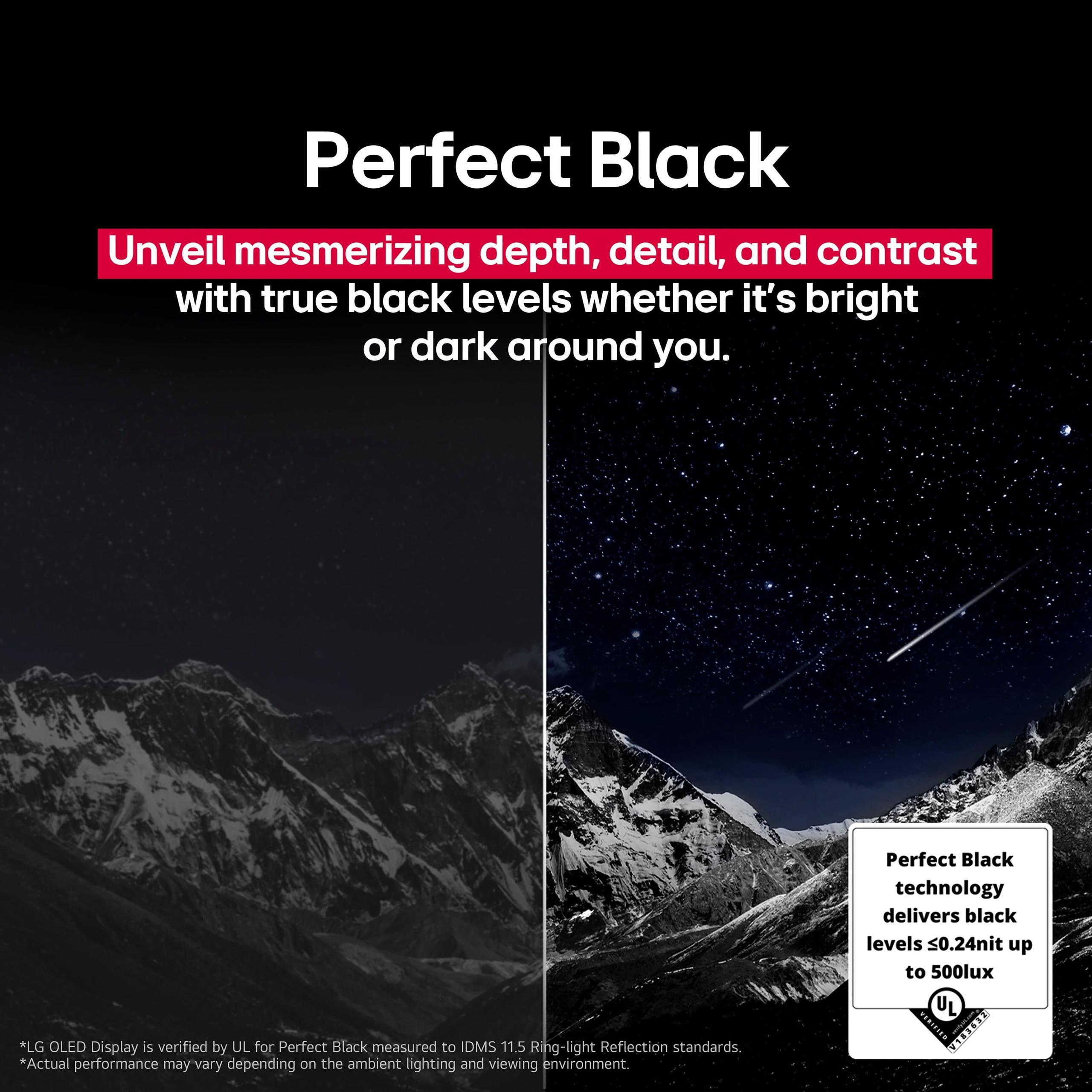
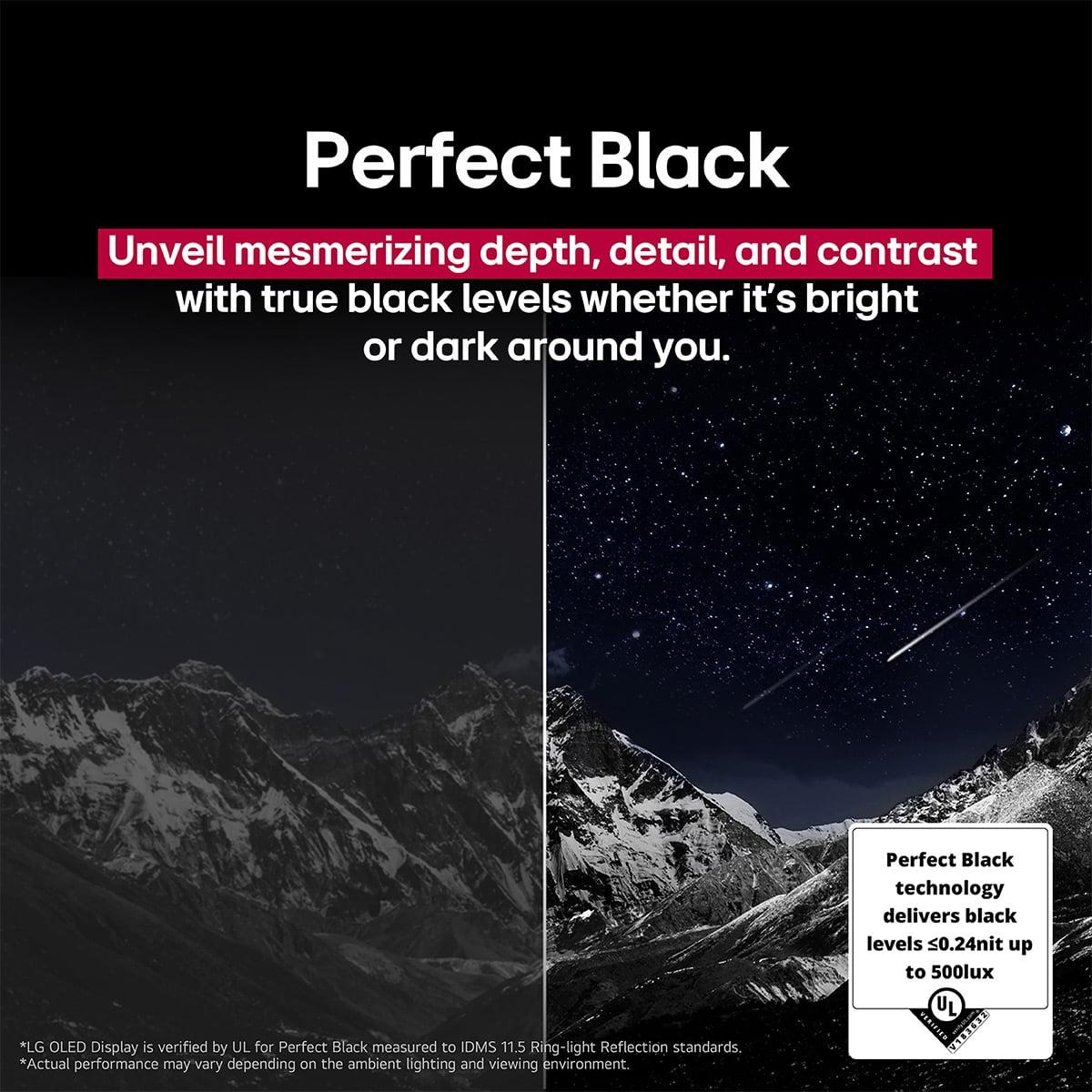
The fundamental difference between these TVs lies in how they create light and color. The LG OLED evo G5 uses millions of organic light-emitting diodes (OLEDs) that can turn completely on or off individually. Think of it like having 8.3 million tiny light bulbs that can each create their own color and brightness level. When a pixel needs to be black, it simply turns off completely, creating what we call "perfect black."
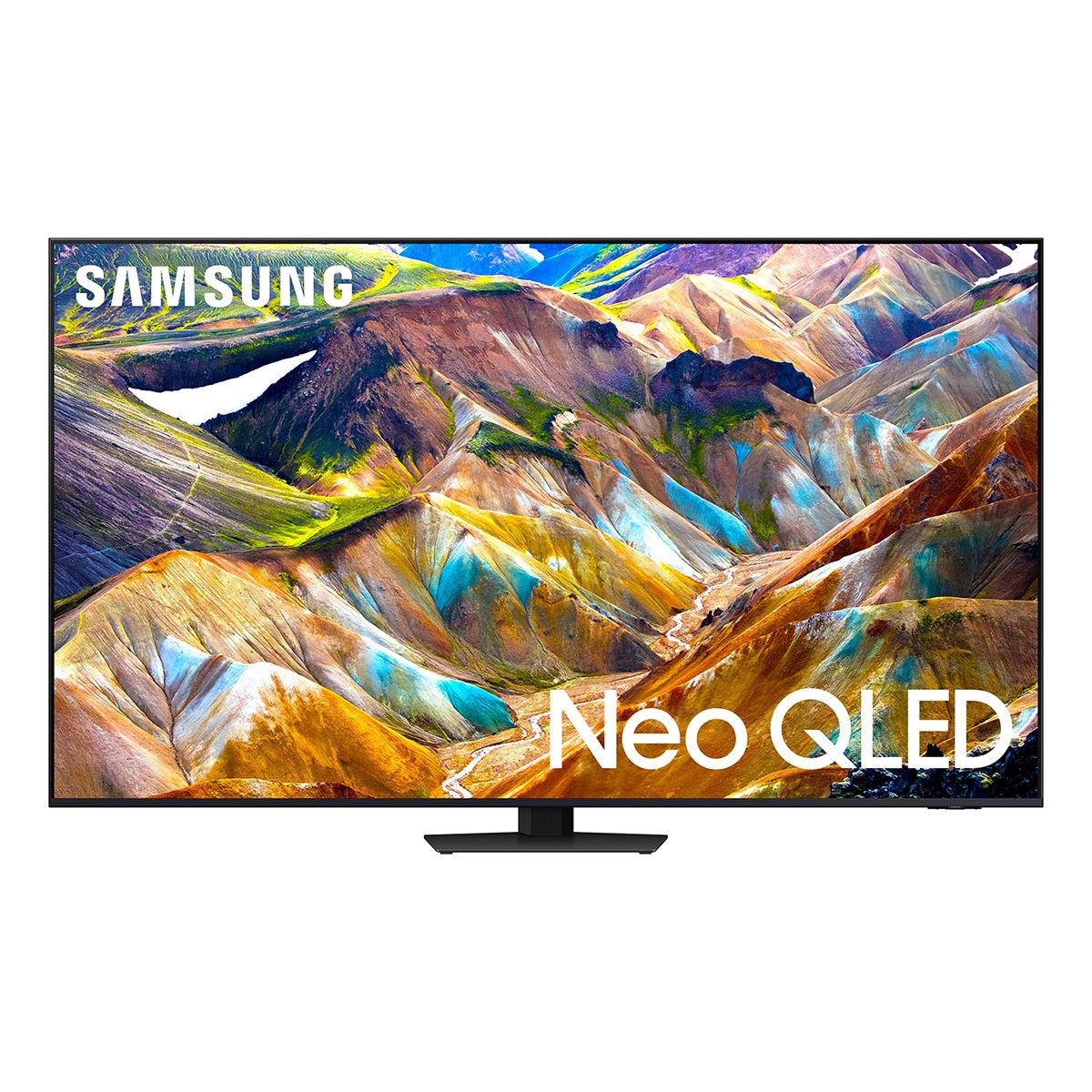
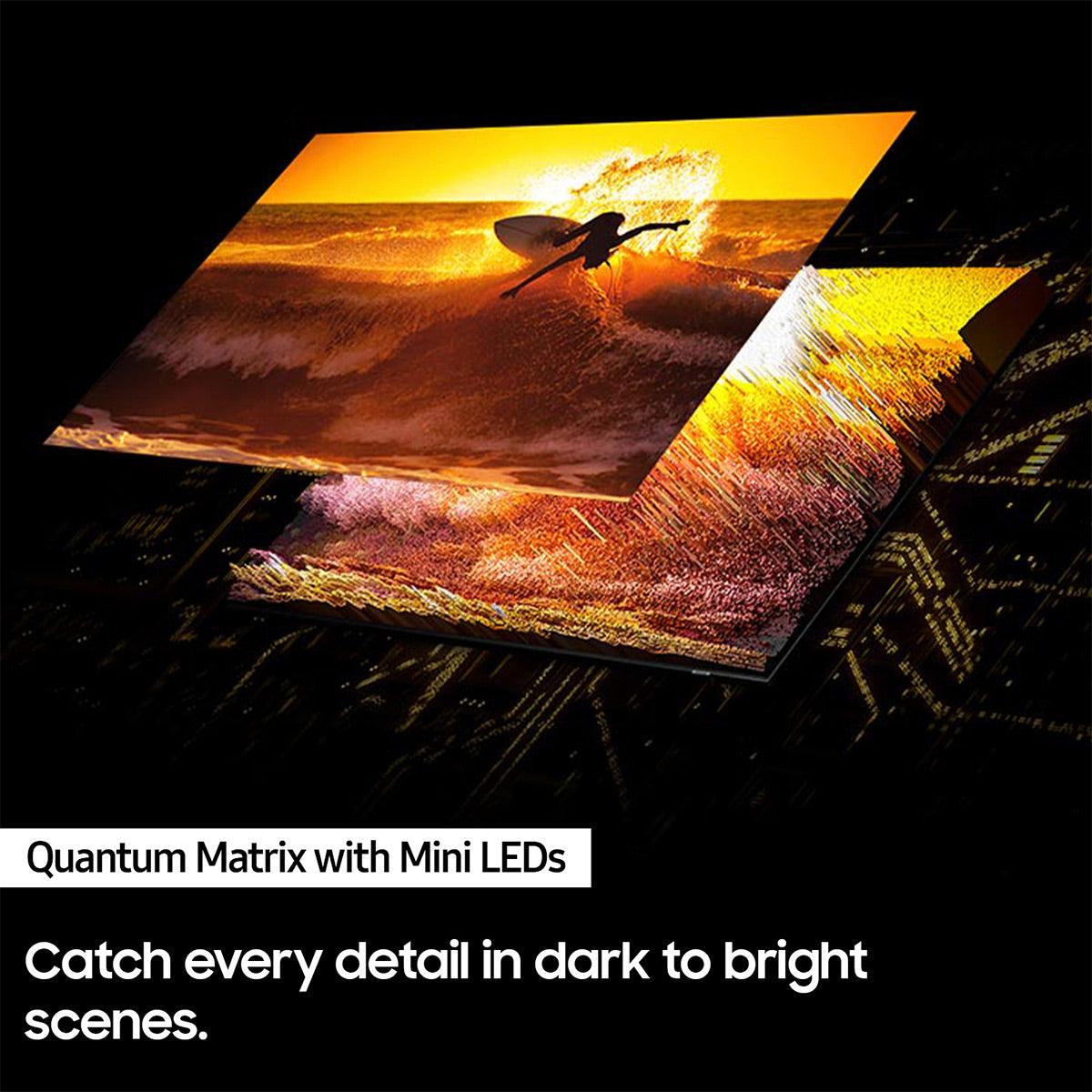
The Samsung QN85D Neo QLED takes a different approach. It uses a traditional LCD panel with quantum dots (tiny particles that enhance color) but backs it with thousands of Mini-LEDs instead of regular LEDs. These Mini-LEDs are much smaller than traditional backlights, allowing for more precise control of brightness in different areas of the screen. While it can't turn individual pixels completely off like OLED, it gets much closer than older LED TVs.
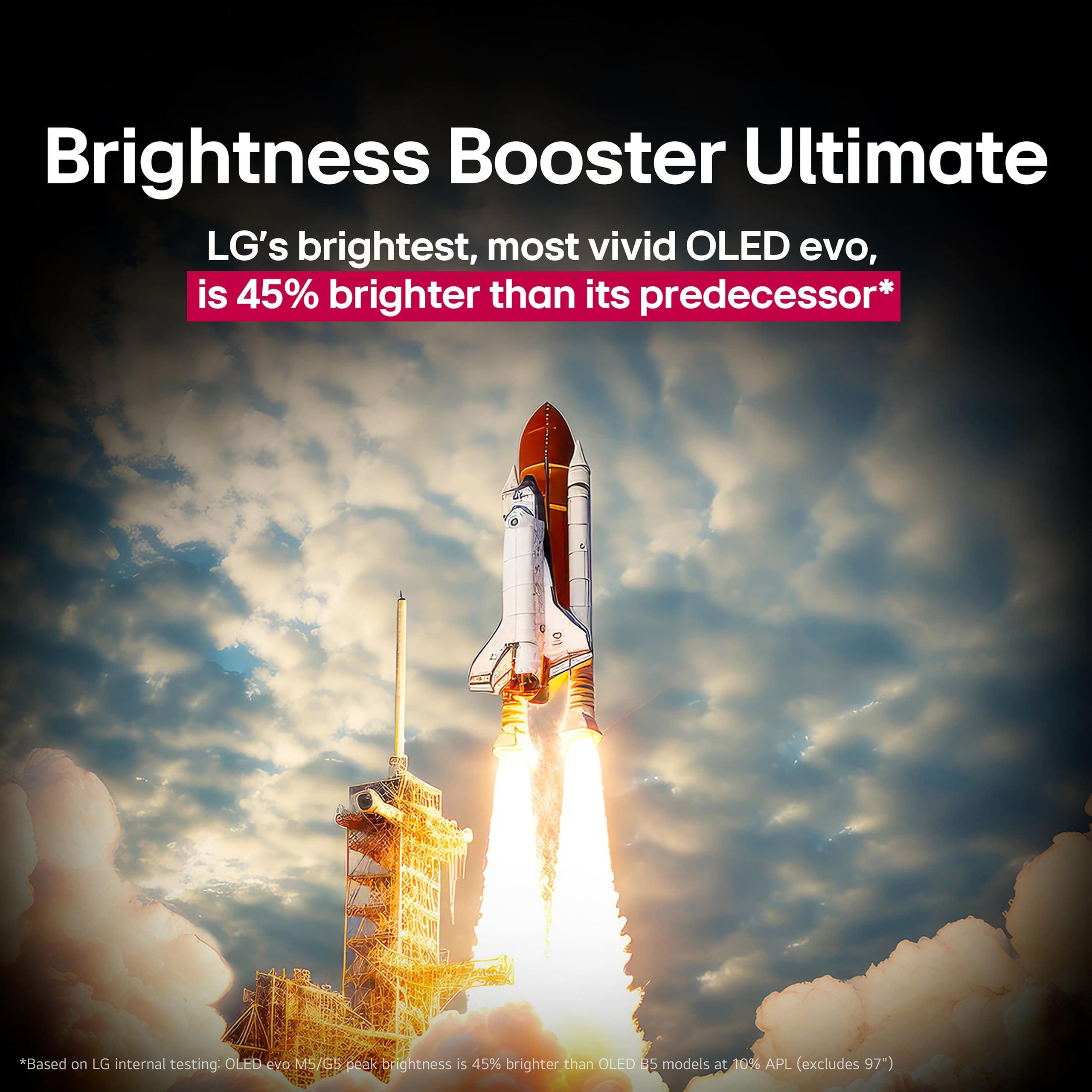
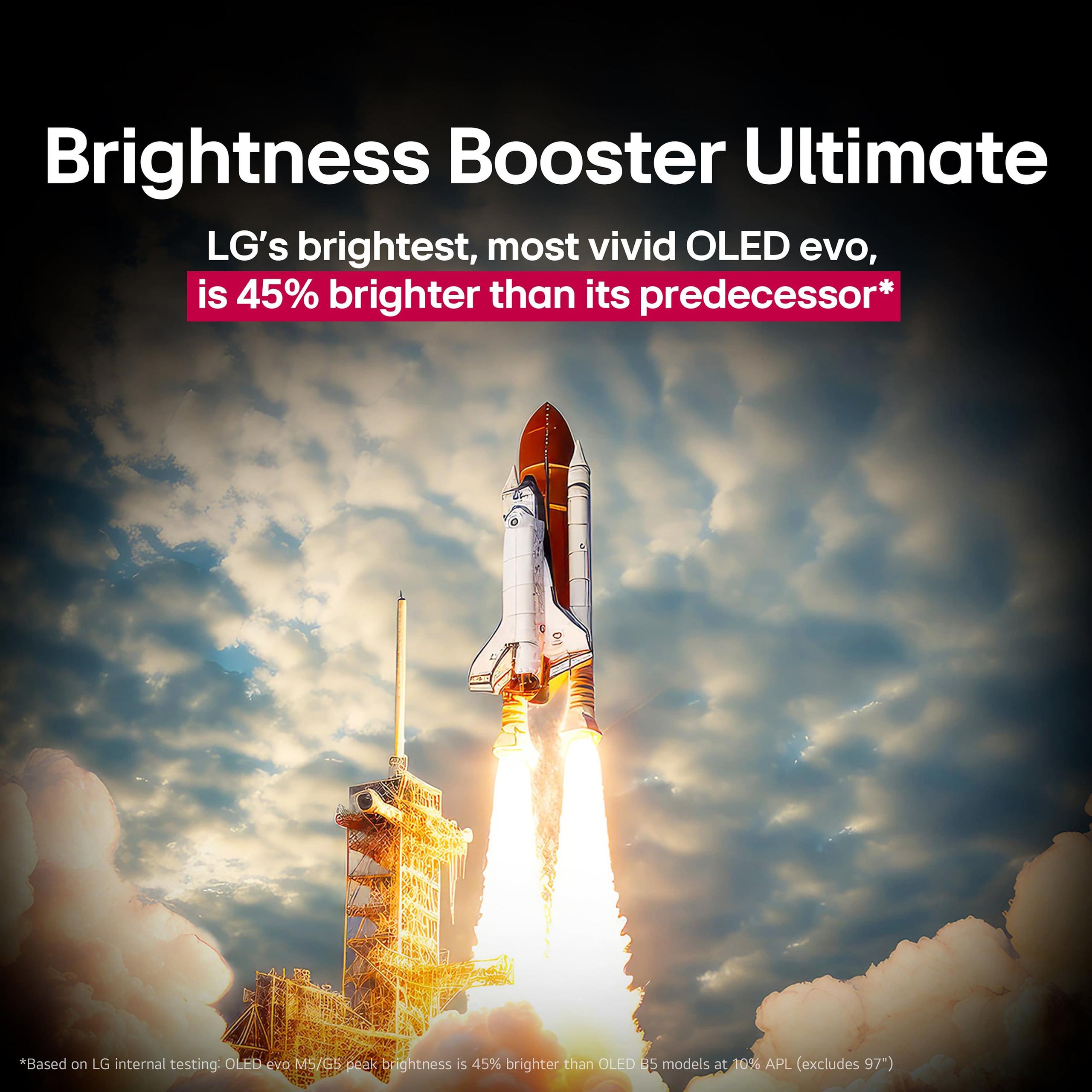
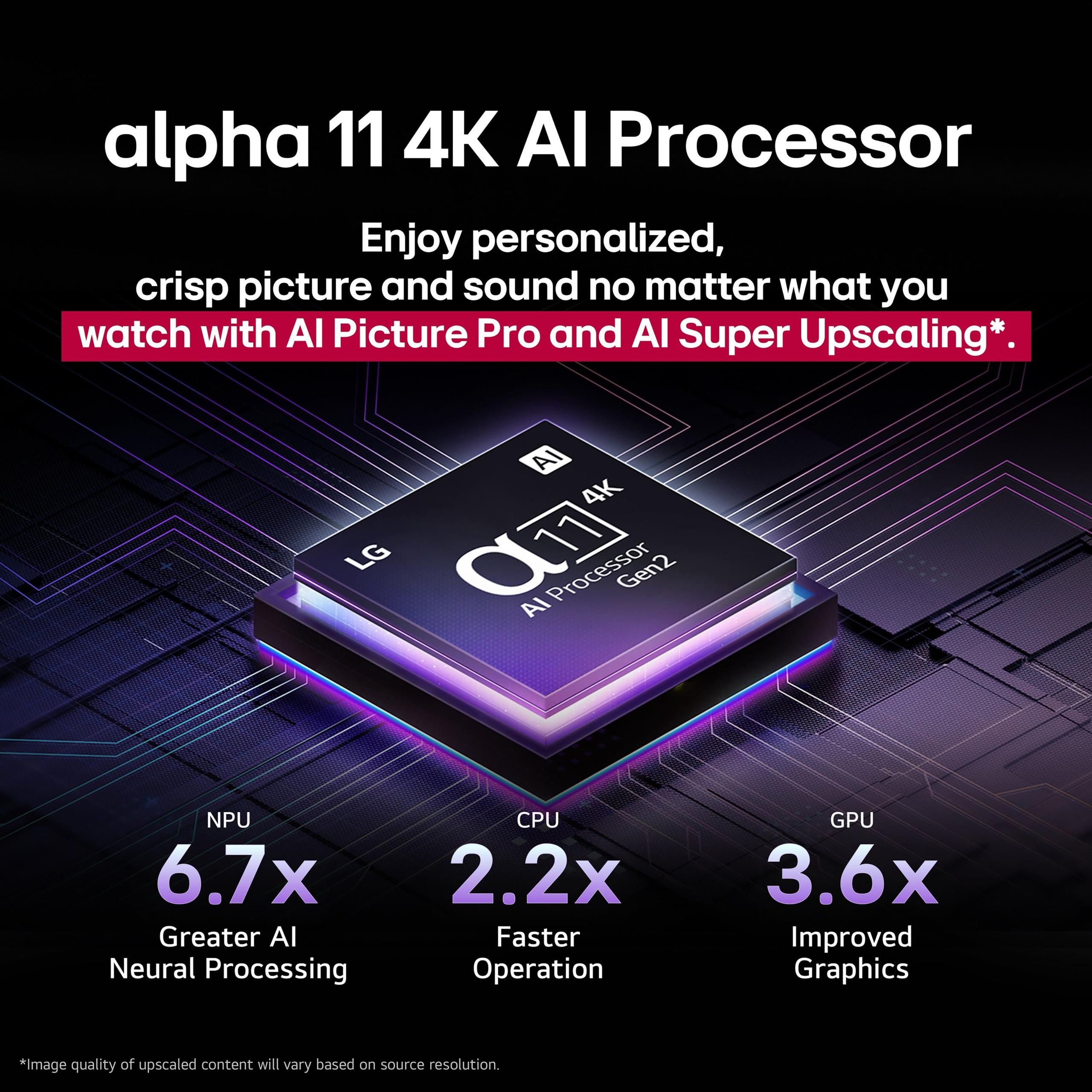
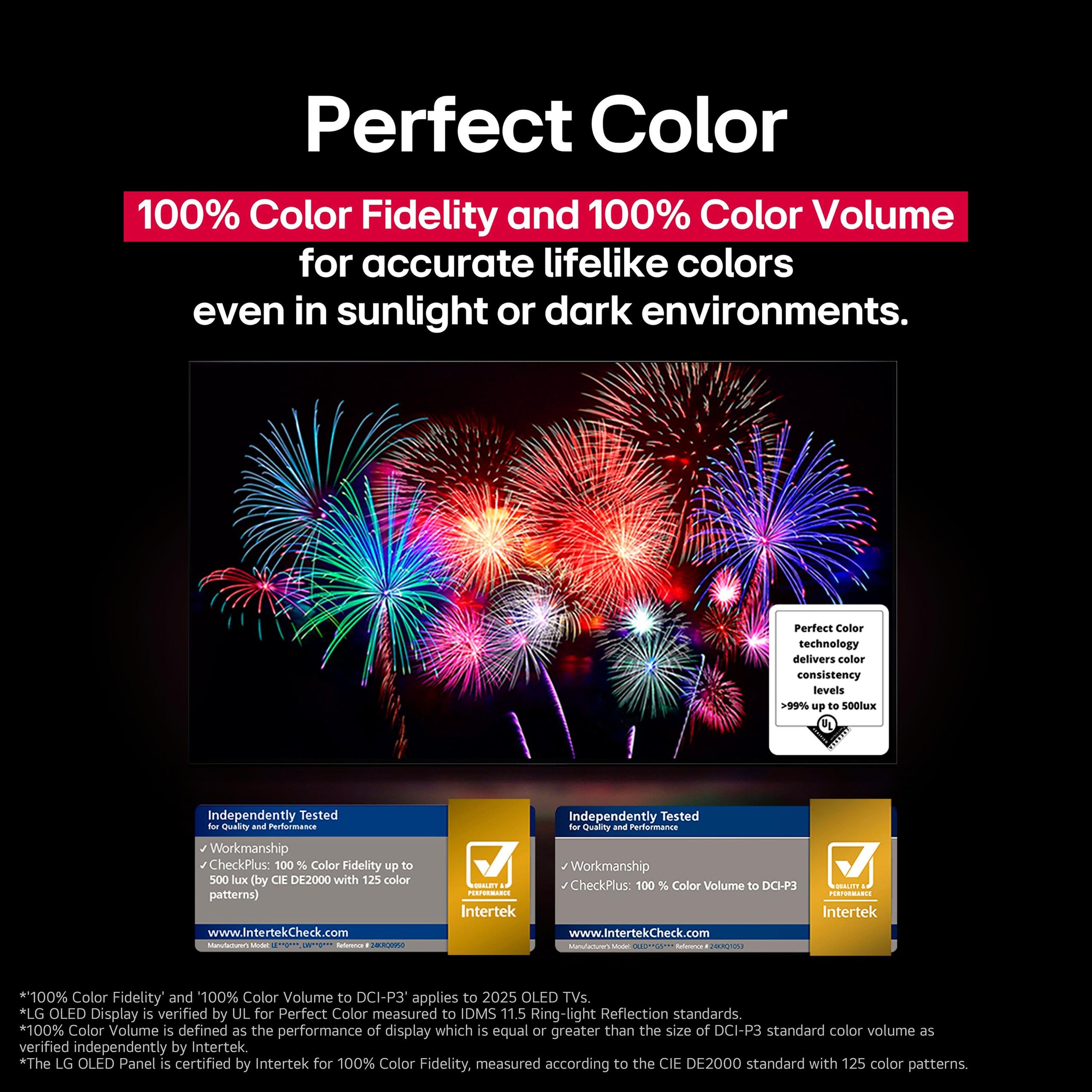
Both technologies have evolved significantly since their predecessors. LG's 2025 G5 features a revolutionary new RGB four-stack OLED panel that's 45% brighter than previous generations—a massive leap that addresses OLED's traditional weakness in bright rooms. Samsung's QN85D benefits from improved Mini-LED density and quantum dot efficiency, pushing peak brightness even higher while maintaining better color accuracy than previous Neo QLED models.

This is where the biggest difference becomes apparent. The LG G5 delivers what I consider the gold standard for contrast. When you're watching a movie like "Dune" with its stark desert landscapes against deep space scenes, the OLED's ability to display true black makes bright elements pop with incredible intensity. There's no light bleeding from one area to another because each pixel controls its own light output.
The Samsung QN85D, while excellent, can't quite match this. Its Mini-LED backlighting creates what's called "local dimming zones"—areas that can be dimmed independently. With thousands of these zones, it gets remarkably close to OLED-level contrast, but you might notice subtle "blooming" where bright objects on dark backgrounds create a slight halo effect. For most content, this isn't noticeable, but eagle-eyed viewers will spot it during credits or in space scenes.
Here's where the tables turn. The Samsung QN85D can reach peak brightness levels around 1,500 nits, compared to the G5's 1,300 nits. While that might not sound like a huge difference, it's significant in practice. If your TV sits opposite a large window or you do most of your viewing during the day, that extra brightness helps maintain color accuracy and contrast even with ambient light washing over the screen.
The LG G5's brightness improvement over previous OLEDs is genuinely impressive. Earlier OLED models often looked washed out in bright rooms, but the G5's new panel structure makes it viable for more lighting situations. Still, if you're dealing with lots of natural light, the Samsung maintains its advantage.
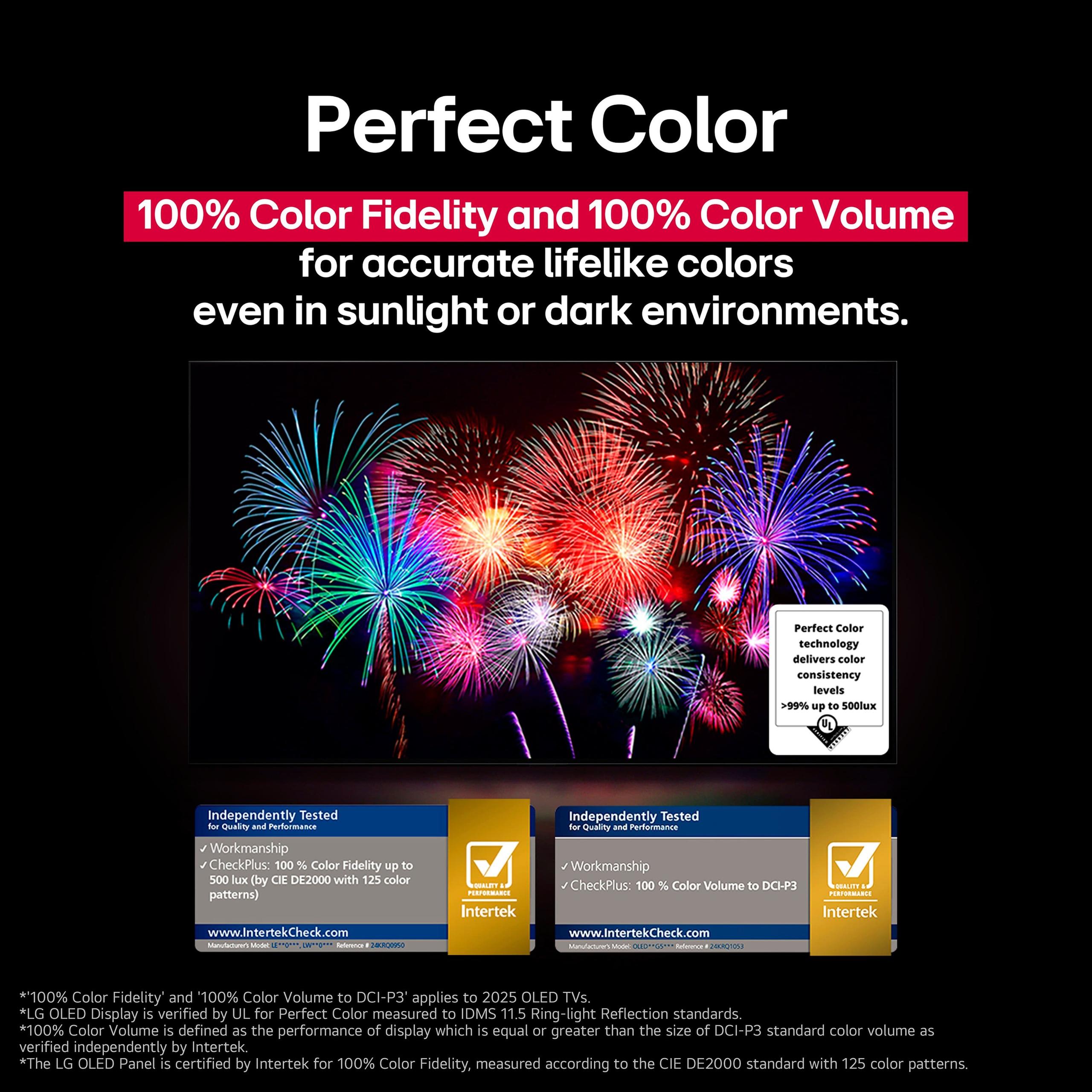
Both TVs excel at color reproduction, but in different ways. The LG G5 focuses on accuracy—colors look exactly as content creators intended. Its new panel structure improves color volume (how bright colors can get while maintaining accuracy), making vibrant scenes in nature documentaries or animated films look more lifelike.
The Samsung QN85D leans toward vibrancy. Its quantum dot technology makes colors pop with extra saturation that many viewers find appealing. Reds look redder, greens more vivid. This can make sports broadcasts and bright, colorful content more engaging, though purists might prefer the LG's more neutral approach.
Gaming has become a crucial consideration for premium TVs, and both models deliver excellent performance with distinct advantages. The LG G5 supports 4K resolution at up to 165Hz refresh rate—a feature that's particularly valuable for PC gamers with high-end graphics cards. This ultra-high refresh rate creates incredibly smooth motion, especially in fast-paced games like first-person shooters or racing simulators.

The response time (how quickly pixels change color) is where OLED technology shines. The G5's sub-1ms response time virtually eliminates motion blur and ghosting, giving competitive gamers a real advantage. Variable Refresh Rate (VRR) technology synchronizes the TV's refresh rate with your gaming console or PC, preventing screen tearing and stuttering.
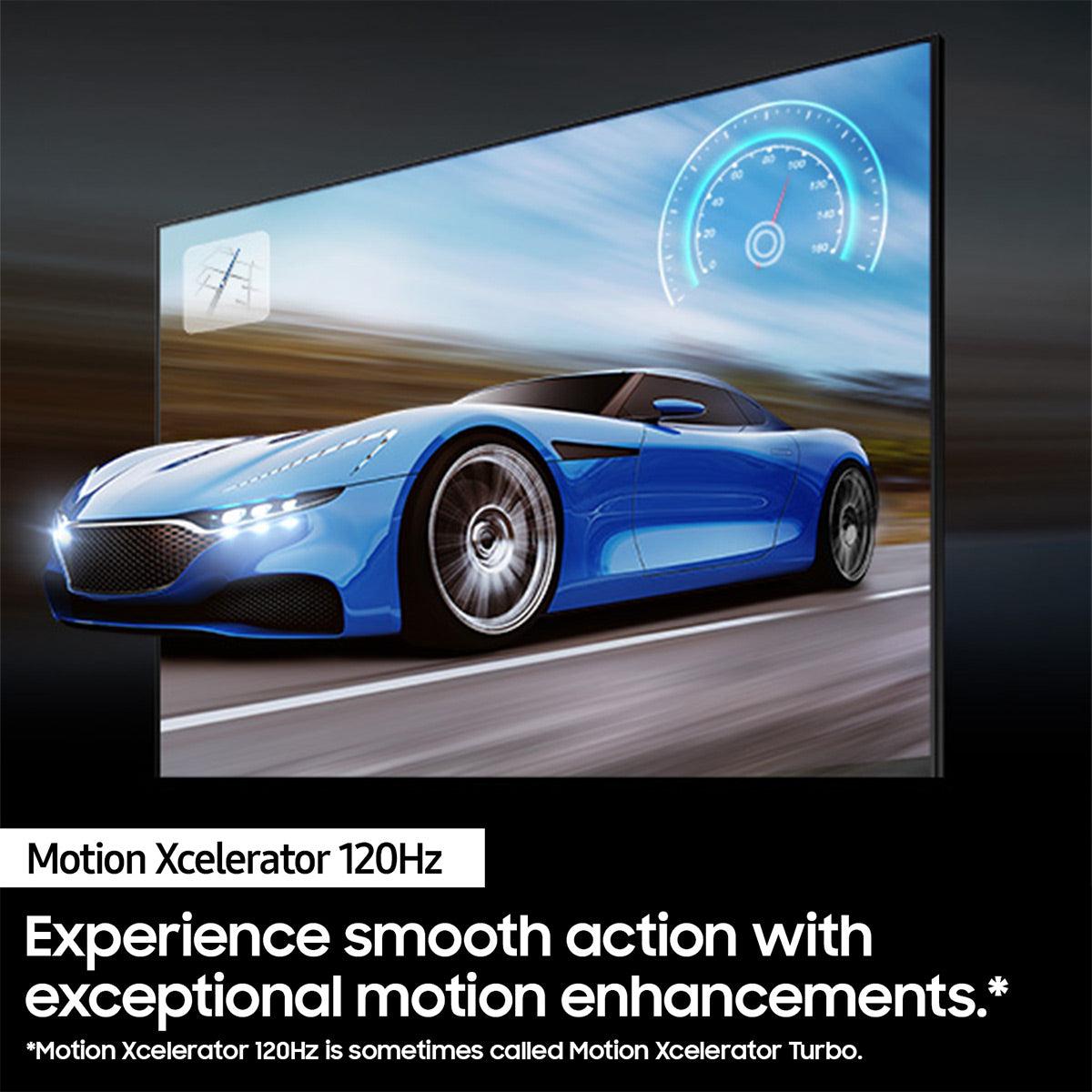
The Samsung QN85D offers 4K at 120Hz, which is still excellent for console gaming and most PC setups. Its higher brightness can be advantageous in bright gaming rooms, and features like Game Bar and Super Ultra Wide Game View provide useful gaming-specific tools. The Mini Map Zoom feature is particularly clever, allowing you to enlarge a small section of the screen—perfect for keeping track of minimaps in strategy games.
Both TVs support Auto Low Latency Mode (ALLM), which automatically switches to game mode when it detects a gaming console, reducing input lag without manual intervention.
The smart TV experience has become increasingly important as streaming dominates our viewing habits. The LG G5 runs webOS 25, which LG has refined into a highly customizable but somewhat complex platform. The Magic Remote with its motion controls and AI button provides intuitive navigation, though some users find the interface overwhelming initially.
WebOS's strength lies in its flexibility. Quick Cards let you organize your favorite apps and content, while the AI features learn your viewing habits to suggest content. The promise of five years of software updates through the webOS Renew program provides long-term value, ensuring your TV stays current with new streaming services and features.
The Samsung QN85D uses Tizen OS, which prioritizes simplicity and ease of use. The interface feels more straightforward, with large, clearly labeled sections and intuitive navigation. Samsung TV Plus provides access to hundreds of free channels, while the Gaming Hub consolidates cloud gaming services like Xbox Game Pass.
From my experience, Tizen feels more approachable for family use, while webOS appeals to users who want to customize their experience extensively.
While most premium TV buyers eventually add a soundbar or surround system, the built-in audio quality still matters for everyday viewing. The LG G5 features Dolby Atmos support with WOW Orchestra compatibility, which means it can work seamlessly with LG soundbars to create a more immersive sound experience. The AI Sound Pro feature adjusts audio based on room acoustics and content type.
The Samsung QN85D also supports Dolby Atmos and includes Object Tracking Sound Lite, which attempts to move audio around the screen to match on-screen action. While both TVs' slim profiles limit bass response, Samsung's implementation feels slightly more dynamic for casual viewing.
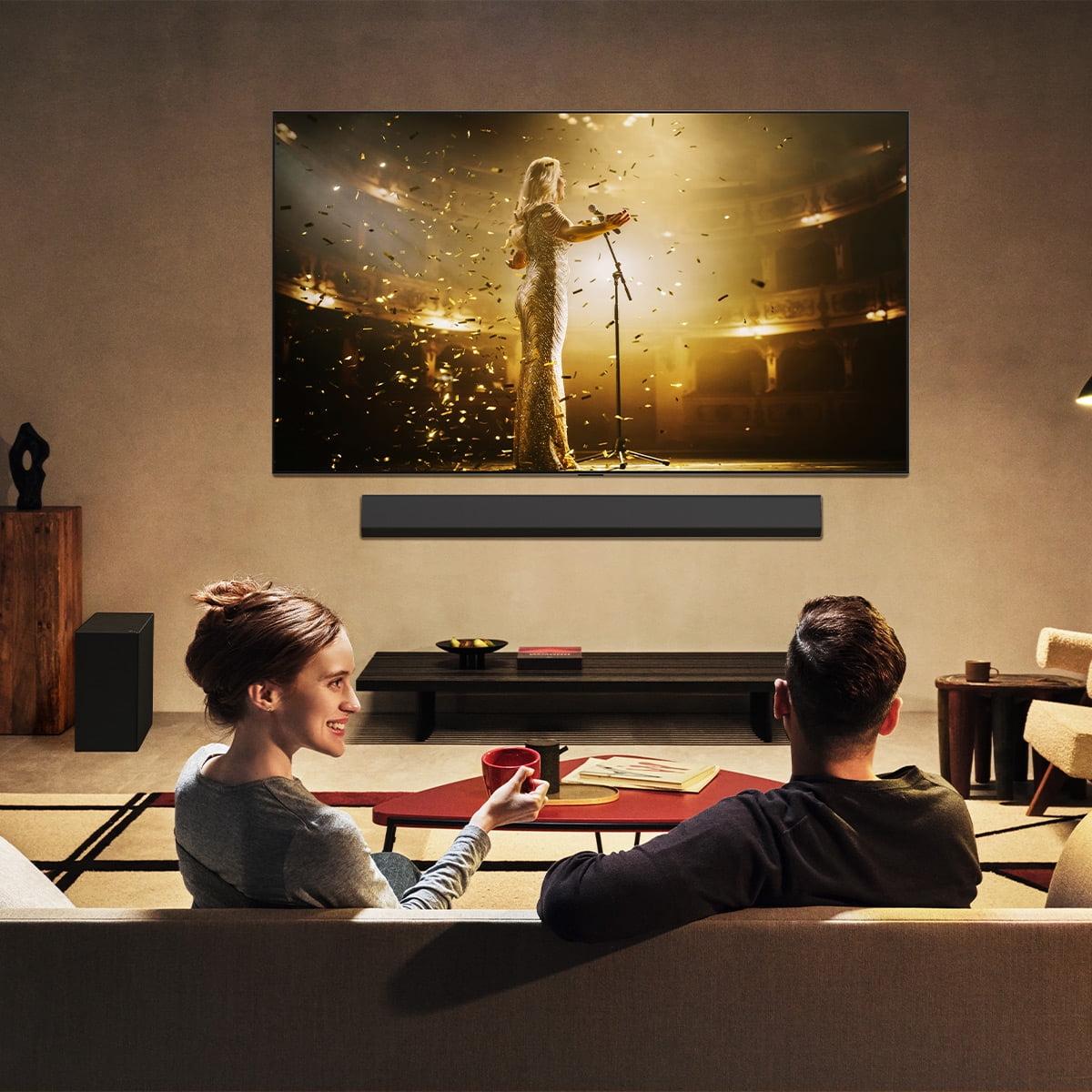
For dedicated home theater setups, the LG G5 has significant advantages. Its perfect black levels create the cinematic experience that movie enthusiasts crave. When you're watching "Blade Runner 2049" in a dark room, the OLED's ability to display deep blacks makes neon signs and city lights appear to glow with realistic intensity.
The G5's FILMMAKER MODE preserves the director's intended color grading and motion settings, while the new Ambient Filmmaker Mode adjusts these settings based on your room's lighting conditions. This attention to cinematic accuracy makes it the preferred choice for serious movie watchers.
The Samsung QN85D can certainly work in a home theater, especially if you haven't fully light-controlled the room. Its superior brightness helps maintain picture quality even with some ambient light, making it more forgiving of imperfect theater setups.
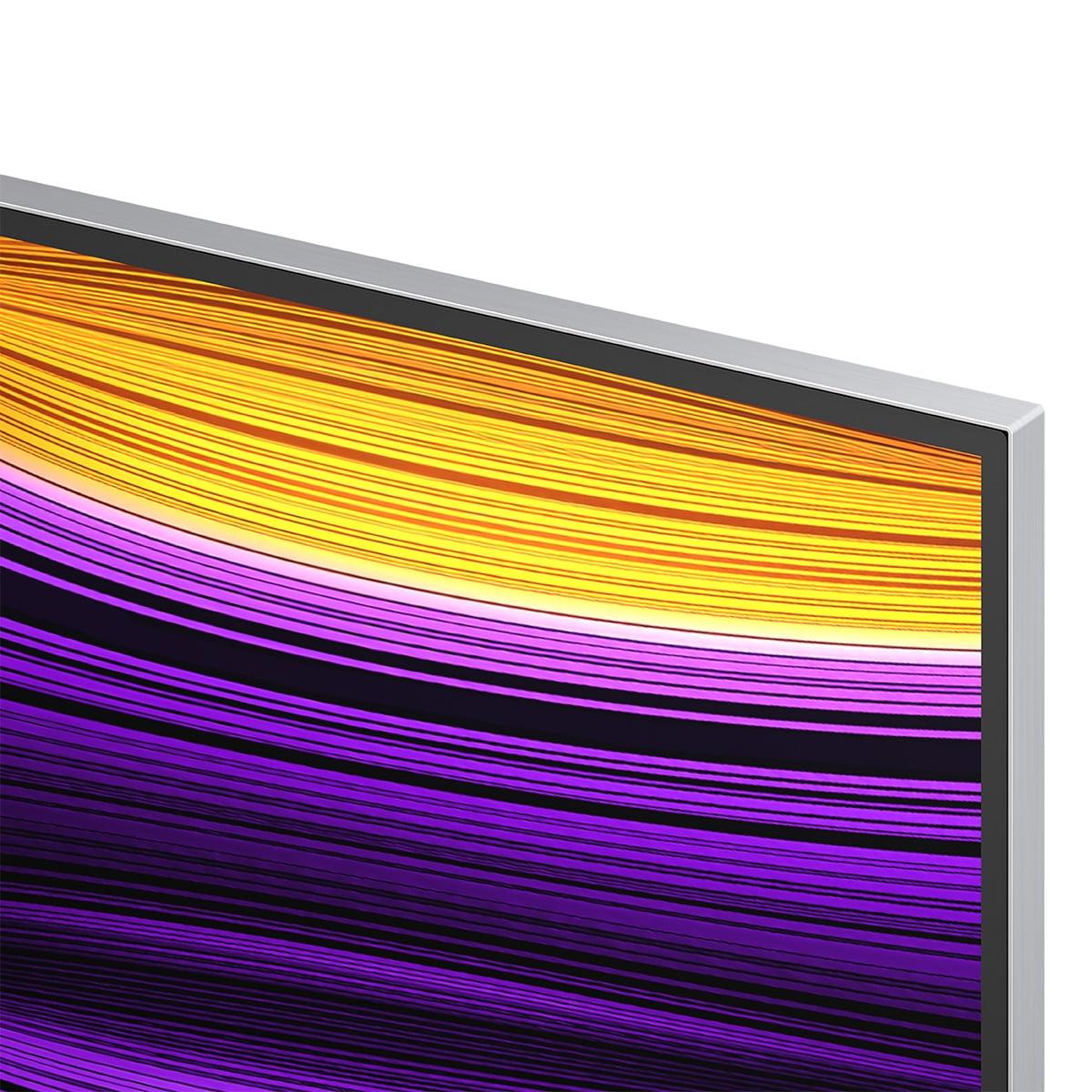
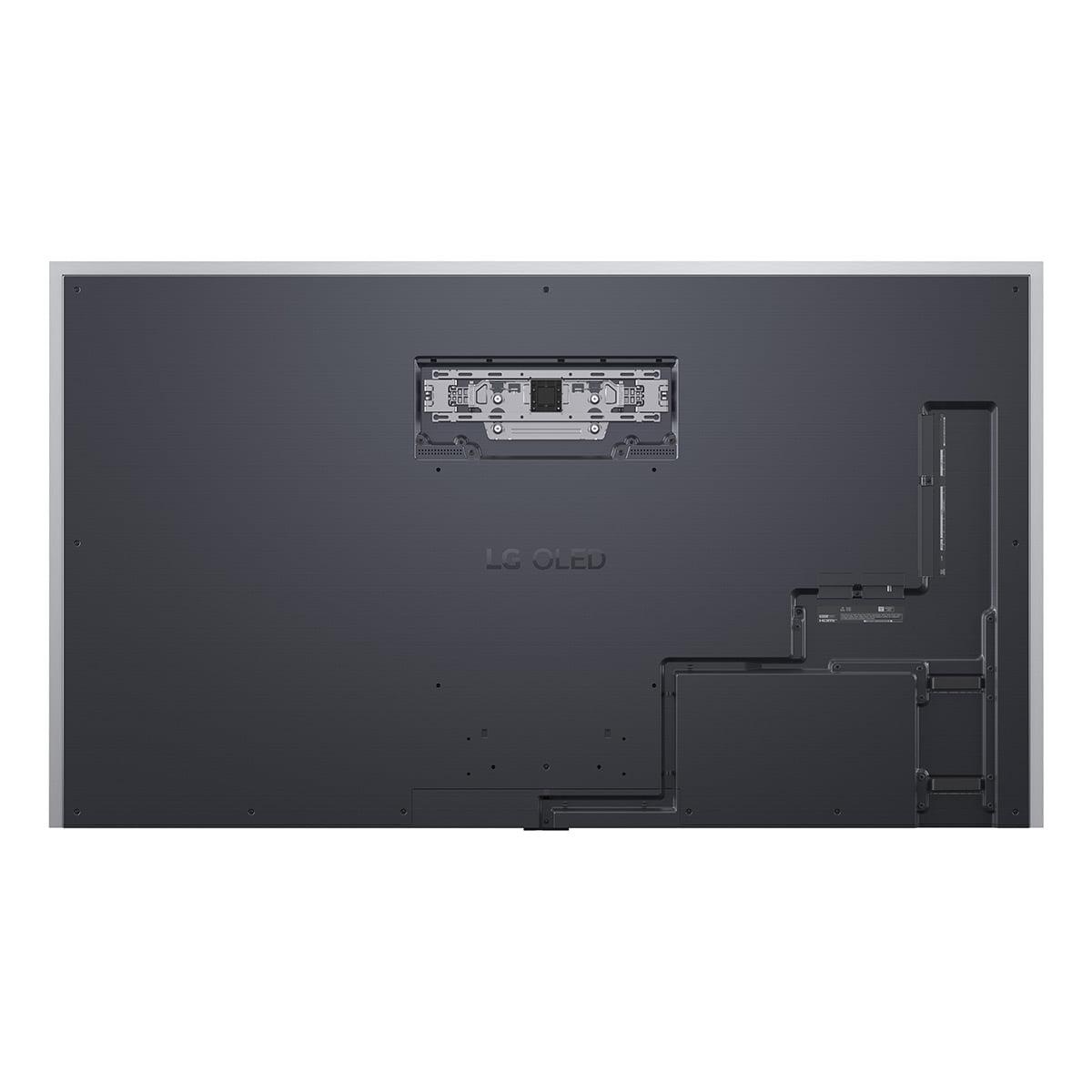
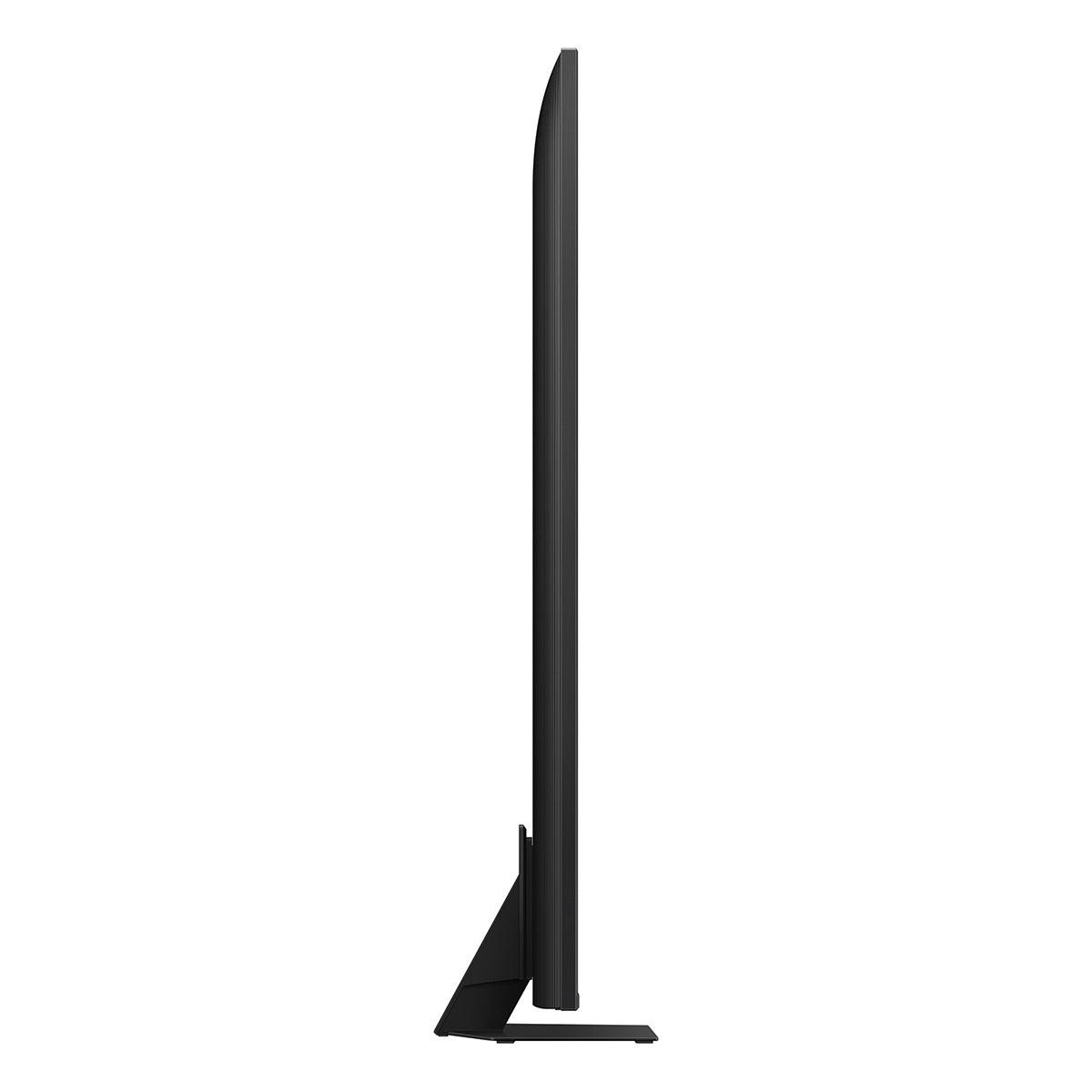
Both TVs demonstrate premium build quality, but with different design philosophies. The LG G5 features what LG calls "Gallery Design"—it's meant to hang flush against the wall like a piece of art. The One Wall Design creates a sleek, minimalist appearance that works particularly well in modern living spaces. When not in use, it can display artwork or photos, blending seamlessly into your decor.
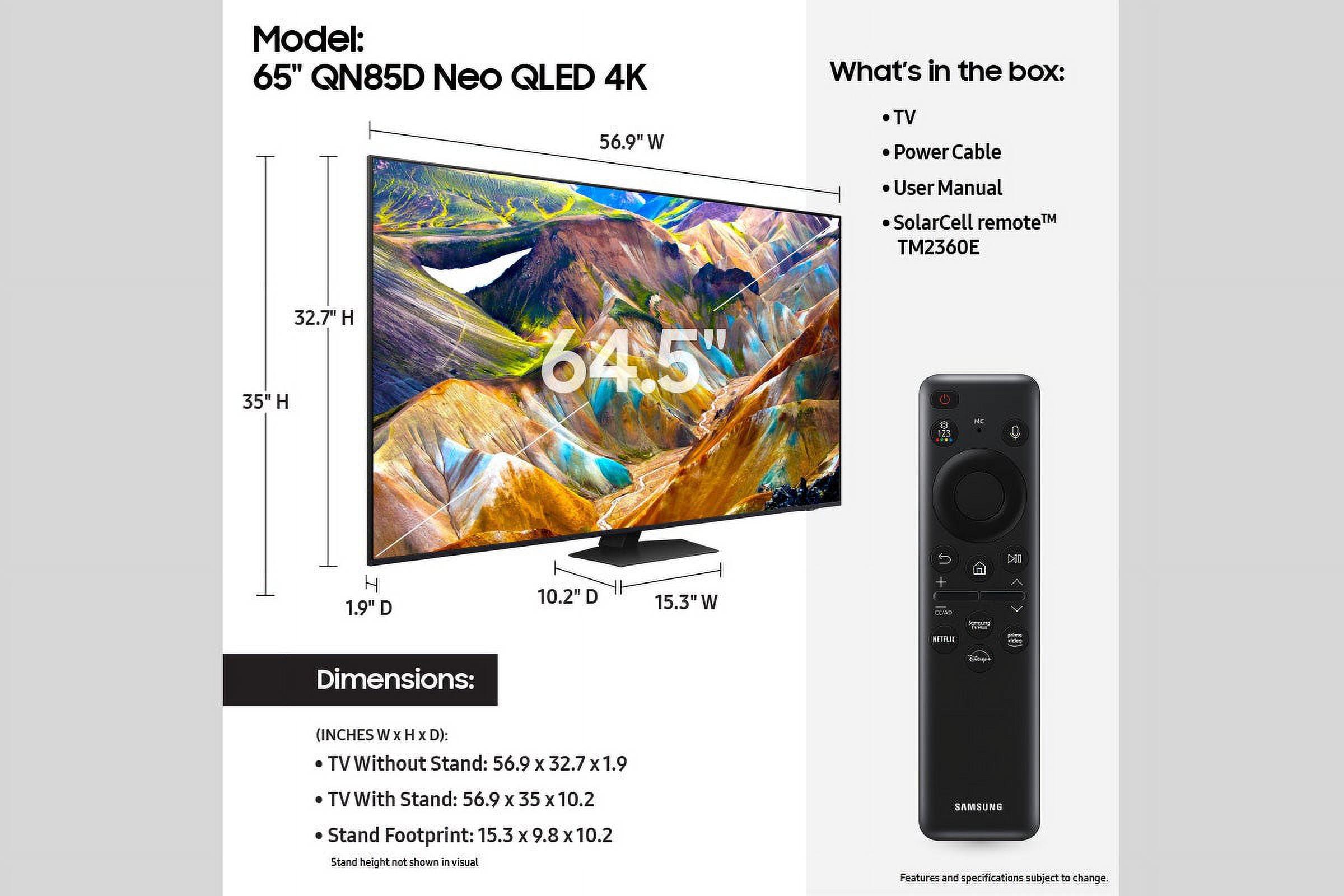
The Samsung QN85D offers a more traditional but still premium design. Its slim profile and quality construction feel substantial without being ostentatious. The included stand is more versatile than LG's gallery-focused approach, working well on a variety of furniture pieces.
At $1,798, the Samsung QN85D represents exceptional value in the premium TV segment. You're getting flagship-level features, excellent picture quality, and strong smart TV capabilities at a price that's accessible to more buyers. The performance gap between it and TVs costing twice as much is smaller than the price difference suggests.
The LG G5 at $3,197 commands a significant premium, but it's justified for buyers who prioritize ultimate picture quality and cutting-edge features. The new OLED panel technology, superior gaming features, and perfect black levels create an experience that's genuinely different from more affordable options.
Choose the LG OLED evo G5 if you're building a dedicated home theater, prioritize perfect picture quality above all else, or you're a serious gamer who wants every possible advantage. Its premium price buys you technology that's genuinely at the cutting edge, with features and performance that justify the cost for enthusiasts.
The Samsung QN85D Neo QLED is the smart choice for most buyers. It delivers 80% of the performance at 56% of the price, making it ideal for bright living rooms, family use, and anyone who wants flagship features without the premium positioning. Its superior brightness and user-friendly interface make it more versatile for everyday use.
Both TVs represent excellent choices within their respective market segments. The decision ultimately comes down to your viewing environment, budget, and how much you value the unique benefits each technology provides. In my experience, both will deliver years of excellent entertainment—it's just a matter of which approach better matches your specific needs and preferences.
| LG OLED evo G5 65" 4K Smart TV 2025 | Samsung 65" QN85D Neo QLED 4K Smart TV |
|---|---|
| Price - Significant cost difference for premium features | |
| $3,197 (premium positioning) | $1,798 (excellent value for flagship features) |
| Display Technology - Fundamental difference in how images are created | |
| OLED with new RGB four-stack panel (self-lit pixels) | Mini-LED QLED with Quantum Dots (backlit display) |
| Peak Brightness - Critical for bright room viewing | |
| ~1,300 nits (45% brighter than previous OLEDs) | ~1,500 nits (excellent for daytime viewing) |
| Black Levels - Essential for contrast and movie watching | |
| Perfect blacks with infinite contrast ratio | Excellent but not true black due to backlighting |
| Gaming Refresh Rate - Higher is better for competitive gaming | |
| 4K @ 165Hz (cutting-edge for PC gaming) | 4K @ 120Hz (excellent for console gaming) |
| Smart TV Platform - Affects daily usability | |
| webOS 25 (customizable, 5-year updates guaranteed) | Tizen OS (streamlined, user-friendly interface) |
| Panel Warranty - Important for long-term protection | |
| 5-year limited panel warranty | Standard warranty coverage |
| Power Consumption - Ongoing cost consideration | |
| Lower (OLED efficiency advantage) | Higher (Mini-LED backlighting requires more power) |
| Burn-in Risk - Potential long-term concern | |
| Minimal with modern protection (theoretical risk) | None (no burn-in possibility) |
| Best Use Case - Where each TV excels | |
| Dark rooms, home theaters, movie enthusiasts | Bright rooms, family viewing, value-conscious buyers |
The Samsung 65" QN85D Neo QLED 4K Smart TV is better for bright rooms with its 1,500 nits peak brightness and superior anti-reflective coating. While the LG OLED evo G5 65" 4K Smart TV 2025 is 45% brighter than previous OLEDs at 1,300 nits, it still can't match the Samsung's performance in well-lit environments.
Picture quality depends on your viewing environment. The LG OLED evo G5 65" 4K Smart TV 2025 offers superior contrast with perfect blacks and infinite contrast ratio, making it ideal for dark rooms and movie watching. The Samsung 65" QN85D Neo QLED 4K Smart TV delivers excellent picture quality with higher brightness and vibrant colors, especially in bright rooms.
The LG OLED evo G5 65" 4K Smart TV 2025 costs $3,197, while the Samsung 65" QN85D Neo QLED 4K Smart TV is priced at $1,798. The LG is 78% more expensive, commanding a premium for its OLED technology and advanced features.
The LG OLED evo G5 65" 4K Smart TV 2025 is better for serious gaming with 4K @ 165Hz refresh rate, sub-1ms response time, and Dolby Vision Gaming support. The Samsung 65" QN85D Neo QLED 4K Smart TV offers excellent gaming with 4K @ 120Hz and useful gaming features like Game Bar and Mini Map Zoom.
Both TVs offer excellent smart features but with different approaches. The Samsung 65" QN85D Neo QLED 4K Smart TV uses Tizen OS, which is more user-friendly and intuitive. The LG OLED evo G5 65" 4K Smart TV 2025 runs webOS 25 with more customization options and a 5-year software update guarantee.
The LG OLED evo G5 65" 4K Smart TV 2025 is superior for home theaters due to its perfect black levels, infinite contrast ratio, and FILMMAKER MODE. These features create a more cinematic experience in dark viewing environments. The Samsung 65" QN85D Neo QLED 4K Smart TV can work in home theaters but excels more in mixed lighting conditions.
The LG OLED evo G5 65" 4K Smart TV 2025 has minimal burn-in risk with modern protection features, though it's theoretically possible with extreme usage. The Samsung 65" QN85D Neo QLED 4K Smart TV has no burn-in risk due to its Mini-LED LCD technology, making it worry-free for all viewing patterns.
Both TVs offer premium build quality. The LG OLED evo G5 65" 4K Smart TV 2025 features Gallery Design that mounts flush to the wall and includes a 5-year panel warranty. The Samsung 65" QN85D Neo QLED 4K Smart TV has excellent construction with a more traditional but versatile design and standard warranty coverage.
The Samsung 65" QN85D Neo QLED 4K Smart TV offers better value, delivering 80% of flagship performance at 56% of the premium price. The LG OLED evo G5 65" 4K Smart TV 2025 justifies its premium cost for enthusiasts who prioritize ultimate picture quality and cutting-edge features.
Both TVs support Dolby Atmos, but the LG OLED evo G5 65" 4K Smart TV 2025 has a slight edge with WOW Orchestra soundbar compatibility and AI Sound Pro features. The Samsung 65" QN85D Neo QLED 4K Smart TV offers Object Tracking Sound Lite for dynamic audio movement across the screen.
The LG OLED evo G5 65" 4K Smart TV 2025 uses less power due to OLED's efficiency advantage, as pixels can turn completely off when displaying black. The Samsung 65" QN85D Neo QLED 4K Smart TV consumes more power due to its Mini-LED backlighting system that must remain active.
Choose the LG OLED evo G5 65" 4K Smart TV 2025 if you have a dark viewing room, prioritize perfect picture quality, or are a serious gamer. Choose the Samsung 65" QN85D Neo QLED 4K Smart TV if you have a bright room, want excellent value, prefer user-friendly interfaces, or need worry-free long-term reliability.
We've done our best to create useful and informative comparisons to help you decide what product to buy. Our research uses advanced automated methods to create this comparison and perfection is not possible - please contact us for corrections or questions. These are the sites we've researched in the creation of this article: bestbuy.com - techradar.com - rtings.com - youtube.com - youtube.com - rtings.com - bestbuy.com - youtube.com - valueelectronics.com - lg.com - audio-videoplus.com - lg.com - lg.com - lg.com - videoandaudiocenter.com - shopjetson.com - mysoundconcepts.com - samsung.com - merlinstv.com - youtube.com - samsung.com - samsung.com

Privacy Policy
Terms and Conditions - Affiliate Policy
Home Security
© Copyright 2008-2026.
11816 Inwood Rd #1211, Dallas, TX 75244