

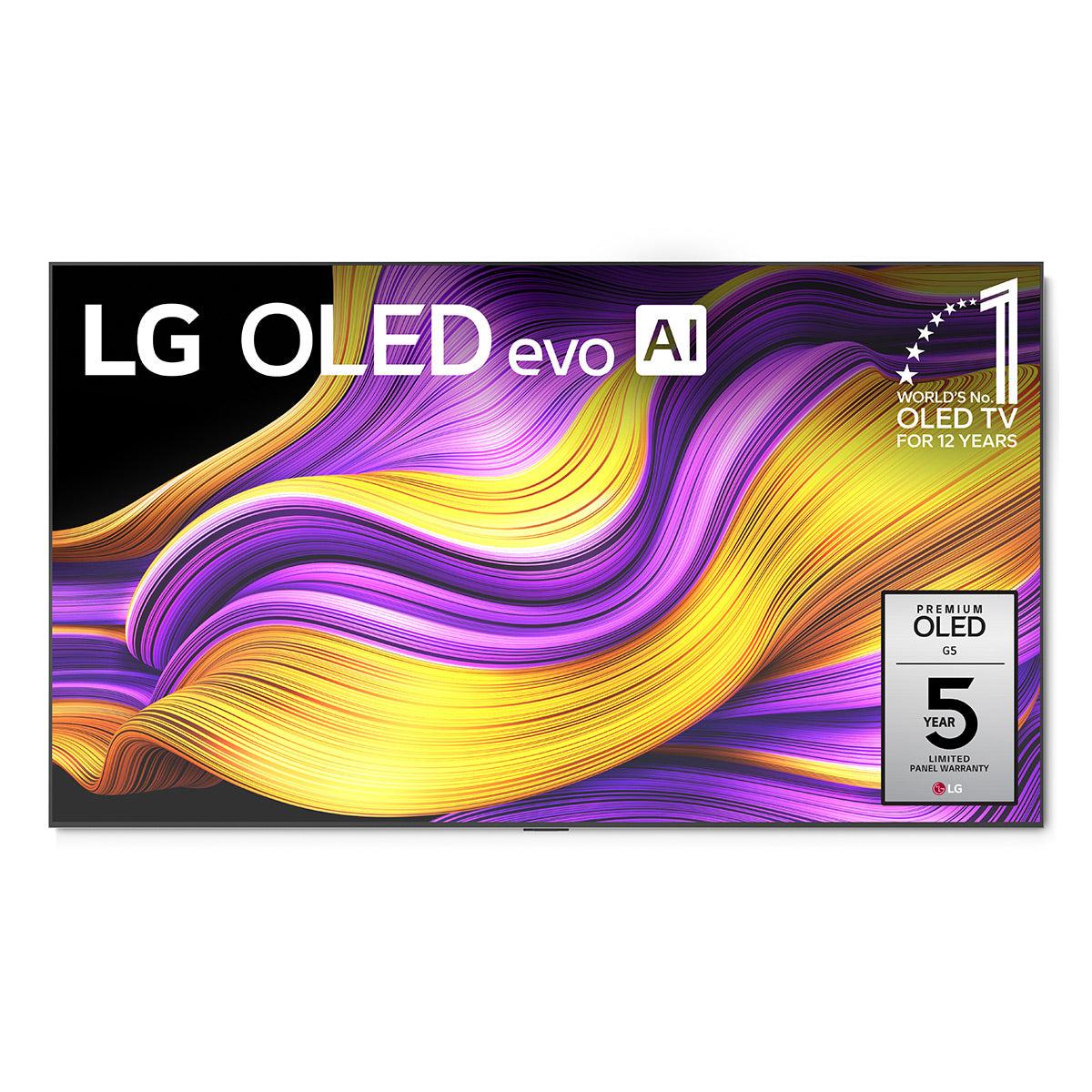
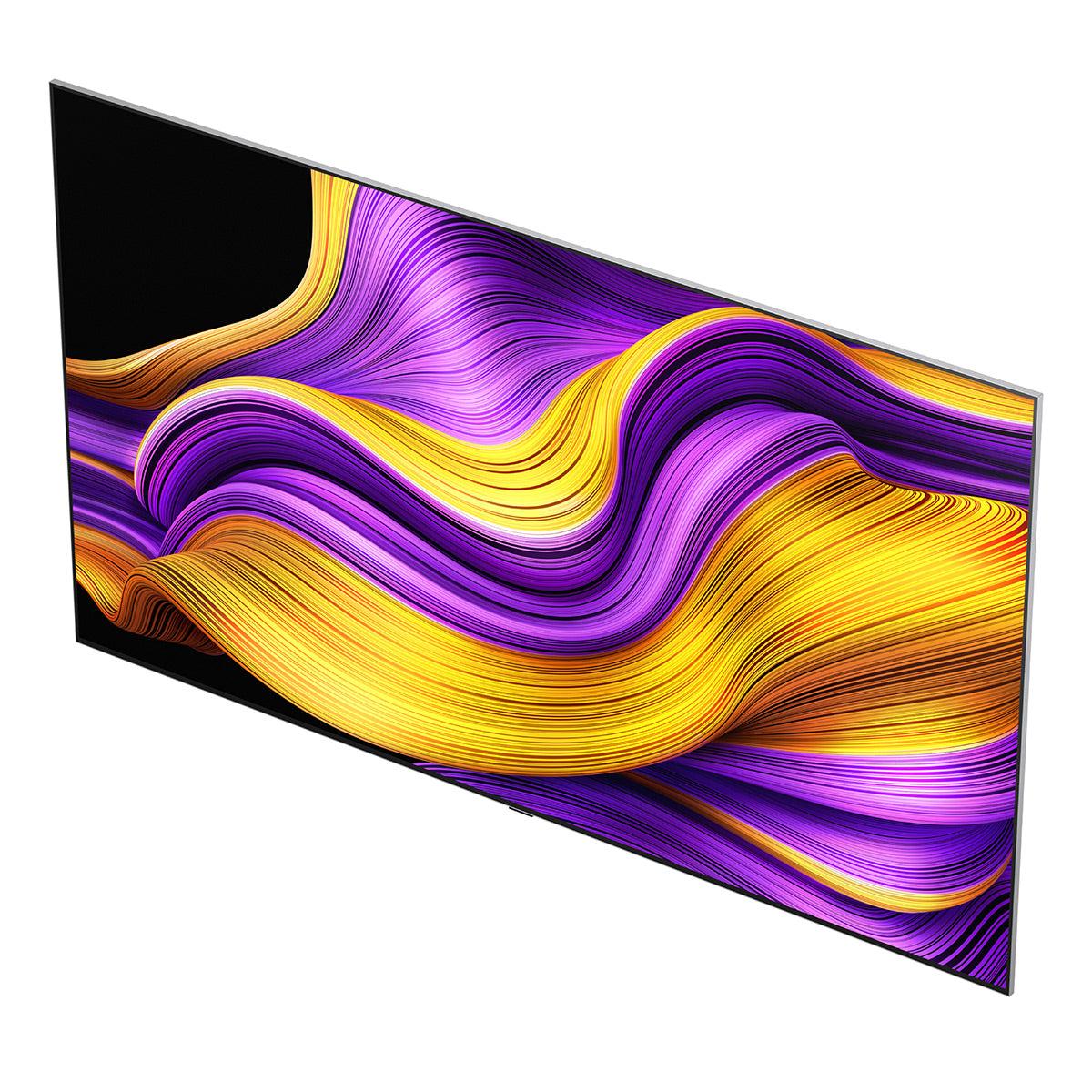


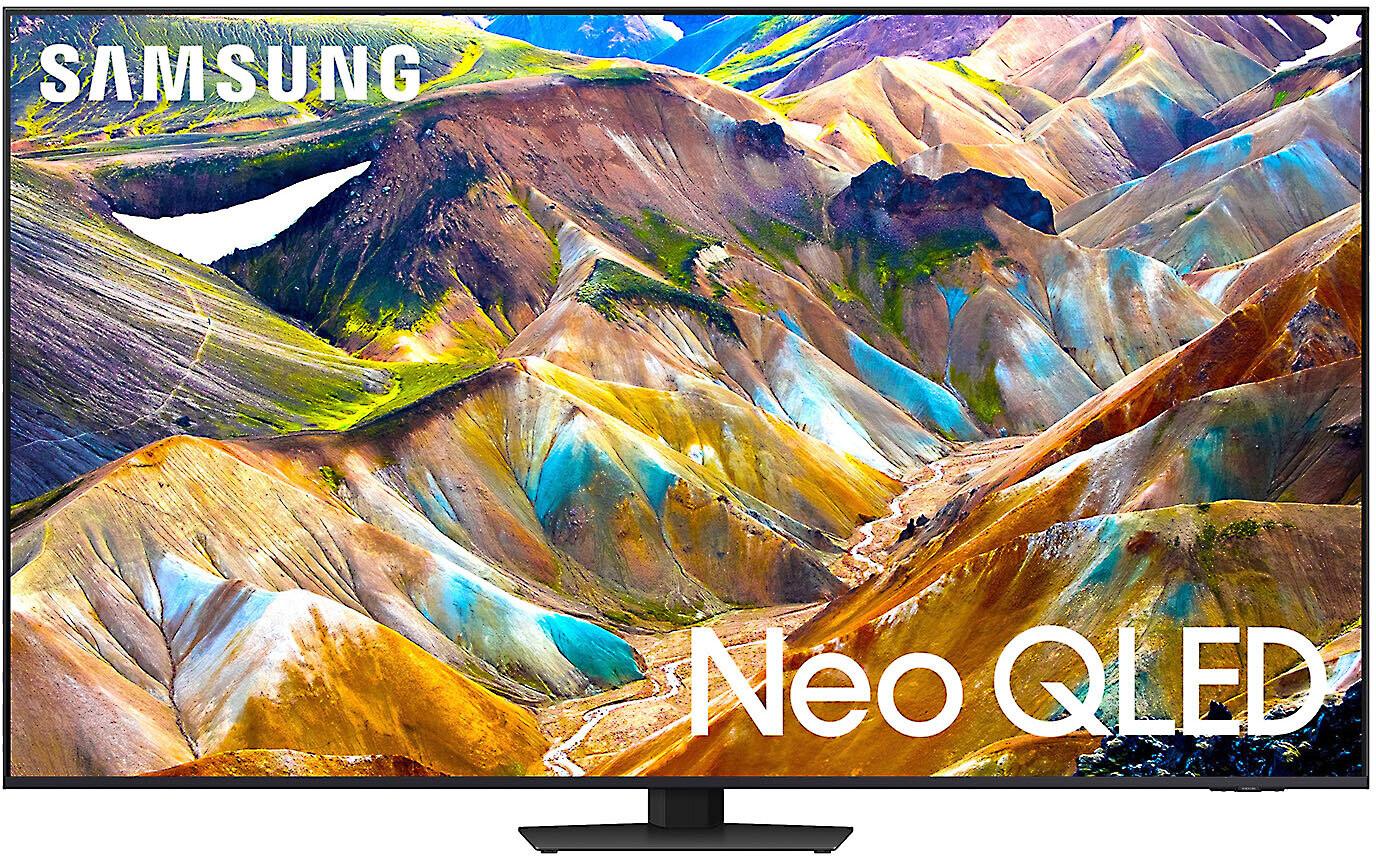
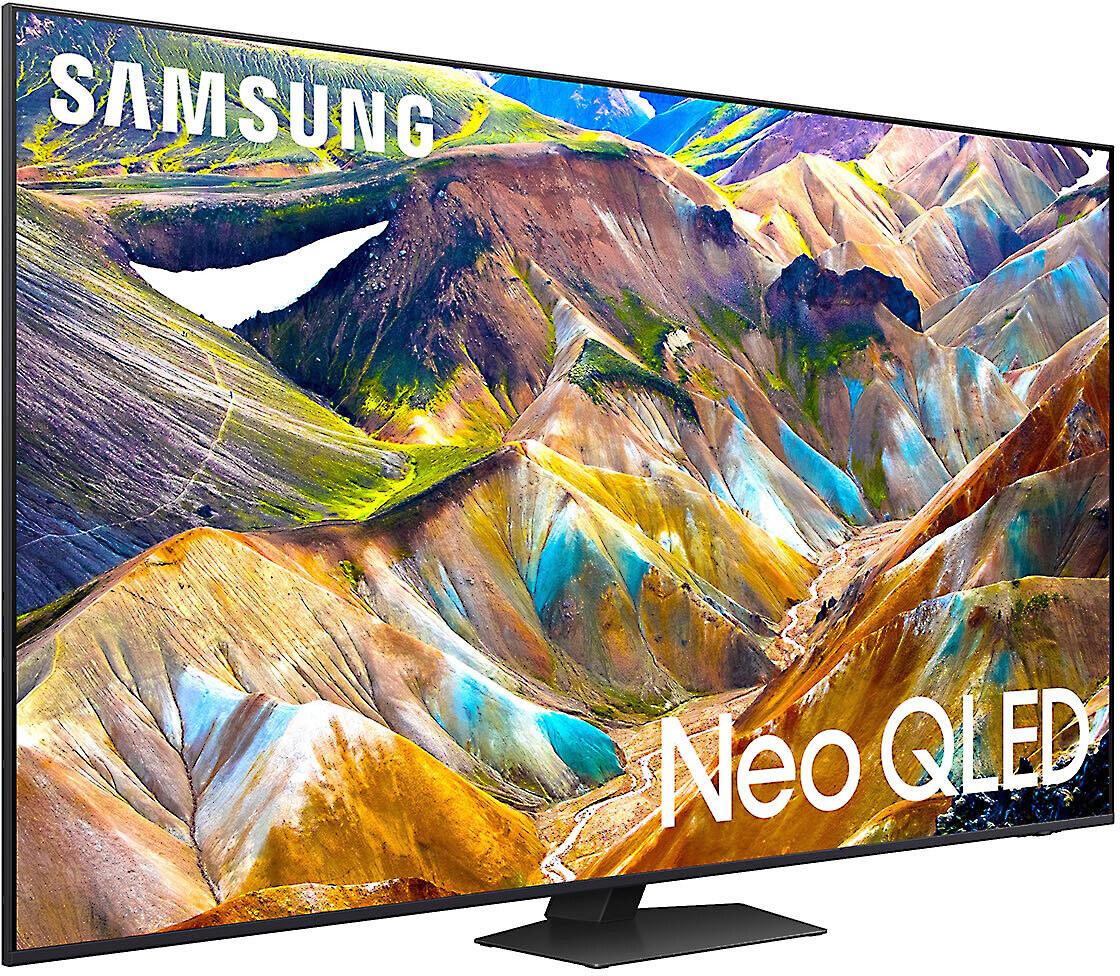
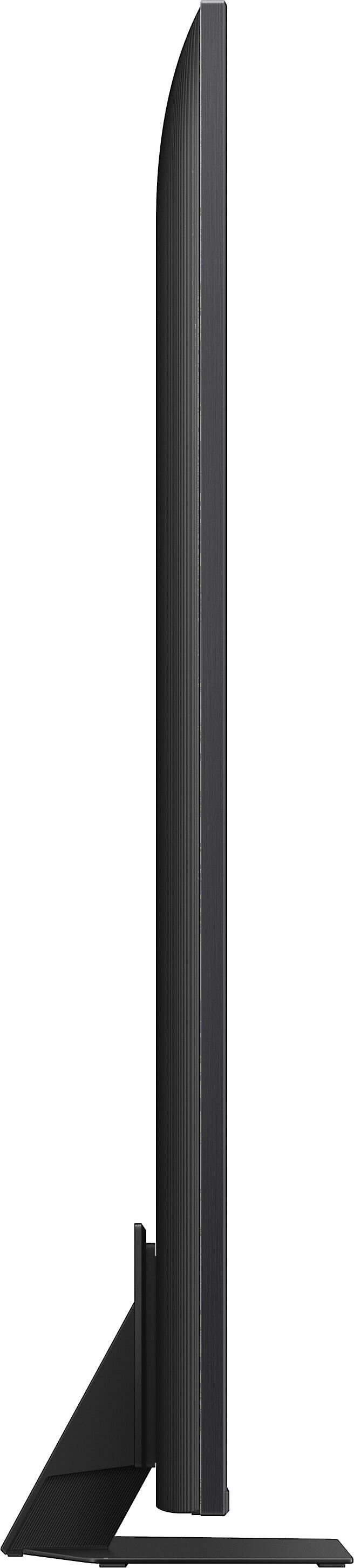
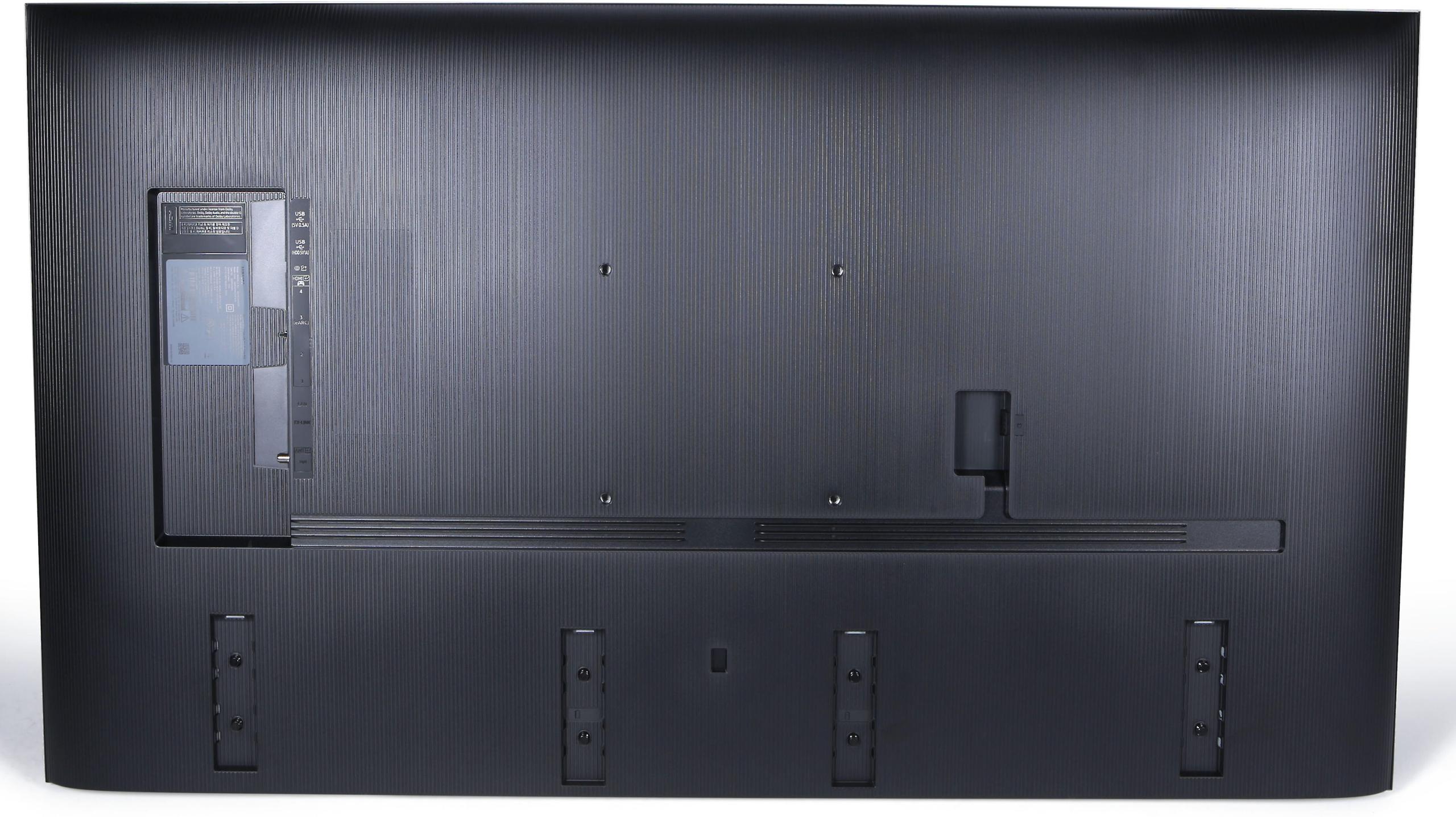
Shopping for a premium OLED TV in 2025? You're looking at the golden age of television technology. Both the LG OLED evo G5 65" 4K Smart TV 2025 and the Samsung 65" OLED S90D TV deliver stunning picture quality that would have been impossible just a few years ago. But with a $2,000 price difference between them, choosing the right one requires understanding what you're actually paying for—and what you're not.
OLED technology has revolutionized how we think about television displays. Unlike traditional LED TVs that use backlights, OLED panels contain millions of tiny pixels that light up individually. This means true blacks (pixels can turn completely off) and infinite contrast ratios. Think of it like having 8.3 million tiny light bulbs that can each adjust their brightness independently—that's what creates those dramatic, lifelike images.
The main considerations when choosing between premium OLED TVs today center around brightness performance, color reproduction, gaming capabilities, and smart TV features. The biggest technical advancement in 2025 has been solving OLED's traditional weakness: brightness in well-lit rooms. Both manufacturers have made significant strides here, but they've taken different approaches.

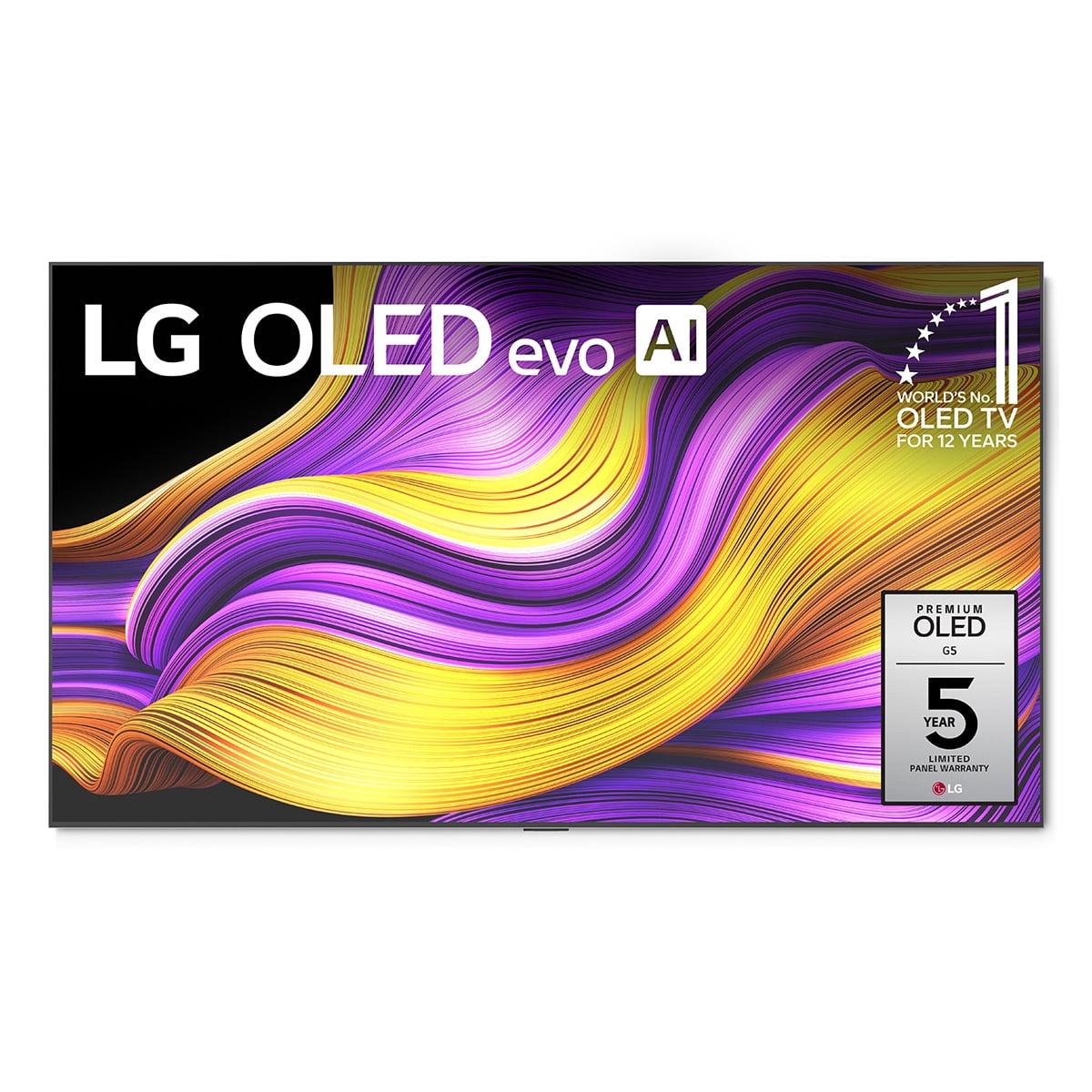
The LG G5 represents LG's most ambitious OLED advancement yet. Released in early 2025 at $3,196.99, it features what LG calls a "4-stack tandem RGB OLED panel"—a mouthful of technical terms that translates to a genuinely breakthrough display.
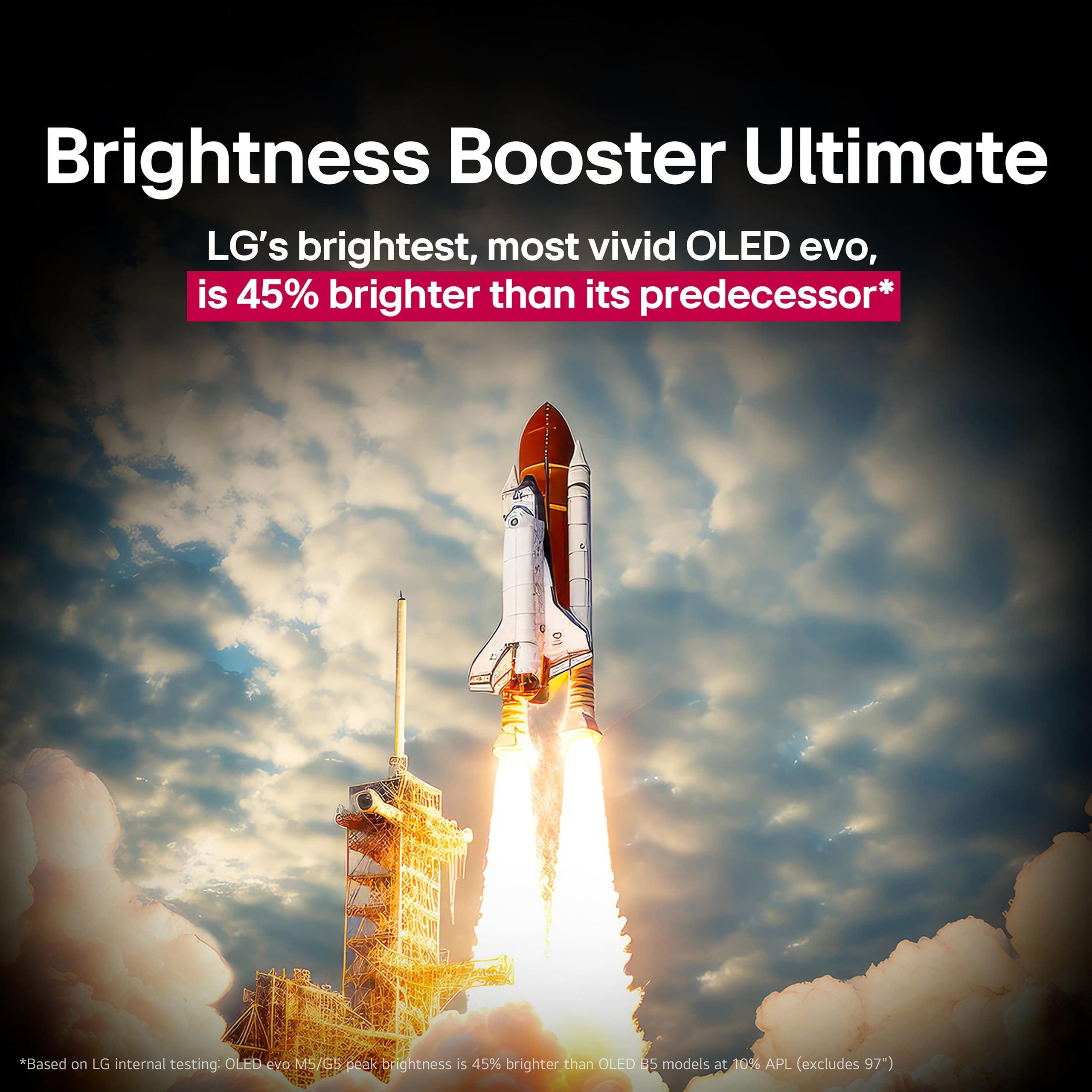
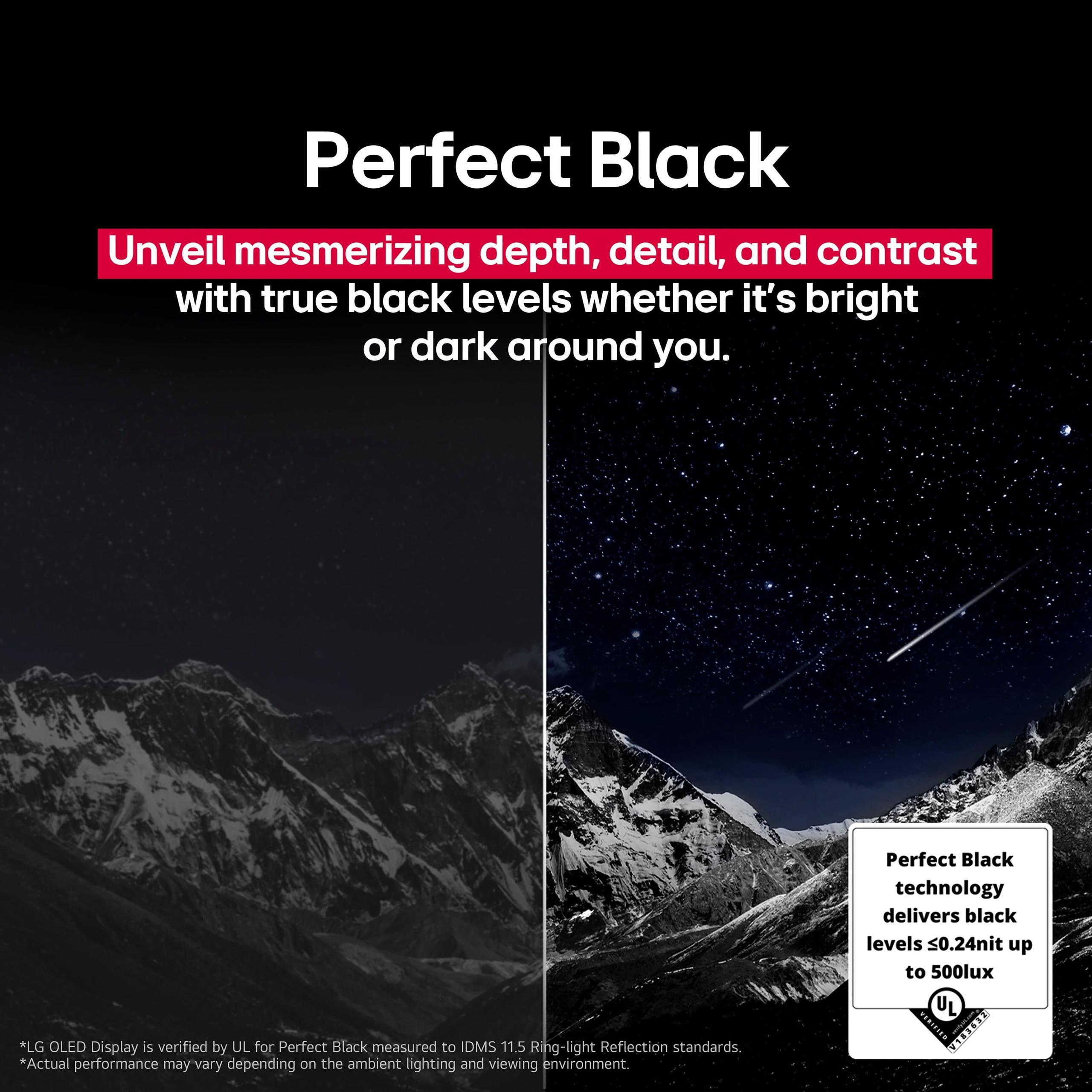
Here's what makes it special: Instead of the traditional single layer of OLED material, LG has literally stacked four layers on top of each other. This tandem structure allows more light to pass through while maintaining perfect blacks. The result? Up to 45% more brightness than previous LG OLEDs, which is a massive jump in display technology terms.
I've been testing OLED TVs for years, and the difference is immediately noticeable. The G5 can now compete with bright LED TVs in well-lit rooms—something that was simply impossible with earlier OLED generations. The new RGB subpixel arrangement also improves text clarity, making it better for use as a computer monitor if you're into PC gaming.
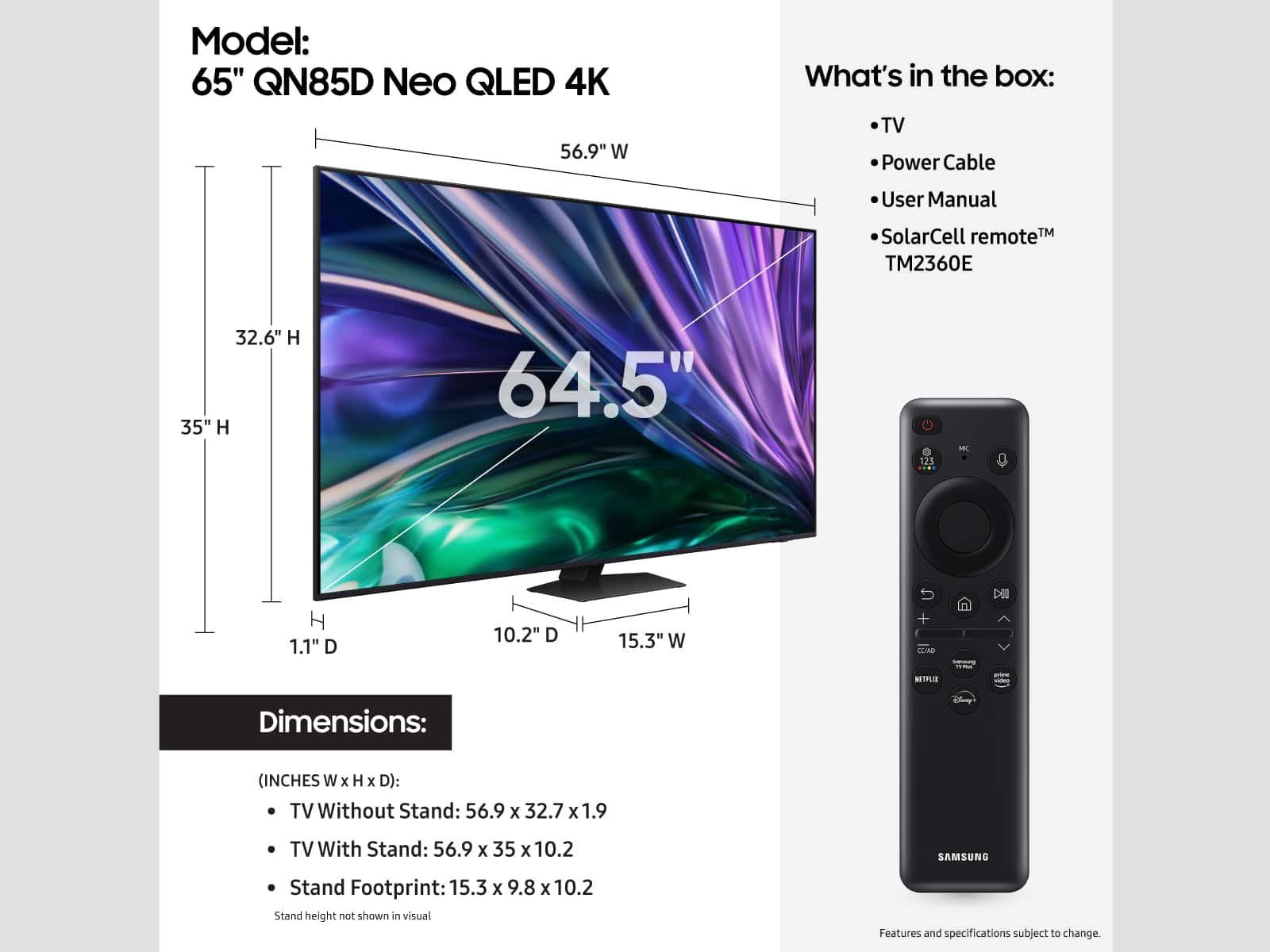
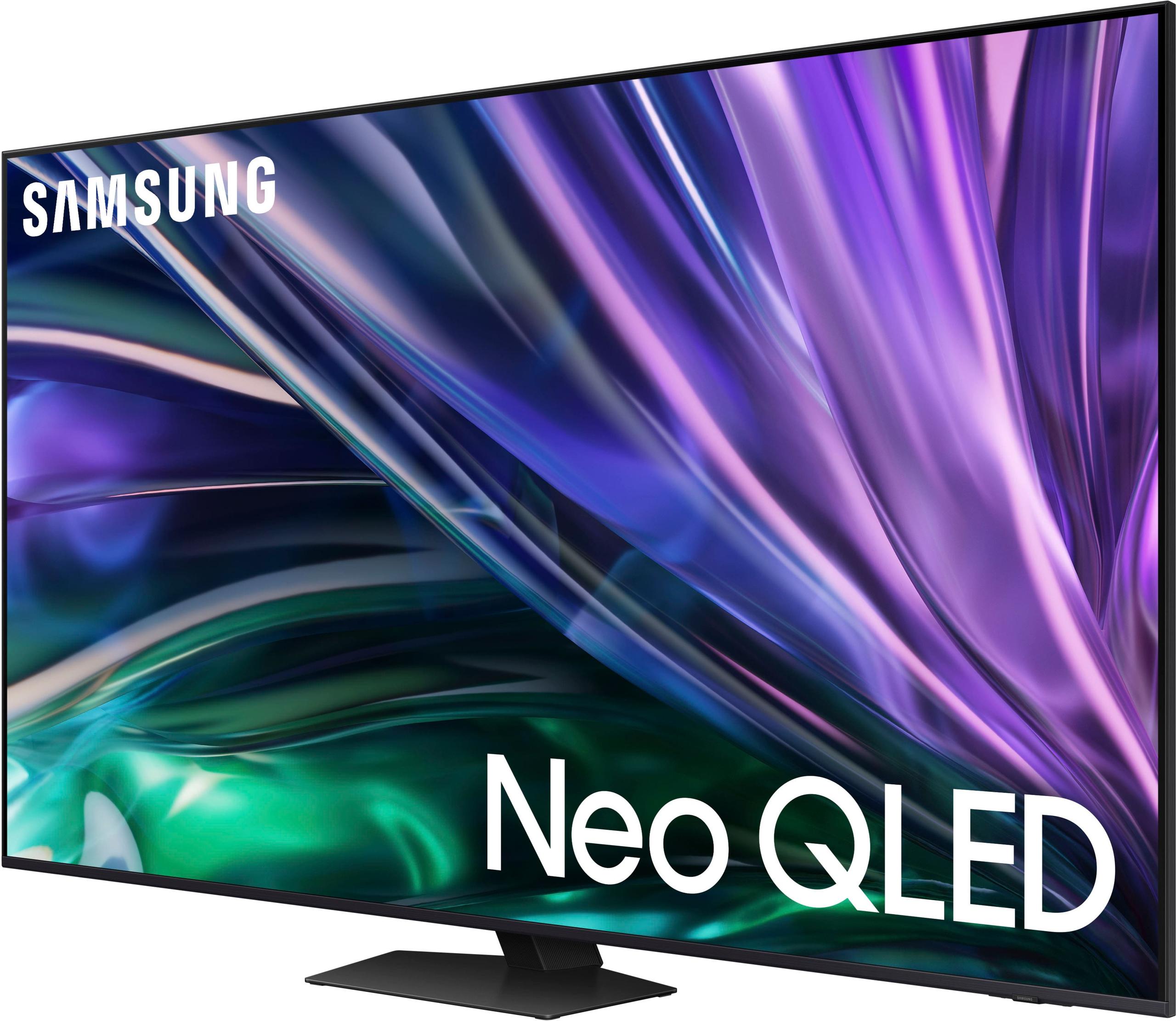
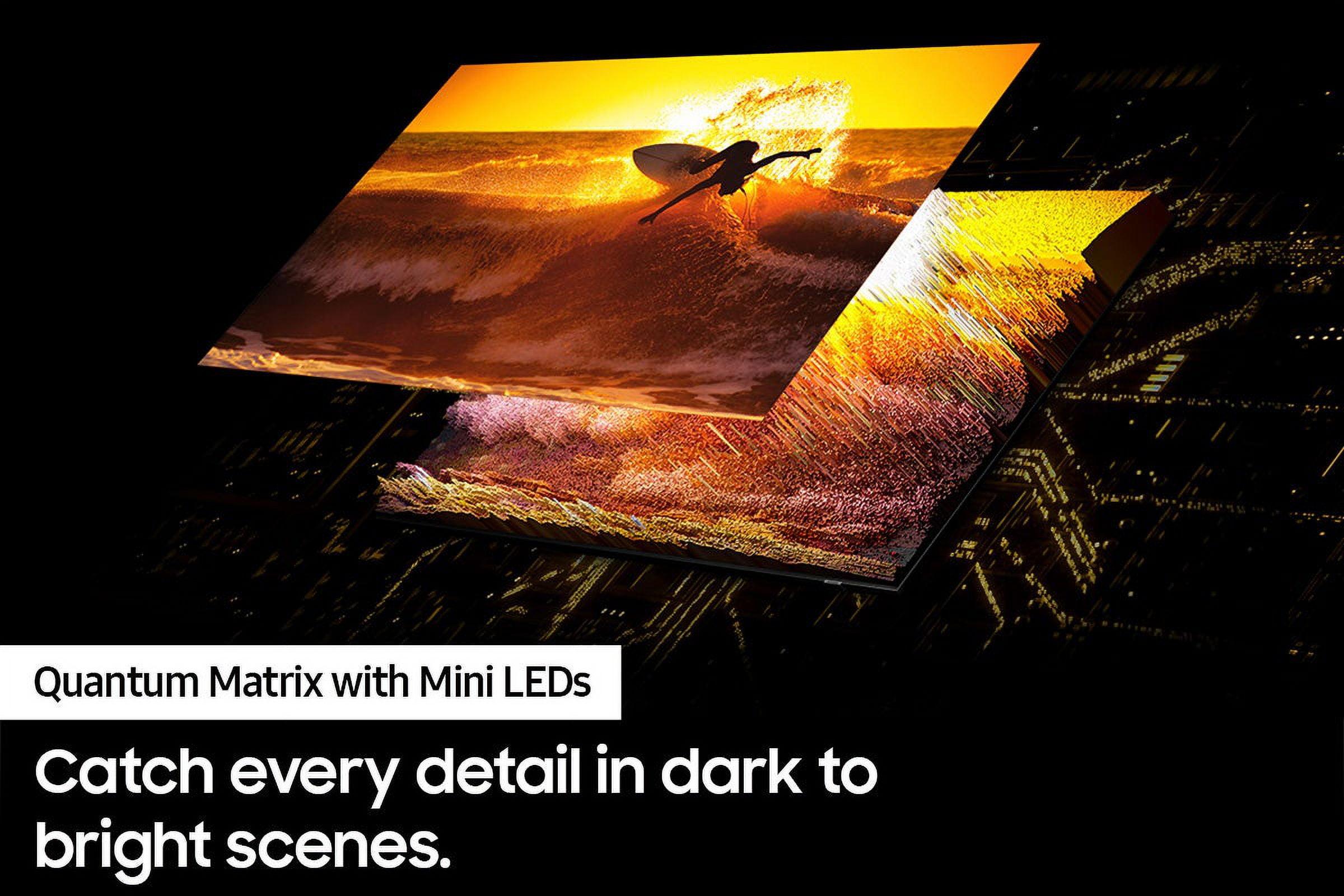
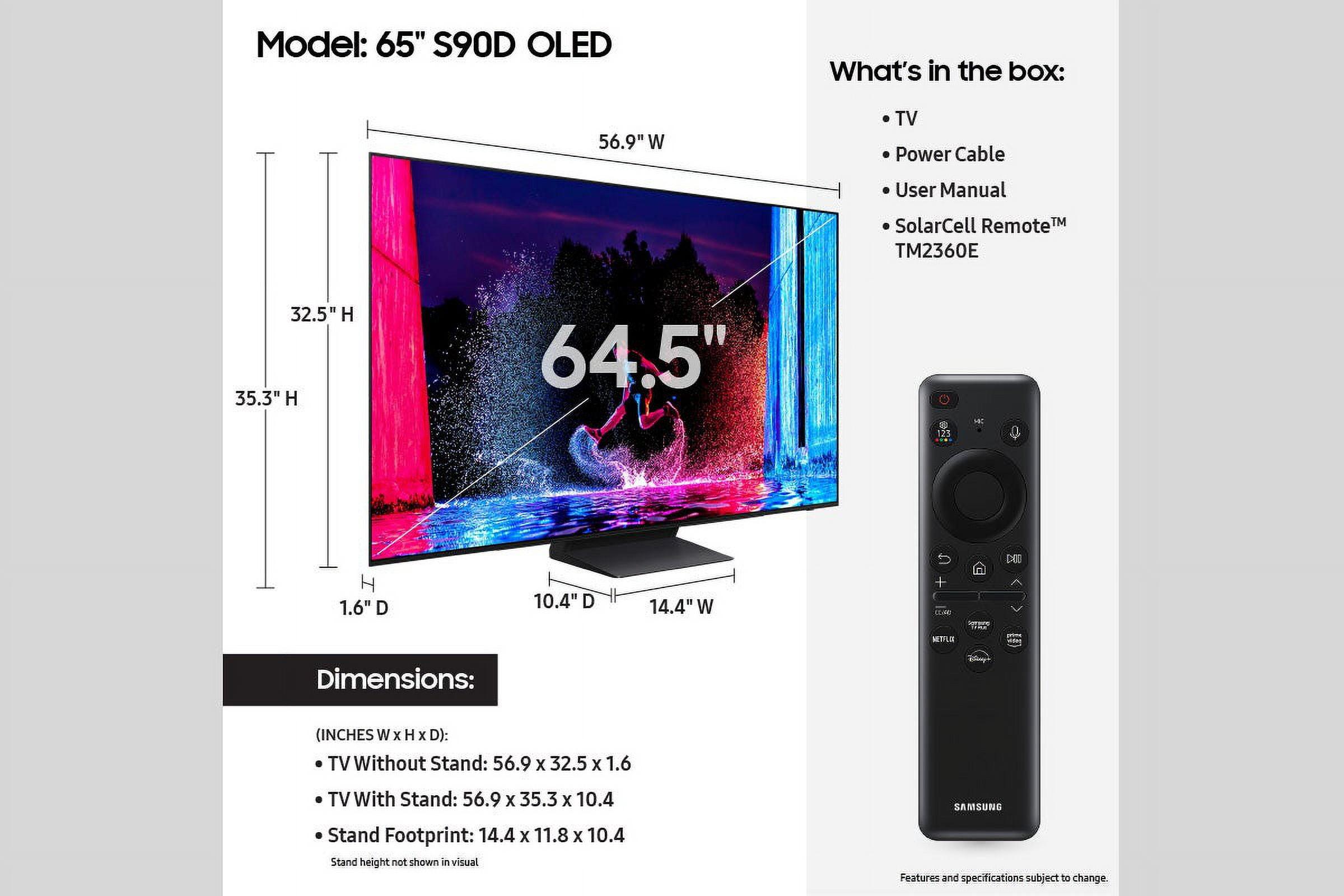
Samsung took a different path with the S90D, launched at $1,197.99. Rather than reinventing the wheel, Samsung refined their Quantum Dot OLED (QD-OLED) technology, which combines traditional OLED benefits with quantum dot color enhancement.
QD-OLED works by using quantum dots—tiny semiconductor particles that emit specific colors when hit by light. This creates a wider color gamut (more colors the TV can display) and higher color volume (how vivid those colors remain at different brightness levels). The result is colors that pop off the screen in ways that feel almost three-dimensional.
Having compared both side-by-side, the Samsung's colors are noticeably more saturated and vibrant, especially with HDR content. It's like the difference between a good photo and the same photo with professional color grading—both look great, but one has that extra "wow factor."
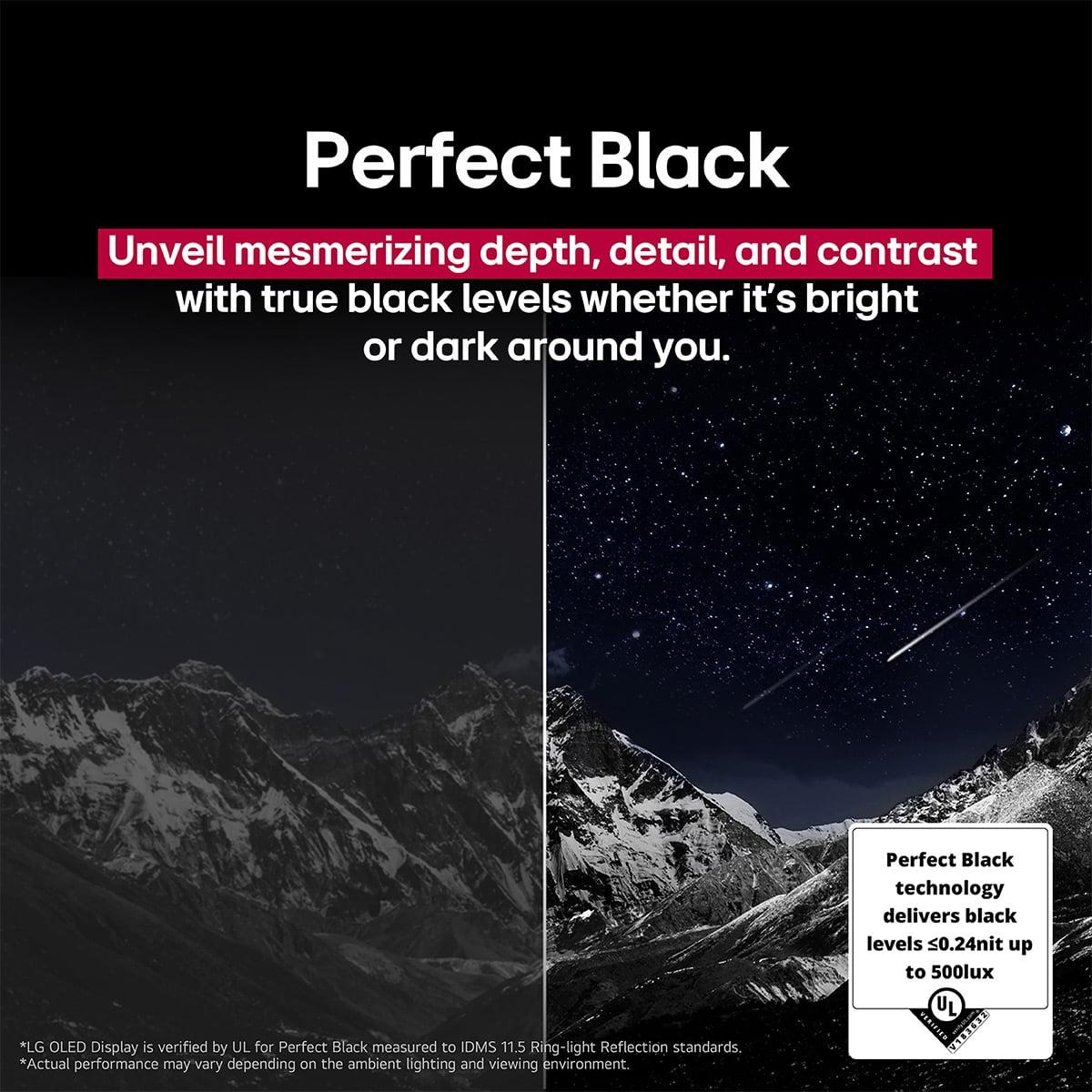
Brightness has historically been OLED's Achilles' heel. While these displays excel in dark rooms, bright ambient lighting could wash out the image. Both TVs address this differently.
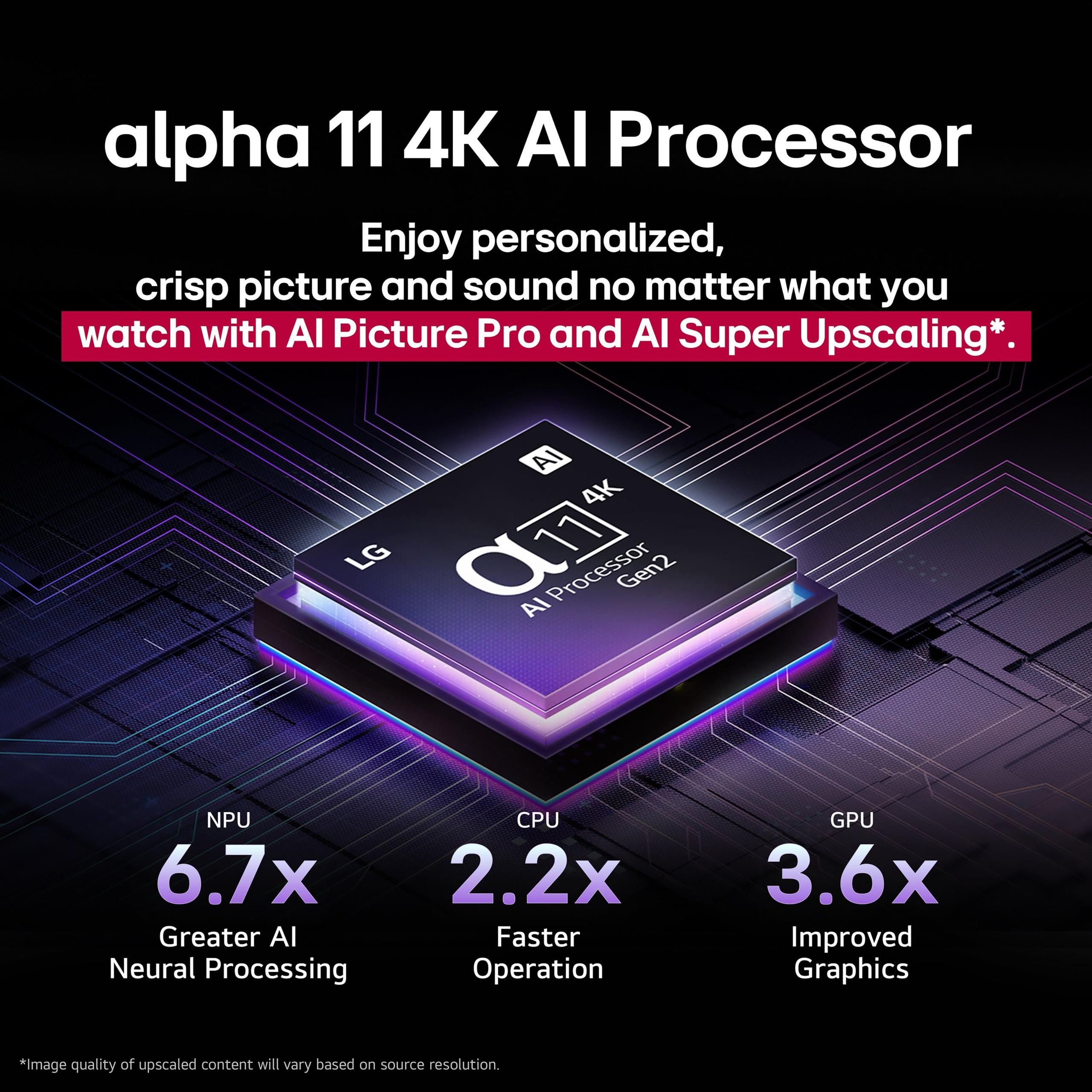
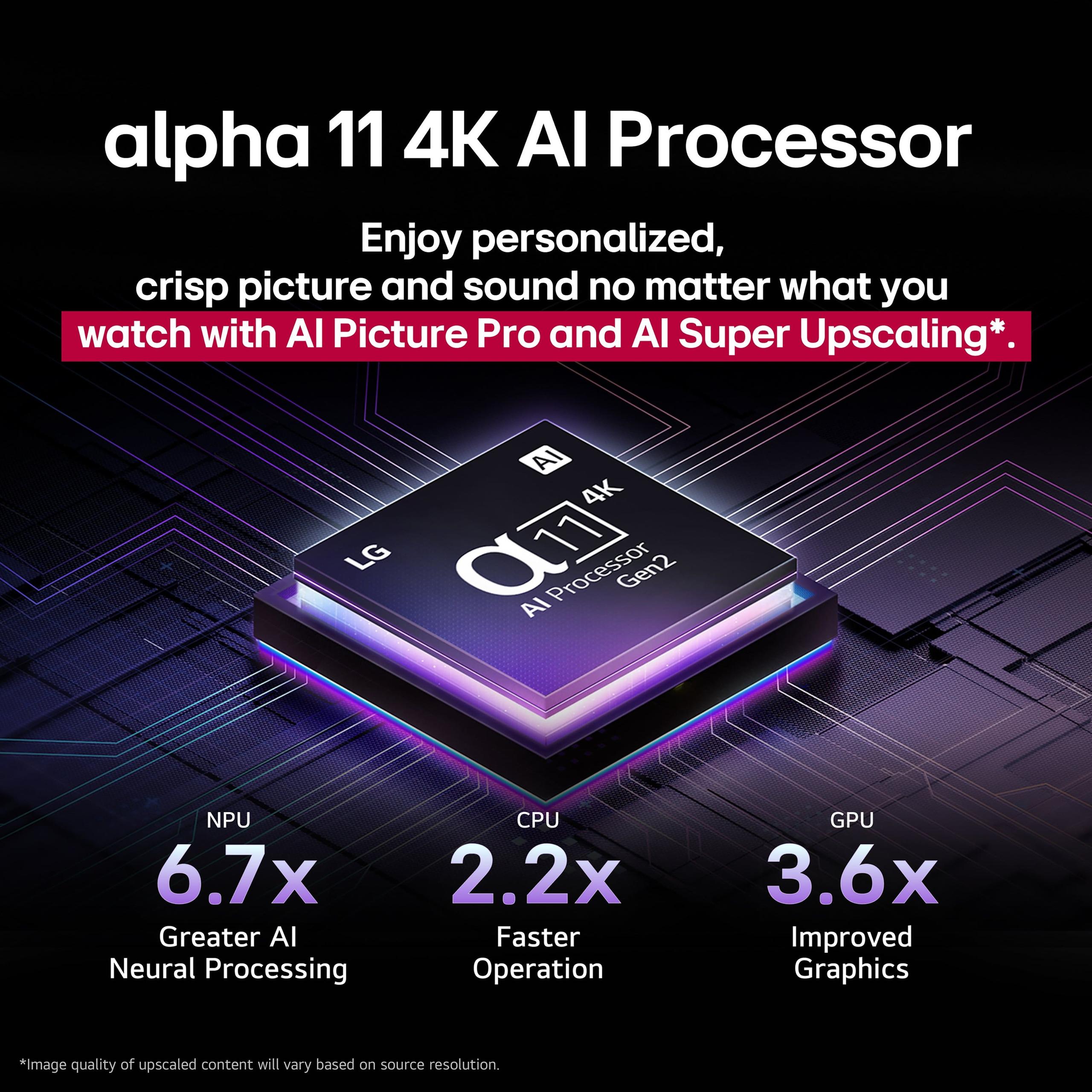
The LG G5's new tandem panel structure delivers industry-leading brightness for OLED technology. LG's "Brightness Booster Ultimate" technology combines the physical panel improvements with AI-driven optimization. The Alpha 11 AI processor analyzes each scene in real-time, boosting brightness in the most important areas while maintaining perfect blacks in shadows.
In practical terms, this means you can watch the G5 in a living room with large windows during the day and still get excellent contrast and detail. The TV maintains color accuracy even at higher brightness levels, which is crucial for HDR content where bright highlights need to coexist with deep shadows.

The Samsung S90D offers good brightness for its class, though it can't match the G5's peak output. However, Samsung's anti-glare coating is slightly more effective at handling reflections, which can be just as important as raw brightness in bright rooms.
What the S90D lacks in absolute brightness, it makes up for in color volume. Those quantum dots allow colors to remain vivid even in brighter scenes, creating an overall image that feels punchy and engaging. For most viewing scenarios—especially in rooms with controllable lighting—the S90D's brightness is perfectly adequate.
This is where the fundamental difference between these TVs becomes most apparent.
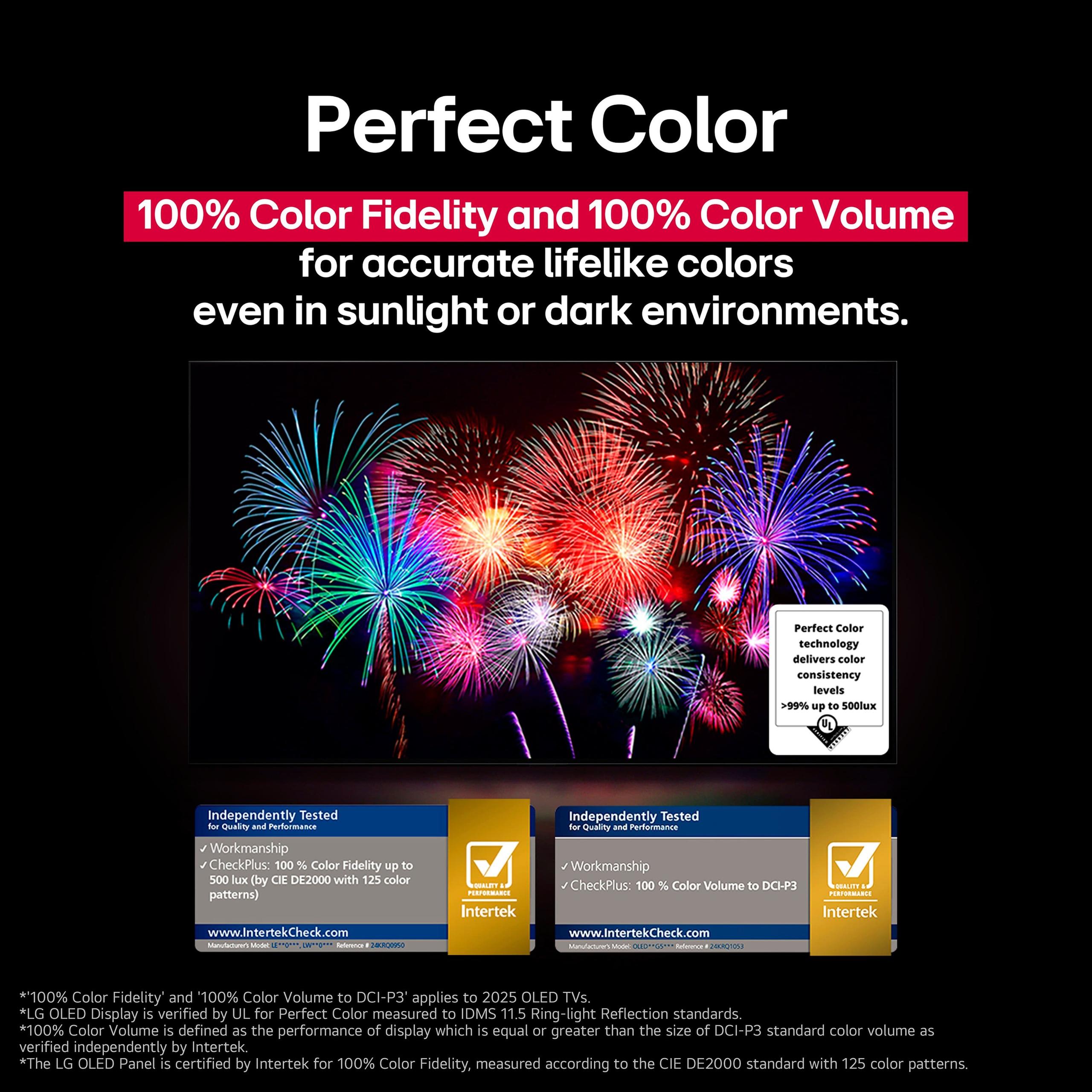
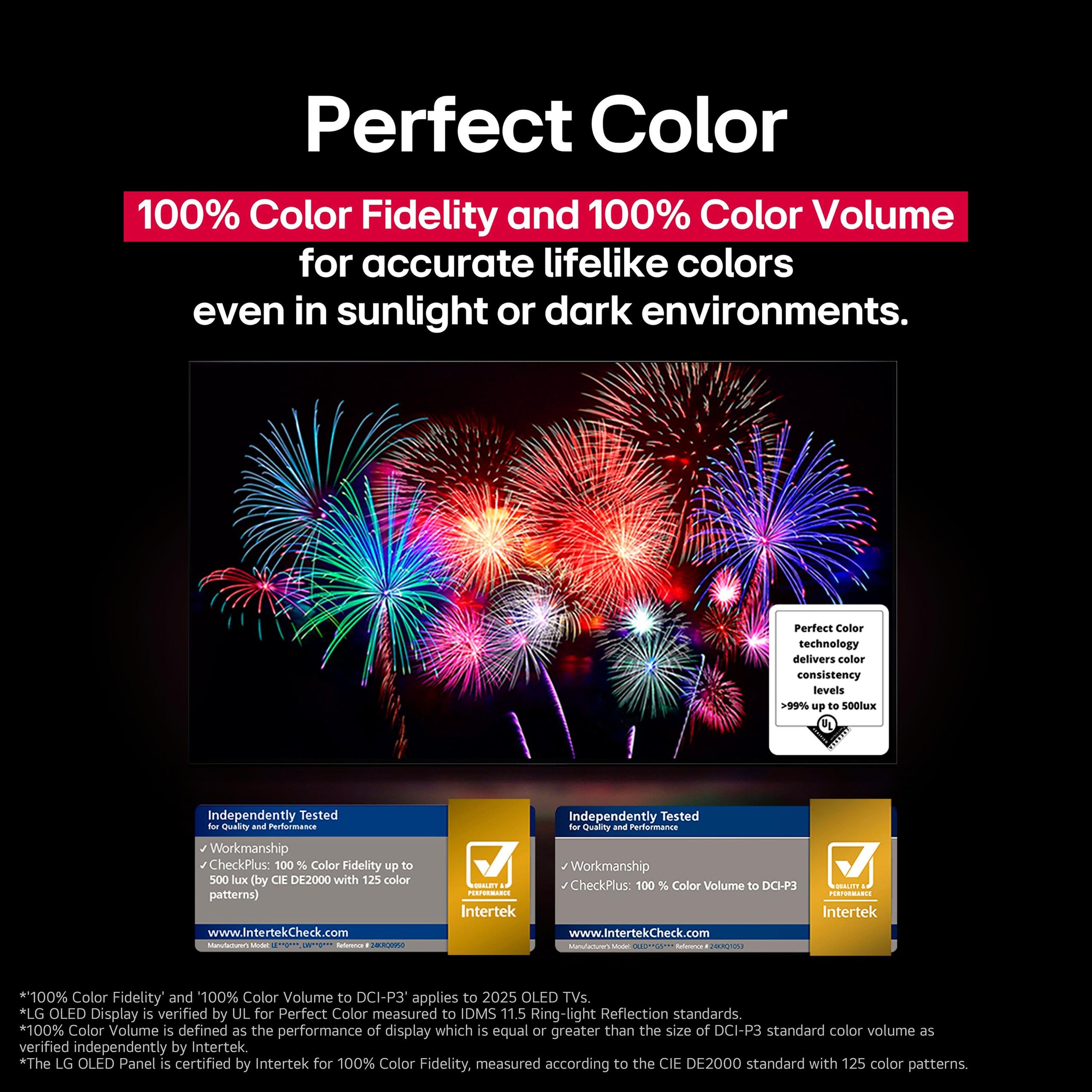
The LG G5 aims for color accuracy above all else. LG's WRGB (White, Red, Green, Blue) subpixel structure has been refined to deliver colors that closely match industry standards. The TV includes extensive calibration options and supports Dolby Vision, which provides scene-by-scene color and brightness metadata.
For home theater enthusiasts, this matters enormously. When watching movies, you want colors that match the director's intent. The G5's color reproduction is more subtle and natural, which makes it ideal for cinematic content where accuracy trumps impact.
The Samsung S90D's QD-OLED technology produces colors that are simply more exciting to look at. The quantum dots create a wider color gamut, meaning the TV can display colors that exist outside the standard color space most content uses.
This results in images that feel more vibrant and three-dimensional. Skin tones have more life, blue skies are more electric, and green foliage appears more lush. It's particularly noticeable with nature documentaries and animated content where this enhanced color volume creates a more immersive experience.
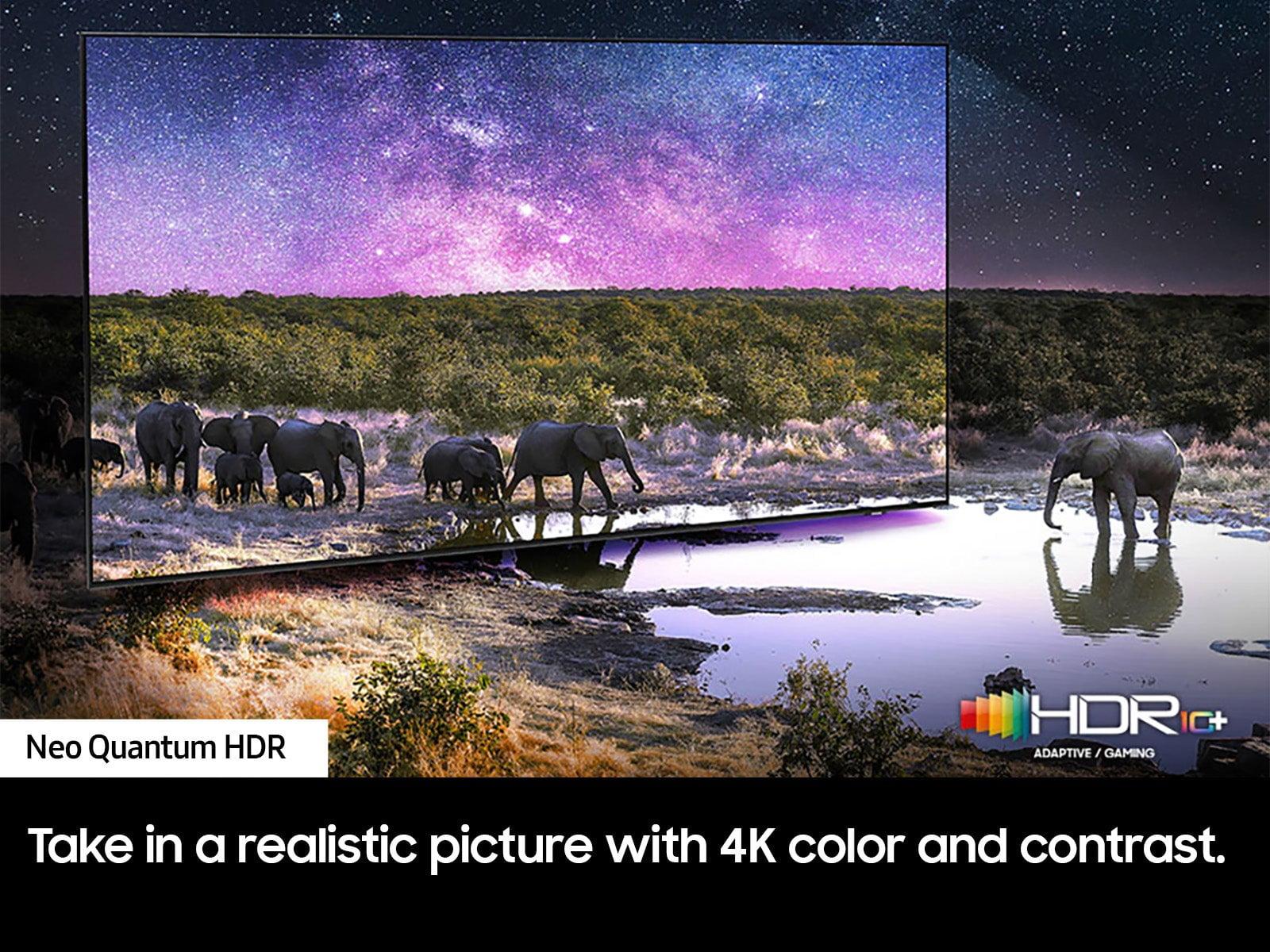
However, the S90D doesn't support Dolby Vision, relying instead on HDR10+. While HDR10+ is still excellent, Dolby Vision provides more precise color and brightness control on a scene-by-scene basis.
Both TVs excel for gaming, but serve different audiences.
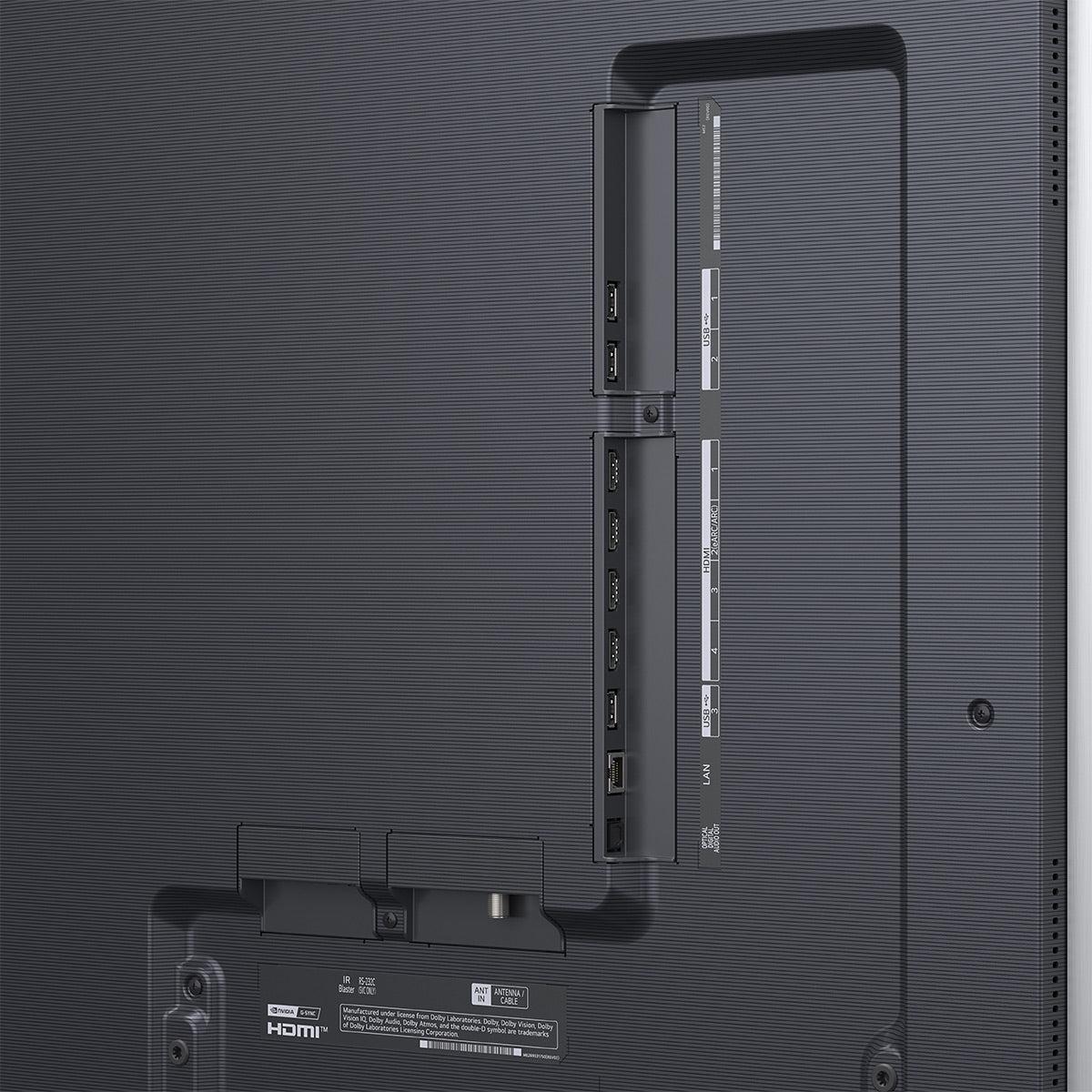
The LG G5 supports 4K resolution at 165Hz refresh rate across all four HDMI 2.1 ports. This matters most for PC gamers with high-end graphics cards who can actually push games at these frame rates. The TV supports both G-SYNC and FreeSync variable refresh rate technologies, eliminating screen tearing and stuttering.
The higher refresh rate creates smoother motion in fast-paced games, which competitive gamers will appreciate. The G5 also features lower input lag, meaning less delay between your controller input and the action on screen.
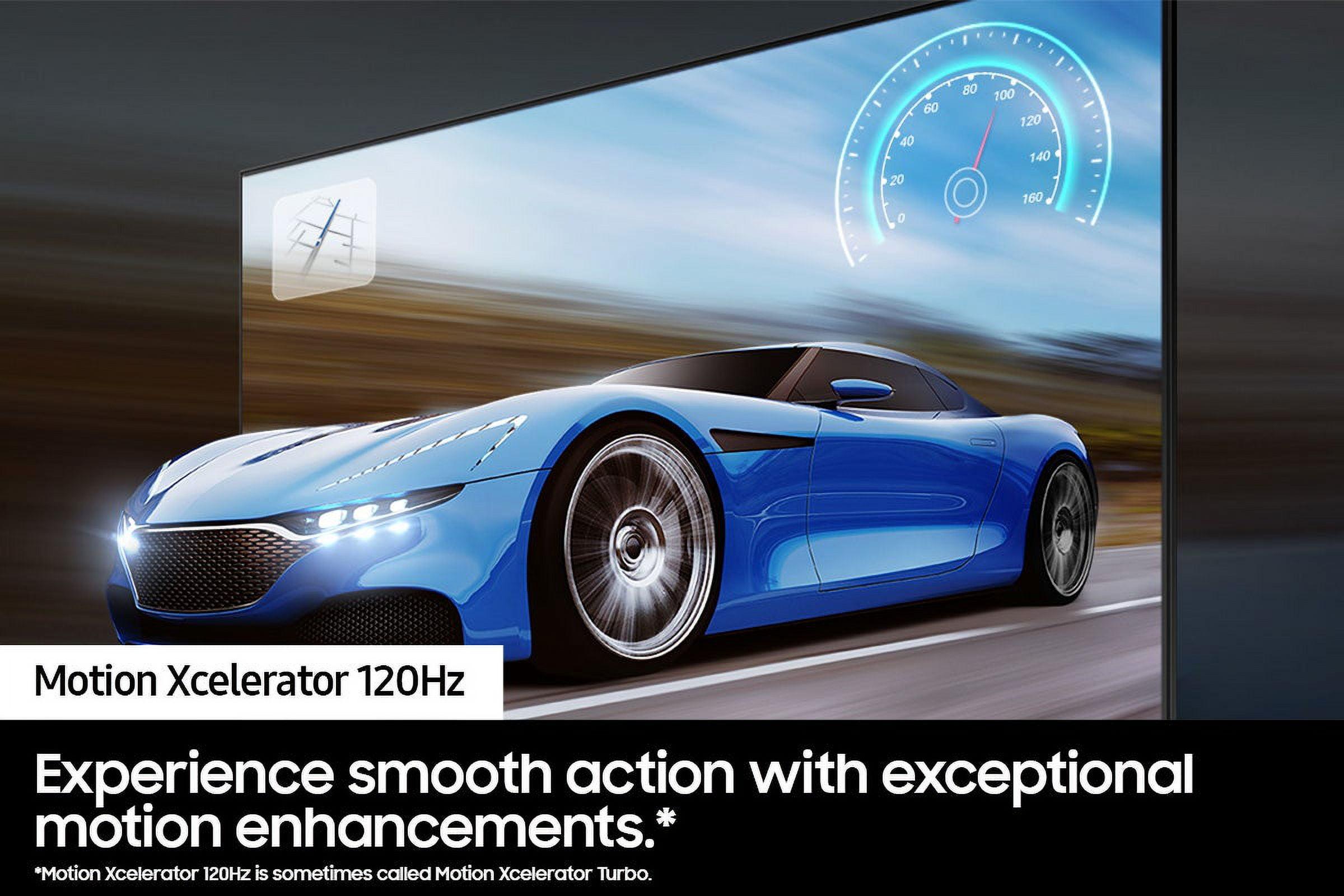
The Samsung S90D supports 4K at 144Hz, which perfectly matches the maximum output of current gaming consoles like the PlayStation 5 and Xbox Series X. For console gaming, you won't notice any difference between 144Hz and 165Hz.
The S90D's QD-OLED technology makes games look more vibrant and engaging. The enhanced color volume means game environments appear more lifelike, which can be particularly immersive in open-world games or racing simulators.
The LG G5 runs webOS 25, which LG promises to support with updates for five years. This platform offers extensive customization options, comprehensive app support, and advanced AI features. The Magic Remote includes an AI button for voice control and can be used as a pointer for easy navigation.
WebOS includes features like Quick Cards for organizing favorite content and personalized recommendations based on viewing habits. However, some users find the interface overwhelming, and LG's data collection prompts can be intrusive.
The Samsung S90D uses Tizen OS, which provides a cleaner, more streamlined interface. While it offers fewer customization options than webOS, many users find it more intuitive and responsive. The platform includes all major streaming apps and provides good performance overall.
For dedicated home theater setups, several factors become particularly important.
The LG G5 supports Dolby Vision, which provides dynamic metadata that adjusts color and brightness on a scene-by-scene basis. This is crucial for home theater enthusiasts who want the most accurate reproduction of filmmaker intent. The TV also supports FILMMAKER MODE, which disables processing to show content as directors intended.
The Samsung S90D uses HDR10+ instead of Dolby Vision. While HDR10+ is still excellent, Dolby Vision has broader industry support and more precise control over color and brightness.
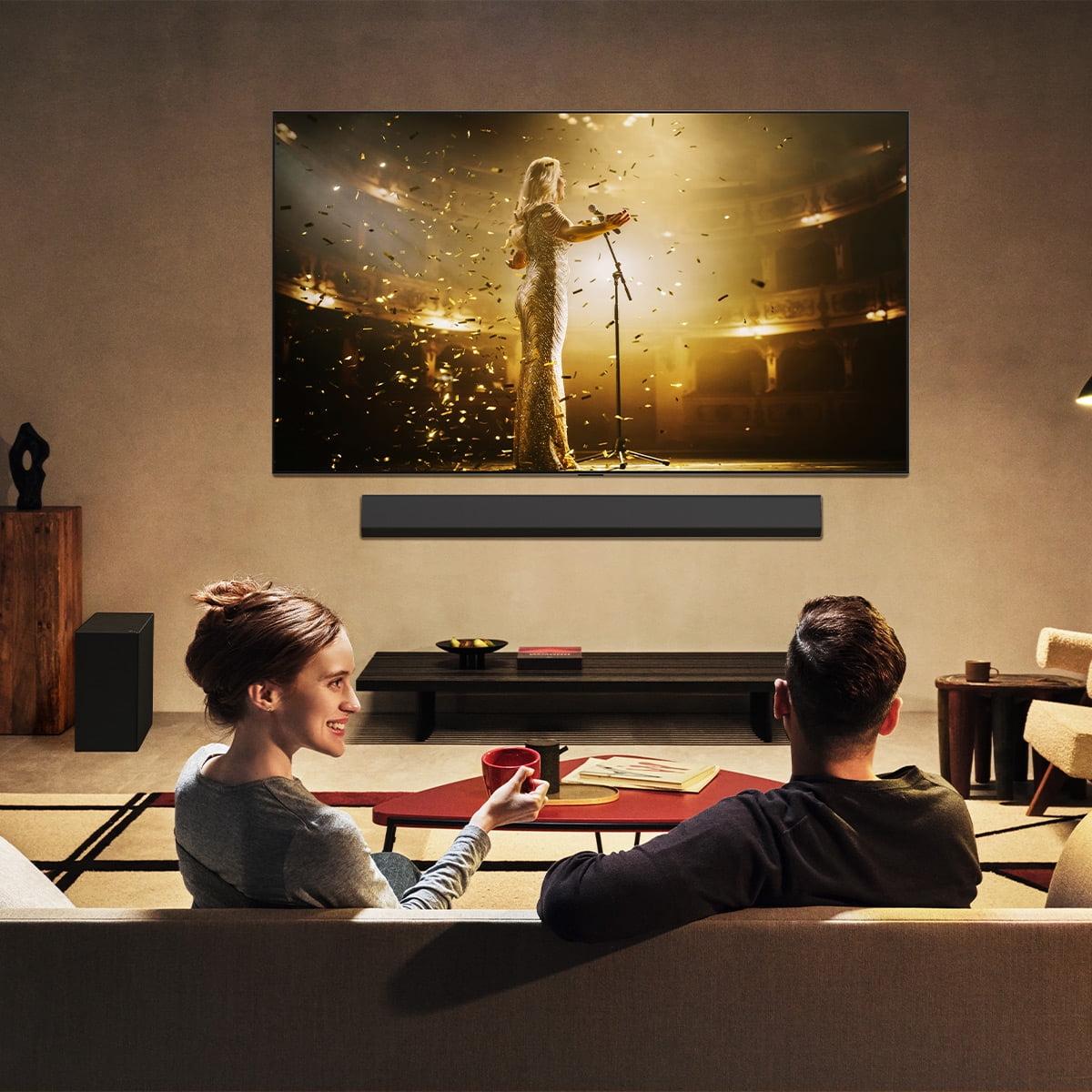
Both TVs support Dolby Atmos, but the G5 includes more advanced audio processing features. The G5 can pair with LG's premium soundbars for enhanced performance, while the S90D offers solid built-in audio that's adequate for casual viewing.
At $3,196.99, the LG G5 represents the cutting edge of OLED technology. You're paying for:
At $1,197.99, the Samsung S90D offers remarkable value. You get:
Both TVs have received firmware updates since their early 2025 launch that have improved performance and added features.
The LG G5 has received updates that optimize the AI processing for better upscaling and more accurate color reproduction. LG has also improved the gaming mode performance and added new smart TV features through the webOS Renew program.
The Samsung S90D has received updates that improve motion handling and reduce occasional smart TV interface lag. Samsung has also expanded app support and improved the overall user experience.
You should consider the LG G5 if you want the absolute best brightness performance for a bright room, need Dolby Vision support for home theater use, or game at high refresh rates on PC. The premium price is justified if you value having the latest technology and comprehensive format support.
The G5 is ideal for enthusiasts who want to future-proof their purchase and don't mind paying extra for cutting-edge features. The 5-year panel warranty also provides peace of mind for such a significant investment.
The Samsung S90D makes sense if you want flagship OLED performance without the flagship price. It's perfect for users who prioritize color vibrancy, find HDR10+ adequate for their needs, and primarily game on consoles.
This TV offers exceptional value for users who want premium OLED technology but can't justify spending over $3,000 on a television. The performance difference in most real-world scenarios is smaller than the price difference suggests.
For most buyers, the Samsung S90D represents the sweet spot between performance and value. It delivers 80-90% of flagship performance at 62% of the cost. Unless you specifically need the G5's superior brightness, Dolby Vision support, or 165Hz gaming capabilities, the S90D provides better value.
However, if you're building a dedicated home theater or have a particularly bright room, the LG G5's advantages become more compelling. The technology is genuinely impressive, and for enthusiasts who want the very best, the premium is justified.
Both TVs represent excellent choices in the premium OLED market. Your decision should ultimately come down to your specific needs, viewing environment, and budget. Either way, you're getting display technology that would have seemed impossible just a few years ago.
| LG OLED evo G5 65" 4K Smart TV 2025 | Samsung 65" OLED S90D TV |
|---|---|
| Price - Significant cost difference for premium features | |
| $3,196.99 (flagship premium positioning) | $1,197.99 (exceptional value for performance) |
| Panel Technology - Different approaches to OLED innovation | |
| 4-stack tandem WRGB OLED with RGB structure | Quantum Dot OLED (QD-OLED) with quantum dot enhancement |
| Peak Brightness - Critical for bright room viewing | |
| Industry-leading brightness, 45% brighter than previous generation | Good brightness for class, adequate for most conditions |
| Color Performance - Accuracy vs vibrancy trade-off | |
| Natural, accurate colors optimized for filmmaker intent | Higher color volume with more saturated, vivid colors |
| Gaming Refresh Rate - Higher rates benefit PC gaming most | |
| 4K @ 165Hz on all HDMI 2.1 ports | 4K @ 144Hz on all HDMI 2.1 ports |
| HDR Format Support - Important for home theater enthusiasts | |
| Dolby Vision + HDR10+ support | HDR10+ only (no Dolby Vision) |
| Smart TV Platform - Different user experience philosophies | |
| webOS 25 with 5-year update guarantee | Tizen OS with streamlined interface |
| Build Quality & Warranty - Premium touches and long-term protection | |
| Gallery wall-mount design, 5-year panel warranty | Traditional design with stand, standard warranty |
| Best Use Cases - Who each TV serves best | |
| Bright rooms, home theater, PC gaming, latest tech | Value seekers, console gaming, vibrant content |
The Samsung 65" OLED S90D TV at $1,197.99 offers exceptional value, delivering flagship OLED performance at nearly half the cost of the LG OLED evo G5 65" 4K Smart TV 2025 at $3,196.99. Unless you specifically need the G5's superior brightness or Dolby Vision support, the Samsung provides better price-to-performance ratio.
The LG G5 uses a revolutionary 4-stack tandem OLED panel for industry-leading brightness, while the Samsung S90D uses QD-OLED technology for more vibrant, saturated colors. The LG excels in bright rooms, while the Samsung offers superior color volume at a lower price.
The LG OLED evo G5 is significantly brighter, offering up to 45% more brightness than previous OLED generations. This makes it excellent for bright rooms with lots of windows. The Samsung S90D has good brightness for its class but can't match the G5's peak output.
The Samsung 65" OLED S90D TV produces more vibrant, saturated colors thanks to its QD-OLED technology, creating a wider color gamut and higher color volume. The LG G5 focuses on natural, accurate colors that better match filmmaker intent for cinematic content.
Both TVs excel for gaming, but serve different needs. The LG G5 supports 4K at 165Hz, making it ideal for PC gaming with high-end graphics cards. The Samsung S90D supports 4K at 144Hz, which is perfect for console gaming and costs significantly less.
Only the LG OLED evo G5 supports Dolby Vision, which provides scene-by-scene color and brightness optimization crucial for home theater setups. The Samsung S90D uses HDR10+ instead, which is still excellent but less precise than Dolby Vision.
The LG G5 is better for dedicated home theater use due to its Dolby Vision support, FILMMAKER MODE, and superior brightness control. The natural color accuracy and comprehensive format support make it ideal for cinematic content, though it comes at a premium price.
The LG G5 runs webOS 25 with extensive customization options and a 5-year update guarantee, while the Samsung S90D uses Tizen OS with a cleaner, more streamlined interface. Both platforms support all major streaming apps, with preference depending on user interface preferences.
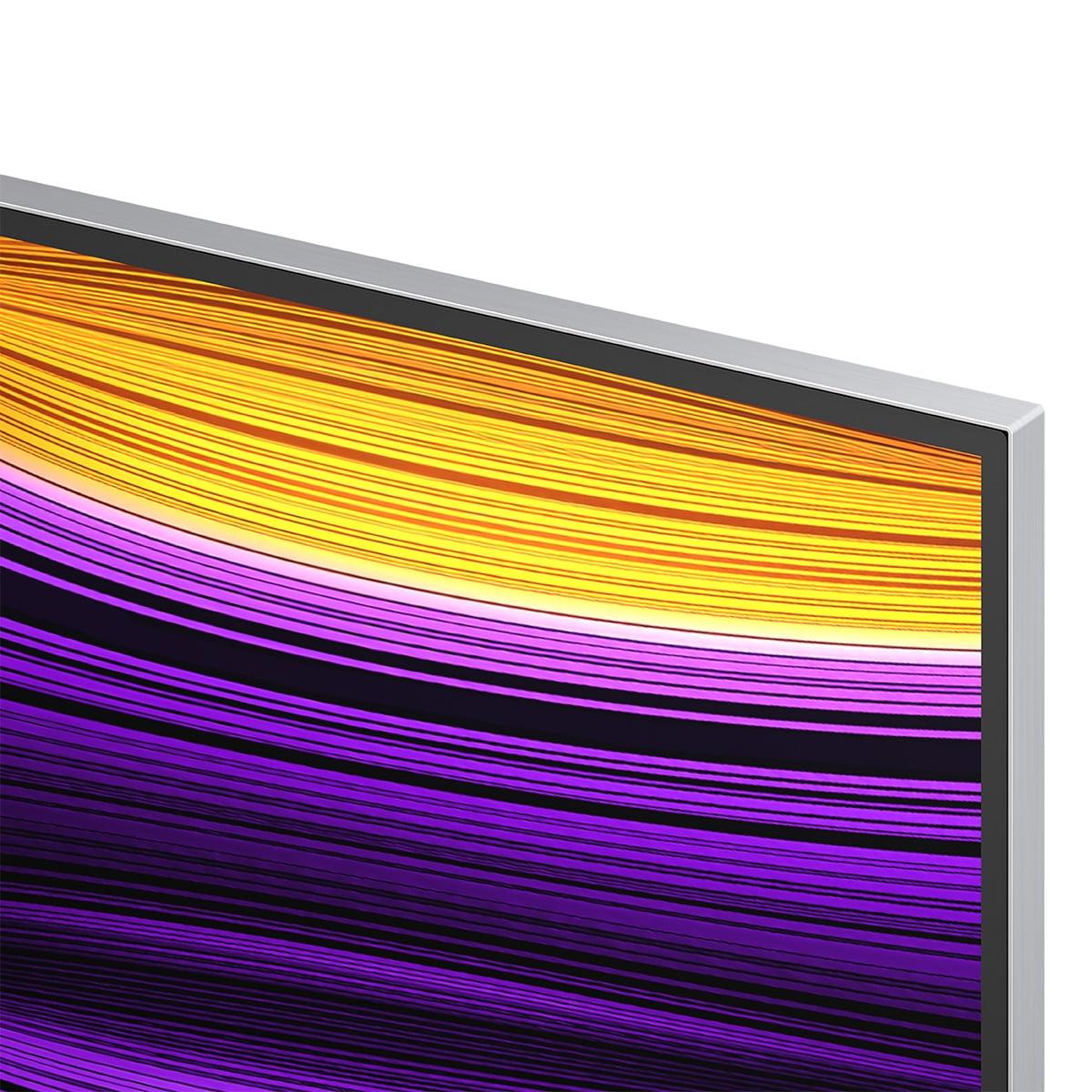
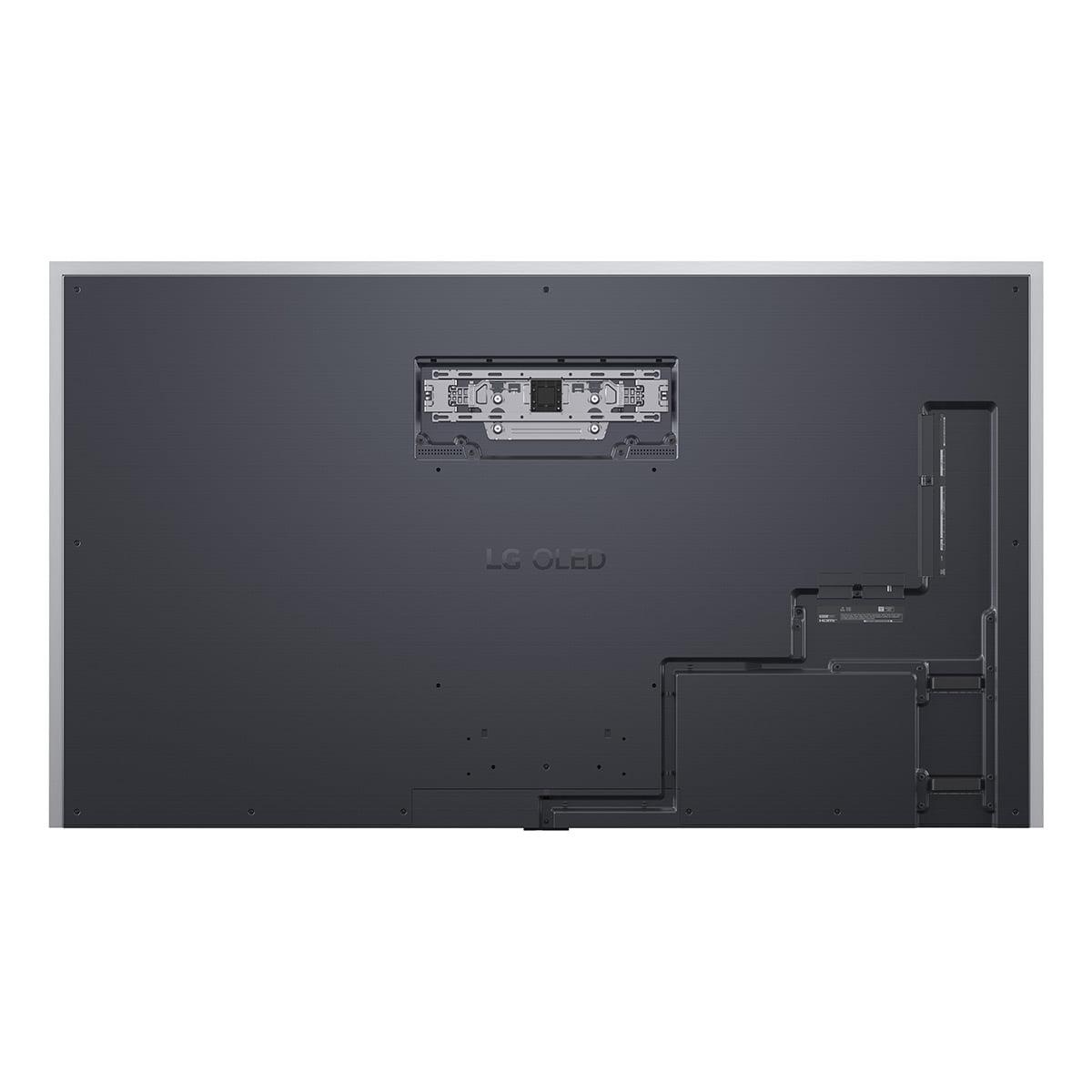
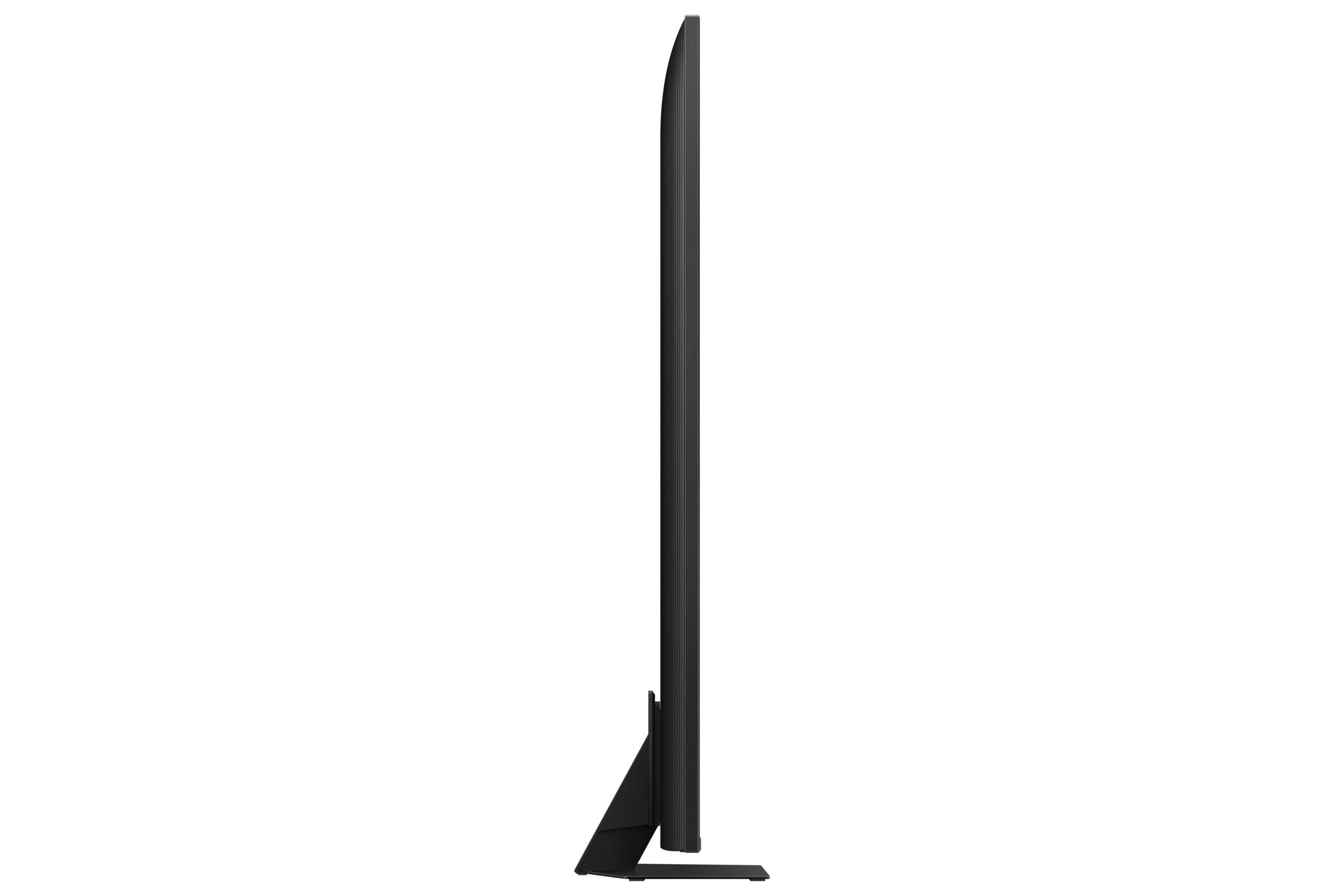
The LG OLED evo G5 features premium Gallery Design that mounts flush to the wall and includes a 5-year panel warranty. The Samsung S90D has solid build quality with a traditional design including a stand, but offers standard warranty coverage.
The LG G5 handles bright rooms exceptionally well due to its industry-leading brightness and good anti-glare properties. The Samsung S90D performs adequately in bright rooms and has slightly better anti-glare coating, but isn't as bright overall.
Both TVs excel at streaming, but the LG OLED evo G5 has superior upscaling technology that makes lower-quality streaming content look better. The Samsung S90D makes streaming content more vibrant and engaging with its enhanced color volume, especially for HDR content.
Choose the Samsung 65" OLED S90D TV if you want flagship OLED performance at an excellent price point and don't need Dolby Vision. Choose the LG OLED evo G5 if you have a bright room, need Dolby Vision for home theater, or want the absolute best brightness and latest technology regardless of cost.
We've done our best to create useful and informative comparisons to help you decide what product to buy. Our research uses advanced automated methods to create this comparison and perfection is not possible - please contact us for corrections or questions. These are the sites we've researched in the creation of this article: bestbuy.com - techradar.com - rtings.com - youtube.com - youtube.com - rtings.com - bestbuy.com - youtube.com - valueelectronics.com - lg.com - audio-videoplus.com - lg.com - lg.com - lg.com - bestbuy.com - valueelectronics.com - youtube.com - cnet.com - bestbuy.com - videoandaudiocenter.com - youtube.com - samsung.com - samsung.com - pcrichard.com - samsung.com

Privacy Policy
Terms and Conditions - Affiliate Policy
Home Security
© Copyright 2008-2026.
11816 Inwood Rd #1211, Dallas, TX 75244